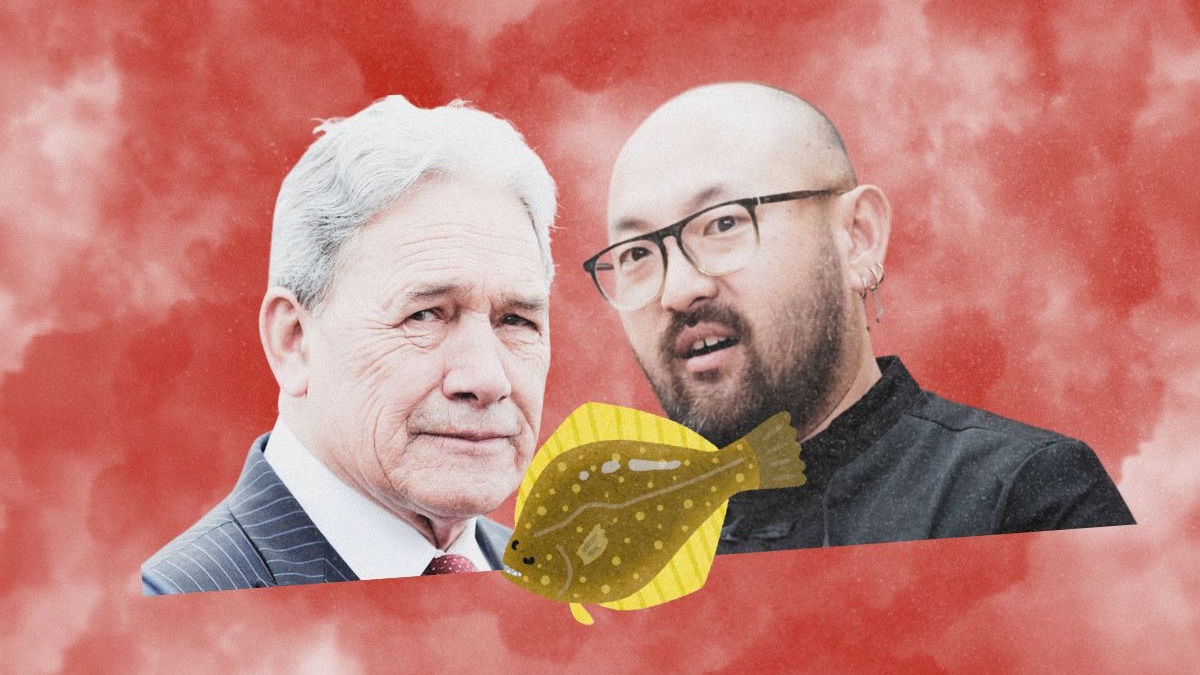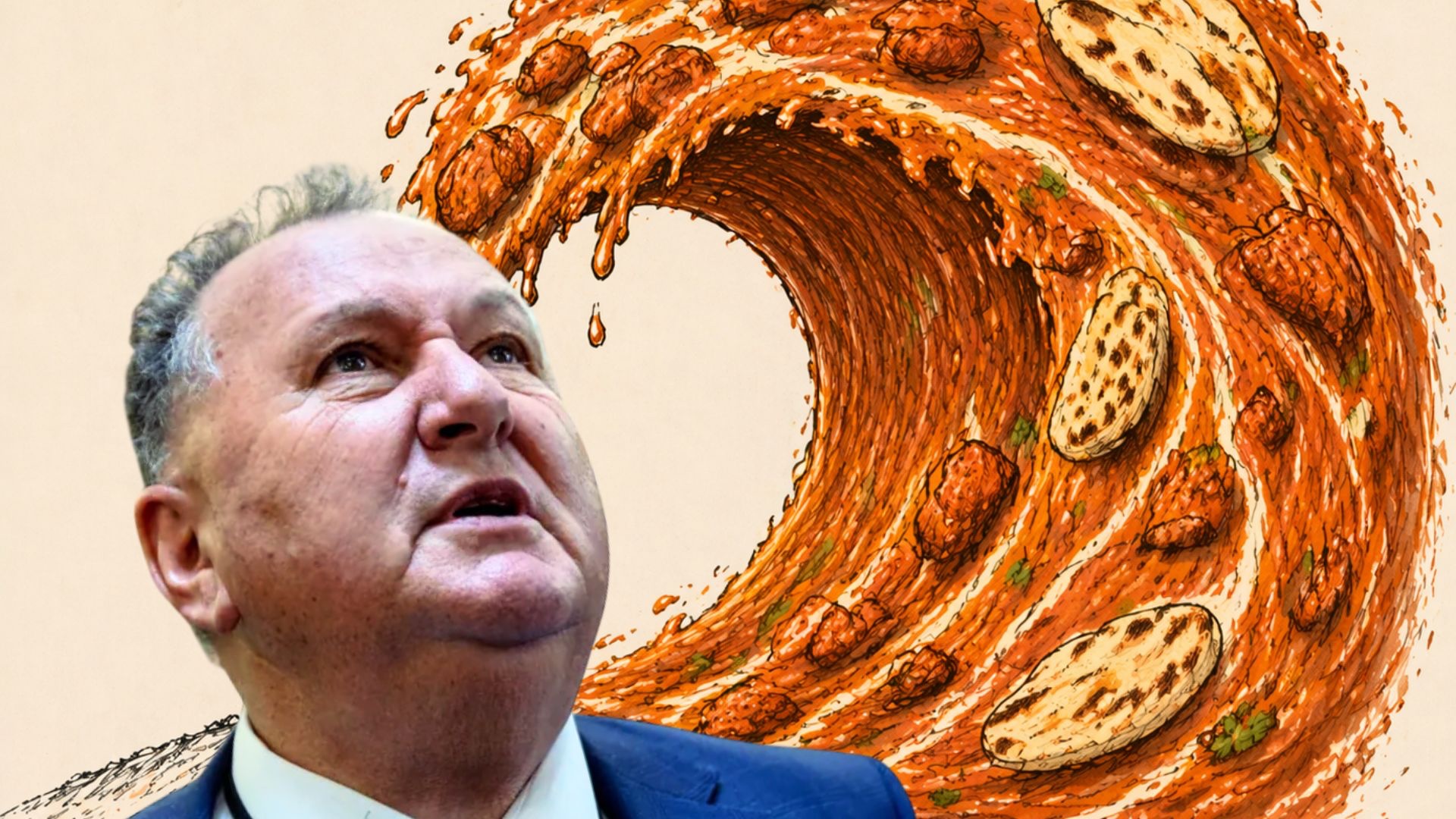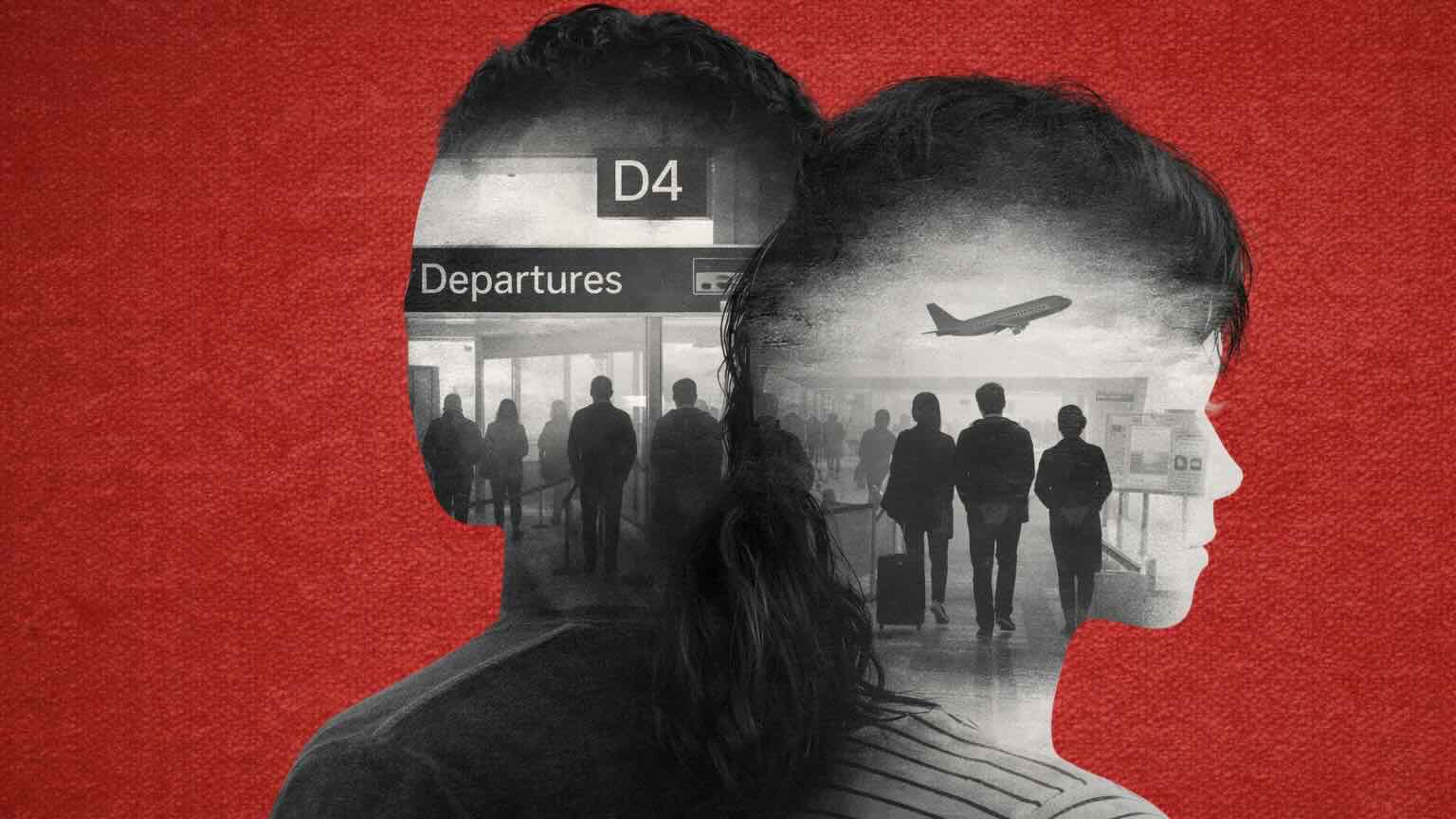

Out Loud: Winston Peters wants migrants to assimilate. But he keeps seeing us as migrants
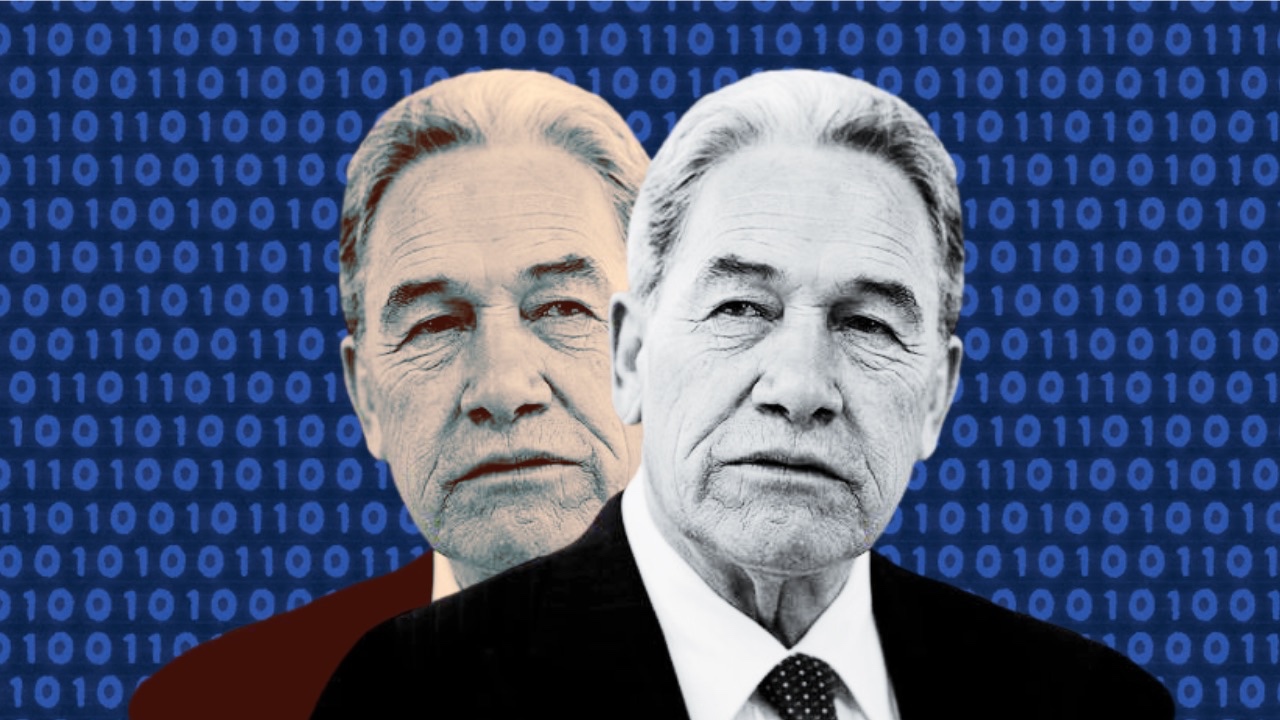
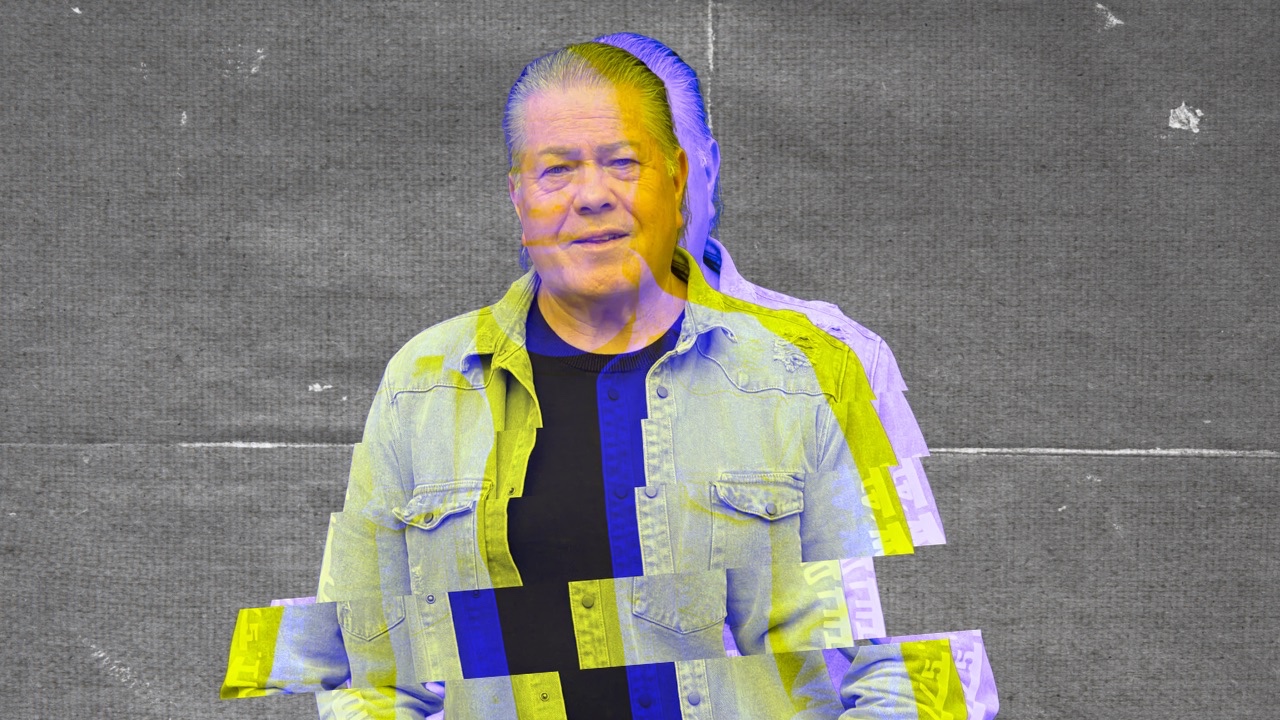
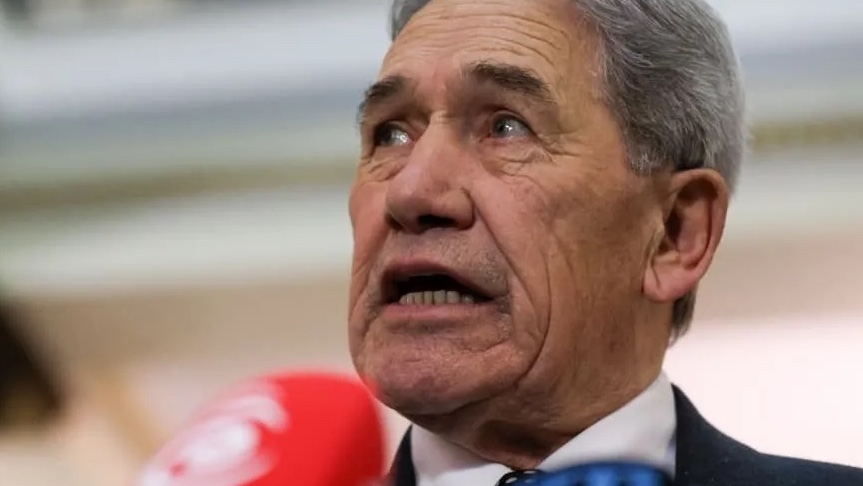
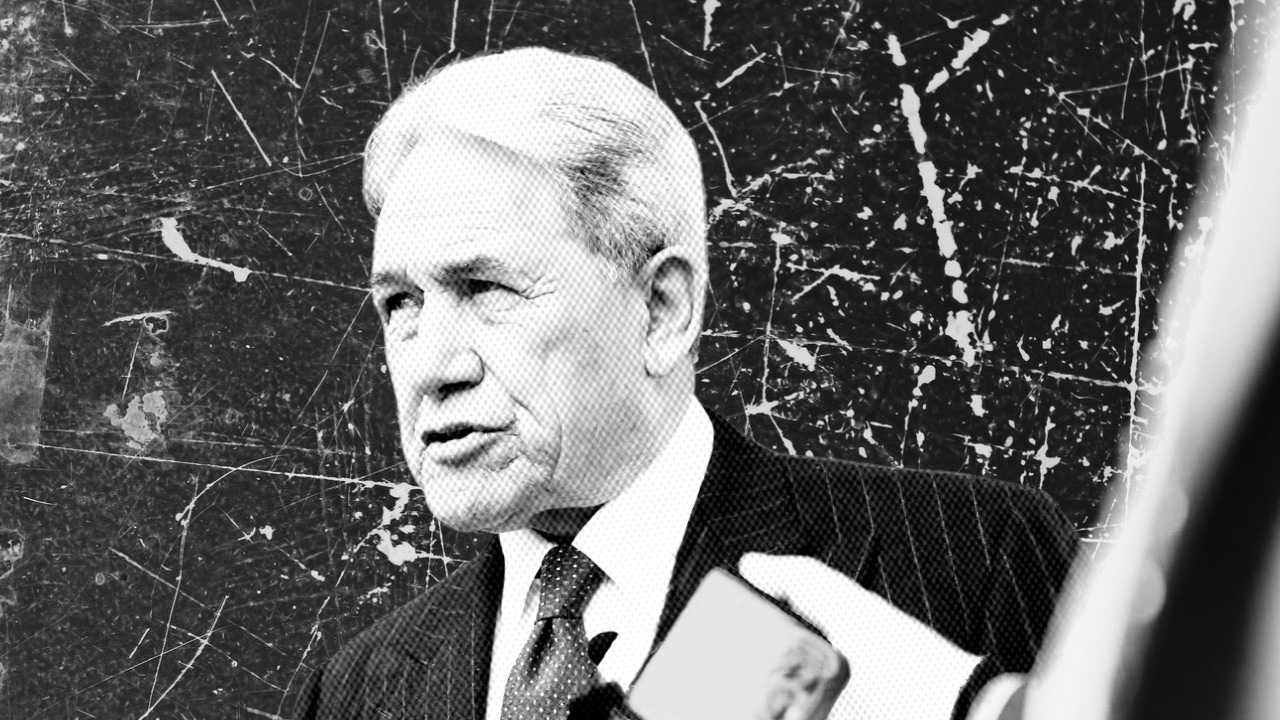
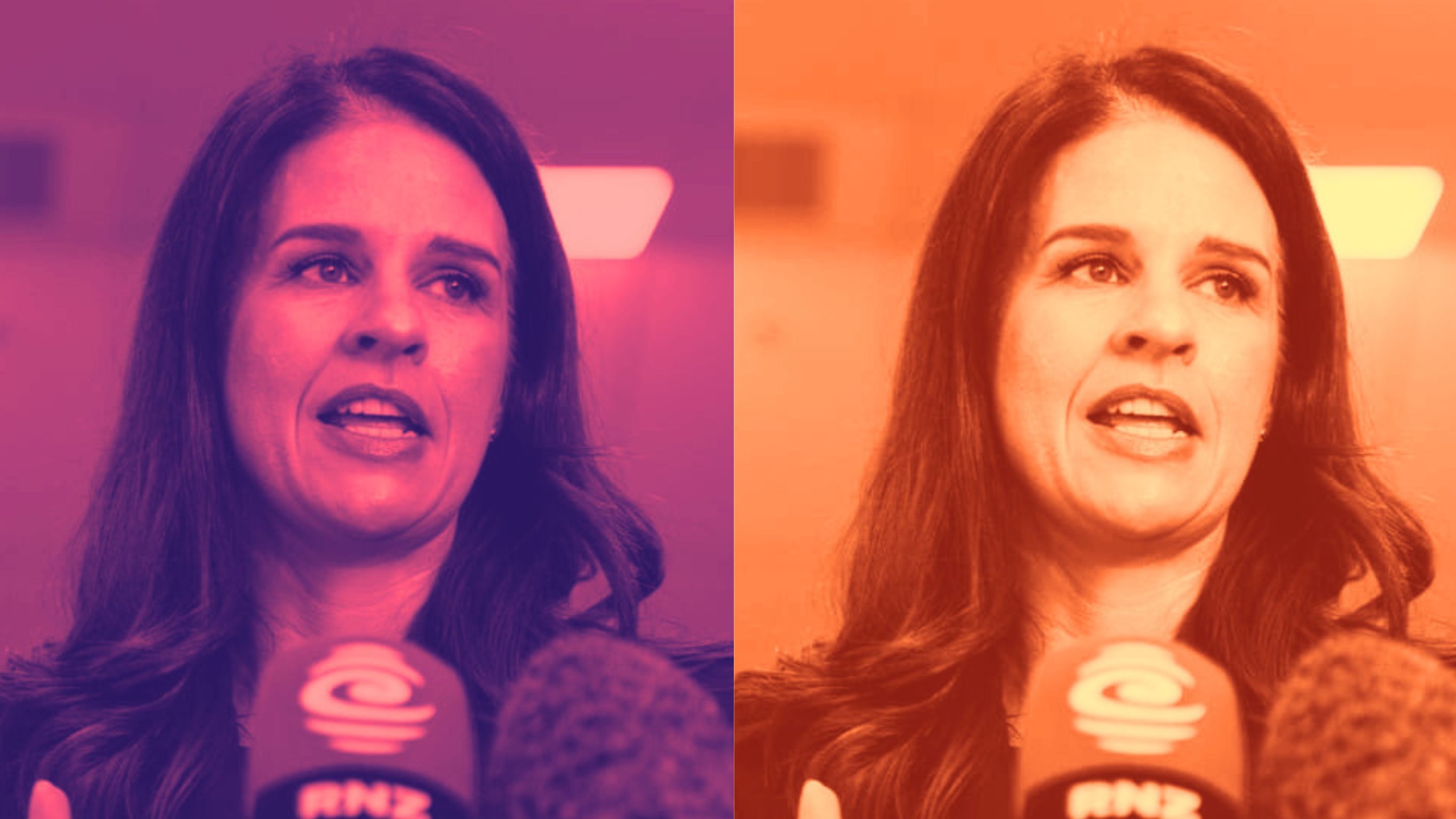
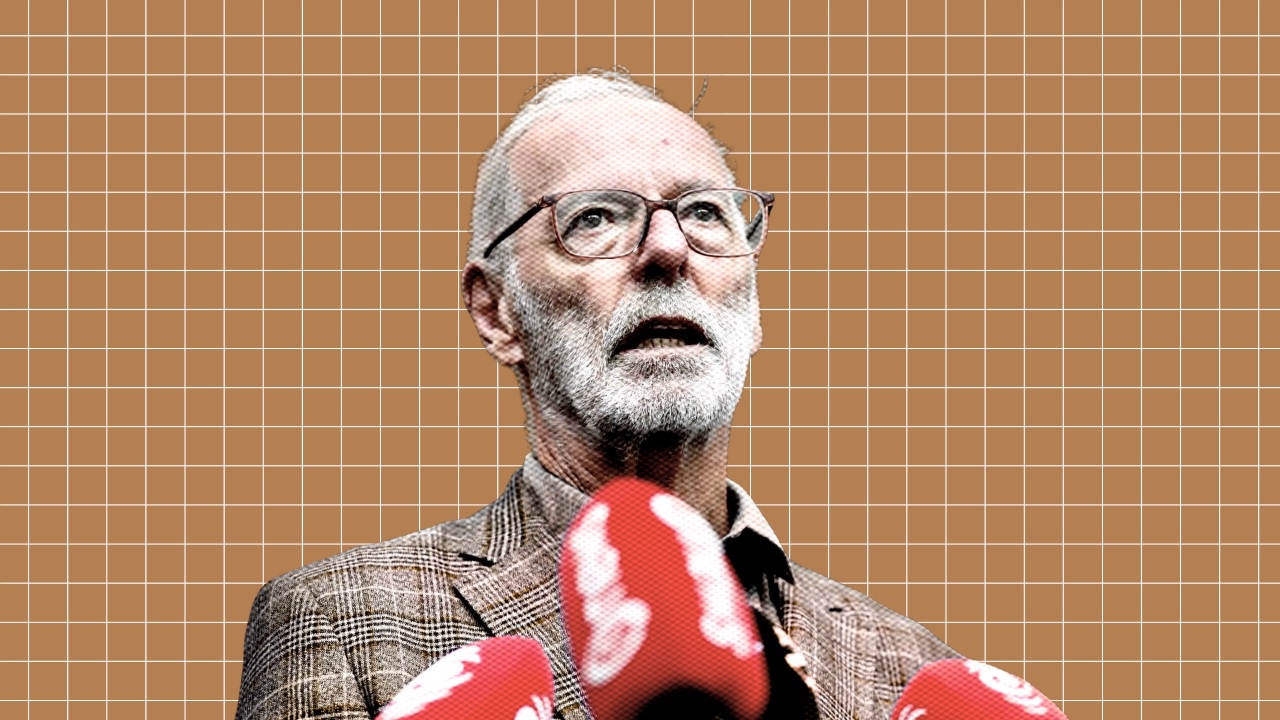
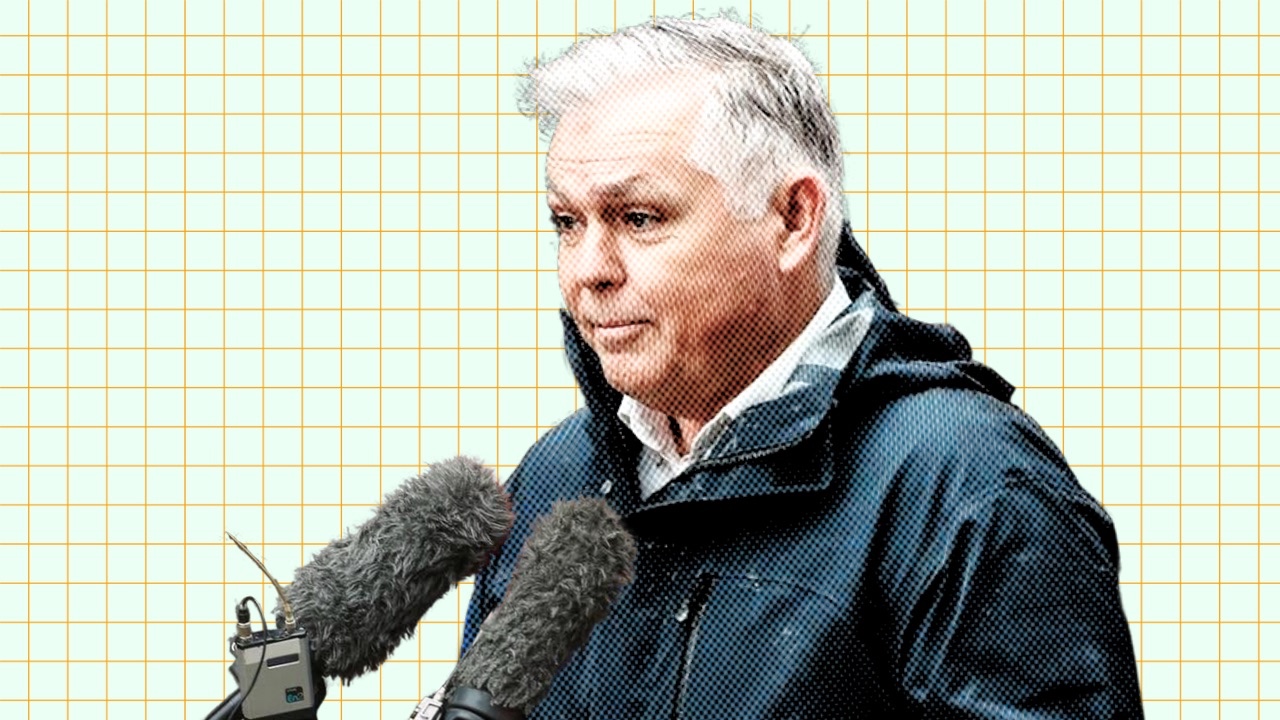
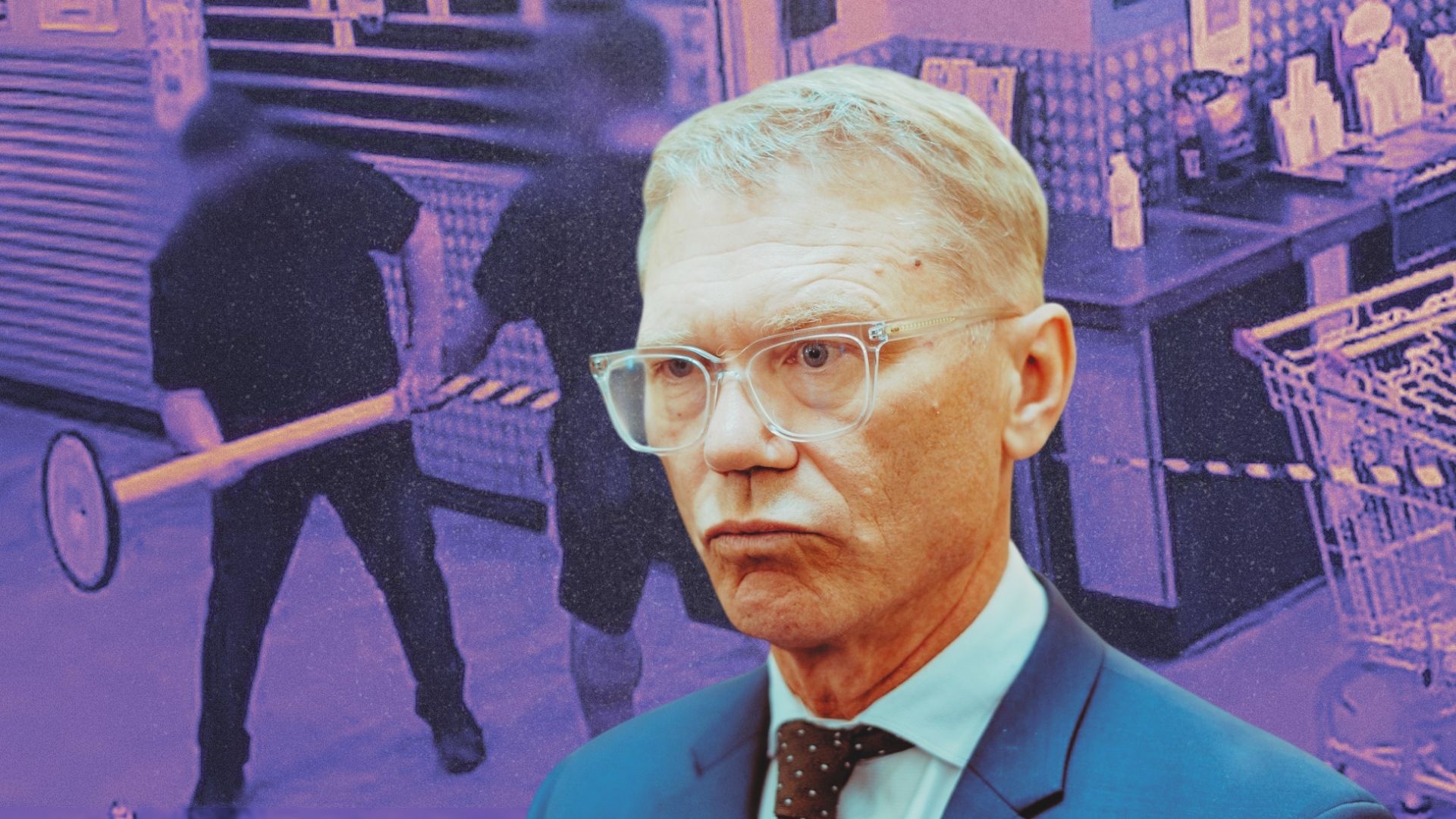
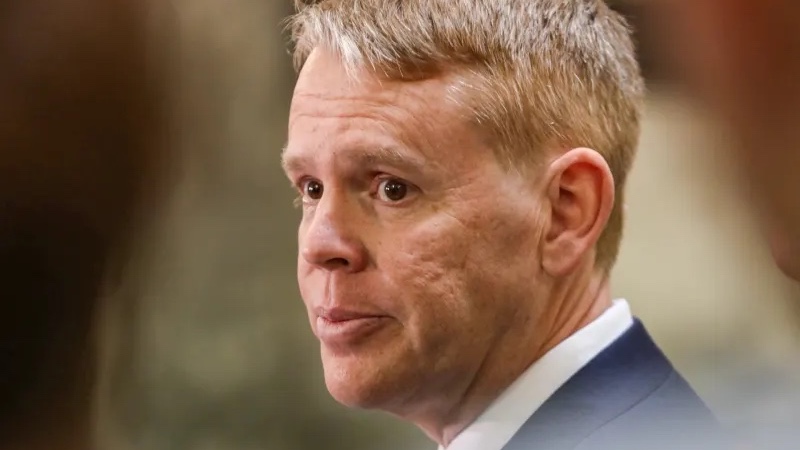
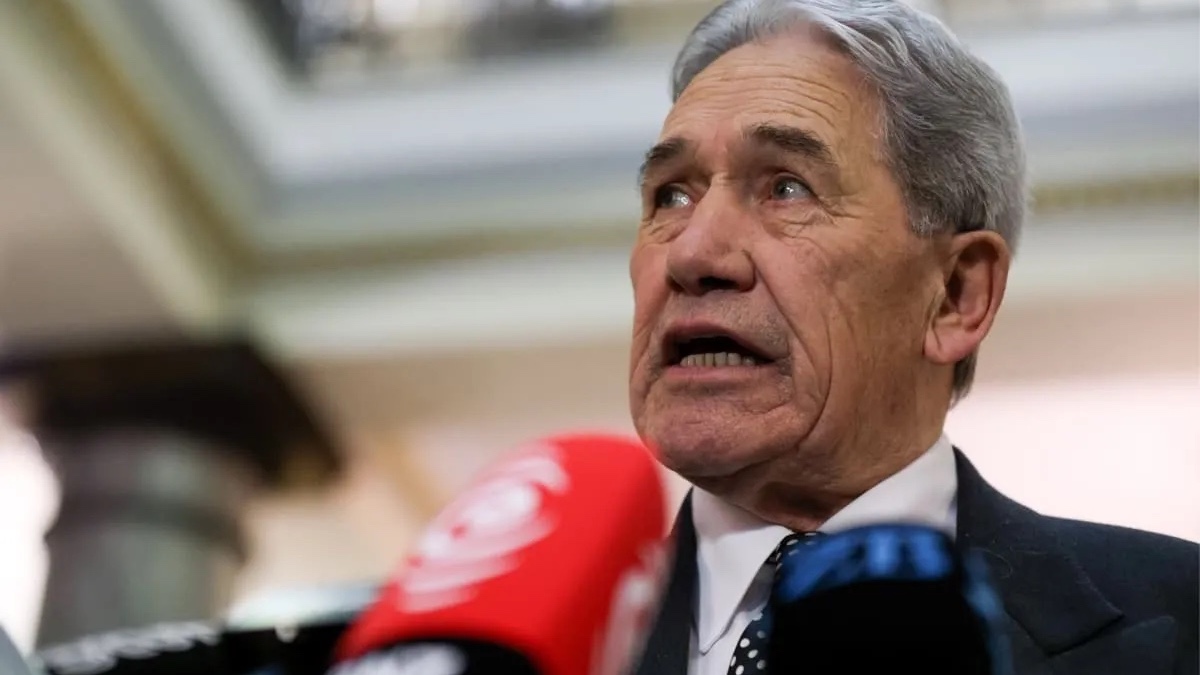
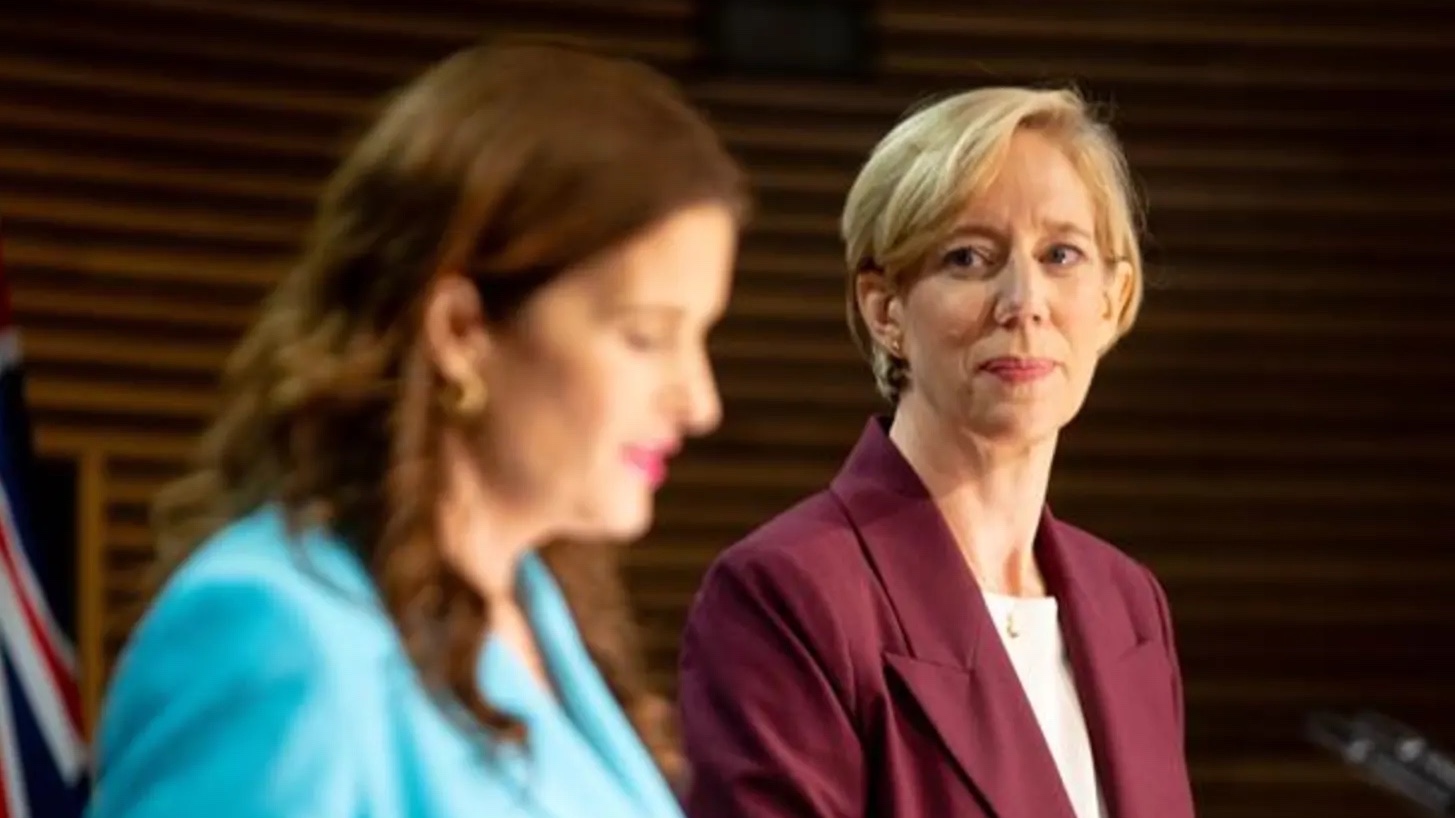
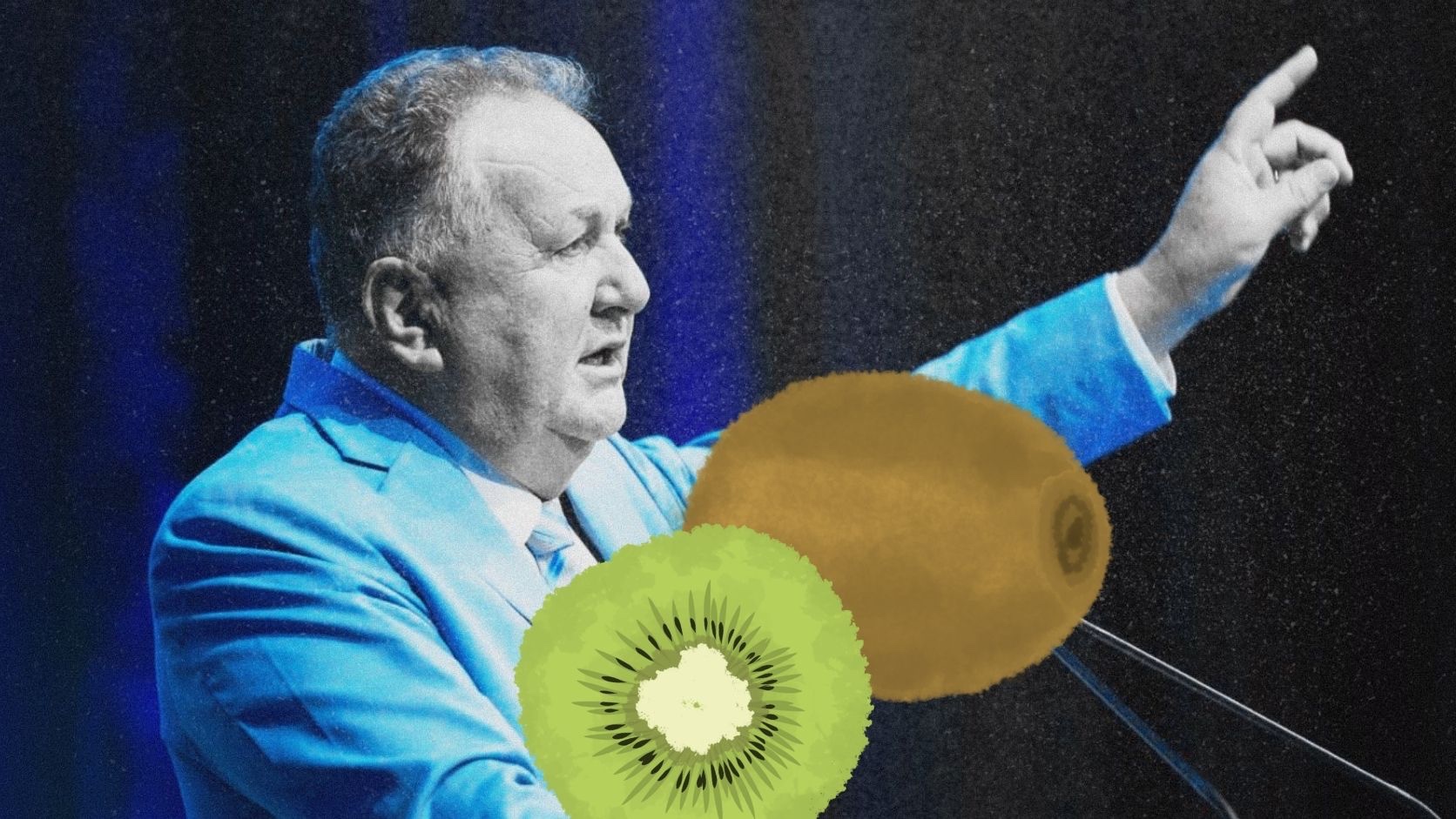
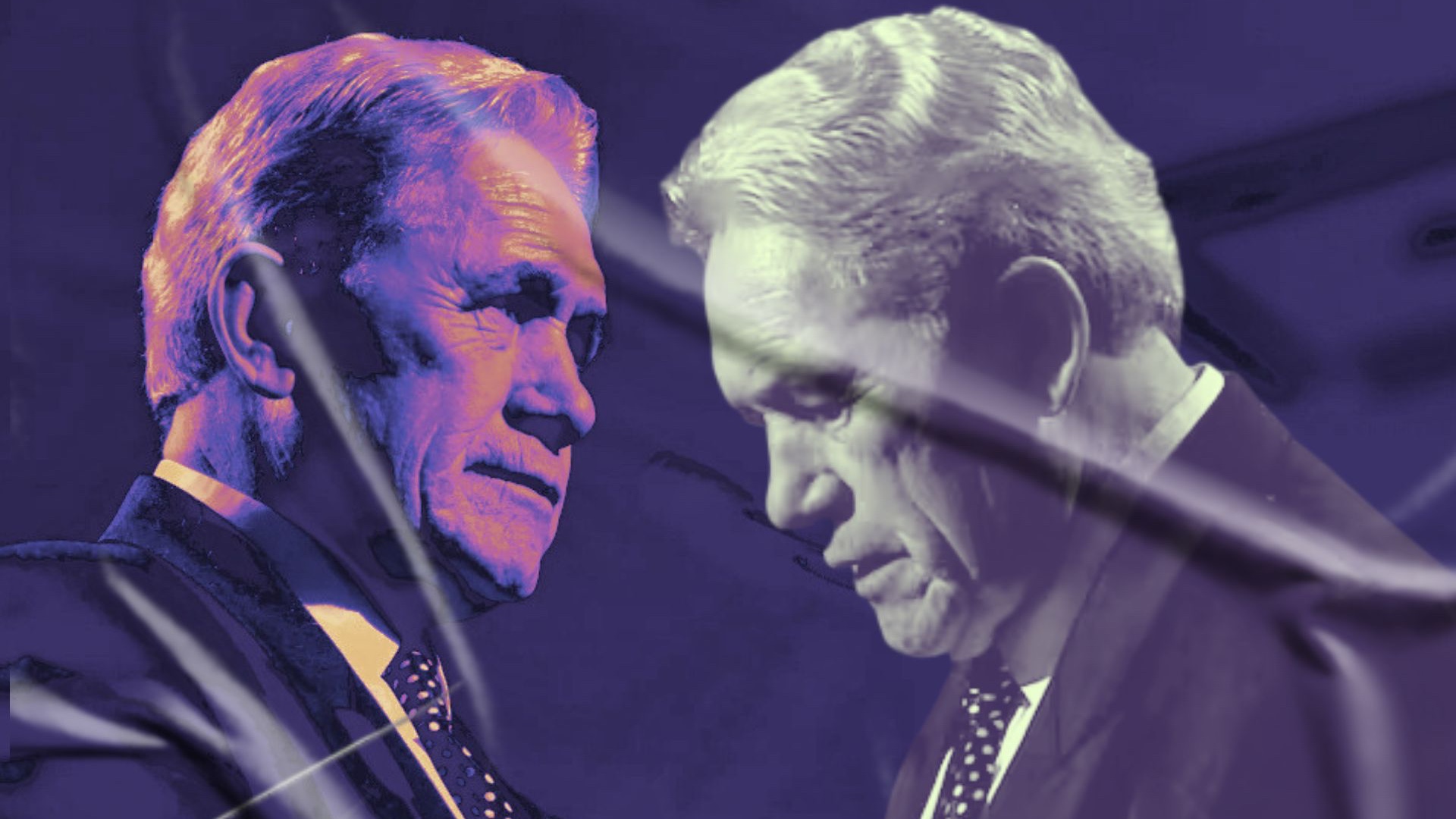
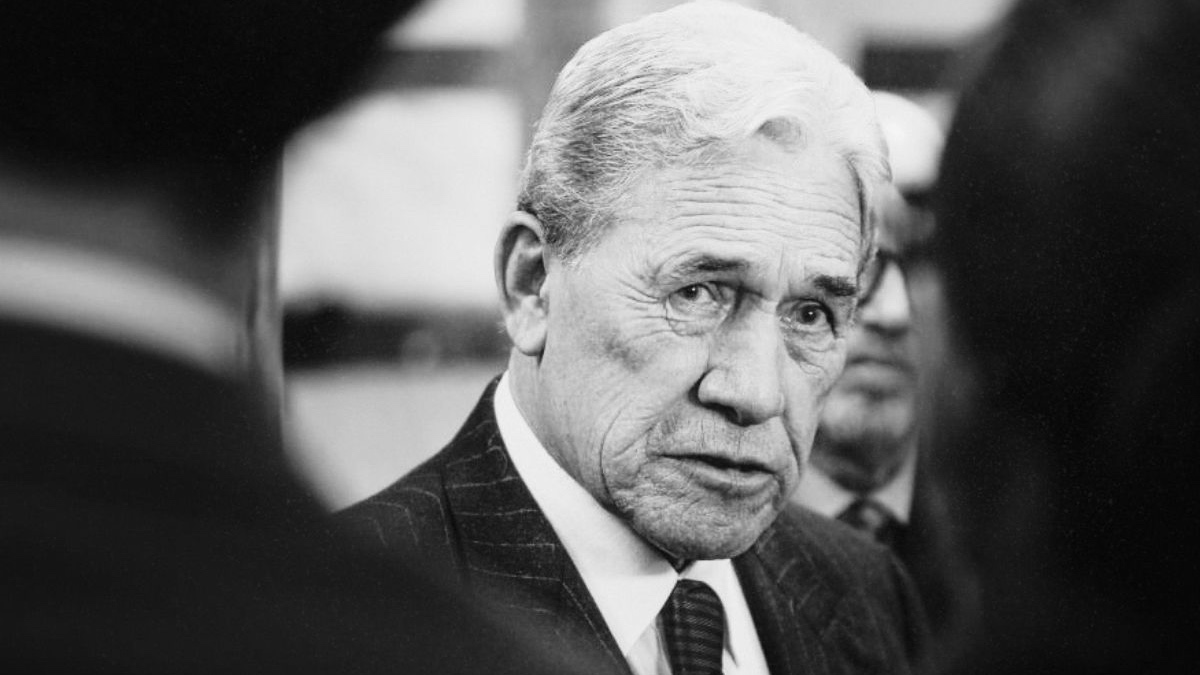
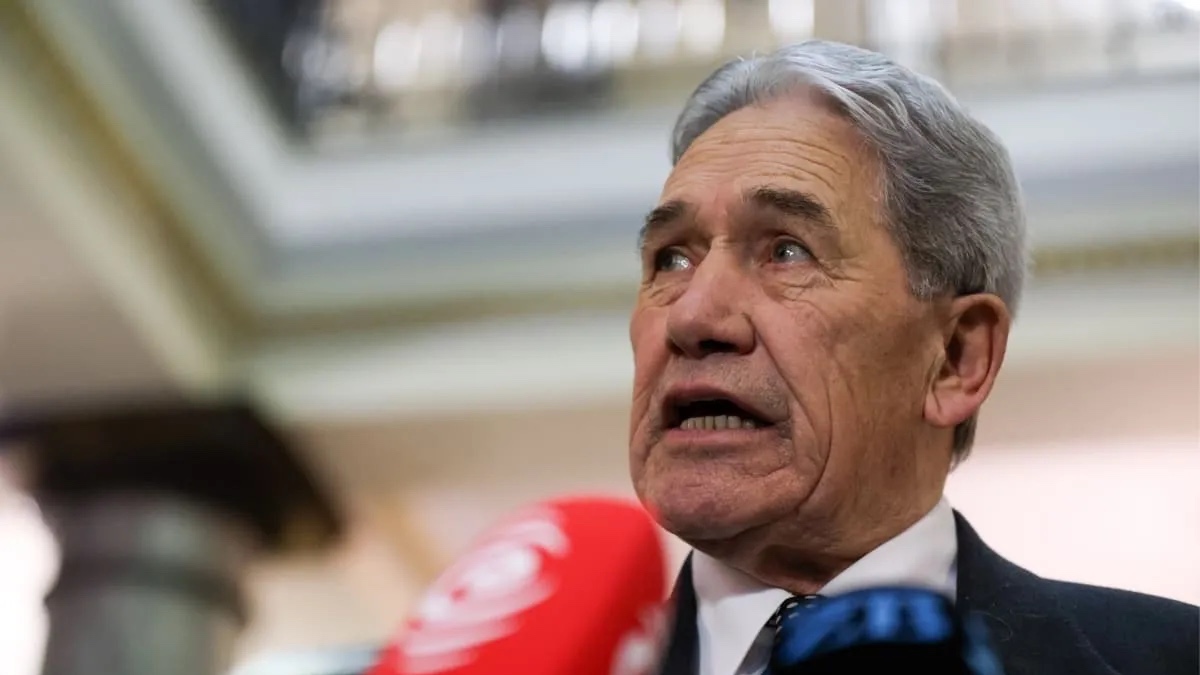
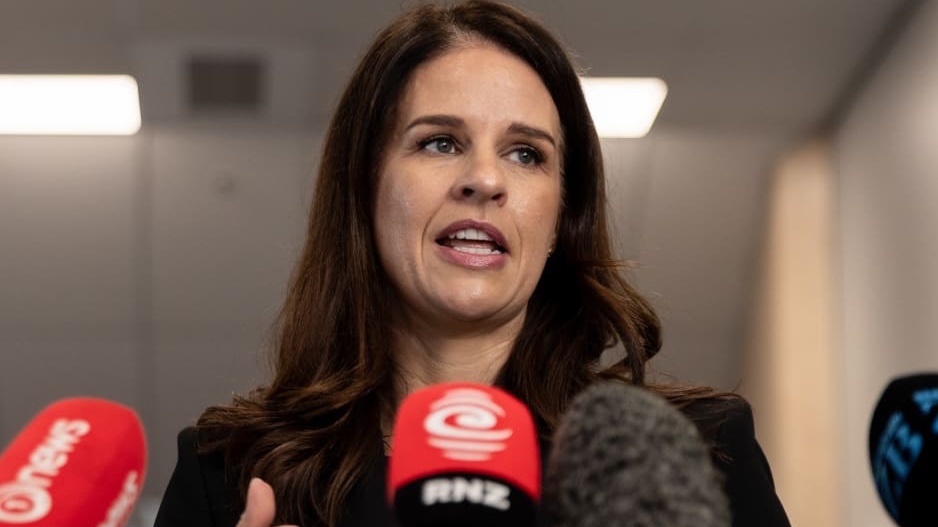
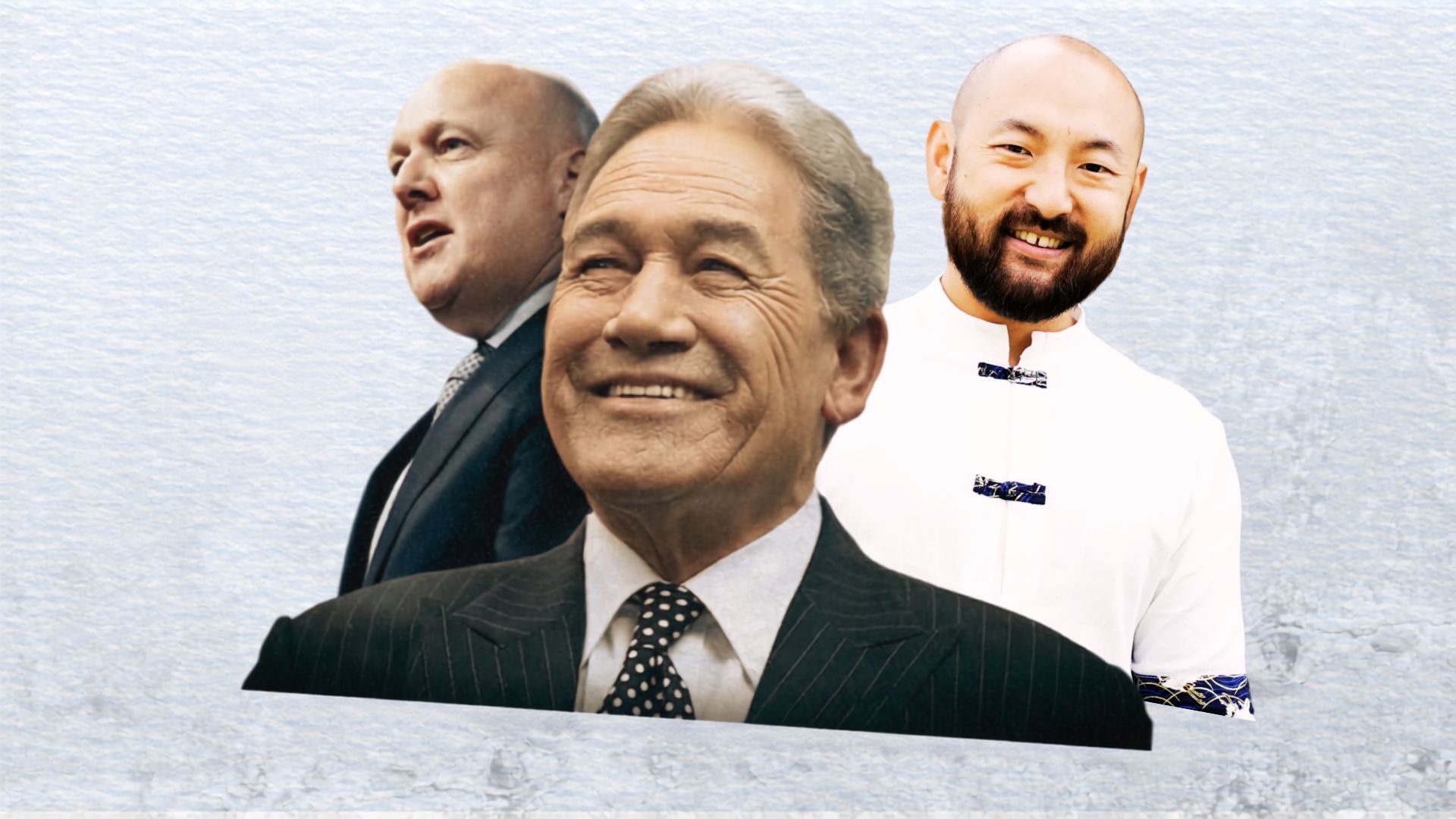
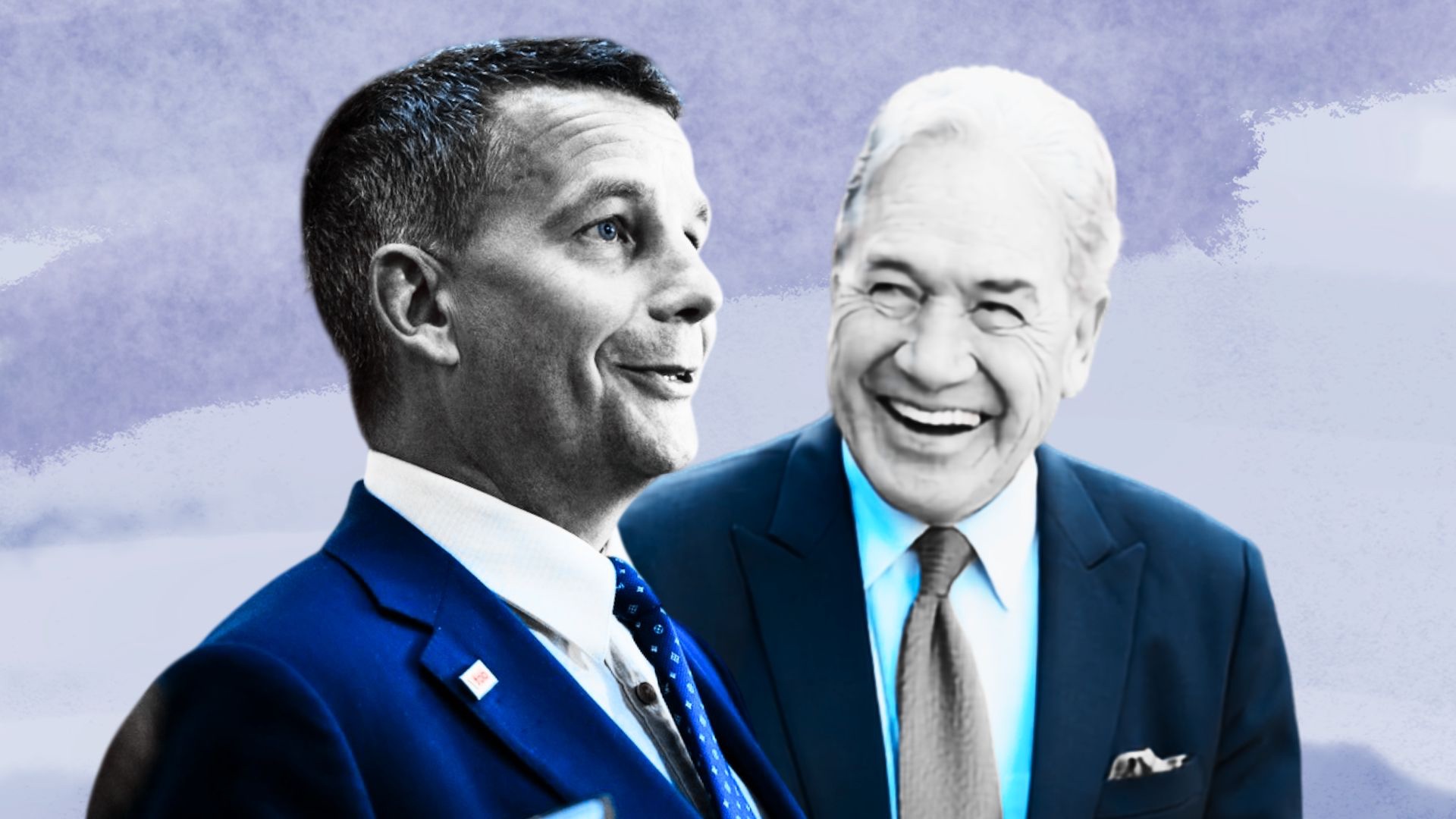
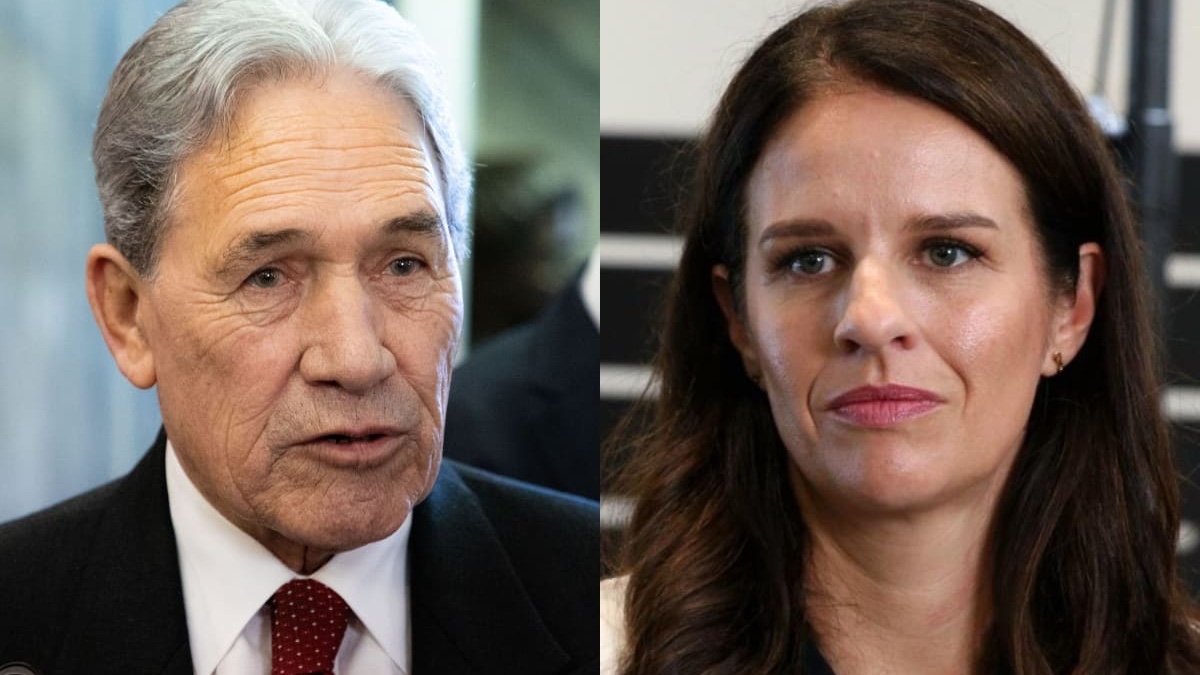
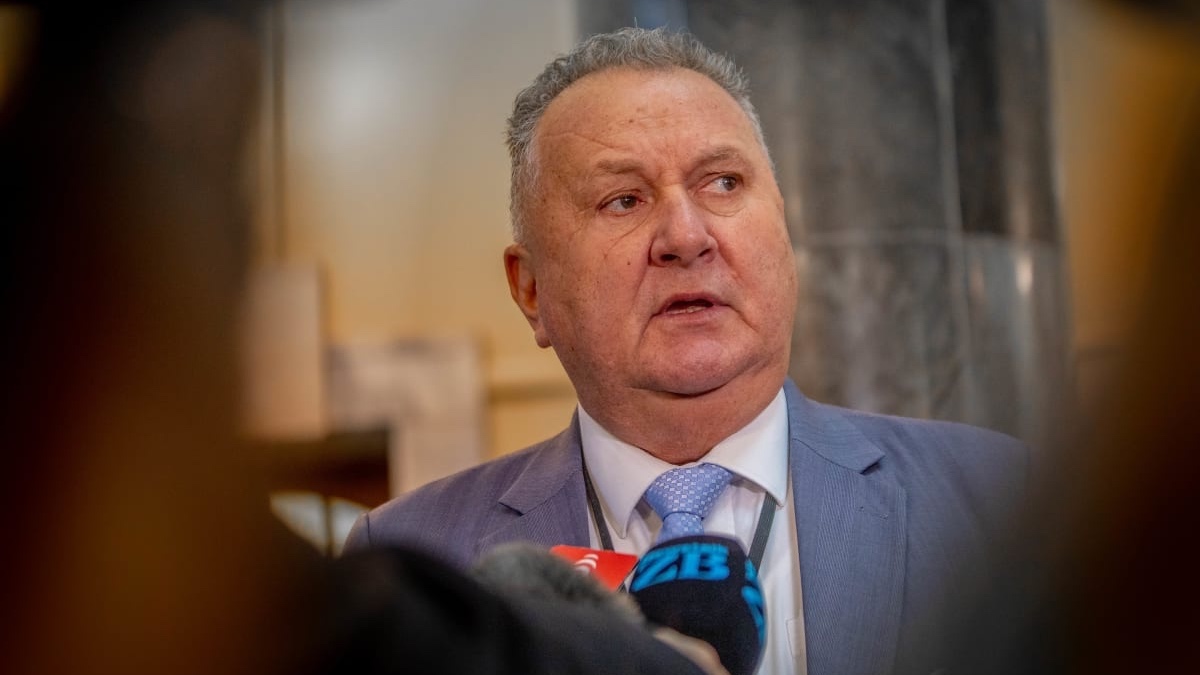
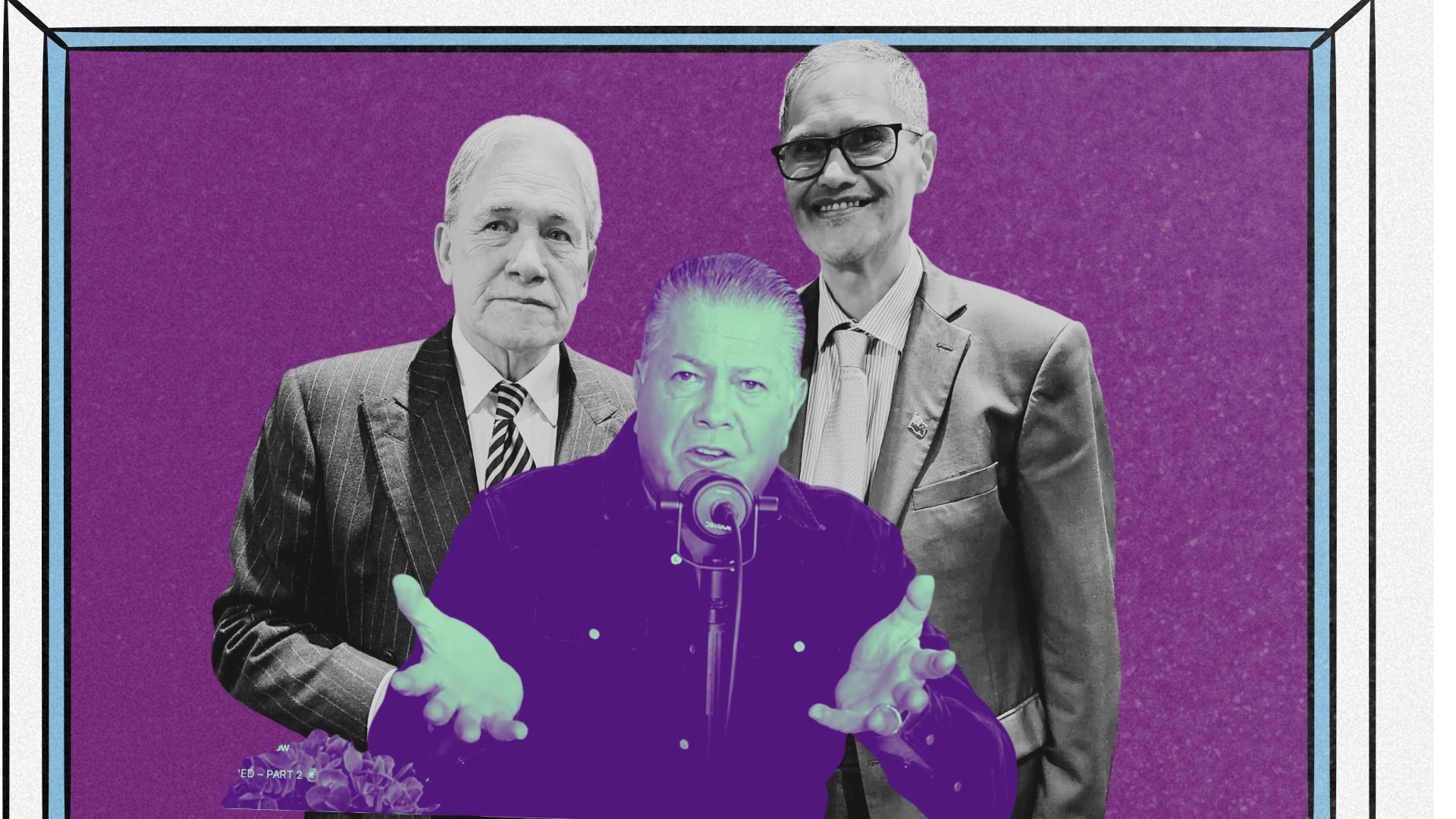
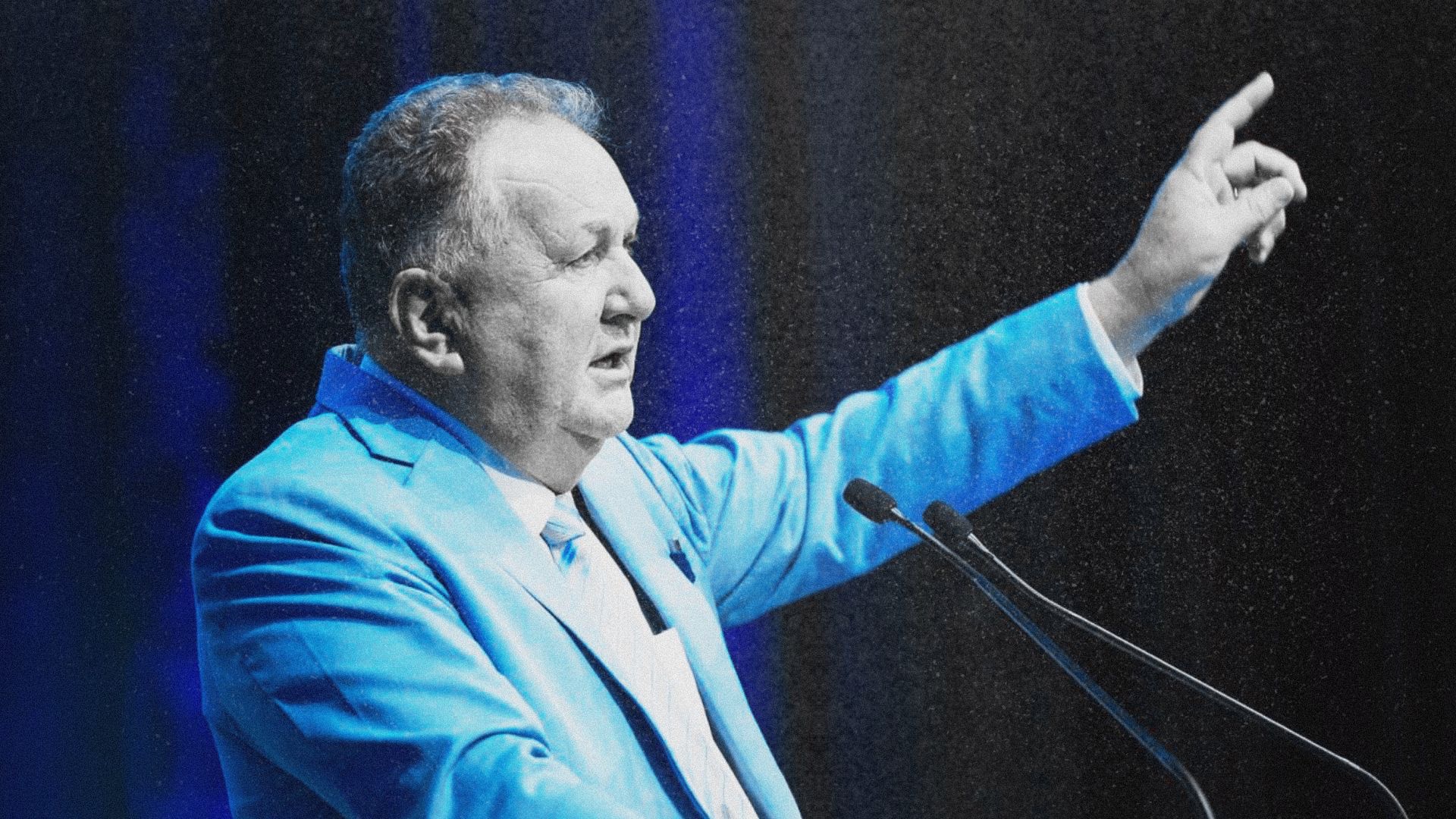
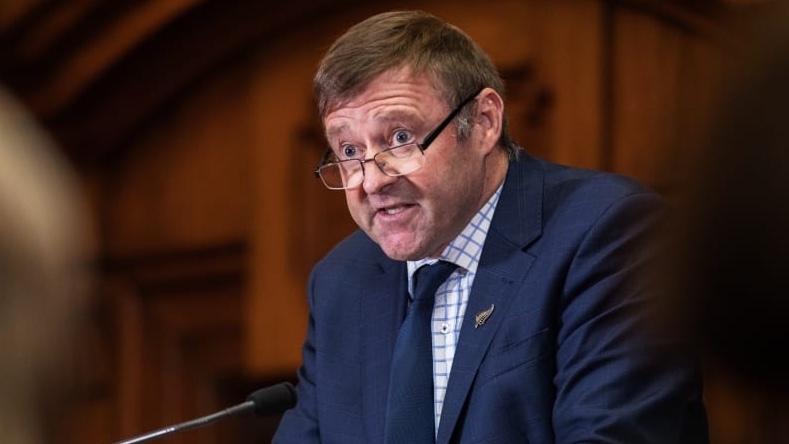
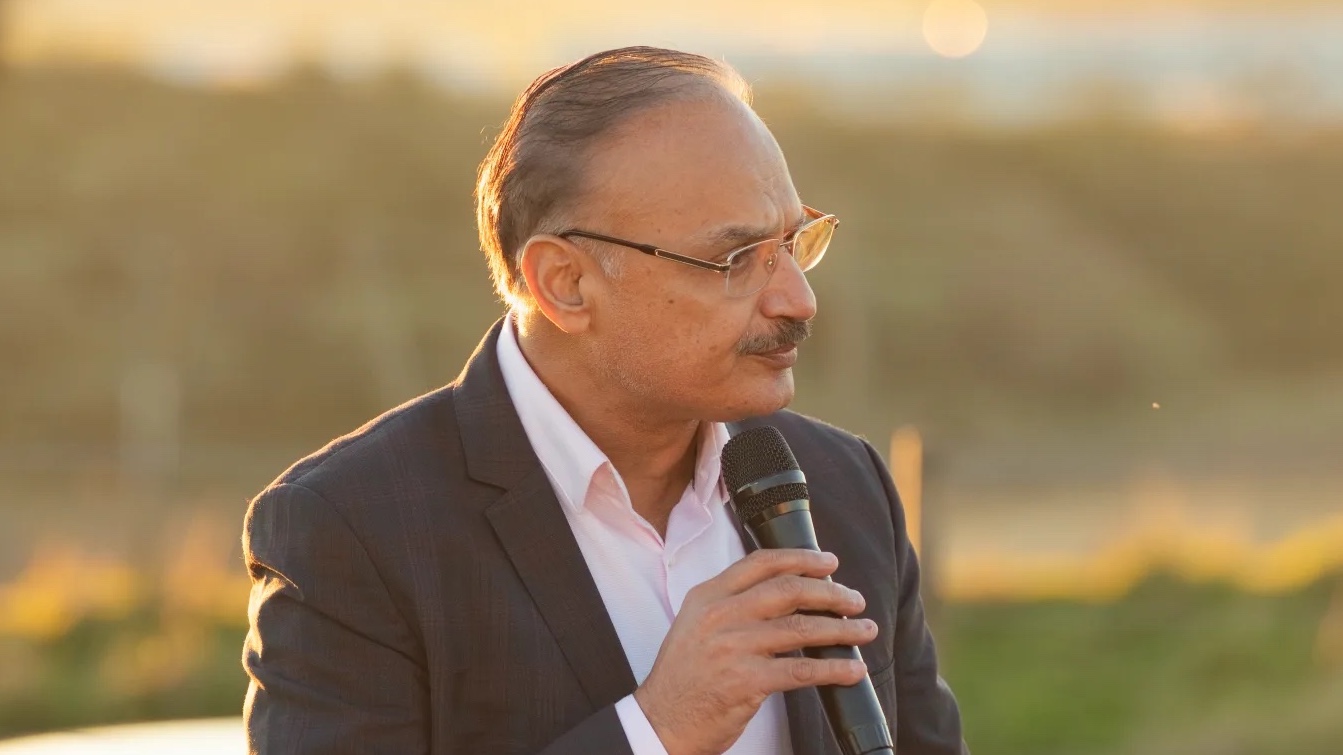
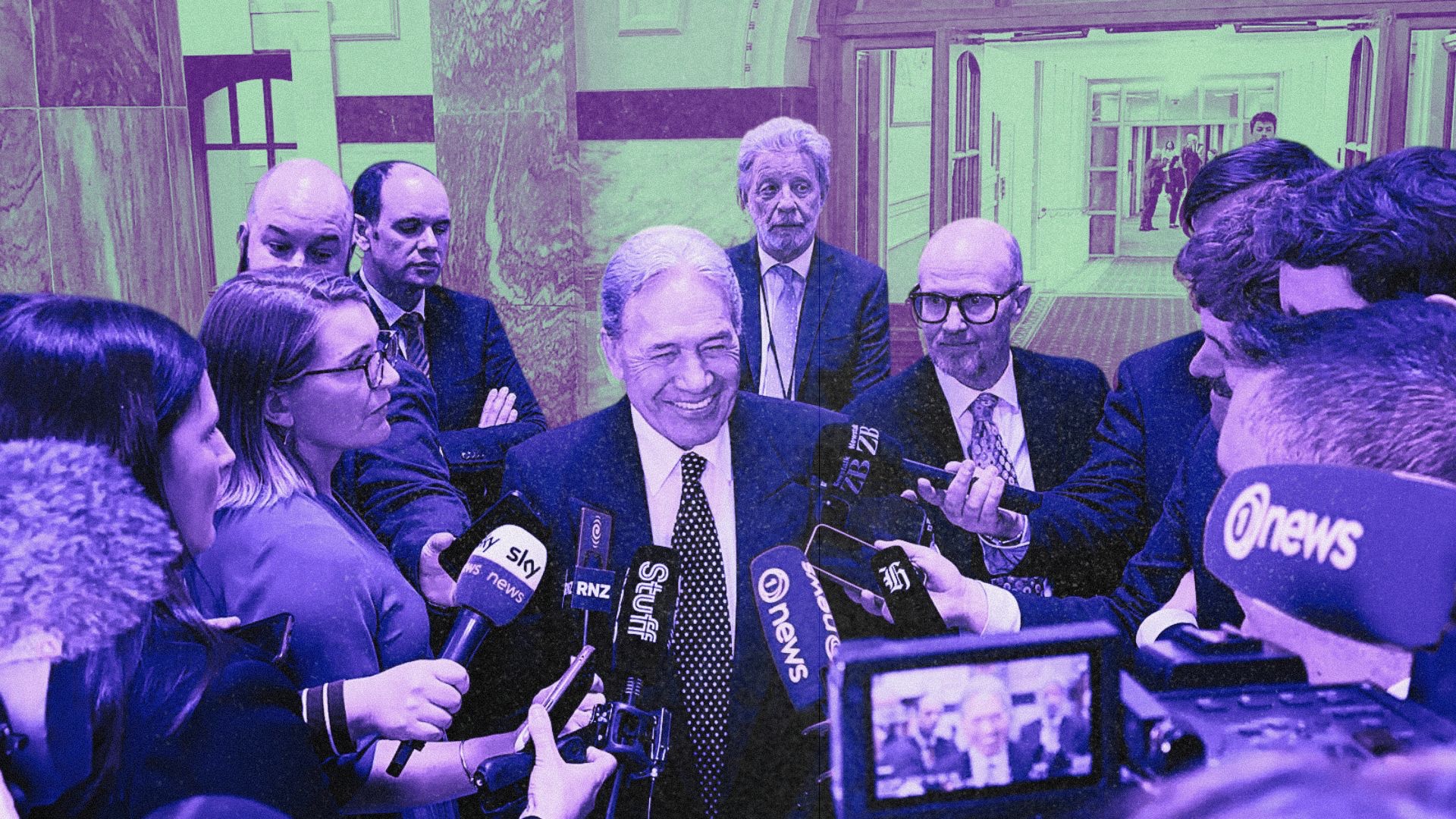
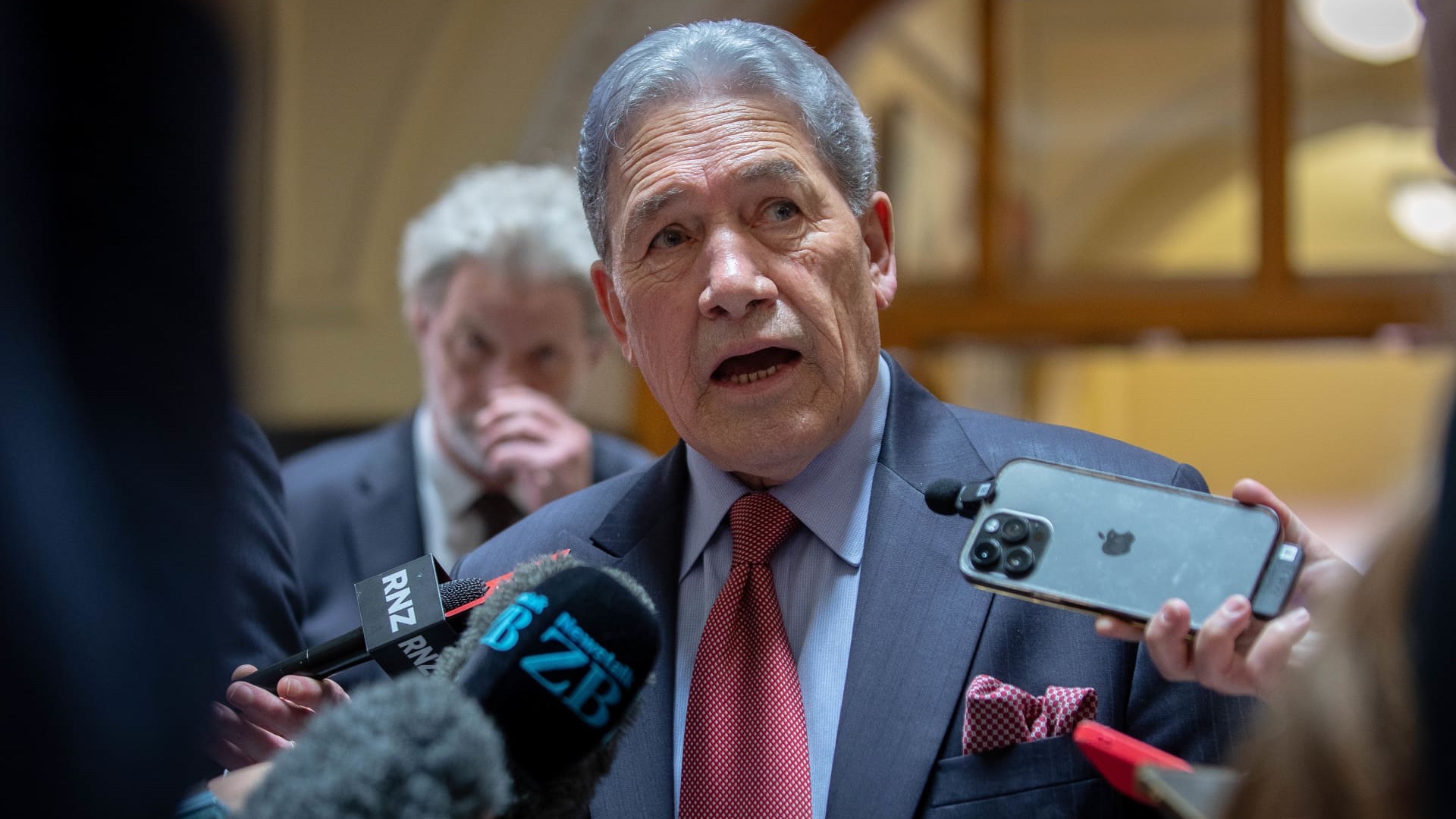
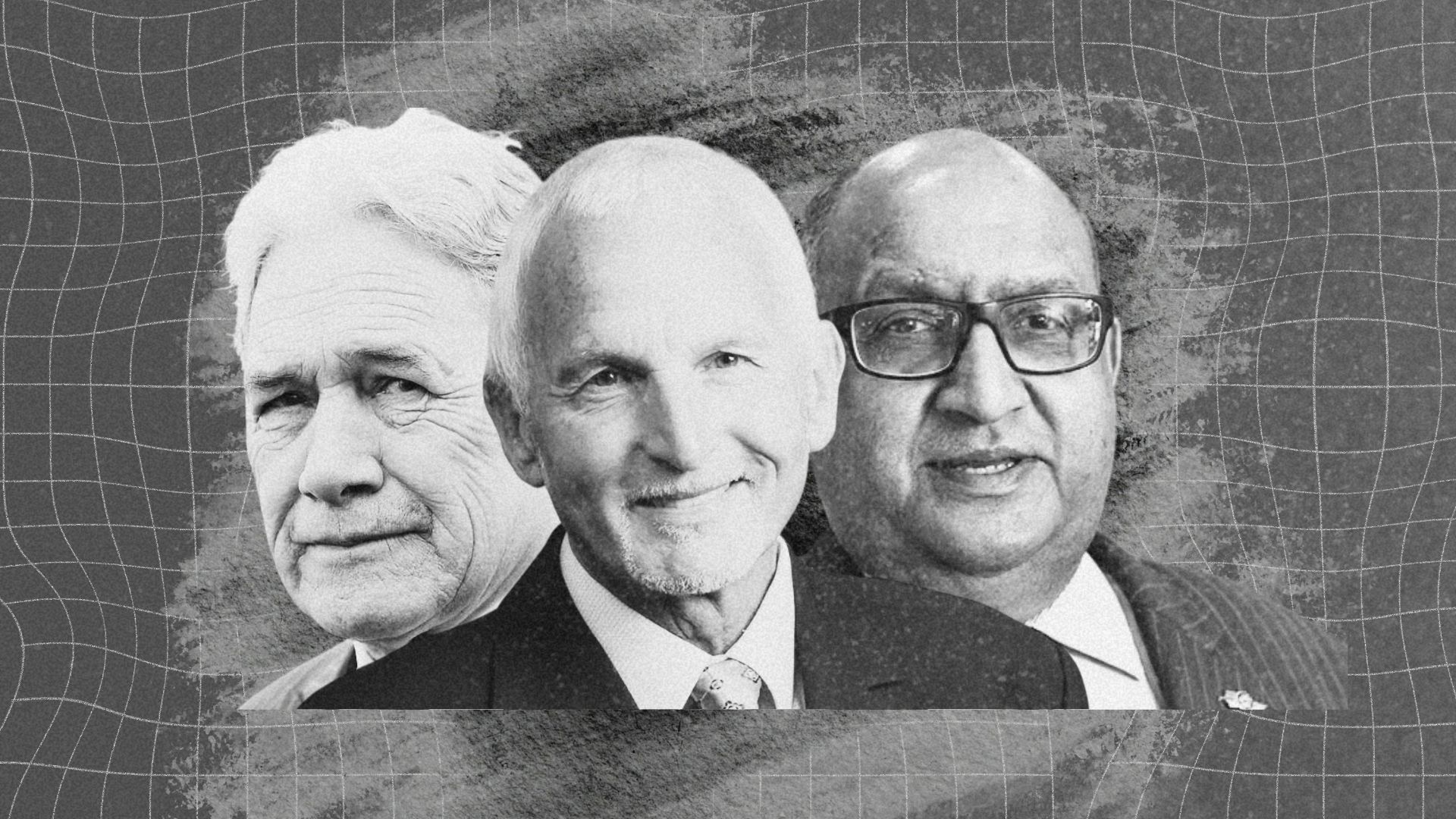
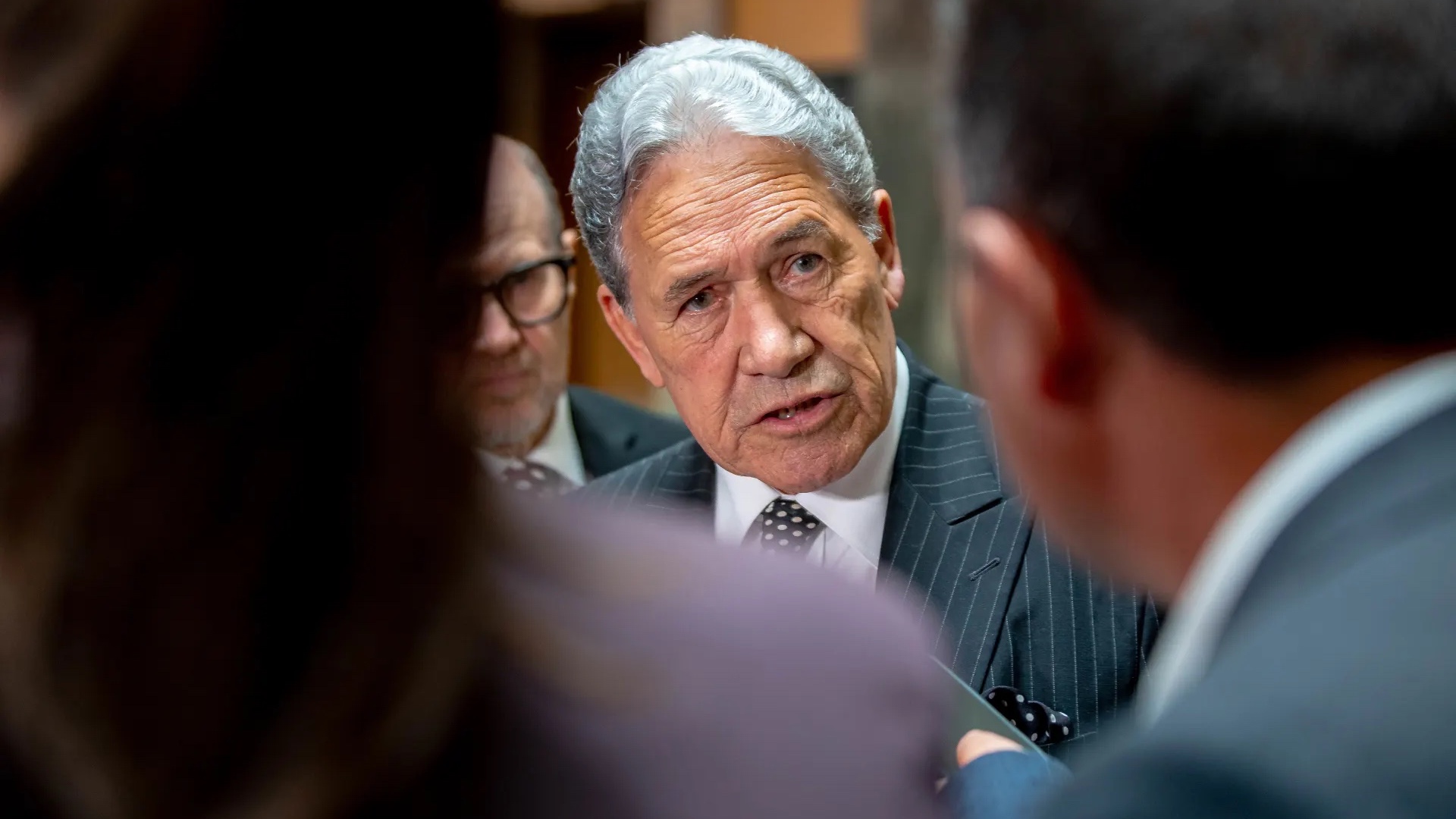
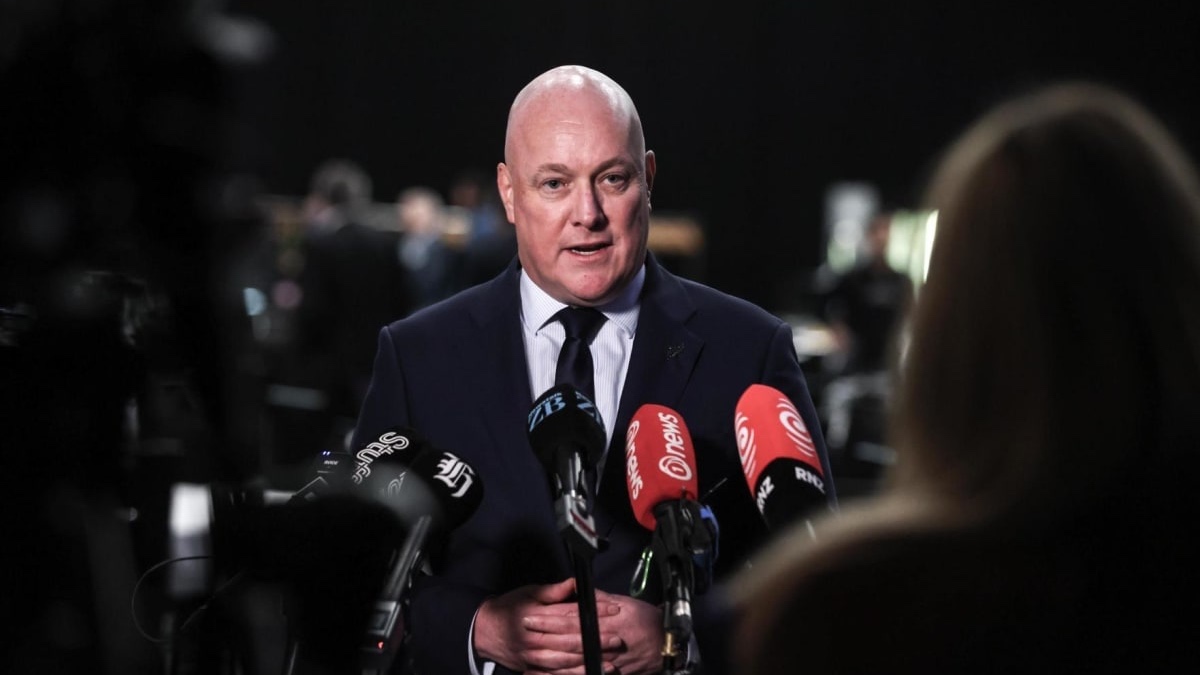
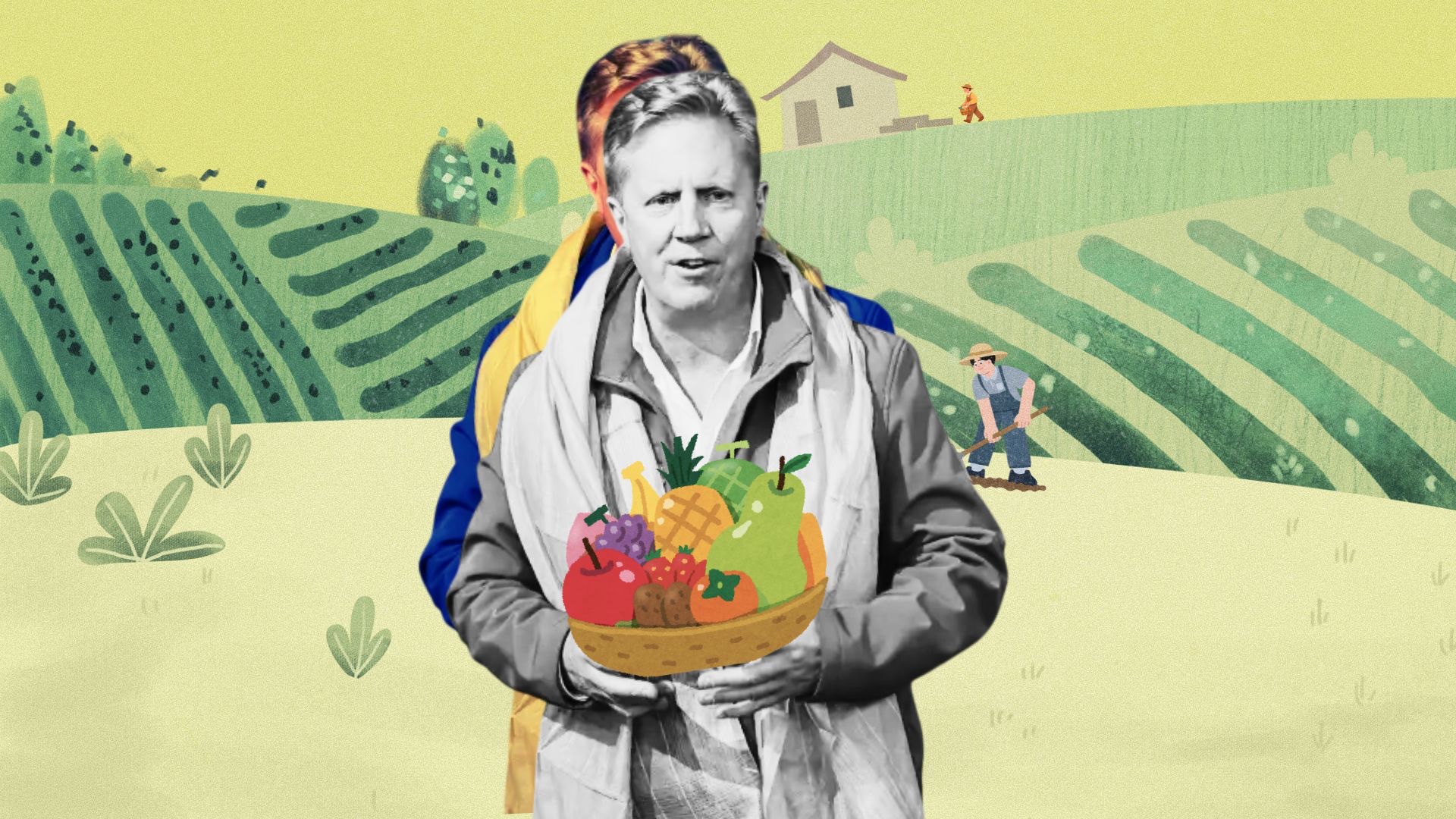
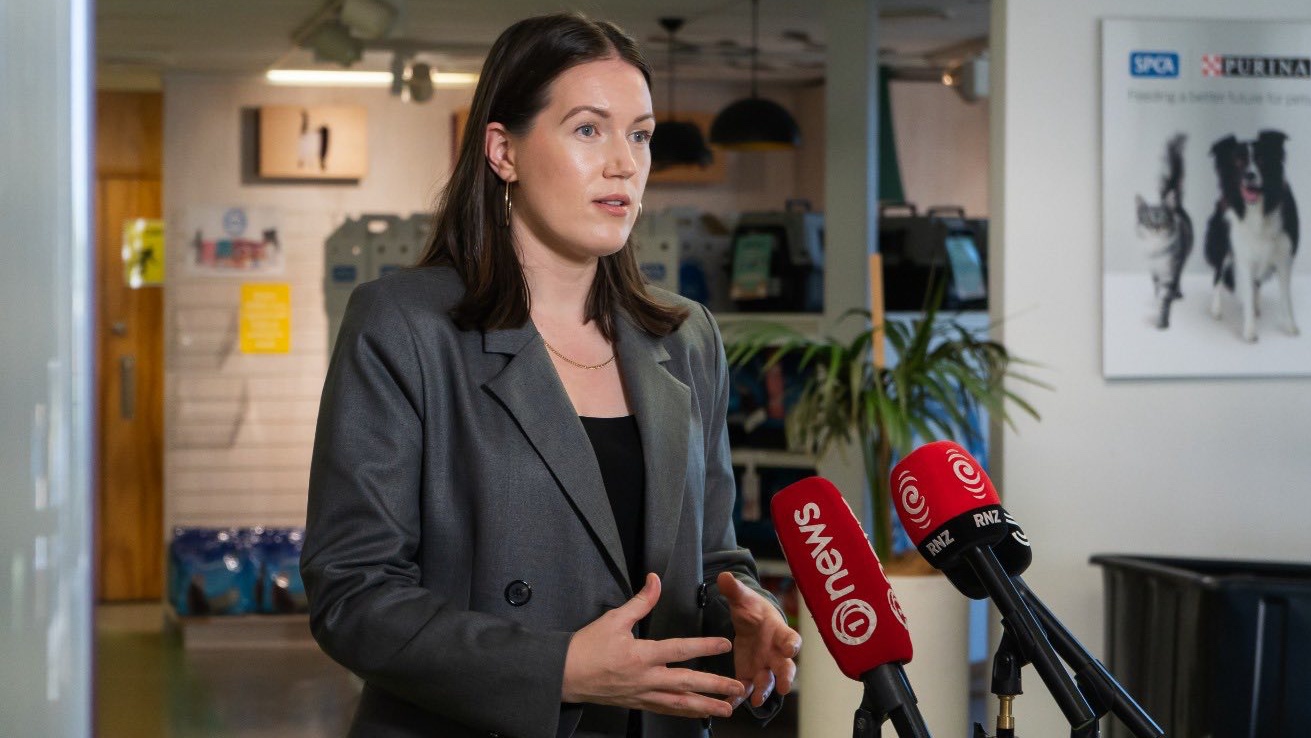
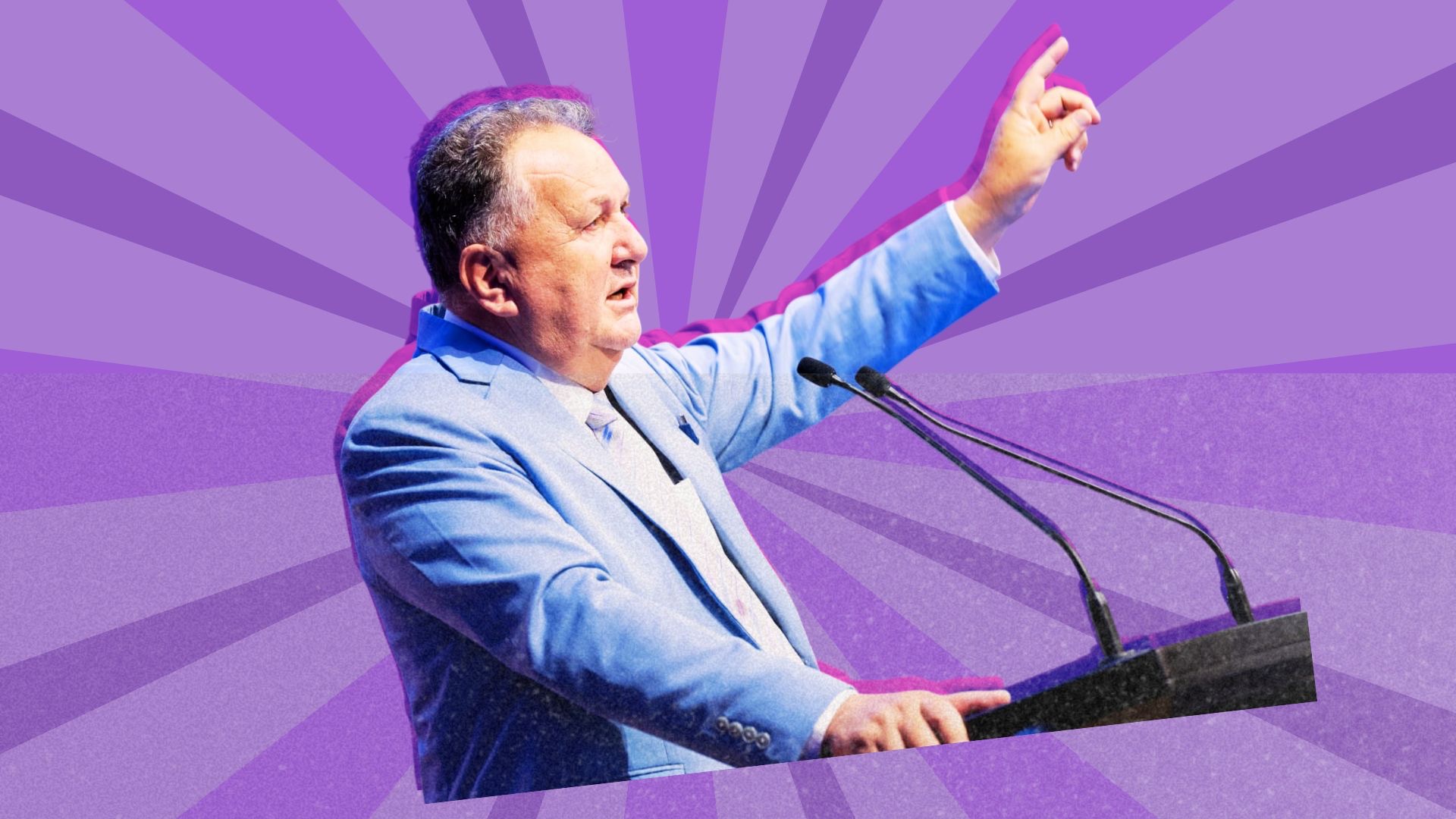
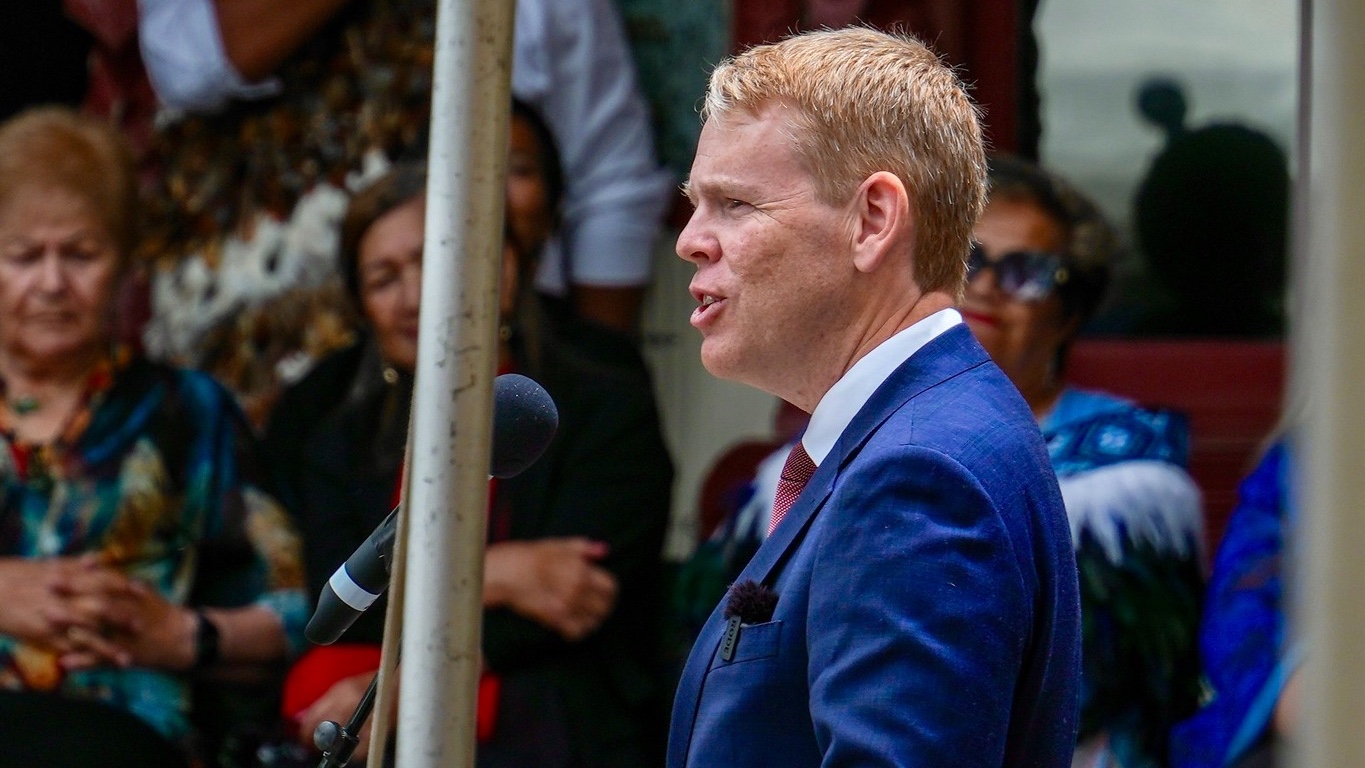
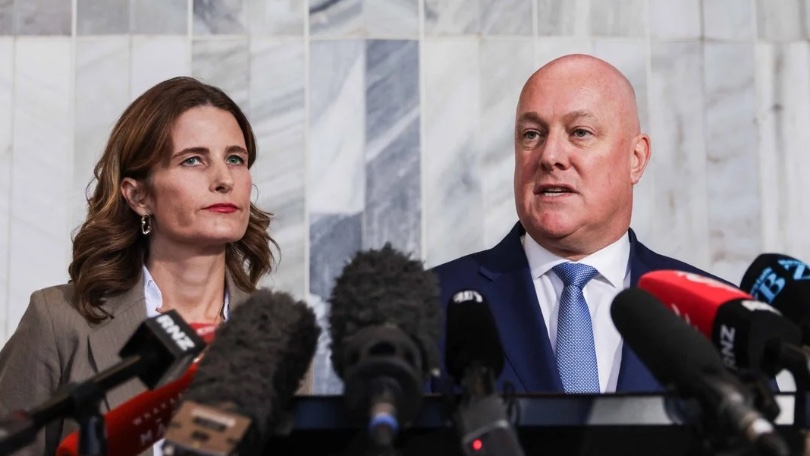
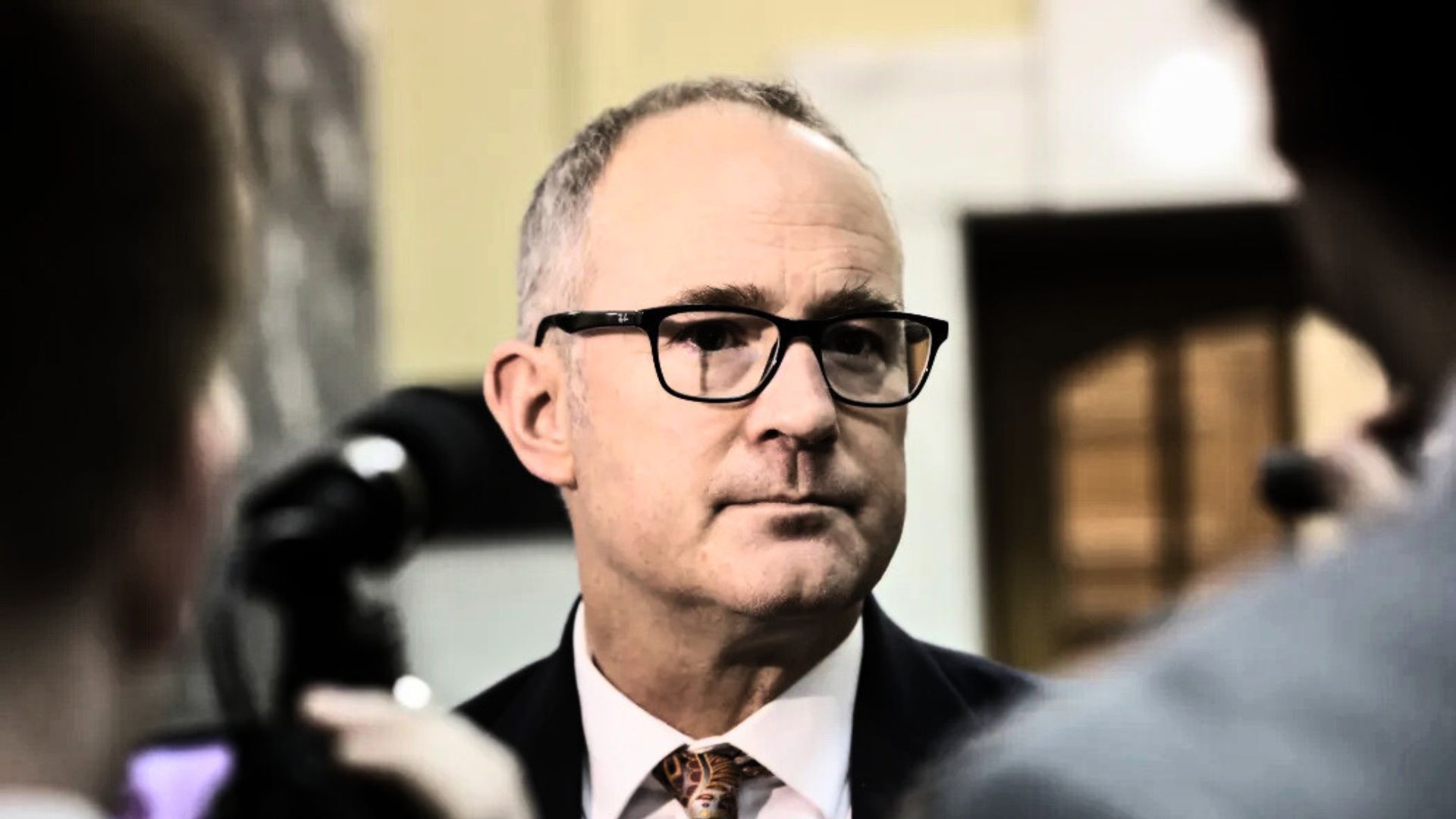
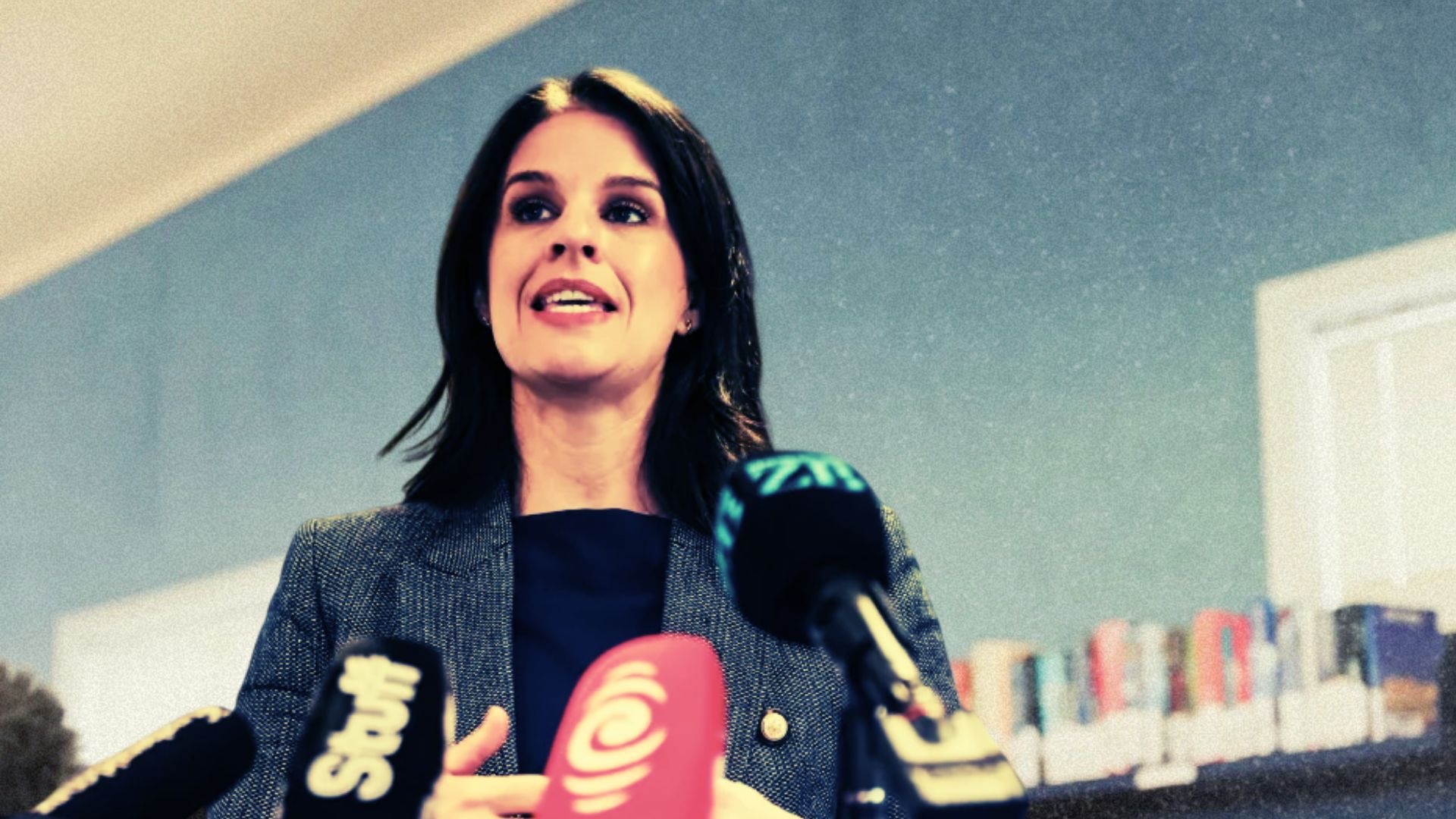
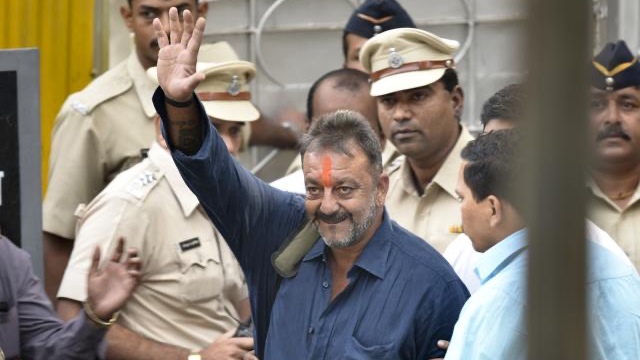
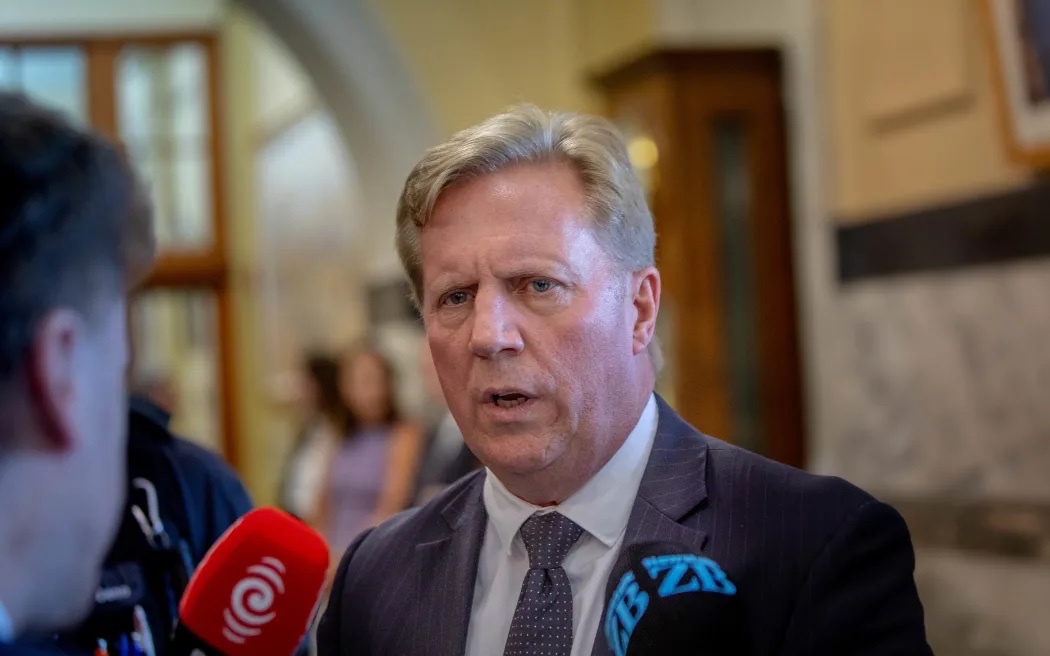
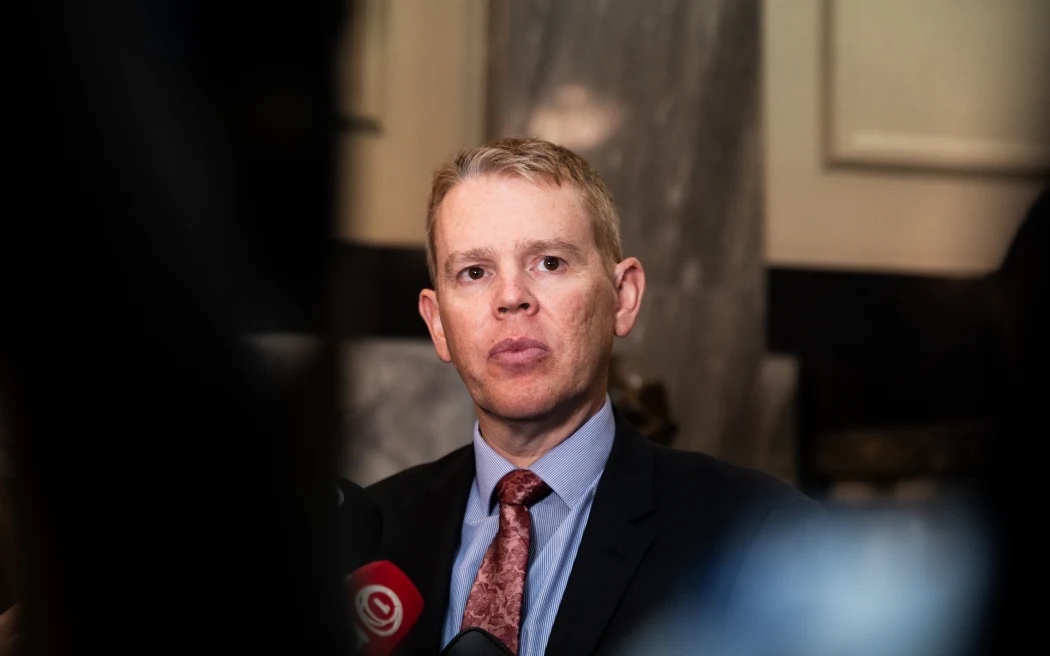
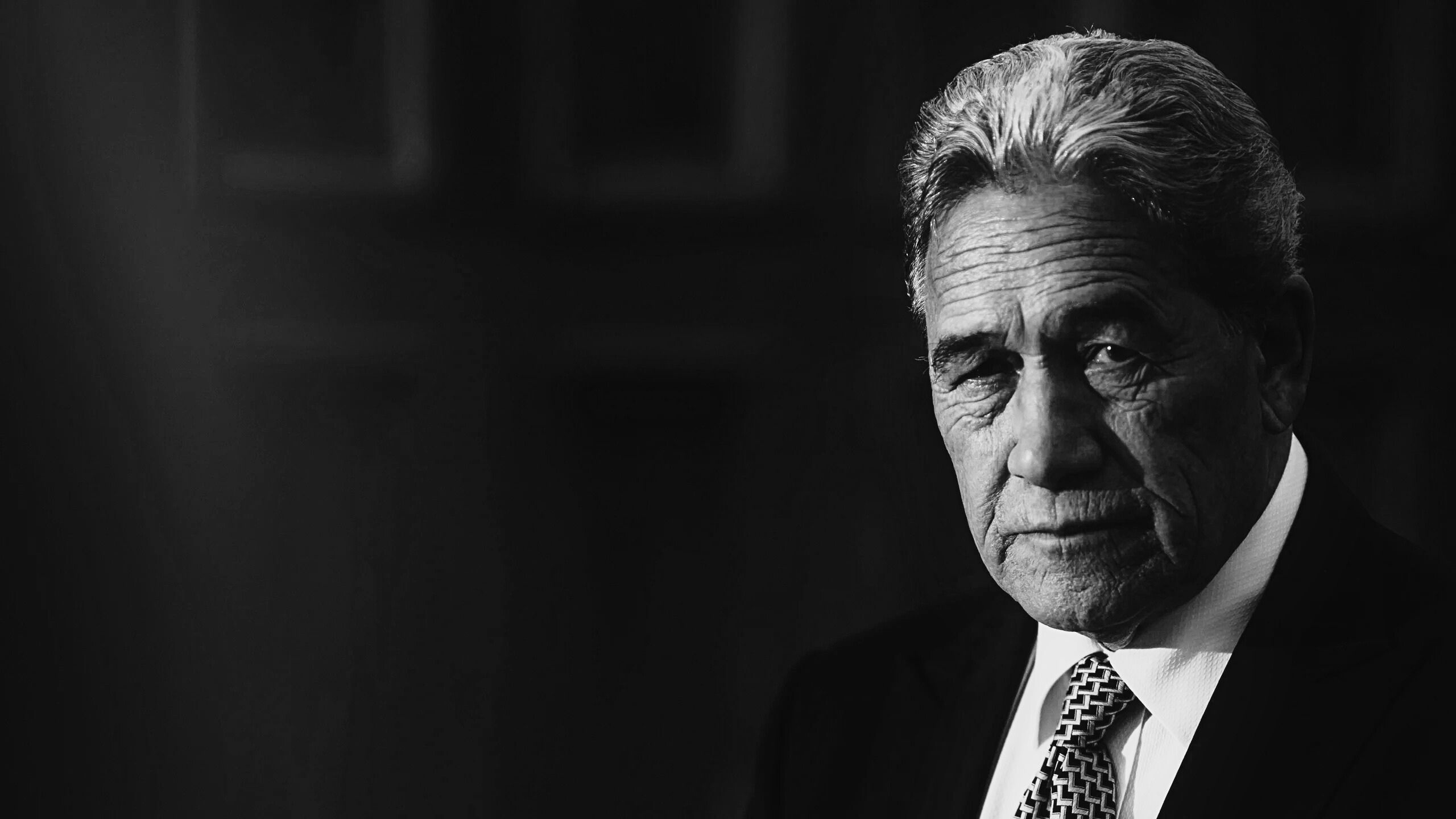
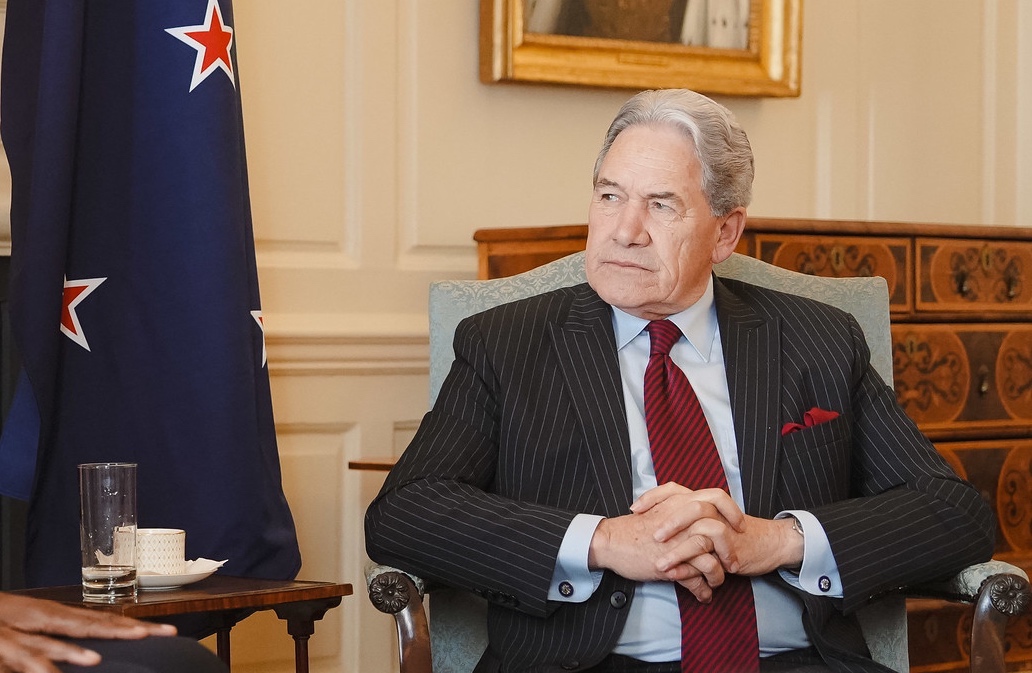
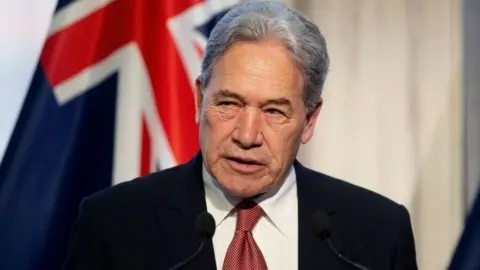
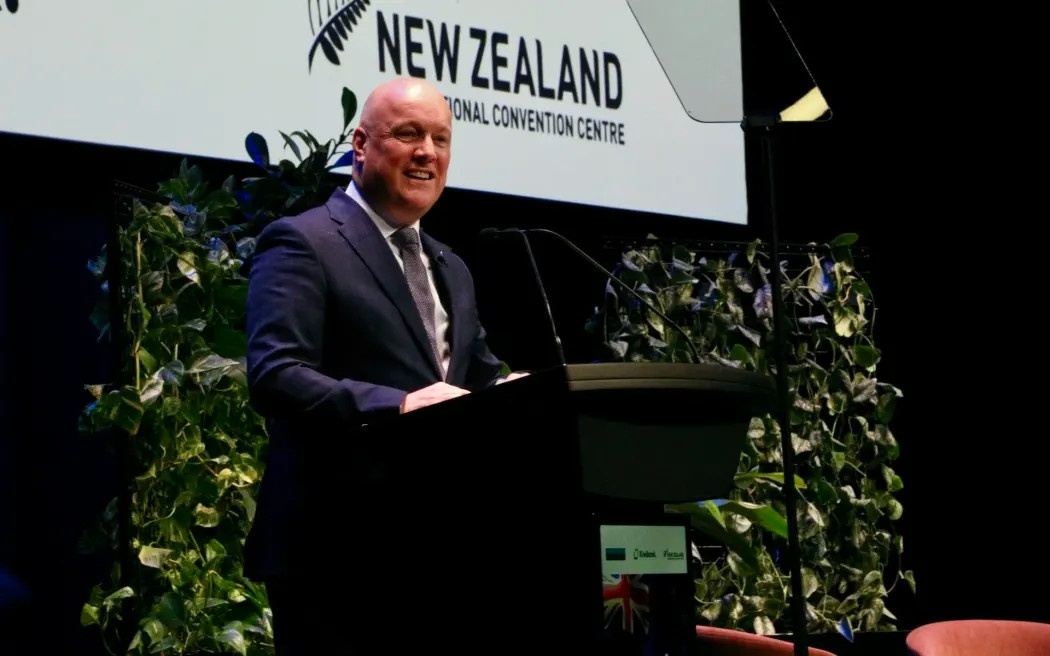
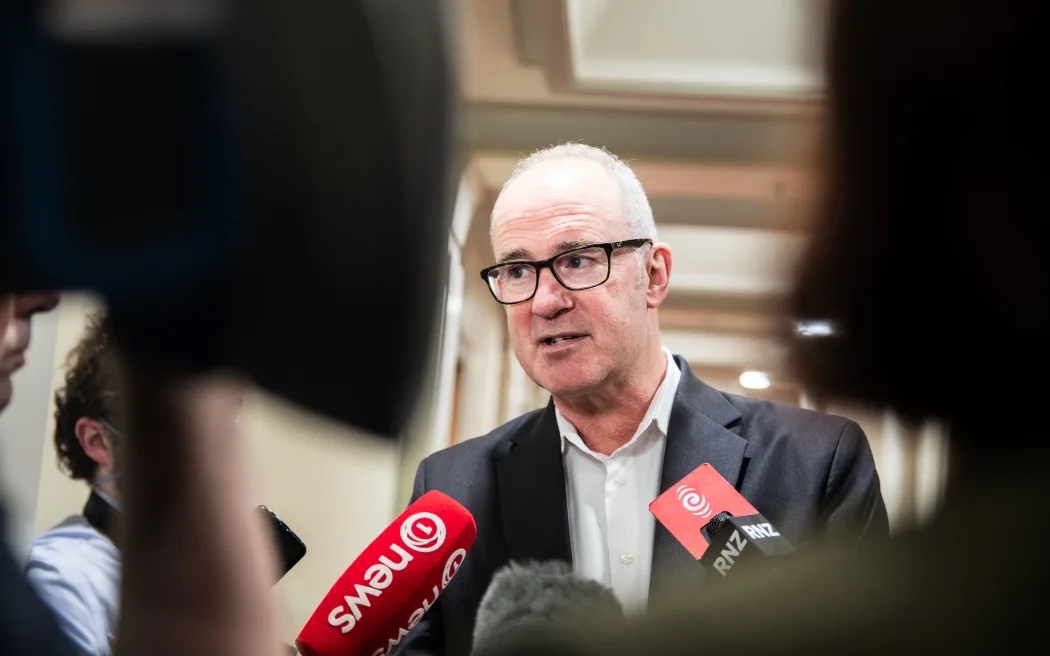
New Zealand First leader Winston Peters.
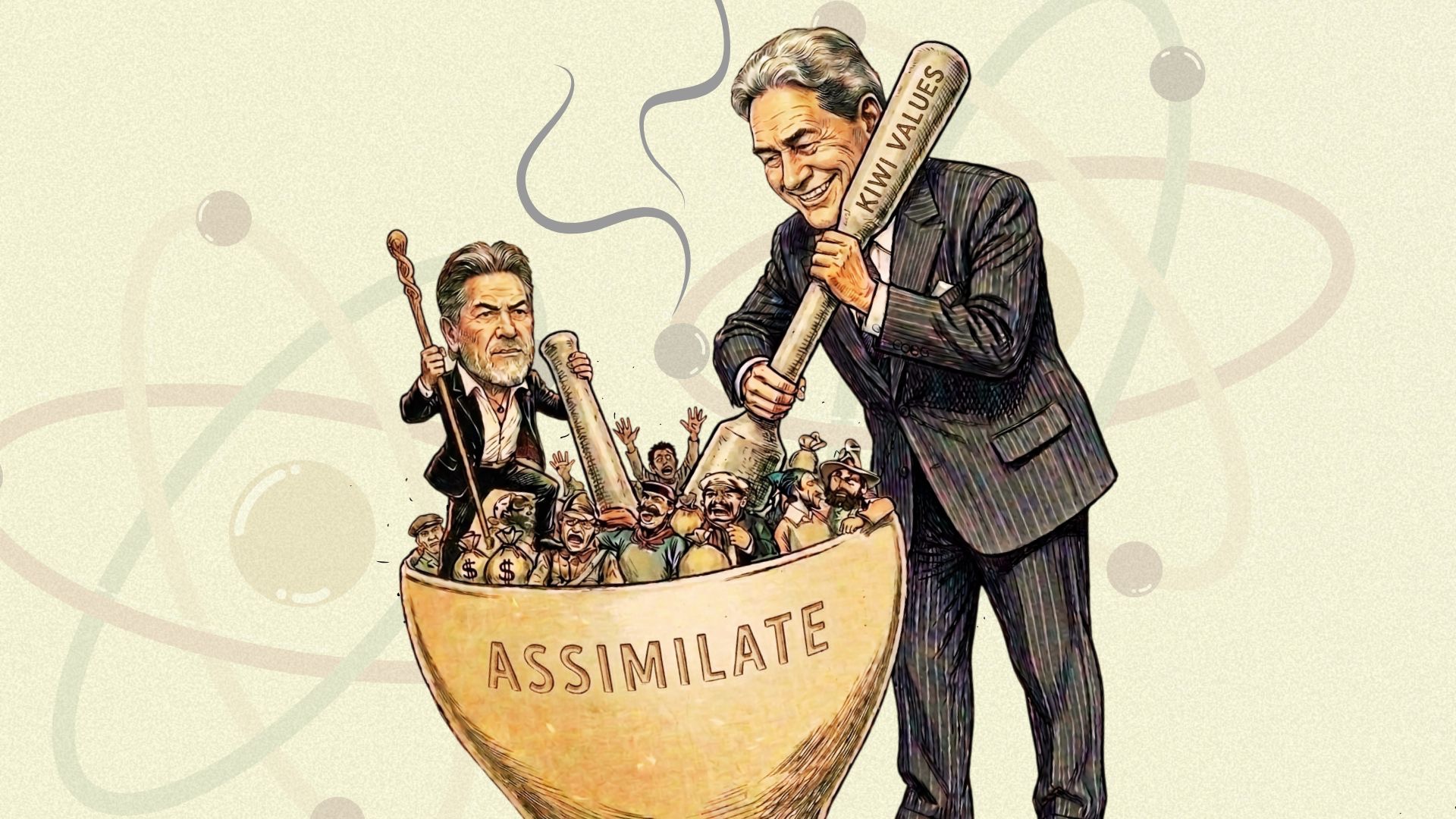
If acceptance matters, can assimilation be only a one-way obligation?
('Out Loud' is an opinion column that takes the political, cultural and social debates Indian migrant households save for home and says them out loud, consequences pending.)
“I'll tell you what, you all understand finance because you're Indians.”
That was Winston Peters addressing a room of Indian New Zealanders during a political interview earlier this month. A little later, he returned to the same theme.
“Come on, you Indians are very good with money. How much money did he raise?” Then came an assumption about how everyone intended to vote.
“Now, I know you guys are all voting for the National Party in Act, but they're the ones that shut the embassy down.”
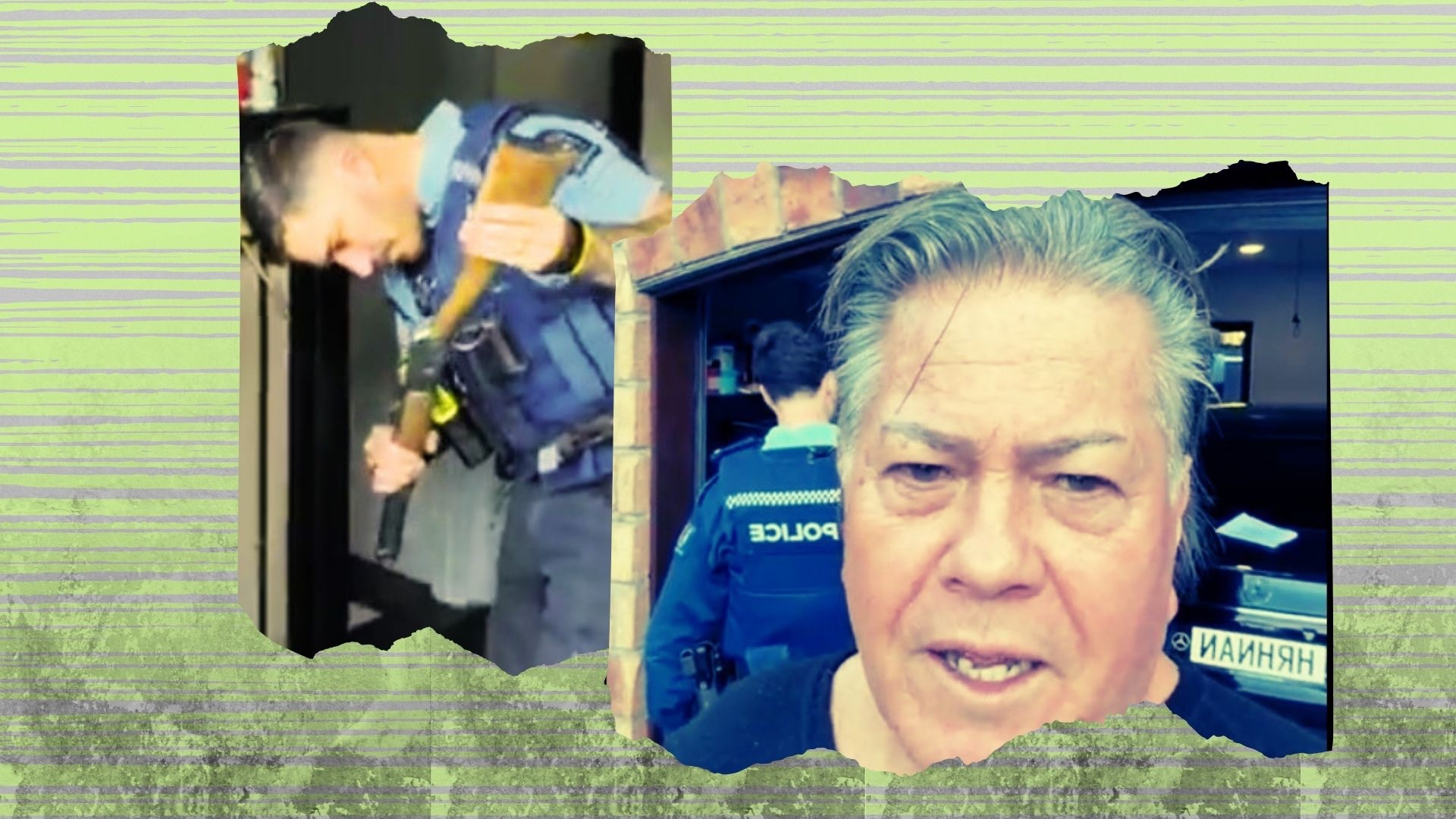
Out Loud: Winston Peters wants migrants to assimilate. But he keeps seeing us as migrants If acceptance matters, can assimilation be only a one-way obligation?
Woman says marriage at risk as husband's drink-driving conviction jeopardises NZ residence The Indian woman fears family backlash, social rejection and pressure to remarry if she is forced to return.
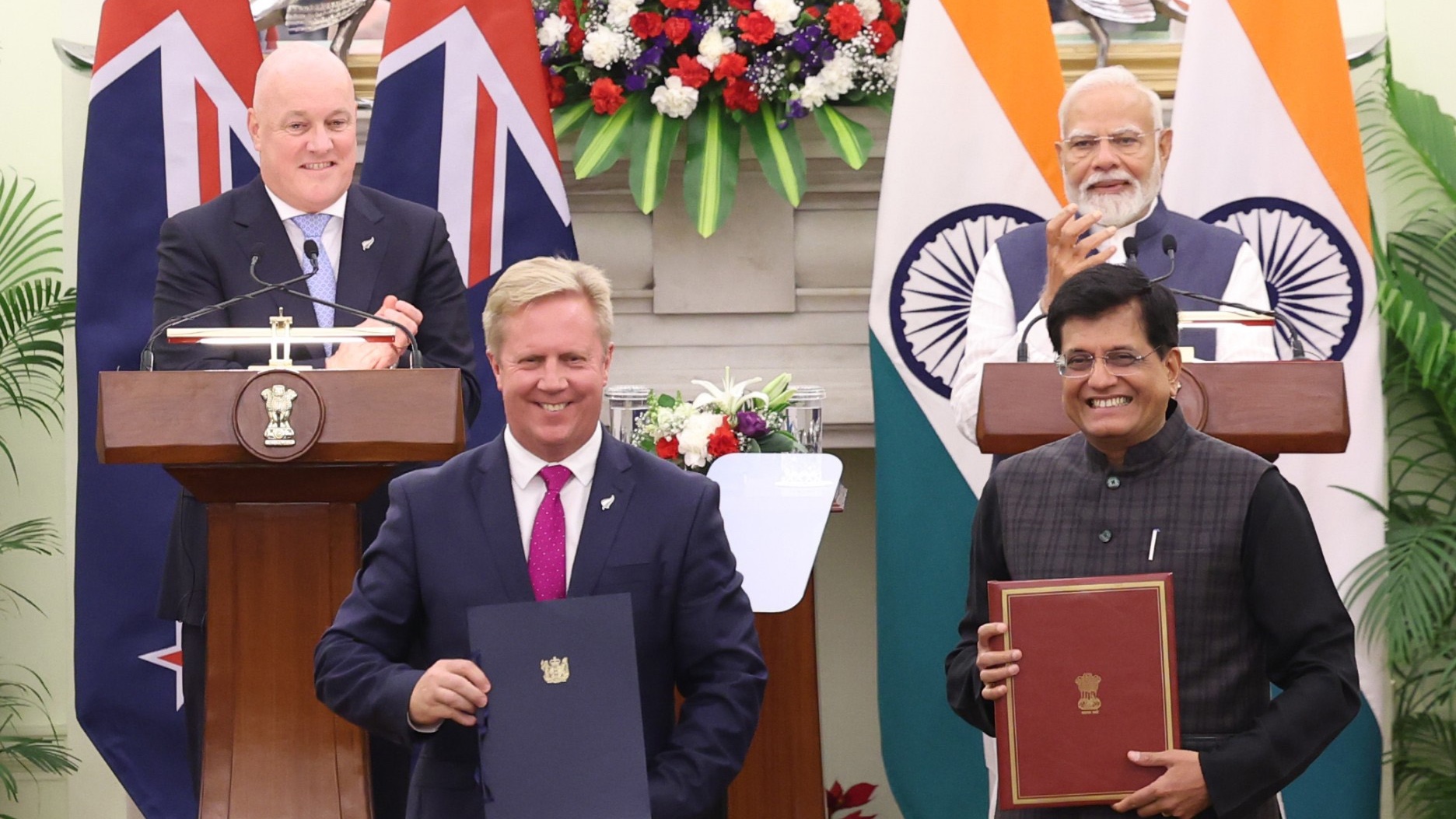
'Highest quality deal': NZ-India free trade agreement officially begins "Big step towards doubling the value of our exports in 10 years."
How did he know? And why would he assume that everyone in the room shared the same political preferences?
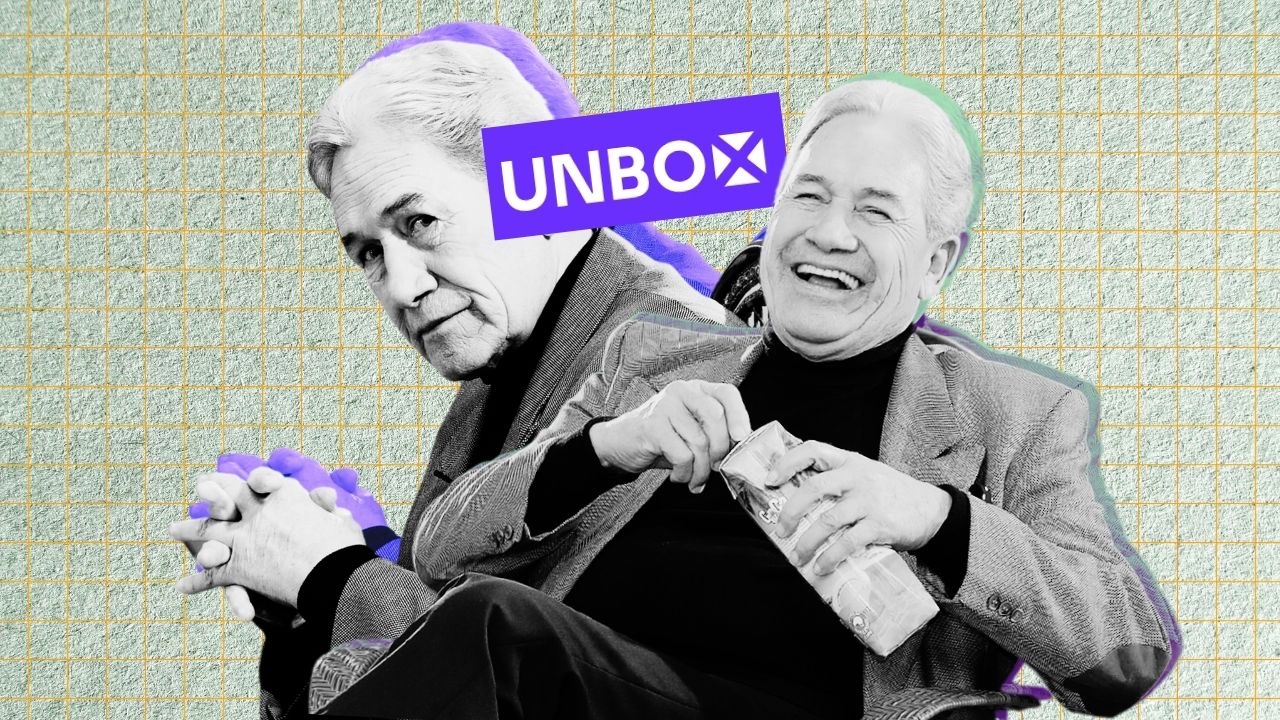
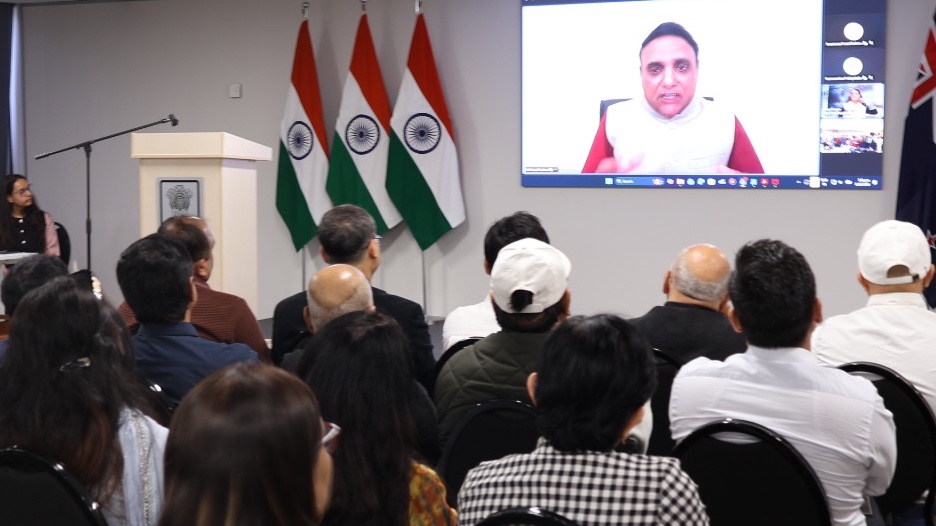
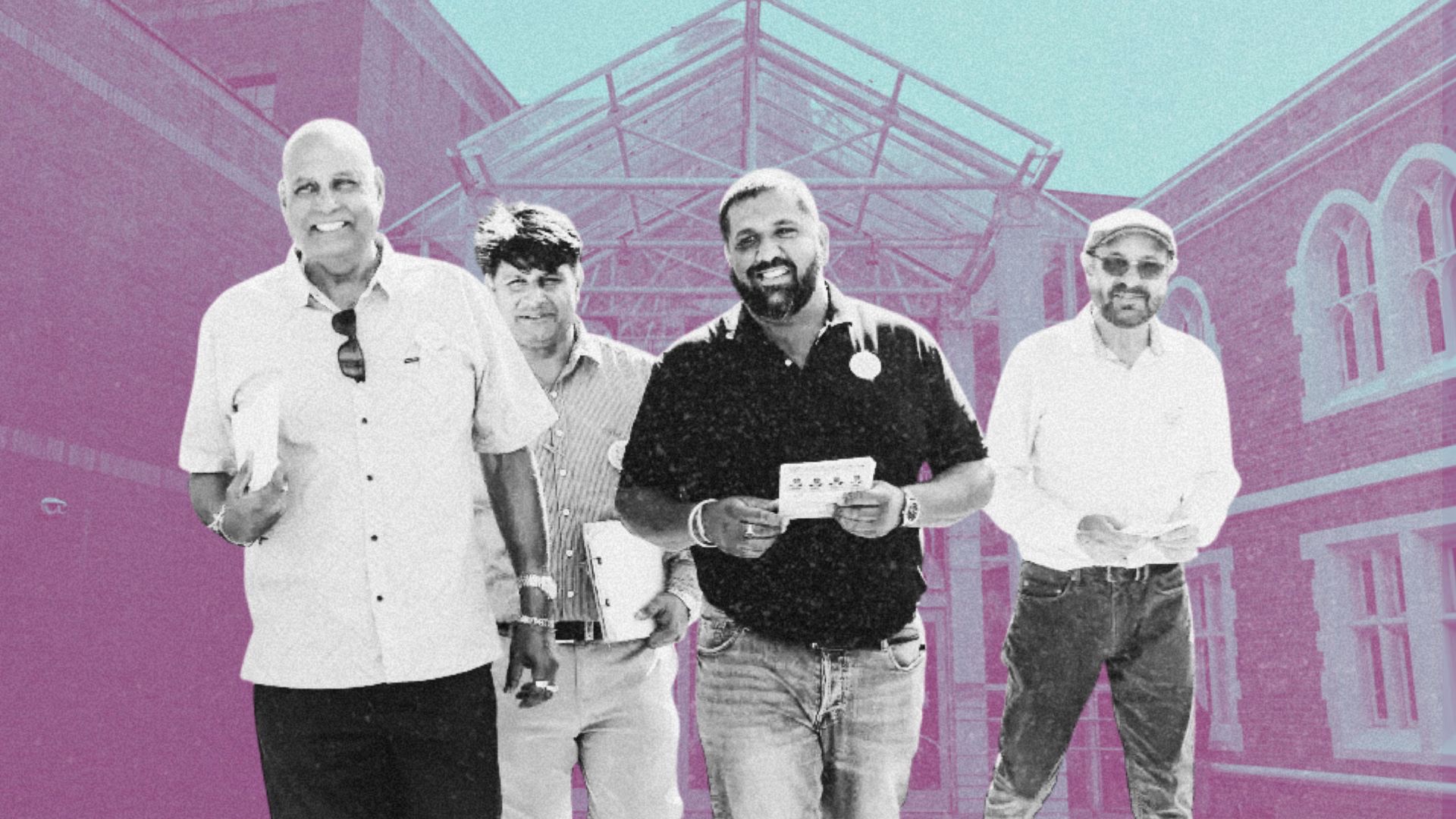
The remarks were made during an October 3 episode of 'Unboxed', filmed at the Indian Association of Manukau in South Auckland and organised by the New Zealand Indian Central Association.
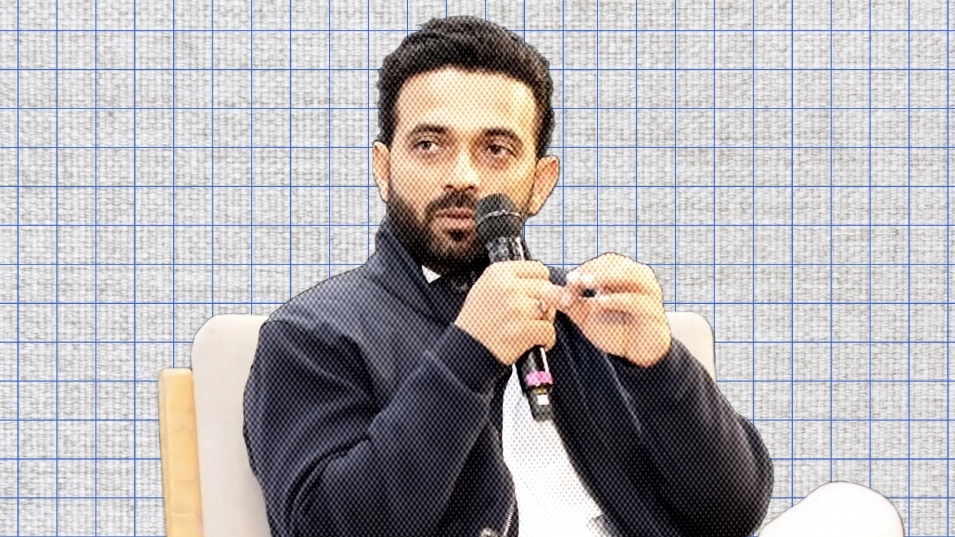
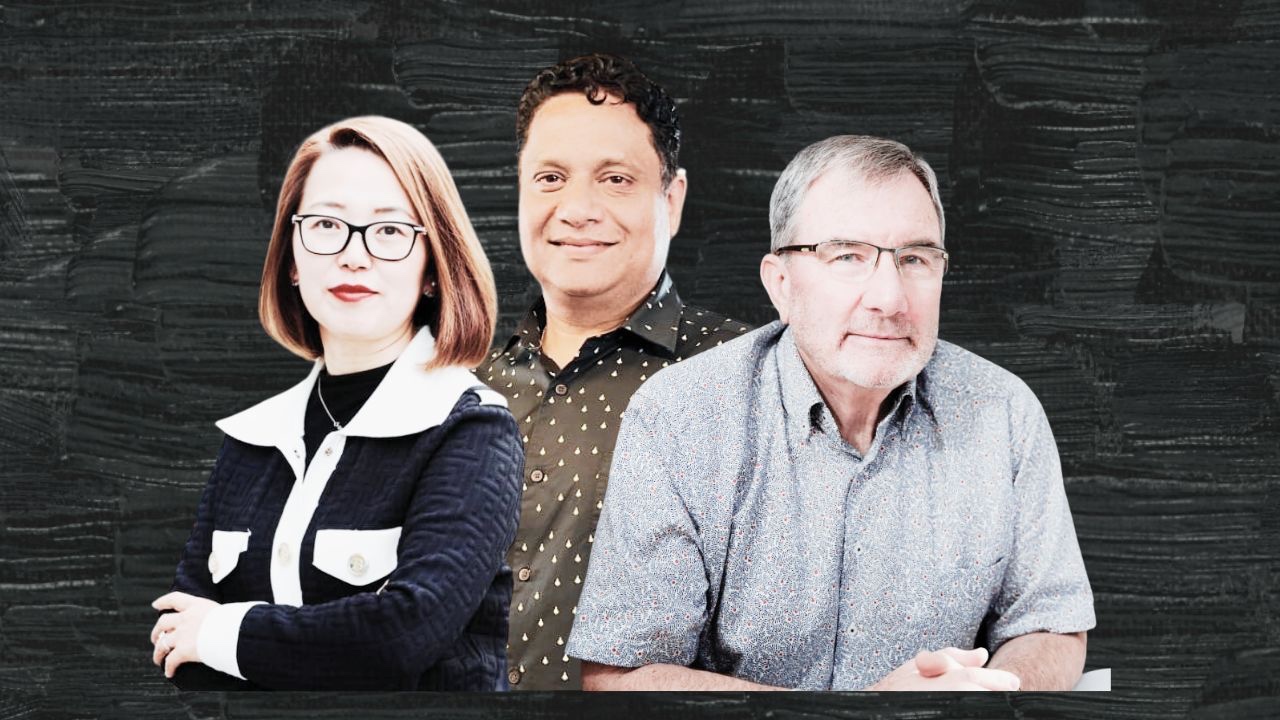
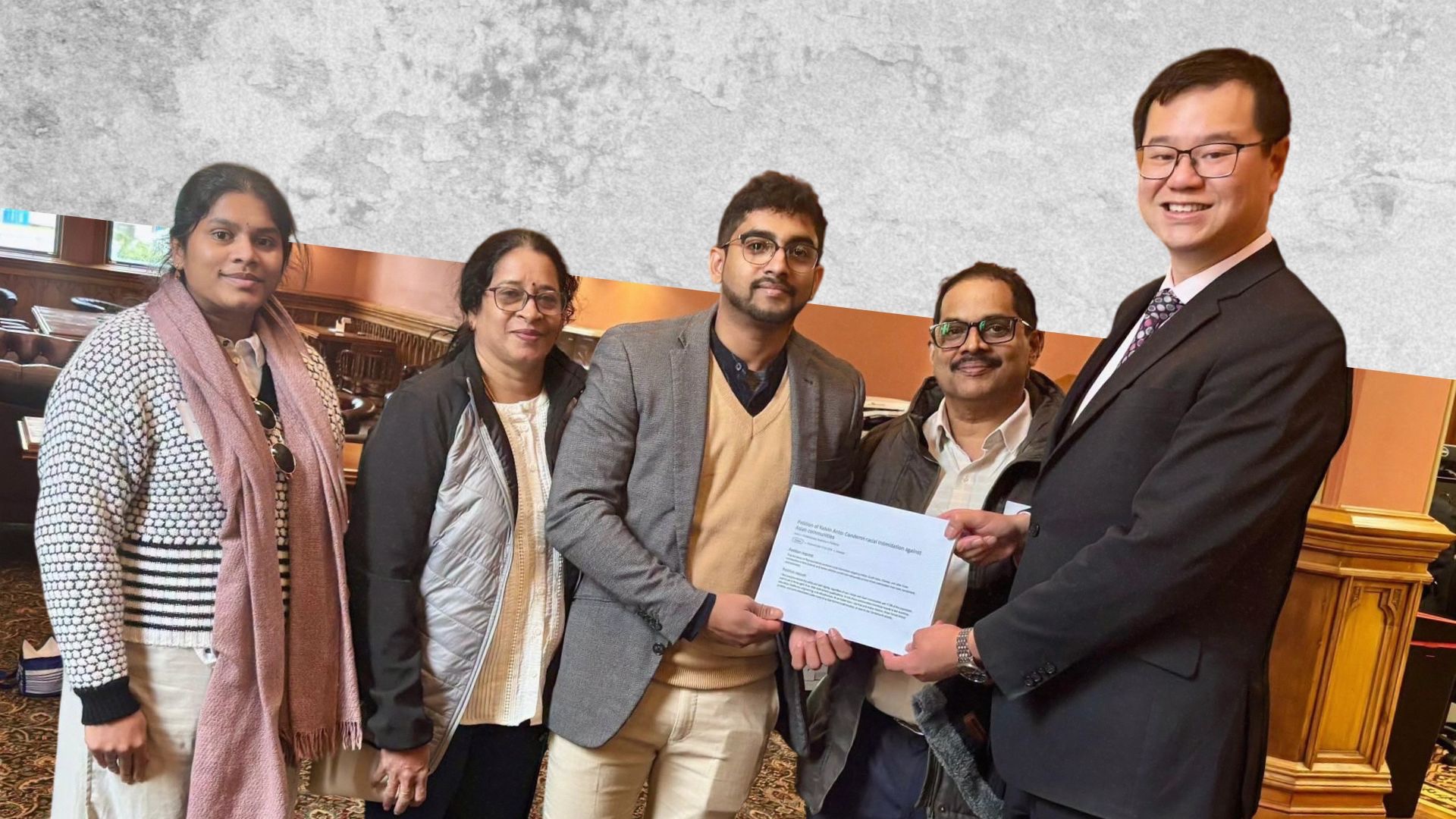
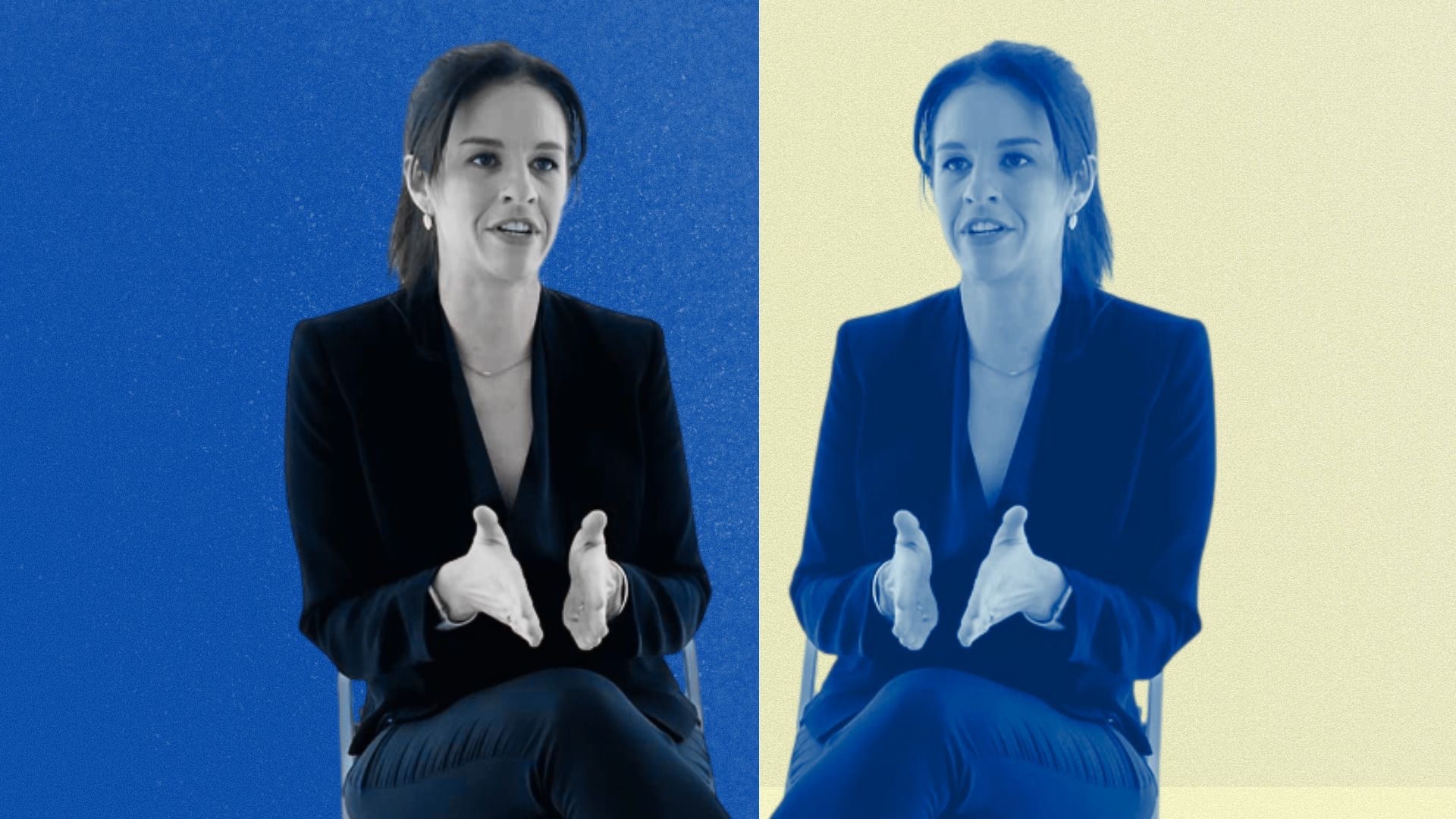
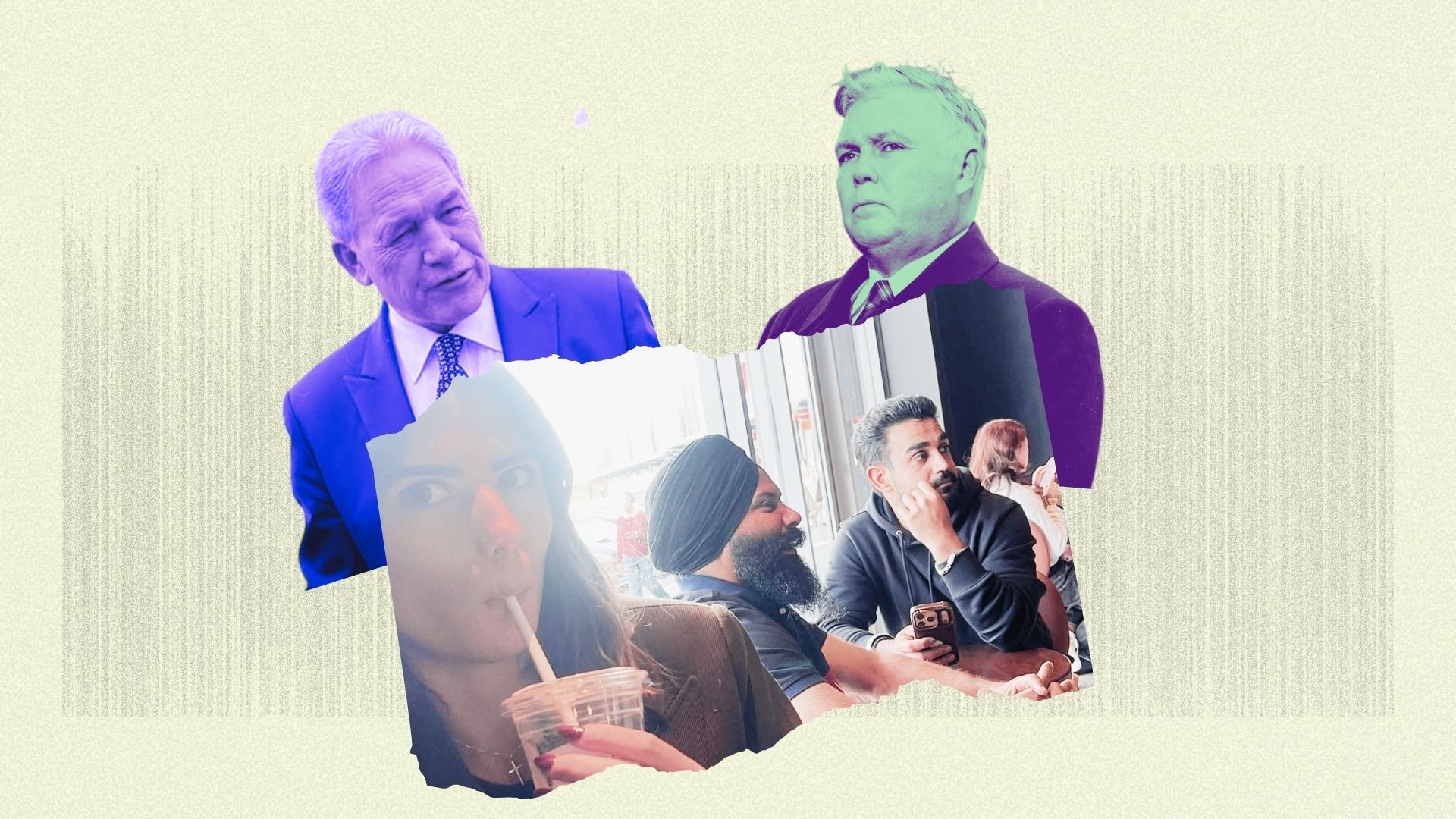
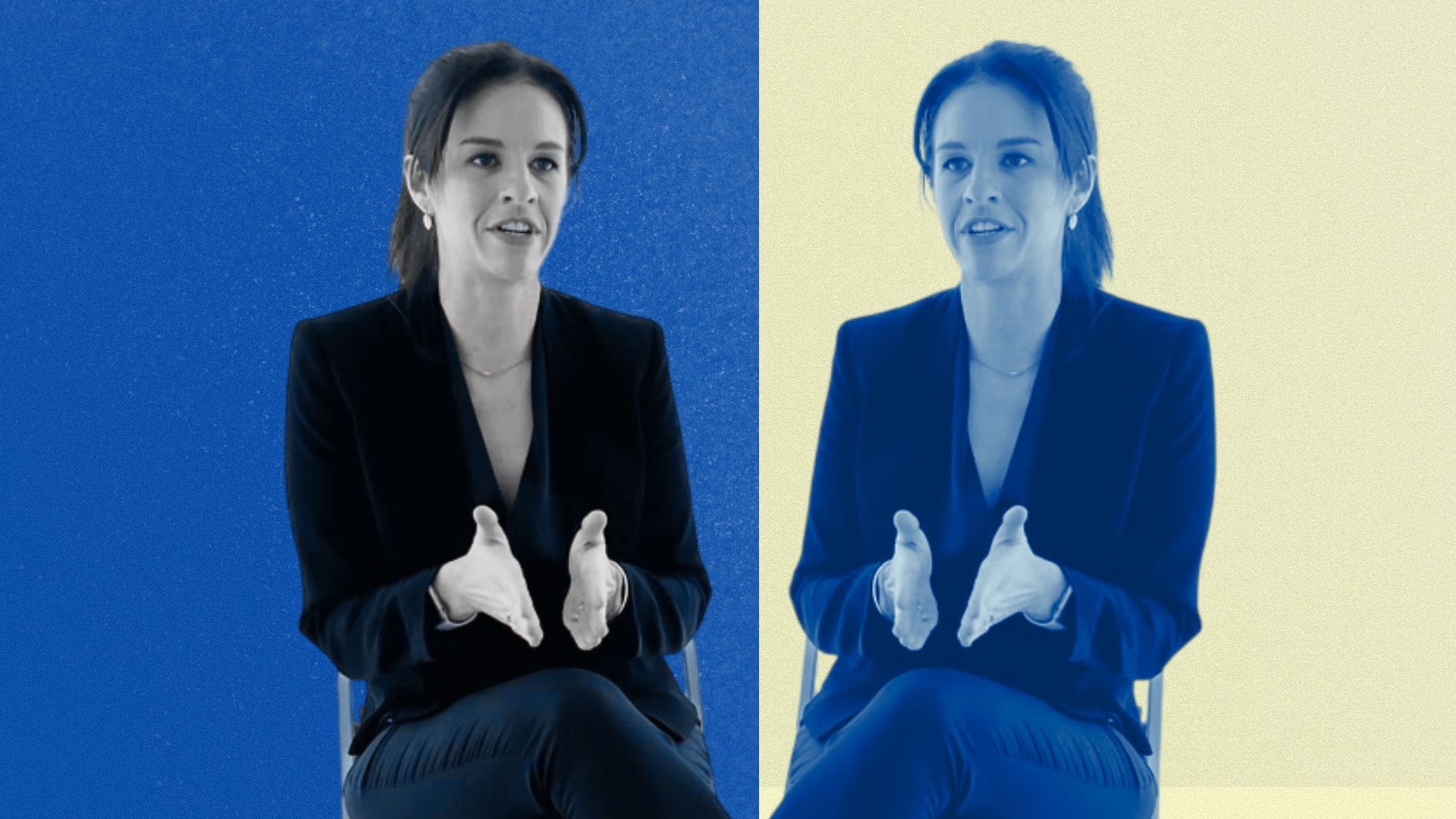
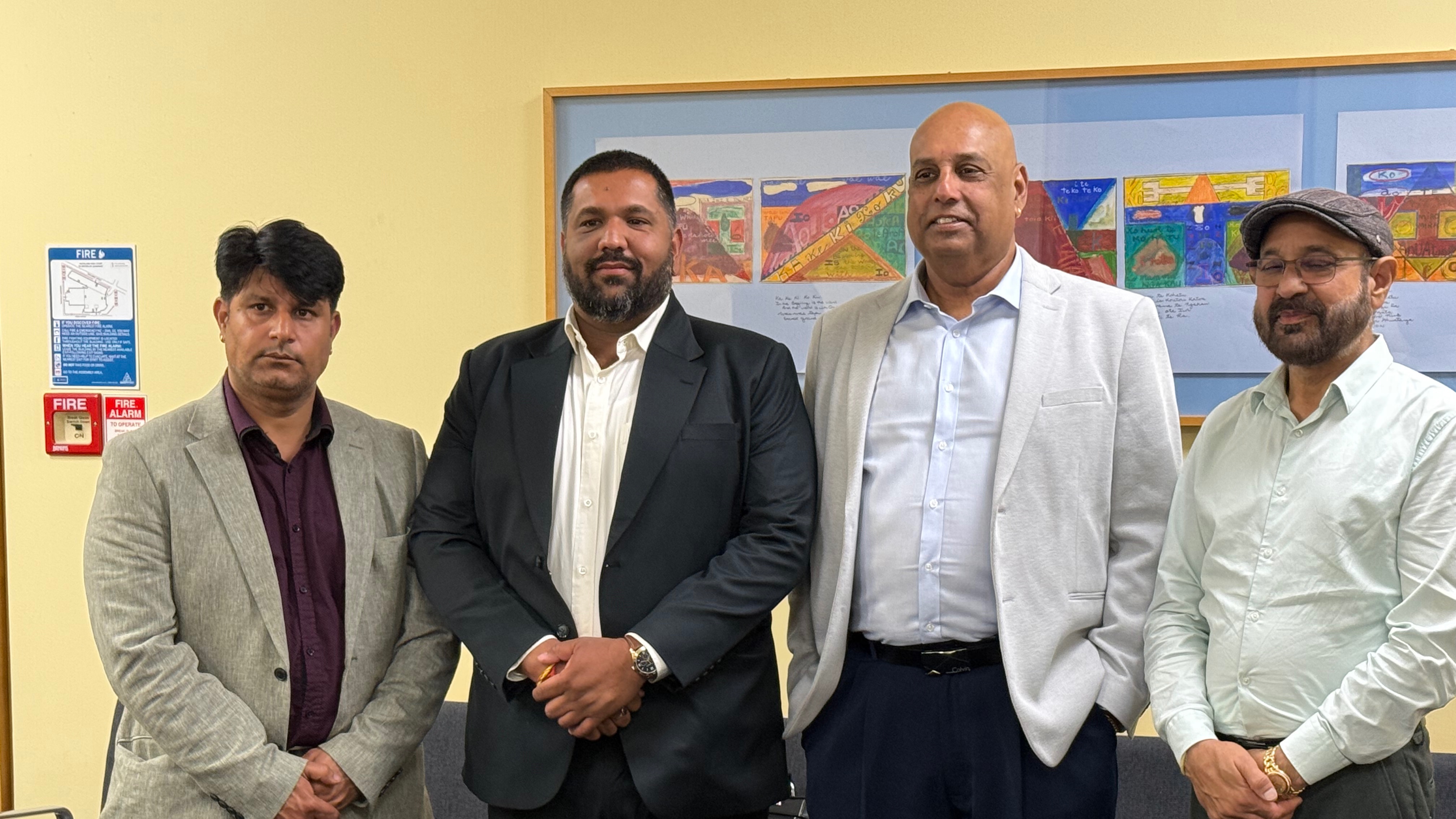
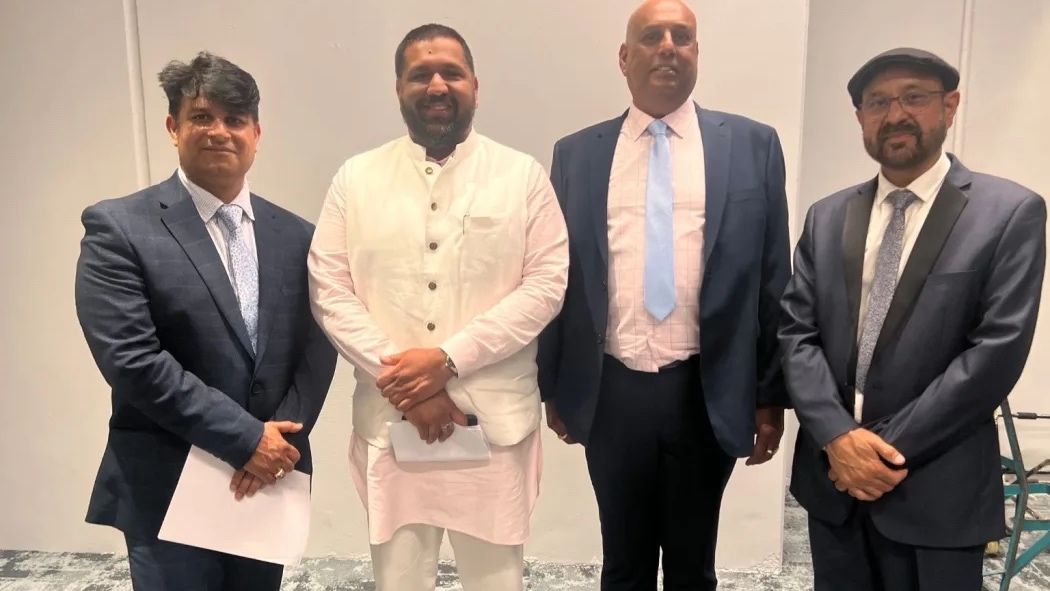
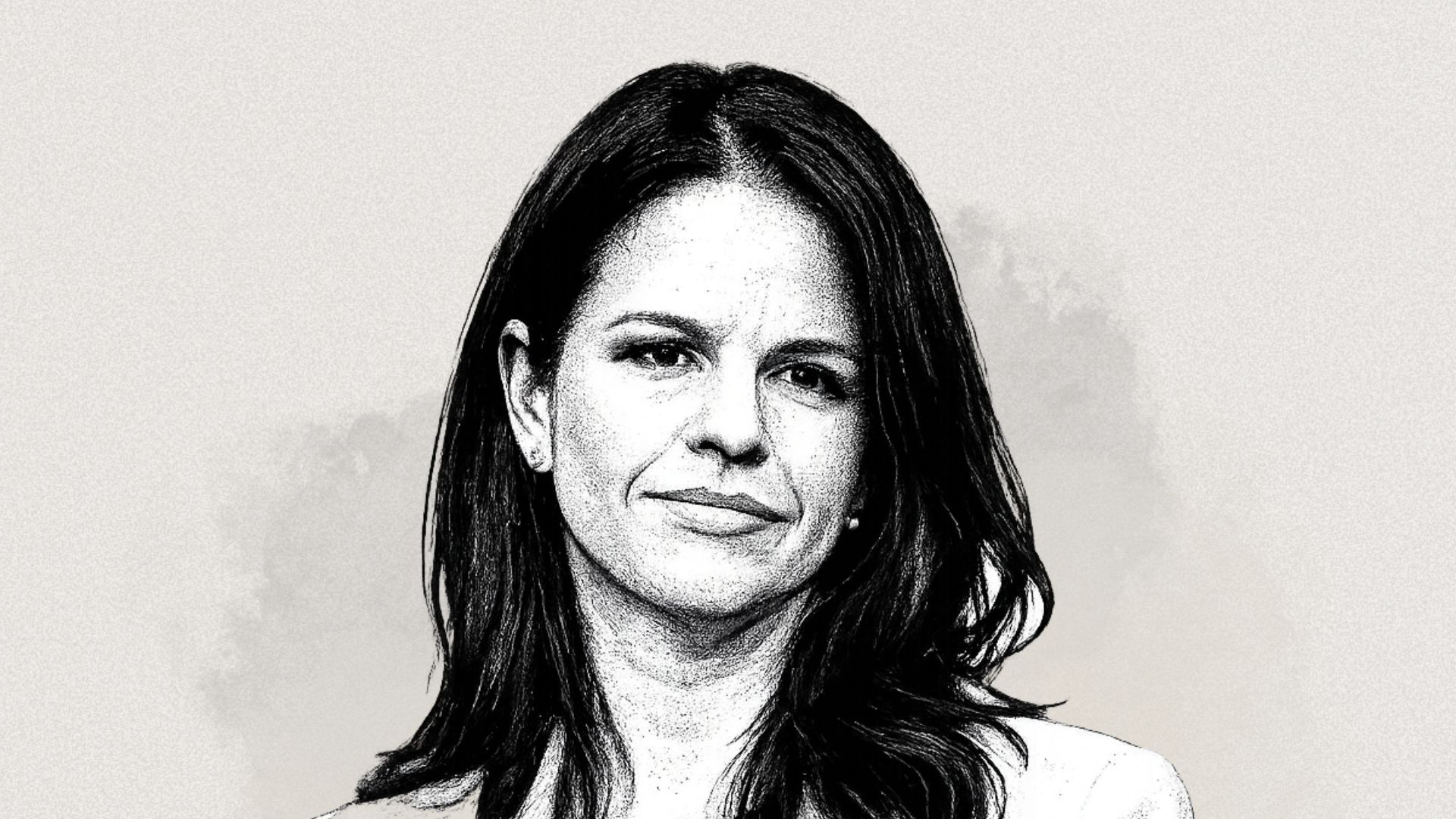
I was one of four panellists questioning the New Zealand First leader, with at least 20 other Indian New Zealanders in the audience.
Some had lived in this country for nearly three decades. Others were established community leaders, including people involved in inviting Peters to the event, whom he may already have known through their community work.
The exchanges were largely friendly, and Peters' comments were sometimes humorous, even complimentary. But as the conversation progressed, I became increasingly conscious of the ease with which he addressed the people in the room as a collective, making assumptions about them on the basis of their Indian identity.
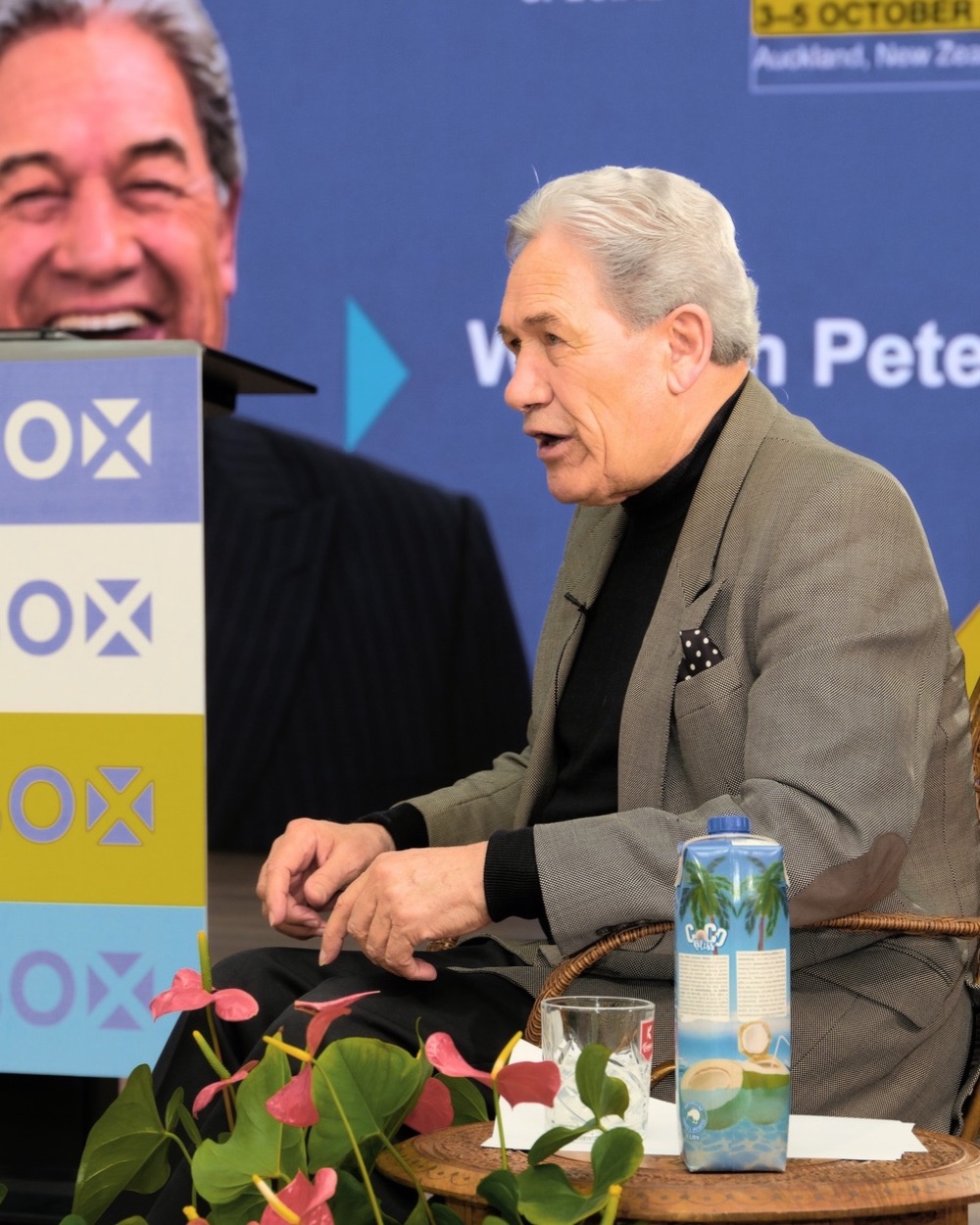
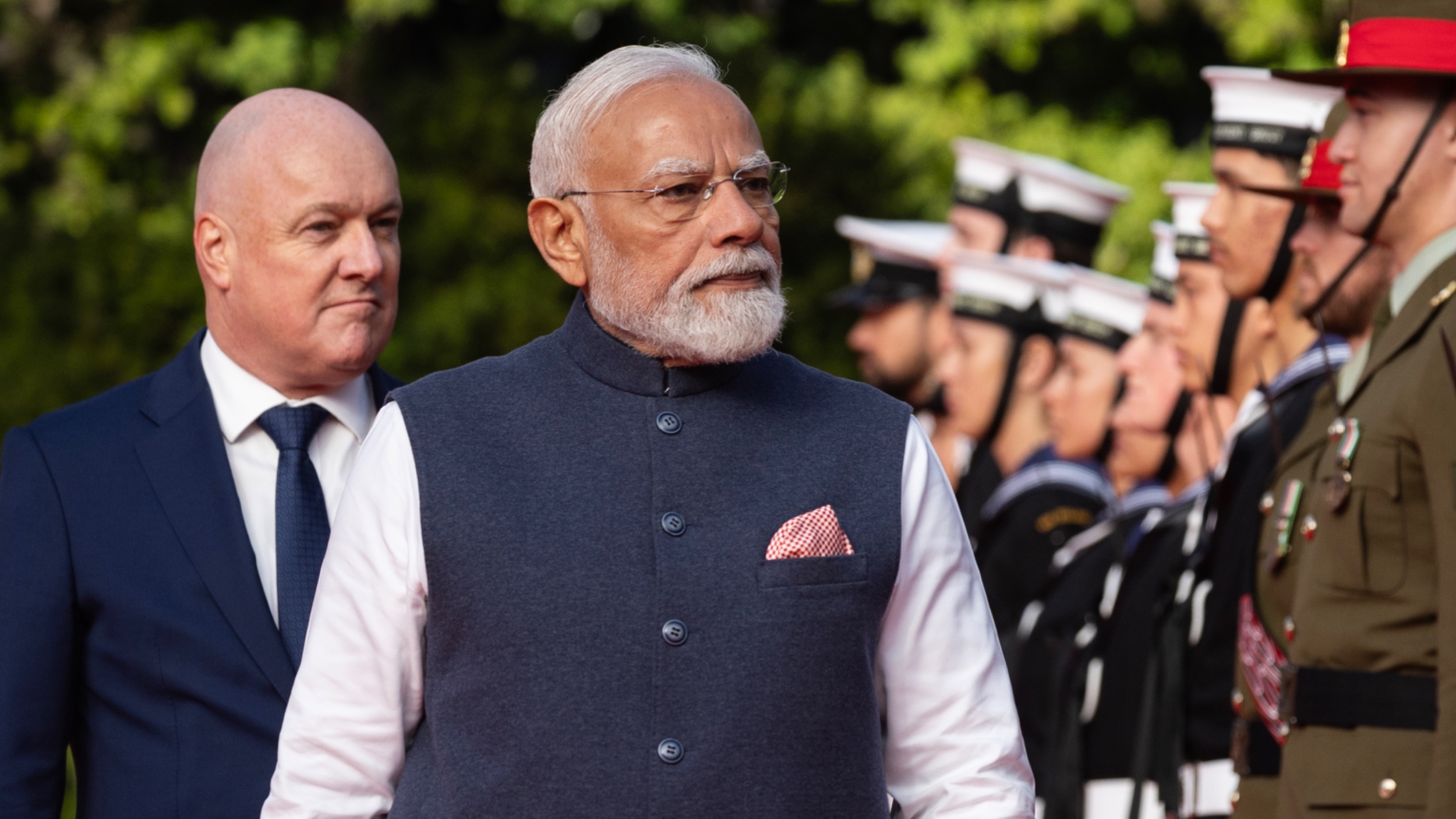
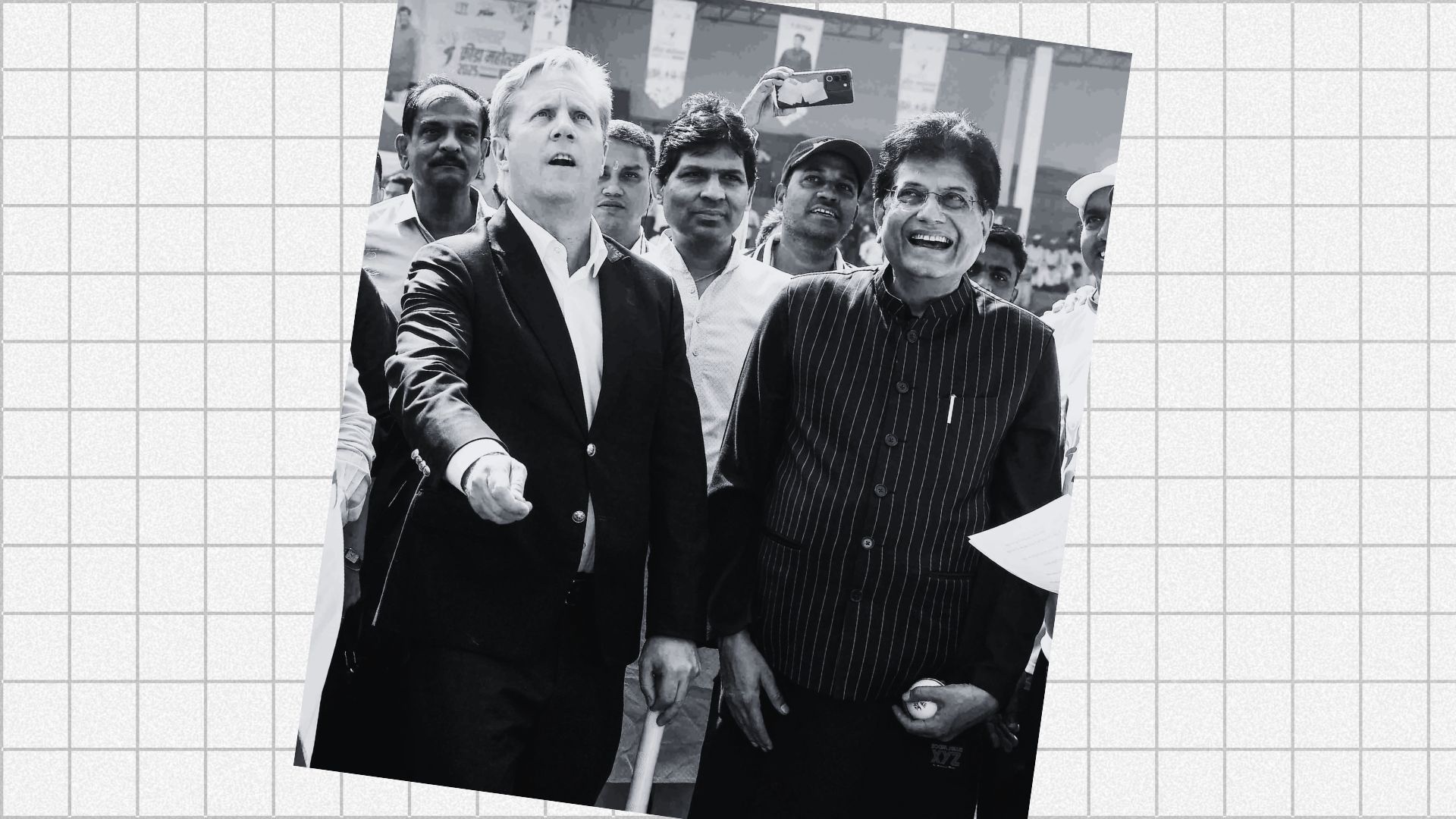
Winston Peters at the interview organised in association with the New Zealand Central Indian Association.
What made this particularly striking was that Peters had also spent considerable time explaining why migrants should assimilate, embrace New Zealand as their country and put it first.
He wanted Indian migrants to see themselves as New Zealanders first. Yet he kept seeing the New Zealanders sitting in front of him as Indians.
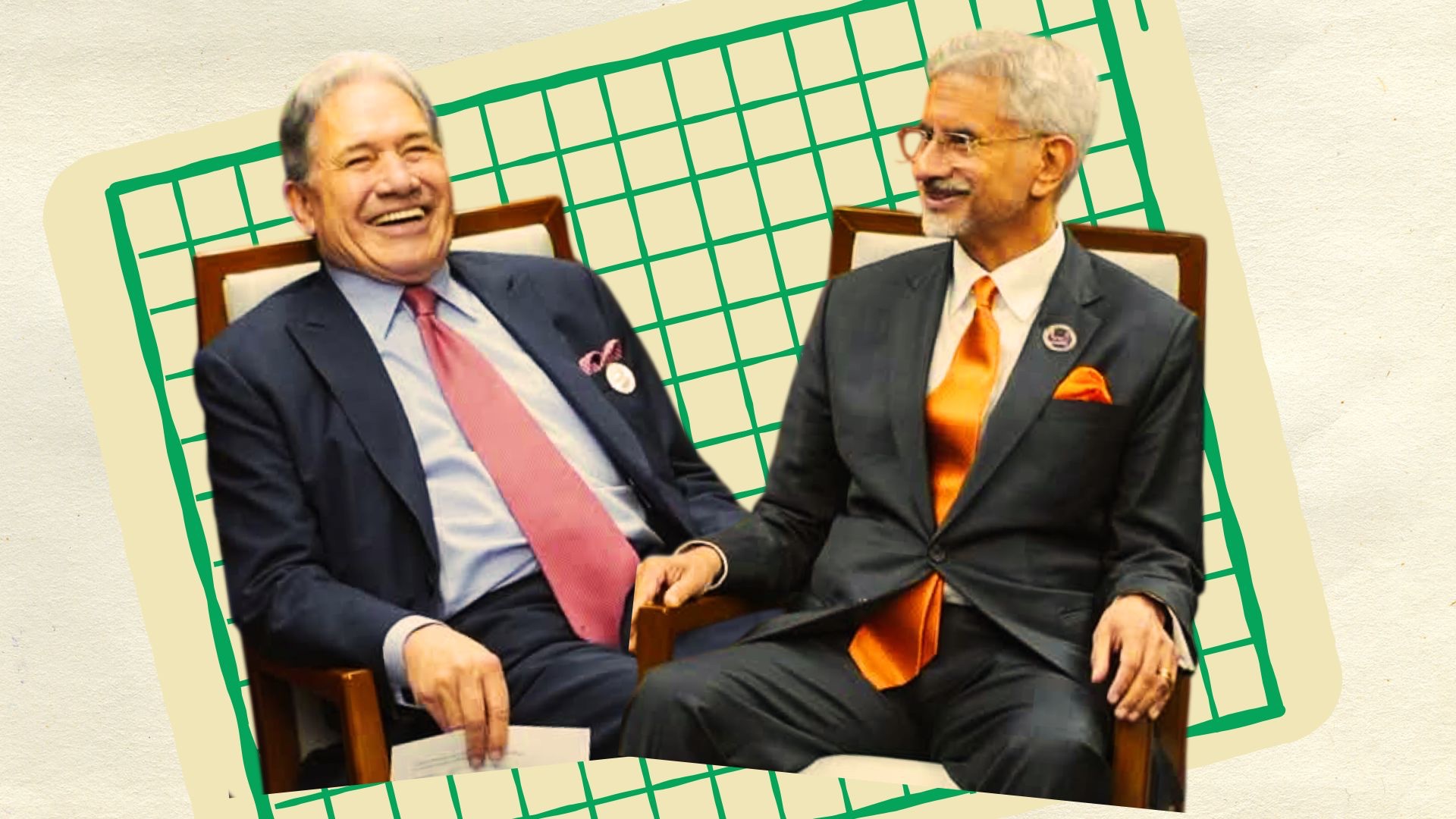
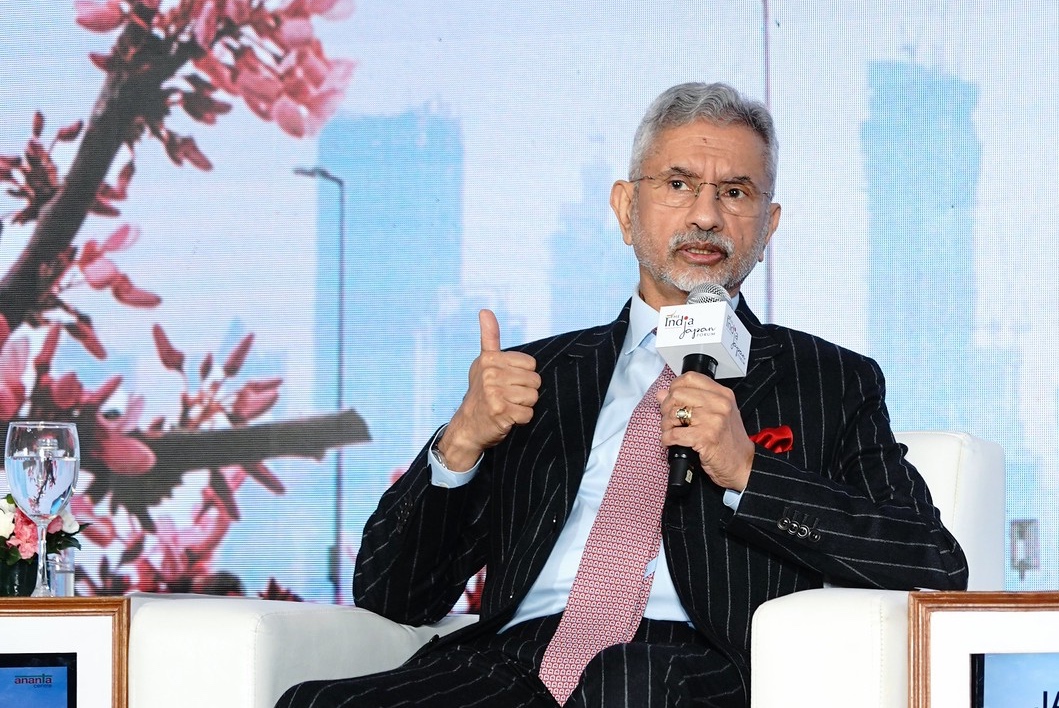
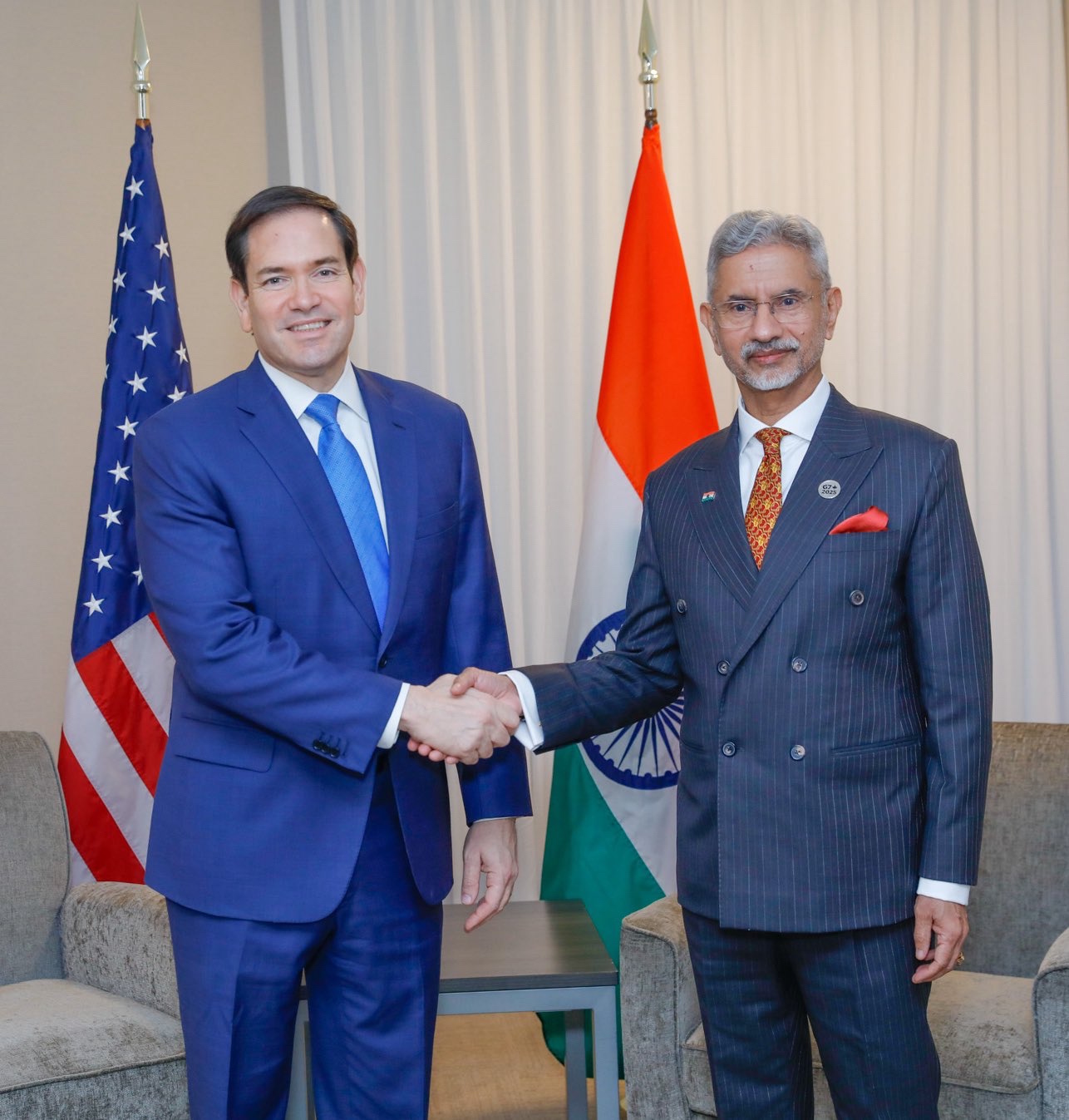
The contradiction became personal when Peters, directly addressing me, referred to India's external affairs minister, S Jaishankar, as my foreign minister.
“If you don't believe me, go and ask your foreign minister, Jaishankar, whether he agrees with me on that or not,” he said to me.
It was a fleeting exchange, but it captured something that had been bothering me throughout the conversation. Peters himself is New Zealand's foreign minister. Yet, while addressing a journalist of Indian origin living in New Zealand, he had identified the foreign minister of another country as mine.
Of course, Jaishankar is his Indian counterpart, and Peters was discussing a matter involving India. I understood the context. But that did not make Jaishankar my foreign minister.
Nor was I asking Peters to overlook my Indian heritage. I was simply pointing out that my ancestry did not determine which government represented me.
There is an obvious counterargument here, and it deserves to be acknowledged.
The interview was organised by an Indian diaspora community organisation. It took place at an Indian community venue, and the panellists and audience members were there partly because of their connections to the Indian community. Of course Peters was going to talk about Indians.
I run a news company devoted to the lives and experiences of Kiwi-Indians. It would be absurd for me to object to someone recognising that identity, or to suggest that being described as Indian is inherently offensive.
But there is a difference between recognising someone's heritage and assuming that heritage determines their characteristics, political preferences or national loyalties. That difference becomes particularly important when the person making those assumptions is also demanding that migrants assimilate.
During the interview, one of my fellow panellists told Peters he had lived in New Zealand for 28 years and had been a citizen for nearly 20 “Am I an Indian or a New Zealander?” he asked.
Peters initially said that was for him to answer. “Once I get the passport, I consider myself as a New Zealander. And I am a New Zealander,” the panellist replied.
Yet, Peters' response returned to the question of Indians who continued to identify as Indian when they travelled to India.
Here was a man who had spent nearly three decades in New Zealand, almost two of them as a citizen, explicitly asserting his identity as a New Zealander. Still, the conversation turned to whether people of Indian origin had sufficiently embraced their adopted country.
It made me wonder how long someone must live here before their commitment to New Zealand stops being treated as an open question.
Later, Peters was asked whether migrants could retain a cultural and historical attachment to their country of origin while giving their allegiance to New Zealand.
“There are two types of Indians,” he replied. “There are those that have fully adopted this country for their future and forever. And there are some who still salute India first.”
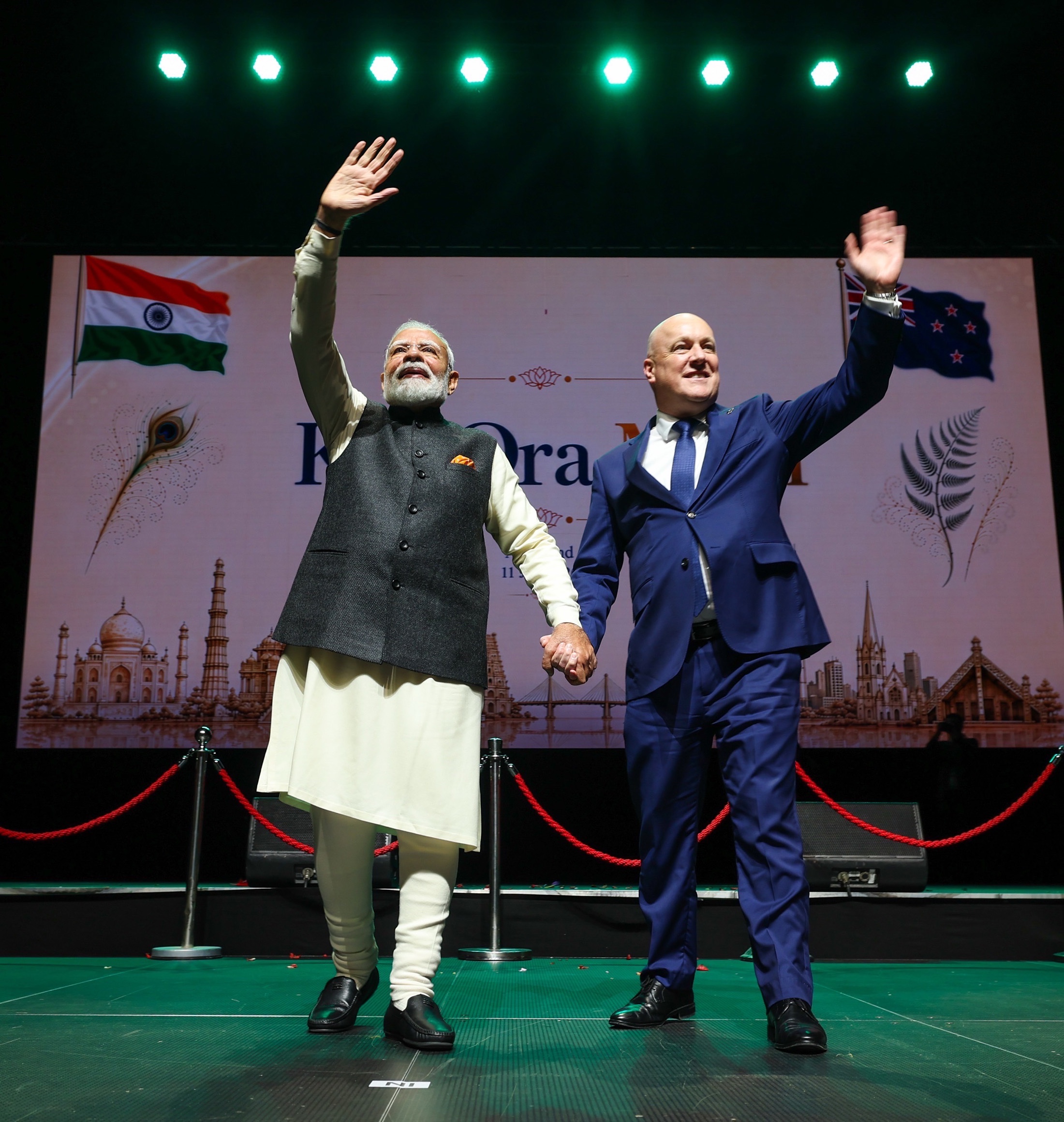
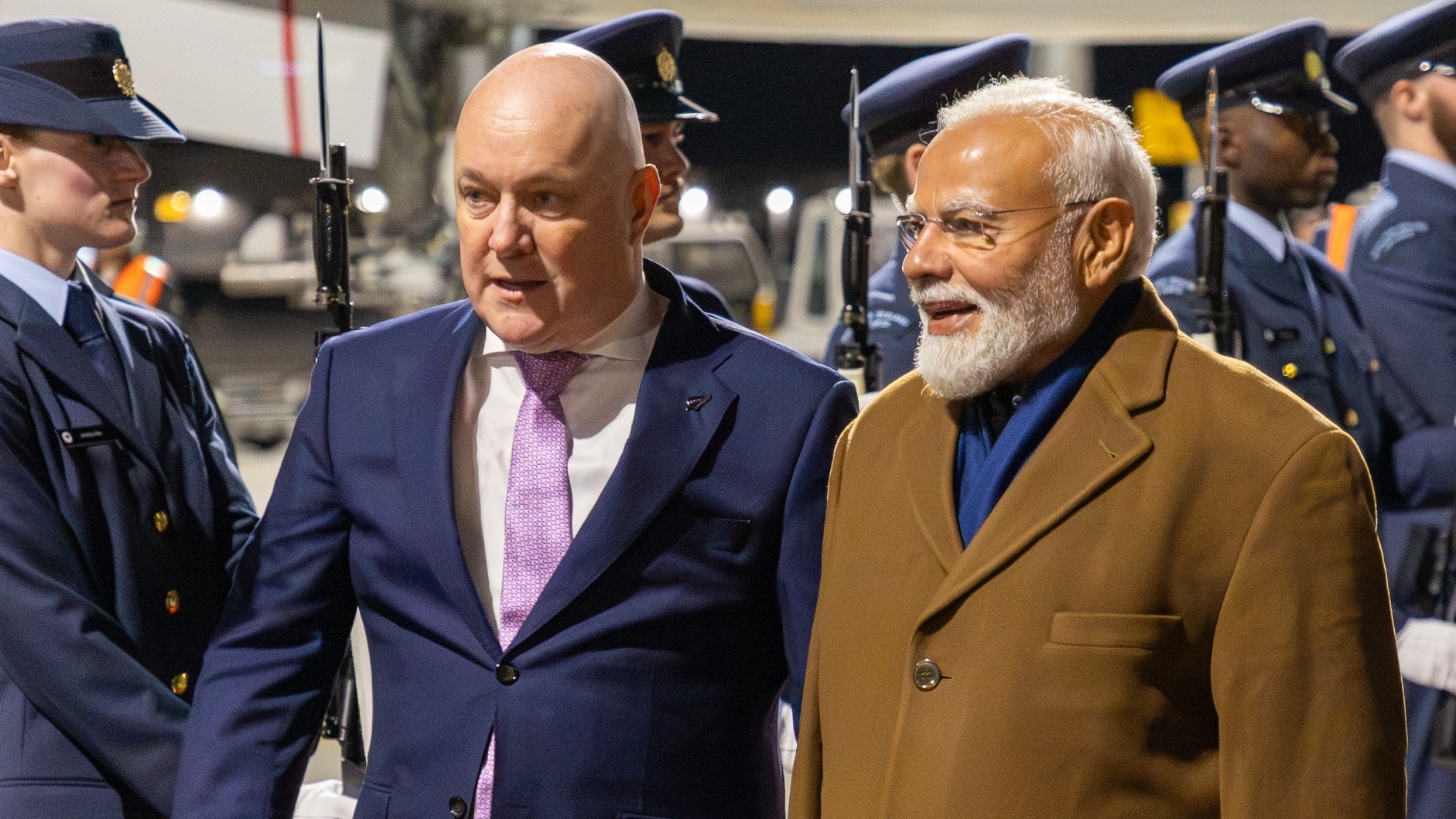
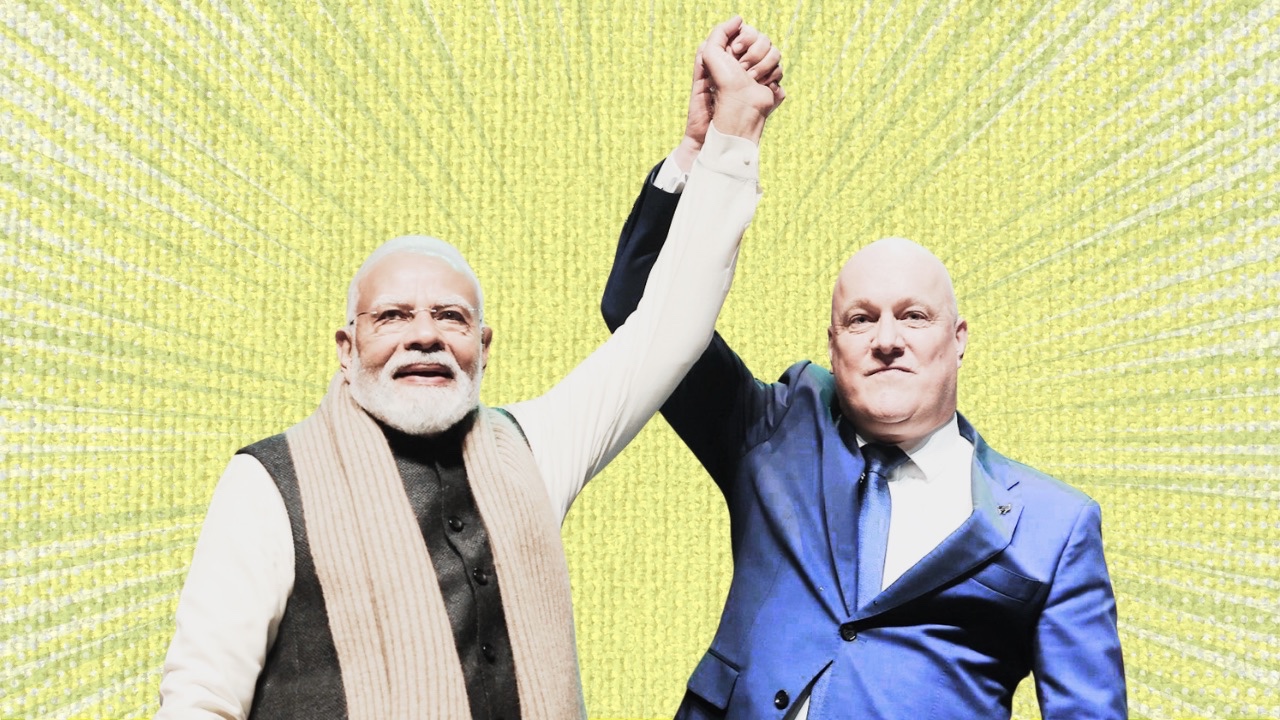
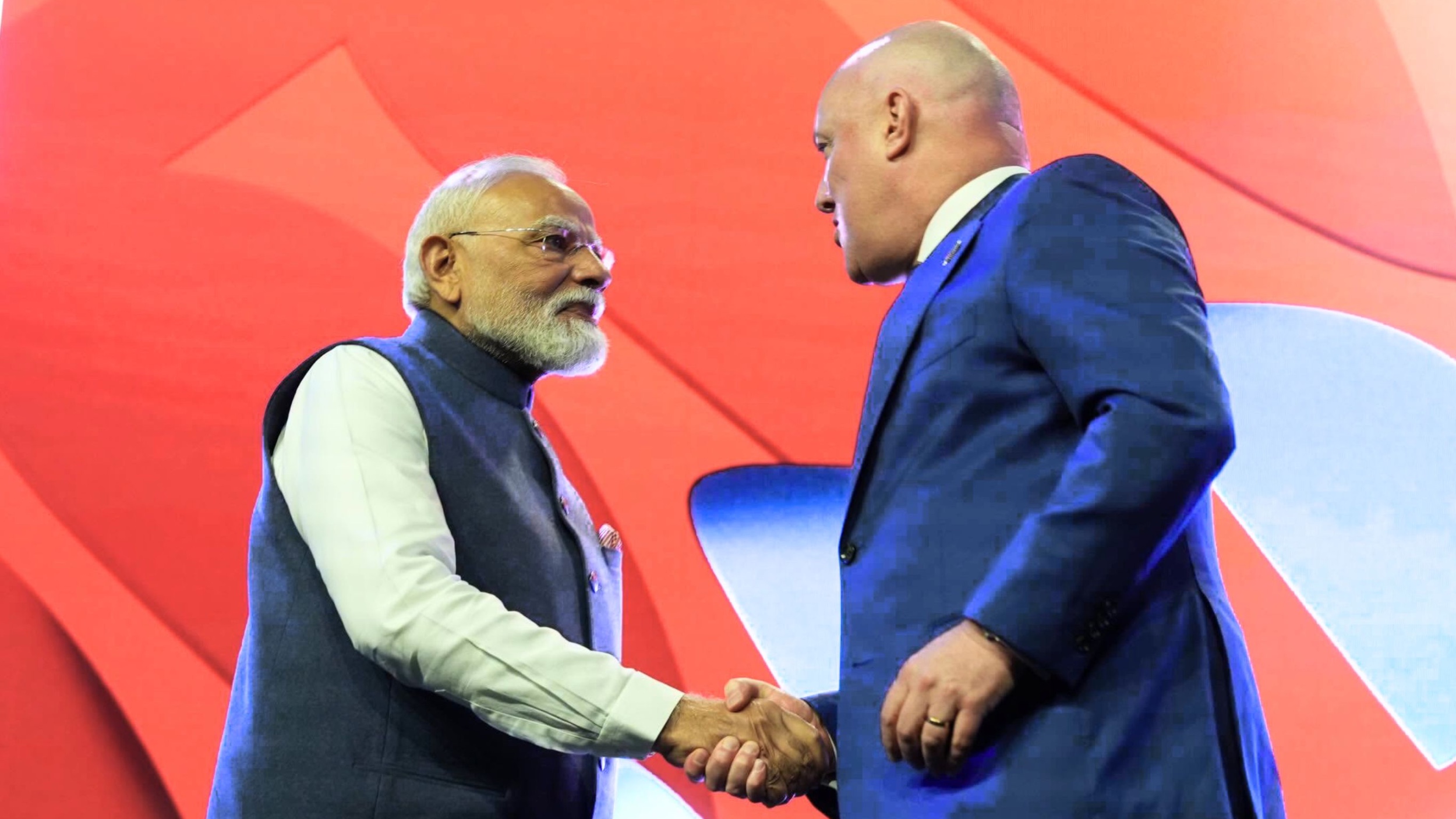
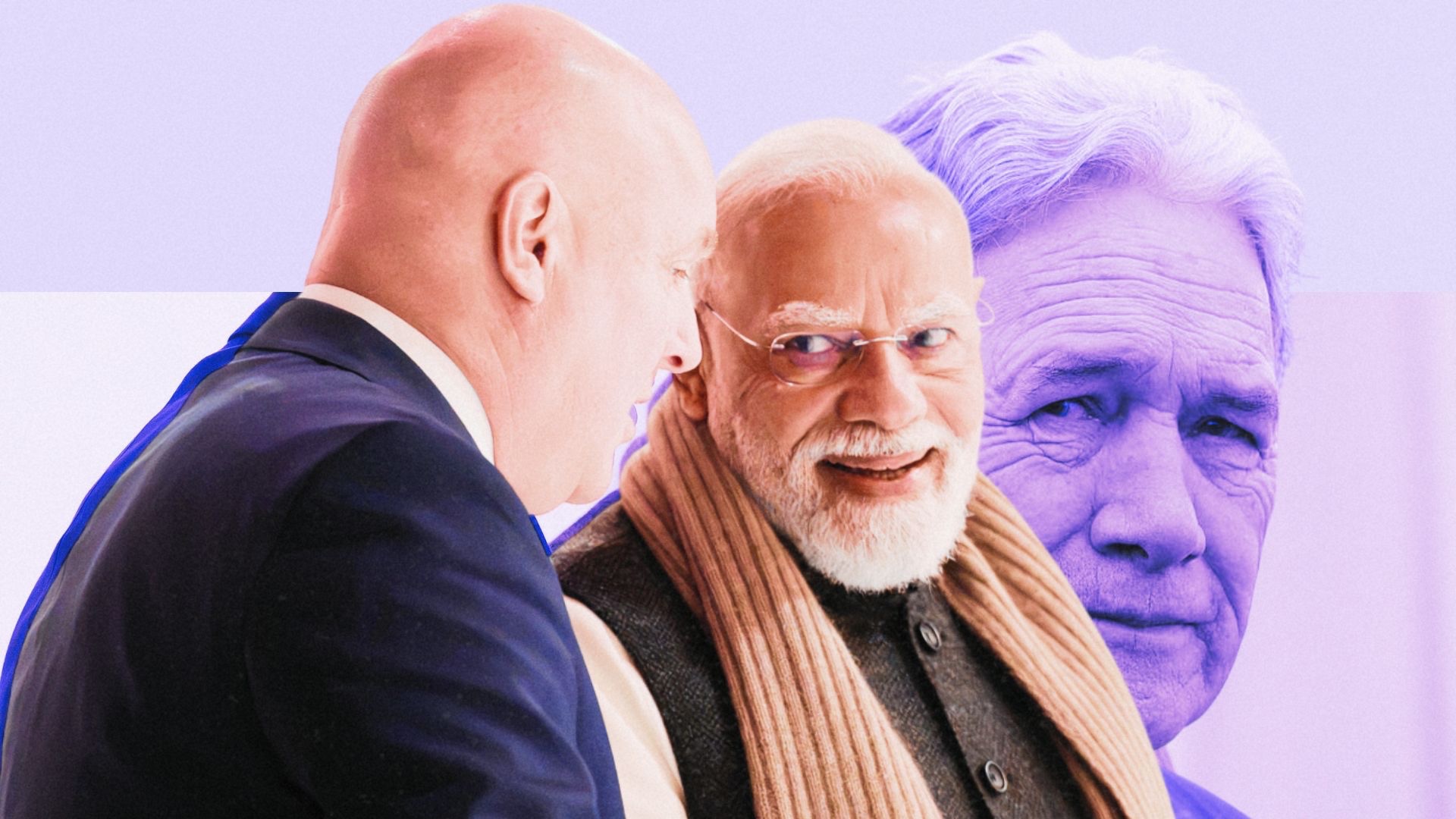
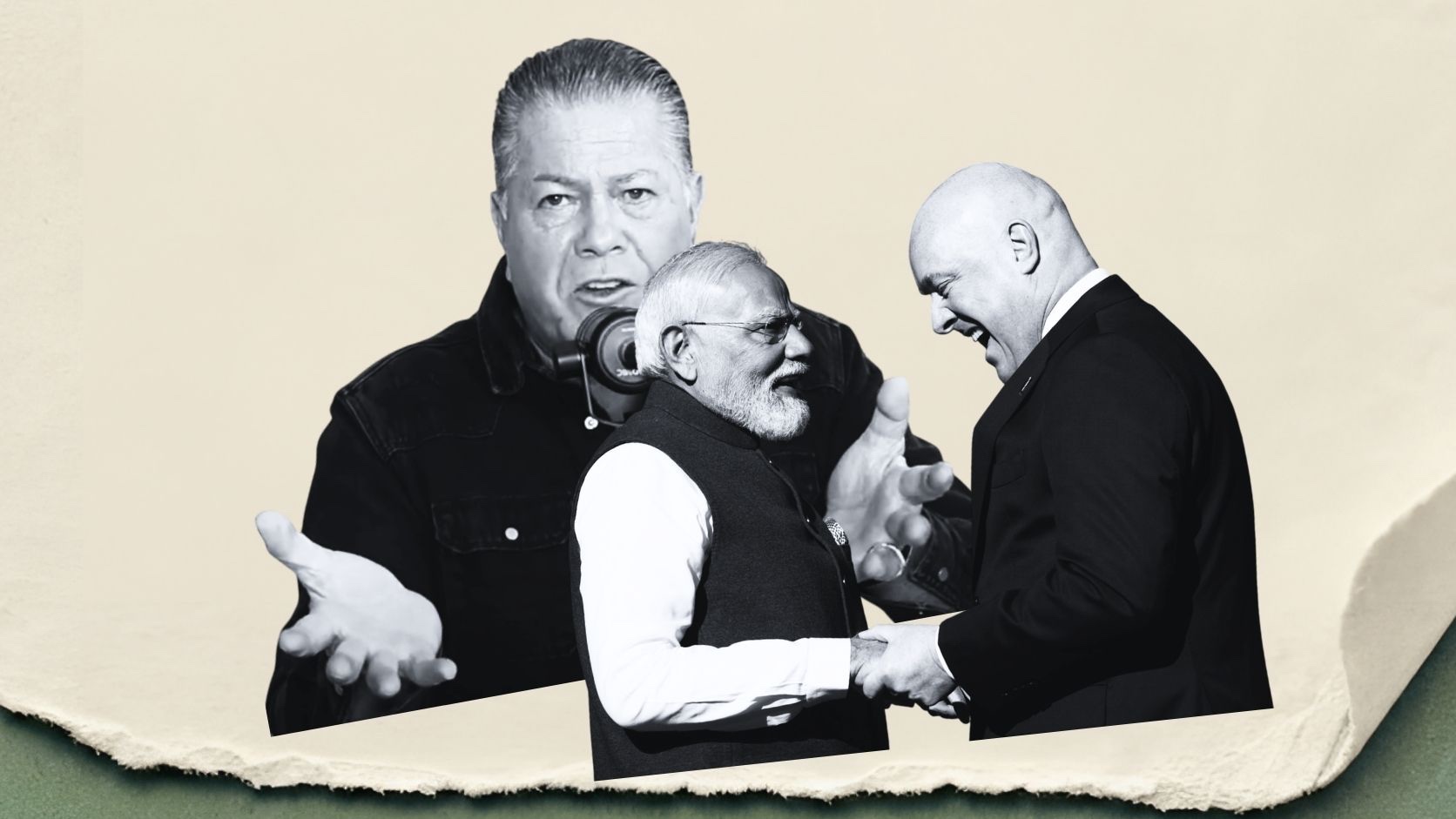
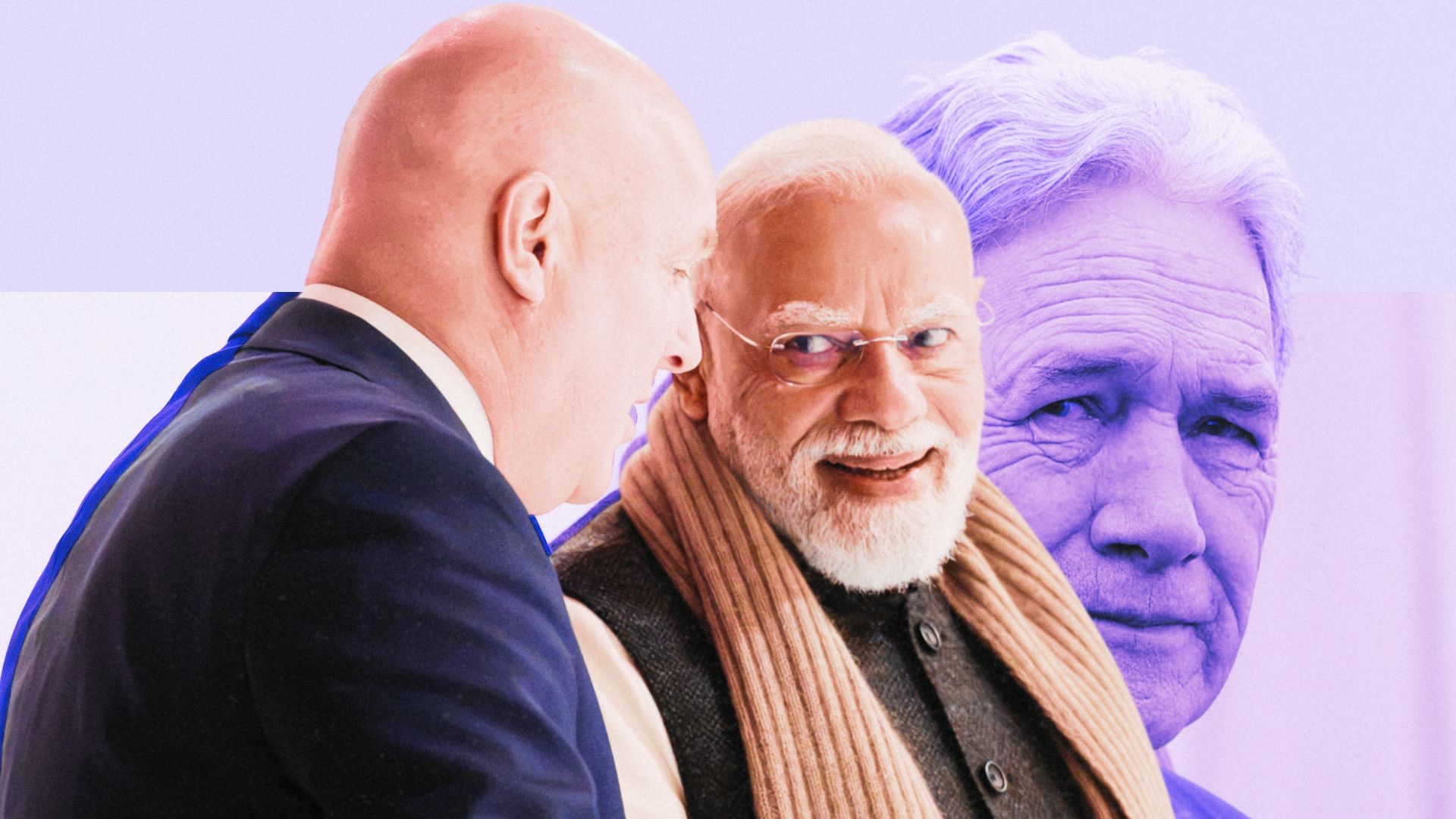
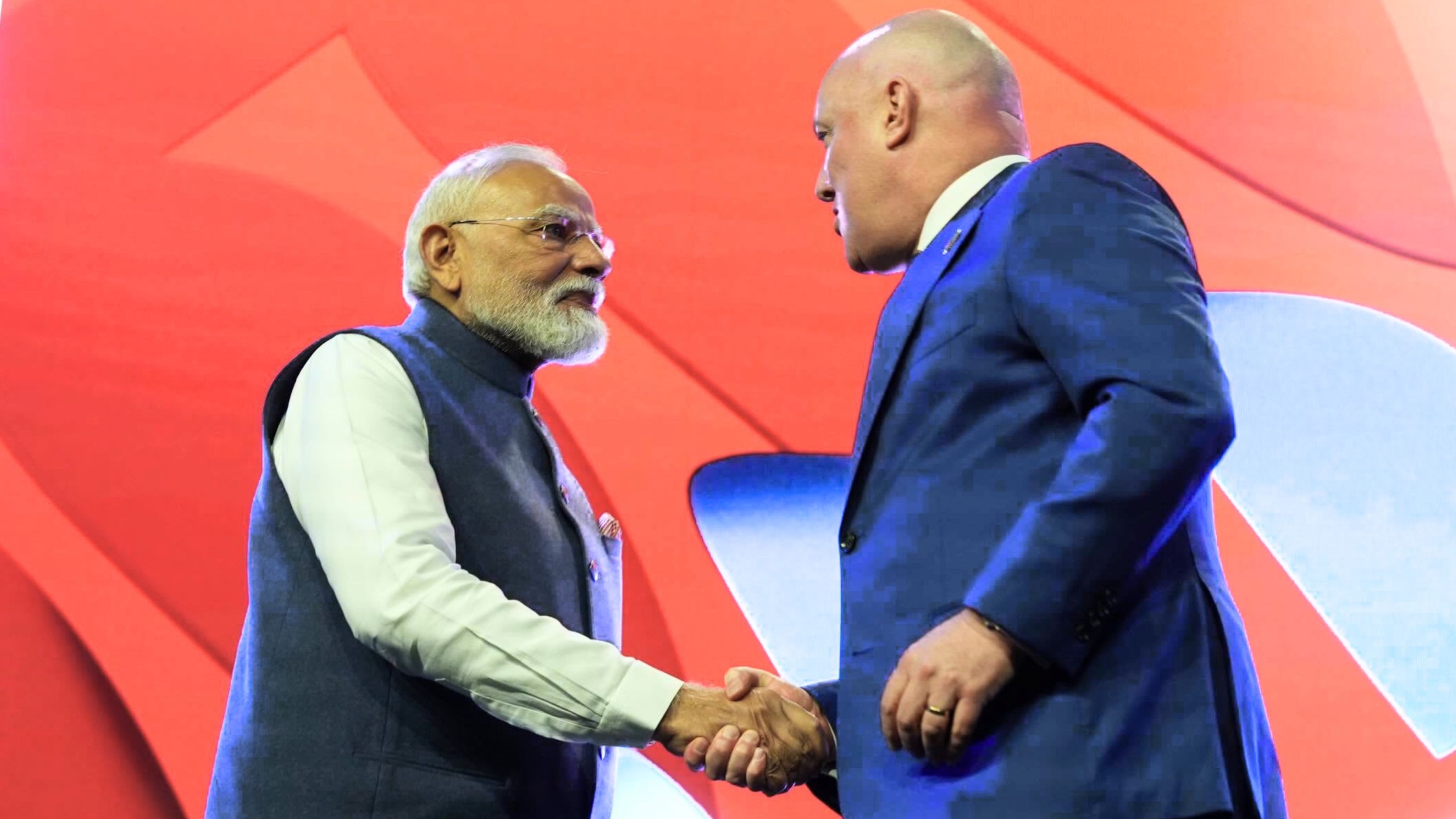
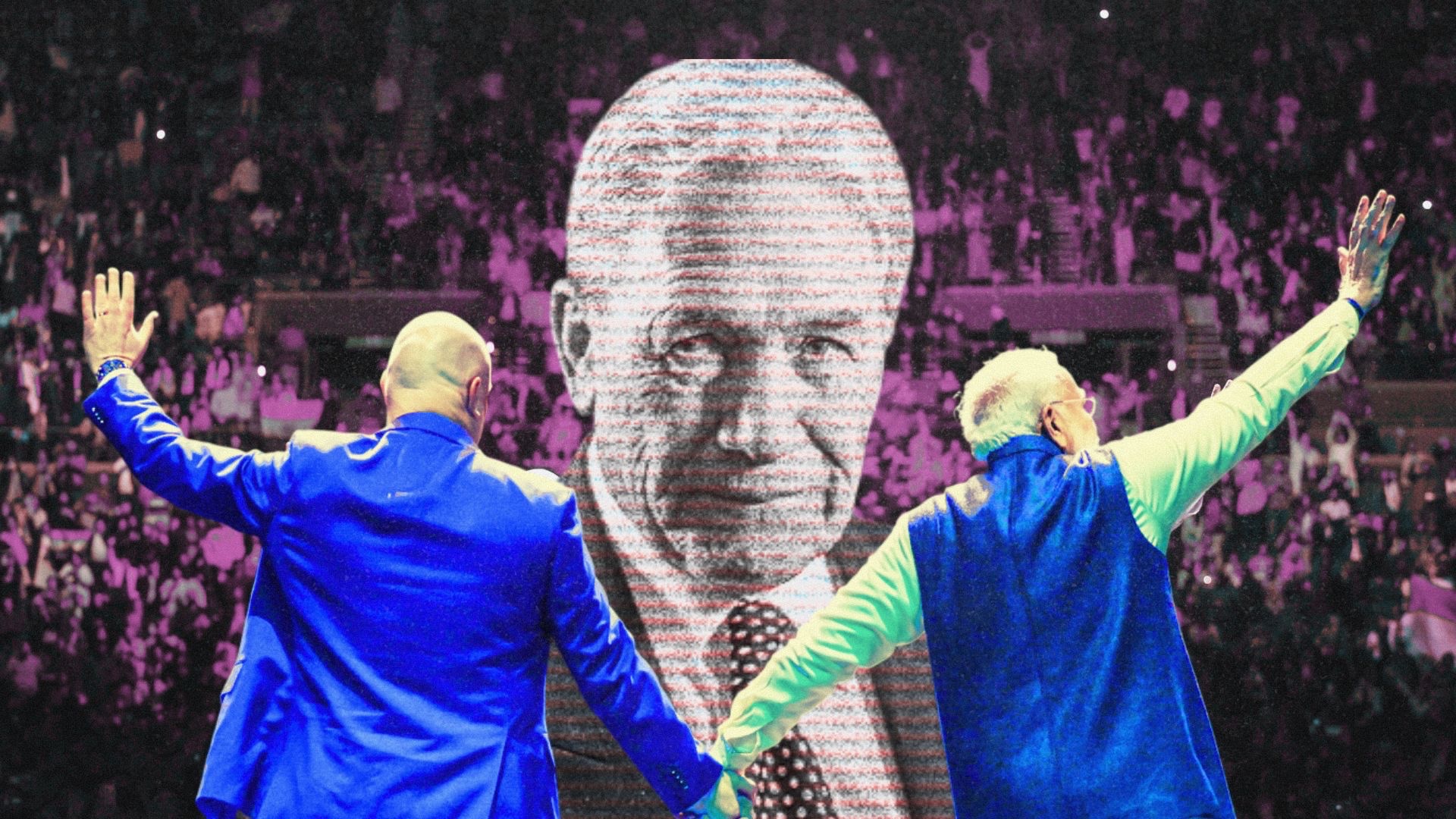
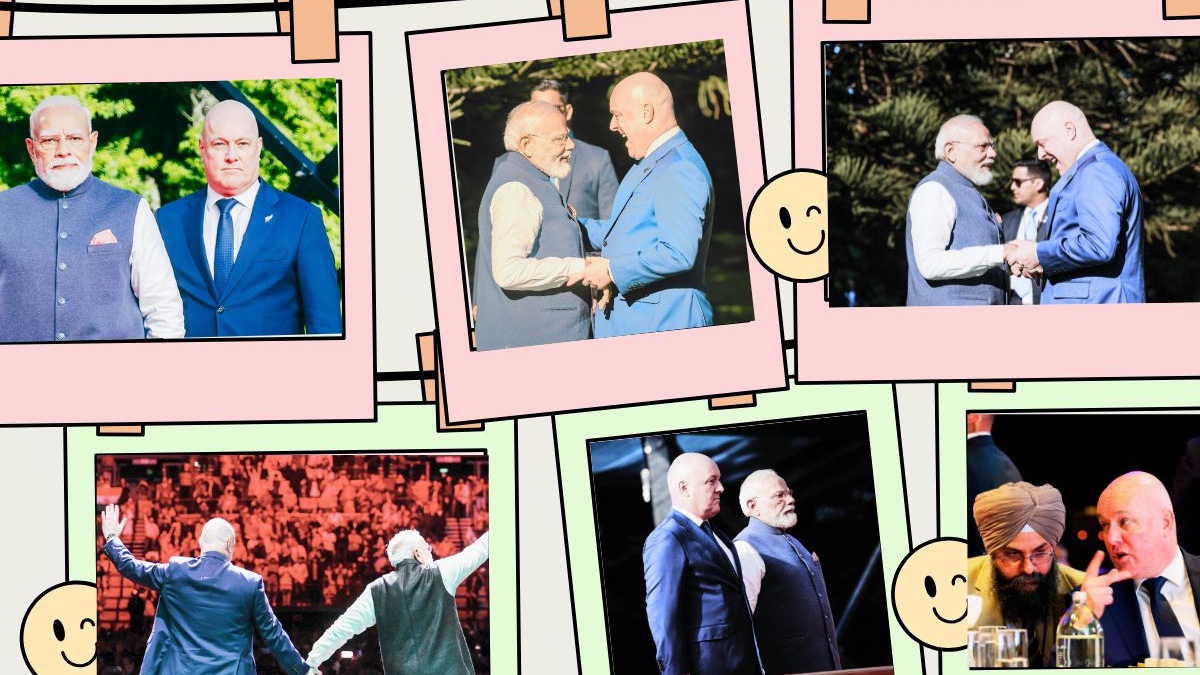
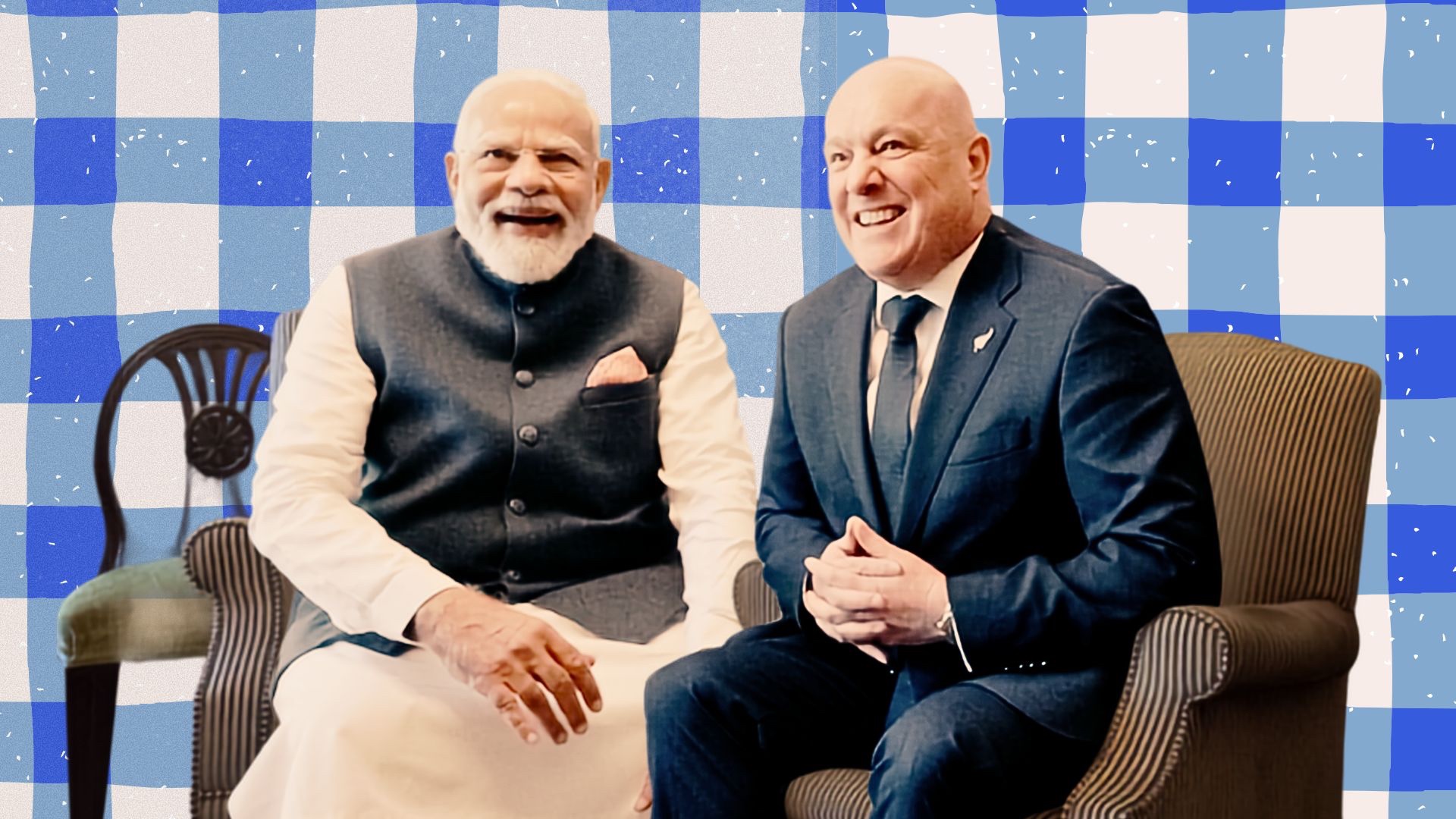
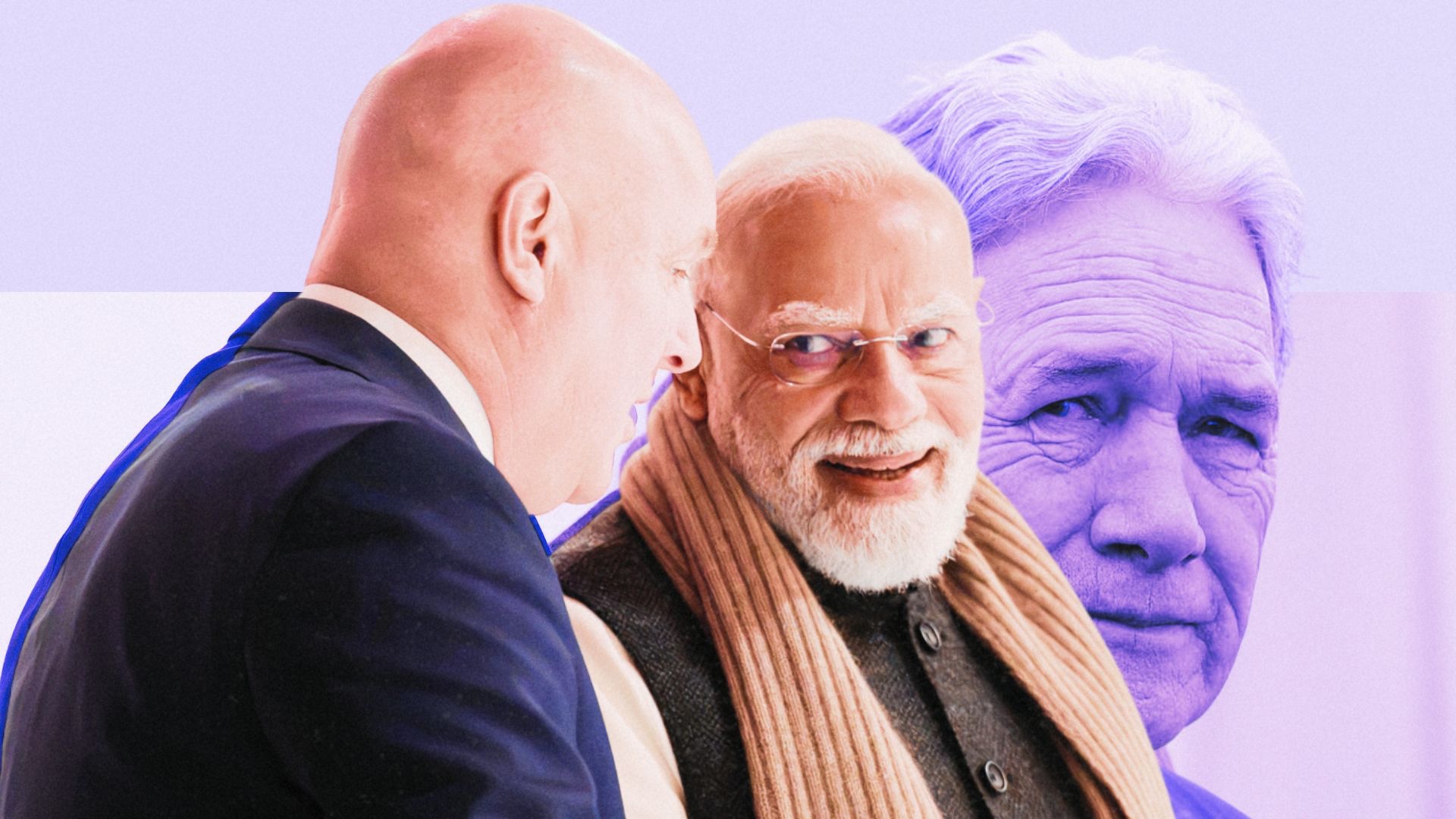
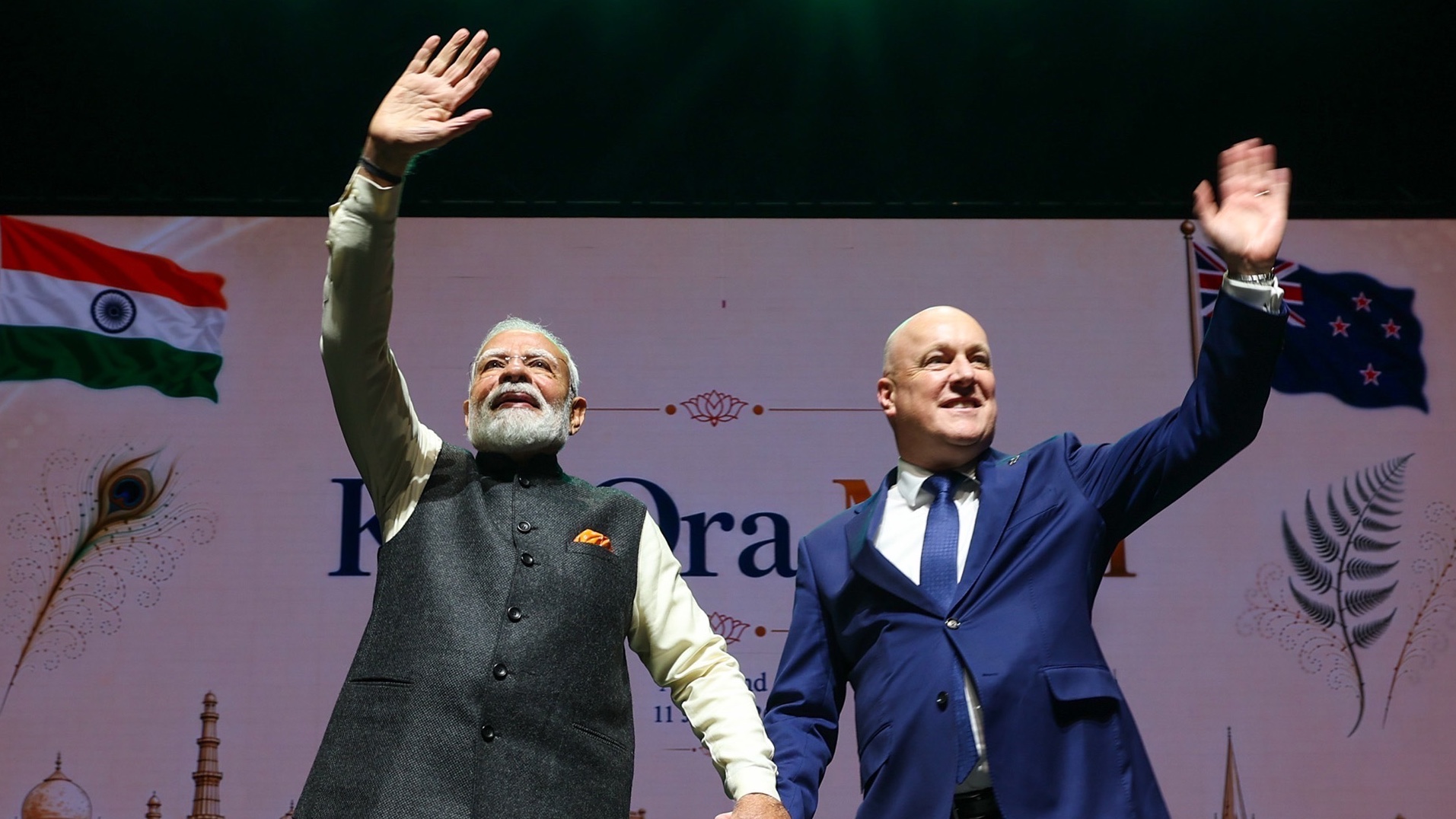
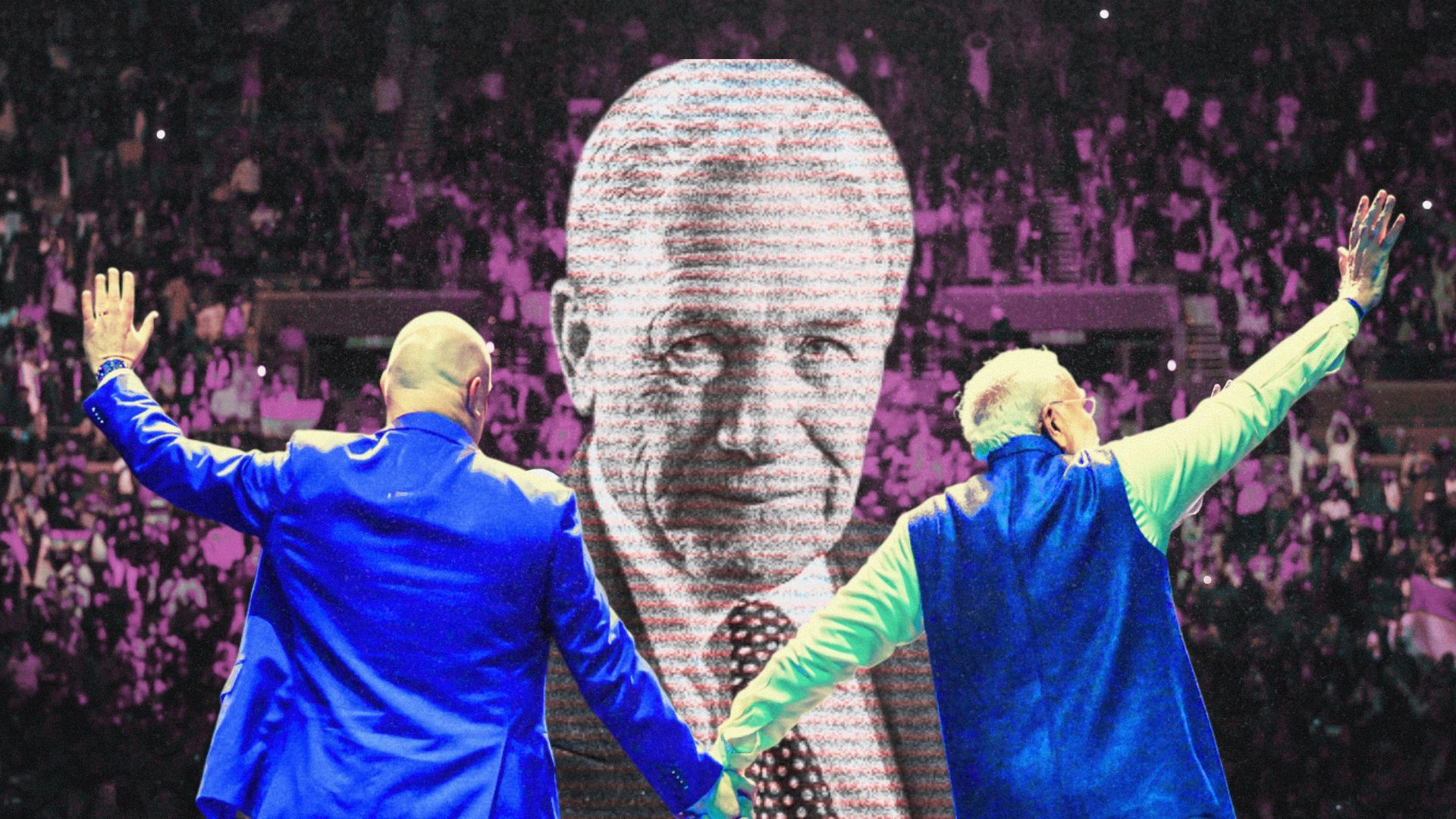
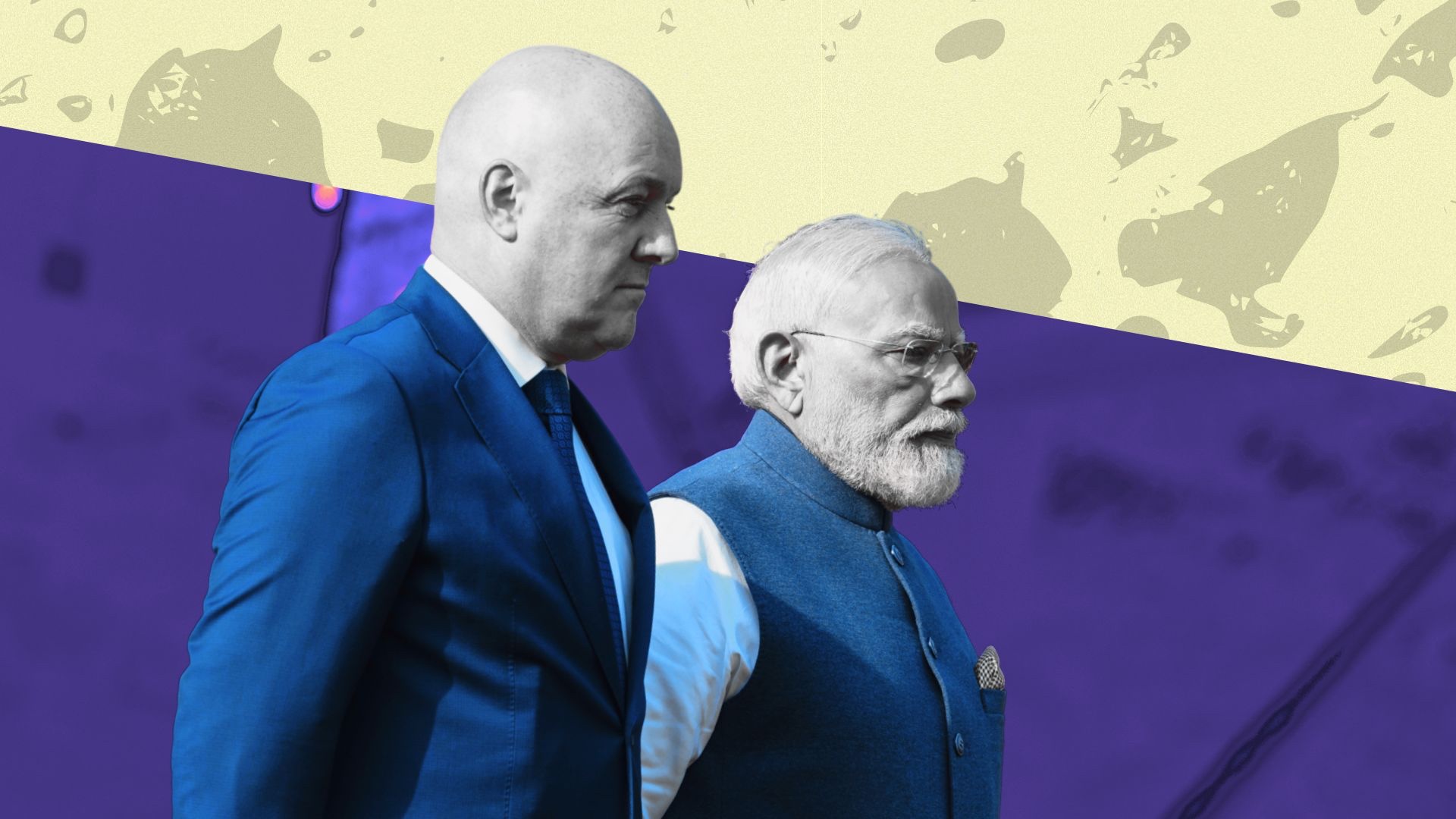
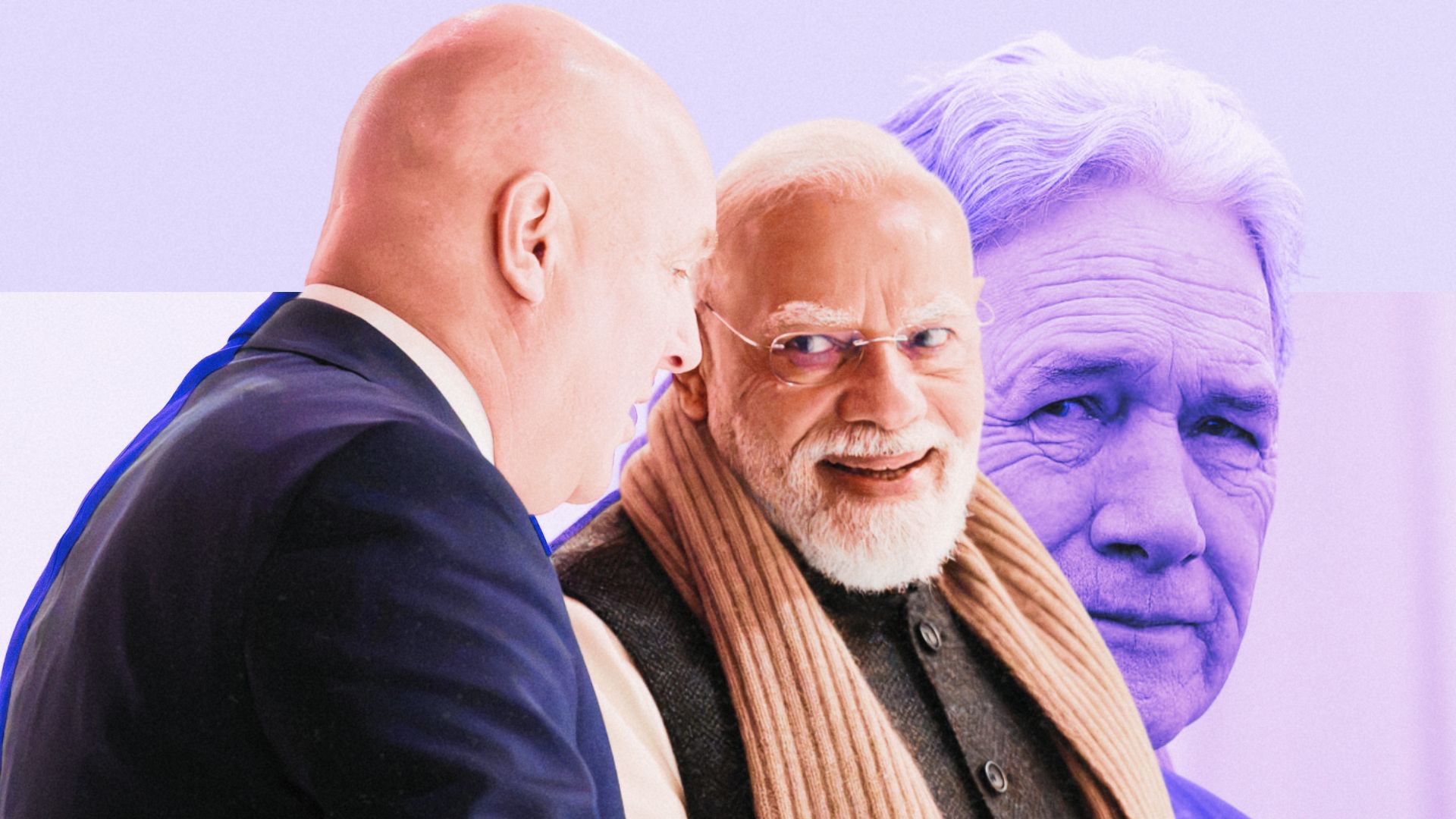
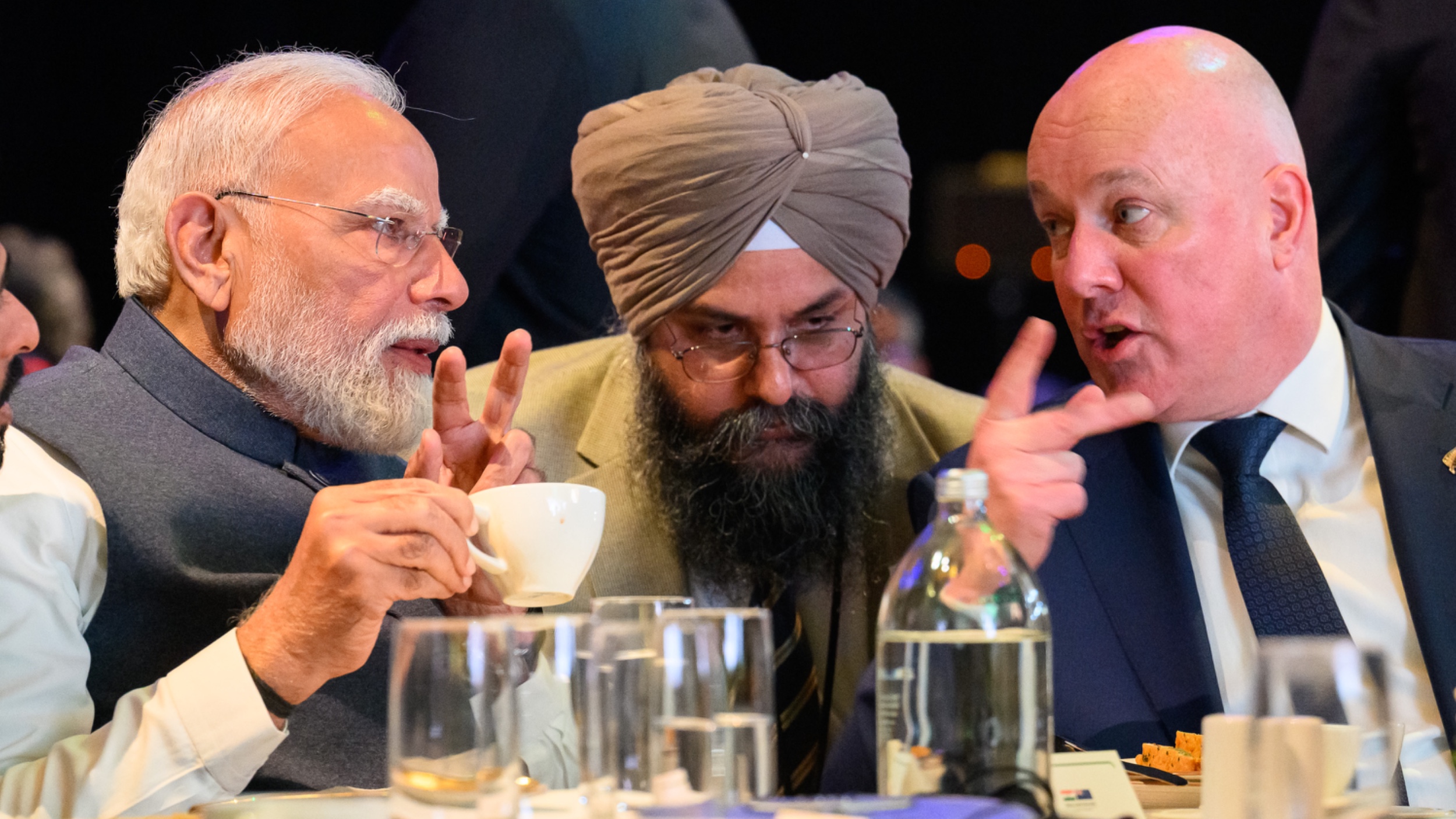
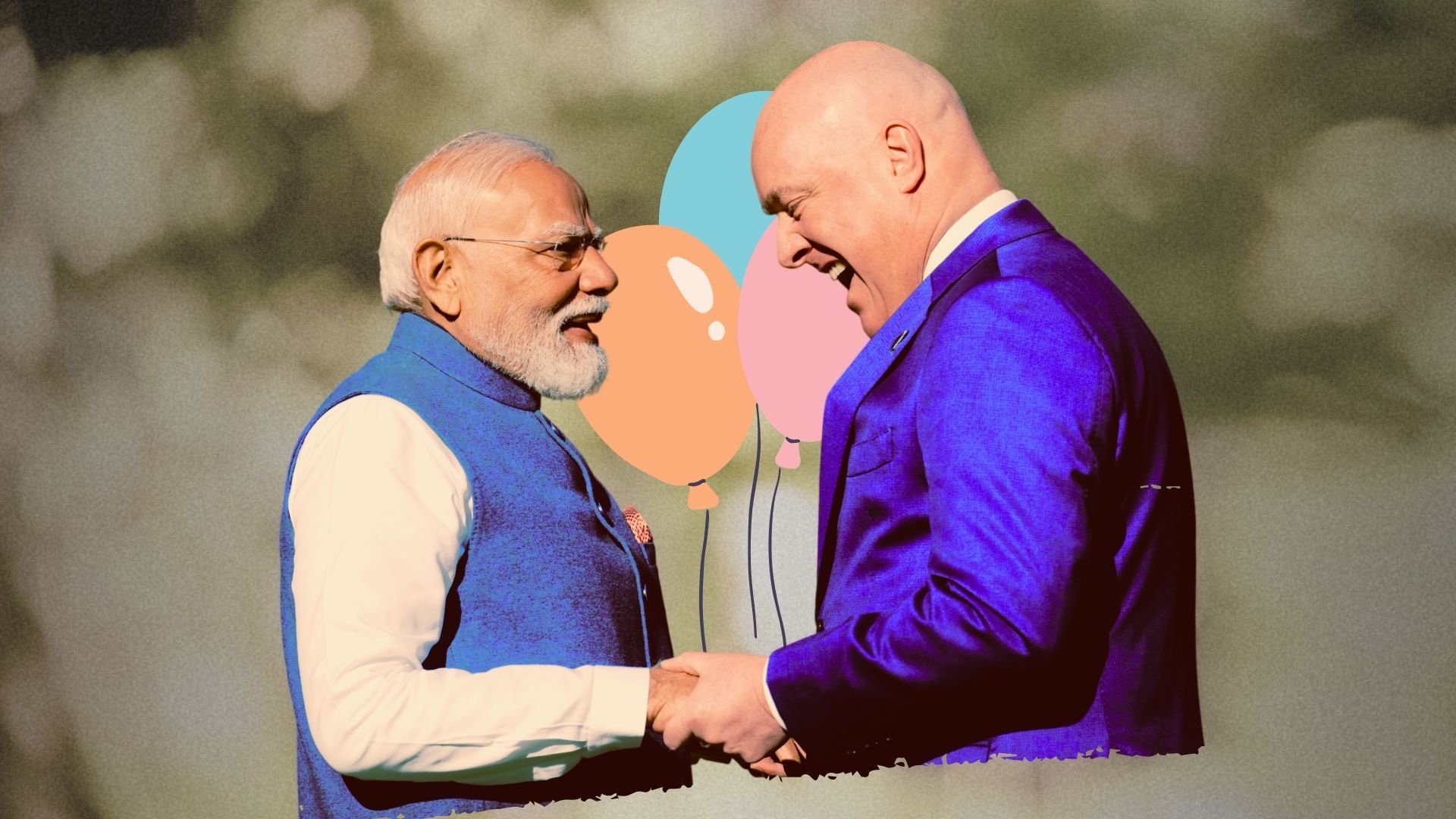
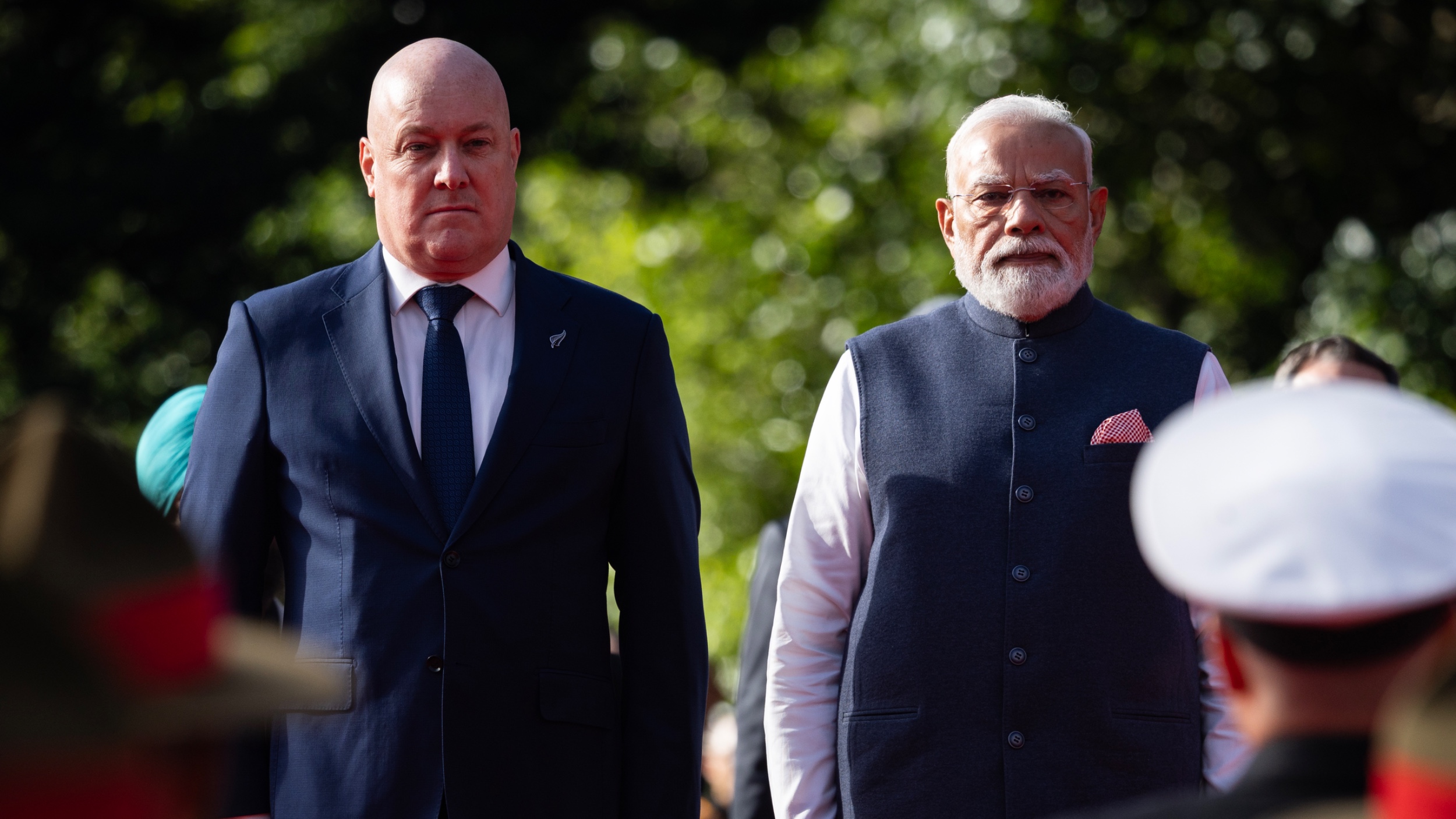
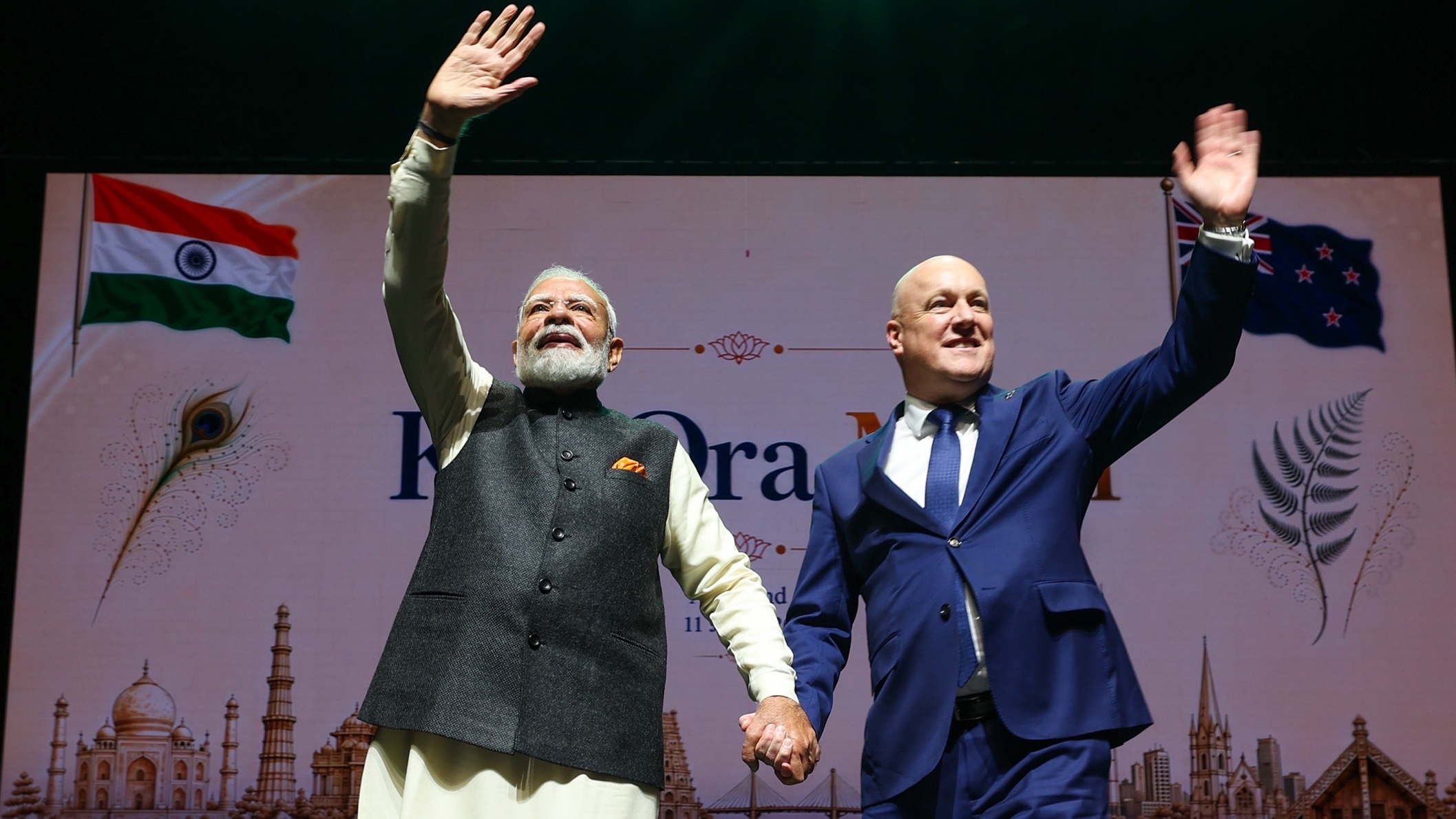
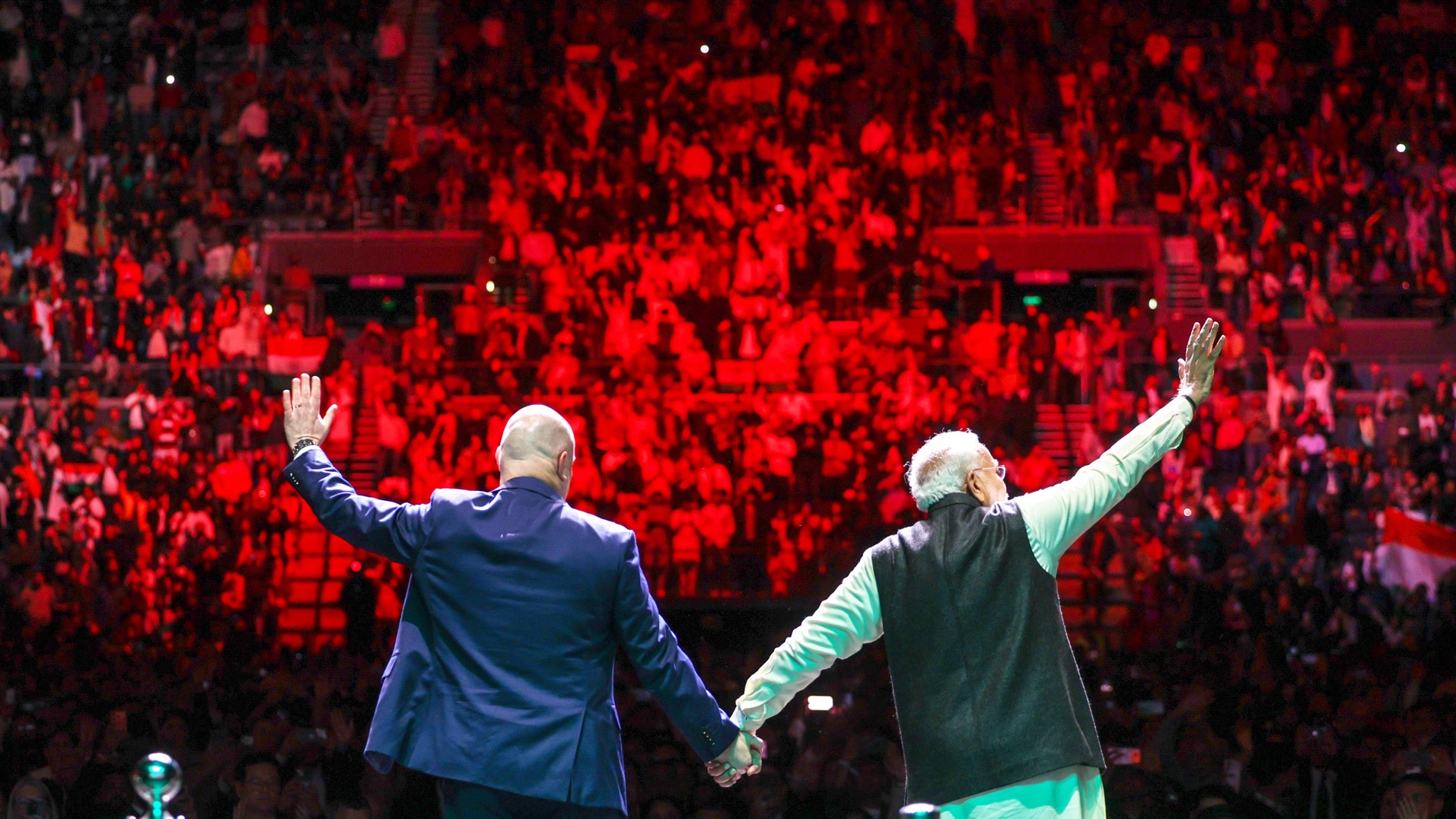
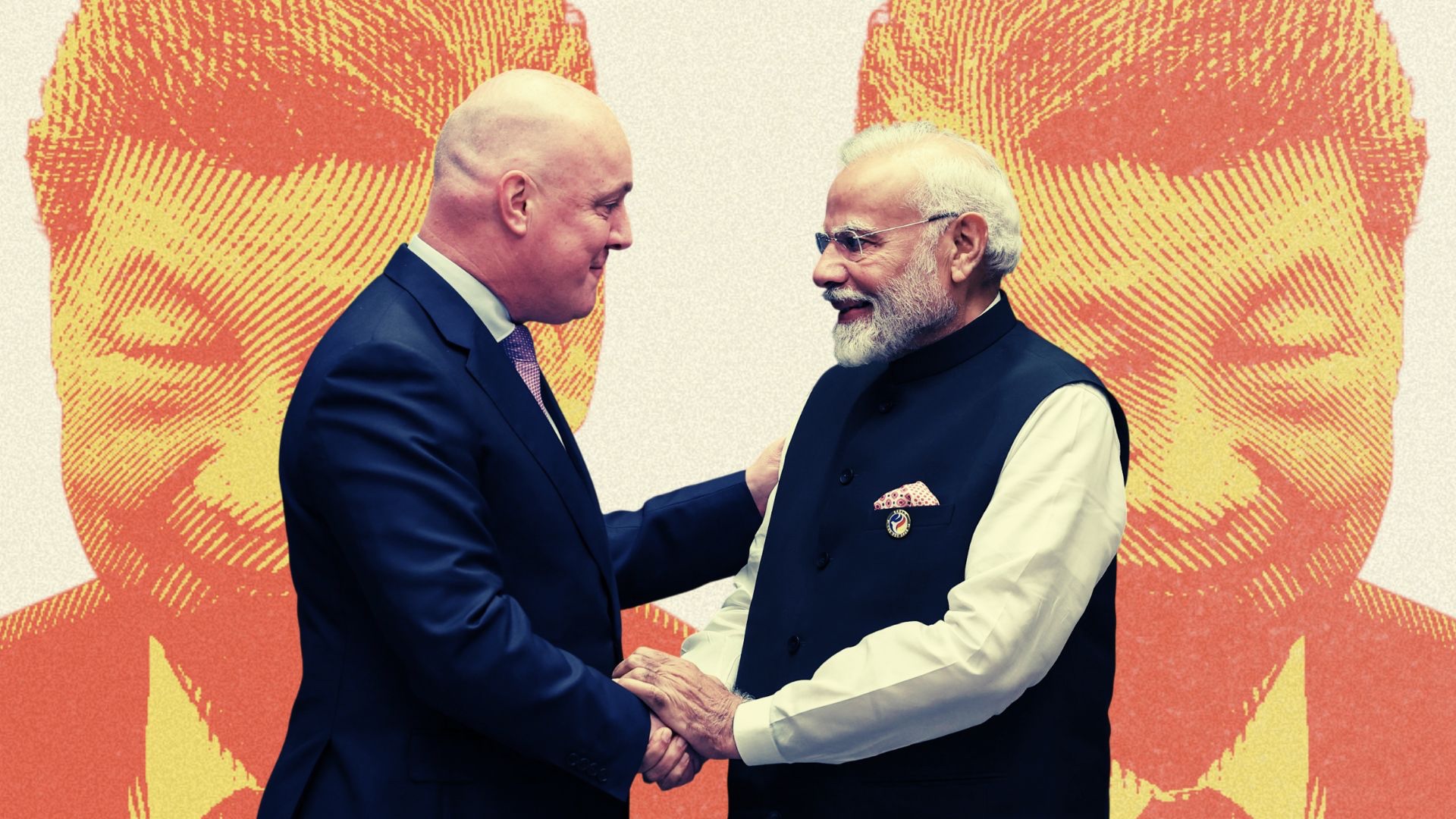
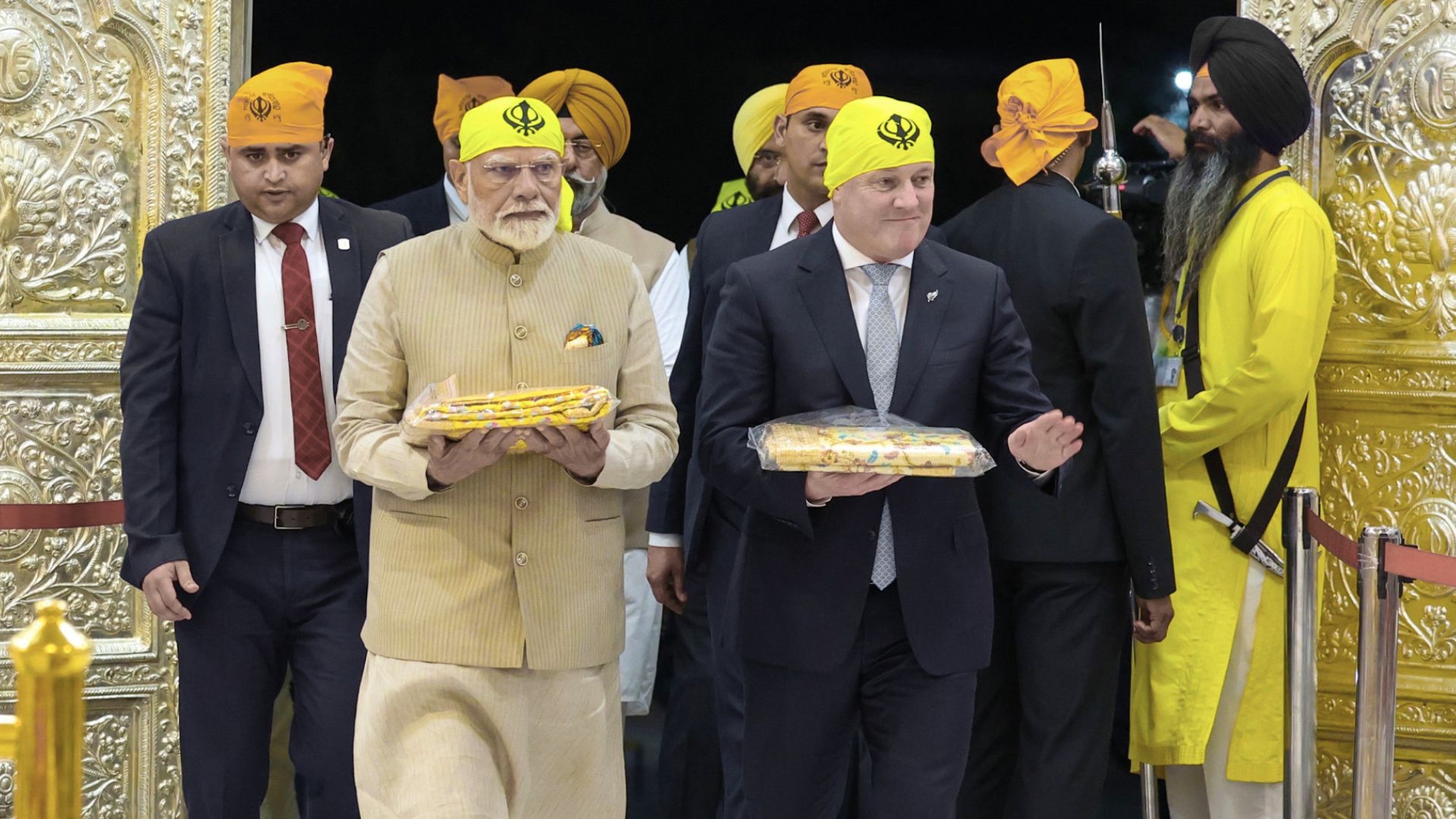
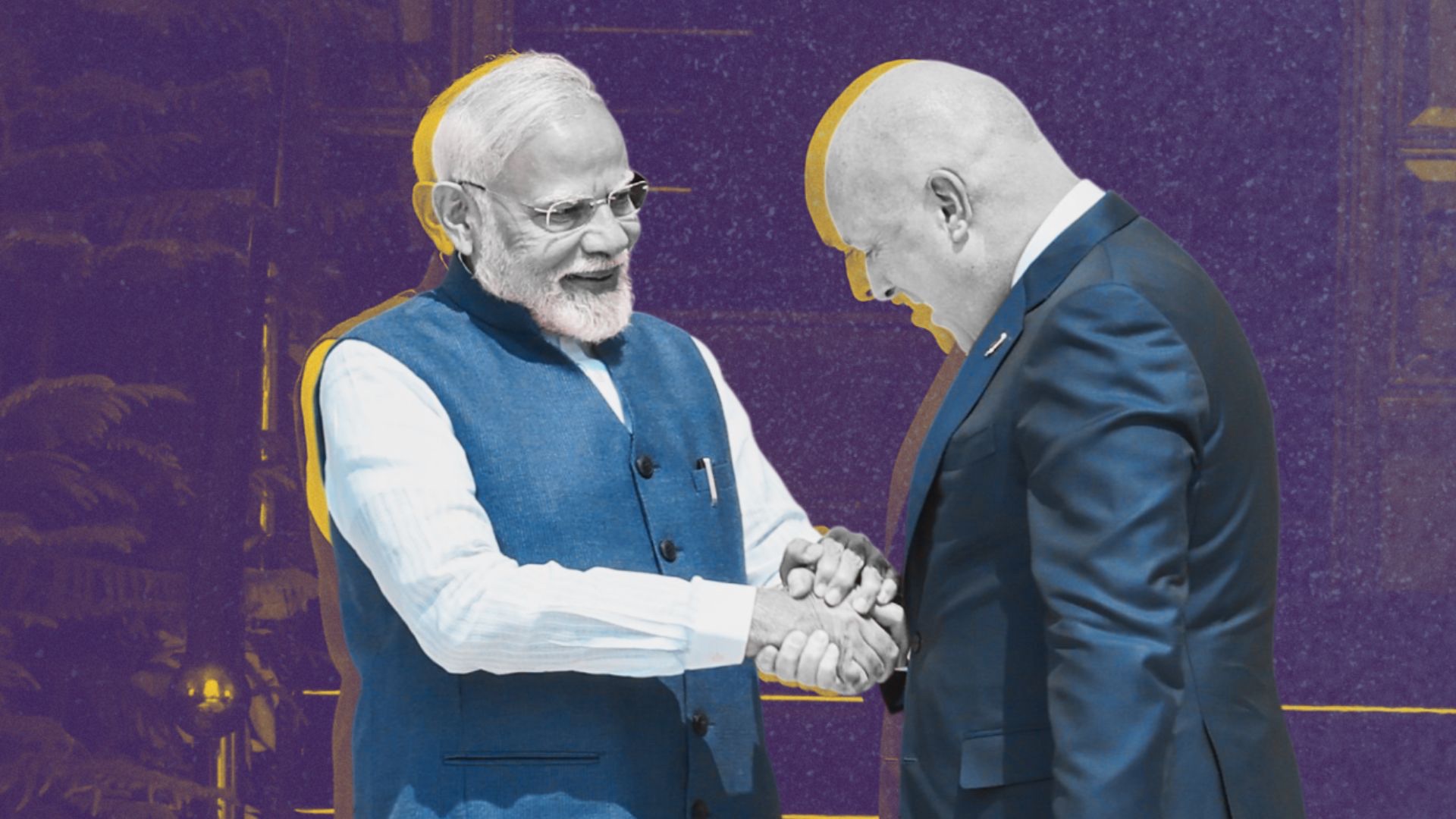
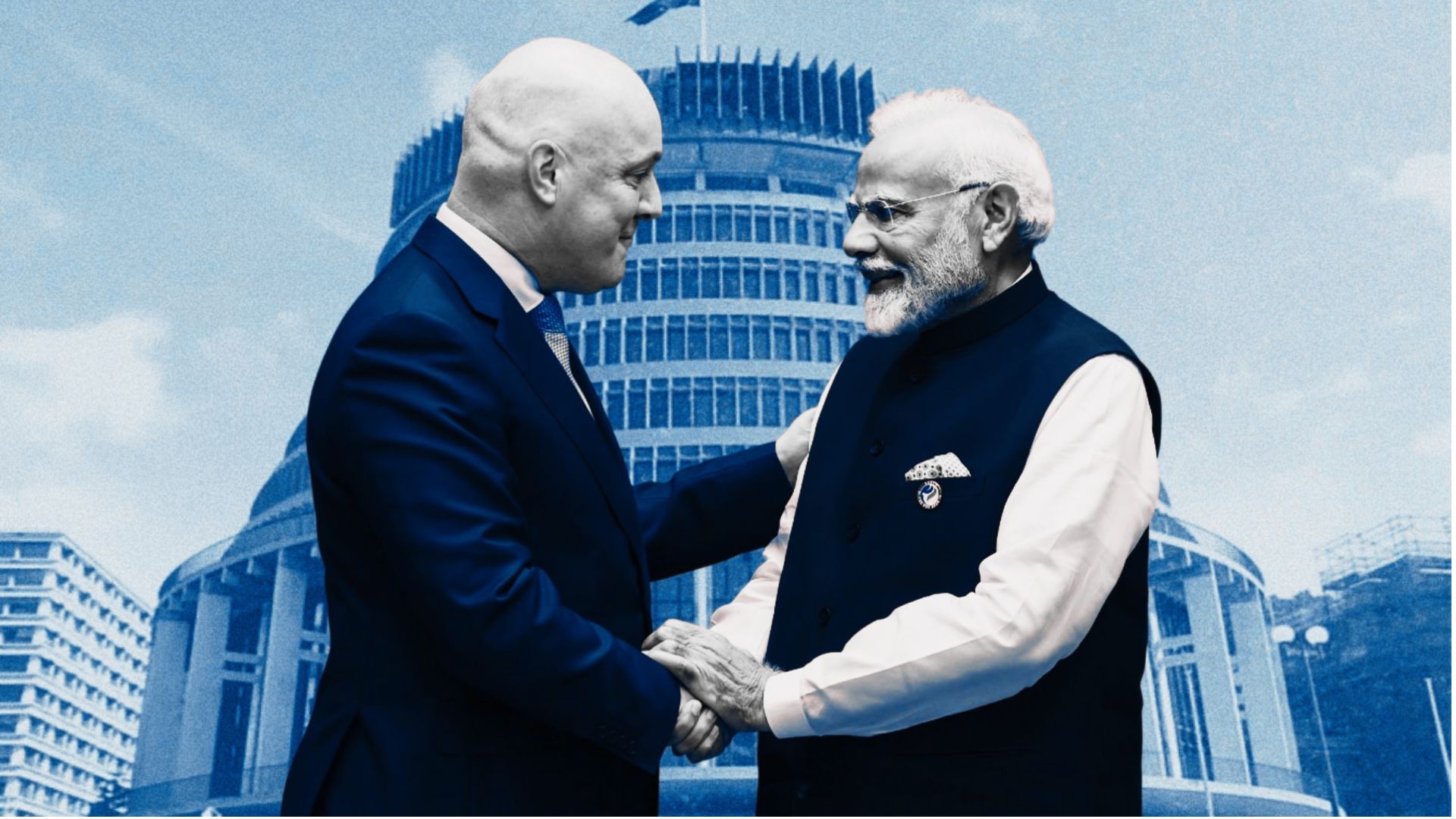
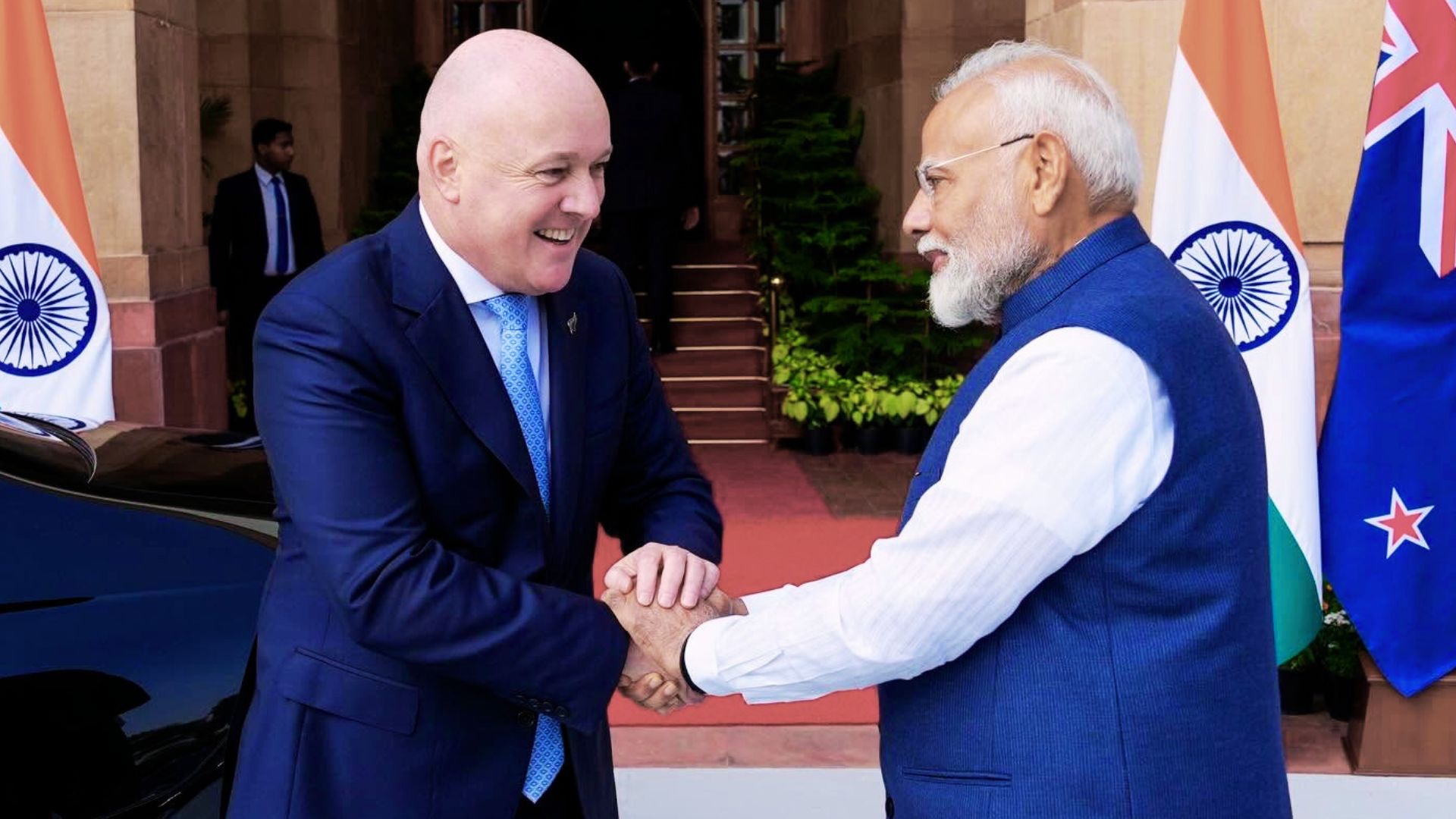
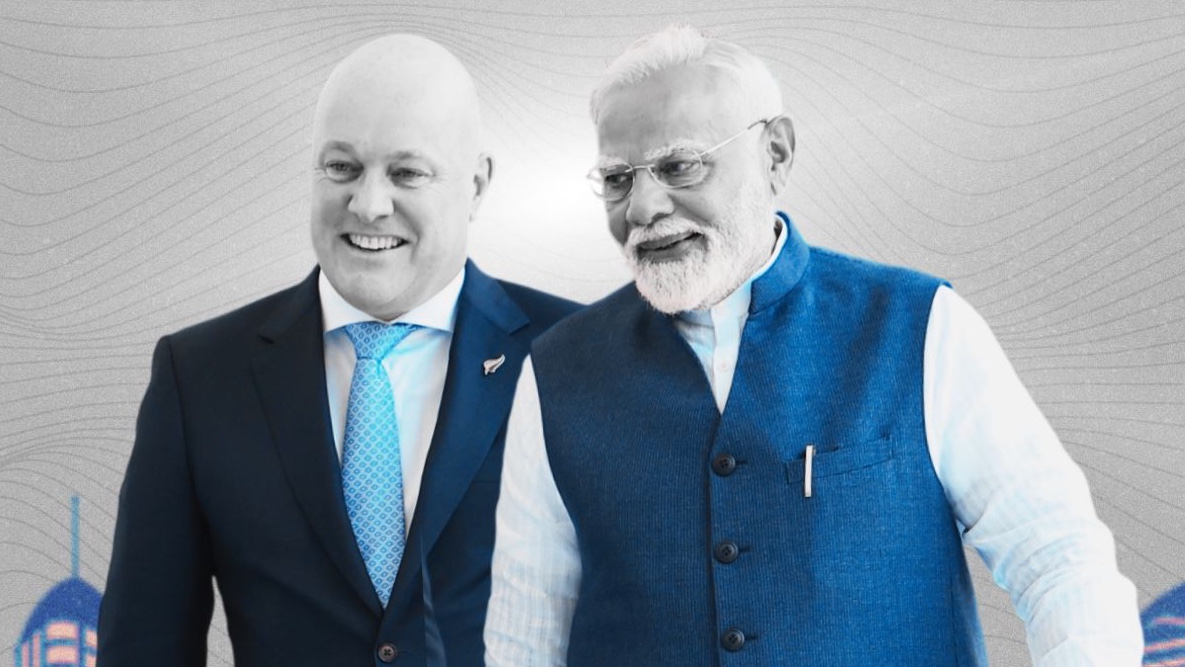
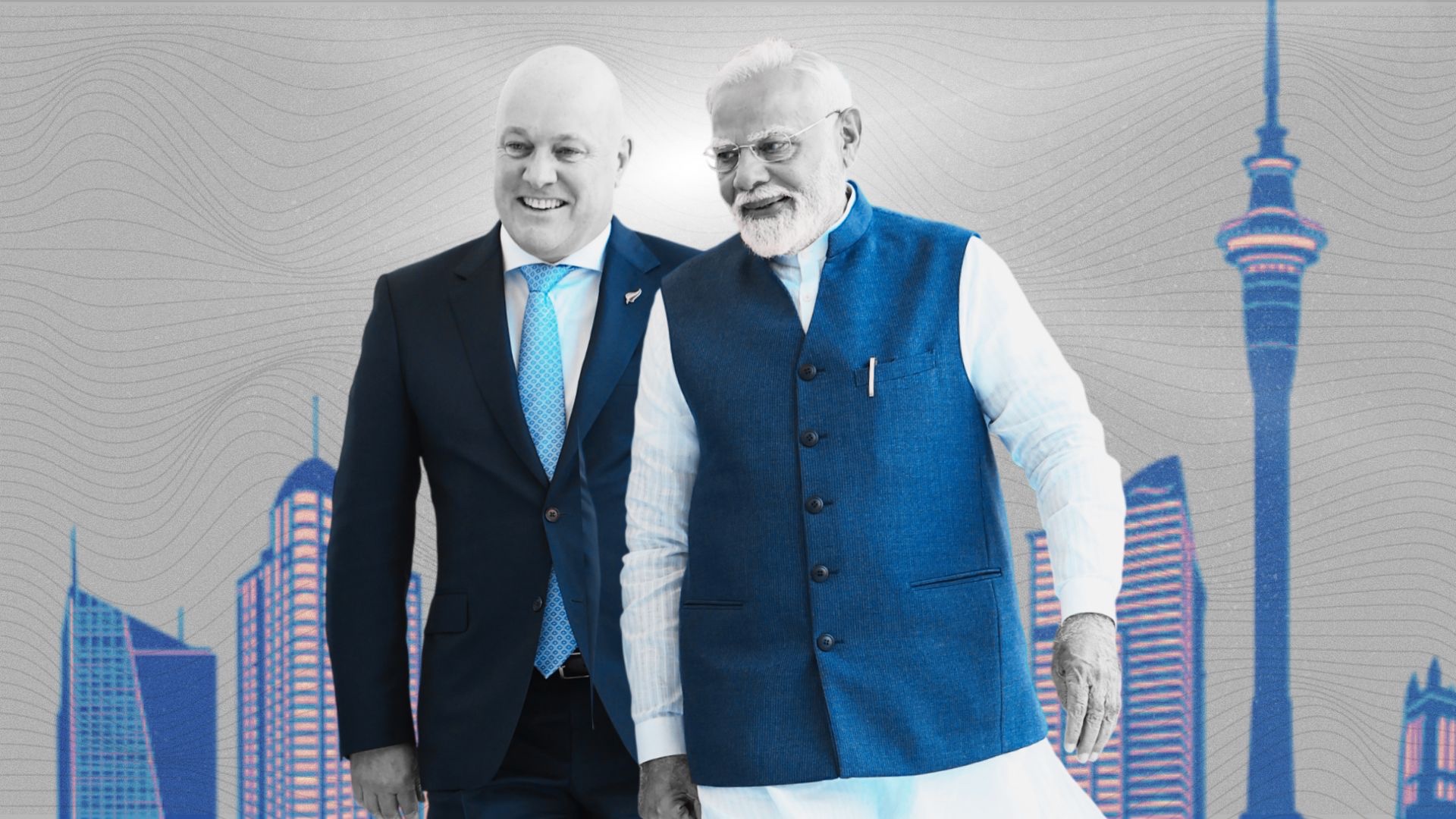
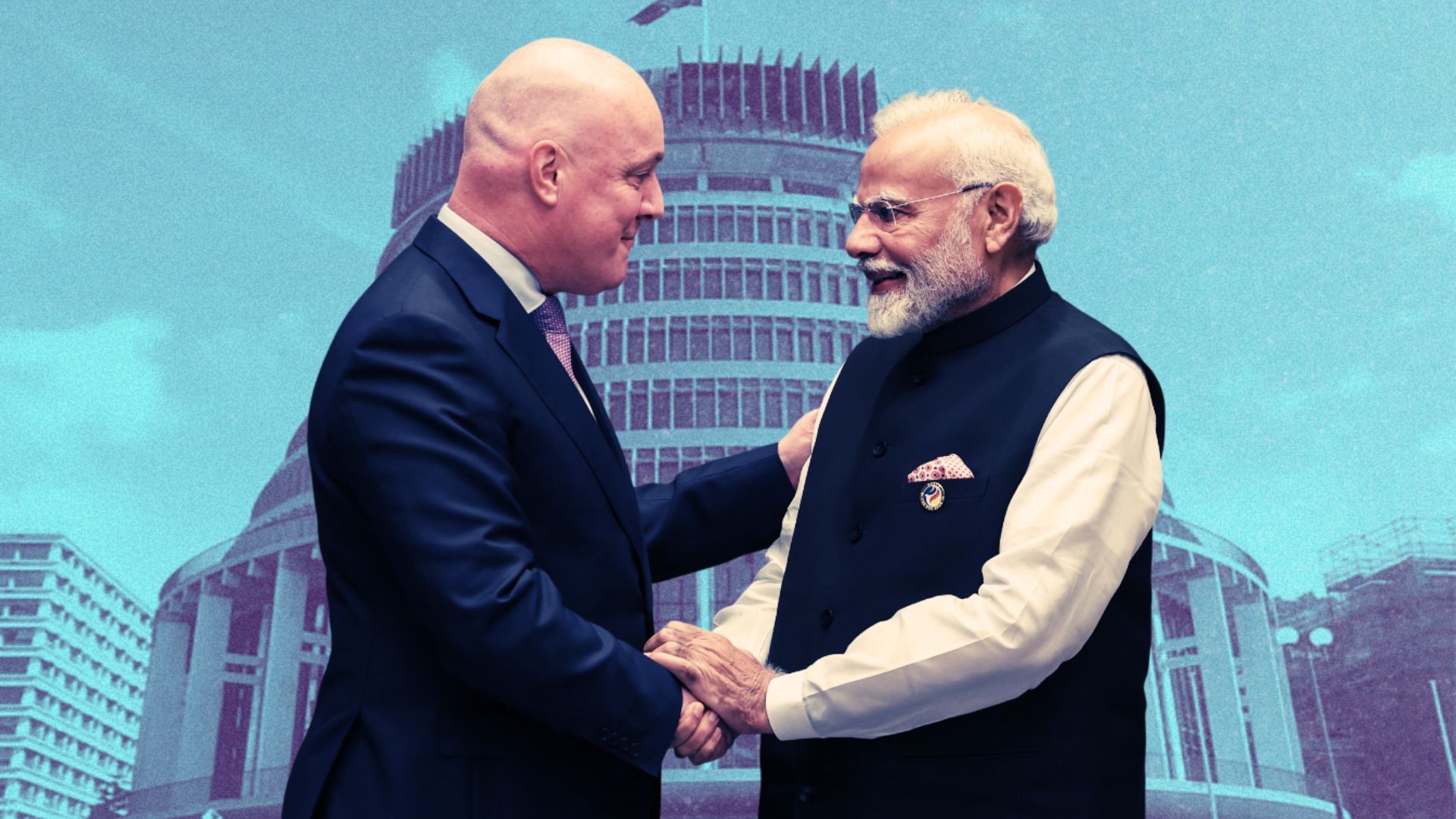
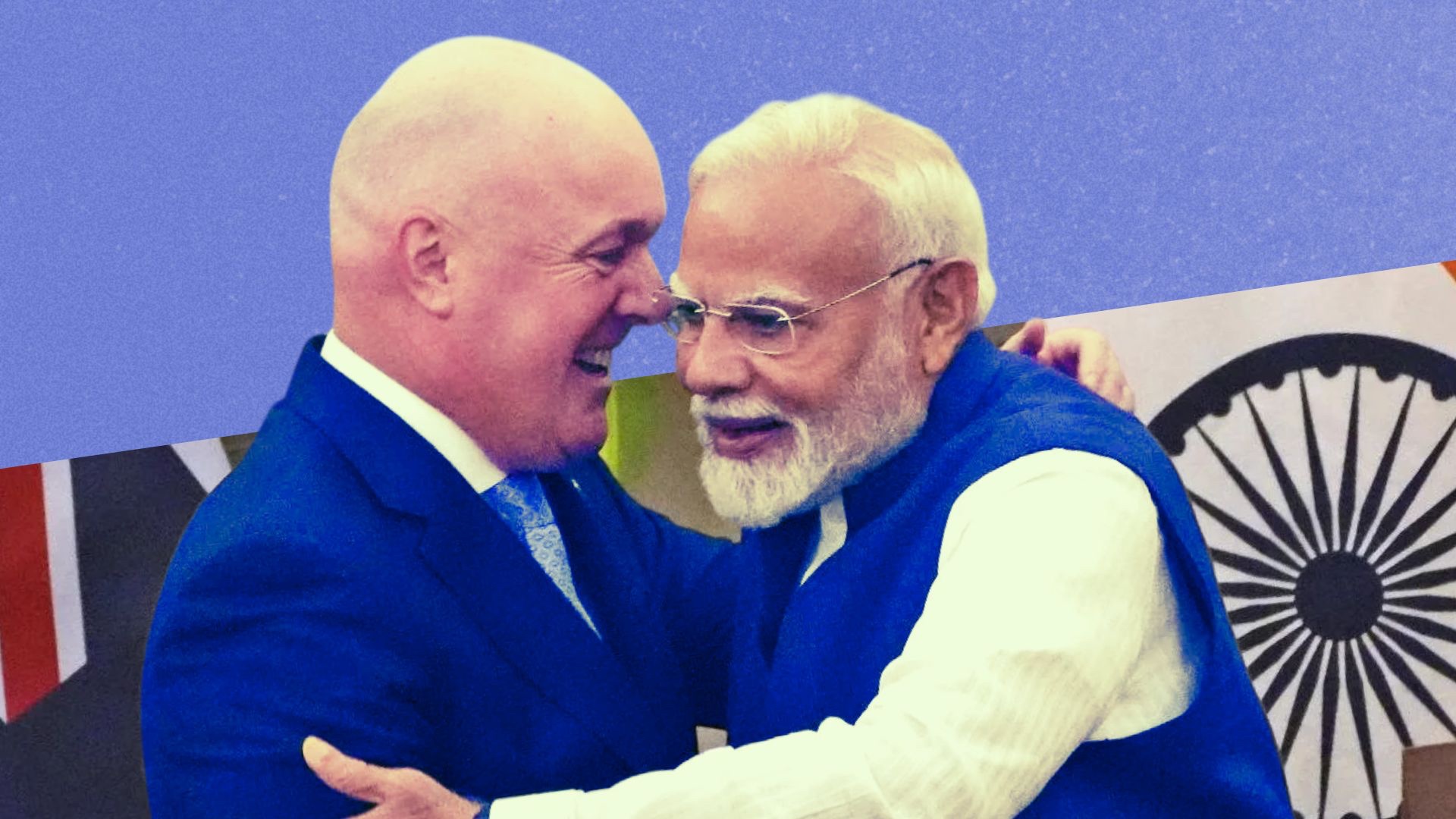
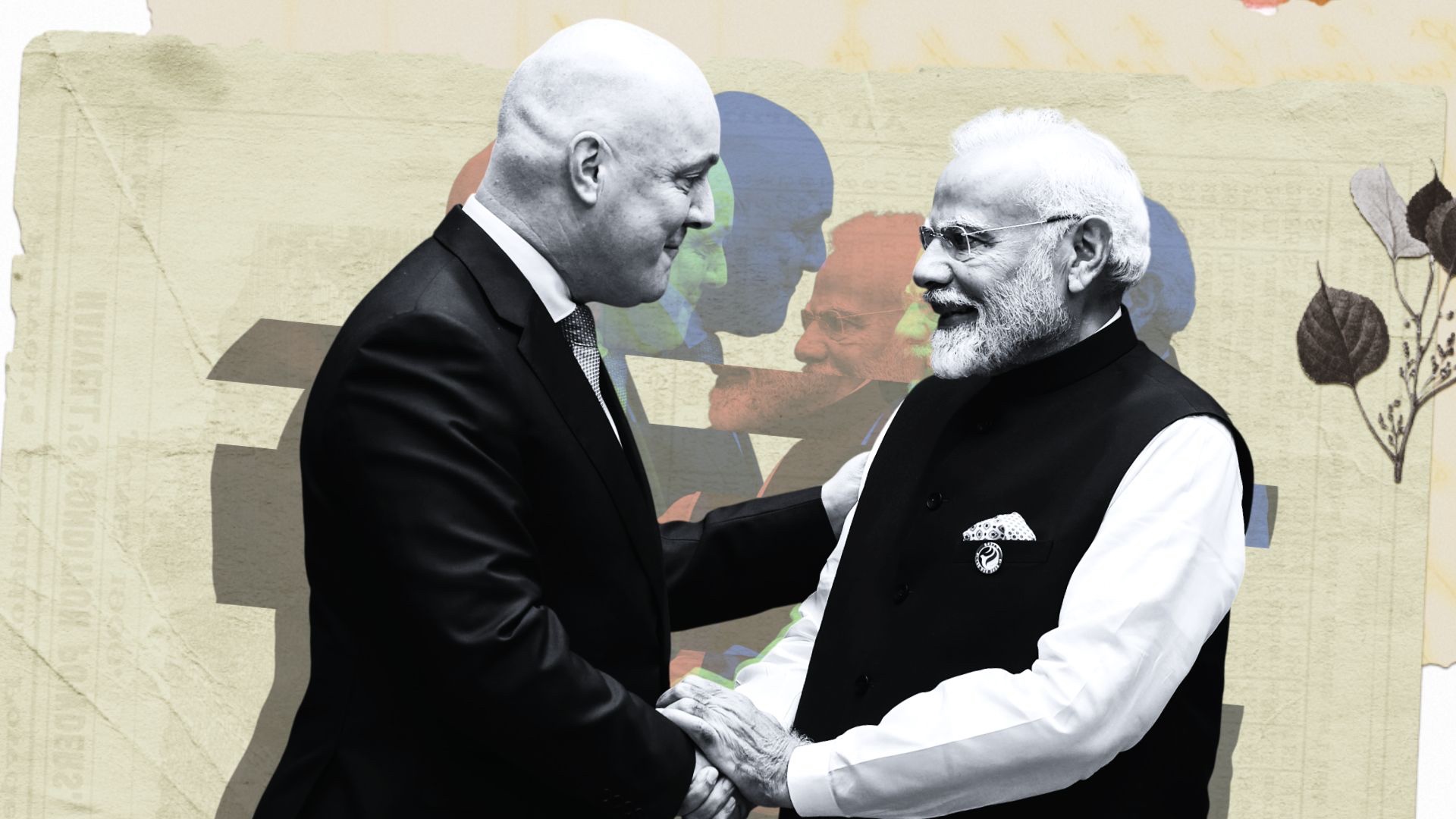
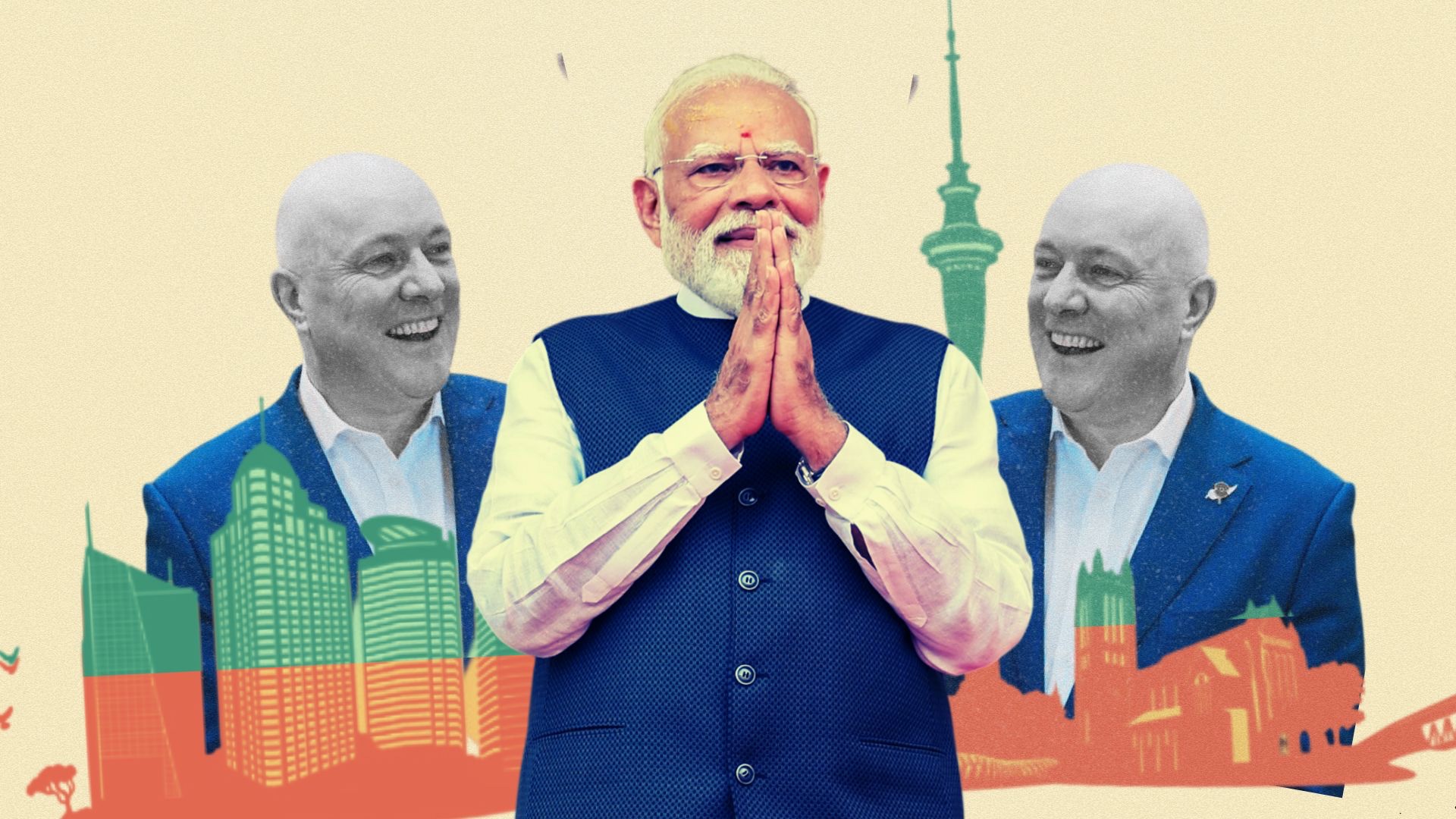
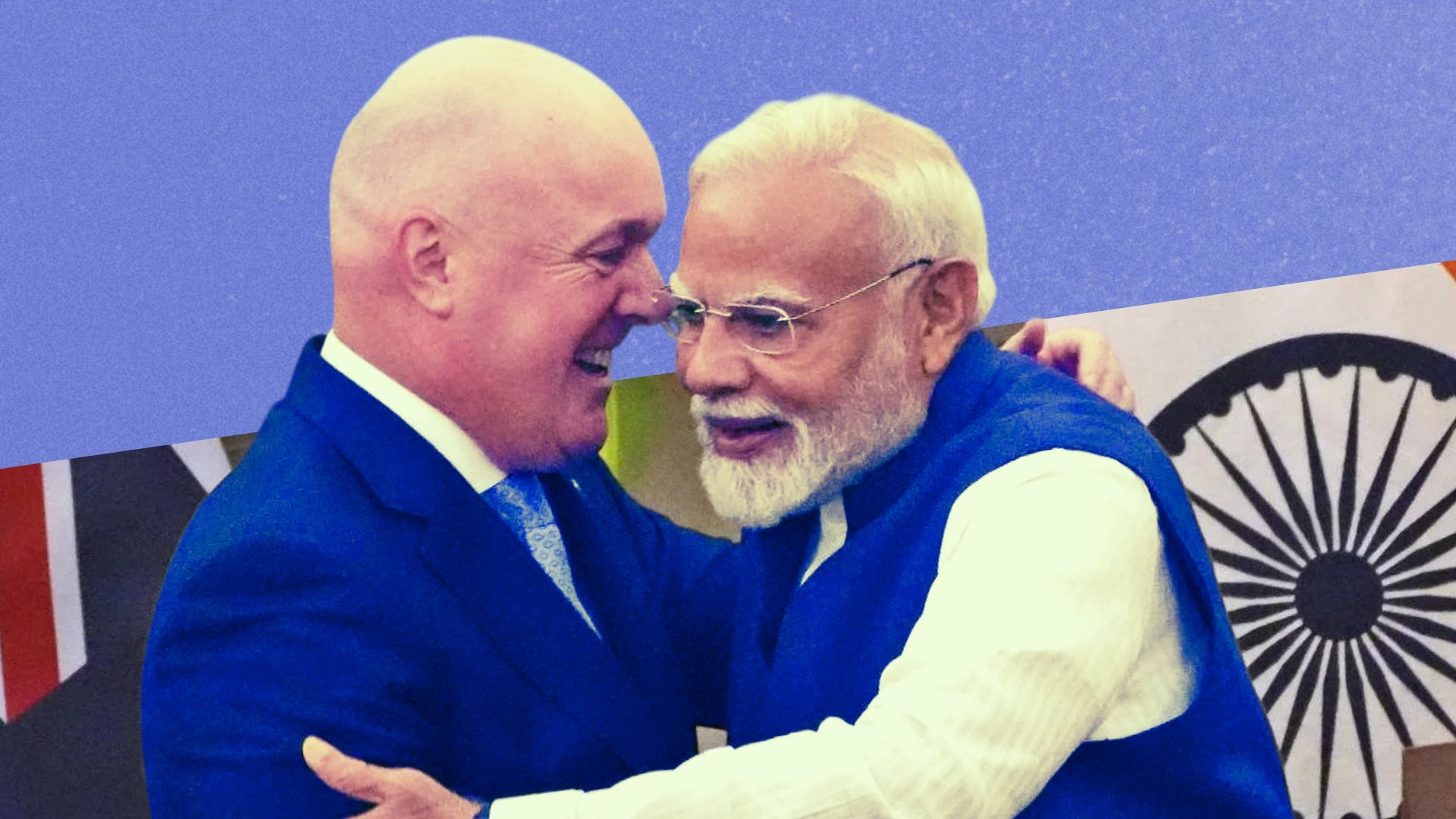
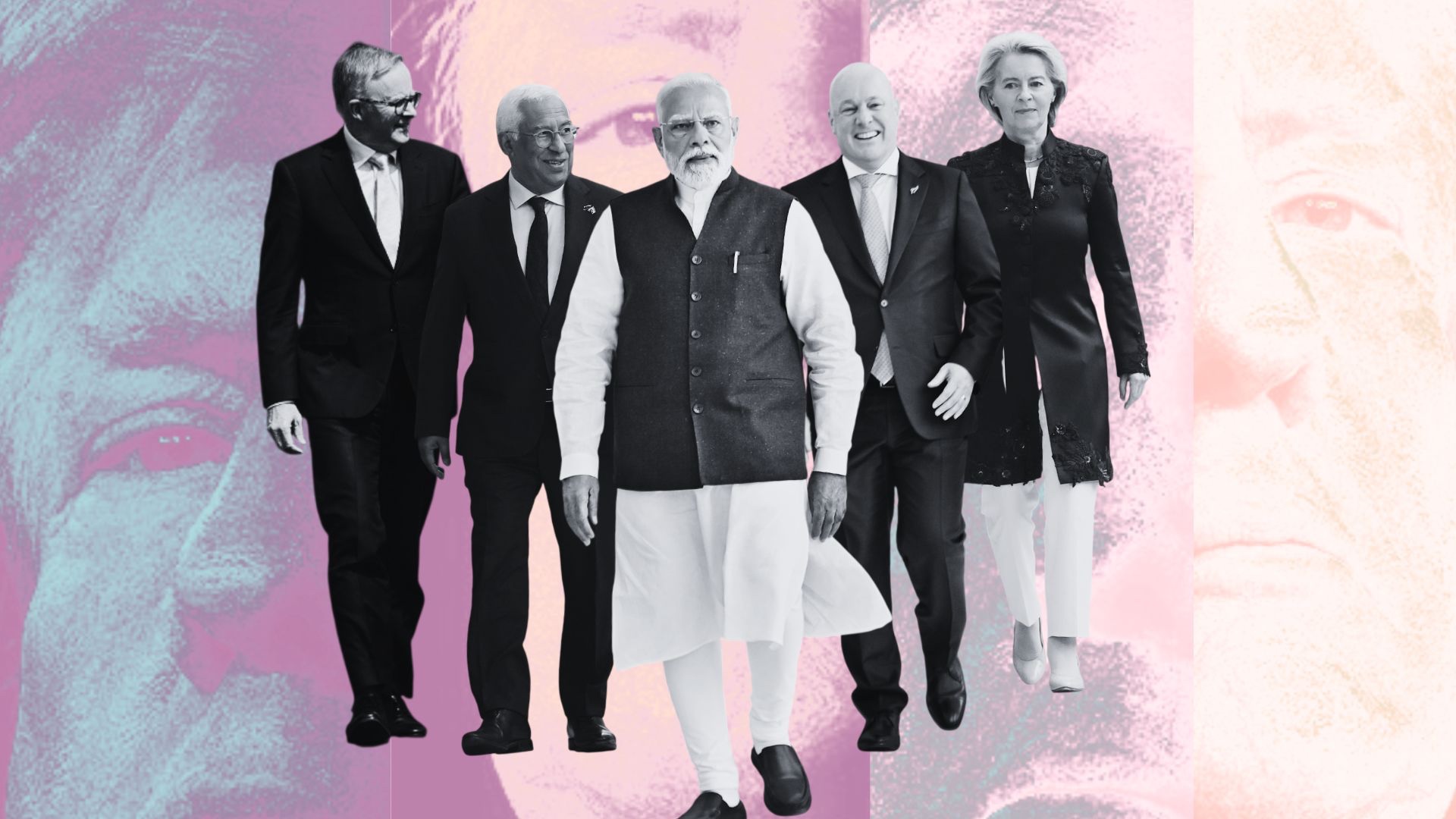
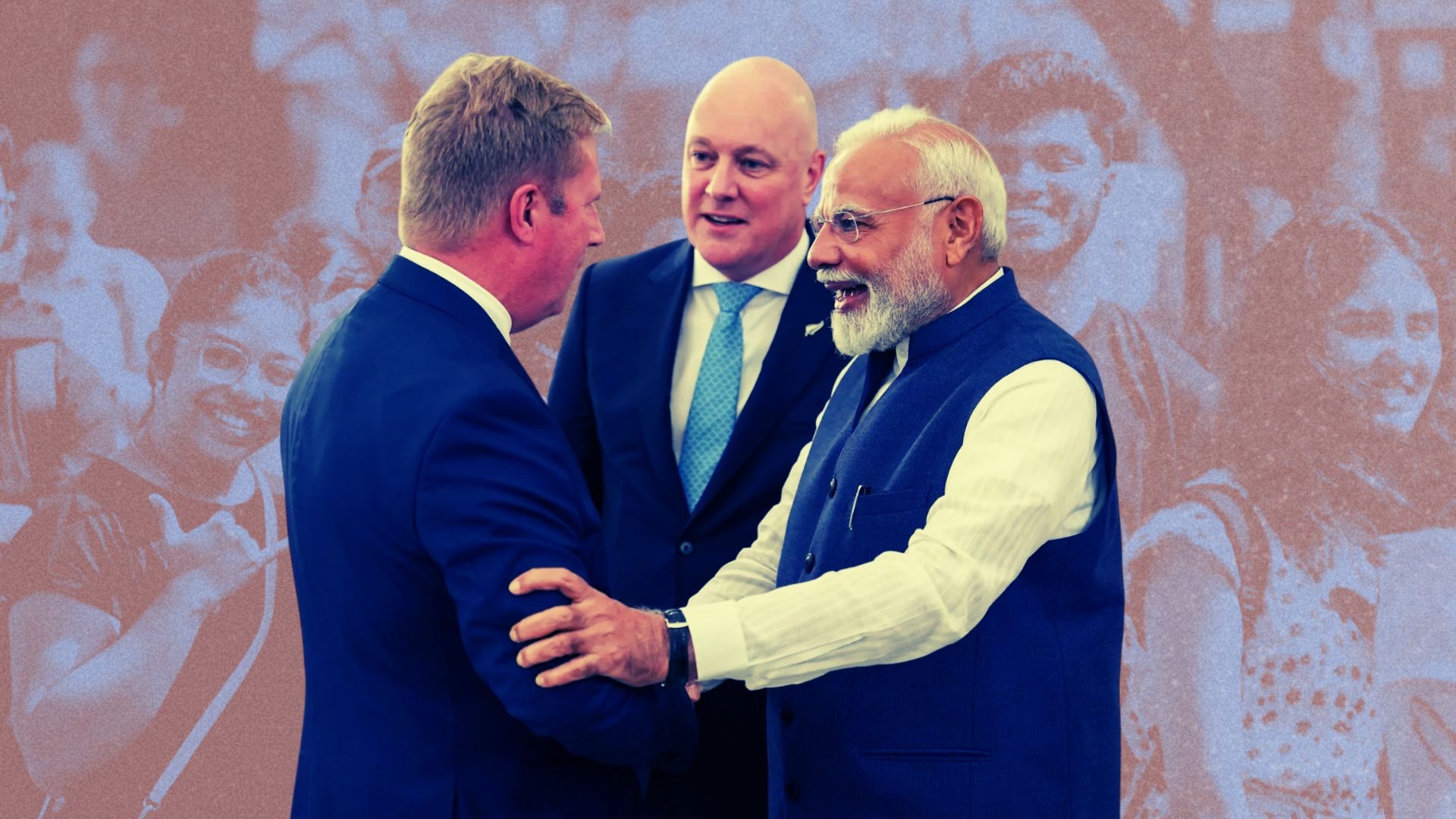
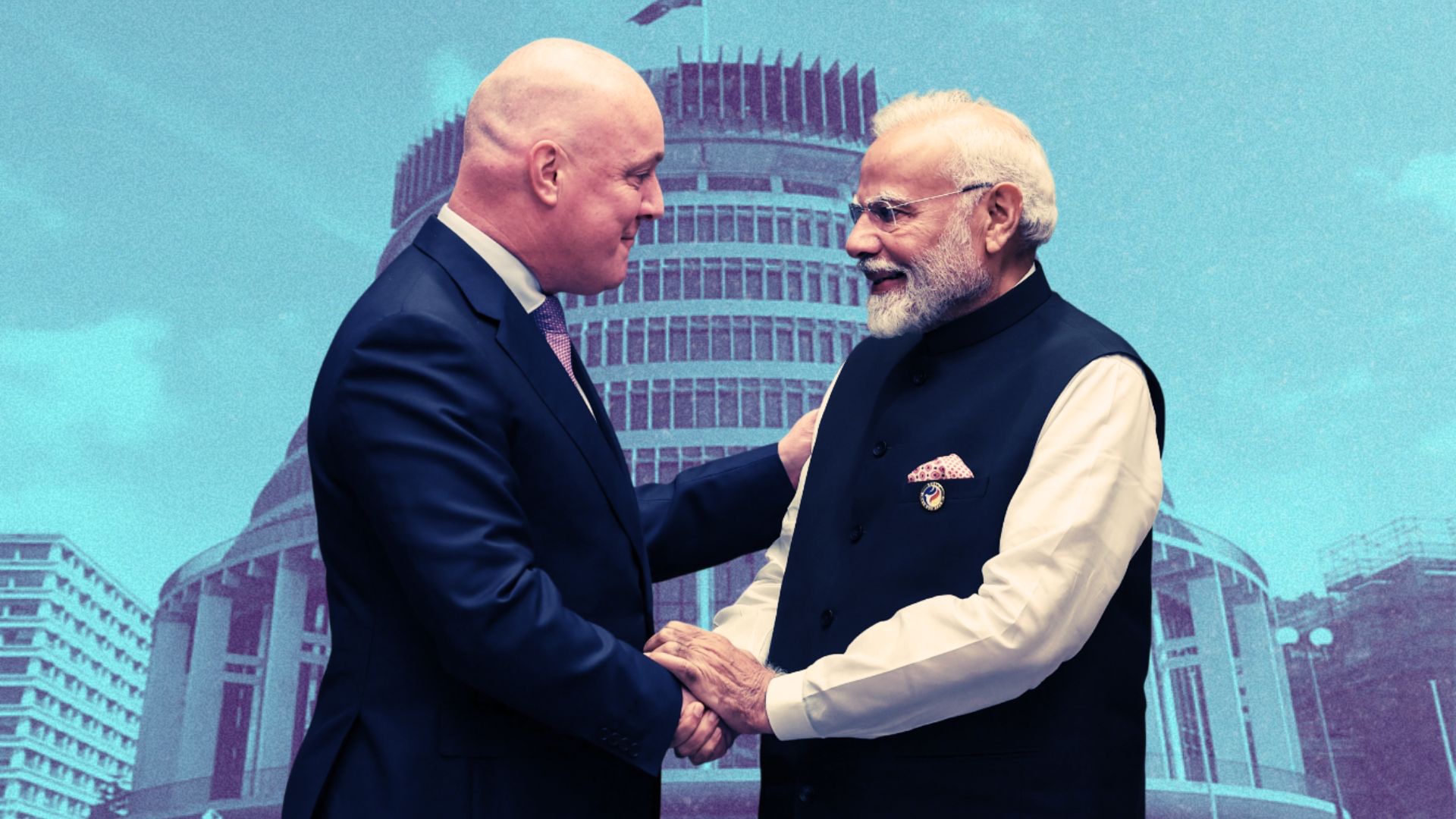
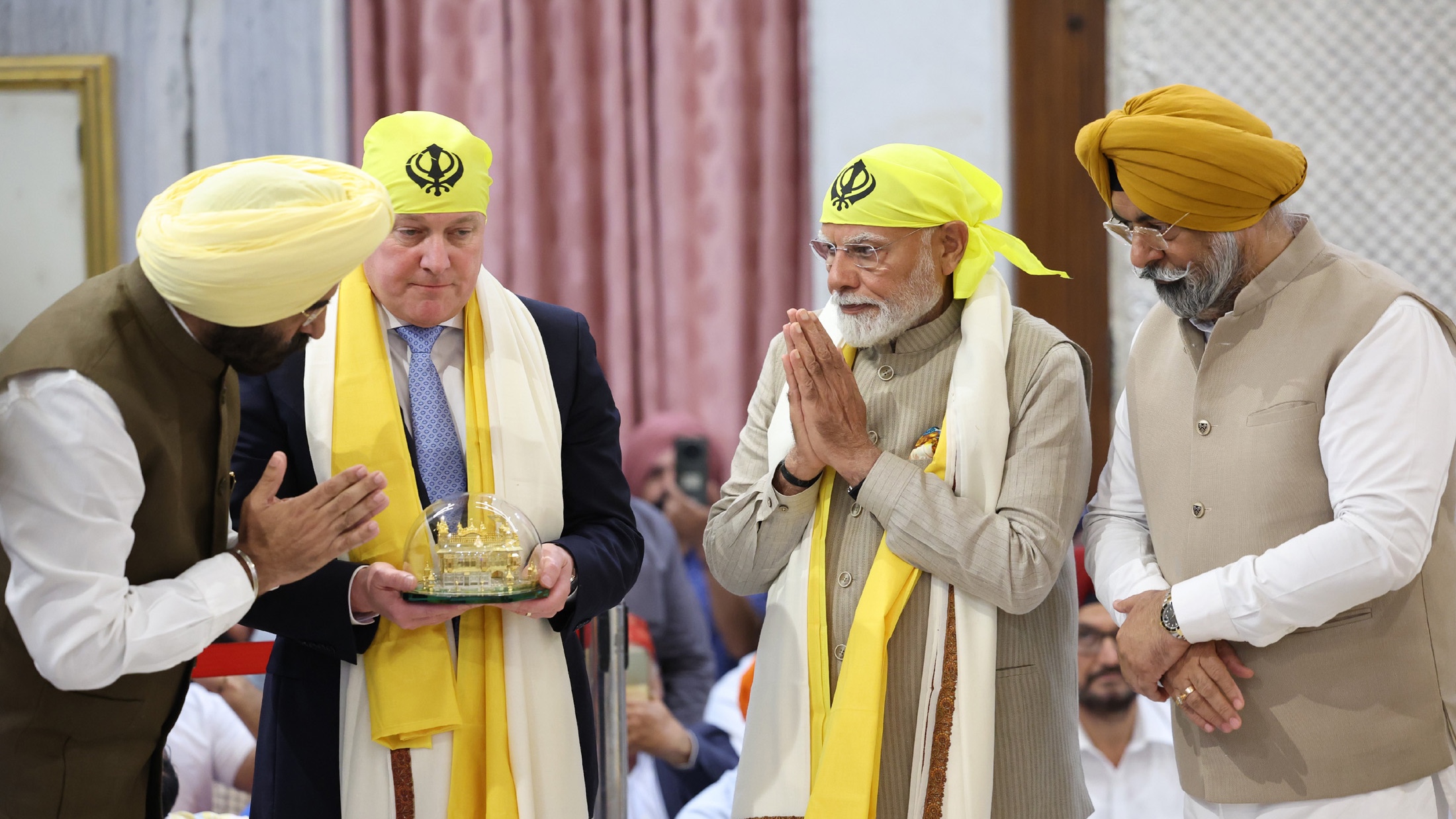
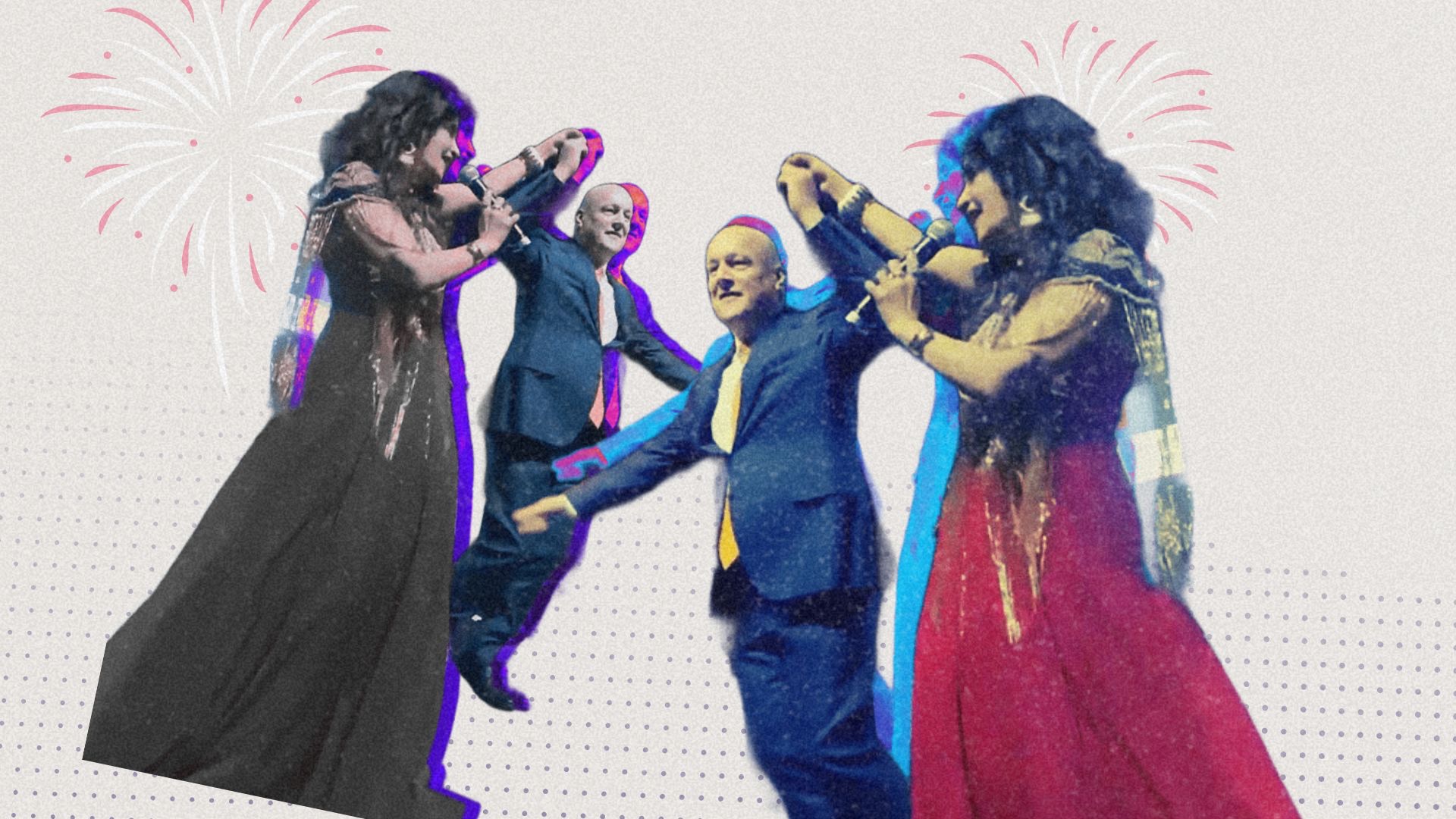
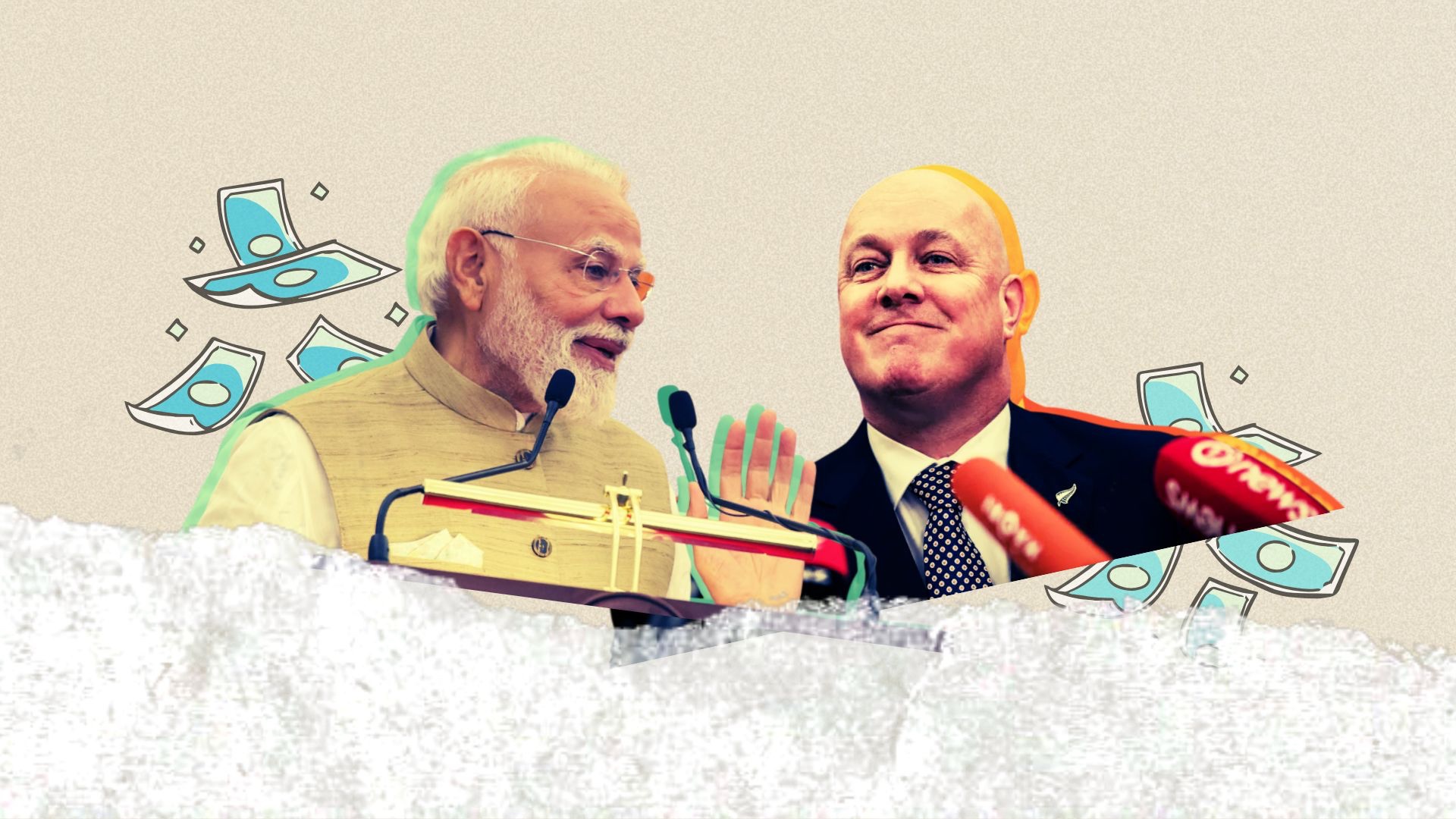
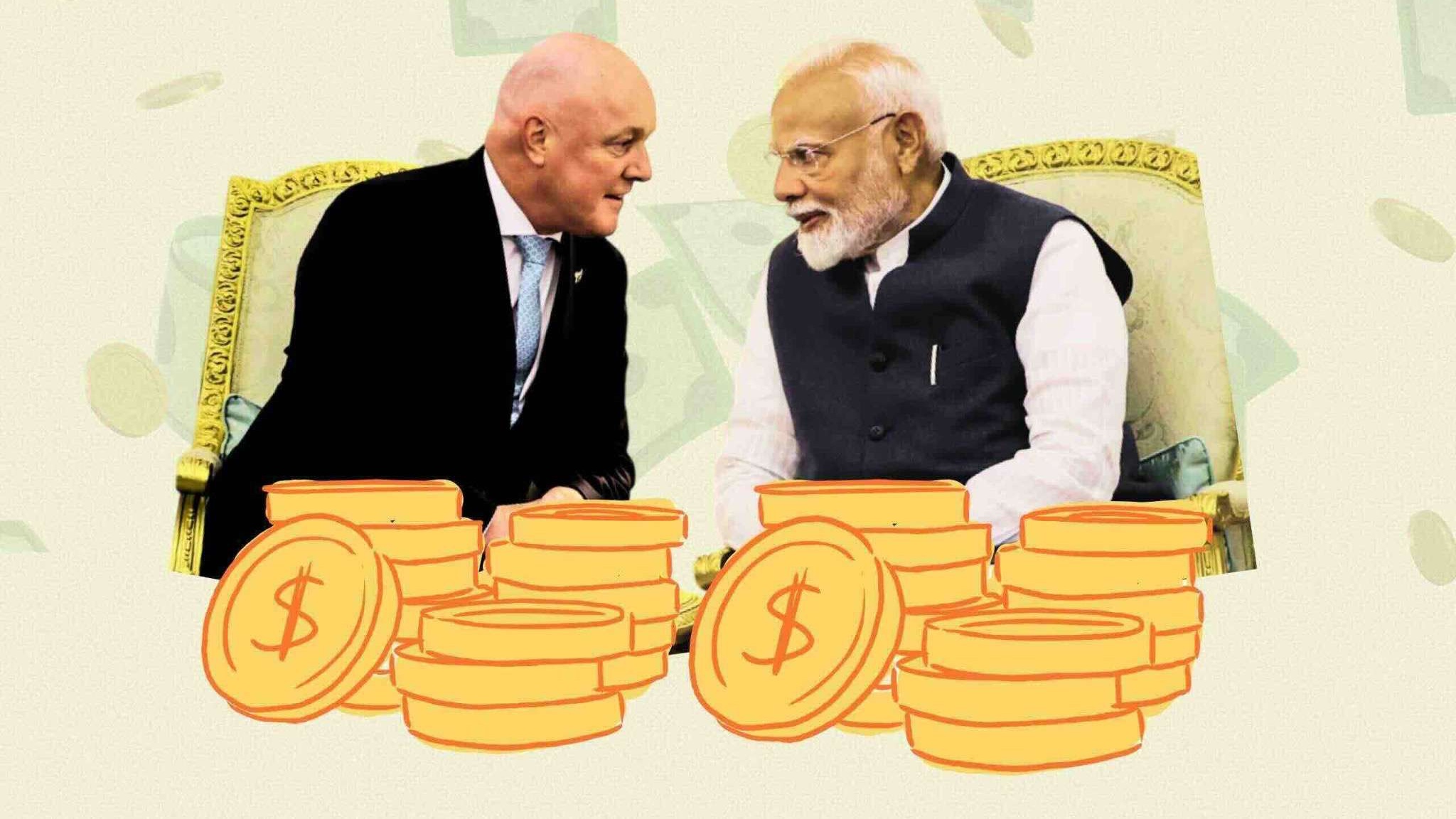
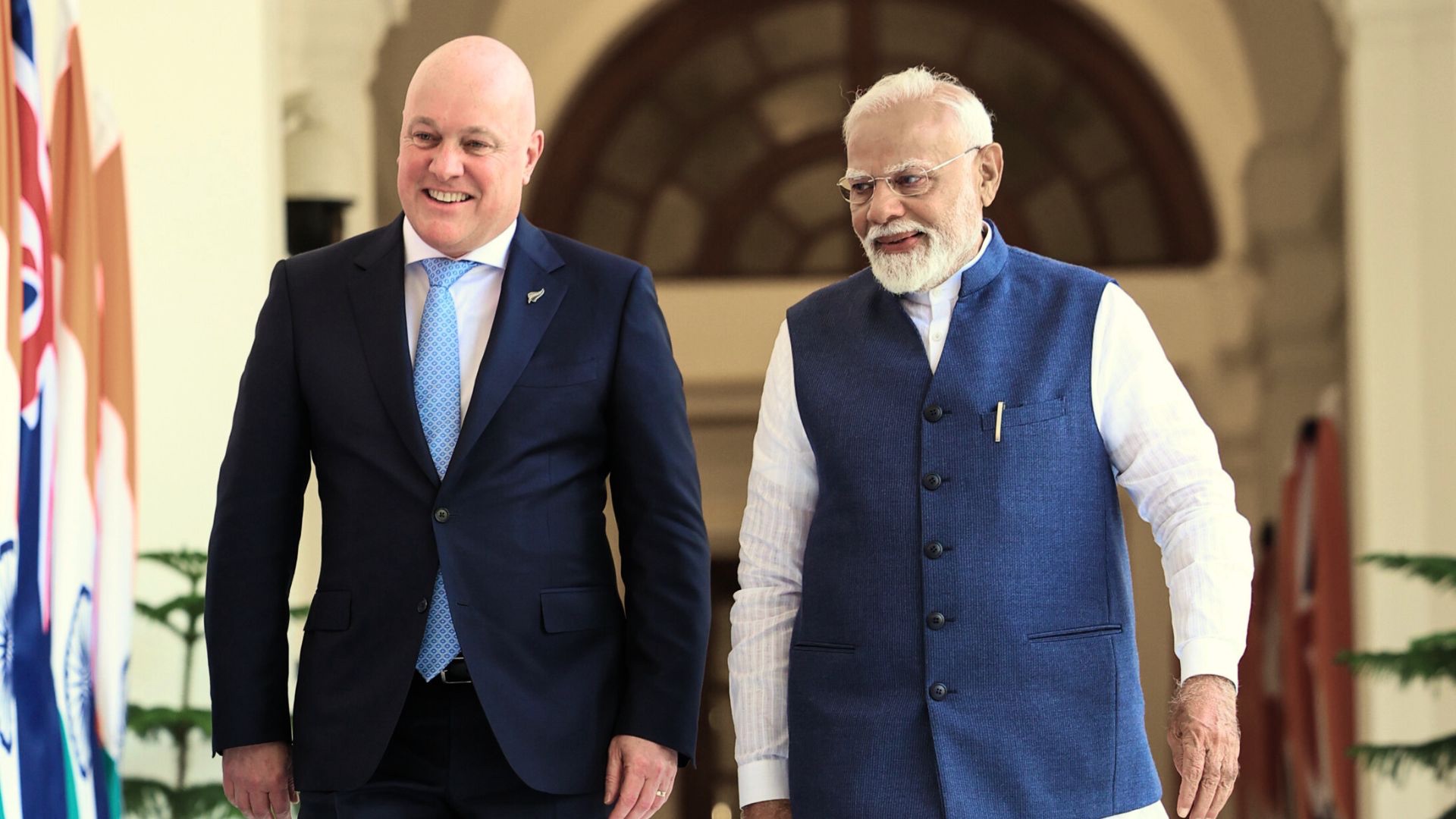
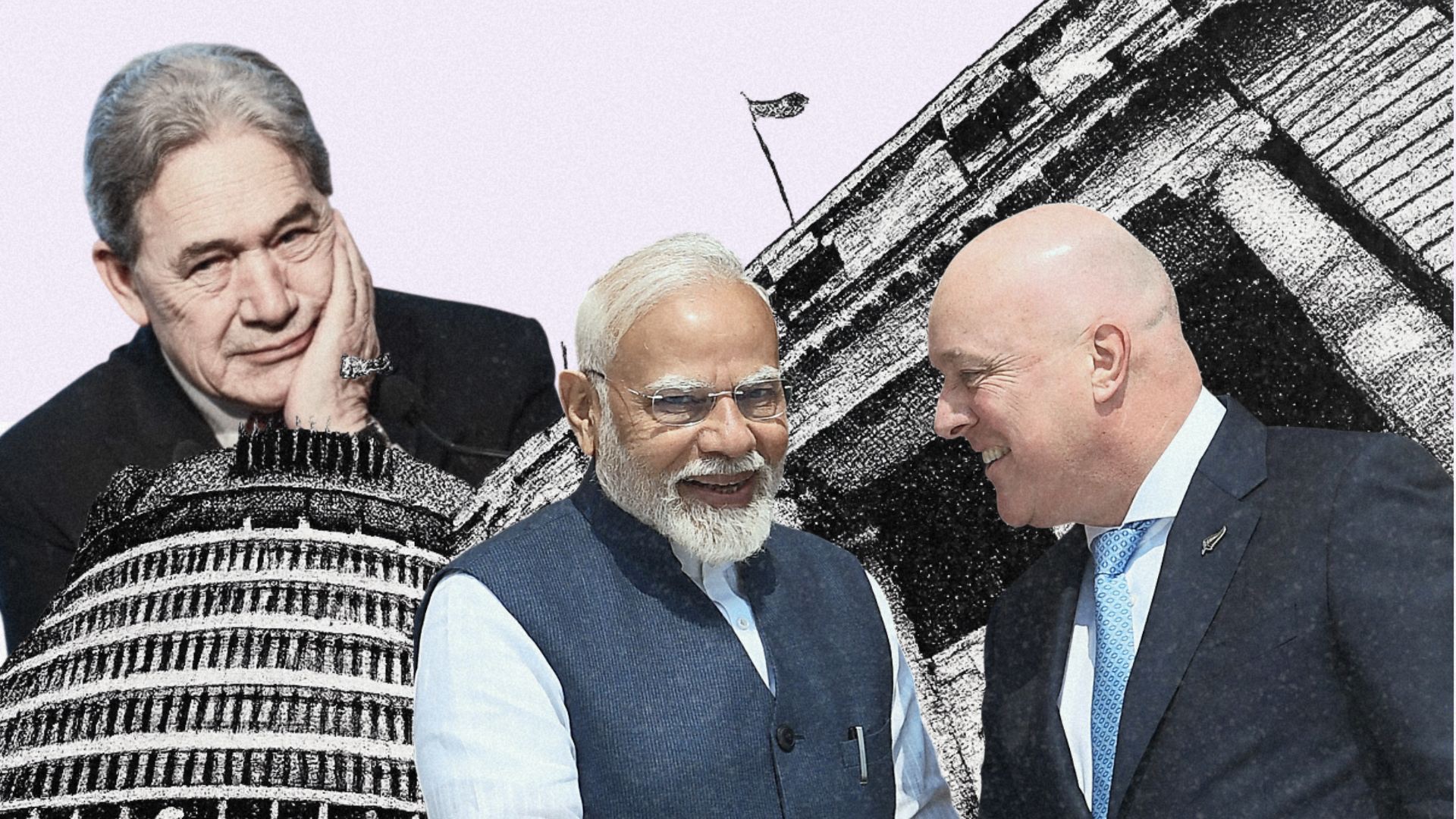
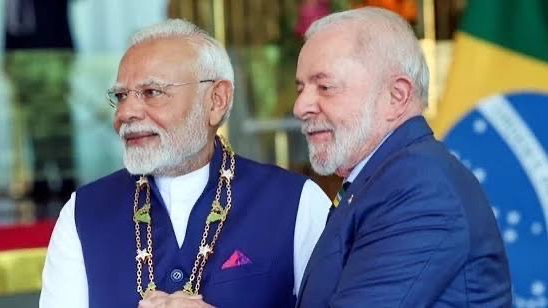
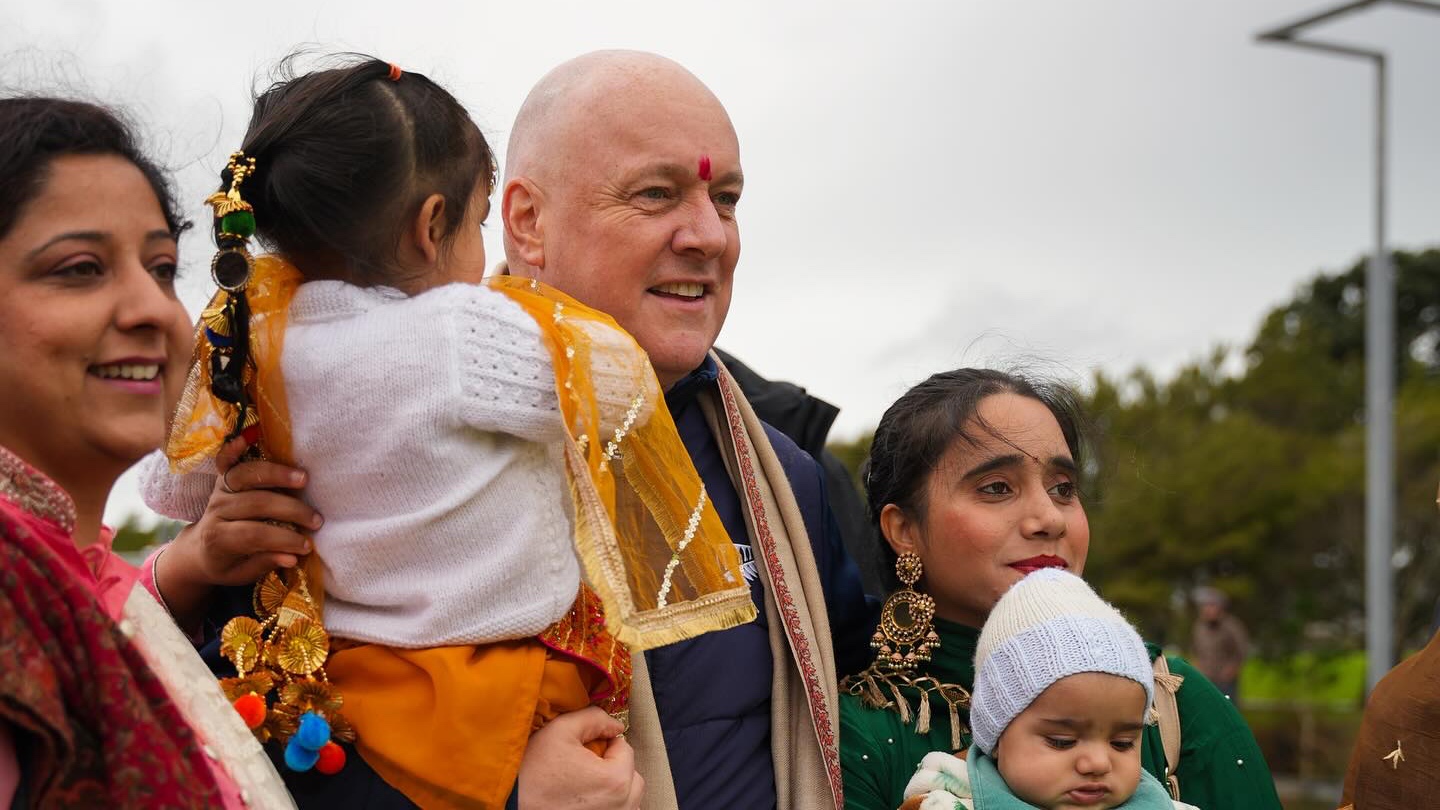
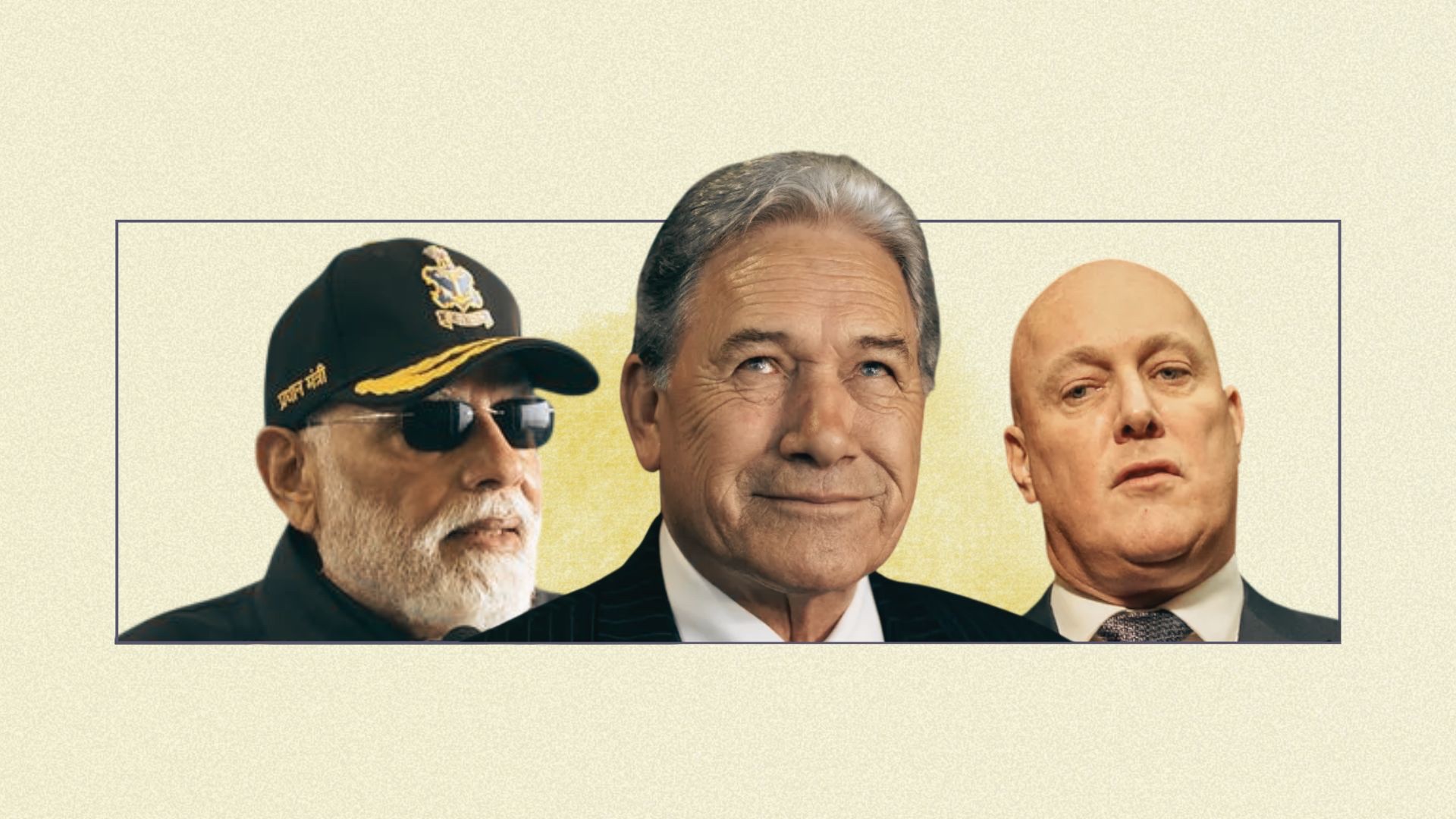
Prime Minister Christopher Luxon with India's Narendra Modi at a community reception at Spark Arena in Auckland on July 11. (Supplied photo)
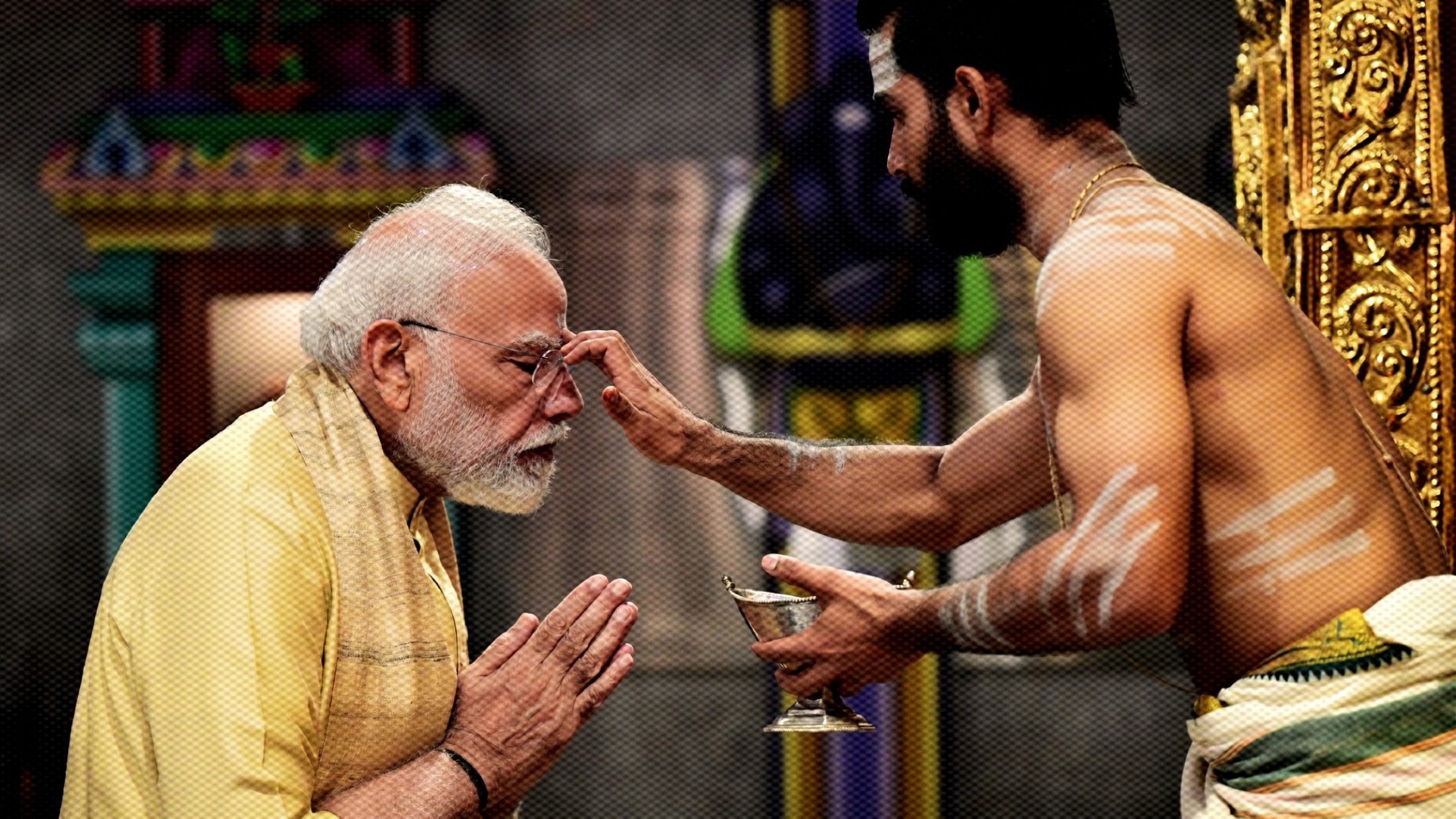
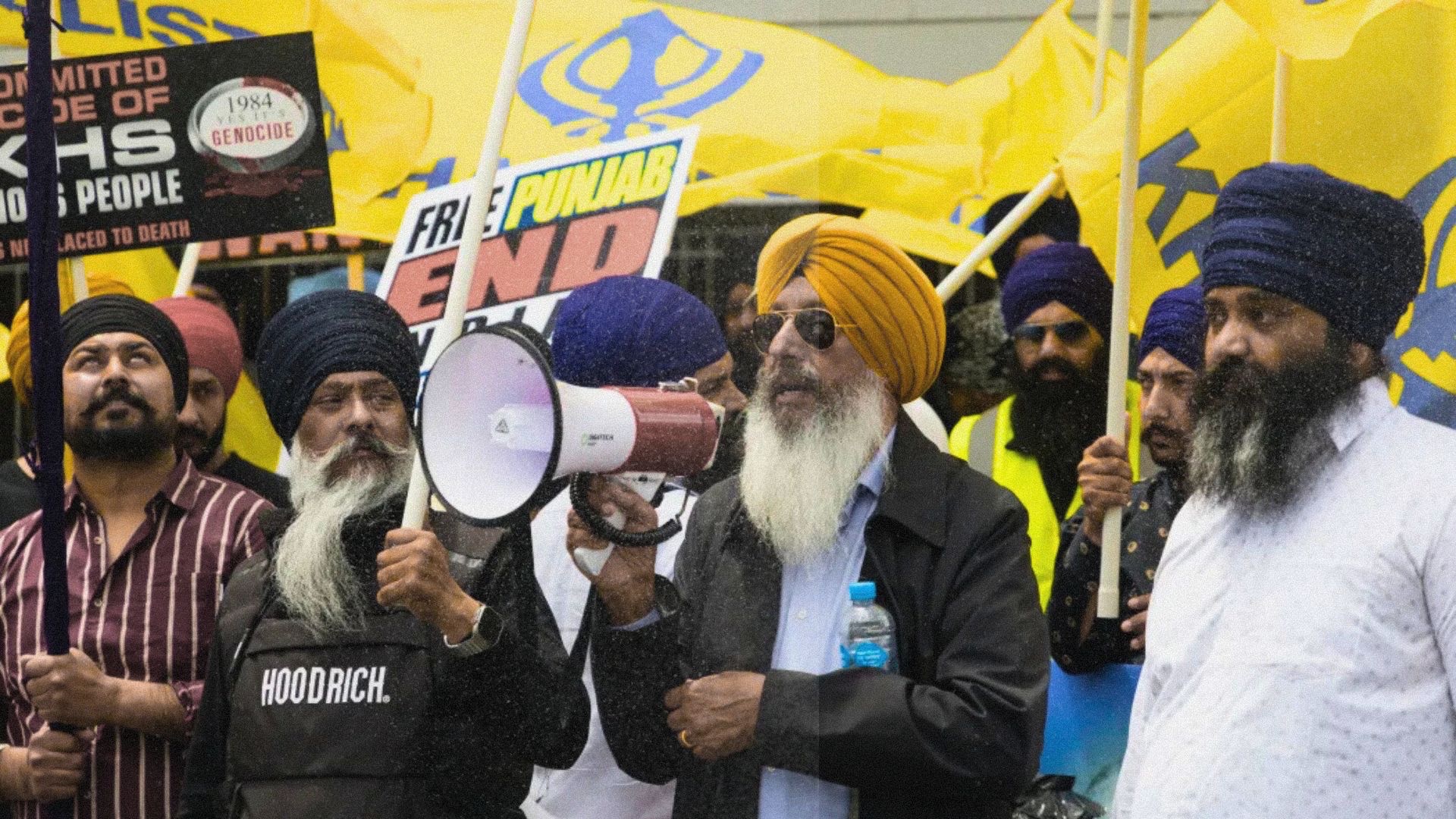
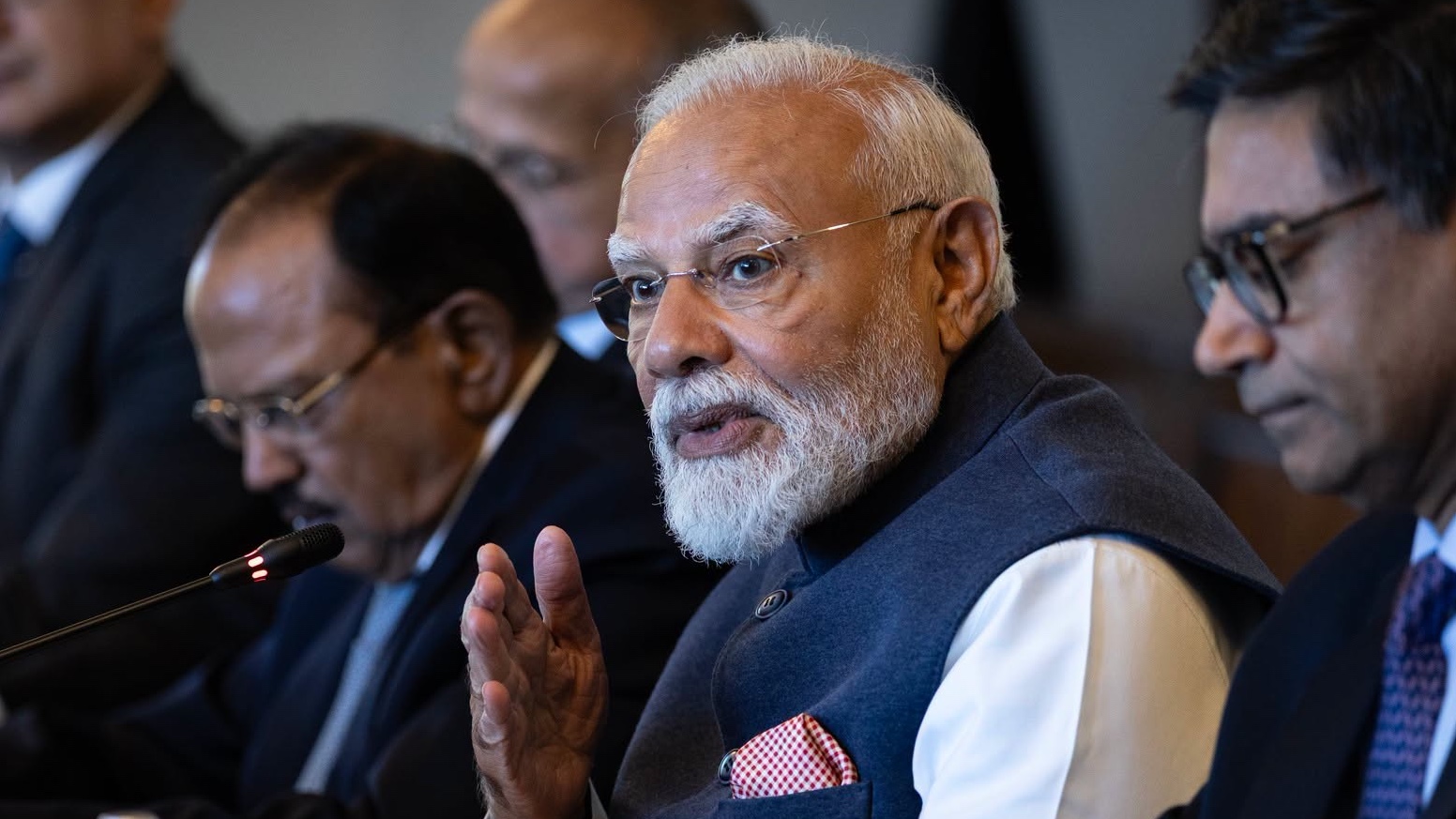
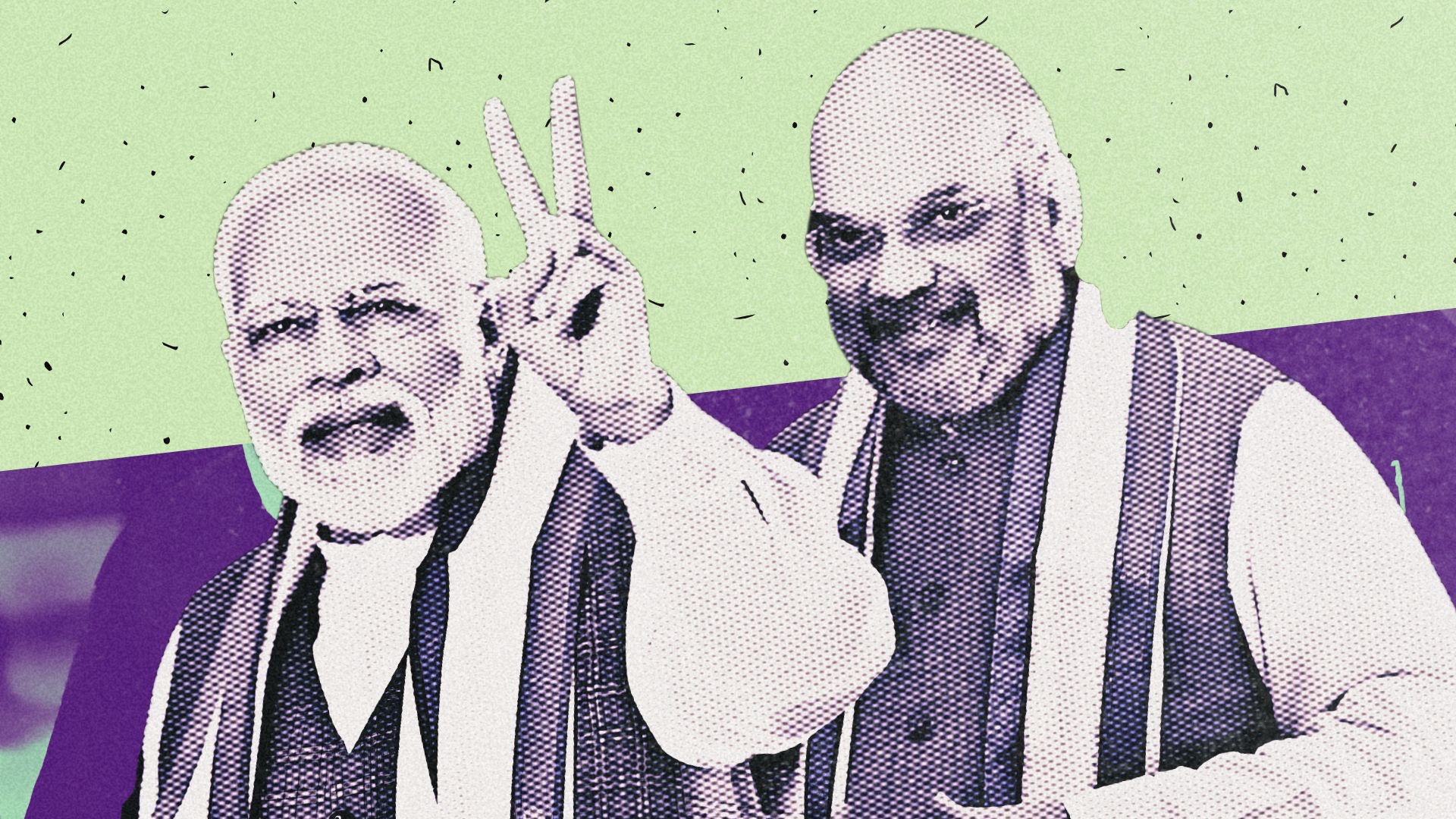
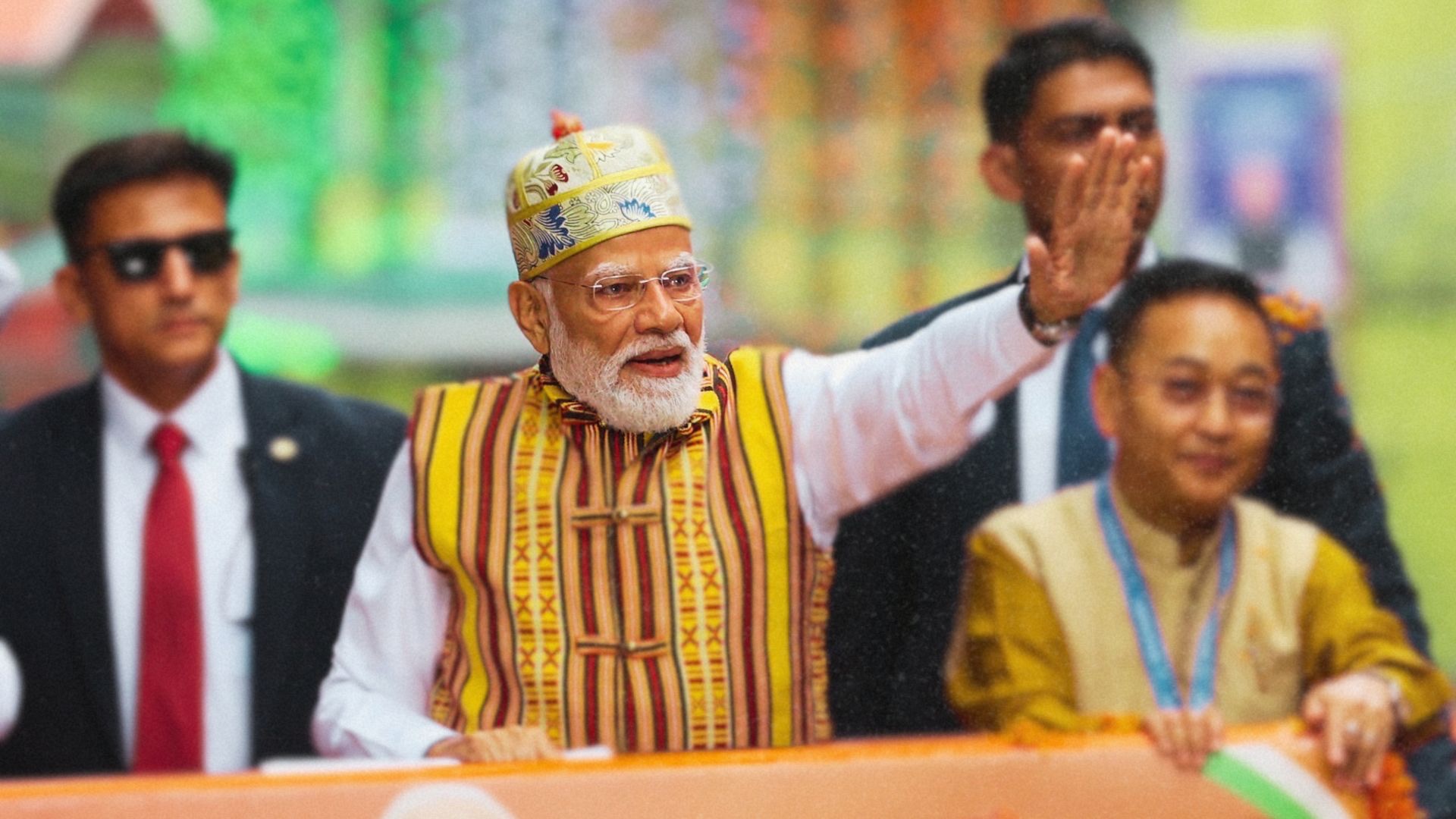
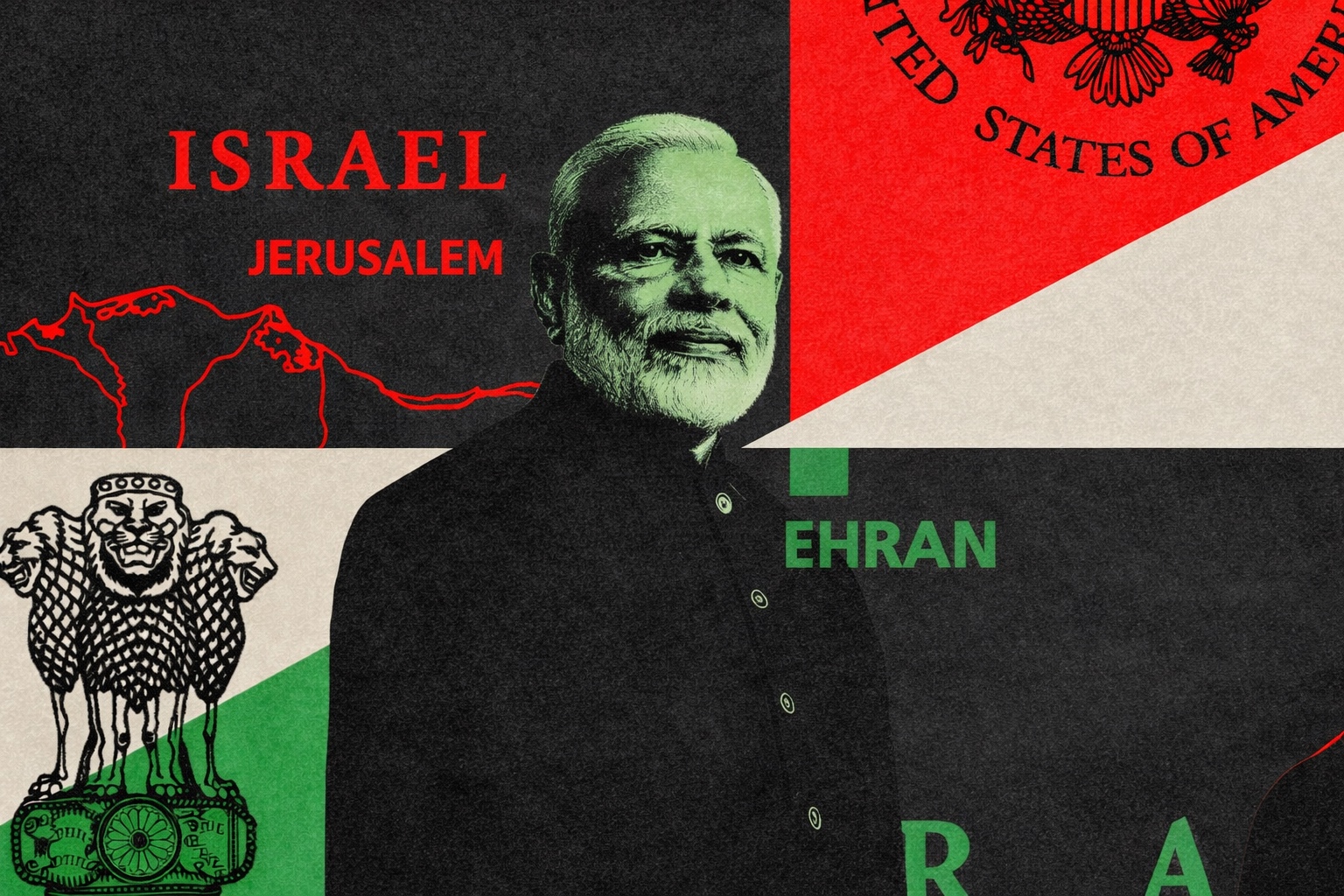
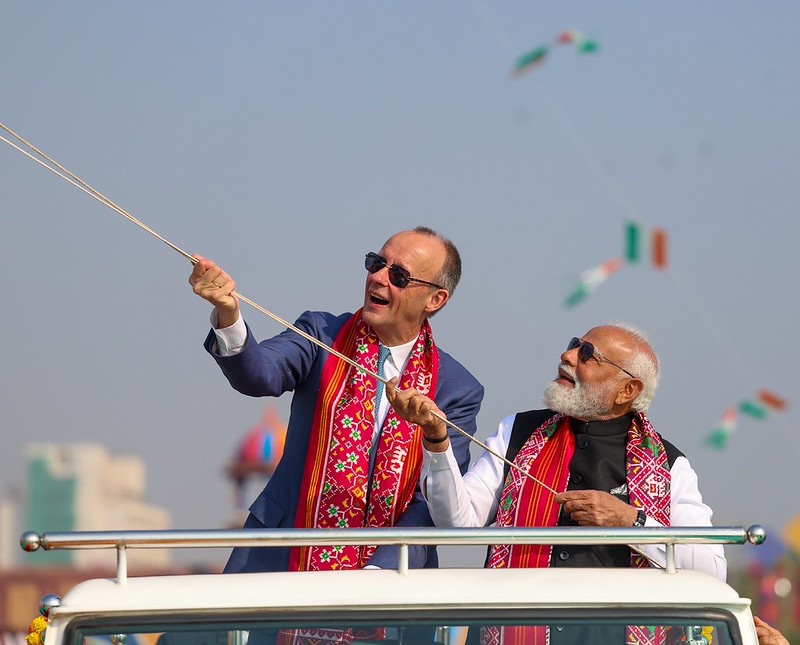
He cited the enthusiastic welcome Indian prime minister Narendra Modi received in Auckland during his visit this July as something that had prompted him to question the loyalties of some Indian New Zealanders.
I wrote about those remarks separately. But what has stayed with me is a different question. Peters wants Indian migrants to stop thinking of themselves as Indians first. Is he prepared to stop thinking of them that way?
A person can enjoy Indian food, speak an Indian language, celebrate Diwali and maintain close family connections with India while regarding New Zealand as home.
The problem arises when those cultural connections become grounds for questioning whether someone truly belongs. And that raises a larger issue about assimilation itself.
We tend to discuss assimilation as though it is something migrants must accomplish on their own. They must adapt, integrate, participate and demonstrate that they have embraced their new country.
But what happens when they do all those things and are still primarily seen through the lens of their ancestry? Peters himself offered an interesting answer during the interview.
When I asked what someone must do to qualify as a New Zealander, Peters imagined himself moving to Delhi as a young man. He said that even if he adopted India as his country, changing his passport would not automatically make him Indian.
Then he said something I found particularly significant. “The most important thing, of course, is whether the neighborhood accepts you. That's a critical one.”
I think he was onto something. Belonging is not simply a legal status. It is also a social relationship, shaped by how people see one another and whether they recognise each other as members of the same community.
But if acceptance matters, assimilation cannot be a one-way obligation. Migrants can spend decades living in New Zealand, become citizens, vote in elections, pay taxes, raise families and contribute to their communities. They can think of themselves as New Zealanders in every meaningful sense.
Yet they cannot force other people to see them that way. That requires something from the receiving society, too.
To be fair to Peters, he did not argue that migrants should be denied equal rights. Quite the opposite.
“My belief and my party's belief is the day you are here legally, you have the same right as anybody's been here for hundreds of years,” he told us.
But legal equality and social acceptance are not the same thing. A person can possess all the rights of a New Zealand citizen and still find their identity repeatedly questioned, or discover that others instinctively associate them with the politics and government of another country.
Peters wants migrants to embrace New Zealand as their future and think of themselves as New Zealanders first. Yet his own words about neighbourhood acceptance suggest that belonging cannot be achieved by migrants alone.
If migrants are expected to see themselves as New Zealanders first, shouldn't the people demanding assimilation be willing to see them that way too?