
Nearly 25% of asylum claims in INZ backlog 'manifestly unfounded', officials estimate

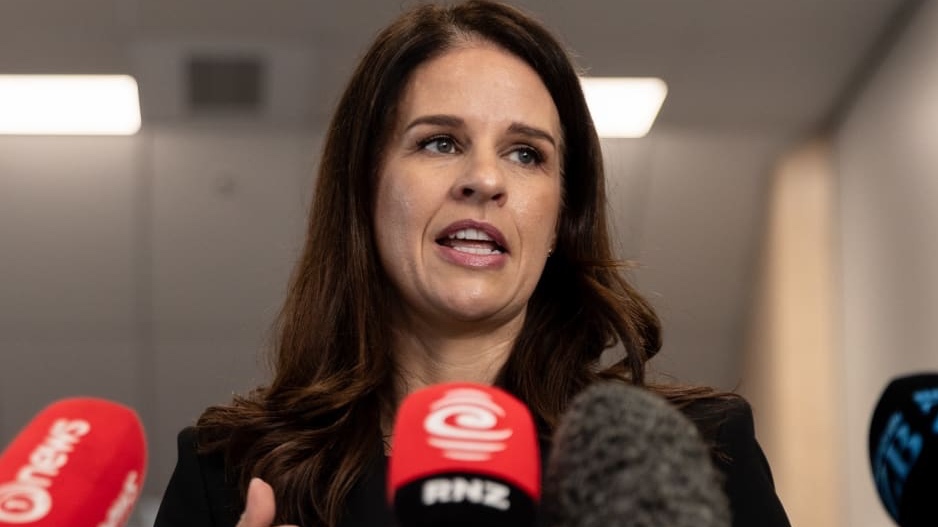
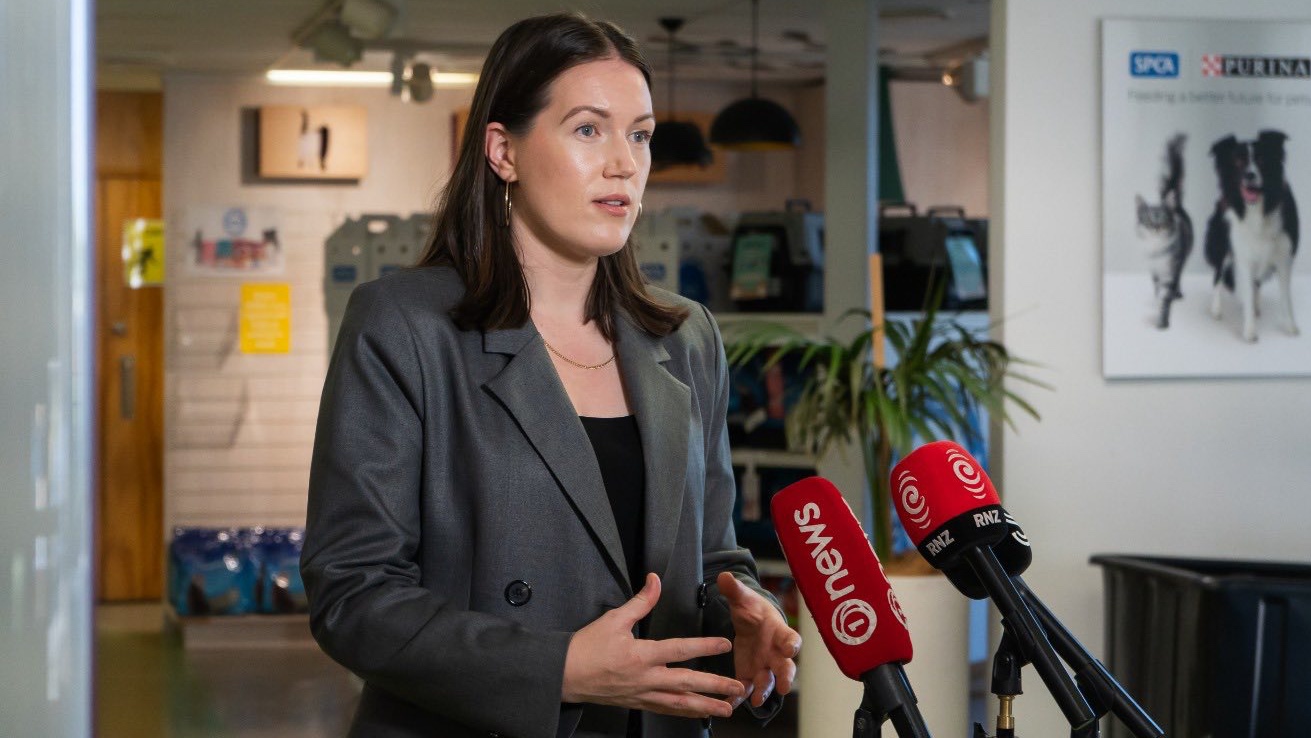
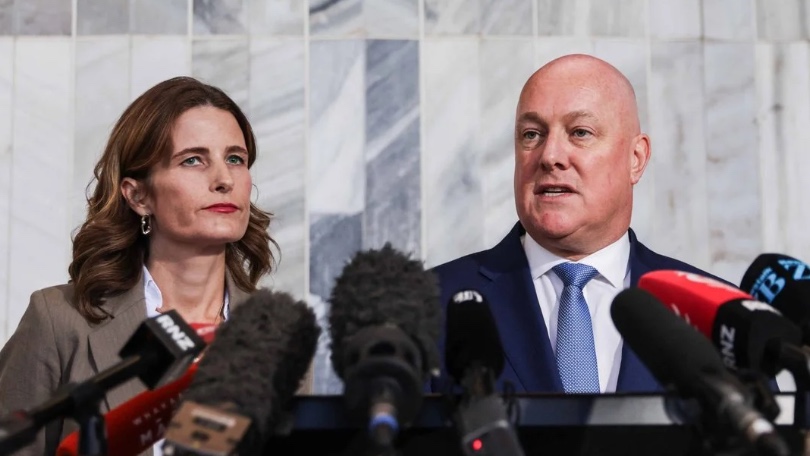
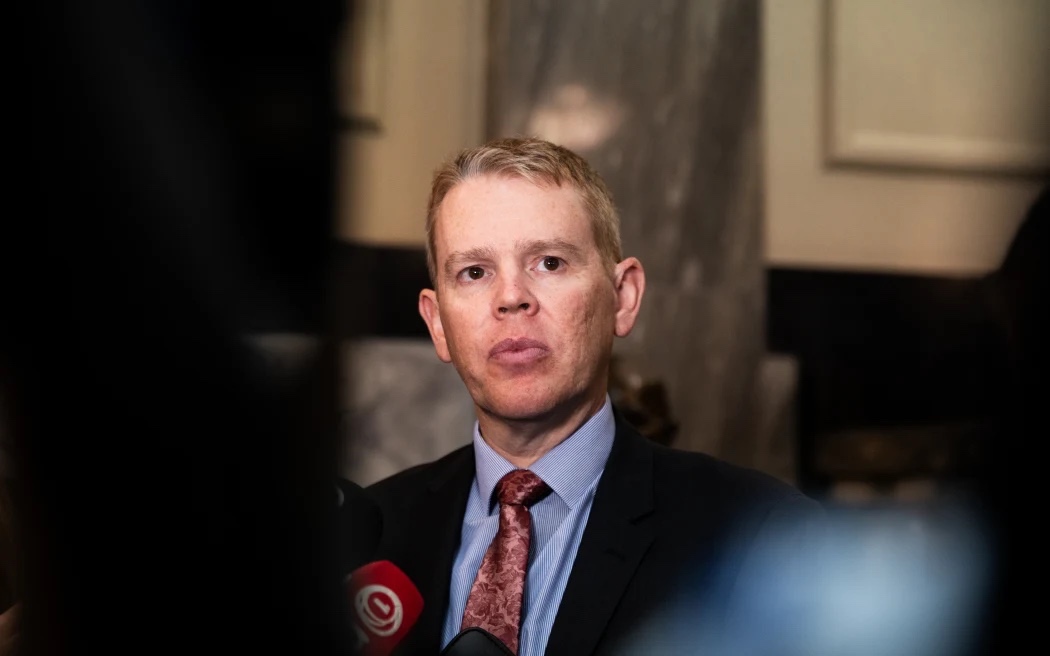
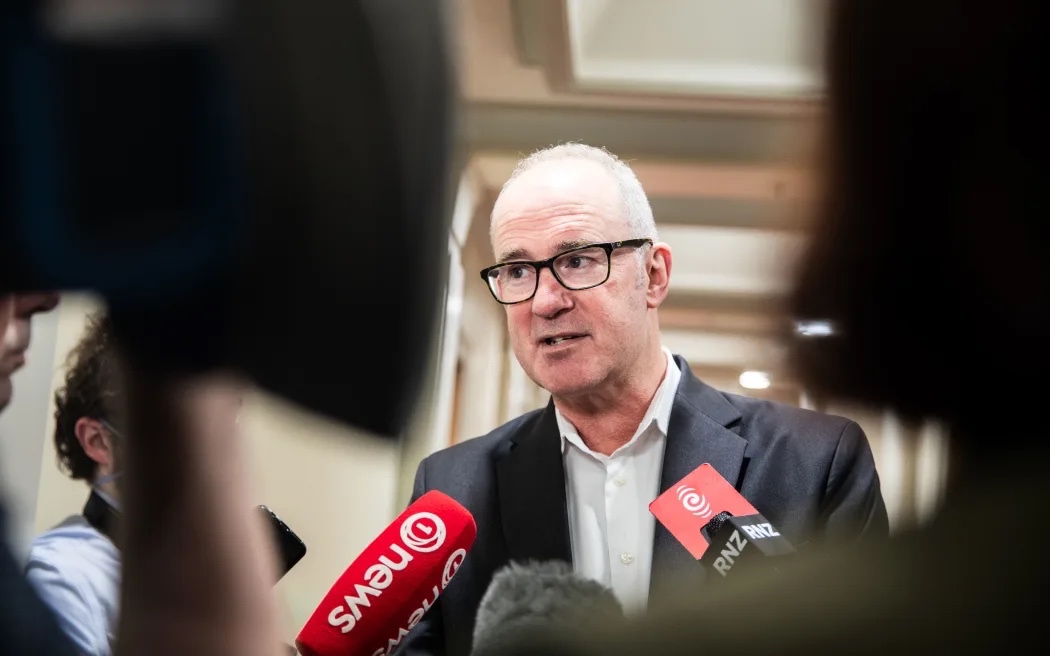
Immigration minister Erica Stanford.
The estimate comes as New Zealand’s asylum system deals with the double whammy of a sharp increase in claims.
Immigration New Zealand (INZ) estimates up to one in four asylum claims sitting in its growing backlog are highly unlikely to succeed, offering a rare glimpse into the strength of the cases being considered.
The estimate was contained in a Ministry of Business, Innovation and Employment briefing prepared for Parliament’s education and workforce committee in March, and subsequently released as evidence to the privileges committee only this month.
The briefing notes, as of January 31, there were 4,001 undecided refugee and protection claims on hand. At least 20 per cent to 25 per cent were estimated to be “manifestly unfounded”, describing that as a conservative estimate.
INZ has clarified that it does not formally classify first-time refugee and protection claims as manifestly unfounded.
Greig Young, head of operations at INZ’s Refugee and Status Unit, told Awaaz the 25 per cent figure was a broad estimate based on the cases currently waiting to be decided.
"The country’s just flying": Black Caps great Stephen Fleming bullish on India after FTA The former skipper says decades of cricket and business ties have given him a front-row view of India’s transformation.
Brian Tamaki summoned to court for inciting racial disharmony around Modi's visit The Destiny Church leader says the charges relate to comments made while criticising Indian prime minister Narendra Modi.
MS Dhoni, Dangal, Mary Kom: Indian sports films coming to Auckland cinemas. For free An Auckland film showcase is bringing blockbuster sports movies back to cinemas as part of the centenary celebrations of New Zealand–India sporting ties.
“The manifestly unfounded number is not of possible declines, but of claims that are highly unlikely to succeed based on their similarity to the types of appeals routinely being found manifestly unfounded by the IPT,” Young said.
He said the estimate drew on likely outcomes for different groups of cases, including decisions made by the INZ's Refugee Status Unit and subsequent outcomes at New Zealand's appellate body, the Immigration and Protection Tribunal (IPT).
INZ does not separately record particularly weak first-time claims as manifestly unfounded, Young said. At that stage, claims are assessed against New Zealand’s refugee and protection criteria and are either approved or declined.
Young said a claim is generally considered manifestly unfounded where it could not succeed even if all the facts asserted by the claimant were accepted as true.
The term has a formal role later in the process. The IPT can find an appeal manifestly unfounded and decide it without an in-person hearing.
It can also apply to subsequent refugee claims. A refugee and protection officer can refuse to consider a subsequent claim if it is manifestly unfounded, clearly abusive or simply repeats an earlier claim.
The estimate comes as New Zealand’s asylum system deals with a sharp increase in claims.
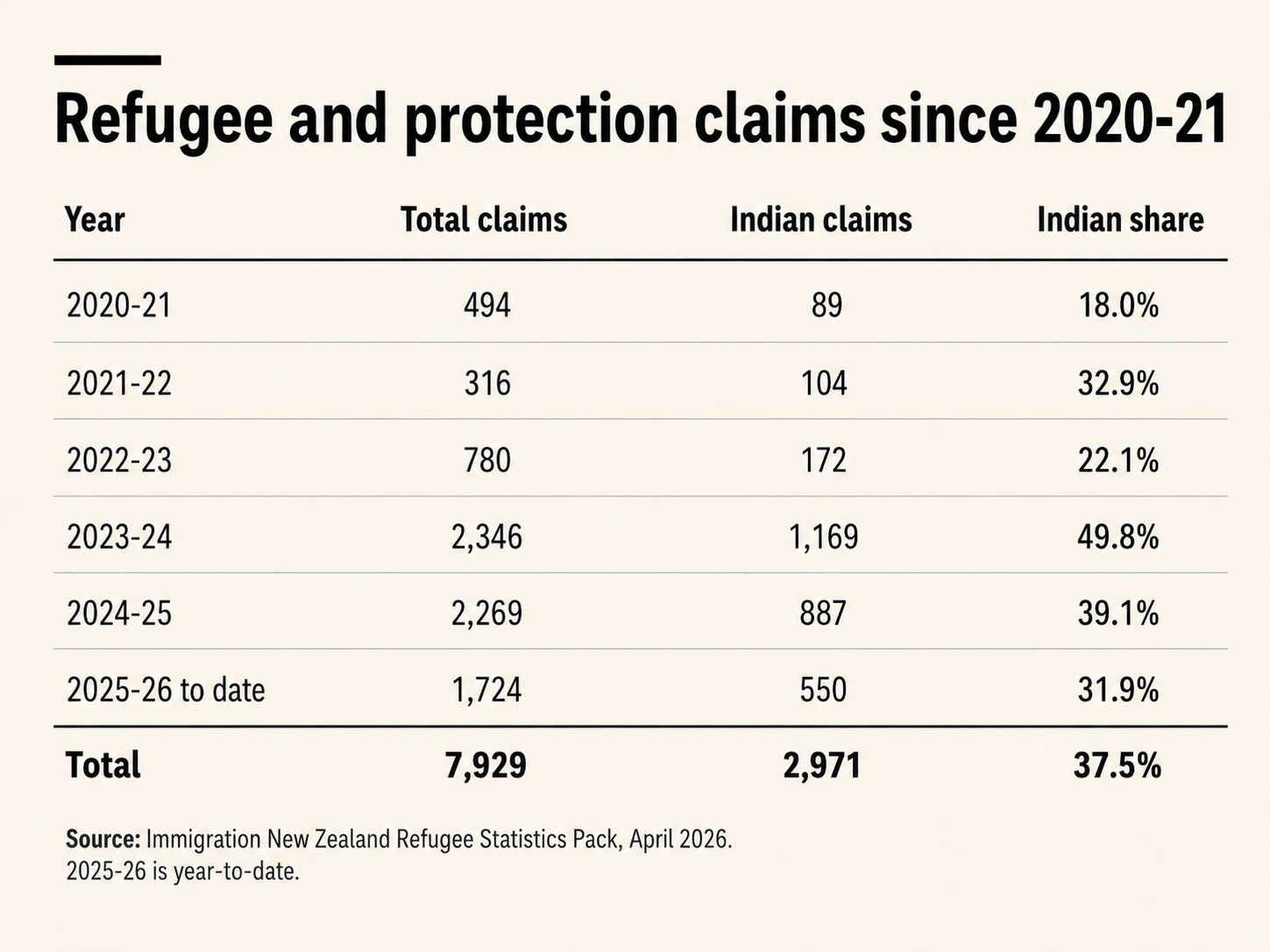
For much of the period before the pandemic, annual refugee and protection claims remained in the hundreds. They rose to 780 in 2022-23 before jumping to 2,346 in 2023-24. Another 2,269 claims were lodged in 2024/25.
Indian nationals have accounted for a significant share of that increase. There were 172 claims by Indian nationals in 2022/23, followed by 1,169 in 2023/24 – almost half of all claims lodged in New Zealand that year.
Indian nationals lodged another 887 claims in 2024/25, accounting for about 39 per cent of the national total. In 2025-26 to date, INZ data shows about 32 per cent were from Indian nationals.
The surge has also translated into lengthy delays. The March parliamentary briefing said a claim was taking an average of 487 days just to be allocated to an officer, followed by another 118 days for a decision.
That put the overall processing time at 605 days, or roughly 20 months. INZ’s approval rate was 25.56 per cent in 2025/26 at the time of the briefing, compared with 23.33 per cent in 2024/25.
Pressure is also being felt at the appeal stage. The IPT had received 392 new refugee and protection appeals in 2025-26, as of February 3, compared with 171 in 2016-17. The average appeal was taking about 11 months and rising.
The IPT found about 23 per cent of appeals considered between July 1, 2025 and January 31, 2026 to be manifestly unfounded, according to the same briefing.
Young said INZ’s estimate of the current backlog was informed partly by those kinds of IPT outcomes.