
Why India is emerging as a premier global hub for medical tourism
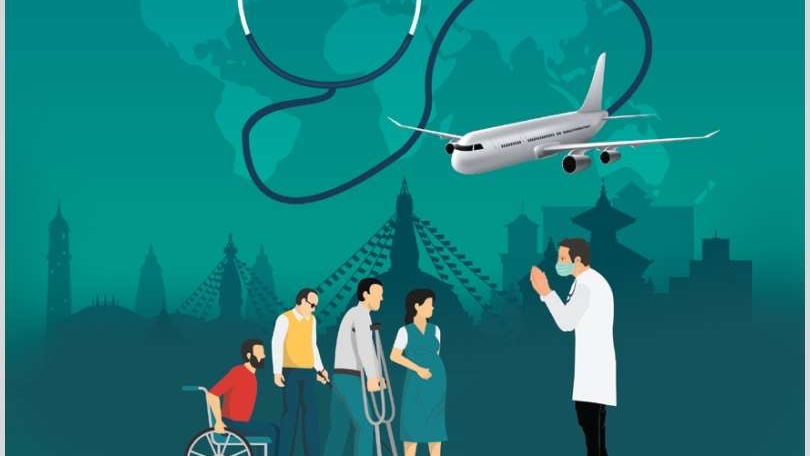
Medical tourism to India has been growing over the years.
India offers a powerful combination of internationally-recognised hospitals, highly-trained doctors and advanced medical technology.
India’s global story is changing, and one of the strongest examples of that transformation is the country’s rise as a major destination for medical tourism.
As part of our new series on The New India, this article looks at how India has become a trusted healthcare destination for patients seeking timely, affordable and specialised treatment.
Medical tourism is the practice of travelling to another country to receive healthcare. For many patients, the reason is simple: they want access to quality treatment without long waiting times, excessive costs or limited specialist availability.
India is increasingly being chosen by patients from North America, Europe, Australia, New Zealand, Africa, the Middle East and neighbouring countries.
The country offers a powerful combination of internationally recognised hospitals, highly trained doctors, advanced medical technology, English-speaking medical teams and significantly lower treatment costs compared with many Western countries.
Selfie: ‘Daddy, please don’t take me to an India-NZ cricket match’. A migrant's dilemma Can a migrant embrace a new home without abandoning old loyalties? Sports often offers a reckoning for migrants.
Migrant prison guards in Auckland accused of drug smuggling can't work, can't go home Two fathers facing serious corruption charges have been unable to work elsewhere because of their visas and awaiting criminal trials in 2028.
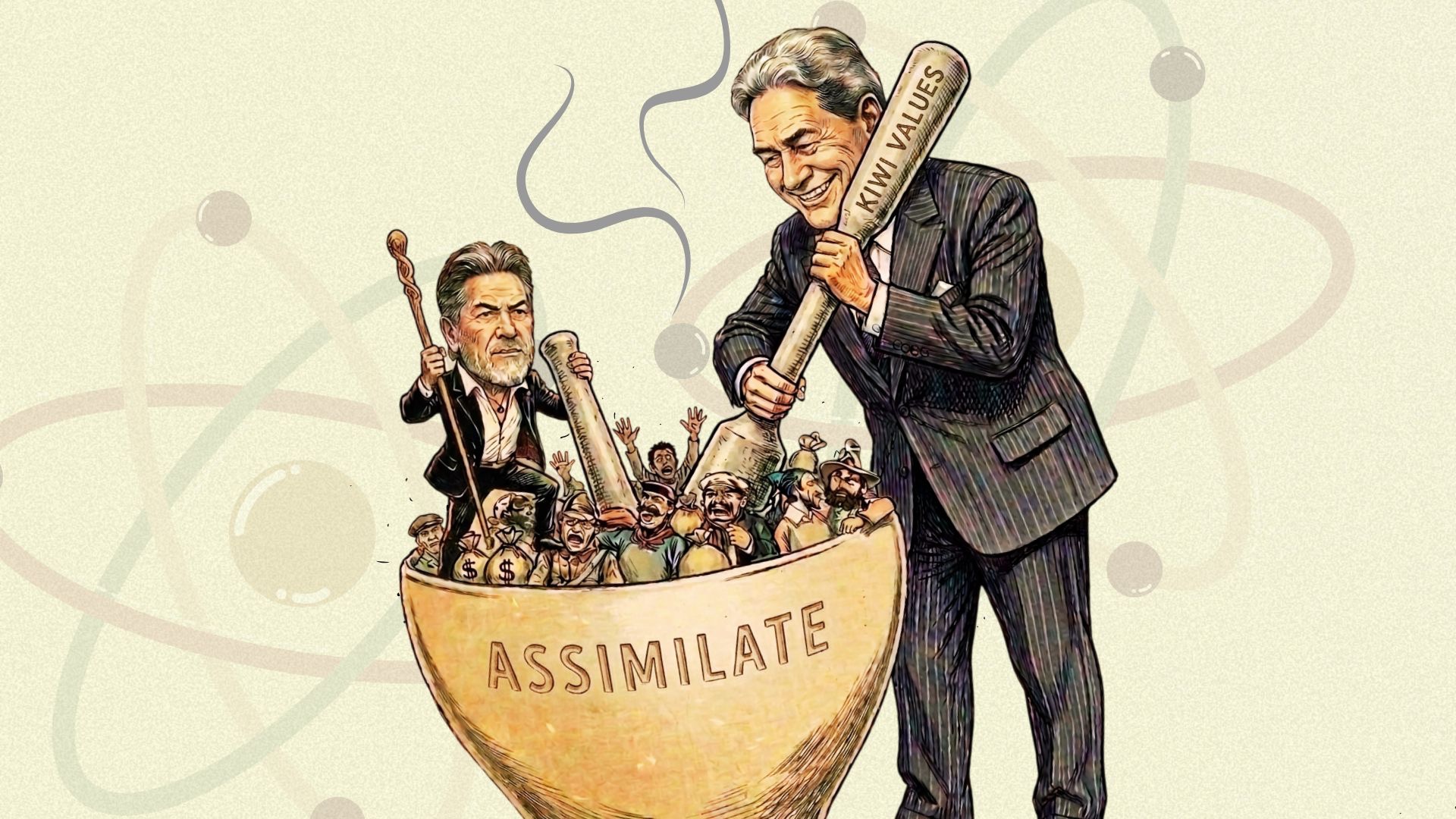
Can you be Indian and Kiwi? National's Mahesh Muralidhar on patriotism, racism and belonging National's big ticket Indian-origin candidate on what ethnic representation really achieves and why New Zealanders still struggle to get along.
This is not just about affordability. It is about access, expertise, compassion and comprehensive care.
Why India is attracting international patients
One of the biggest reasons patients consider India is cost. Many complex procedures in India can cost far less than similar treatment in countries such as the United States, the United Kingdom, Australia or New Zealand.
For patients facing large medical bills or long waiting periods, that difference can be life changing. Treatments such as cardiac surgery, joint replacement, oncology care, fertility treatment, eye surgery, dental care and some specialist procedures are often available at a fraction of the price charged in many Western systems.
However, affordability alone is not enough. Patients also need confidence in clinical standards. This is where India’s expanding hospital infrastructure has become important.
India has a strong network of accredited hospitals and specialist centres in major cities such as Chennai, Delhi NCR, Mumbai, Hyderabad, Bengaluru and Kerala. Many of these hospitals serve international patients and offer dedicated support teams to help with medical reports, appointments, treatment planning, travel guidance and recovery coordination.
Advanced hospitals and global expertise
India’s medical sector has grown rapidly over recent decades. Many Indian doctors, surgeons and specialists have trained or worked in leading institutions in the United States, the United Kingdom, Europe, Australia and other advanced healthcare systems before returning to practise in India.
Hospitals in India now routinely provide advanced services in cardiology, oncology, neurology, orthopaedics, organ transplantation, fertility care, ophthalmology, robotic surgery, intensive care and rehabilitation.
Modern Indian hospitals use technology such as robotic surgical systems, PET-CT imaging, advanced diagnostic tools, cardiac catheterisation labs and high-dependency intensive care units. This allows many centres to meet international expectations for treatment quality and patient safety.
India’s healthcare quality framework is also supported by accreditation systems such as NABH, the National Accreditation Board for Hospitals and Healthcare Providers, and JCI, Joint Commission International. These standards help patients identify hospitals that follow recognised processes for safety, clinical care and quality management.
For any patient considering treatment overseas, accreditation should not be treated as a small detail. It matters. It gives patients and families another layer of confidence when comparing hospitals and doctors.
Shorter waiting times can make a major difference
In many countries, patients face long waiting periods for specialist appointments or elective procedures. For some, that wait can mean worsening pain, reduced mobility, anxiety or delay in diagnosis.
India’s medical tourism model often allows consultations and treatment planning to happen much faster. In many cases, patients can receive a second opinion, cost estimate and treatment schedule within a shorter time frame, depending on the hospital and procedure.
For someone waiting months for surgery, this can be a major reason to consider India.
But patients must still do proper due diligence. They should always consult their local doctor, seek a second opinion, check hospital credentials, understand risks and confirm what follow-up care will be required when they return home.
Medical tourism should never be rushed simply because it is cheaper. It must be planned properly.
Popular treatment areas in India
India is known for a wide range of specialist medical services. Some of the most in-demand areas include:
Cardiology: bypass surgery, stents, valve replacement and cardiac diagnostics.
Oncology: cancer diagnosis, surgery, chemotherapy, targeted therapy, radiation therapy and bone marrow transplant services.
Orthopaedics: knee replacement, hip replacement, spine surgery and sports injury treatment.
Fertility and IVF: specialist fertility centres offering treatment plans for couples and individuals.
Ophthalmology: cataract surgery, corneal treatment and advanced eye care.
Organ transplants: kidney, liver and heart transplants in approved medical settings, subject to strict legal and ethical requirements.
Recovery and wellness: physiotherapy, Ayurveda, yoga and rehabilitation programmes, especially in destinations such as Kerala.
This combination of modern medicine and traditional wellness support is one of India’s unique strengths. Patients often choose to combine surgery or treatment with structured recovery, physiotherapy and wellness-based rehabilitation.
The role of medical visas and patient support
India has also worked to simplify the process for international patients through medical visa categories. The Medical Visa and Medical Attendant Visa allow patients and a companion to travel for treatment. E-visa options are also available for some short-term medical travel, depending on eligibility and the nature of treatment.
Most major hospitals have International Patient Departments. These departments help patients with hospital documentation, doctor appointments, cost estimates, accommodation options, airport transfer information and follow-up planning.
This support is important because medical travel is not just about reaching a hospital. It also involves paperwork, flights, accommodation, language comfort, family support, aftercare and financial planning.
A good hospital will provide transparent information before the patient travels.
What patients should check before travelling
Medical tourism can offer major benefits, but it must be approached carefully.
Before choosing a hospital or treatment package, patients should check:
Whether the hospital is accredited.
Whether the doctor is qualified in the required specialty.
What is included and excluded in the treatment estimate.
Whether follow-up care will be available after returning home.
What medical risks apply to the treatment.
Whether travel insurance covers complications.
Whether the visa category is correct.
Whether the hospital has an international patient team.
Whether the treatment is legal and ethically approved.
Patients should also be cautious of unrealistic promises. No hospital, in India or anywhere else, can guarantee outcomes. Good healthcare requires honesty, transparency and responsible decision-making.
The bigger picture: a confident new India
India’s rise in medical tourism reflects a broader story of national progress. It shows a country investing in modern infrastructure, specialist knowledge, global partnerships and patient-centred care.
For people of Indian origin living in New Zealand, Australia and around the world, this is also a moment of pride. India is not only a place of culture, history and family connection. It is also becoming a place of advanced healthcare, innovation and international trust.
The New India is not perfect. No country is. But it is changing fast, and its healthcare sector is one of the clearest examples of that transformation.
India’s medical tourism strength rests on a simple promise: world-class expertise, compassionate care, better access and more affordable treatment options.
For patients and families facing difficult health decisions, that promise matters.
As India continues to build its position as a global healthcare destination, the message is clear: the world is looking to India not only for culture, technology and business, but also for healing.

(Rashna Tata is a community leader based out of Auckland. She also operates the popular Facebook community group 'Indians Living in Auckland')