
Immigration politics is hardening but NZ needs migrants more than ever, warns sociologist

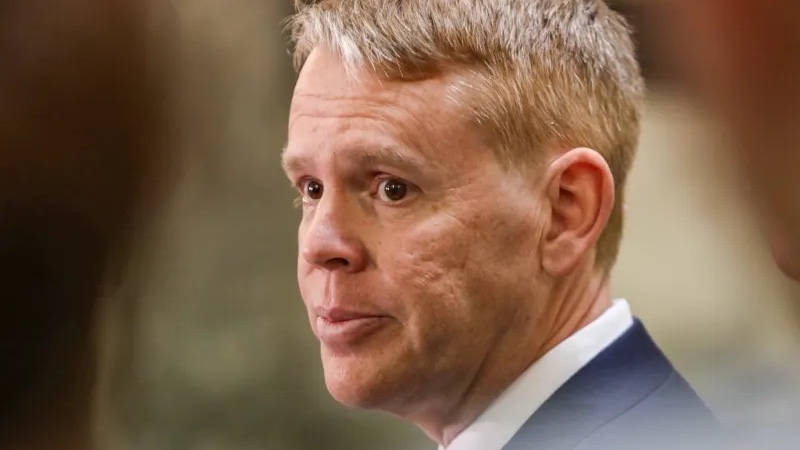
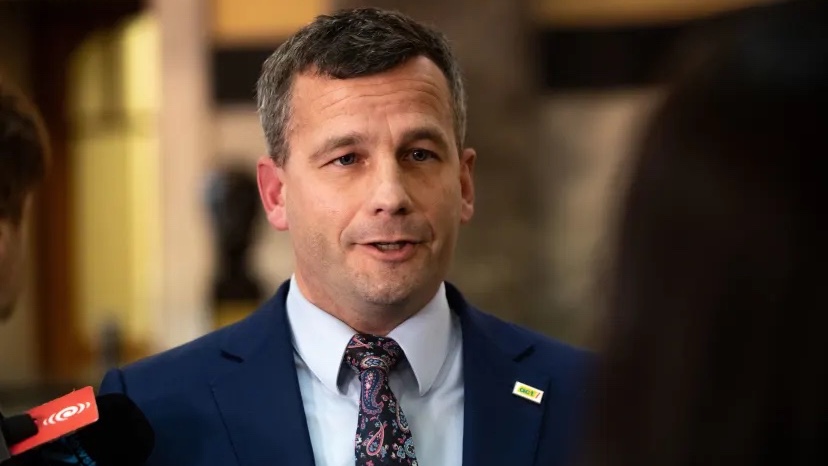
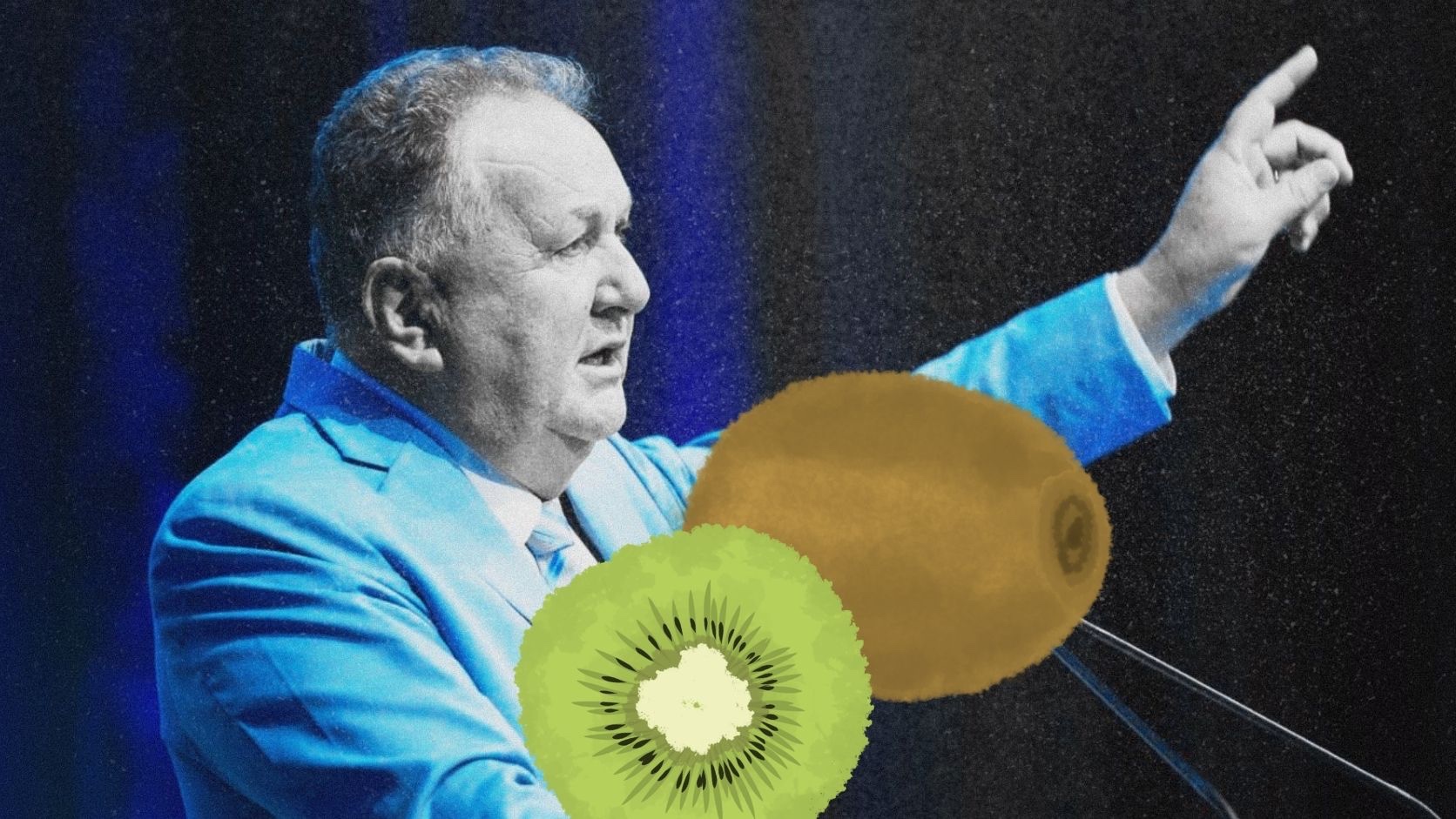
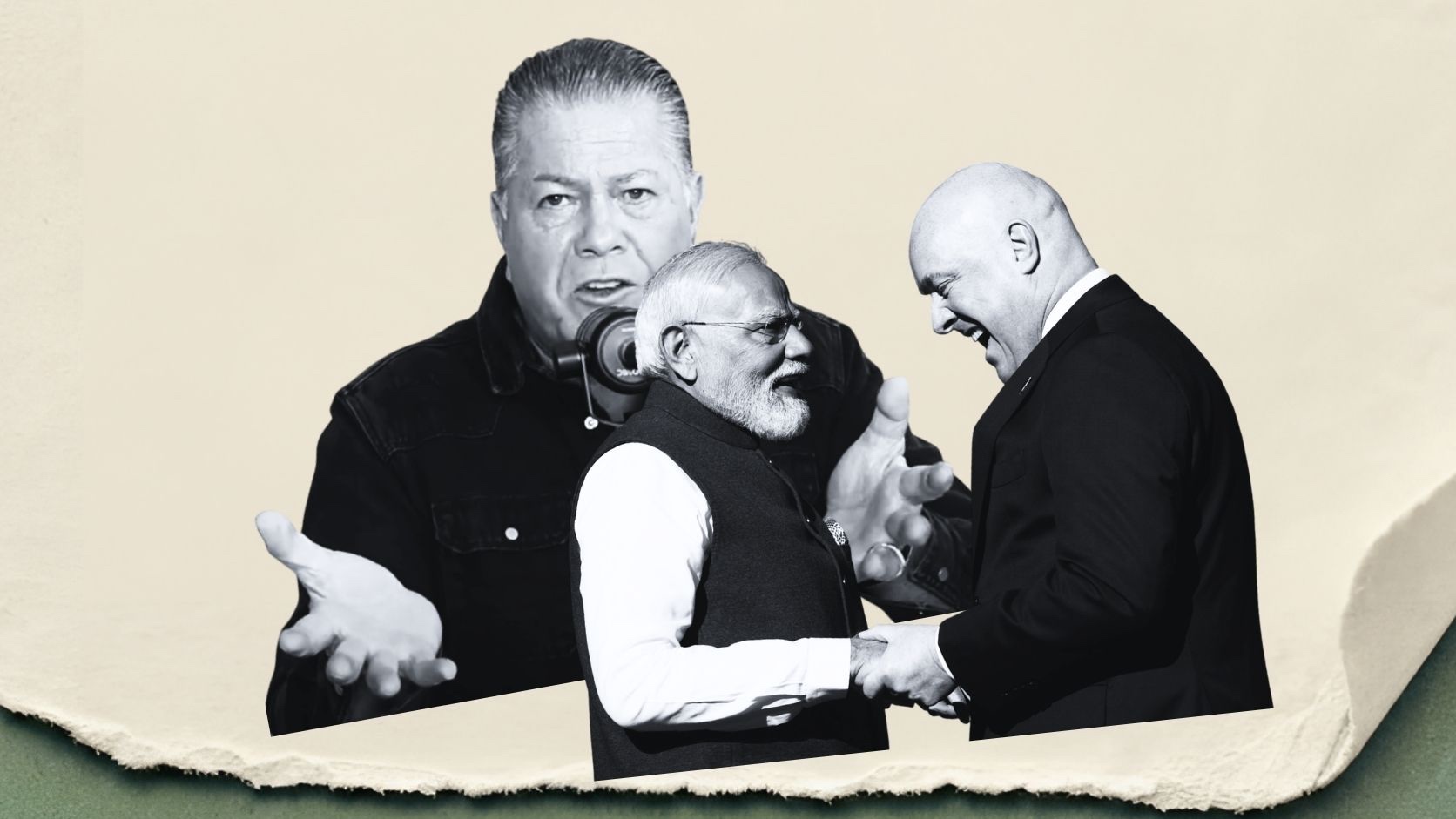
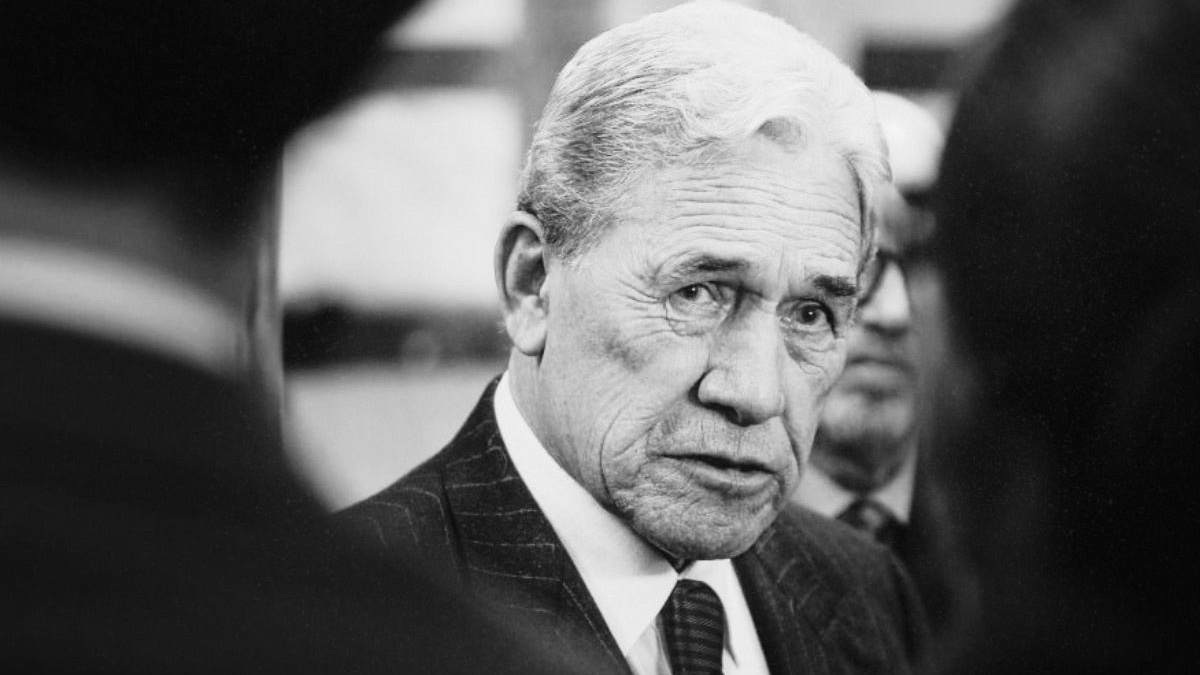
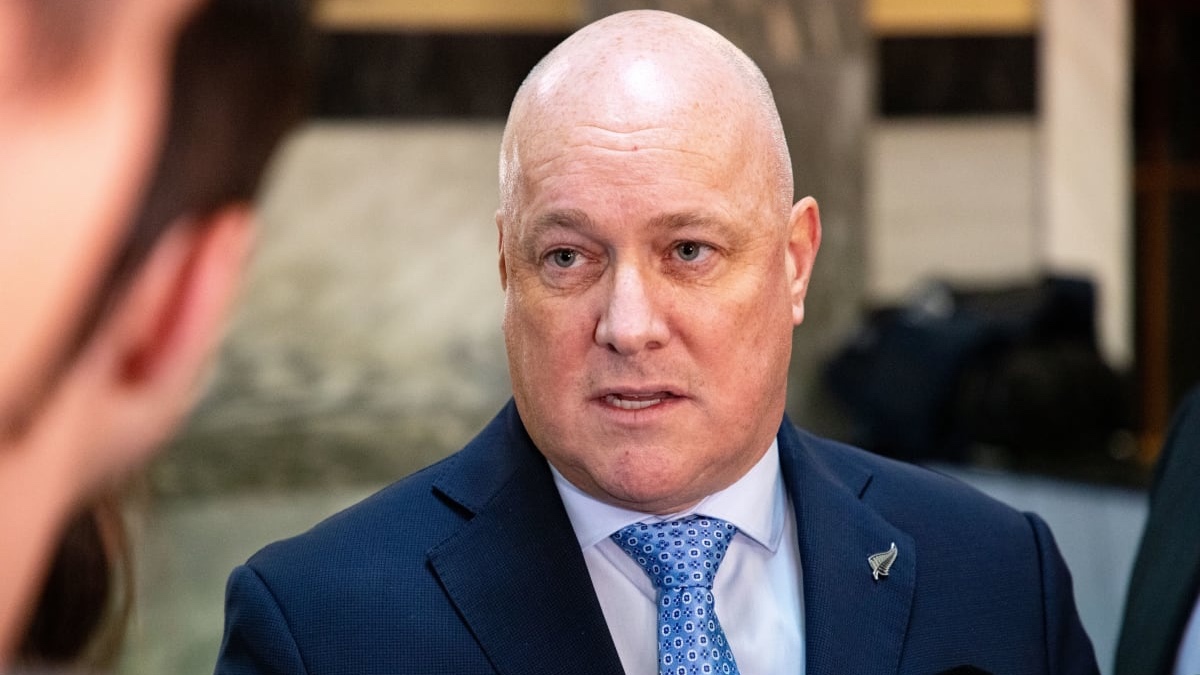
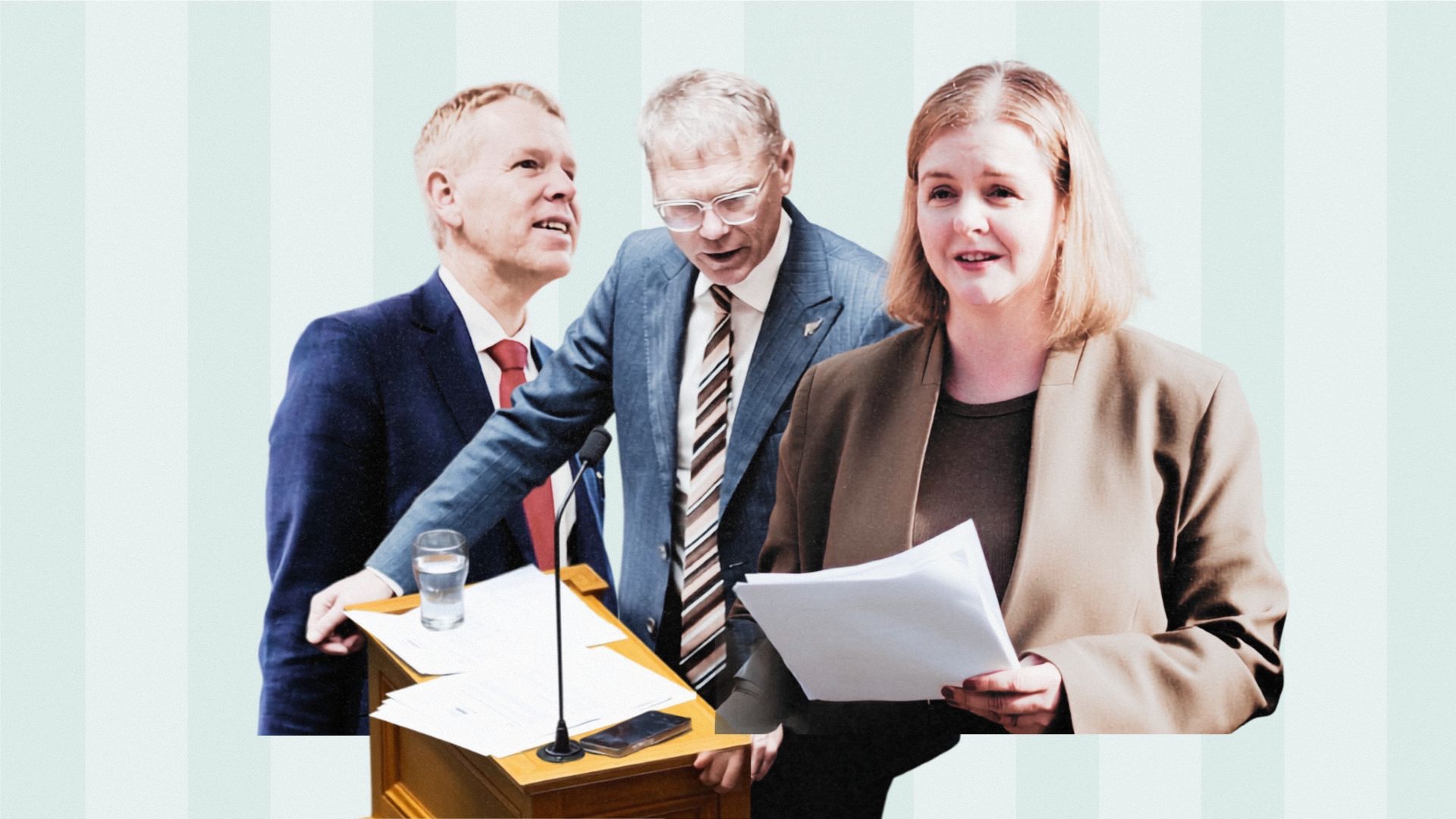
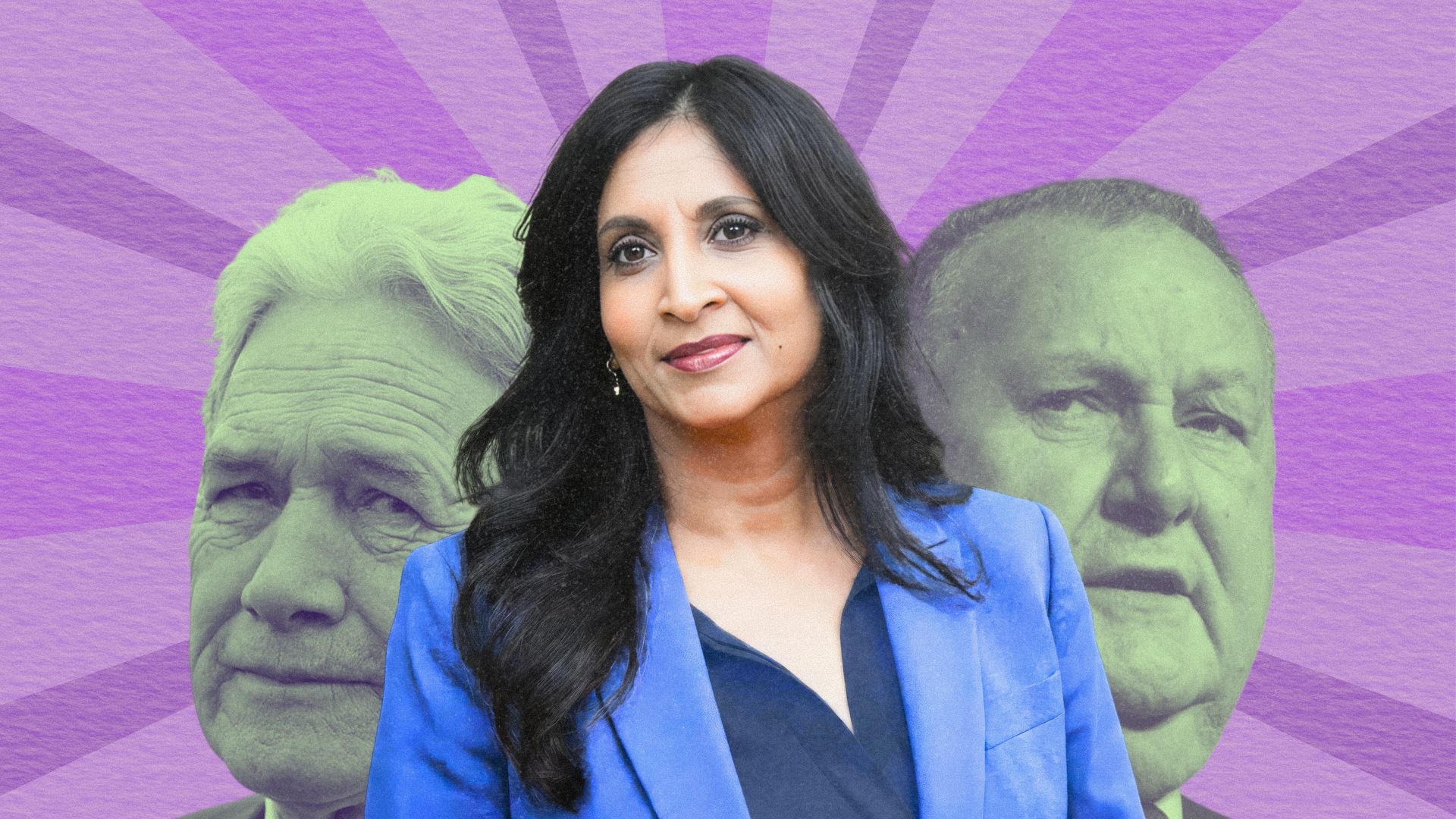
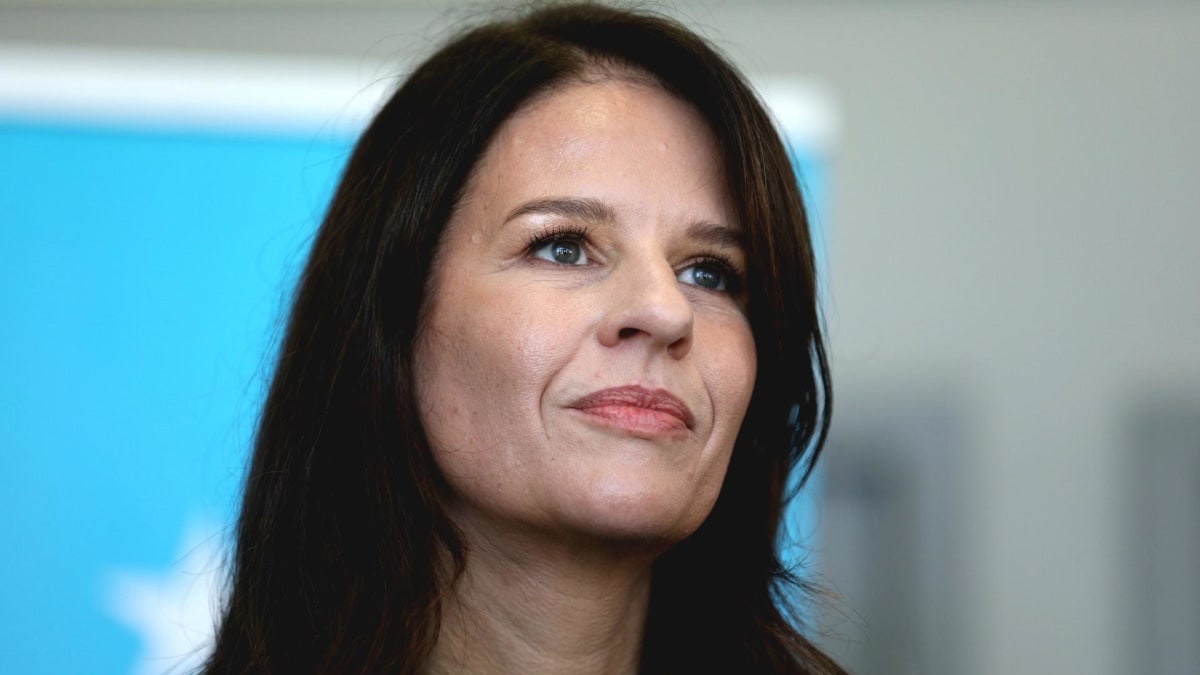
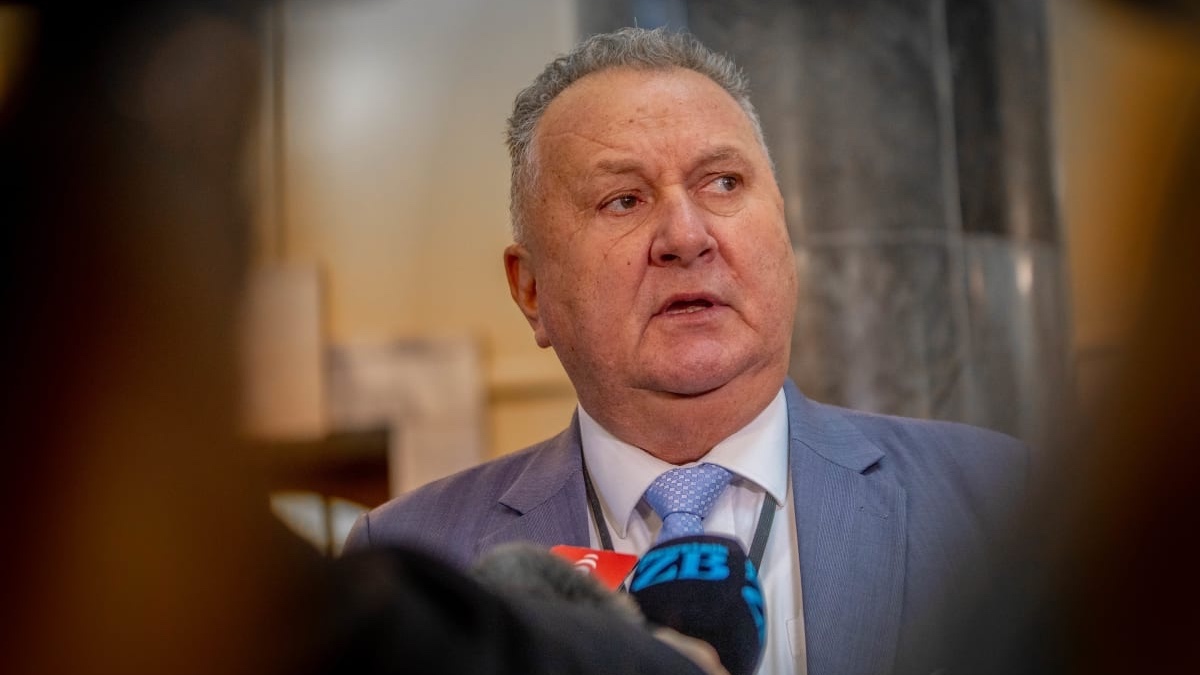
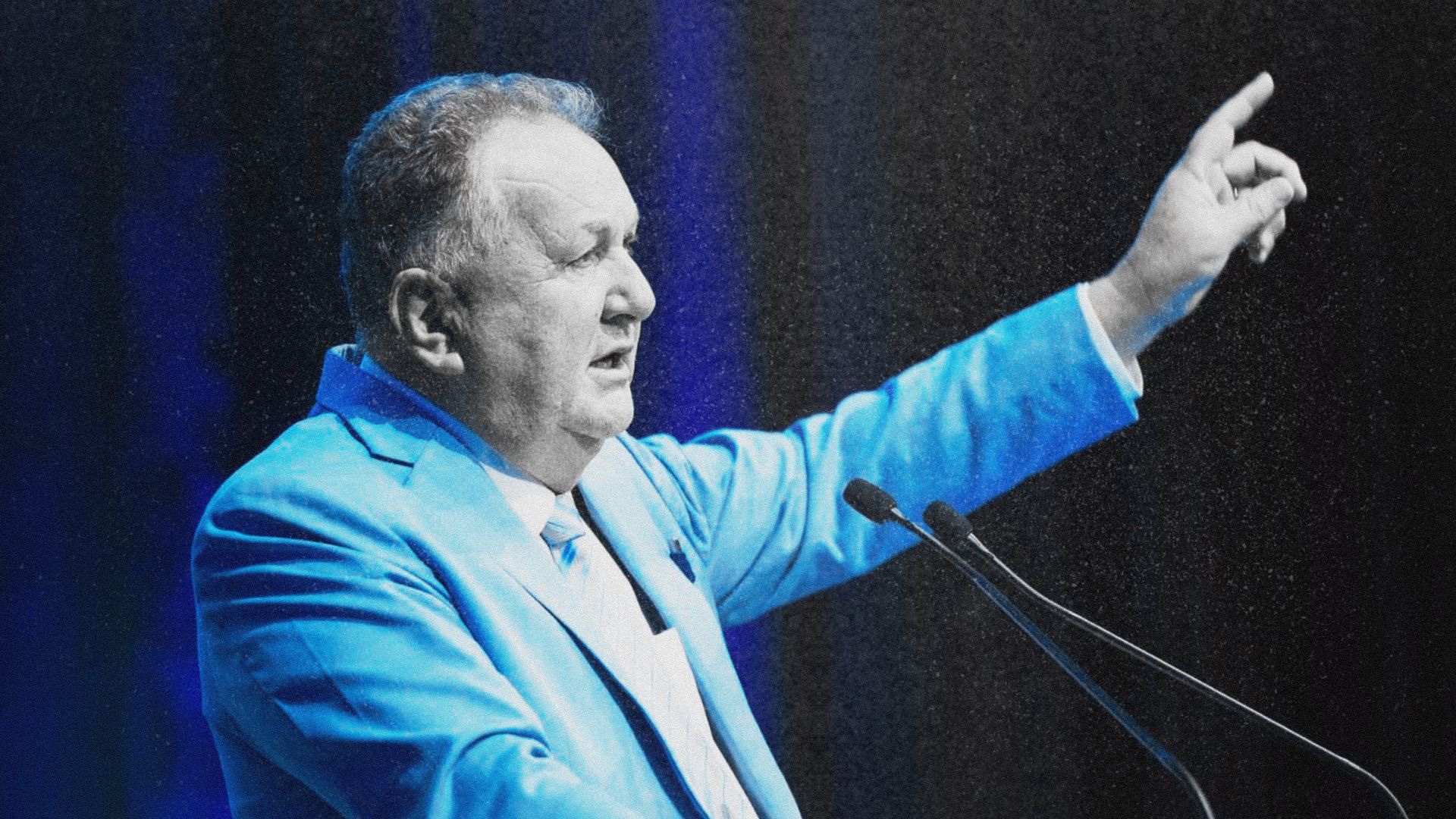
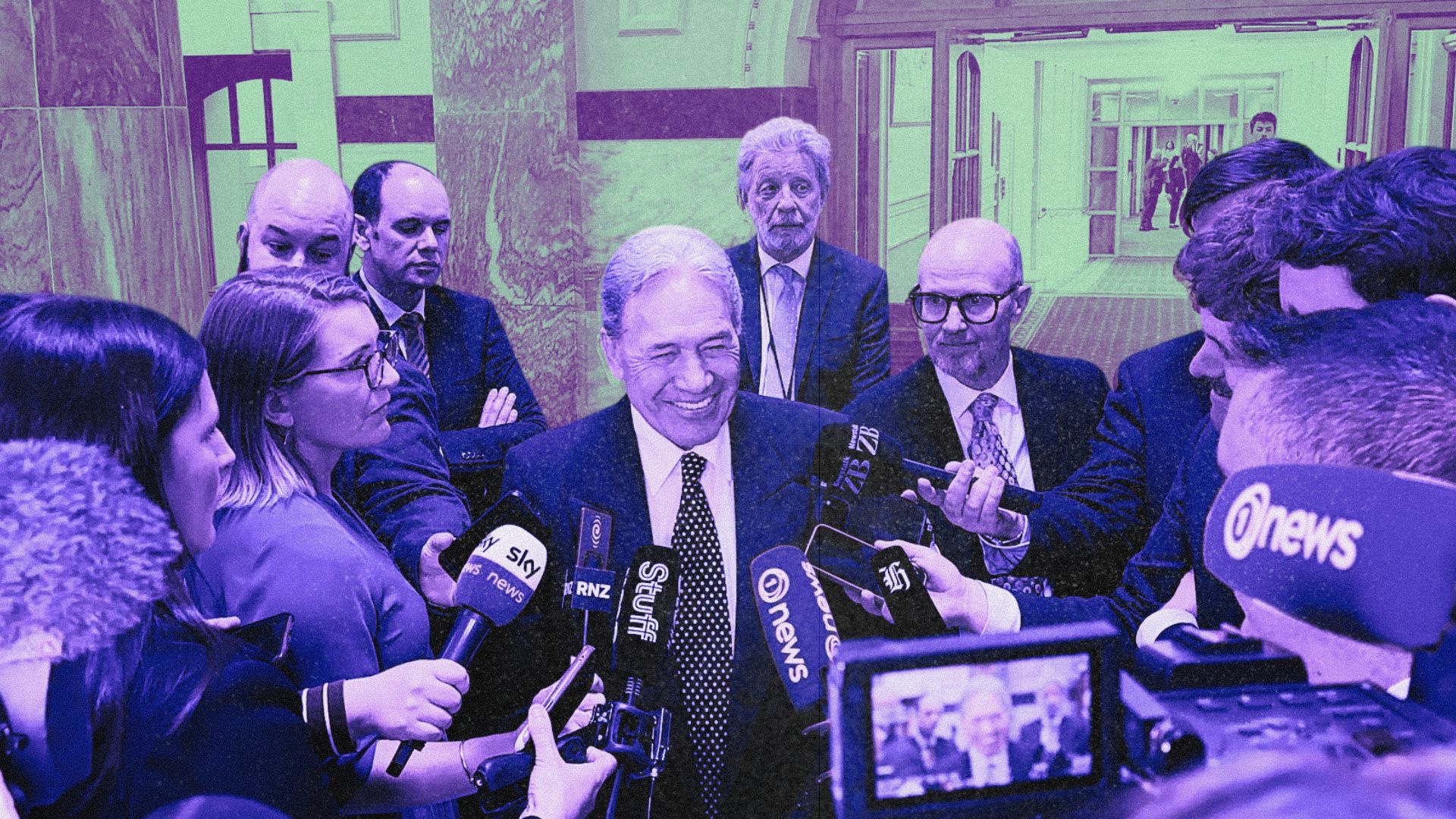
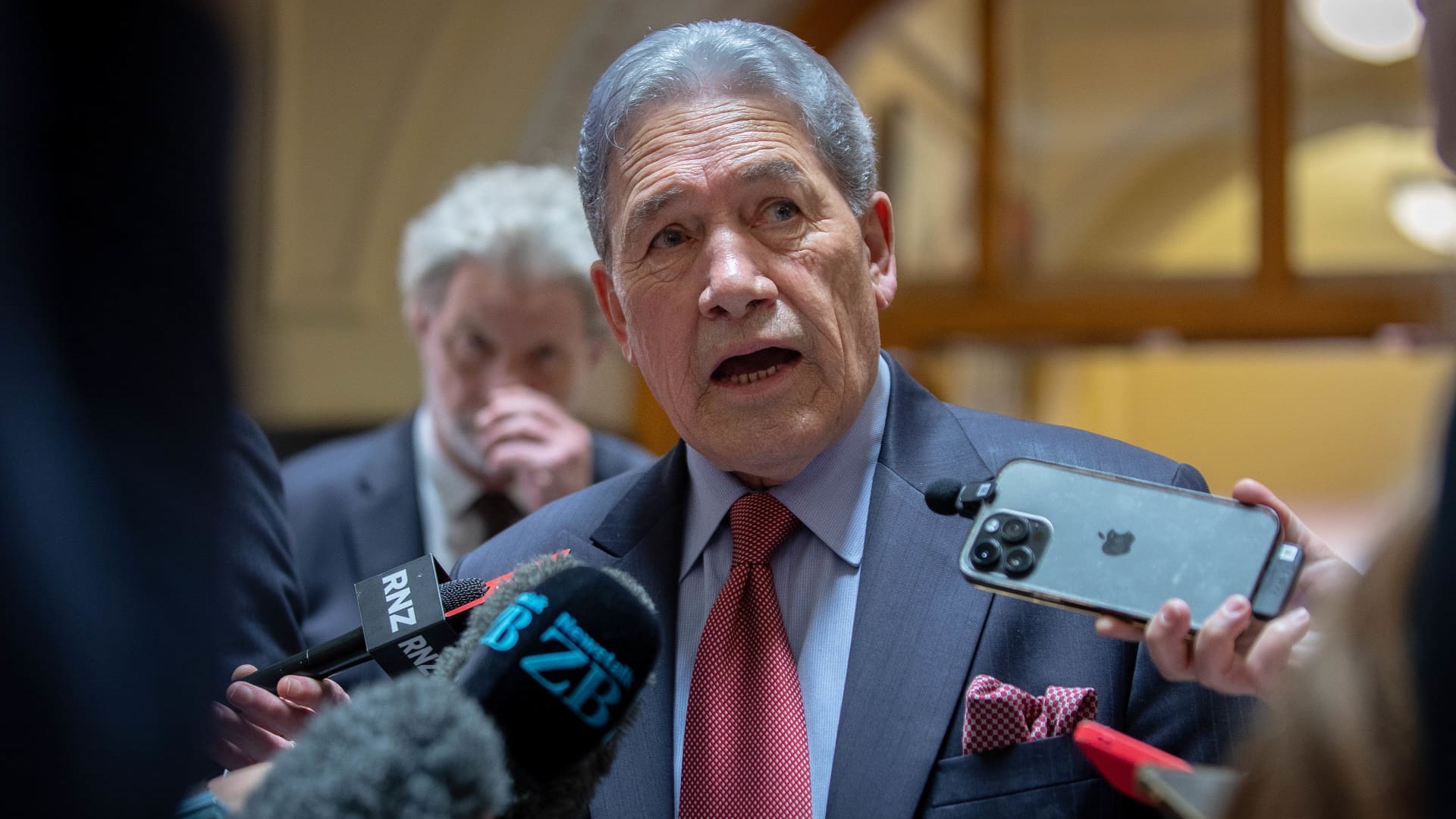
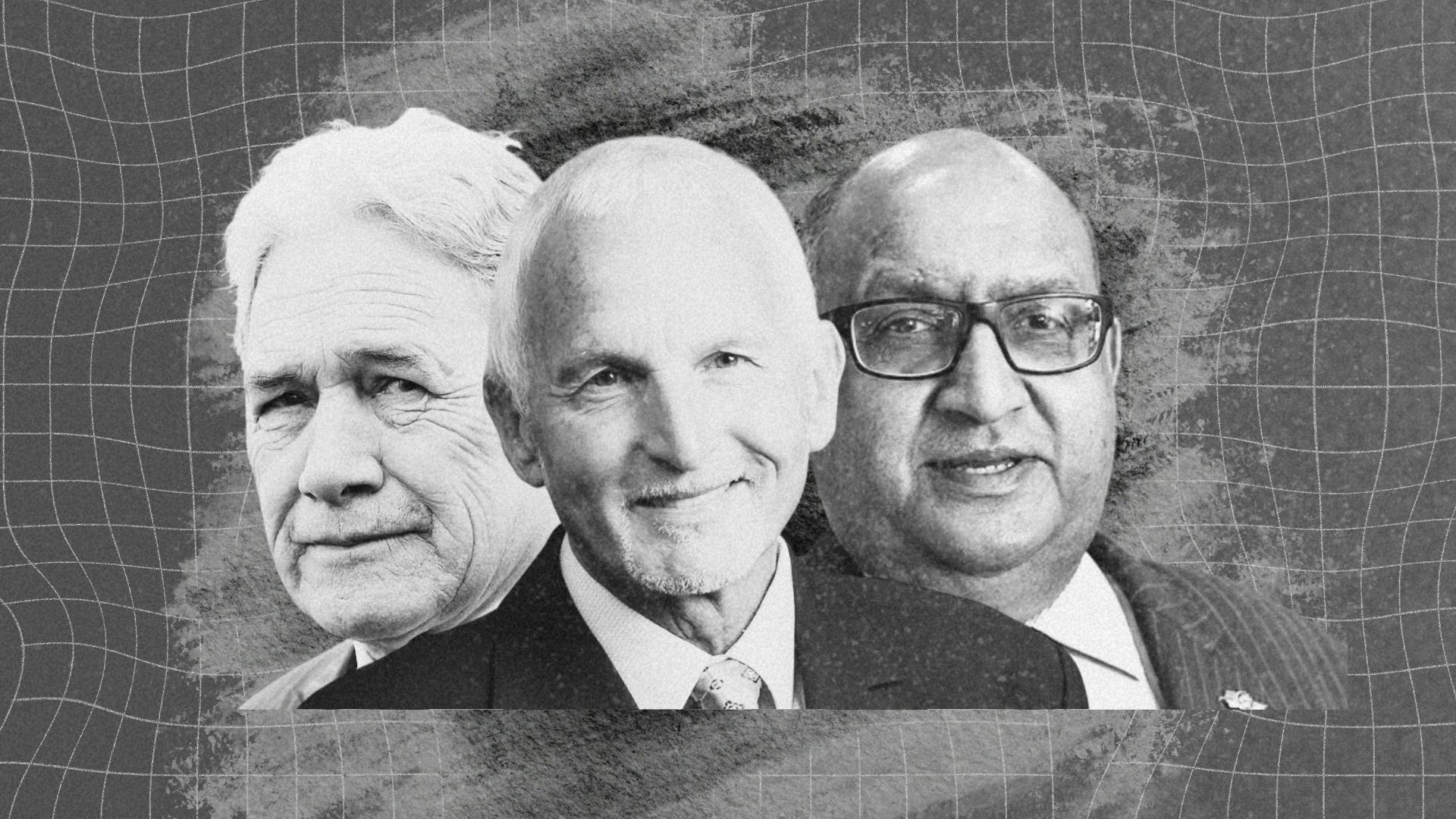
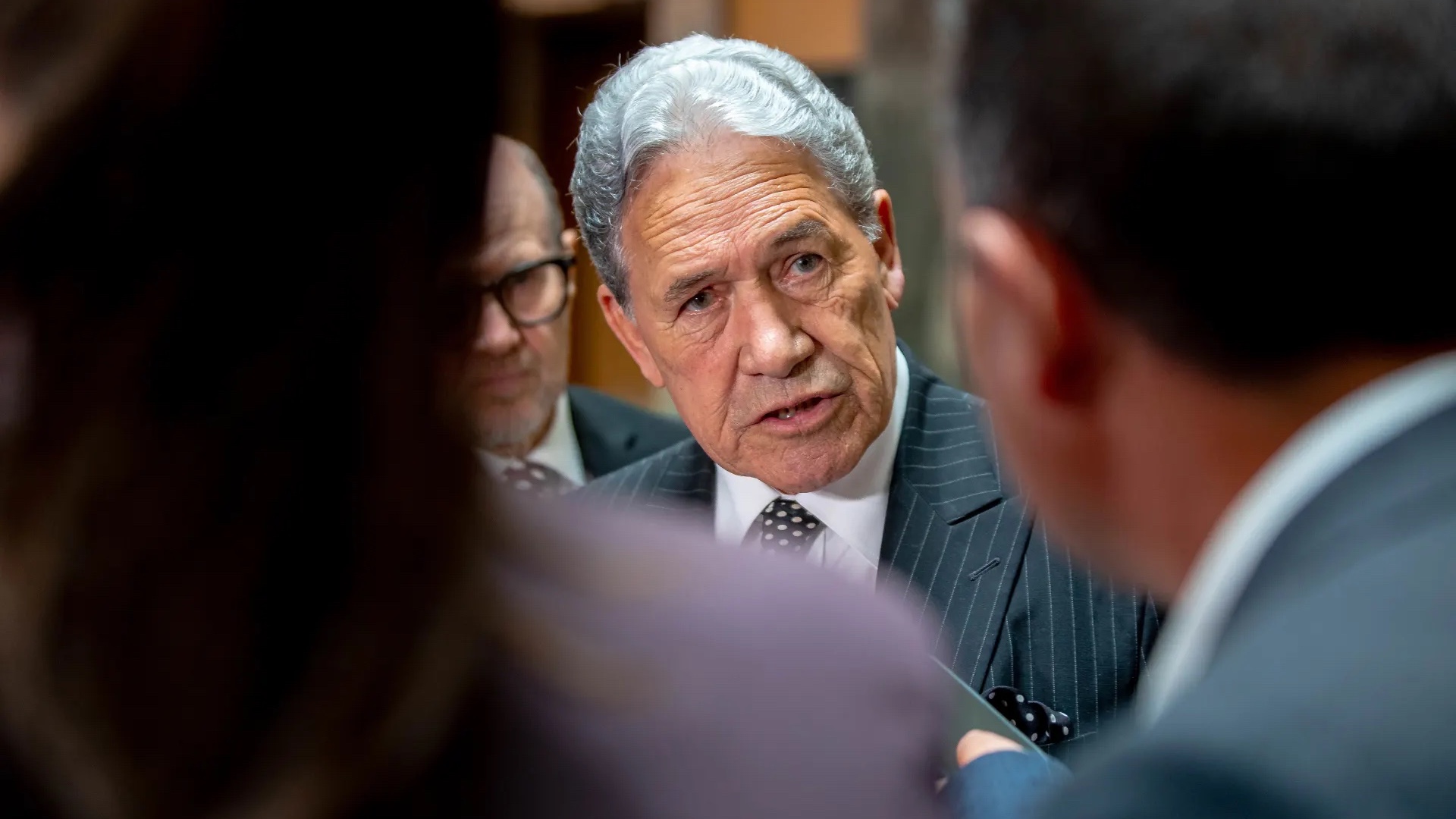
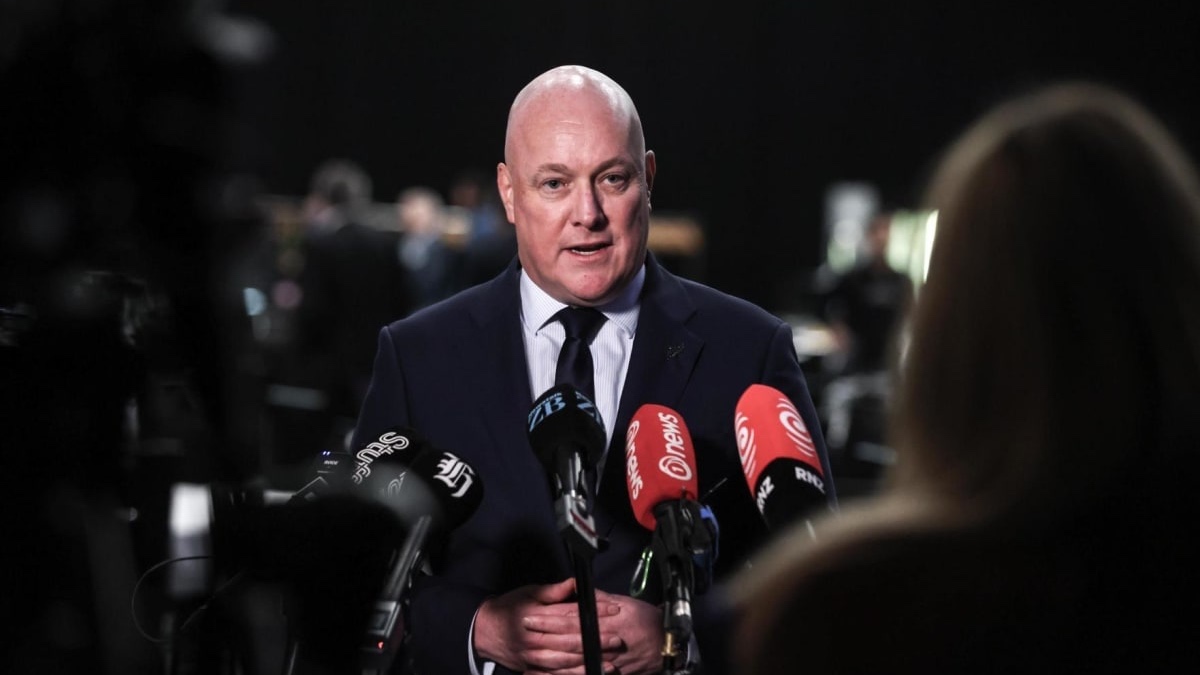
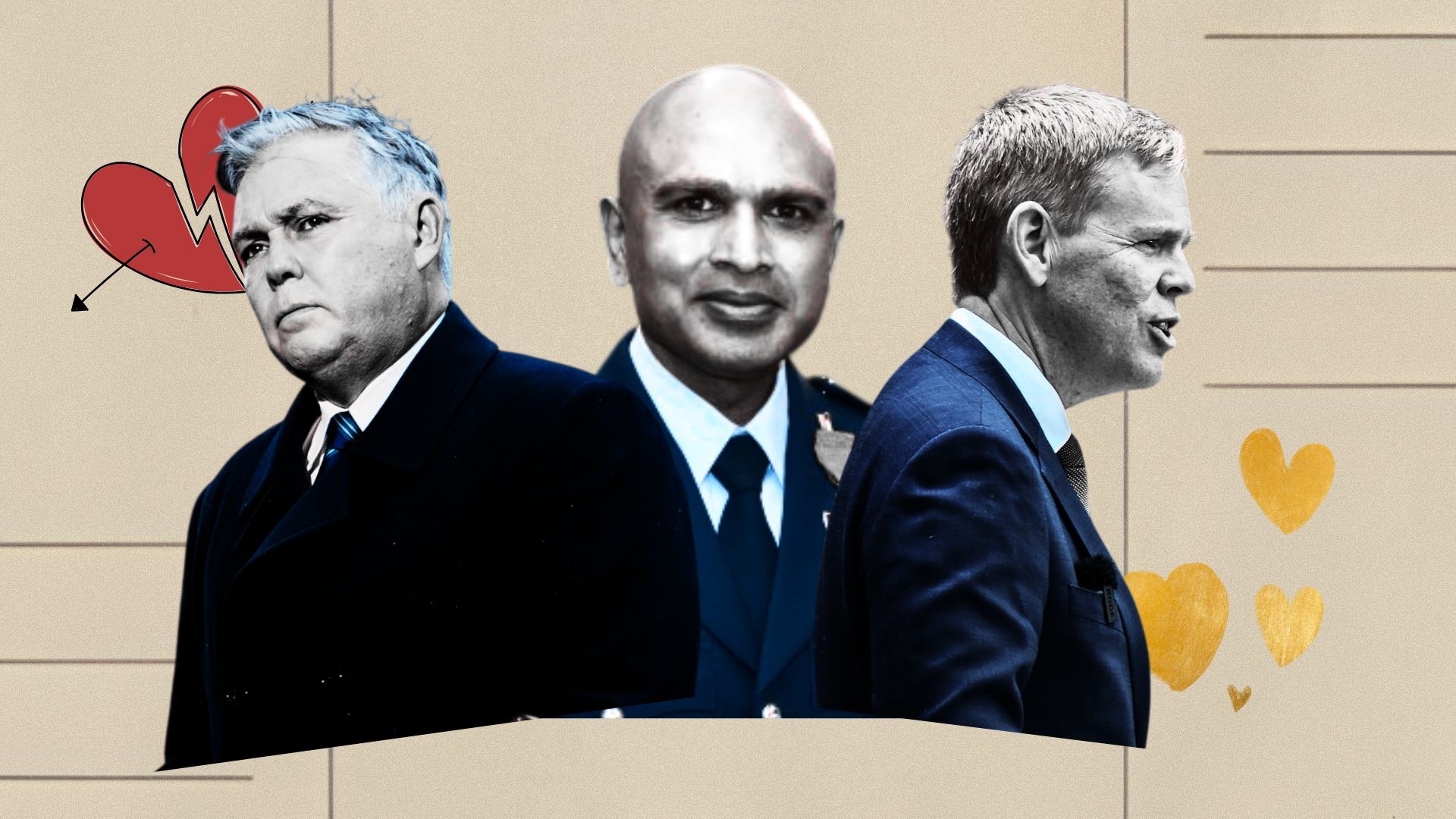
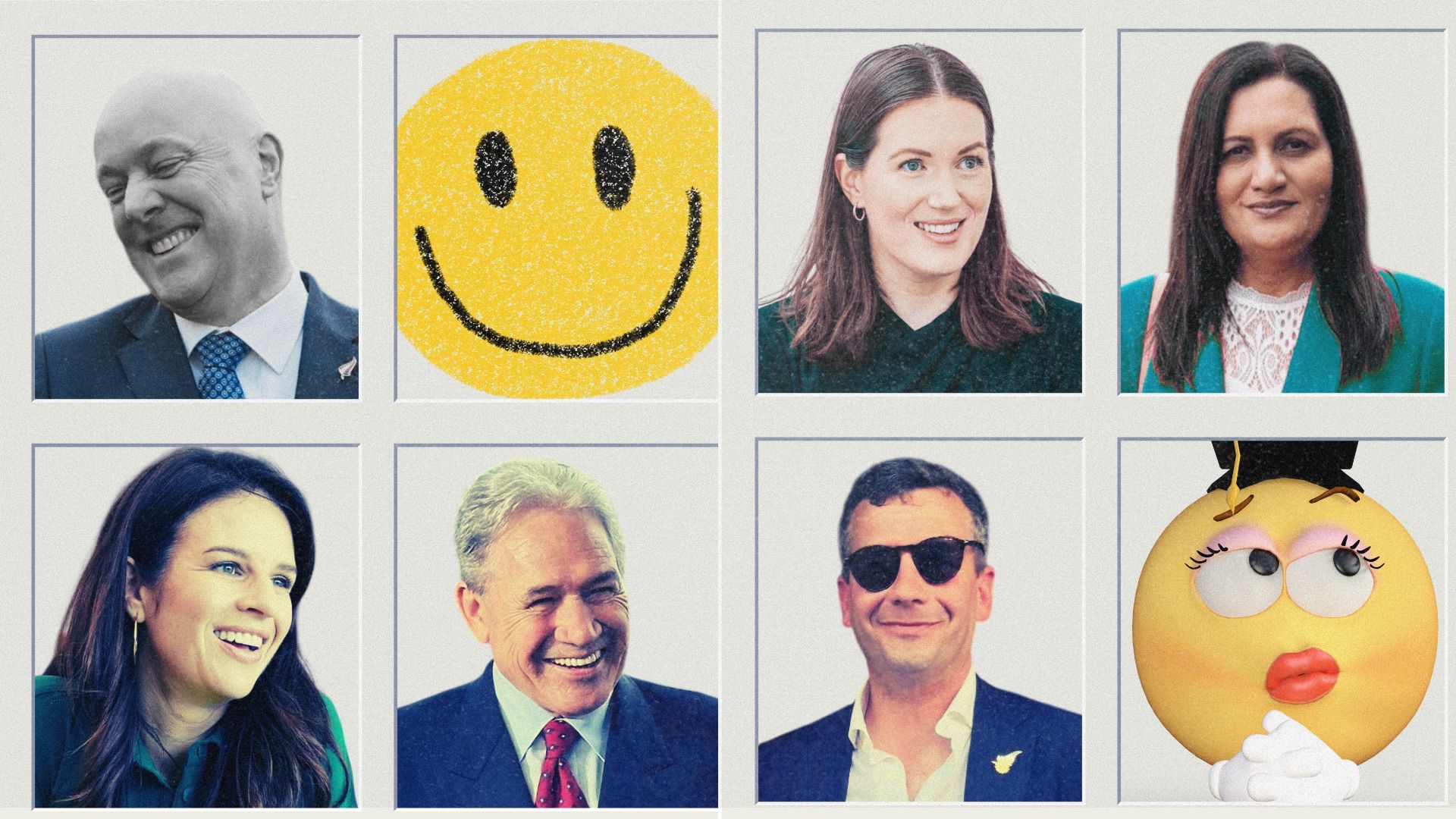
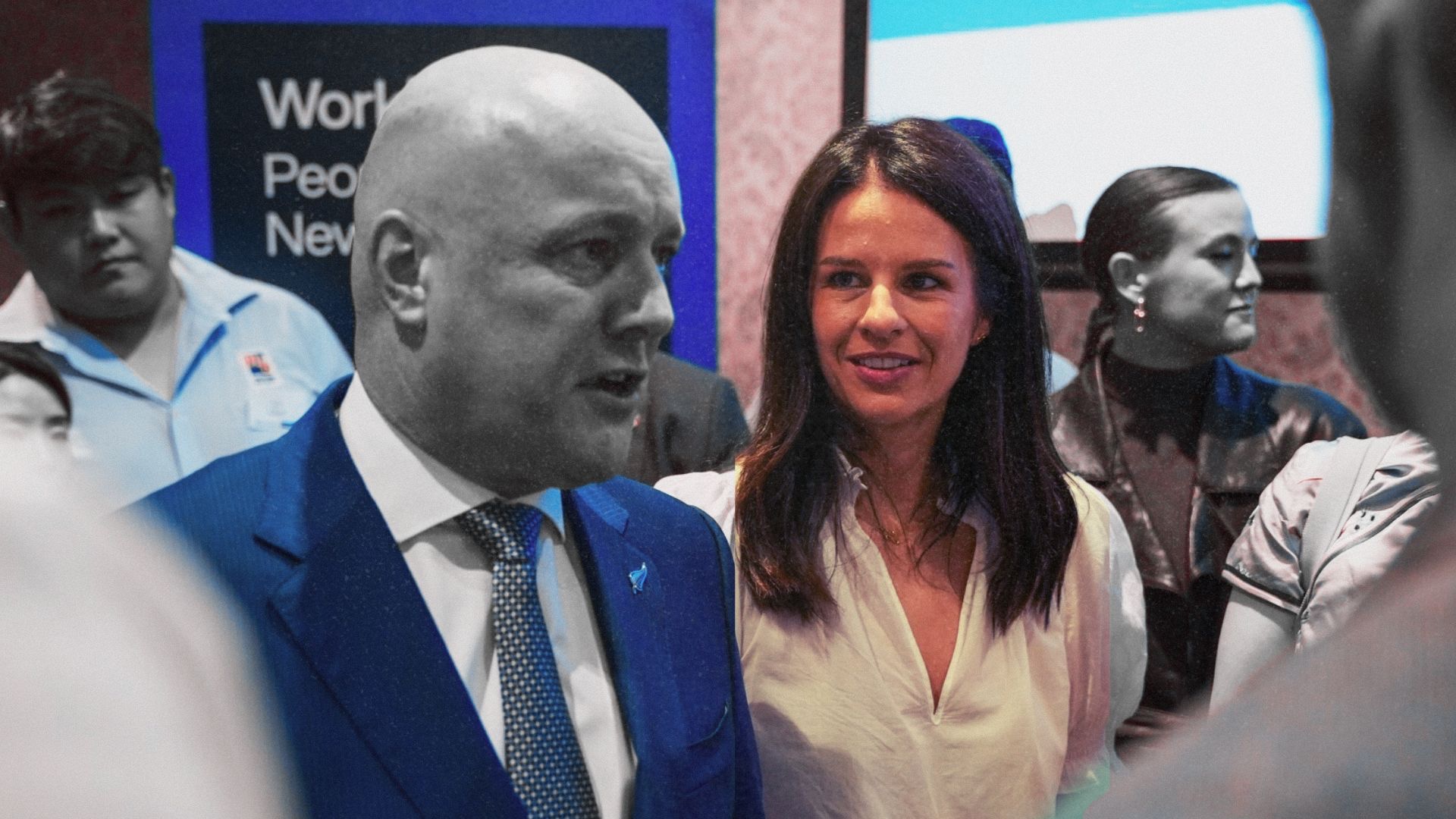
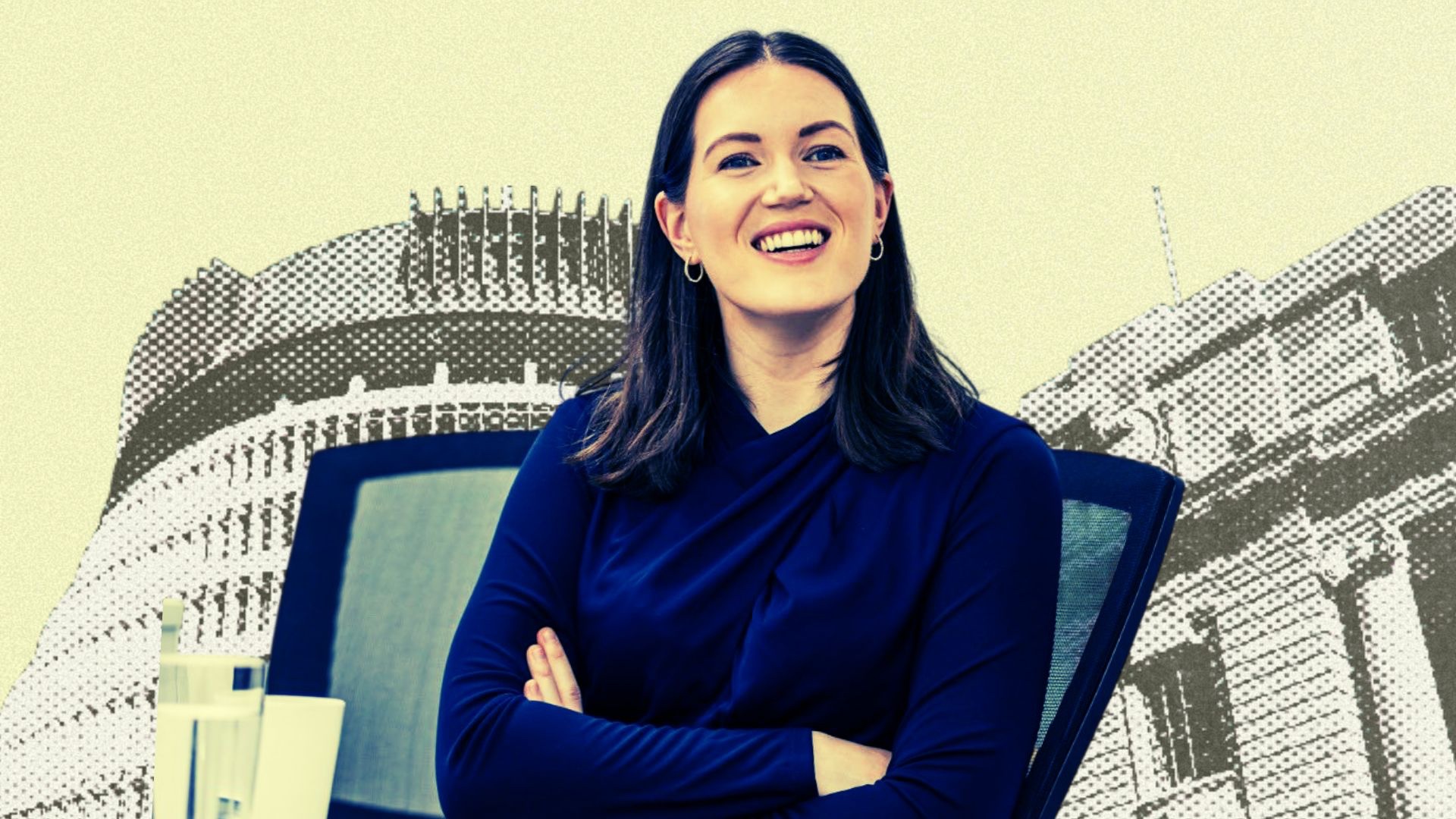
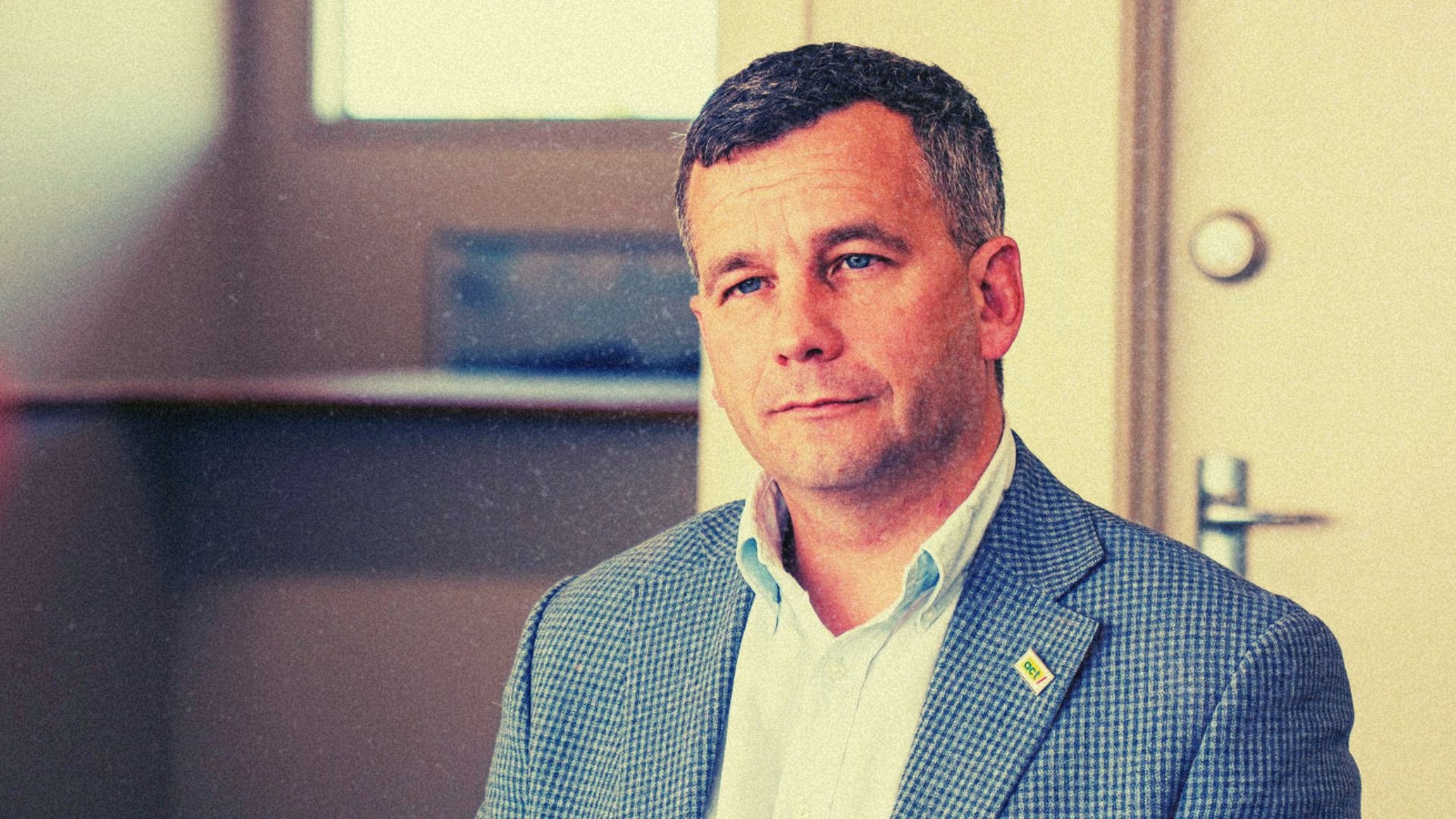
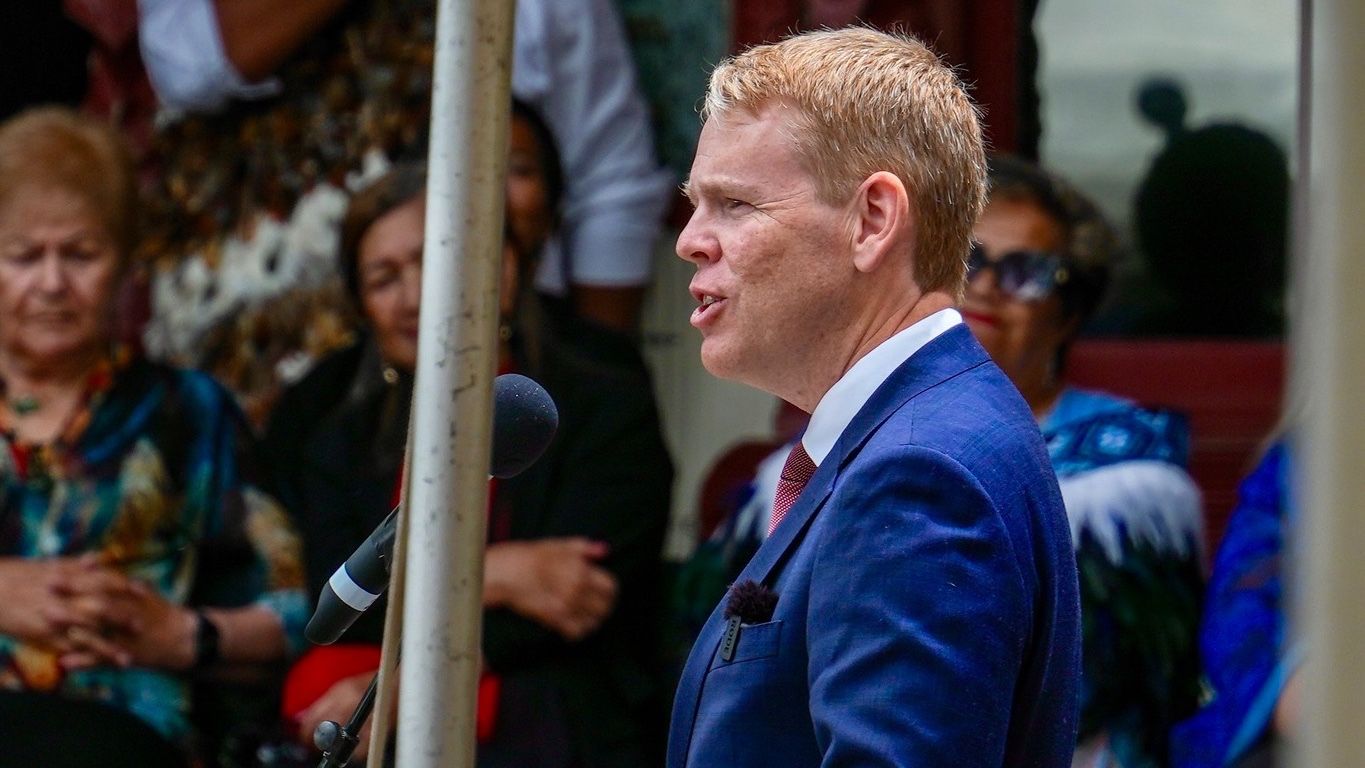
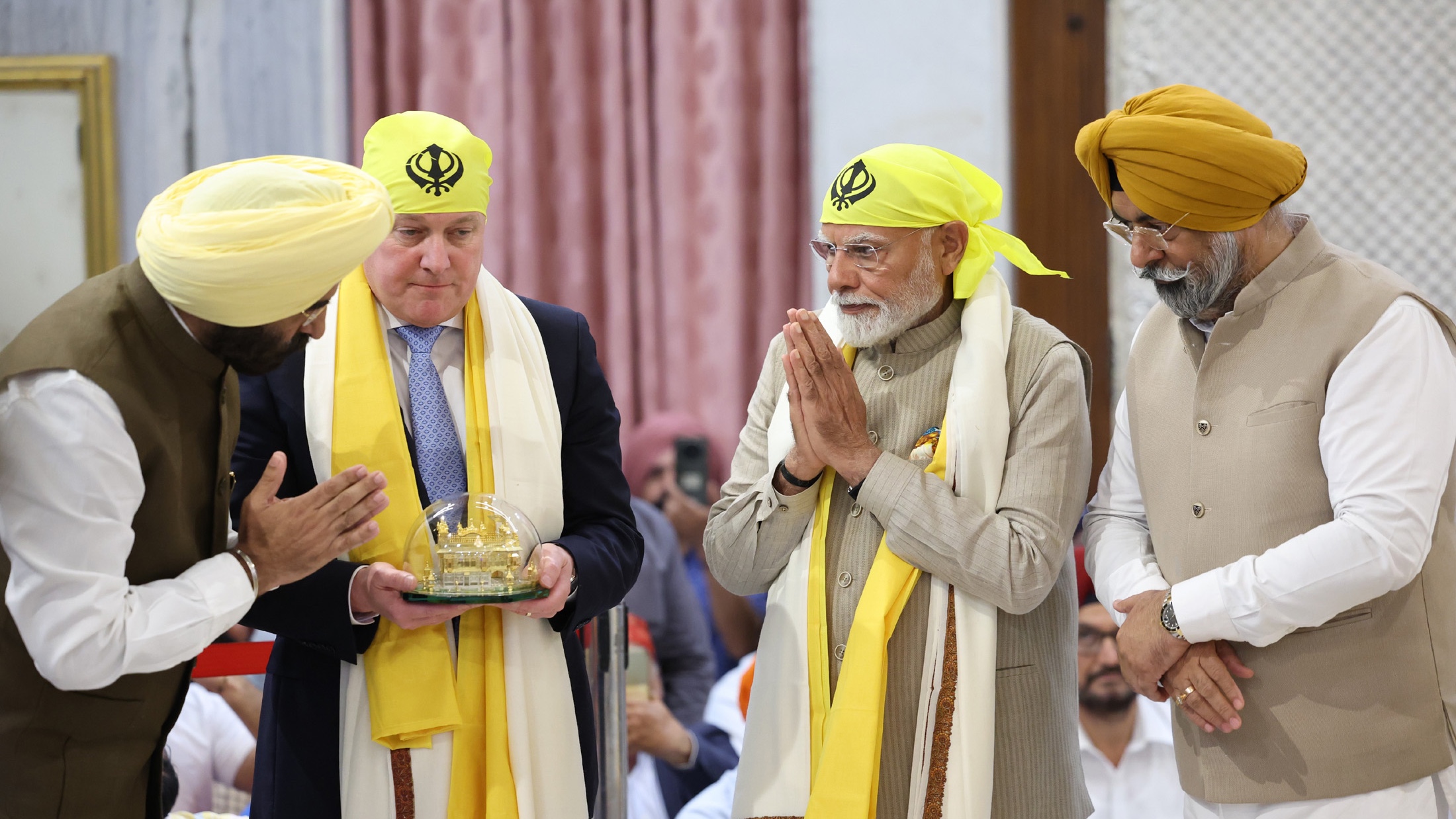
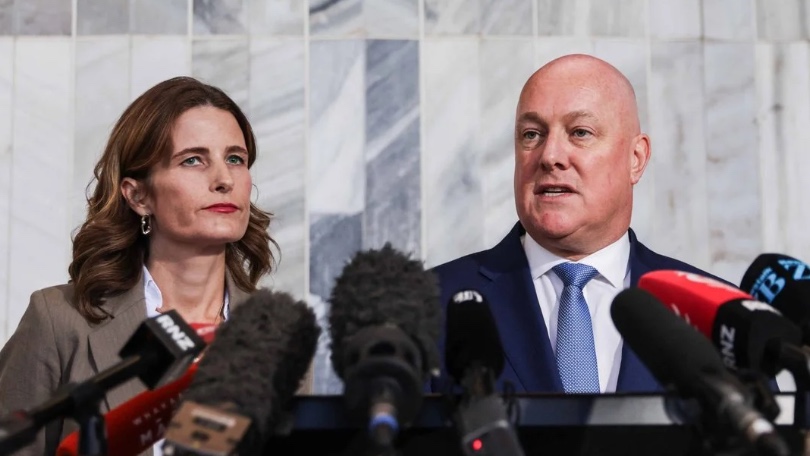
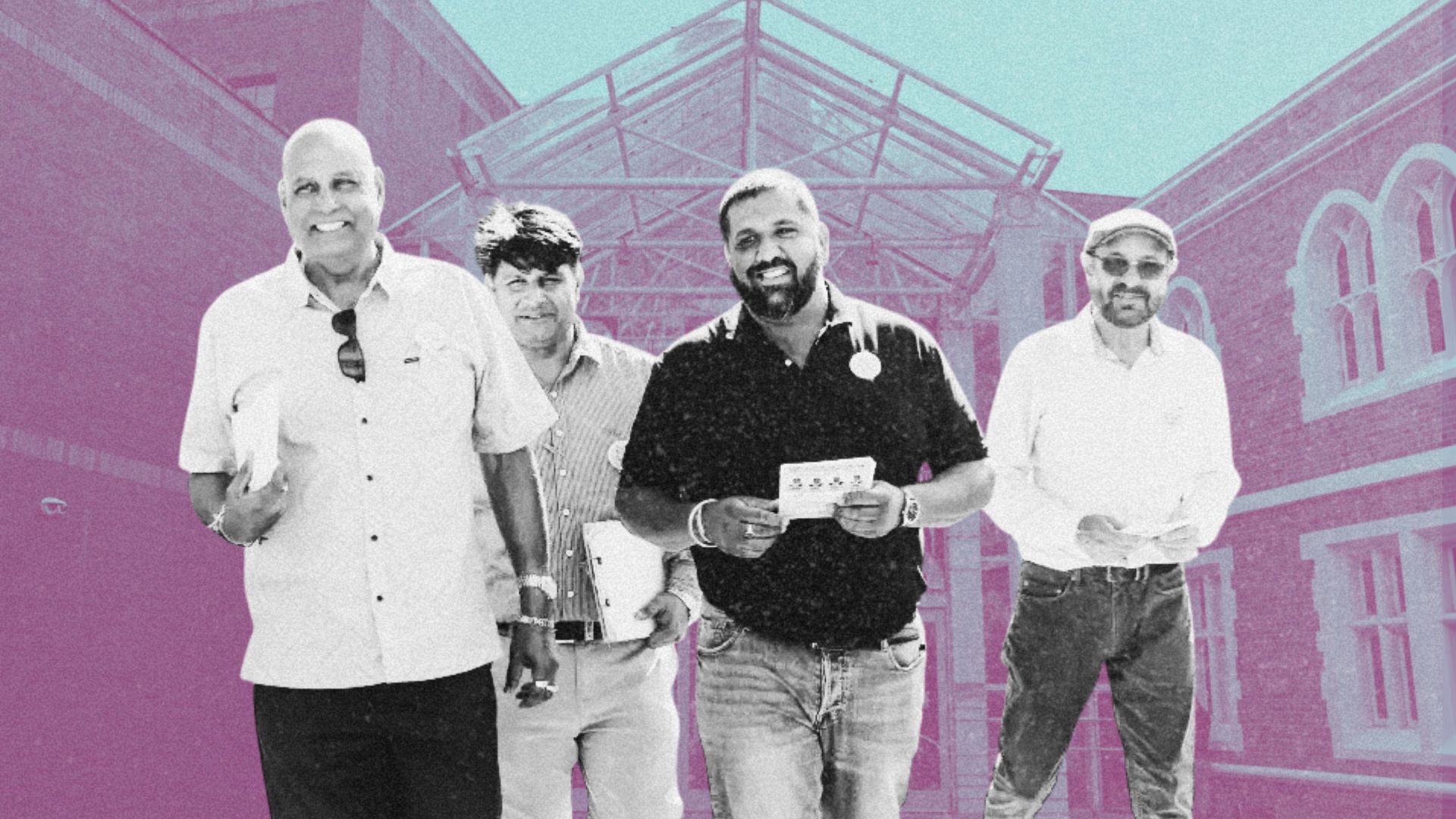
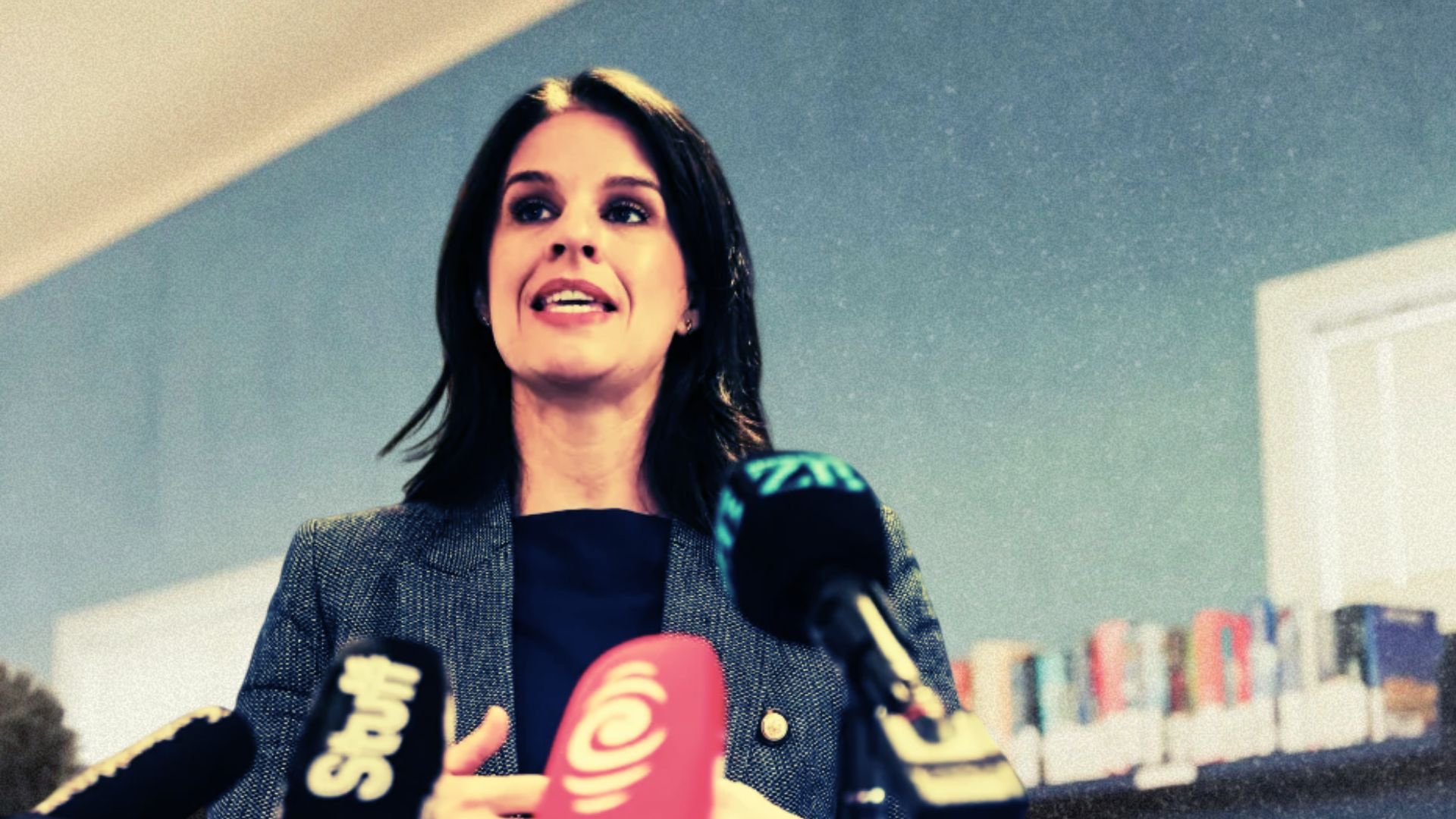
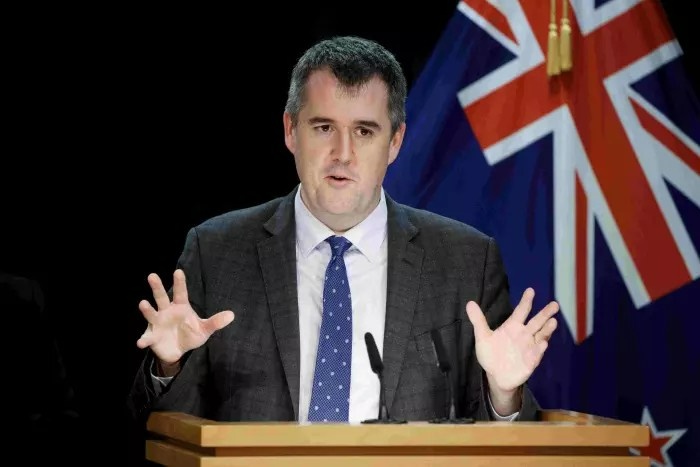
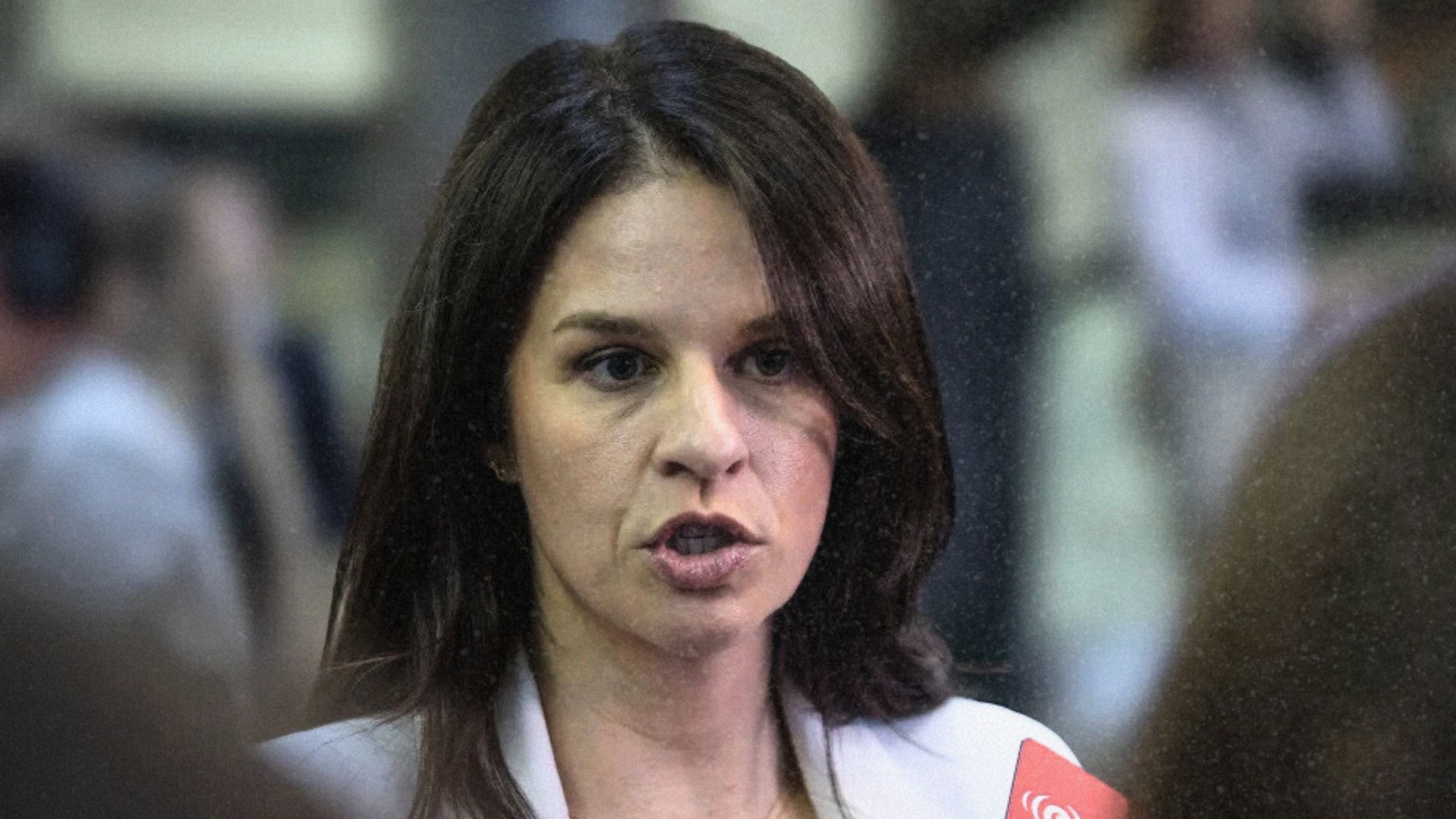
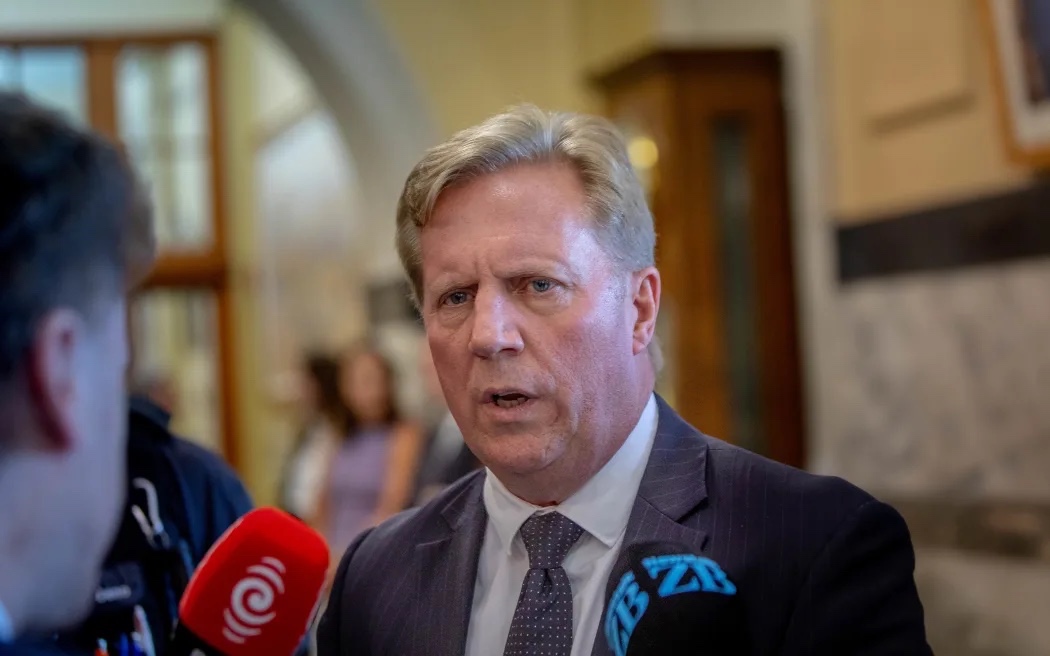
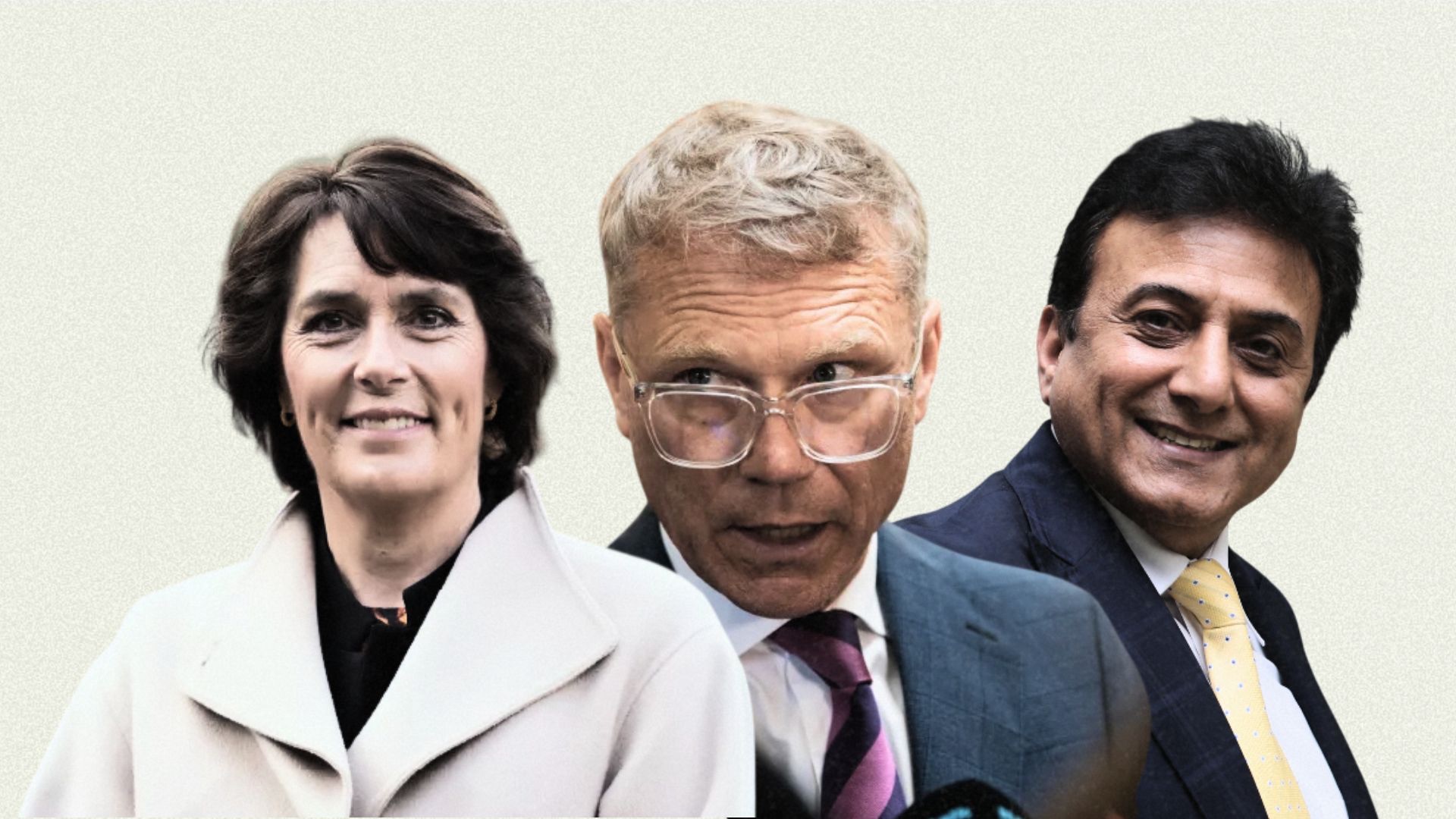
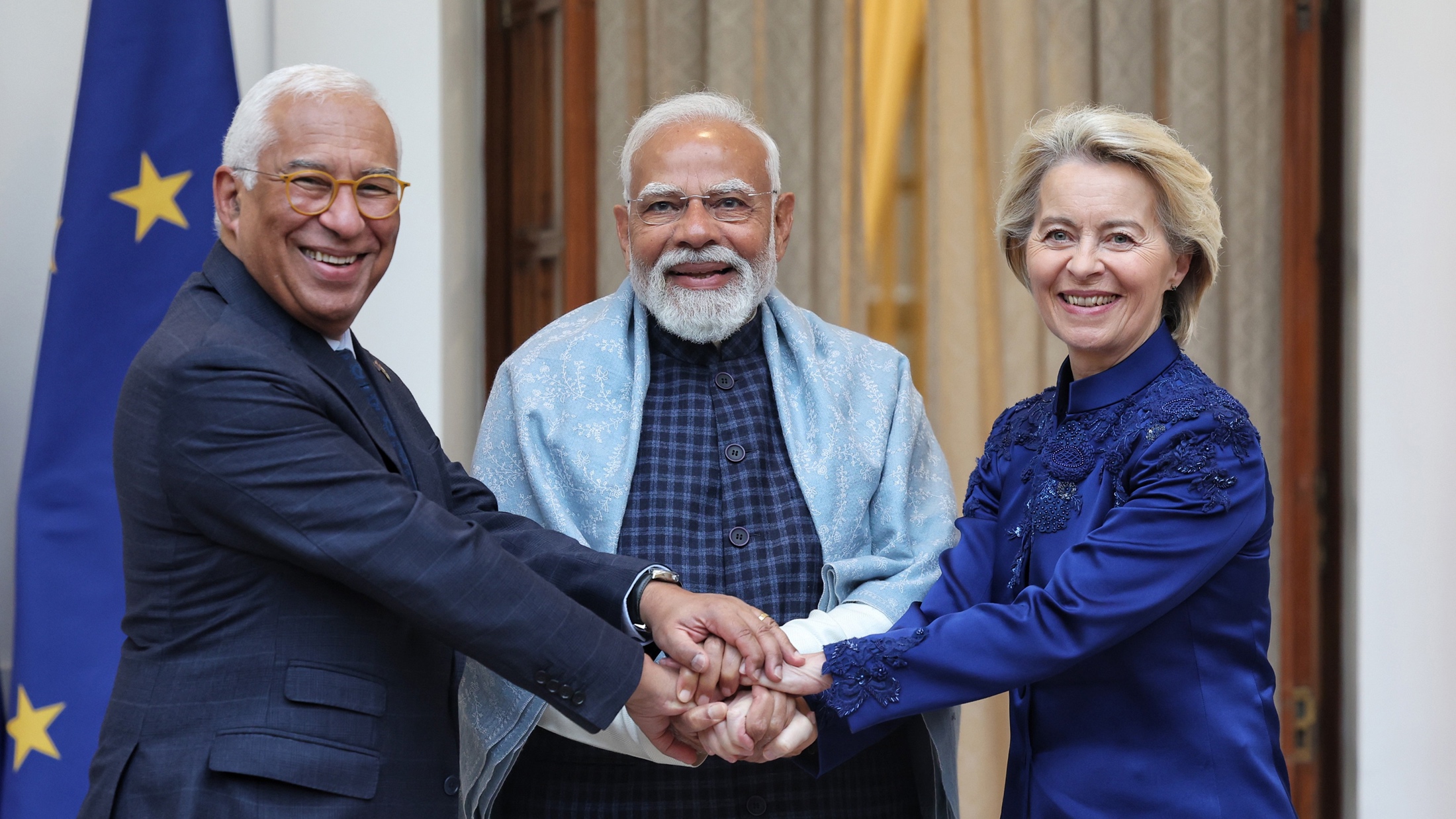
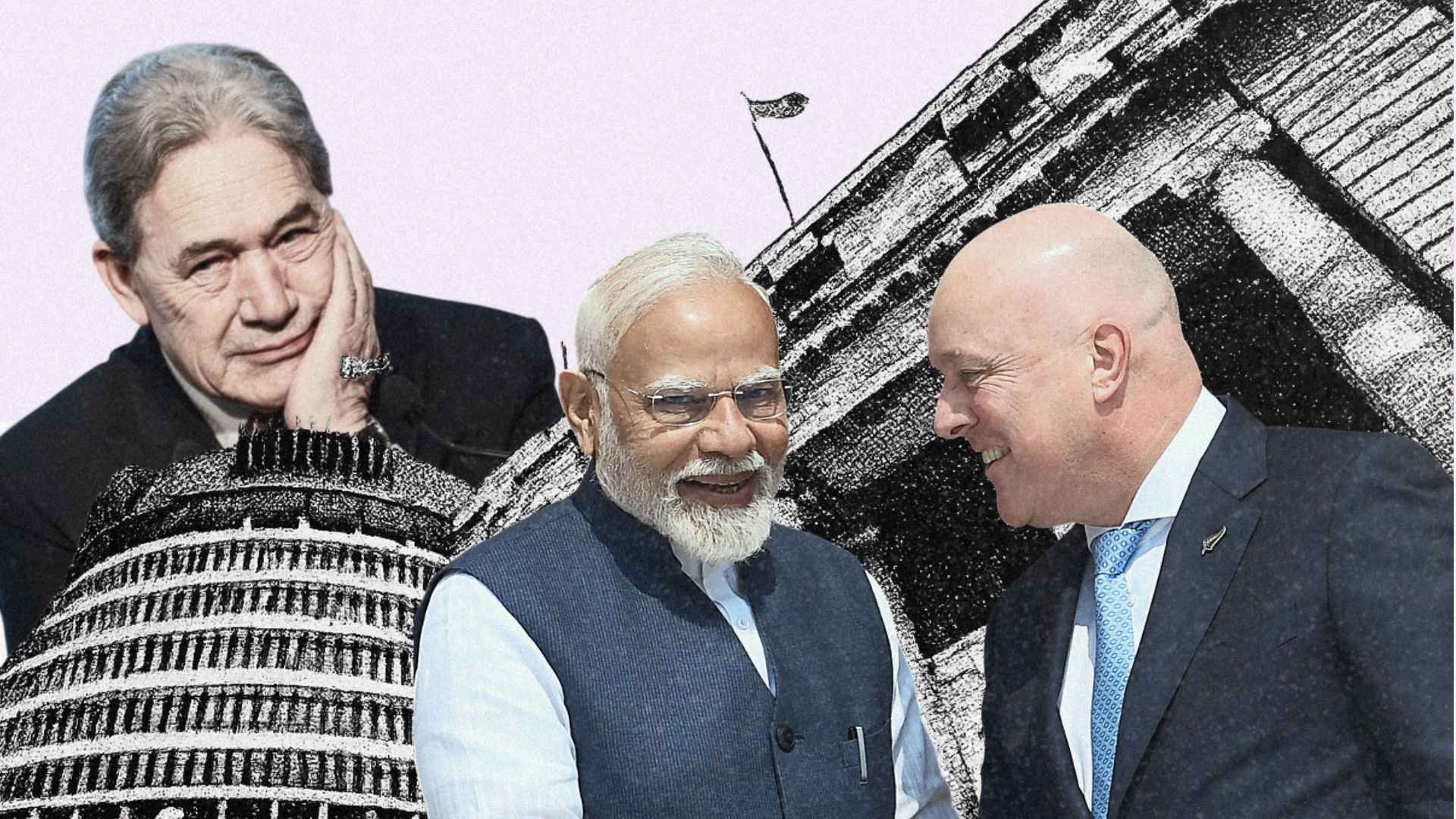
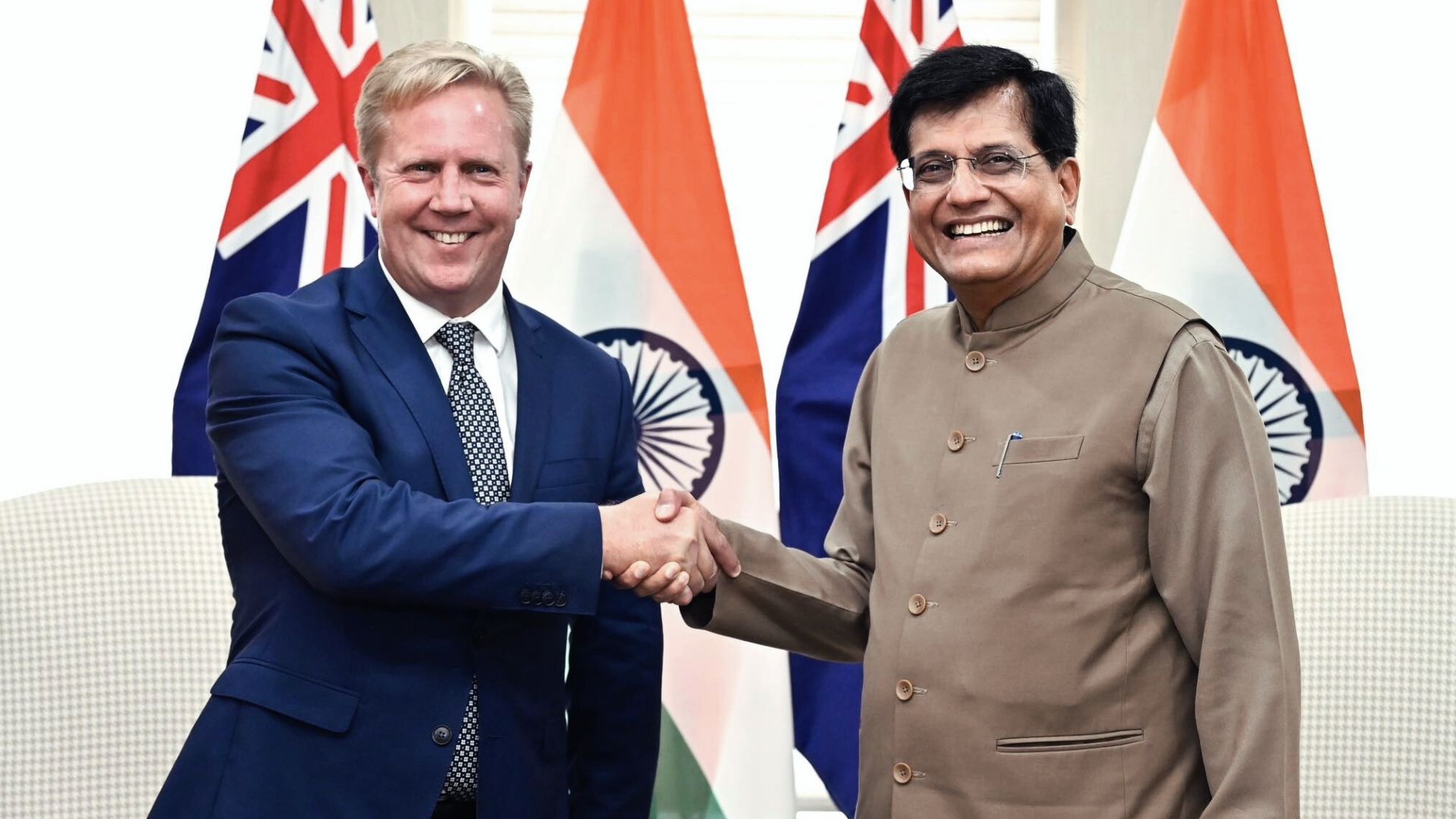
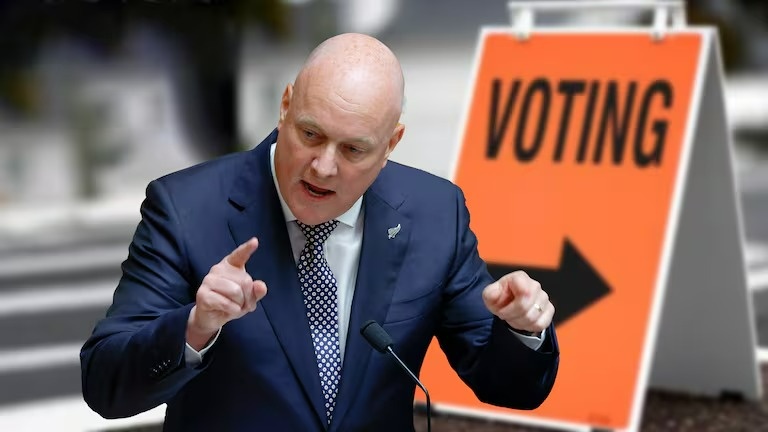
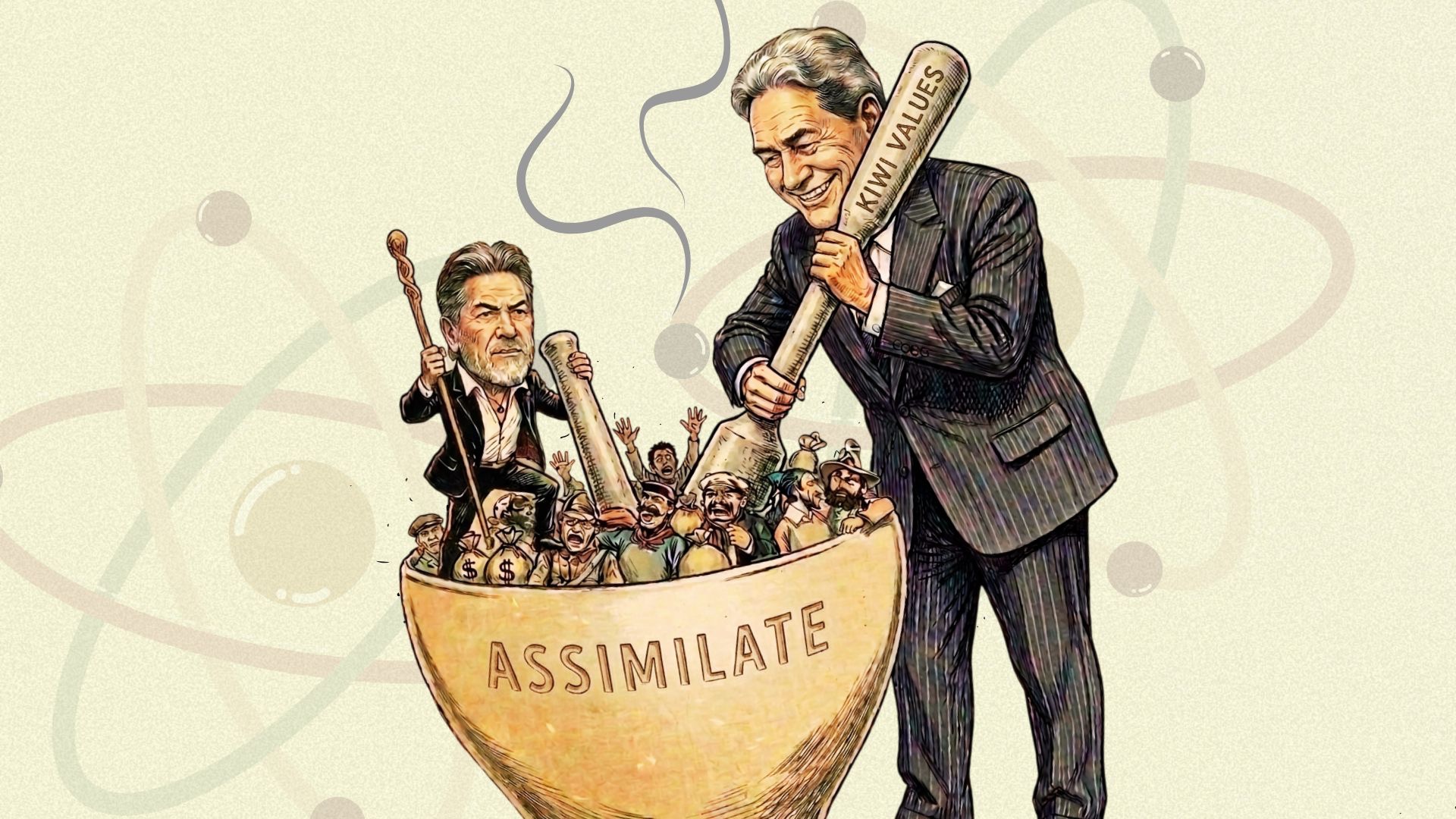
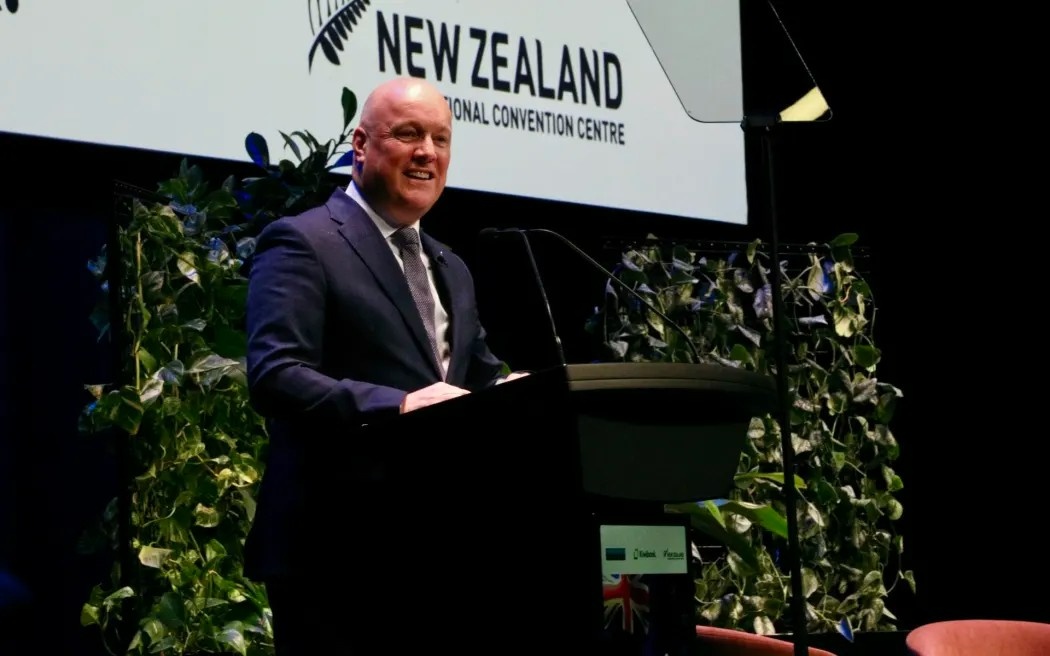
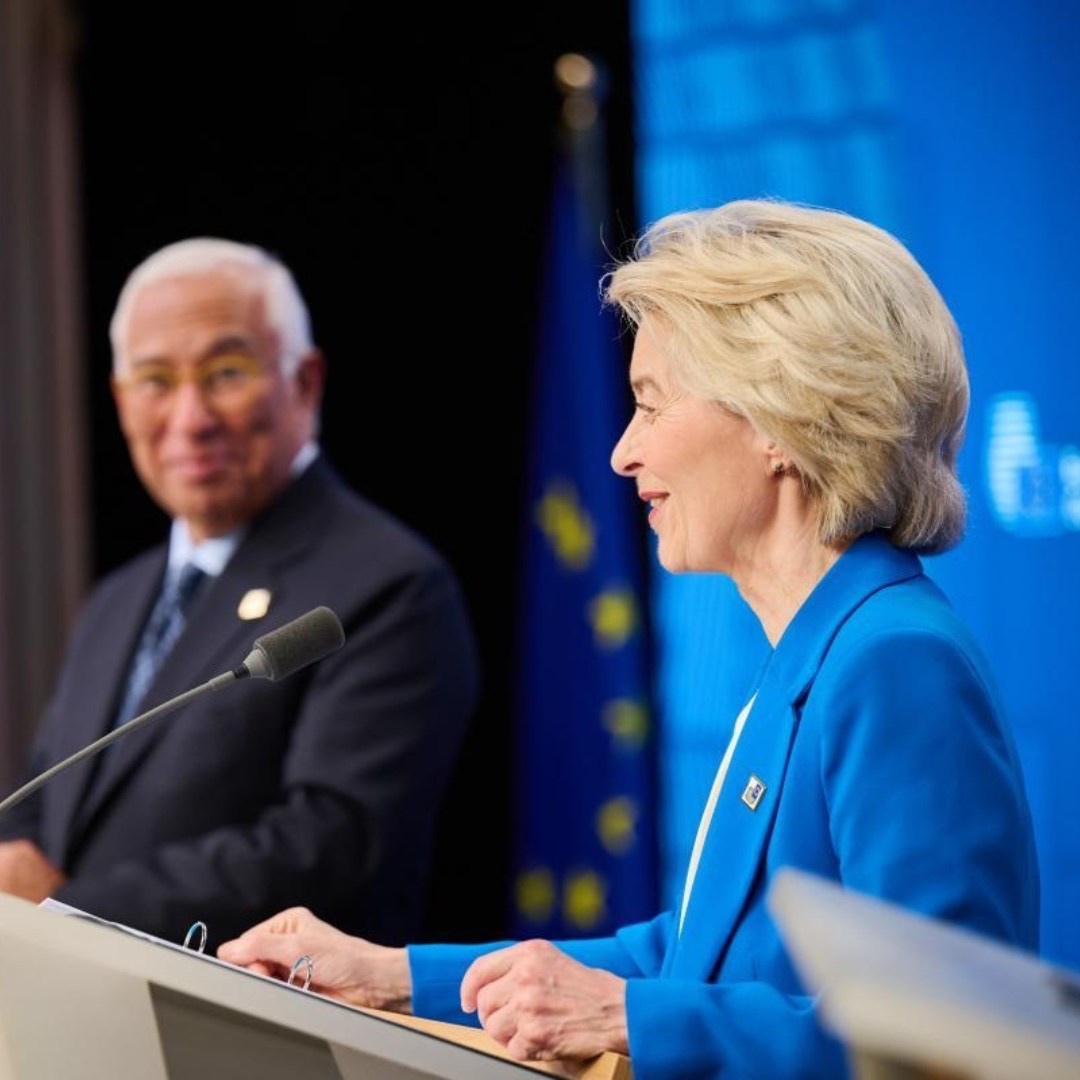
(From left) David Seymour, Winston Peters, Erica Stanford and Christopher Luxon.
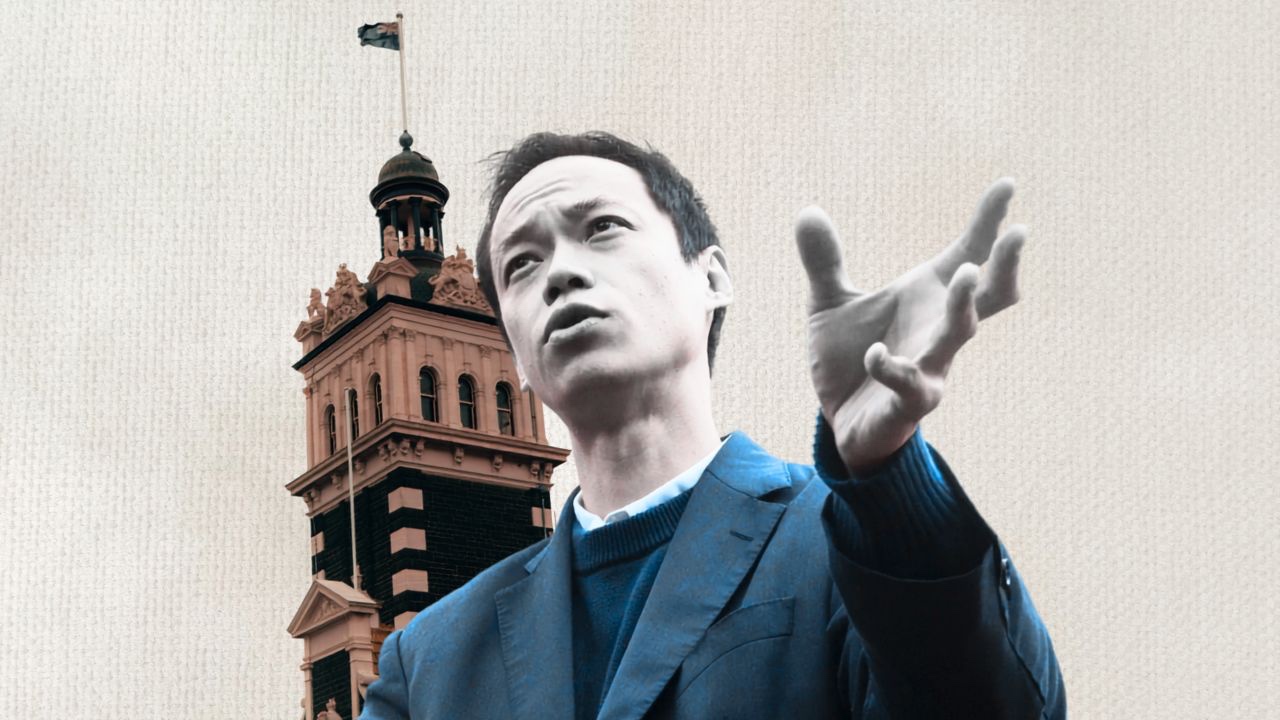
While New Zealand is not ageing as quickly as some countries, the direction of travel is clear, says professor Paul Spoonley.
New Zealand is moving into a future where immigration may become harder to avoid, even as politics around migrants becomes harder.
That was the central warning from leading demographer Professor Paul Spoonley, who told a public gathering in Auckland that falling fertility, an ageing population and looming workforce shortages mean migration will increasingly shape whether New Zealand’s population and labour force continue to grow.
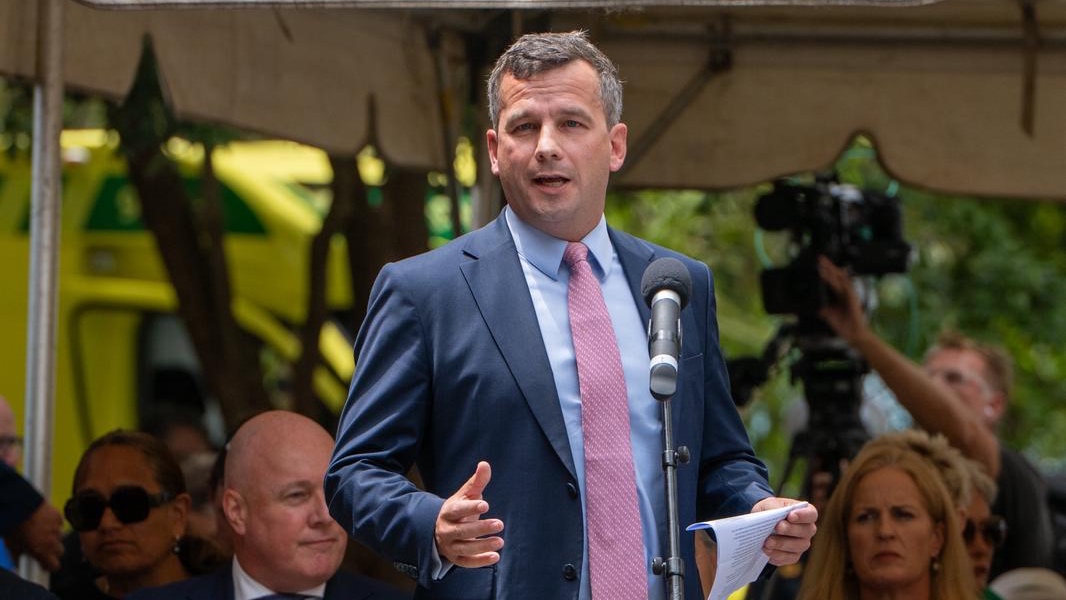
Deputy prime minister David Seymour had invited Spoonley to speak with members of his electorate in Epsom on June 19 last week.


Massey University's Emeritus Professor said the world was entering “new territory” demographically, with many high-income countries already facing population ageing, falling birth rates and long-term population decline.
While New Zealand is not ageing as quickly as some countries, he said the direction of travel was clear.
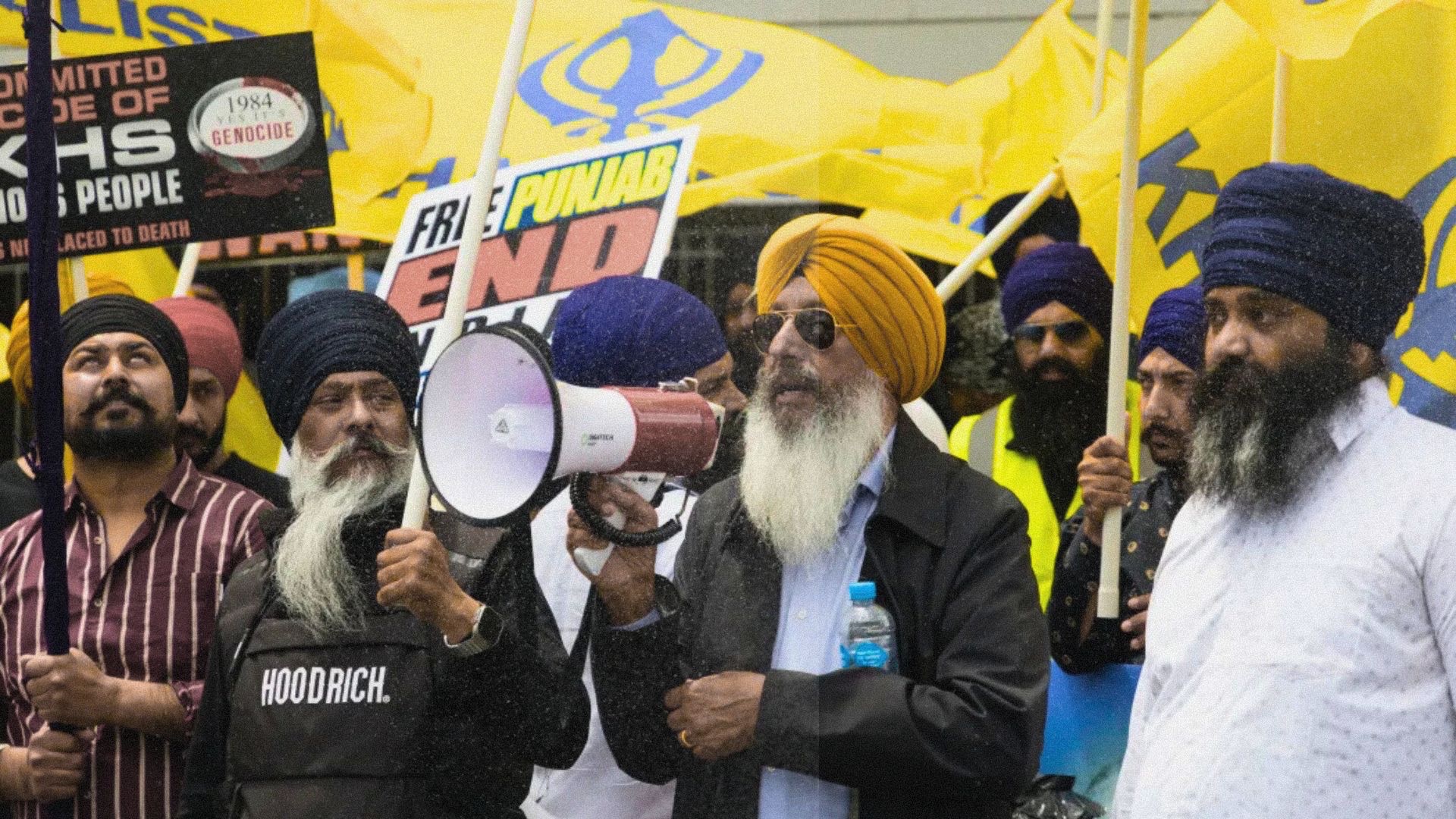
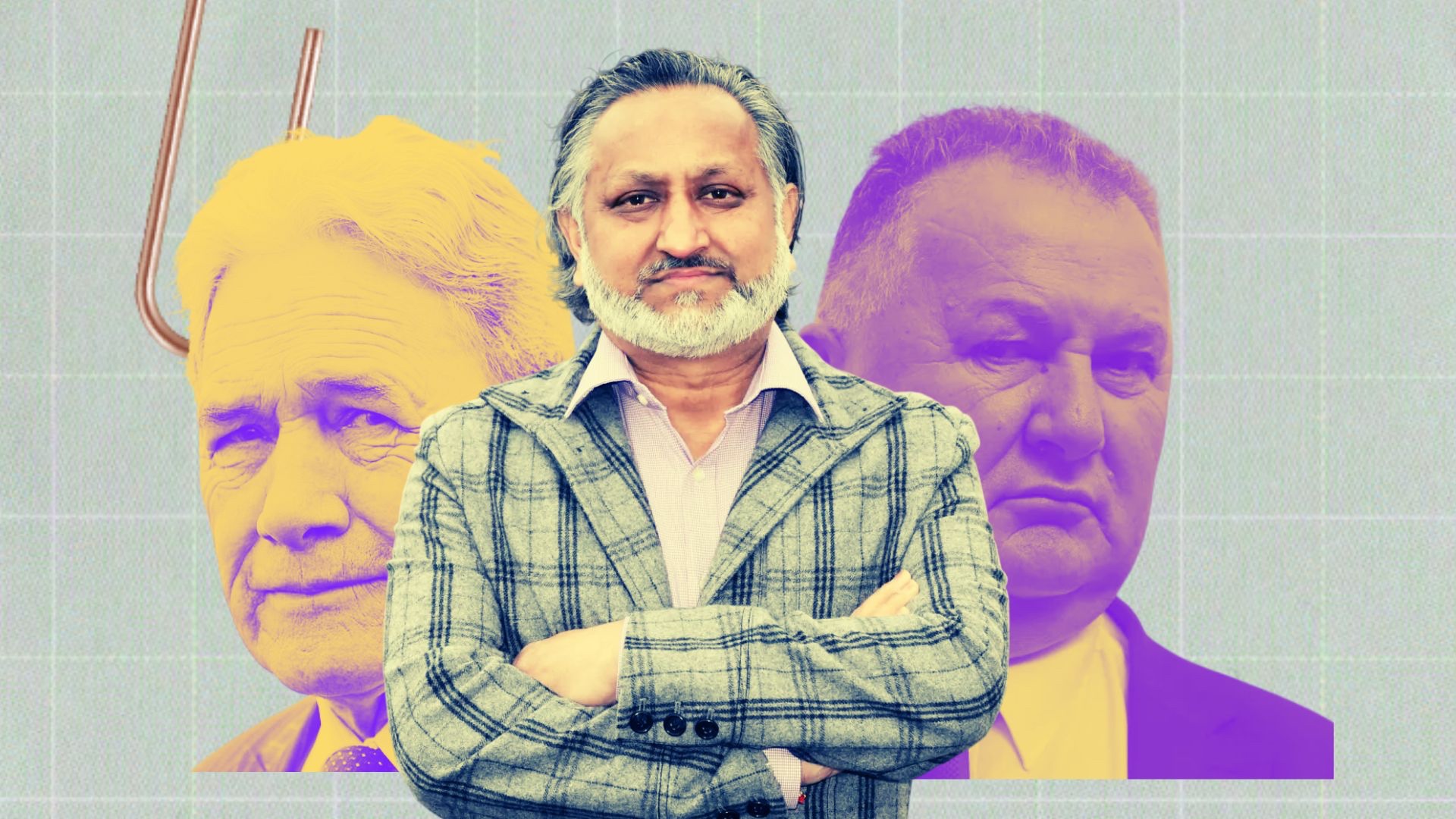
South Asian diaspora raises over $200,000 for New Zealanders missing in Nepal flood "I'm so proud of the Indian community here who...supported us, saying it is not a Nepal problem but our problem."
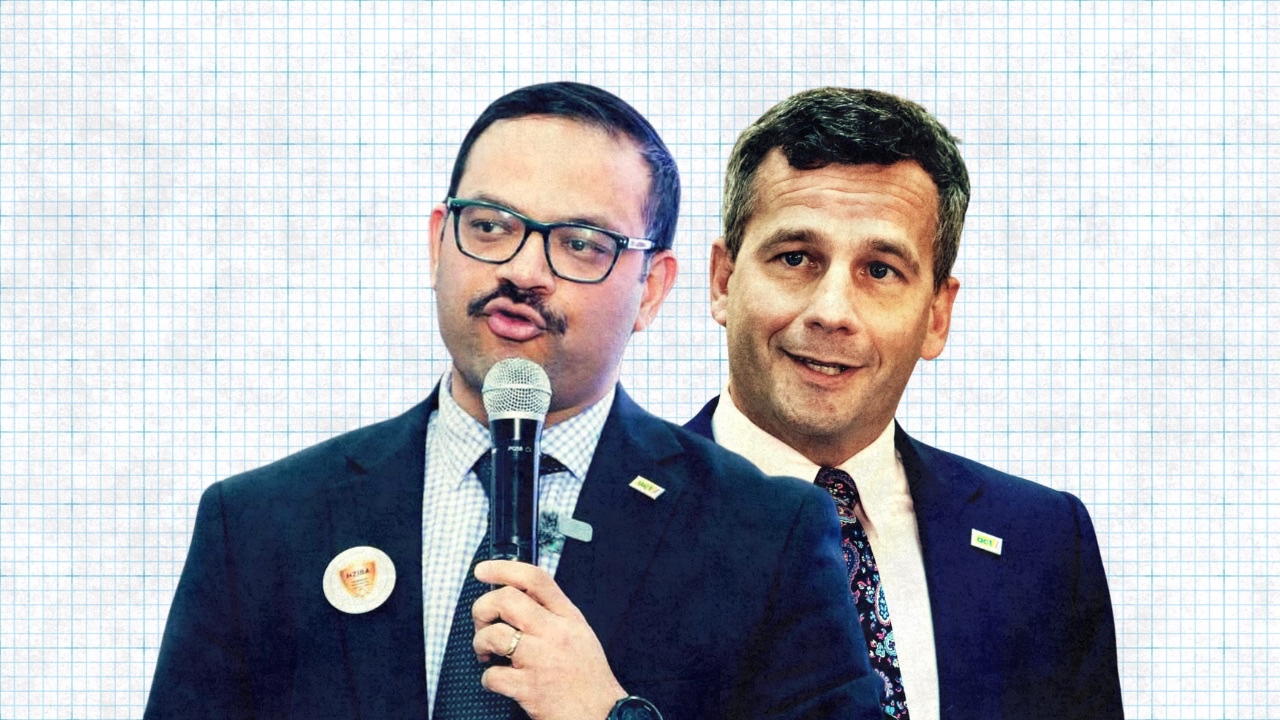
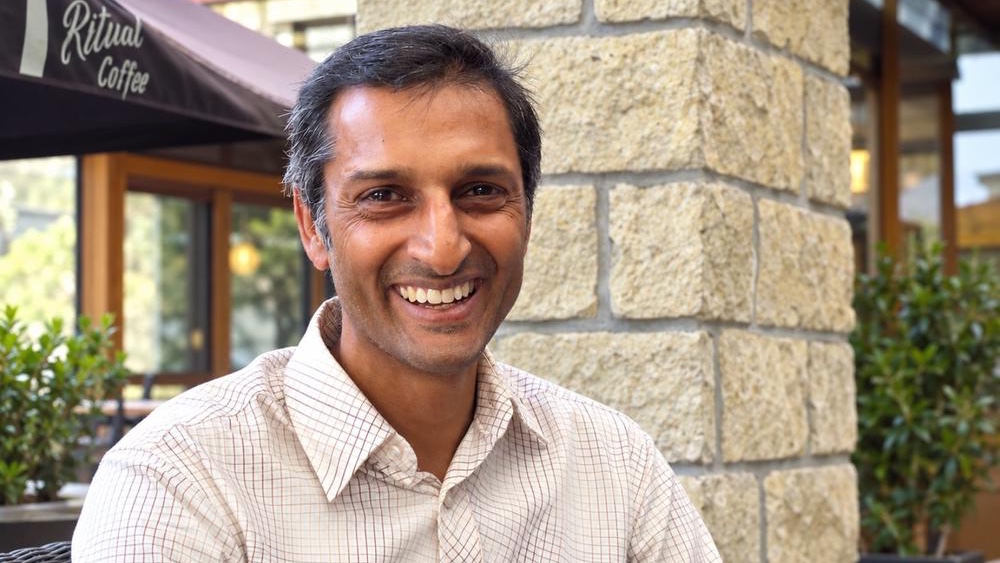
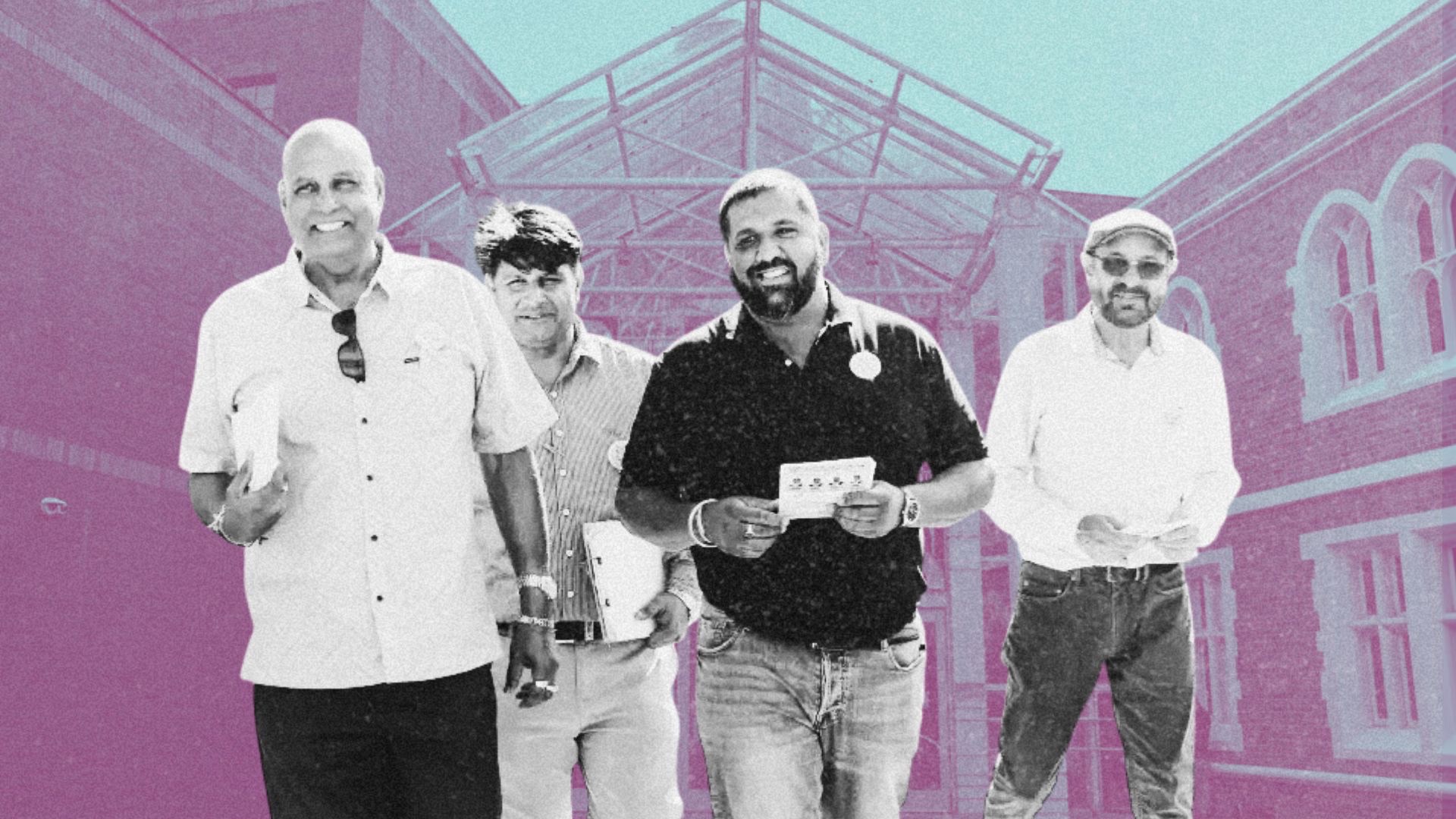
Tamakis launch Indian-origin candidate for Epsom who surrendered passport and has ‘assimilated’ “I know a whole lot of people are going to be like shocked,” says Hannah Tamaki.
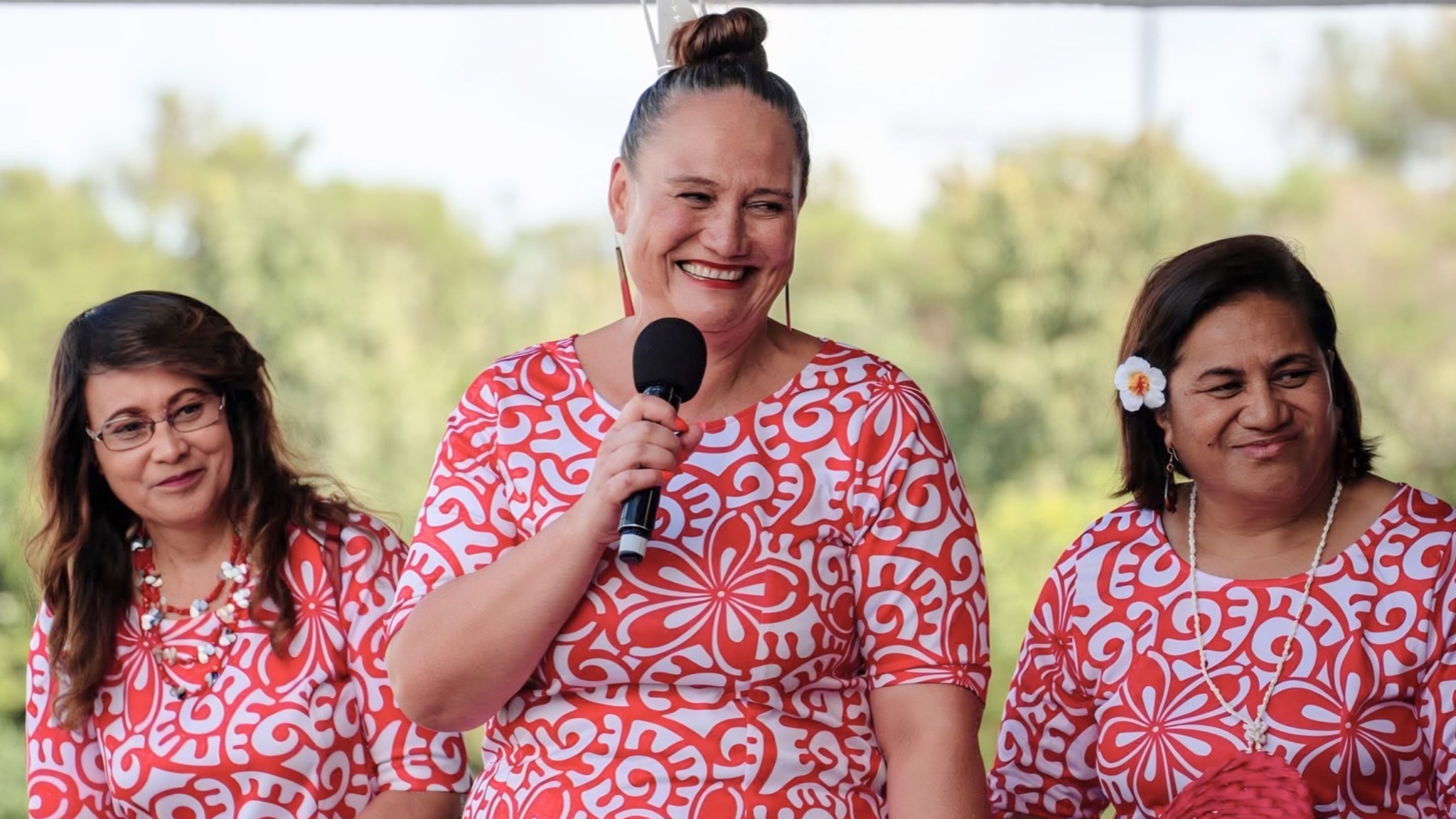
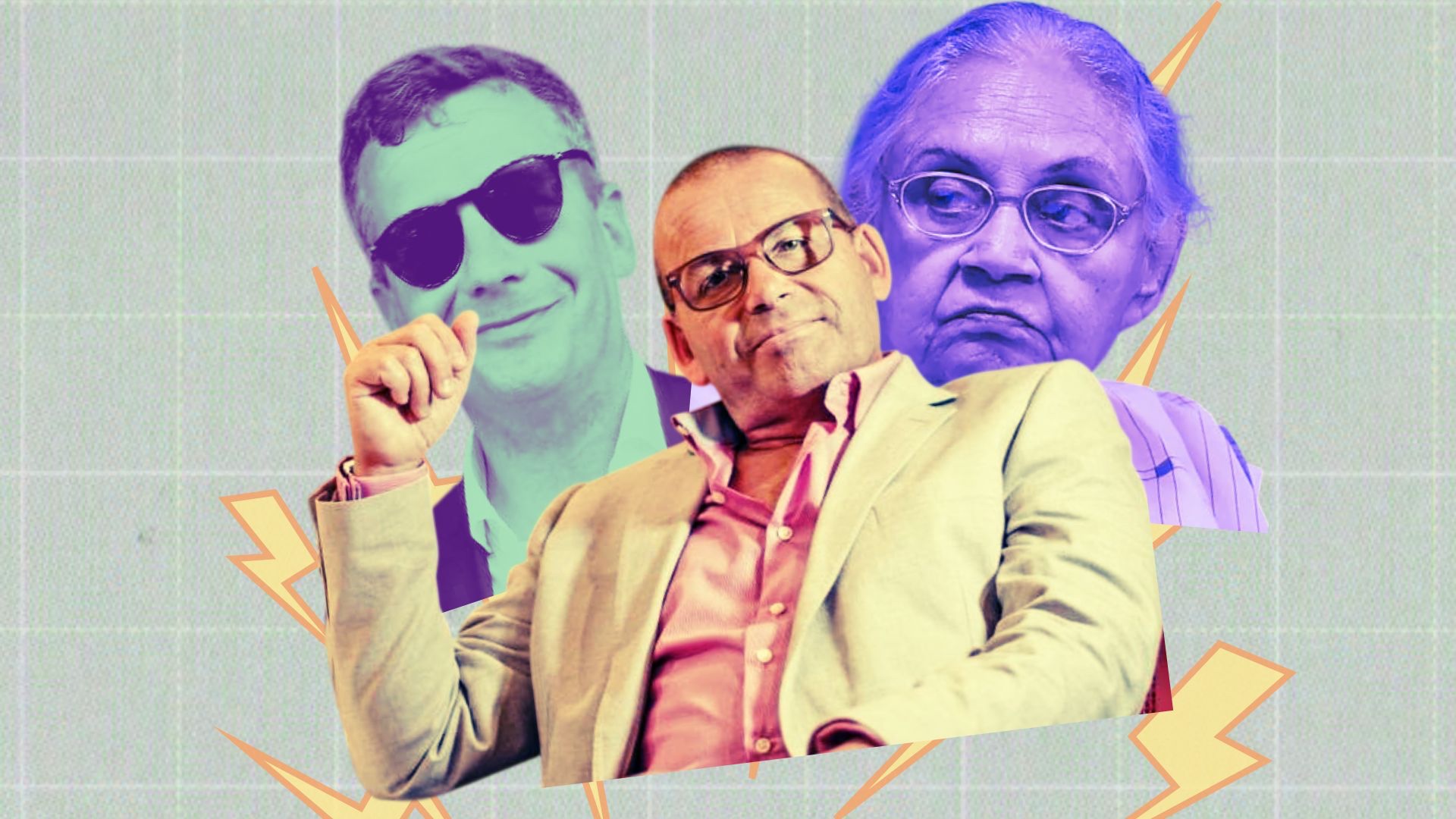
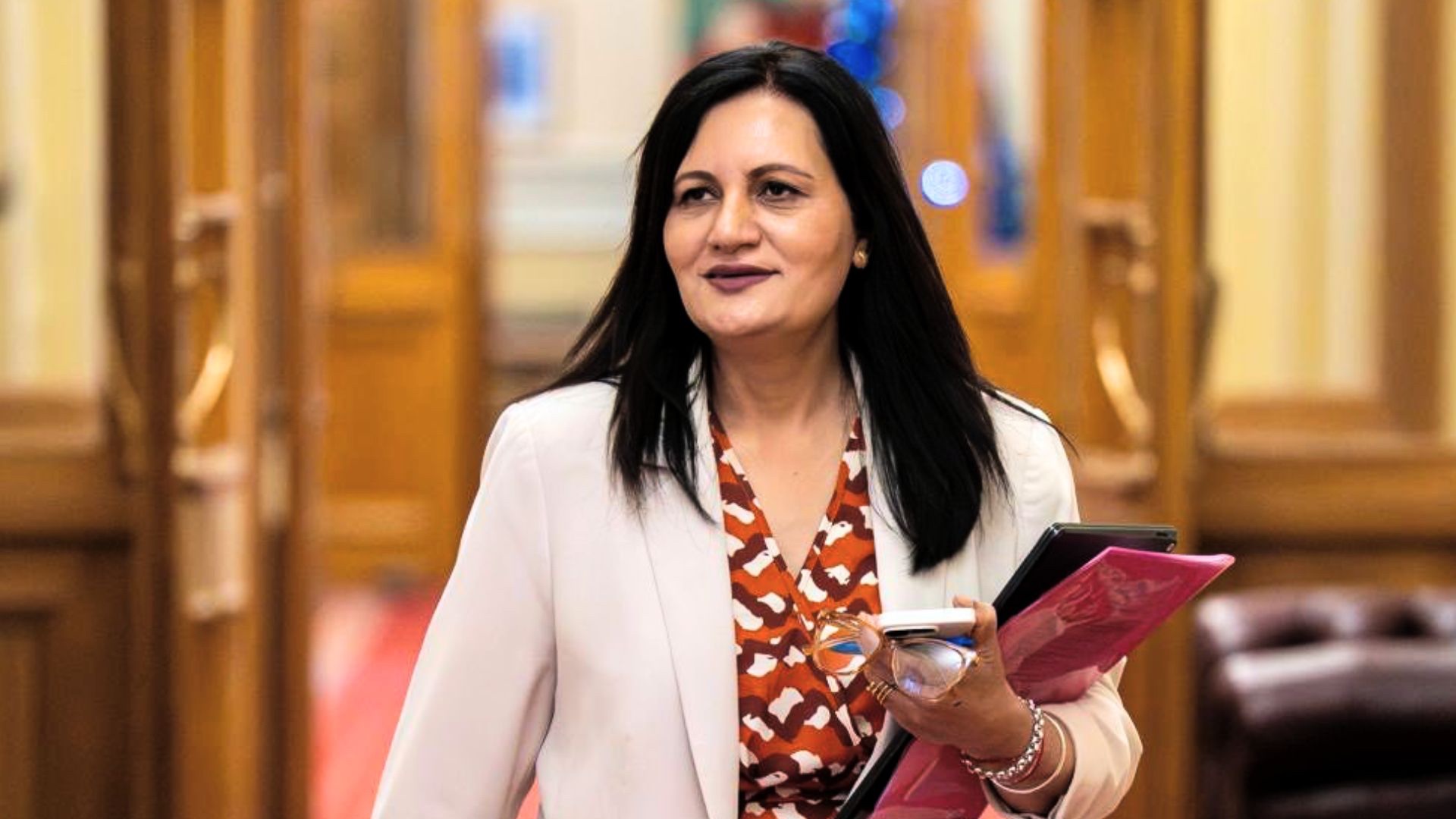
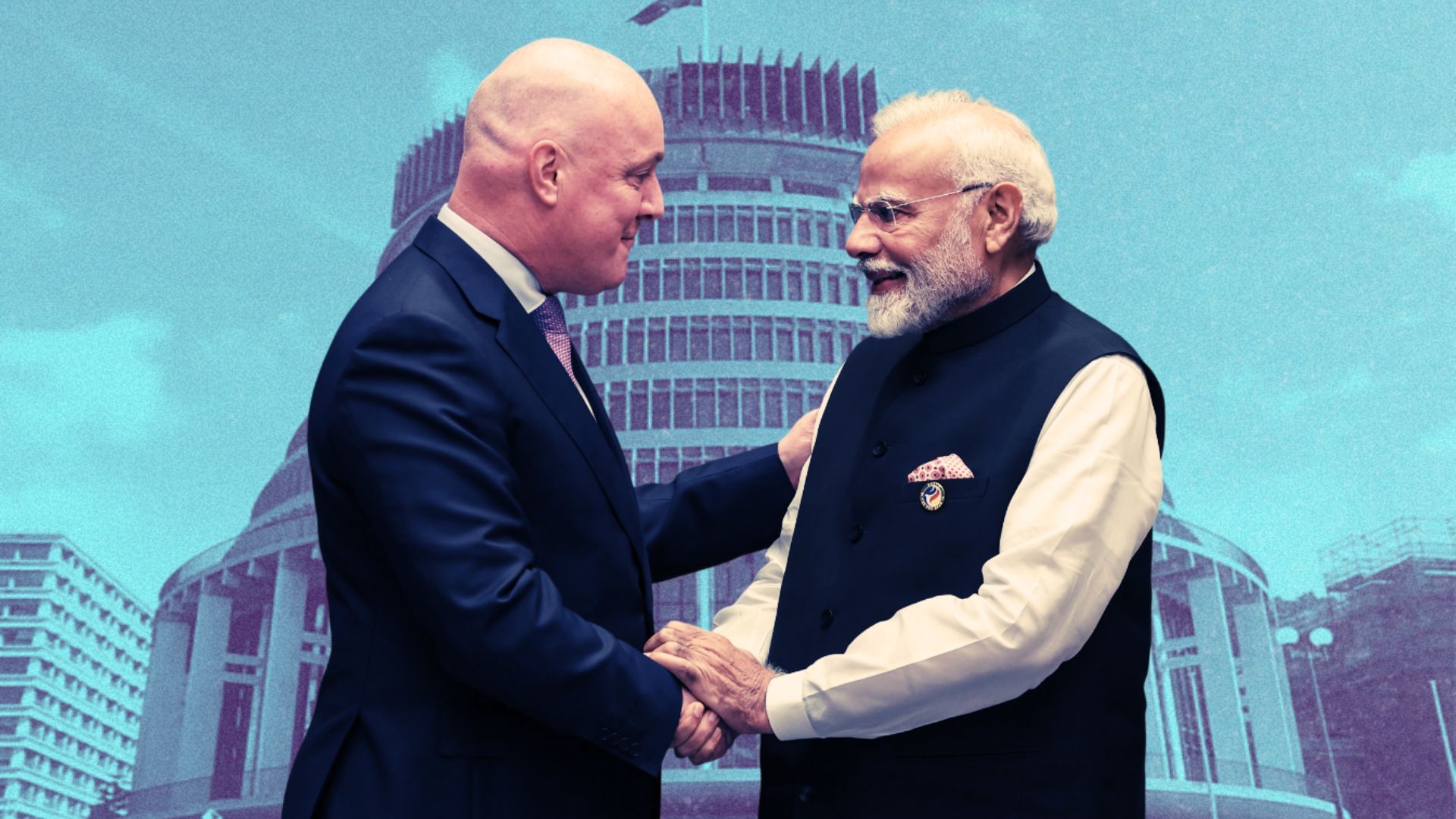
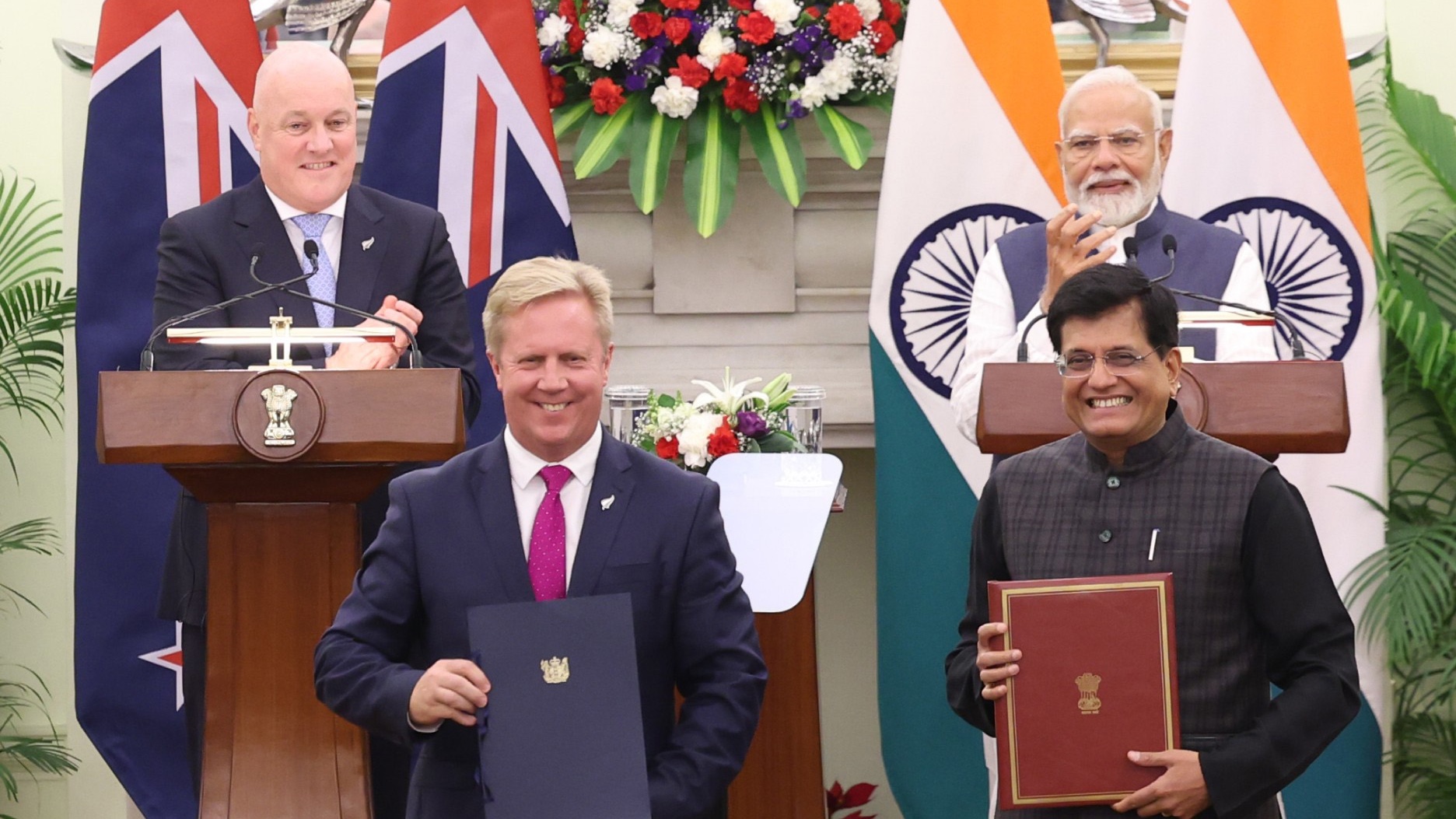
Priyanca Radhakrishnan tries to puncture Luxon’s FTA victory, says India was already sold “Things have changed quite dramatically on the Indian government side,” says the Indian-origin Labour MP.
Around 18 per cent of New Zealanders are aged 65 and over, he said, with that figure expected to rise to about 23 per cent within two decades and about 25 per cent by the middle of the century.
The most significant growth, he said, would be among those aged over 85.
“So there are some huge questions,” Spoonley said, pointing to superannuation, services, infrastructure, healthcare and the growing cost of supporting an older population.
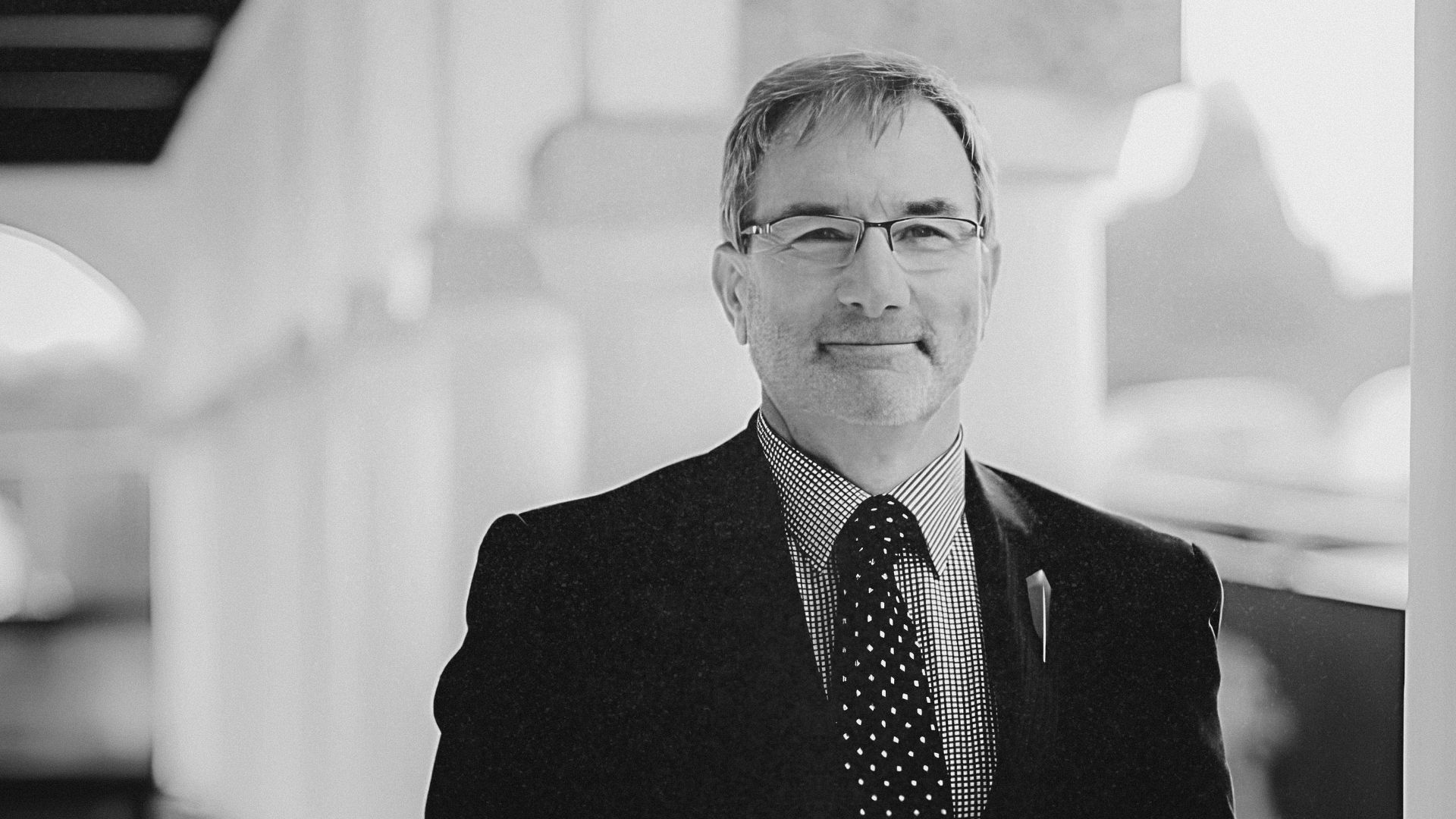
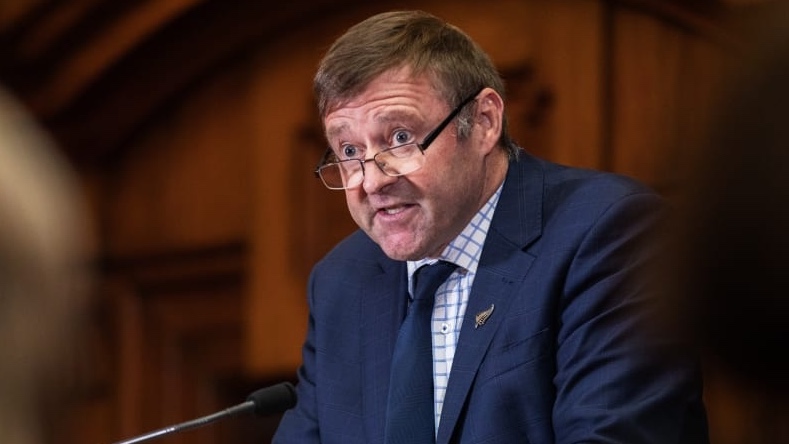
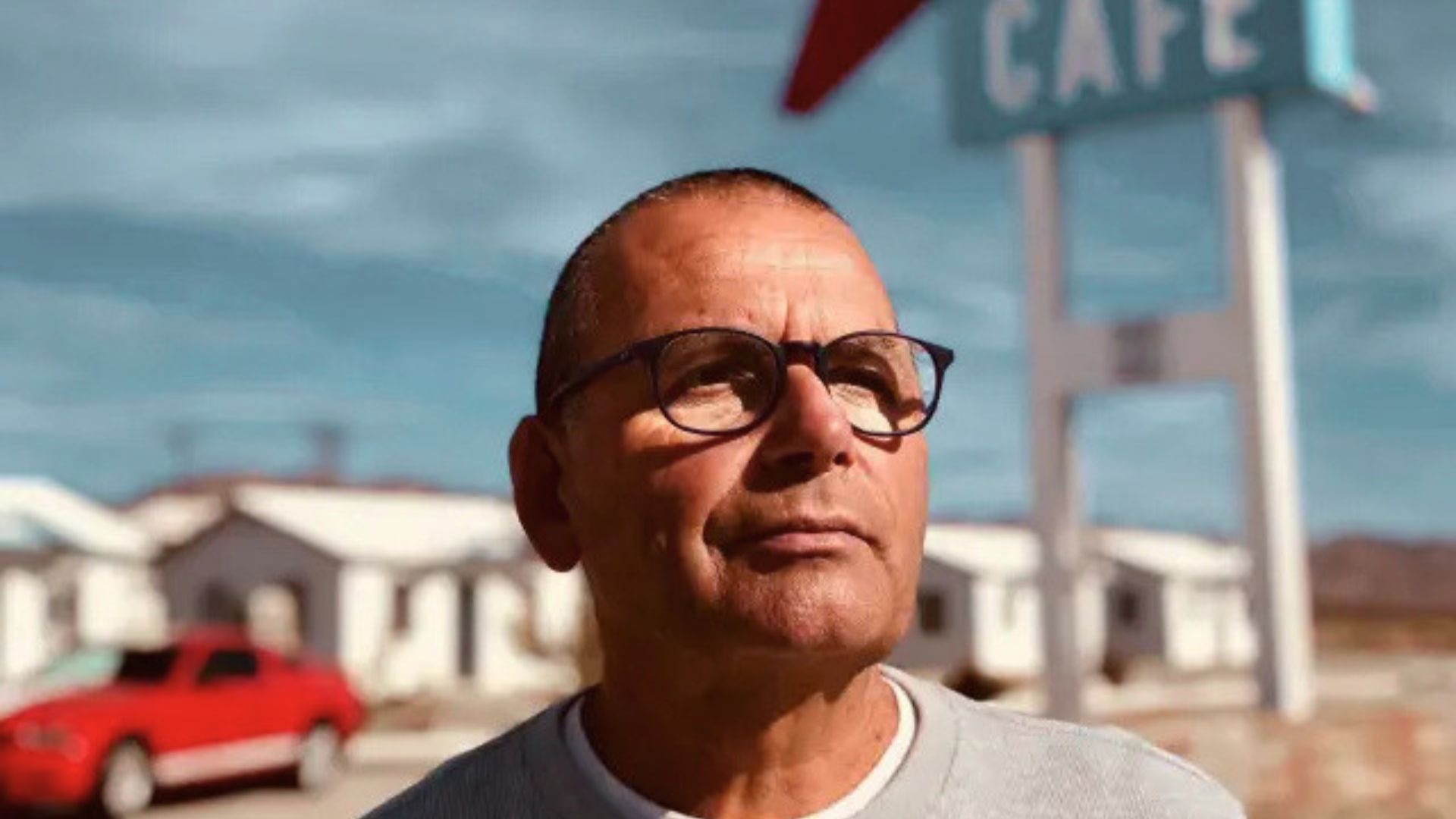
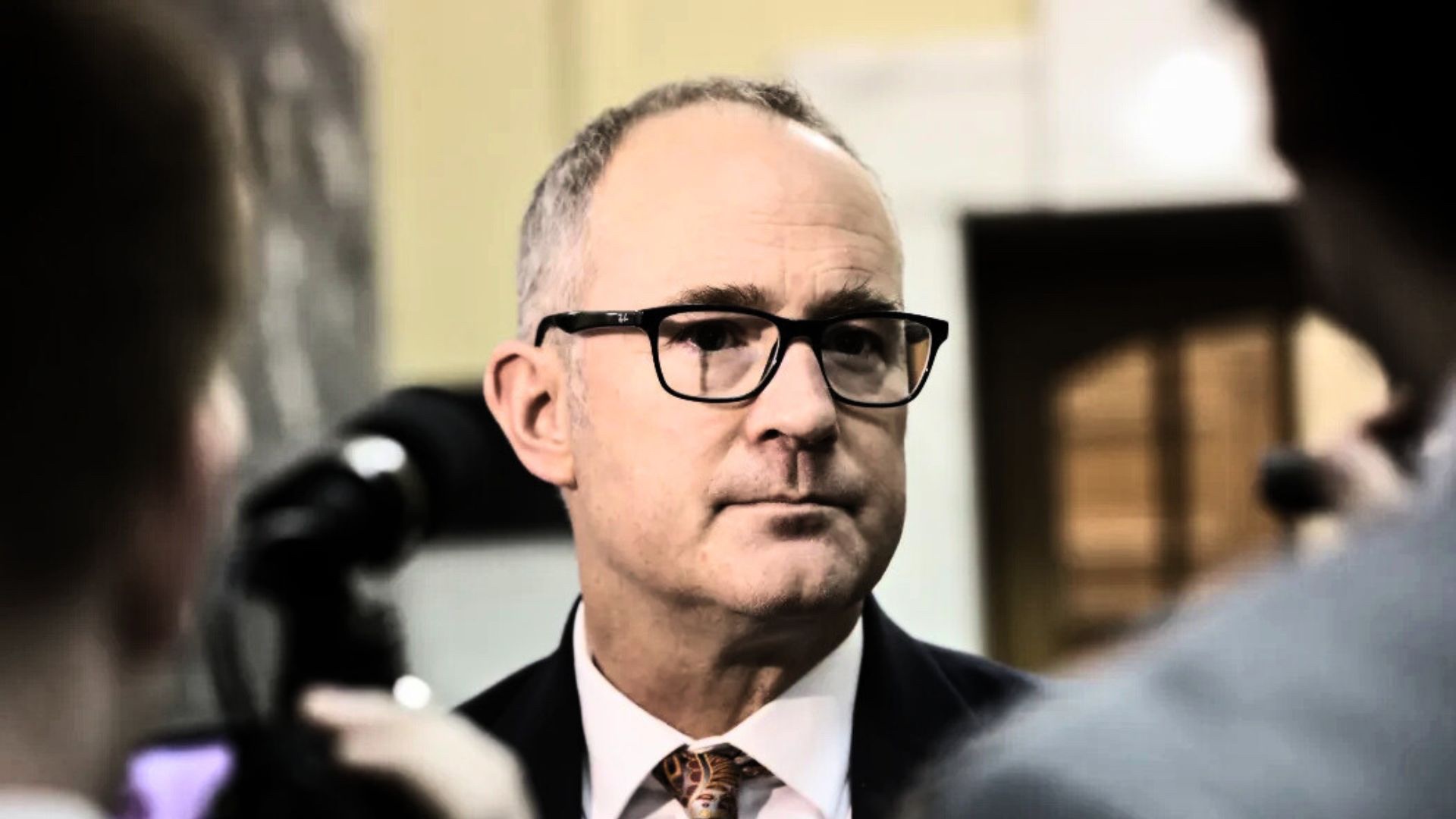
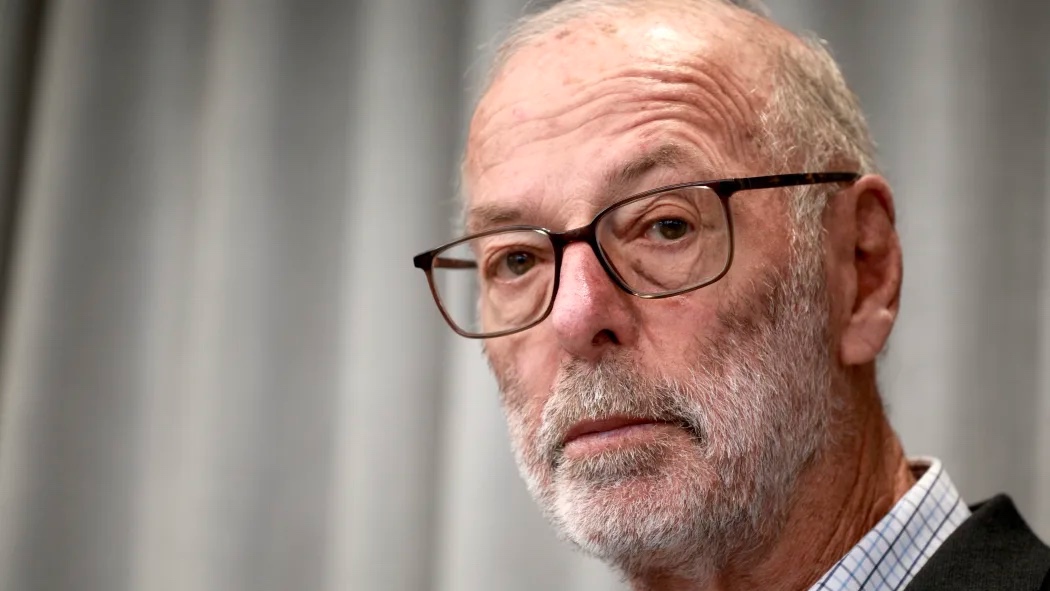
A man in a black suit, white shirt, and black polka-dot tie stands in a hallway, wearing glasses and a pin on his lapel.
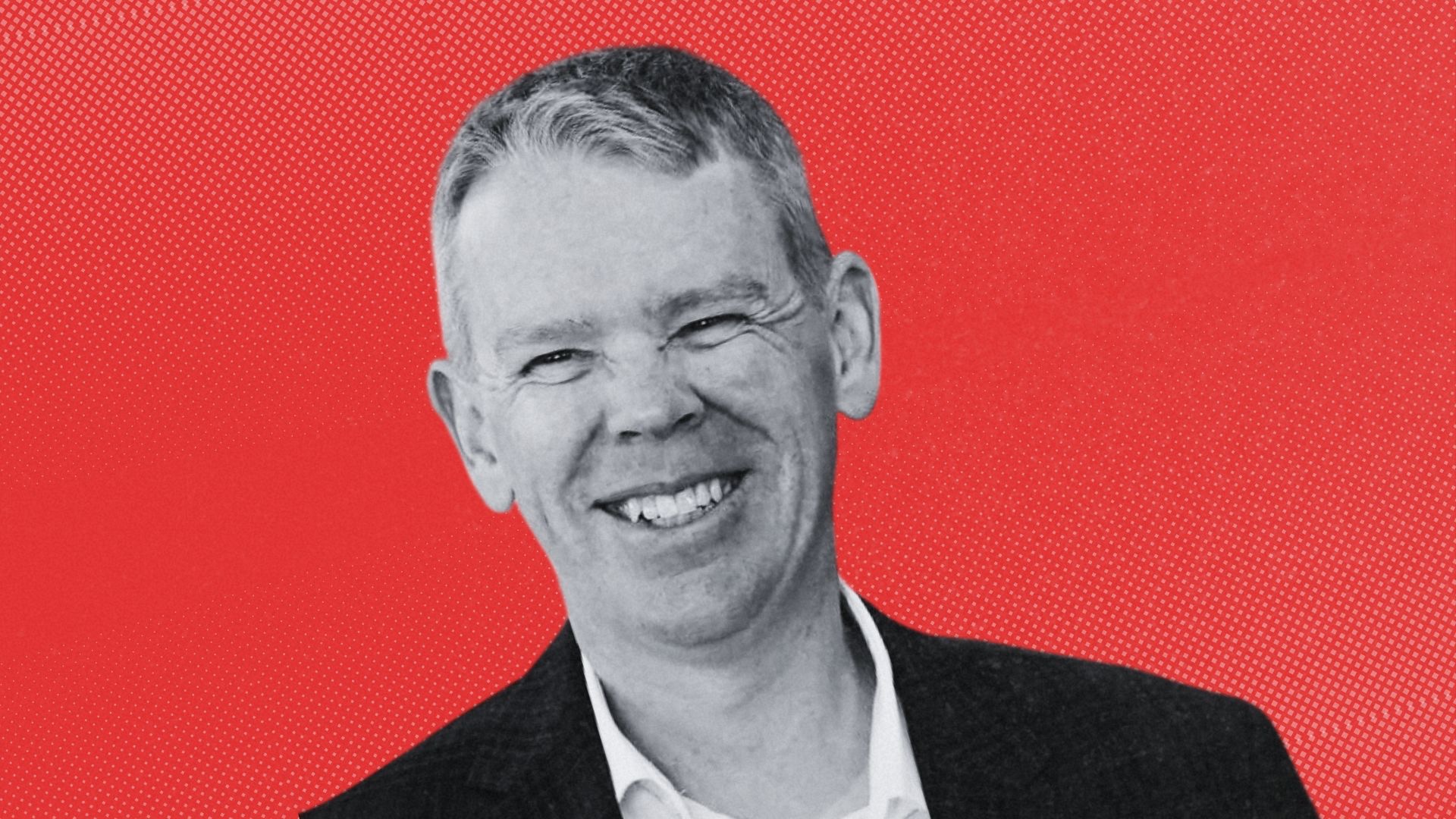
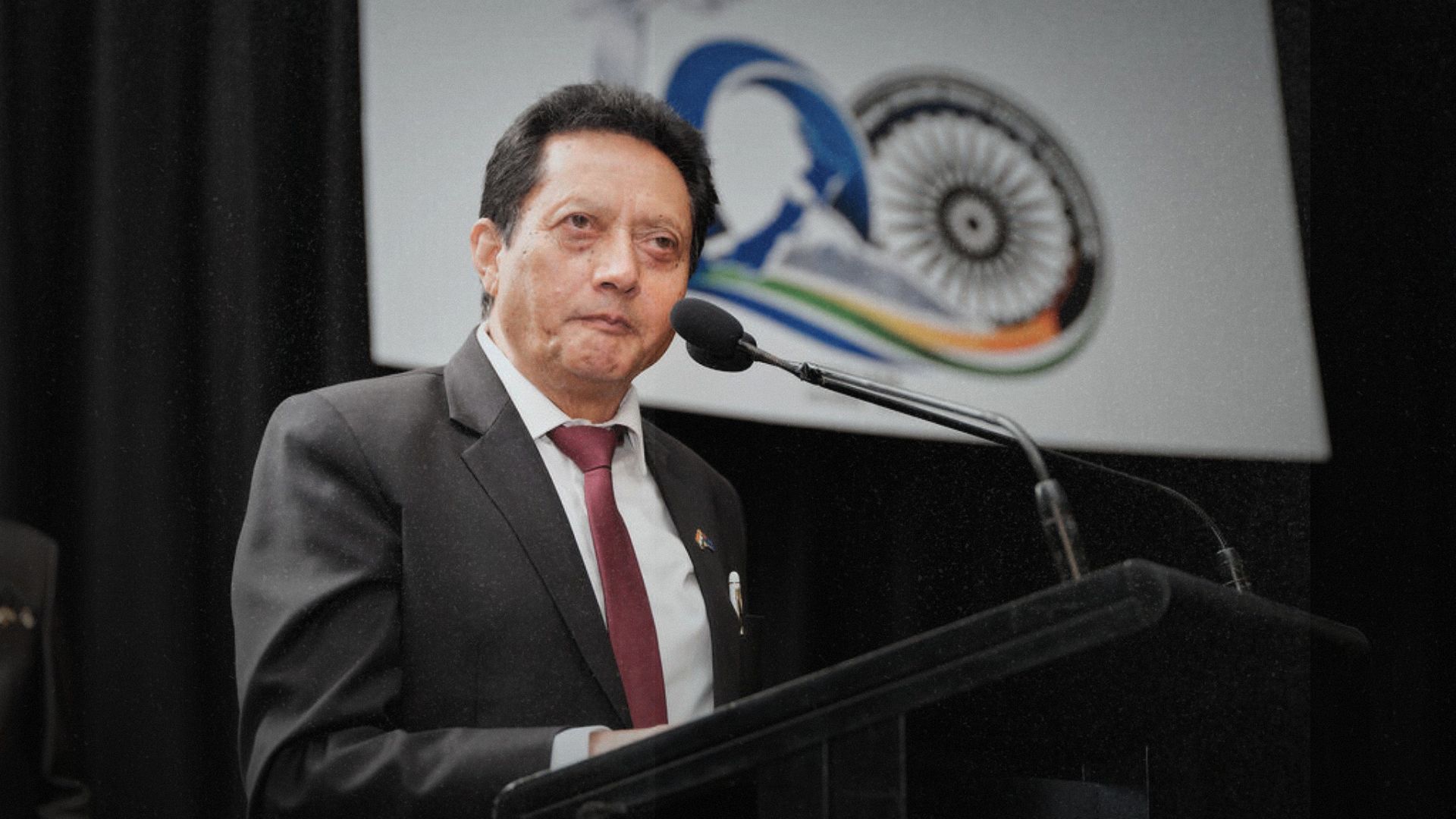
Sociologist and Massey University Emeritus Professor Paul Spoonley. (Supplied photo)
He cited Treasury’s old-age dependency ratio, saying New Zealand once had about seven working-age people for every person receiving superannuation. That ratio is now around four to one and is expected to fall to around two to one by mid-century.
“You can see the size of the demographic changes that are beginning to appear,” he said.
Fewer births, older population
Spoonley said New Zealand’s fertility rate had fallen sharply from around replacement level in 2010 to about 1.53 births per woman in 2026.
Replacement fertility is generally considered to be about 2.1 births per woman.
He said New Zealand was now about 25 per cent below the level needed to replace its existing population, and he expected the country could move closer to the much lower fertility rates already seen in parts of Europe and Asia.
The consequences were already beginning to appear.
Spoonley said the Ministry of Education had estimated primary school enrolments would fall by about 37,000 over the next five years.
He noted that New Zealand had about 62,000 births a year in 1970, when the country’s population was around 2.3 million. Today, with a population of about 5.3 million, births were around 57,000.
“It’s a relative but it’s also an absolute drop,” he said.
The number of deaths is also expected to rise as the population ages. Spoonley said New Zealand was likely to reach a point in the 2040s where the number of deaths equalled the number of births.
That tipping point has already arrived in some other countries. He said the United Kingdom was expected to see more deaths than births this year, while Germany had experienced more deaths than births for decades.
Immigration now major driver of growth
Against that backdrop, Spoonley said immigration had become the major driver of whether New Zealand’s population grows.
He said New Zealand had a long history of using migration to fill labour and skills shortages, particularly when New Zealanders left the country.
But he questioned whether the country had the policy settings right, given the volatility in migration numbers.
Two years ago, he said, New Zealand saw one of its highest numbers of migrant arrivals, with around a quarter of a million people arriving and net migration adding around 120,000 people.
The latest figures, he said, showed that had fallen sharply to a net gain of around 22,000.
“That volatility — the question I would ask is, have we got our policy right?” he said.
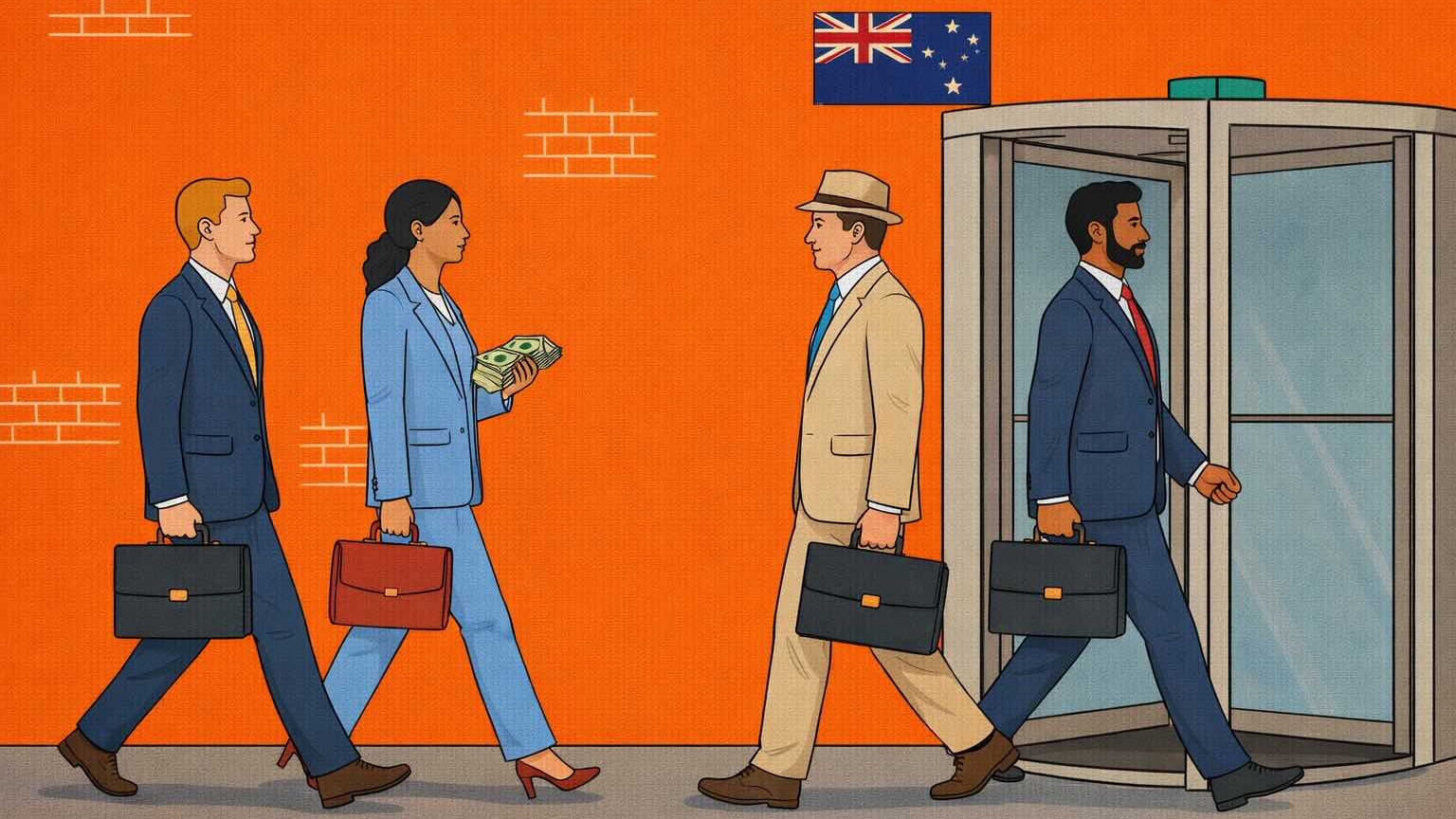
Spoonley said India, China and the Philippines were now among New Zealand’s biggest migrant source countries. He said India had recently been the largest source of migrants before China moved back into the top position, with India second and the Philippines third.
For Kiwi-Indian communities, that makes the demographic debate more than an abstract policy discussion. It directly affects how migrants are talked about, how their contribution is recognised, and how future immigration policy may be shaped.
Health system already reliant on migrants
Spoonley said the need for migrants was especially visible in healthcare.
He described a recent experience in hospital where his admitting nurse was Filipino, his anaesthetist was Indian, his surgeon was Chinese, and other staff were South African and Filipino.
None of them, he said, had trained in New Zealand.
“What we are beginning to see — and this is a common story — is that parts of our economy, in this case the health workforce, are increasingly reliant on people who have been trained elsewhere,” he said.
He said around 40 per cent of New Zealand’s health workforce — including doctors, specialists and nurses — had been trained overseas.
Without those immigrants, he said, the health system would not function as it does.
The issue is not unique to New Zealand. Spoonley said countries were increasingly competing for health workers, with the United Kingdom looking to recruit or train tens of thousands of additional nurses and targeting countries such as the Philippines, Nigeria and Ghana.
New Zealand, he said, had traditionally drawn many health professionals from the United Kingdom, South Africa and India.
Political backlash
But Spoonley said this growing need for migrant labour was arriving at a difficult political moment.
“We’re going through a moment where we’re seeing quite a strong negative reaction to immigrants,” he said, pointing to parts of Europe, the United Kingdom and the United States.
He said countries facing ageing populations and workforce shortages would eventually confront a practical question: if they did not have migrant labour, what would happen to essential systems such as healthcare?
“There’s going to come a point where if you don’t have a labour supply, your healthcare system — what are you going to do?” he said.
Spoonley said New Zealand’s immigration debate was different from Europe’s in important ways.
He said New Zealand, Australia and Canada had skilled migrant systems that were more selective than many other countries, with points awarded for qualifications and other characteristics.
He also noted that immigration was not currently among the top concerns for New Zealand voters, unlike in countries such as Australia or the United Kingdom, where immigration politics has become much more central.
Still, his warning was clear: the demographic pressure to bring in migrants is likely to grow, even if political resistance also grows.
Social cohesion challenge
Spoonley said New Zealand also needed to think more seriously about social cohesion.
He described Auckland as one of the most diverse cities in the world, with a high proportion of residents born overseas or the children of immigrants.
That diversity, he said, meant New Zealand needed to work harder to ensure people understood and respected one another.
He pointed to Canada as a country that had put more effort into post-arrival settlement support, including language acquisition, and suggested New Zealand did not do as much in that space.
Spoonley said he and colleagues had argued for a broader population strategy that brought together ageing, fertility, migration, regional population change and social cohesion.
Too often, he said, immigration was treated as if it were “the only game in town”, when it should be understood as one part of a wider demographic picture.
The real question, he suggested, was not simply how many migrants New Zealand should take.
It was what kind of country New Zealand wanted to be as its population aged, its birth rate fell, its regions changed, and its workforce needs grew.
“What are the value propositions?” he asked. “Why should people come to New Zealand? But also, why should New Zealanders see migrants coming to New Zealand as a benefit to life?”
For migrant communities, including Kiwi-Indians, that question is likely to become increasingly important.
As New Zealand’s need for migrants grows, so too will the need to explain their role — not as a temporary pressure on the country, but as part of how New Zealand sustains its workforce, services and future population.