
Election'26: NZ First's pitch to strip residents of voting rights was rejected 40 years ago

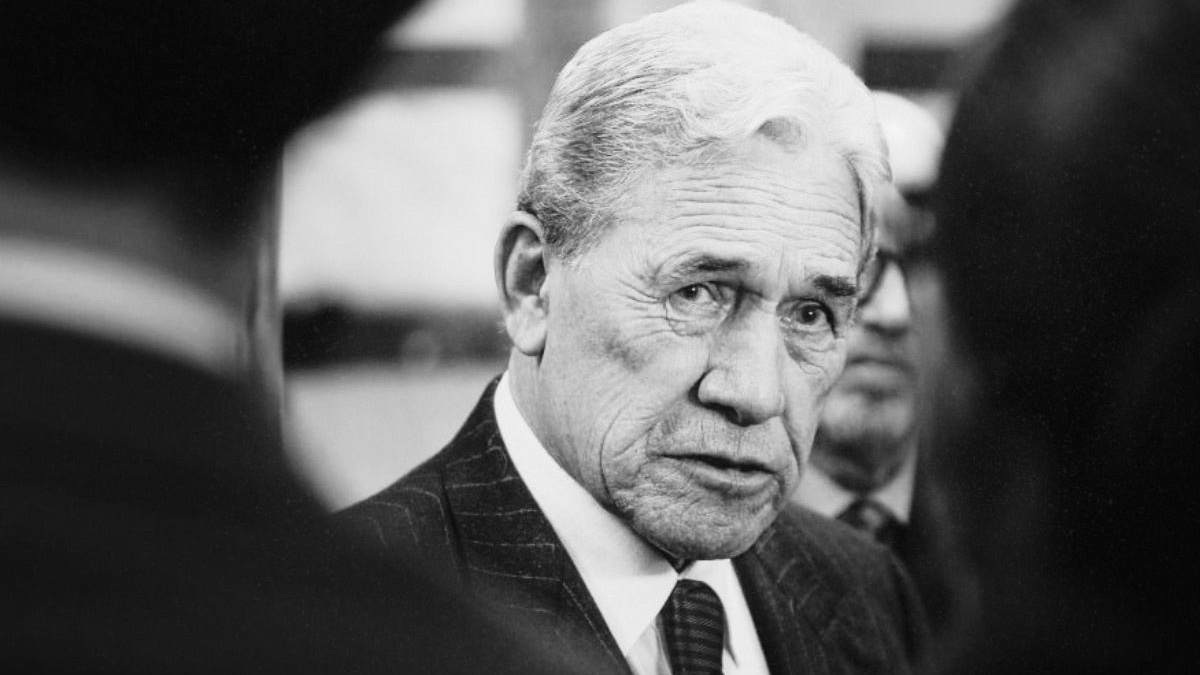
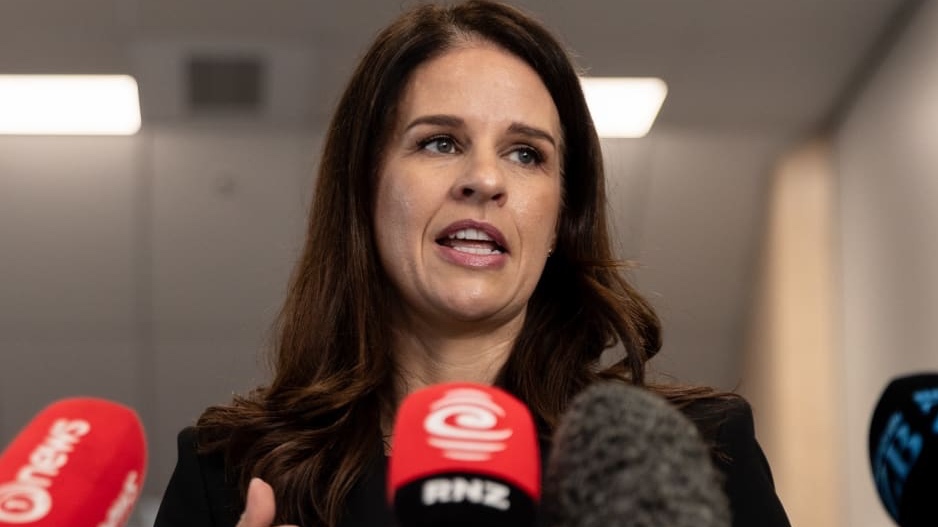
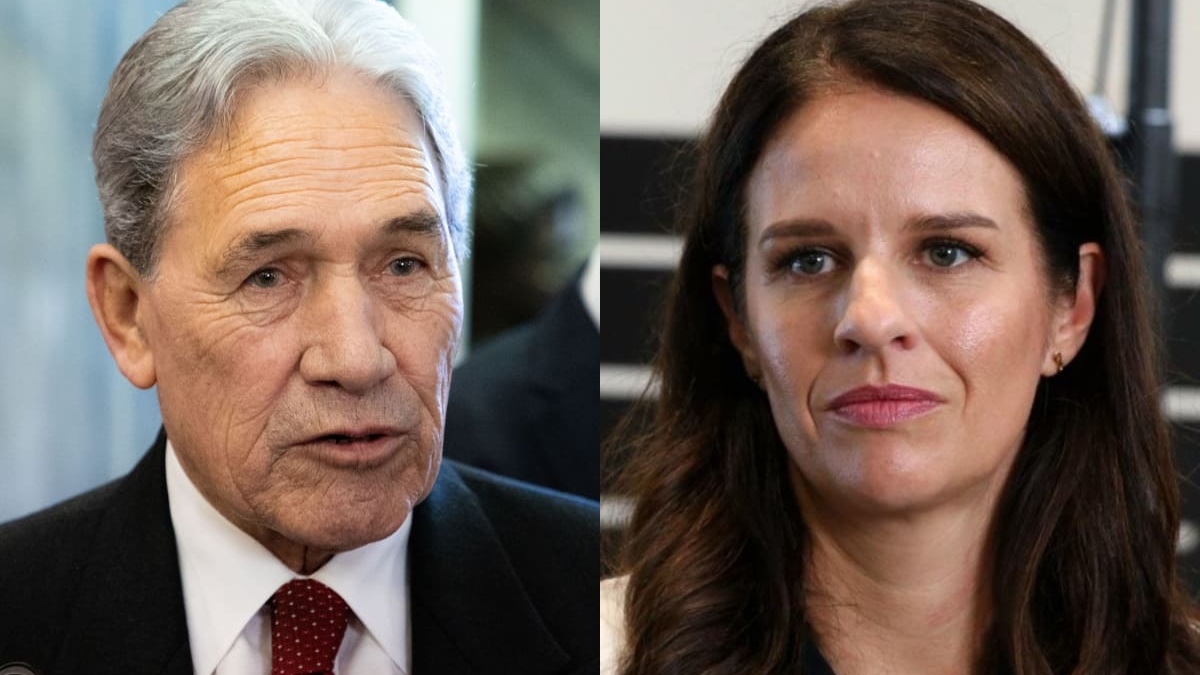
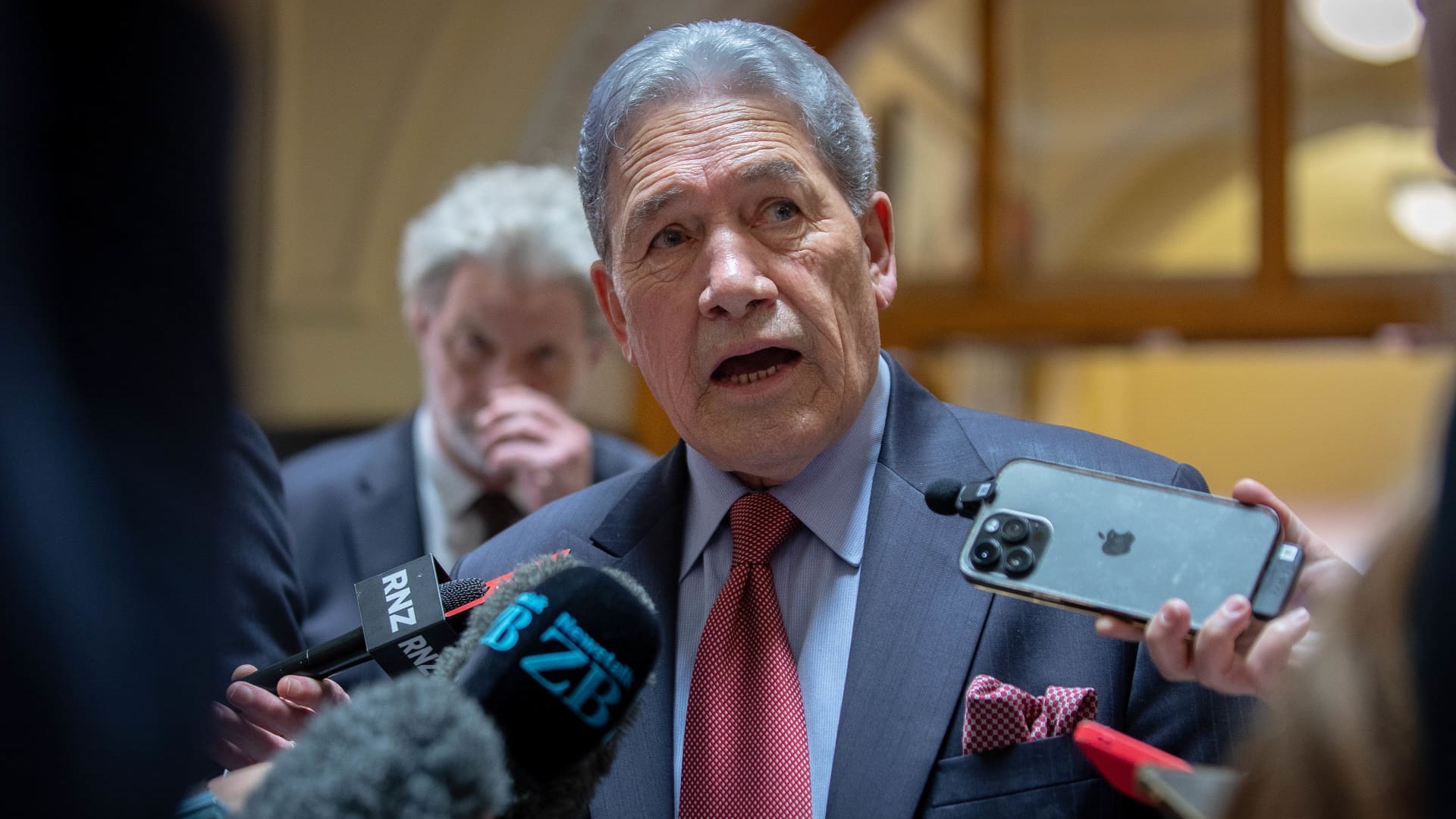
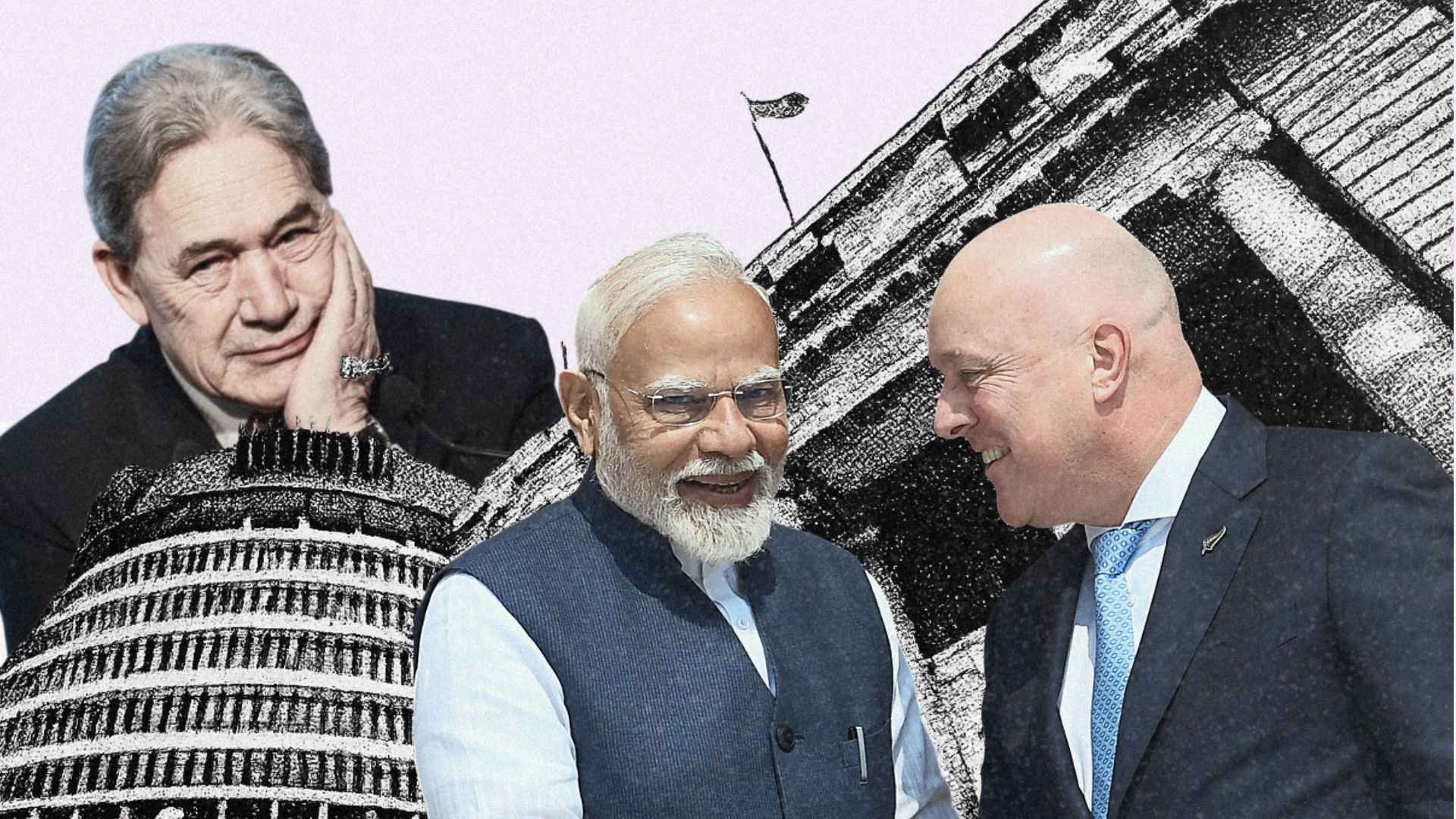
NZ First leader Winston Peters speaks to journalists at New Zealand Parliament. (Supplied photo)
In 1986, the Royal Commission on the Electoral System had already examined the idea Winston Peters is proposing now.
Opinion: When Winston Peters announced on Sunday that New Zealand First wanted to restrict voting rights to citizens, he presented the policy as a return to a basic democratic principle.
Voting, the party leader said, “should be a privilege of those who have sworn allegiance to New Zealand, and who have made the commitment to make New Zealand their home and their future”.
“...we are happy to let you live here permanently, but why should you get a say in how this country is run or governed?”
Peters said his party "will restore the basic democratic principle that the right to decide New Zealand's future belongs to New Zealand citizens.”
But the central argument New Zealand First is making in 2026 was explicitly considered by the Royal Commission on the Electoral System 40 years ago. And rejected.
Truant student may have to curb Khalistan speech in India but will be deported, NZ tribunal rules The 21-year-old's education provider terminated his enrollment within a year because of poor attendance.
New Zealand-trained Indian pilot hailed for saving 174 people in Flydubai suspected crash bid Smit Machchhar trained with Mainland Air in Dunedin for about 18 months between 2008 and 2009.
54 hours worked, 26 hours paid: Indian migrant wins $60,000 from Auckland employer The man's additional claim that he paid unlawful premiums to procure the visa didn't hold up in the employment tribunal.
The commission did acknowledge the case for limiting the vote to citizens in remarkably similar terms as Peters. But it reached the opposite conclusion.
Permanent residents, it said, had been granted permission to live and work in New Zealand and “usually make a full contribution to the community and its future”.
“In this sense, they can be said to have earned full membership of the community and to be entitled to vote.”
It also said it was reluctant to remove rights that had long been enjoyed and noted that voting rights “may help integrate new members into our community”.
The disagreement goes to the heart of what New Zealand considers political belonging.
Peters’ position is that citizenship creates the democratic bond. Permanent residence may allow someone to live, work, study and build a life in the country, but, as he put it on Sunday, citizenship is “the formal bond of allegiance, belonging, responsibility, and democratic authority”.
New Zealand’s electoral history has long embodied a different view. One that people who live in the country, contribute to it and share in its future can acquire a legitimate claim to political participation without first becoming citizens.
That was not an accidental loophole. New Zealand extended voting rights to permanent residents in 1975 after removing the old requirement that electors be British subjects.
In her 2014 paper titled 'National Voting Rights for Permanent Residents: New Zealand’s Experience', professor of comparative politics Kate McMillan traces that shift to wider principles of equality, non-discrimination and electoral inclusion.
She notes that officials and lawmakers were aware other countries were moving towards citizenship-based voting rights. Canada had restricted the franchise to citizens, while Australia was considering similar changes.
New Zealand chose inclusion instead.
Two competing ideas of democracy
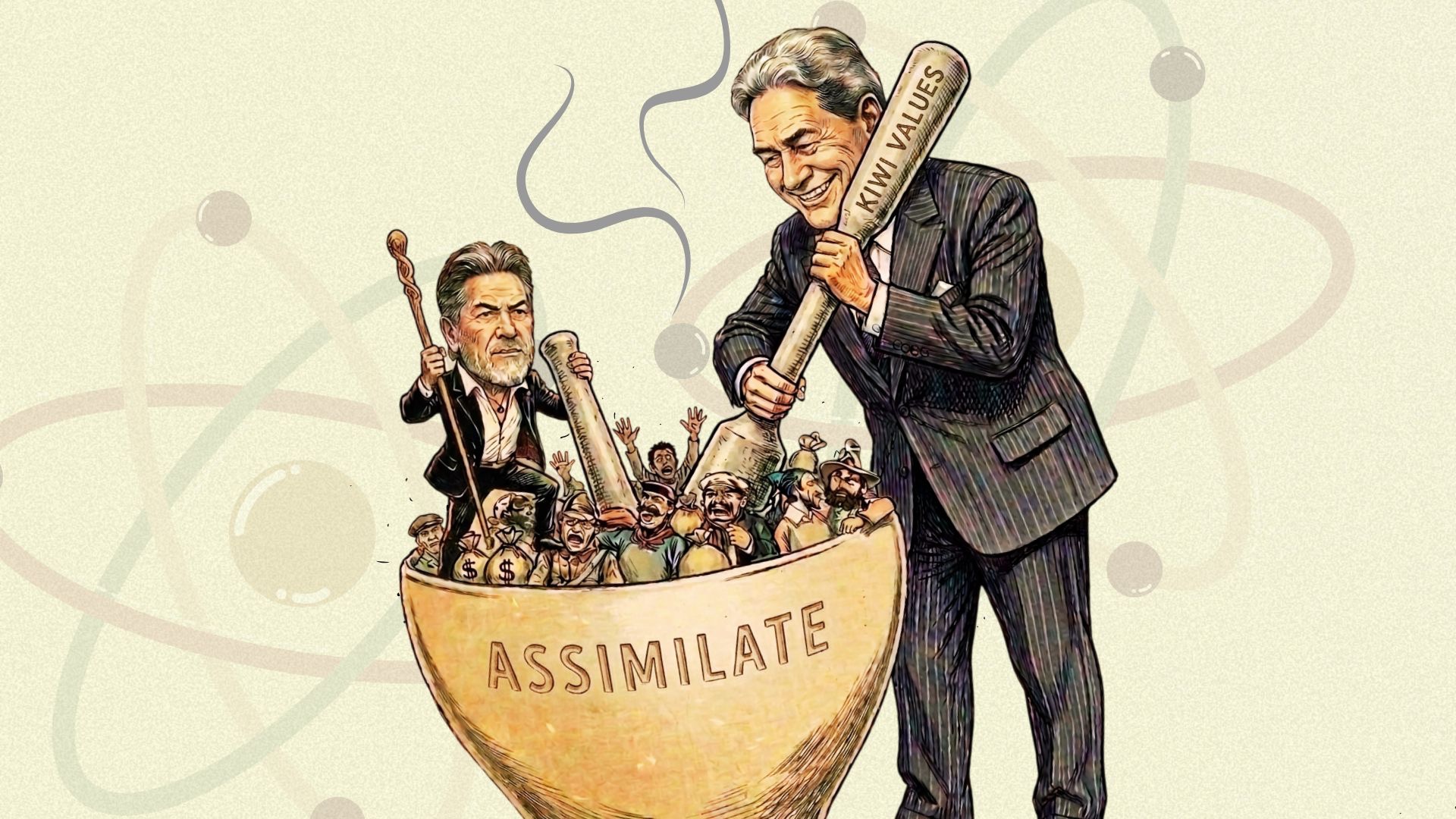
The debate is often presented as if one side supports democracy and the other weakens it. The history is less convenient. There are two competing democratic principles at work.
One says self-government belongs to formal citizens. On this view, citizenship marks allegiance, membership and commitment, and those who want political rights should naturalise.
The other says people who are subject to the same laws and political authority should have a voice in choosing those who make those laws.
A related argument is that those whose lives and interests are affected by government decisions should be represented in selecting the government.
That makes Peters’ claim that citizenship-only voting is a “basic democratic principle” more contestable than his announcement suggests.
It is one democratic principle. New Zealand has historically chosen another.
Voting rights may also change how parties treat migrants
There is another dimension to the debate that is especially relevant in 2026.
McMillan’s paper asks not only whether migrant voting changes migrants, but whether it changes political parties.
The argument is straightforward. In a country where migrants cannot vote, politicians have less reason to take their interests into account and more room to use anti-immigrant rhetoric for electoral gain.
Where migrants are enfranchised, they become potential voters whom parties have an incentive to persuade.
McMillan found New Zealand’s experience with anti-immigrant electoral politics comparatively mild by international standards.
She identified New Zealand First as the party that had most consistently raised immigration as an election issue, while the major parties generally challenged anti-immigration rhetoric and competed for migrant votes instead.
Her conclusion was cautious, not absolute. Enfranchising non-citizens “may help explain” comparatively low levels of anti-immigrant rhetoric during election periods.
That raises an uncomfortable contemporary question. If migrant residents are removed from the electorate, does politics also lose one of the incentives for parties to speak to them rather than about them?
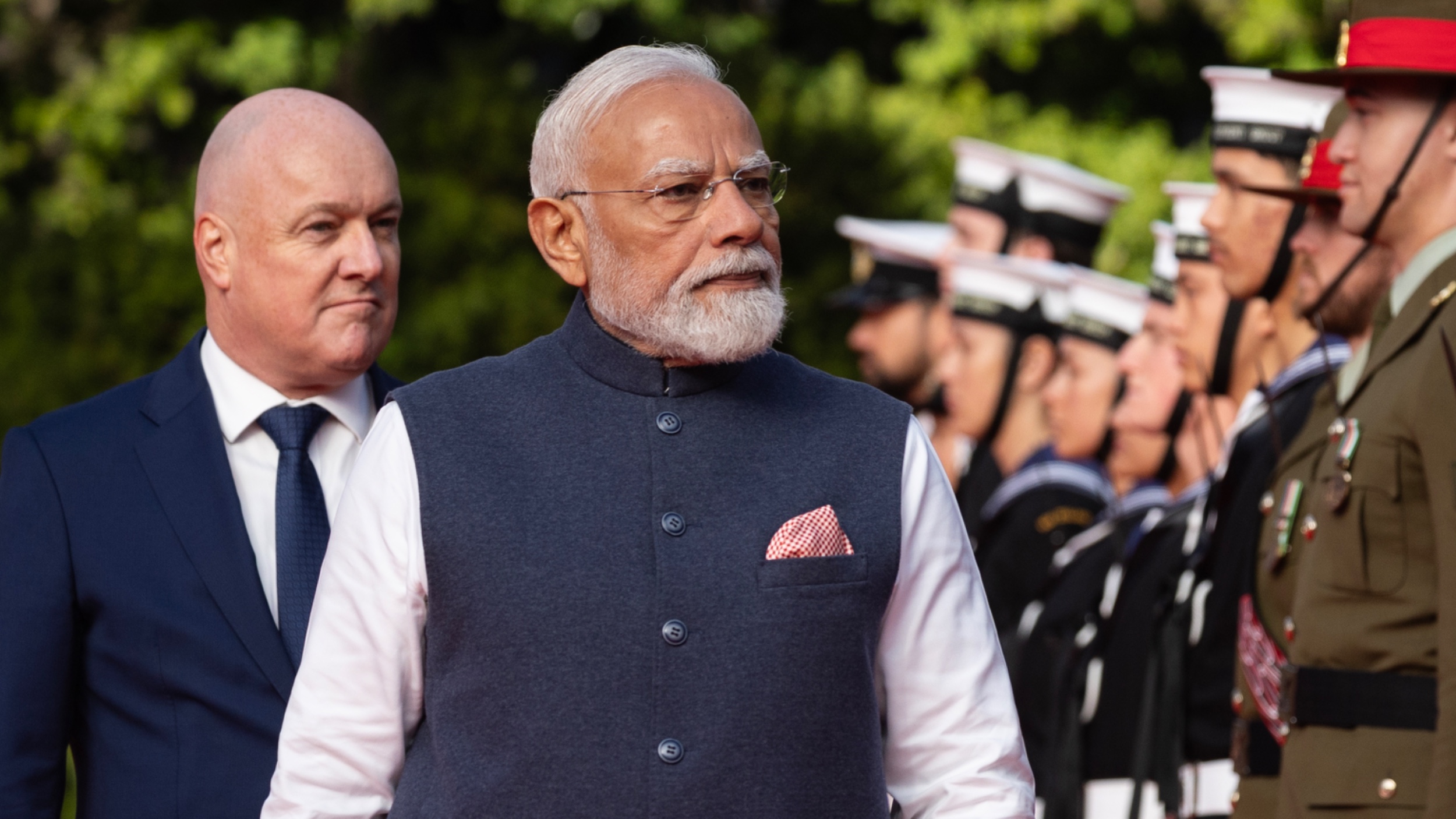
The question has particular force in an election year in which immigration has again become a major political fault line, and in which Peters has also opposed the India free trade agreement while warning it could lead to significantly more migration.
The feared consequences were largely unrealised
The case against non-citizen voting is not confined to questions of allegiance.
McMillan reviews a wider set of concerns. Foreign governments, for one, could seek to influence expatriate voters. Immigrant minorities could establish ethnic or single-issue parties. Existing political power balances could be disrupted. Access to voting without citizenship could weaken incentives to naturalise.
Her review of the New Zealand evidence was largely reassuring. The available data suggested non-citizens enrolled and voted at lower rates than citizens, making claims of disproportionate political influence harder to sustain.
Despite MMP, high immigration and the concentration of migrant communities in some electorates, explicitly immigrant or ethnic minority parties had repeatedly failed to win parliamentary representation.
McMillan argued that migrant communities were themselves too internally diverse to be treated as a single political bloc, and that many continued to support the major parties.
Her overall conclusion was that the fears most commonly expressed about non-citizen voting were “largely unrealized” in the New Zealand context, though she repeatedly cautioned that more research was needed.
McMillan’s paper is not a 2026 study, and New Zealand’s demographic, geopolitical and political environment has changed. But the history remains difficult to ignore.