
MPs consider petition to review racial intimidation laws after anti-migrant rhetoric
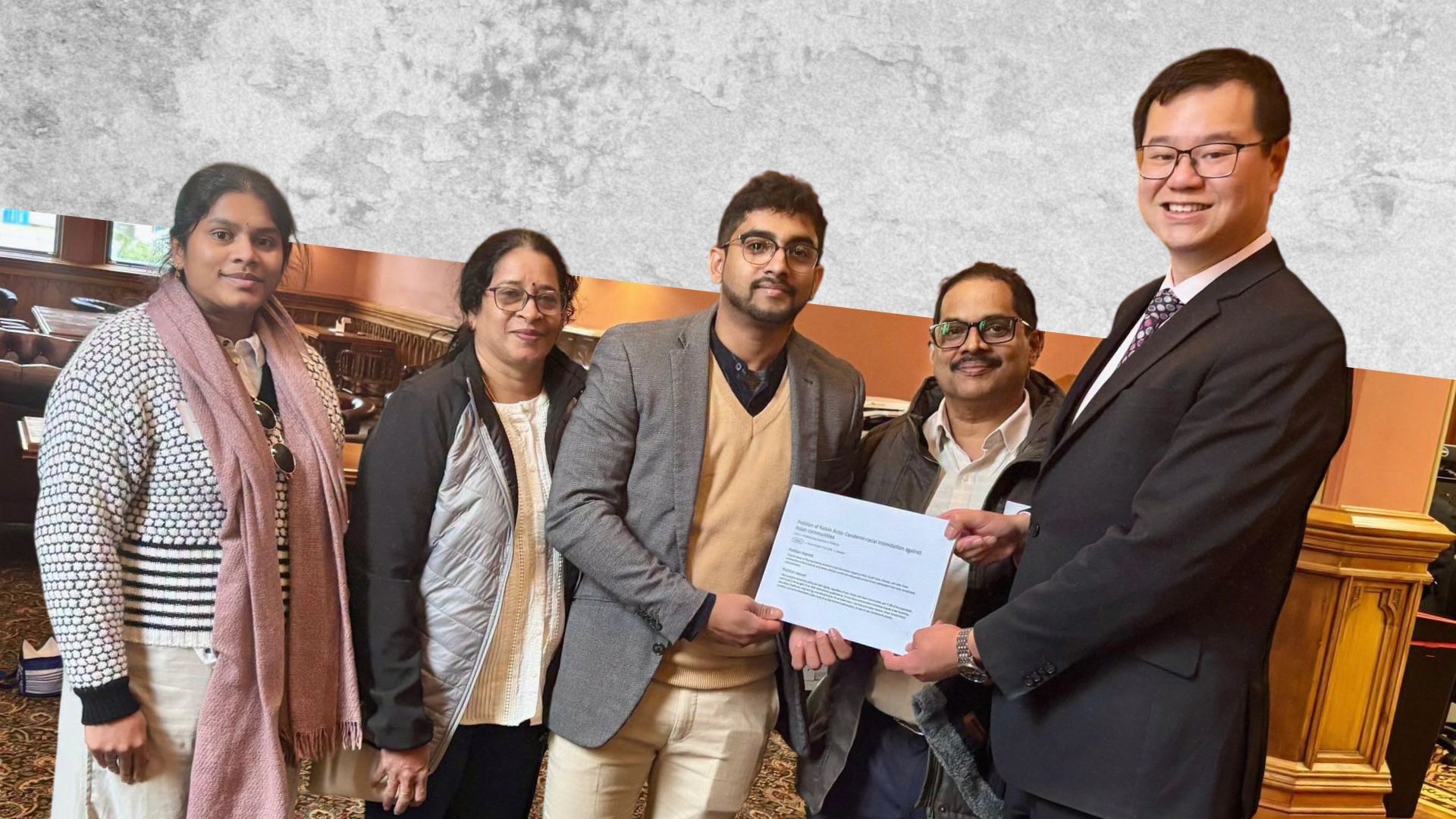
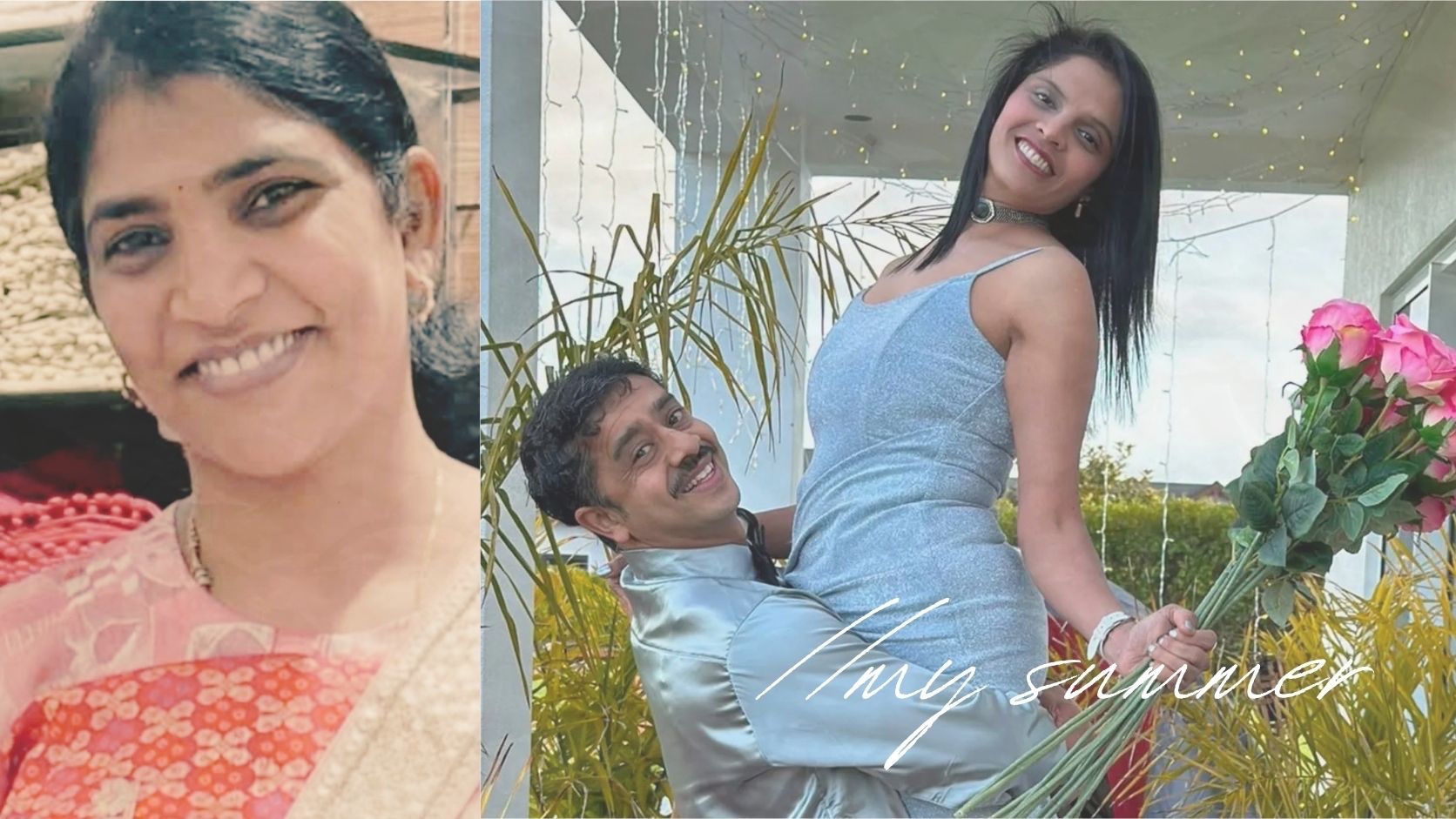
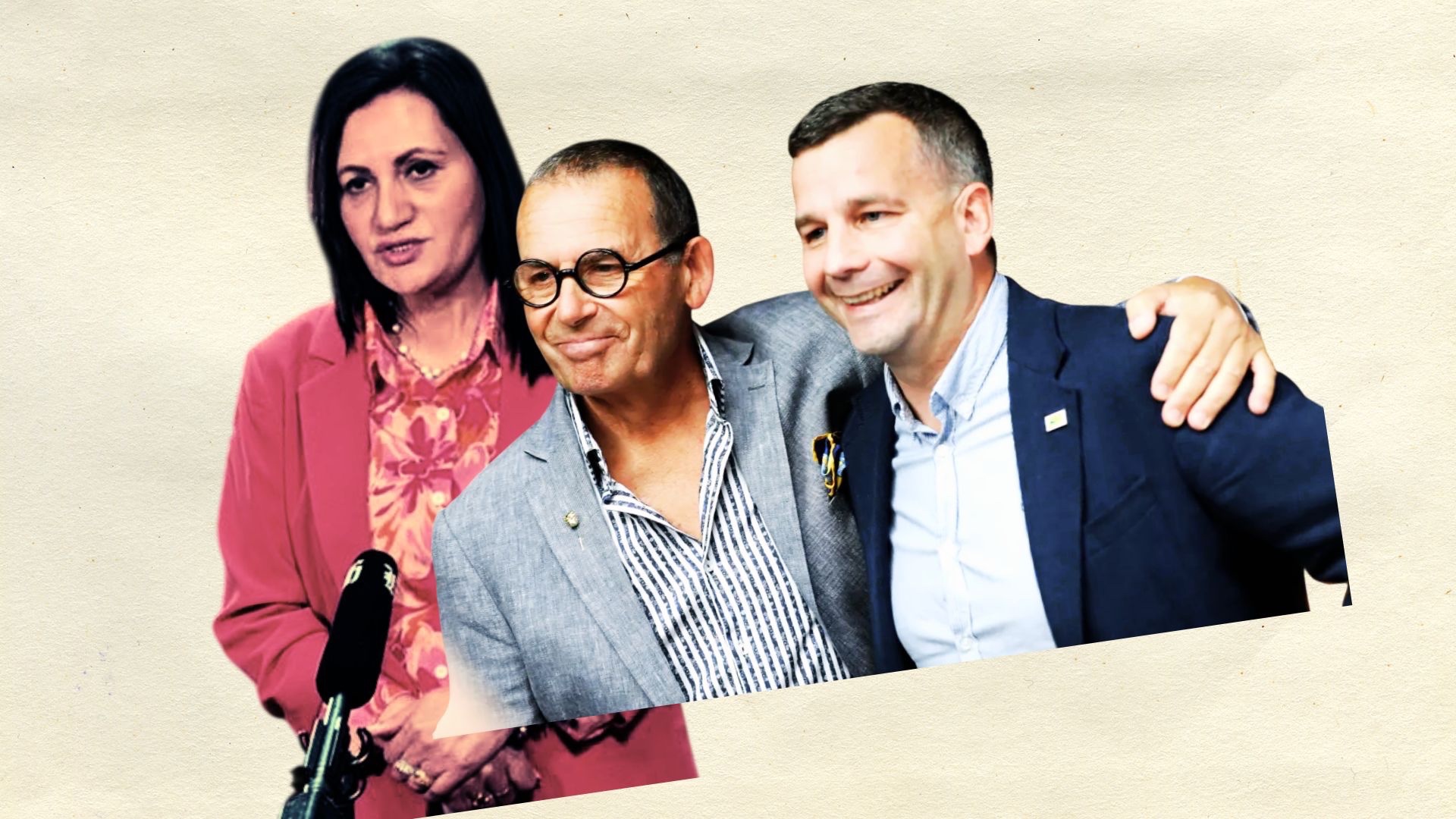
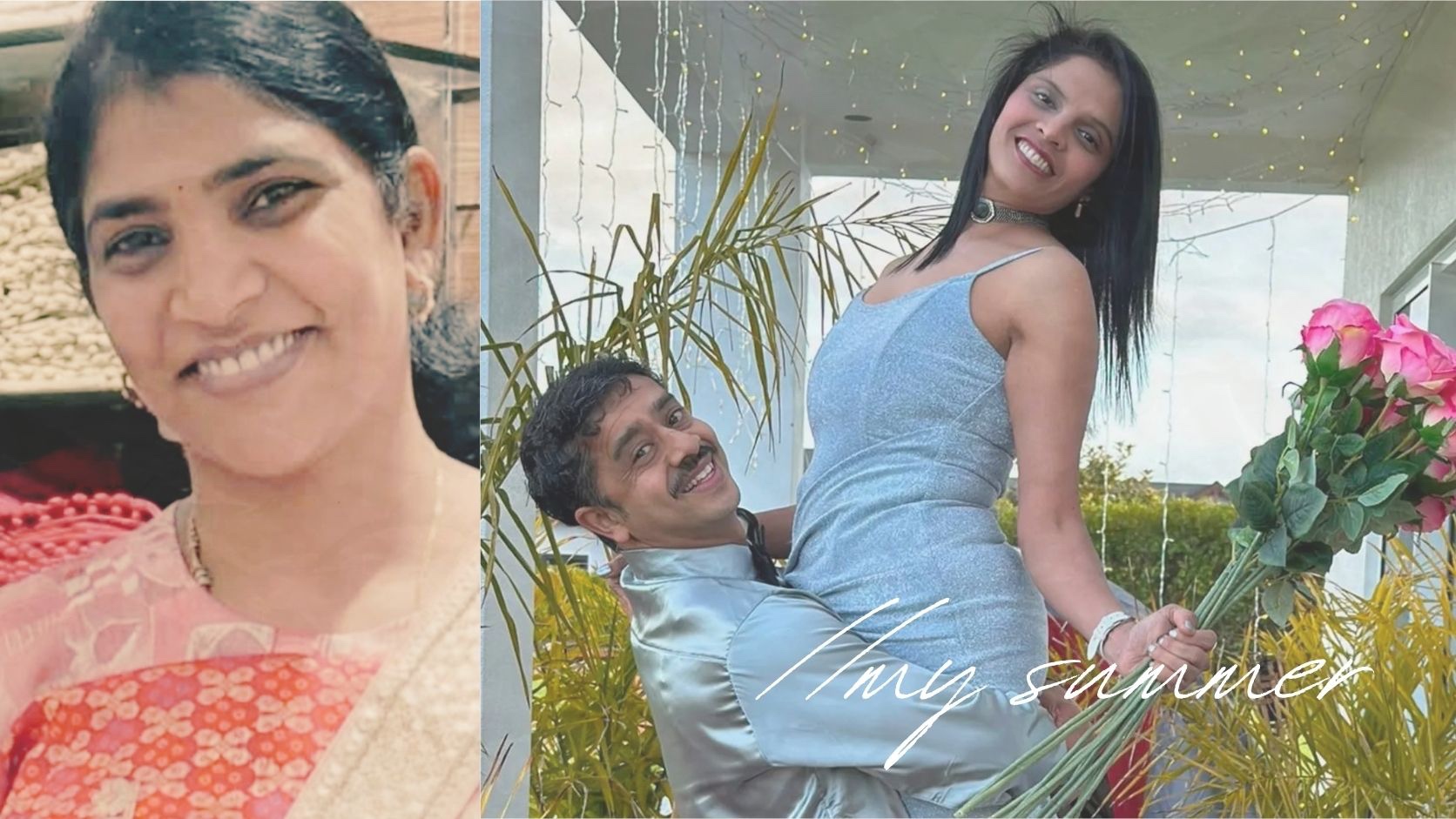
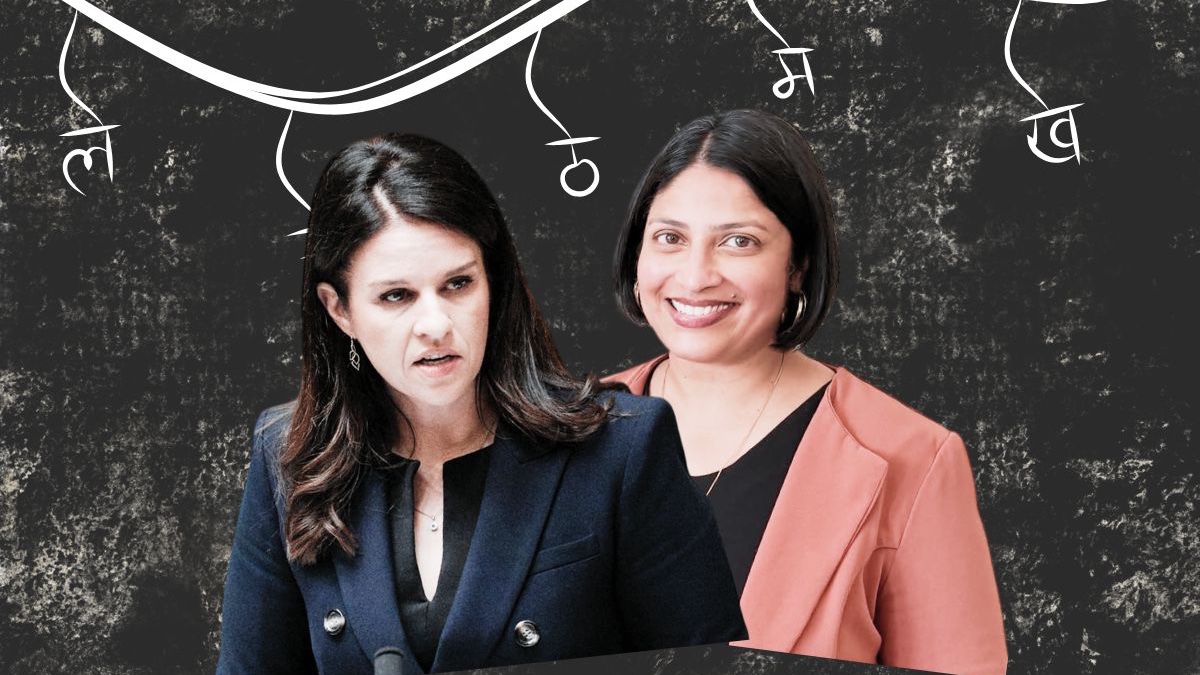
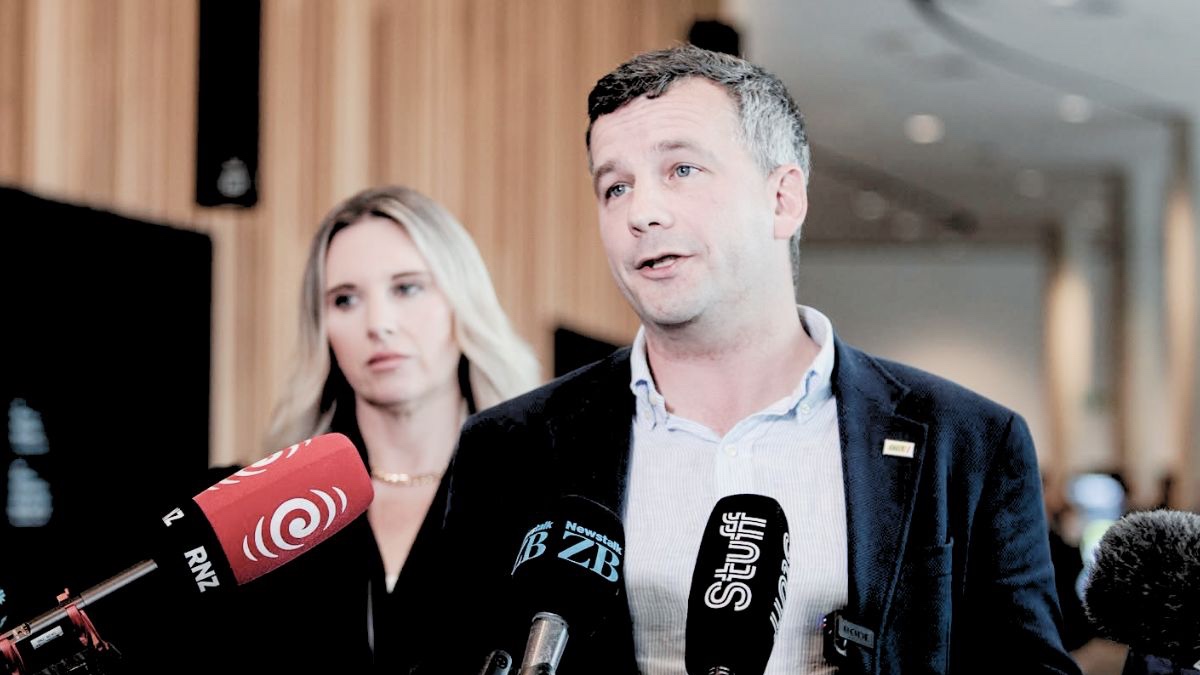
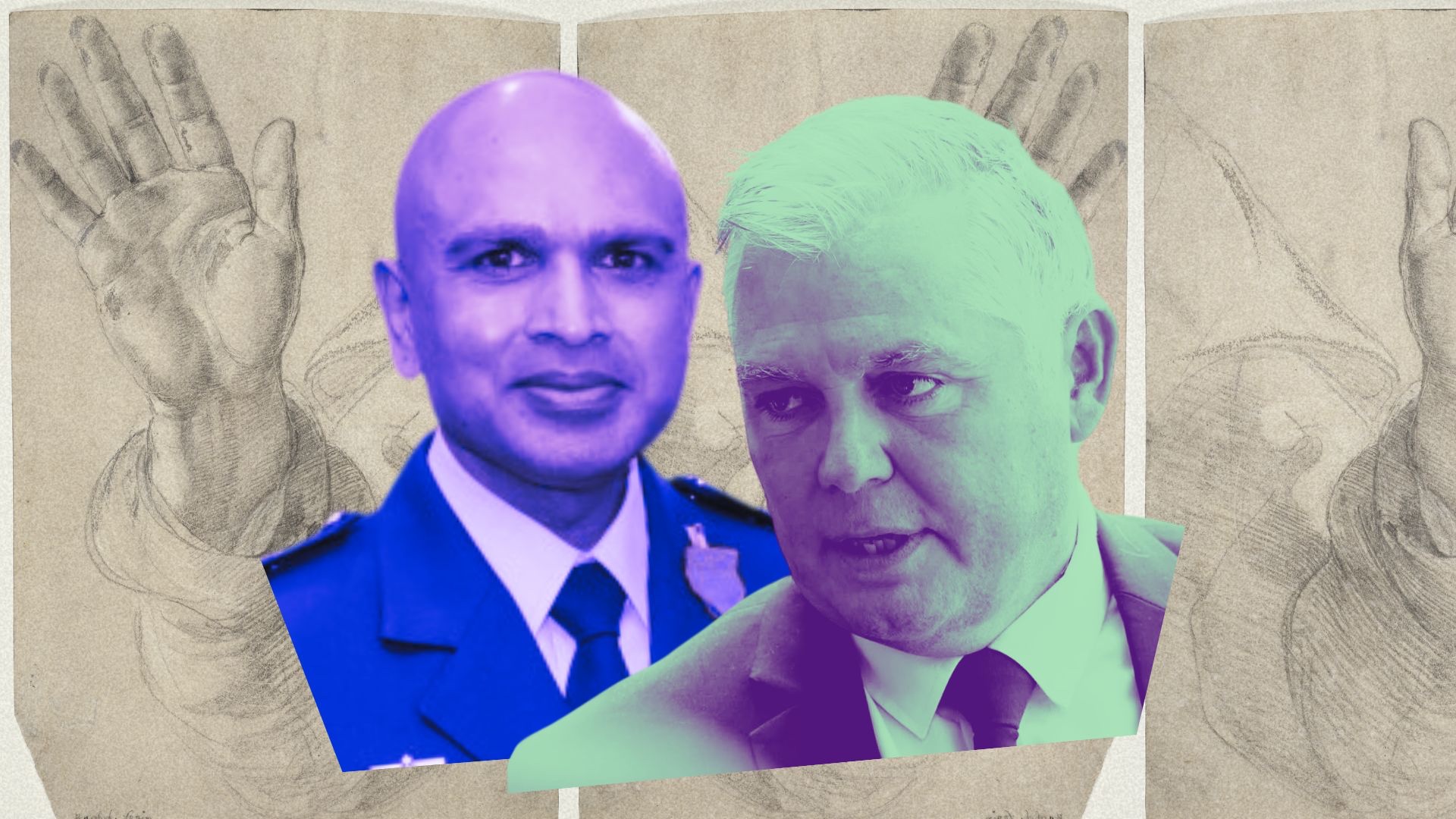
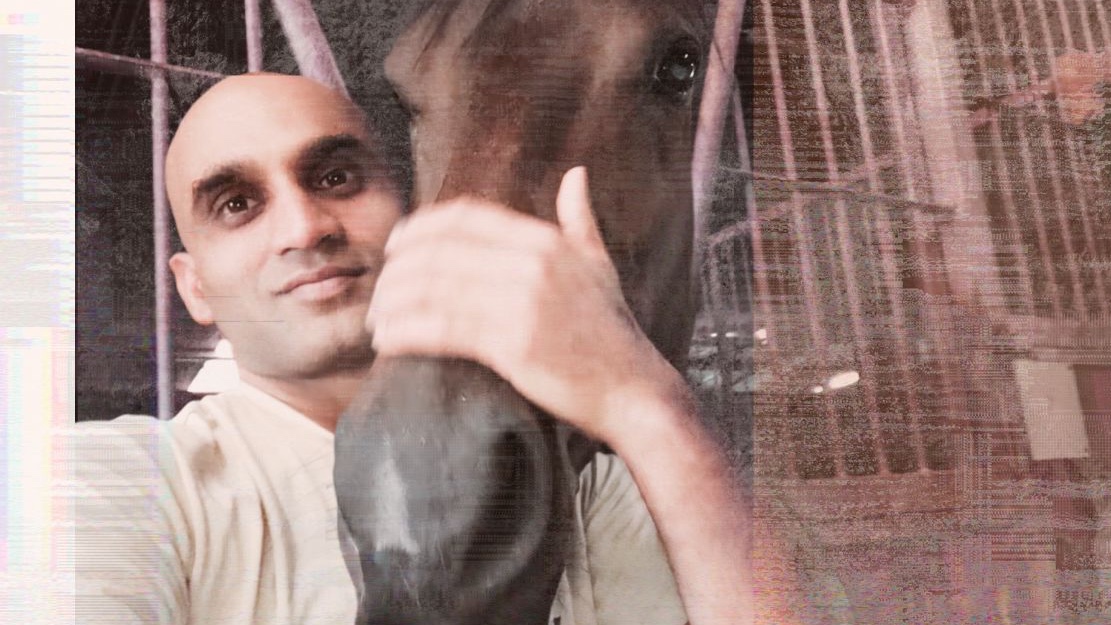
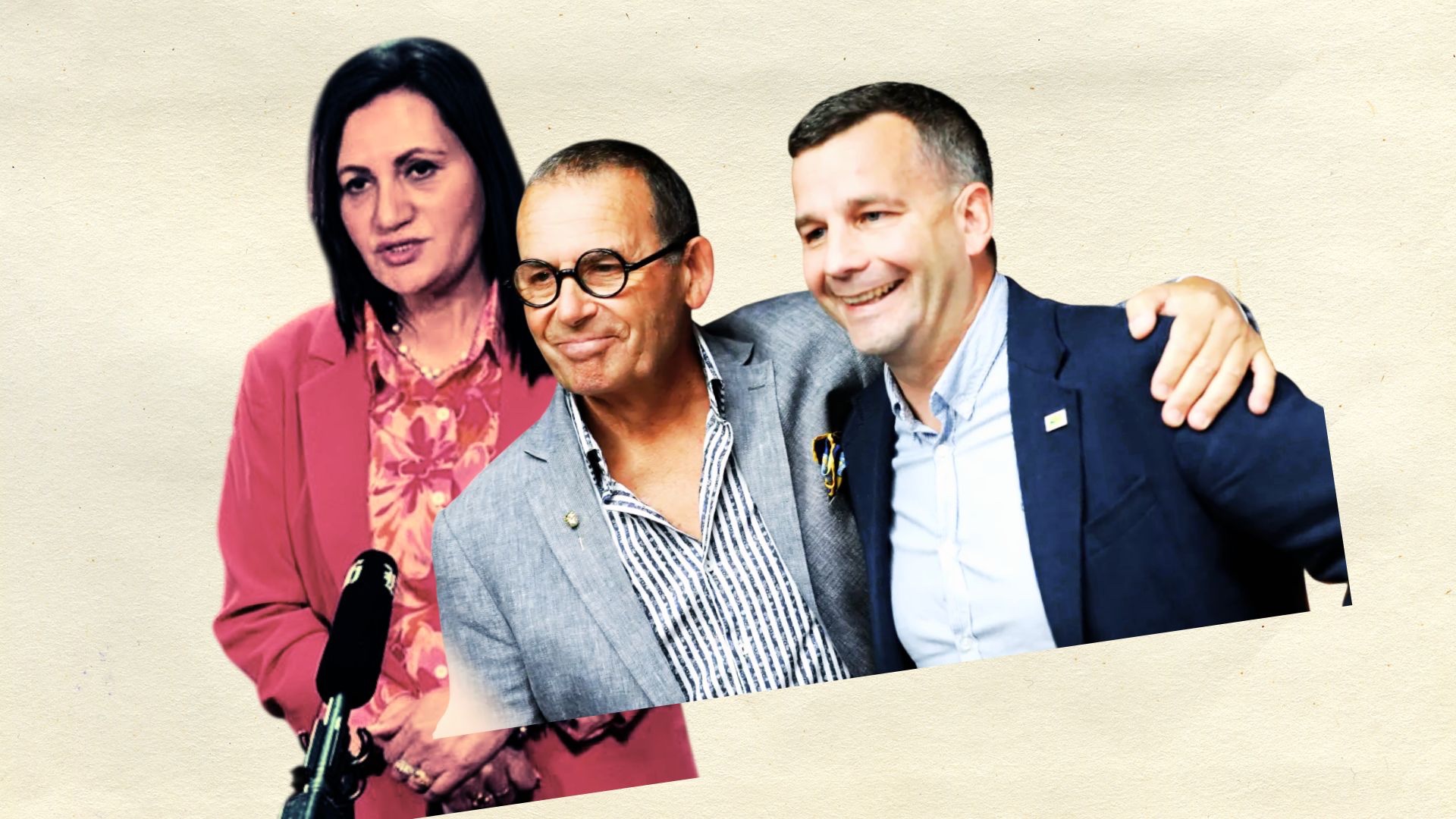
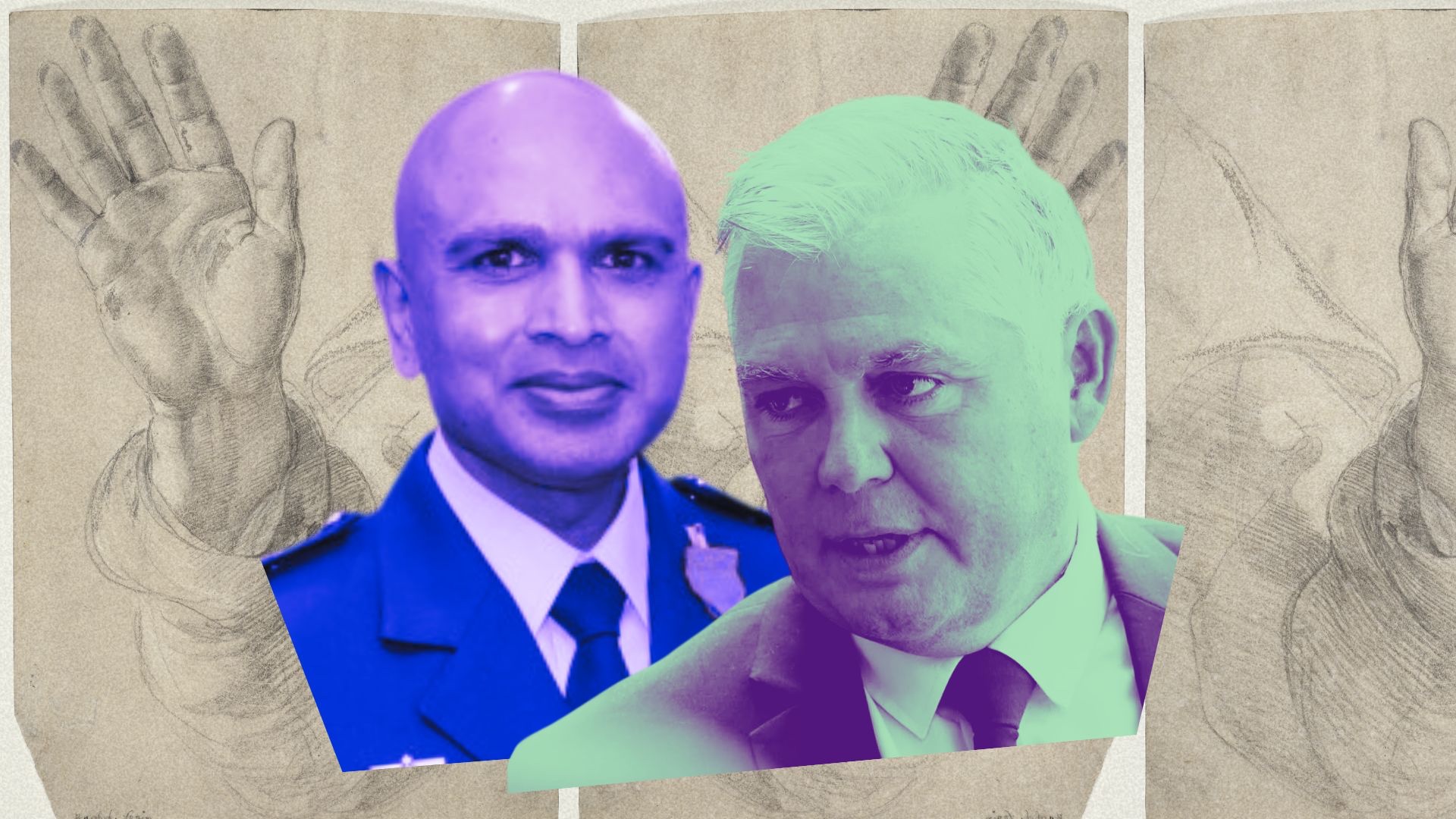
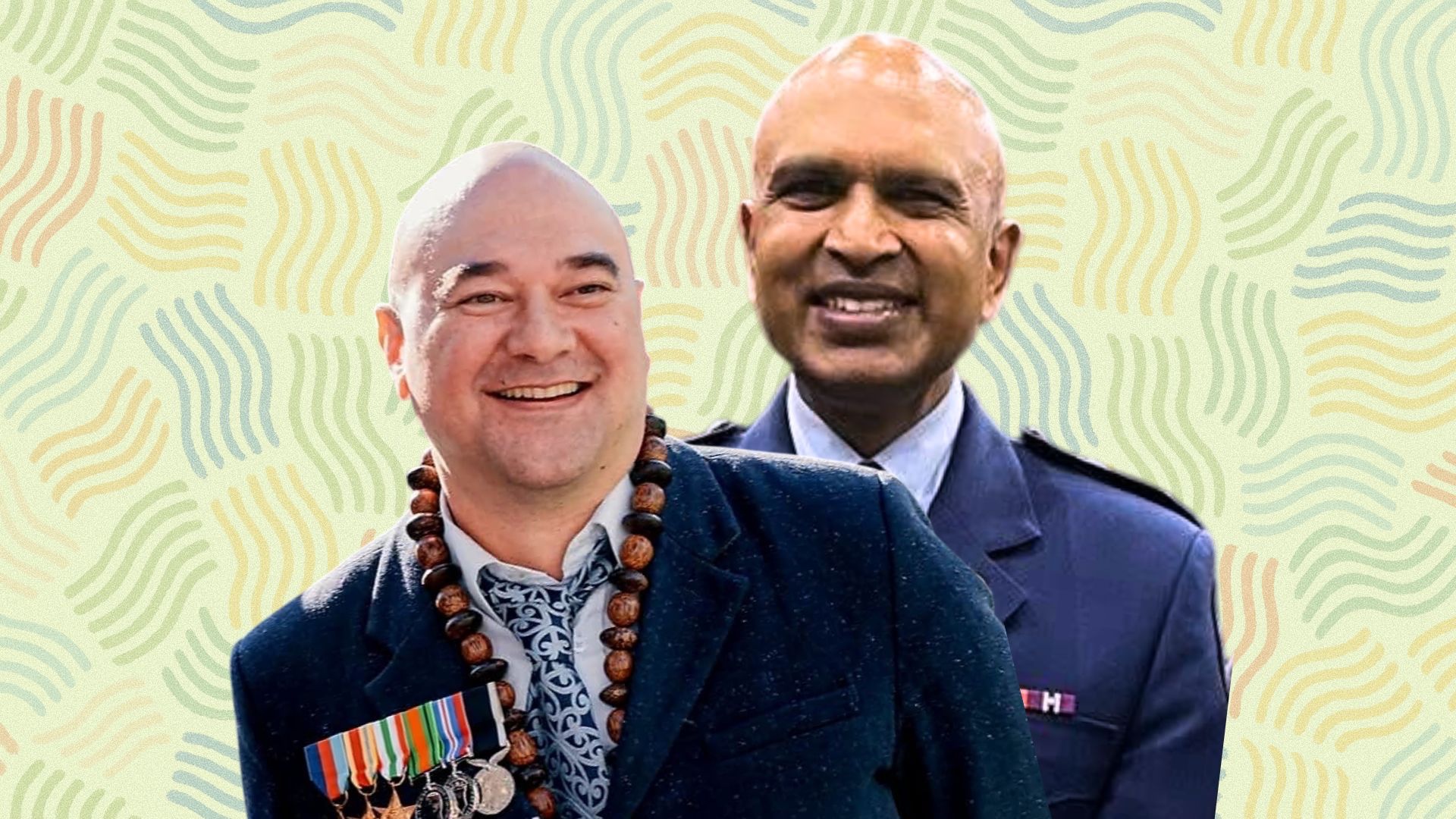
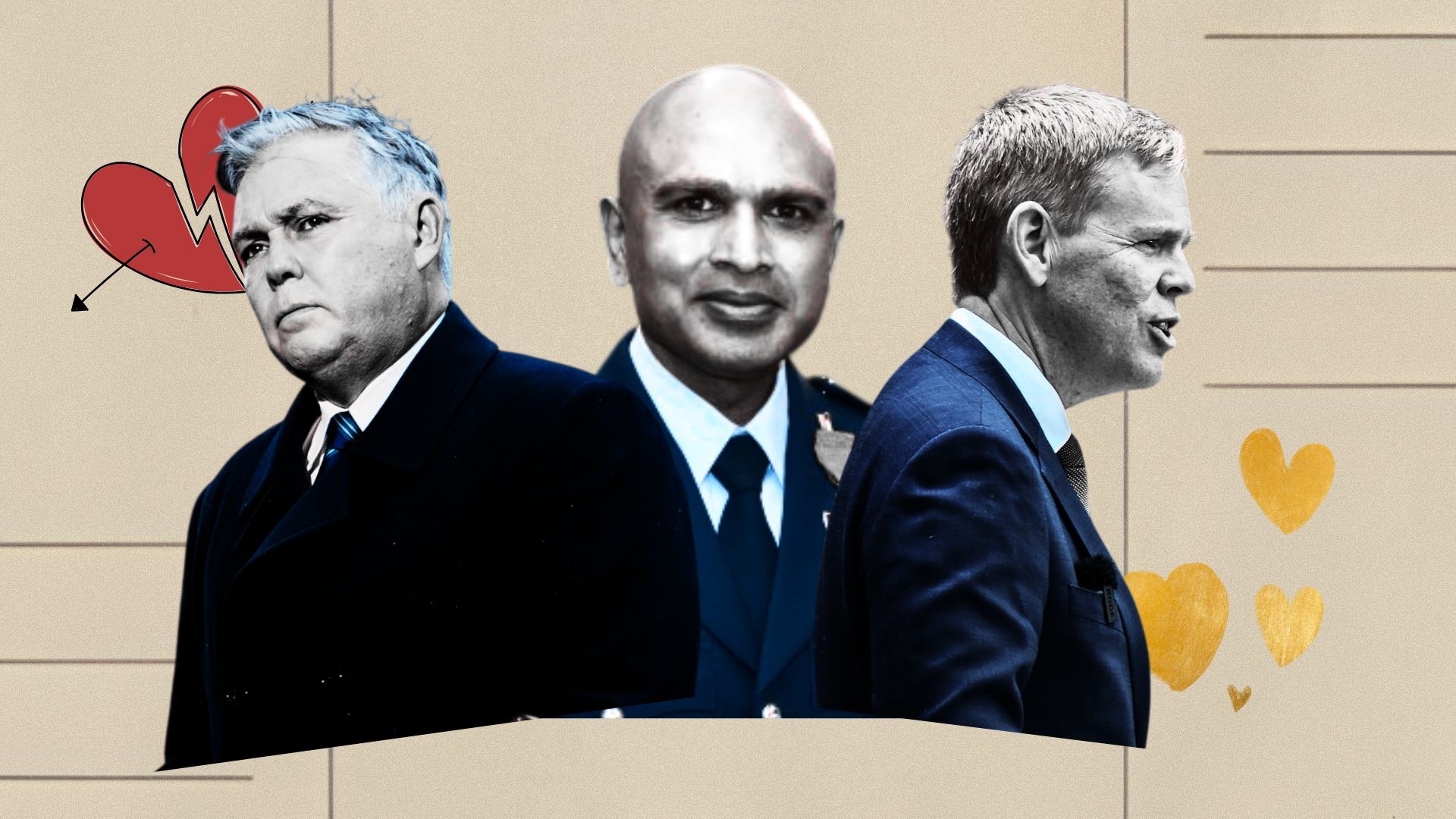
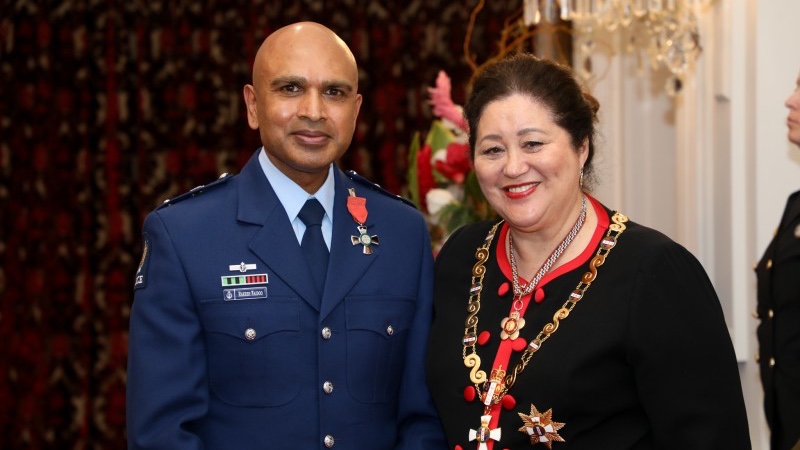
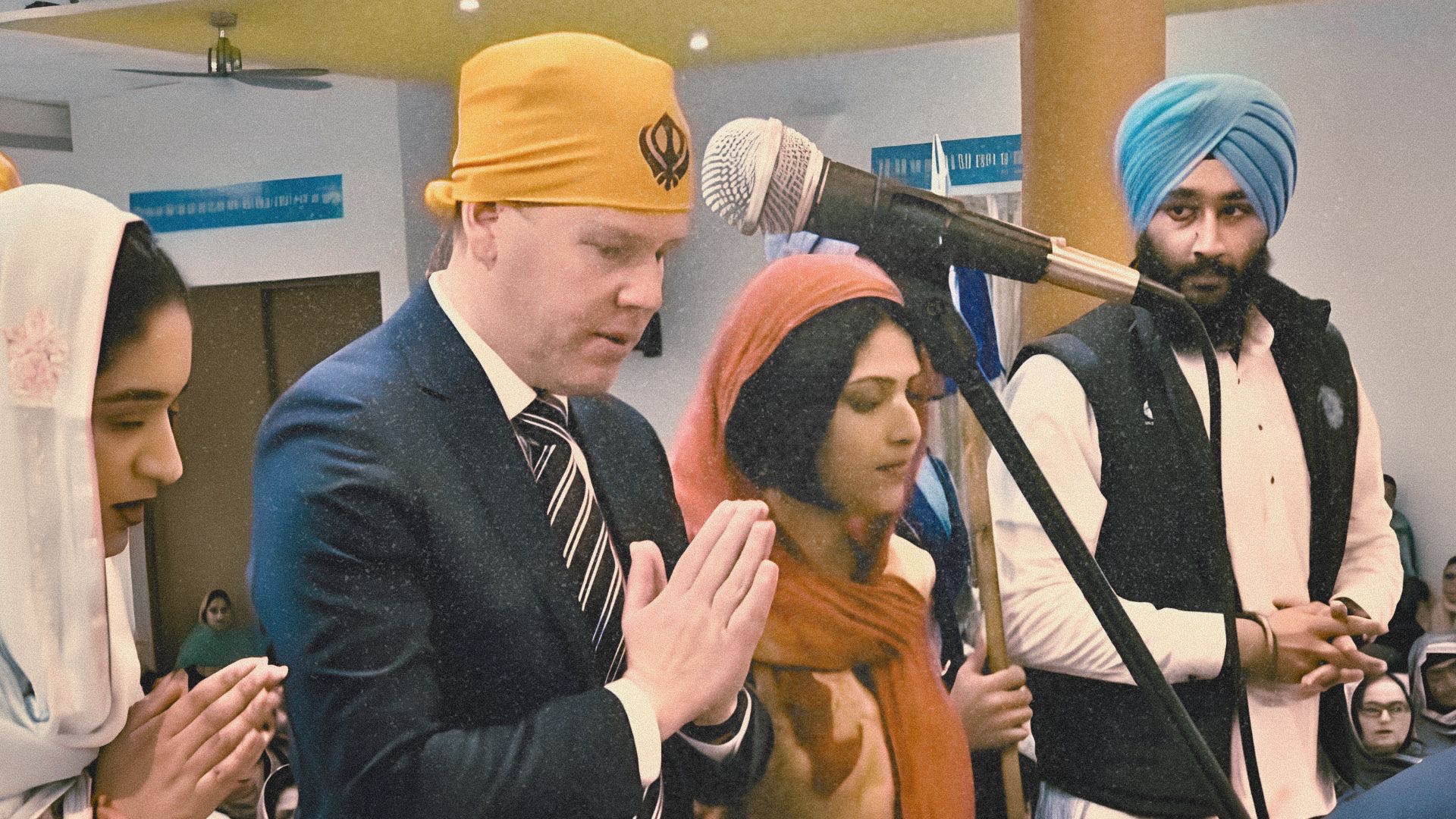
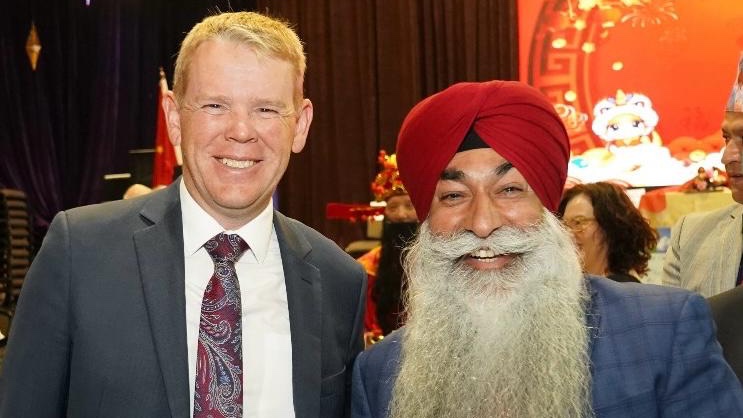
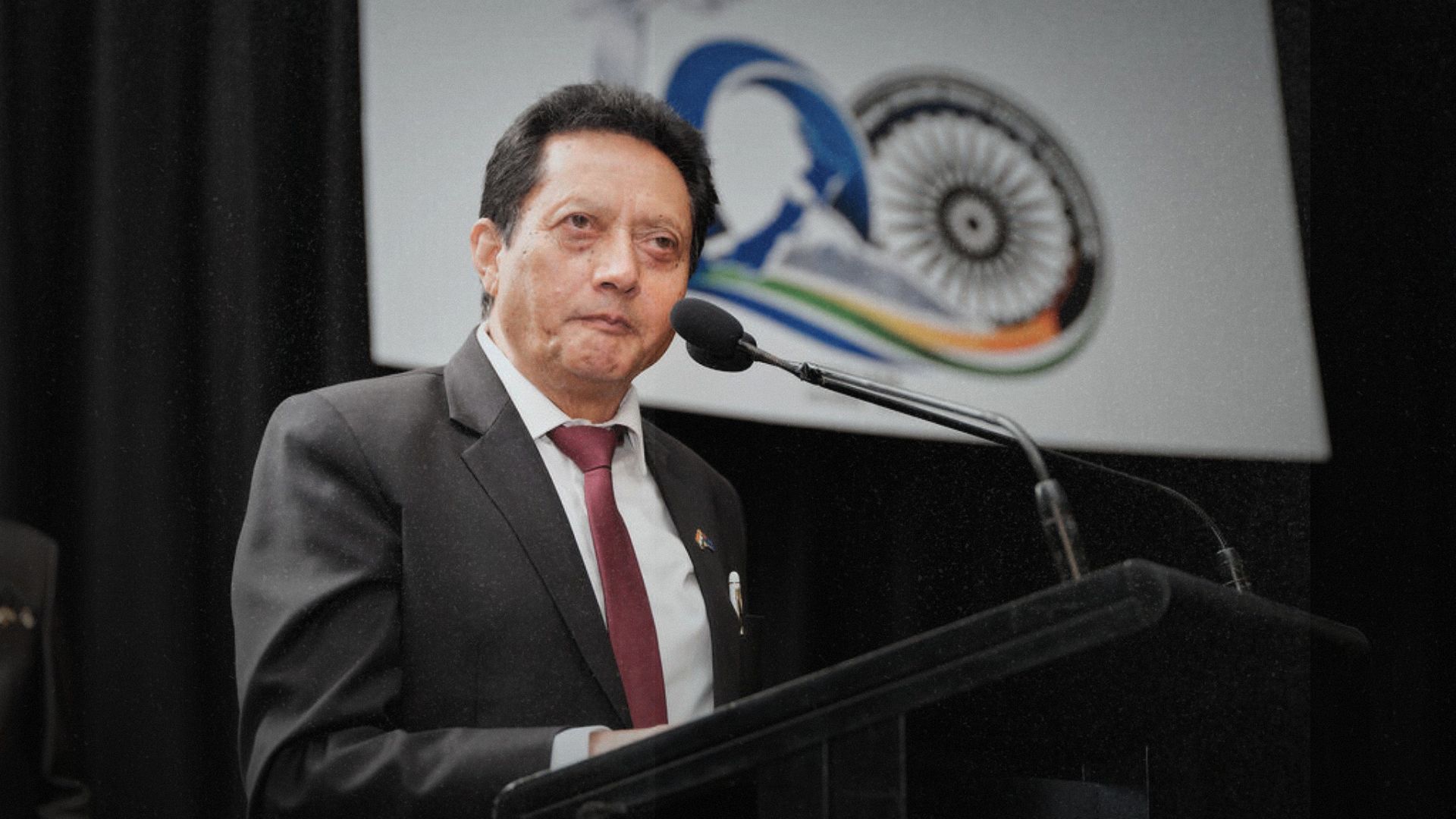
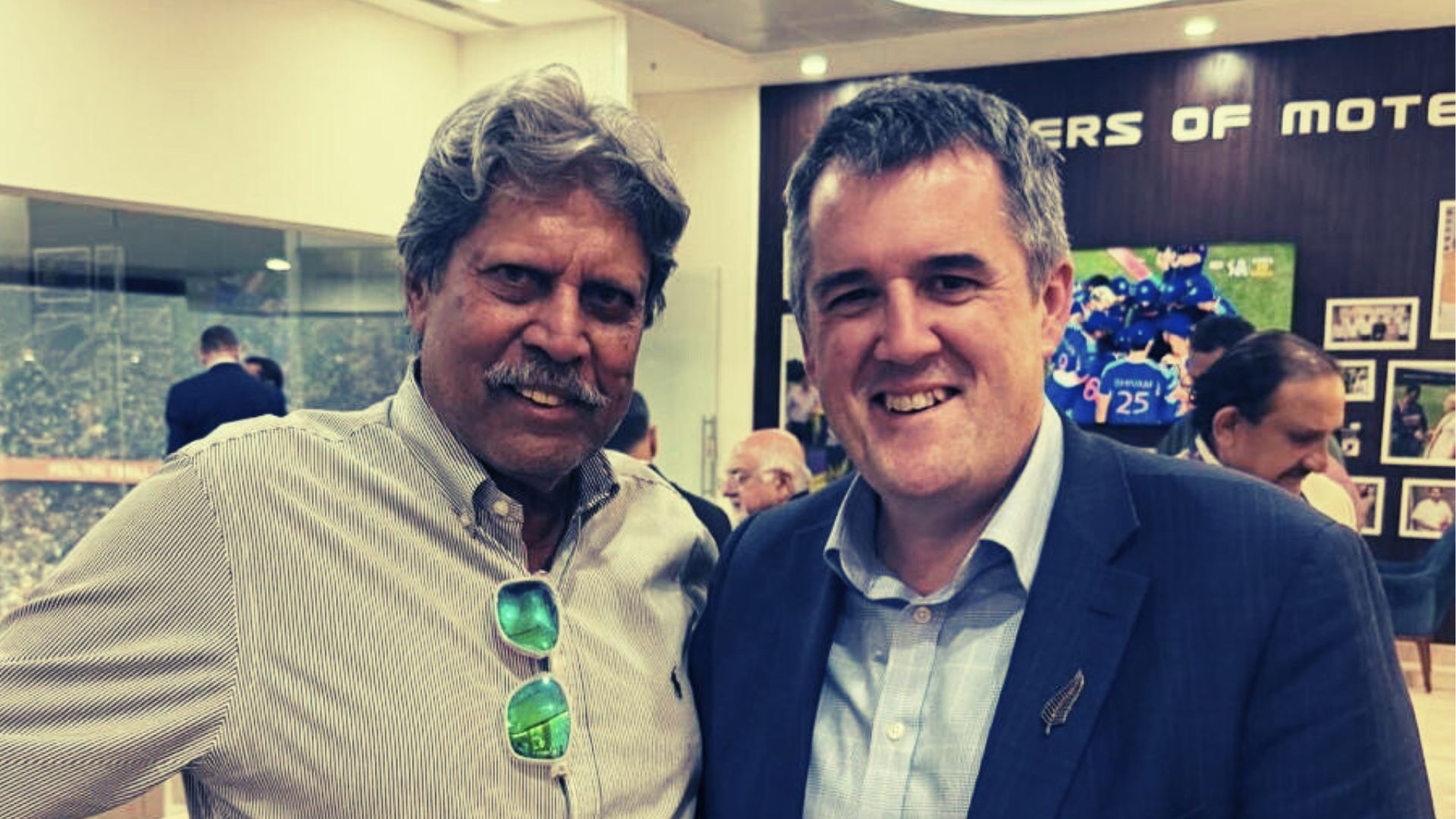
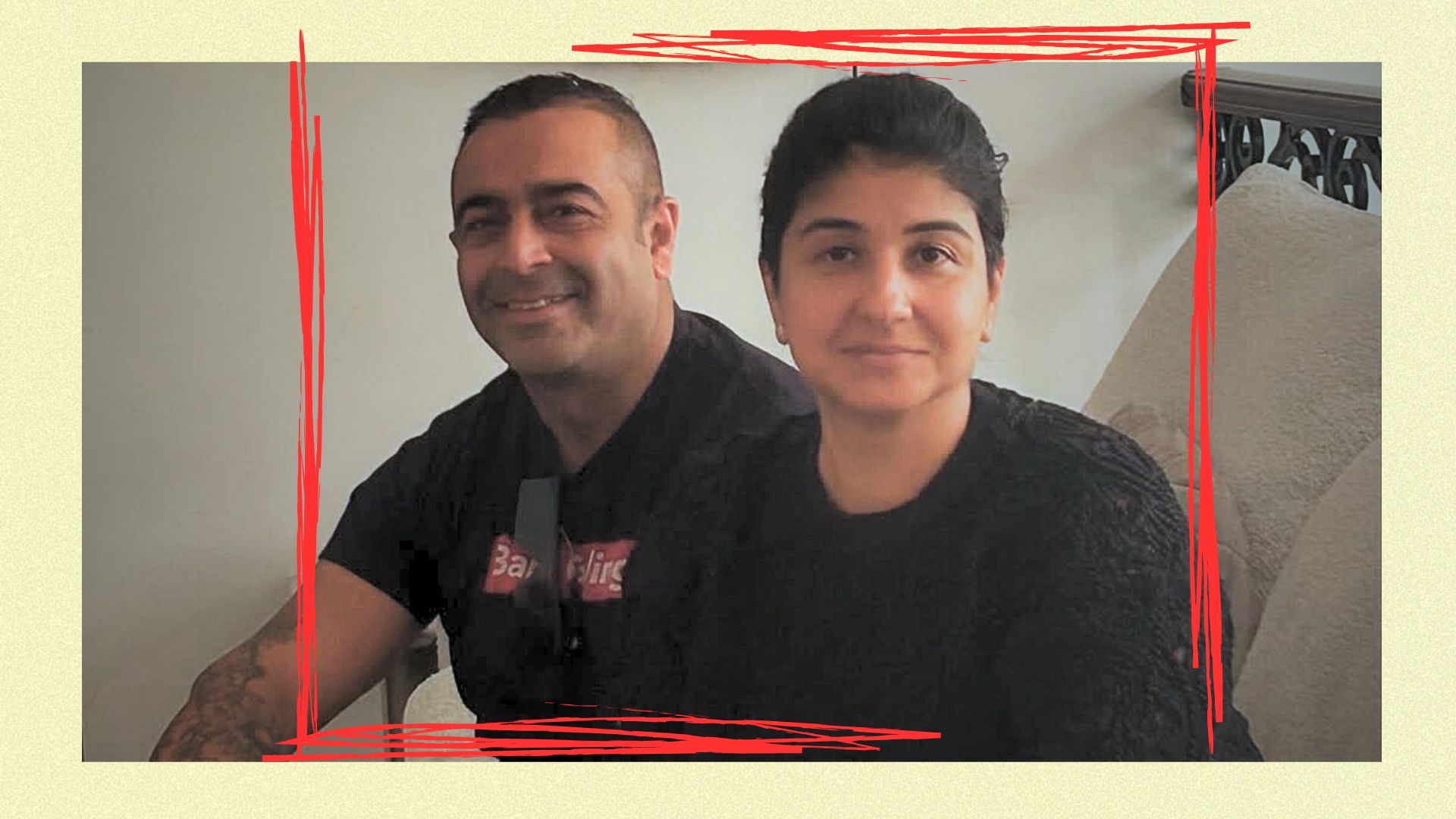
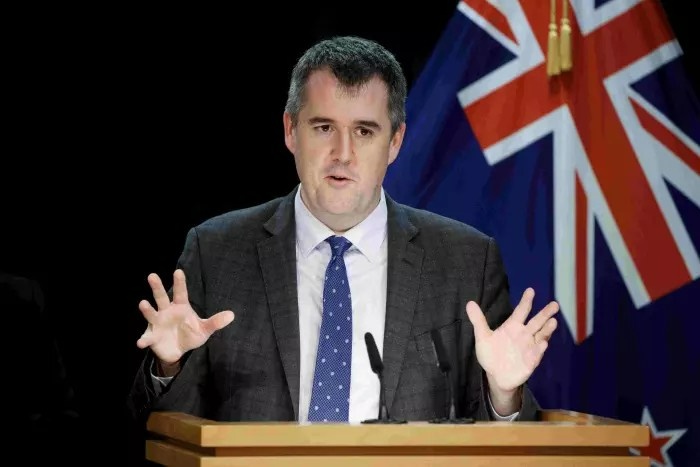
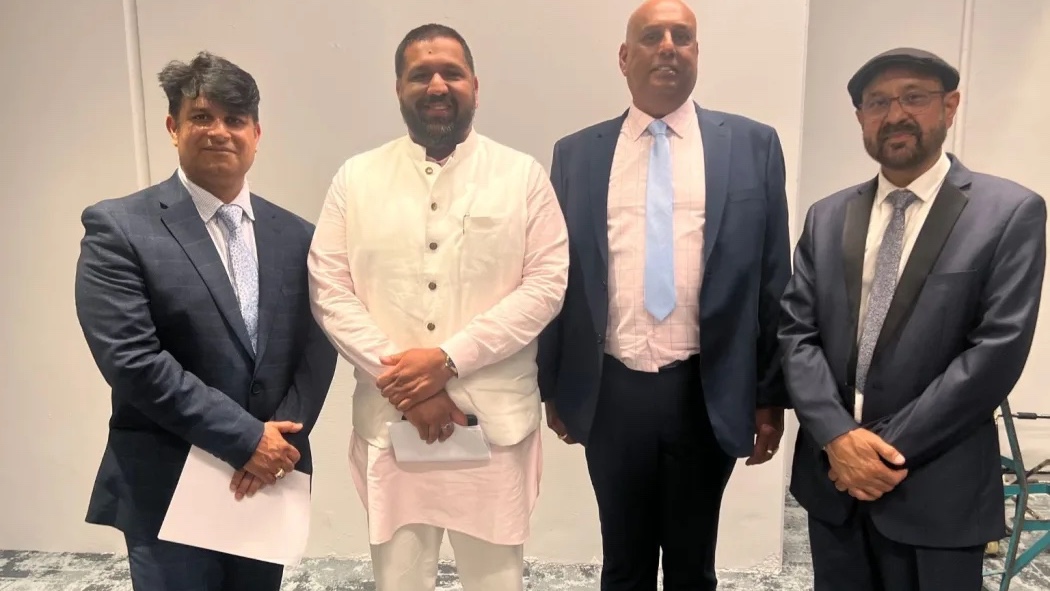
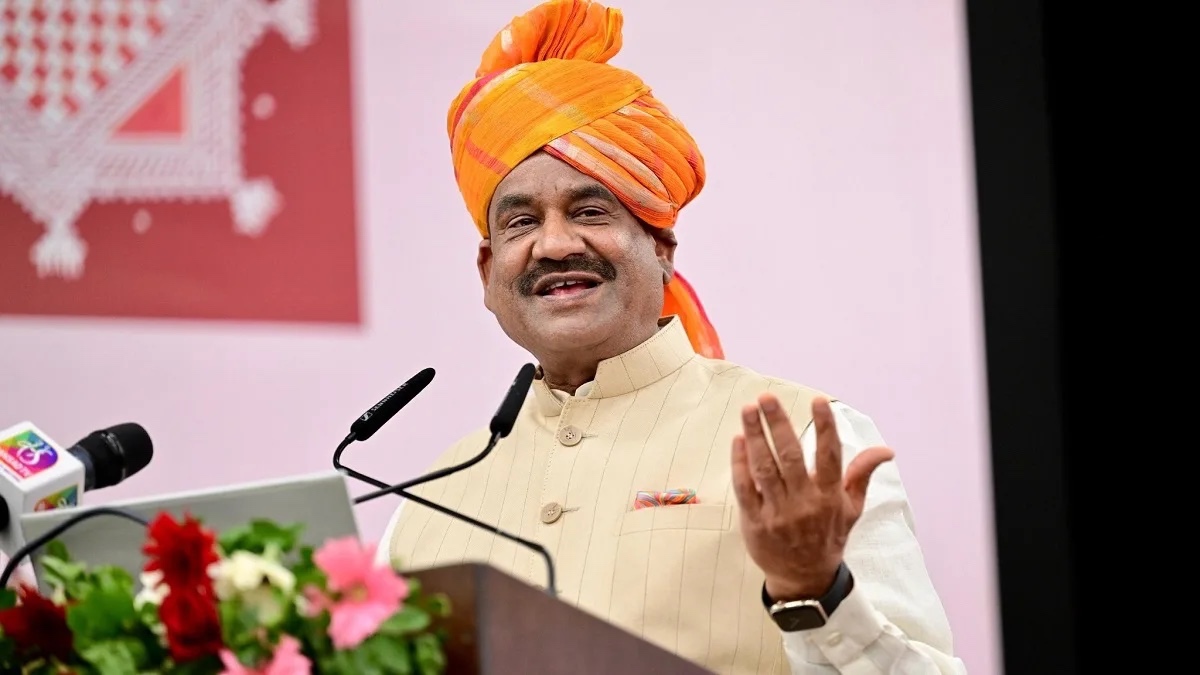
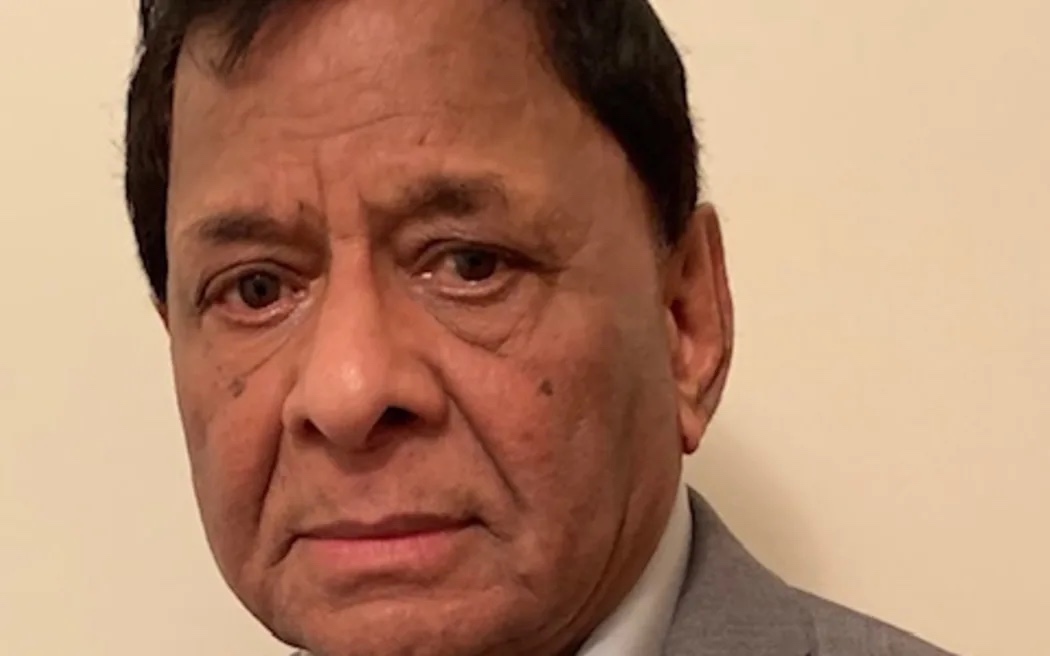
Kelvin Anto and National Party MP Carlos Cheung at Parliament on June 23, 2026. (Supplied photo)
The petition is also asking Parliament to condemn racial intimidation against Indian, South Asian, Chinese and other Asian communities.
Analysis: A petition sparked by growing rhetoric against migrants has pushed the question of racial intimidation laws before Parliament, asking MPs to review whether current protections are strong enough to deal with hate, harassment and incitement.
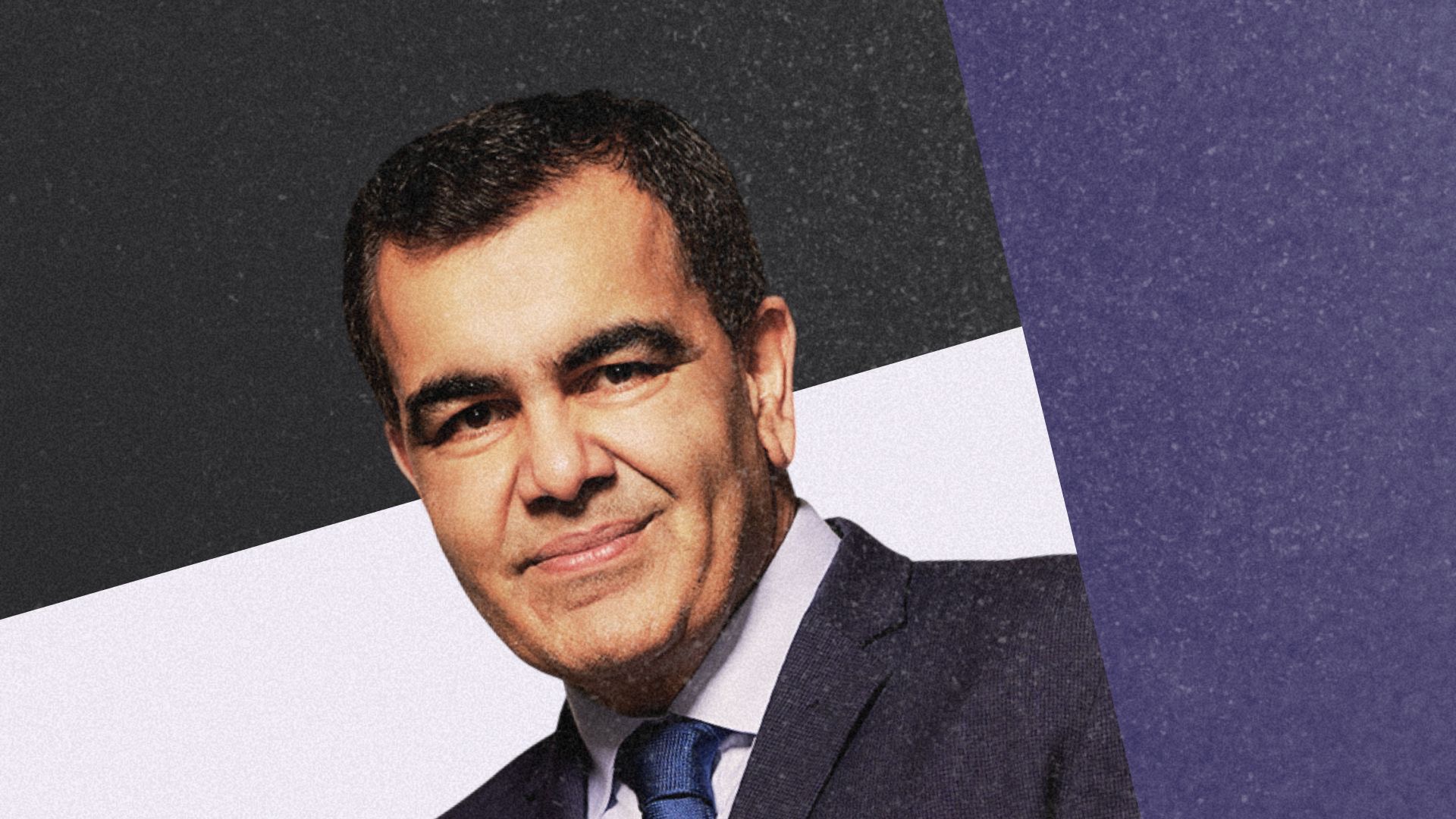
The petition by Kelvin Anto was presented to the Parliament earlier this week on June 23, 2026, calling on the House of Representatives to condemn racial intimidation against Indian, South Asian, Chinese and other Asian communities.
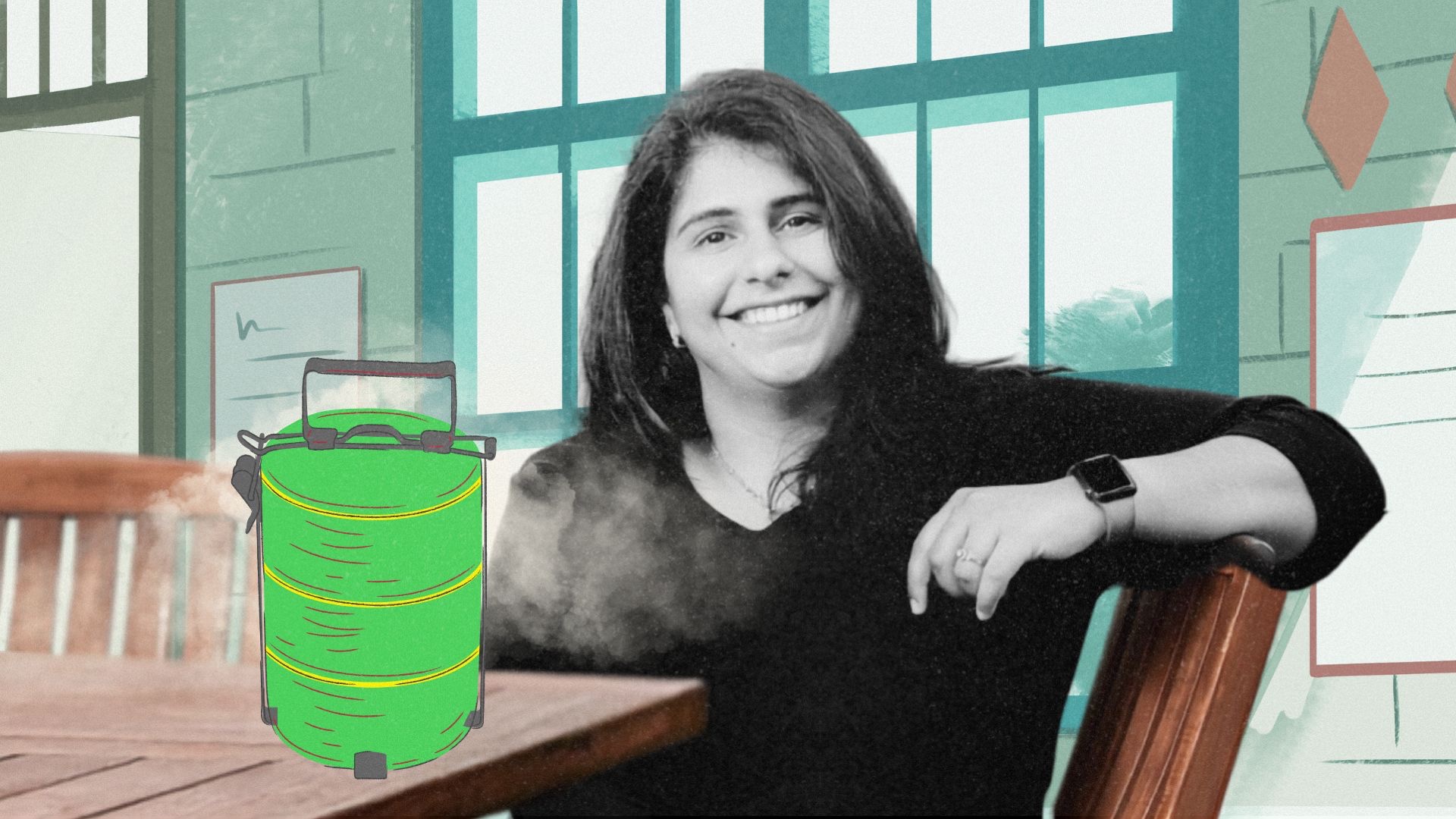
Anto is a chartered professional engineer who moved to New Zealand from India in 2017. The more substantive part of his petition is legal. It asks Parliament to review whether existing laws adequately protect communities from hate, harassment and incitement.
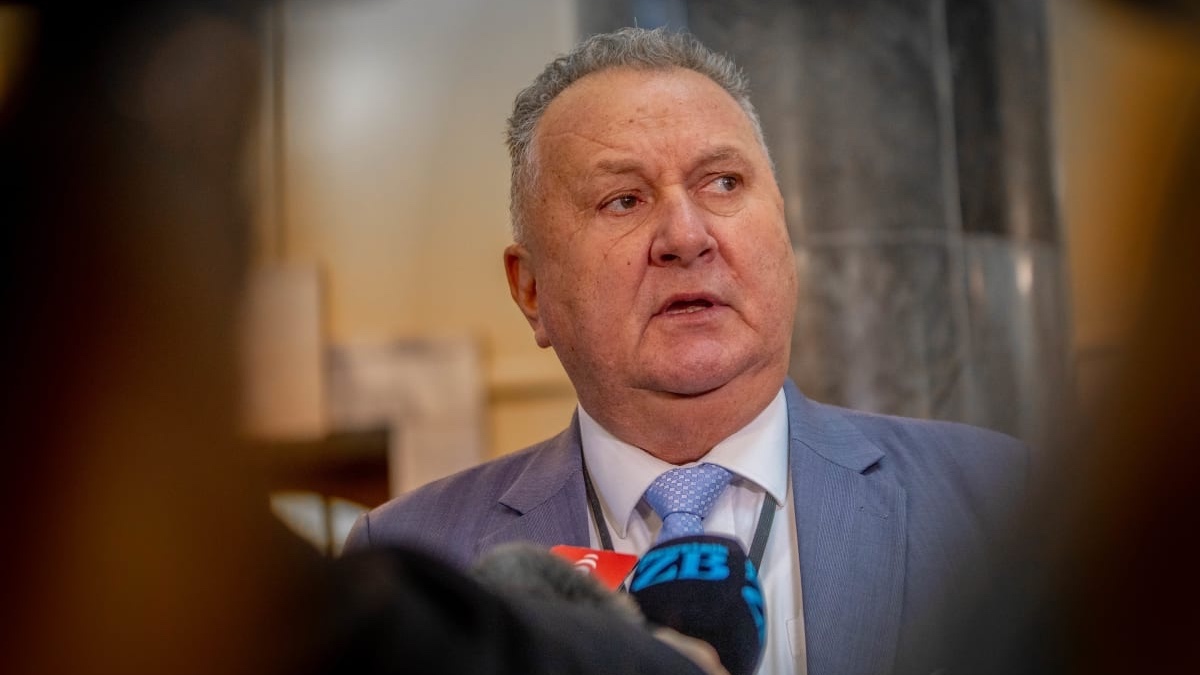
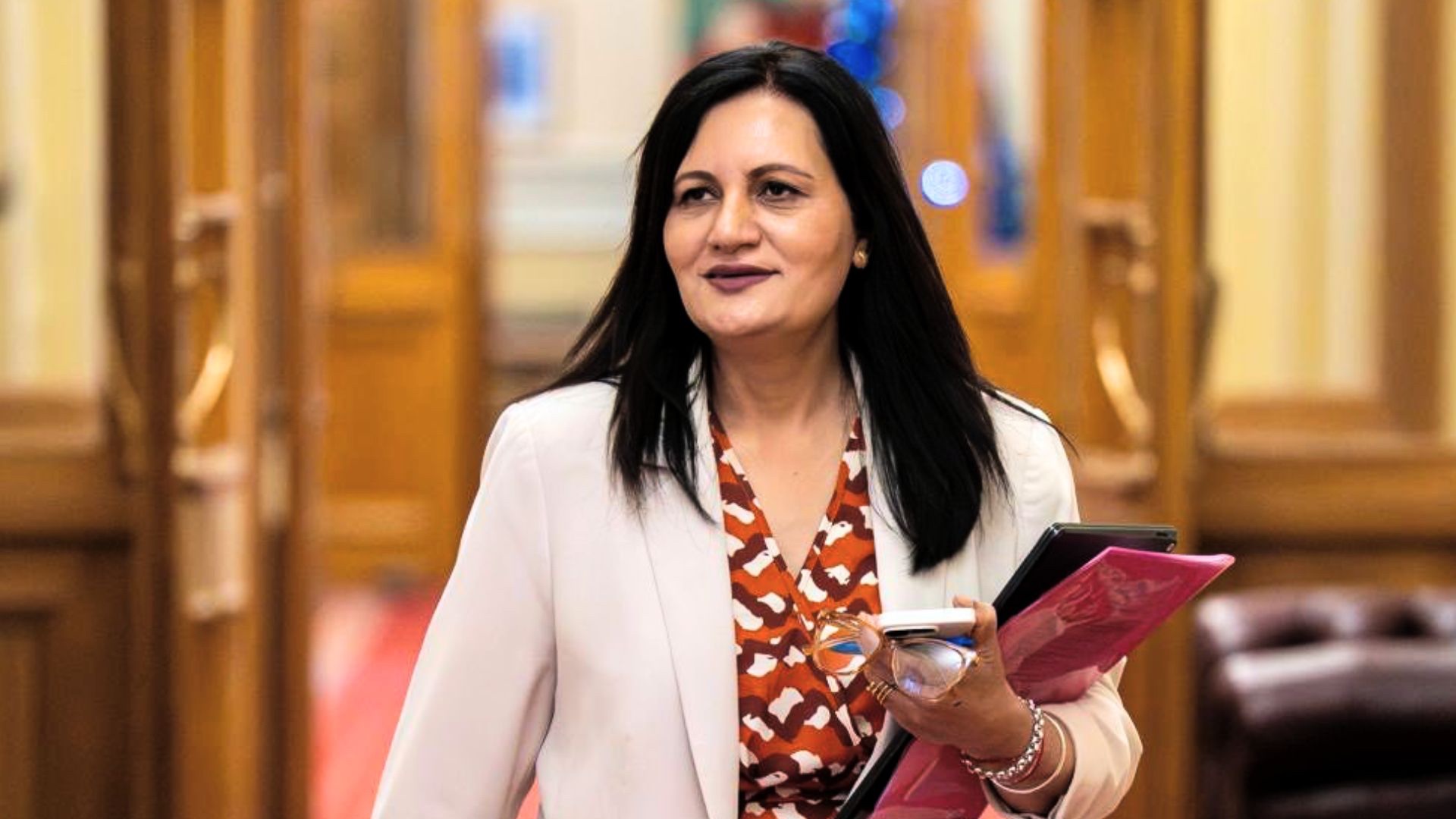
It reached Parliament's Petitions Committee after National MP from Mount Roskill Carlos Cheung officially presented it on Tuesday.
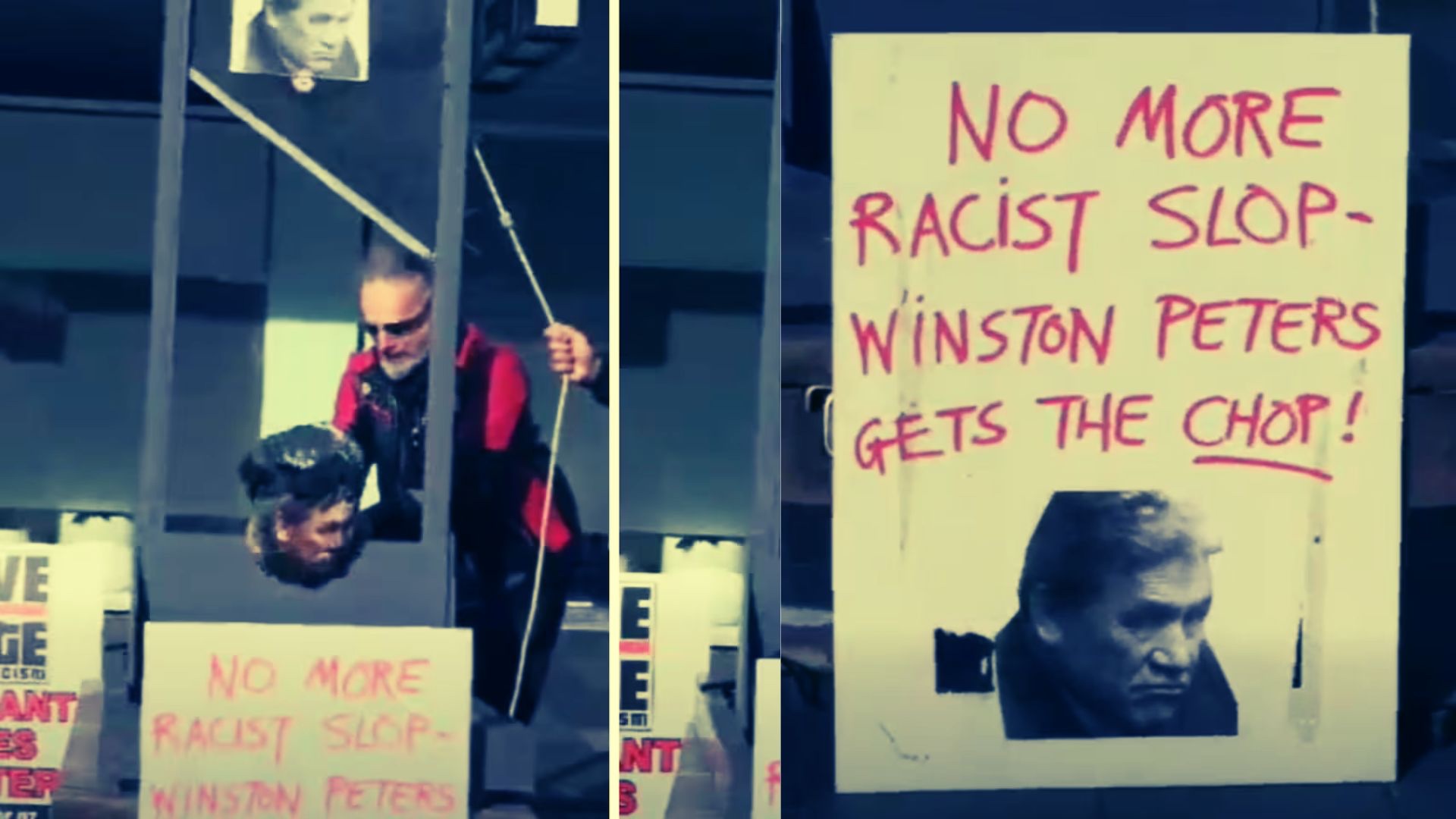
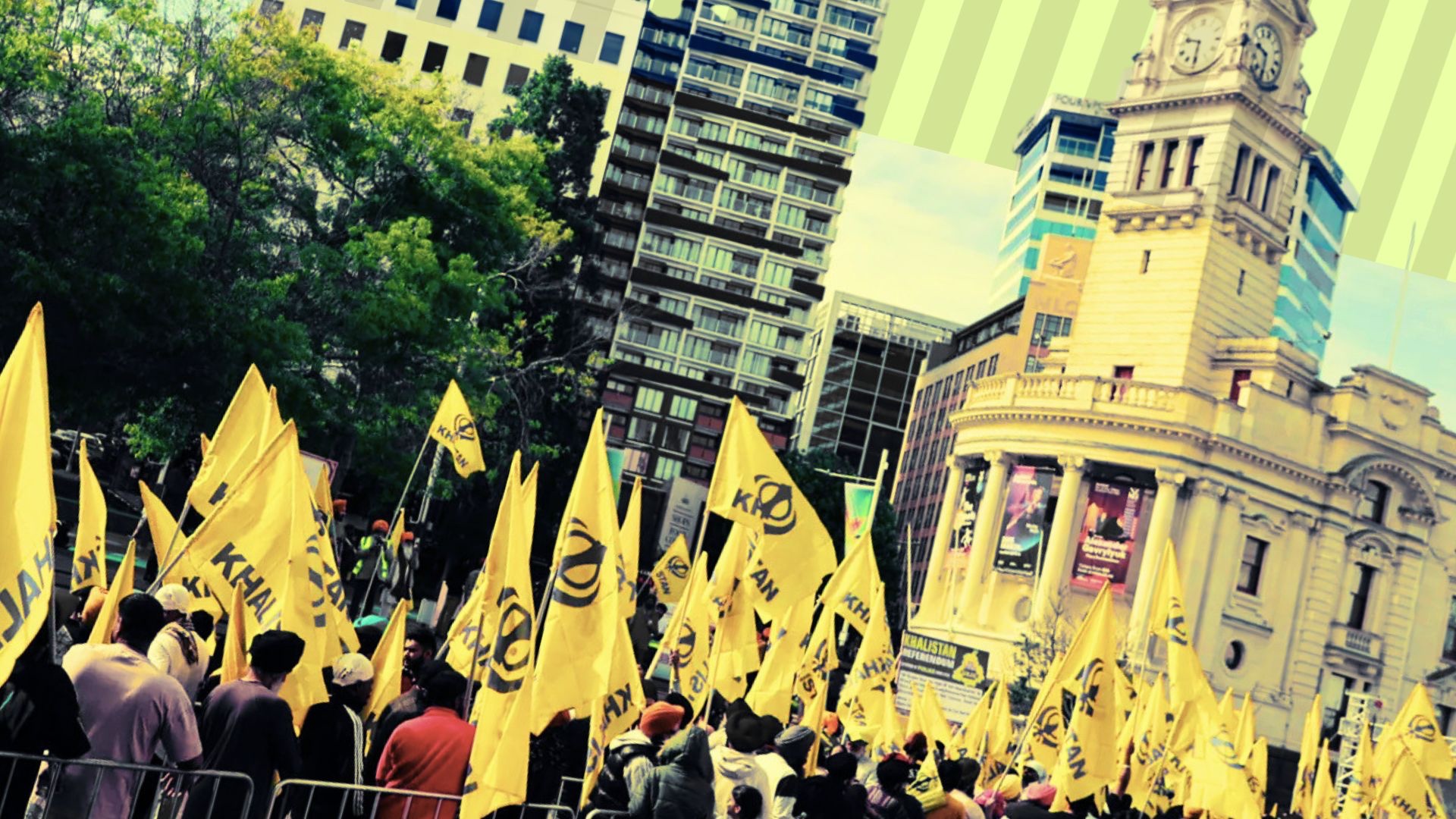
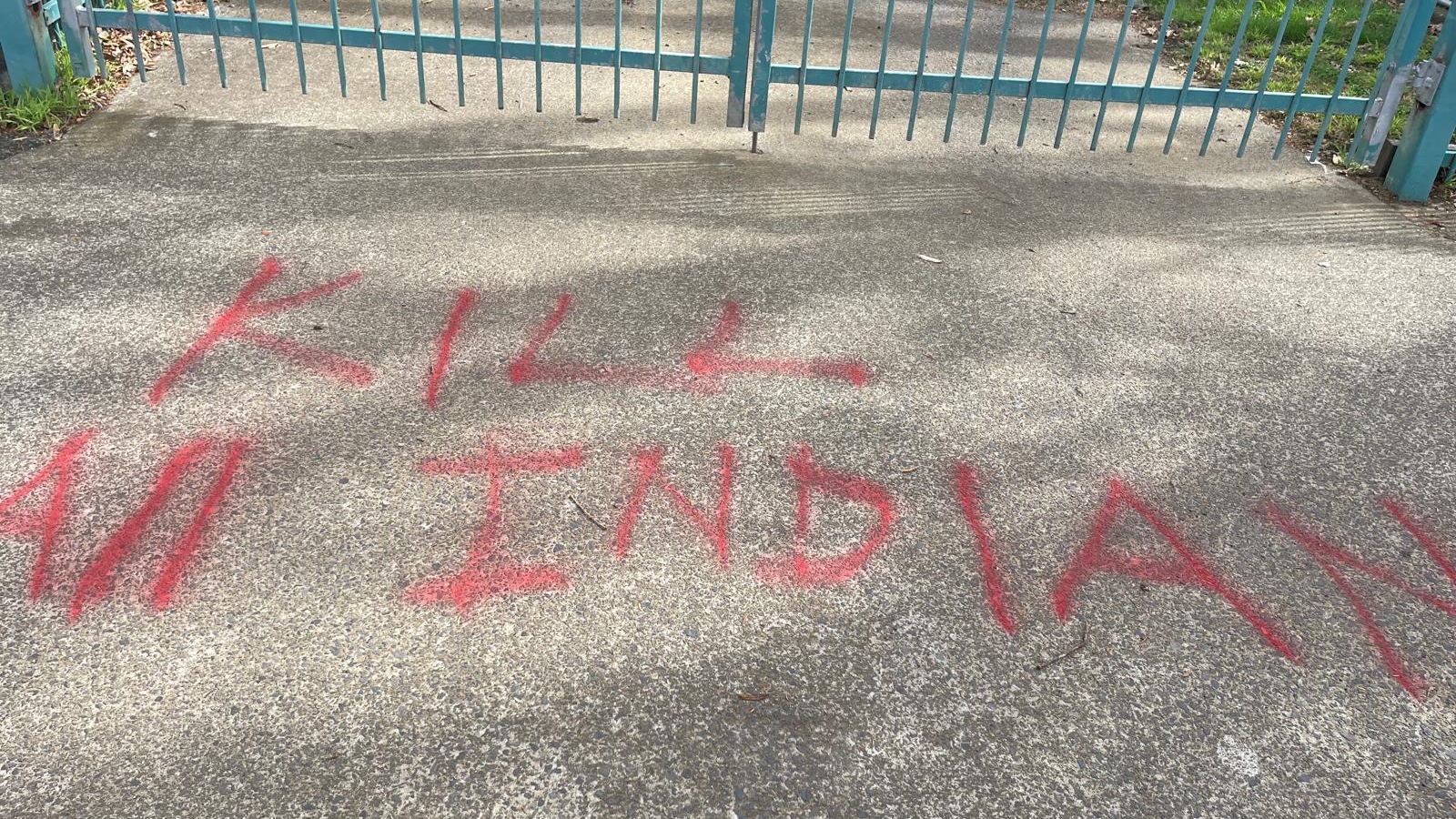
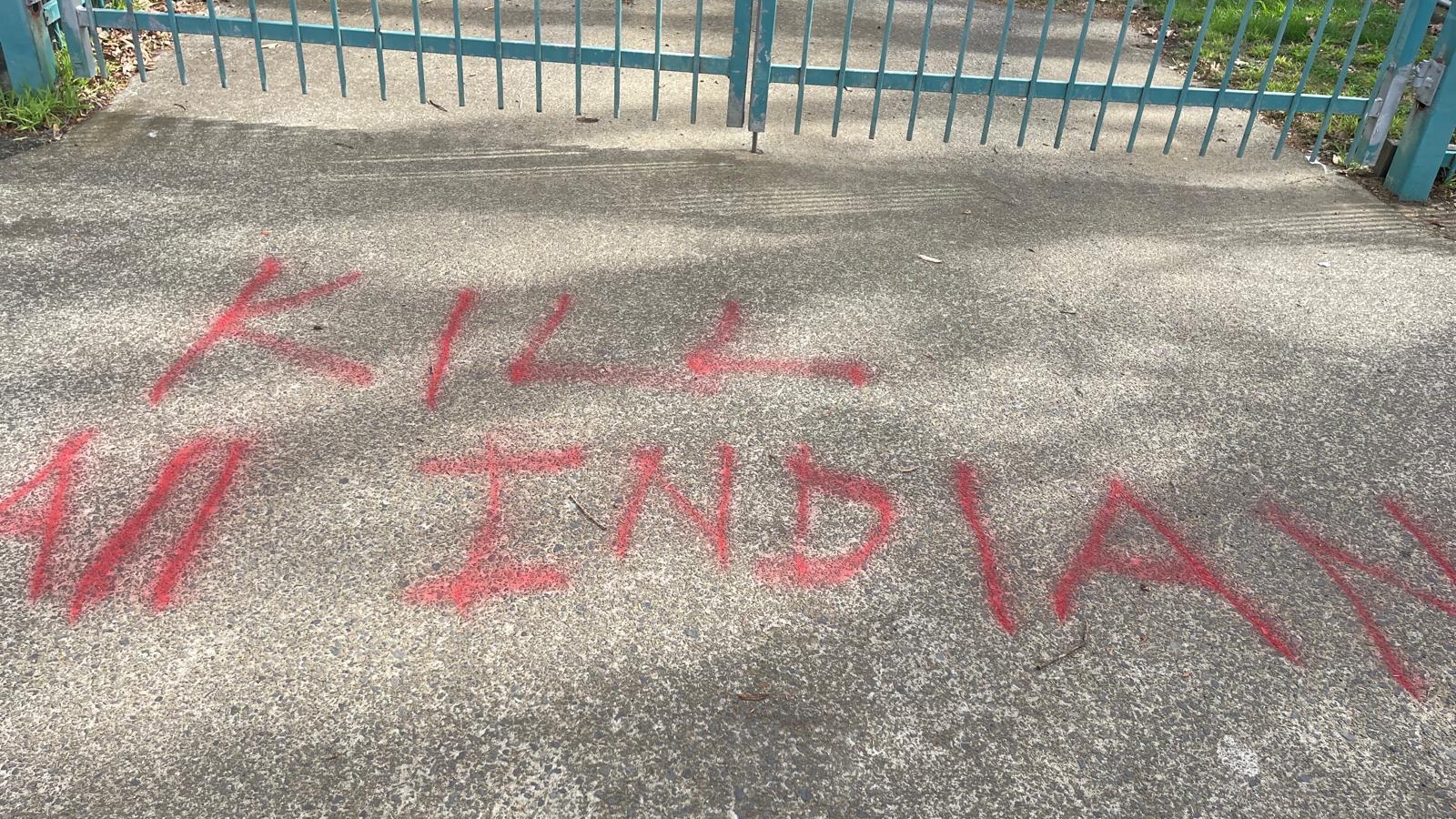
The petition specifically refers to Indian and Asian communities, saying they should be able to live safely and with dignity in New Zealand, and raises concern about "anti-Indian rhetoric", "Brian Tamaki-linked protests" and "racist intimidation".
South Asian diaspora raises over $200,000 for New Zealanders missing in Nepal flood "I'm so proud of the Indian community here who...supported us, saying it is not a Nepal problem but our problem."
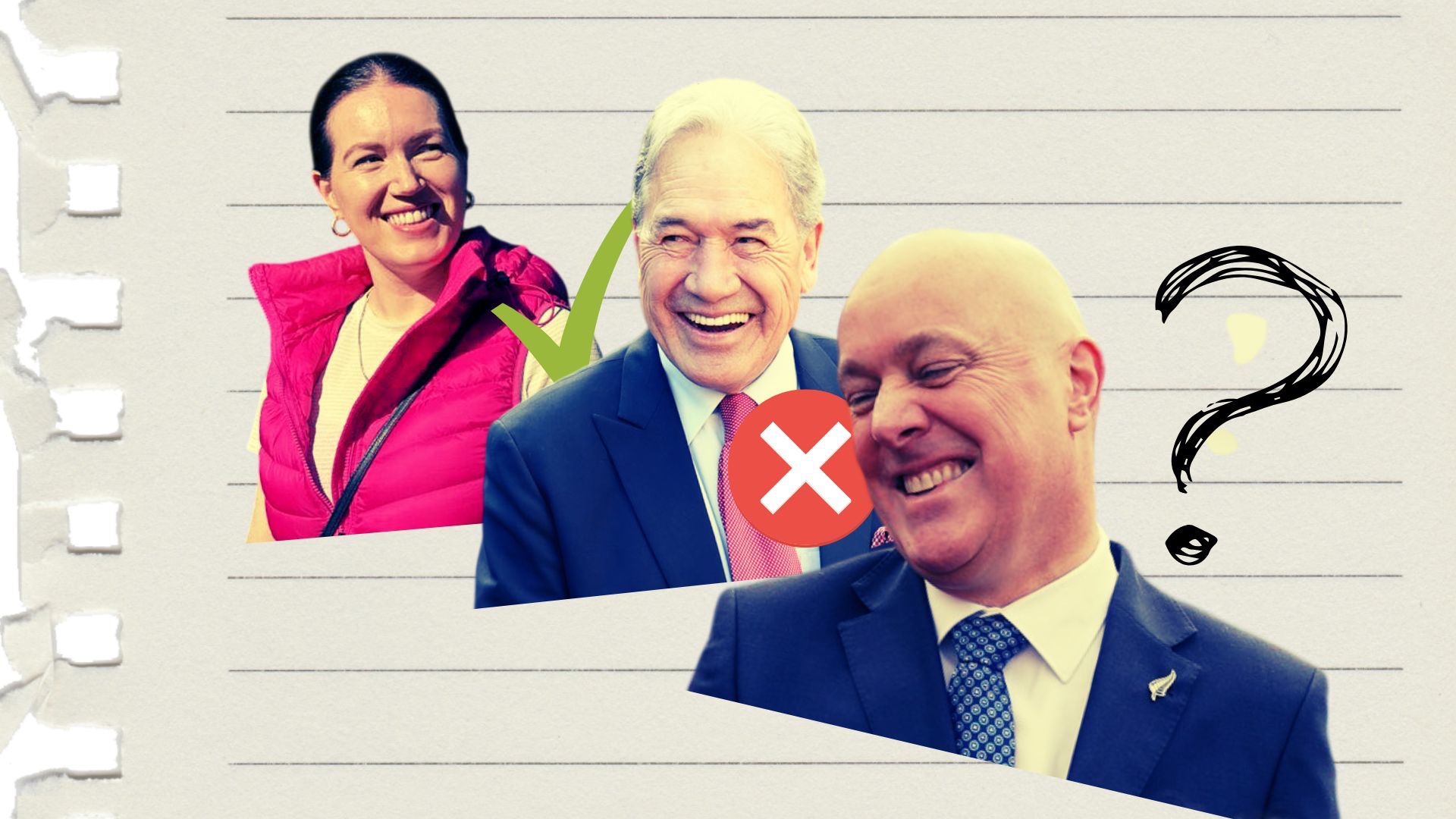
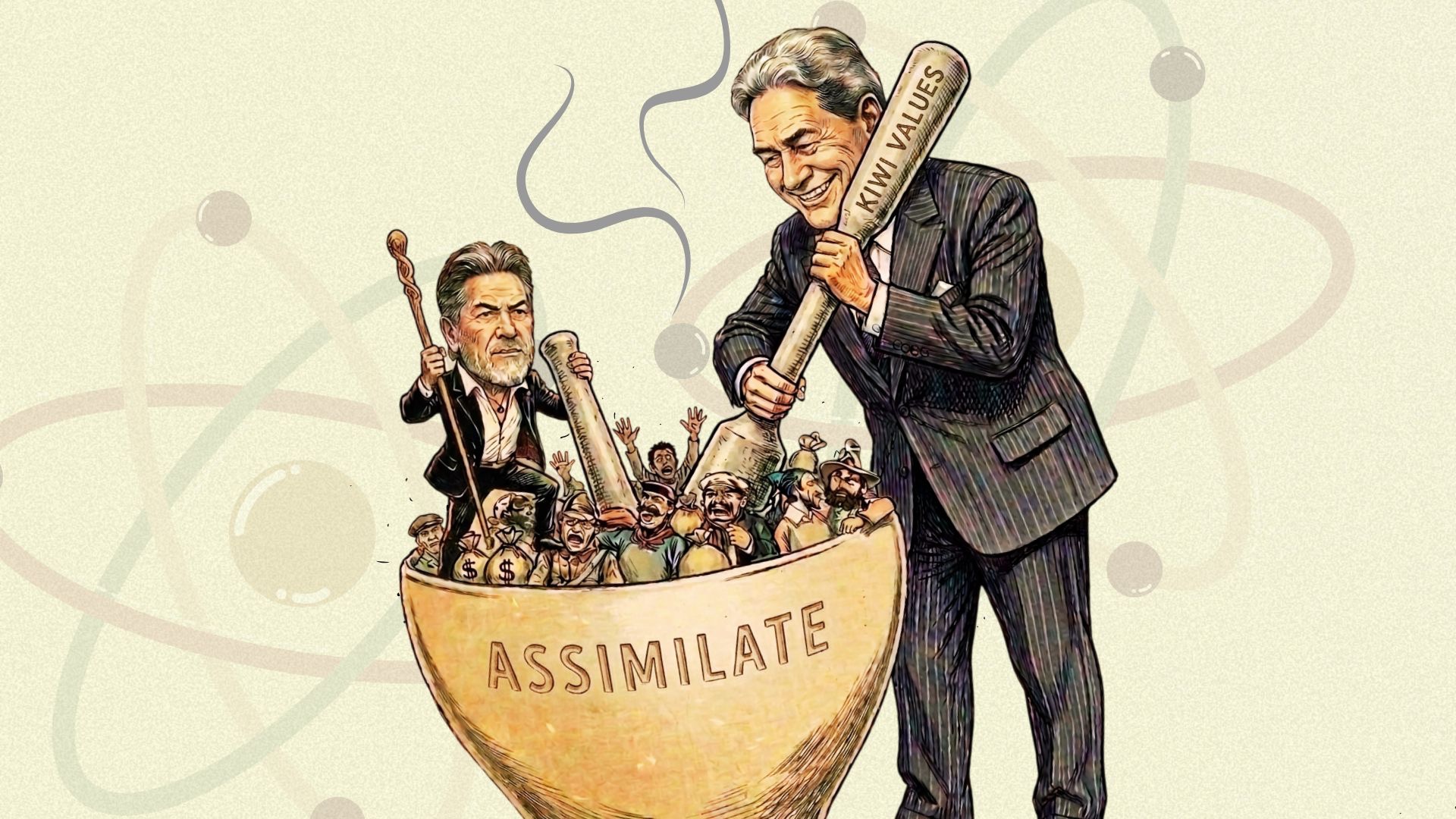
Tamakis launch Indian-origin candidate for Epsom who surrendered passport and has ‘assimilated’ “I know a whole lot of people are going to be like shocked,” says Hannah Tamaki.
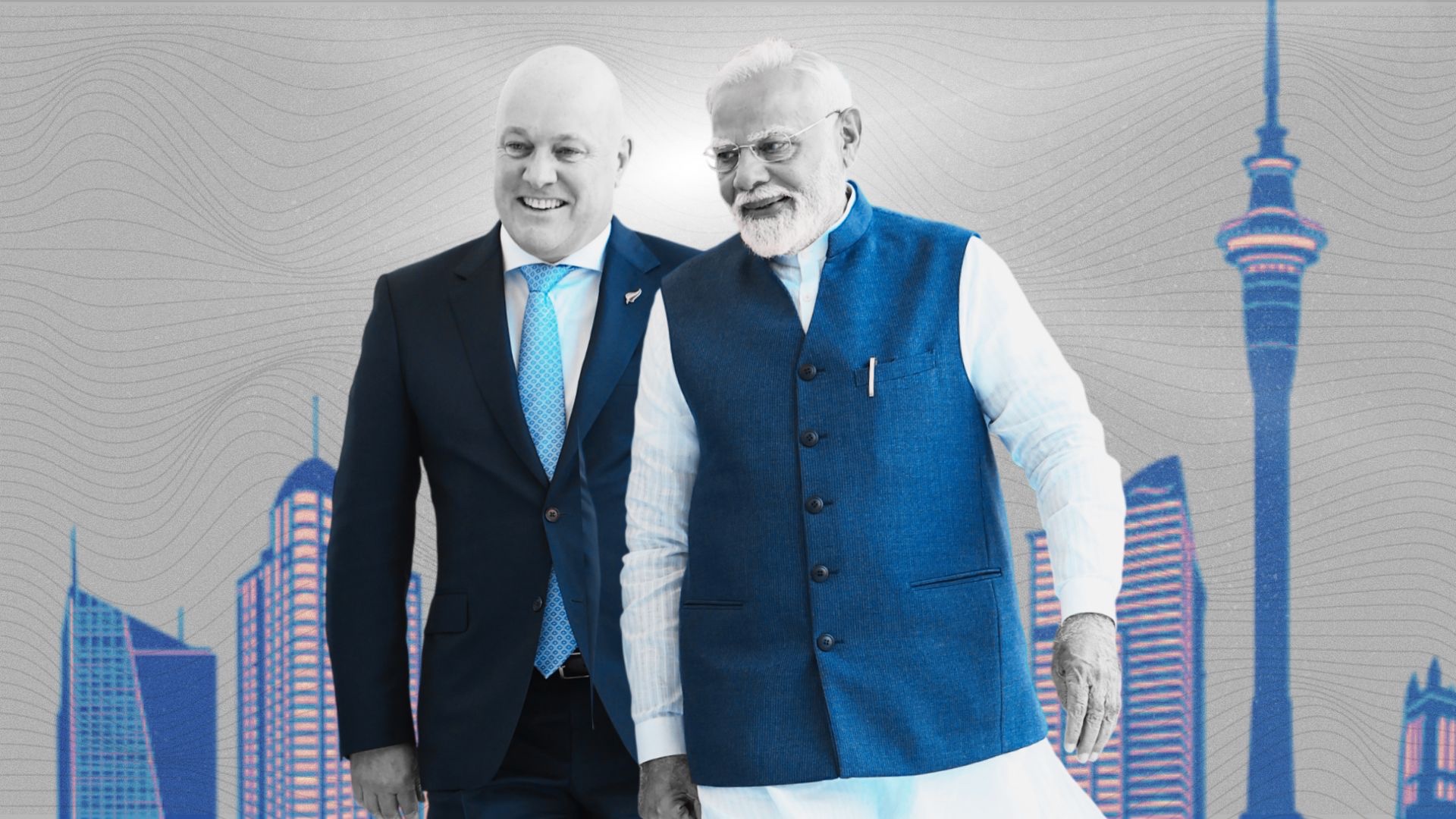
Priyanca Radhakrishnan tries to puncture Luxon’s FTA victory, says India was already sold “Things have changed quite dramatically on the Indian government side,” says the Indian-origin Labour MP.
The petition opened for signatures on April 22 and closed on May 13. Parliament’s petitions page lists it as presented with 165 signatures.
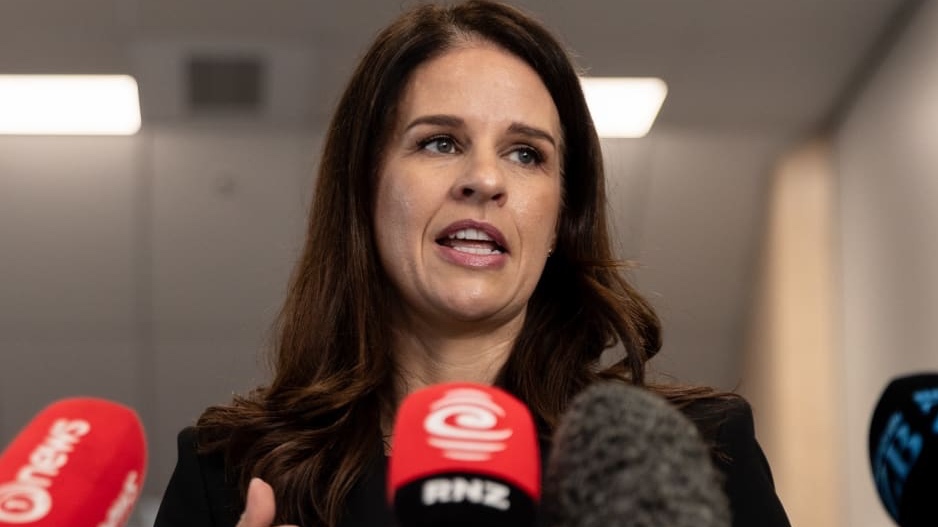
Once presented to the House, petitions are referred to the Petitions Committee, the select committee responsible for considering them, which then submits its final recommendations after a review.
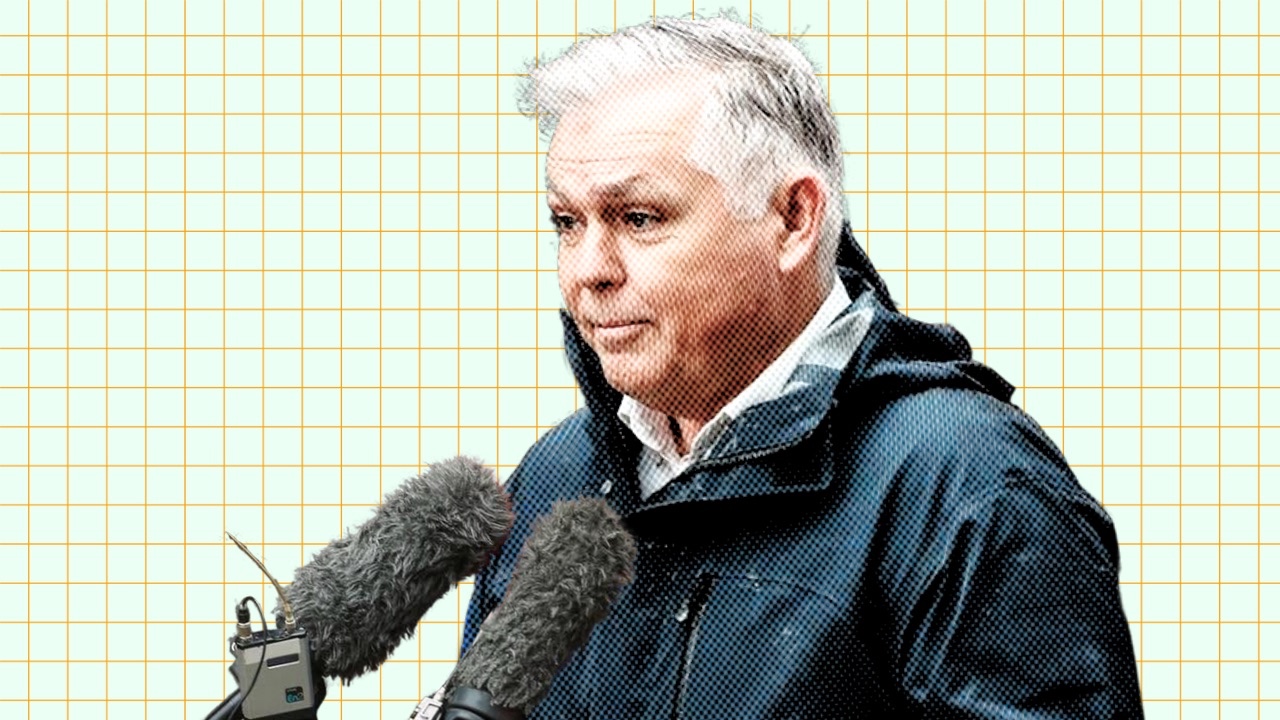
Cheung has publicly backed the substance of the petition. In a Facebook post on June 24, he wrote New Zealand had "no room for racism".
"It was a privilege to stand in support of our ethnic communities today and present Kelvin’s petition to the House,” Cheung wrote.
“We are officially calling on Parliament to condemn the harmful, divisive racial intimidation targeting our neighbors, friends, and families.
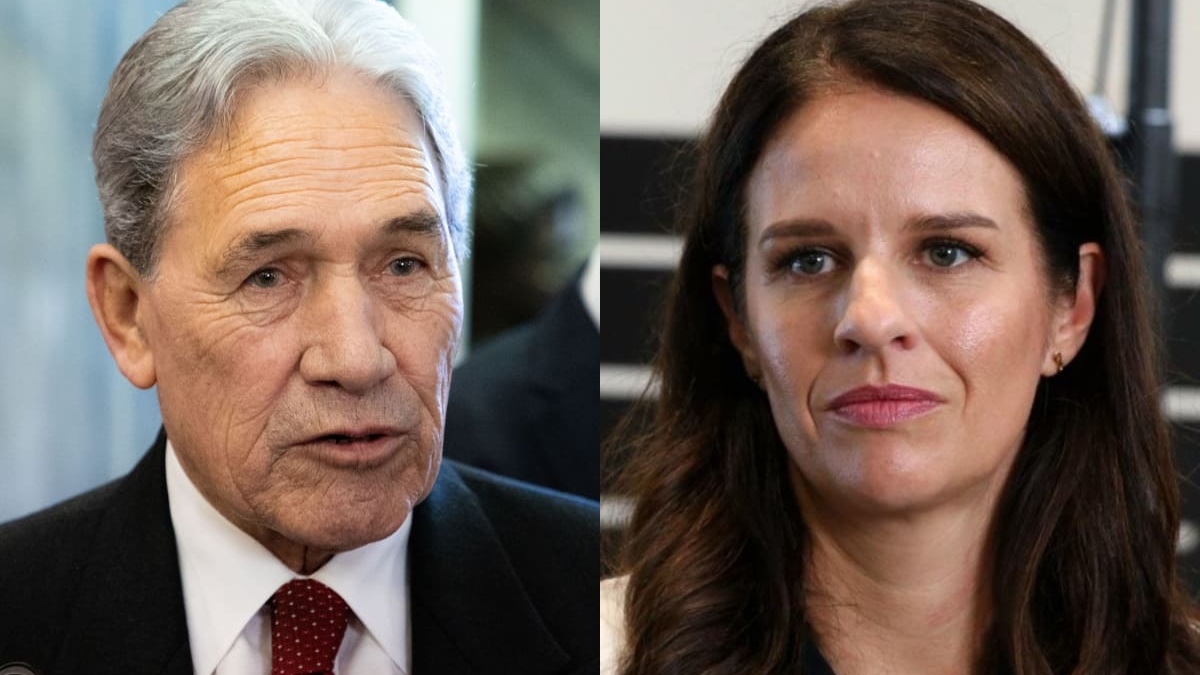
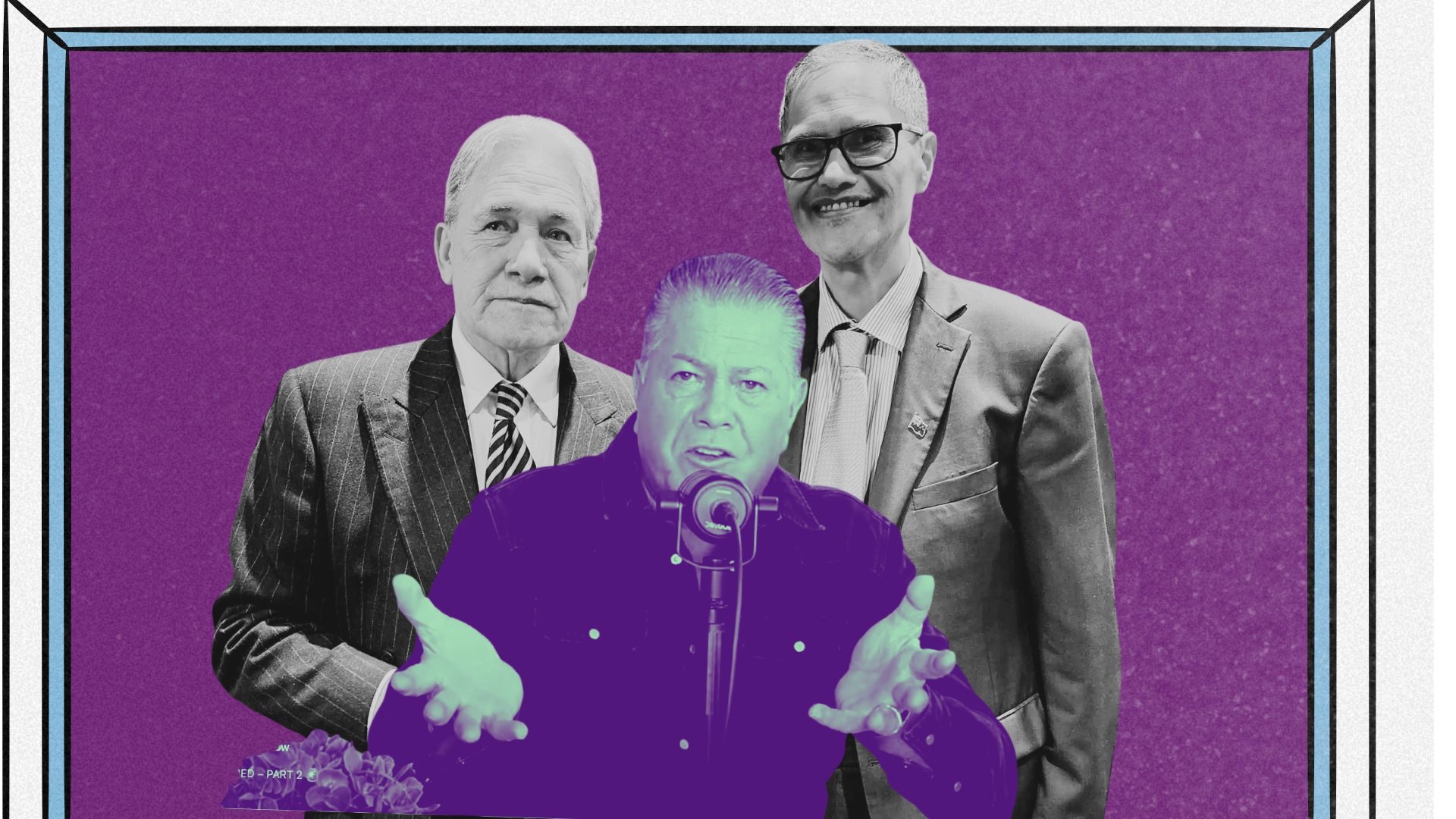
“The recent anti-Indian and anti-Muslim rhetoric from Brian Tamaki is completely unacceptable. This dangerous bigotry has absolutely no place in New Zealand."
The petition’s progress comes amid growing concern in Indian and other Asian communities about anti-migrant and anti-Indian rhetoric entering mainstream political and public debate.
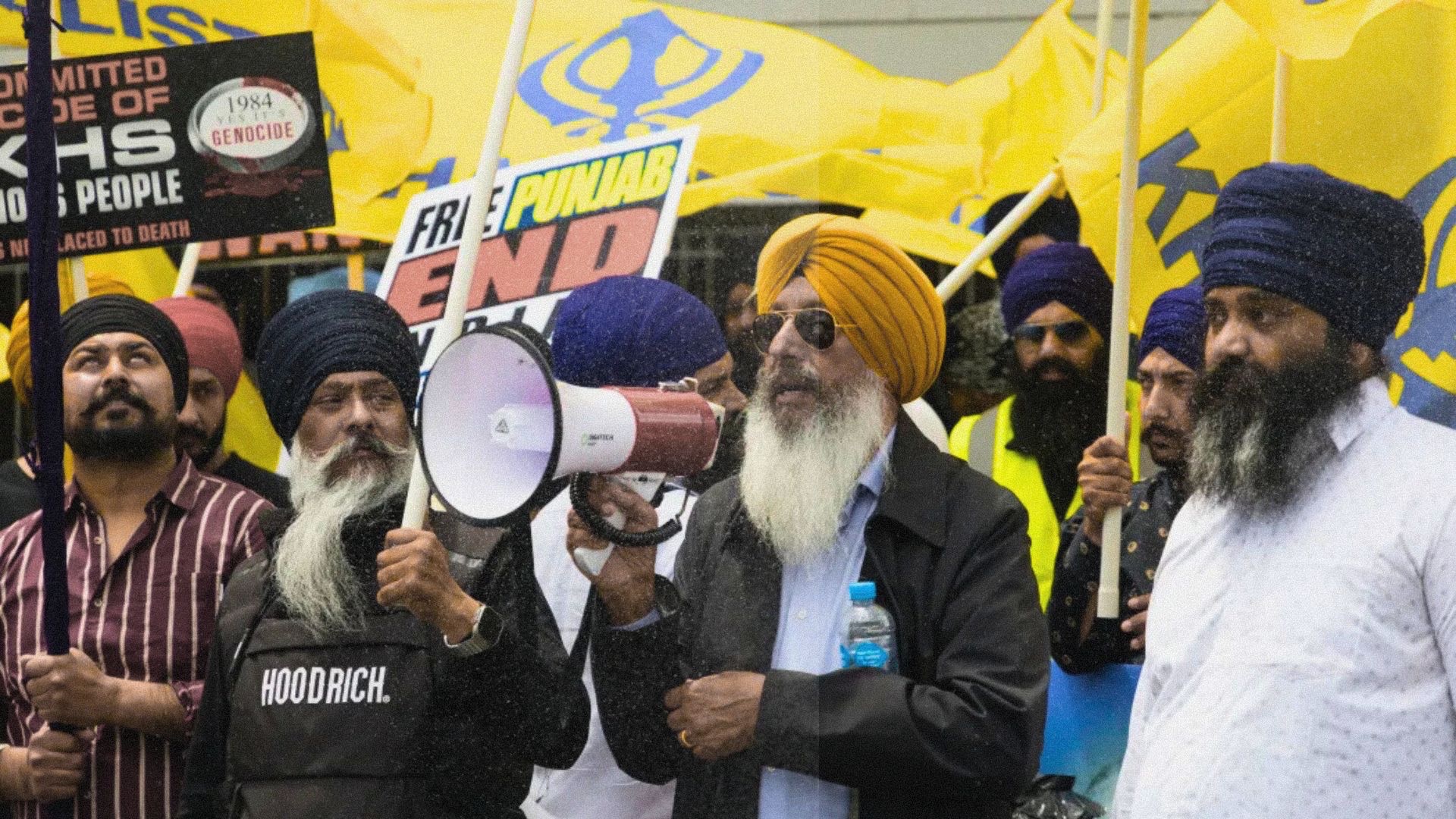
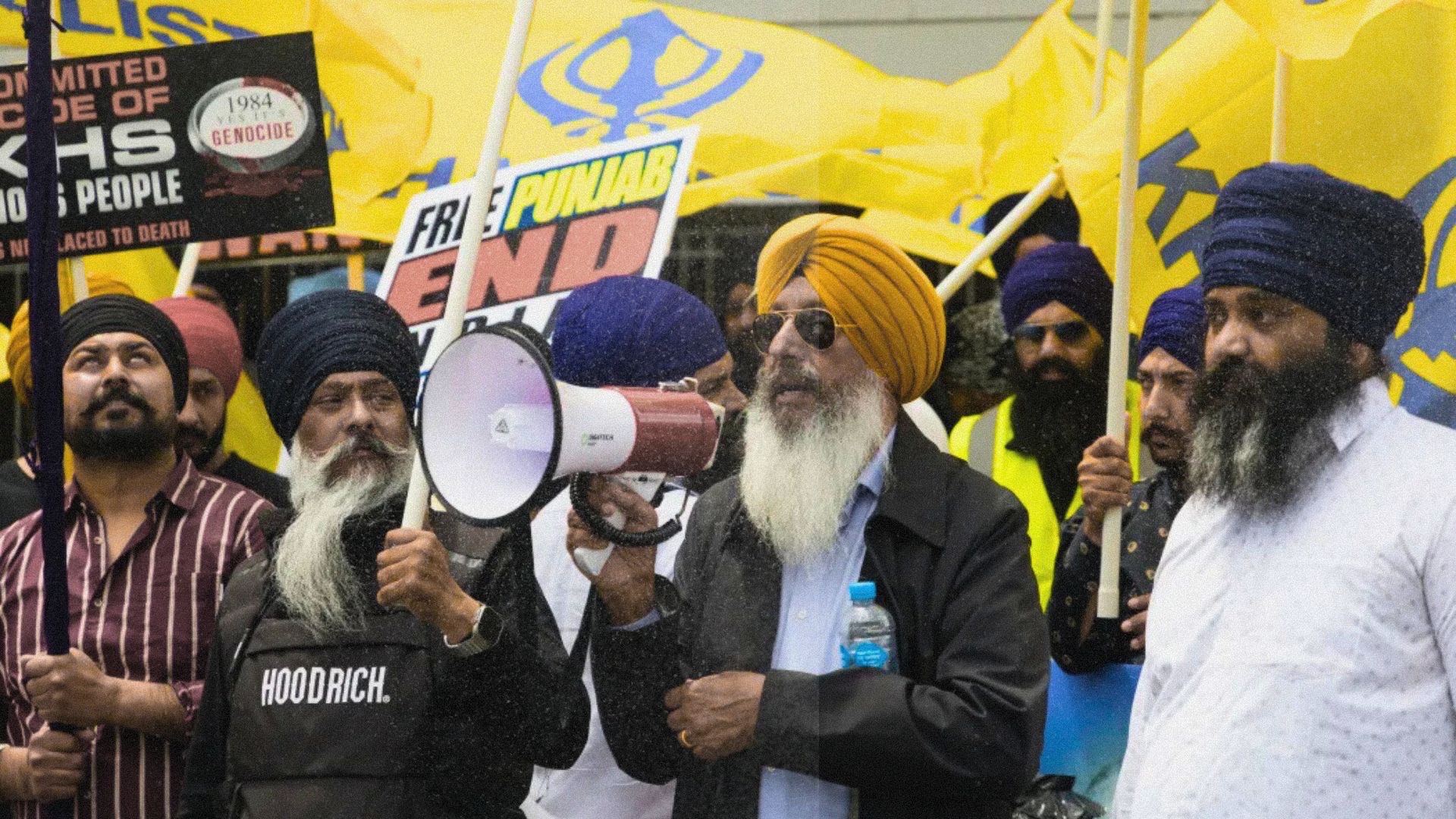
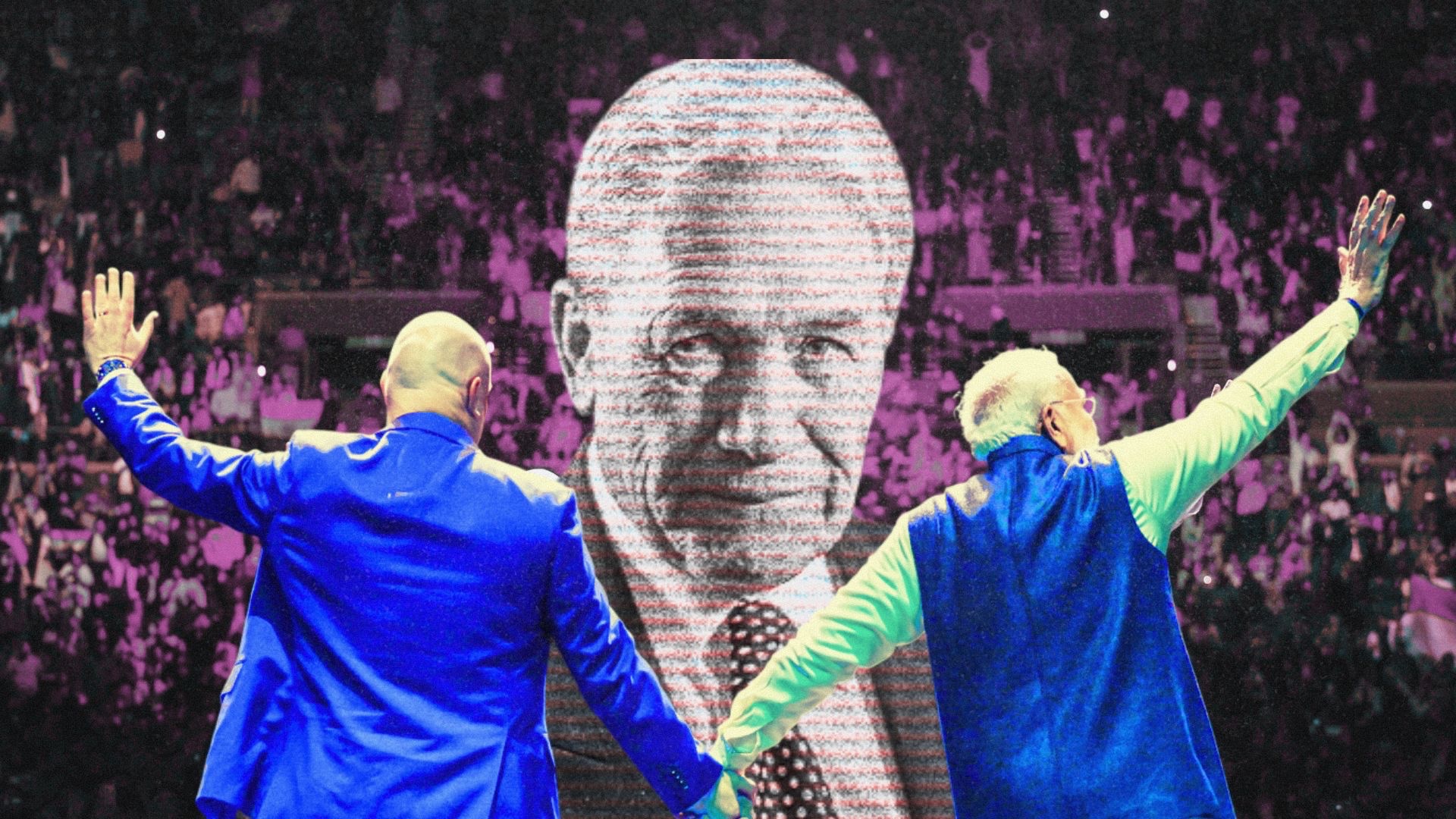
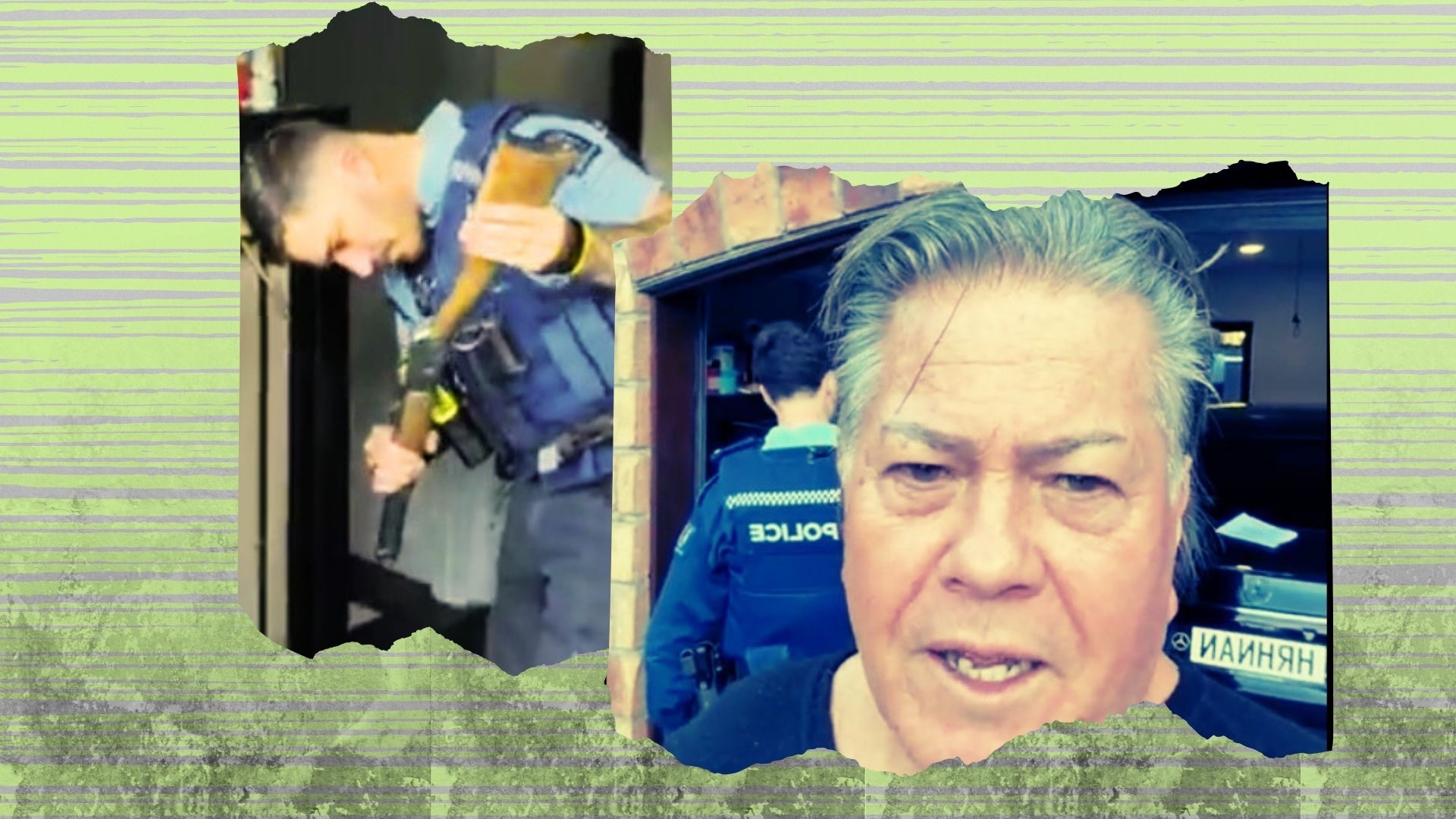
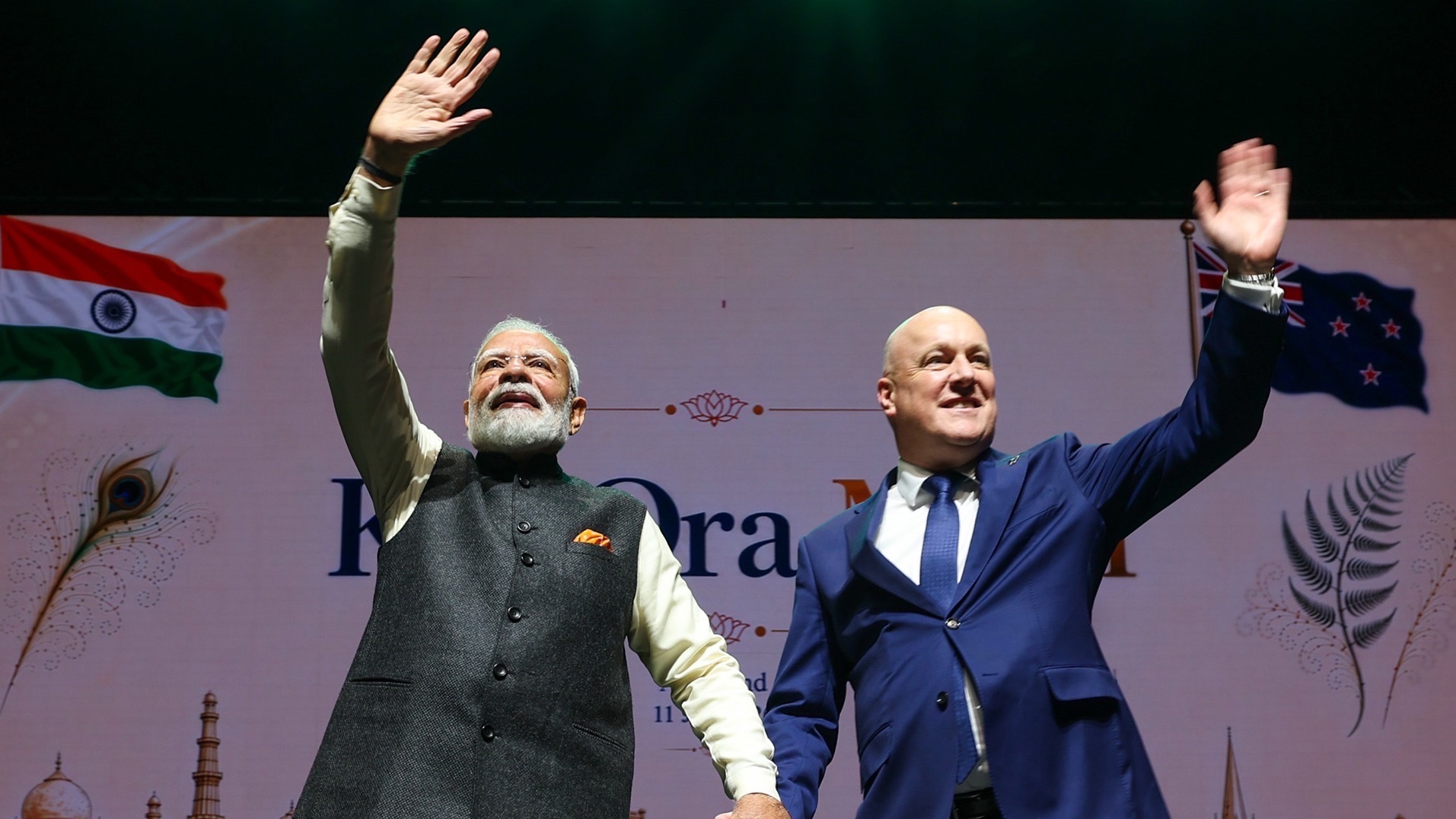
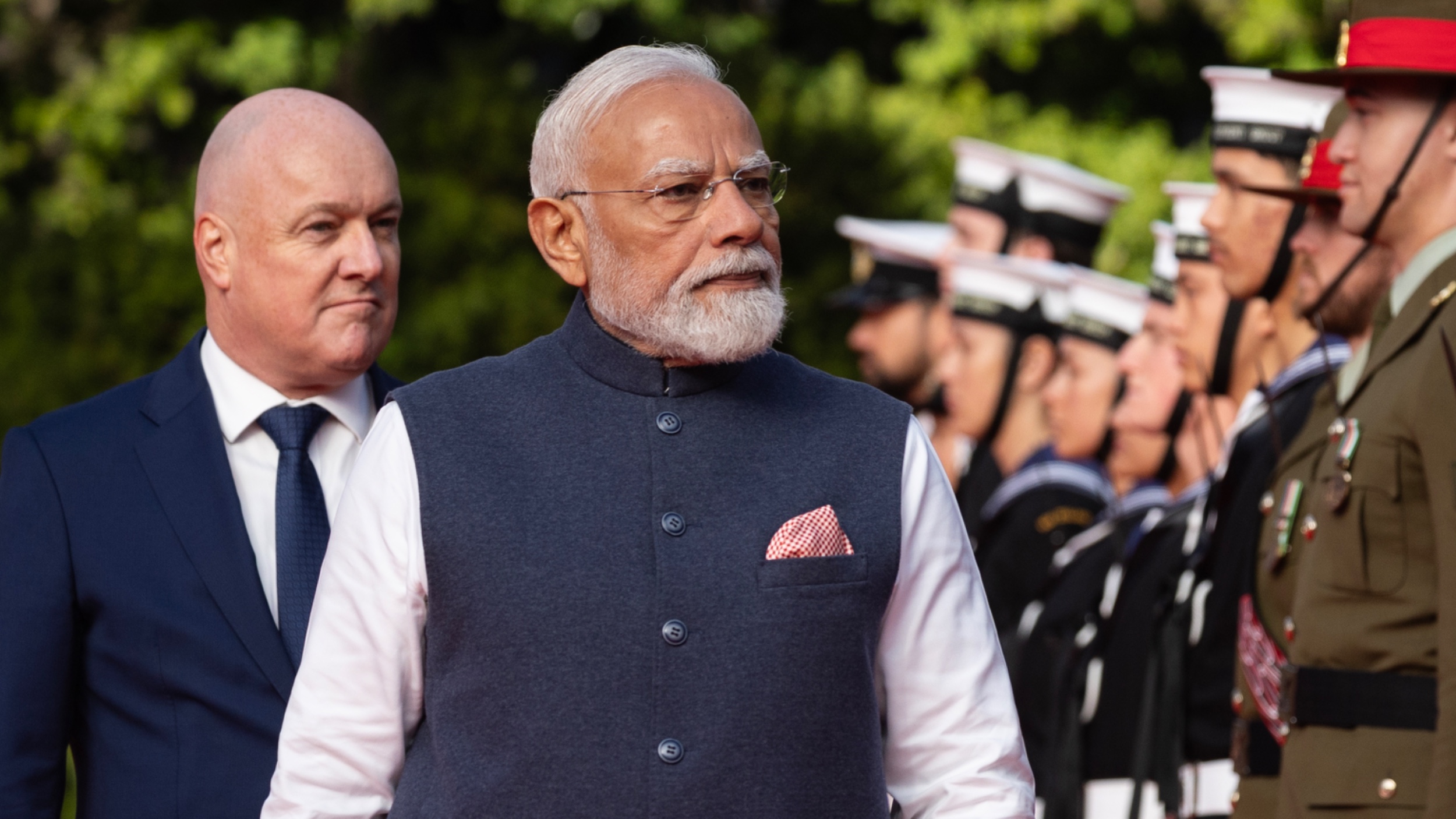
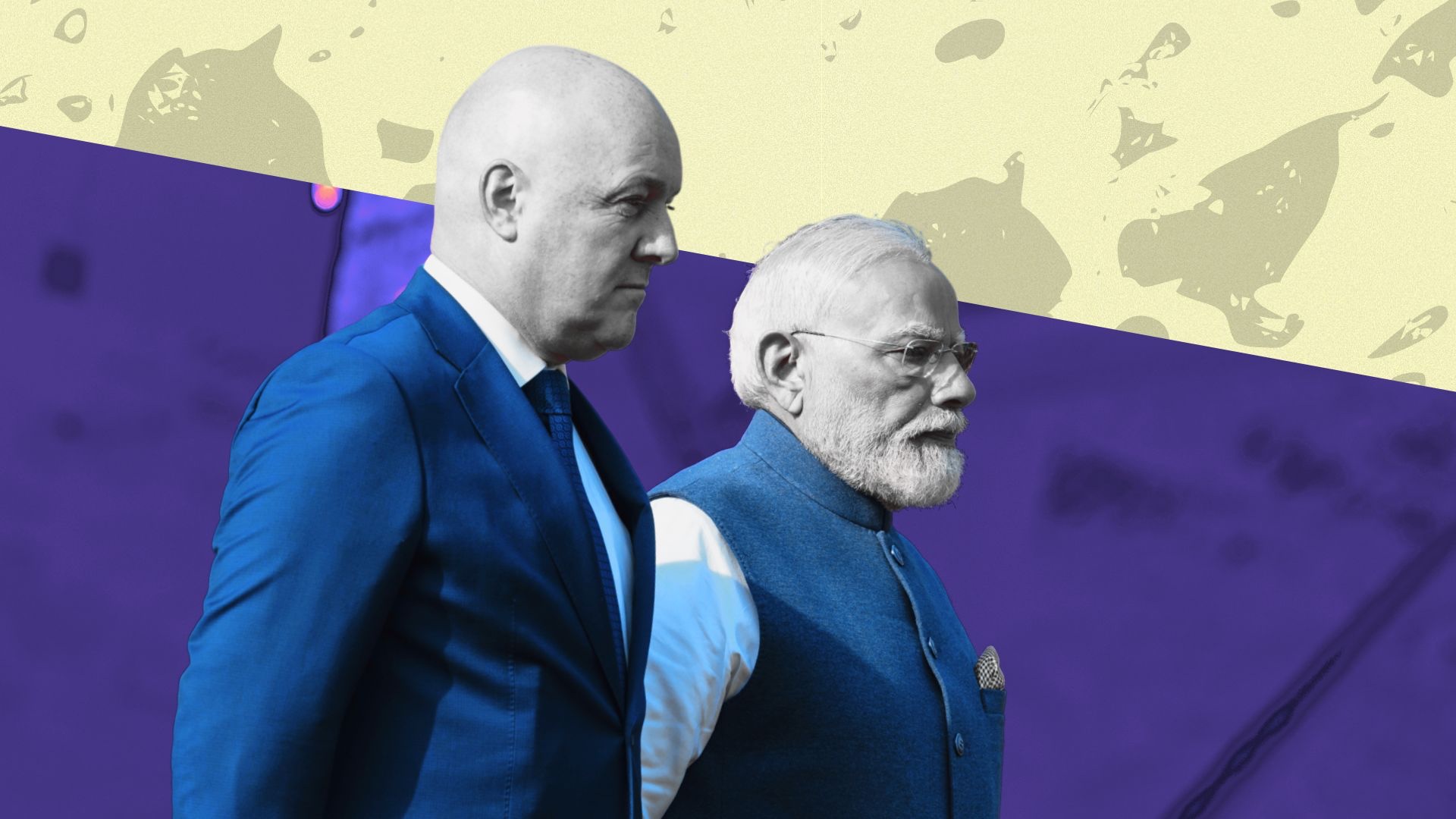
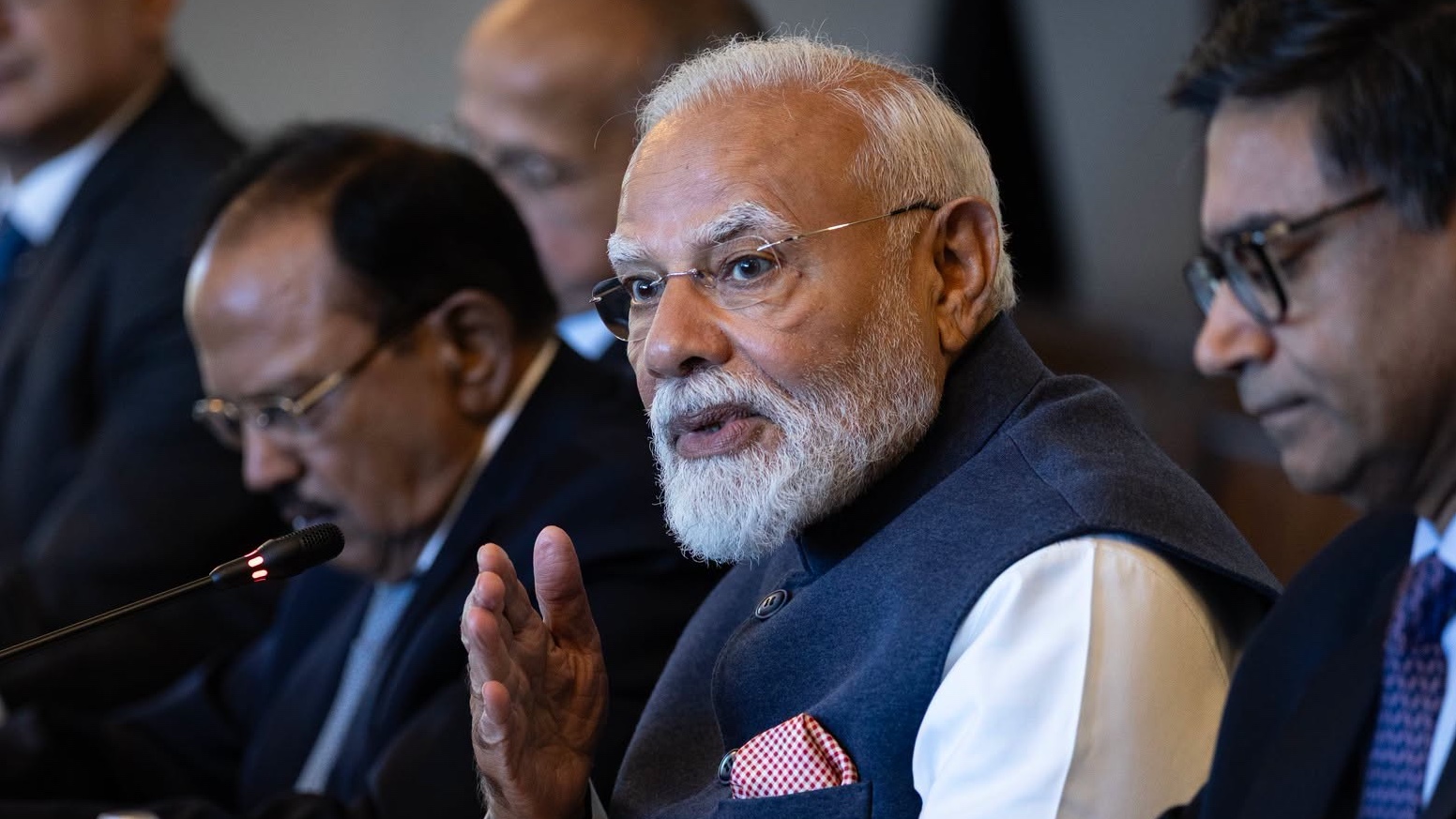
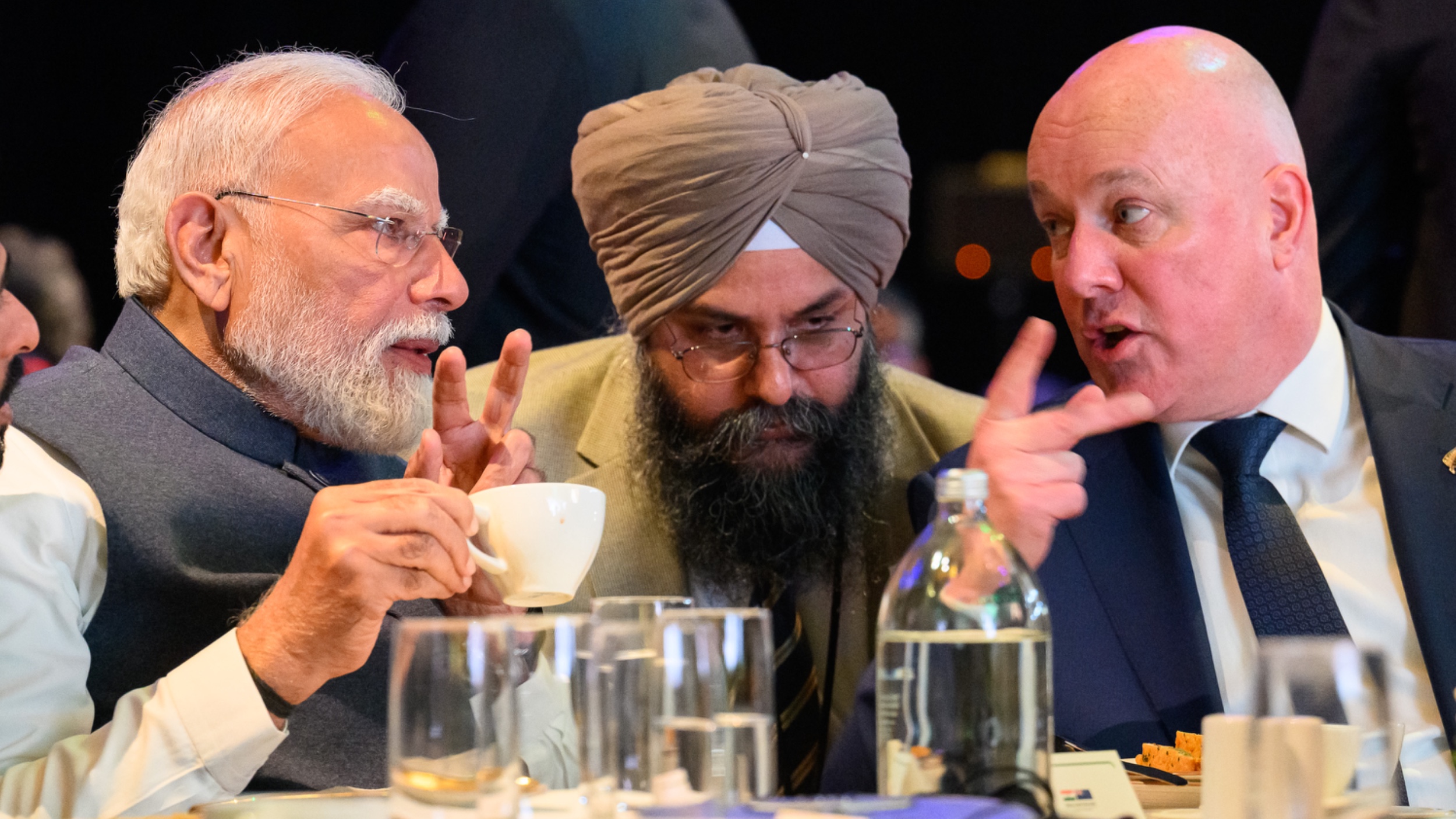
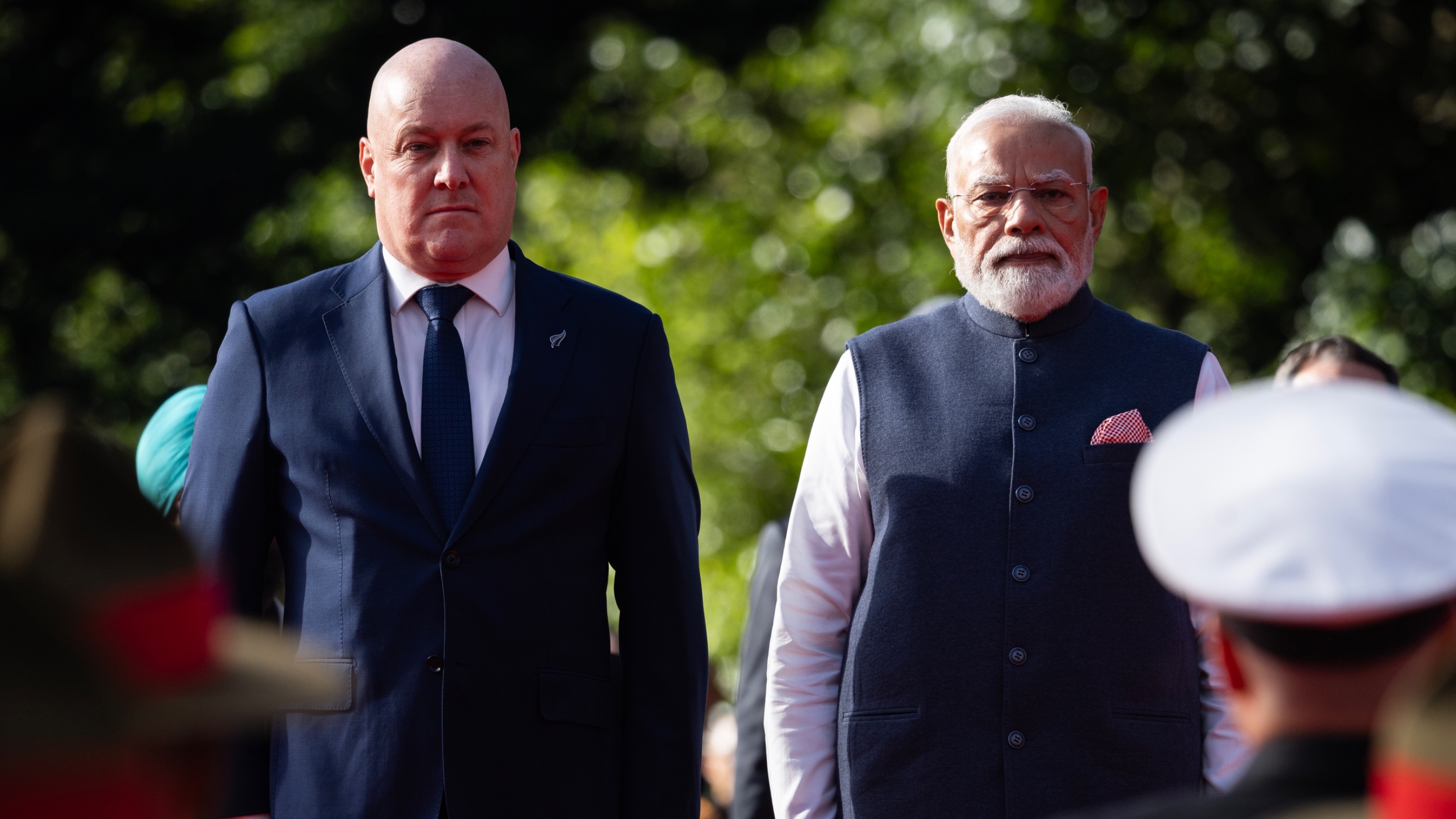
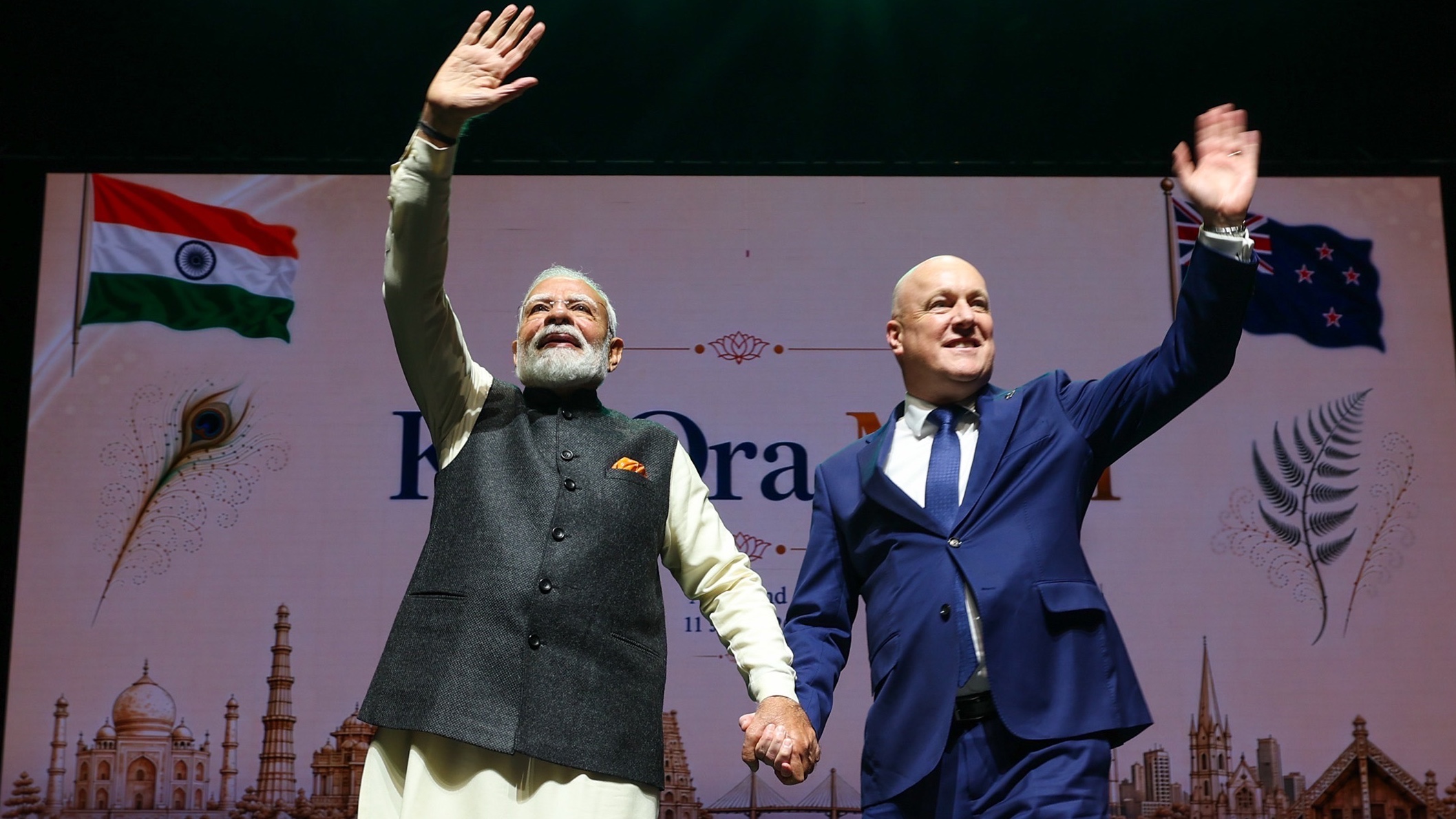
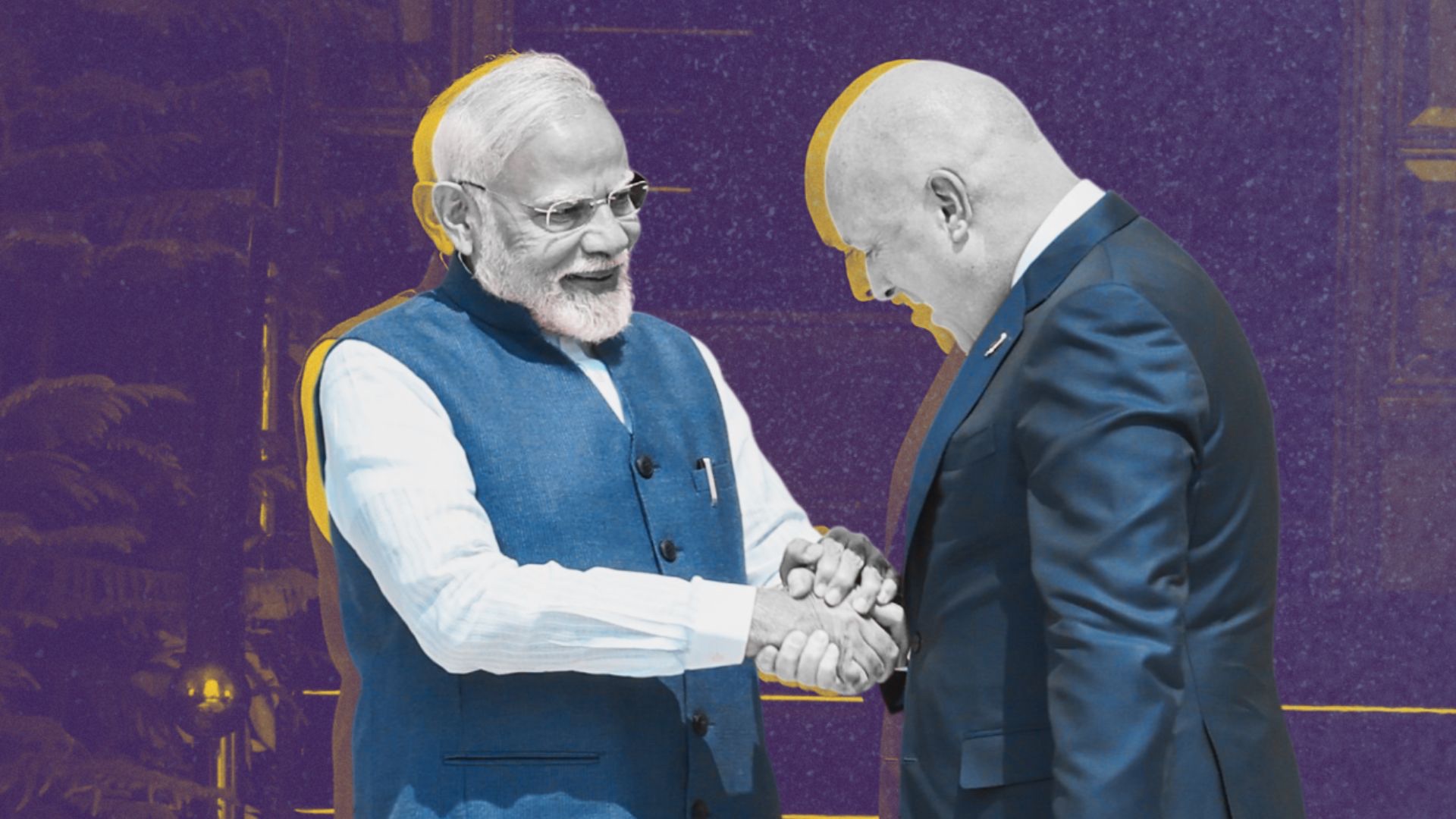
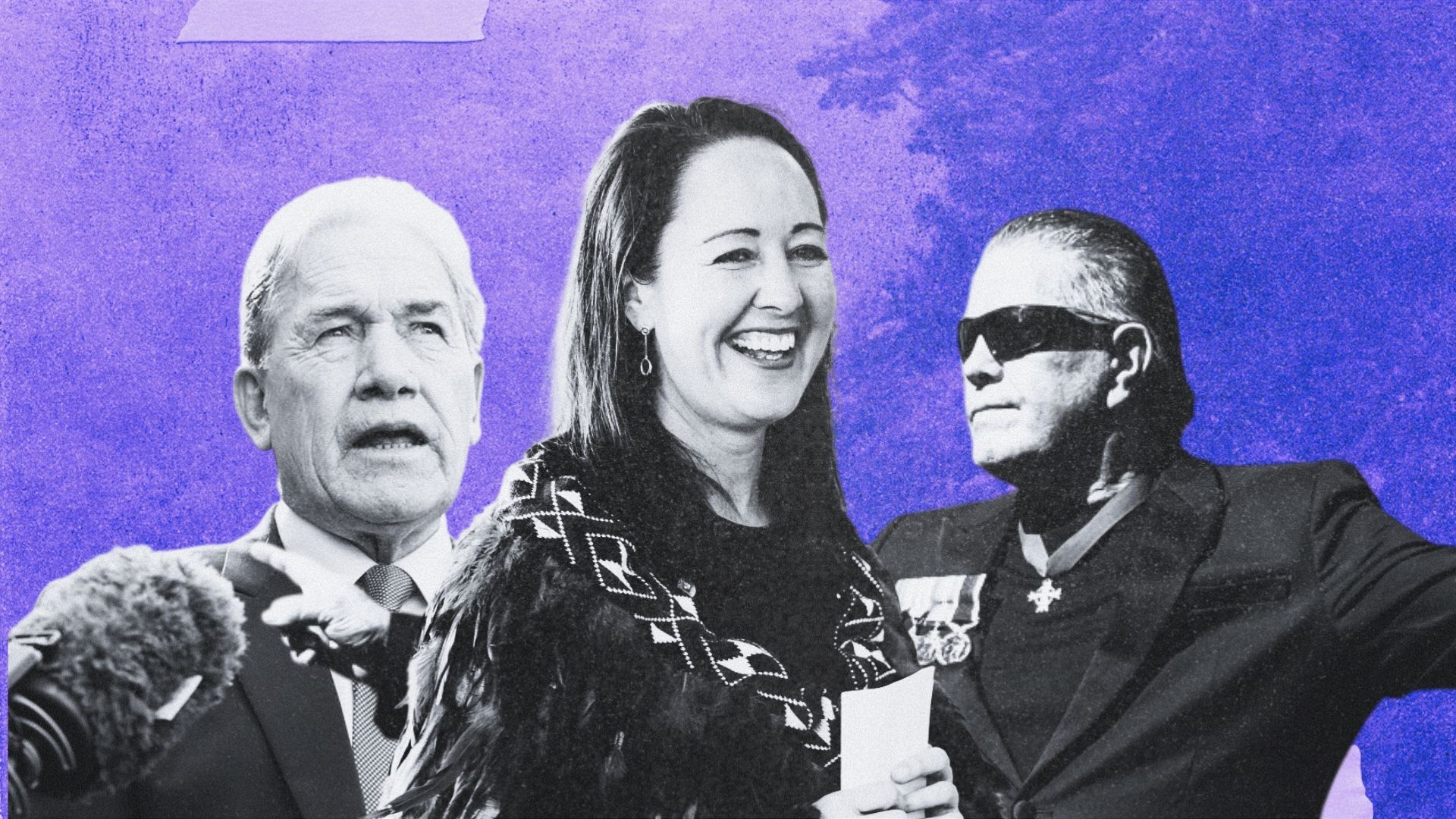
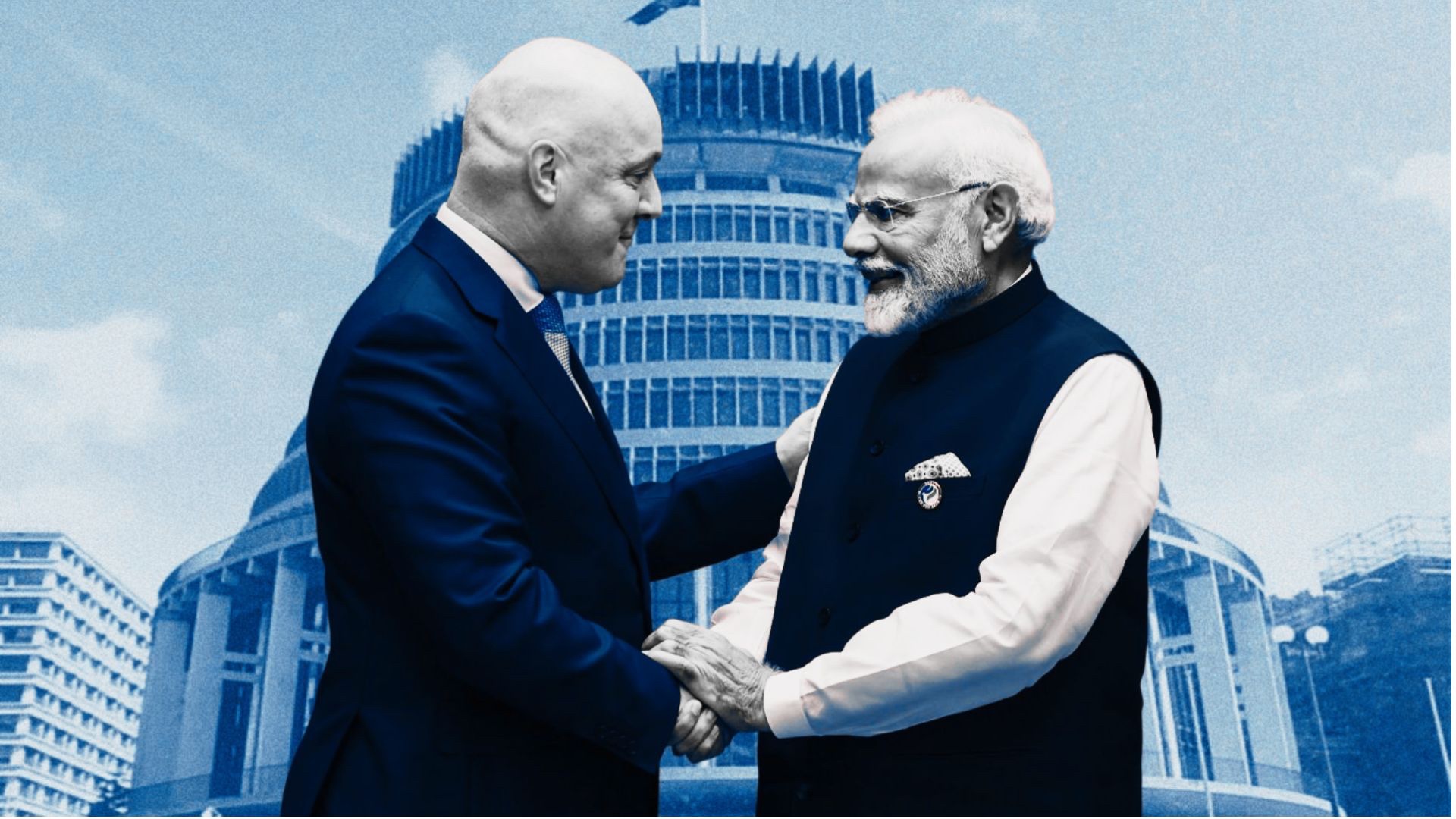
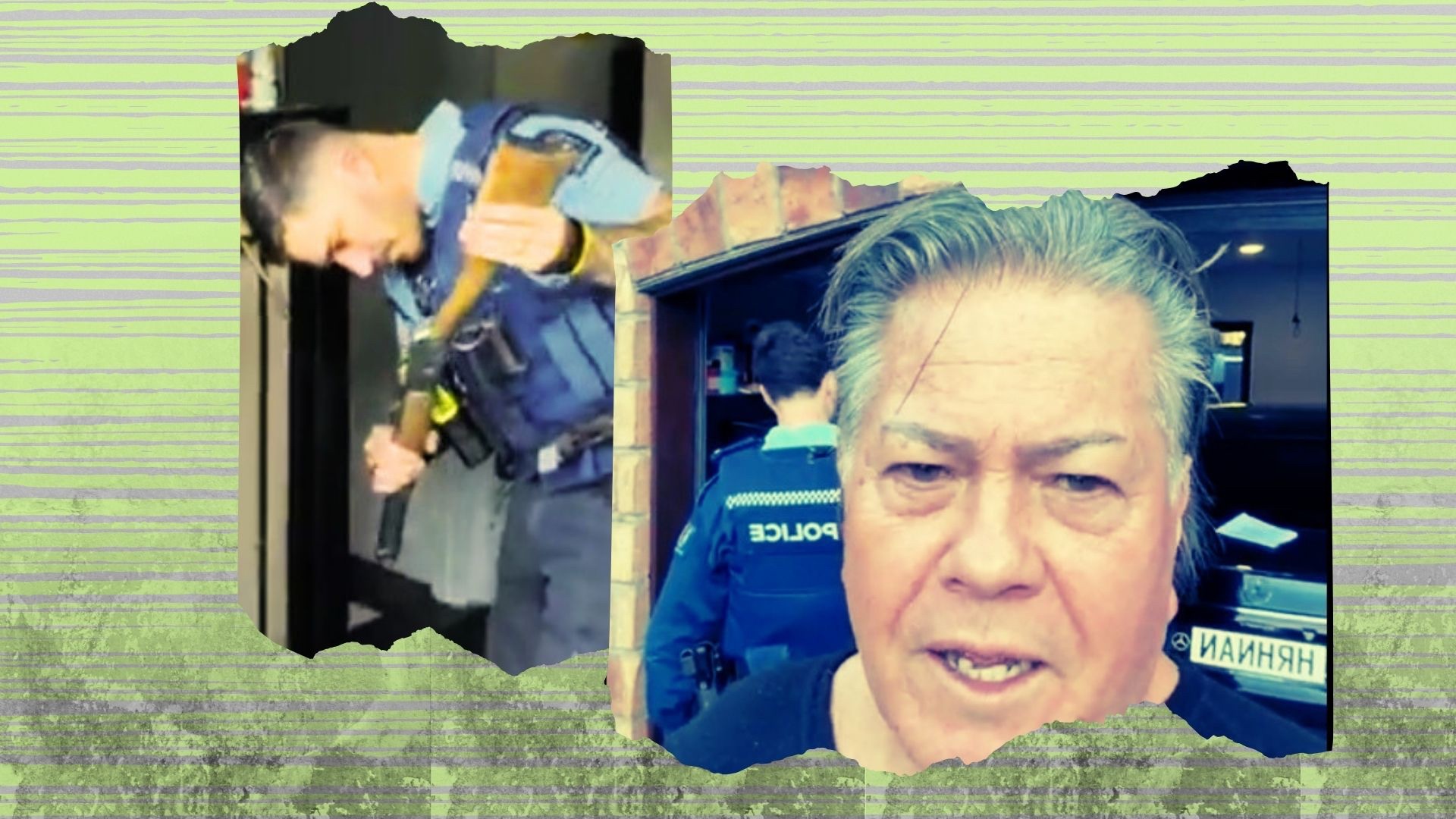
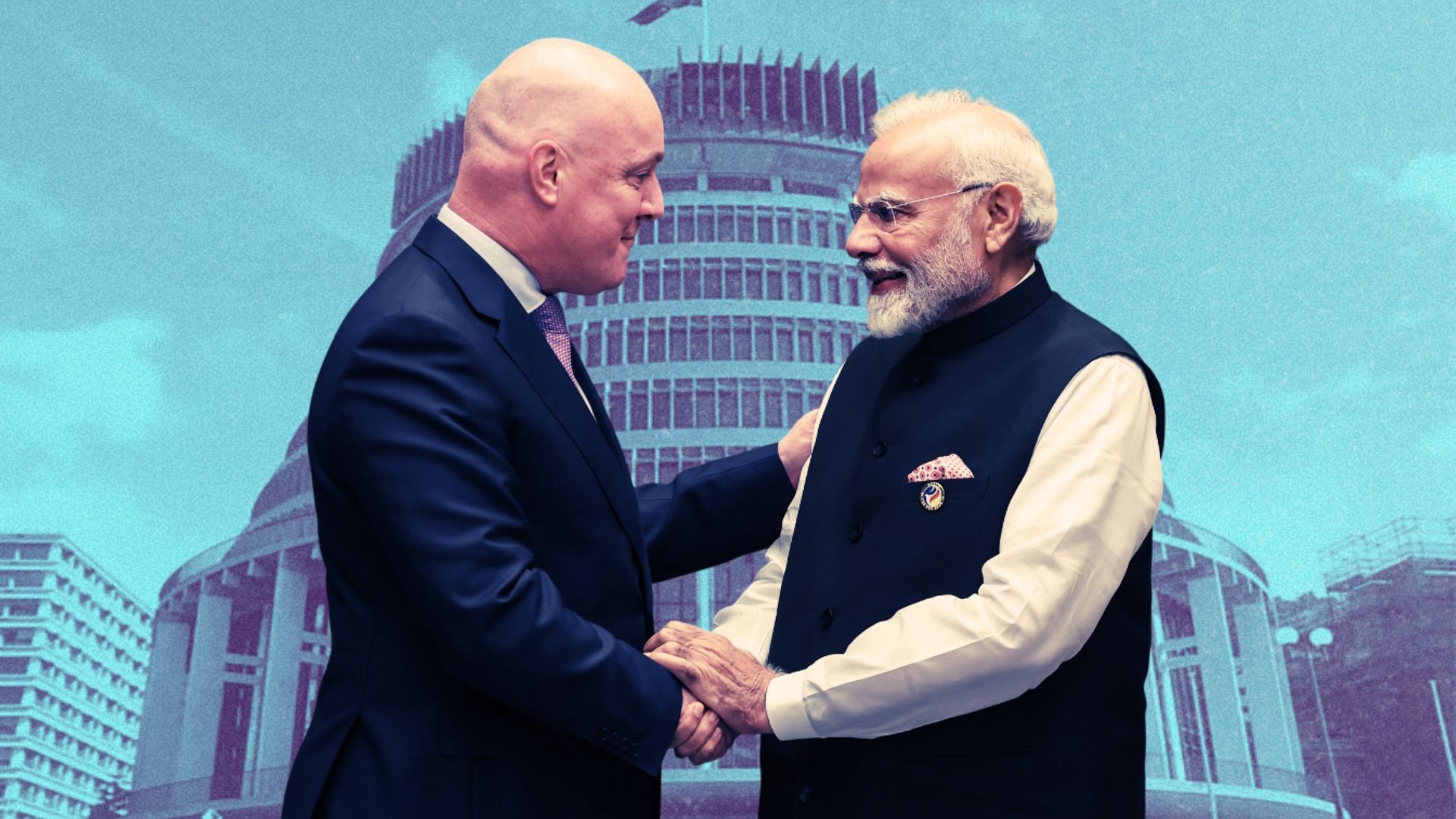
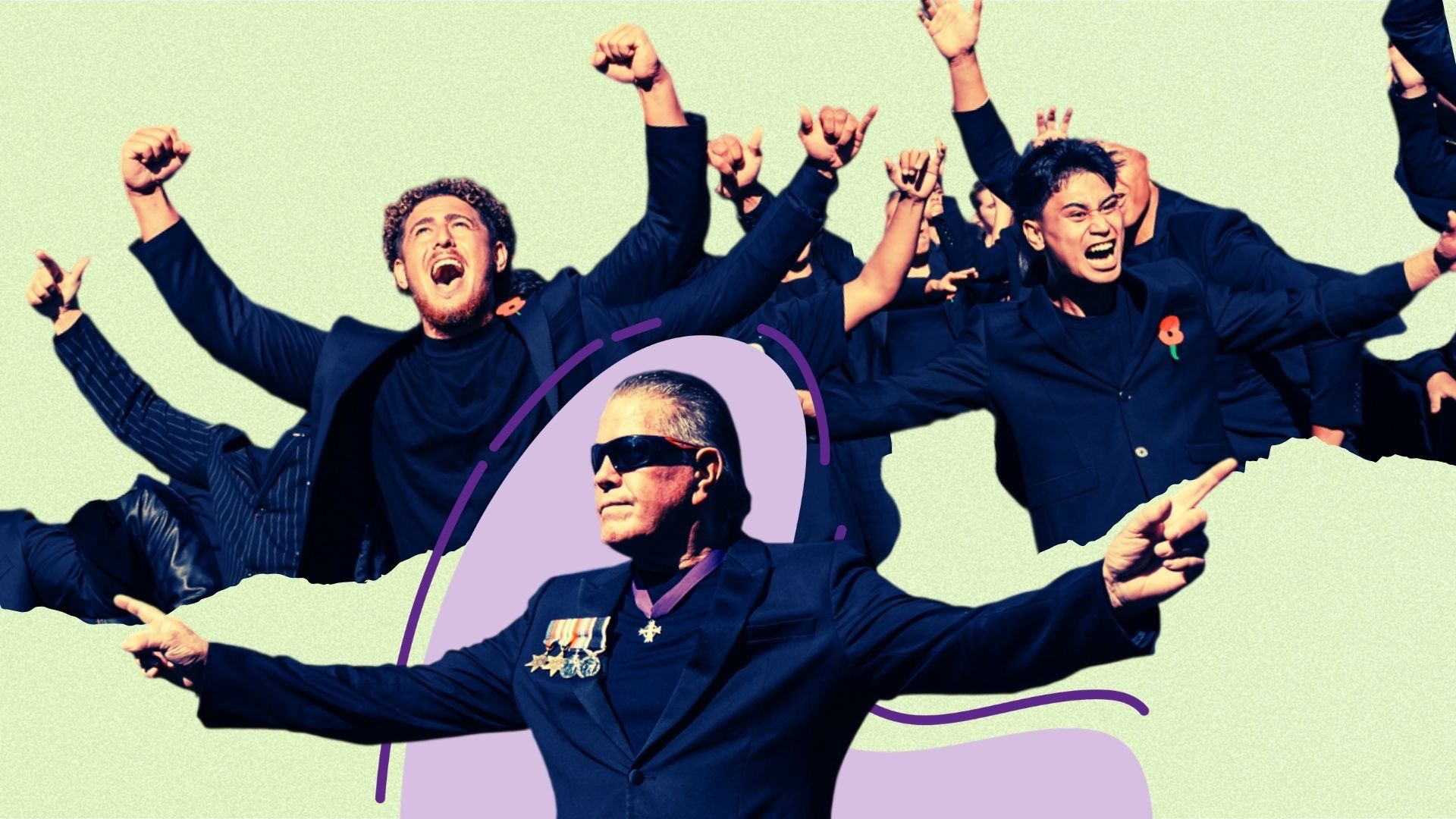
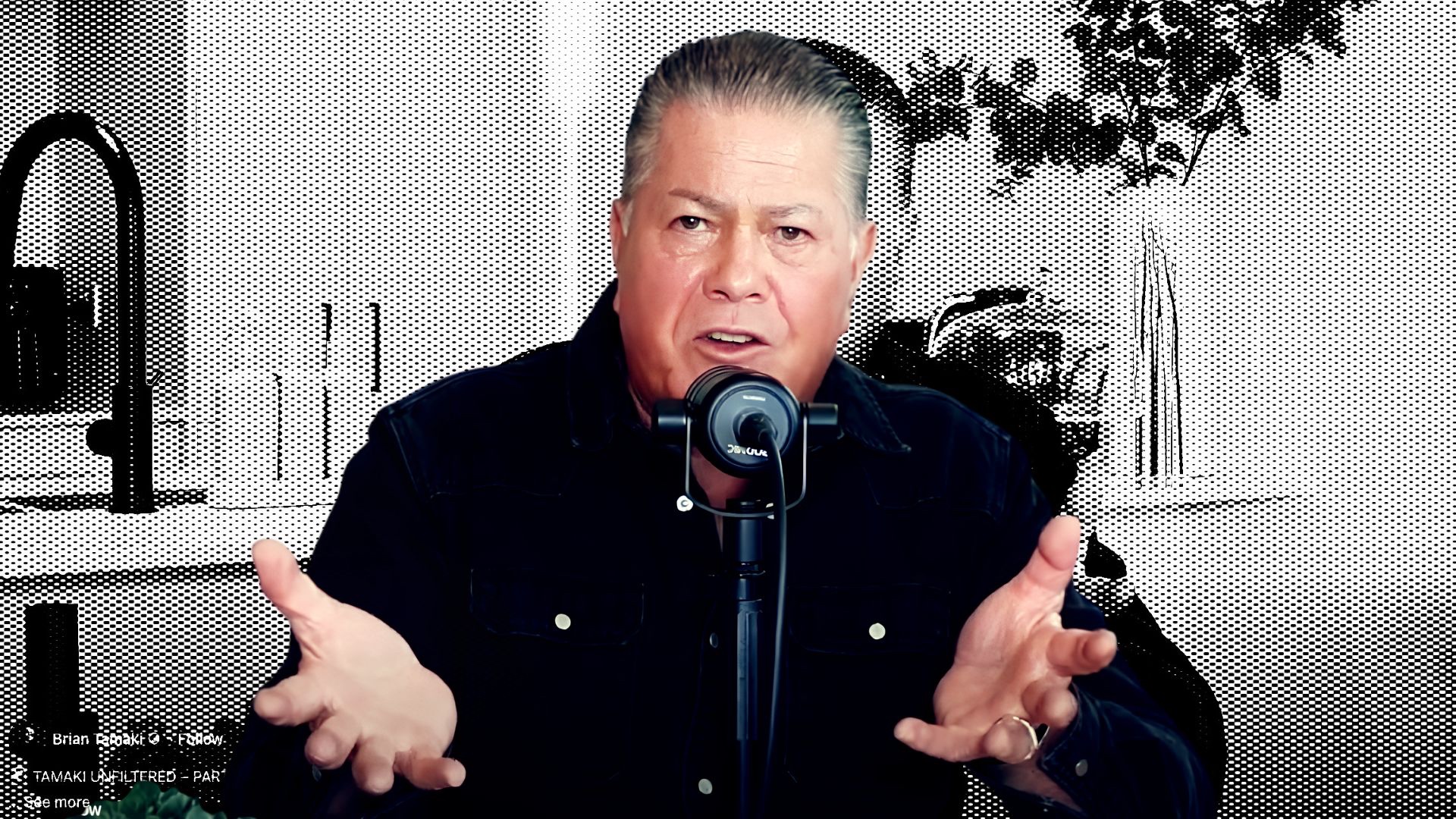
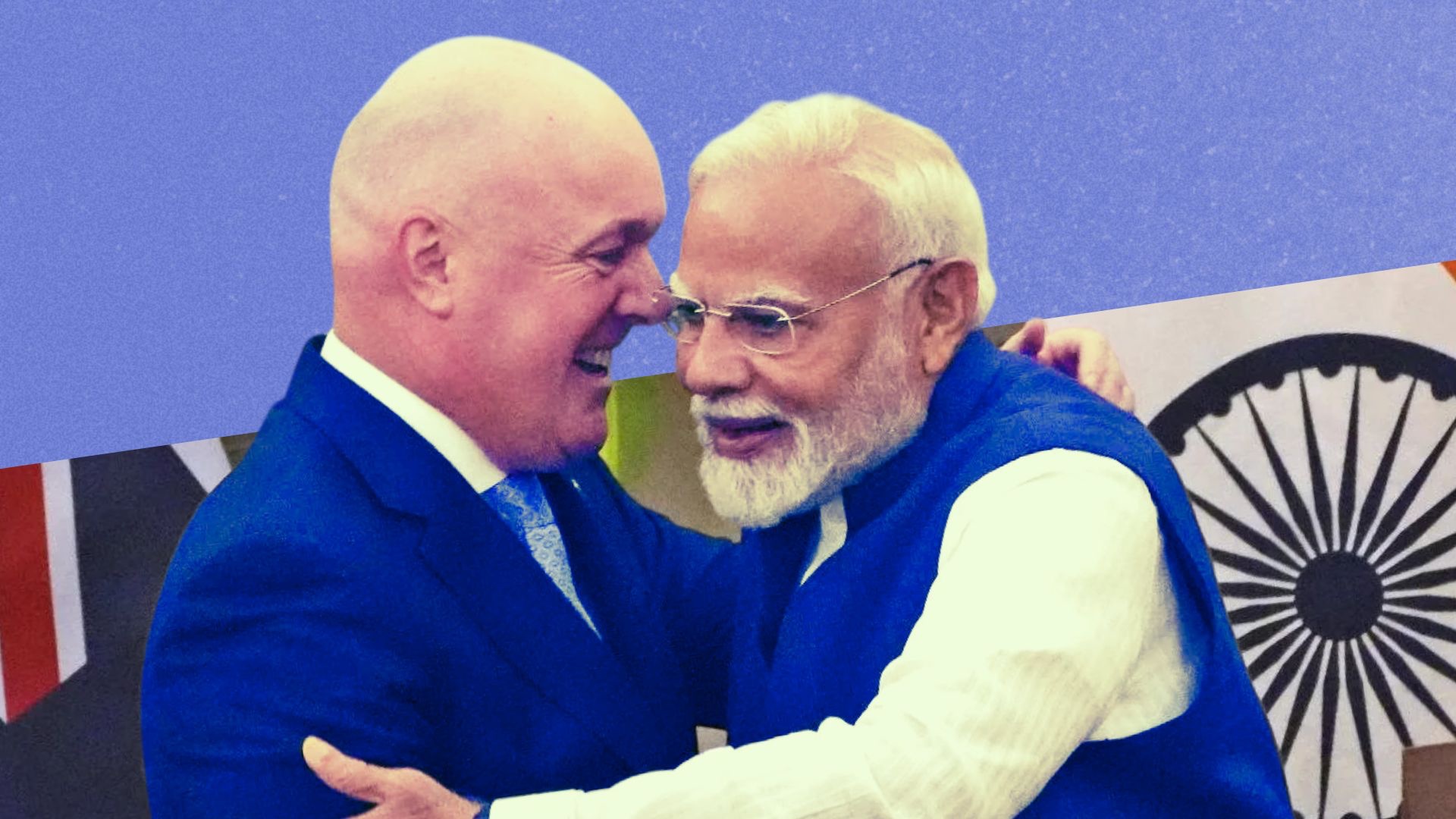
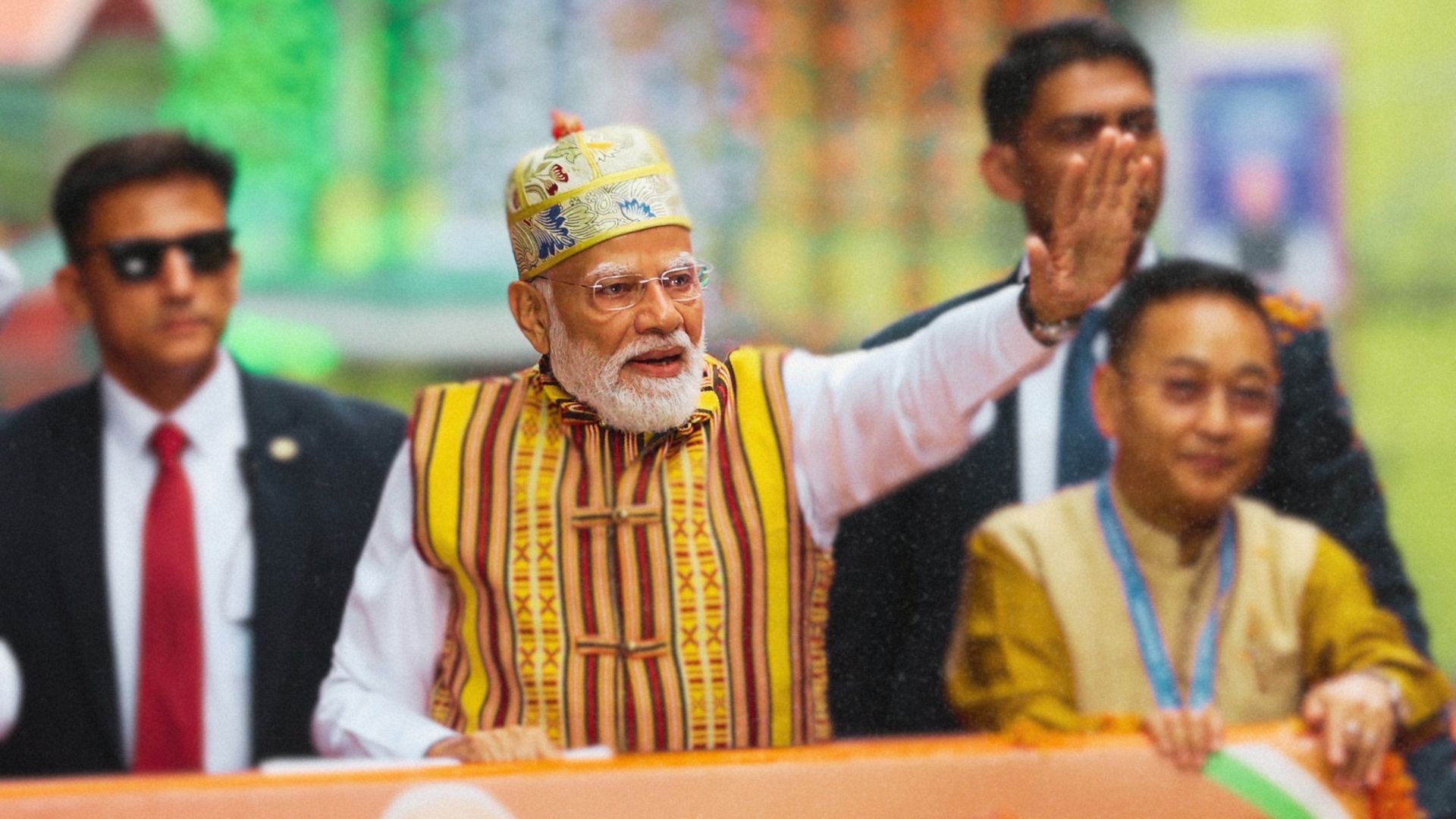
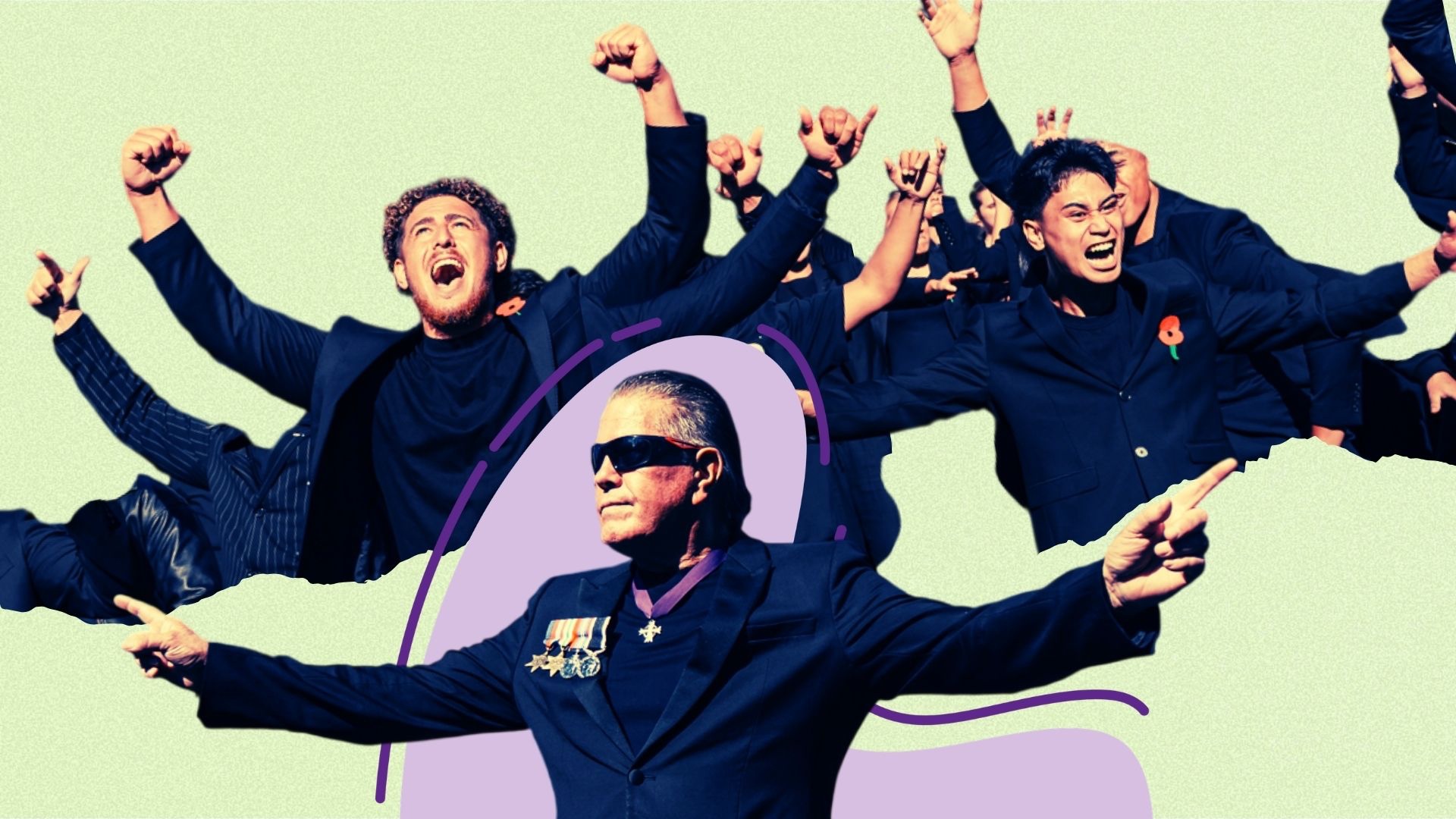
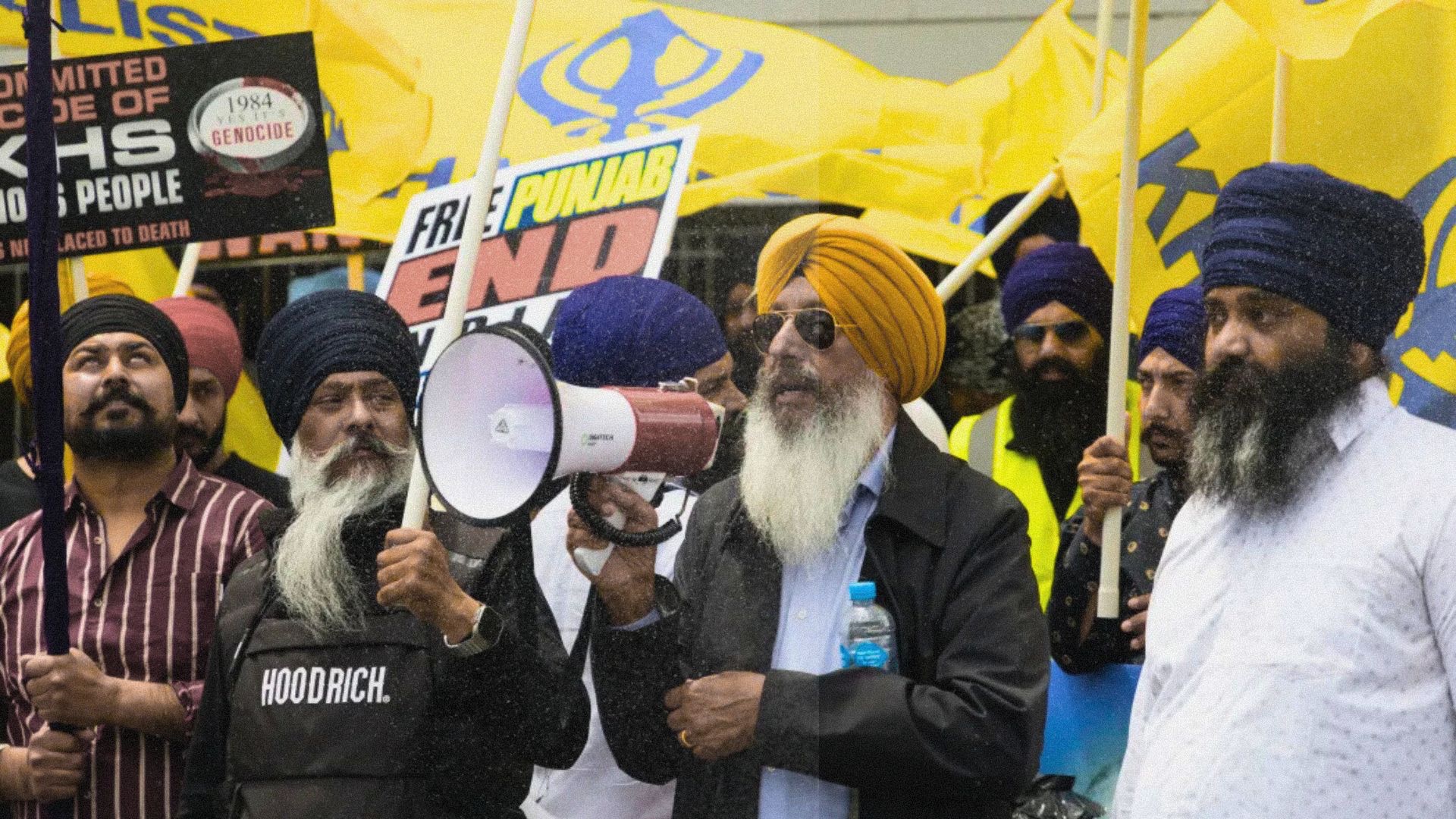
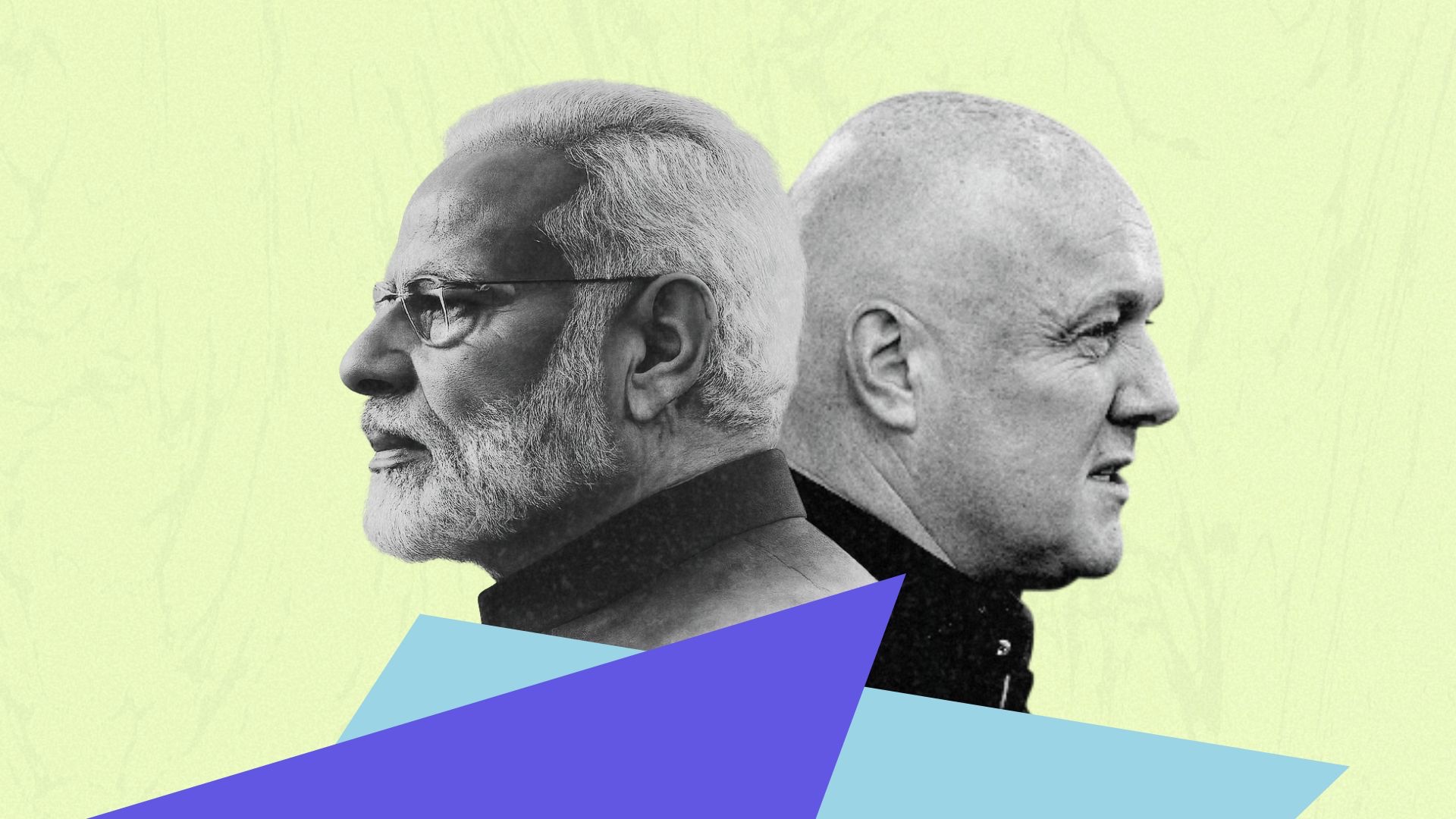
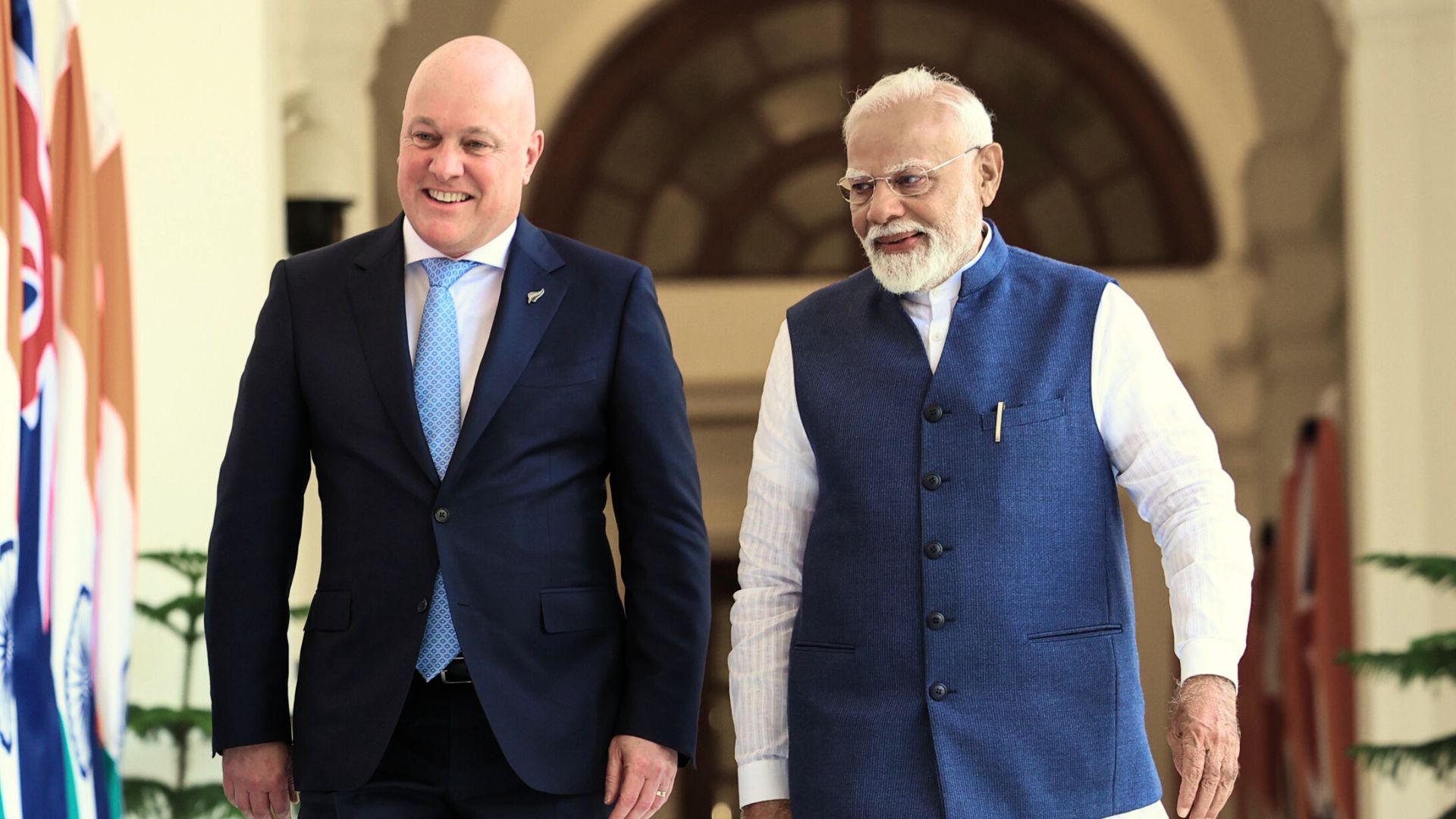
Destiny Church leader Tamaki has repeatedly attacked the visit of Indian prime minister Narendra Modi to New Zealand next month, and has used social media posts to criticise Indian migration and Indian communities.
Awaaz has previously reported on Tamaki’s call to “purge New Zealand” of Hindus, Sikhs and Muslims over the visit, as well as subsequent police assurances to Indian community leaders that they were reviewing whether his comments breached any legal threshold.
The petition invokes the memory of the Christchurch terrorist attacks, placing its call for stronger protections in the wider post-2019 debate about whether New Zealand’s laws are equipped to deal with hate and intimidation before they escalate.
The Royal Commission of Inquiry into the March 2019 Christchurch terrorist attacks – in which a white supremacist killed 51 people at a mosque and an Islamic centre – makes ample references to Muslim communities raising concerns about the normalisation of hate and intimidation in the days and months prior.
In one of its recommendations, the royal commission suggests tweaking the Crimes Act 1961 to include “an offence of inciting racial or religious disharmony, based on an intent to stir up, maintain or normalise hatred, through threatening, abusive or insulting communication with protected characteristics that include religious affiliation.”
That context is central to Anto’s petition. It is not only asking Parliament to condemn racism after the fact. It is asking whether the law can respond to racial intimidation before it becomes normalised.
The question is not purely symbolic. The Law Commission is currently reviewing New Zealand’s hate crime laws, including whether new hate crime offences should be created following recommendations made by the Royal Commission into the Christchurch mosque attacks.
However, that review does not cover hate speech. The Law Commission says hate speech was previously on its work programme, but was removed by the justice minister in March 2024.
For Indian and other Asian communities, that leaves a live political question. That whether existing law is equipped to deal with public rhetoric that may not amount to direct violence, but can still normalise hostility and fear.
Awaaz reported in March that South Asian New Zealanders were the most targeted diaspora group in police-recorded racial hate incidents, with nearly 27 per cent of racial hate incidents involving South Asian victims in the 45 months to October 2025.
When the Petitions Committee examines Anto’s petition in detail, one of the central points of contention is likely to be whether any stronger law against racial intimidation would infringe on free speech.
The Free Speech Union, responding to Tamaki’s remarks, condemned his call for a purge , and his suggestion of retaliatory attacks on mosques and temples.
“These remarks are divisive and inflammatory and run contrary to the principles of a free and pluralistic society,” Free Speech Union chief executive Jillaine Heather said.
But the group also warned against responding to offensive speech by giving the state broader censorship powers.
“The true test of a commitment to free speech is not whether we defend speech we agree with, but whether we defend the right of people to express views we find offensive, disturbing, or even abhorrent,” Heather said.
“The primary response to bad speech should be criticism, rebuttal, and public condemnation, not an appeal to state power.”
The Free Speech Union said New Zealand law already provides remedies where speech crosses into criminal conduct, including incitement, threats or encouragement of offending.
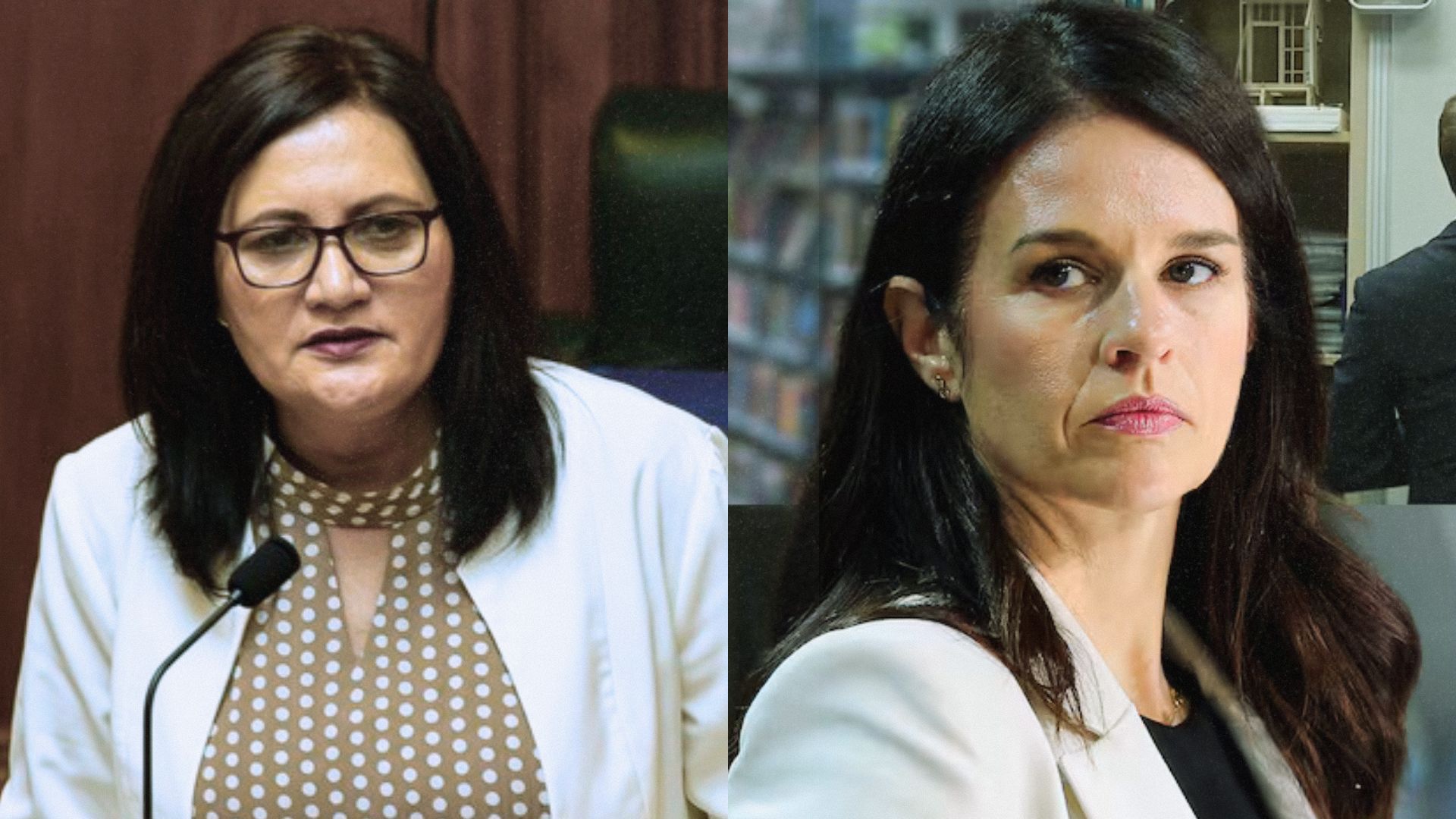
The Petitions Committee has four members. National's Greg Fleming and Paul Garcia, Greg O'Connor from Labour and Celia Wade-Brown from the Green Party.