
Opinion: Racial hate should concern everyone, not just Indians and migrants
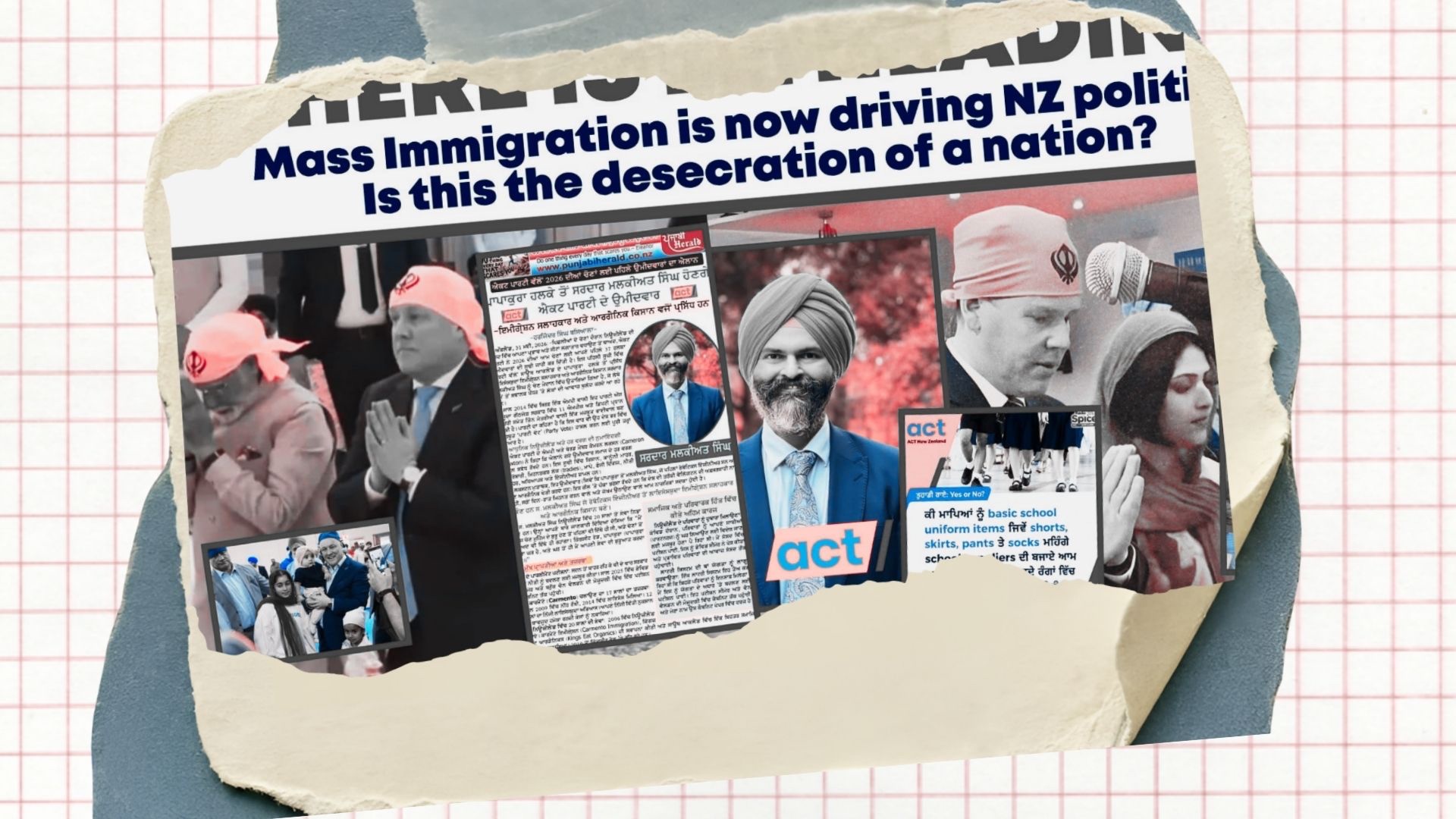
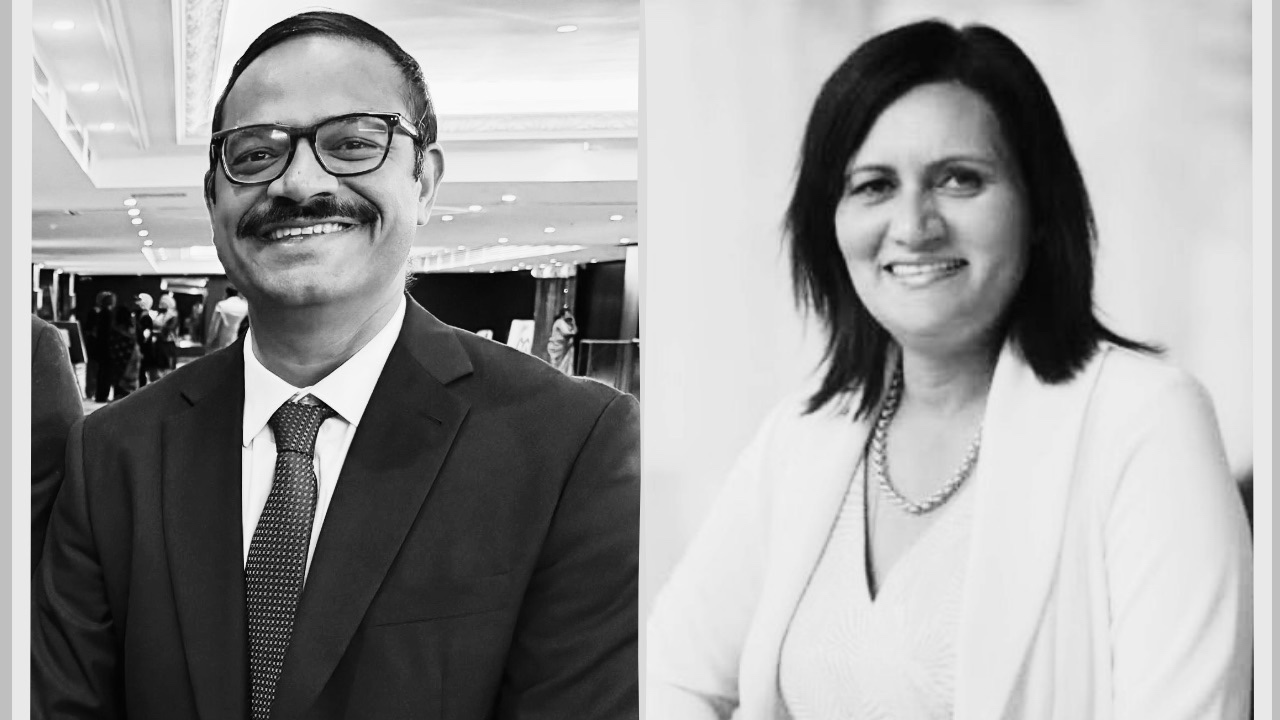
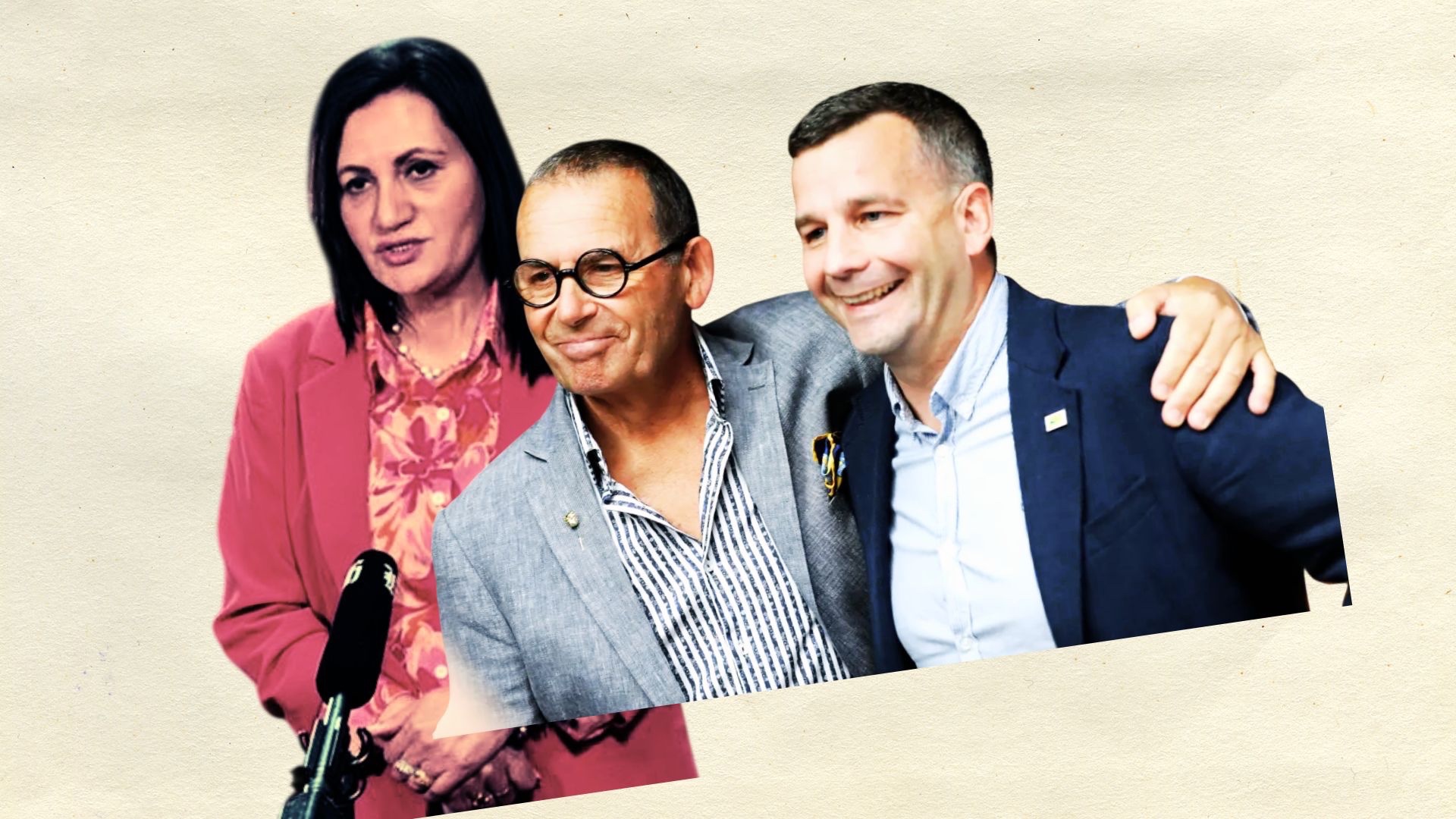
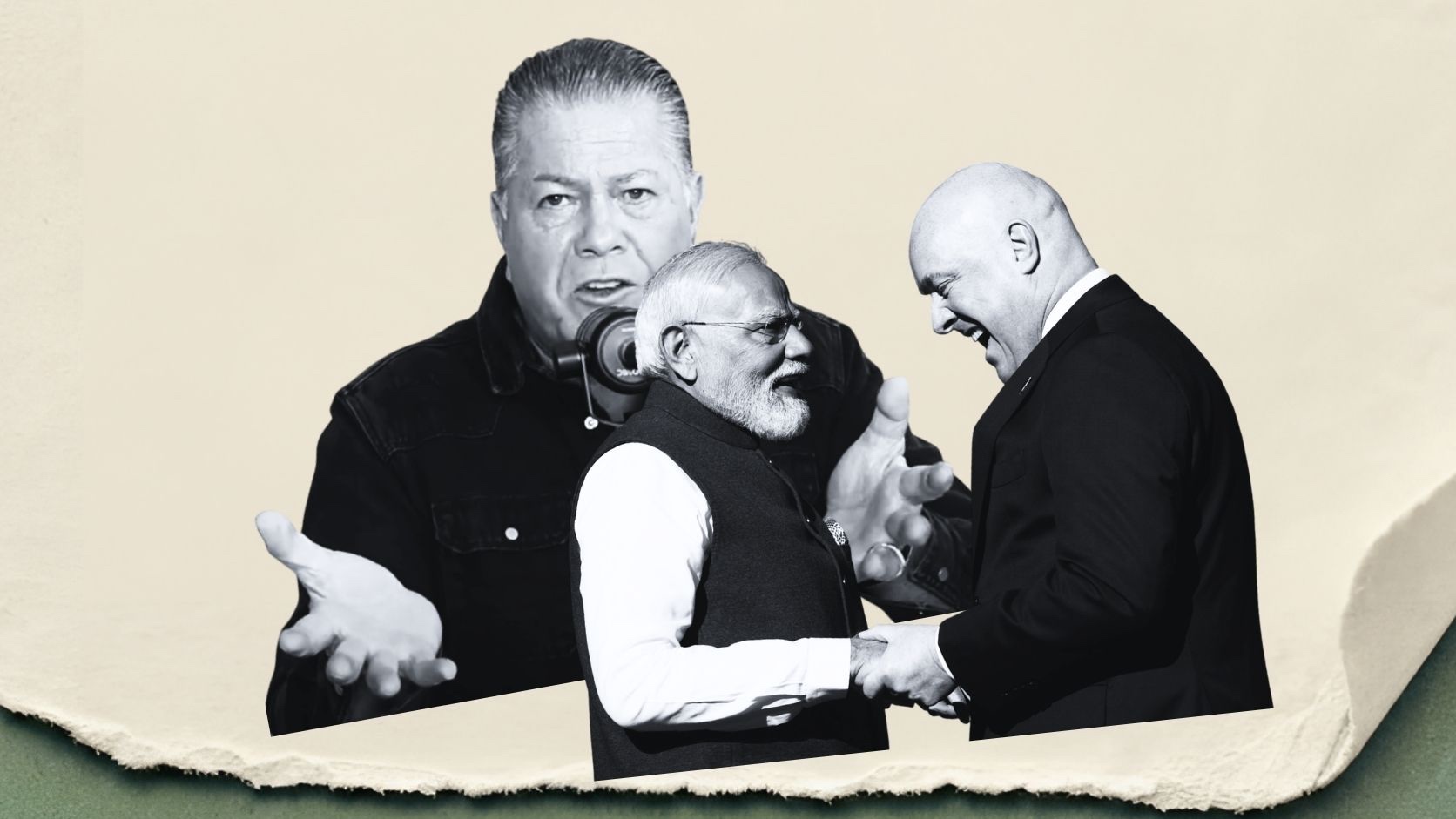
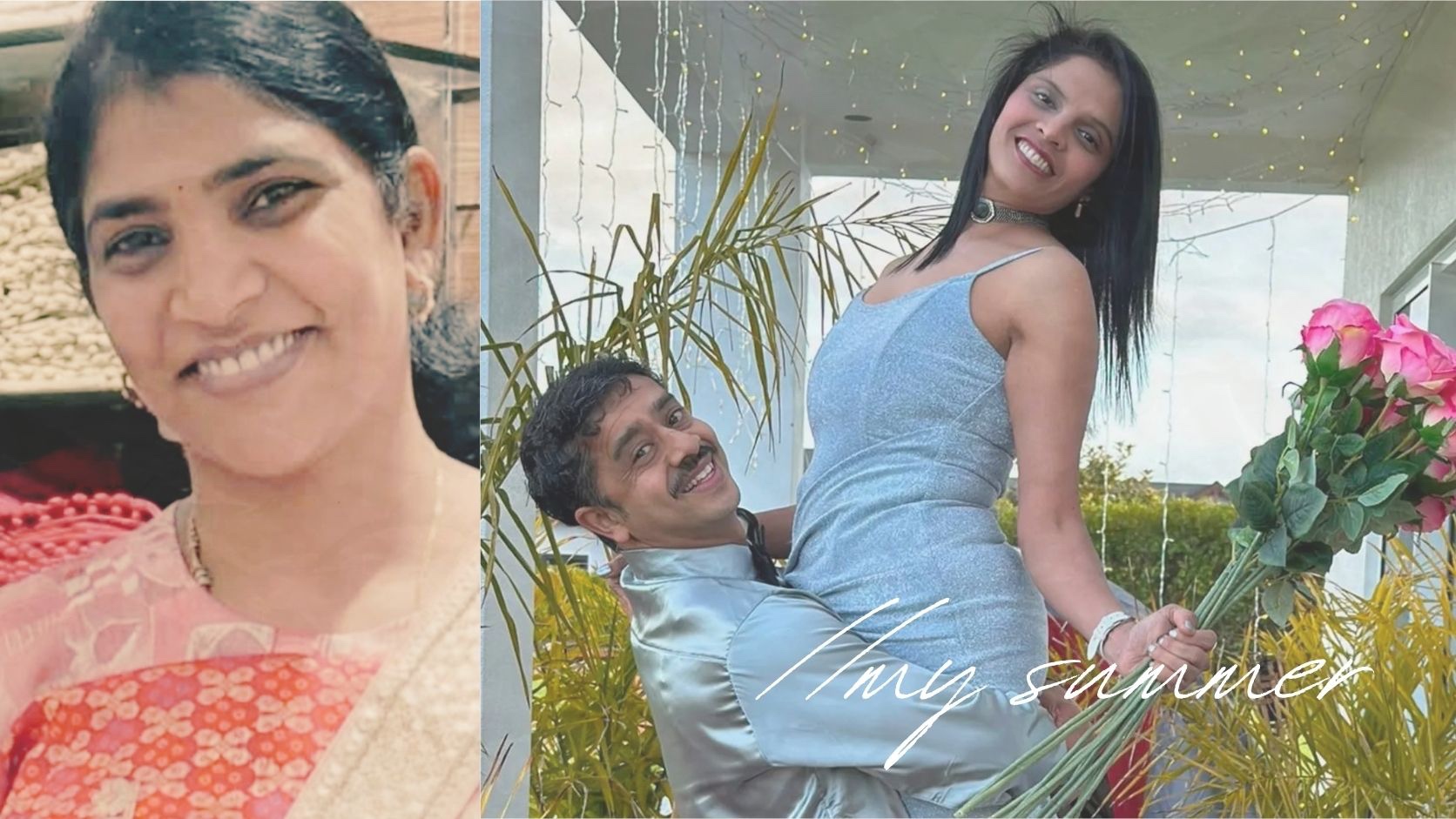
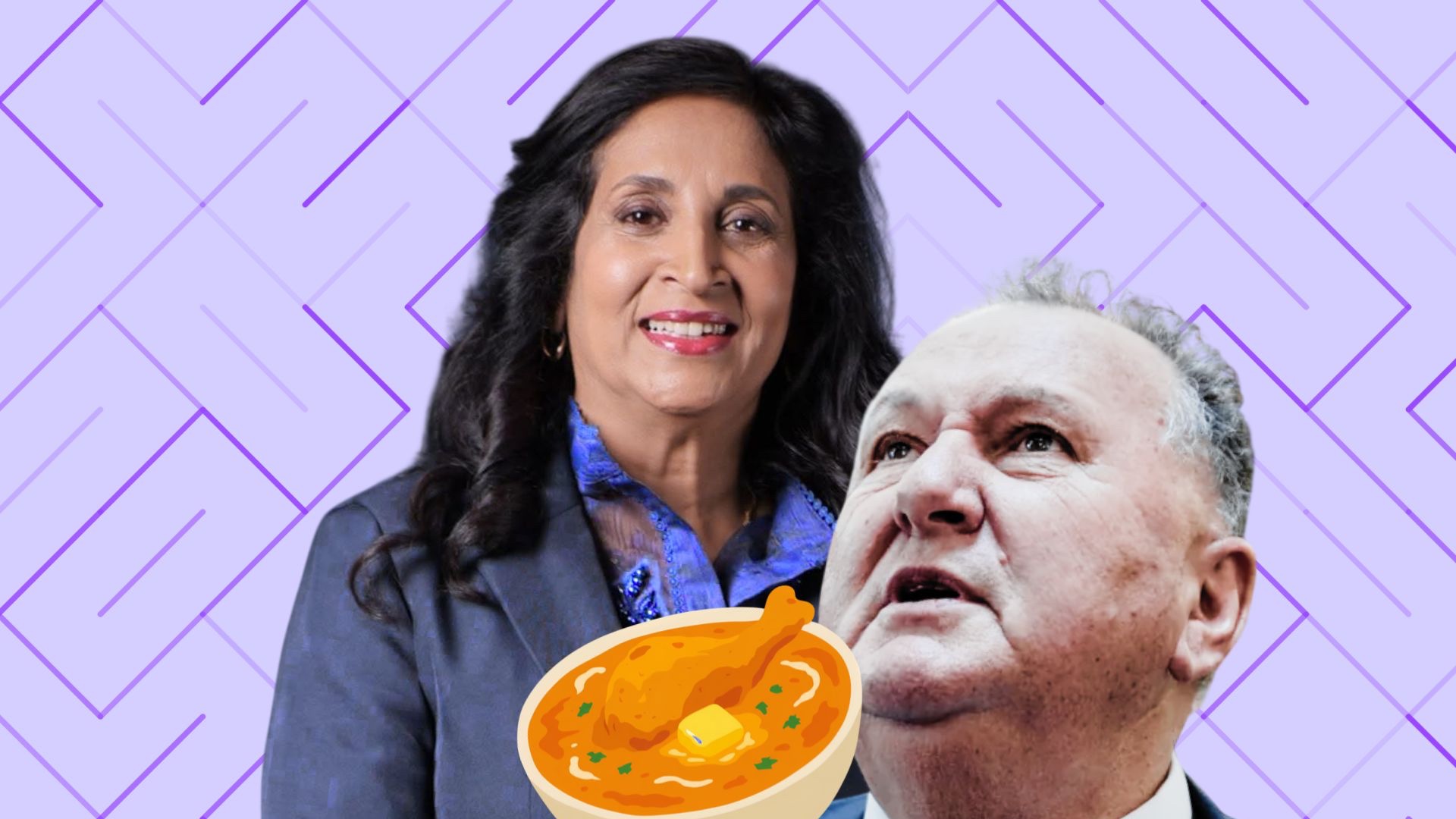
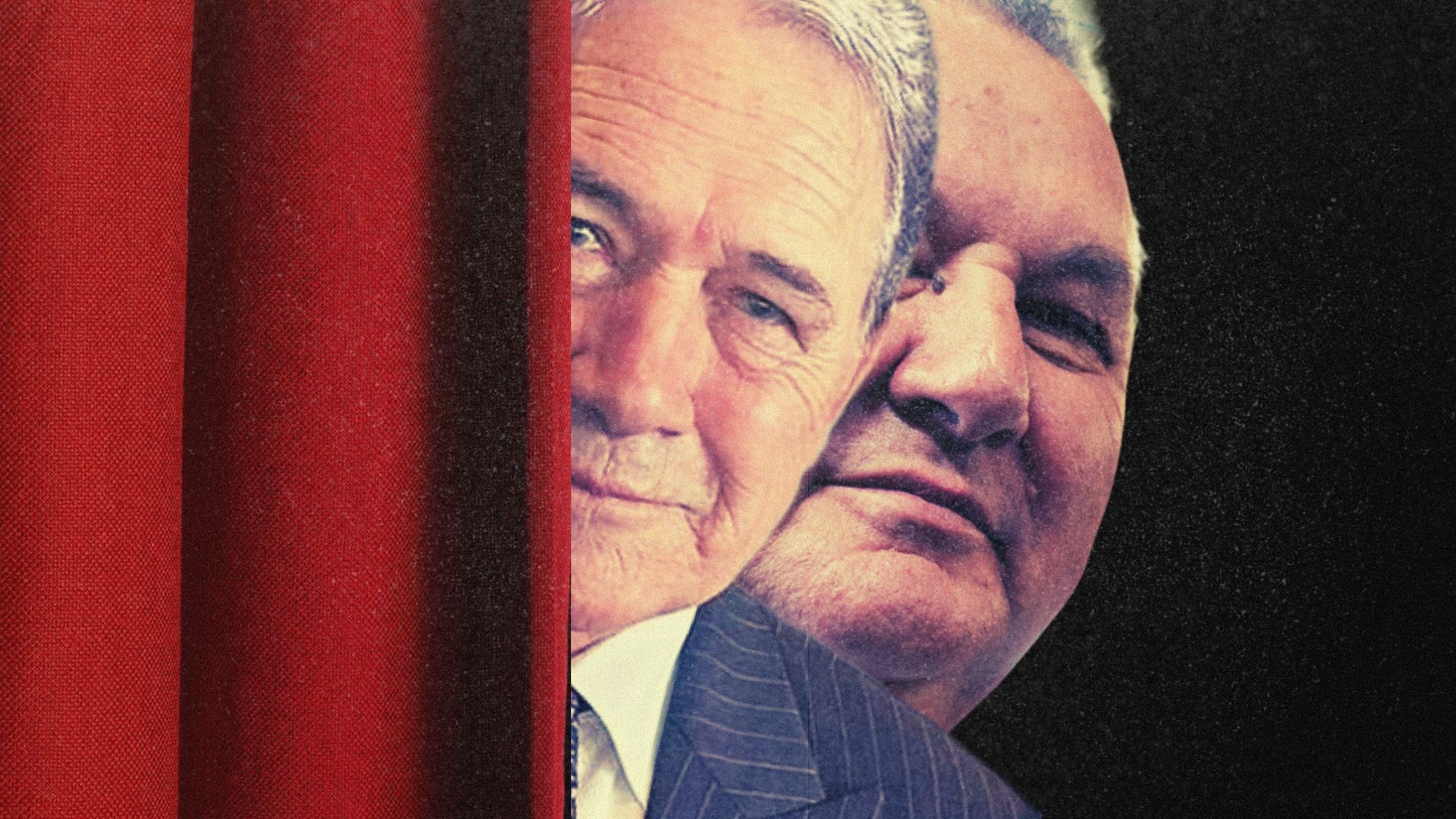
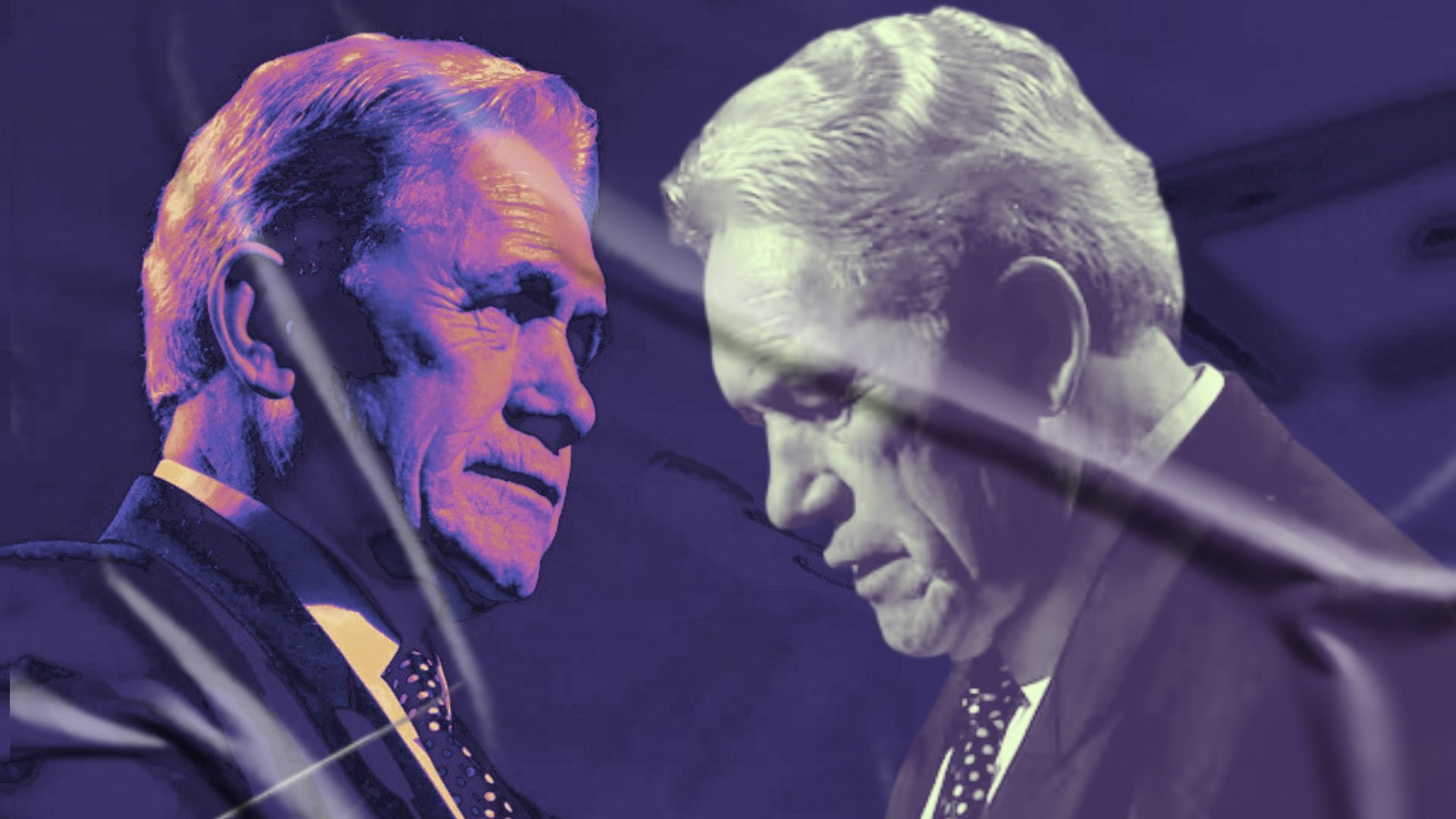
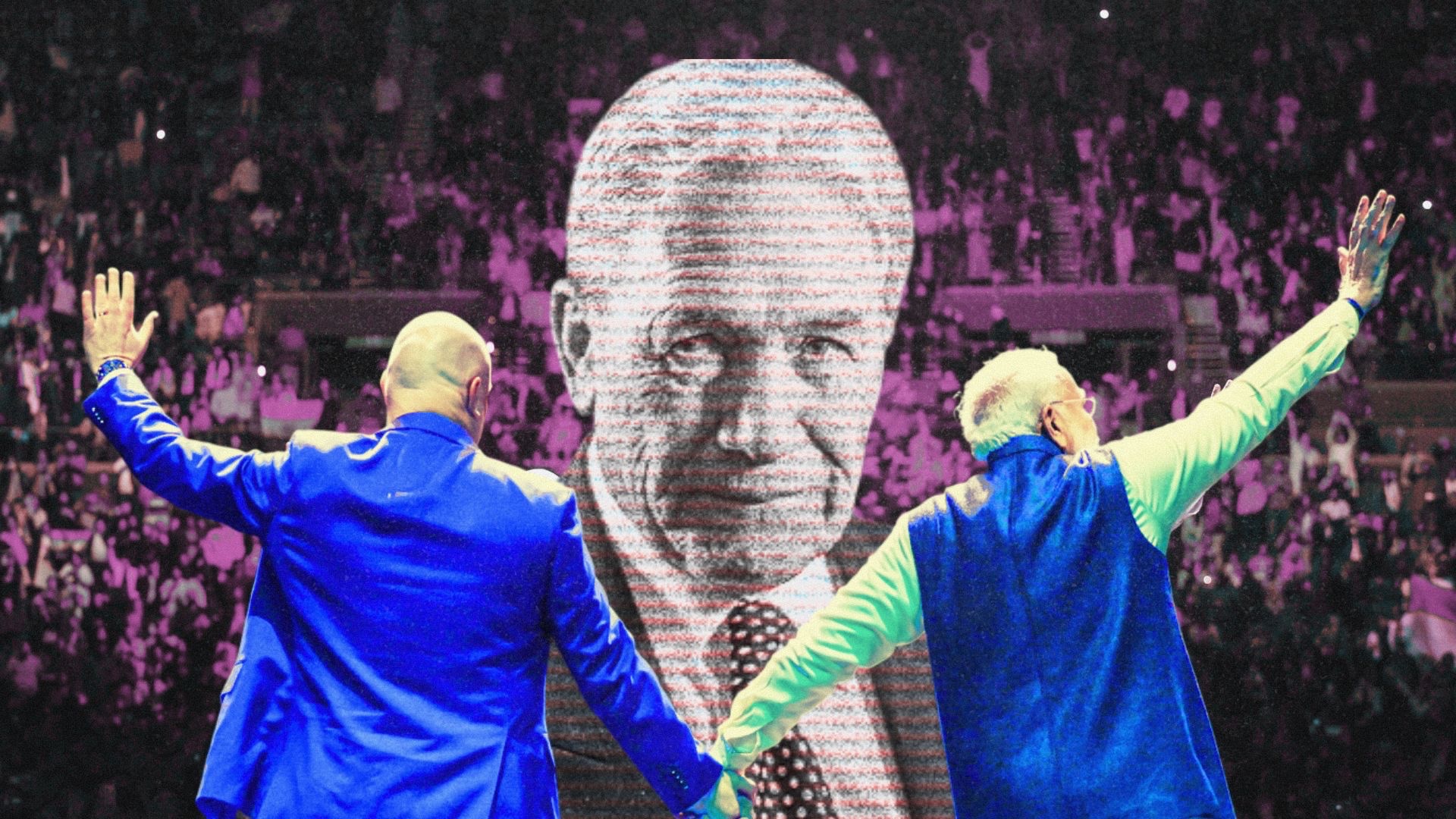
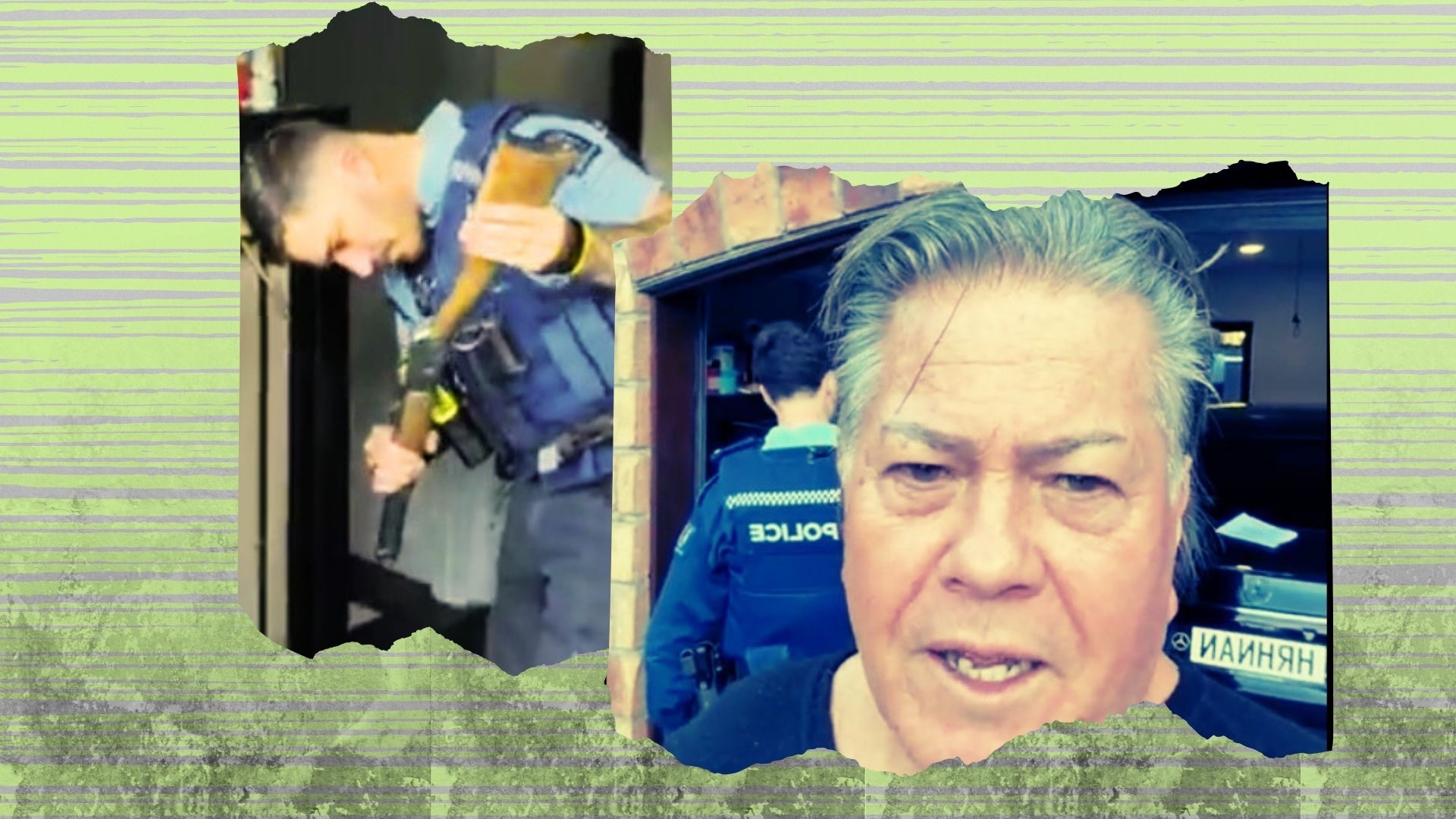
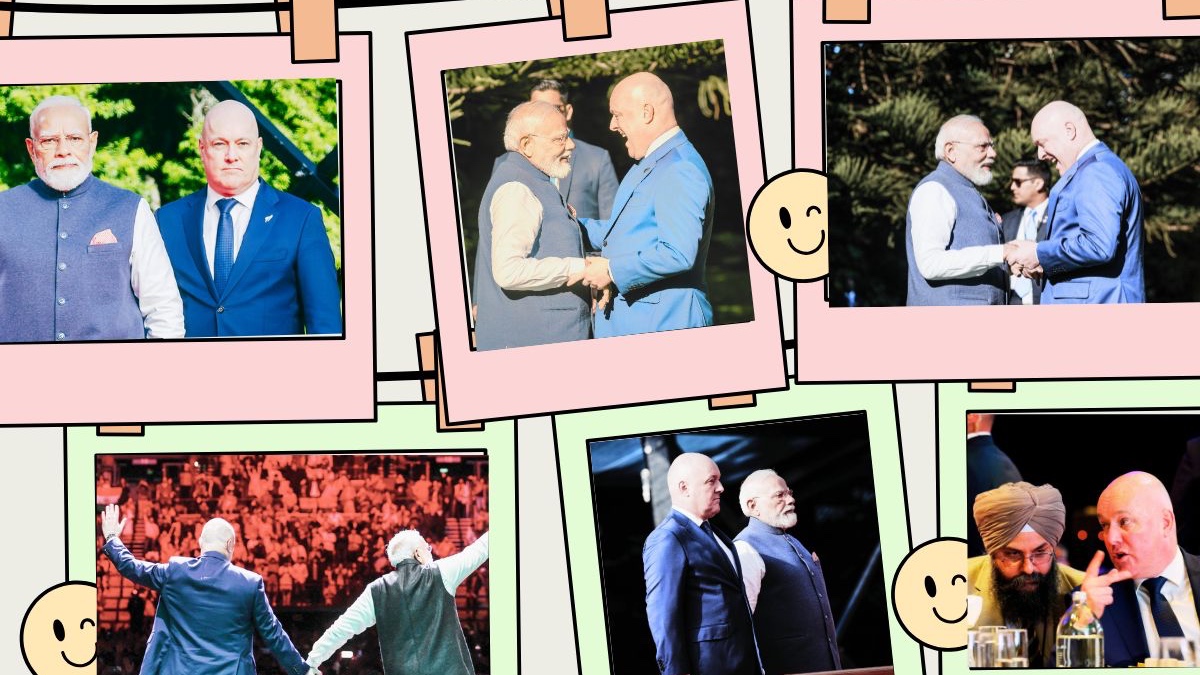
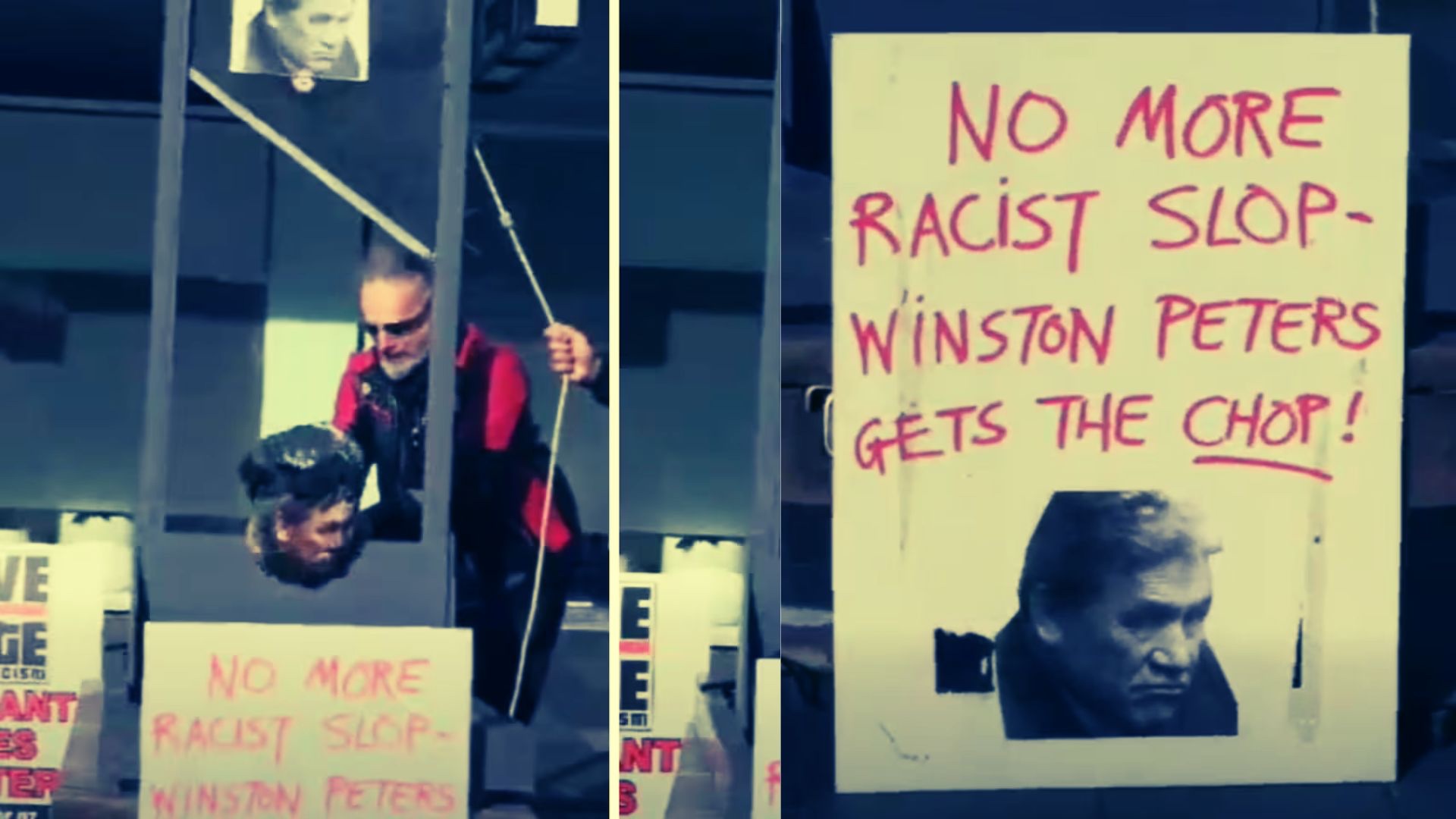
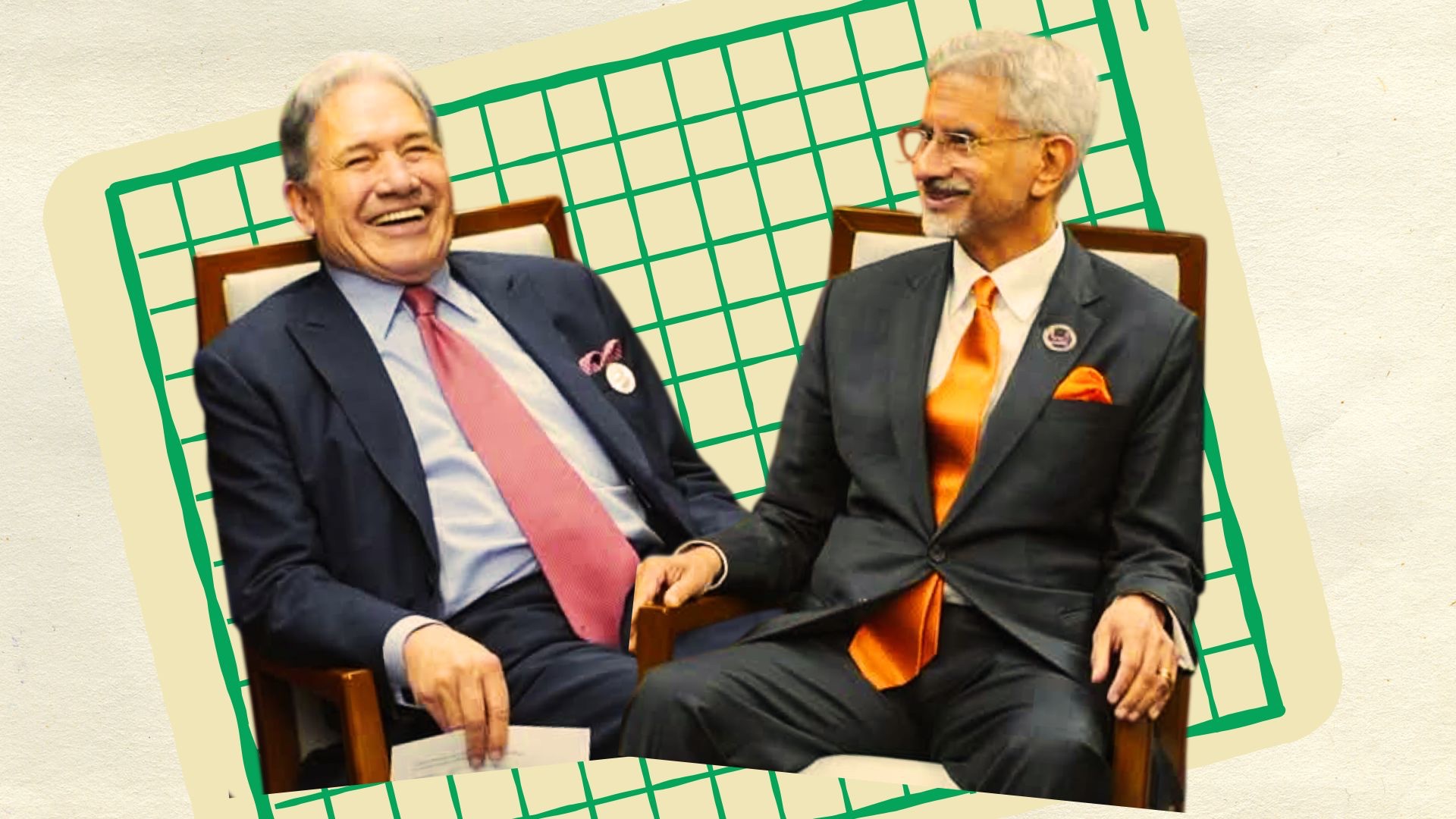
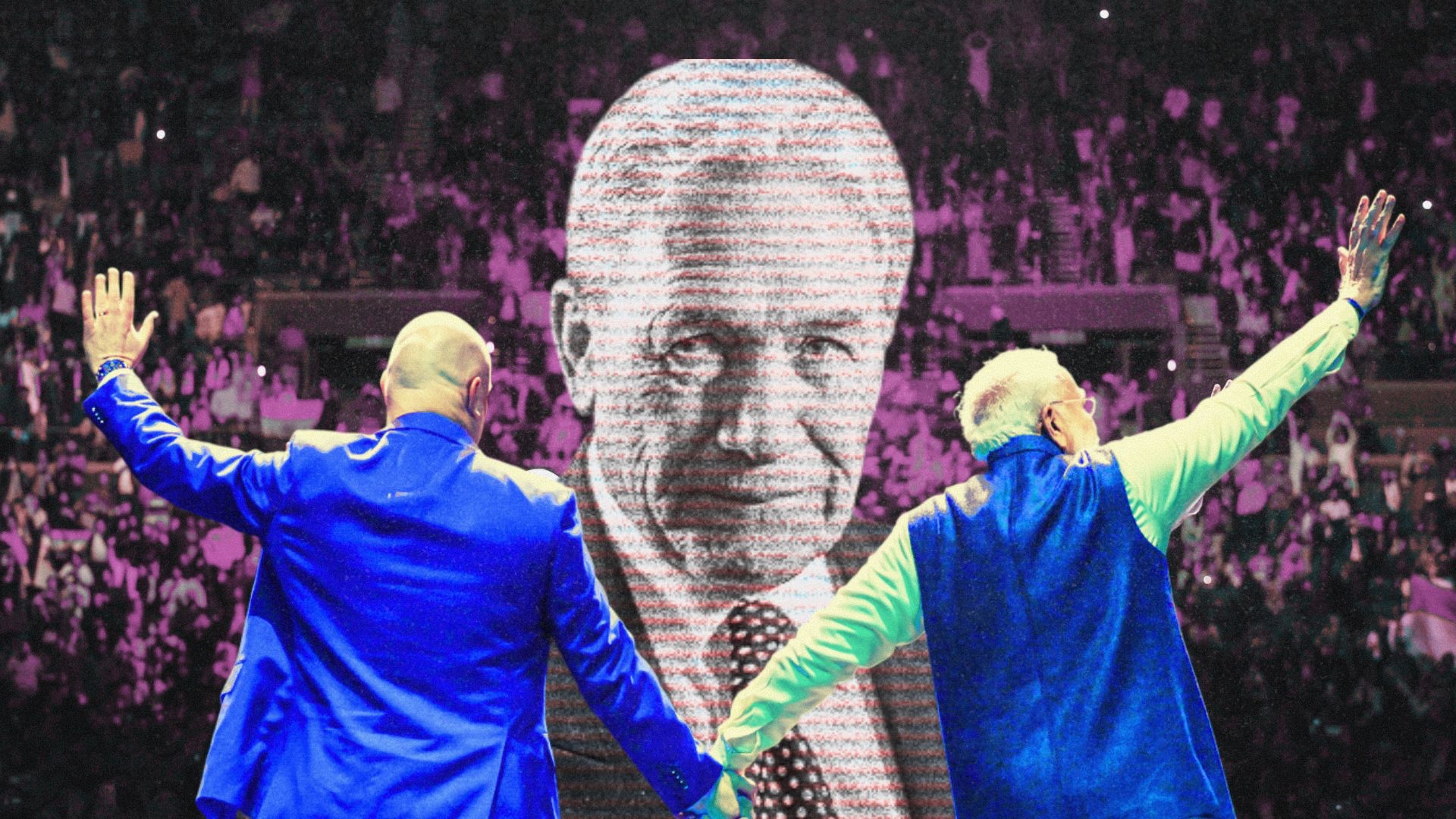
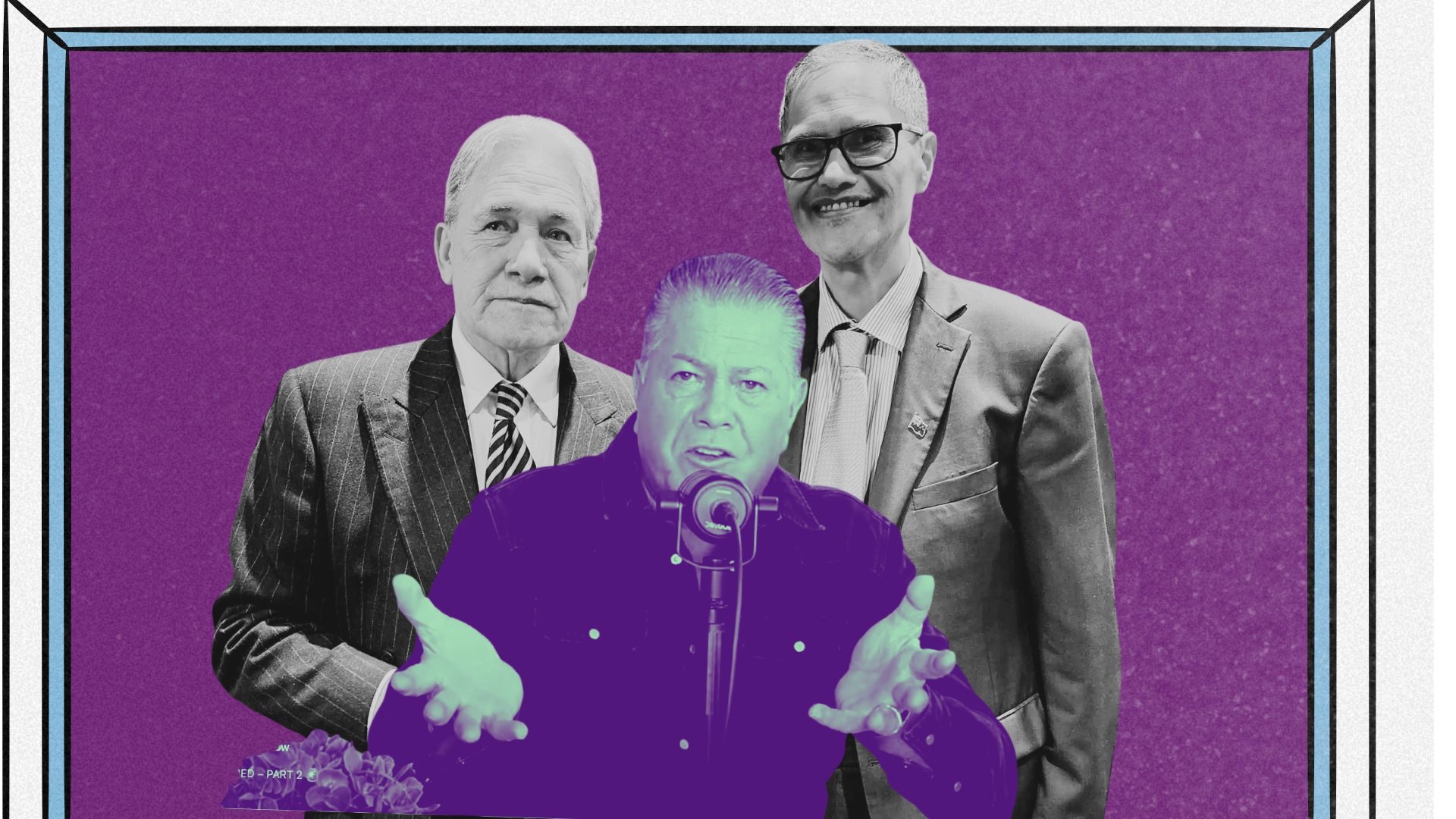
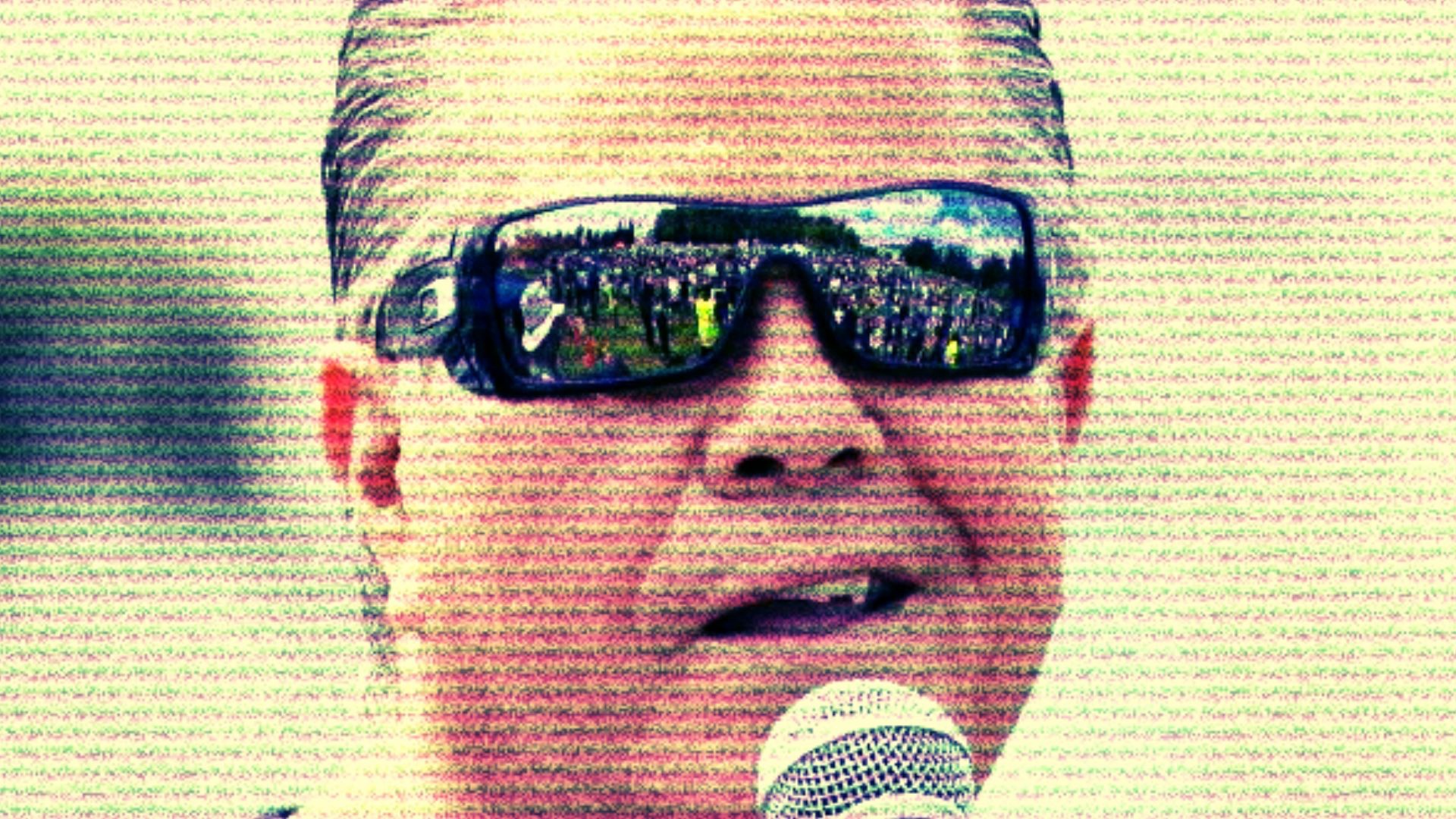
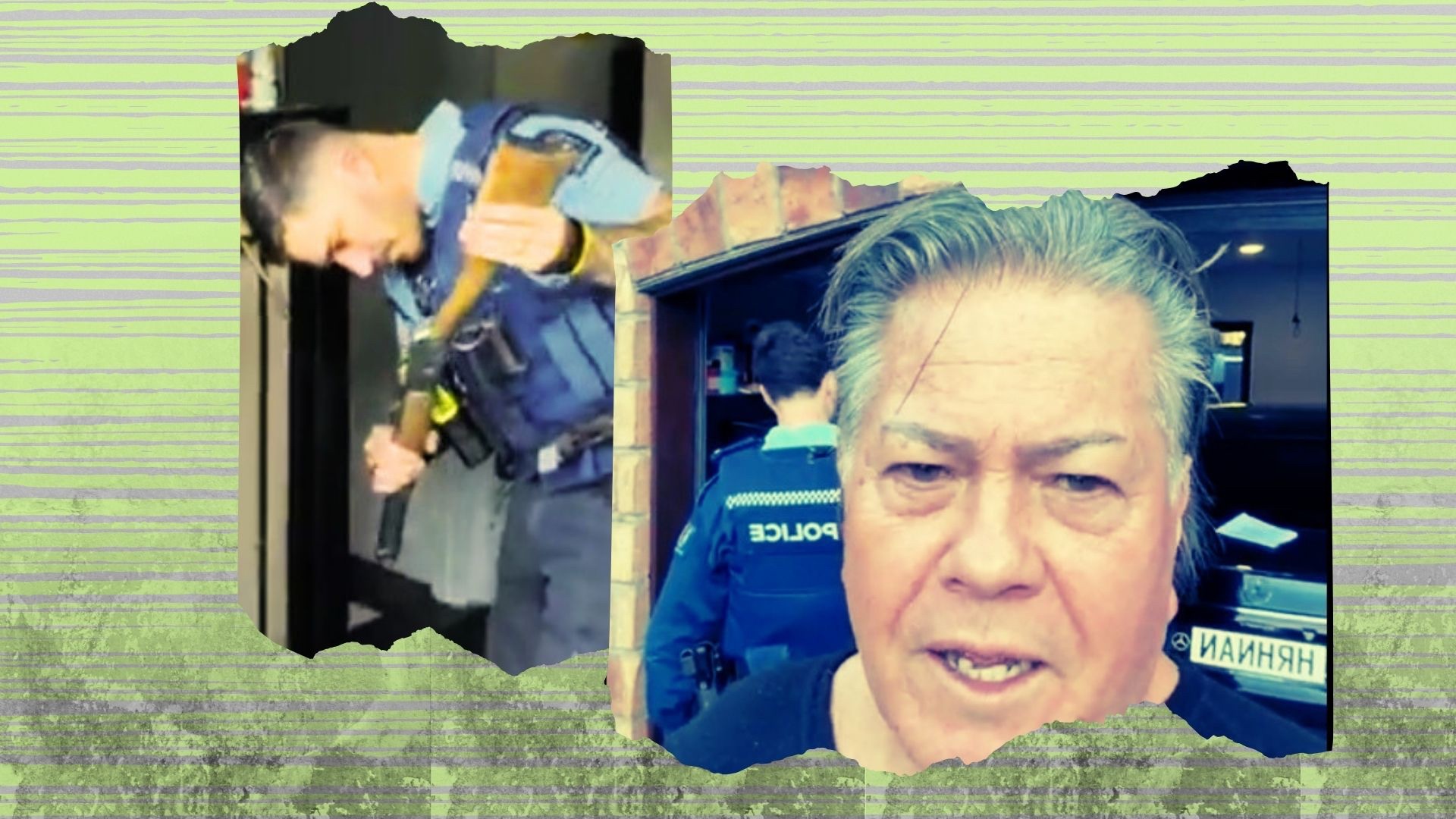
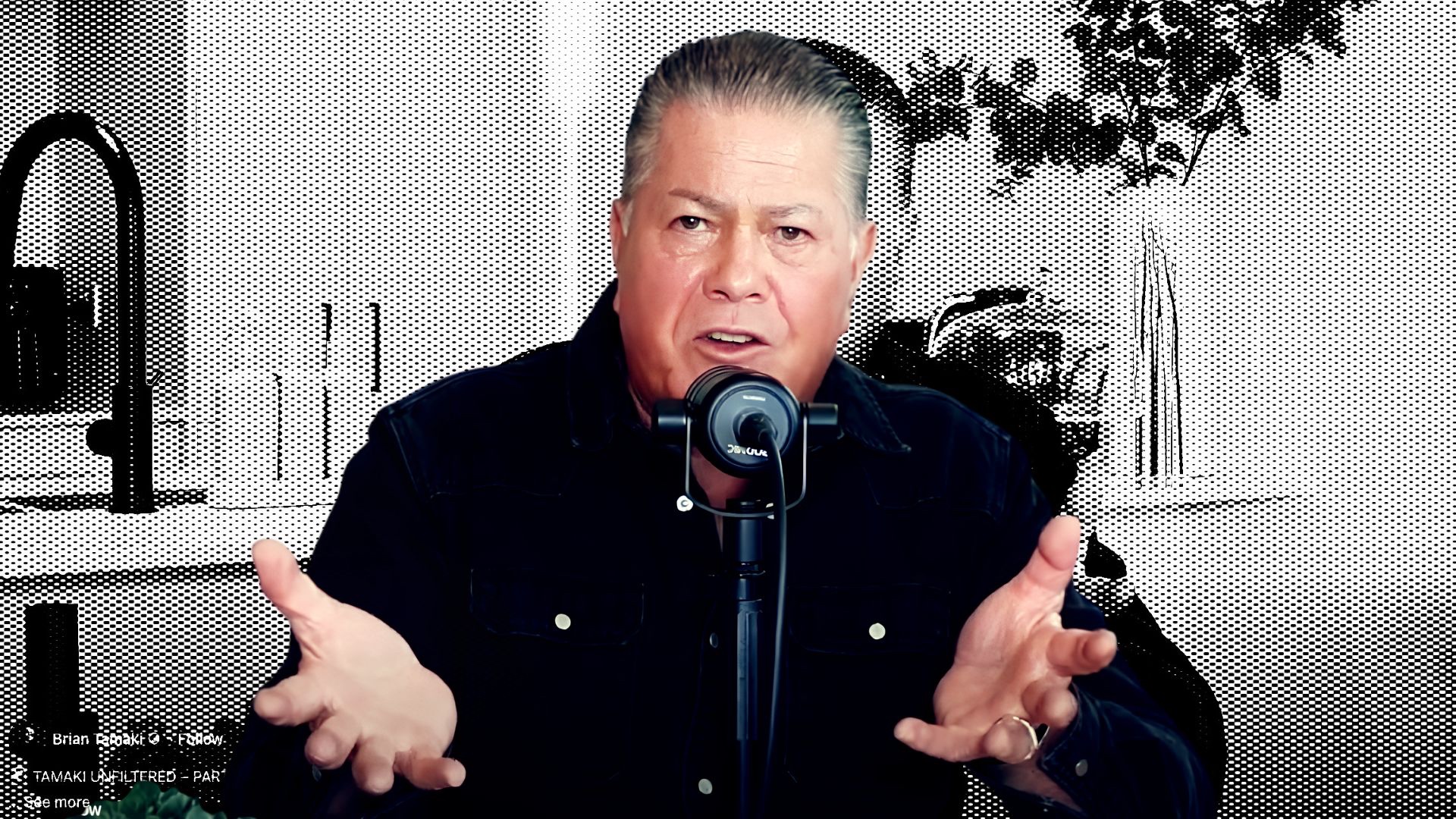
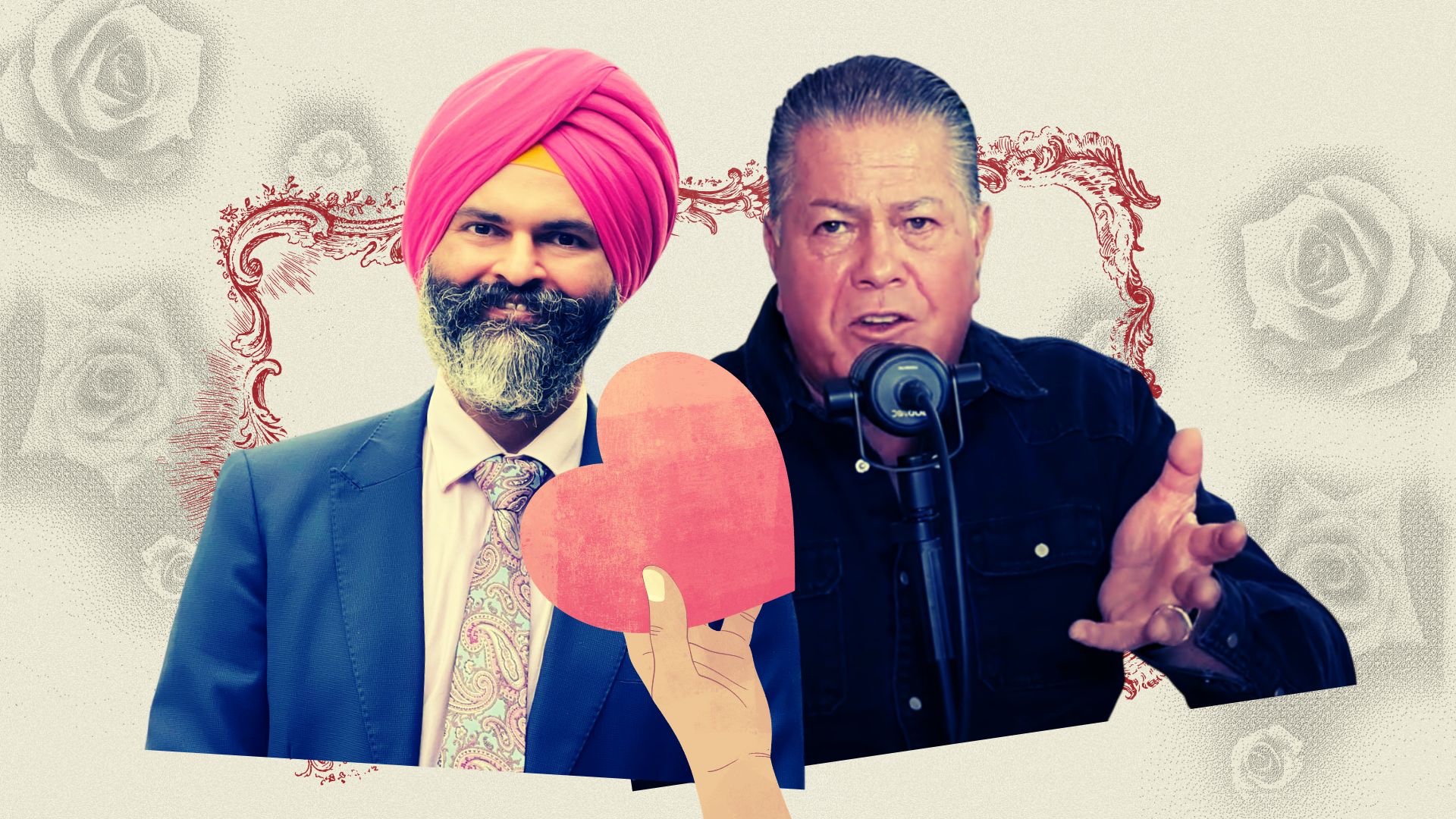
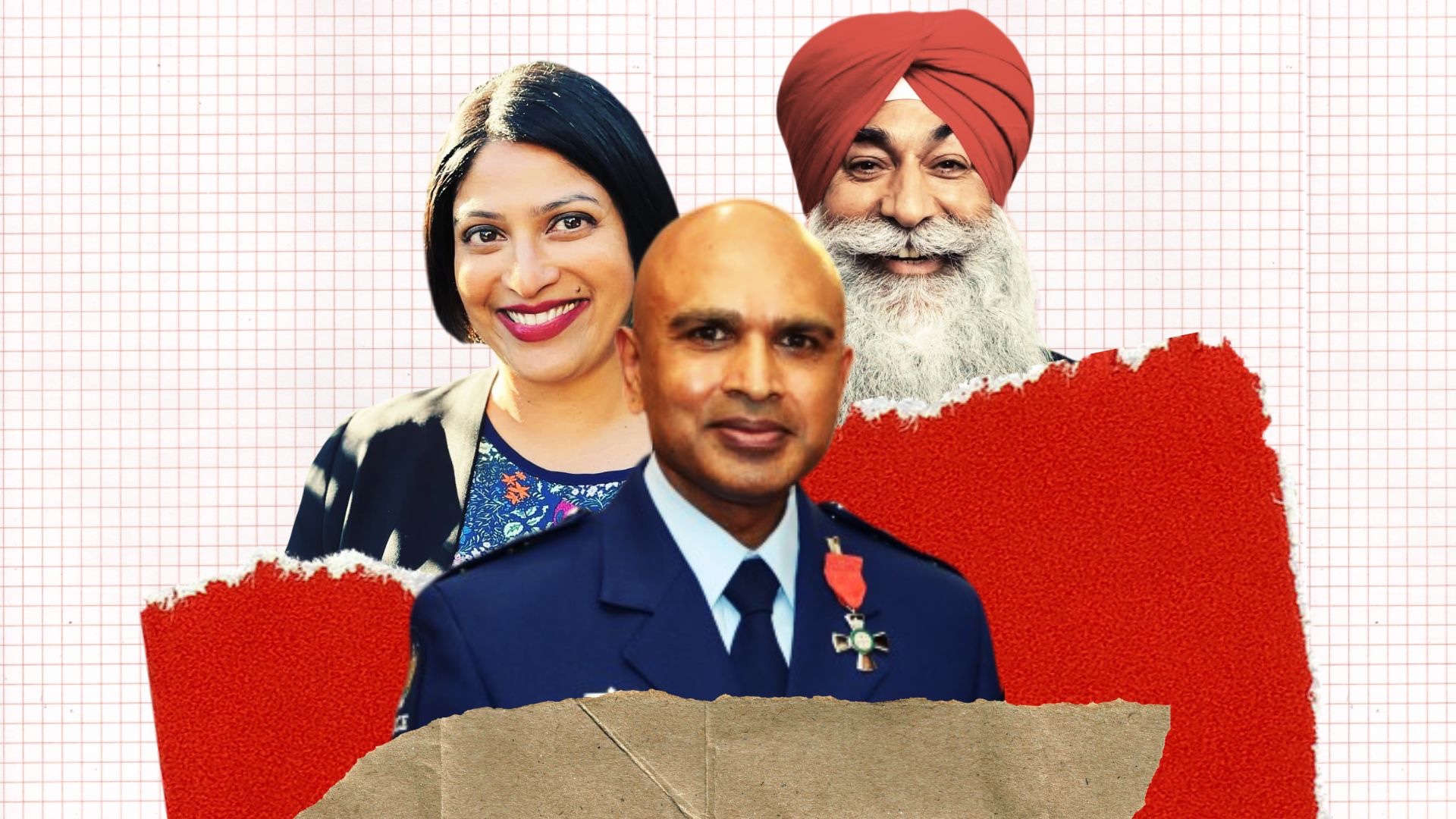
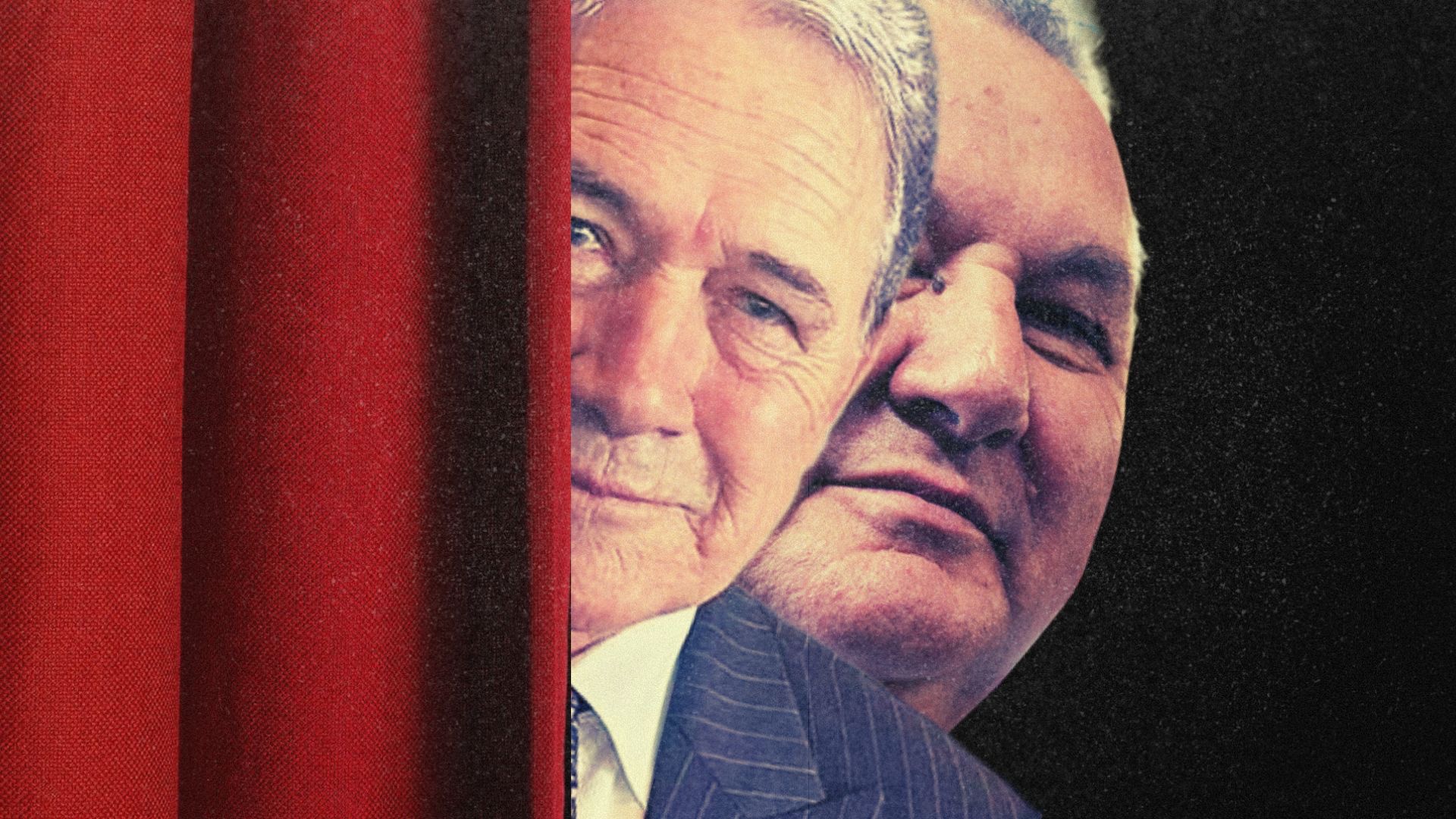
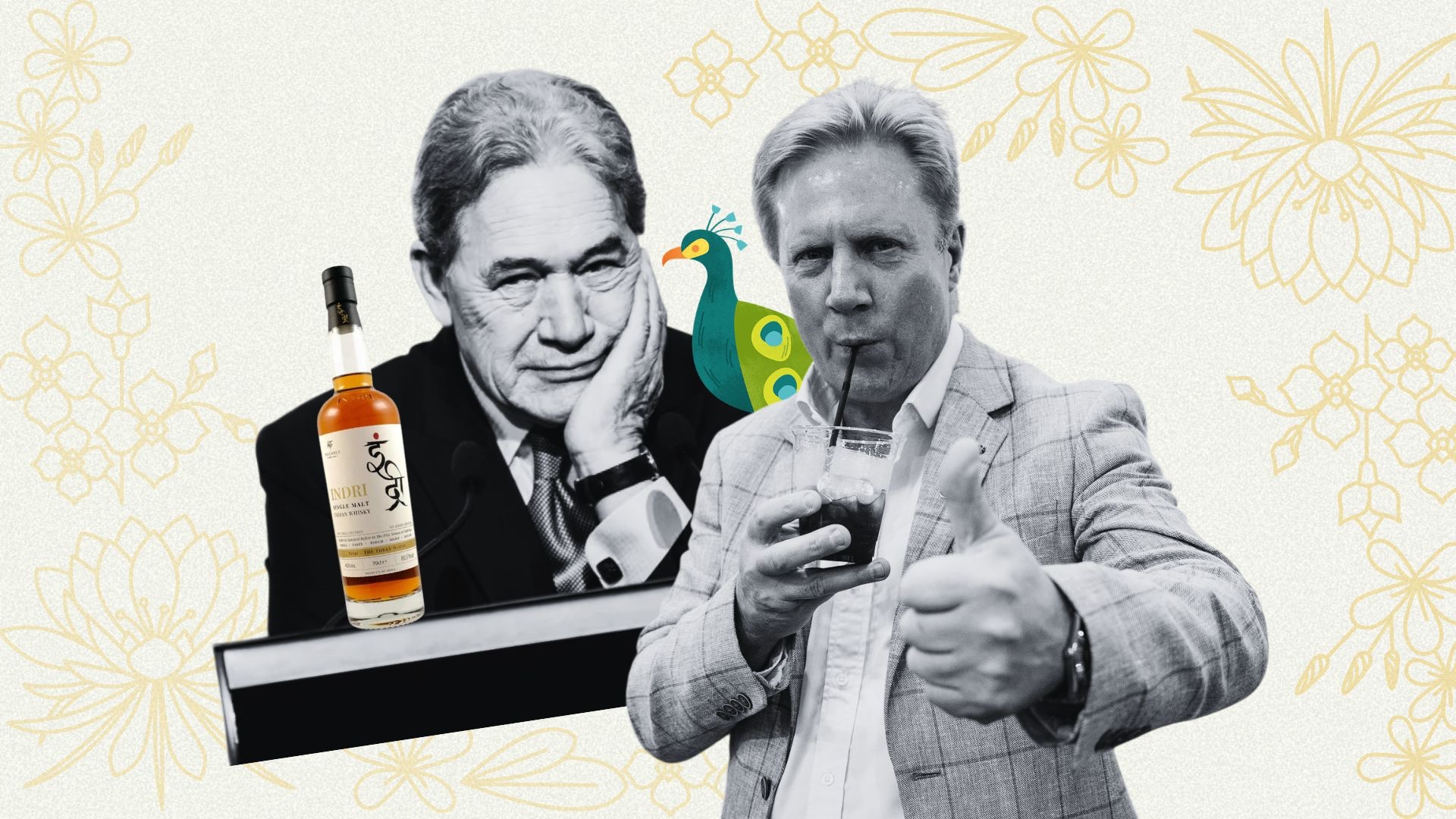
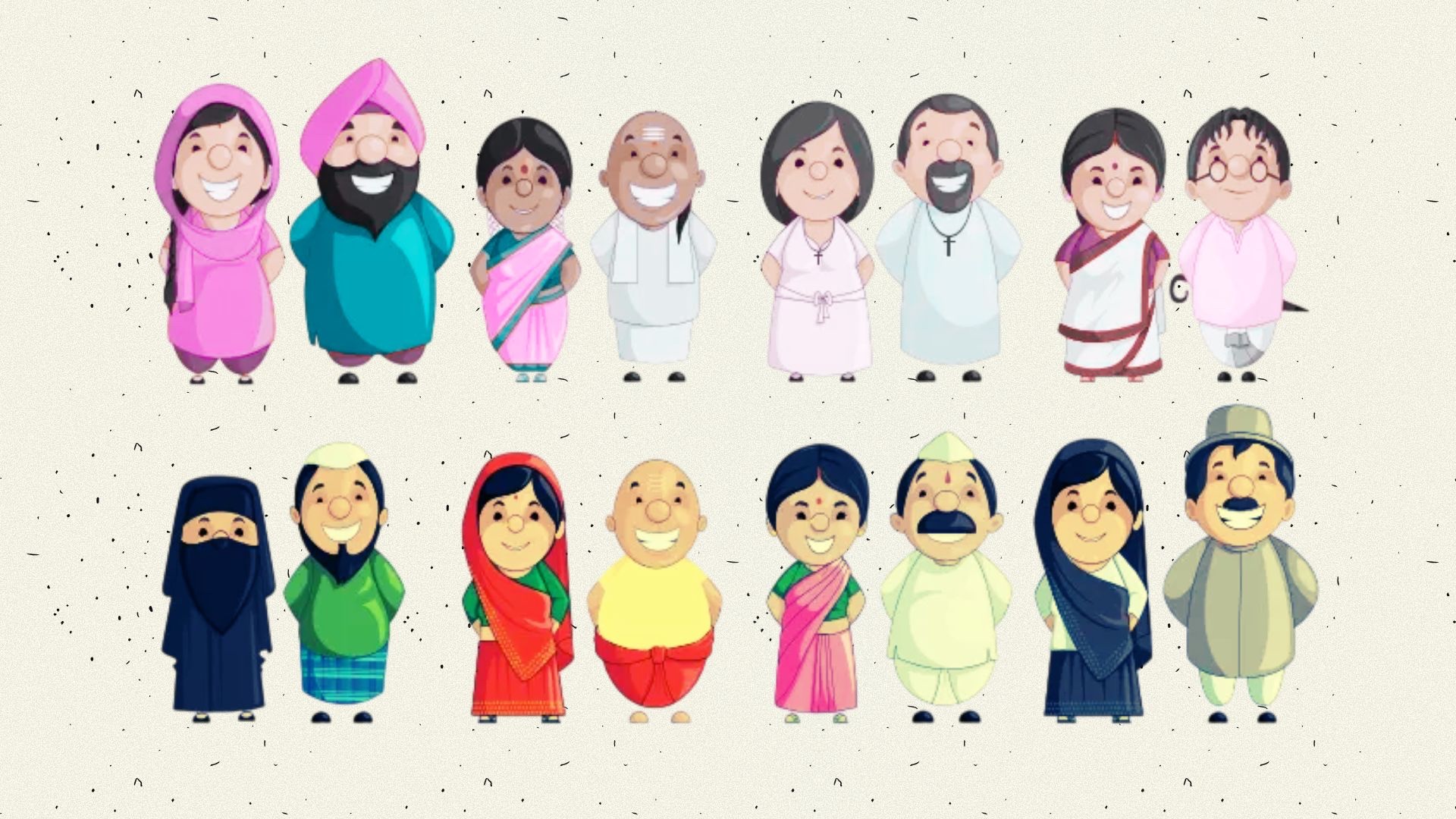
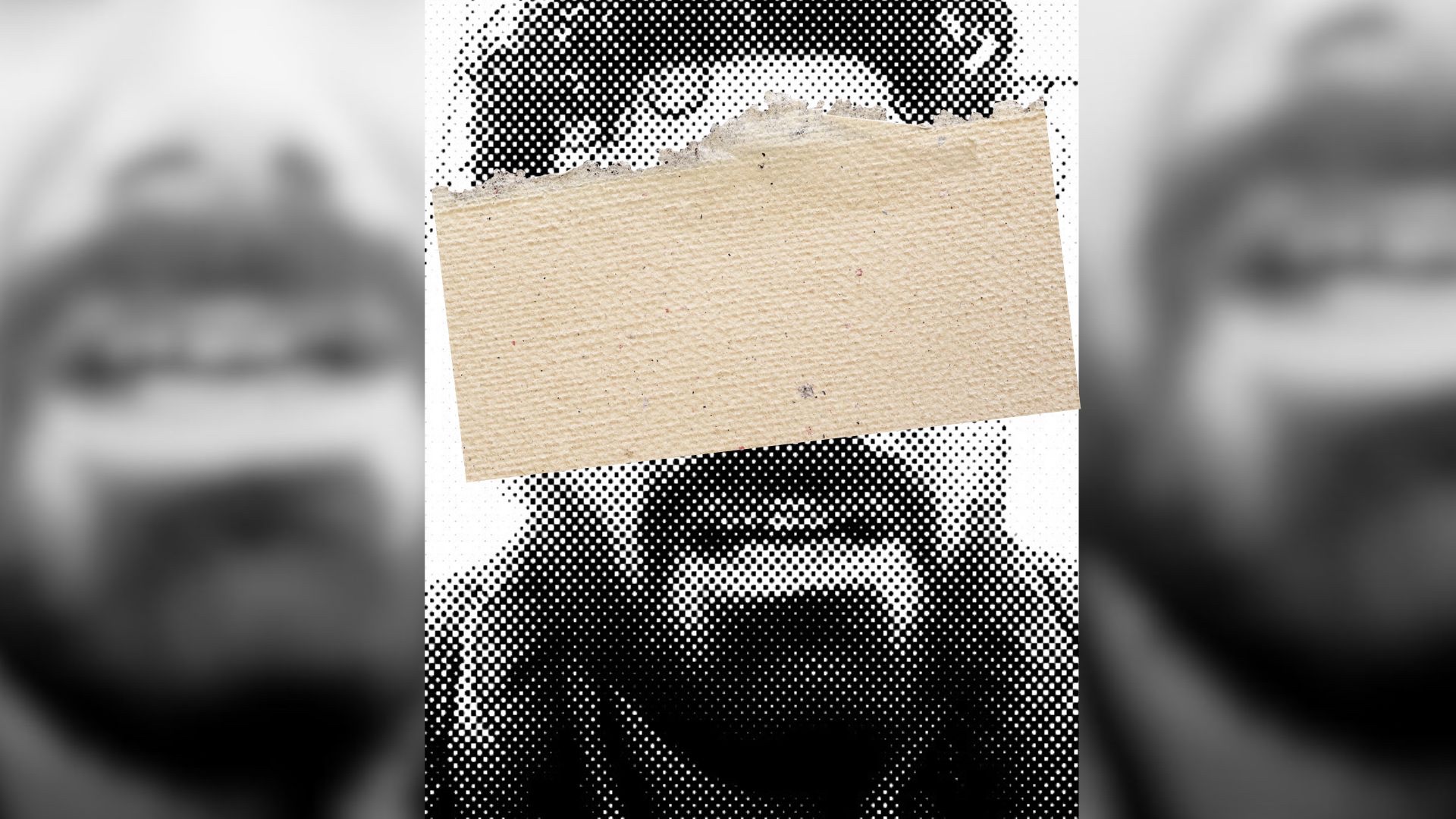
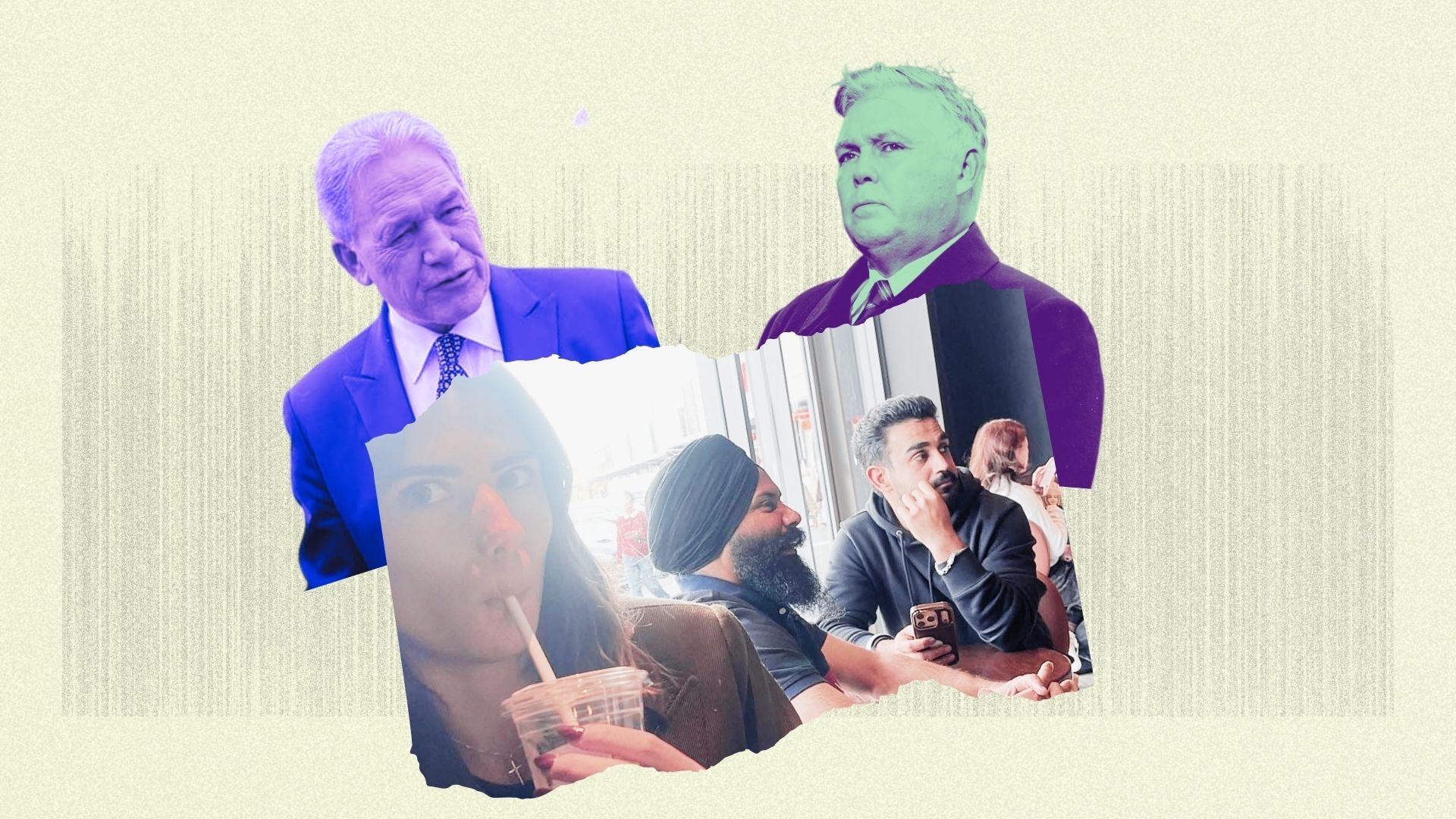
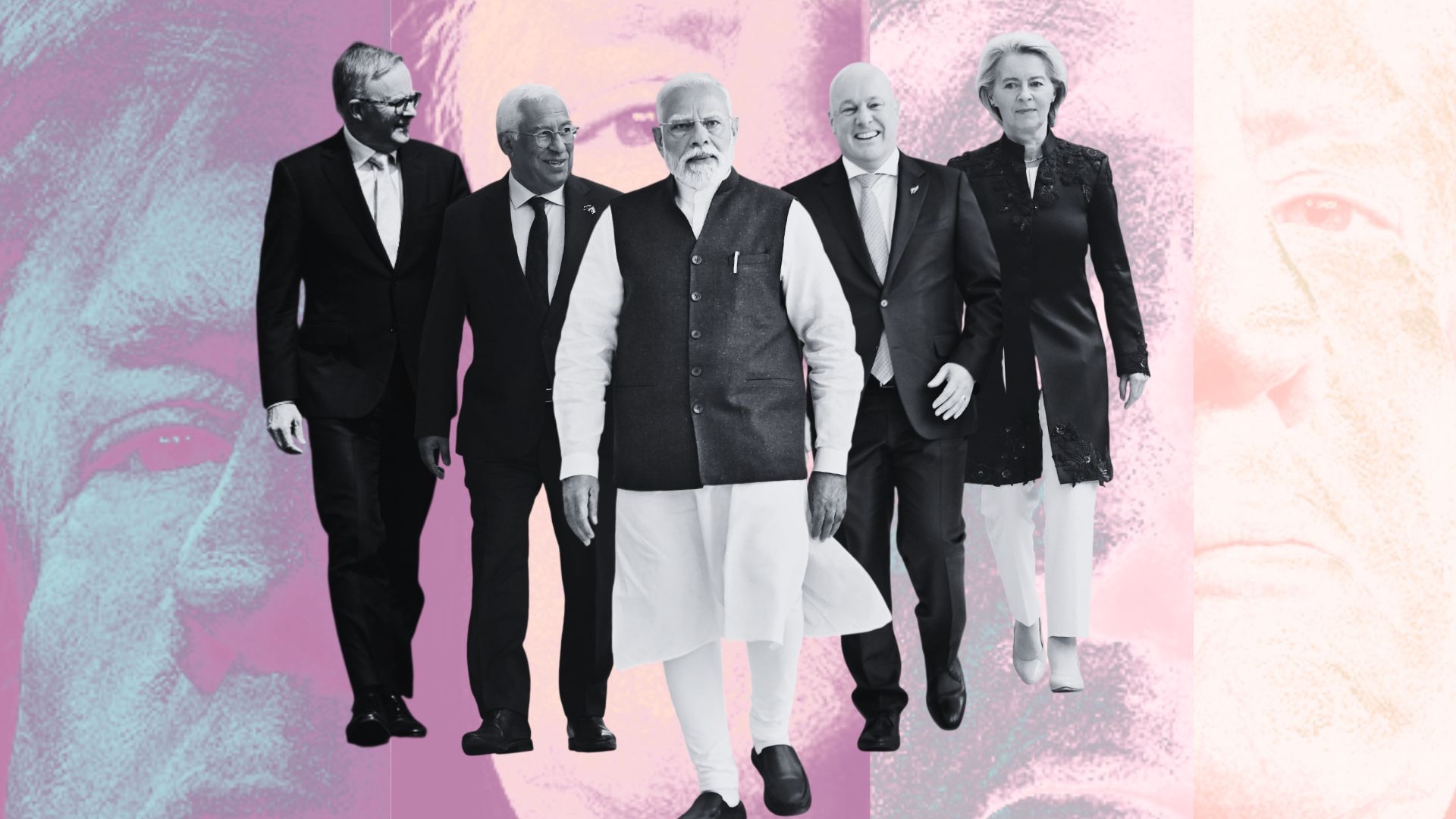
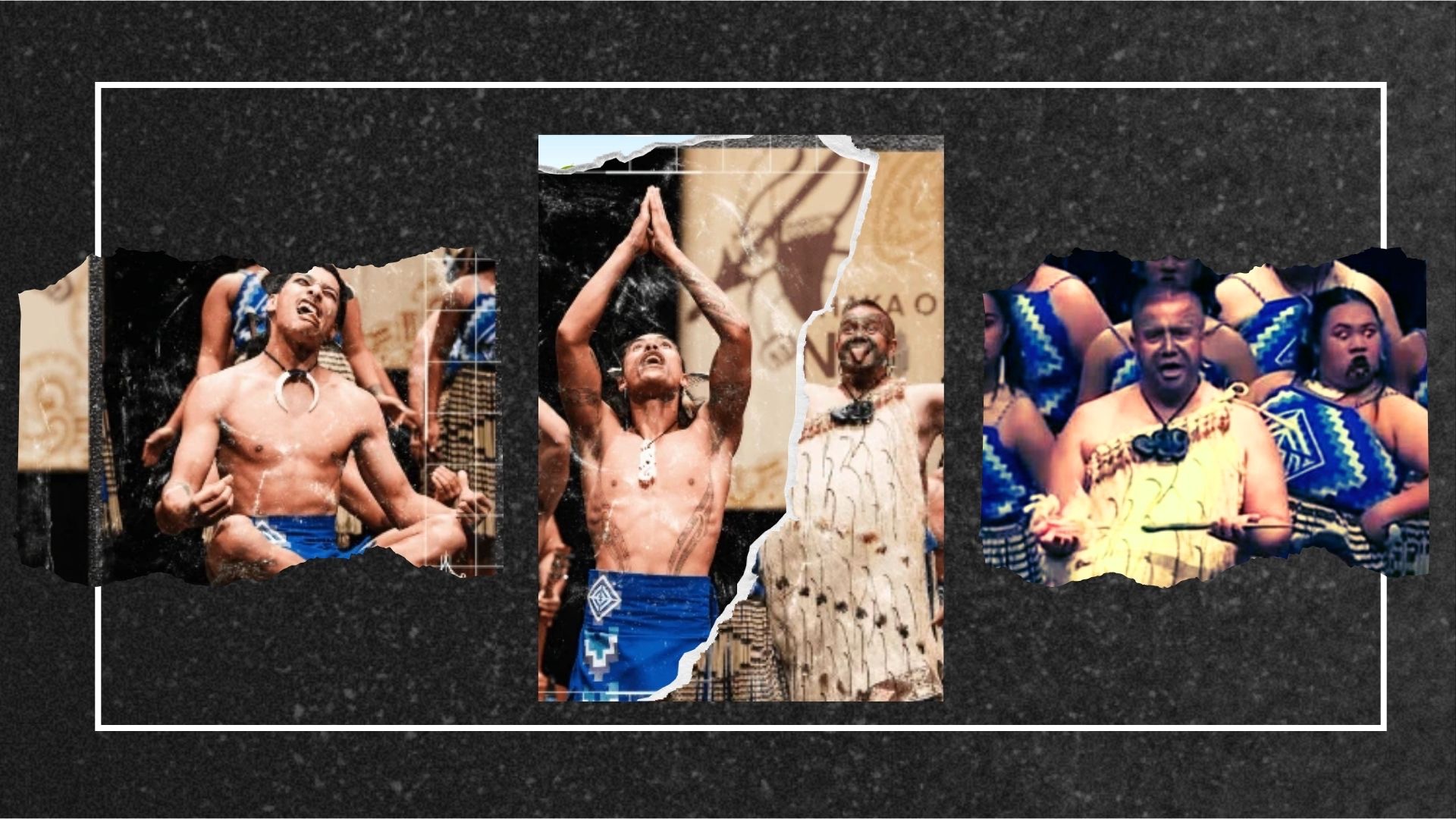
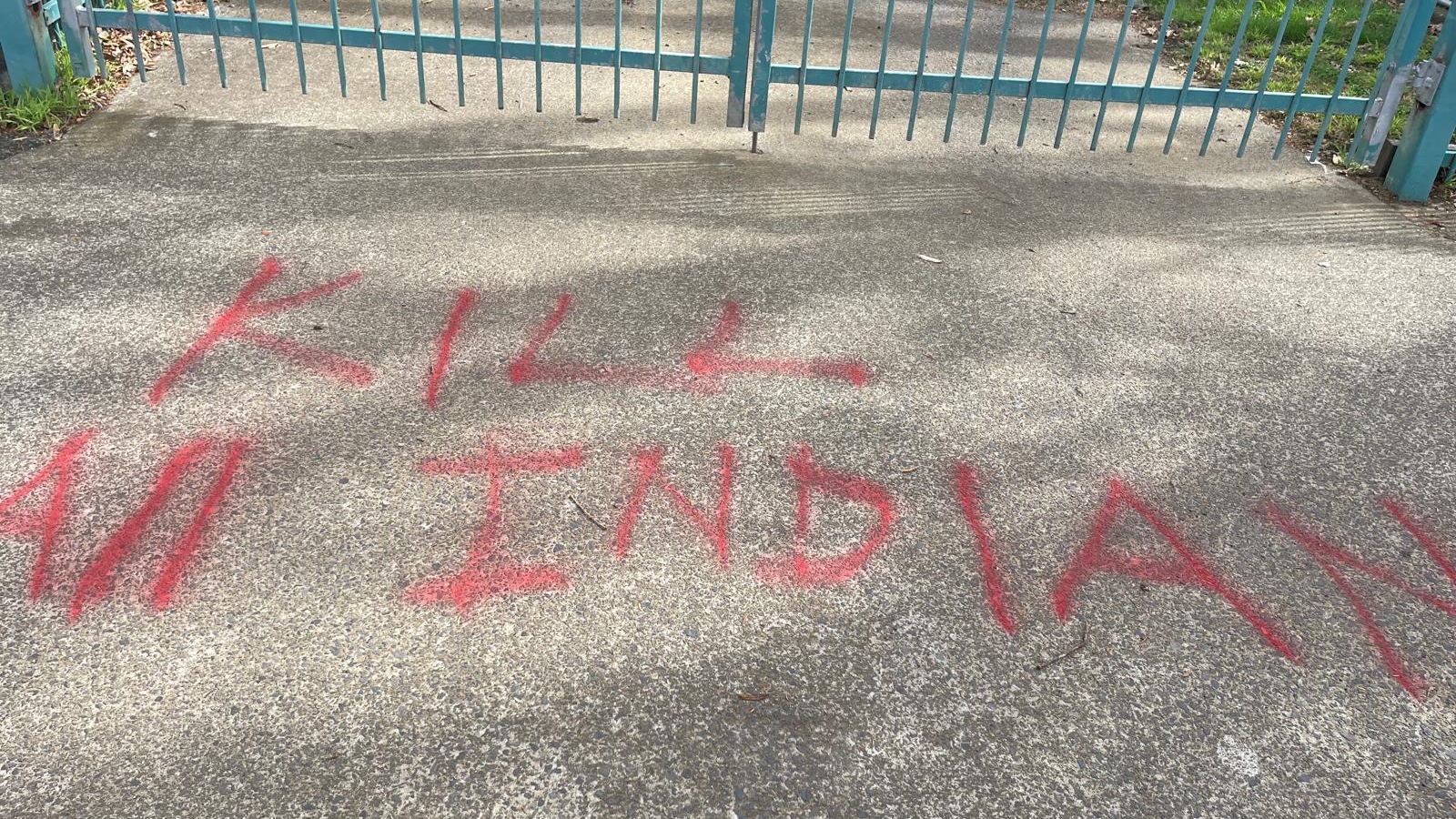
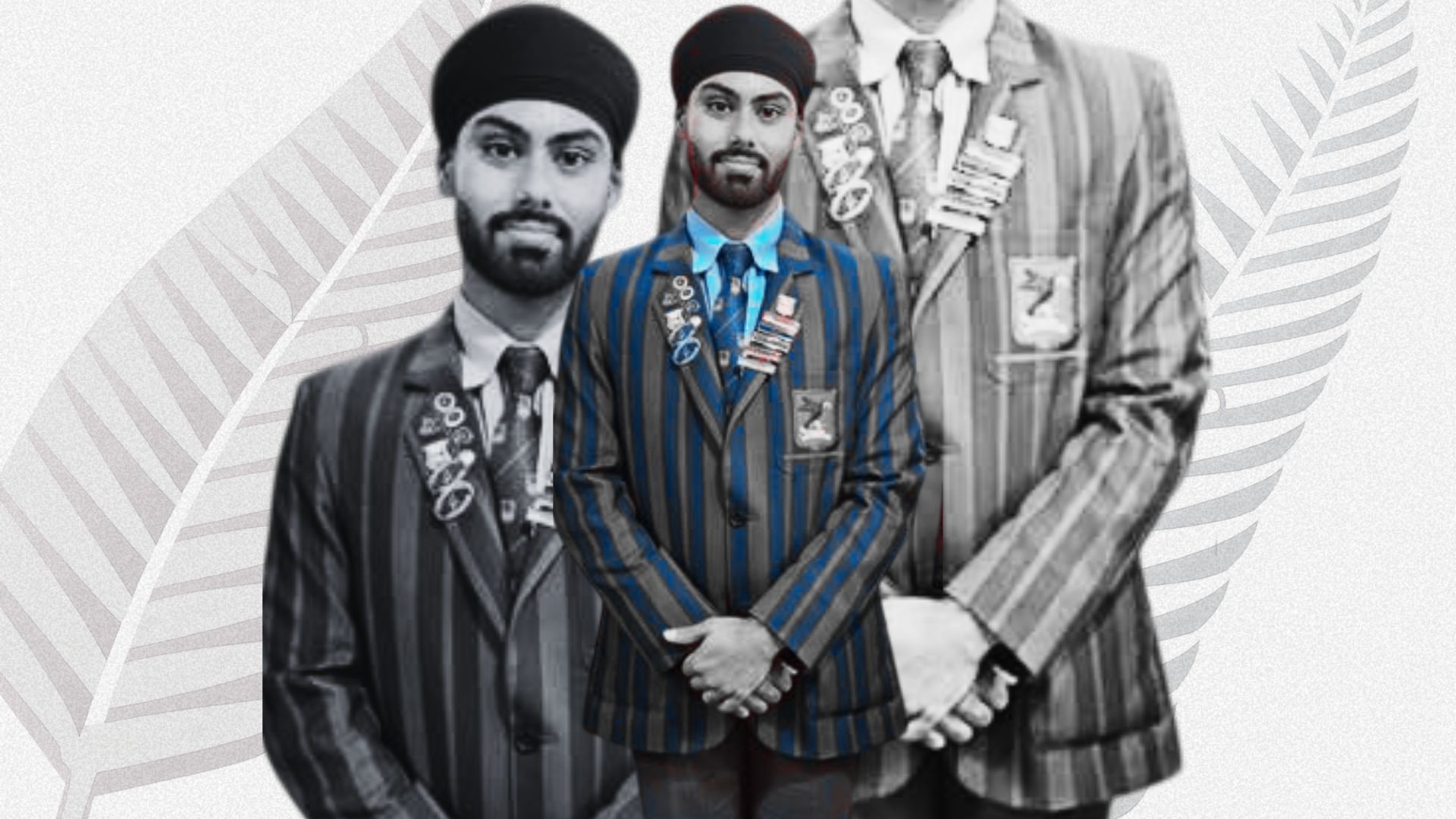
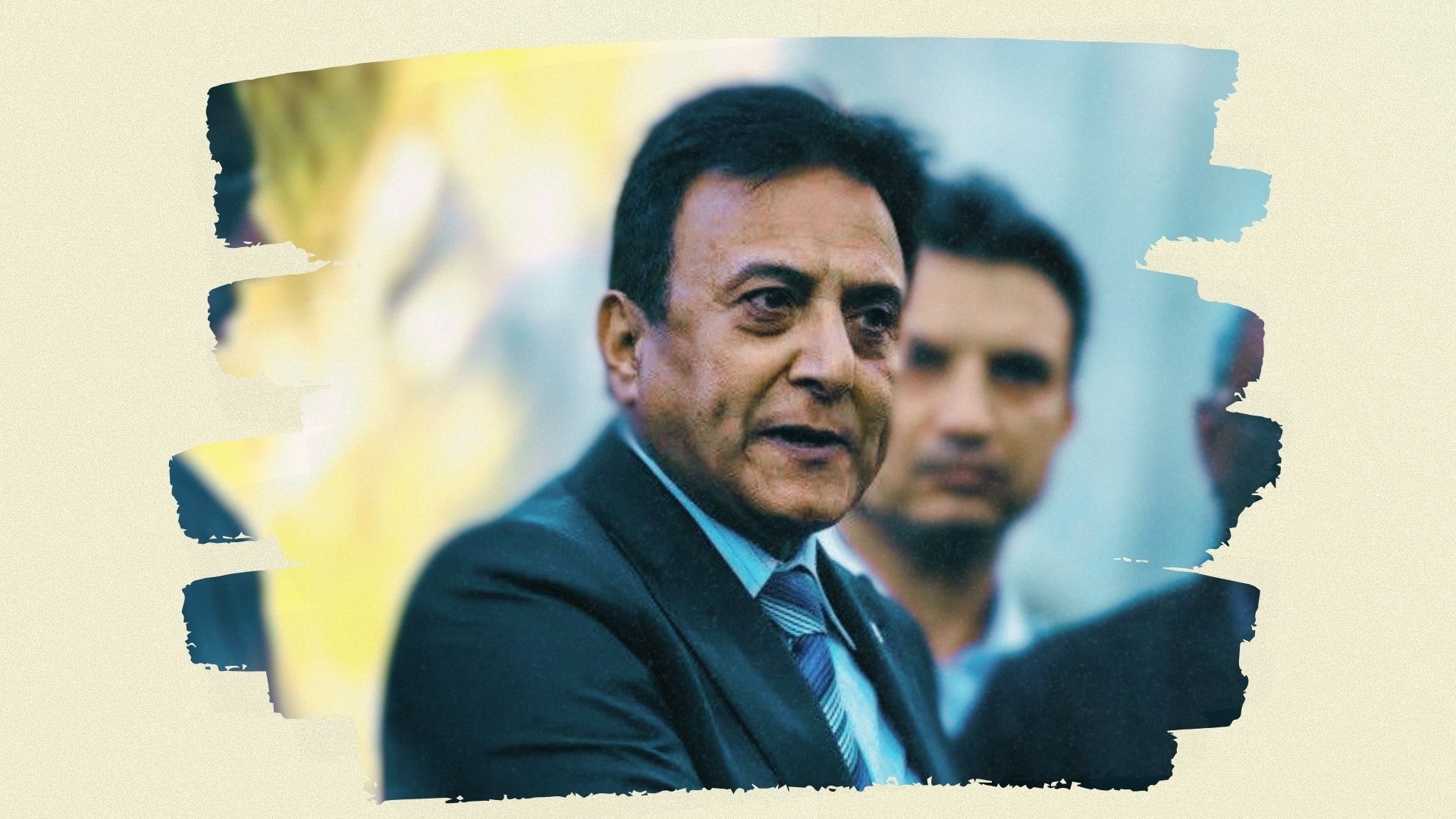
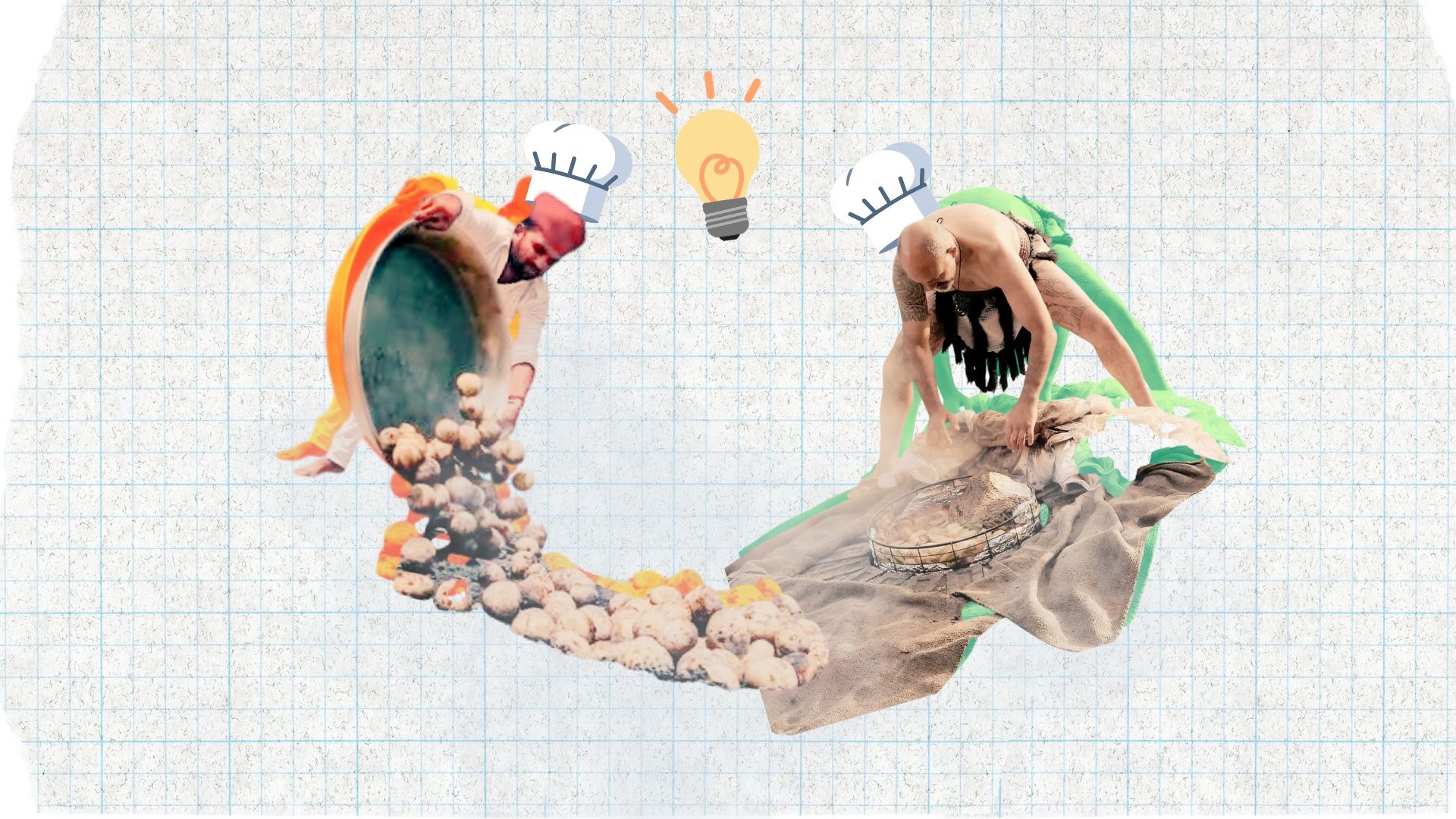
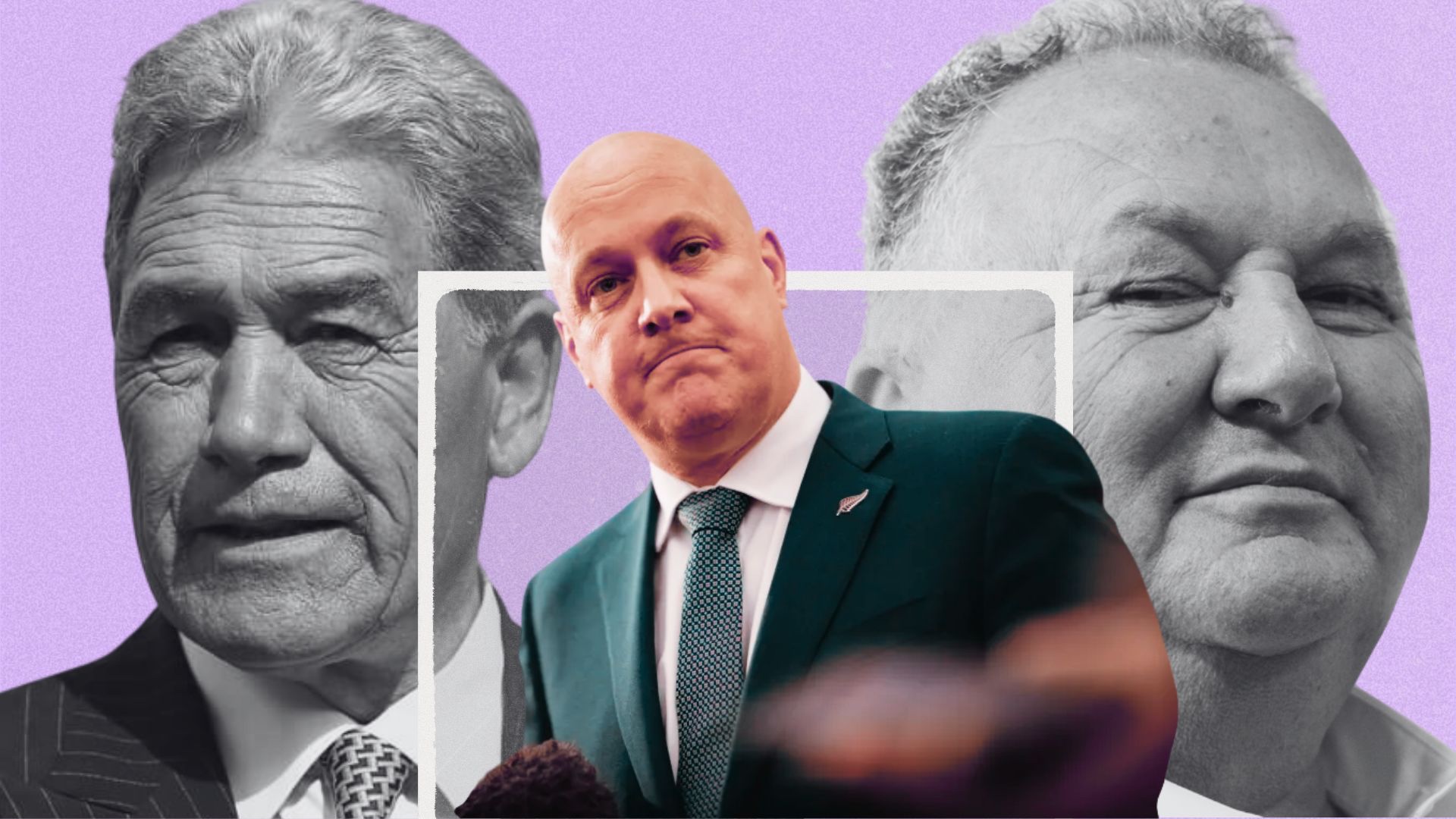
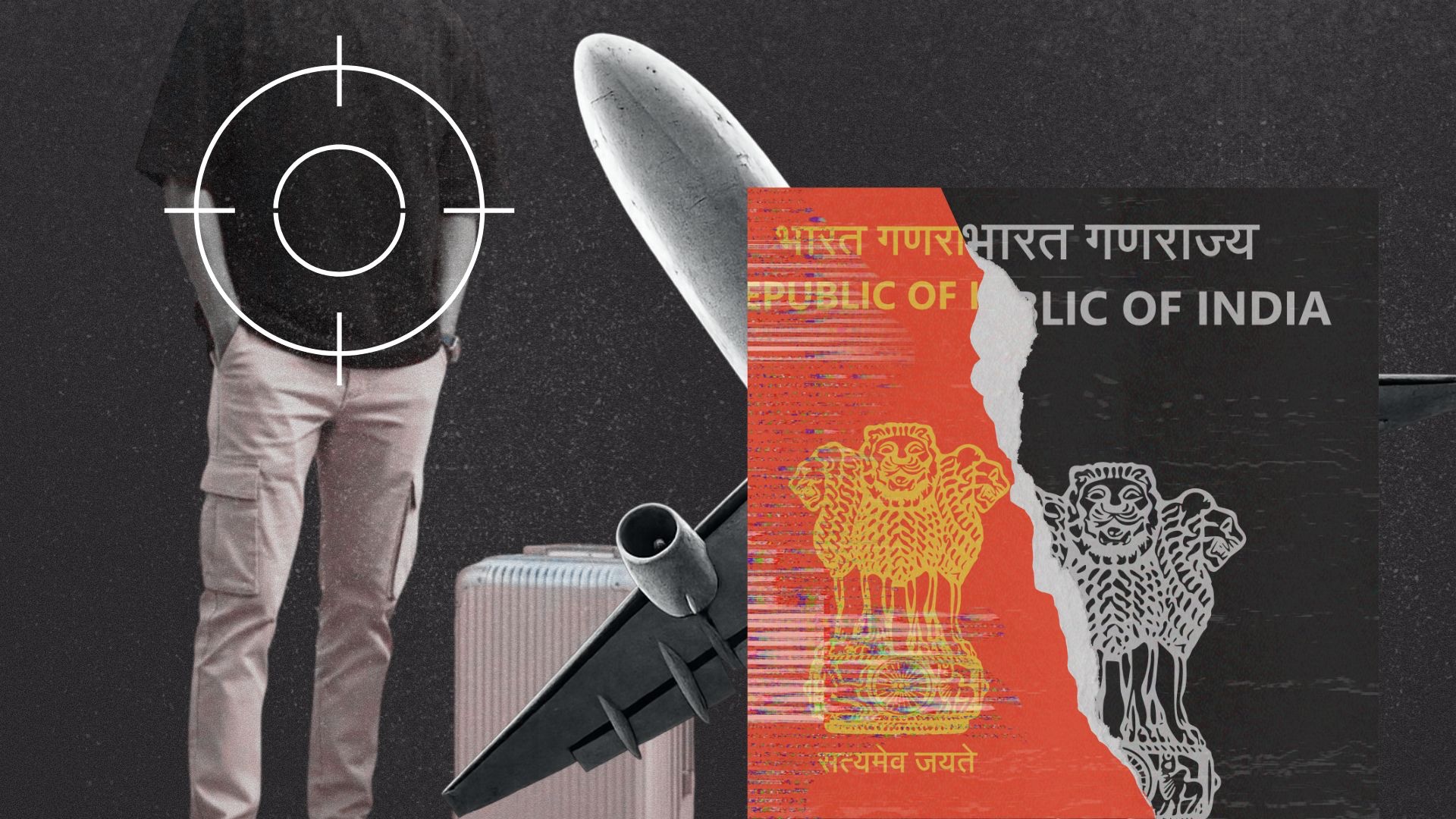
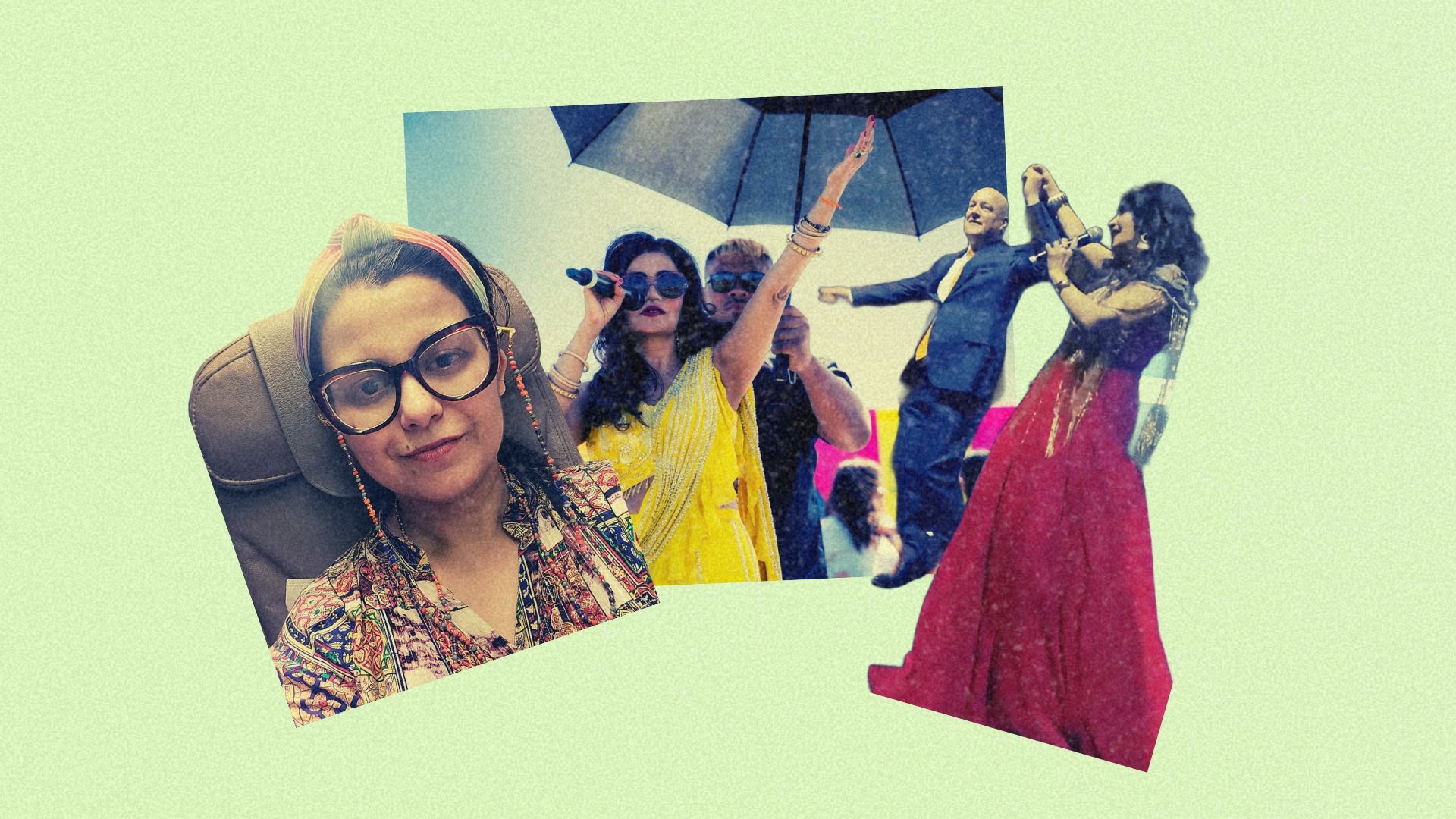
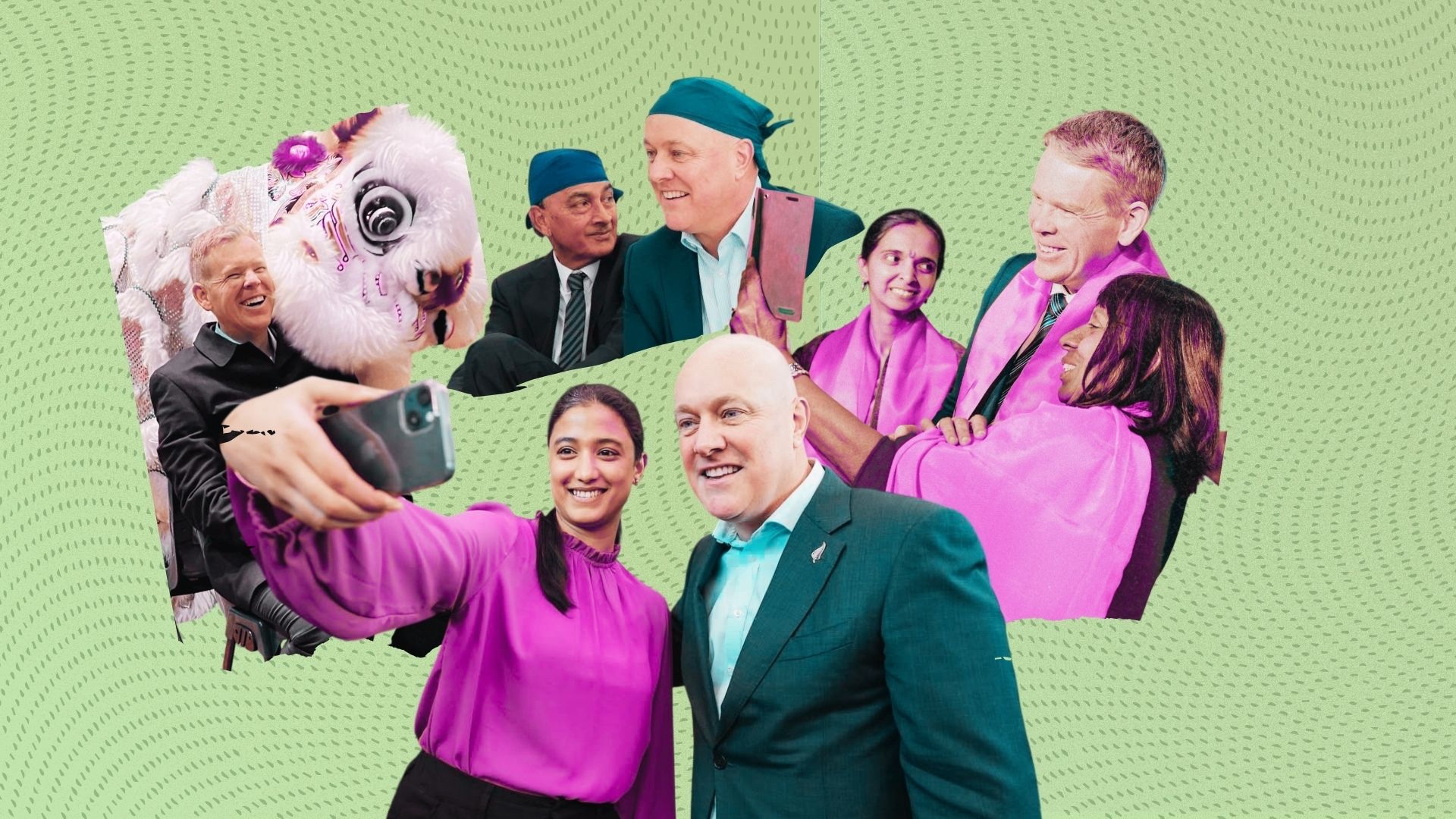
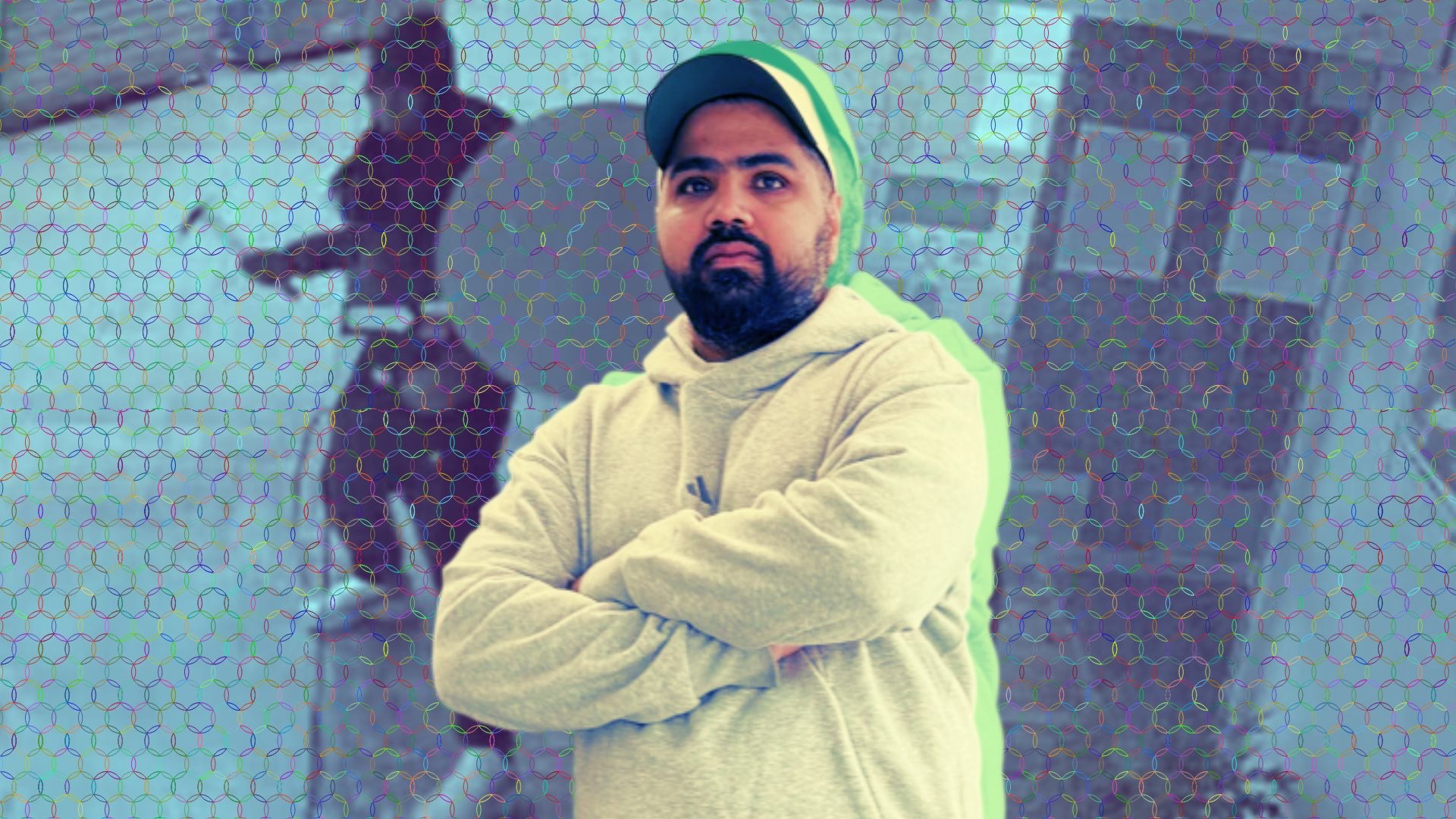
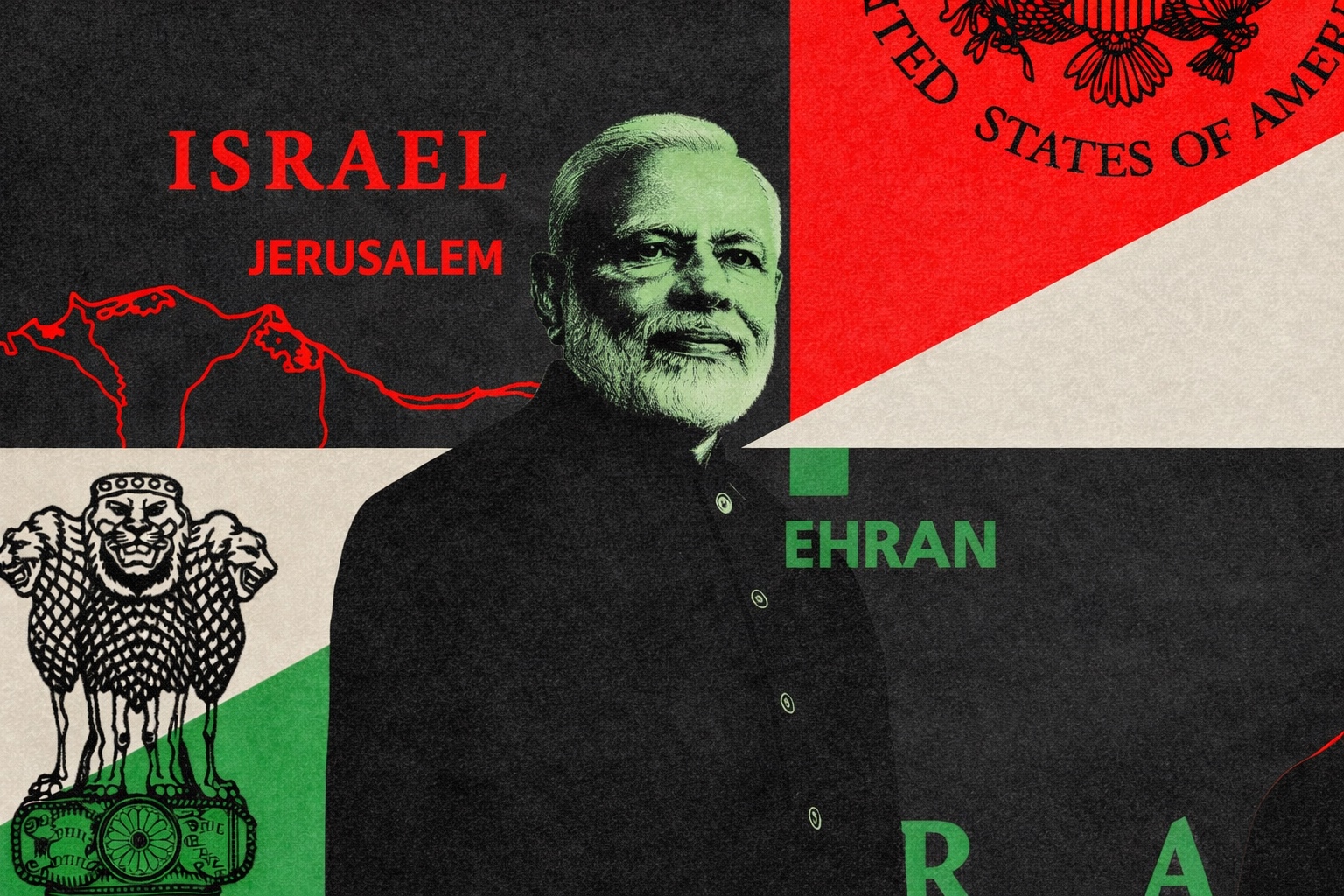
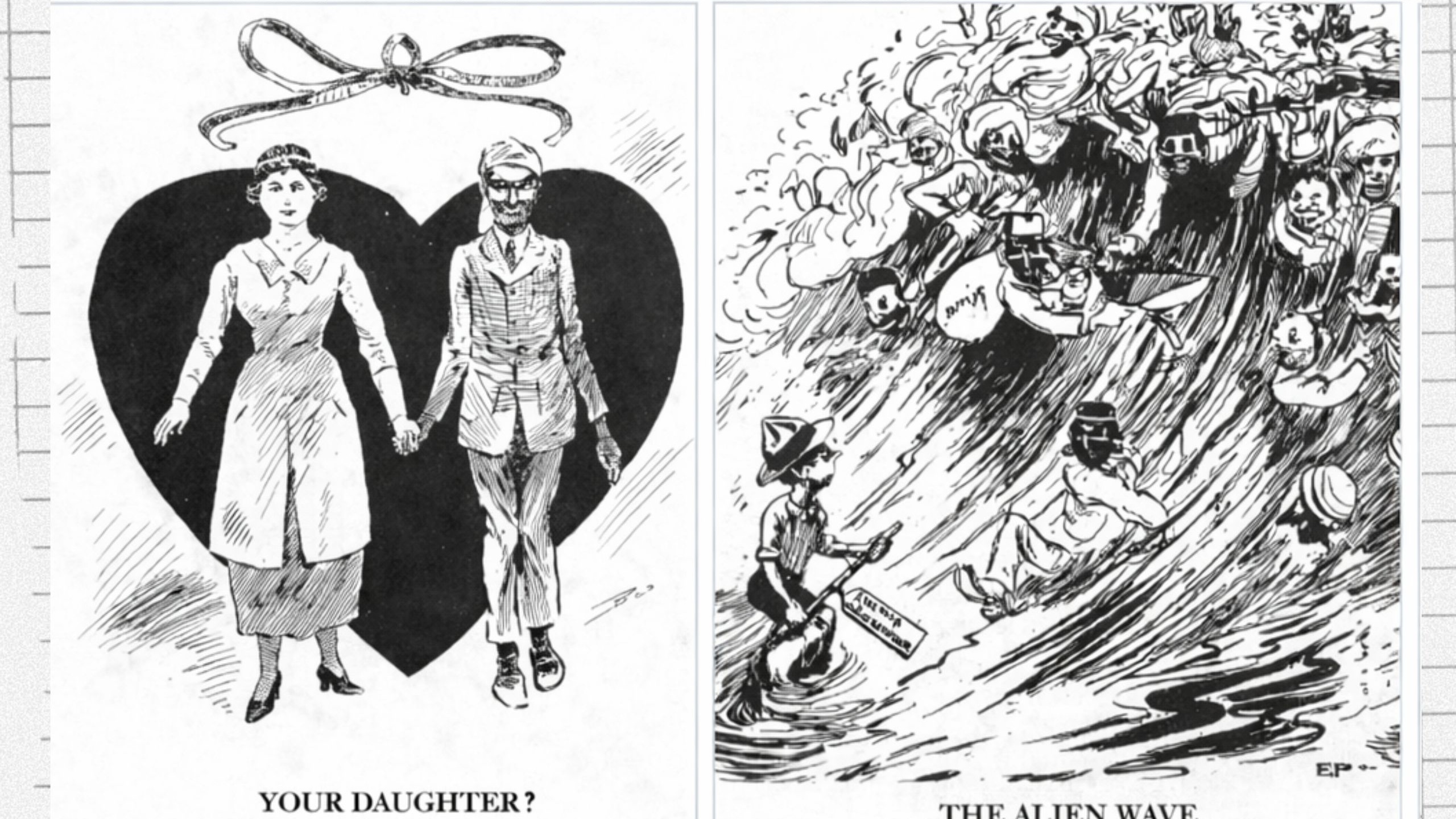
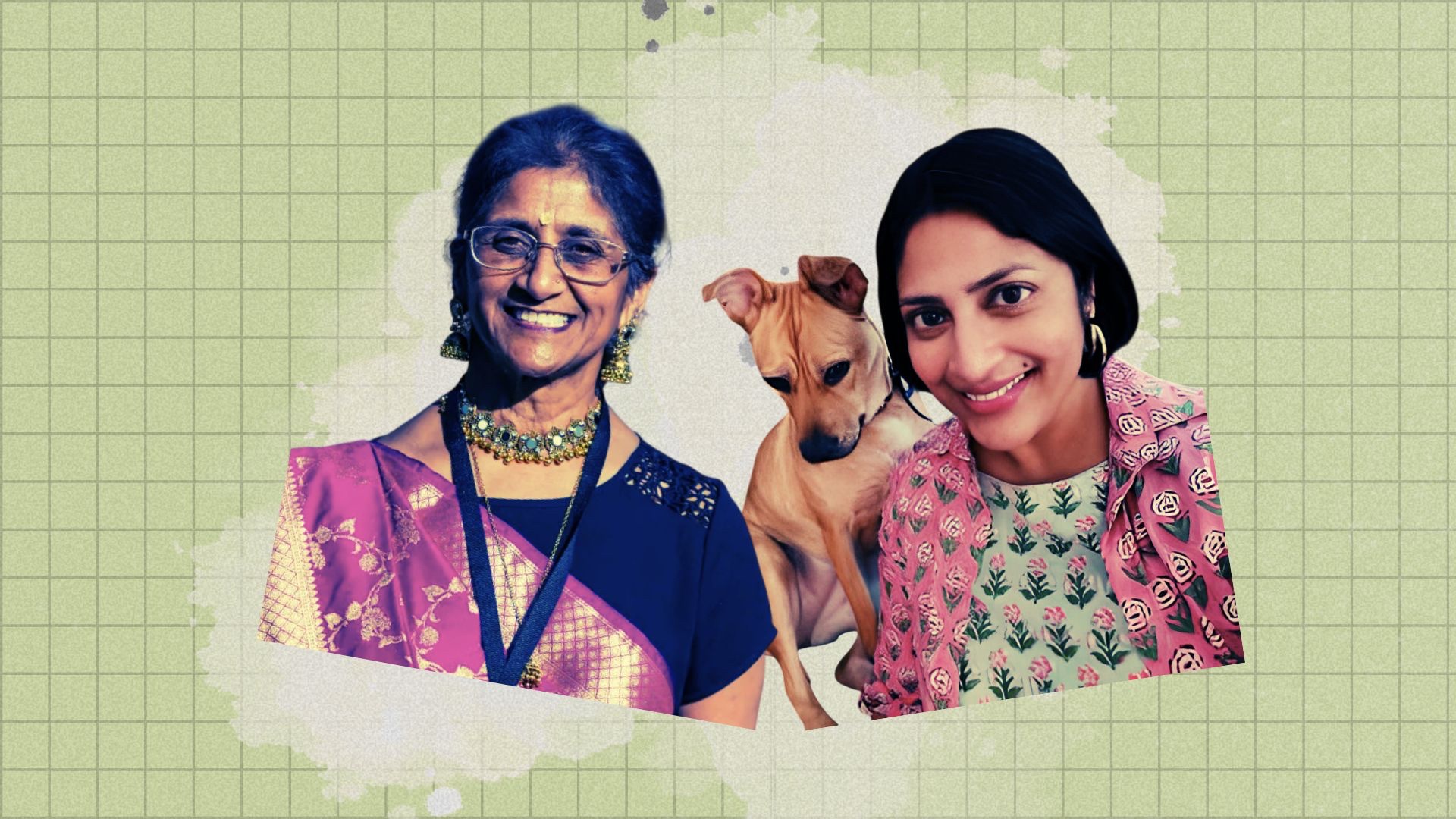
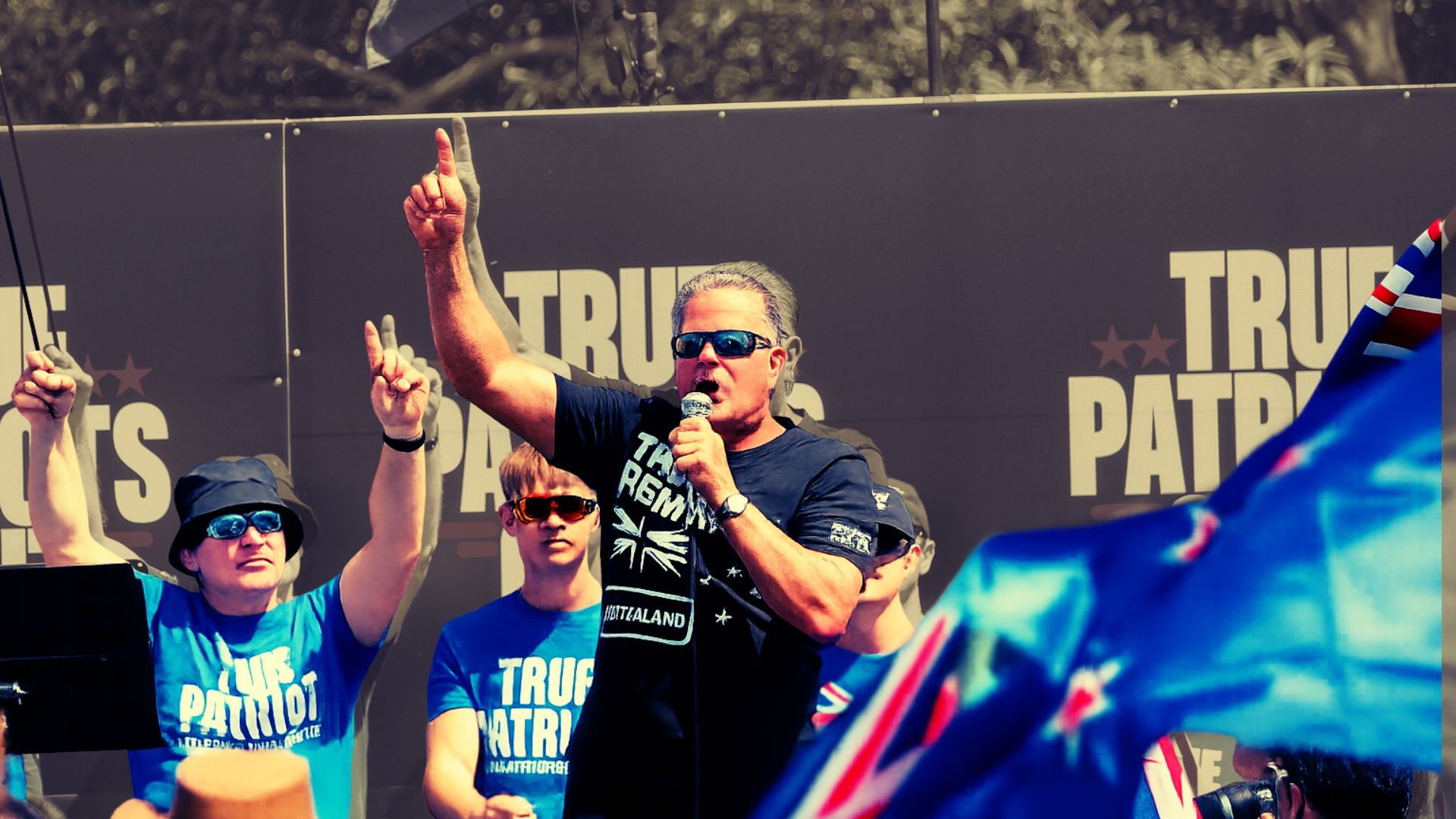
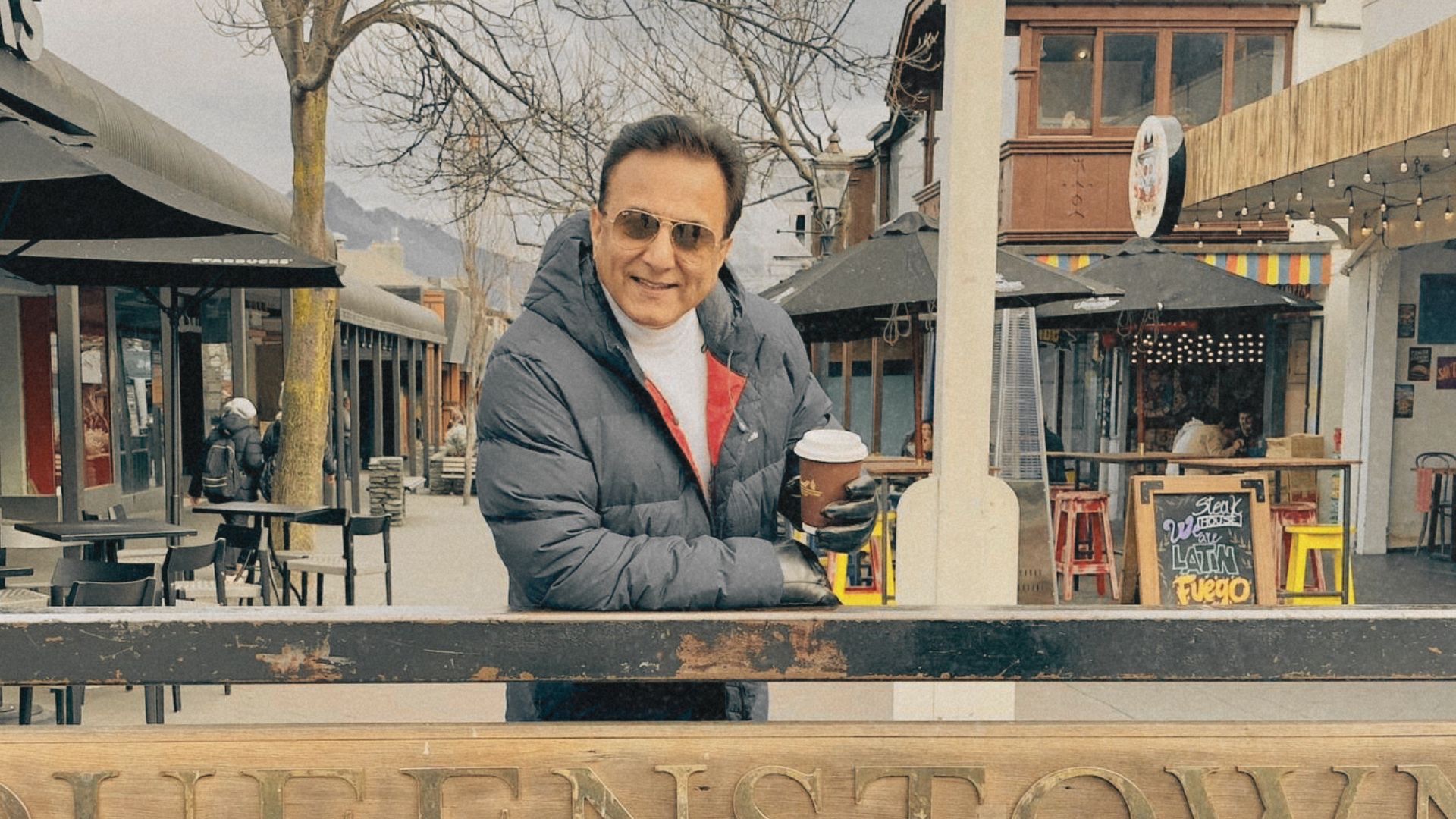
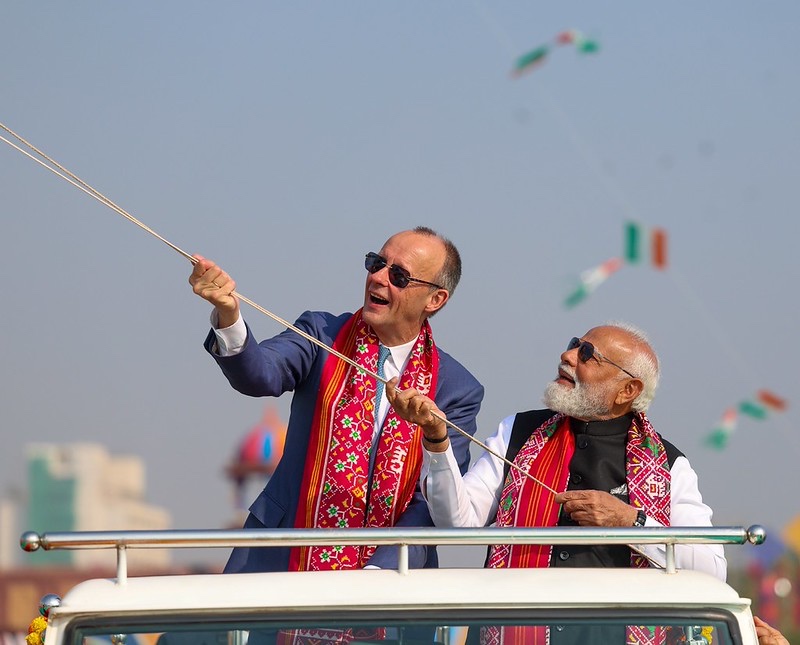
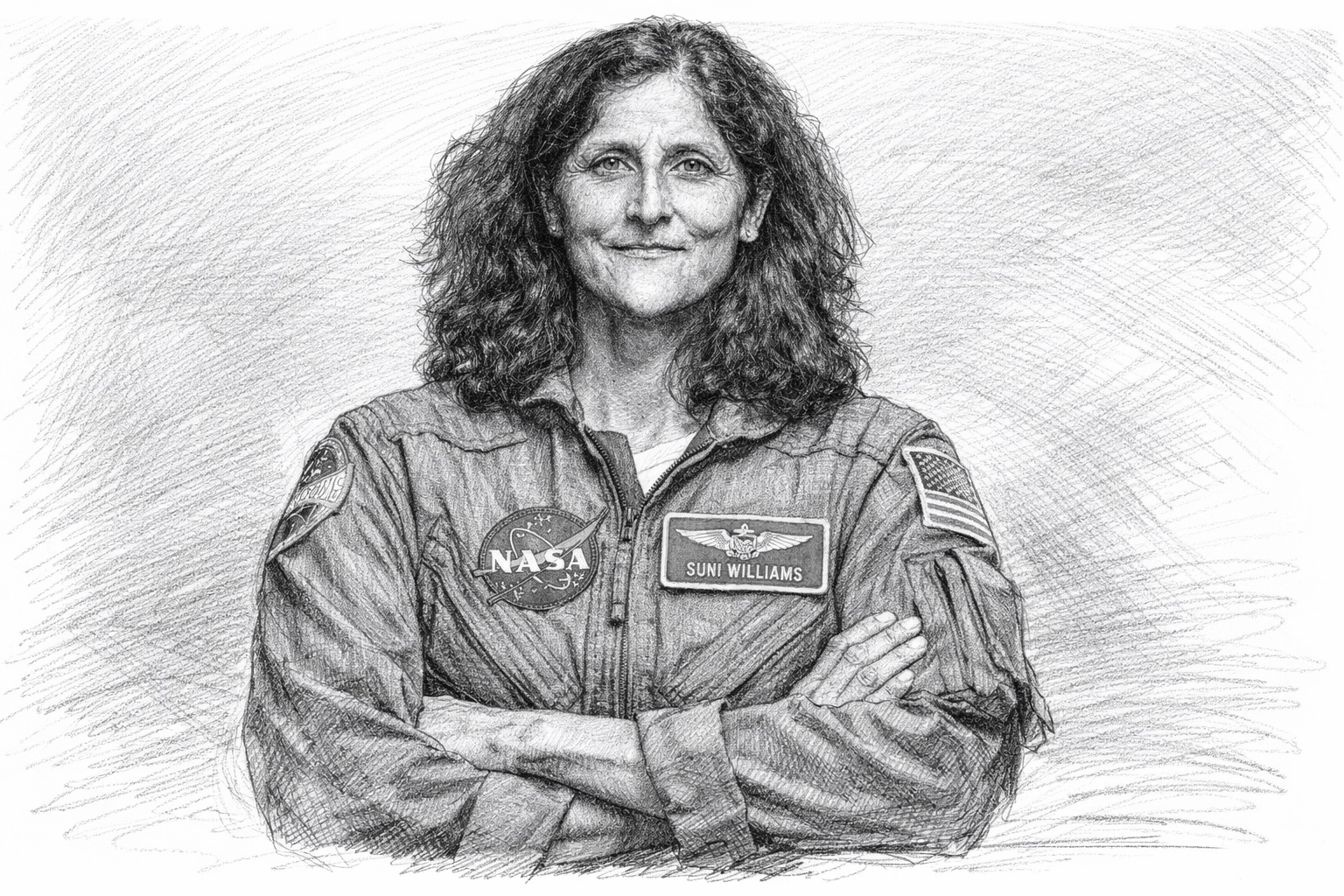
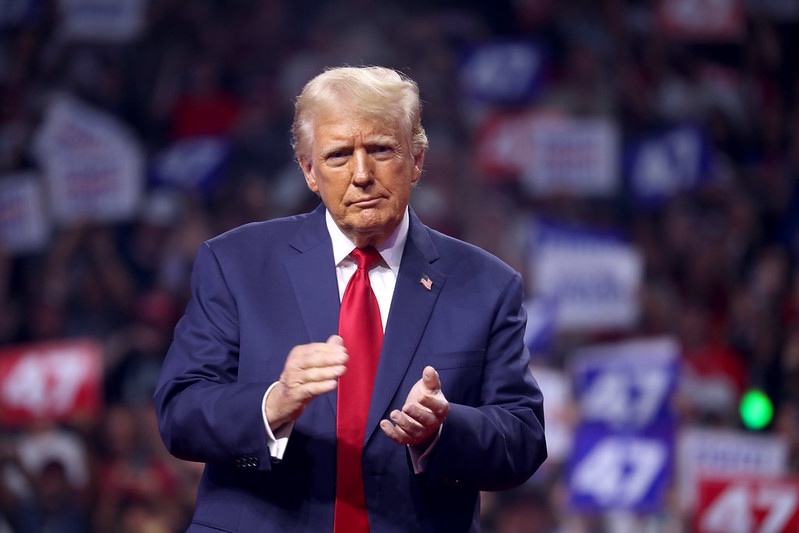
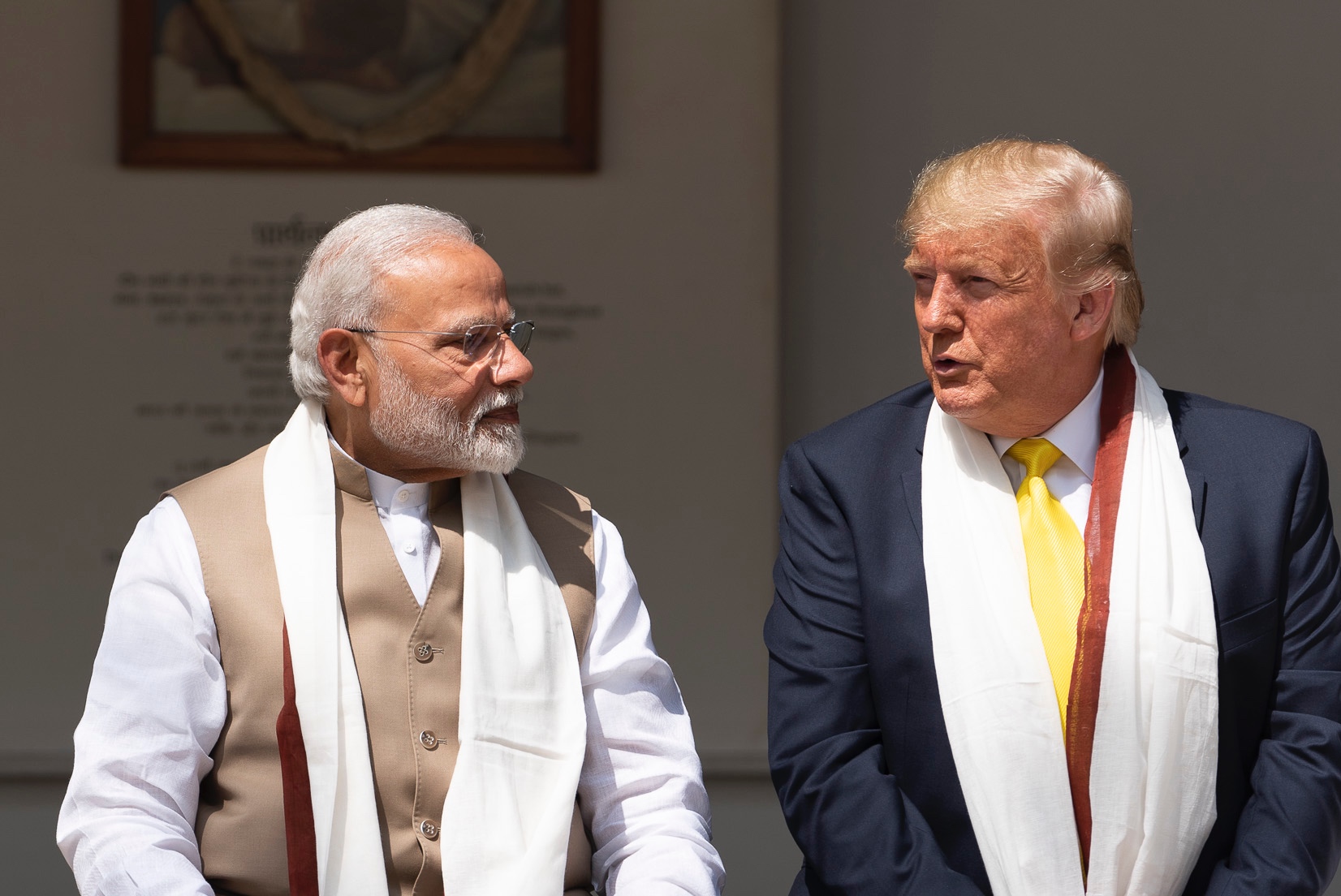
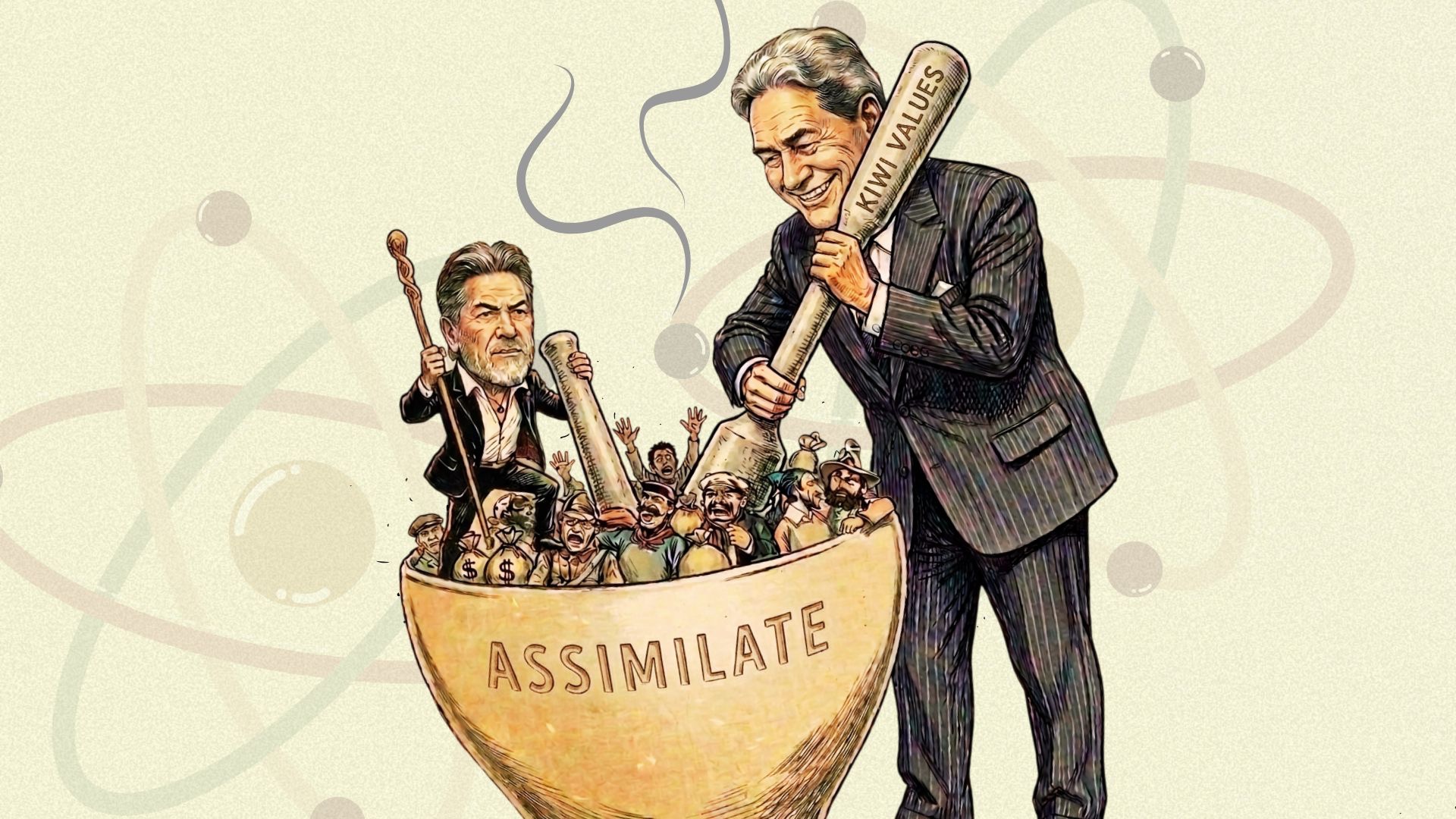
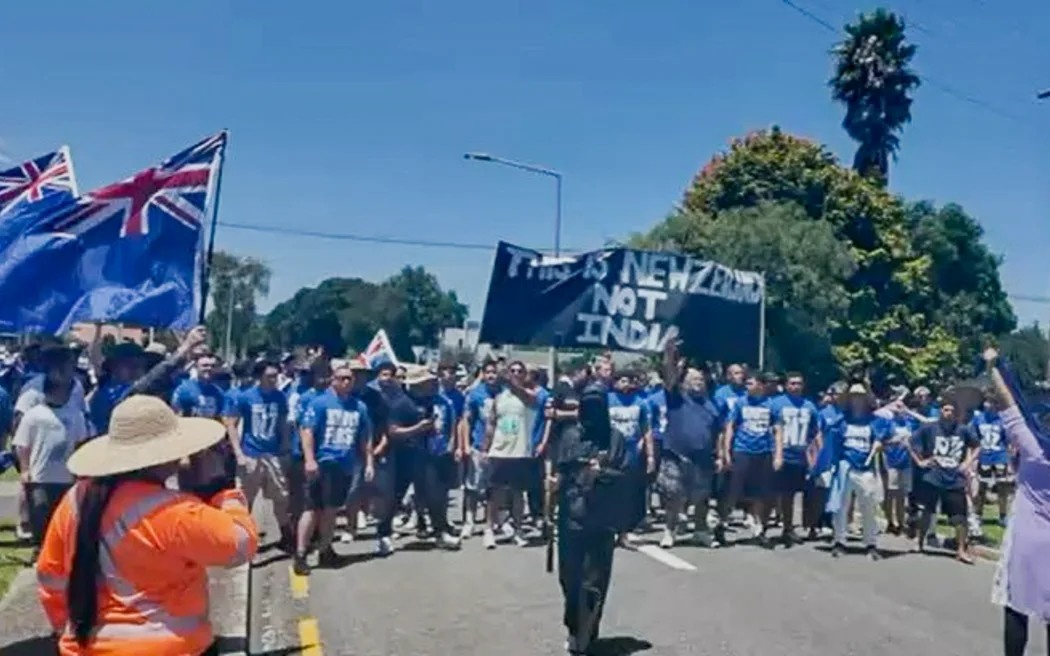
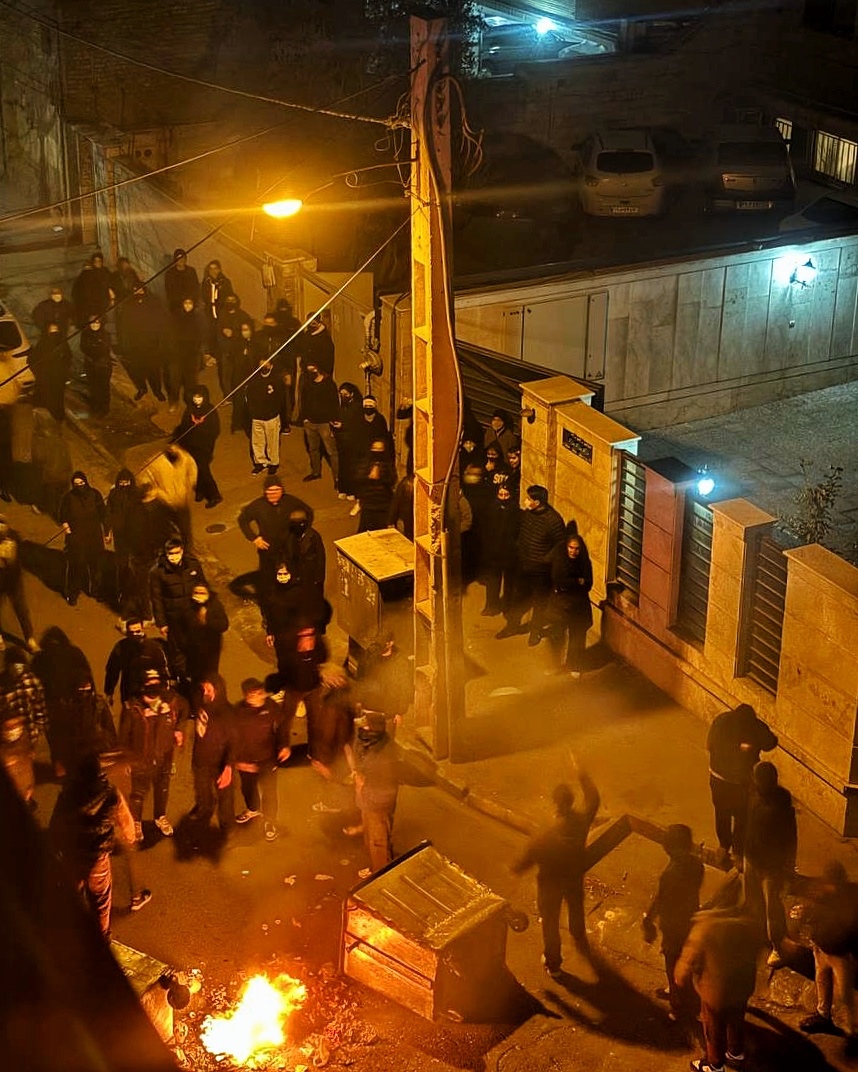
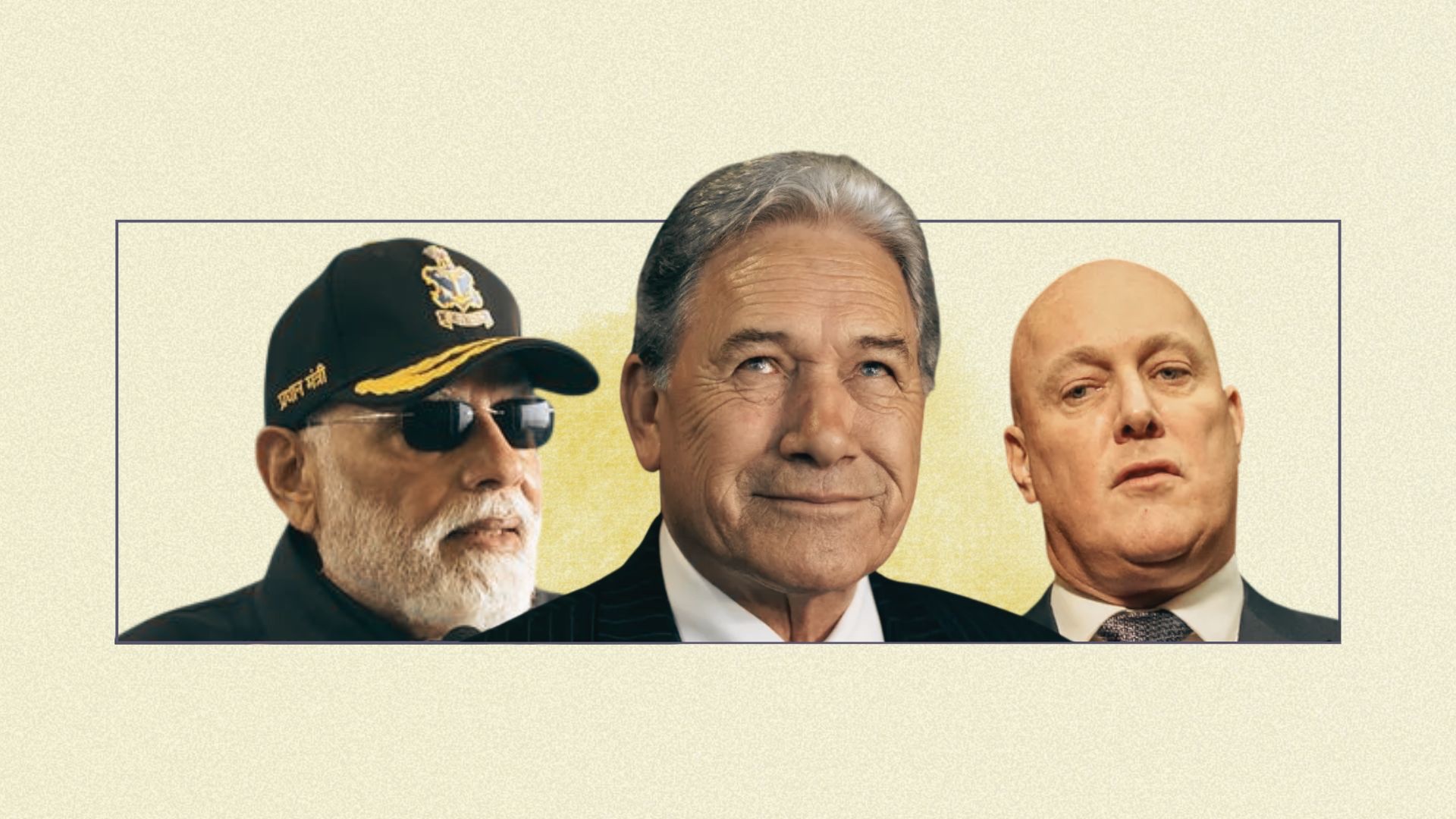
A grab of a collage Destiny Church leader Brian Tamaki shared on Facebook on June 7, 2026.
Prejudice becomes dangerous when influential people normalise it for political gain.
(The writer, based out of Wellington, migrated from India in 2008. He prefers not to be named.)
There is a growing unease being felt by many migrant communities around the world, particularly people of Indian descent.
It is not simply about isolated comments or political soundbites. It is the normalisation of language that subtly paints entire communities as “other”, as outsiders to be tolerated rather than fellow citizens to be embraced.


Across the globe, politicians are increasingly turning to identity politics, cultural anxieties, and division to win votes.
History shows us that when economies become uncertain or societies feel pressure, minorities often become convenient targets. The rhetoric may begin as jokes, slogans, or coded comments, but over time those words shape public attitudes.
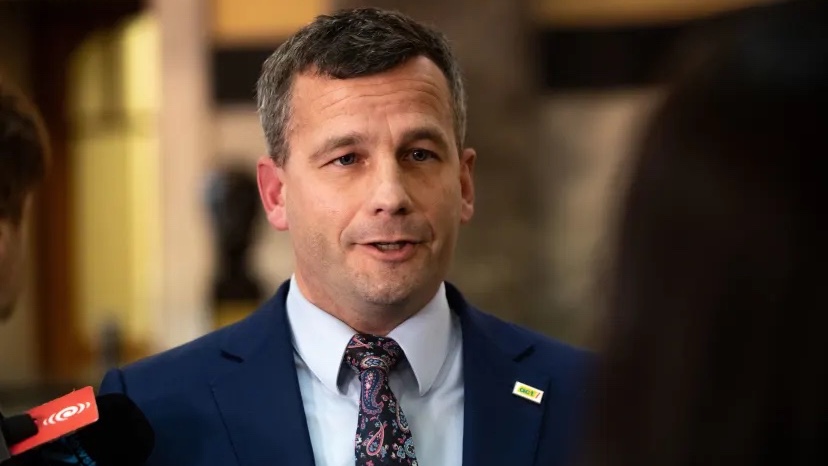
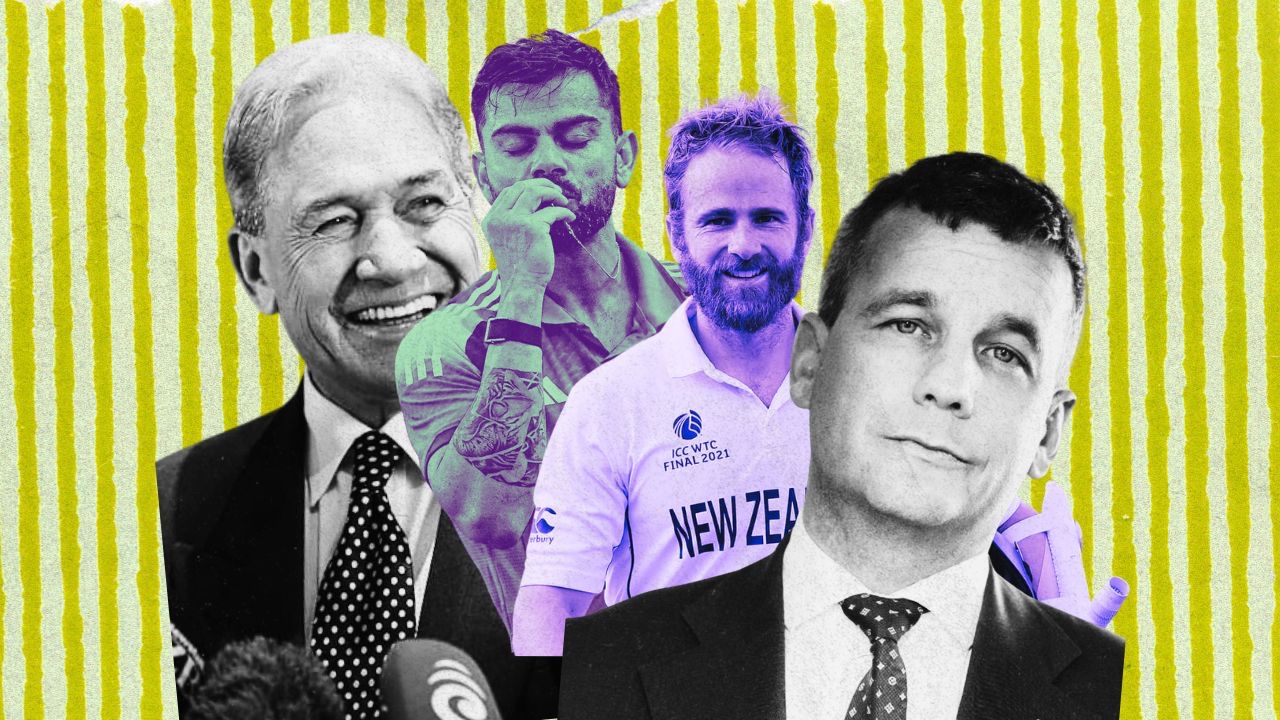
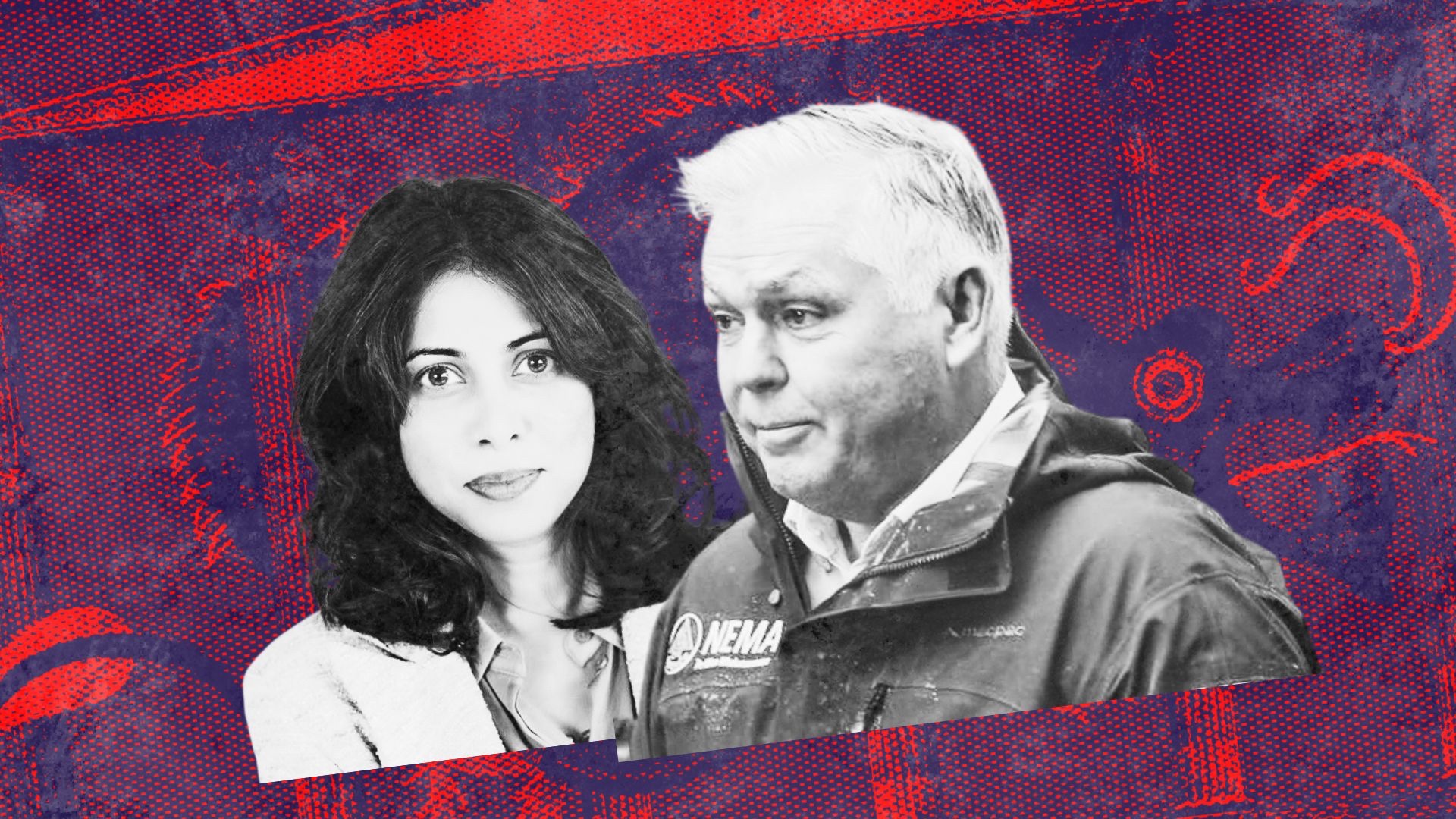
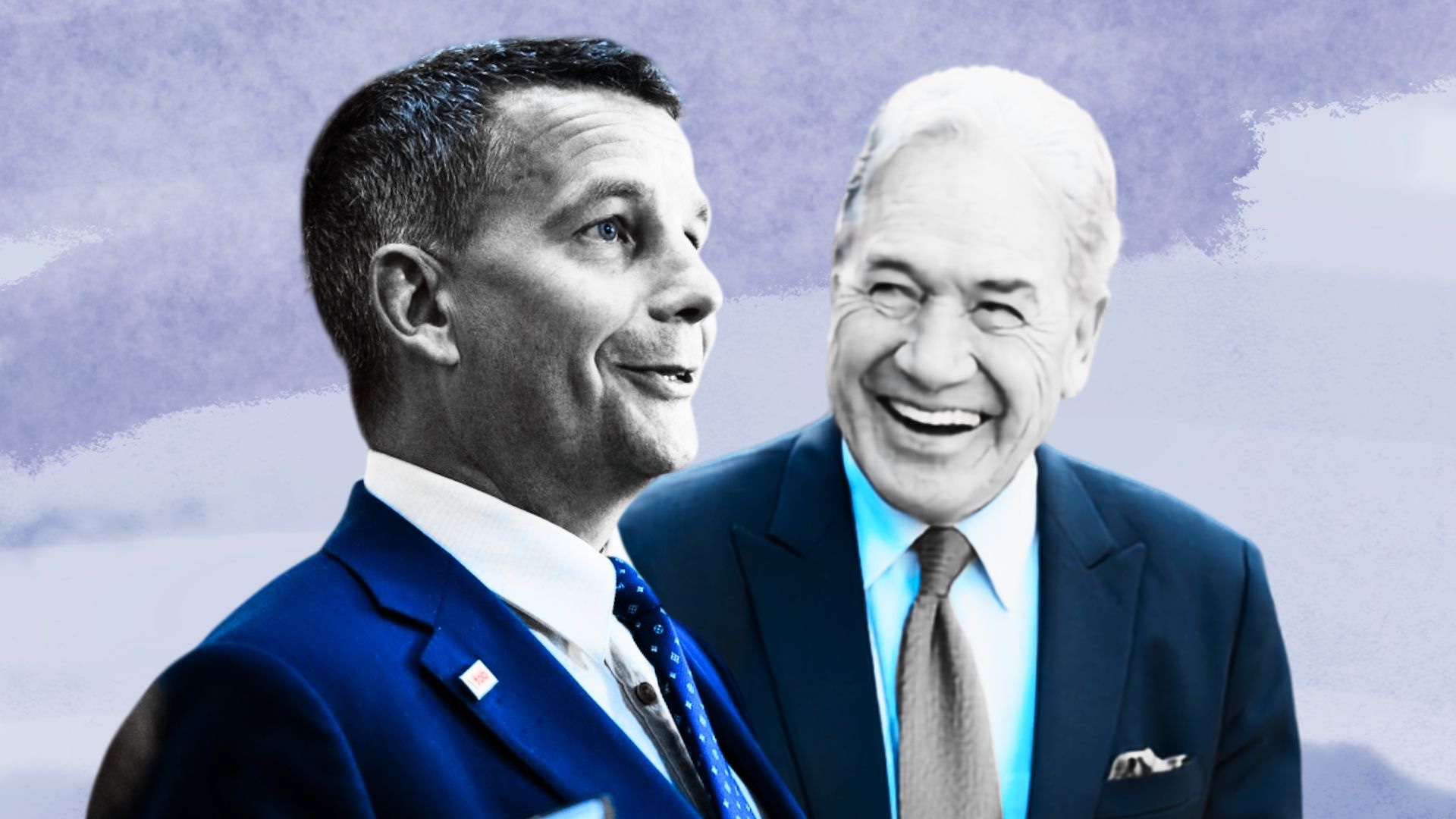
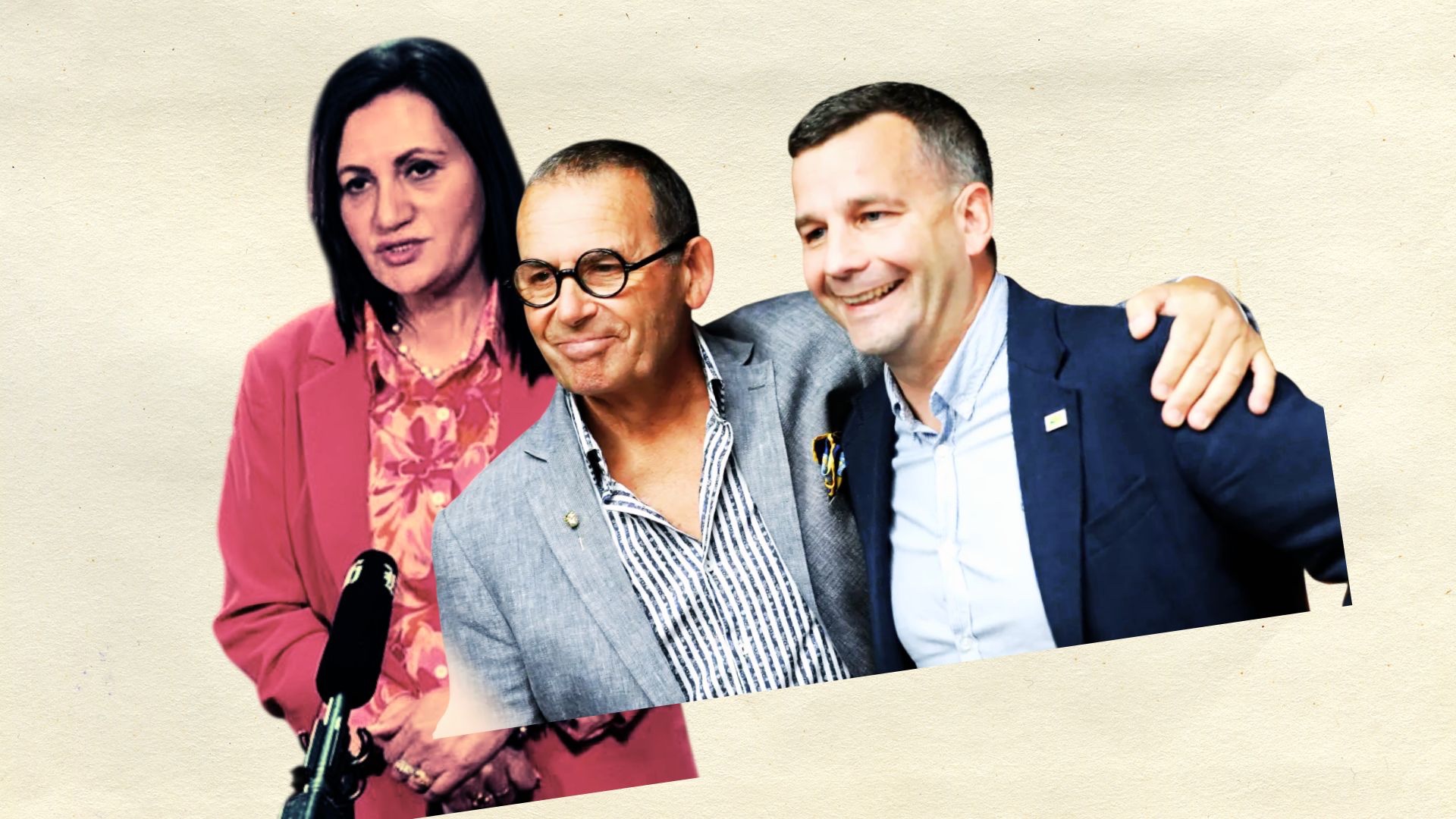
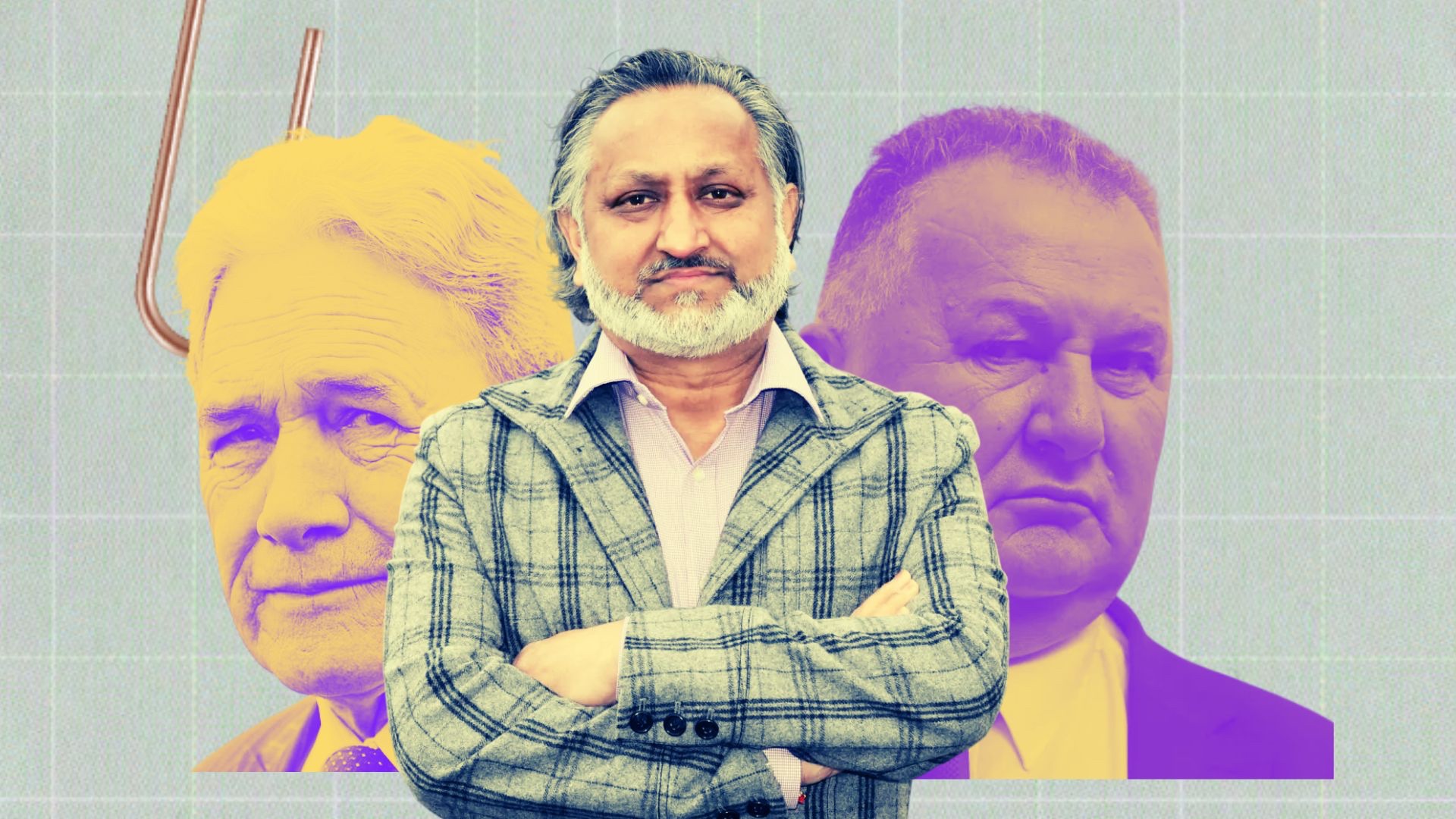
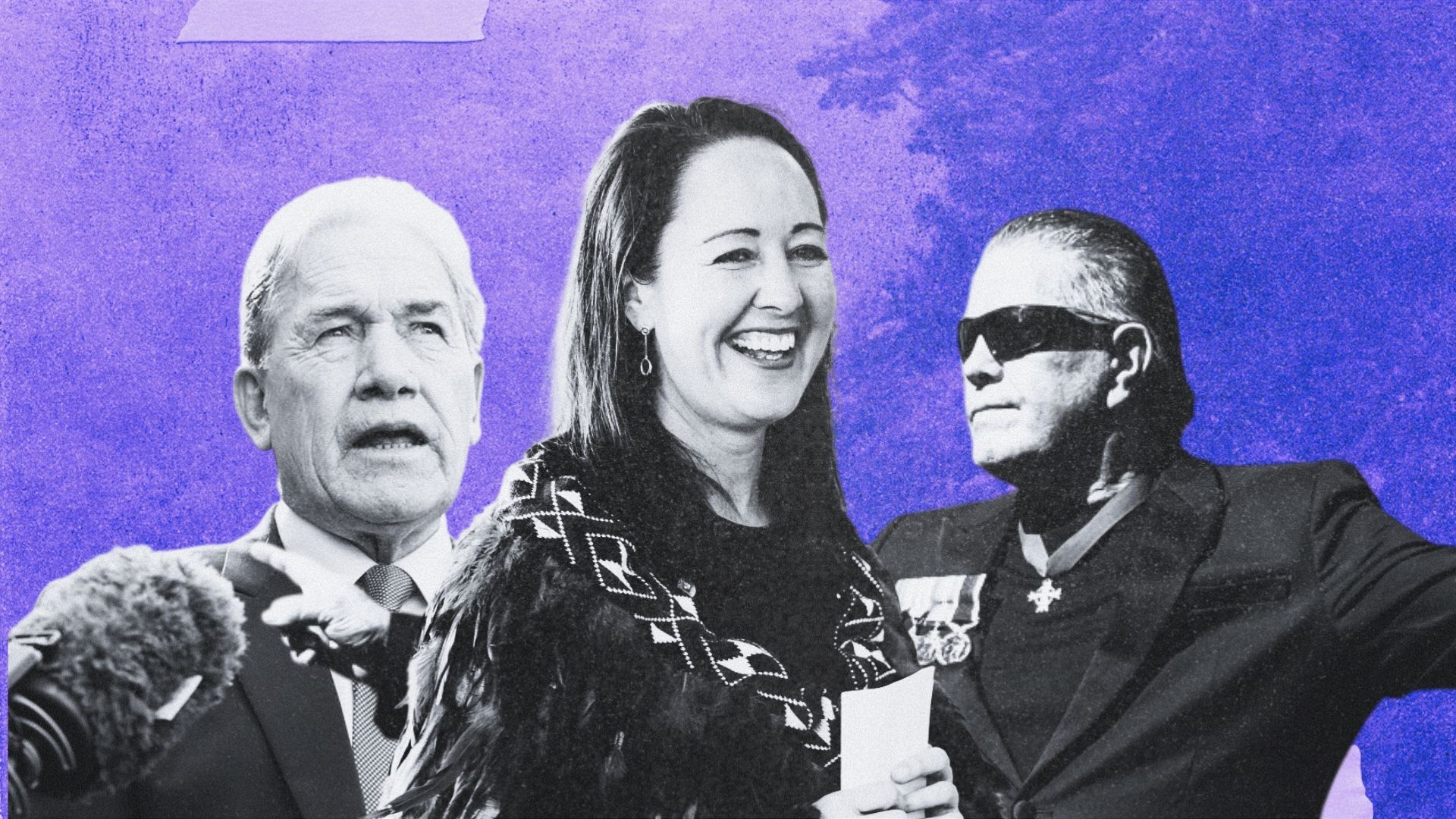
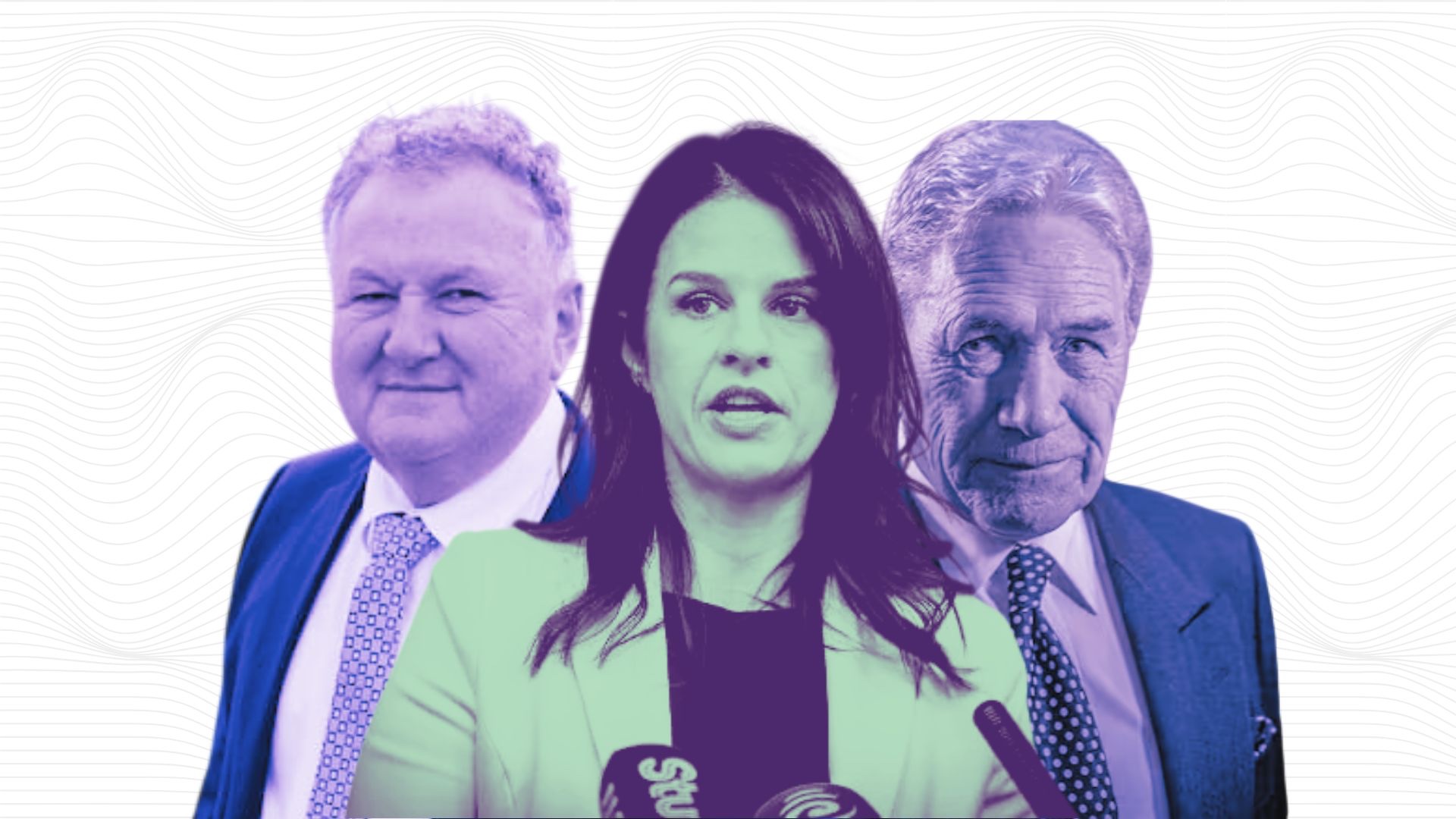
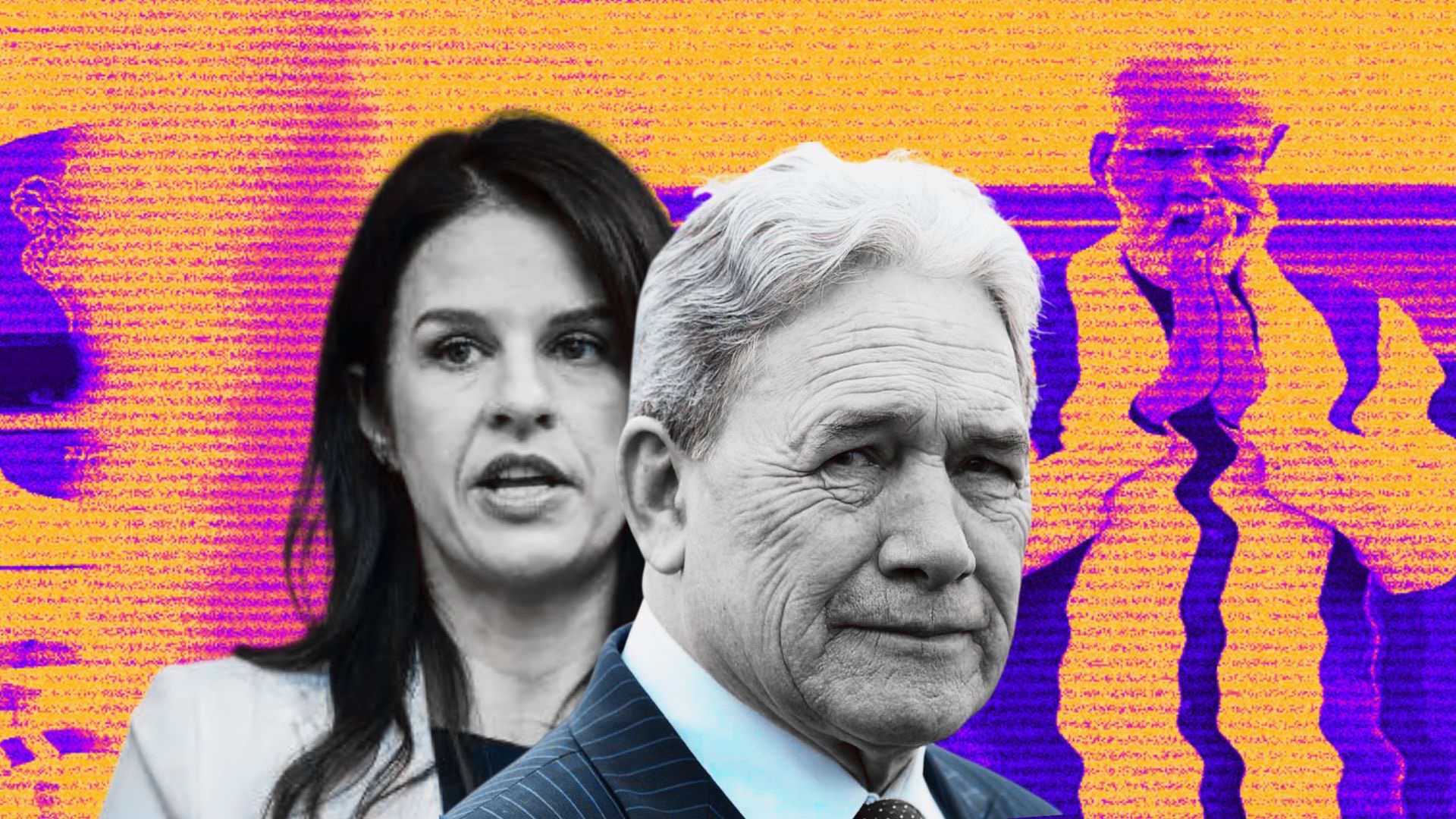
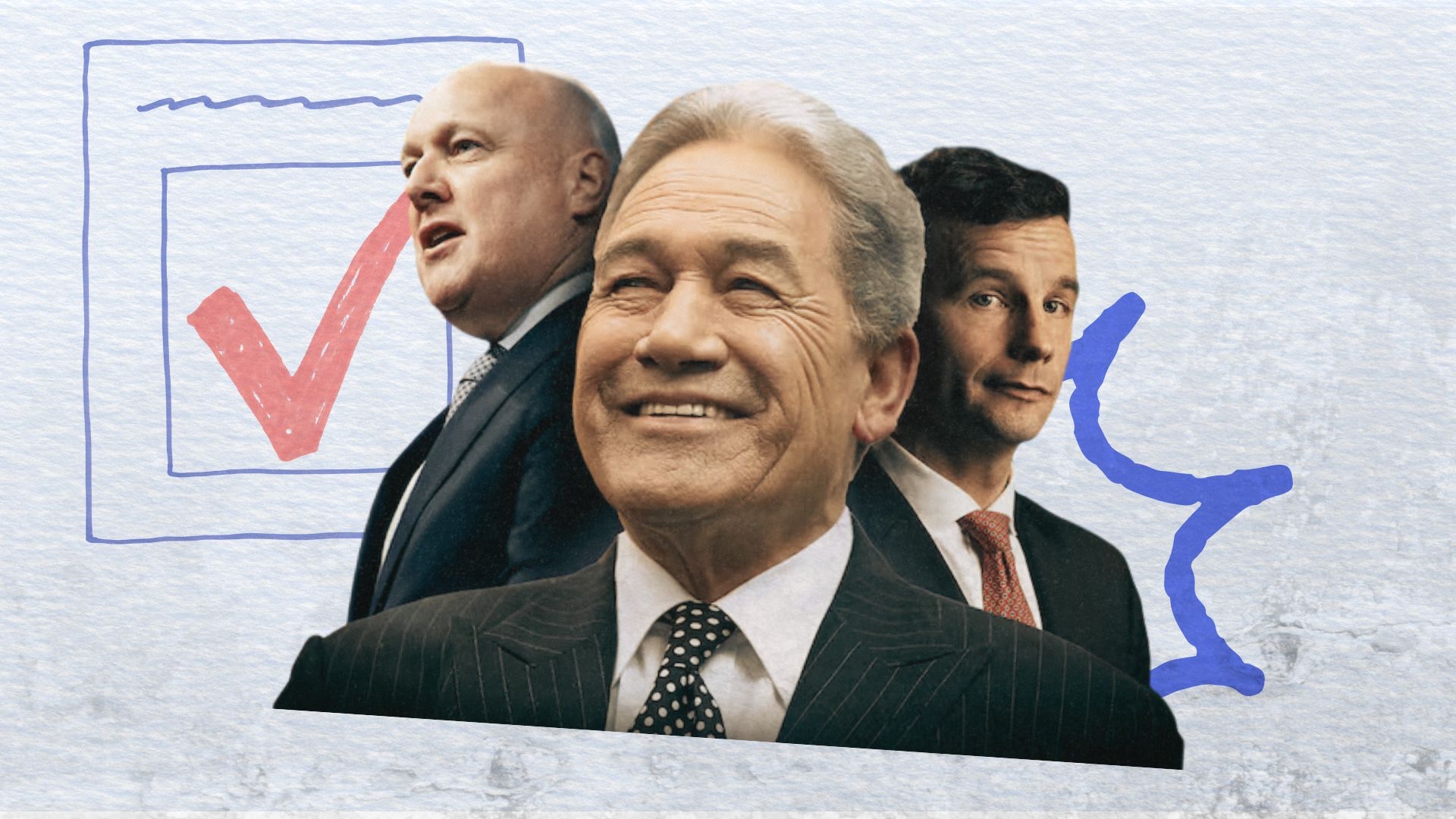
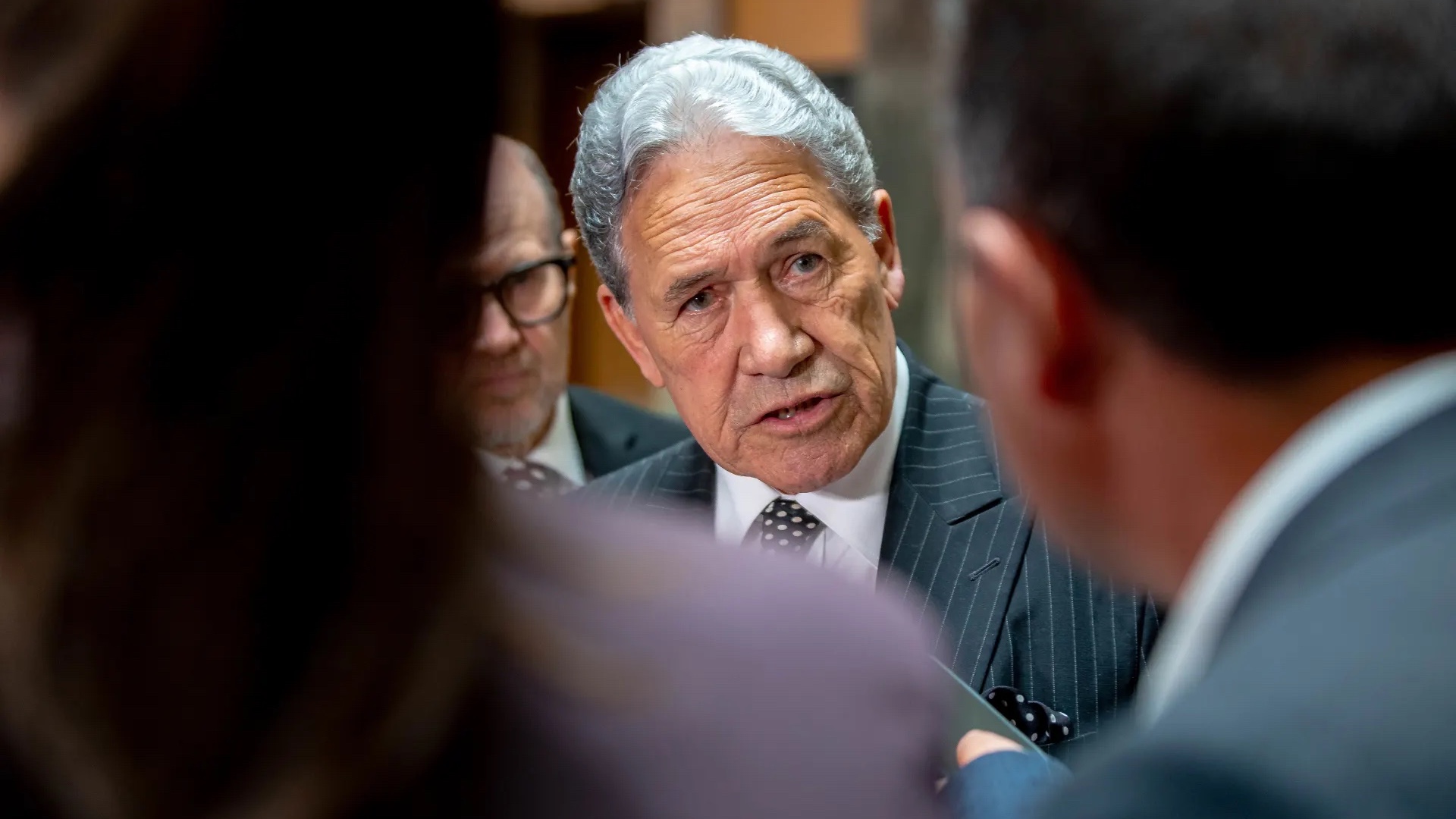
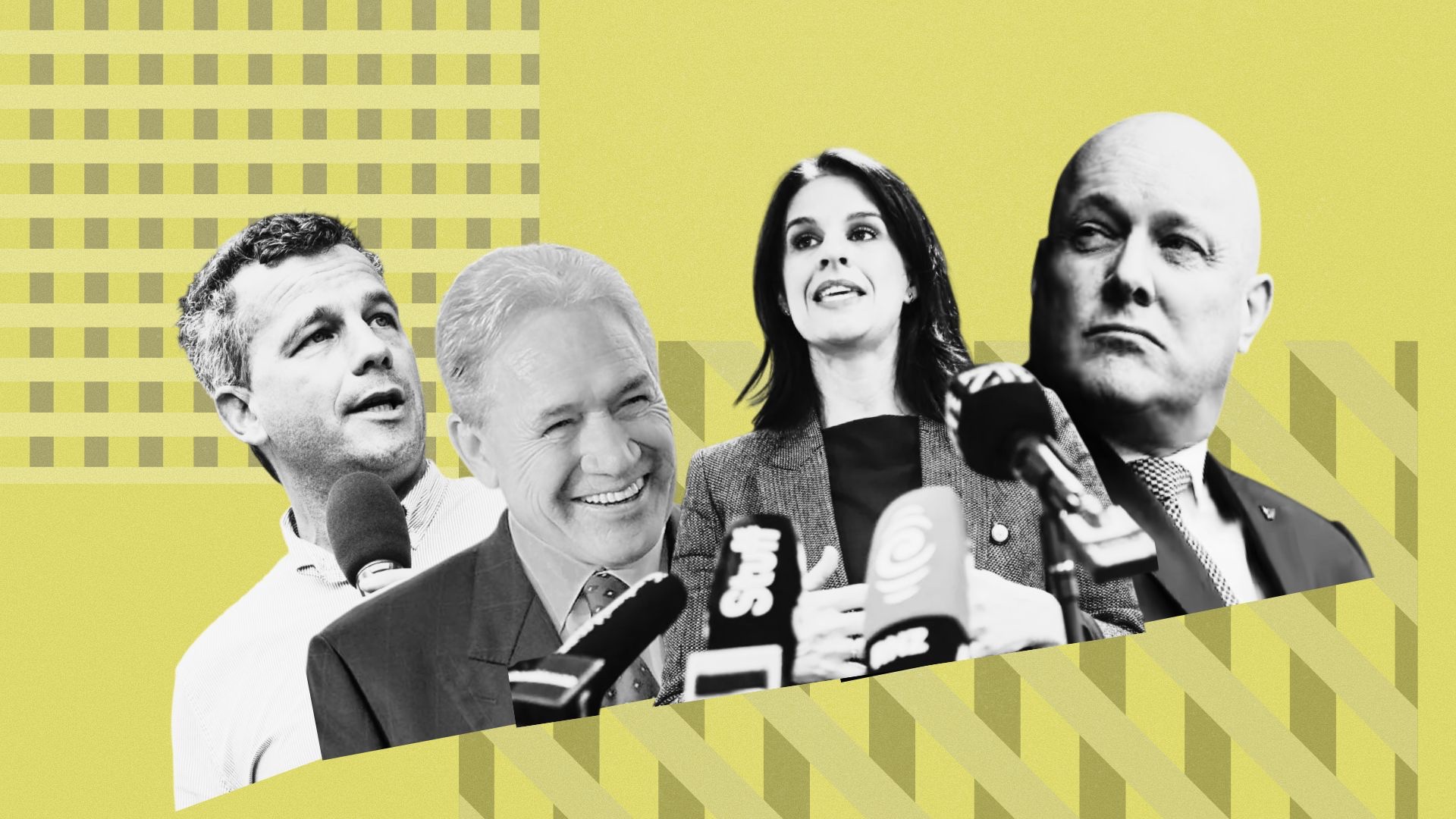
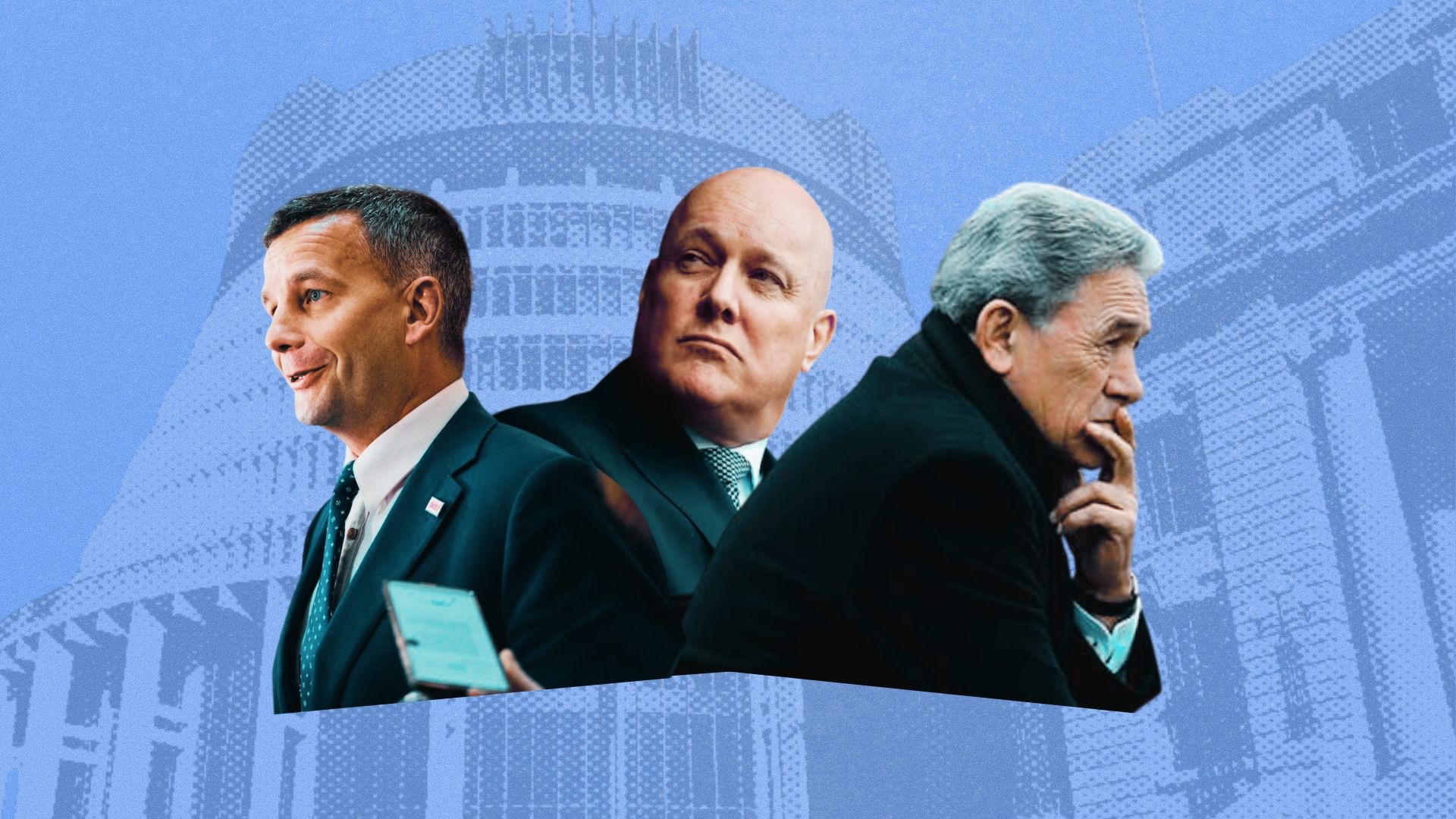
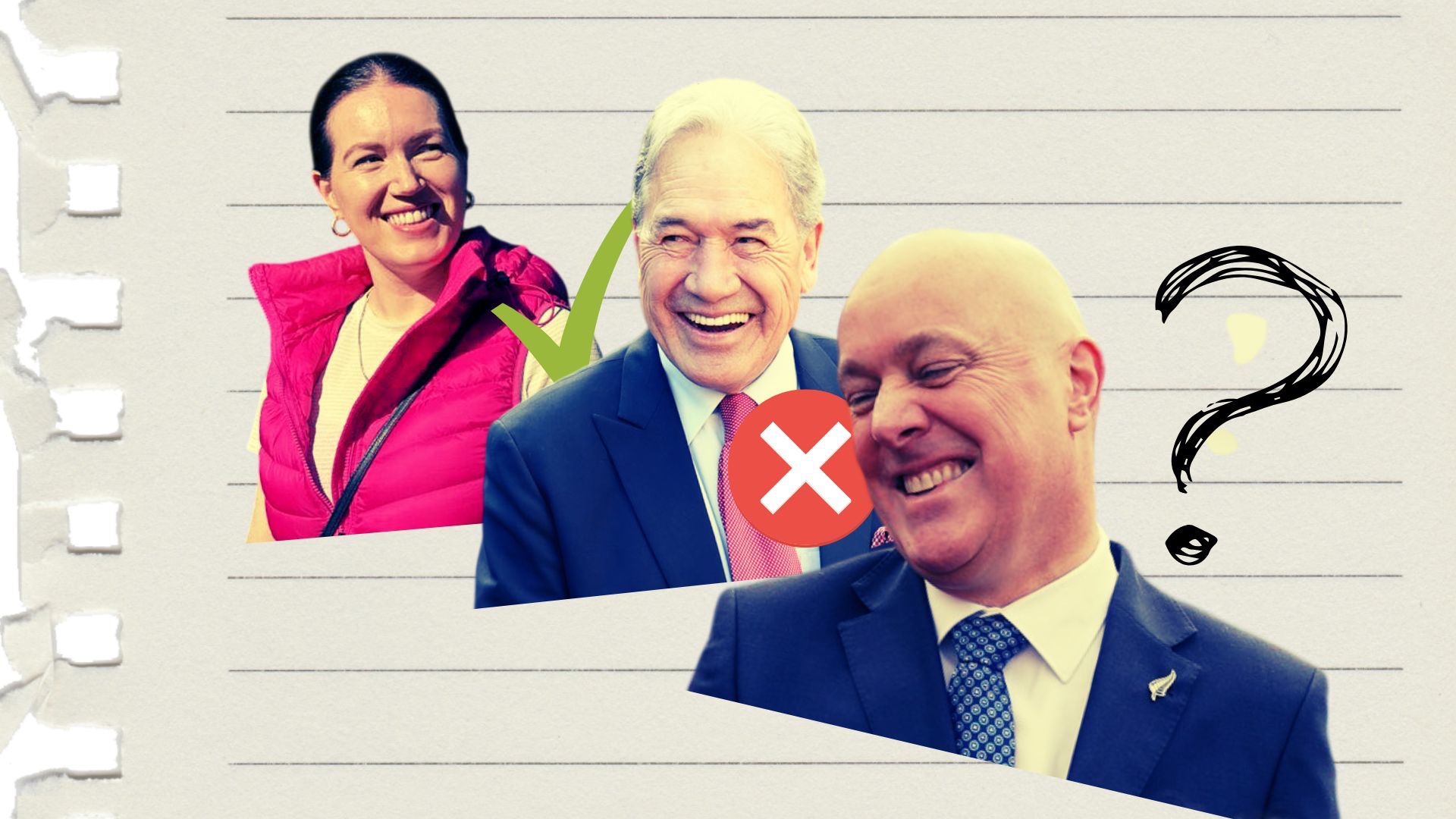
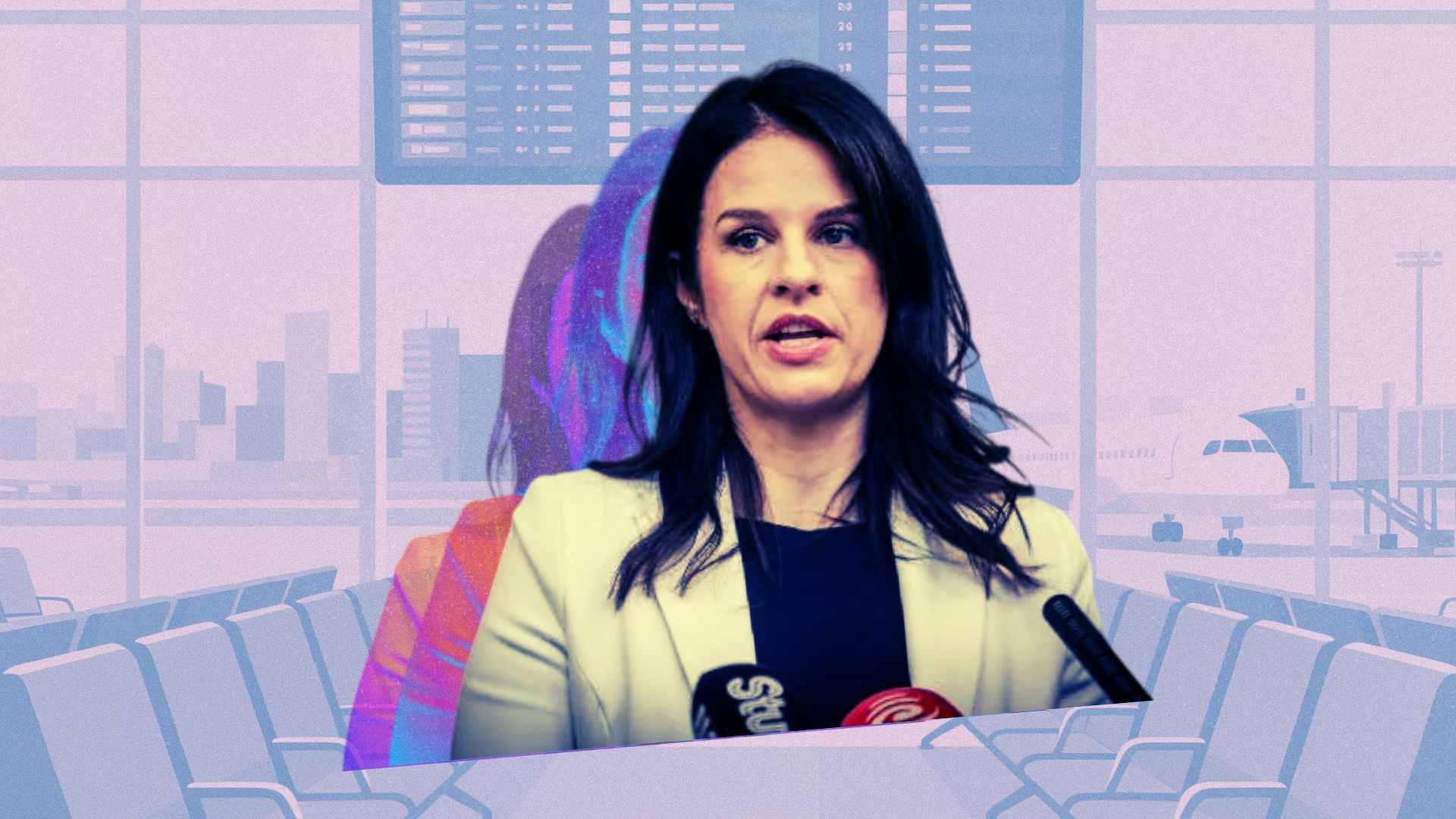
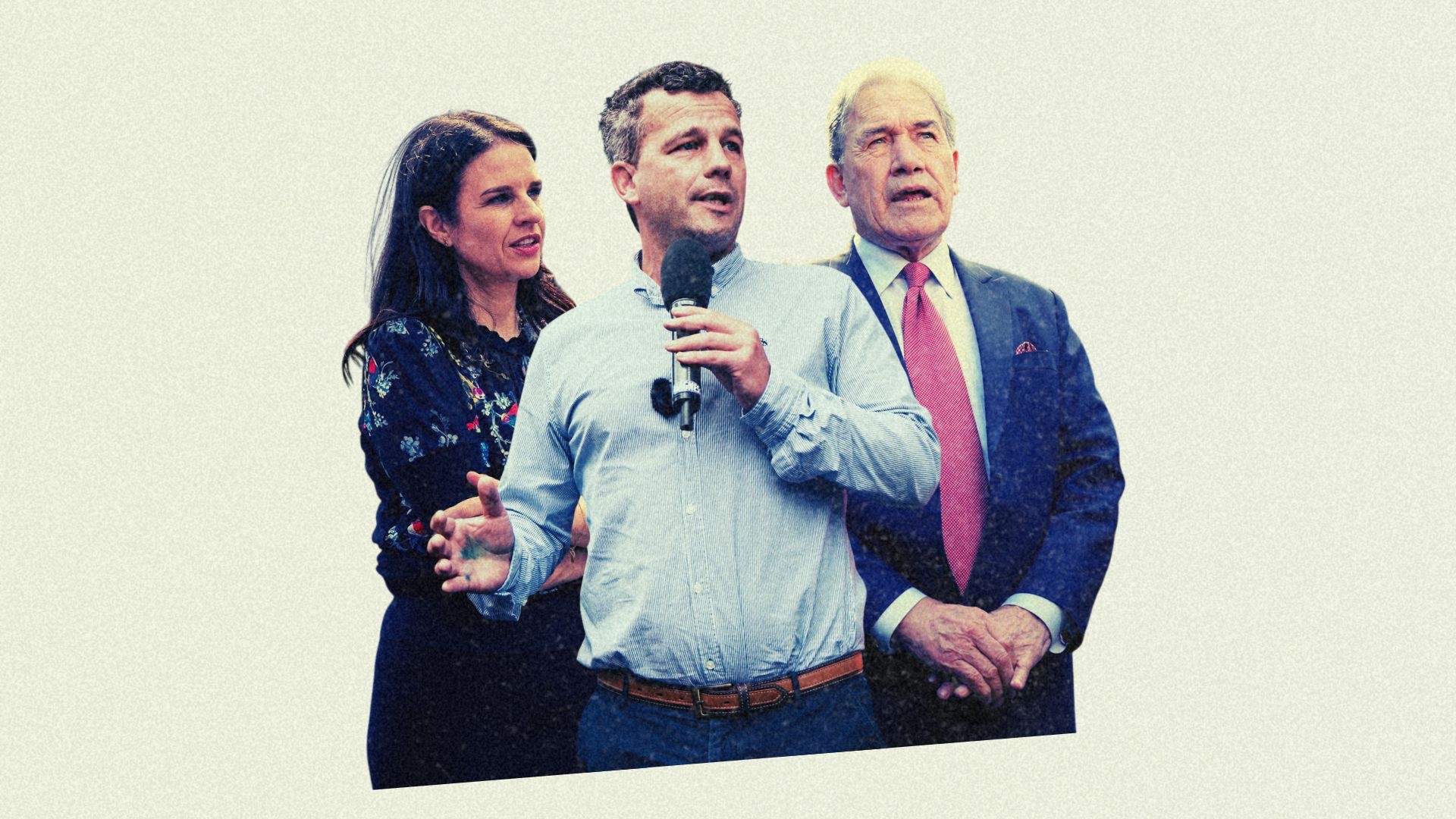
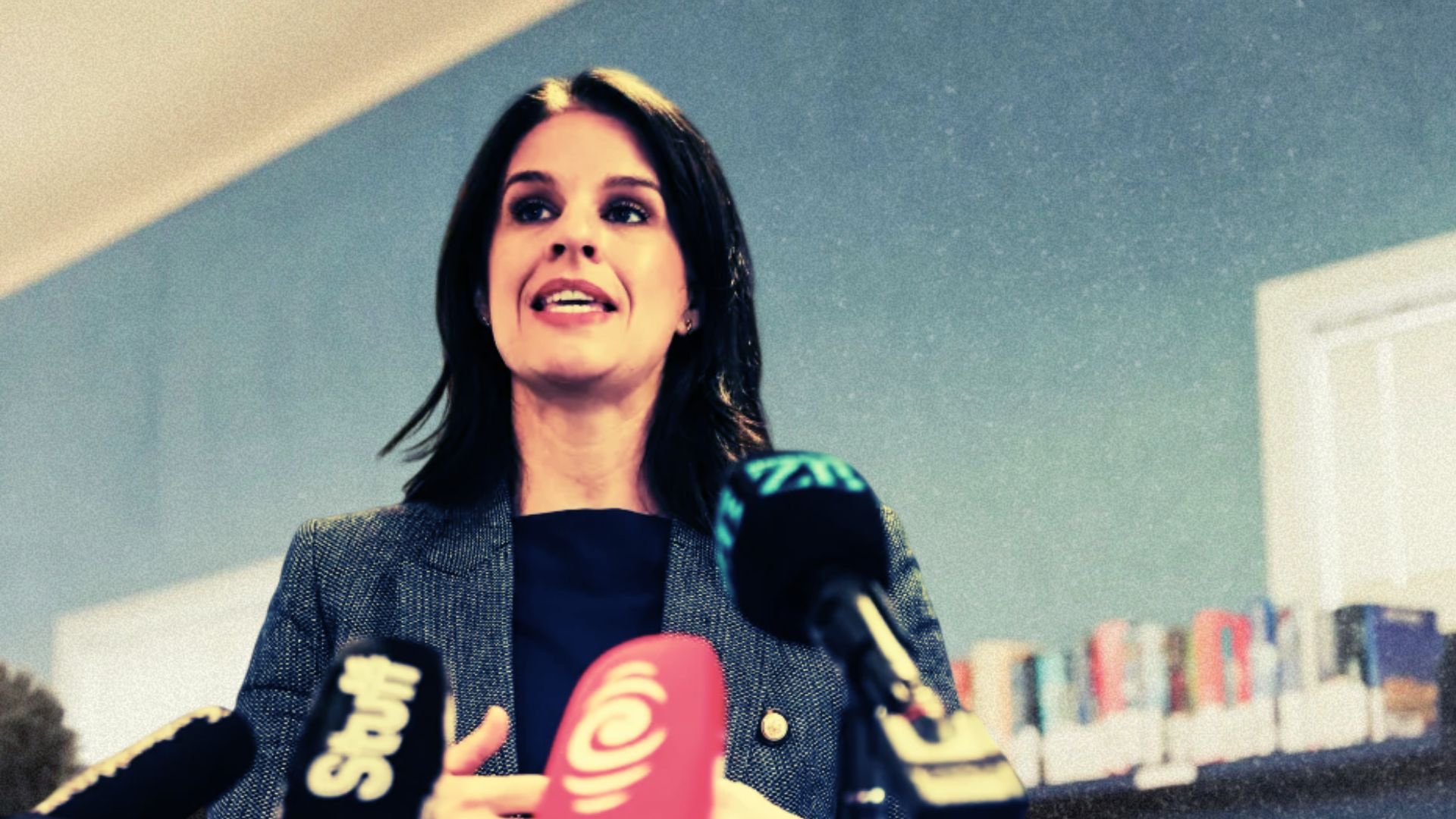
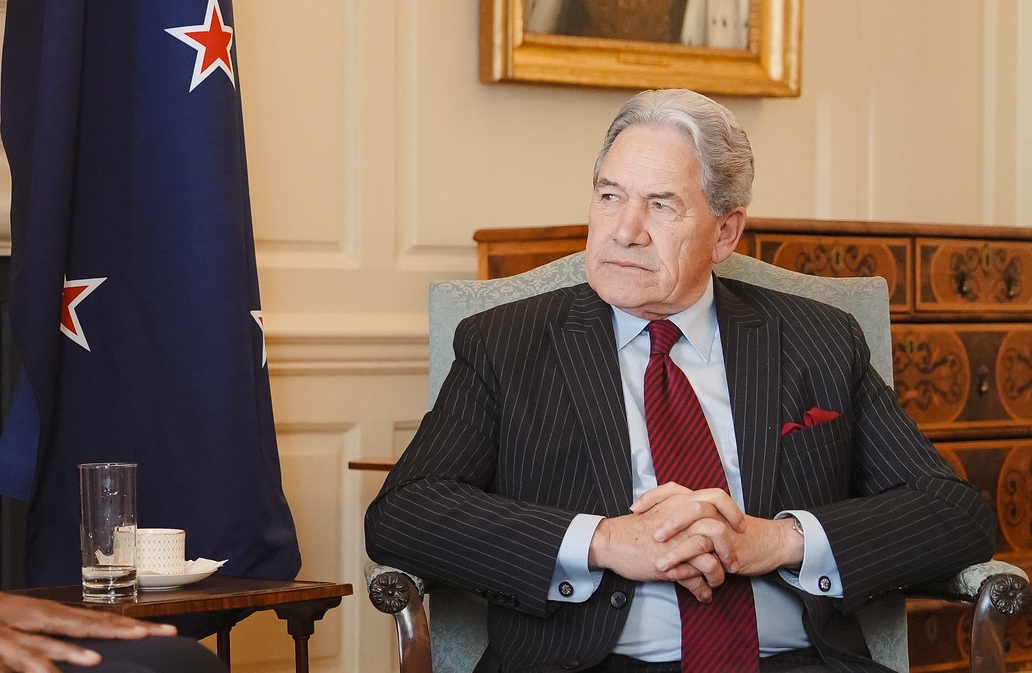
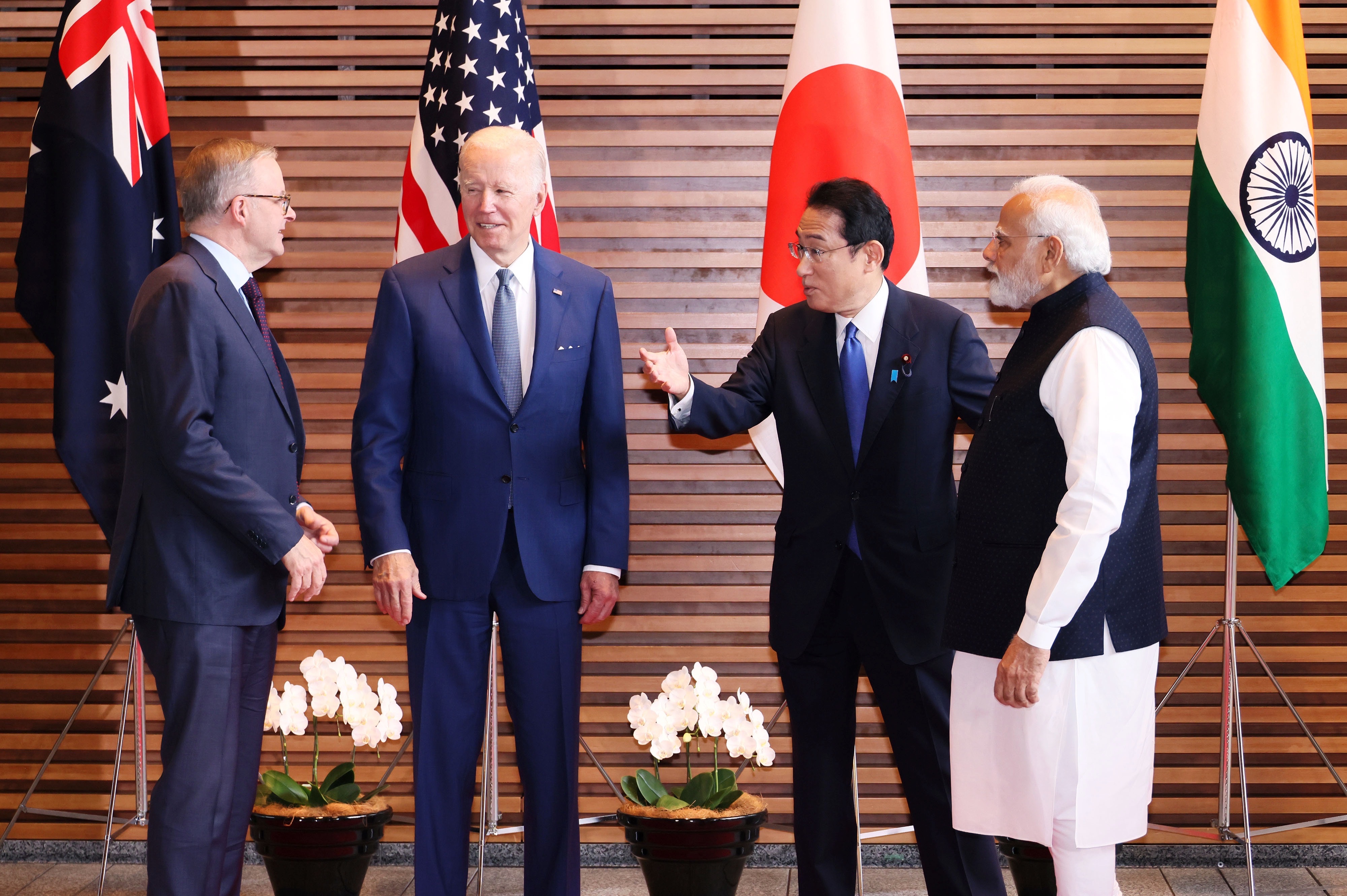
NZ First wants to end birthright citizenship for children of migrants, work rights for students "This set of polices is about taking back control of the future of our country and valuing our unique citizenship the way it should be."
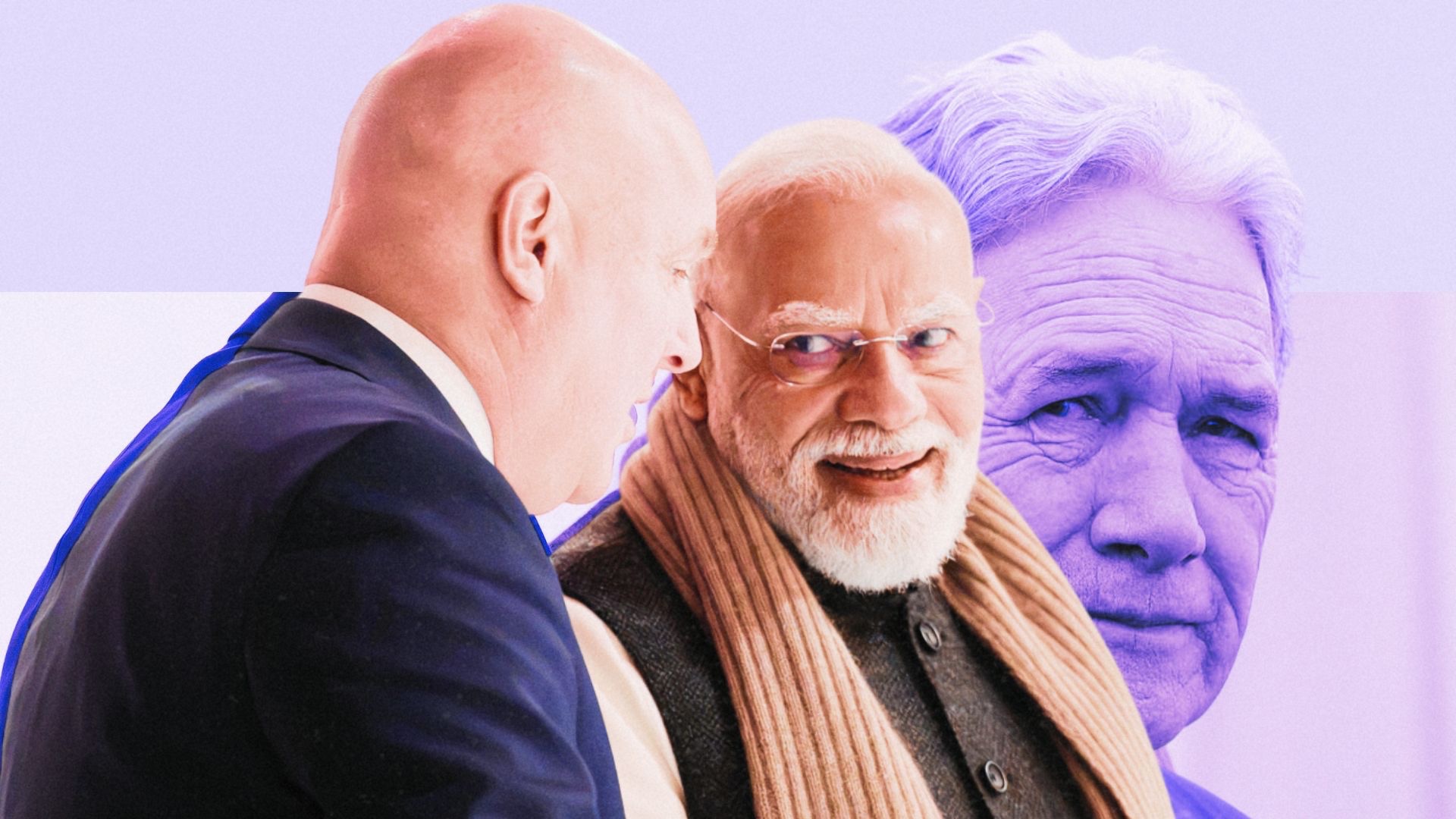
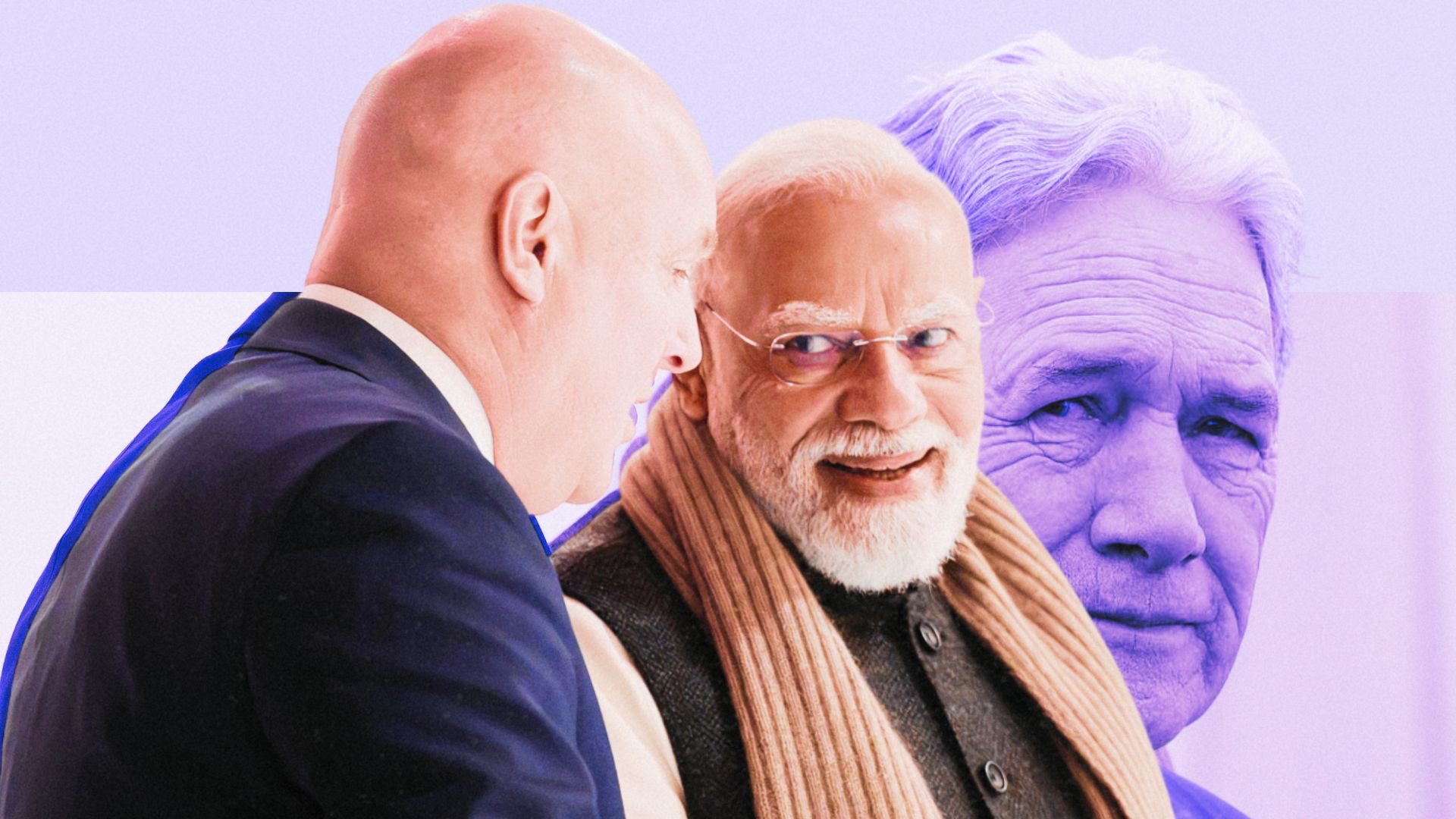
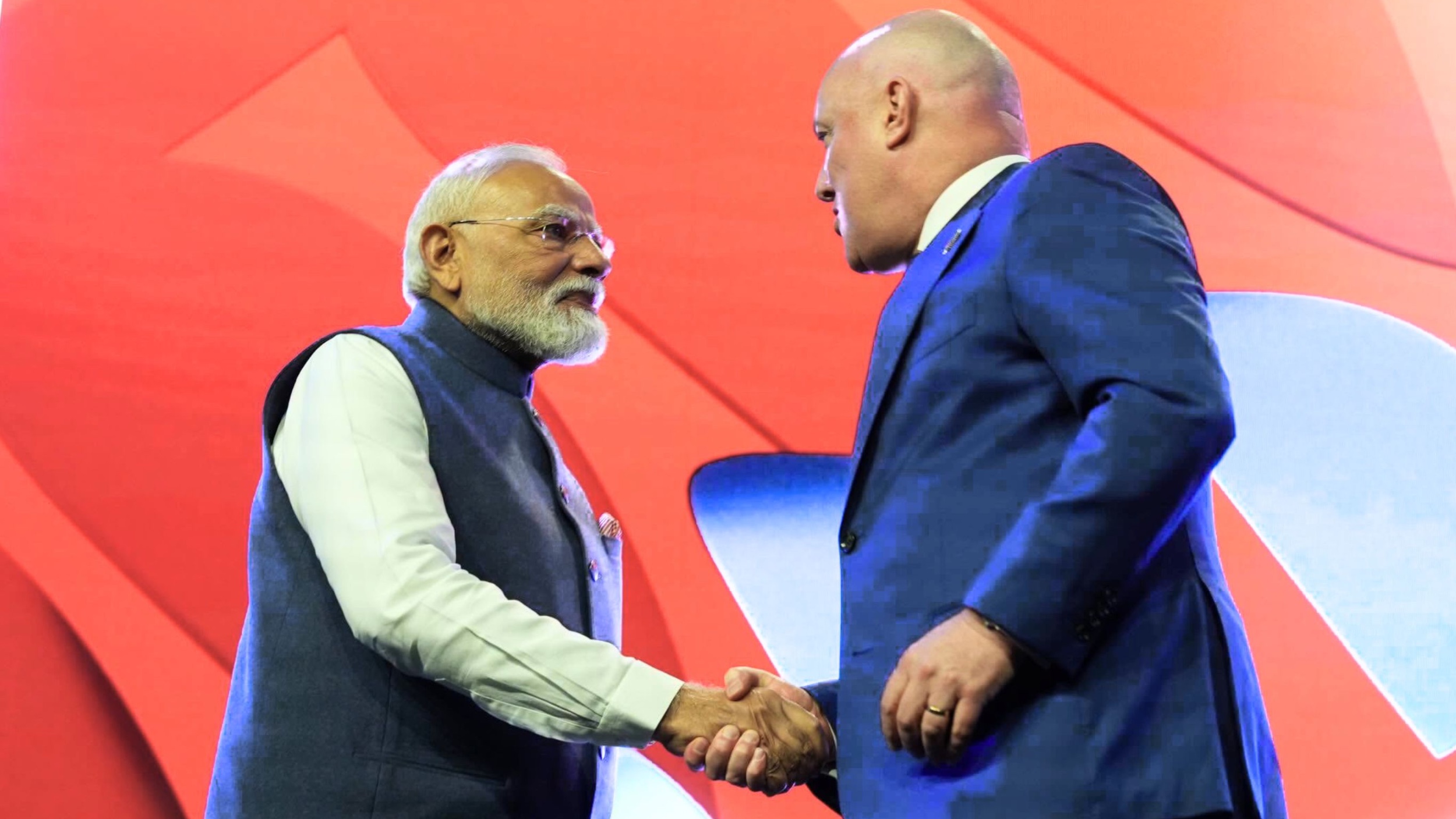
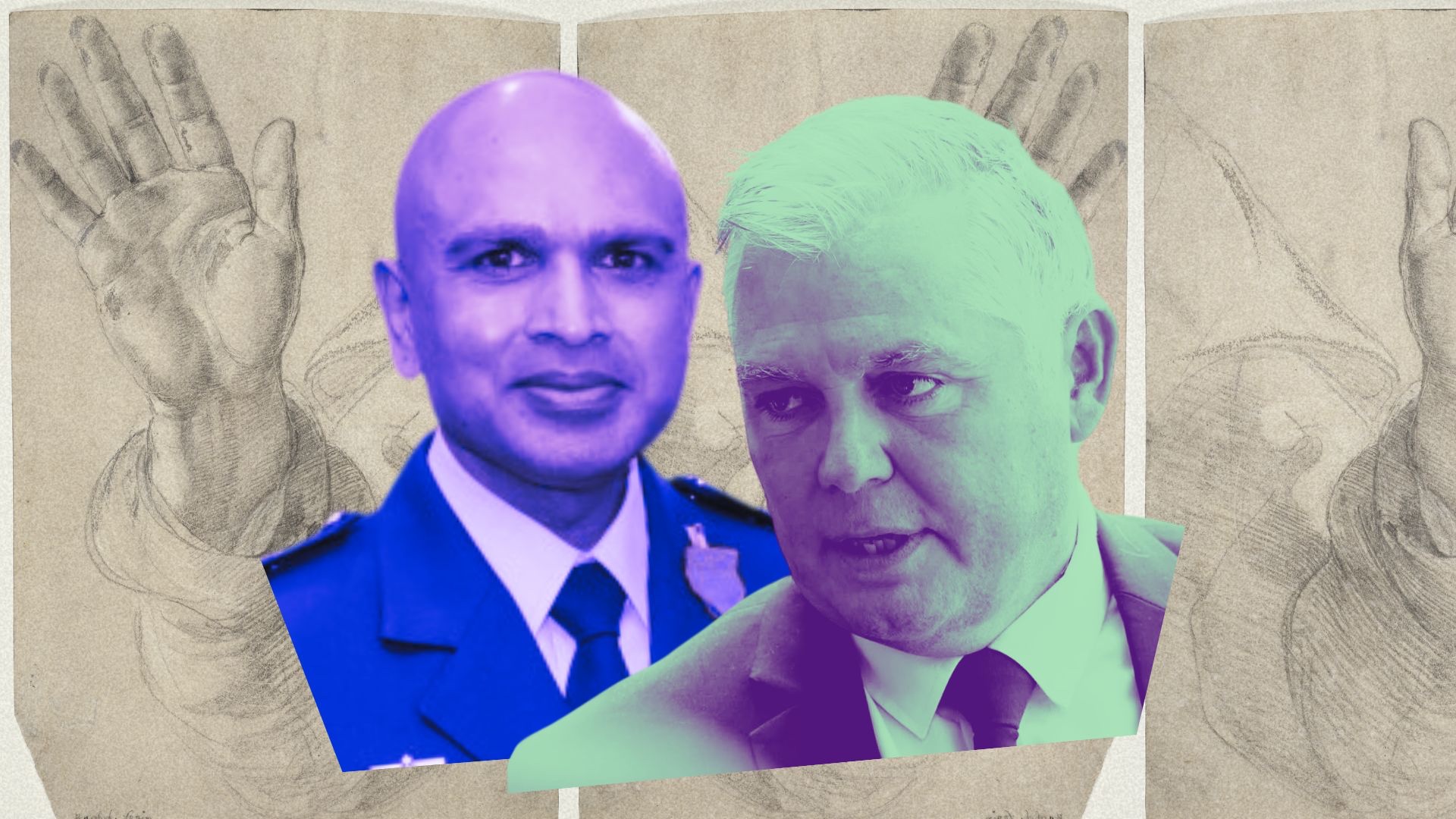
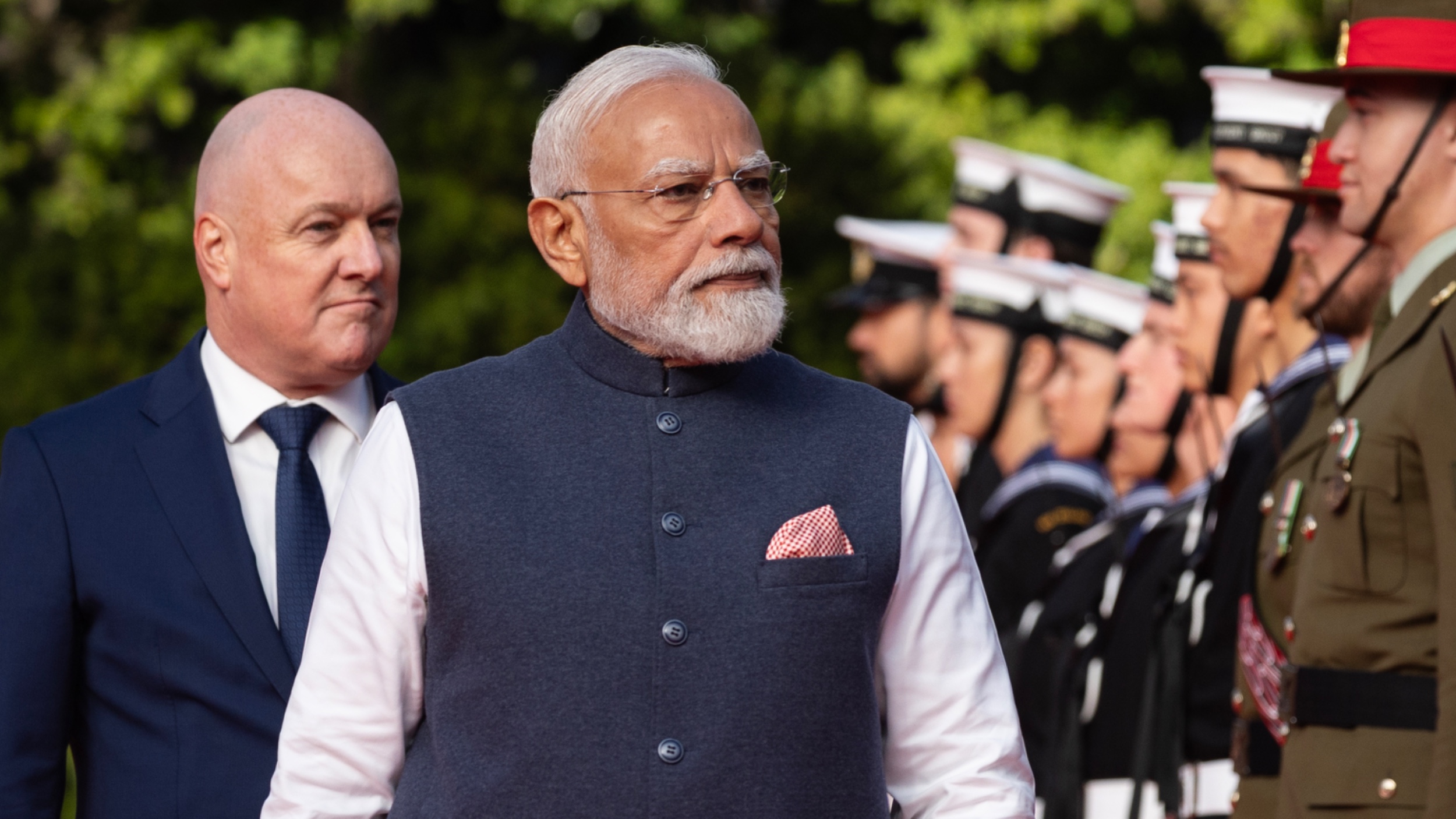
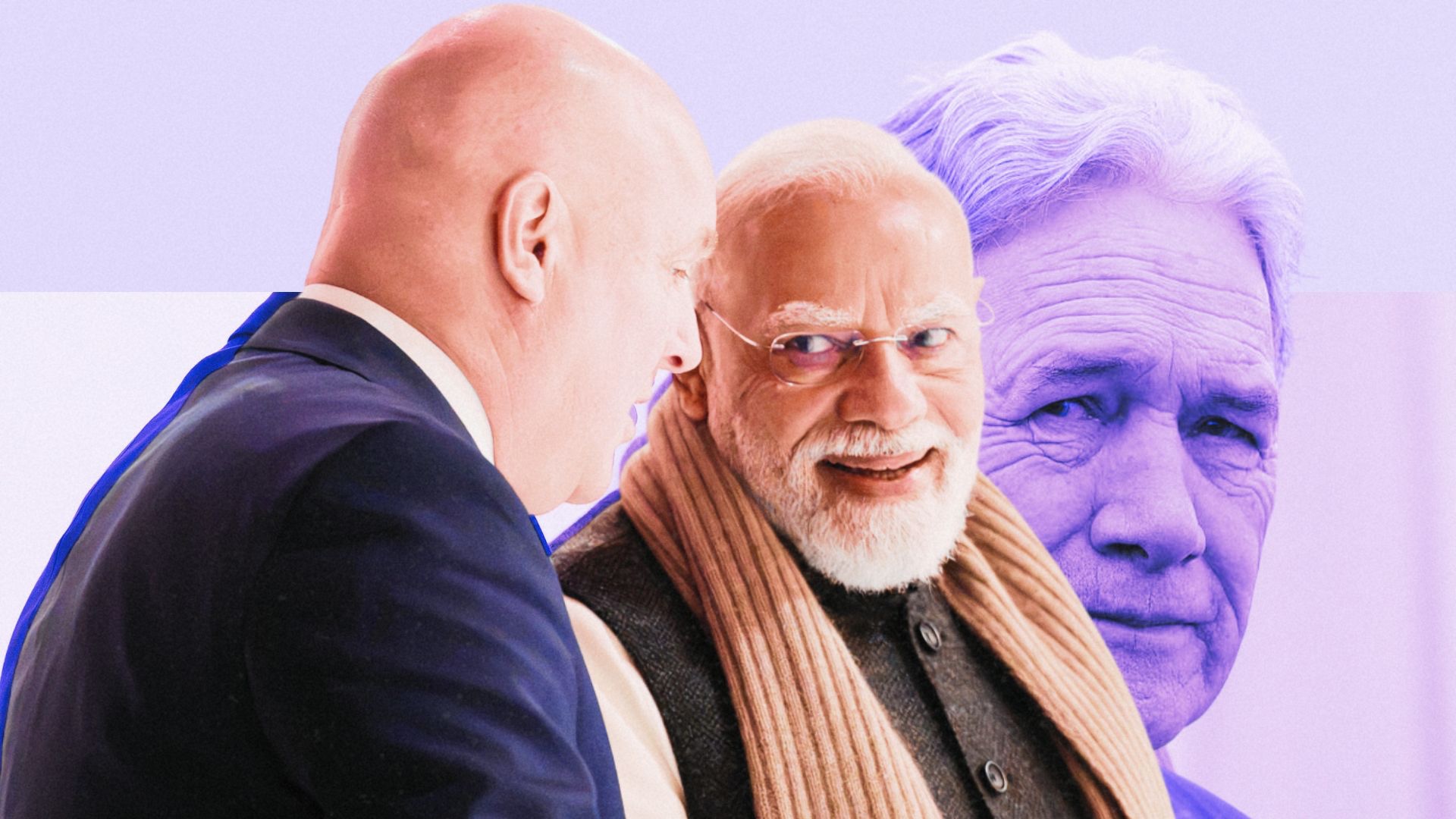
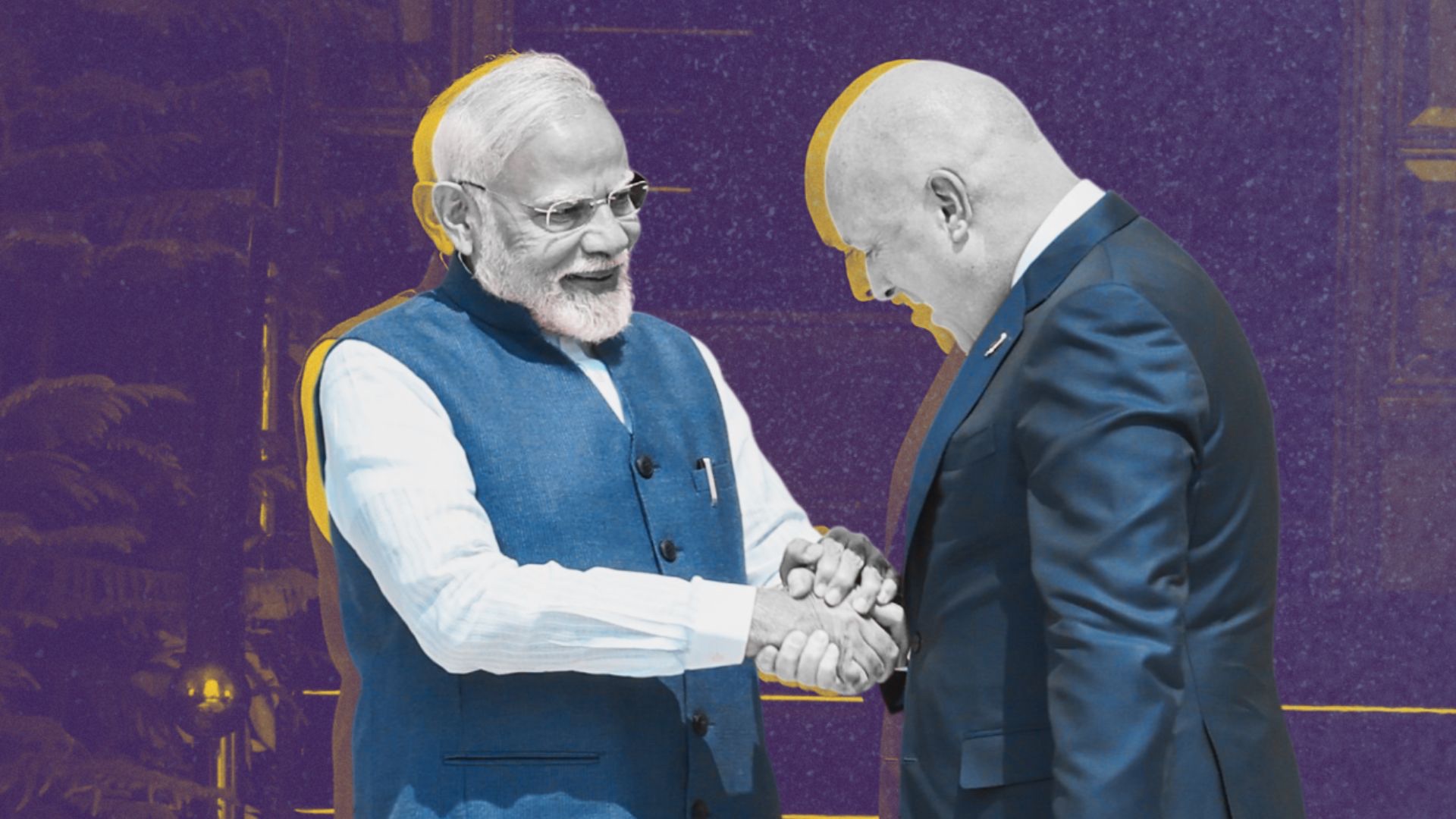
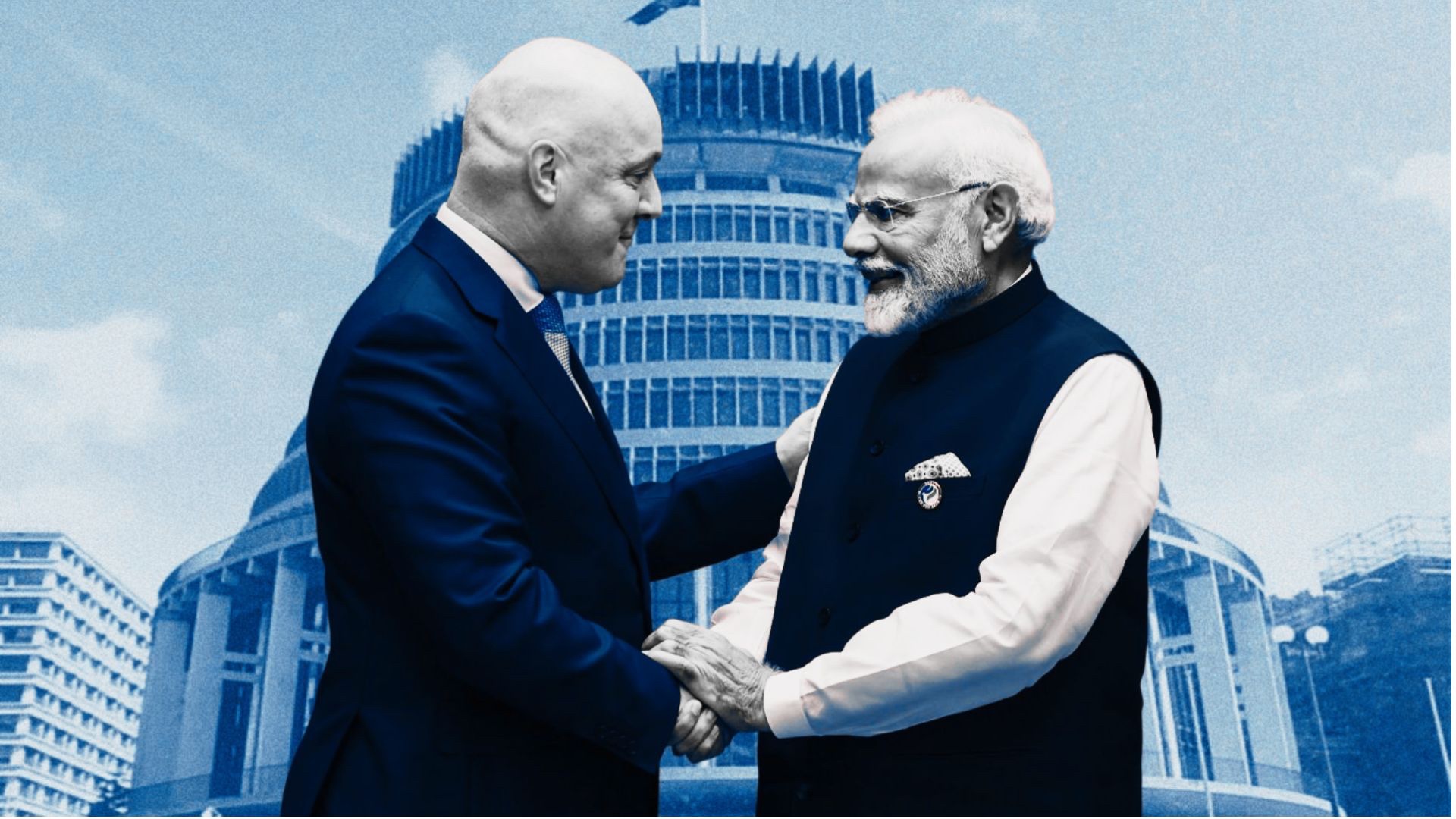
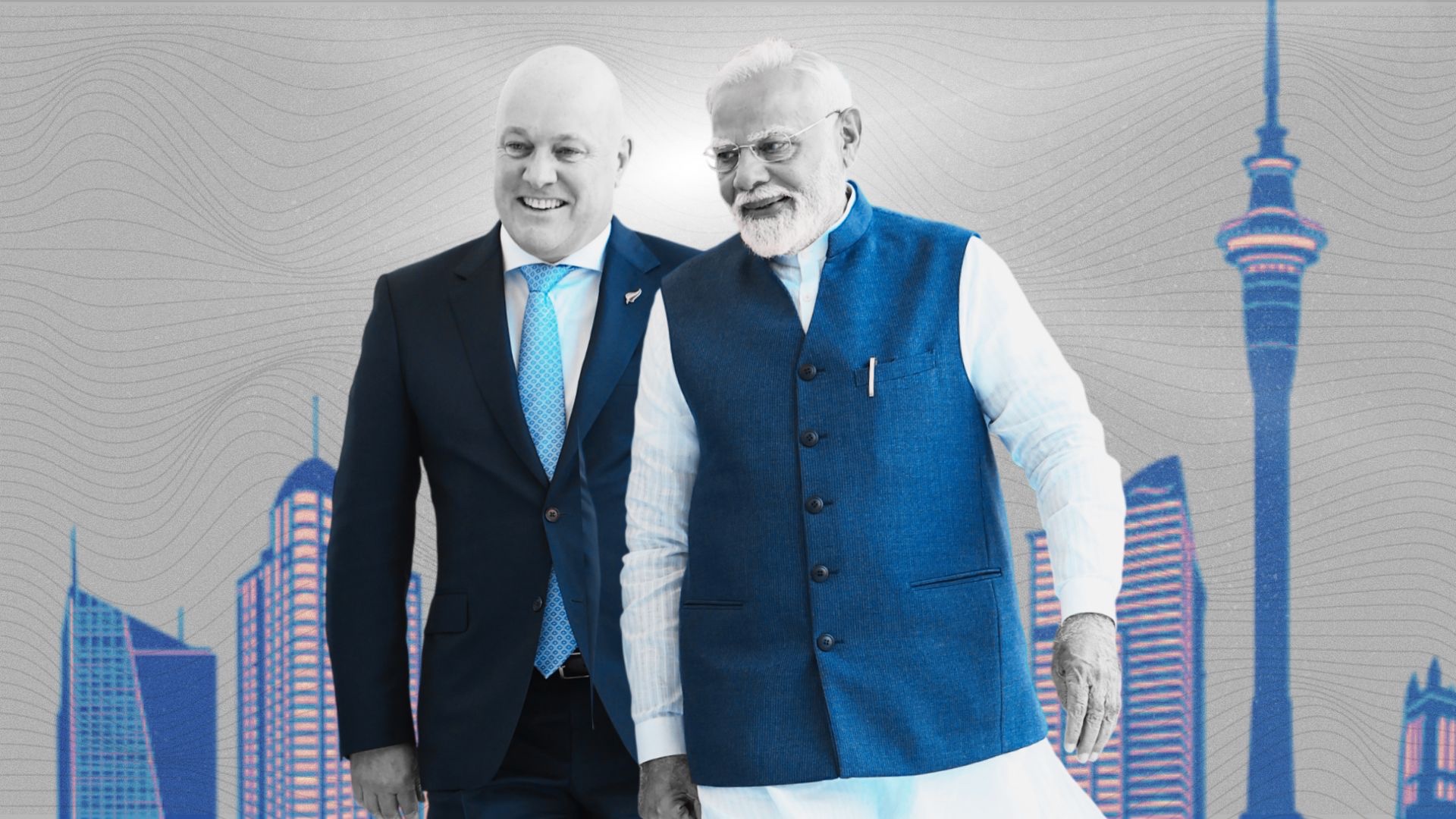
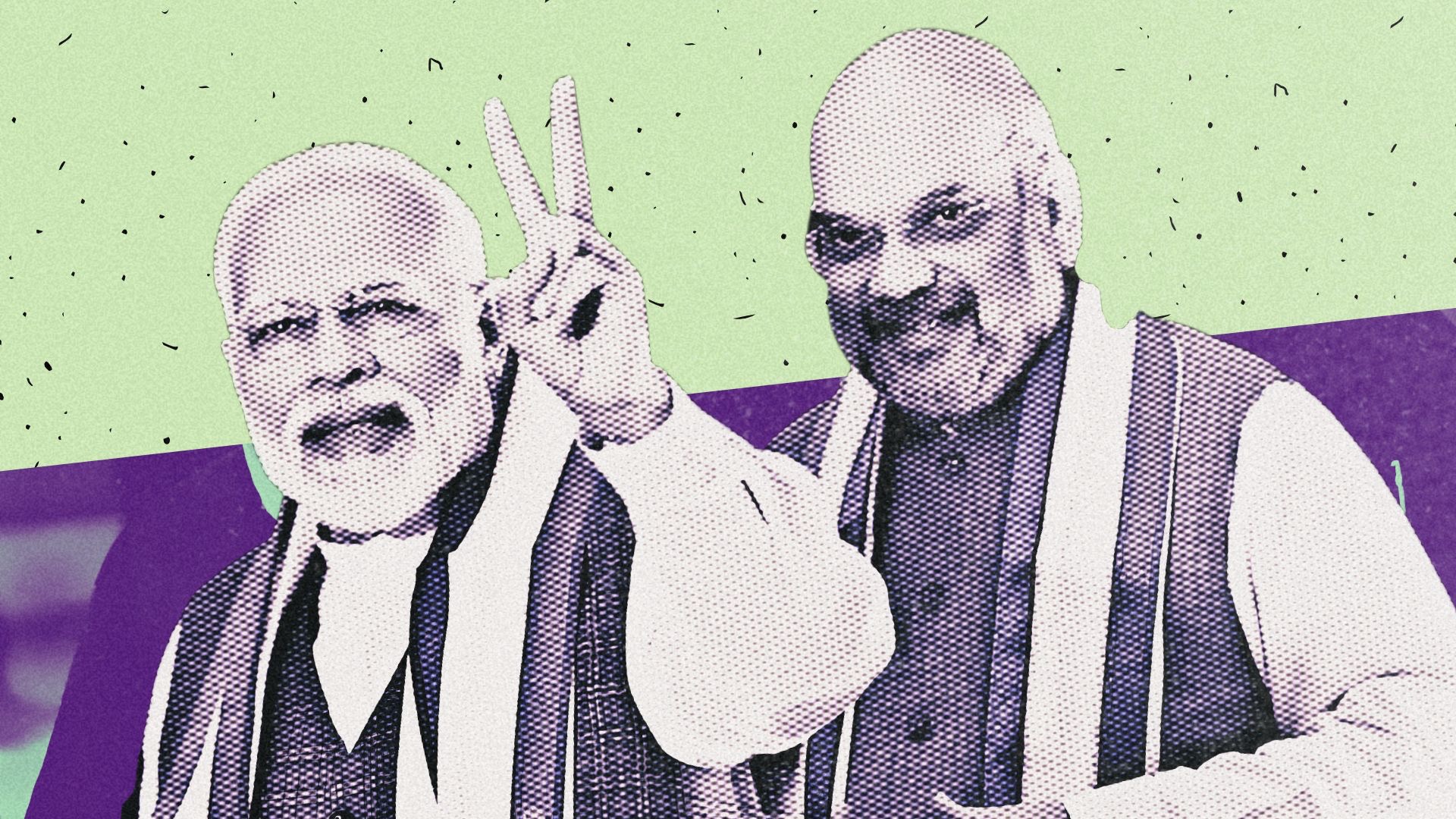
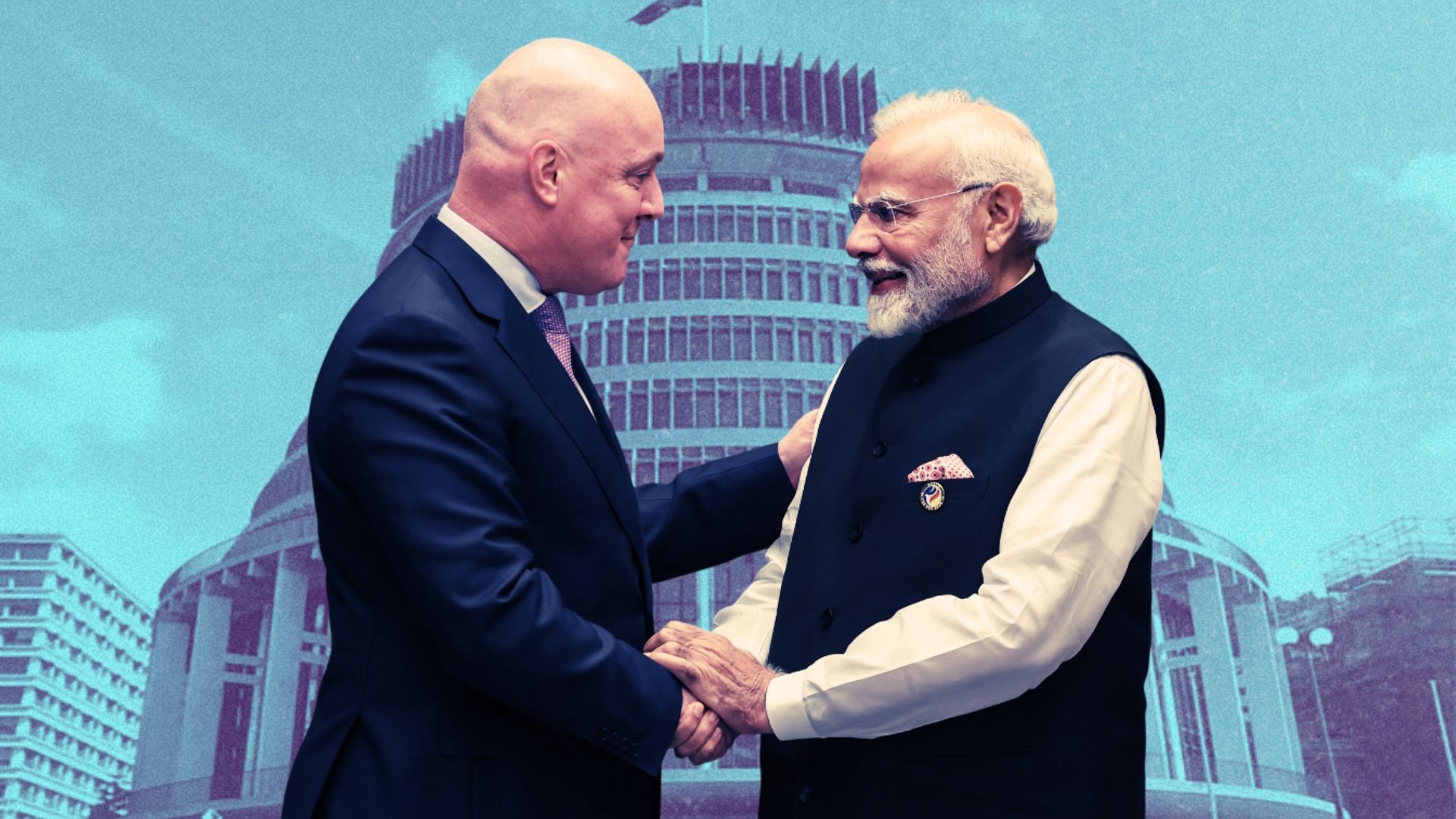
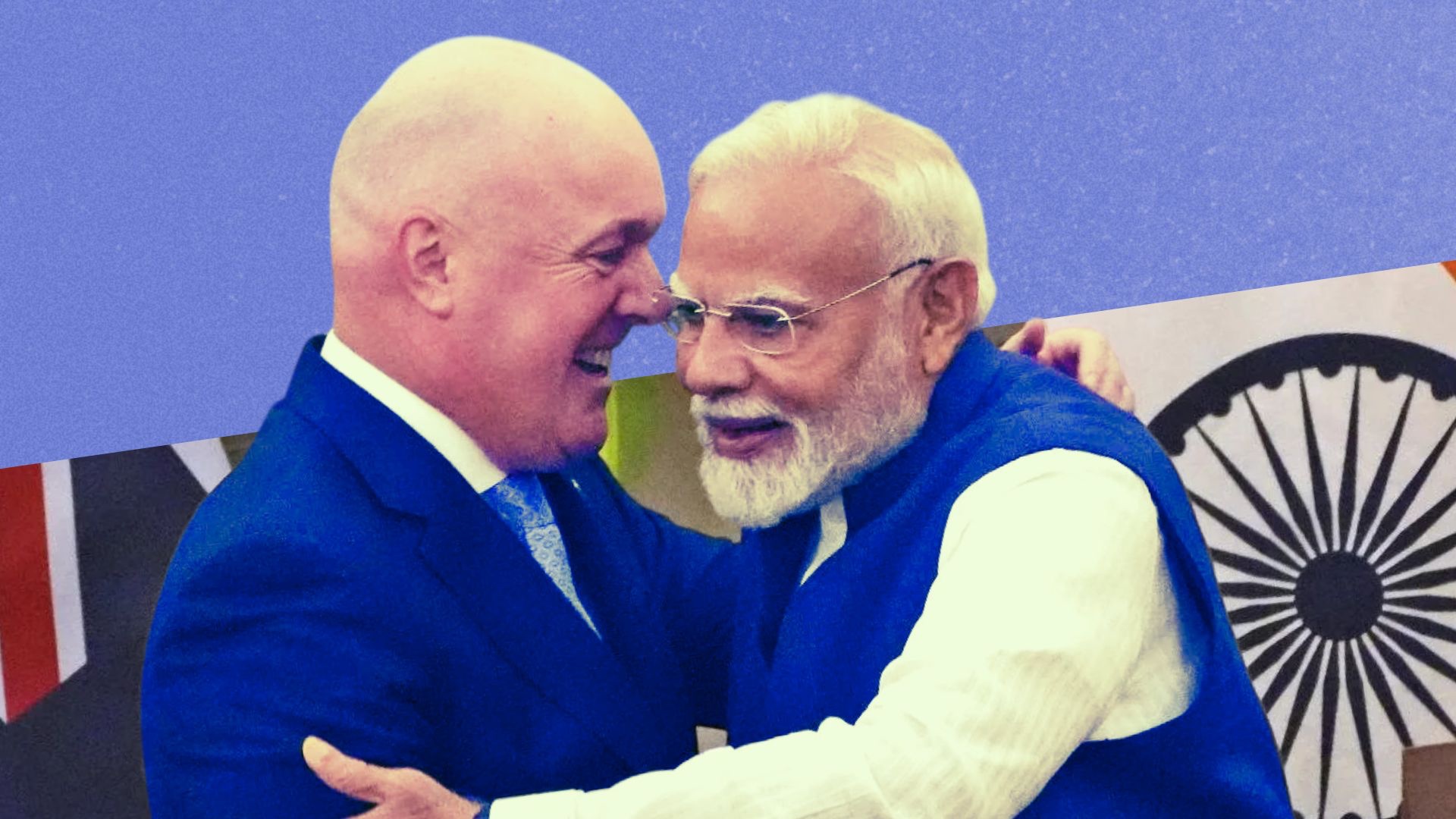
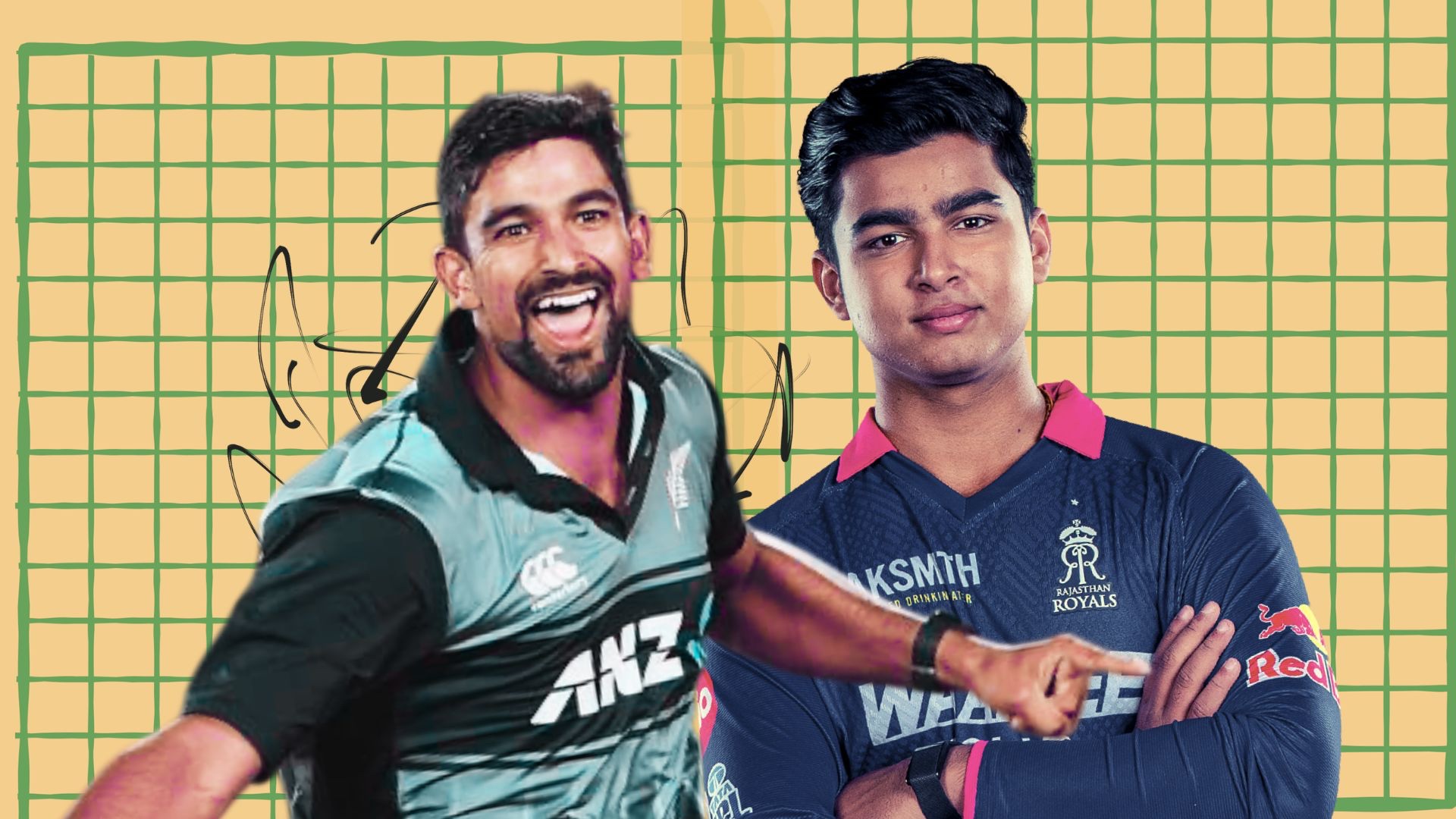
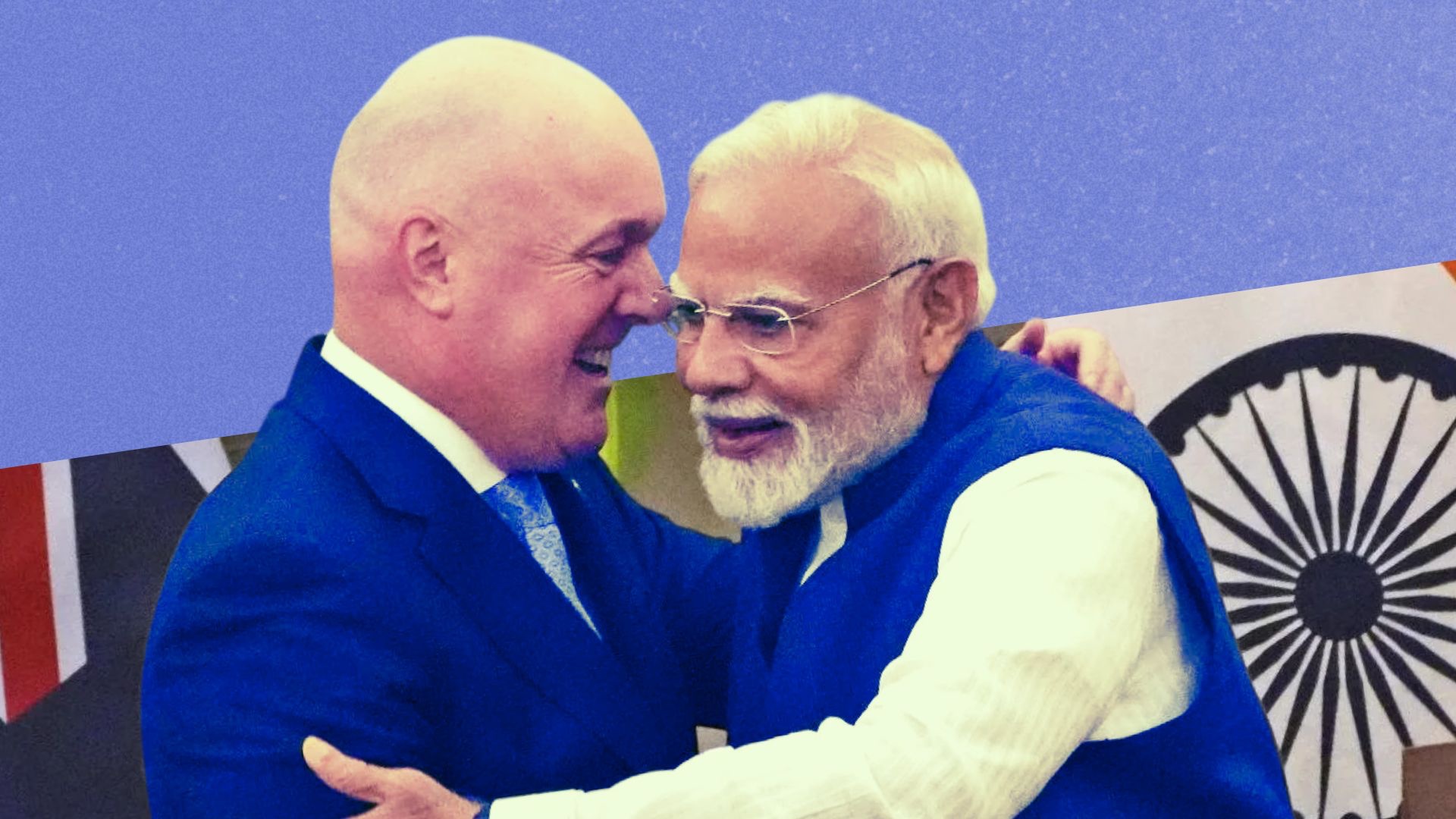
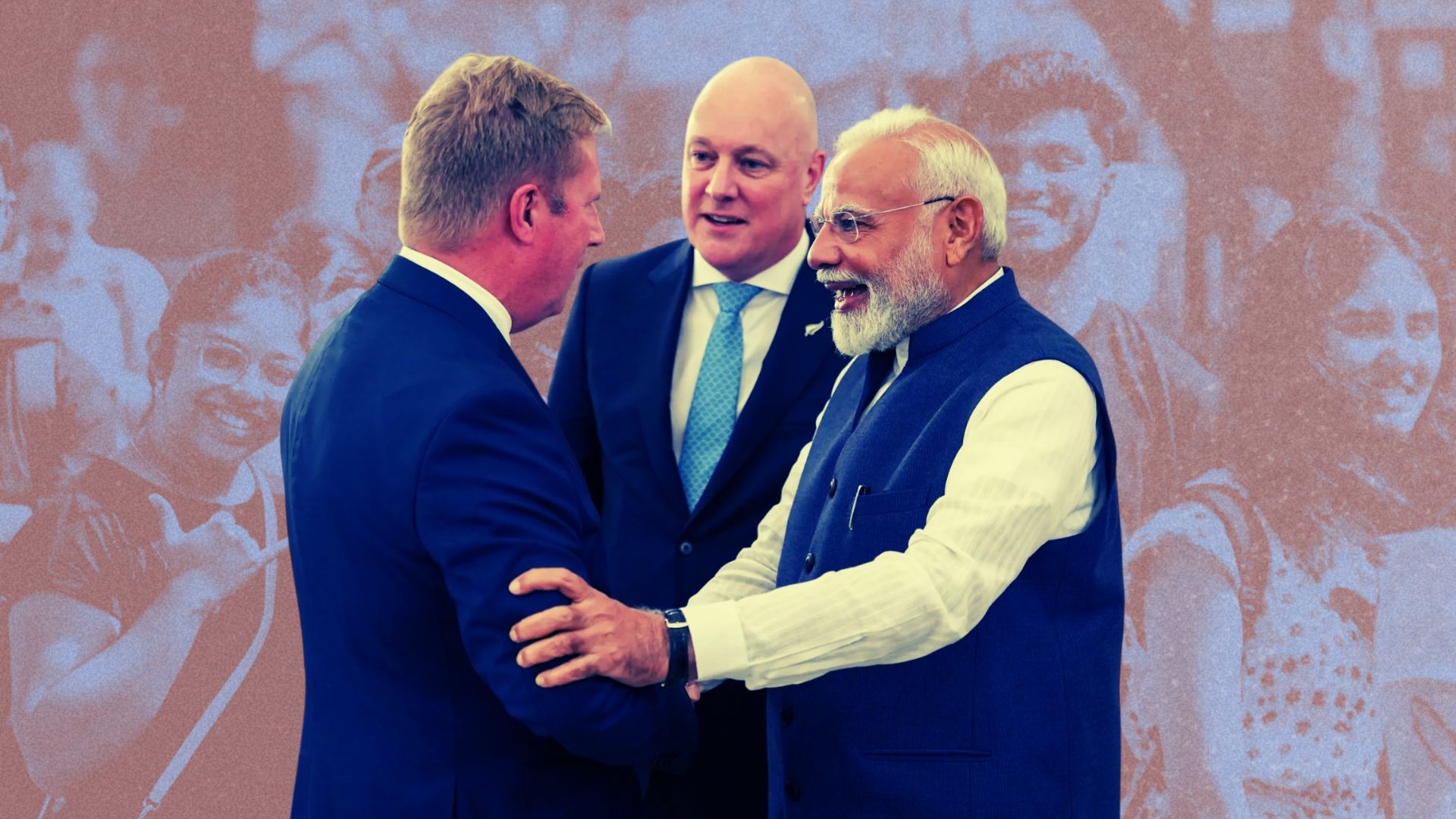
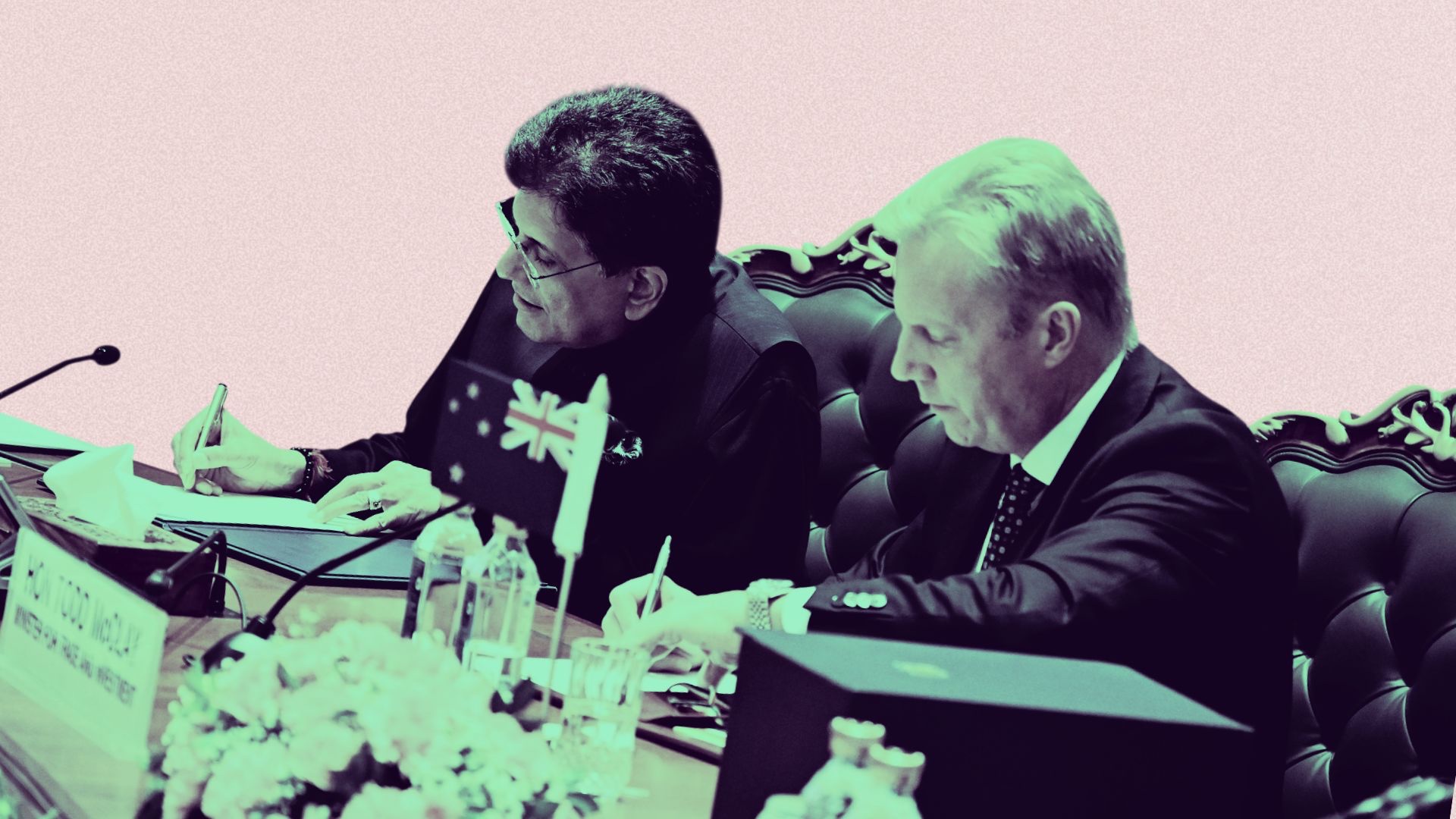
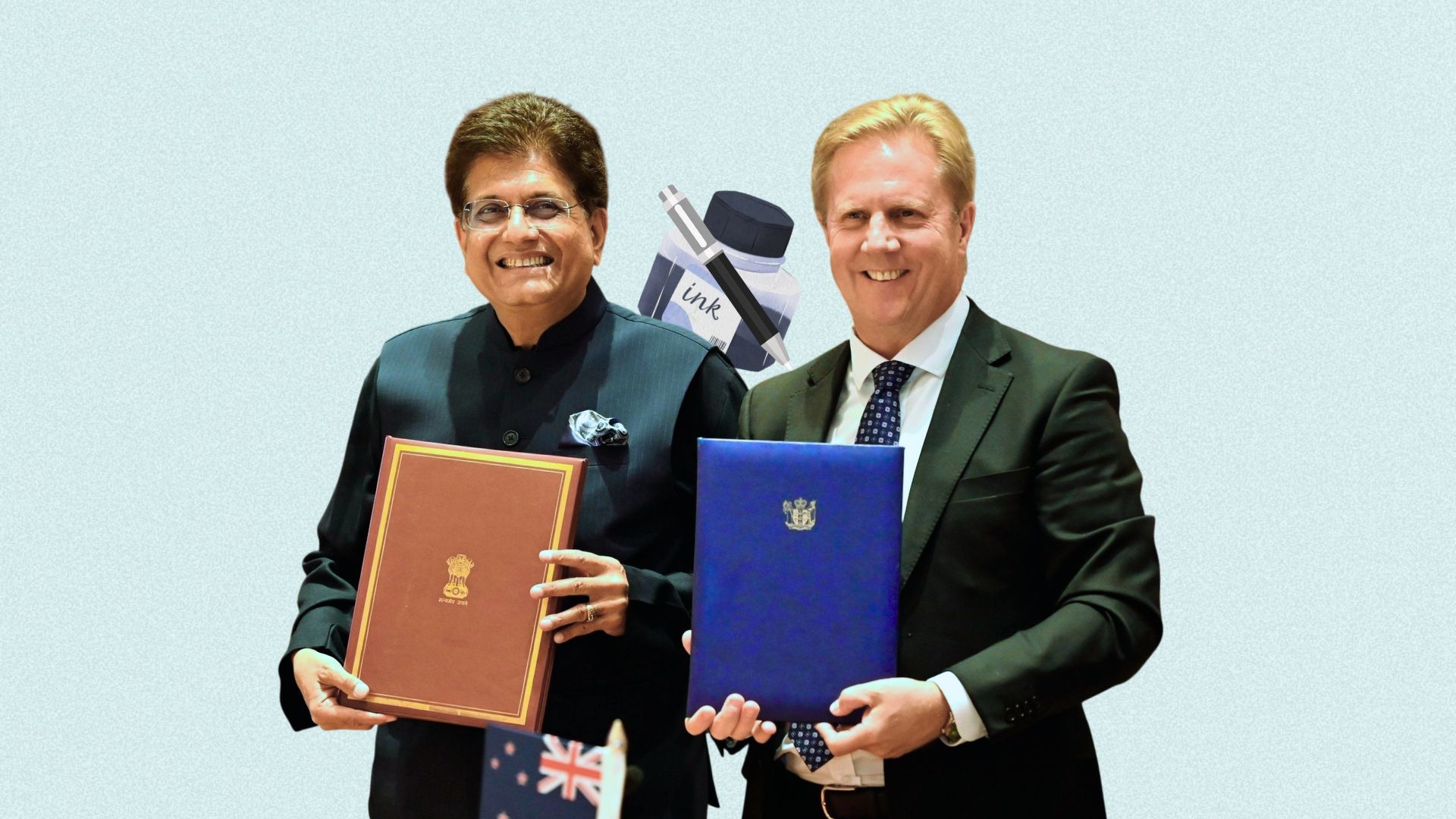
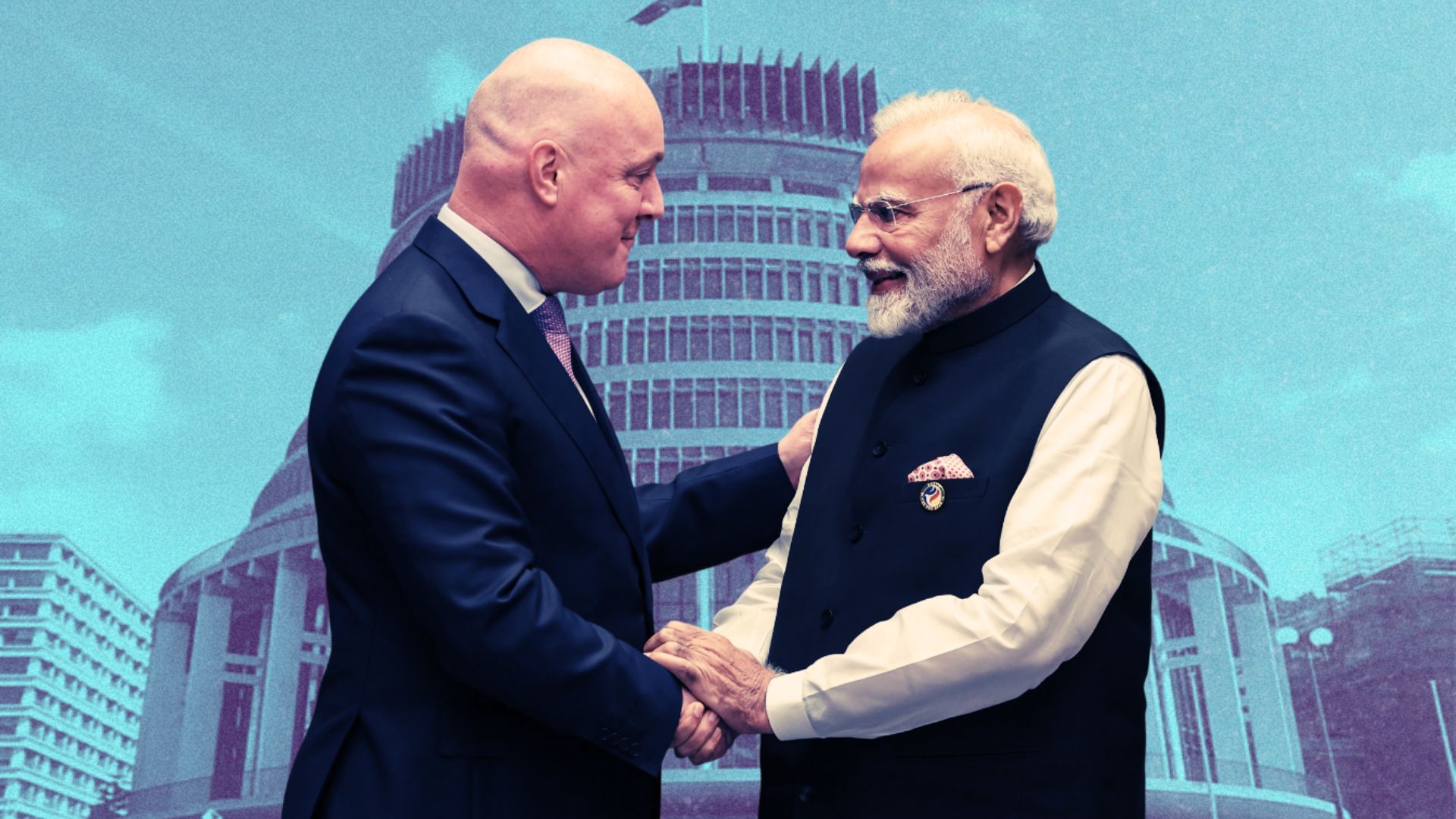
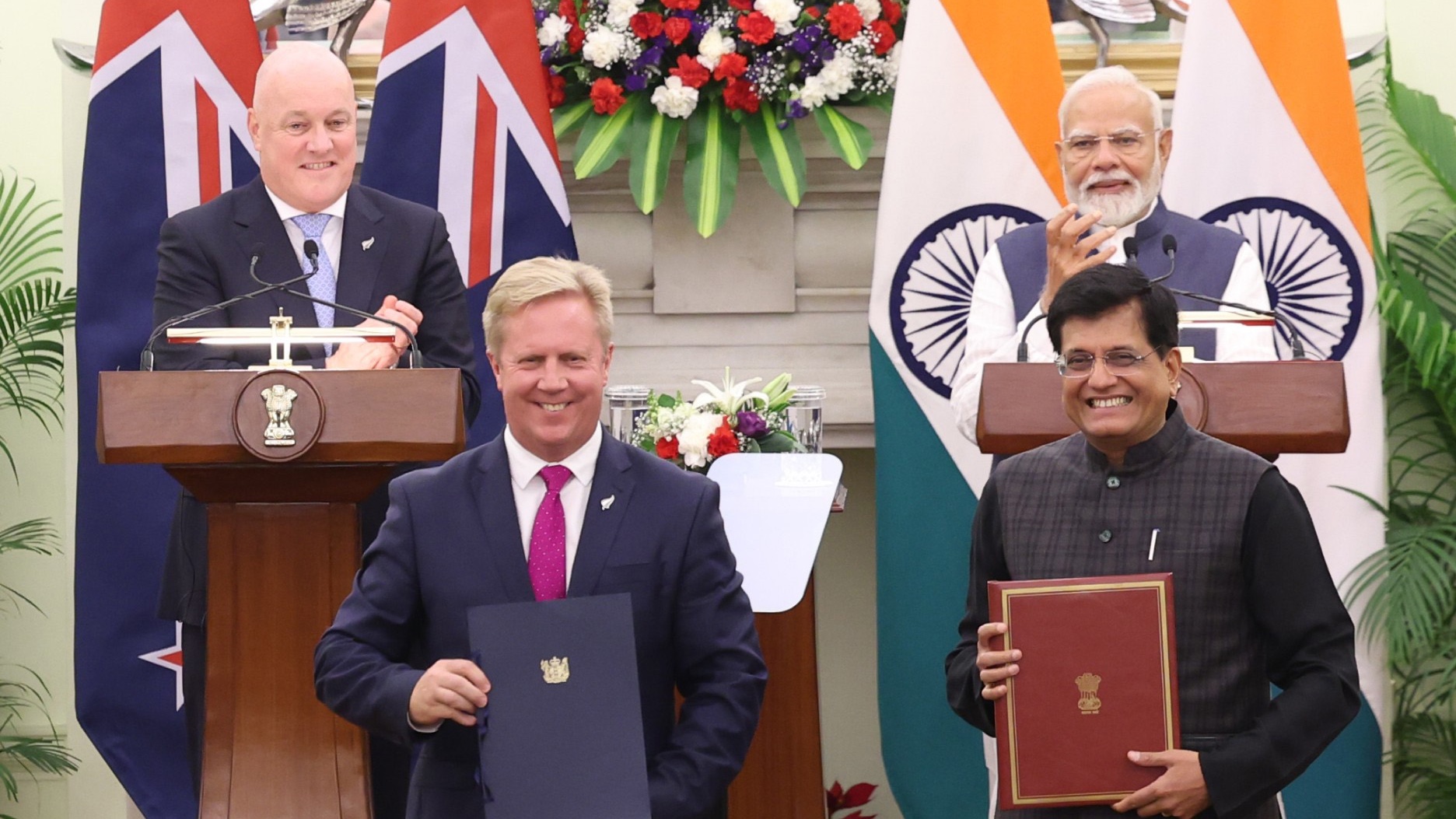
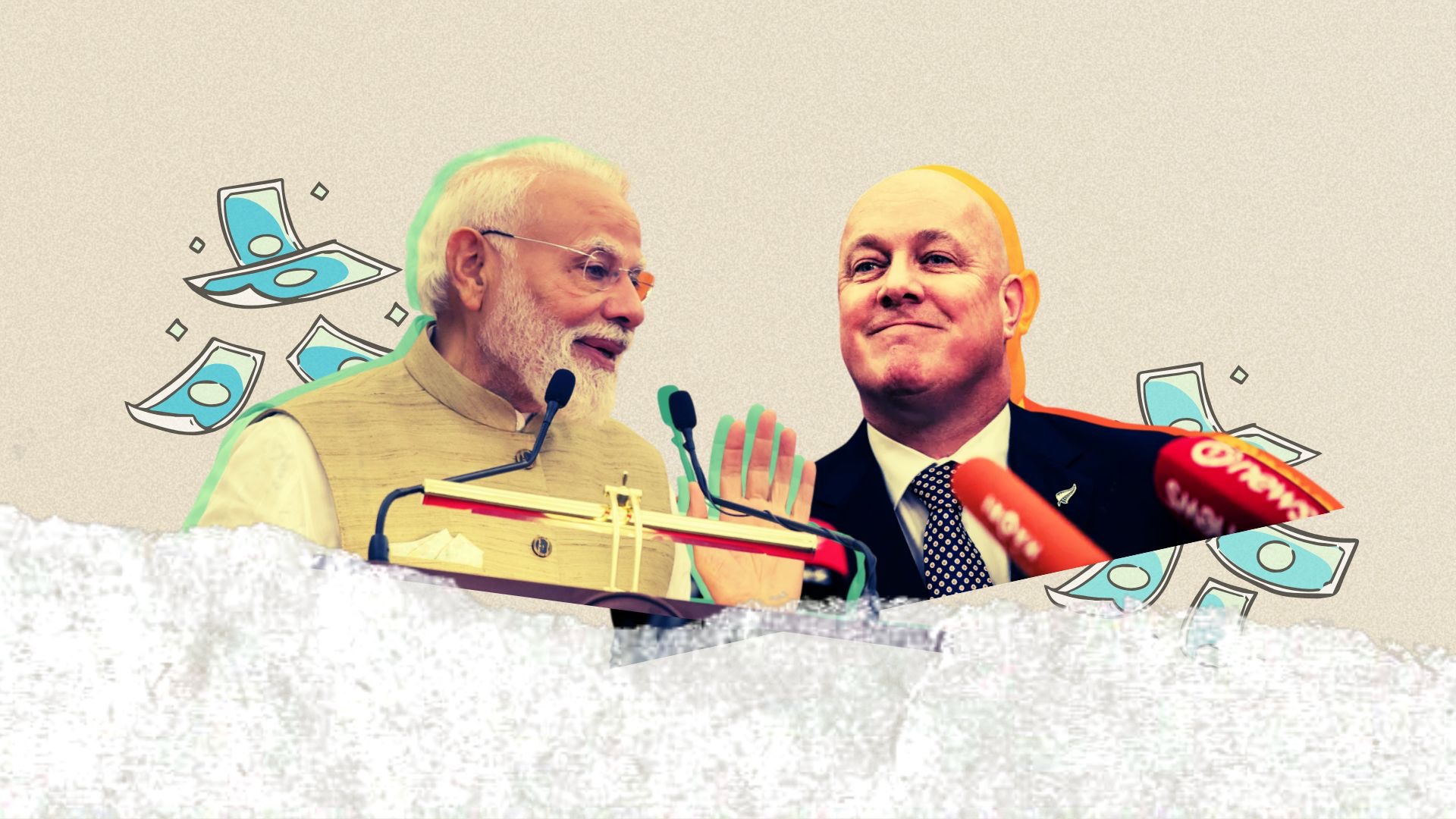
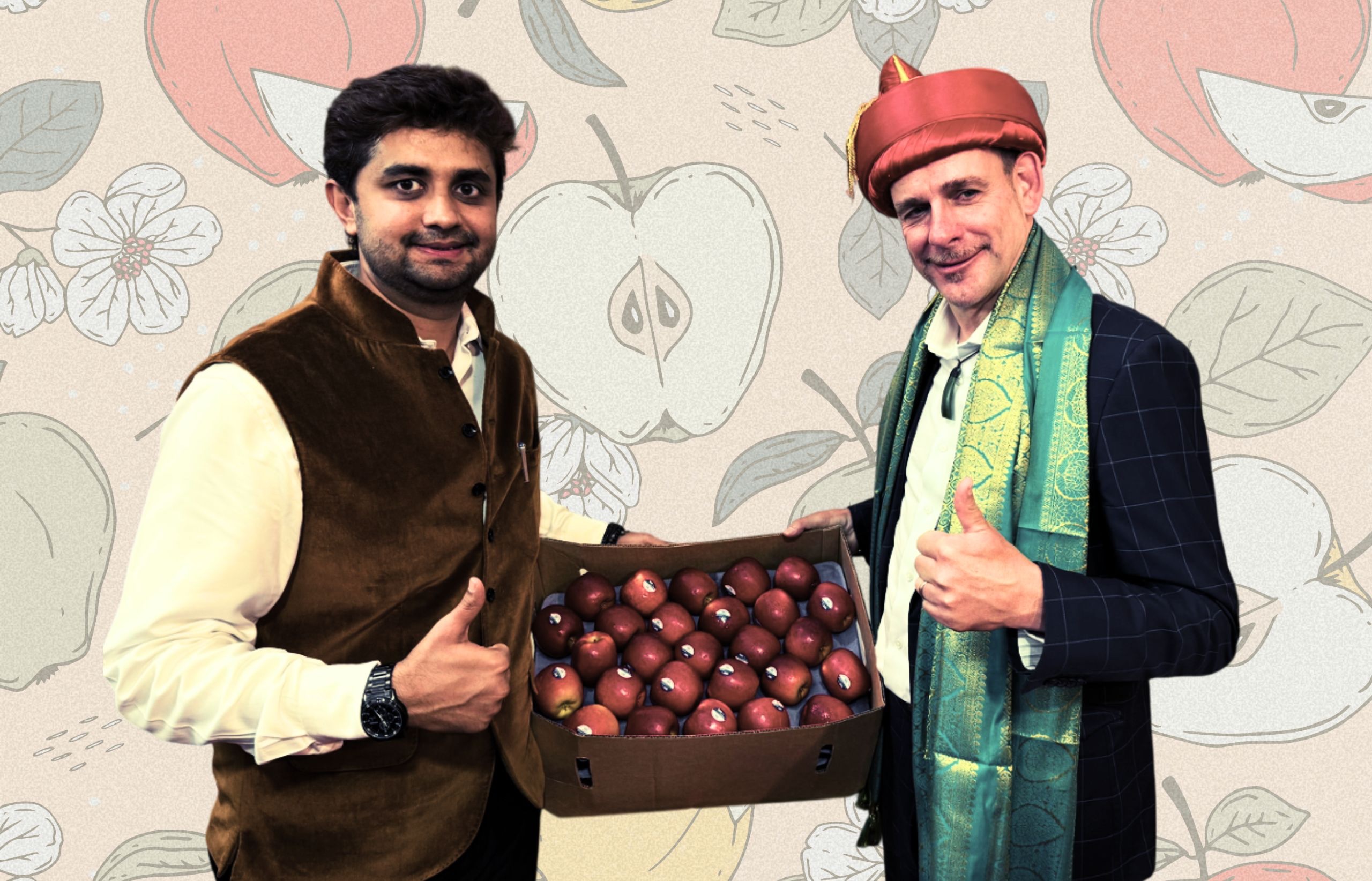
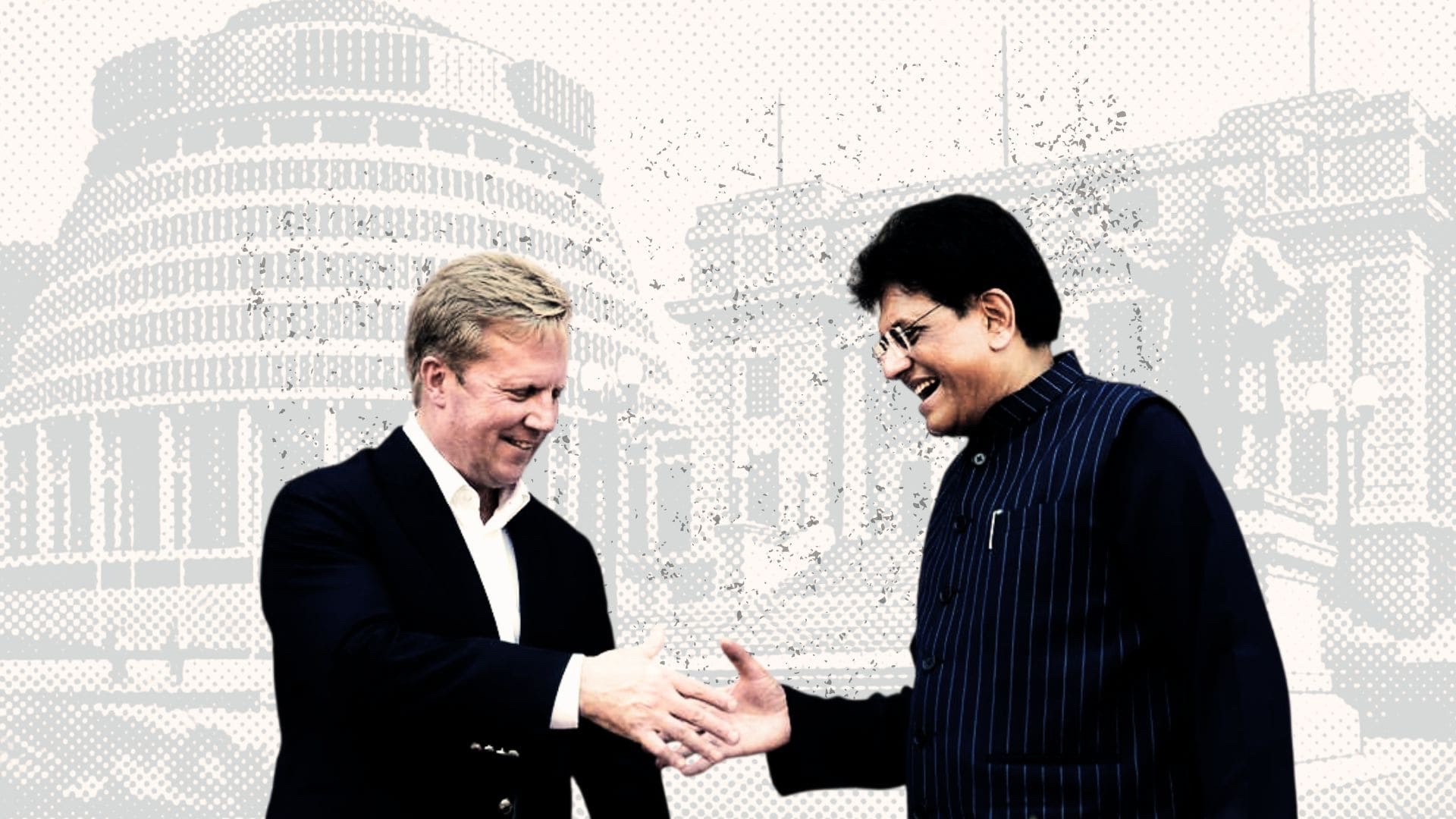
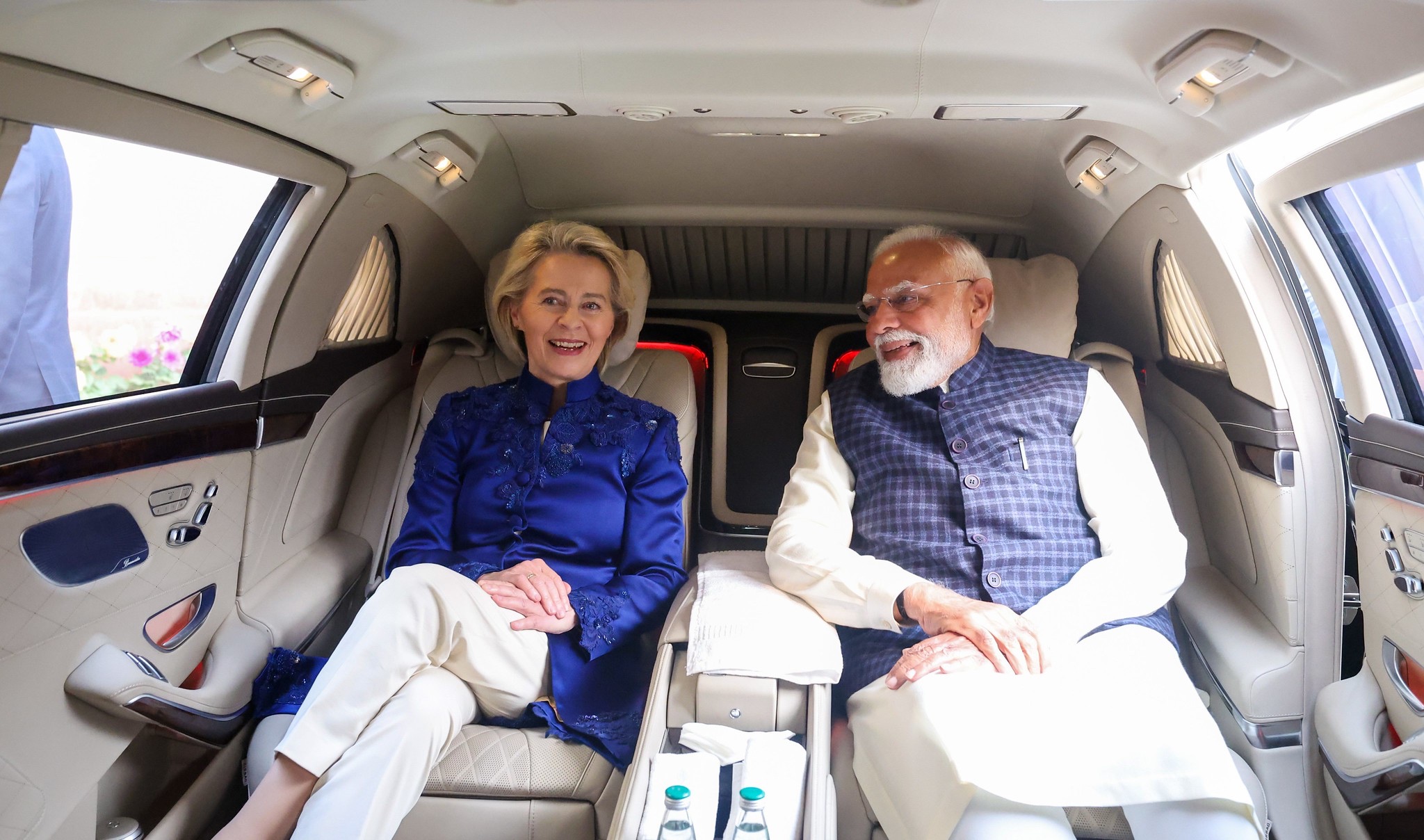
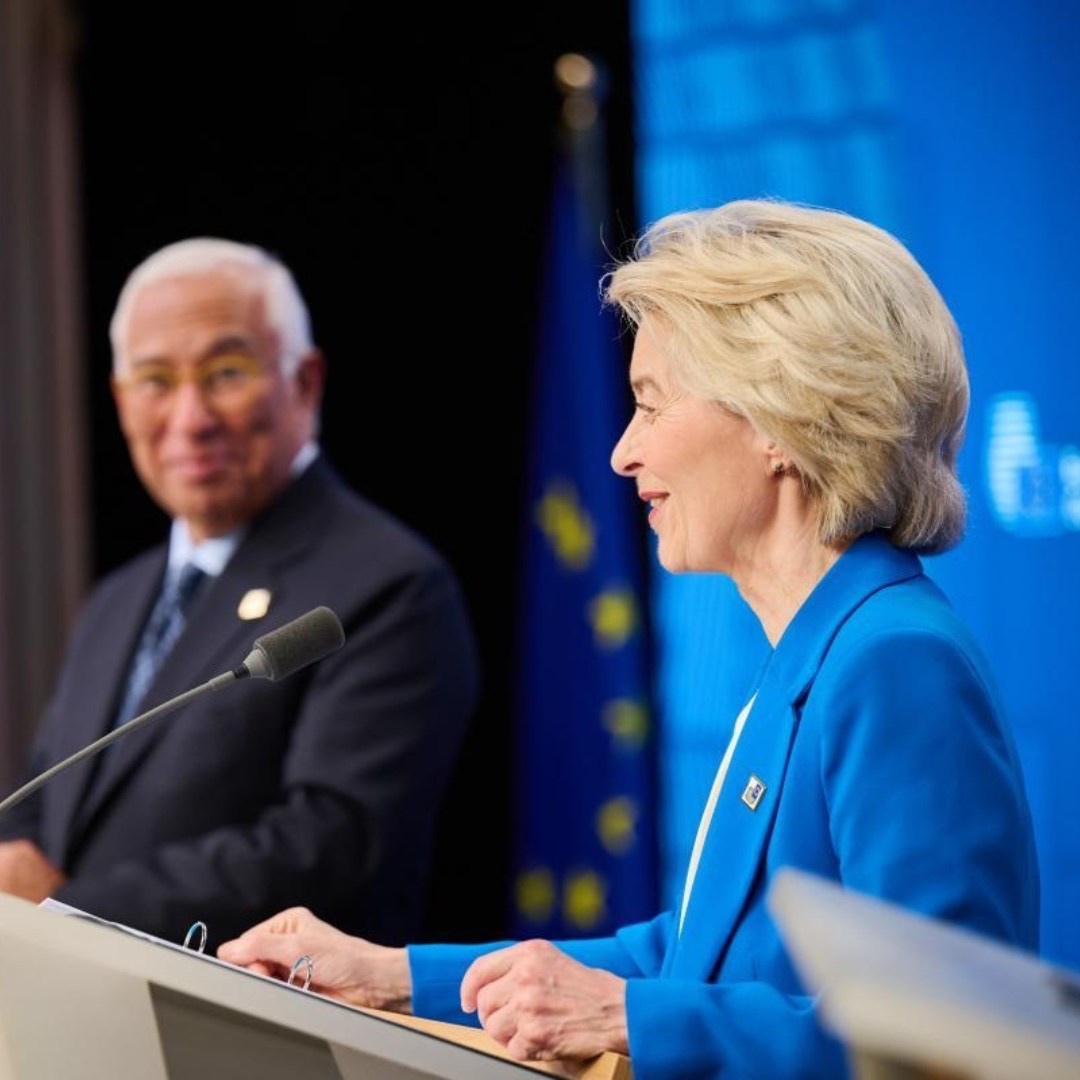
India-NZ FTA gets select committee nod, stage set for anticipated October launch “If that is the case, how exciting is that for New Zealand. Exciting, isn’t it?”
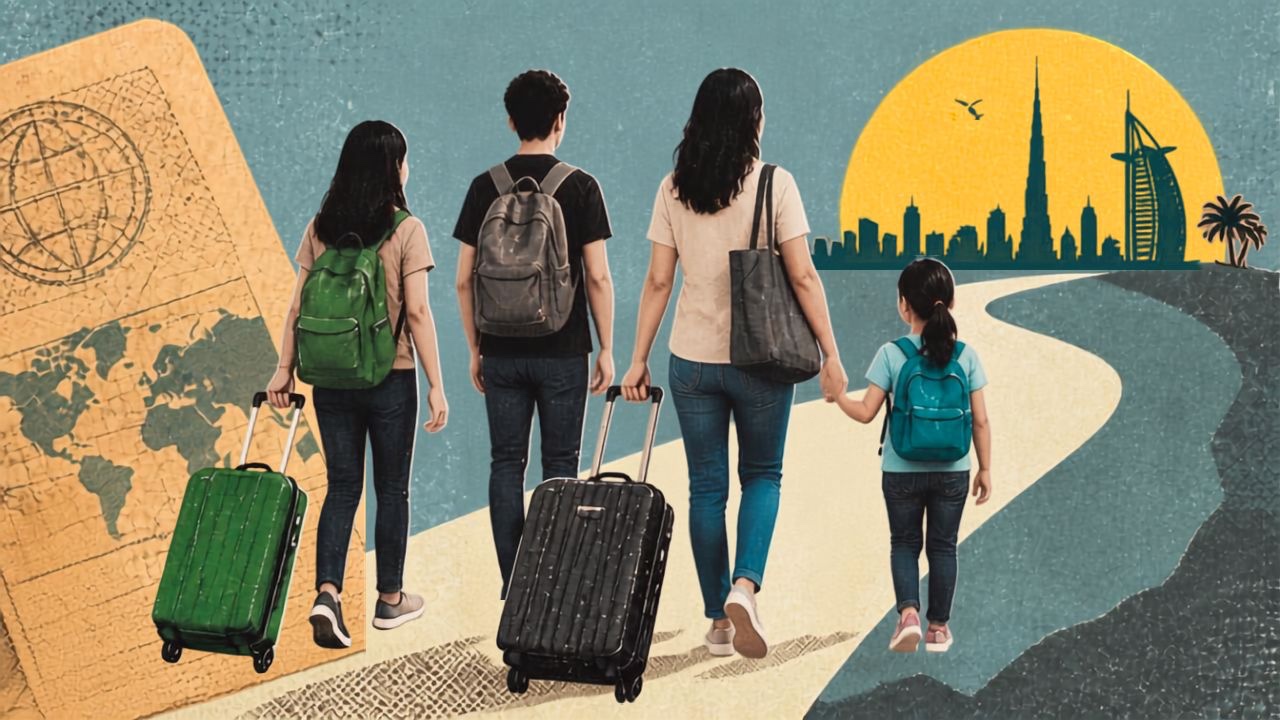
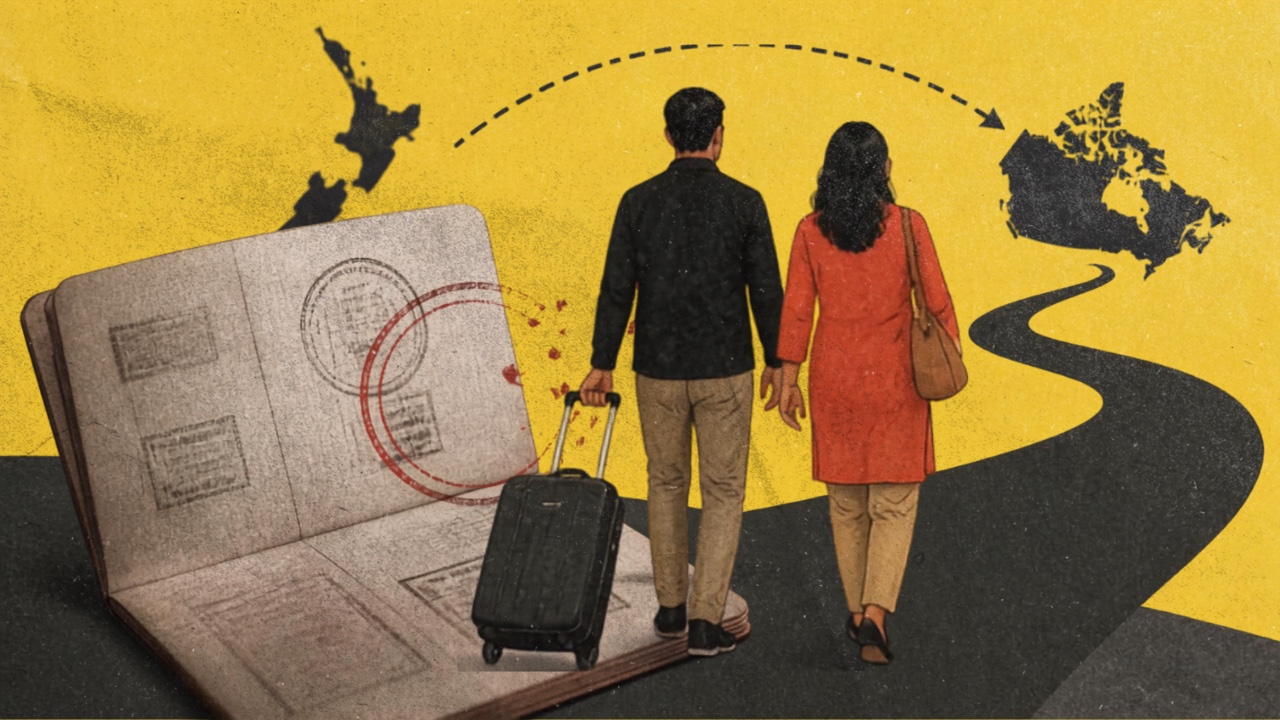
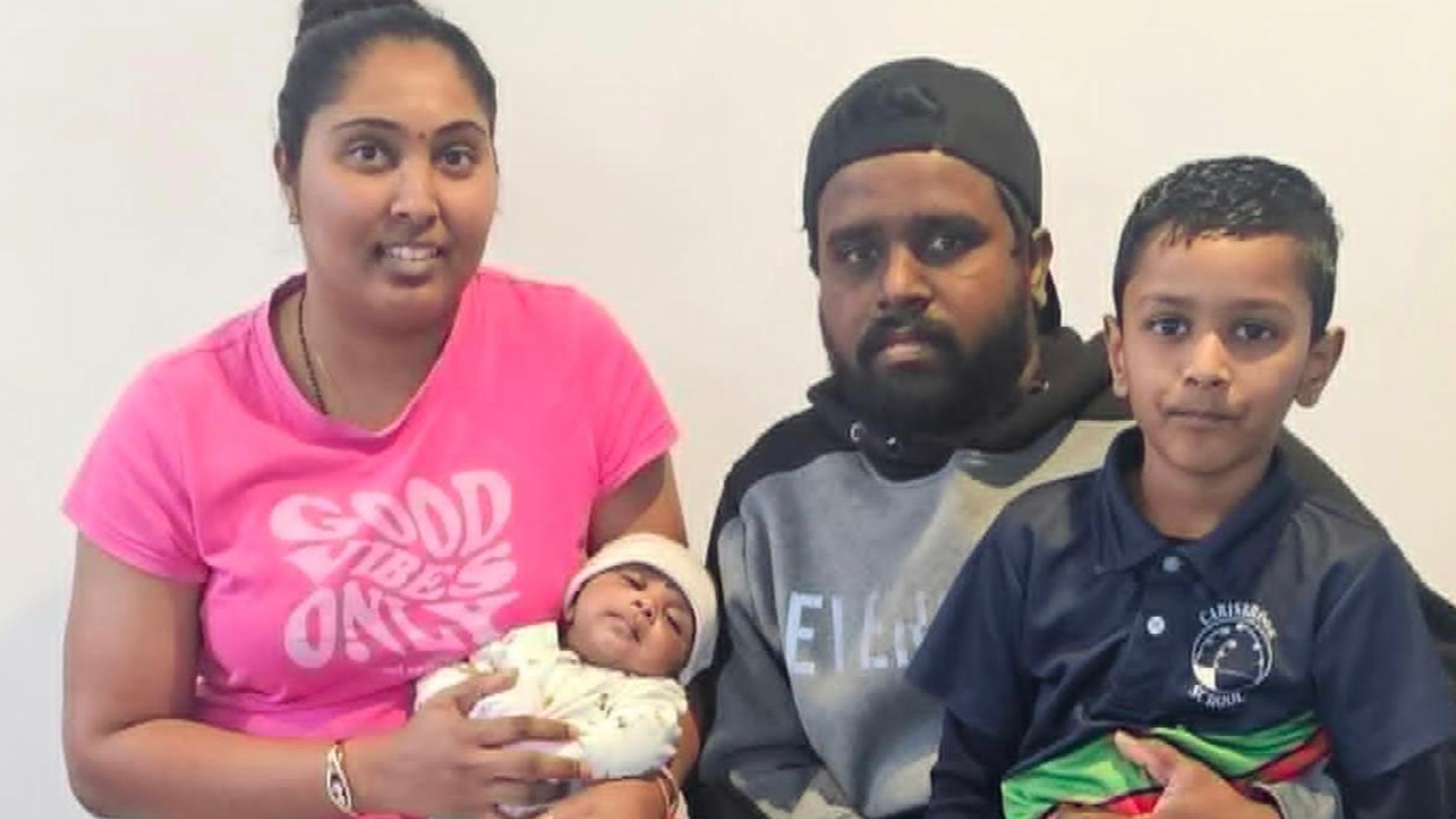
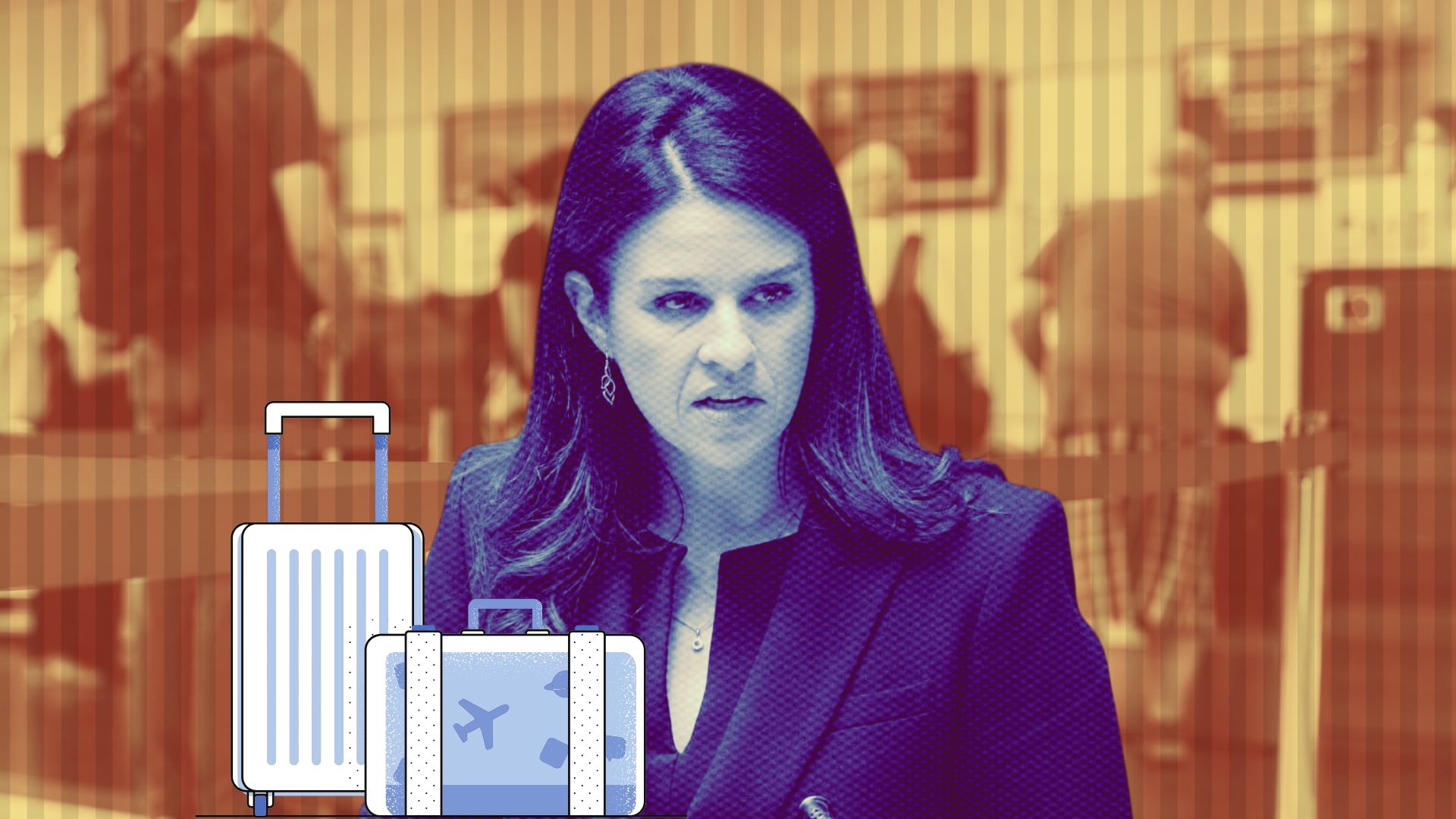
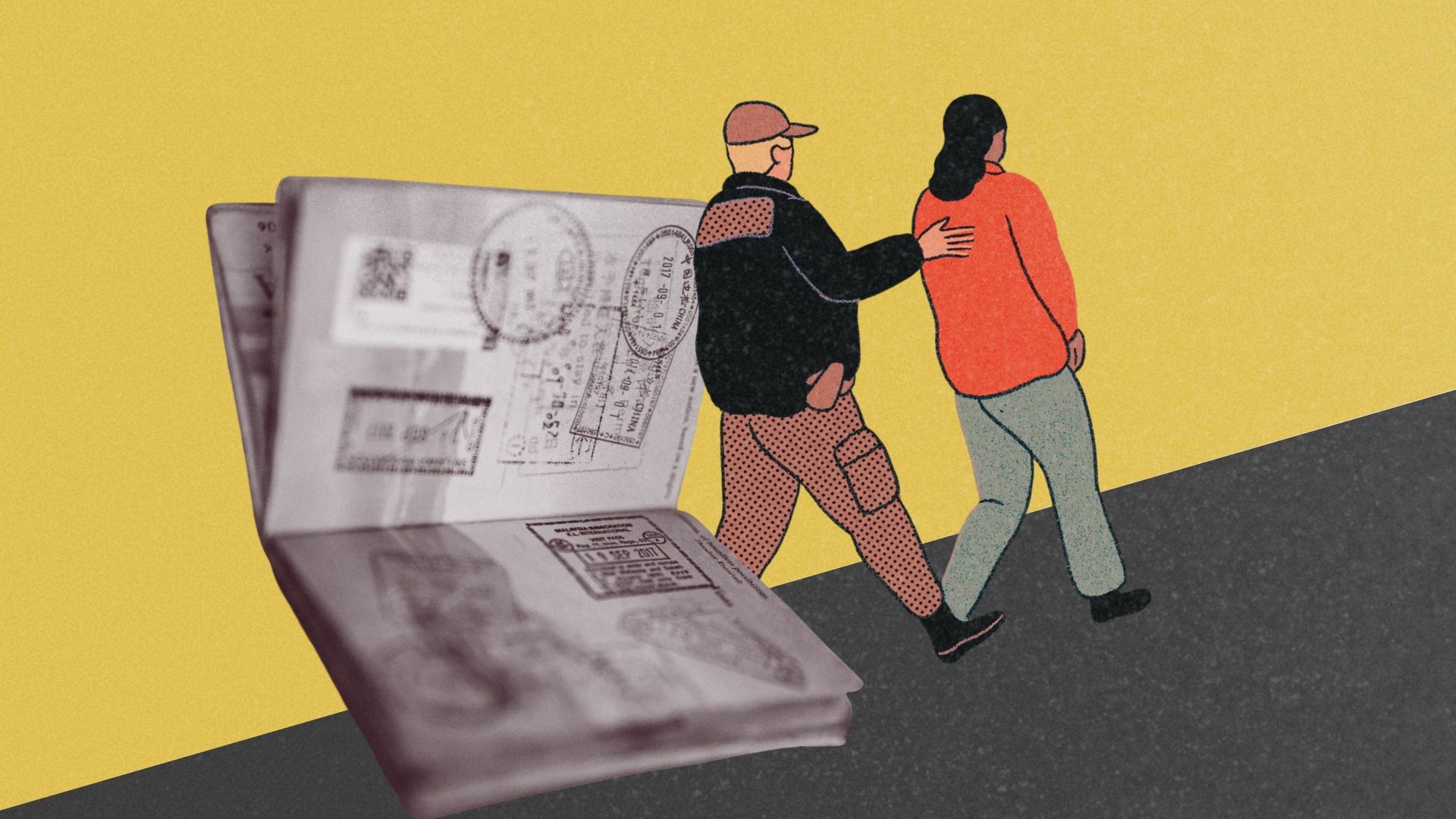
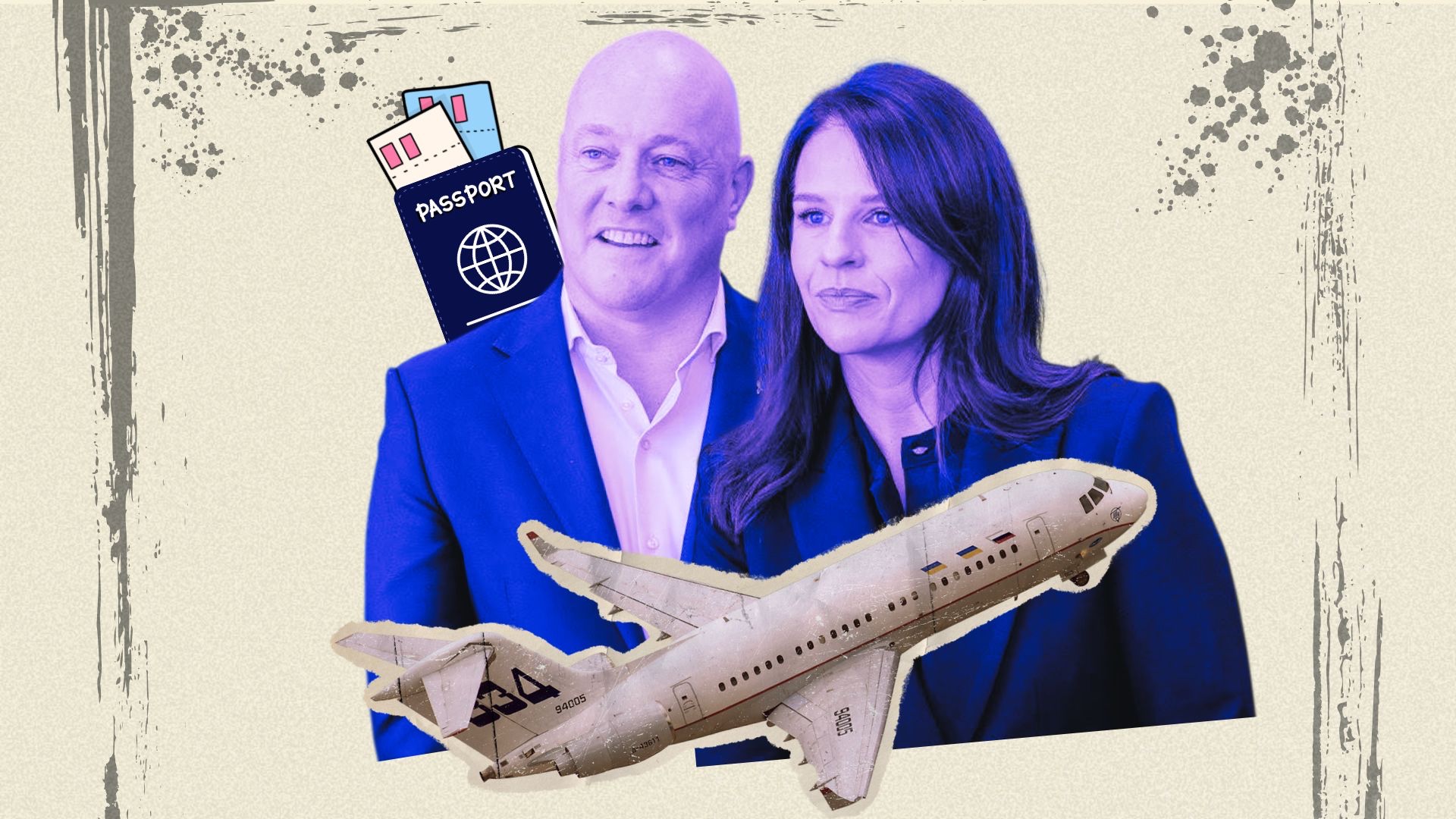
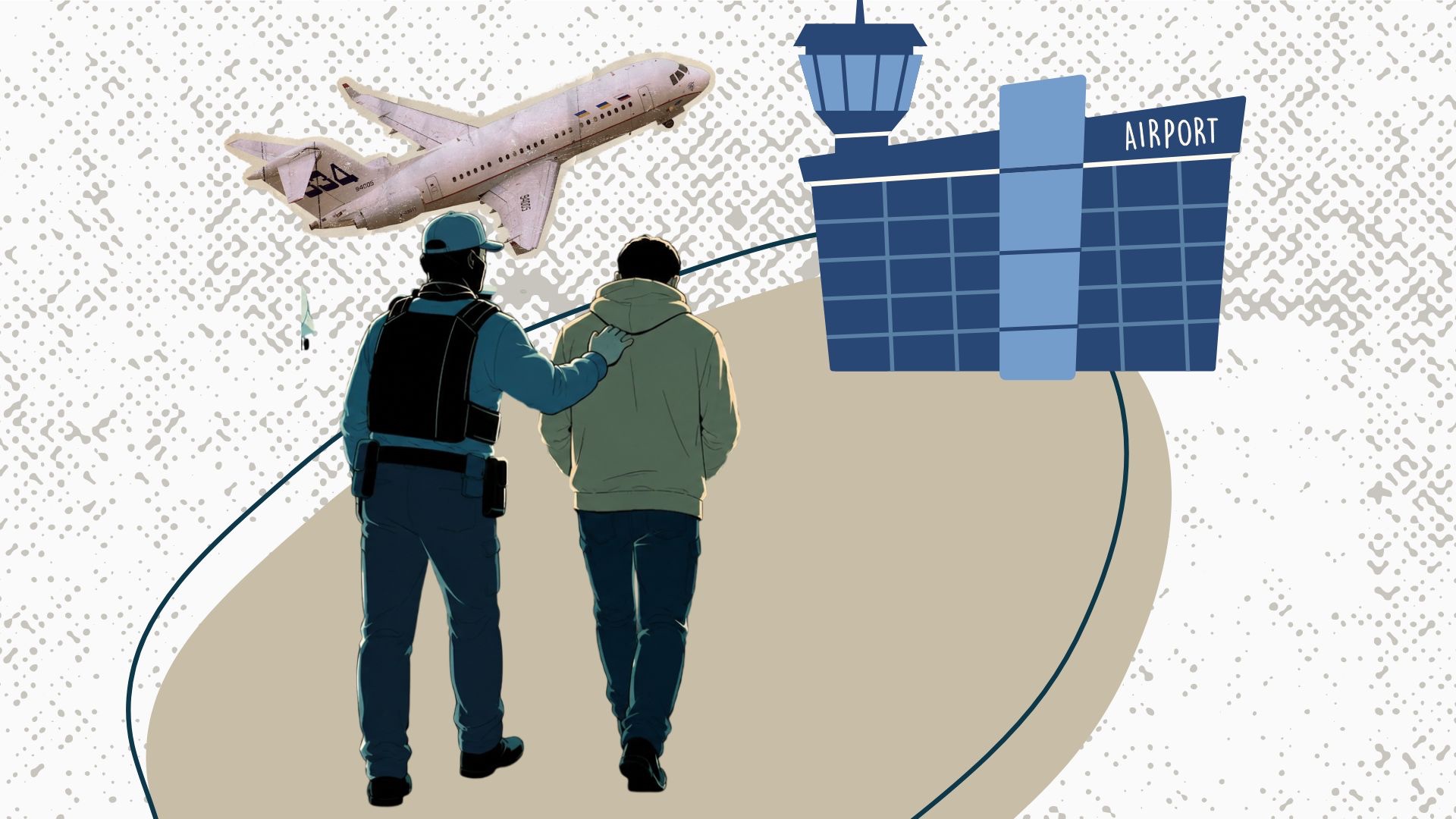
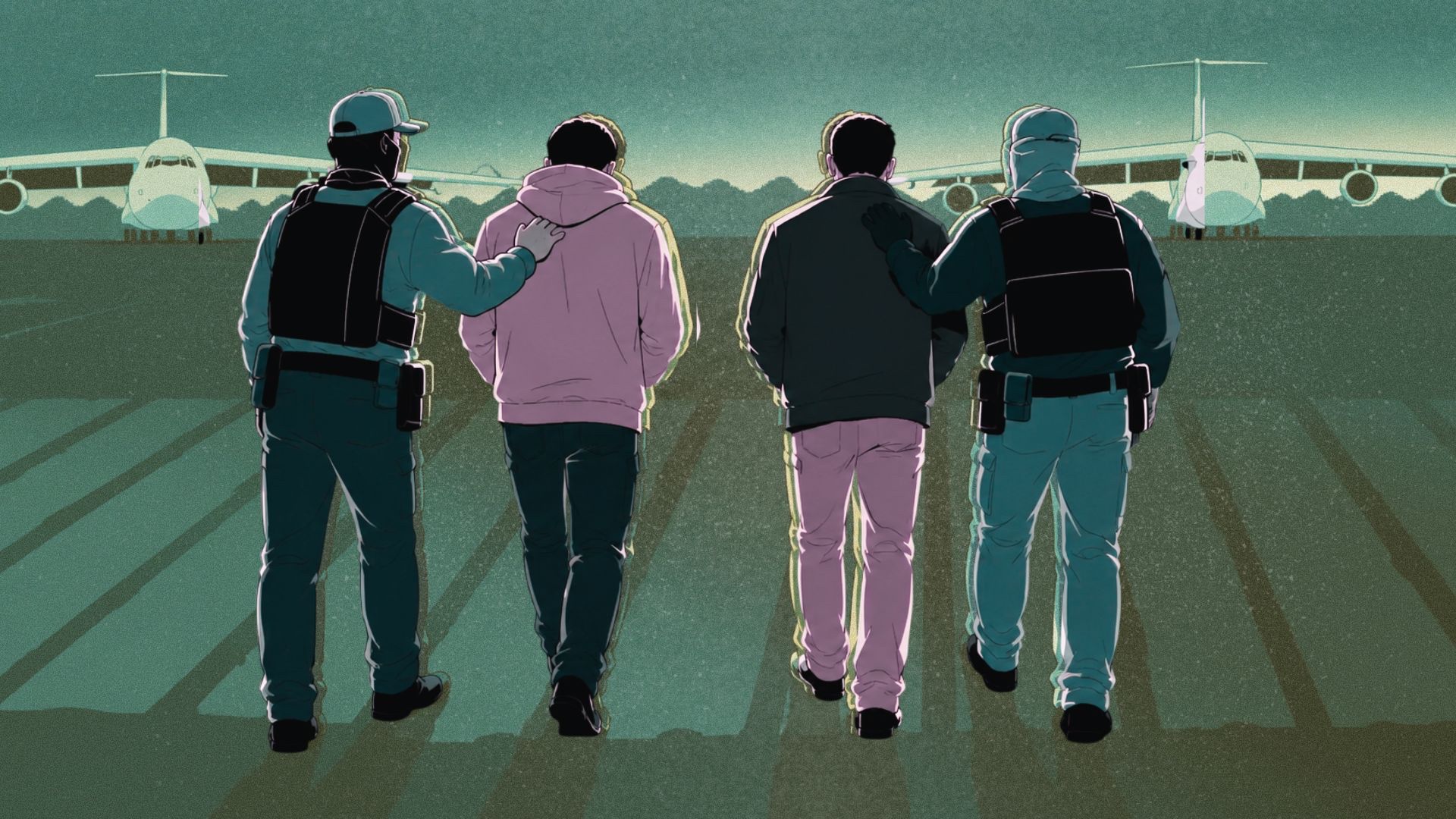
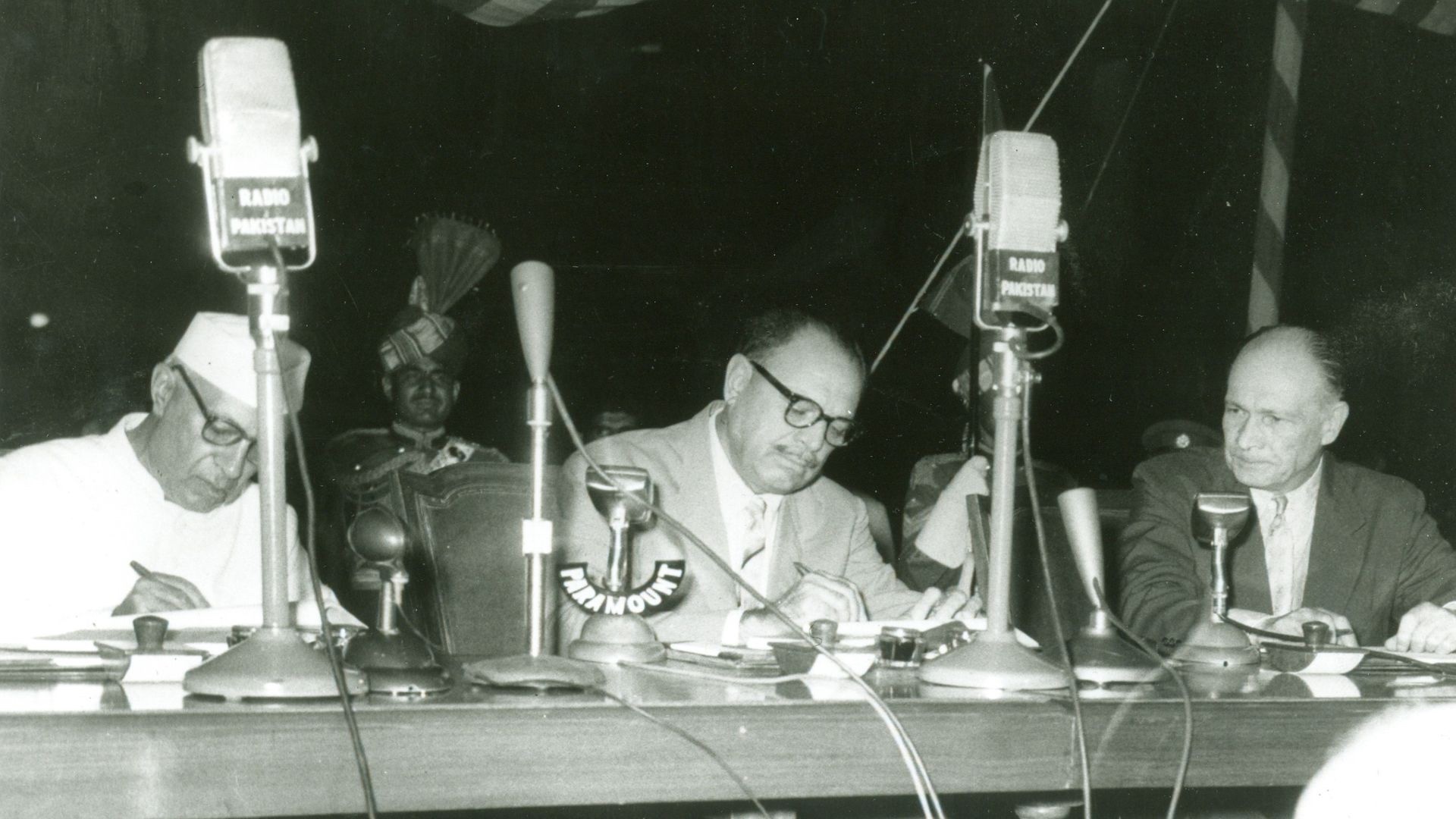
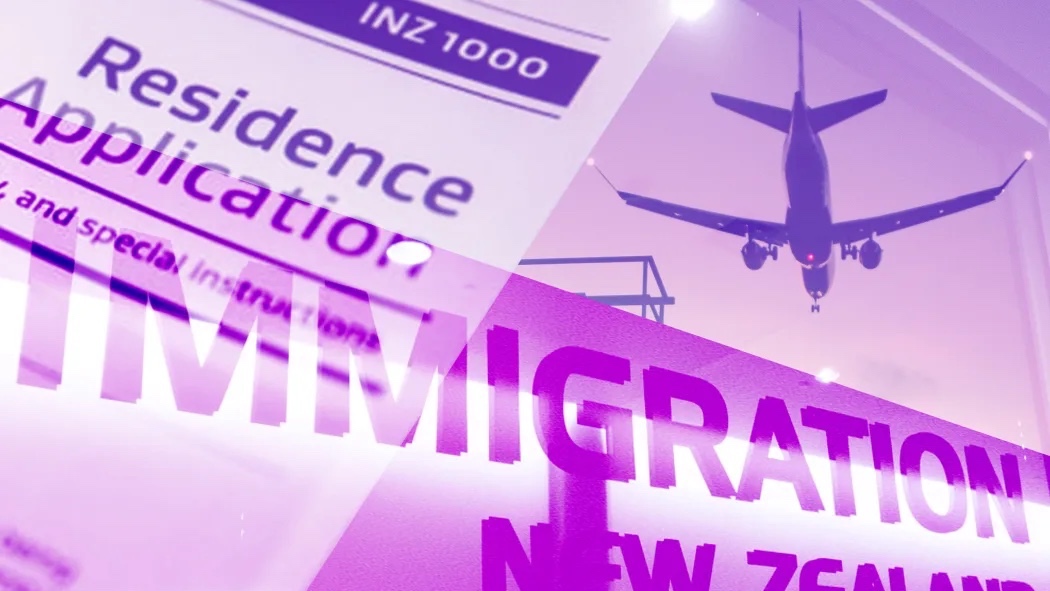
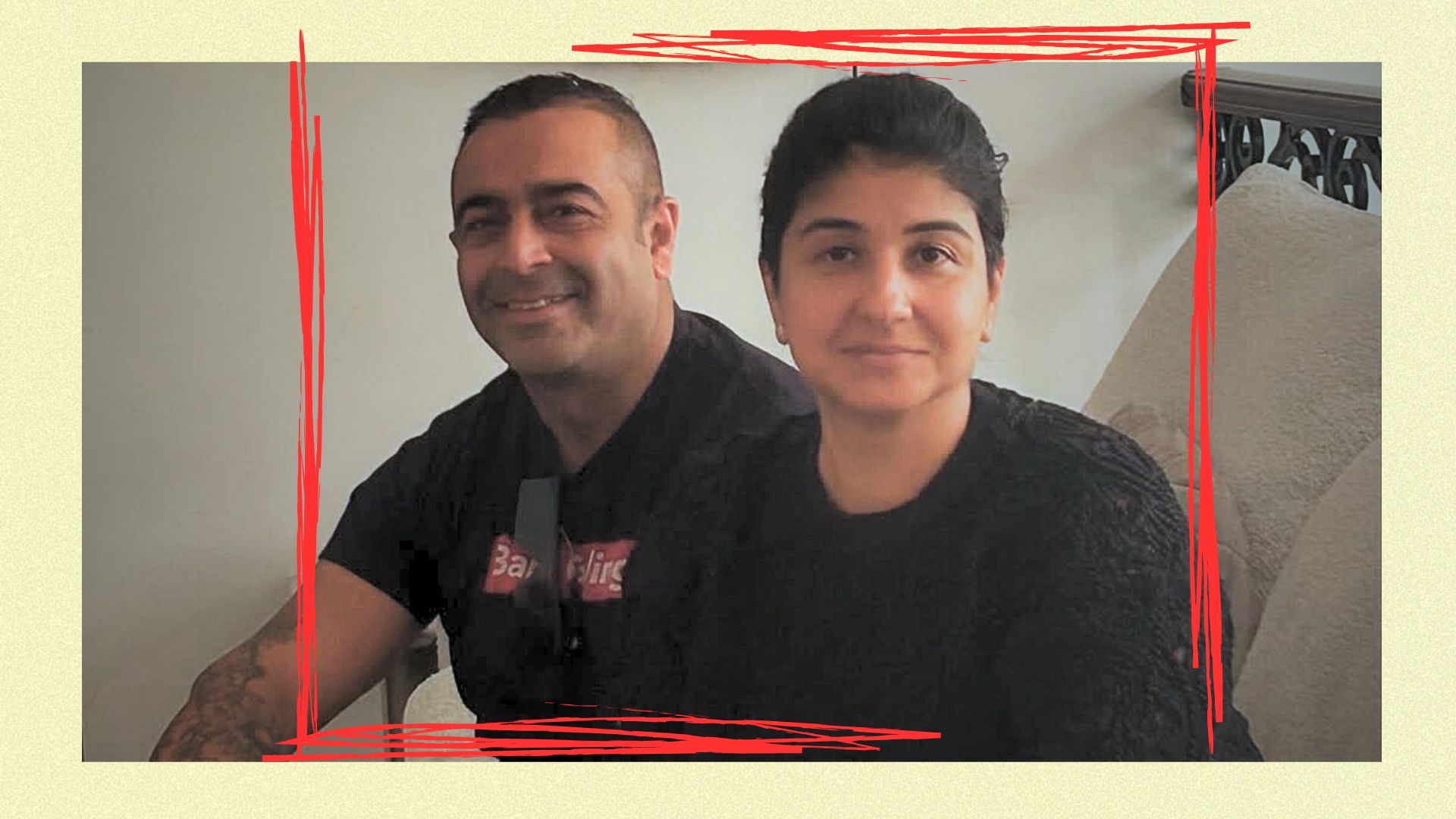
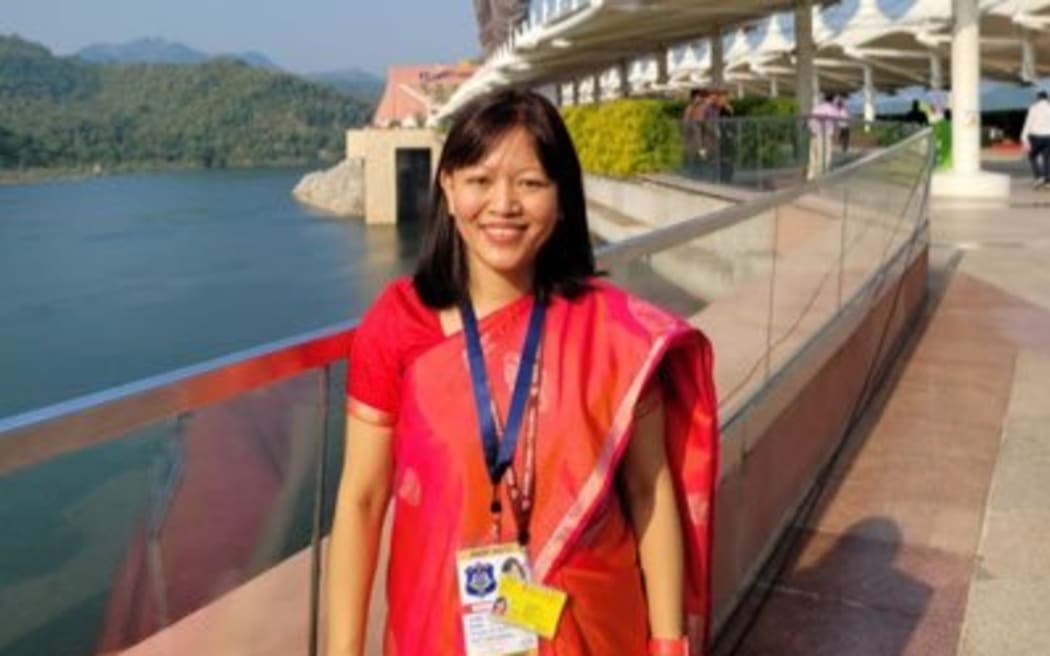
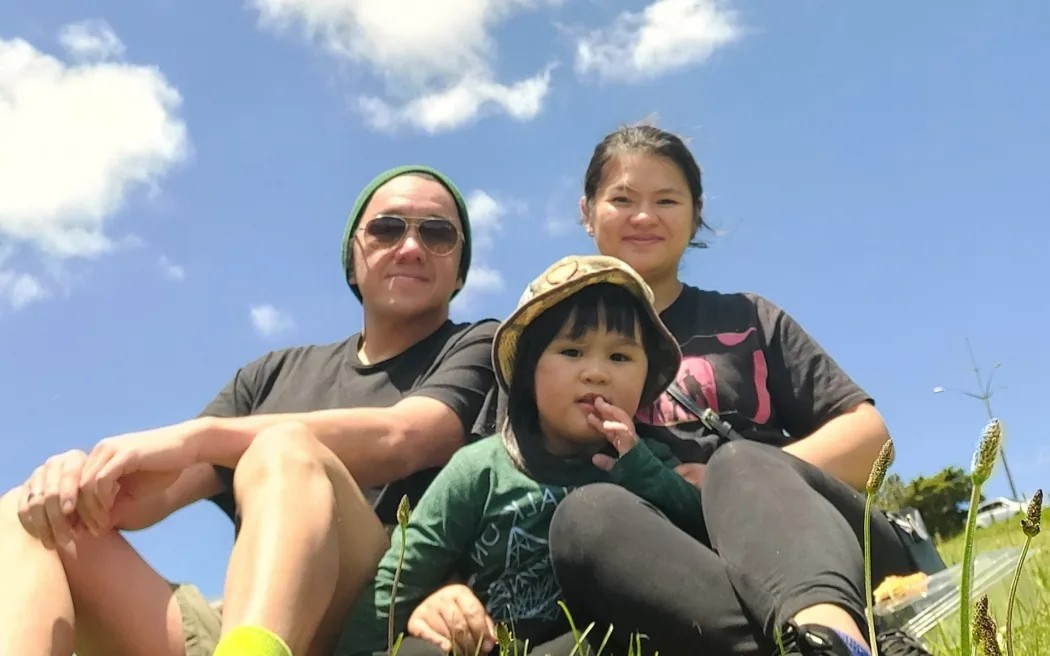
‘Huge mistake’: Indian couple lose New Zealand residence while living in Canada The family had a second shot at applying for permanent residency but they were late by less than a month.
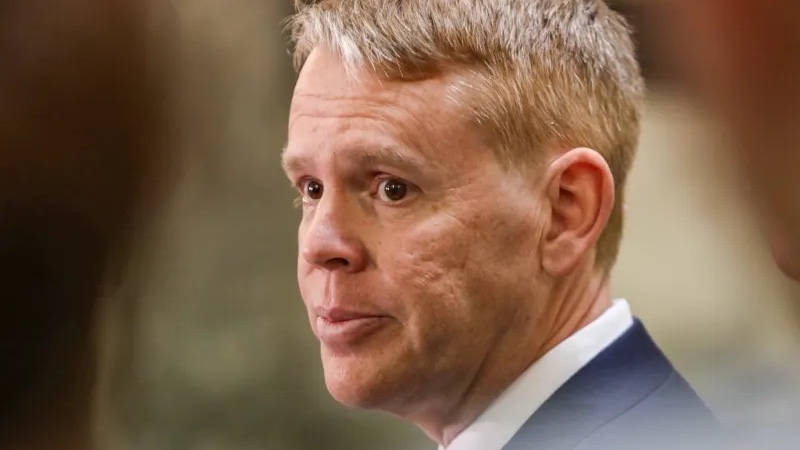
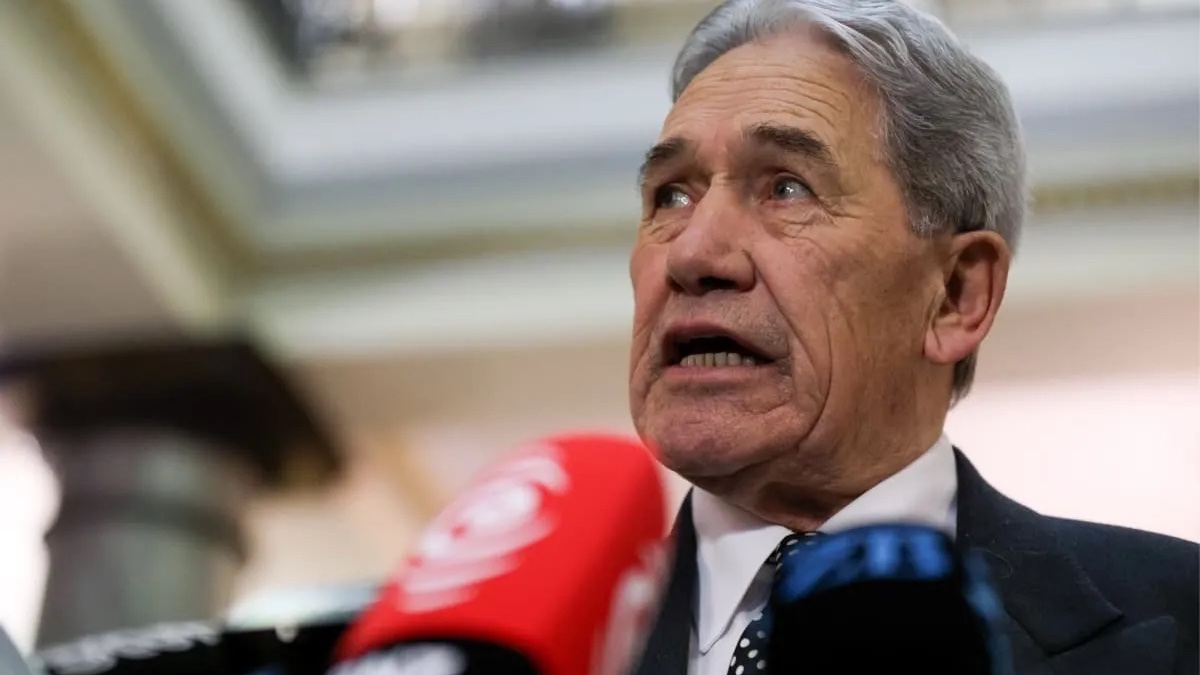
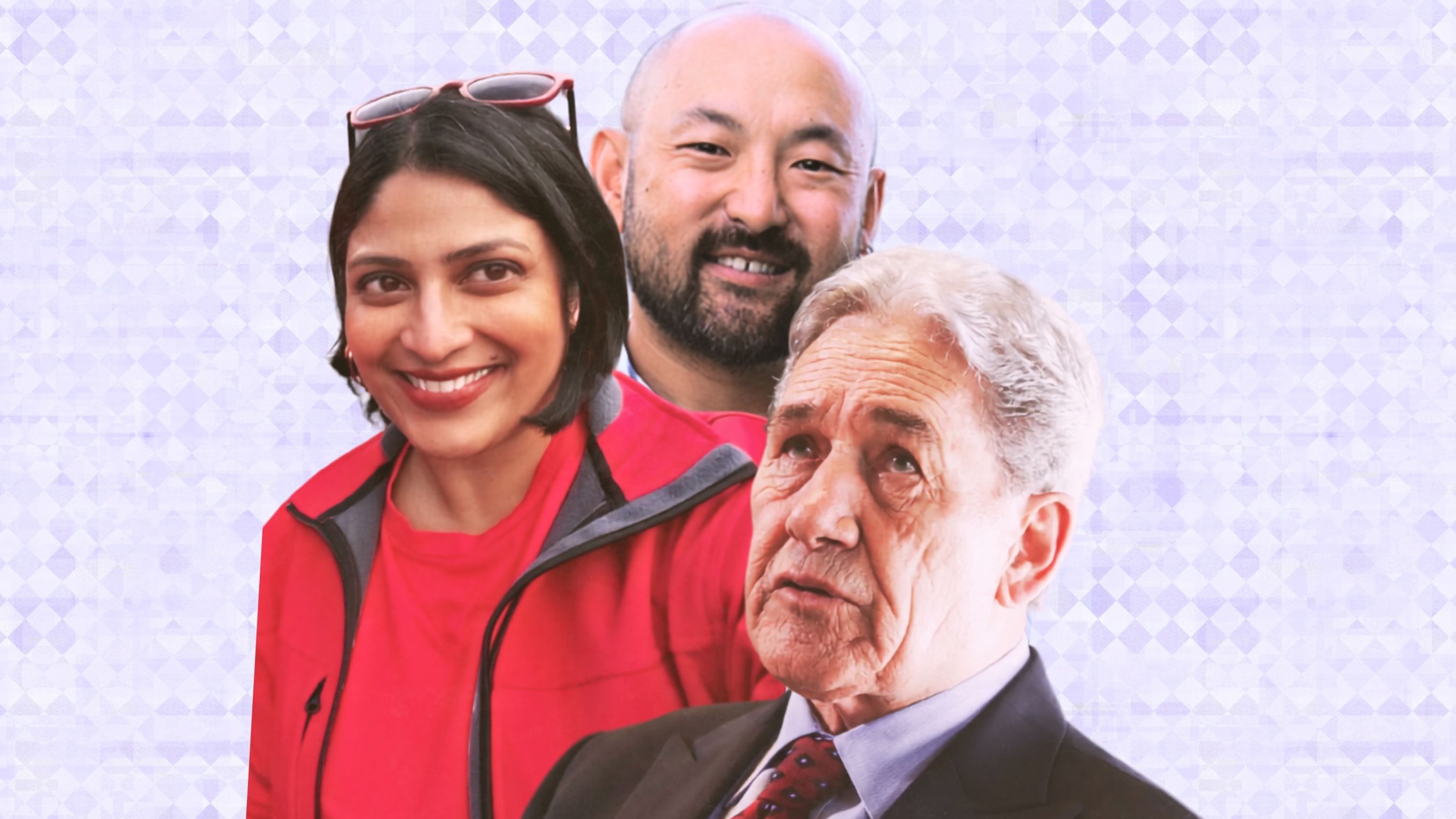
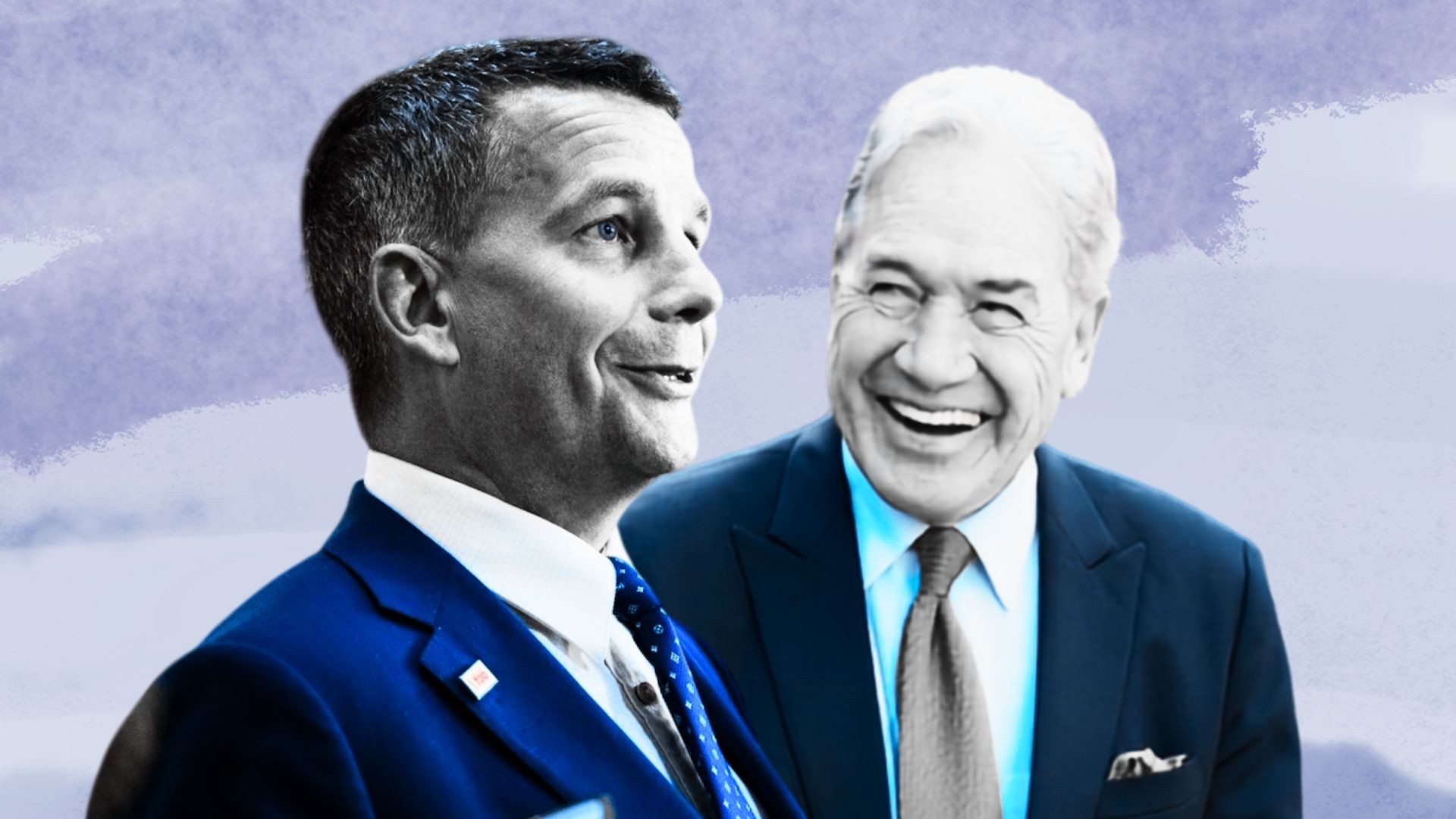
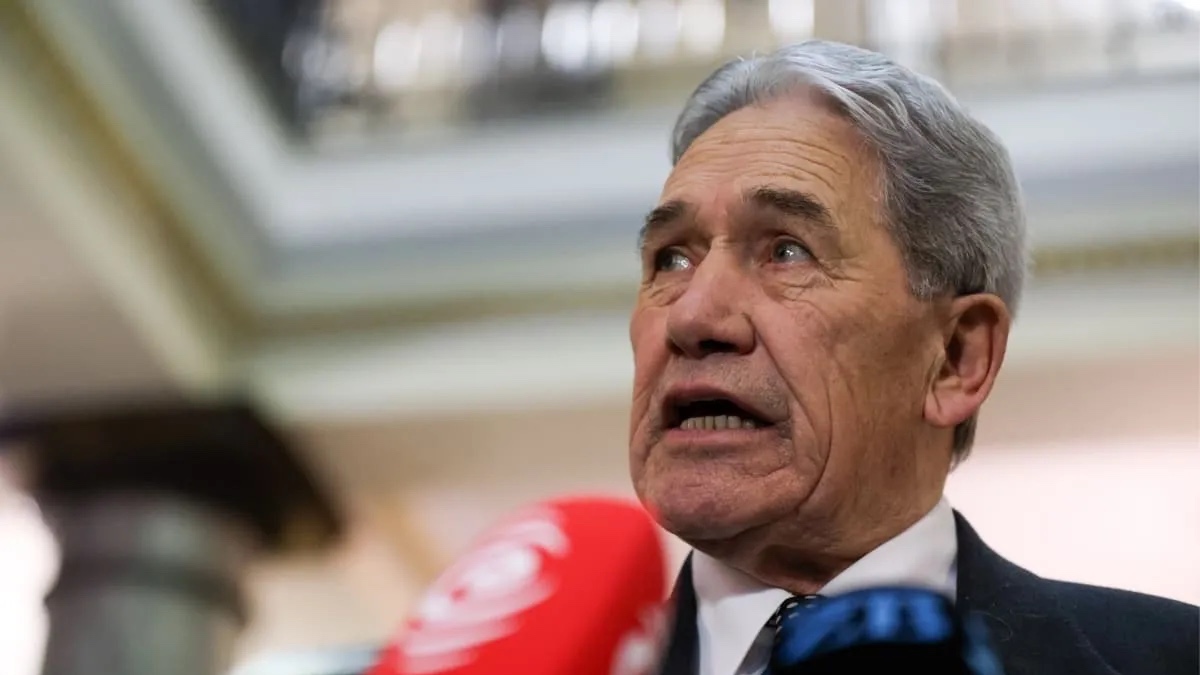
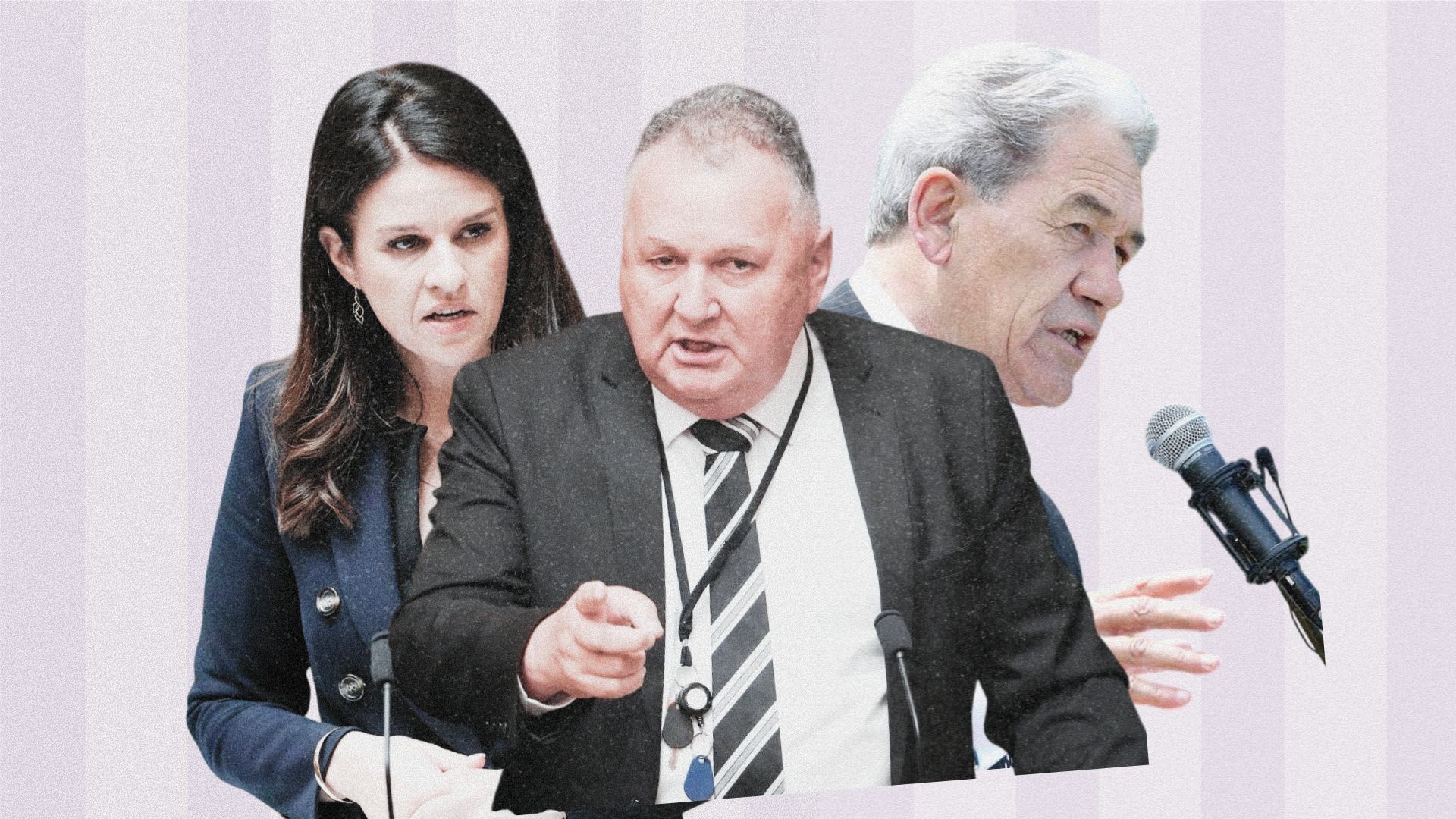
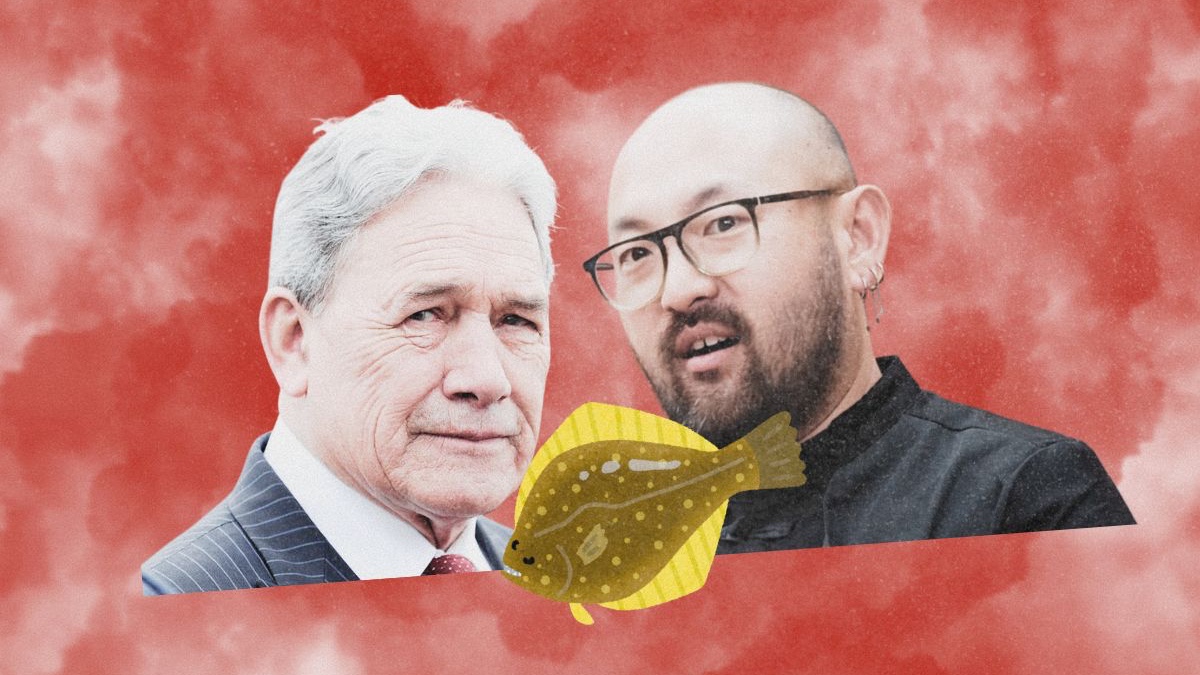
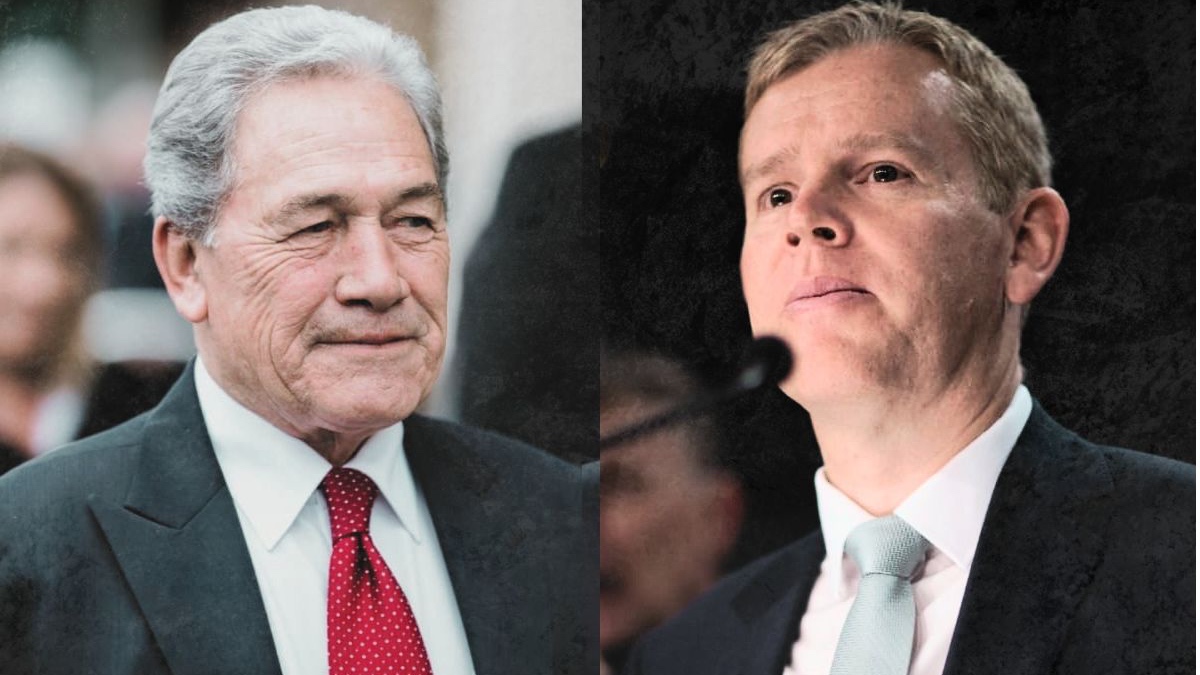
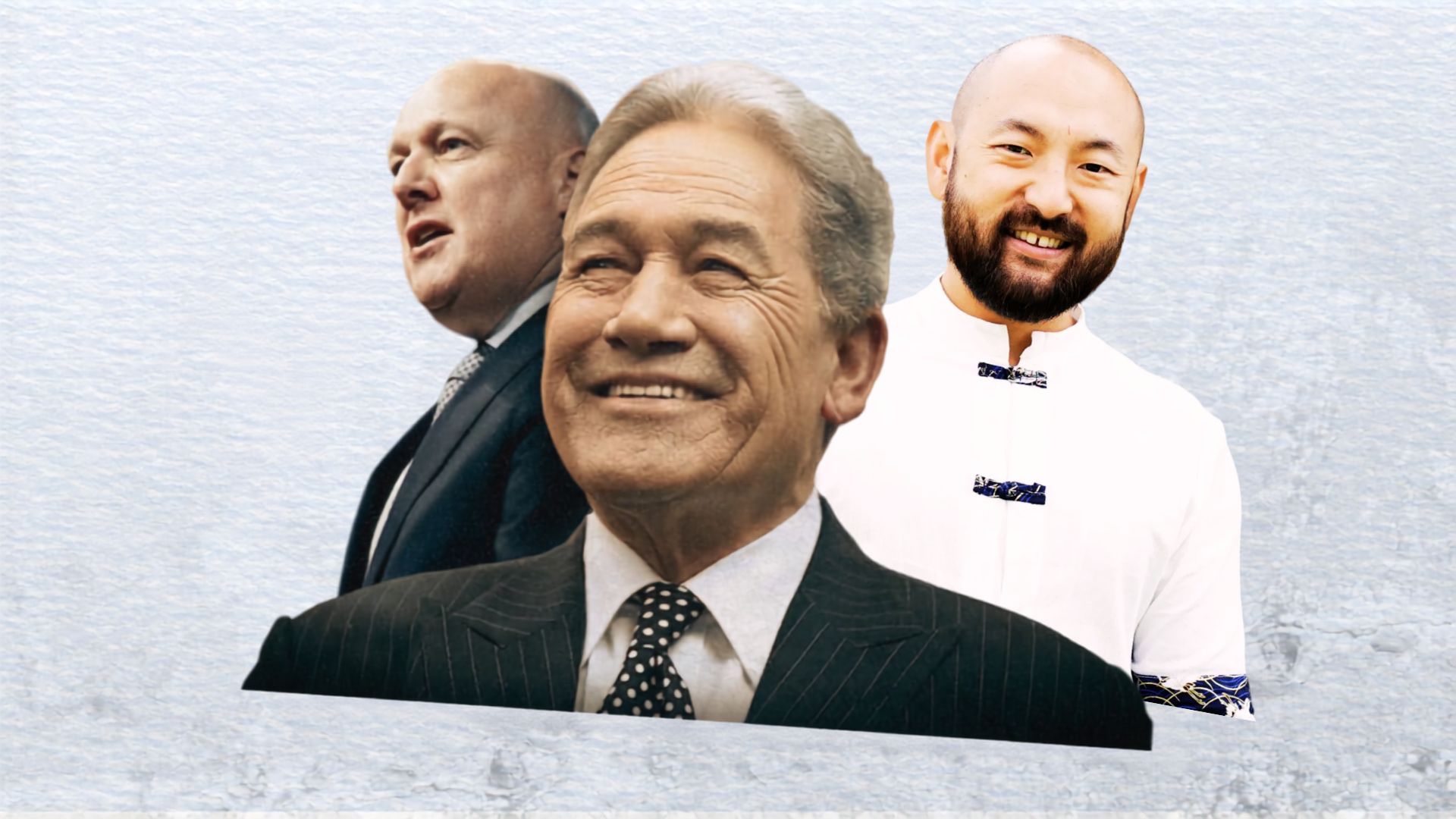
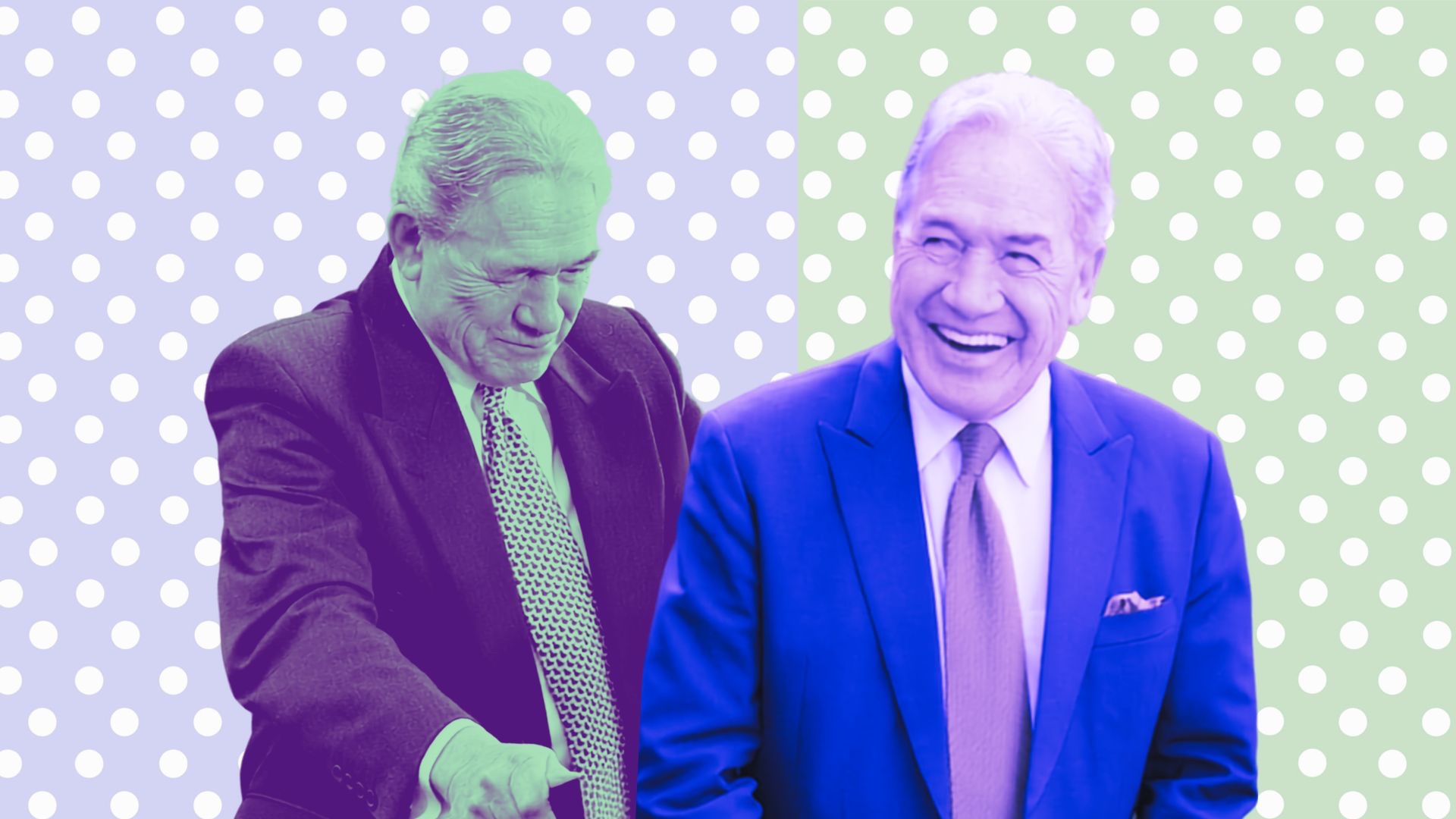
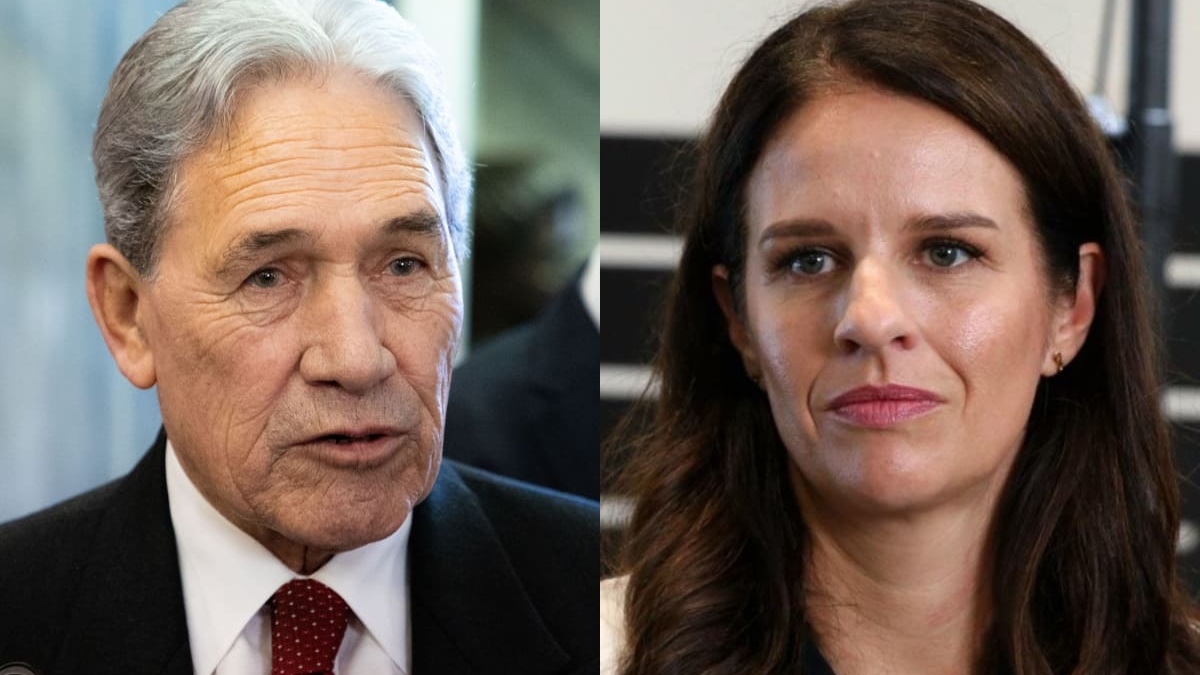
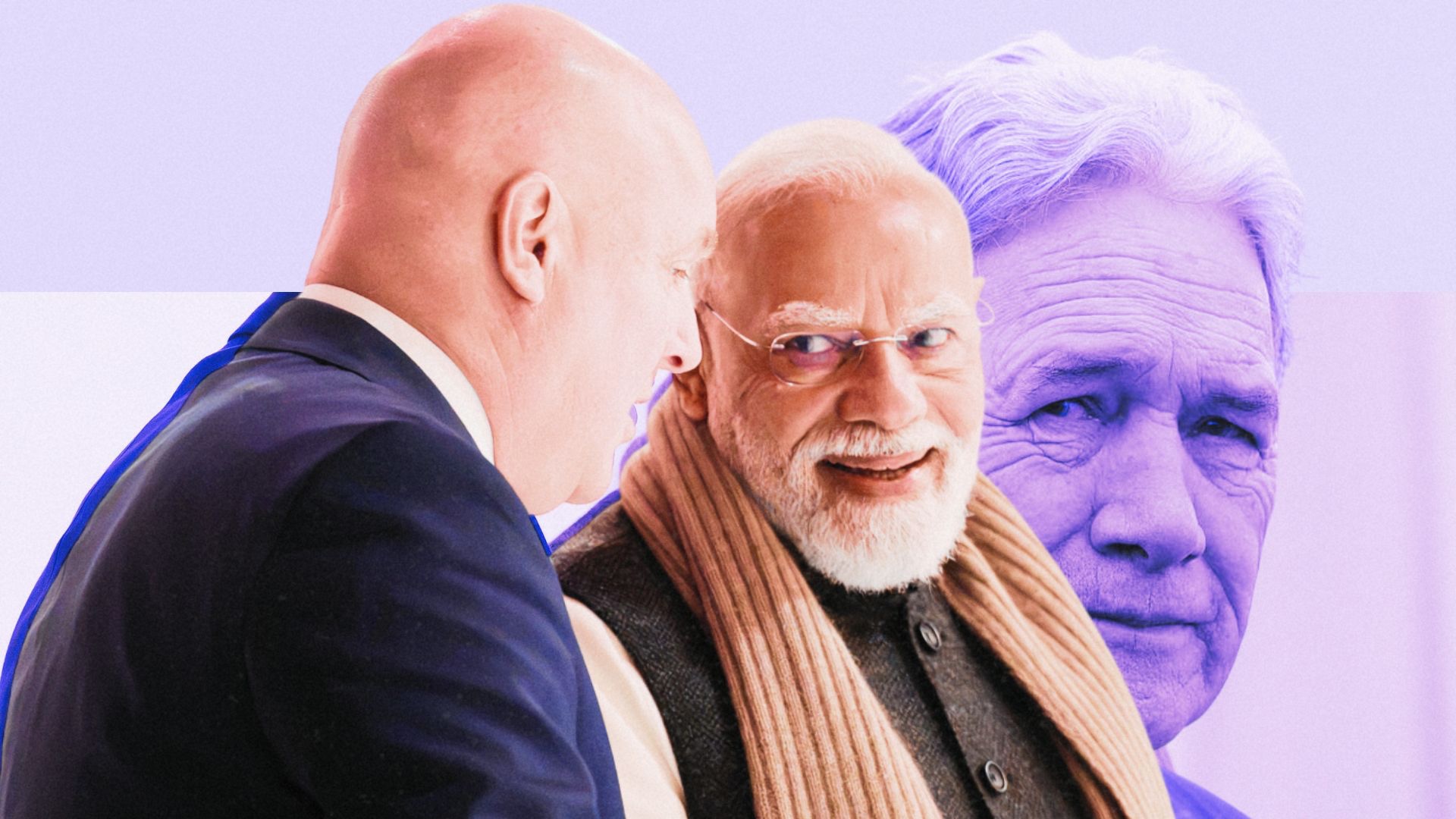
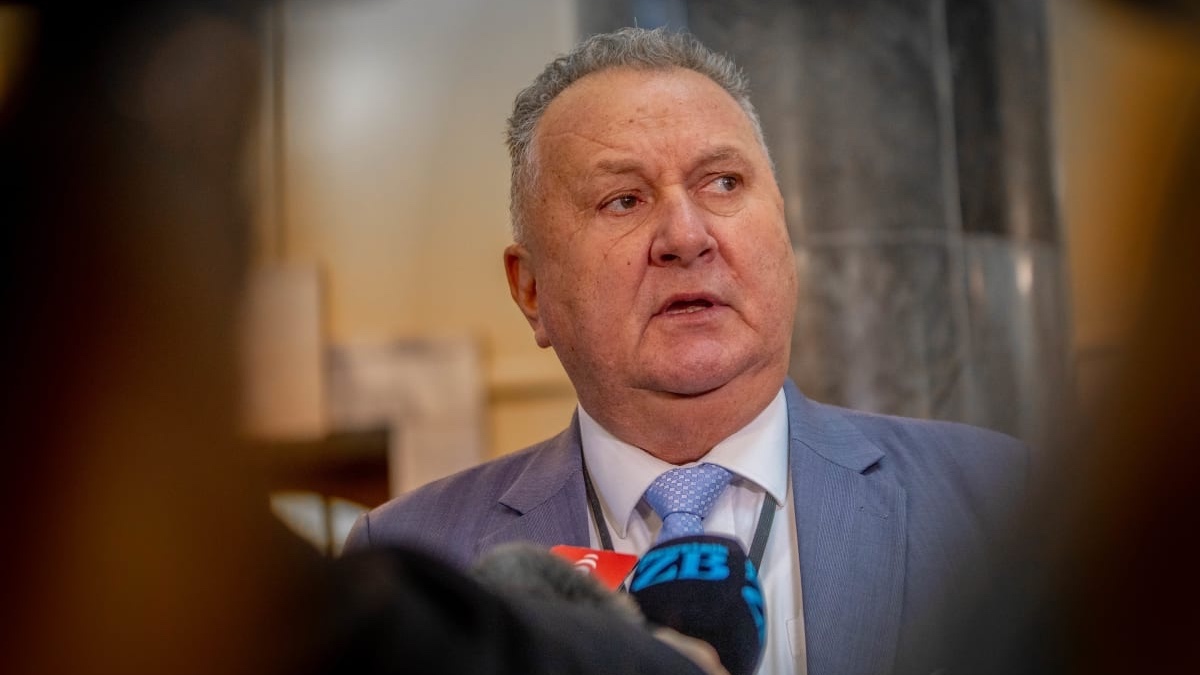
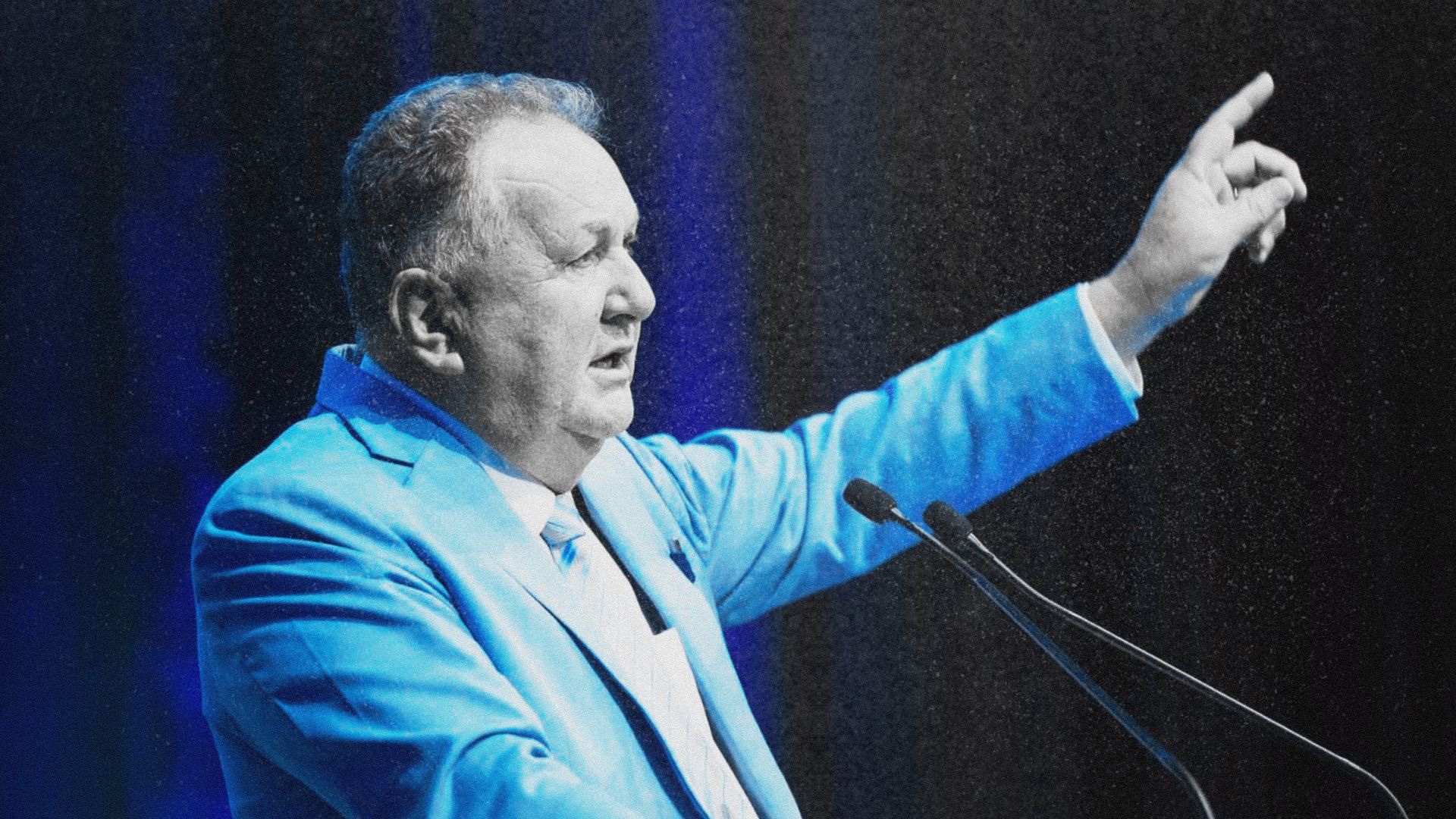
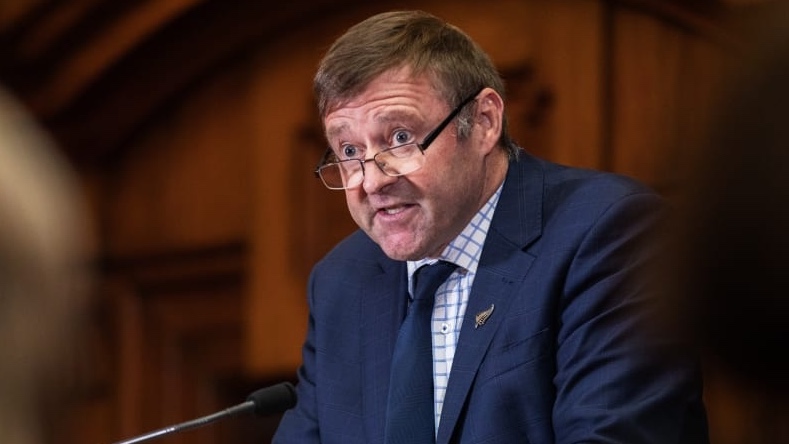
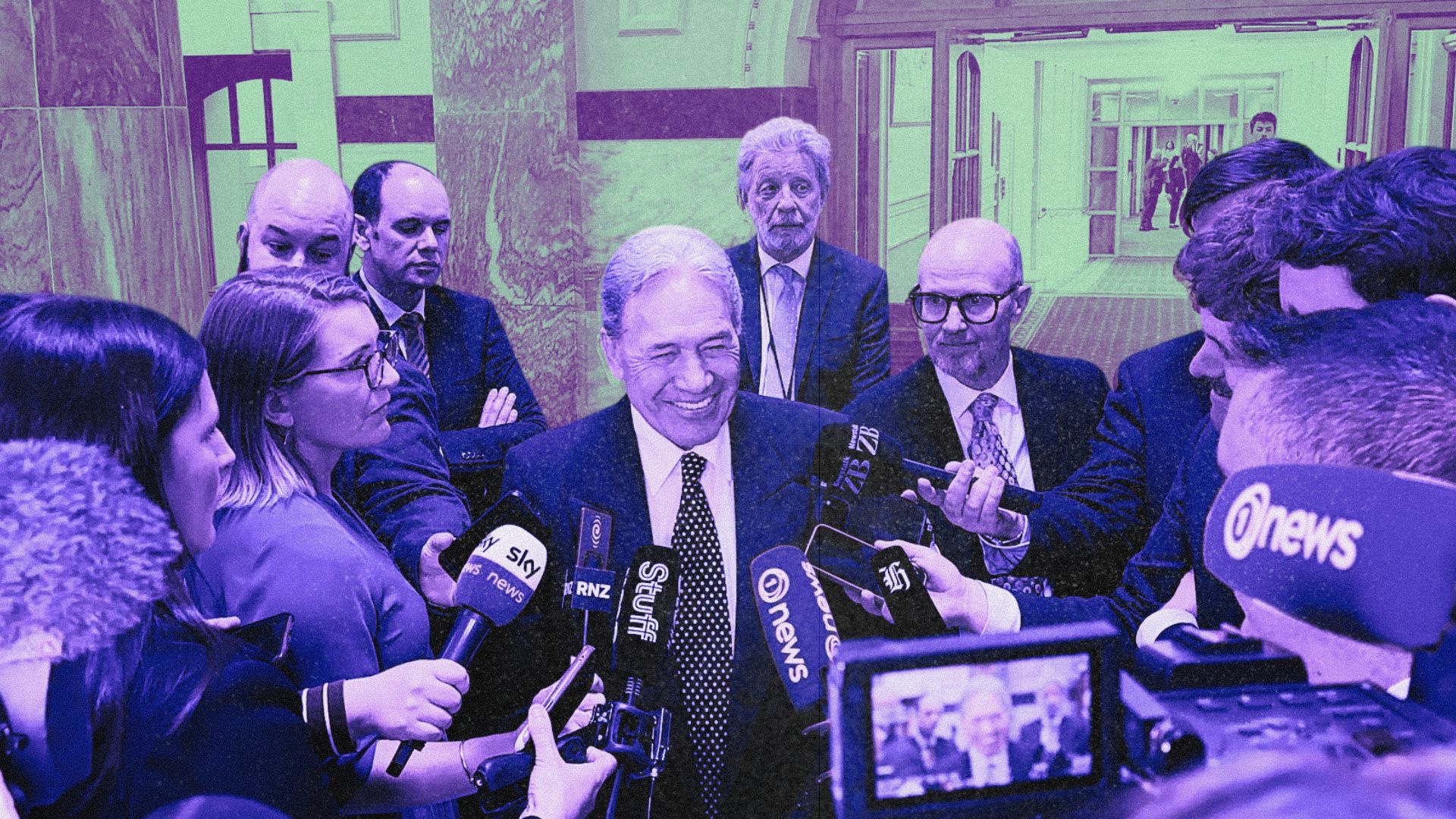
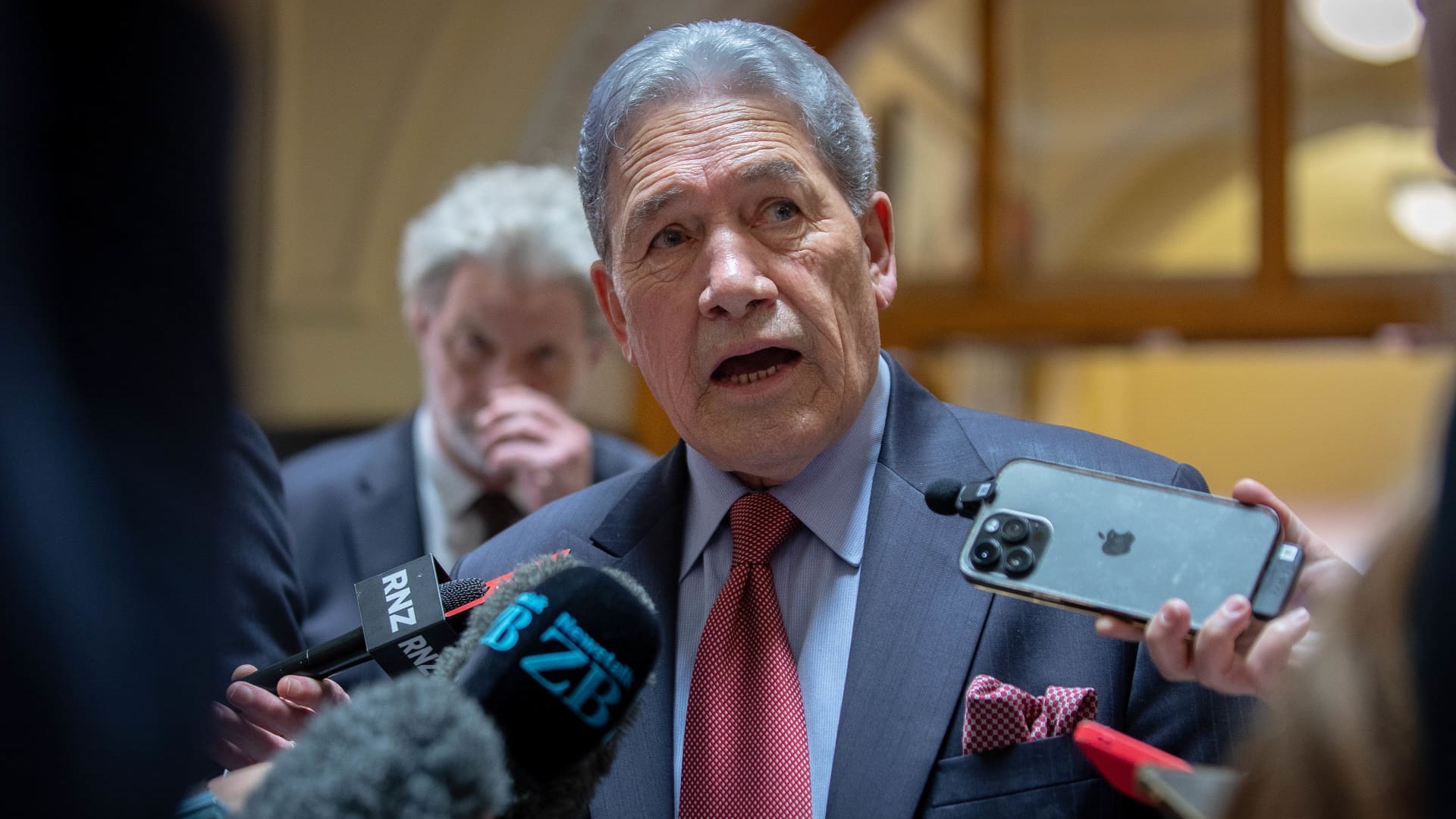
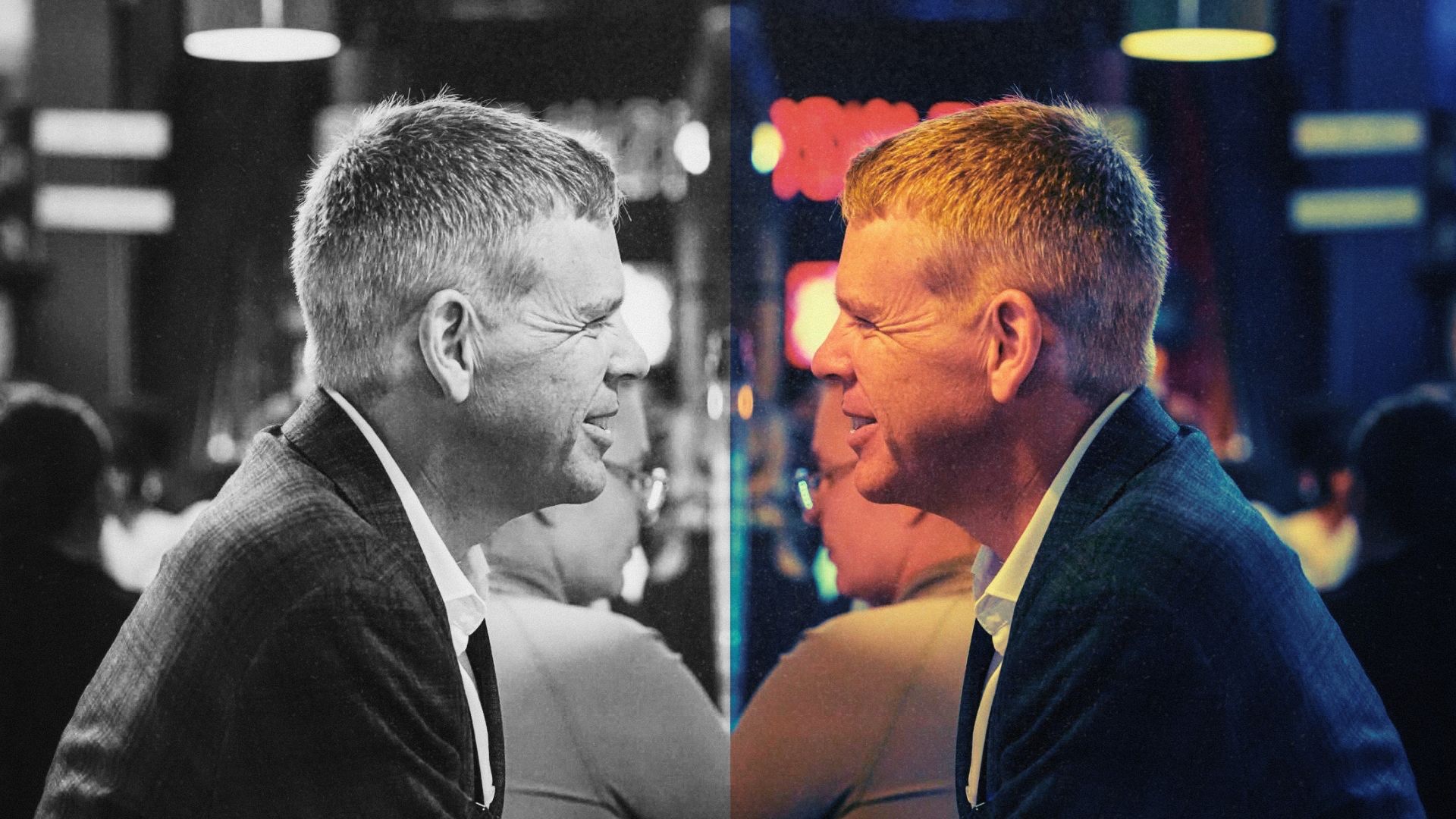
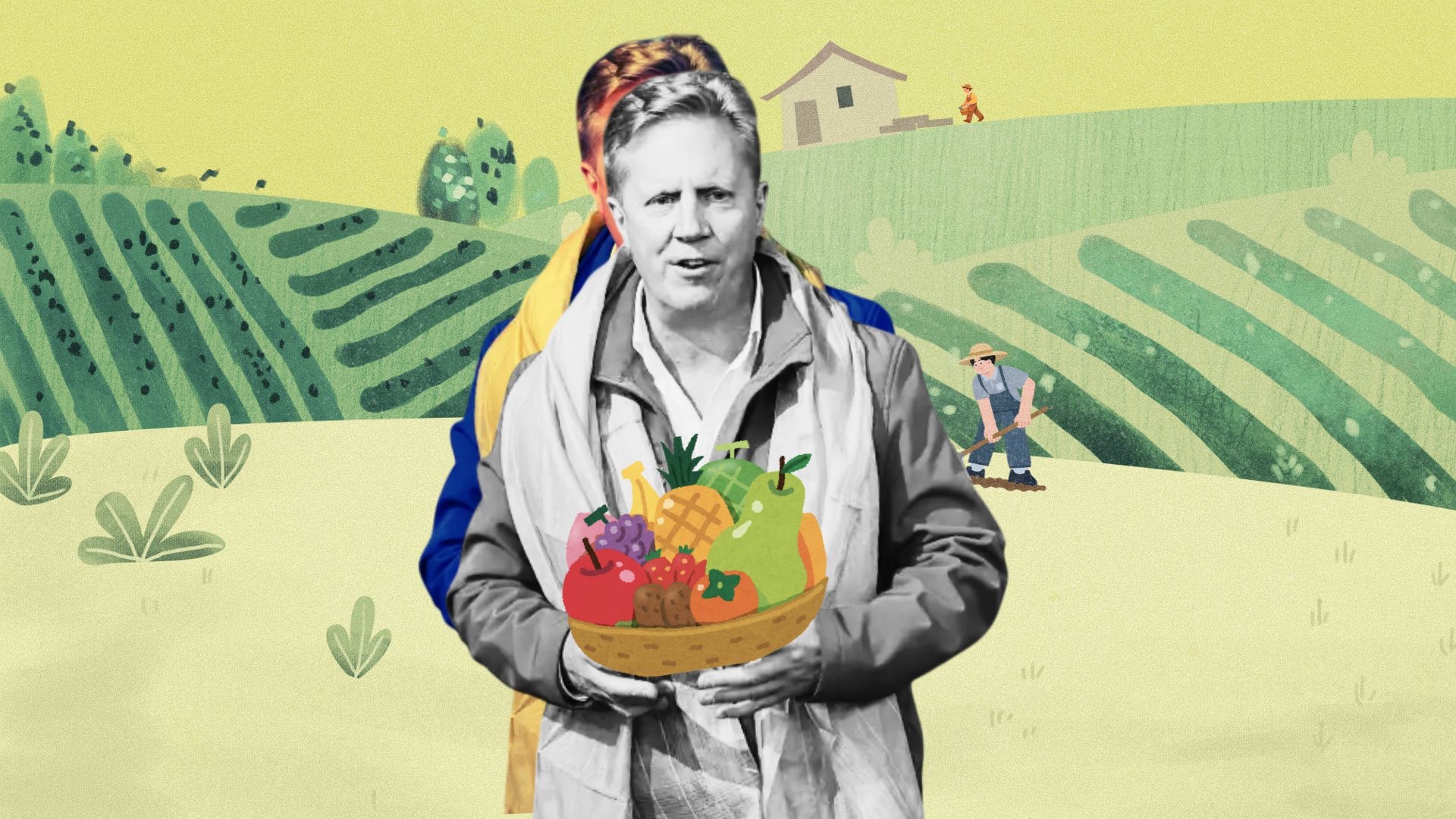
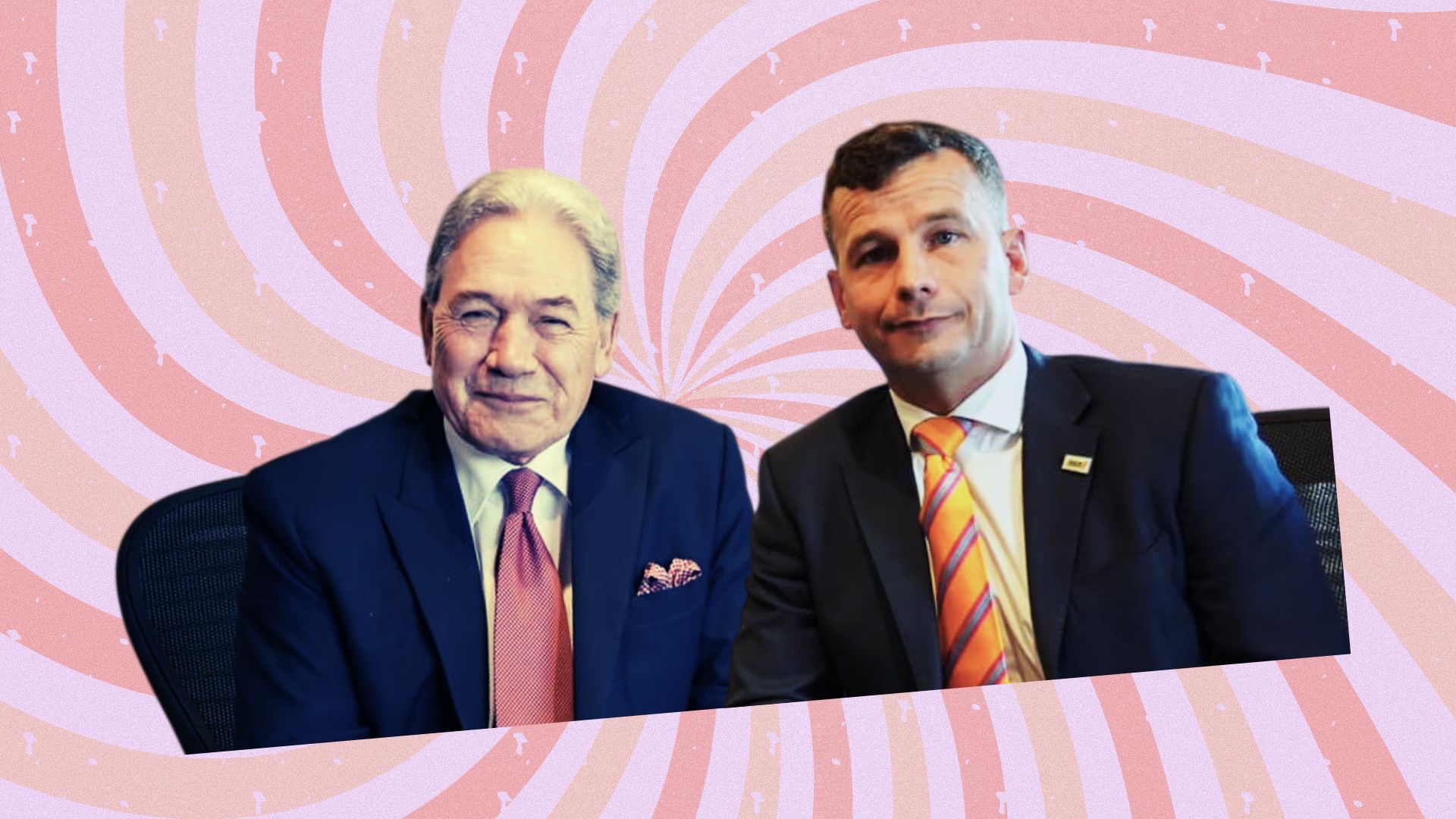
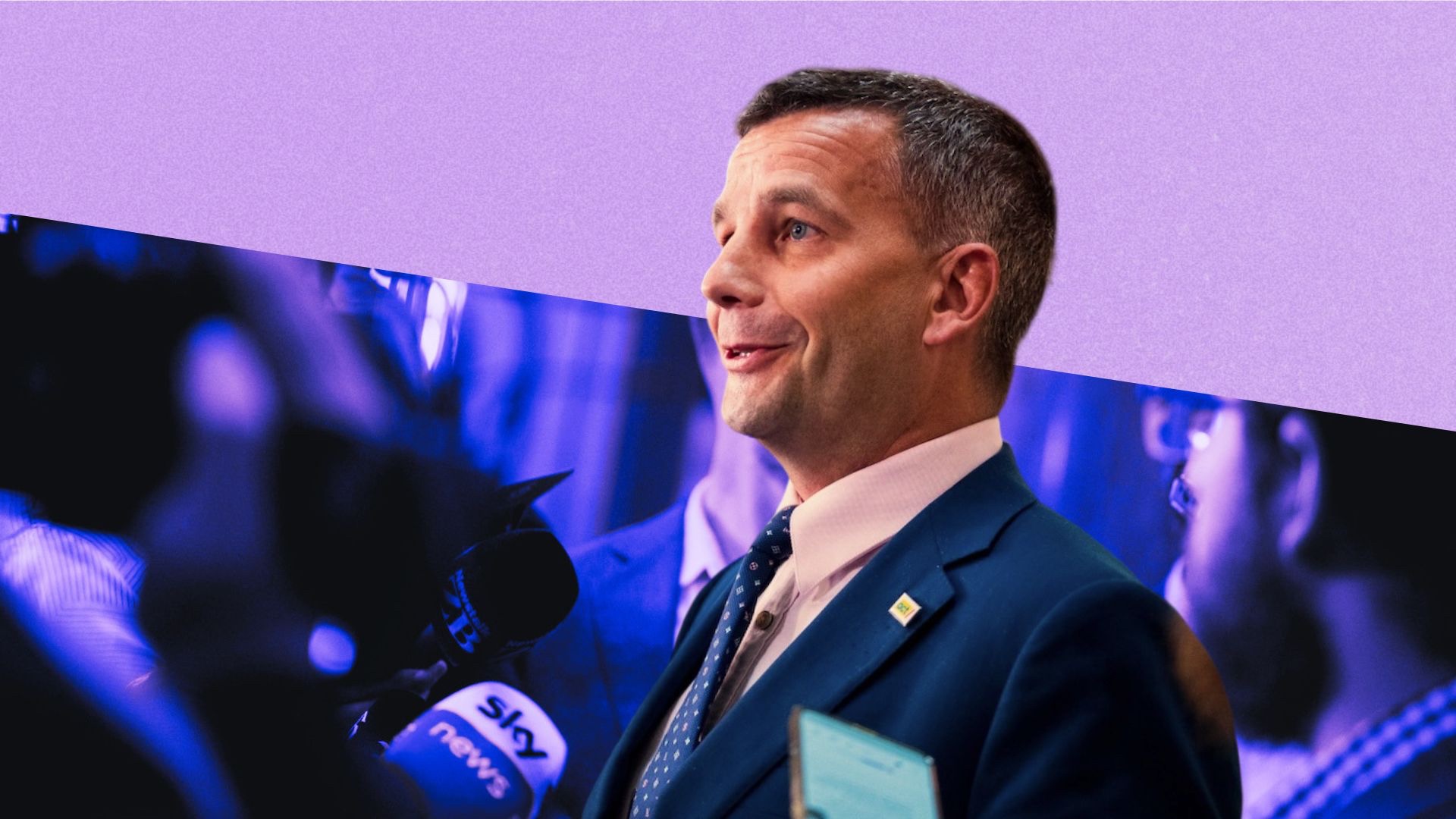
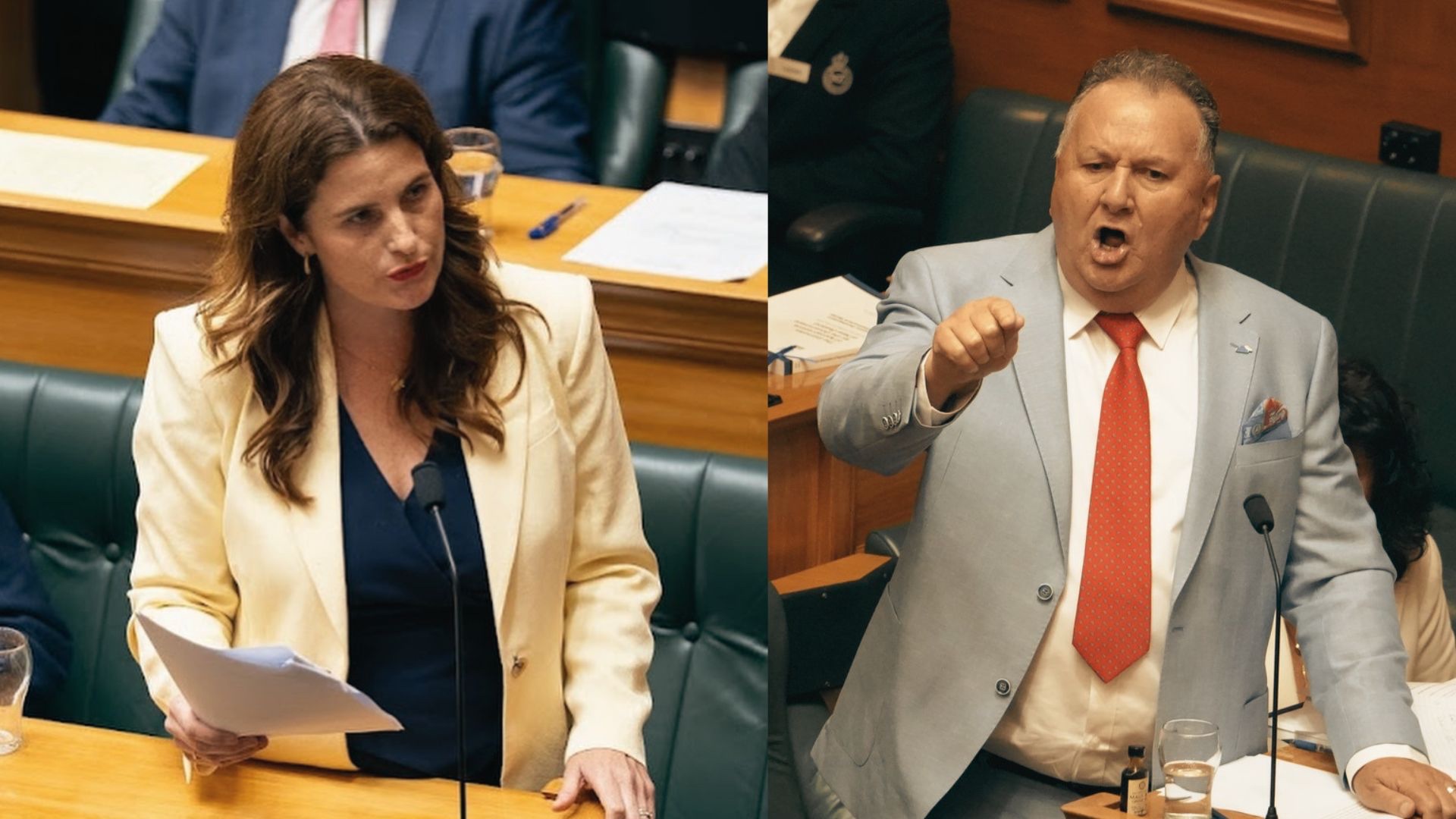
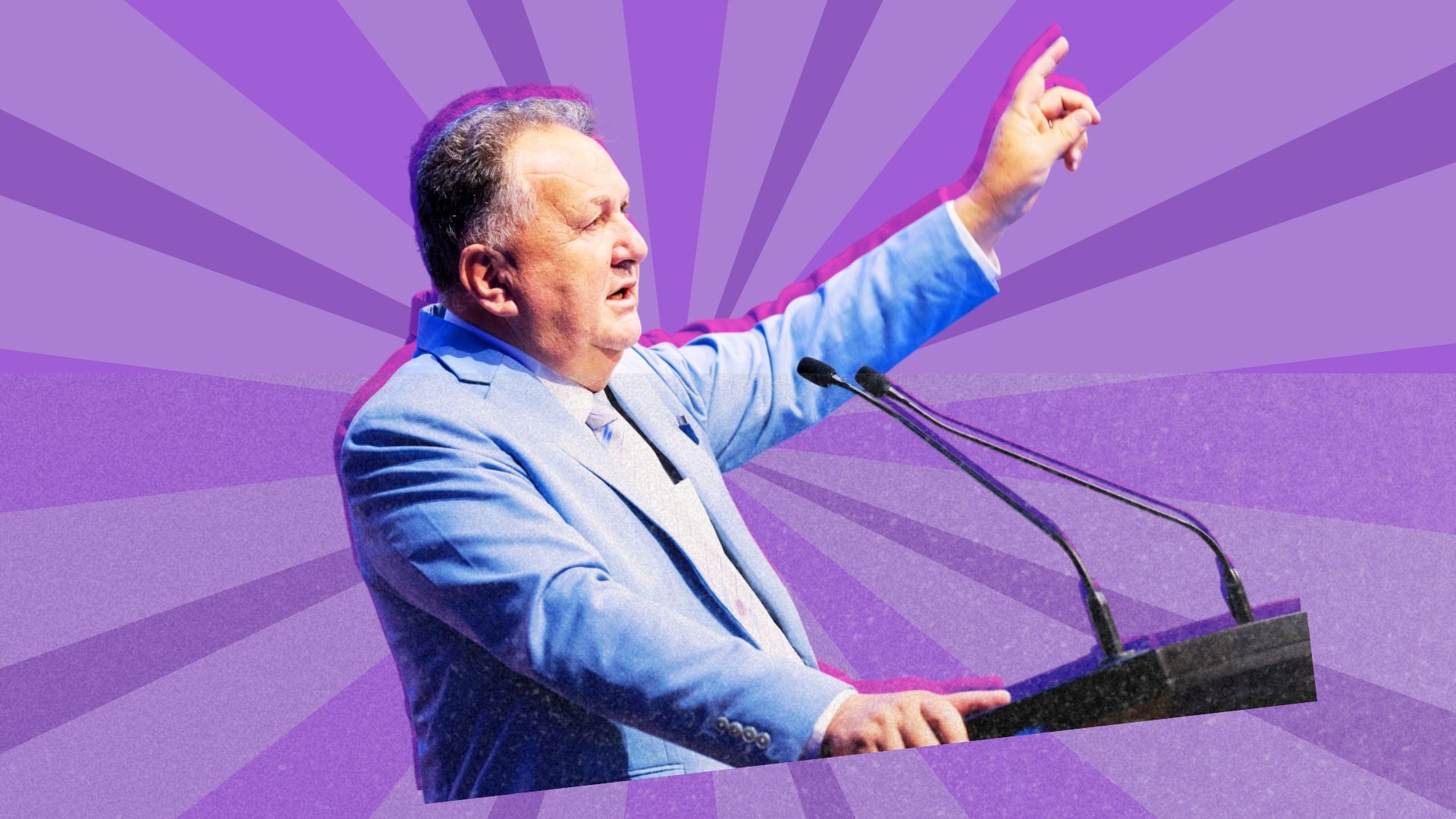
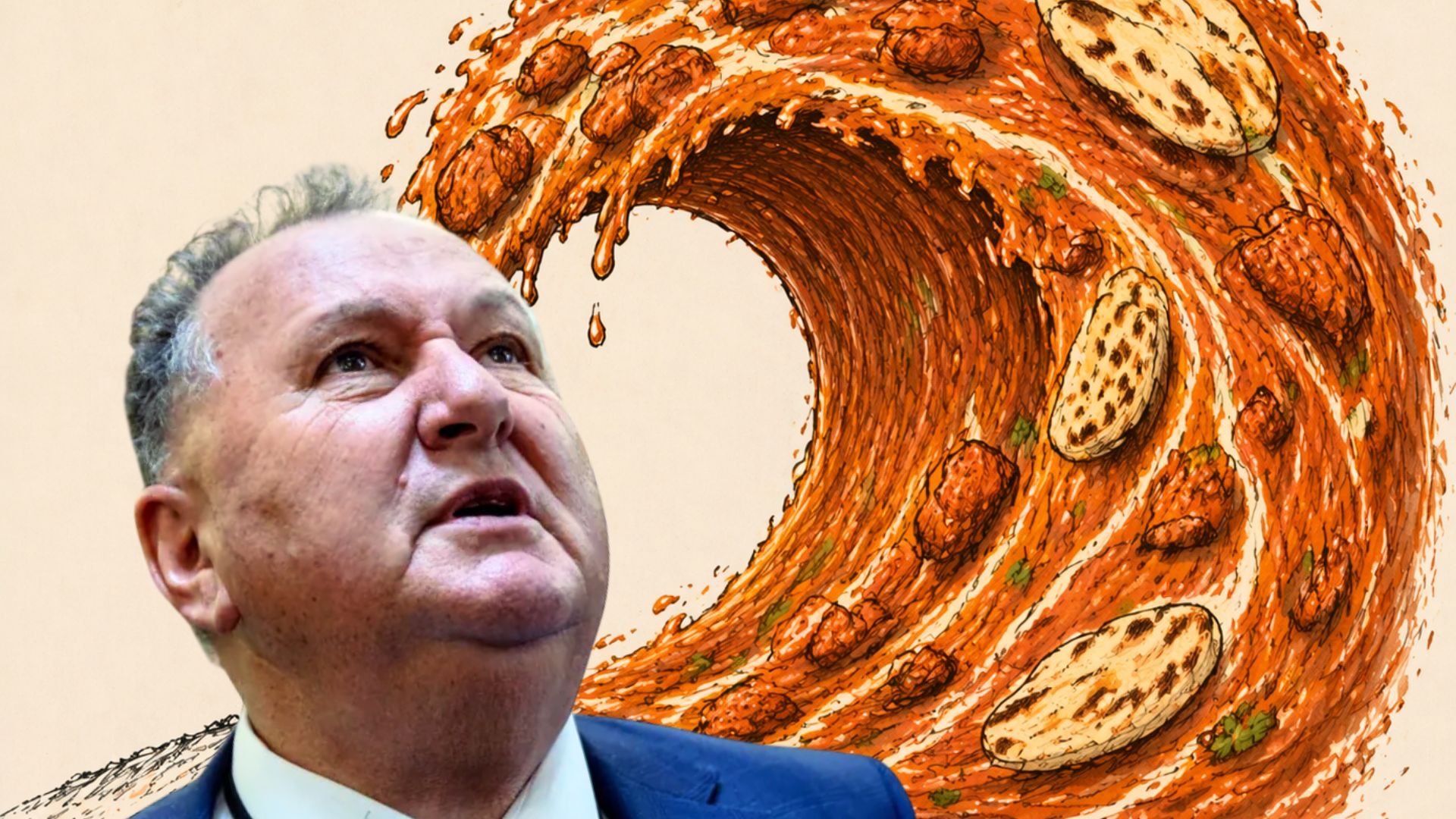
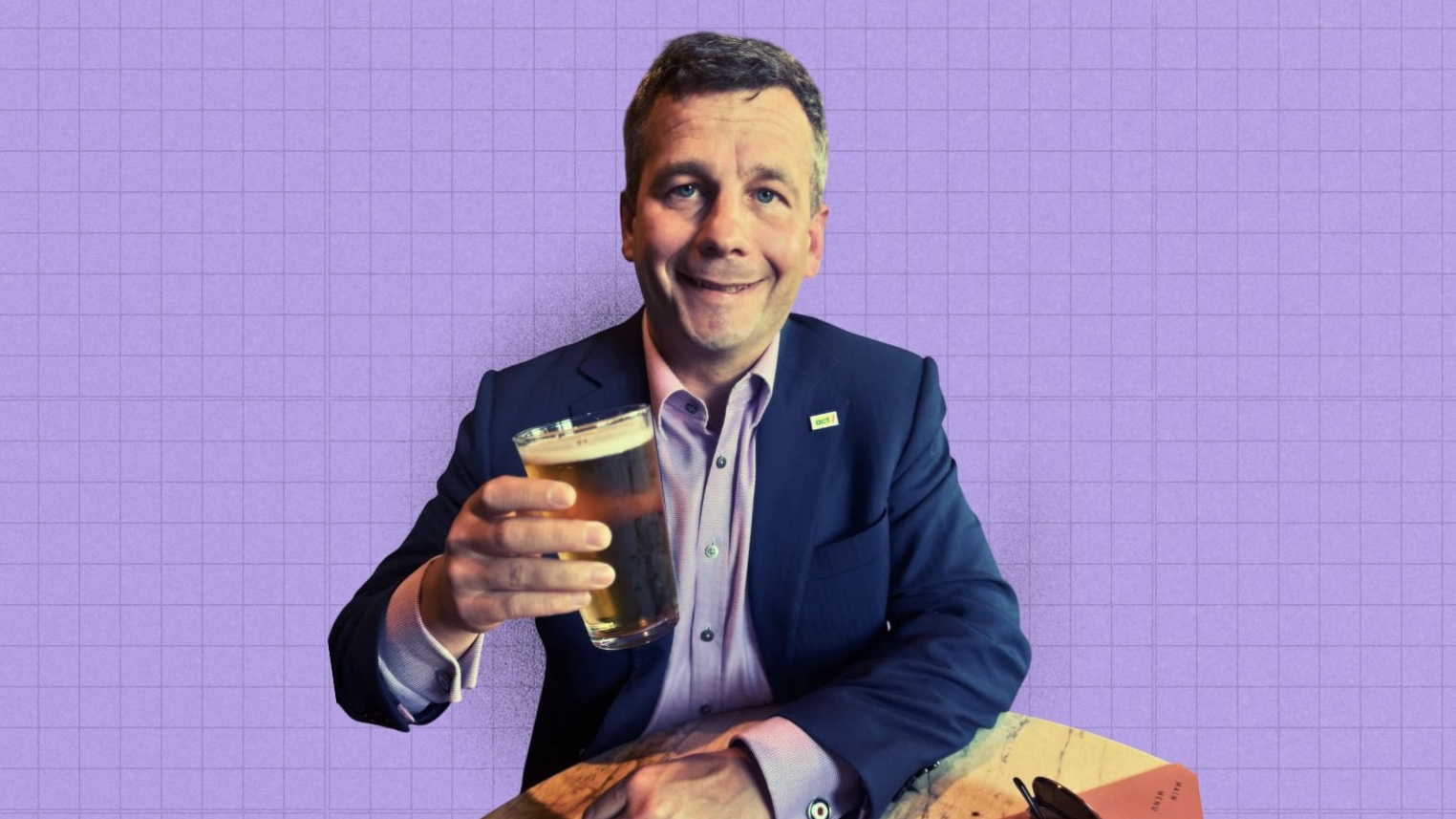
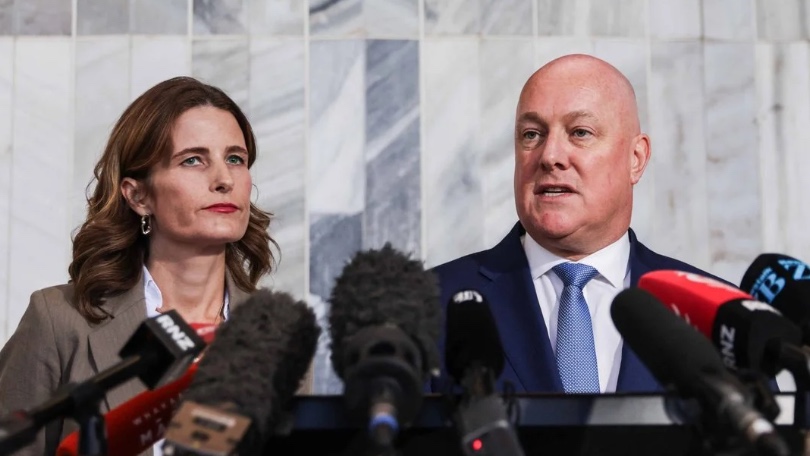
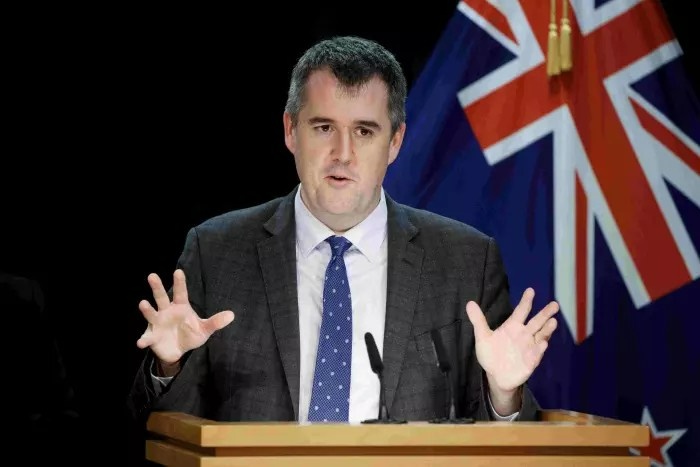
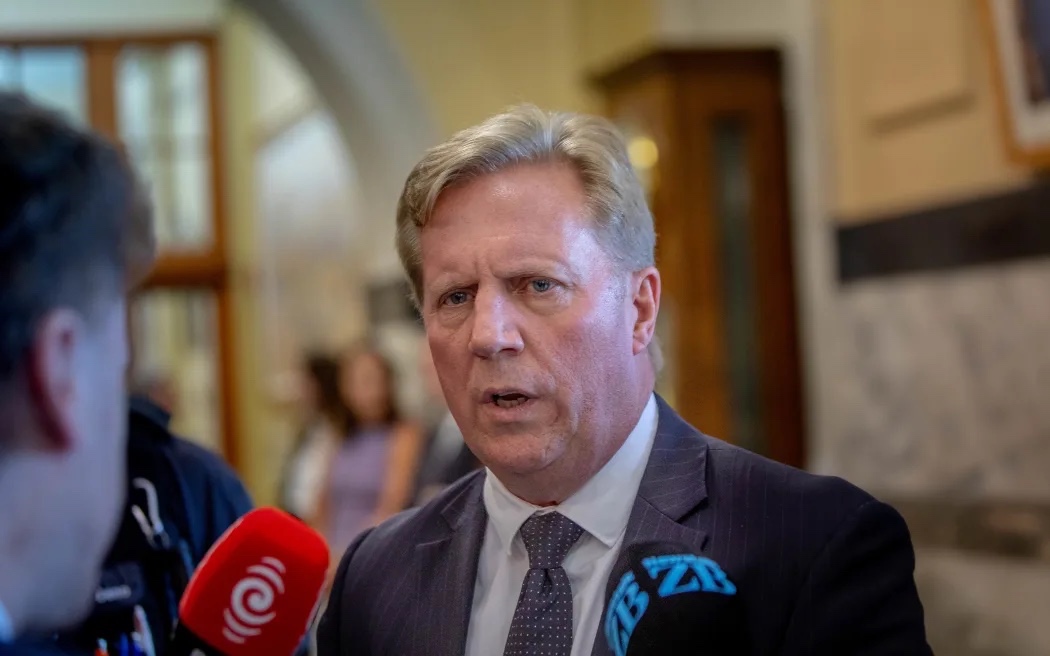
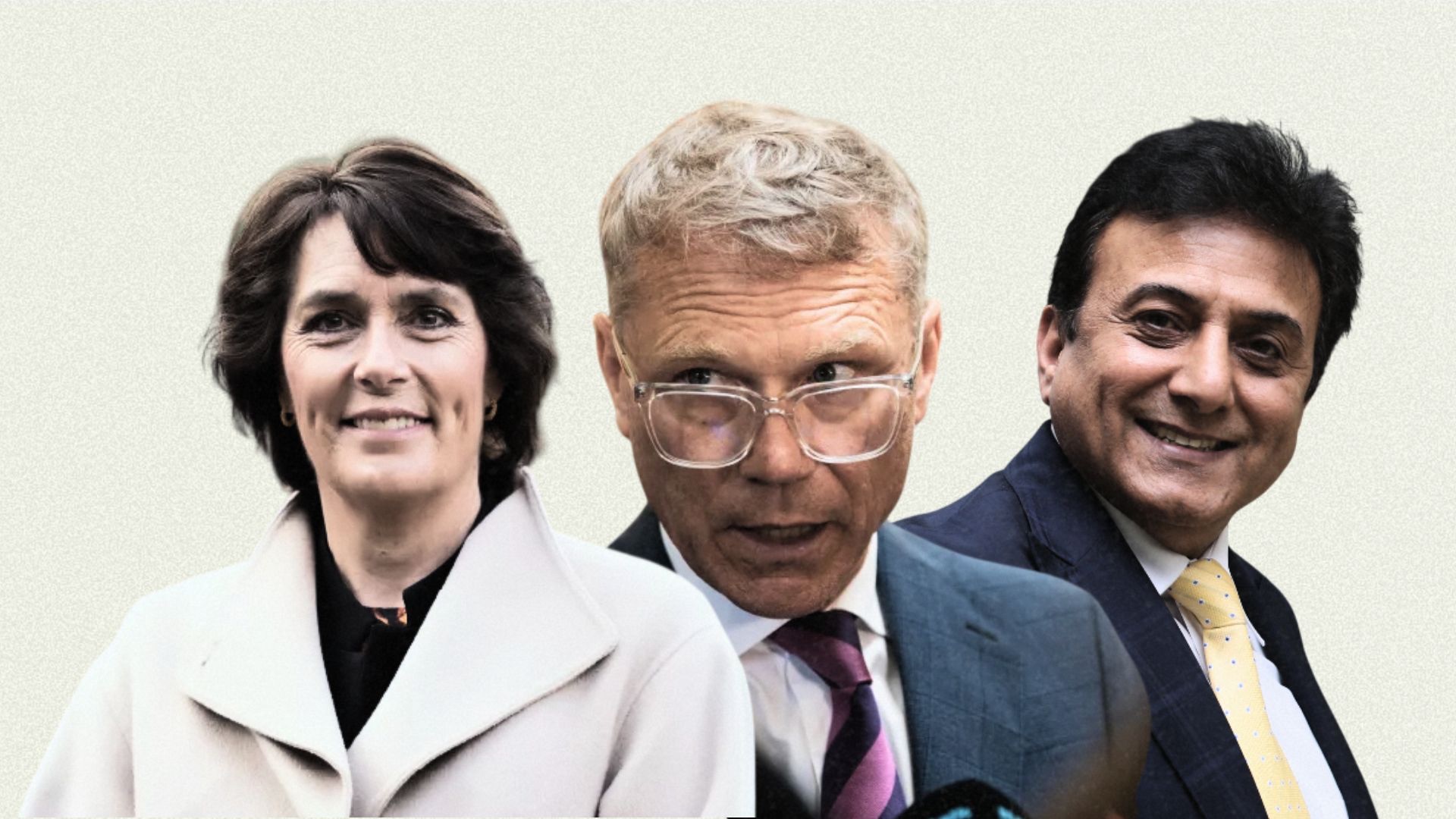
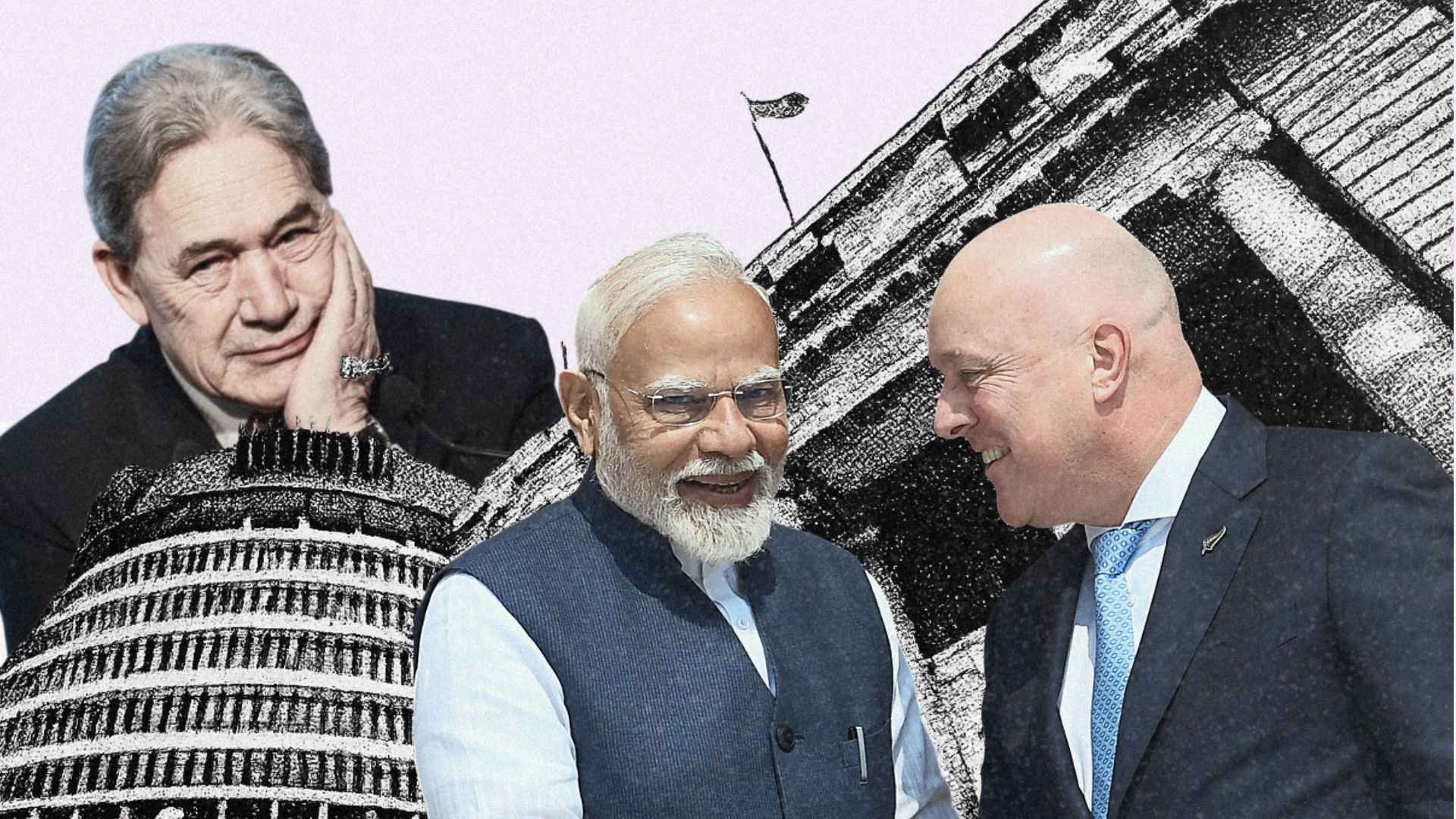
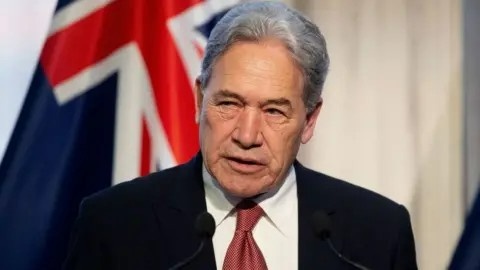
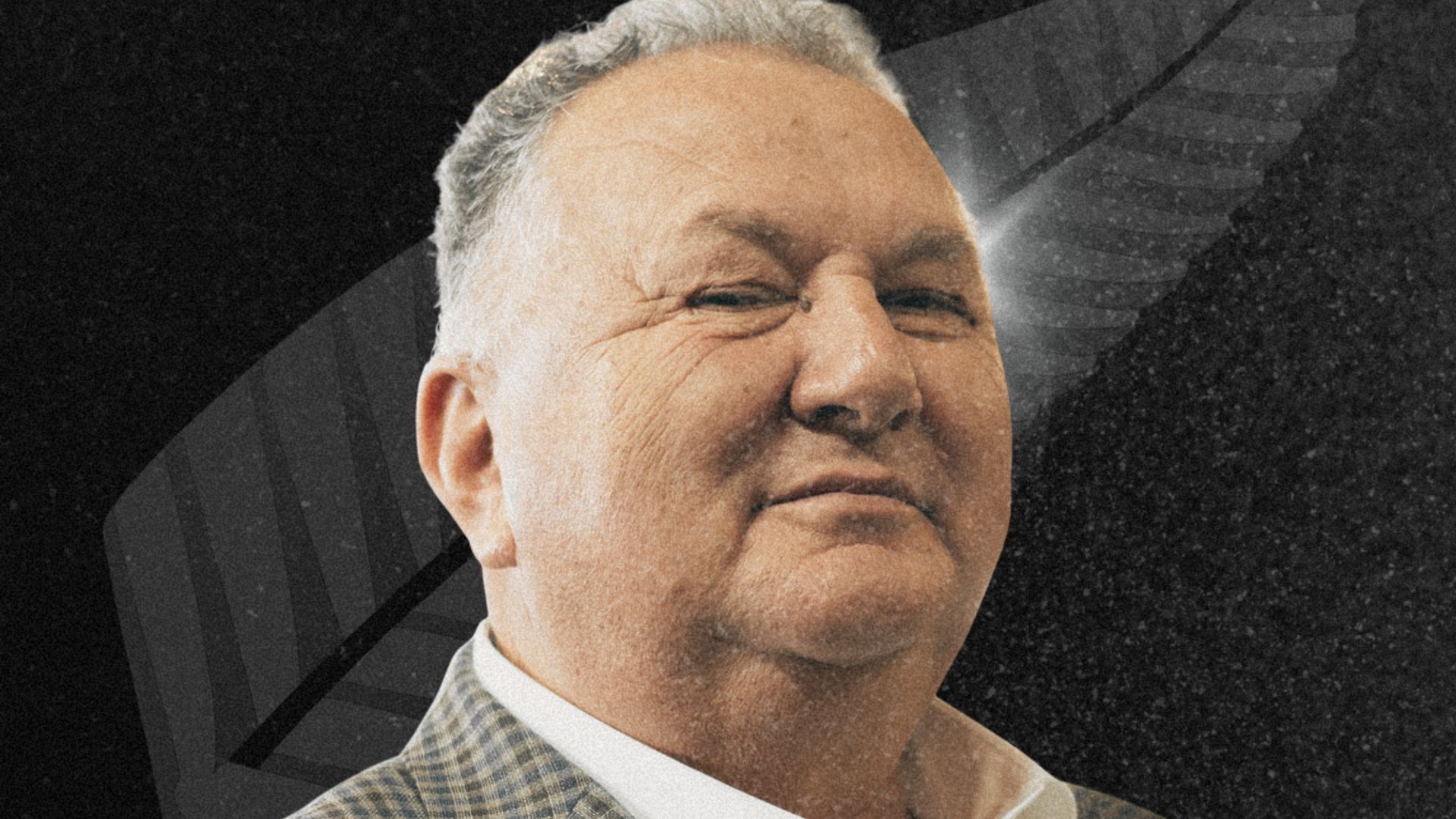
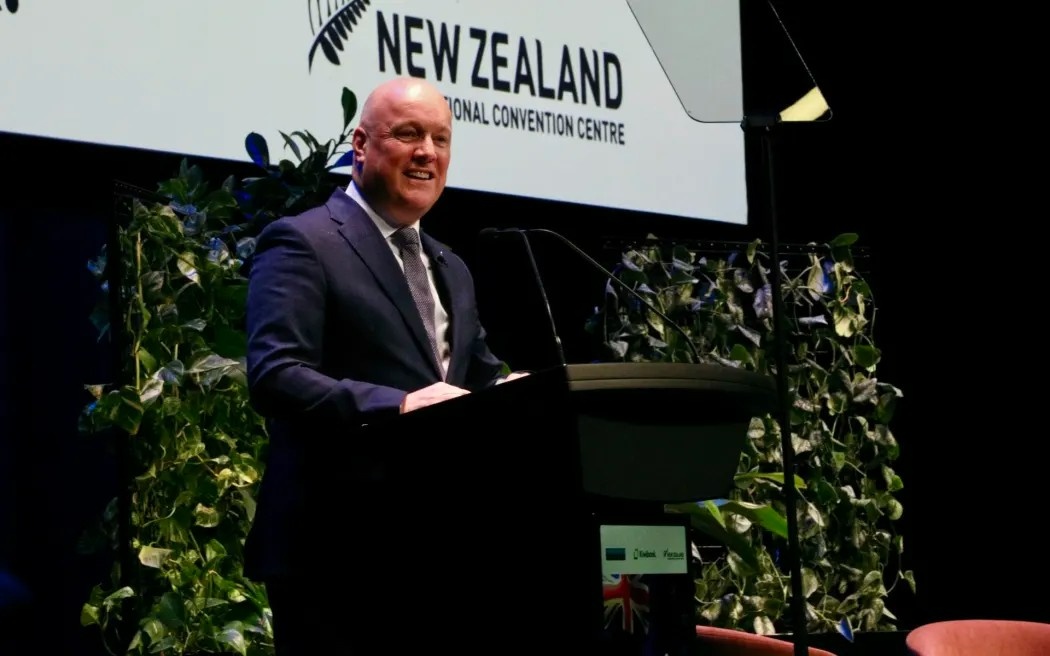
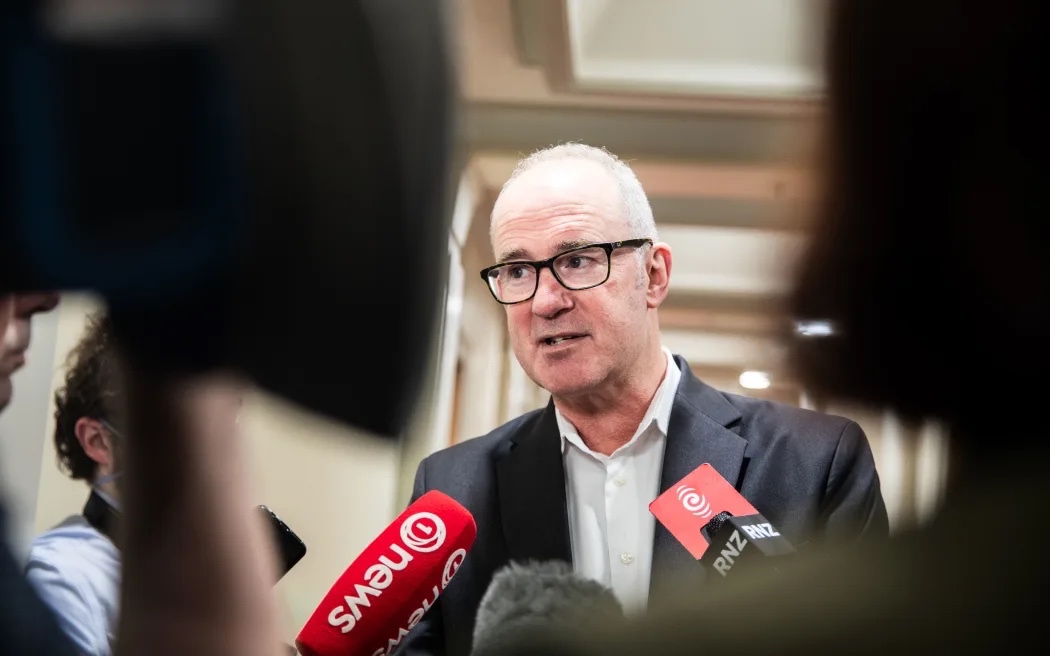
In New Zealand, recent comments, like the one by NZ First's Shane Jones referring to a “butter chicken tsunami”, were dismissed by some as humour or political theatre.
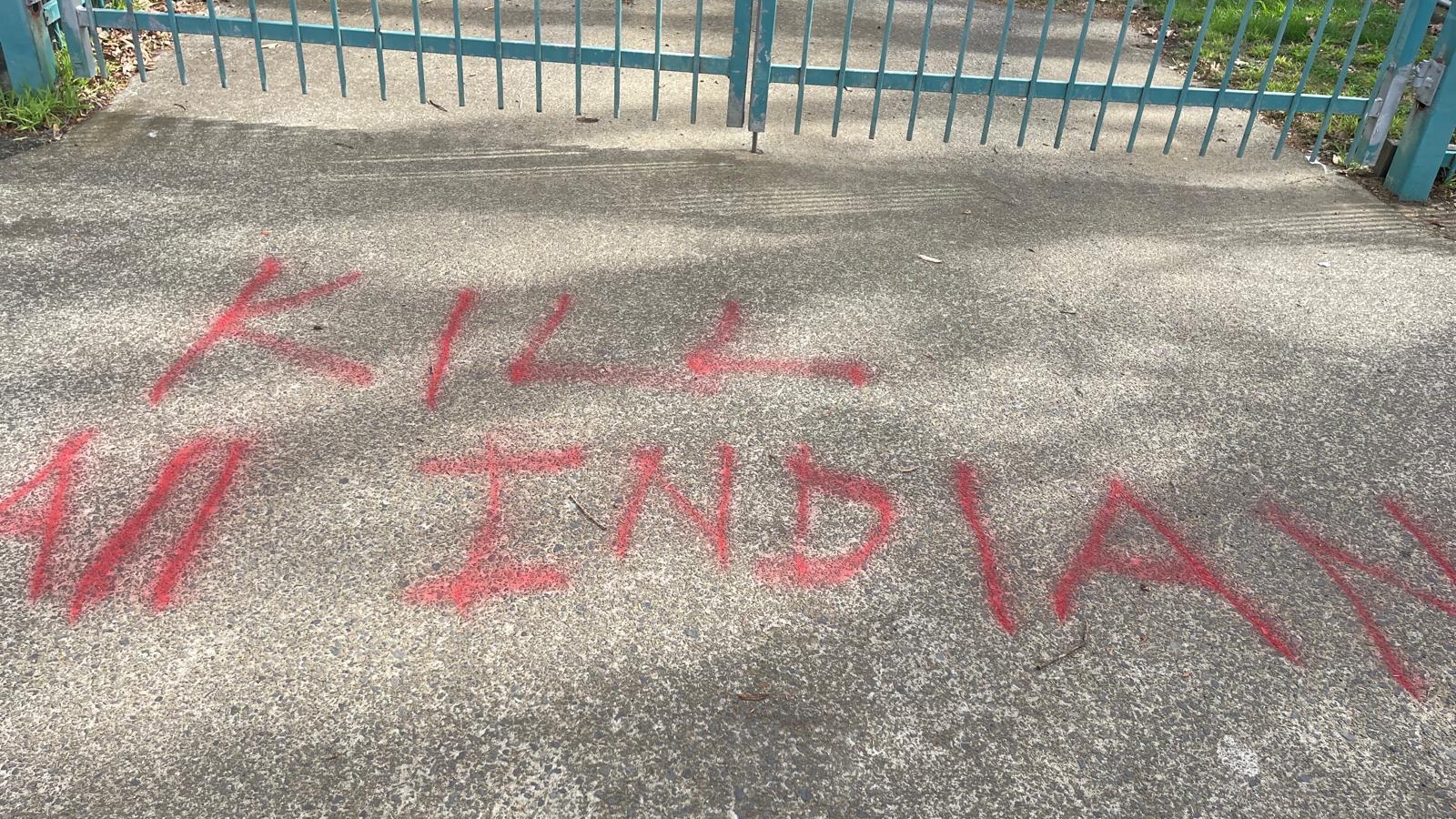
For many Indians and migrants, such language carries a deeper message. That our presence is something overwhelming, foreign, or undesirable. Words matter, especially when they come from elected leaders.
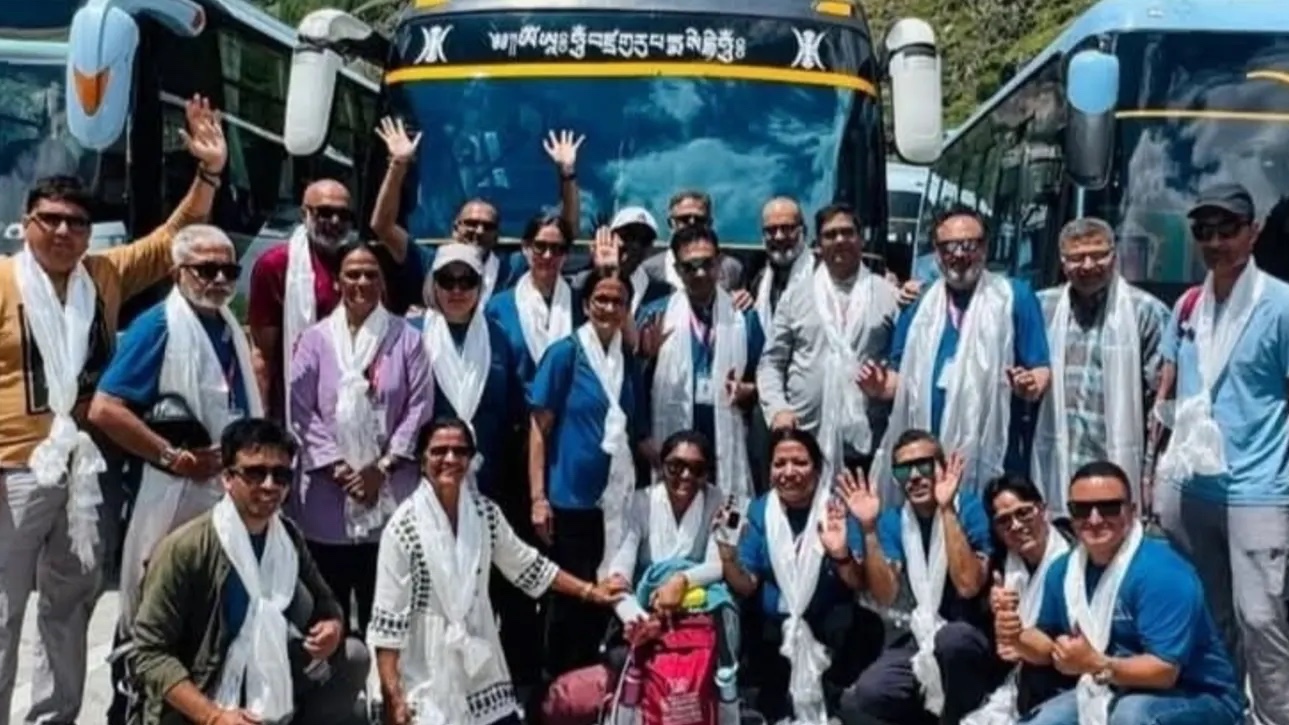
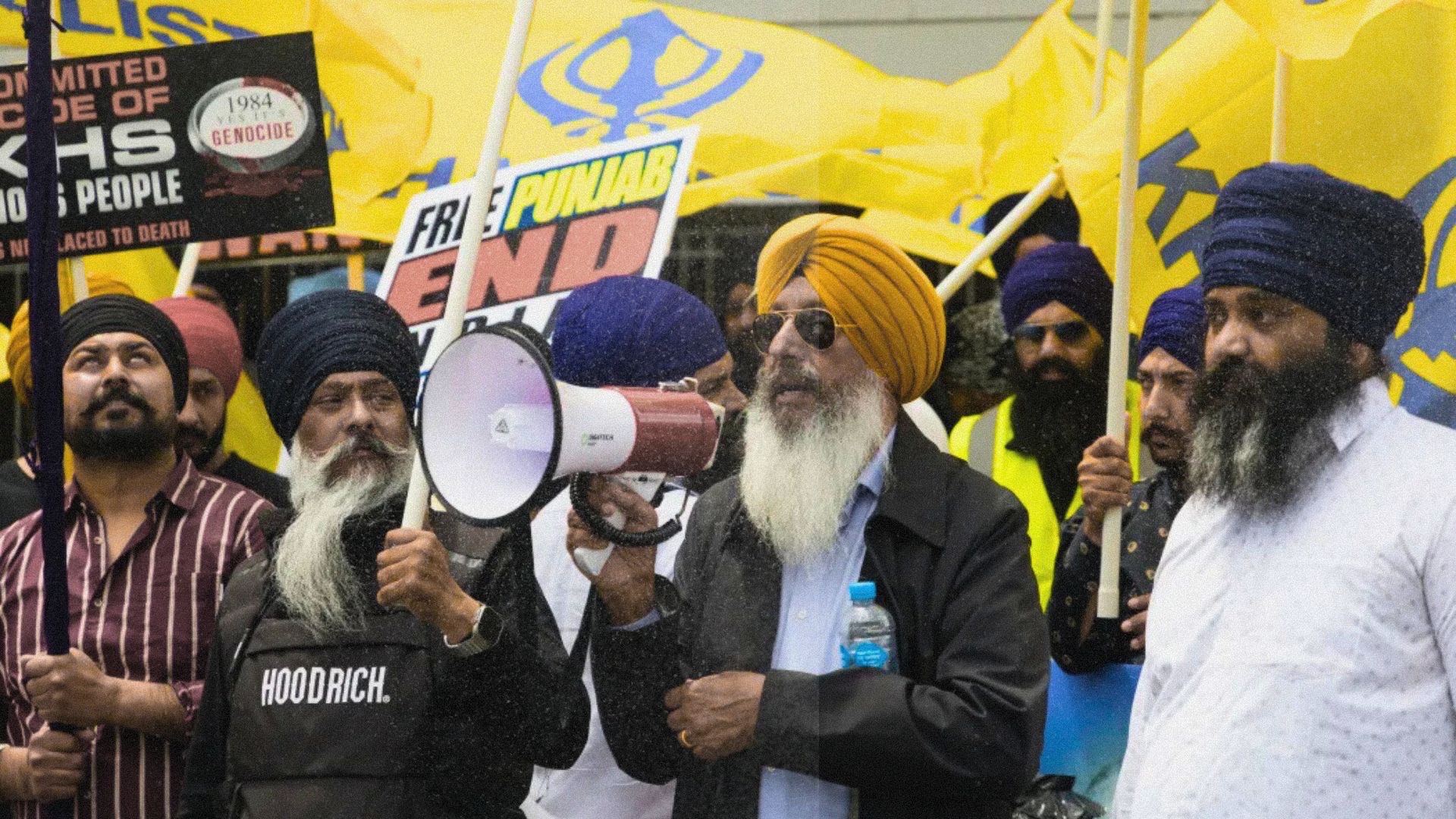
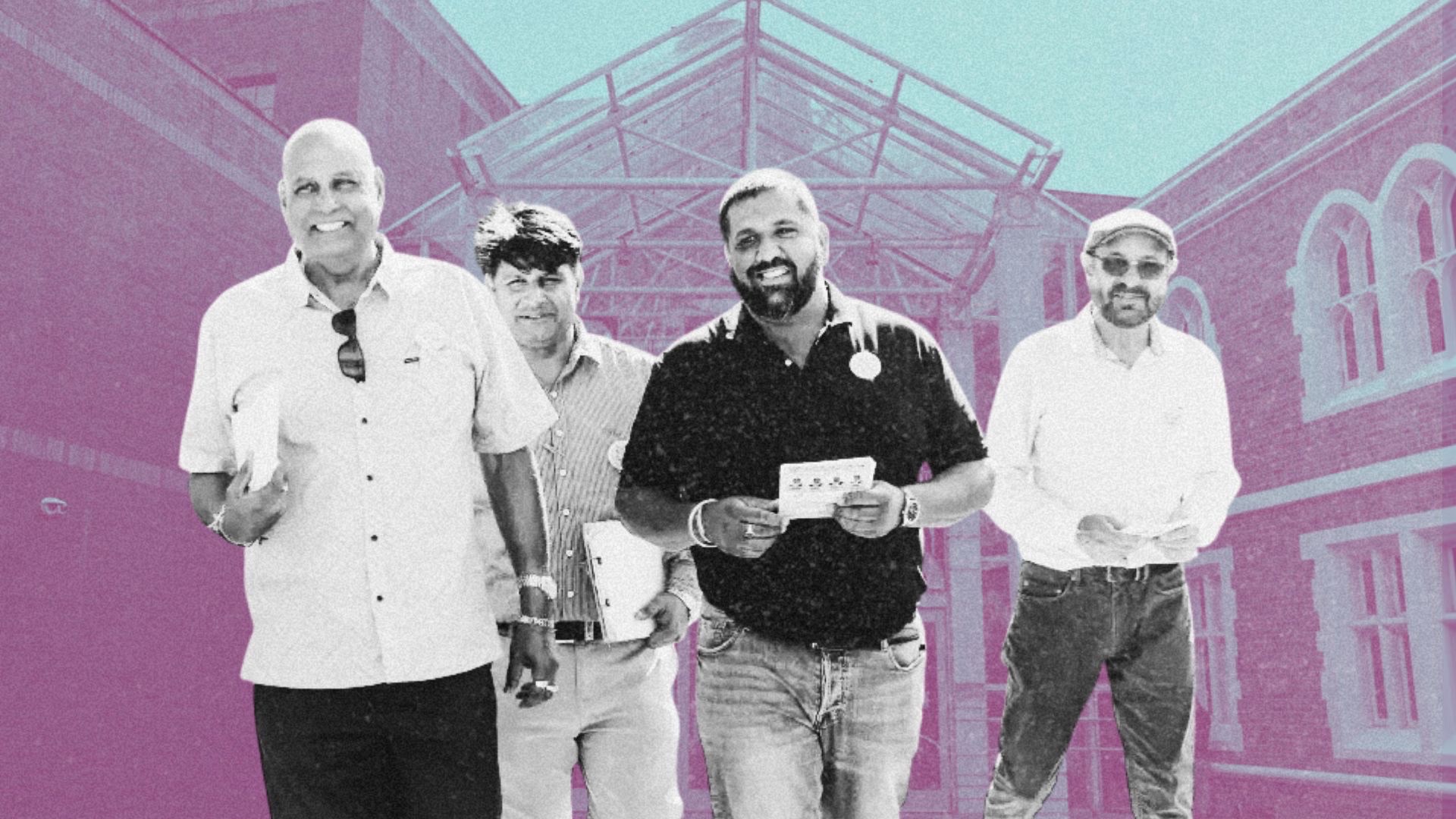
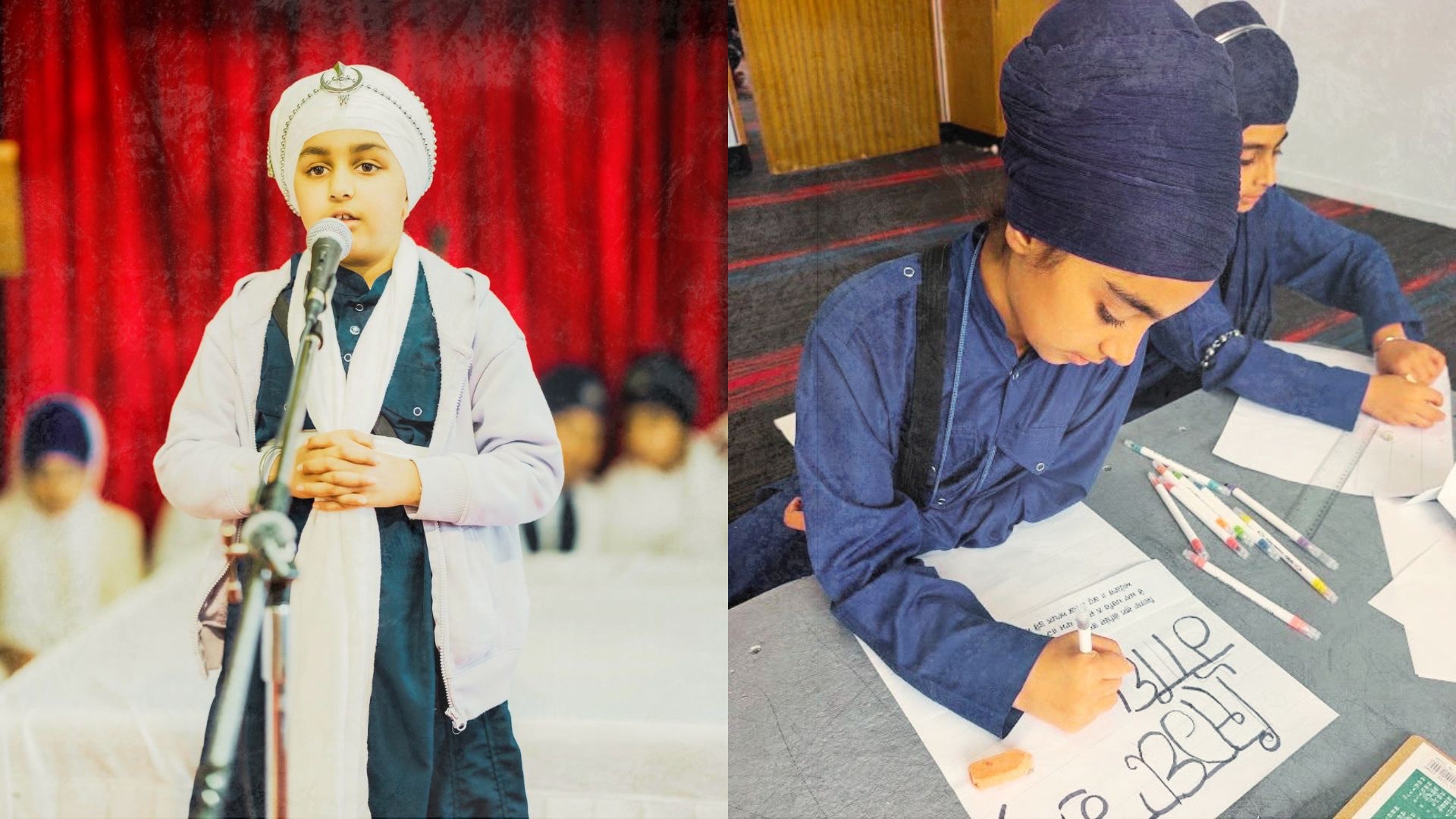
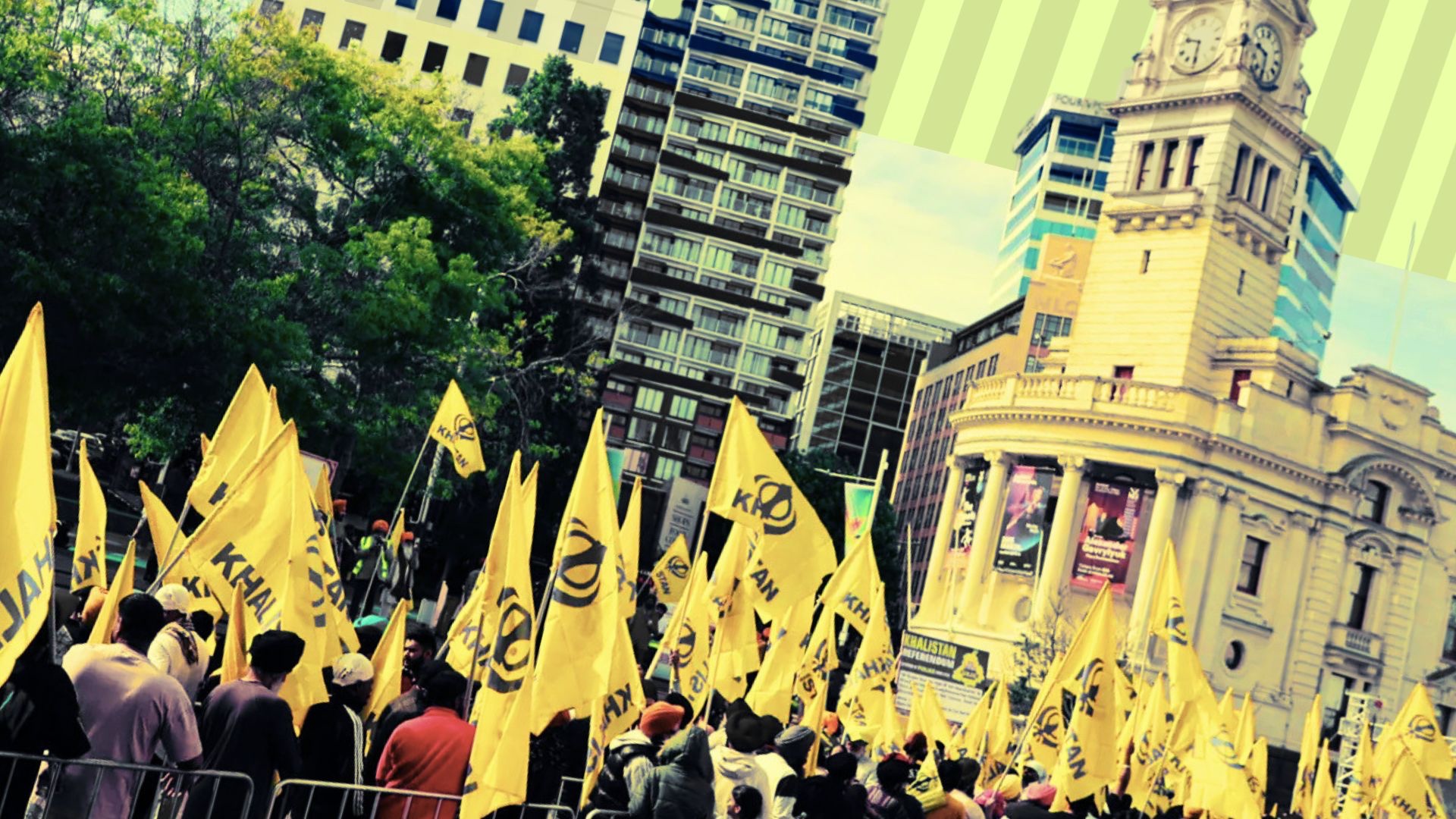
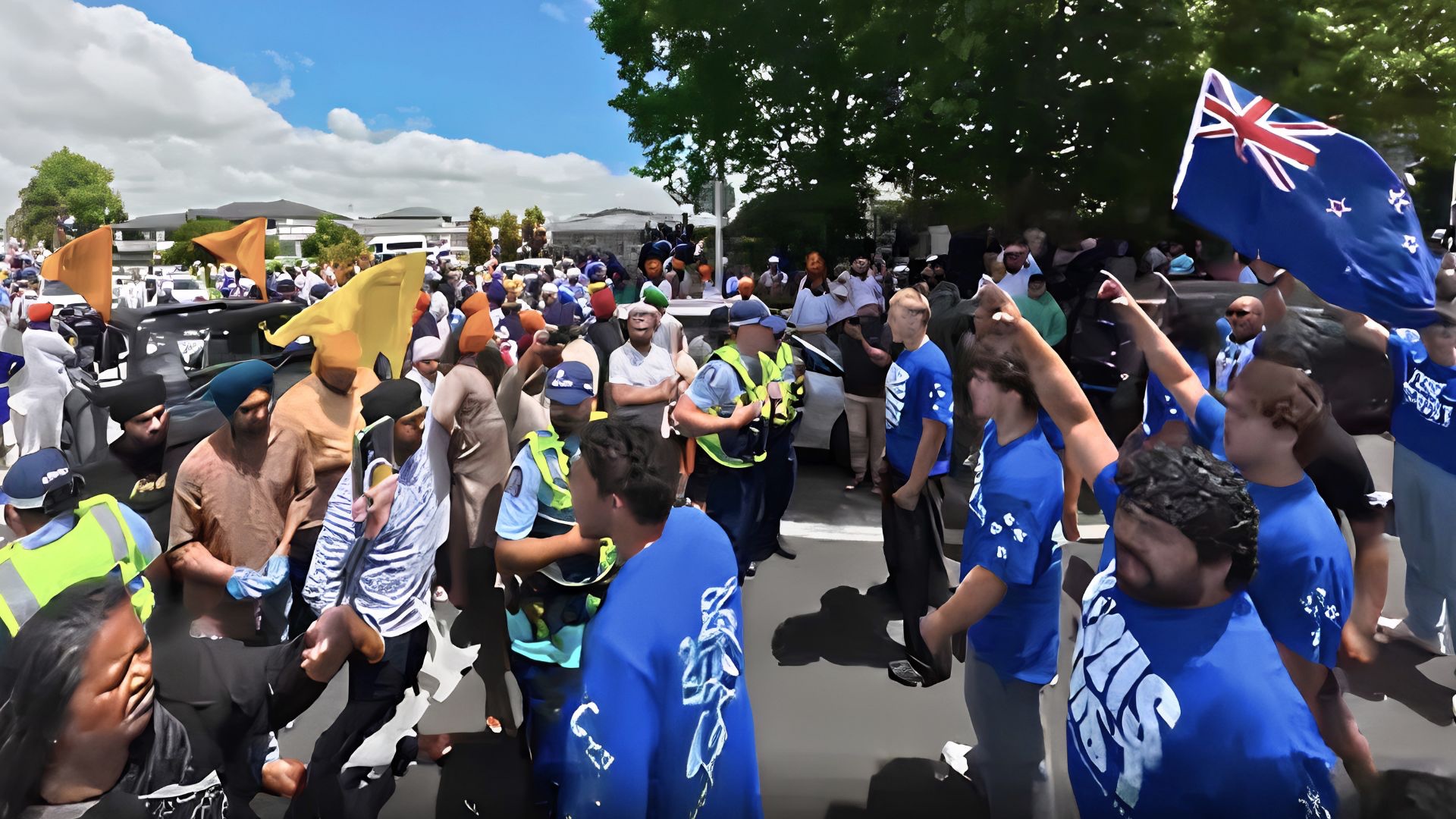
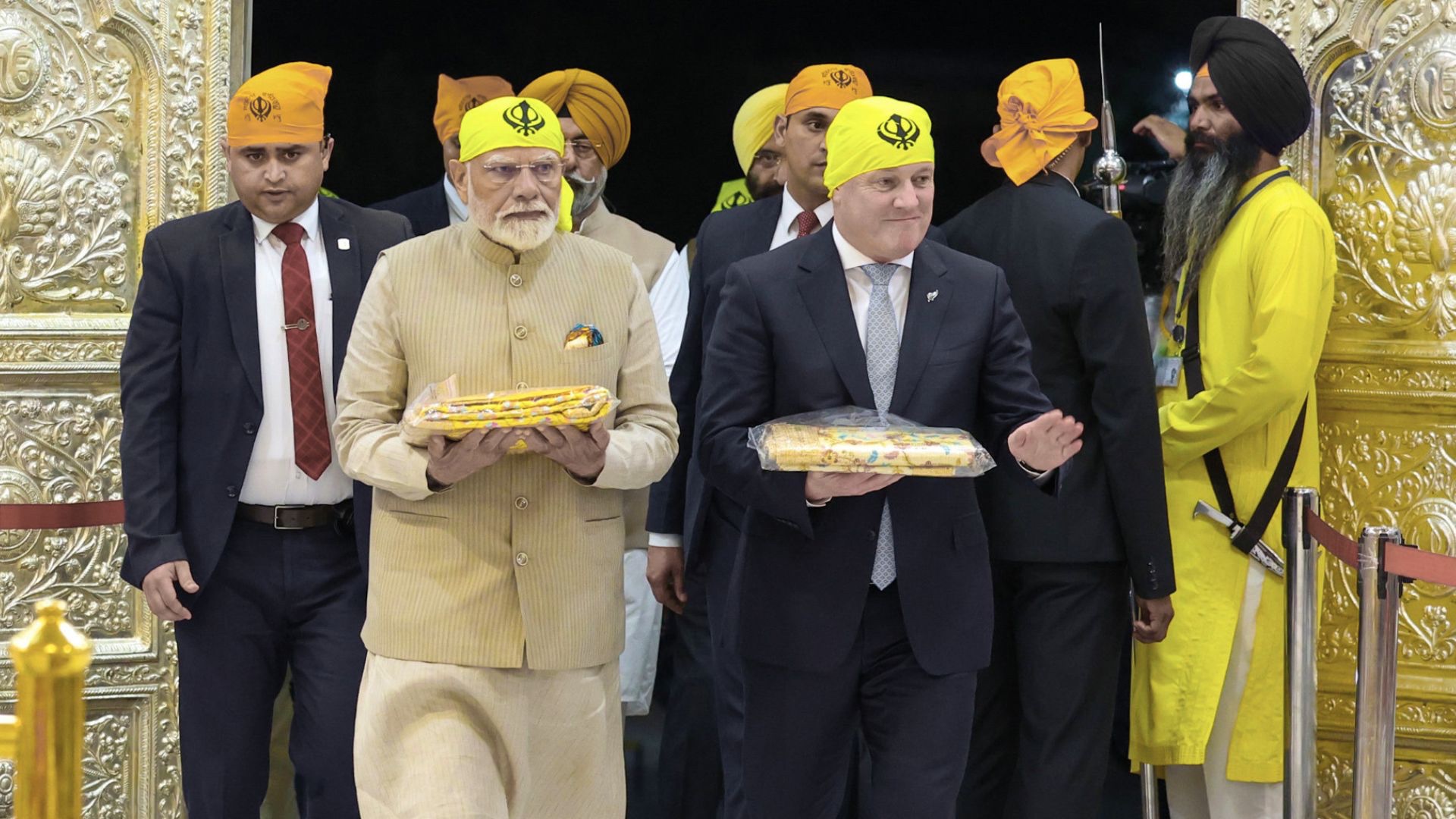
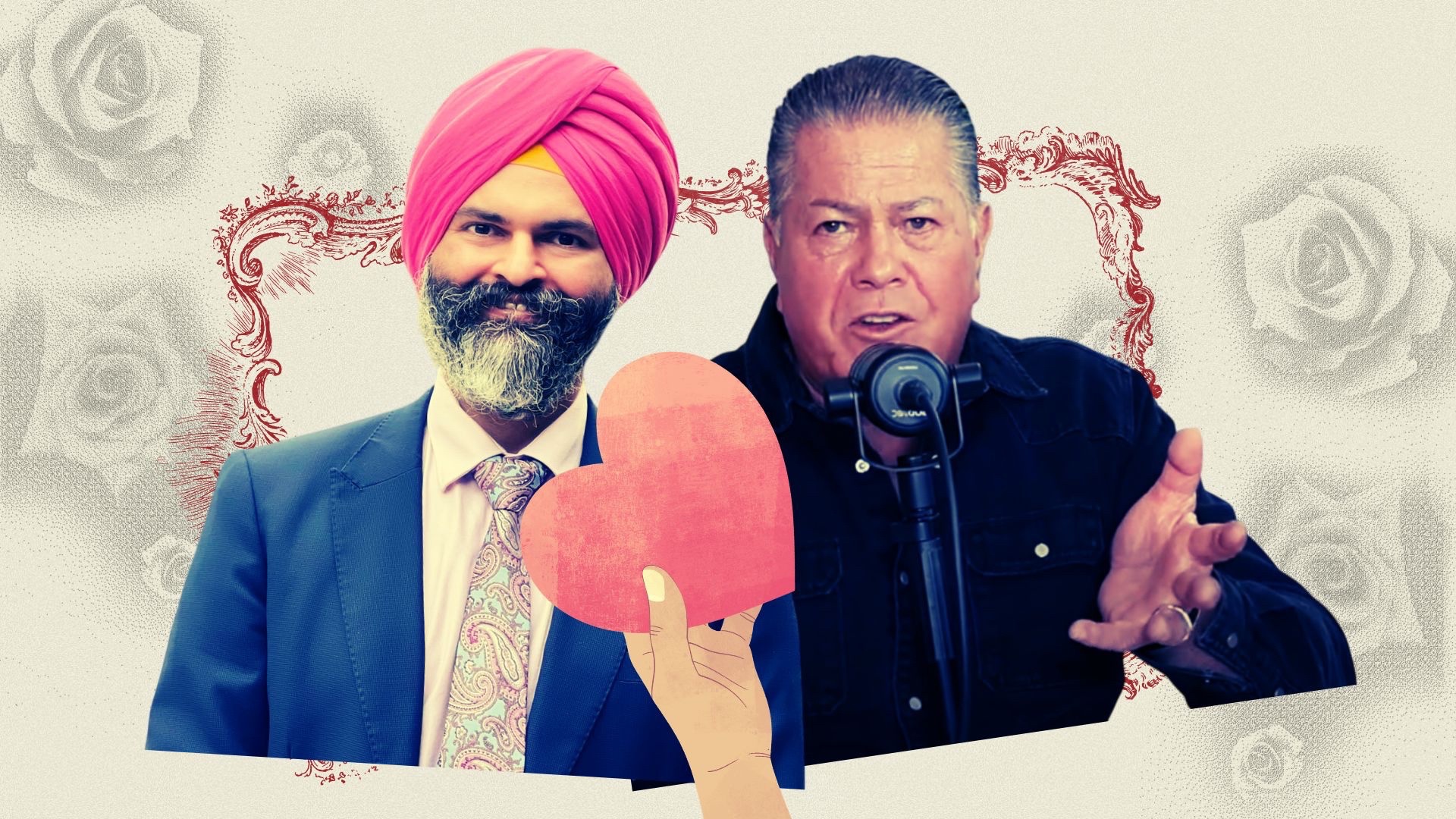
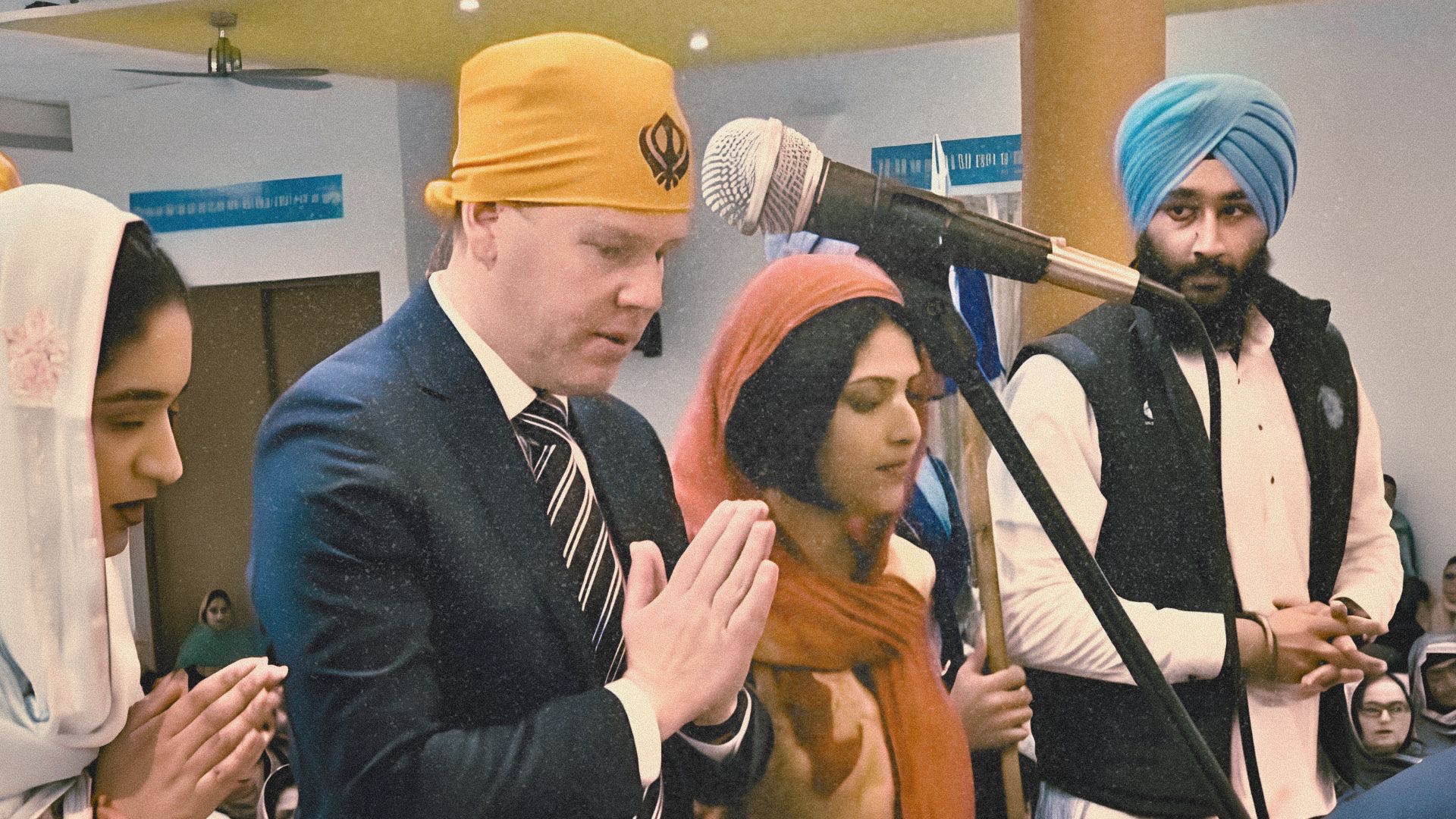
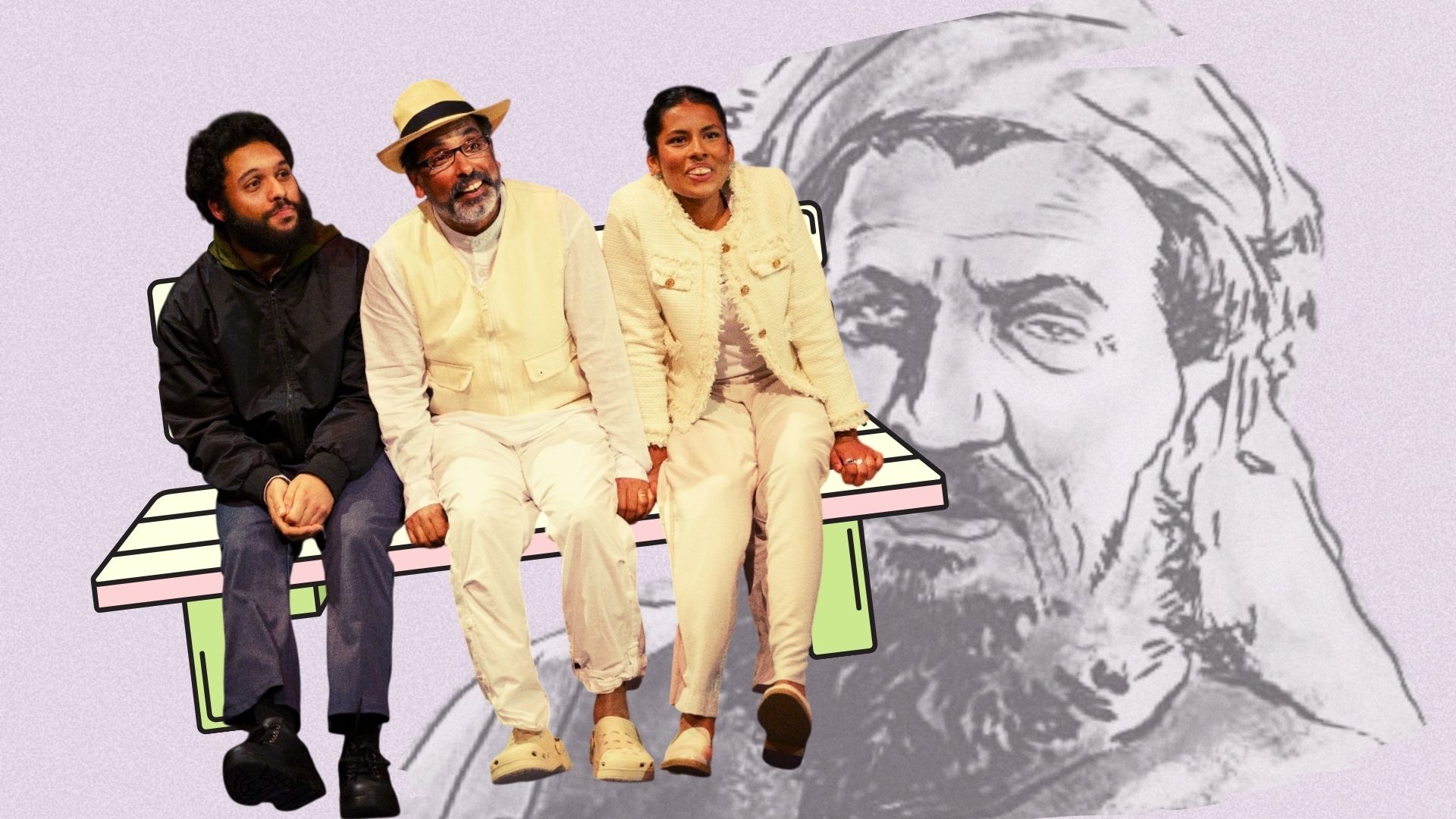
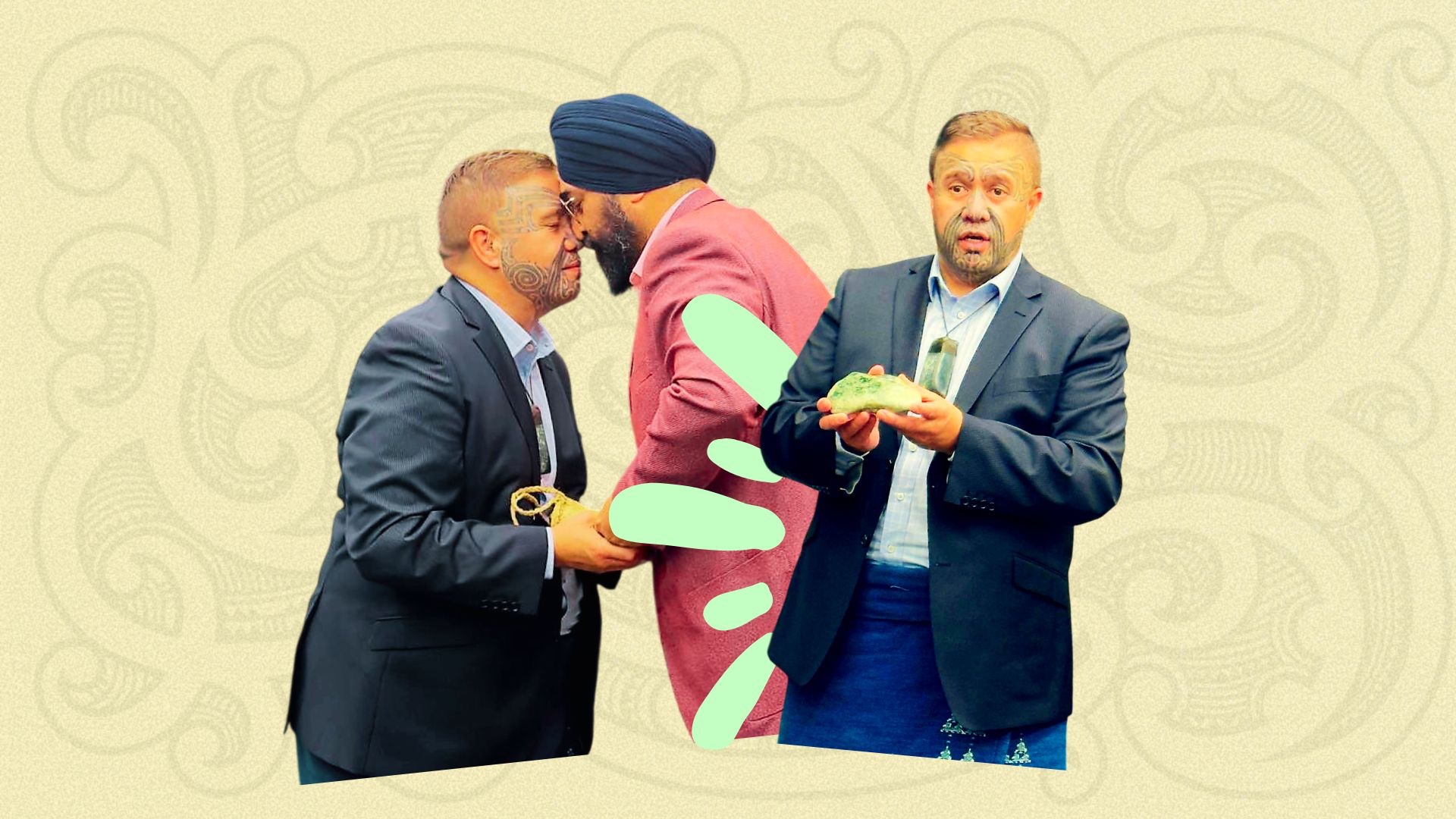
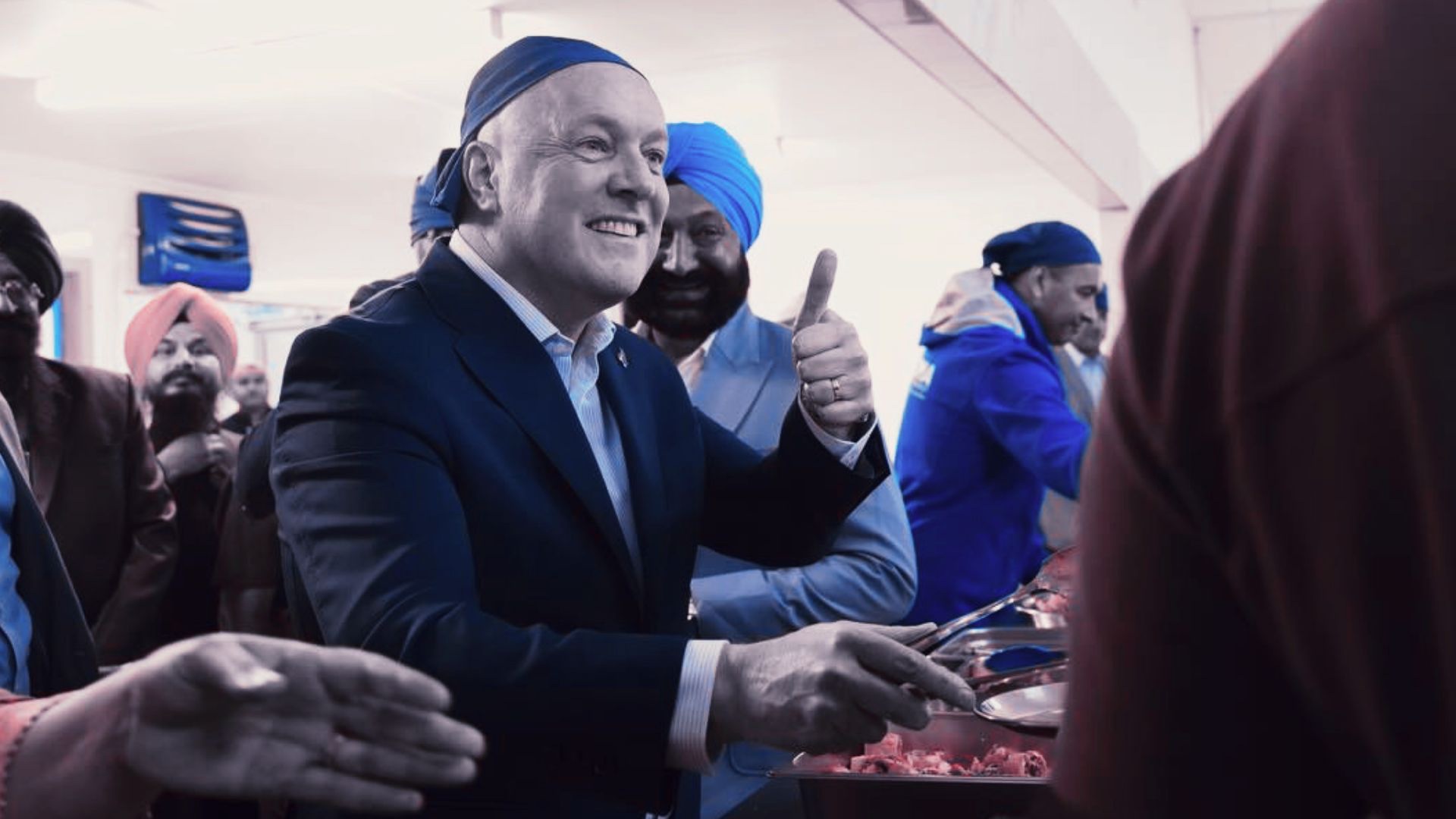
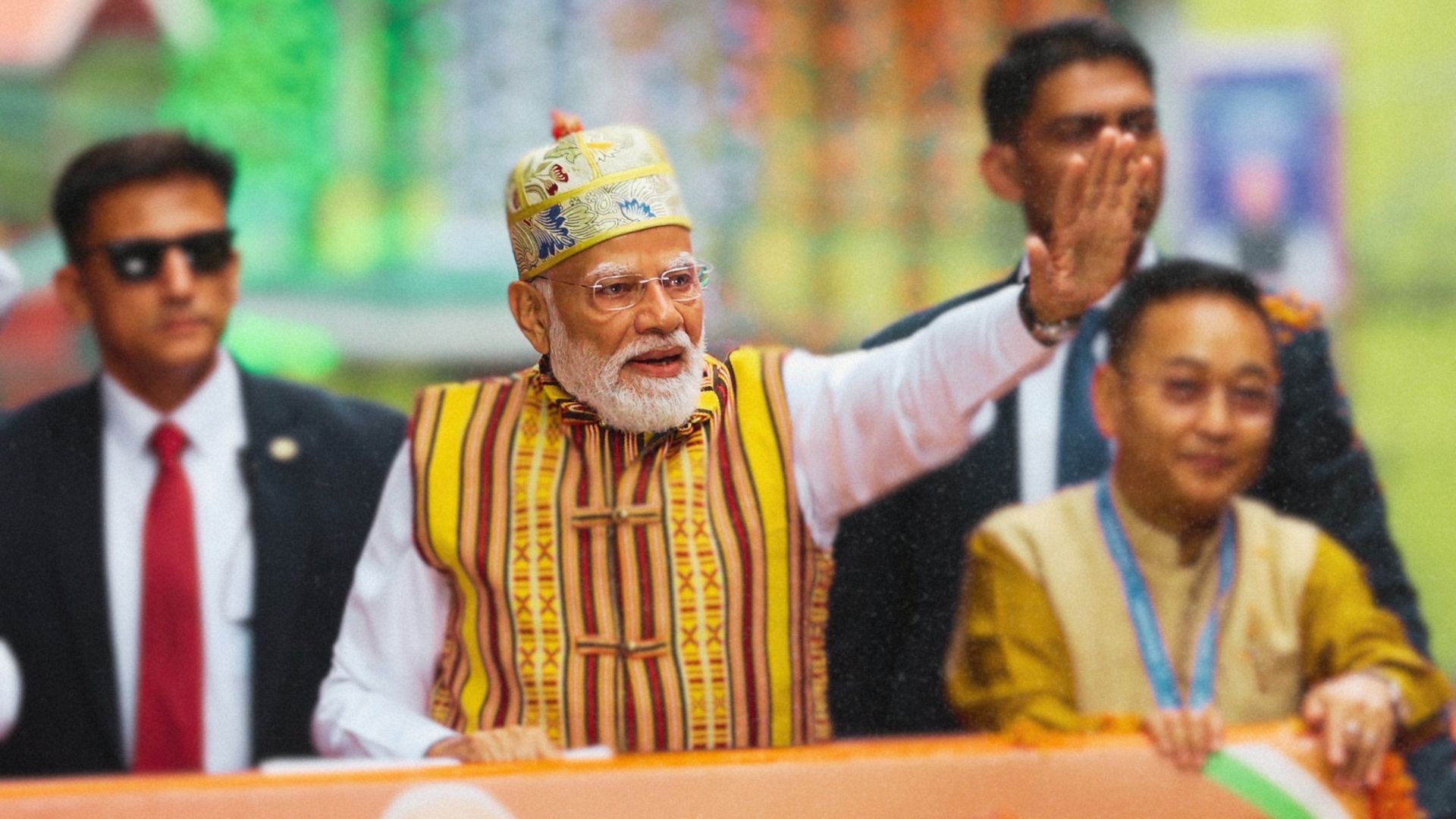
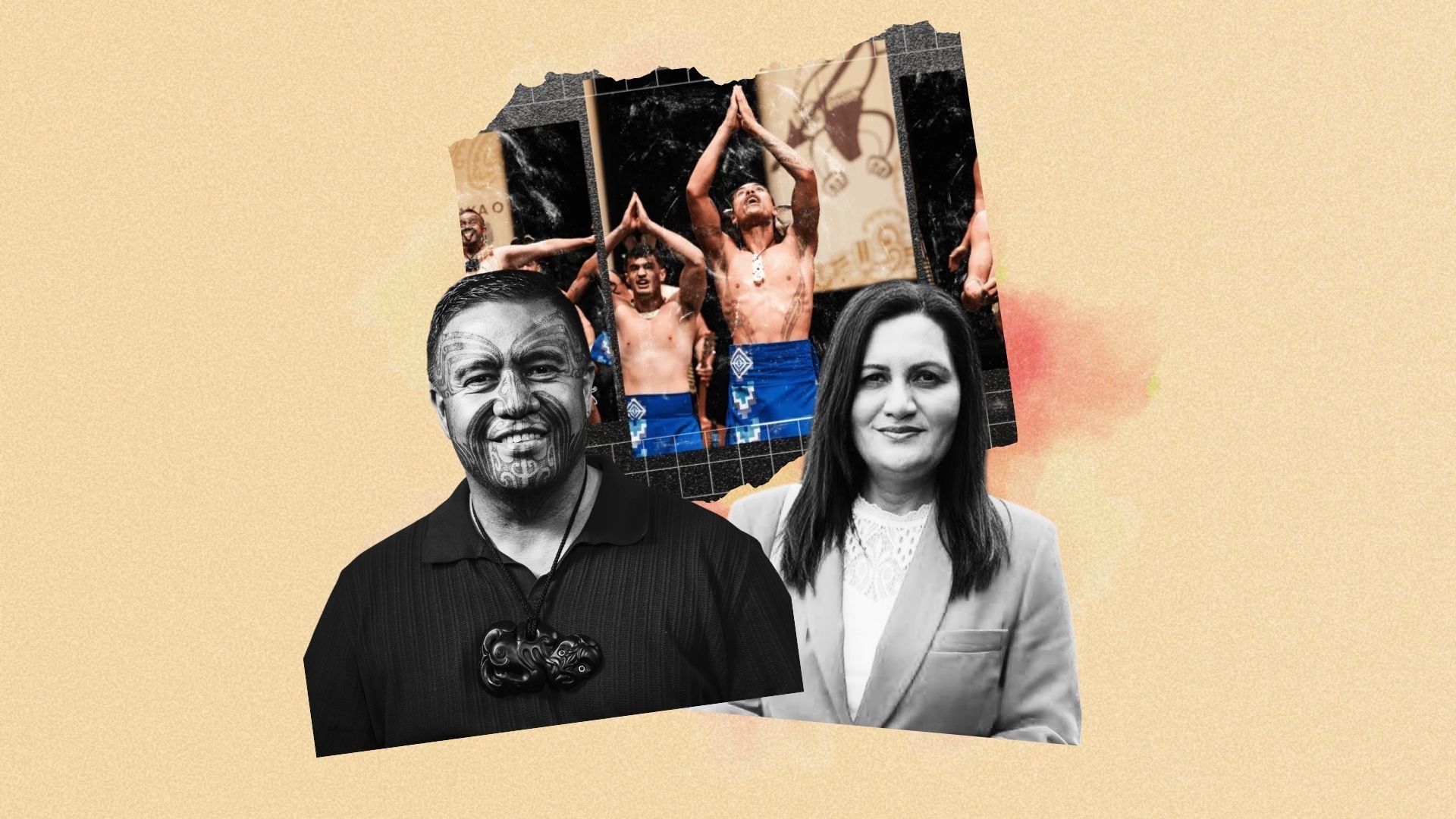
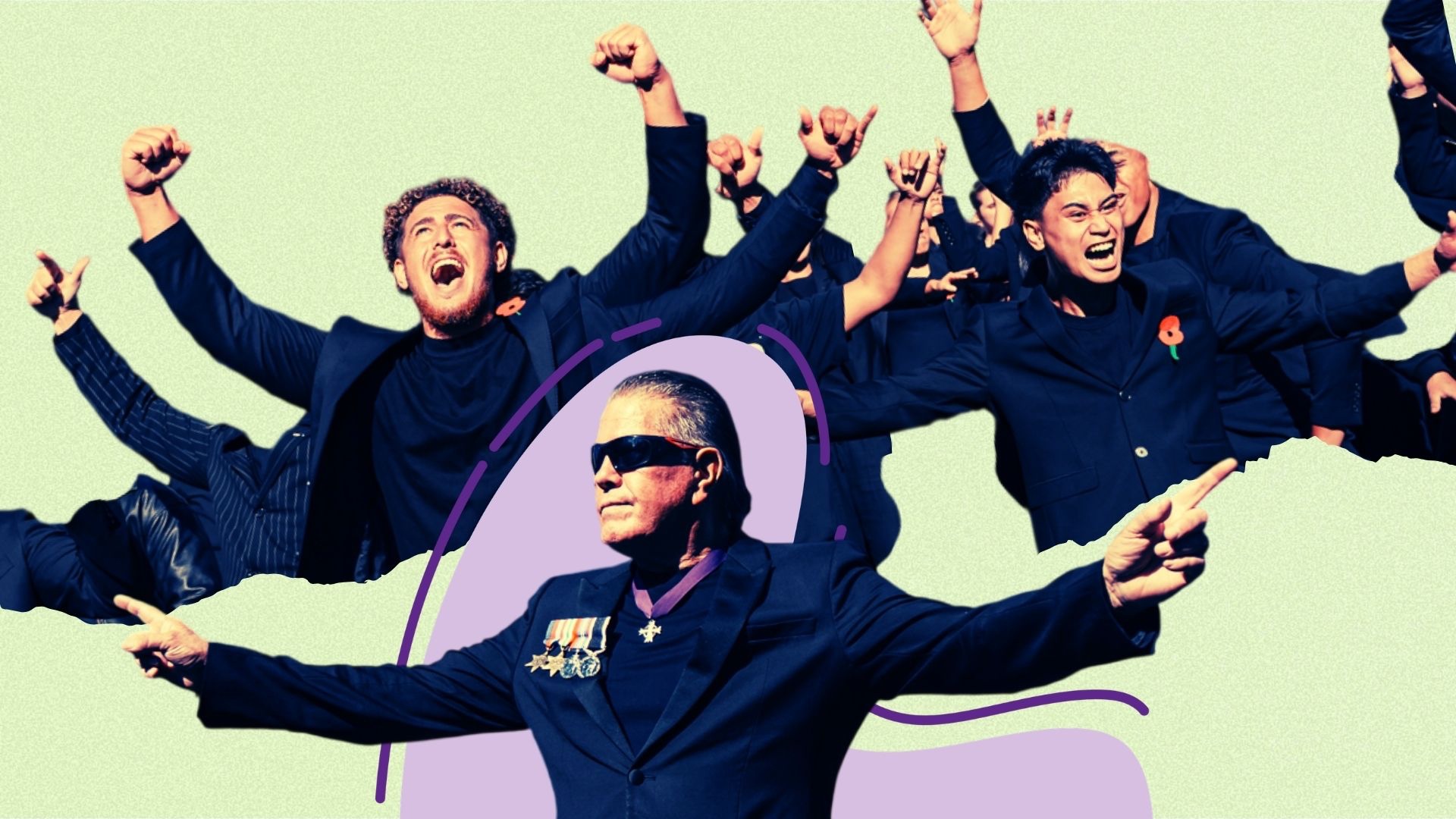
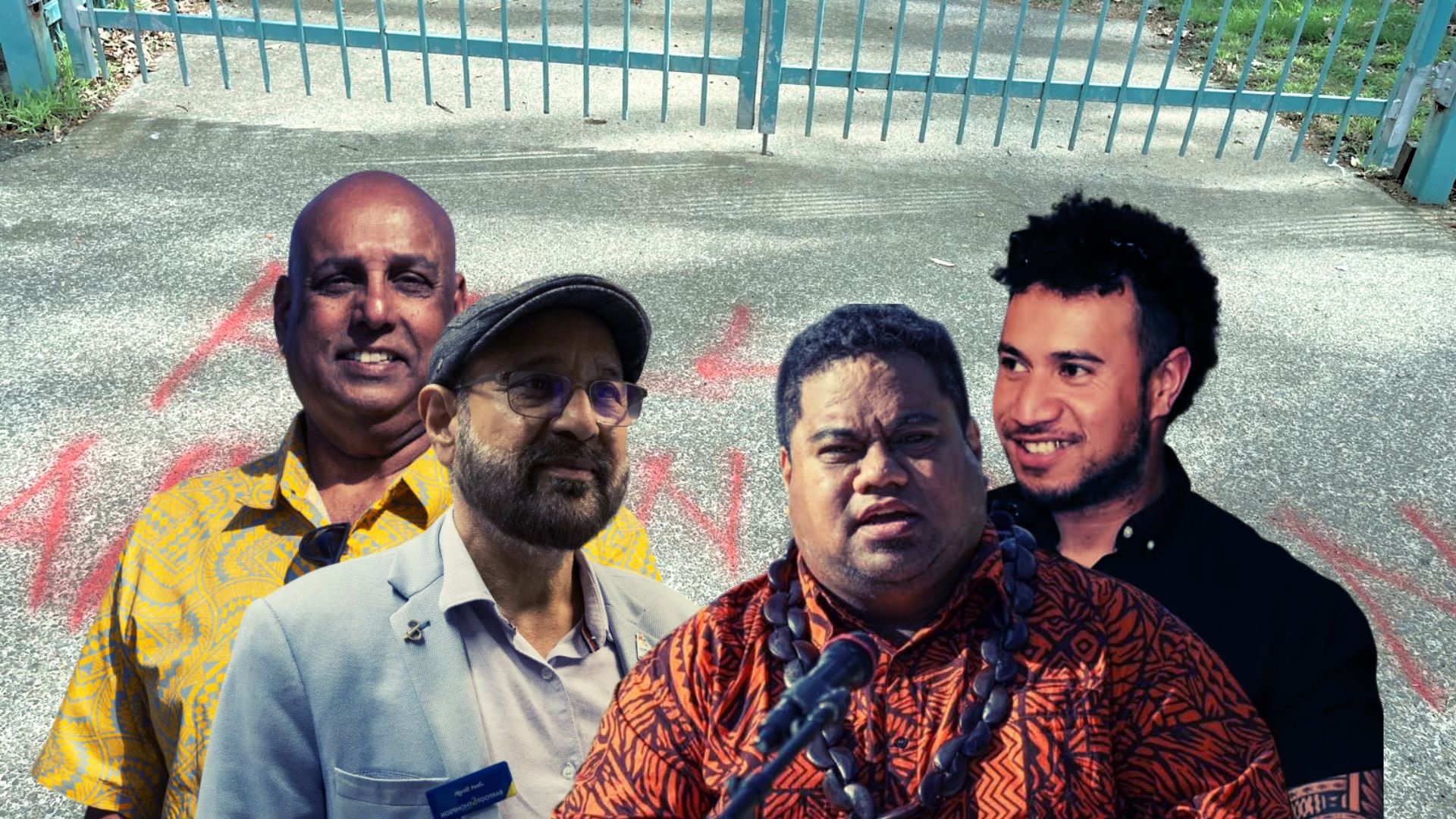
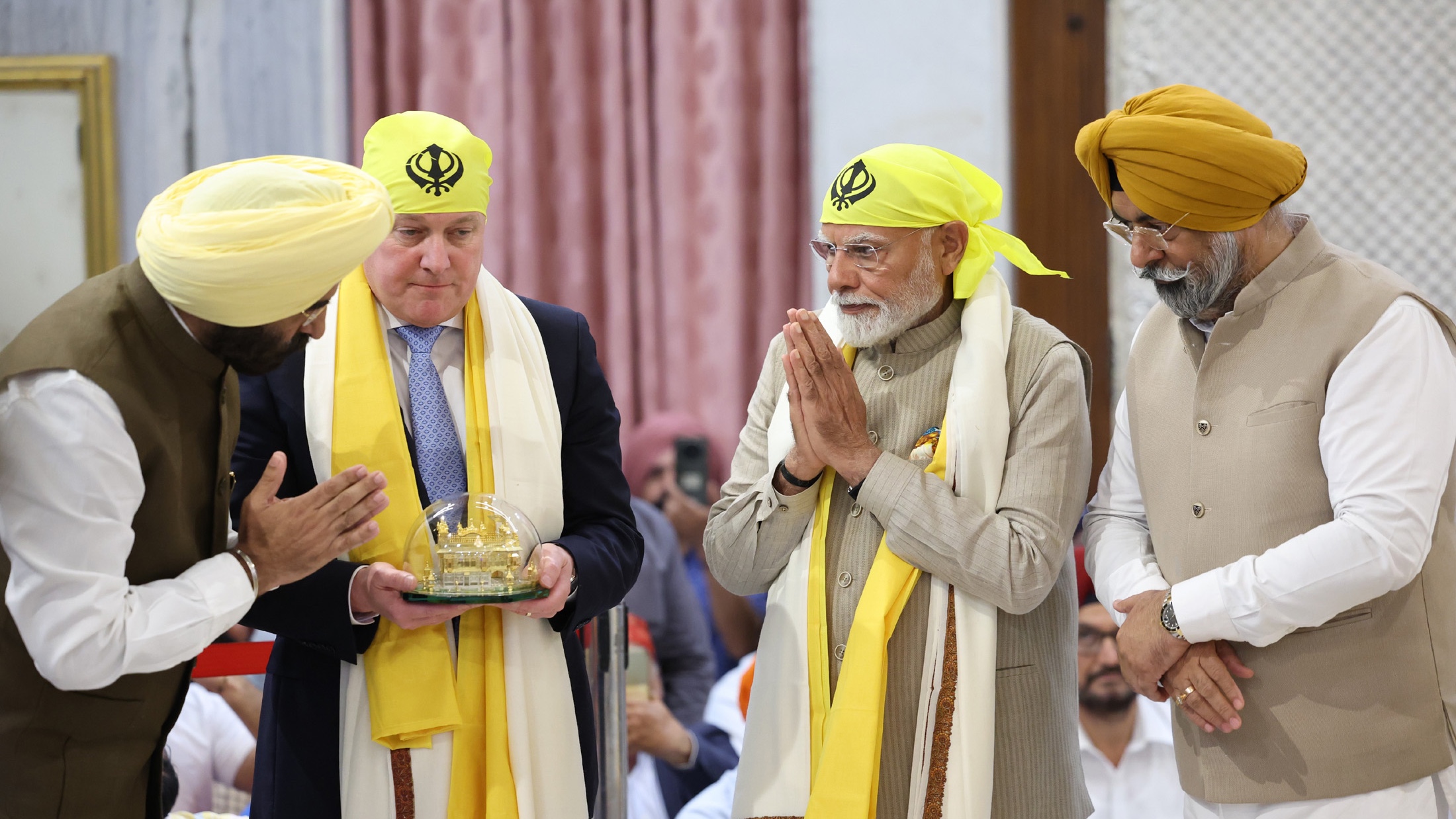
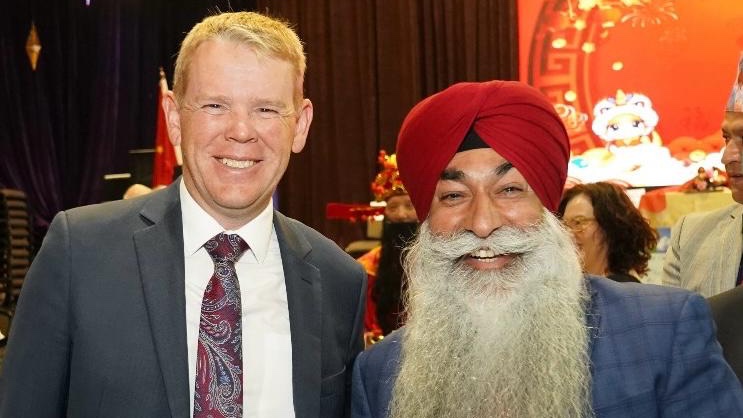
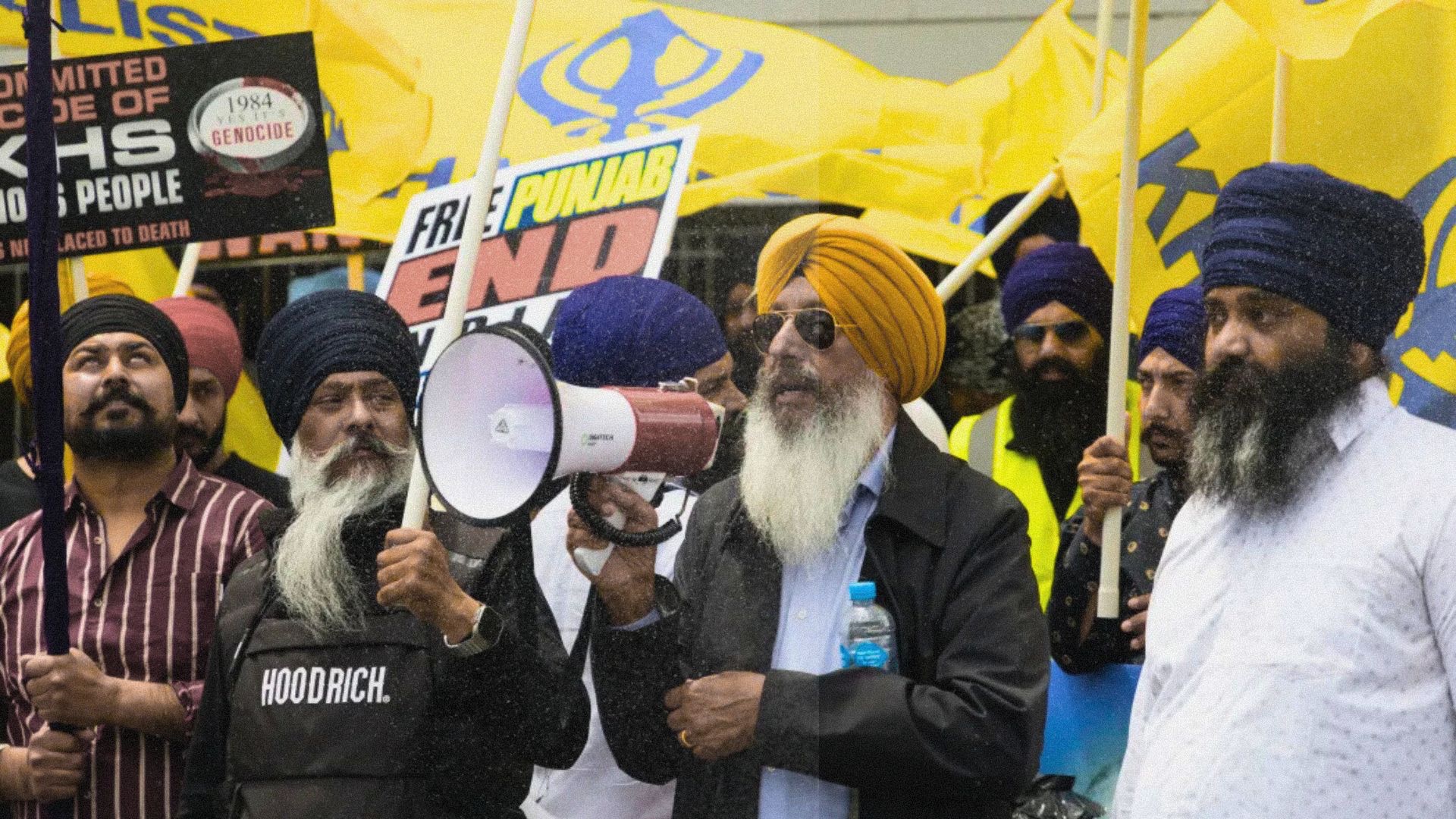
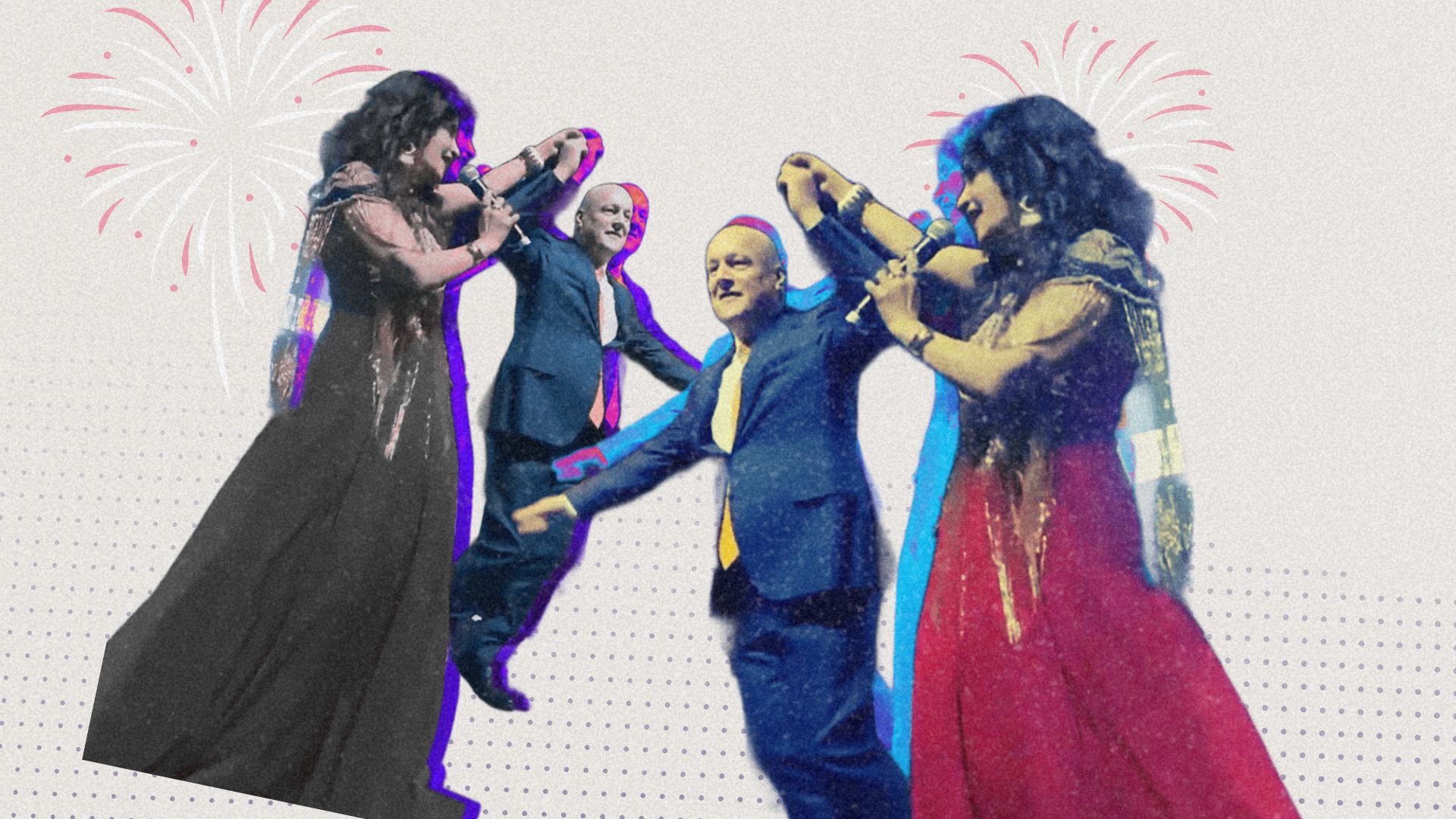
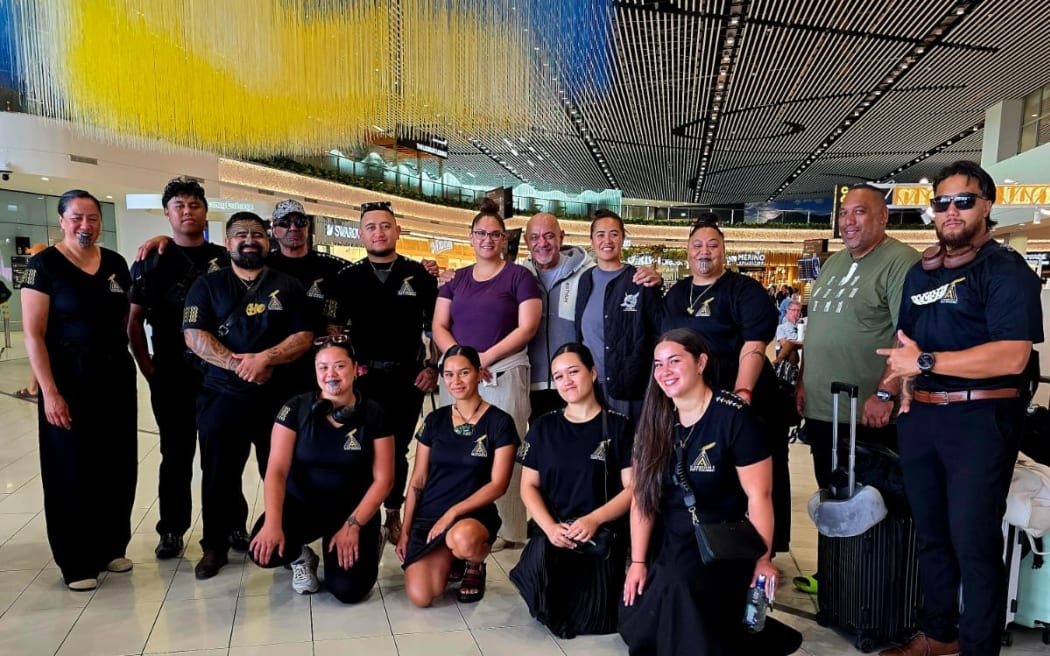
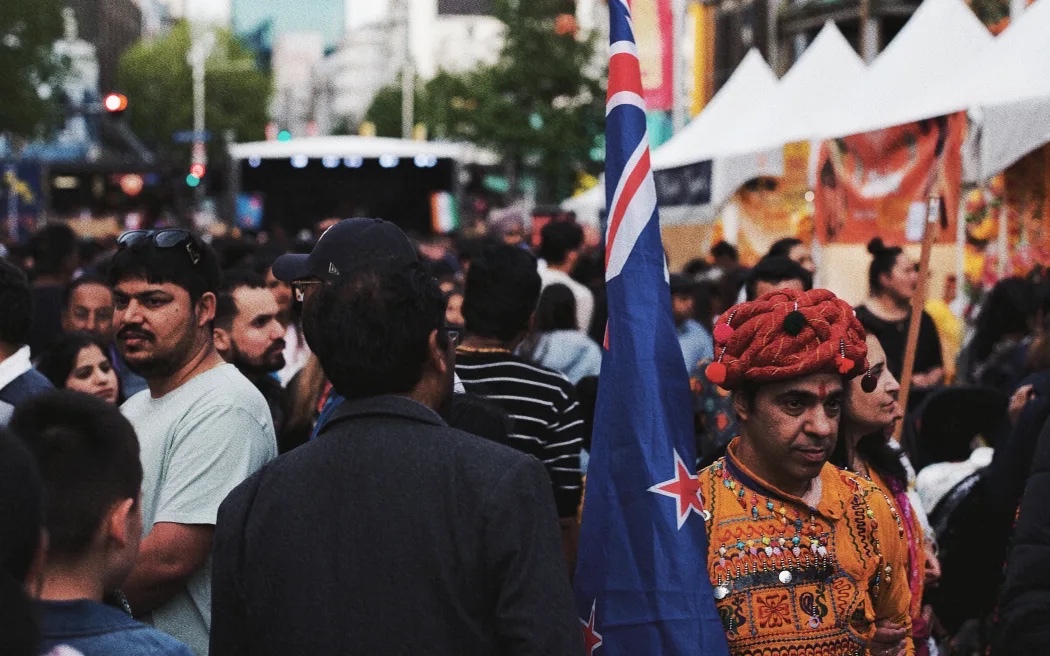
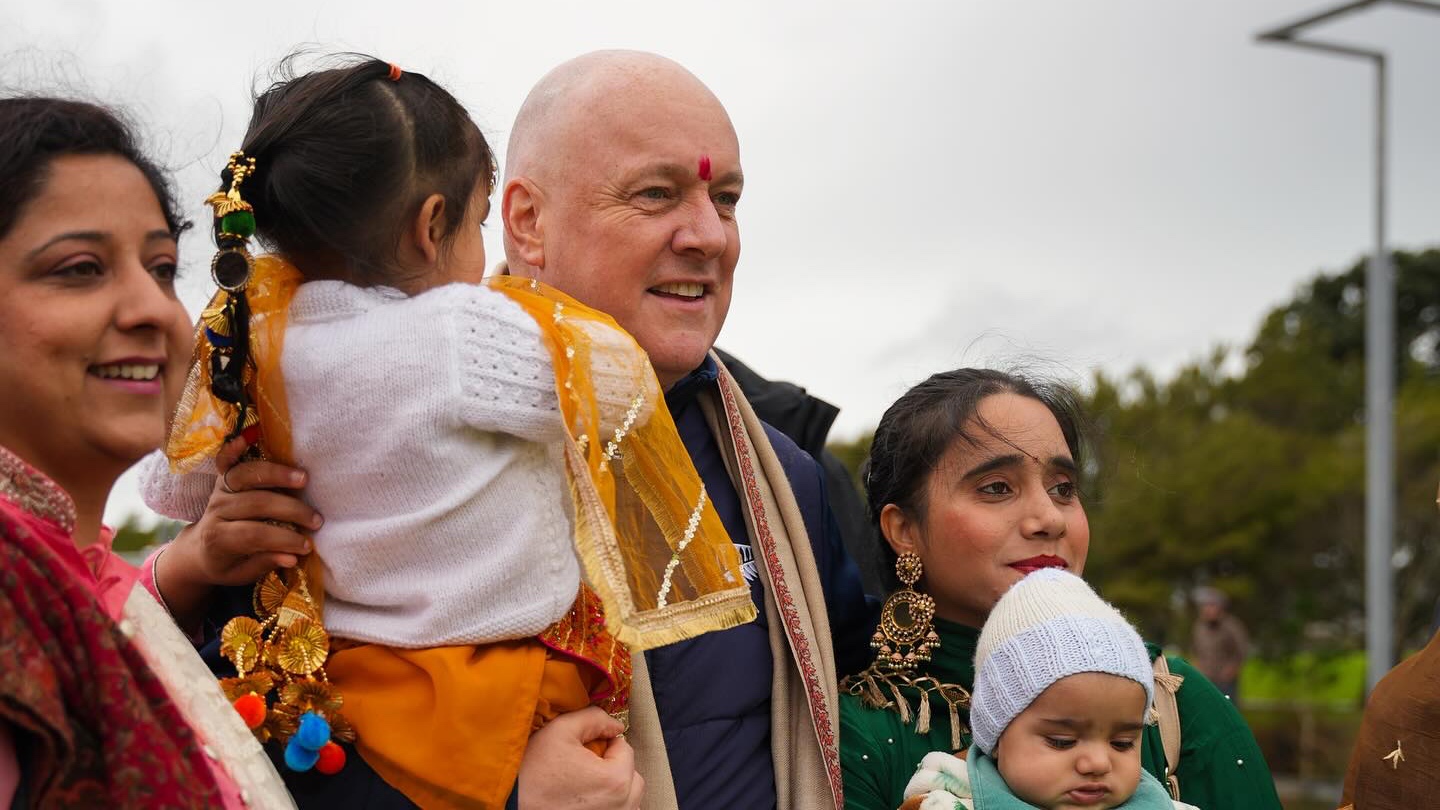
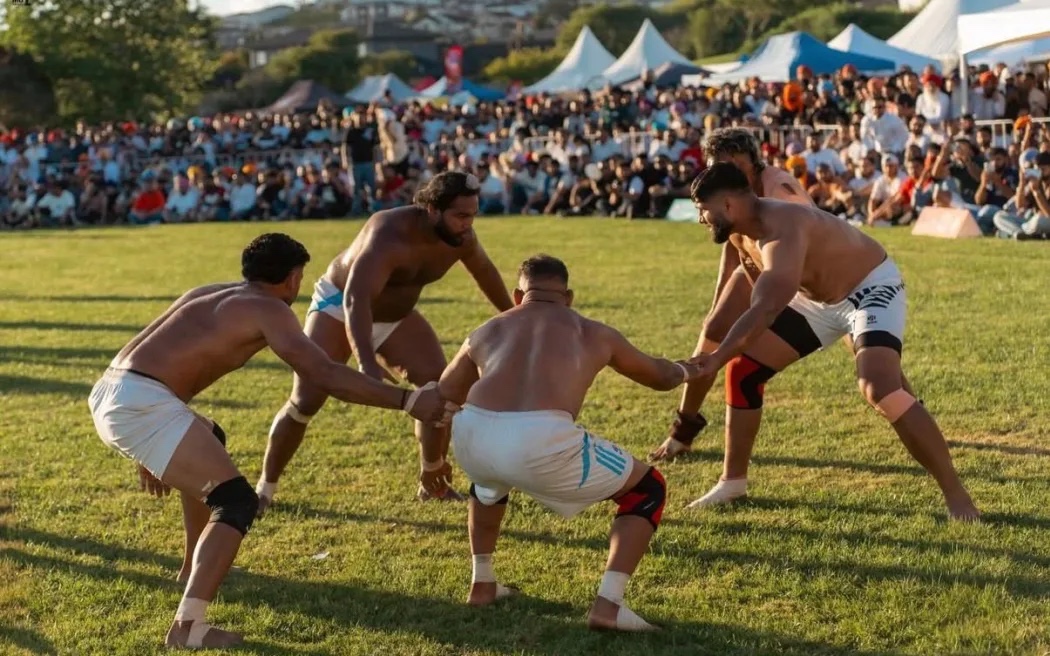
We have also seen tensions around Sikh parades and cultural events in Auckland, where public expressions of identity have sometimes been met with hostility rather than understanding.
These are not isolated incidents. They reflect a broader global trend where migrants, minorities, and visibly different communities are increasingly becoming political talking points.
This should concern everyone, not just Indians, or migrants.
Democracies weaken when politicians gain power by encouraging resentment between groups. Once society begins dividing people into “real citizens” and “others”, history teaches us how dangerous that path can become.
Comparisons to 1930s Germany should never be made lightly. The Jewish people of Europe were systematically dehumanised long before the Holocaust occurred.
It began with rhetoric, stereotypes, suspicion, and political opportunism. No one is suggesting that history is repeating itself in the exact same way, but history does offer warnings.
One of those warnings is that prejudice becomes dangerous when influential people normalise it for political gain.
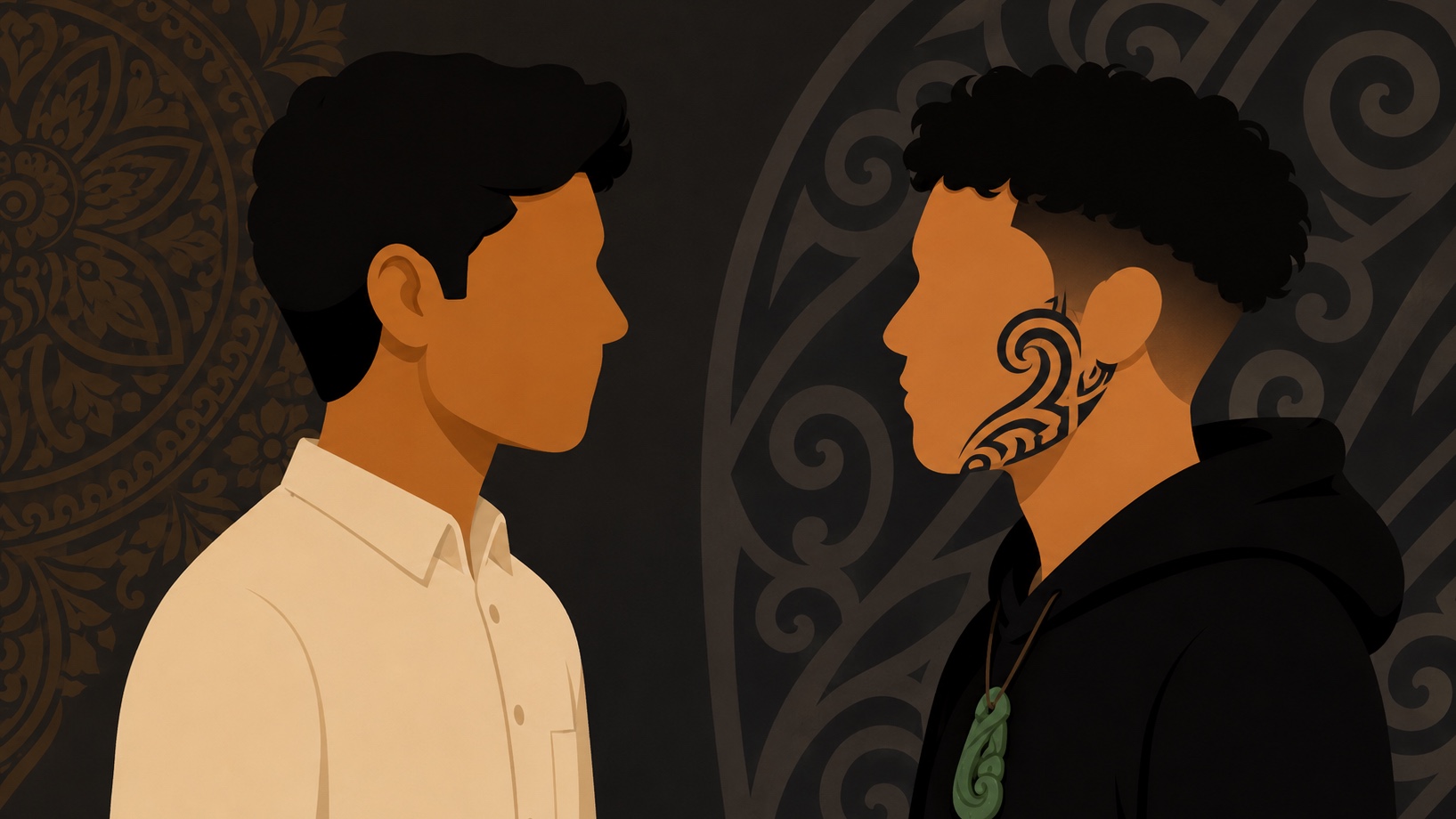
Migrants understand something many people forget – that culture travels with people. Every community that has moved across the world has carried pieces of home with them.
The British took fish and chips, pubs, tea culture, and even pine trees across the globe during colonisation.
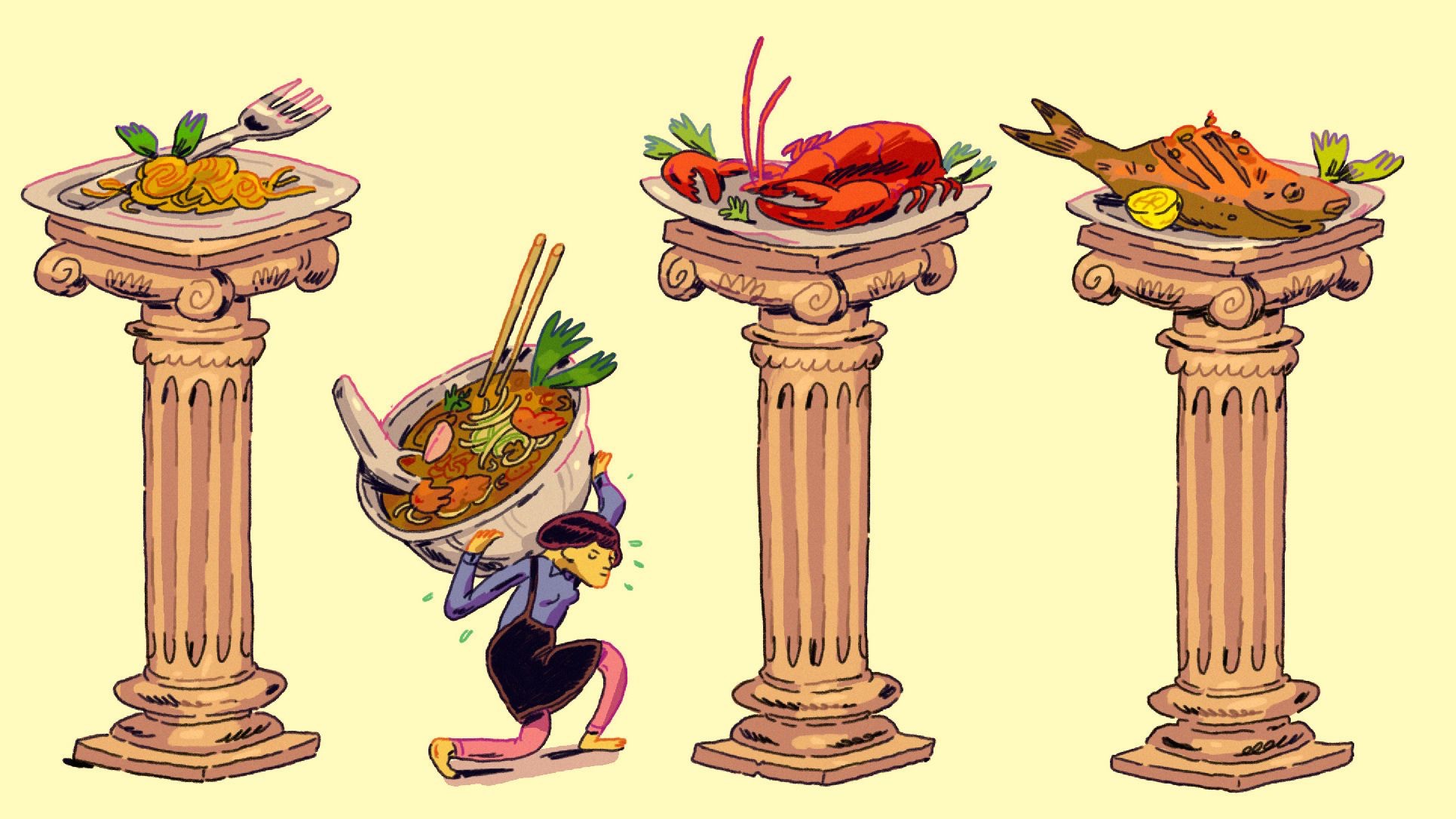
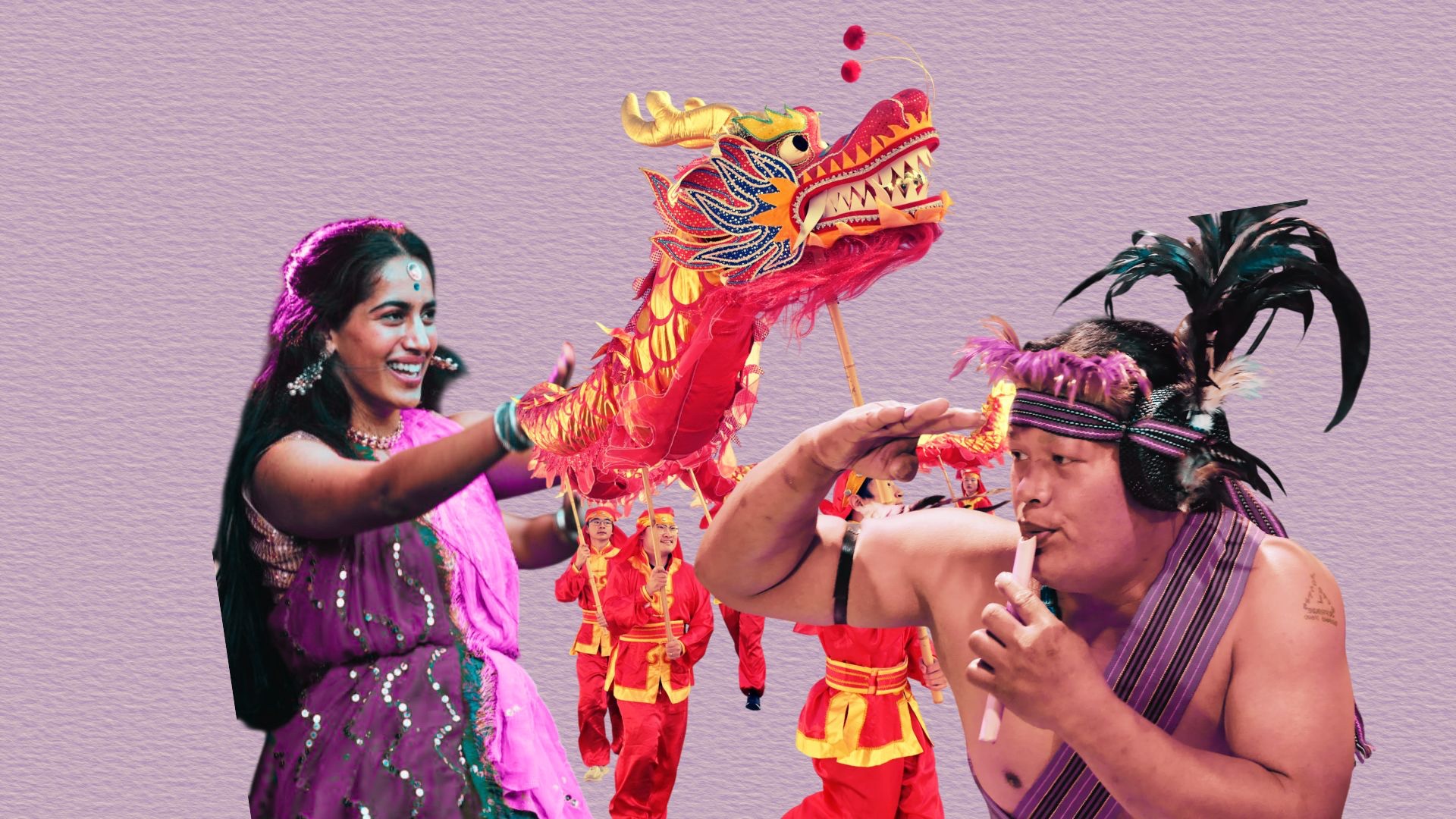
Italians brought coffee culture. Chinese communities brought food traditions that are now considered mainstream worldwide. Indians have brought spices, festivals, family values, entrepreneurship, and hard work.
Why should it suddenly become controversial when other communities do the same?
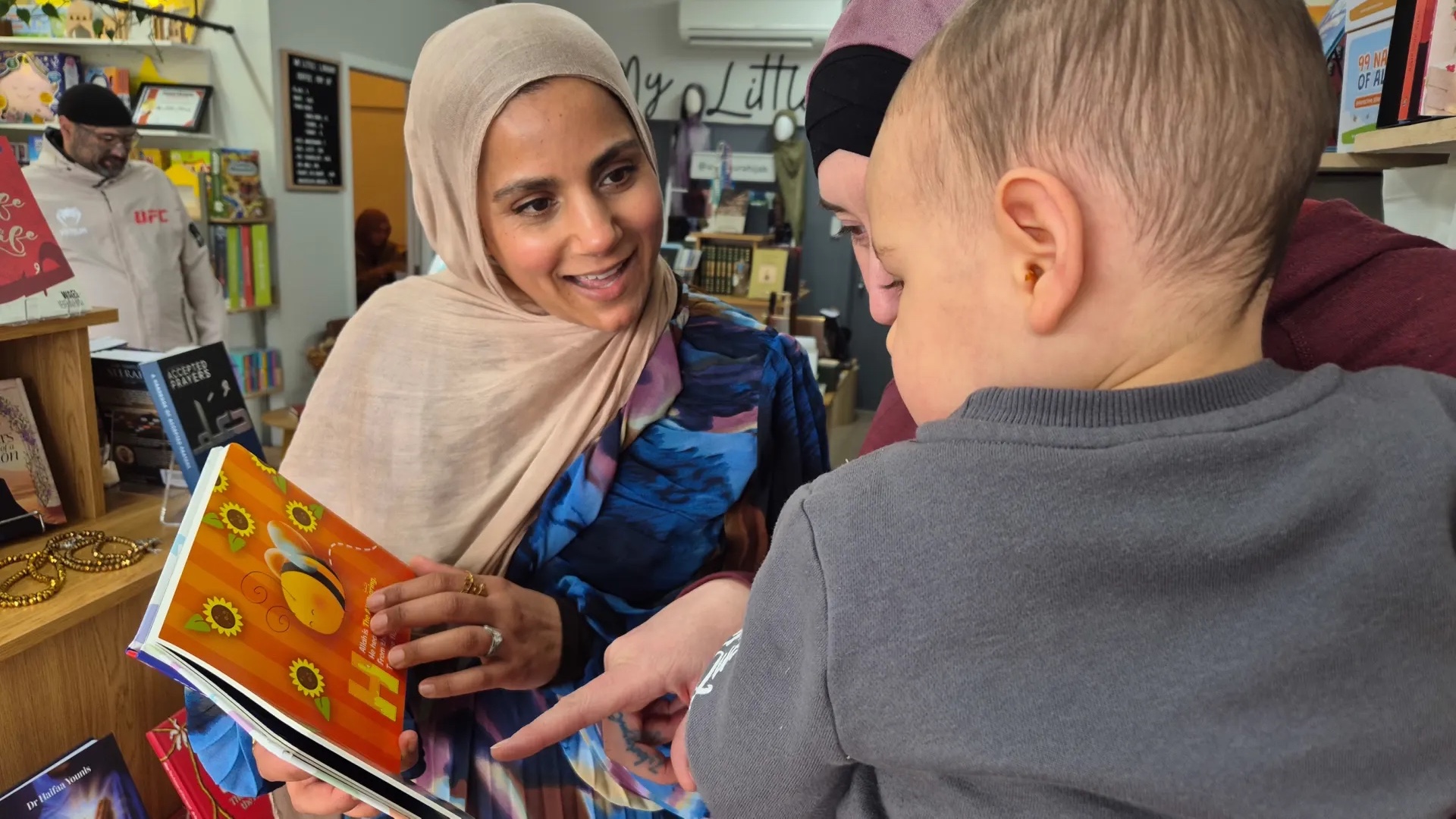
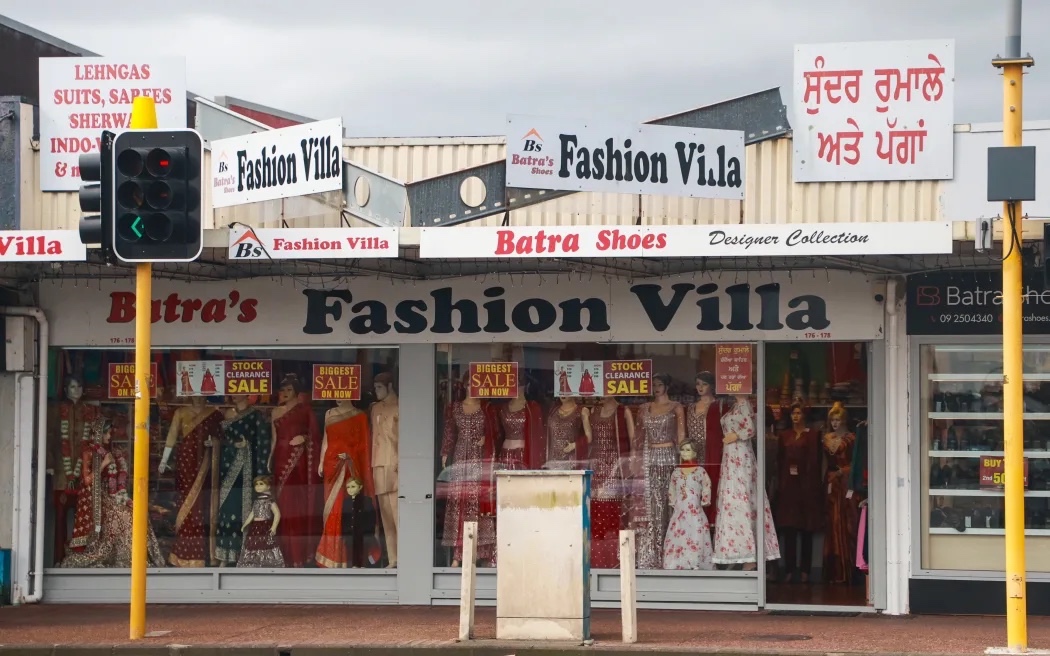
For many migrants, small cultural comforts are not acts of separation. They are acts of belonging. A language spoken at home, a religious procession, traditional food, or a festival celebration are reminders of identity in places far away from where people were born. They enrich societies rather than weaken them.
New Zealand has long prided itself on fairness, tolerance, and multiculturalism. That identity should not be sacrificed for short-term political gains or cheap applause lines.
Leaders should unite people, not test how far they can push division before it becomes socially acceptable.
The world does not need another war, another tragedy, or another historical catastrophe to remind us what happens when societies stop seeing minorities as human beings first.
We should have learned by now that fear and division may win elections, but they ultimately damage nations.
The responsibility lies not only with politicians but with all of us – voters, media organisations, and communities alike.
We must be careful about the language we tolerate, the stereotypes we repeat, and the narratives we reward.
Because history rarely repeats itself exactly. But it often begins with the same warning signs.