
‘For all its faults...’: Immigration tribunal says India ain't lawless, rejects refugee claim
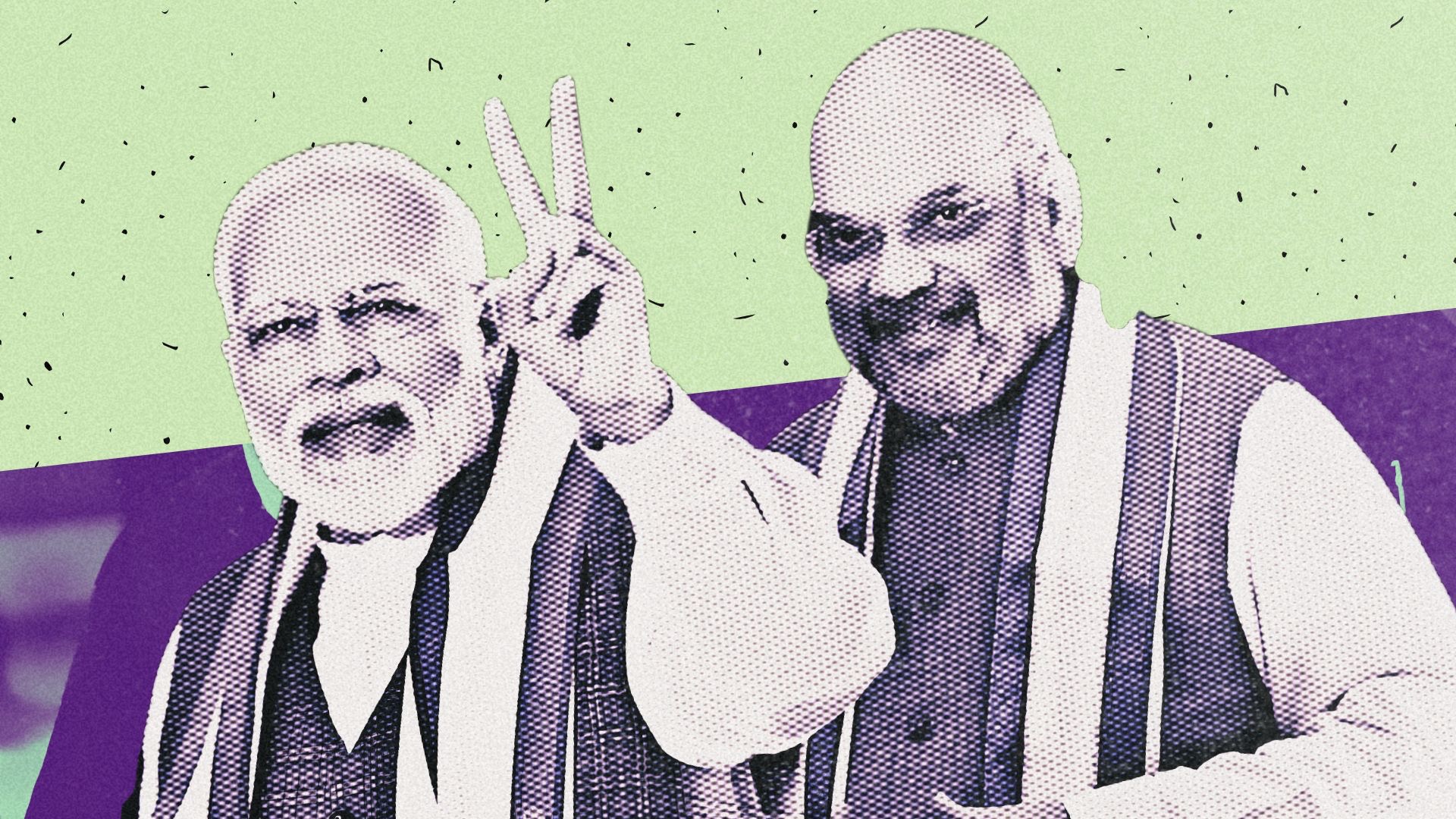
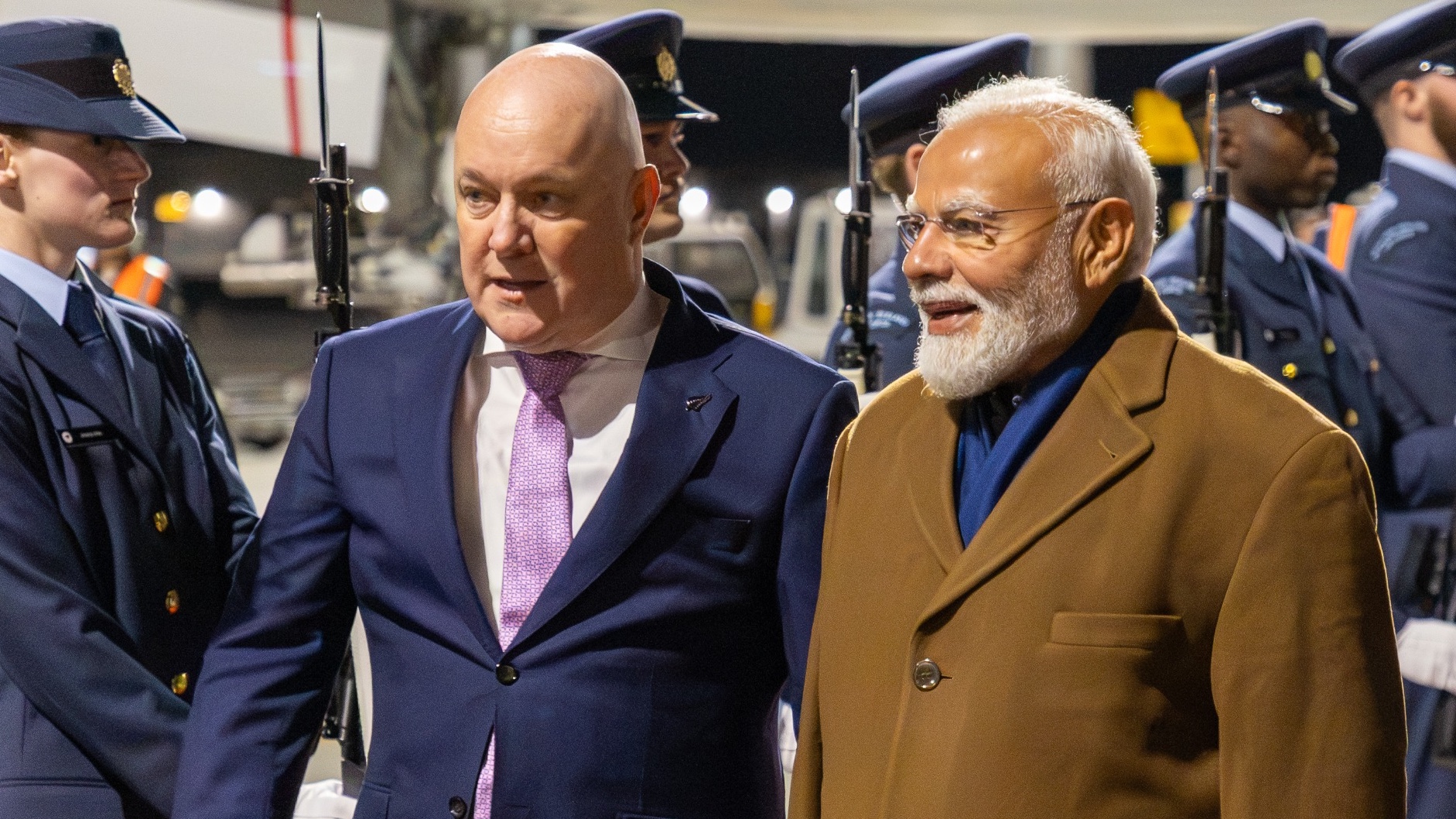
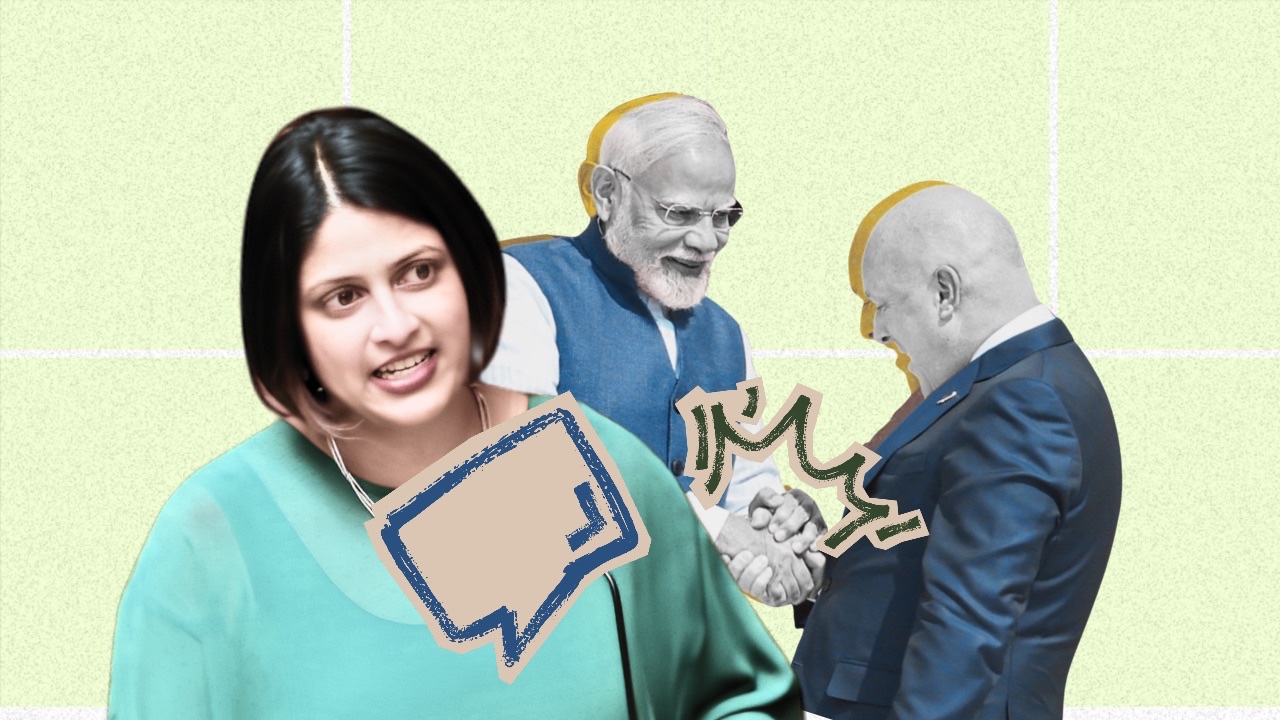
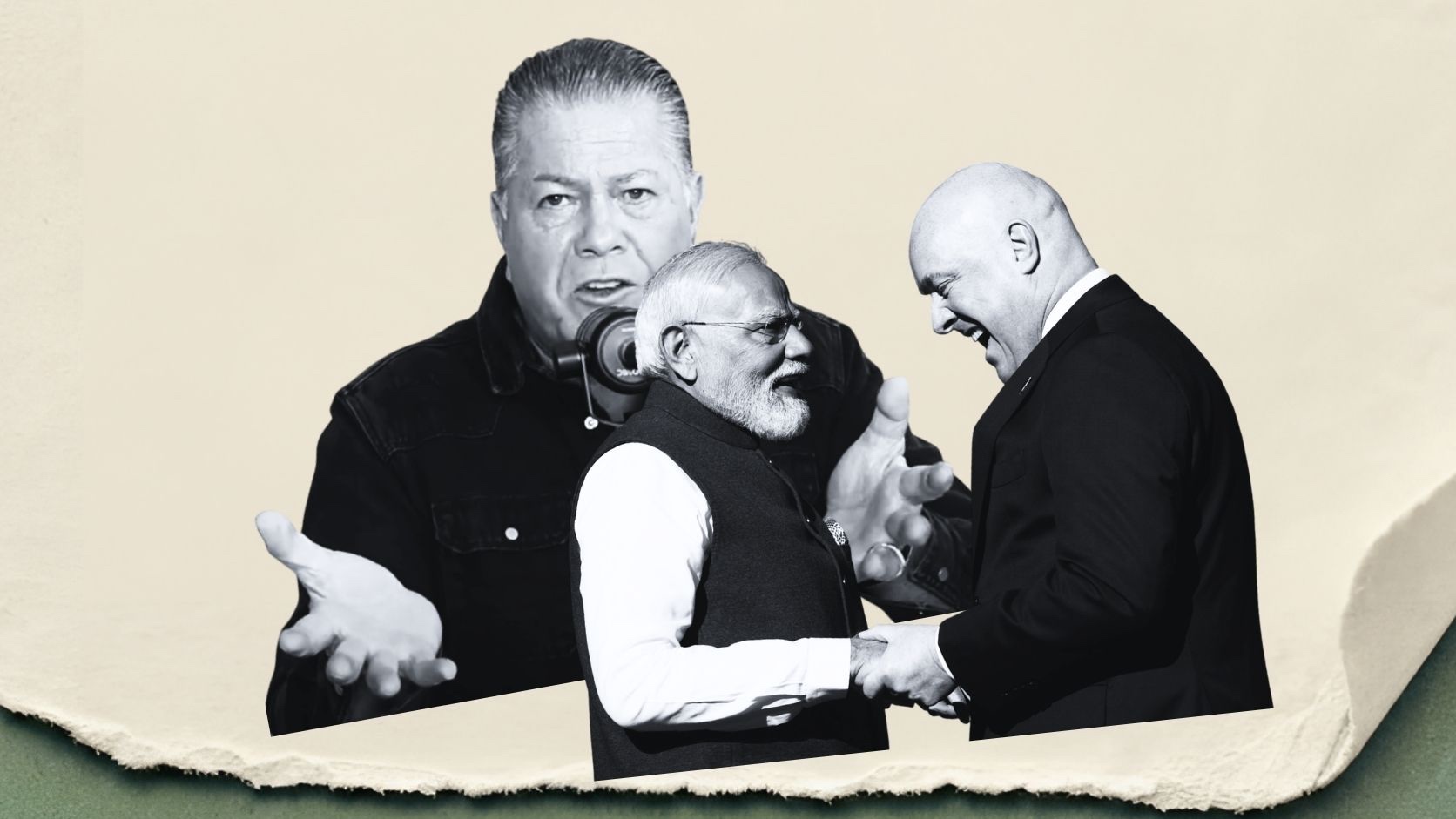
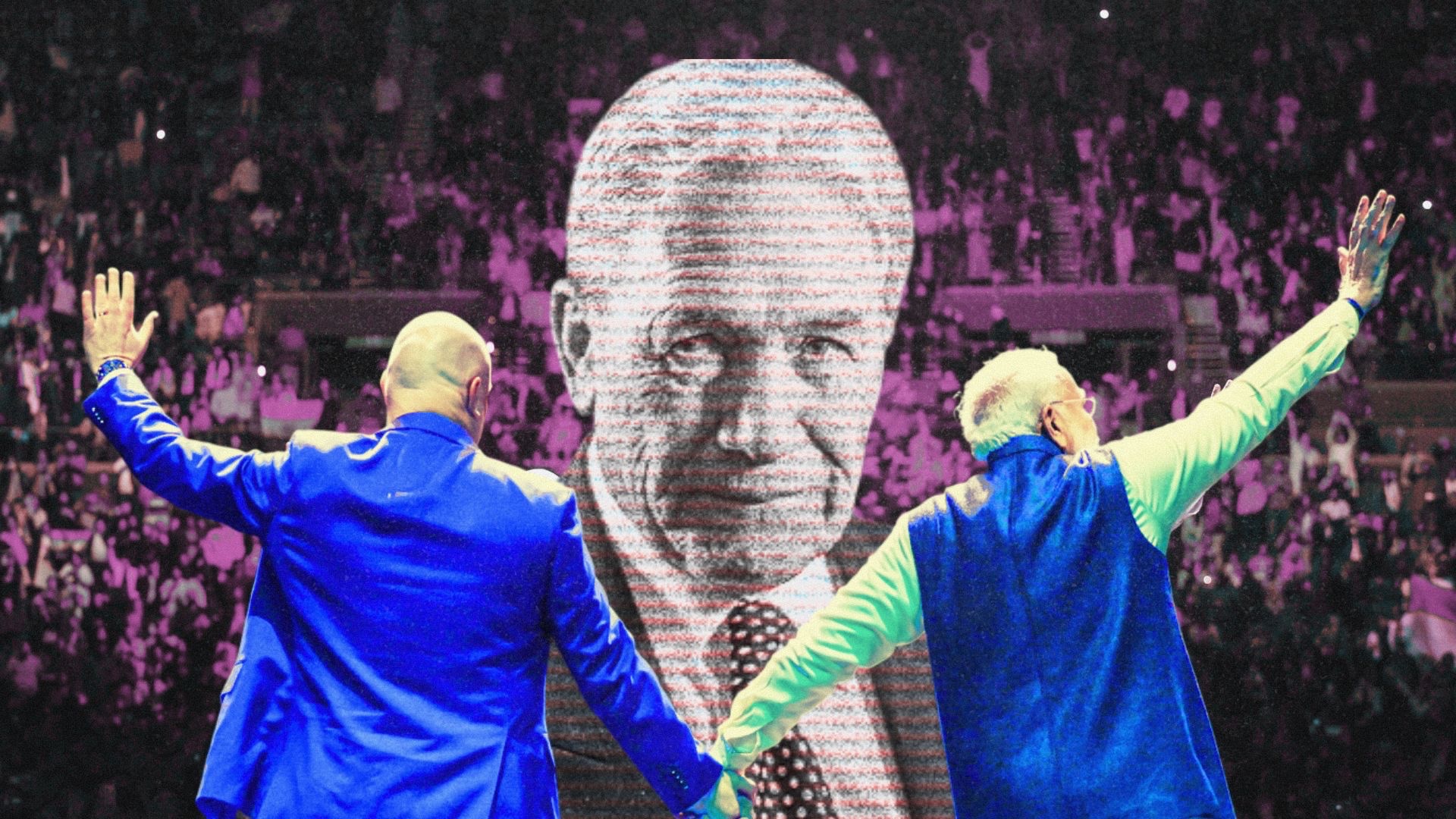
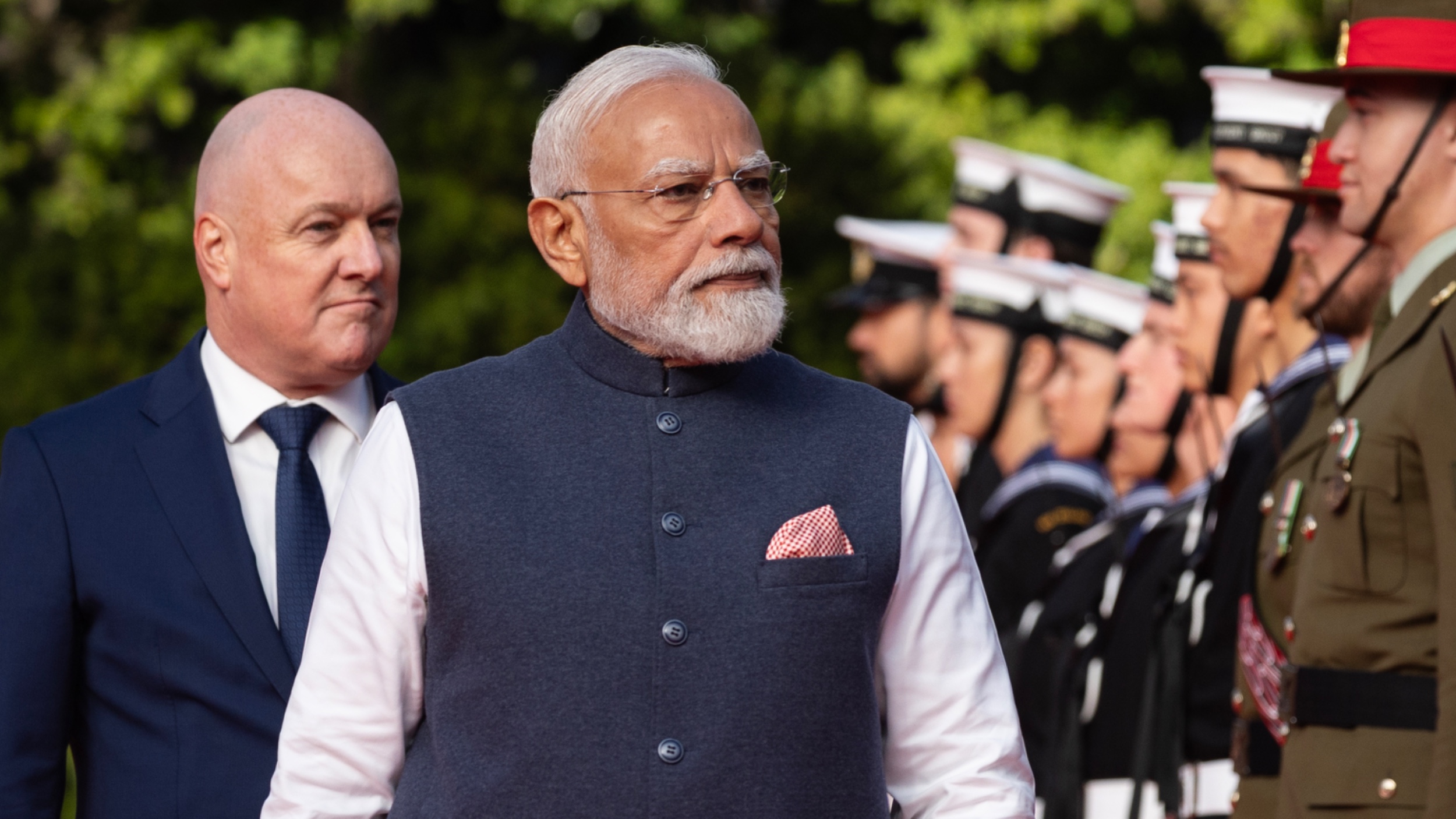
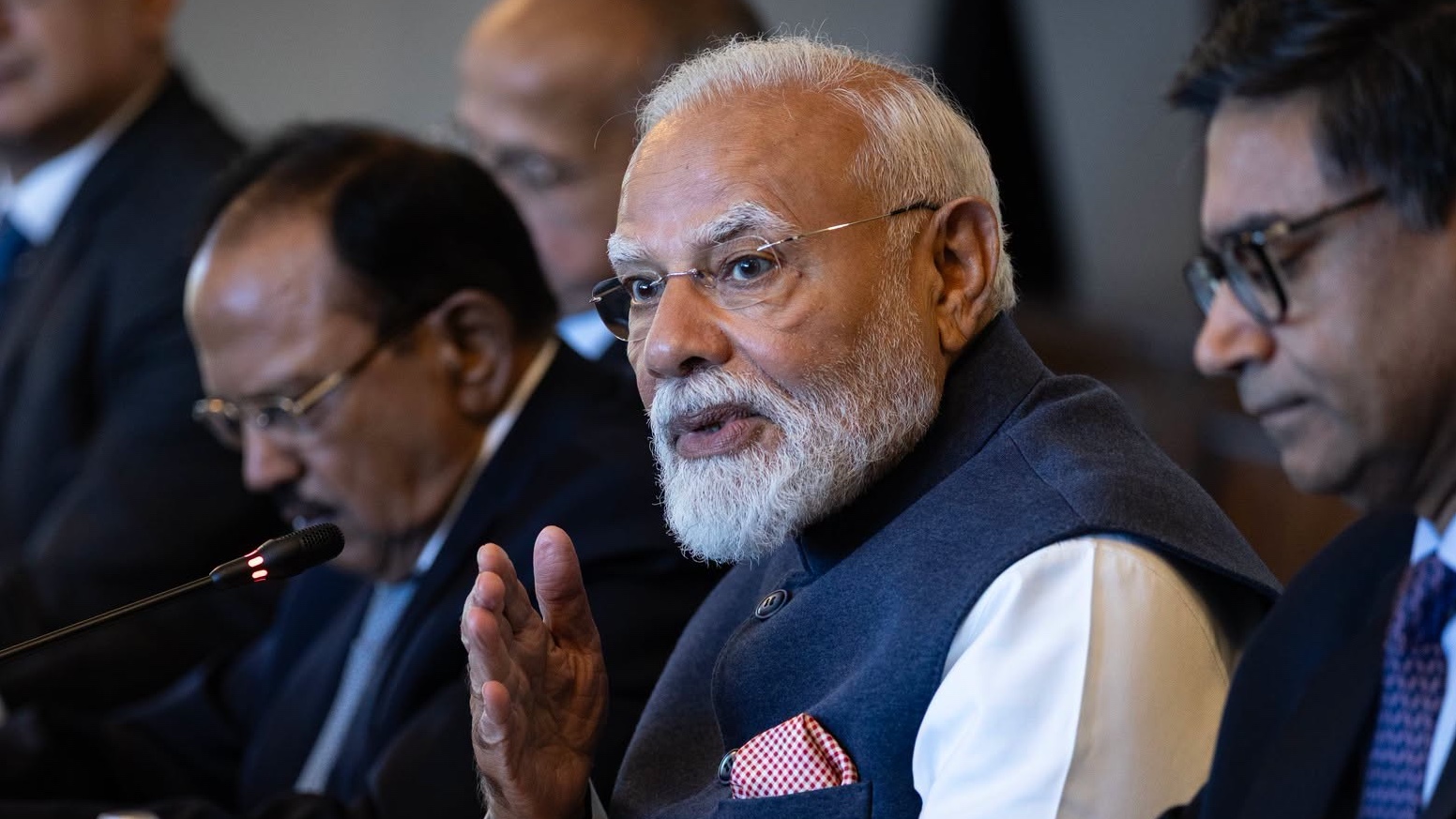
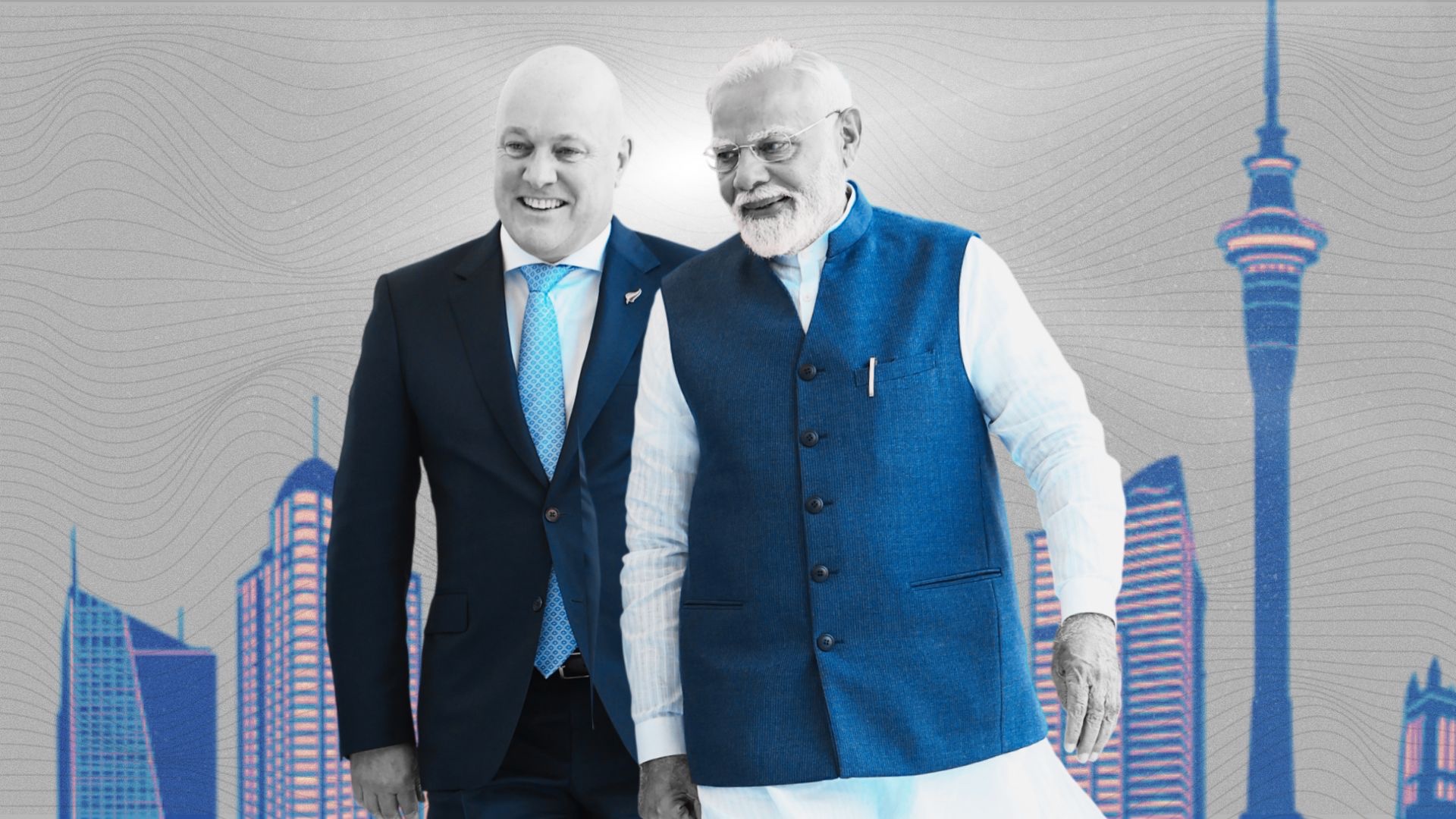
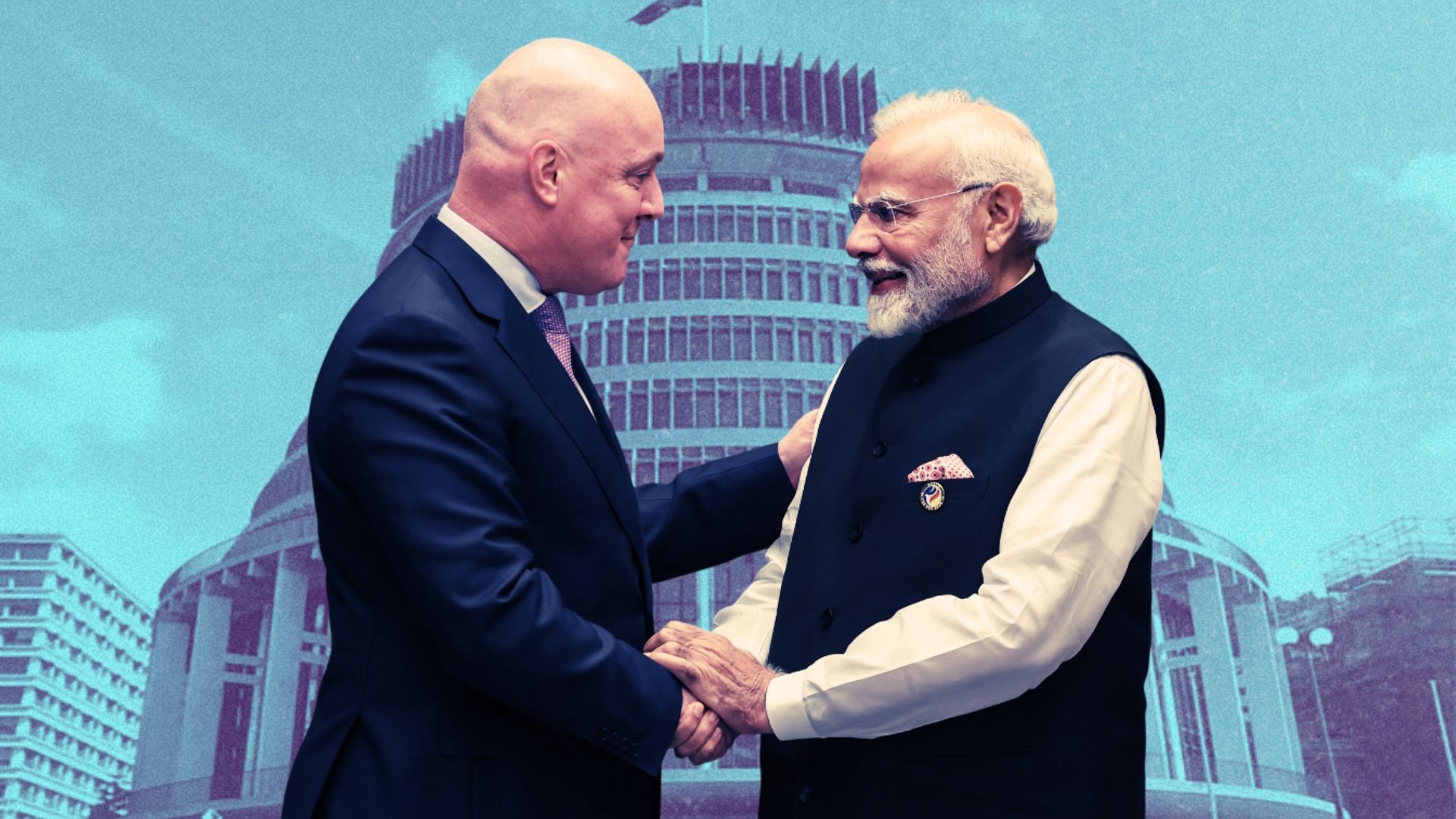
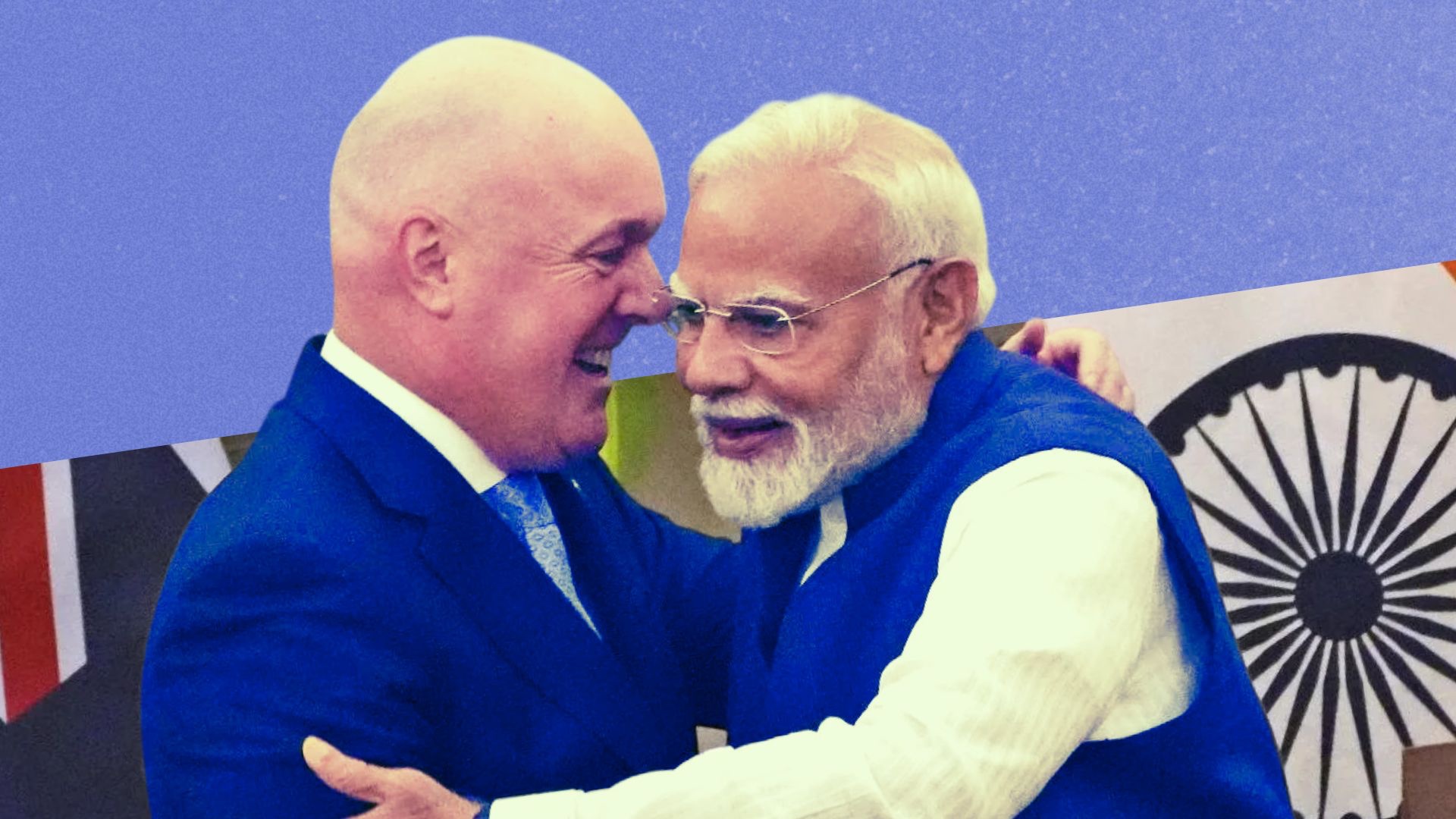
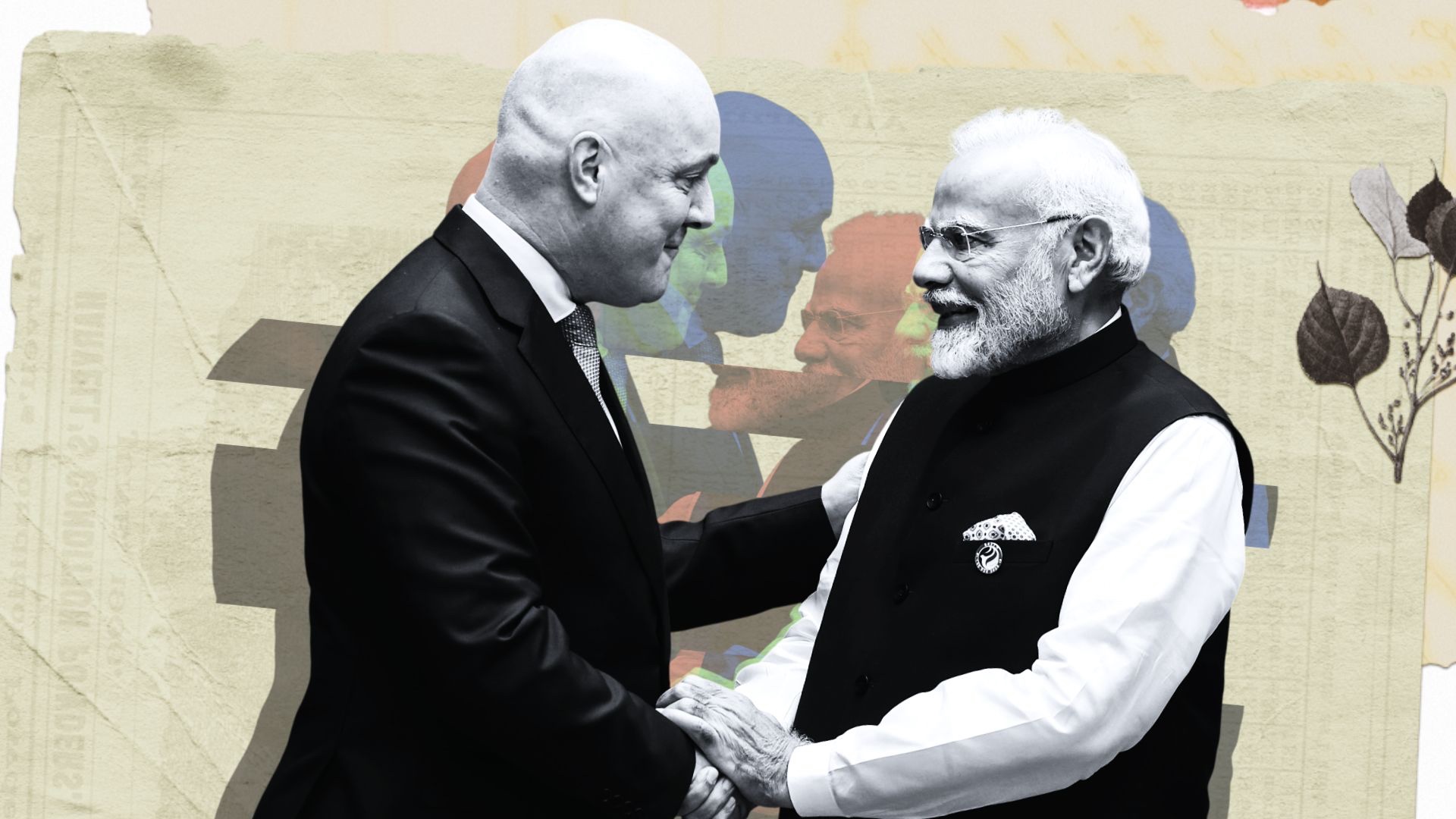
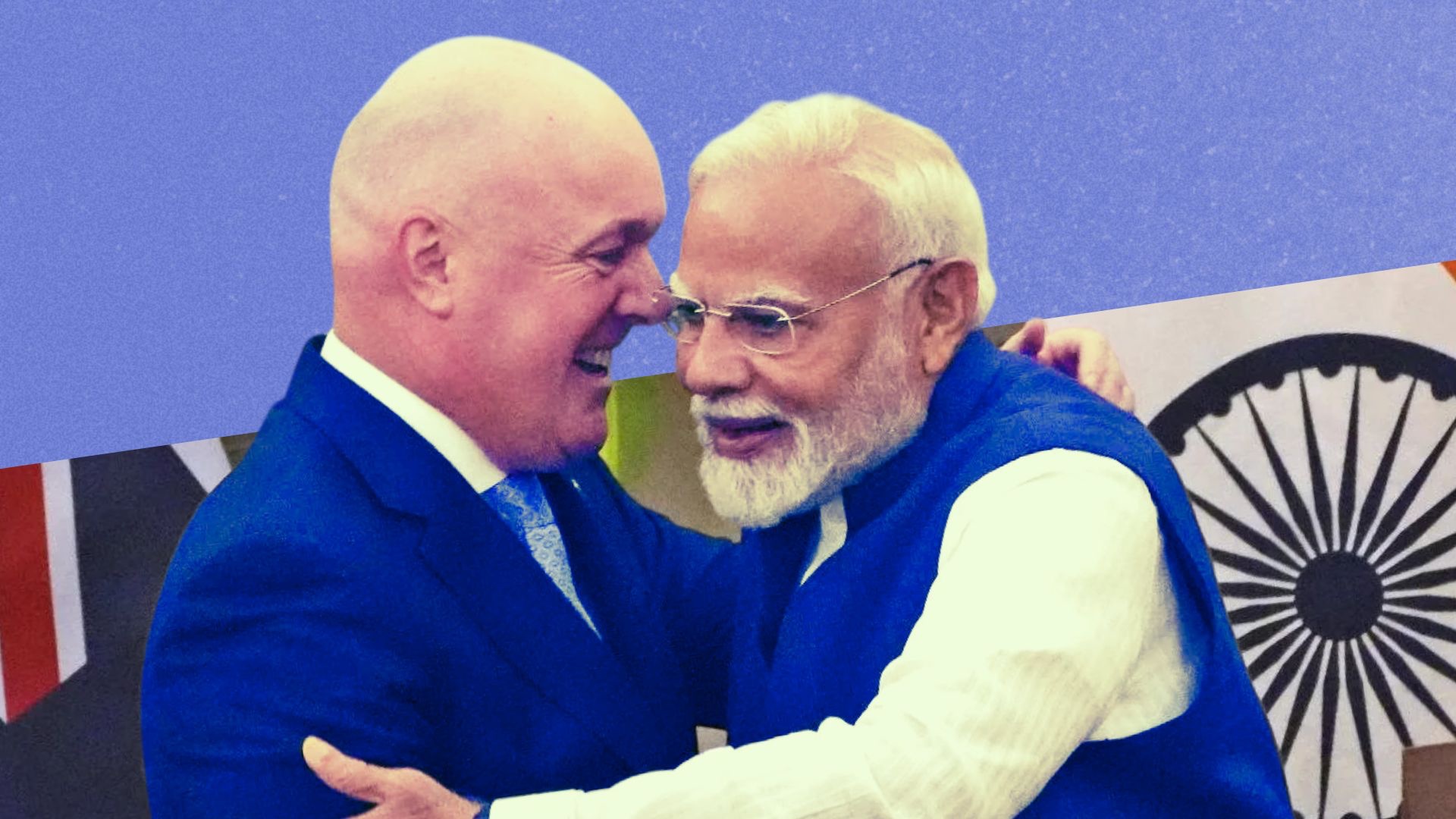
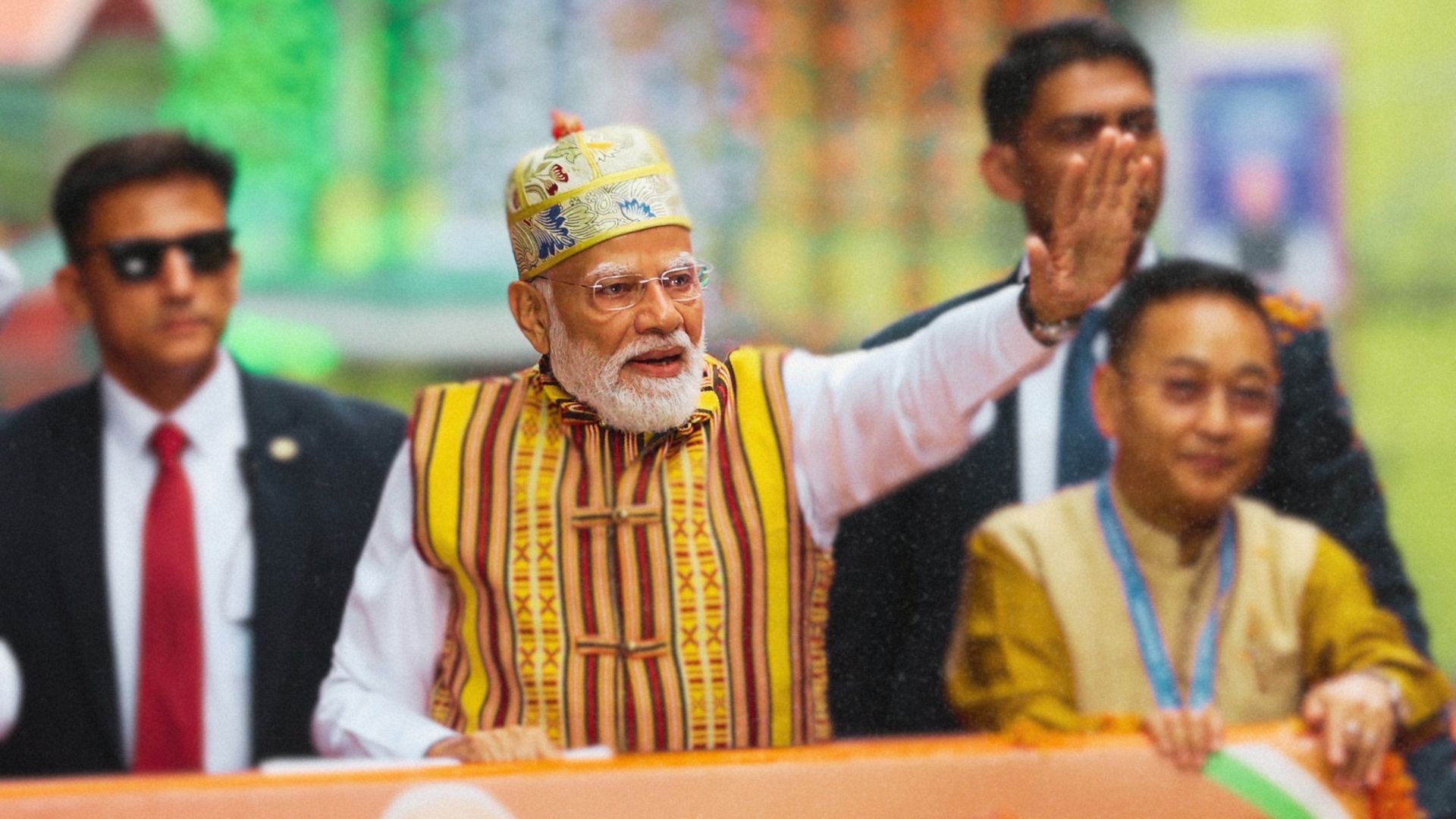
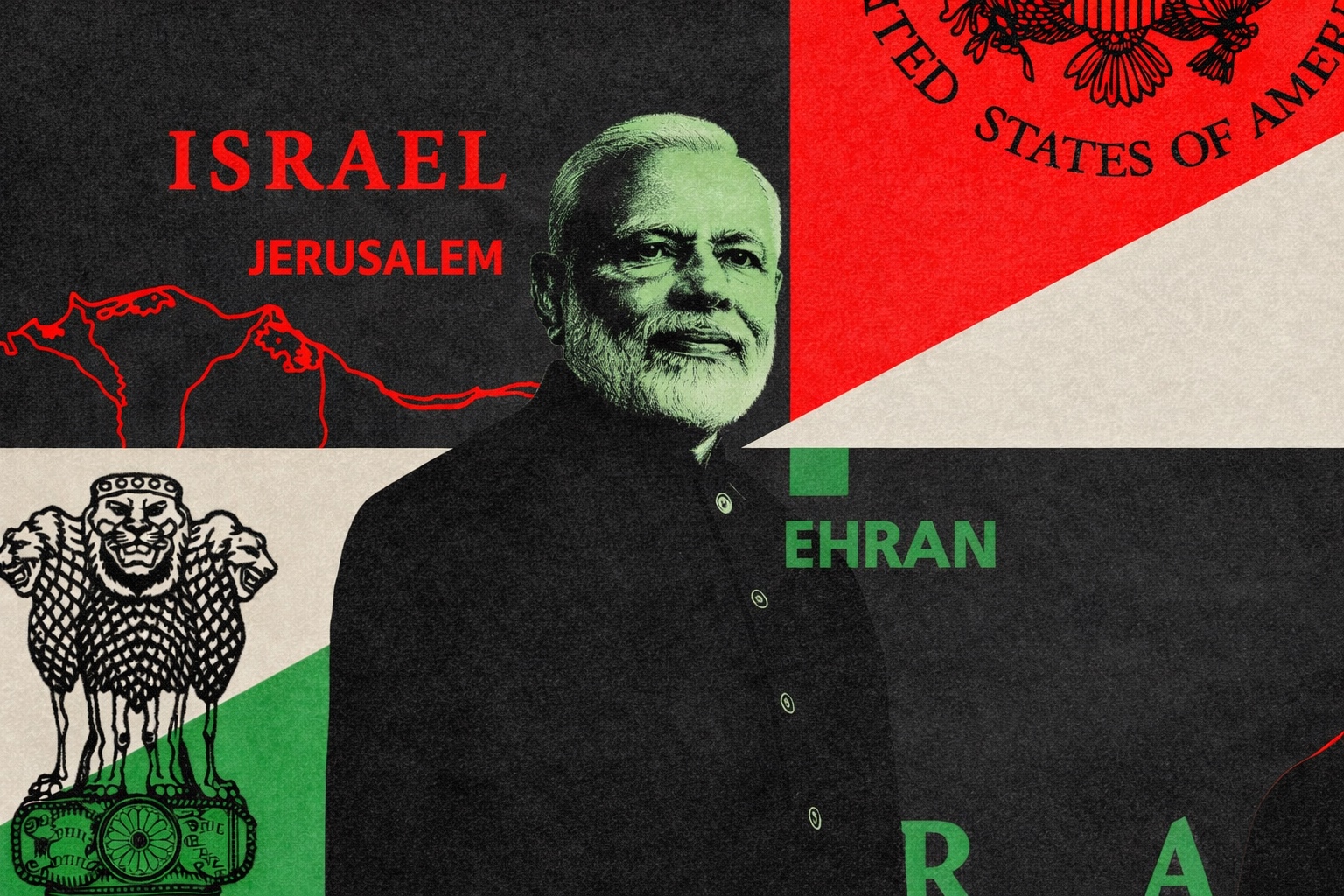
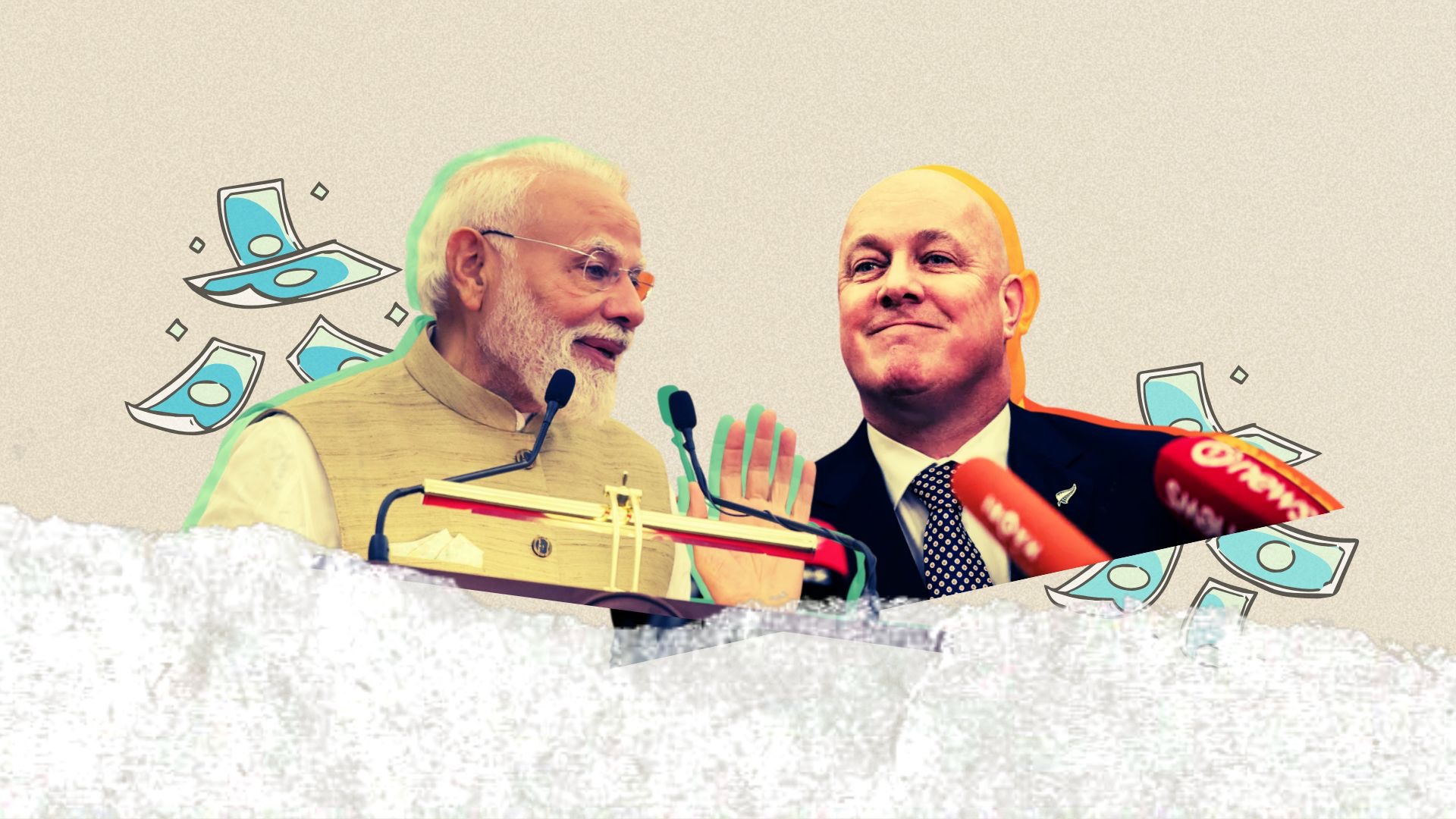
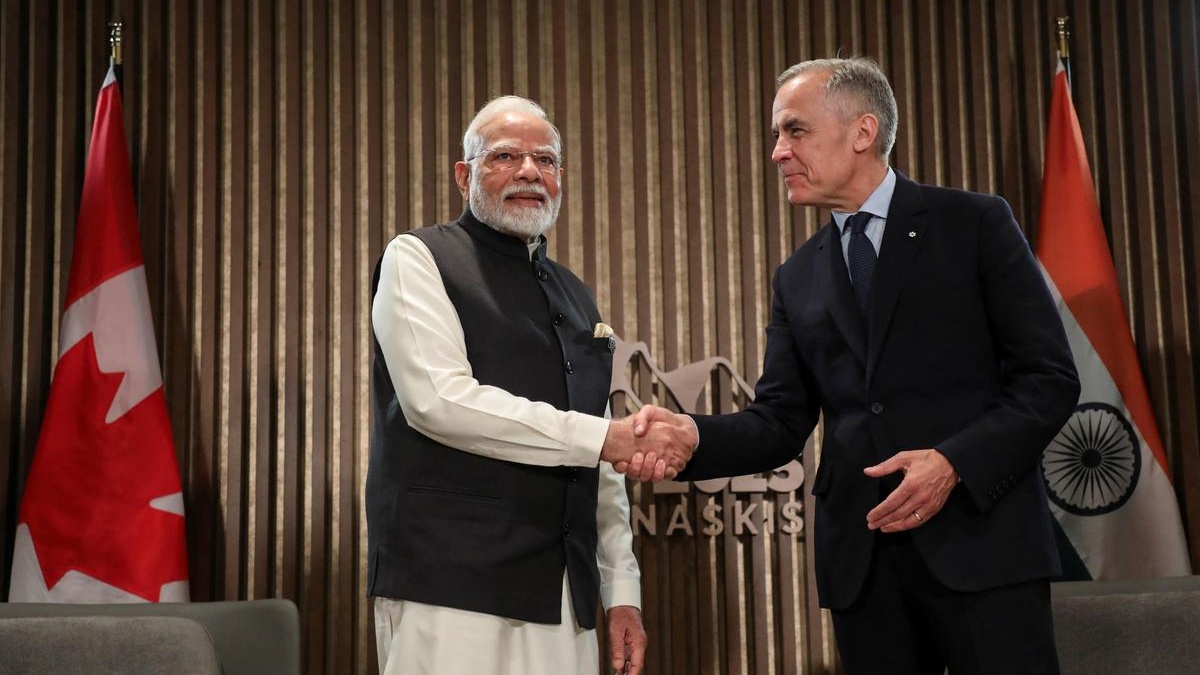
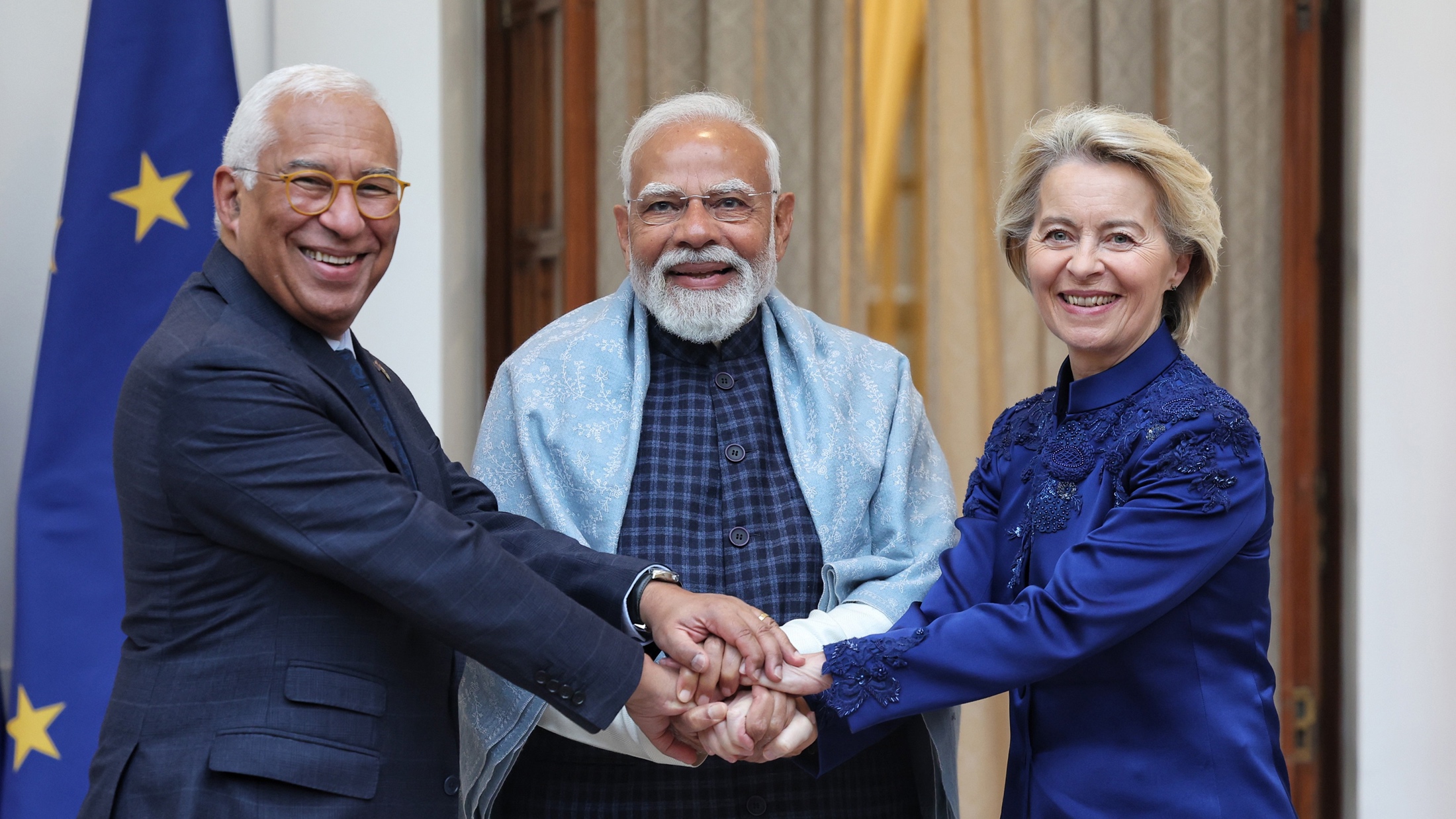
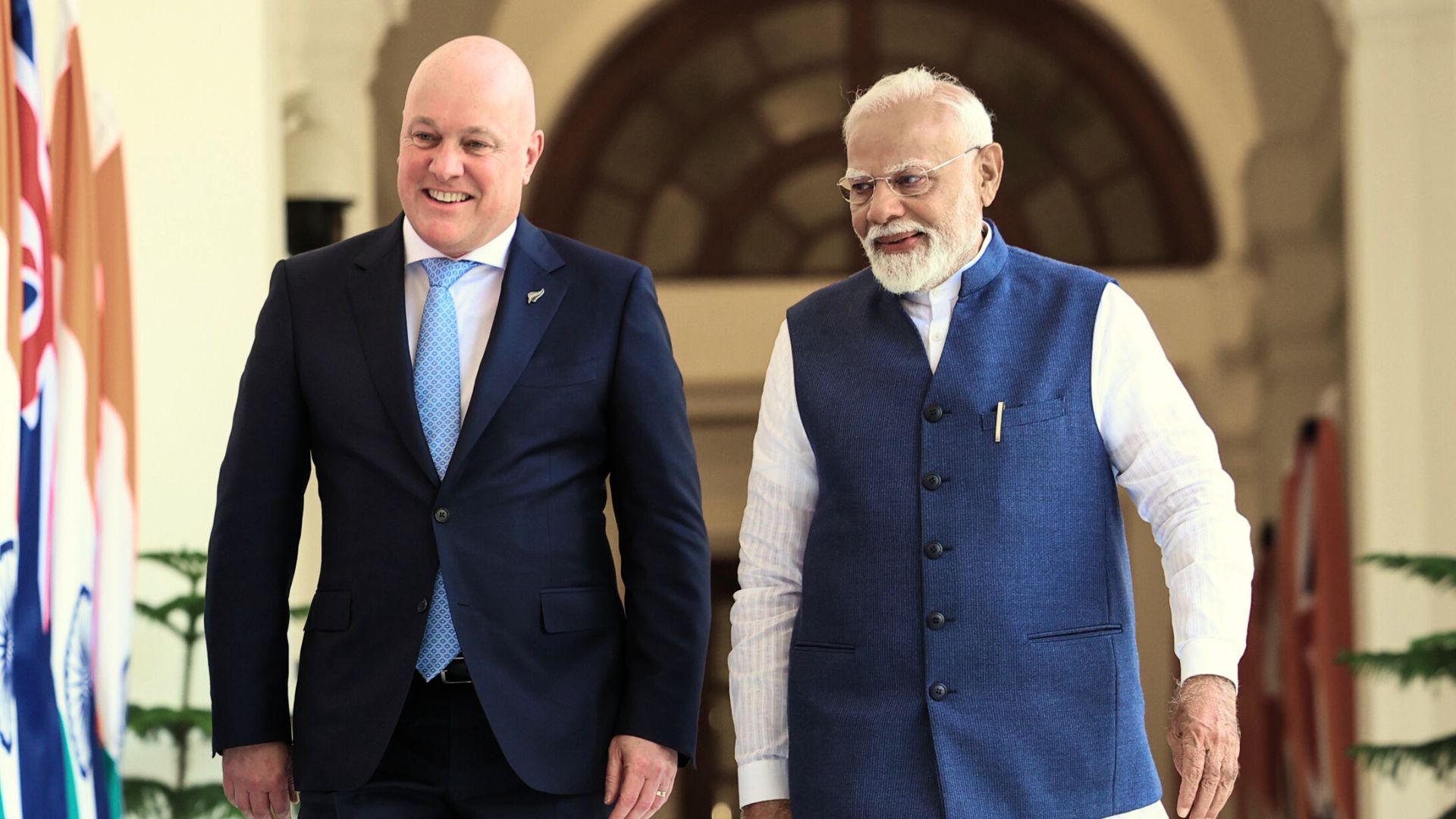
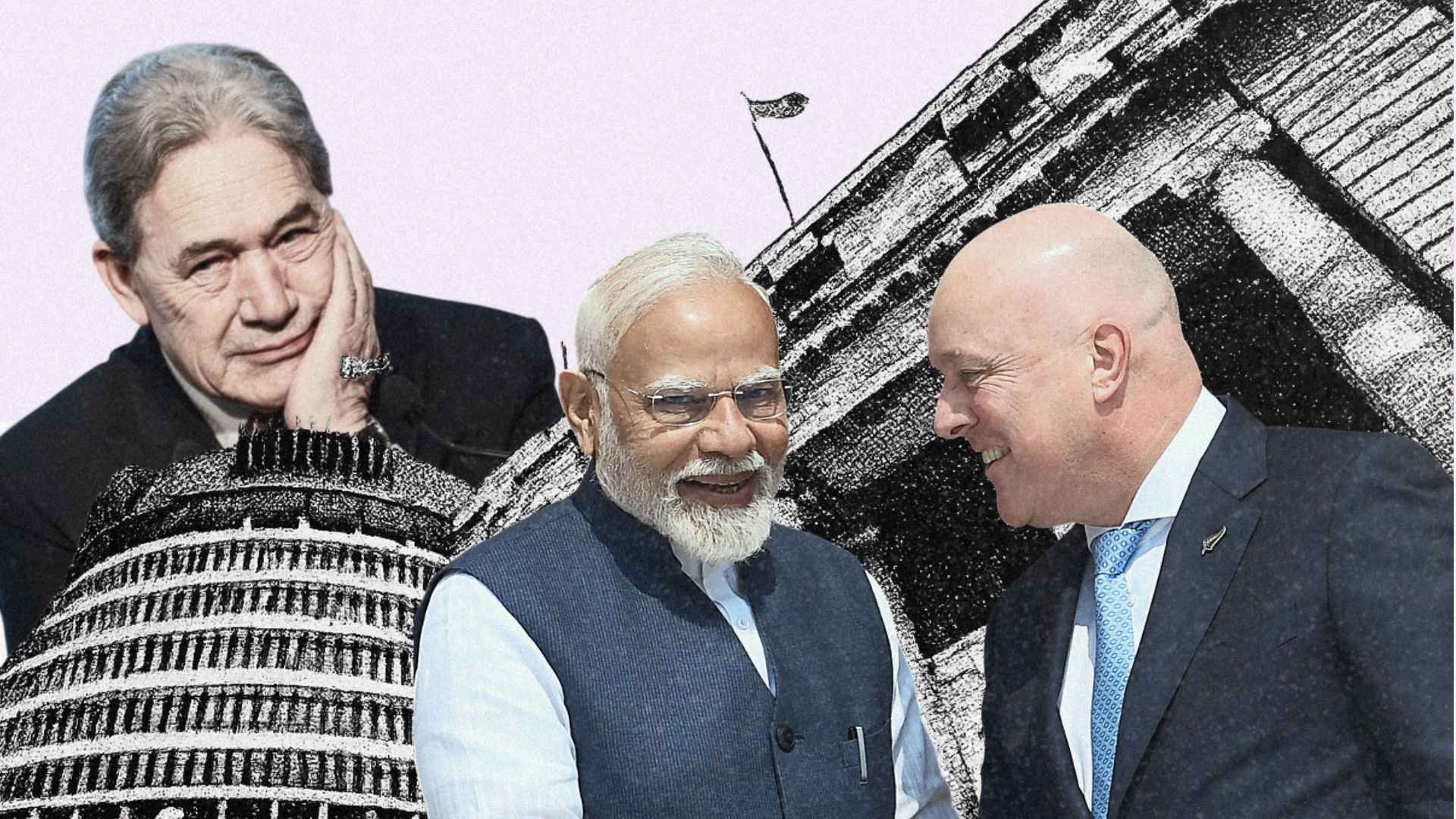
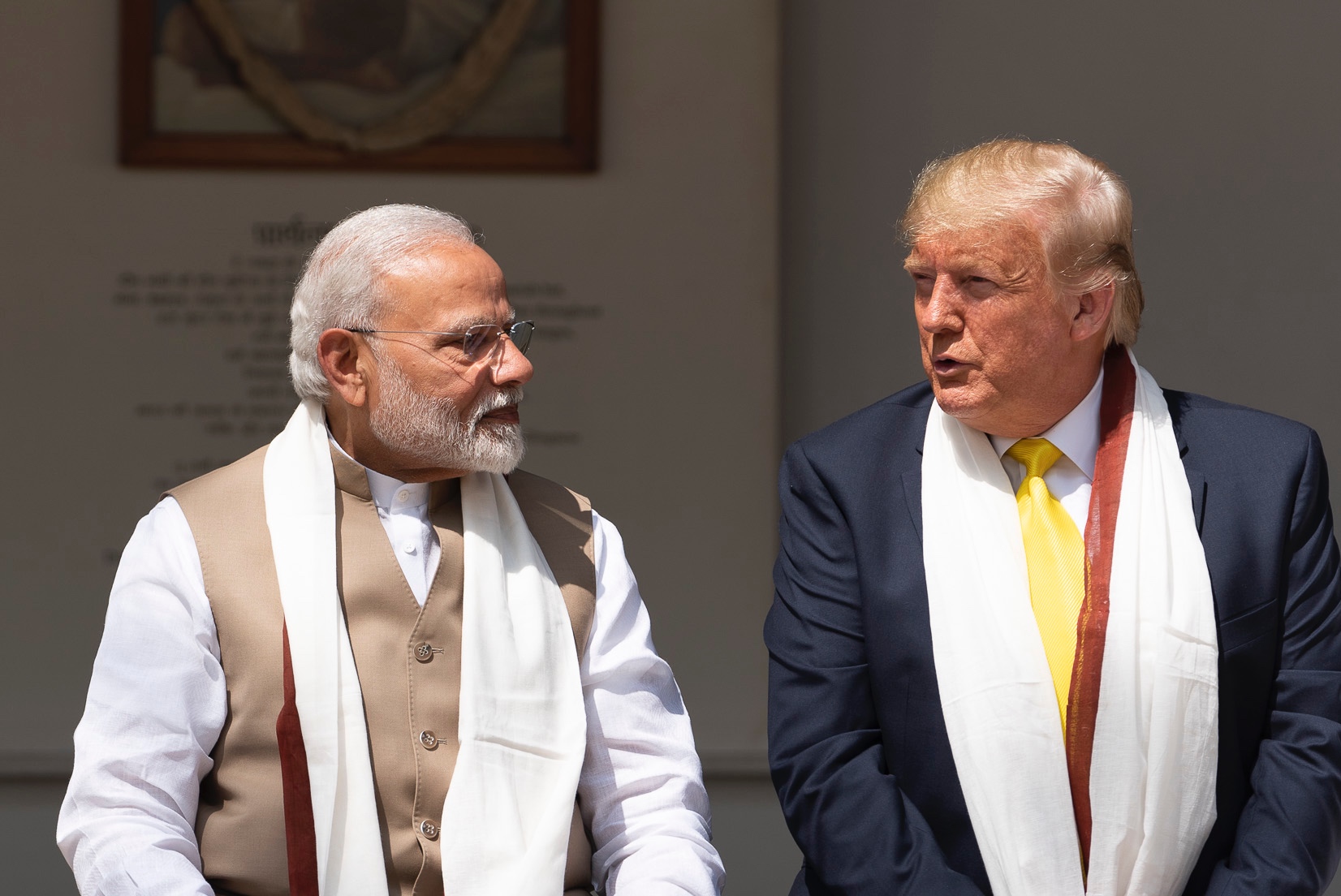
Indian prime minister Narendra Modi and home minister Amit Shah.
“It is an assertion which is regularly made to the tribunal in cases involving people professing a fear of the BJP..."
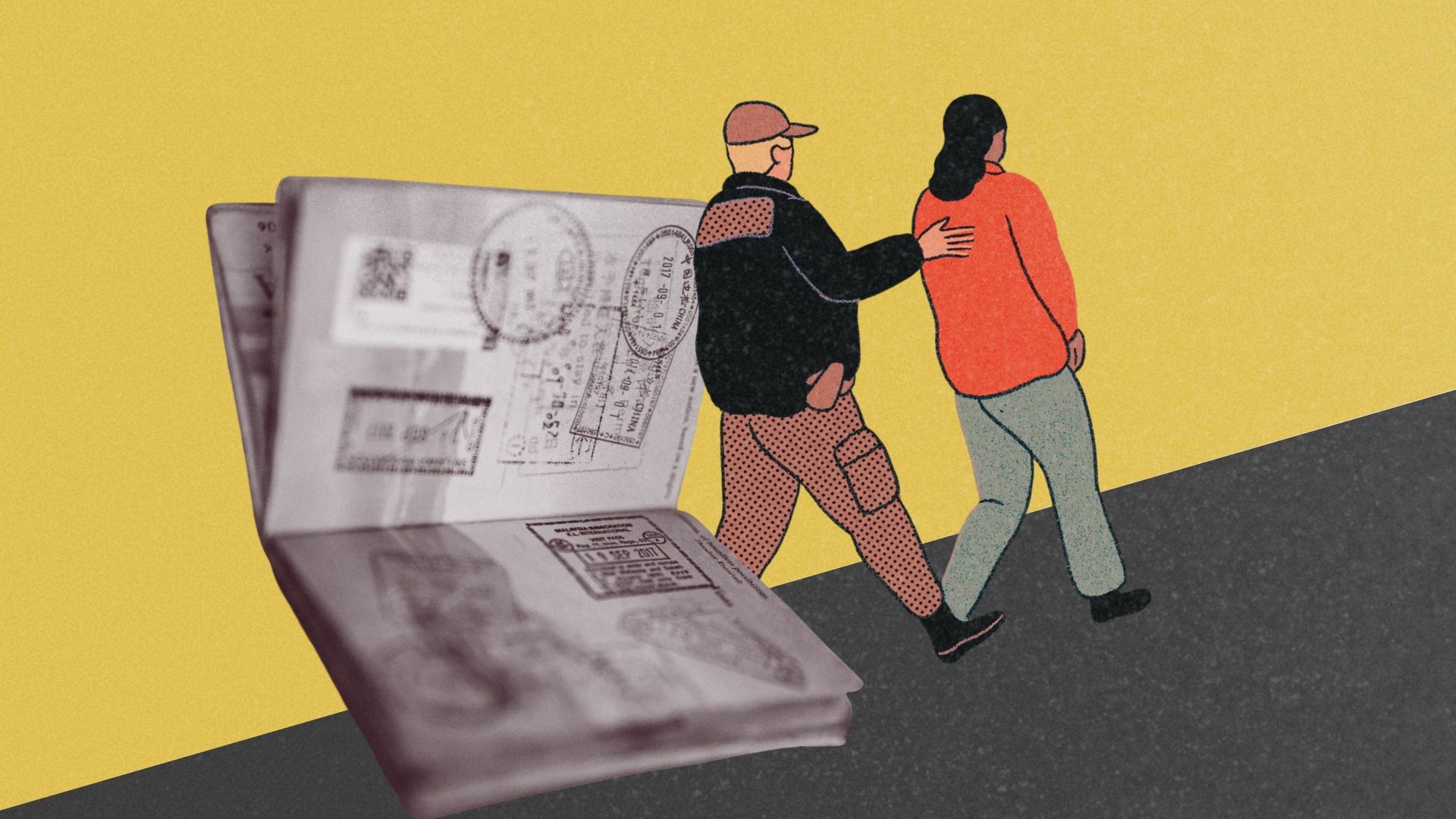
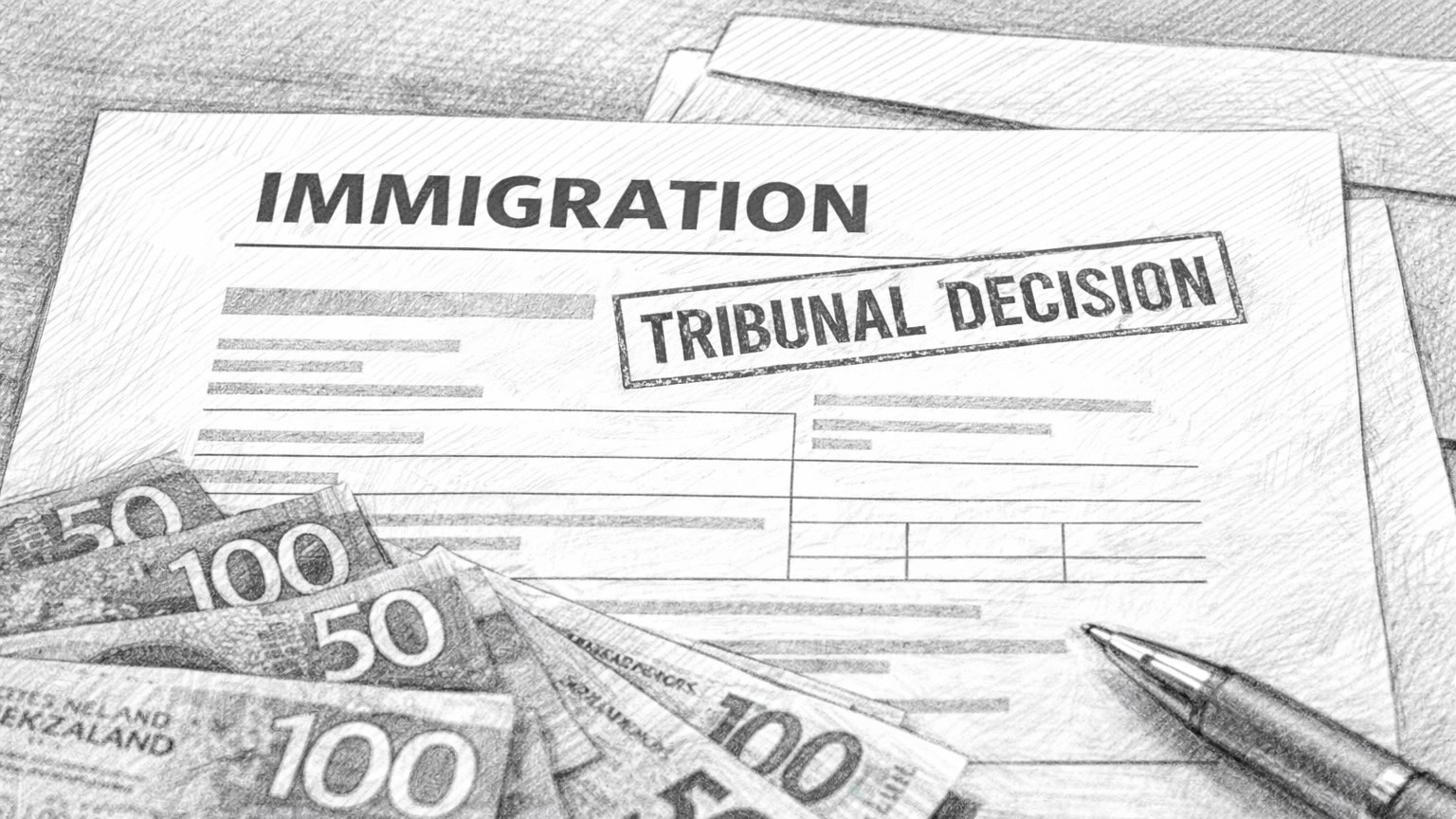
New Zealand’s Immigration and Protection Tribunal has rejected an Indian man’s refugee claim, sharply pushing back against an argument that a “broad network of BJP influence” across India would make it unsafe for him to return.
In a decision dated June 4, the tribunal dismissed the appeal of the man from the northern Indian state of Uttar Pradesh who claimed he feared persecution in India because of his involvement in farmers’ protests in 2020-21.
The man said he had been involved in supporting the protests, including delivering food and supplies to protesters near Delhi.
He claimed he had been stopped and beaten by police, attacked by people he believed were linked to the ruling Bharatiya Janata Party's (BJP) supporters, and that members of his family had also been threatened or harmed.
But the tribunal found that the incidents he described were tied to the period of the farmers’ protests and did not show a real future risk to him.
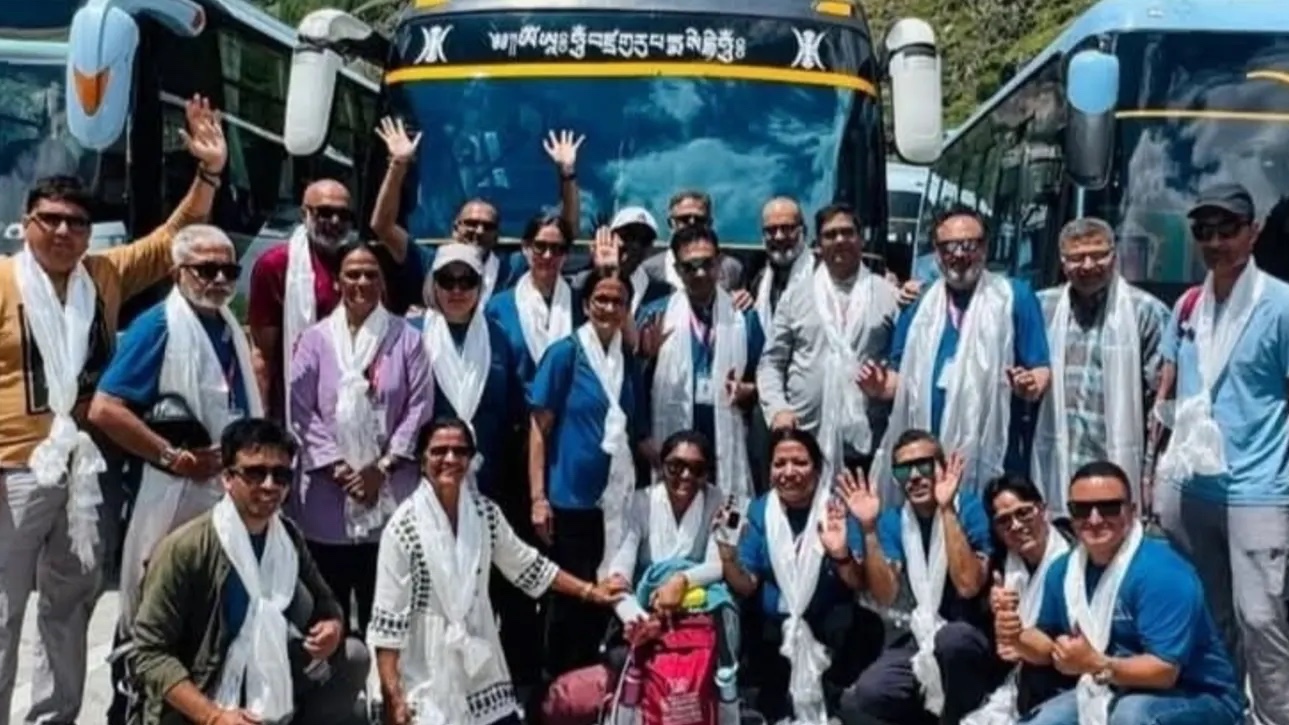
South Asian diaspora raises over $200,000 for New Zealanders missing in Nepal flood "I'm so proud of the Indian community here who...supported us, saying it is not a Nepal problem but our problem."
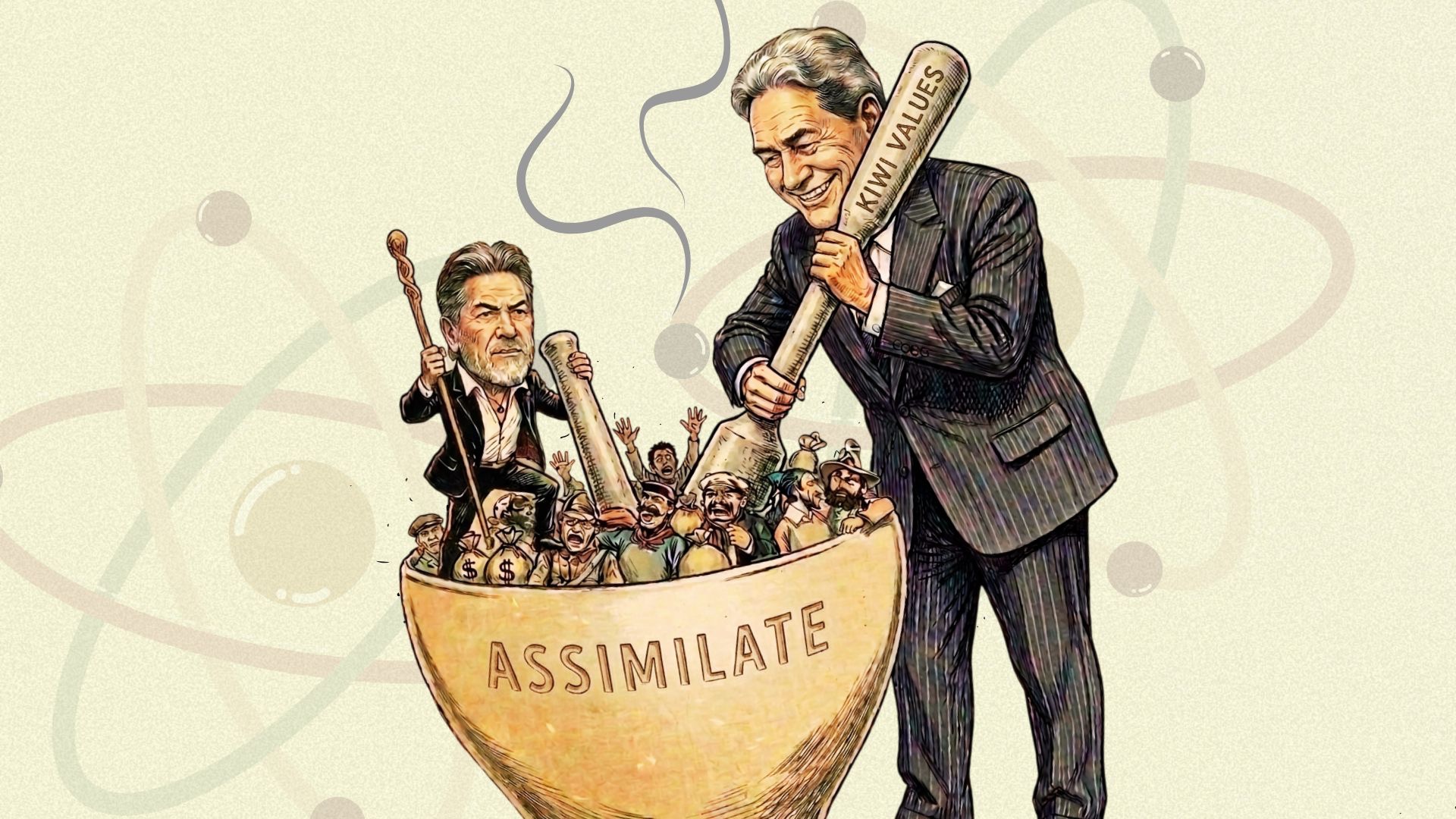
Tamakis launch Indian-origin candidate for Epsom who surrendered passport and has ‘assimilated’ “I know a whole lot of people are going to be like shocked,” says Hannah Tamaki.
Priyanca Radhakrishnan tries to puncture Luxon’s FTA victory, says India was already sold “Things have changed quite dramatically on the Indian government side,” says the Indian-origin Labour MP.
“The singular feature of those incidents is that the aggression towards the appellant ended with the end of the protests,” the tribunal said.
One of the most pointed parts of the decision came in response to the appellant’s argument about the reach of the BJP.
The man's counsel submitted that the tribunal should not assume he could safely move to another major Indian city without considering “the broad network of BJP influence that exists across India”.
The tribunal rejected that submission, calling it vague and unsupported by evidence.
It said counsel had not explained what such a network would comprise, what its purpose would be, how it operated, who had access to it, how reliable it was, or what level of BJP administration could use it.
“It is an assertion which is regularly made to the tribunal in cases involving people professing a fear of the BJP but there is no substantive evidence supporting the existence or use of any such ‘network’,” the tribunal said.
“For all its faults, India remains a relatively open and functioning democracy where the rule of law is largely respected.
“While there are challenges for journalists, there is an open media. It is also a country where politicians are known to switch allegiances. Were such a network to exist, it is likely that it would be well-documented in country information. It is not.”
The tribunal accepted that India had human rights problems, and that there was corruption among police, but said refugee status could not be based only on general conditions in a country.
It said risk had to be assessed in relation to the particular person, their circumstances and their locality.
“Again it is accepted that India, at a national level, across its many cultures, environments and social and political landscapes, sees many human rights violations of different kinds,” the decision said.
“But refugee status is not predicated upon generalised conditions. It is dependent on the risk to the particular individual in their particular locality.”
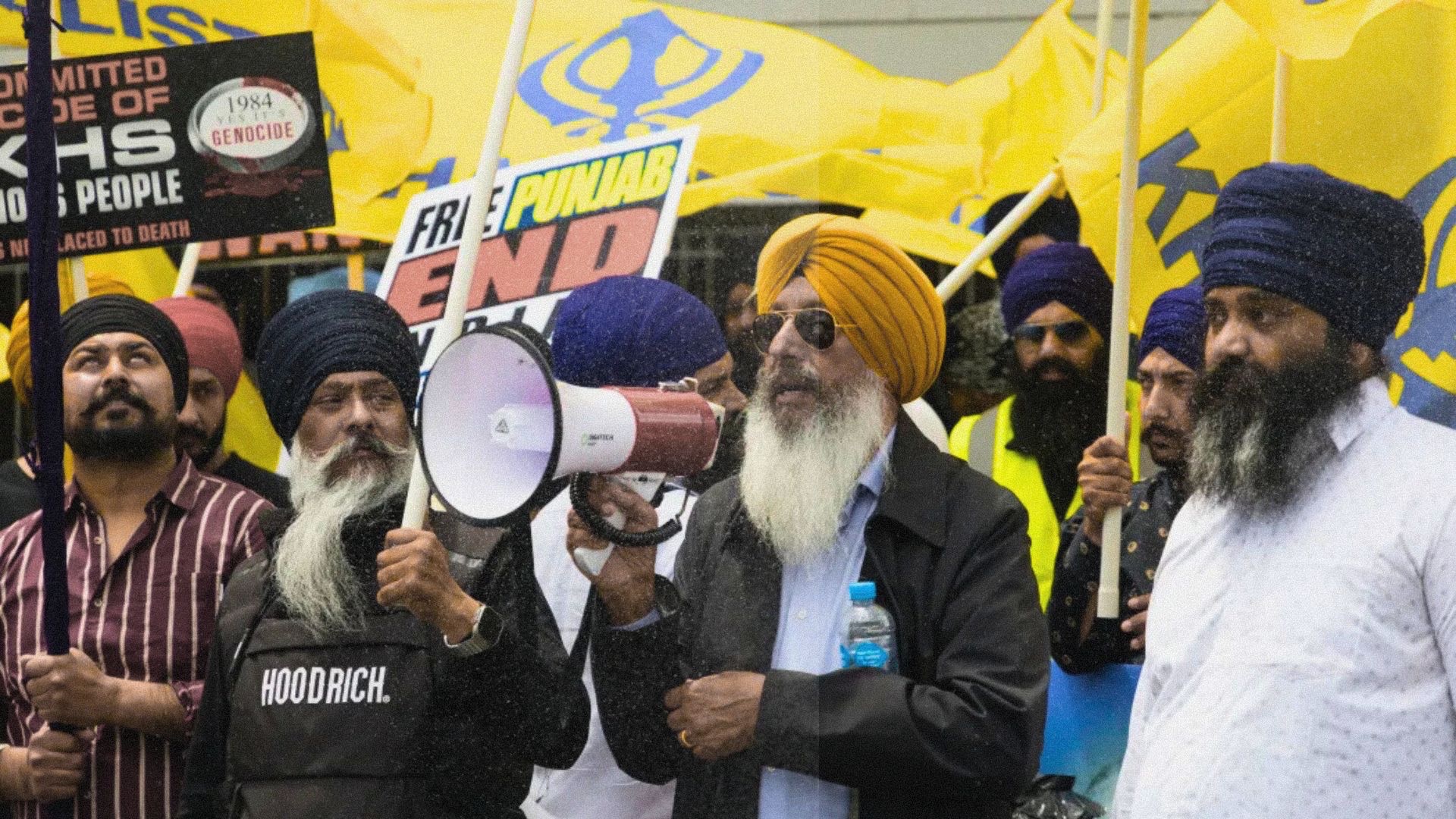
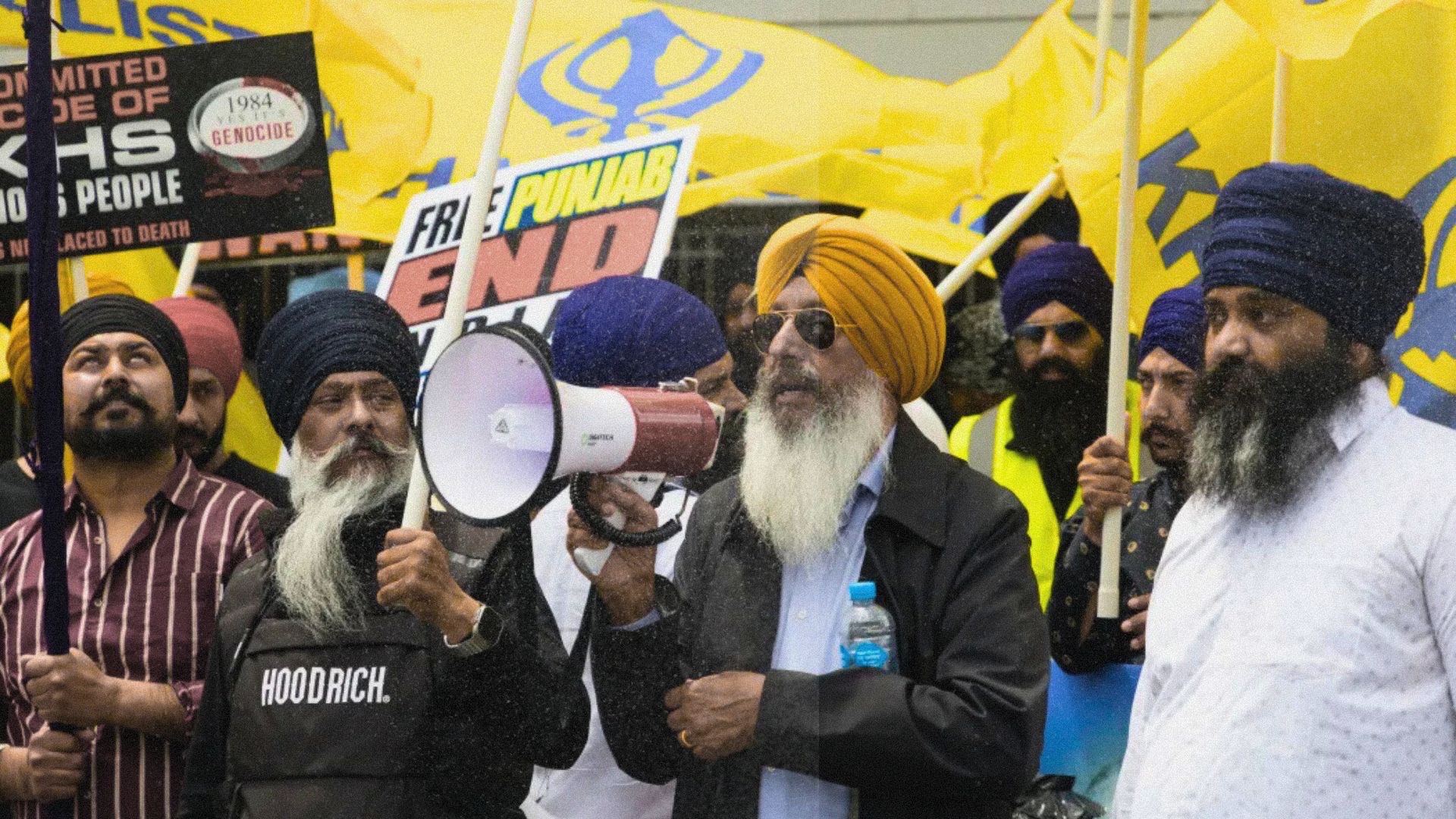
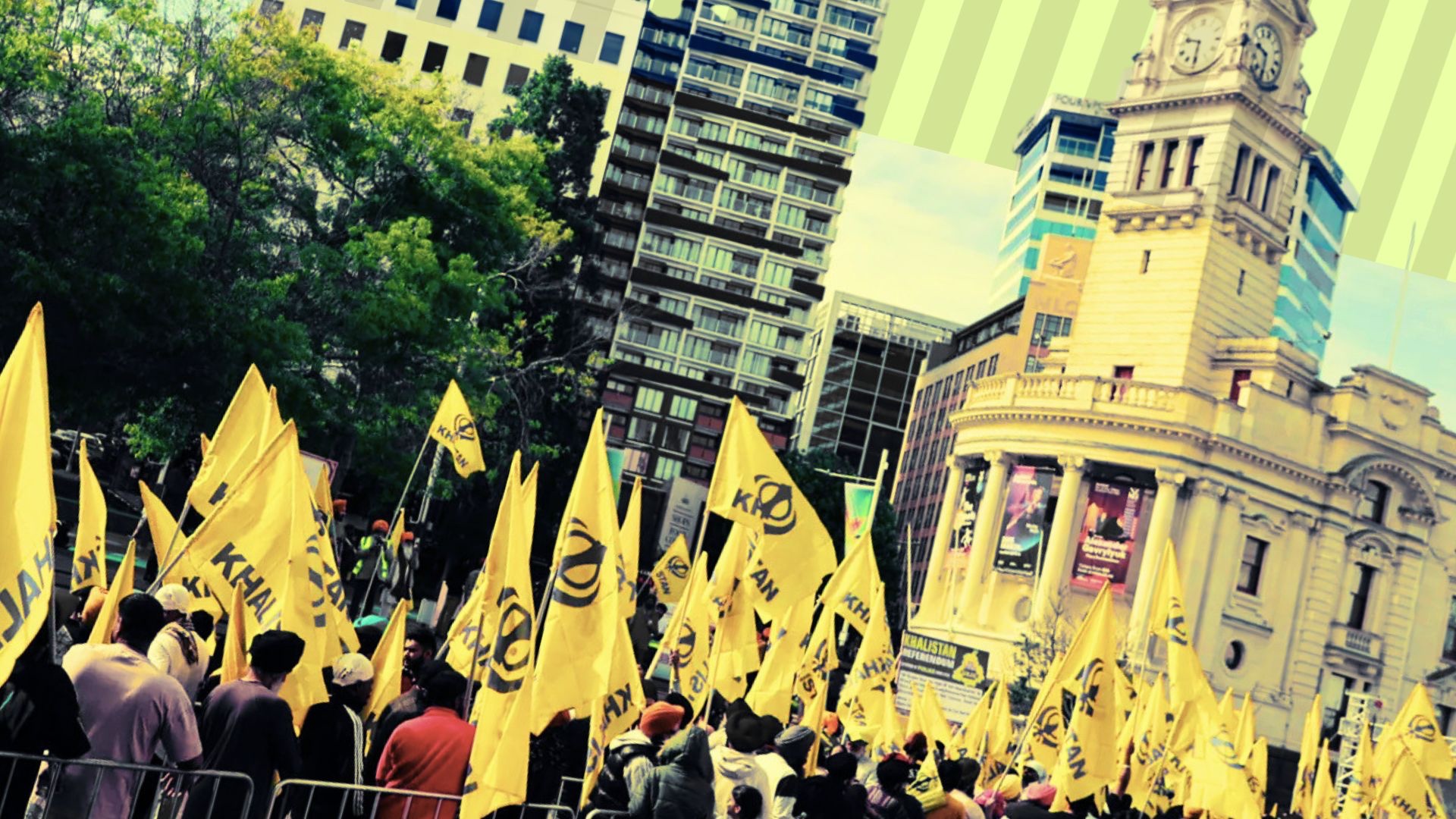
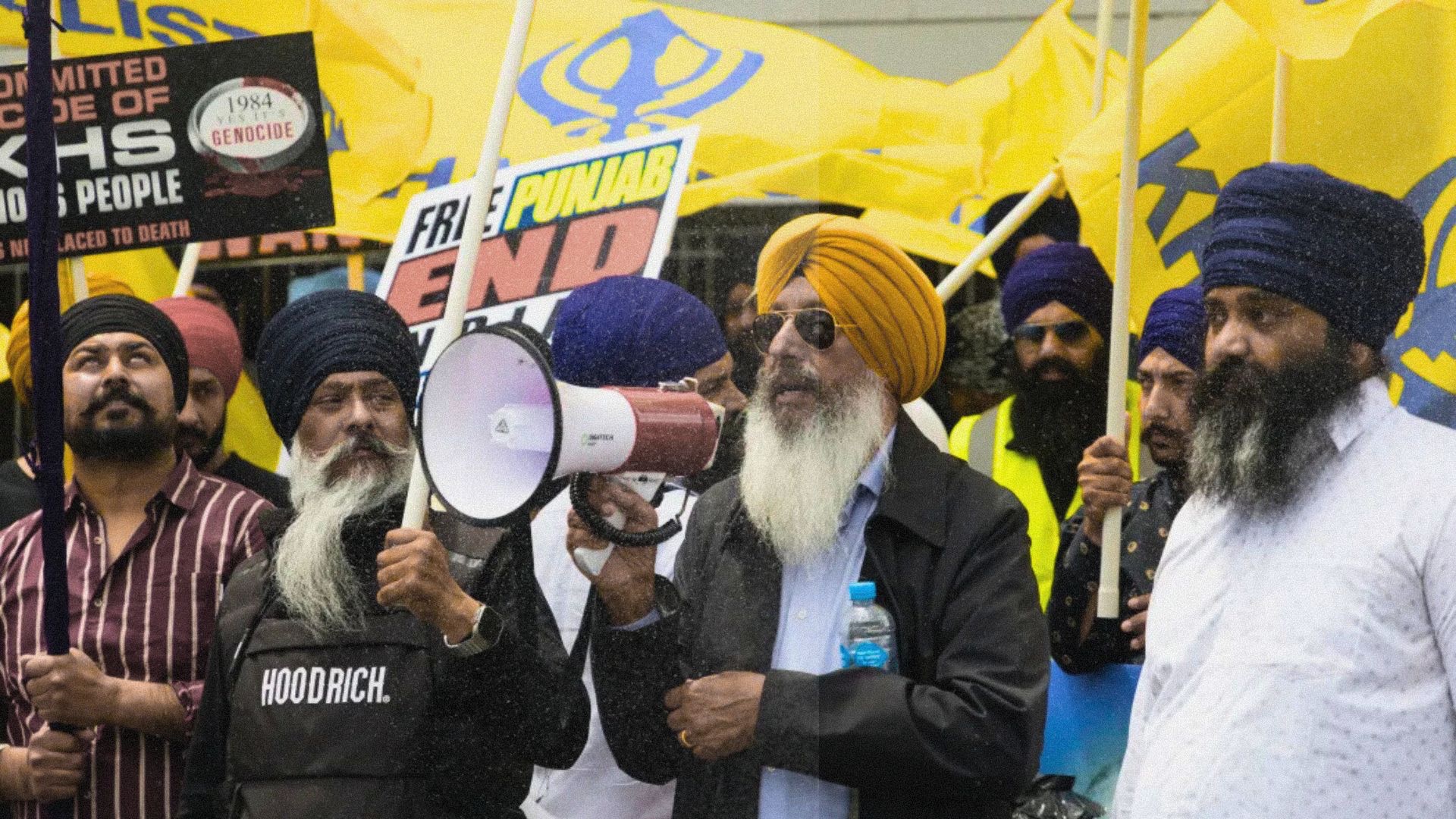
The tribunal also rejected attempts to compare the appellant’s case with earlier successful Indian protection cases involving pro-Khalistan Sikh activists.
It said the 2020–21 farmers’ protests were not about race or religion, even though many Sikh farmers from northern Indian state of Punjab were involved.
“In reality, the movement was a huge, pan-Indian coalition, uniting diverse agricultural groups across multiple faiths and states,” the Tribunal said.
The man had argued he had been known to police and BJP supporters because of the incidents during the farmers’ protests.
But the tribunal said there was no claim that he was “well-known” to police, and nothing in his account indicated ongoing adverse interest in him.
The tribunal also found that, even if there had been some risk in his village or surrounding area, he could safely relocate elsewhere in India.
It pointed to large cities like Delhi or satellite towns of Faridabad and Gurugram, saying the evidence did not show any risk to him.