Virginity-testing ban shouldn’t disparage women who value virginity, NZ First MP says

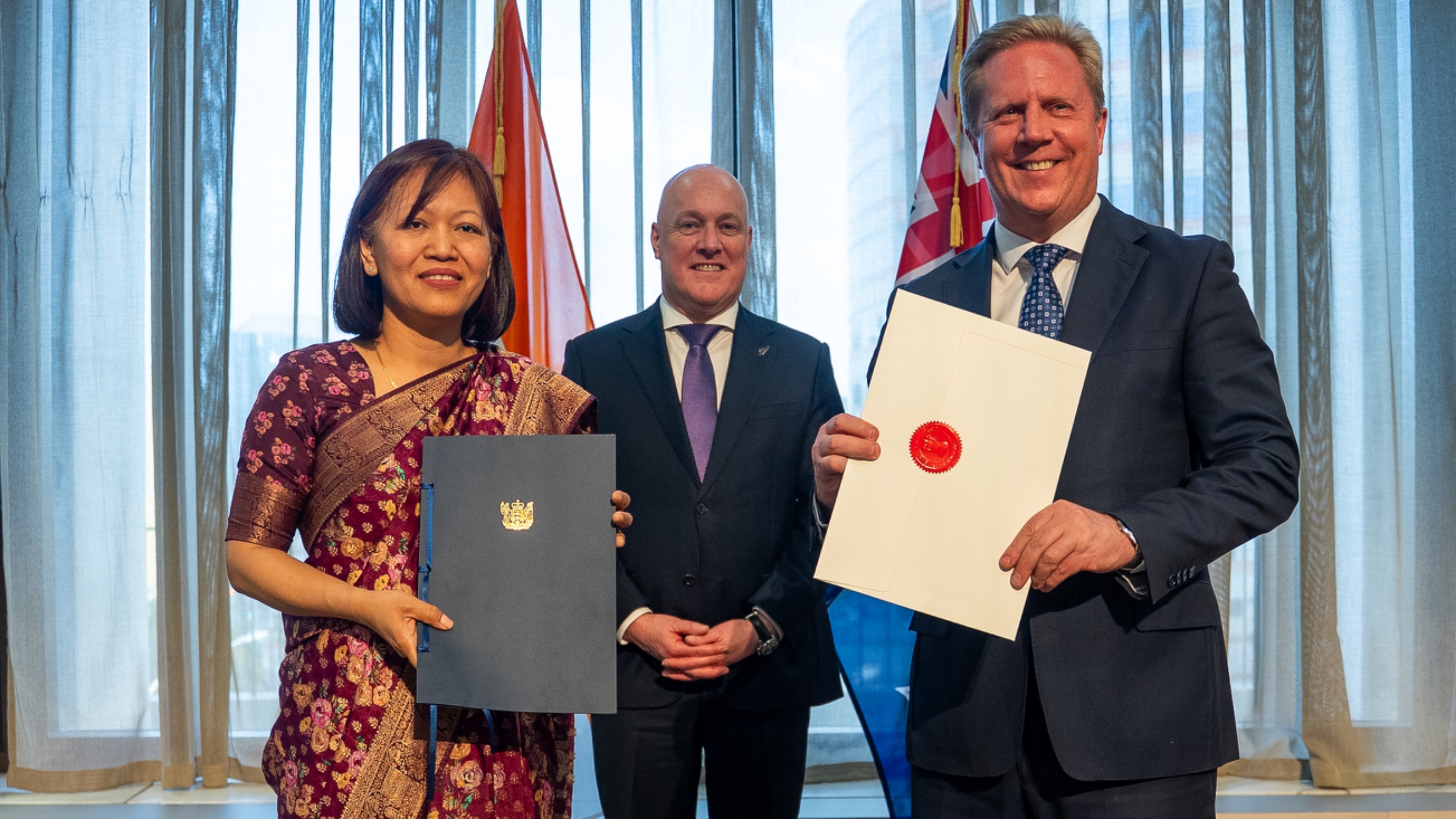
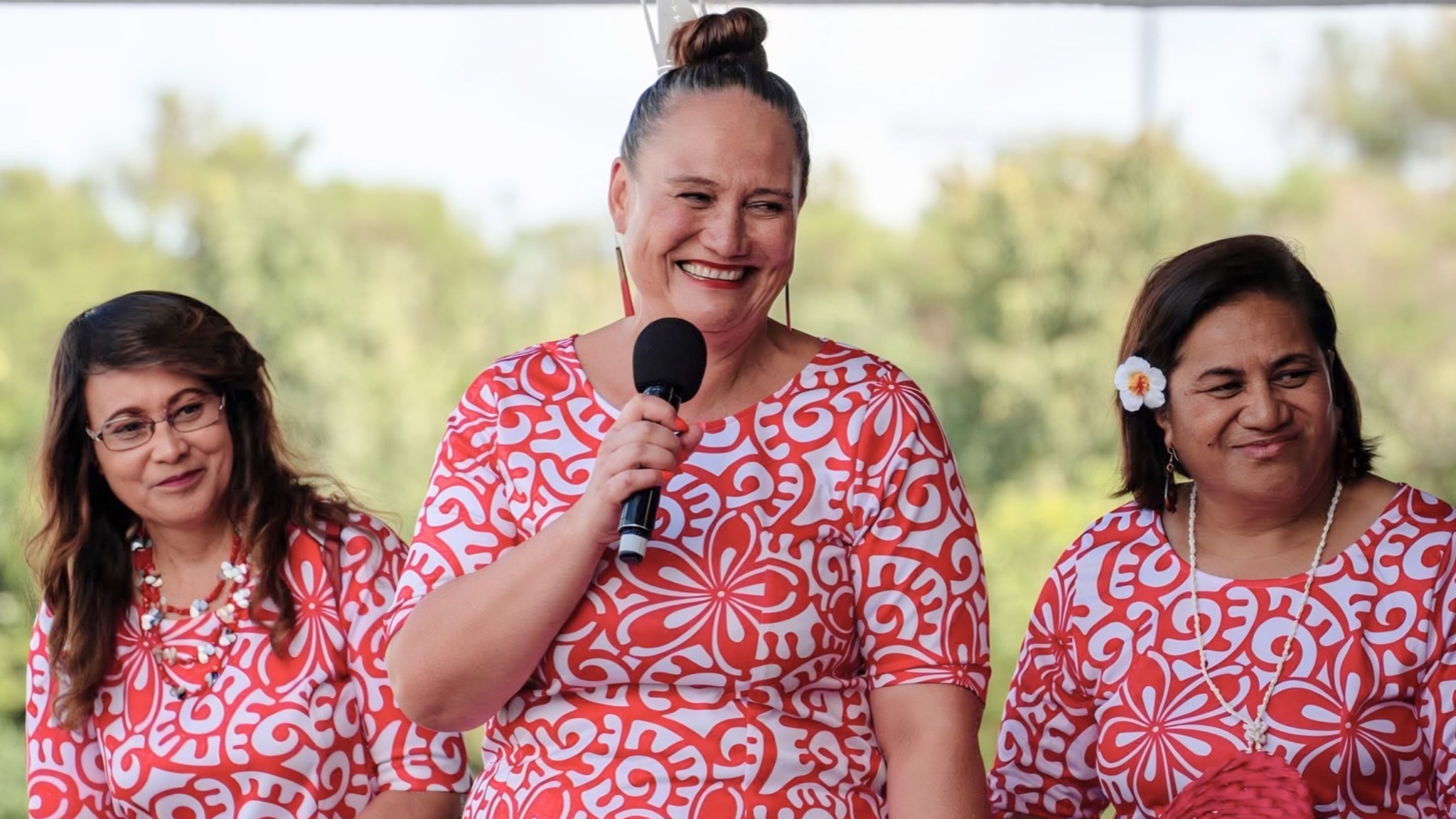
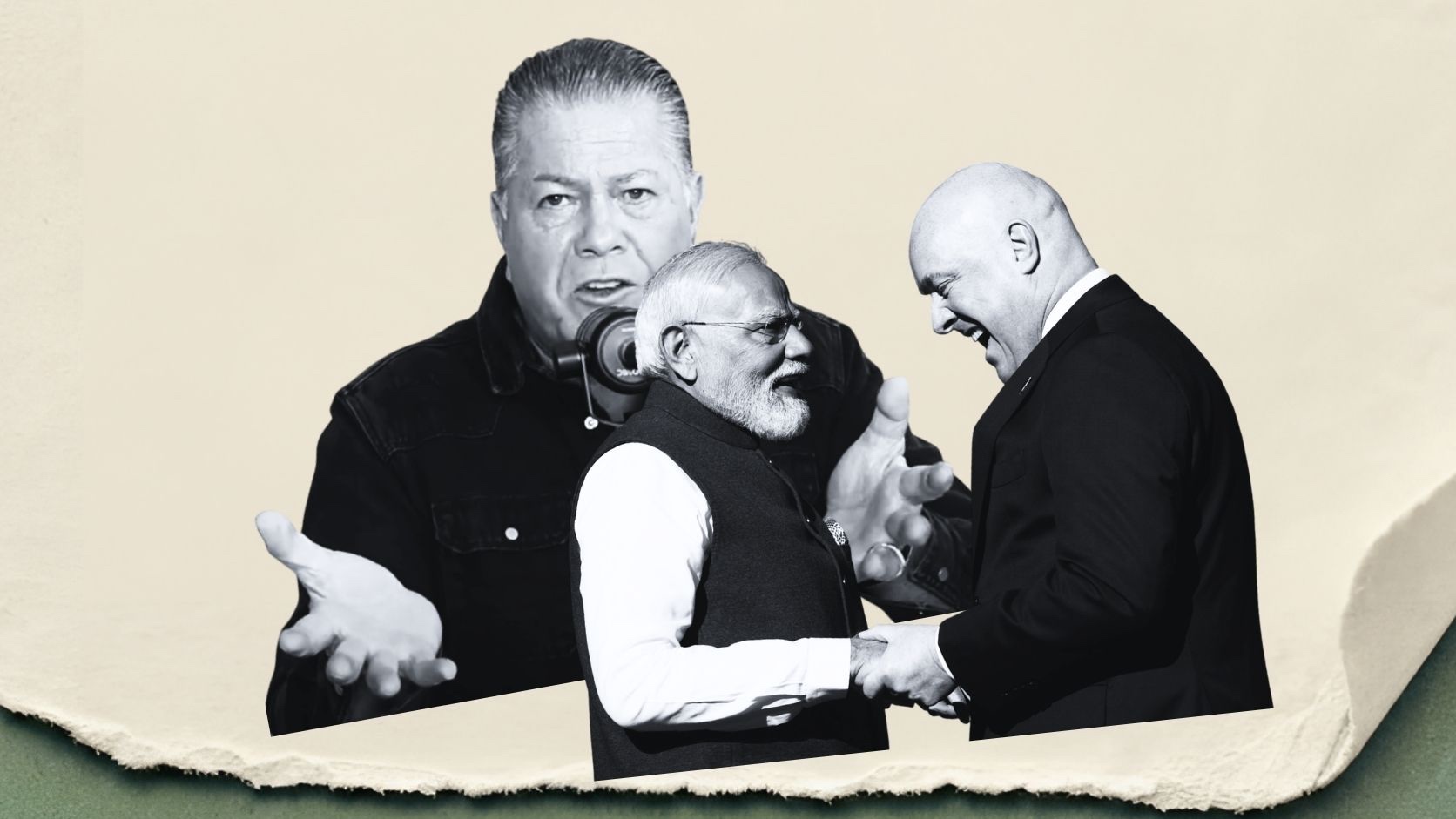
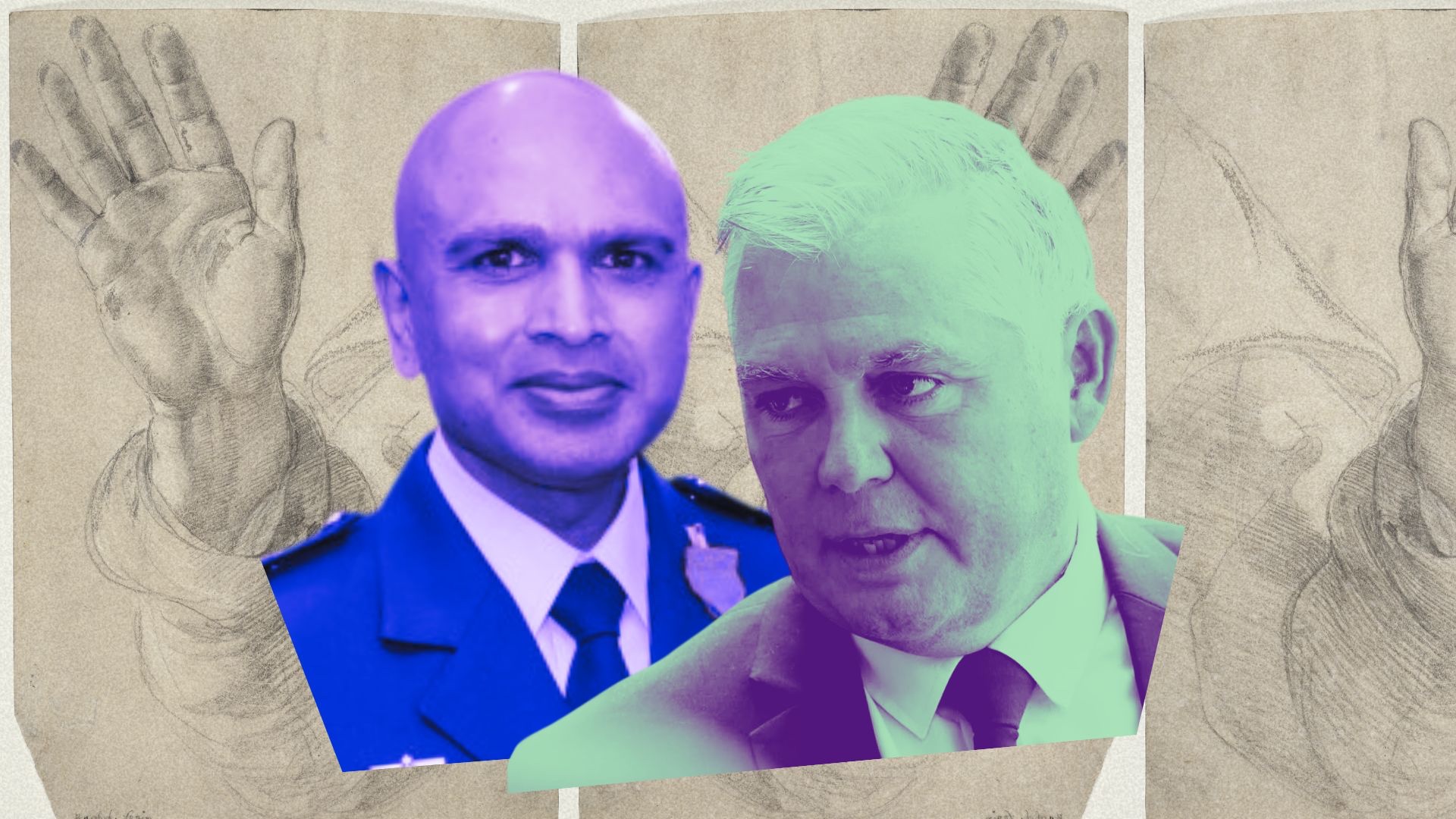
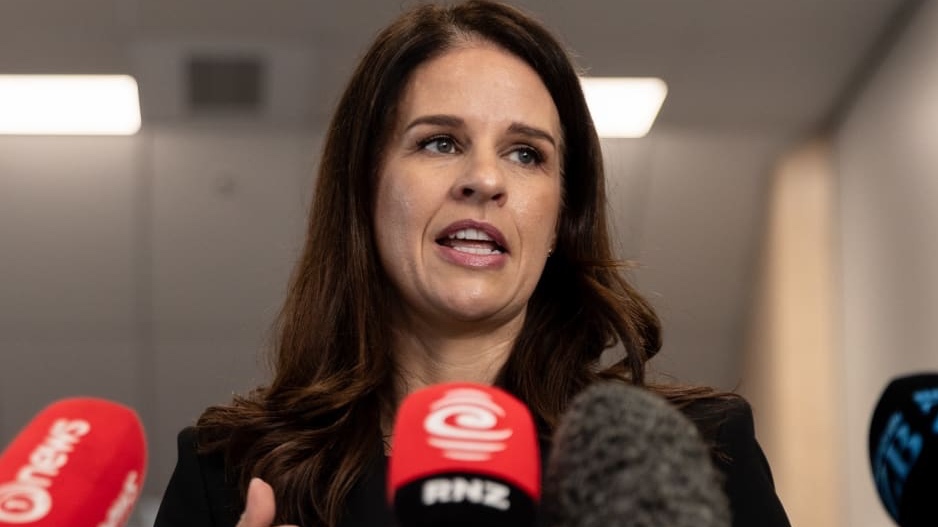
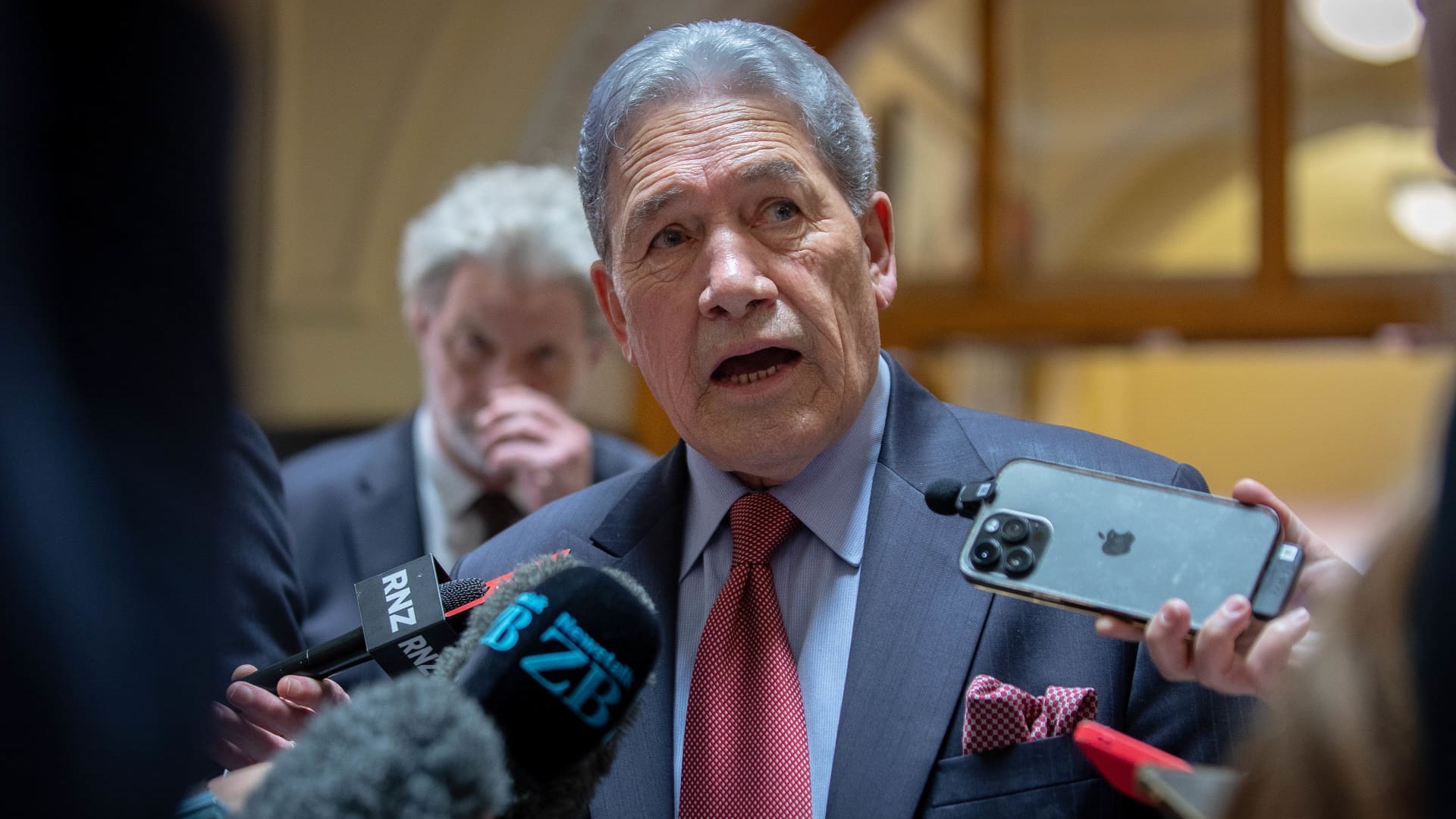
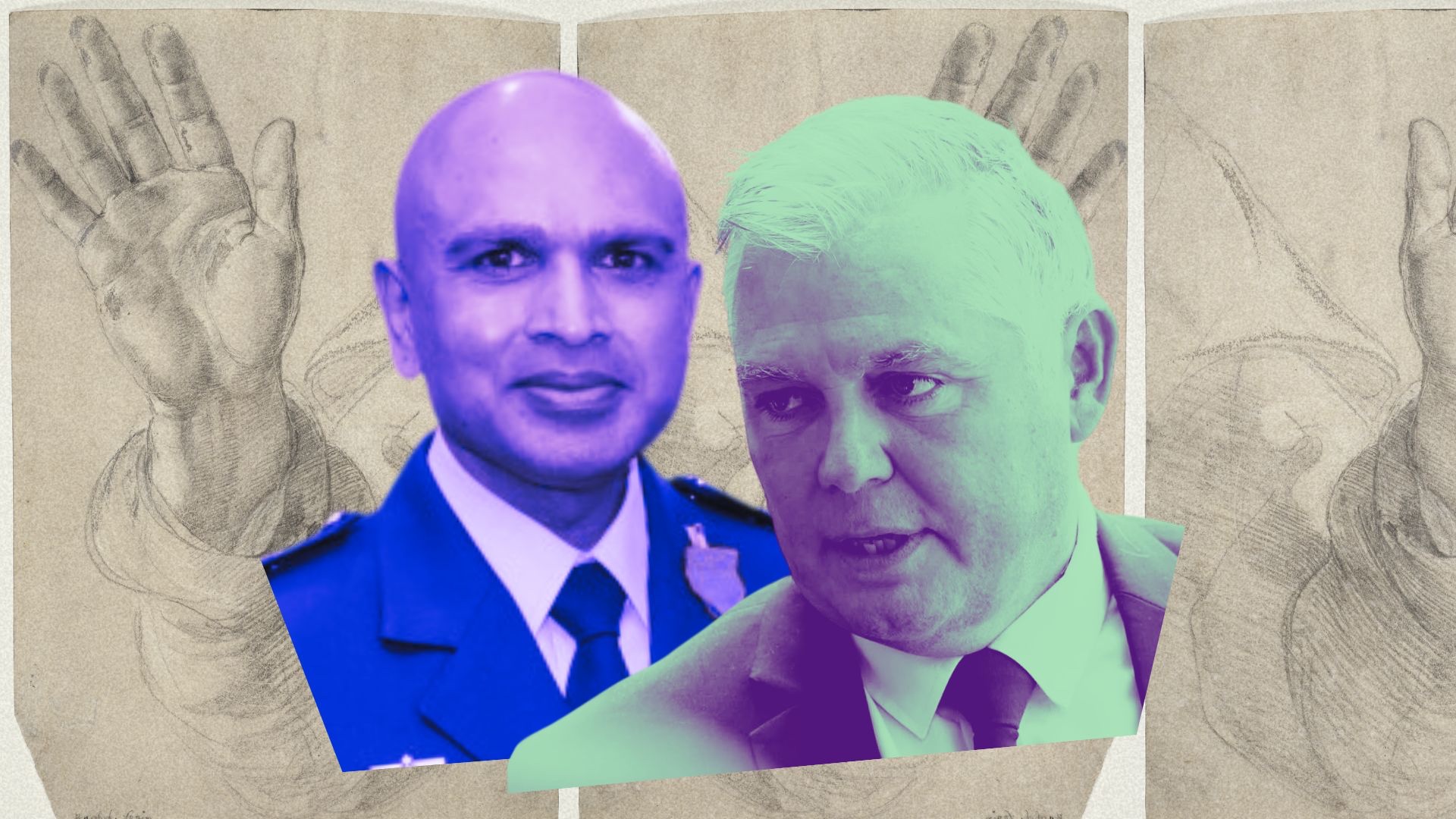
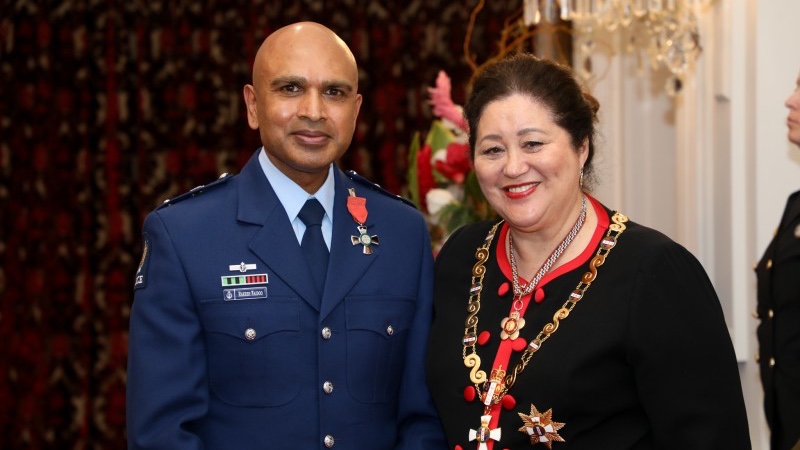
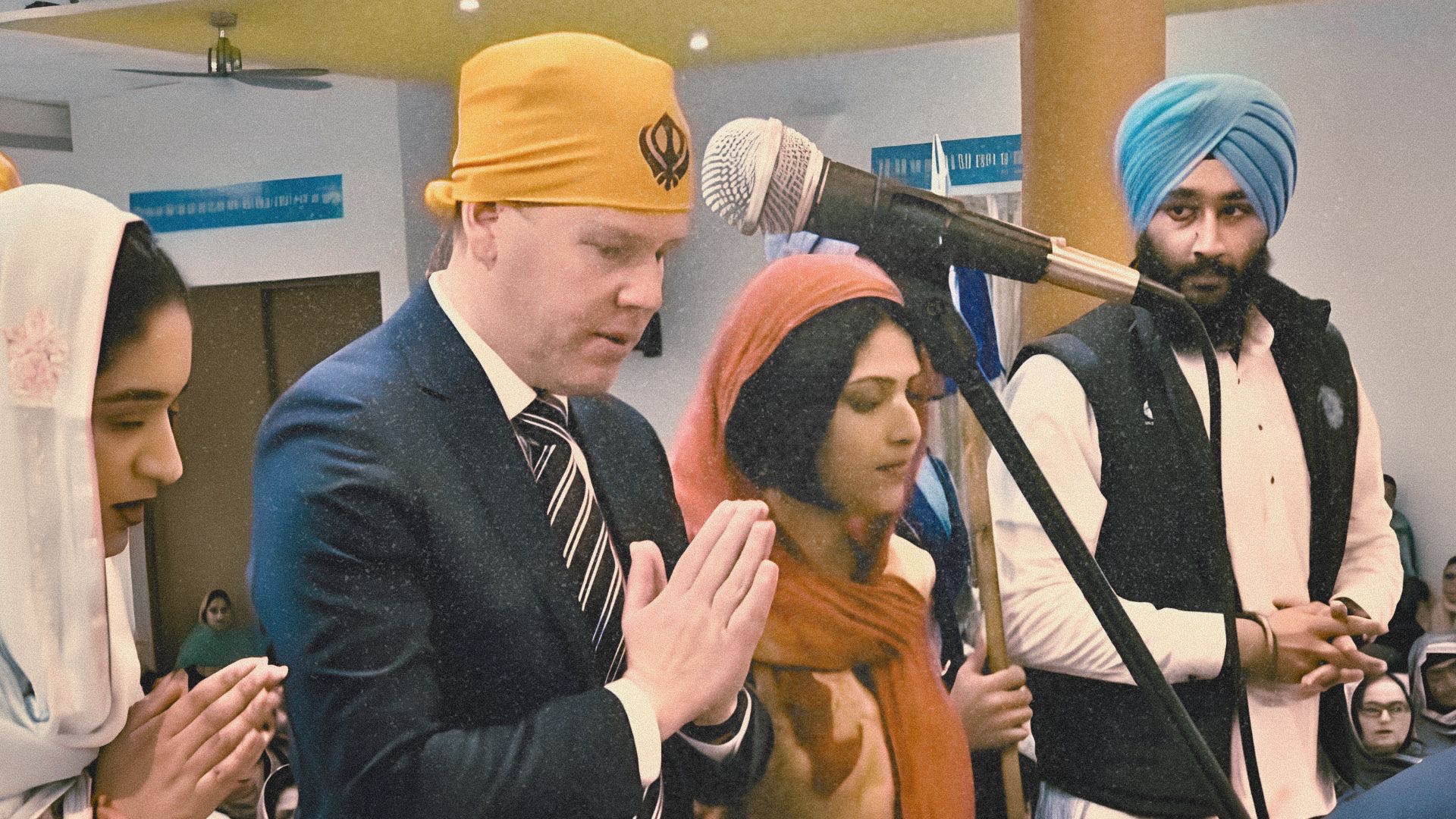
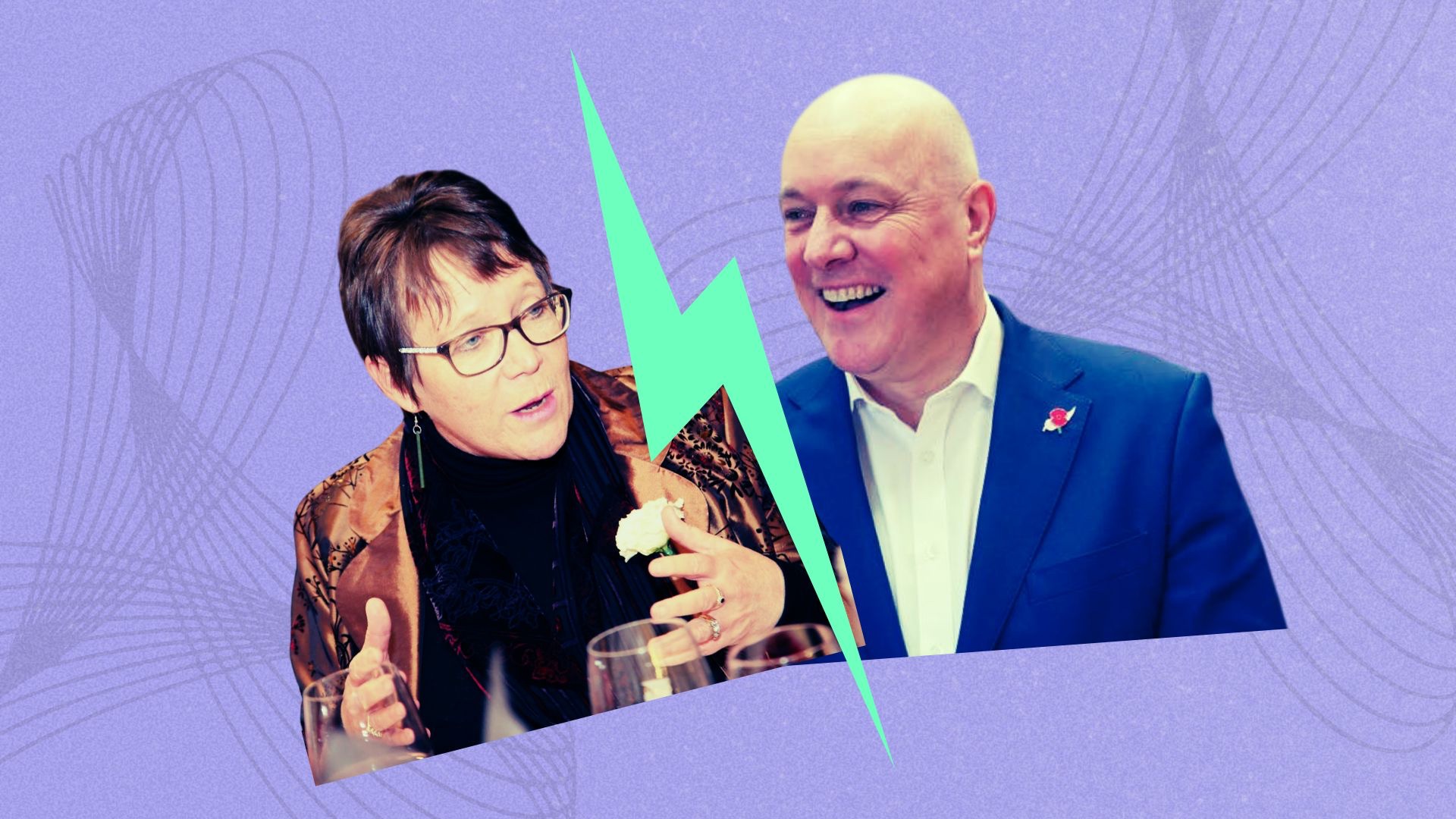
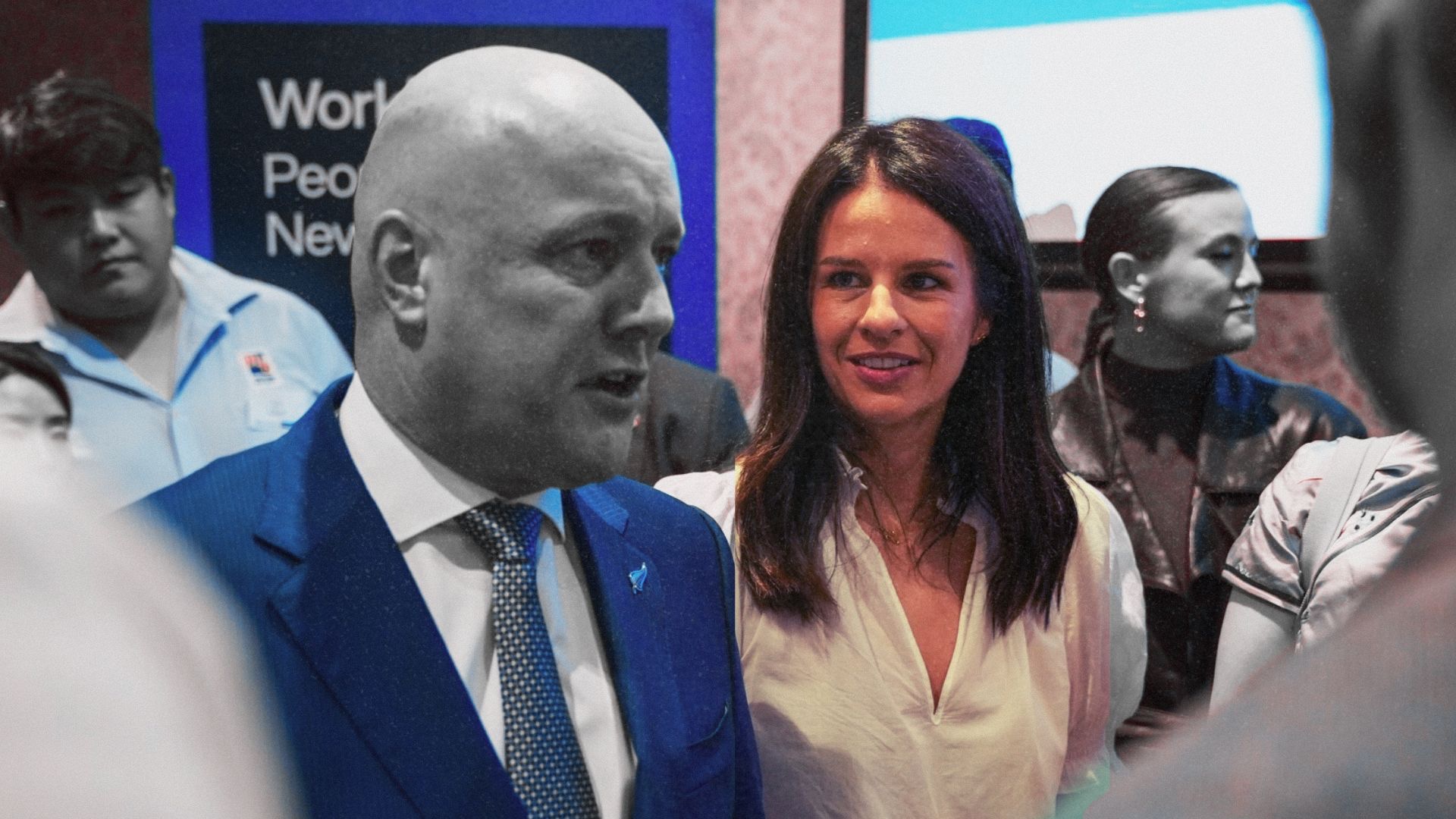
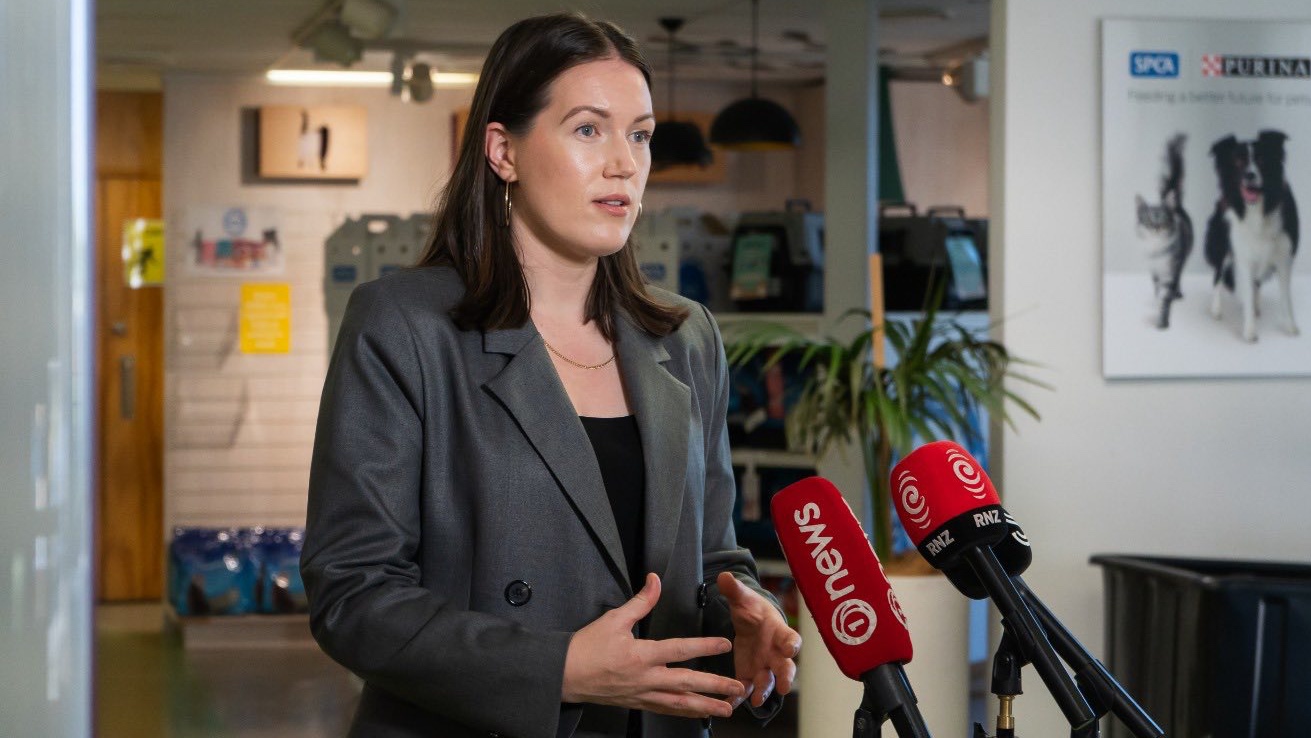
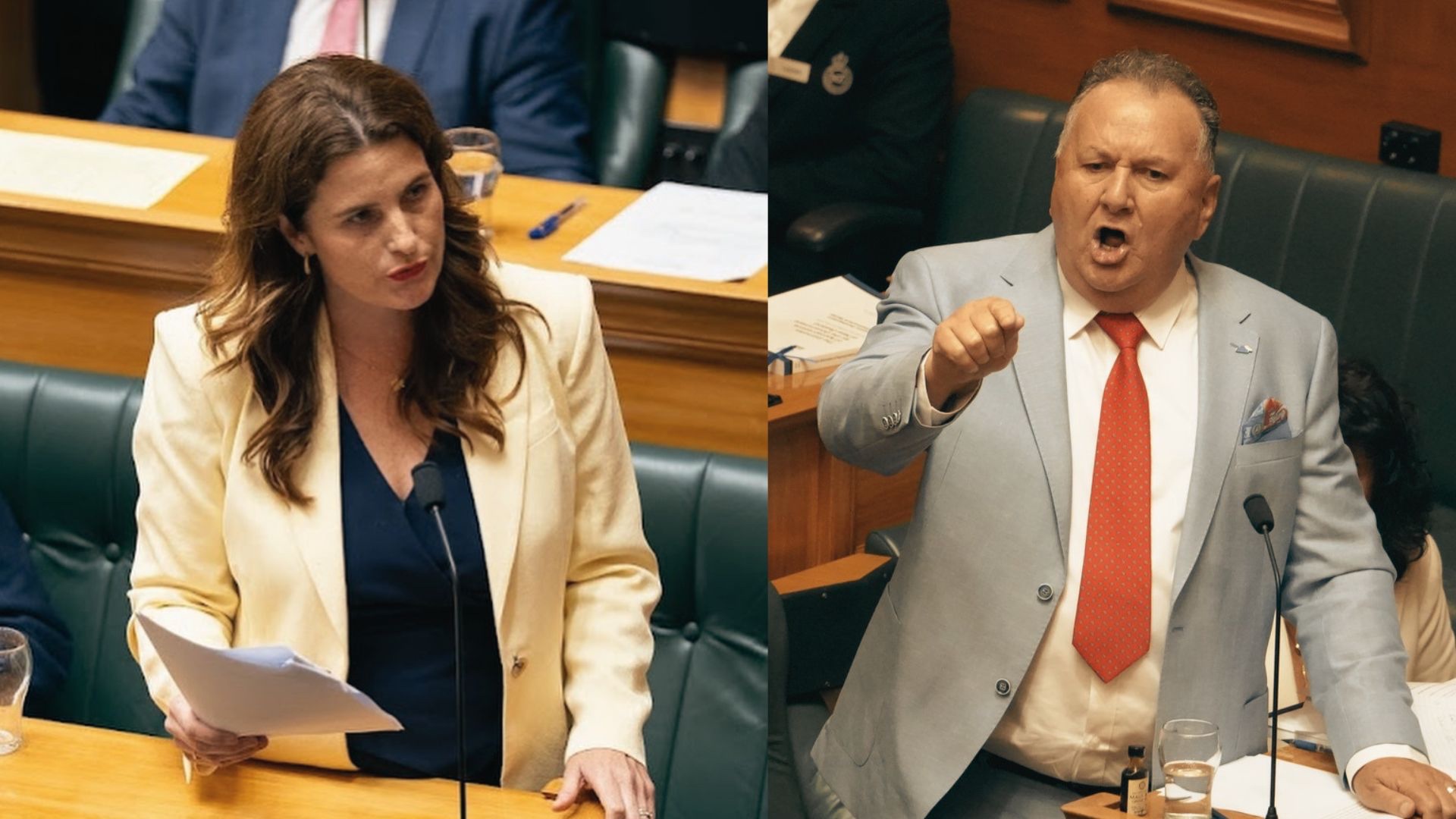
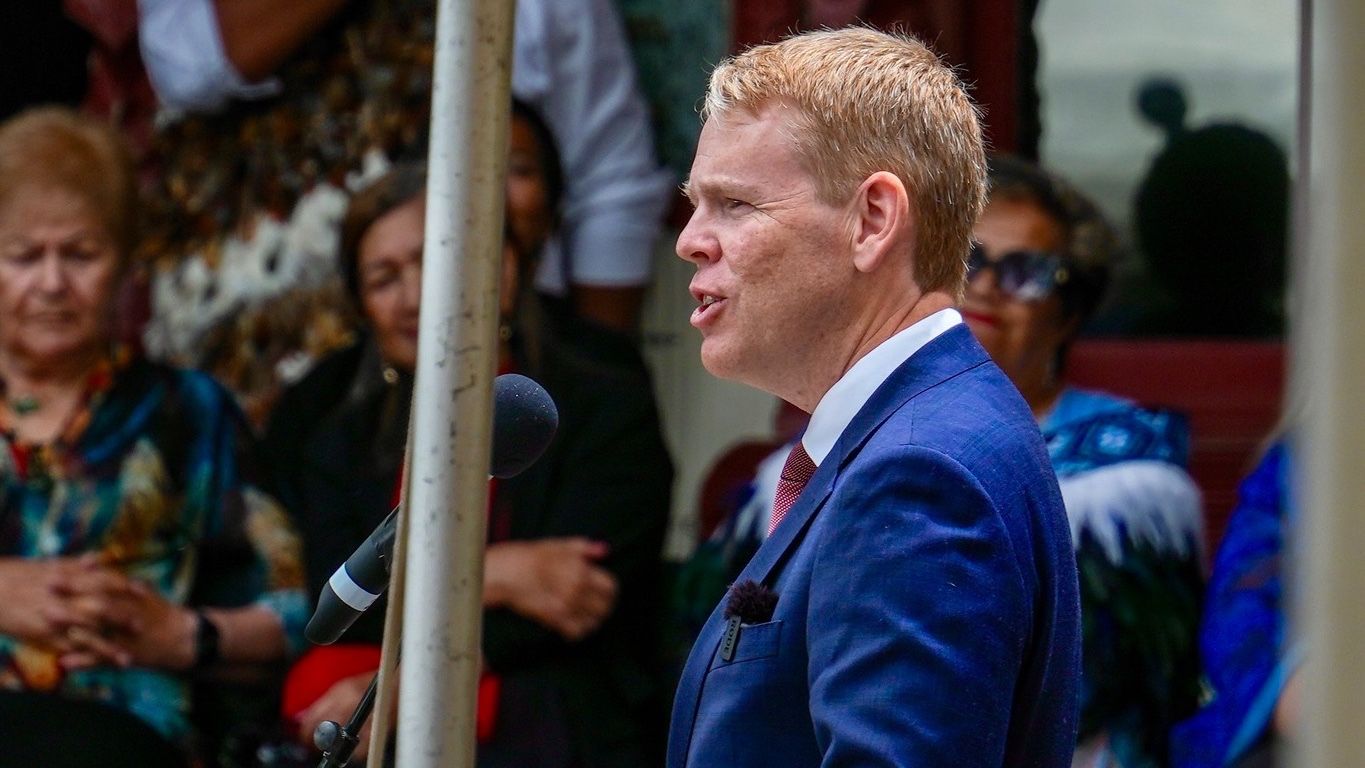
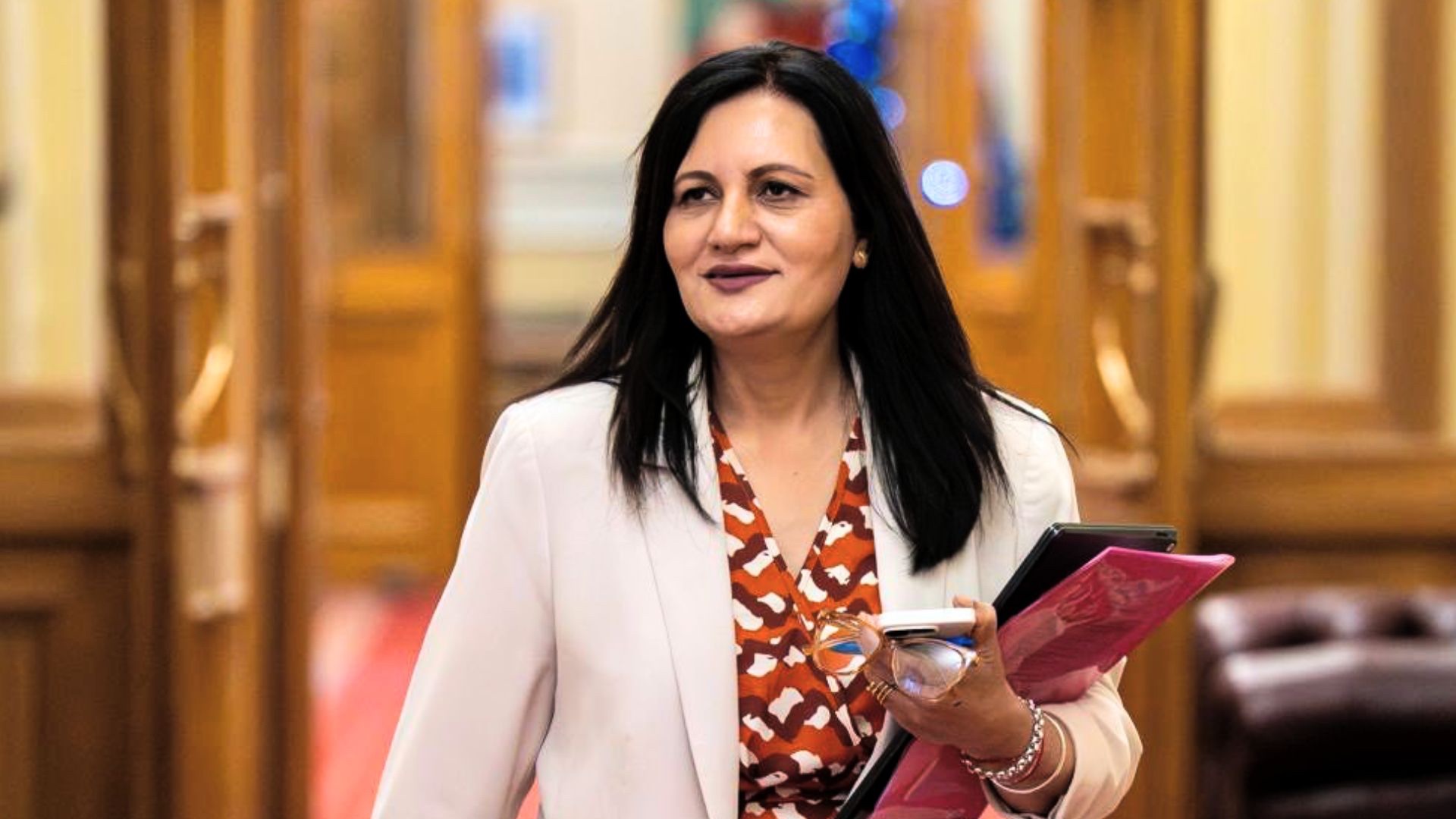
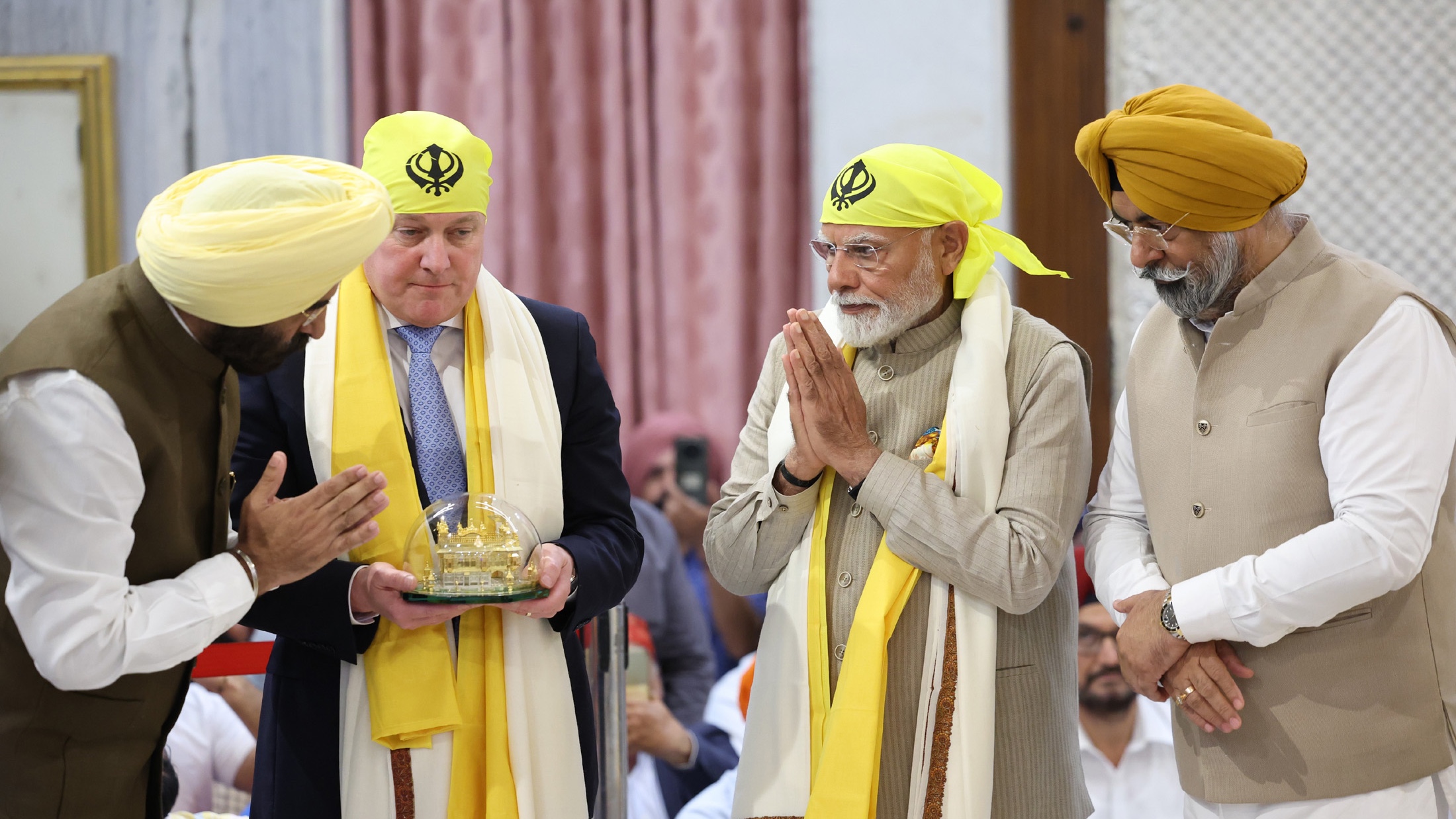
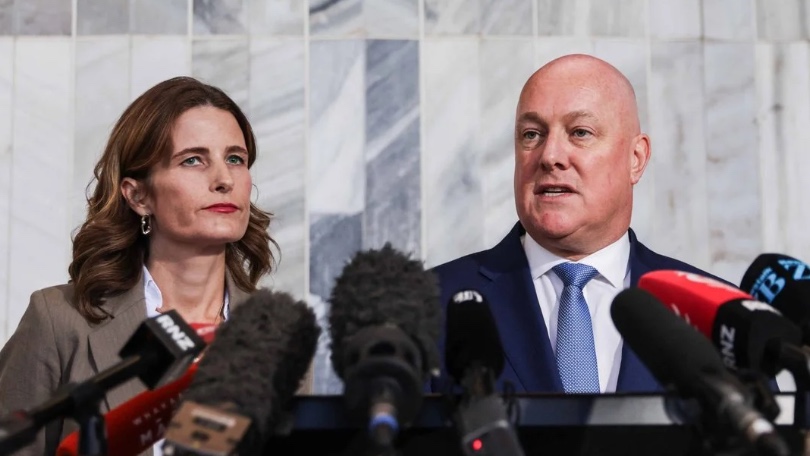
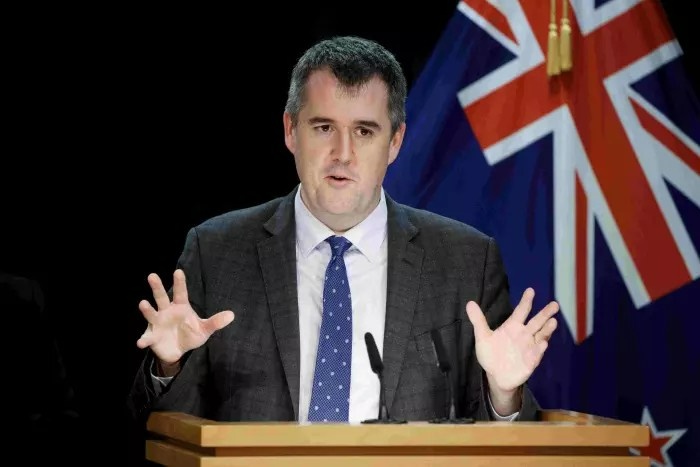
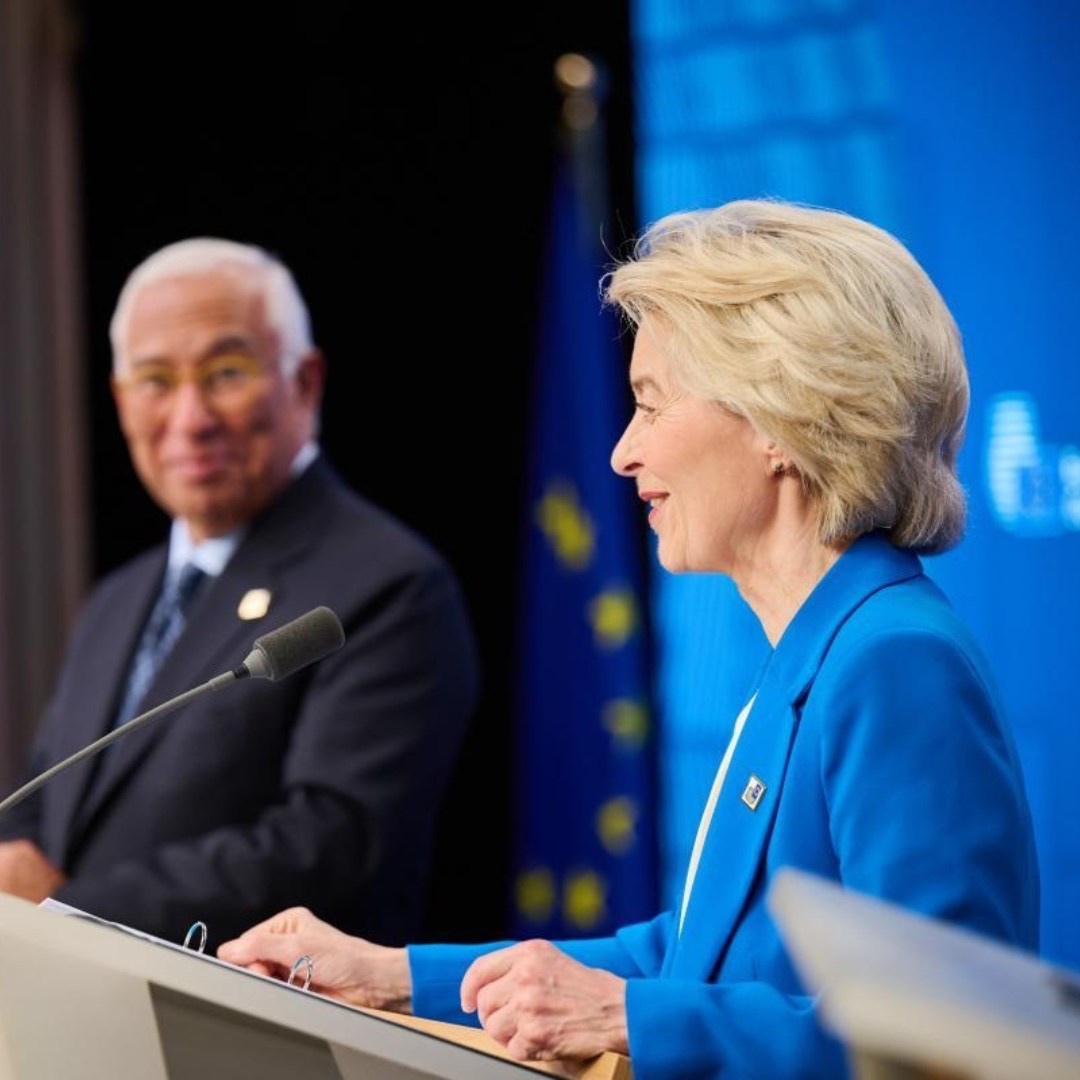
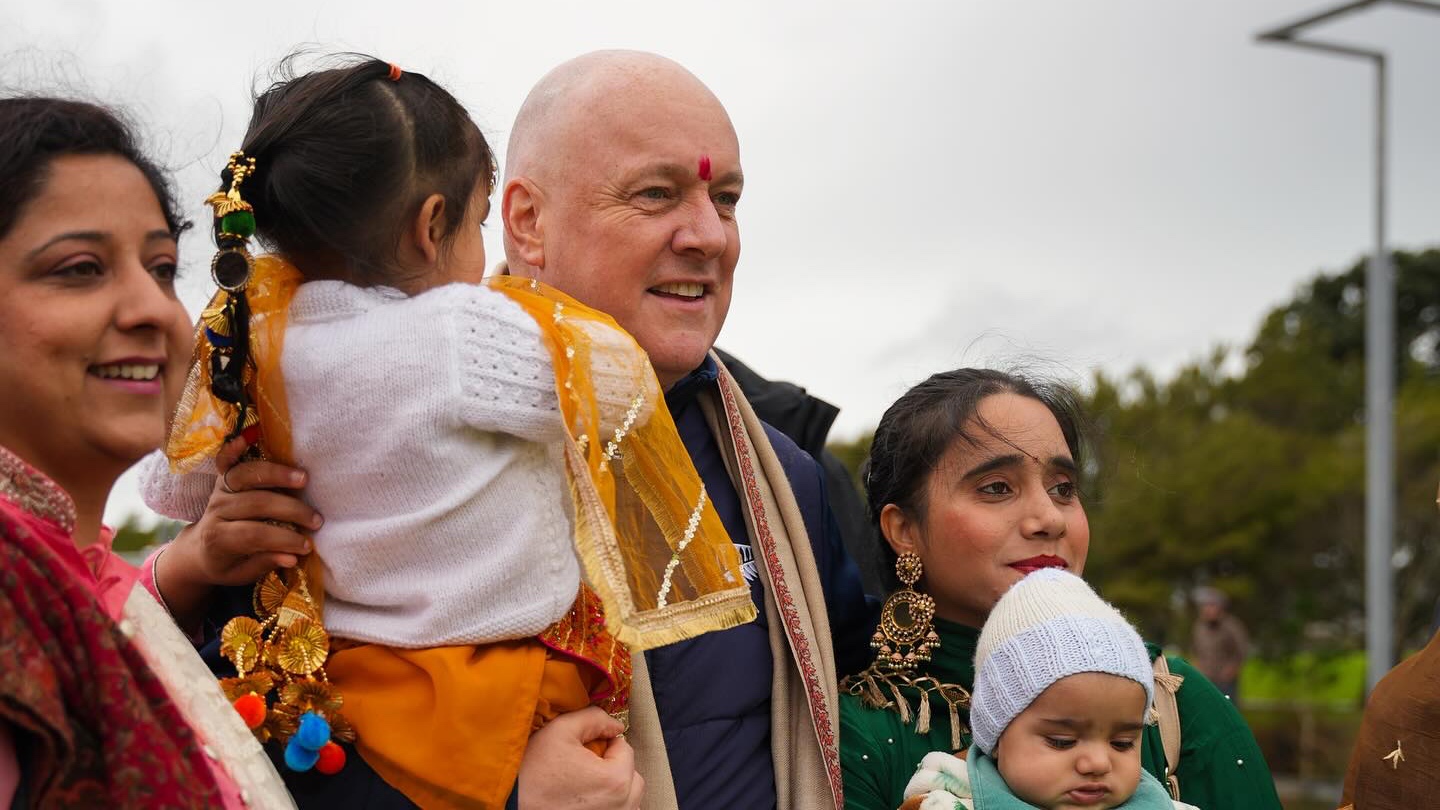
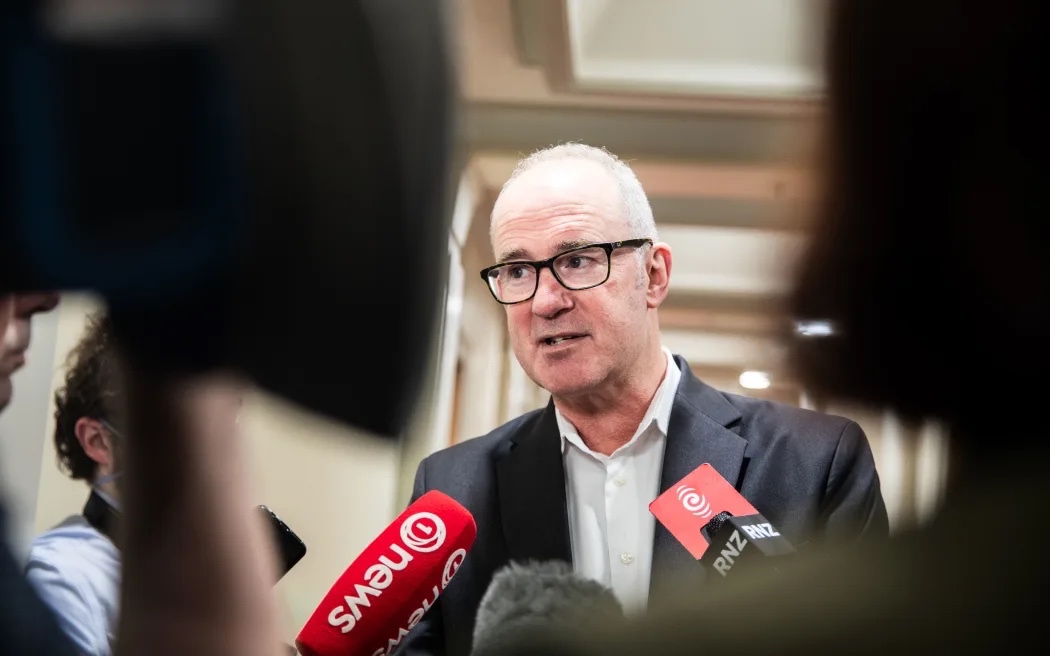
(From left) Casey Costello, Priyanca Radhakrishnan and Carmel Sepuloni.
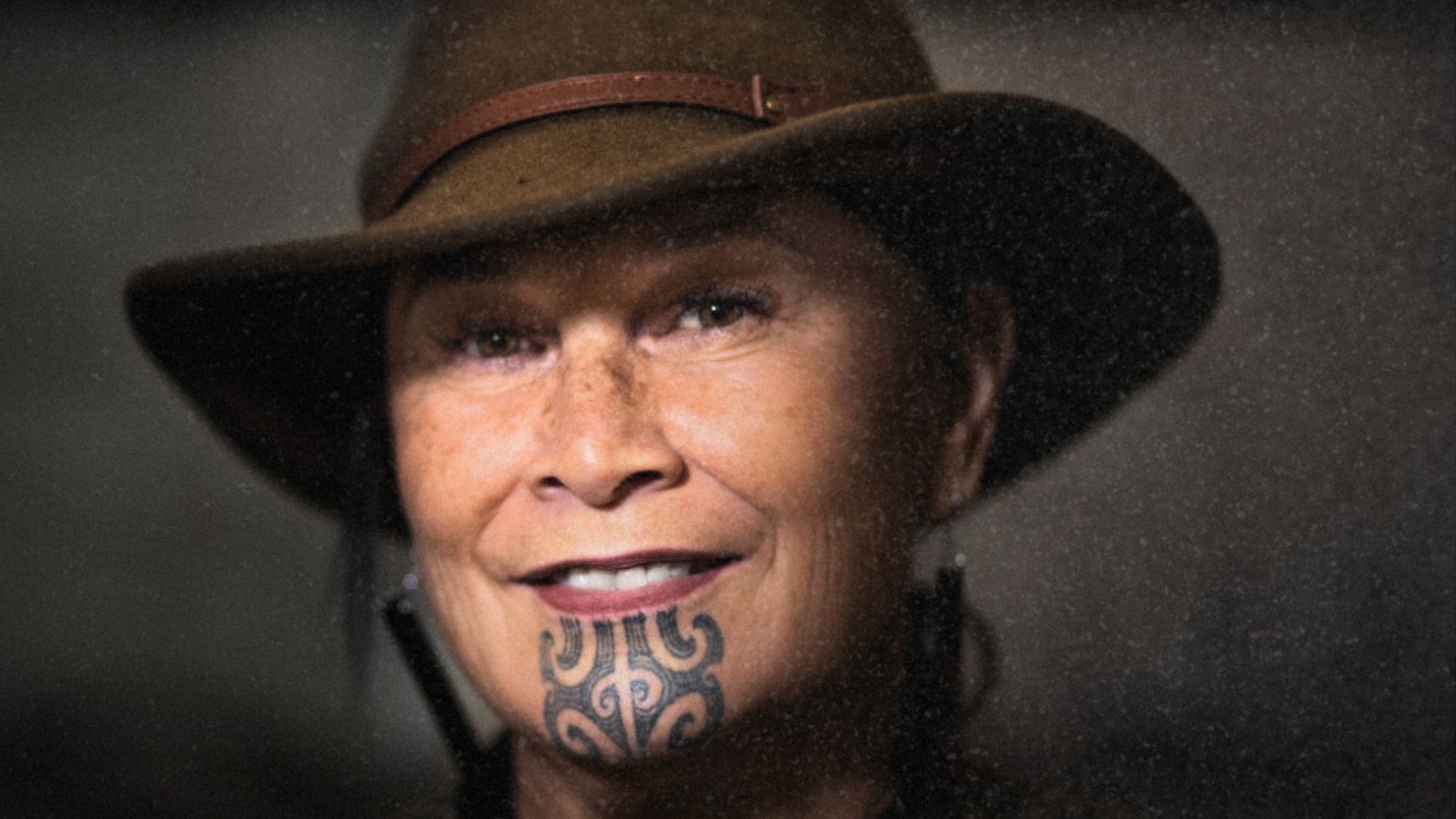
“I would hate to see this House choosing to say that some religious choices are of more value than other religious choices,” Casey Costello says.
A proposed ban on virginity testing should not disparage women who choose to value virginity for religious or personal reasons, New Zealand First MP Casey Costello has told Parliament.
Costello made the argument on Wednesday night as MPs unanimously backed the first reading of Labour MP Priyanca Radhakrishnan’s Crimes (Virginity Testing Practices) Amendment Bill.
The bill would criminalise people who conduct or arrange virginity testing and hymenoplasty, including anyone who takes a person under 18 overseas for either practice.
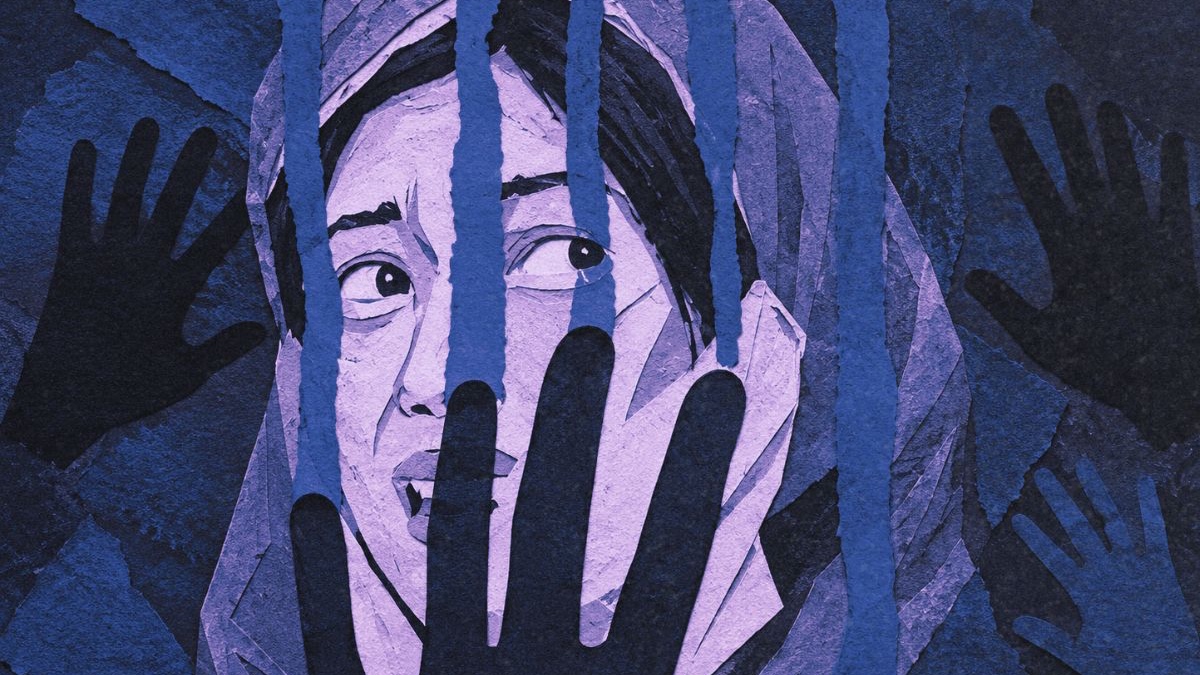
Virginity testing usually involves an examination of female genitalia, sometimes referred to as the “two-finger test”, in an attempt to determine whether a woman or girl has had sex.
Radhakrishnan said it had no scientific, biological or medical validity because a woman’s sexual history could not be determined by examining her hymen.
Being Indian and Kiwi at once. How Ajaz Patel's 10-wicket haul brought his two worlds together A historic moment in Mumbai left the Black Caps spinner reflecting on something far deeper than cricket.
India's SIR voter controversy reaches New Zealand in Muslim man's asylum case The man claimed Muslims excluded from voter lists risked losing welfare benefits and being treated as illegal immigrants.
Election 2026: A right majority is possible even if Opportunity enters Parliament The latest polls suggest National, ACT and NZ First could secure a majority, with the Opportunity Party's fortunes still crucial.
The practice was nevertheless used to make women and girls prove their virginity, often because of expectations around honour, purity and marriage prospects.
Costello, speaking for New Zealand First during the bill's first reading, said the party supported sending the bill to select committee and agreed women needed “absolute protections” from coercion.
But she urged MPs to ensure the legislation did not encroach on the choices of an adult woman seeking medical advice about her own body.
“A law that would walk into a medical consultation room between an adult woman and her medical provider — whatever conditions or whatever treatment she seeks to take, it is her body and, therefore, she should be able to make those decisions,” she said.
Costello said coercion and exploitation had to be prevented, but Parliament also had to respect religious choice.
“We have to respect religions of different choices that value different things,” she said.
“This is not to say that we are devaluing a woman because she’s not a virgin, but the fact that a woman chooses to be a virgin and chooses to ensure that her body is protected and valued in that way — she should not be somehow slighted or slanted because that is her choice based upon religious belief or whatever pathway she chooses to take.”
Costello said Parliament should be careful not to imply that some religious choices were more legitimate than others.
“I would hate to see this House choosing to say that some religious choices are of more value than other religious choices,” she said.
She repeatedly stressed that she was not defending coercion, forced procedures or the exploitation of women.
A point of order over what Costello meant
Labour deputy leader Carmel Sepuloni later challenged Costello’s contribution. She said she was worried by the suggestion that an adult woman should retain the choice to undergo the practice.
Costello immediately rose on a point of order. “I never said that an adult woman should have the right to take that procedure,” she said.
“I said an adult woman should have the right to have a consultation with a medical doctor without the law intervening. I never said about having a procedure.”
The presiding officer agreed Costello had been careful with her words and had not crossed that line.
Sepuloni then continued, saying medical practitioners in New Zealand would not perform virginity testing and would be expected to steer women away from it because of its lack of medical basis.
Radhakrishnan later accepted Costello’s distinction between a consultation and a procedure. But she said the exchange exposed another problem. That very few doctors were trained to explain the myths surrounding virginity and the hymen.
Women should be free to consult medical professionals, she said, but those professionals needed the knowledge to explain that virginity testing had no scientific foundation.
‘Like cling film’
Radhakrishnan said many people had been taught to think of the hymen as being like “cling film”. Like a seal that tears during first sexual intercourse.
“That is factually incorrect,” she said. “The hymen is more like a scrunchie. It expands and contracts.”
It varied naturally between women and could change over time because of hormones, genetics and other factors. Inspecting it could not determine whether a woman had had sex.
“It’s also a myth that virgins always bleed,” Radhakrishnan said.
She cited a study of more than 6,000 women in which only 42 per cent reported bleeding during their first sexual contact. Virginity itself, she said, was a social construct with “absolutely no scientific, biological, or medical validity”.
Why women are subjected to it
Radhakrishnan said women and girls could be pushed towards testing because of “the fear of stigma, the loss of marriage prospects, community pressure, or family sanction”.
Some women appeared to request it themselves, she said, but did so because they feared for their safety or were responding to social pressure and coercion.
Those deemed to have failed a test could be rejected by their communities, physically abused or placed in life-threatening situations.
The bill would also ban hymenoplasty, a surgical procedure that claims to reconstruct the hymen. Radhakrishnan said it rested on the same anatomical myths and could cause serious medical complications.
The legislation would criminalise people who conducted or arranged either practice. Consent would not be a defence. Radhakrishnan also asked the select committee to consider whether a civil pathway was needed alongside criminal penalties.
Having worked with young women forced into marriage, she said she knew “hardly any young person wants to criminalise their own family”.
Virginity testing not specific to ethnicities
The debate also turned to whether virginity testing should be discussed as an ethnic or religious practice.
National MP Nancy Lu described beliefs behind it as “quite a cultural thing”, particularly in ethnic communities, and said the proposed law would help make clear “what is acceptable, what is legal, and what is not acceptable in New Zealand”.
Sepuloni said some speeches had drifted from Radhakrishnan’s warning that the practice was not confined to one ethnicity, community or religion.
“We also have to be very clear about the misogynist nature of this practice, and the fact that this practice is deeply rooted in misogynist systems,” she said.
Radhakrishnan returned to the point in her closing speech. “This is not an issue that is confined to any particular ethnic community,” she said.
“The only culture that perpetuates this practice is the culture of patriarchy.”
The bill was supported by Labour, National, the Greens, ACT, New Zealand First and Te Pāti Māori and was referred to Parliament’s Governance and Administration Committee.