
Long read: Bhana Brothers and the making of a Kiwi-Indian dynasty
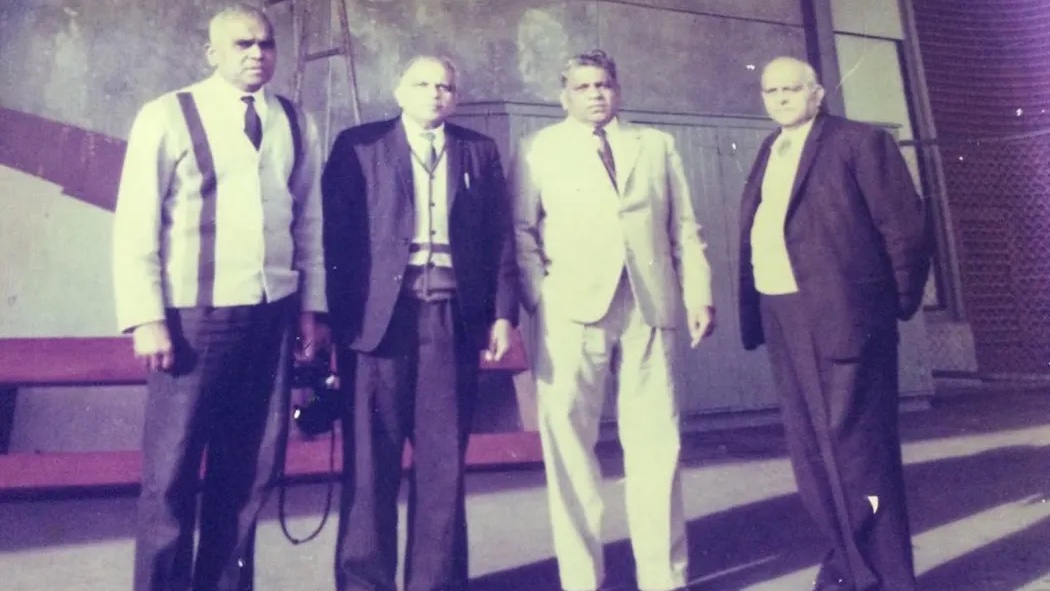
(Left to right) Magan, Jeram, Manilal and Bhana Fakir were the original Bhana Brothers in Auckland in the 1930s. (Supplied photo)
Rina Patel looks back at her grandparents' incredible journey in a bid to fill in the missing pieces of her family's past.
(First of a four-part series on Indian migration to New Zealand. This was first published on RNZ on May 5, 2025.)
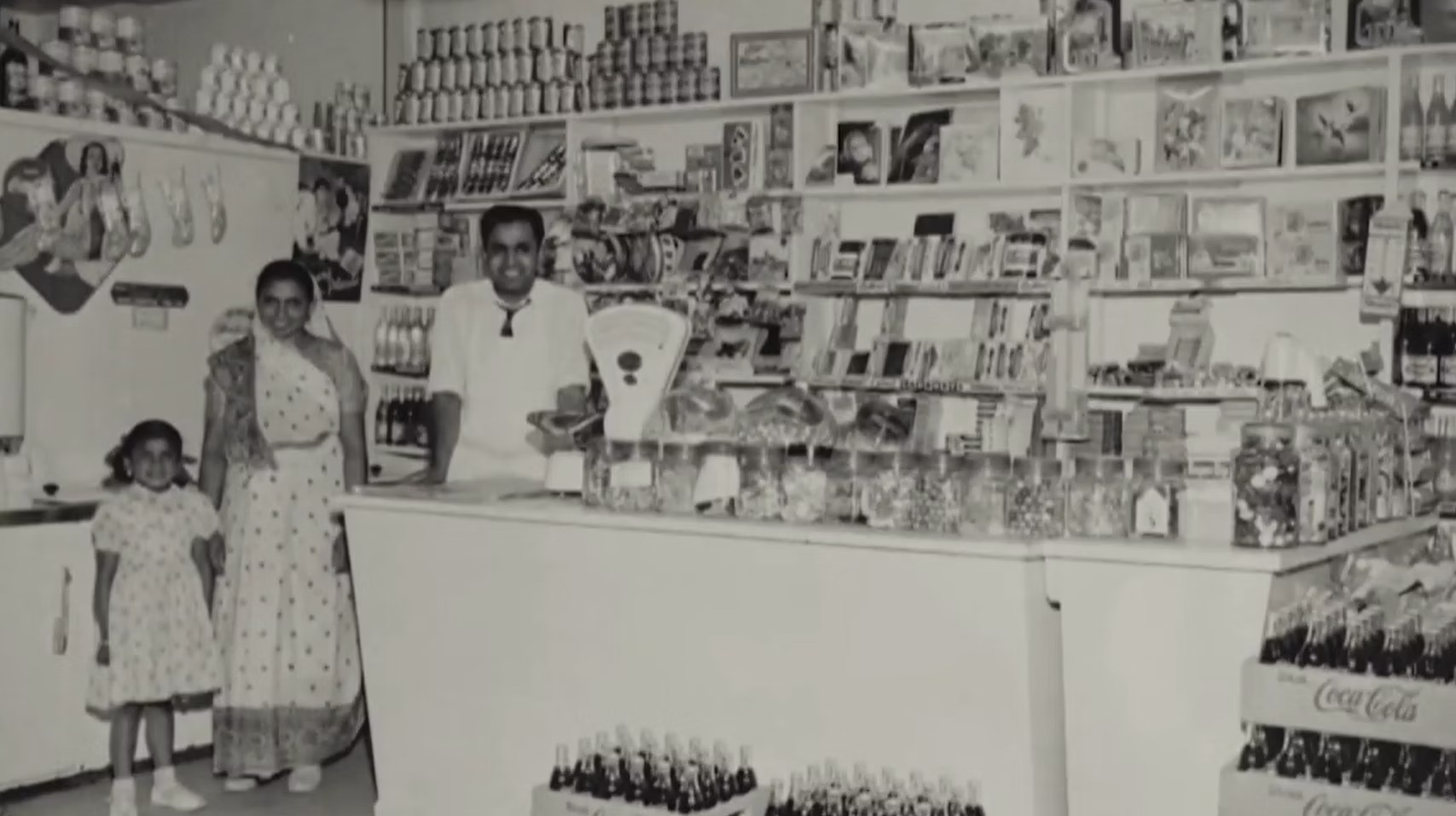
Long before Ponsonby Road was home to specialty coffee shops and designer stores, four Indian brothers planted their roots in Auckland, selling fresh produce from a small grocer that would grow into a city icon.
Bhana Brothers, a name now woven into the fabric of Auckland's history, was founded in the late 1930s by Bhana, Jeram, Magan and Manilal Fakir - four siblings who left India in the 1920s in search of a new life.
However, their journey didn't begin there - the first whisper of their family's connection to Aotearoa actually came from an earlier generation.
Rina Patel, granddaughter of Jeram Fakir, knows little about her great-grandfather - only that he was the first of their whānau to set foot in Aotearoa.
Being Indian and Kiwi at once. How Ajaz Patel's 10-wicket haul brought his two worlds together A historic moment in Mumbai left the Black Caps spinner reflecting on something far deeper than cricket.
India's SIR voter controversy reaches New Zealand in Muslim man's asylum case The man claimed Muslims excluded from voter lists risked losing welfare benefits and being treated as illegal immigrants.
Election 2026: A right majority is possible even if Opportunity enters Parliament The latest polls suggest National, ACT and NZ First could secure a majority, with the Opportunity Party's fortunes still crucial.
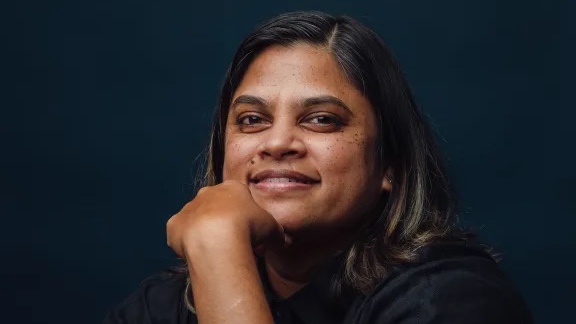
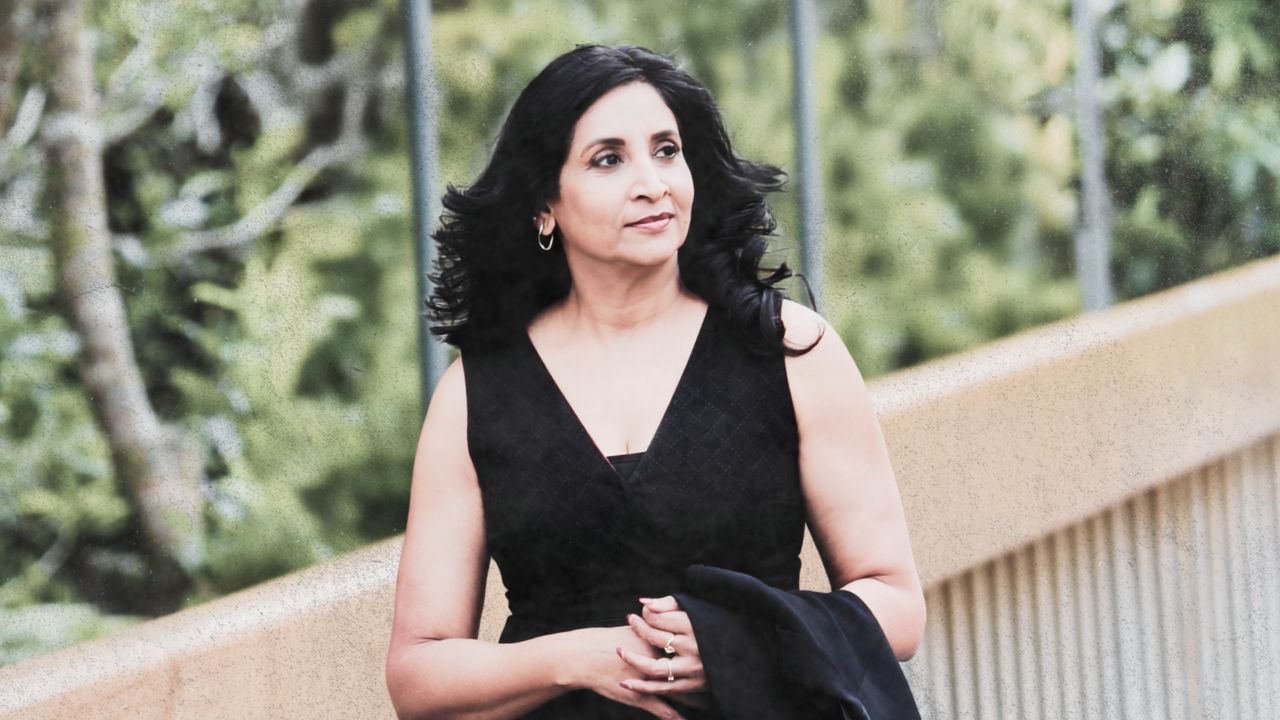
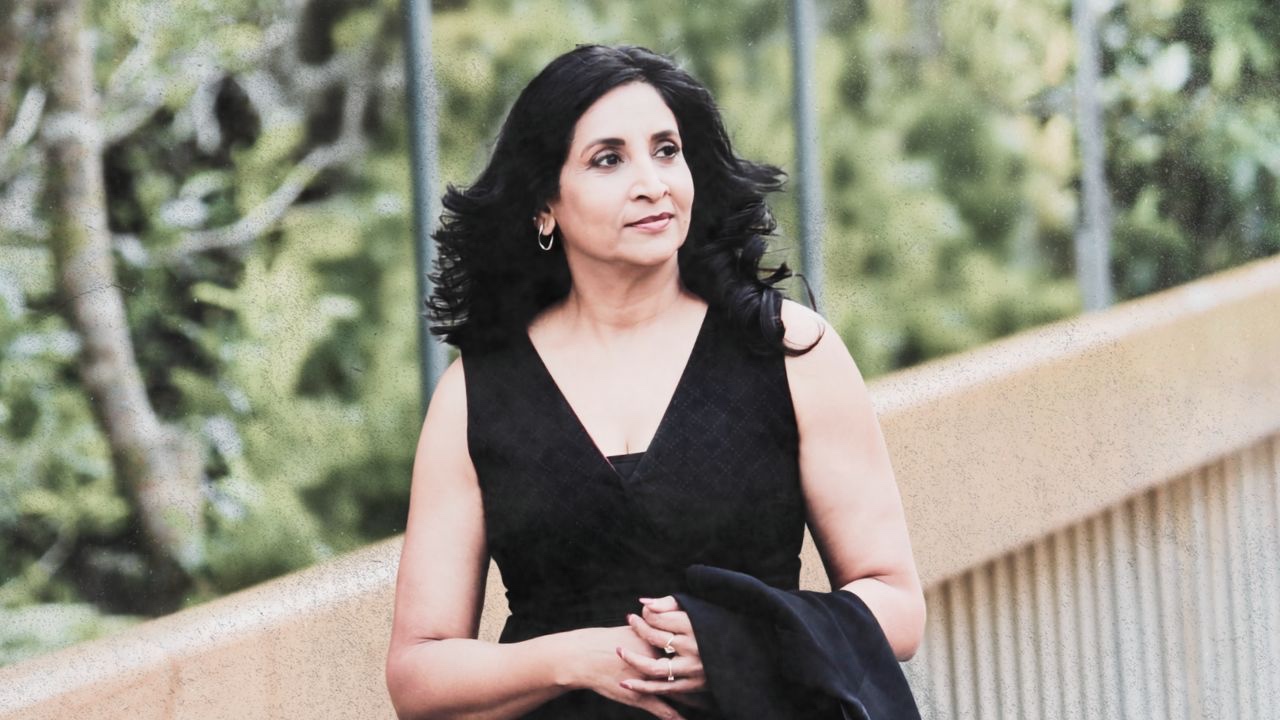
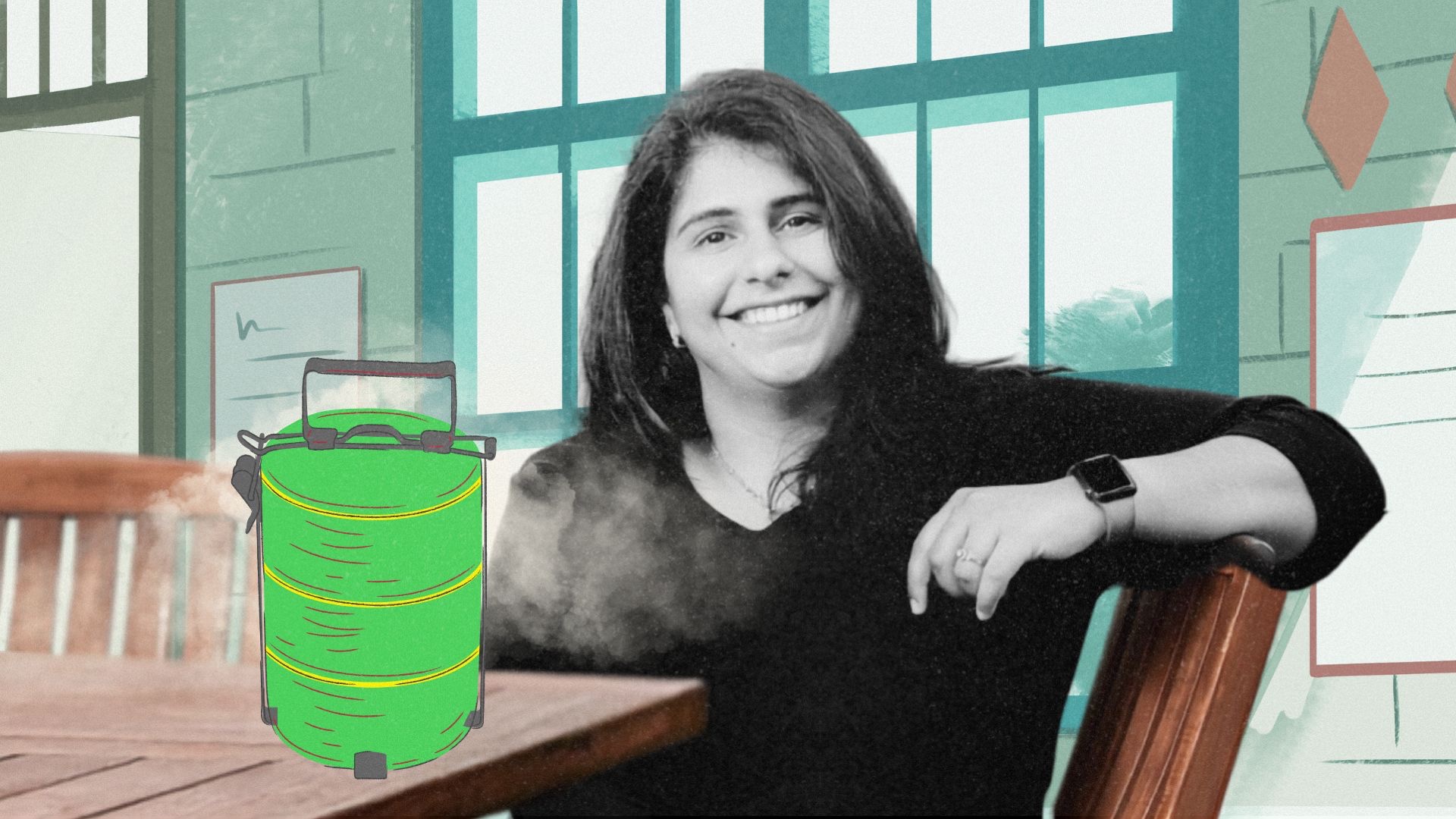
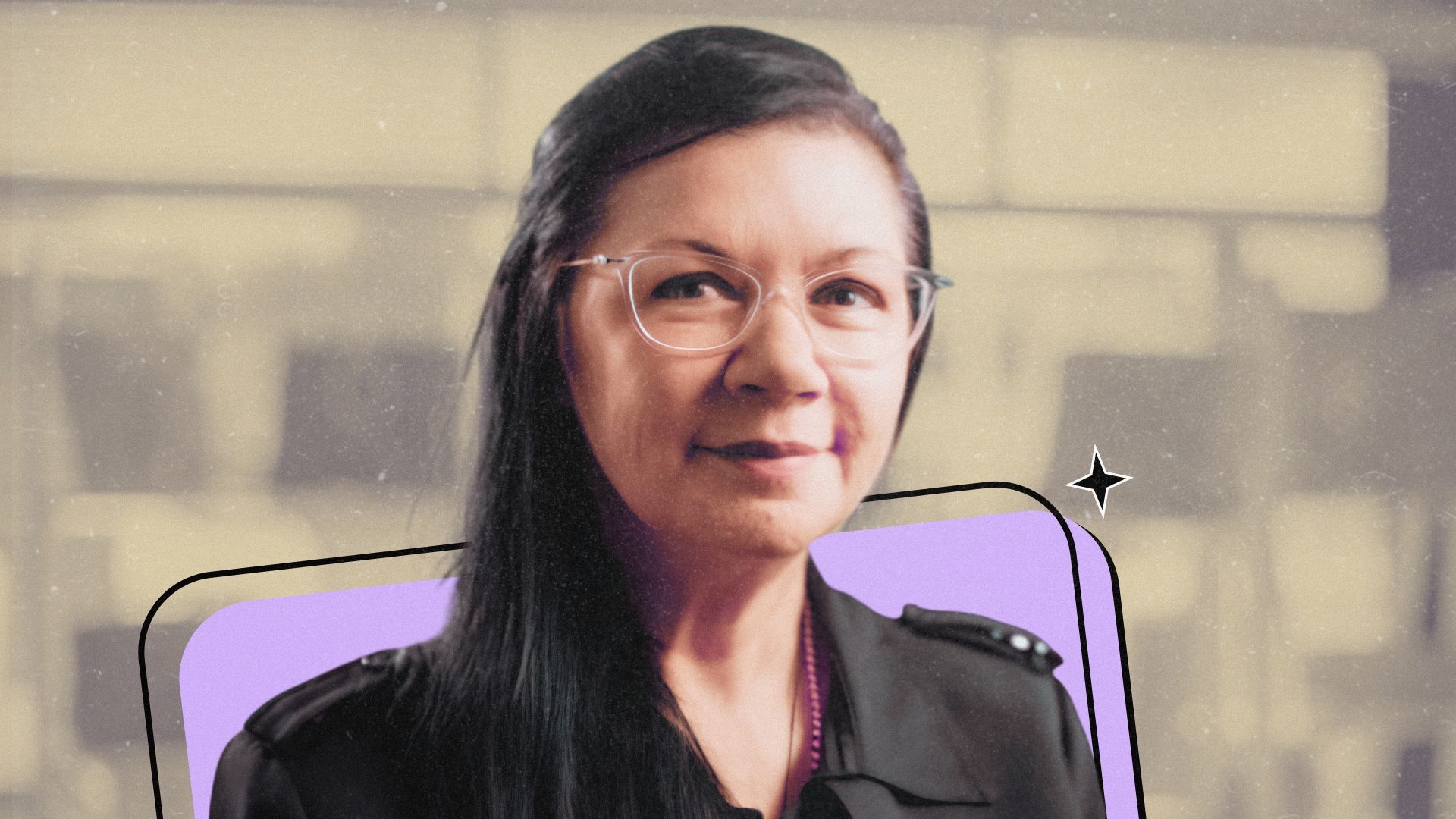
A woman with long hair and a black shirt is smiling and posing for a photo with her hand on her chin.
Rina Patel is a fourth-generation Indian-New Zealander on a mission to learn more about her family history. (Supplied photo)
She doesn't know how he arrived or where he might've disembarked. And only a few weeks ago did she find out his name - Fakir Chhiba.
"That was like a missing piece for our whānau," Patel says.
"I had been trying to find out his name. … I asked my mum again and she was able to recall it. What did help was her thinking about the naming convention."
In Patel's family, naming conventions followed a paternal surname, meaning their father's first name would become their last name. It also meant that family names varied from generation to generation.
"I've been trying to find his immigration record and just this weekend gone via 'family search' … his name does appear in there," Patel says.
"It looks like he arrived in 1930 or 1931. … I'd love to find out what boat he came on and whether there's a record of his passport details. That would be great, I'd love a printout of that."
Like many early Indian migrants to New Zealand, Patel's whānau came from the Navsari region of Gujarat, a coastal stretch in western India known for its deep trading history and centuries-old ties to migration.
The Fakir brothers would have been among a small number of Gujarati teenagers arriving in New Zealand for work as scrub cutters, drain diggers, flax workers, bottle collectors, and hawkers of fruit and vegetables.
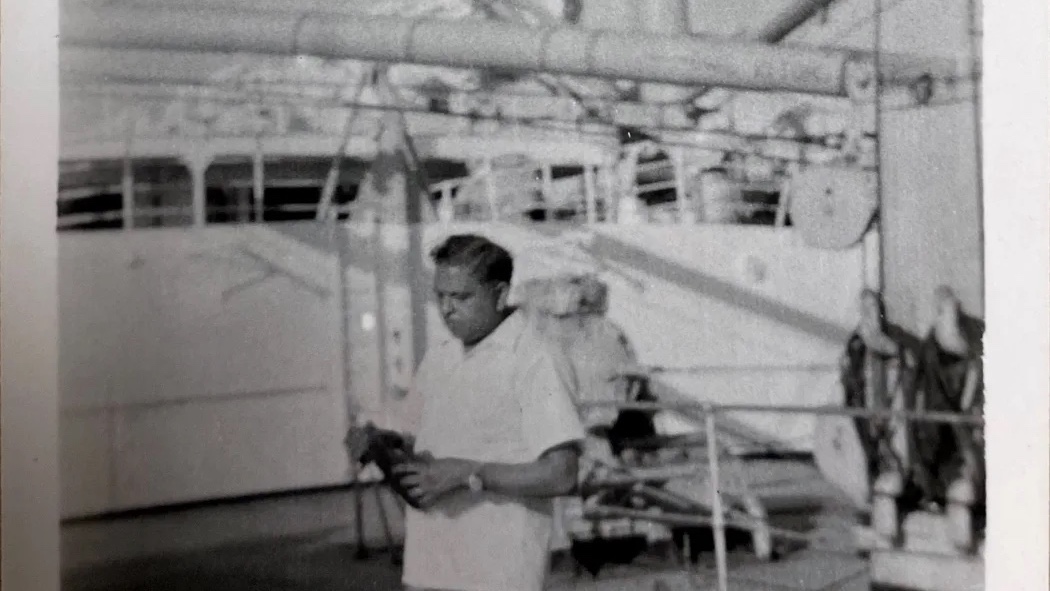
A black and white photograph of a man on a ship, holding a camera, and wearing a watch.
Jeram Fakir and his brothers arrived in Aotearoa in the 1930s. (Supplied photo)
It would have been an incredibly difficult journey.
Travel from India to New Zealand in the early 1900s was gruelling and often dangerous.
Steamships cut through vast stretches of ocean, their lowest decks cramped with passengers who could afford little more than a ticket in steerage. Tiered bunks lined the dimly lit holds, where travellers slept shoulder-to-shoulder. Meals were starchy, water was scarce.
For families, the conditions were even harsher. Women and children were separated from men in different holds, and there were no facilities for babies or toddlers.
On voyages lasting six weeks to two months, mothers clung to their infants, fearful they might slip from their grasp - or worse, disappear into the sea.
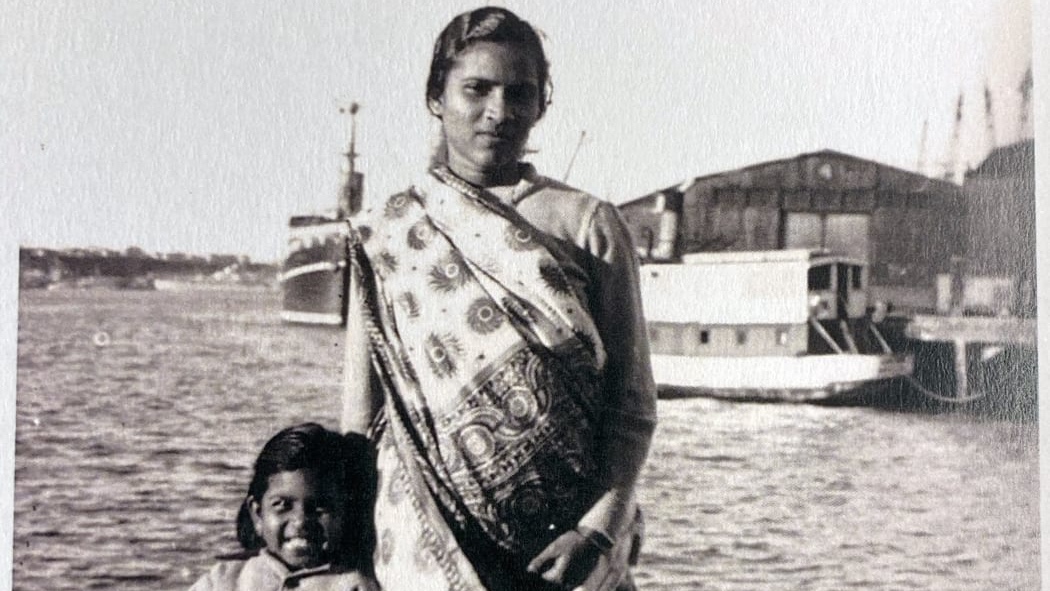
A black and white photograph of a woman and a child standing by the water, with a boat and a building in the background.
Dahi Jeram travelled to New Zealand with her 2-year-old daughter, Jasu, in 1948. (Supplied photo)
Patel's grandmother, Dahi Jeram, endured that very journey in 1948, travelling to New Zealand with her 2-year-old daughter, Jasu.
When Patel imagines the voyage, her mind swirls with questions.
"In my mind, I just keep picturing that it would've been really basic," she says.
"I think of bread and water - I don't even know what people had on voyages of that nature. My grandparents would have been able to tell me, but I would have been too young to have even asked these questions.
"I'd love to know, just to get an idea of what that environment was like. Was it loud? Could you sleep? When it got cold, would you freeze? If it rained, you know boats have different levels, were you exposed? Was it like being in a sardine tin can? It's definitely a mystery, where am I getting all these ideas from? I'm sort of constructing them because it's all I can do."
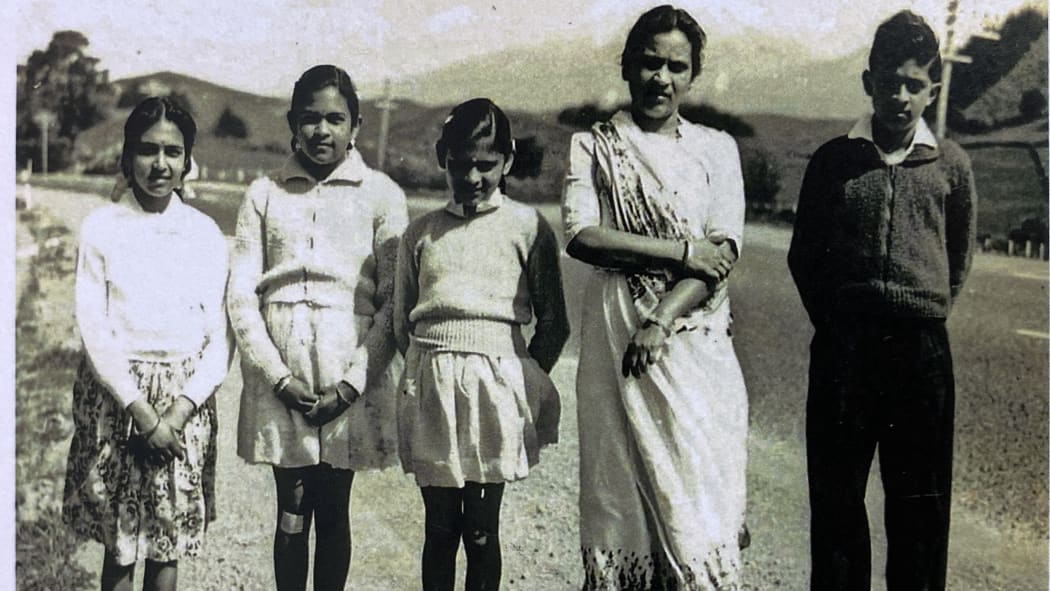
A black and white photograph of four young girls, a woman, and a boy standing on a road, with a hill and trees in the background.
Jeram and Dahi relocated to Taranaki in the 1950s, where they raised their four children: (left to right) Jasu, Usha, Indira and Ashok. (Supplied photo)
By the time Dahi arrived in New Zealand, Jeram Fakir had left Bhana Brothers and relocated to Eltham, a small town in South Taranaki, where he opened a fruit shop. Baby Jasu soon had three younger siblings to play with: Ashok, Usha and Patel's mother, Indira.
In a self-published short story collection titled 22, Patel describes Eltham as a "small, white-as-cheese-and-bland-as-unsalted-butter of a town".
She can only imagine the culture shock and challenges her grandparents faced at the time, navigating something so different from the home they had left behind.
"I just don't know how that was absorbed or felt. I went on a road trip to Eltham with a cousin of mine, years ago now. … I was like, 'I wanna see where my mum grew up'.
"We got there and the maunga was stunning off the main road. We saw the Eltham town hall, we saw the building where they had their fruit shop, spotted the building they grew up in as well. But I felt very out of place in Eltham and that was only 10, 12 years ago. And so, if I'm feeling out of place, how did they feel in the 1950s?"
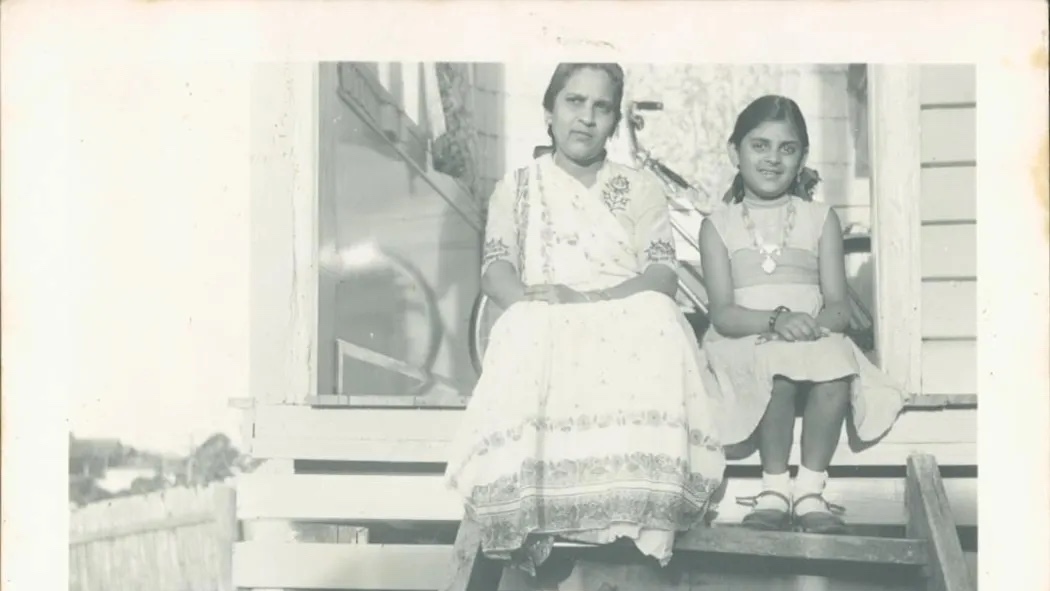
A black and white photograph of a woman and a young girl sitting on the steps of a house.
Dahi and her daughter Indira sit outside their home in Eltham, Taranaki. (Supplied photo)
Hostility and resistance were everyday realities for these pioneering families.
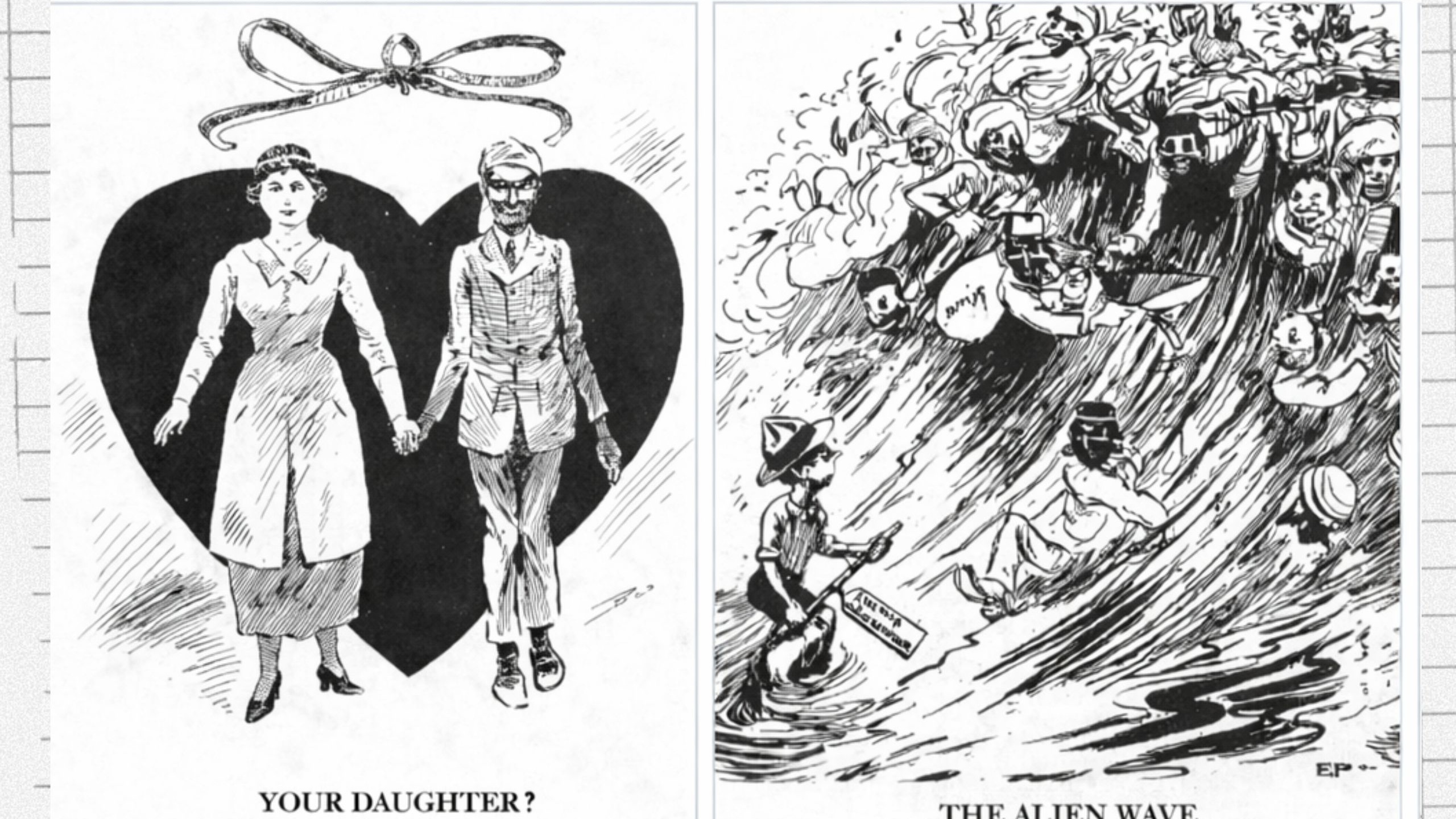
Throughout the early to mid-1900s, laws aimed at restricting the entry of "race aliens" - a term used to target Indians and Chinese - were repeatedly introduced.
But even with these barriers, the threat of a so-called "Hindoo Peril" - coined from a 1917 cartoon about the volume of Indian immigrants entering New Zealand - still loomed.
In some pockets of Auckland, bars, hotels, barber shops and dress circles of cinemas openly refused entry to Indians.
Meanwhile, securing stable employment remained just as difficult.
The Shop and Office Act of 1921-22 sought to limit business ownership to British subjects, but with India under British rule until 1947, Indian migrants were, legally, British subjects themselves.
As a result, many migrants turned to self-employment, opening fruit shops, running market gardens and selling fresh produce door to door.
Patel's grandparents made a life for themselves in Eltham, all things considered.
However, an undercurrent of racial tension was often present.
"It was never spoken about but there were definitely attitudes that my ba (grandma) and dada (grandfather) carried around for sure," Patel says. "The term 'goriya' (white people), you'd hear that a lot as a kid."
While not always negative, Patel sensed an unspoken awareness of Pākeha dominance in her grandparents' generation.
"I was kind of made aware of that in a really non-direct way," she says.
"I might just hear them talking about 'goriya' in a conversation in the background and think, they have strong feelings about these people.
"There's definitely some attitude there and maybe judgement, maybe prejudice, but that's not unusual for anyone that's tauiwi (non-Māori), I think."
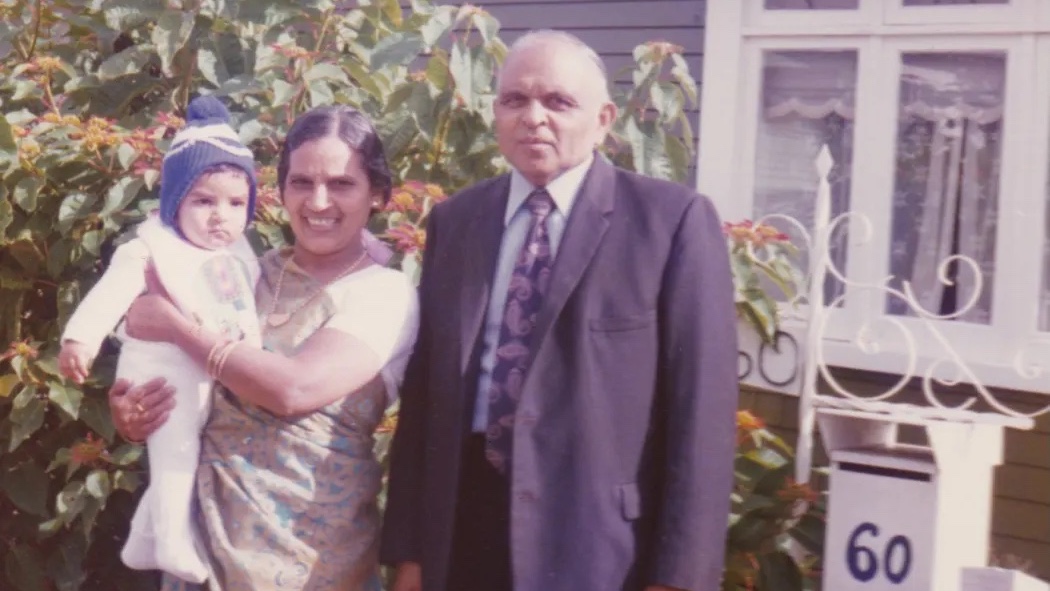
An elderly man and woman stand outside a house with a young child, with the number 60 visible on a nearby post.
Dahi and Jeram pictured with their grandson Rakesh. (Supplied photo)
Dahi and Jeram moved back to Auckland when their four children became young adults and, in 1974, Patel's father immigrated to New Zealand and married her mother.
According to Patel, the family got into the dairy pipeline "big time".
"We were in the dairy business for a good 18, 19 years. Our first dairy was on Ponsonby Road. We lived upstairs, so it would've been tiny.
"But then like all the brownies in Ponsonby at the time, it got gentrified and we all moved out and ended up in Otāhuhu, running dairies there. I spent a lot of my childhood behind the counter with my parents."
Fittingly, the family's time in business came full circle.
Decades after her grandparents' first fruit shop in Eltham, their final venture was a fruit and vegetable shop in Onehunga.
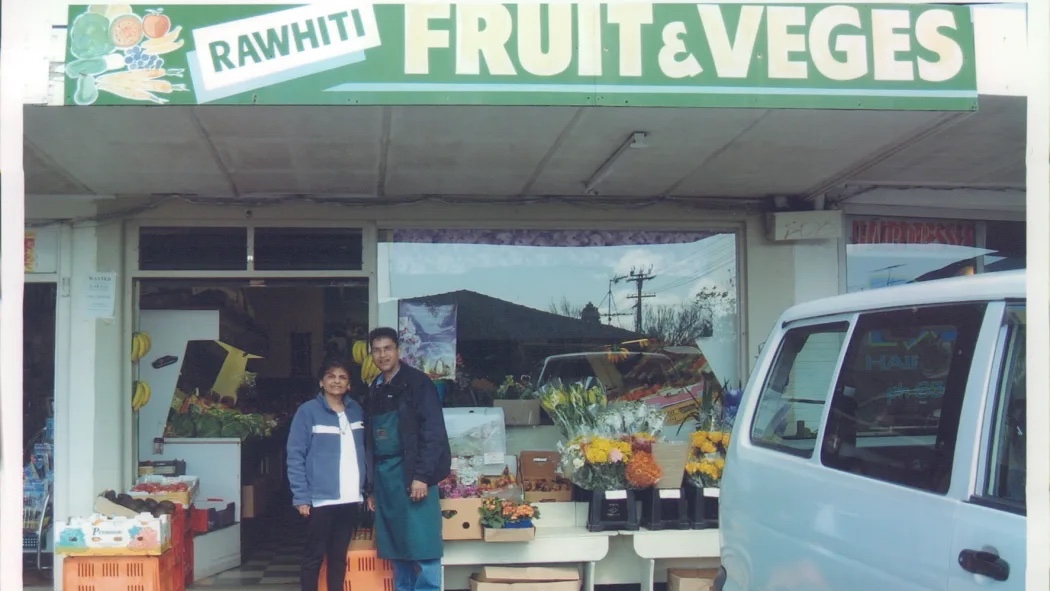
Two individuals stand outside a fruit and vegetable shop, with a white van parked nearby and various produce displayed in crates and on tables.
Patel's parents, Indira and Magan, stand outside their Onehunga fruit shop in the early 2000s. (Supplied photo)
Patel has few memories of her grandparents but, as she's grown older, she's come to understand the weight of their sacrifices - the years spent apart, living fragmented lives on opposite sides of the world, all in the hope of building a better future for her parents' generation, and her own.
She remembers her grandma as "quiet and sweet and generous, just an observer," always in the kitchen making kadhi or reading Gujarati books by lamplight.
Her grandfather, on the other hand, was full of zest.
"He would always pat me on the back real hard. It was a 'thud, thud'," she recalls
"I don't know if he was trying to put energy into me or just wanted to let me know I was alive.
"I don't know how he perceived me, but it always cracked me up. I'd brace myself for the big thud whenever he saw me. I think it was just love."
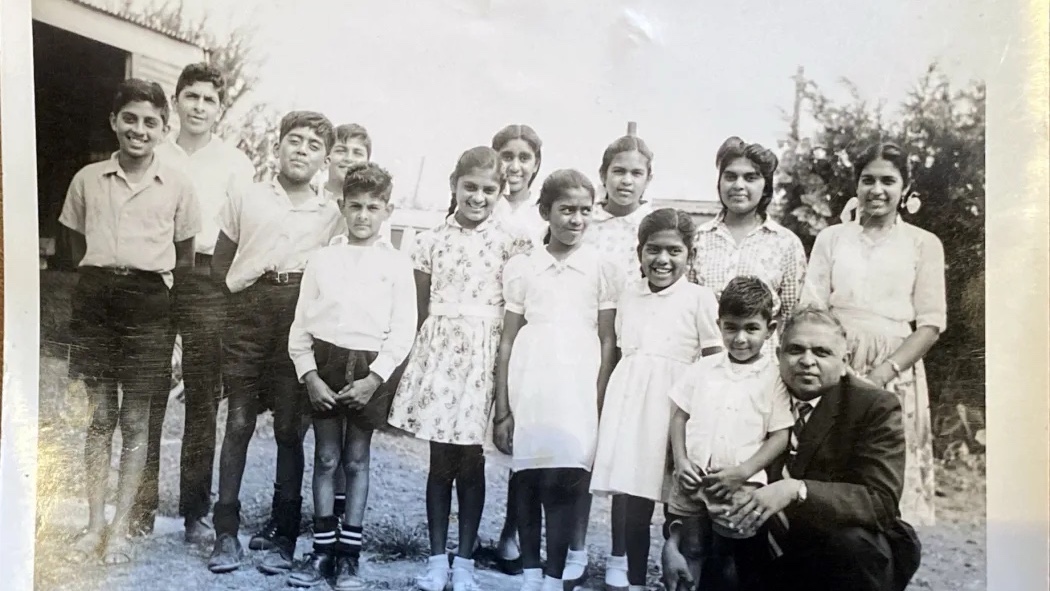
A black and white photograph of a group of children and a man, all dressed in formal attire, standing together outside a building.
The Bhana Brothers progeny. Photo: Supplied / Rina Patel
(Jogai Bhatt travelled to India with support from the Asia New Zealand Foundation.)