
‘Not an Indian’: Auckland roadside urination photo sparks debate over racial double standards
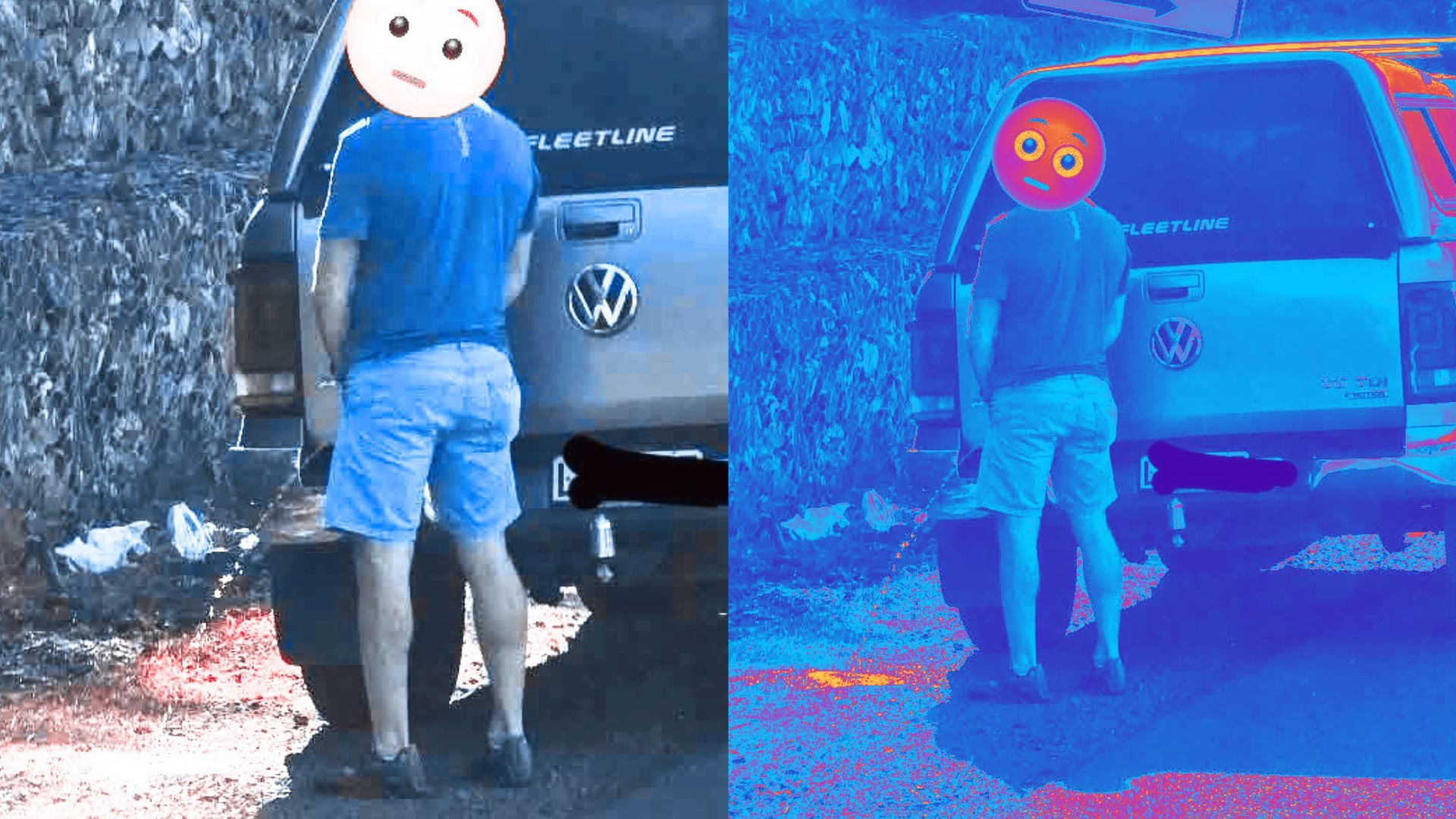
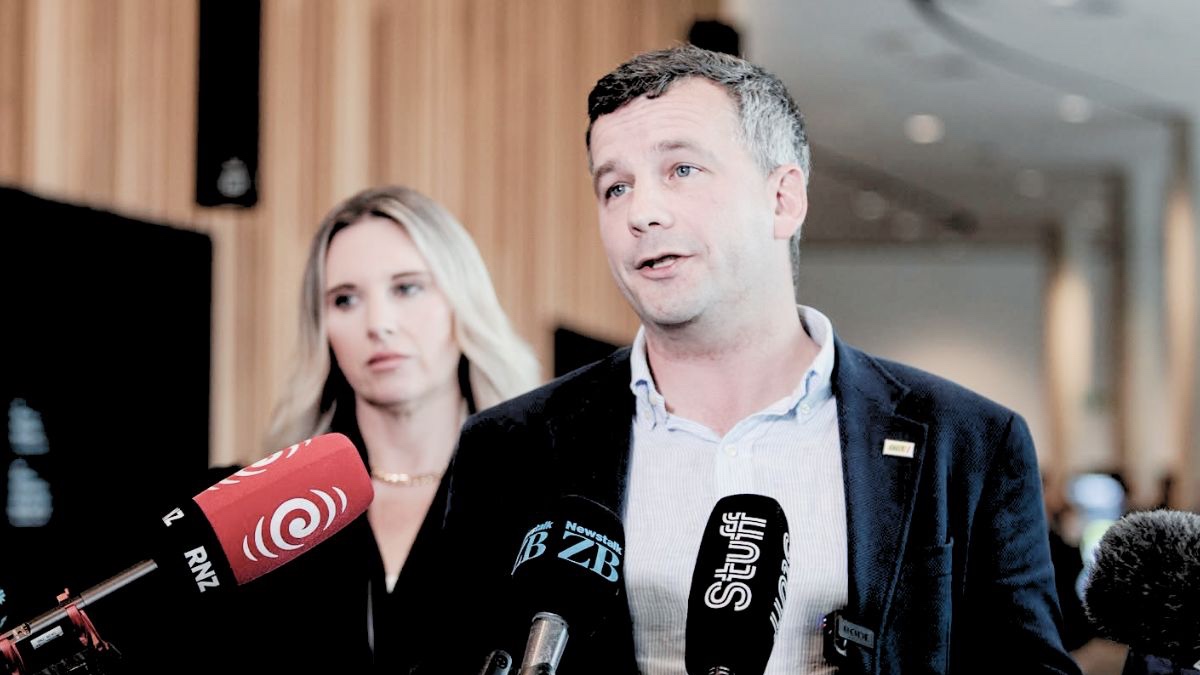
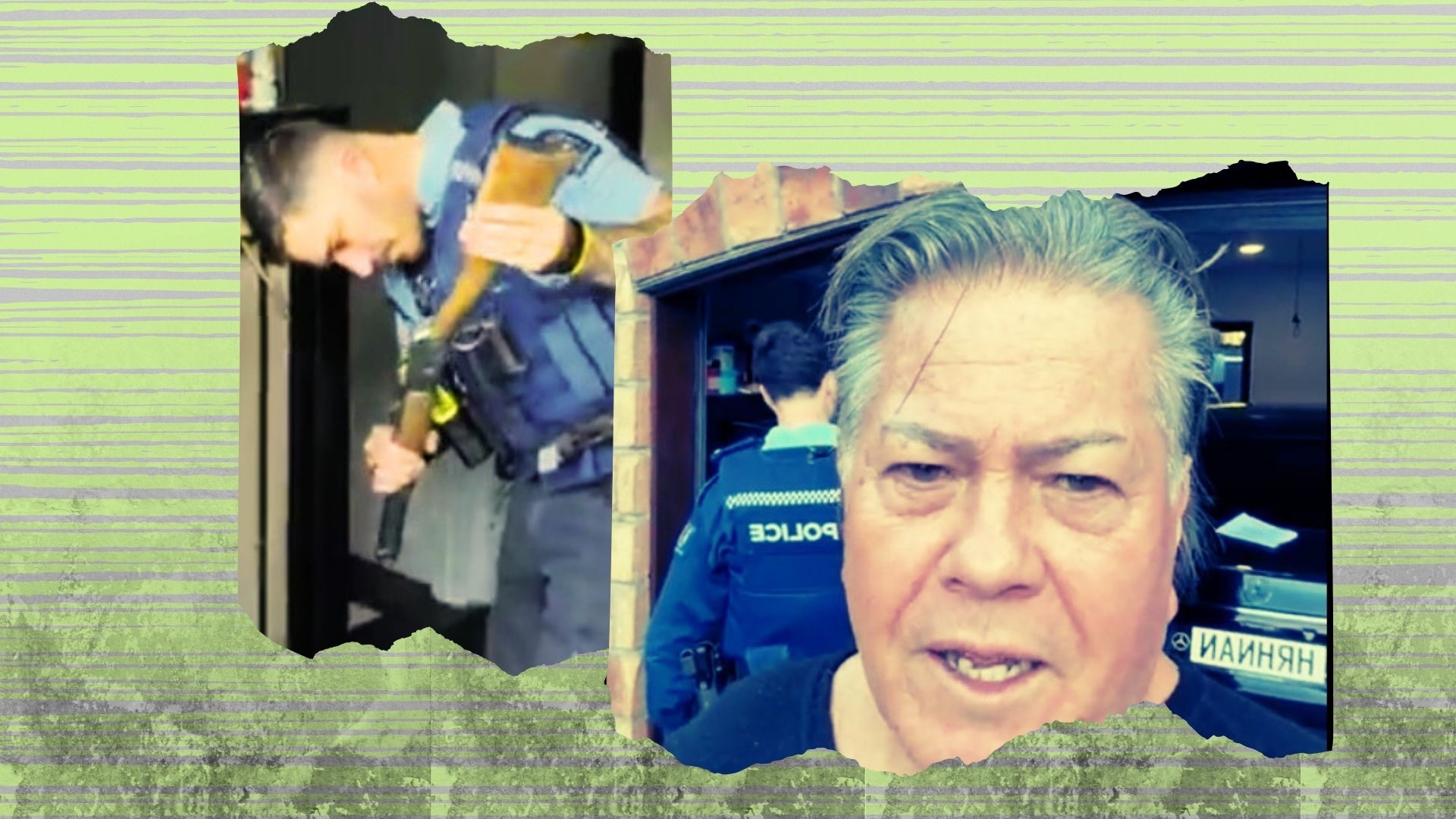
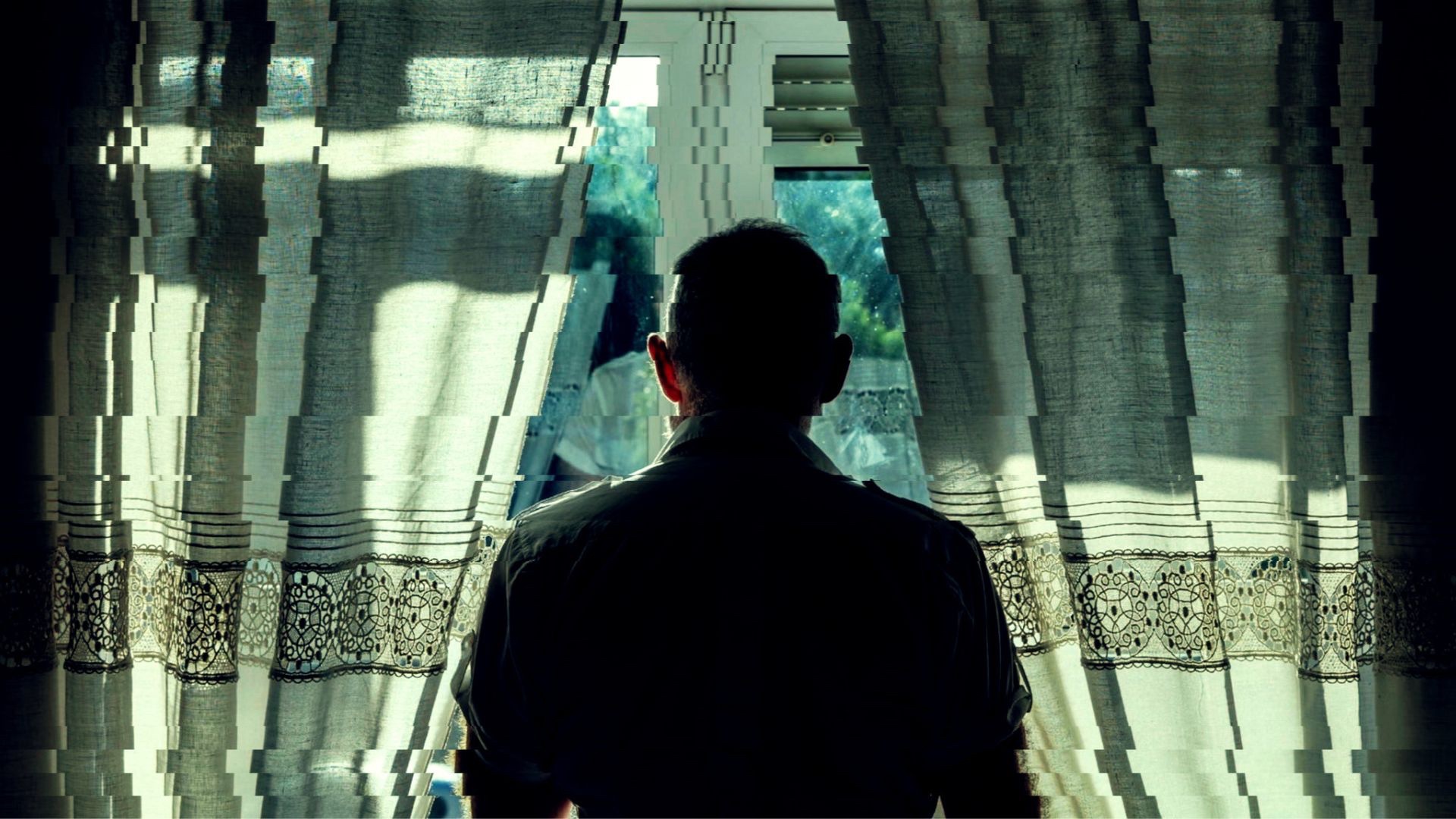
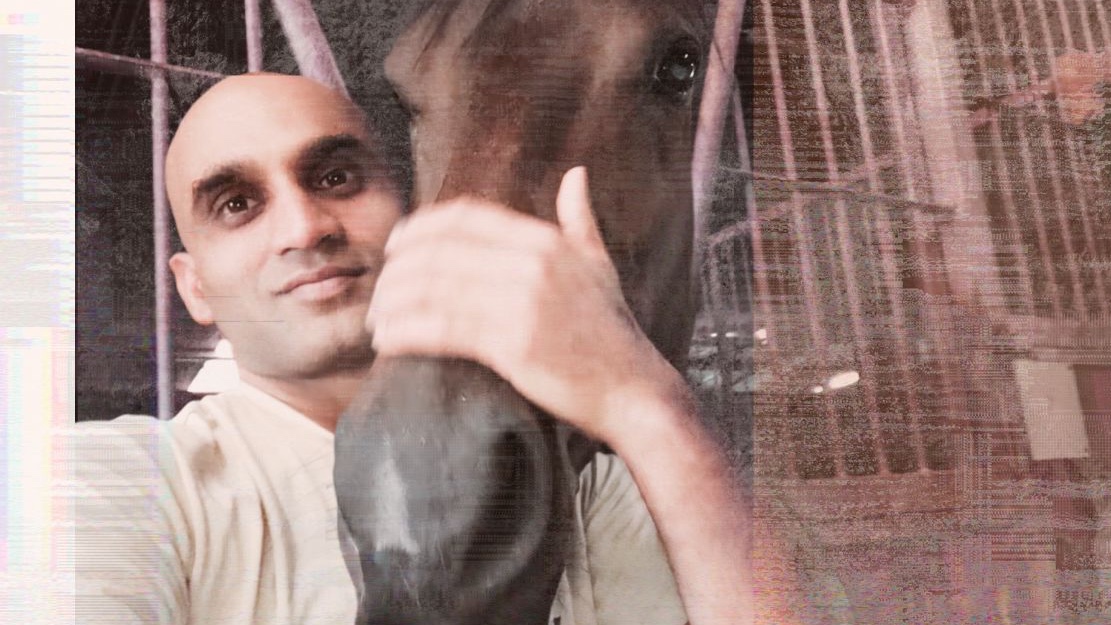
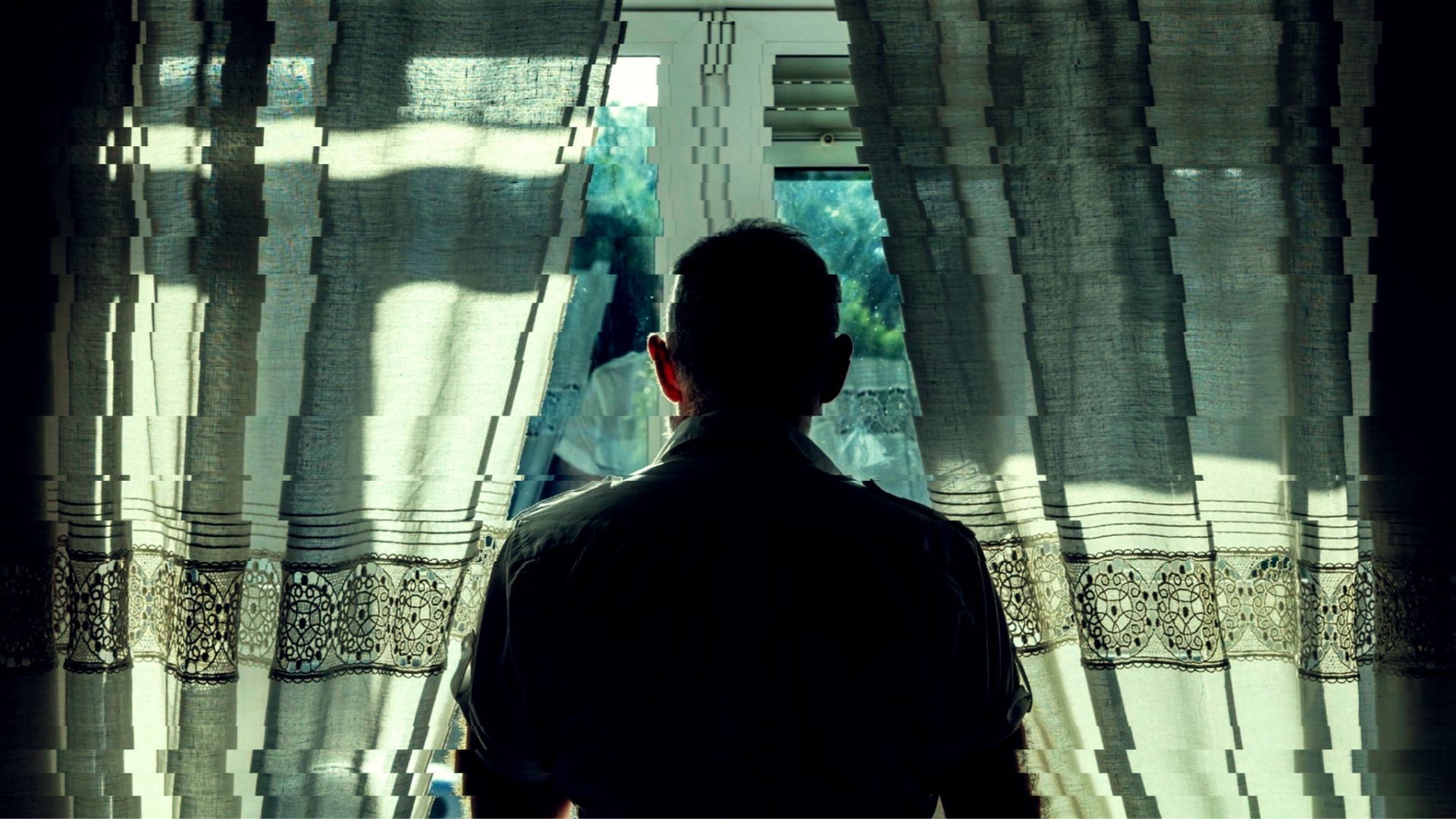
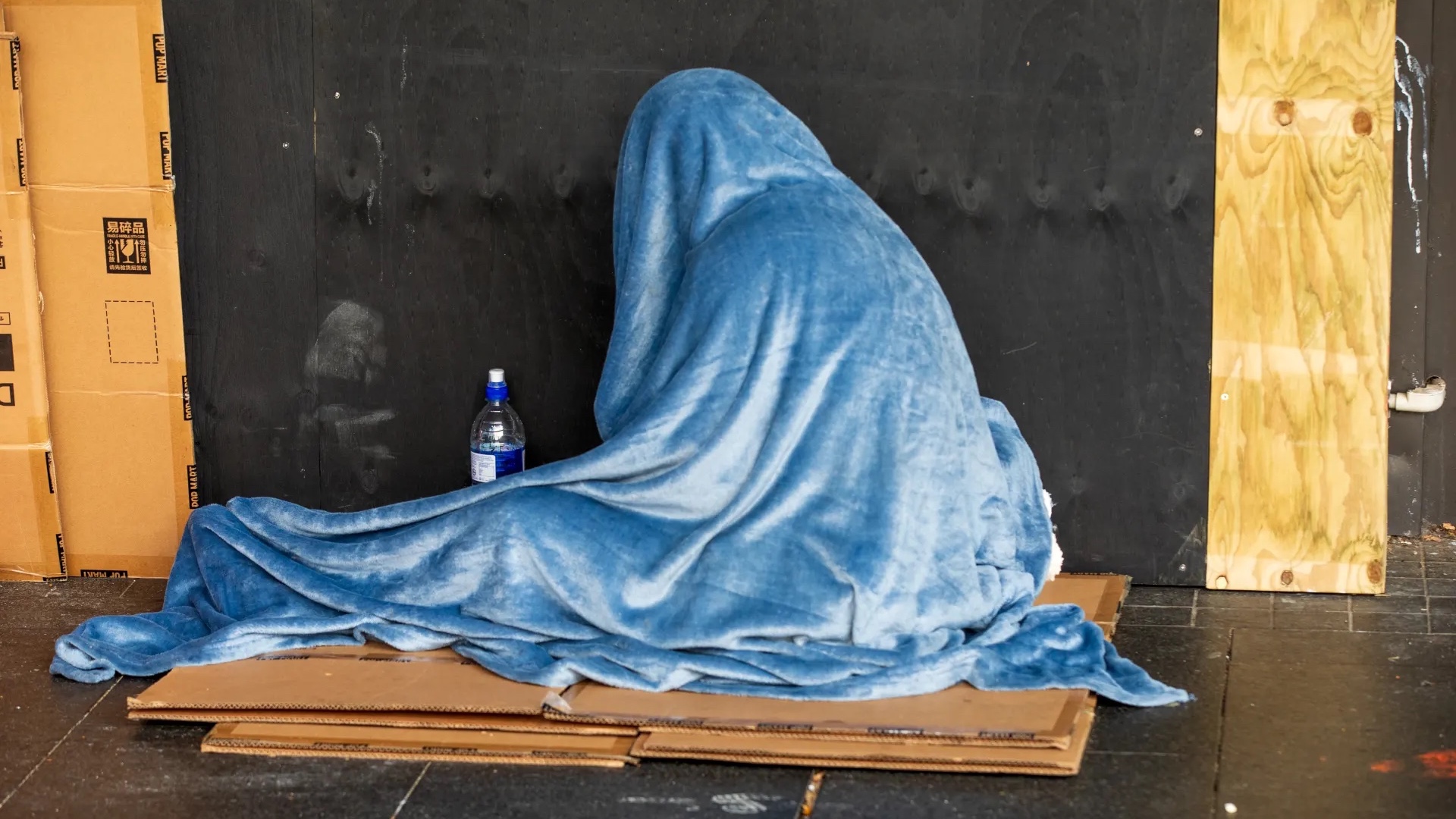
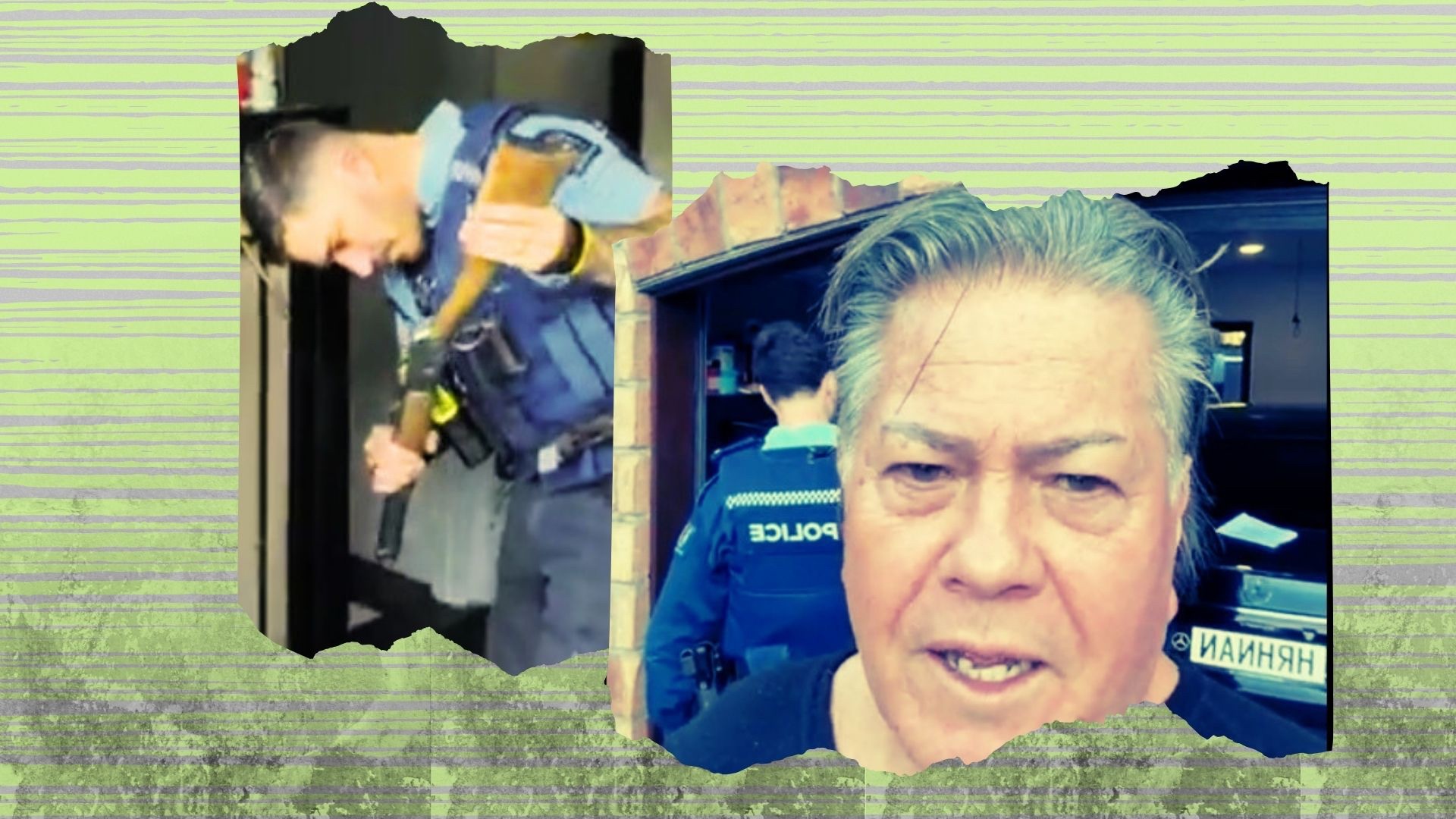
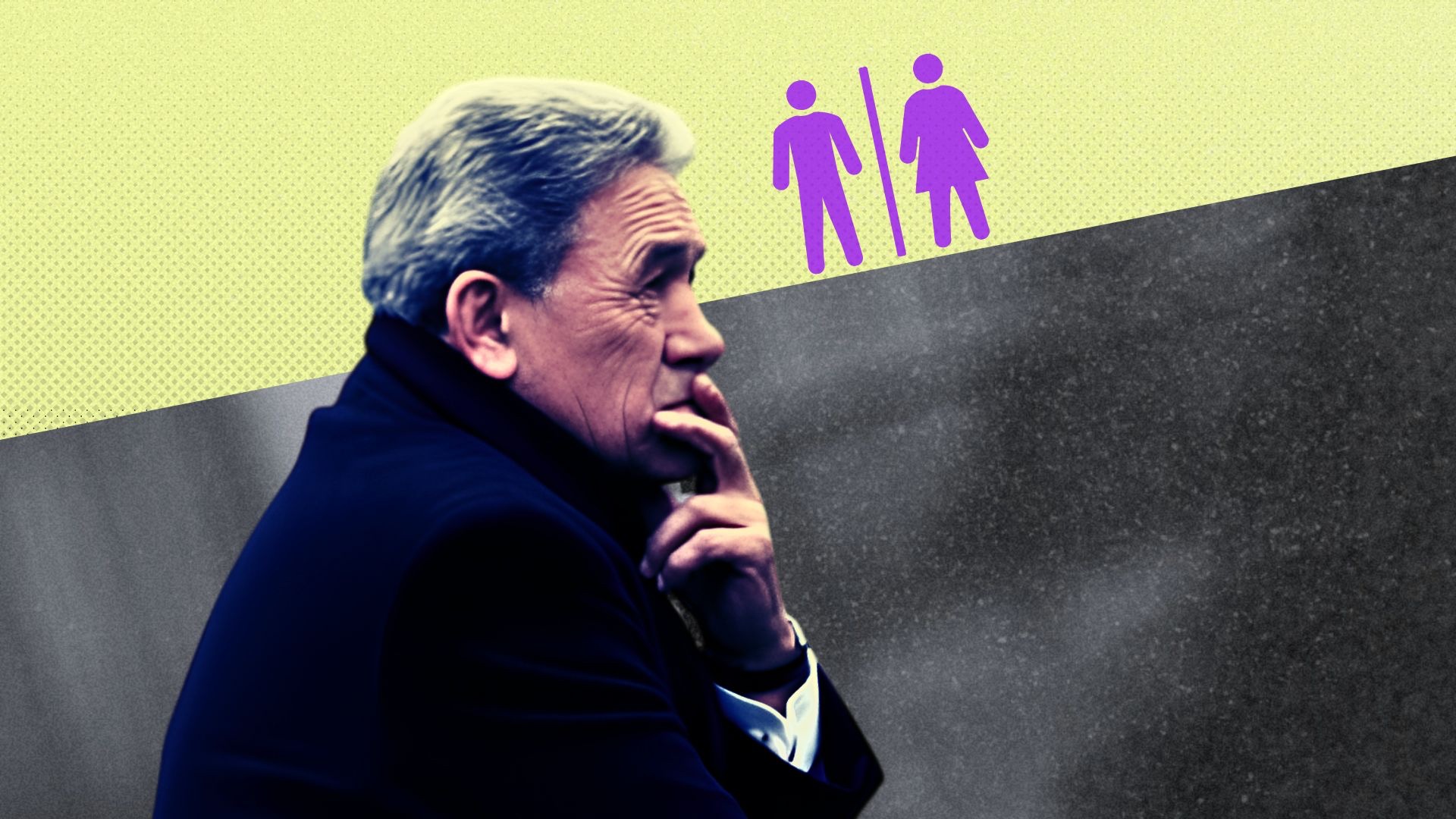
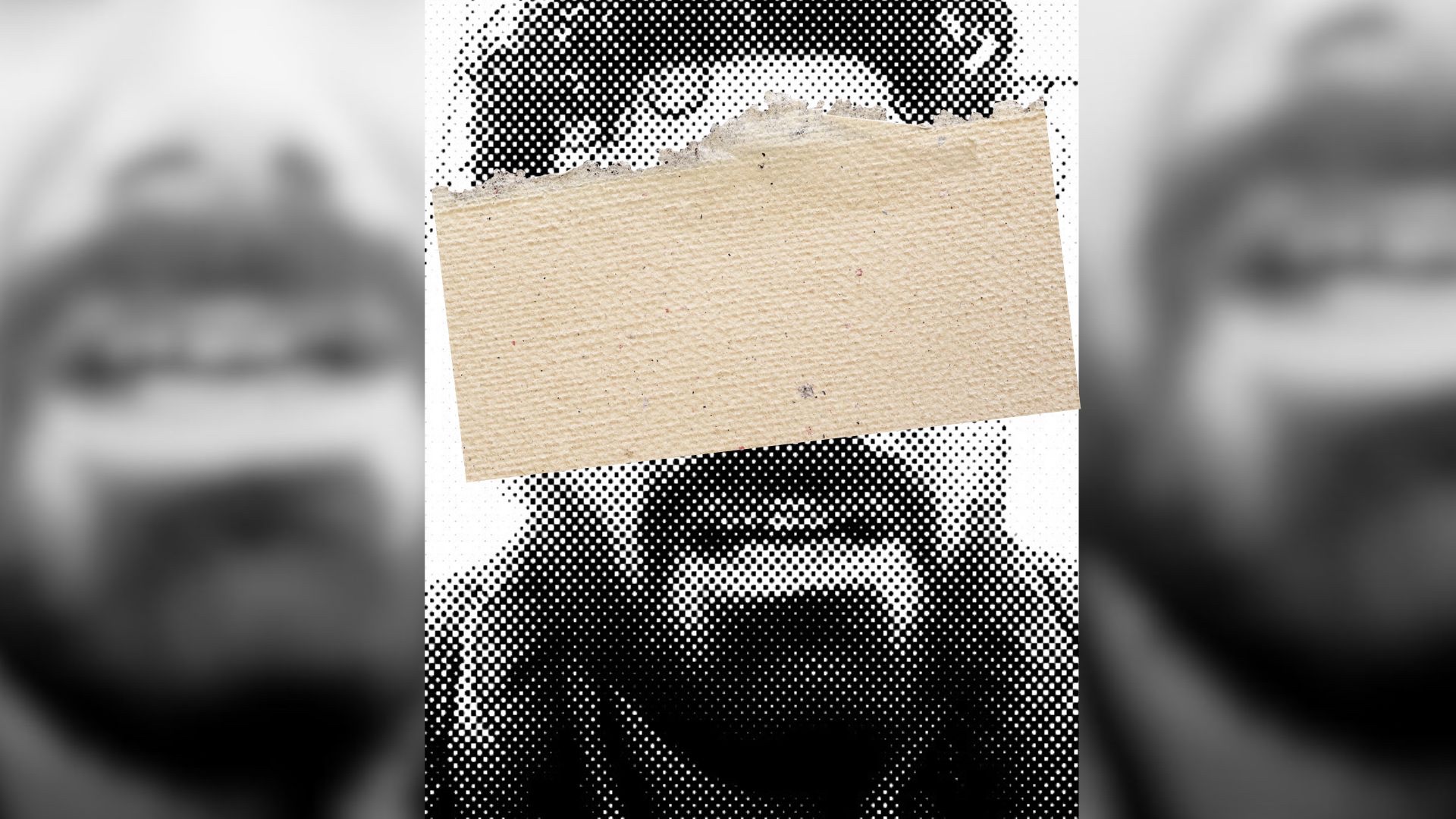
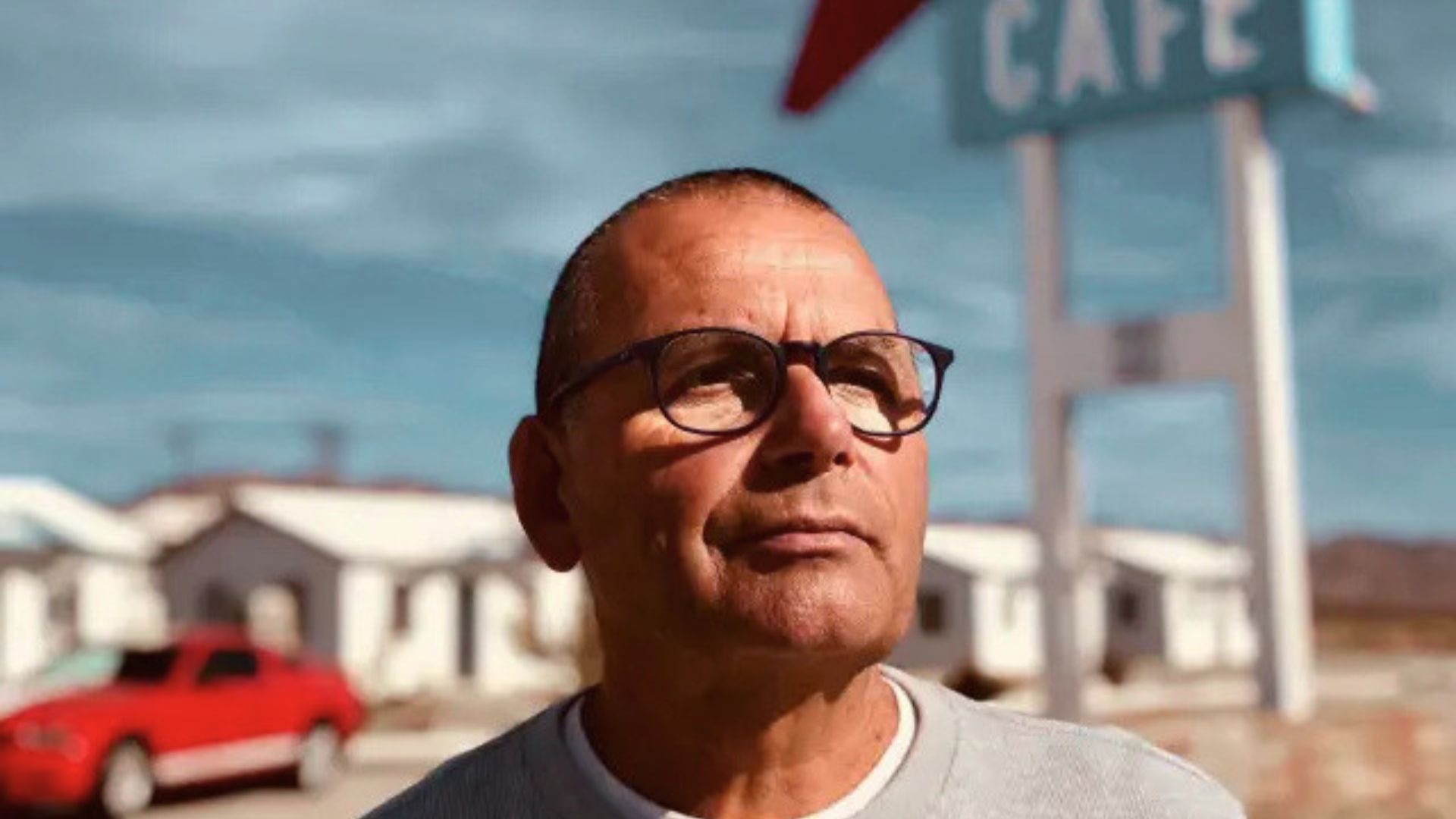
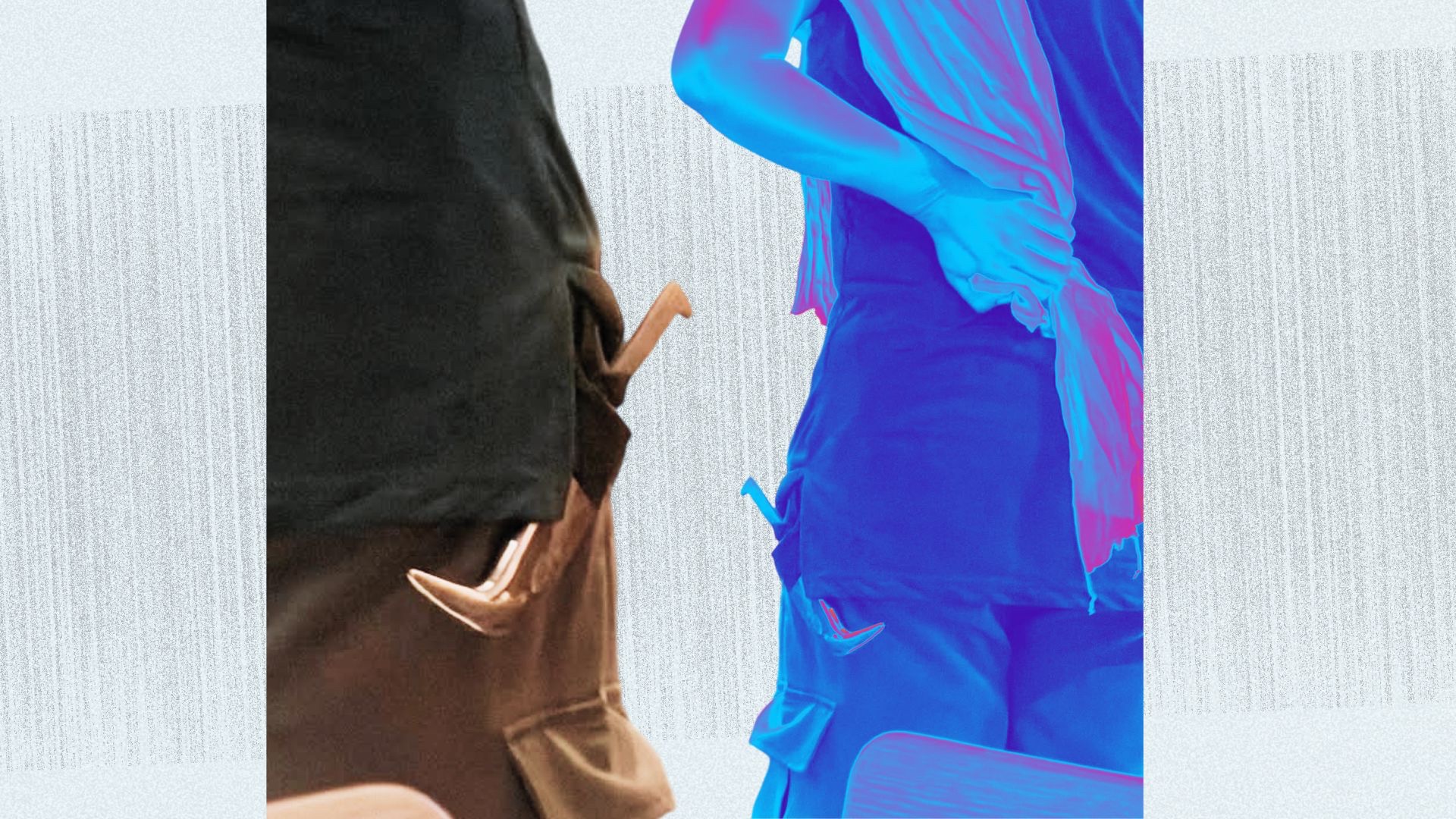
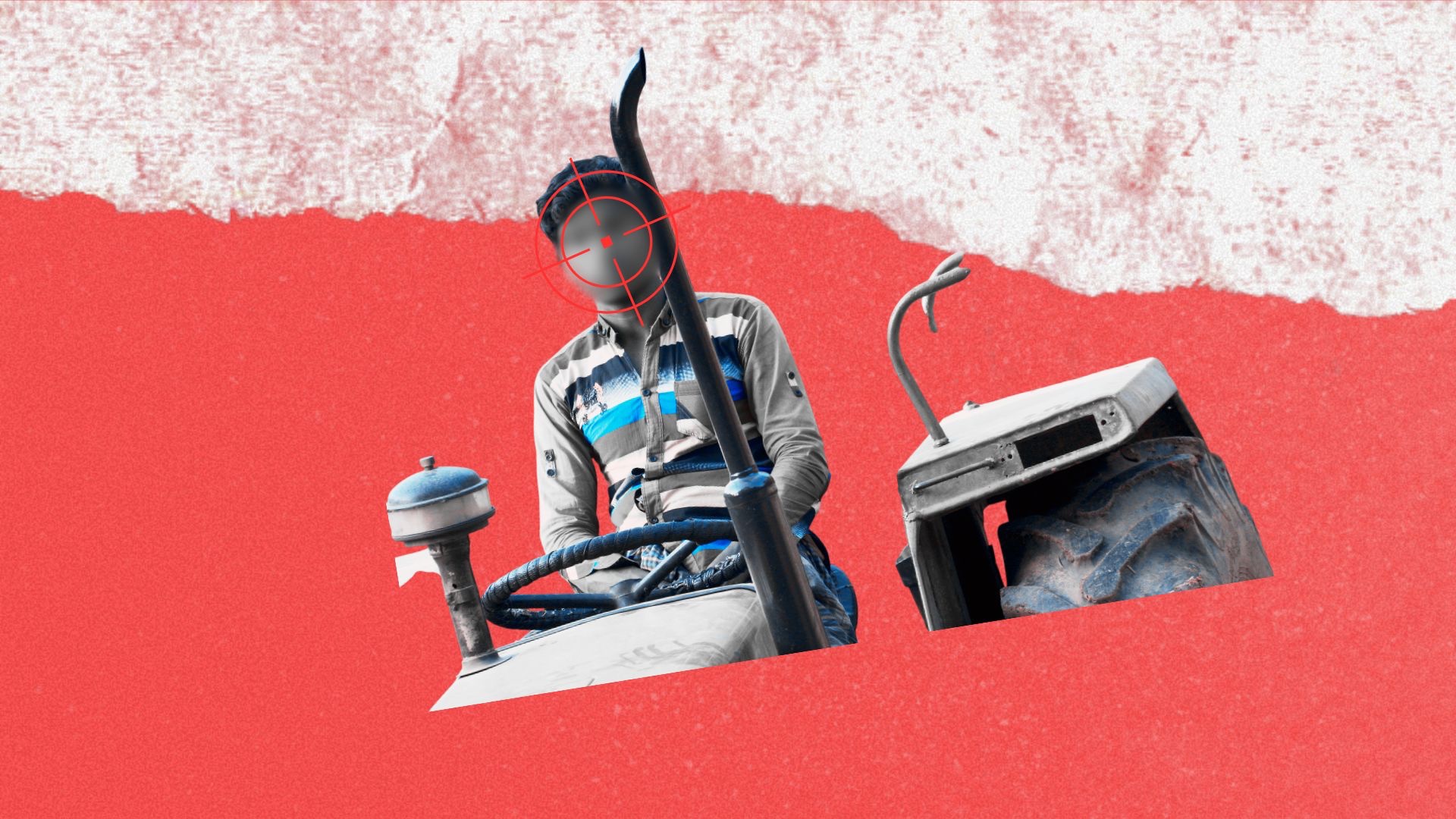
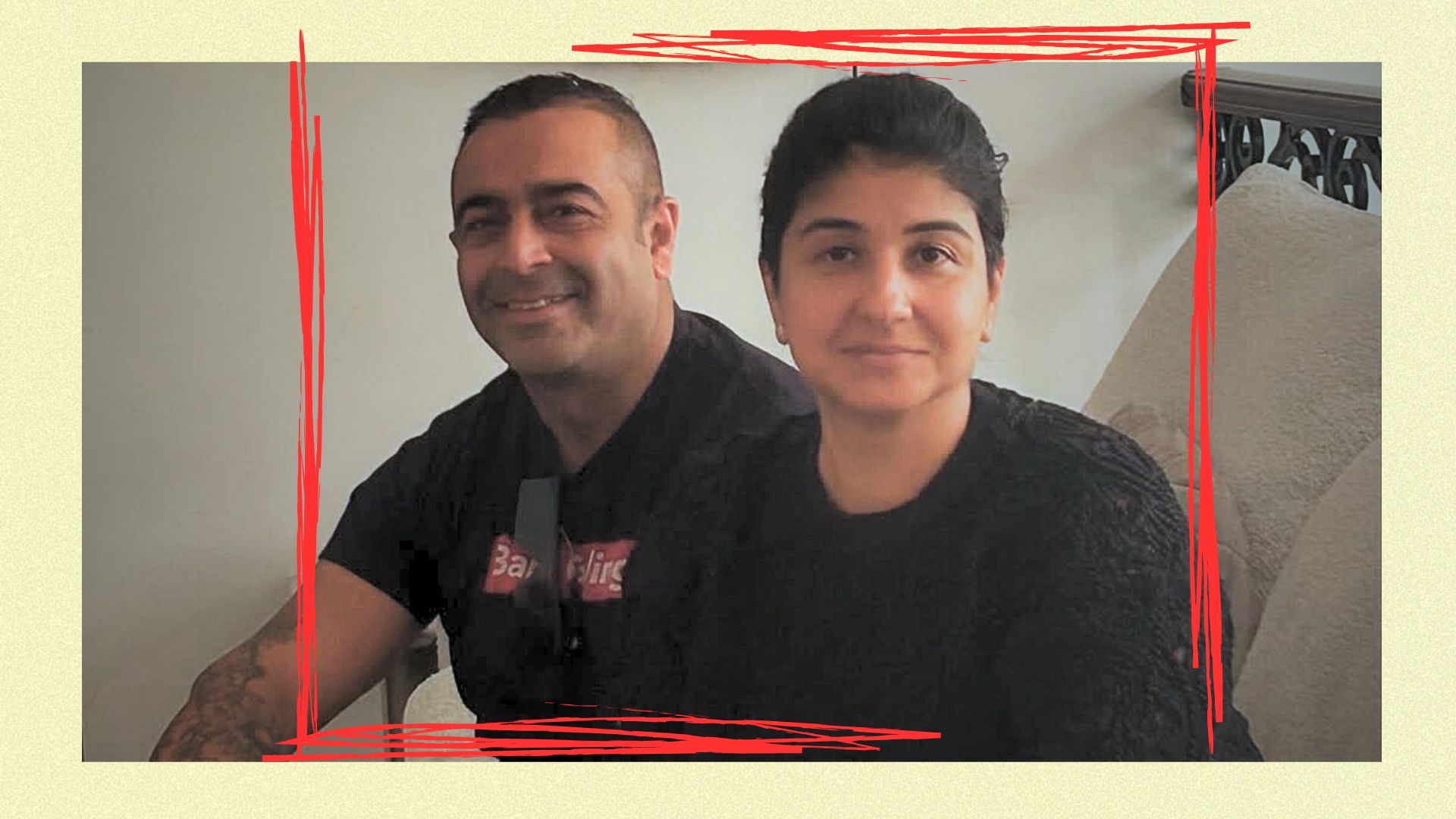
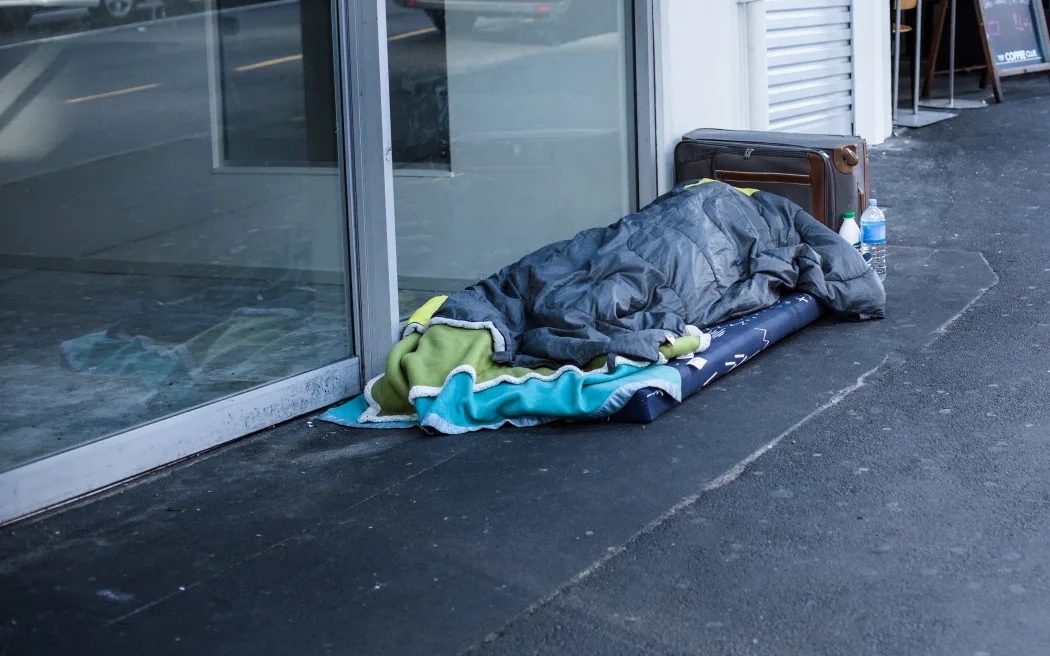
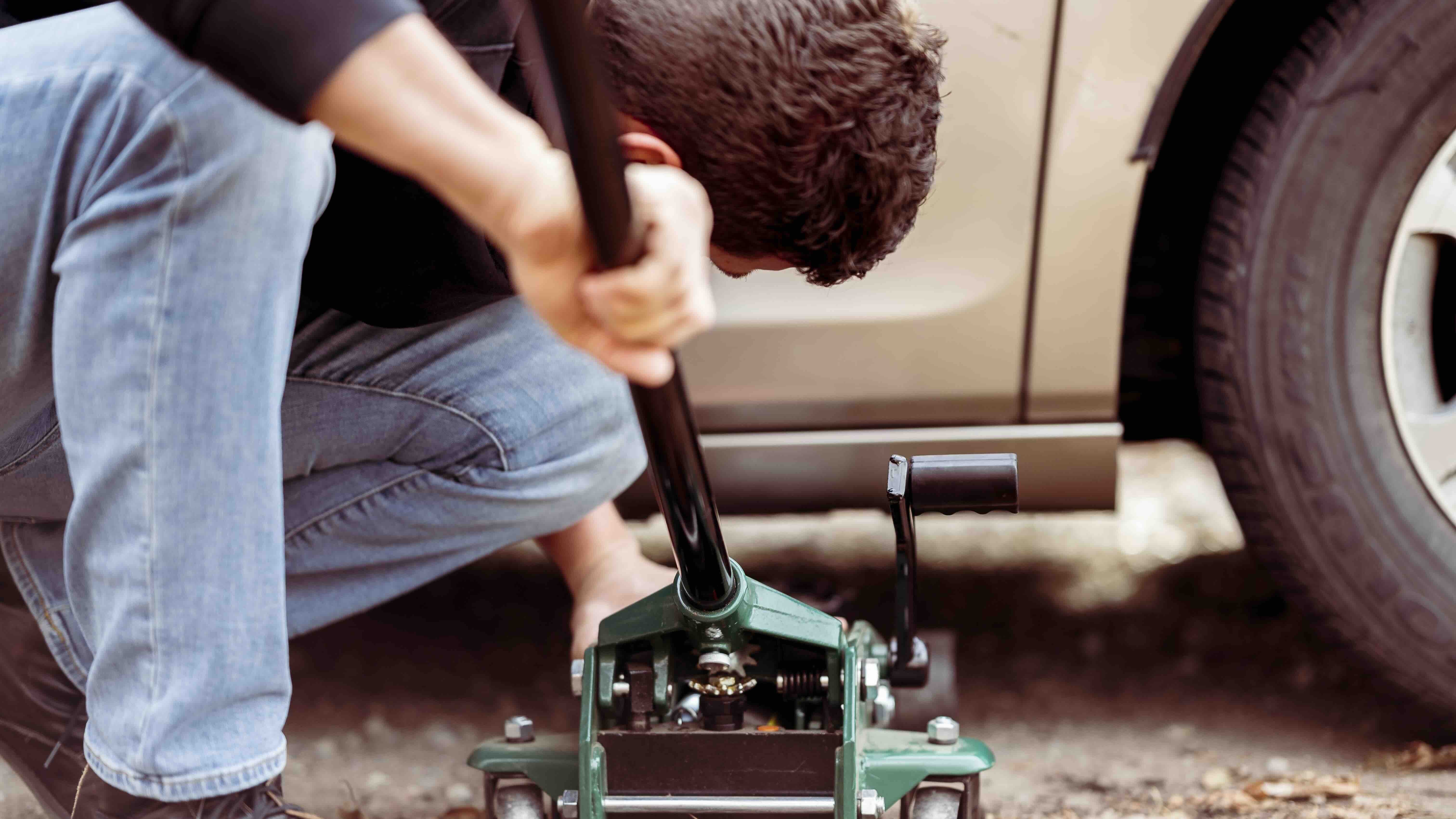
Migrant advocate Sher Singh Manakdheri shared this image of a man urinating on a roadside in Auckland.
Bad behaviour by a migrant can quickly become a judgment on the whole community.
Opinion: “Nope not an INDIAN...”
That was how migrant activist Sher Singh Manakdheri opened a Facebook post today showing a man apparently urinating beside an Auckland road.
Singh, who is with the Migrant Rights Network NZ, had obscured the man’s face and number plate. His point was not really about roadside urination.
“If it had been, these photos would have been viral all over social media, and Facebook groups,” he wrote in the post on August 26.
“No this might not be a big issue, but it does turn out to be a big issue if similar actions are done by an Indians.”
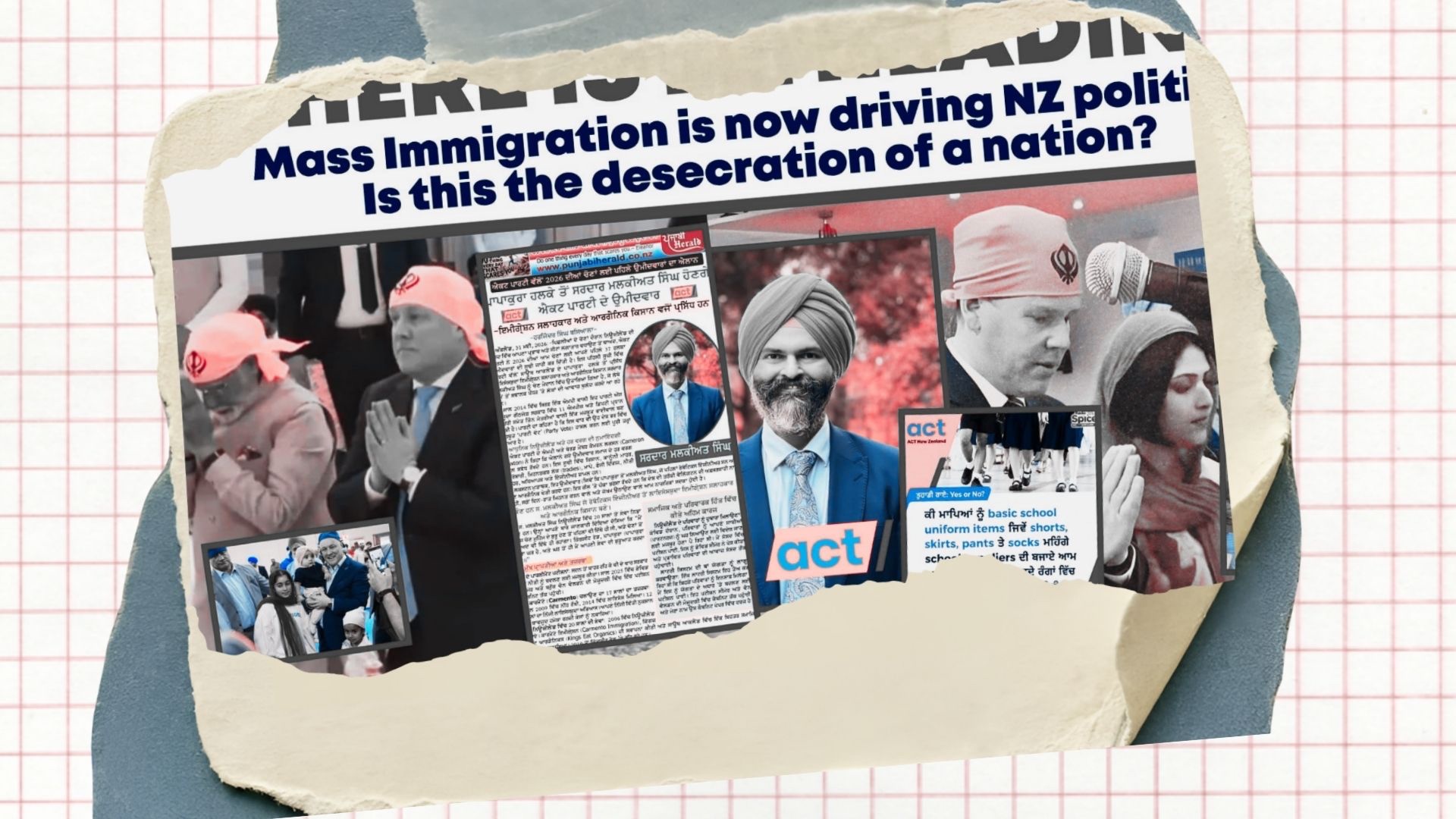
Election 2026: Will Kiwi-Indian voters decide the battle for Takanini? A South Auckland seat with one of New Zealand’s biggest Indian populations is shaping up as a test for ethnic identity and the ballot box.
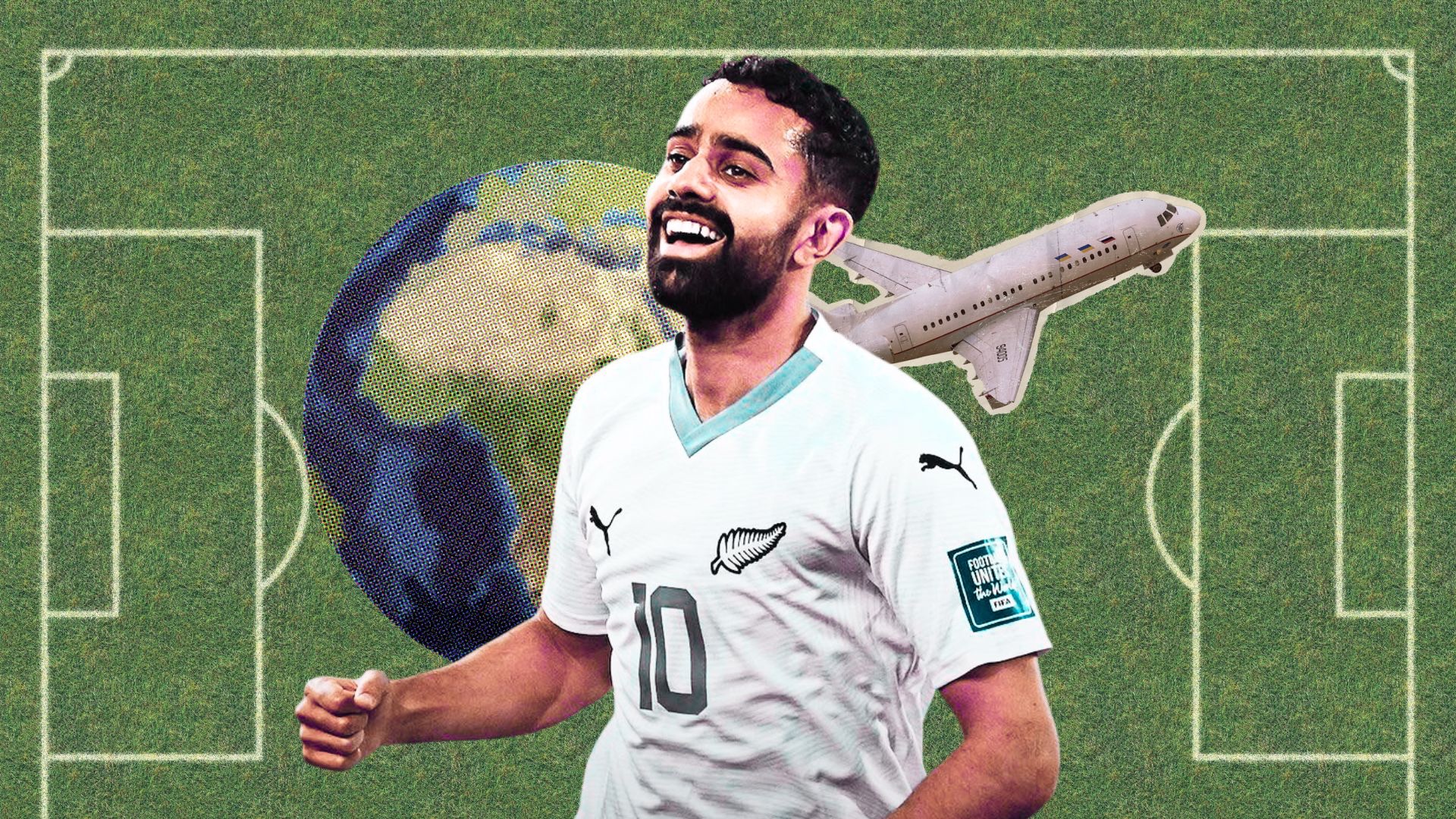
India is coming to Auckland: Full schedule revealed for cricket, football, hockey, Diwali From the Black Caps and All Whites taking on India to Diwali, hockey, bowls and city-wide light displays, Auckland has revealed its sporting centenary programme.
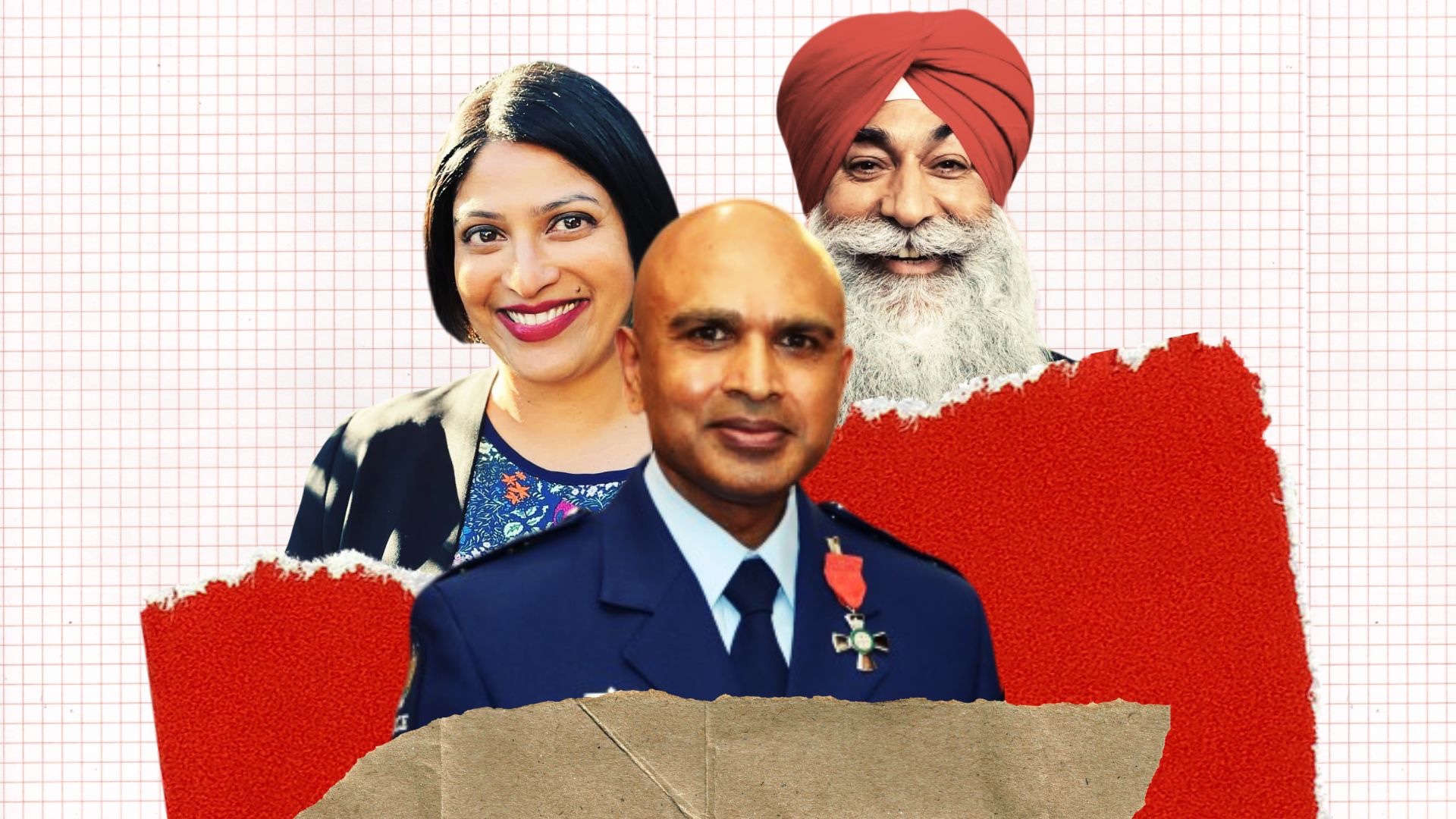
What does an Indian-origin MP owe Kiwi Indians? Priyanca Radhakrishnan on identity, belonging The three-term Labour MP says you can be Indian and Kiwi. Why should belonging require you to choose sides?
Then came the question at the heart of his post. “Why does it always sound like the biggest crime when an Indian does it?”
It was blunt, provocative and instantly recognisable. Because when an Indian behaves badly, the behaviour can have a strange habit of becoming bigger than the person.
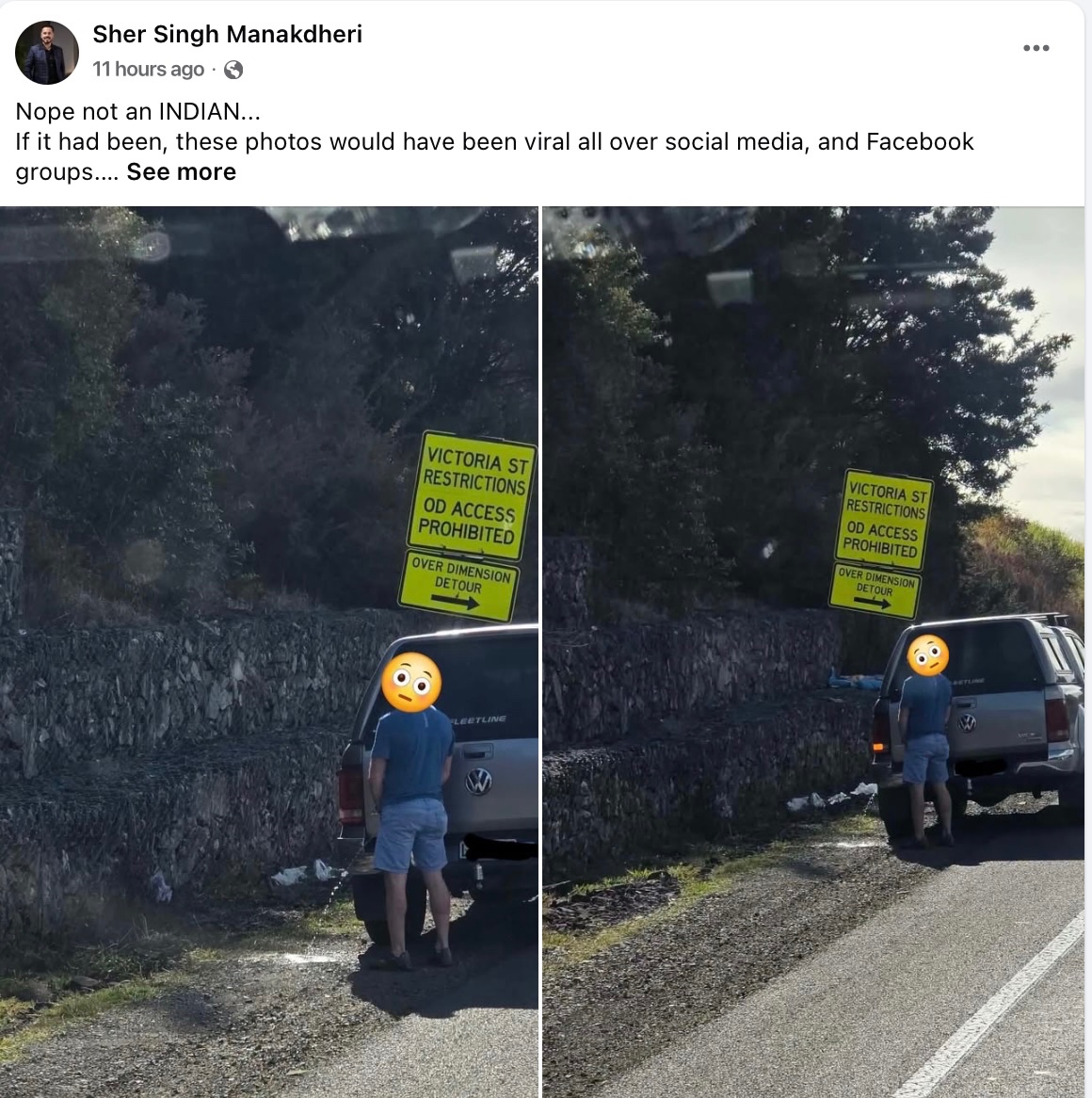
A screenshot of Sher Singh's Facebook post.
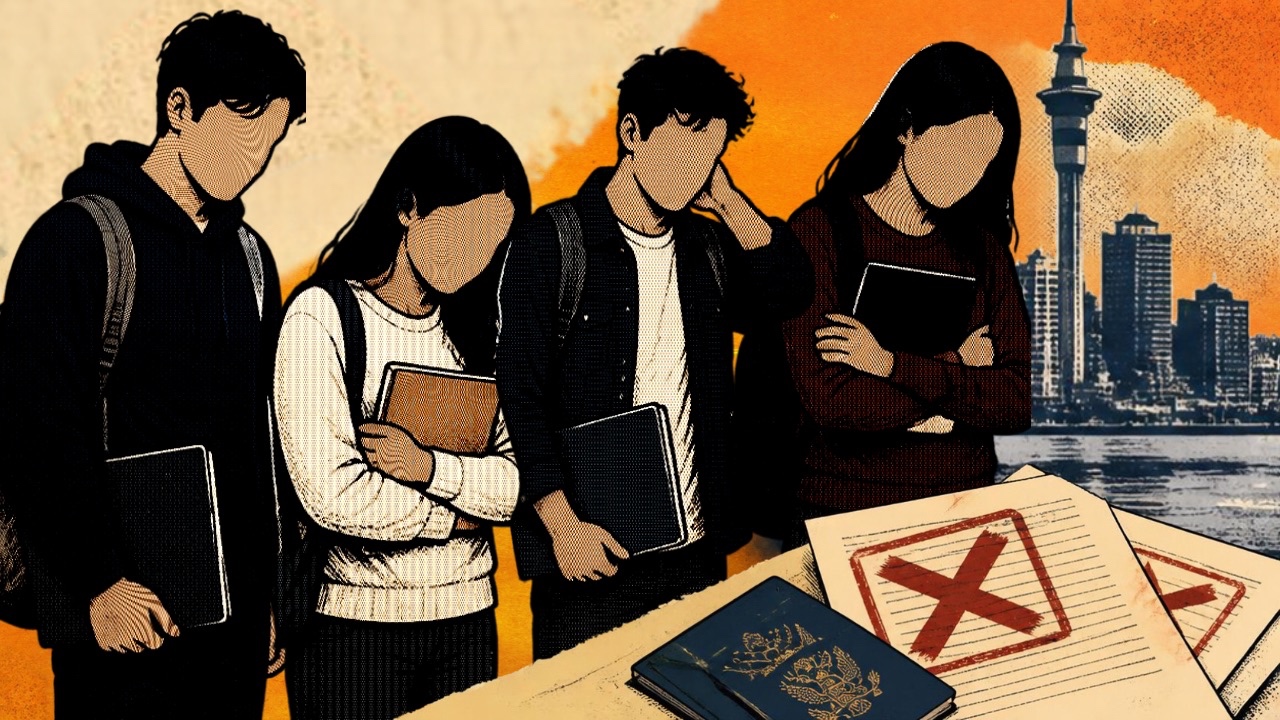
Earlier this year, an Indian man was filmed trying to leave large pieces of cardboard beside an Auckland road. He apologised and put them back in his vehicle.
But the reaction quickly moved beyond cardboard.
“Don’t come to our country and litter,” the person filming could be heard saying. A widely shared post declared, “Import the third world and become the third world.”
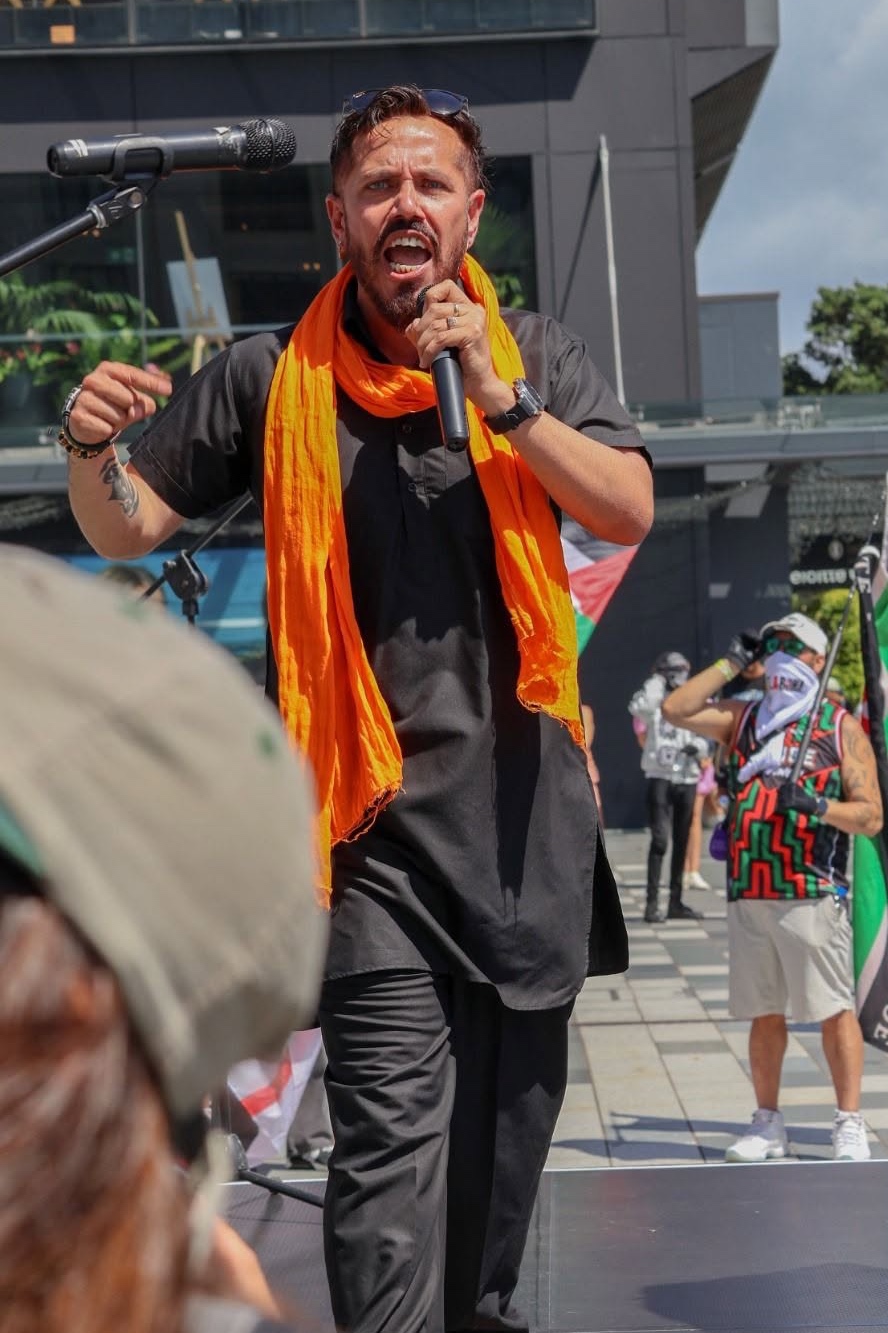
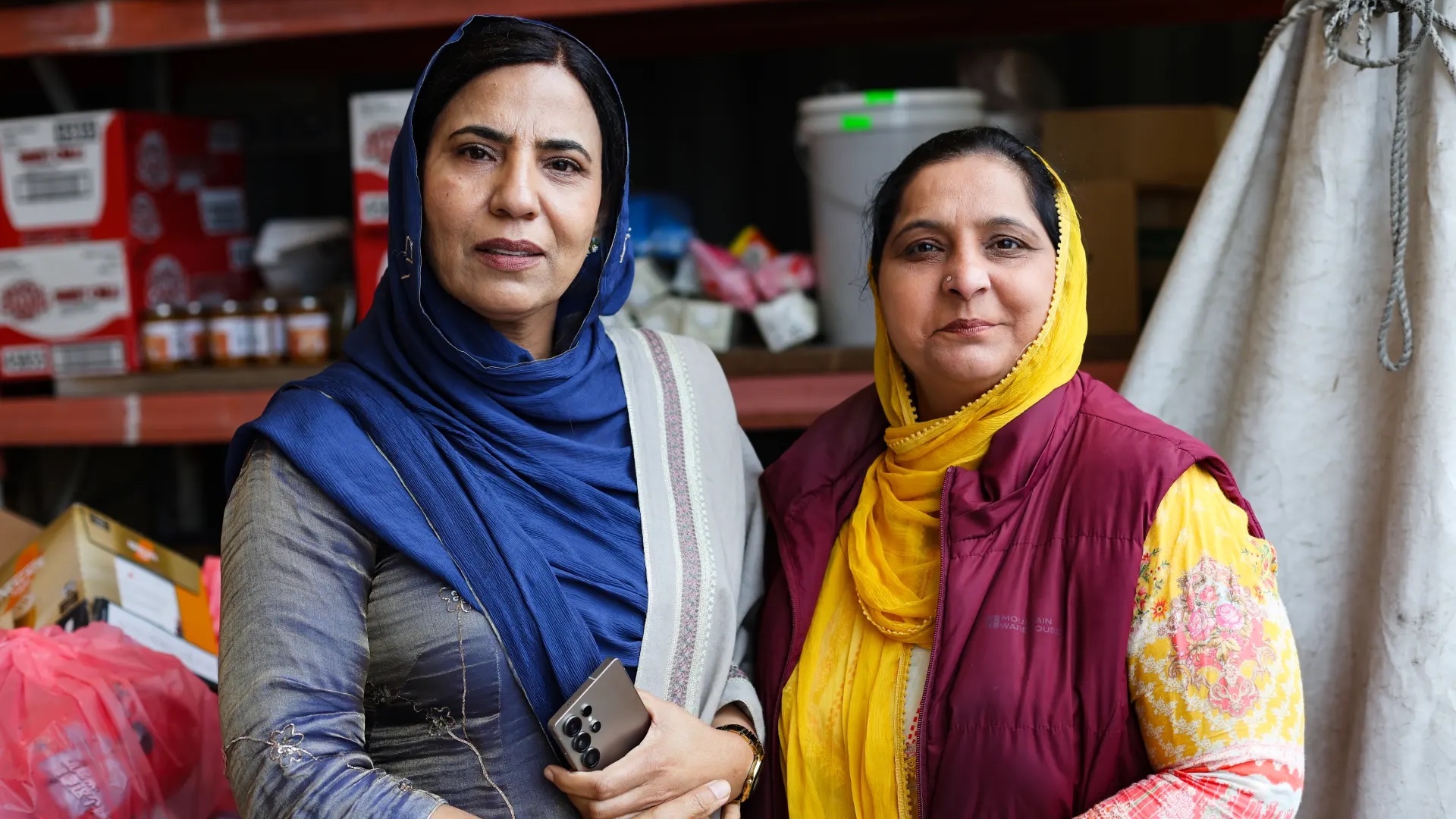
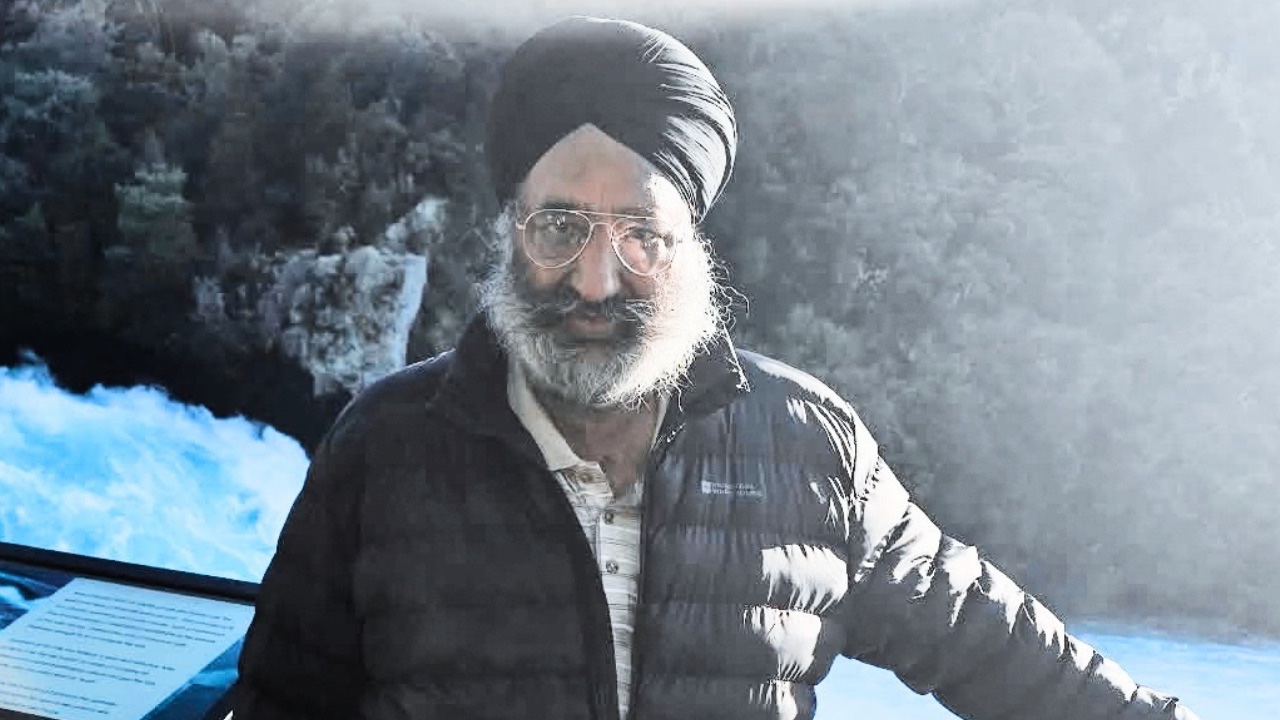
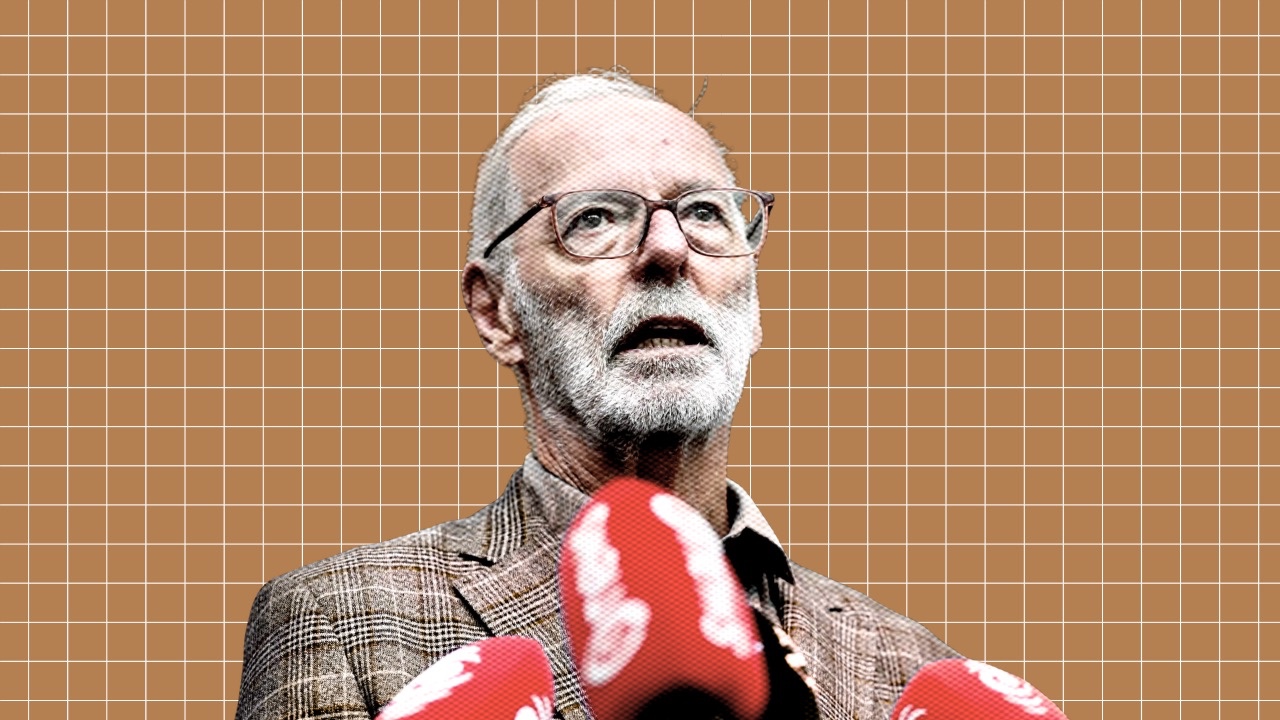
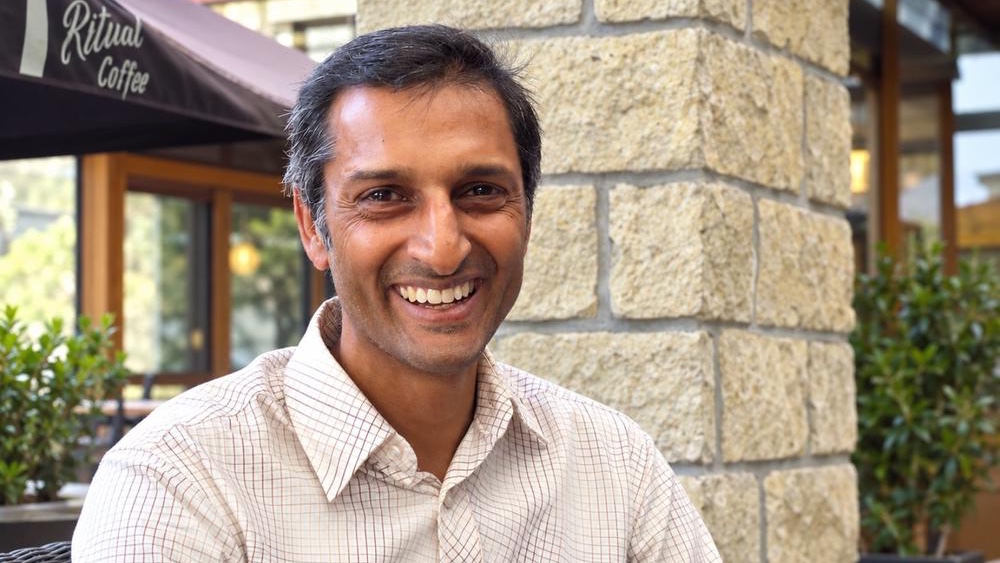
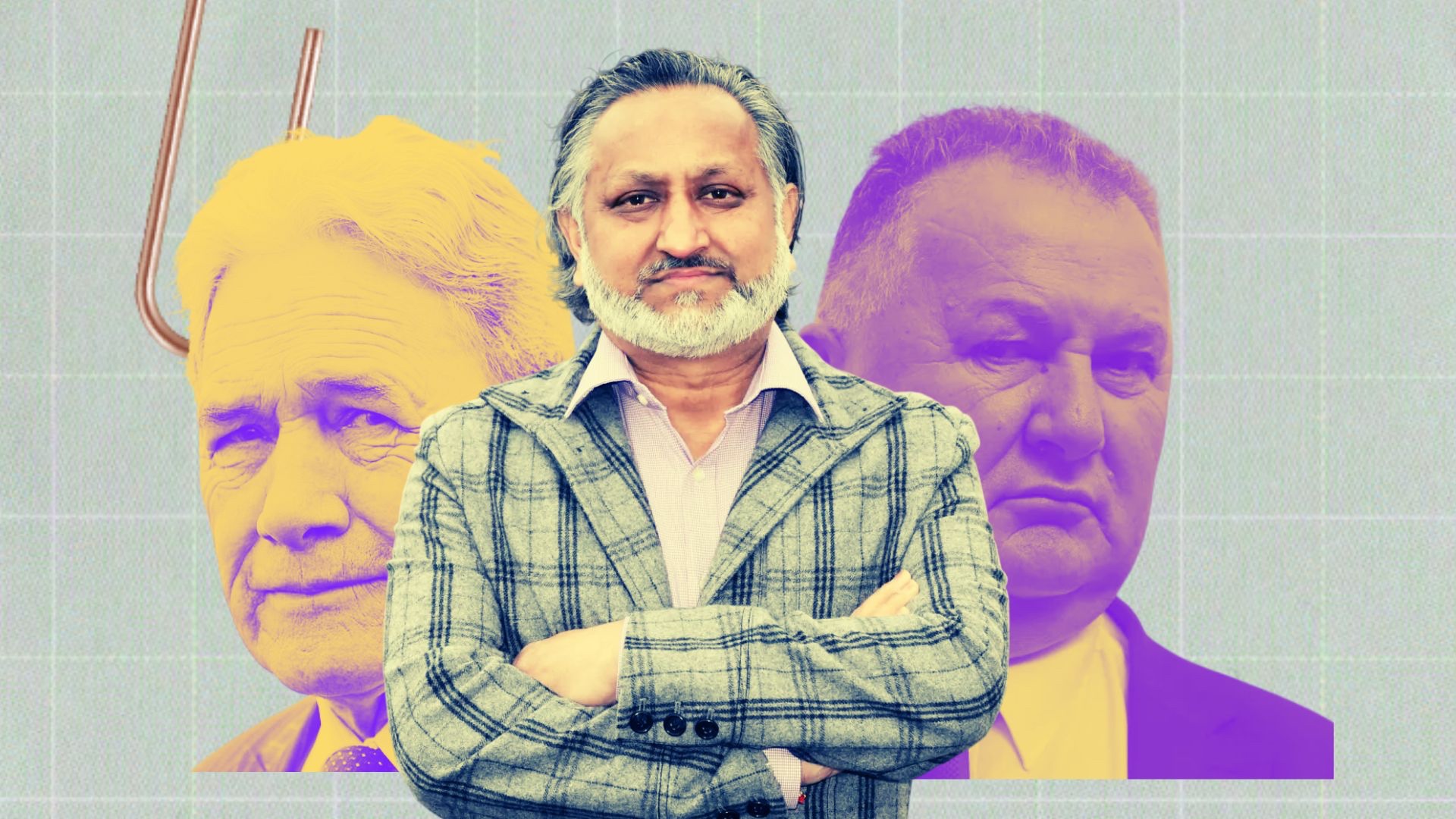
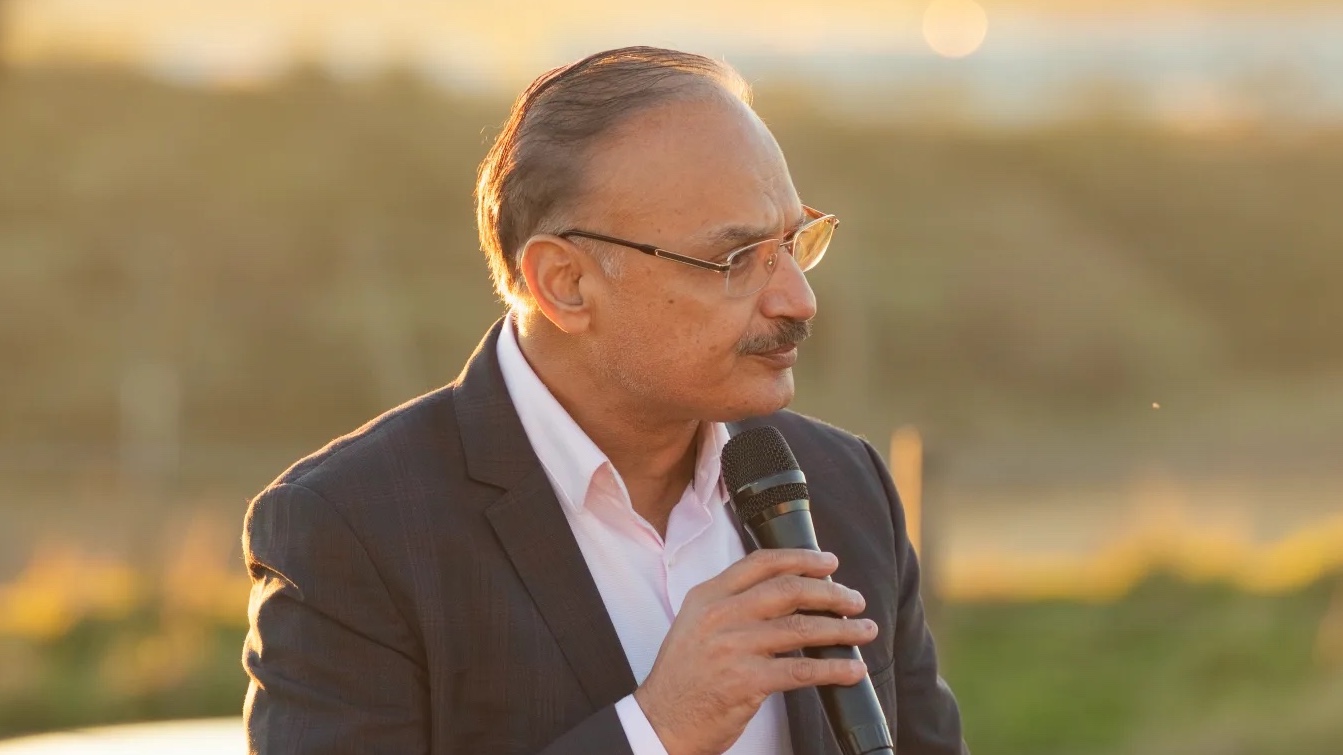
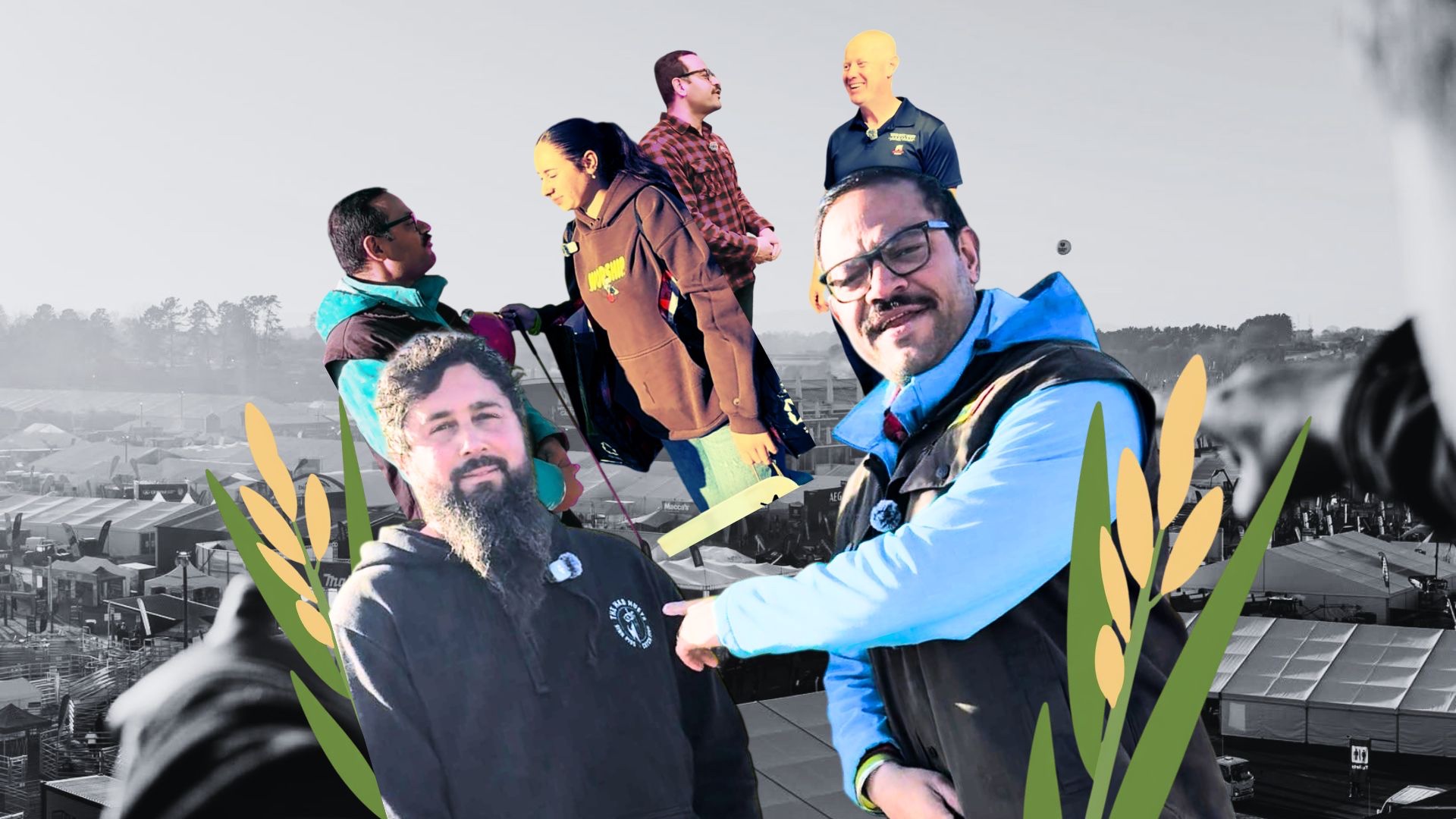
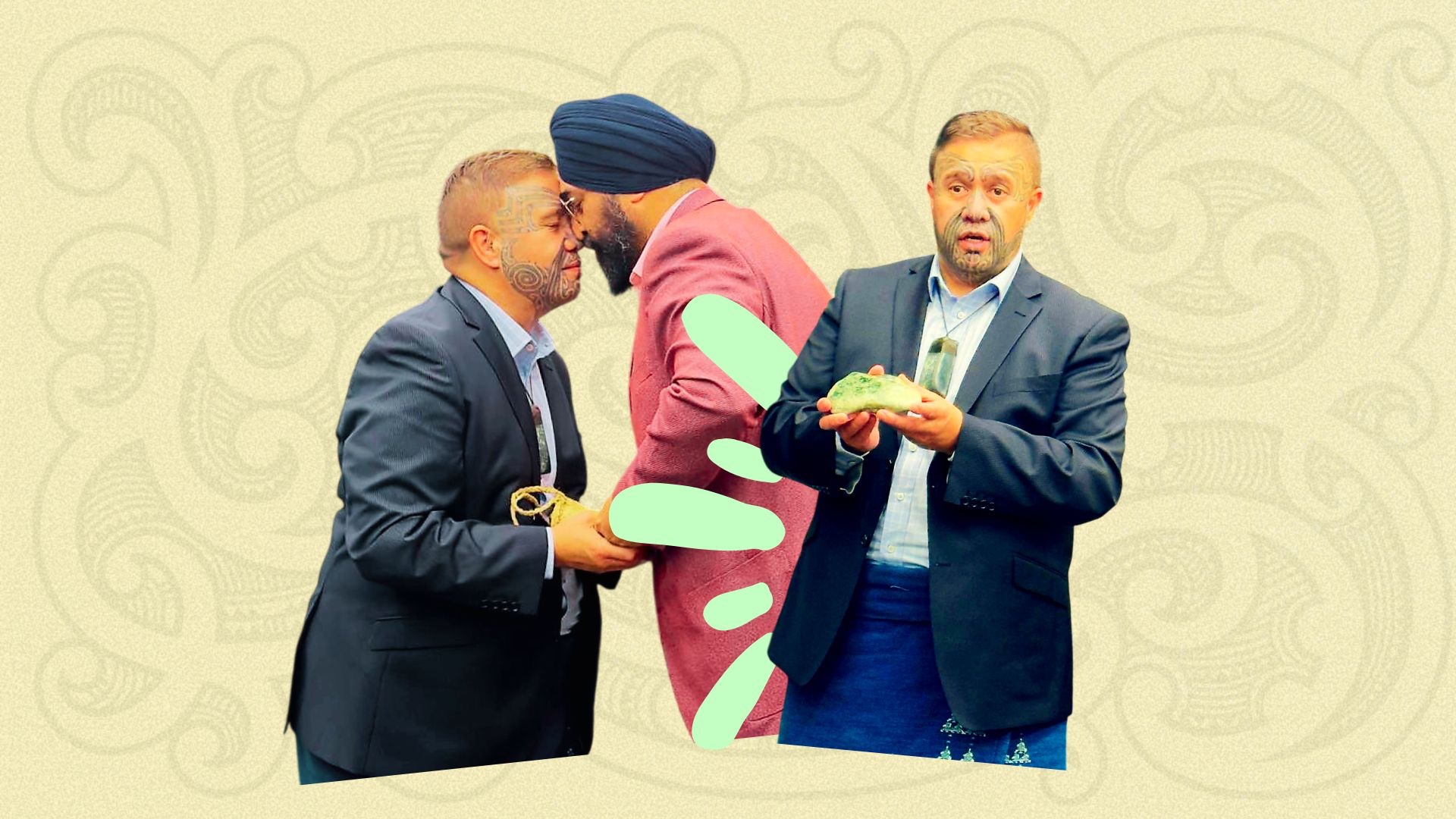
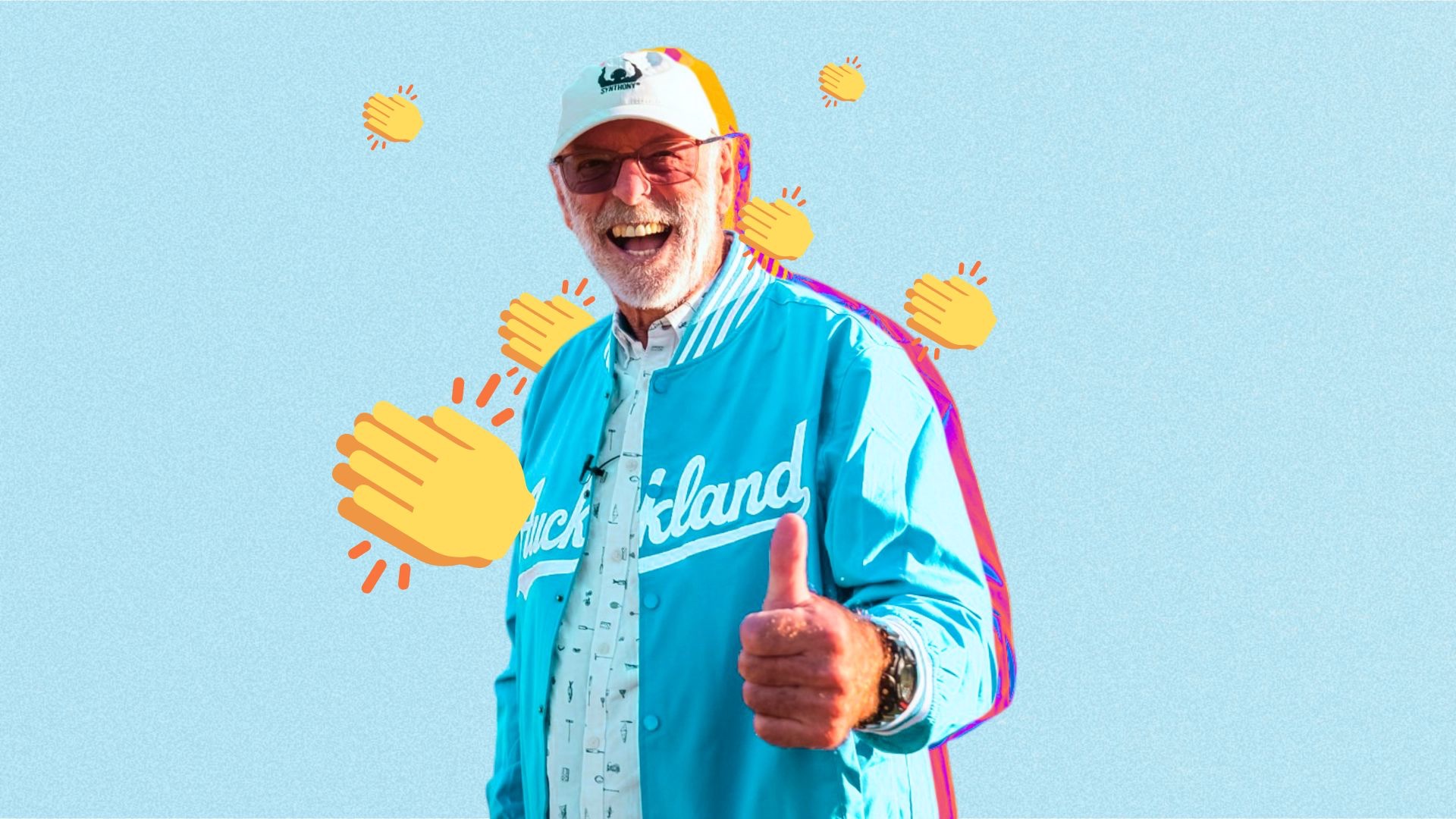
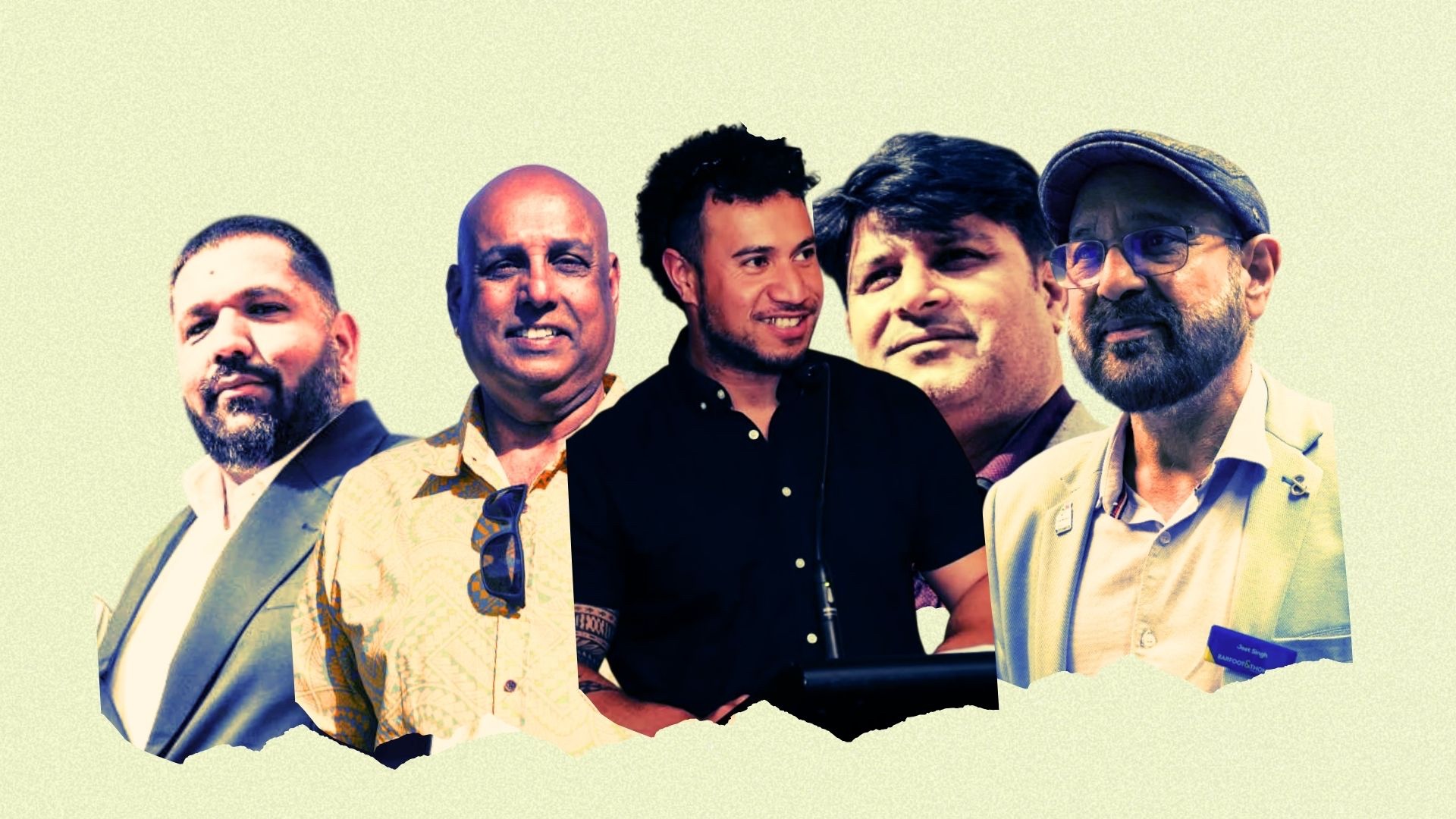
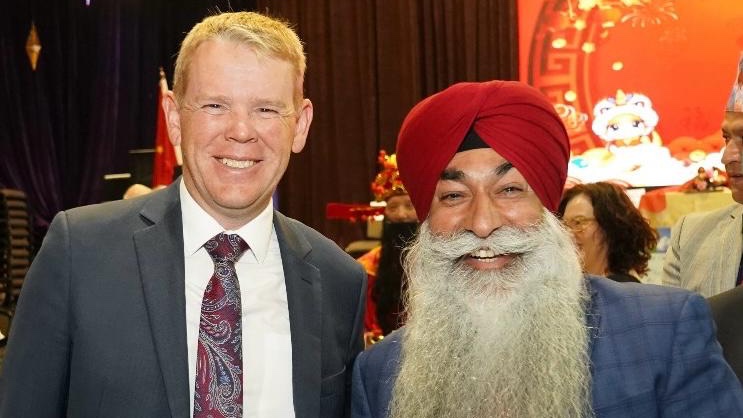
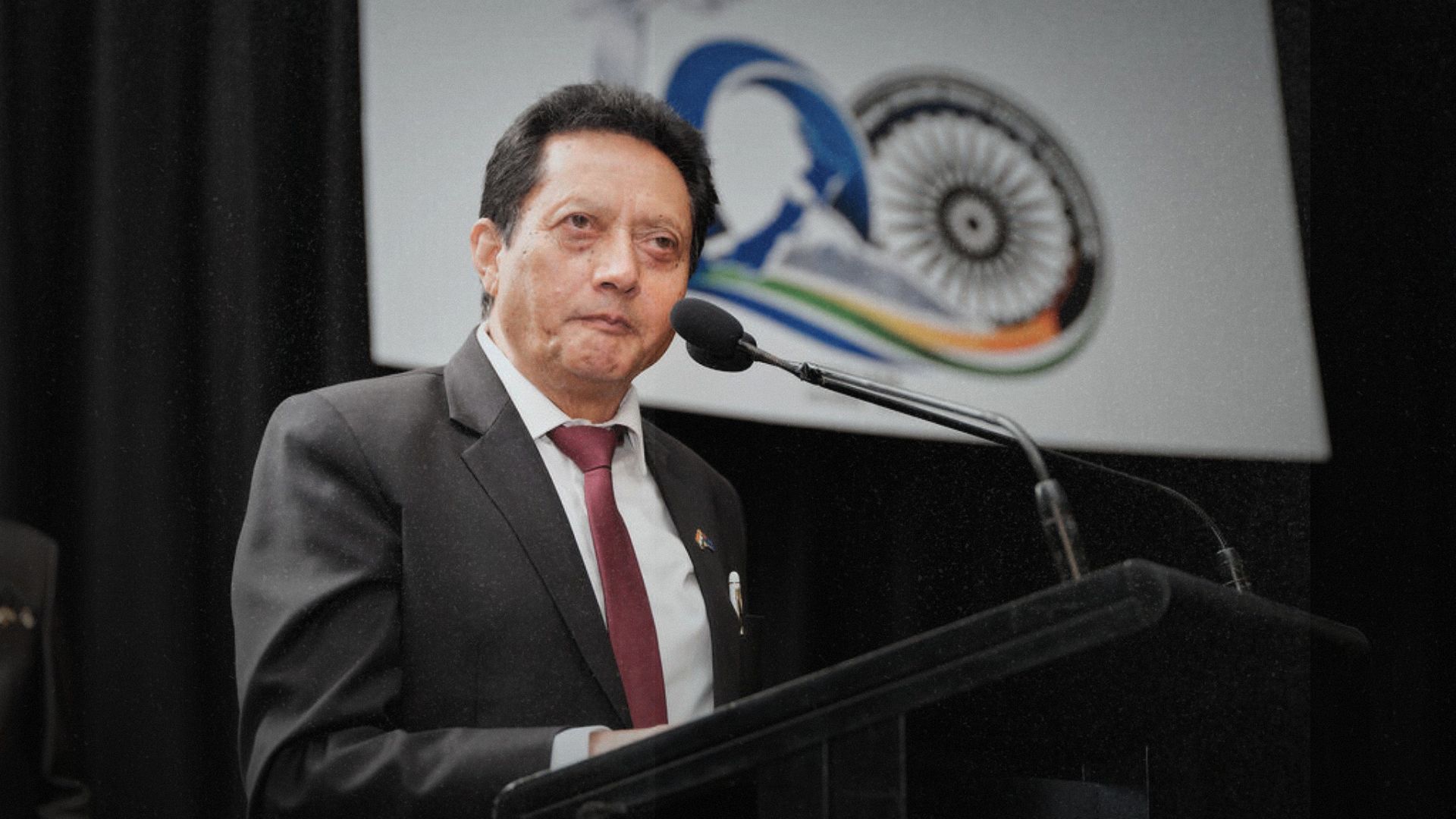
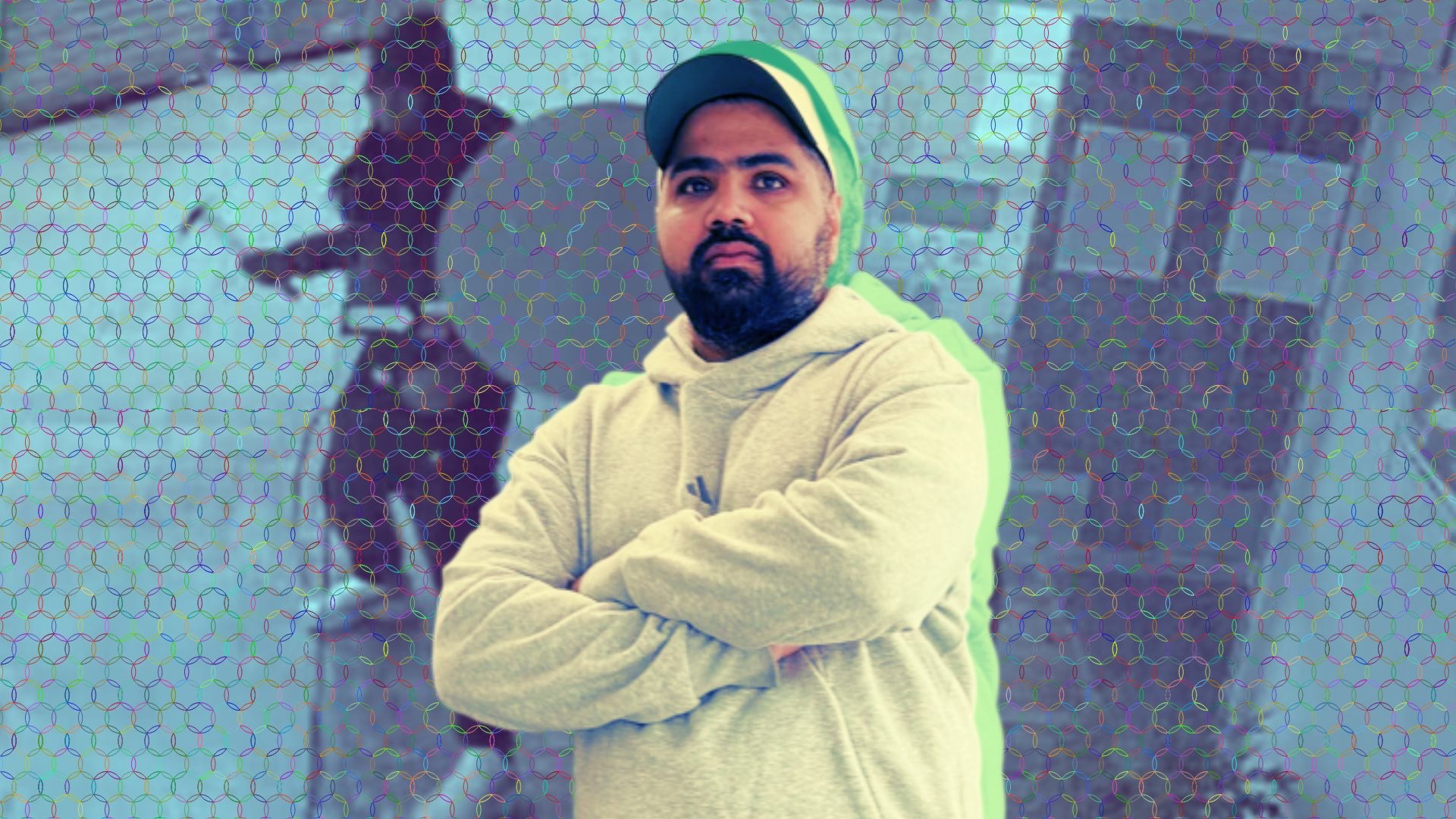
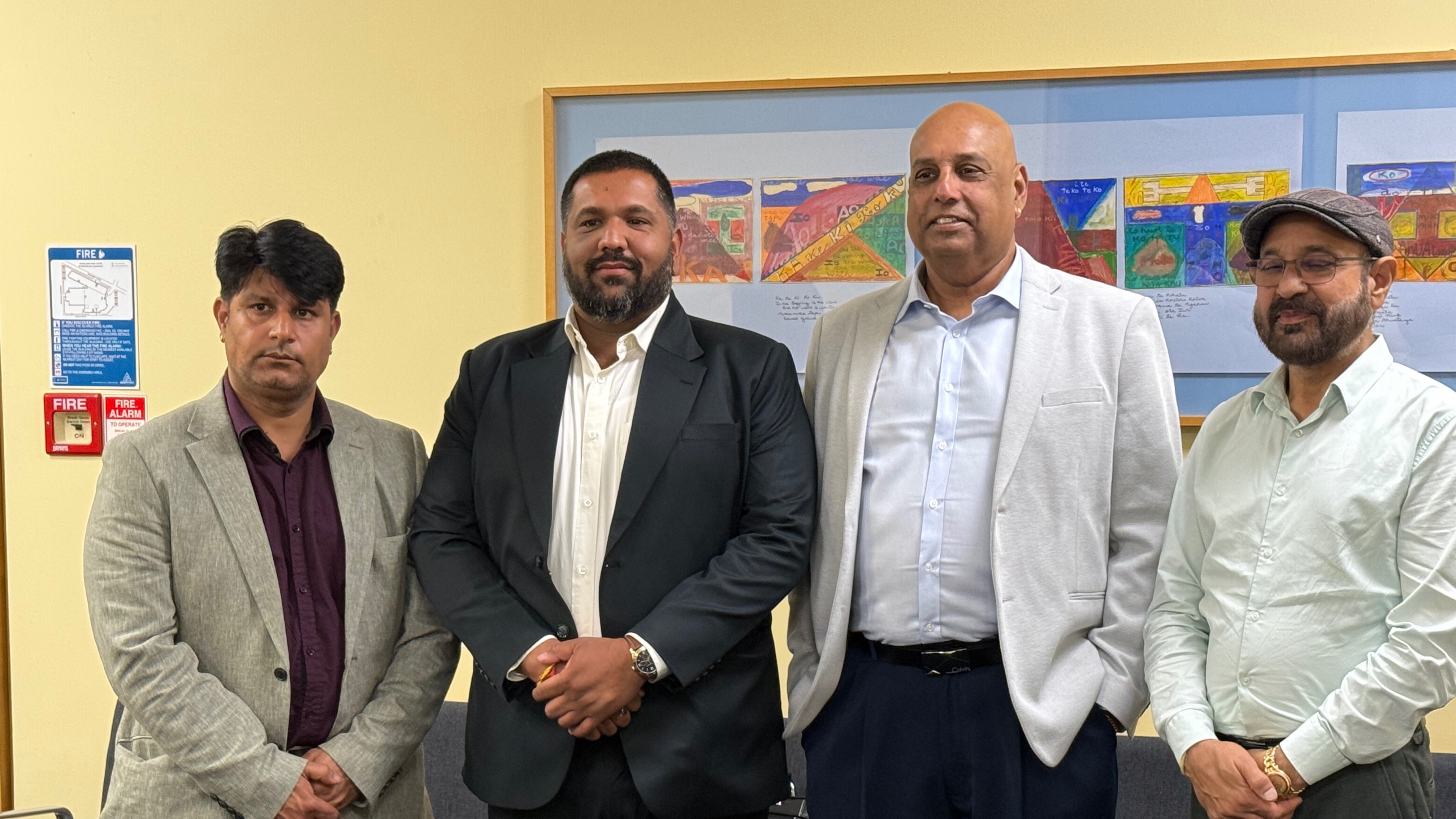
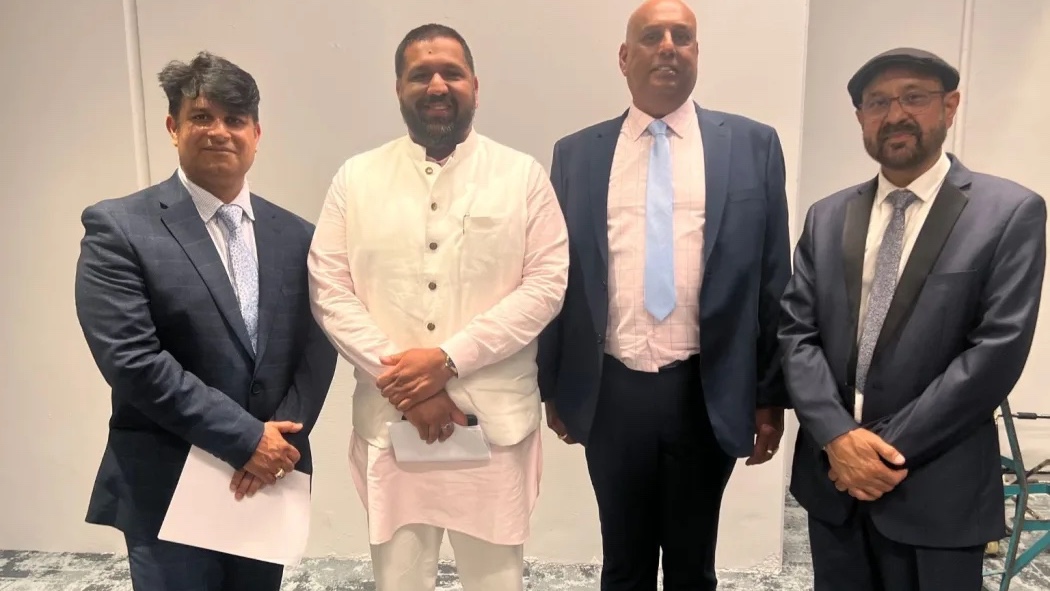
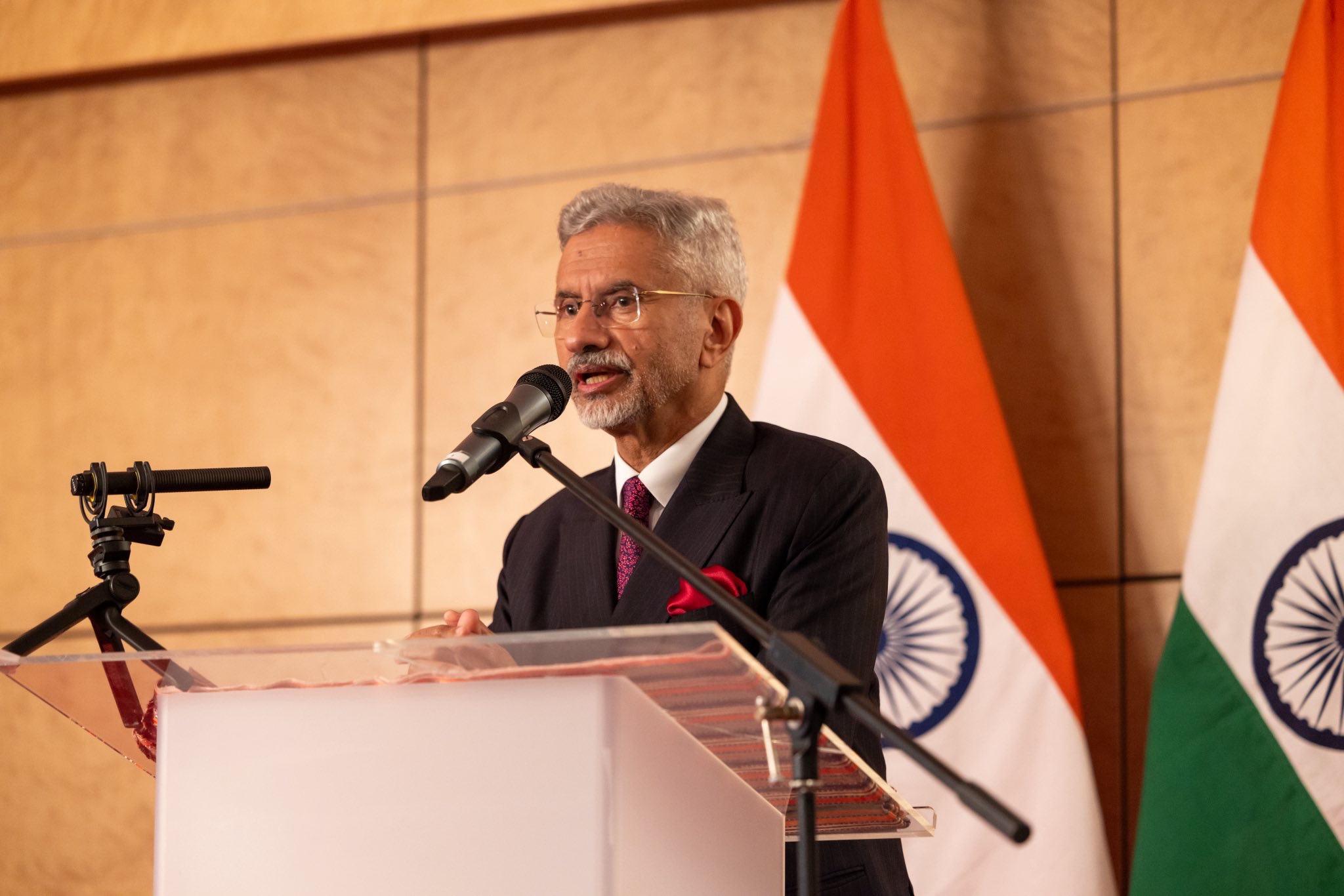
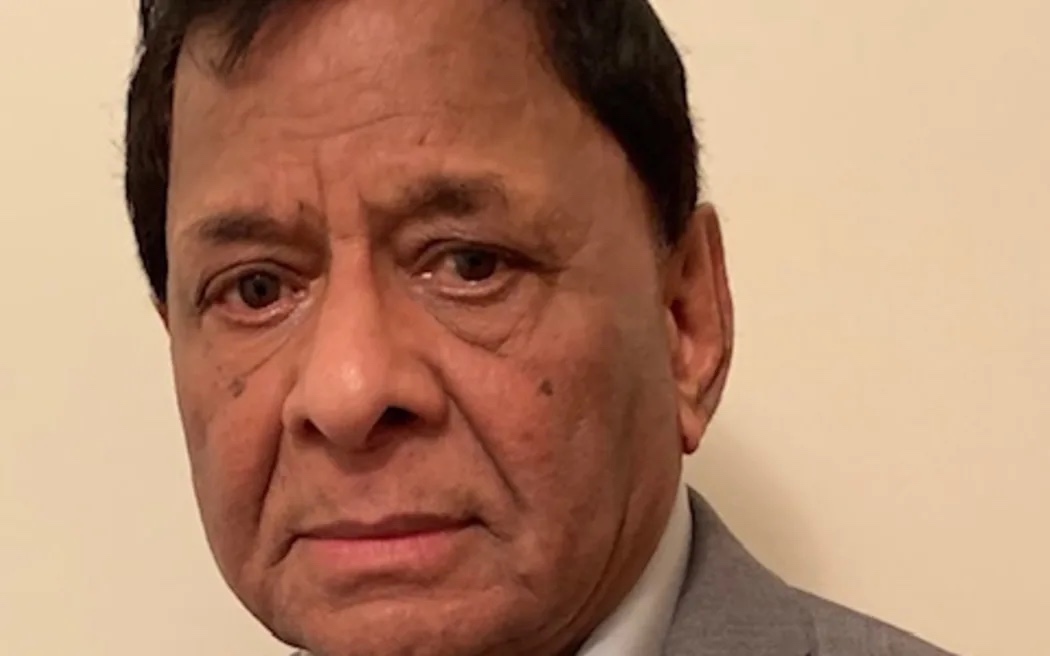
Sher Singh Manakdheri is president of Migrant Rights Network NZ. (Supplied photo)
One man’s cardboard had somehow acquired a nationality. That is the phenomenon Singh is calling out.
“There are people who do things like this in every community,” he wrote. “It’s the ACTION, that should be spoken about, not the race or the color of the person.”
He even gave the stranger in the photograph the benefit of the doubt. “Who know what reason this person had, could be medical.”
Nobody is arguing that dumping rubbish is fine. Or that dangerous driving is fine. Or that urinating beside a road should be added to Auckland’s list of attractions.
Bad behaviour is bad behaviour. The question is why an Indian doing something stupid can so easily recruit the rest of us into the incident.
One Indian parks badly and suddenly you feel an irrational need to make sure your own car is perfectly centred between the white lines.
Someone dumps cardboard and hundreds of thousands of completely unrelated Indians are apparently one recycling mistake away from national disgrace.
An Indian driver cuts somebody off and somewhere another Indian is probably thinking: mate, please. Not today.
We joke about people “giving Indians a bad name”. How can one stranger give all of us a bad name? He can only do that if we have accepted the idea that Indians are being judged collectively in the first place.
Sometimes we do accept it. Indians themselves can be among the first to complain that somebody has “made us look bad”. That instinct has roots in a bargain familiar to many migrant communities. Work hard, contribute, obey the rules, stay out of trouble and you will be accepted.
Indians have often been praised in exactly those terms. Doctors, engineers, business owners, professionals, taxpayers, high achievers. It sounds flattering. Until you notice the small print.
If approval depends partly on being hardworking and well behaved, every badly behaved member starts to look like a breach of contract.
That is the model-minority trap. Belonging becomes something you have to keep earning. And that is not quite belonging. Real belonging surely includes the freedom to be ordinary.
To be brilliant or hopeless. Generous or selfish. A careful driver or somebody who should probably hand over the keys. There are hundreds of thousands of Indians in New Zealand. Some of us are inevitably going to make terrible decisions.
That is not a cultural crisis. That is statistics. None of this means every criticism involving an Indian person is racist. Sometimes the Indian person really is in the wrong. Call out the rubbish dumper. Call out the dangerous driver. Call out the person behaving badly.
There is a difference between saying, “This man did something unacceptable,” and saying, “This is what Indians are like.”
The first is criticism. The second turns ancestry into evidence. Singh’s post works because it reverses the lens.
“Nope not an INDIAN...”
Look at this man, he is effectively saying. He appears to be doing something most of us would rather he did somewhere else.
Now what? Do we need to know where his parents were born? Should we speculate about his culture? Should his ethnic community be asked to condemn roadside urination?
Should somebody write that this is what happens when you “import” people like him? The questions sound ridiculous. Which is precisely the point.
A large community will contain generous people and selfish people, brilliant people and foolish people, careful drivers and dreadful drivers, diligent recyclers and people who make inexplicable decisions involving cardboard.
Nobody should have to be an unpaid public-relations officer for 1.4 billion people.