
A former National candidate wants MPs drug-tested four times a year. Not just for the obvious

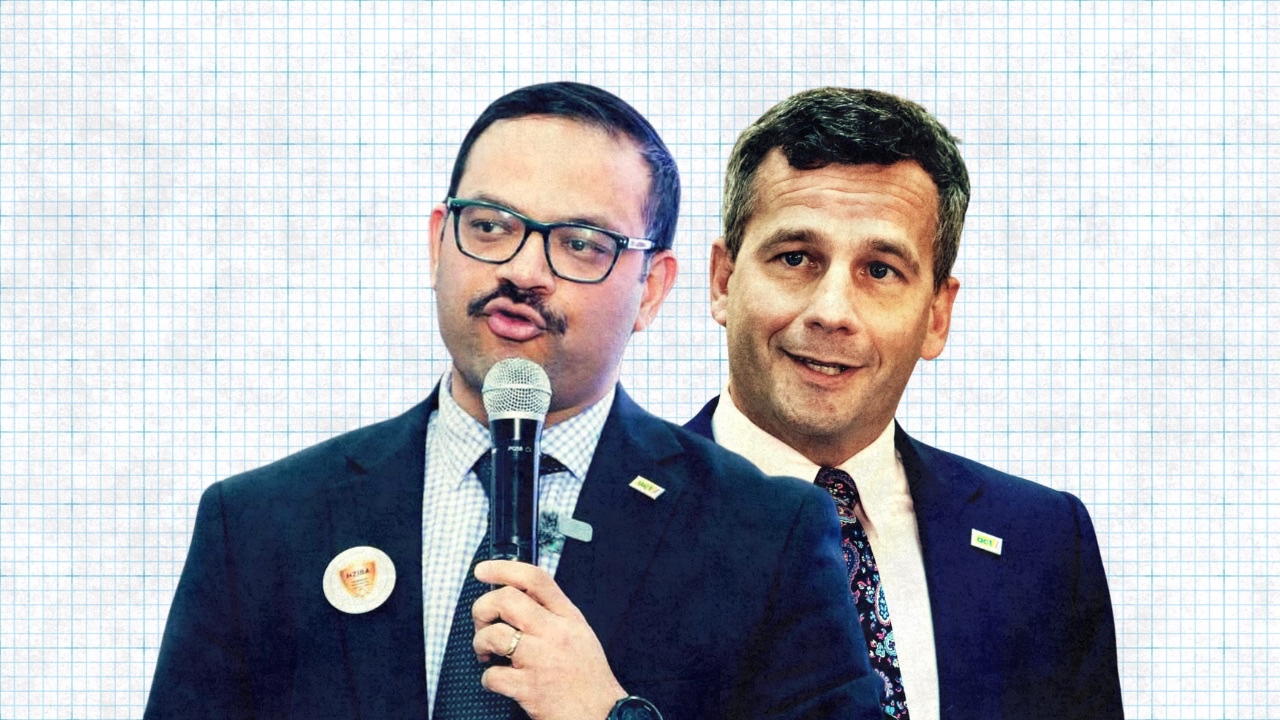
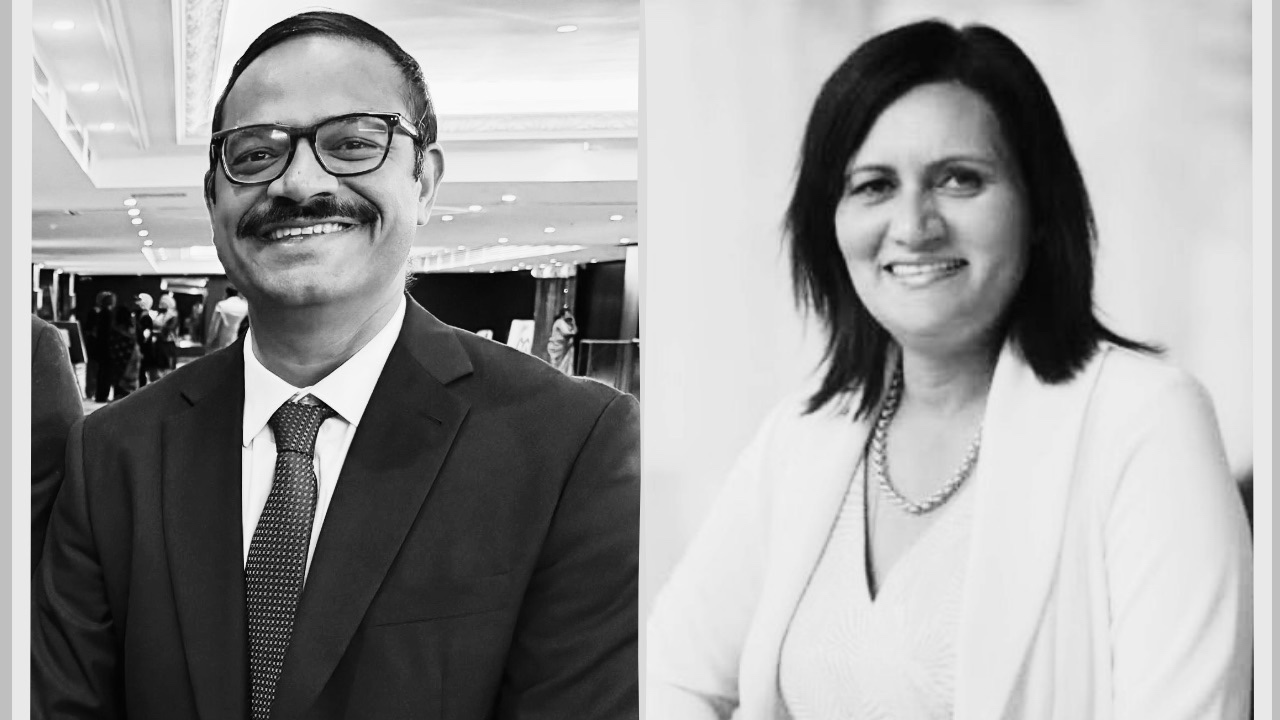
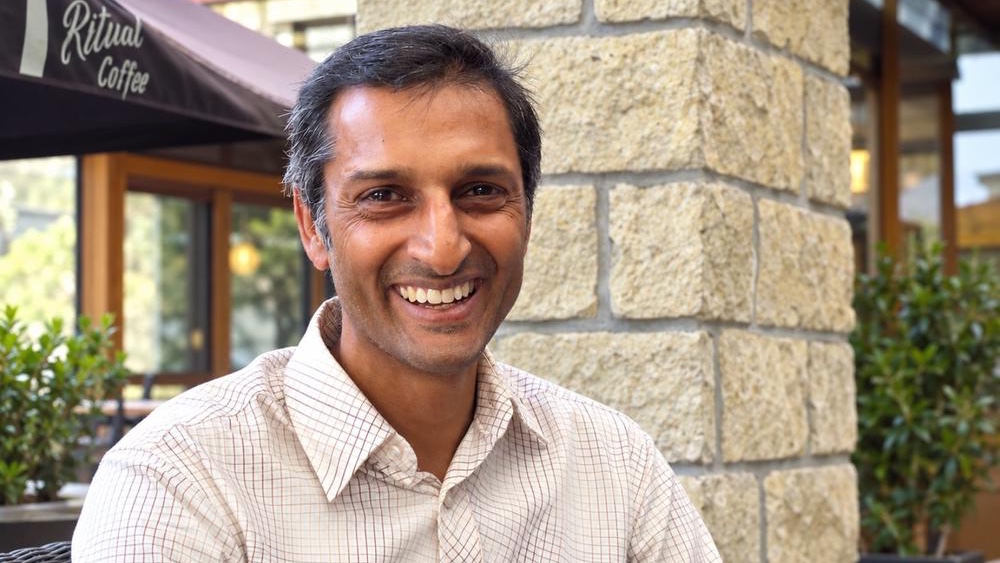
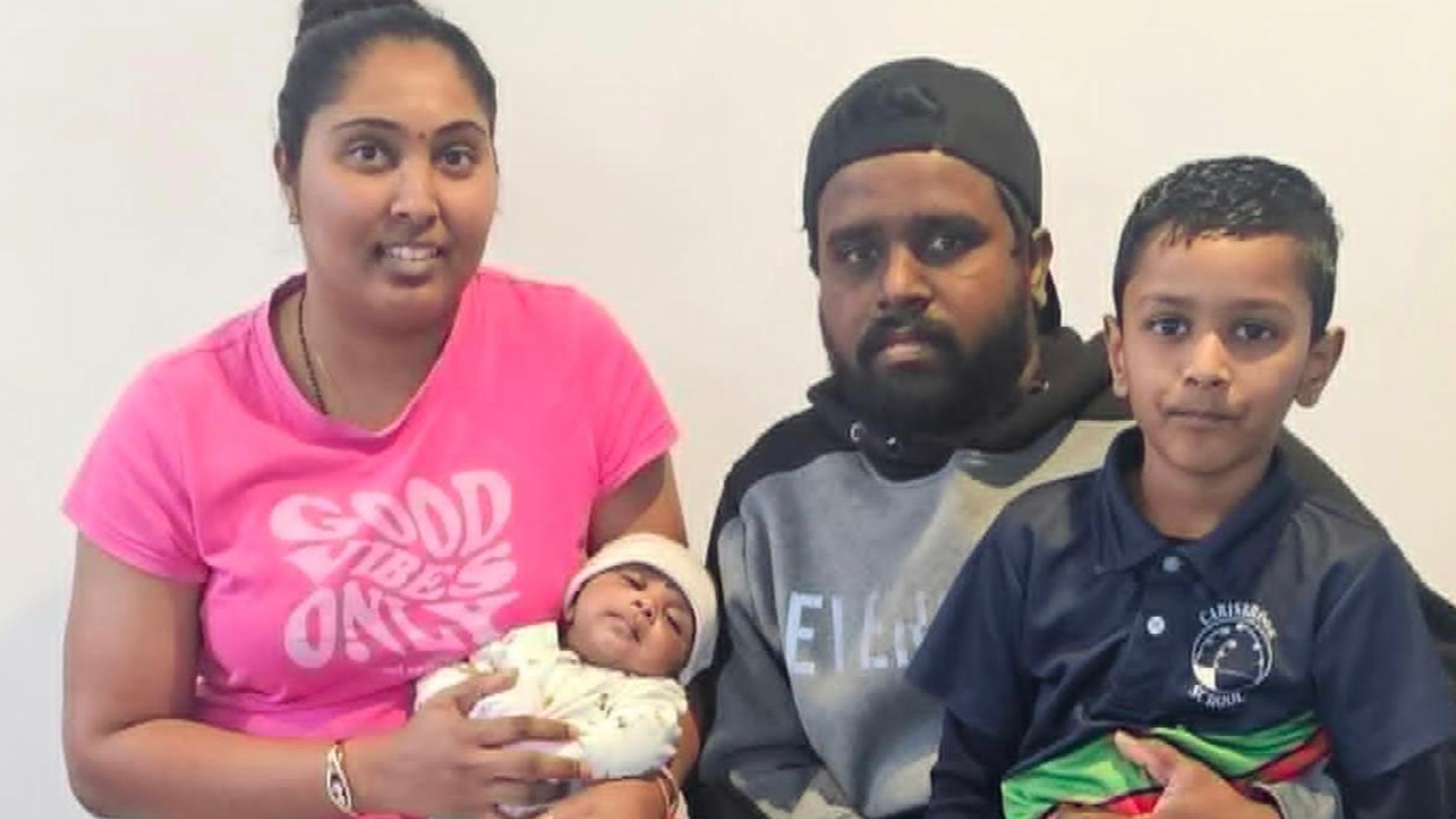
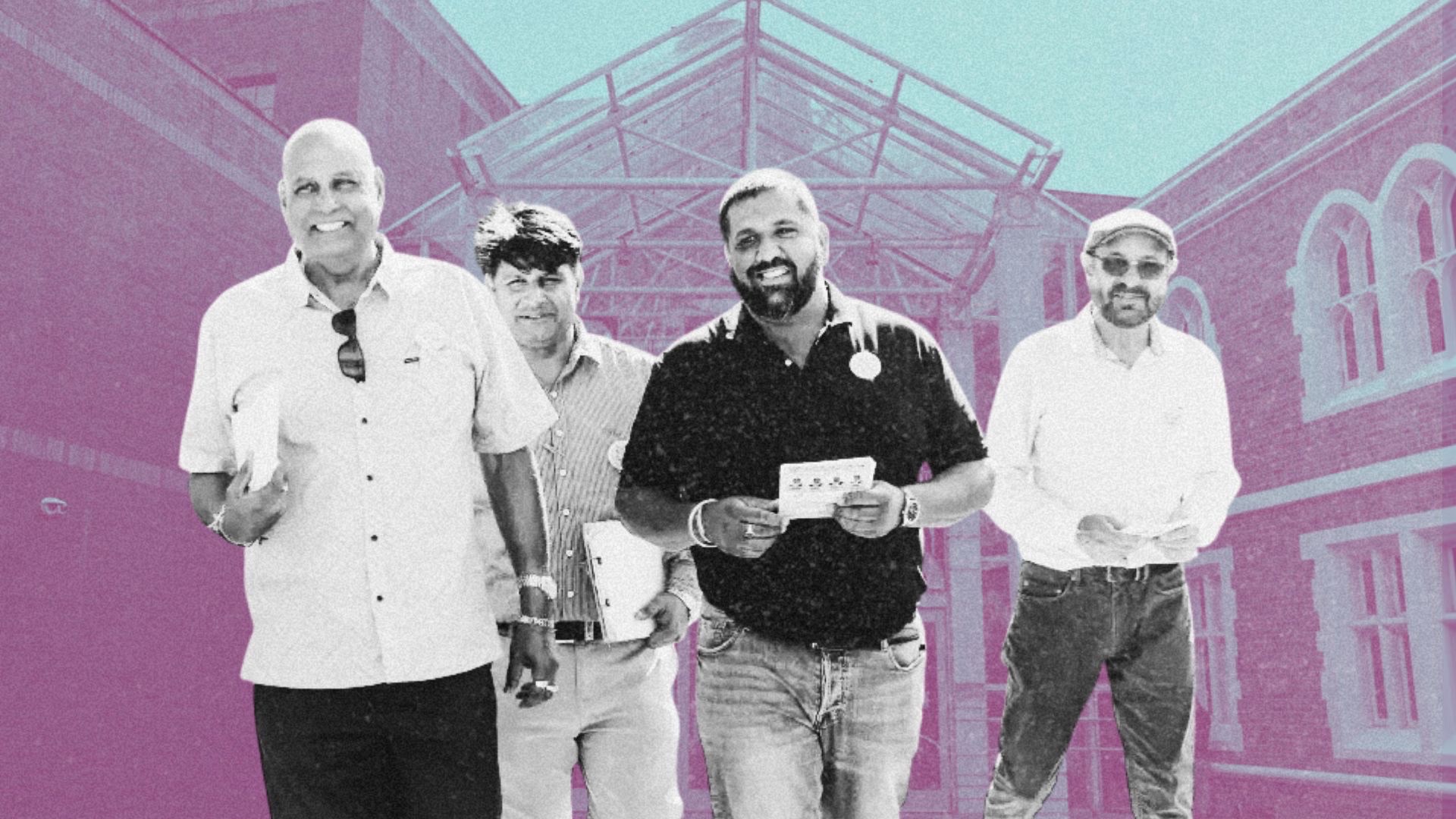
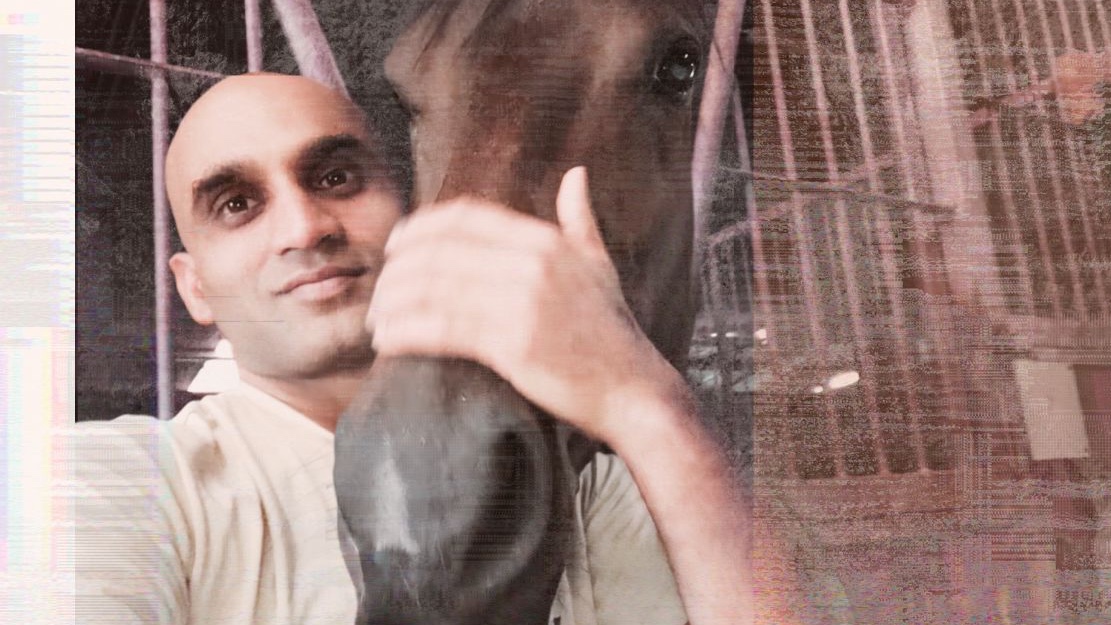
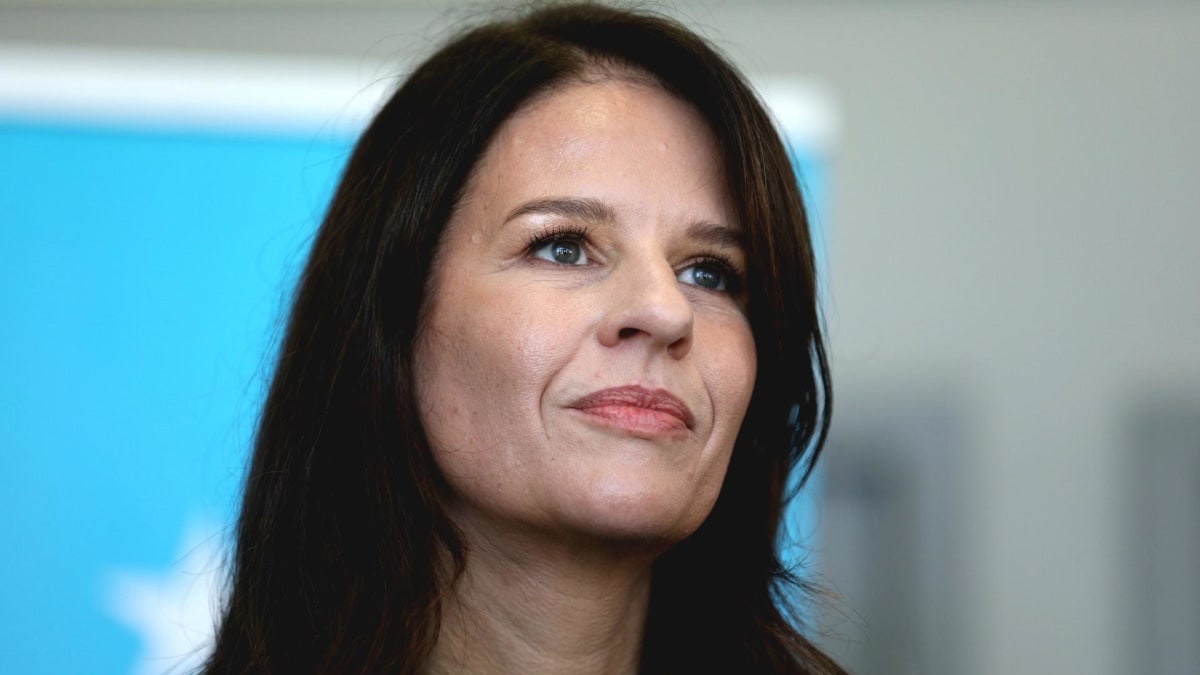
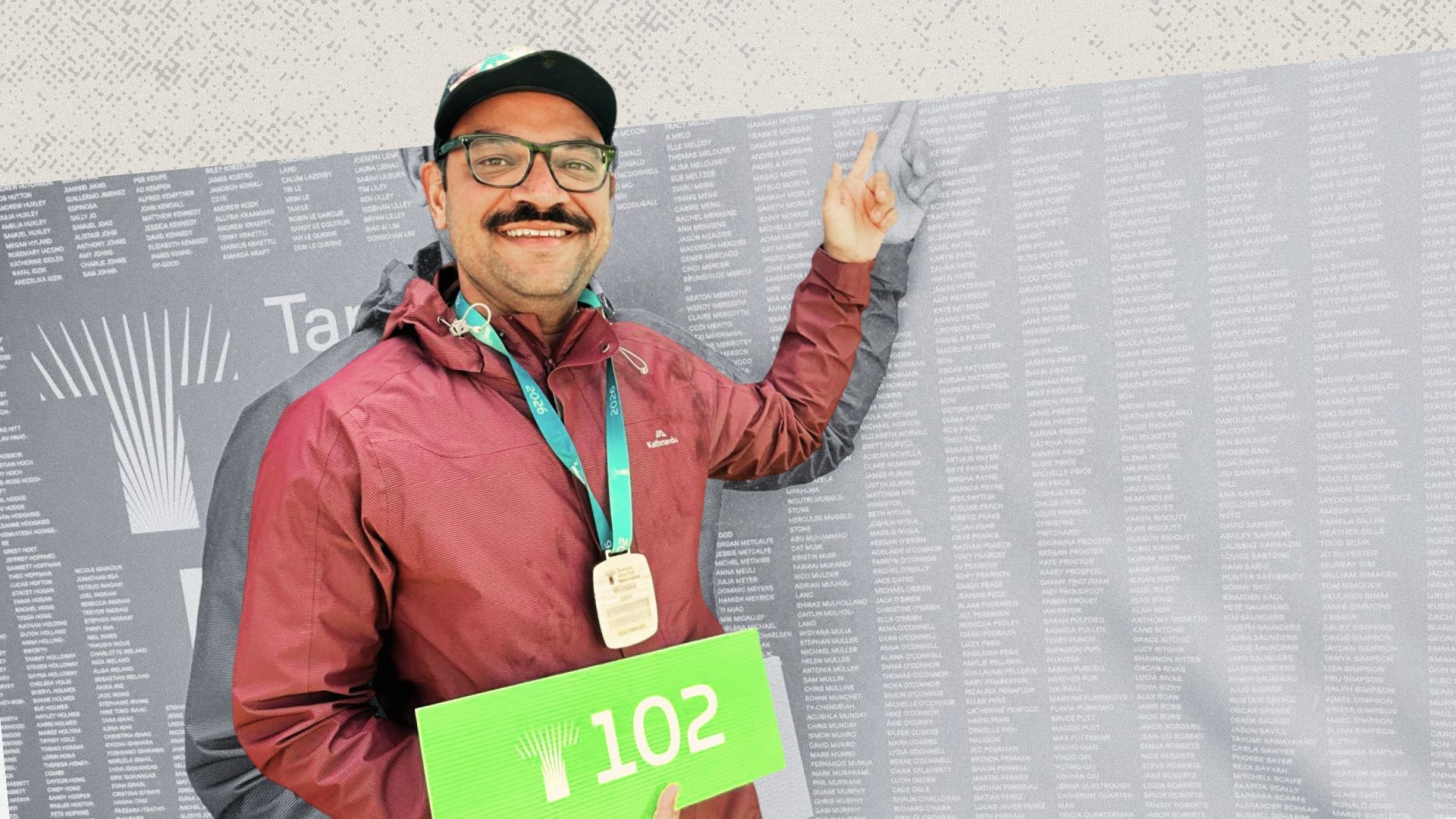
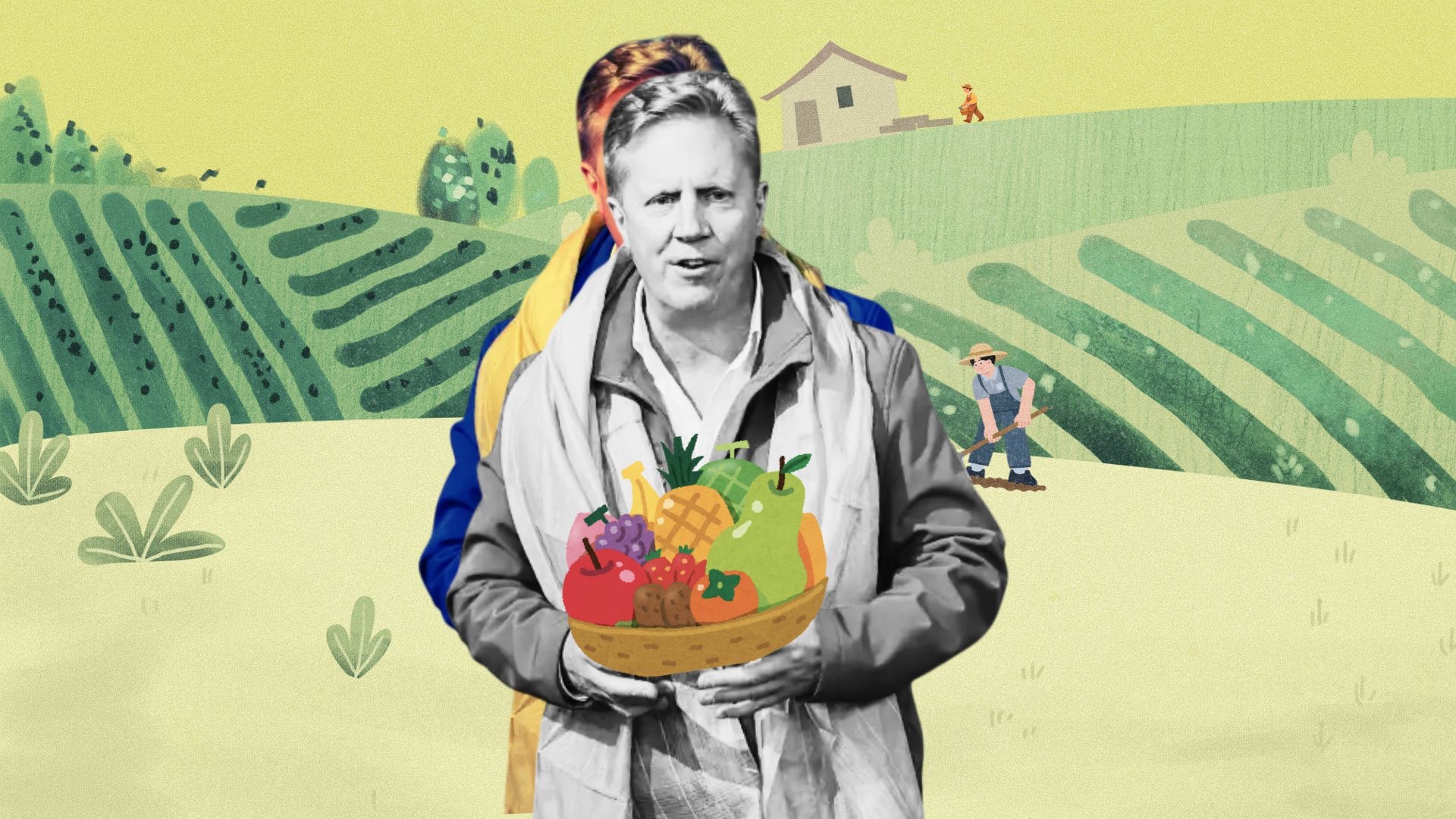
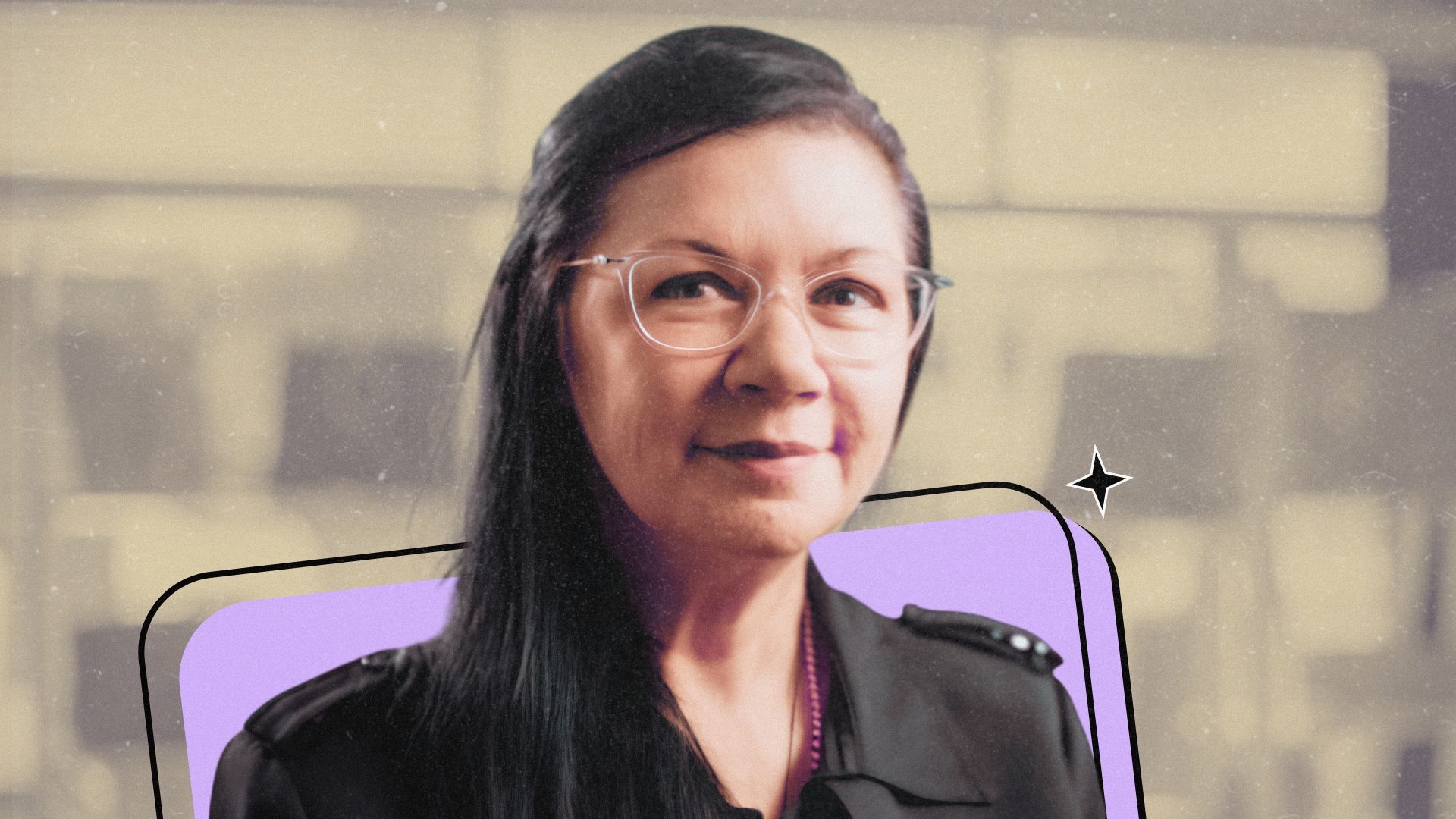
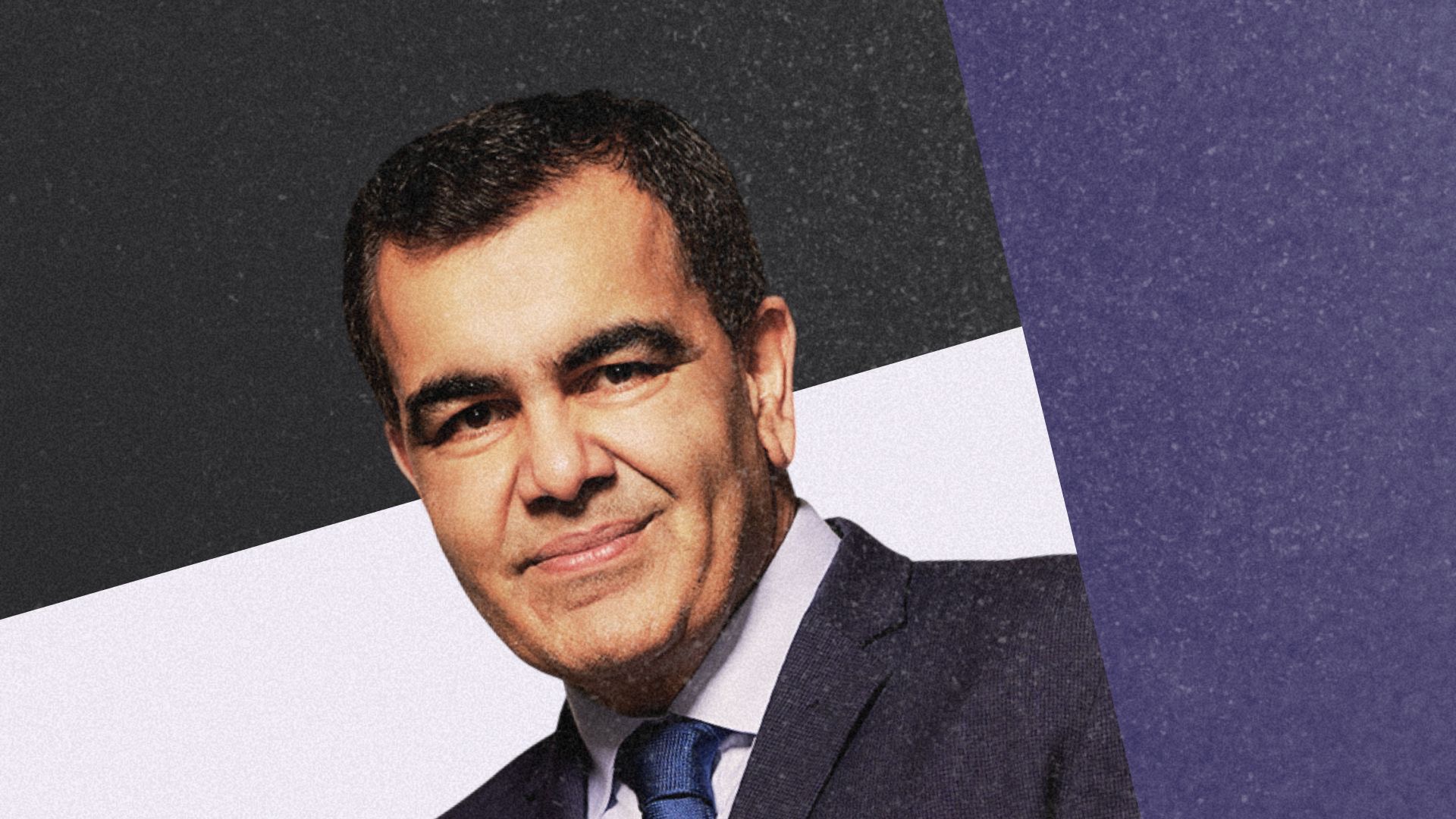
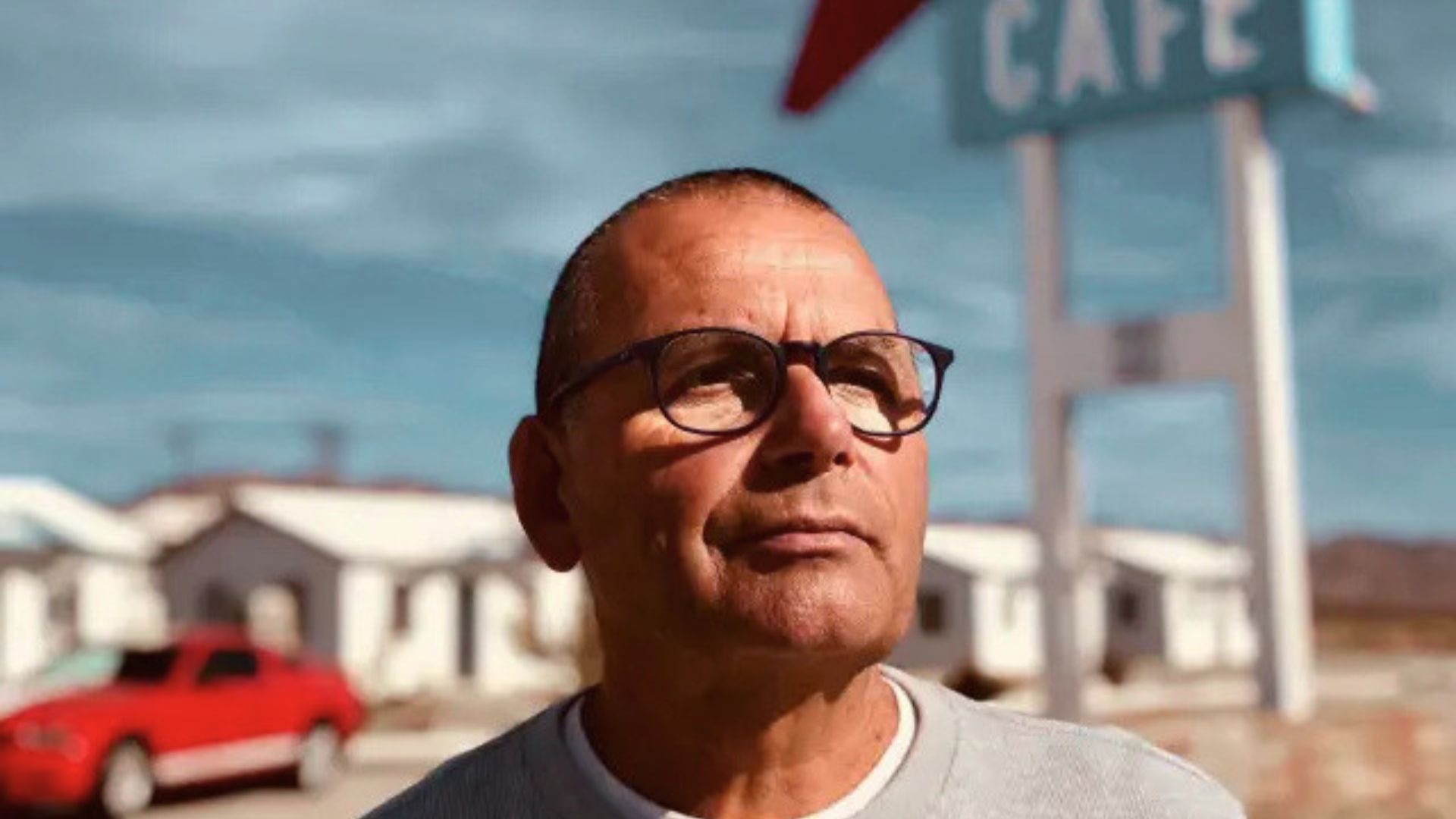
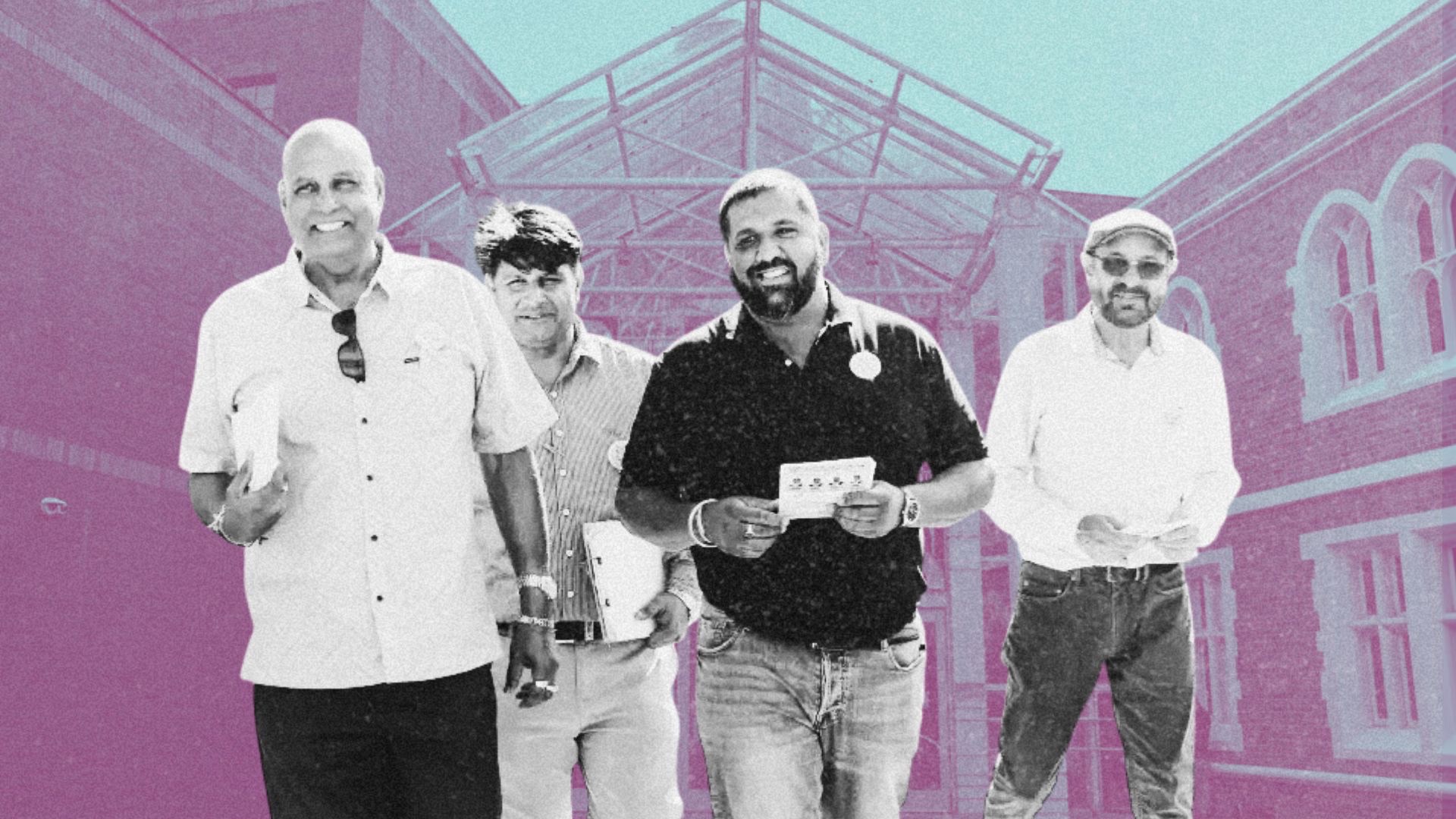
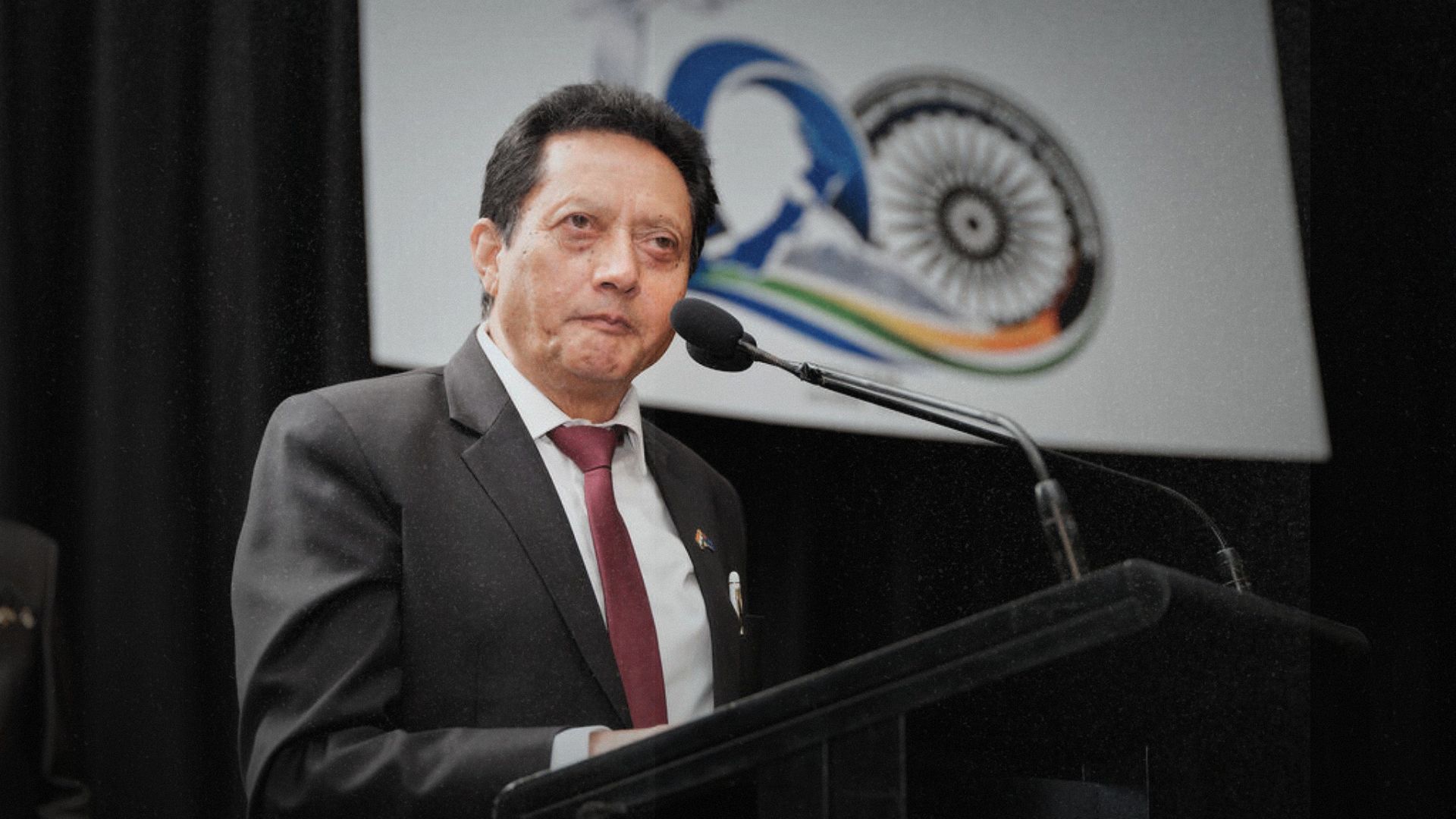
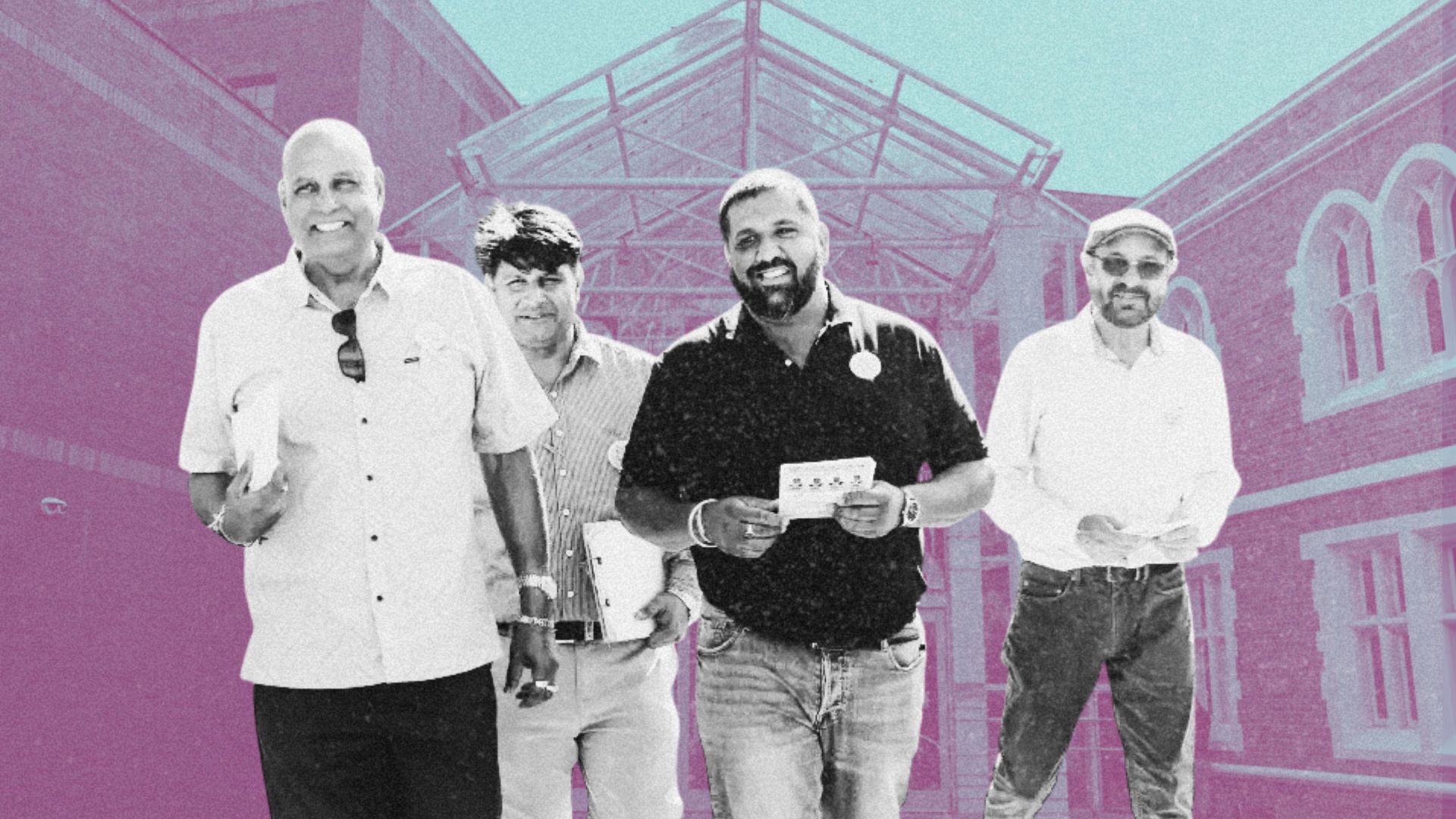
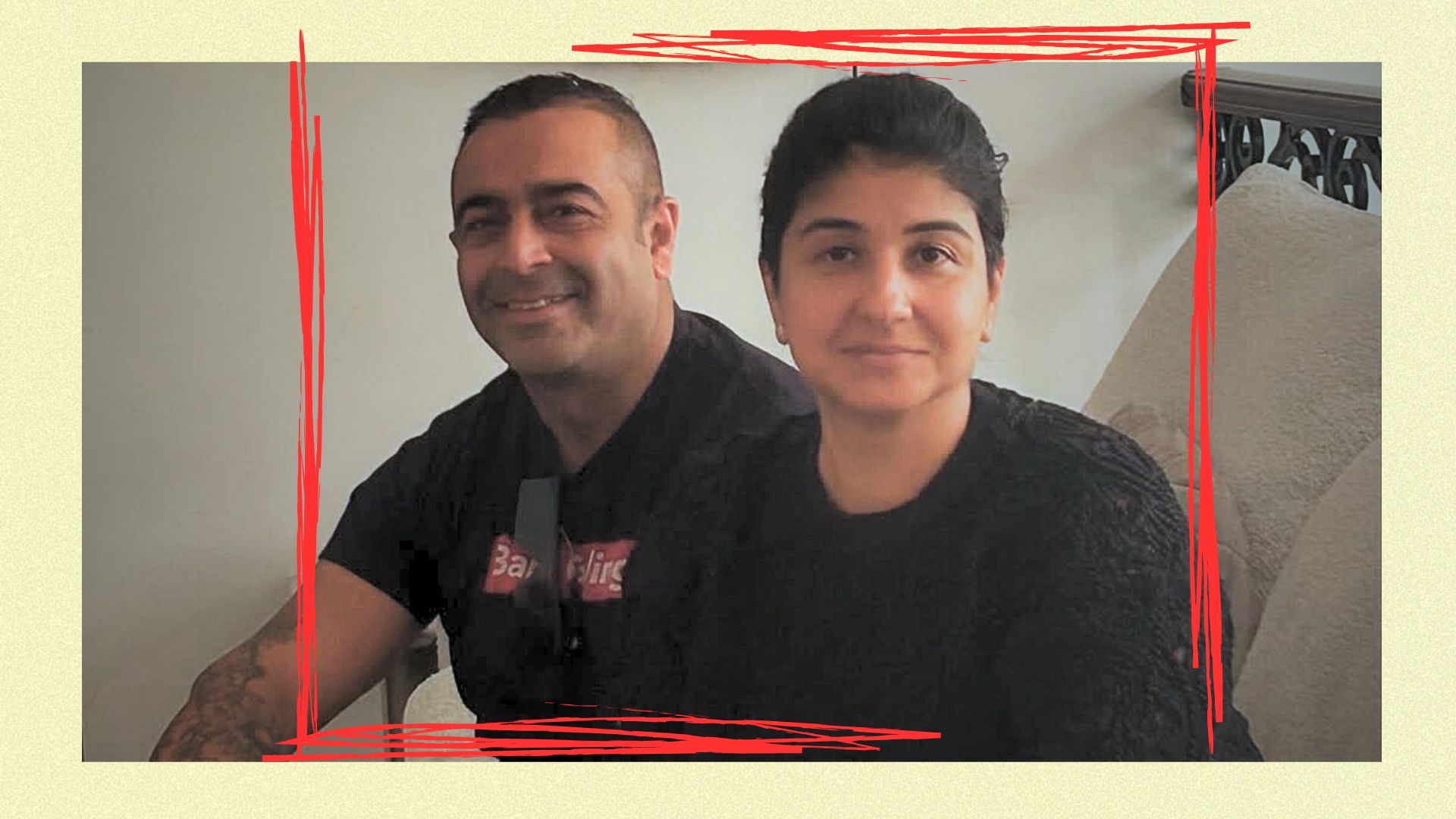
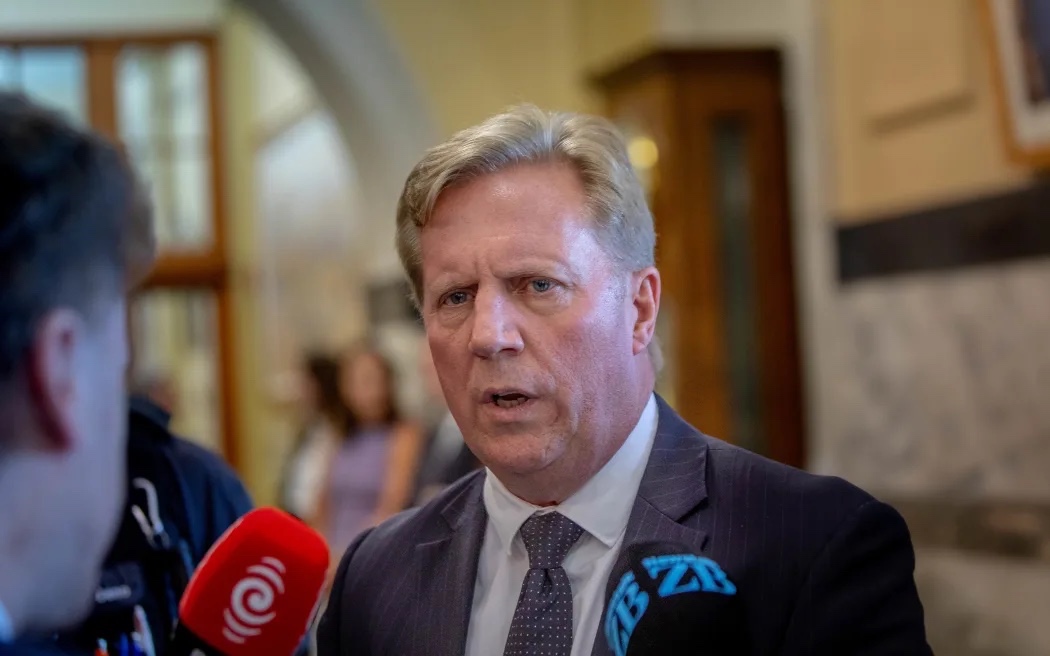
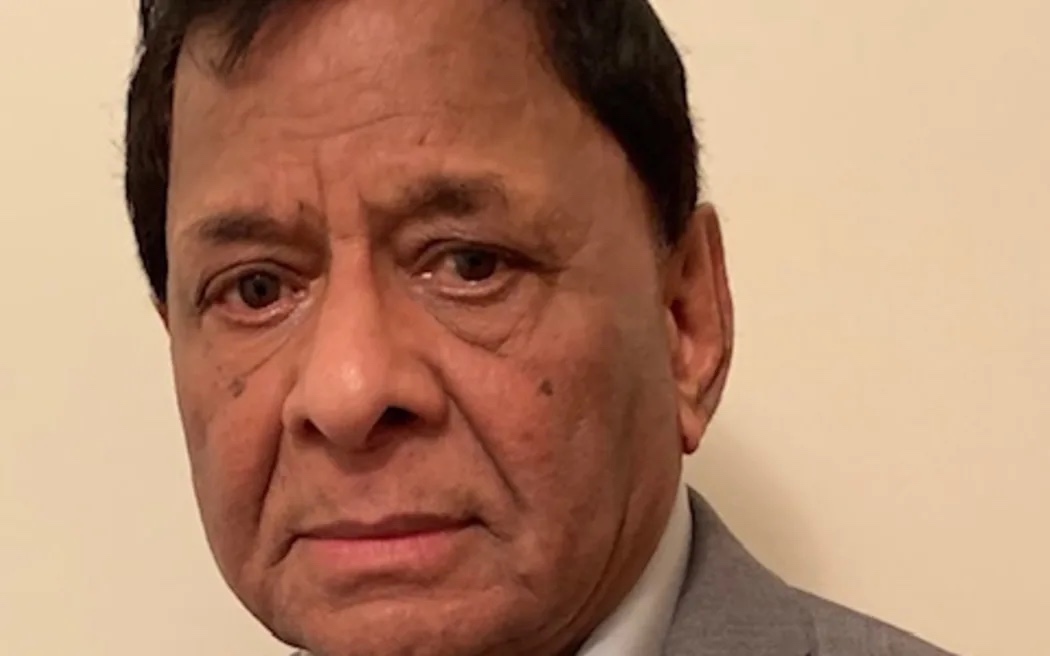
Auckland-based businessman Siva Kilari.
Siva Kilari says his petition is not about catching MPs using drugs. Maybe, but not entirely.
A former National Party candidate wants every MP in New Zealand tested for illegal drugs at least four times a year and the result to be made public.
“I’m not saying they are on drugs,” Siva Kilari is quick to point out.
For him, the testing serves a dual purpose. It makes sure drug checks become part of a regime that applies not just to citizens but also to lawmakers.
It also serves the purpose of advocacy. Kilari believes MPs putting themselves under the same kind of scrutiny faced by some workers and drivers would allow the country’s lawmakers to lead by example and send a wider message about drug use.
Kilari was National Party's candidate in the Labour stronghold of Manurewa at the 2023 general election, and was ranked 30th on the party list. He finished second behind Labour’s Arena Williams.
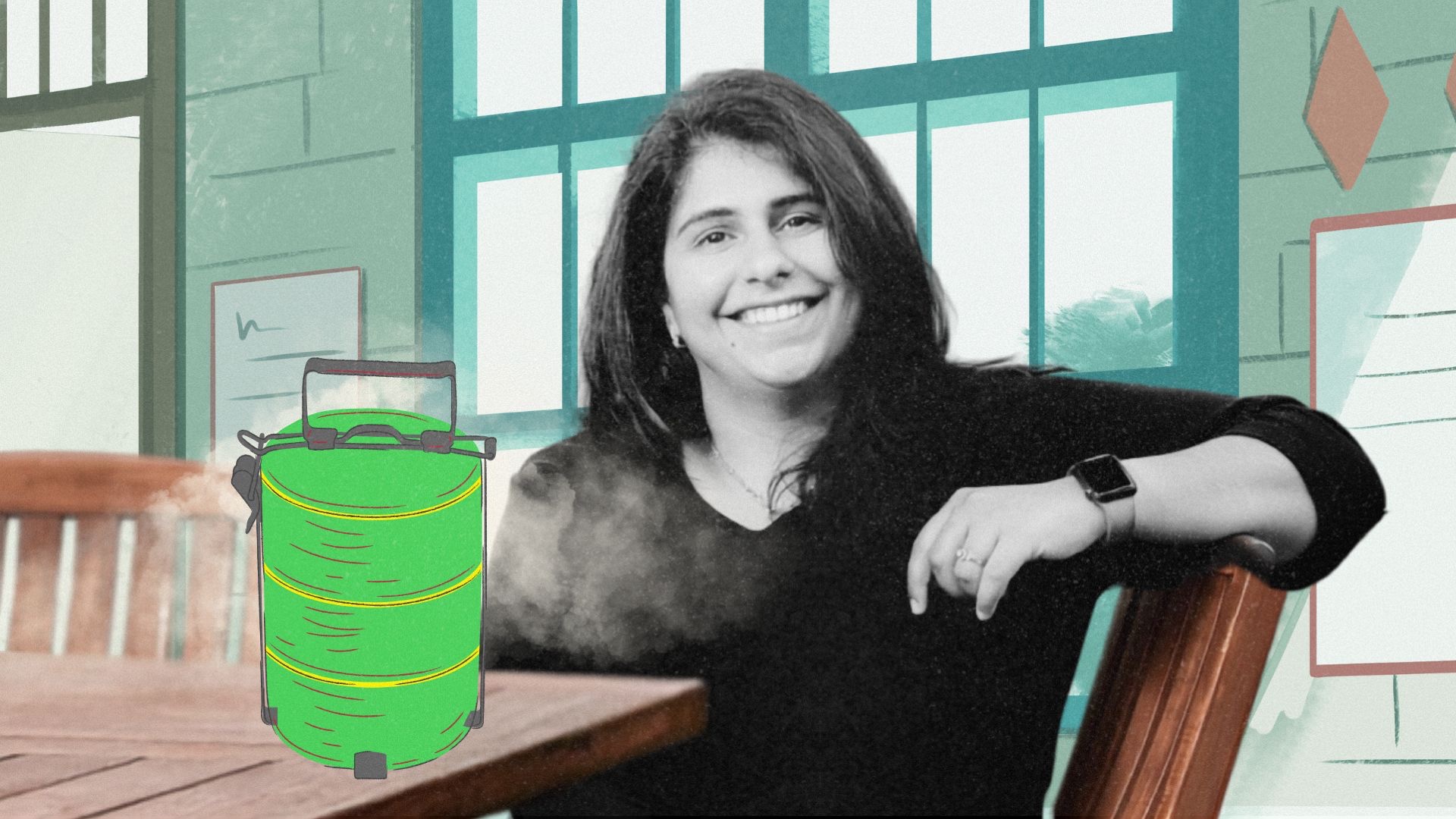
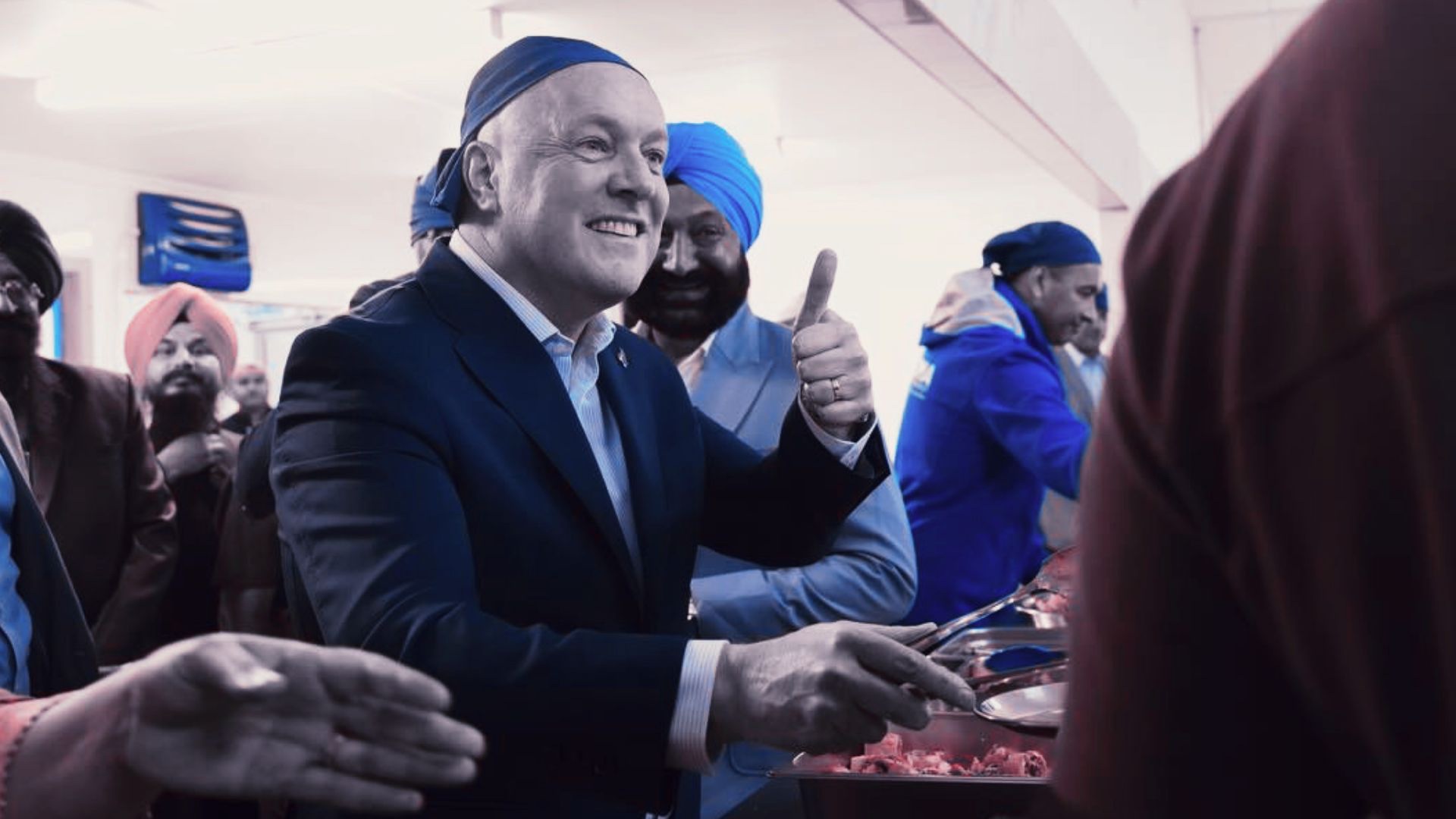
Selfie: ‘Daddy, please don’t take me to an India-NZ cricket match’. A migrant's dilemma Can a migrant embrace a new home without abandoning old loyalties? Sports often offers a reckoning for migrants.
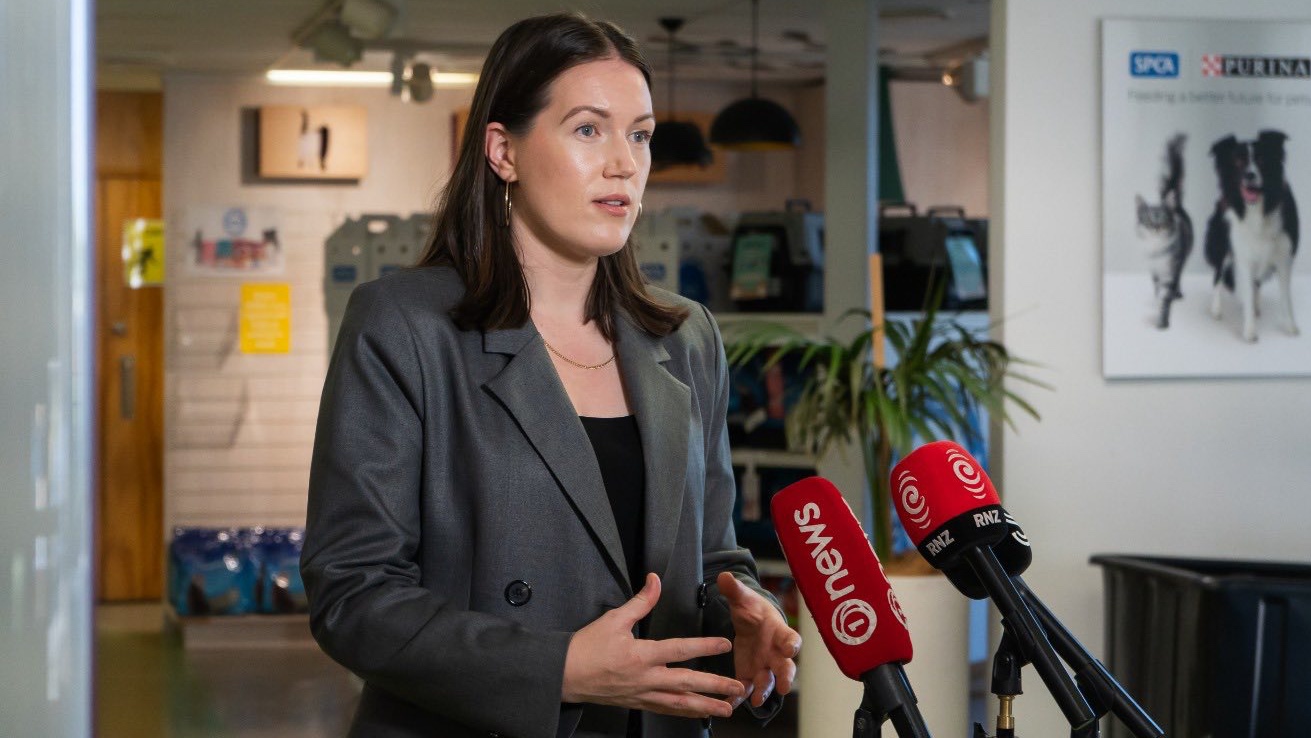
Migrant prison guards in Auckland accused of drug smuggling can't work, can't go home Two fathers facing serious corruption charges have been unable to work elsewhere because of their visas and awaiting criminal trials in 2028.
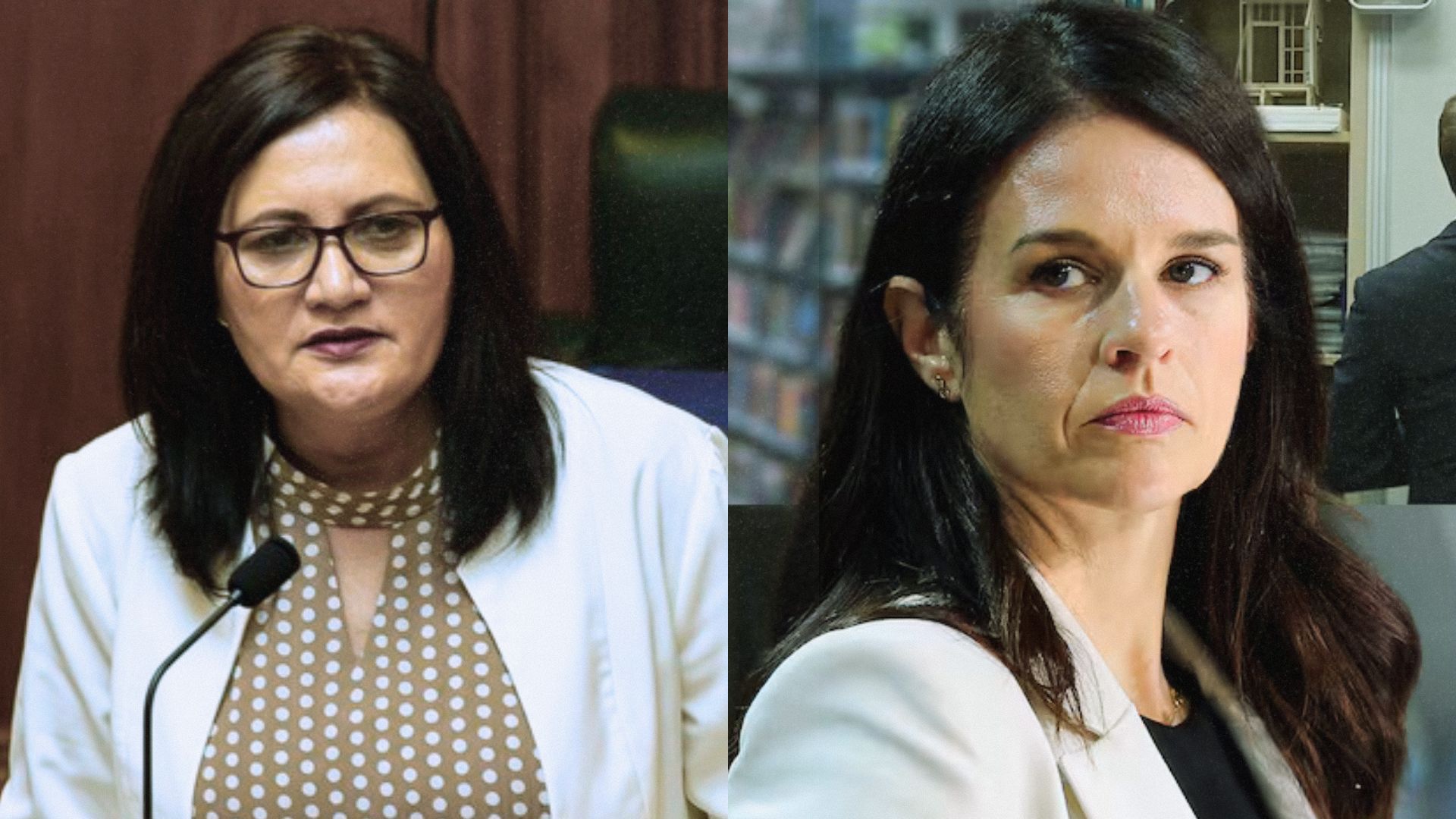
Can you be Indian and Kiwi? National's Mahesh Muralidhar on patriotism, racism and belonging National's big ticket Indian-origin candidate on what ethnic representation really achieves and why New Zealanders still struggle to get along.
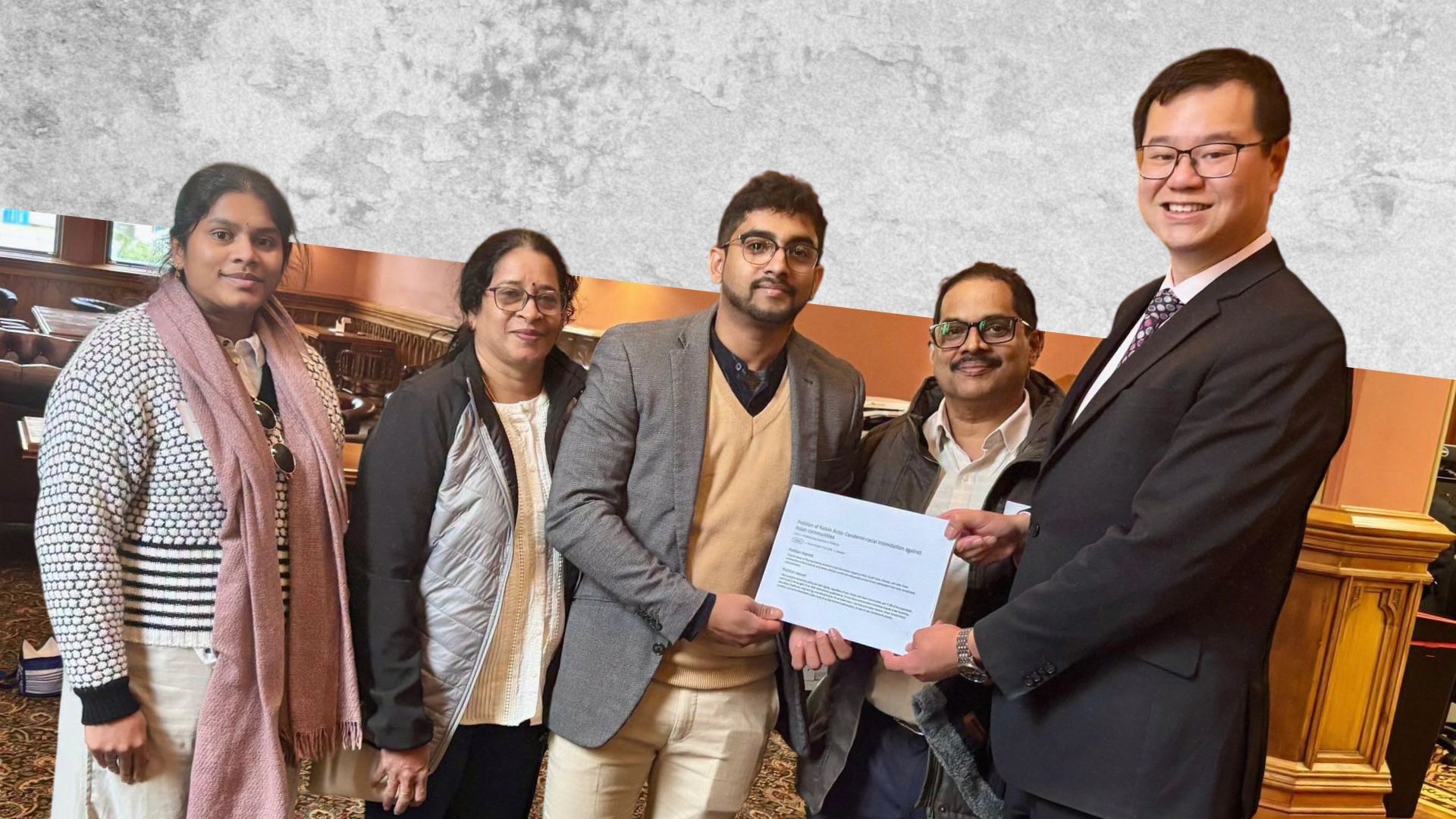
Kilari has lodged a petition with Parliament seeking legislation requiring every MP to undergo random testing for illegal drugs at least four times each calendar year, regardless of party, with all results publicly available.
The petition opened for signatures on August 10 and closes on September 22, 2026, giving supporters a little over a month to add their names.
In the petition, Kilari argues that MPs make and pass the country’s laws, including laws prohibiting illegal drugs, and that New Zealanders should therefore be able to see that lawmakers themselves comply with them.
“Many New Zealanders already undergo regular workplace drug testing, and I believe MPs hold one of the highest positions of public trust,” Kilari says in the petition.
Speaking to Awaaz, however, Kilari placed the proposal in a much bigger ambition. He wants New Zealand to eventually become a drug-free country”.
He believes having MPs publicly participate in drug testing could be one small step towards that goal by making the country’s political leaders part of the anti-drug message.
“You have kids, everybody has kids growing in this country,” he said. “You need to think about their future as well.”
Kilari also pointed to reports about the amount of illicit drugs being detected through New Zealand’s wastewater monitoring programme as one reason he believes the country needs a stronger conversation about drug use.
The police’s 2025 wastewater overview found methamphetamine consumption remained at “markedly elevated levels”, with minimum annual consumption increasing from 1,434kg in 2024 to 1,751kg in 2025.
Cocaine use also continued to rise across all testing sites. Police said record-high levels were being recorded each month towards the end of 2025, with cocaine consumption overtaking MDMA for the first time.
Kilari also drew comparisons with people who can already face drug testing in New Zealand, citing truck drivers and construction workers.
Drug testing can be used in safety-sensitive New Zealand workplaces, but there is no blanket rule requiring every construction worker or truck driver to be routinely tested.
Roadside drug testing, meanwhile, allows police to randomly screen drivers using oral-fluid tests aimed at detecting recent drug use.
Kilari suggested four tests a year because some forms of drug testing can look back over a much longer period. Like hair testing, which can potentially detect drug exposure over roughly the preceding three months.
His petition does not specify what type of testing MPs would have to undergo. The idea is unusual in New Zealand, but it is not unique internationally.
Samoa has gone considerably further. Its government announced in June that it would draft legislation requiring MPs to undergo drug testing, with the prime minister presenting the move as part of the country's fight against drugs.
Similar proposals have been doing the rounds elsewhere without producing a permanent national testing regime for lawmakers.
In the United States, Republican Congressman Clay Higgins reintroduced legislation in 2025 that would subject members of Congress to random drug testing. In the UK, a parliamentary petition has also sought regular unannounced drug tests for MPs.
Kilari’s own proposal currently applies only to MPs. Asked whether he believed parliamentary staff and public servants should ultimately face testing as well, however, he said they should.
For now, he does not have an MP championing the petition in Parliament. Kilari said he intends to approach MPs and is not concerned about which party might be willing to take up the issue.
“It doesn’t matter which party they come from,” he said.
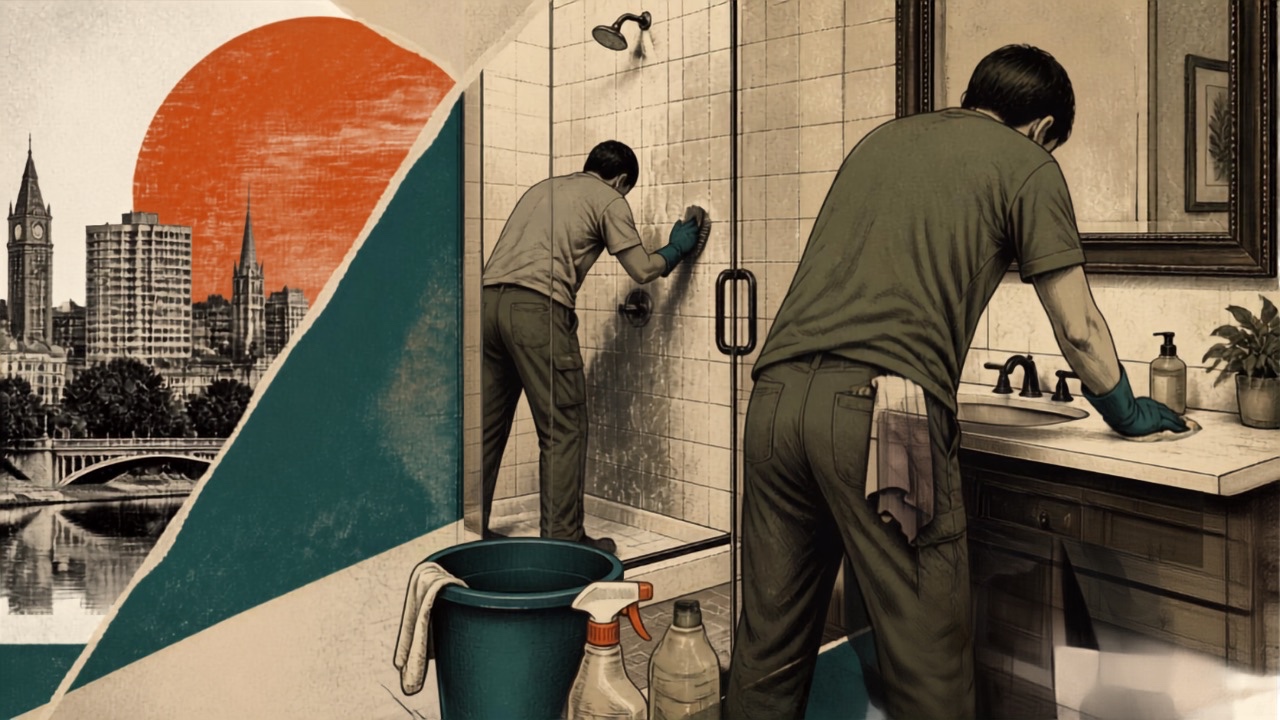
Kilari came to New Zealand as an international student in 2002 and has previously spoken about starting out working as a supermarket cleaner and pizza delivery driver before going into business.
When he stood for National in 2023, he said his motivation for entering politics was to give back to the country and identified law and order among his priorities.
This time, Kilari is trying to influence Parliament from outside it. “You don’t need to be in Parliament to bring any of these types of petitions,” he said.