The economic recovery that doesn't feel like one

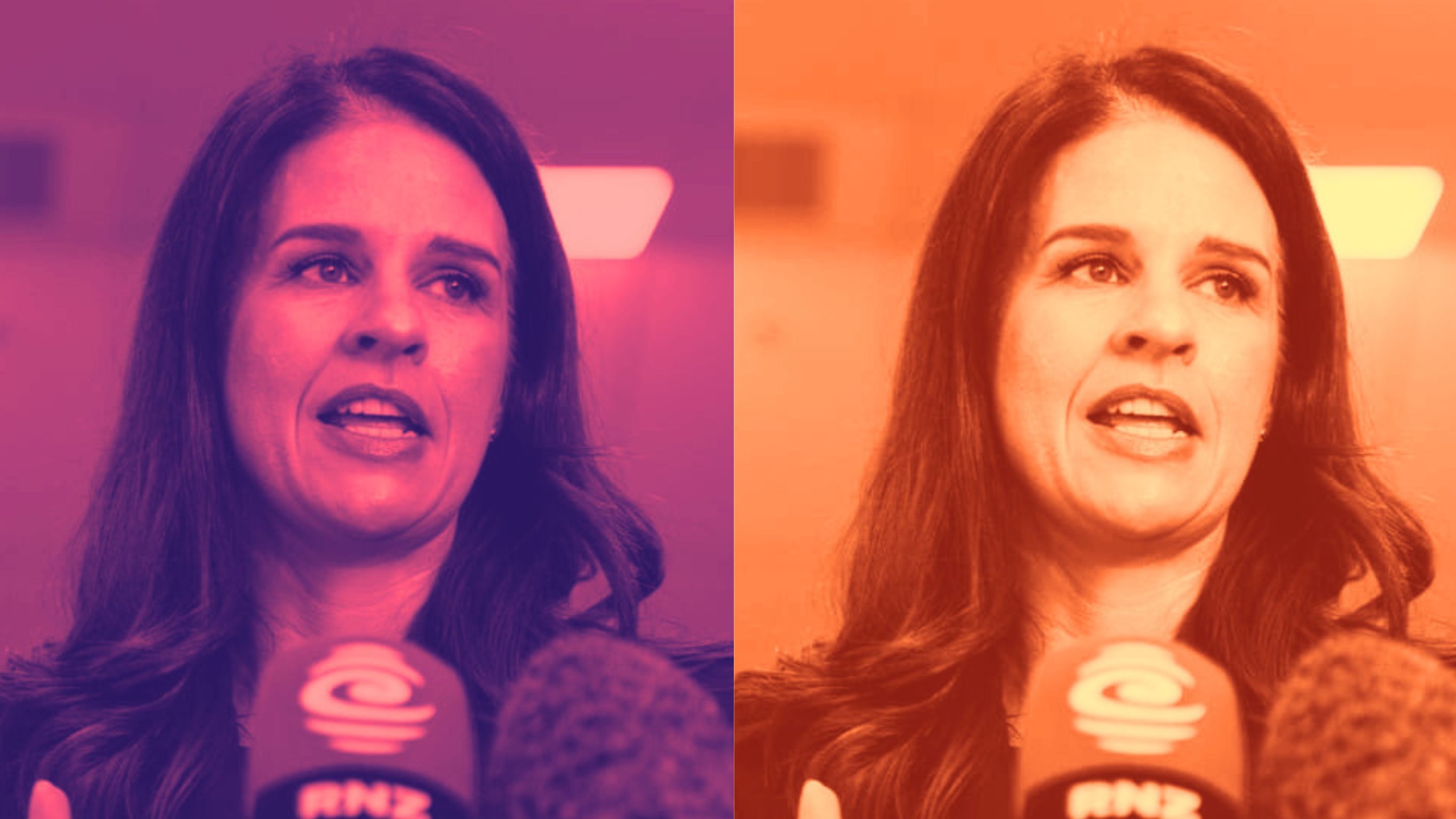
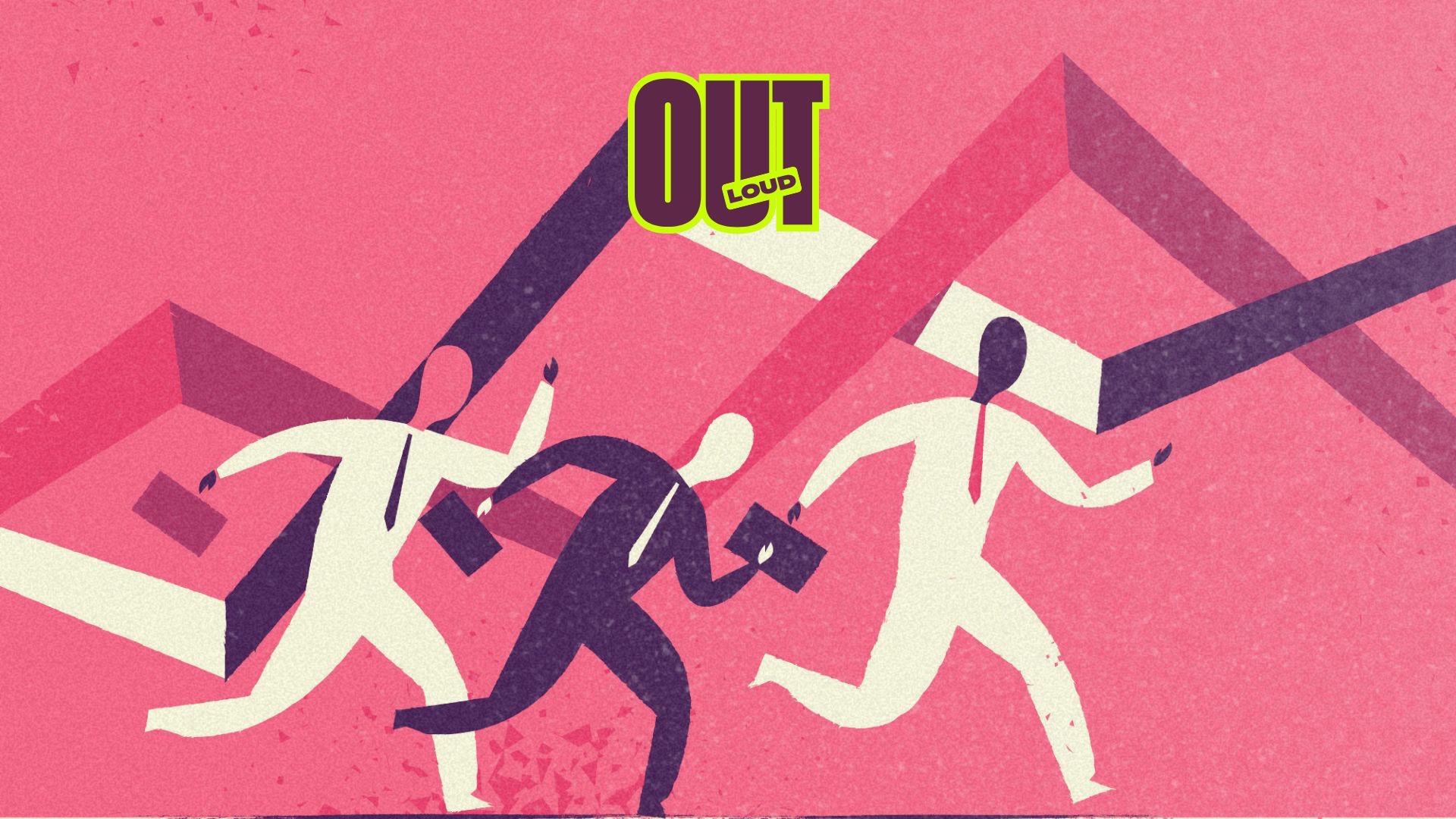
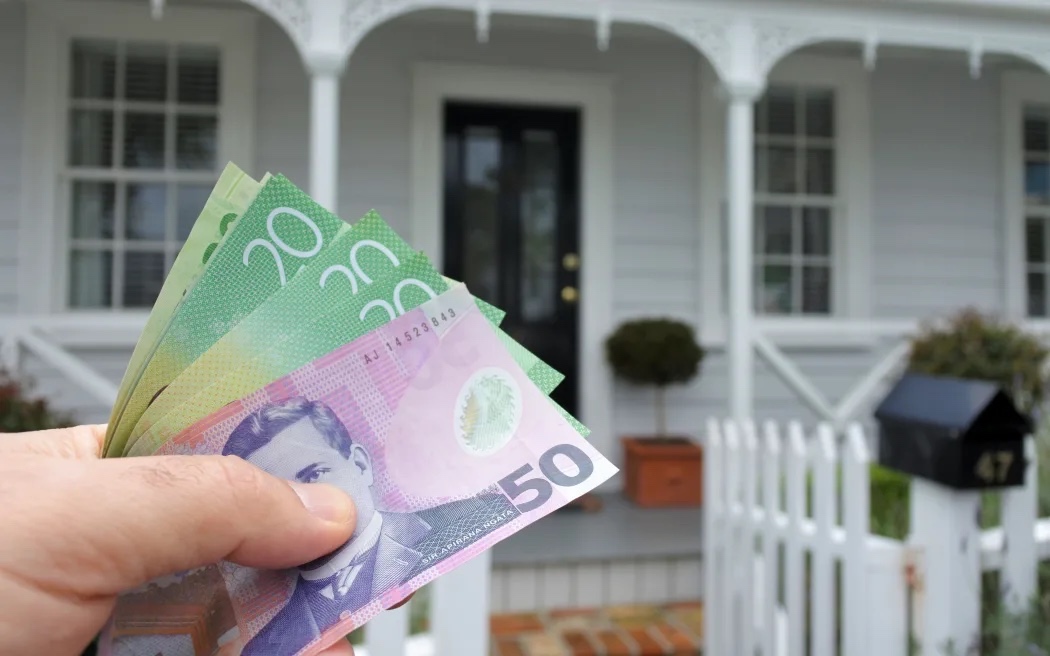
RNZ artwork
Exporters are driving growth, while weak employment and rising living costs squeeze households
New Zealand's economy is improving, but it doesn't feel like it for everyone, the country's biggest bank says.
ANZ has released its latest economic outlook. It said the economy was being buffeted by several cyclical and structural forces that were hard to unpick, alongside an oil price shock.
"The good news is that the recovery remains intact for now. GDP has now grown for four consecutive quarters, including a better-than-feared 0.2 percent quarter-on-quarter in Q2 that lifted annual growth to 2.6 percent."
But it said not everyone was experiencing the benefit - the unemployment rate is higher than it has been for more than a decade and inflation risks are concerning the Reserve Bank.
Senior economist Miles Workman said growth was being led by pockets of the economy such as manufacturing, and the tradable sector.
Partner or caregiver? Woman, 56, fails immigration test over relationship with 82-year-old Kiwi Immigration authorities questioned whether the Filipino woman’s relationship was genuine.
Father's bid to get disabled teenage son New Zealand residency exposes dilemma migrants face Including his son could have jeopardised his own residency. Leaving him out has now put their future together at risk.
Analysis: National lost votes but data shows how split voting has kept Luxon in the game National’s vote collapsed, but a quirk of MMP may have turned its biggest weakness into Luxon’s political lifeline.
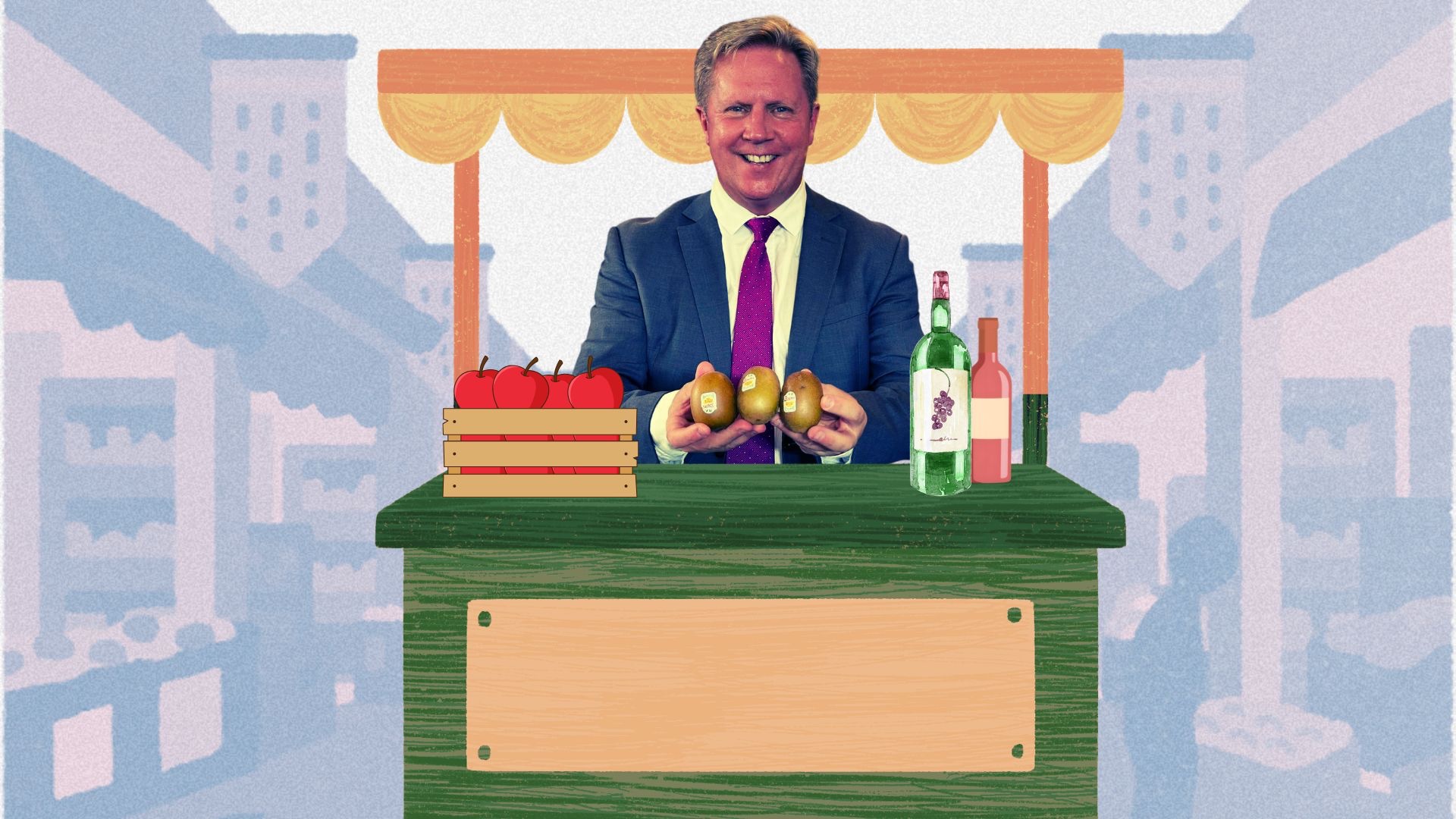
"Meat, dairy and international tourism exports are benefiting from robust demand and the low NZD. Monthly short-term visitor arrivals have finally recovered to around their 2019 level and with the weak NZD boosting visitors' spending power and airline capacity up meaningfully, the coming summer could be among our strongest tourism seasons."
He said the low New Zealand dollar was probably also giving the manufacturing sector a competitive advantage.
"However, tradable-oriented industries also tend to be the fastest-moving, both quick to recover and quick to slow. Should this tailwind to aggregate activity fade before the domestic economy gains momentum, New Zealand's recovery could stall."
The domestic part of the economy was much weaker and consumer confidence was low. "Parts of the economy closely related to the housing market but also private consumption… are also feeling headwinds because of the weak labour market.
"That side of the economy isn't doing so well, but hopefully with the passage of time we will see the slower moving non-tradable side of the economy pick up steam.
"But with the global headwinds and global risks that we're seeing, it certainly makes it a very uncertain outlook."
Workman said for a lot of households, it would not feel like a recovery at all because the labour market was weak and they were facing higher costs.
"Households just aren't feeling it because of those costs of living pressures. But the good news is hopefully with the passage of time the recovery does broaden across the entire economy and households will start to feel a bit more. But with inflation where it is and threatening to remain elevated, the Reserve Bank just simply has to be quite cautious about how much of a recovery they're willing to tolerate because if the economy grows too strongly that would represent an upside inflation risk."
International risks to the economy included the potential for an AI crash, and other countries running significant deficits. "That is adding to a bit of caution across global financial markets, the bond market in particular, which New Zealand would not be immune from if we saw global bond markets wobble. Then you've got the geopolitical backdrop and the oil shock.
"Even as a central forecast trying to incorporate what's already happened with this oil shock has a lot of uncertainty around it because we've produced research in the past few weeks which shows that you do tend to get the inflation impacts of an oil supply shock pretty quickly, but they don't tend to stick around for too long.
"But then with a lag of about one to two years you start to see negative activity impacts across the global economy. Now this has been the largest supply shock in living memory, meaning that these potential inflation and then potentially negative activity implications for the global economy, it's very difficult to calibrate exactly the magnitude of how that could come through.
"But there is certainly a scenario here where you get to 2027 and the global economy is looking a lot weaker and if that's the case then New Zealand's export earnings and broader economic momentum would be vulnerable."
He said ANZ still expected the official cash rate to increase in December, February and March, taking it to 3.5 percent.
"That's premised on the idea that 3.5 percent is around about the level of the OCR which isn't going to slam the brakes on in terms of New Zealand's economic output and growth but it's also not stimulatory.
"One key consideration right now for the monetary policy outlook is the fact that the New Zealand dollar is very weak and that's providing strength to some of these tradable sectors… if that weak New Zealand dollar persists then all else equal that's a little bit more monetary fuel or financial market fuel to boost the tradable sector which may require a higher than otherwise OCR to offset if the Reserve Bank's focus is to stabilize this growth recovery around about its trend level in order to prevent upside inflation risk from materialising."
(This story was first published on rnz.co.nz)