New Zealand's £500 gamble on an Indian hockey team a century ago is still paying off today
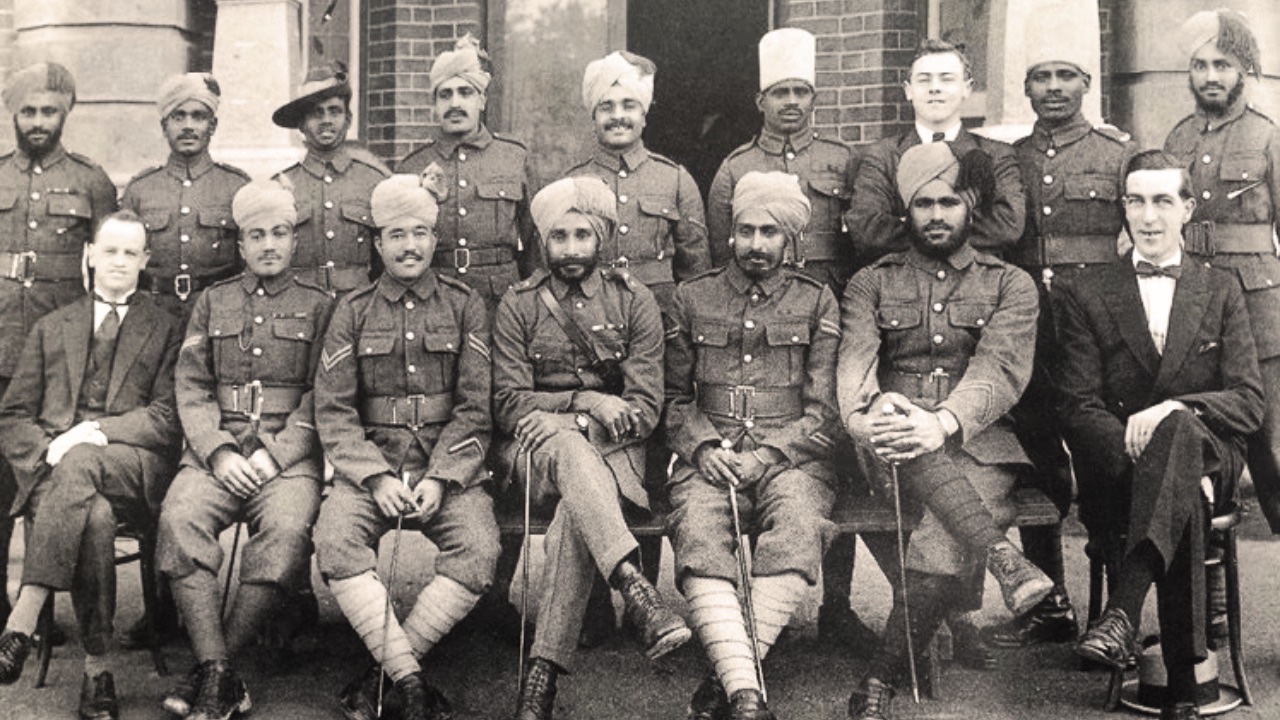
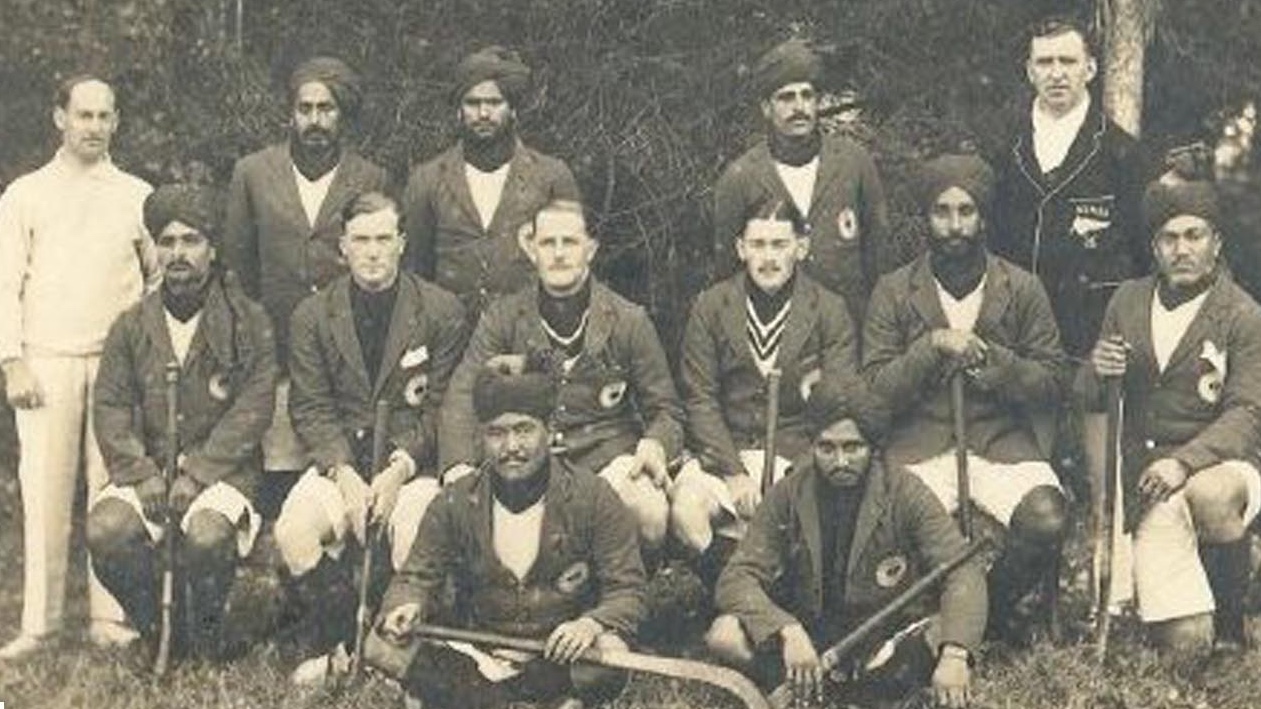
The Indian Army team during their visit to New Zealand in 1926. (Hockey New Zealand)
Crowds of 25,000, an astonishing 80 goals by one player and a sporting revolution that helped Indian migrants find acceptance.
In April 1926, New Zealand hockey officials had already sent £500 to India for a sporting tour that had yet to begin. They had secured financial guarantees against the risk, but there was no certainty New Zealanders would turn up to watch.
What followed exceeded expectations. An Indian Army hockey team would draw crowds of up to 25,000, leave local journalists marvelling at its skills and introduce a style of play that would influence New Zealand hockey for decades.
A century later, the tour is being remembered not only for its sporting impact but also for helping an early generation of Indian migrants find a greater sense of belonging in their adopted country.
The financial gamble was substantial for a sport still building its audience. On April 28, 1926, the Gisborne Times reported that guarantees totalling £1,000 had been secured, with £500 already remitted to India.
The New Zealand Hockey Association and the Indian Army Sports Control Board had begun discussions in late 1924. The 17-member team that eventually arrived included four British officers and 13 other players drawn from the Indian Army.
New Zealand hockey gambled £500 on an Indian team a century ago. It's paying off even today Crowds of 25,000, an astonishing 80 goals by one player and a sporting revolution that helped Indian migrants find acceptance.
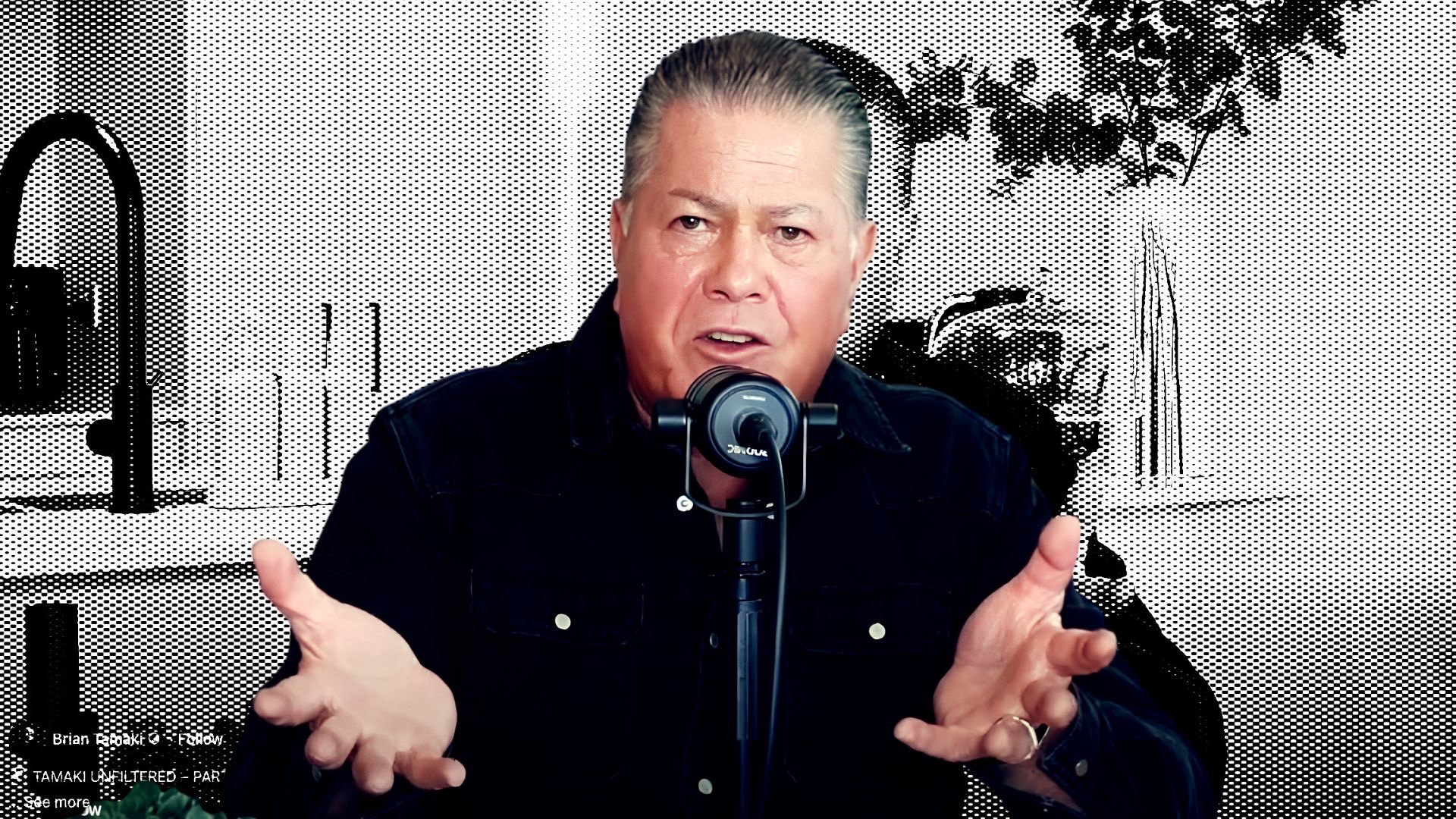
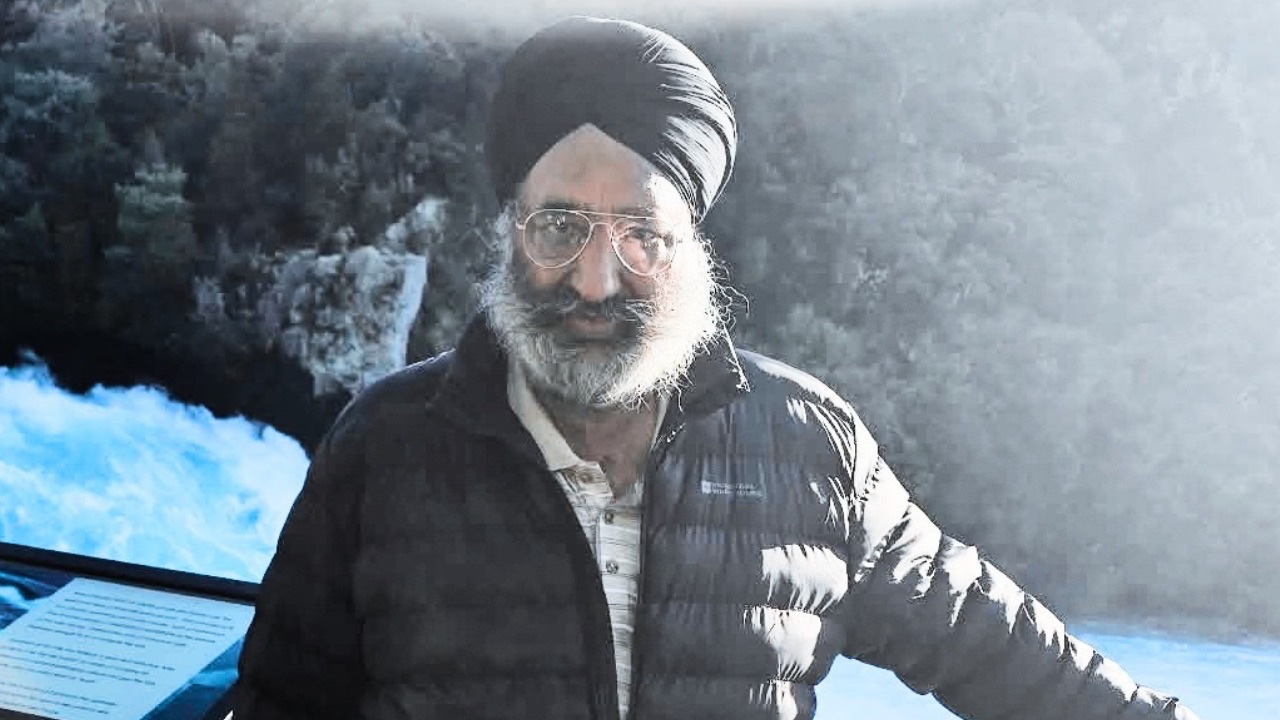
Tamaki says he was detained in Australia and sent back from airport over Sikhs, Muslims remarks The Destiny Church leader claims Australian authorities considered his presence a risk to Sikh and Muslim communities.
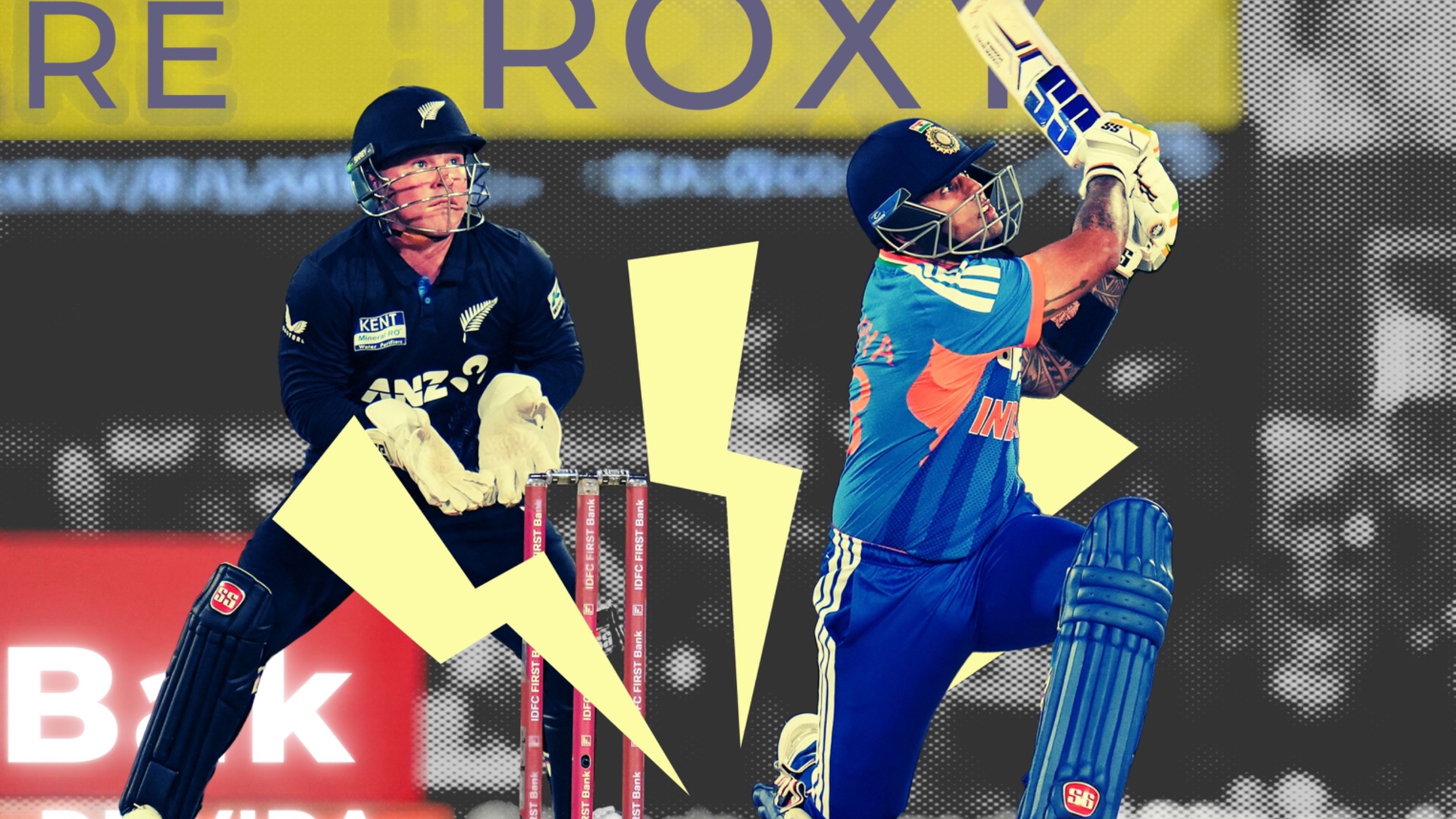
Being Indian and Kiwi at once. How Ajaz Patel's 10-wicket haul brought his two worlds together A historic moment in Mumbai left the Black Caps spinner reflecting on something far deeper than cricket.
Among them was a young Dhyan Chand, then an army sepoy who would go on to become one of the greatest hockey players in history and win three Olympic gold medals for India.
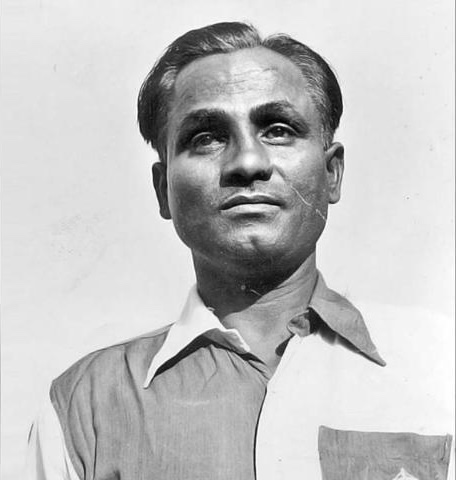
The visitors made an immediate impression. Dhyan Chand scored four goals in an unofficial opening match against a Navy side in Auckland, attracting praise from the New Zealand Herald for his exceptional ball control and ability to combine individual skill with teamwork.
But it was the collective style of the Indian team that truly astonished New Zealand observers. One Wellington newspaper correspondent wrote “India teaches us hockey”, according to a report preserved in historical research by Indian hockey historian Diljit Singh Bahra.
“To see them play is to see a fast, concerted, military movement, with kaleidoscopic and scintillating effect,” the correspondent wrote. “There is no guess work about the Indian players.”
New Zealand hockey had traditionally relied on a more physical, hard-hitting approach. The Indians demonstrated something different. Short, accurate passes, close stick work and an almost instinctive understanding of where teammates would be.
The contrast fascinated spectators. An estimated 15,000 gathered at Wellington's Basin Reserve, while historical accounts suggest more than 25,000 watched the final Test at Auckland's Eden Park.
Across 21 matches, the visitors recorded 18 victories, one defeat and two draws, scoring 192 goals. Dhyan Chand alone scored 80, although New Zealand's national team managed to hold the visitors to a 1–1 draw in the three-Test series.
By July, the gamble had turned into a financial success.
At a dinner hosted by the Auckland Hockey Association, New Zealand Hockey Association representative P M Quartermain announced the tour was already profitable.
The Evening Star reported on July 5, 1926 that those who had guaranteed the venture would receive their money back. The association was also setting aside its share of the takings to finance future international tours.
Bahra's historical account puts the eventual net profit at £1,525. But the more enduring return on that investment was not measured in pounds.
The Indian team's style influenced generations of New Zealand players. Speaking to the Asia New Zealand Foundation, Massey University sports historian Geoff Watson recalled the visitors' precise passing and teamwork helped shape the philosophy adopted by influential coaches, including Cyril Walter, whose players later contributed to New Zealand's historic 1976 Olympic hockey gold medal.
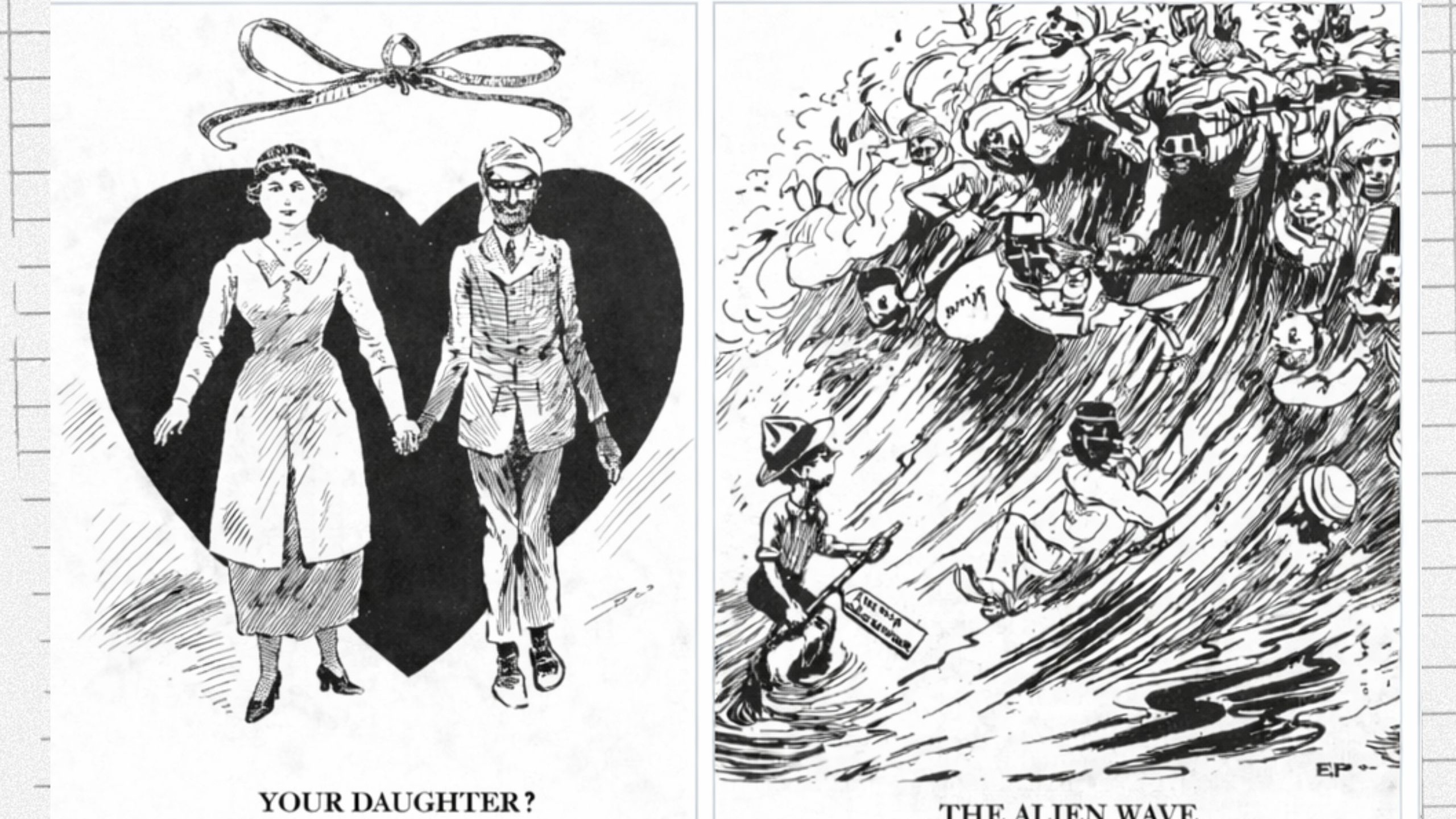
The tours also had an impact far beyond the hockey field, particularly for Indian migrants living in a country where acceptance was not always easy.
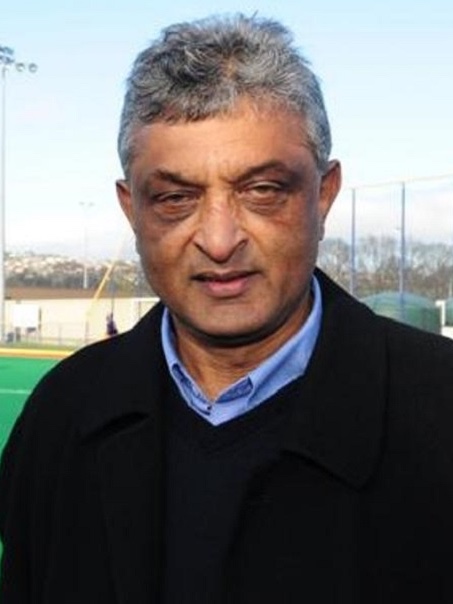
In an interview with the Asia New Zealand Foundation, Ramesh Patel, the first New Zealander of Indian heritage to represent the country in hockey, recalled his parents discussing the visiting Indian teams of the 1920s and 1930s.
Patel, who made his international debut in 1973 and was part of New Zealand's 1976 Olympic gold-medal-winning team, believed the visitors challenged how New Zealanders perceived Indians.
“The way the Indian teams handled themselves and definitely the way that they played with such wizardry – it fascinated the crowds and I’m sure the population of New Zealand suddenly thought these [guys] are not a bad team,” he said.
Their performances also gave Indian migrants a source of pride and encouraged greater participation in sport.
Indian sports clubs subsequently emerged in Wellington in 1935, followed by Auckland and Christchurch in 1936, eventually contributing to the establishment of the New Zealand Indian Sports Association in 1962.
For Patel, however, the significance of those early tours went beyond sporting institutions or the development of New Zealand hockey.
“When the first Indian migrants came here, [New Zealand] probably wasn’t that welcoming to be fair. Then those Indian tours started in 1926… and it broke the ice a little bit.”