Indian rainbow community pioneer died hours after Tauranga doctors missed signs of heart attack

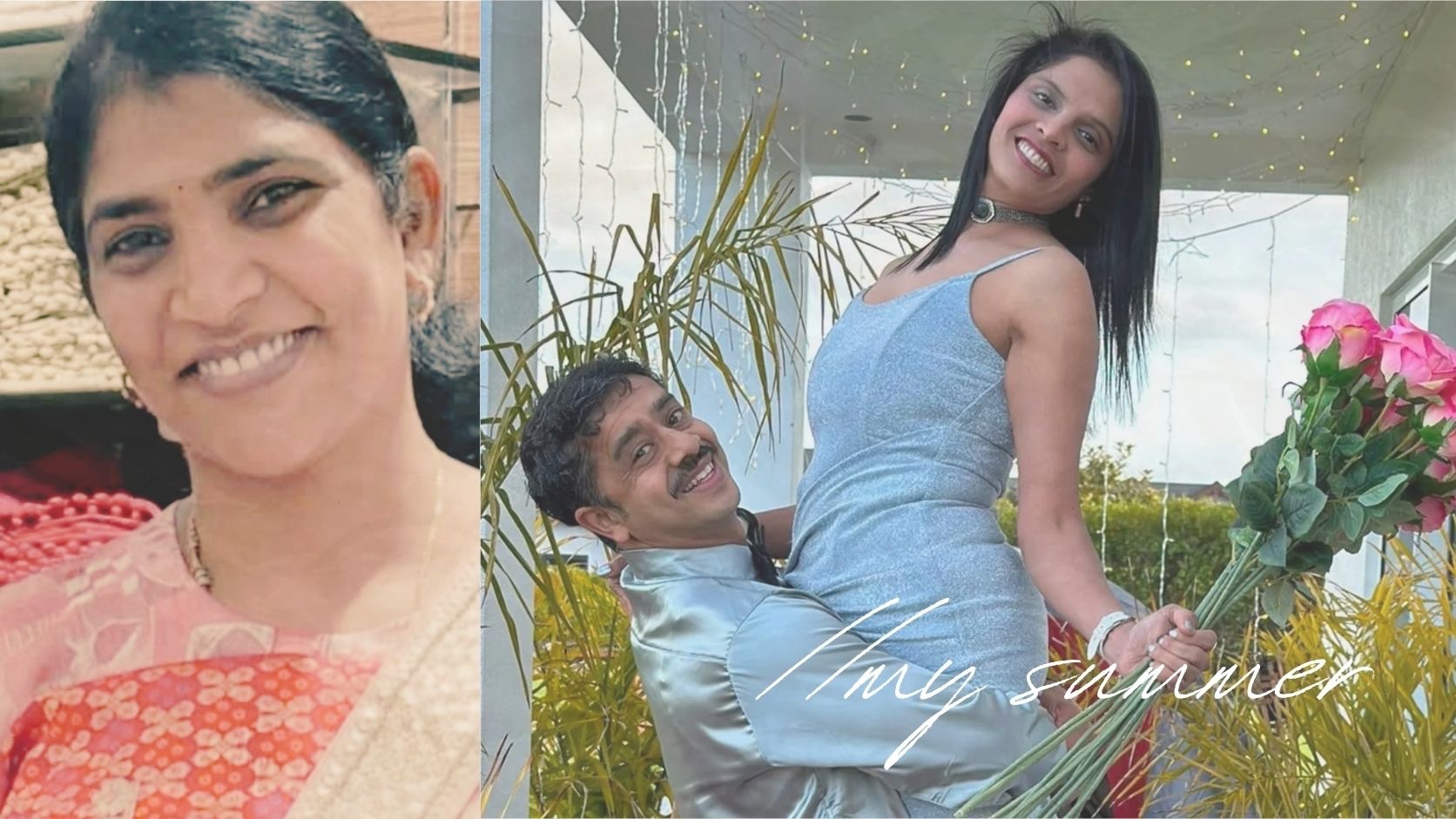
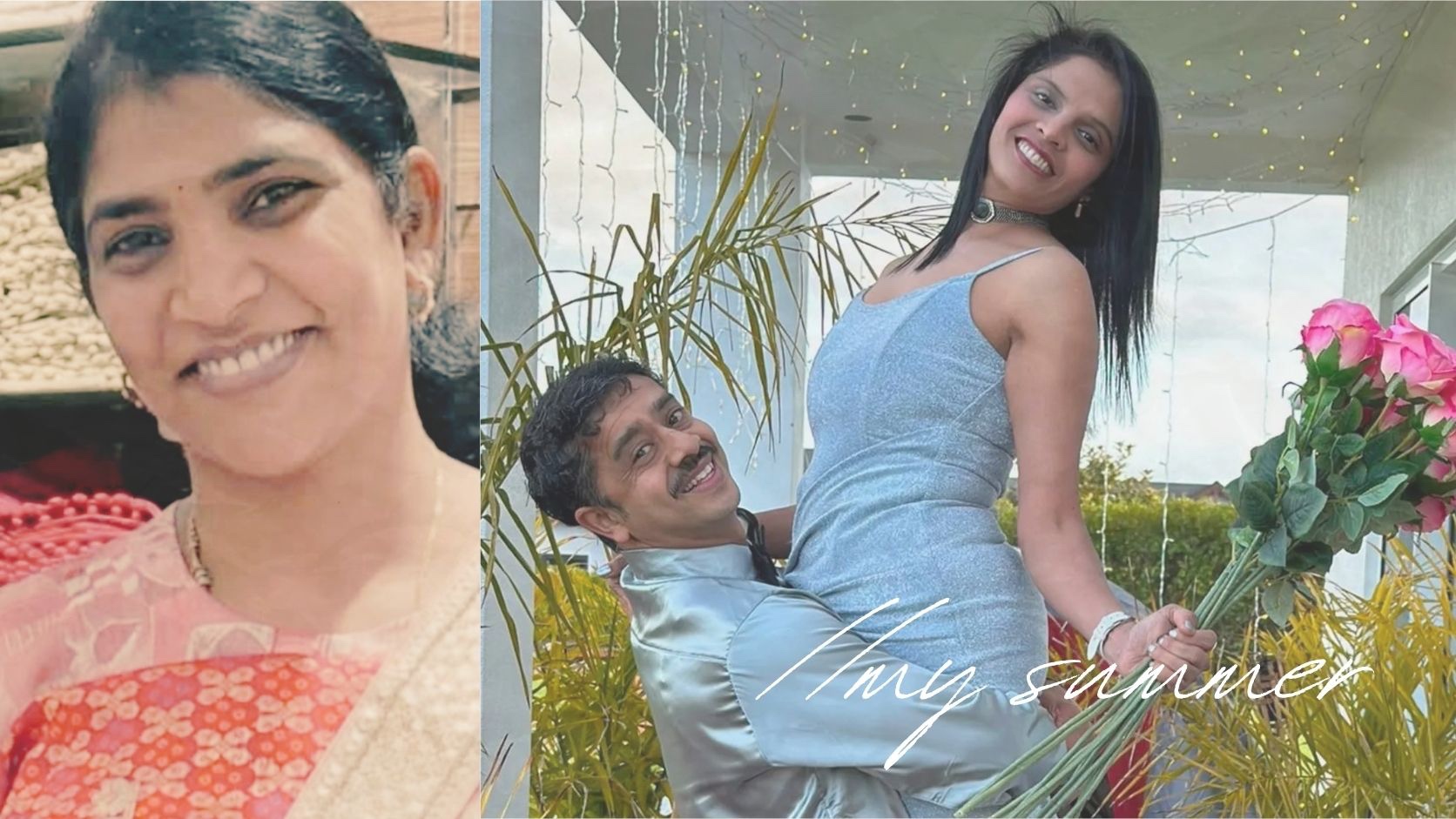
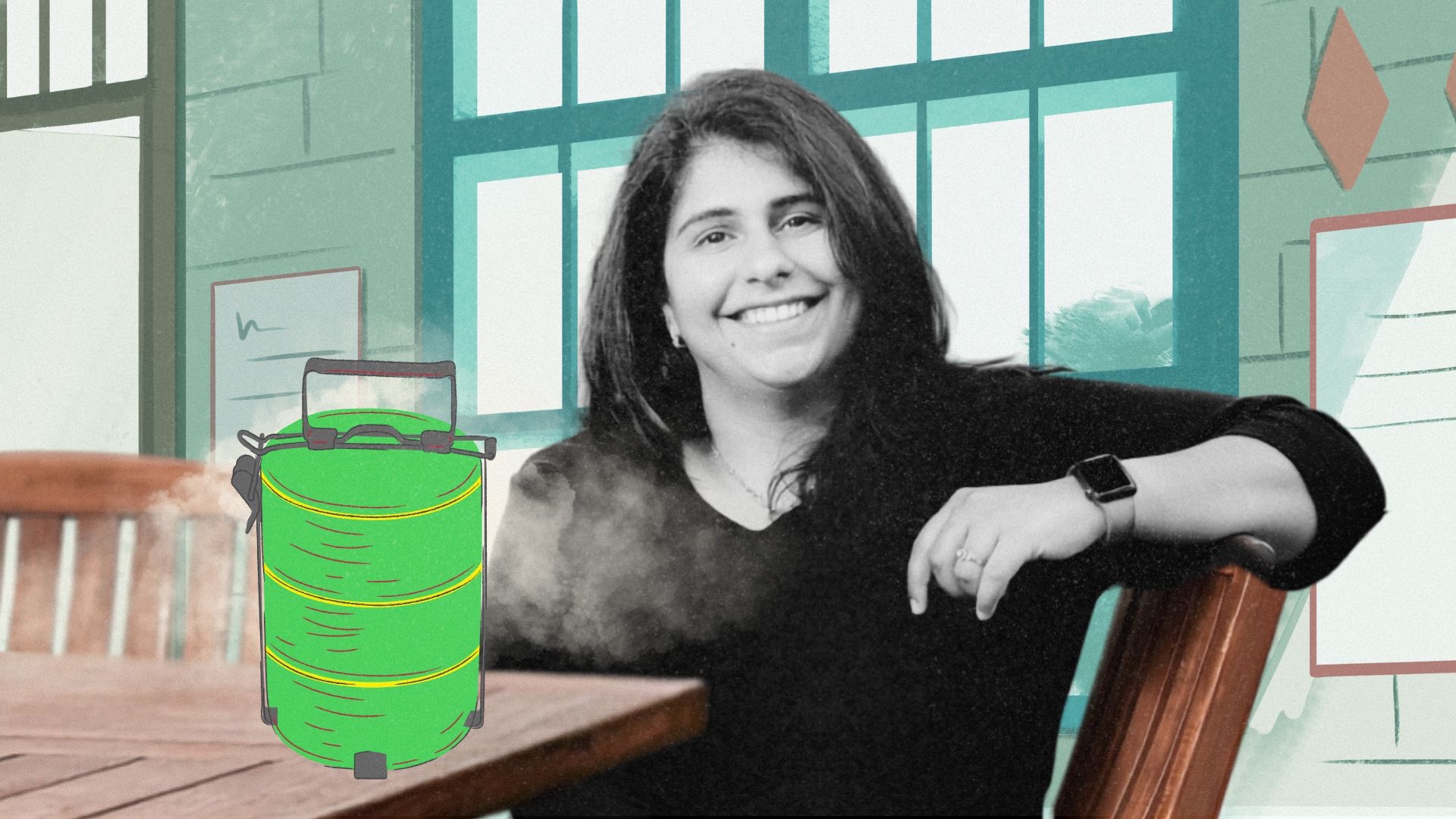
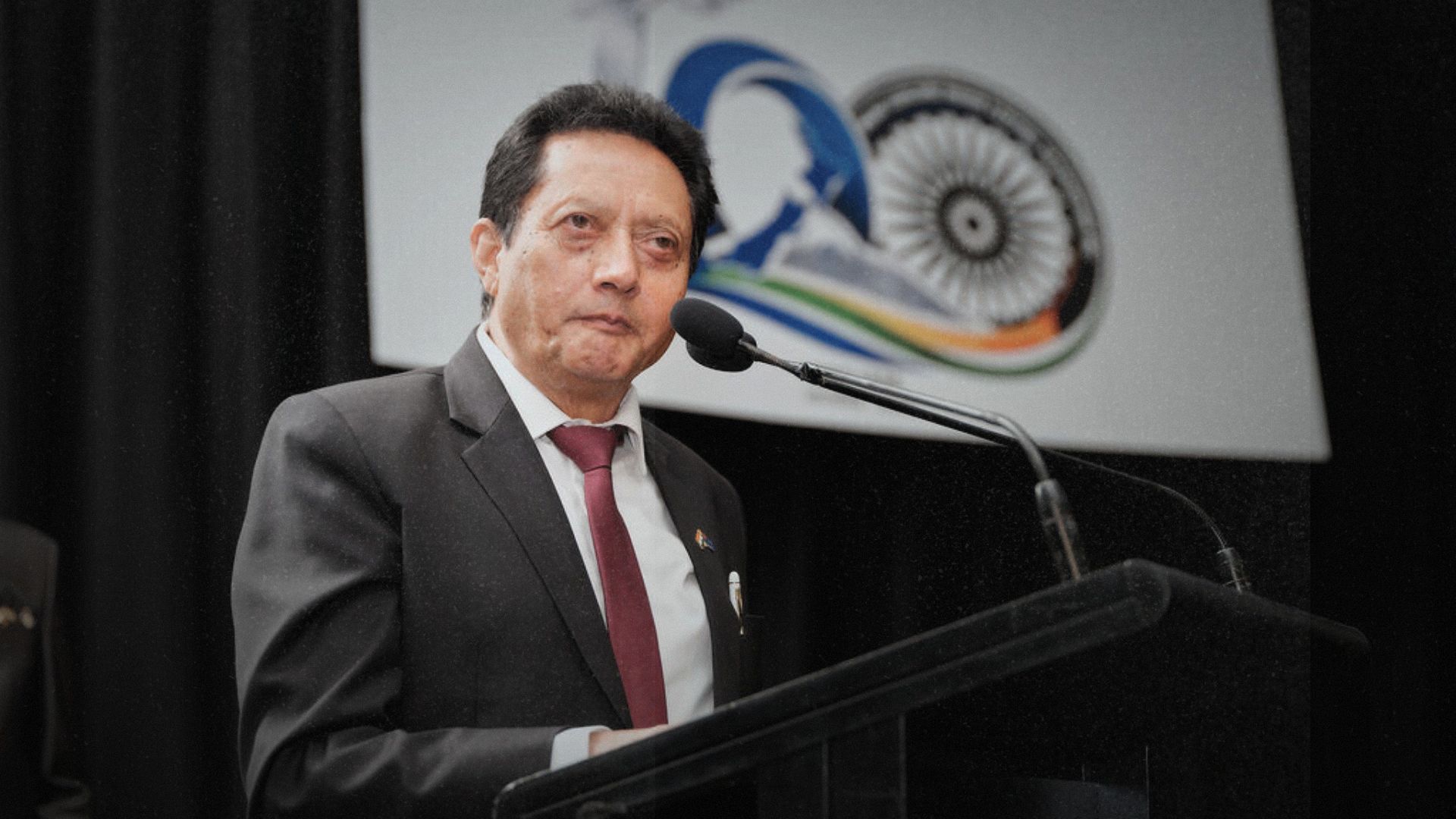
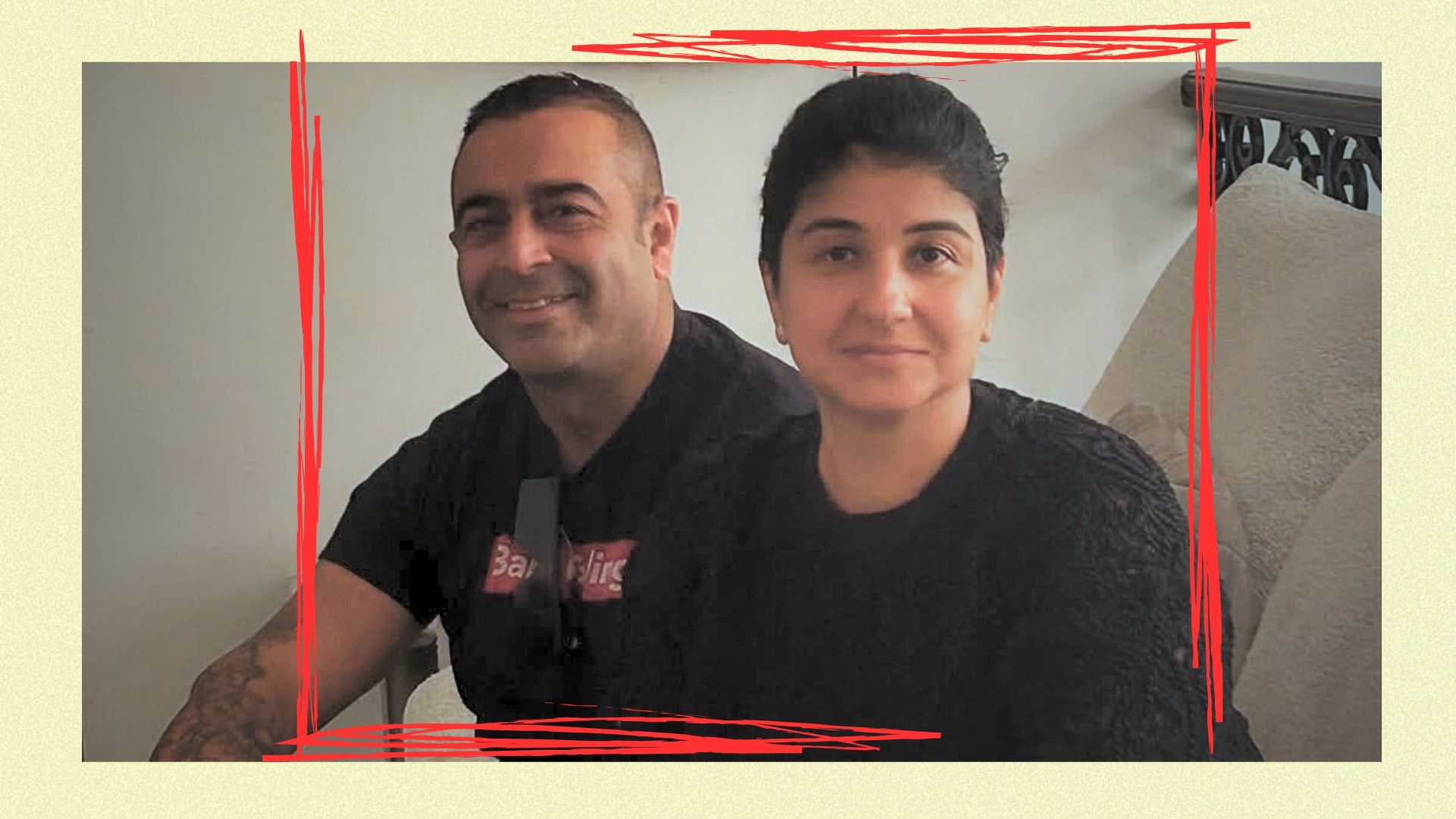
Michelle Pillay was a founding member of Indian Origin Pride NZ. (Supplied photo)
Michelle Pillay left the ED after nearly 11 hours without a diagnosis, despite two abnormal ECGs.
Doctors at Tauranga Hospital failed to act on two heart tests showing signs of a heart attack in a 47-year-old woman who later left the emergency department, frustrated at the lack of treatment, and died hours later.
The woman was Michelle Pillay, a South African-born psychotherapist of Indian ancestry who had helped give New Zealand's Indian rainbow community a voice.
Pillay, who died in 2022, had served as the founding treasurer of Indian Origin Pride NZ, an organisation formally launched at Parliament earlier that year.
A Health and Disability Commissioner decision published on November 9, 2026 details how doctors initially suspected medication withdrawal or a mental health crisis, while failing to recognise a life-threatening cardiac emergency.
Deputy Commissioner Dr Vanessa Caldwell found Health New Zealand | Te Whatu Ora Hauora a Toi Bay of Plenty had breached patients' rights by failing to provide reasonable care and skill.
Partner or caregiver? Woman, 56, fails immigration test over relationship with 82-year-old Kiwi Immigration authorities questioned whether the Filipino woman’s relationship was genuine.
Father's bid to get disabled teenage son New Zealand residency exposes dilemma migrants face Including his son could have jeopardised his own residency. Leaving him out has now put their future together at risk.
Analysis: National lost votes but data shows how split voting has kept Luxon in the game National’s vote collapsed, but a quirk of MMP may have turned its biggest weakness into Luxon’s political lifeline.
An independent medical expert identified multiple severe departures from accepted medical practice, including failures to recognise the heart attack and provide adequate pain relief.
A voice for Indian rainbow communities
Born in Durban, South Africa, Pillay traced her family's ancestry to northern and southern India, as well as Trinidad and Tobago. She was among the early executive members of Indian Origin Pride NZ (IOPNZ), which was formally launched at Parliament in Wellington on May 10, 2022.
The organisation was established to help LGBTQ+ New Zealanders of Indian origin celebrate their cultural, sexual and gender identities without having to choose between them.
Pillay was a psychotherapist specialising in cognitive behavioural therapy and other therapeutic approaches. She worked with adolescents, adults and couples, with a particular focus on supporting LGBTQIA+ people experiencing depression, anxiety, abuse and challenges relating to sexuality.

Nearly 11 hours in emergency department
According to the HDC decision, Pillay had a complex medical history, including type 1 diabetes, peripheral neuropathy, psoriatic arthritis and chronic pain.
On a Wednesday in 2022, her partner called an ambulance after Pillay developed chest pain, vomiting and other symptoms. She arrived at Tauranga Hospital's emergency department at 1.33pm, where clinicians noted that she was distressed, agitated and displaying unusual behaviour.
A doctor initially suspected that her symptoms might be caused by medication withdrawal or a medication side effect. An ECG, which records the heart's electrical activity, was performed around 3pm. However, the recording was discarded because it did not contain Pillay's identification details.
No replacement was obtained for nearly six hours. An emergency medicine specialist subsequently suspected an acute mental health crisis and requested a psychiatric assessment.
The crisis team assessed Pillay around 7pm but found no clear indication of a mental health problem. It recommended further medical review.
Two subsequent ECGs, performed at 8.46pm and 9.34pm, were abnormal. Independent emergency medicine specialist Dr Stuart Barrington-Onslow, who reviewed the case for HDC, concluded that both recordings showed evidence of an acute myocardial infarction, or heart attack.
Despite this, urgent cardiac treatment was not initiated. Pillay's partner also complained that she had repeatedly requested pain relief without receiving it.
The investigation confirmed that no pain relief was administered during her emergency department stay, something the independent expert described as a severe departure from accepted medical practice.
'I have given up waiting'
By midnight, Pillay and her partner had become increasingly frustrated with the lack of treatment and communication. Nursing notes showed that staff themselves were uncertain about the medical team's plan, while doctors had been called away to other emergencies.
At 12.10am on Thursday, Pillay signed a self-discharge form and left the hospital with her partner. Her partner wrote on the form: "I am going home because I am not receiving any treatment here."
The statement went on to explain that Pillay had given up waiting to see a doctor, had not eaten or drunk anything all day and believed her complex health needs were beyond the hospital's ability to manage.
A blood test result reported at 2.45am subsequently showed an elevated troponin level of 63 nanograms per litre, more than three times the laboratory's upper normal limit of 20. Troponin is a protein released when heart muscle is damaged.
A doctor attempted to telephone Pillay, but the call went unanswered. At home, her condition deteriorated, and she became severely short of breath. Her partner called another ambulance.
Pillay was taken back to hospital and subsequently transferred to a larger nearby hospital for surgery. She suffered a cardiac arrest shortly after arriving there. Resuscitation was unsuccessful, and she died at 9.07am on Thursday.
The cause of death was determined to be a heart attack.
Multiple failures identified
Caldwell found that clinicians had missed several opportunities to recognise Pillay's deteriorating cardiac condition.
The initial ECG had been discarded without a prompt replacement, a troponin test had not been requested with the first blood tests, and the two abnormal ECGs later that evening had not triggered immediate cardiac treatment.
The commissioner was also critical of inadequate clinical documentation, the absence of a clear management plan and poor communication between doctors, nurses and Pillay and her partner.
She found that communication failures likely contributed to their decision to leave the emergency department. Health NZ's own investigation, completed 10 months after Pillay's death, identified further problems, including understaffing, inadequate communication and the failure to consider alternative diagnoses.
It also found confusion around the term "medically cleared". Although Pillay had been cleared for a psychiatric assessment, this did not mean she was medically fit for discharge.
Caldwell acknowledged the pressure on emergency department staff but said this did not excuse the failures. She concluded that the delayed recognition of the cardiac emergency represented a missed opportunity for timely and appropriate treatment.
However, she did not determine whether earlier intervention would have saved Pillay's life.
Health NZ ordered to apologise
Health NZ acknowledged the failings and told the commissioner it had introduced several changes, including new procedures for recording and reviewing ECGs.
It had also provided staff training on atypical heart attack presentations in women, appointed additional clinical nursing support and introduced measures to improve patient flow through the emergency department.
The organisation reported continuing concerns about staff shortages, patient safety and the size of the emergency department, along with plans to expand its capacity.
Caldwell recommended separate written apologies to Pillay's partner and family, further reporting on staffing and clinical improvements, and evidence that abnormal ECG results were being recognised and escalated appropriately.