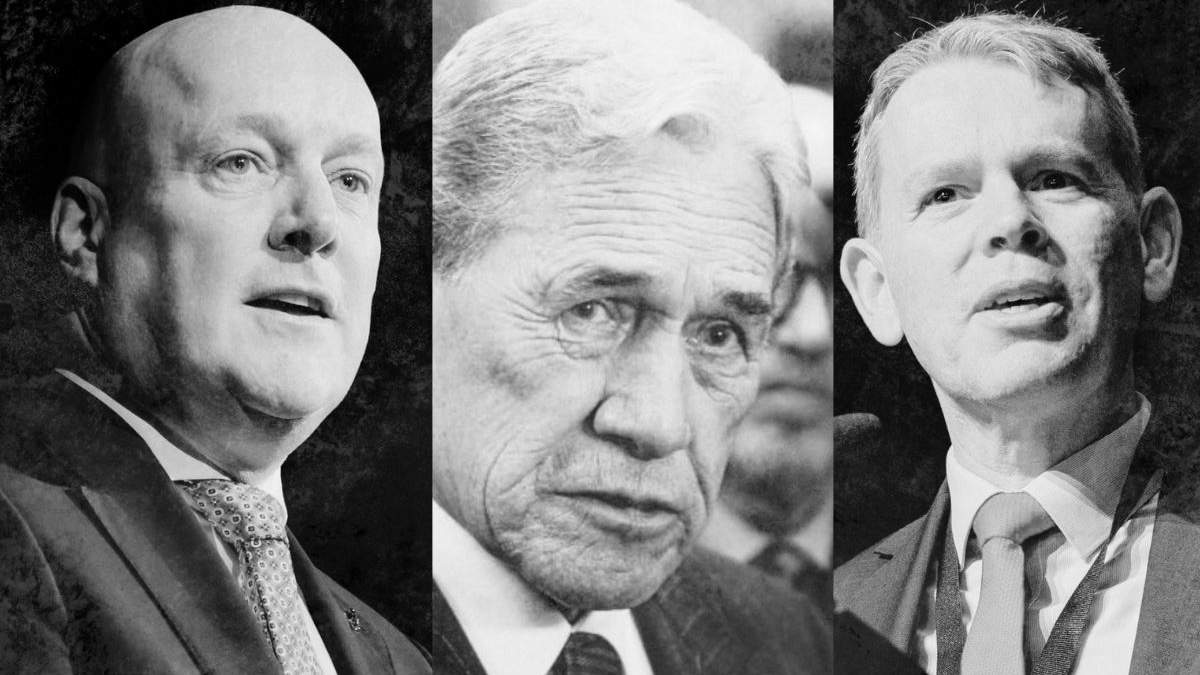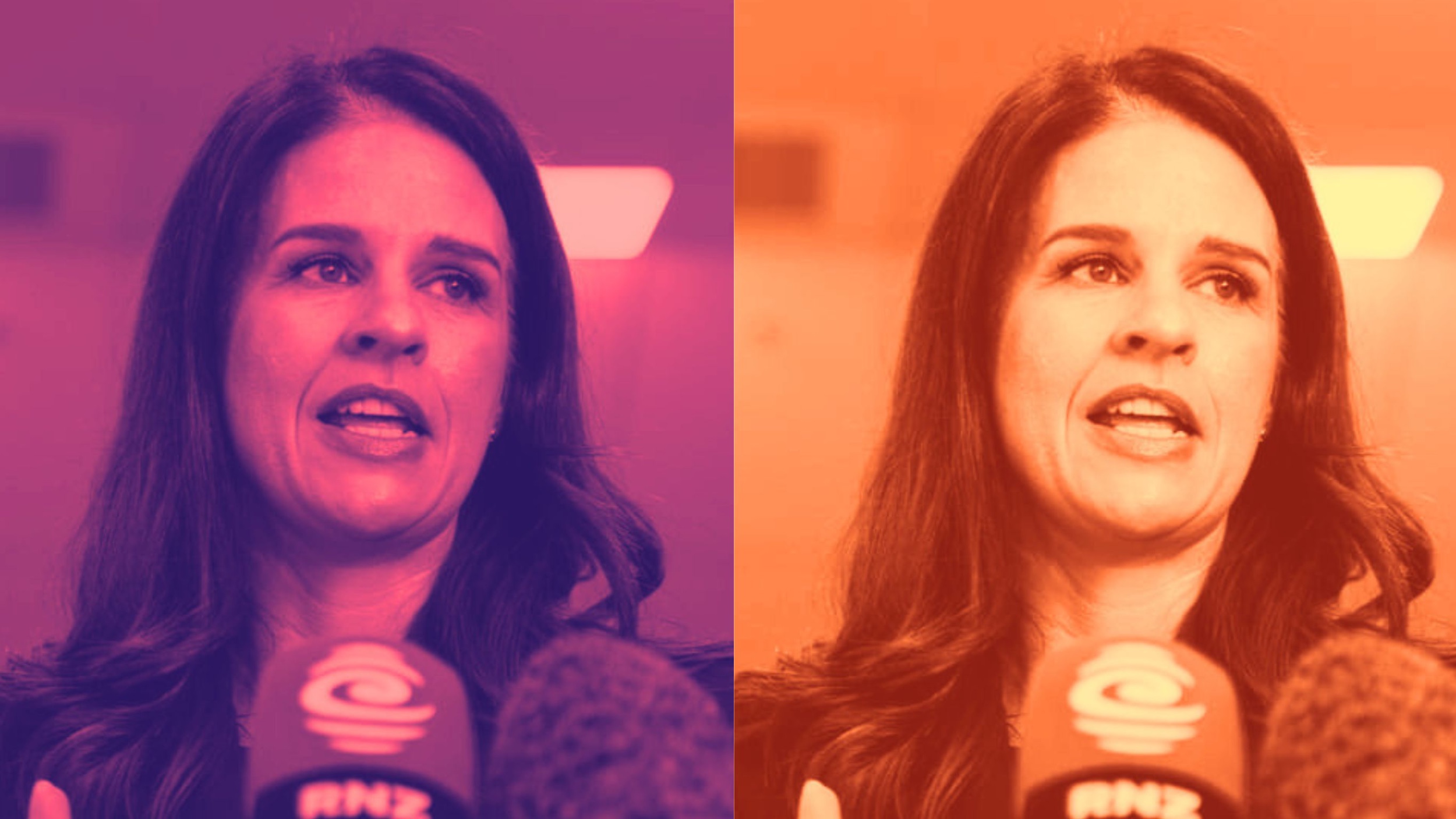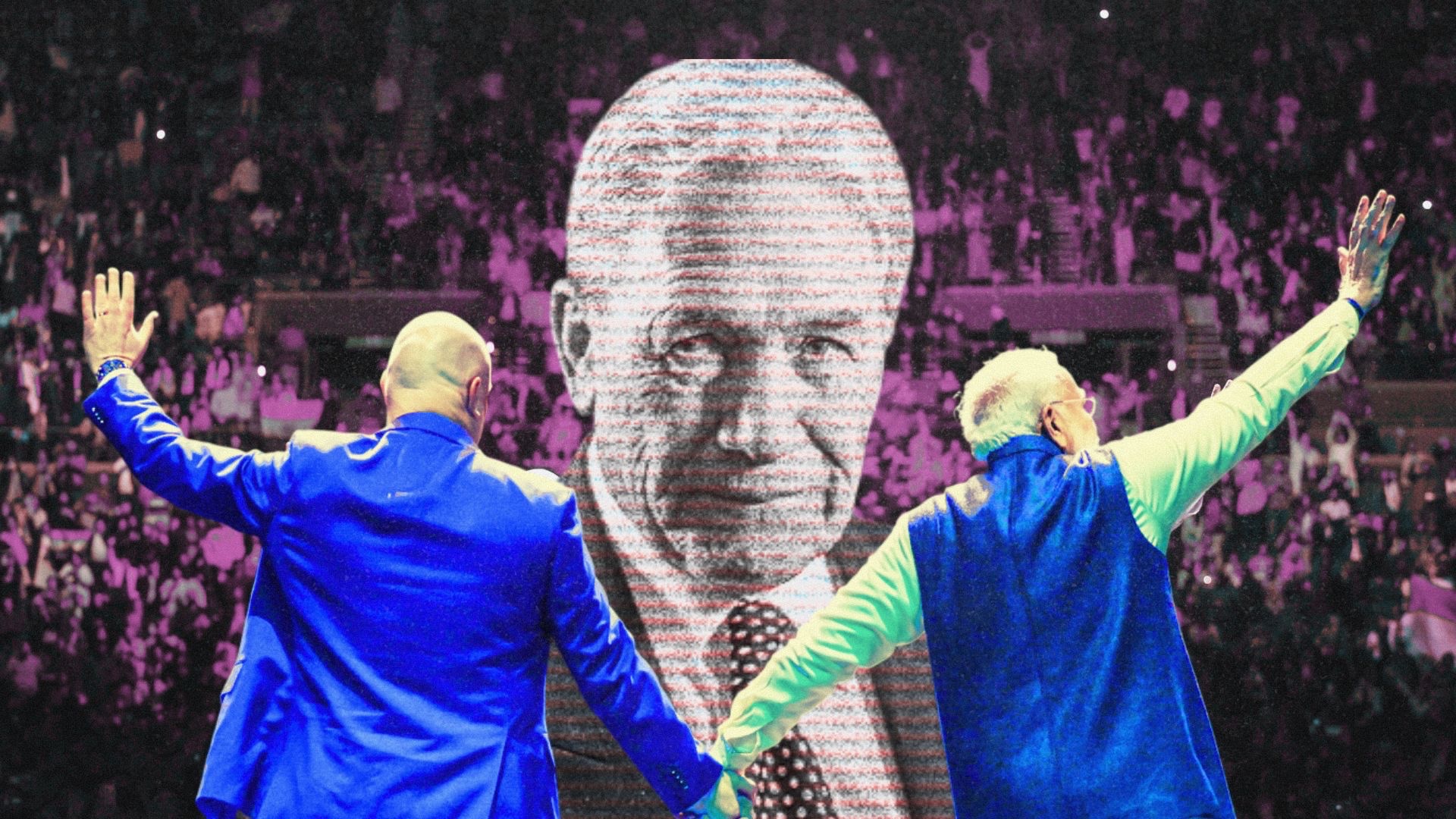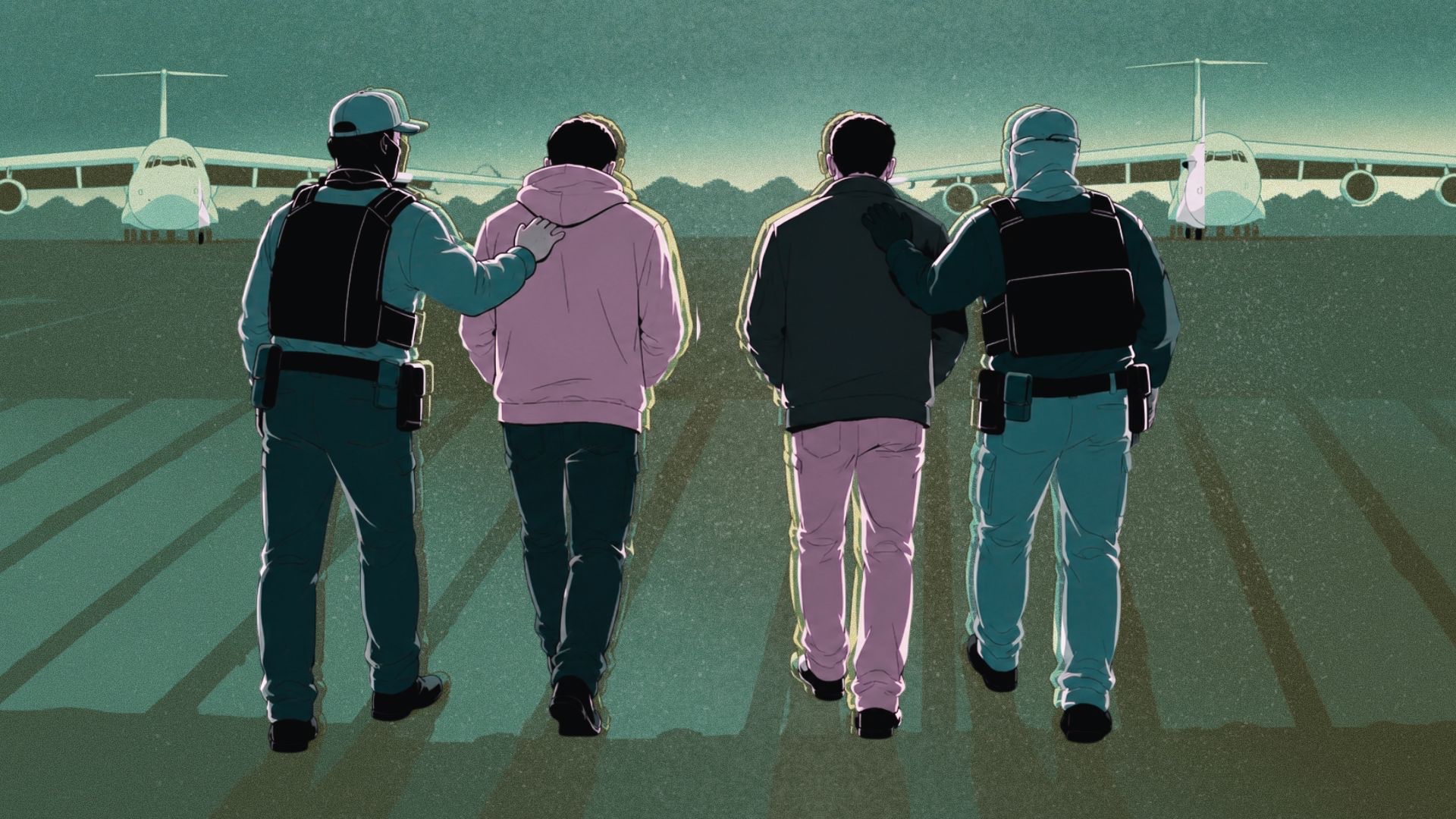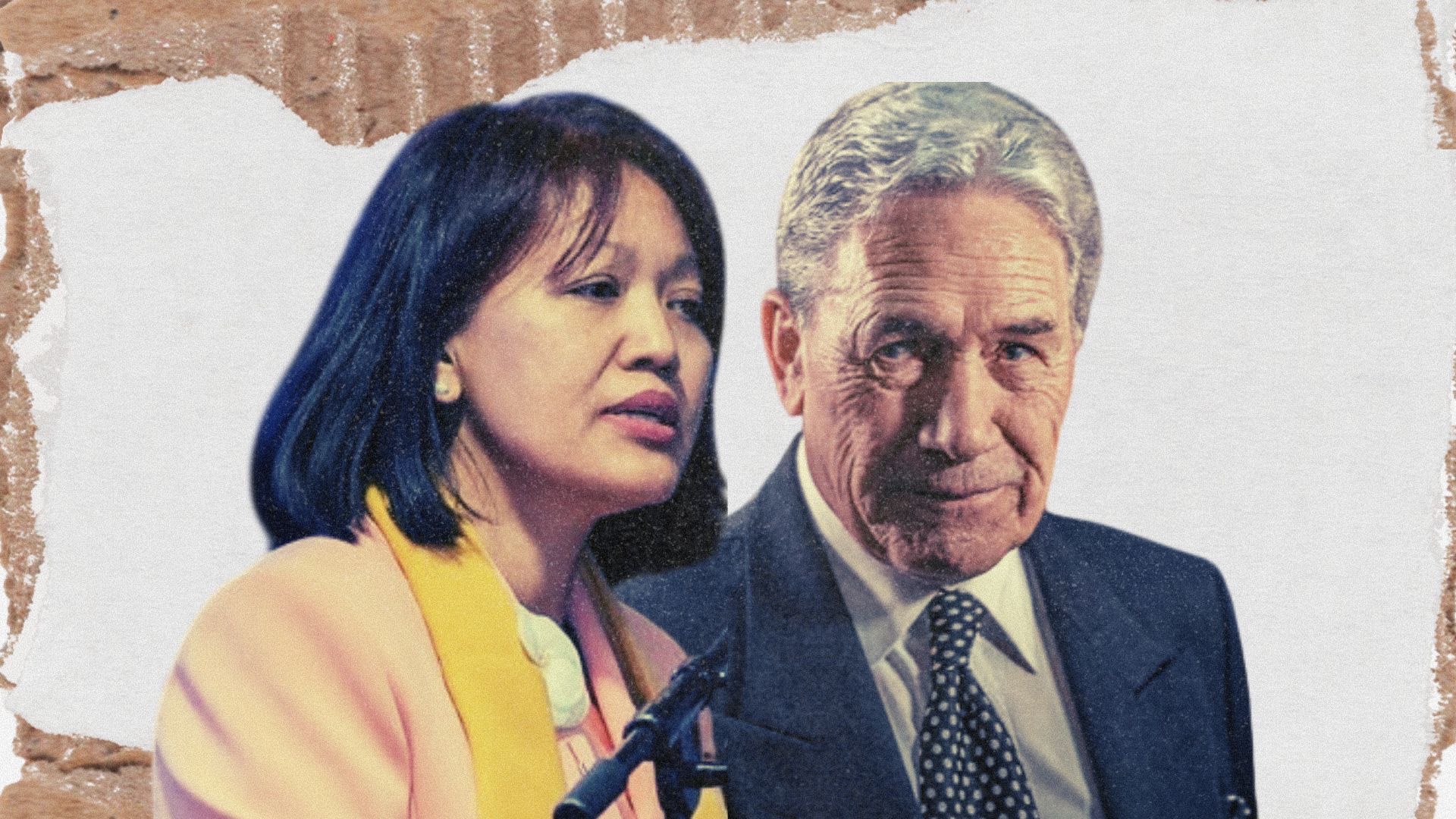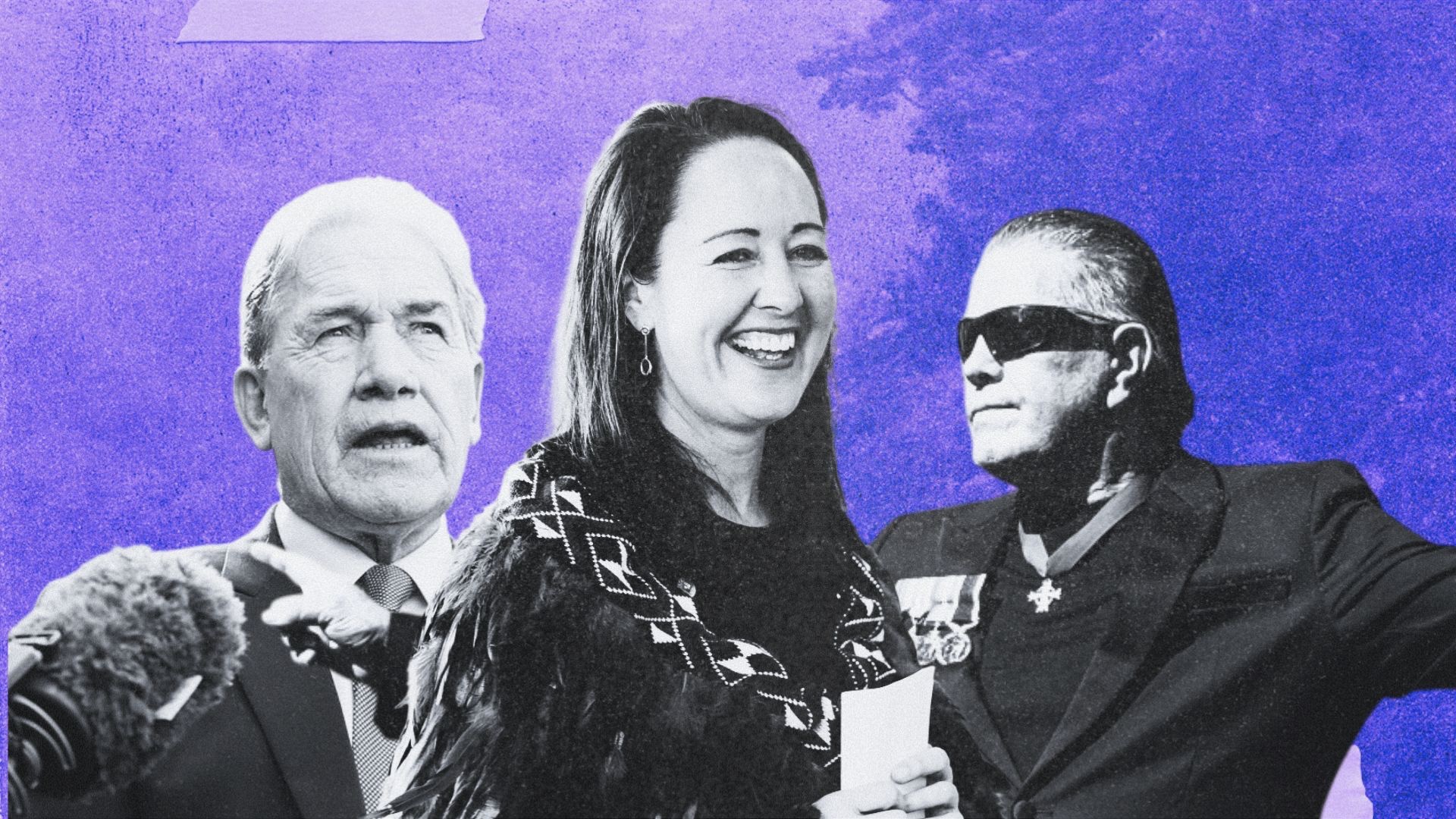
A megaphone is not a mandate: Tamakis suffer election humiliation with just 1,529 party votes
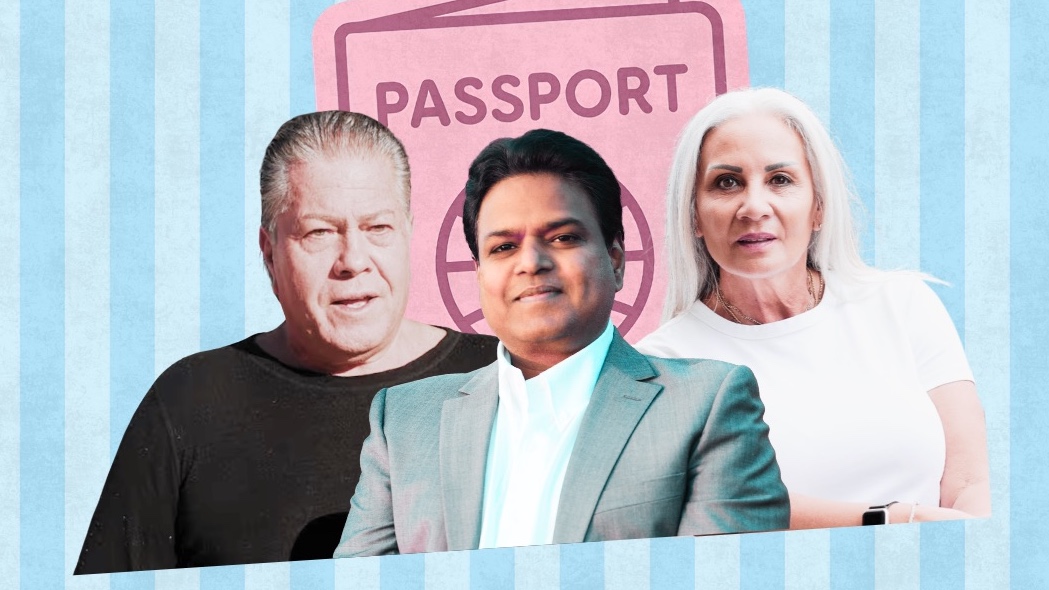
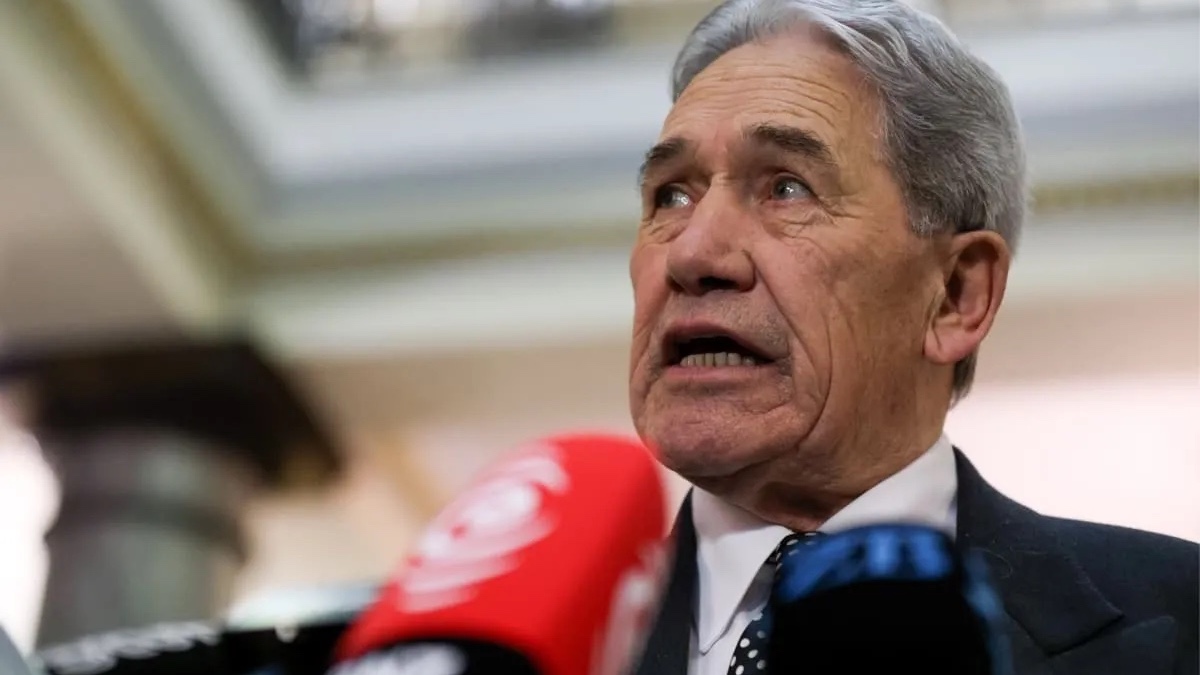
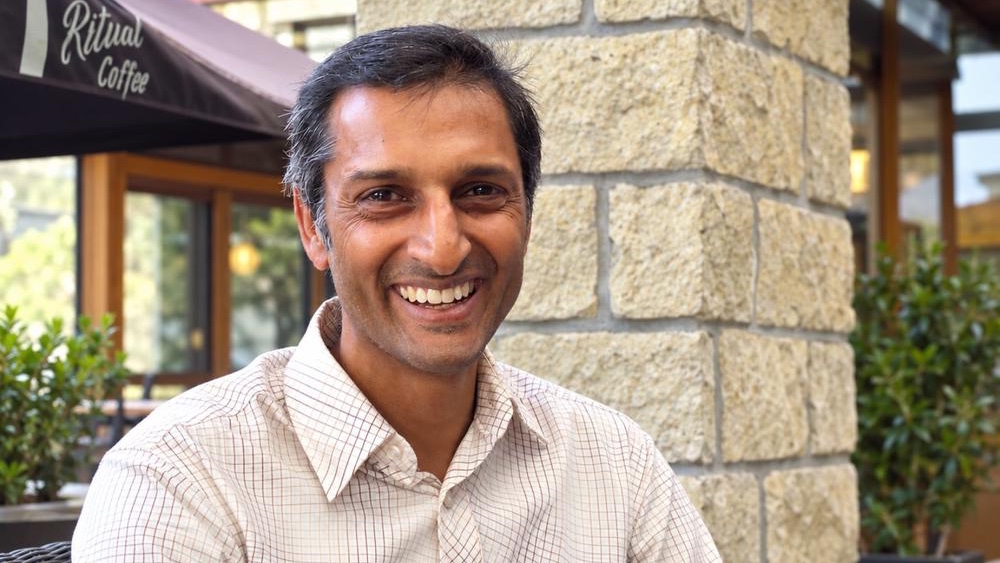
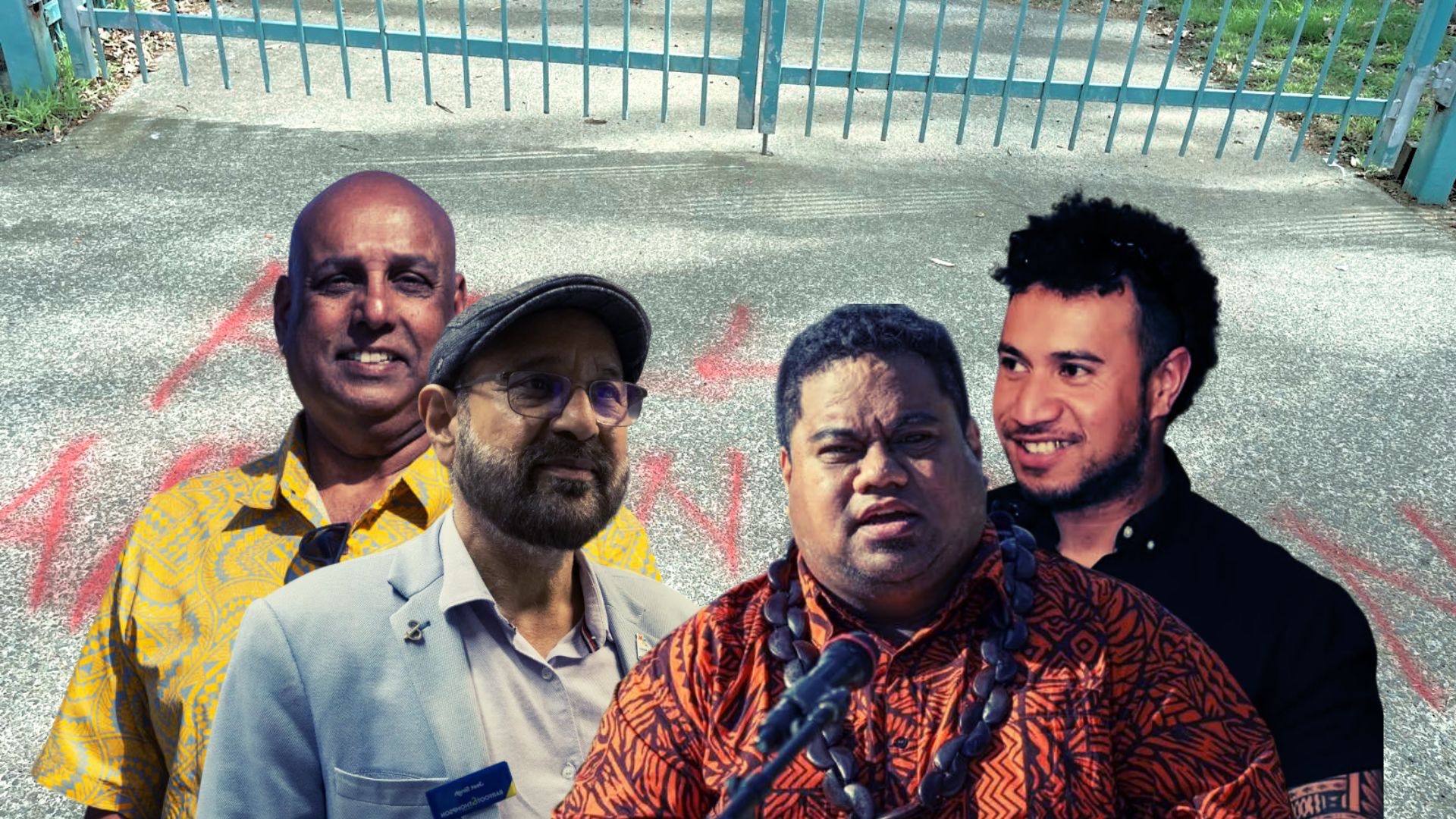
Vision New Zealand's Kiwi-Indian candidate Sawan Jerry delivered the worst performance for the party.
Among its embarrassing lows this election is the record for the lowest number of votes polled by an electorate candidate.
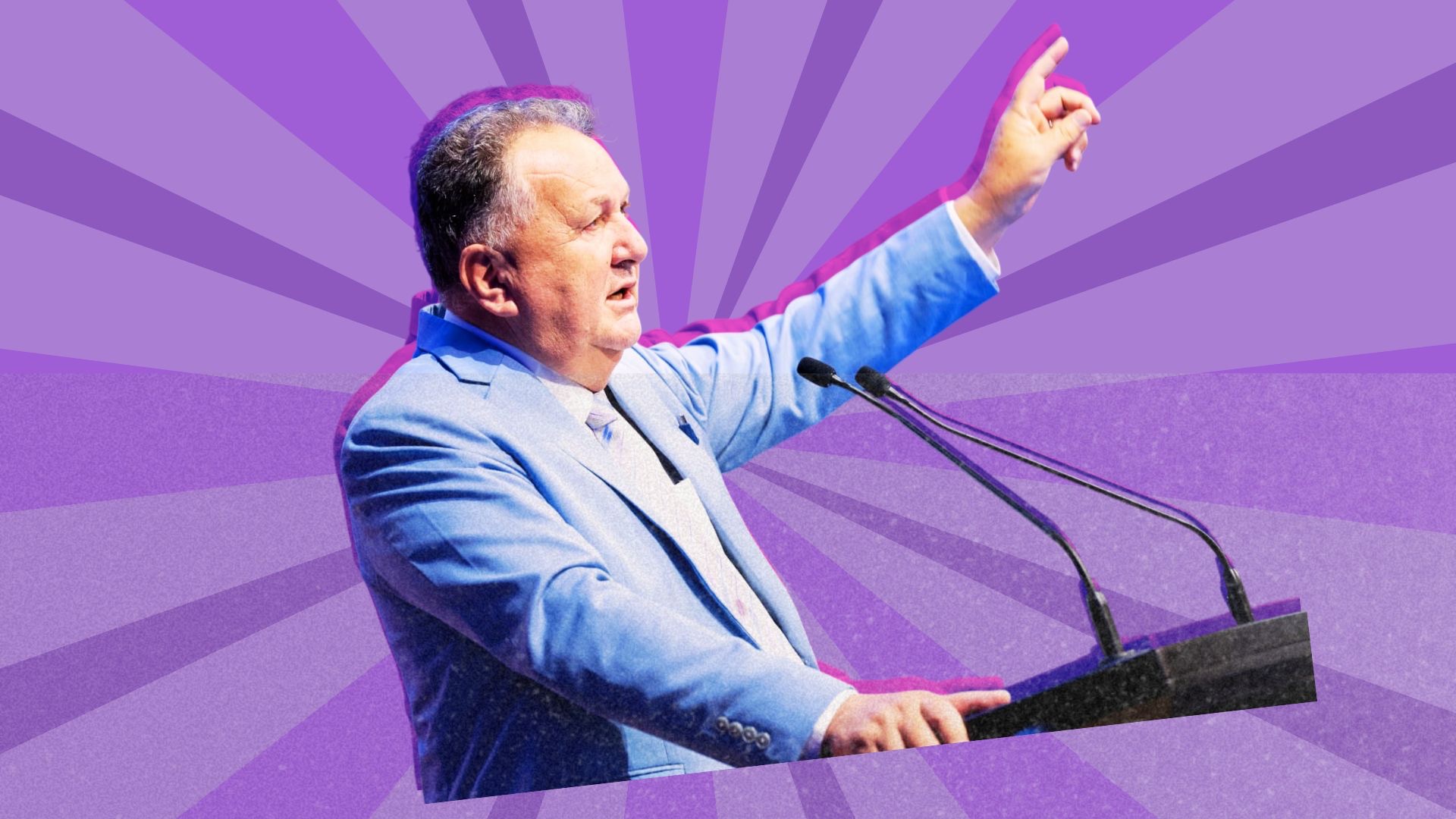
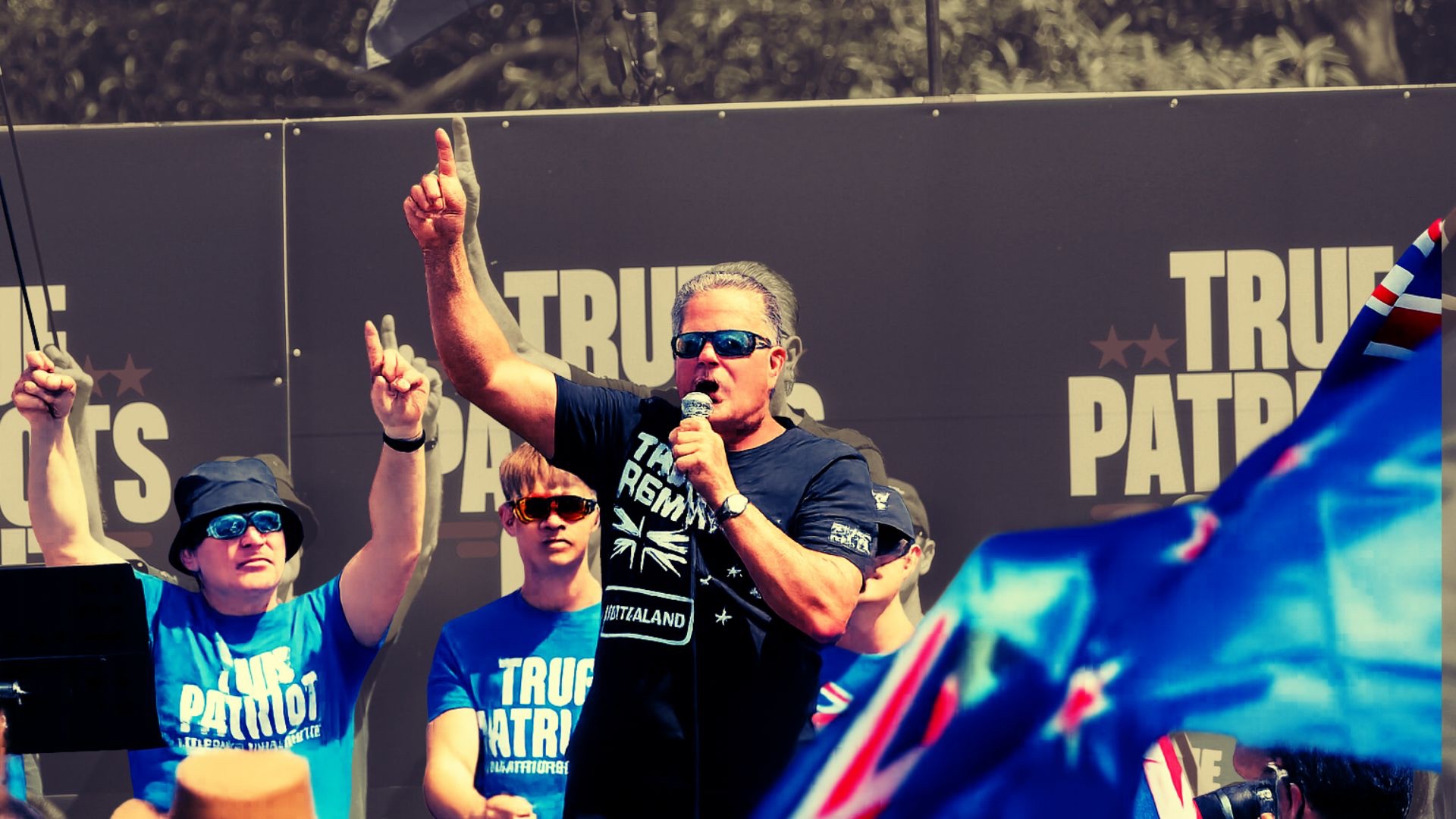
Analysis: There are several ways to measure political influence. The size of a gathering. The reach of a Facebook post. The number of people obliged to spend their weekend responding to something you have said.
Then there is the rather inconvenient business of counting votes.
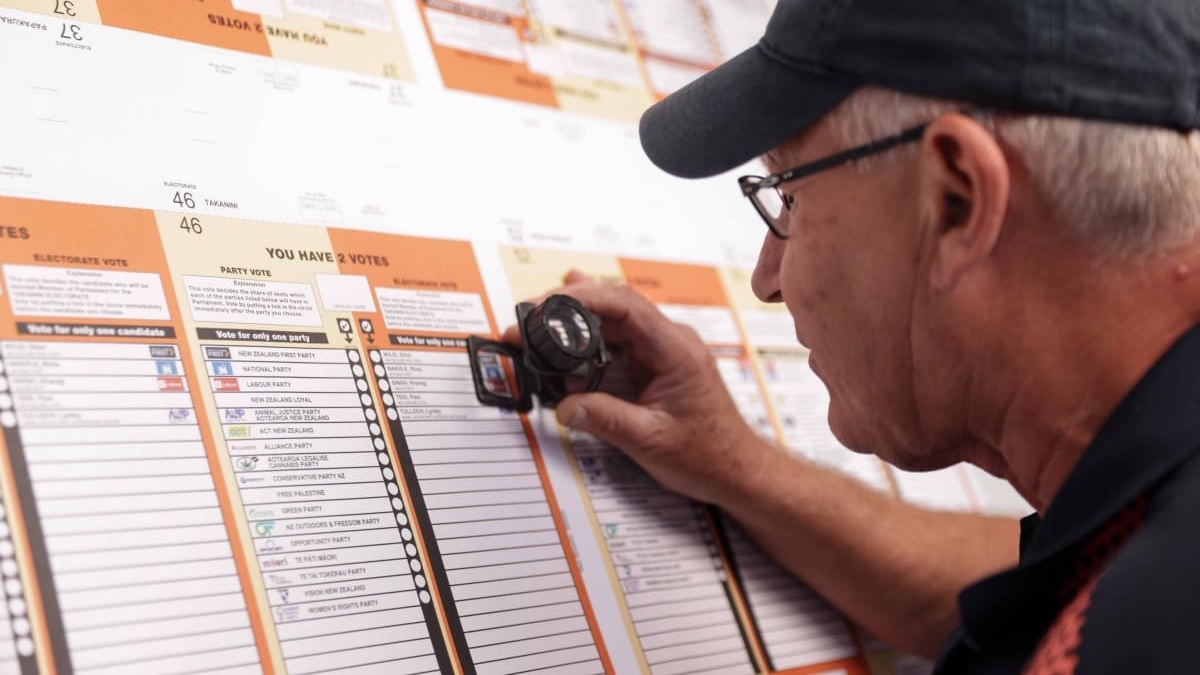
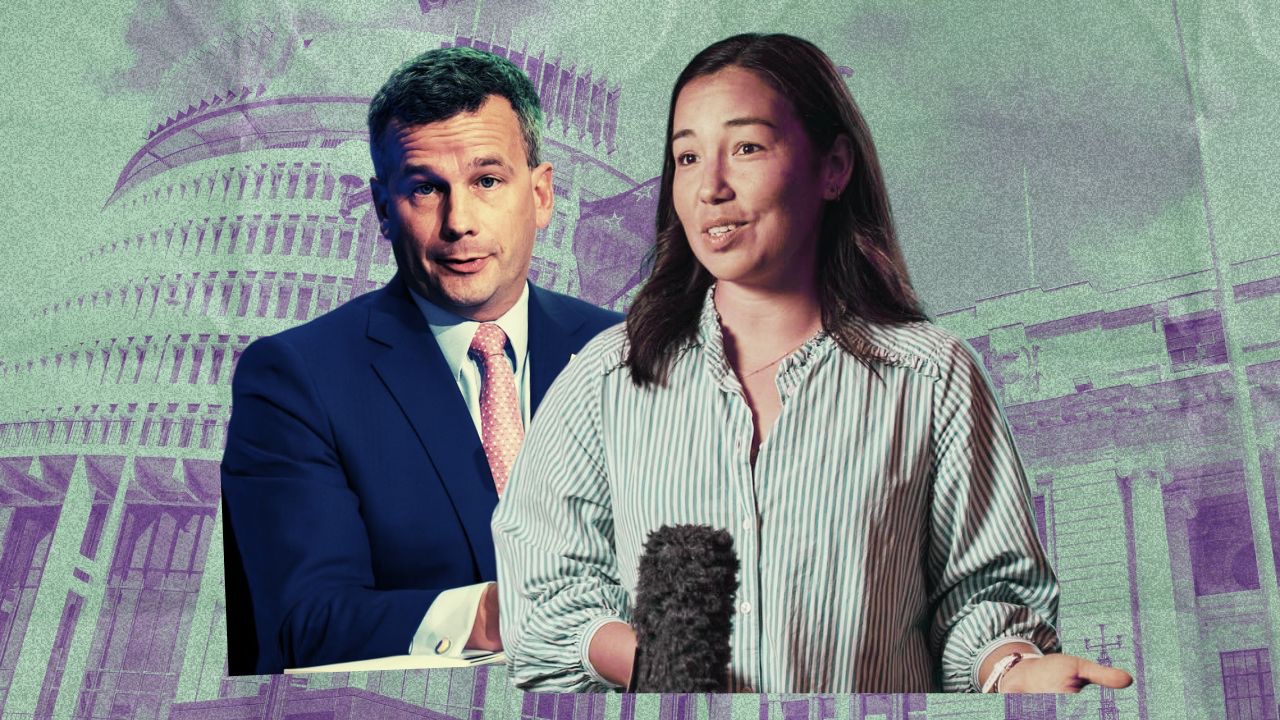
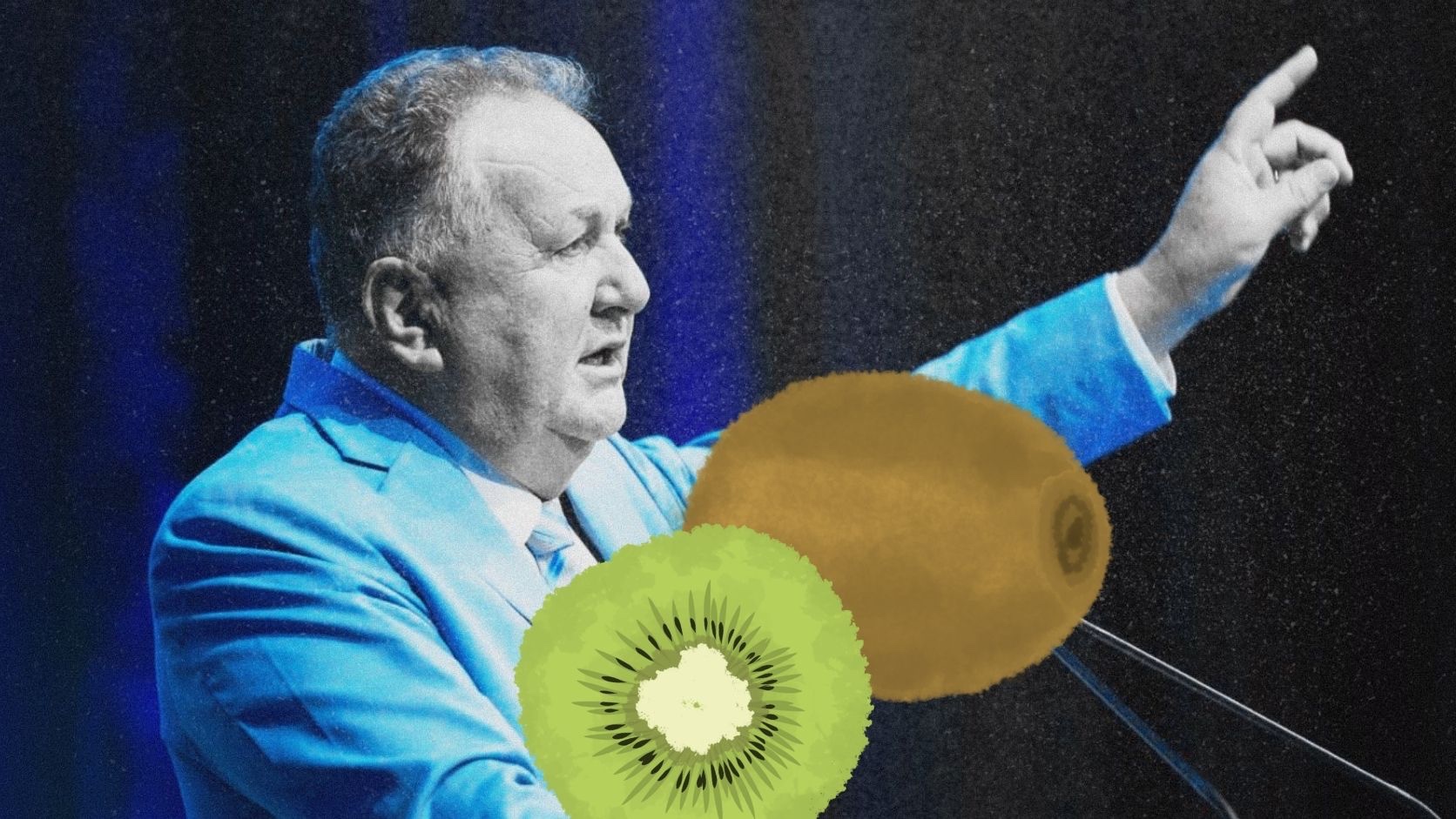
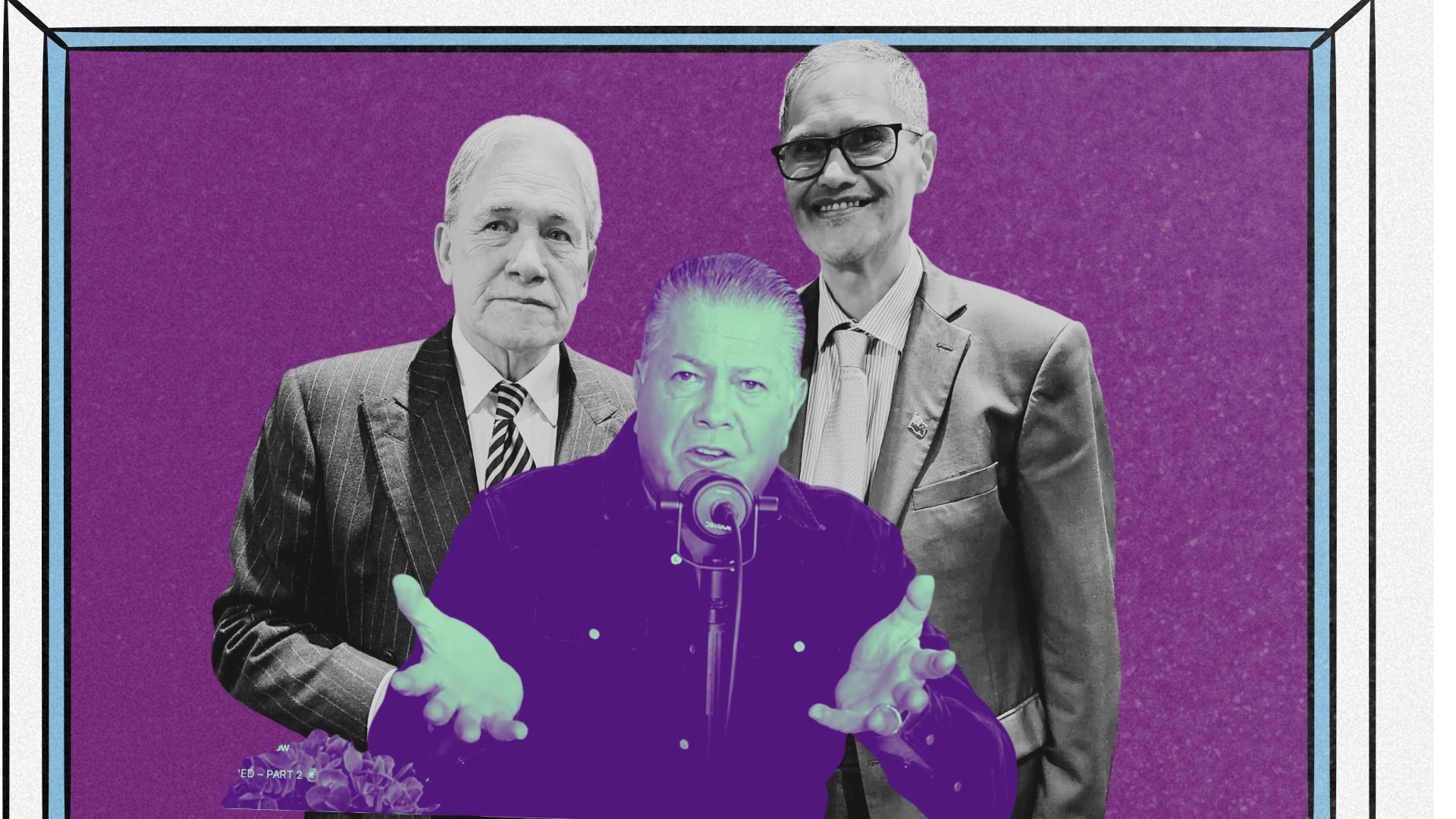
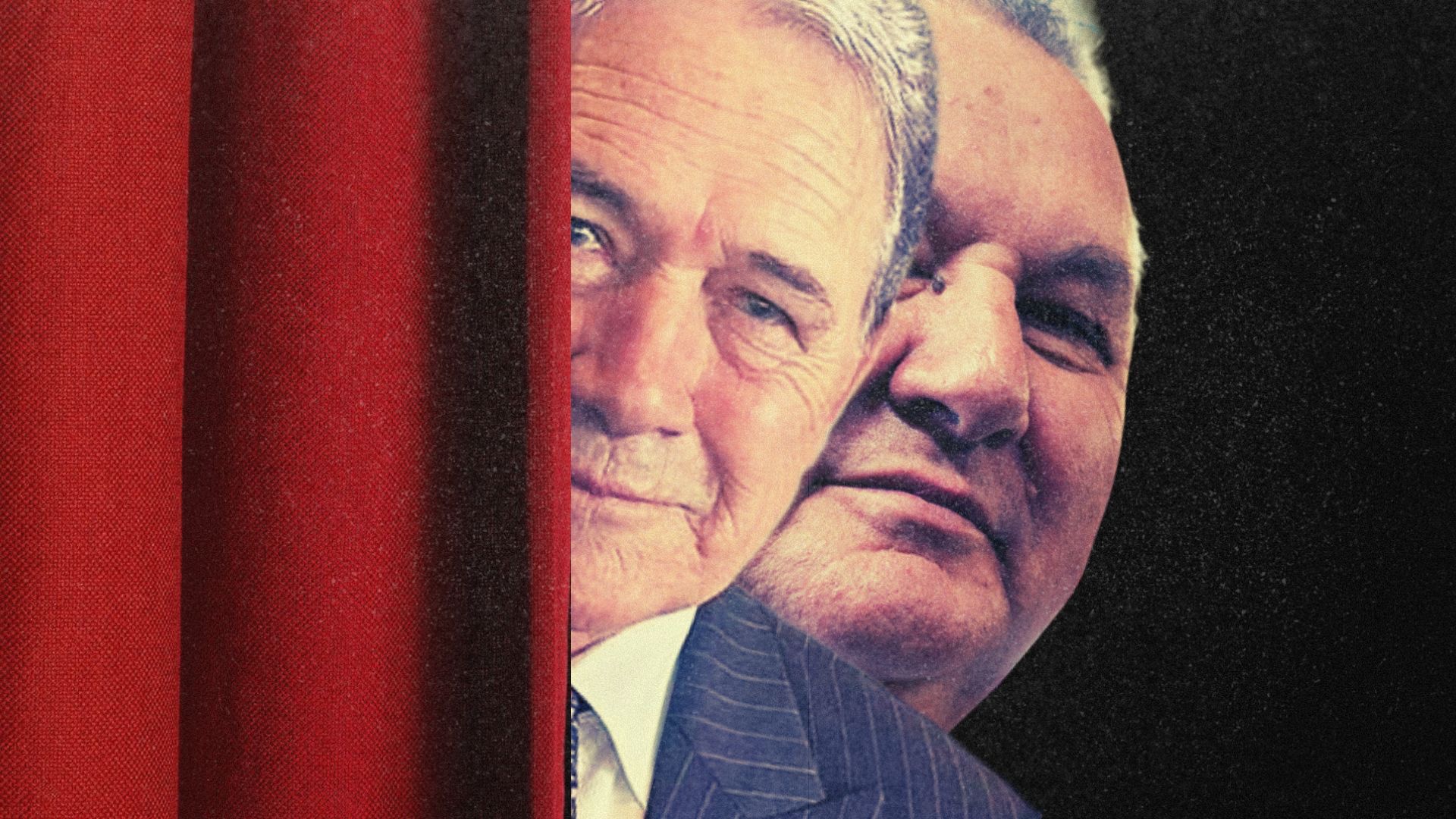
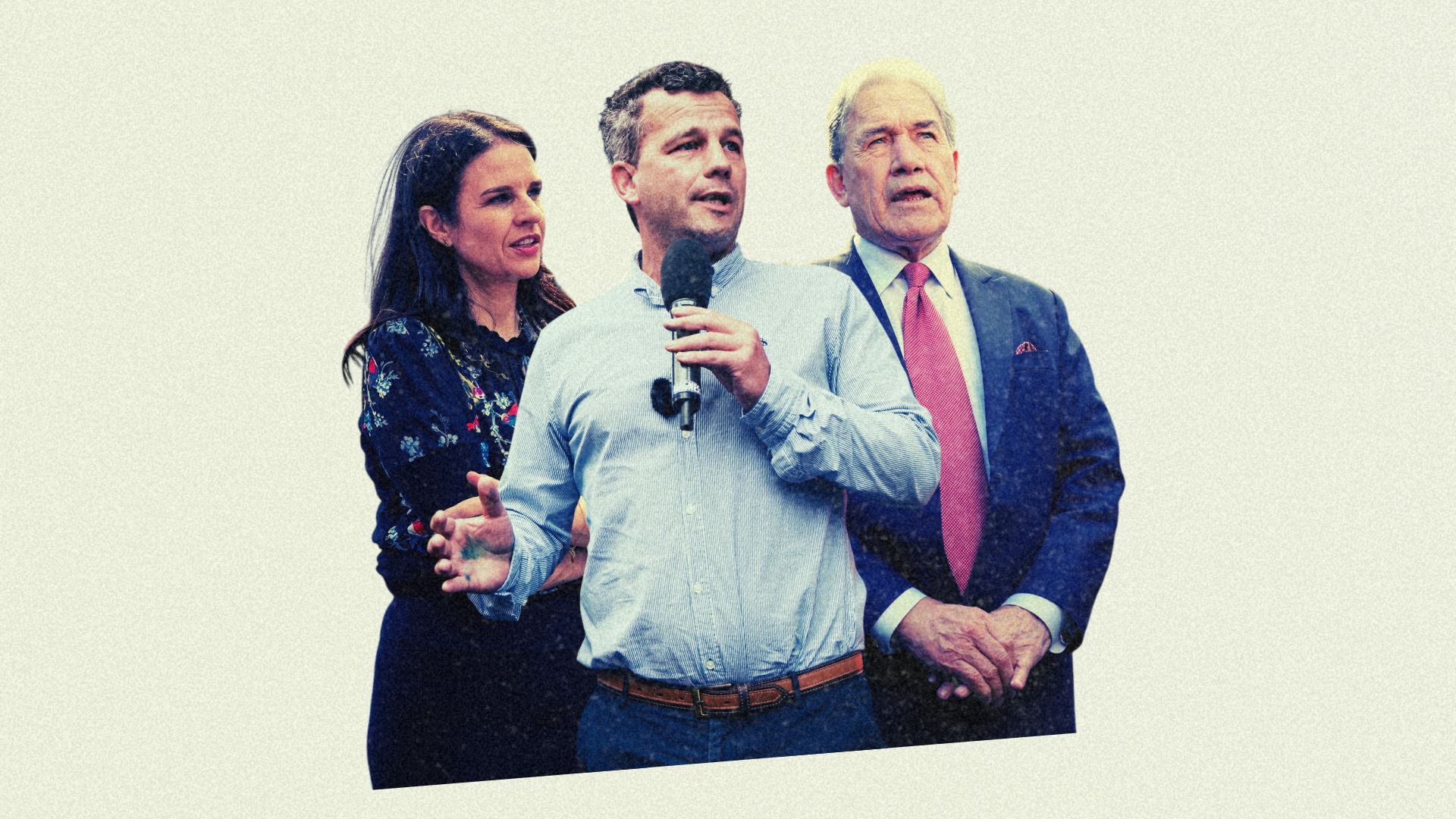
Vision New Zealand’s 2026 election campaign produced 1,529 party votes nationwide. The Electoral Commission displayed its share as 0.06 per cent. No electorate seats, no projected list seats. For all the public attention surrounding Brian and Hannah Tamaki, the parliamentary return was zero.
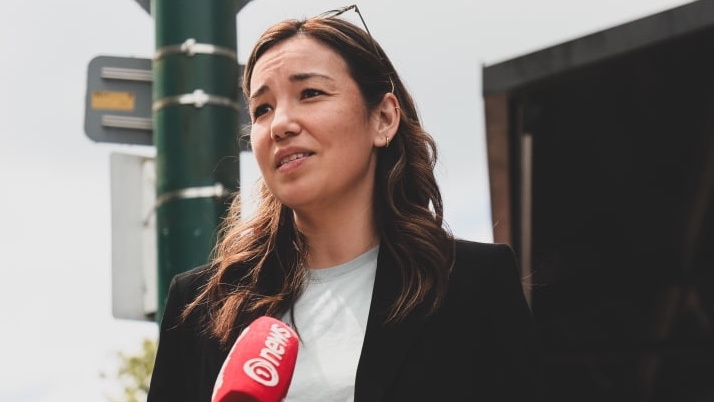
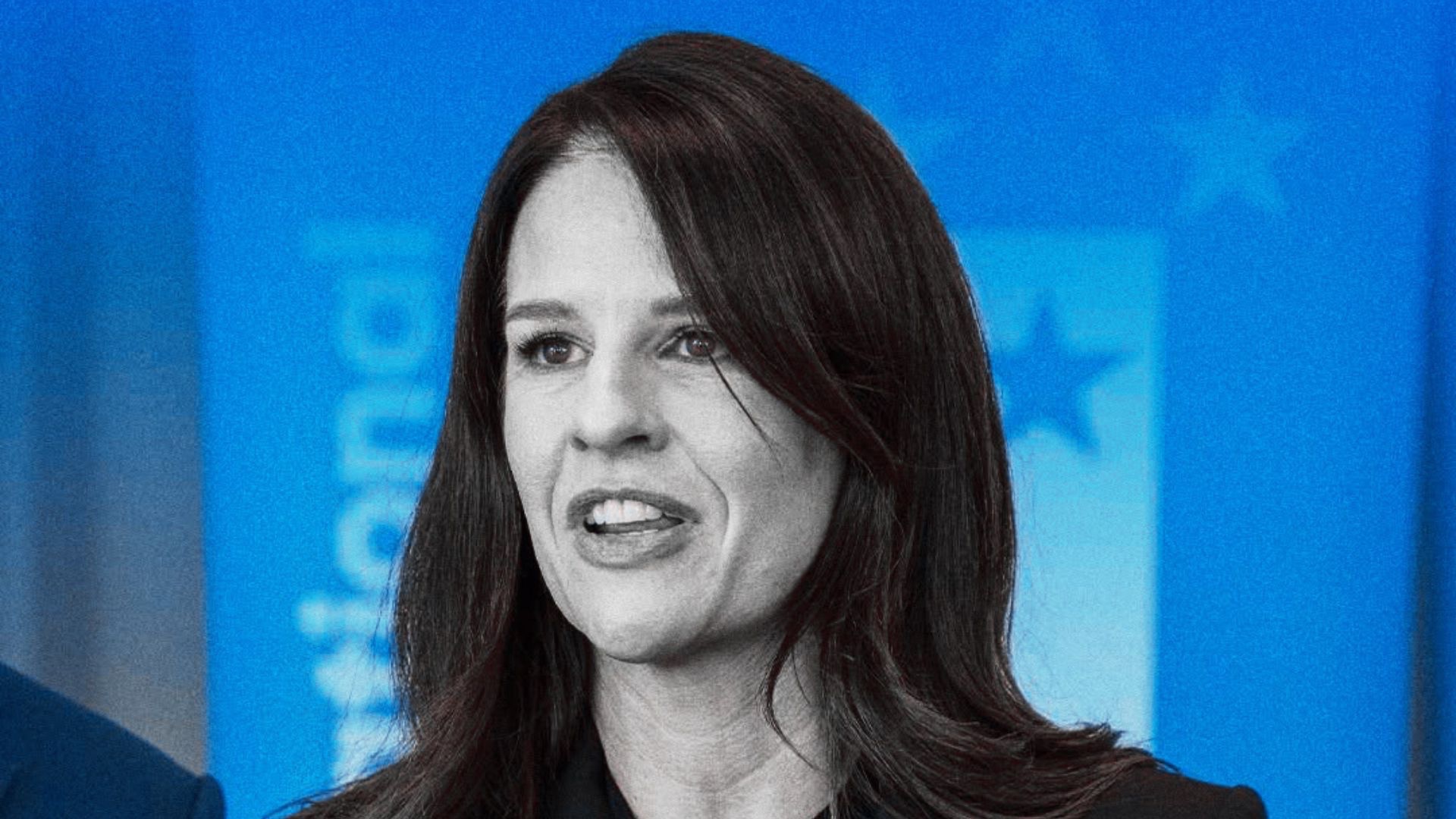
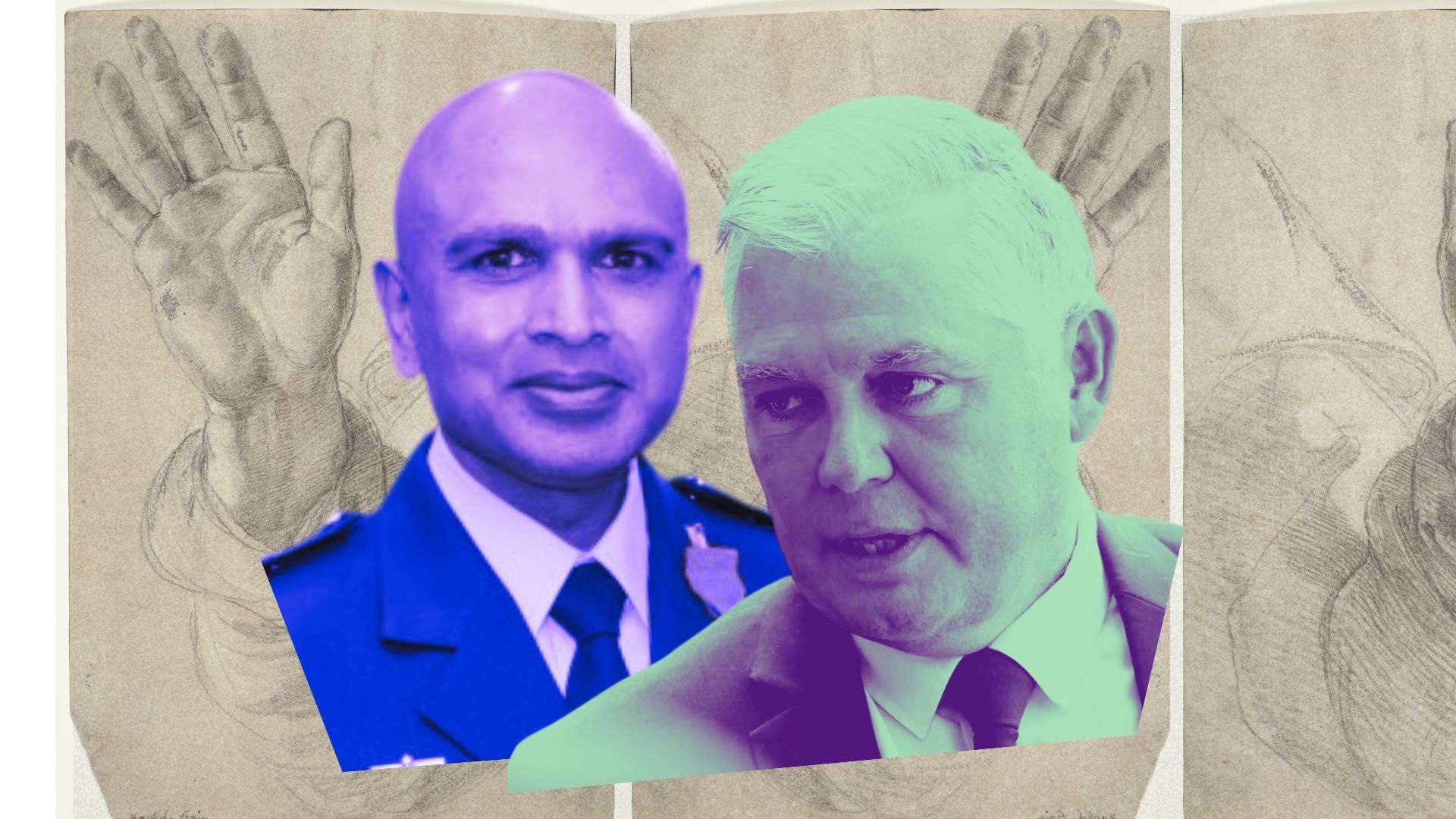
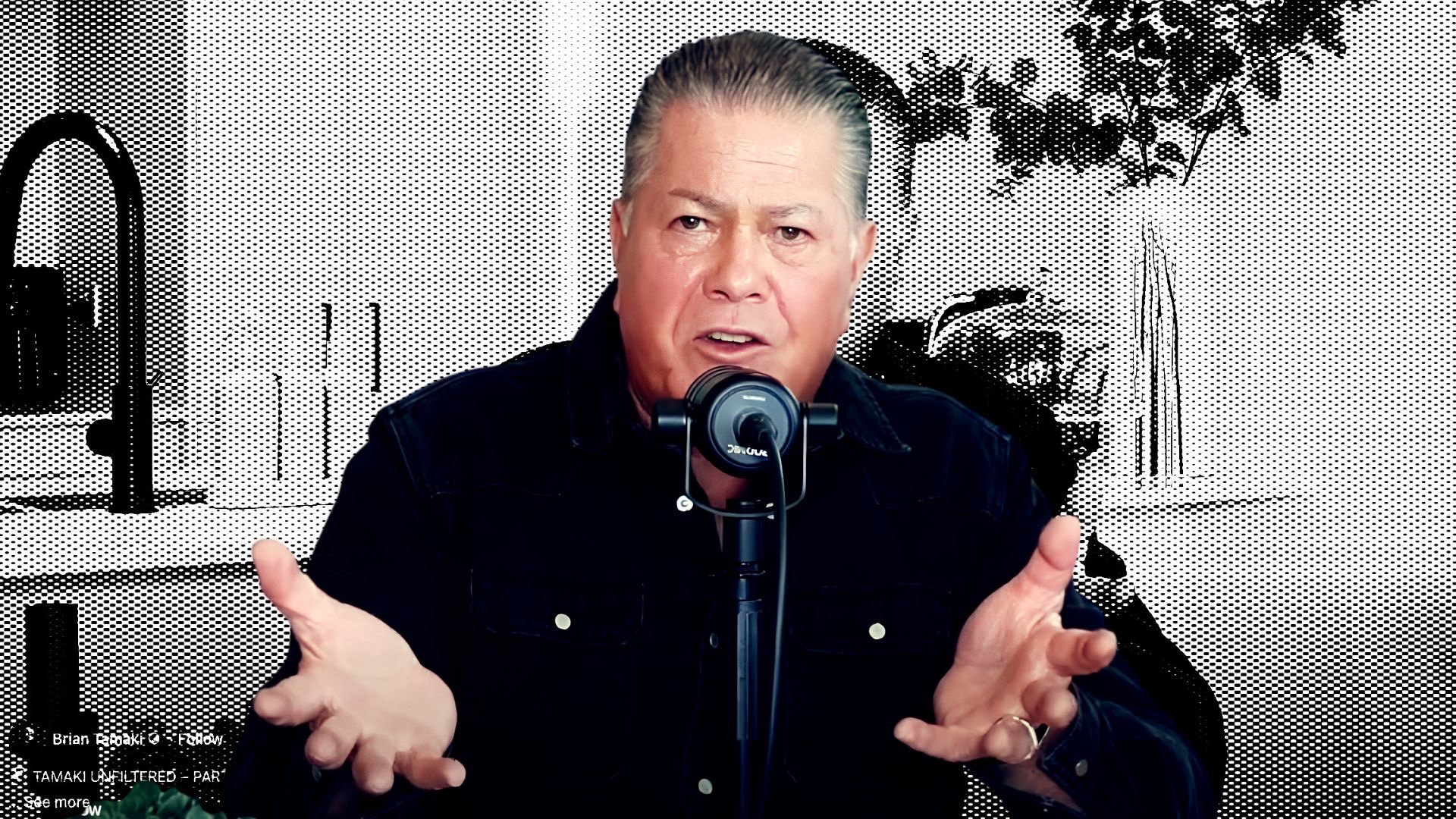
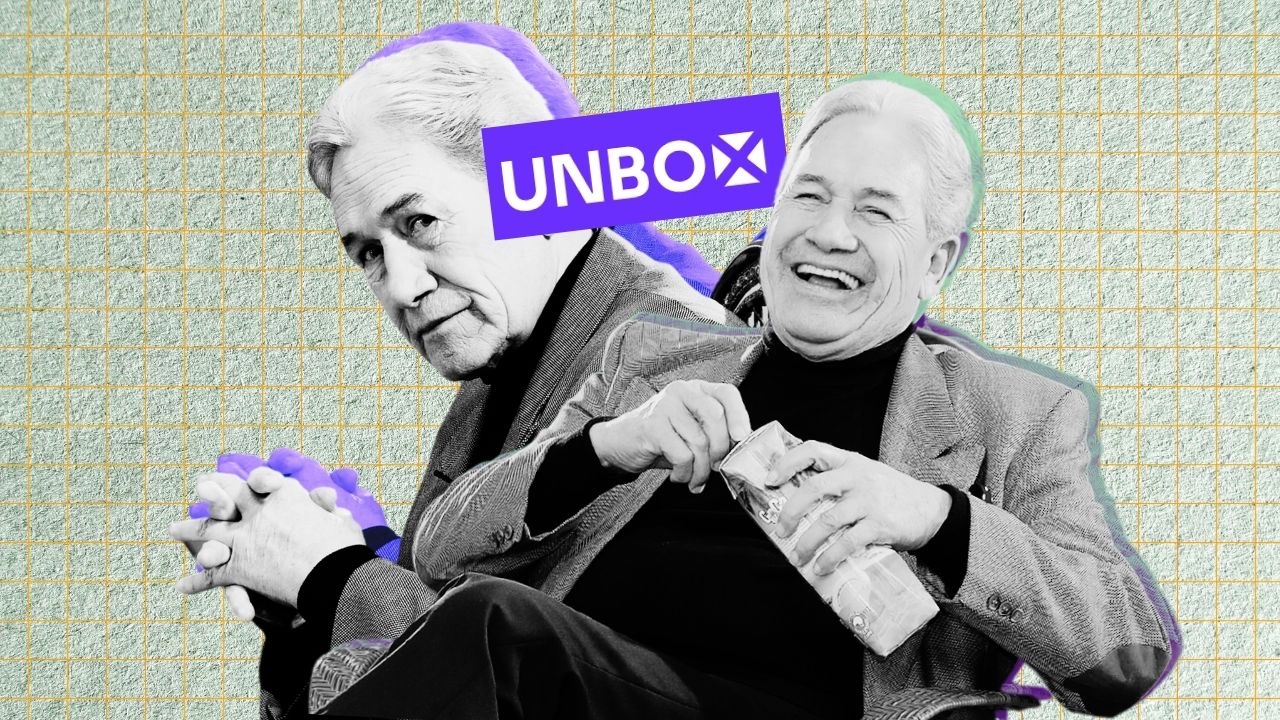
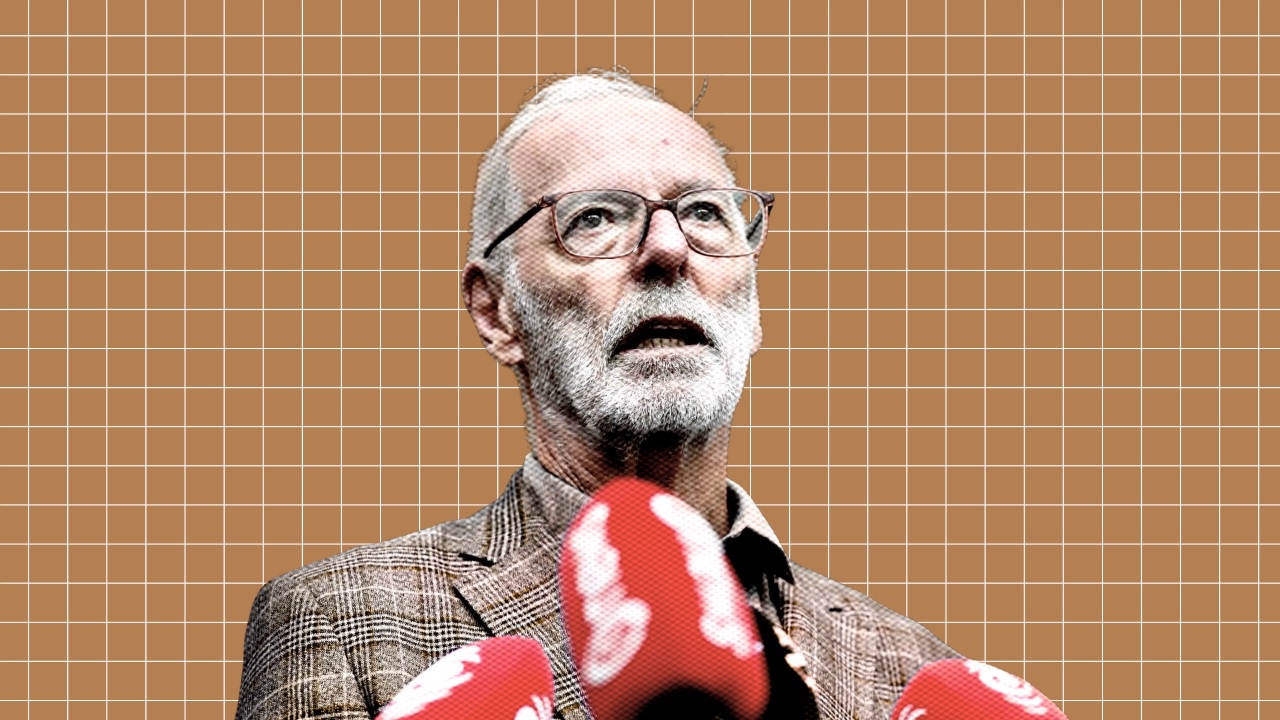
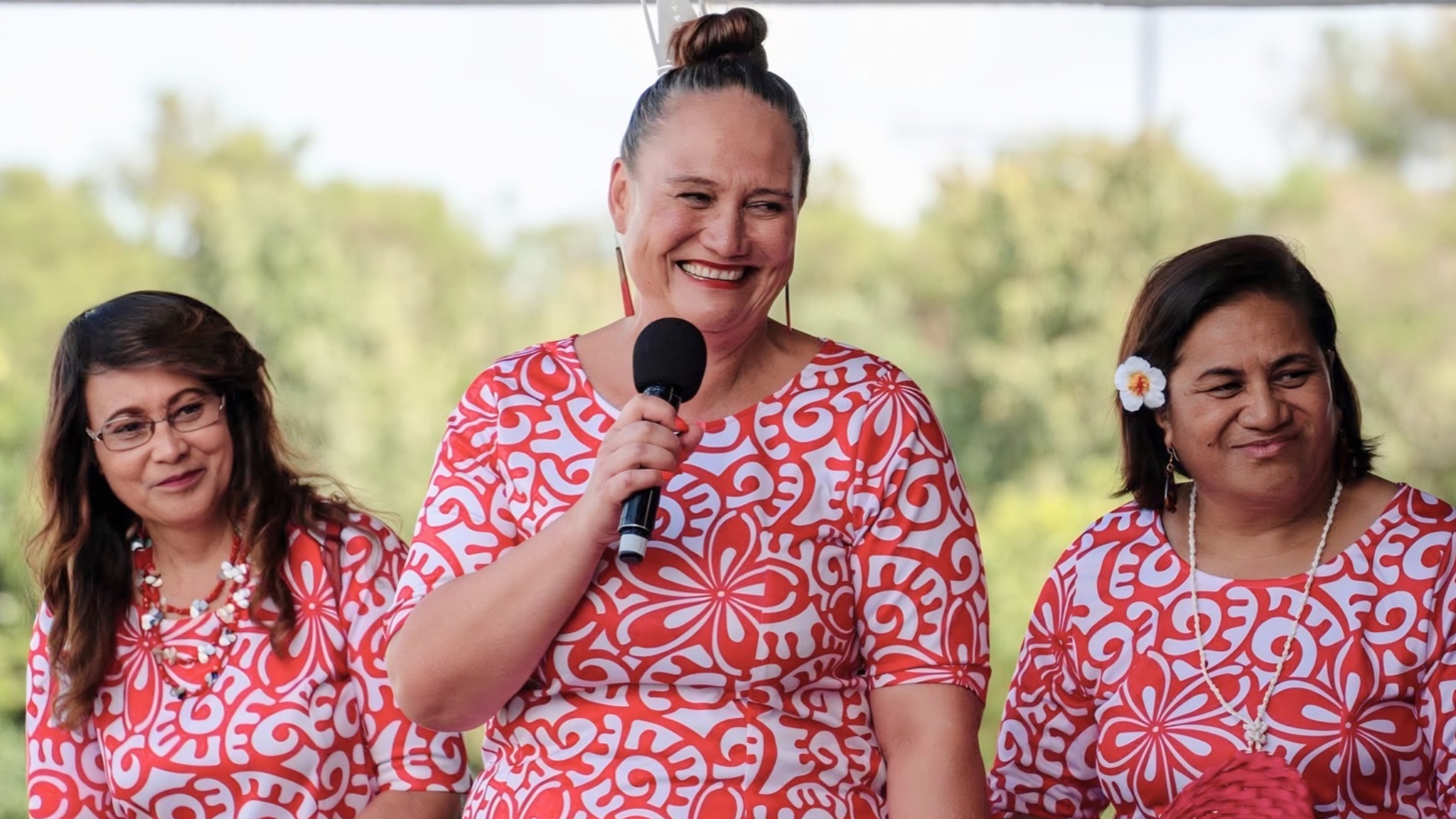
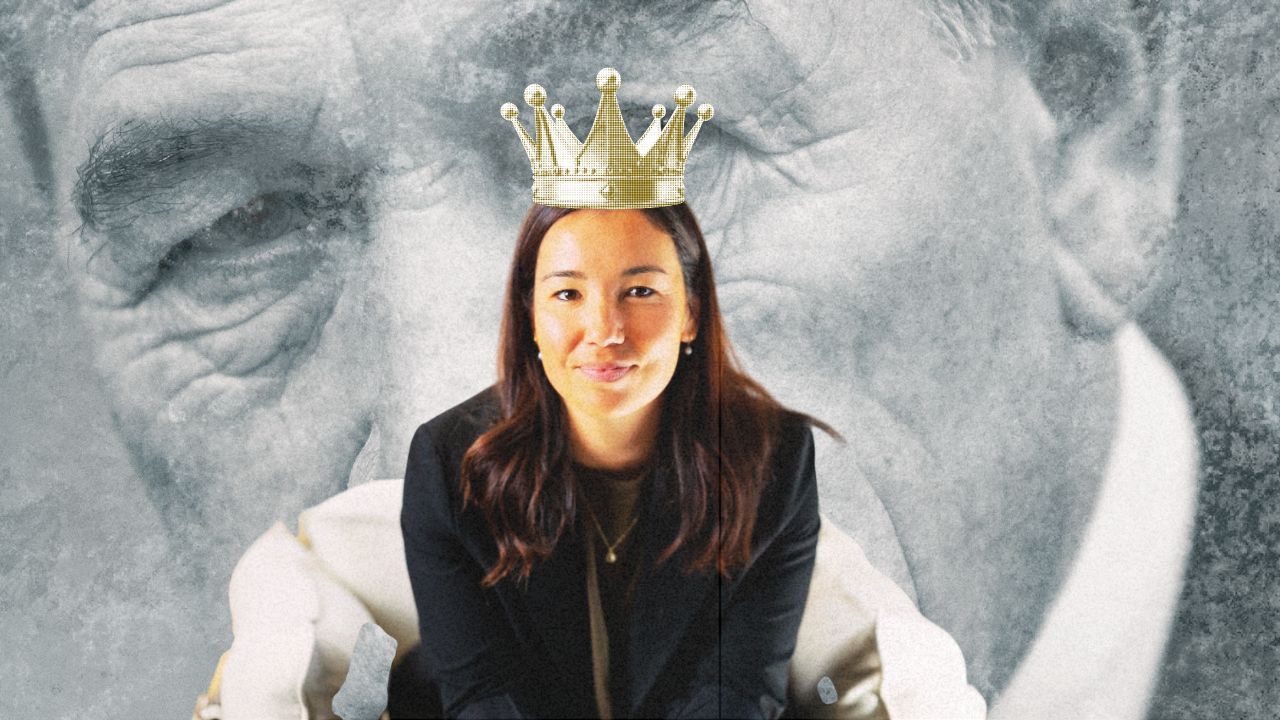
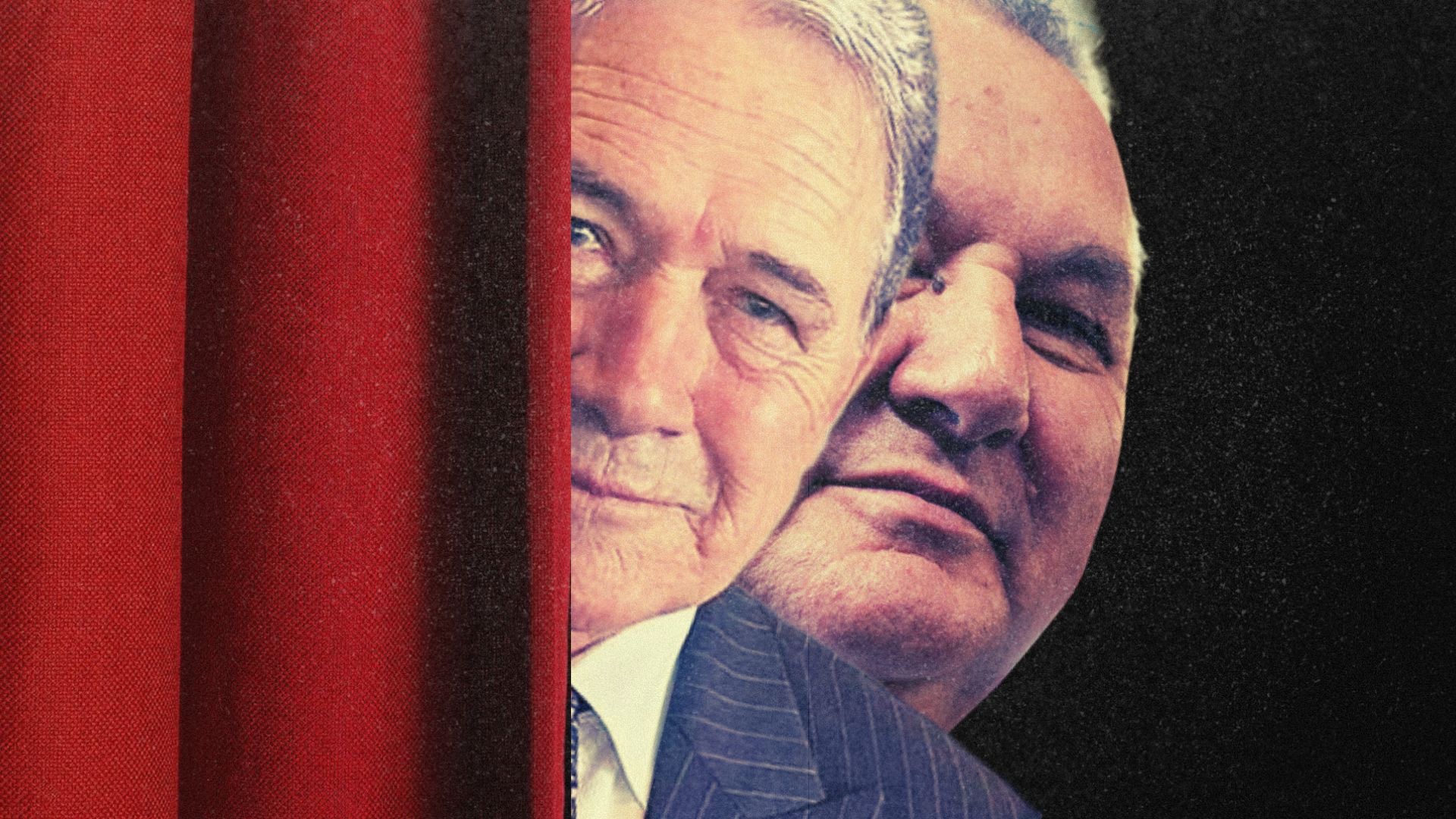
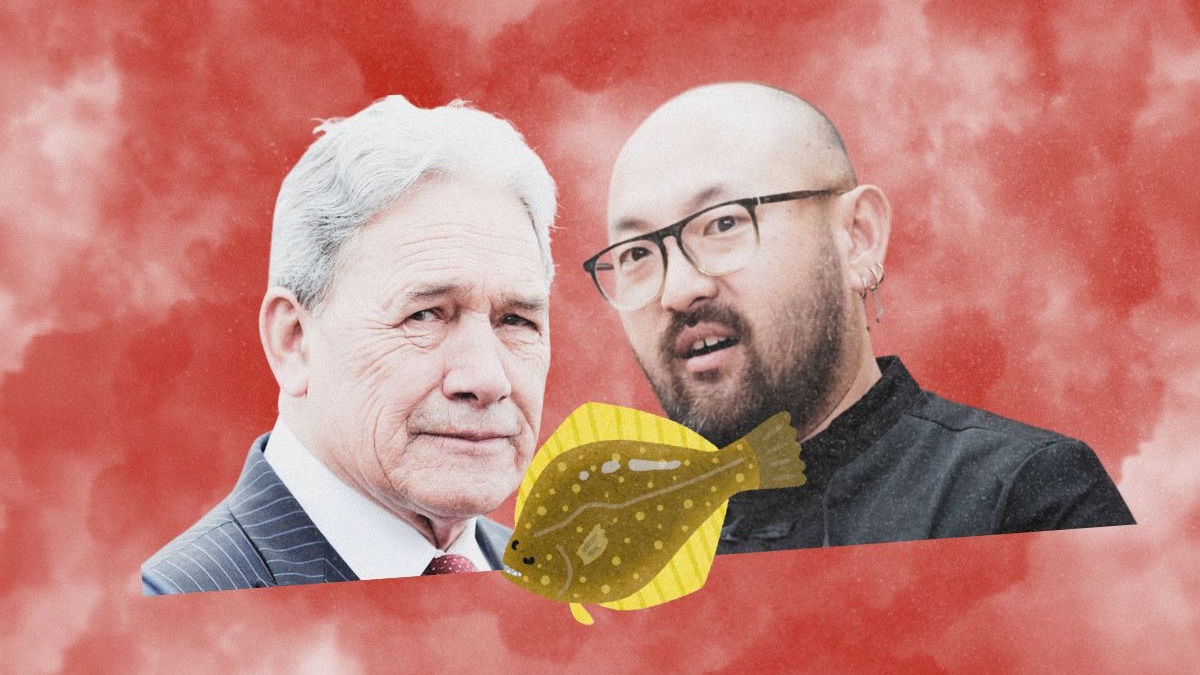
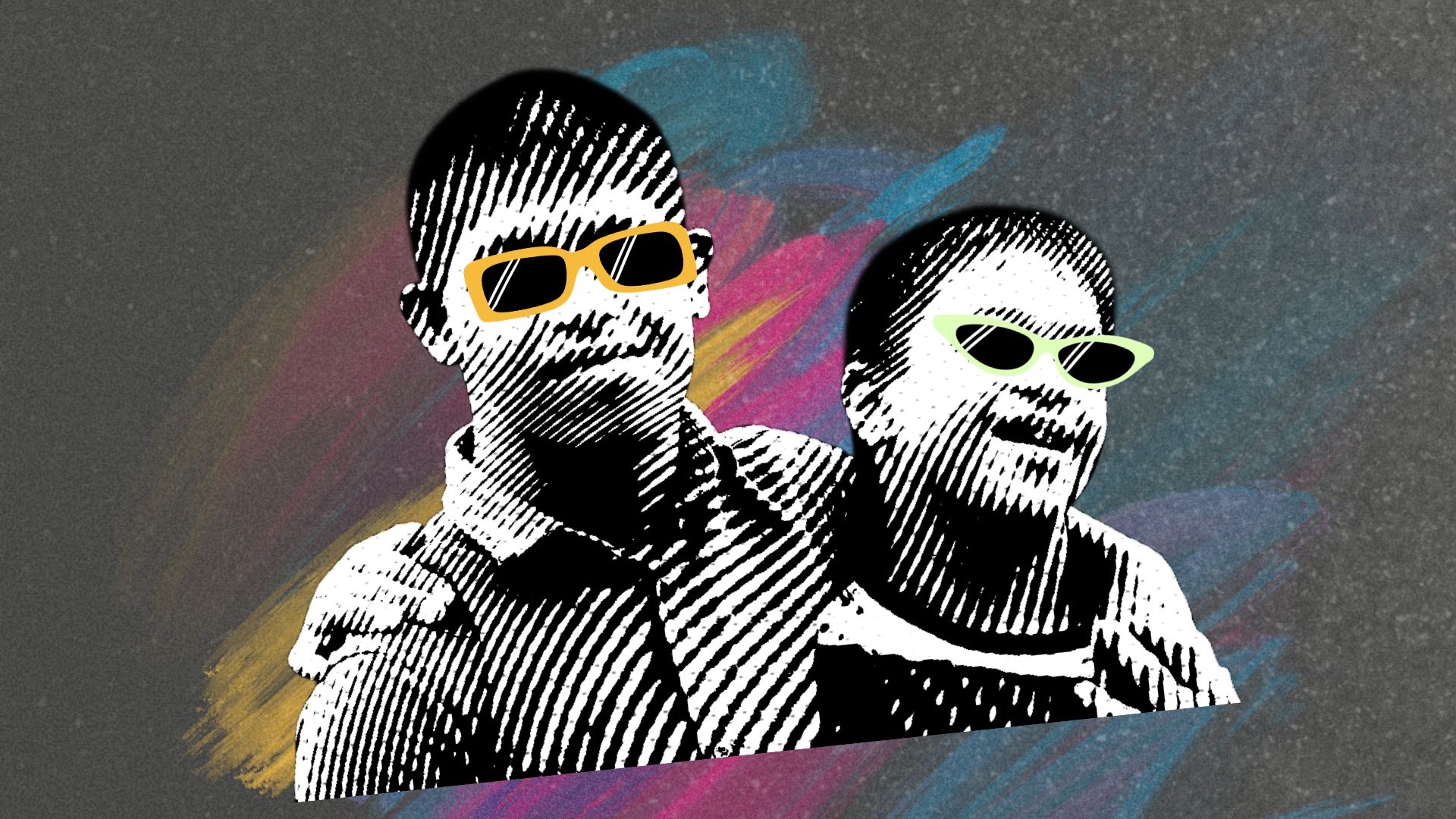
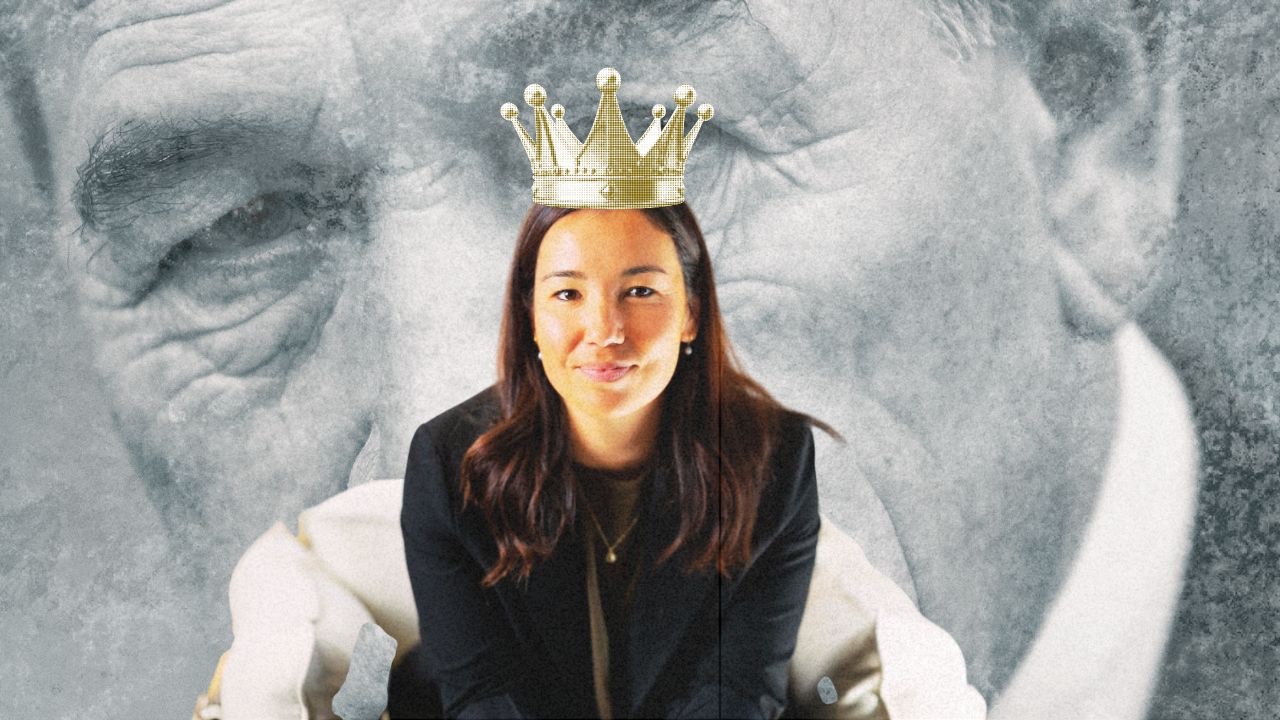
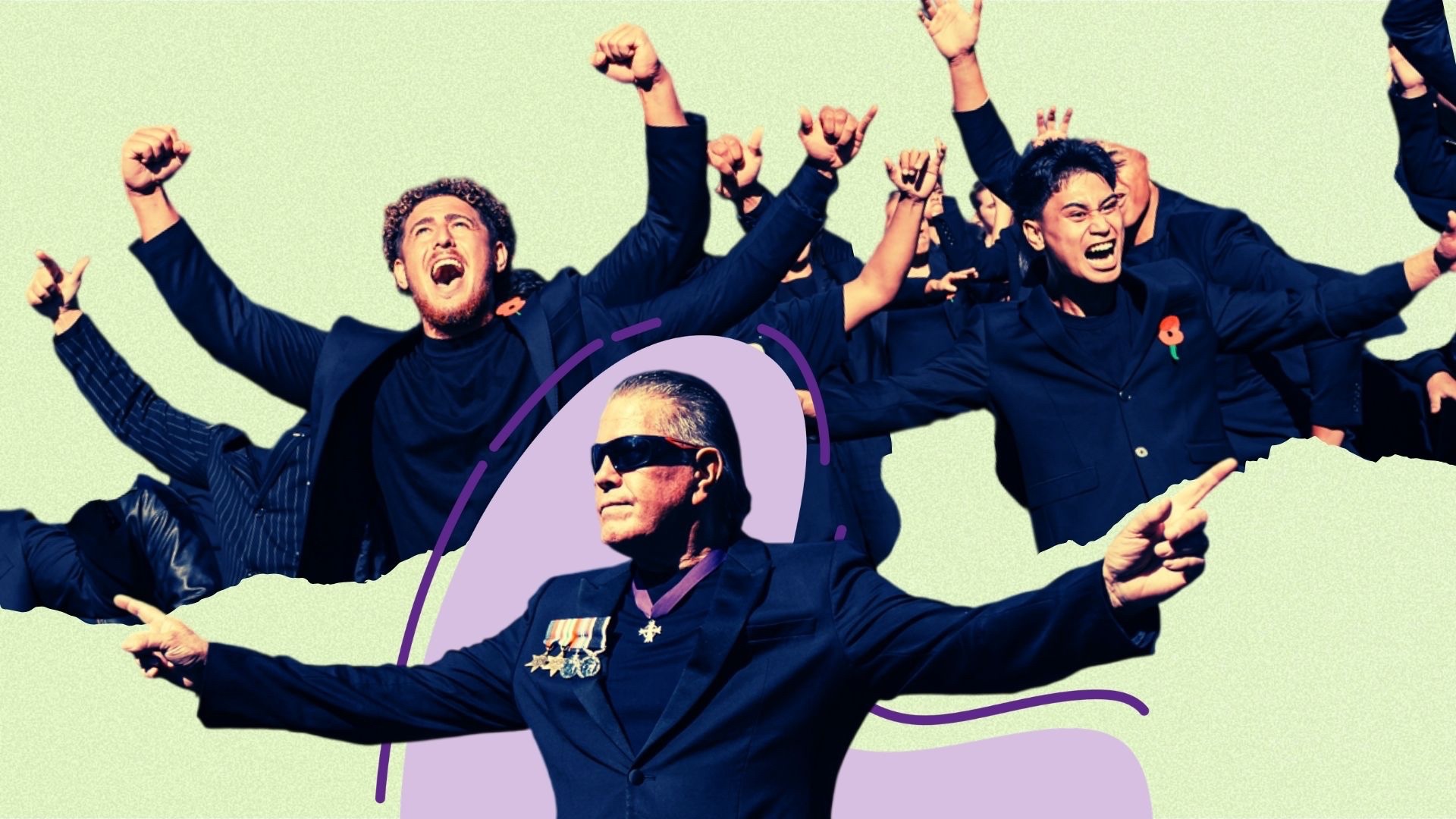
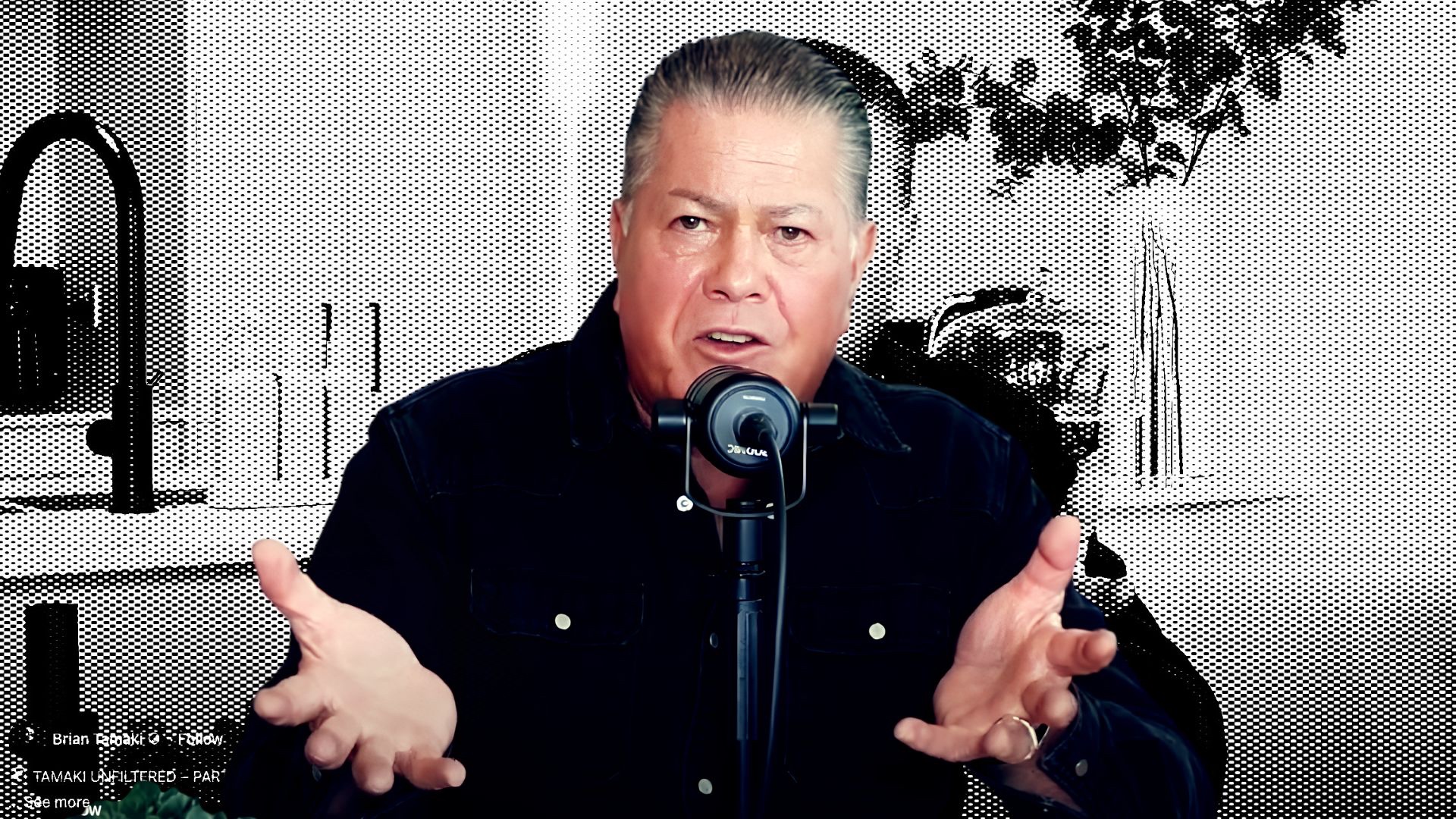
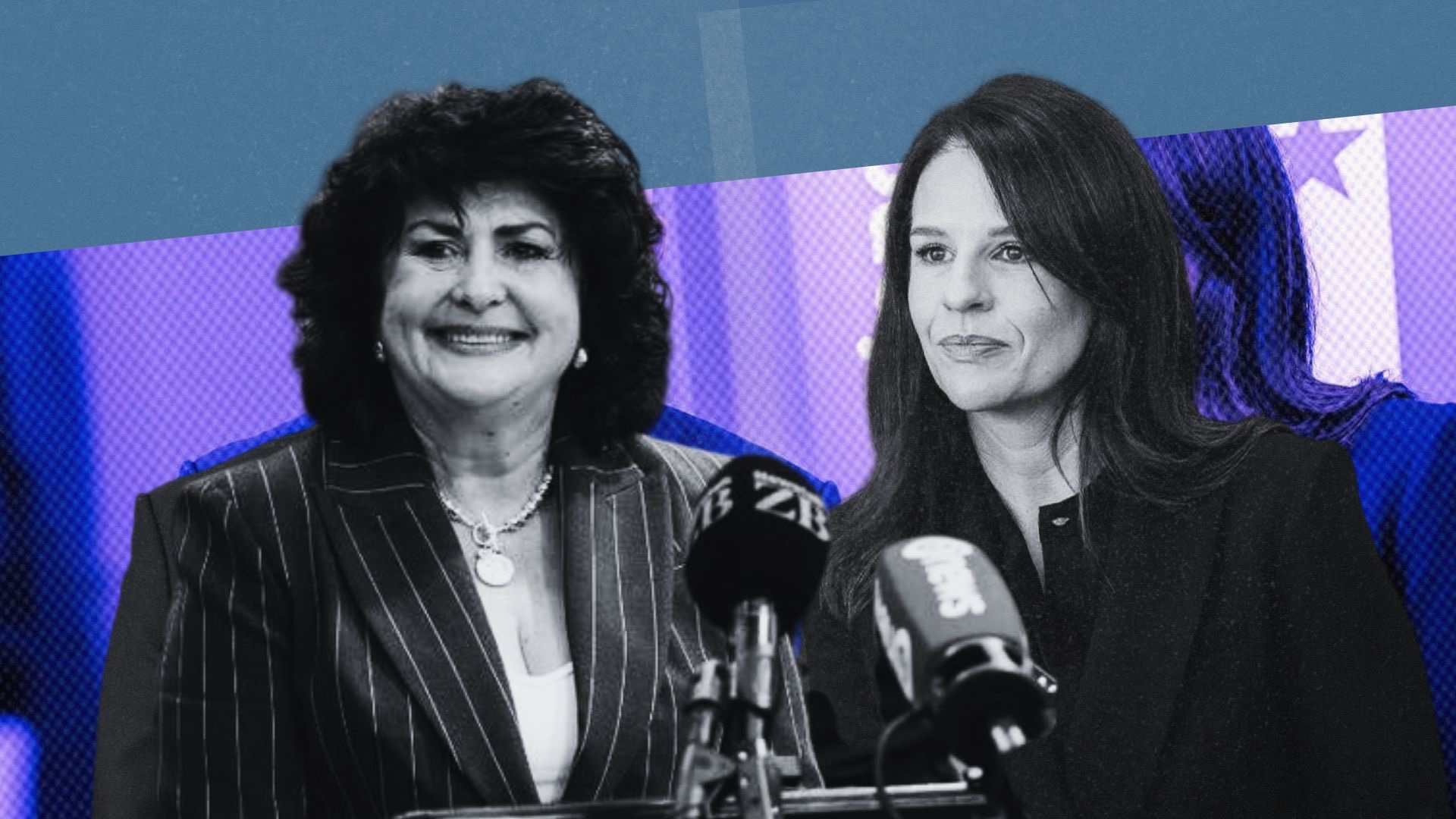
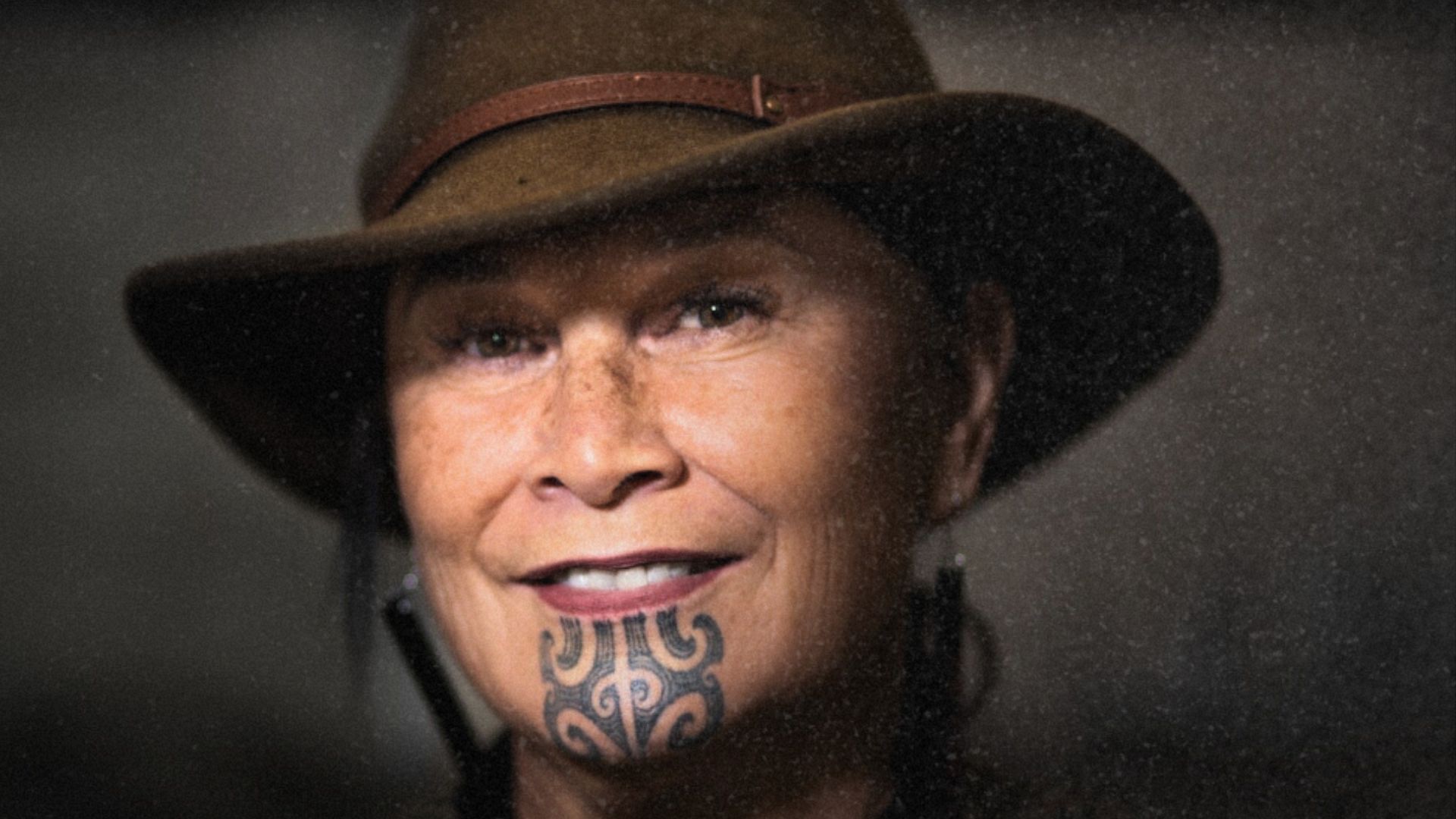
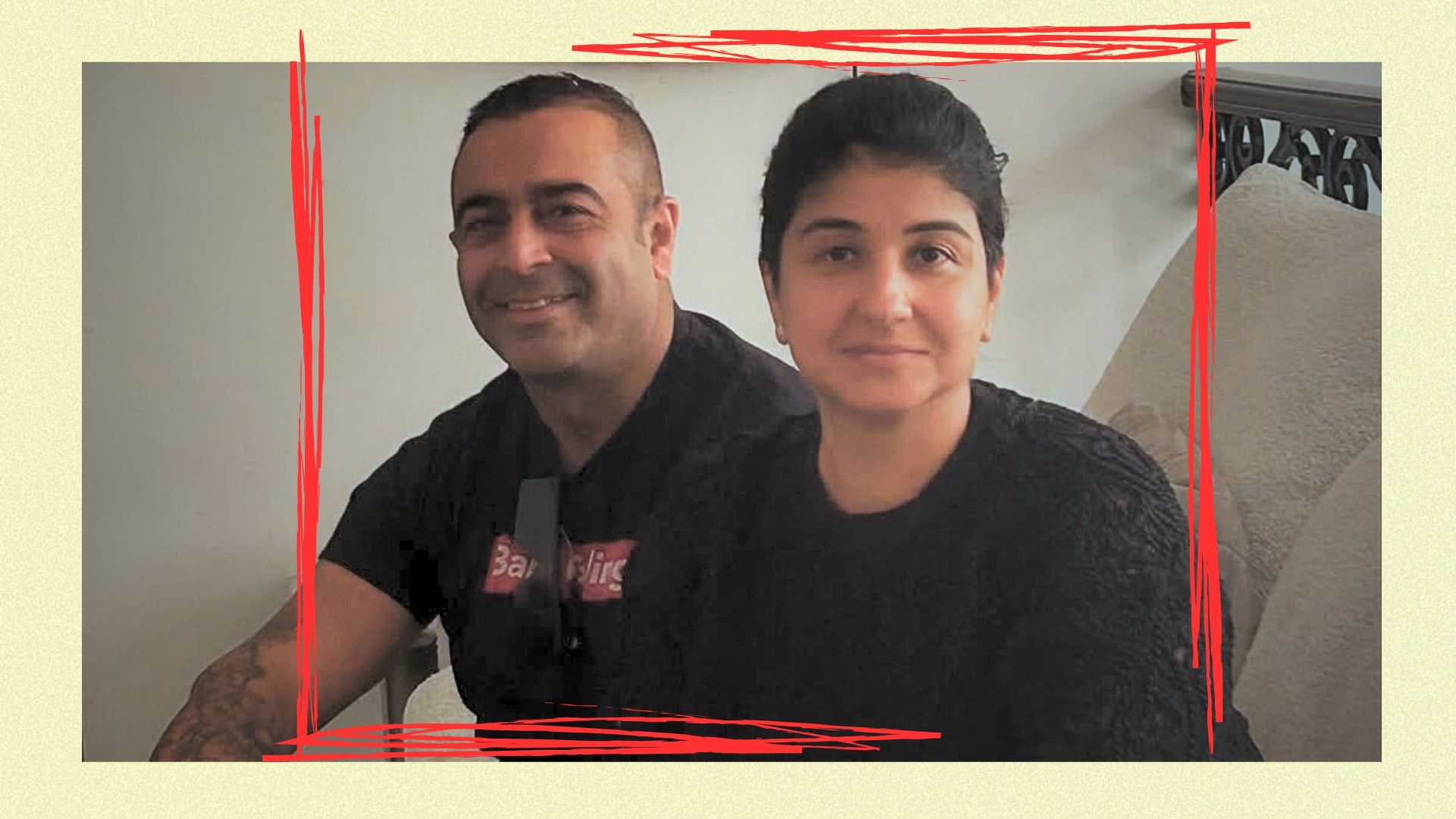
Hannah leads Vision NZ, which she and her husband founded in 2019. Brian leads Destiny Church. He supplies a considerable share of the public pronouncements; she leads the party seeking parliamentary representation.
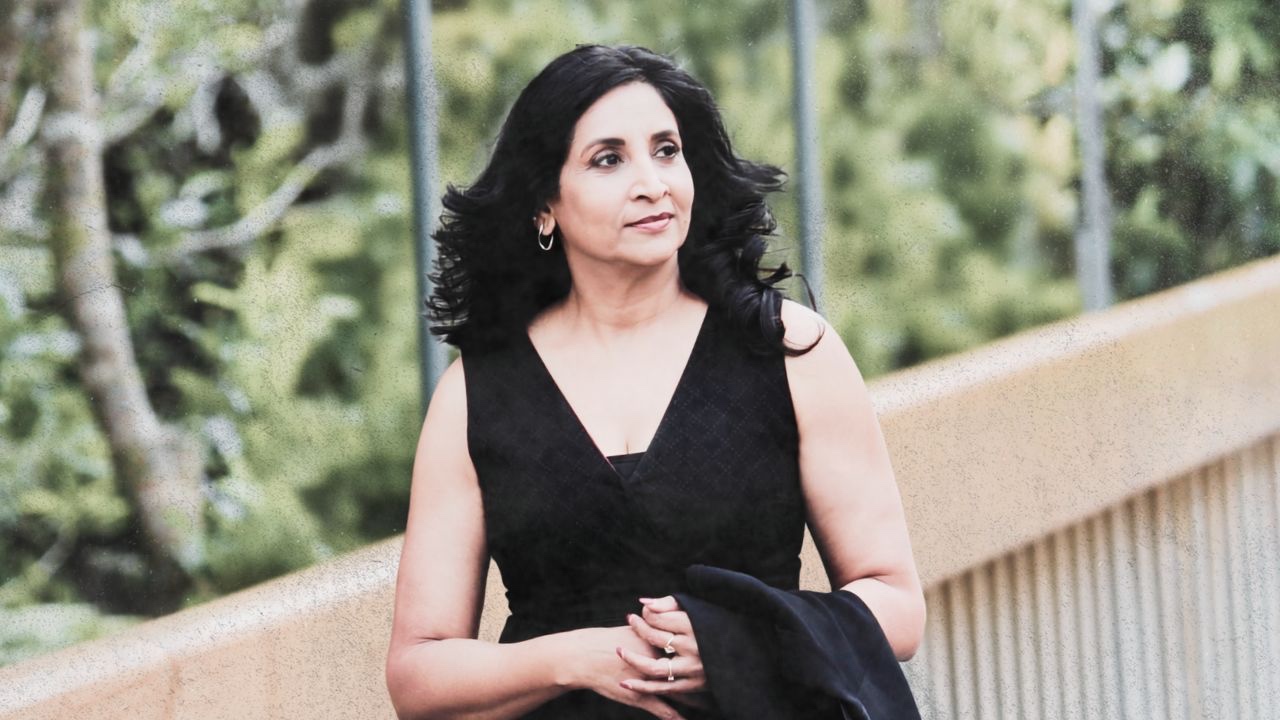
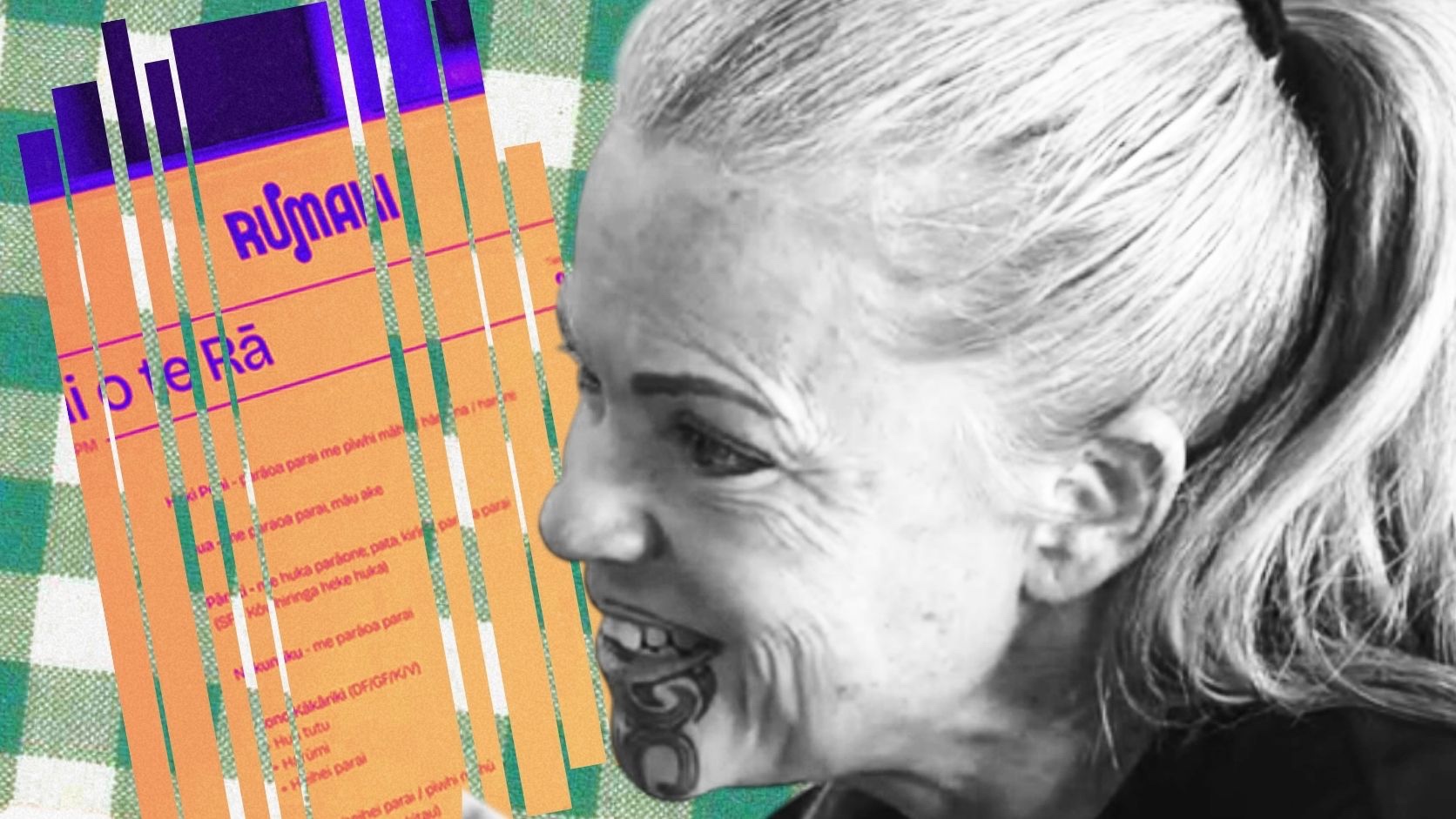
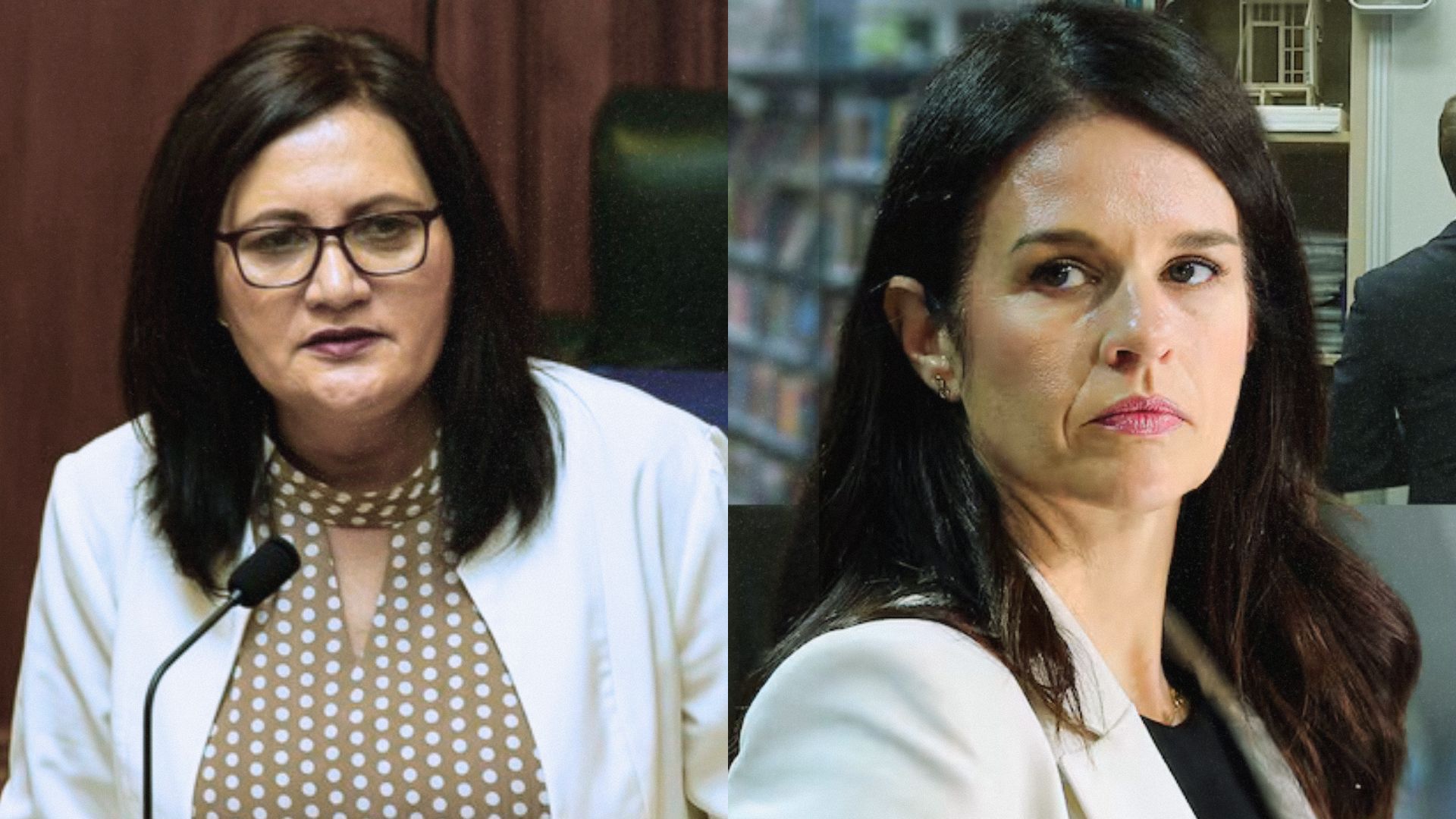
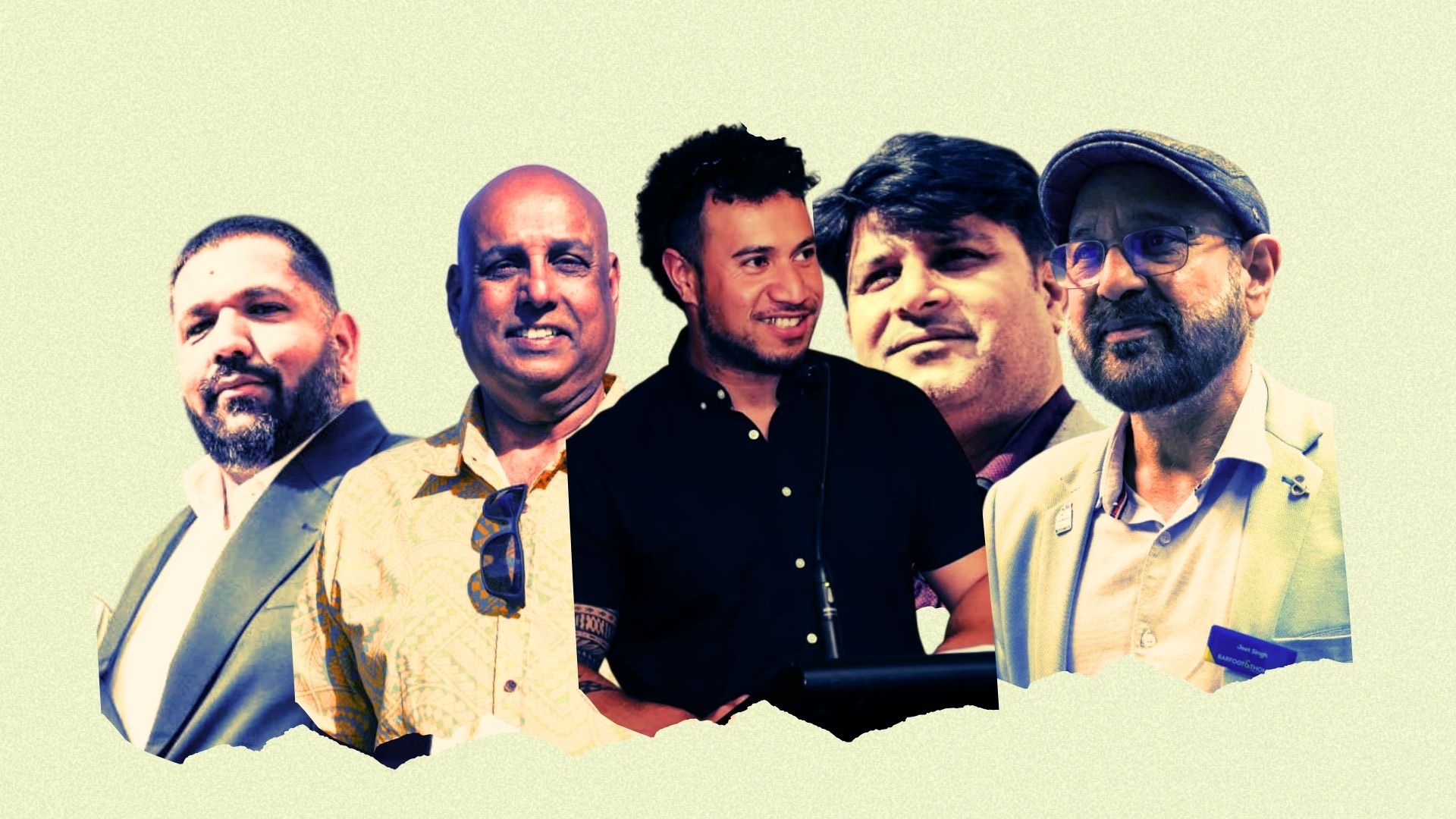
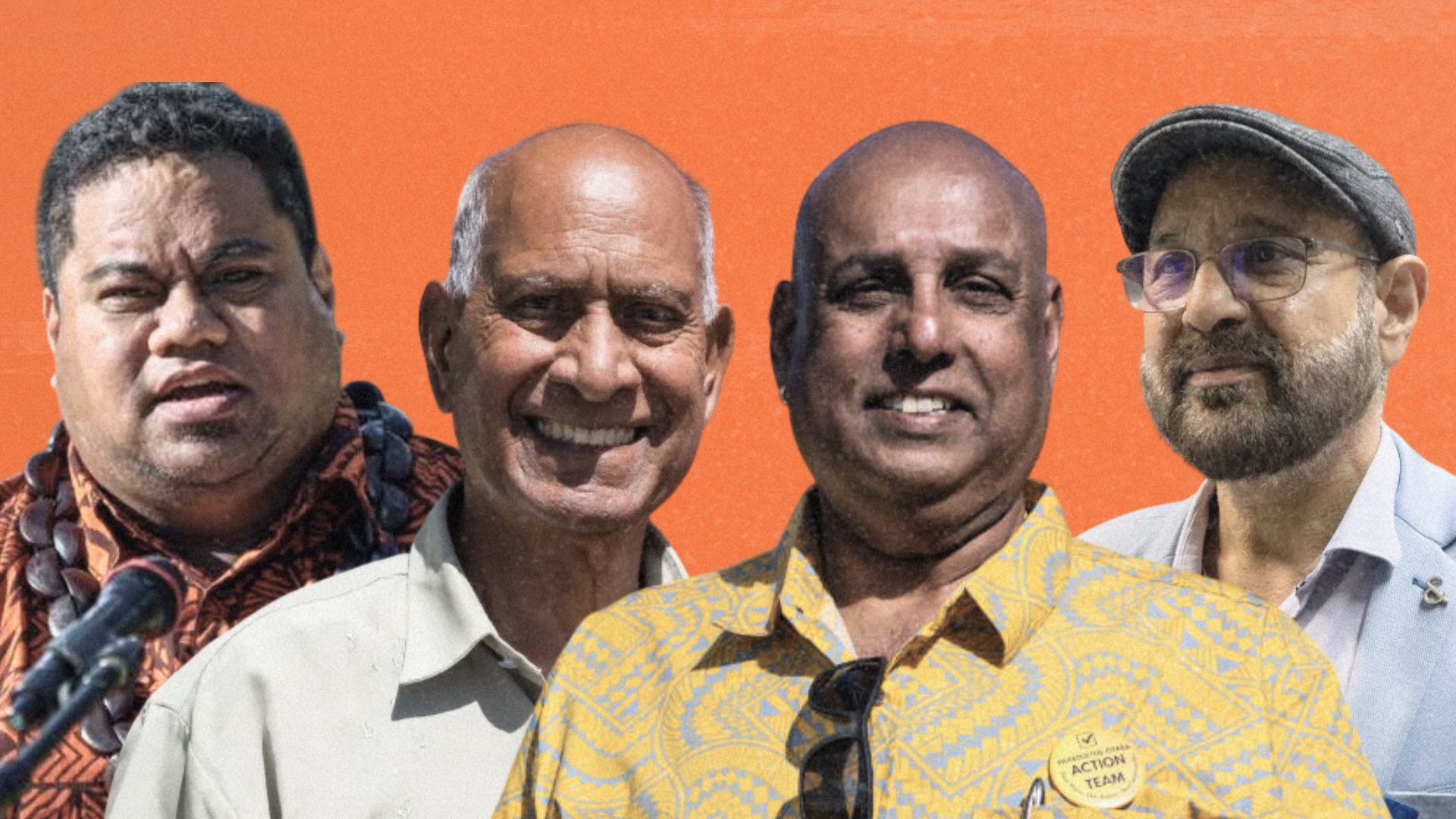
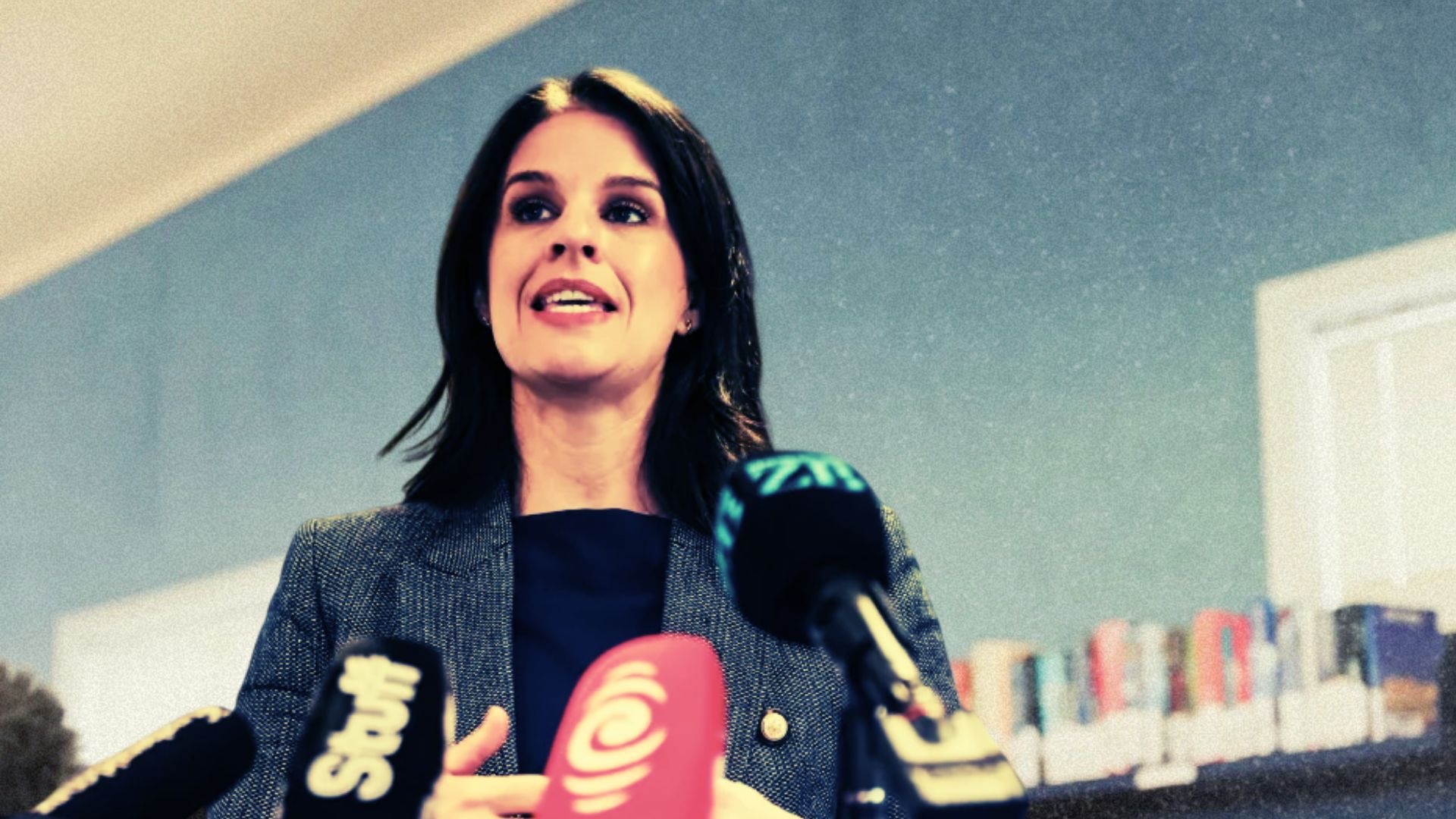
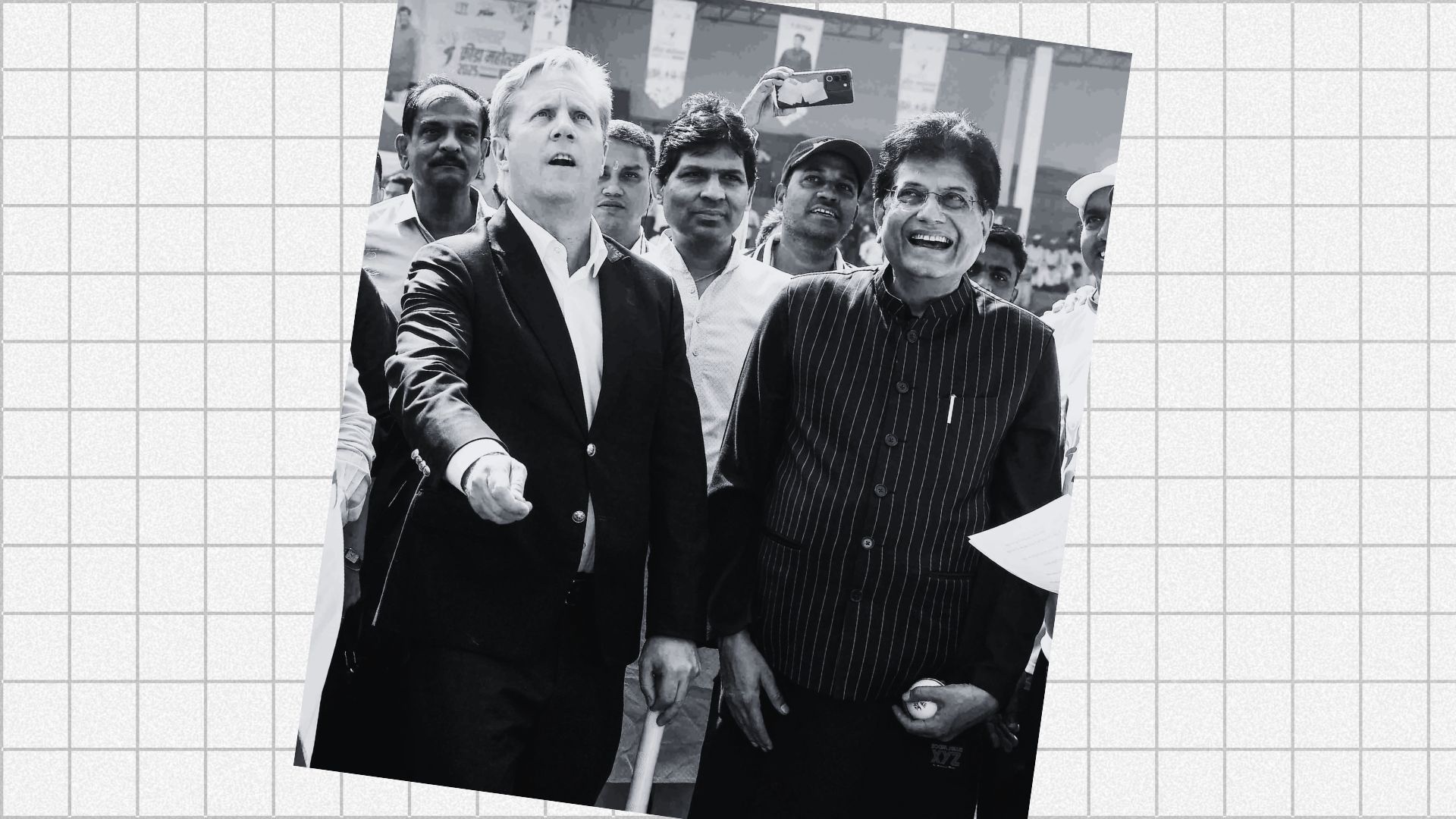
Hannah’s result in the south Auckland electorate of Papakura was Vision NZ’s strongest candidate showing, with 470 votes – or 1.67 per cent of valid candidate votes.
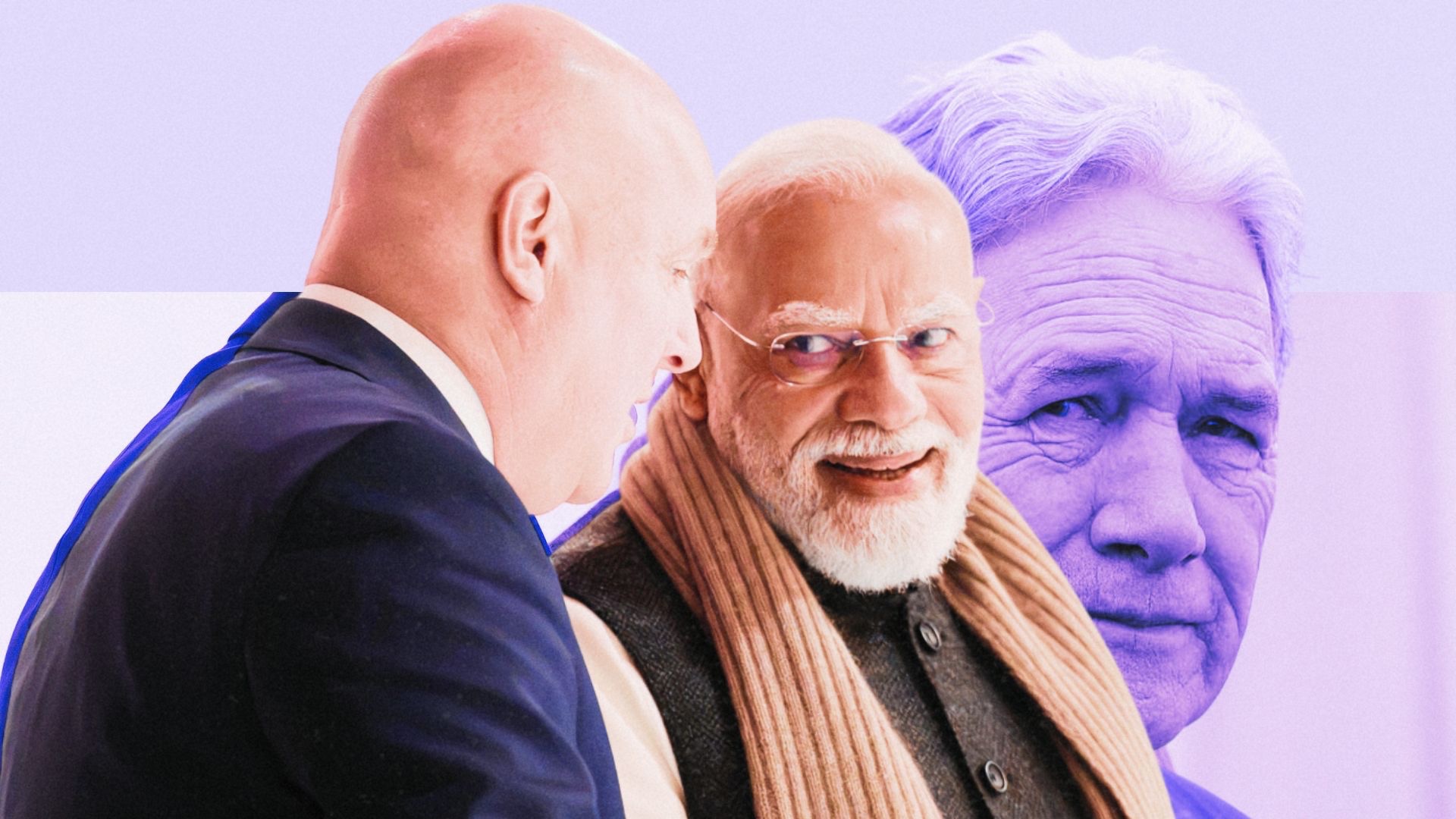
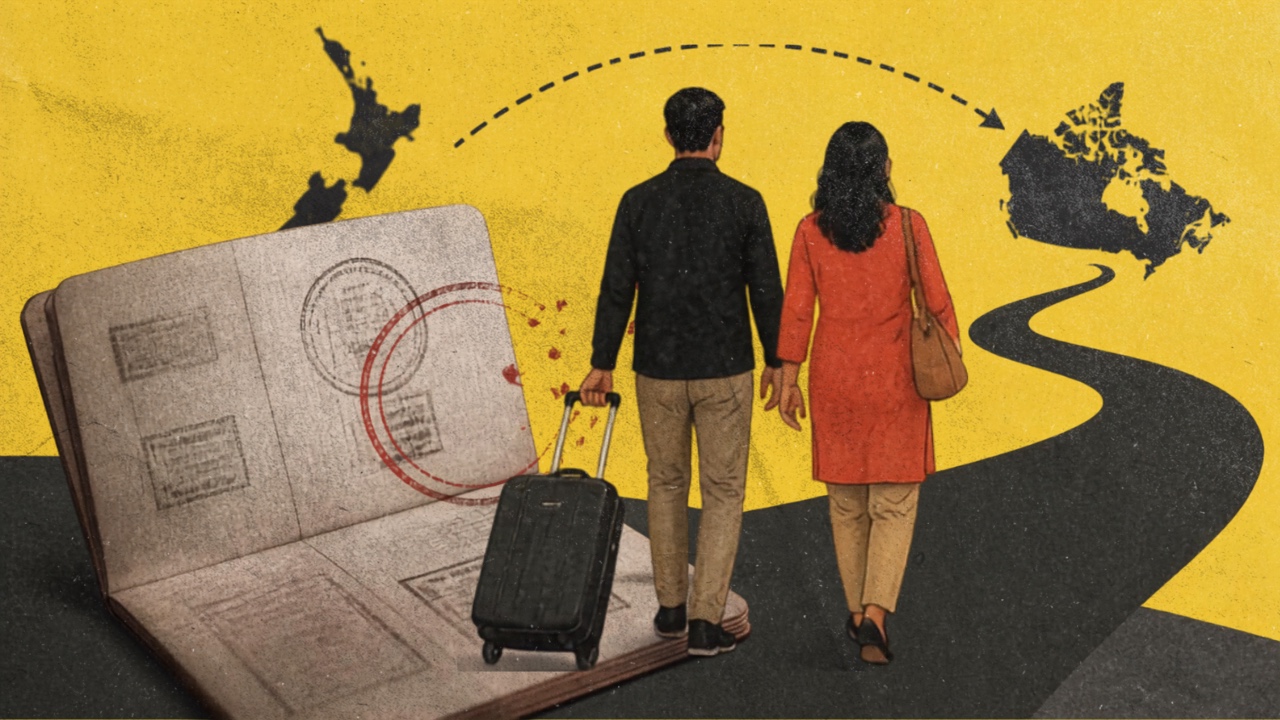
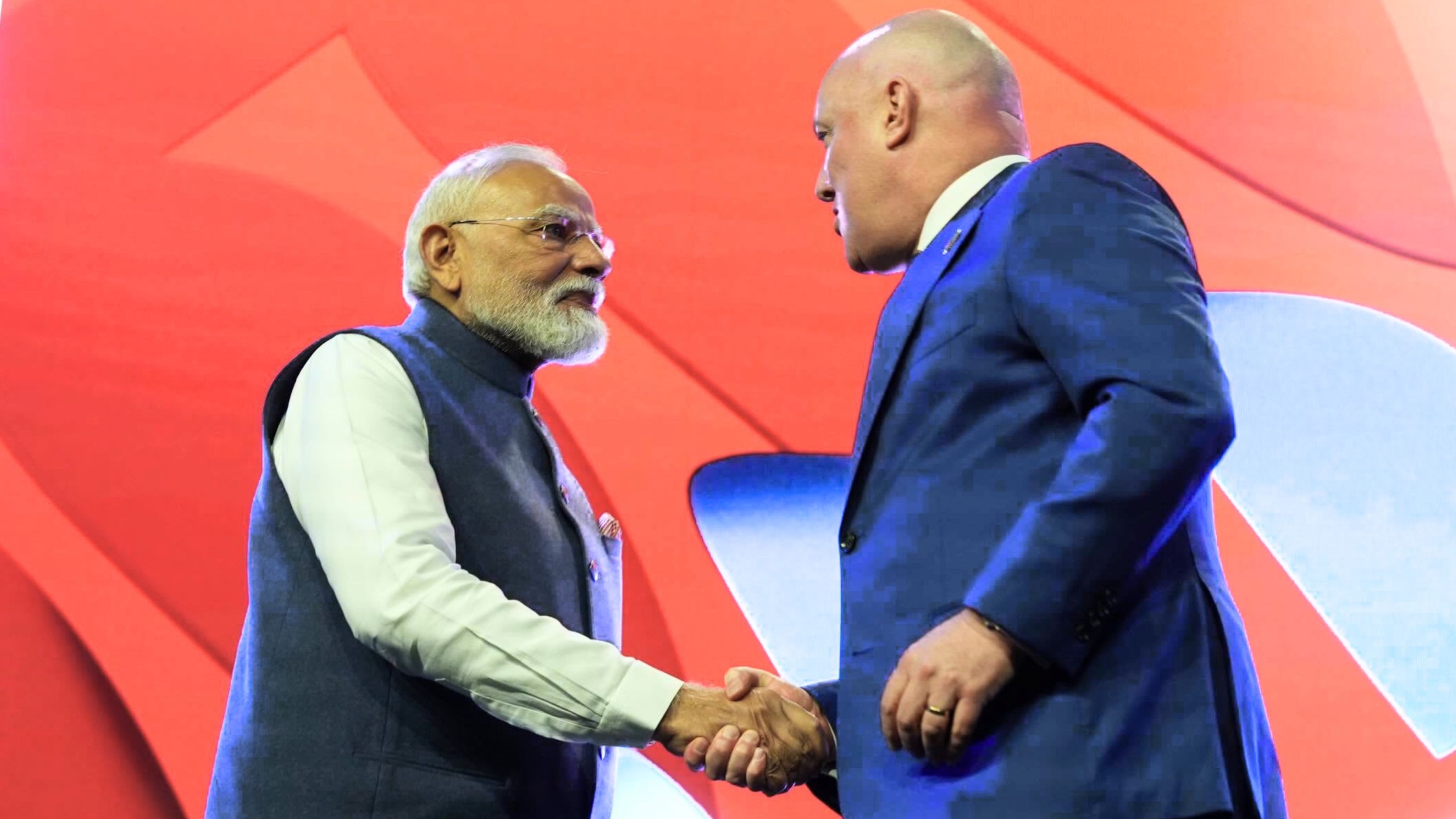
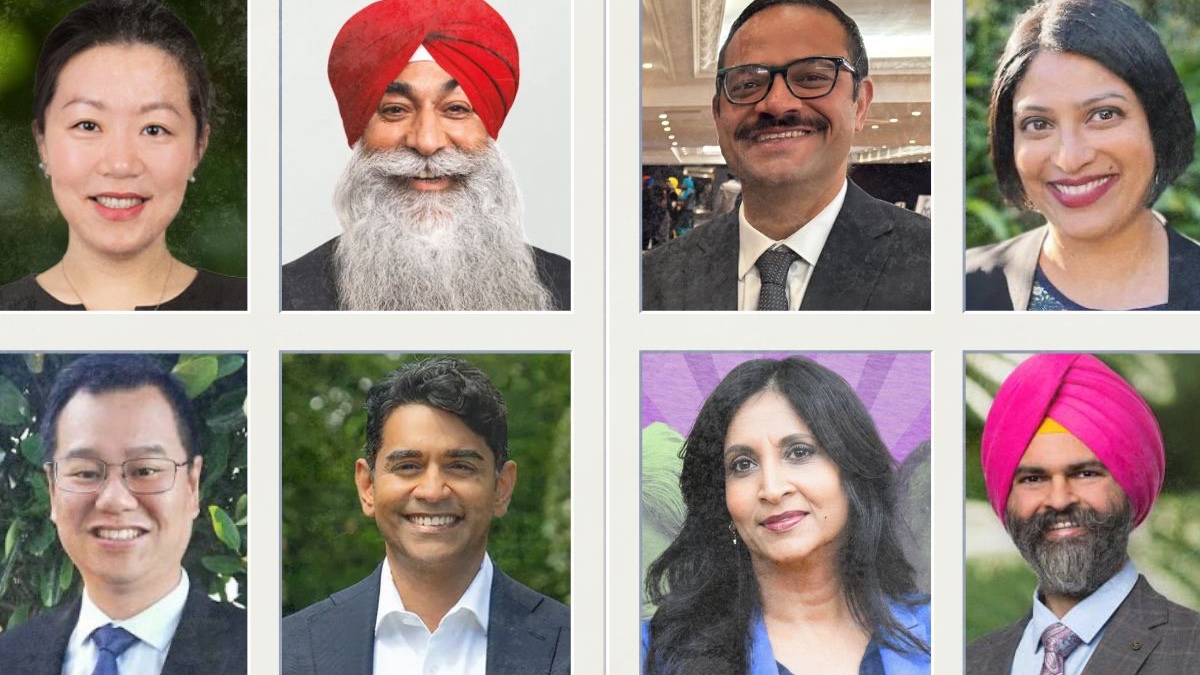
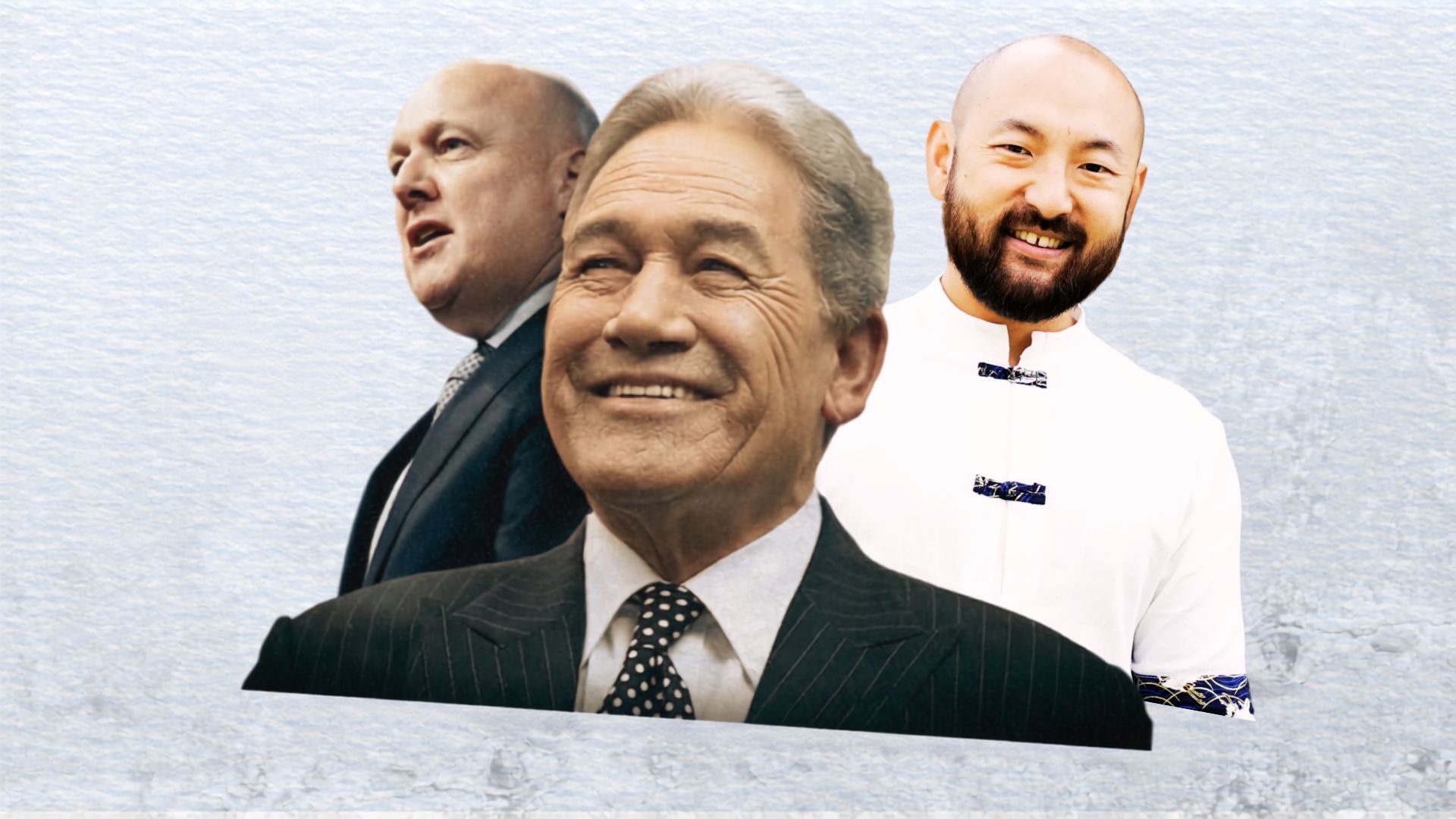
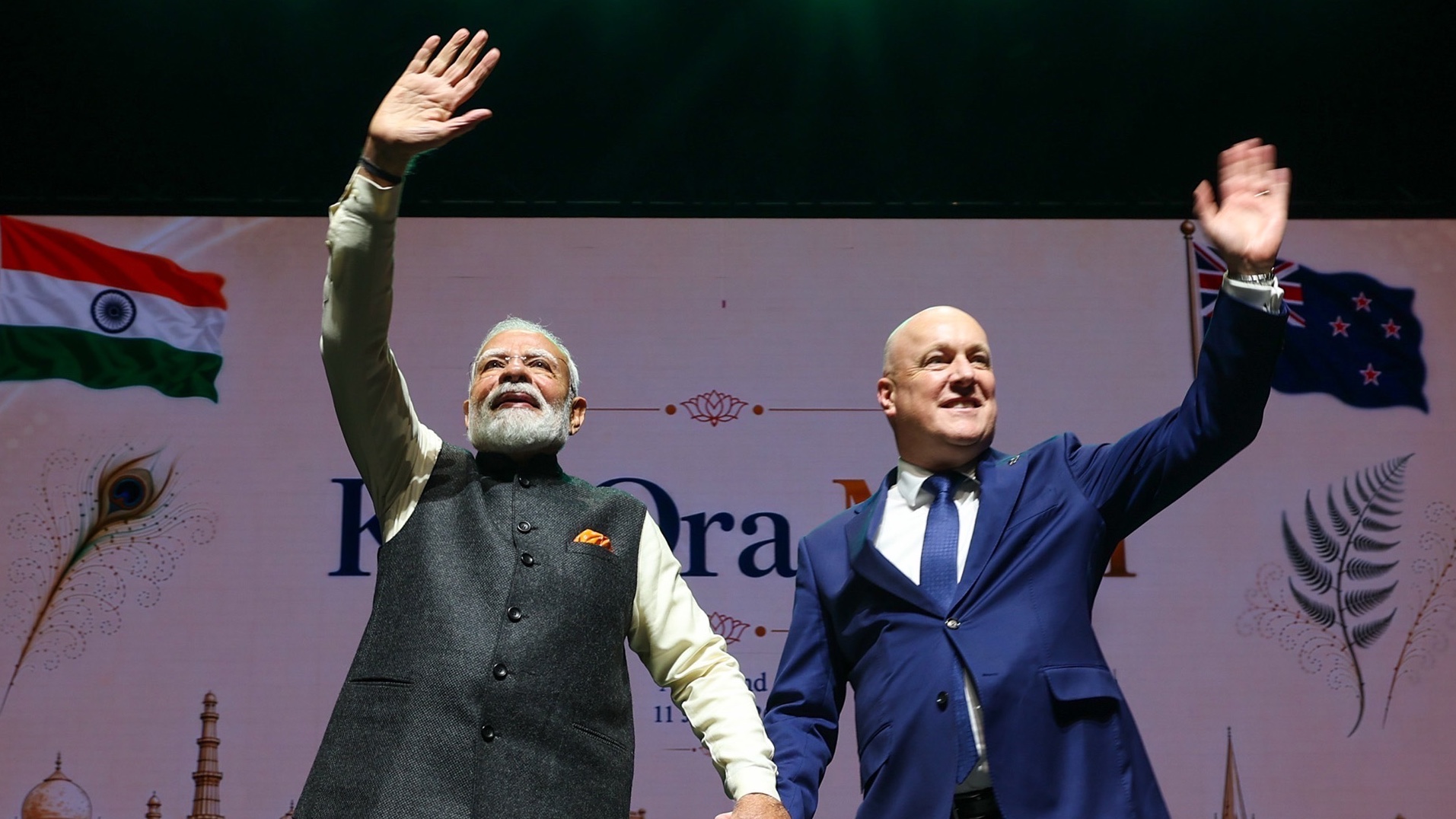
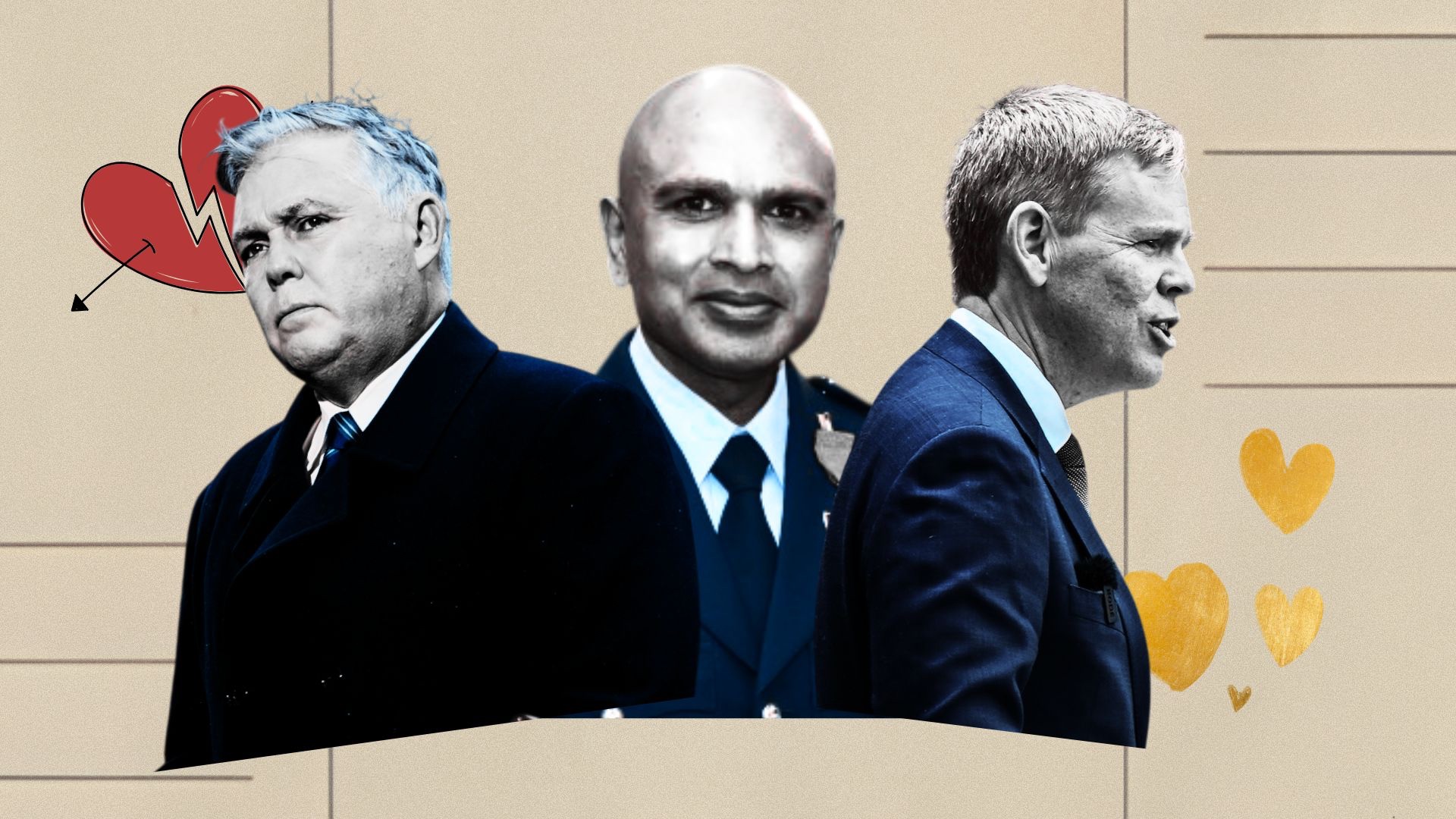
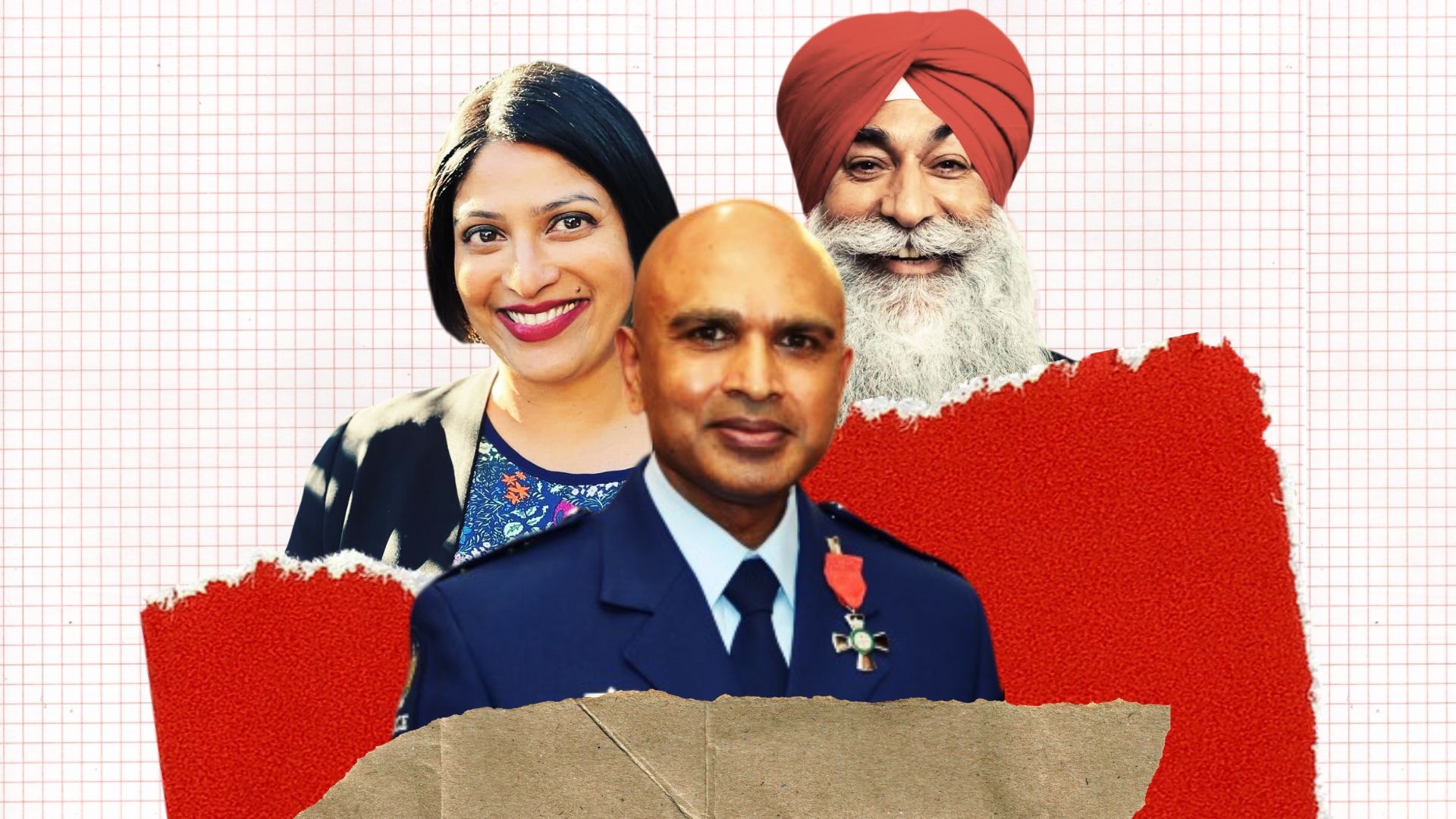
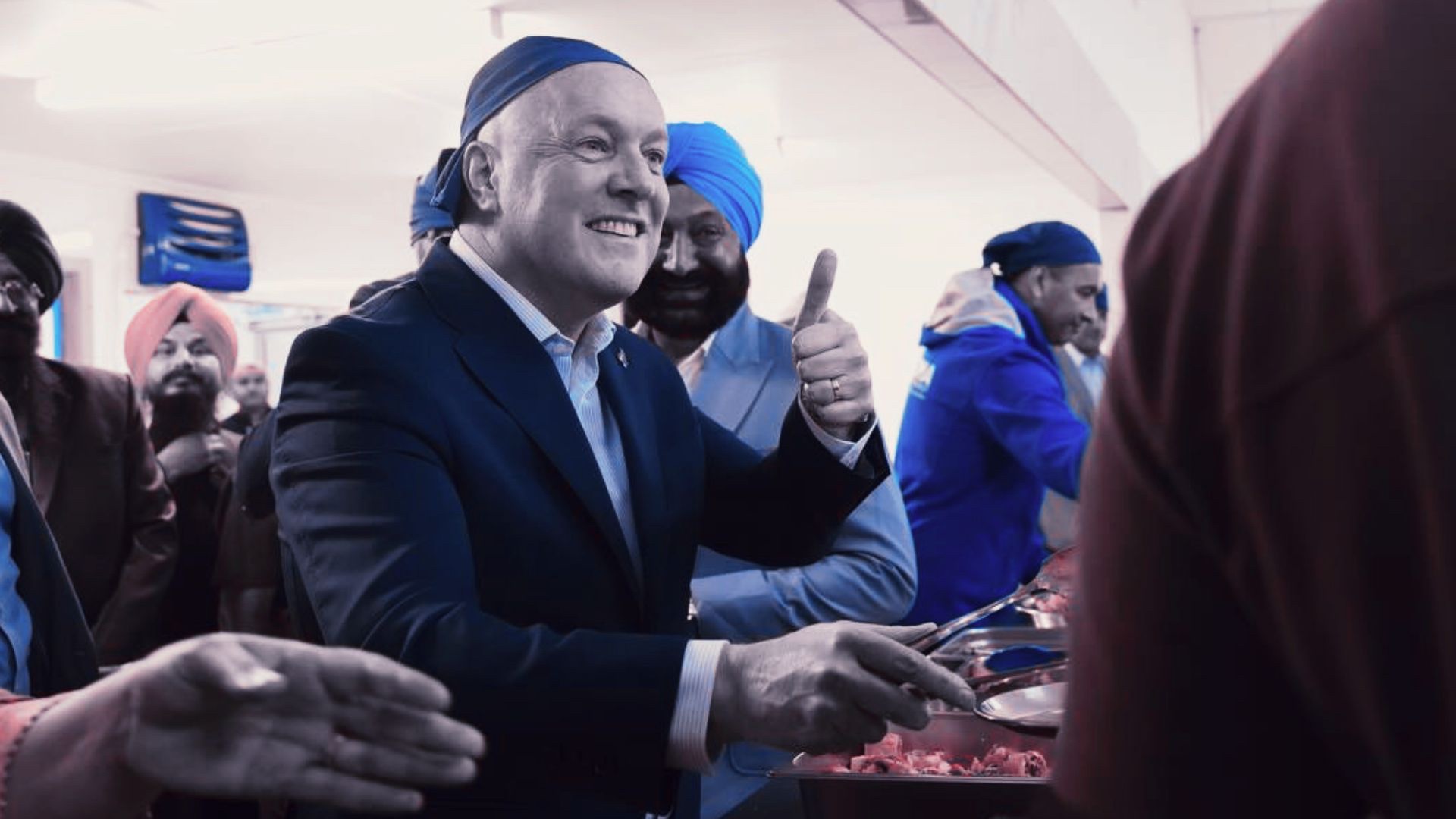
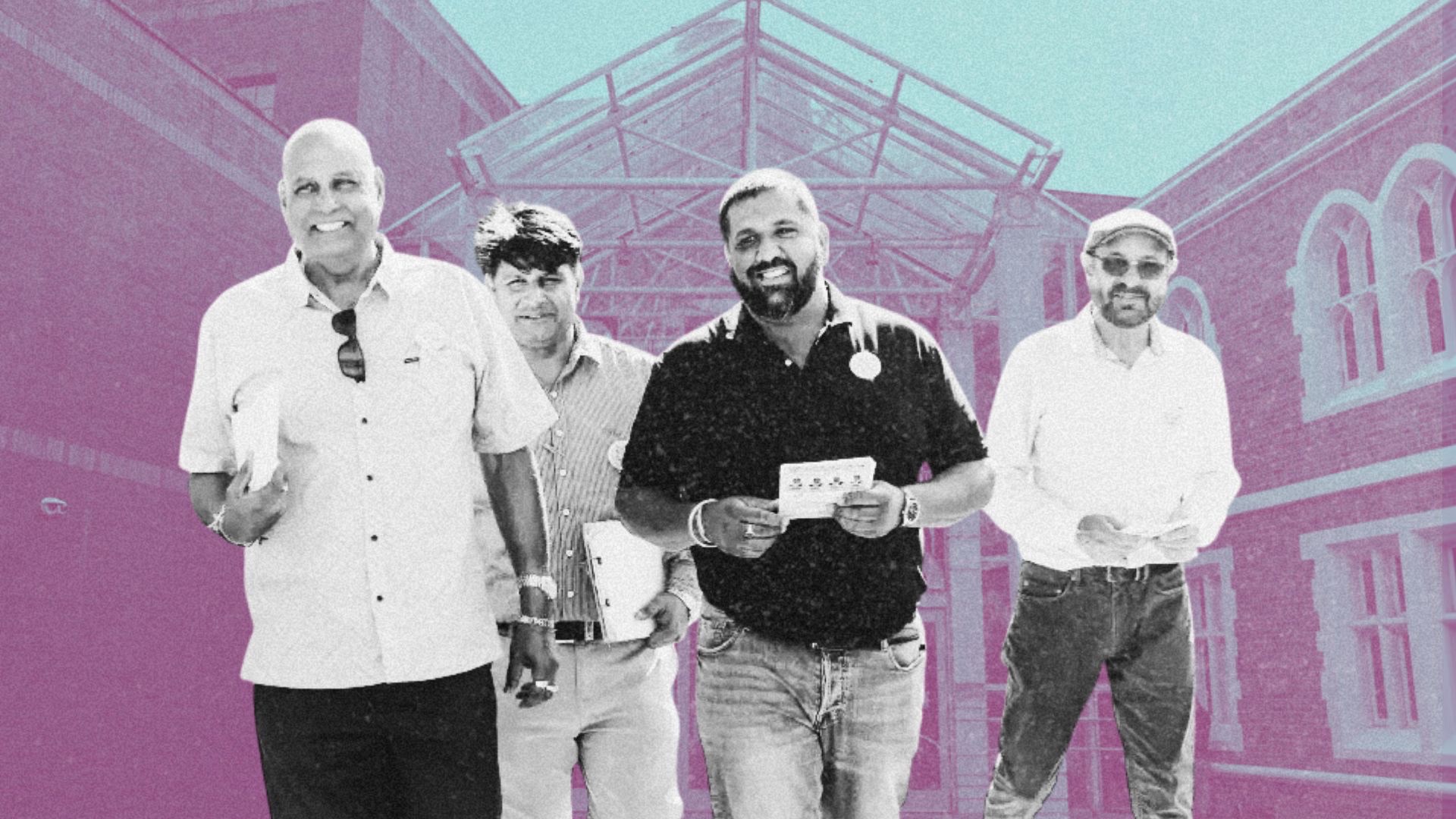
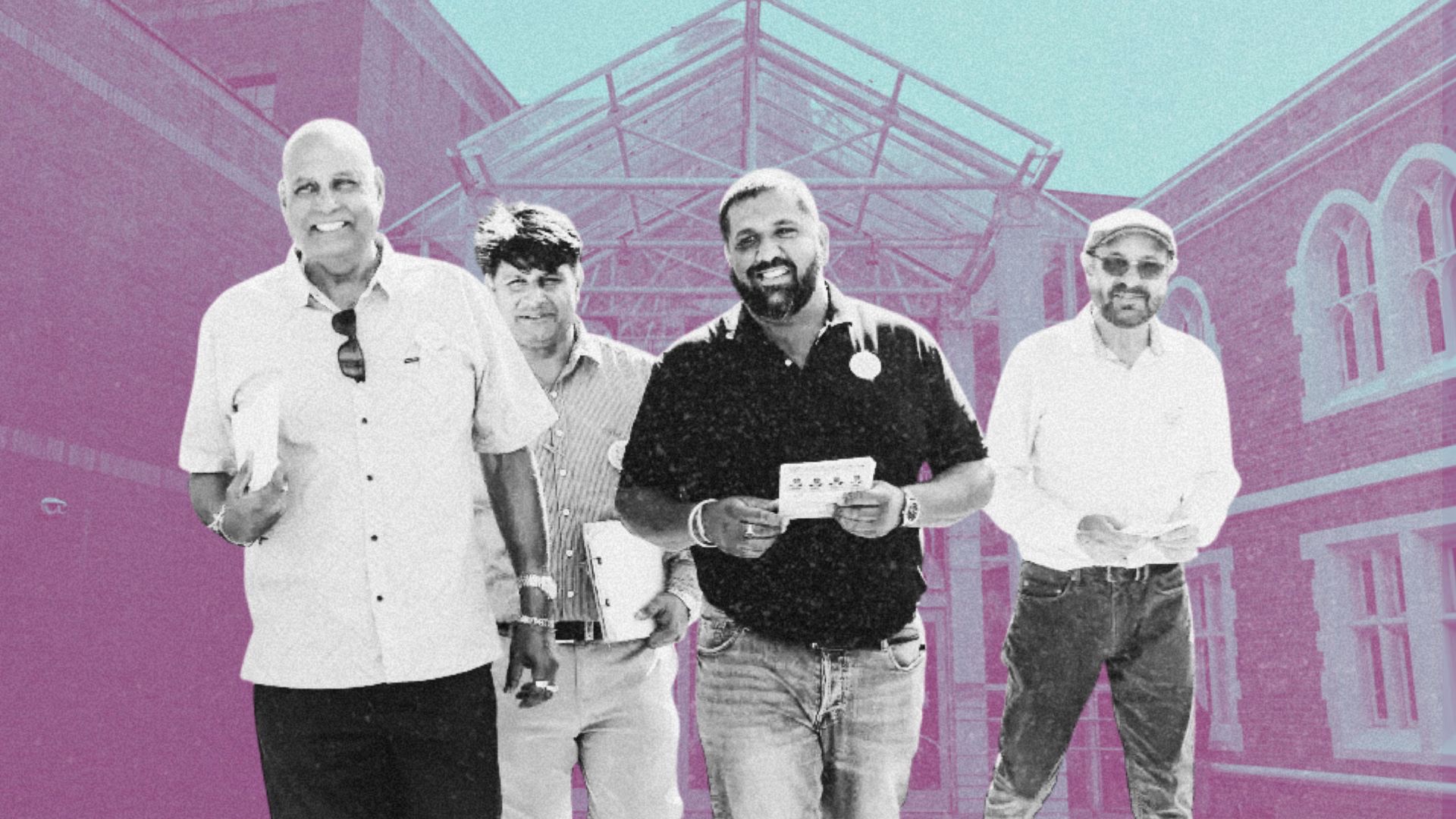
Who won, who lost, who came close: How Kiwi-Indian candidates fared on election night Narrow margins and political setbacks as Kiwi-Indian candidates battle for Parliament.
Kharag Singh trails in Takanini cliffhanger as Radhakrishnan struggles in Maungakiekie Just 796 votes separate Singh from victory in Takanini, while former minister Radhakrishnan trails by 2,746 in Maungakiekie.
Mahesh Muralidhar makes history as National's first Indian-origin electorate MP A calculated move to Tāmaki, years of groundwork and a campaign backed by National's top leadership have paid off.
She finished fifth of five. The party received 91 party votes there. Even its best candidate result came with the awkward qualification of finishing last.
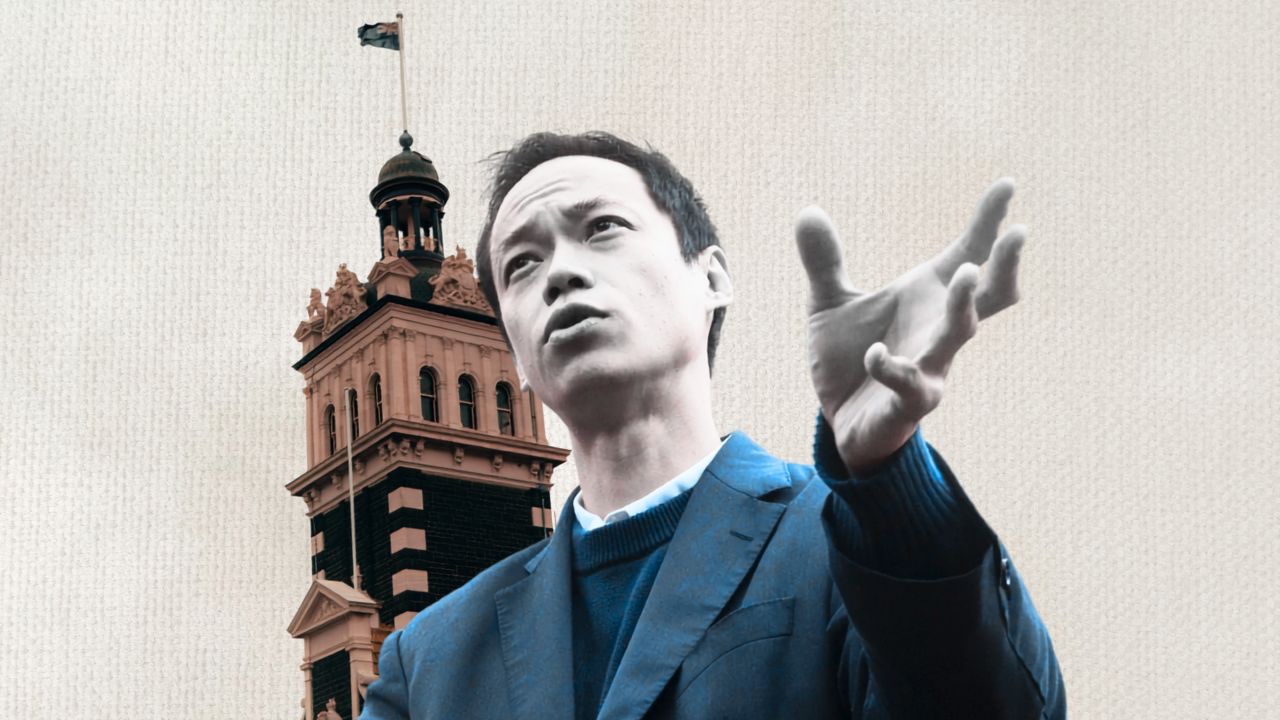
Karl Mokaraka received 242 candidate votes in the south Auckland electorate of Ōtāhuhu, finishing sixth of 10. Naomi Maclean received 123 in the lower South Island electorate of Southland, finishing last.
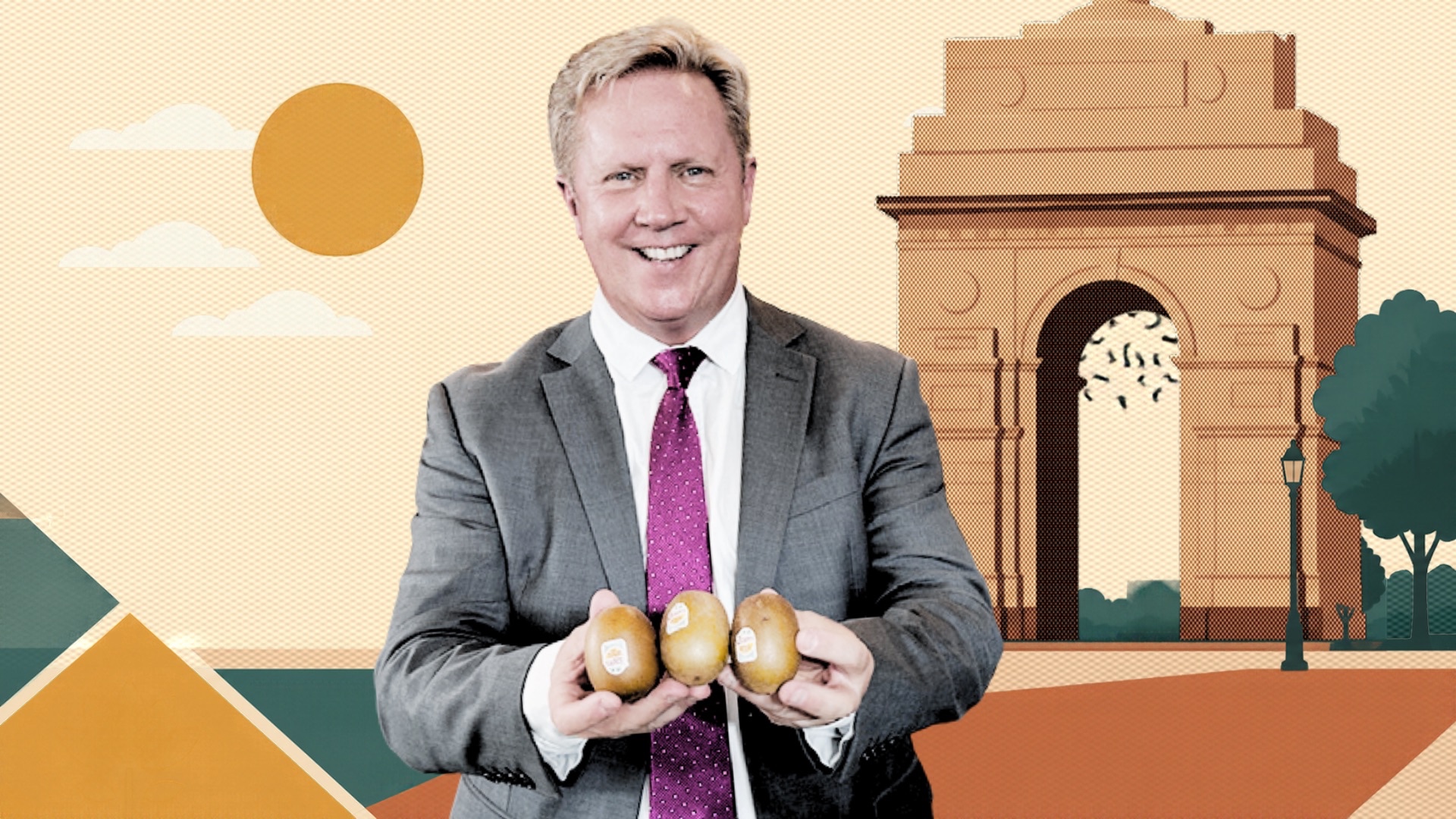
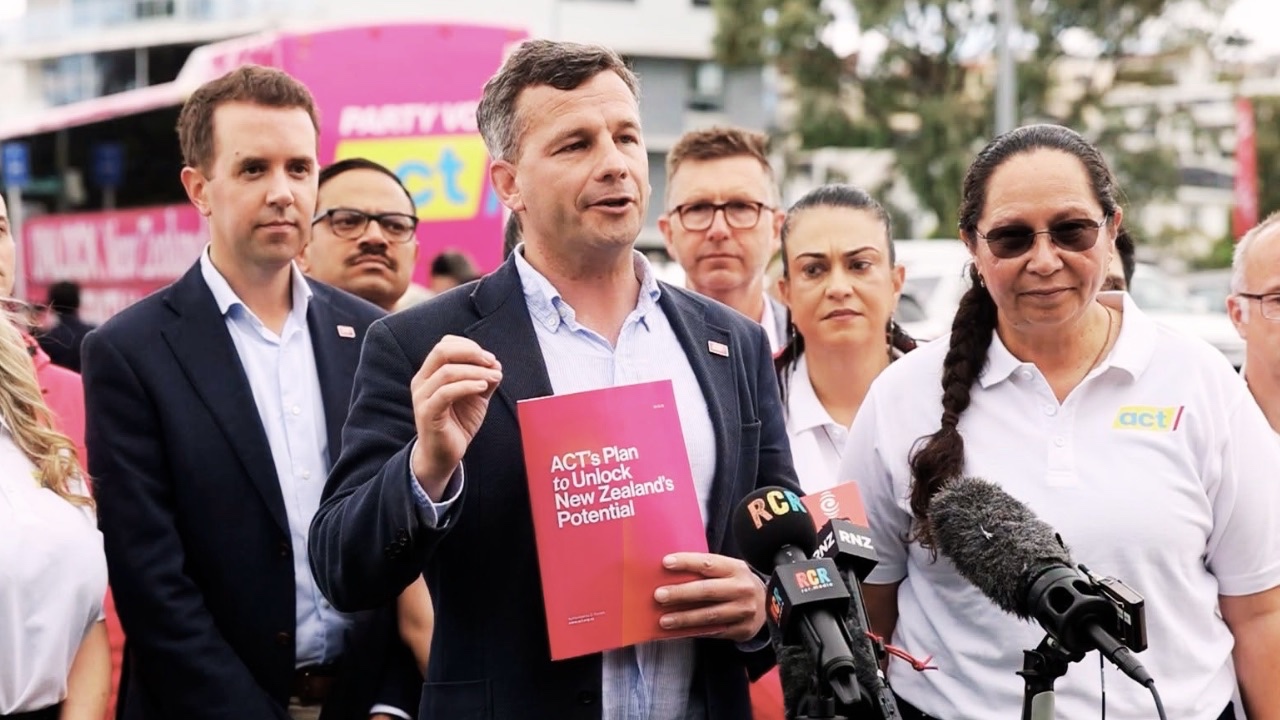
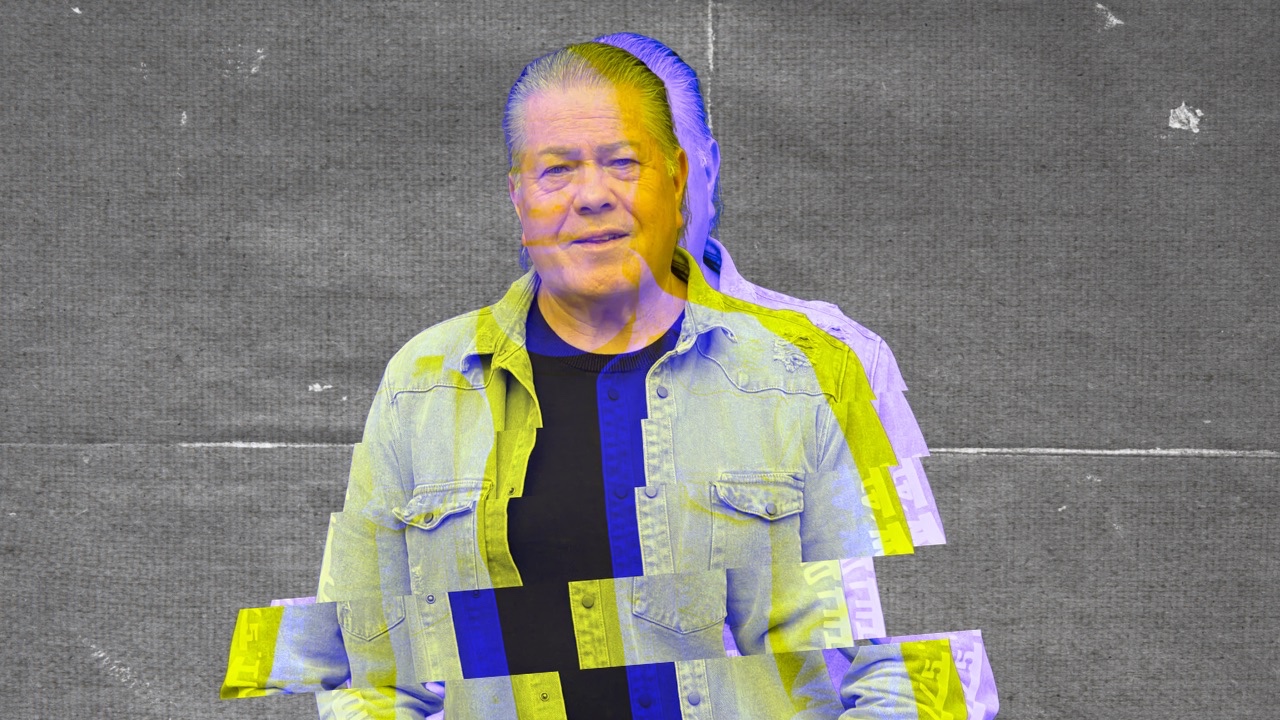
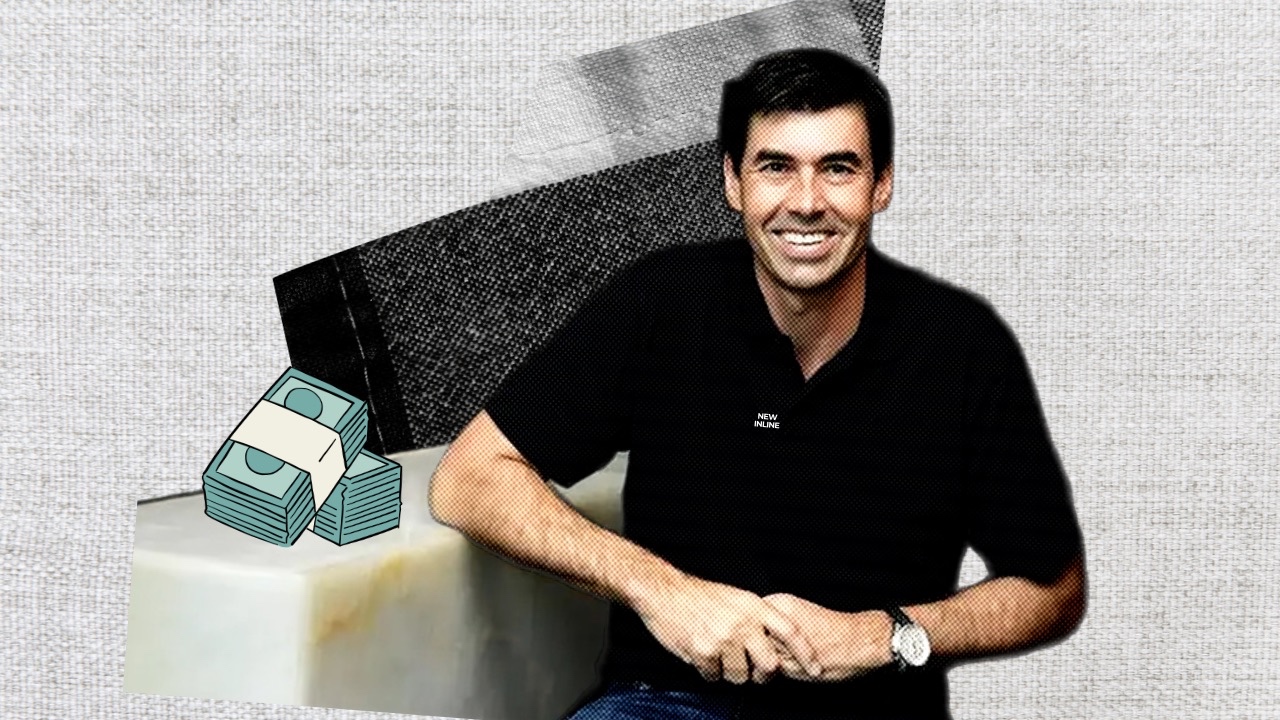
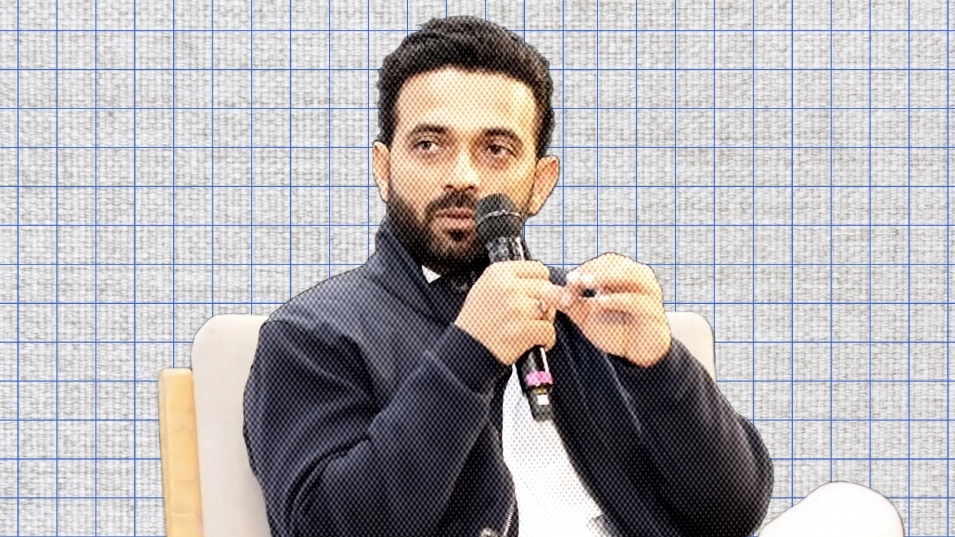
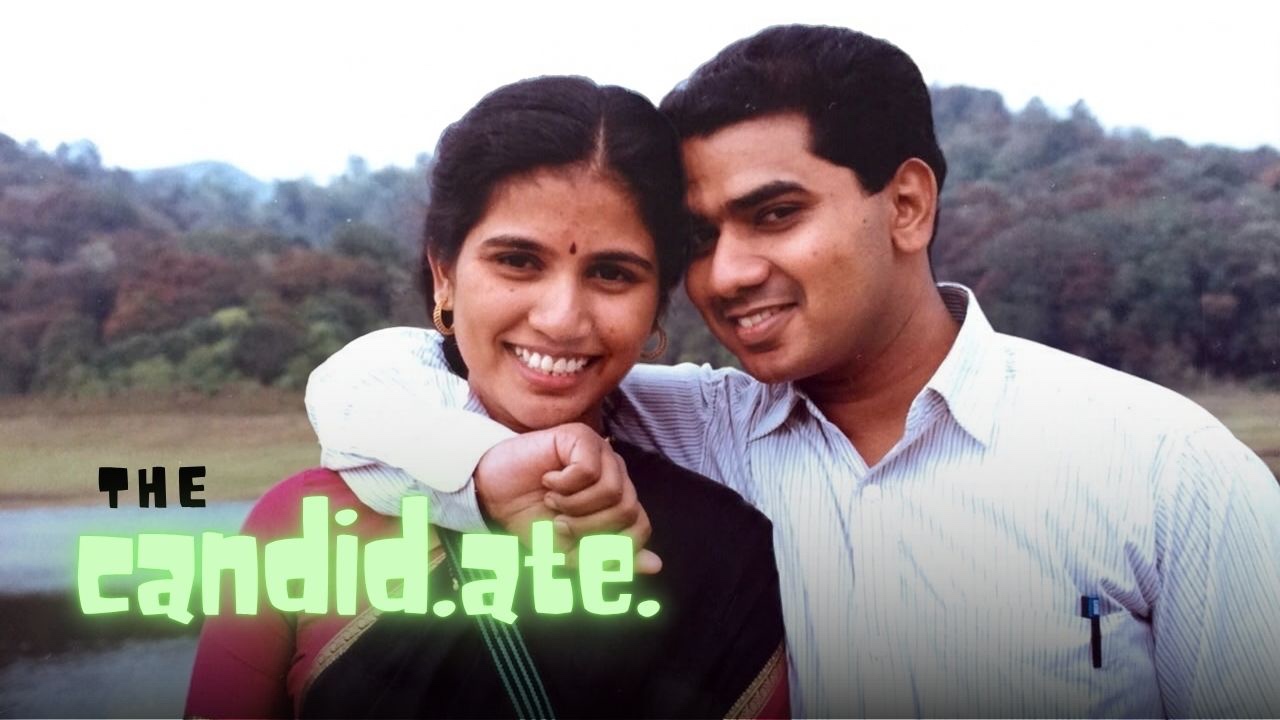
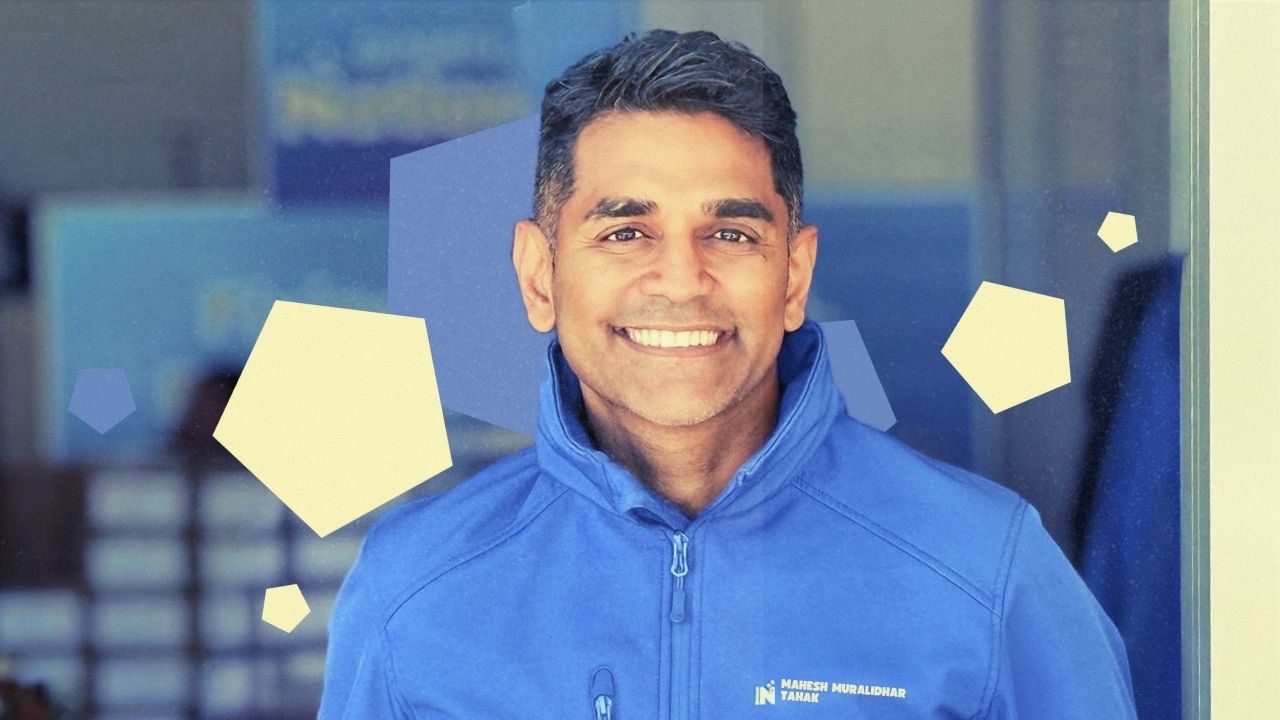
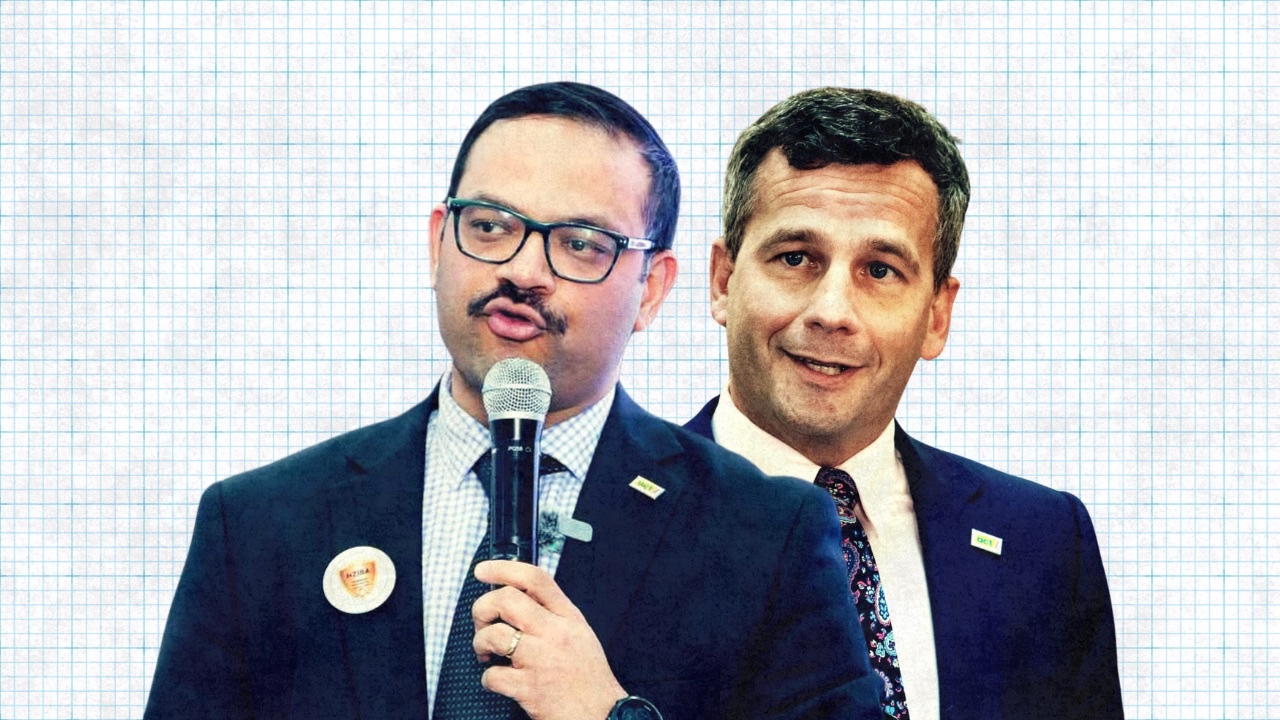
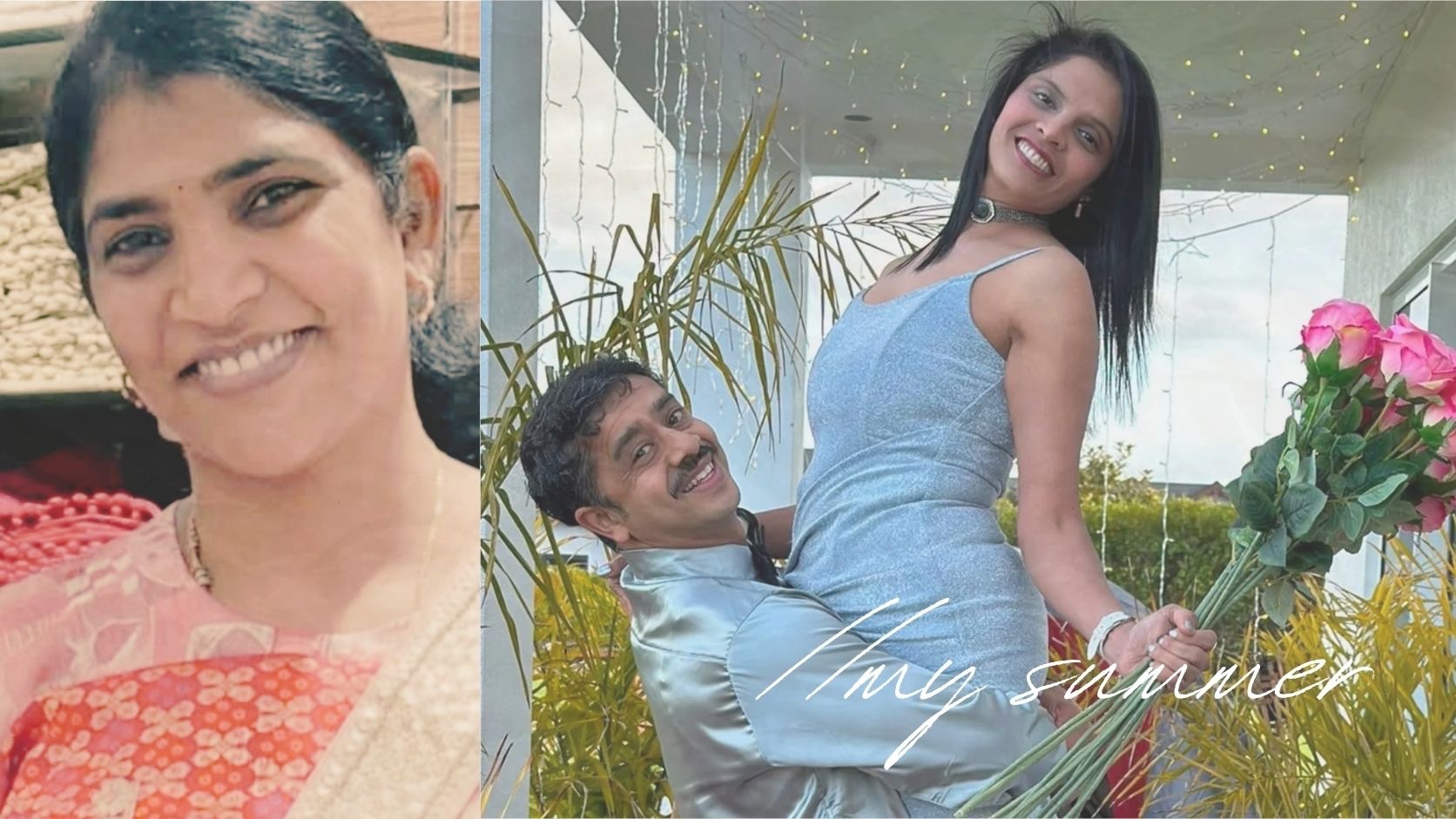
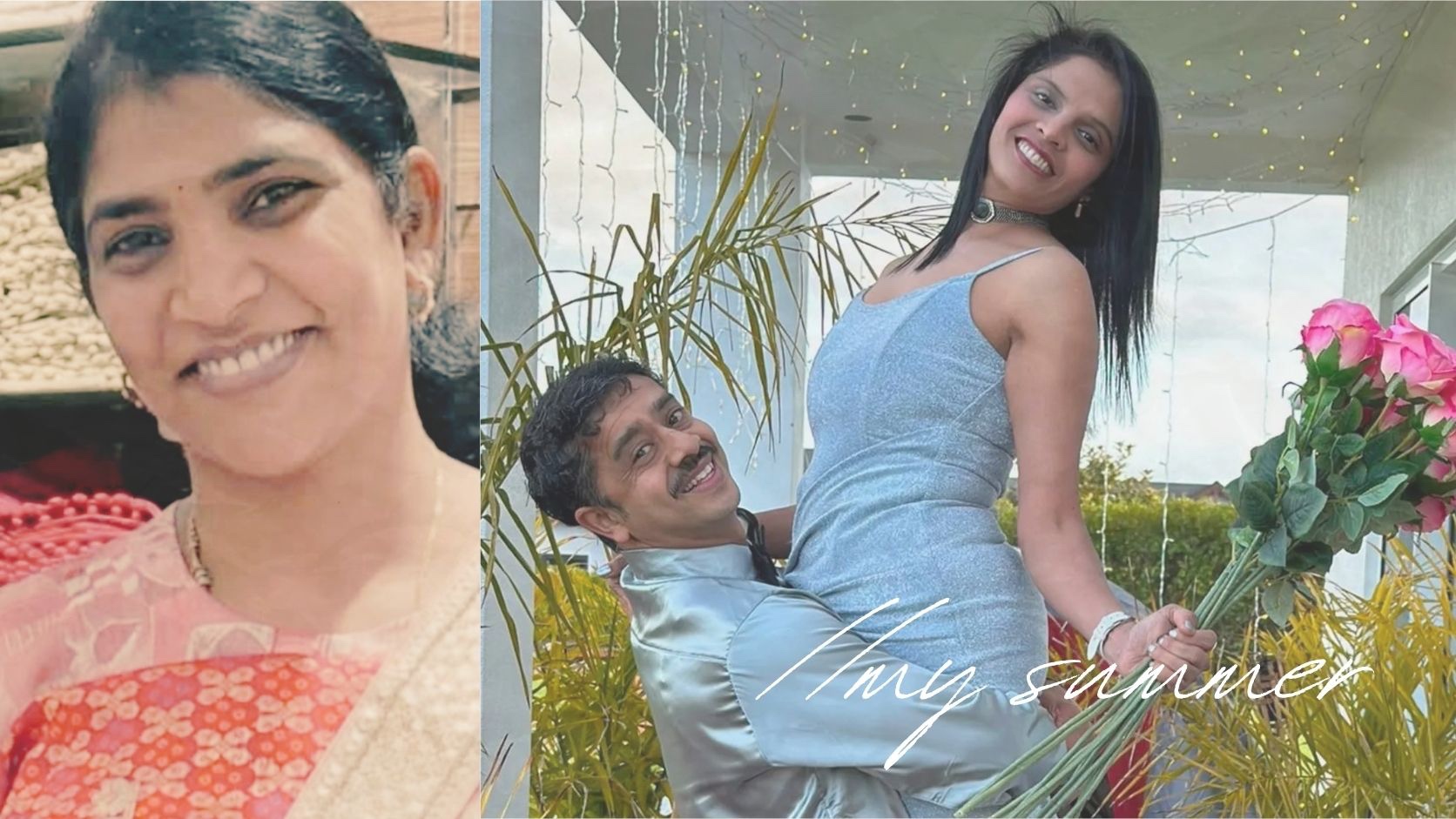
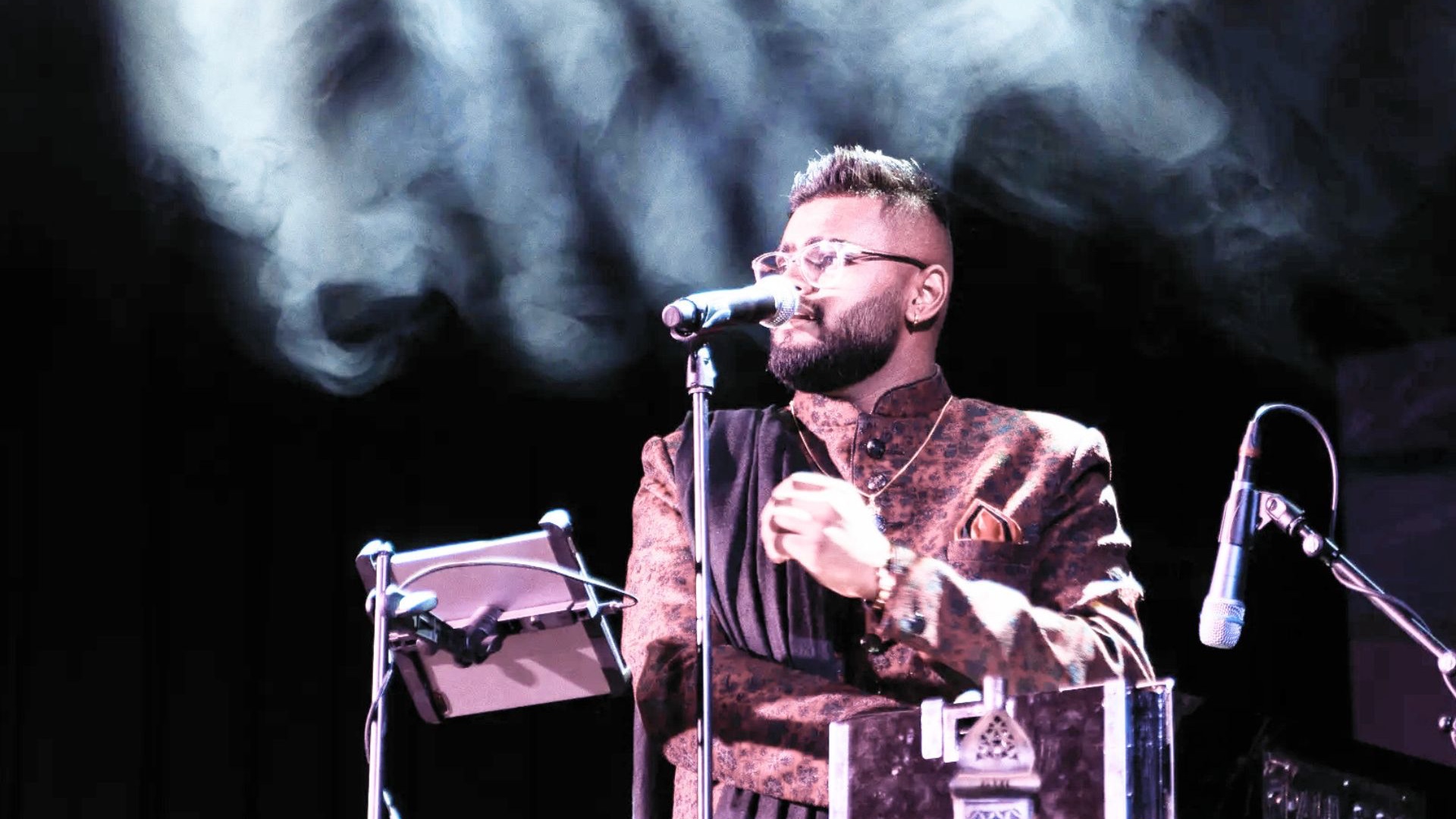
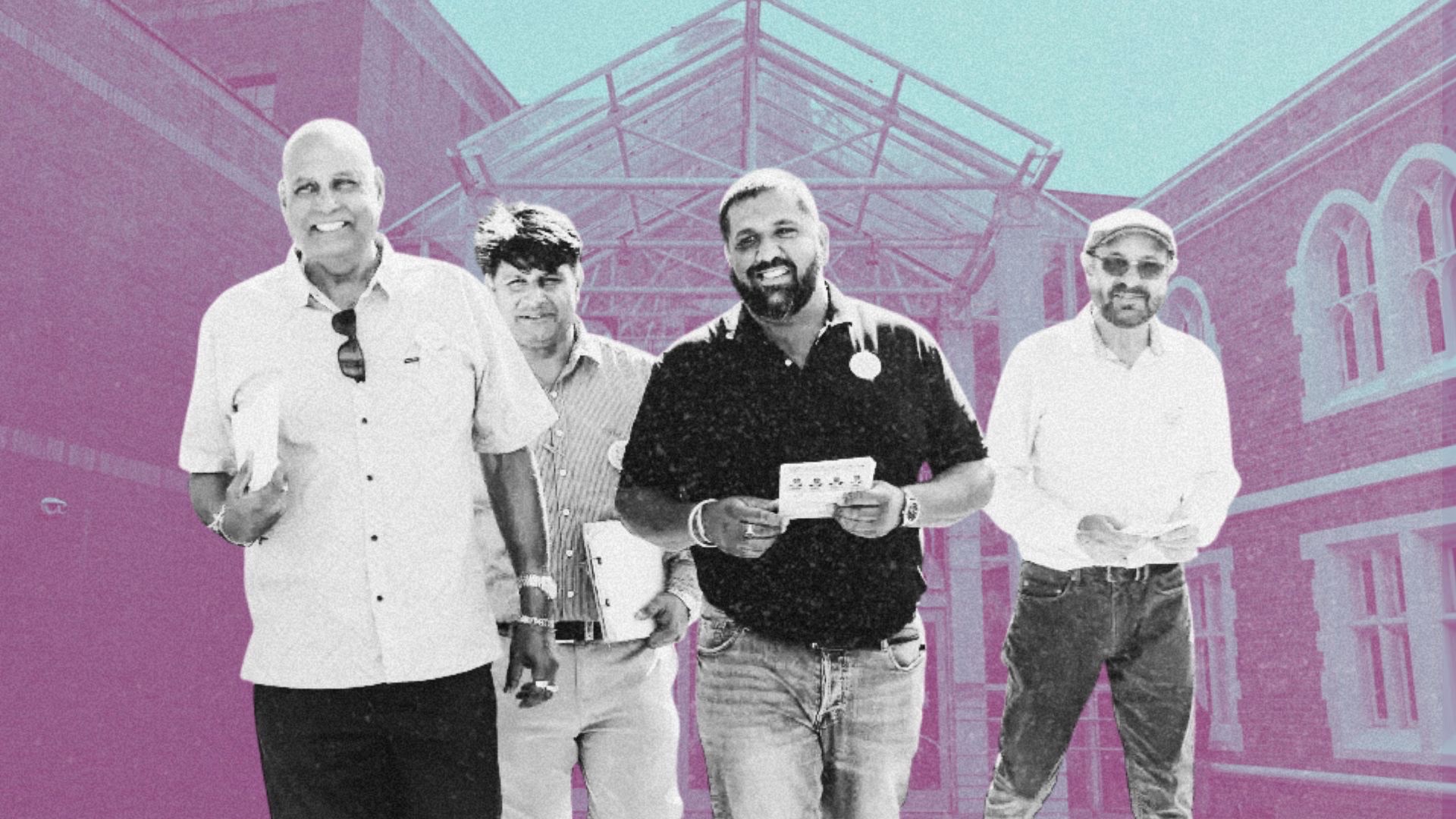
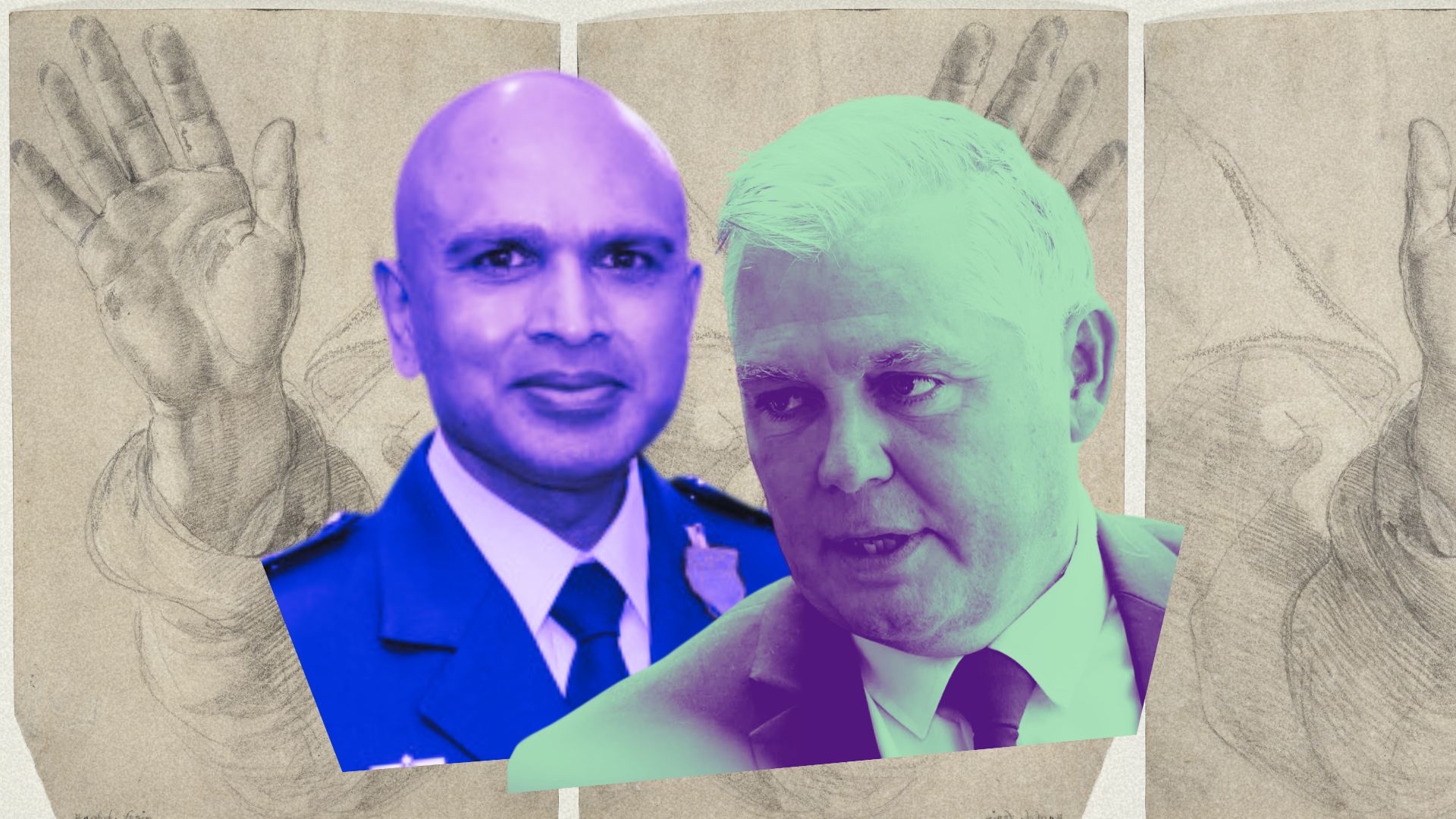
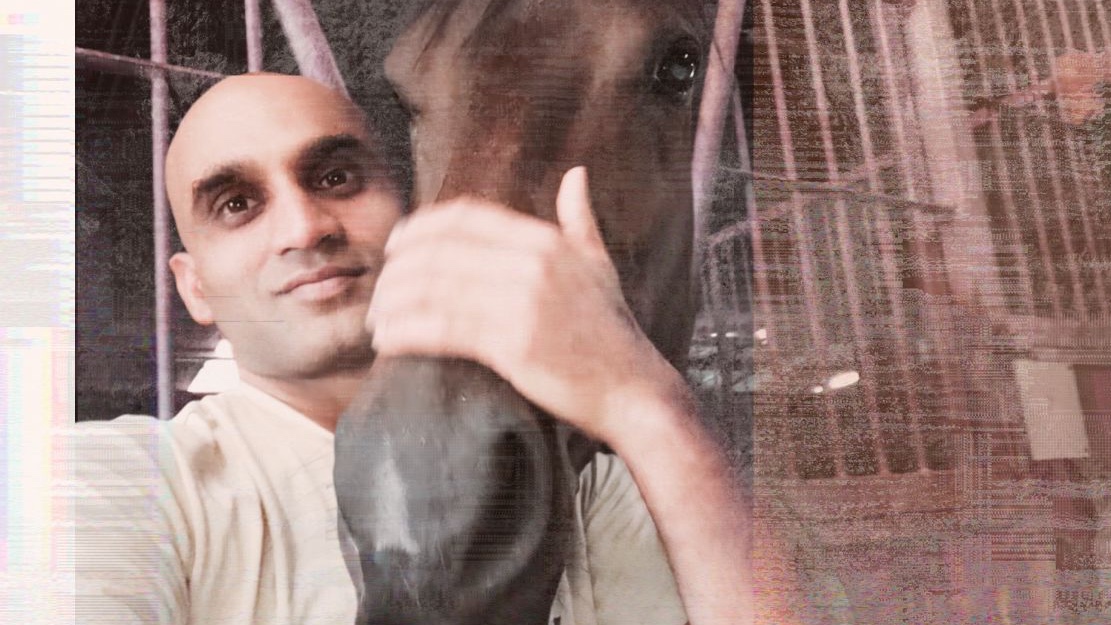
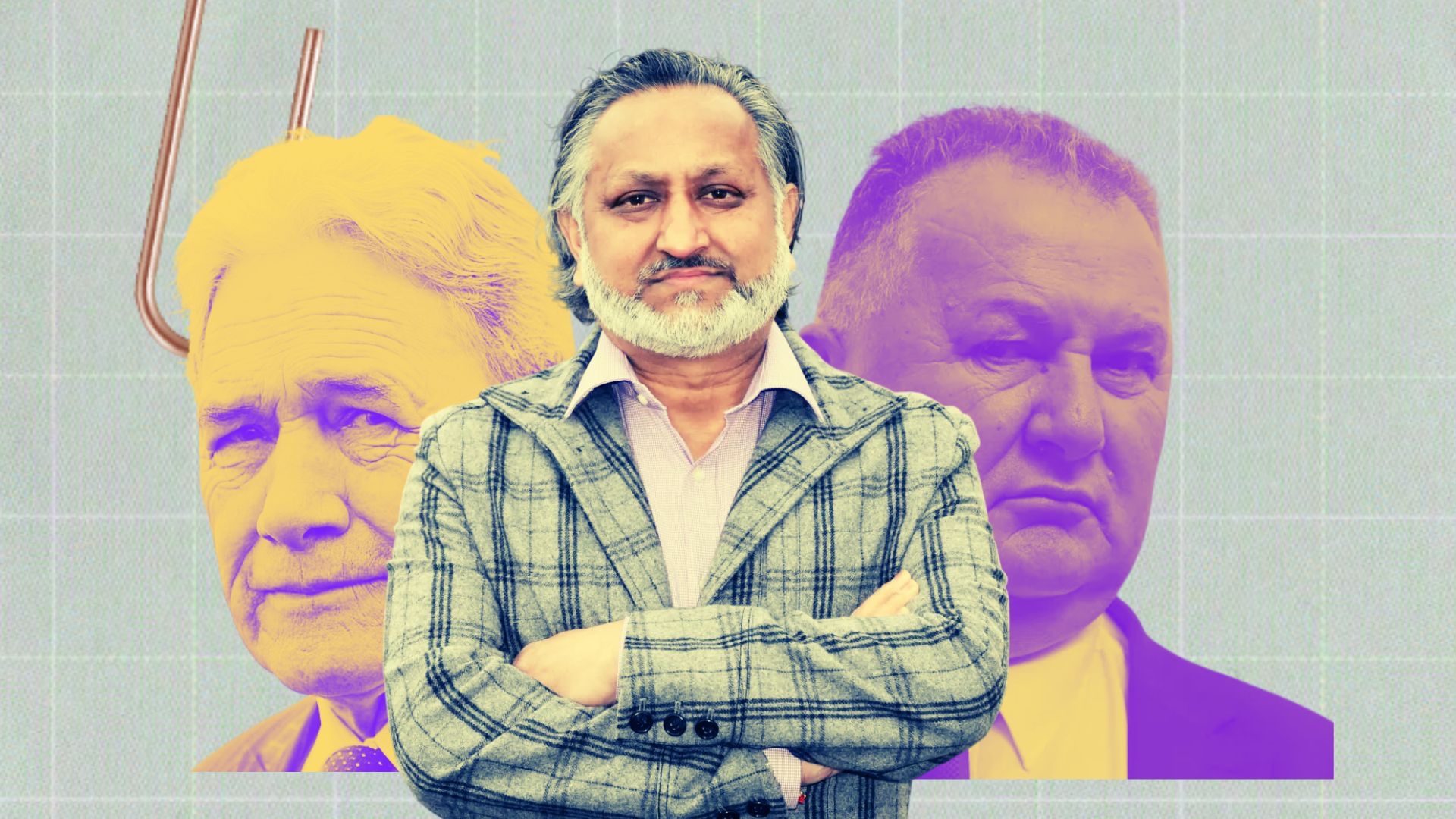
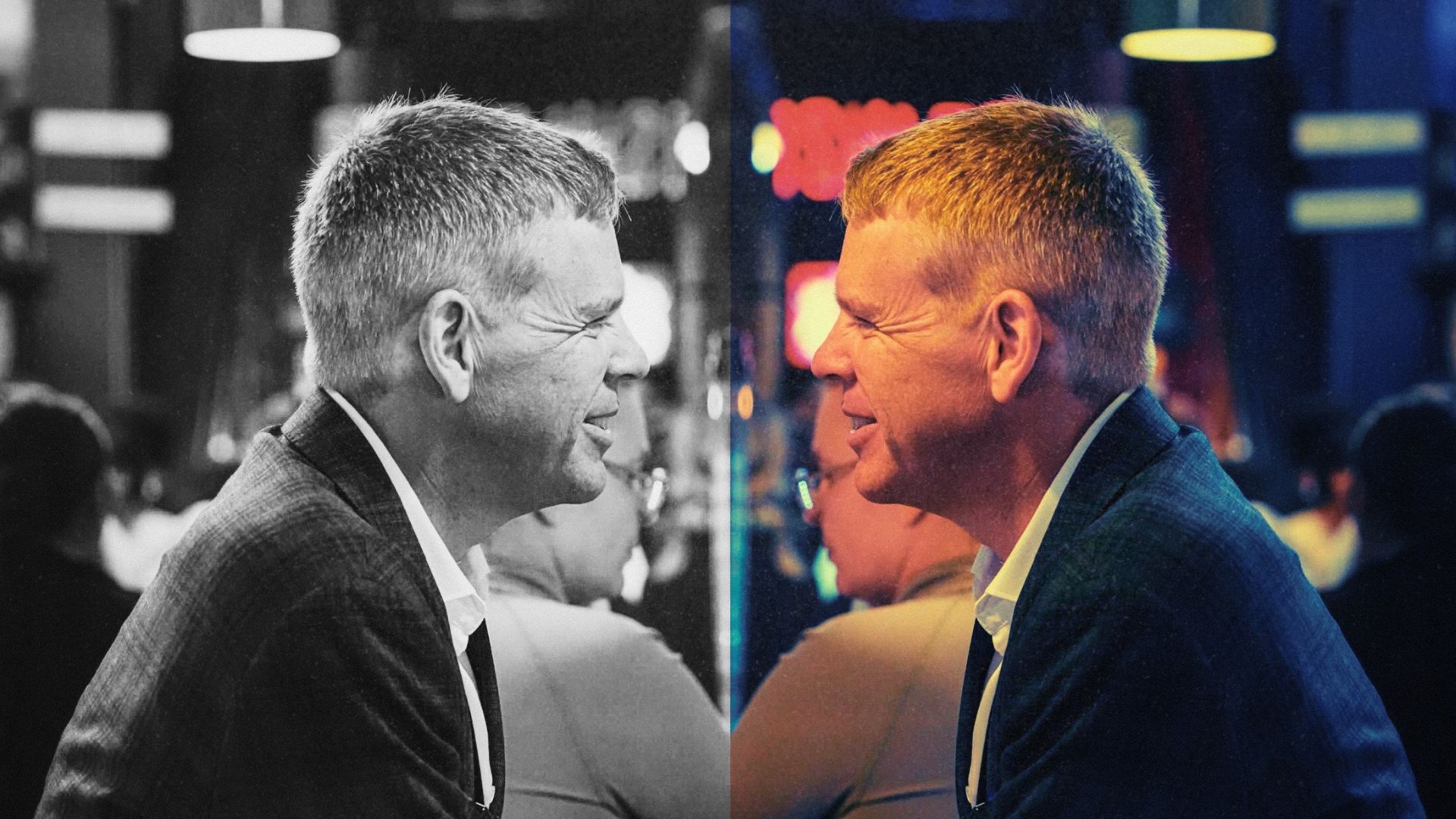
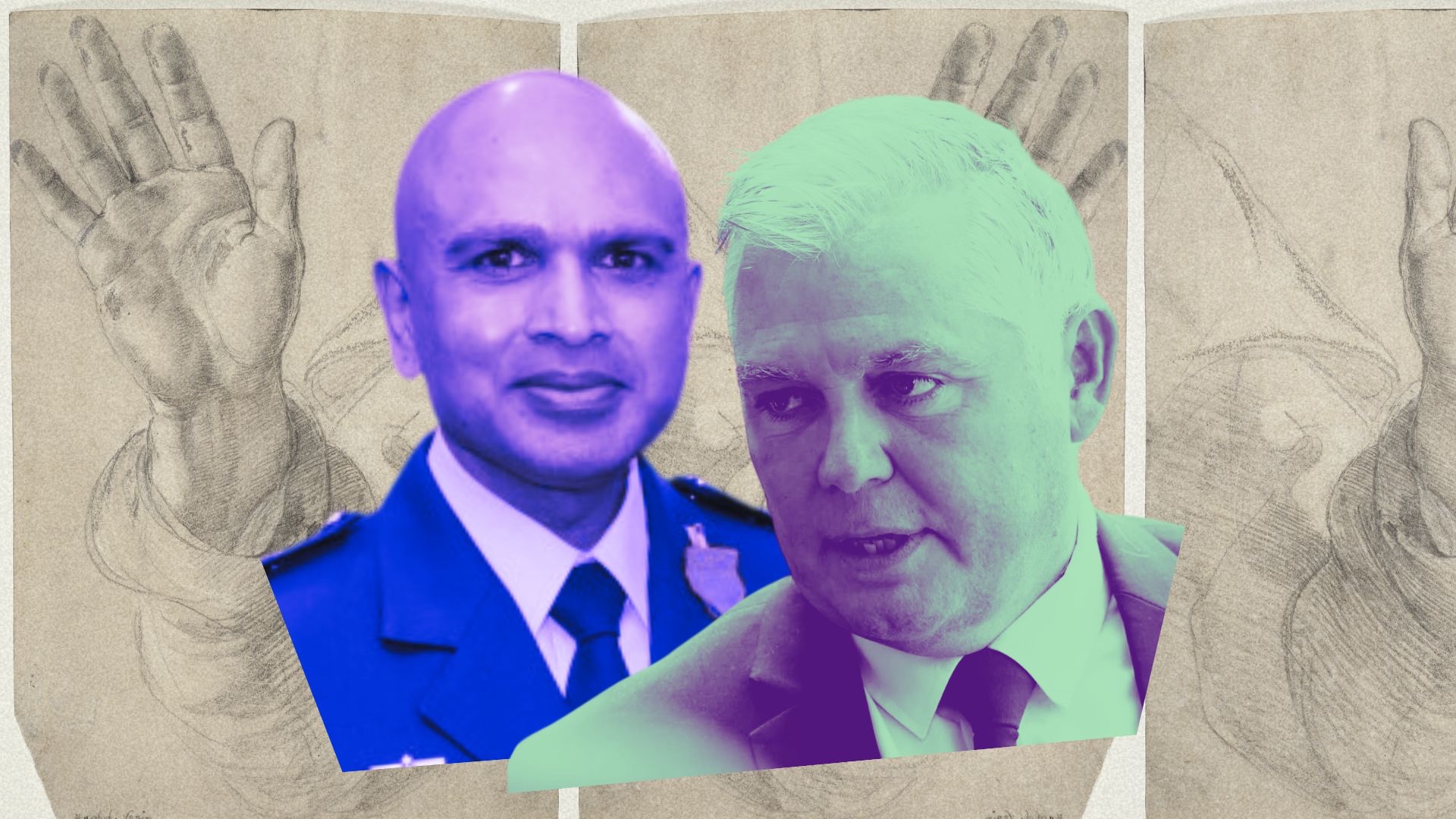
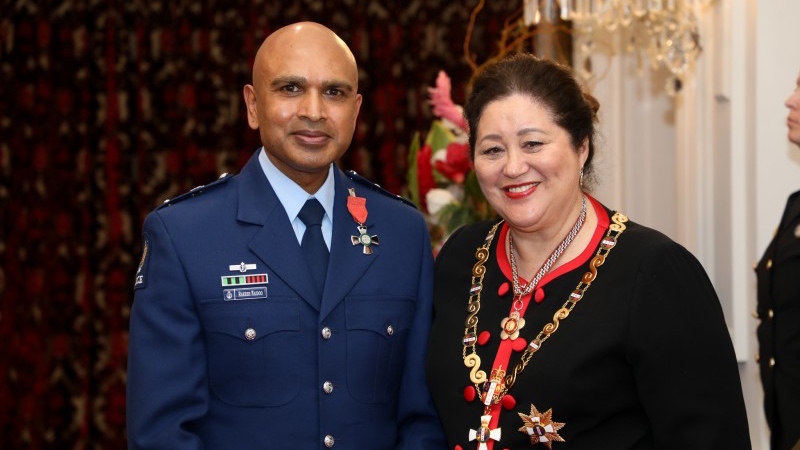
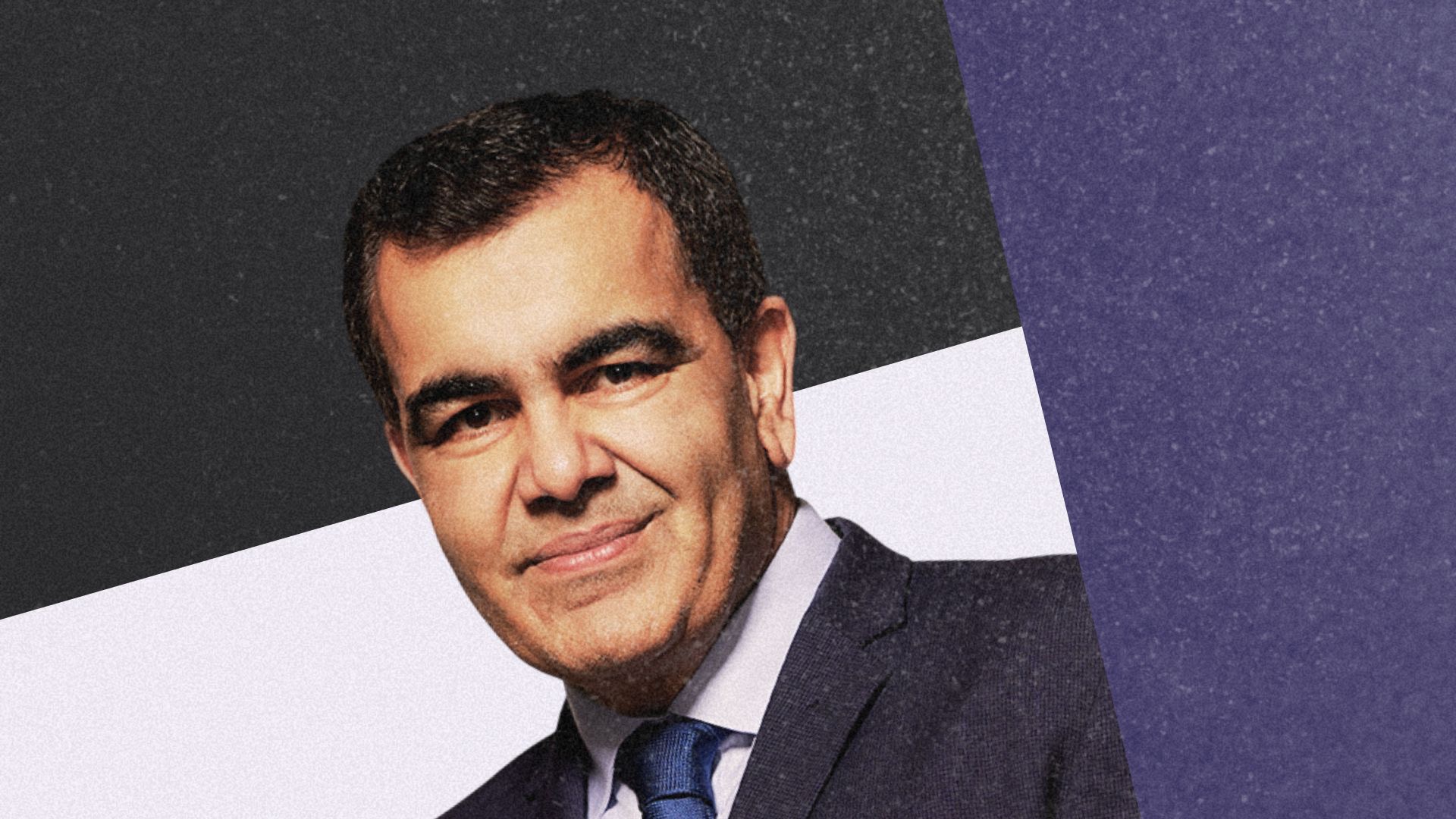
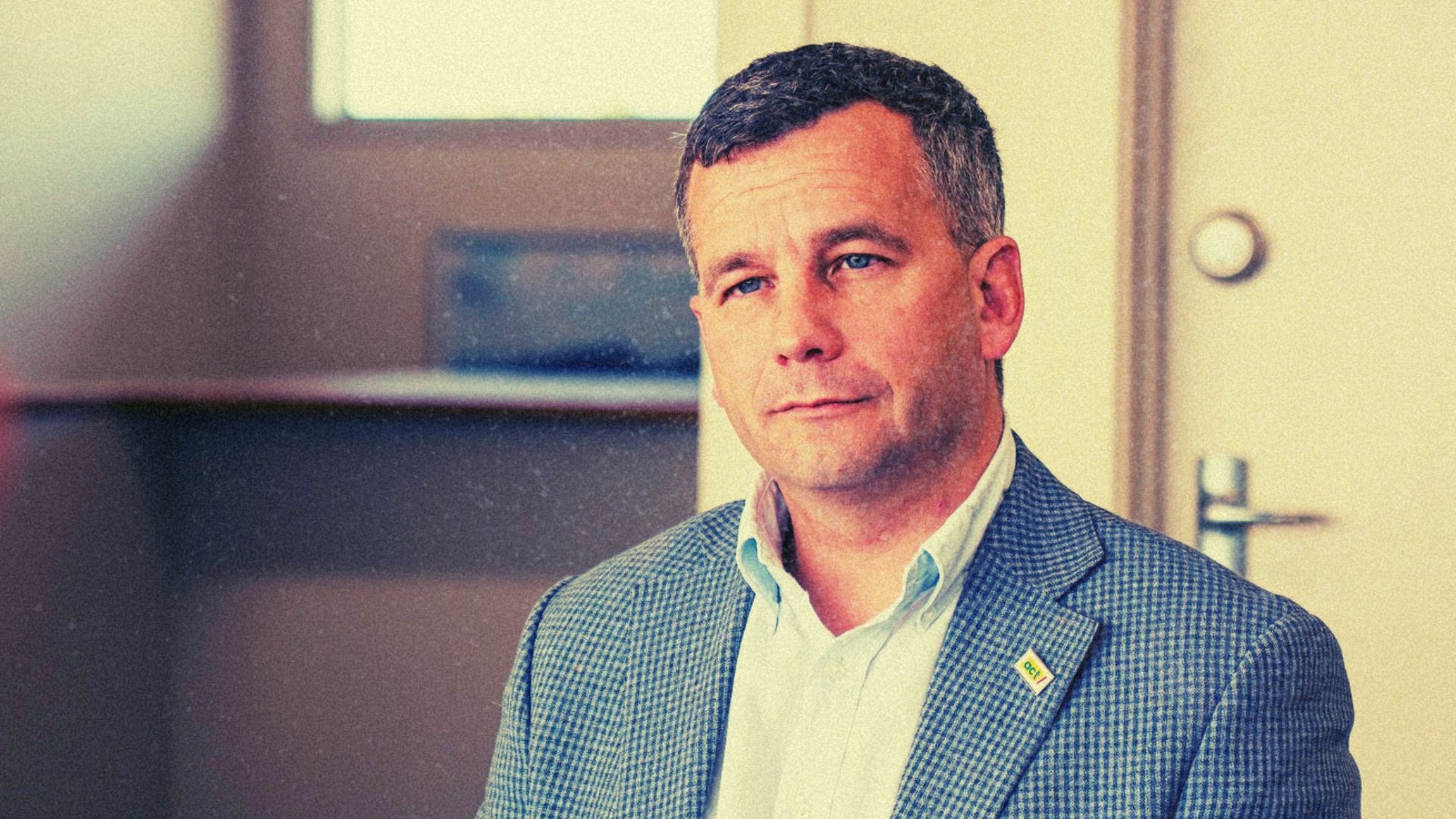
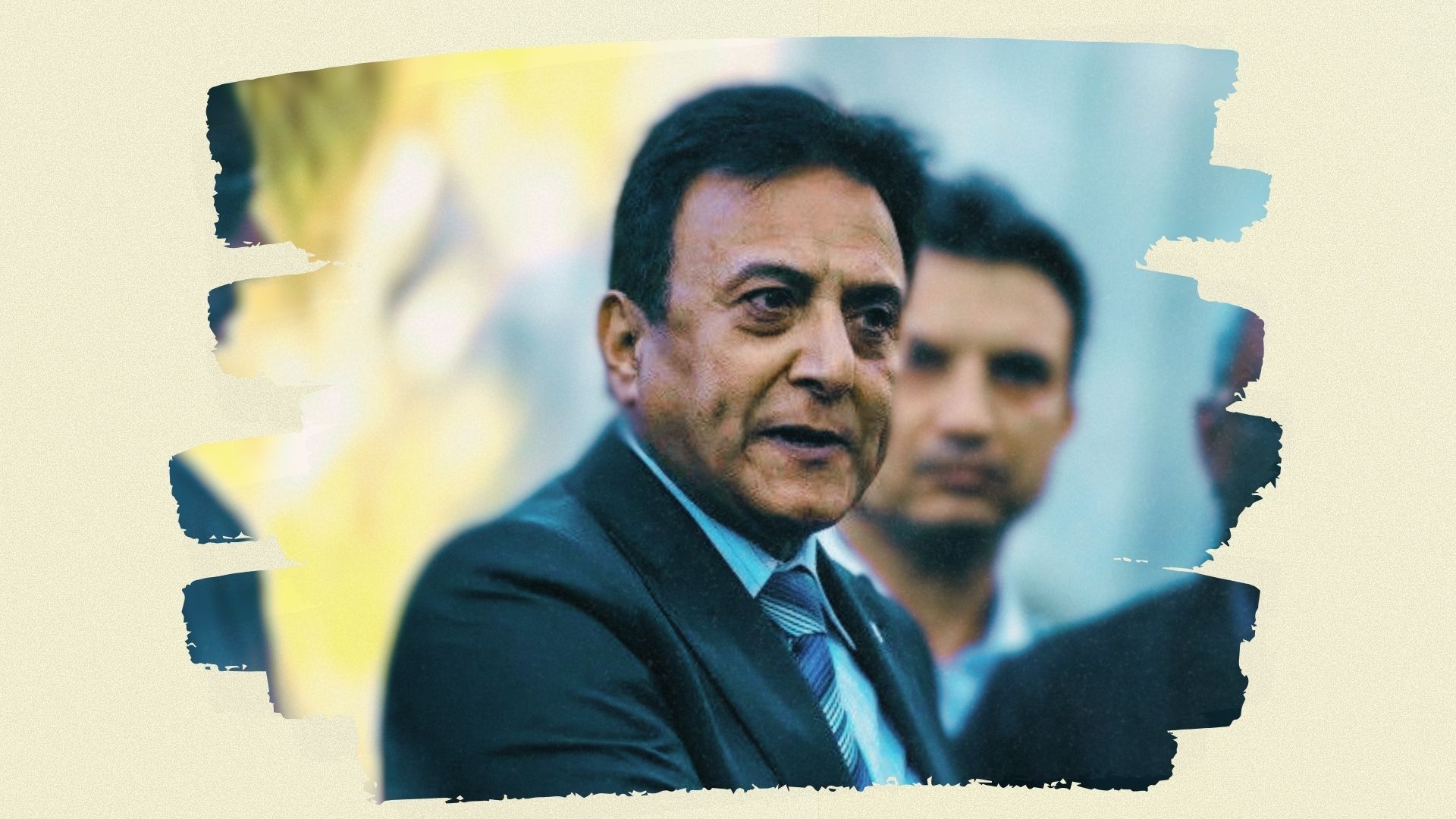
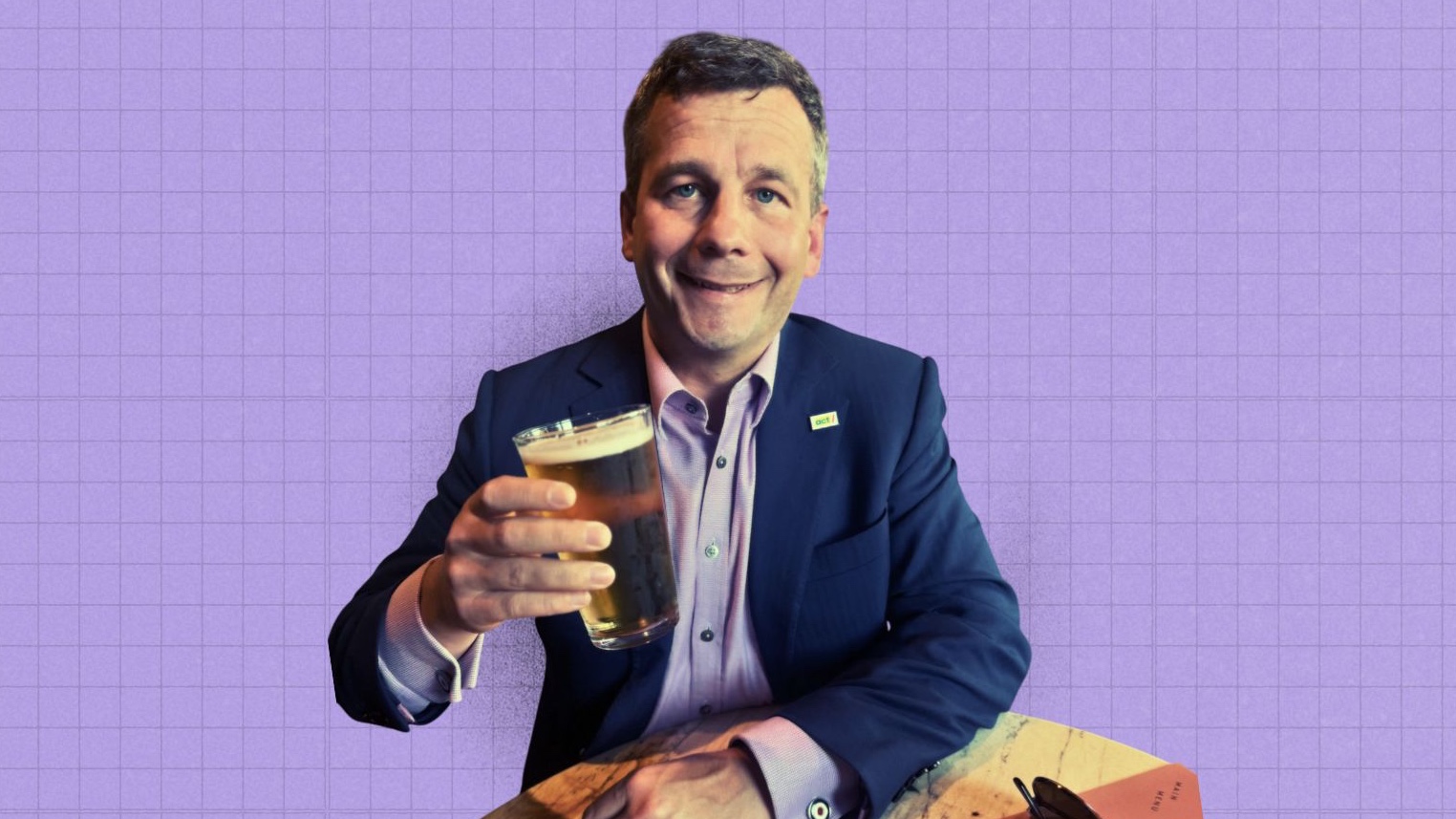
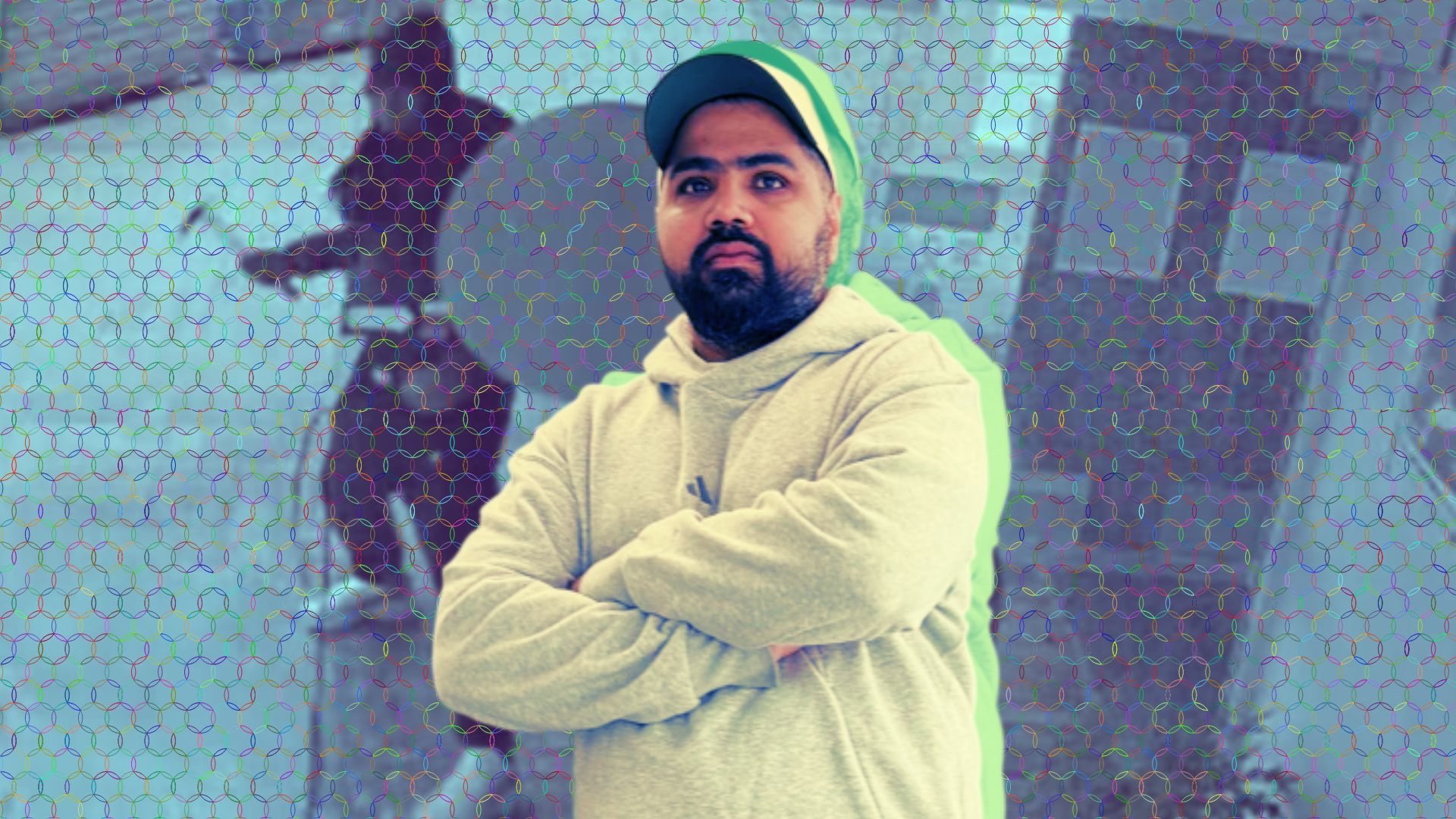
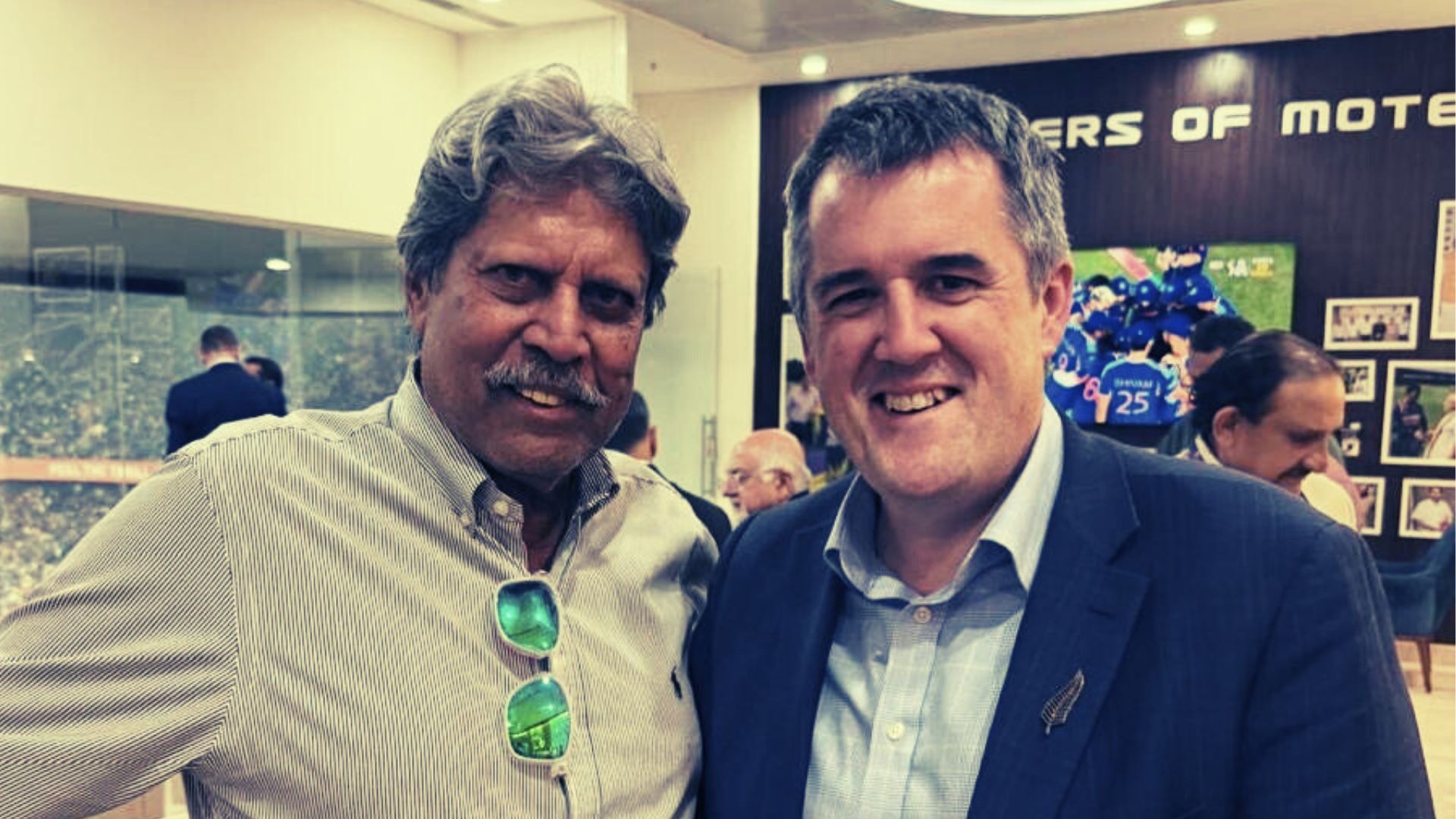
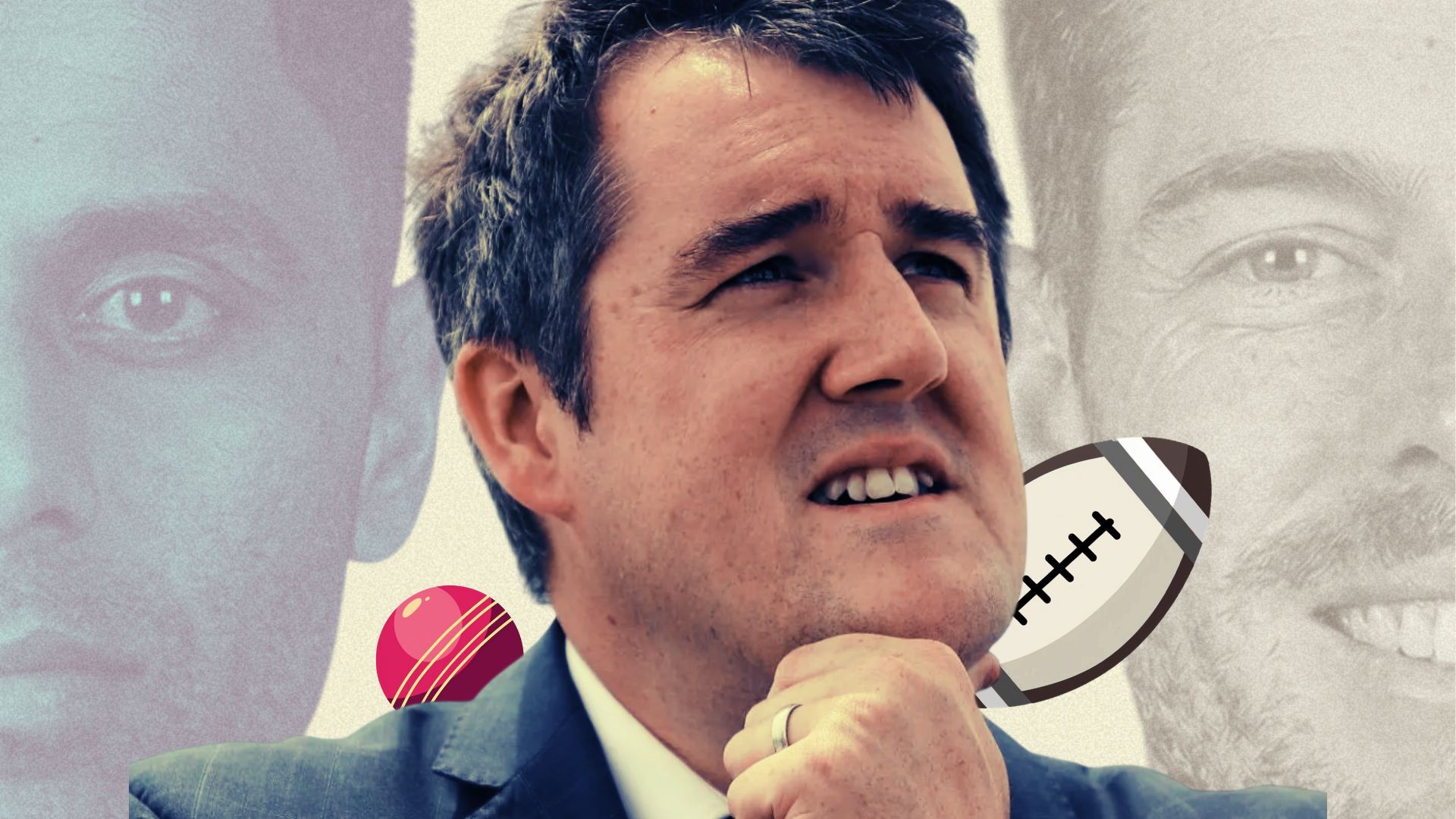
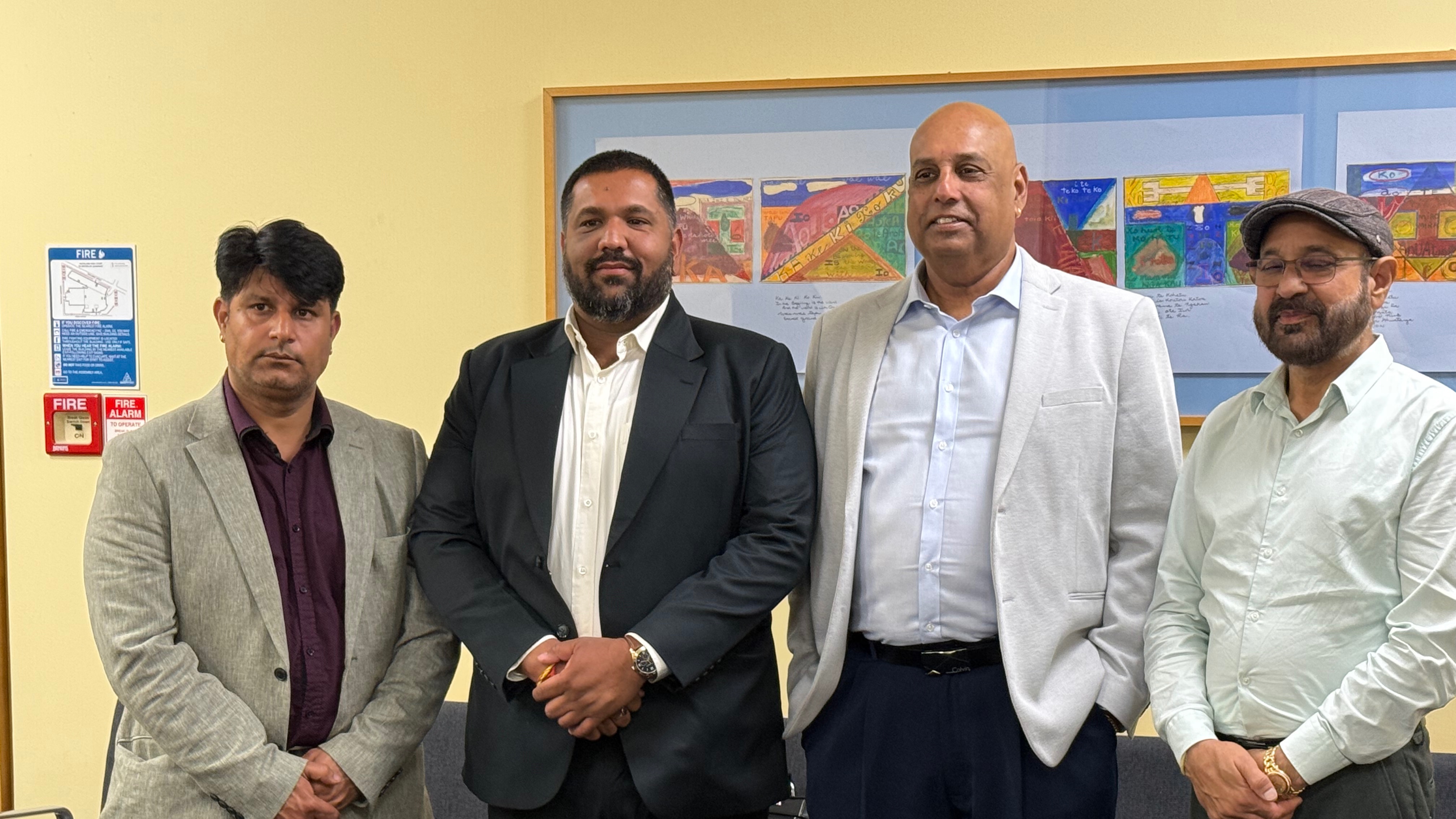
In the central Auckland electorate of Epsom, its Kiwi-Indian candidate Sawan Jerry polled just 22 – the fewest of all 469 electorate candidates who contested the election. Another last.
Across its four electorates, Vision NZ’s candidates collected 857 votes, with three finishing last. For a party associated with so much public volume, the ballot box delivered a remarkably quiet reply.

Mandate falls (far) short of the rhetoric
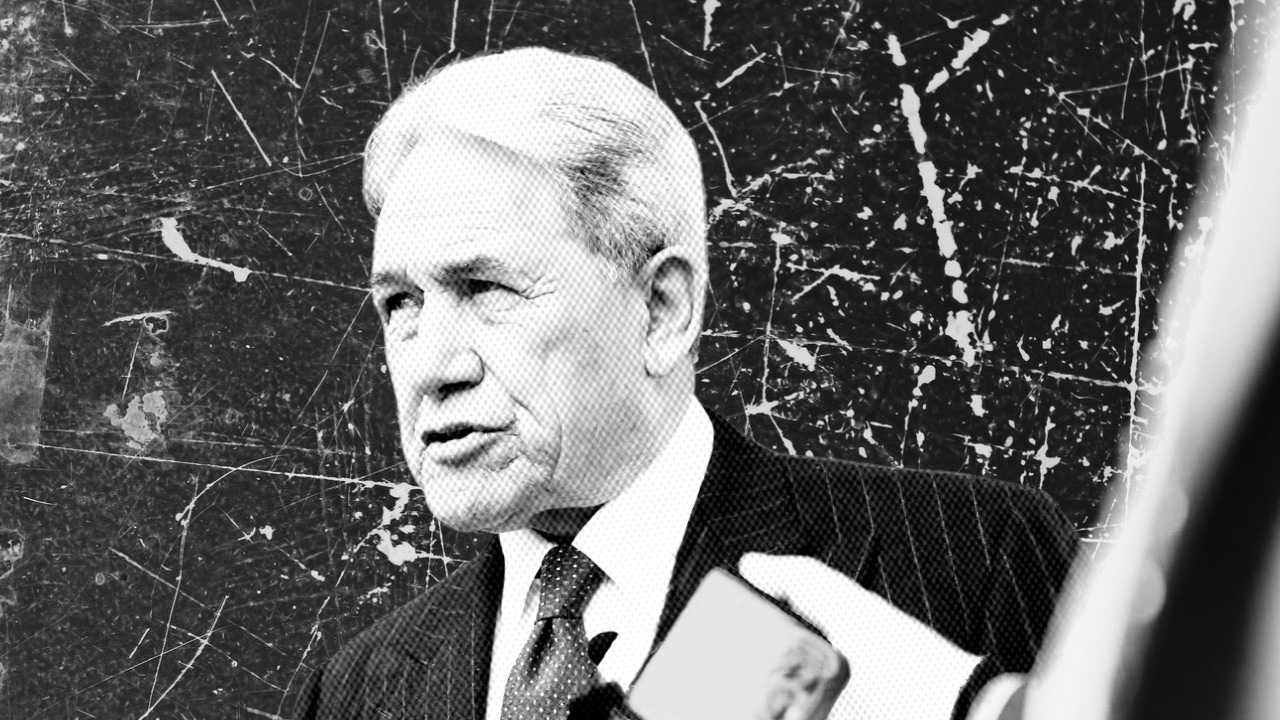
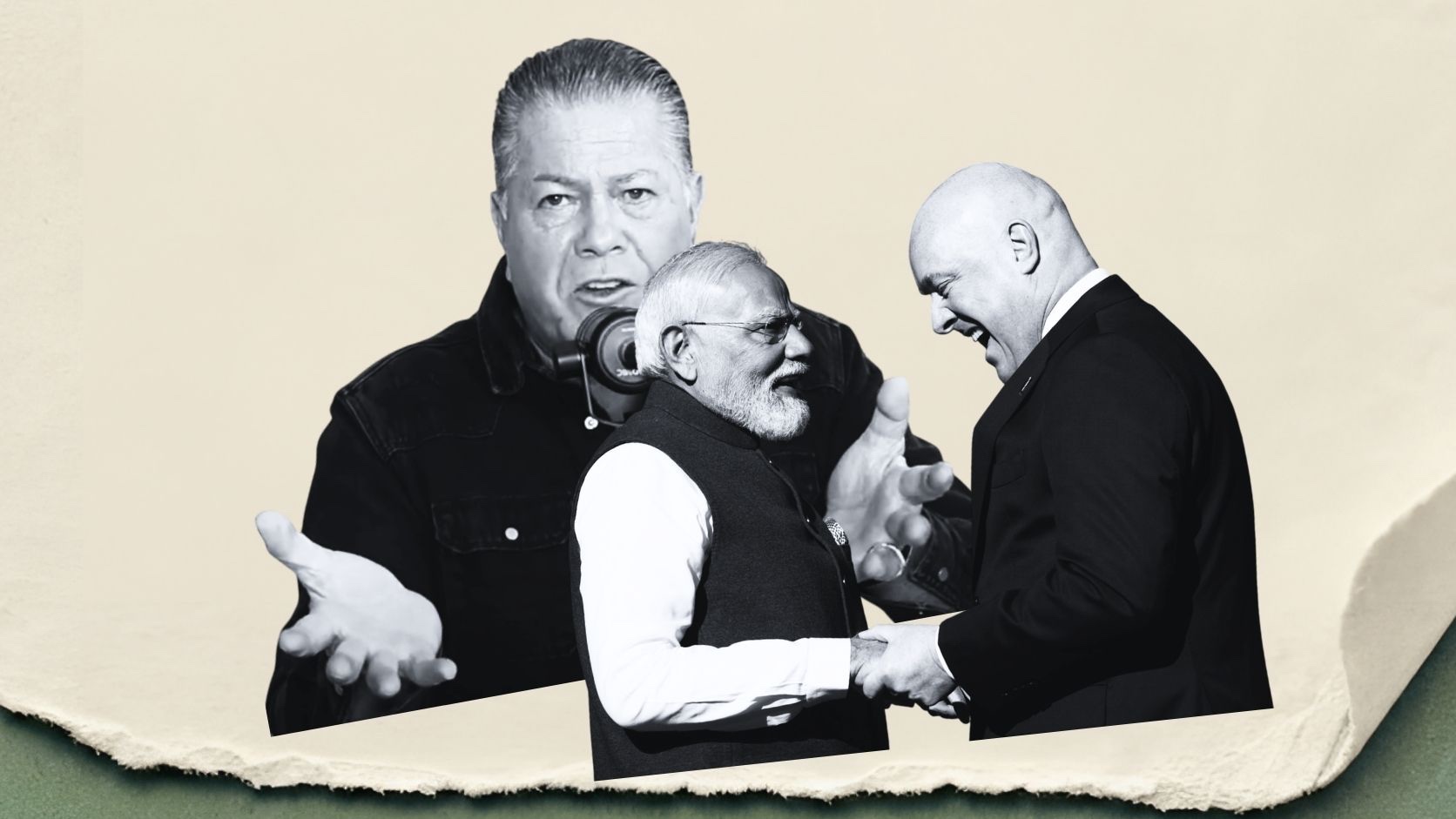
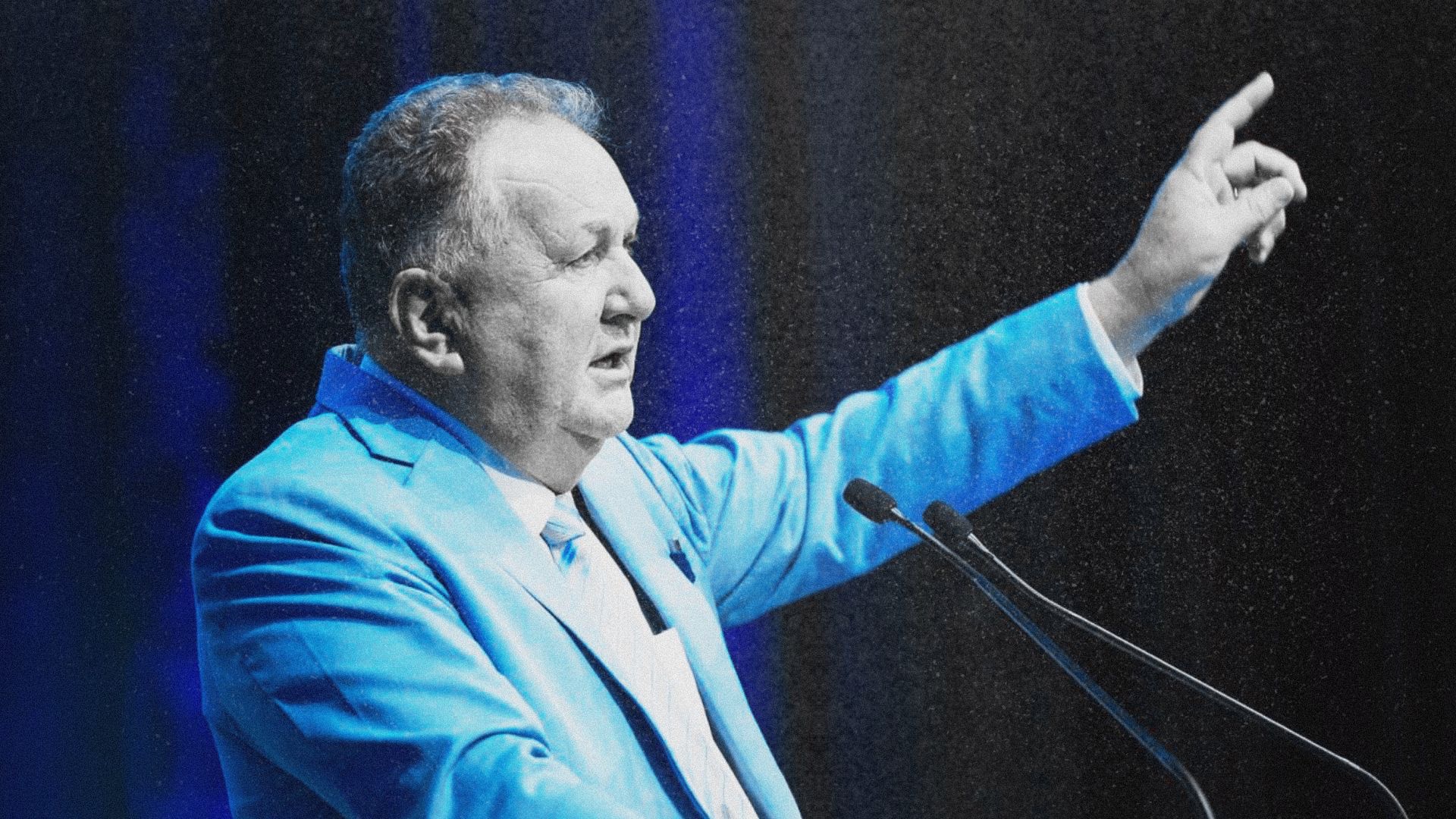
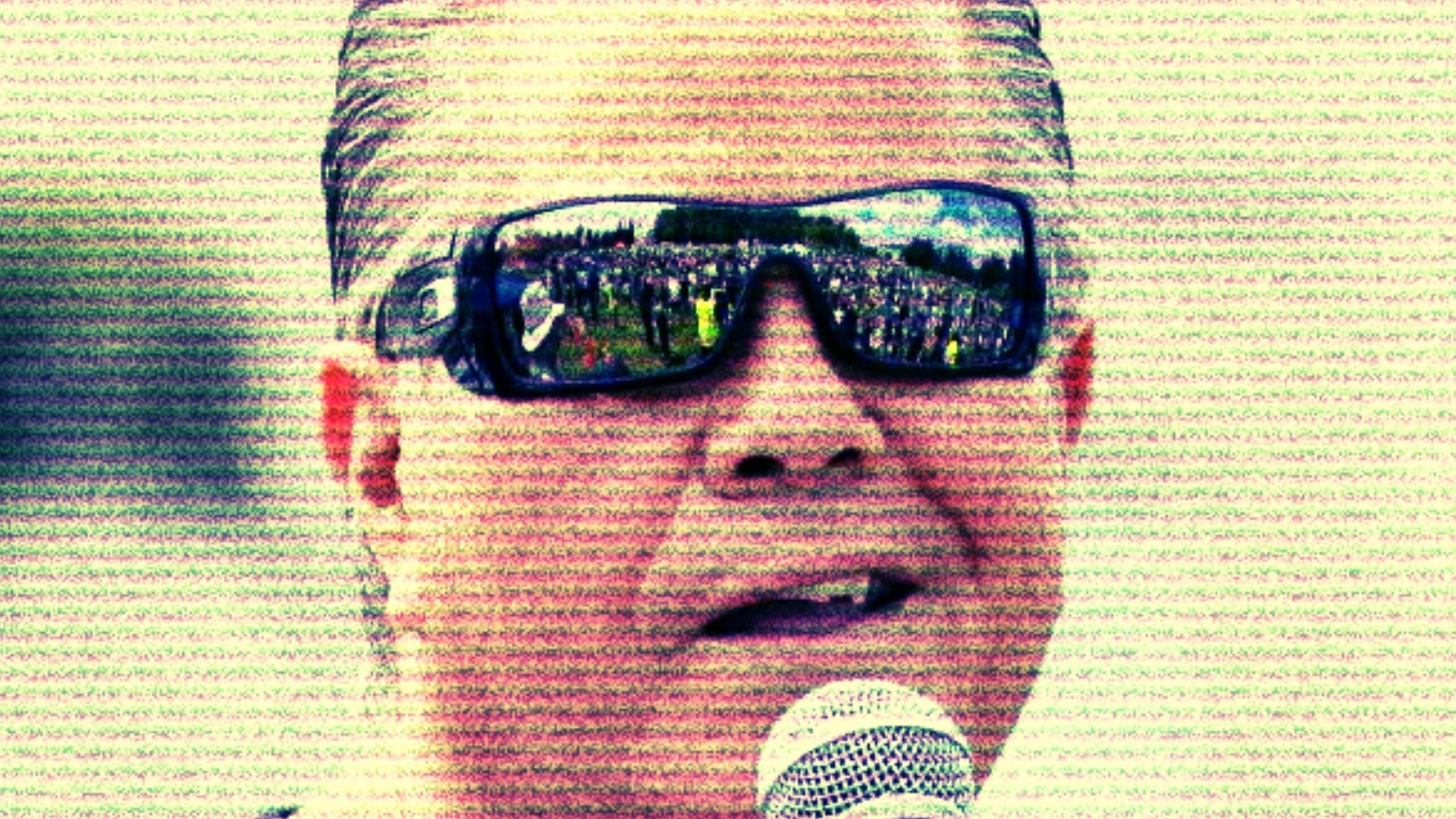
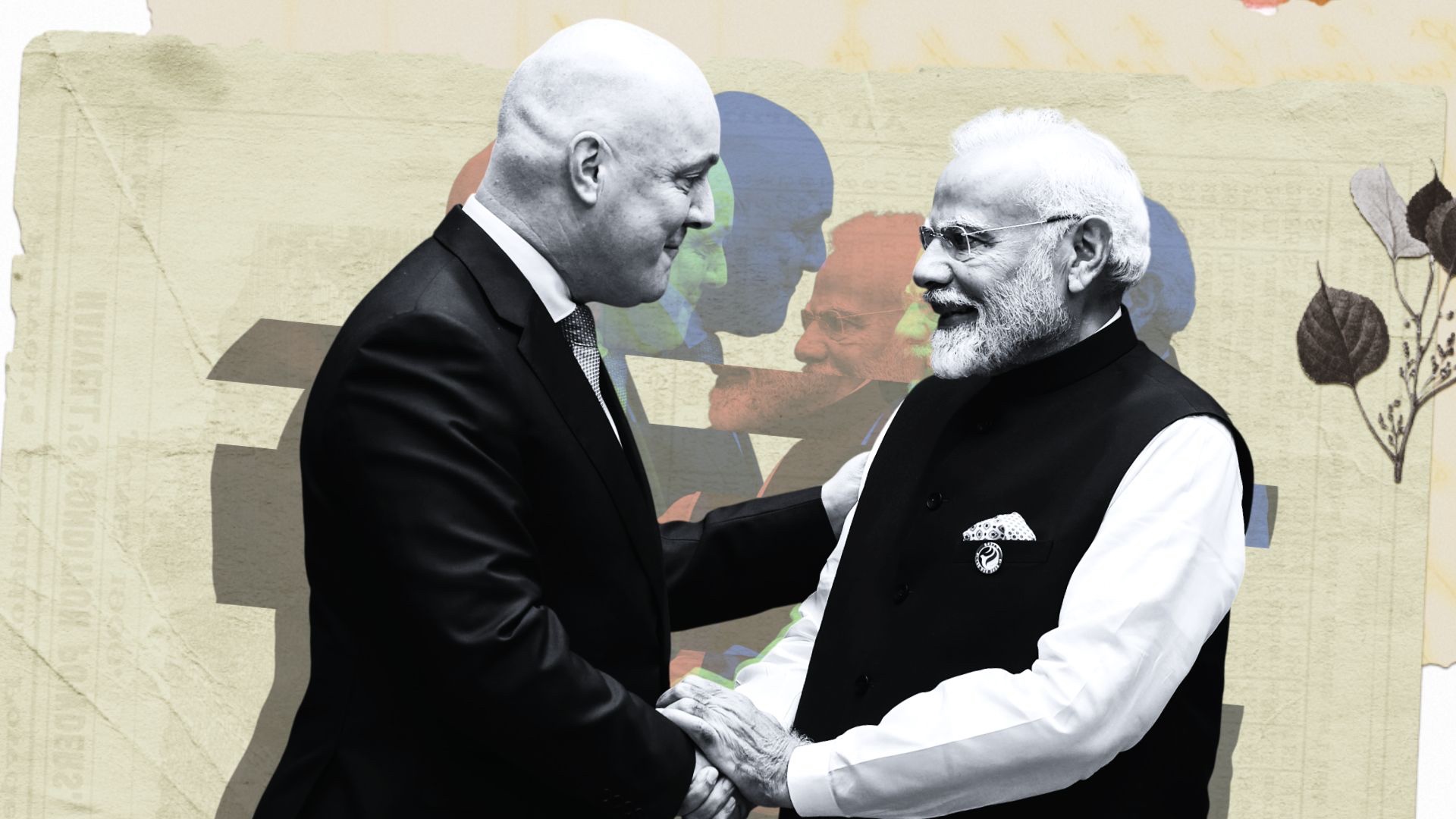
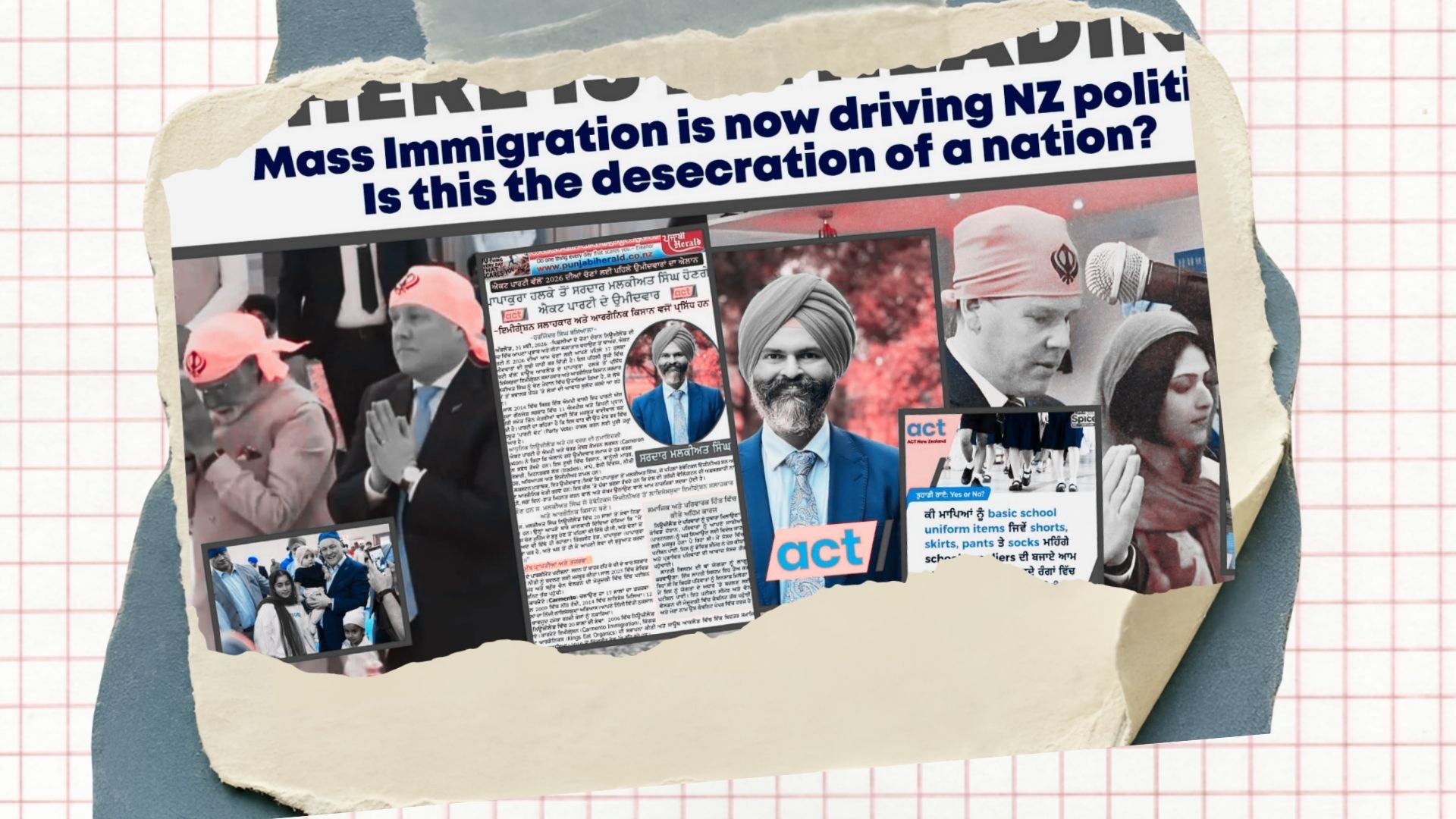
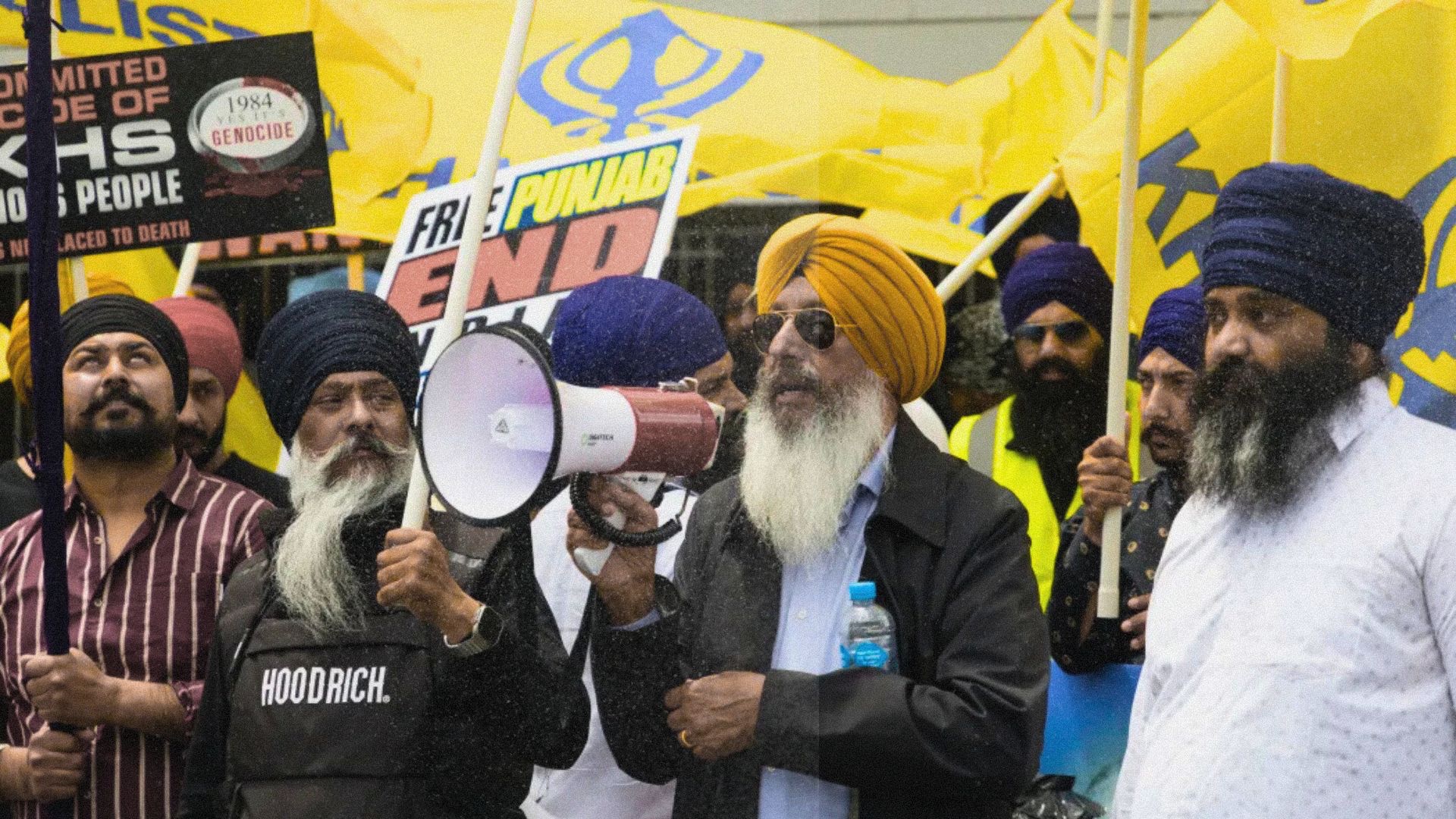
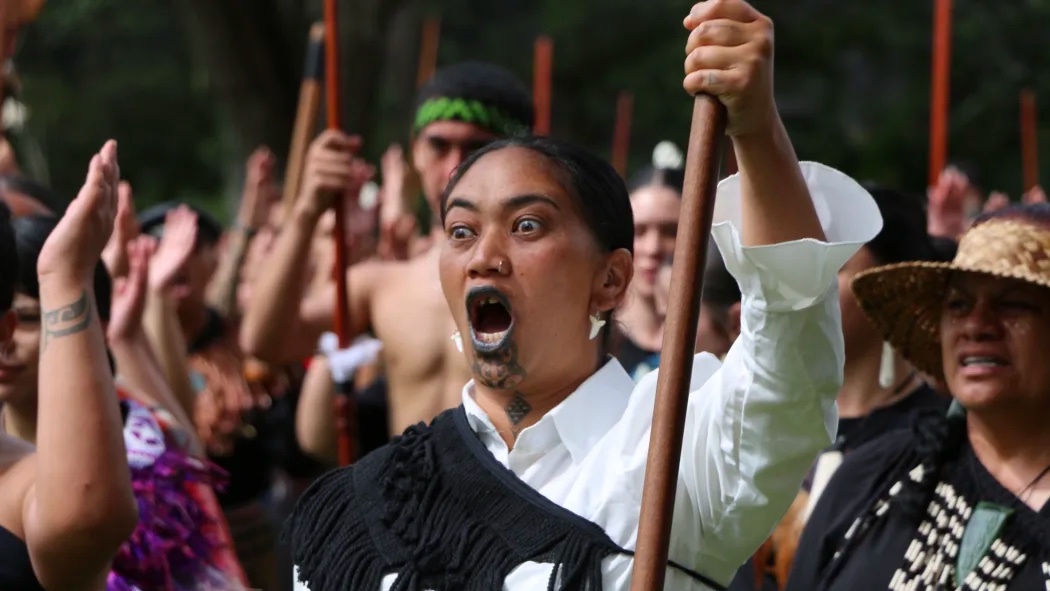
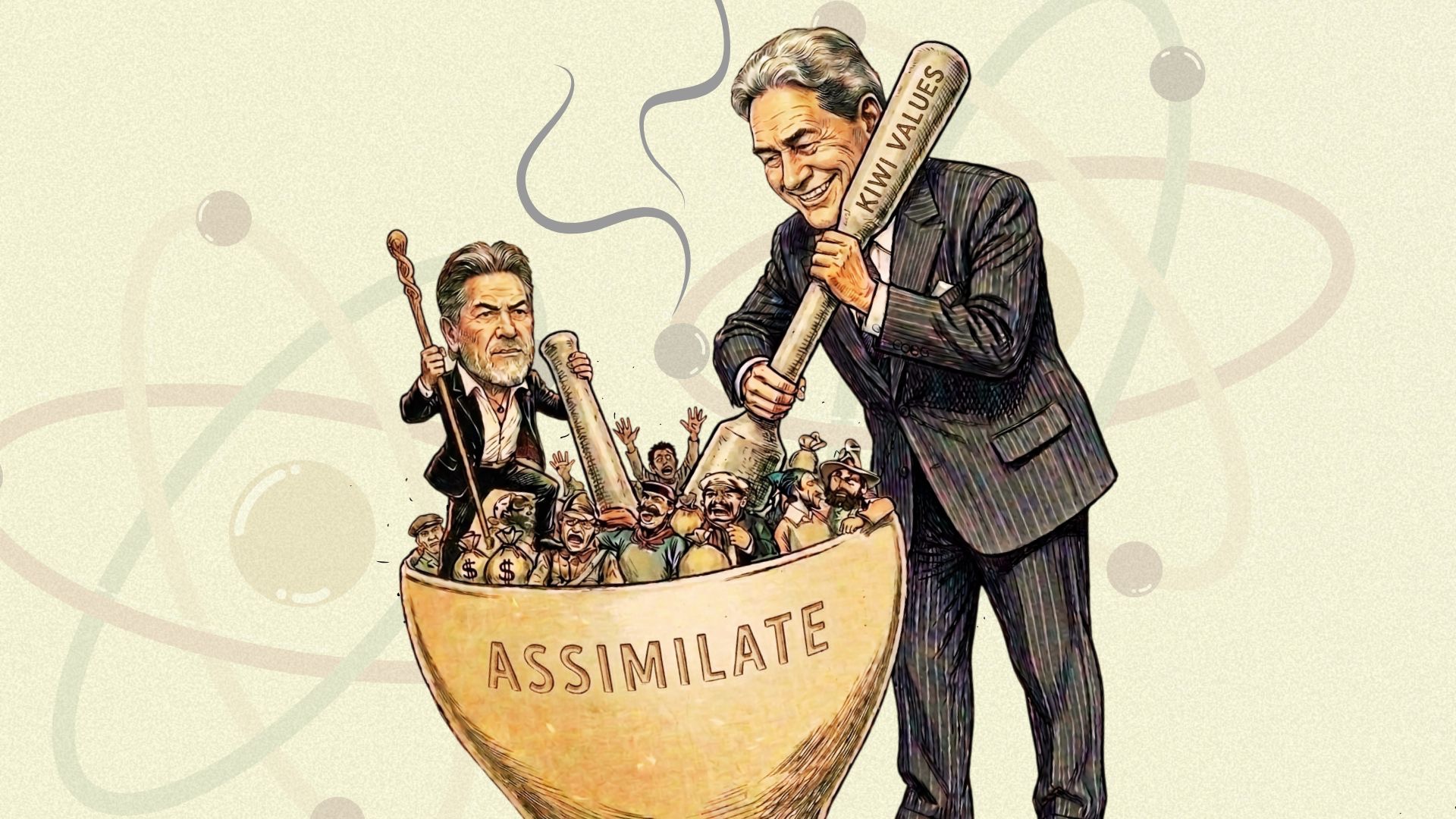
The campaigning that preceded this result was substantial in its claims. In a 31 January speech at Victoria Park in central Auckland, Brian warned about threats to New Zealand’s Christian identity, attacked immigration and accused politicians of courting migrant votes.
By October, his statements were also before the courts. On October 19, he pleaded not guilty in Manukau District Court to three charges of inciting racial disharmony.
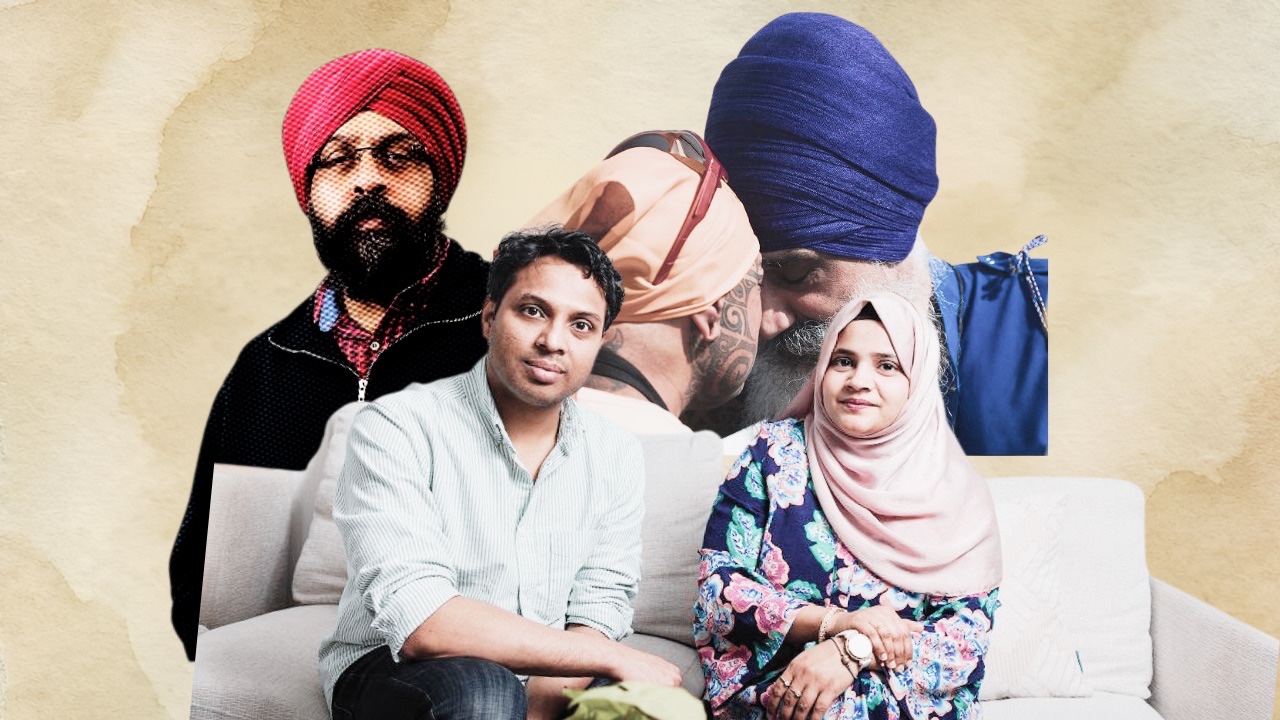
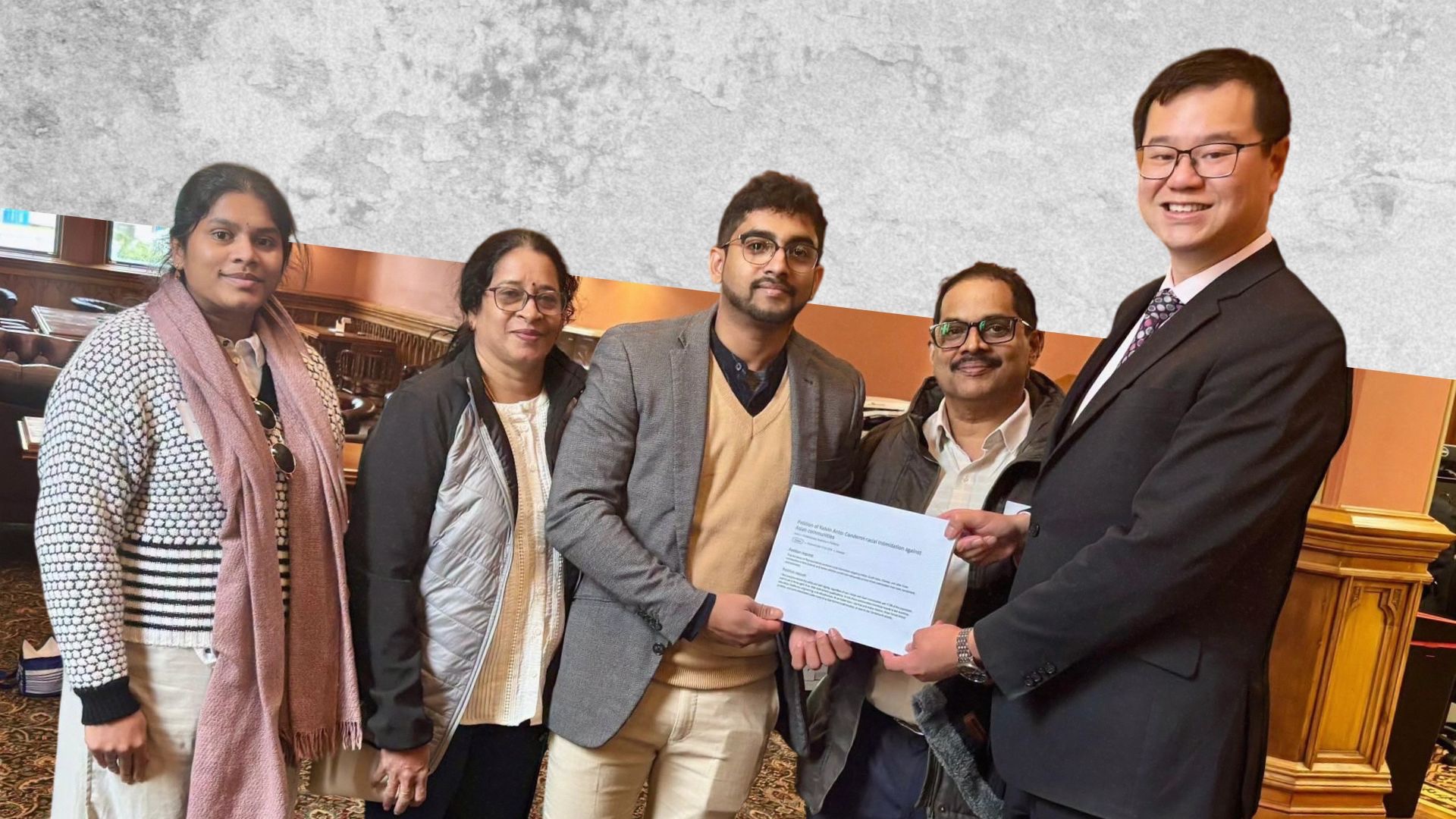
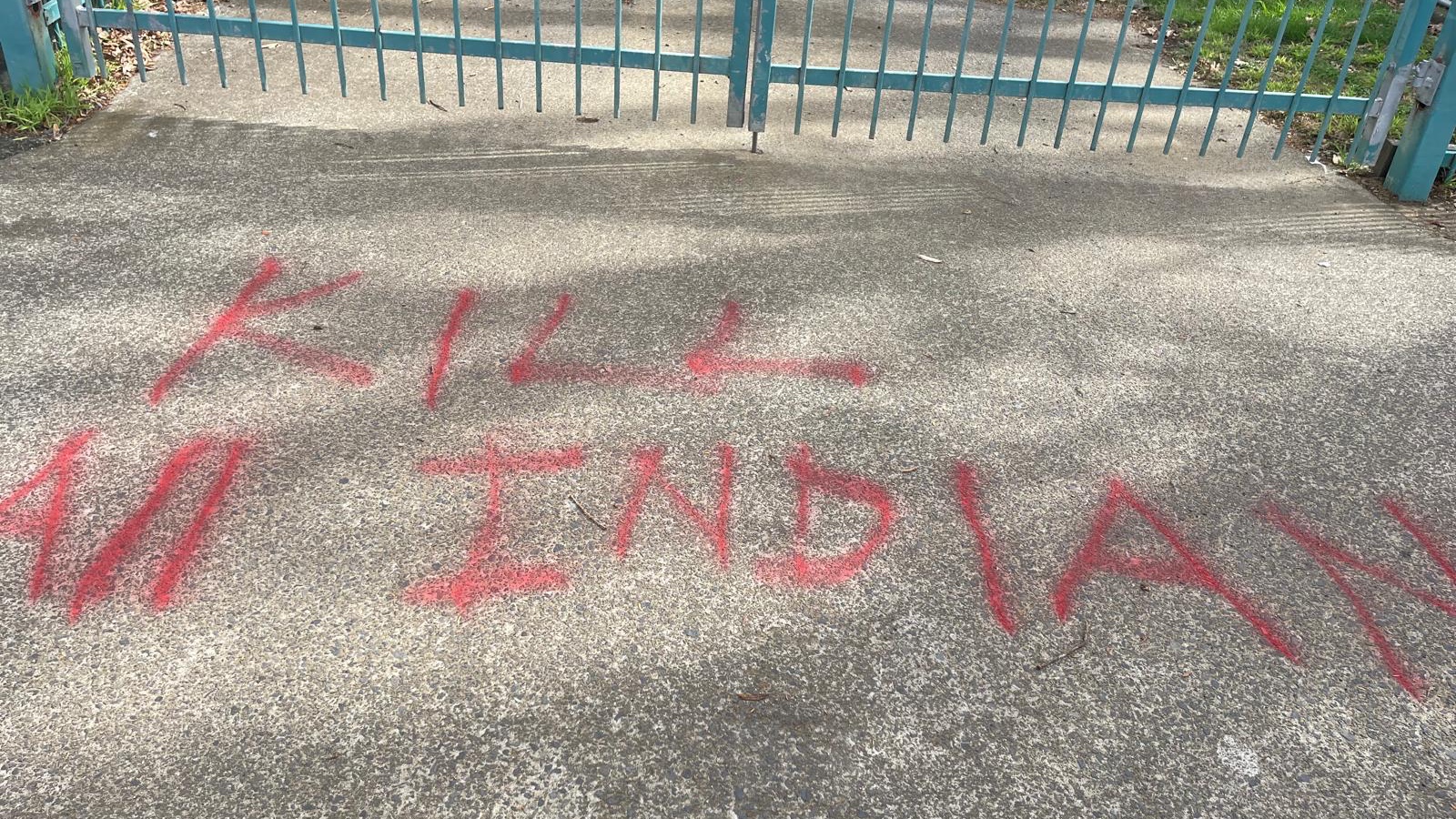
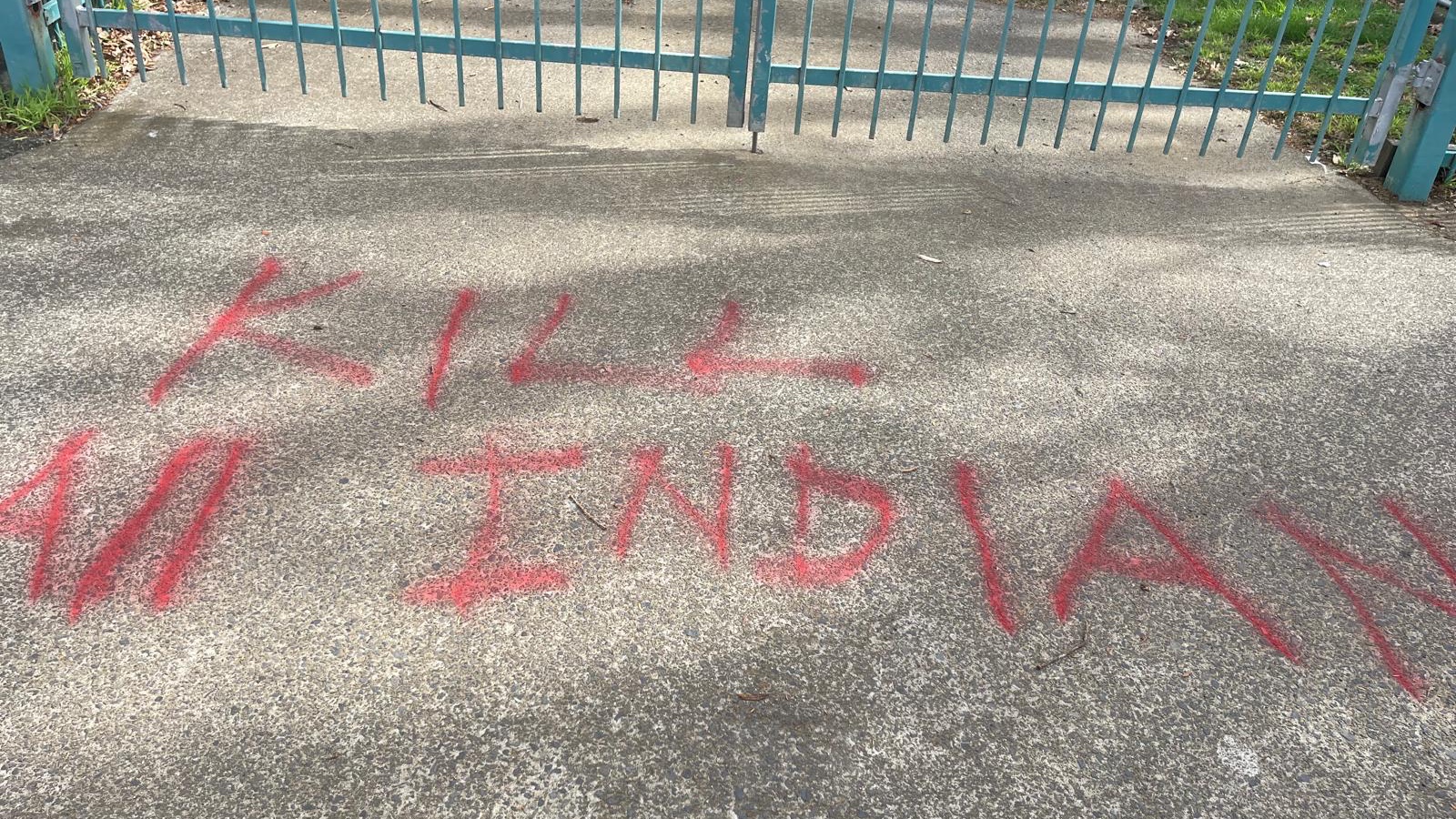
Prosecutors allege his Facebook posts this year, in June, were abusive or insulting and intended to excite ill-will against Indians on grounds of race and national origin. Tamaki maintains he was challenging religious beliefs and political leaders, and denies advocating violence.
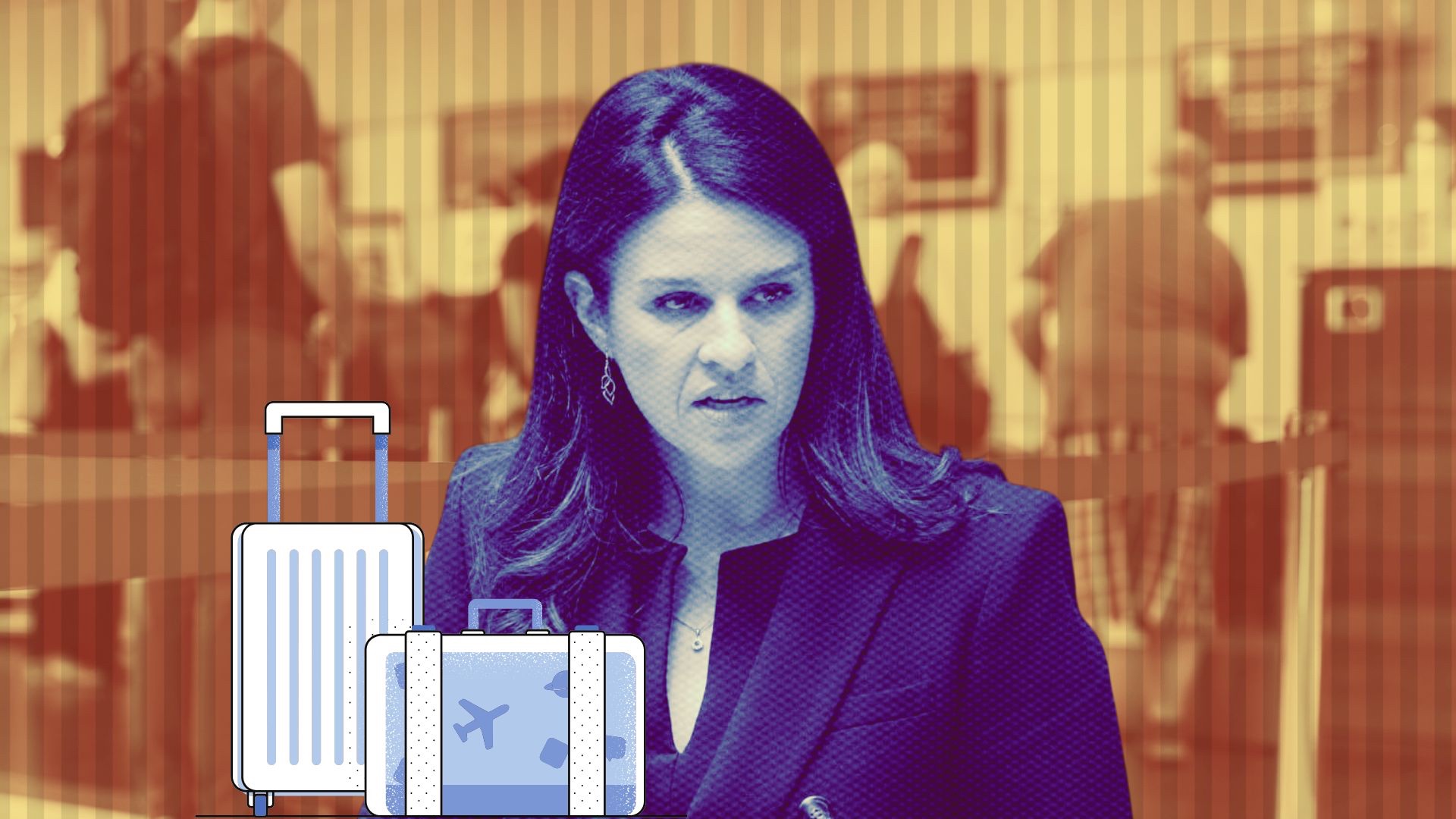
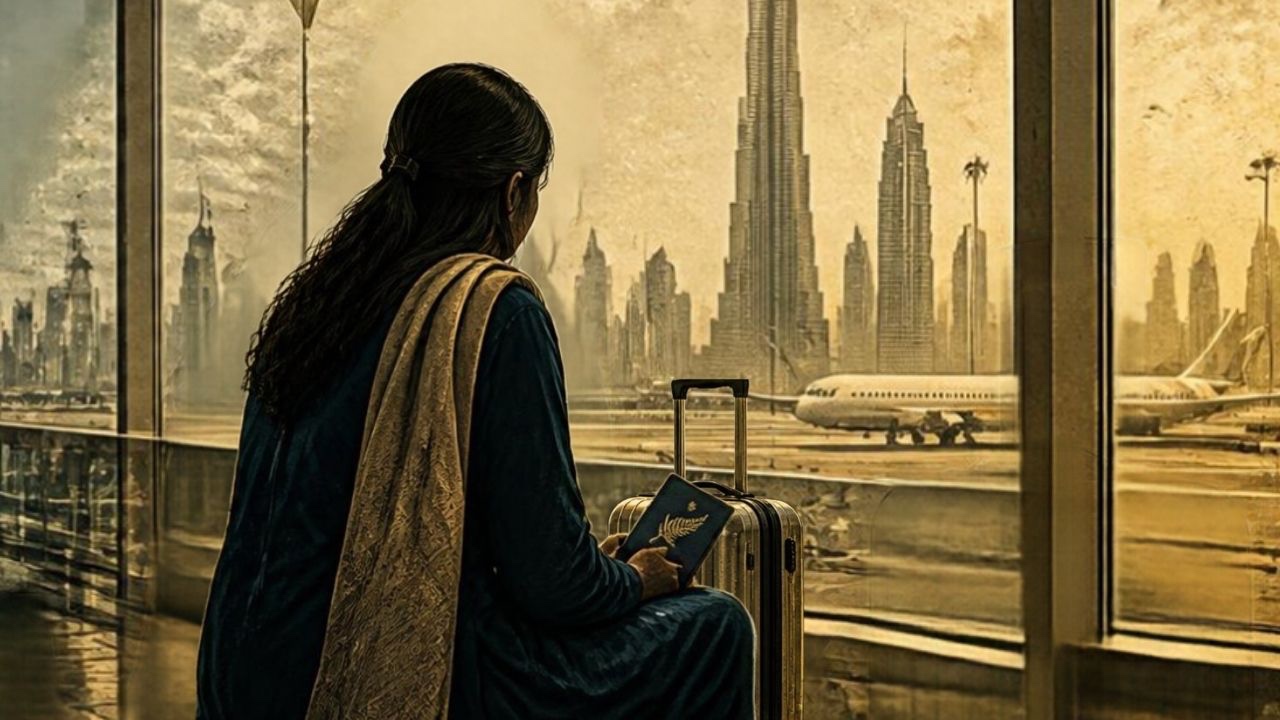
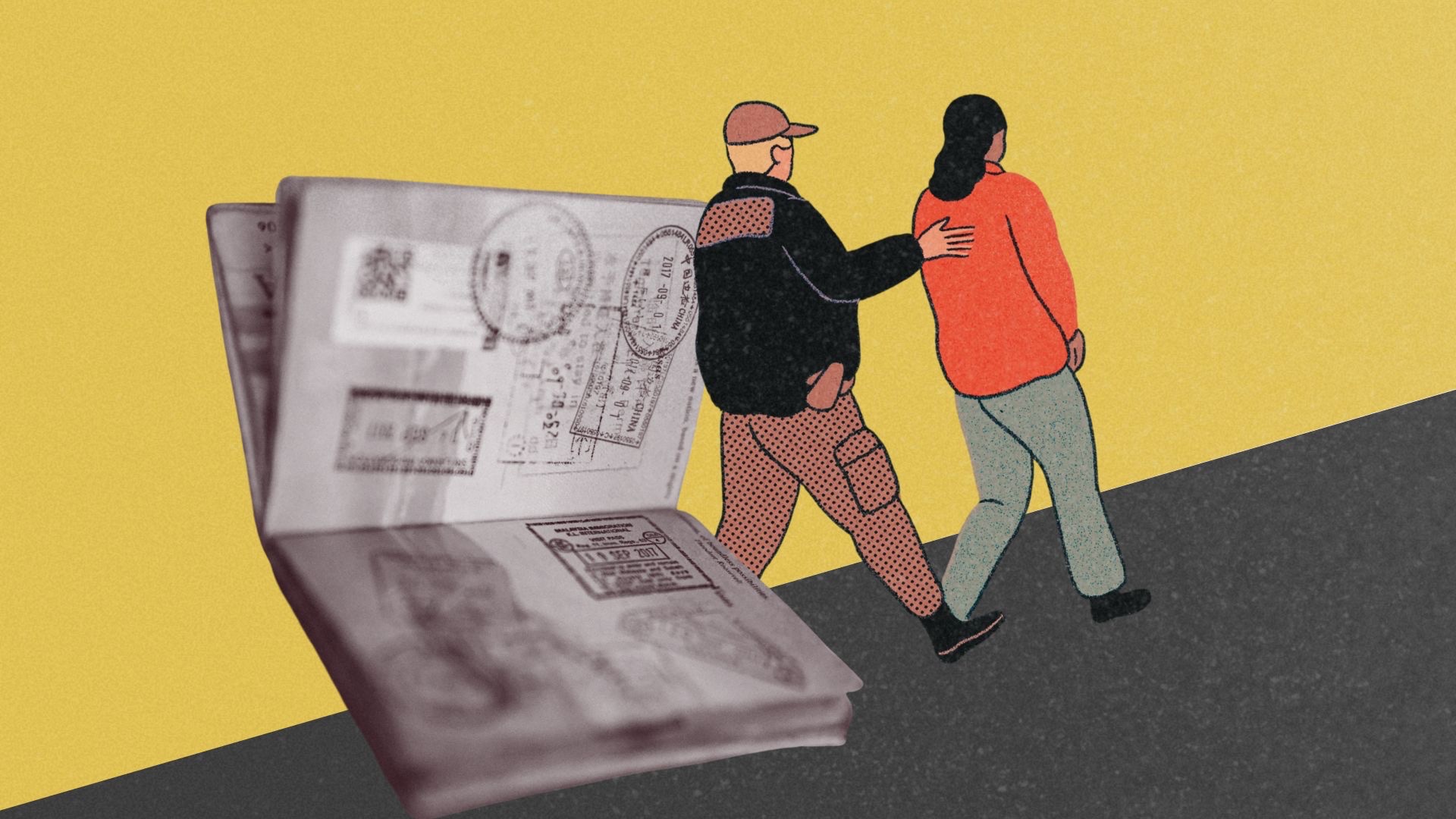
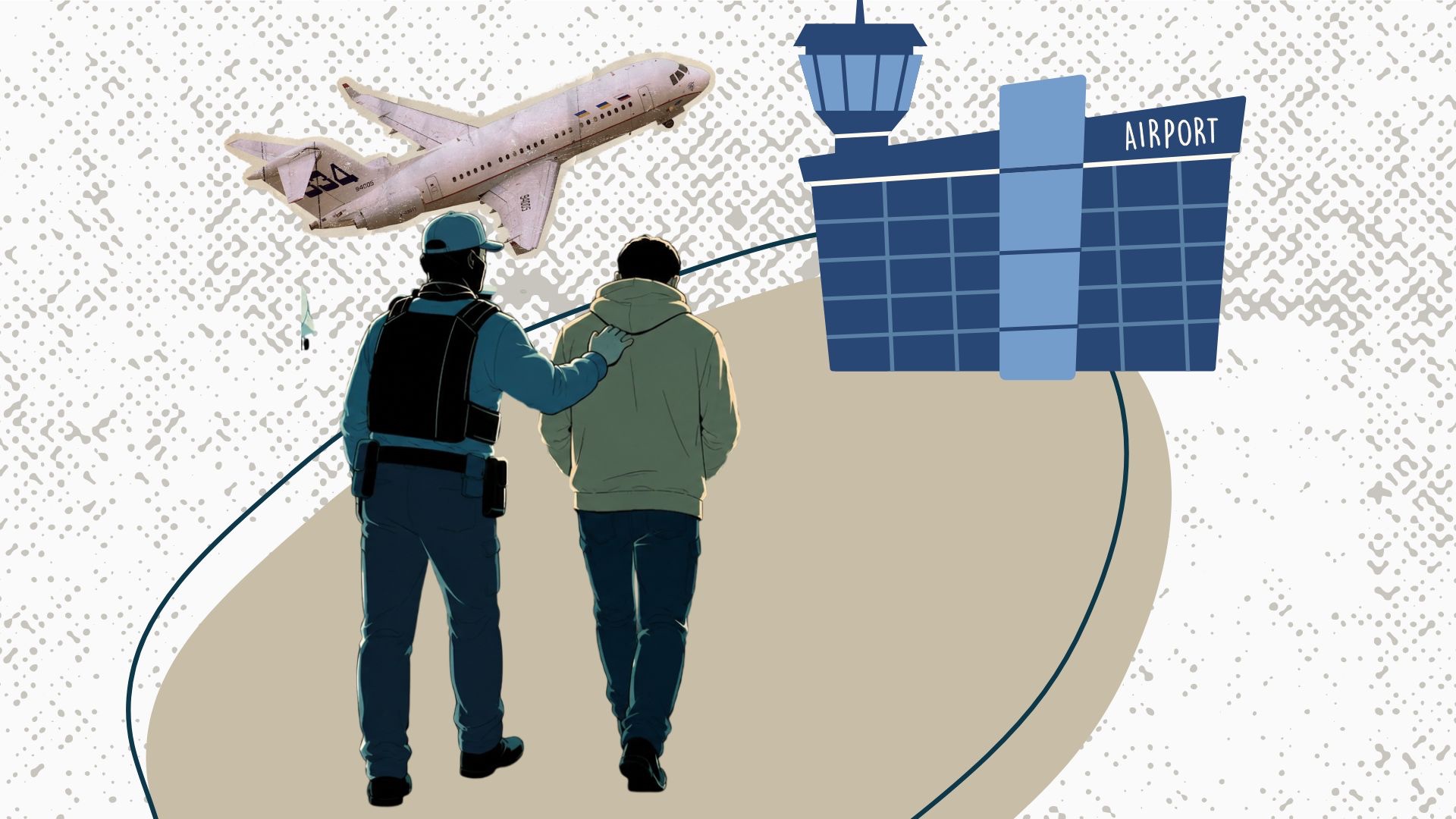
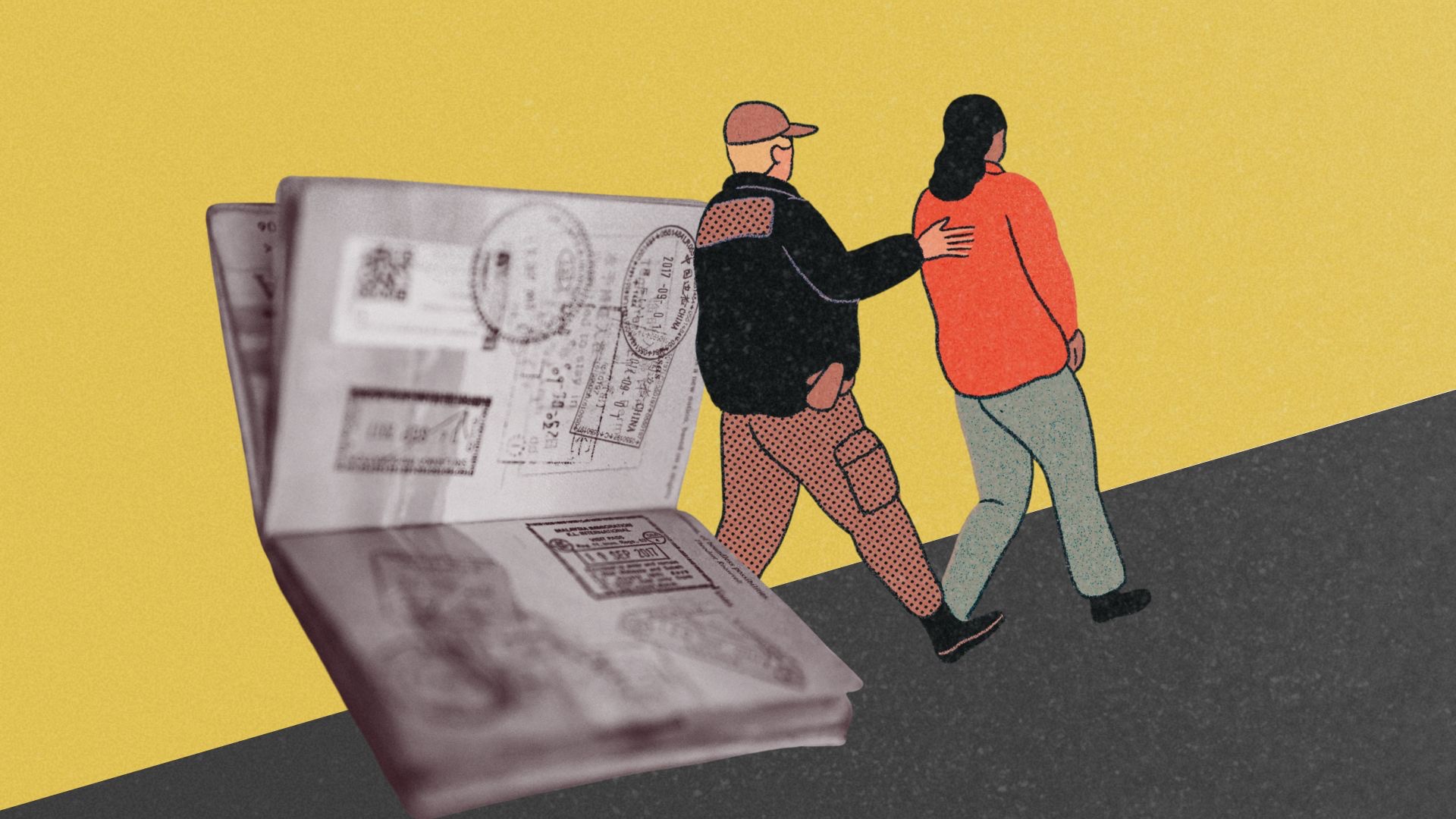
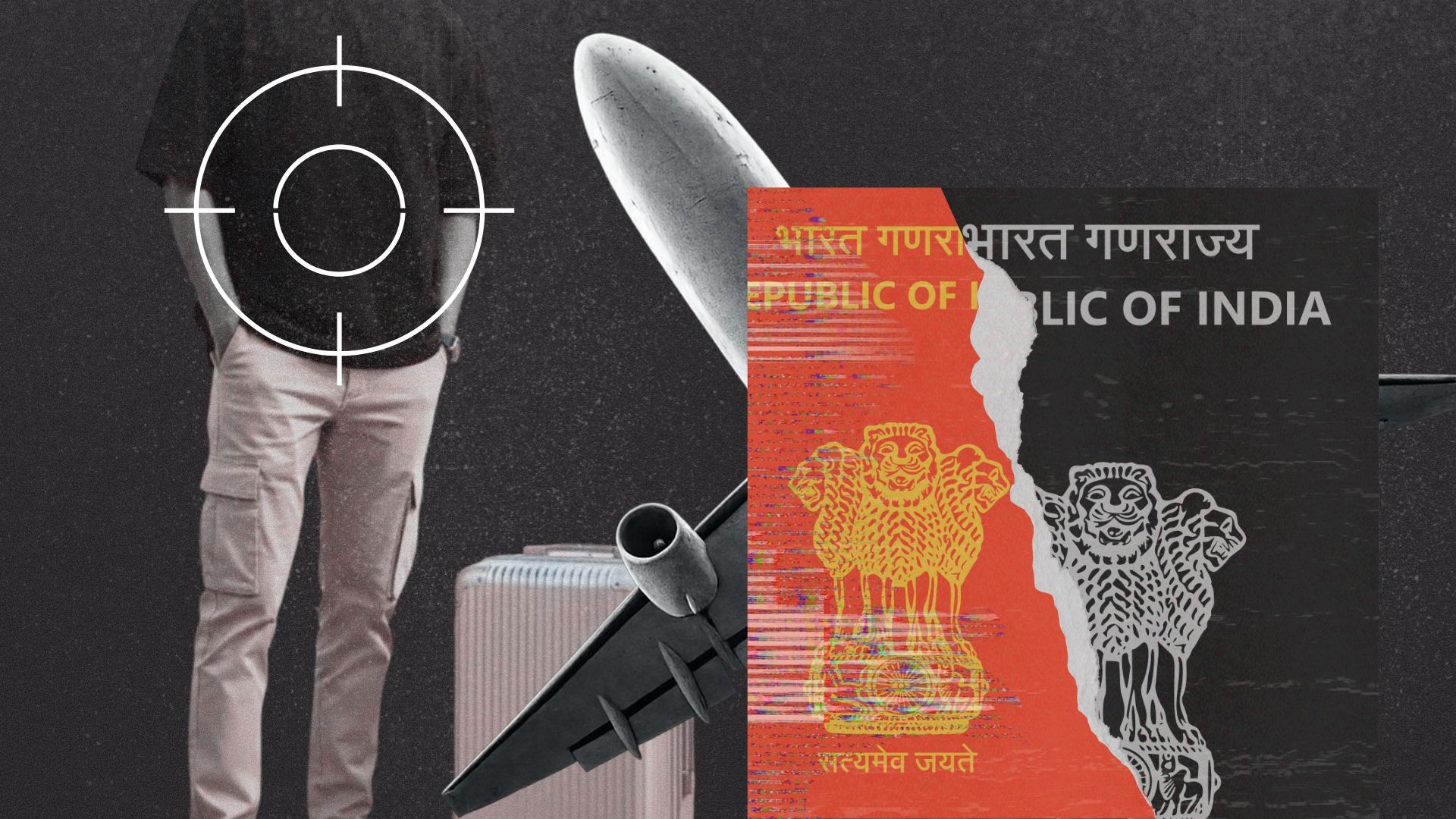
A few days later, Australian authorities later intercepted him at Brisbane Airport. He said he was detained for more than 12 hours, had his visa cancelled and was sent back to New Zealand.
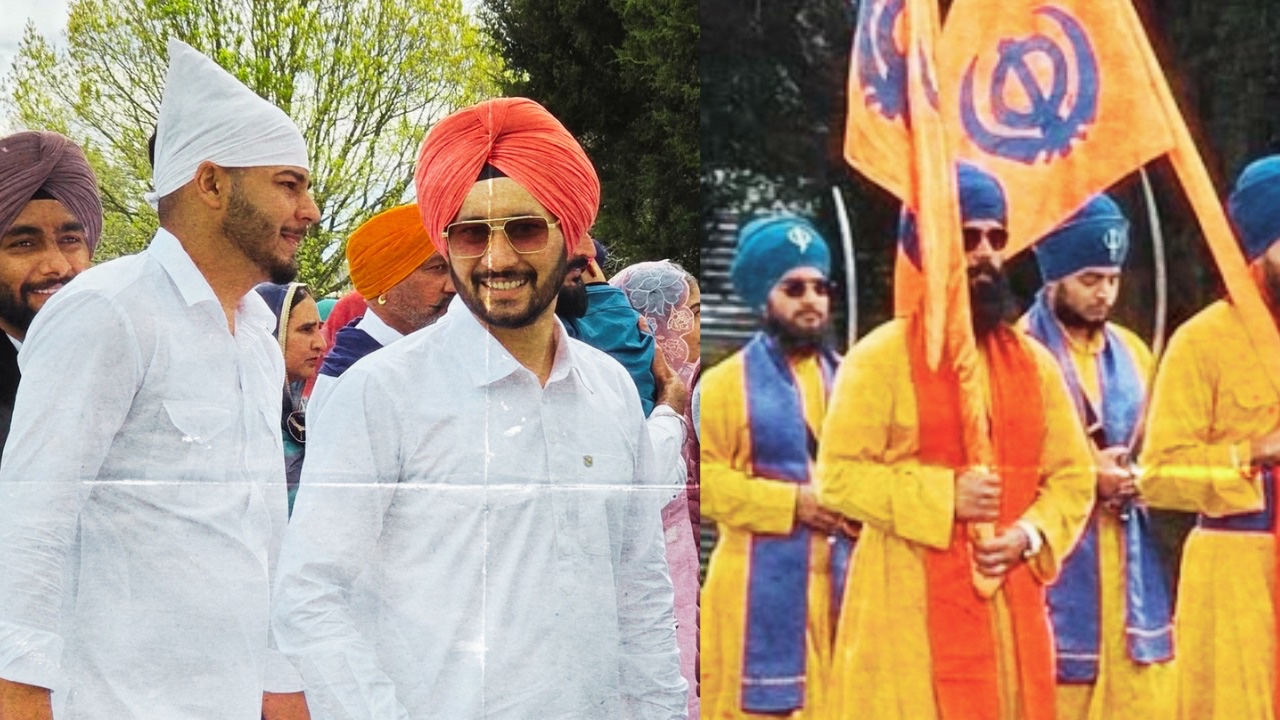
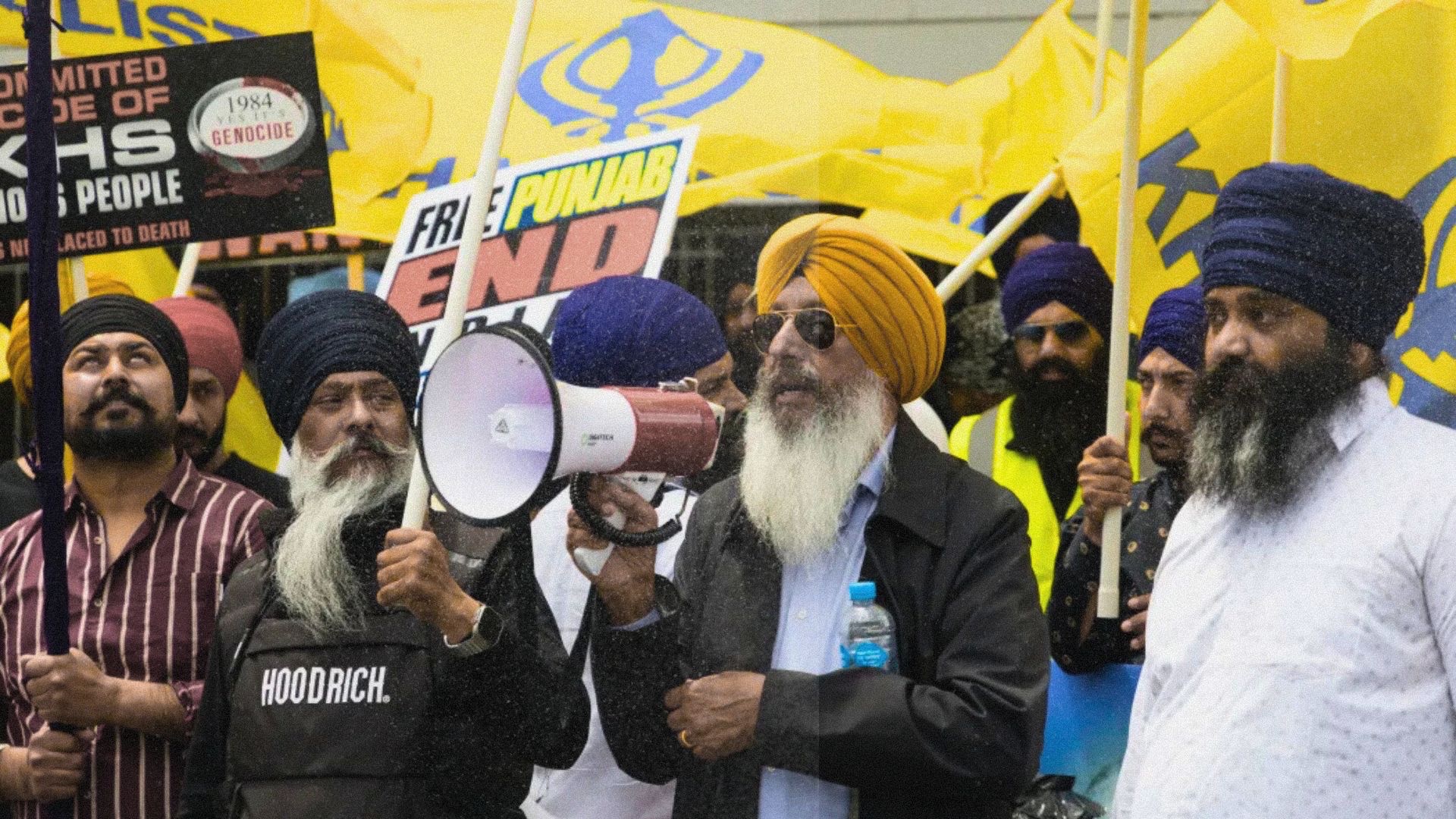
Documents he quoted reportedly identified concerns about his statements concerning Sikhs and Muslims. Tamaki portrayed the decision as an attack on religious freedom and free speech.
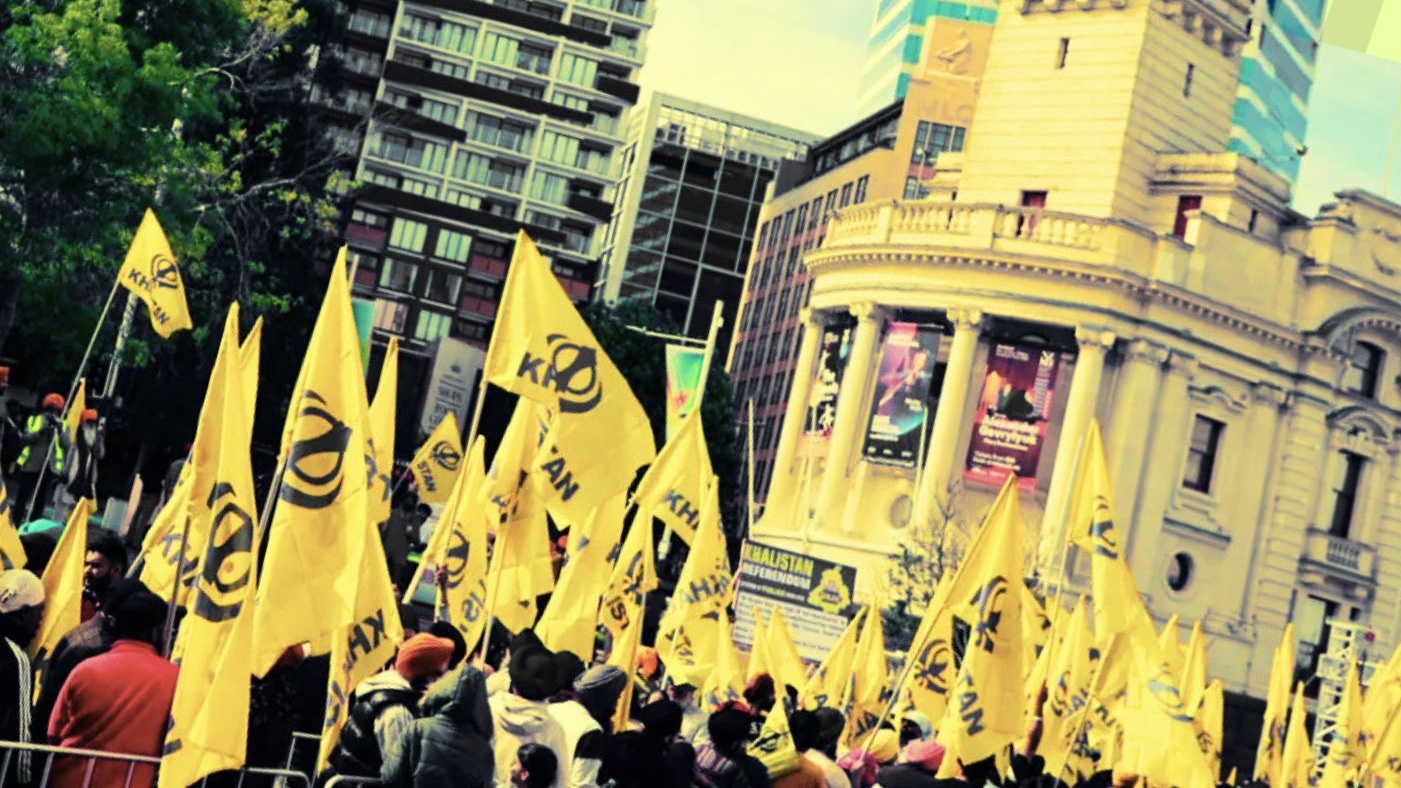
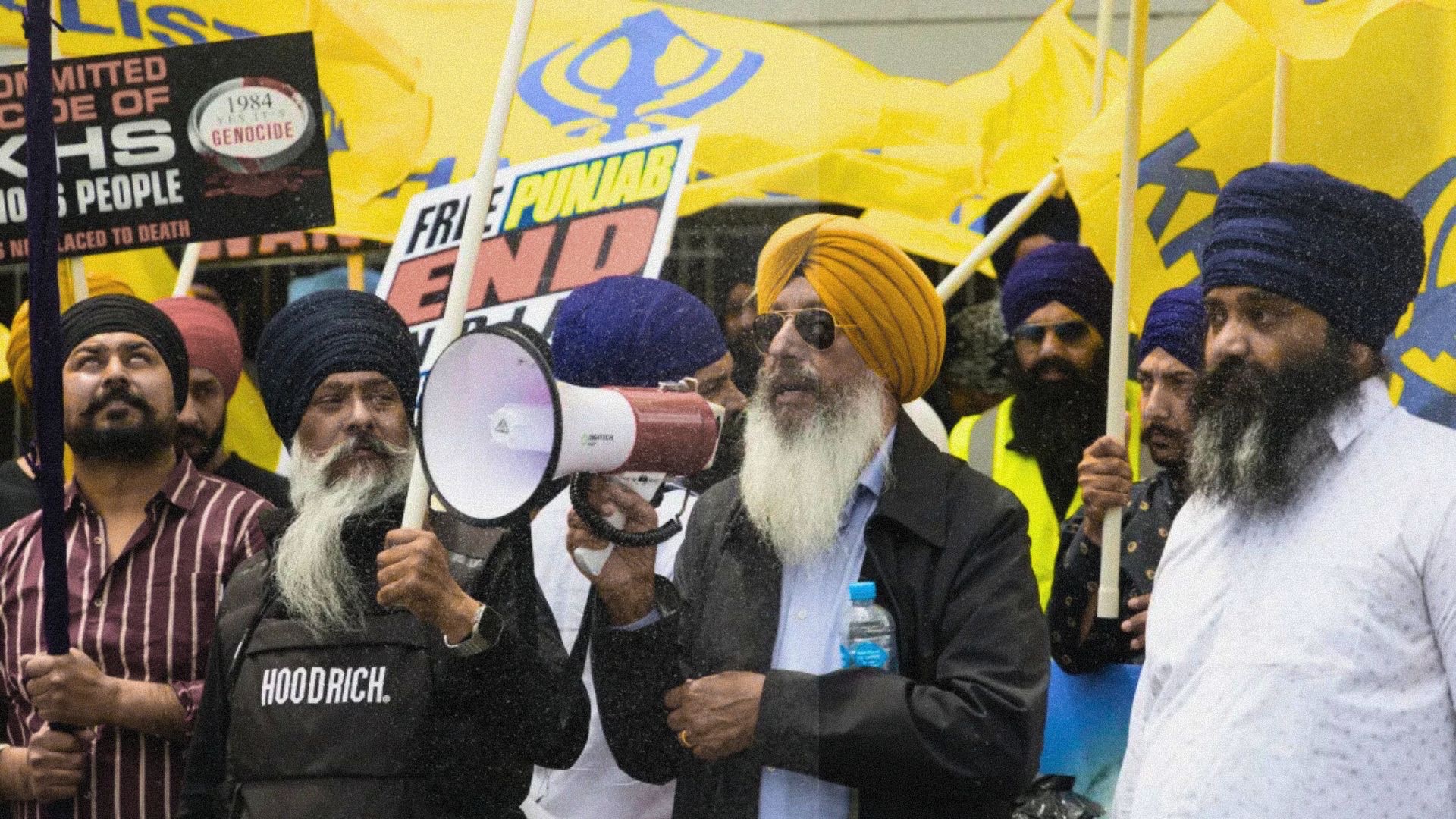
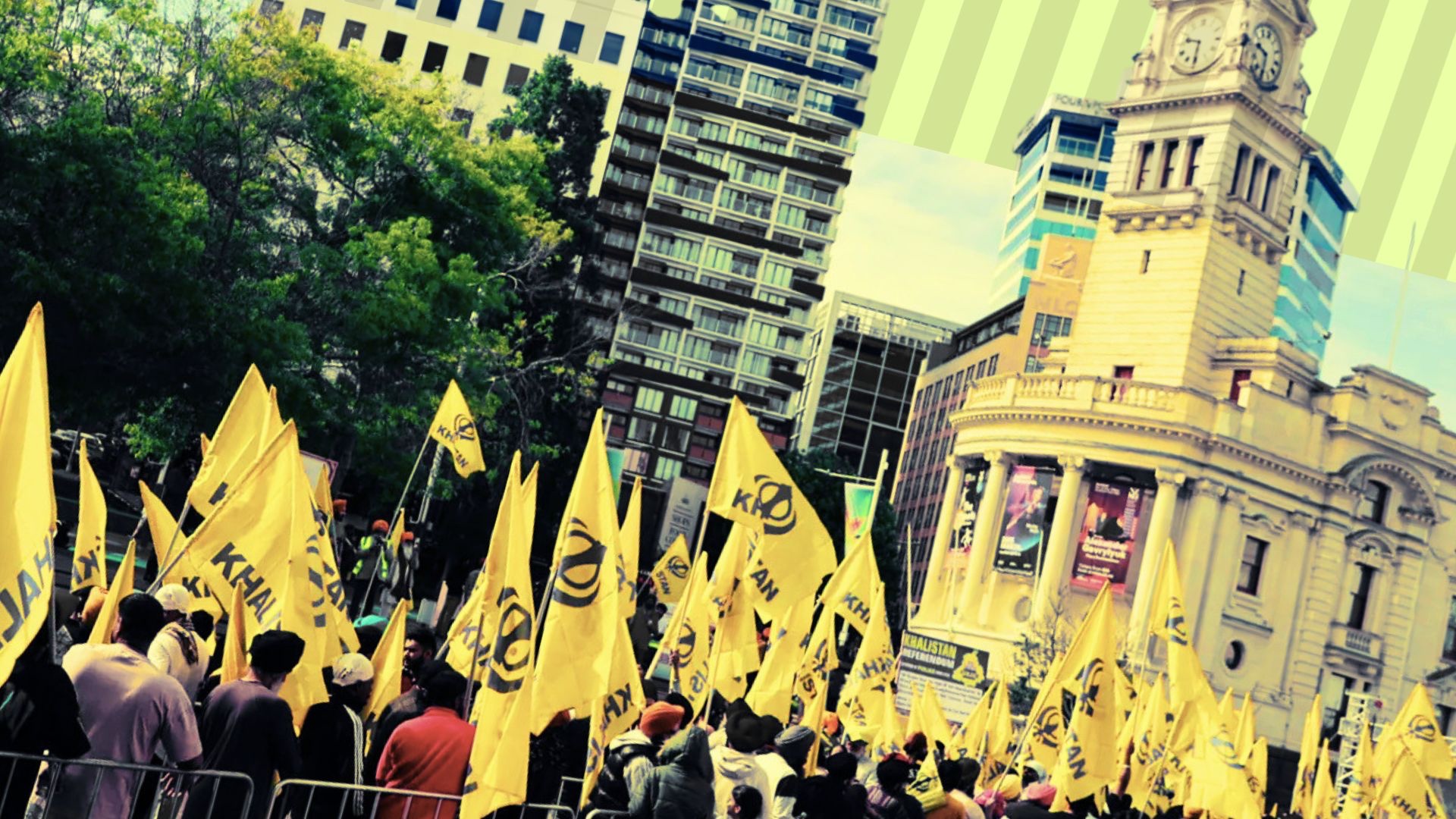
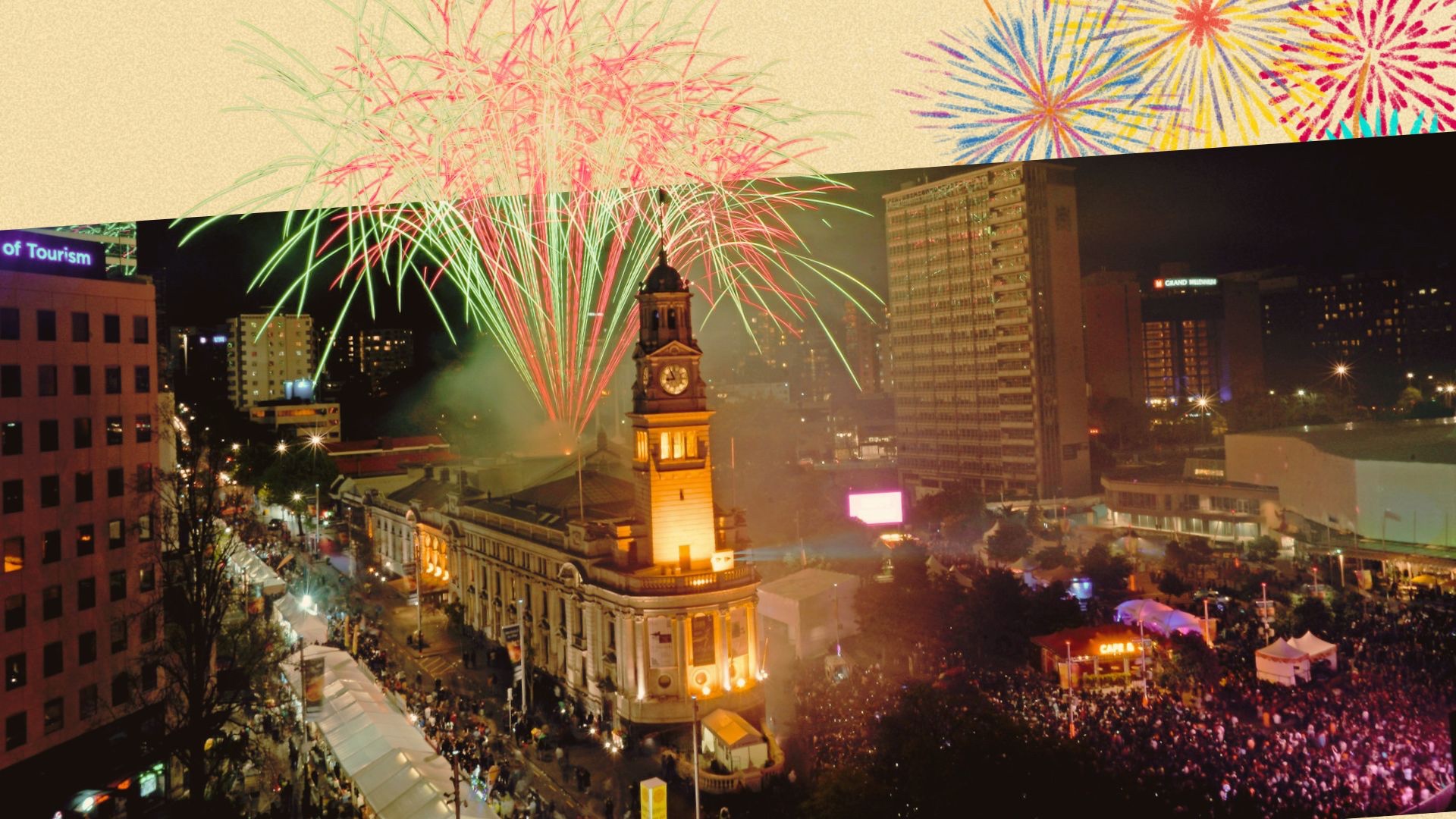
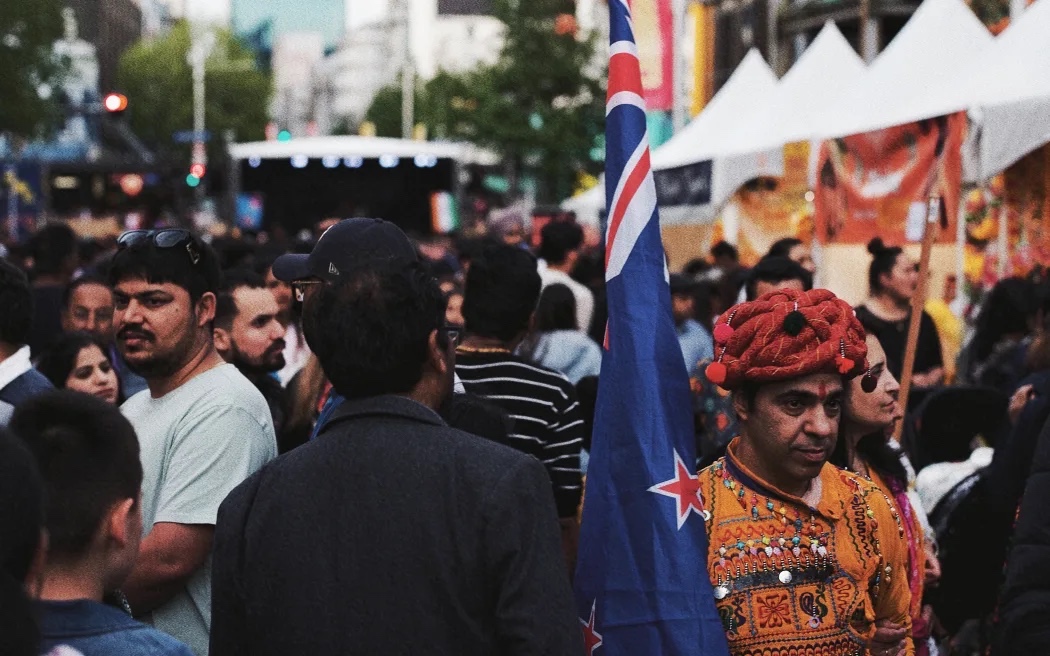
Back home, a rally organised for October 31, the opening day of Auckland’s Diwali festival, prompted police assurances of a visible presence and appeals to avoid confrontation. Tamaki denied deliberately choosing the date to coincide with the festival.
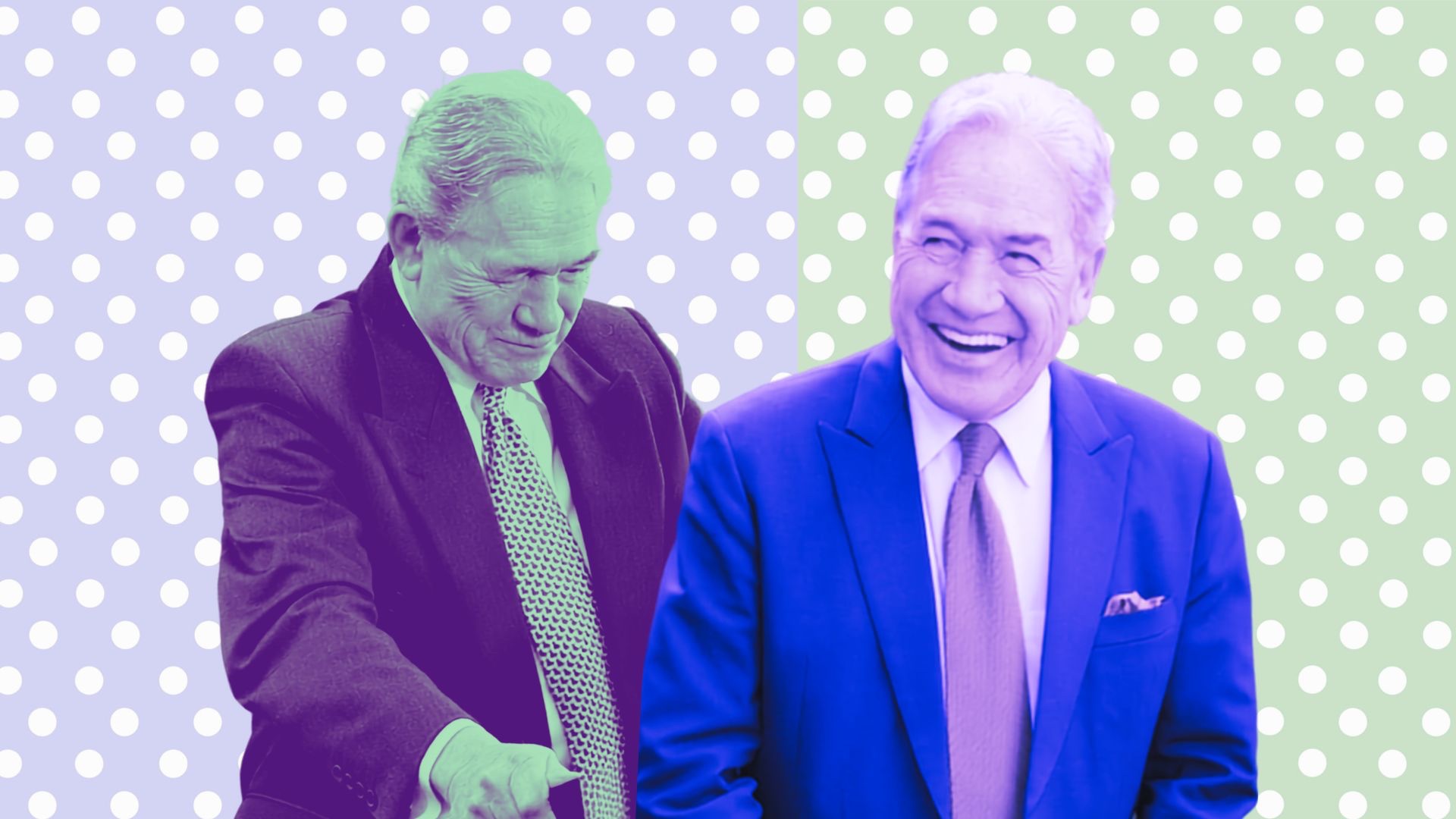
The distance between the Tamakis’ public presence and their party’s electoral backing is plain. In a Facebook post on Sunday, Brian responded to the election with: “BIGGER PARLIAMENT. BIGGER PAYROLL. BIGGER MESS.”
“Politics can not fix New Zealand,” he declared. The country, he said, was sick morally and spiritually.
It is a striking diagnosis from the co-founder of a party that had just asked to join the institution. Voters have now delivered its performance review to Parliament.
The Tamakis have demonstrated an ability to make themselves heard. Persuading New Zealanders to put them in Parliament remains unfinished business.