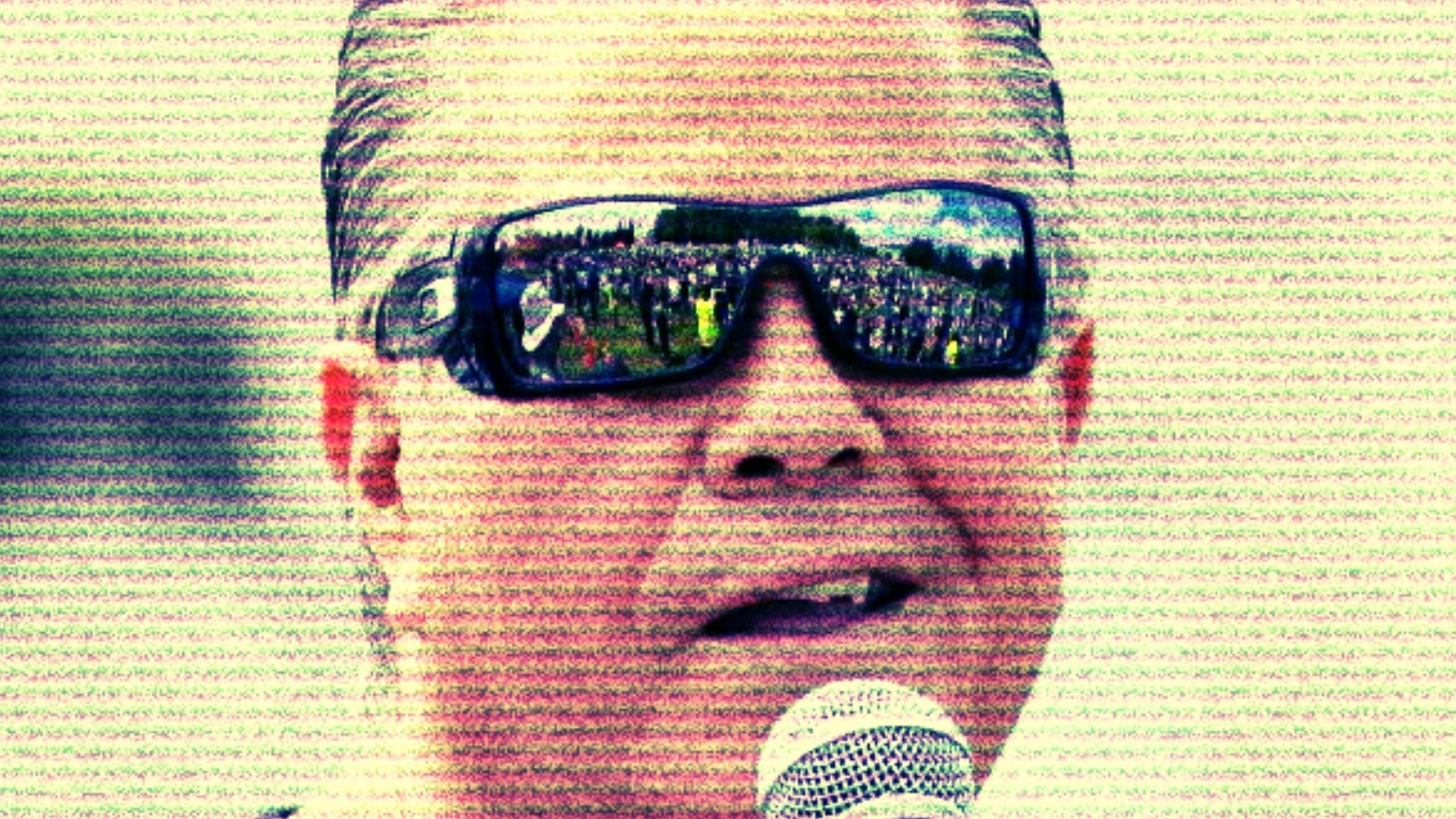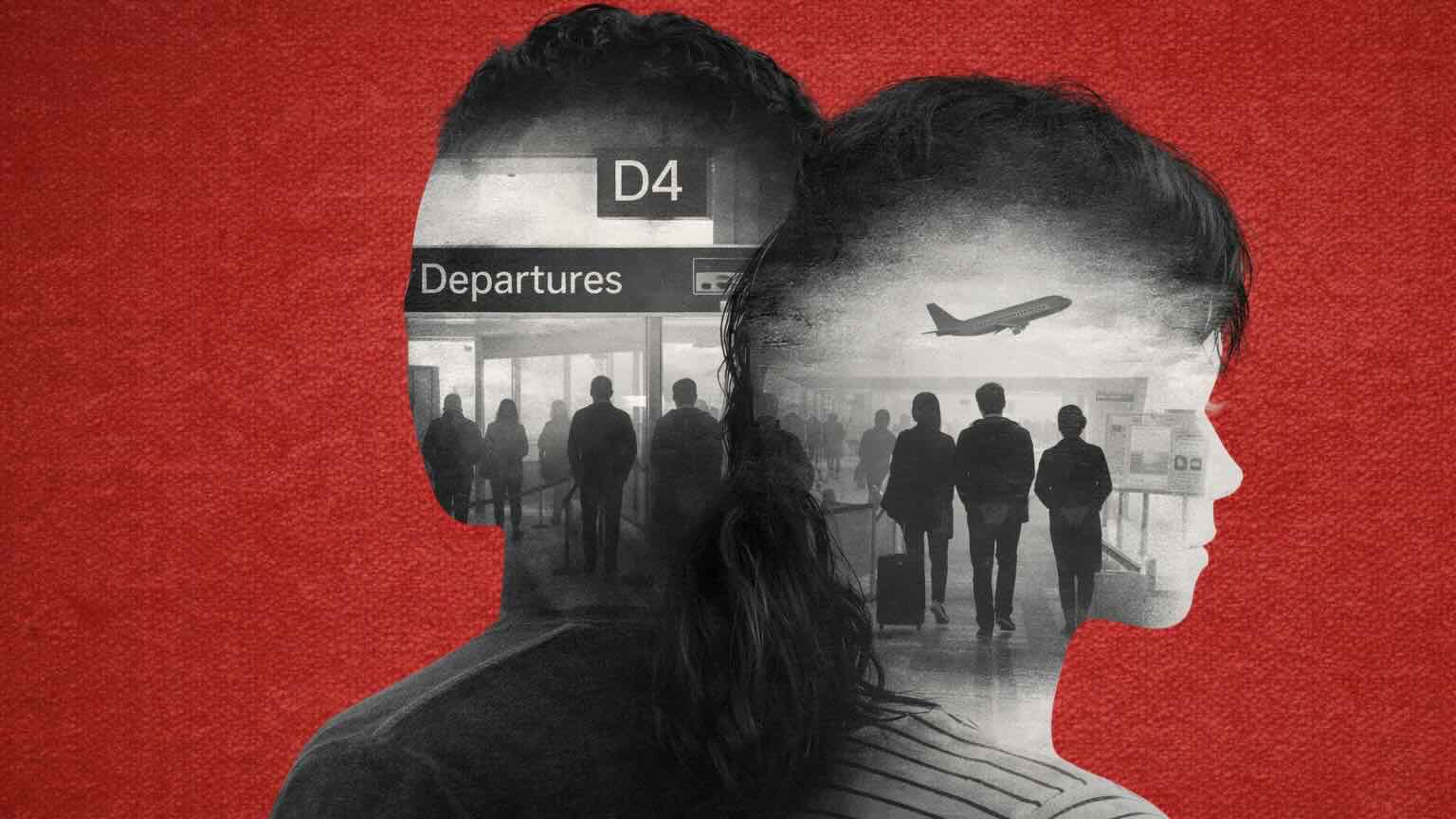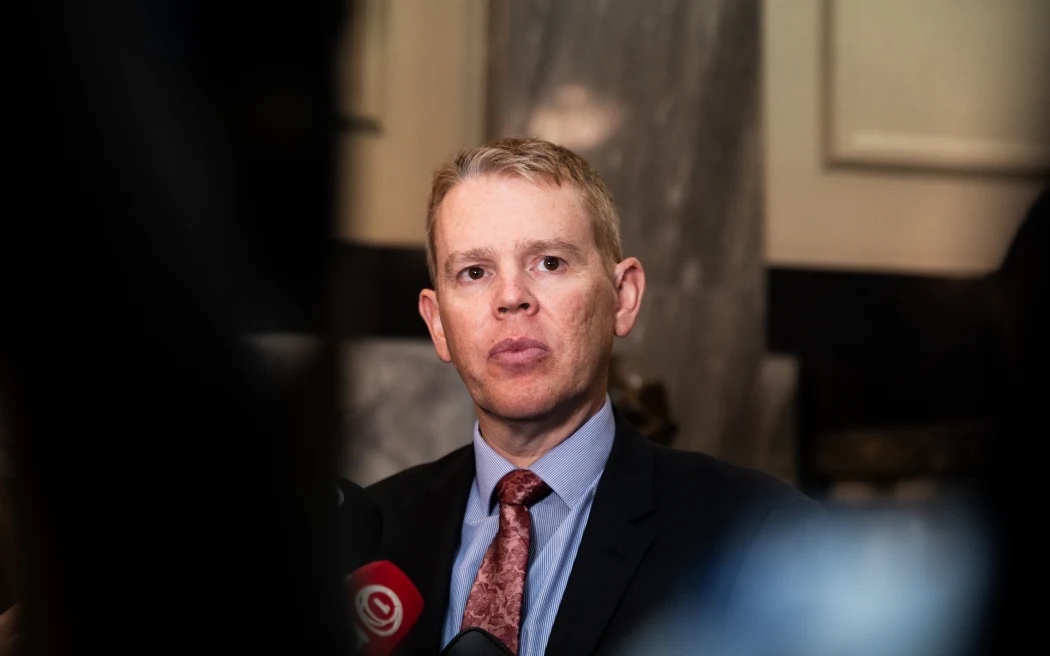

Opinion: Brian Tamaki is trying to turn hate against people into a debate about religion
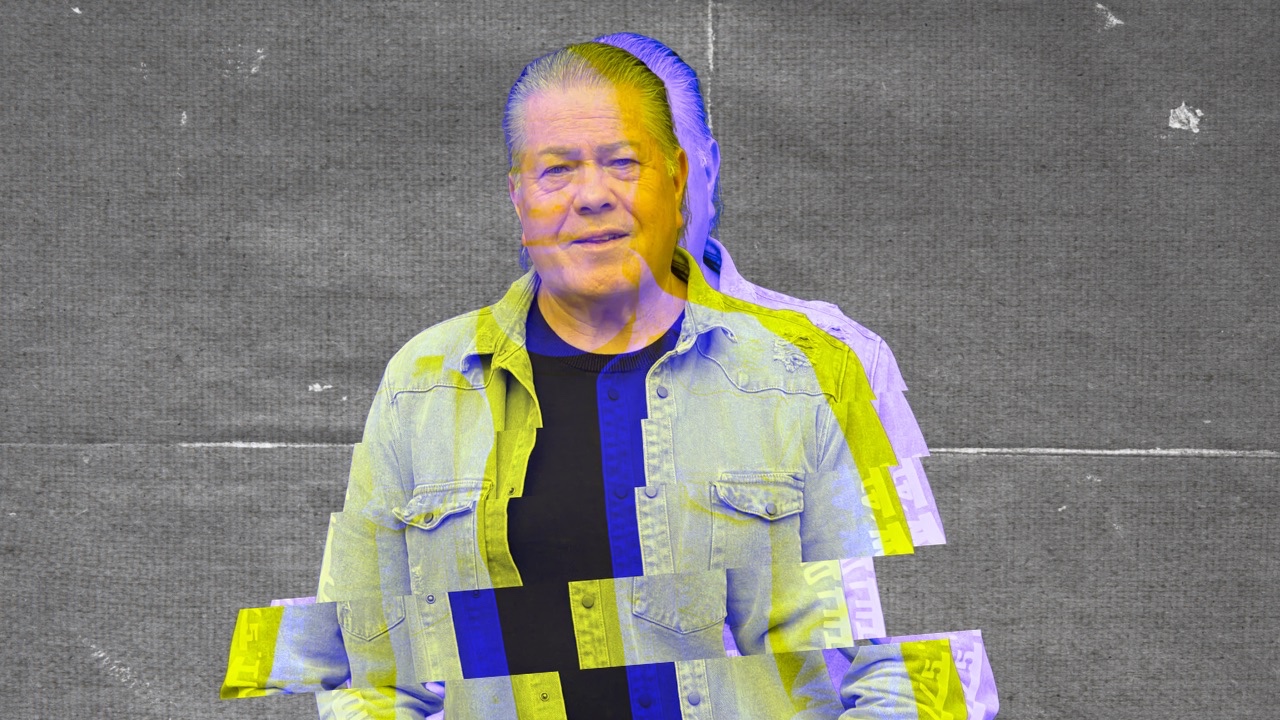
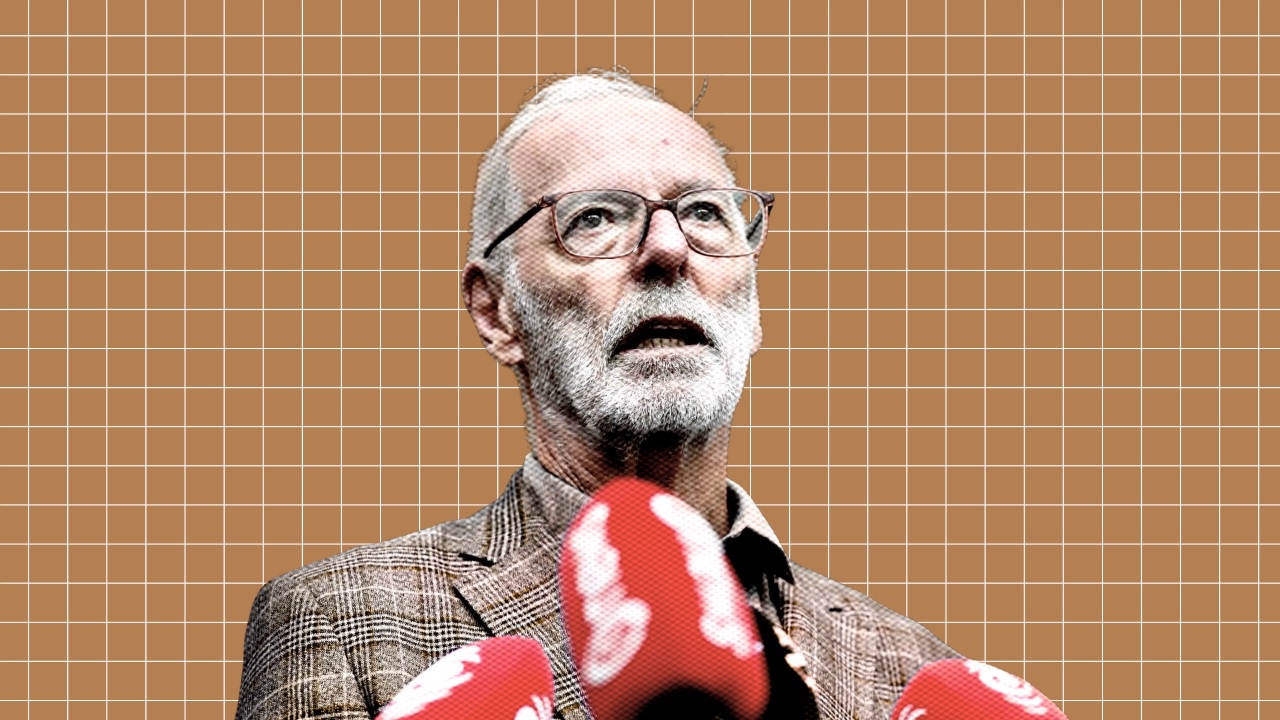
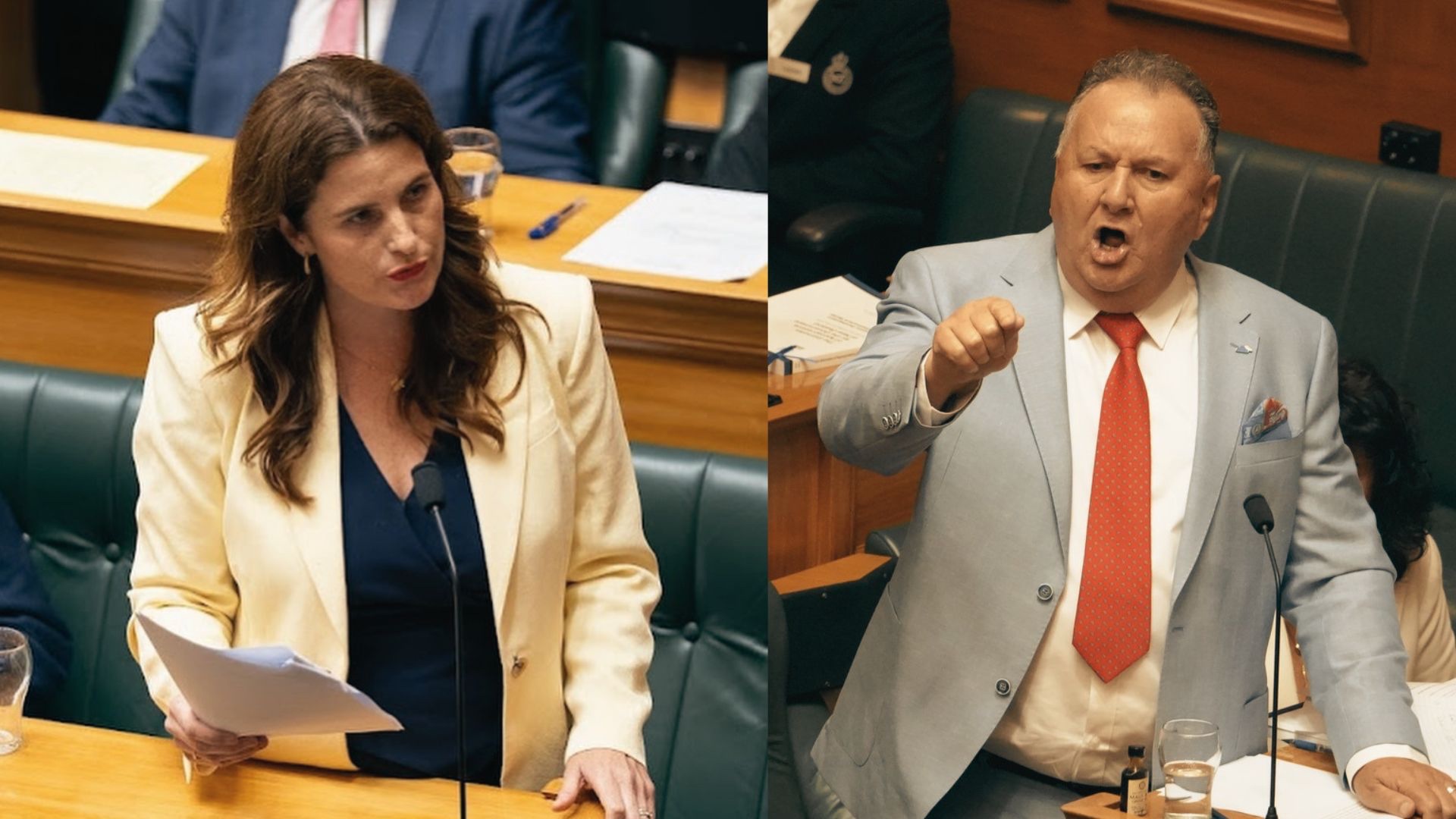
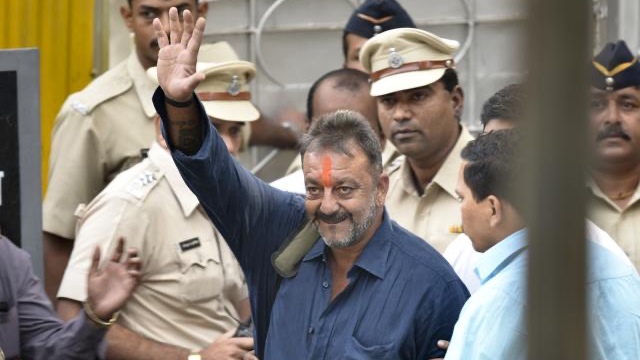
Tamaki appeared in the Manukau District Court on October 19.
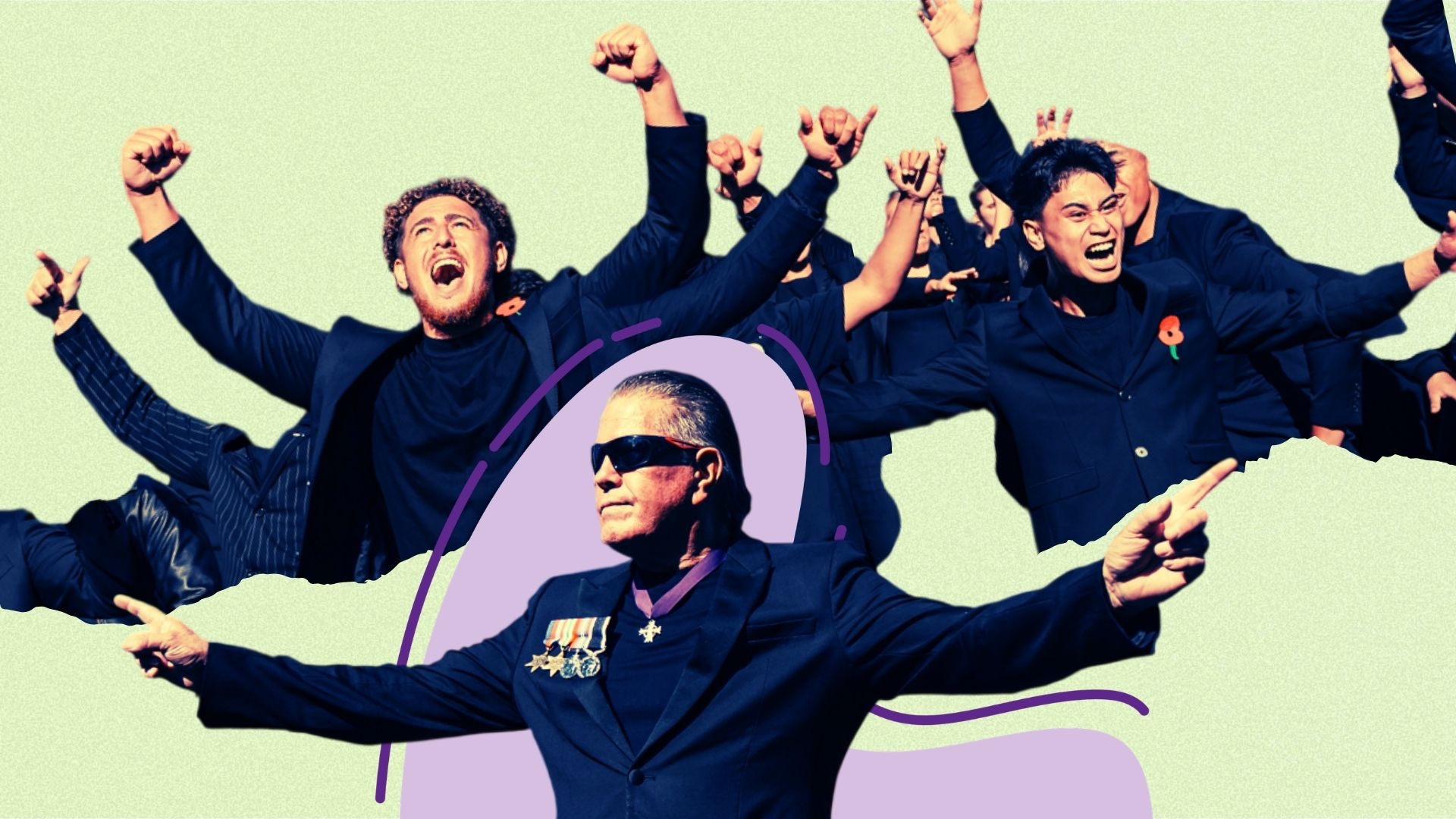
The Destiny Church leader is attempting to recast his racially inflammatory remarks as religious disagreement.
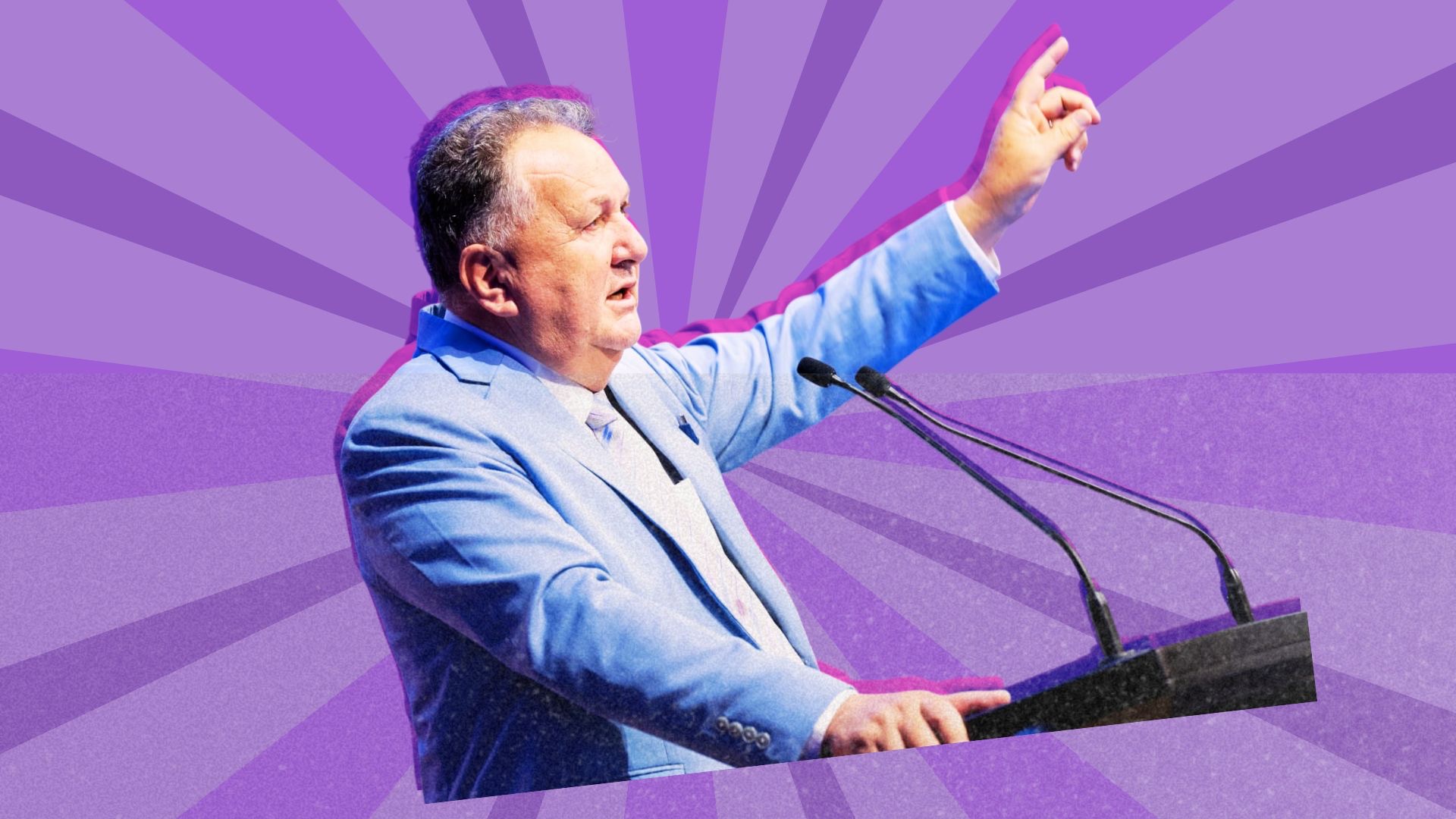
Brian Tamaki wants New Zealanders to believe he is being prosecuted for challenging religious beliefs. That is a curious way to describe calling for the country to be purged of Hindus, Sikhs and Muslims.
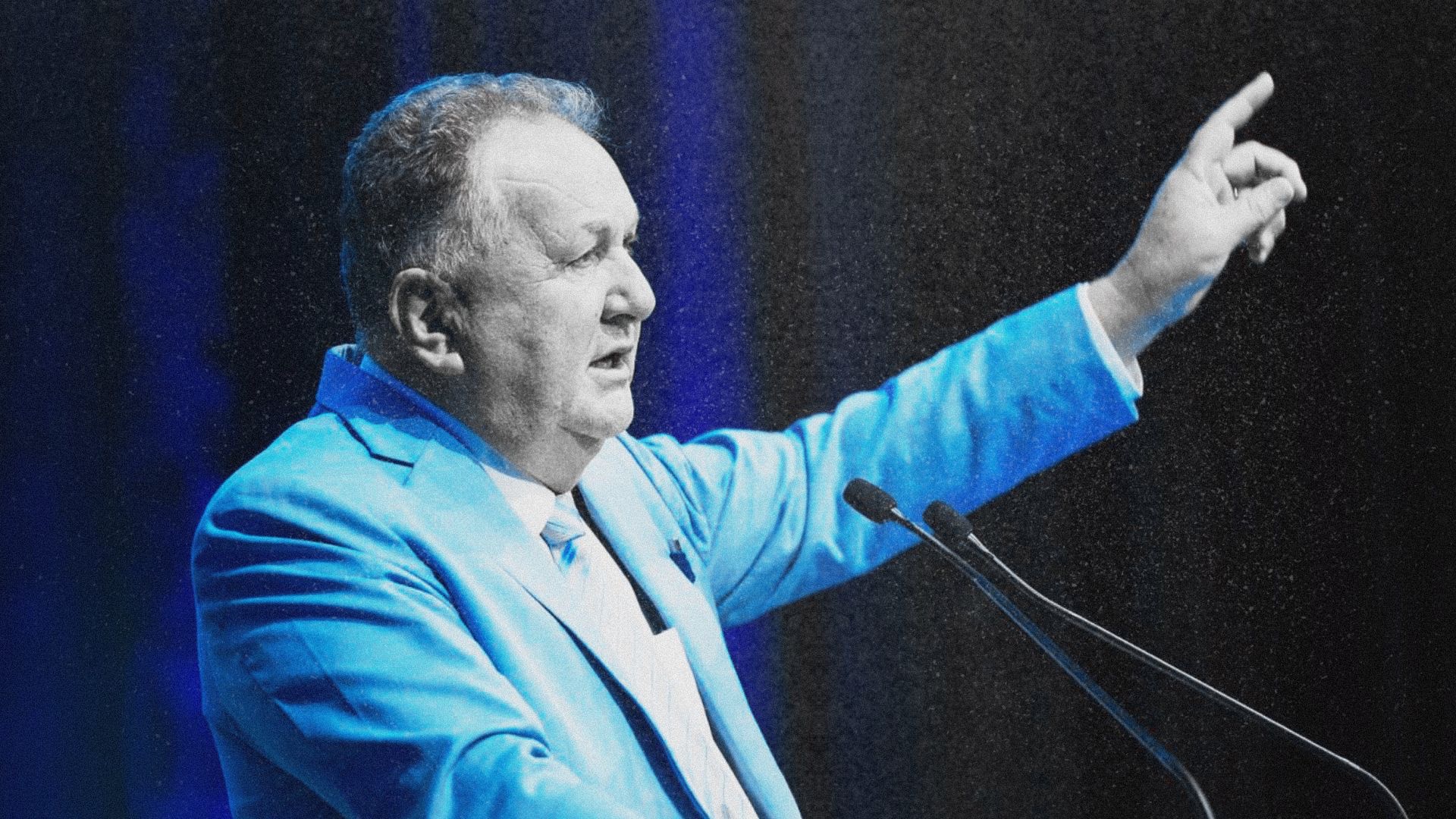
Hours before appearing in Manukau District Court on Monday to face three charges of inciting racial disharmony, the Destiny Church leader published a lengthy Facebook statement under the heading: "Today, free speech on trial".
"Let me be clear," he declared. "I have challenged religion. Not race."
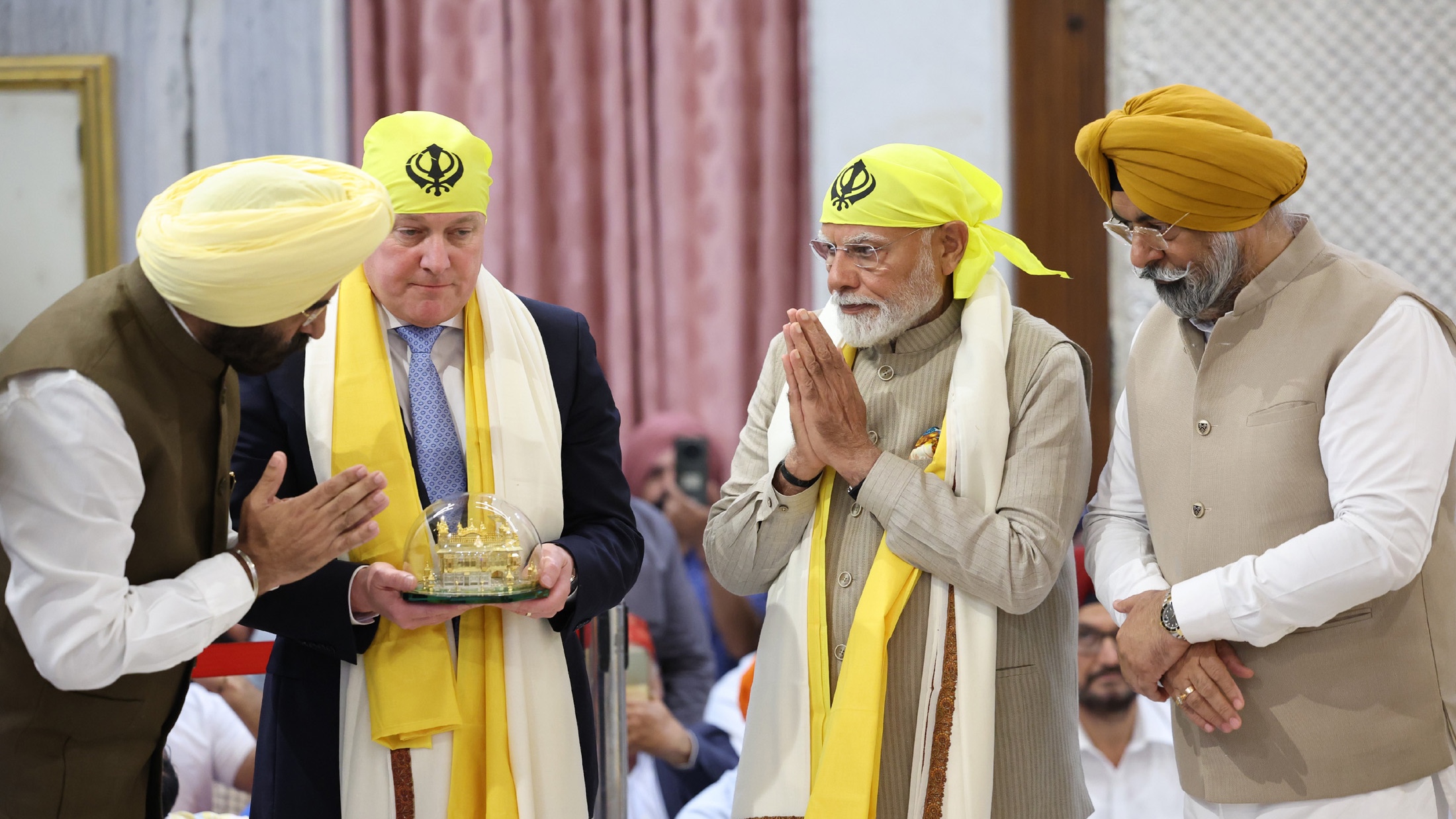
He said he had spoken about the persecution of Christians, the human rights abuses of political leaders like Indian prime minister Narendra Modi, and foreign religions with which he fundamentally disagreed.
"Racial disharmony? No!" he wrote. "At a stretch, you could argue religious disharmony."
From designing restaurants to running Auckland Diwali: The many lives of Arnav Taode Taode brings his passion for Indian arts and culture to his first year managing BNZ Auckland Diwali 2026.
Winston Peters says ‘diversity is disunity’. What does the evidence tell us? Evidence from business, sport and social policy suggests diversity can strengthen economies and cohesion but on one condition.
Baby born in Sri Lanka to New Zealand residents caught in limbo after Down syndrome diagnosis Immigration tribunal orders fresh residence assessment after finding a “serious mistake” by immigration officials.
Tamaki then invoked his calling as a Christian preacher to explain why he would not apologise for challenging other faiths.
"But I am a Christian preacher. Challenging religious beliefs is part of my calling. I believe New Zealand was founded on Christian principles, and I will not apologise for defending them."
He went on to argue that disagreement was not racism, and that people being offended by his views did not make those views criminal.
Taken in isolation, much of that argument is perfectly reasonable. Religious beliefs, like political ideologies, should be open to criticism, however strongly expressed. Nobody should be prosecuted merely for disagreeing with a religion or questioning the conduct of a foreign political leader.
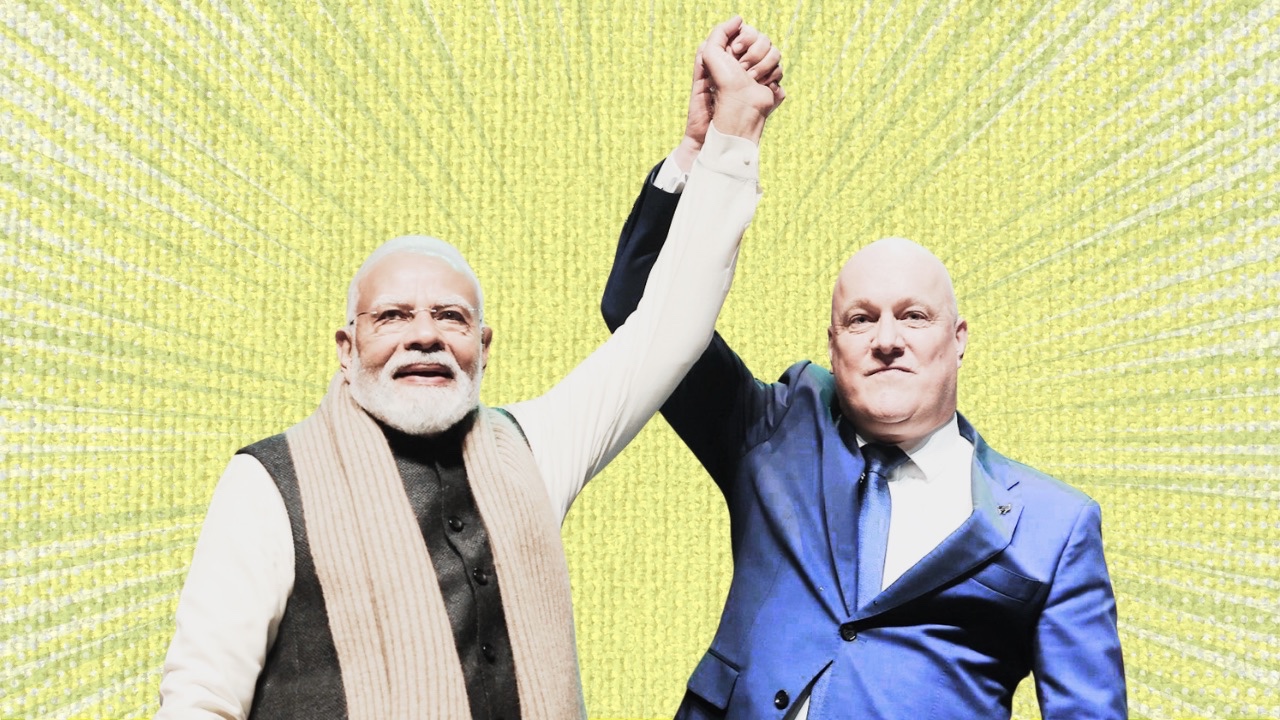
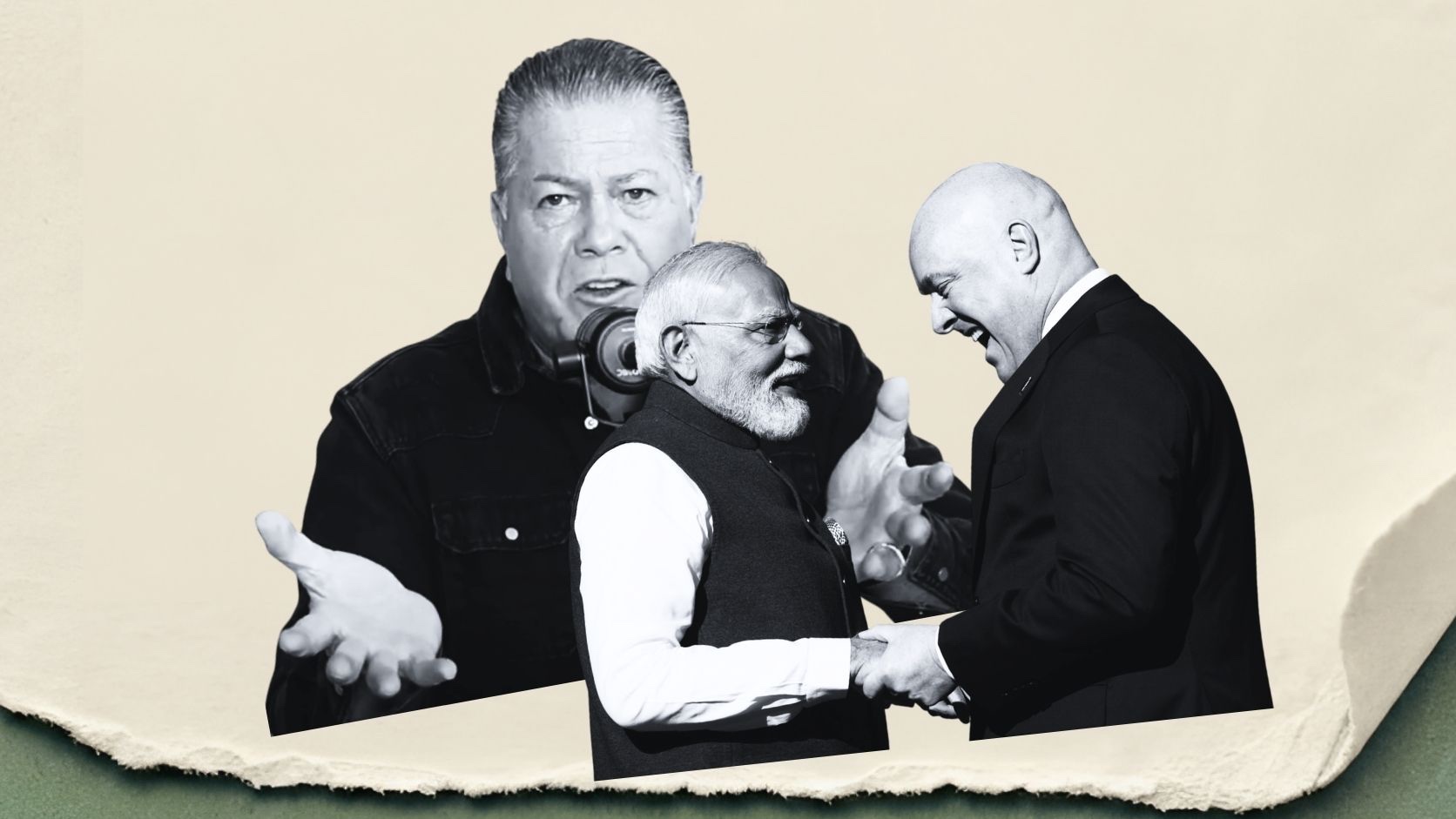
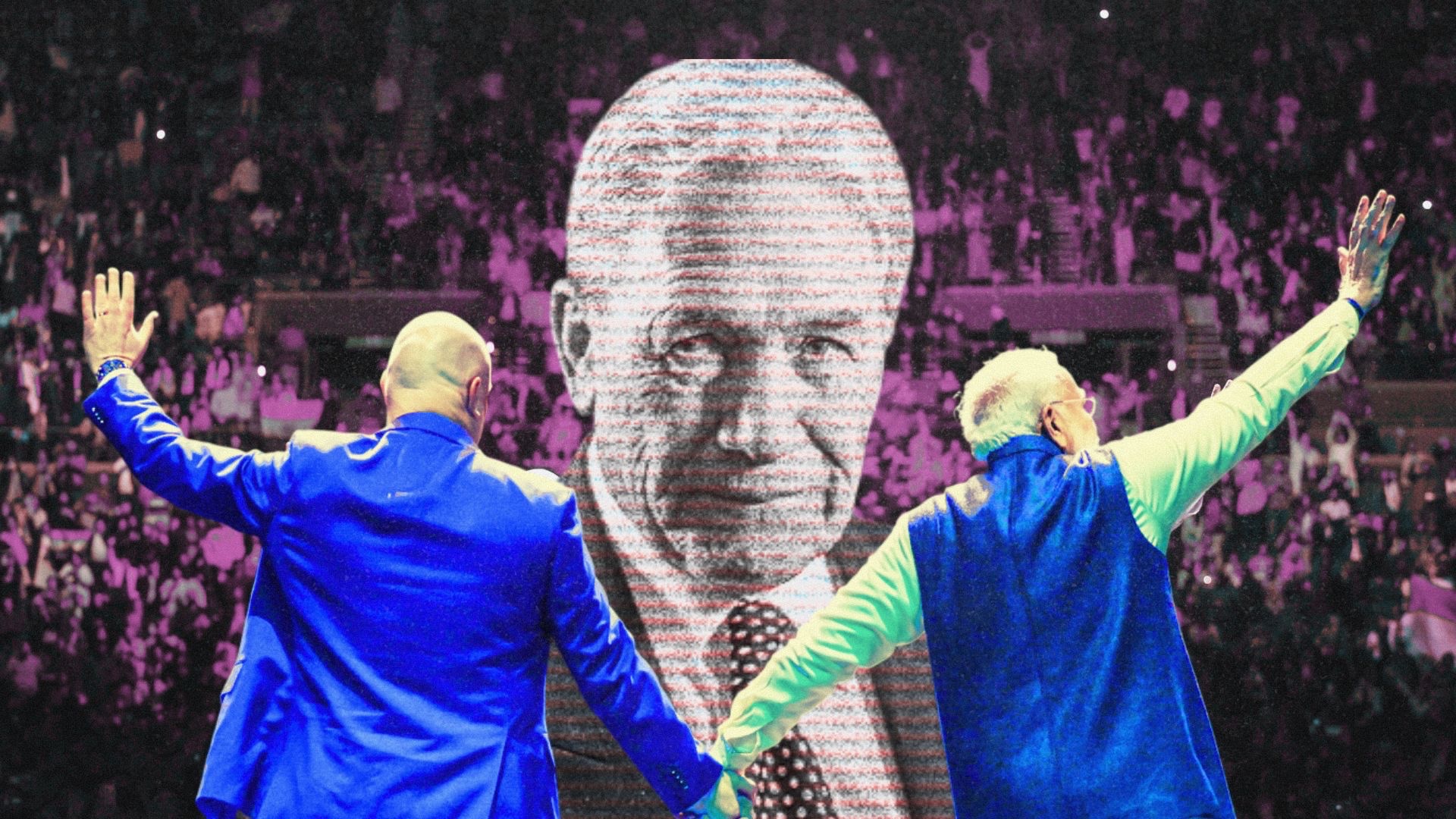
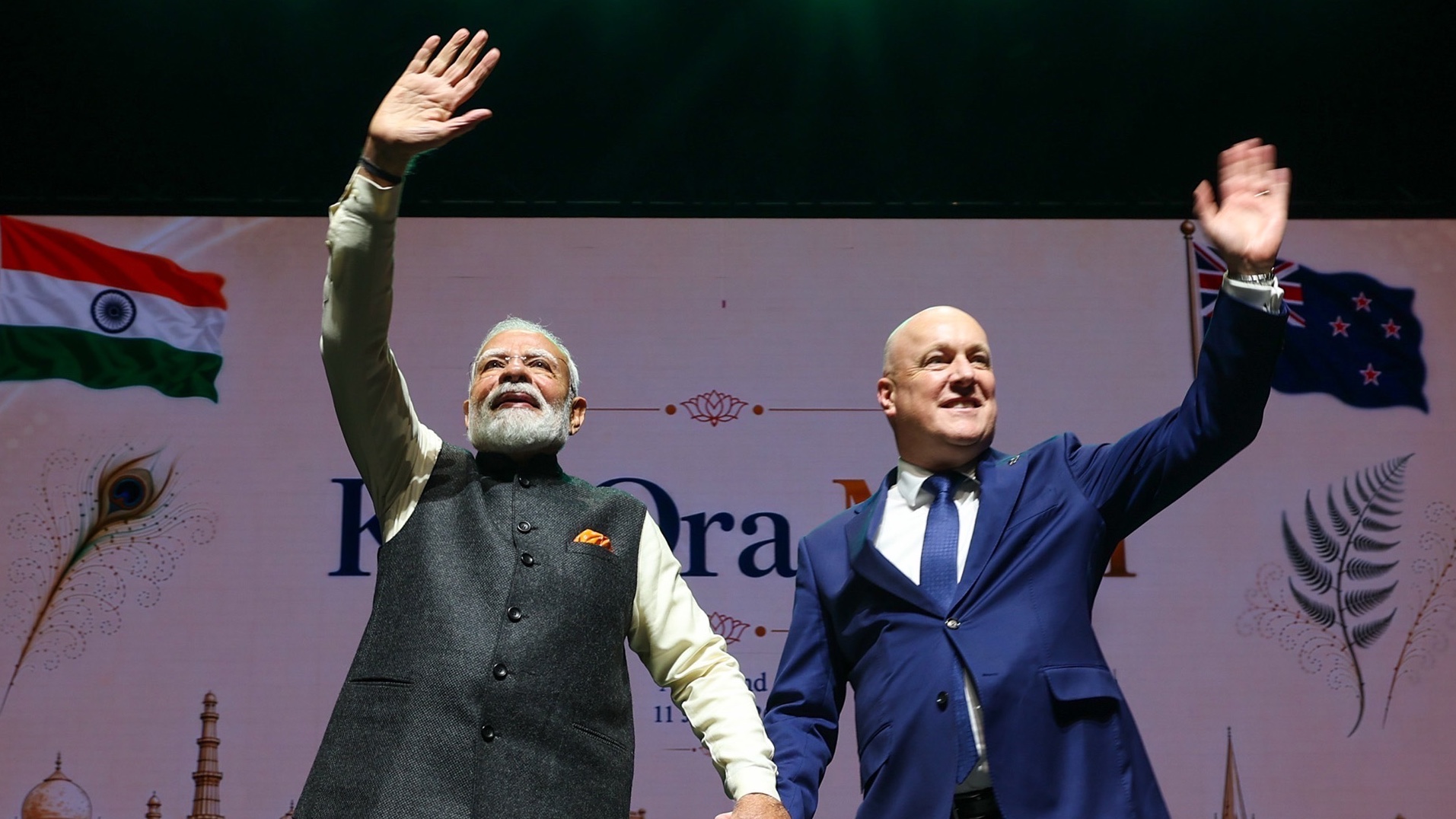
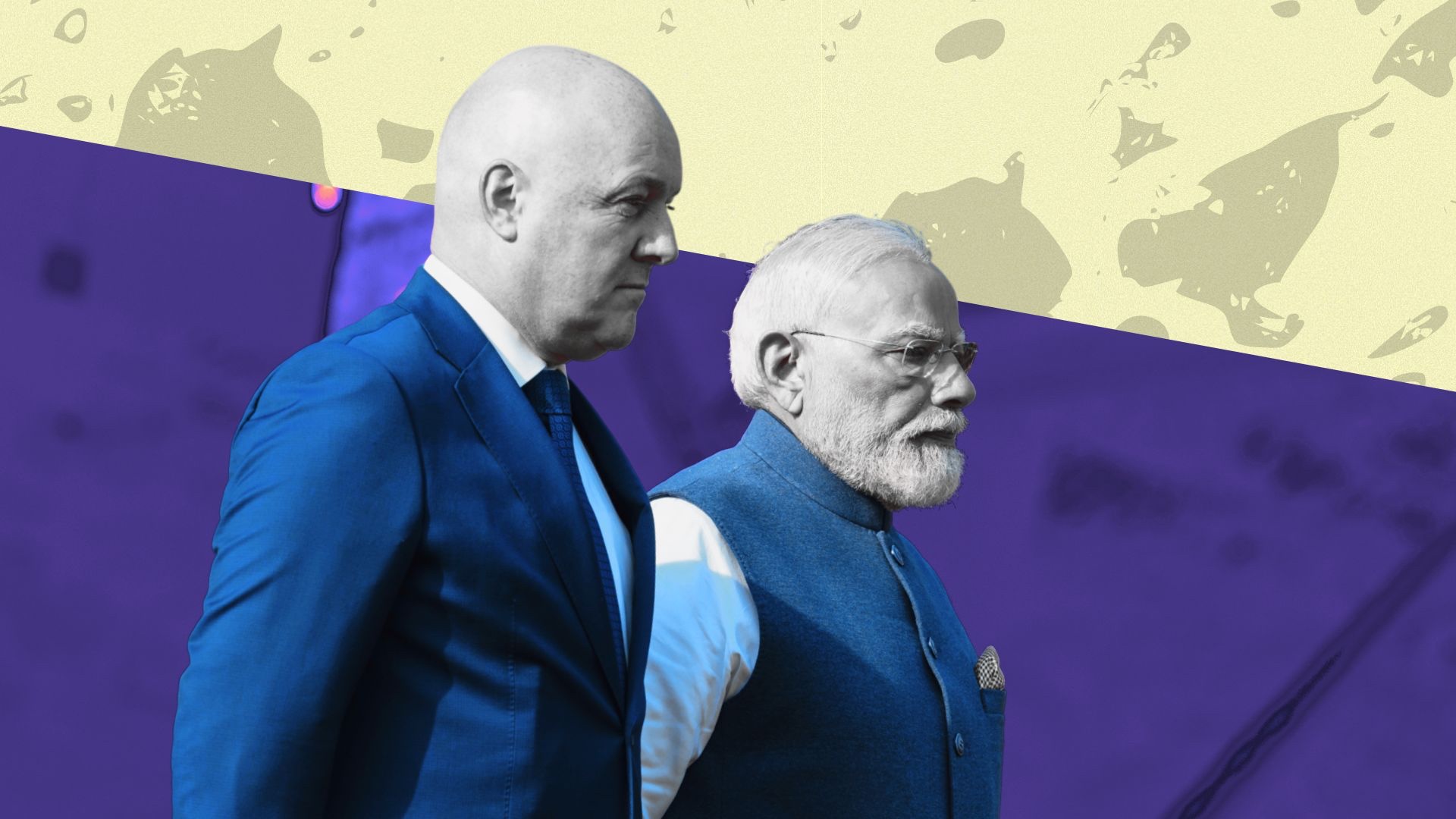
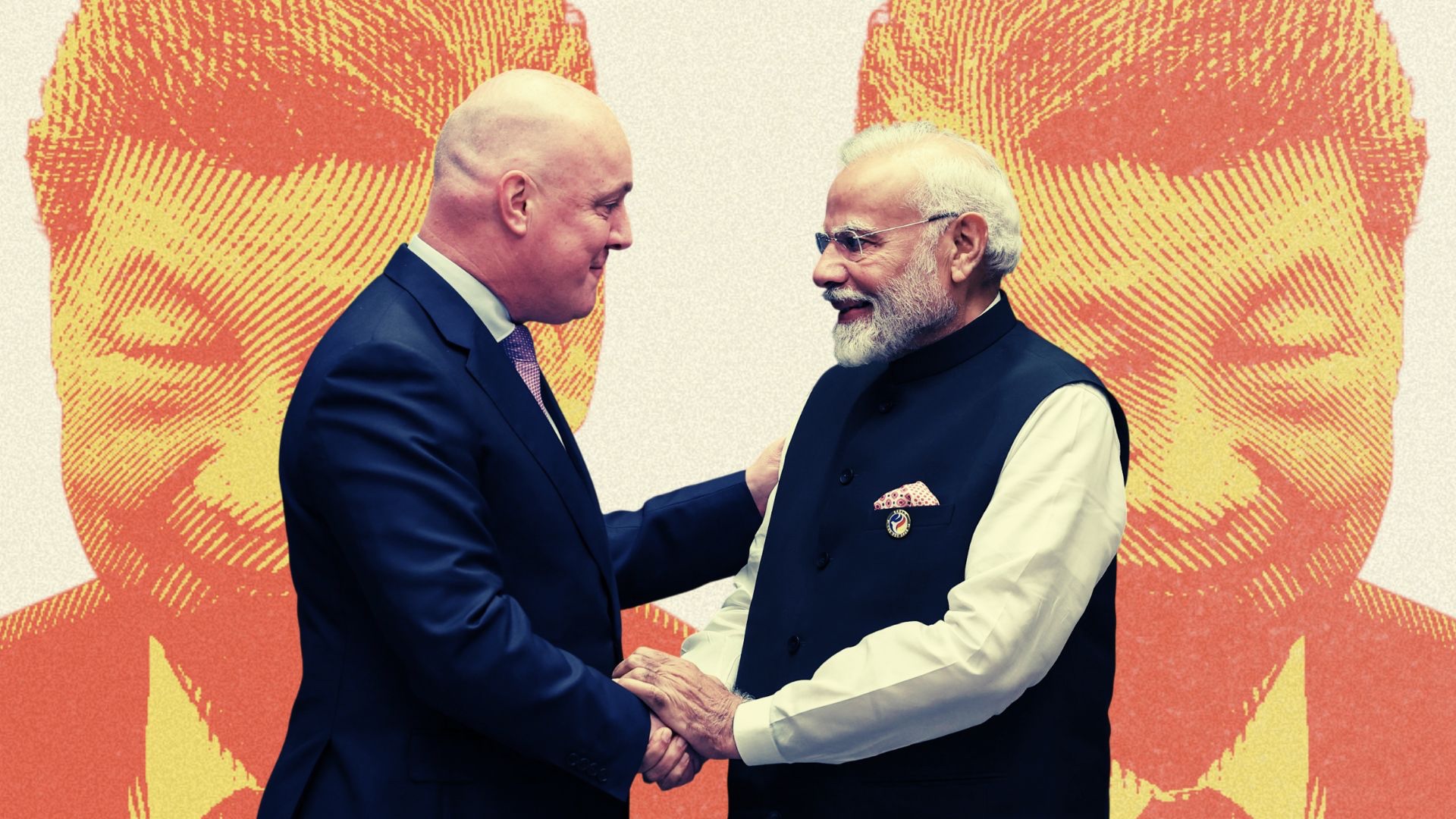
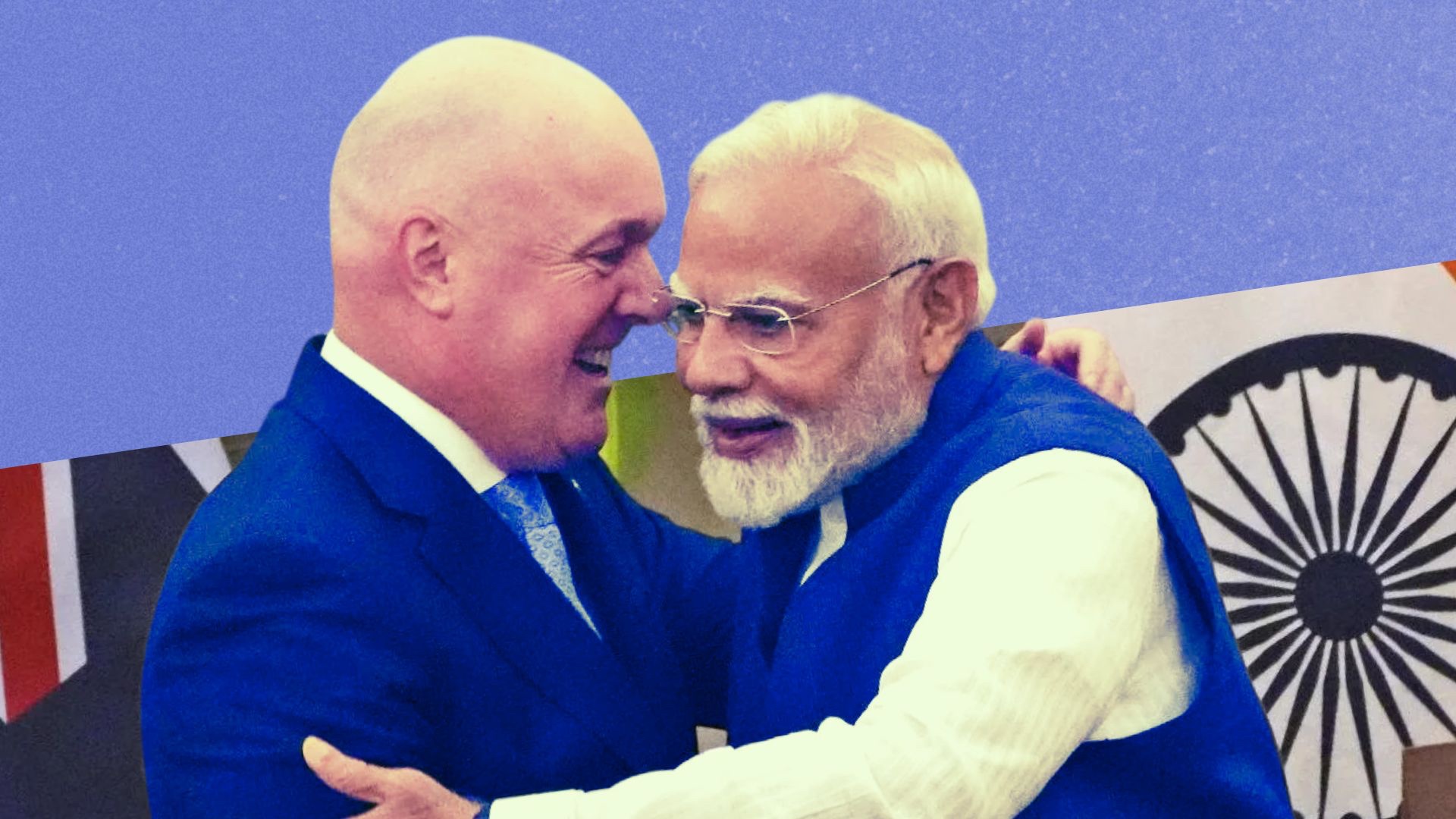
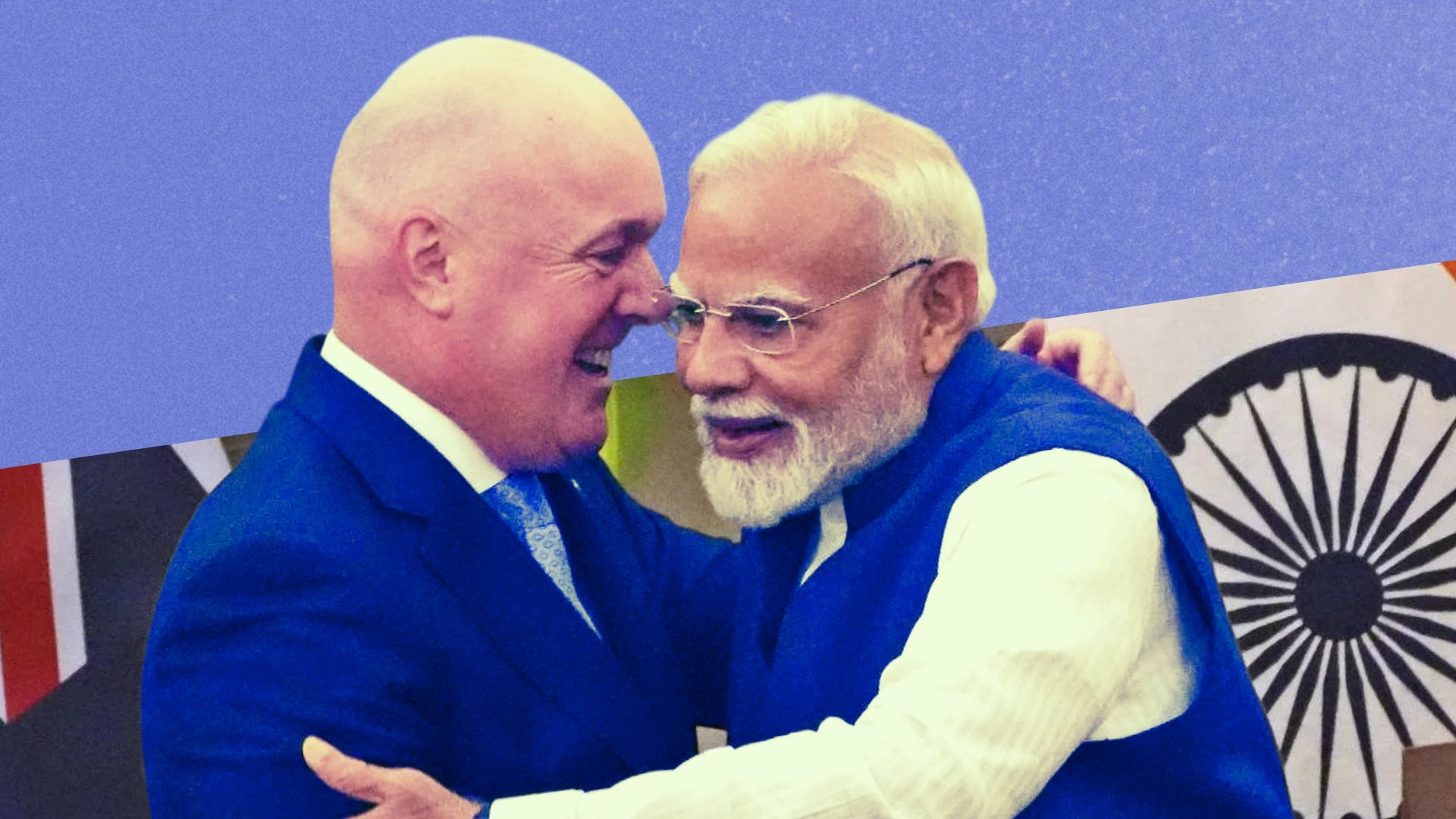
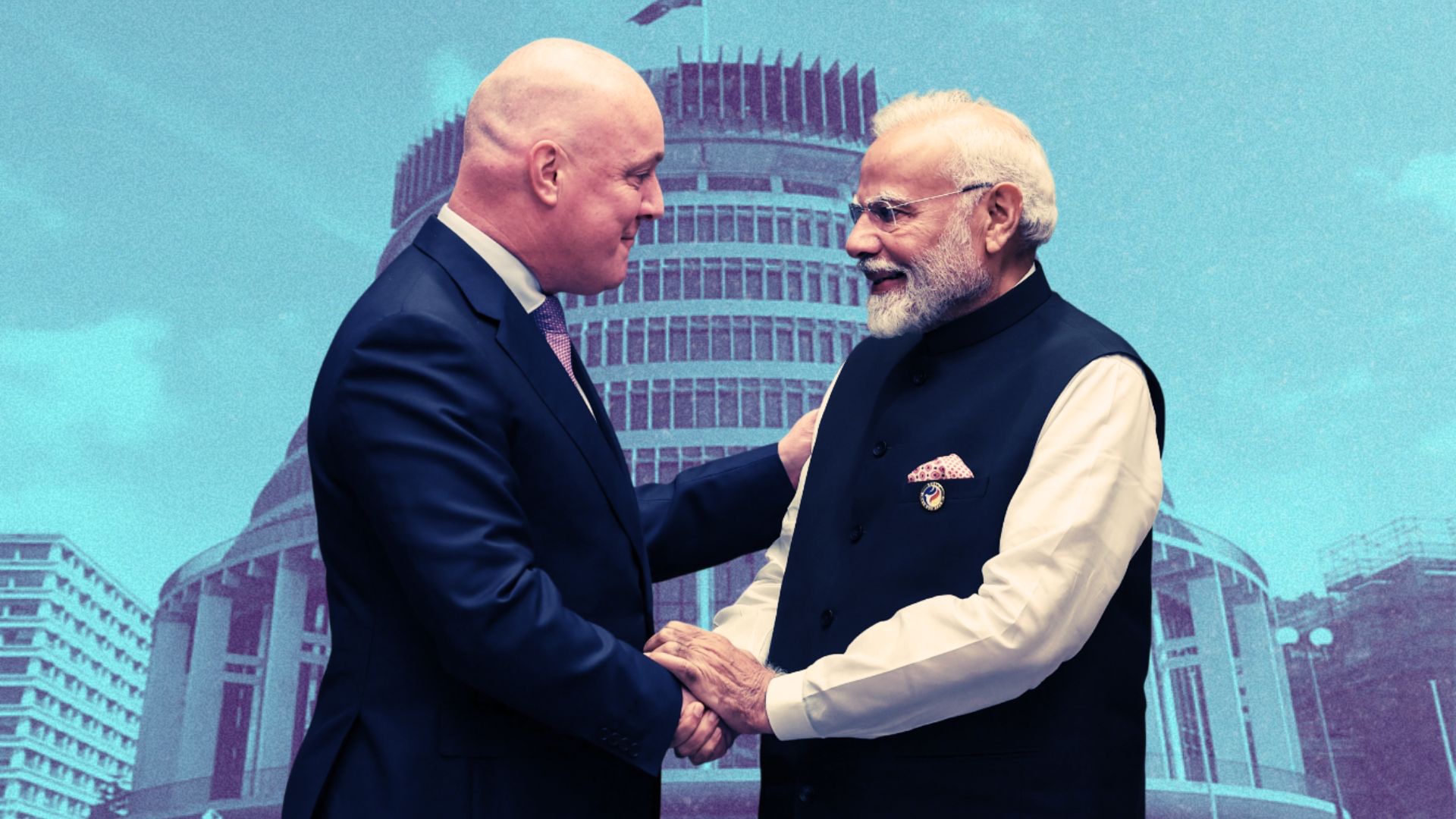
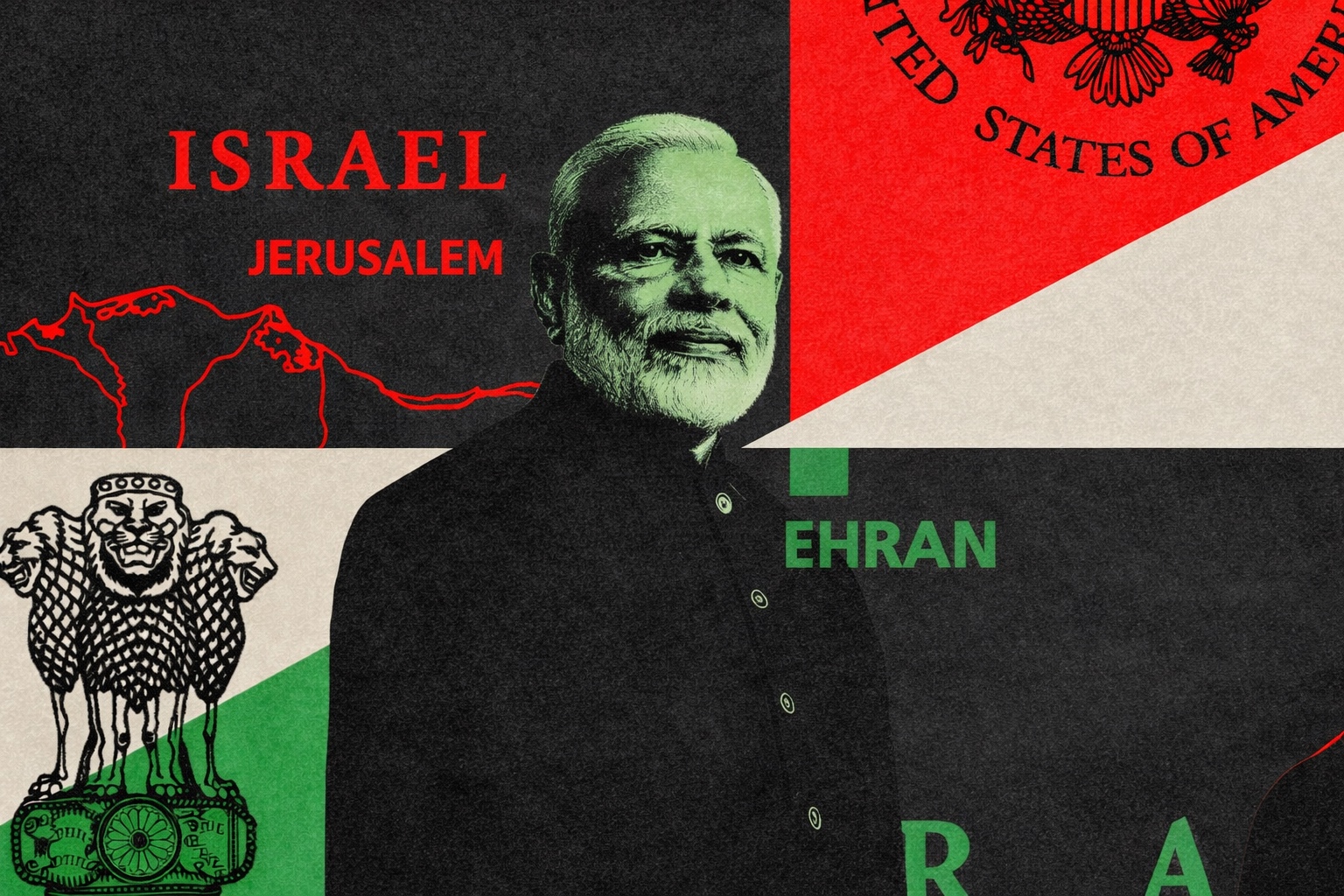
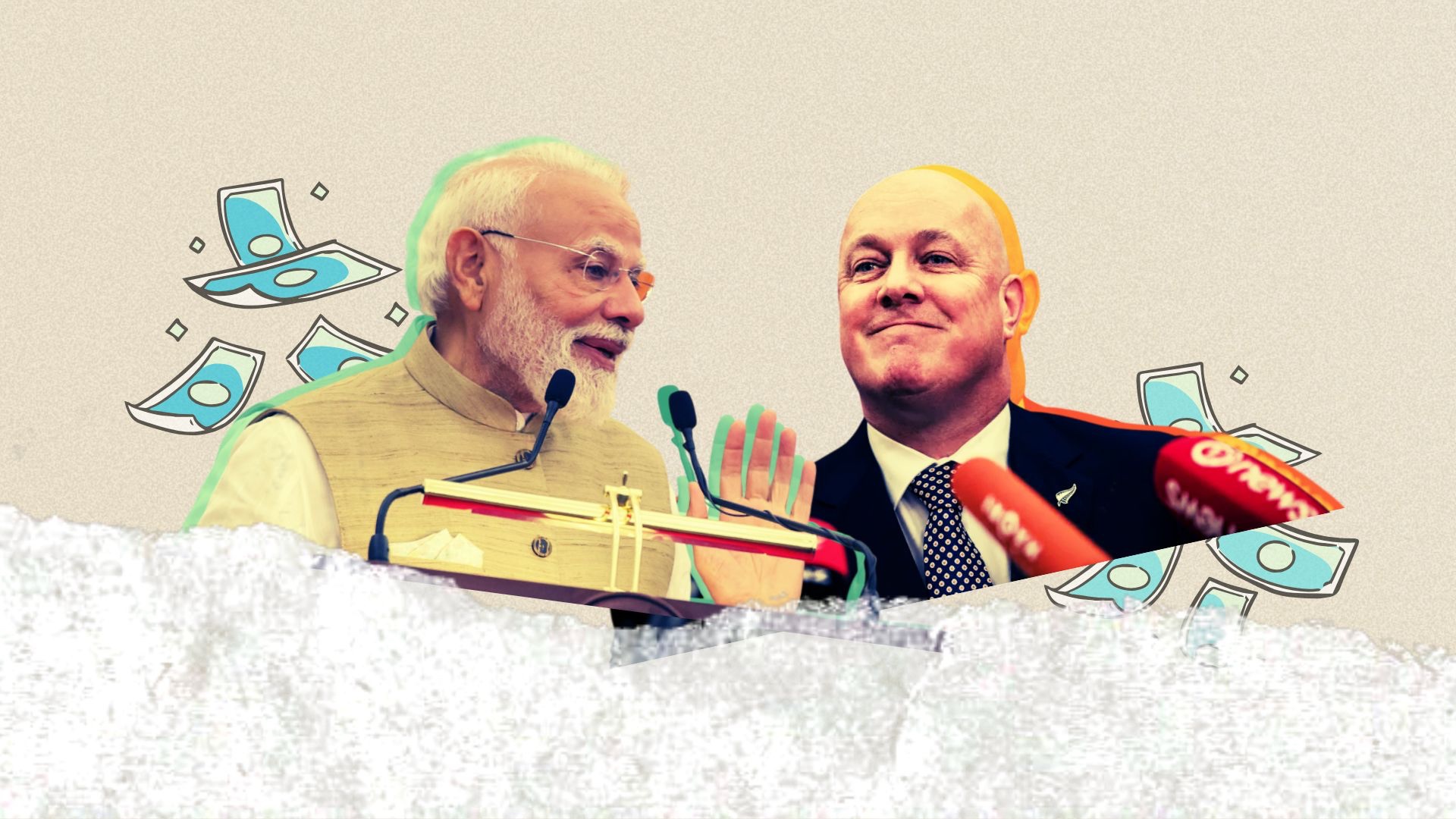
But that is not the whole story of what Tamaki said in June. In a Facebook video on June 18, ahead of Modi's visit to New Zealand, Tamaki called the Indian prime minister a "monster" and accused him of persecuting Christians in India.
"Modi is a Christian killer. Right now in his country, he is killing Christians. He is currently purging India of all Christians and burning church buildings down," Tamaki said.
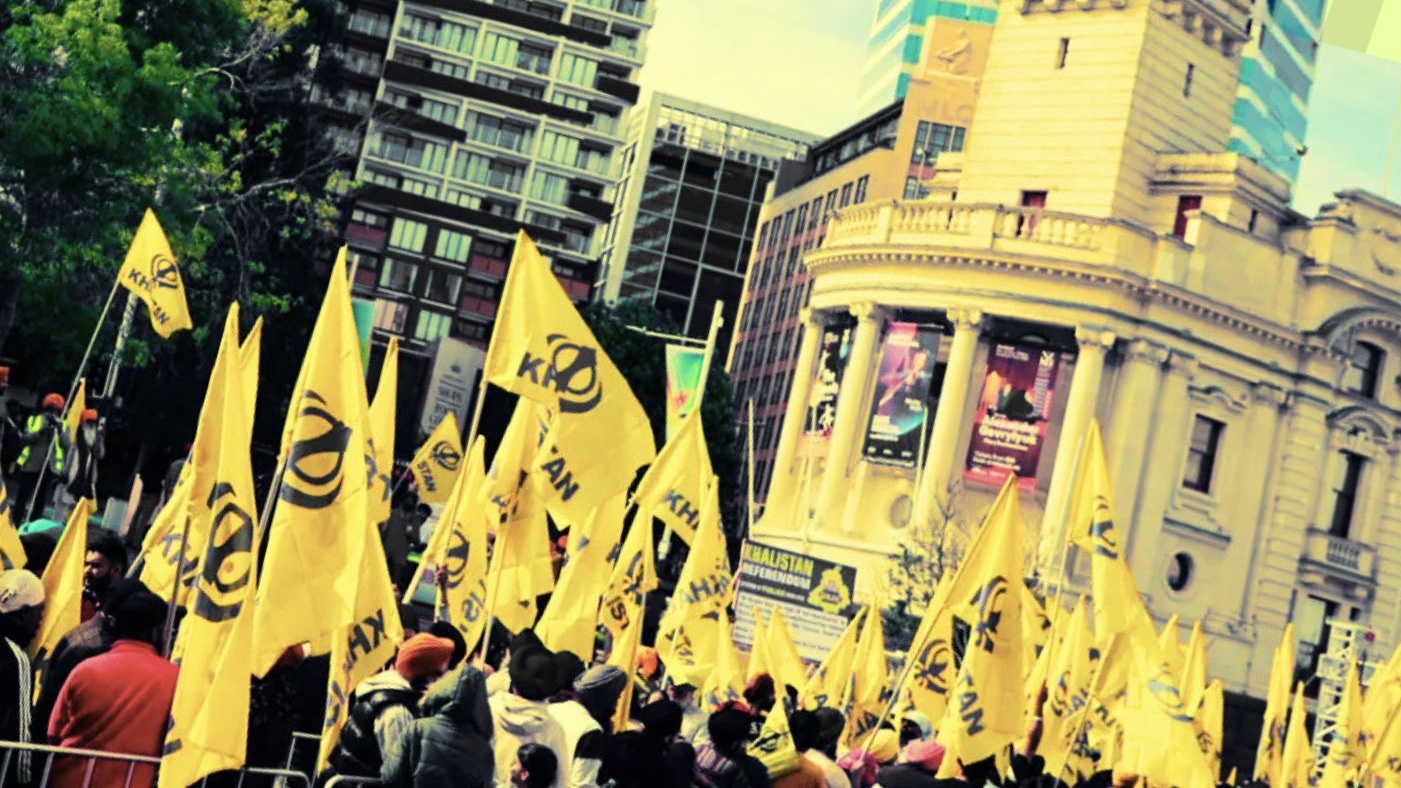
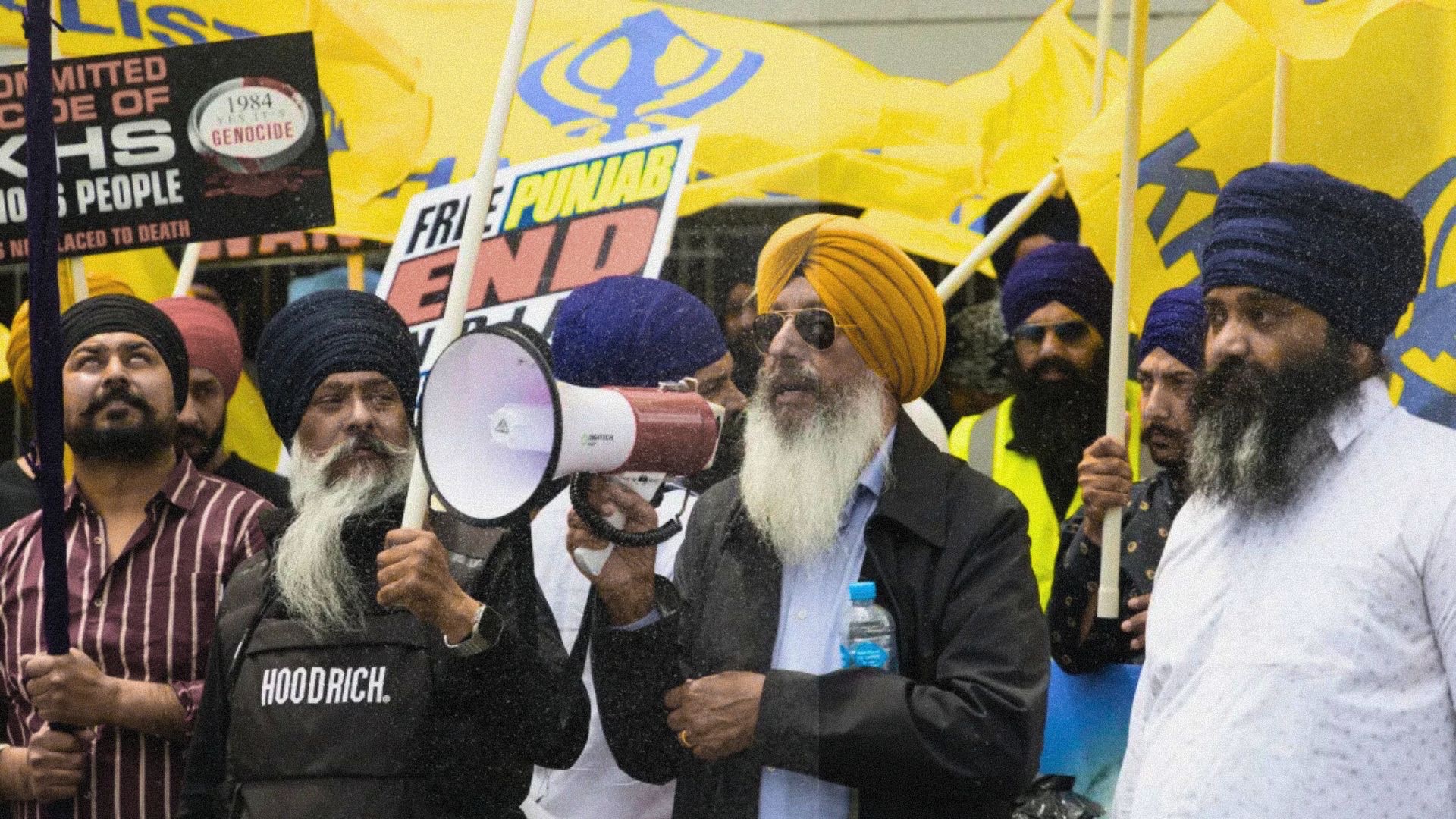
He then proposed that New Zealand "reciprocate in kind". "Let's purge New Zealand of Hindus, Sikhs and Muslims. And while we're at it, if they're burning churches down, why don't we burn mosques and their temples down? Tit for tat."
Tamaki wasn't simply criticising Hinduism, Sikhism or Islam. Nor was he merely questioning Modi's treatment of Christians. He was proposing retaliation against entire religious communities living in New Zealand for what he alleged was happening in India.
There is a fundamental difference between saying that you reject a religion and saying that people belonging to that religion should be purged from the country. One challenges beliefs. The other targets human beings.
The logic of his proposed retaliation is just as troubling. Why should a Sikh family in South Auckland, or a Muslim family in Hamilton, bear responsibility for what Tamaki alleges Modi is doing to Christians in India?
What conceivable connection is there between defending Christians in India and suggesting that the places of worship of unrelated religious communities in New Zealand should be burned?
Tamaki's latest Facebook statement offers no convincing answer. Instead, it presents the controversy as a struggle for fundamental freedoms.
"But this case is bigger than me," he wrote, declaring that the freedom to speak, question, challenge and disagree belonged to every New Zealander.
"This case could become a defining moment for free speech in New Zealand," he suggested.
Freedom of expression is indeed fundamental. It protects the right to criticise religion, including in terms that believers might find deeply offensive. But invoking that freedom does not shield the substance of what someone says from public scrutiny.
The distinction Tamaki is trying to draw between religion and race is not incidental. It goes to the heart of the criminal charges against him.
According to the charges outlined in Manukau District Court on Monday, the alleged offending relates to videos and comments posted on Facebook on June 15, 17 and 21.
The prosecution alleges that the comments were posted with an intent to "excite ill-will against a group of persons in New Zealand, namely Indians, on the ground of their race and national origin".
It also alleges the posts were abusive or insulting and likely to excite hostility or ill-will against those people.
That is a more specific allegation than Tamaki's Facebook defence addresses. Prosecutors allege hostility towards Indians on grounds of race and national origin, while Tamaki insists he was challenging religious beliefs and political leaders.
New Zealand's criminal provisions on inciting racial disharmony concern hostility based on colour, race, or ethnic or national origins, rather than religion alone.
Whether the prosecution can establish its allegations is for the court to determine. Tamaki pleaded not guilty to all three charges on Monday and is entitled to the presumption of innocence.
But criminal liability and moral responsibility are different questions. Even if a court ultimately finds that his comments do not constitute a criminal offence, that would not make his description of them as mere religious disagreement any more convincing.
No amount of theological explanation can change that.