
Māori seat referendum could backfire on right bloc, says political expert

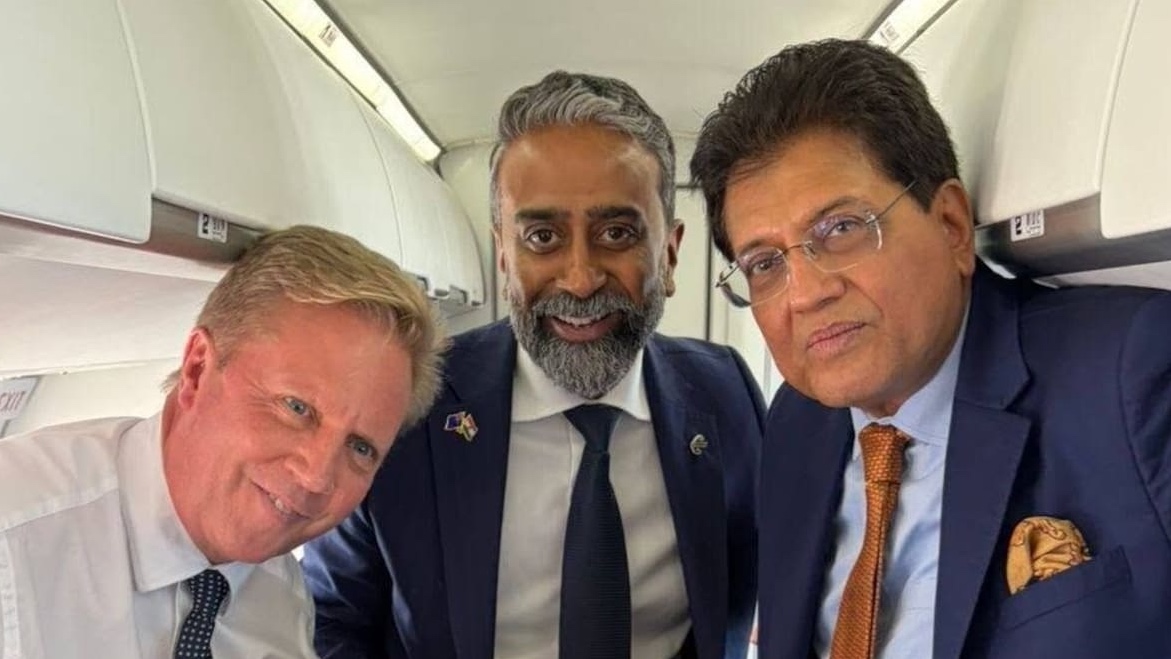
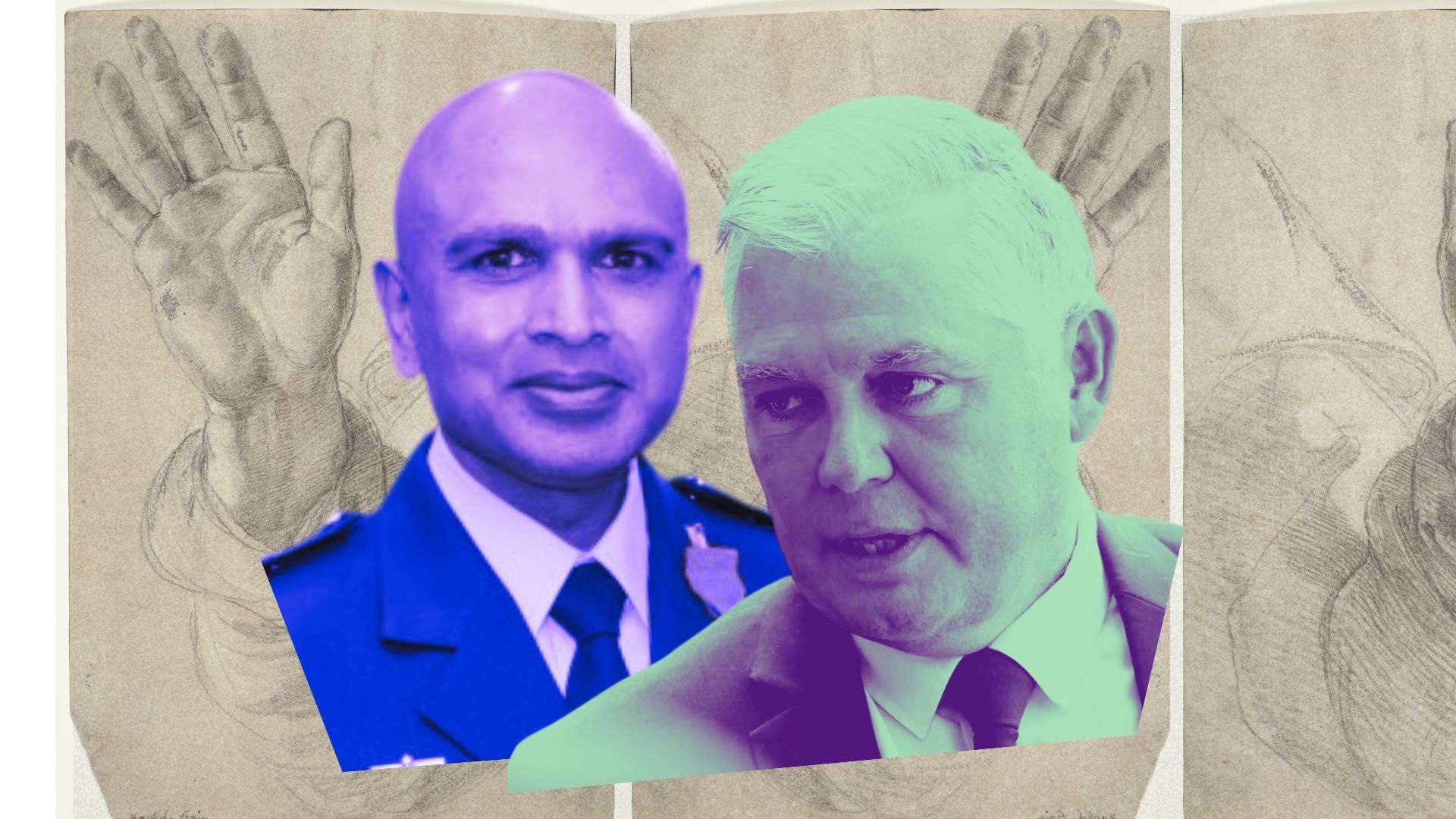
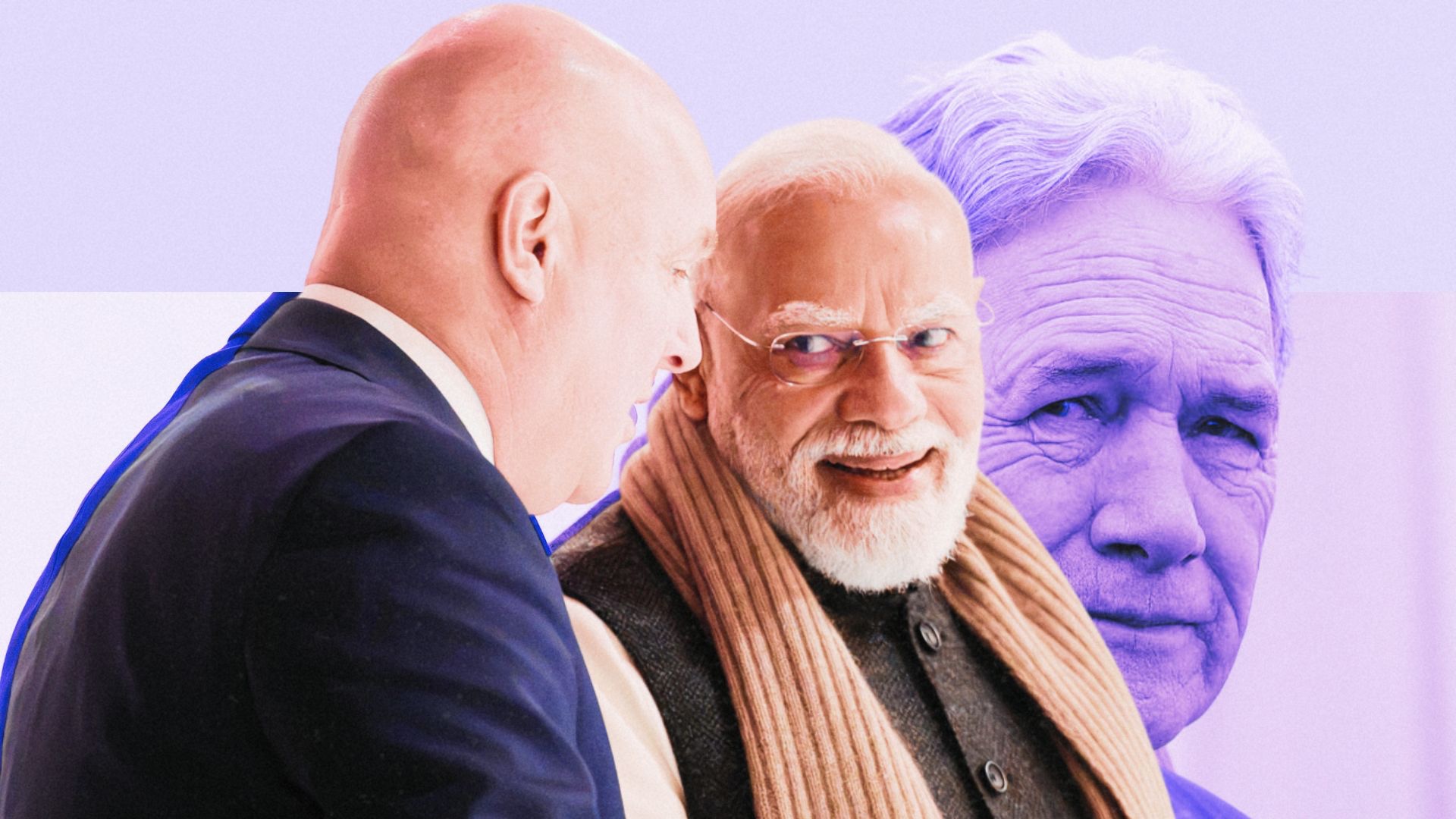
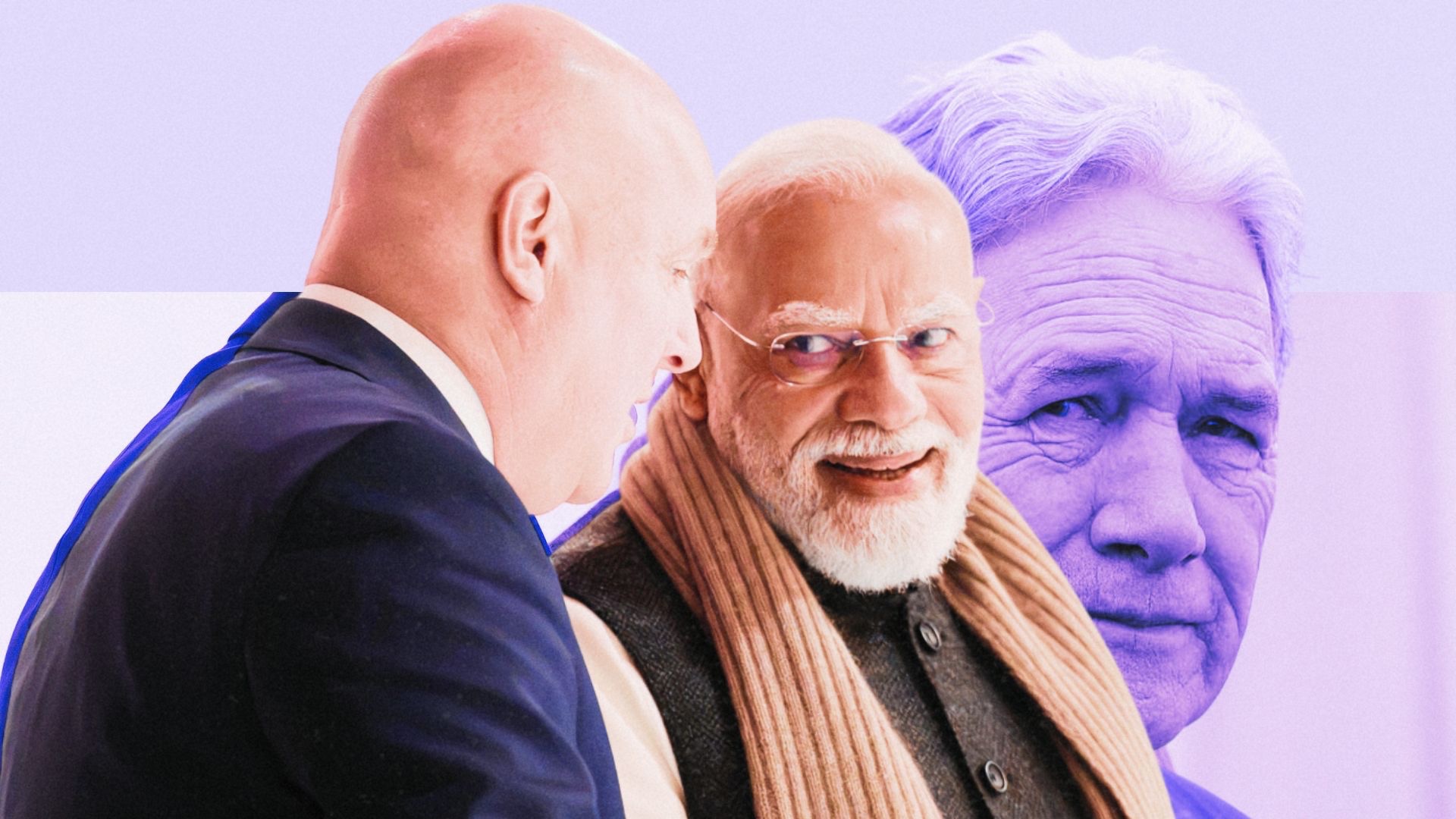
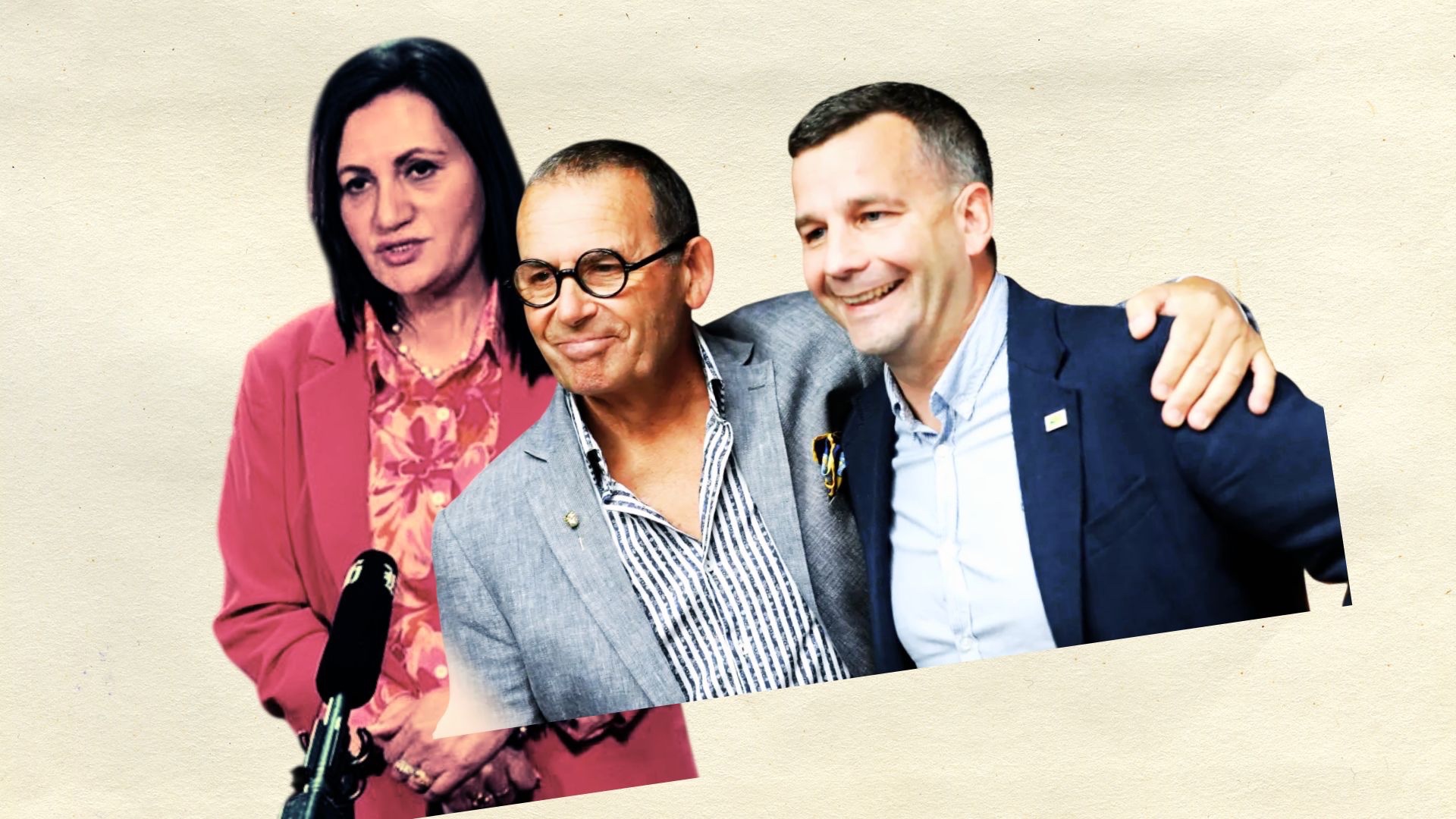
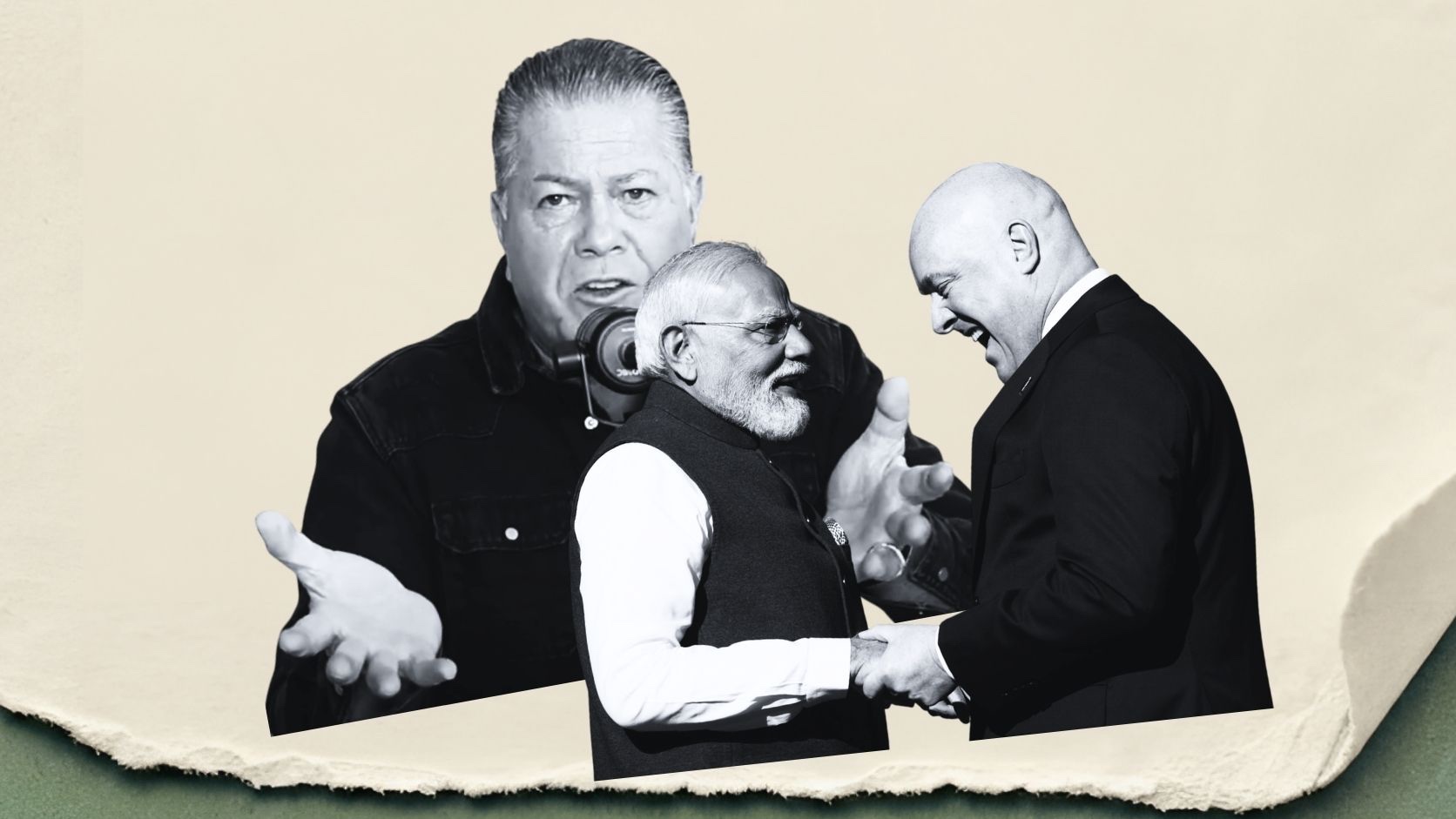
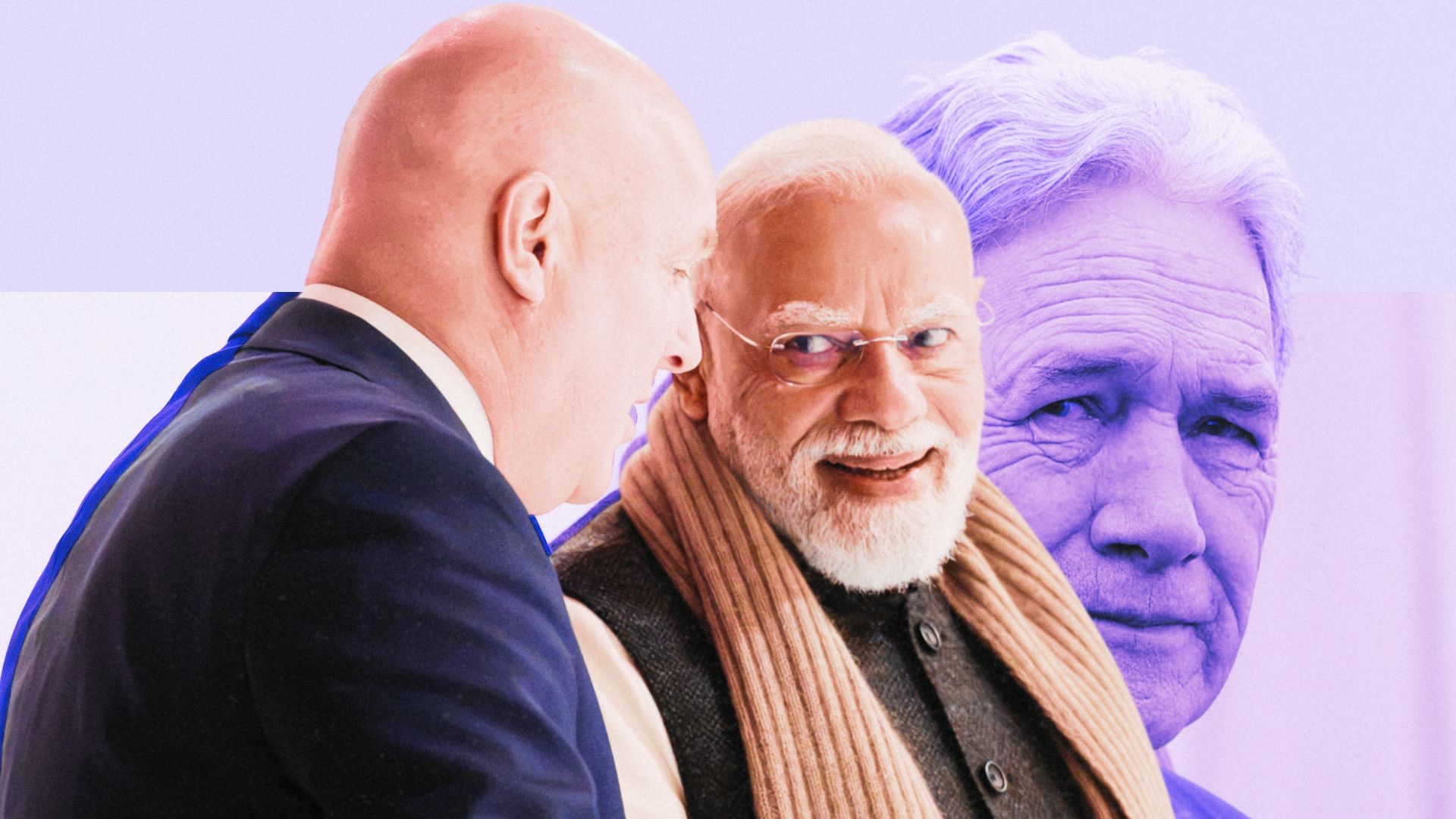
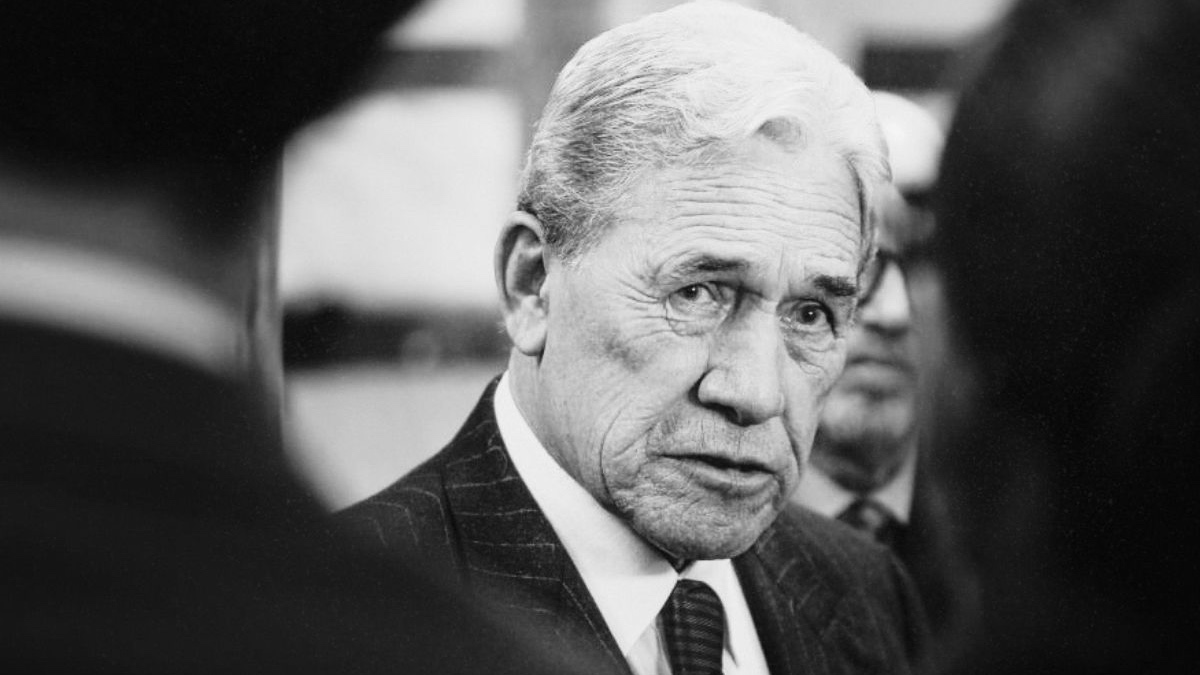
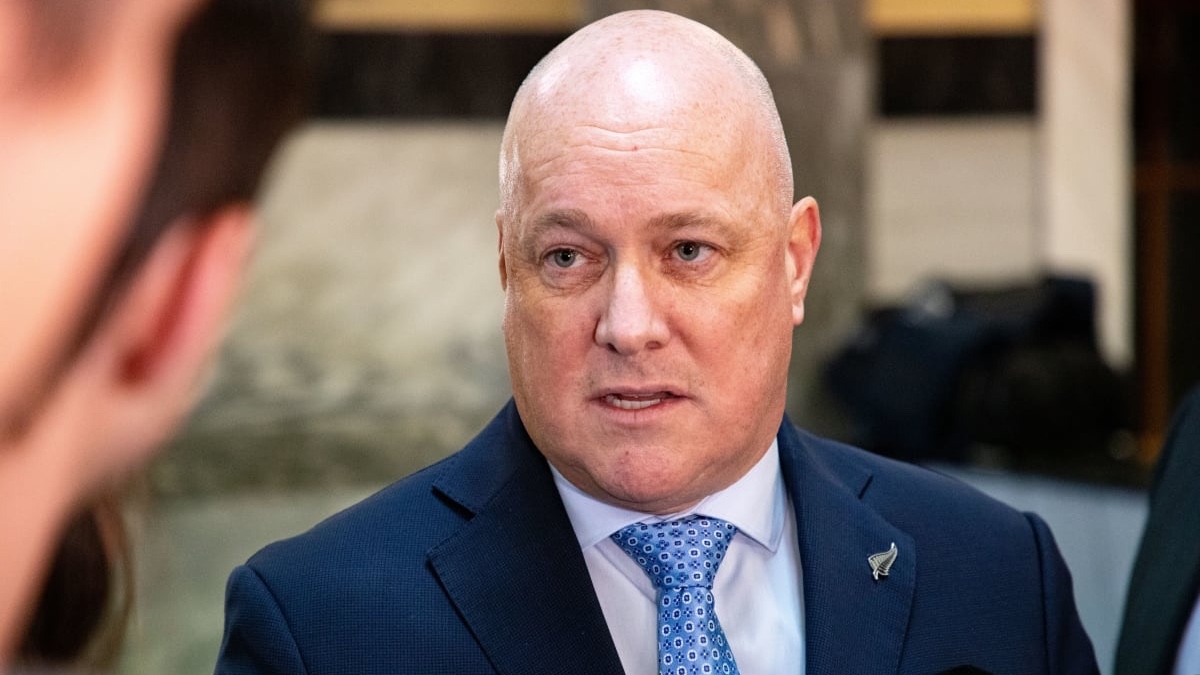
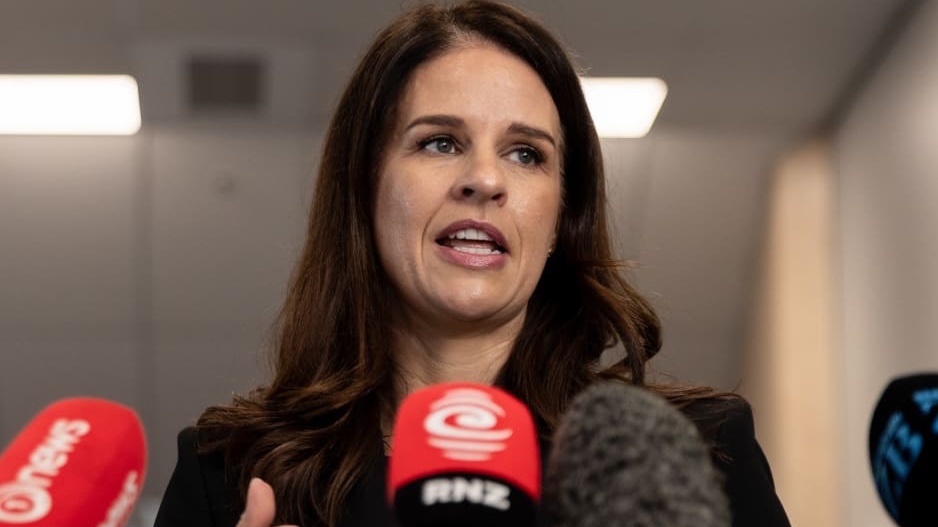
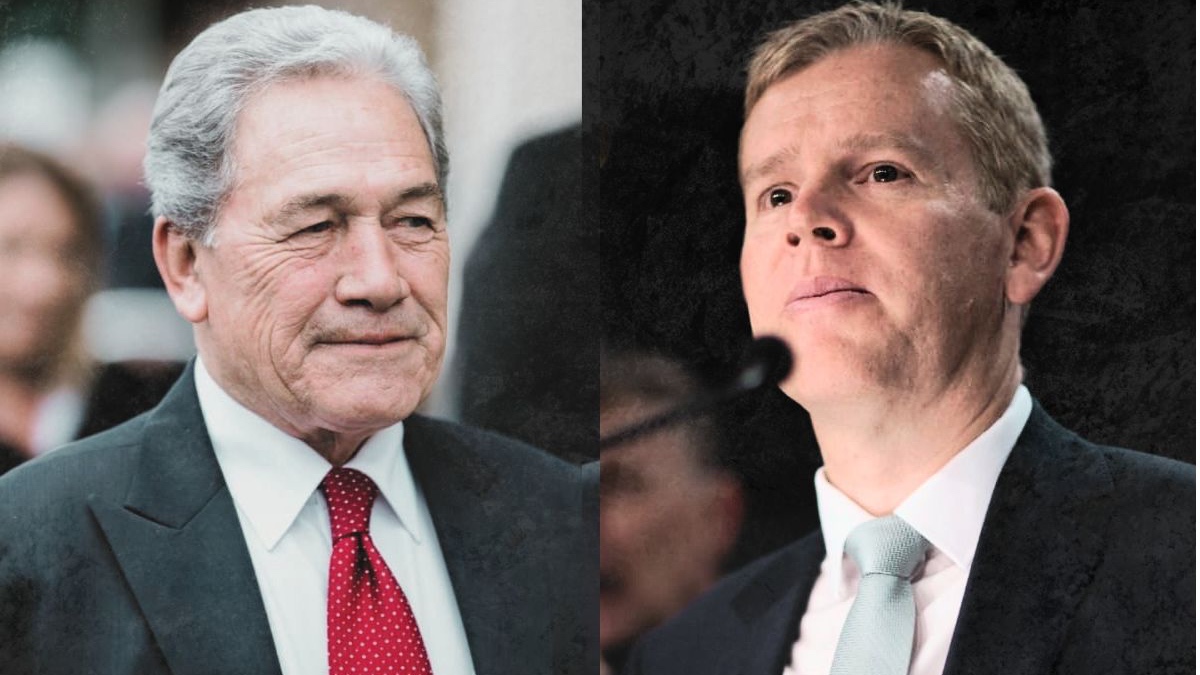
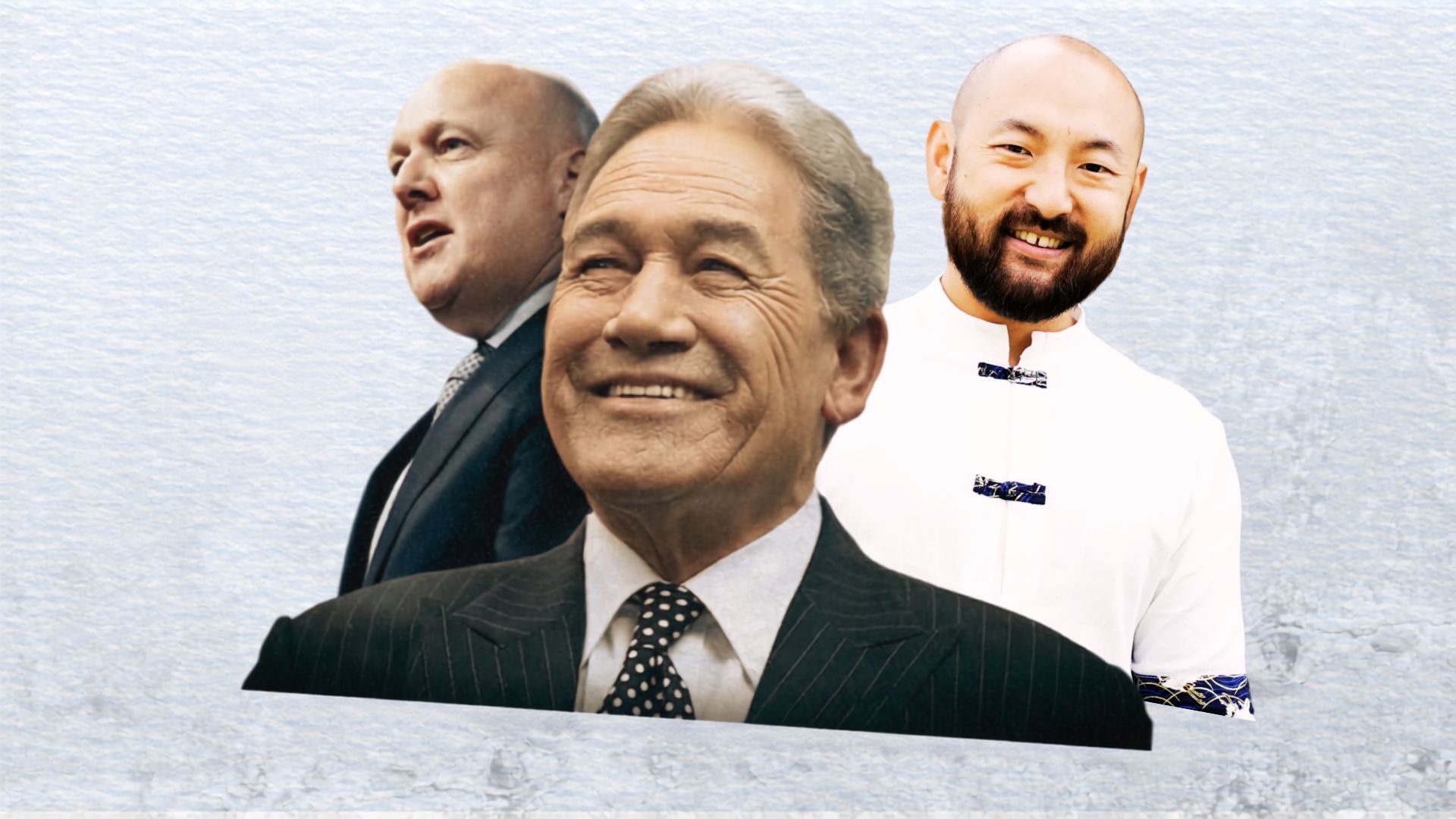
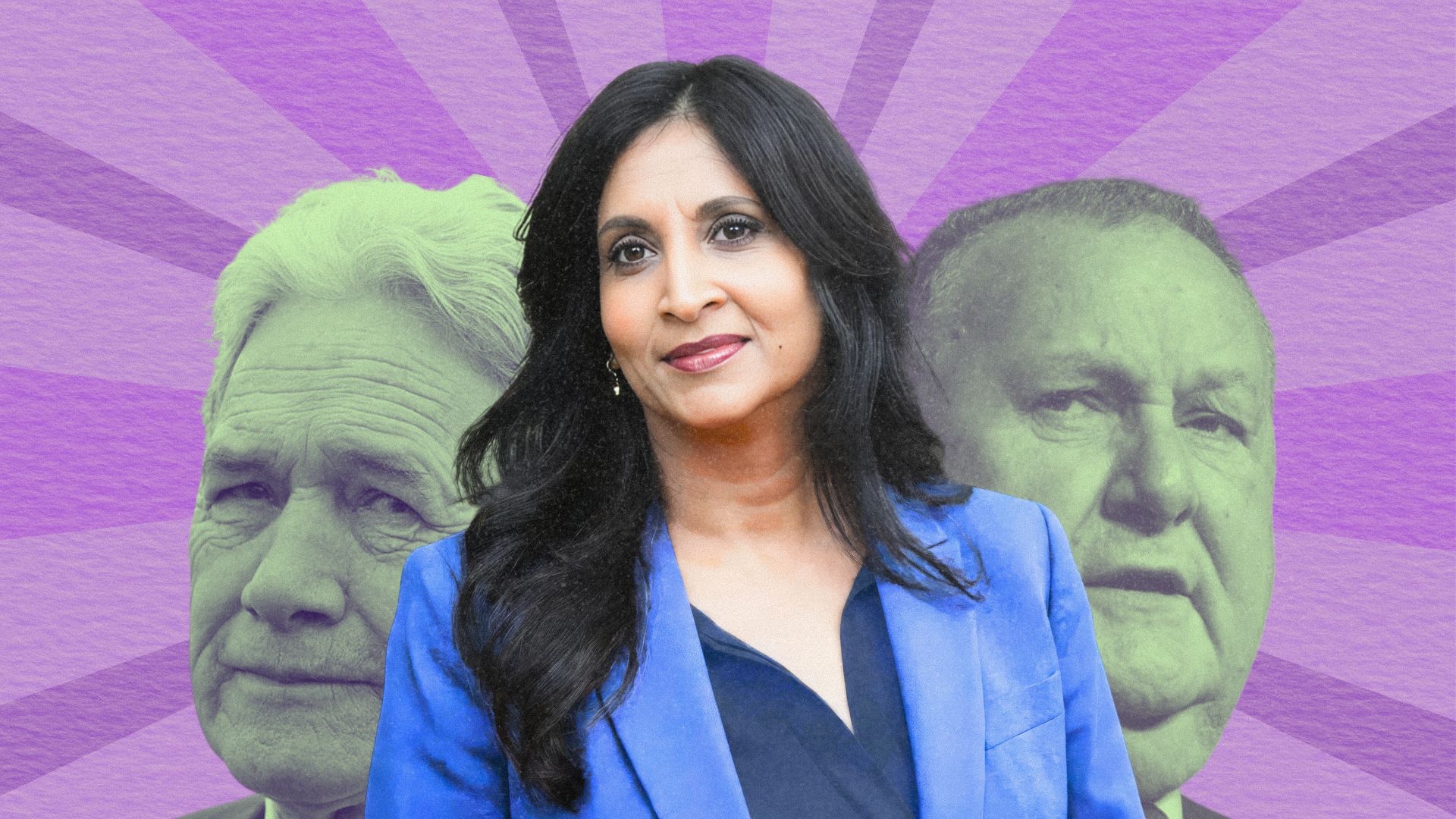
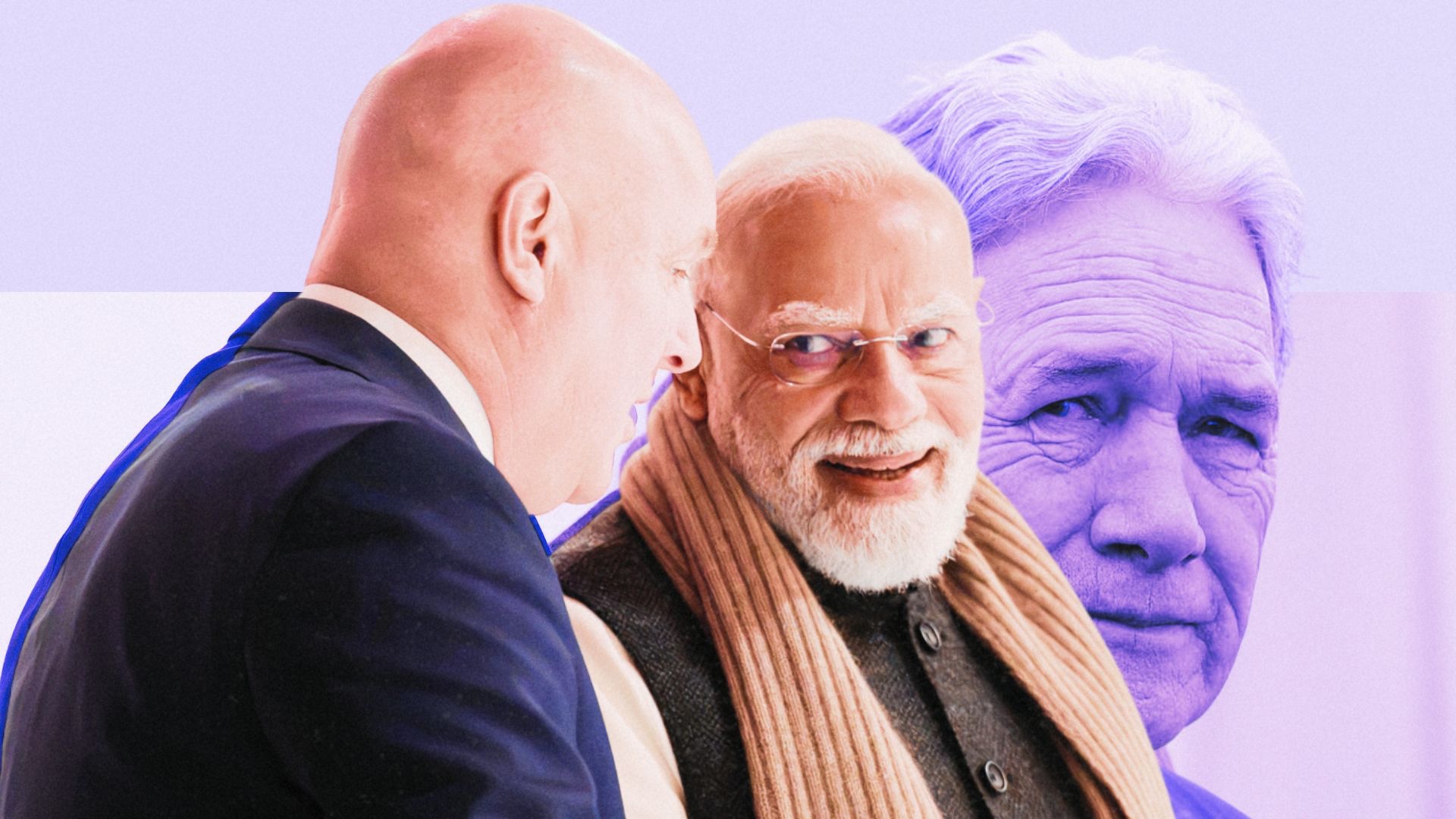
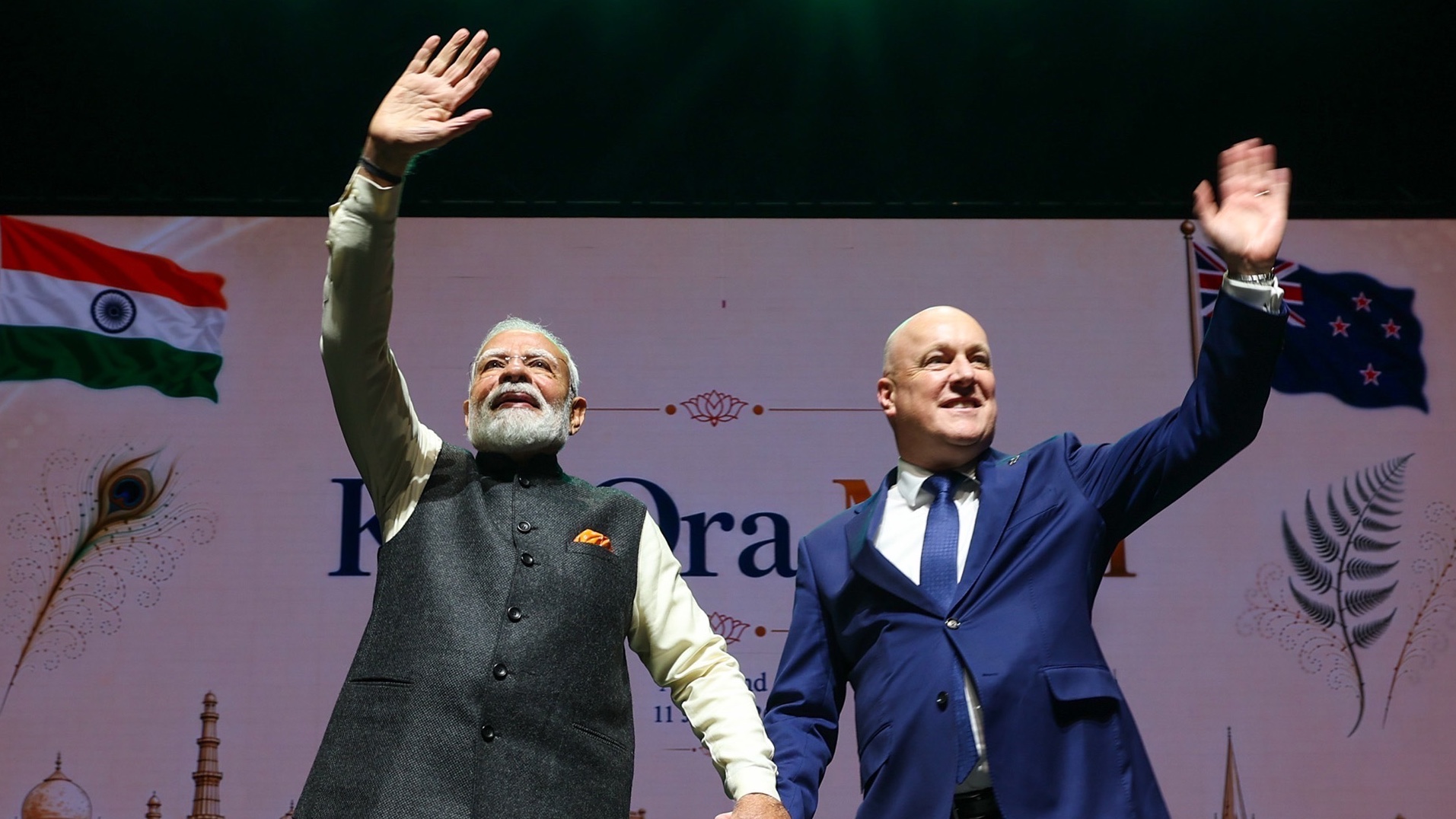
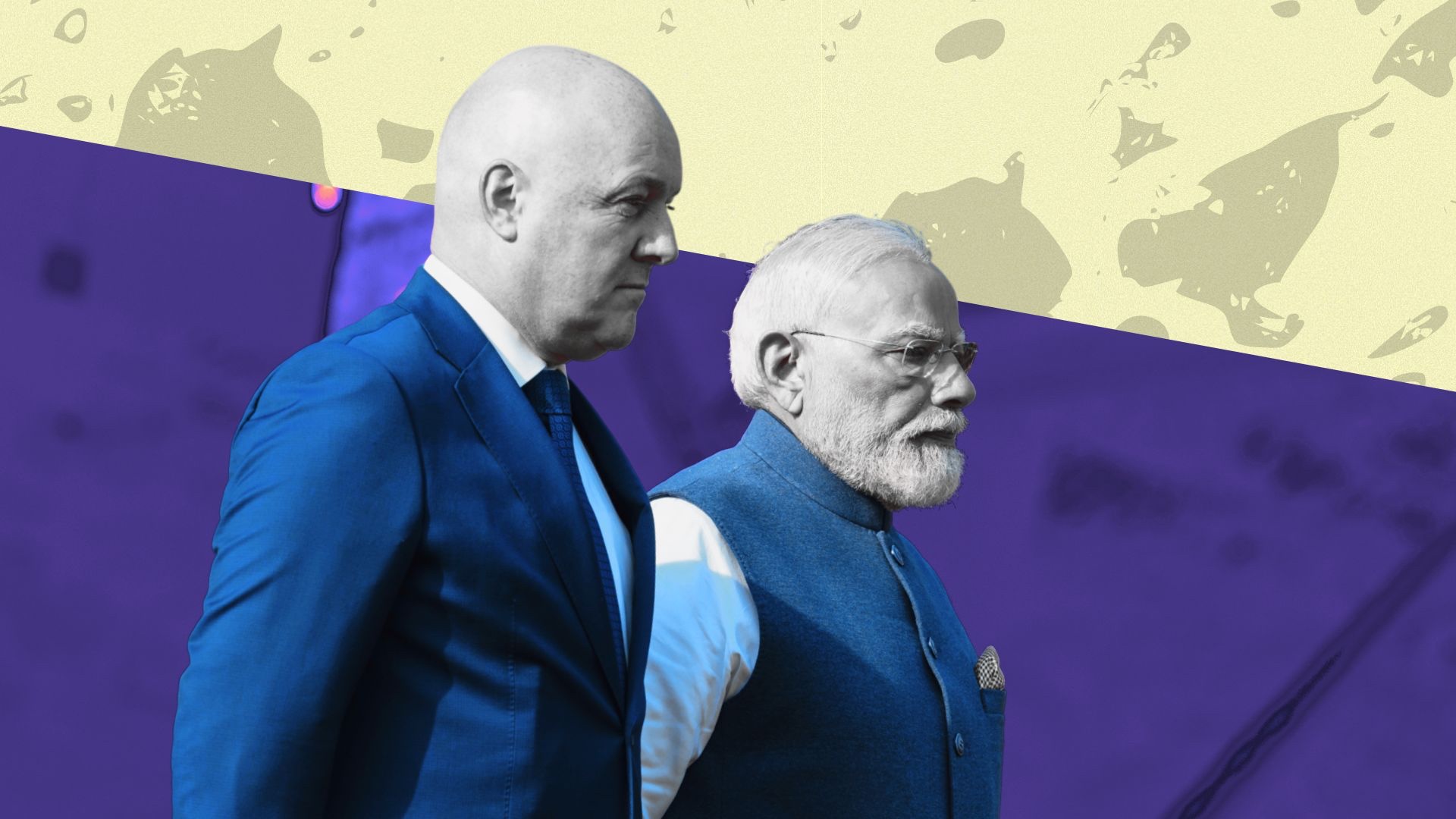
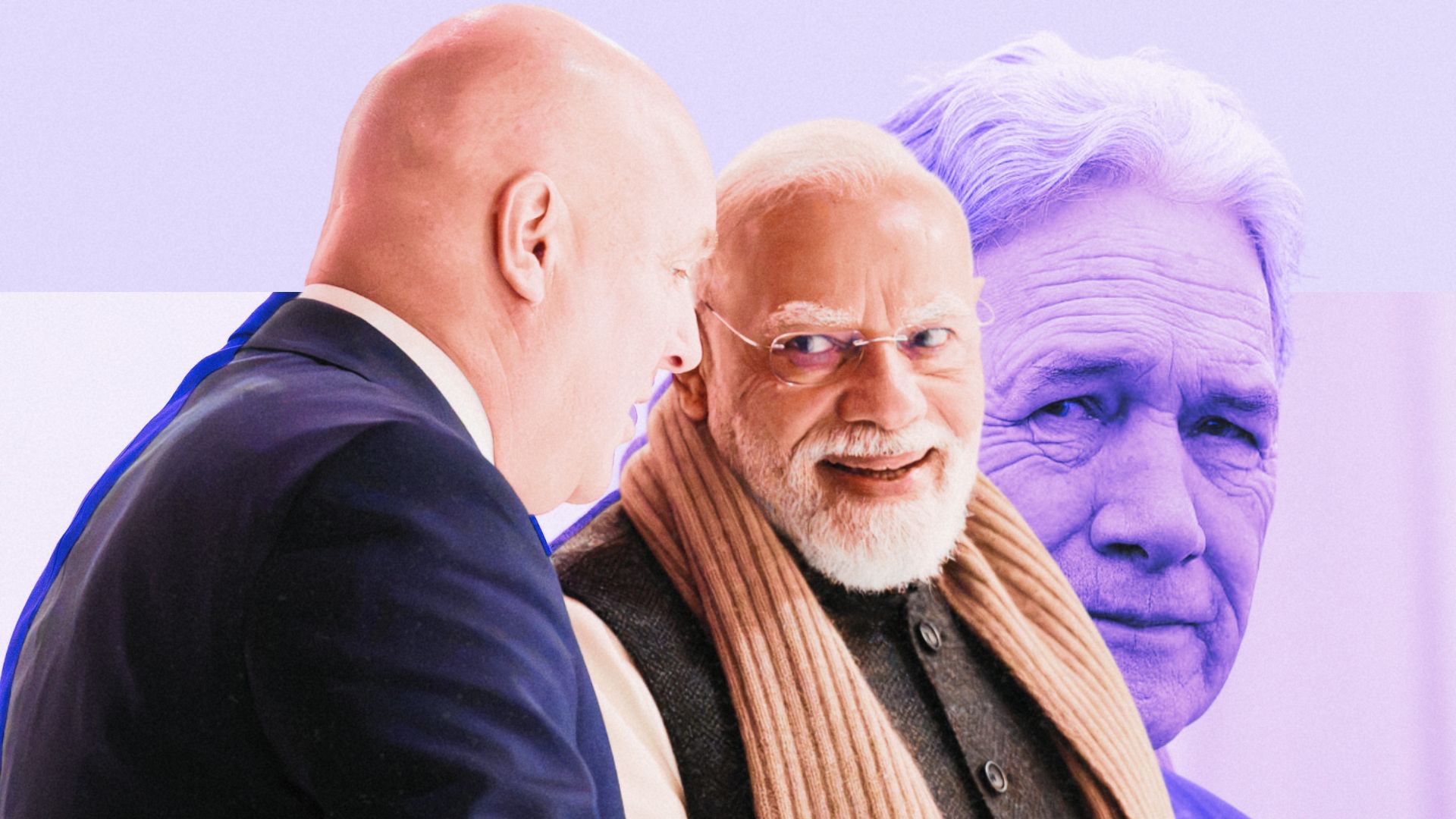
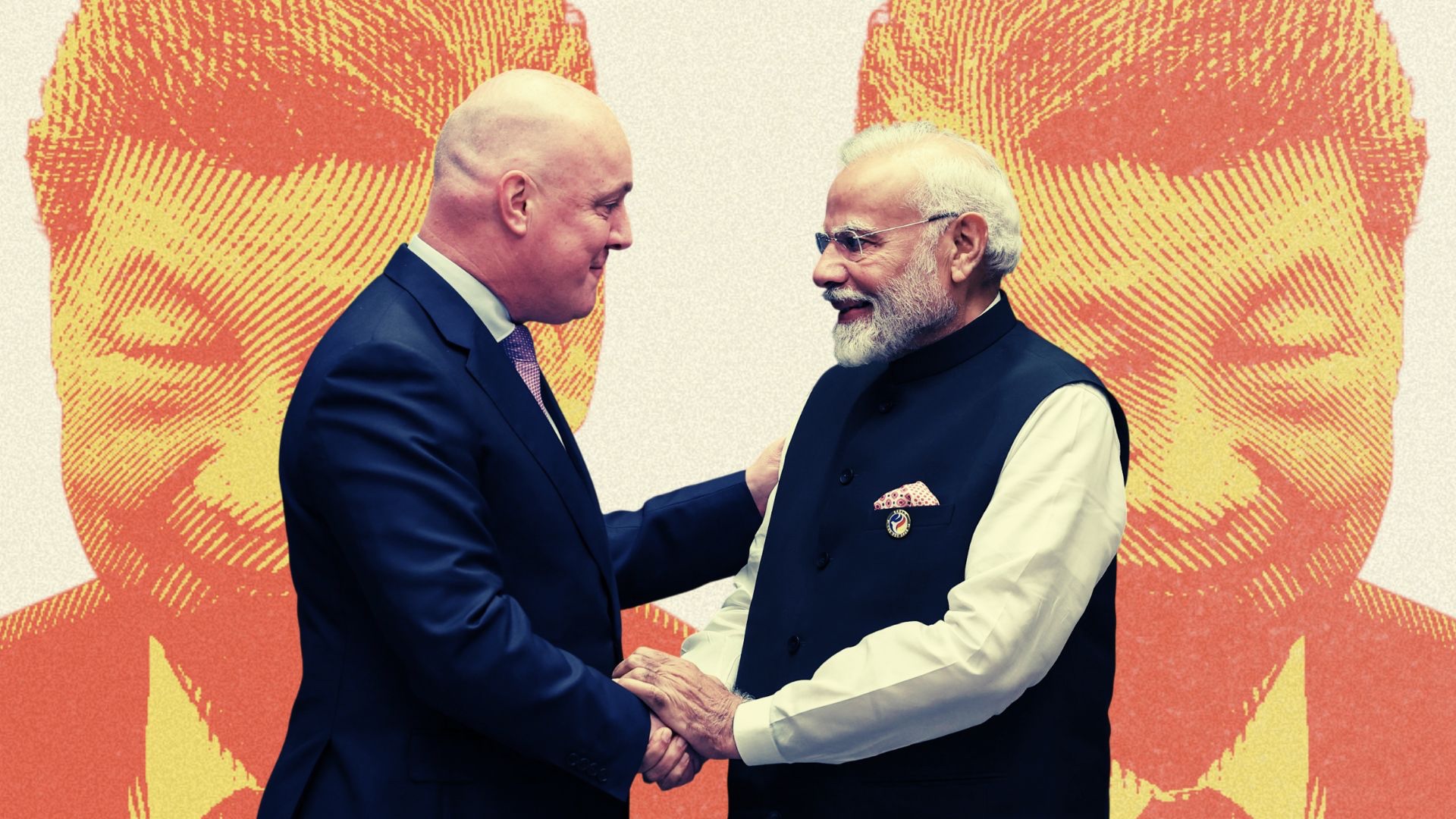
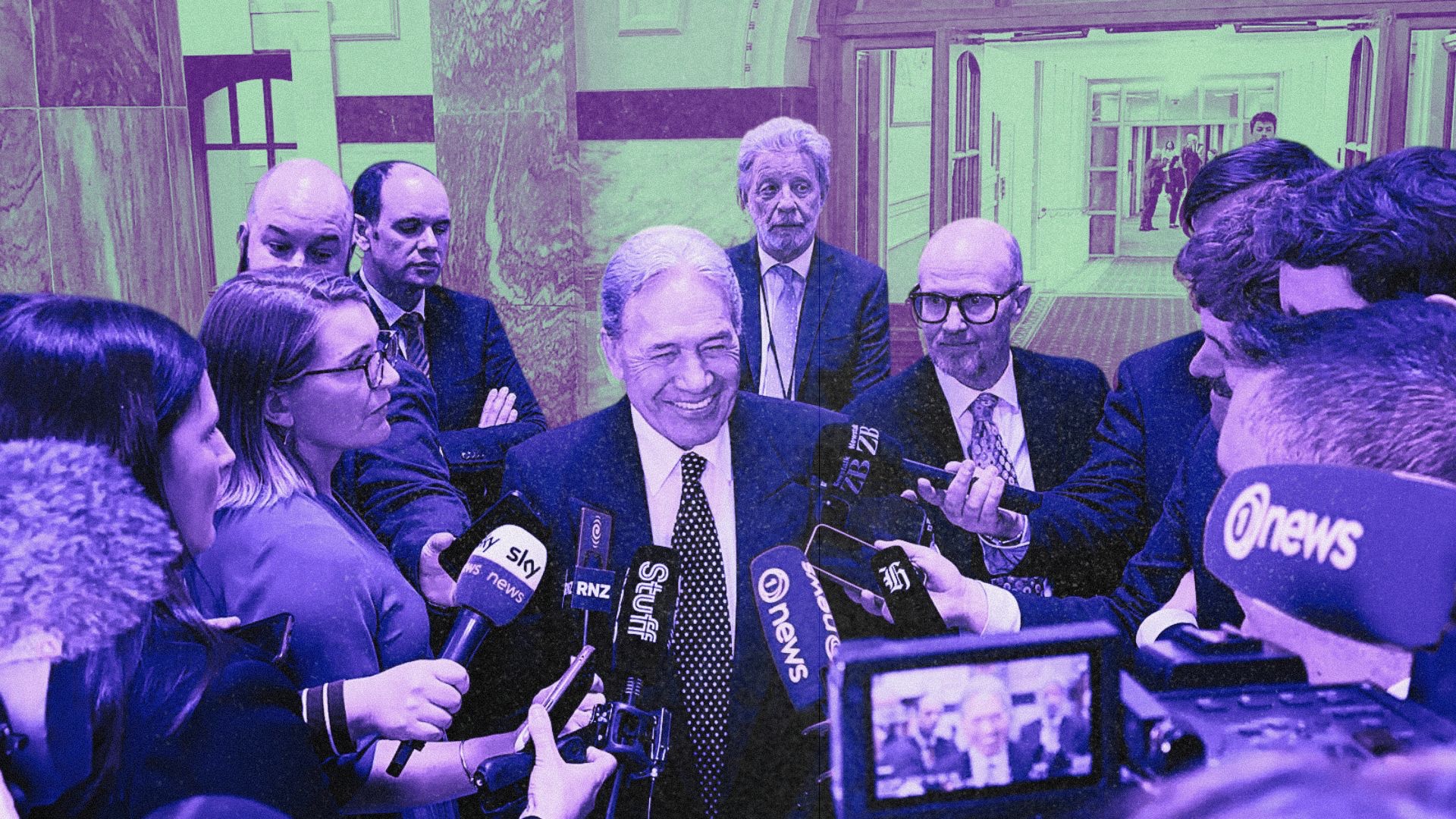
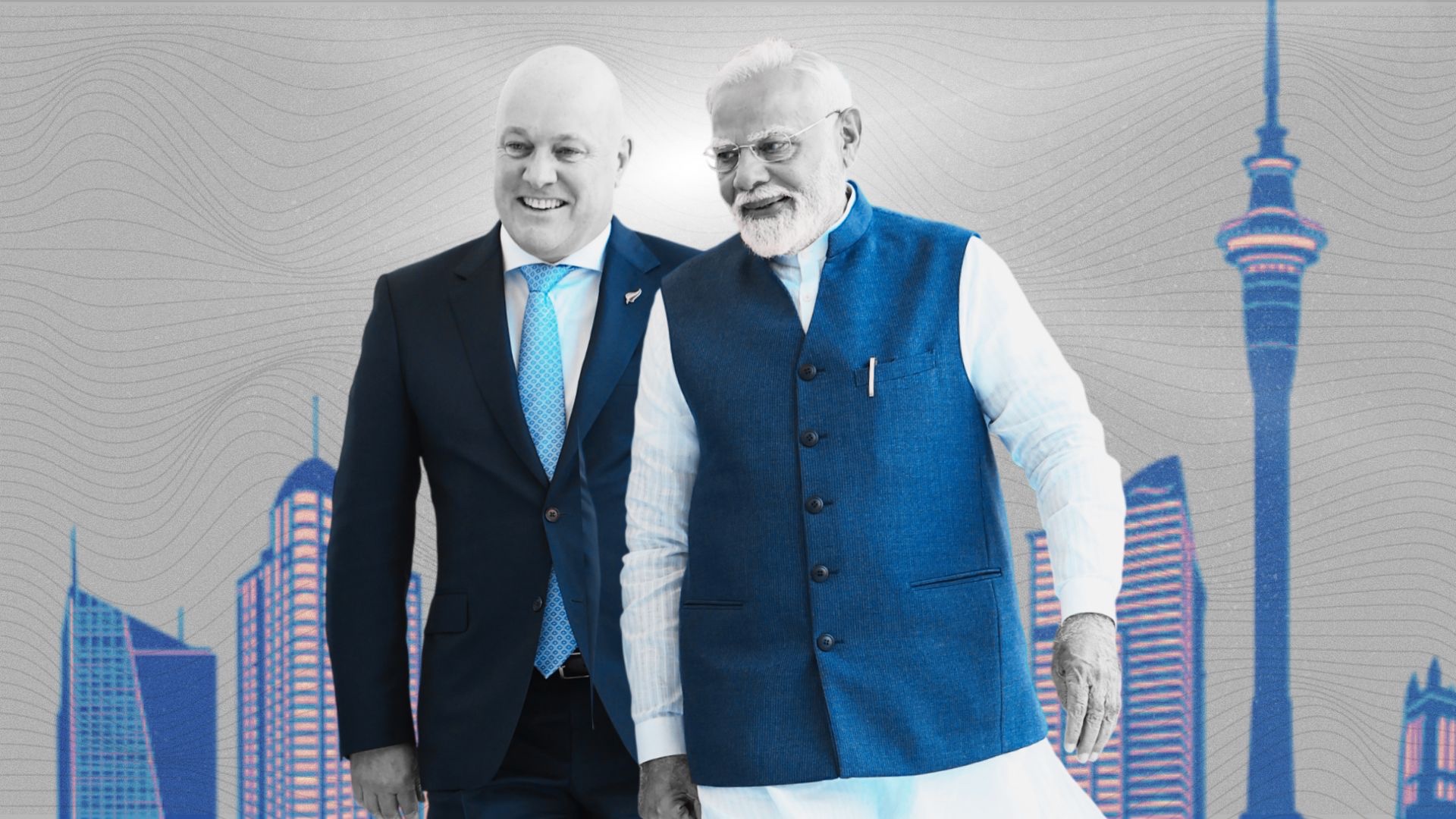
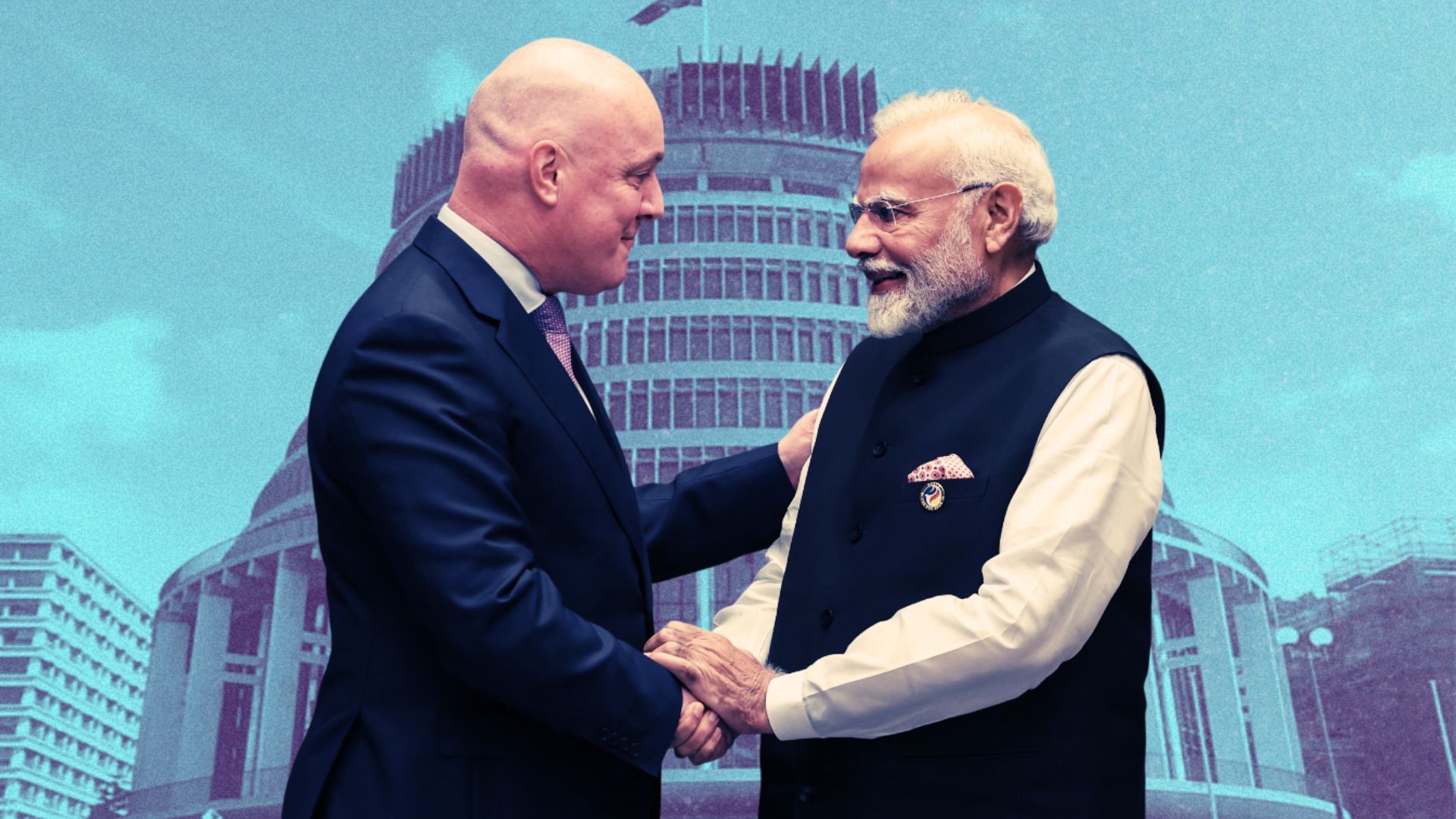
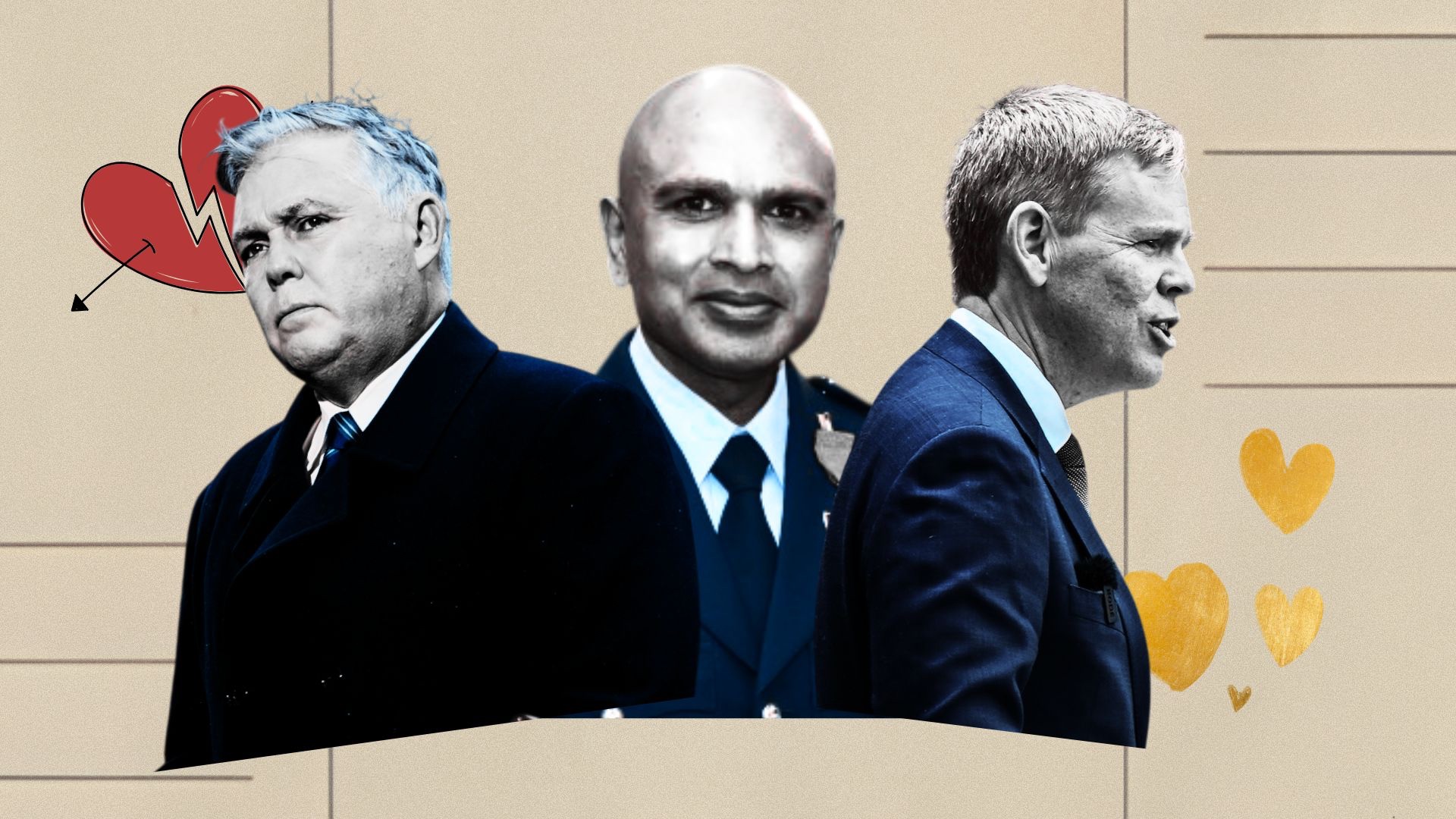
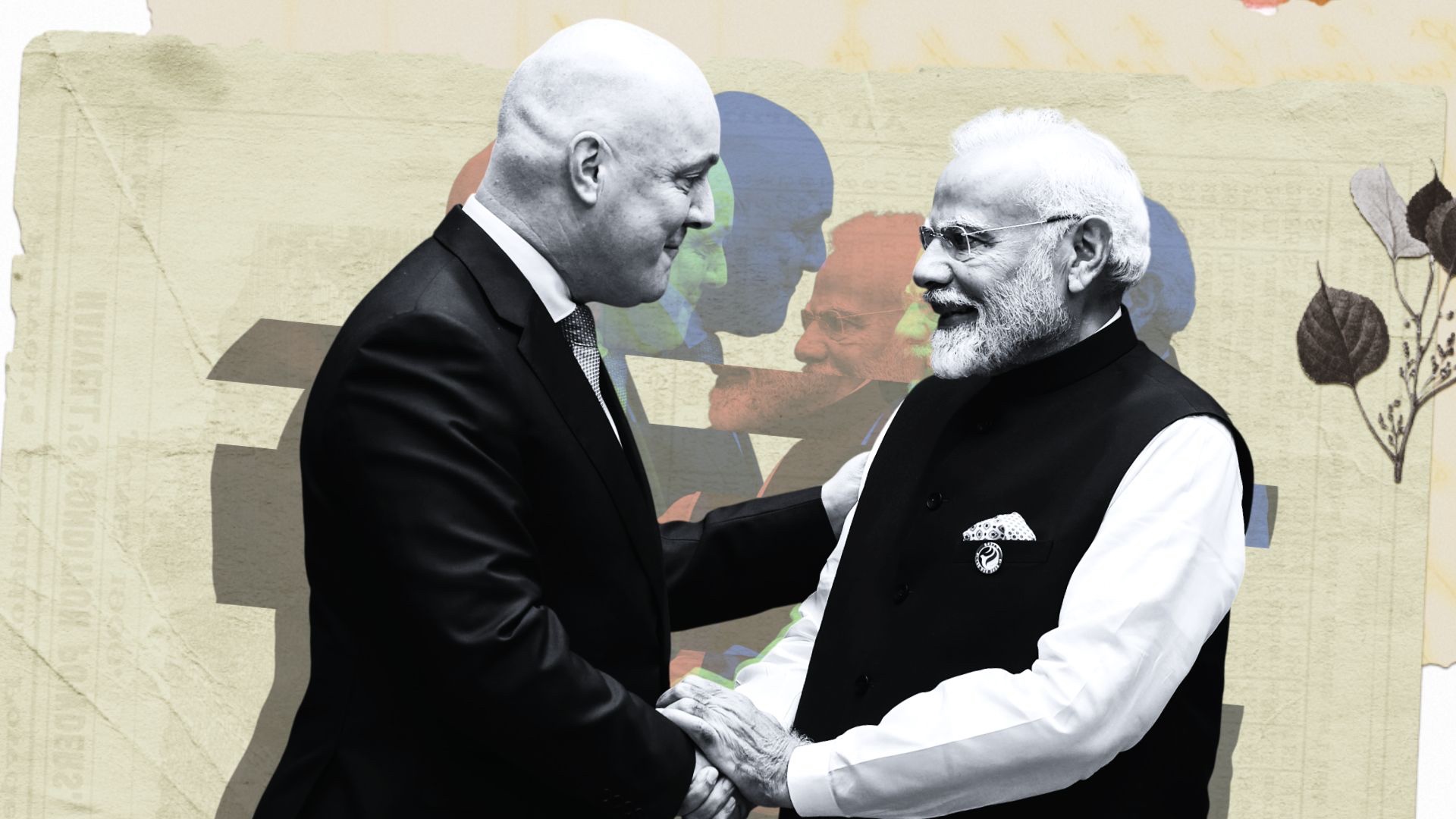
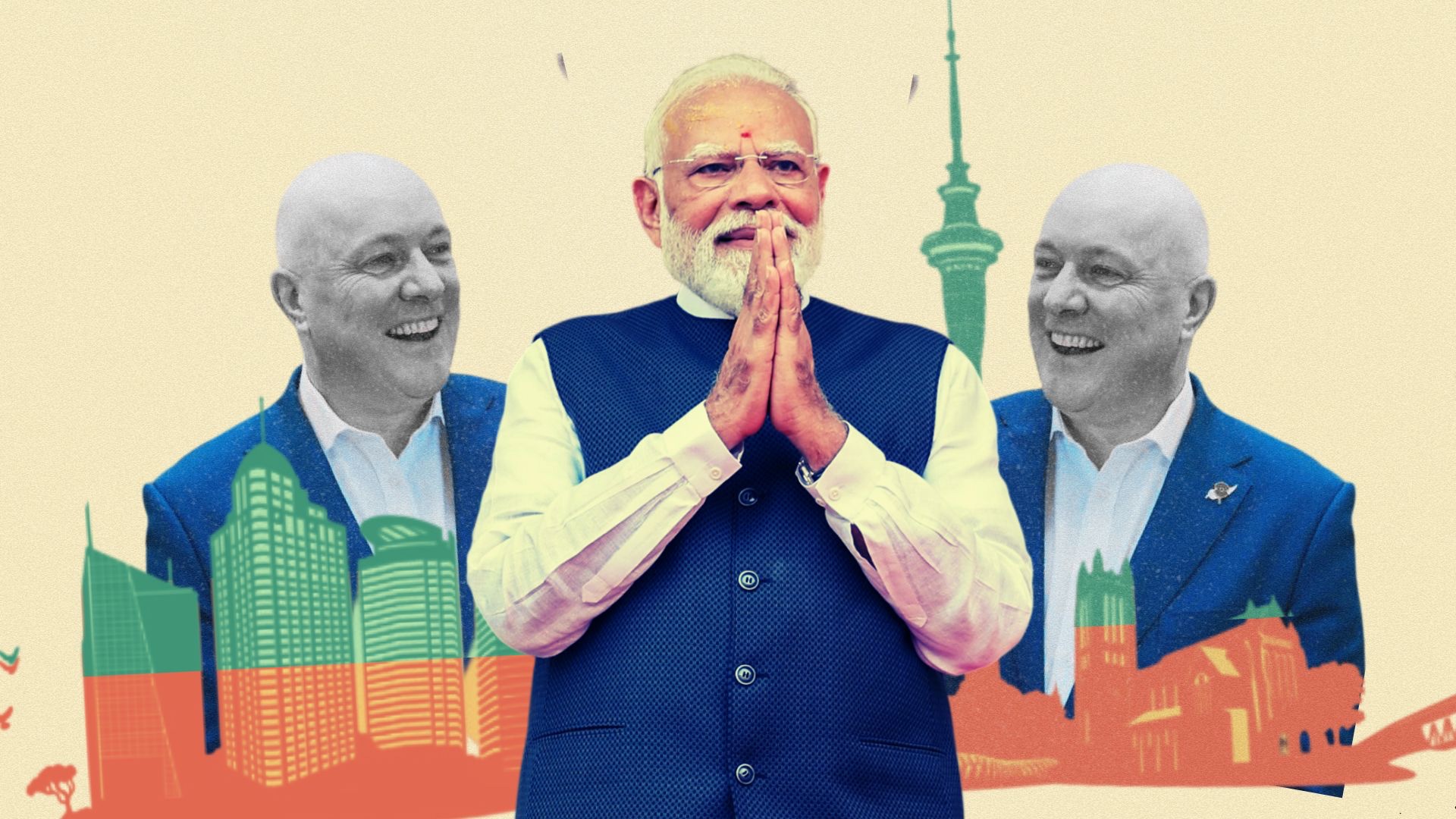
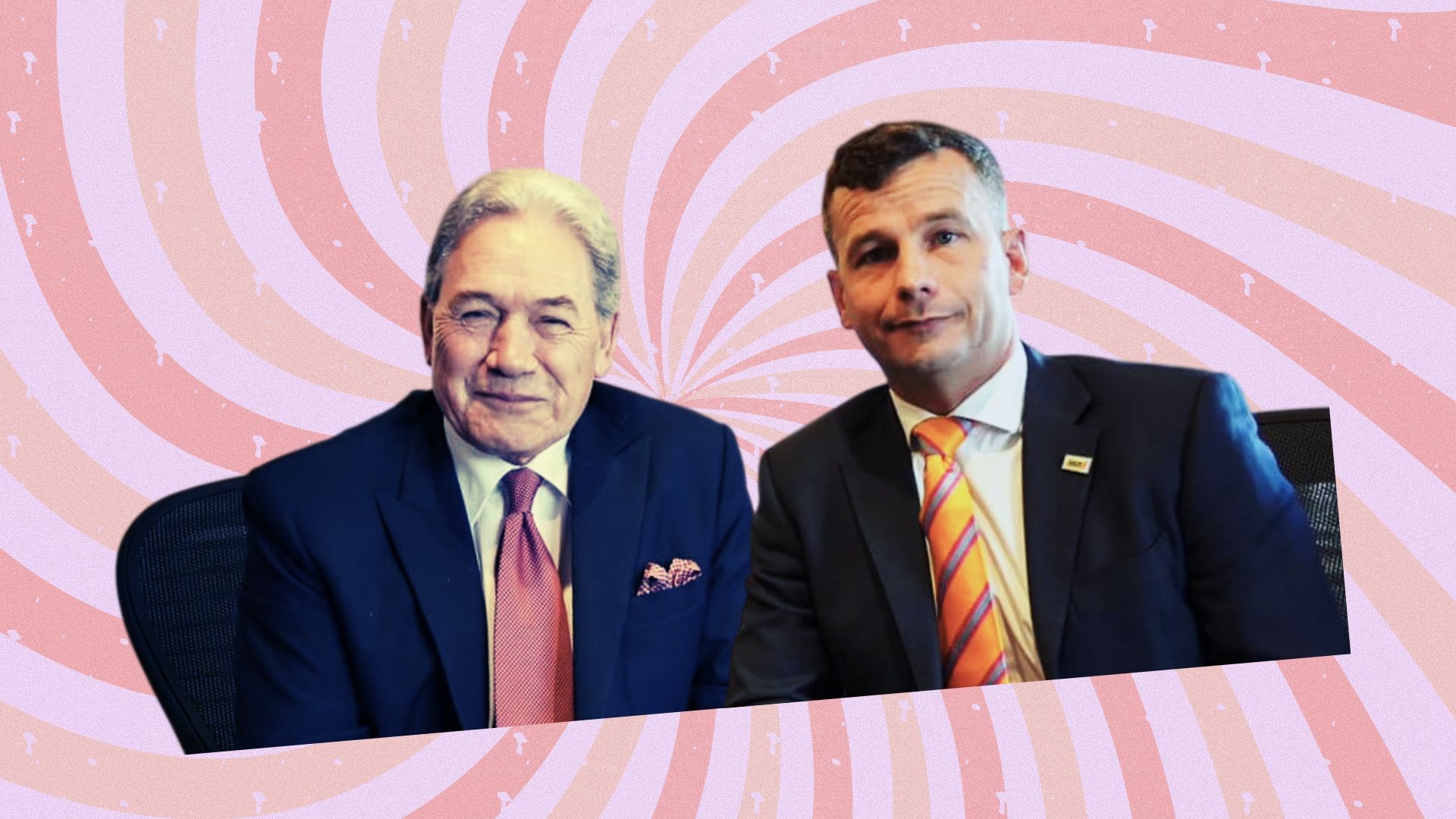
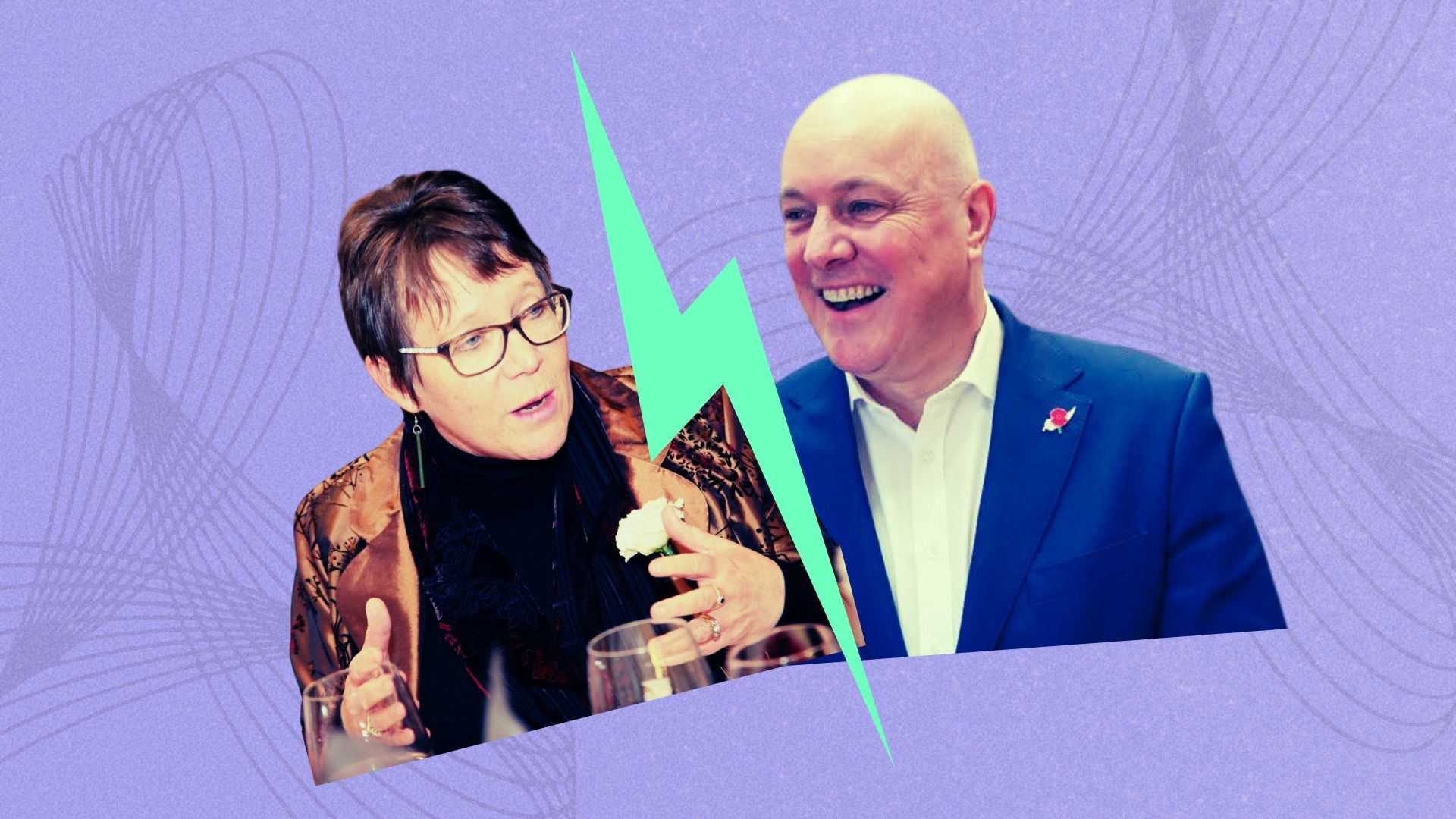
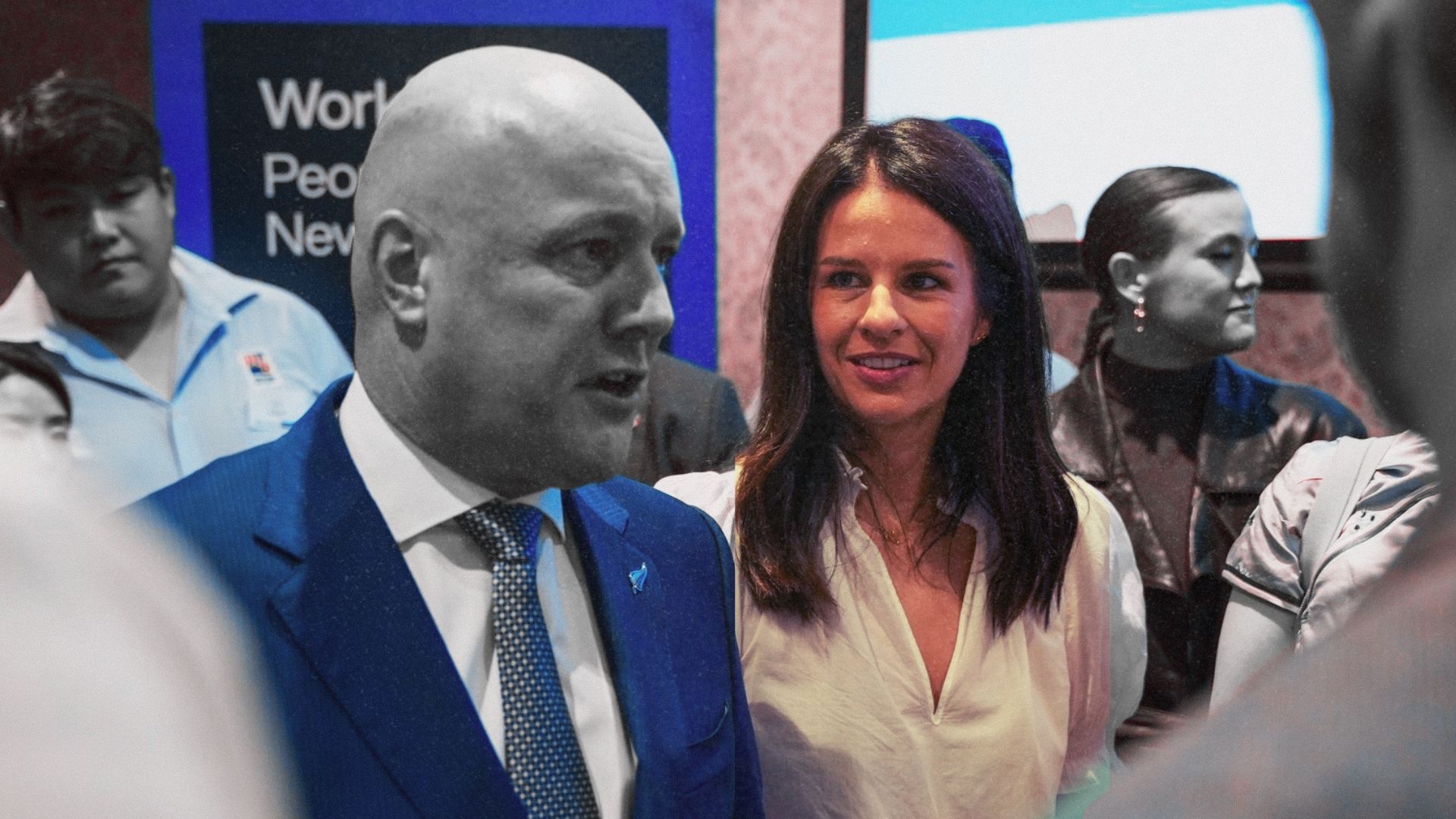
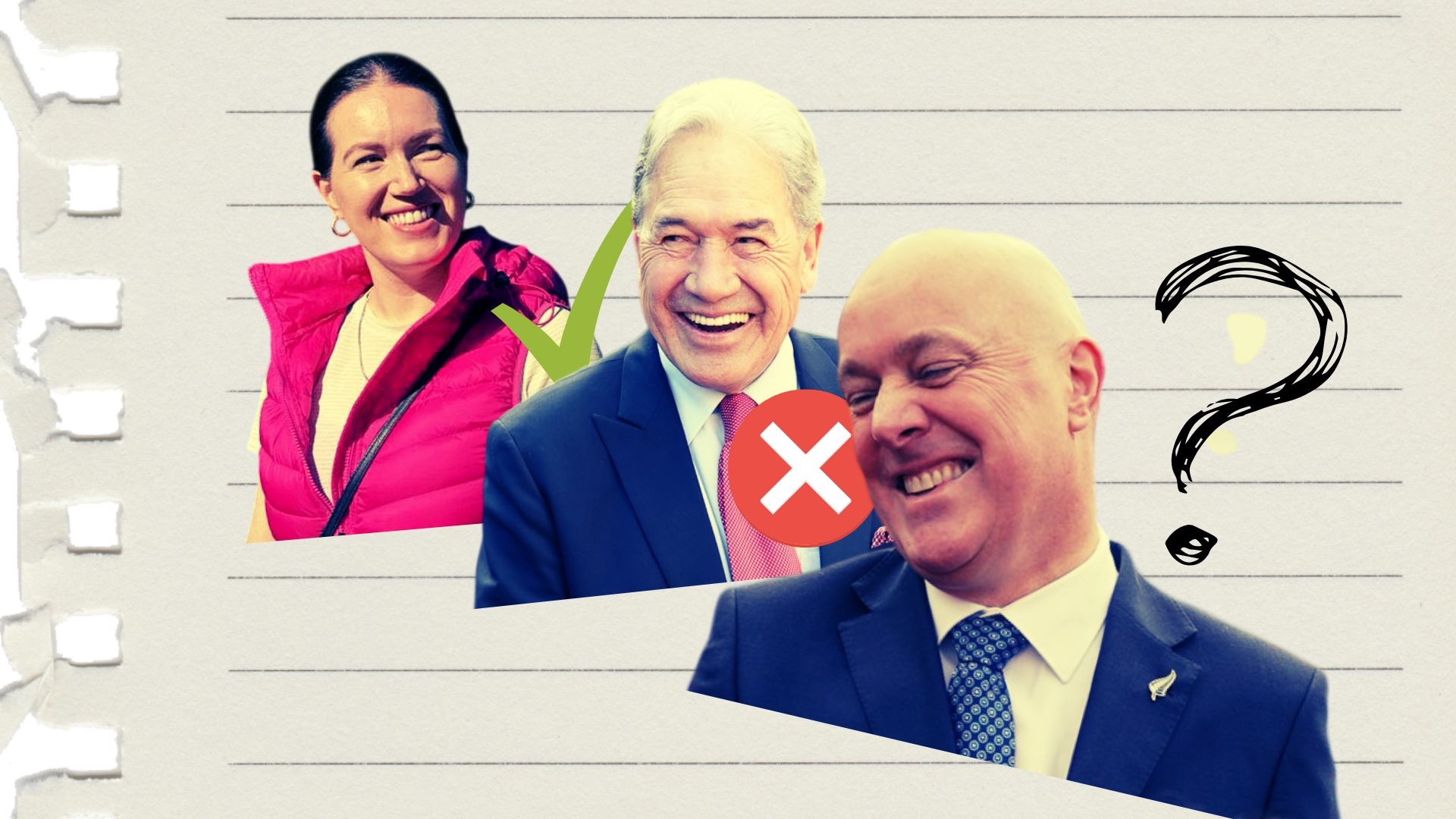
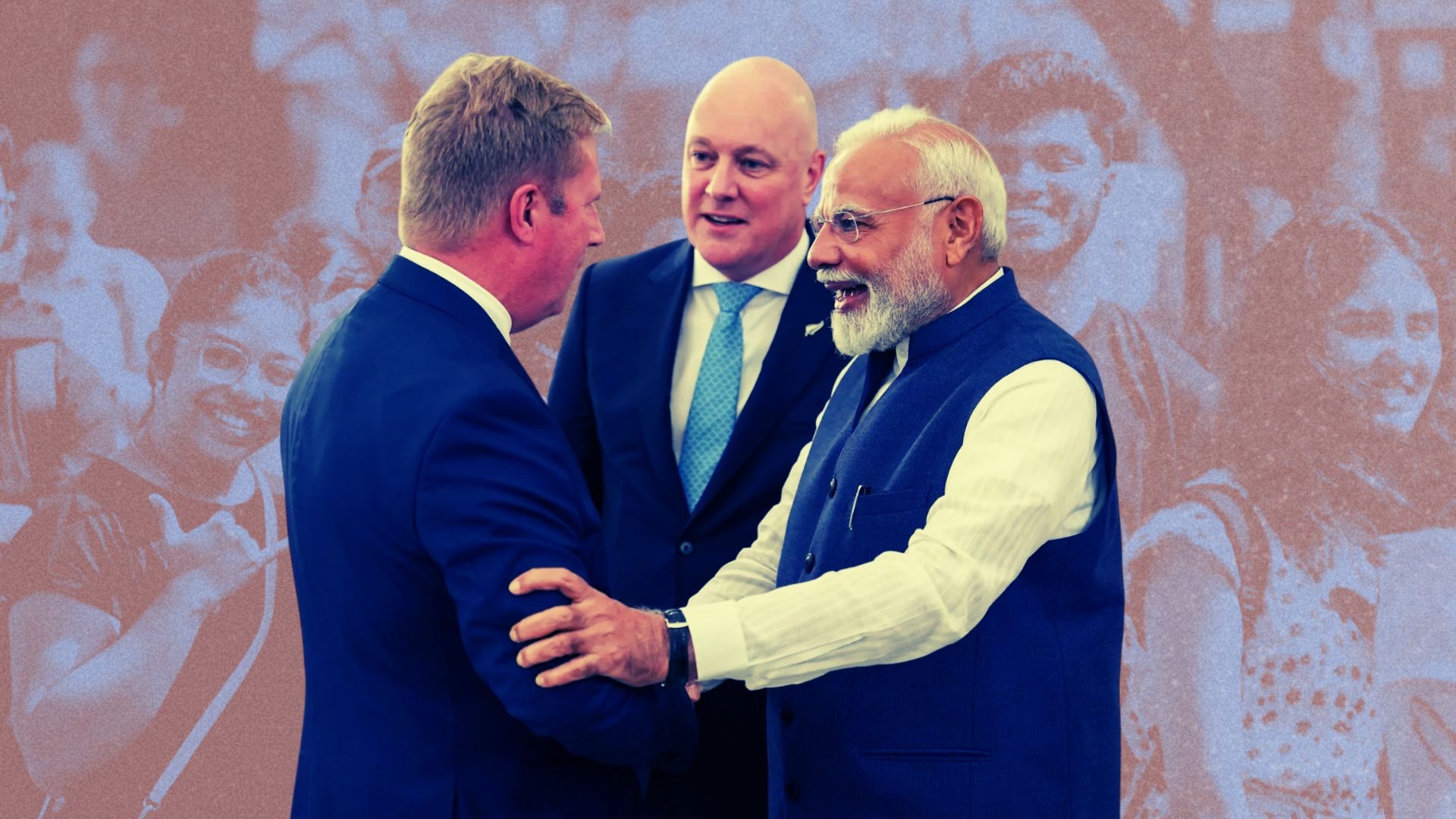
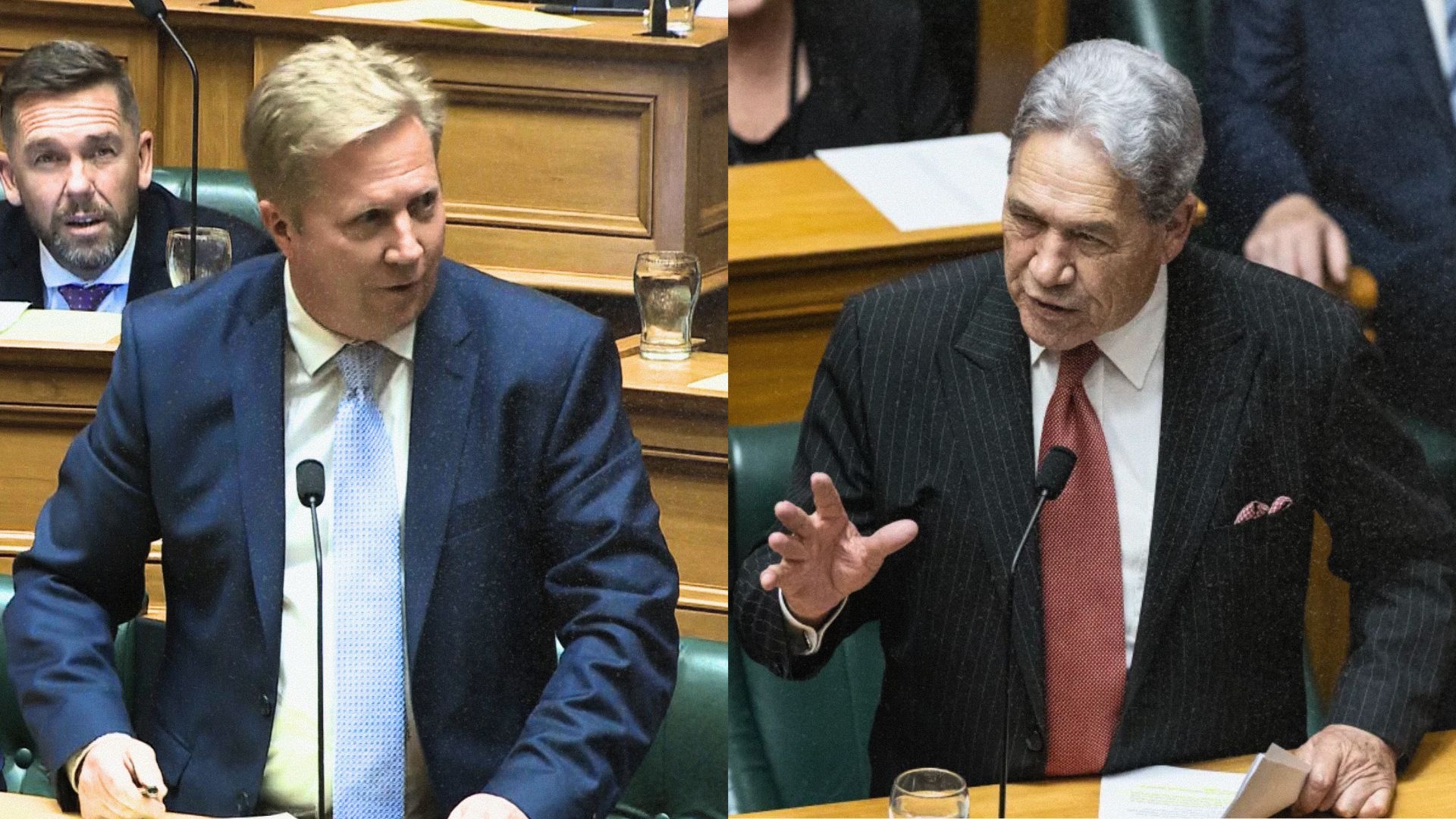
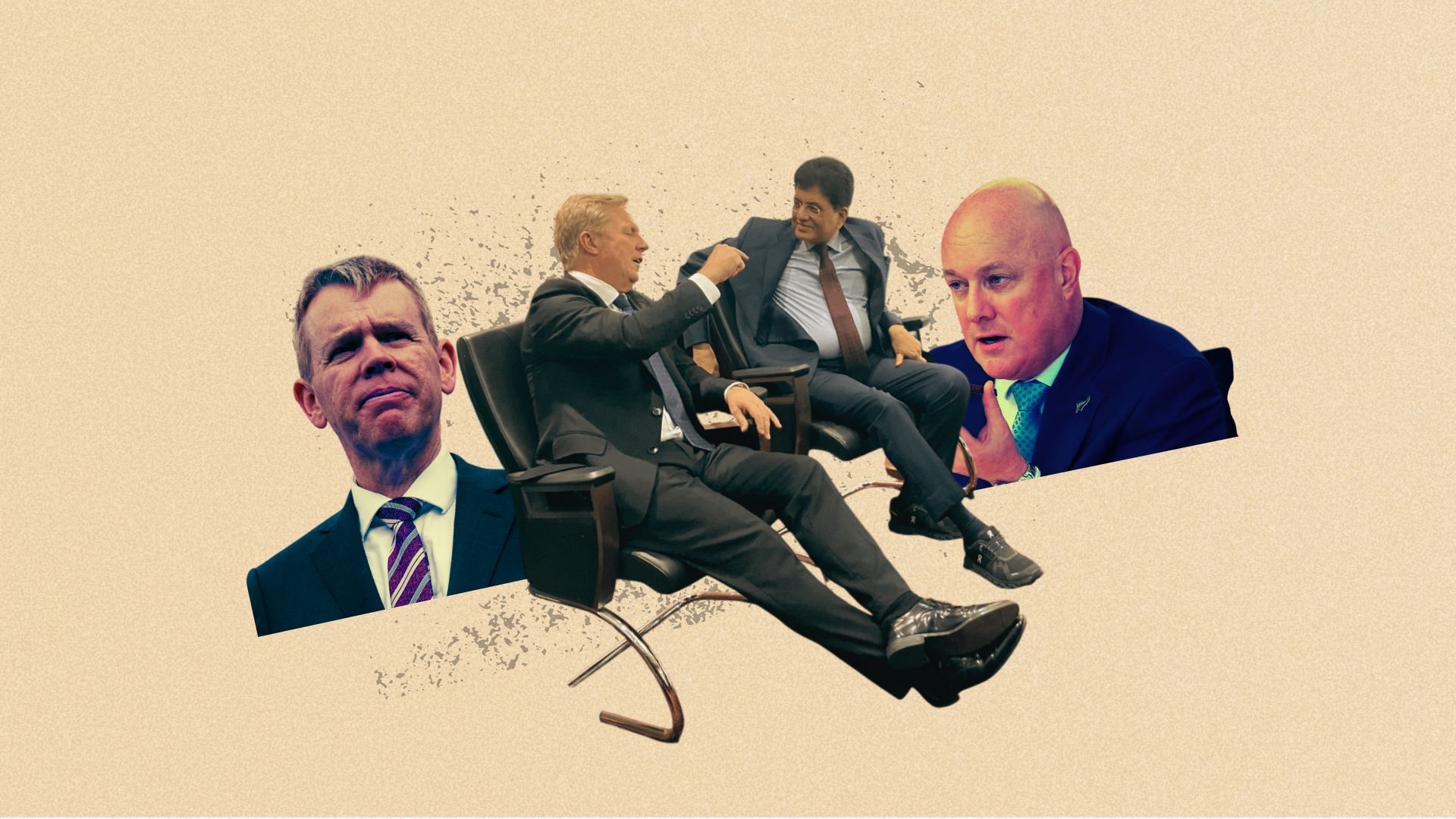
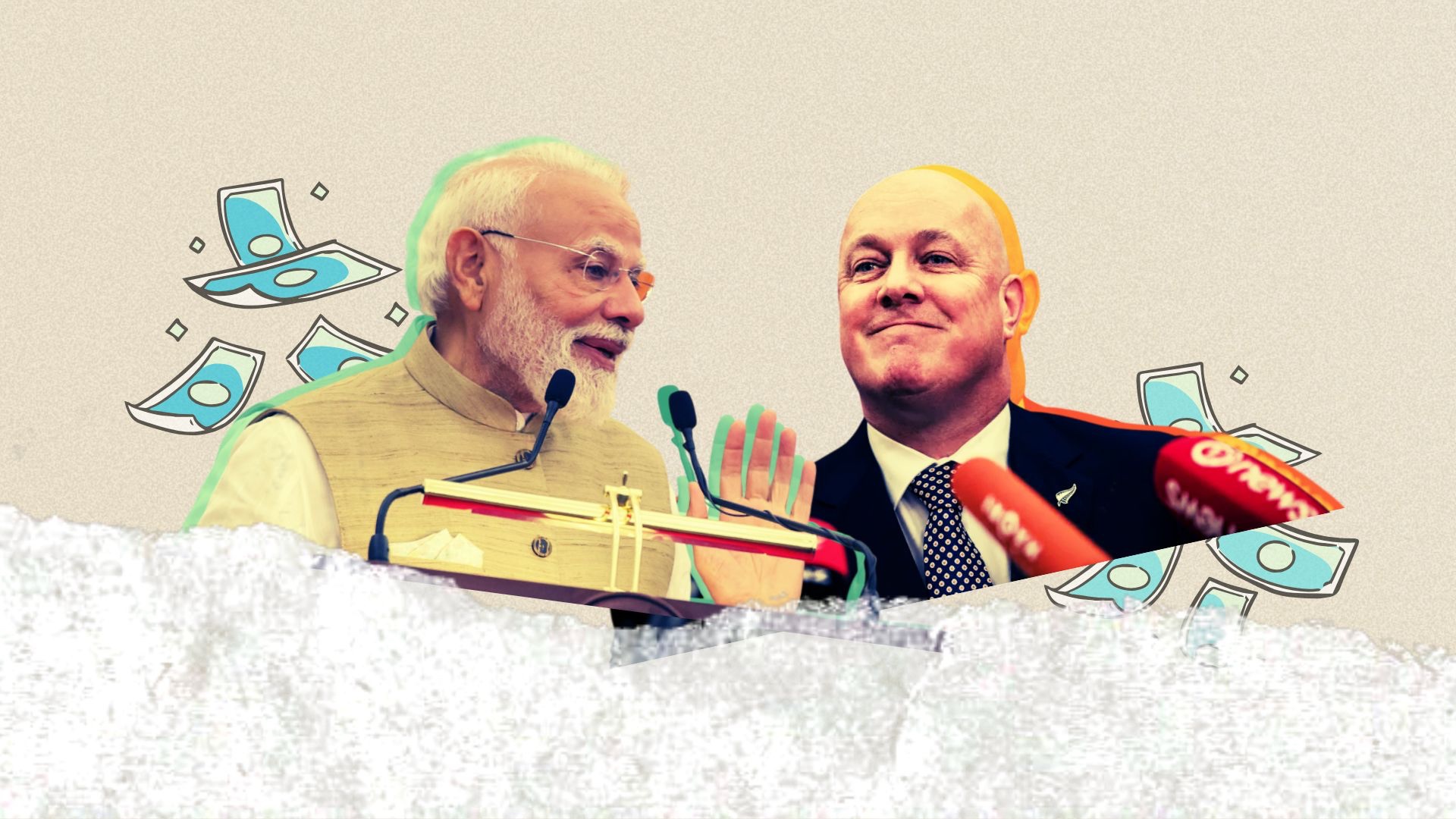
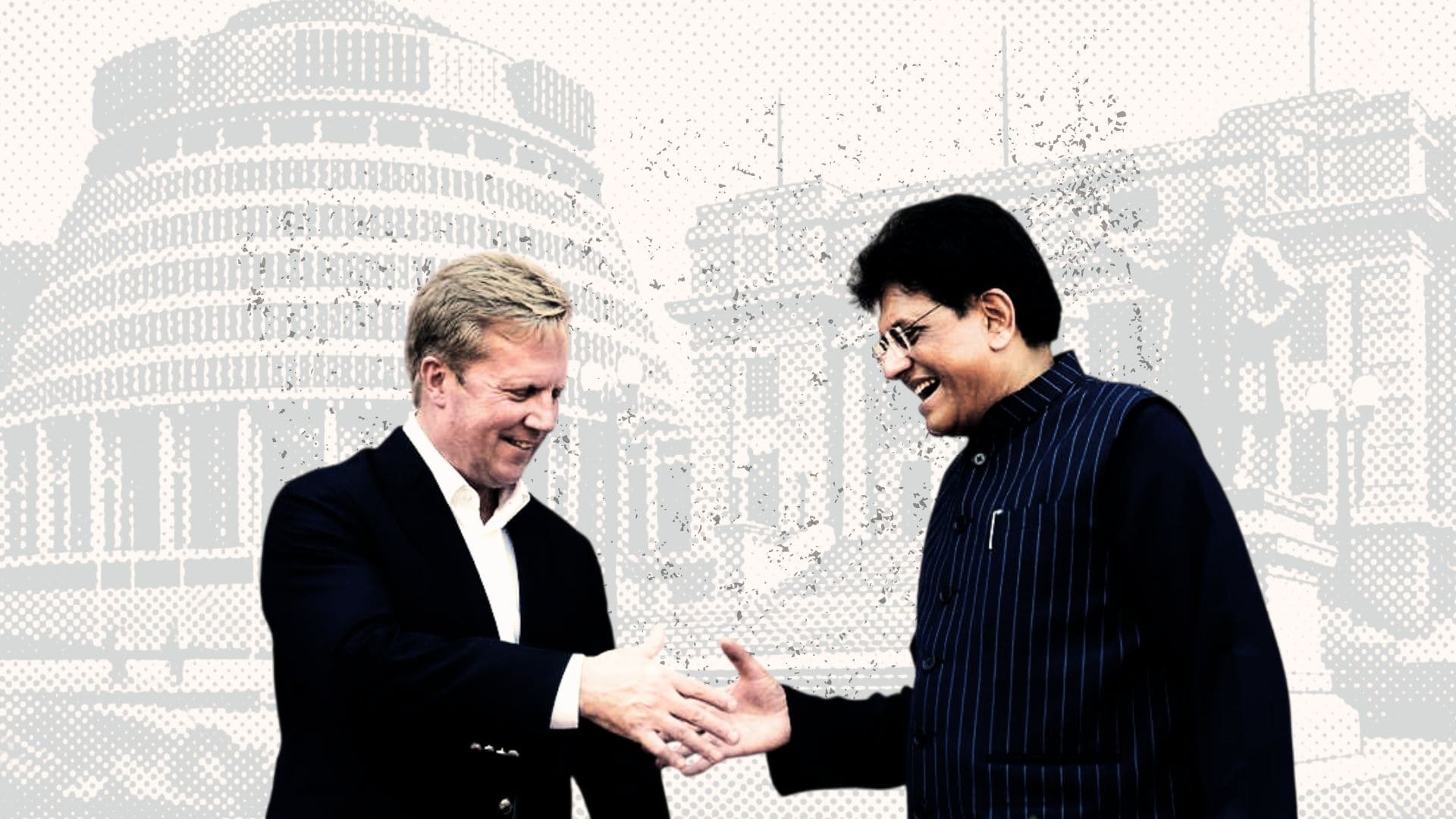
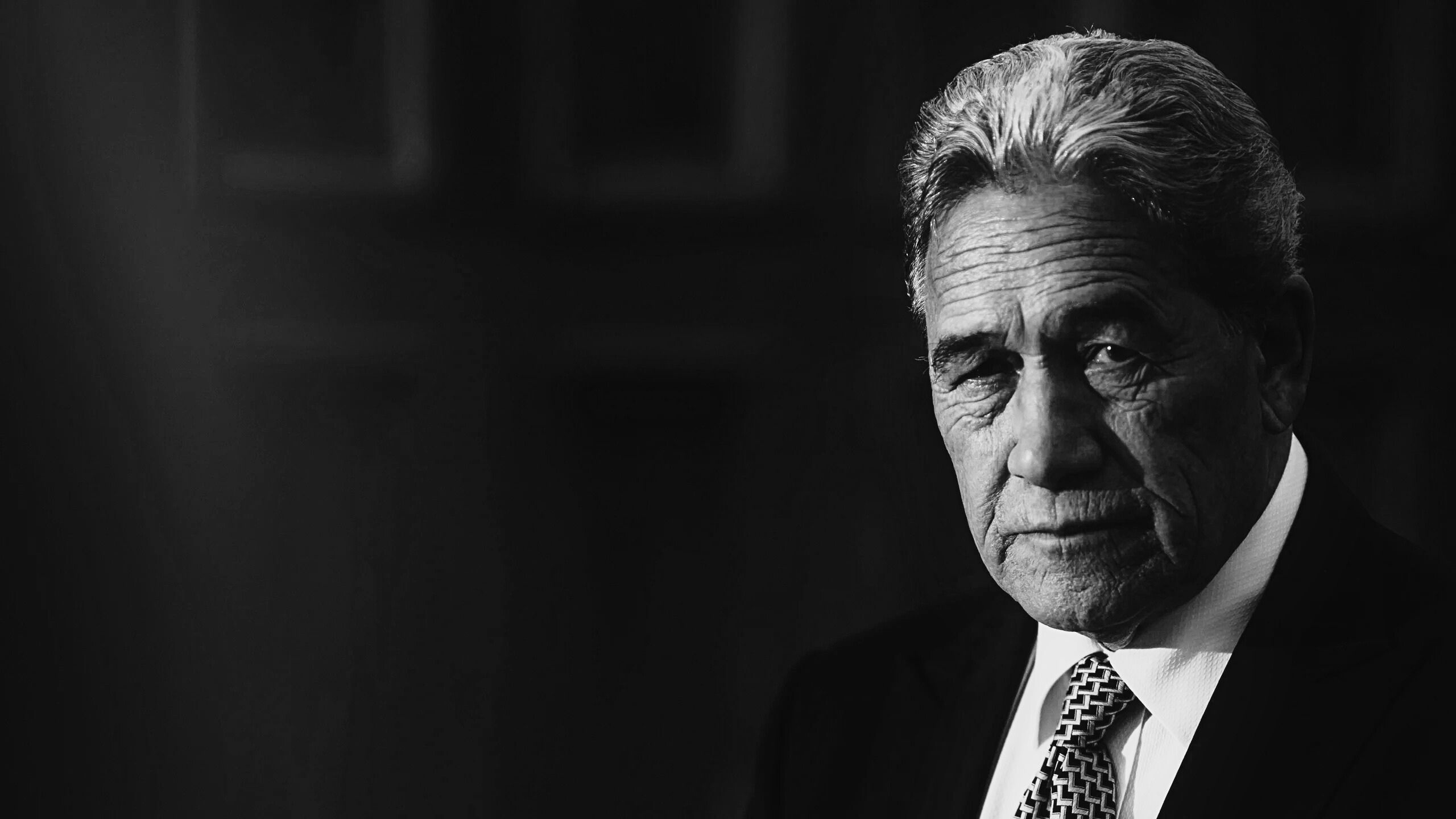
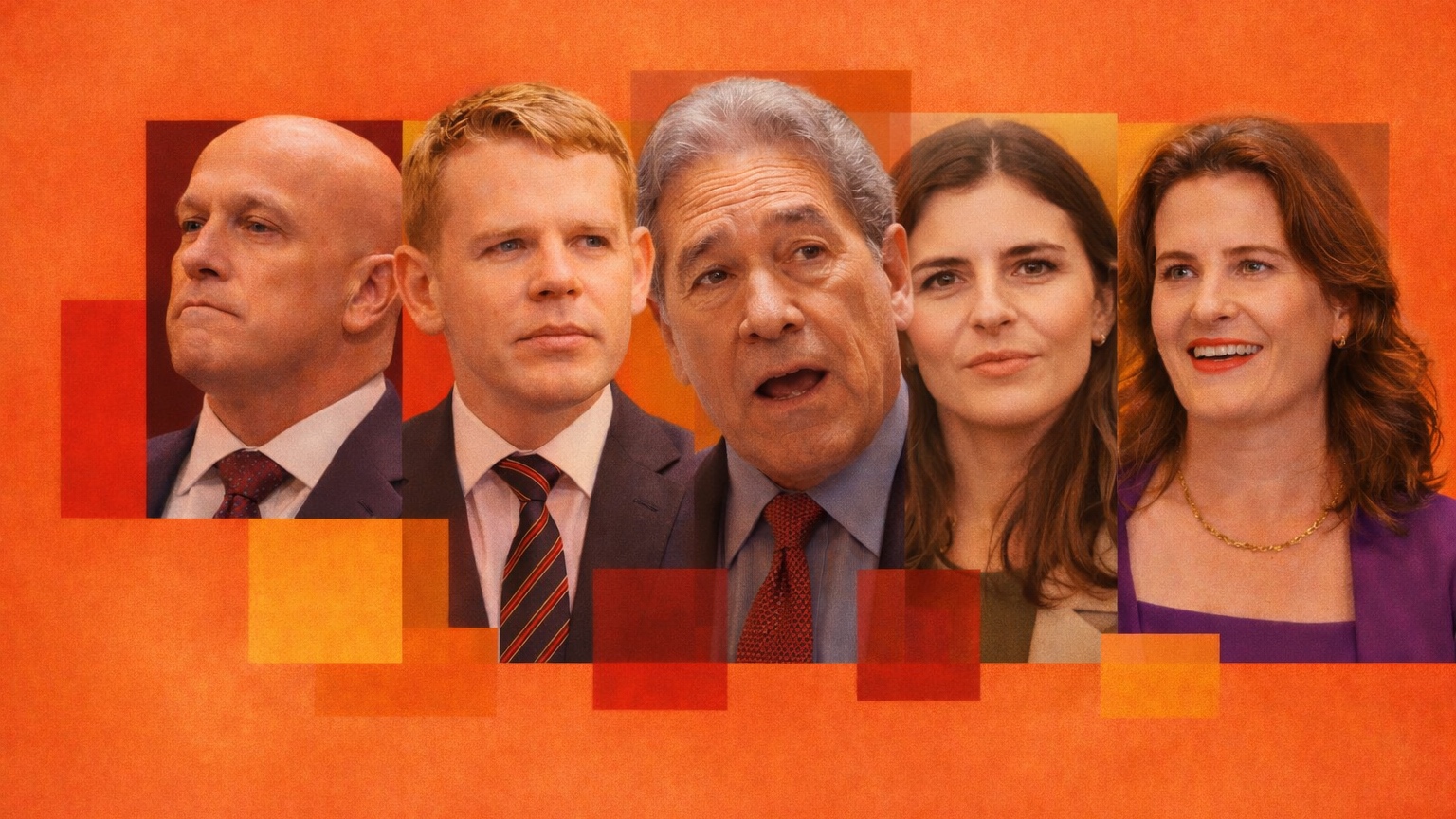
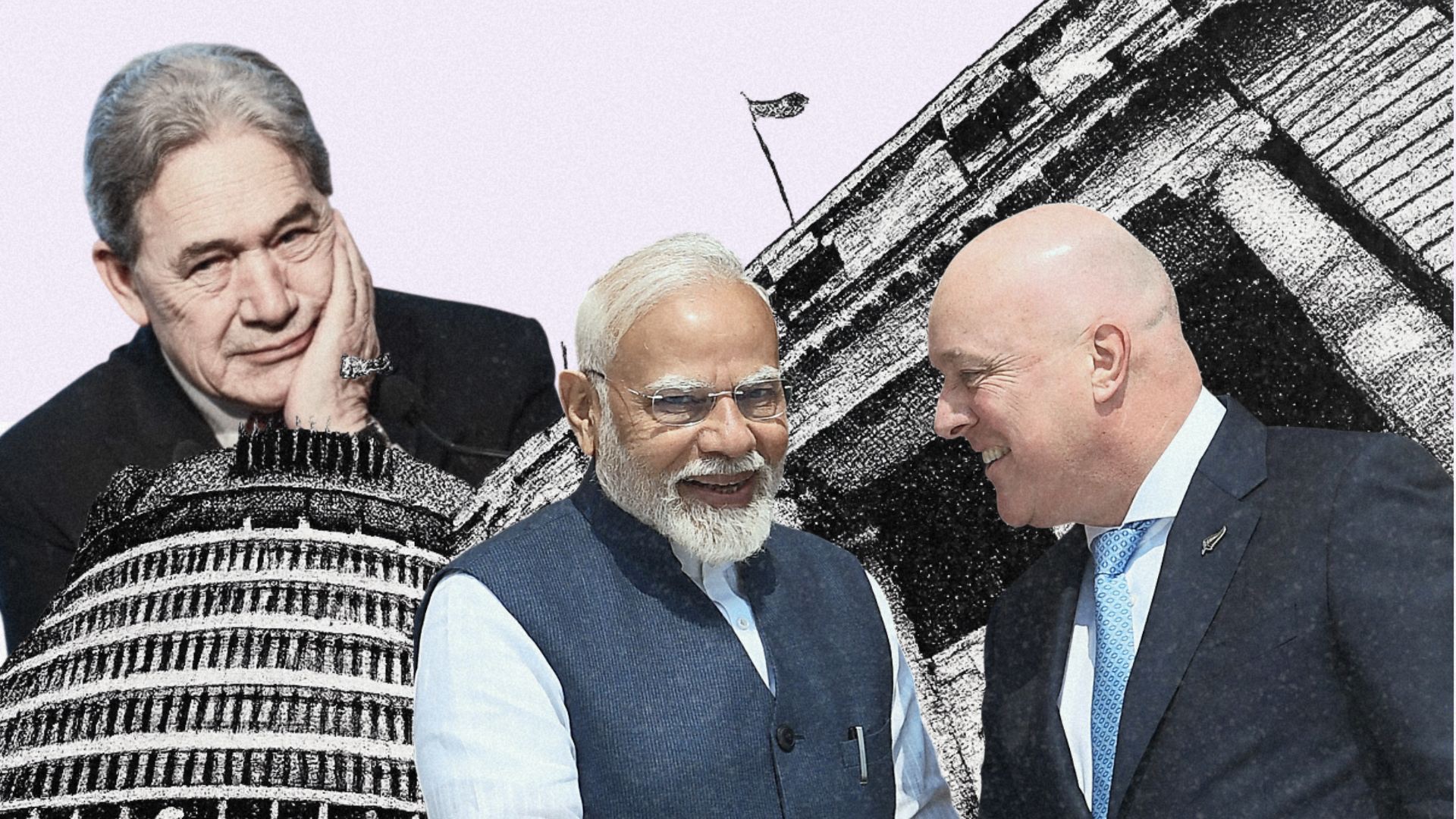
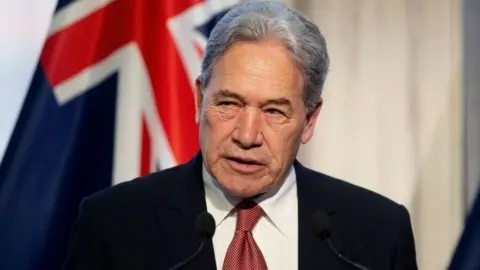
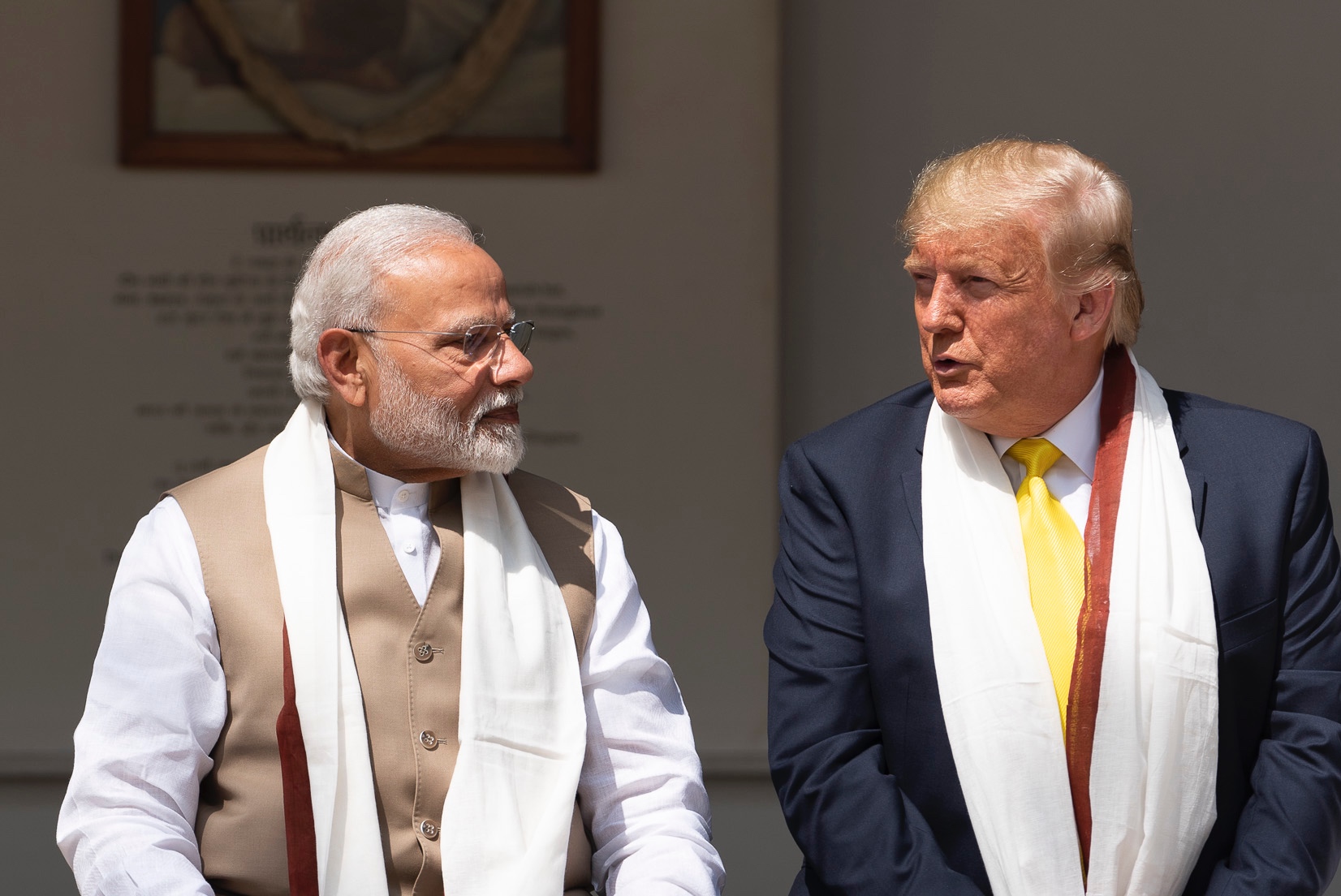
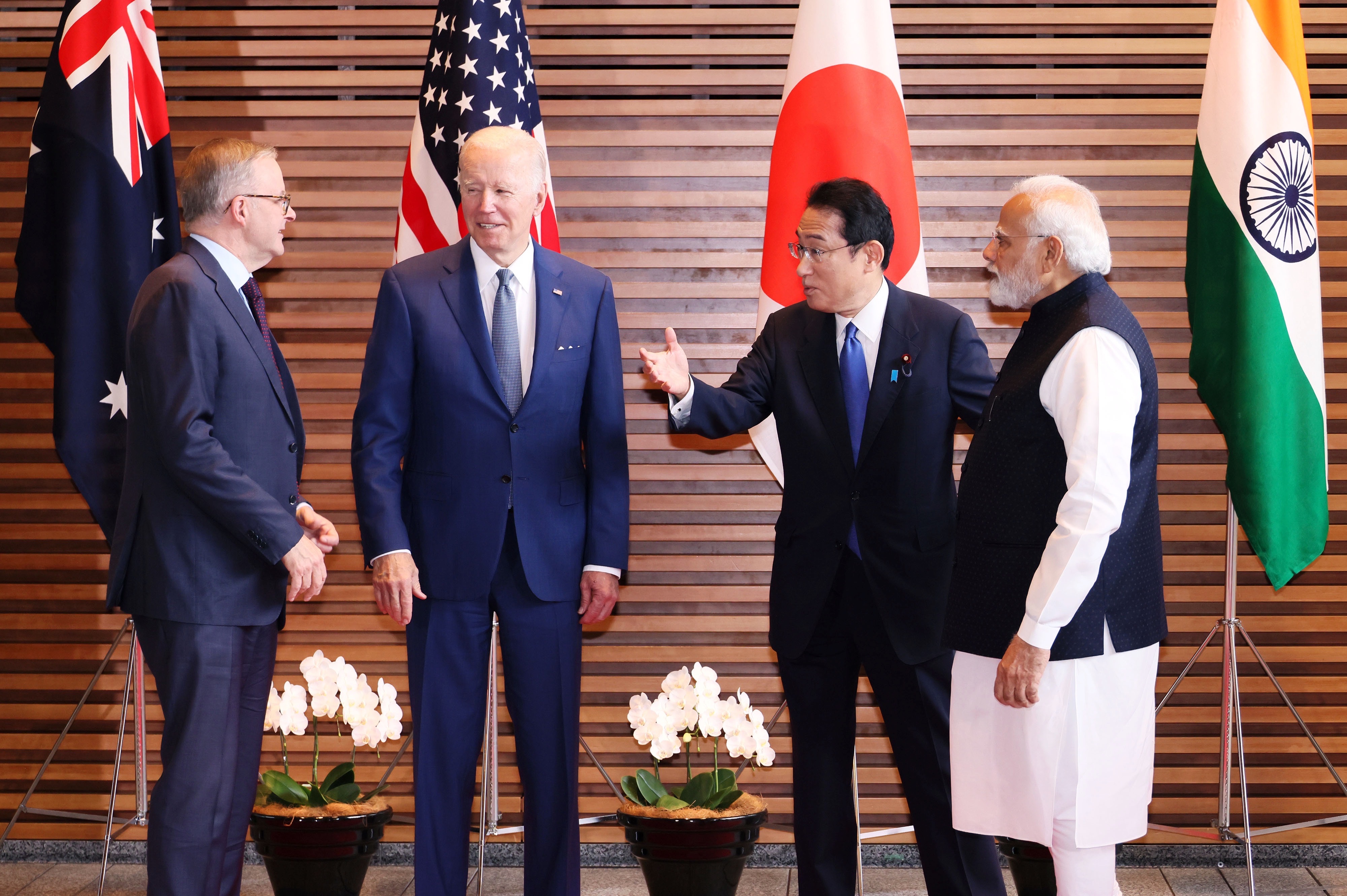
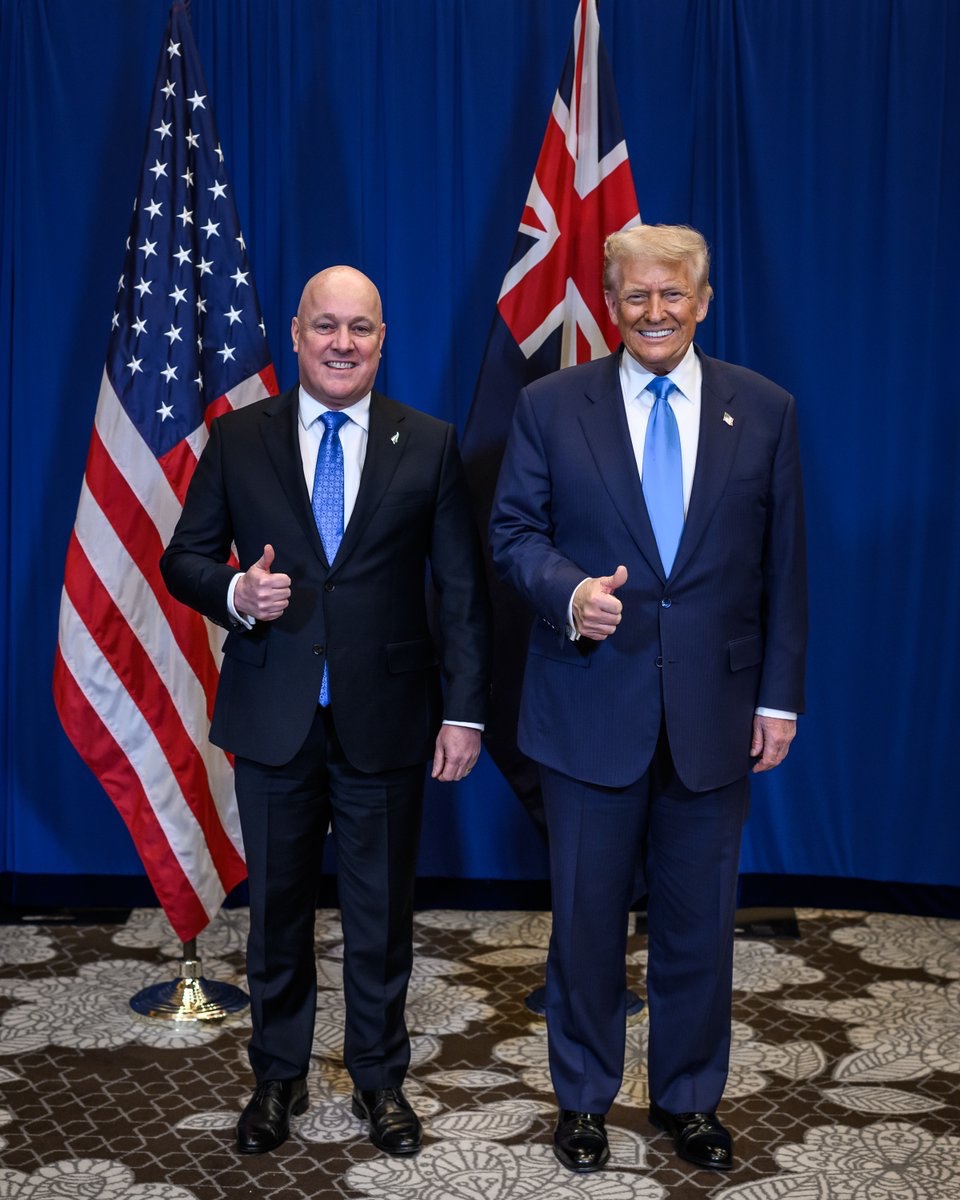
Christopher Luxon, Winton Peters and David Seymour.
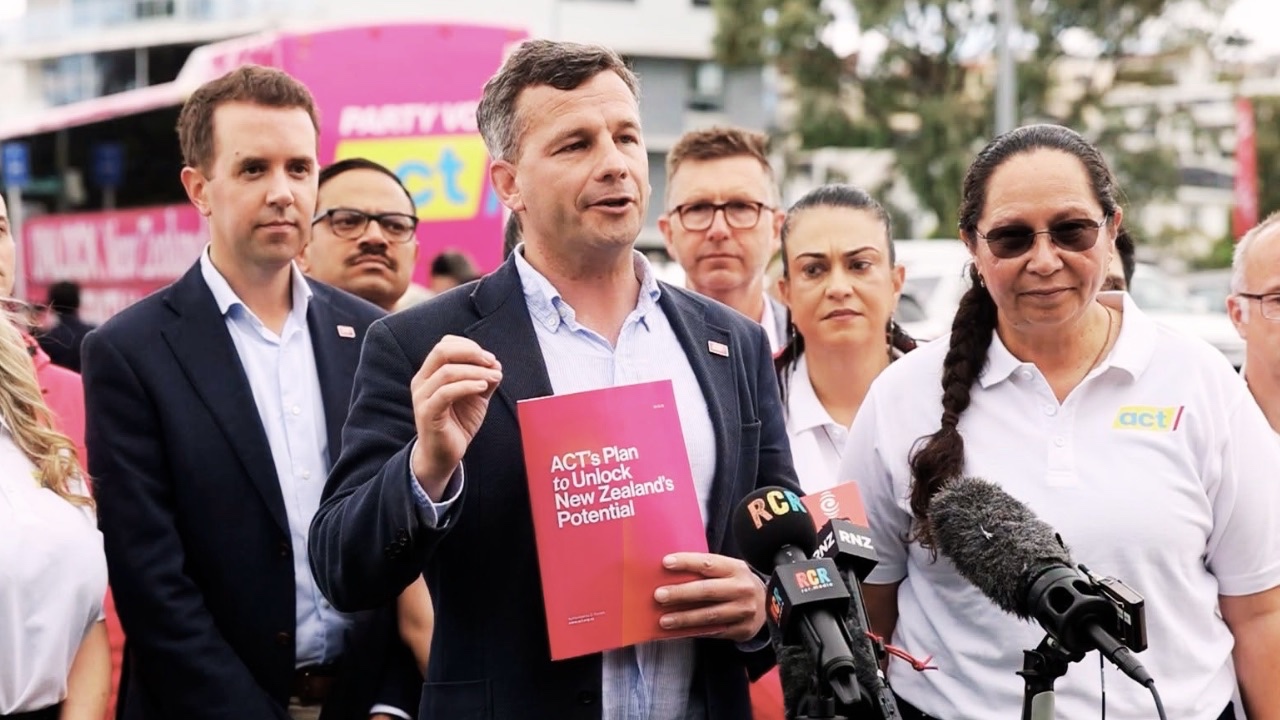
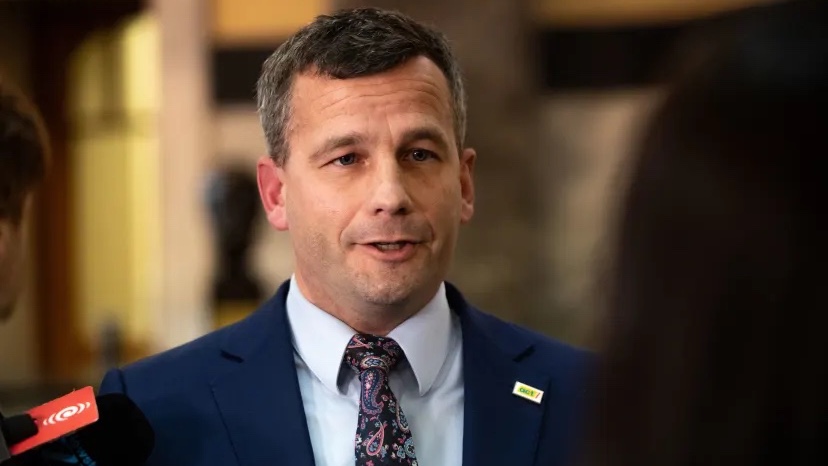
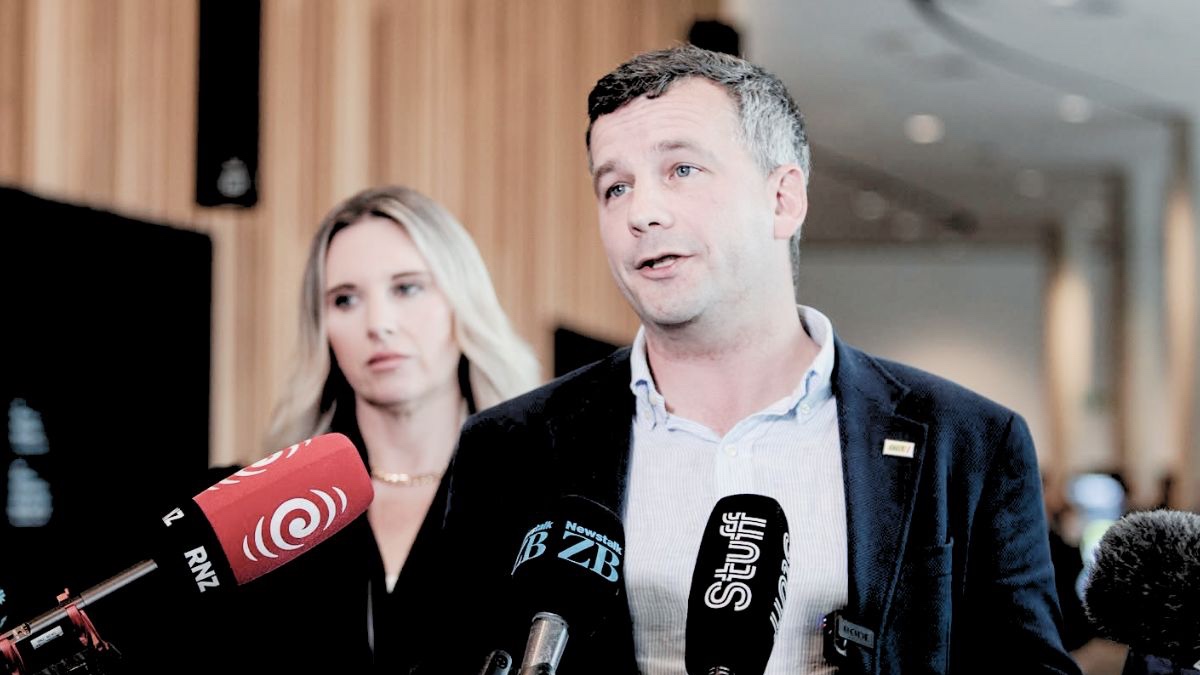
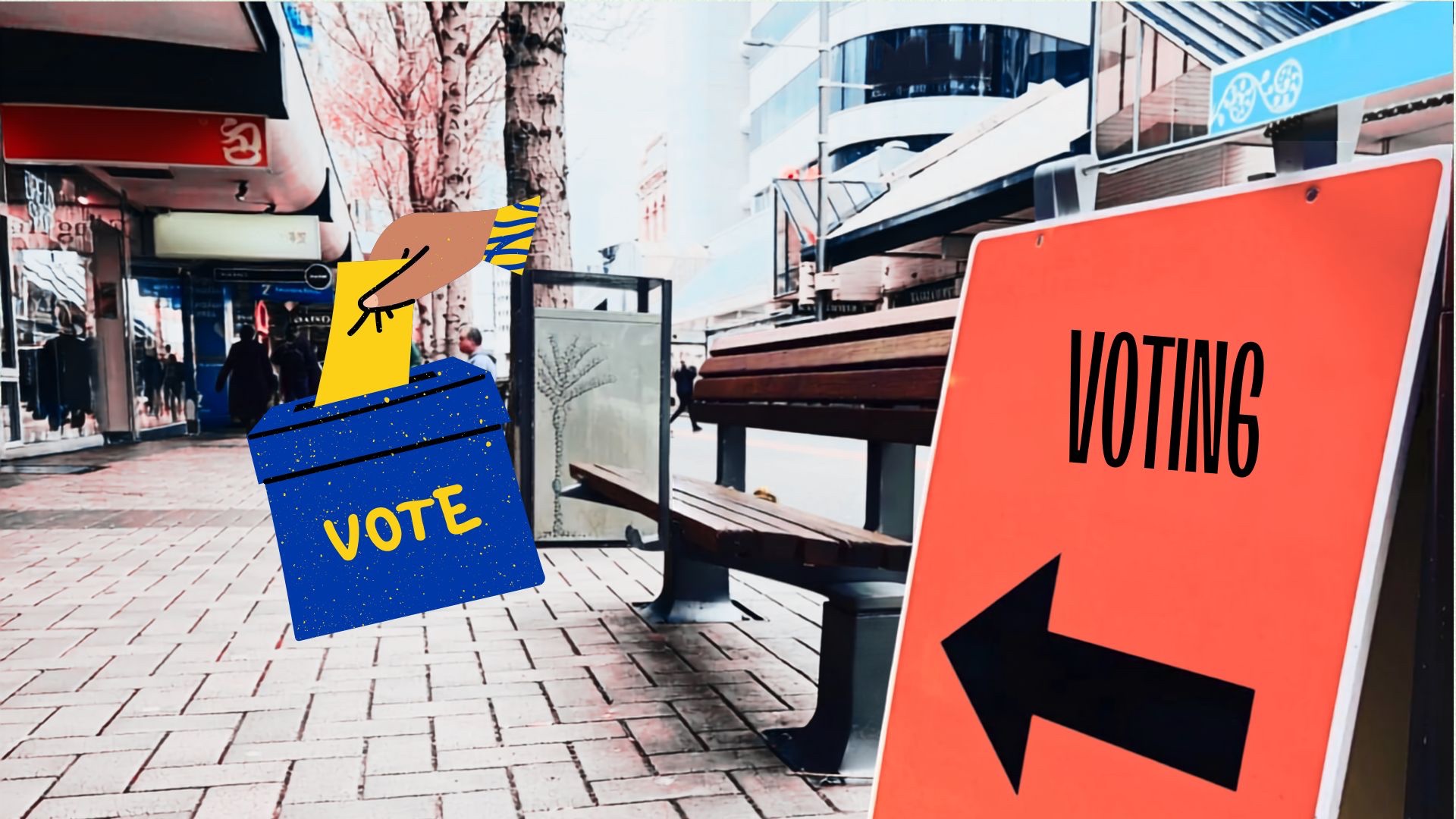
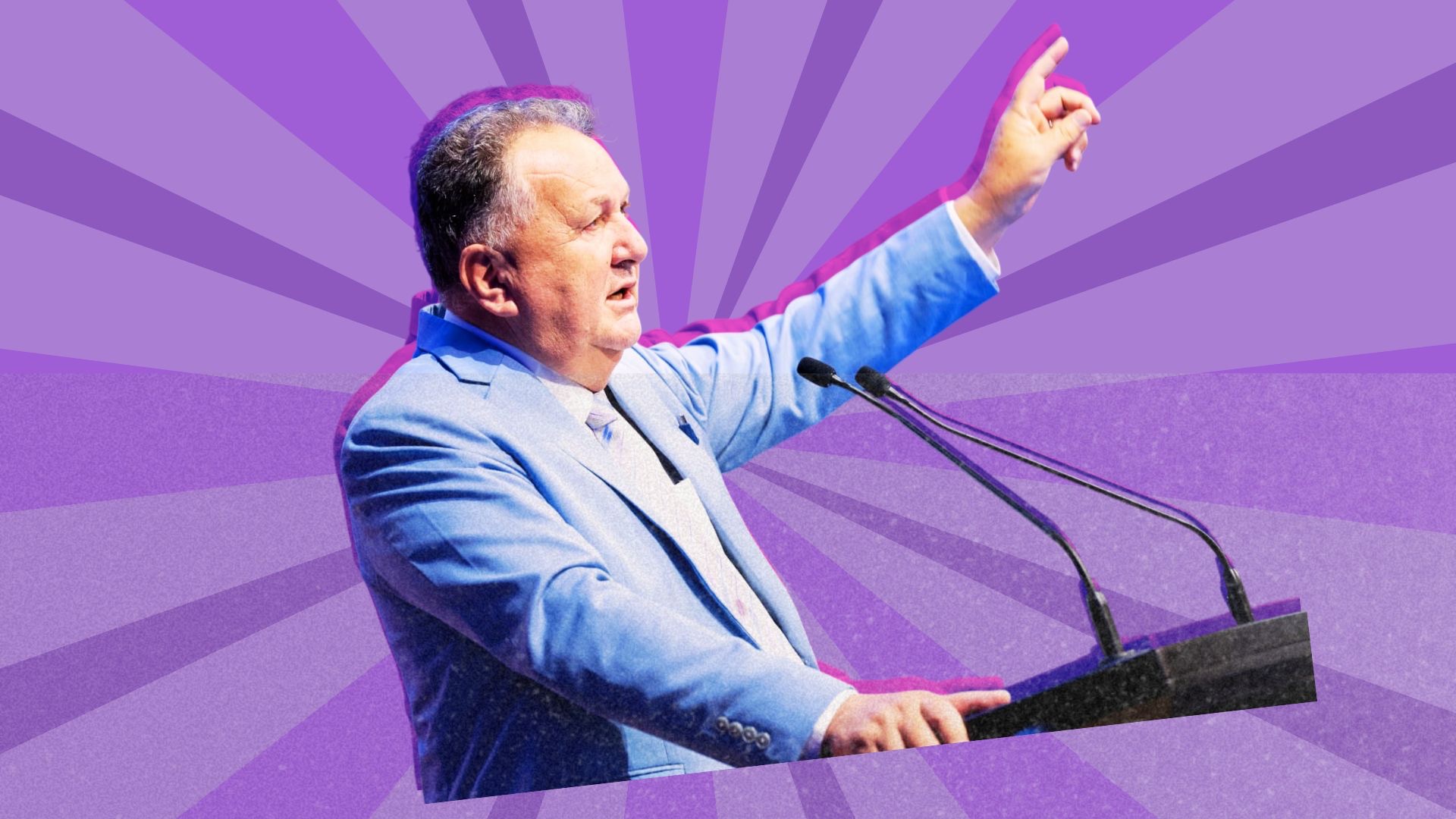
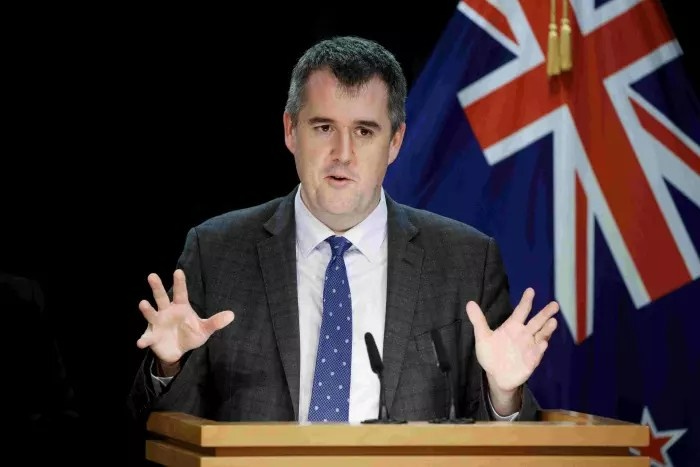
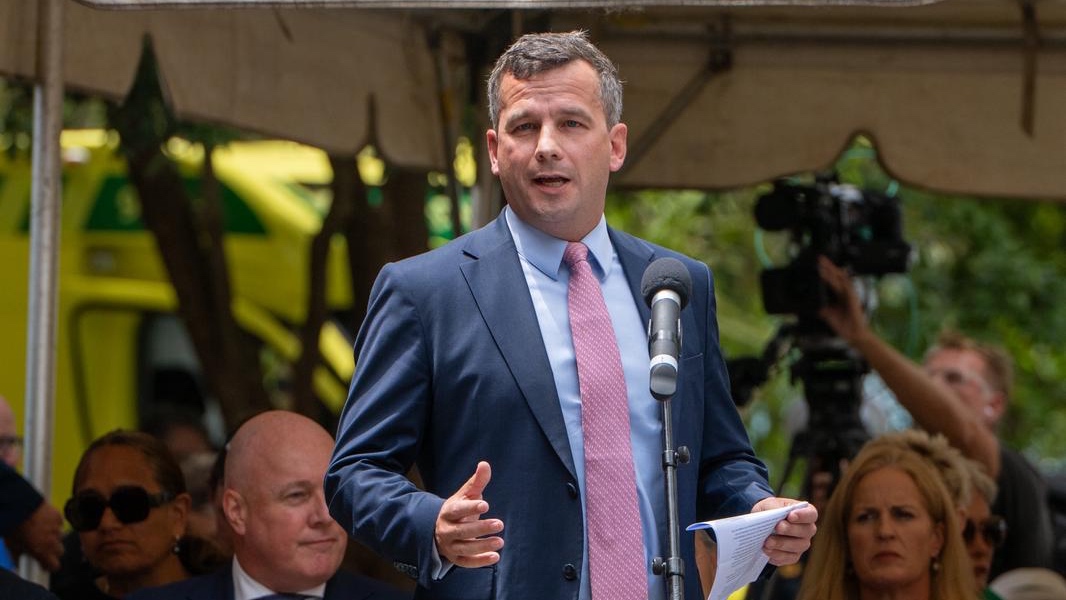
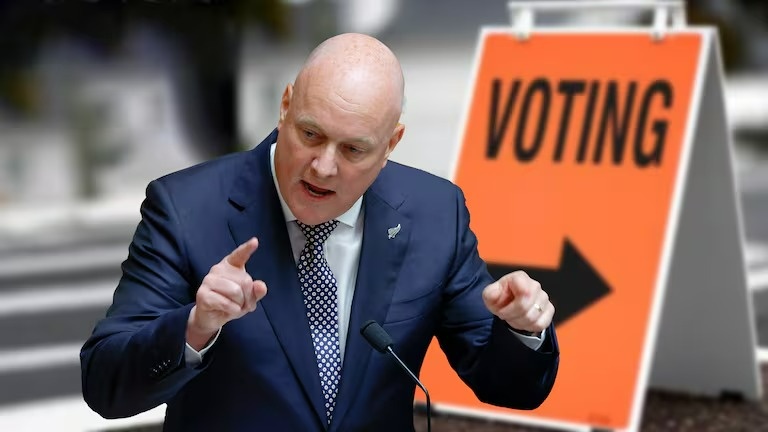
ACT leader David Seymour is eyeing up abolishing the seats through a referendum, arguing that they are the cause of the overhang issues.
Scrapping the Māori electorate seats could backfire on right bloc parties, a Māori political expert says.
ACT leader David Seymour is eyeing up abolishing the seats through a referendum, arguing that they are the cause of the overhang issues.
Te Pāti Māori - who ran a candidate-only campaign during the election - say ACT are trying to distract from a botched overhang campaign on the right.
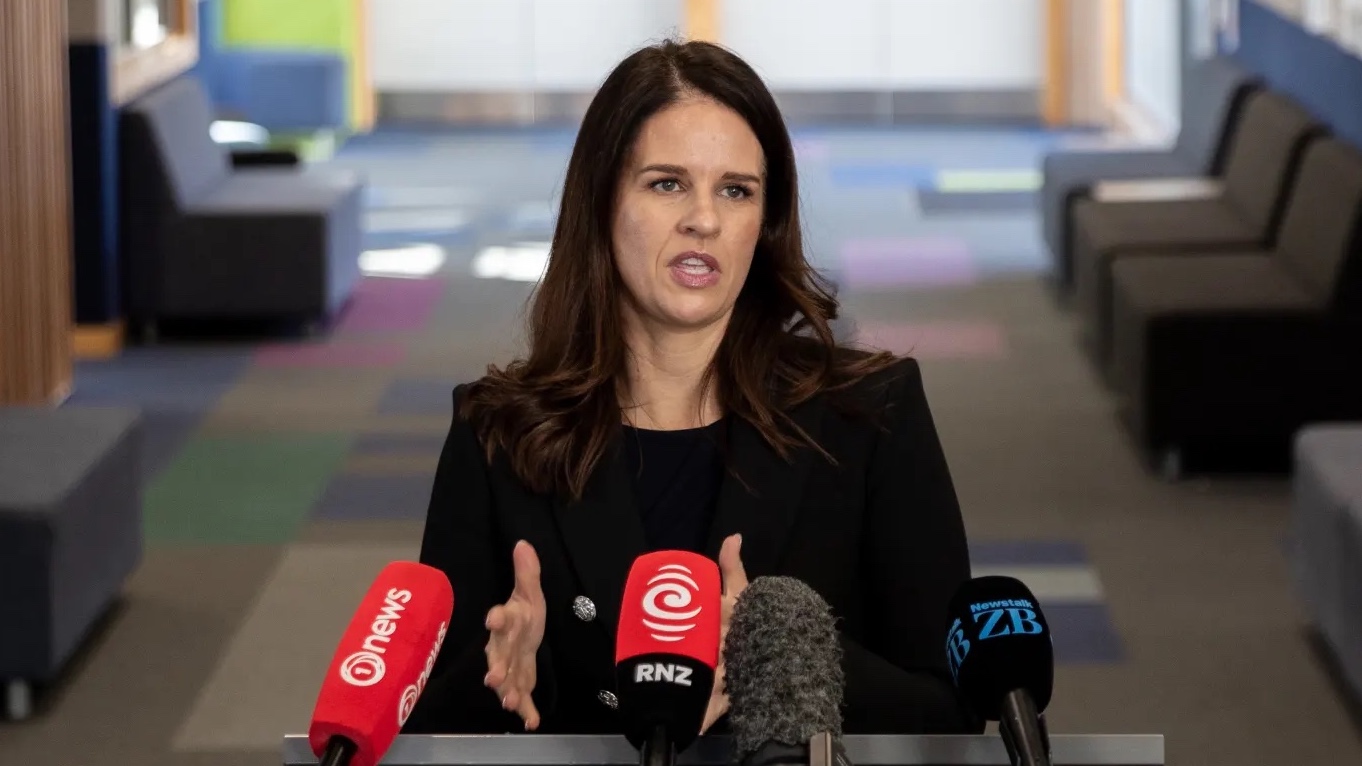
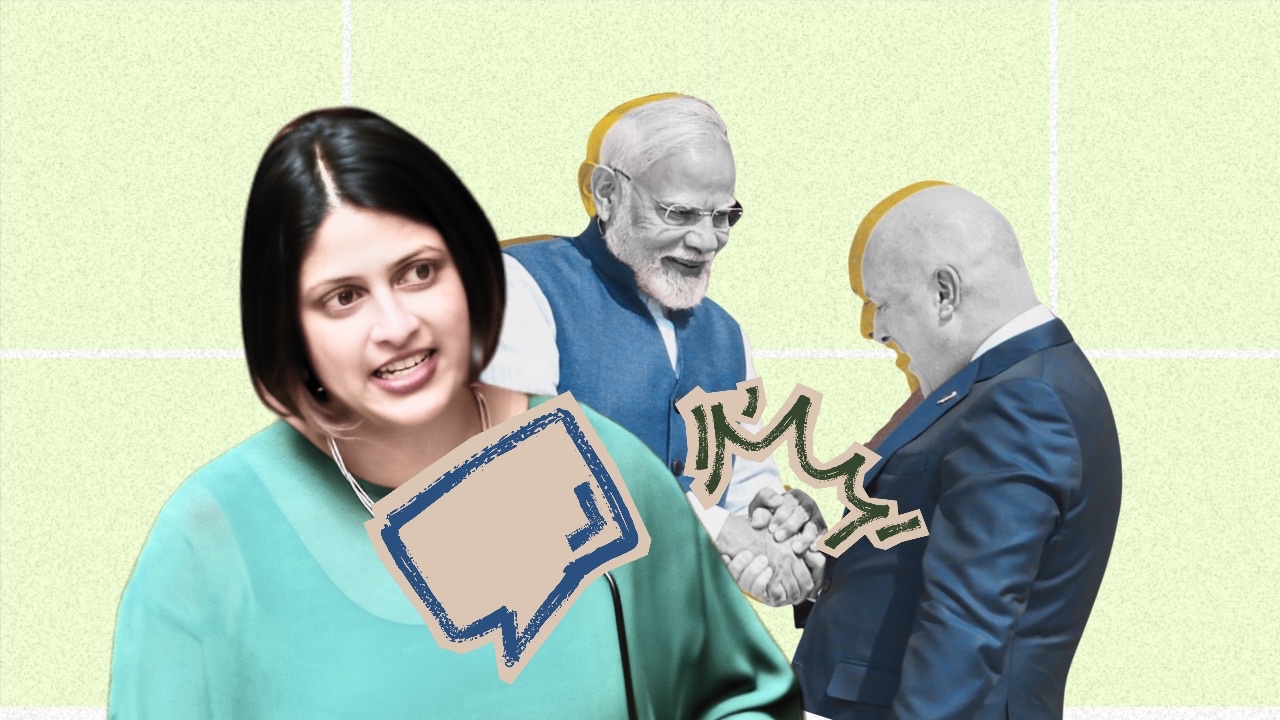
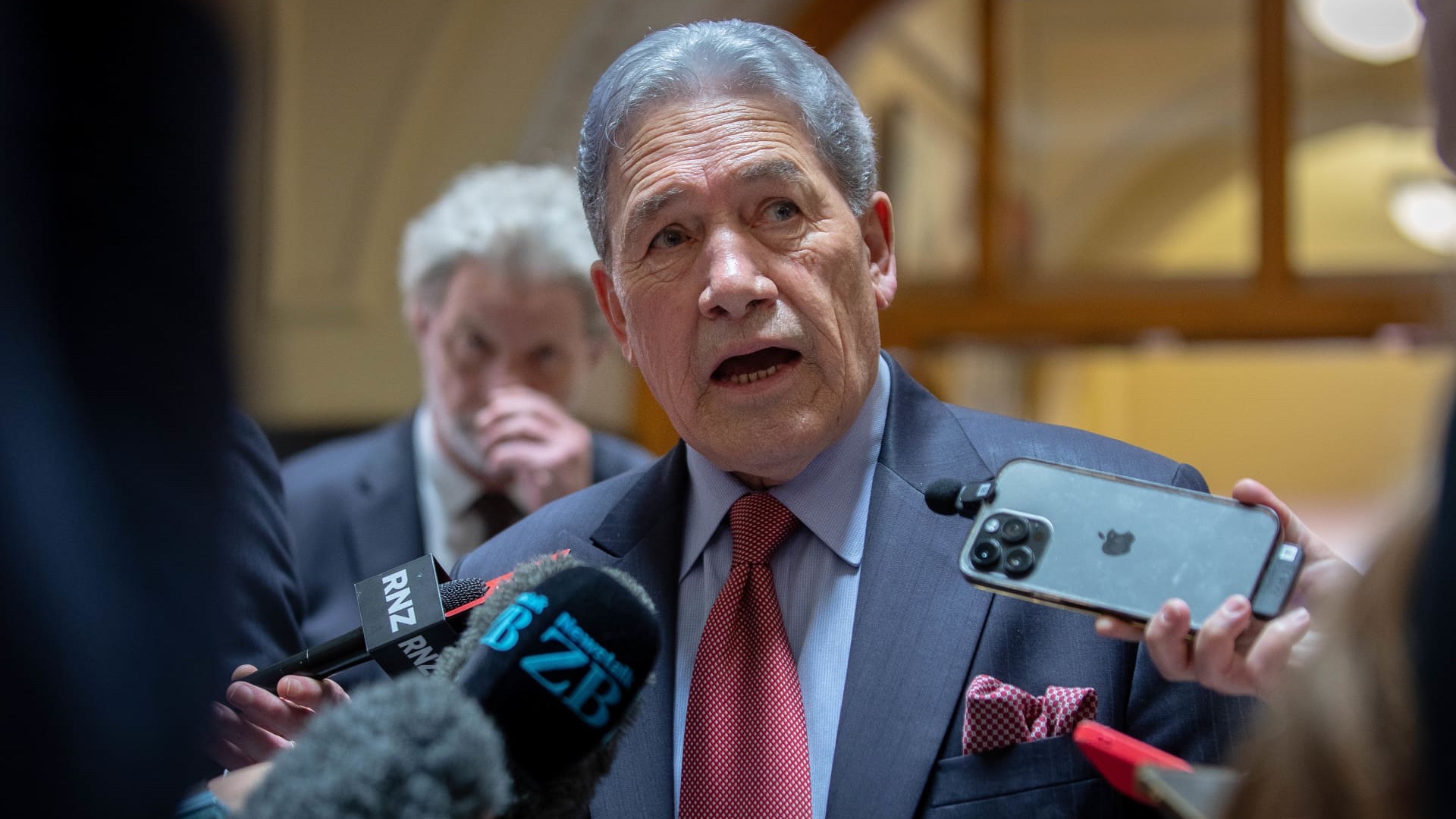
Victoria University political scientist Dr Lara Greaves told RNZ that about 30,000 people vote in each of the seven Māori electorates - around 210,000 in total - but the number of voters and voter turnout varied from electorate to electorate.
That left a voting block of about 190,000 who actually cast a vote, she said.
Māori seat referendum could backfire on right bloc, says political expert ACT leader David Seymour is eyeing up abolishing the seats through a referendum, arguing that they are the cause of the overhang issues.
Auckland boss accused of selling NZ jobs in India for $160K loses bid to strike out claim The labour-hire company owner argued the claim over the alleged payments should be thrown out because police in India brought no charges against him.
Social supermarket serves up cheaper food with a side of financial advice "Providing services like financial mentoring, cooking classes and health programmes alongside access to cheaper food makes a long-term difference"
Greaves said those voters had little choice but to vote for left bloc candidates because the coalition partners - except National - did not stand candidates.
"We know that around 90 percent of the party votes in those electorates tend to be those left-bloc parties - Opportunity's party vote was quite low - so the right block and Opportunity don't do very well in them.
"We don't know exactly who their electorate vote would go to but from the 200-odd thousand voters, we can see that those voters tend to be left-party voters."
Greaves argued that scrapping the seats - as ACT New Zealand First want to do - could see more left-wing candidates from general seats make it into Parliament because of an increasing Māori population.
"Strategically, it could be quite a silly move for them.
"Māori on average are having slightly more than the rate of replacement in terms of children and Māori now are kind of 'proud to be Māori' - we've seen that in public opinion data.
"This is the kōhanga reo generation of kids we're talking about ageing and voting now, and we know that we've got this significant group of young people that is a growing proportion of the electorate who are interested in the Māori electoral role and are interested in politics and representing that."
Greaves said taking that growing group of left-leaning voters out of Māori electorates and into general seats could see votes shift to the left in places like Northland, Rotorua, the East Coast and city centres.
She said she planned to do more research into the issue shortly, but some figures published by pollster David Farrar showed National could have lost between nine to 14 seats if the Māori seats were abolished before the 2026 election.
"In this hypothetical scenario, it does seem like the general electorate would become more left leaning because you've got those 190,000 odd more left leaning voters across the electorates," she said.
Greaves is one of 46 experts and academics urging politicians to consider changing MMP to get rid of overhangs in the MMP electoral system.
She said many Māori were strategic voters and would continue to be.
"I think that the [overhangs] do need fixing quite quickly, because otherwise, we'll just end up in a tit for tat, and it's not going to be good for politics. I think that will put people off generally, and I think that will put Māori off generally.
"But no matter what we do, I think that Māori voters are really good at vote splitting and will continue to do that... without any politicians, without Te Pāti Māori saying it, I still believe that actually a lot of Māori voters would have done that and actually delivered a few electorates for Te Pāti Māori, whether they had said it or not."
Greaves said getting rid of the Māori seats through a referendum would cause "considerable" protest action.
"What the cynic in me would suspect they would do to try to get rid of the Māori electorate is have a of referendum sometime in 2028 when no one much is paying attention to politics.
"Removing the Māori electorates and the Waitangi Tribunal as well - which is another thing that might come up this term - would be viewed as really terrible constitutional or structural damage by a lot of Māori and that it would lead to considerable protest action and advocacy," she said.
(This article was first published by RNZ)