
Indians with a New Zealand job offer could face tougher visa checks, lawyer warns

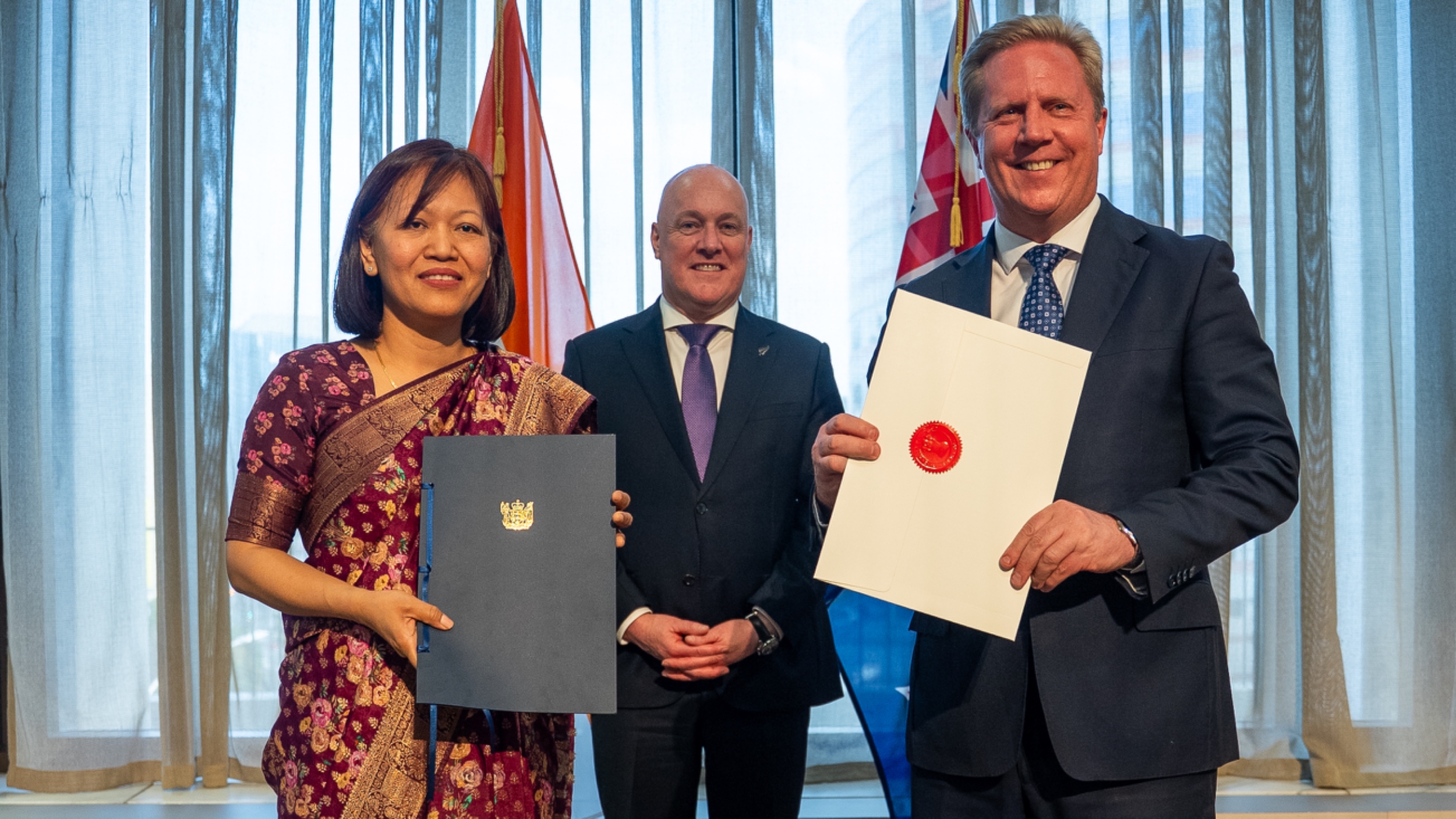
Immigration minister Erica Stanford. (RNZ/Nick Monro)
An internal review has prompted INZ to look more closely at whether applicants would leave New Zealand if their visa options ran out.
Immigration New Zealand (INZ) has told its officials to consider patterns in asylum claims when assessing work visa applications, after a review found gaps in how they checked whether applicants intended to return if they could not get another visa.
INZ issued the internal guidance on October 30 setting out how officials should apply the existing bona fide requirement, which asks whether an applicant genuinely intends to stay temporarily and comply with their visa conditions.
For work visas, that means weighing the applicant’s personal circumstances and plans alongside their job offer and qualifications.
Asked whether the guidance could make it harder for Indian applicants to get work visas, immigration lawyer Alastair McClymont said, “This is who they are talking about.”
The Auckland-based practitioner said taking asylum claim patterns into account could make it harder for employers to recruit from India.
Kiwi businesses are learning what it really takes to crack India Kiwi business leaders share hard-earned lessons on adapting to India's markets and building trust.
'Don't speculate': Grieving friend urges public to hold off on blame after Takanini crash Mandeep Singh remembers how Sukhdeep offered to take him on his courier rounds when he lost his job.
What really drove NZ’s election overhang and what can be done about it With up to 11 extra seats in play, a political scientist asks whether more list MPs could bring Parliament closer to the party vote.

Auckland-based immigration lawyer Alastair McClymont. (Supplied photo)
INZ director visa Catherine L’Estrange told Awaaz that an applicant’s incentive or ability to leave New Zealand when their visa expires is already one part of the assessment.
She said asylum claim patterns were “one factor that immigration officers could consider when undertaking this assessment but on its own should not be determinative”.
INZ did not explain how officers would use those patterns in an individual case or how much weight they would give to claims made by others from the applicant’s home region. The October 30 guidance names no nationality and directs officers to consider each application on its individual facts.
But numbers tell a different story.
Indian nationals lodged 3,015 refugee and protection claims in the five financial years to June 2026, or 38.5 per cent of the 7,834 claims made in New Zealand.
Chinese nationals lodged 1,259, the next-highest total, followed by Sri Lankan nationals with 578.
Claims by Indian nationals peaked at 1,169 in 2023-24, when they accounted for almost half the national total. They had fallen to 683 in 2025-26, still more than twice the 336 claims lodged by Chinese nationals in the latest full year.
A separate Awaaz review of published decisions by the country’s appellate immigration tribunal found that all 40 Khalistan-linked asylum appeals it identified from 2025 and 2026 had failed.
The cases included people who supported the movement for an independent Sikh state and people who said they were perceived as supporters. Two men had succeeded in Khalistan-linked cases before the tribunal in 2024.

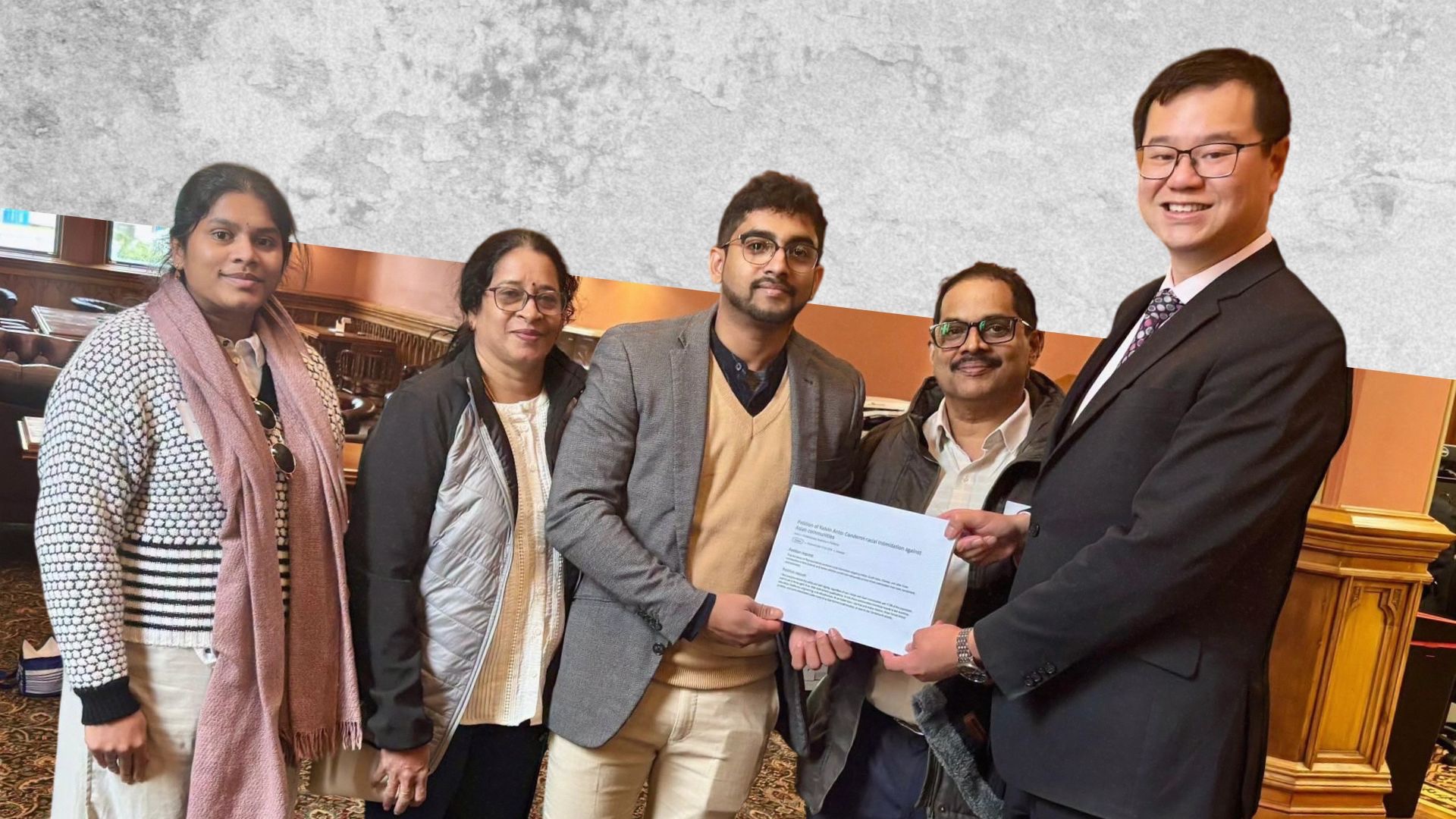
Immigration lawyer Mahafrin Variava is an associate at McVeagh Fleming. (Supplied photo
What officers are now being asked to check
INZ’s review of the Accredited Employer Work Visa (AEWV) decisions found several assessments had relied heavily on whether the job offer was genuine and whether the applicant had the required skills and experience.
The October guidance tells officers to also weigh applicants’ personal circumstances, what might discourage them from returning home and whether they have a realistic pathway to residence.
Auckland-based immigration lawyer Mahafrin Variava said it was difficult to predict whether the guidance would lead to more refusals for Indian applicants.
She said the requirement to show a genuine intention to stay temporarily had long been part of work visa assessments.
“I am firmly of the opinion that an applicant’s immigration intentions should be assessed on their individual circumstances, not assumptions based on their nationality, ethnicity or religious beliefs,” she said.
Variava advised applicants to provide a clear resume, make sure their work experience could be verified and explain what they would do if they had no longer-term visa option.