
Family of five wins residence appeal after INZ mishandles disabled daughter’s care needs

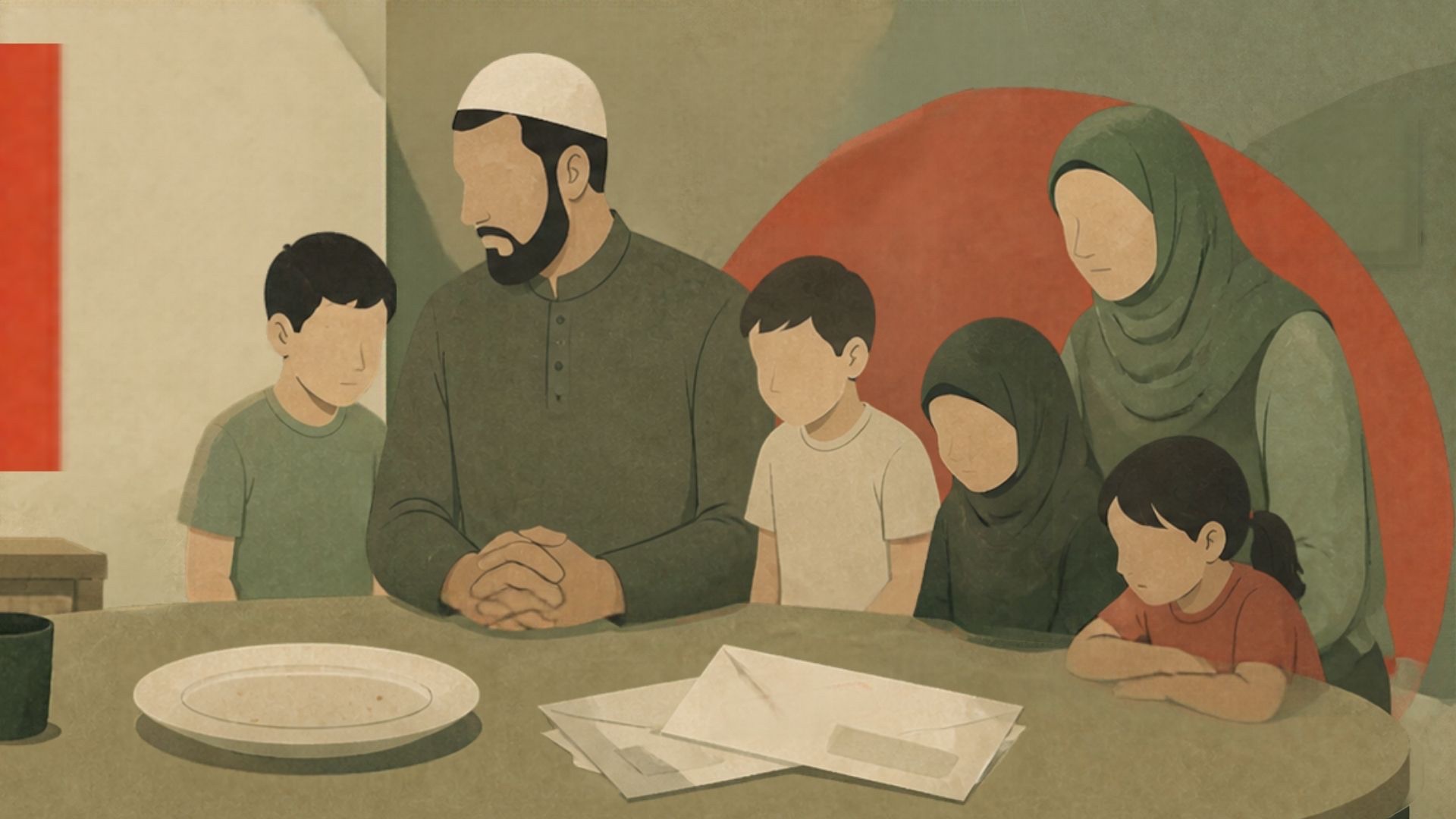
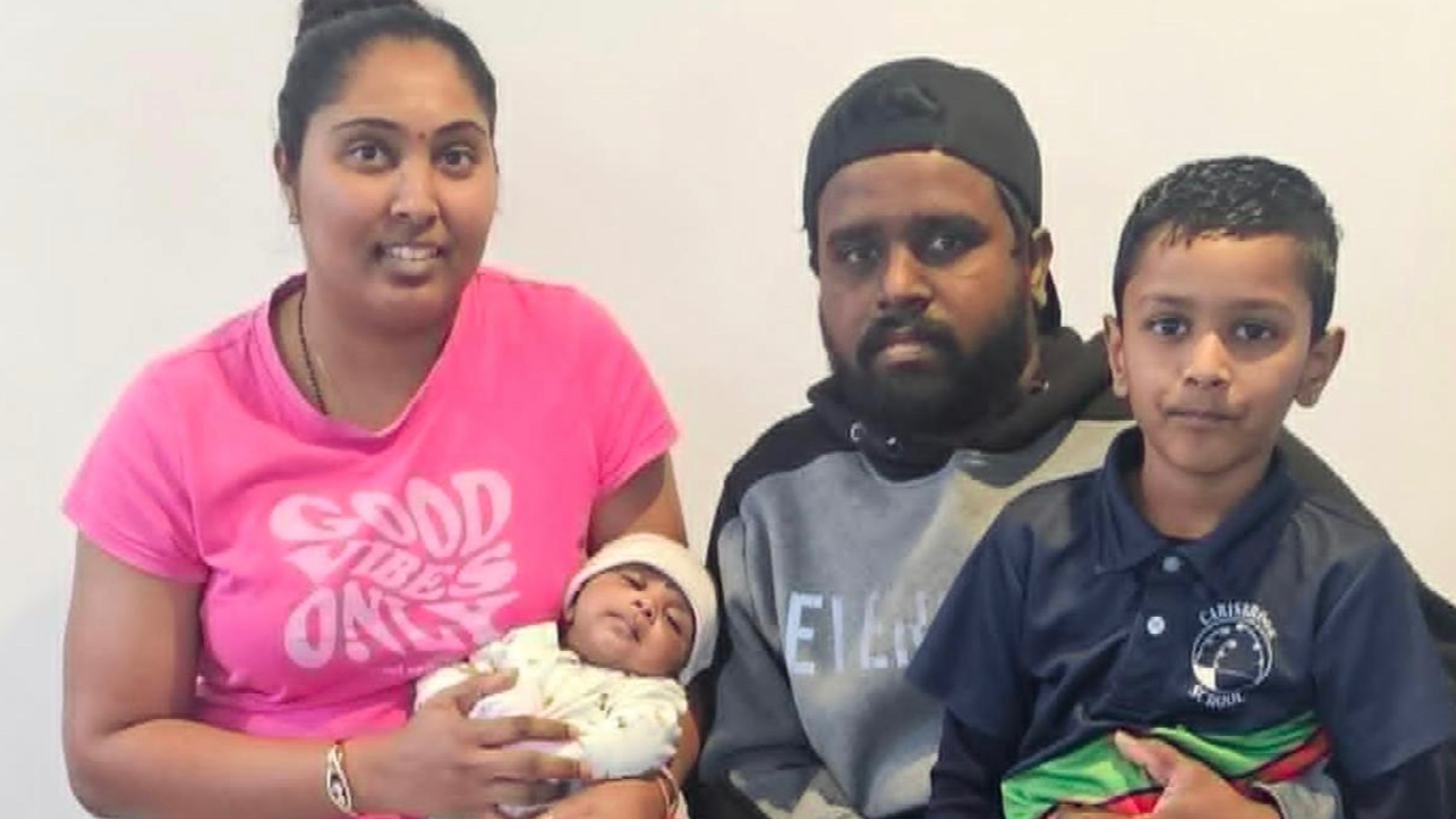
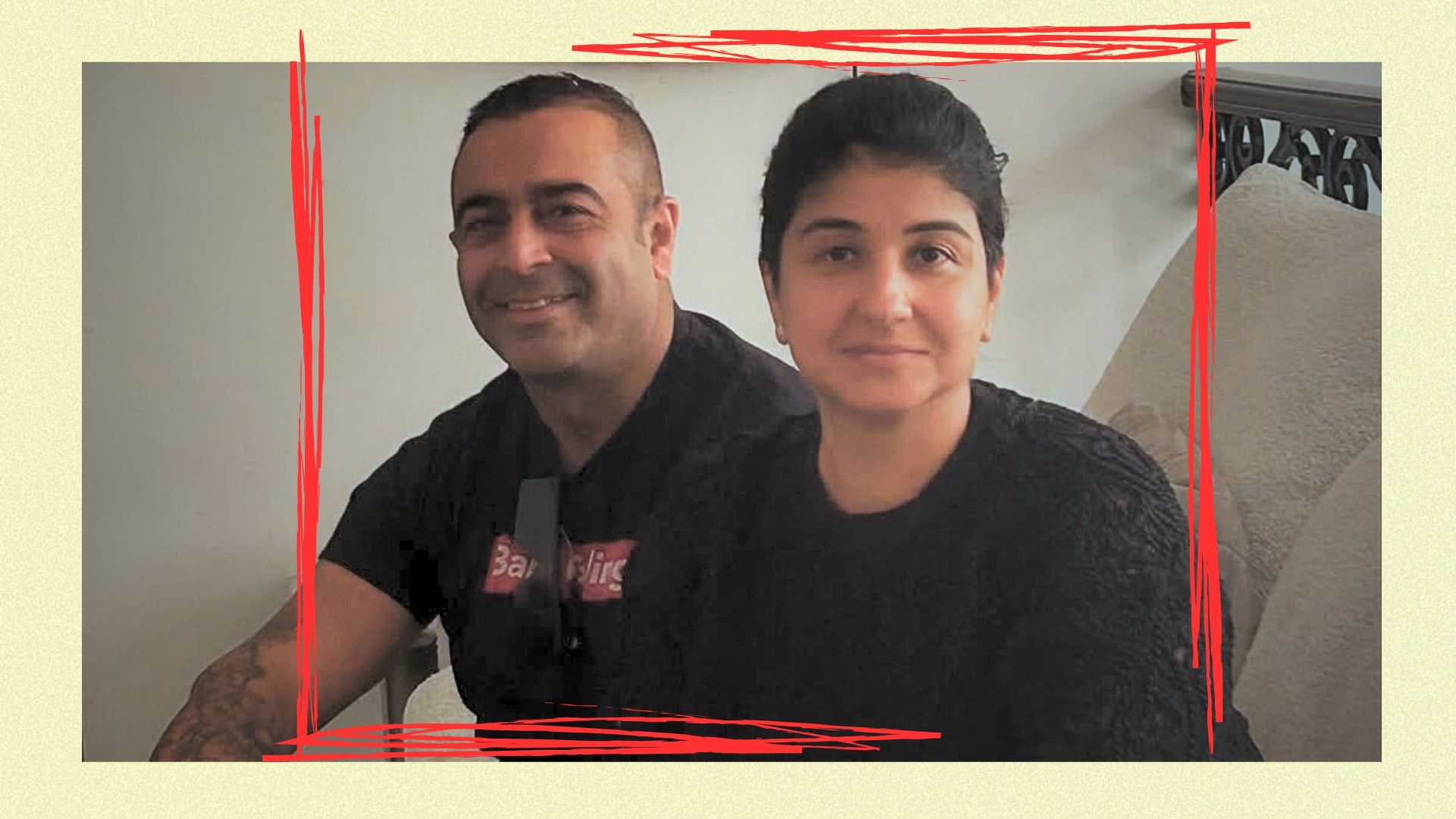
The father works in New Zealand while the rest of the family is in Pakistan.
A New Zealand GP who reviewed the teenager’s records expected her to need only occasional support in daily life.
Immigration New Zealand (INZ) will have to reconsider a Pakistani accountant’s application to live in the country with his wife and three children after the country's top tribunal found officials had failed to explain why his 15-year-old daughter would need full-time care.
The accountant lives and works in New Zealand while his family is still in Pakistan. Immigration officials declined residence for all five after finding the teenager, who has an intellectual disability, did not meet the visa health requirements and that her care needs ruled her out of consideration for a medical waiver.
The Immigration and Protection Tribunal (IPT) has upheld INZ's finding that the teenager fell short of the health requirements. But in a decision dated November 10, tribunal member M Avia overturned the refusal because INZ had failed to properly consider the evidence when ruling out a waiver.
Why her care needs mattered
A medical waiver can allow someone to gain residence even if they fall short of the visa health requirements. Under the rules that applied to the family, applicants whose condition required full-time care, including care in the community, could not be considered for a waiver.
Kiwi businesses are learning what it really takes to crack India Kiwi business leaders share hard-earned lessons on adapting to India's markets and building trust.
'Don't speculate': Grieving friend urges public to hold off on blame after Takanini crash Mandeep Singh remembers how Sukhdeep offered to take him on his courier rounds when he lost his job.
What really drove NZ’s election overhang and what can be done about it With up to 11 extra seats in play, a political scientist asks whether more list MPs could bring Parliament closer to the party vote.
The teenager was diagnosed with developmental delay and speech difficulties at age four. She was homeschooled using an individual education plan and went to school to sit exams.
The tribunal agreed she would likely qualify for specialist education funding in New Zealand, with support that could include a tailored curriculum and daily classroom assistance.
INZ’s medical assessor drew on experience suggesting that children who qualified for specialist education funding often continued to need more supervision and care than their peers.
A New Zealand GP experienced in long-term disability care reviewed the teenager’s records and found she was largely independent in daily activities and would likely need “only periodic support” to live safely.
The tribunal found INZ's assessor had failed to explain how that past experience applied to the teenager’s circumstances, or why the assessor had reached a different conclusion from the GP.
It said an assessor who disagreed with another practitioner needed to explain why and identify the evidence behind their conclusion.
What counts as full-time care?
The tribunal noted that immigration instructions did not define full-time care. It said the term would cover someone who needed constant or near-constant supervision and help with daily activities such as personal hygiene, mobility and safety.
It could also cover someone who was largely independent but received daily support and supervision in a group home.
For someone who needs some help and may be able to live outside such an arrangement, the tribunal said the assessment would depend on their individual skills, abilities and circumstances.
In the teenager’s case, the GP’s expectation of occasional support did not by itself point to a need for full-time care.
The tribunal has cancelled INZ's refusal and sent the application back for consideration.
The order requires a different immigration officer to carry out the reassessment and provide clear reasons for the decision. The father has been allowed to submit updated evidence about his daughter’s needs, and INZ will have to assess whether she can be considered for a waiver before deciding the family’s application.