
Done deal: India, NZ FTA to take effect October 20 as ratification is formally complete
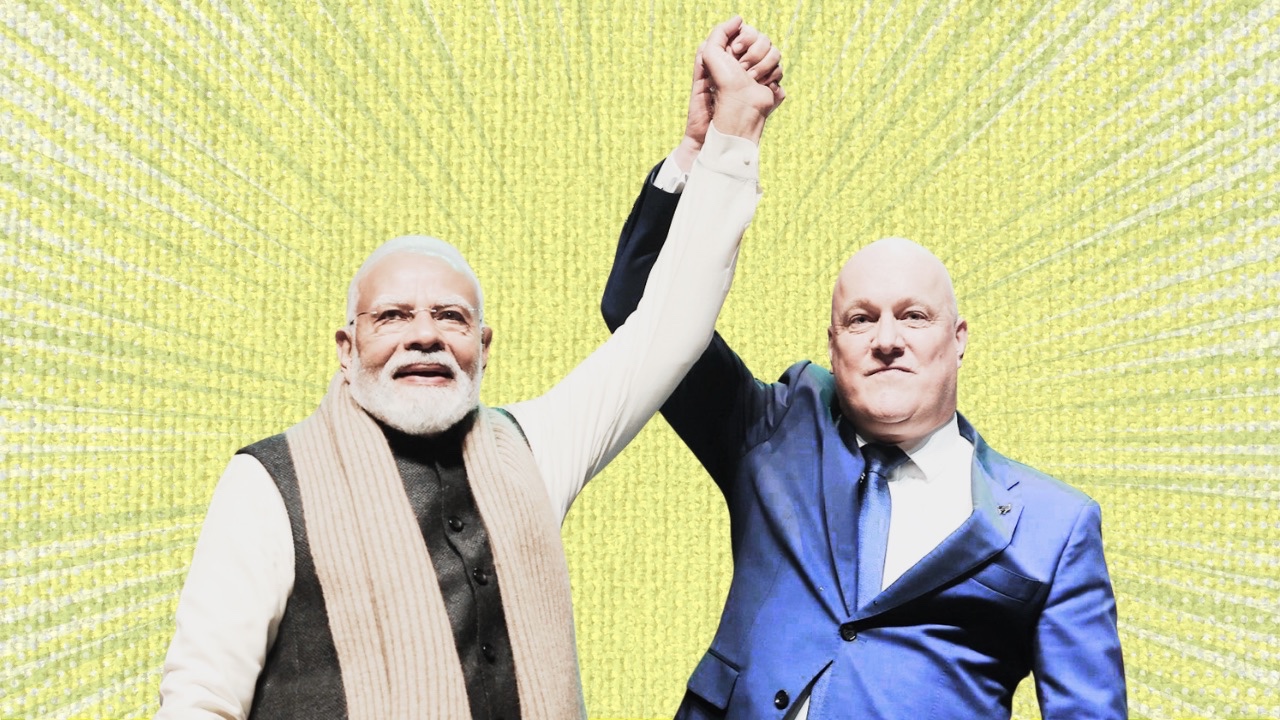
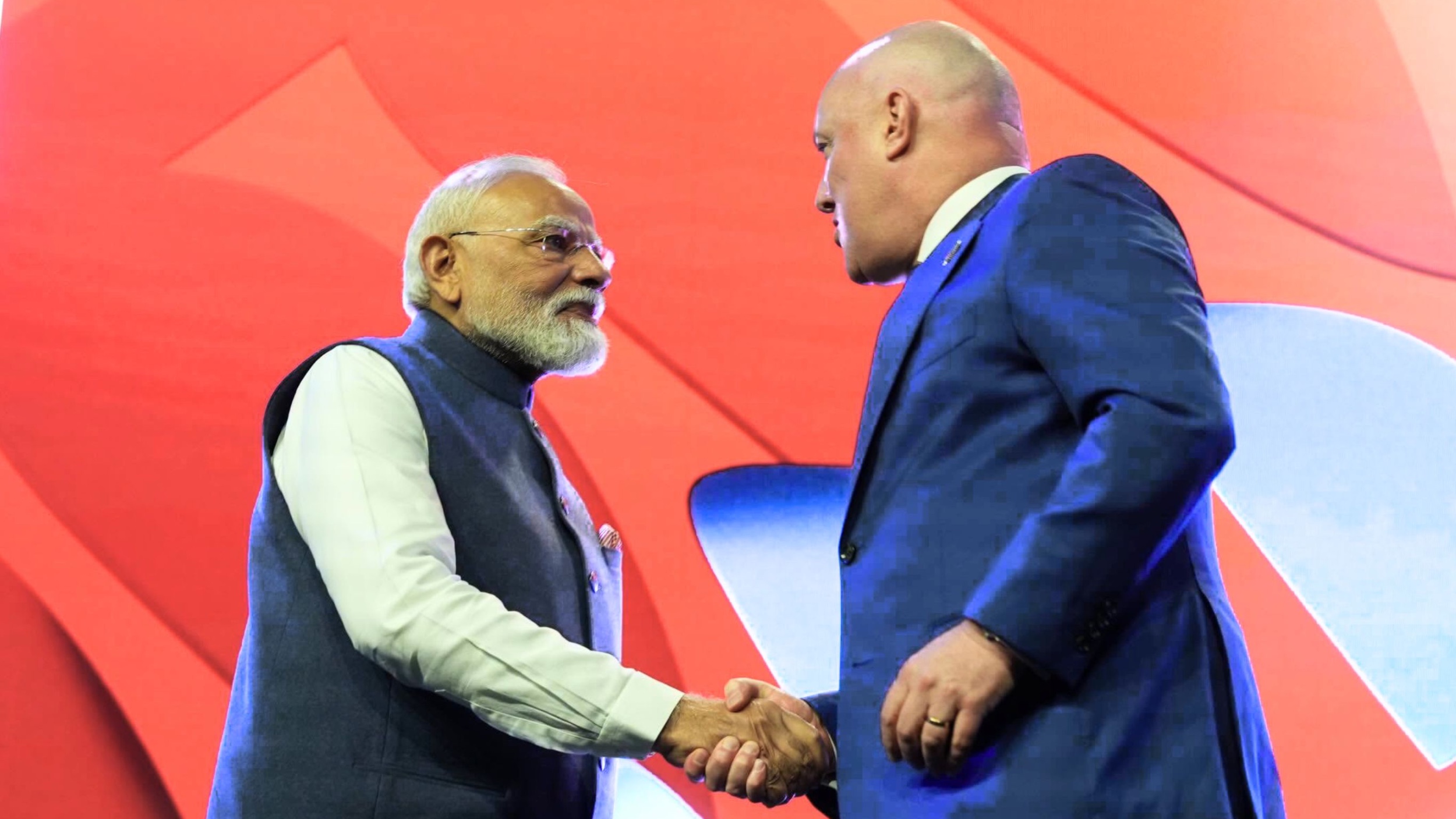
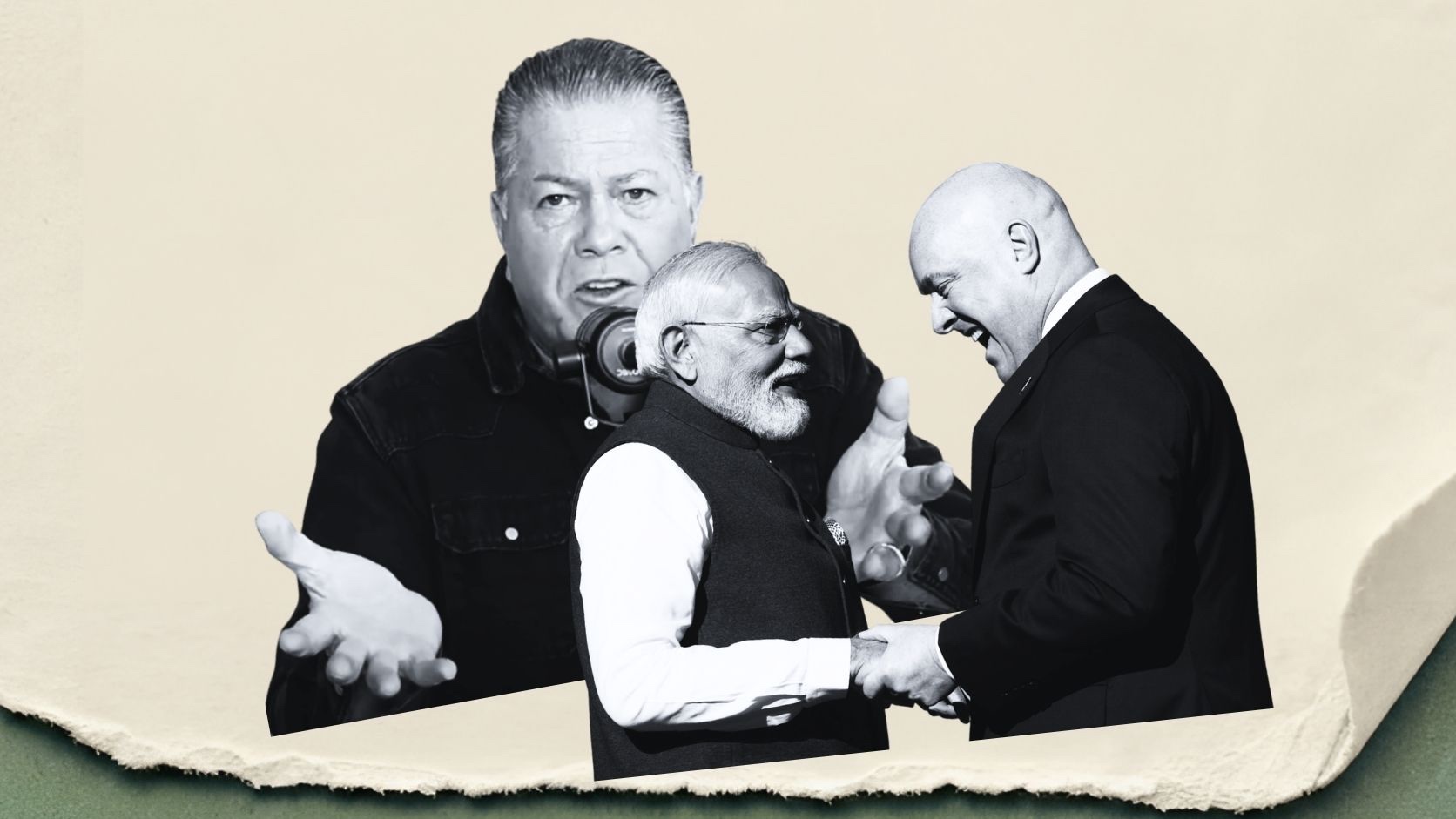
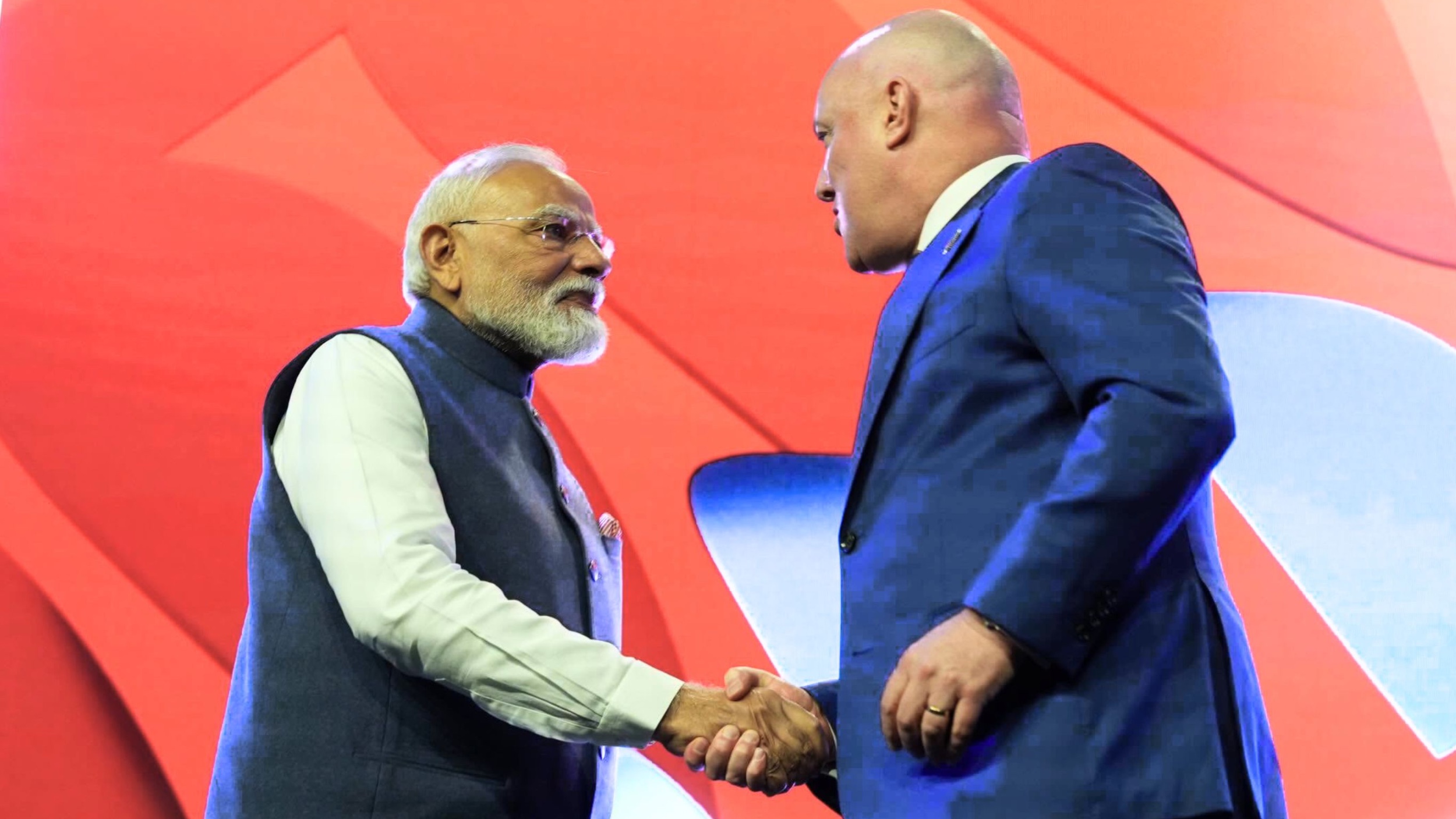
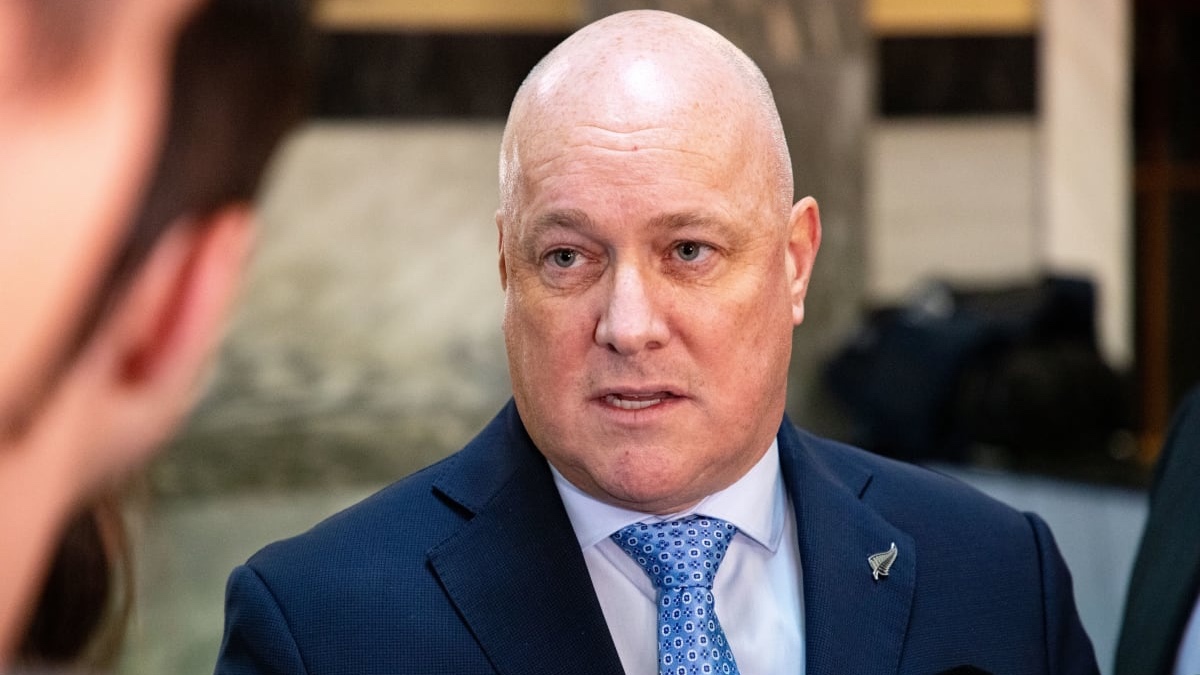
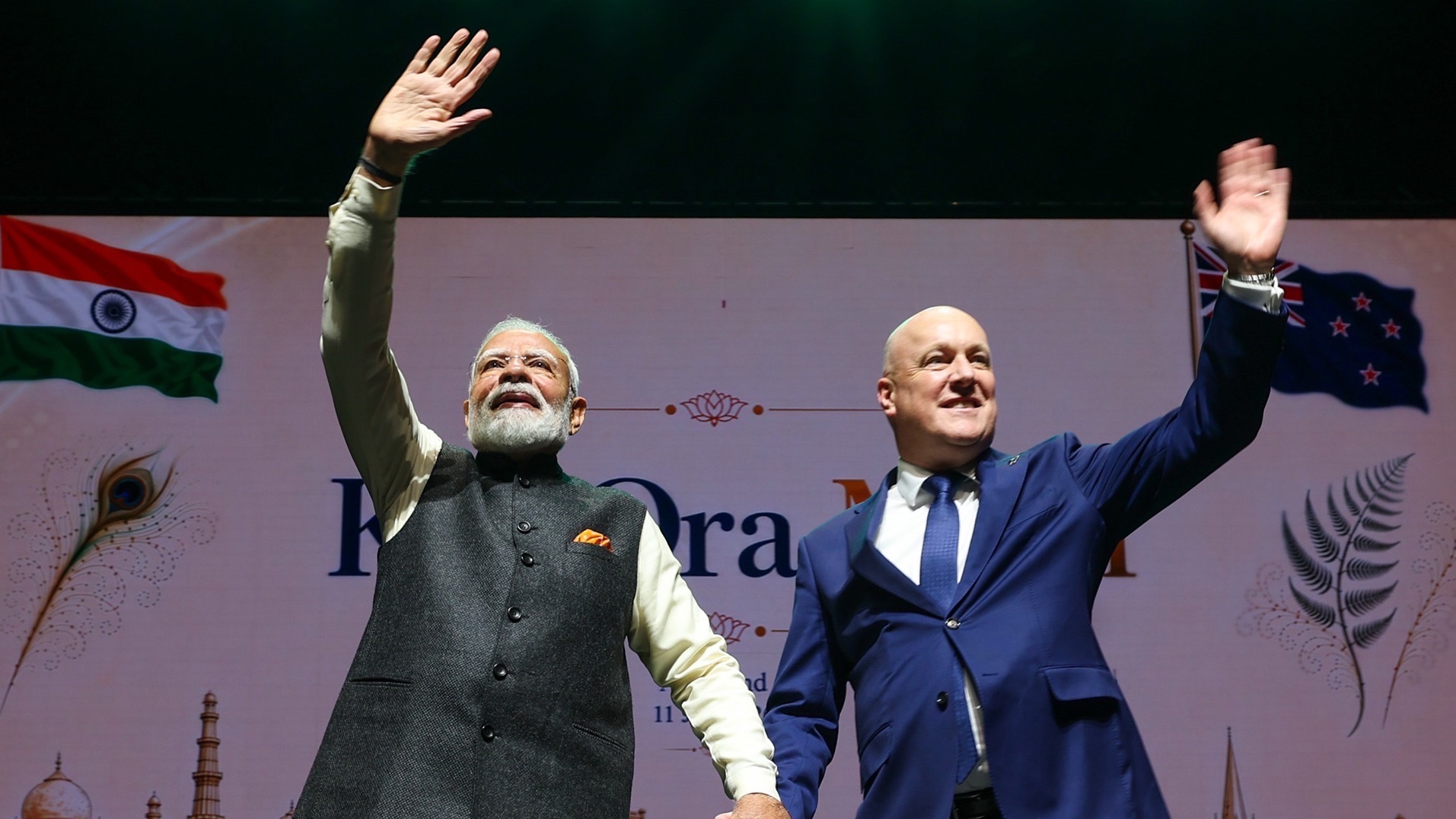
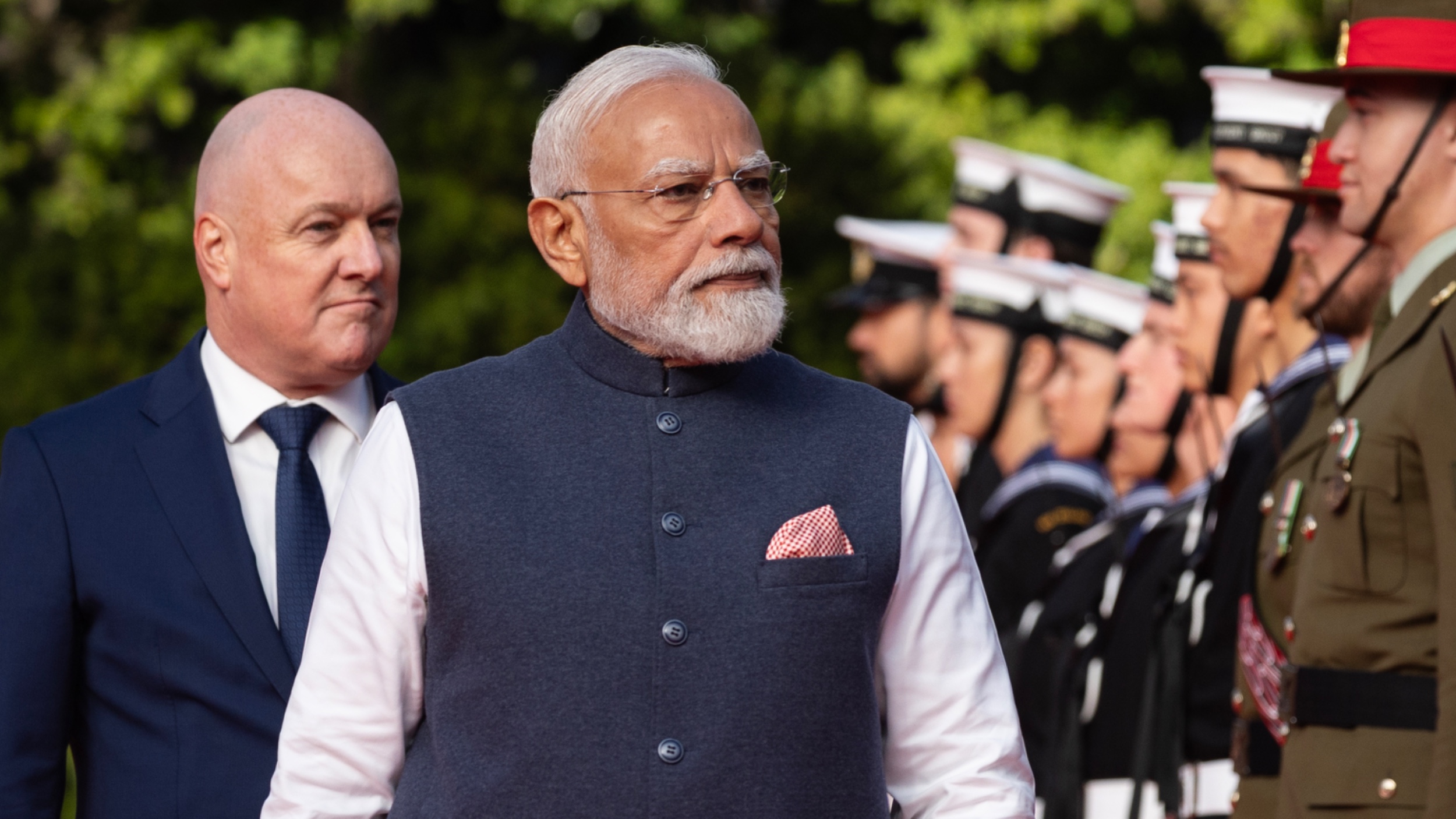
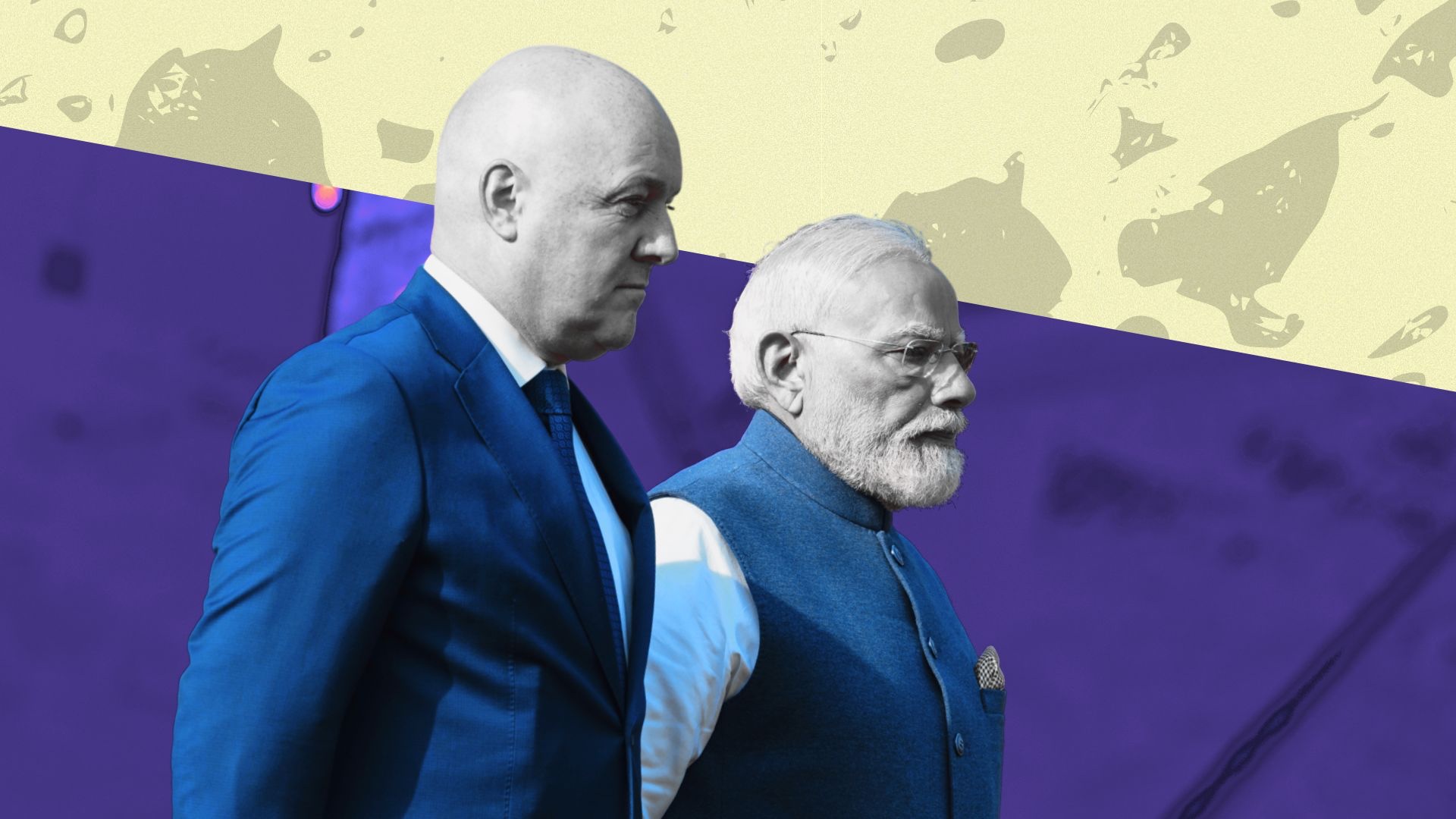
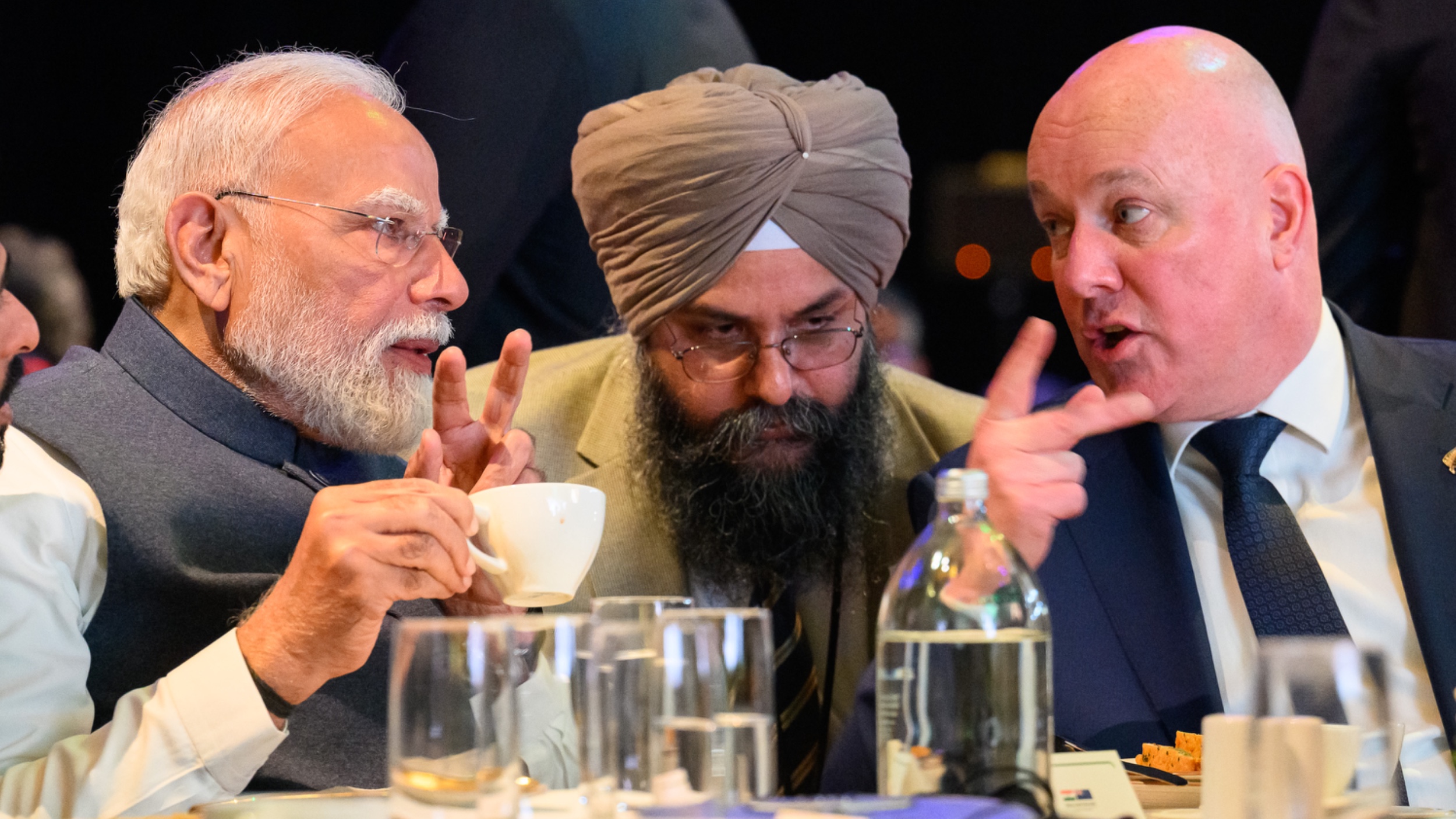
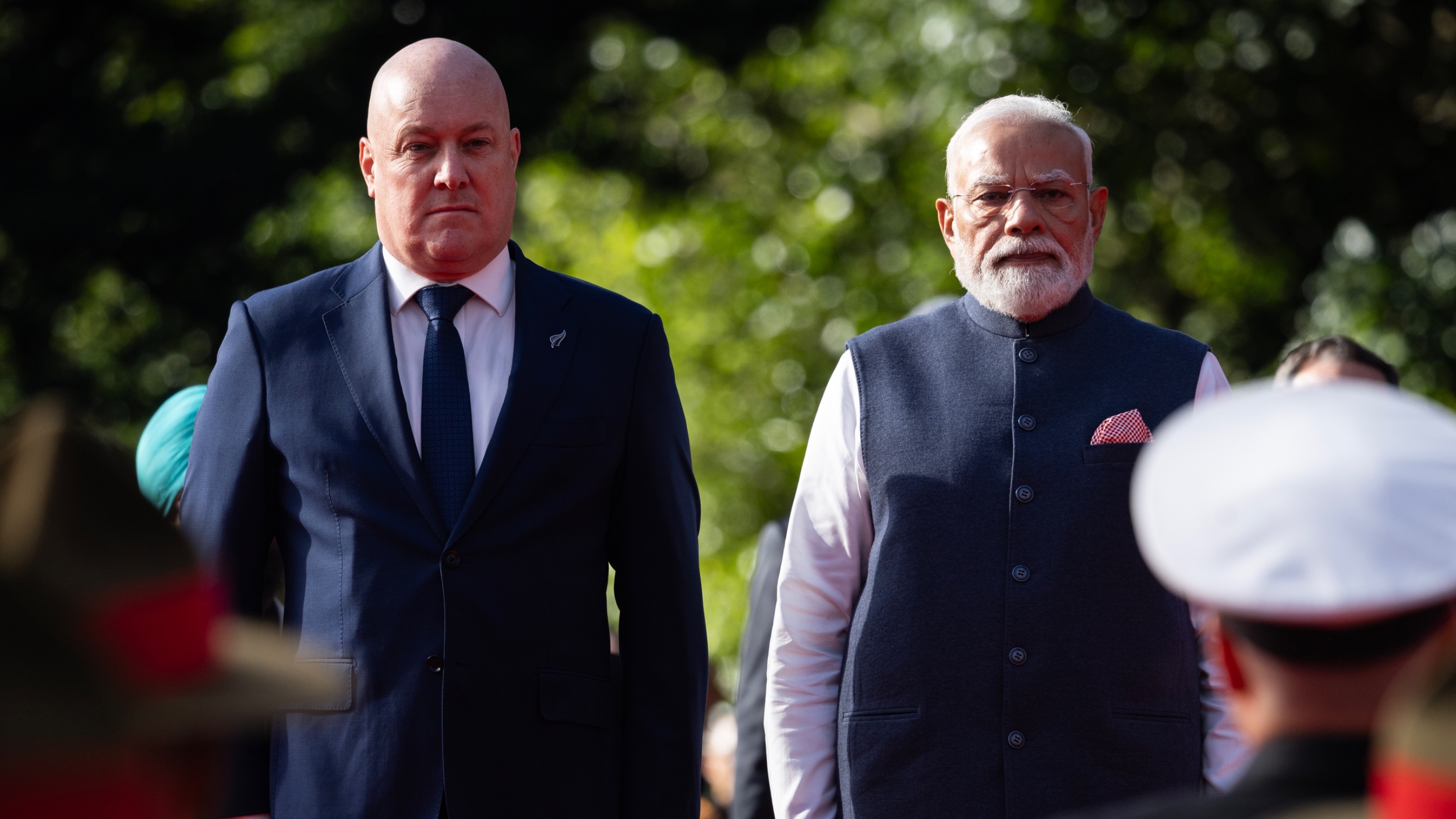
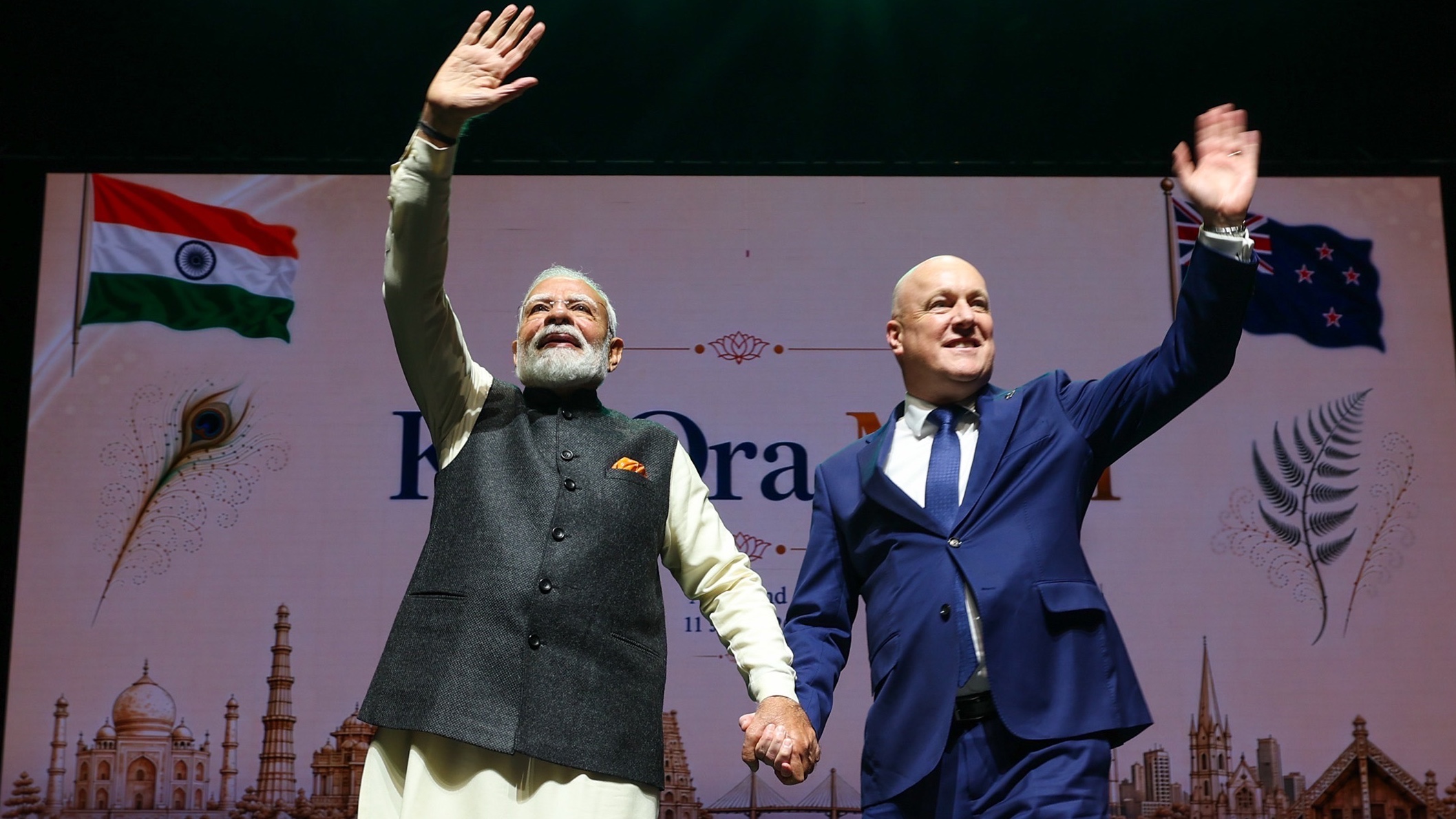
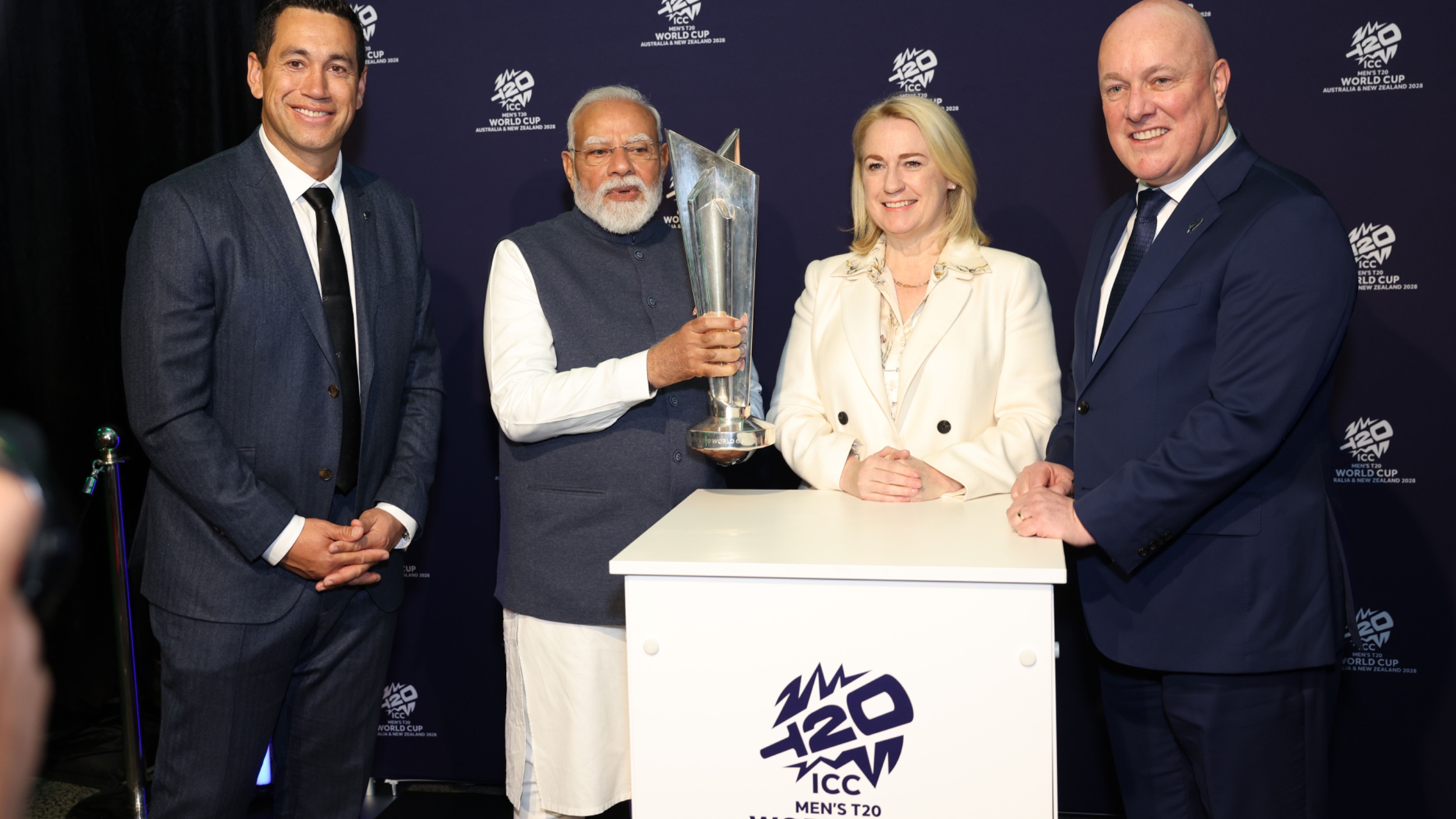
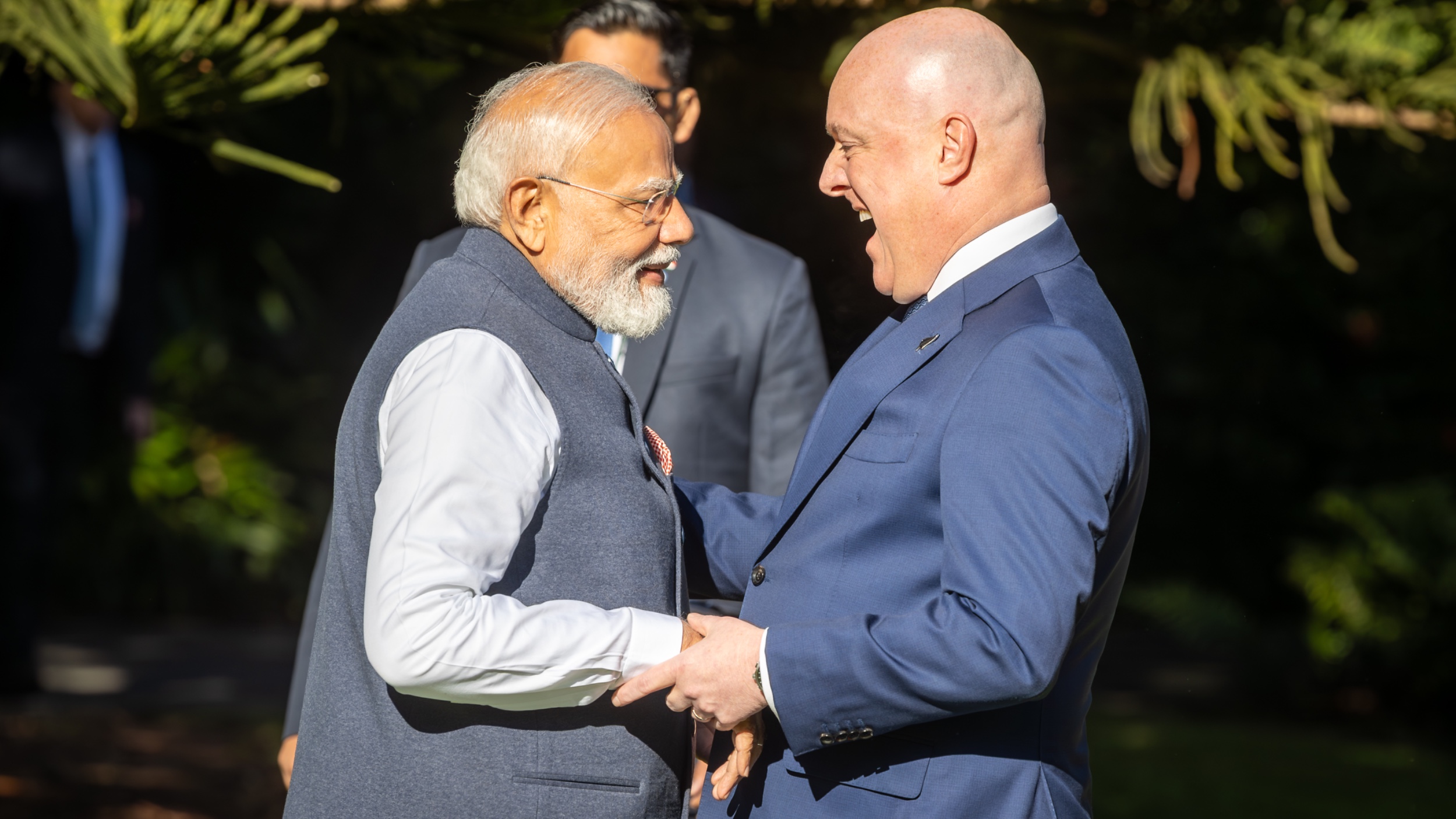
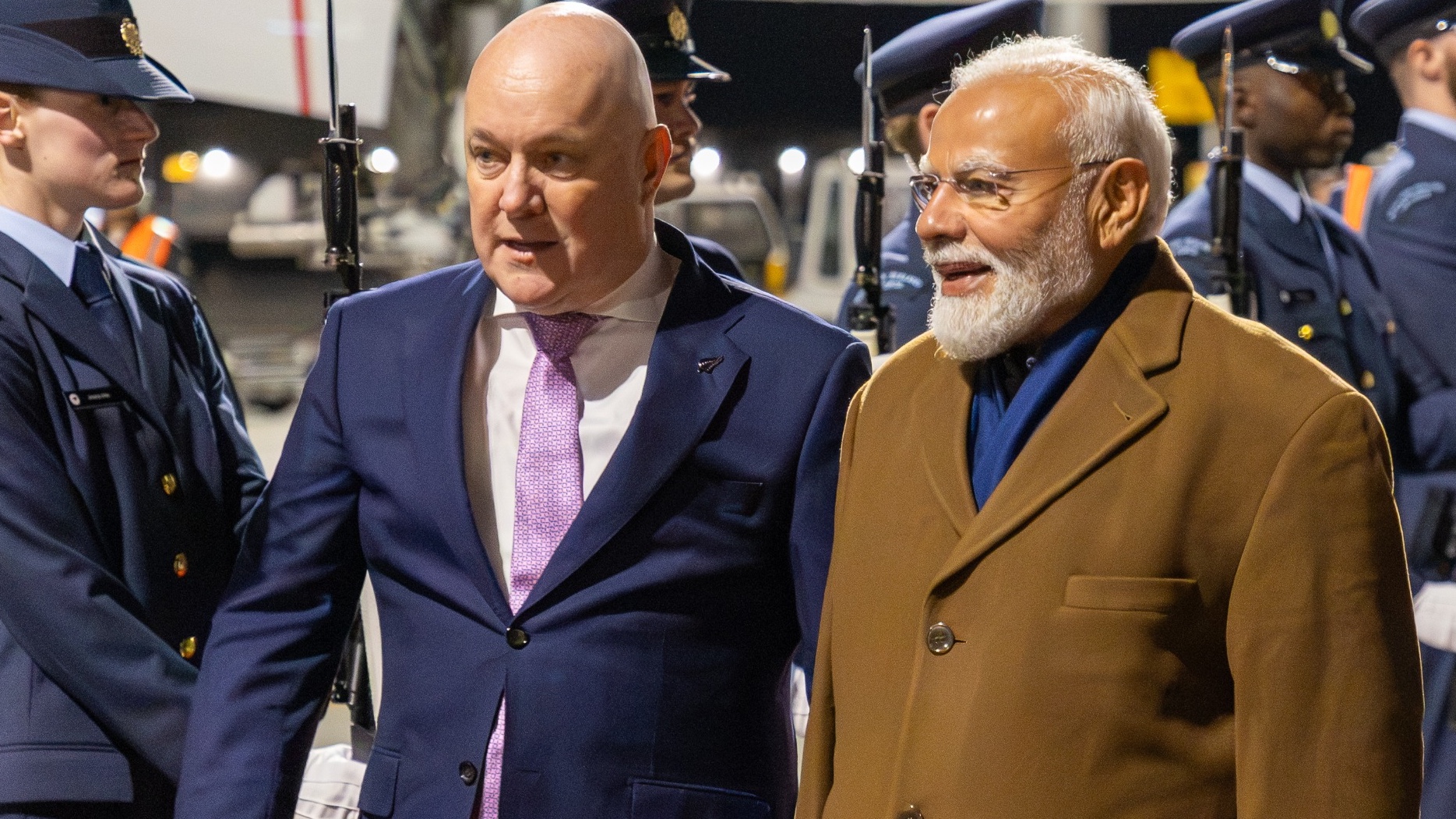
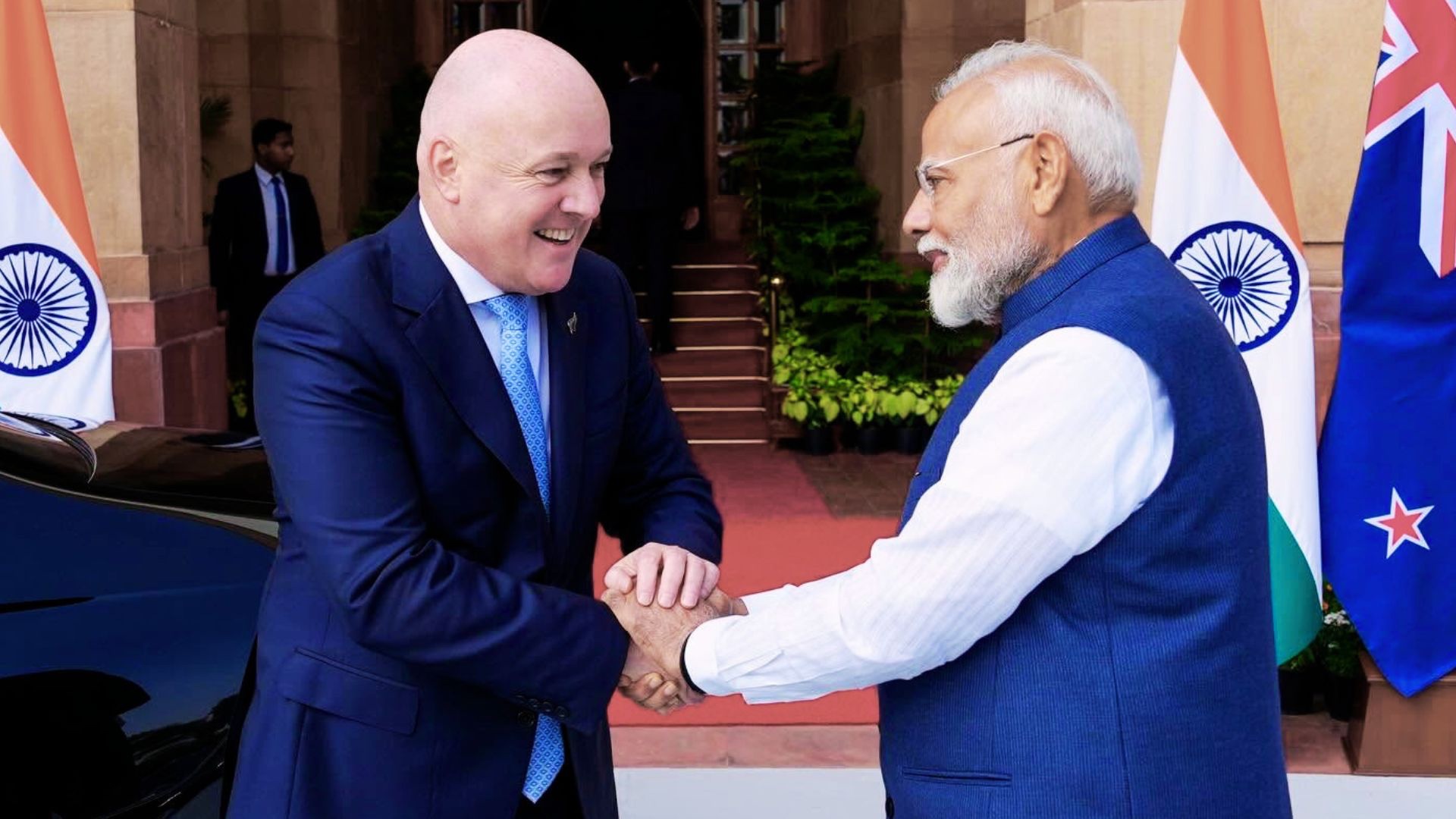
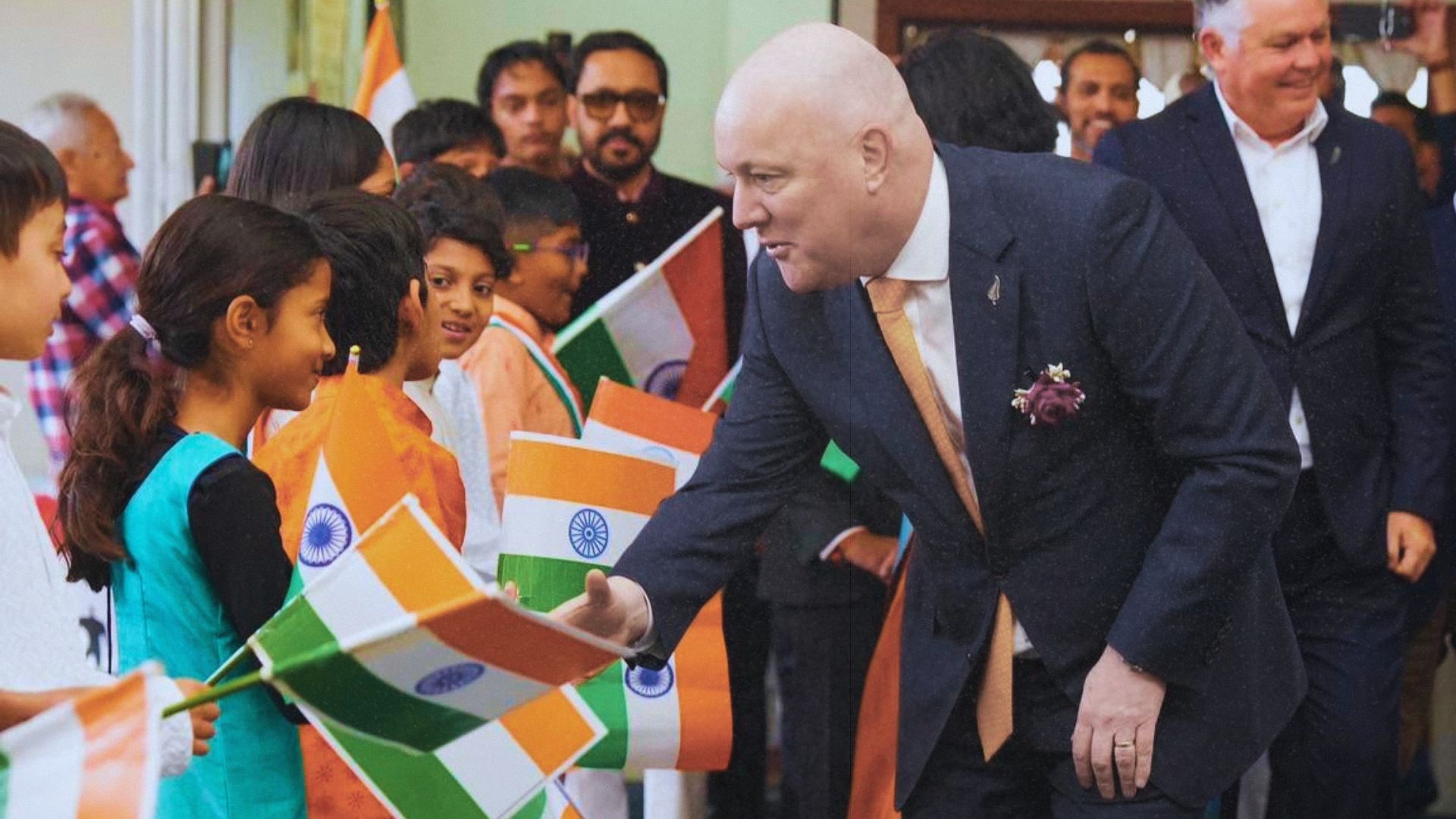
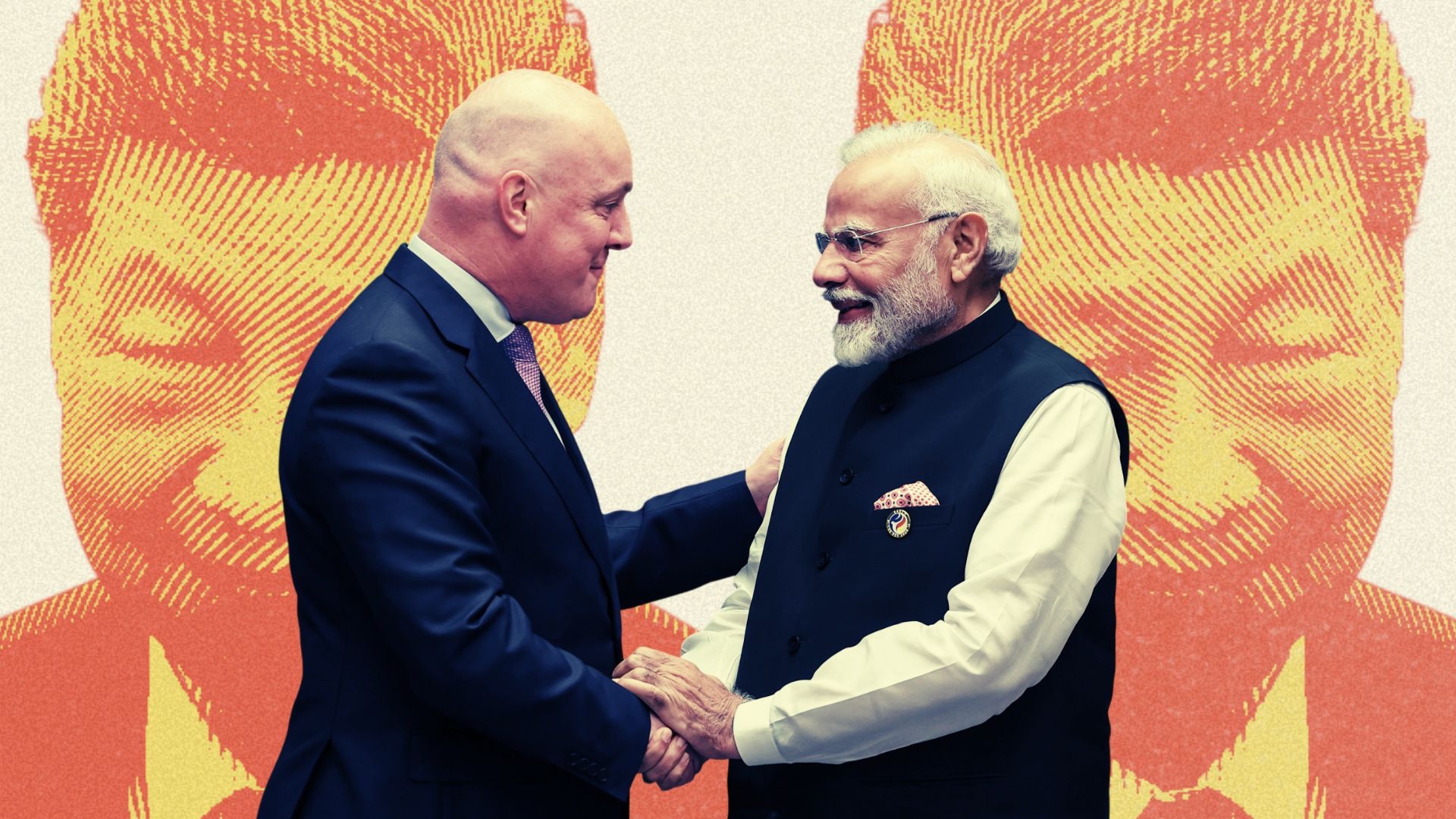
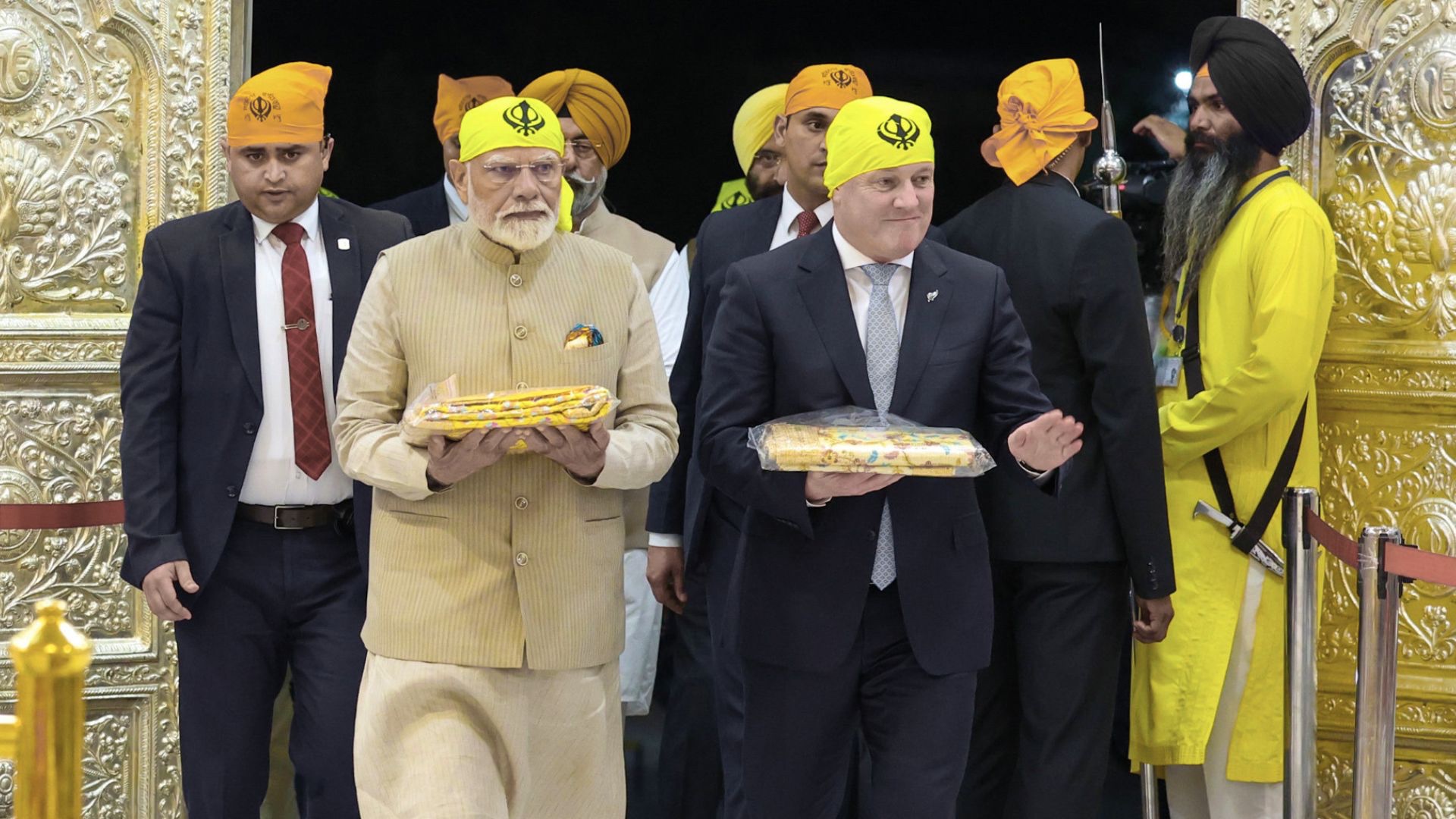
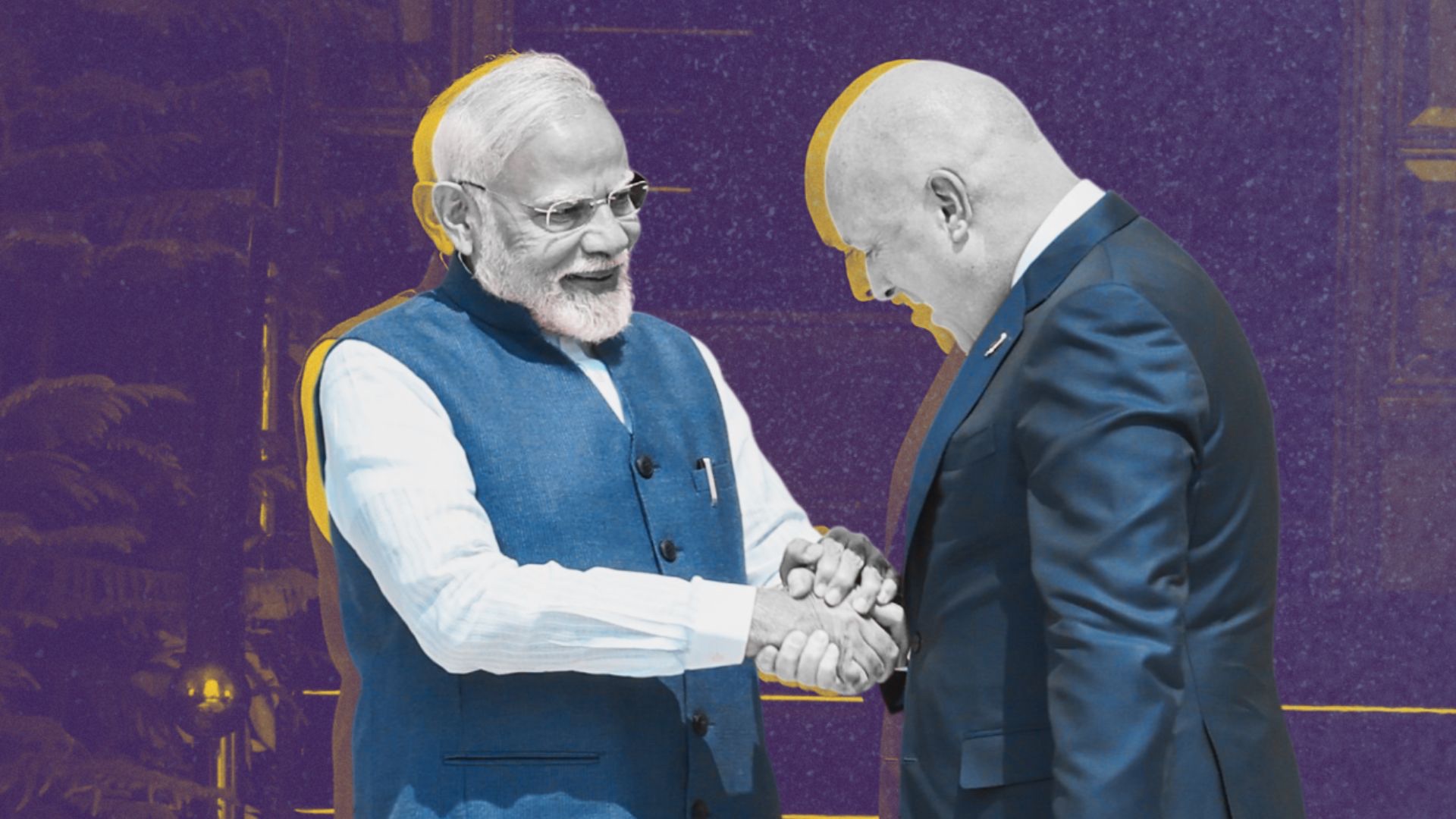
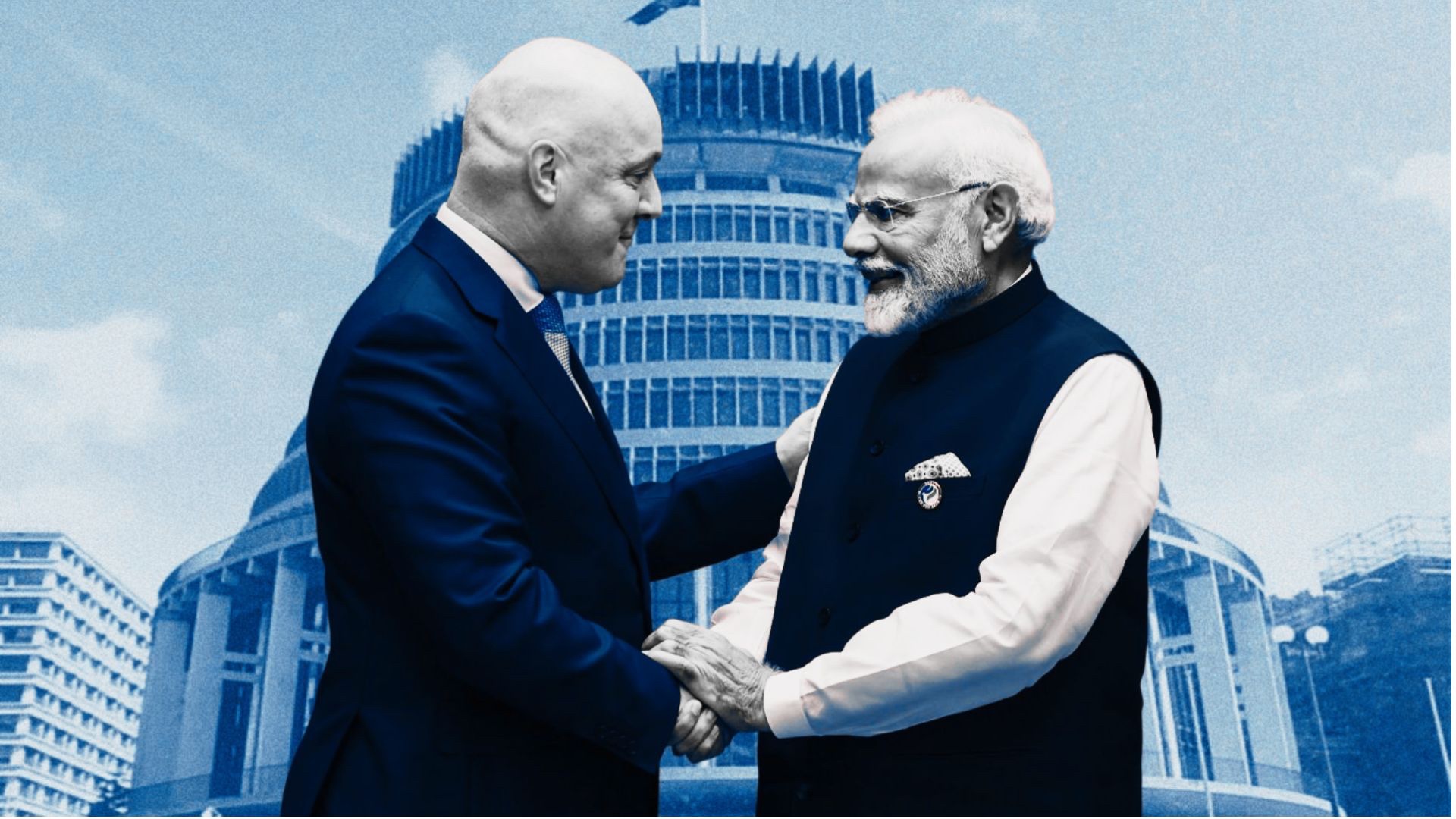
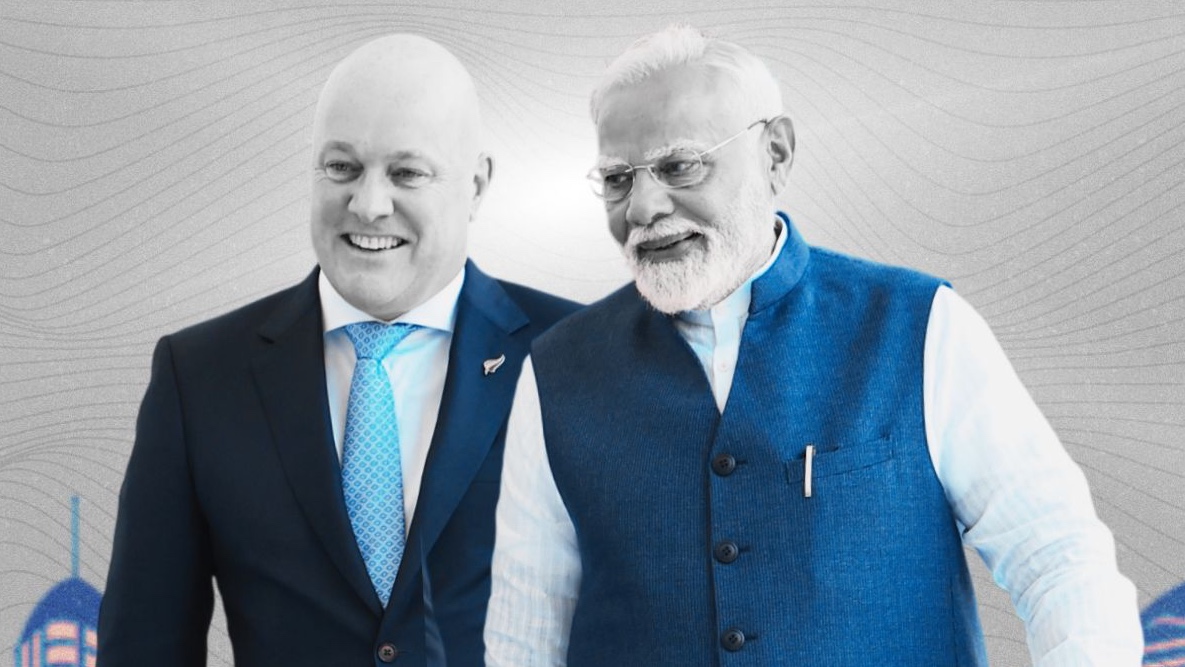
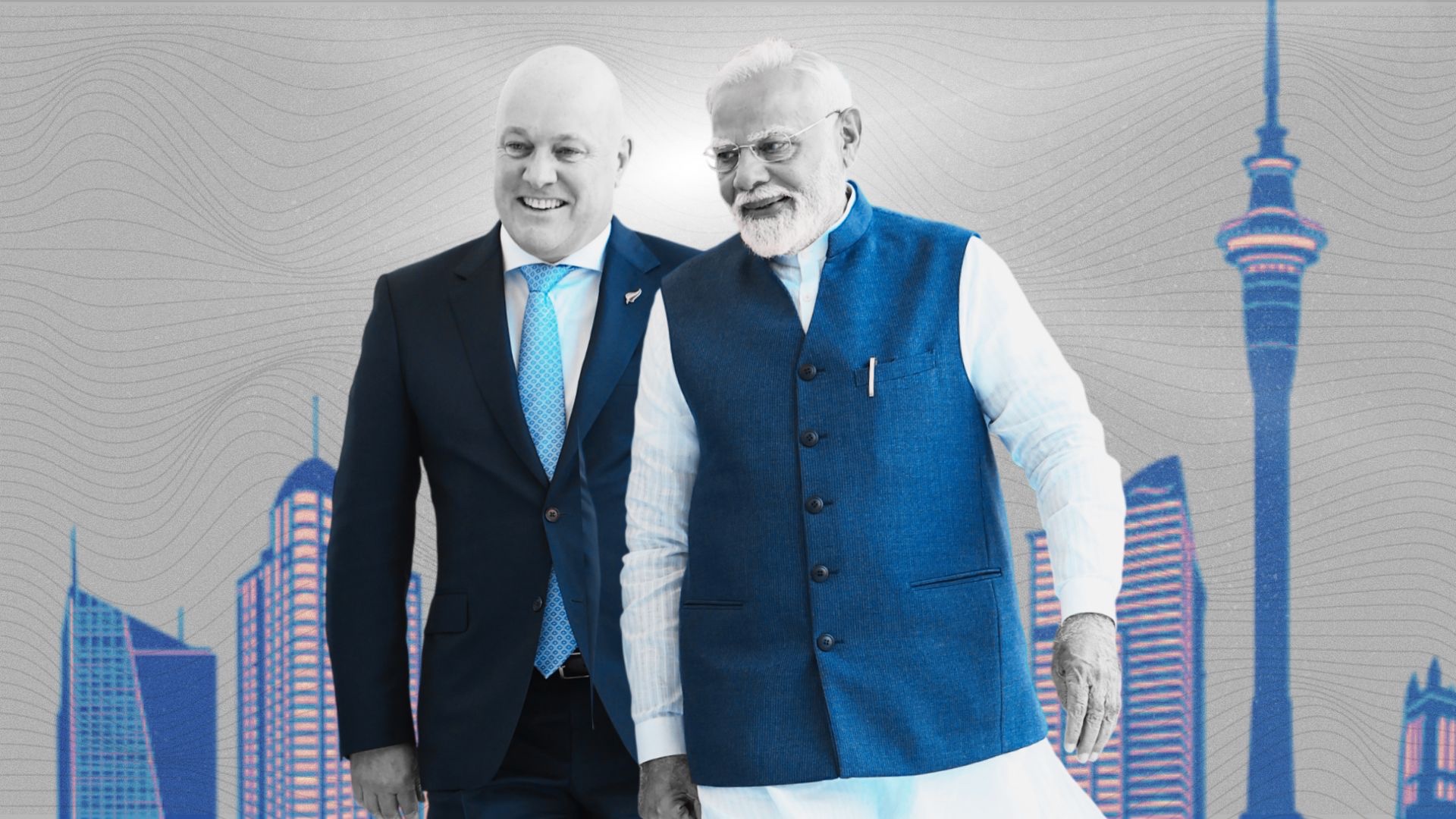
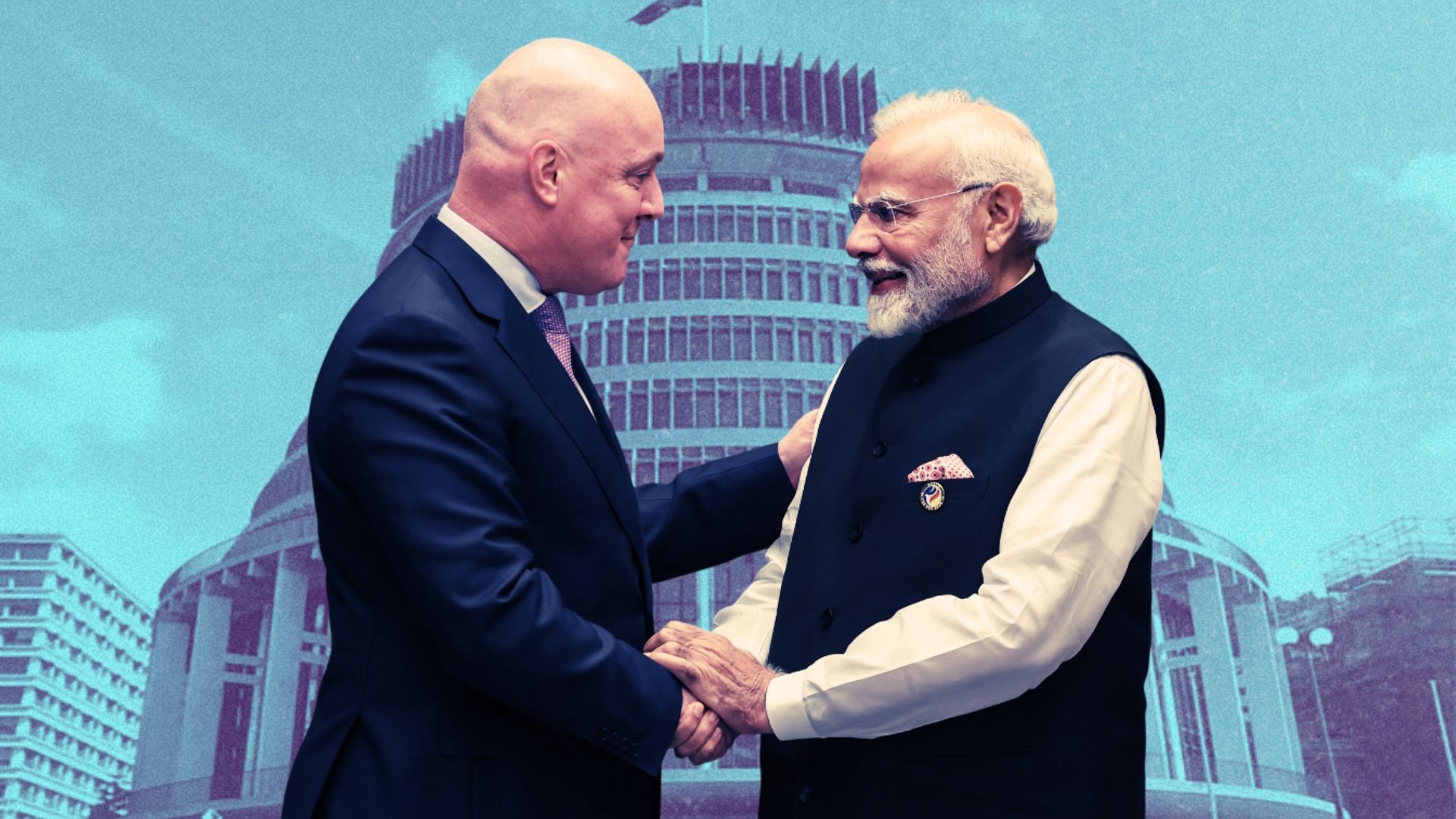
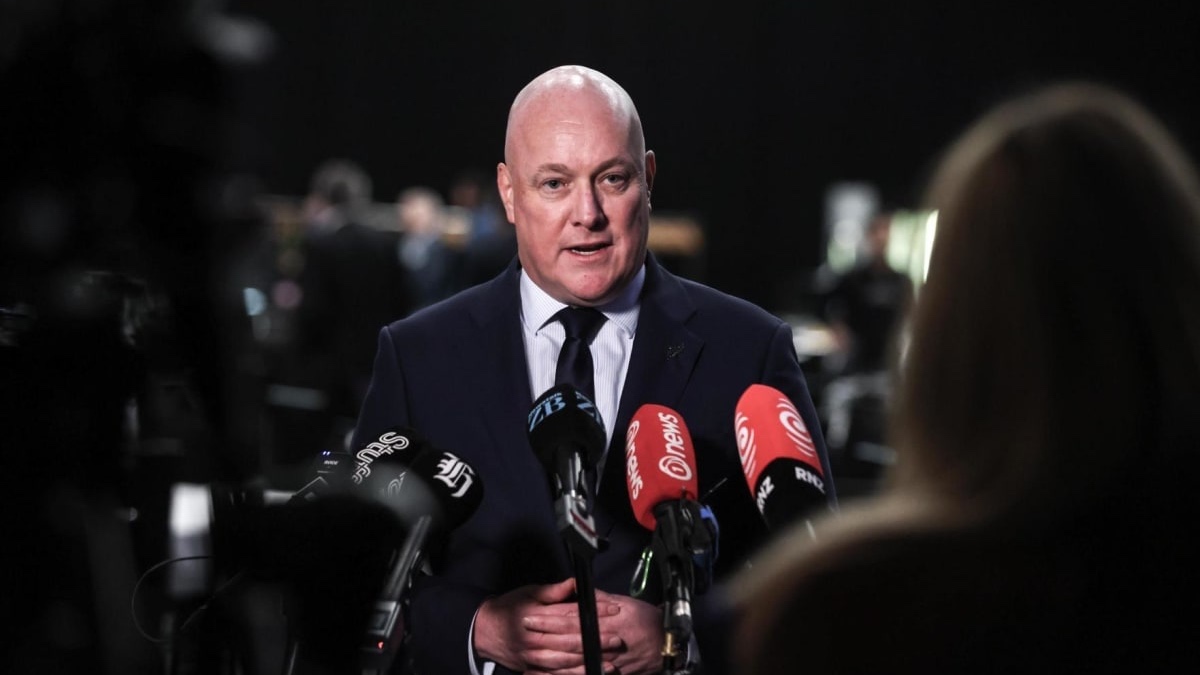
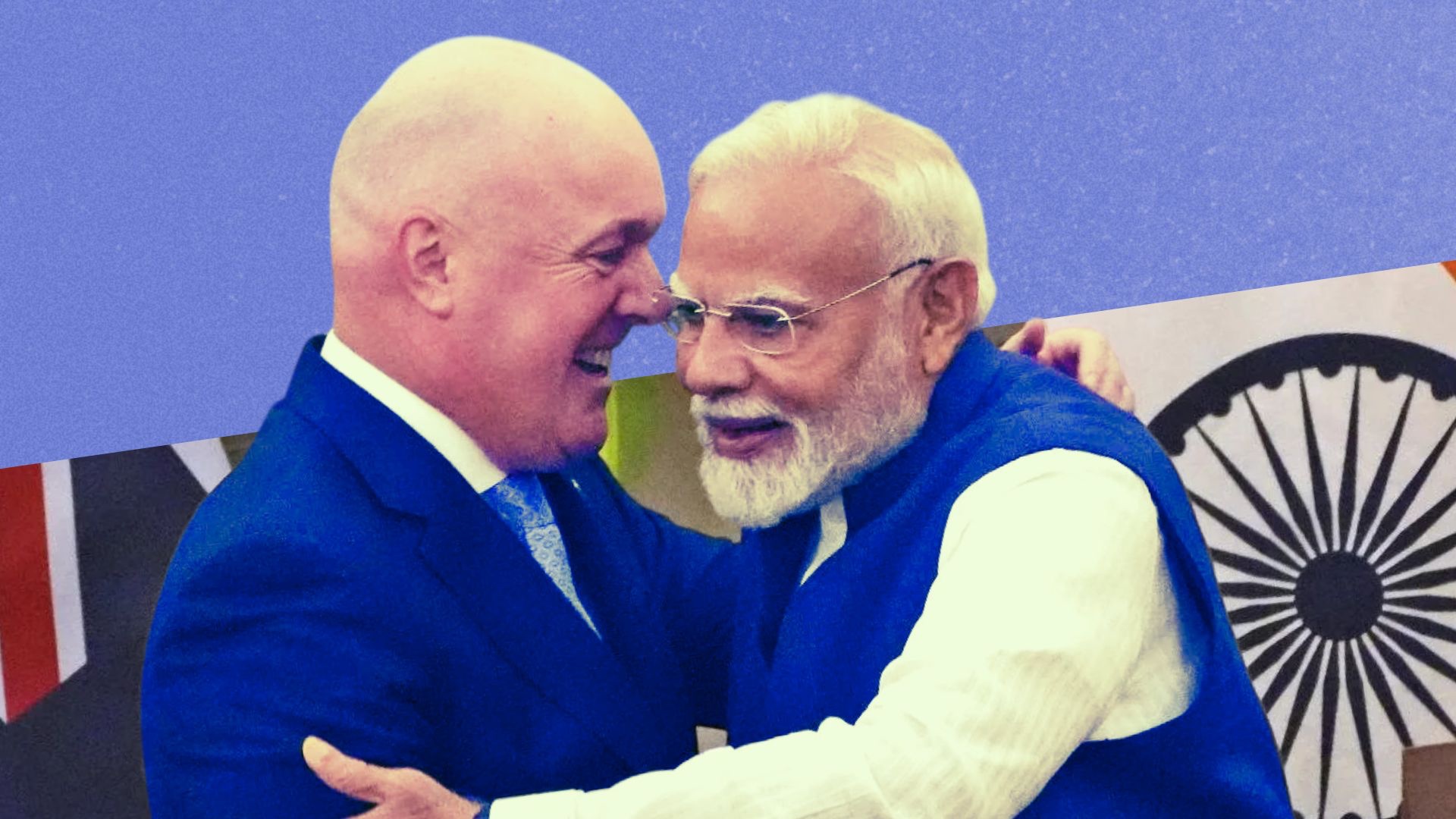
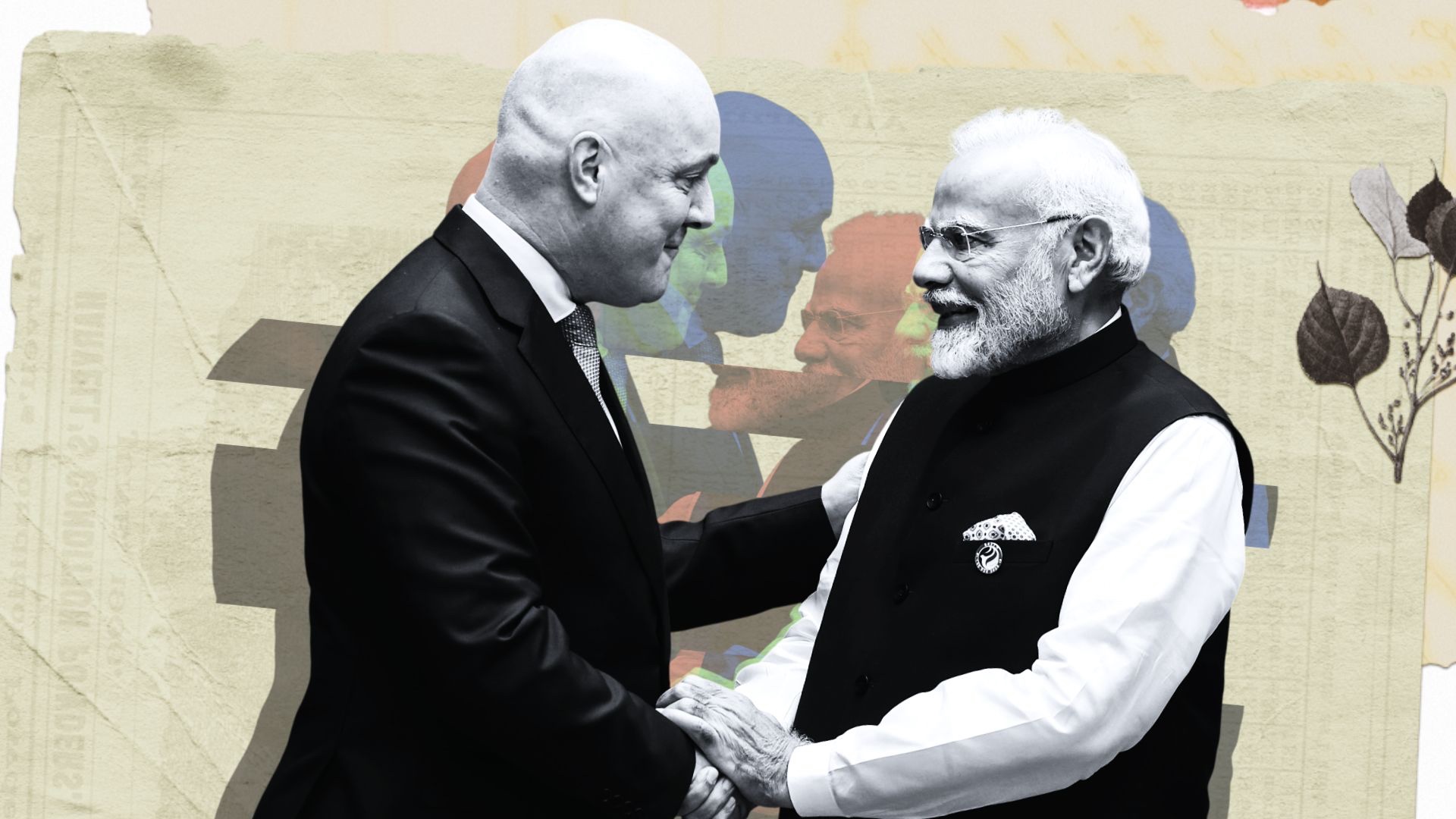
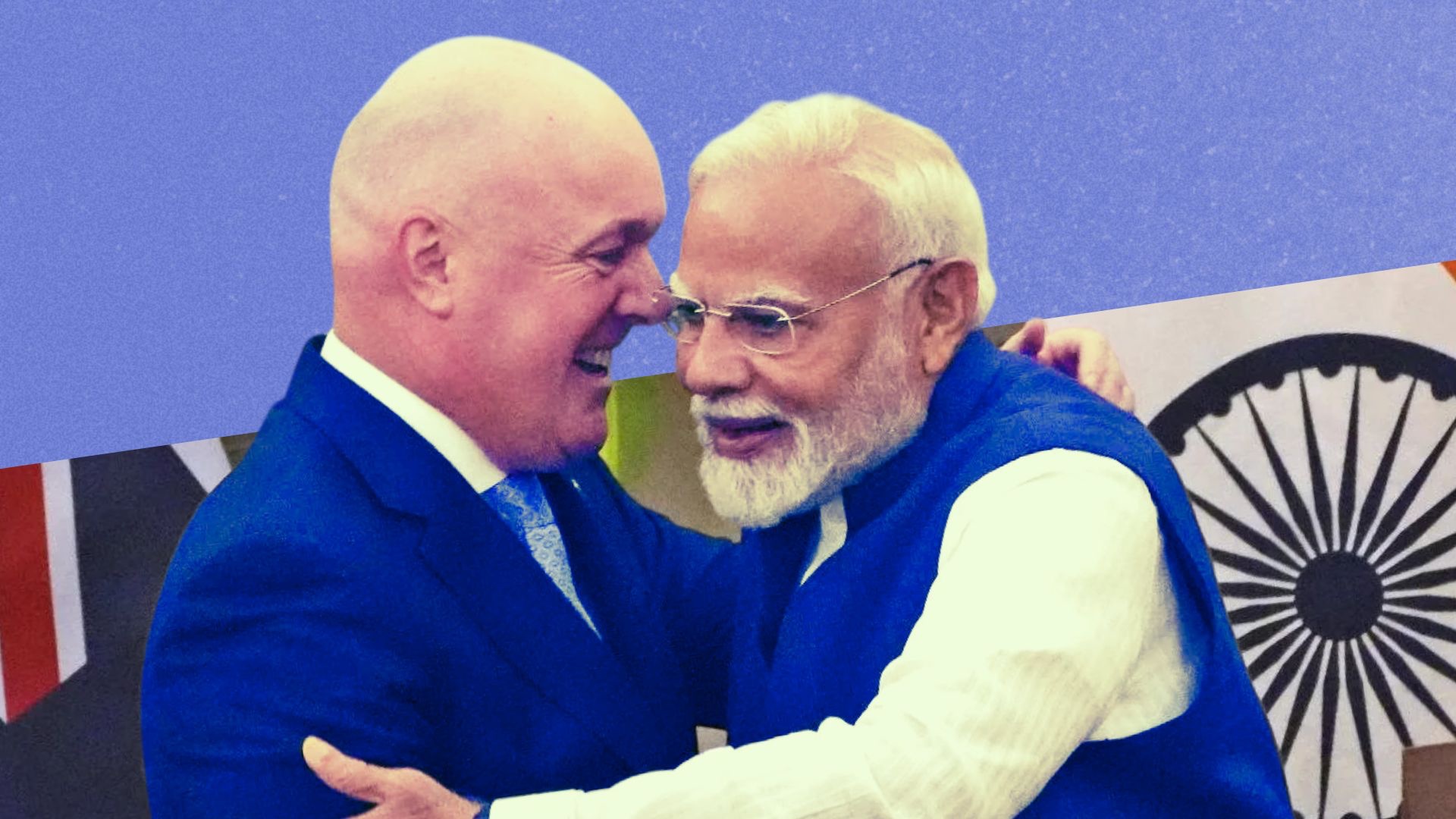
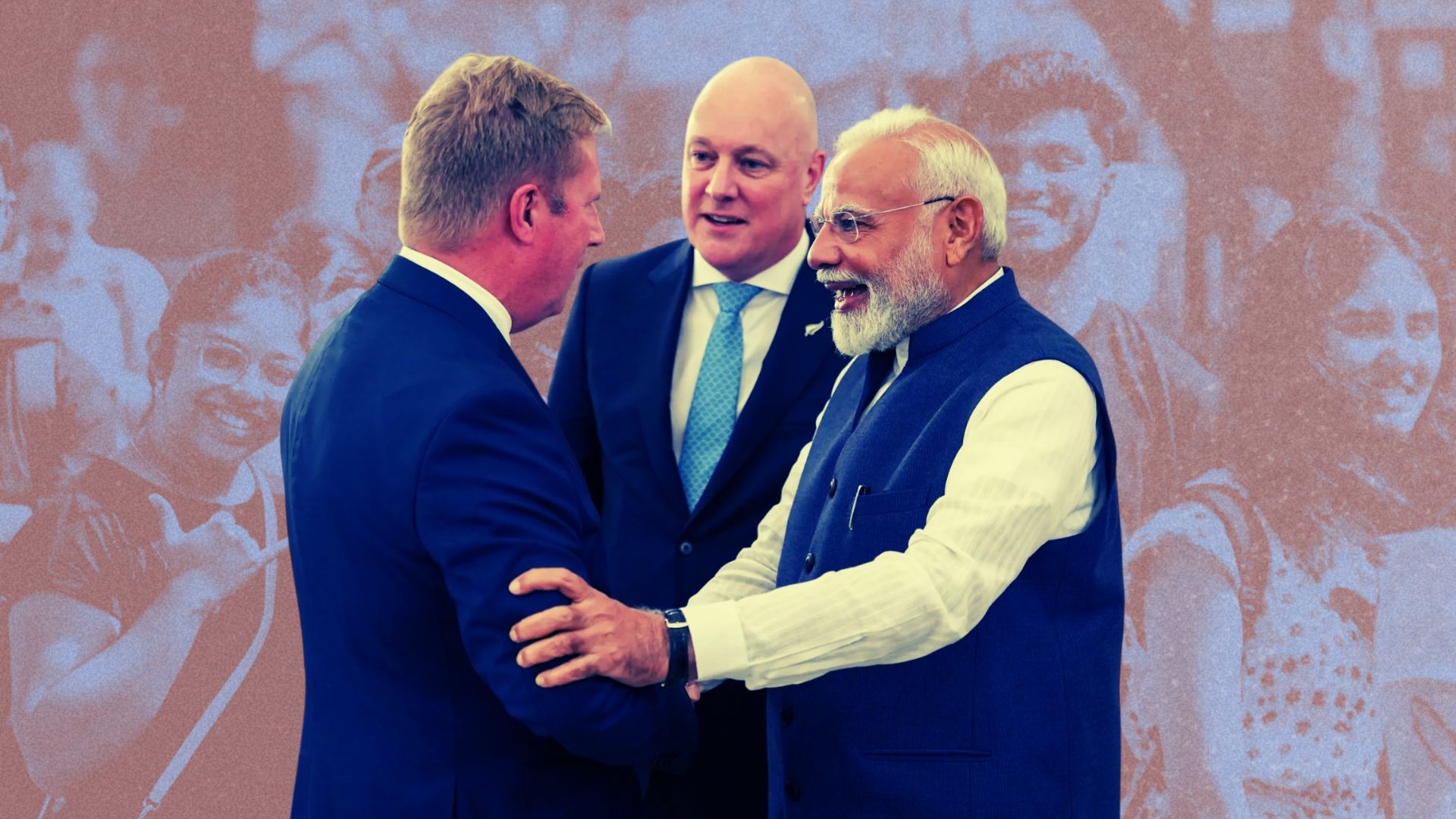
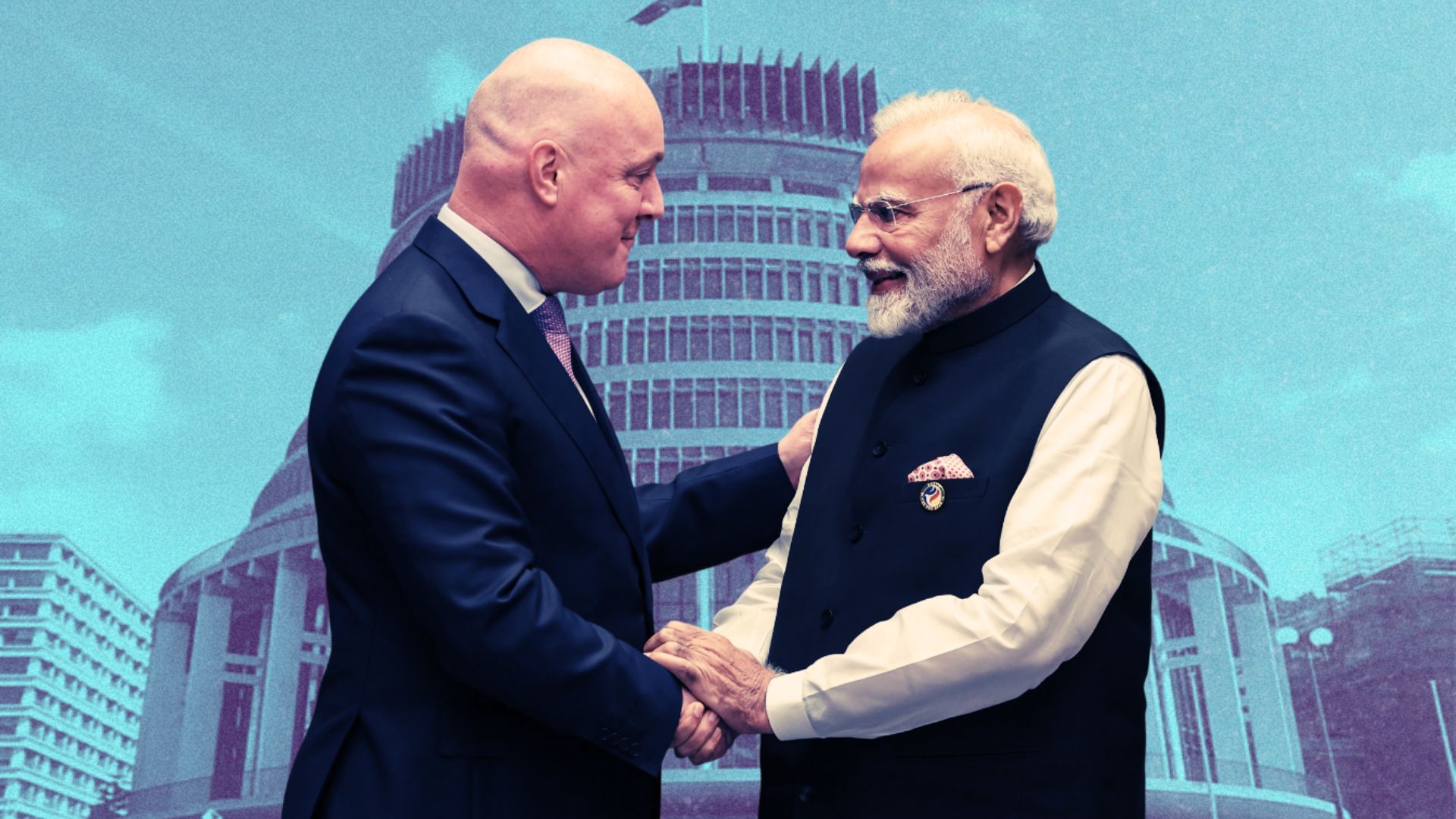
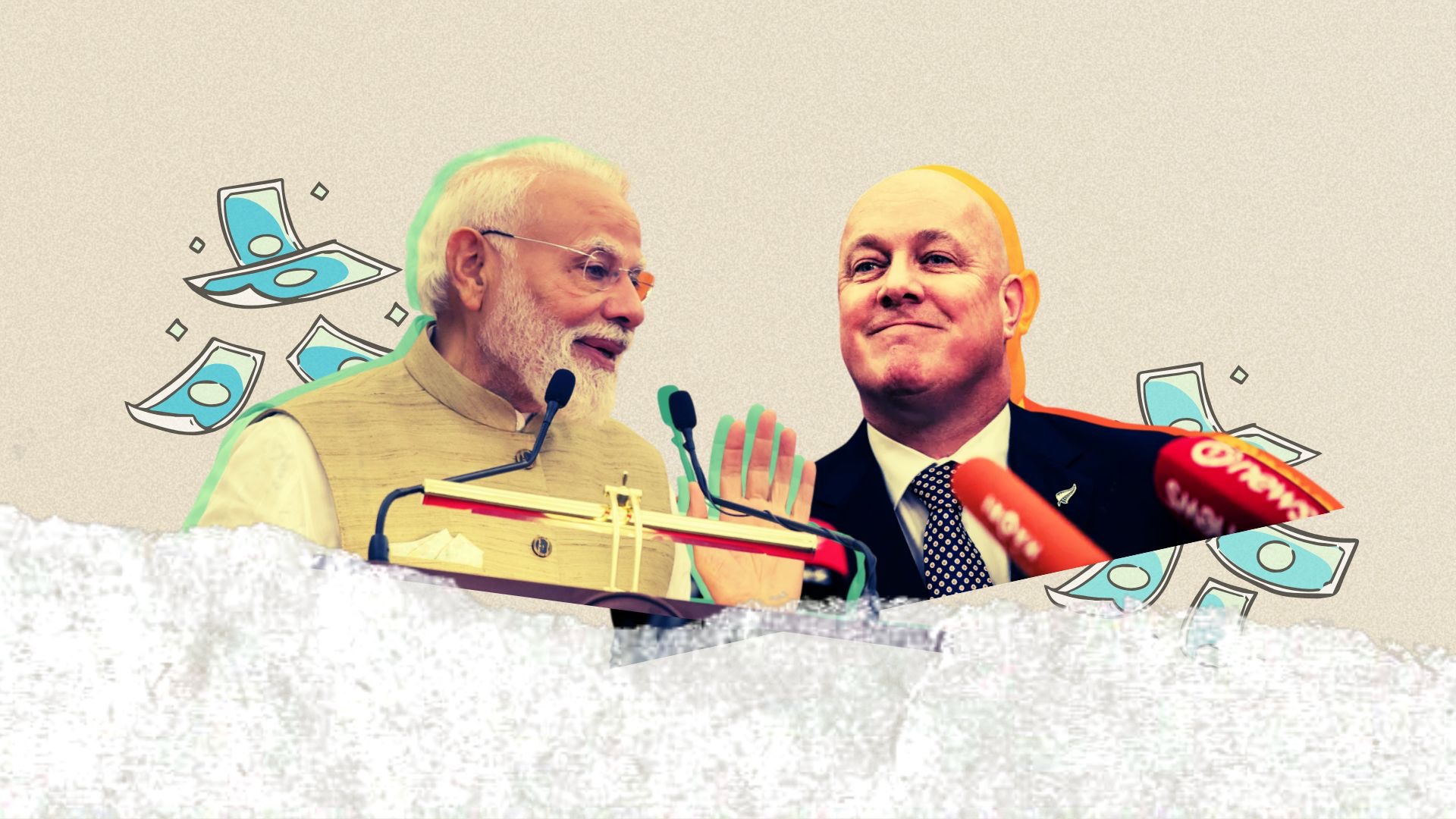
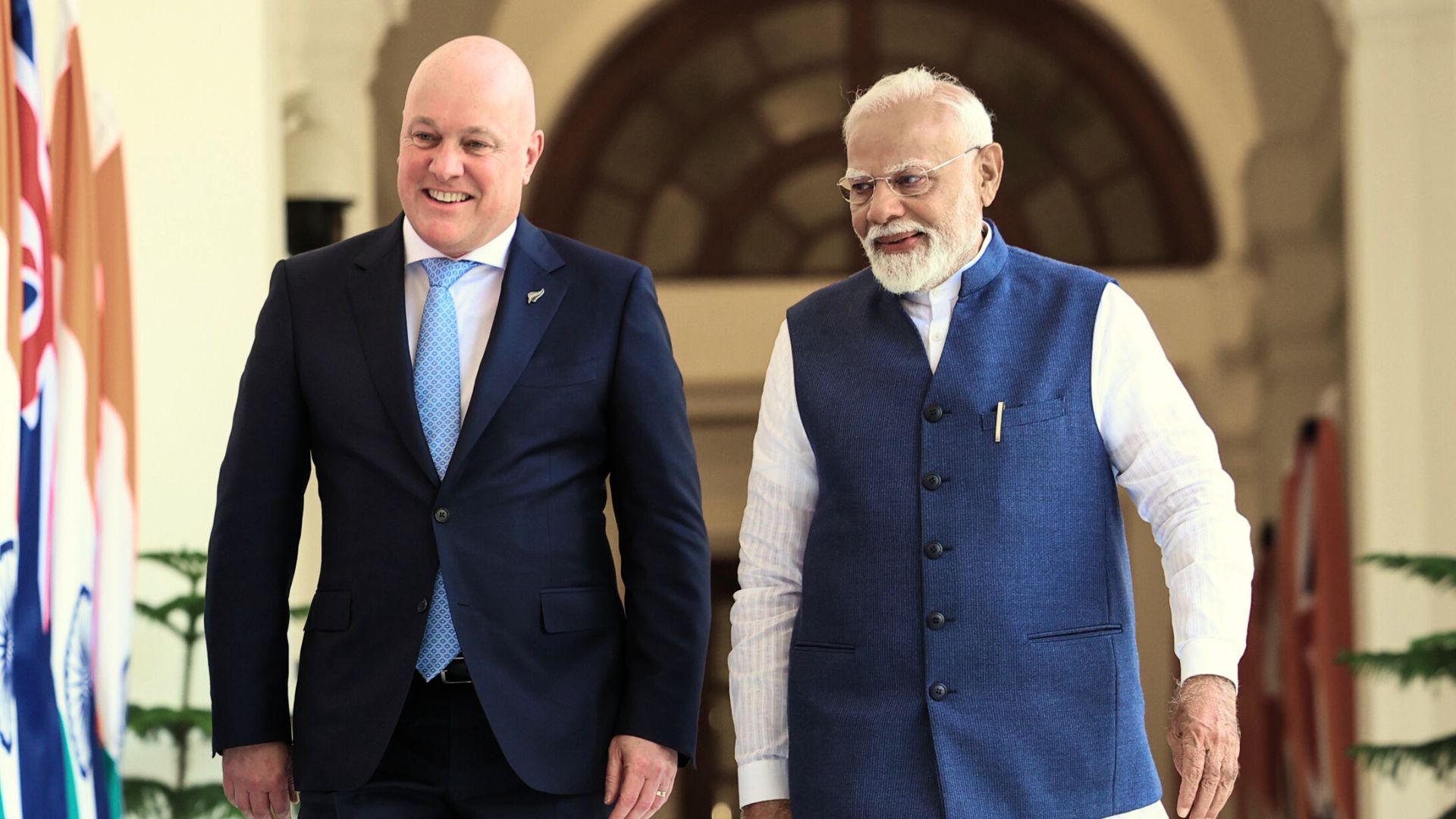
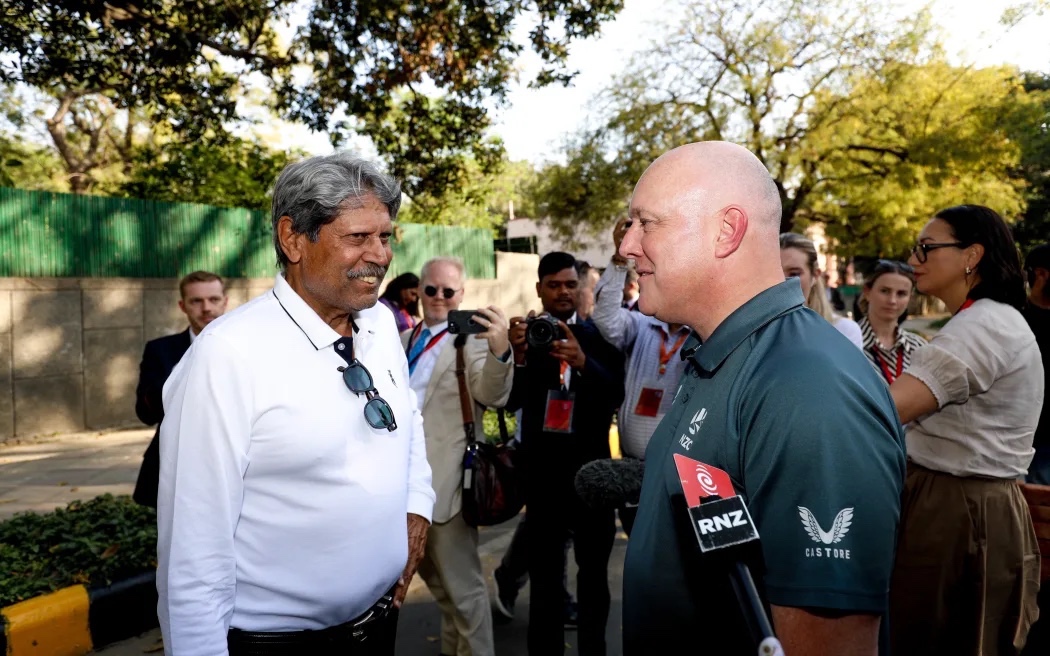
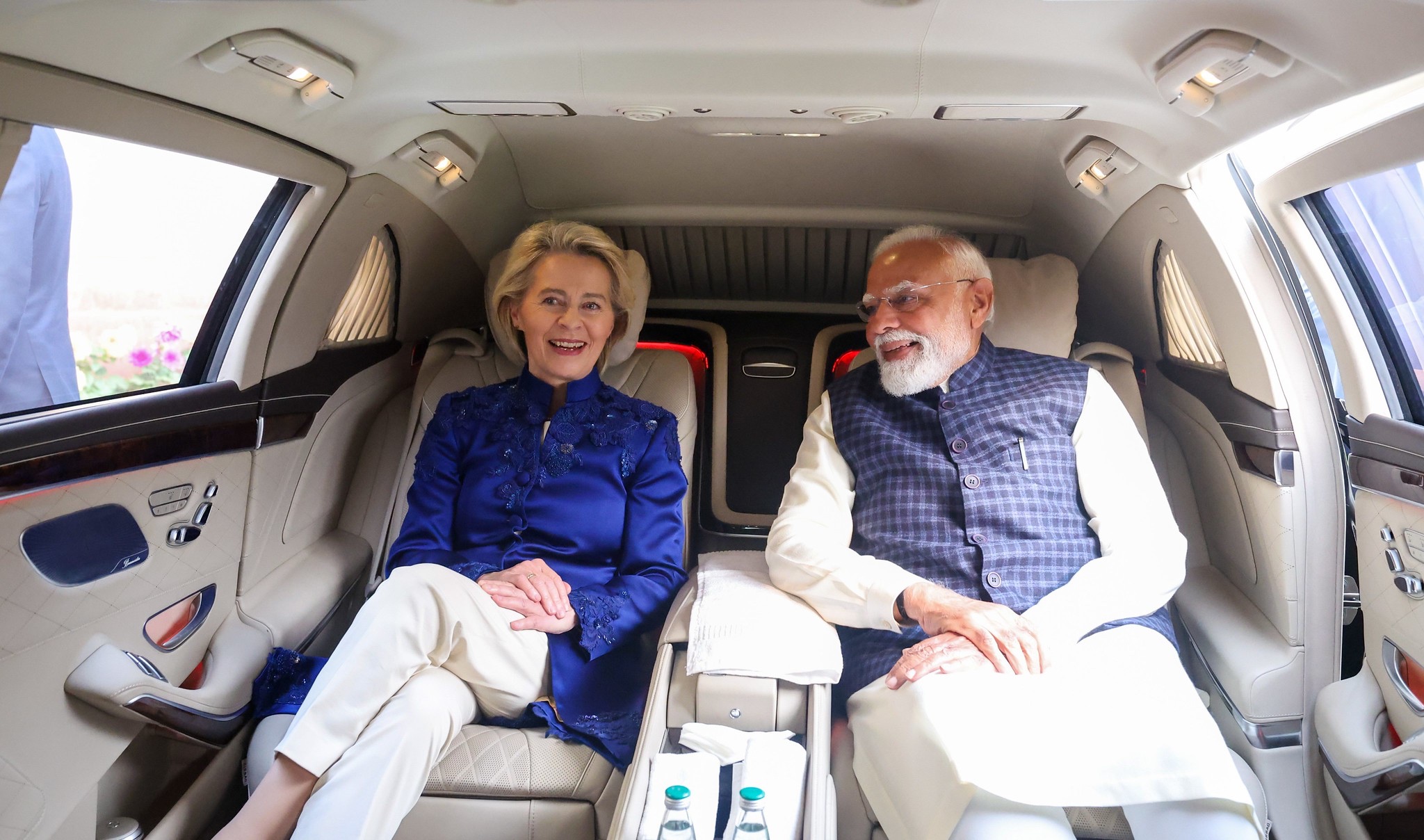
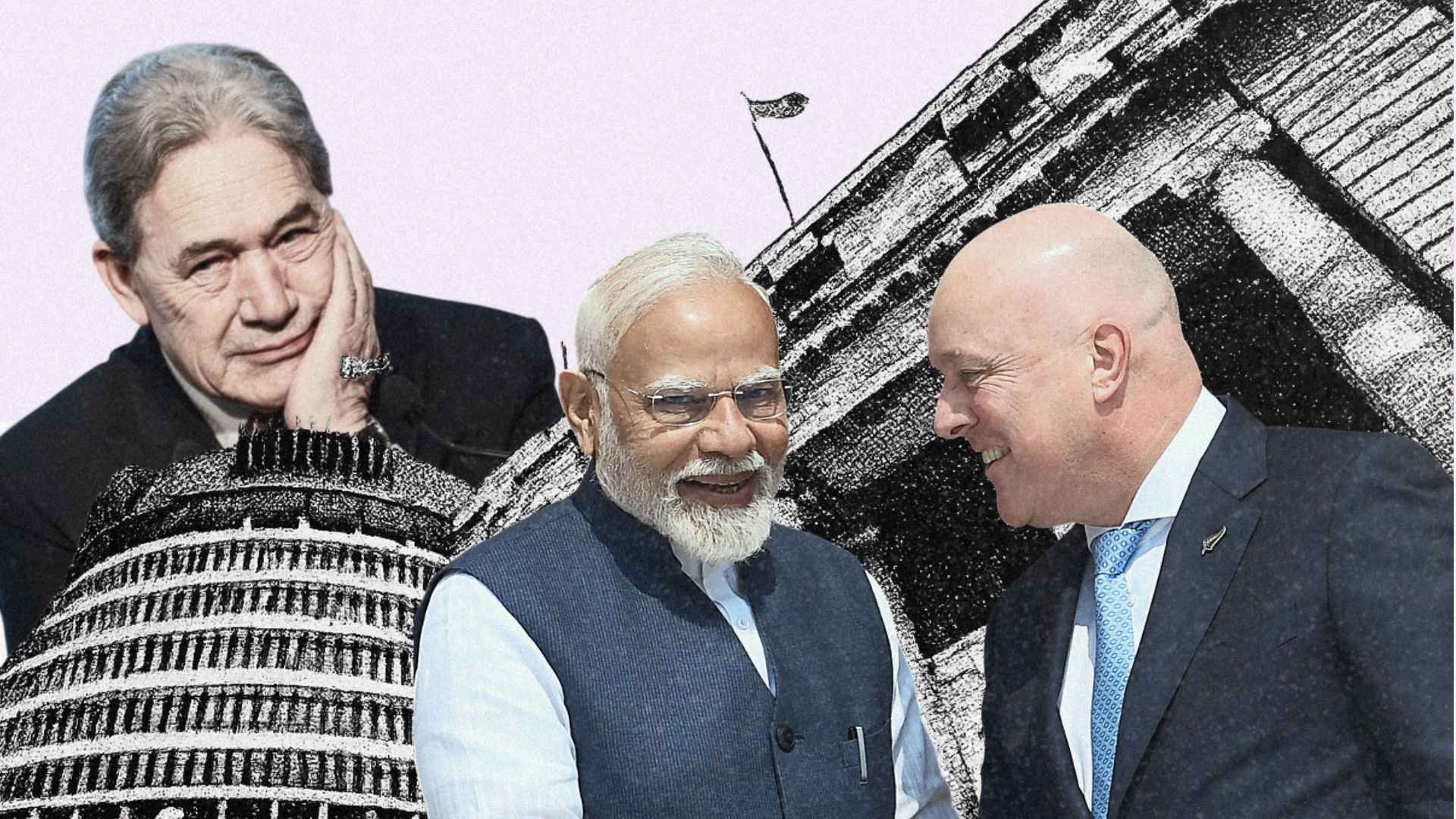
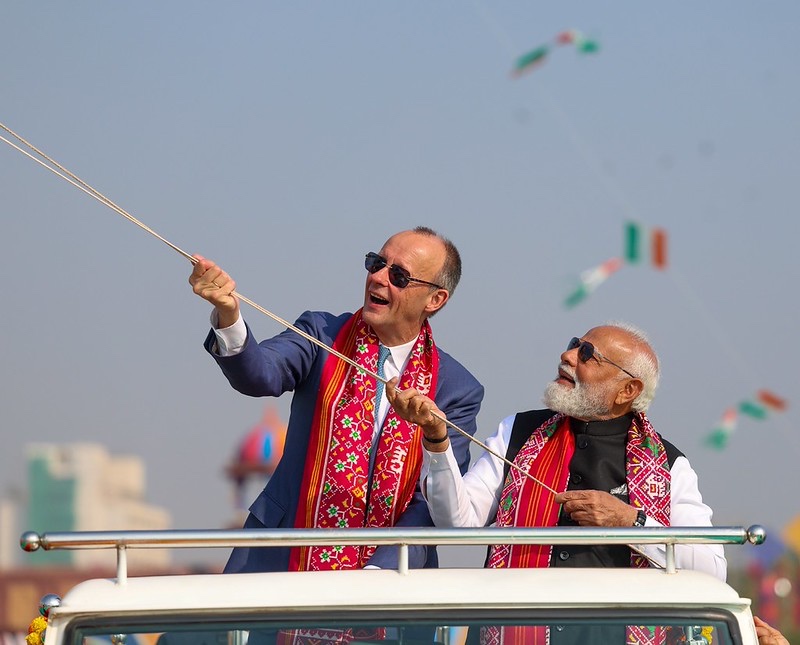
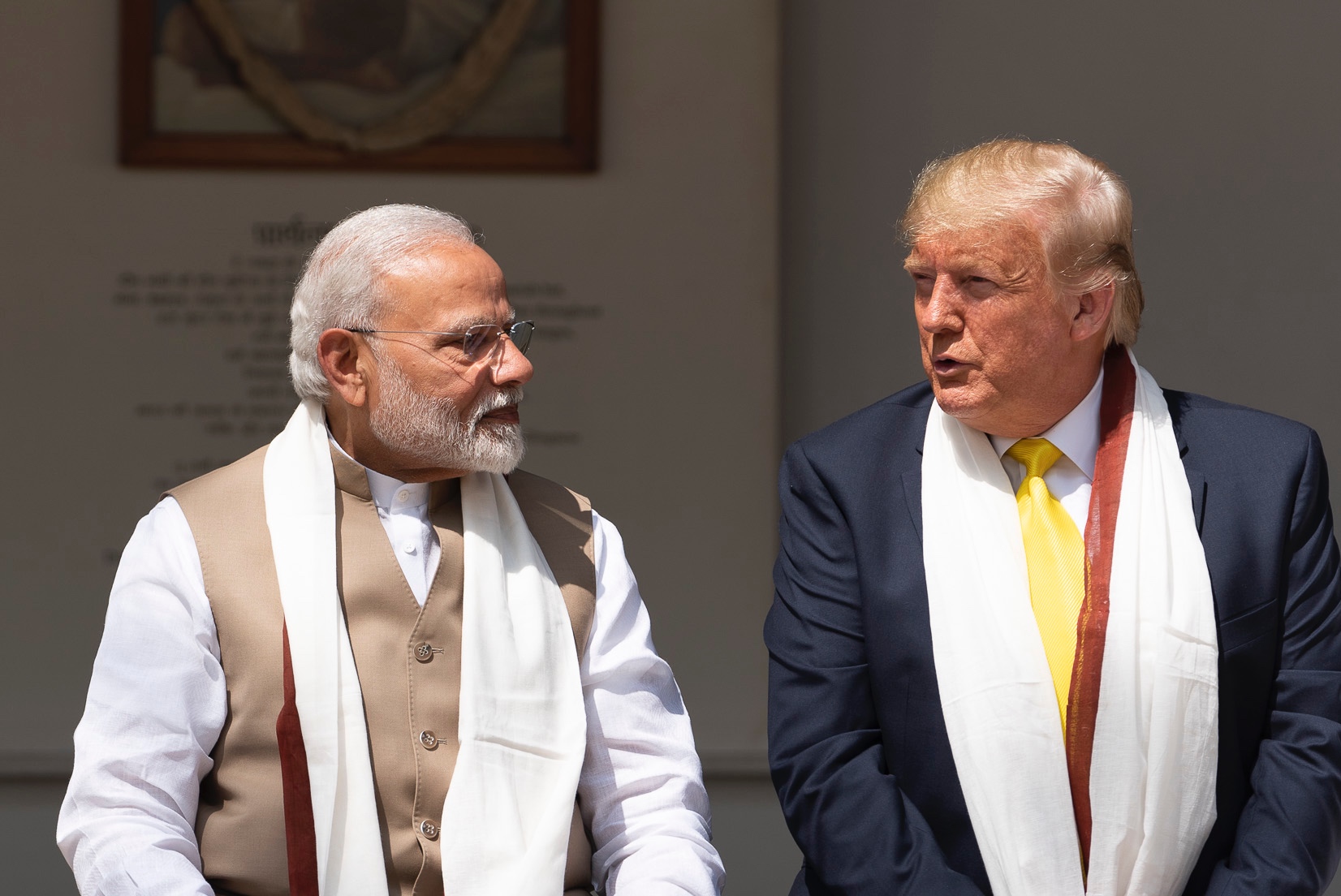
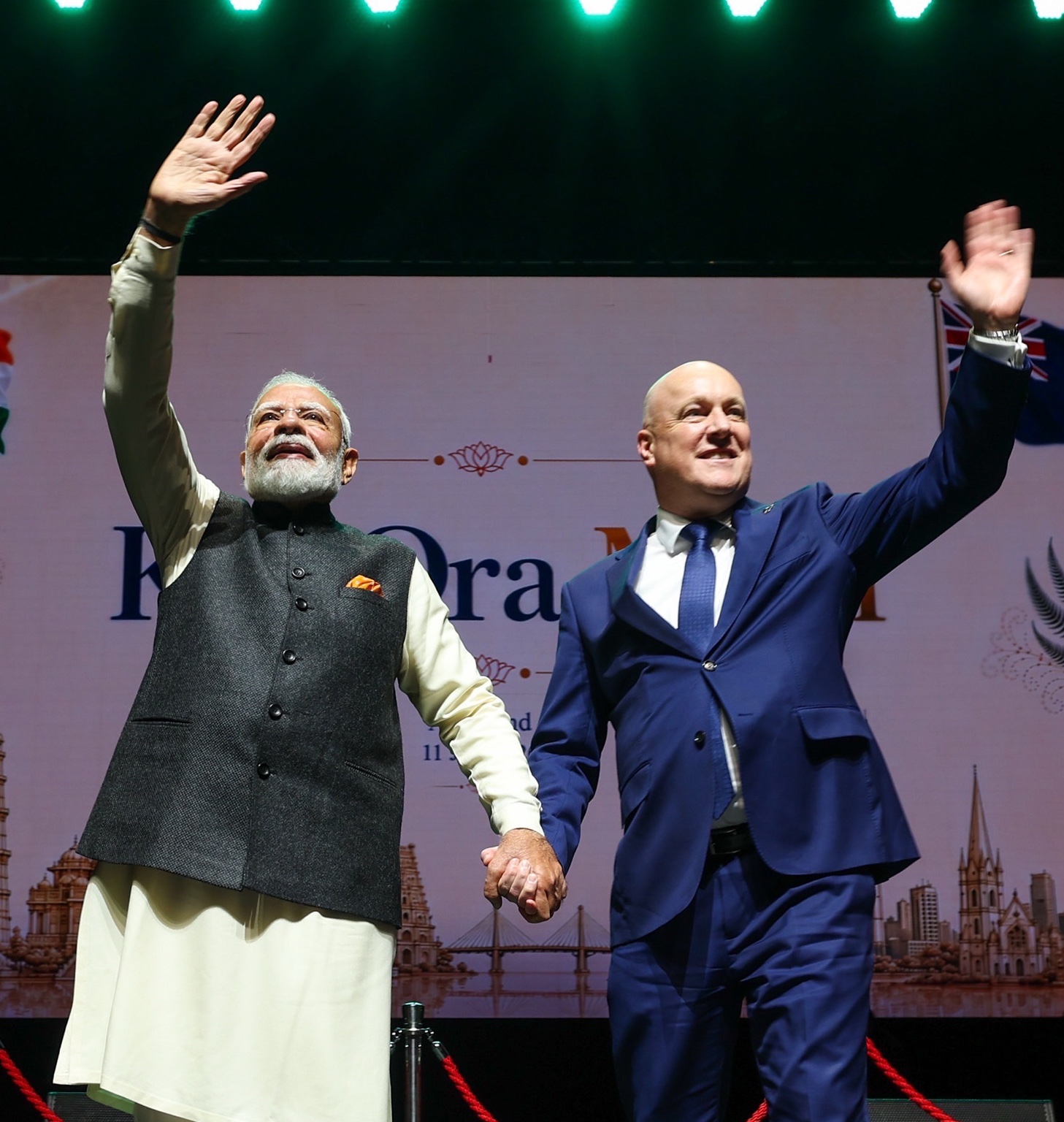
Prime minister Christopher Luxon with India's Narendra Modi.
The deal caps years of stop-start negotiations and gives New Zealand its biggest trade opening into India yet.
The India-New Zealand free trade agreement will come into force on October 20, after the two countries formally confirmed on Monday they have completed the procedures needed to ratify the deal.
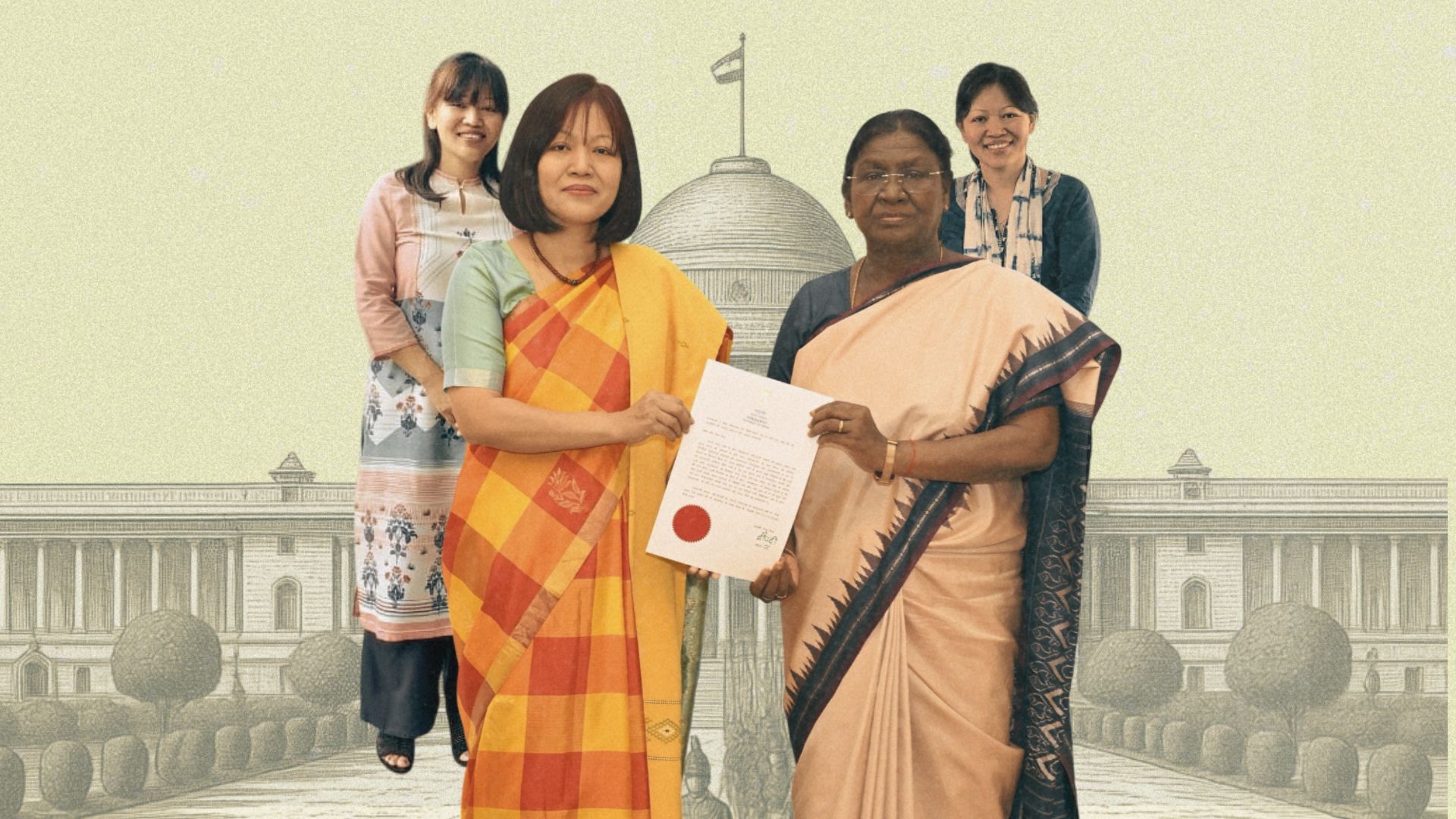
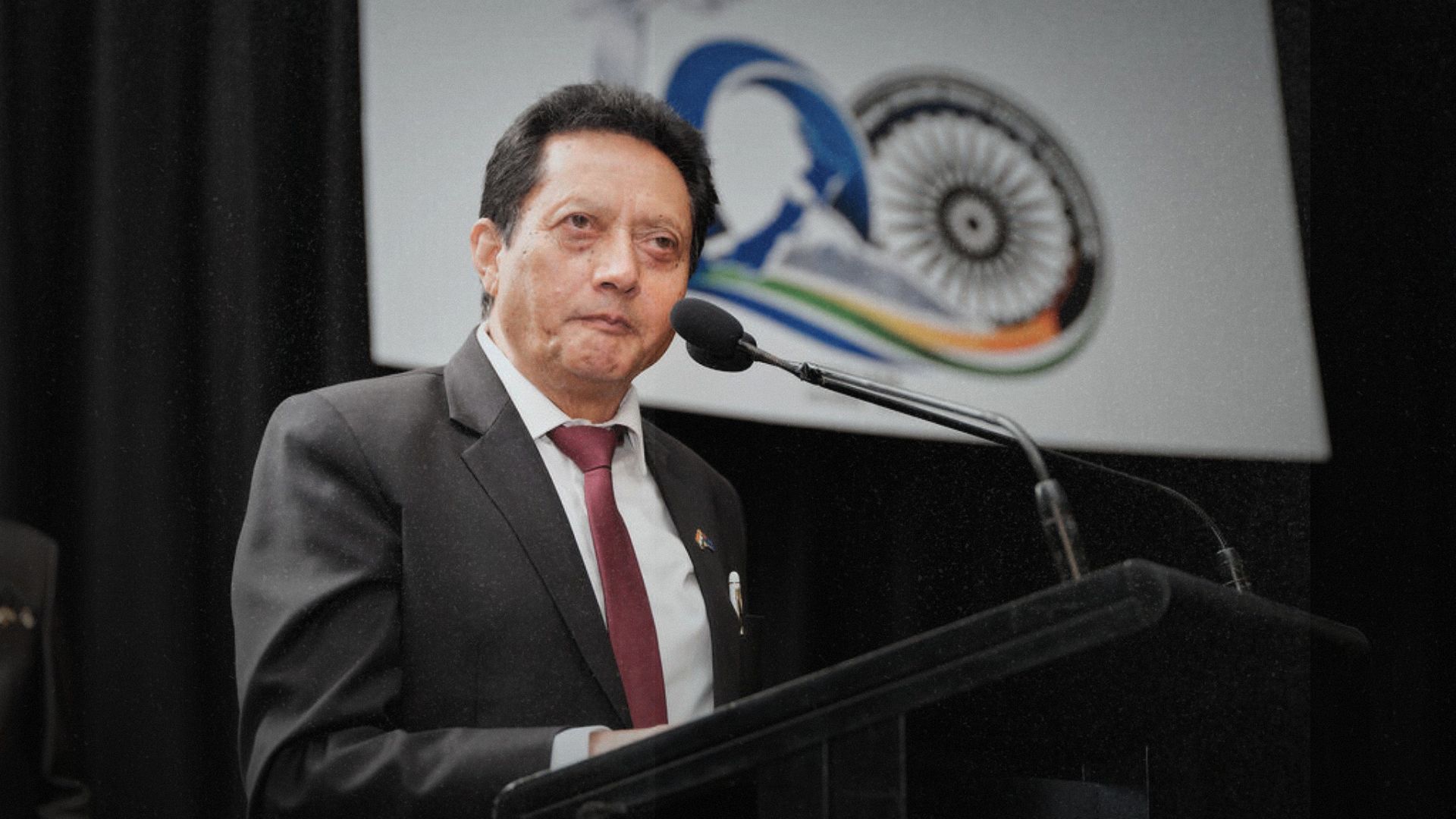
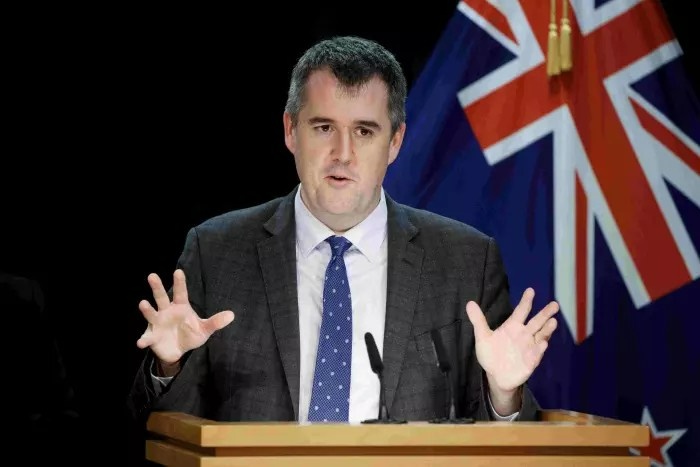
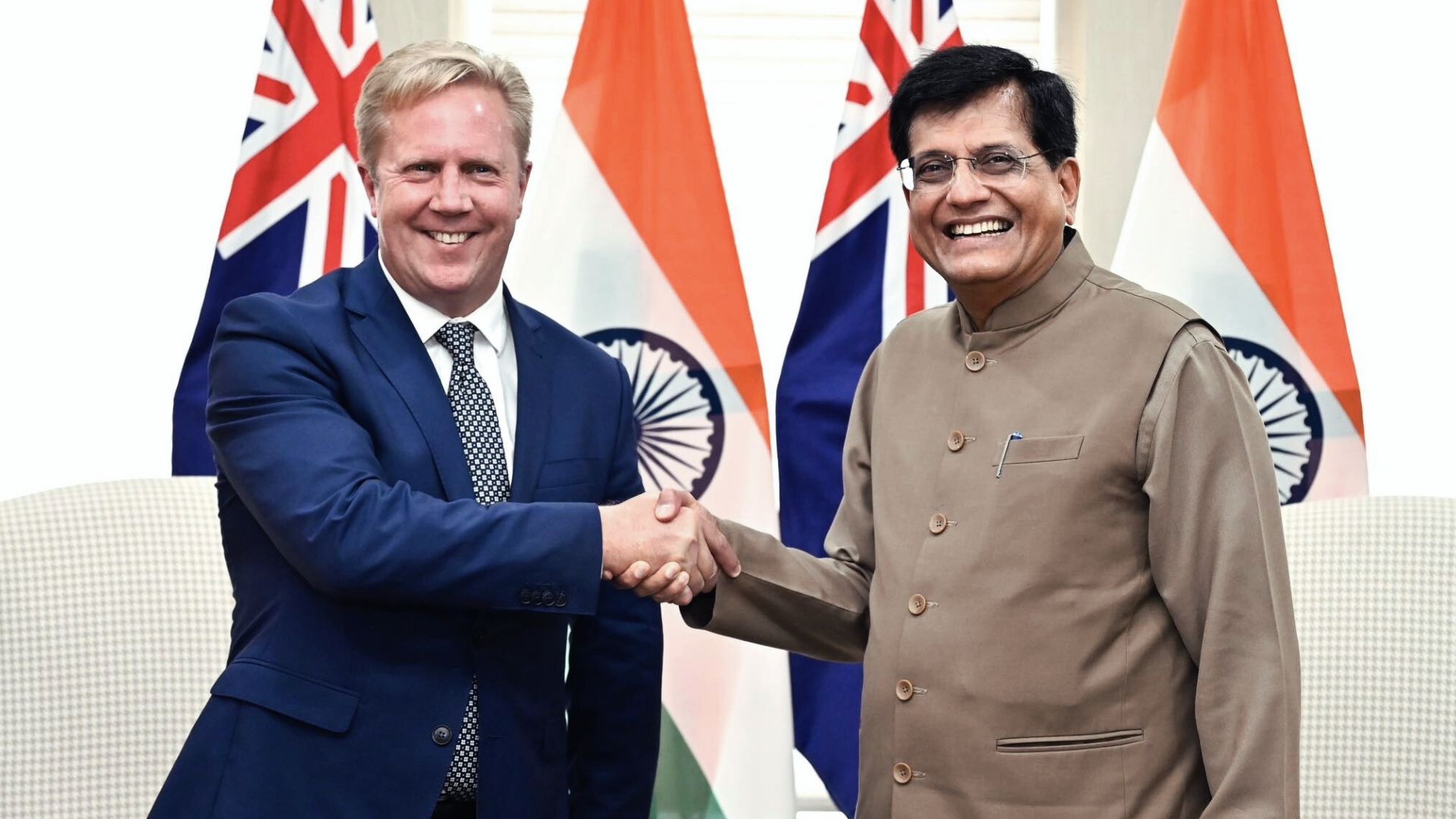
Trade minister Todd McClay and India's high commissioner to New Zealand Muanpuii Saiawi marked the final step at a ceremony in Wellington on September 21, formally conveying to each other their respective domestic processes had been completed.
The exchange means there are now no further hurdles before the agreement takes effect next month.


India refers to its formal confirmation as an instrument of ratification, while New Zealand uses a diplomatic notification or note. In practical terms, both countries have now officially told each other they are ready to roll out the agreement.
October 20 has been agreed as the commencement date, officials said. For India, one of the clearest gains is immediate duty-free access to the New Zealand market across all its exports.
South Asian diaspora raises over $200,000 for New Zealanders missing in Nepal flood "I'm so proud of the Indian community here who...supported us, saying it is not a Nepal problem but our problem."
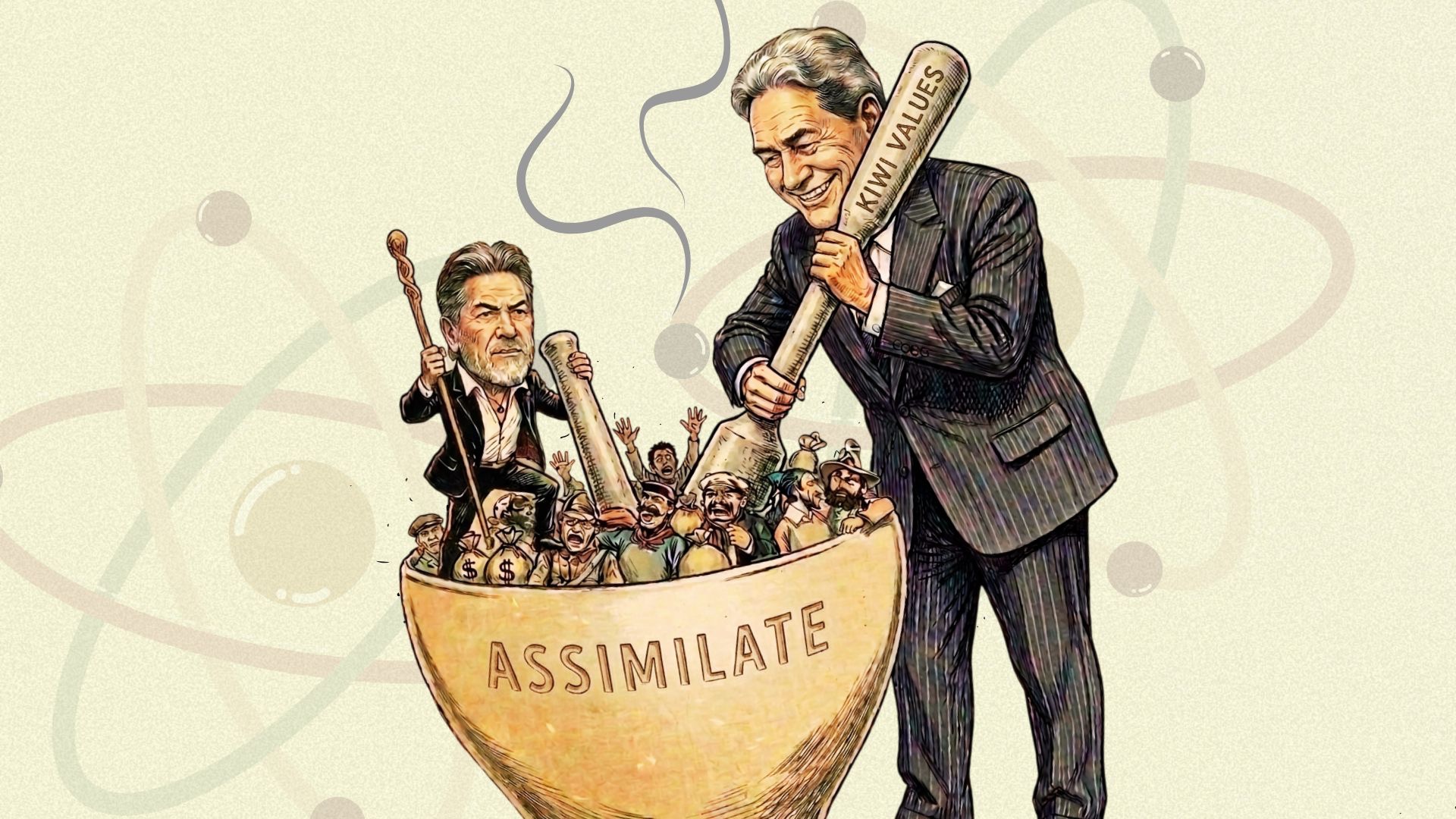
Tamakis launch Indian-origin candidate for Epsom who surrendered passport and has ‘assimilated’ “I know a whole lot of people are going to be like shocked,” says Hannah Tamaki.
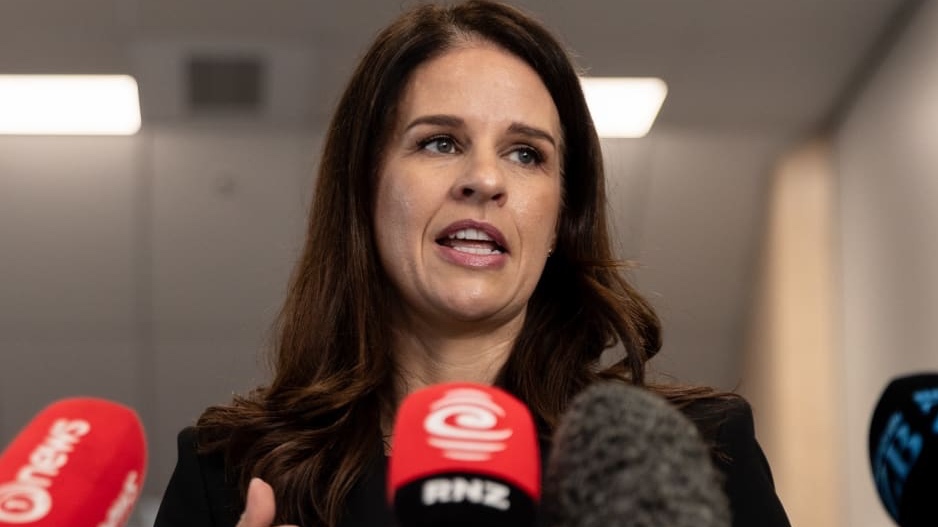
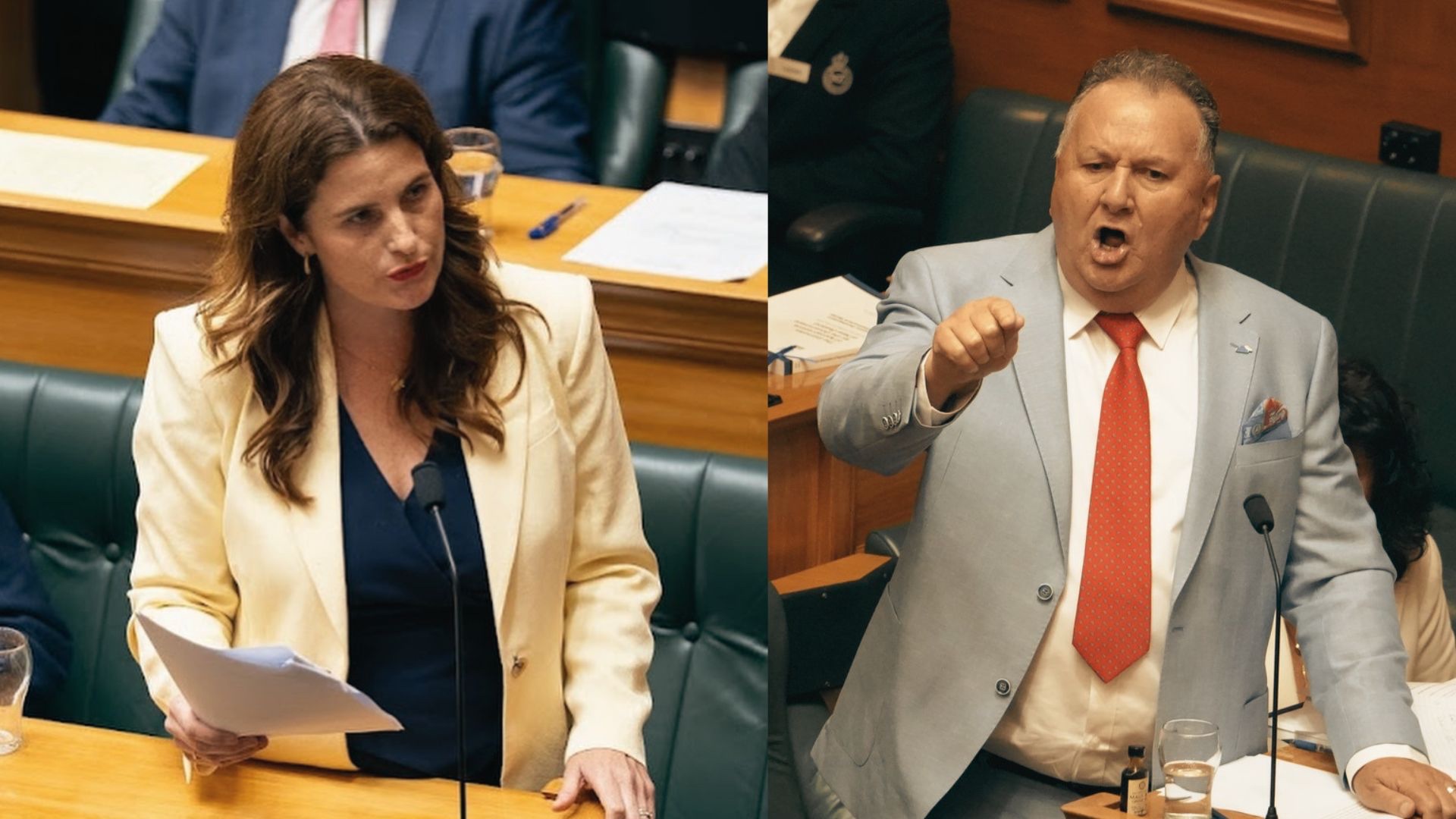
Priyanca Radhakrishnan tries to puncture Luxon’s FTA victory, says India was already sold “Things have changed quite dramatically on the Indian government side,” says the Indian-origin Labour MP.
Around 8,284 tariff lines will become duty-free, including textiles and clothing, pharmaceuticals, machinery and vehicles, gems and jewellery, processed foods, tea, coffee and spices.
Awaaz earlier broke down the major gains for exporters under the agreement.
New Zealand, in return, gets substantial but more selective access to the much larger Indian market.

India is opening around 70 per cent of its tariff lines under the agreement, covering about 95 per cent of current New Zealand exports, as Awaaz explained in this broader look at why the deal matters.
Sheep meat and wool will become tariff-free from the day the agreement takes effect. Kiwifruit gets zero-tariff access for 6,250 tonnes initially, rising to 15,000 tonnes over six years, while the tariff on volumes outside that quota is halved to 16.5 per cent.
Apples will face a reduced 25 per cent tariff for 32,500 tonnes initially, with the quota rising to 45,000 tonnes over six years.
Tariffs on manuka honey will fall from 66 per cent to about 16.5 per cent over five years, while wine tariffs, currently as high as 150 per cent, will progressively fall to between 25 and 50 per cent over 10 years.
Dairy remains the glaring exception. India has not substantially opened its protected market to New Zealand’s major dairy exports, an omission that became one of the main political criticisms of the agreement in New Zealand.
Awaaz has previously examined the economic argument around what the deal does and does not deliver for dairy.
The deal also goes beyond goods, with commitments covering services and the temporary movement of people.
Those provisions became one of the most politically contentious parts of the agreement during New Zealand’s parliamentary scrutiny, particularly around Indian students and temporary workers.
A parliamentary select committee ultimately concluded the migration commitments were “relatively narrow” and that future New Zealand governments would retain considerable freedom to change wider immigration settings, a finding covered in detail during the select committee process.
The agreement has travelled a relatively fast final stretch after years of unsuccessful attempts to secure an India trade deal. The latest negotiations were formally revived in March 2025 and concluded in December that year.
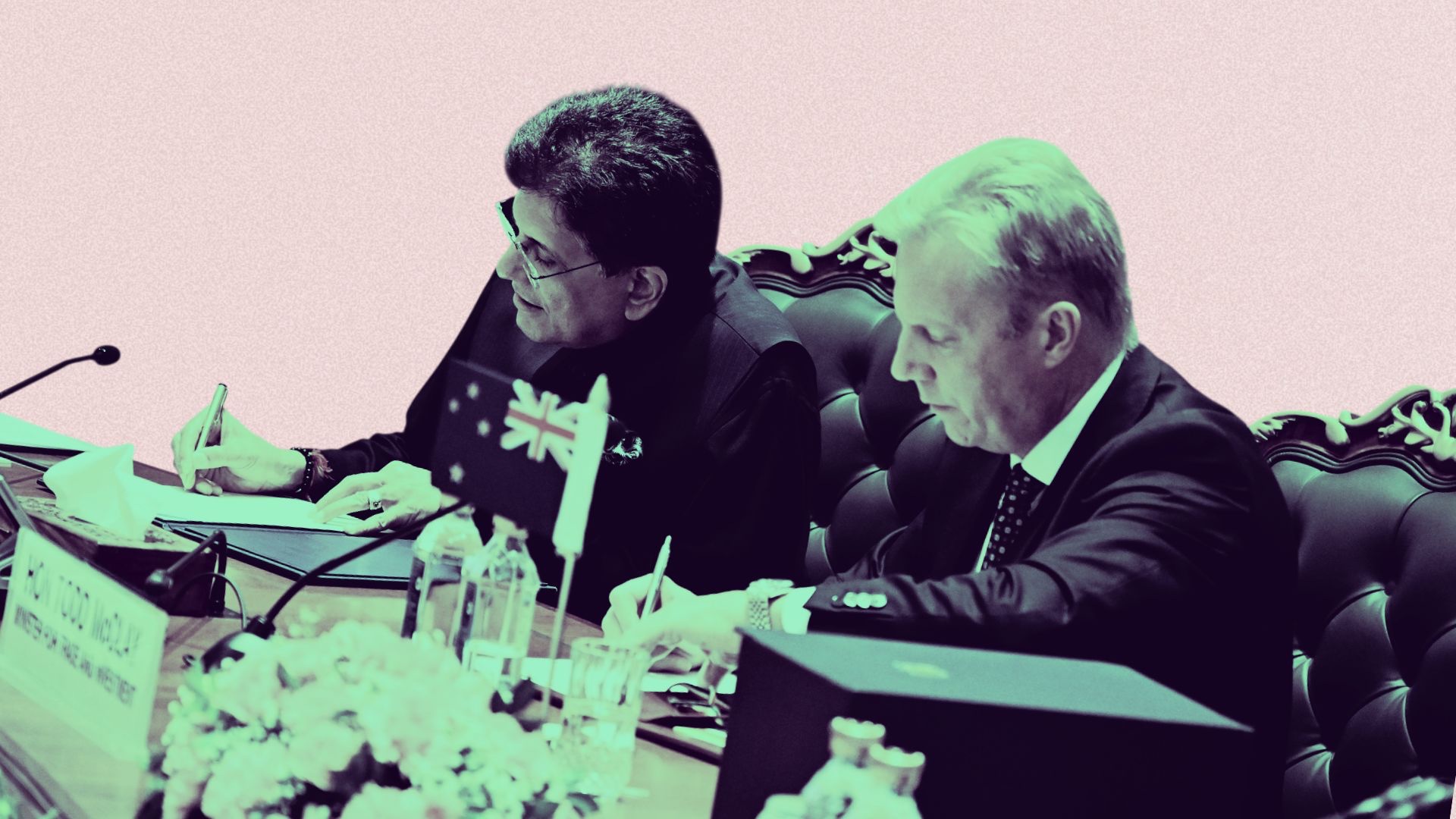
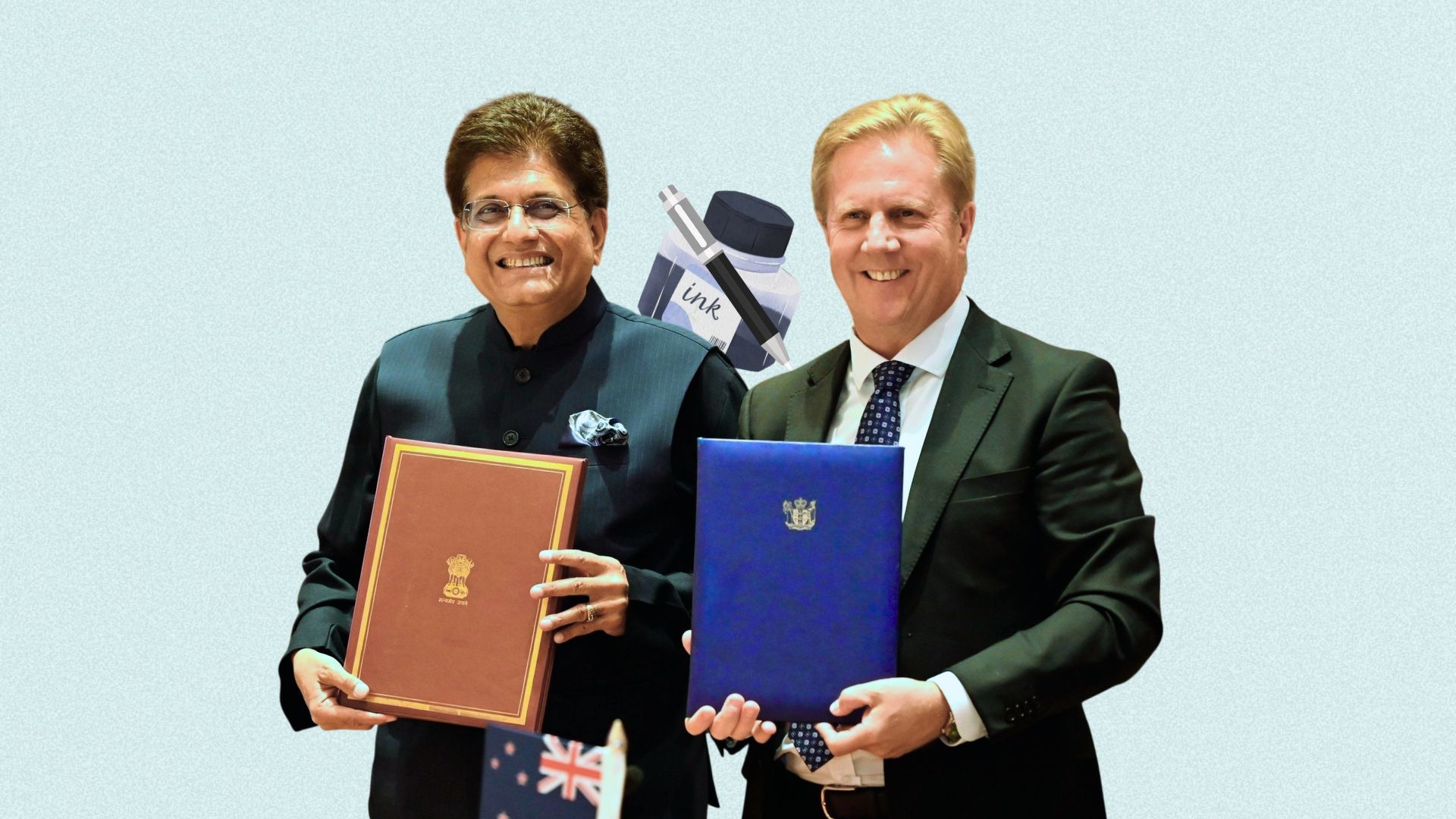
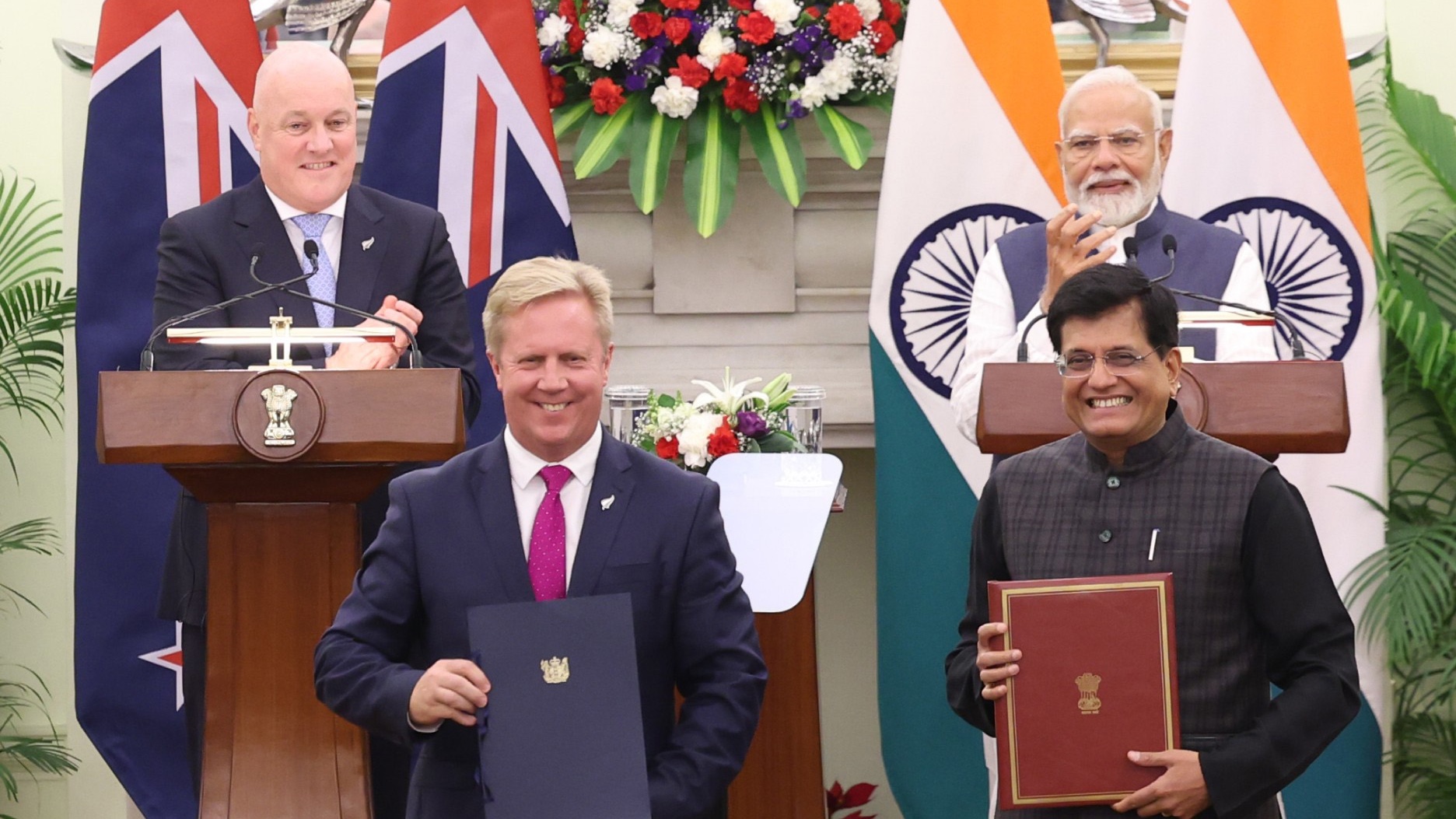
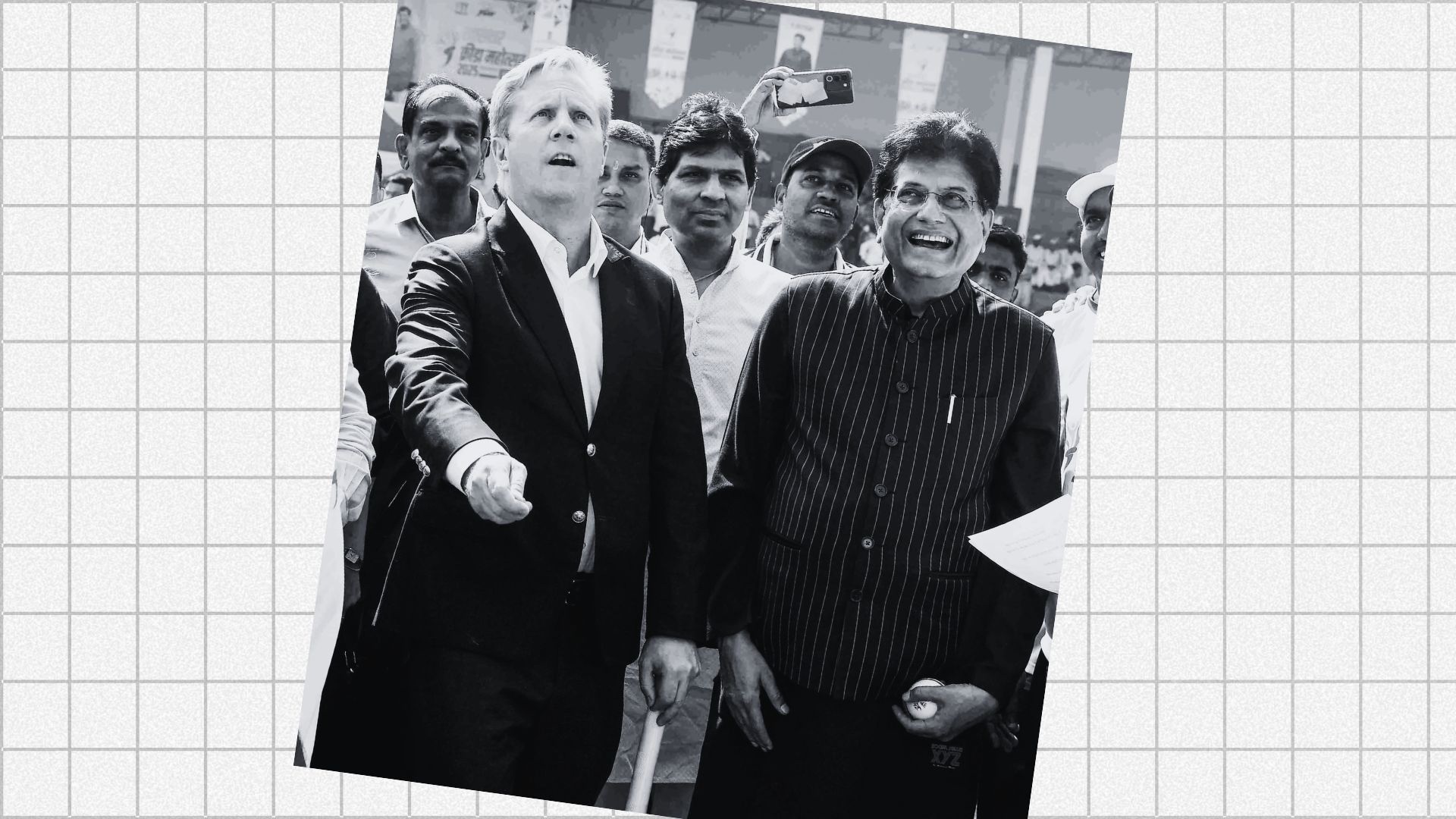
Trade minister Todd McClay and Indian commerce and industry minister Piyush Goyal signed the agreement in New Delhi on April 27 this year.
It was referred to Parliament’s Foreign Affairs, Defence and Trade Committee the following day. The committee received 1,780 written submissions and heard oral evidence from 52 submitters before backing the agreement.
On September 10, the committee recommended by majority that Parliament pass the legislation needed to implement the deal. Parliament approved that legislation on September 16 by 93 votes to 29.
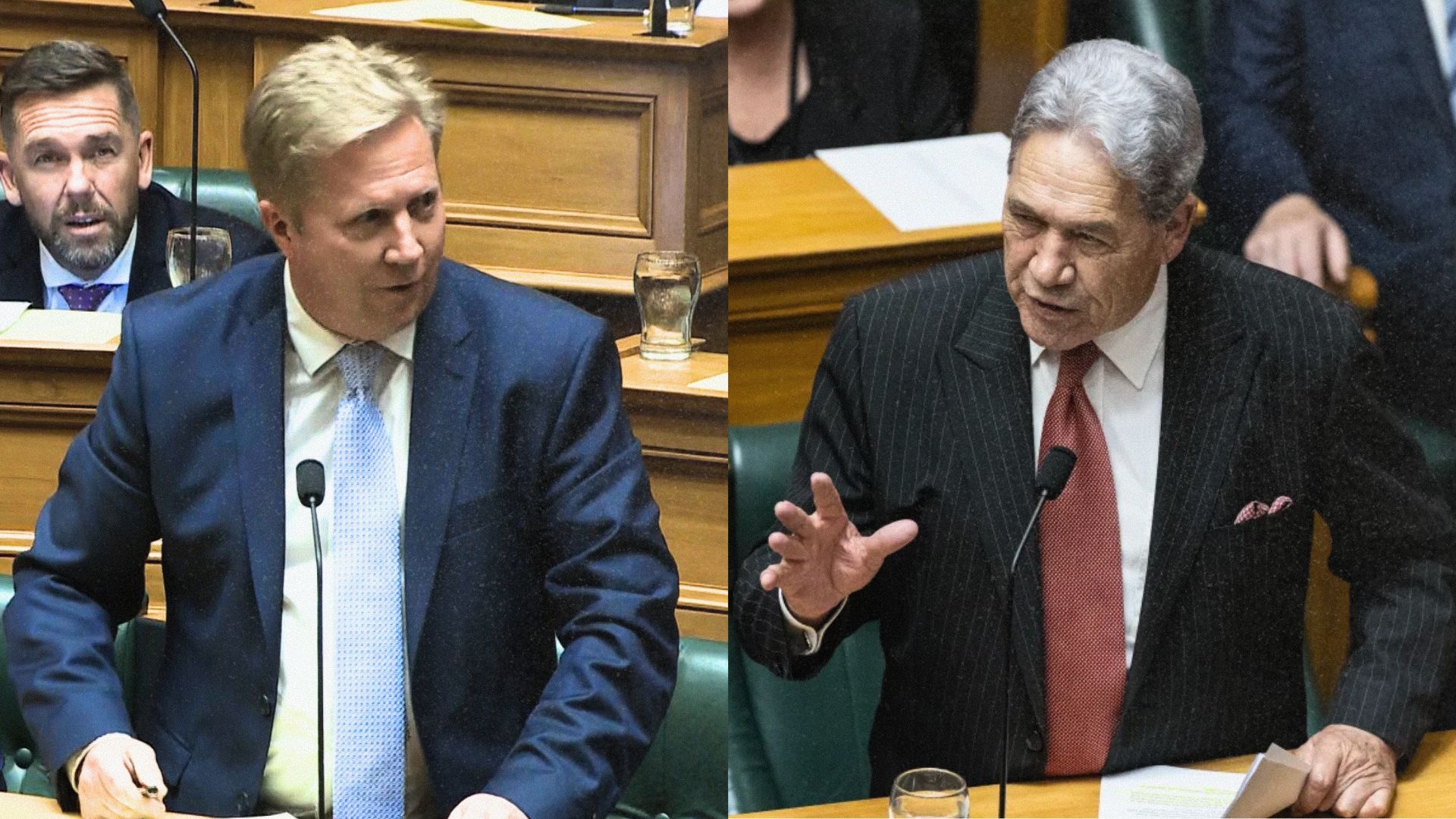
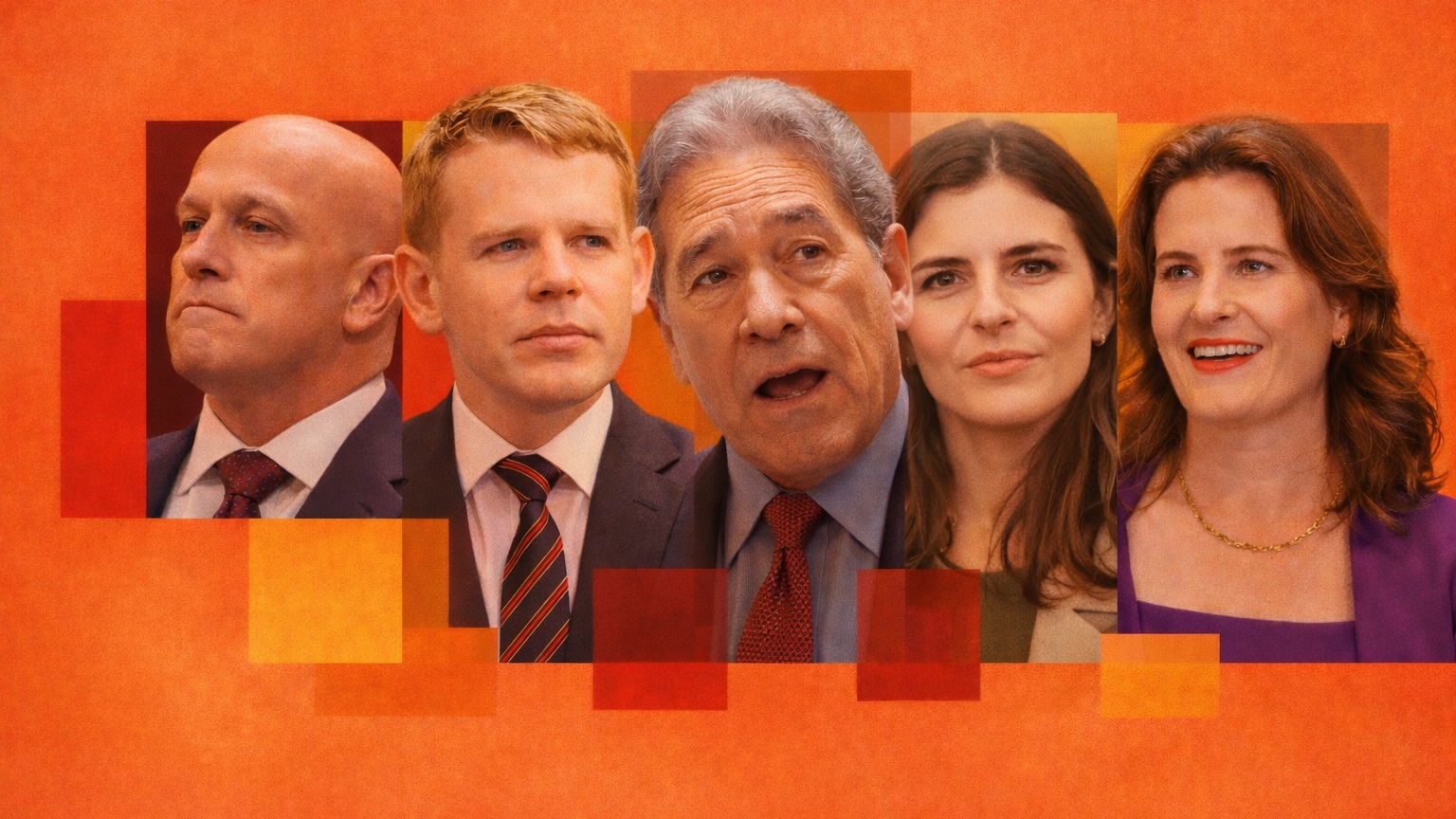
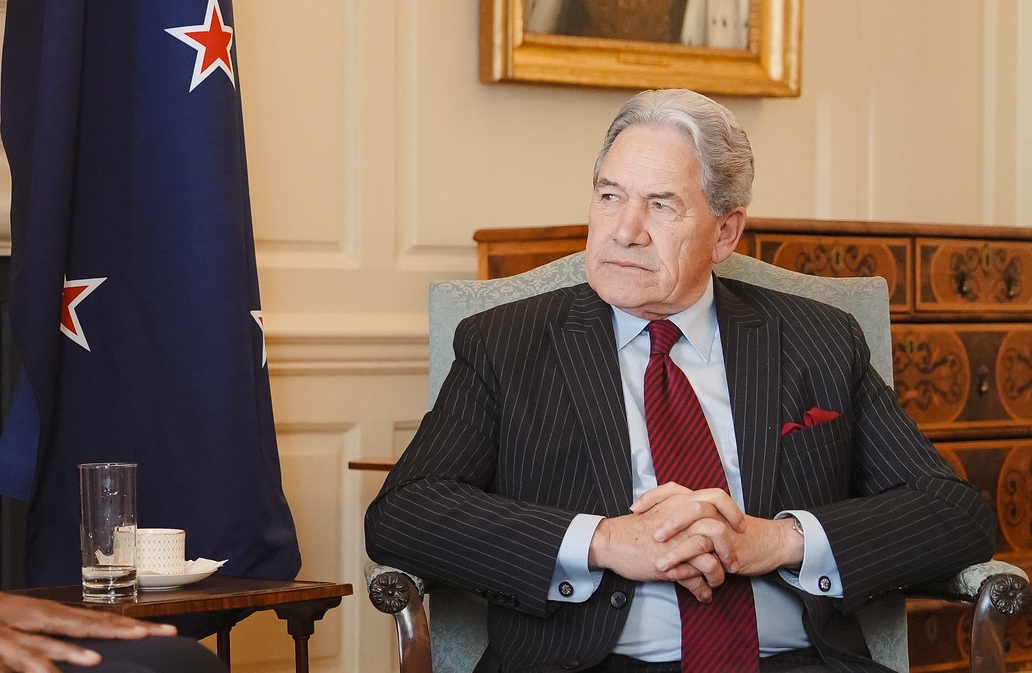
National, Labour and ACT supported the legislation; while the Greens, New Zealand First and Te Pāti Māori voted against it.