
Out Loud: If New Zealand wants migrants to belong, it must allow them to belong
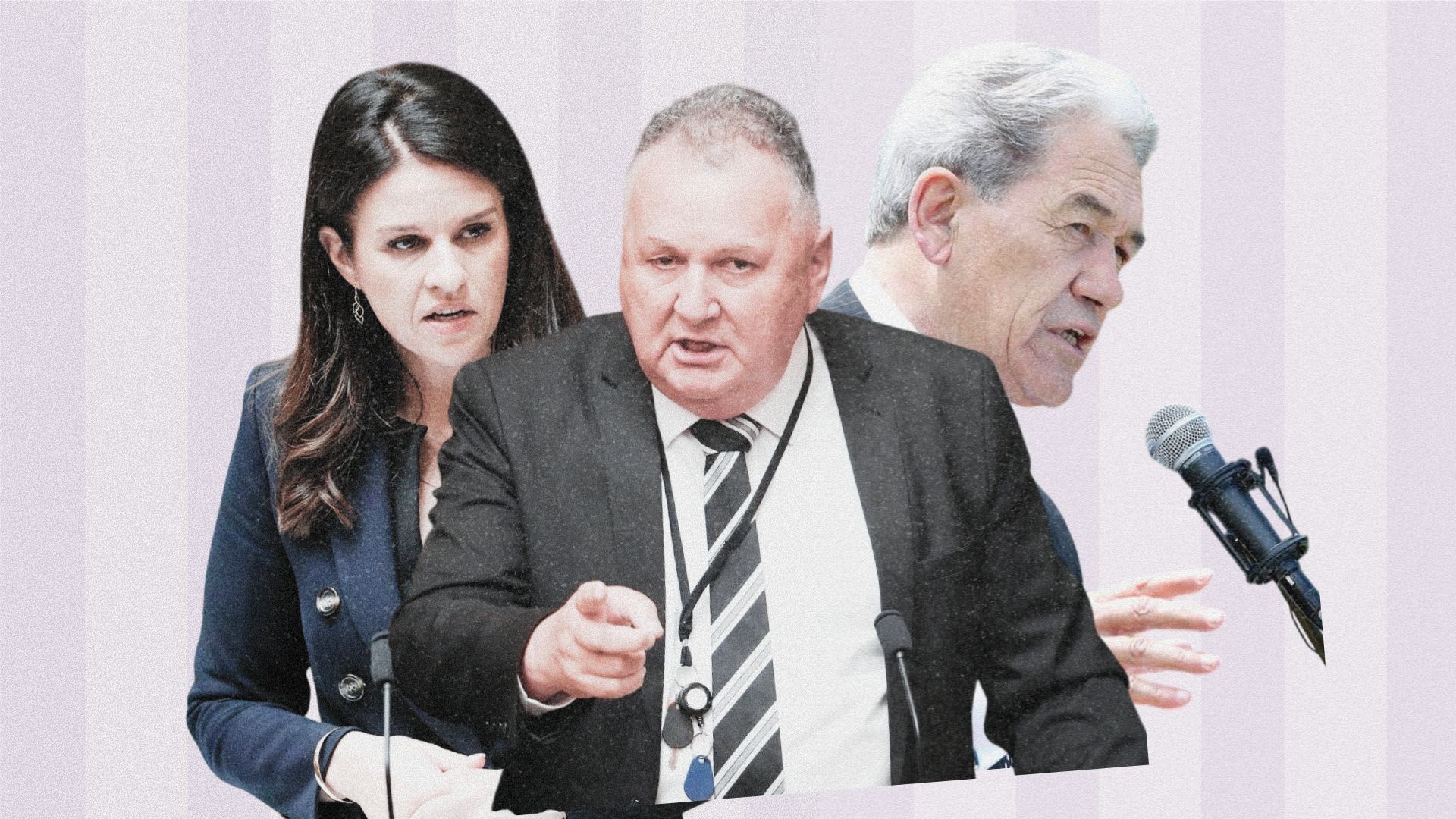
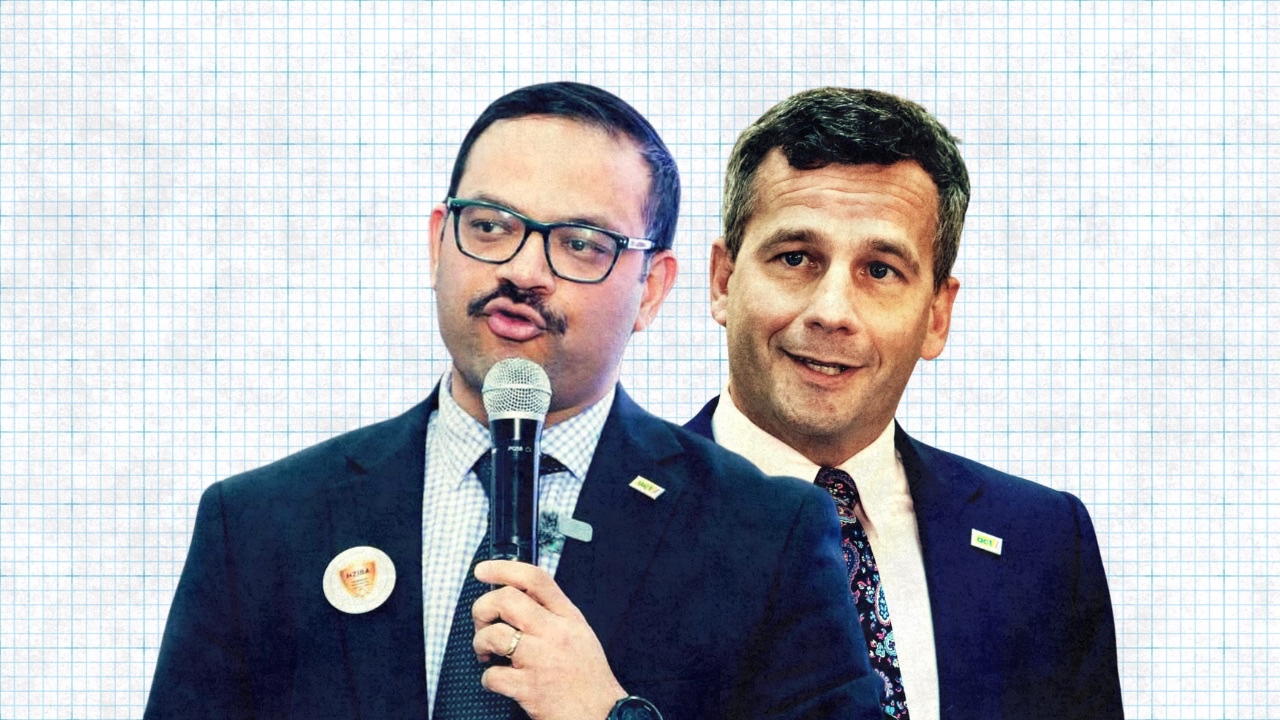
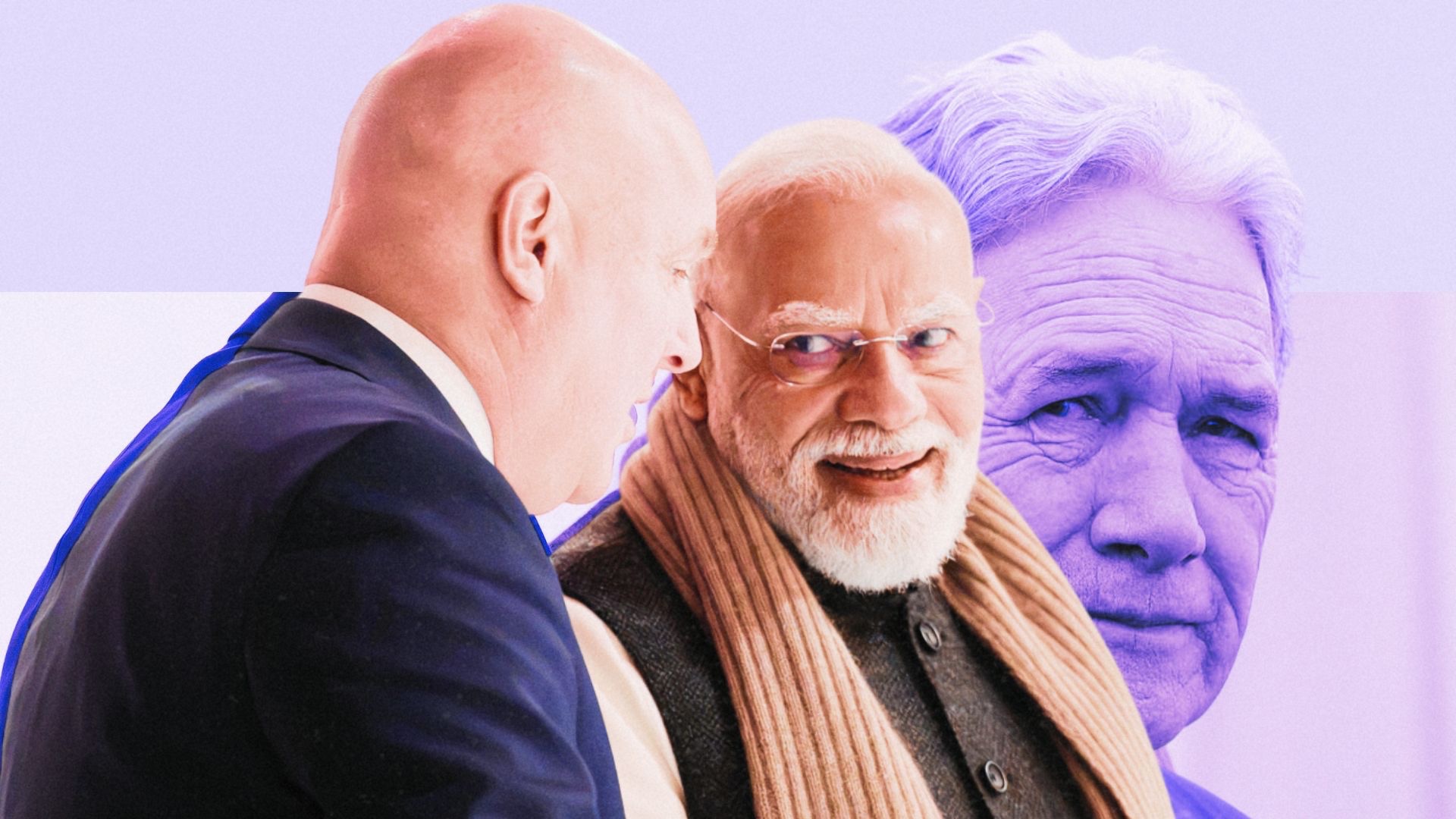
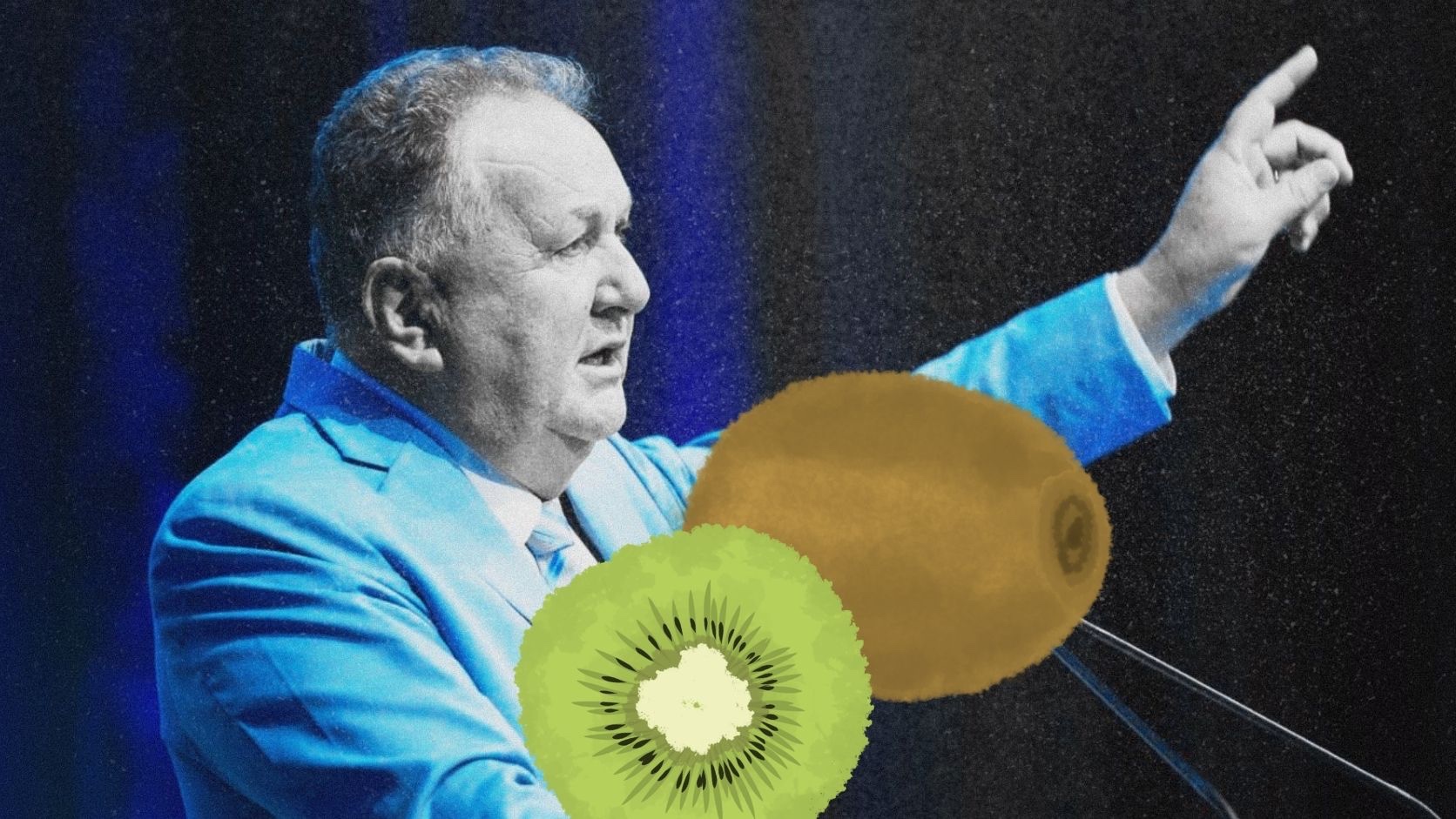
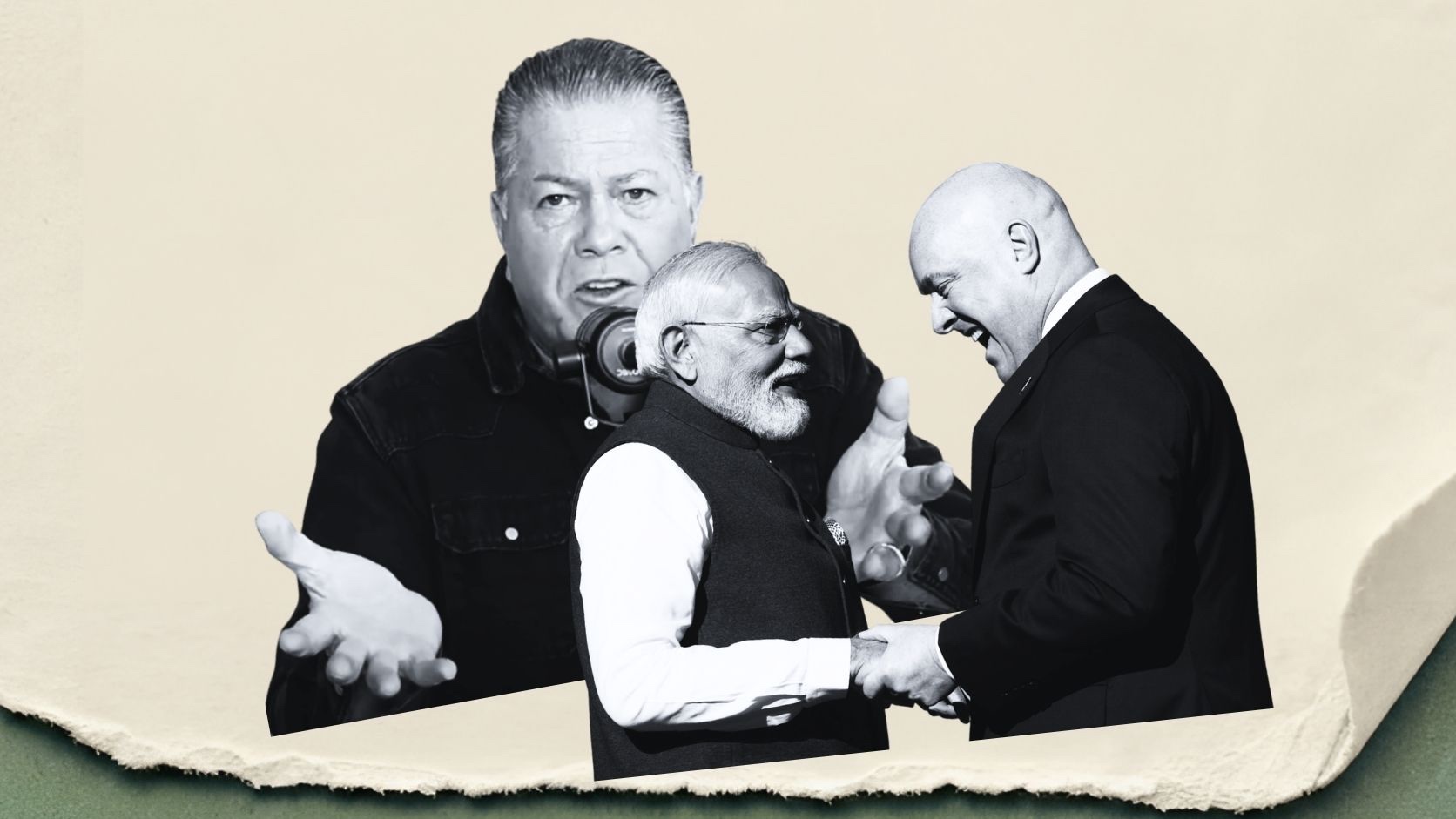
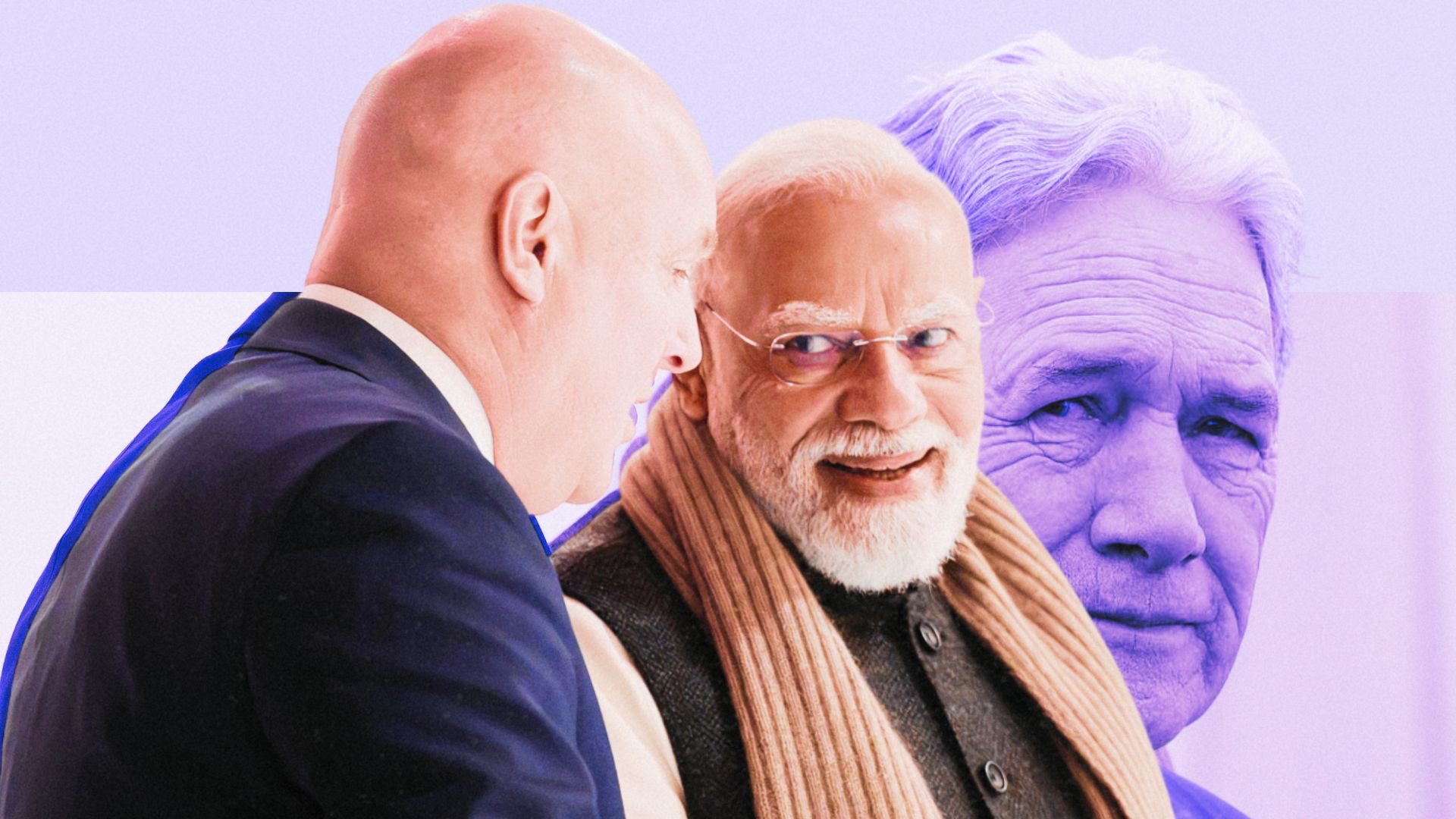
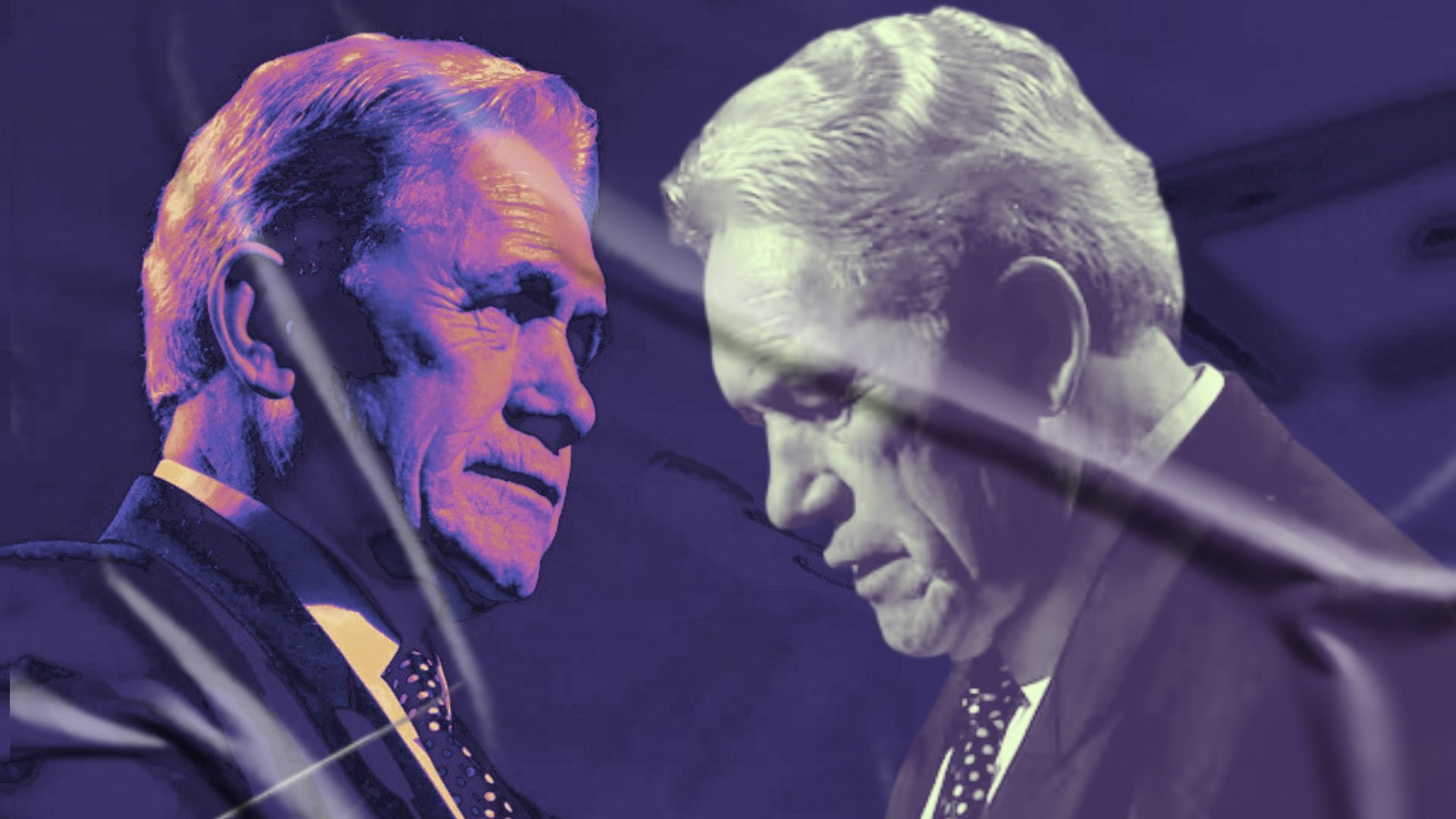
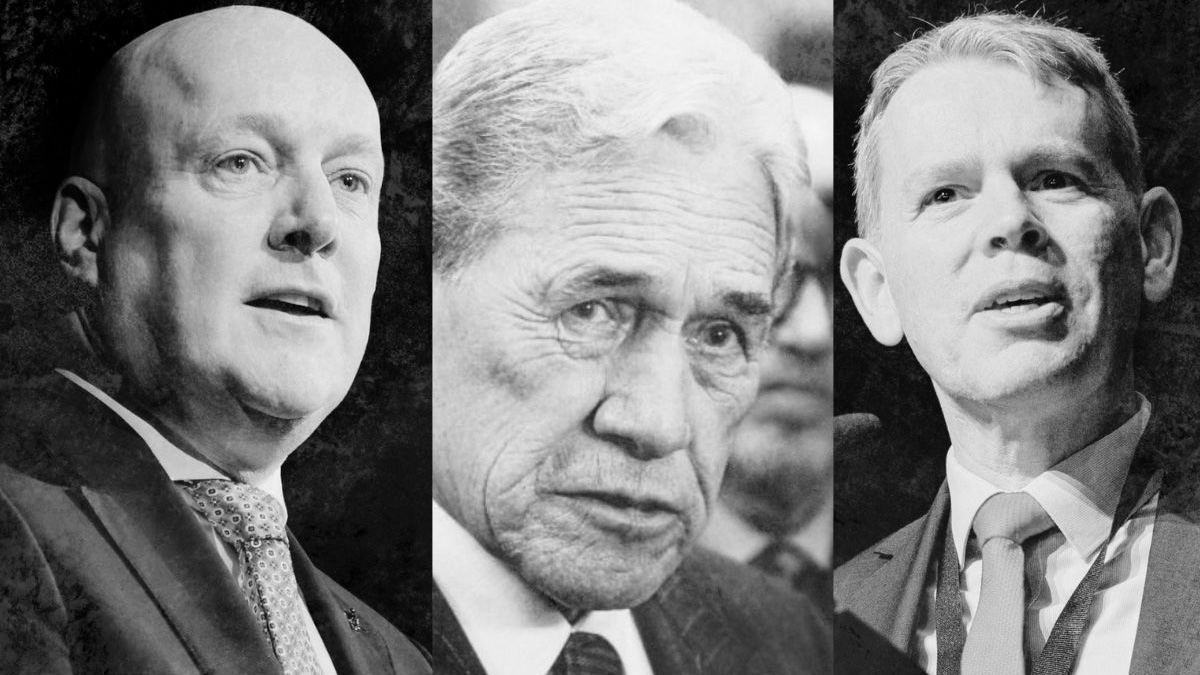
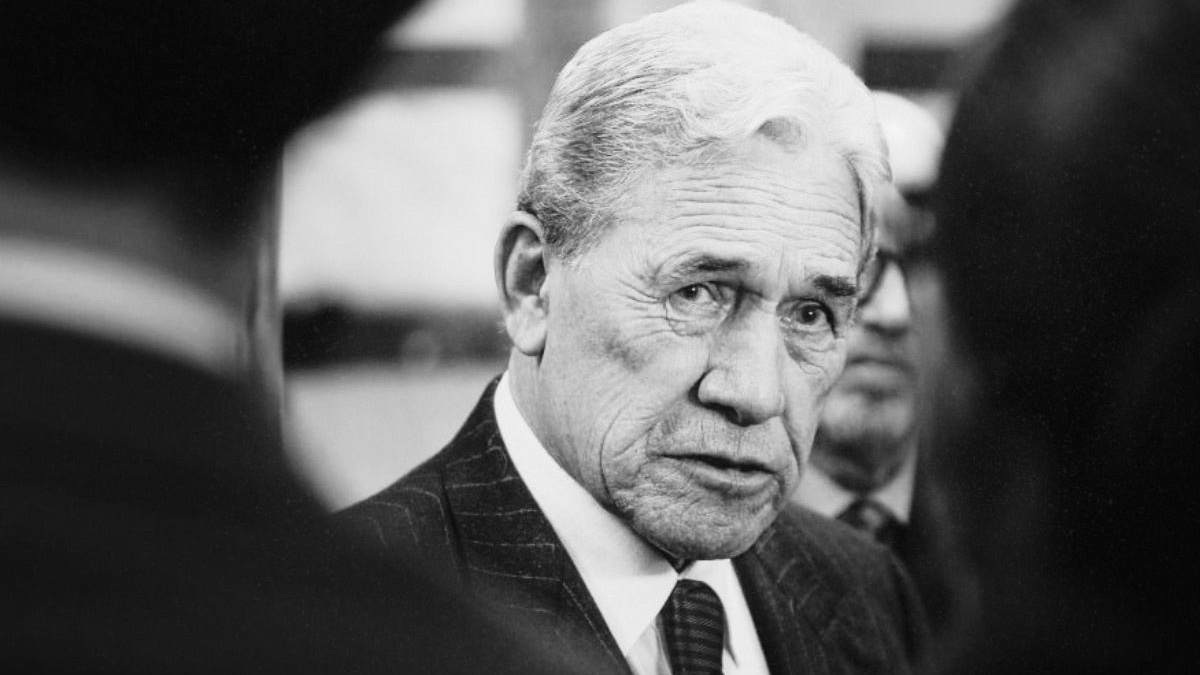
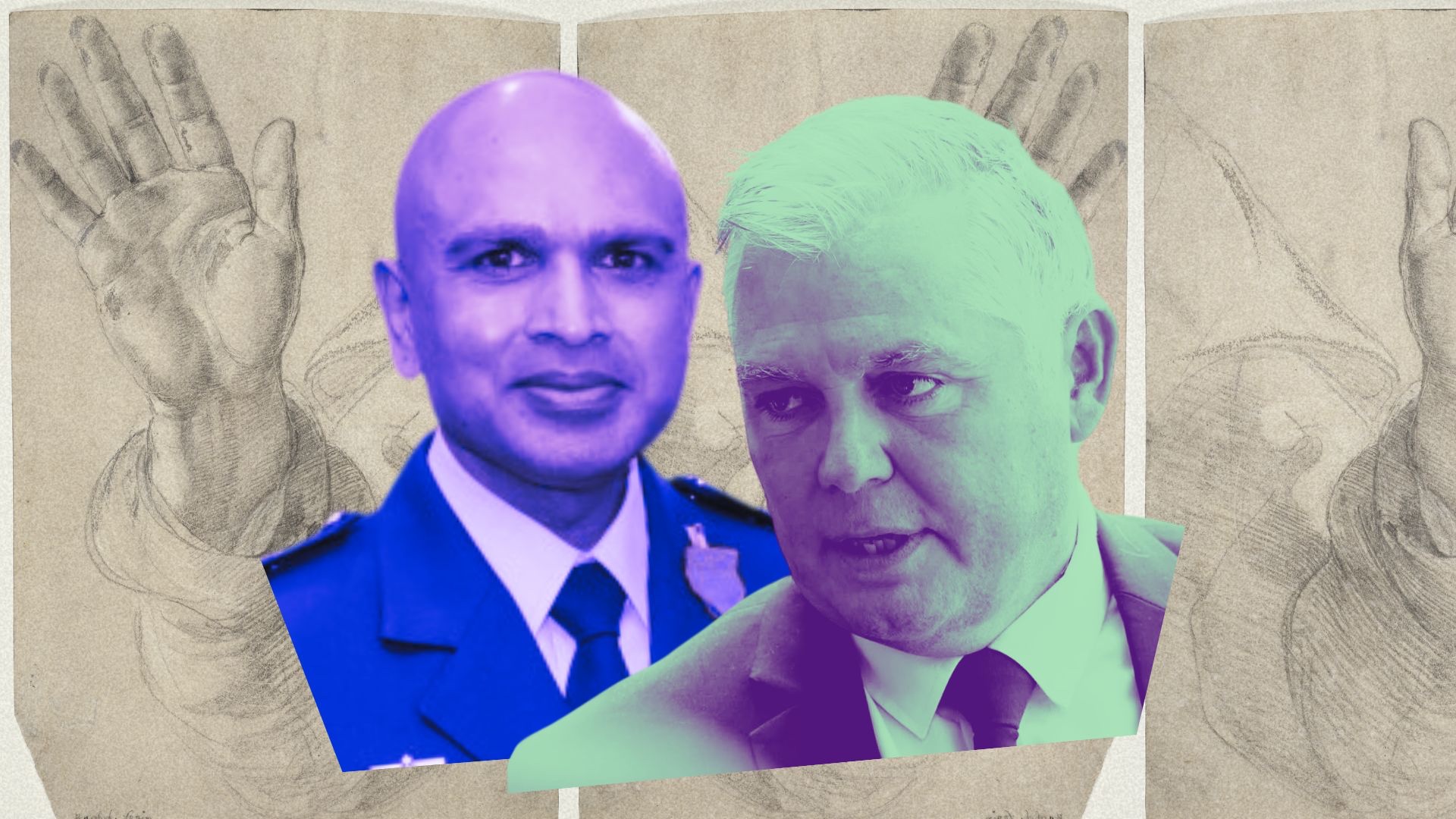
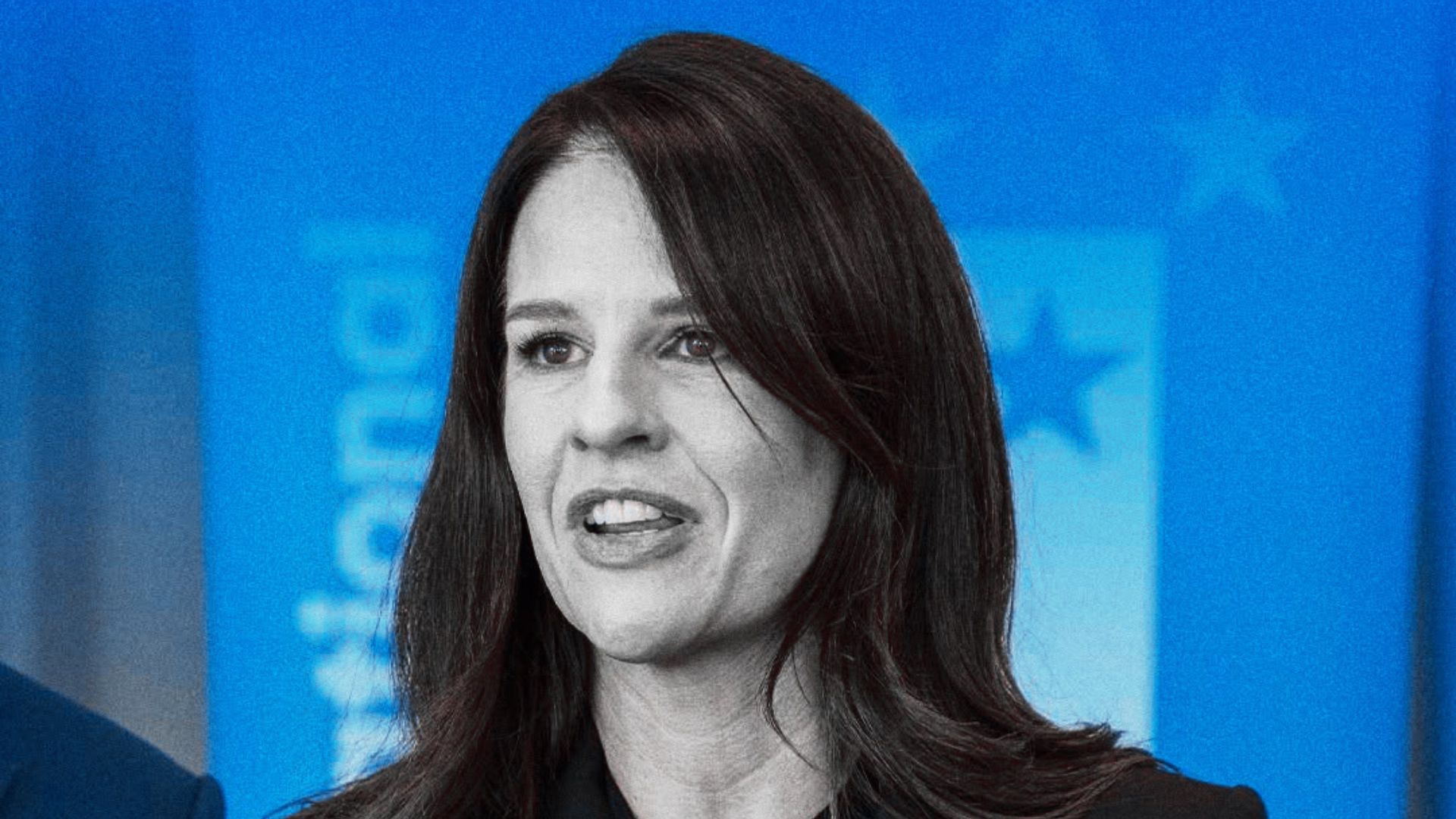
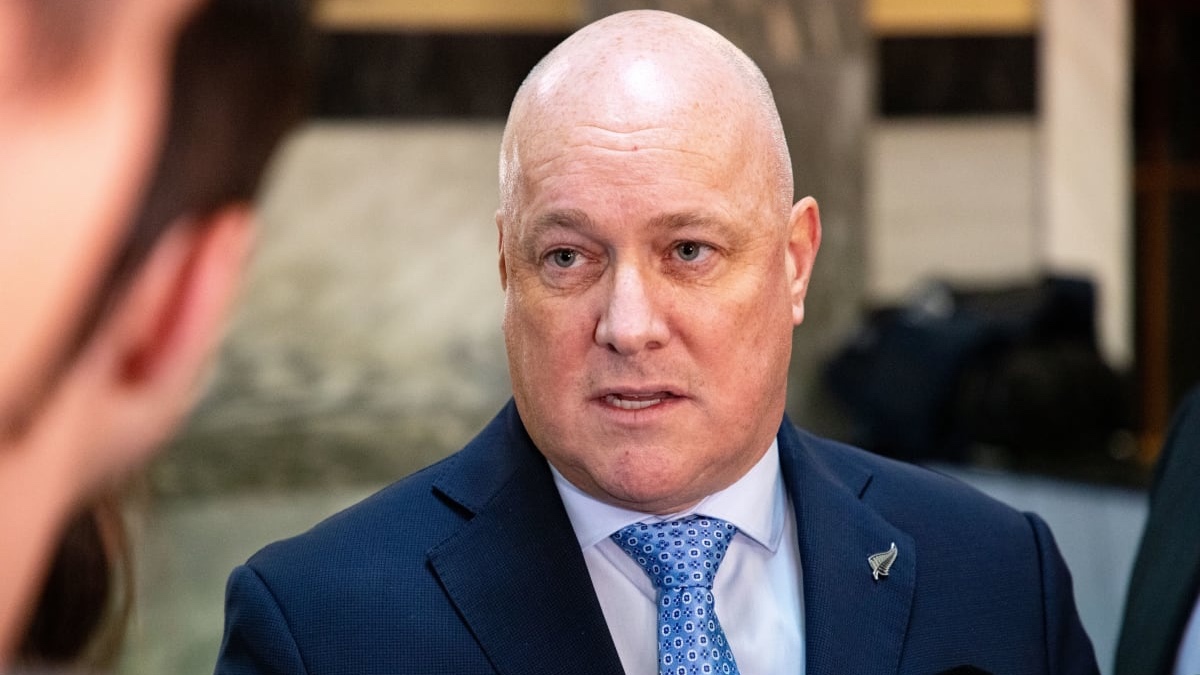
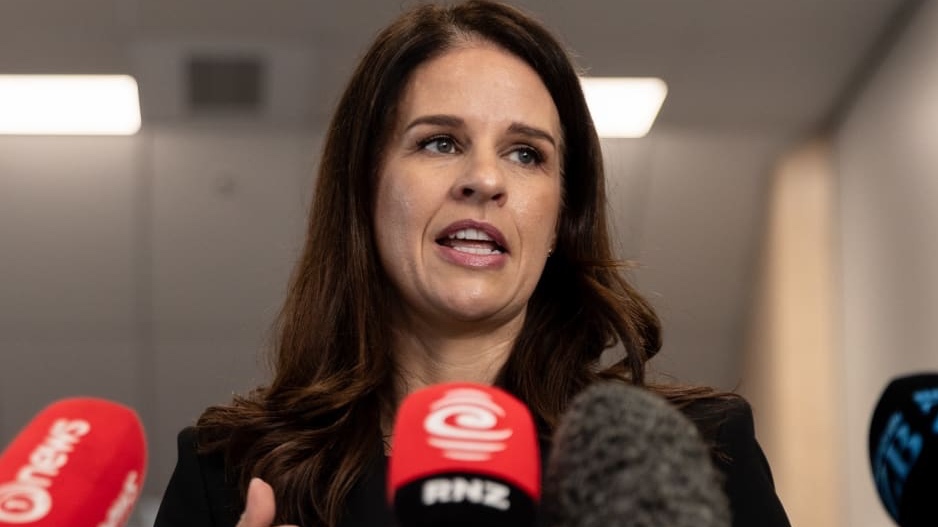
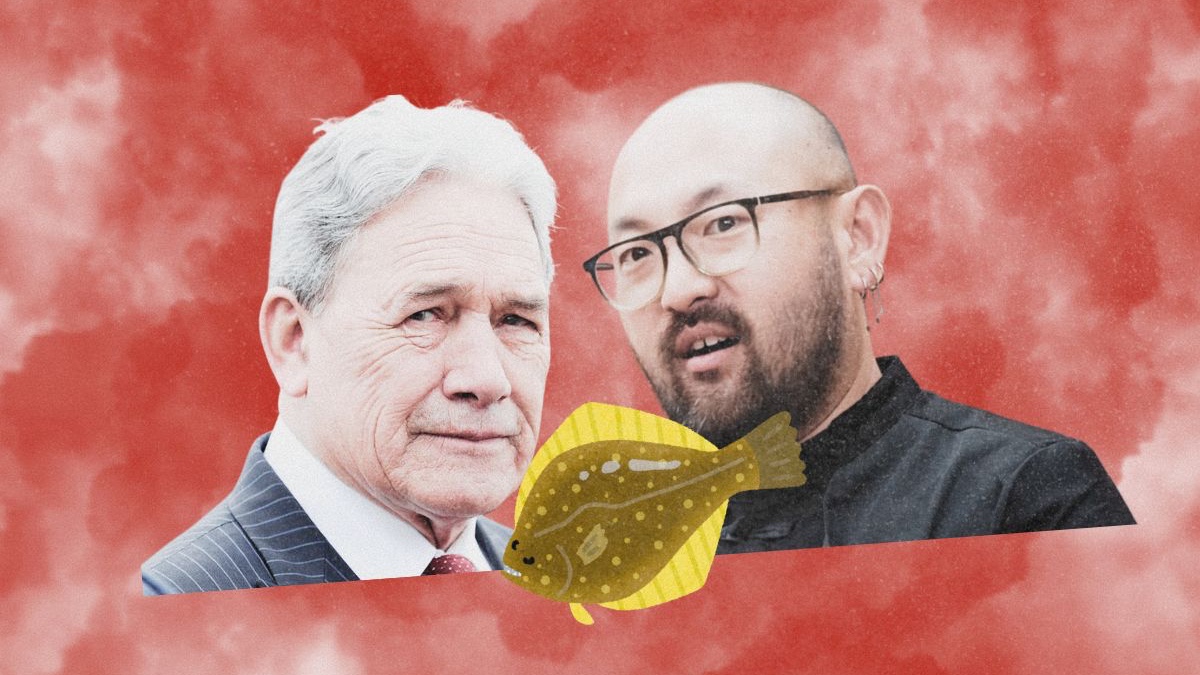
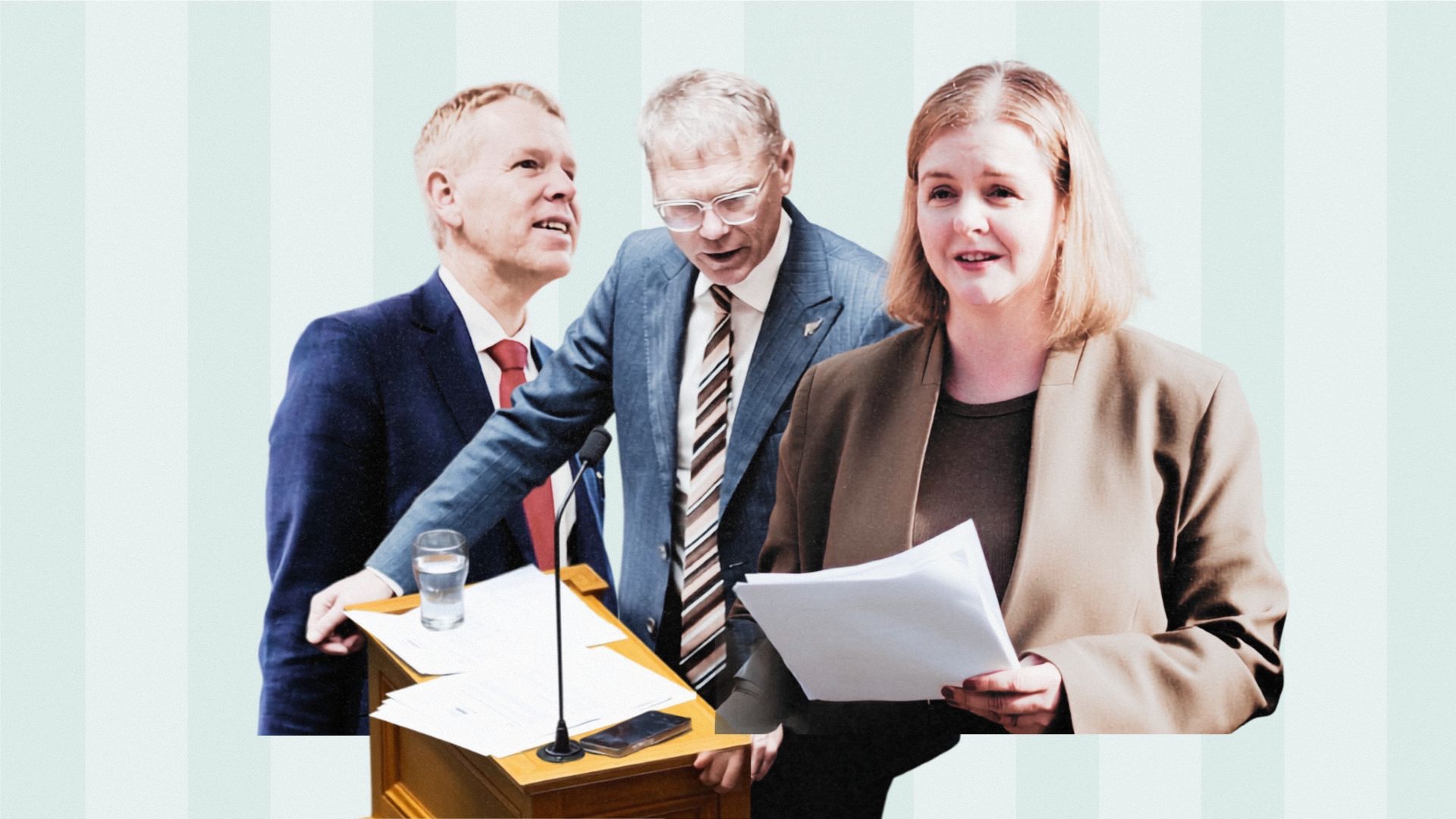
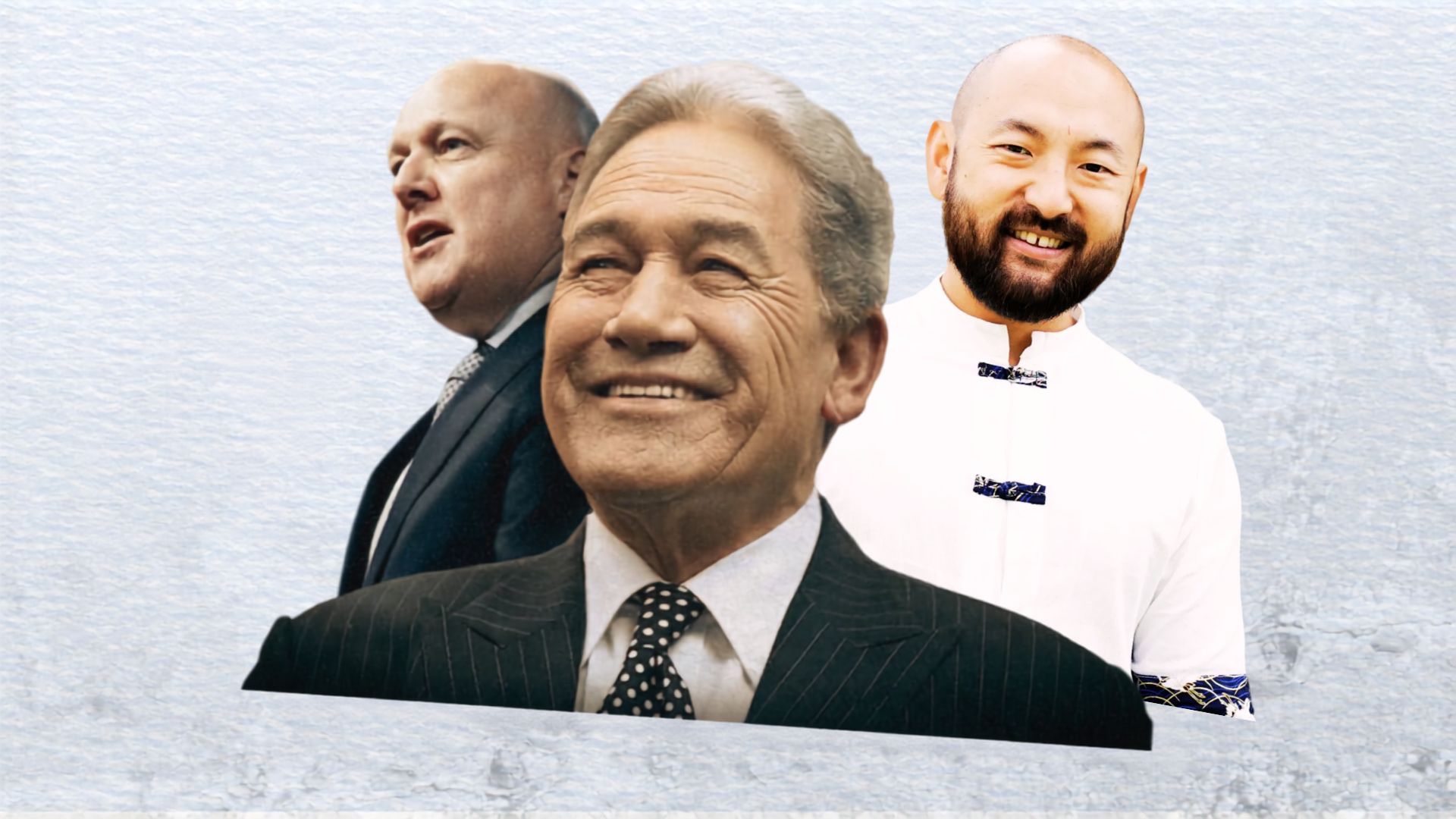
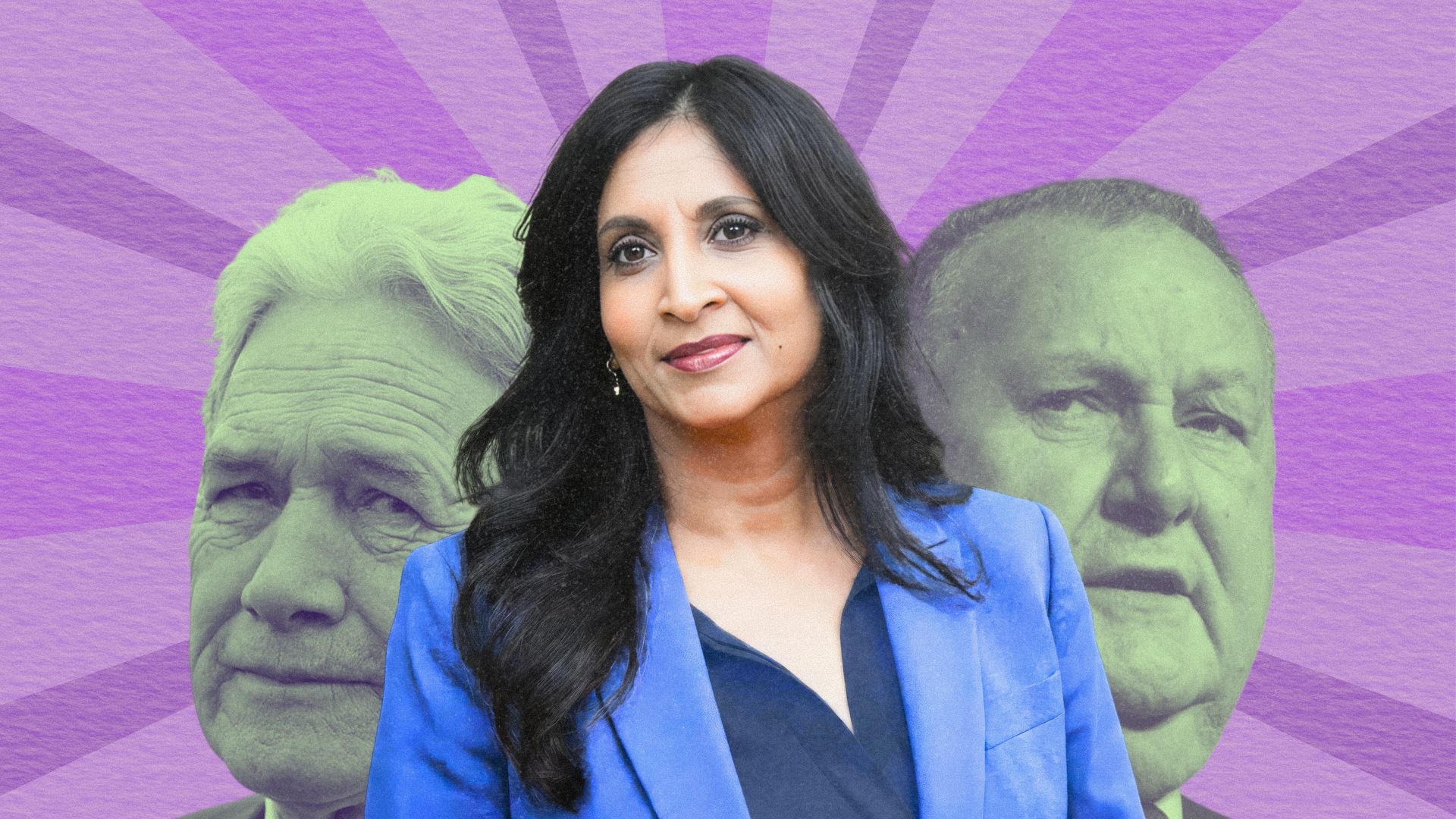
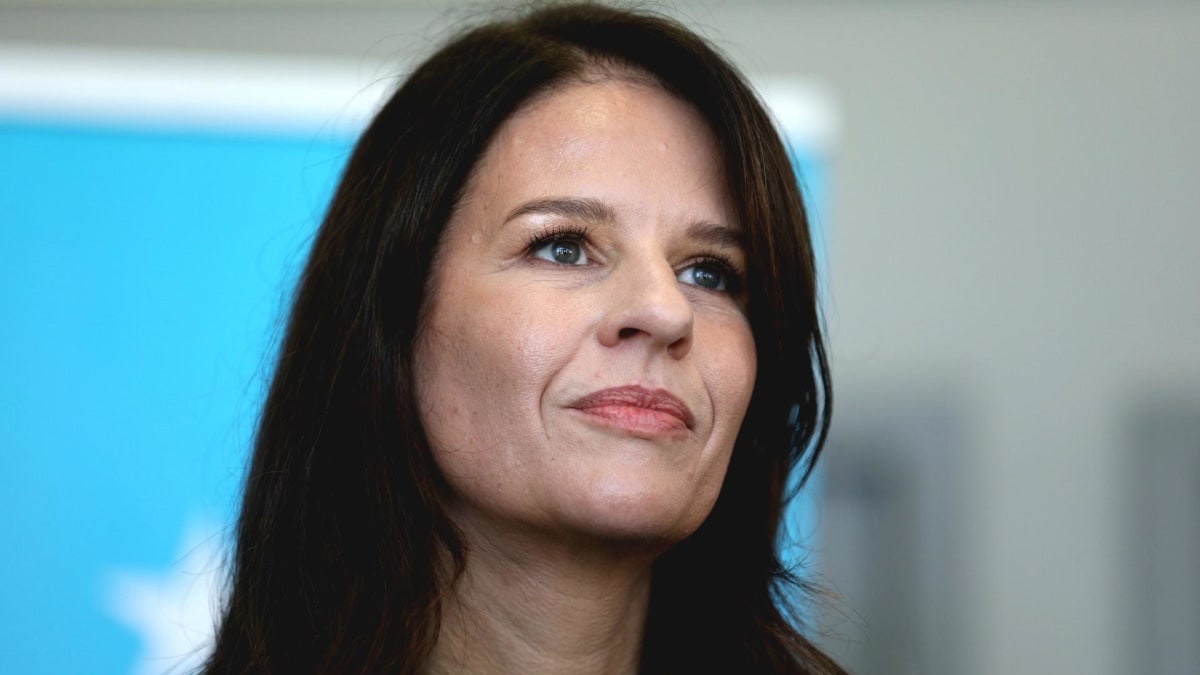
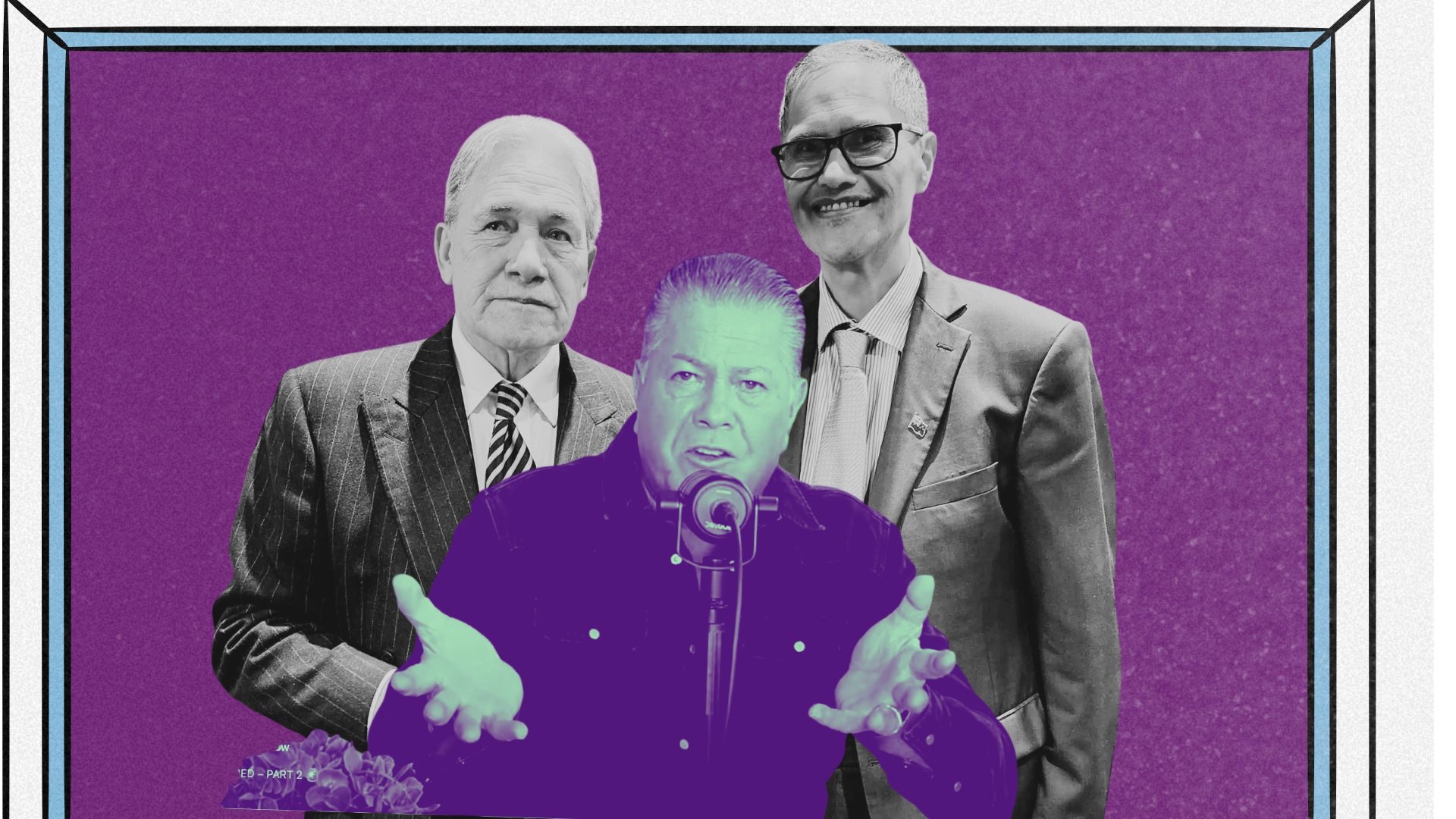
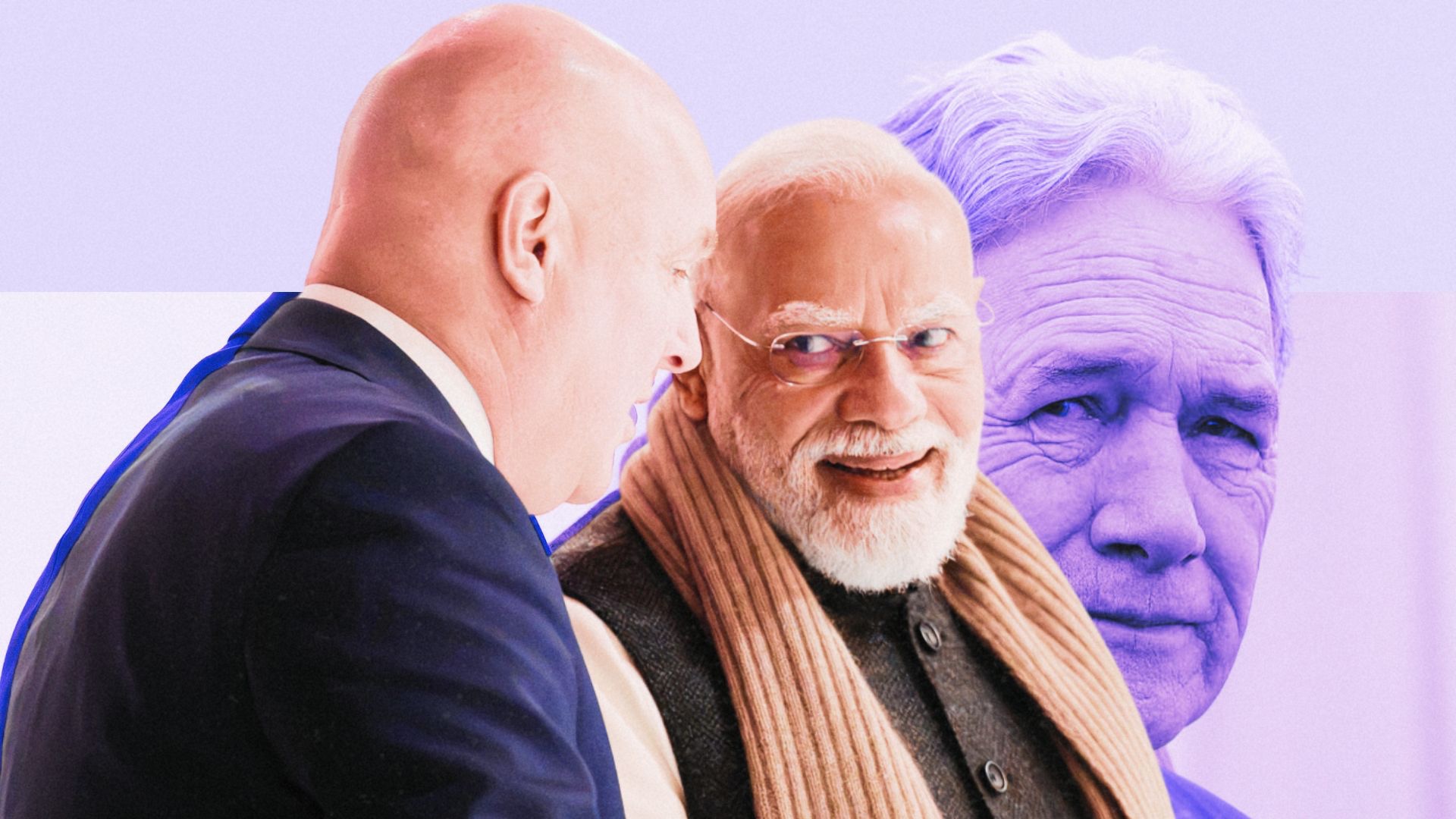
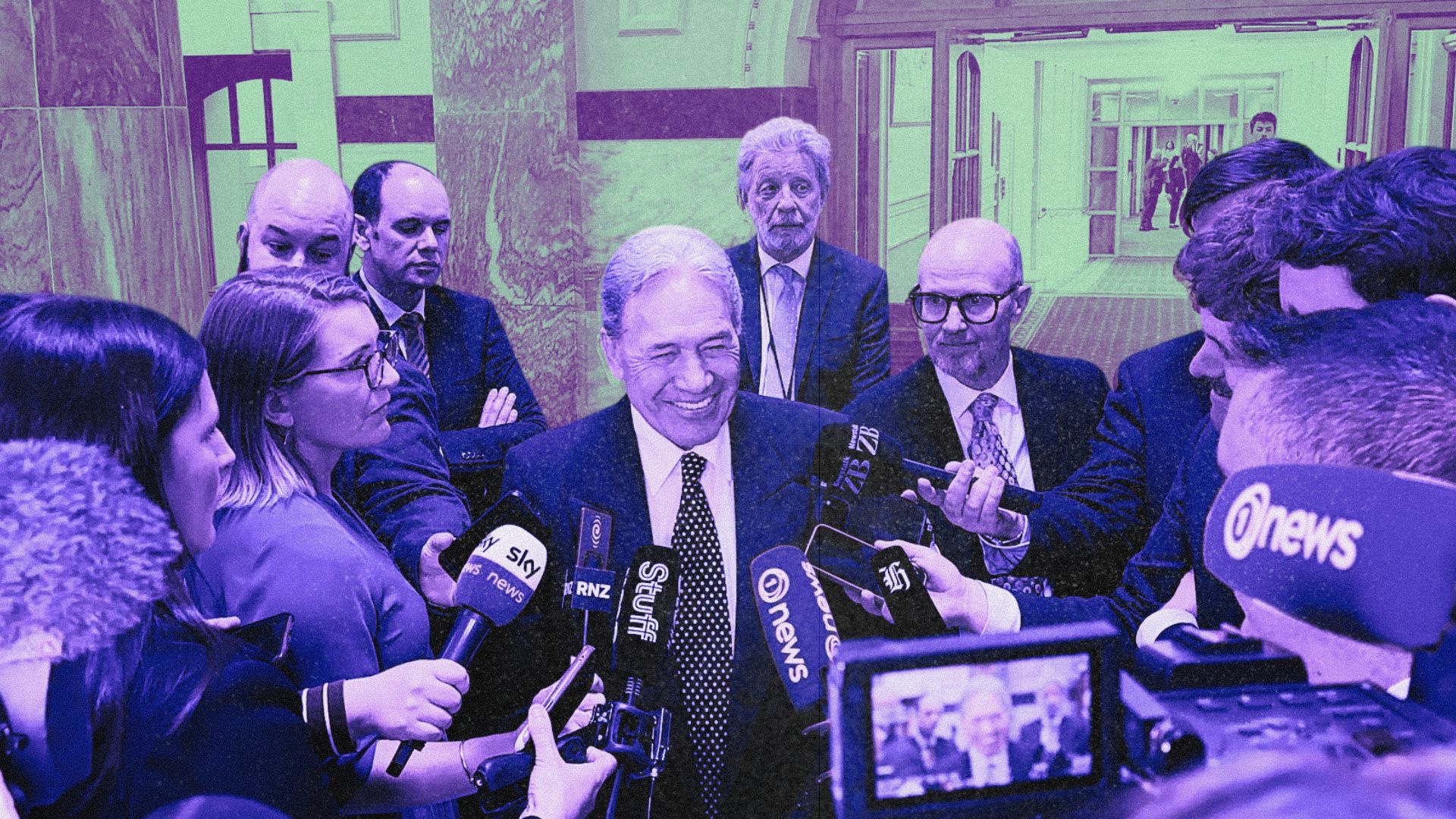
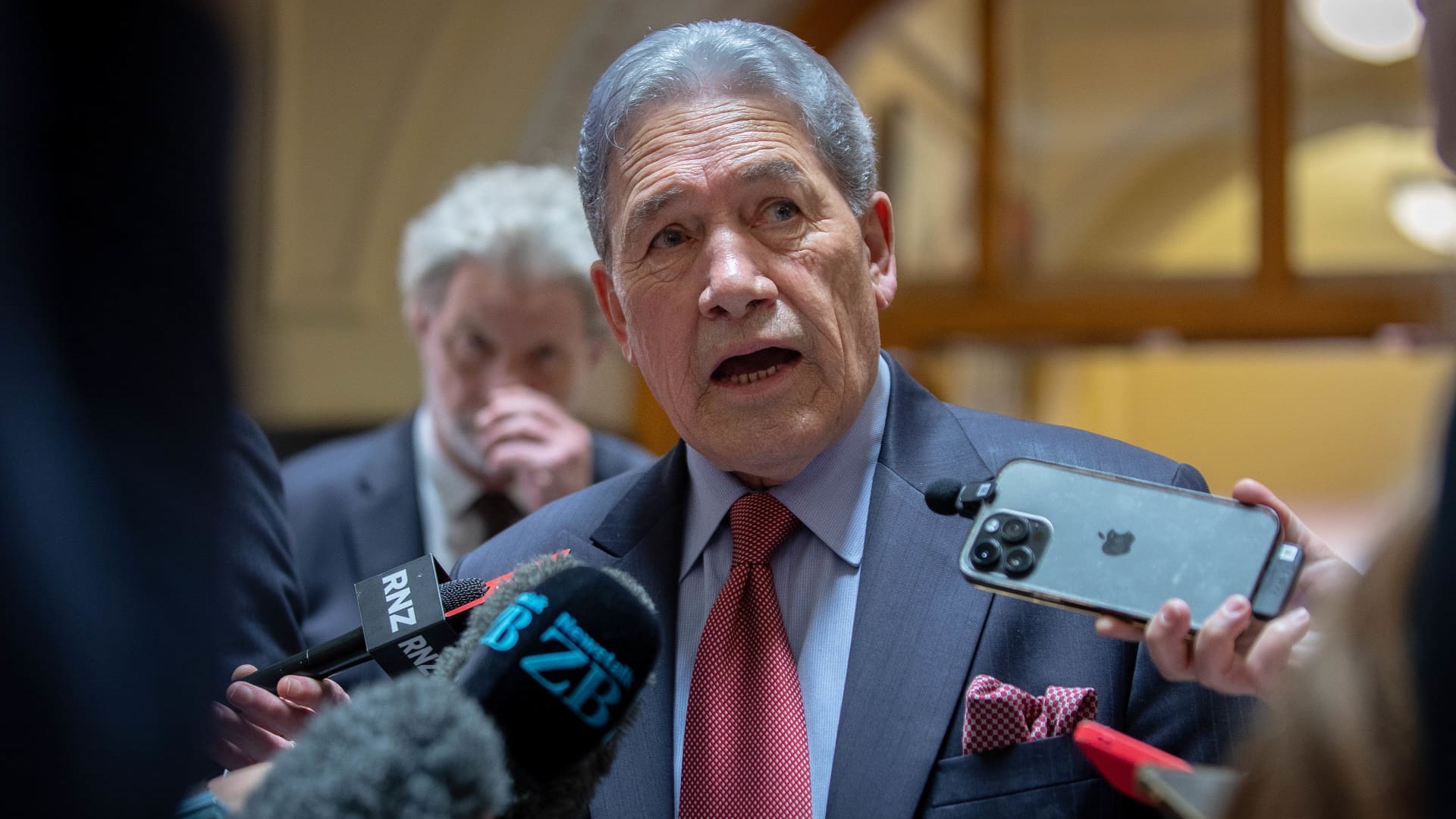
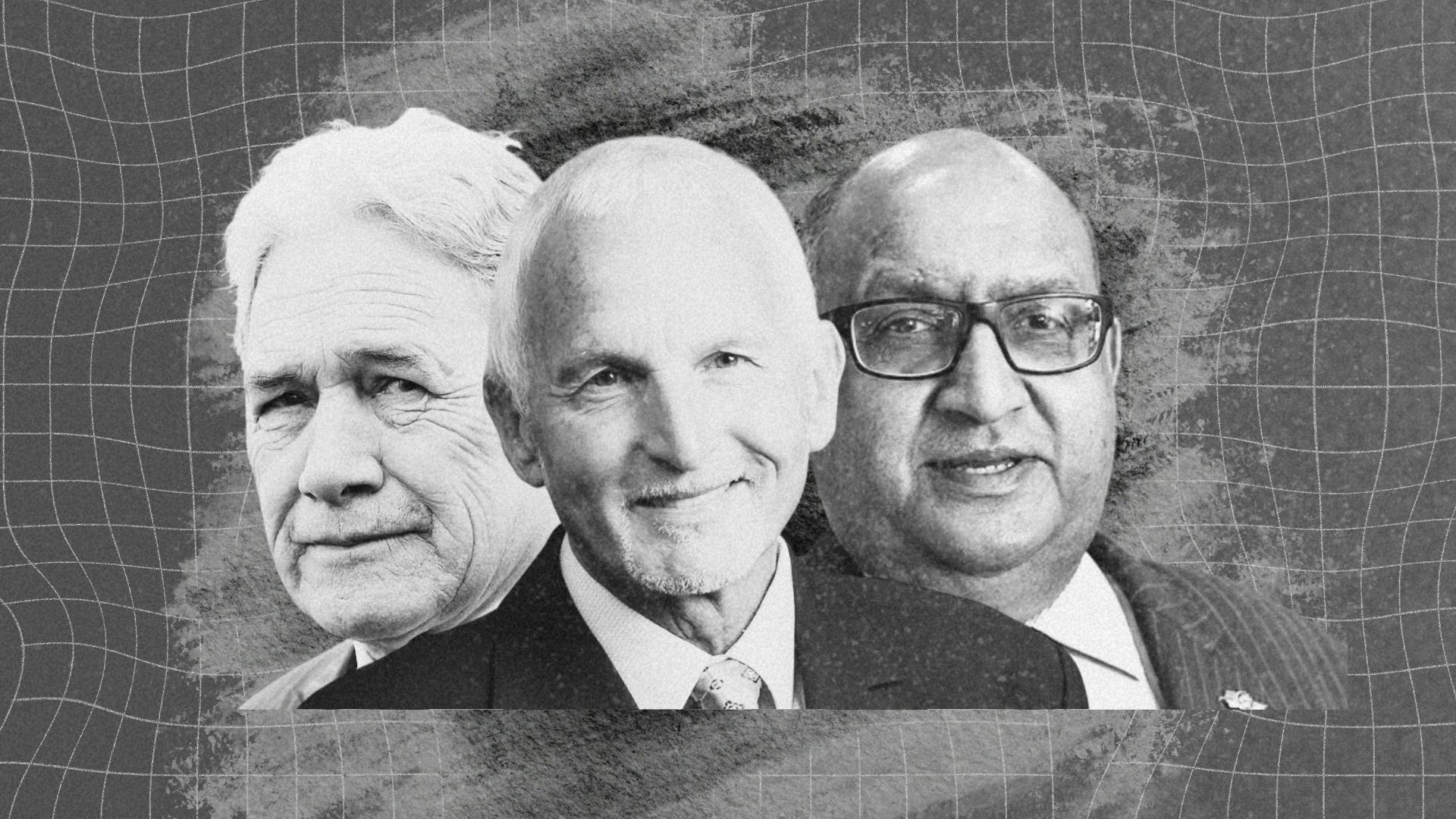
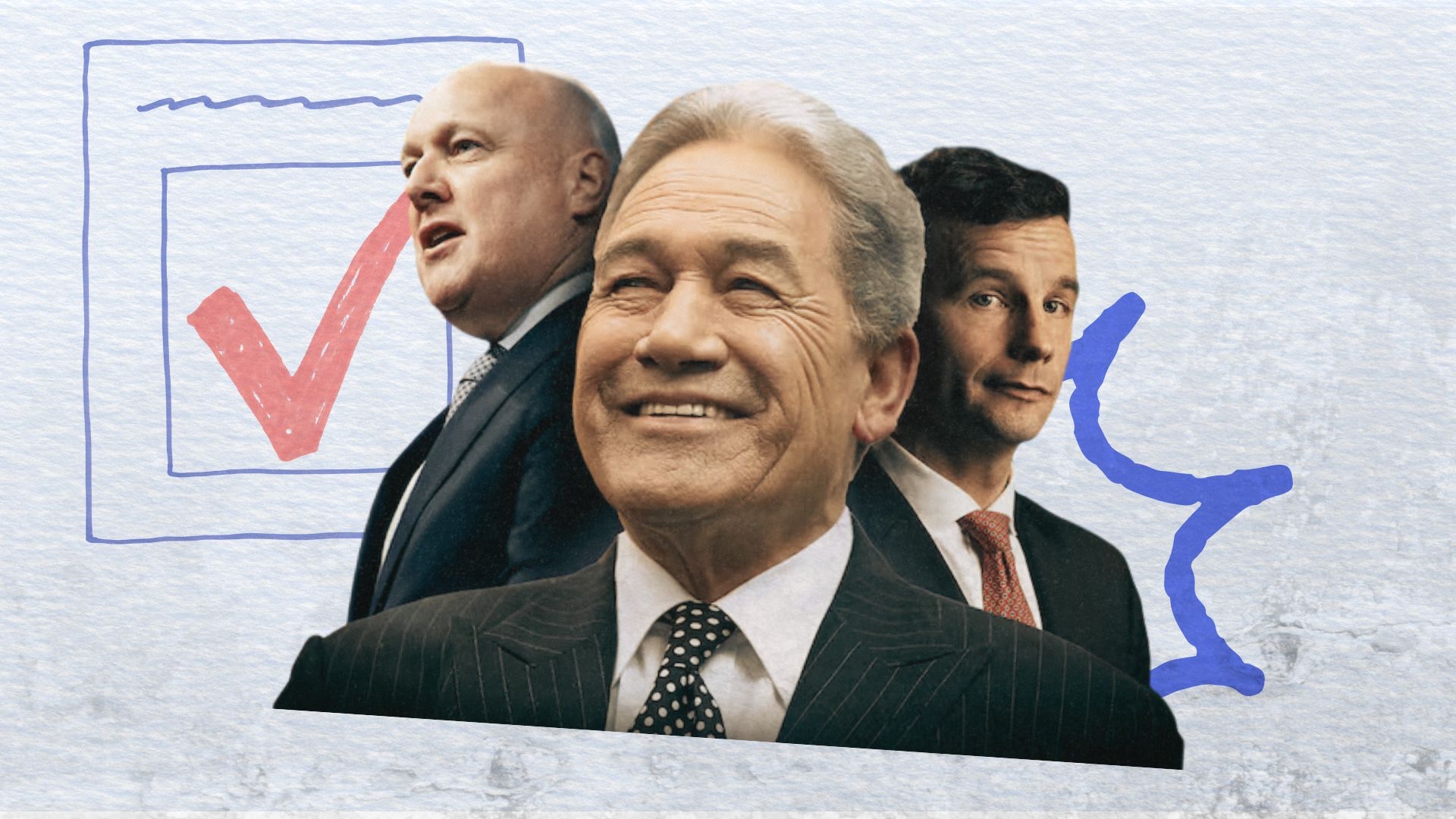
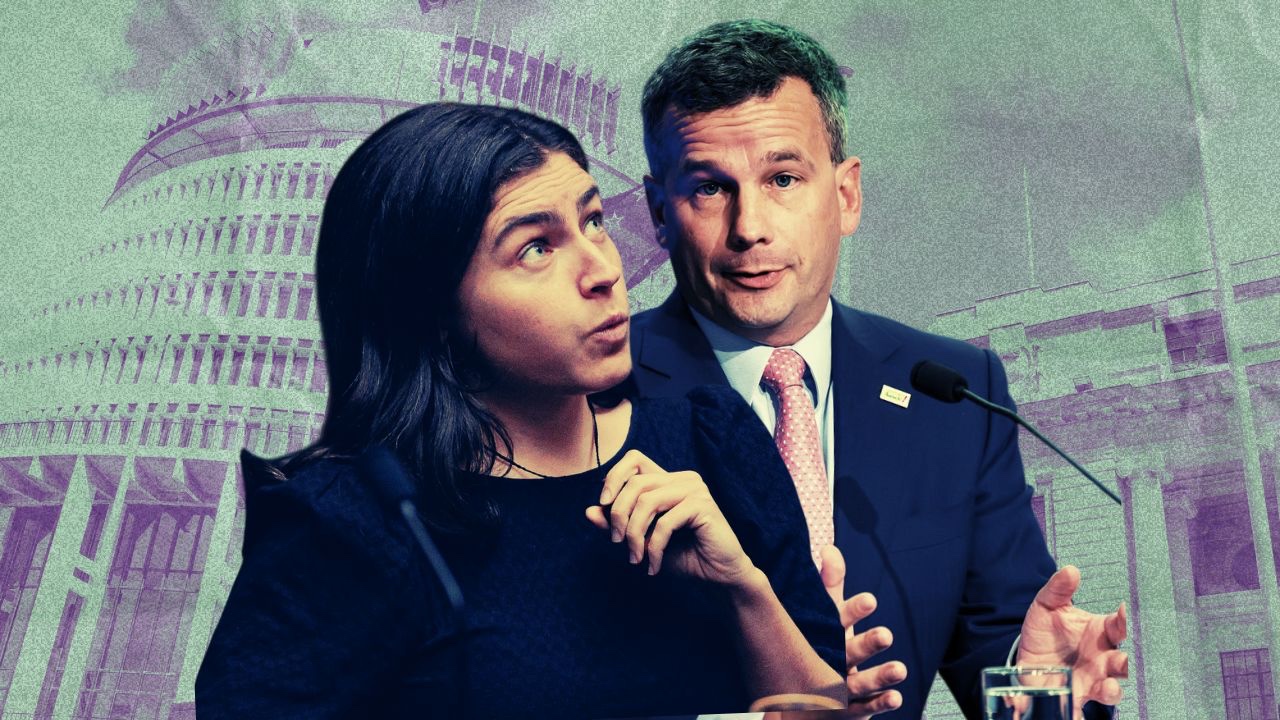
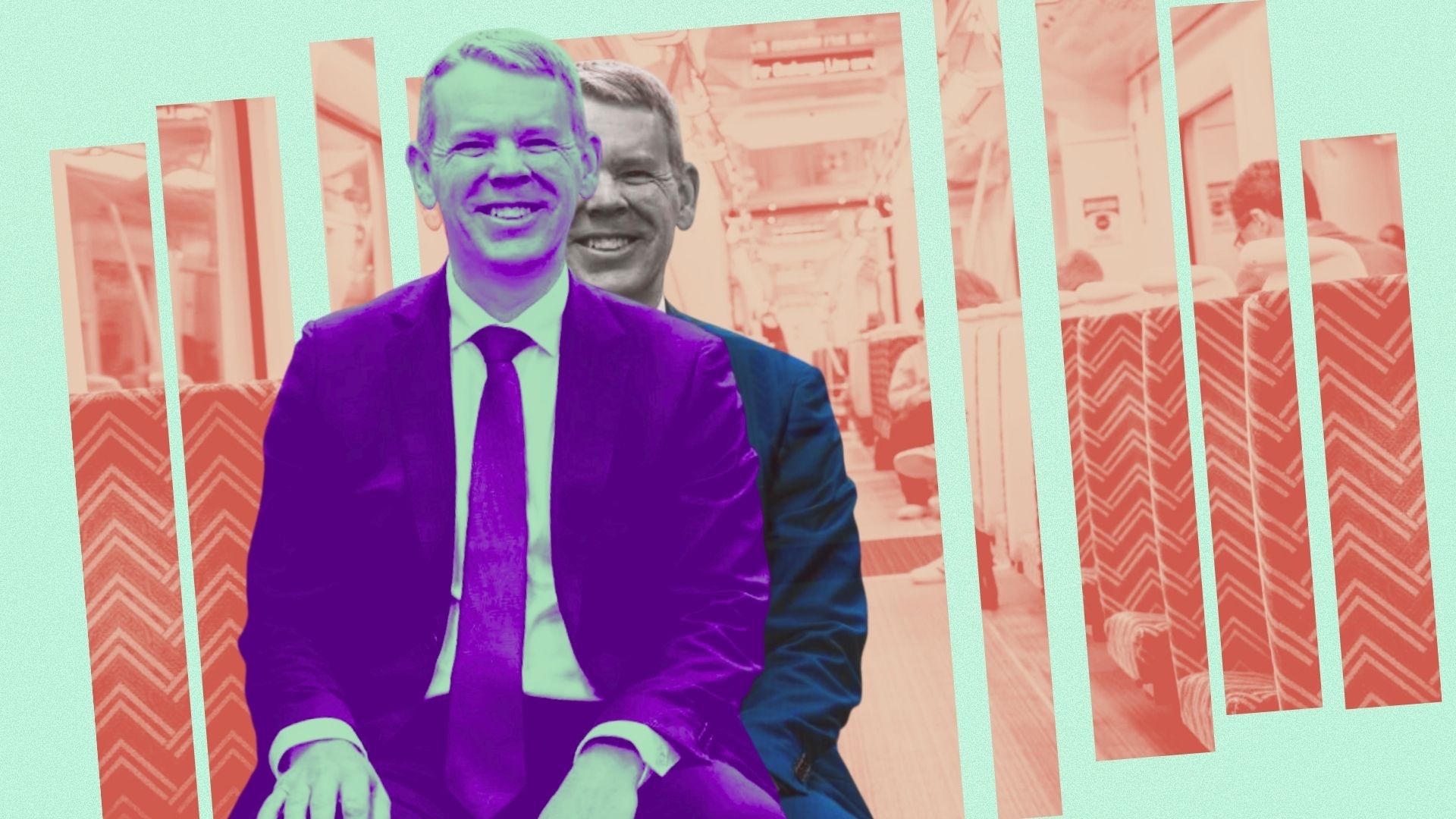
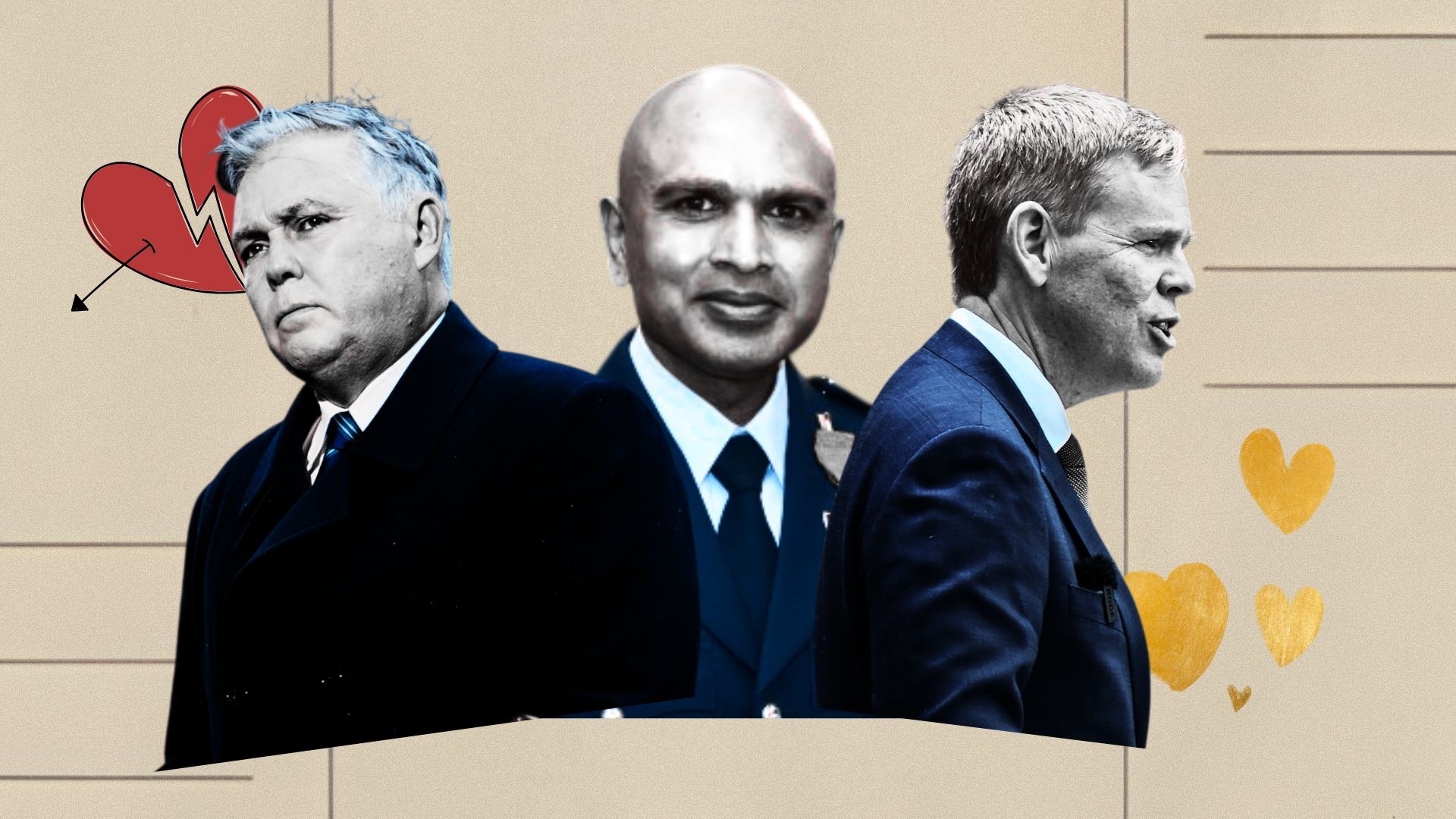
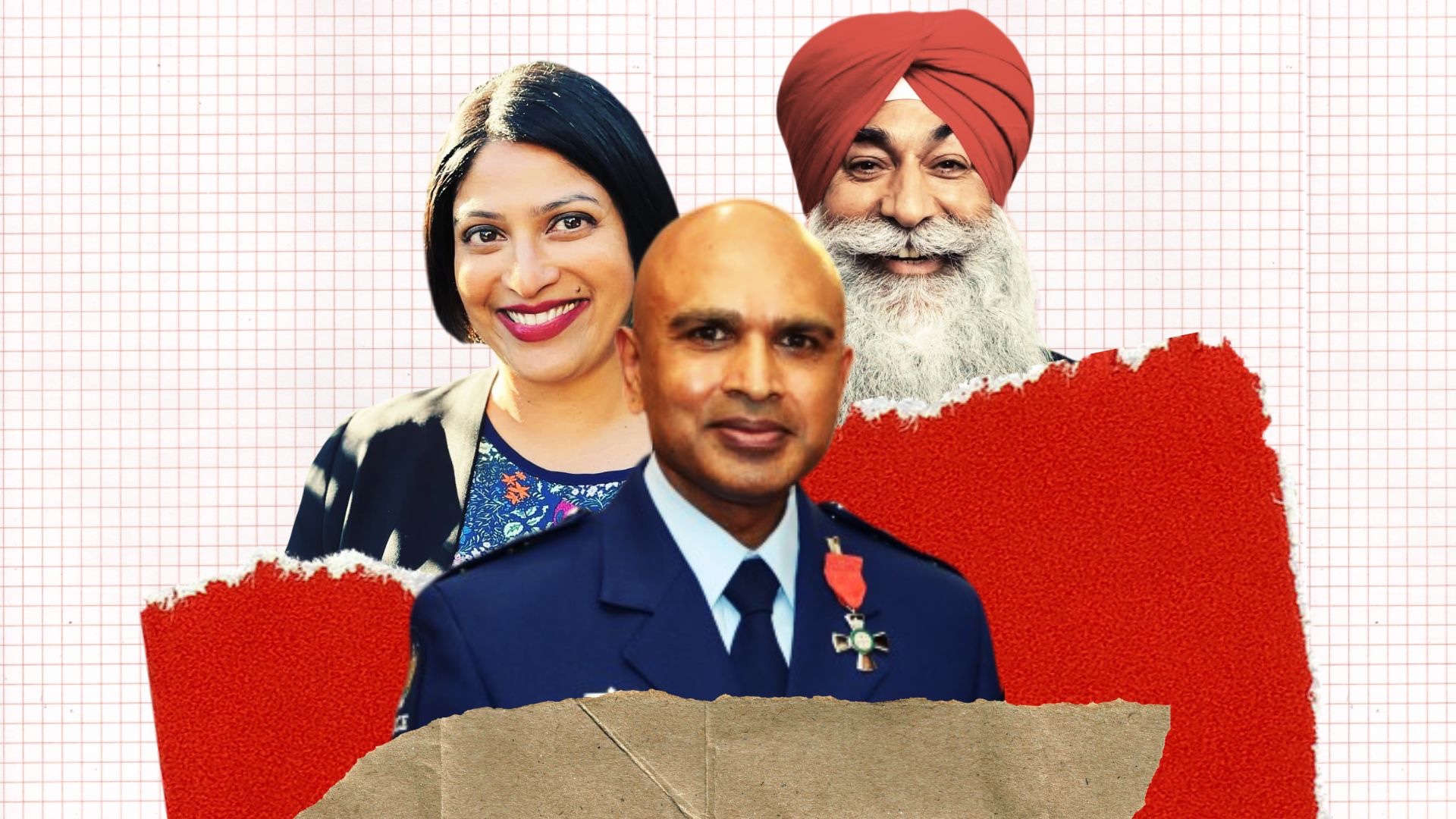
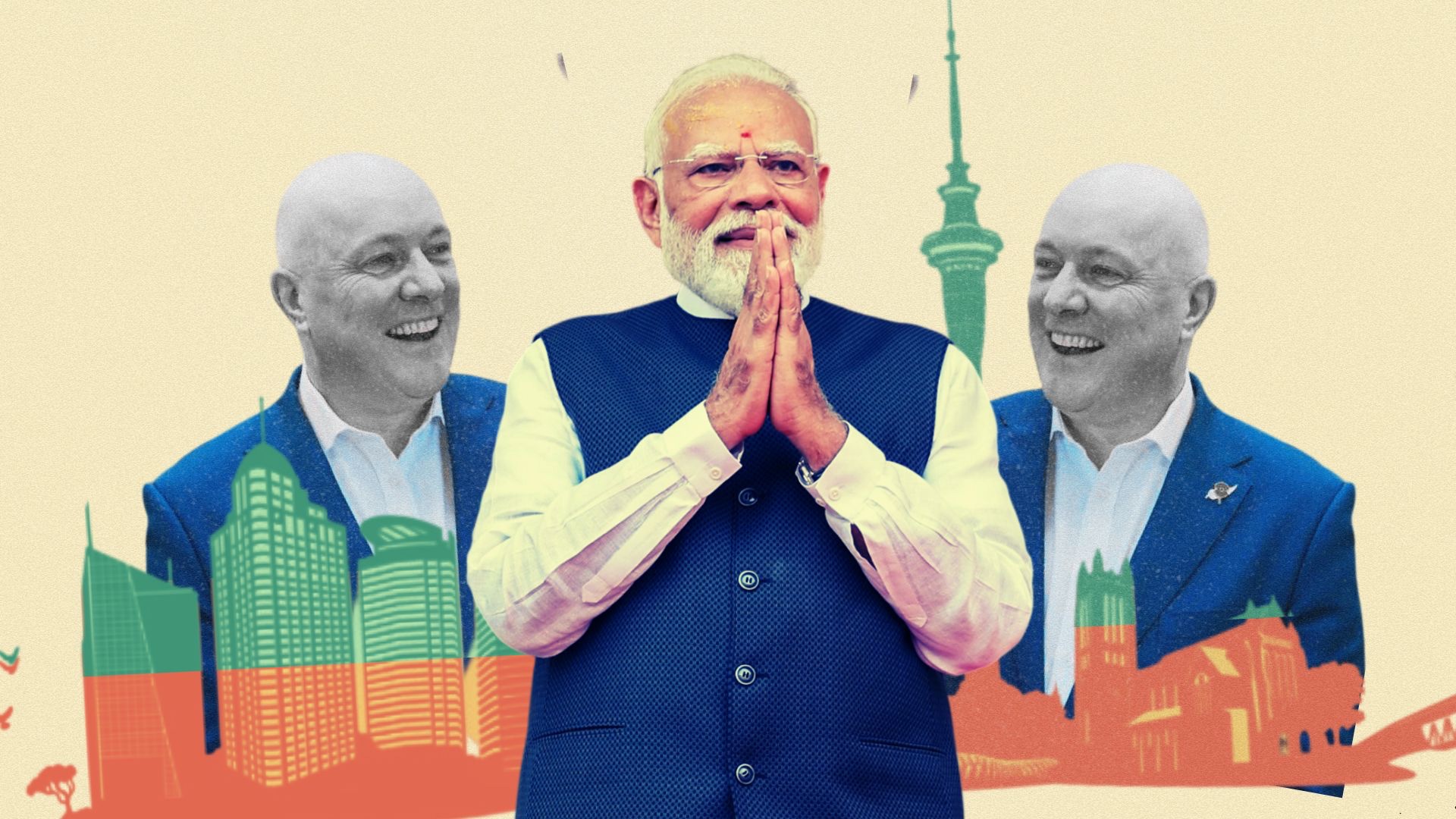
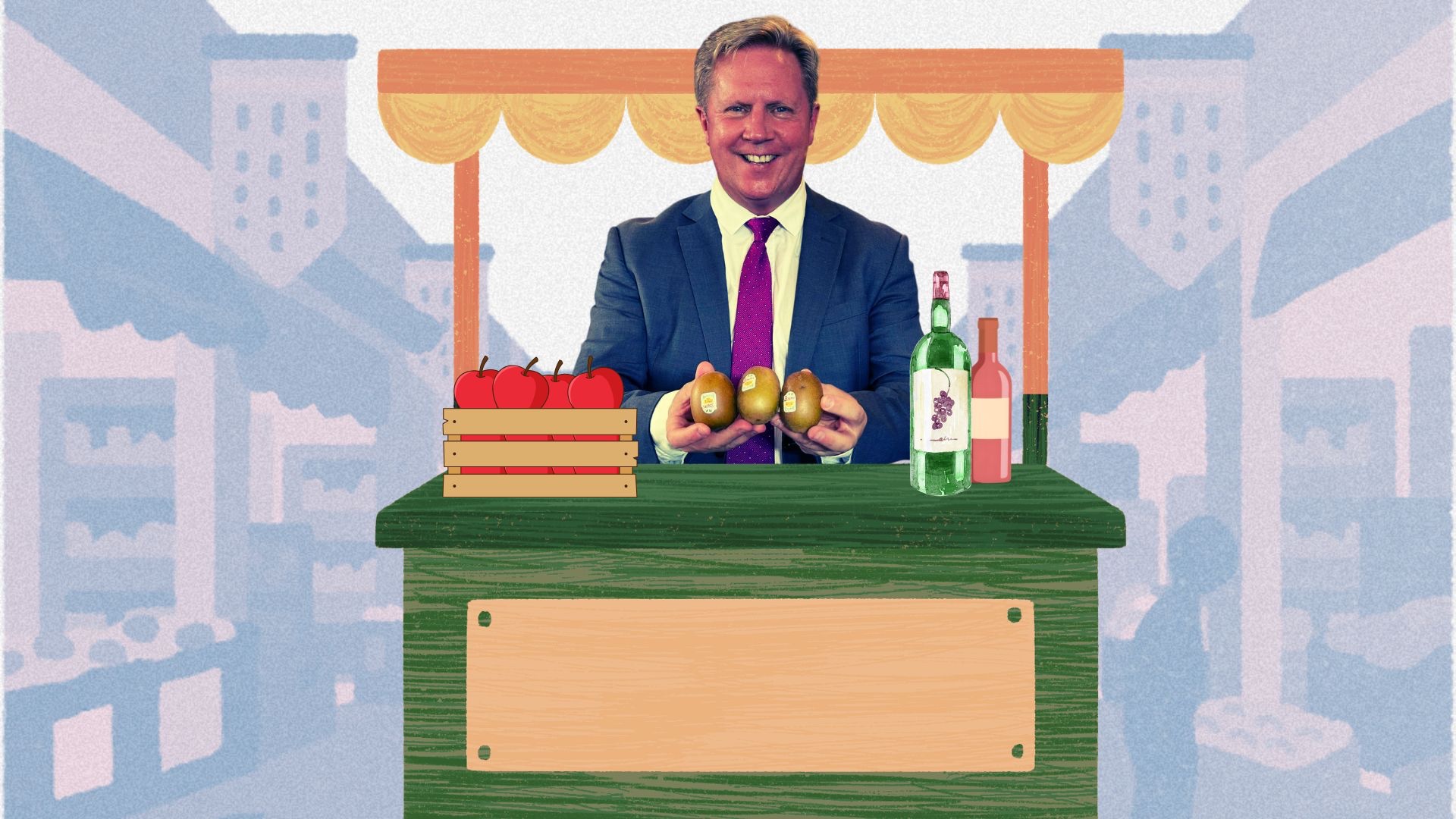
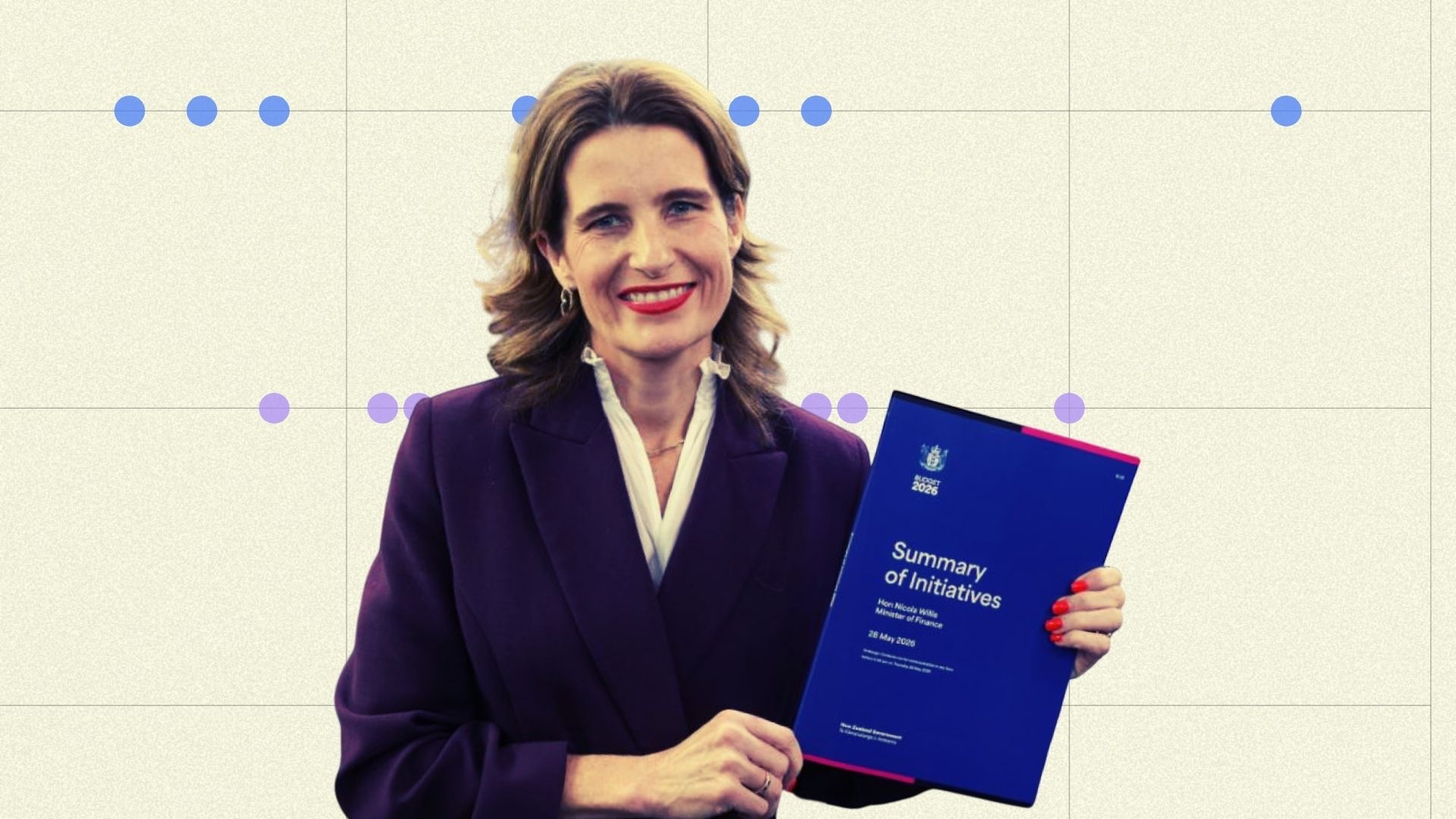
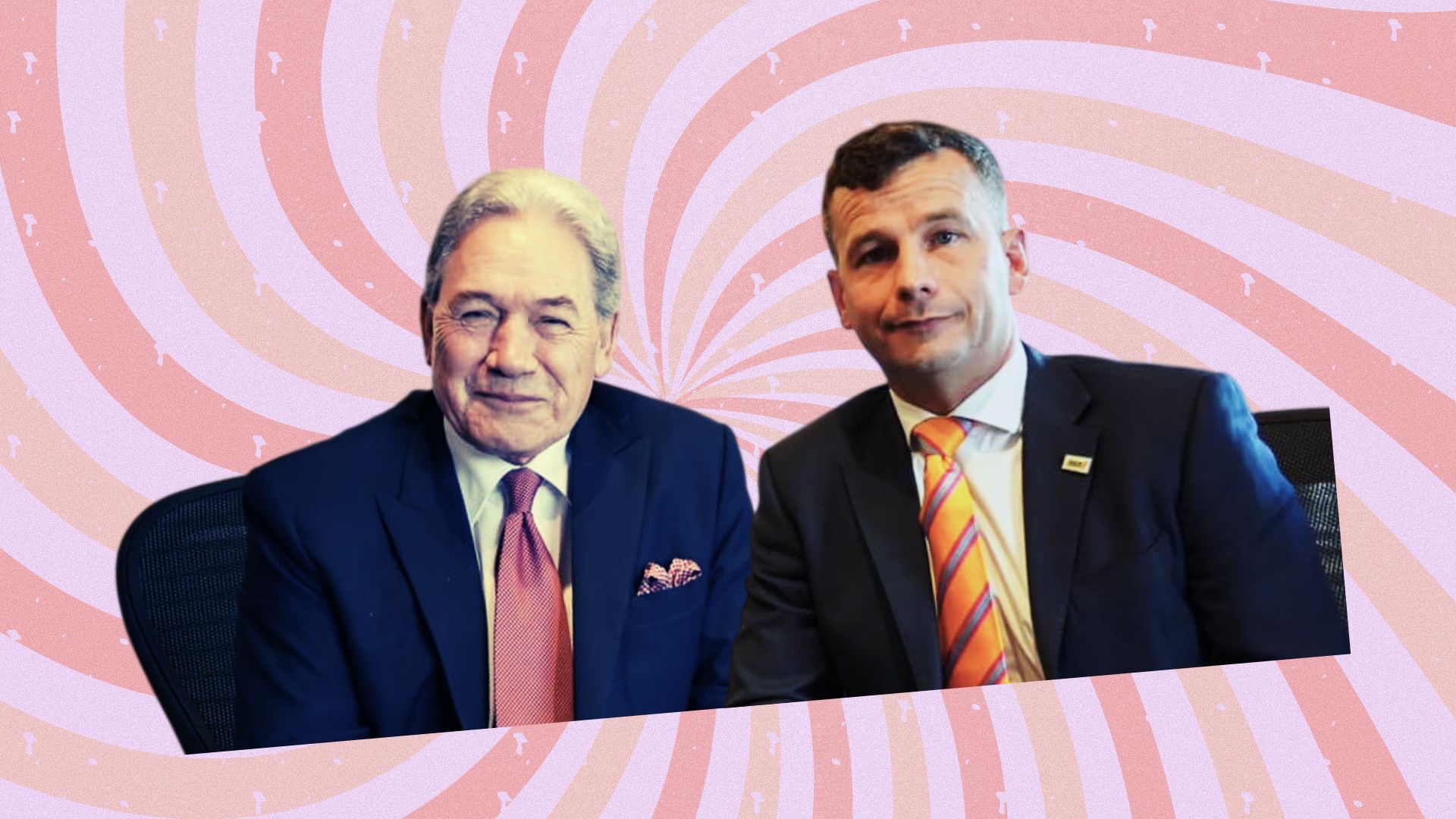
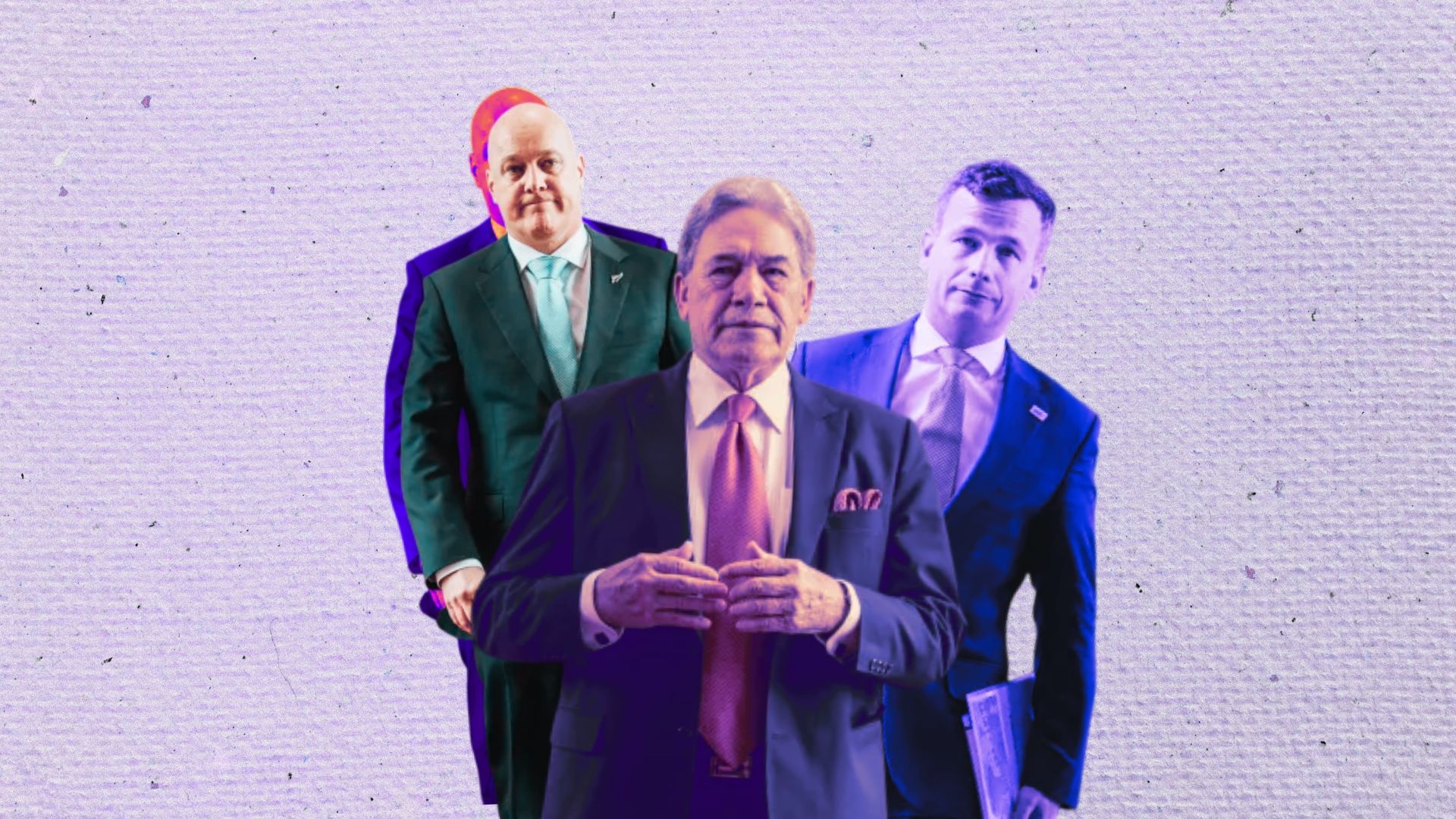
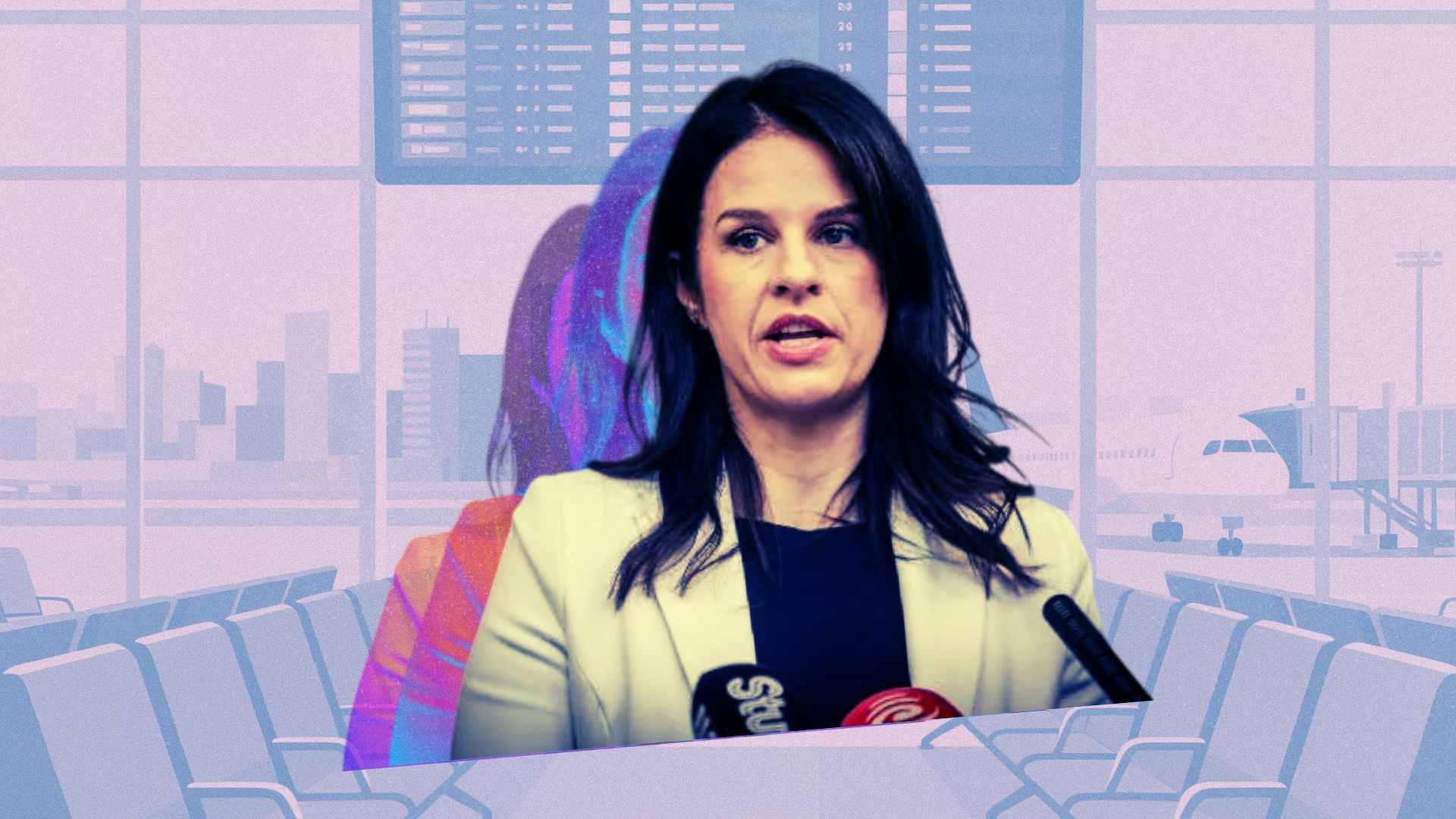
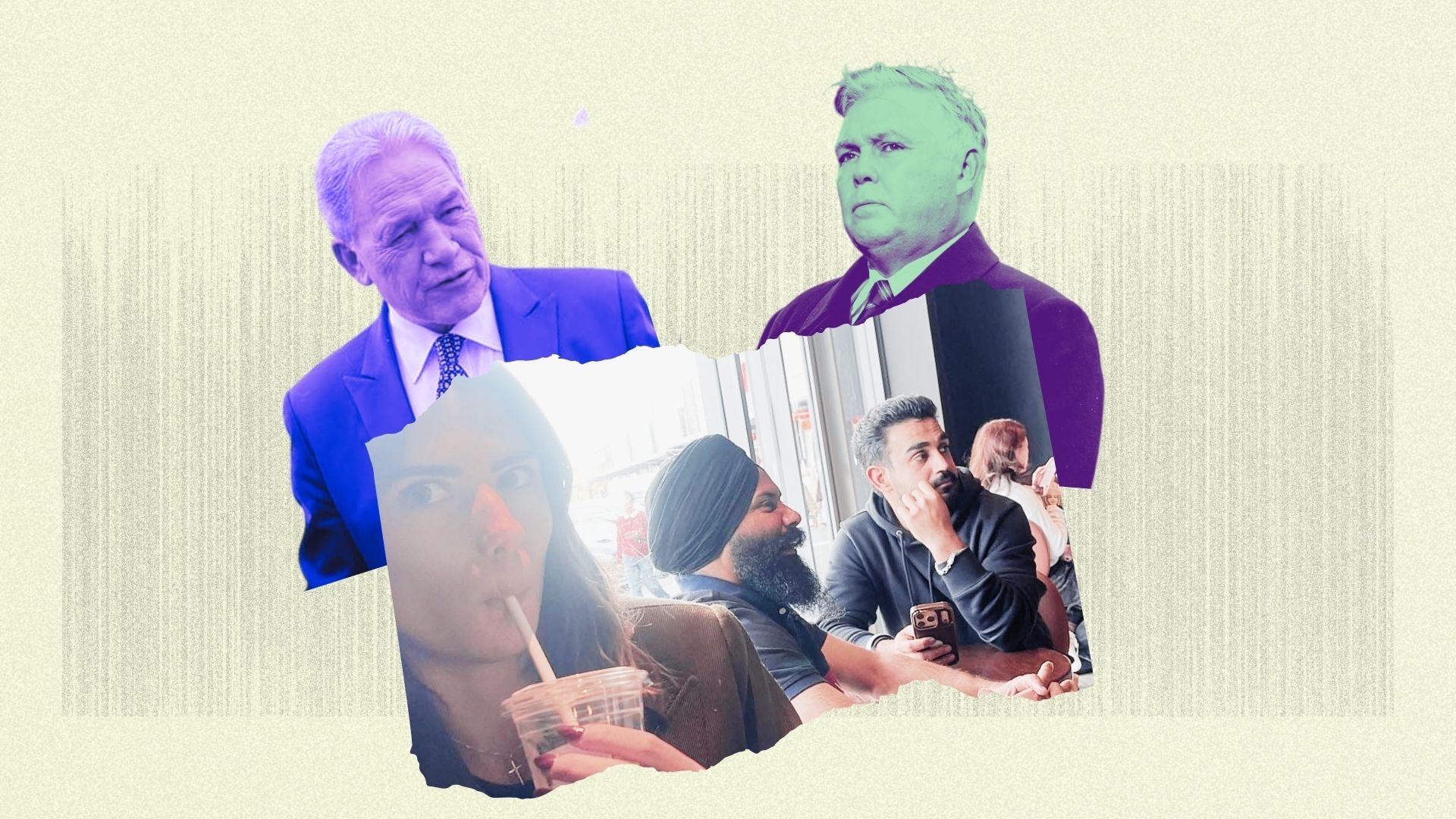
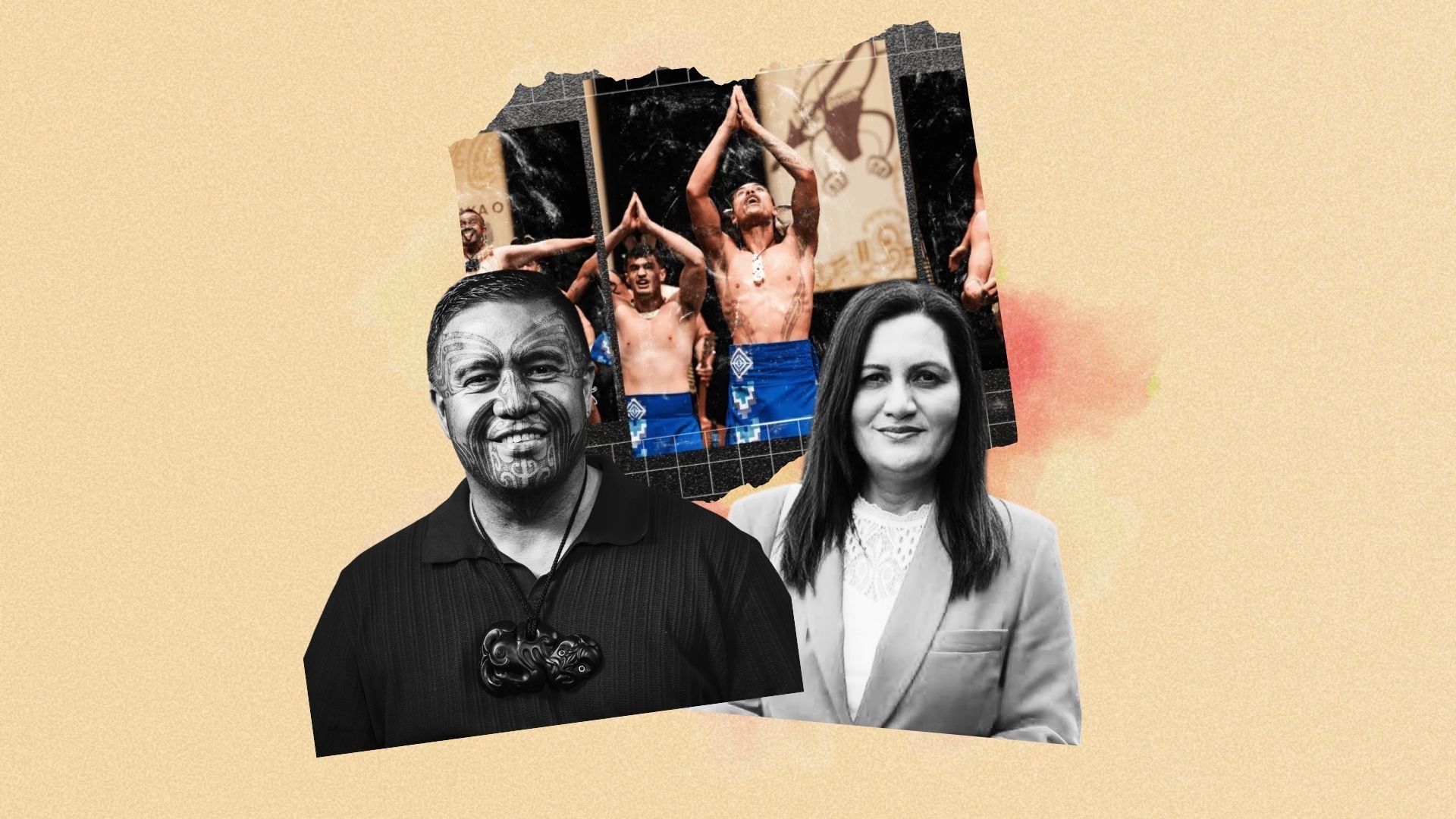
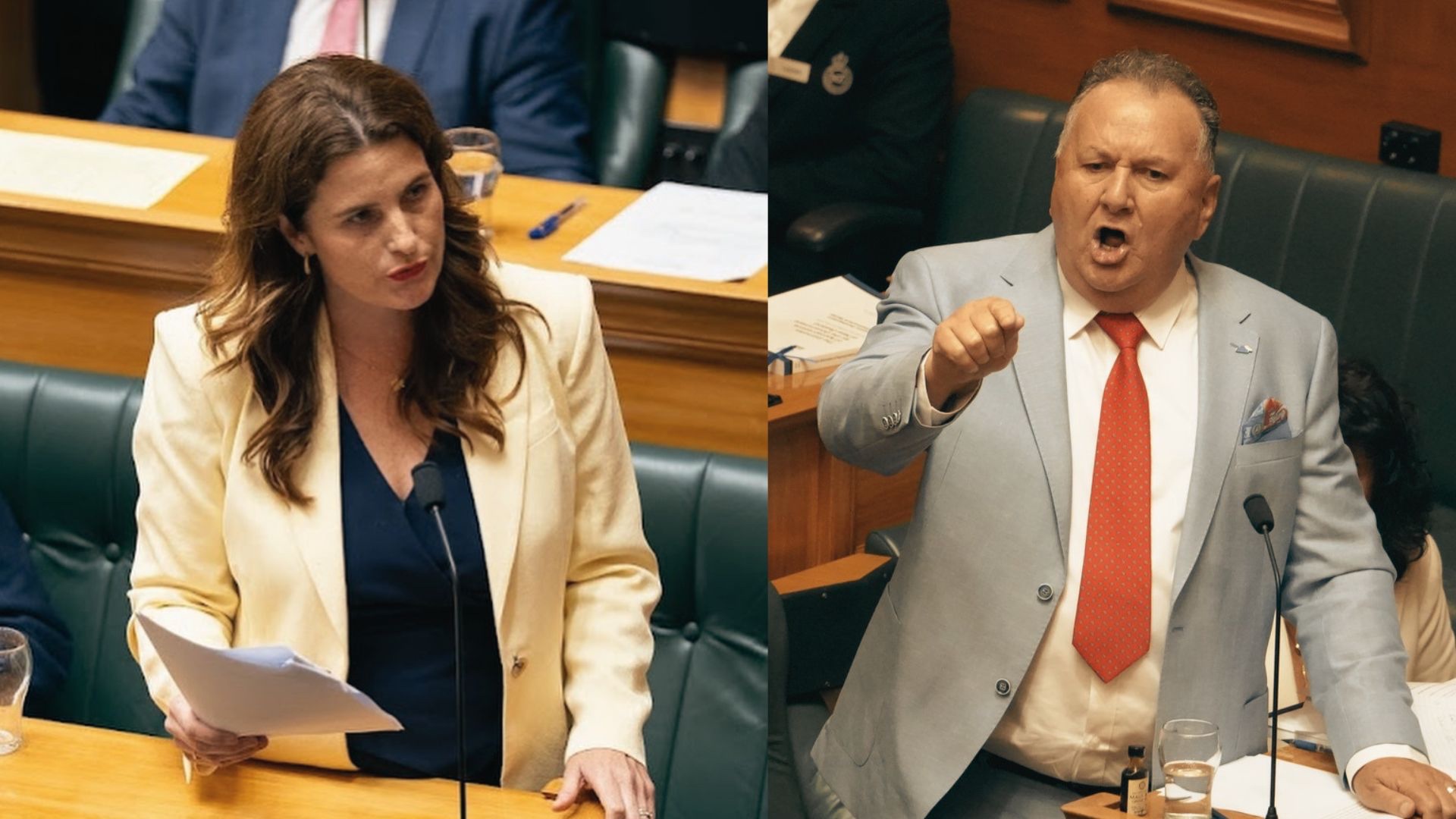
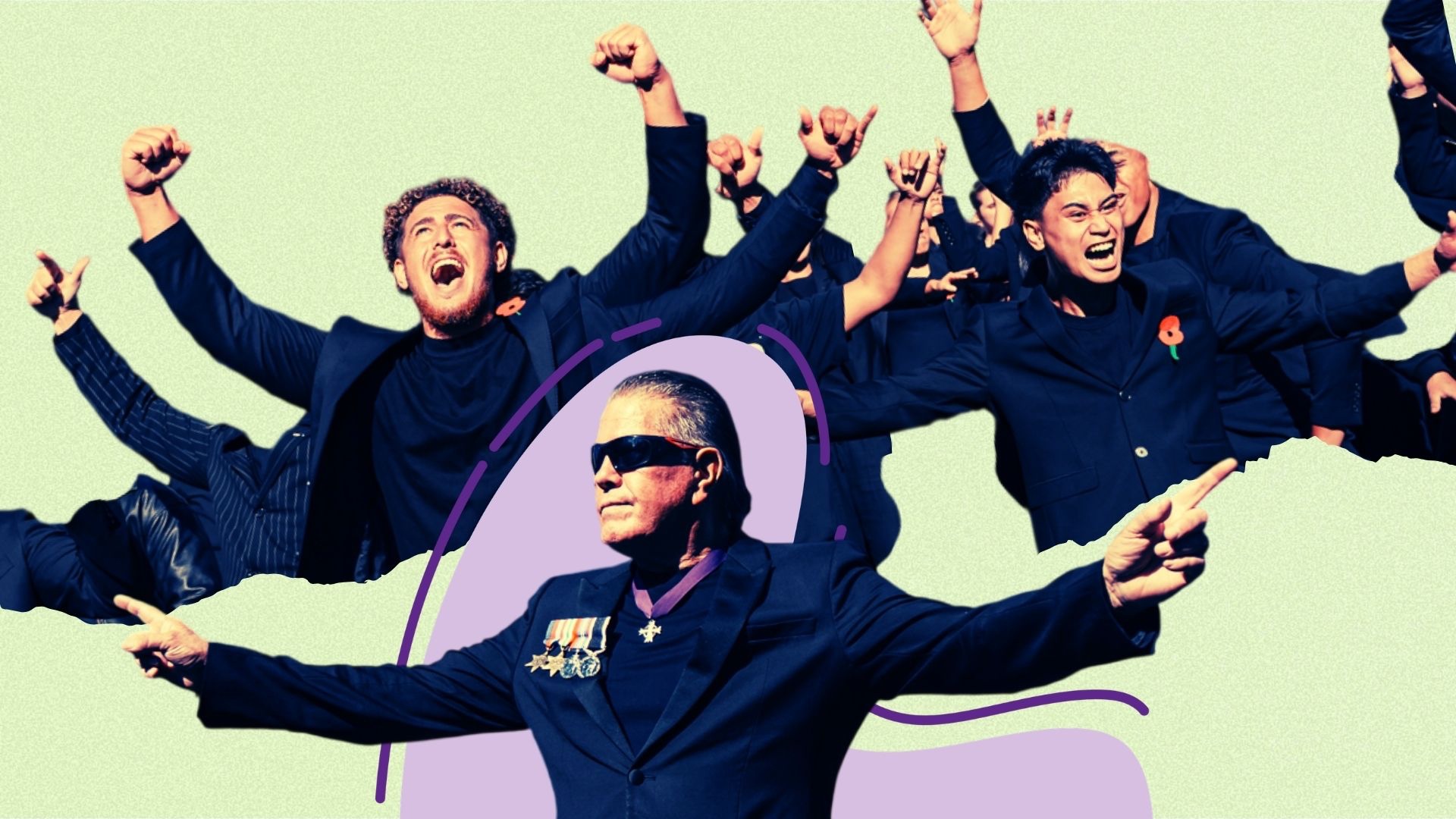
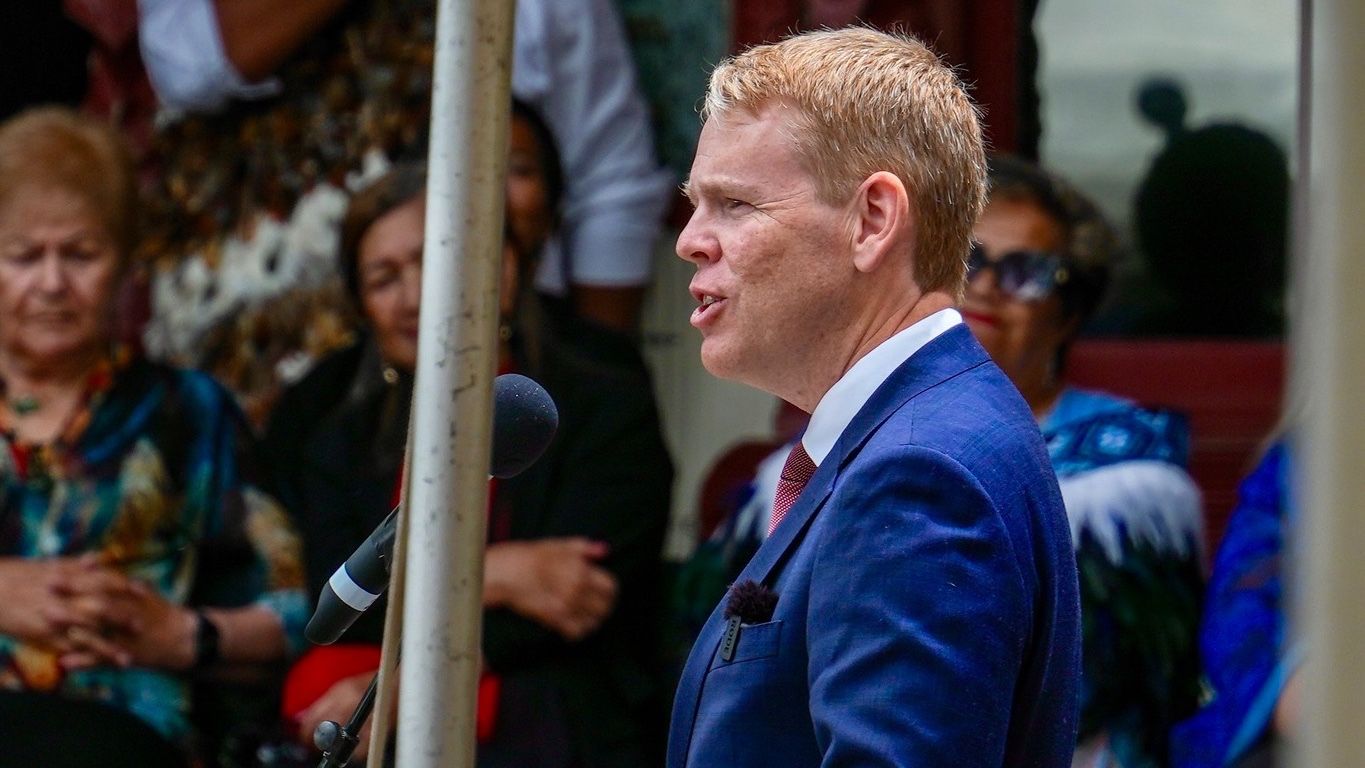
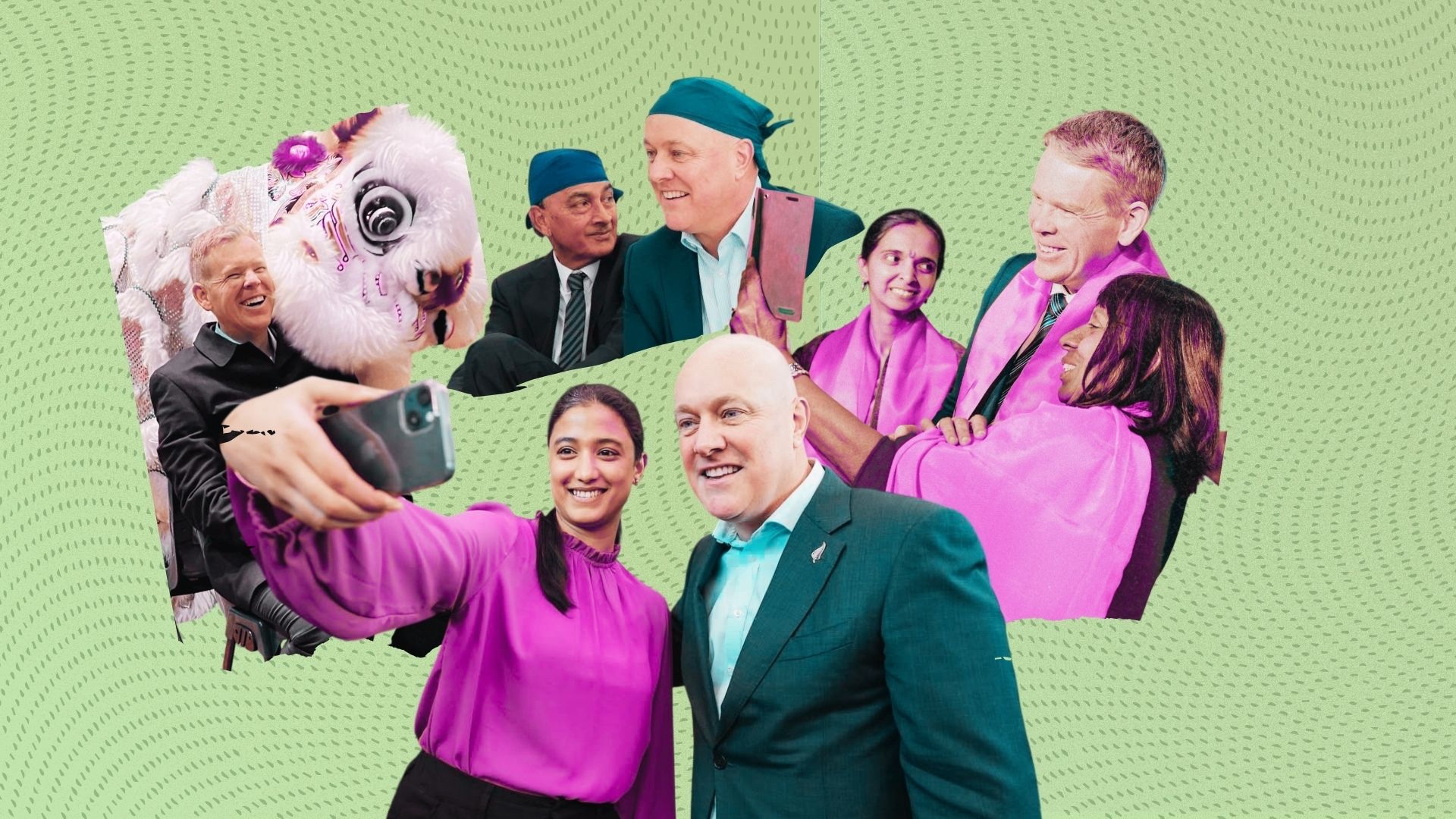
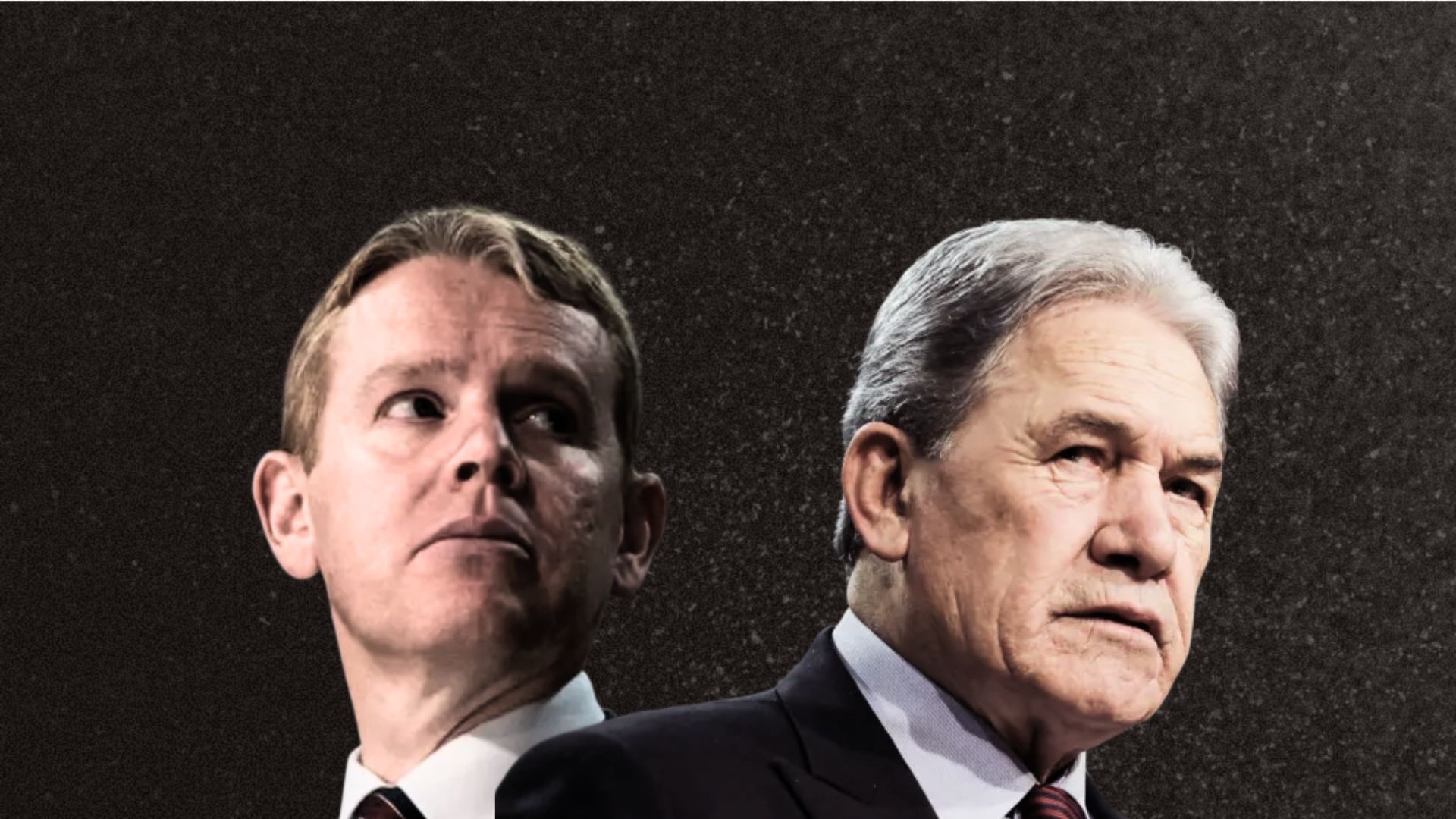
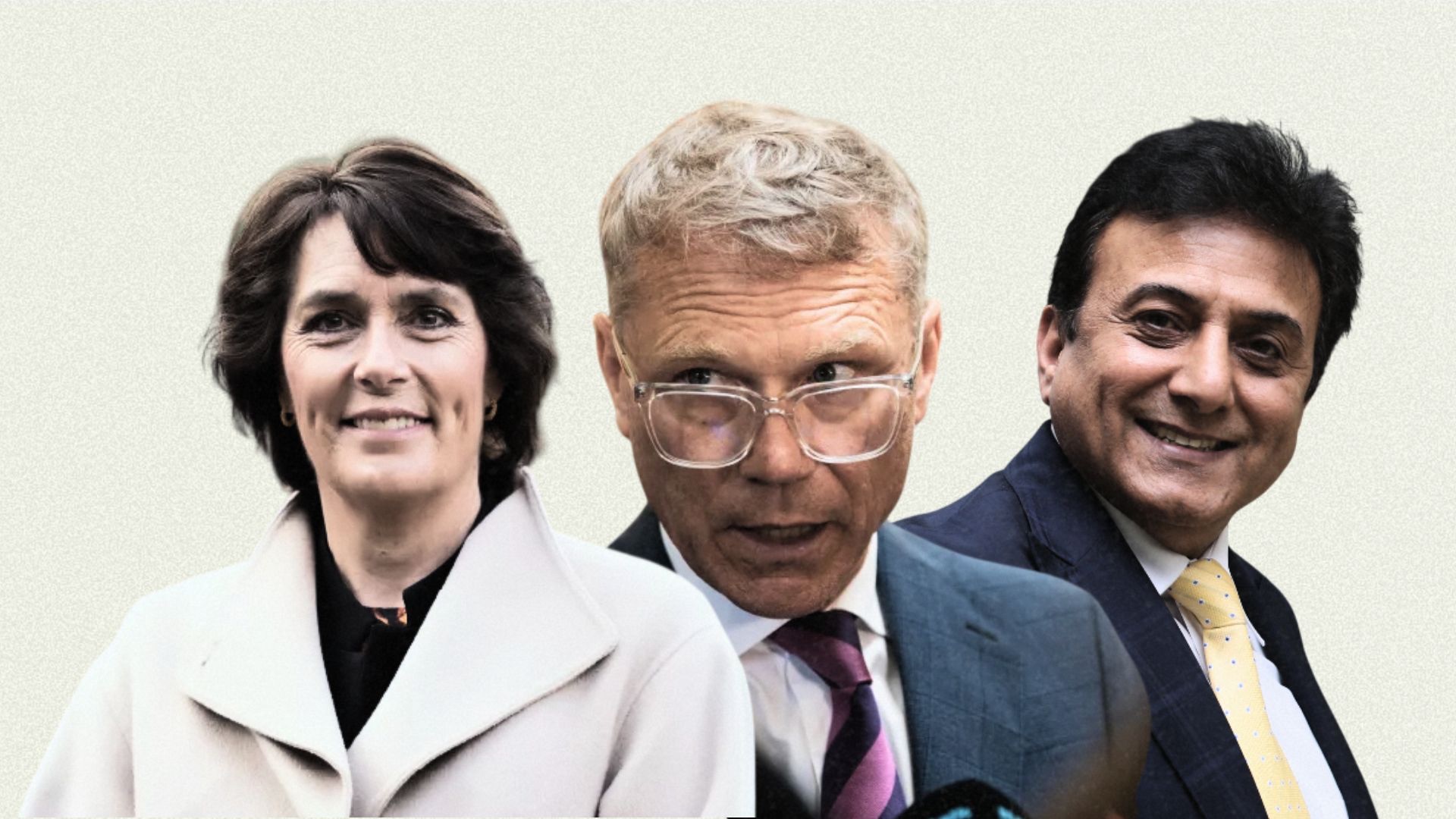
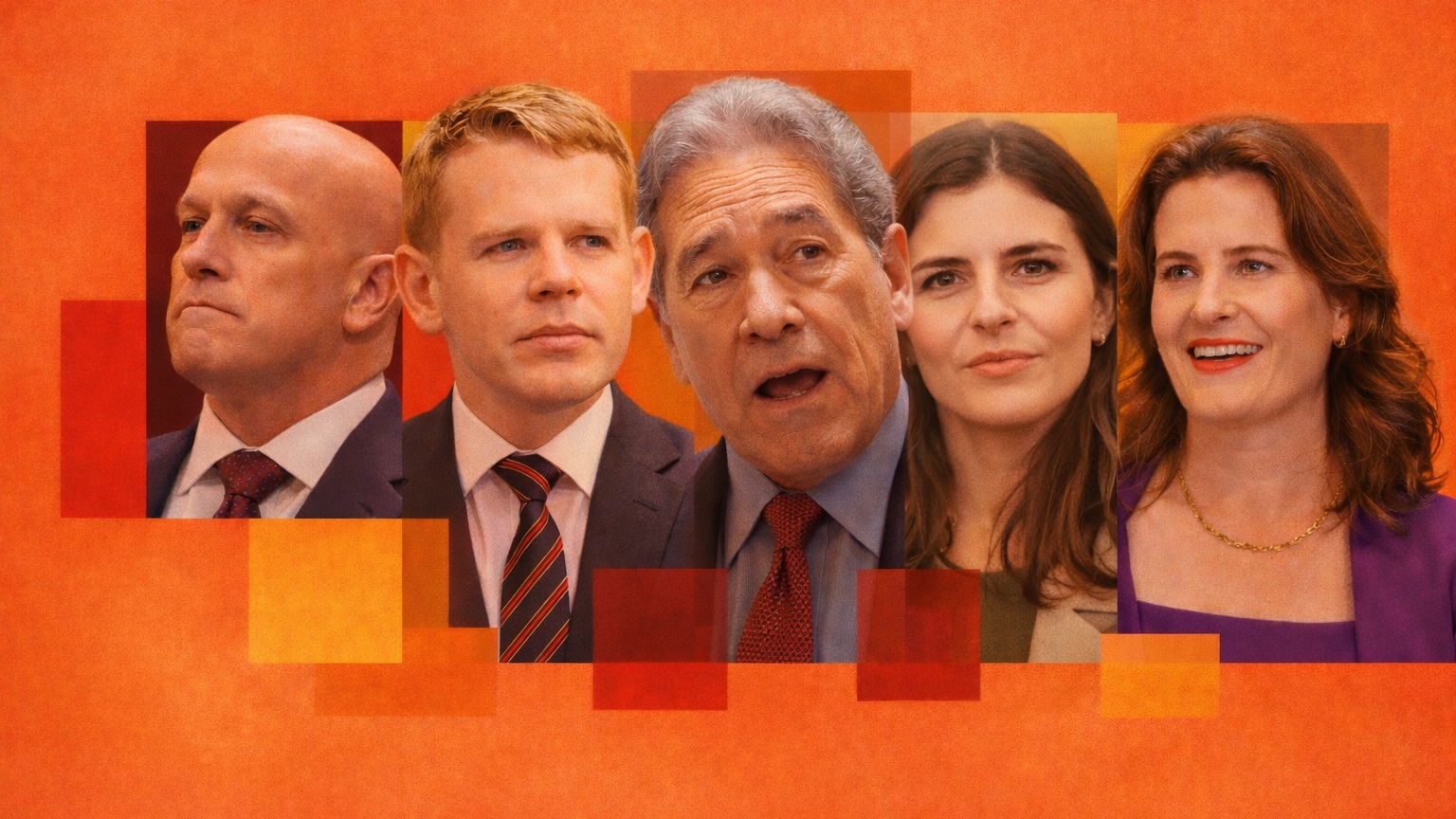
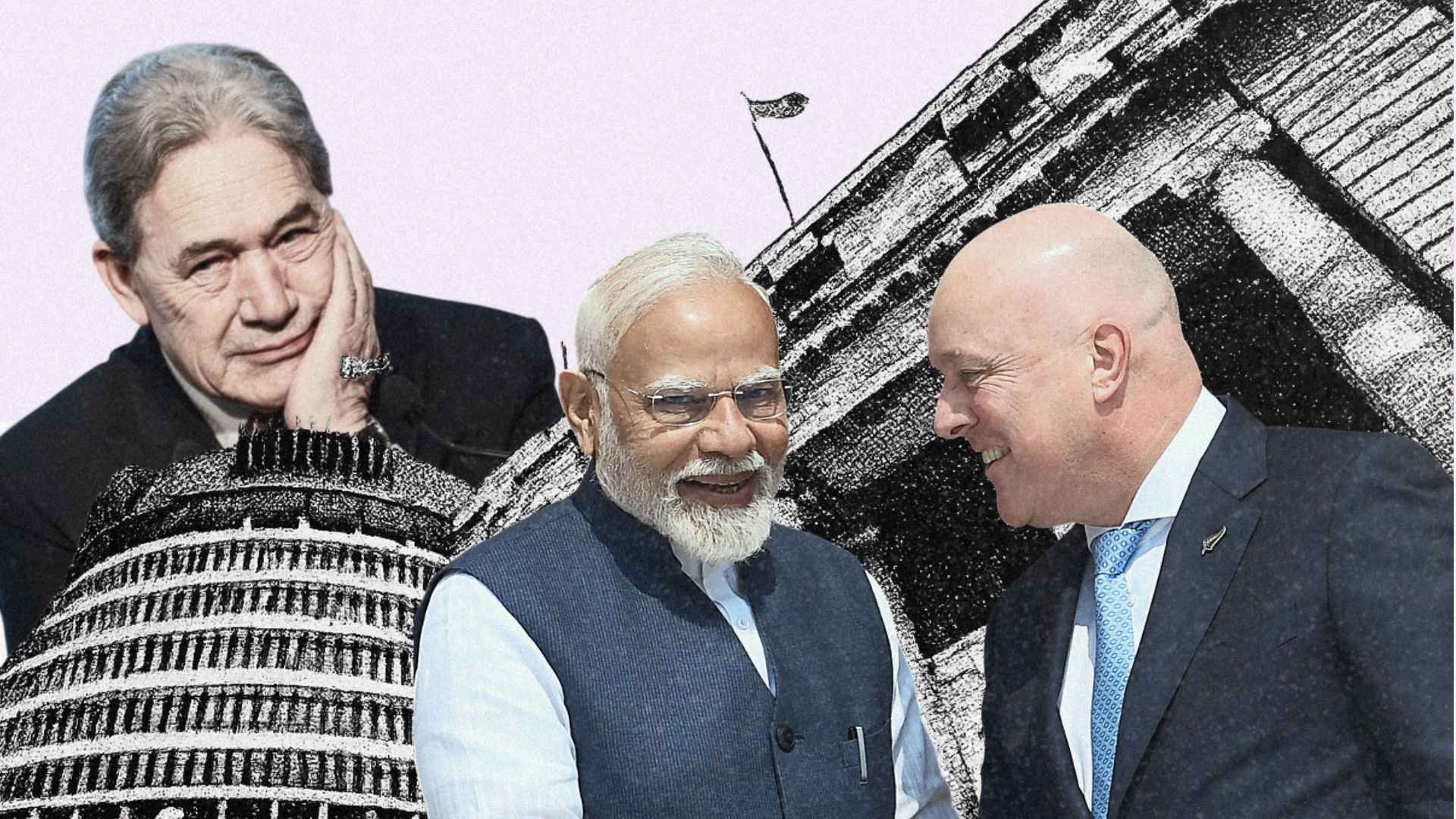
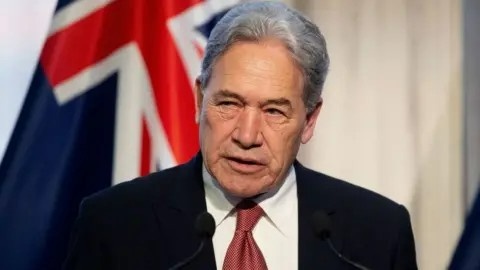
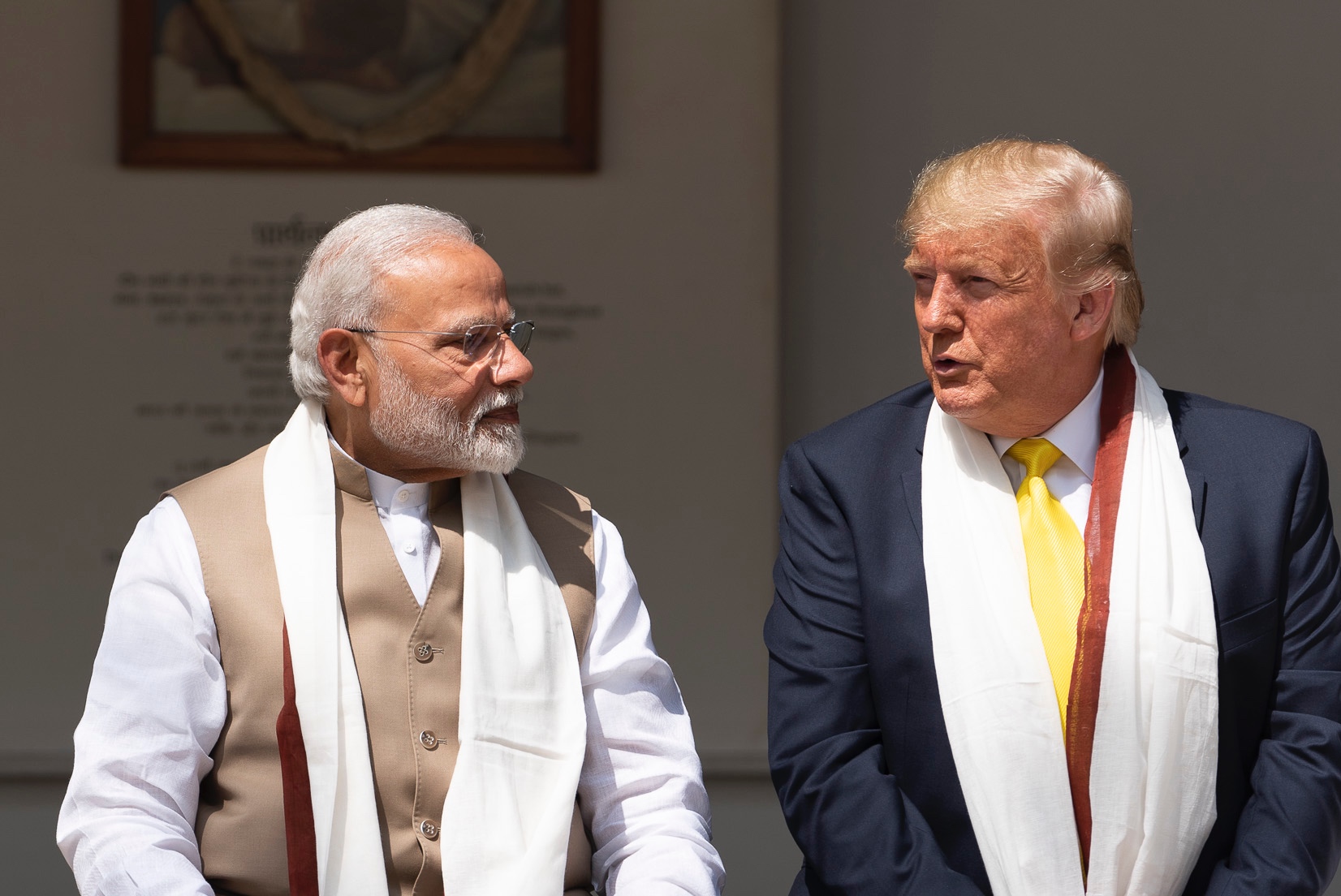
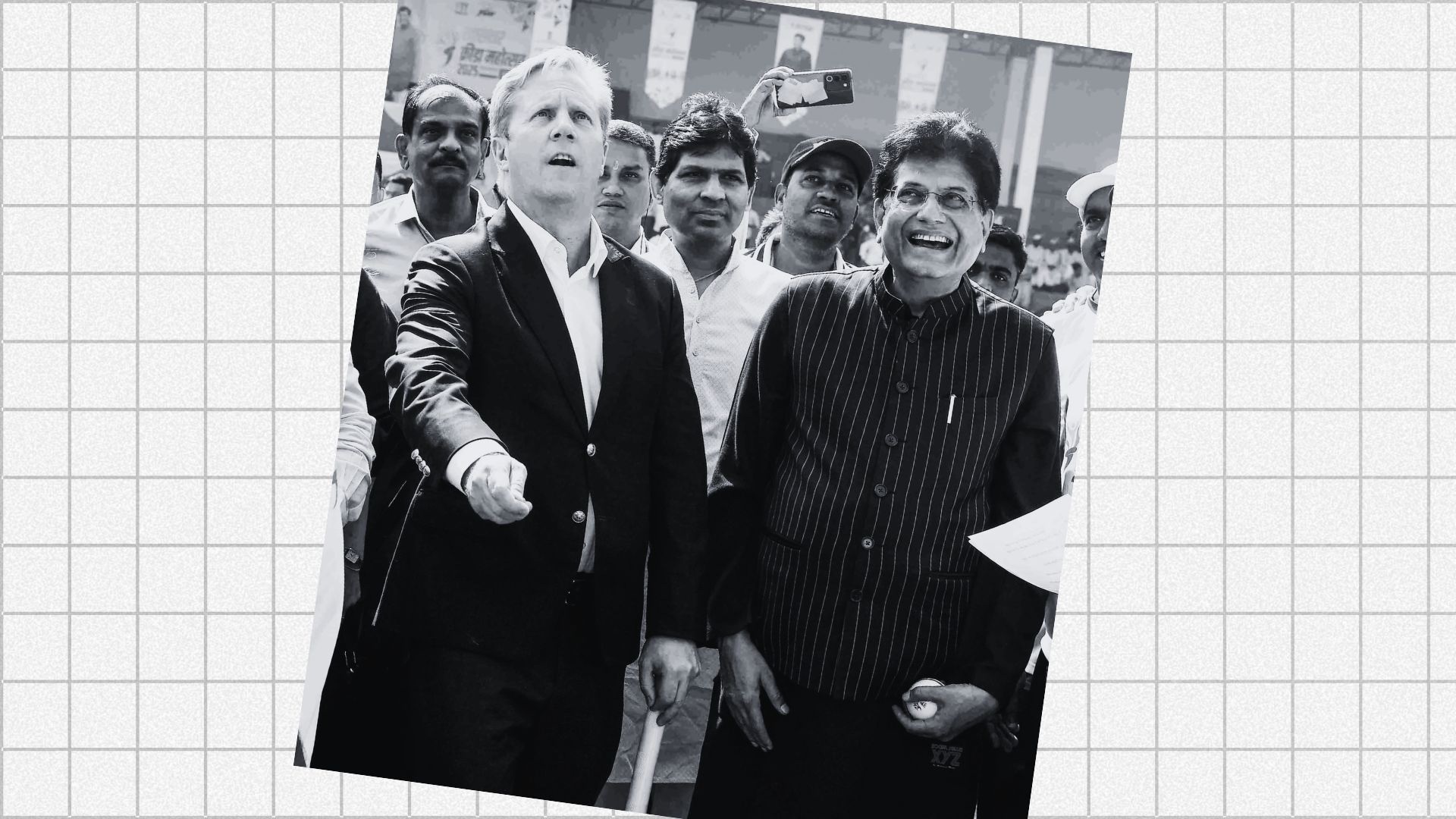
(From left) National Party's Erica Stanford and NZ First's Shane Jones and Winston Peters.
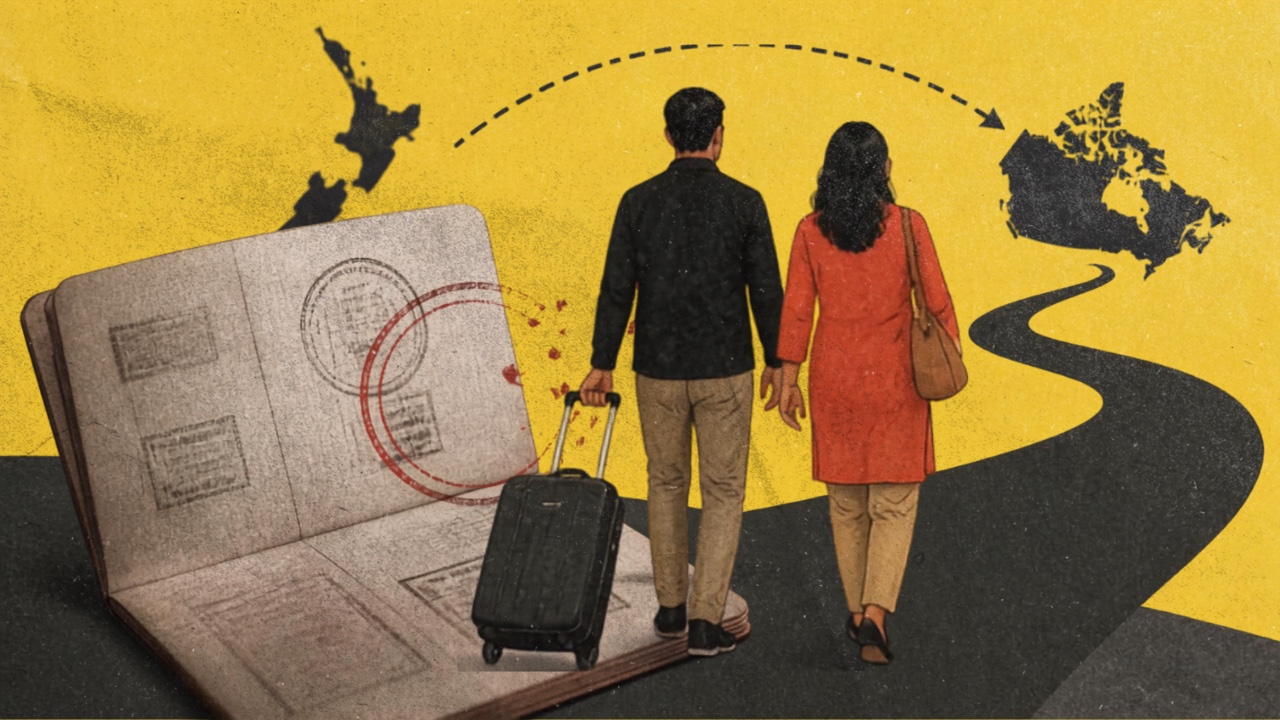
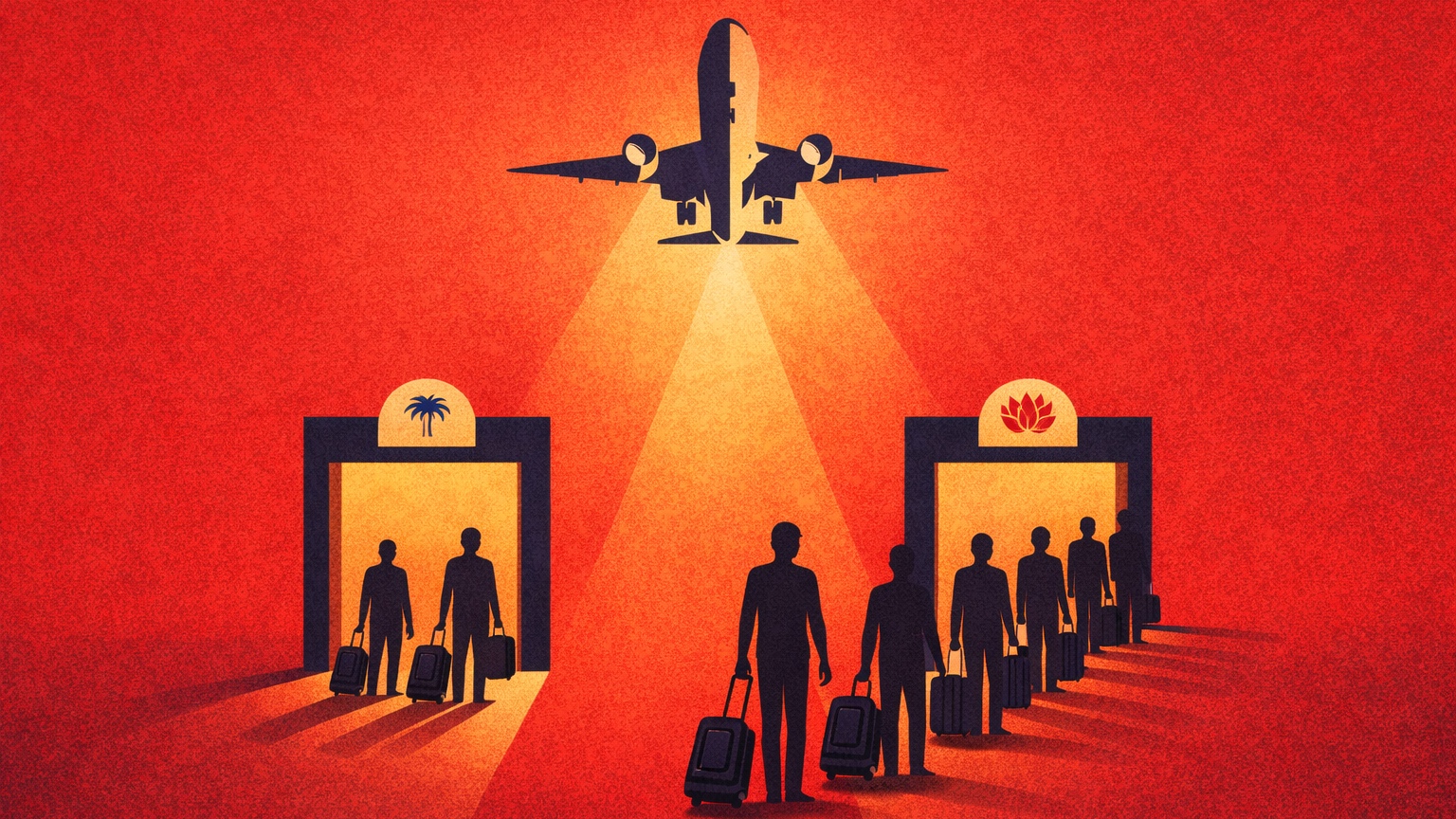
Social cohesion is often presented as something migrants must deliver to the host society. It is not.
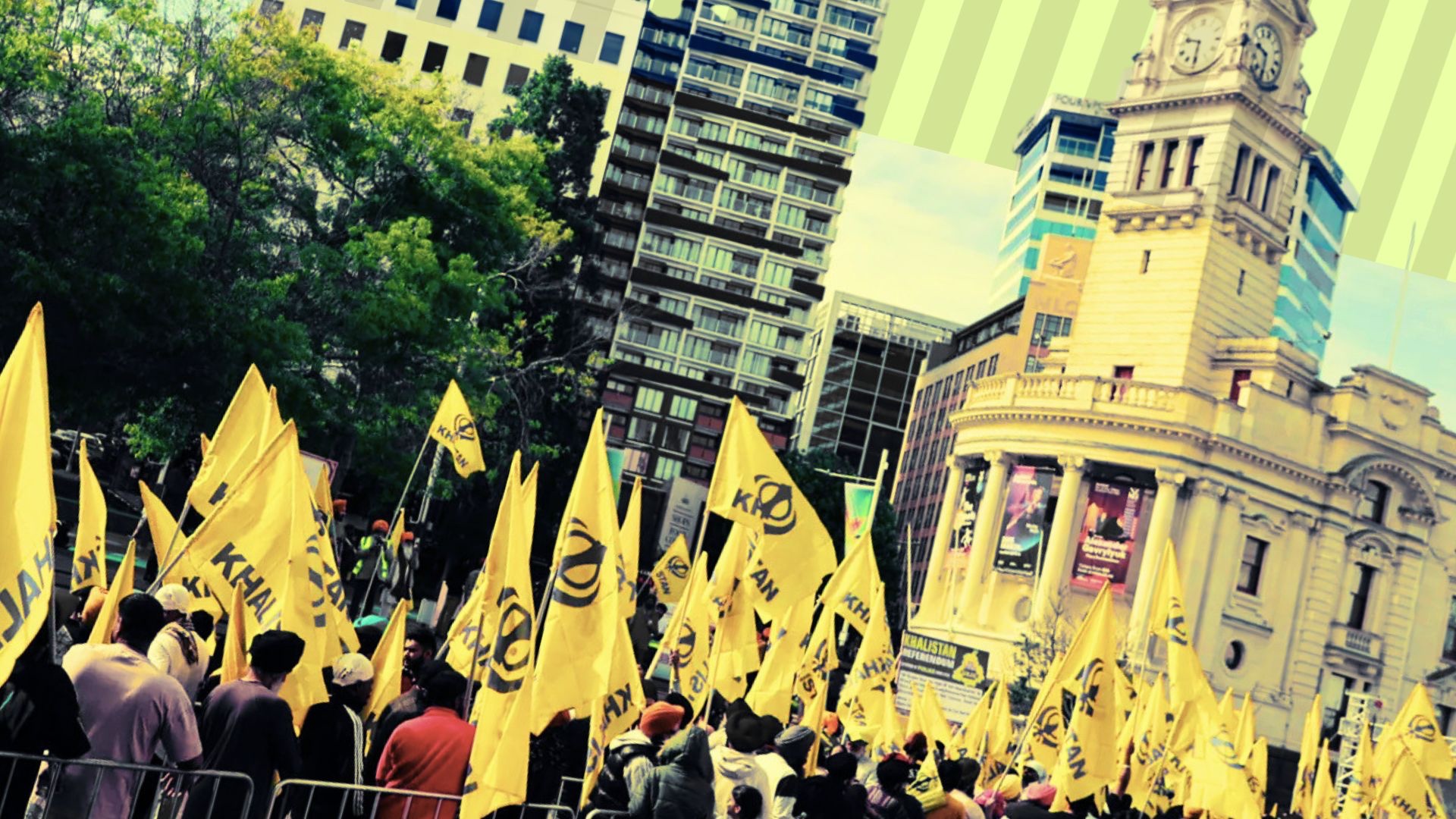
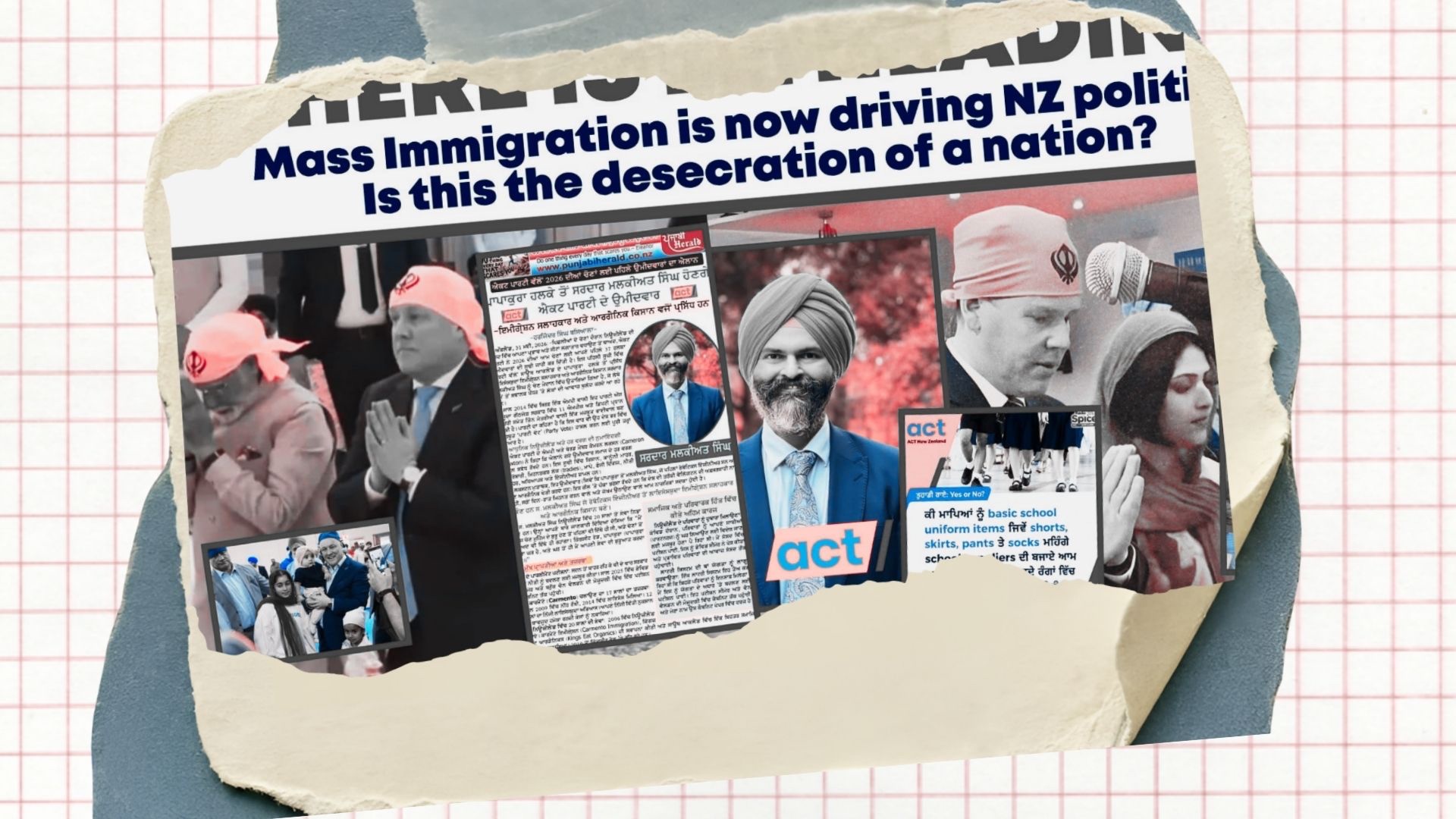
Opinion: Immigration is moving towards the centre of New Zealand’s 2026 election debate. The language varies.
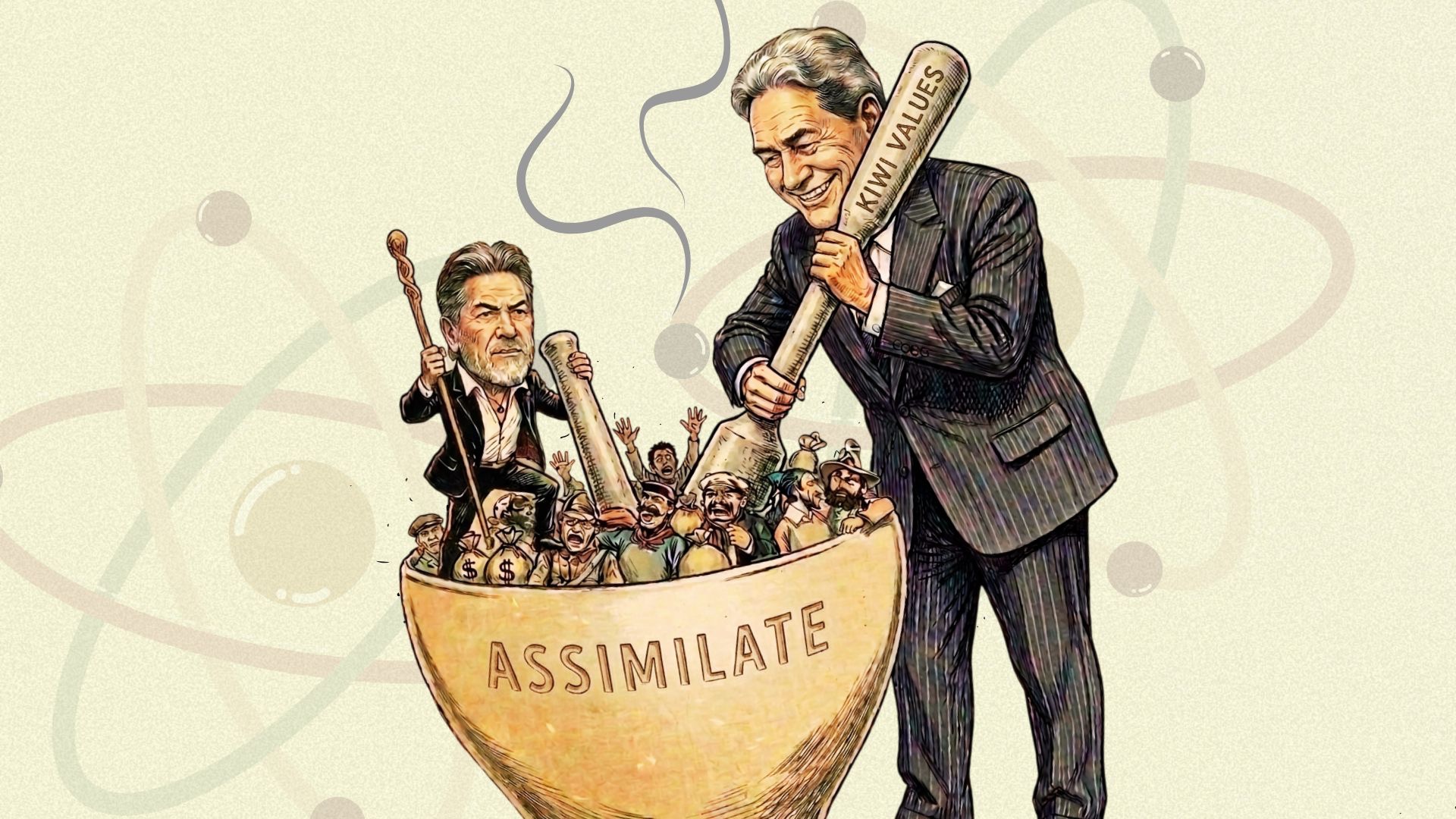
Some politicians speak about social cohesion. Others say migrants must integrate, assimilate, share New Zealand values or become part of the national community. These words are often used as though their meaning were obvious. It is not.
The political philosopher David Miller provides a useful framework for thinking more carefully about the issue. In his 2016 book, Strangers in Our Midst: The Political Philosophy of Immigration, Miller divides integration into three forms: social, civic and cultural.
My argument is that New Zealand’s current immigration regime does not adequately promote that inclusion. It too often marginalises migrants by keeping them insecure, dependent and provisional, even while their labour and skills are relied upon.
When that institutional marginalisation operates alongside rising anti-migrant rhetoric, migrants are placed outside the community twice over. First by a system that restricts their ability to develop security and belonging; and then by a political discourse that treats their presence as a threat to cohesion.
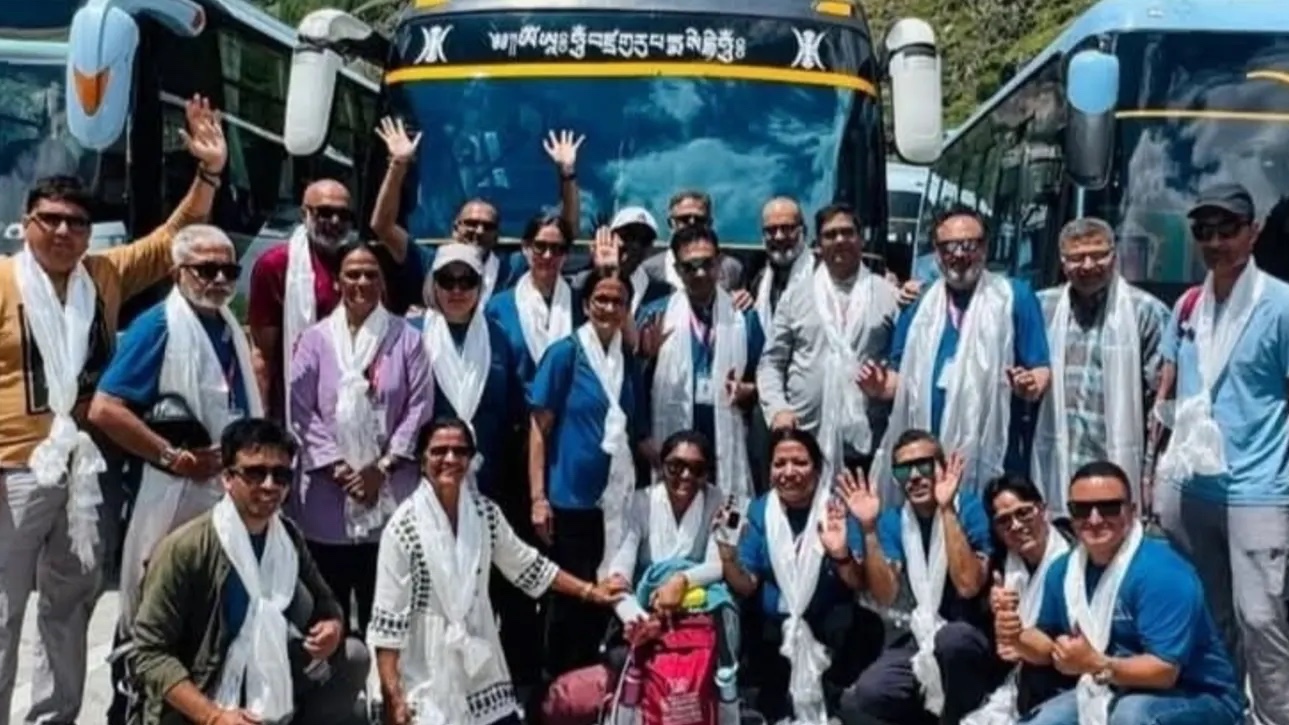
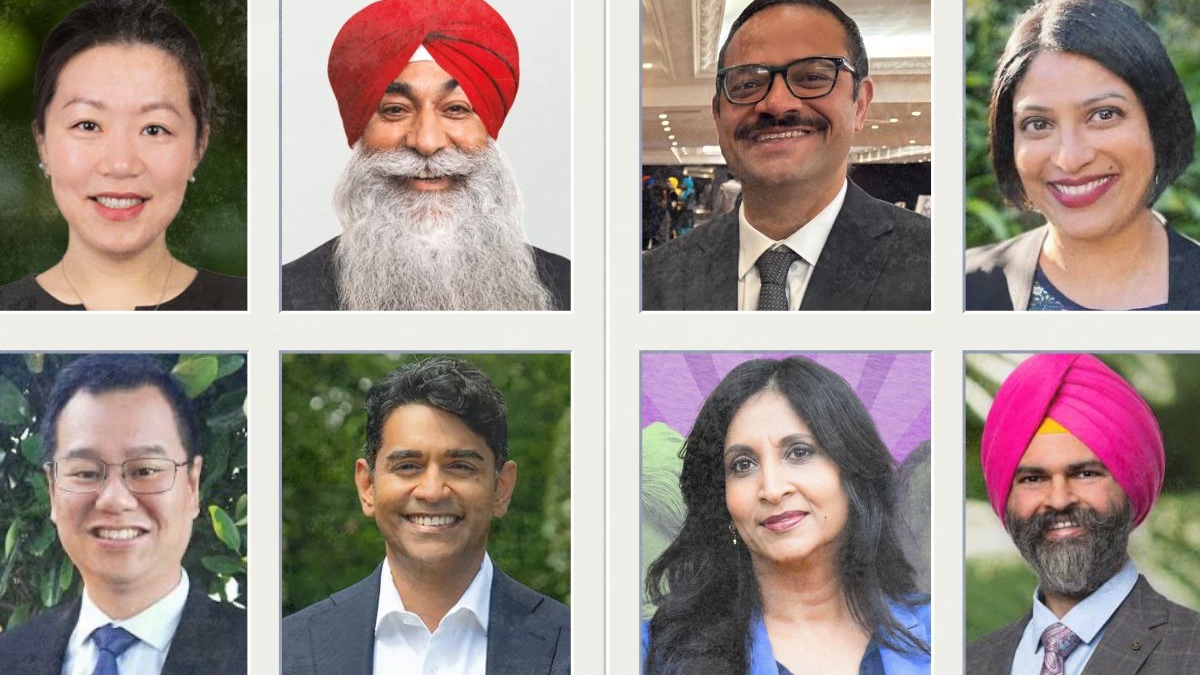
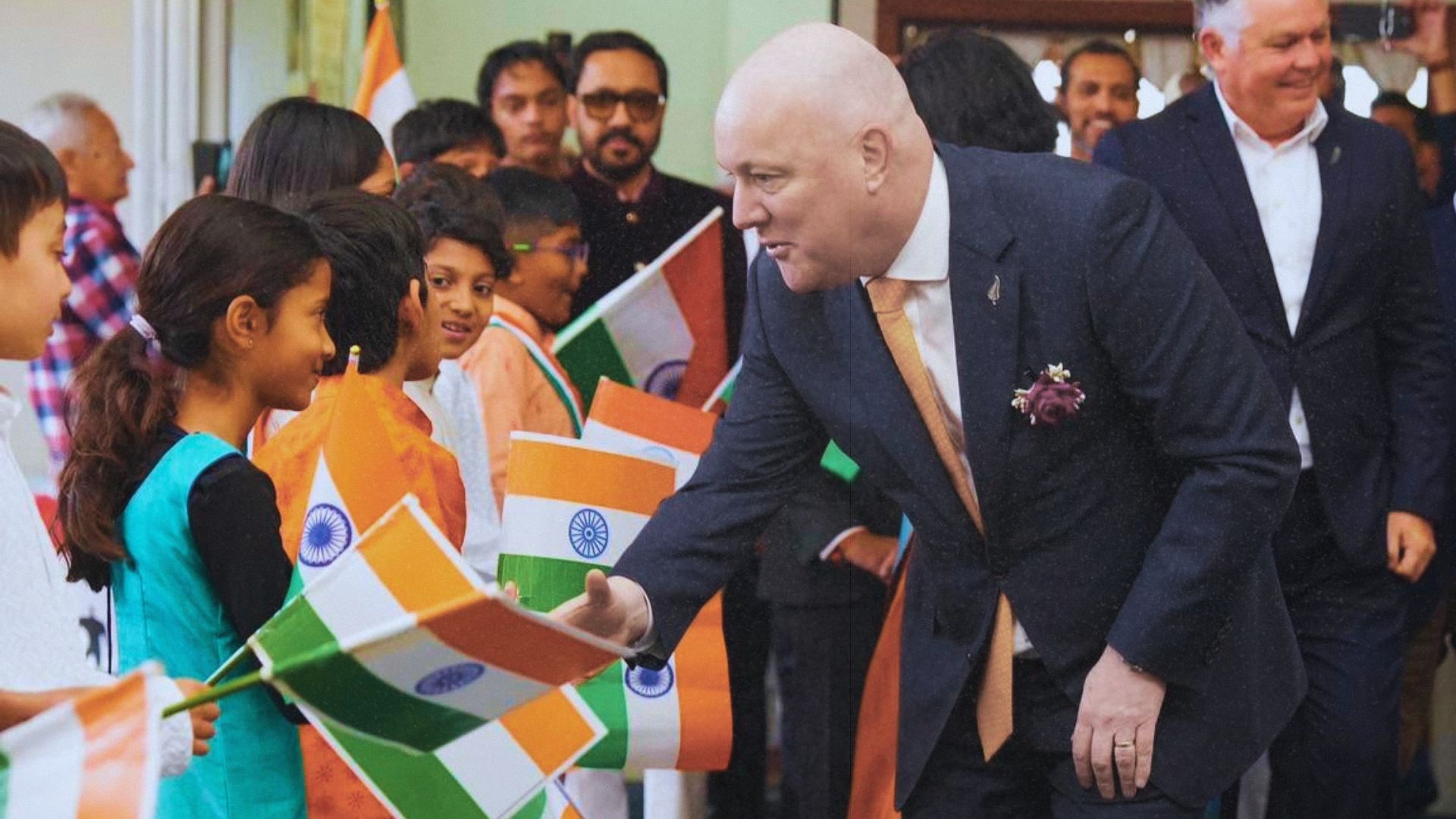
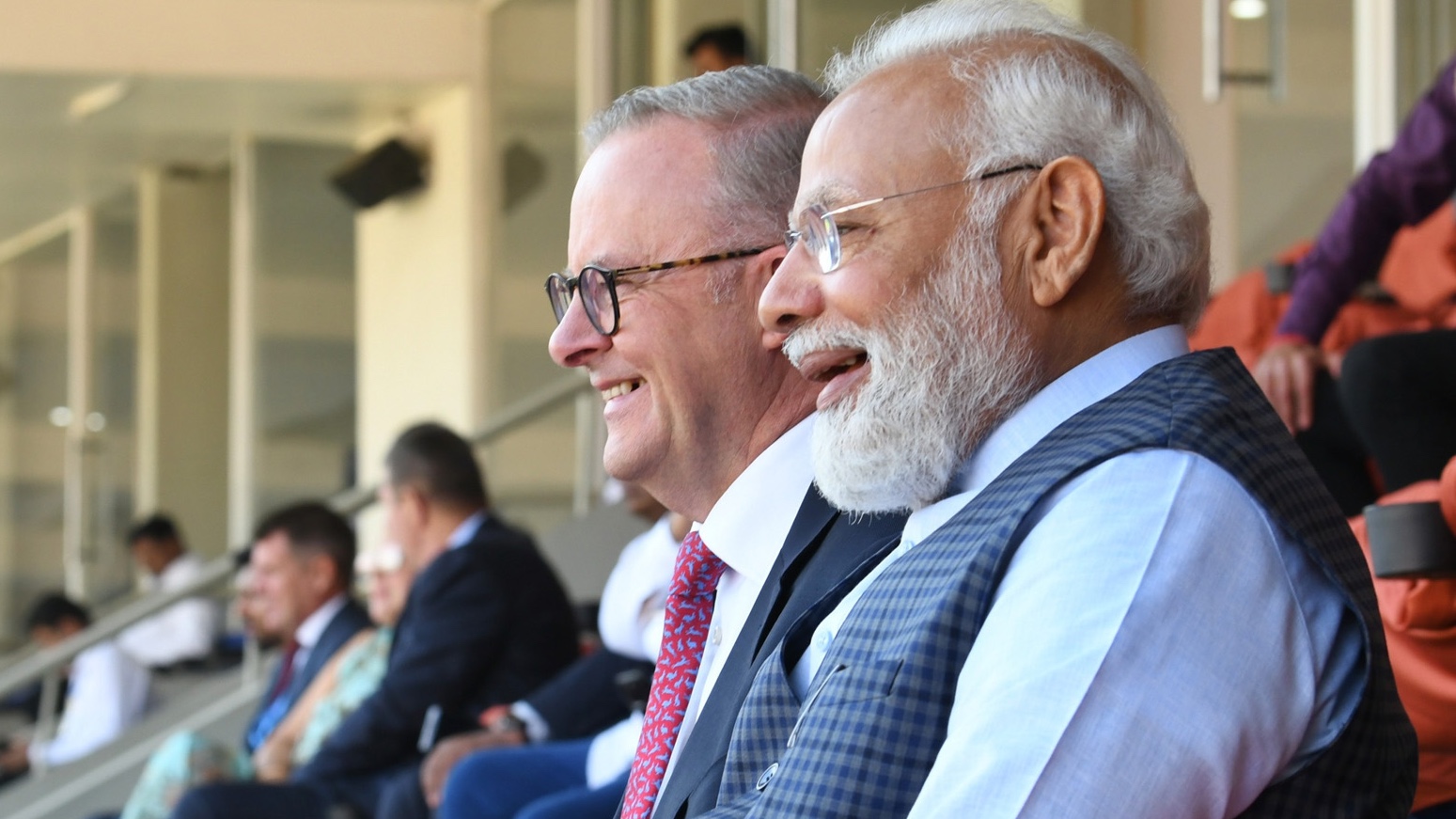
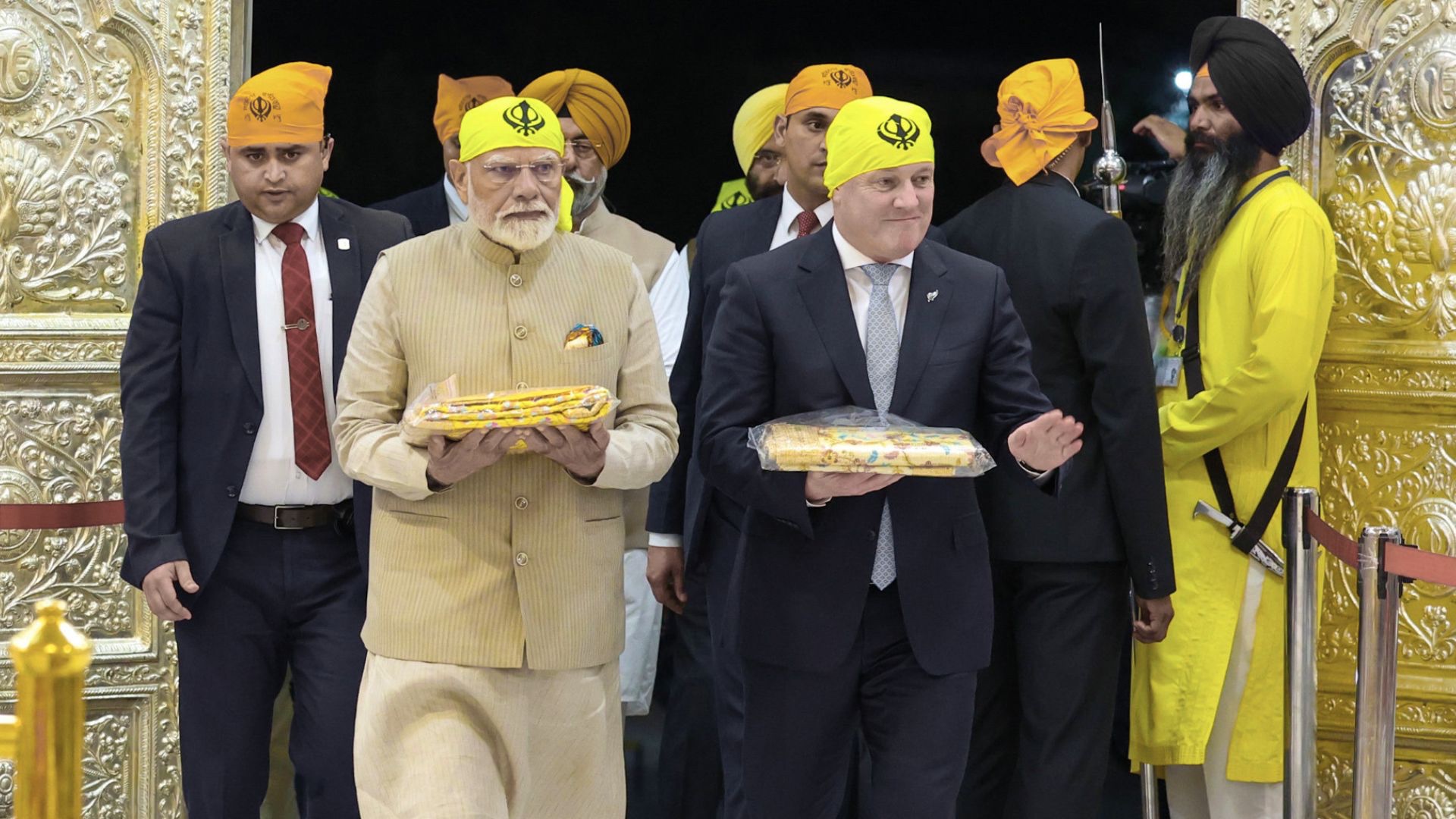
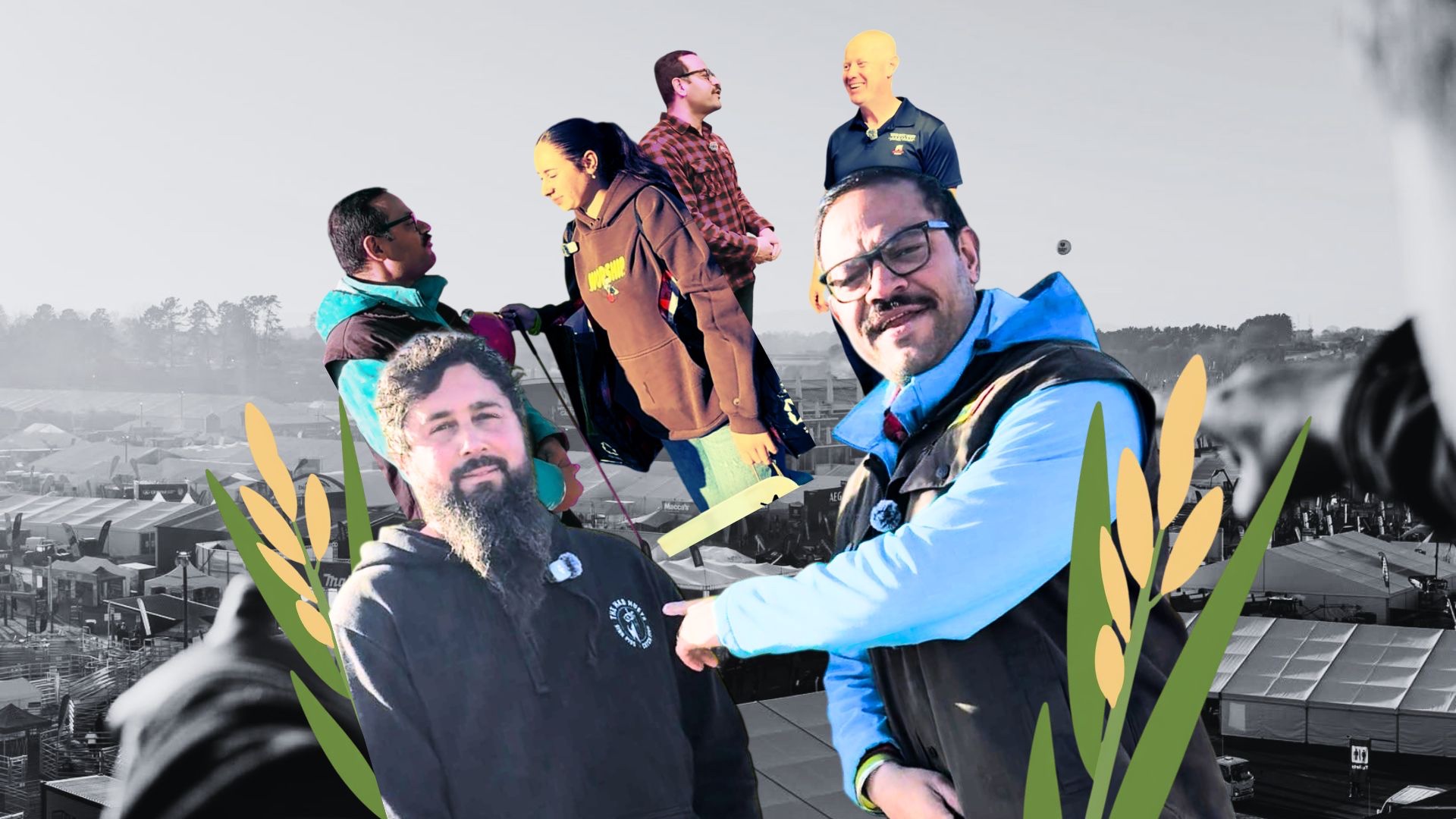
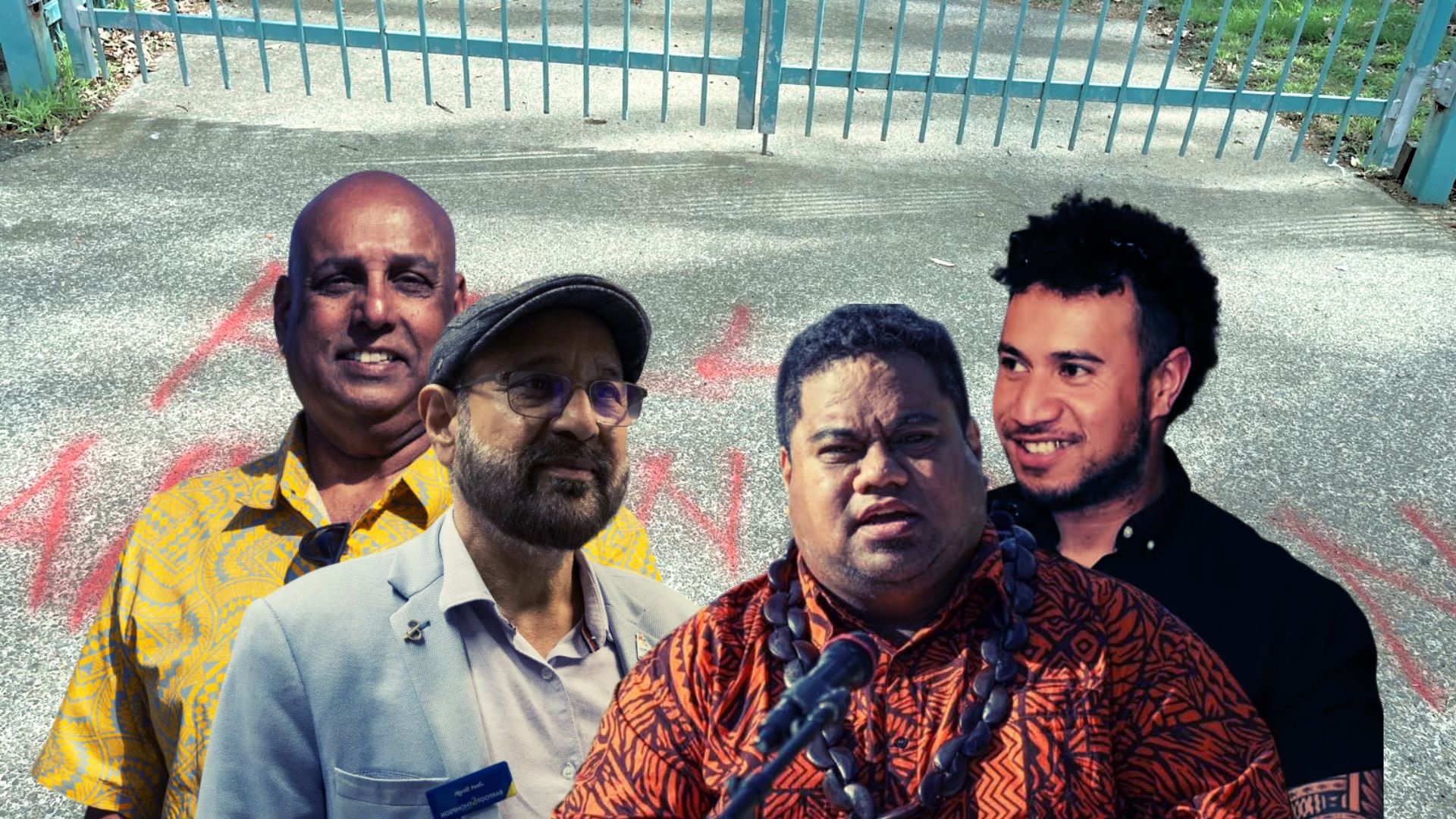
South Asian diaspora raises over $200,000 for New Zealanders missing in Nepal flood "I'm so proud of the Indian community here who...supported us, saying it is not a Nepal problem but our problem."
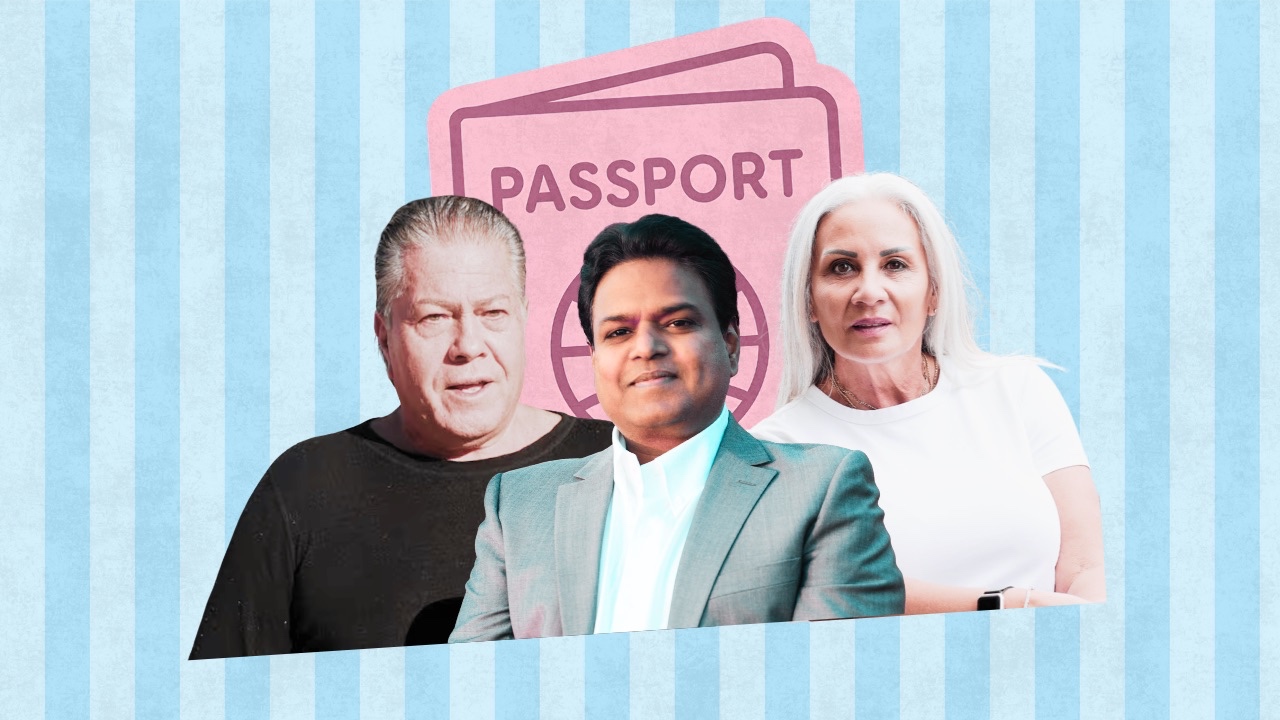
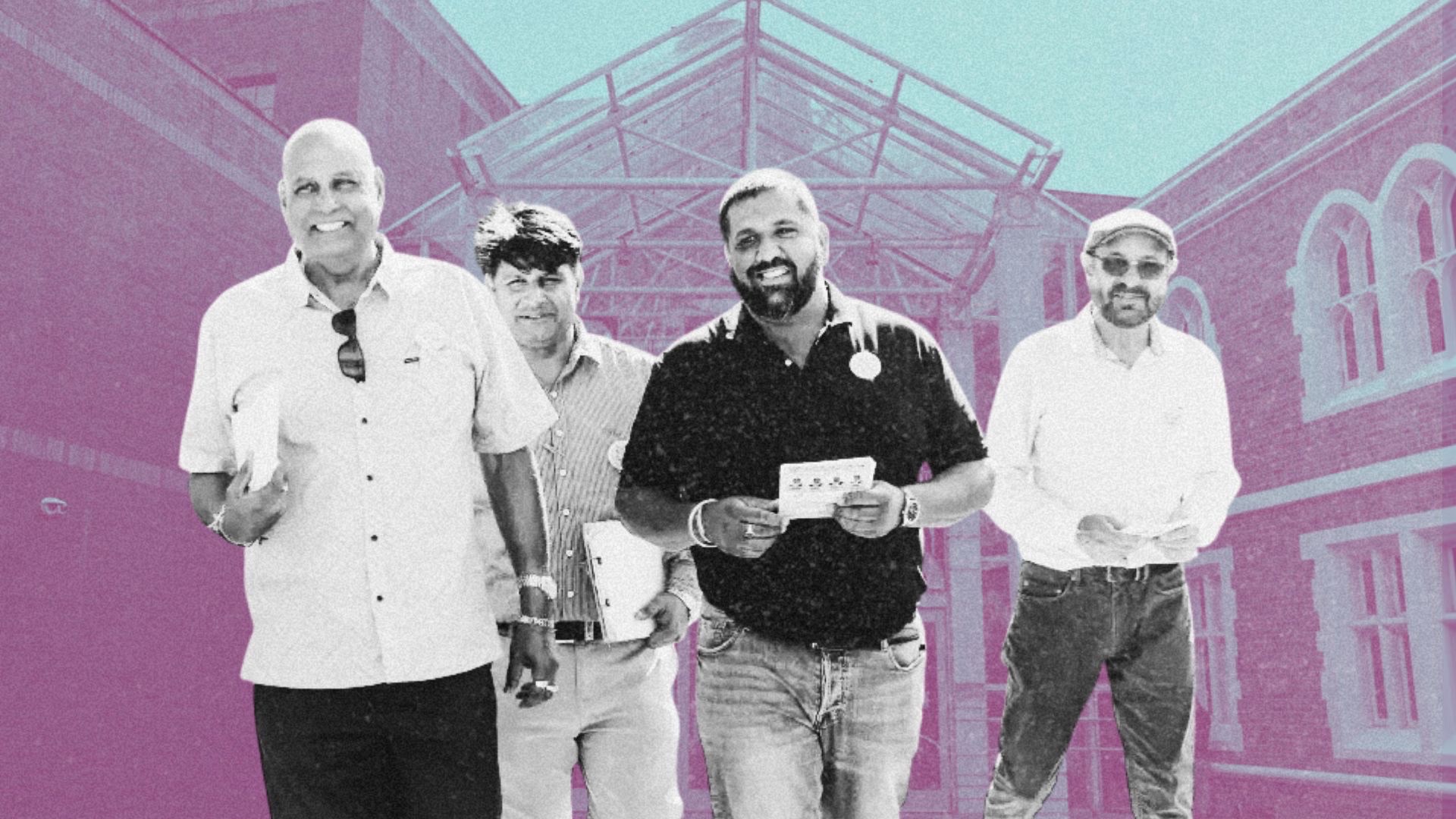
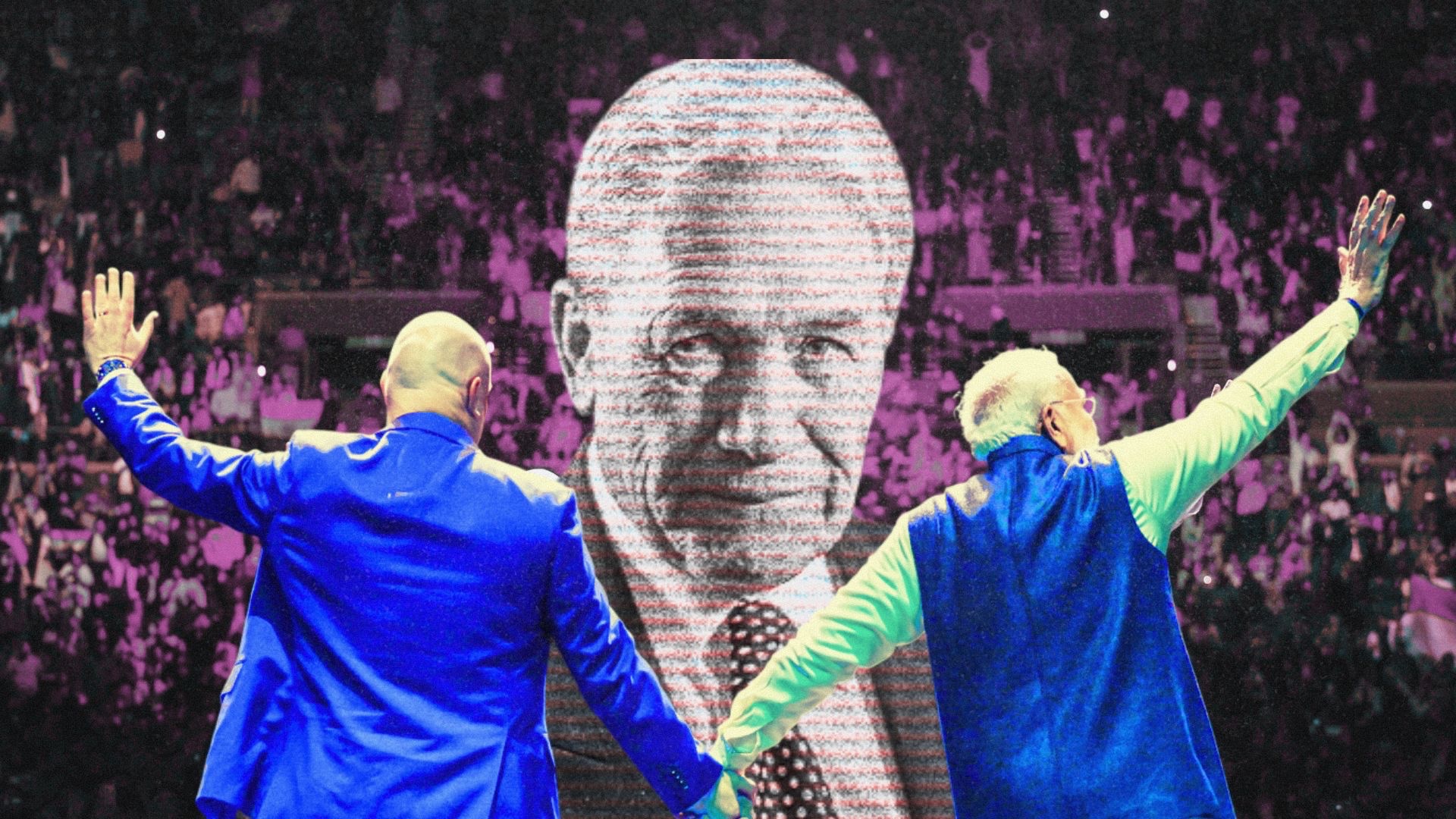
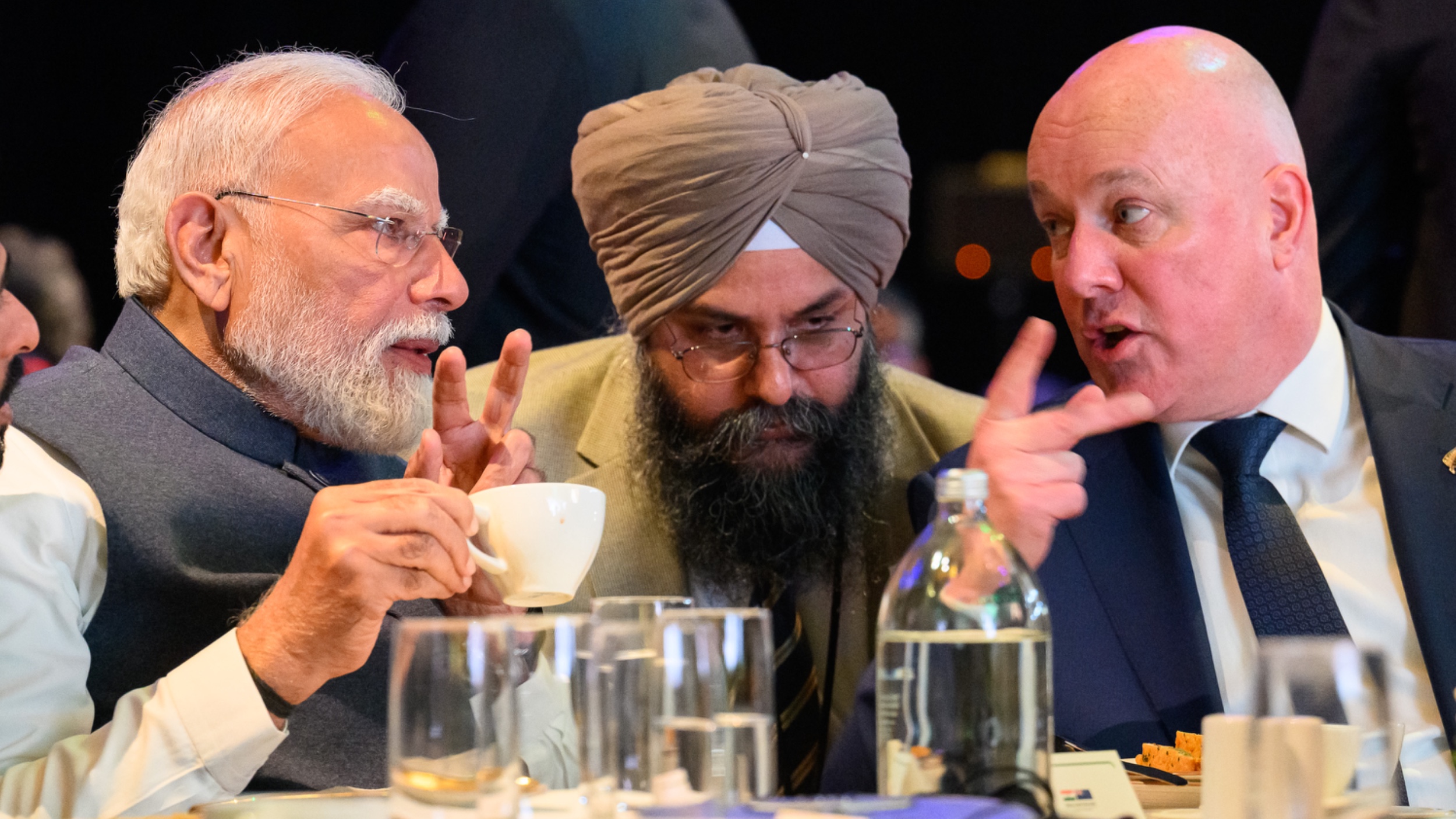
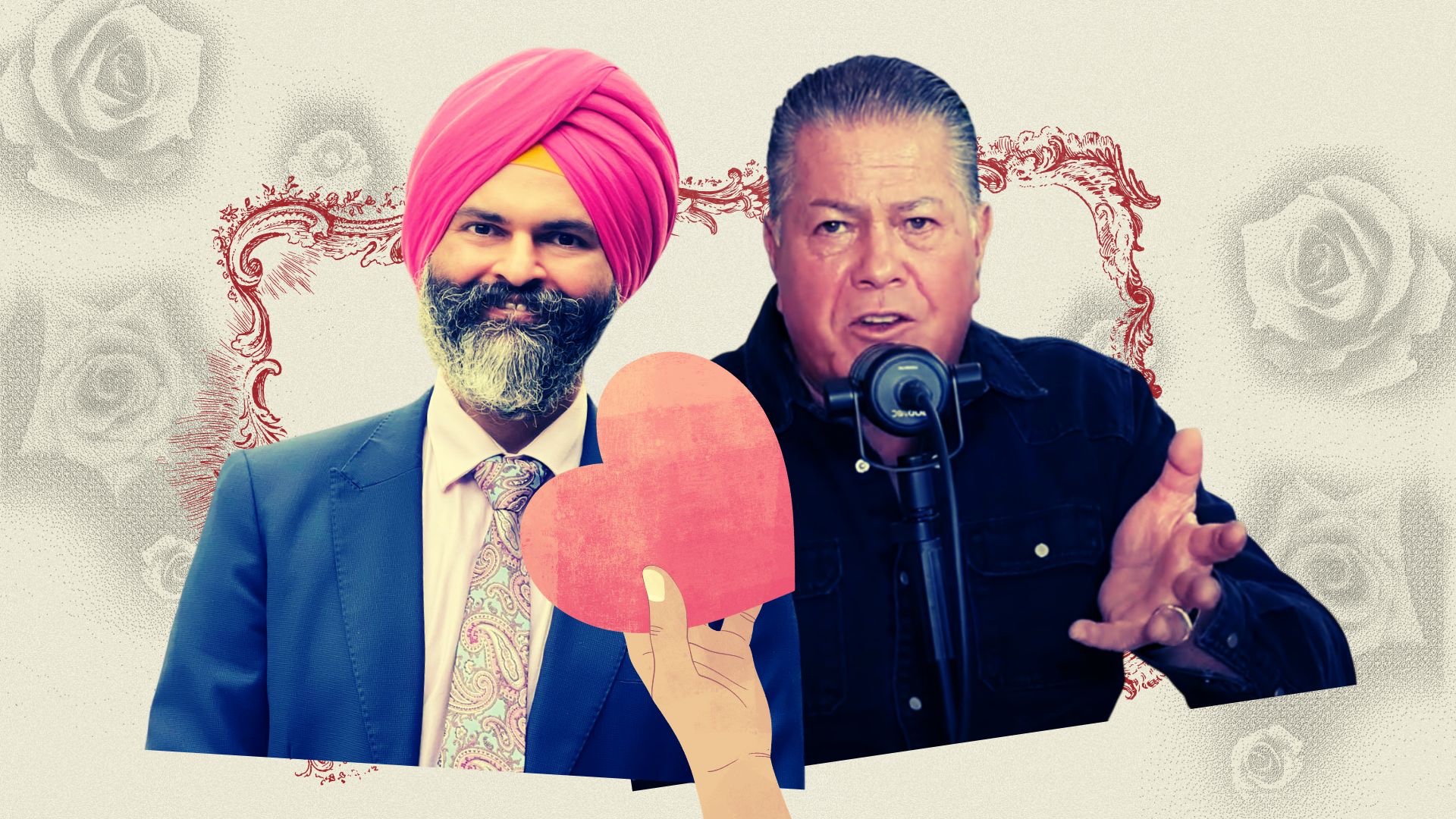
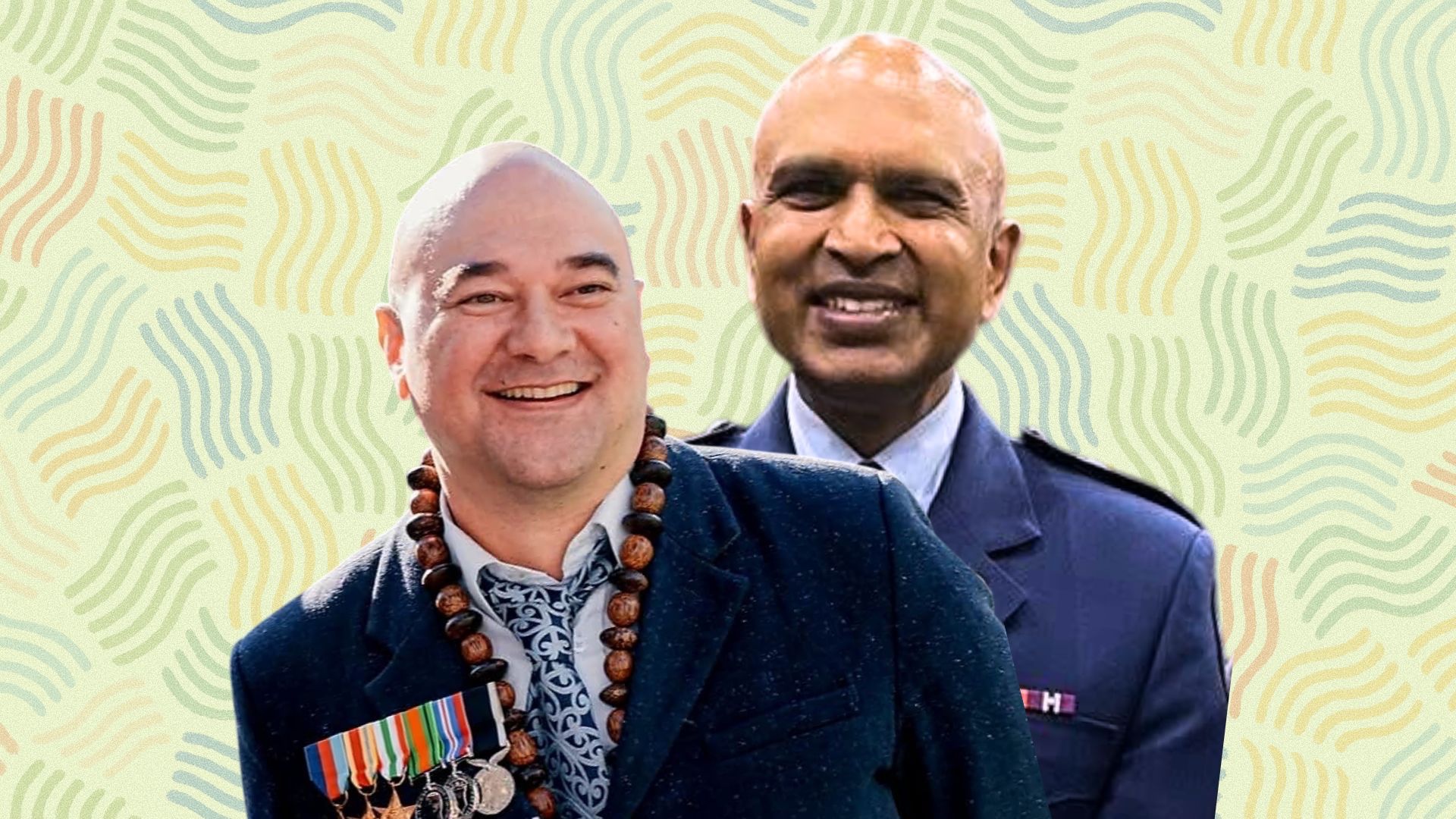
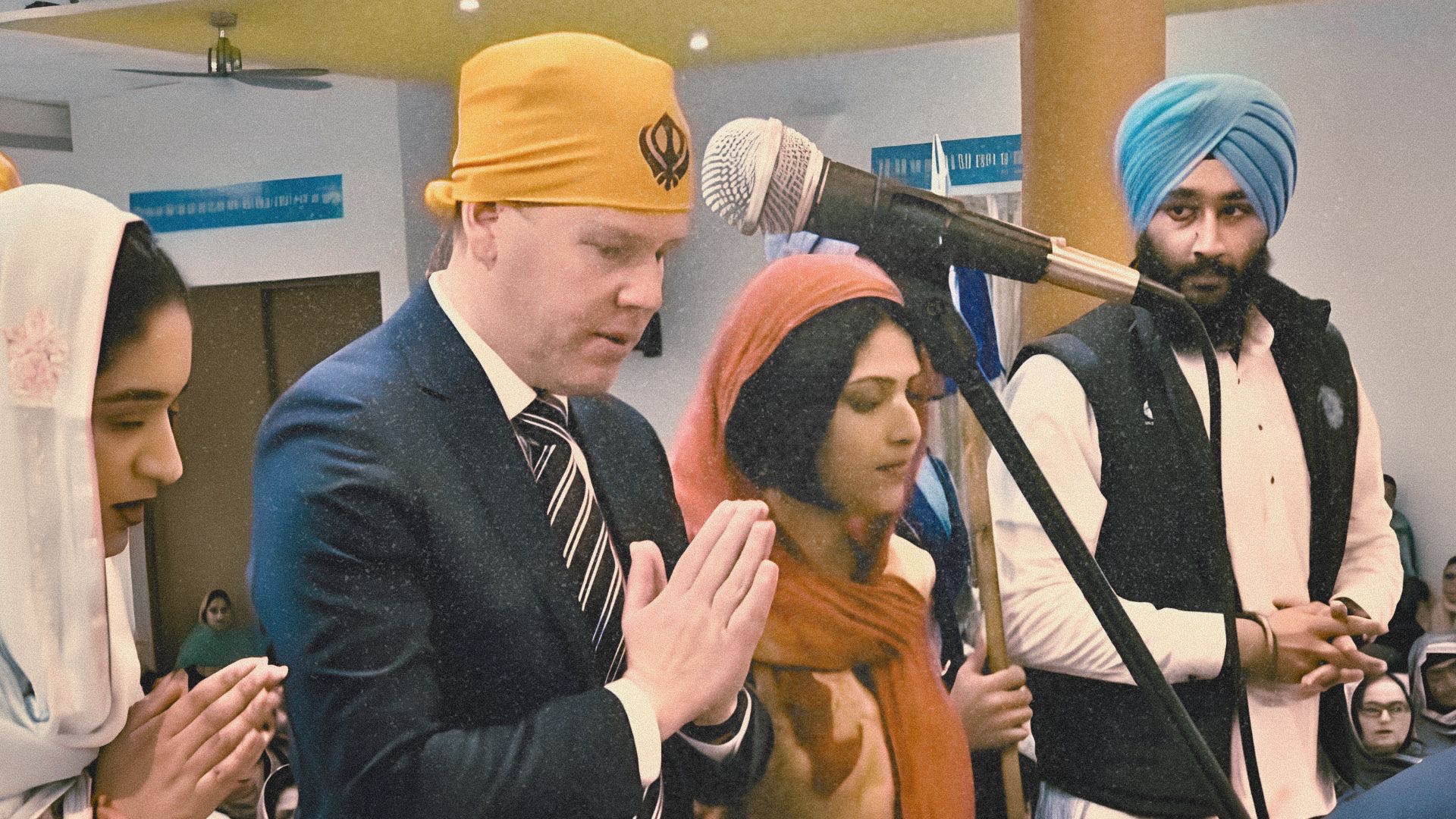
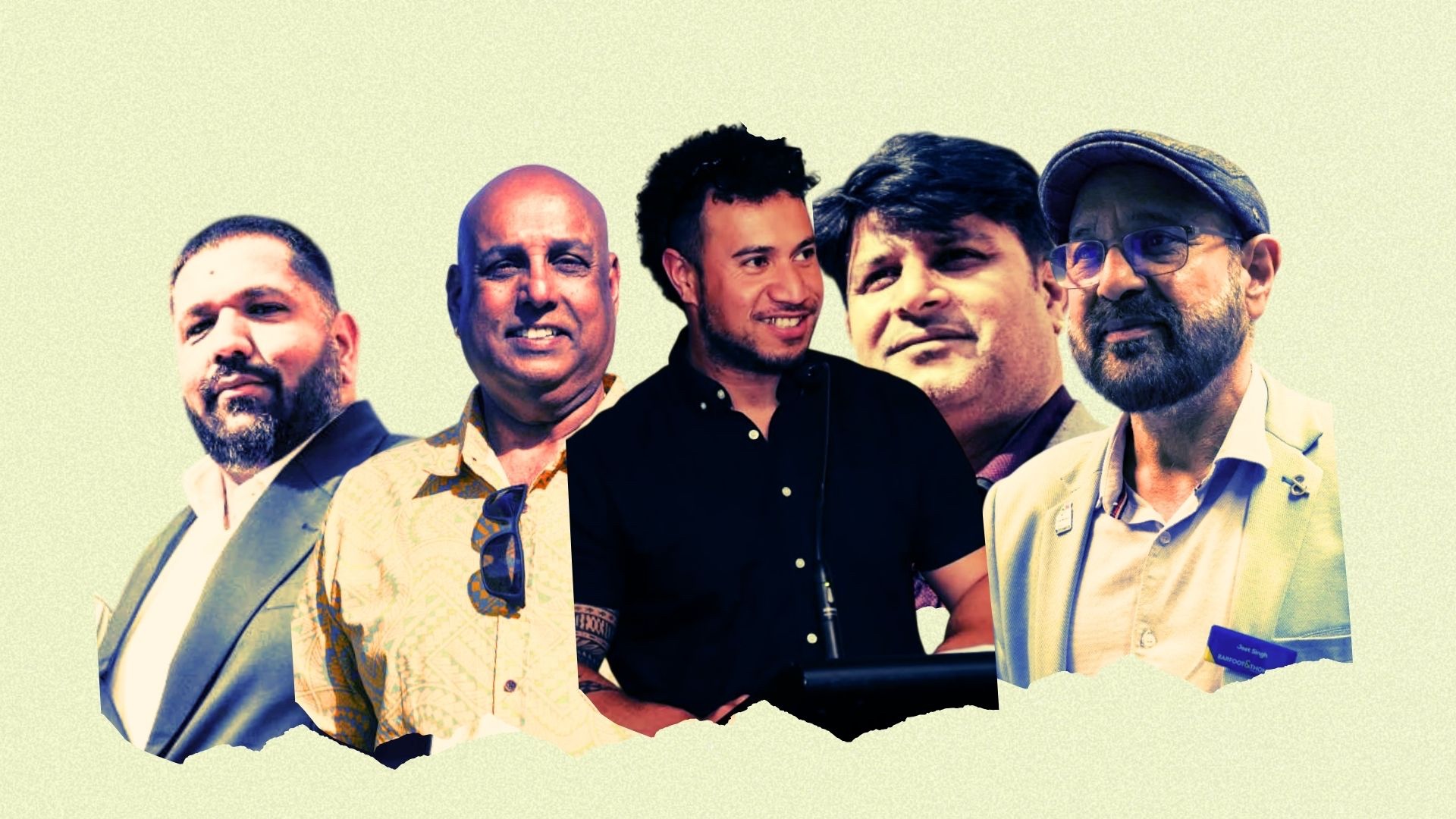
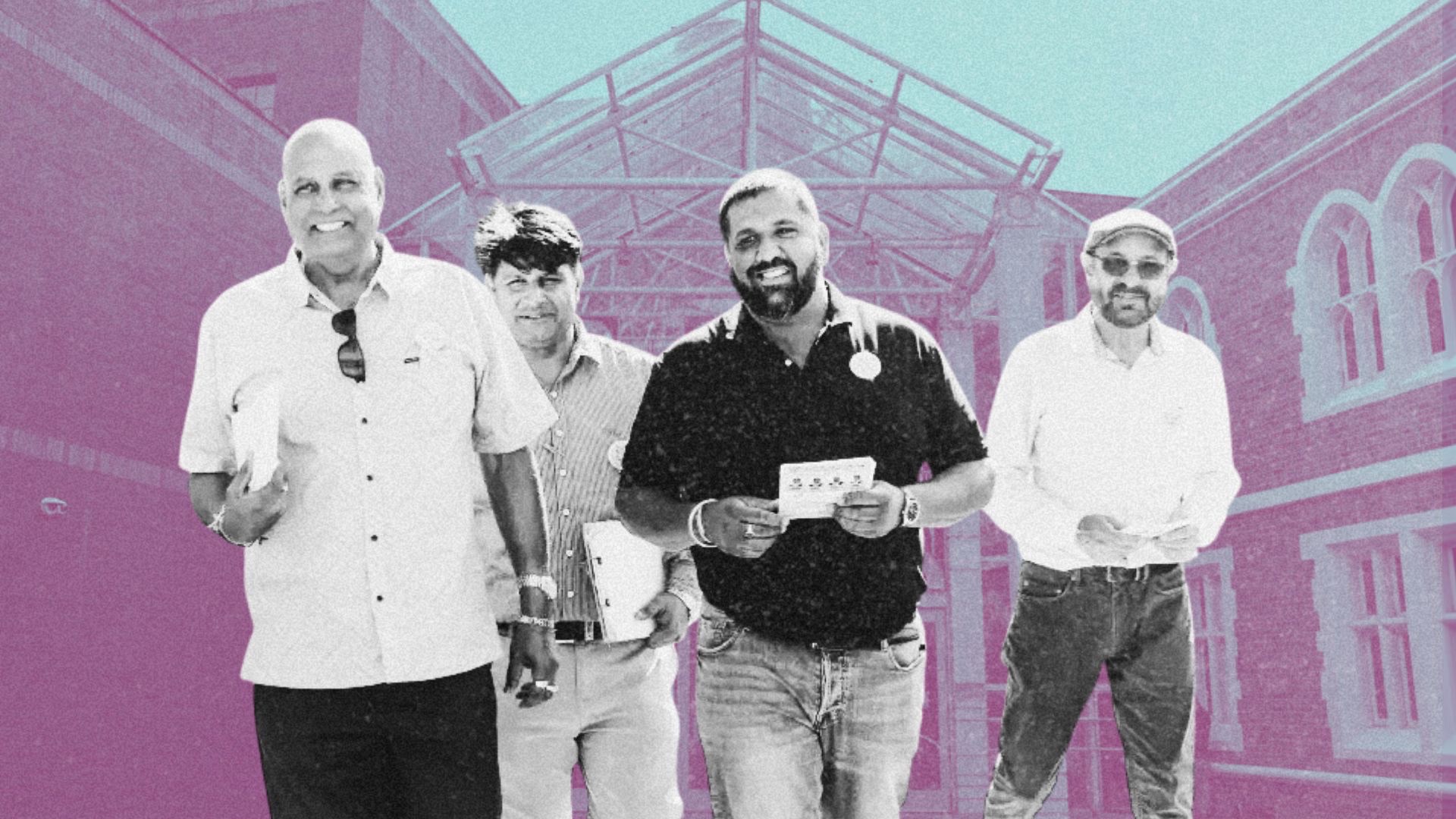
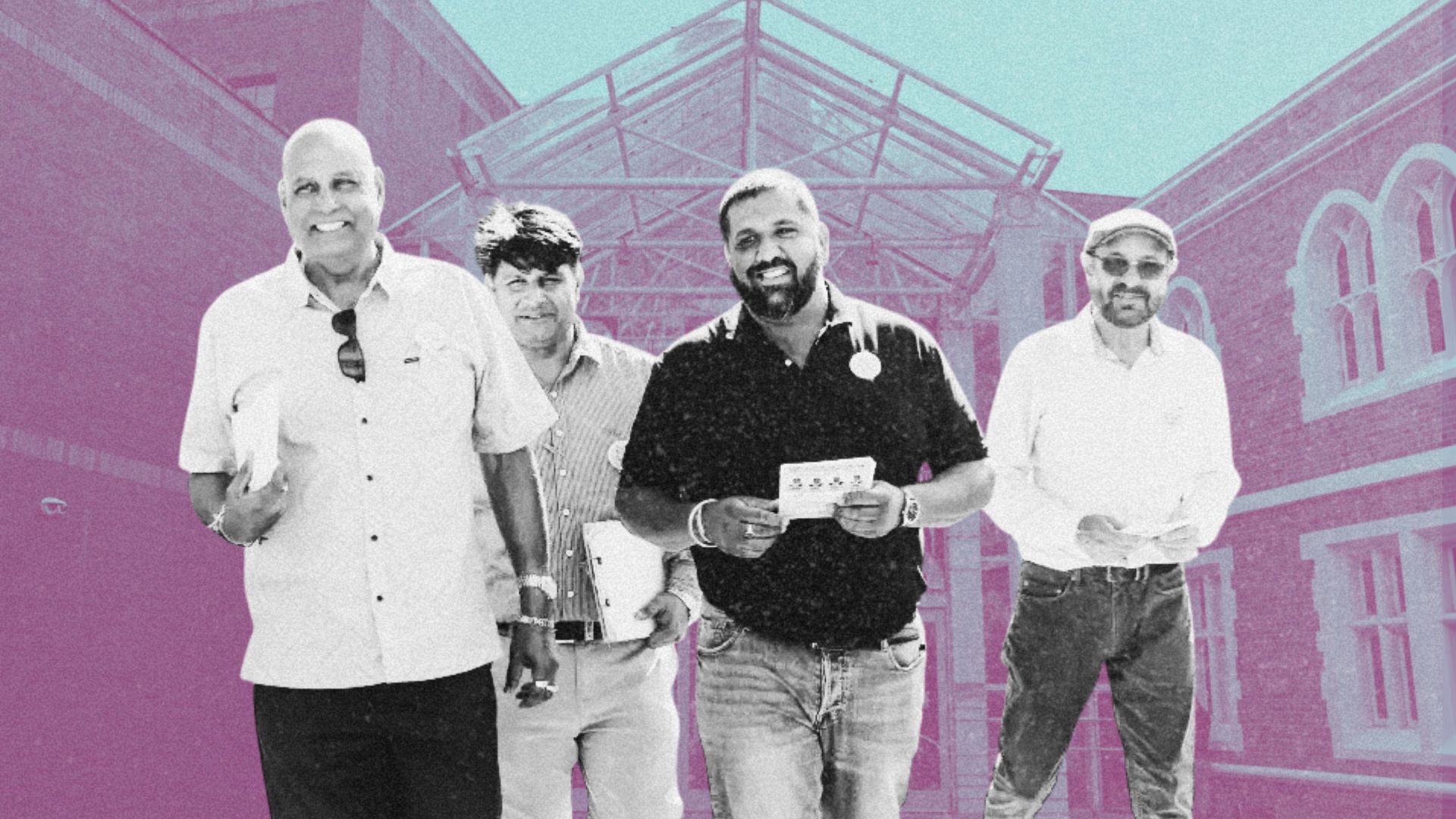
Tamakis launch Indian-origin candidate for Epsom who surrendered passport and has ‘assimilated’ “I know a whole lot of people are going to be like shocked,” says Hannah Tamaki.
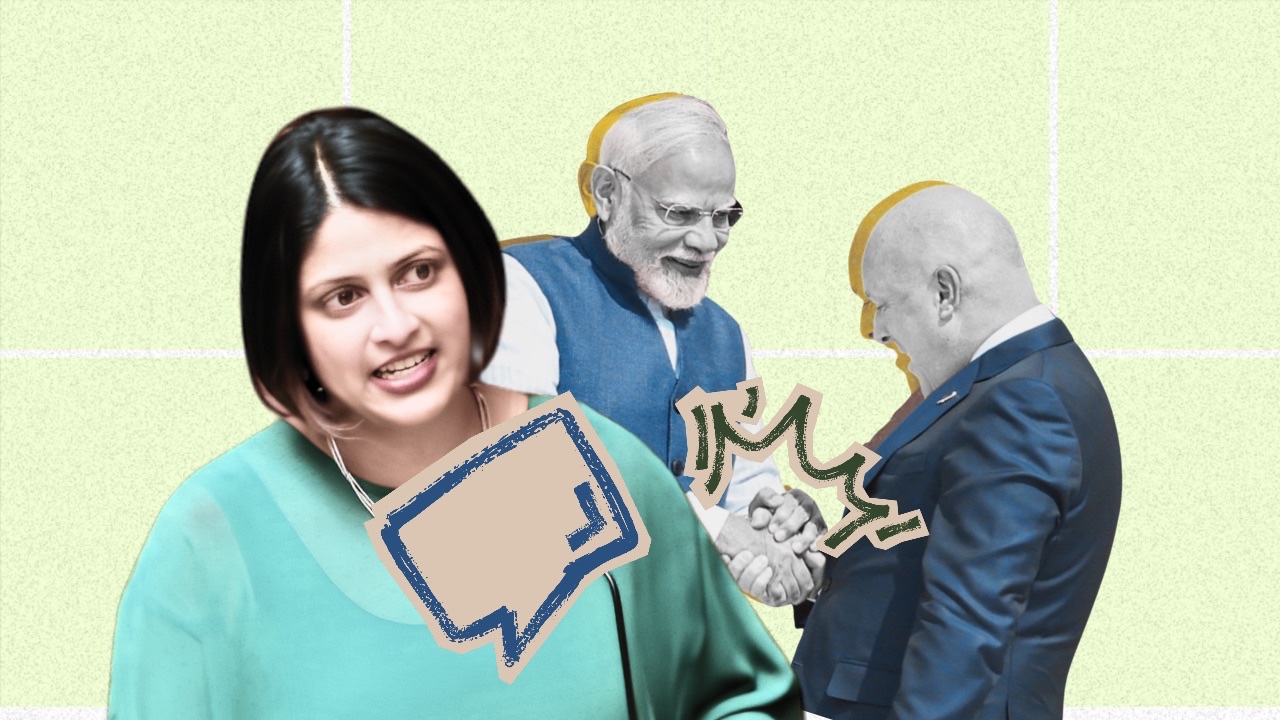
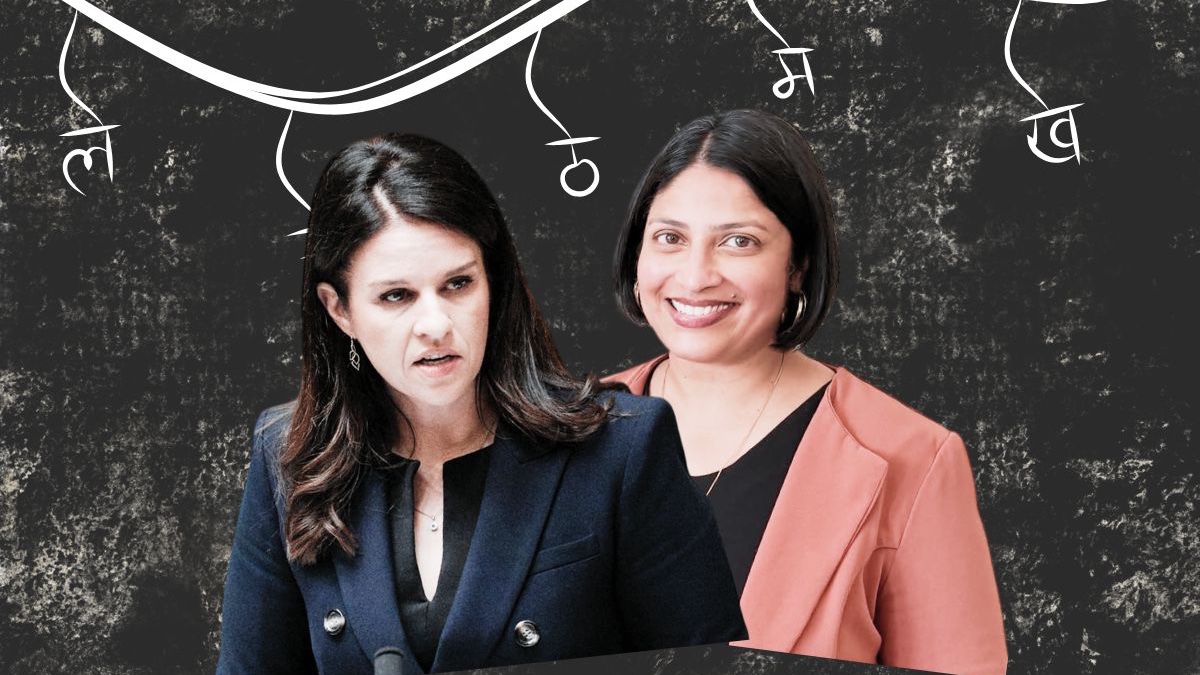
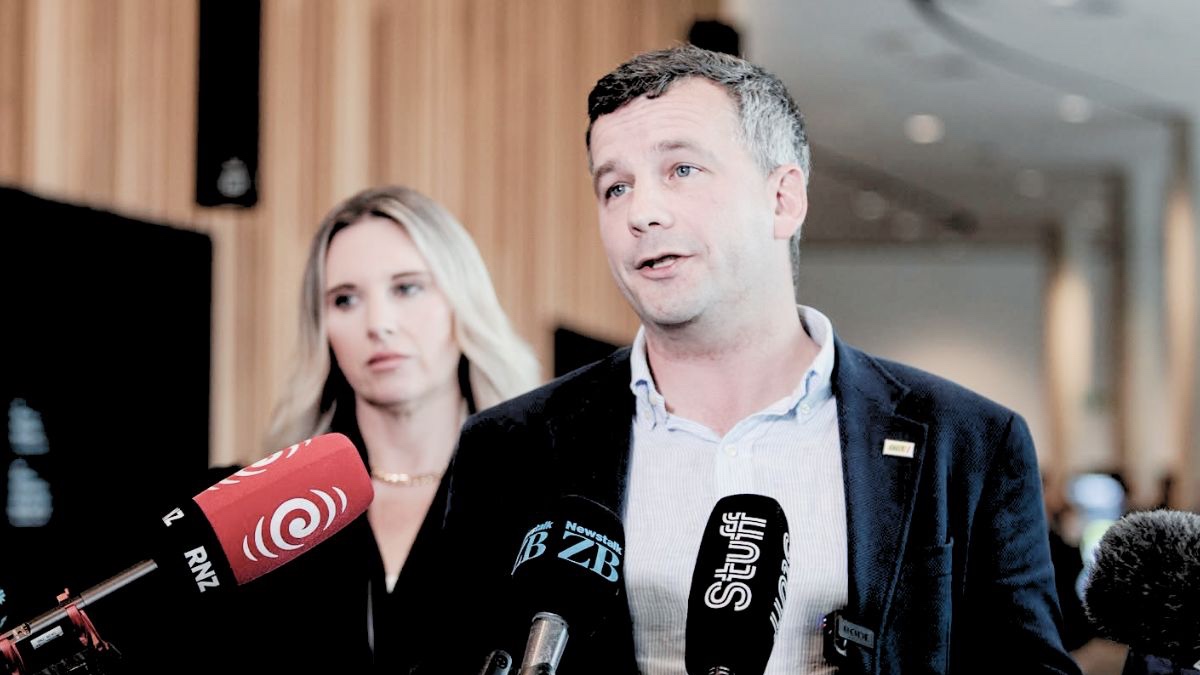
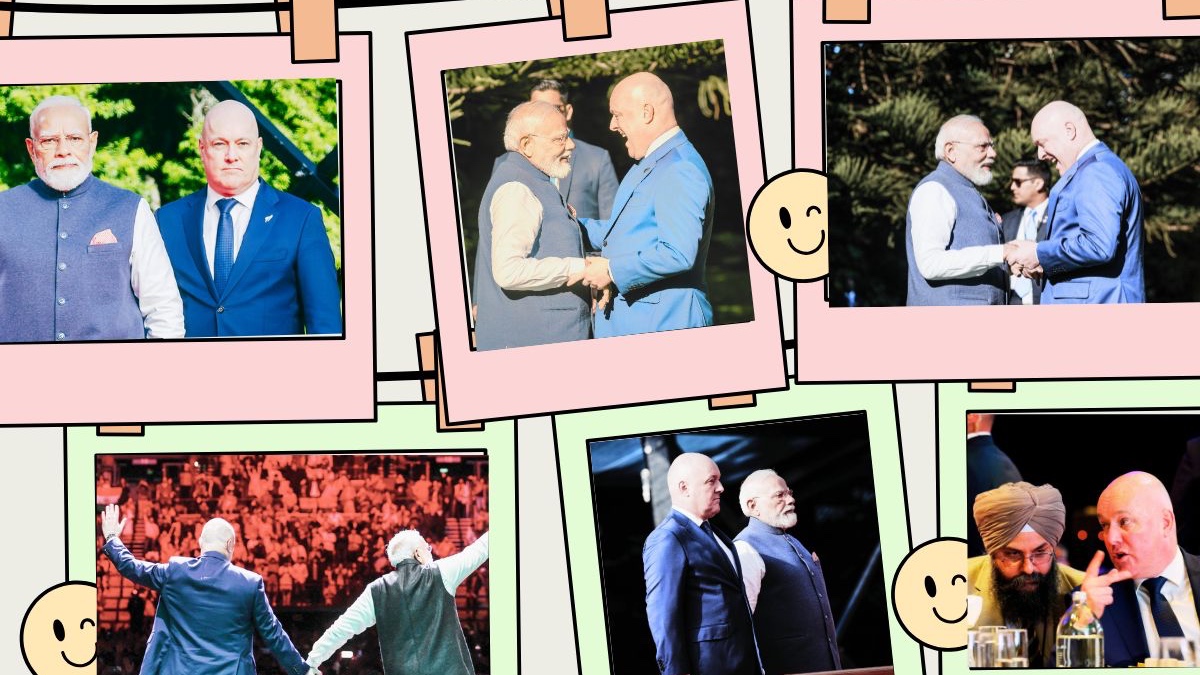
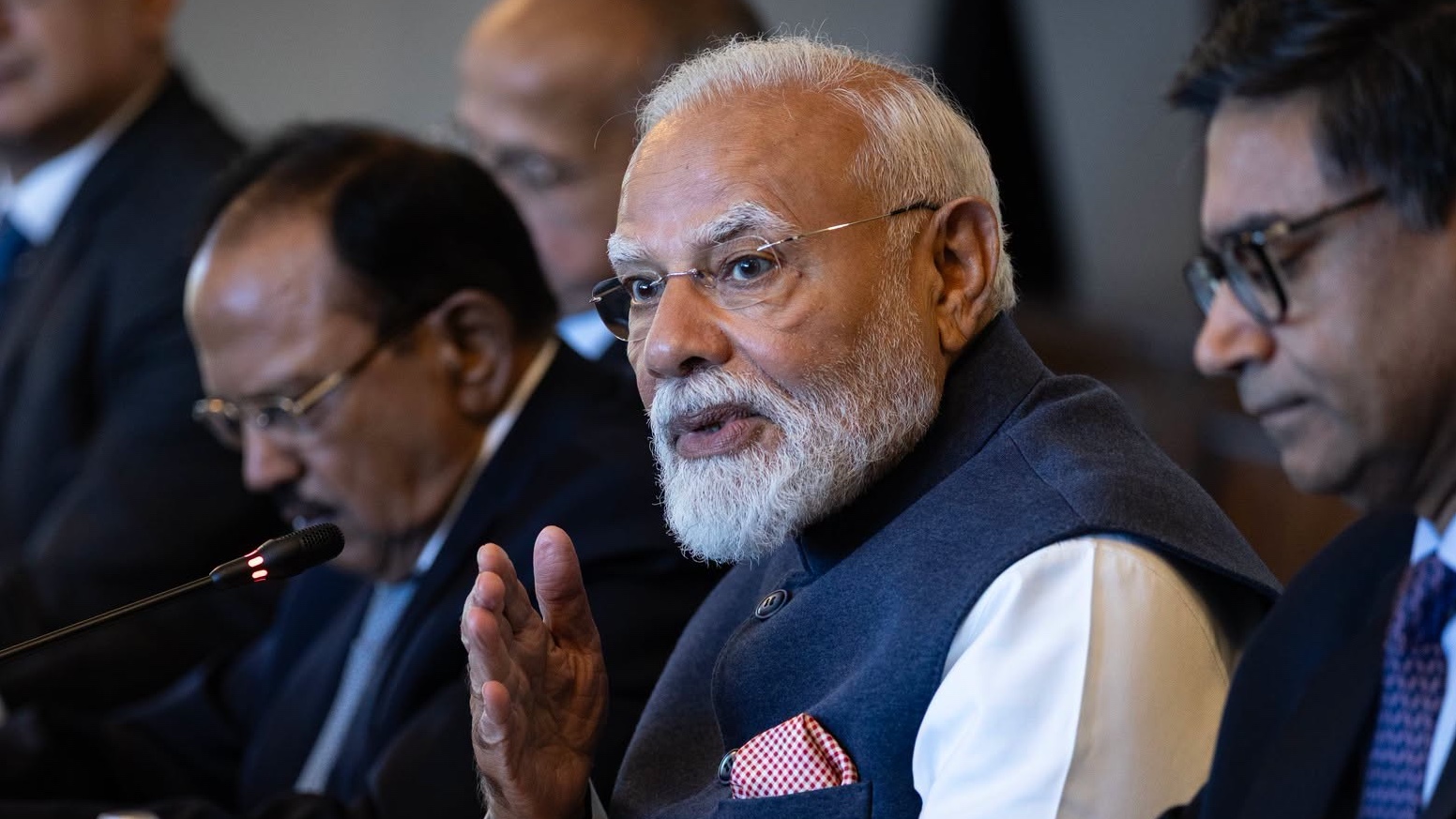
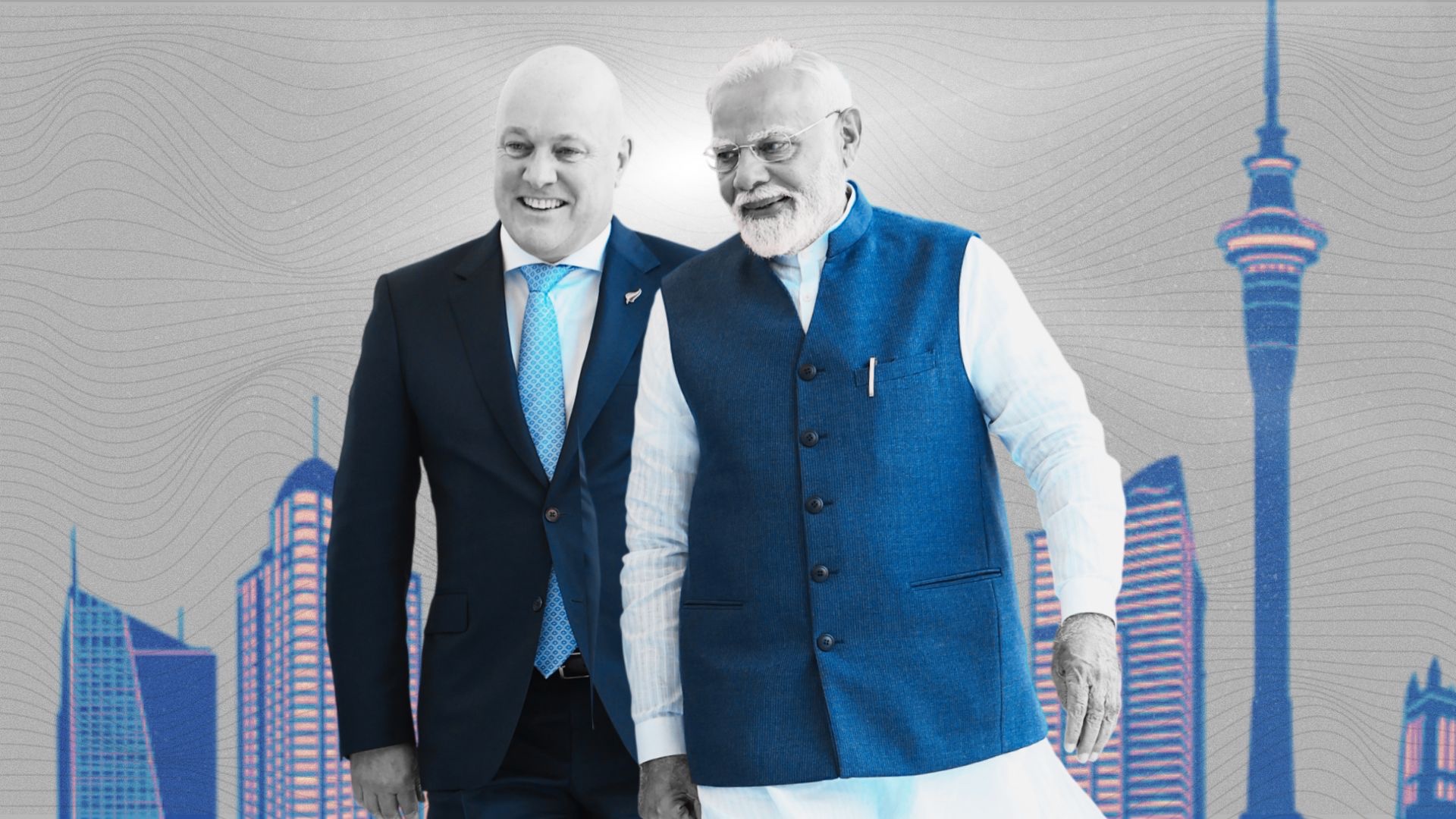
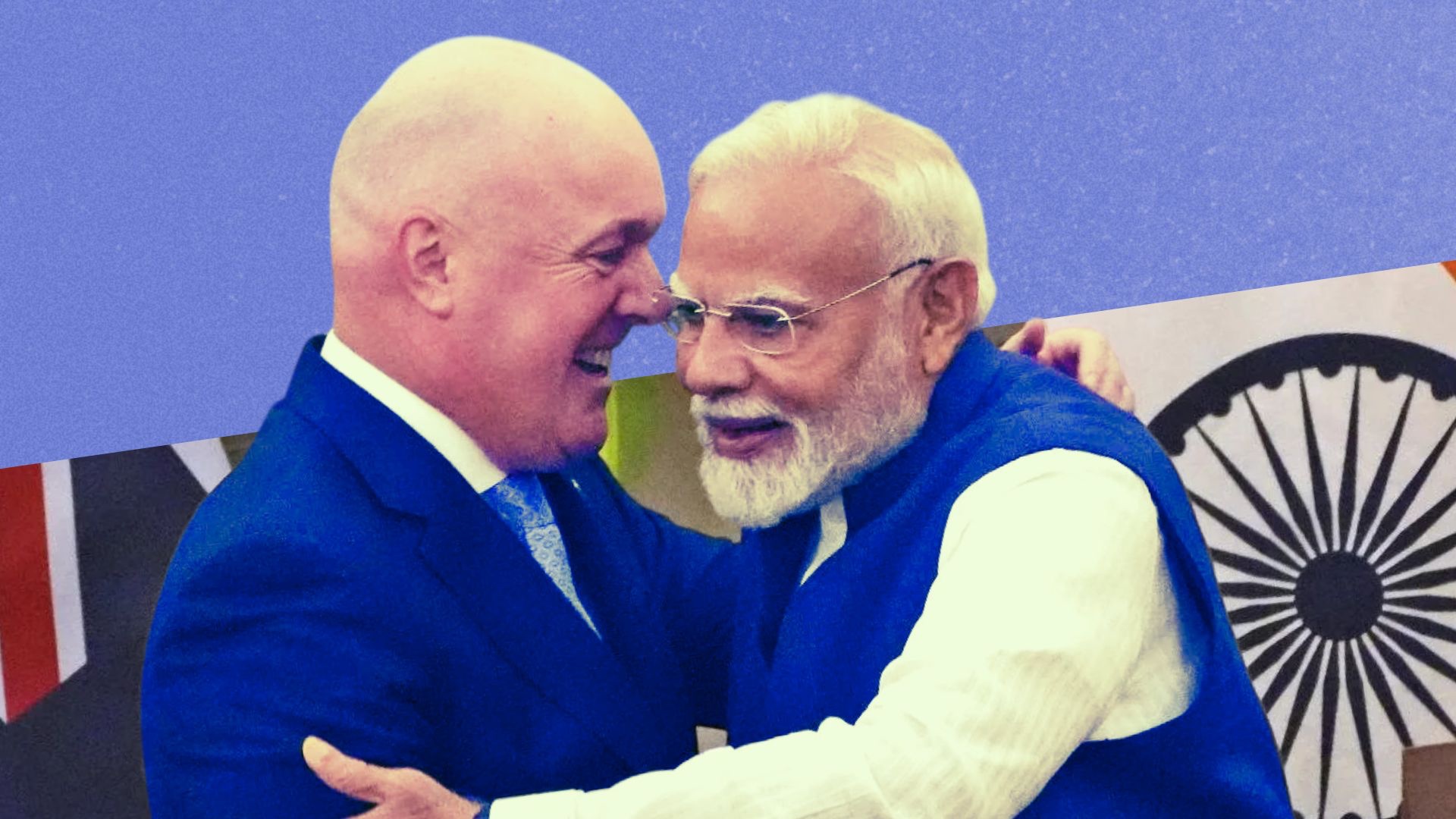
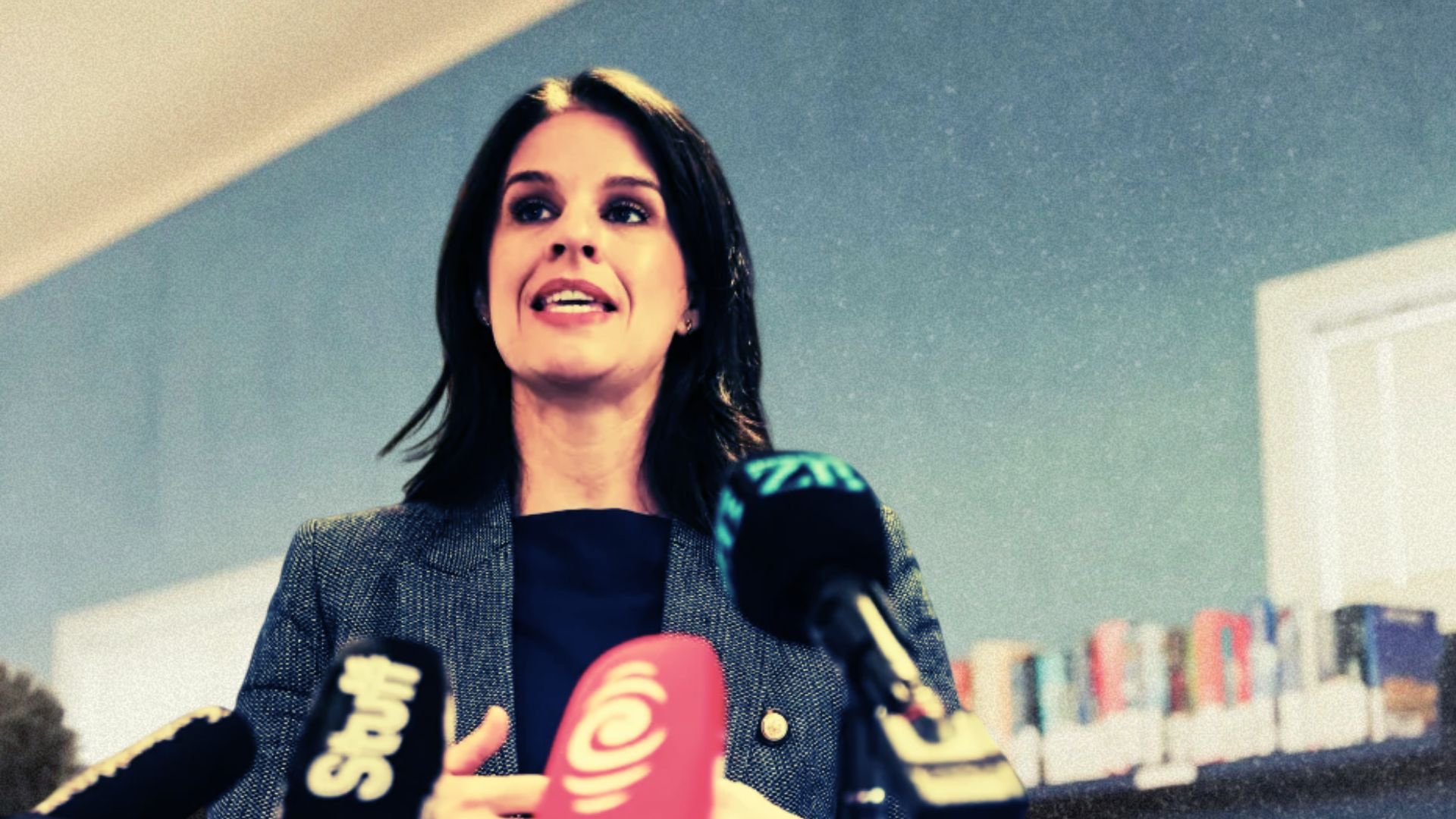
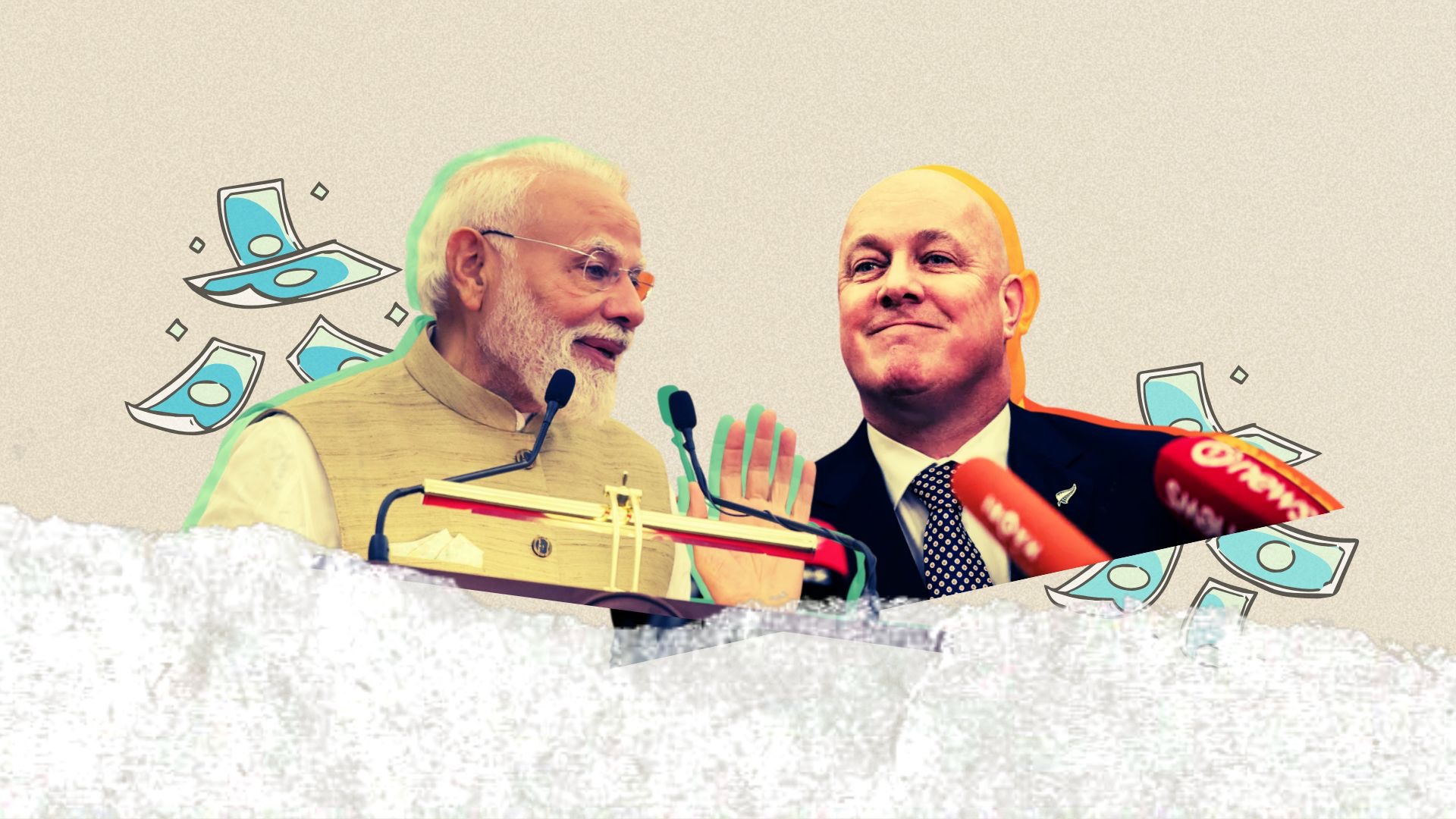
Priyanca Radhakrishnan tries to puncture Luxon’s FTA victory, says India was already sold “Things have changed quite dramatically on the Indian government side,” says the Indian-origin Labour MP.
A regime that produces those conditions cannot plausibly claim to be strengthening social cohesion.

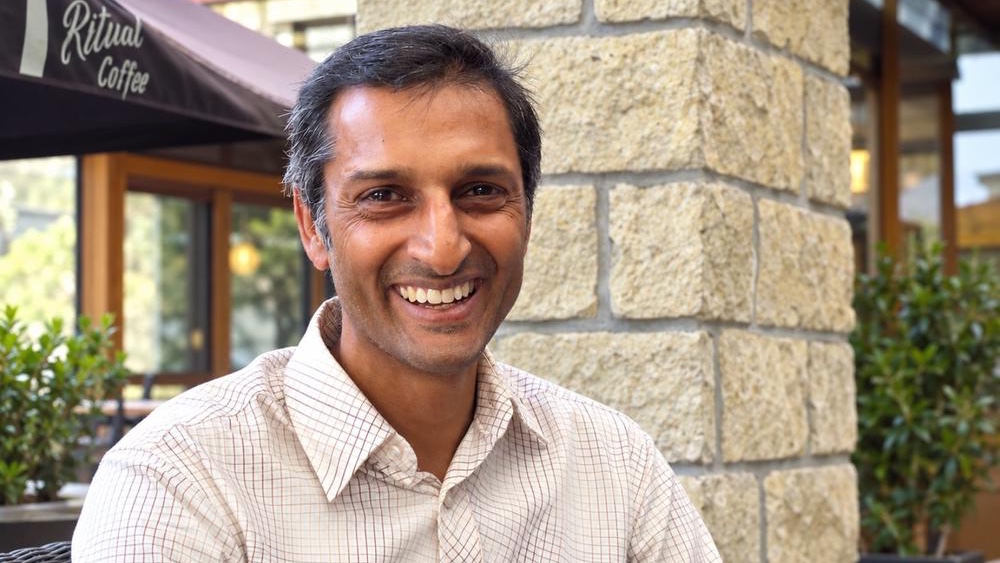
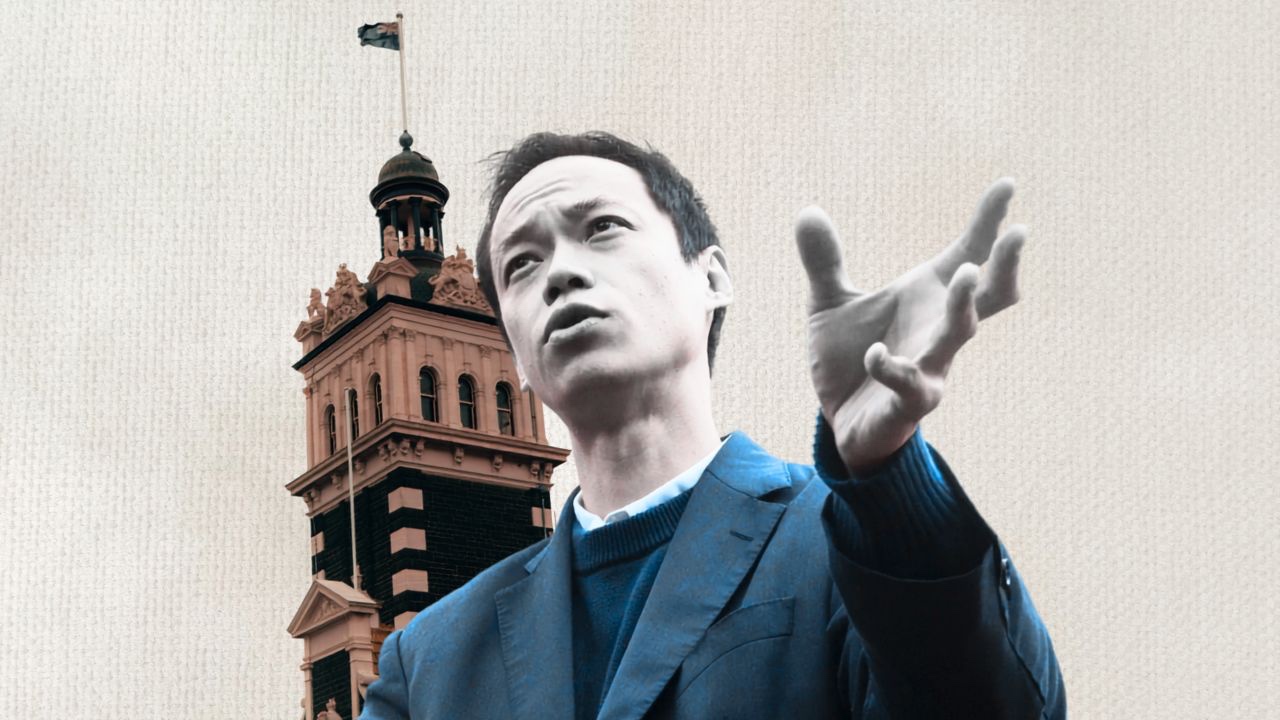
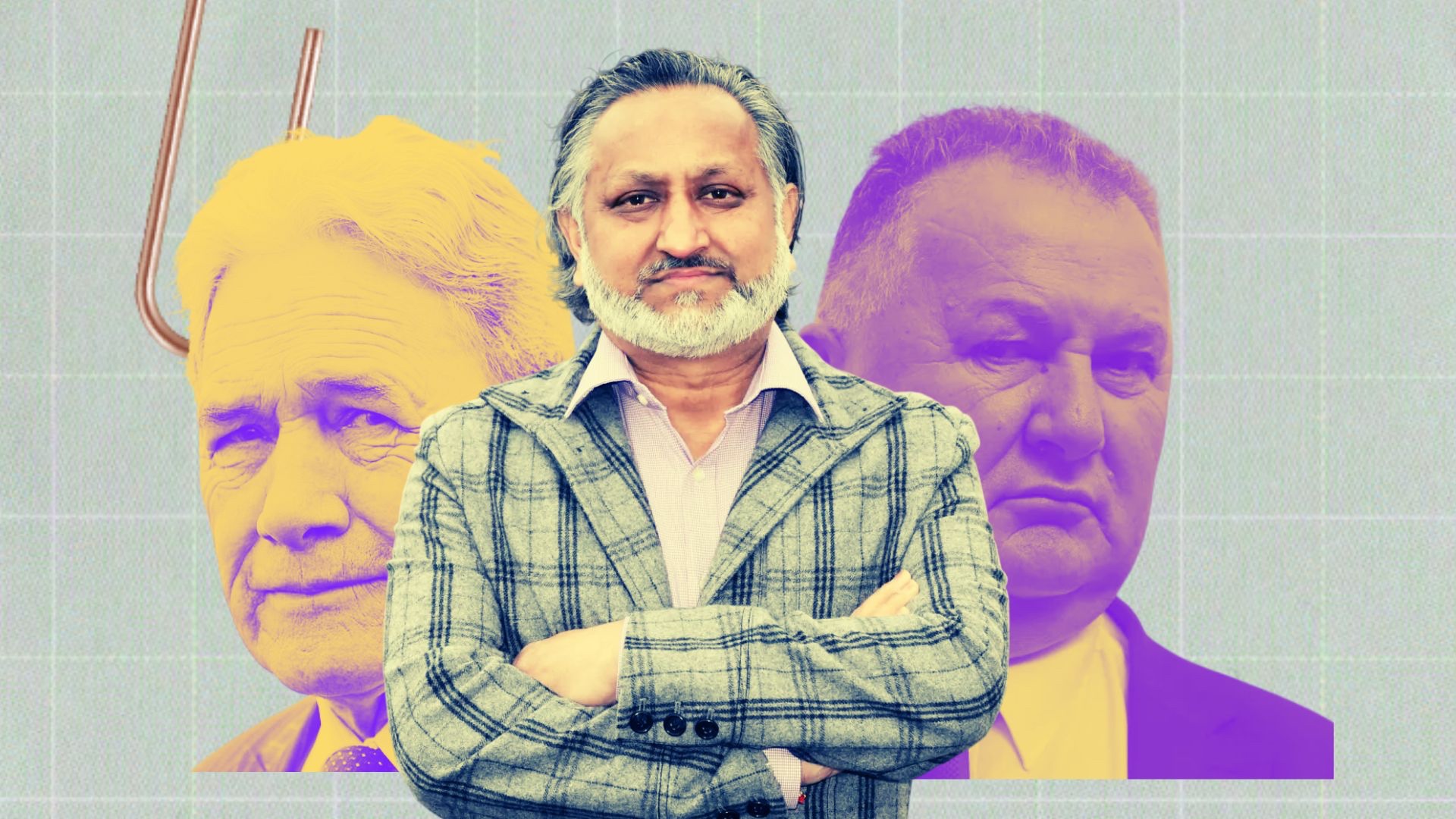
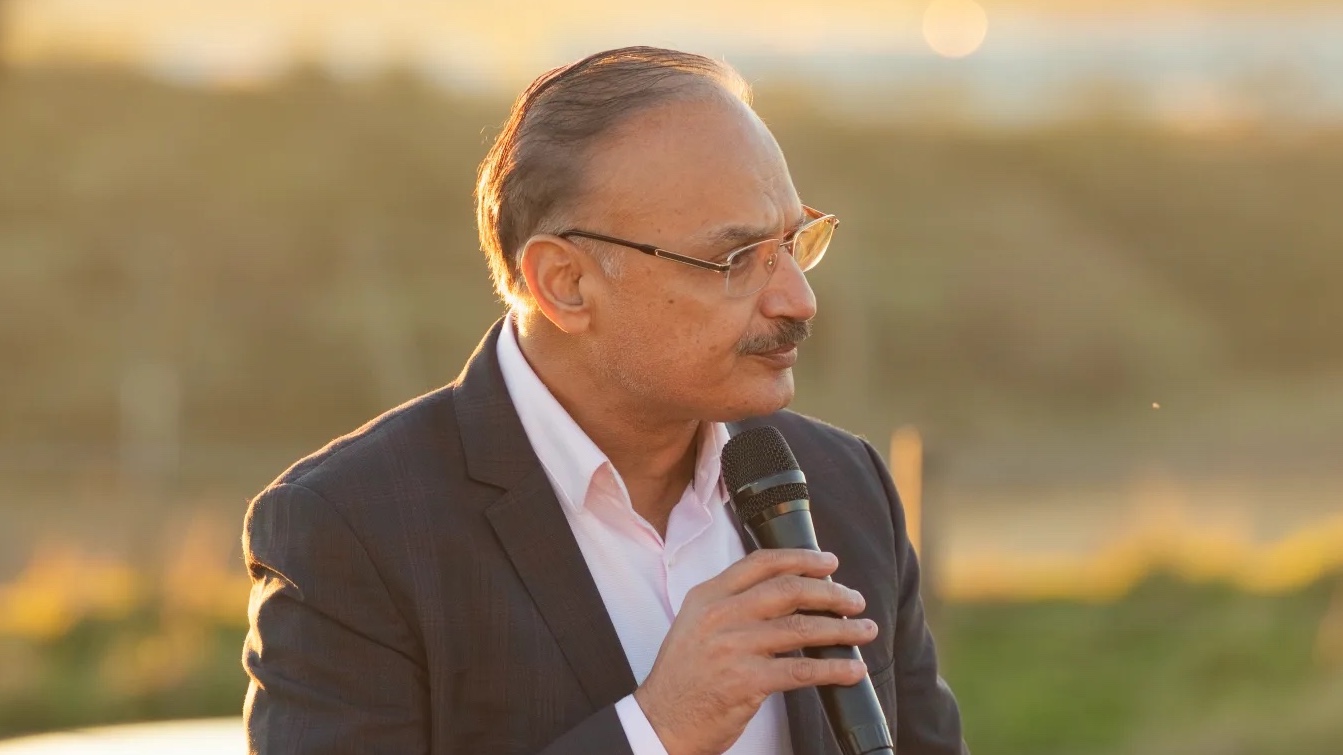
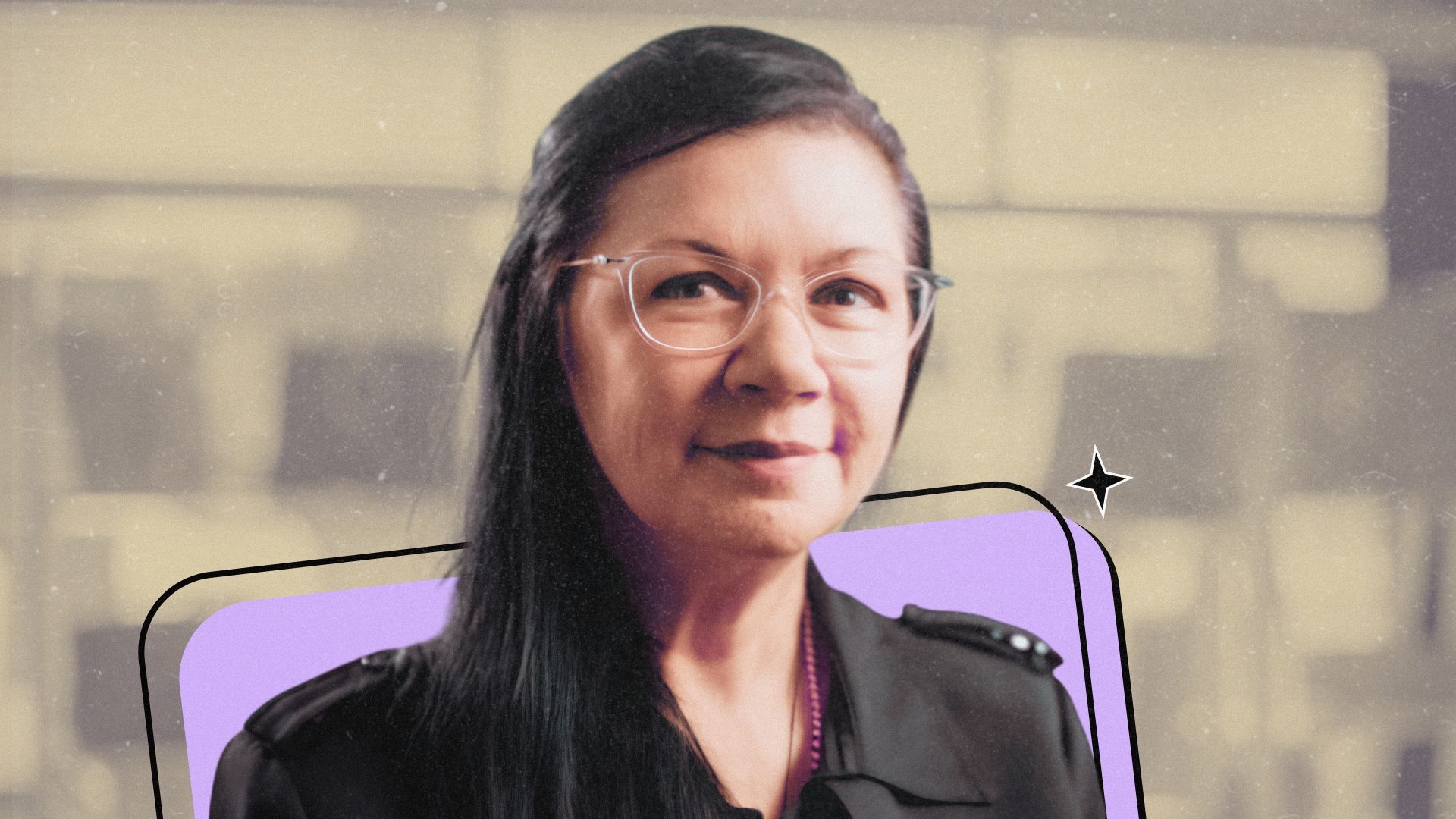
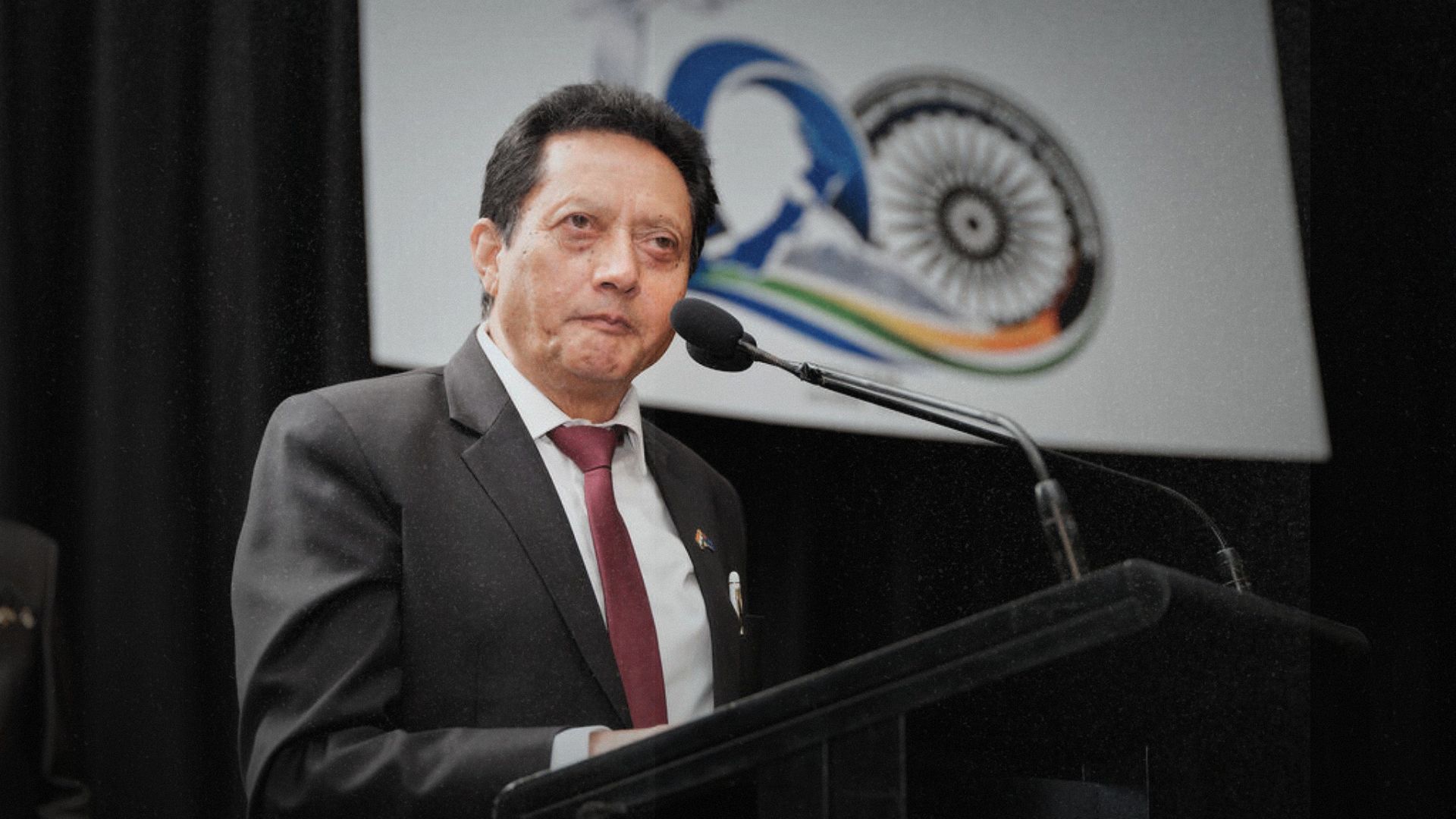
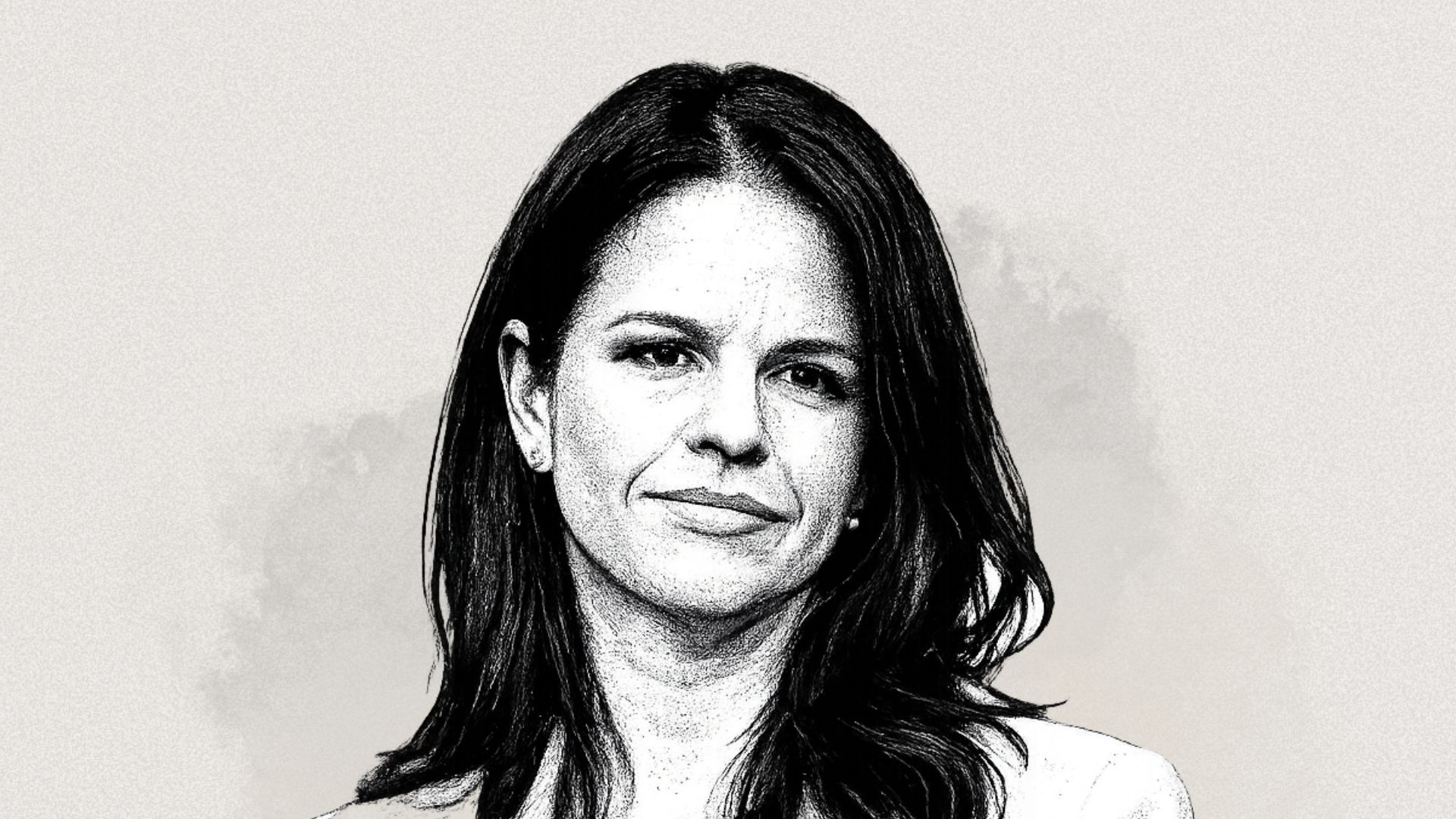
Auckland-based immigration lawyer Alastair McClymont. (Supplied photo)
An election debate in search of a definition
The timing matters. Net migration has fallen substantially from the exceptional post-pandemic peak, yet immigration has again become a politically charged issue.
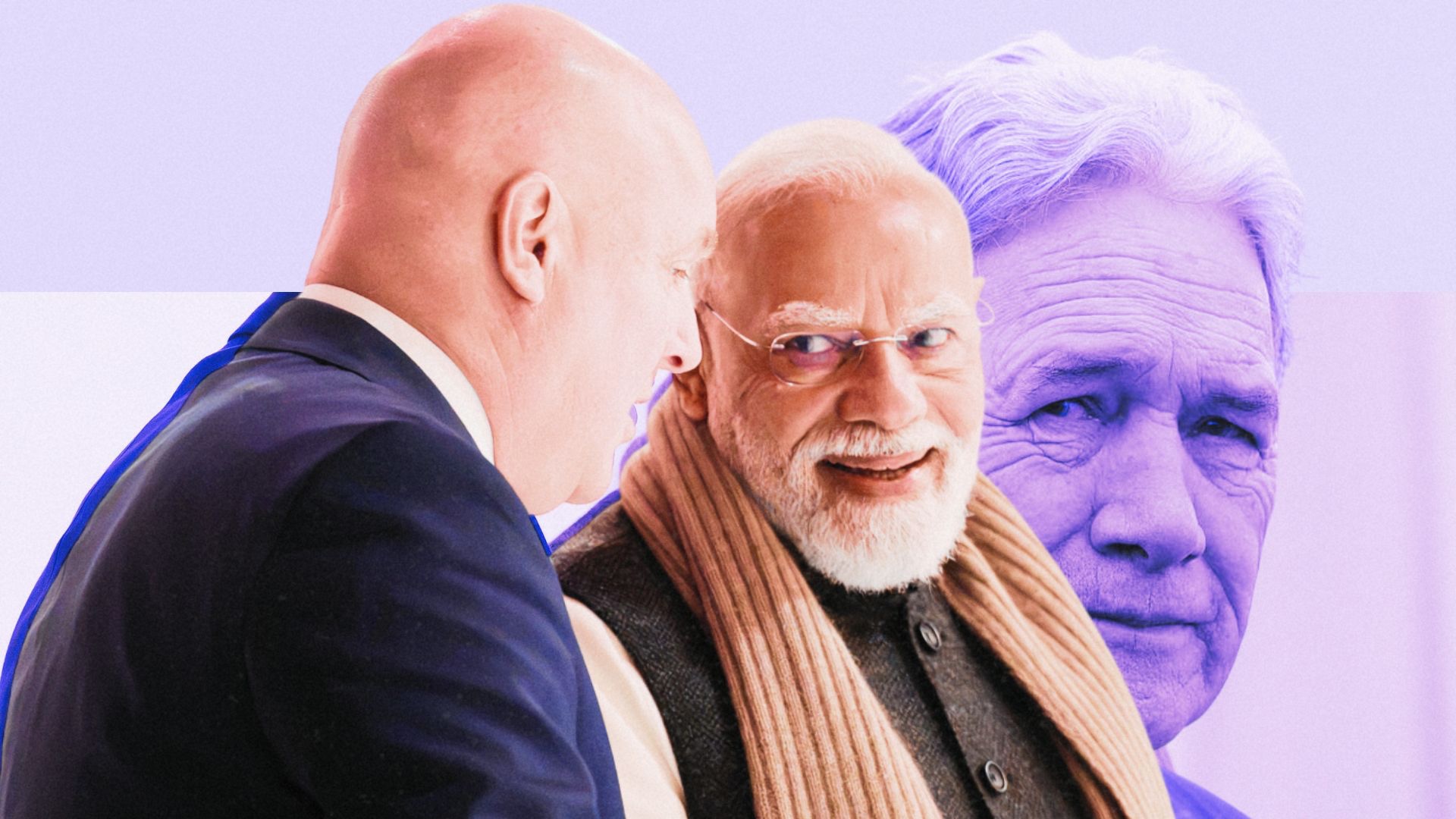
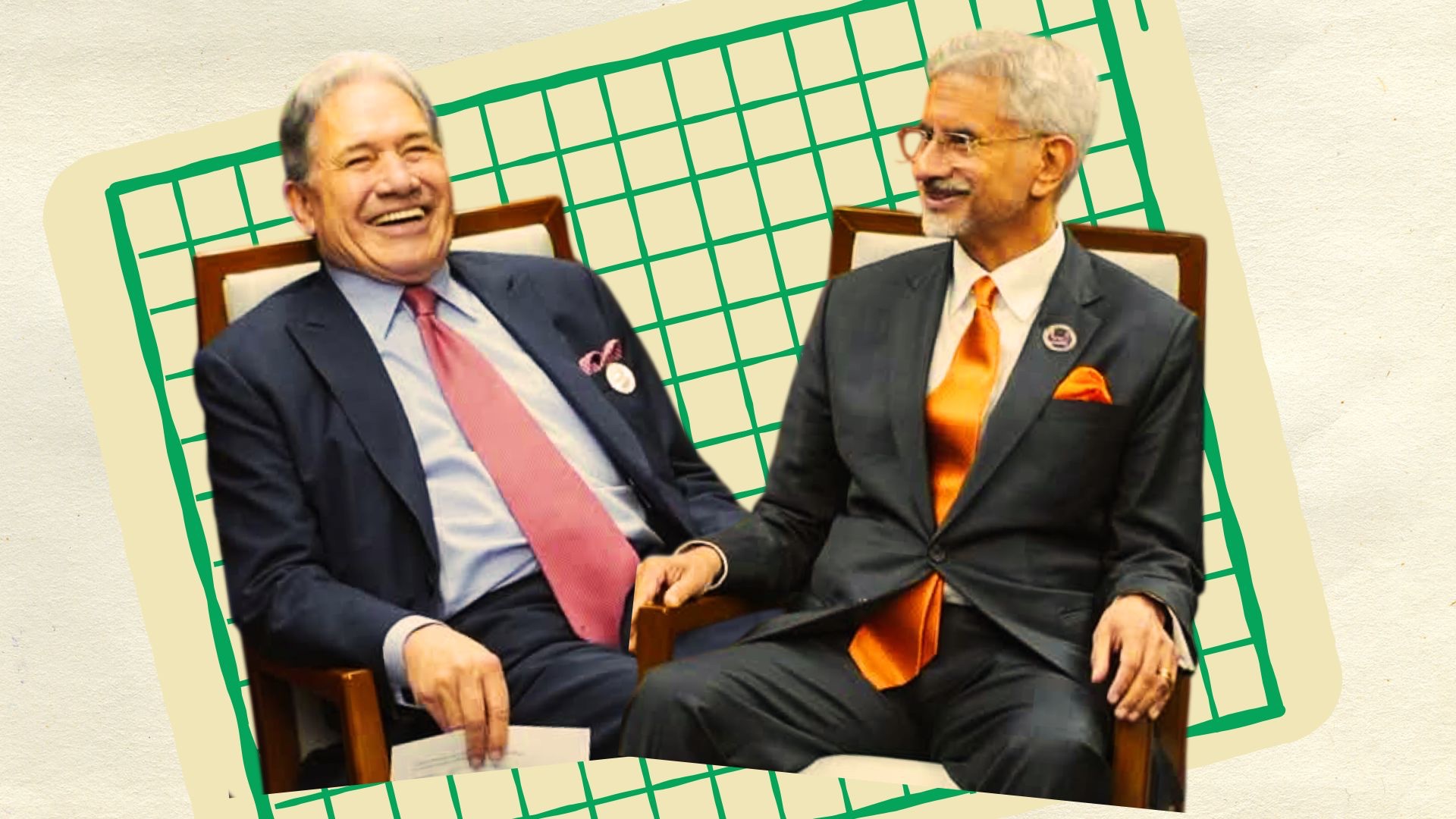
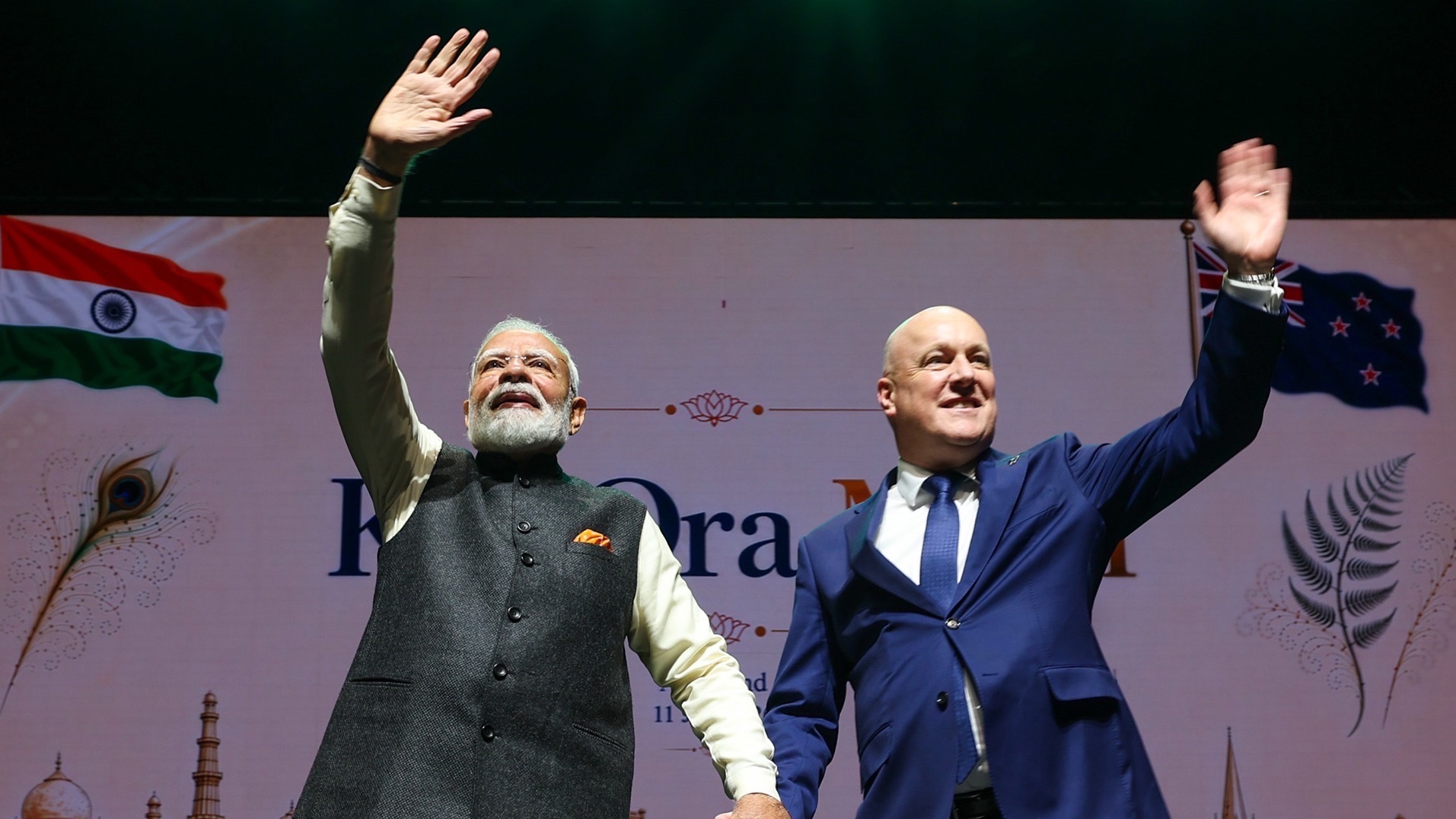
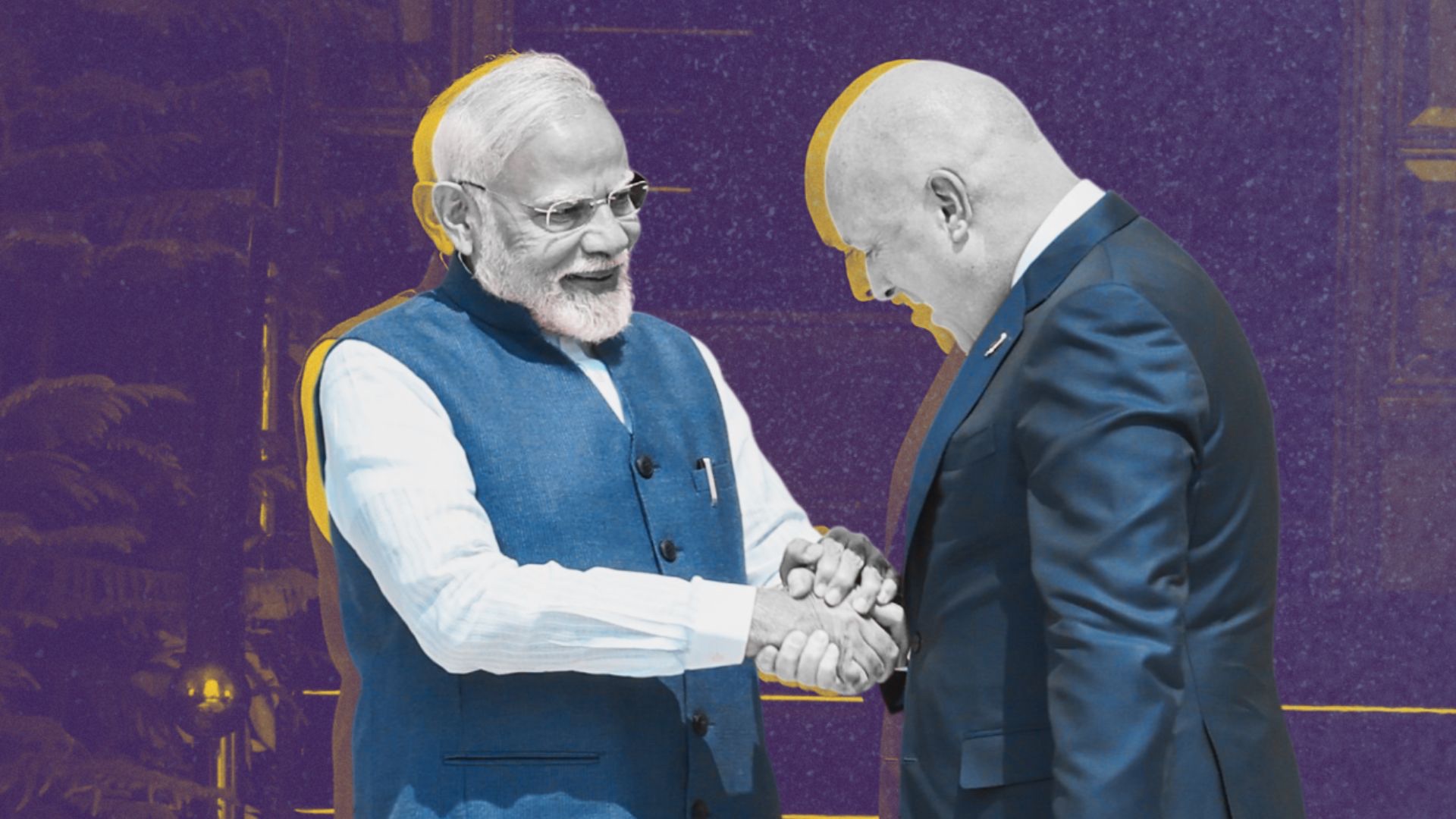
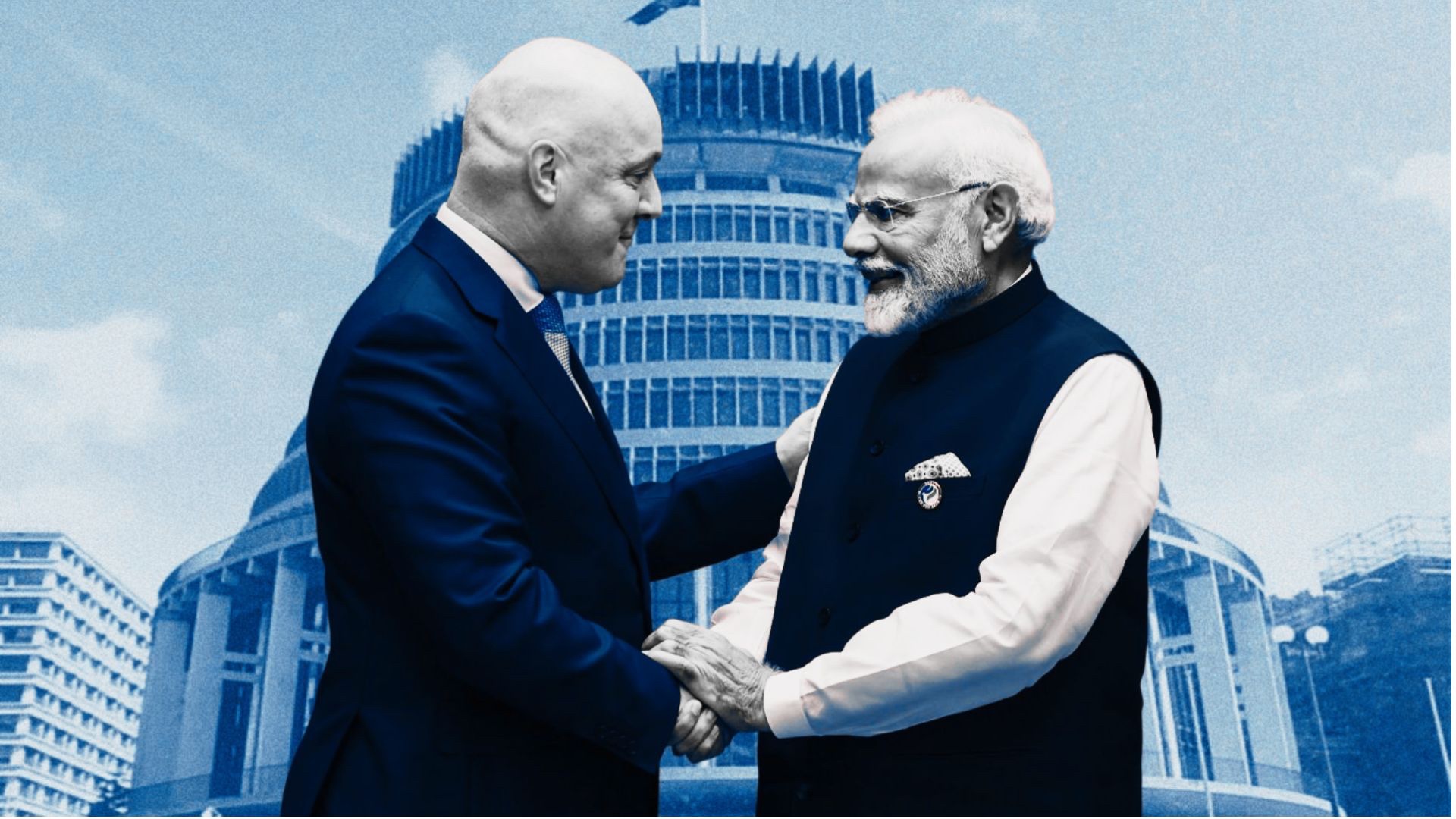
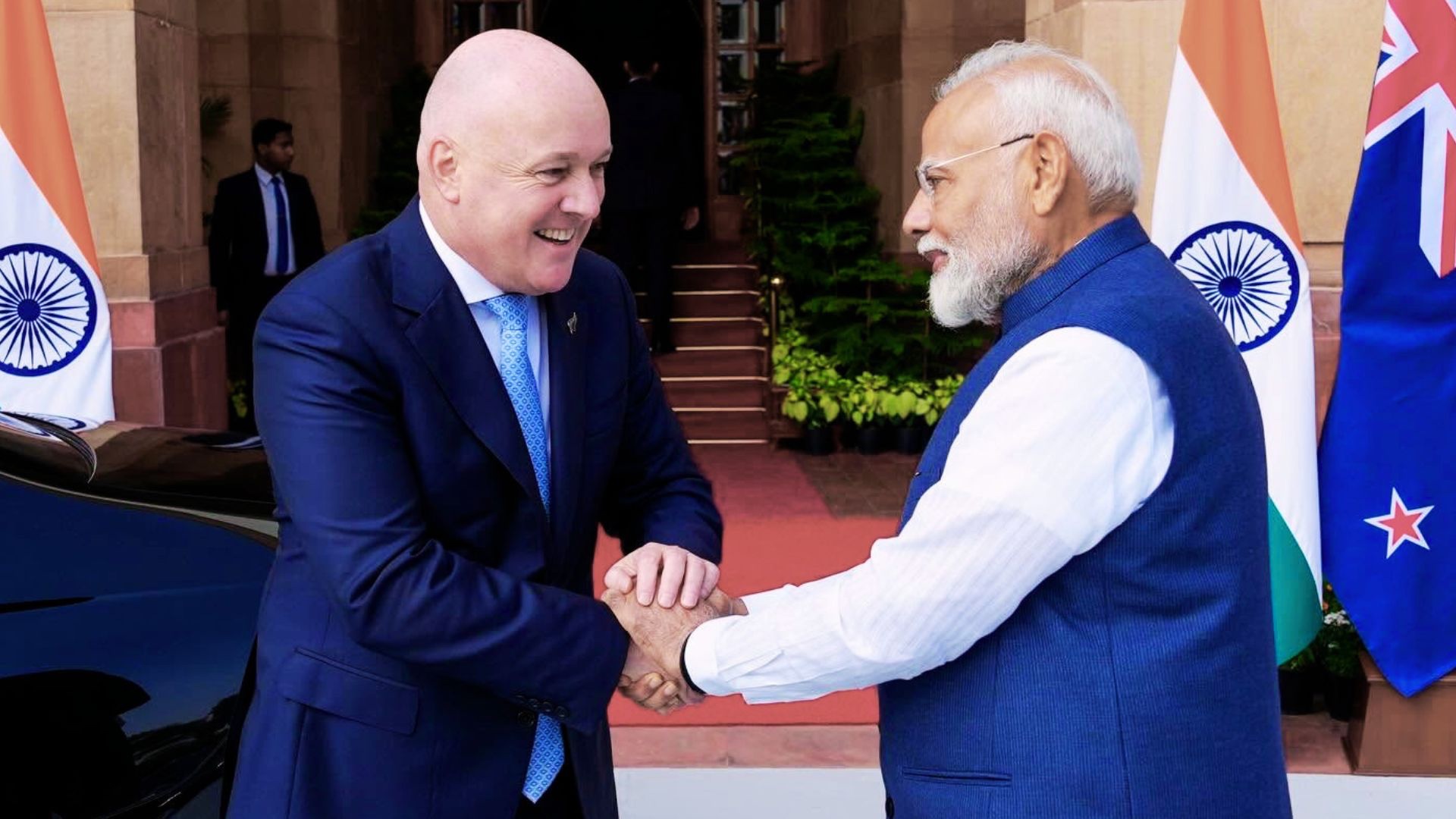
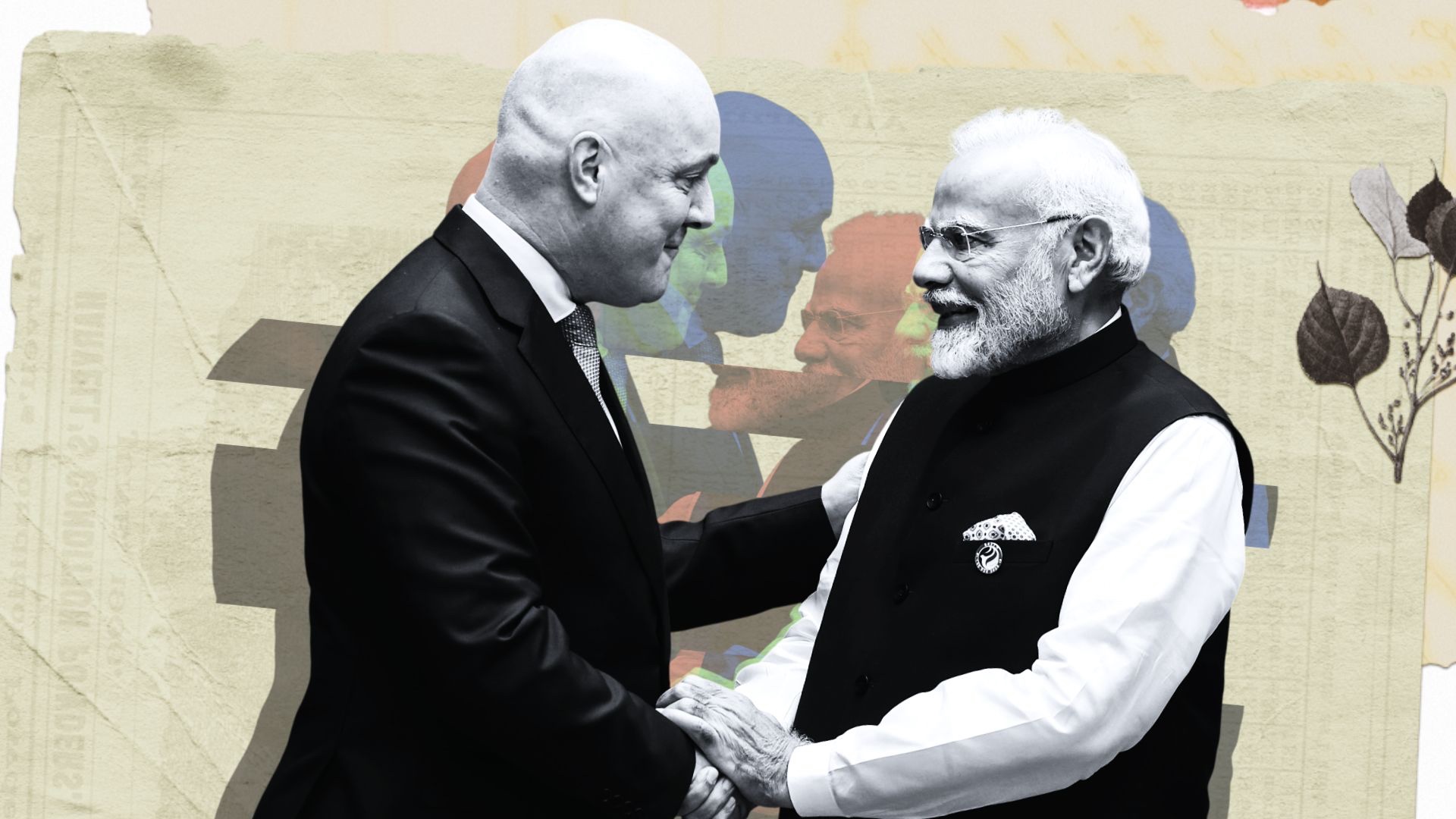
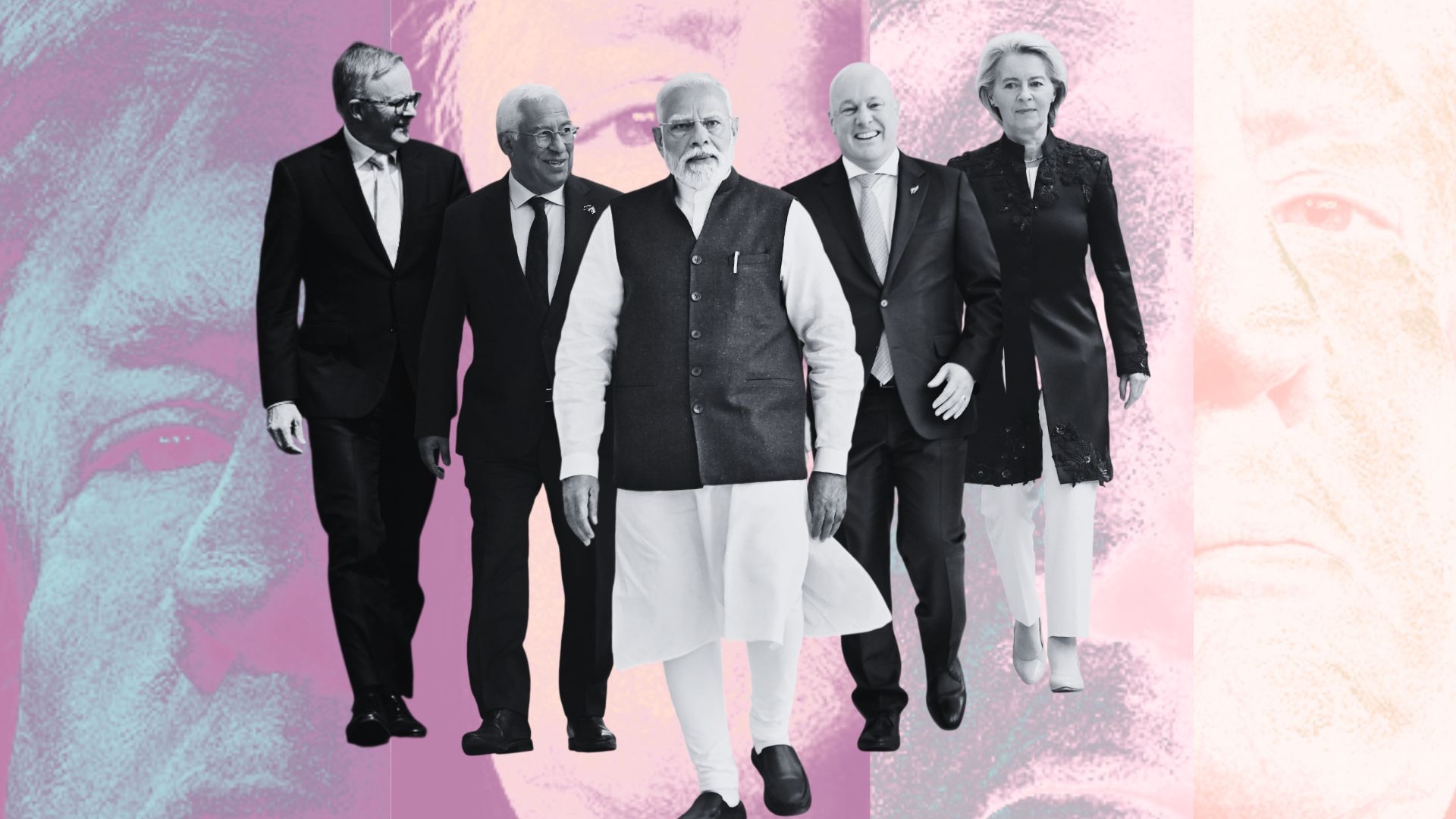
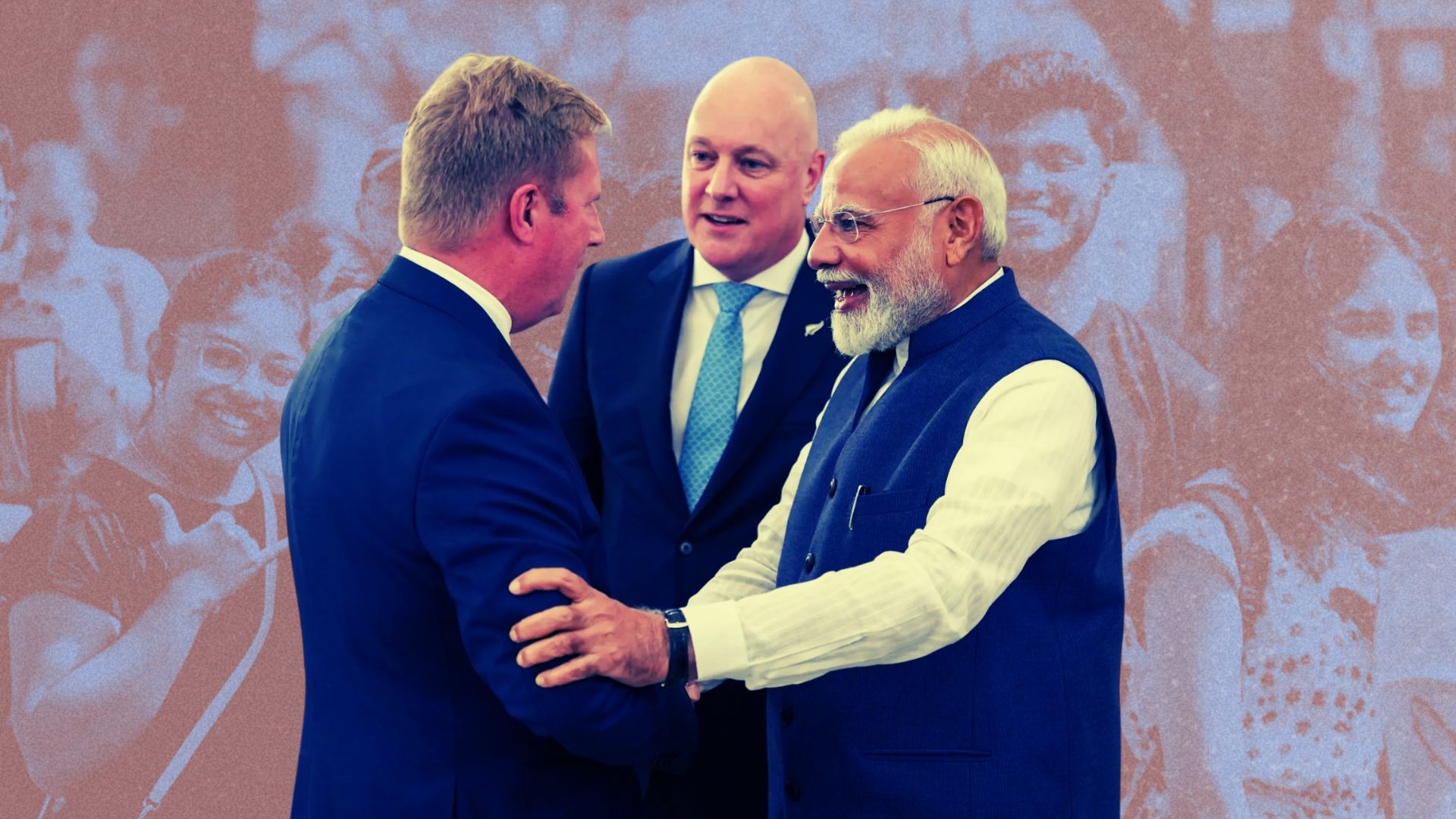
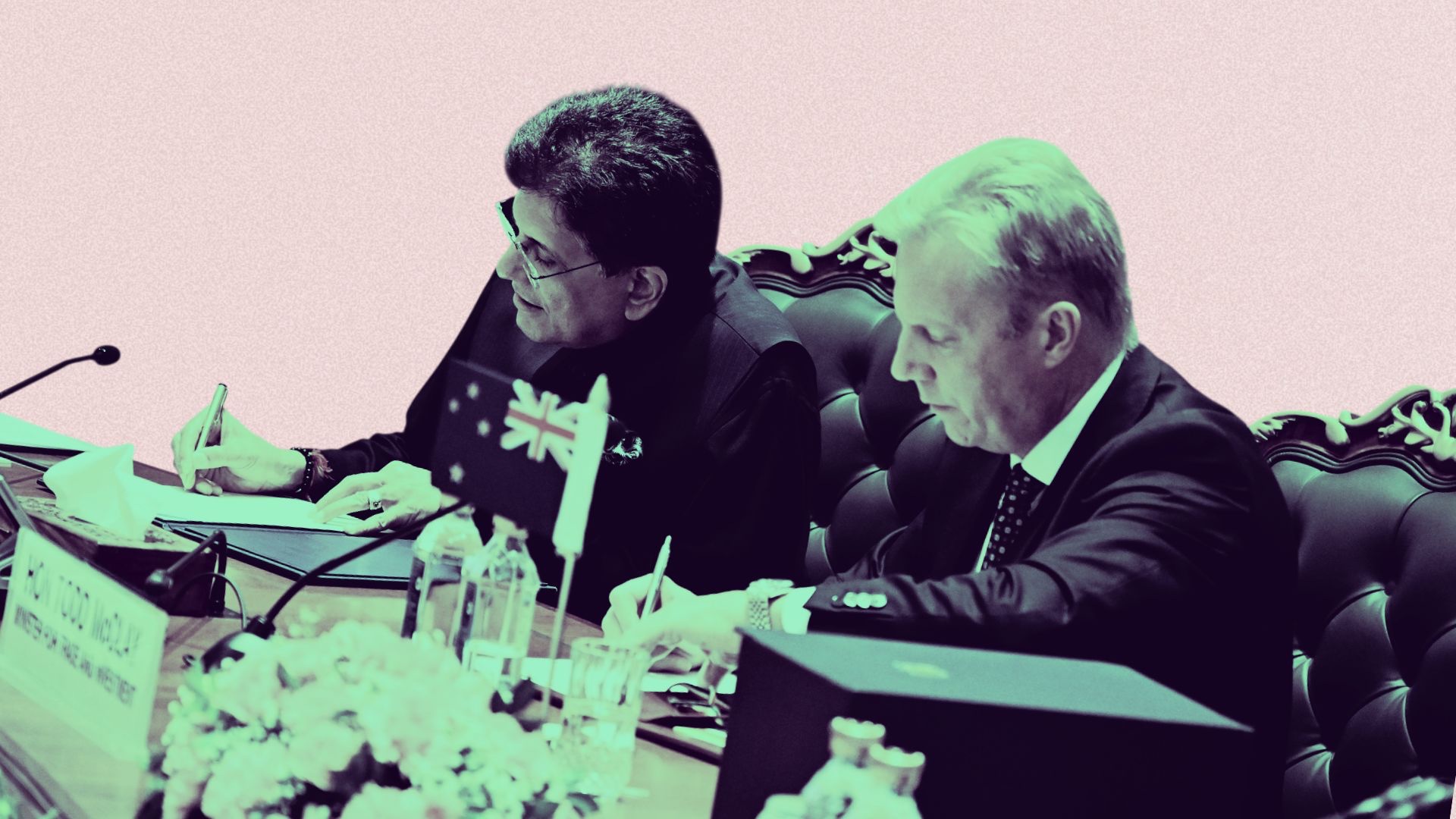
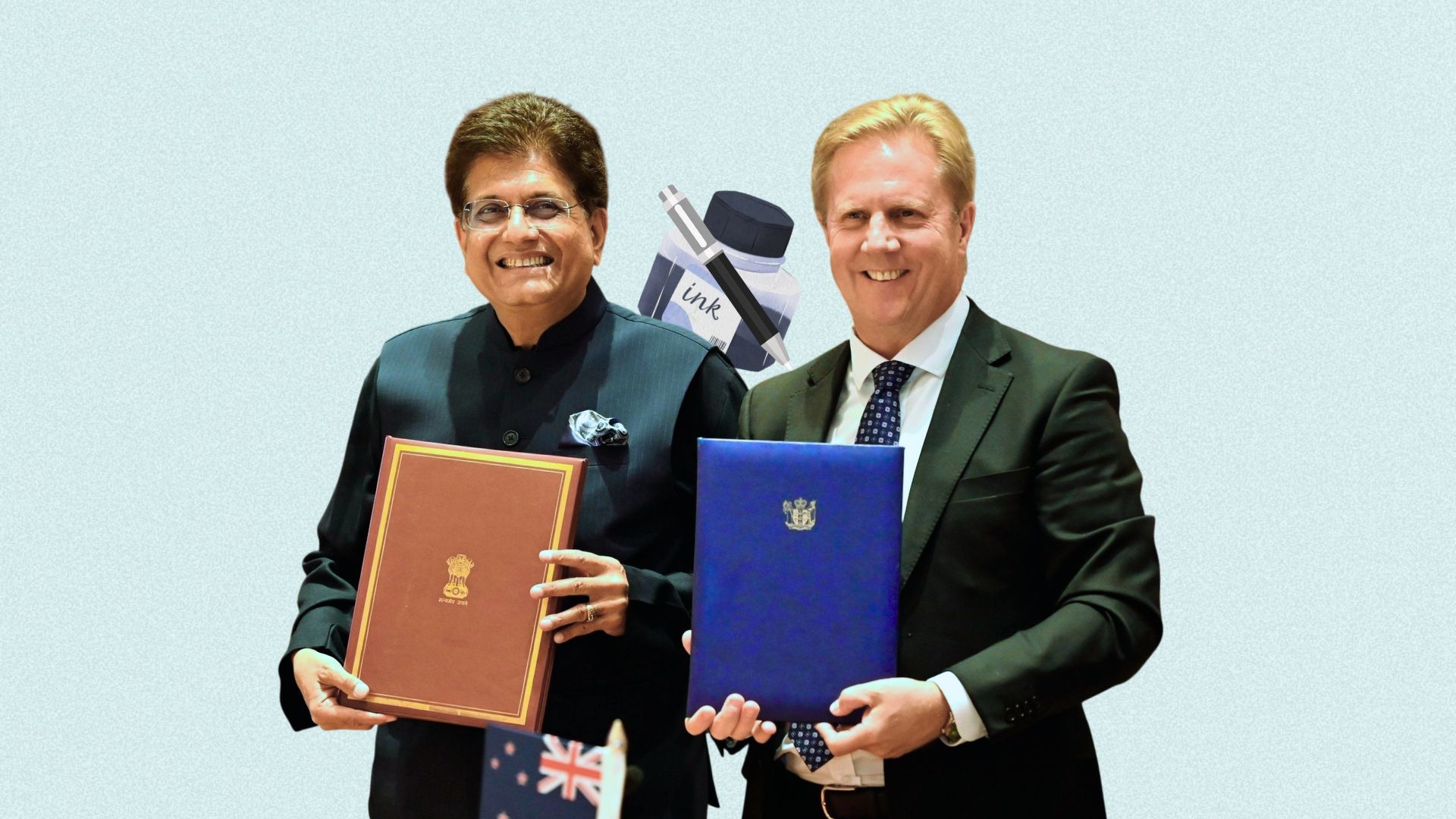
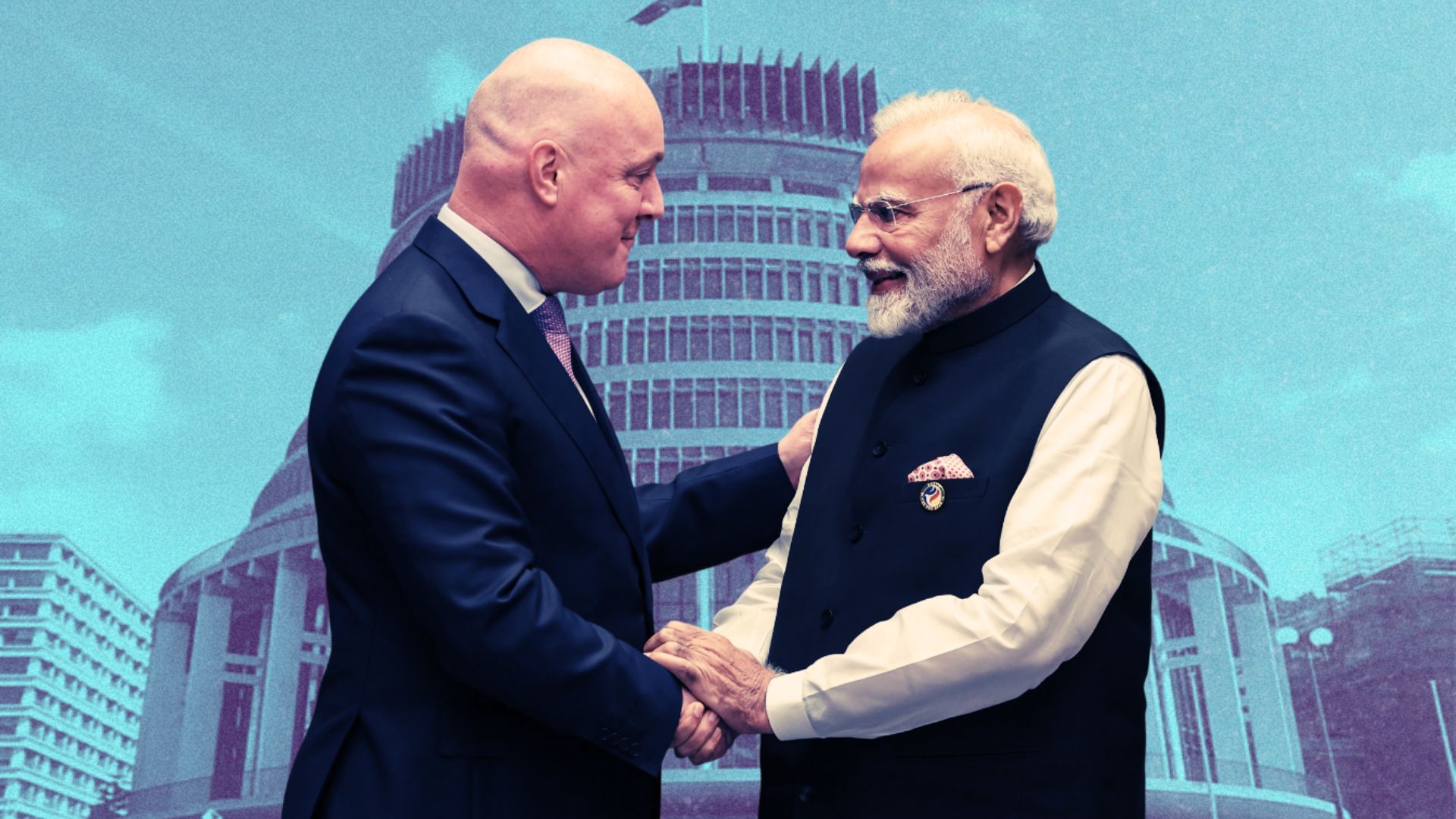
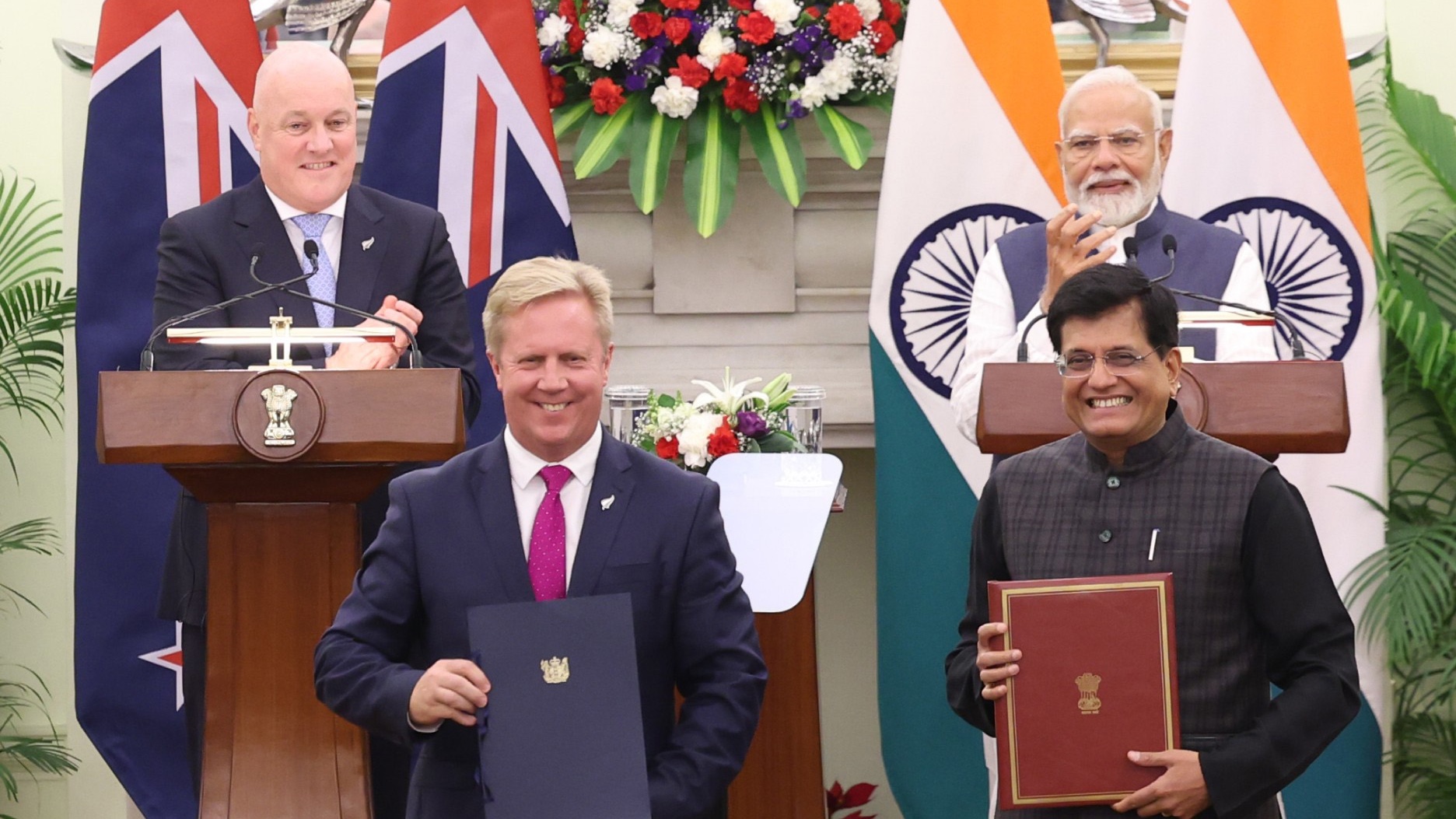
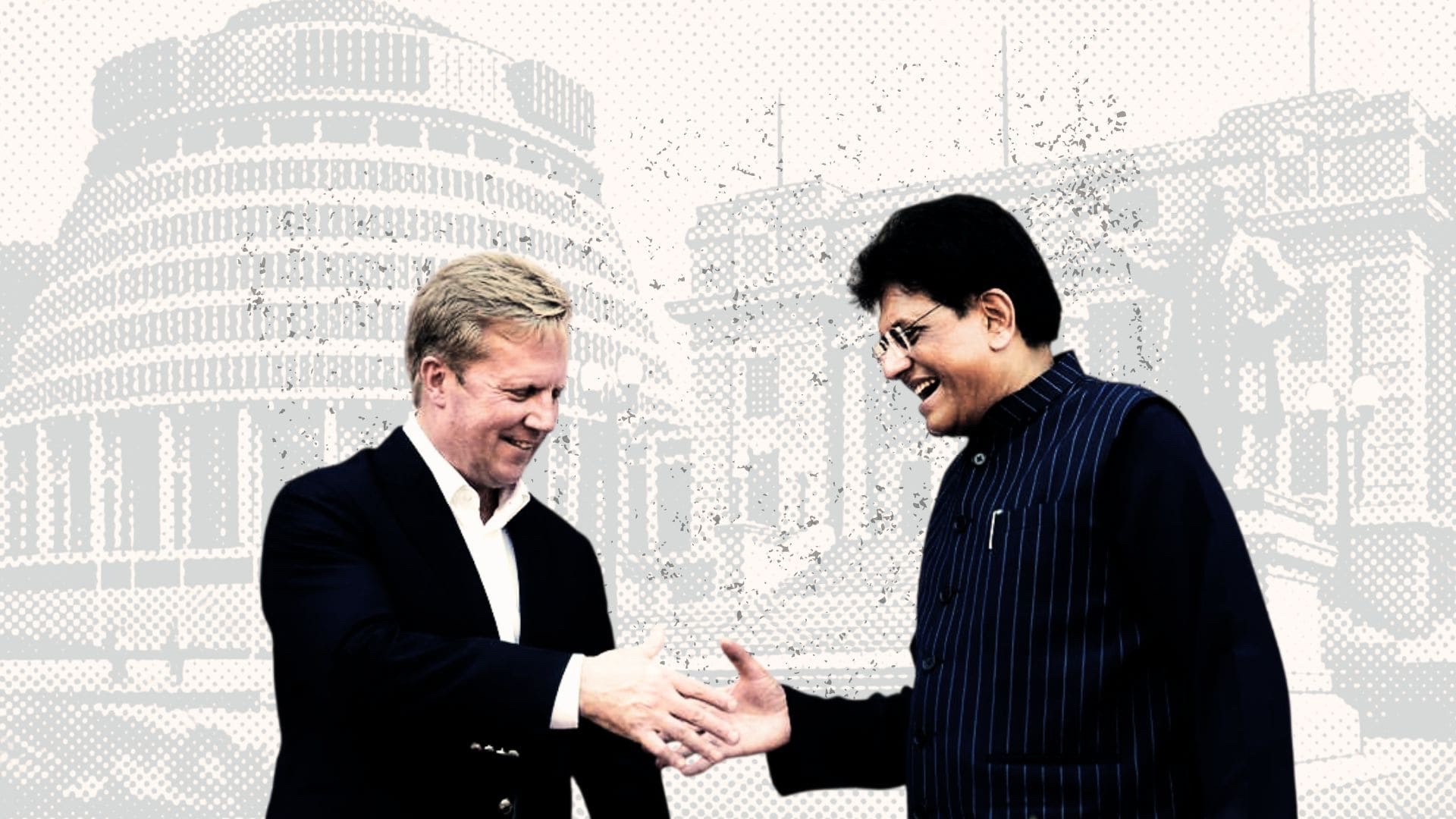
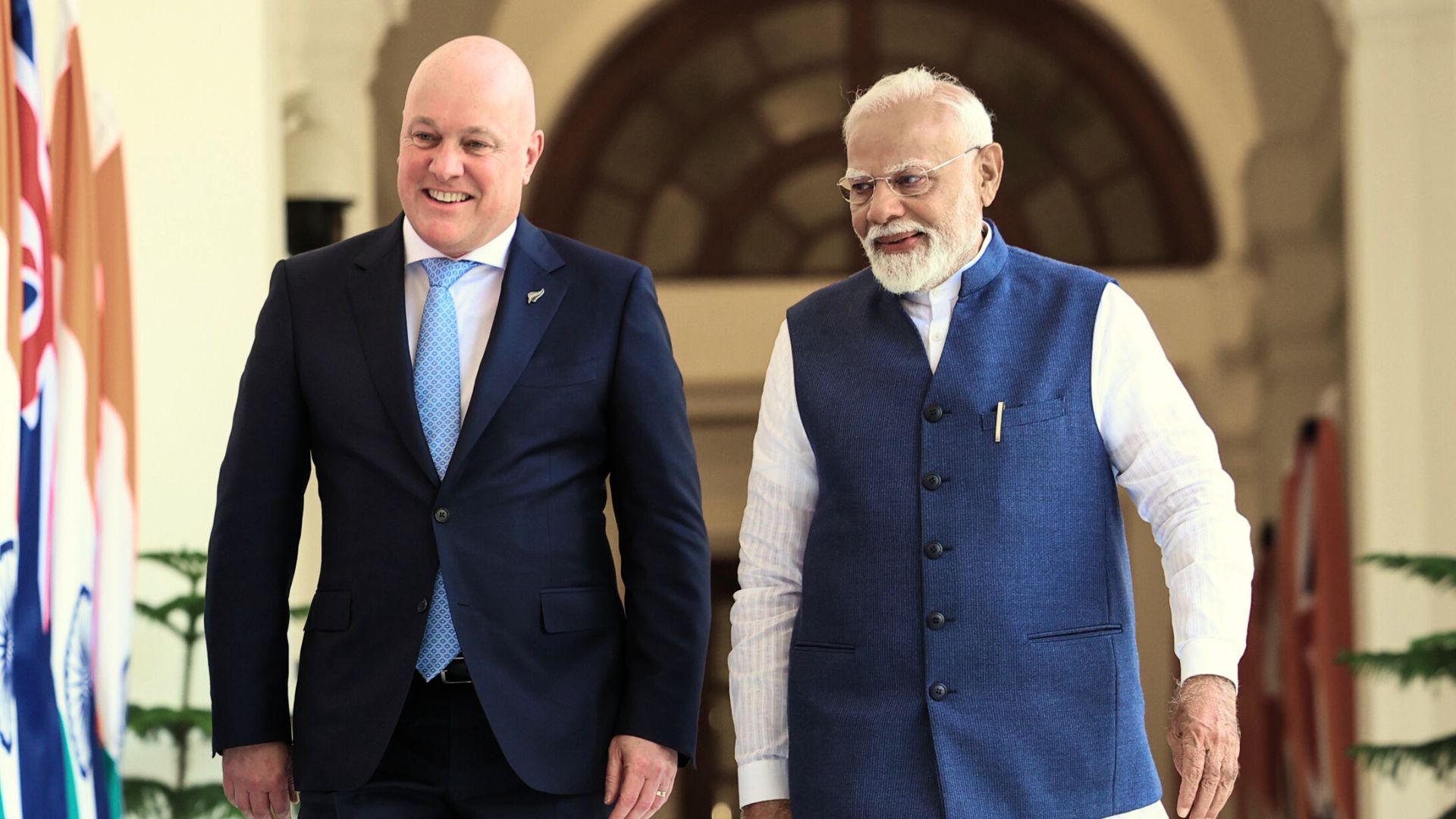
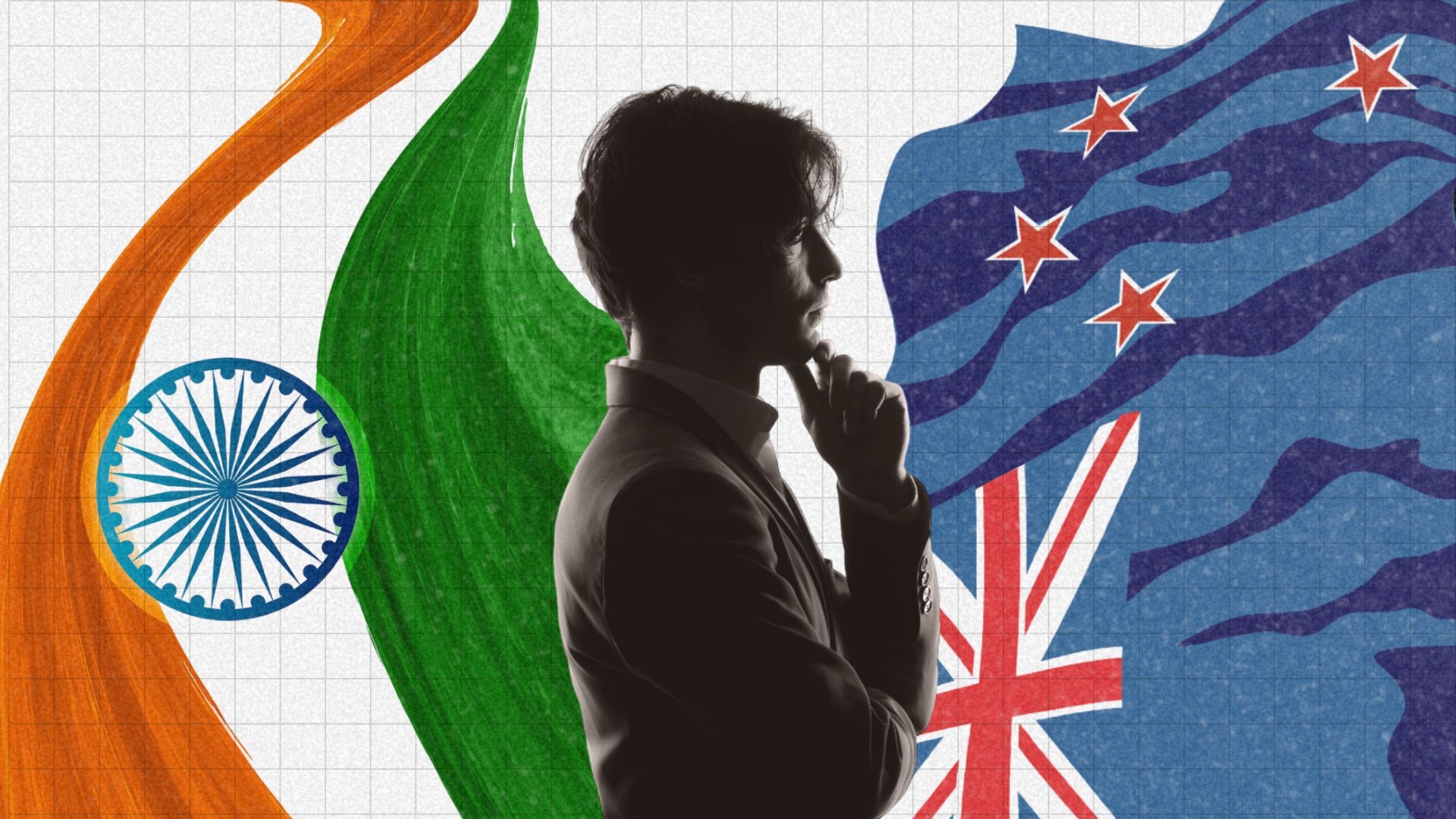
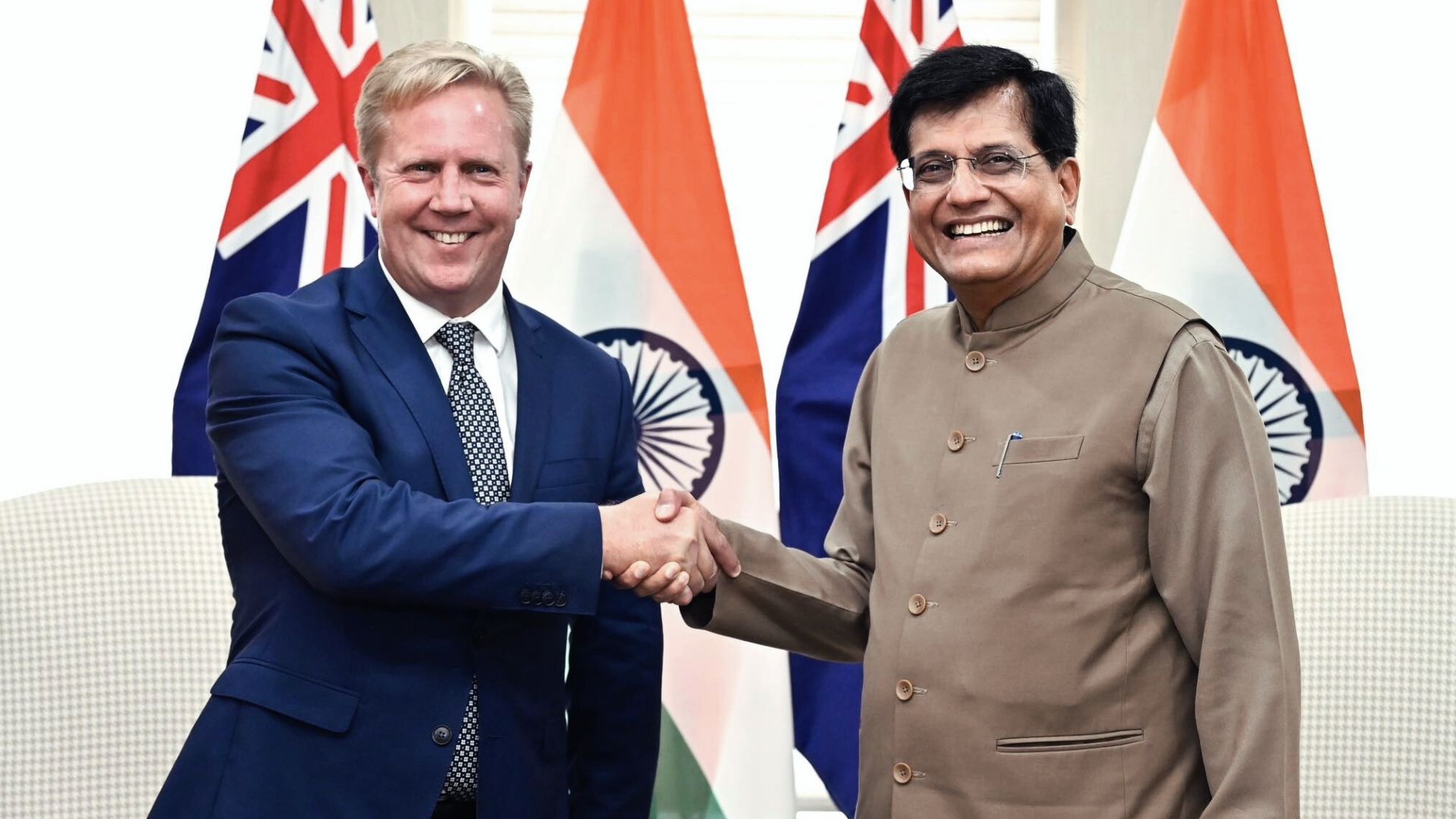
Debate surrounding the New Zealand–India free trade agreement and its temporary work-visa provisions has placed particular attention on Indian migration.
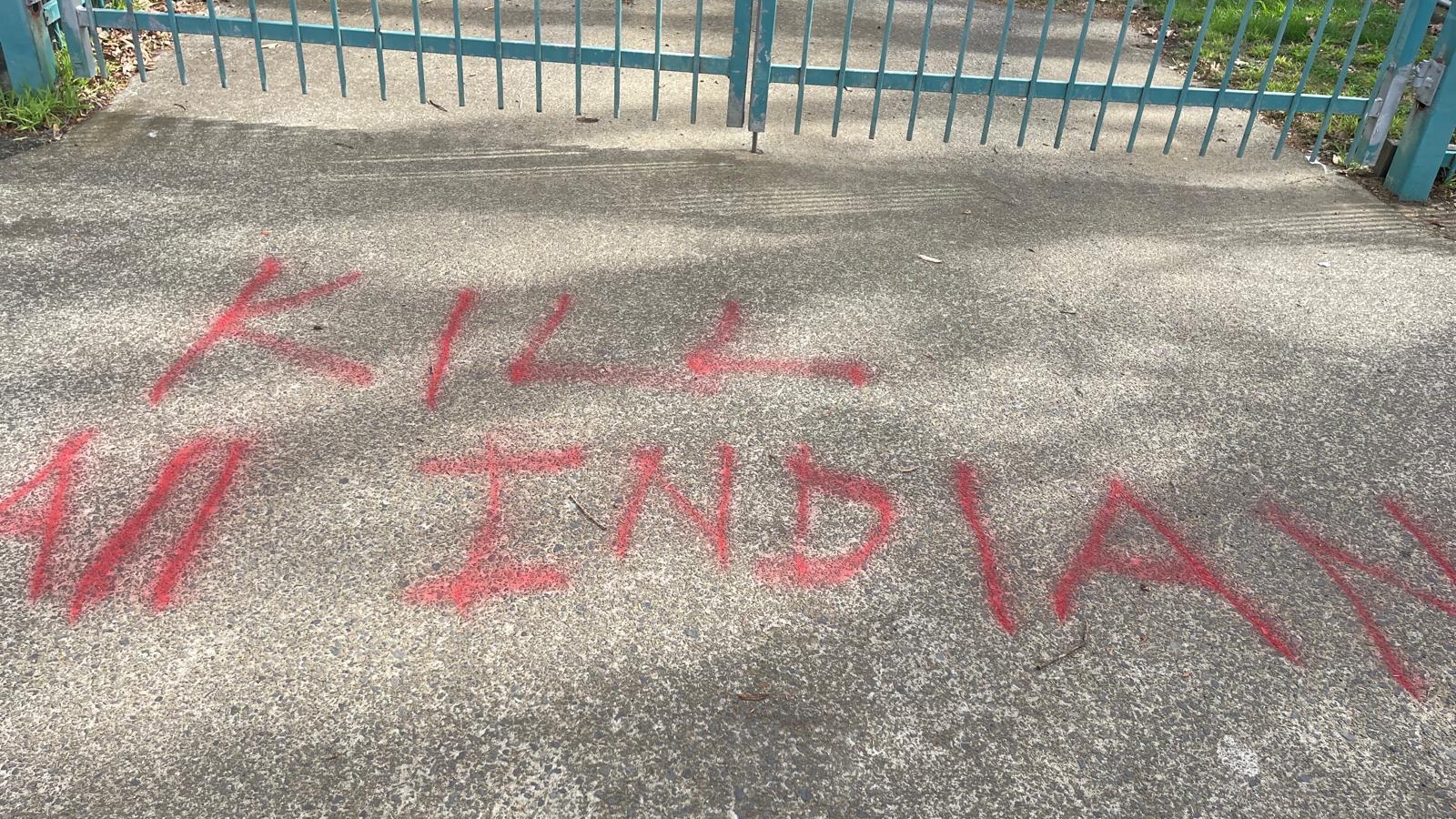
The risk is that a legitimate discussion about immigration settings becomes attached to a visible ethnic group, rather than remaining focused on evidence, policy design and the treatment of people who already live among us.
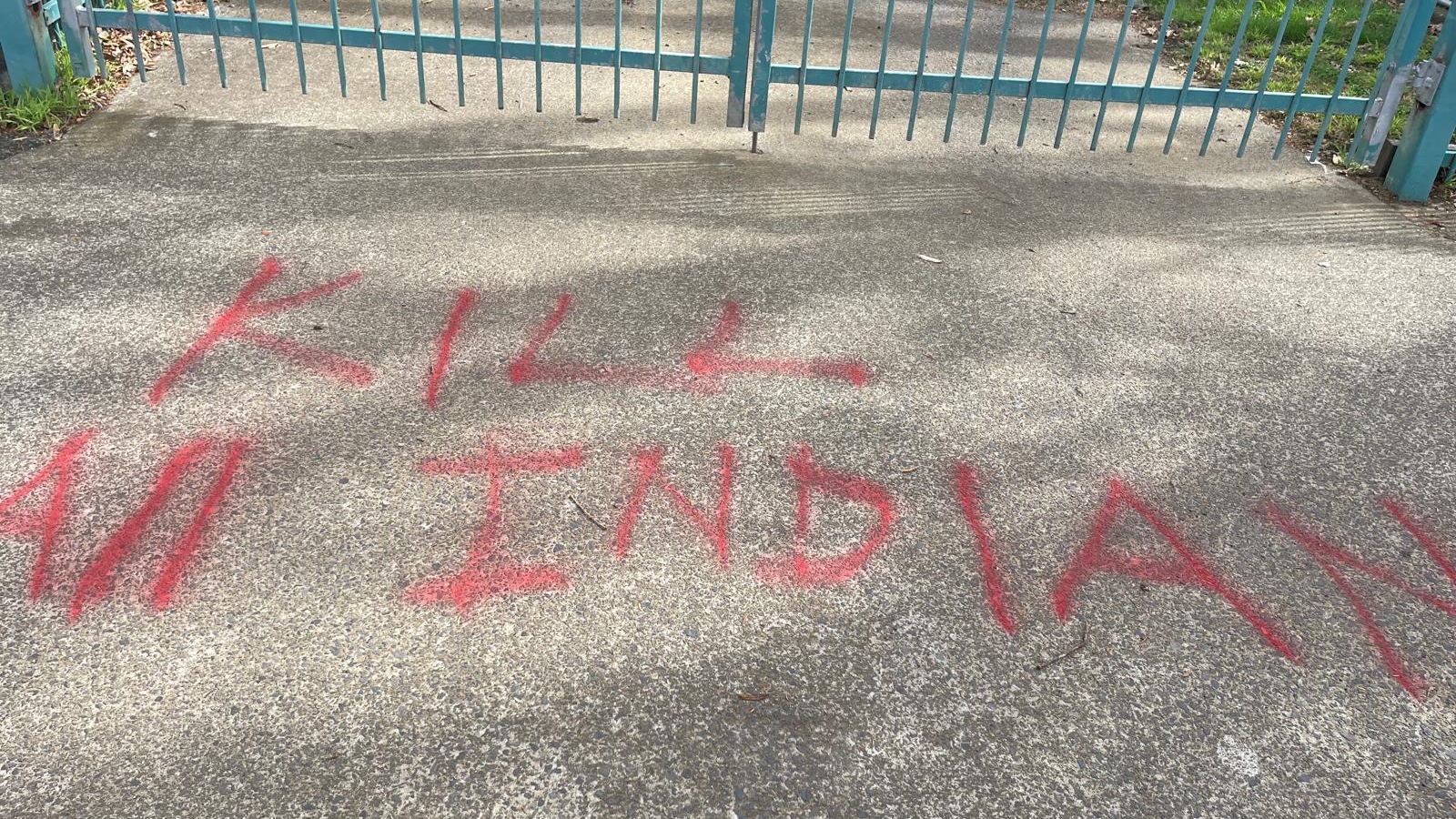
The failure of an established community to see migrants as members of that community is itself a failure of social cohesion. People cannot pursue their lives as free and equal members of society if they face routine discrimination, hostility or the threat of violence because of their origin.
Anti-migrant rhetoric does not merely report an absence of cohesion. It can actively manufacture that absence by defining some neighbours, workers and families as permanent outsiders.
Immigration policy can reinforce the same message when it treats people who have lived and worked here for years as eternally temporary, easily displaced and only conditionally part of society.
Miller’s three forms of integration
1. Social integration: Relationships between equals
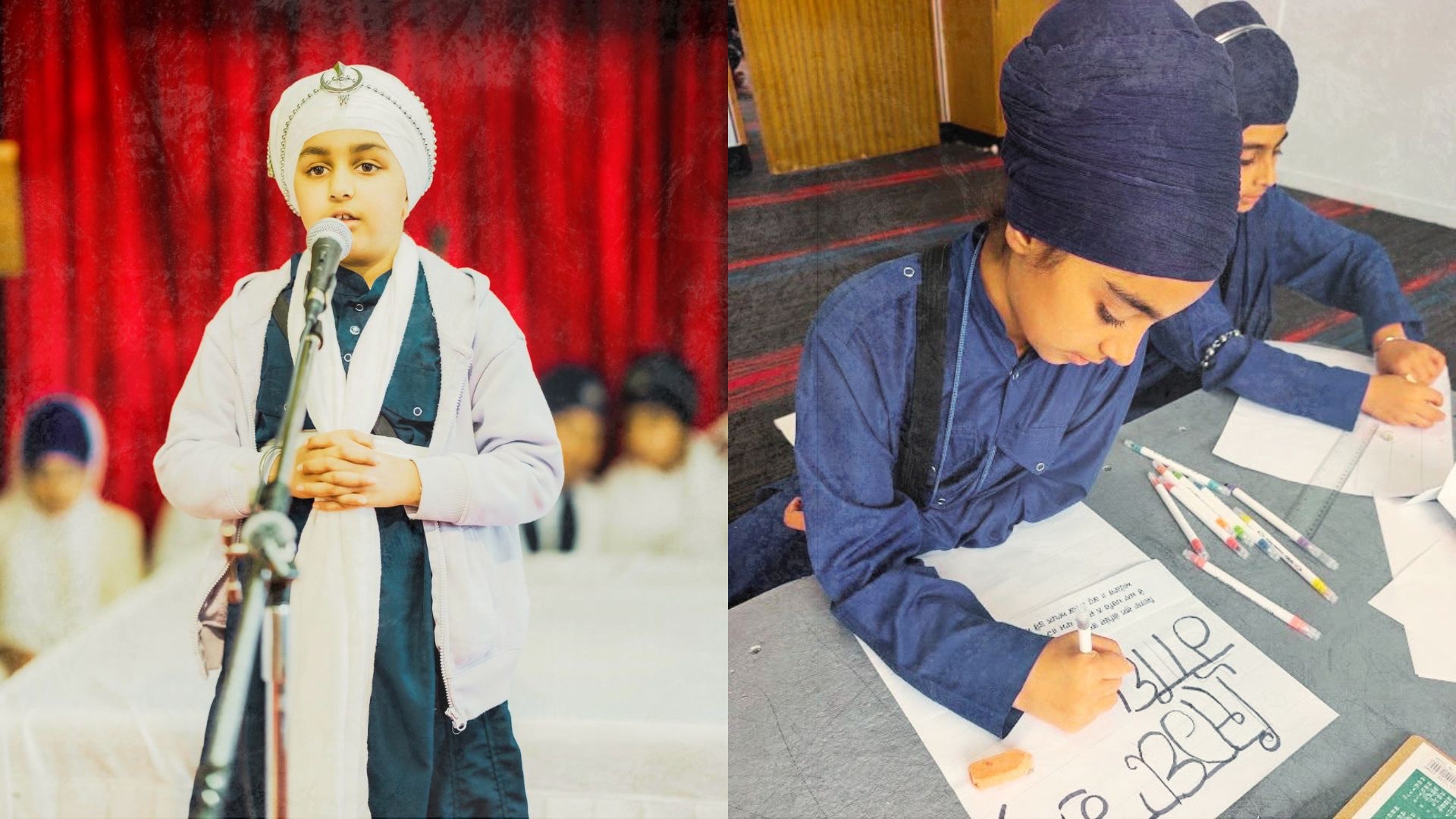
Social integration means regular interaction across a range of settings and, in Miller’s words, the development of “friendly, respectful relationships between equals”.
People meet at work, at school gates, through sport, in neighbourhood organisations, places of worship, unions, professional groups and voluntary associations. Through repeated contact, strangers become colleagues, teammates, friends and neighbours.
Government cannot order people to mix. It can, however, shape the conditions in which interaction becomes more or less likely.
Settlement support, English-language learning, secure employment, community facilities, inclusive schools and access to sport and cultural organisations all create meeting places.
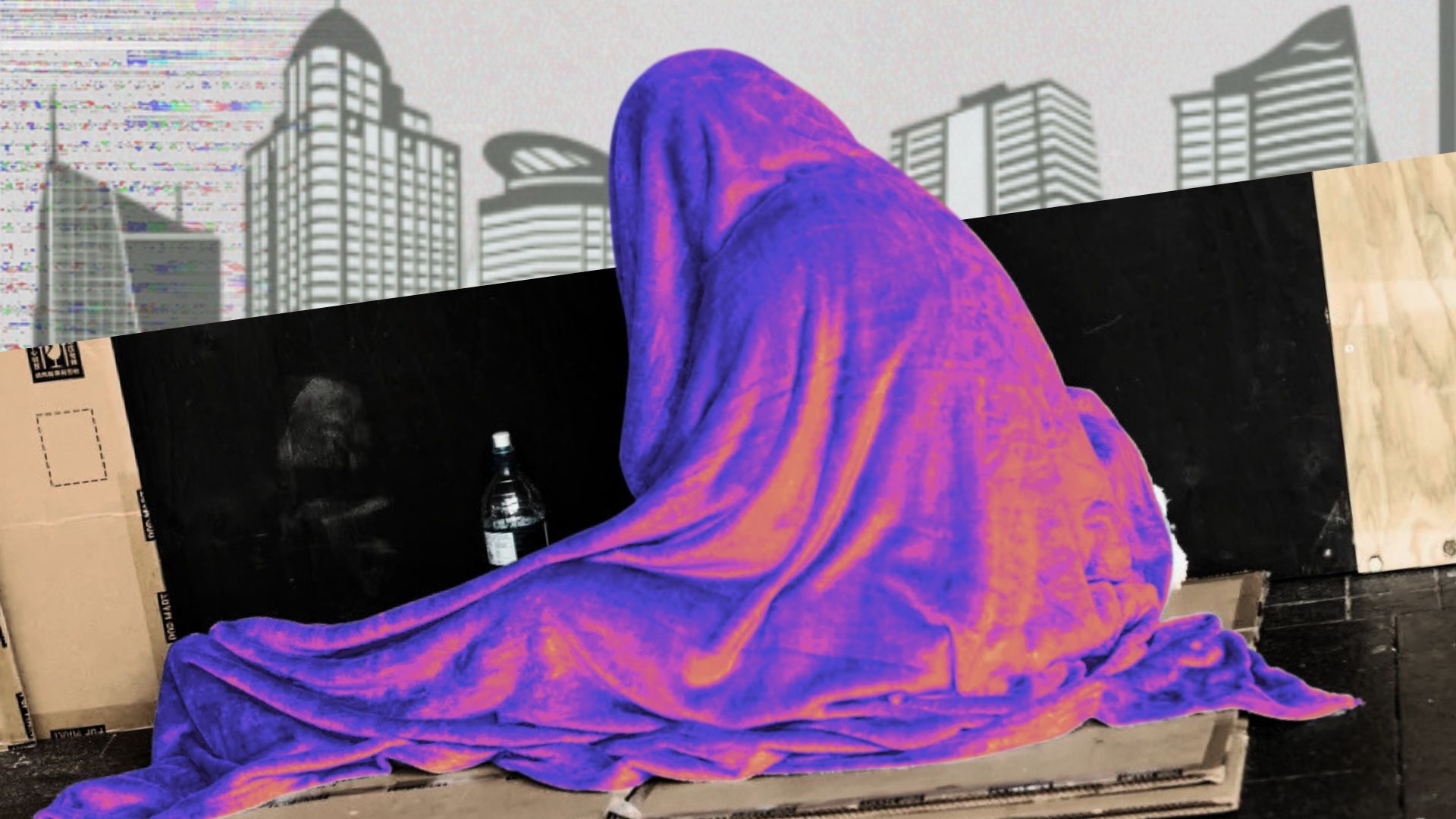
By contrast, exploitative work, insecure visas, overcrowded housing and fear of authorities push migrants inward and make social connection harder.
2. Civic integration: Knowing how a shared democracy works
Civic integration concerns the principles and practices that organise public life. It does not require agreement about every political goal. Civic integration instead requires a shared understanding of how those disagreements are pursued: through democratic institutions, lawful protest, free expression, equal protection, and respect for the rights of others.
Migrants should be given the knowledge and practical ability to participate in that system. That includes language support where needed, but also a real introduction to workplace rights, voting, public services, the legal system, New Zealand history and Te Tiriti o Waitangi.
A civics programme should equip people to exercise rights, not merely test whether they can memorise approved facts.
3. Cultural integration: Public knowledge, not private conformity
Cultural integration is the most controversial category because it can mean very different things.
At its most oppressive, it means that migrants should suppress their inherited culture and adopt the majority’s way of life. That demand violates the freedom it claims to defend.
Food, music, dress, family customs, religious practice and language largely belong to the private and associational sphere. A liberal state should protect those freedoms, not make cultural sameness the price of acceptance.
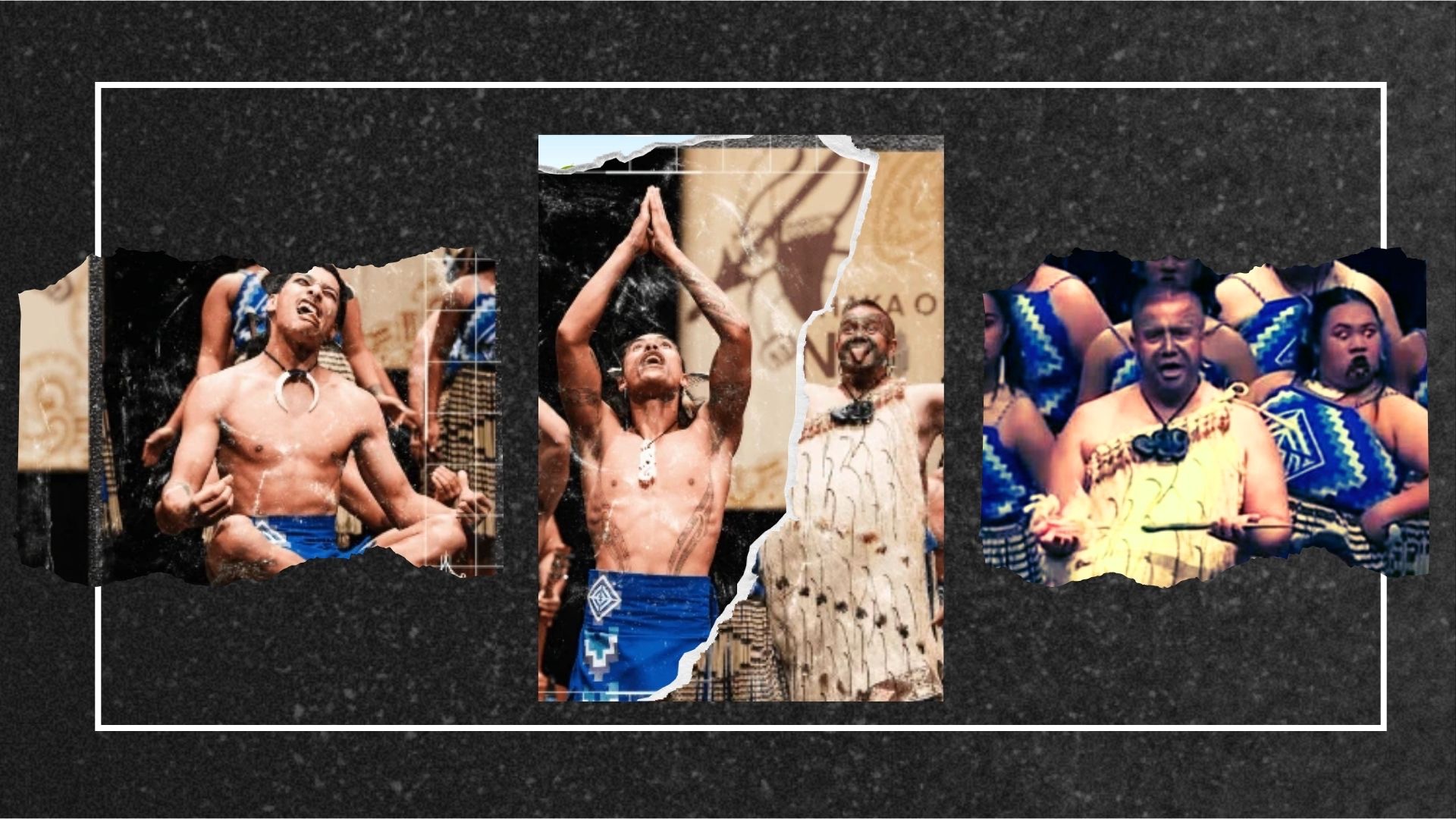
New Zealand’s public culture cannot, however, be treated as a fixed inheritance belonging exclusively to an established majority. It has a particular history, including the foundational place of Māori and Te Tiriti.
It is also continually reshaped by everyone who participates in it. Migrants enter a public culture, but they also become co-authors of it.

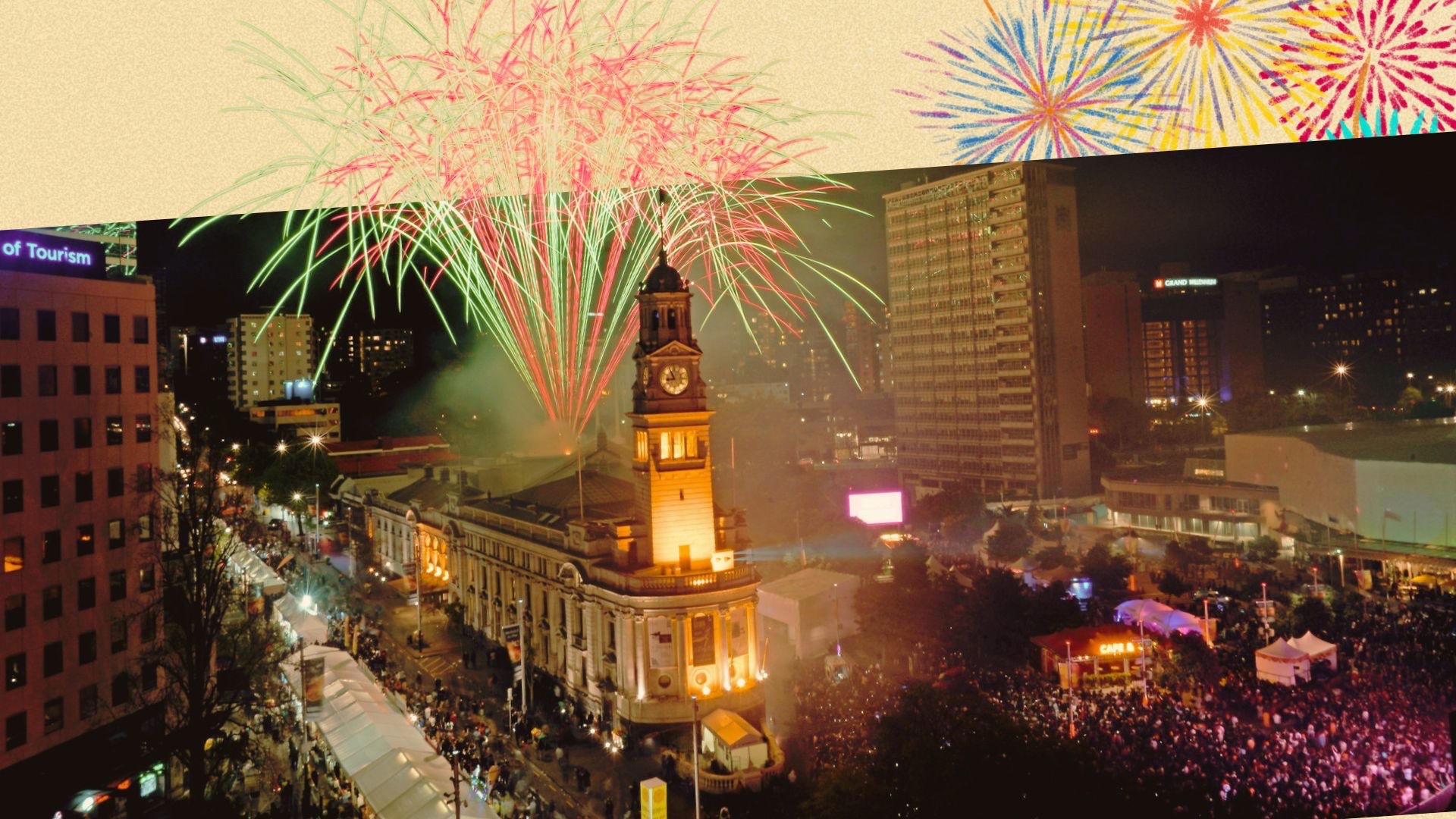
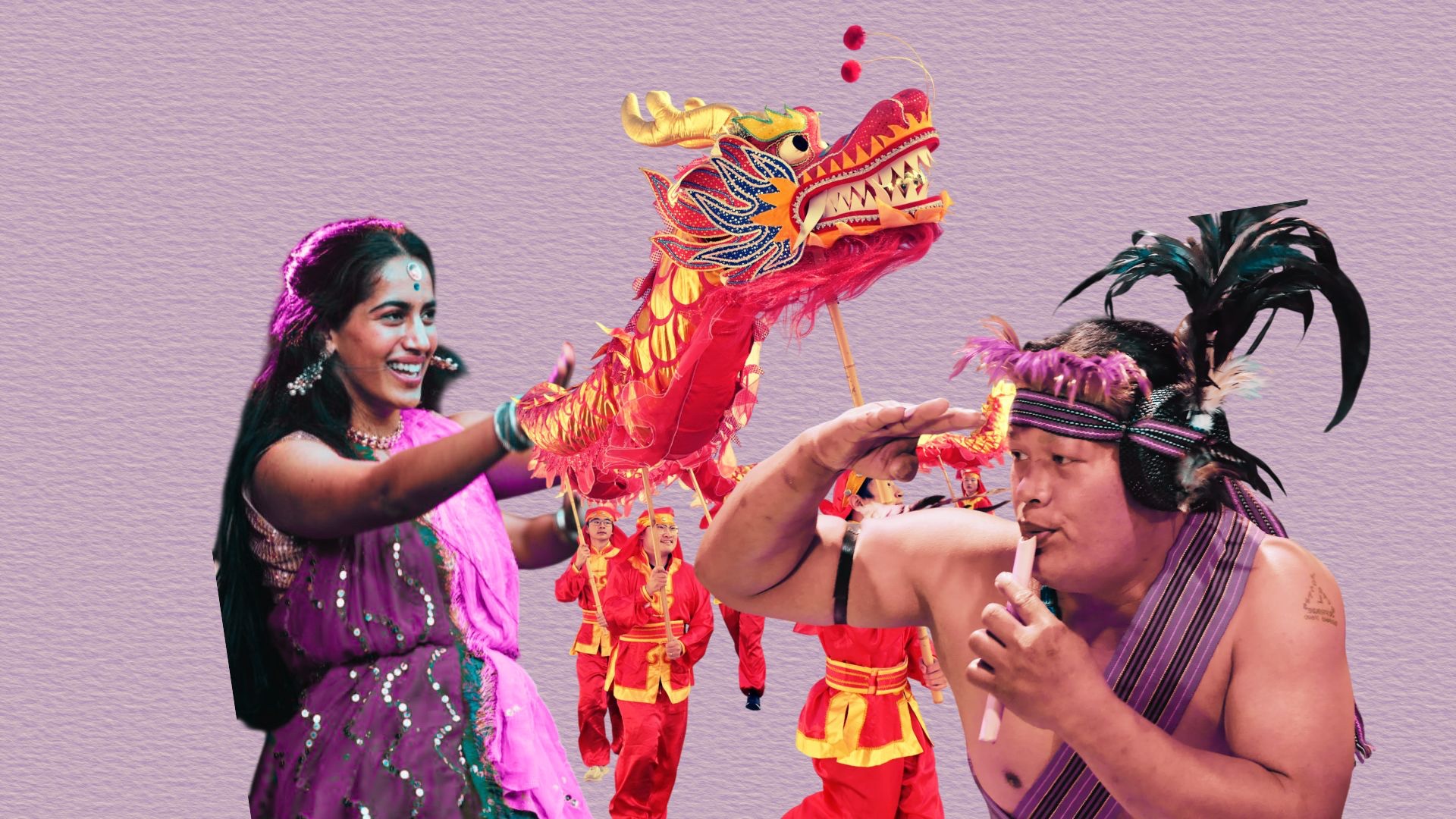
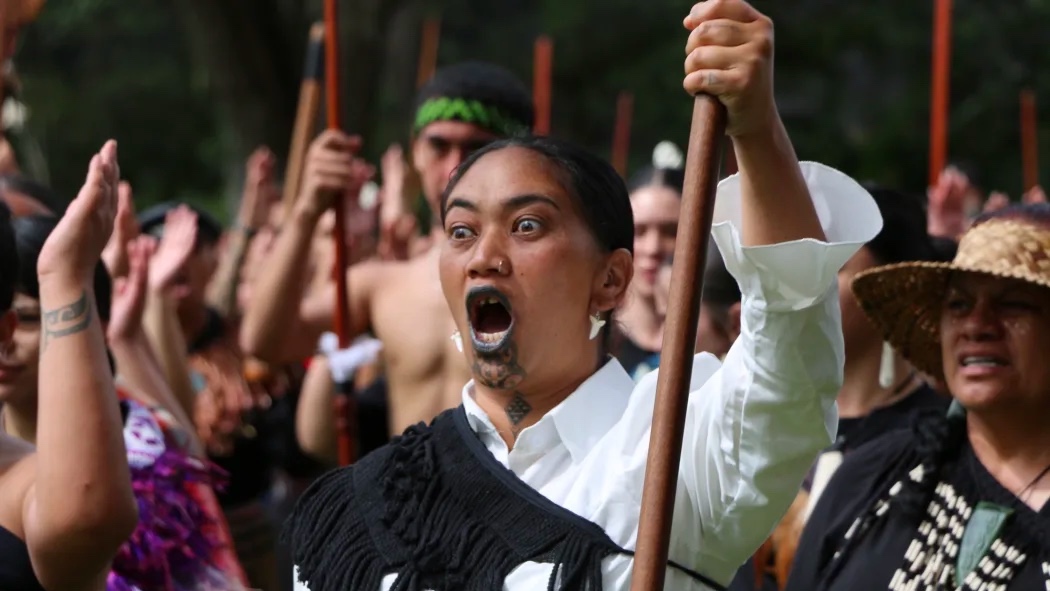
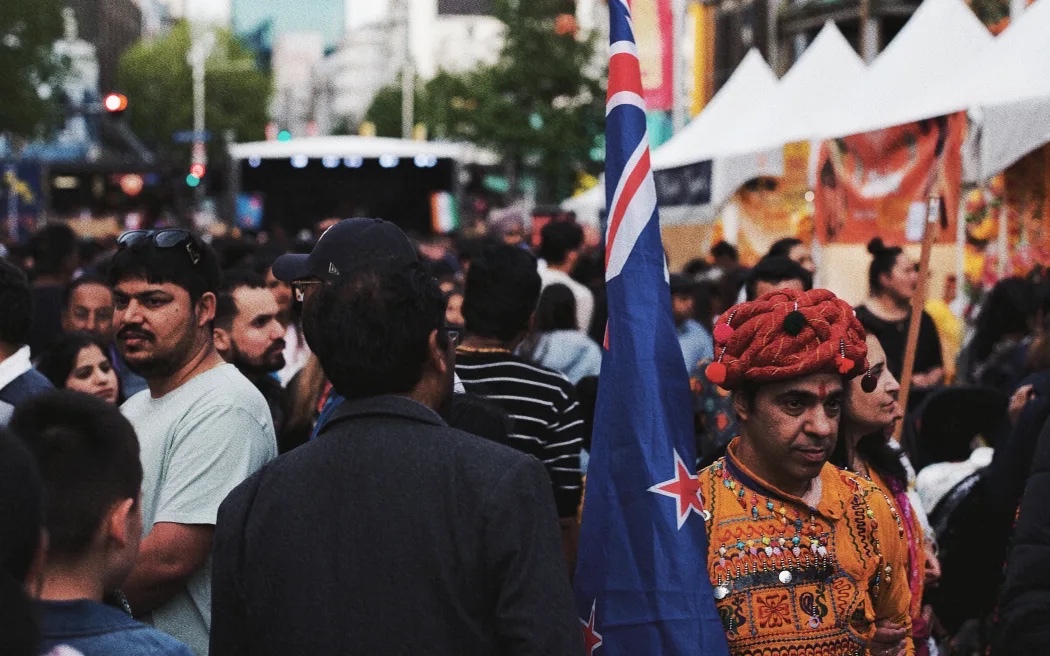
A performer at BNZ Auckland Diwali festival. (File photo)
Social cohesion is a two-way obligation
Once Miller’s distinctions are applied, the central error in much political rhetoric becomes clear. Social cohesion is often presented as something migrants must deliver to the host society. In reality, it is a shared public achievement.
The wider community has corresponding obligations. It must treat migrants as equals, protect their private cultural freedom, enforce their employment rights and open pathways into shared institutions.
Political leaders carry an especially heavy responsibility not to turn anxiety about housing, infrastructure or wages into suspicion of a nationality or ethnic group. Those policy pressures may be real, but blaming visible newcomers neither solves them nor strengthens cohesion.
Visa policy is therefore central, not incidental, to social cohesion. A system that keeps workers permanently temporary, ties their security closely to an employer or leaves families uncertain about whether they can build a future creates poor conditions for integration.
It is difficult to ask people to invest deeply in a community while the state continually reminds them that their presence is provisional. Insecurity can limit participation, discourage migrants from reporting exploitation and keep families at the margins of community life.
When that marginalisation is accompanied by increasingly hostile rhetoric, the immigration regime and the political climate operate together to prevent the very cohesion politicians say they want.
If New Zealand wants migrants to belong, its immigration system must allow at least those who become long-term members of our workplaces and communities a fair opportunity to do so.
A better test for election-year immigration policies
A serious social-cohesion policy would promote secure and lawful employment; strong enforcement against migrant exploitation; accessible English-language and civics education; knowledge of New Zealand history and Te Tiriti; community institutions that bring people into regular contact; protection for religious and cultural freedom; and credible pathways that allow long-term residents to develop a real stake in the country.
Belonging without sameness
On this account, the opposite of social cohesion is not cultural diversity. It is exclusion: parallel lives hardened by inequality, insecurity, distrust and the belief that some people can never become “one of us”.
New Zealand cannot credibly call for greater cohesion while its immigration regime marginalises migrants and its political debate increasingly portrays them as outsiders.
The purpose of good immigration and settlement policy should be to dismantle those barriers, not reproduce them. The measure of success is not sameness, but whether migrants and established New Zealanders can recognise one another as equal participants in a society they now share.
(Alastair McClymont is a veteran immigration lawyer practising at Righteous Law in Auckland with multiple degrees in law, history and political philosophy.)