
Election 2026: ACT proposes to scrap indefinite permanent residence in New Zealand

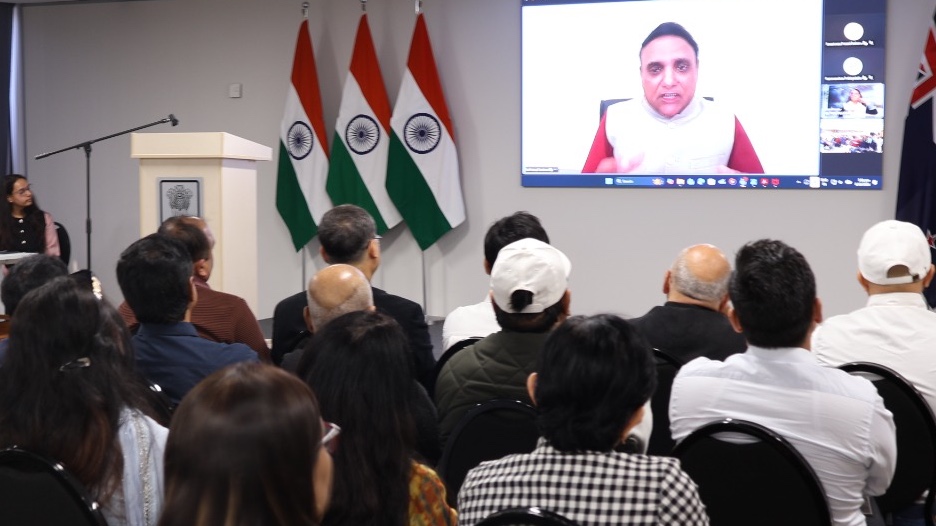
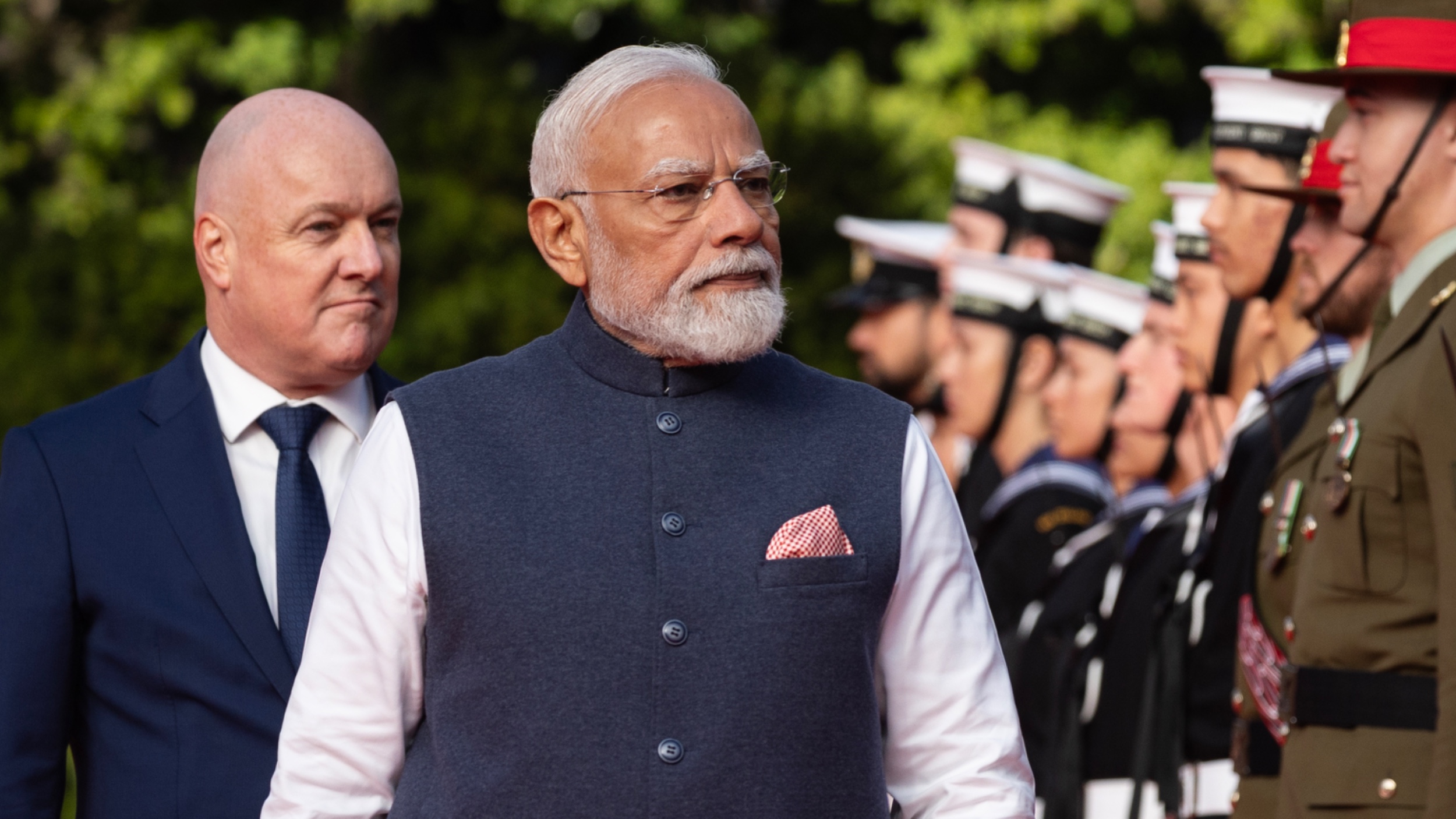
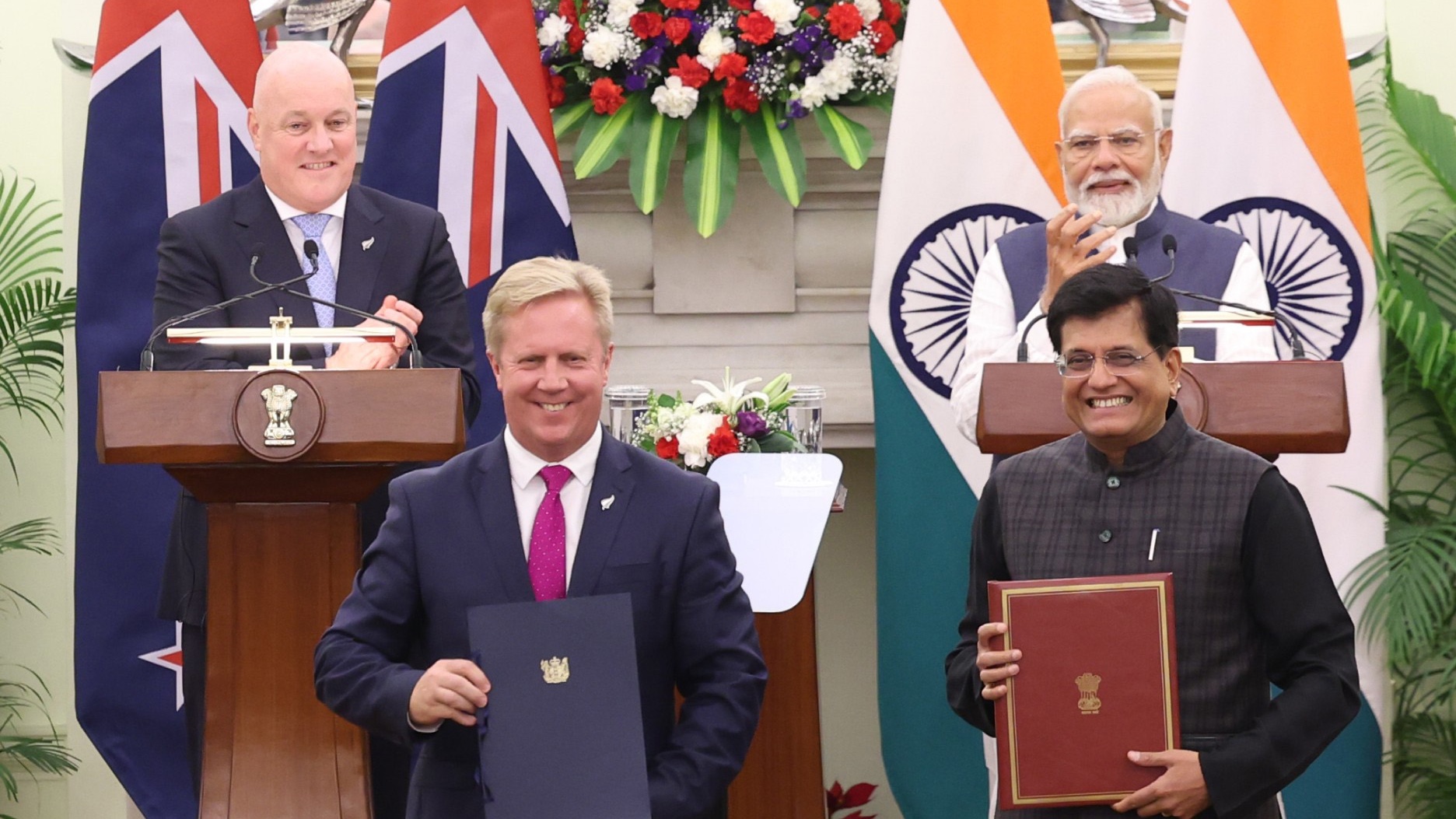
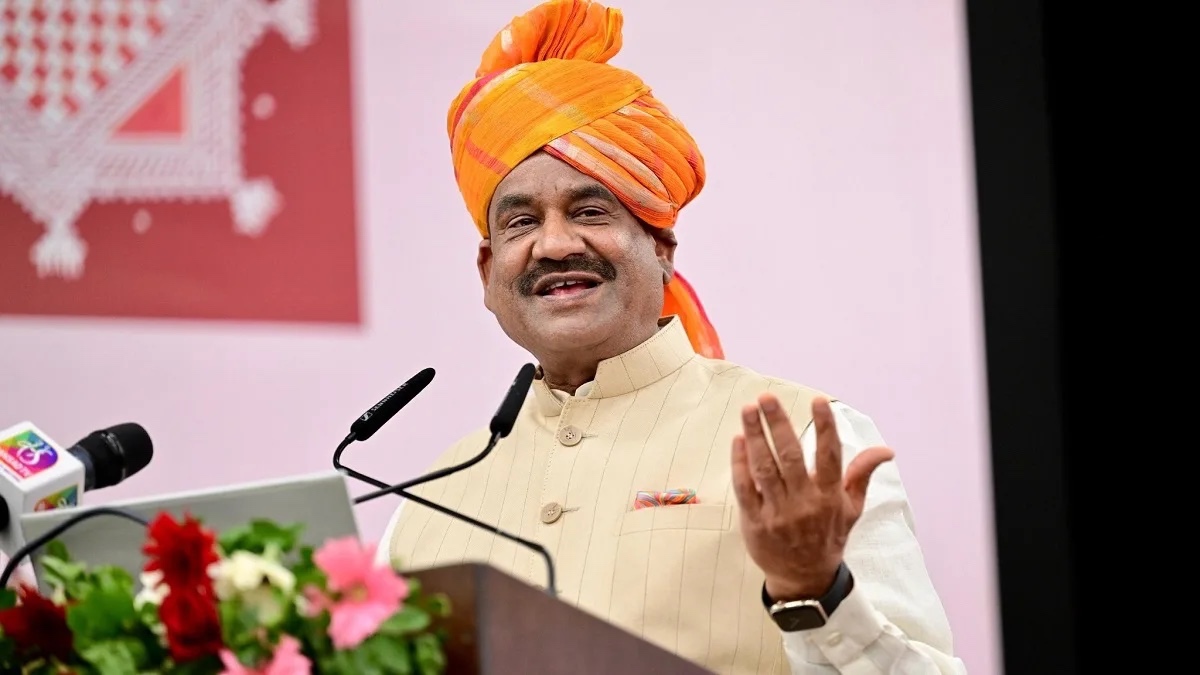
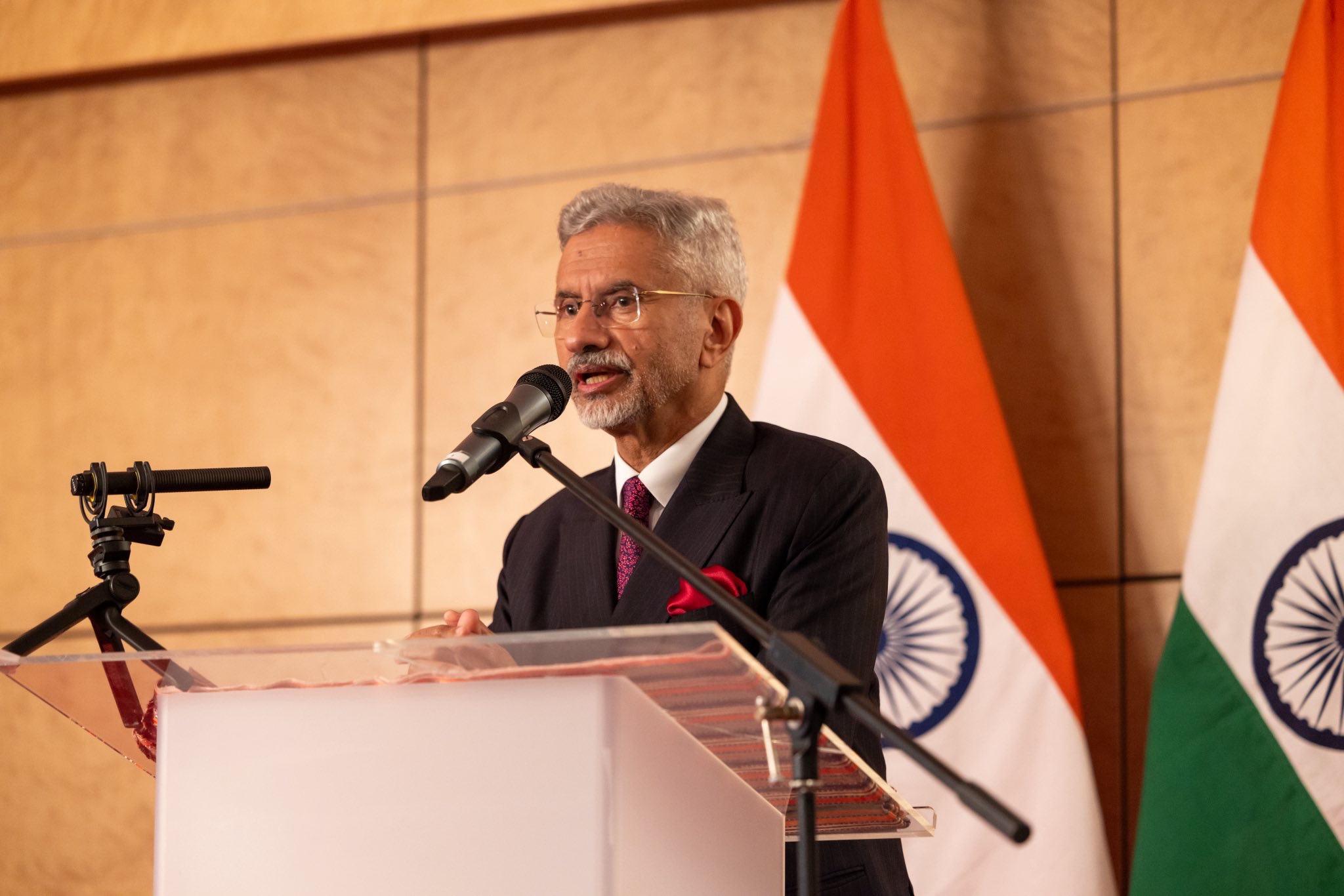
(From left) ACT party's Parmjeet Parmar, Paul Henry and David Seymour.
The party wants migrant residents to keep proving their connection to New Zealand indefinitely.
ACT wants to abolish New Zealand’s Permanent Resident Visa and require migrants to keep demonstrating a physical connection to the country if they want to retain the right to return as residents.
The party announced the immigration policy on September 1, saying the existing Permanent Resident Visa category would be removed and replaced by a system under which Resident Visas carry a five-year travel facility.
To retain that facility, residents would have to spend at least 730 days, or two years, physically in New Zealand during any rolling five-year period. The days would not have to be consecutive.
ACT immigration spokesperson Parmjeet Parmar said the change would remove the current “indefinite, unconditional right to leave and re-enter the country”.
“The strangest immigration policy we have is that permanent residents don’t have to be permanently resident,” Parmar said.
From designing restaurants to running Auckland Diwali: The many lives of Arnav Taode Taode brings his passion for Indian arts and culture to his first year managing BNZ Auckland Diwali 2026.
Winston Peters says ‘diversity is disunity’. What does the evidence tell us? Evidence from business, sport and social policy suggests diversity can strengthen economies and cohesion but on one condition.
Baby born in Sri Lanka to New Zealand residents caught in limbo after Down syndrome diagnosis Immigration tribunal orders fresh residence assessment after finding a “serious mistake” by immigration officials.
“New Zealand is, and should be, a welcoming country for migrants, but the privileges of permanent residence must reflect a real and lasting connection to our nation.”
Under the current system, migrants generally first receive a Resident Visa, which allows them to live, work and study in New Zealand but comes with time-limited travel conditions.
After holding residence for at least two years, eligible migrants can apply for a Permanent Resident Visa. Unlike an ordinary Resident Visa, a Permanent Resident Visa has no conditions and allows its holder to live in New Zealand and travel in and out of the country indefinitely.
One way of demonstrating commitment to New Zealand while applying for a Permanent Resident Visa is to have spent at least 184 days in the country in each of the previous two years.
Once permanent residence is granted, however, there is no continuing physical-presence requirement to retain its indefinite travel rights. ACT's proposal would remove that final step altogether.
Instead, the initial travel conditions attached to a Resident Visa would be increased from two years to five years, but the right to continue leaving and returning to New Zealand as a resident would have to be renewed through the rolling two-in-five-year physical-presence test.
ACT said exemptions would apply to people working overseas for New Zealand employers, accompanying family members, military personnel serving overseas, people with a New Zealand citizen spouse and those with compelling humanitarian circumstances.
Parmar said the proposal would bring New Zealand closer to countries including Australia, Canada and Singapore, where permanent residence involves an ongoing connection through physical presence or other ties.
ACT also argues the change would create a clearer distinction between permanent residence and citizenship. “Right now, the two have nearly identical everyday rights,” Parmar said.
“By introducing standard travel conditions, we create an evident distinction, giving people a reason to graduate to citizenship.”
The proposal is ACT's election policy and would require changes to New Zealand’s existing immigration settings before taking effect.