
Māori or not, everyone will have to take New Zealand’s new citizenship test

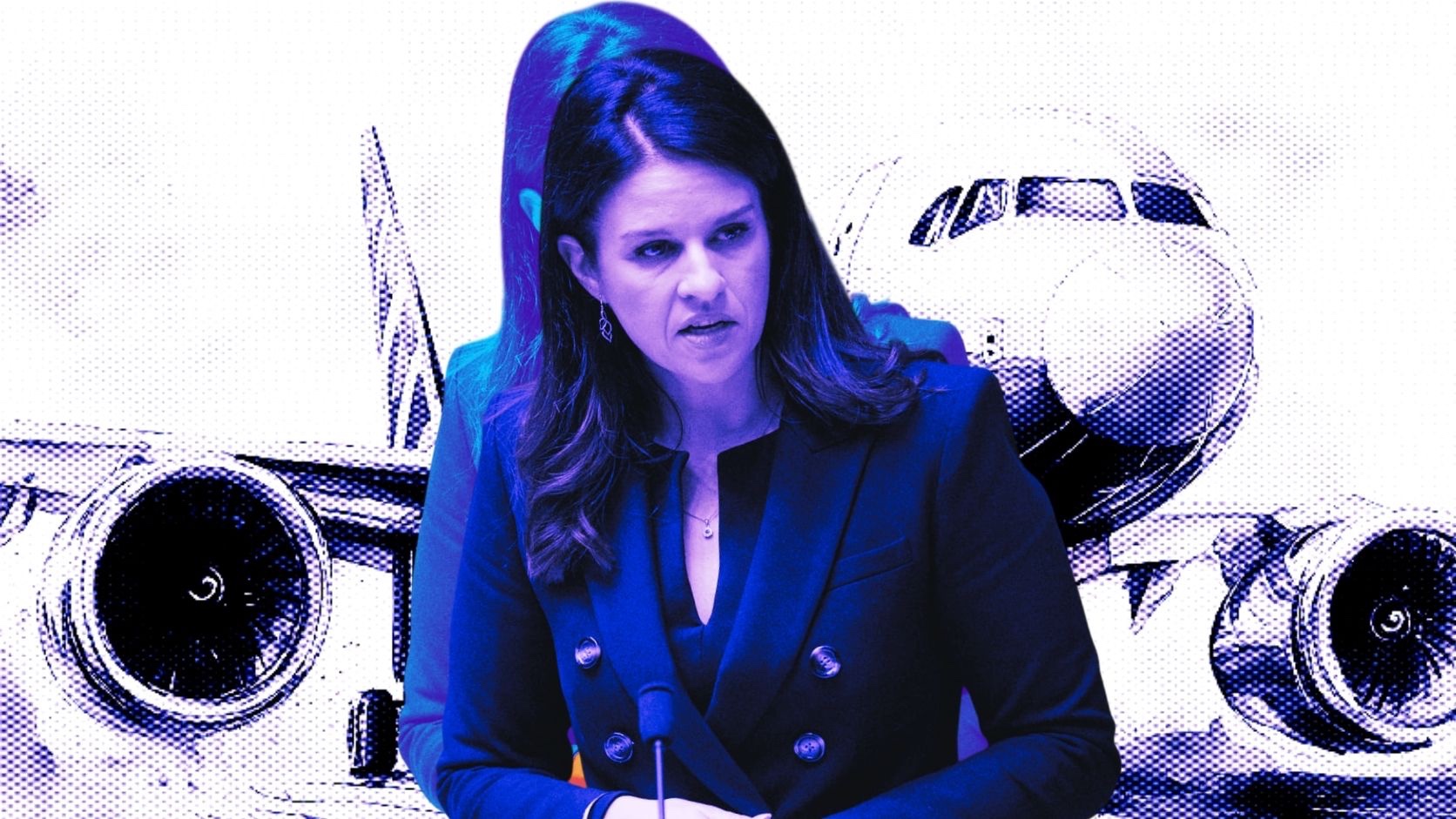
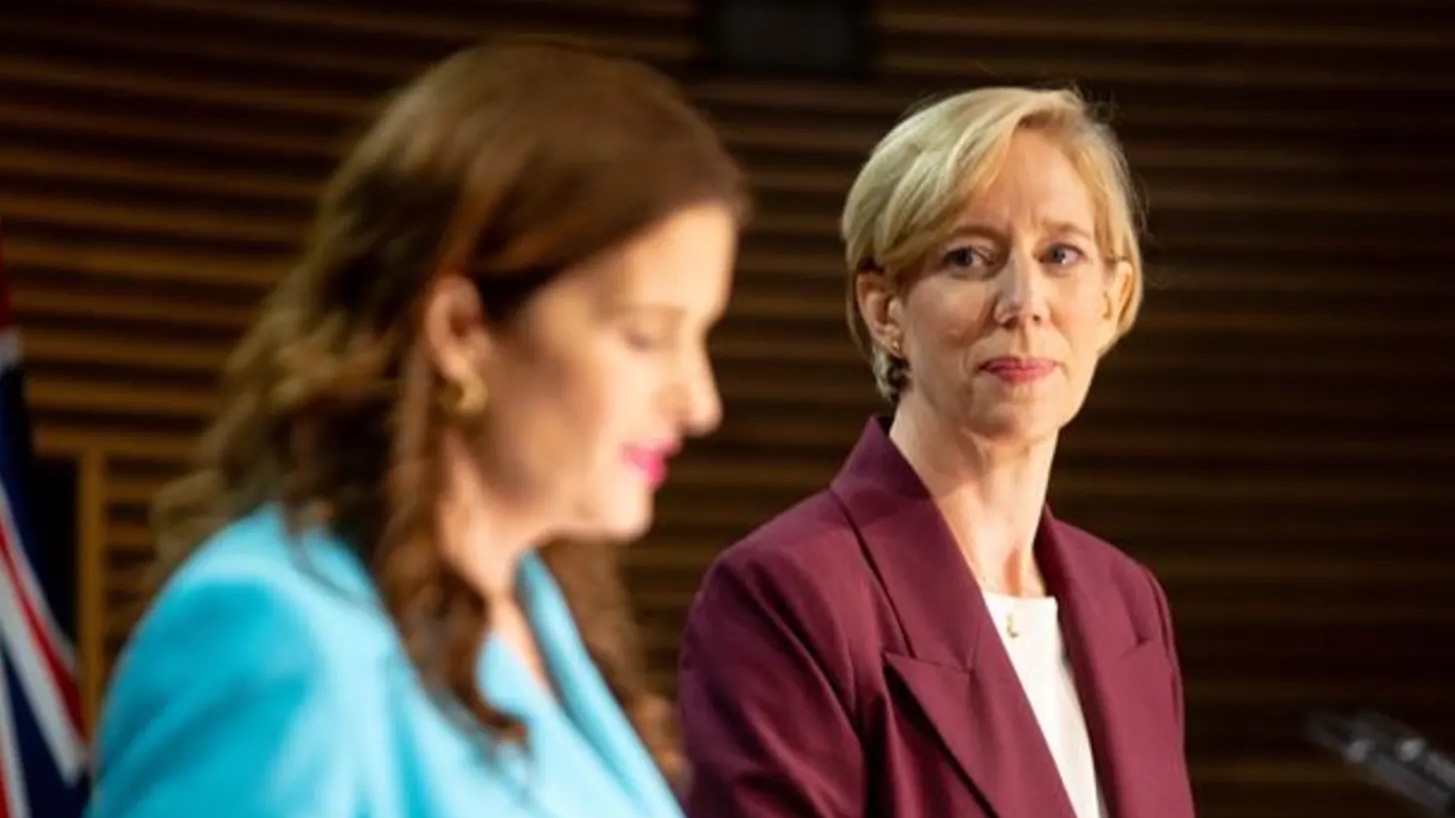
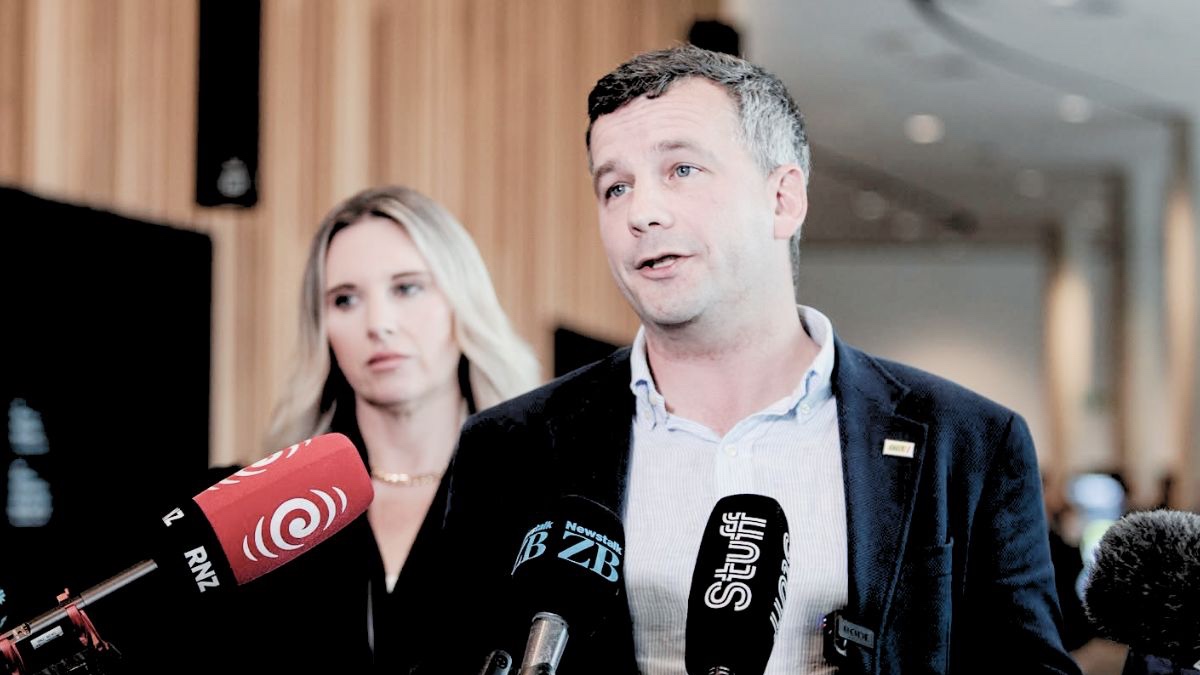
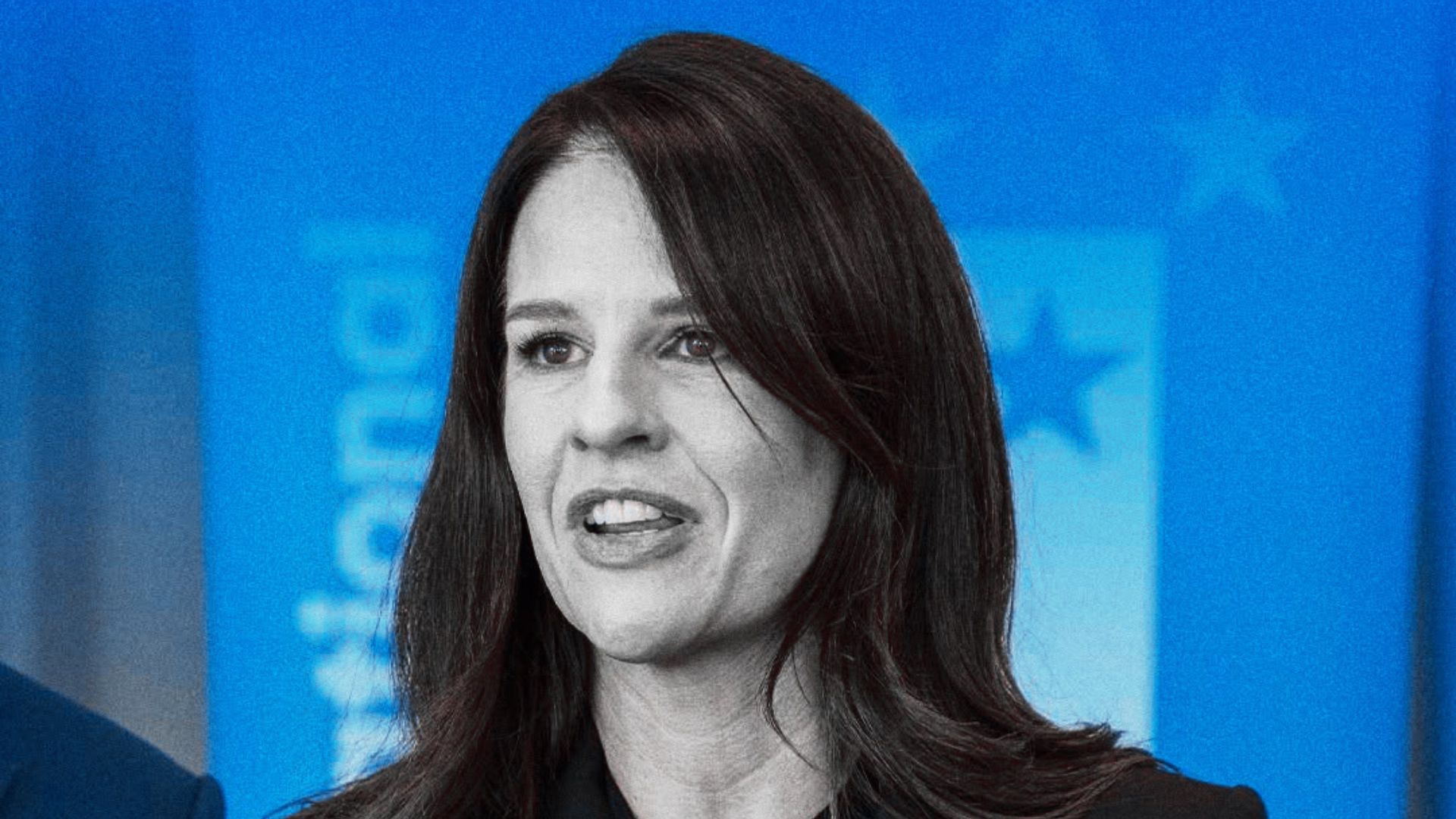
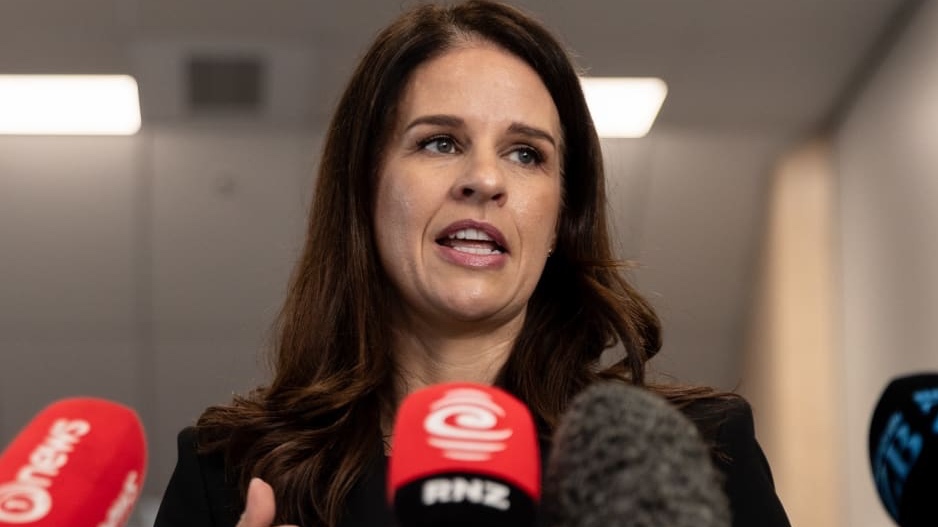
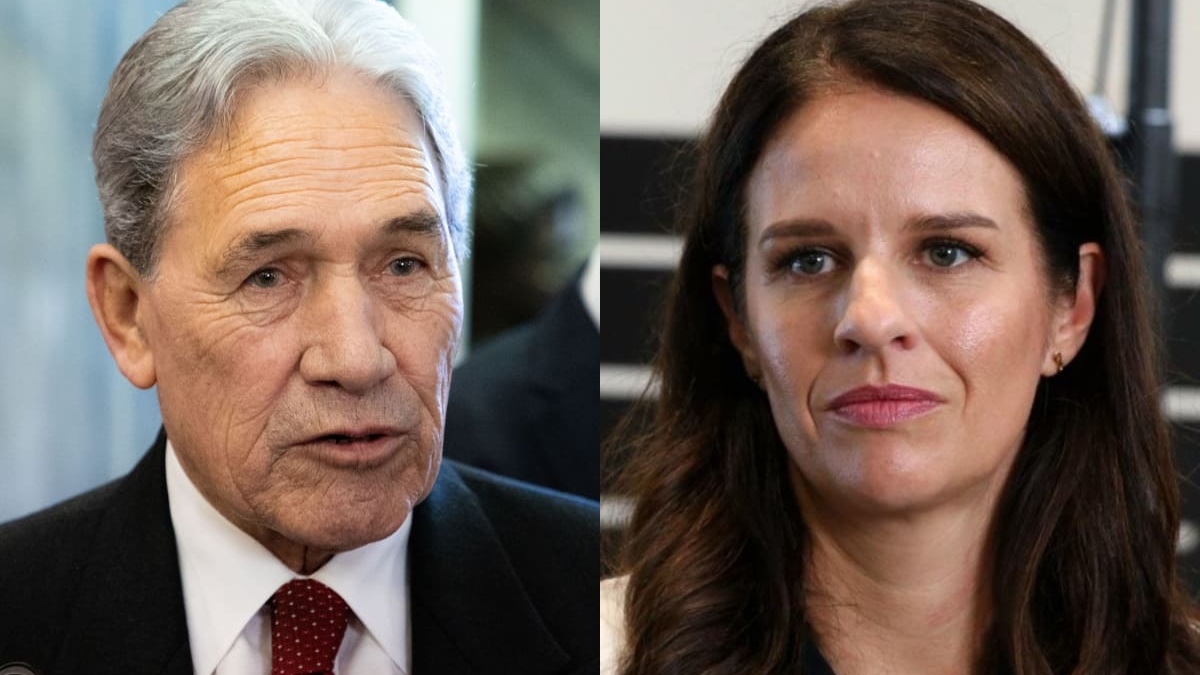
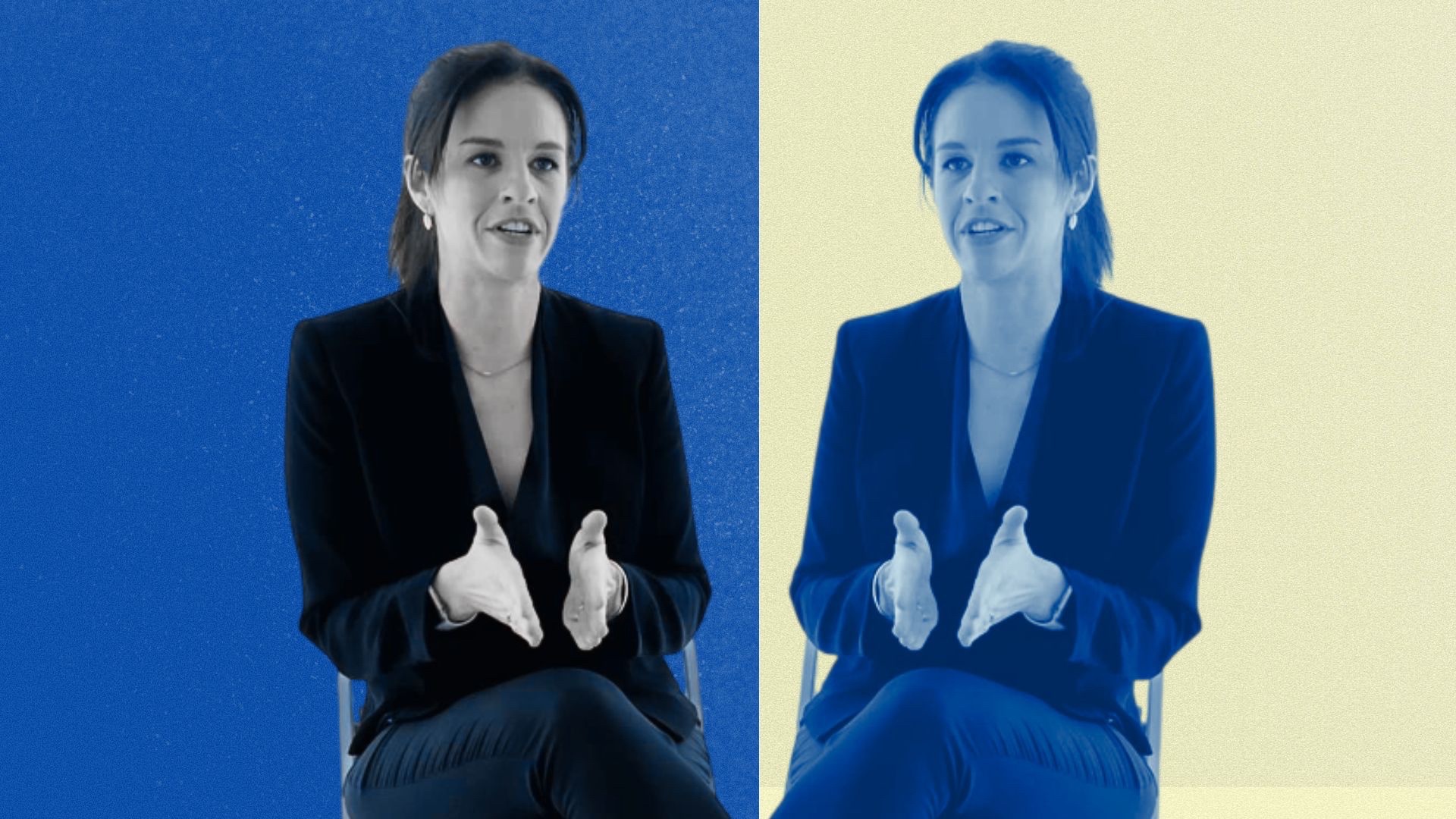
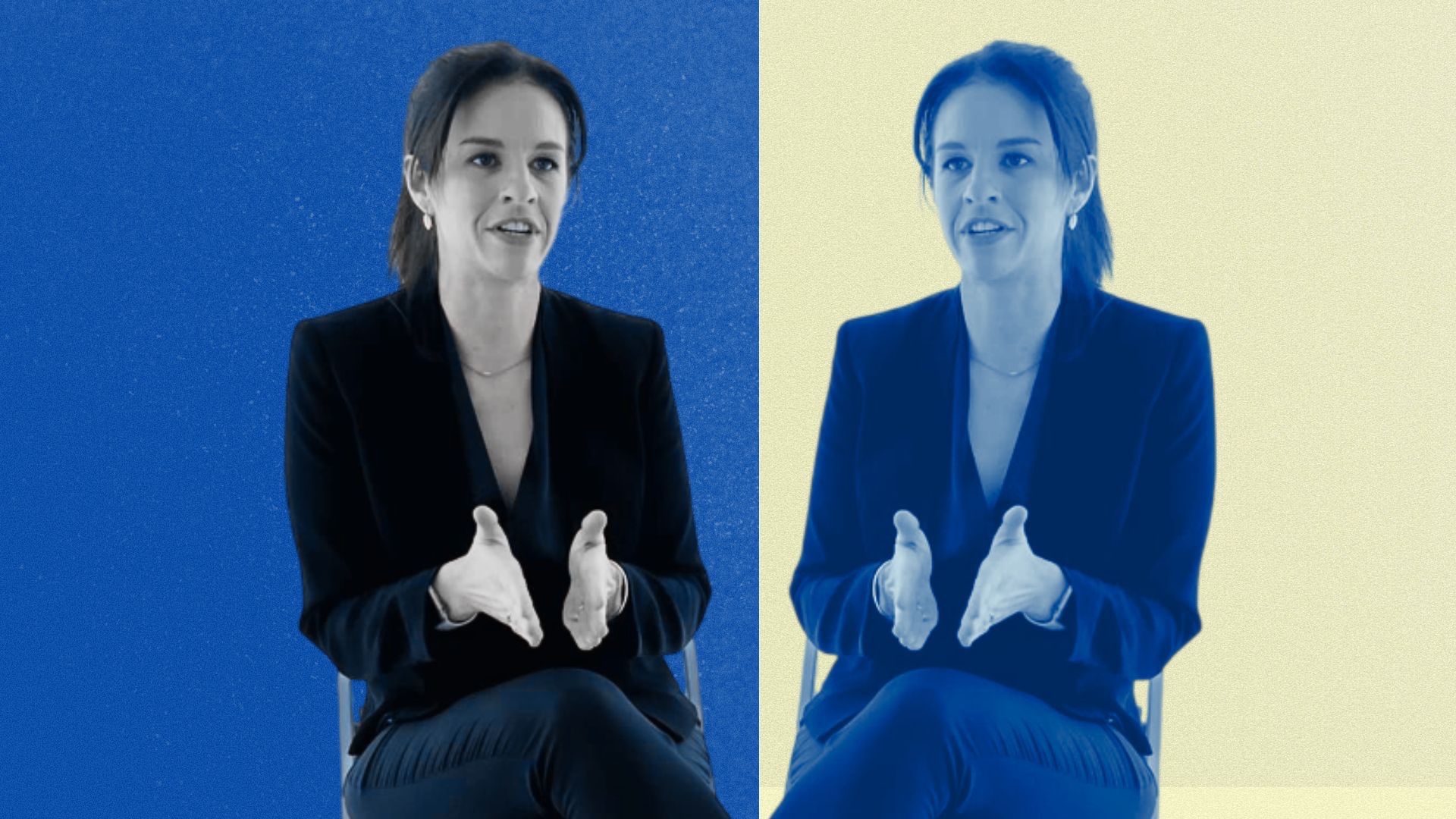
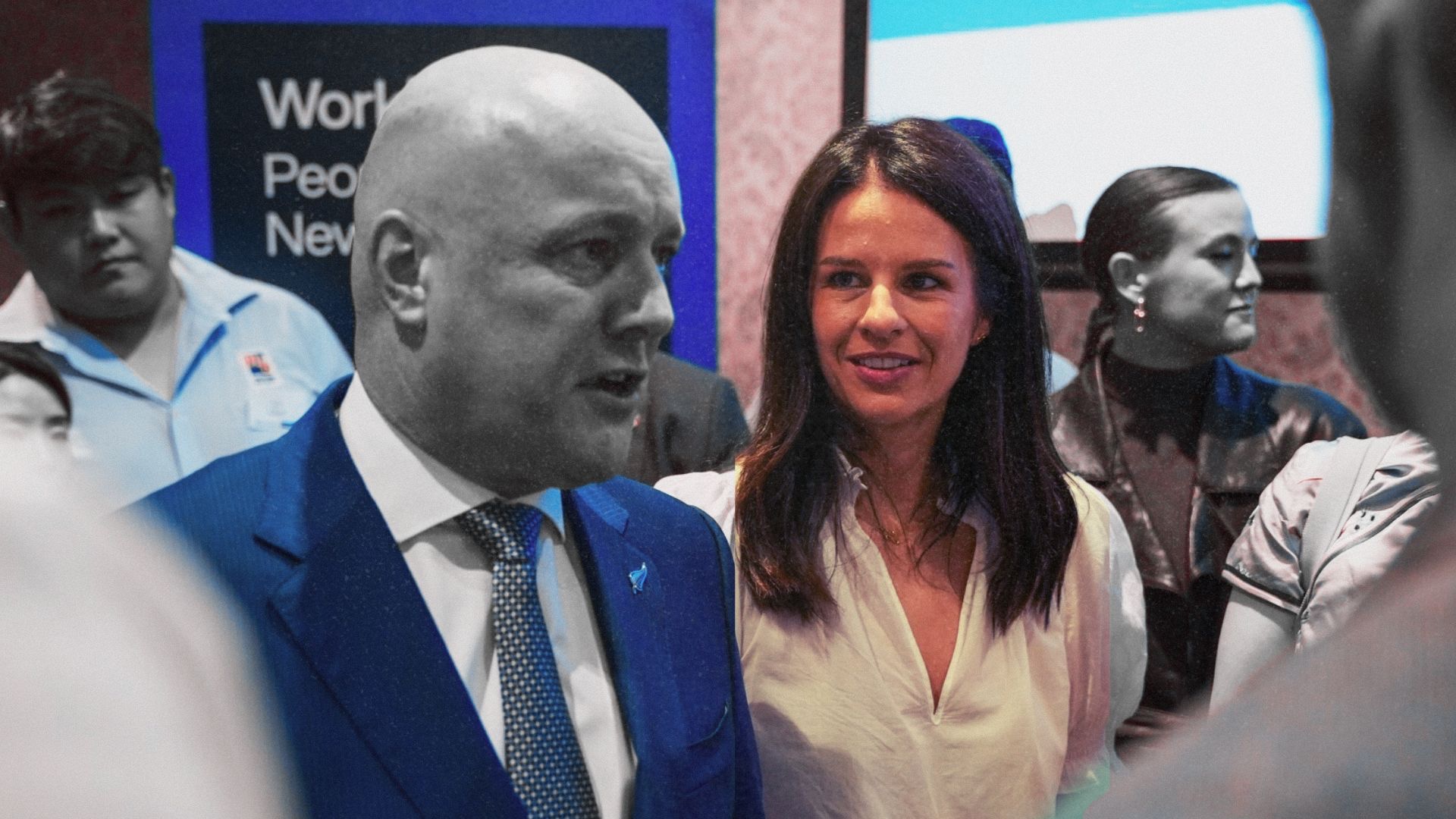
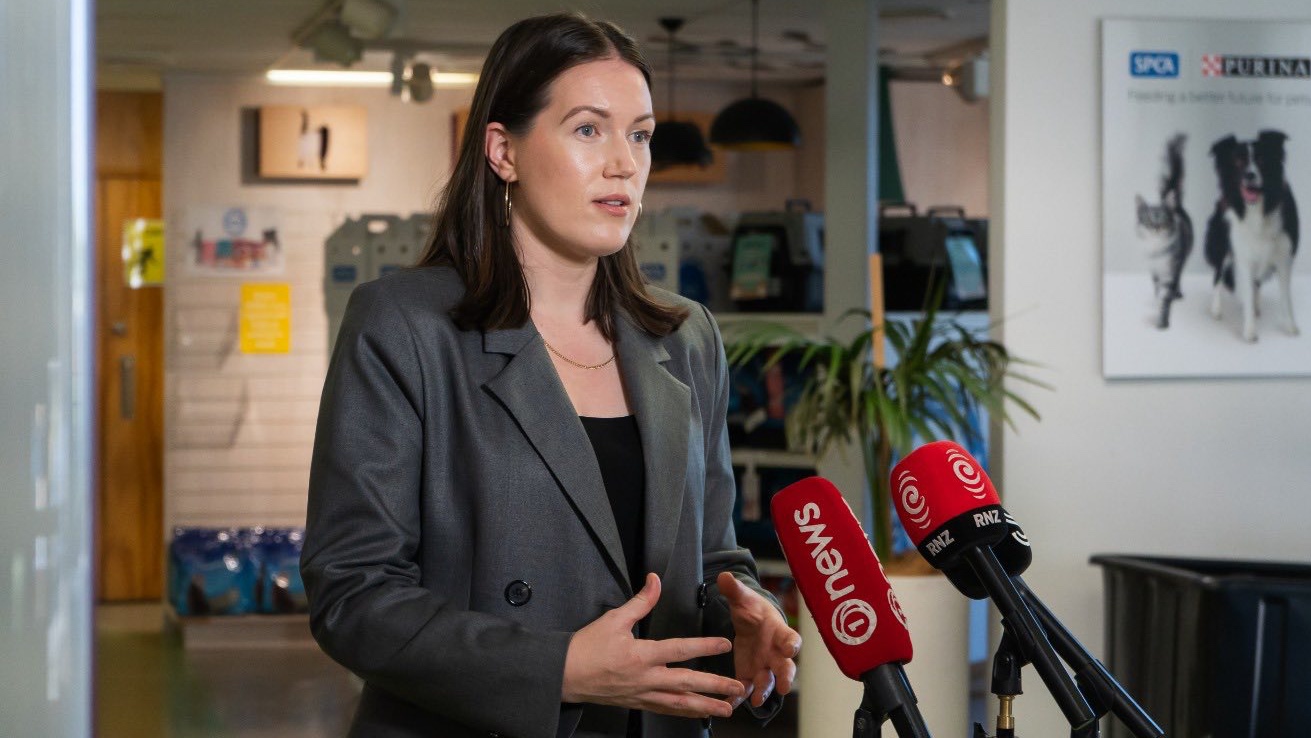
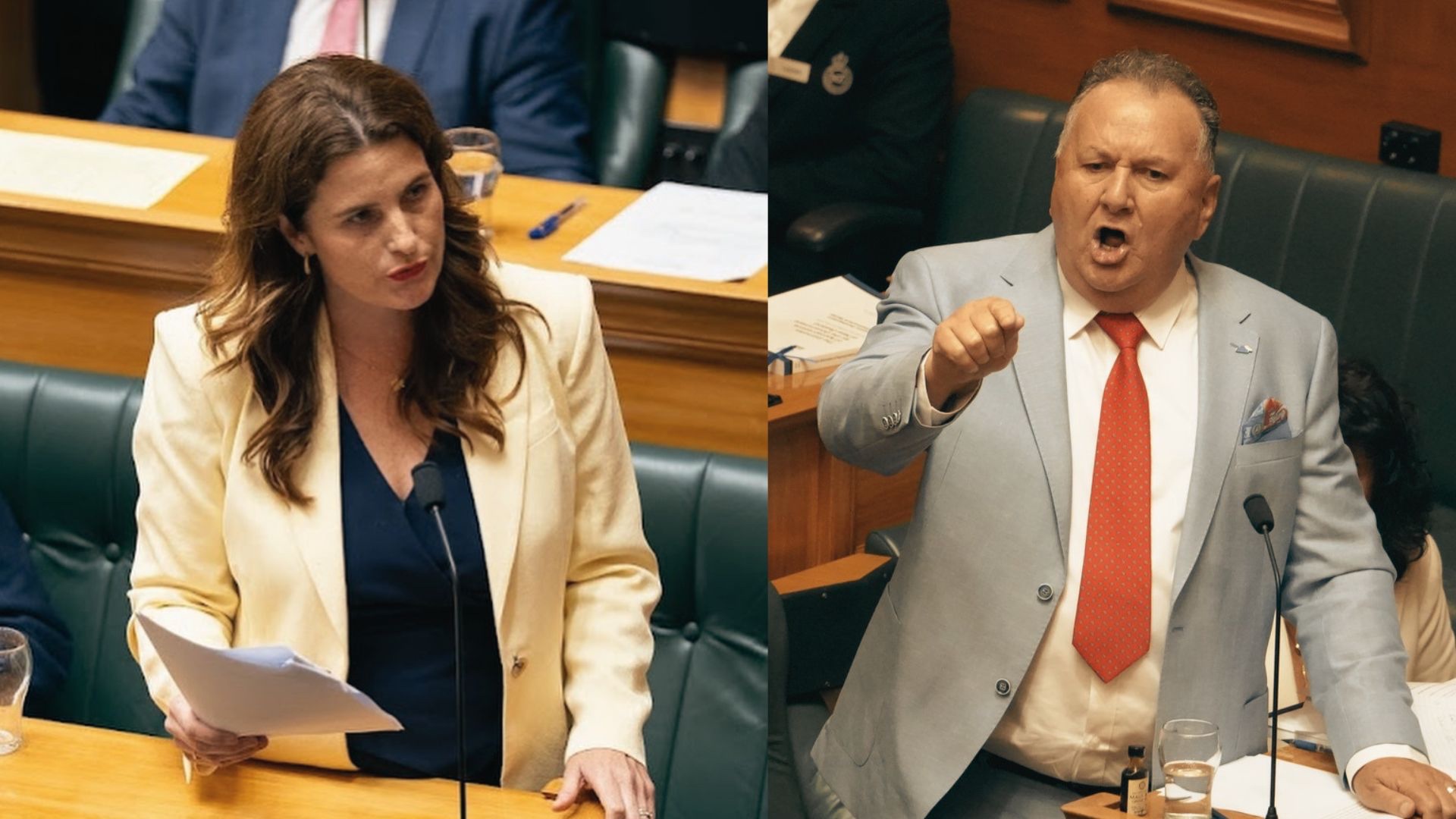
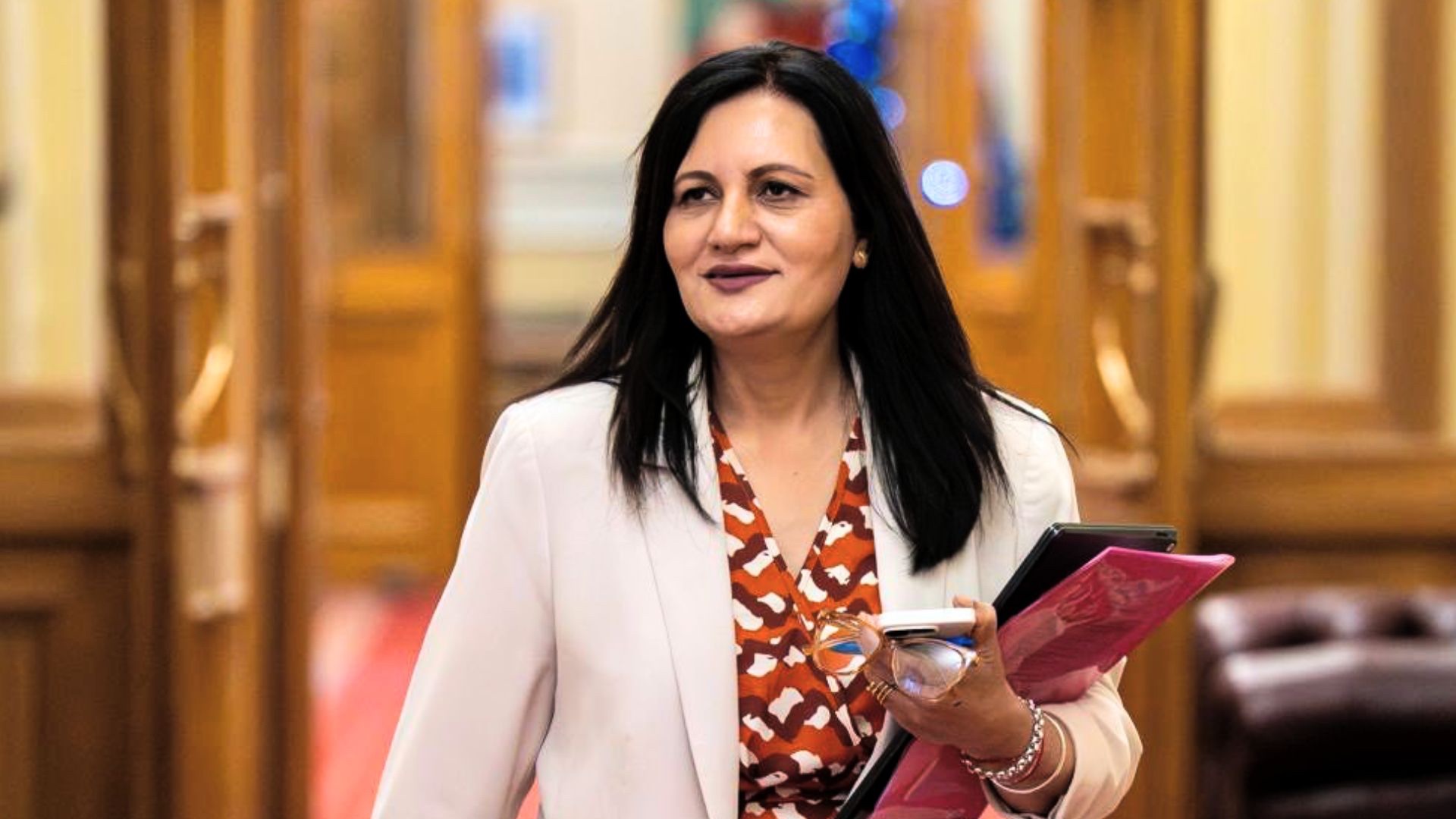
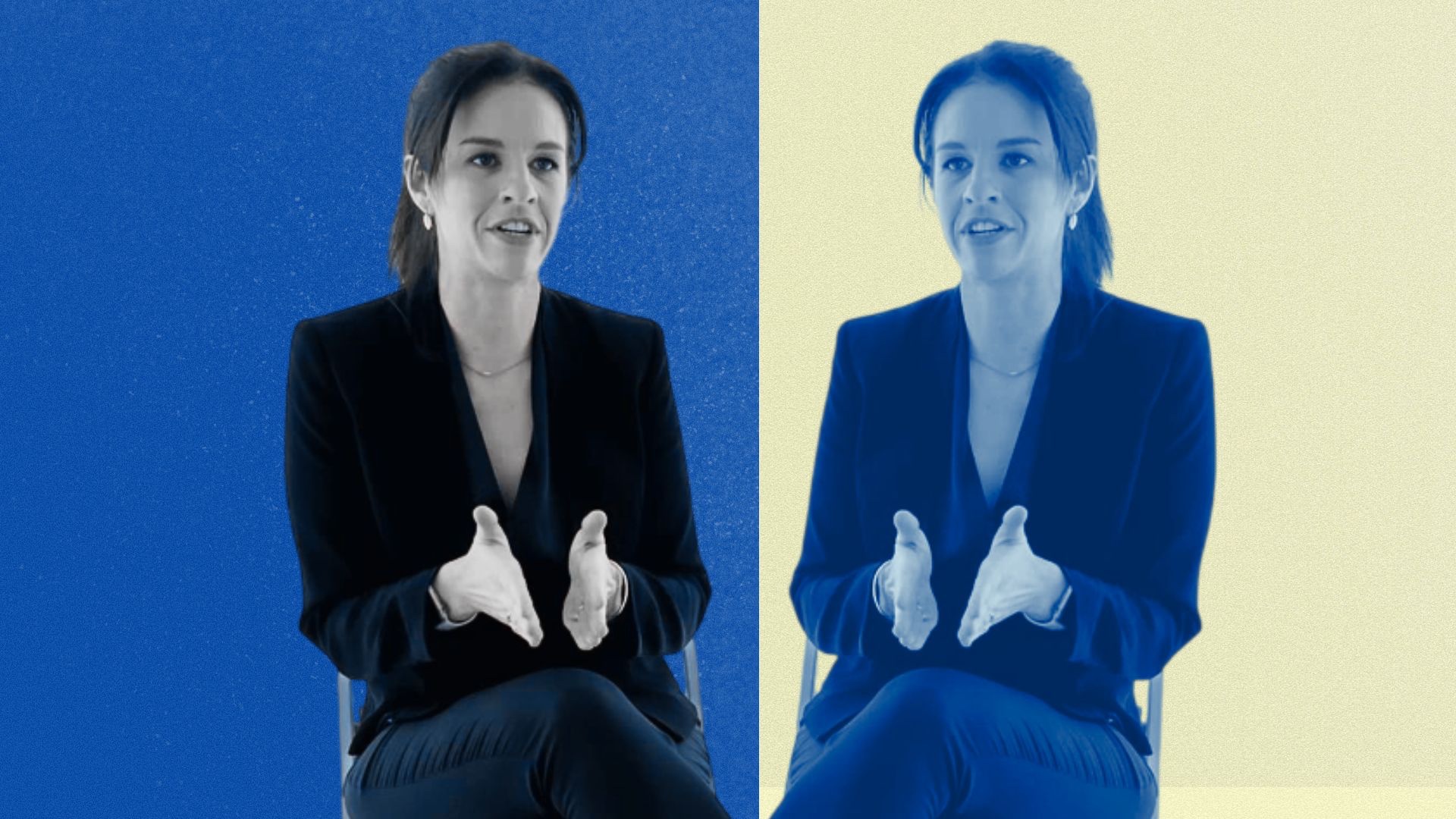
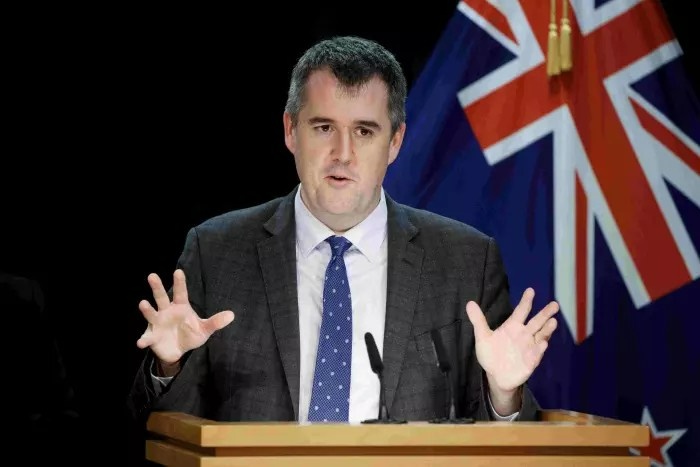
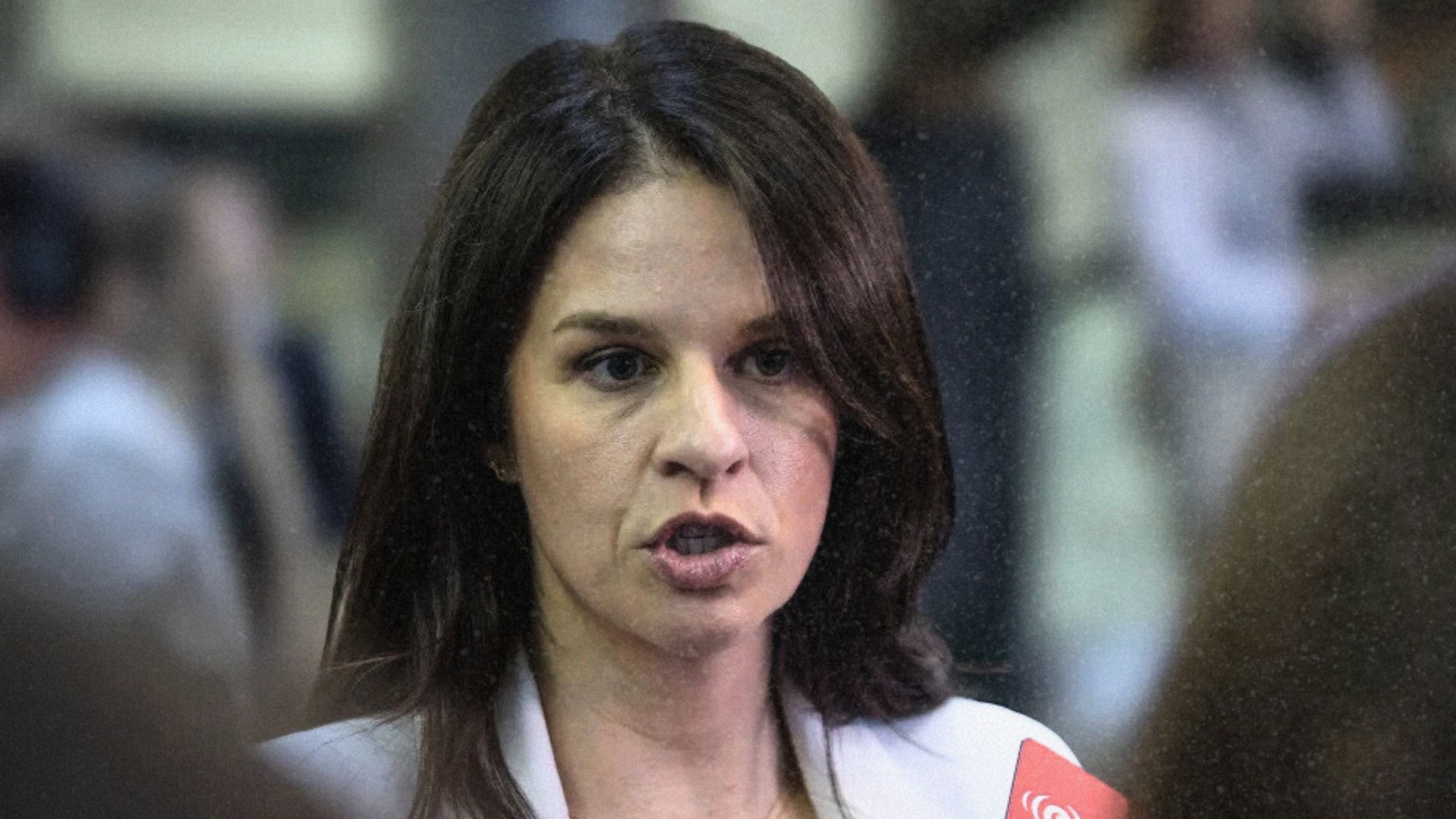
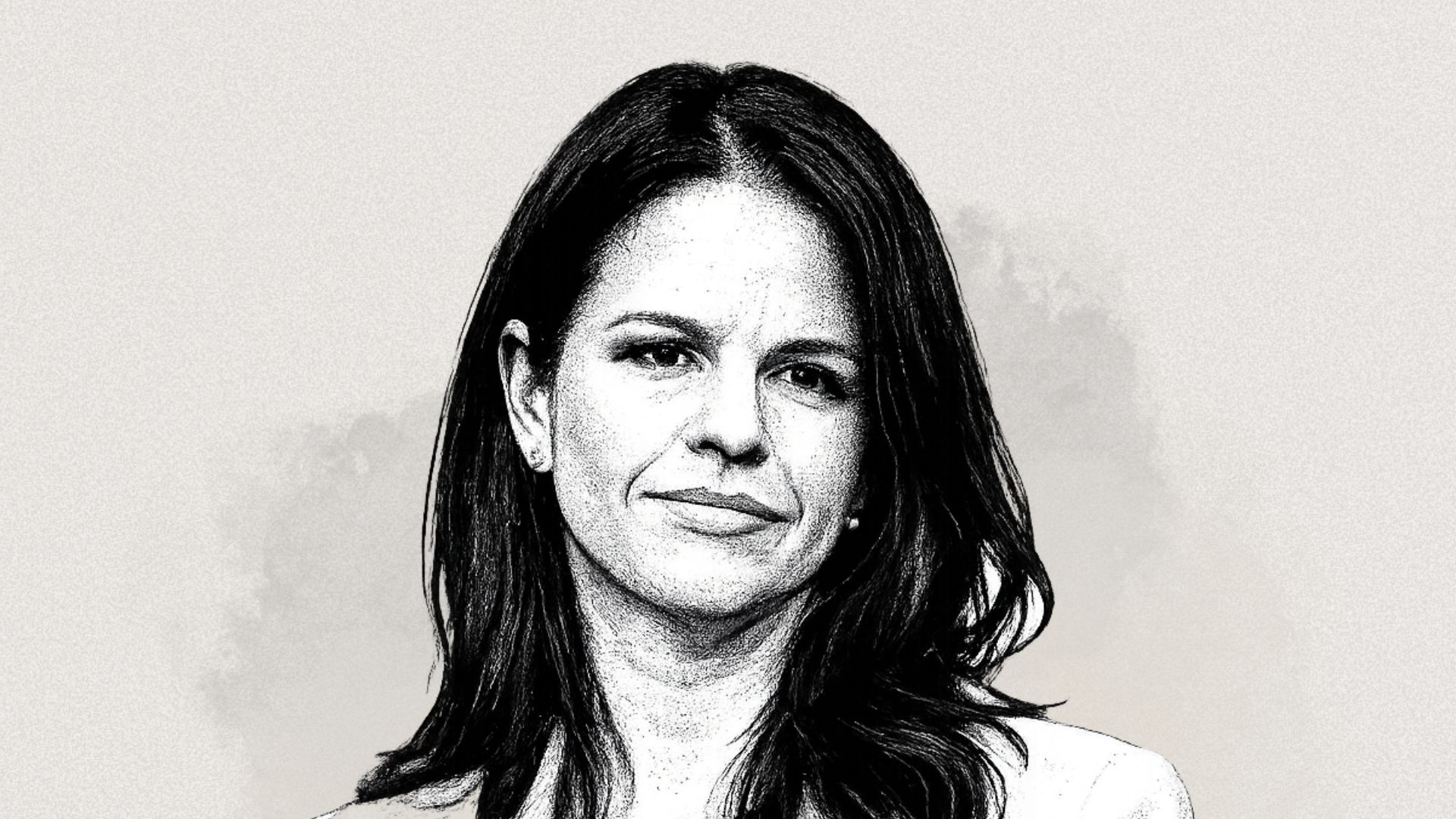
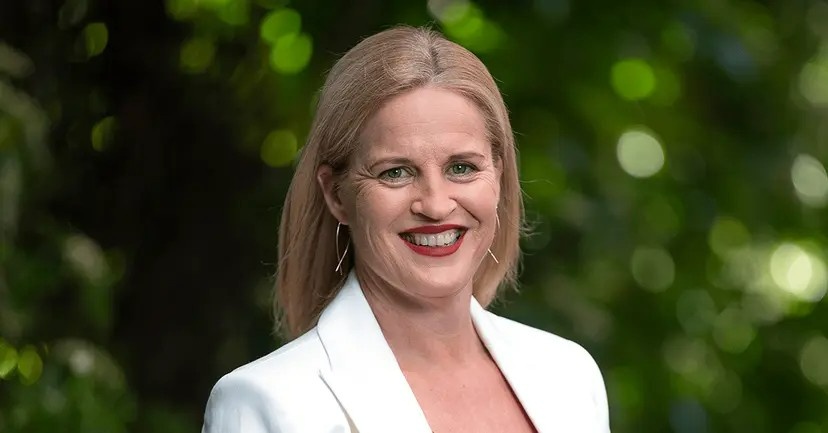
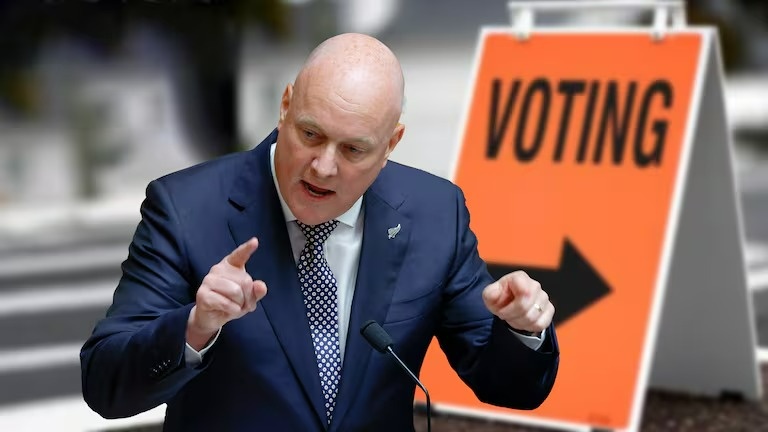
Internal affairs minister Brooke van Velden.
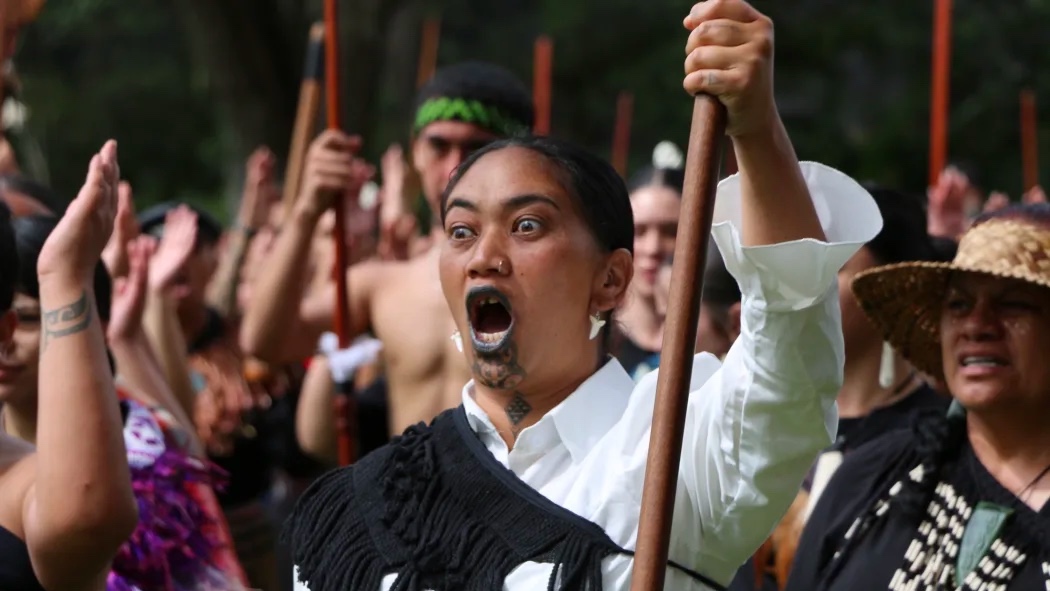
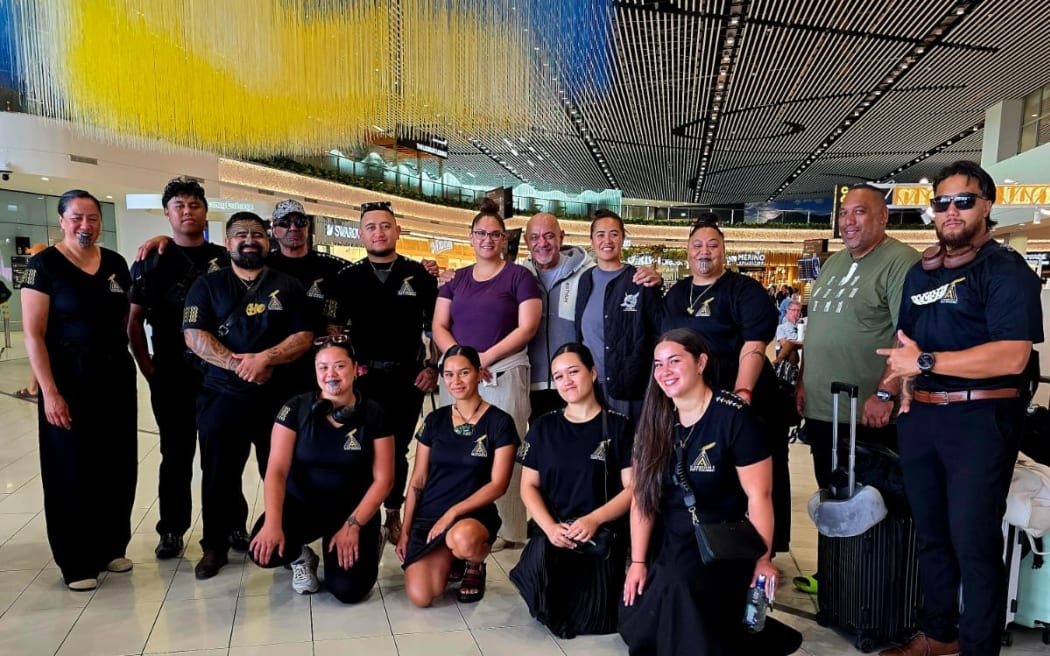
The government clarification comes amid a wider debate about preferential citizenship rights for people with Maori ancestry.
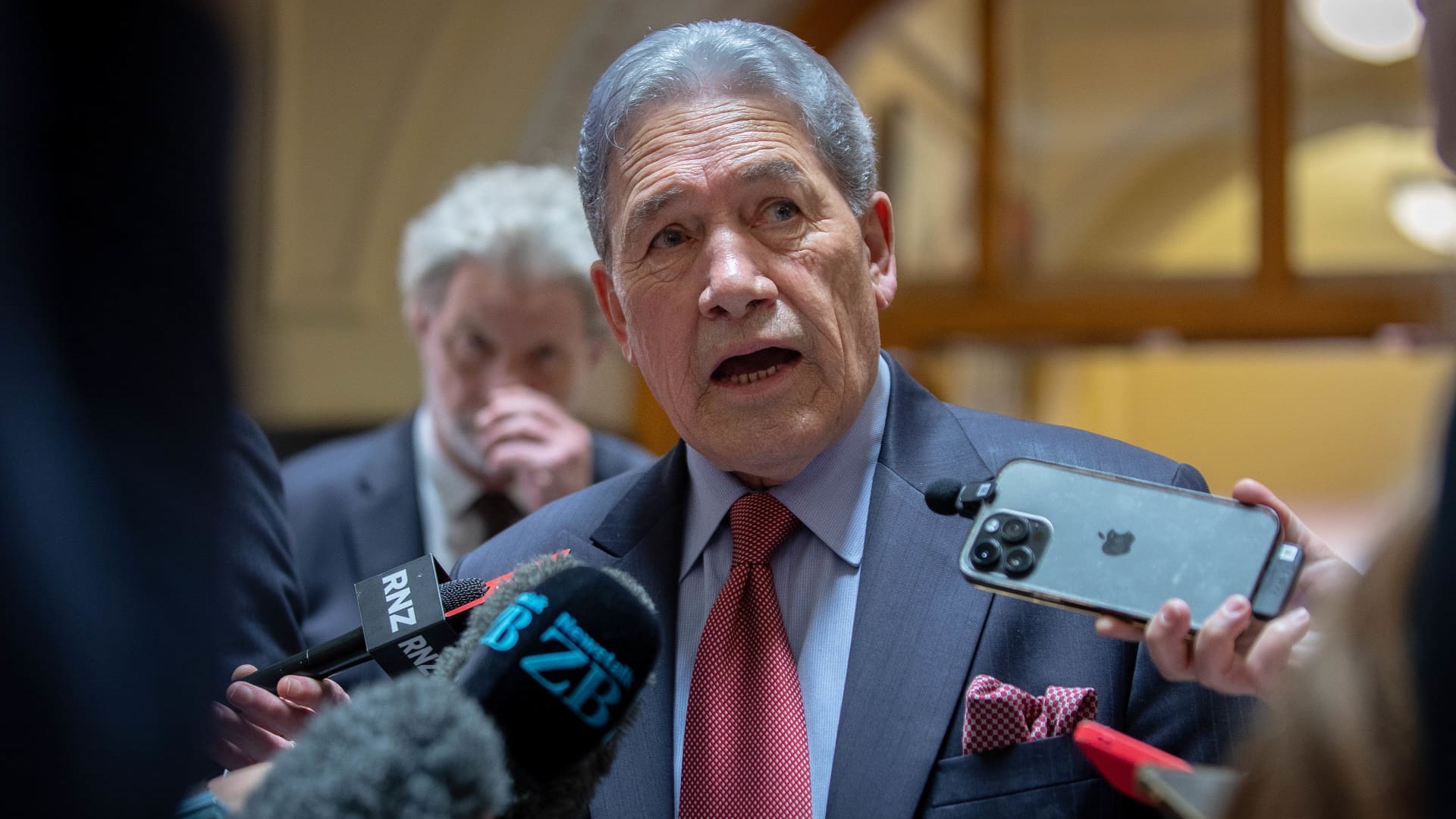
Māori ancestry will not exempt overseas-born applicants from New Zealand’s new citizenship test, the government has clarified after questioning by a government agency whether such people should have to sit the test at all.
From late 2027, people applying for New Zealand citizenship by grant will face a 20-question multiple-choice test.
Te Puni Kōkiri, or the Ministry of Māori Development, had asked the government whether the test should apply to Māori born overseas, Newstalk ZB reported on Tuesdsay.
“We would query how this test applies to those who whakapapa Māori but are not born in New Zealand, as a test may not be appropriate for such individuals,” Te Puni Kōkiri reportedly told the Department of Internal Affairs in March.
The agency also questioned whether a test was needed at all. It said applicants already sign a declaration attesting they meet sufficient knowledge requirements and “introducing a test seems somewhat unnecessary”.
South Asian diaspora raises over $200,000 for New Zealanders missing in Nepal flood "I'm so proud of the Indian community here who...supported us, saying it is not a Nepal problem but our problem."
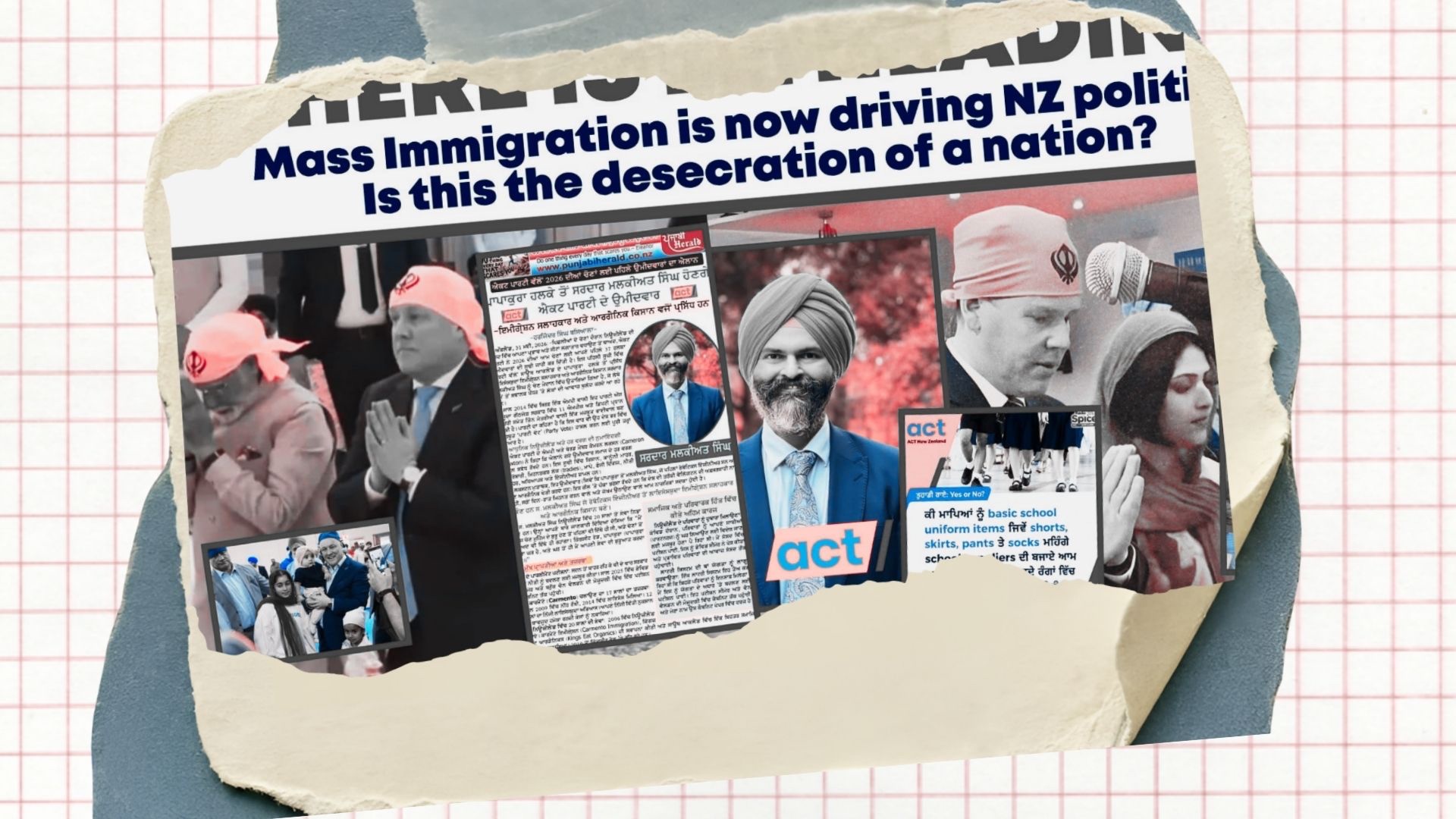
Tamakis launch Indian-origin candidate for Epsom who surrendered passport and has ‘assimilated’ “I know a whole lot of people are going to be like shocked,” says Hannah Tamaki.
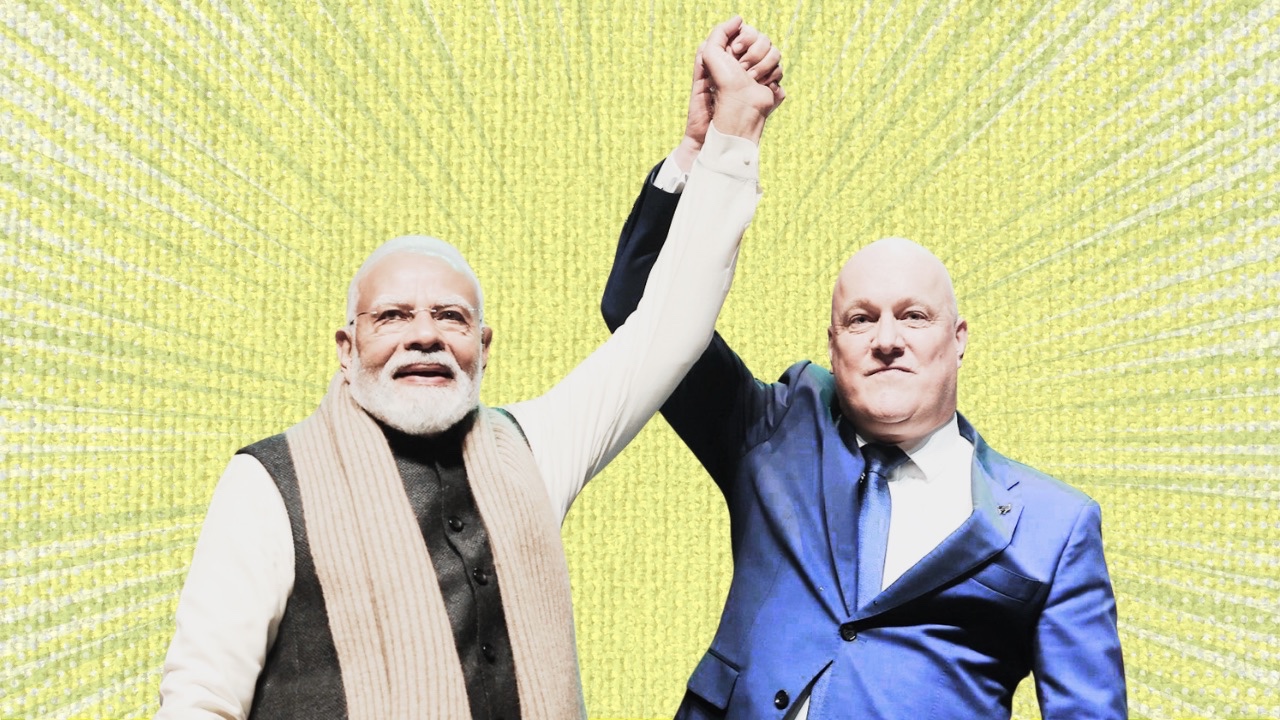
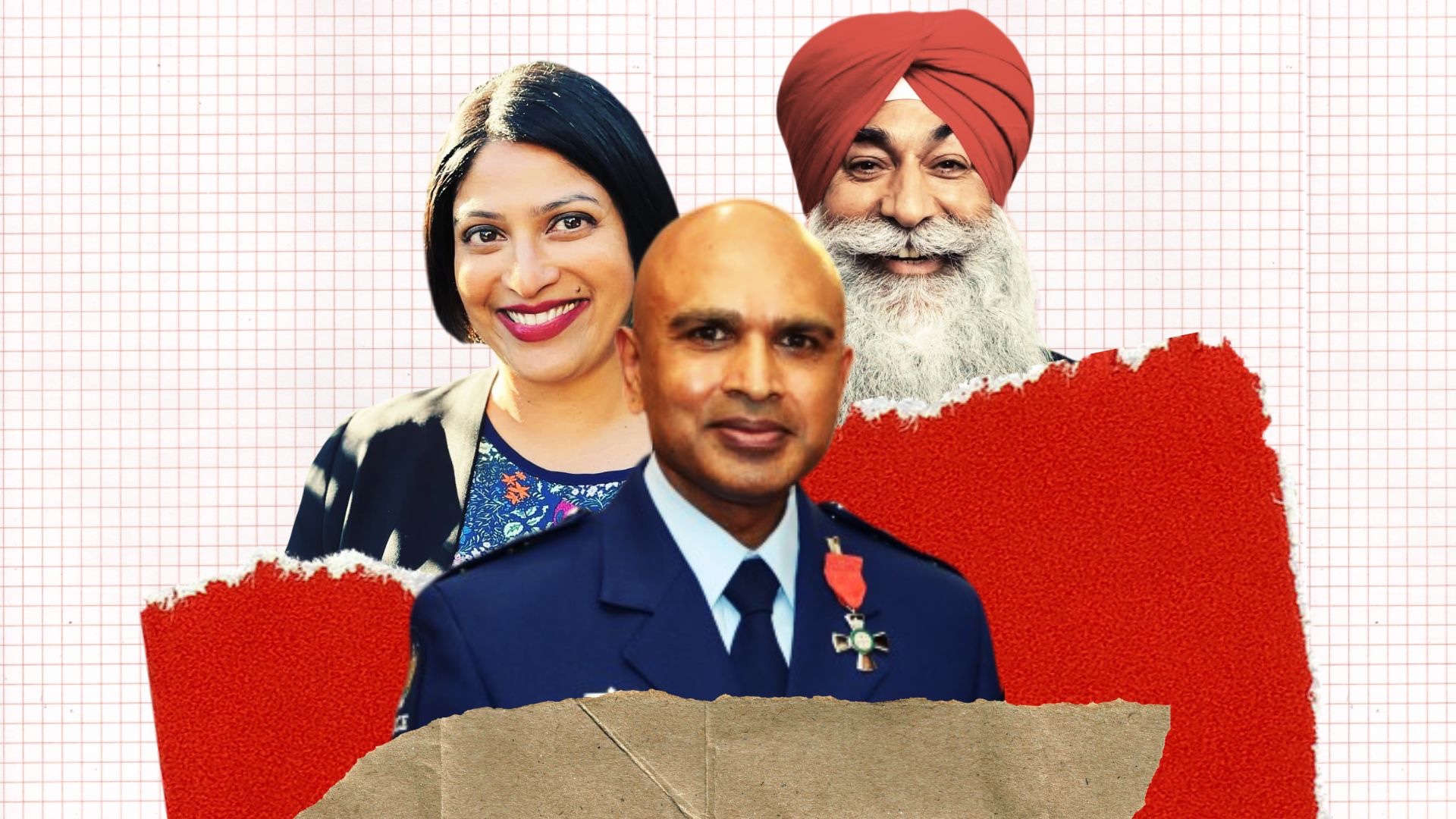
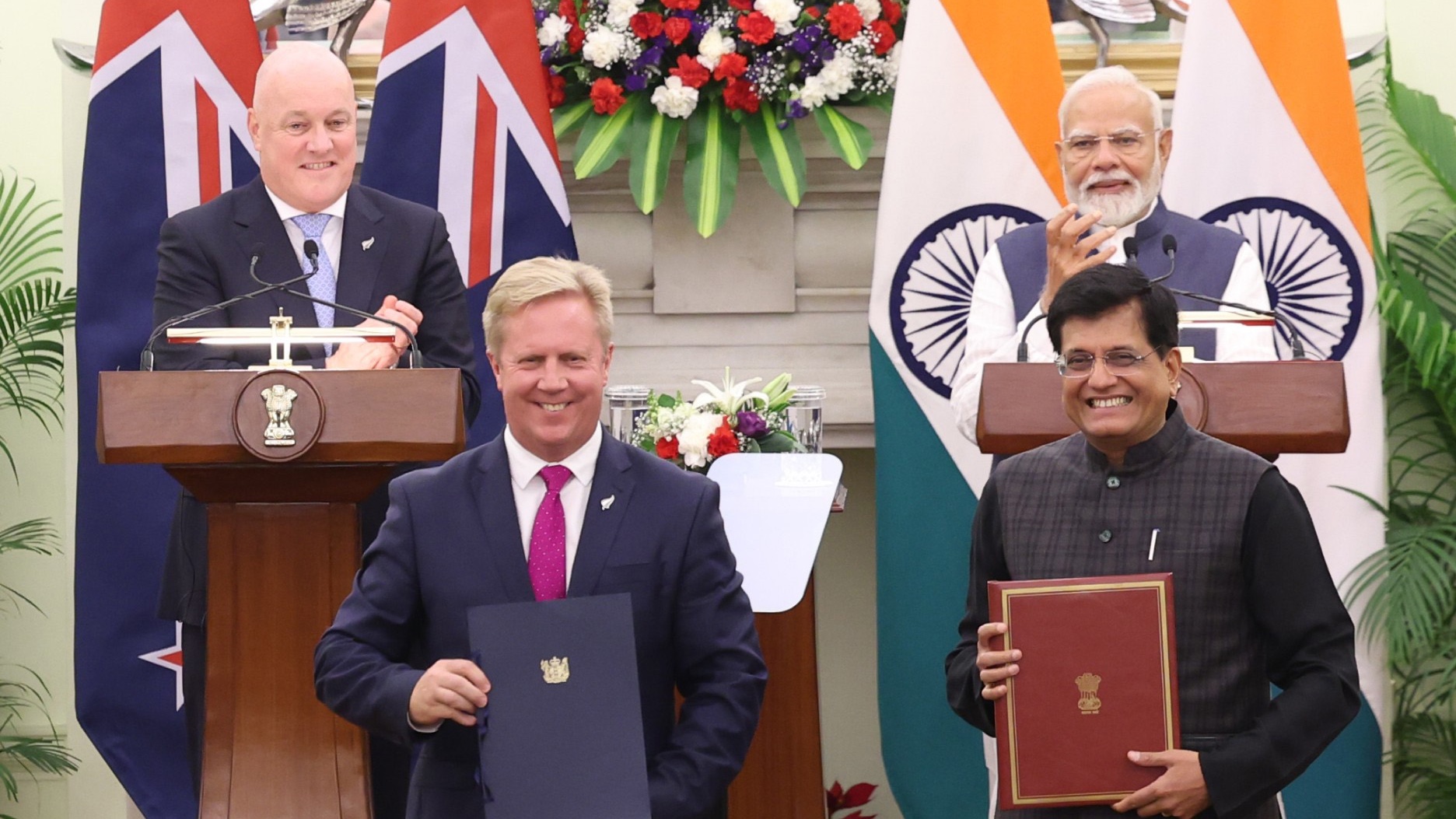
Priyanca Radhakrishnan tries to puncture Luxon’s FTA victory, says India was already sold “Things have changed quite dramatically on the Indian government side,” says the Indian-origin Labour MP.
Te Puni Kōkiri also wanted the scope of the test broadened to cover Māori culture and rights.
“Broadening the scope of the questions to inclusion of the Treaty rights, Māori culture and Māori rights and interests would be useful in articulating the importance of Māori and Māori culture as the indigenous people of this country. Such questions would require fulsome engagement with Māori,” it said.
But internal affairs minister Brooke van Velden has told Newstalk ZB whether an applicant sits the test would not be determined by race.
“There will not be any difference in treatment of people with Māori ancestry from any other person applying for citizenship”.
Velden said the test would include a question on the Treaty of Waitangi, although its detailed content was still being developed.
“The questions are intended to satisfy the requirement that applicants have sufficient knowledge of the responsibilities and privileges of being a citizen,” she said.
The government announced the new test in May, saying it would strengthen an existing requirement for citizenship applicants to have sufficient knowledge of the responsibilities and privileges of being a New Zealand citizen.
Applicants currently satisfy that requirement by signing a declaration. Under the new system, they will instead have to pass a formal test, scoring at least 75 per cent.
Expected topics include the Bill of Rights Act, human rights, democratic principles, the structure of government, voting rights, travel rules and certain criminal offences.
The debate over how the test should apply to Māori comes less than a year after the Waitangi Tribunal called for fundamental changes to the way citizenship law treats Māori born overseas.
In October 2025, the tribunal found the crown had breached several treaty principles through citizenship settings that did not adequately protect overseas Māori from becoming disconnected from their tūrangawaewae.
It recommended the Crown consult Māori on establishing a pathway to citizenship that would allow hapū and iwi to assess whakapapa evidence.
The tribunal also recommended immediately extending citizenship by descent to two generations for Māori.