
Seymour defends Paul Henry over comments about Indians, urges wider context

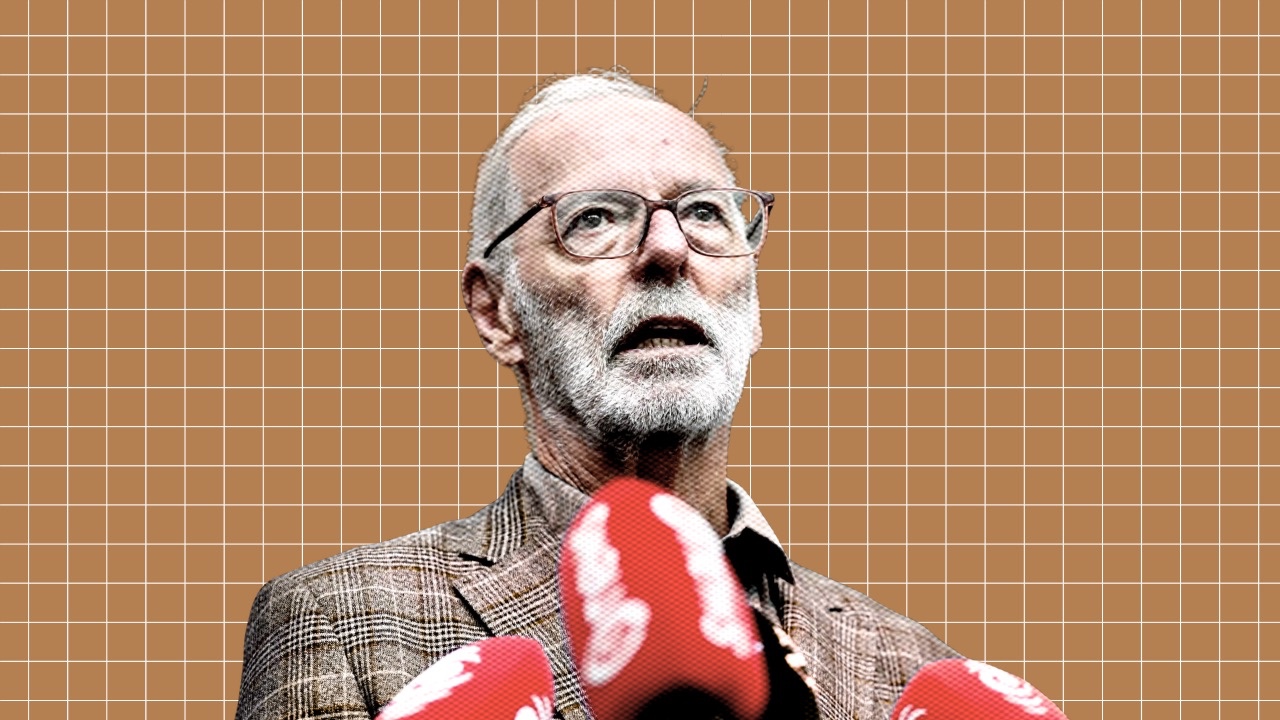
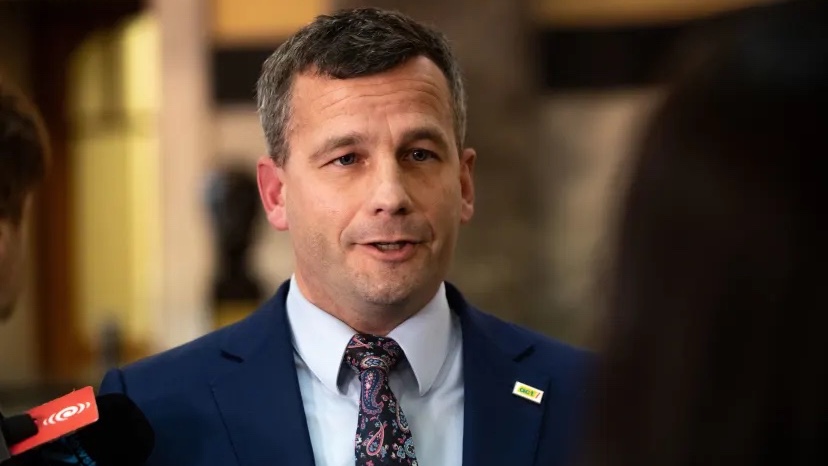
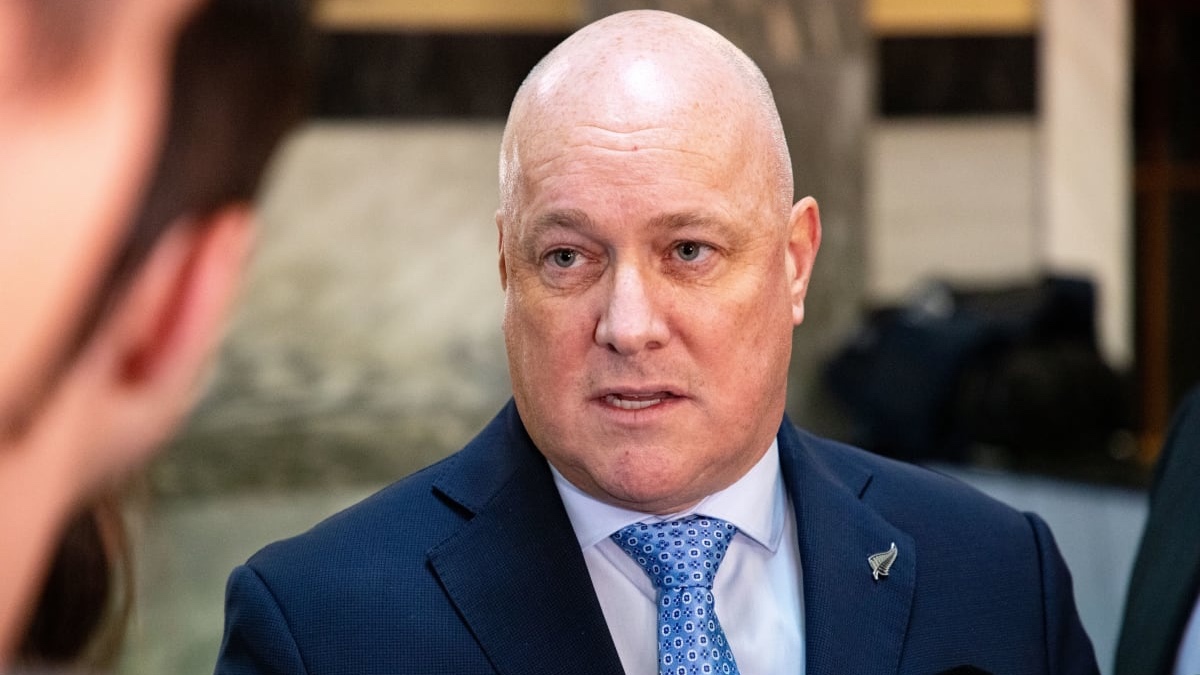
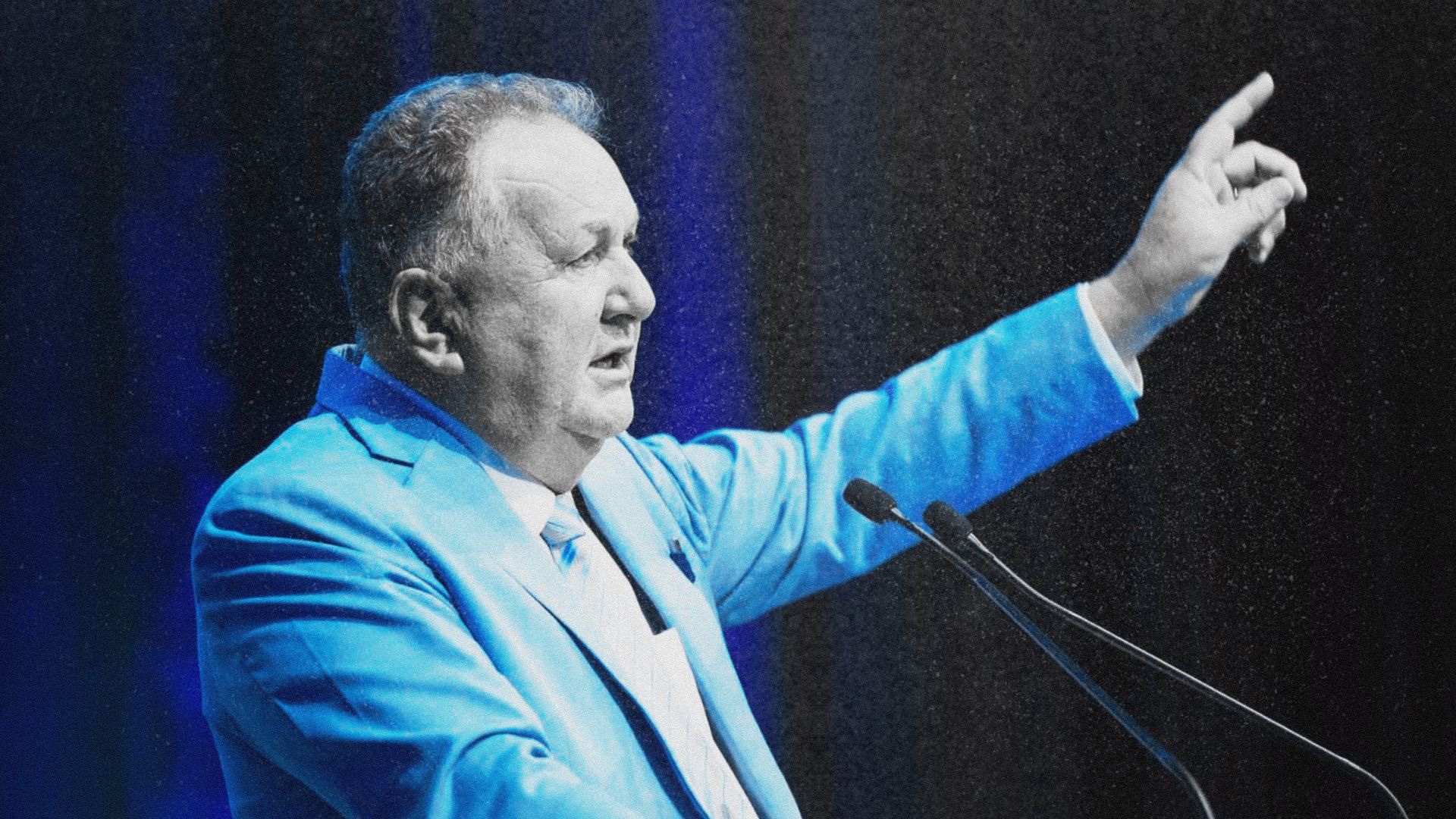
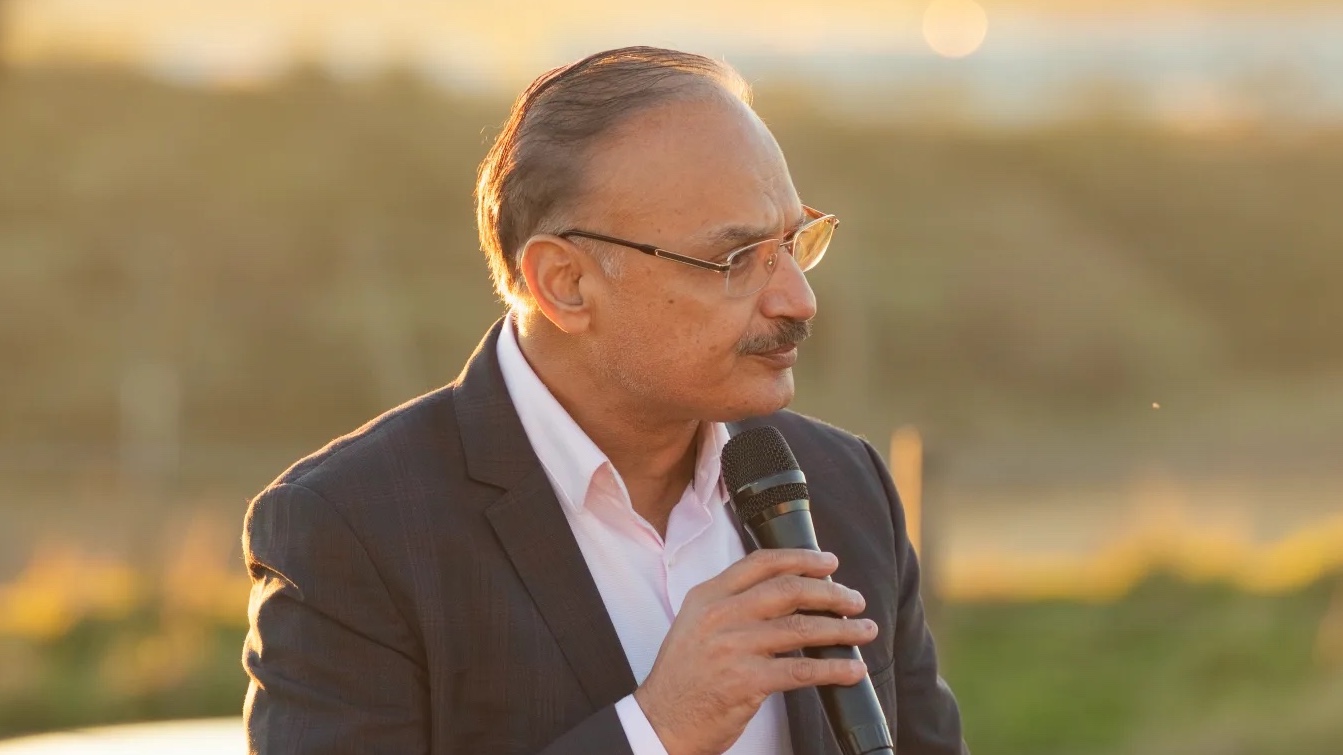
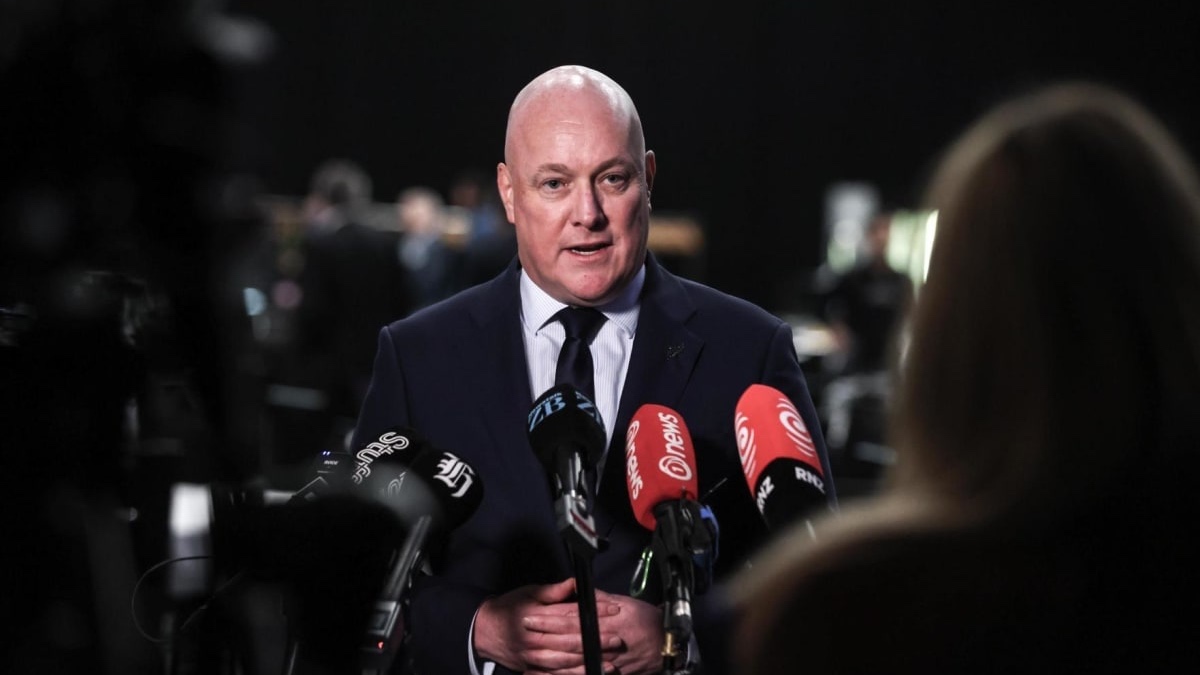
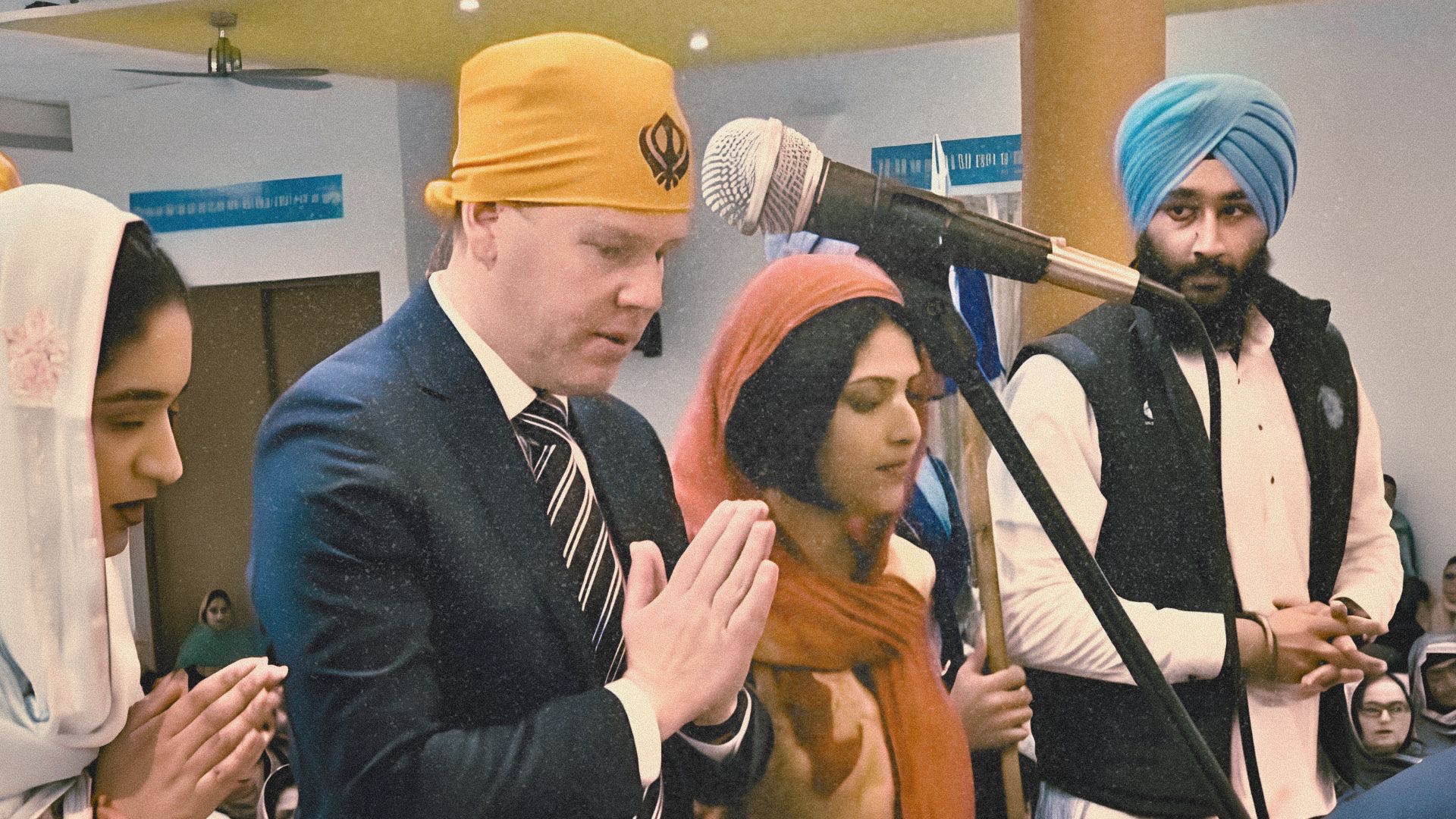
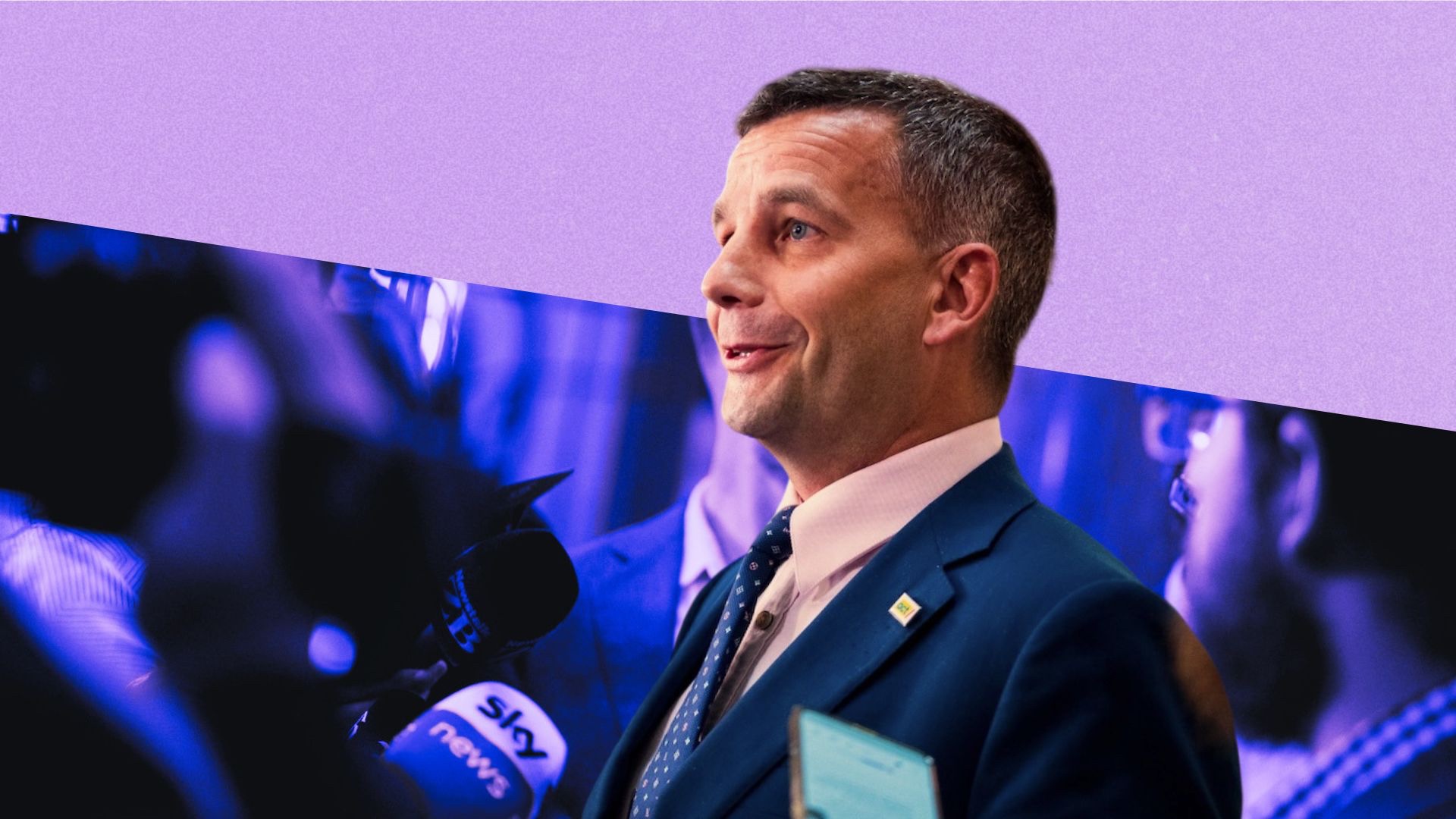
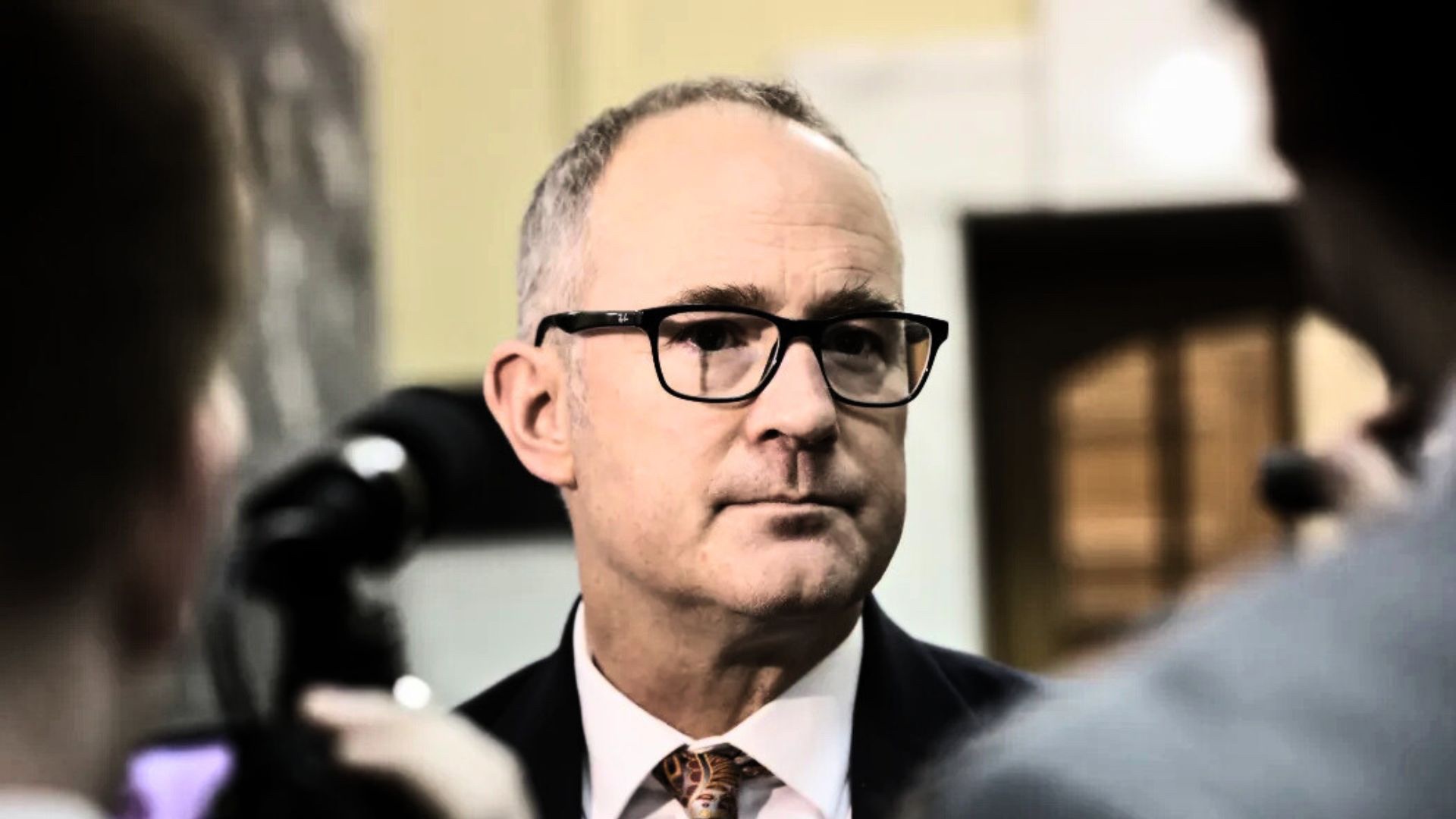
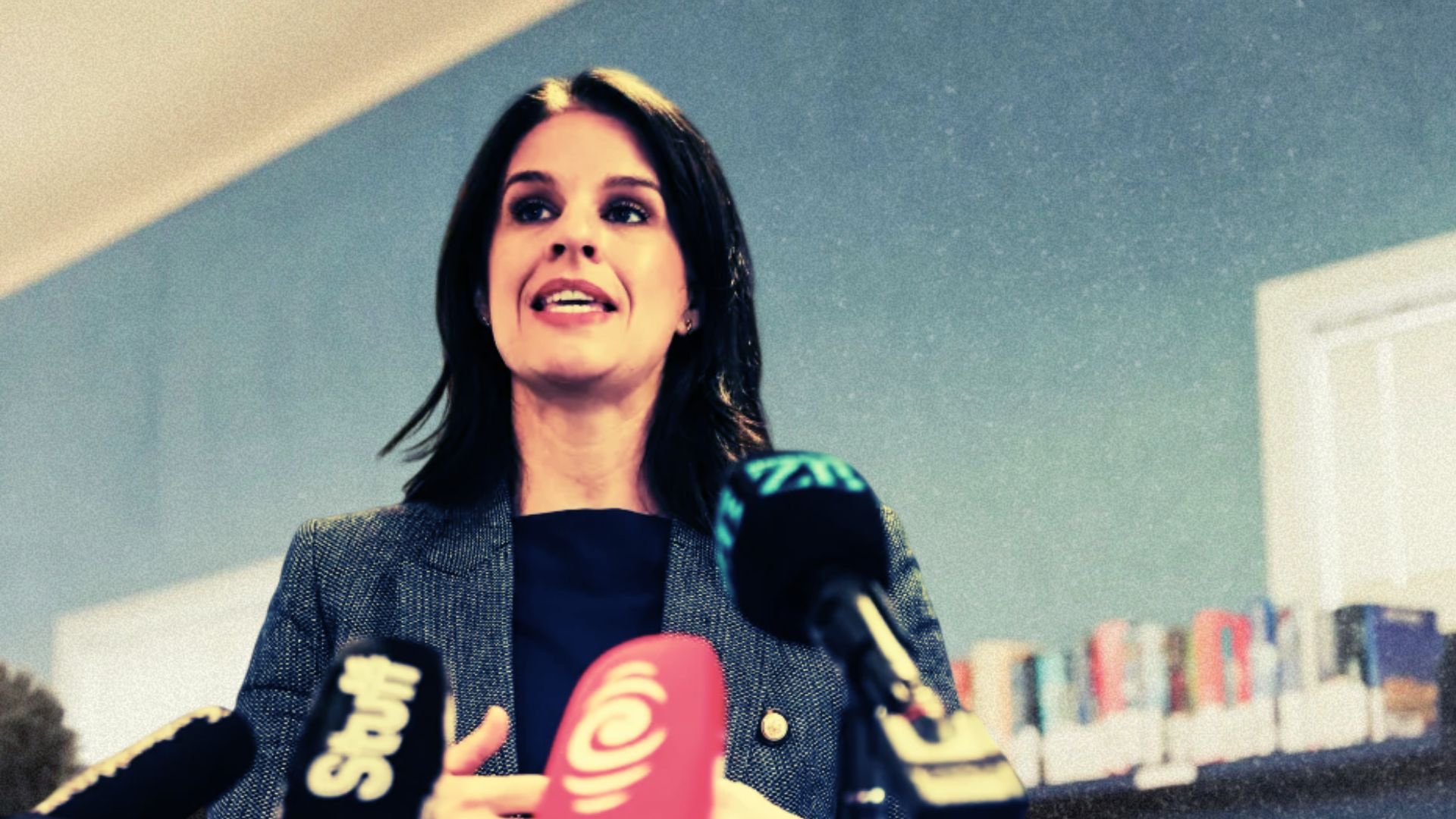
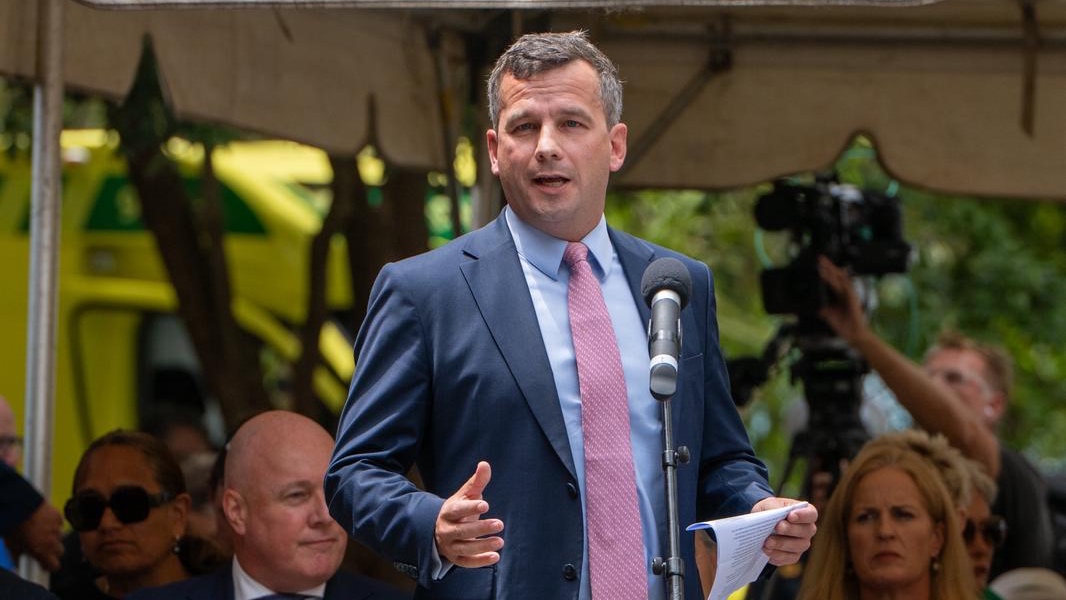
ACT leader David Seymour.
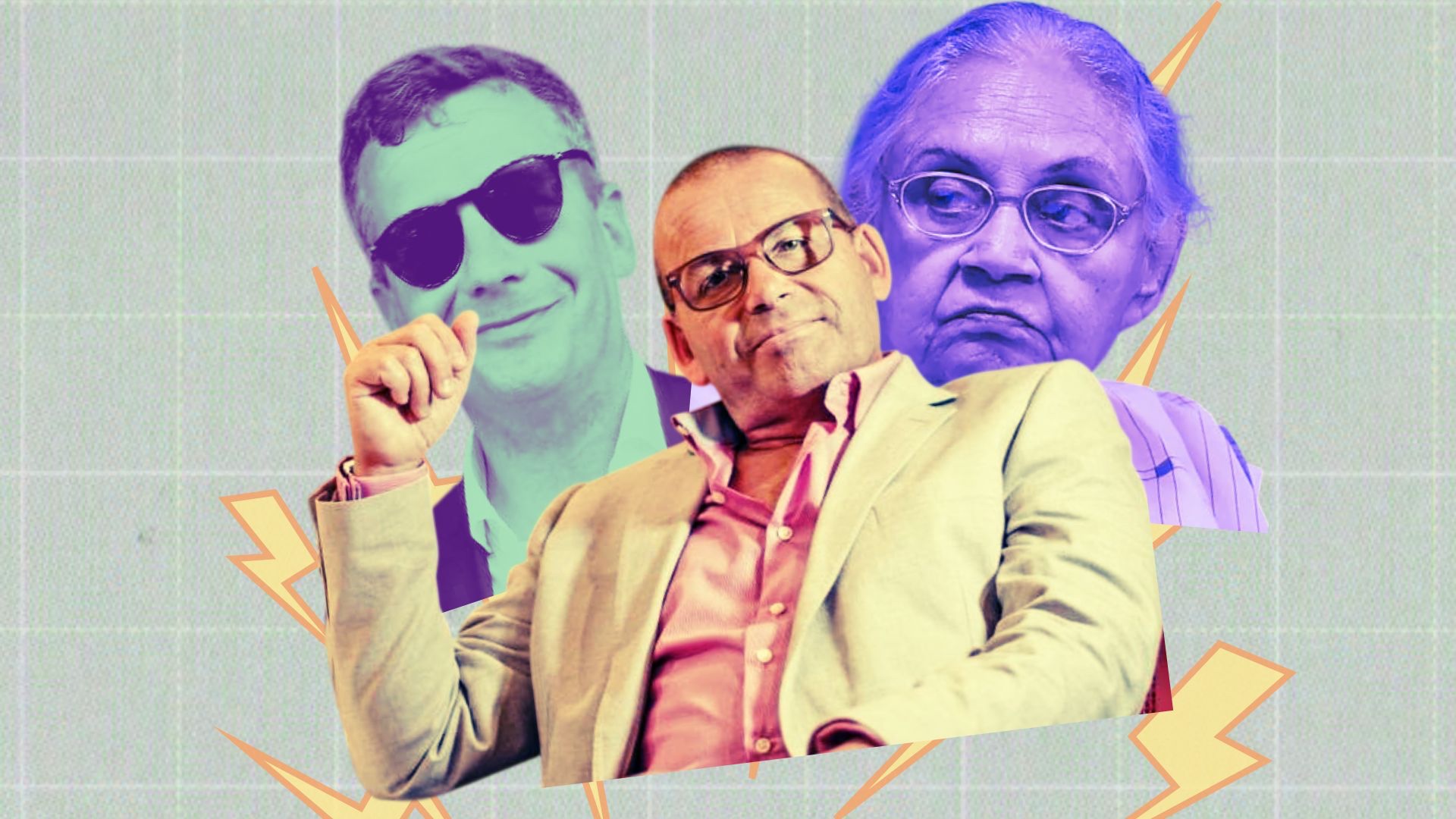
ACT’s leader was pressed on whether Paul Henry has changed since remarks about Sir Anand Satyanand and Sheila Dikshit sparked outrage in 2010.
(Unboxed is a new series of political interviews supported by the New Zealand Indian Central Association.)
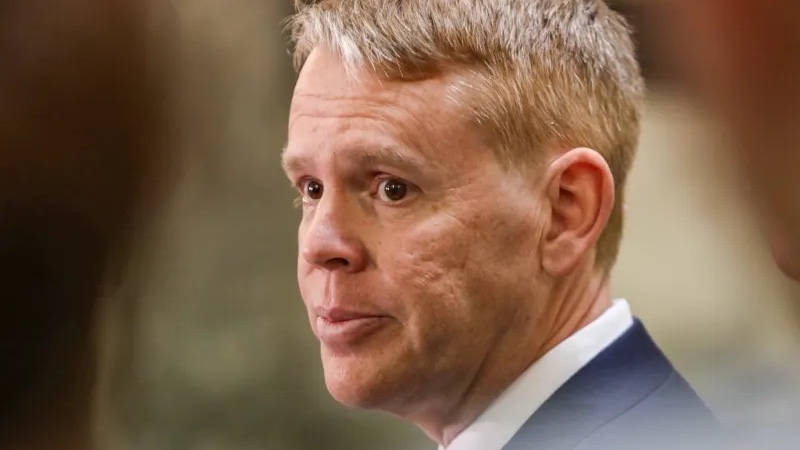
David Seymour says his personal dealings with Paul Henry have given him no reason to believe the ACT candidate holds anti-Indian views, defending the former broadcaster when challenged about his controversial comments.
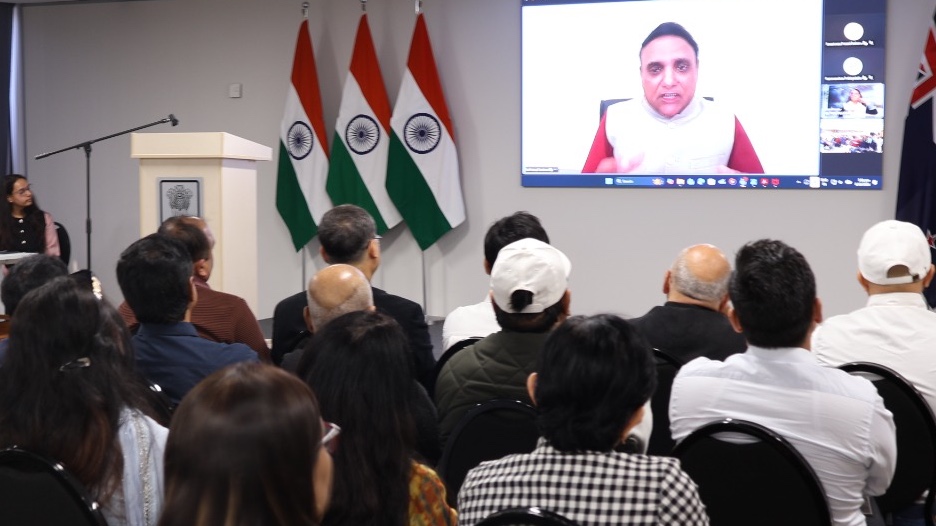
Speaking at an Unboxed discussion in Auckland on October 3, Seymour argued that selected moments from Henry’s broadcasting career were an unfair basis for judging him today.
“He’s never said anything to me that makes me think his genuine beliefs are anti-Indian, or actually anti-anybody,” Seymour said.
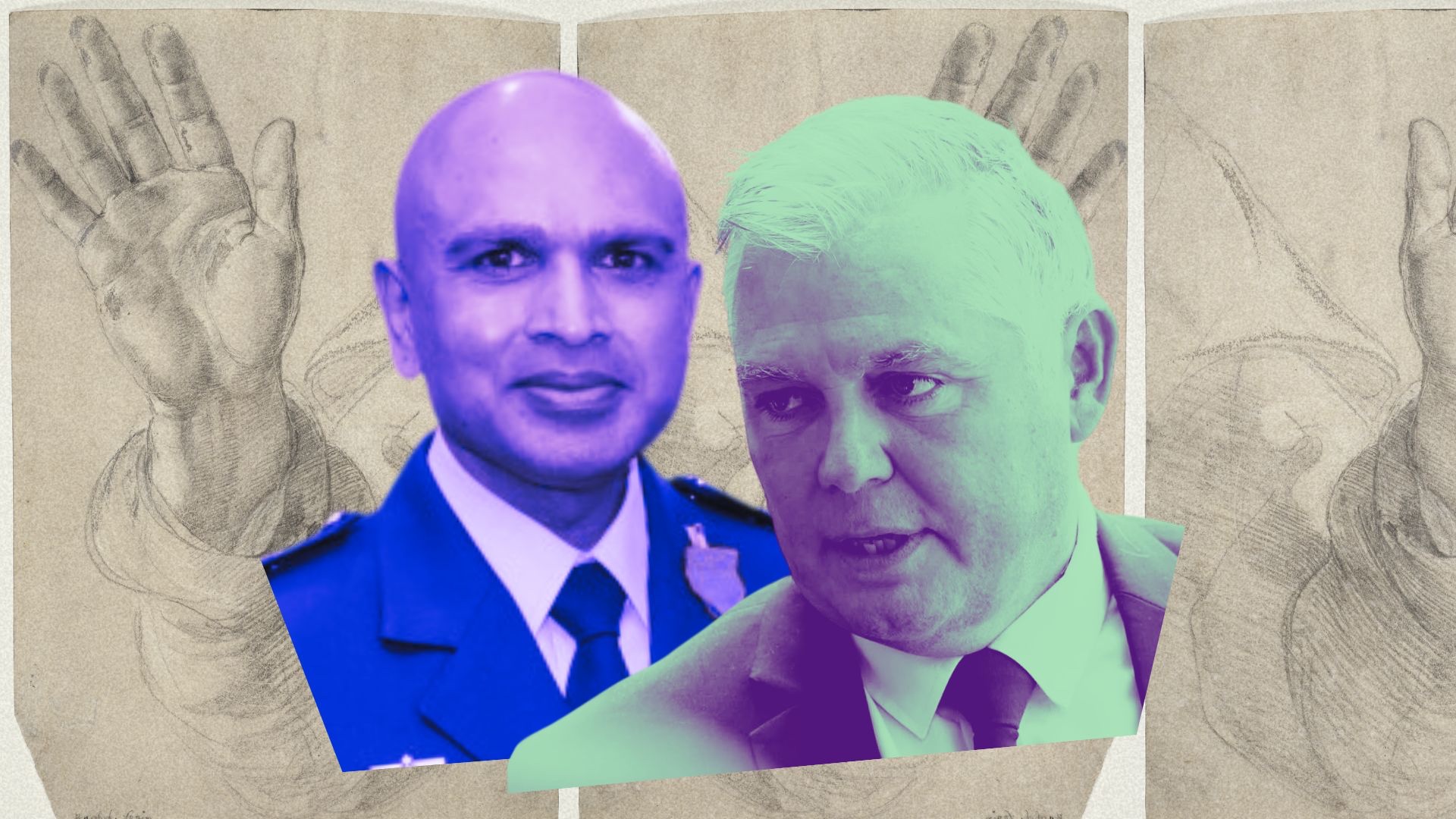
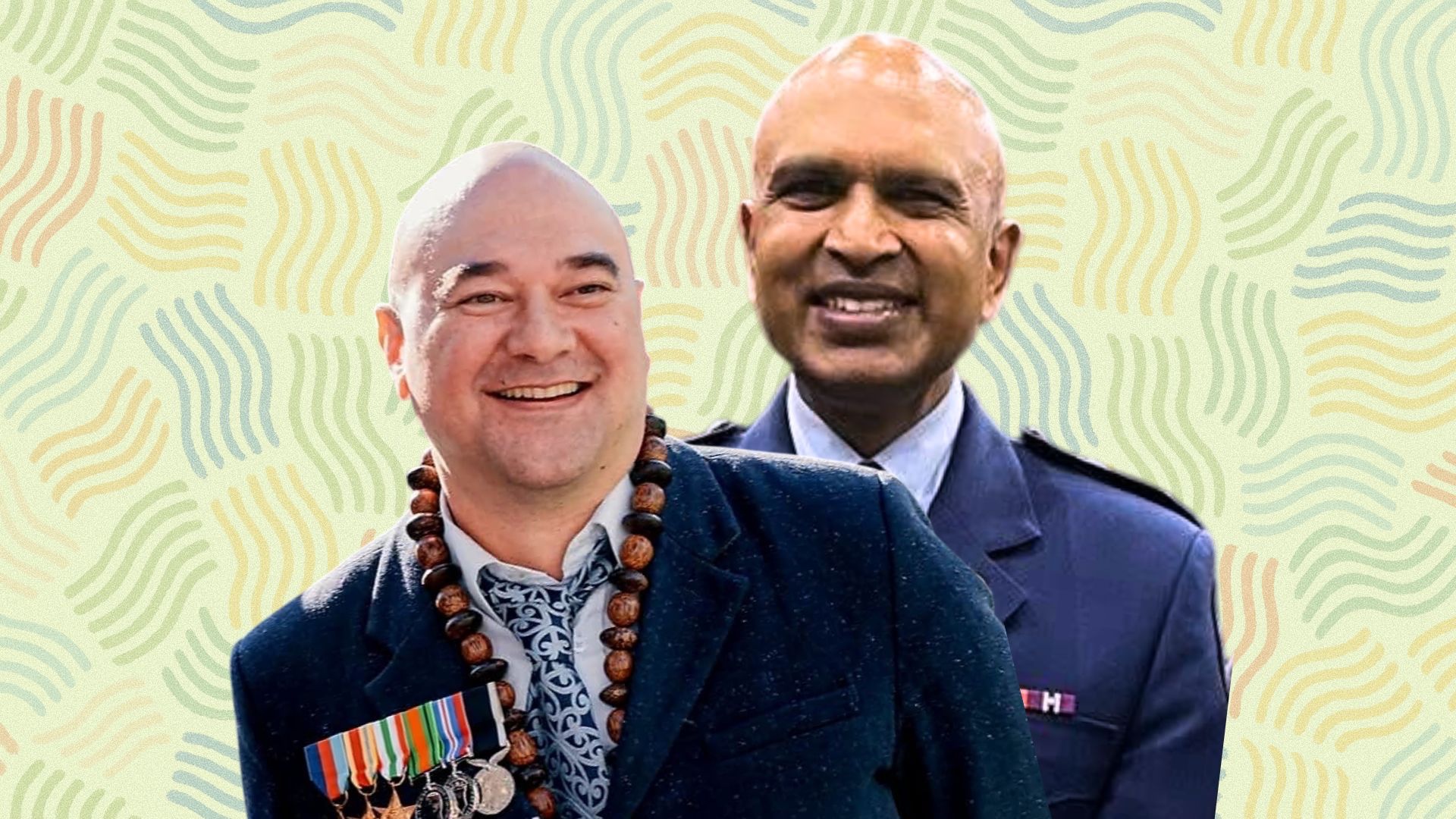
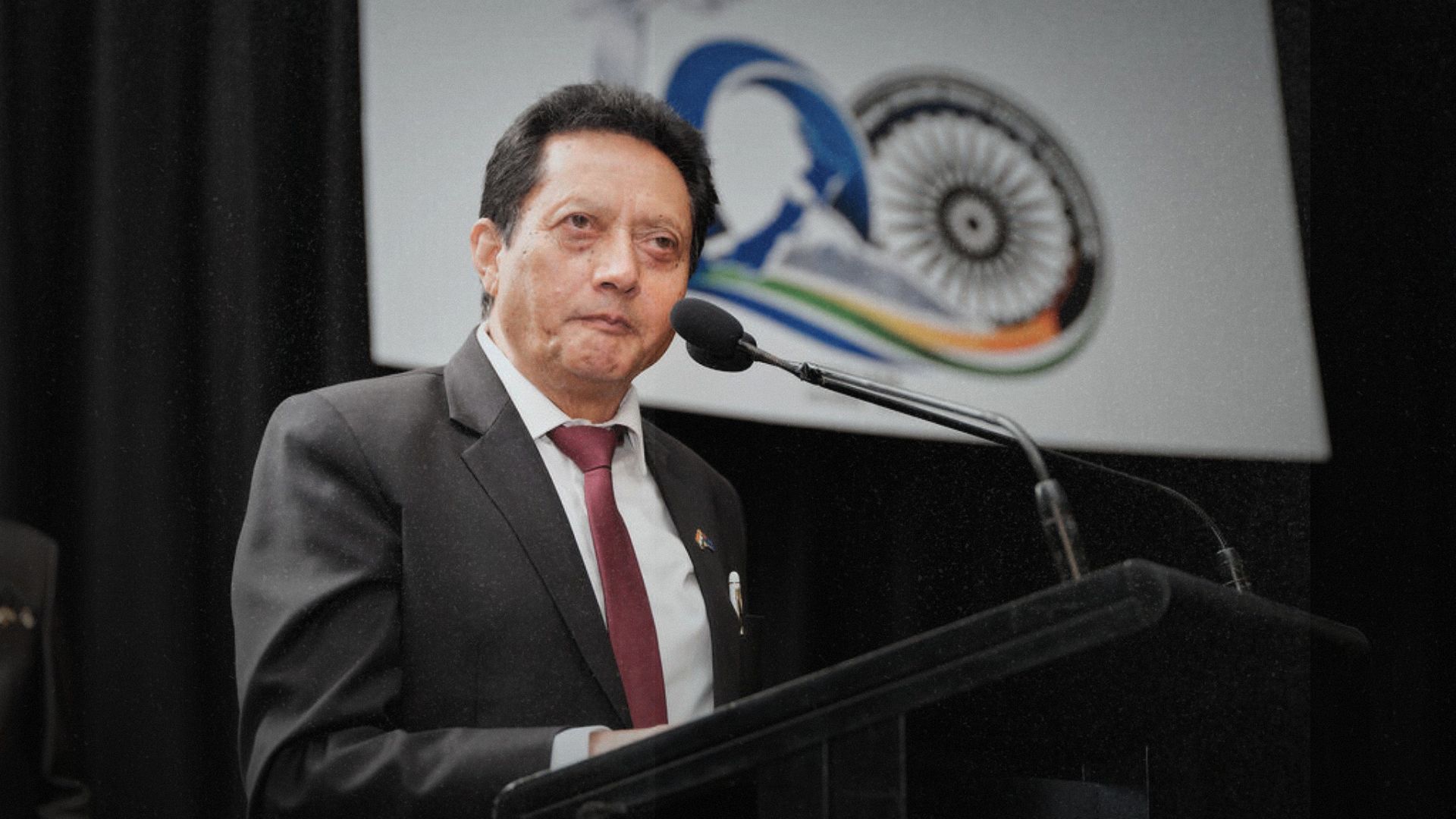
The questions centred on two incidents from 2010. Henry questioned whether New Zealand-born former Governor-General Sir Anand Satyanand looked or sounded like a New Zealander, and separately mocked the name of Indian politician Sheila Dikshit on air.
Boss’s exploitation bill nears $60K after migrant worker forced to work out his own unpaid hours WhatsApp messages and phone notes helped prove what his employer failed to record.
Migrant couple hit by visa setback after 8-year-old daughter qualifies for disability support Her parents can stay in New Zealand until 2028, but the girl must return.
NZ First’s employer work visa reset sounds dramatic. The detail is less revolutionary NZ First says it will scrap the Accredited Employer Work Visa. But many of its proposed fixes already exist.
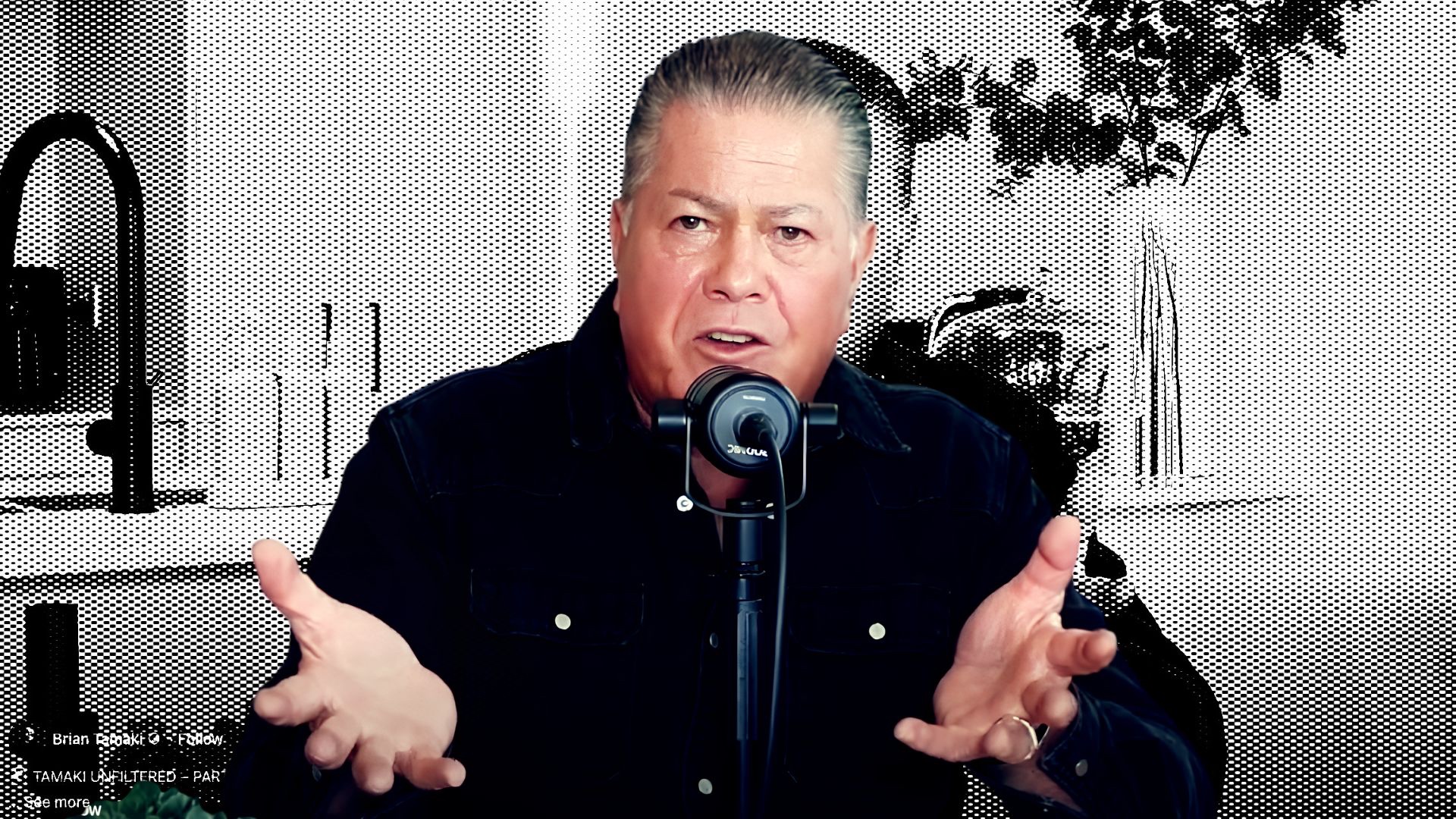
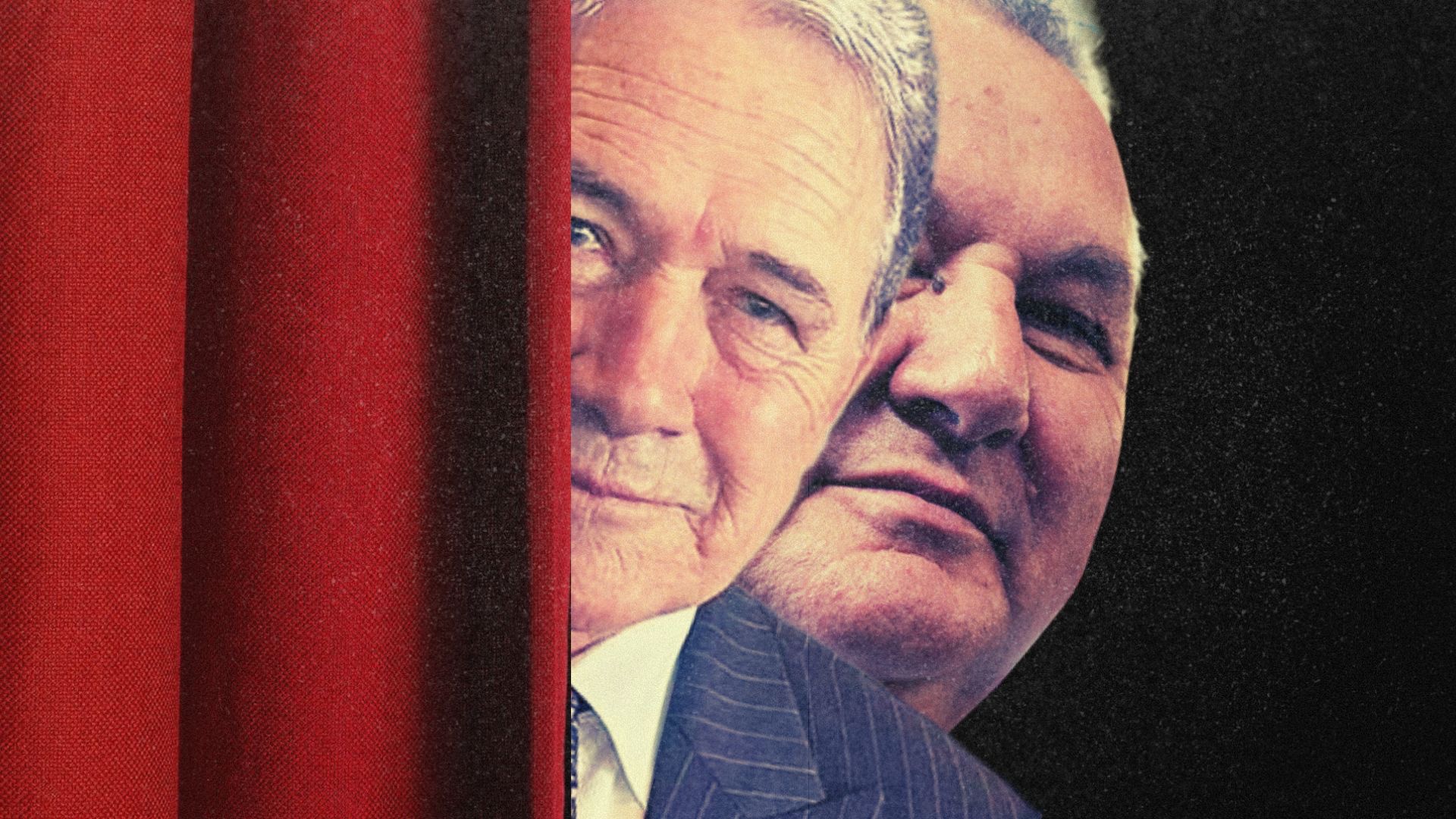
The controversies prompted widespread criticism and preceded his resignation from TVNZ. Henry is ranked fourth on ACT Party list this year.
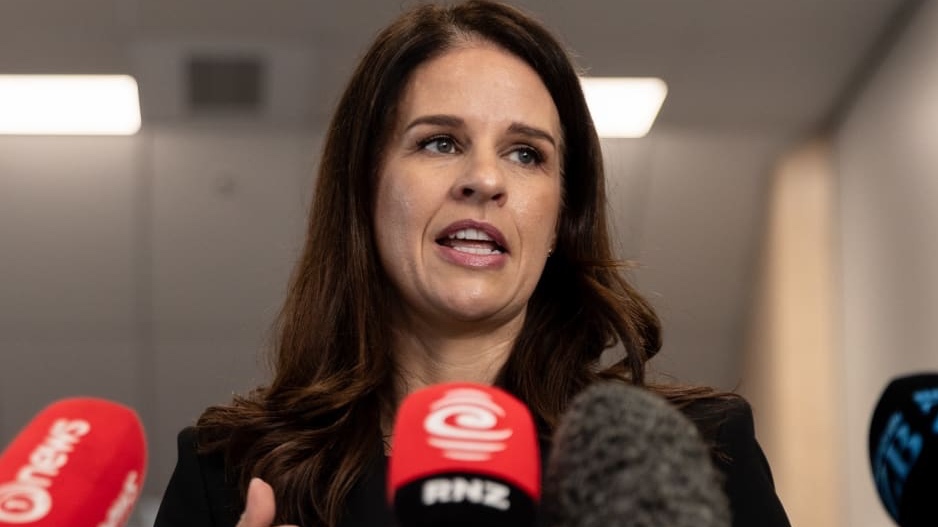
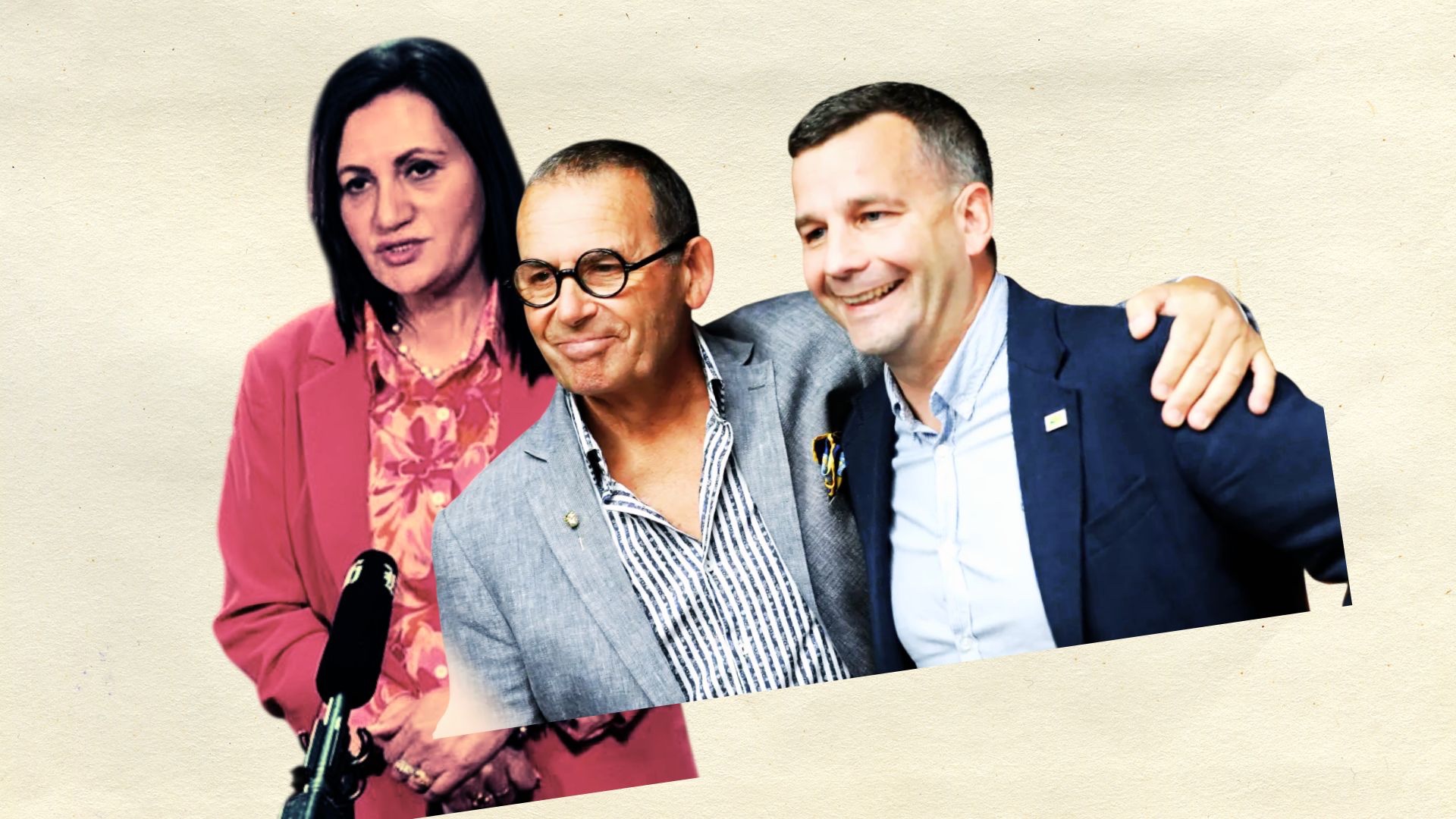
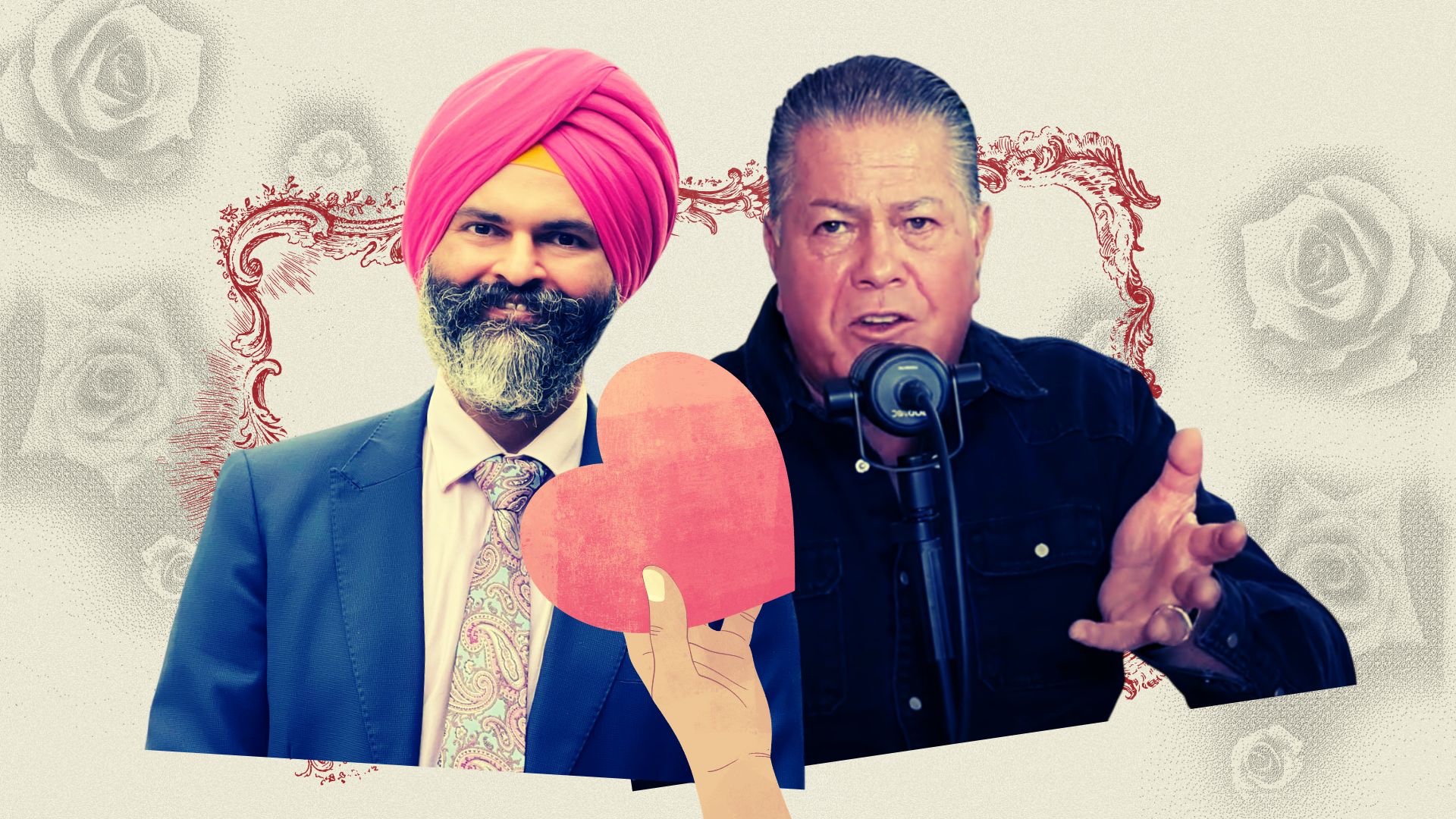
Seymour’s comments offer a personal assurance on a question ACT MP Parmjeet Parmar previously declined to elaborate on. What gives the party confidence about Henry’s present views?
Parmar had told Awaaz that Henry’s comments were unacceptable, while arguing he should be assessed on who he is today. “Paul’s comments from 16 years ago were not acceptable,” she said.
She cited Henry’s acknowledgement that he had gone too far. But when asked whether she believed his views had changed, what supported that assessment and whether ACT had examined the remarks before approving his candidacy, her office declined to provide further answers.

At the Unboxed discussion, Seymour initially responded by pointing to Henry’s wider career and saying people were judging him on a tiny fraction of decades spent broadcasting.
He said Henry had built and sold his own radio station while still young and had spent years getting up at 3am for live radio and television.
“Some people remember like about 90 seconds of that that’s live on on YouTube,” Seymour said. “So that’s an unfair way to judge him.”
Seymour described the Henry he knew as softly spoken, careful and thoughtful, and said he had entered politics because he was concerned about New Zealand’s direction.
When the panel questioned whether Henry being hardworking somehow justified overlooking the remarks, Seymour rejected that interpretation. “First of all, it’s not that he’s hardworking that makes it OK,” he said.
“It’s just reminding you that you’ve picked about 90 seconds of video clips out of a 20-30 year career of being on air for three hours every morning, 250 mornings a year.”
The discussion then turned to whether Henry had acknowledged the remarks were wrong. Seymour said Henry had been questioned about his past comments in the media and had indicated he should not have made some of them.
When the panel distinguished between the Satyanand comments and Henry’s mockery of Dikshit’s name, Seymour said "it’s pretty clear what our values are".
“I think it’s unfair to judge a person by a 15 year old comment when he’s retracted at least one of them. Maybe he’s retracted both. I don’t know.”
Later in the discussion, Seymour returned to his personal assessment of Henry, saying he had known him for a couple of years and had spent time with him privately.
“He’s never said anything to me privately, having a wine at his house, at the office,” Seymour said.
“He’s never said anything to me that makes me think his genuine beliefs are anti-Indian or actually anti-anybody.”
Henry stood for National in Wairarapa at the 1999 election but lost to Labour candidate Georgina Beyer. He subsequently became one of New Zealand’s best-known broadcasters, working across television and radio.