
Boss’s exploitation bill nears $60K after migrant worker forced to work out his own unpaid hours

The ERA said missing employment records added unnecessary cost and complexity to the worker’s claim.
WhatsApp messages and phone notes helped prove what his employer failed to record.
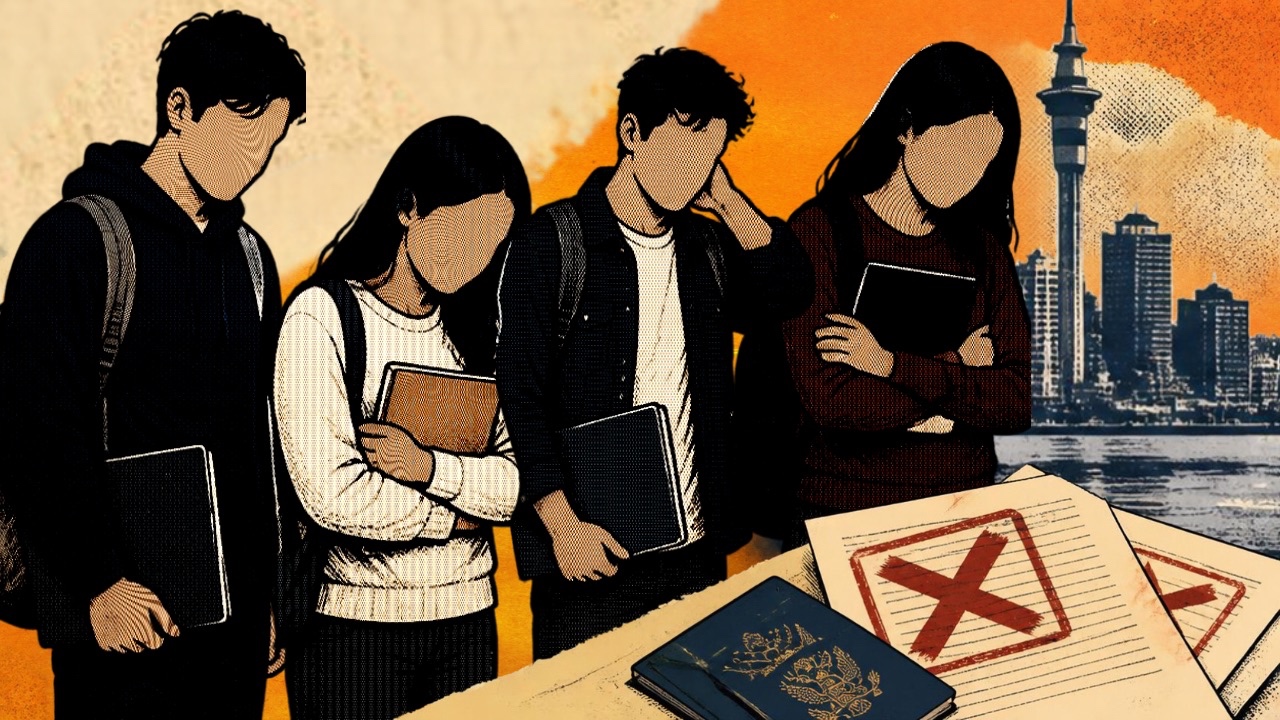
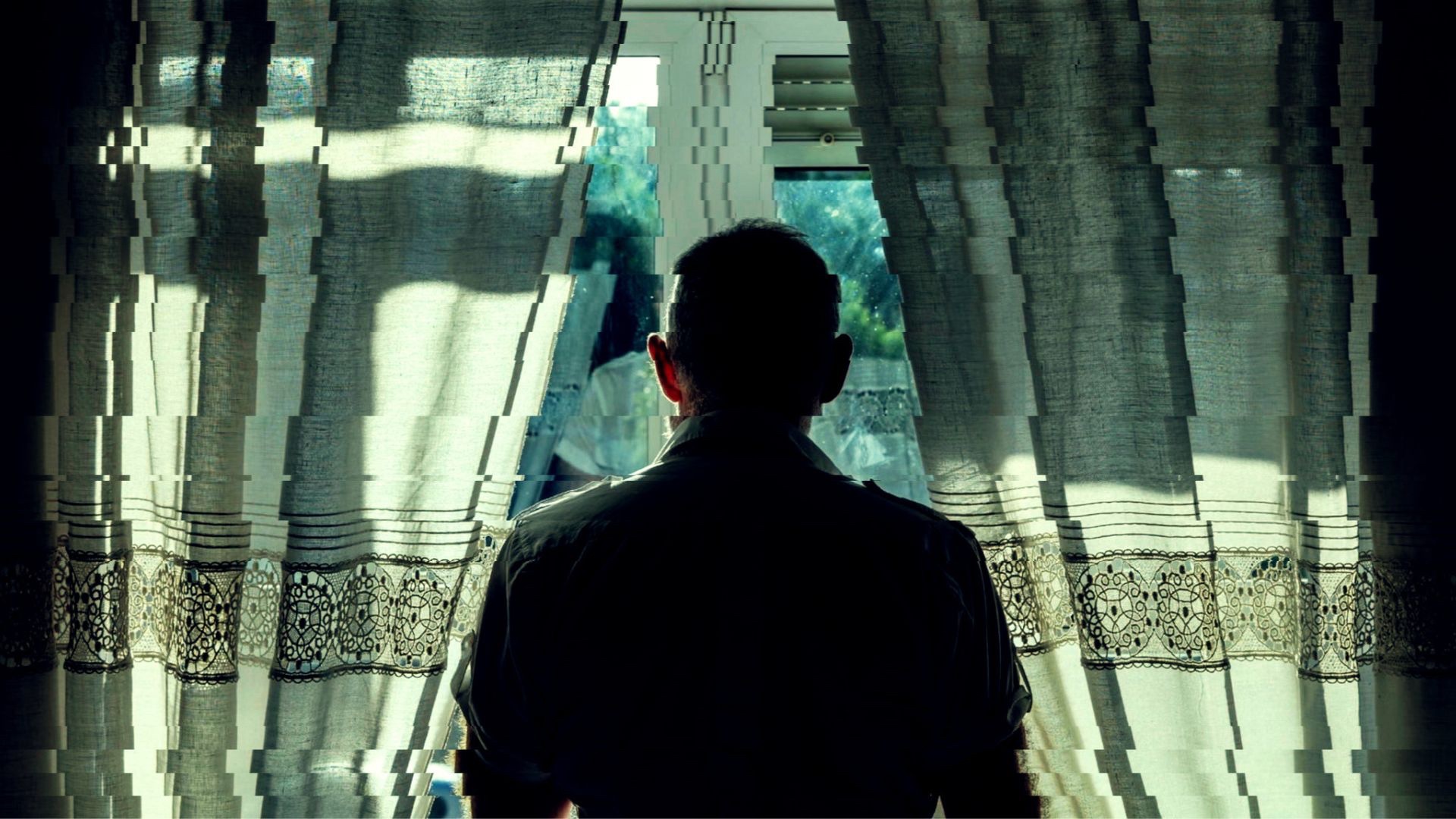
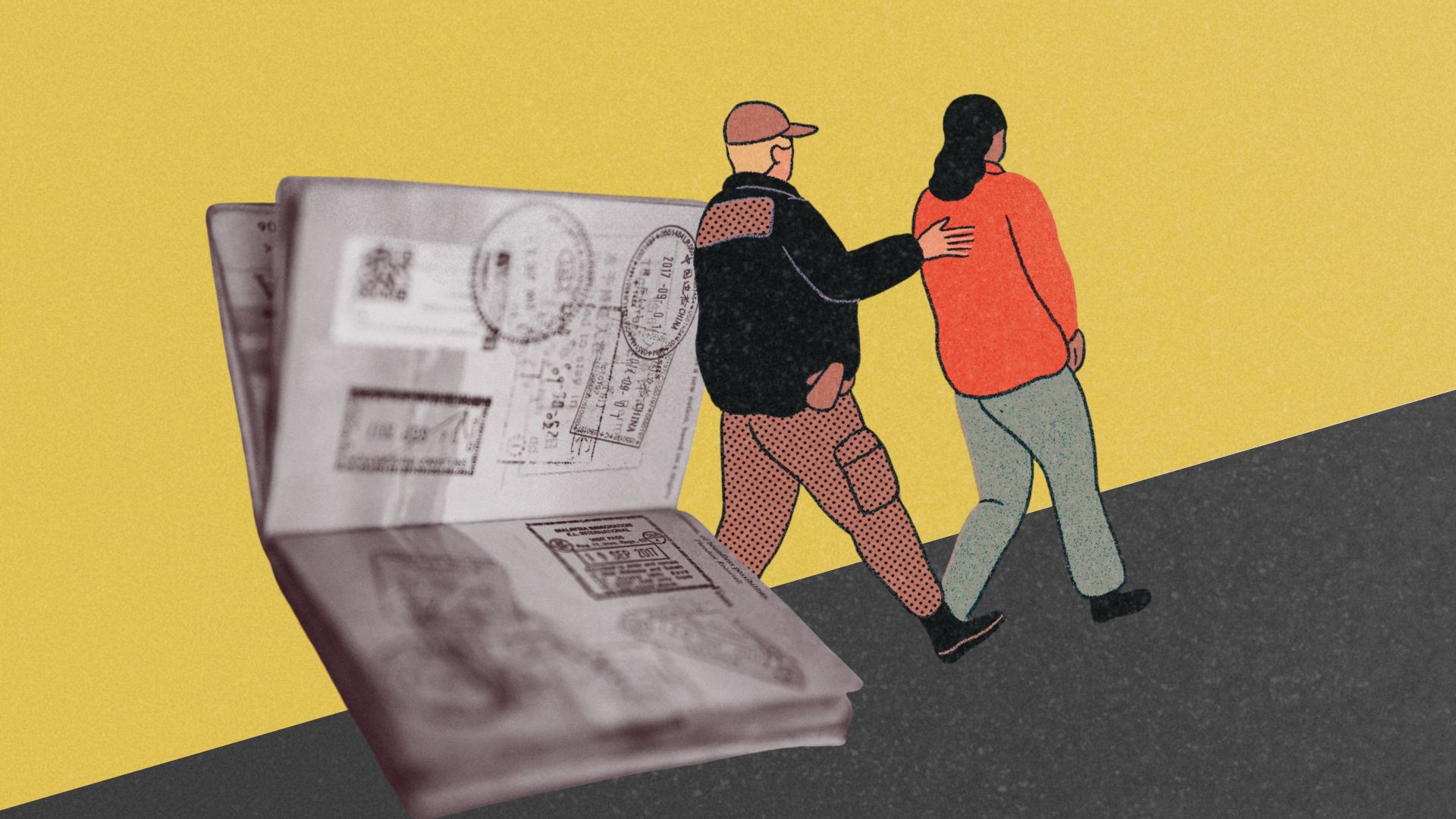
A migrant worker awaiting nearly $55,000 in unpaid wages and entitlements has won extra compensation after being forced to calculate what he was owed because his employer failed to provide proper employment records.
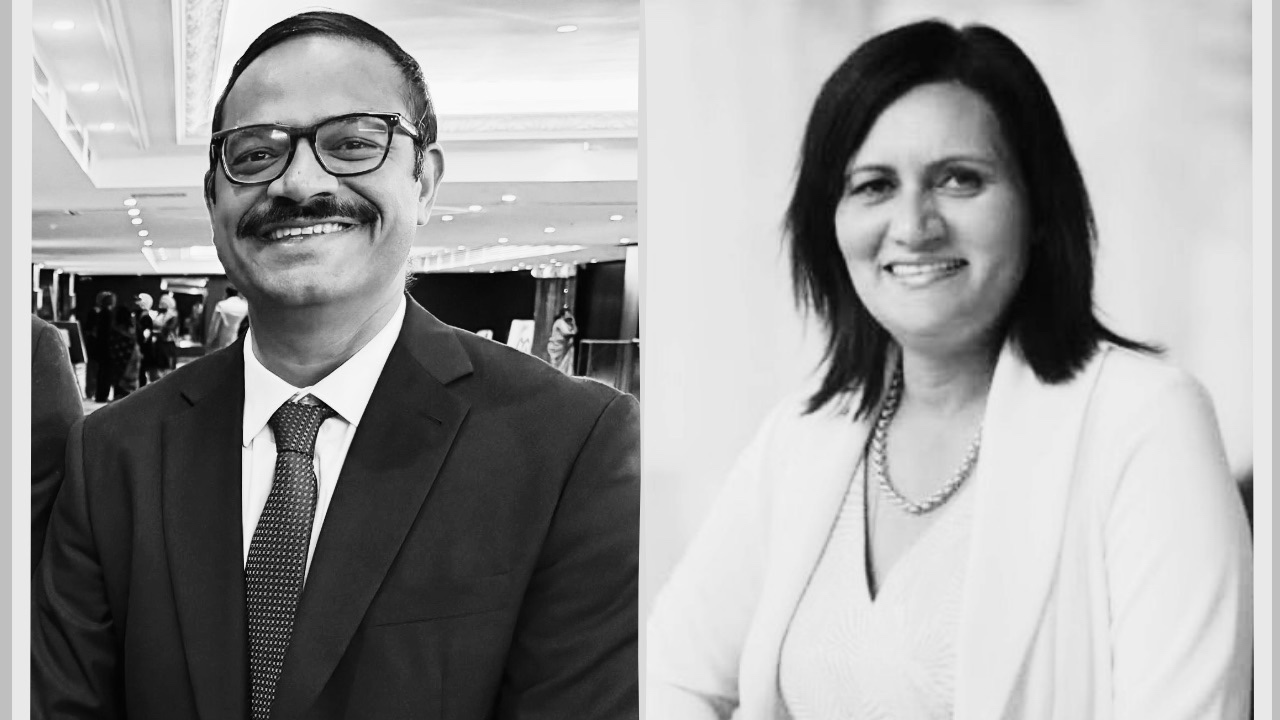
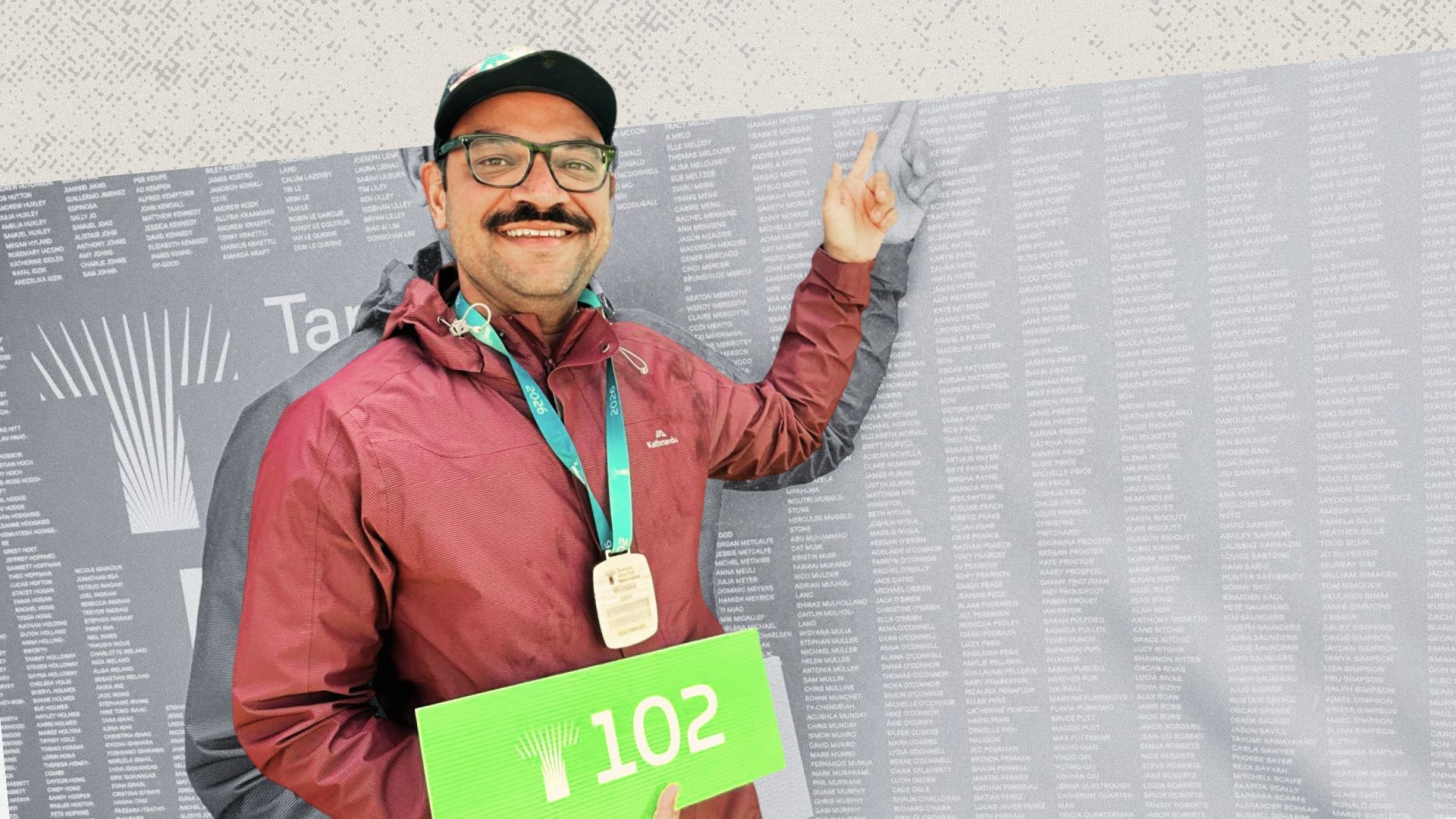
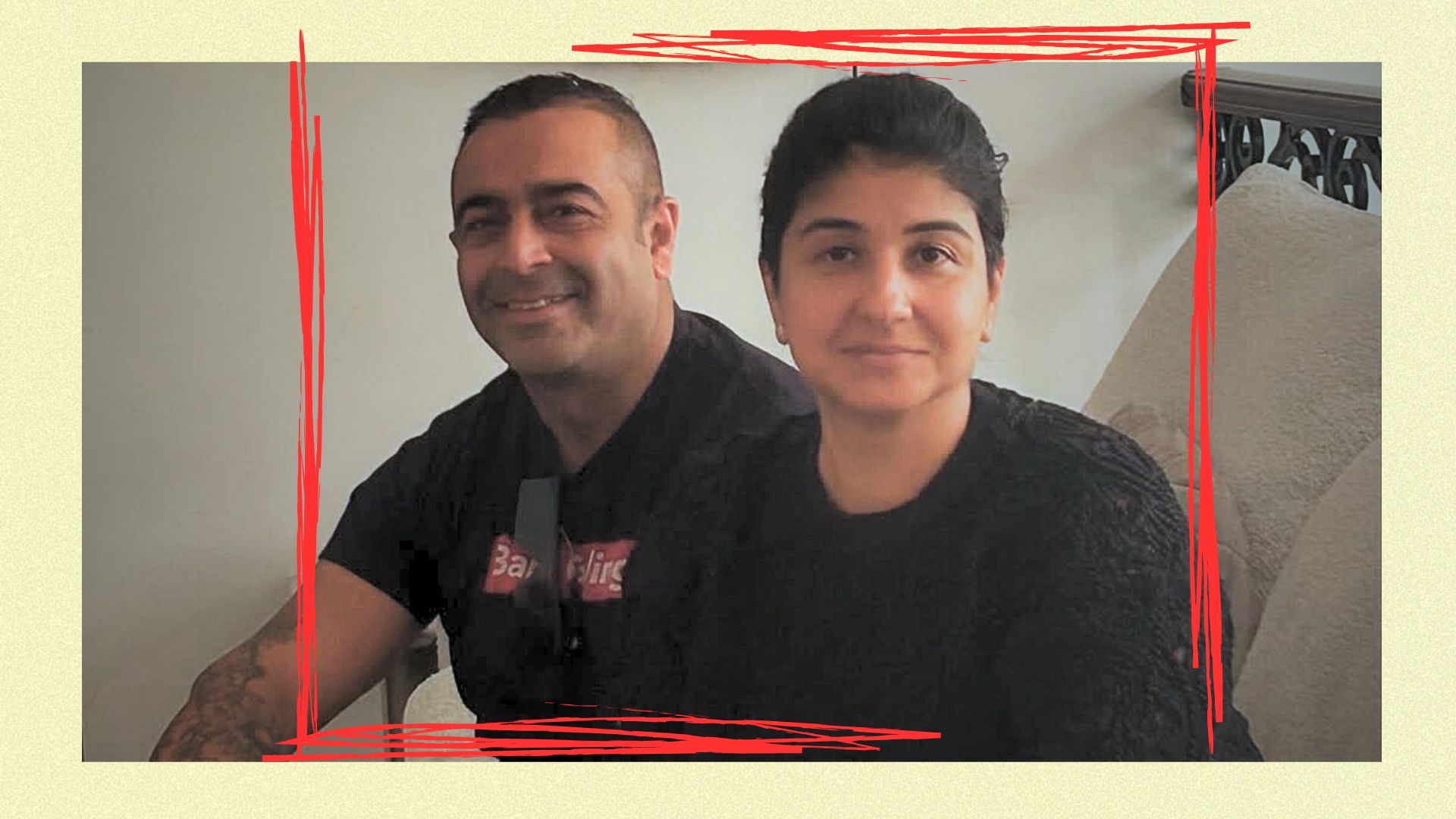
Suraj Goswami worked as a car groomer and detailer for Auckland company Moto Kare Limited from June 2023. His employment agreement guaranteed him 40 hours a week at $29.70 an hour, a rate that was also a condition of his work visa.
But when Goswami later took his case to the Employment Relations Authority (ERA), the company did not provide his wages and time records.
Instead, he relied on notes kept on his mobile phone, bank statements and WhatsApp conversations to piece together when he had worked and what he had been paid.
Some of those WhatsApp messages contained details of the days and hours Goswami worked, while others referred to “23”, which the ERA accepted referred to the $23 hourly rate he was paid on at least some occasions, well below the $29.70 specified in his contract.
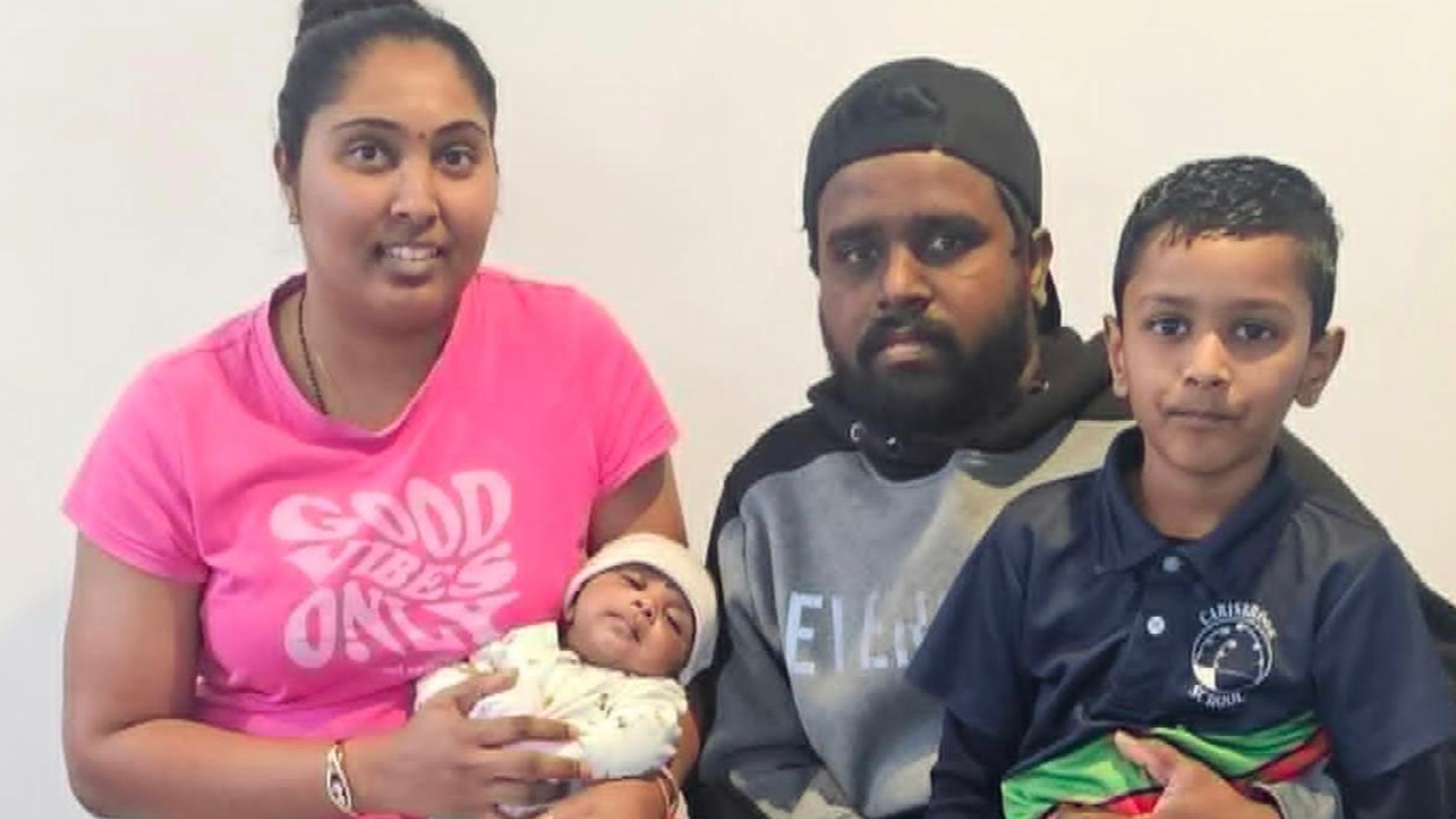
Migrant couple hit by visa setback after 8-year-old daughter qualifies for disability support Her parents can stay in New Zealand until 2028, but the girl must return.
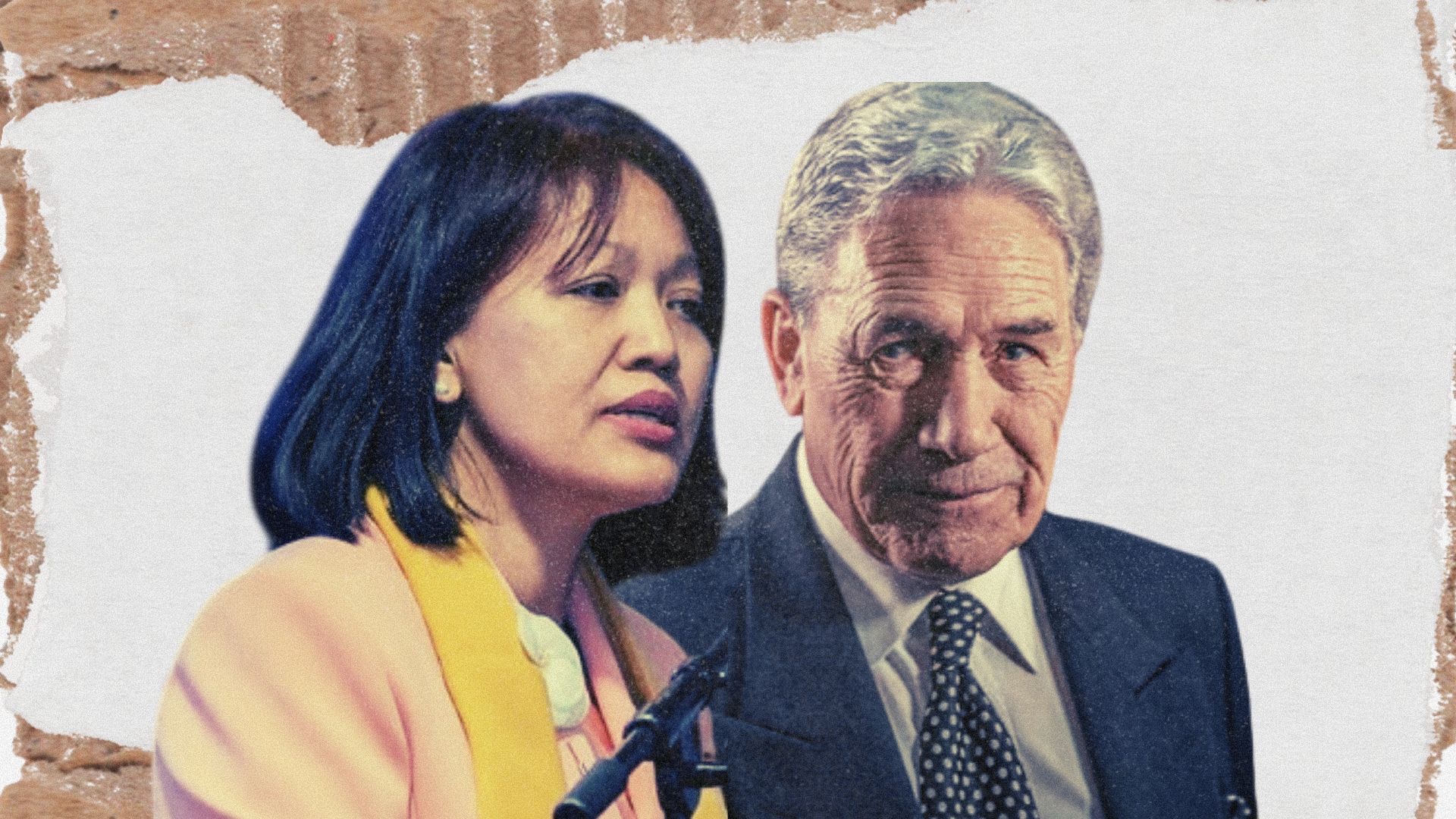
NZ First’s employer work visa reset sounds dramatic. The detail is less revolutionary NZ First says it will scrap the Accredited Employer Work Visa. But many of its proposed fixes already exist.
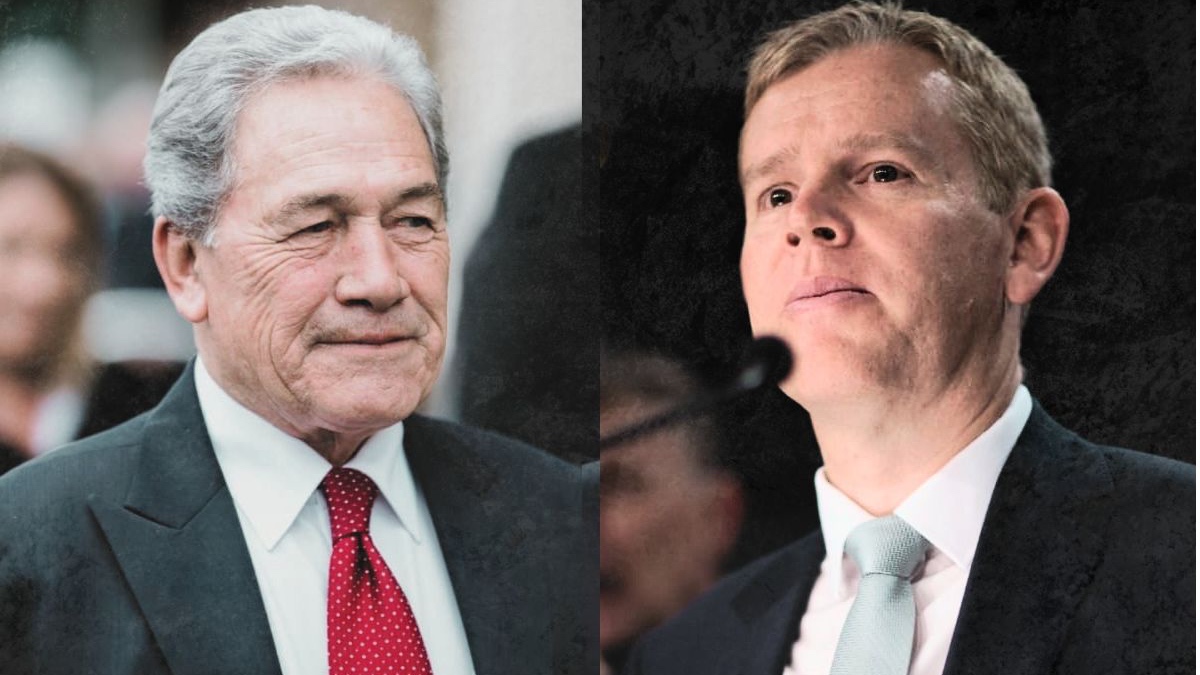
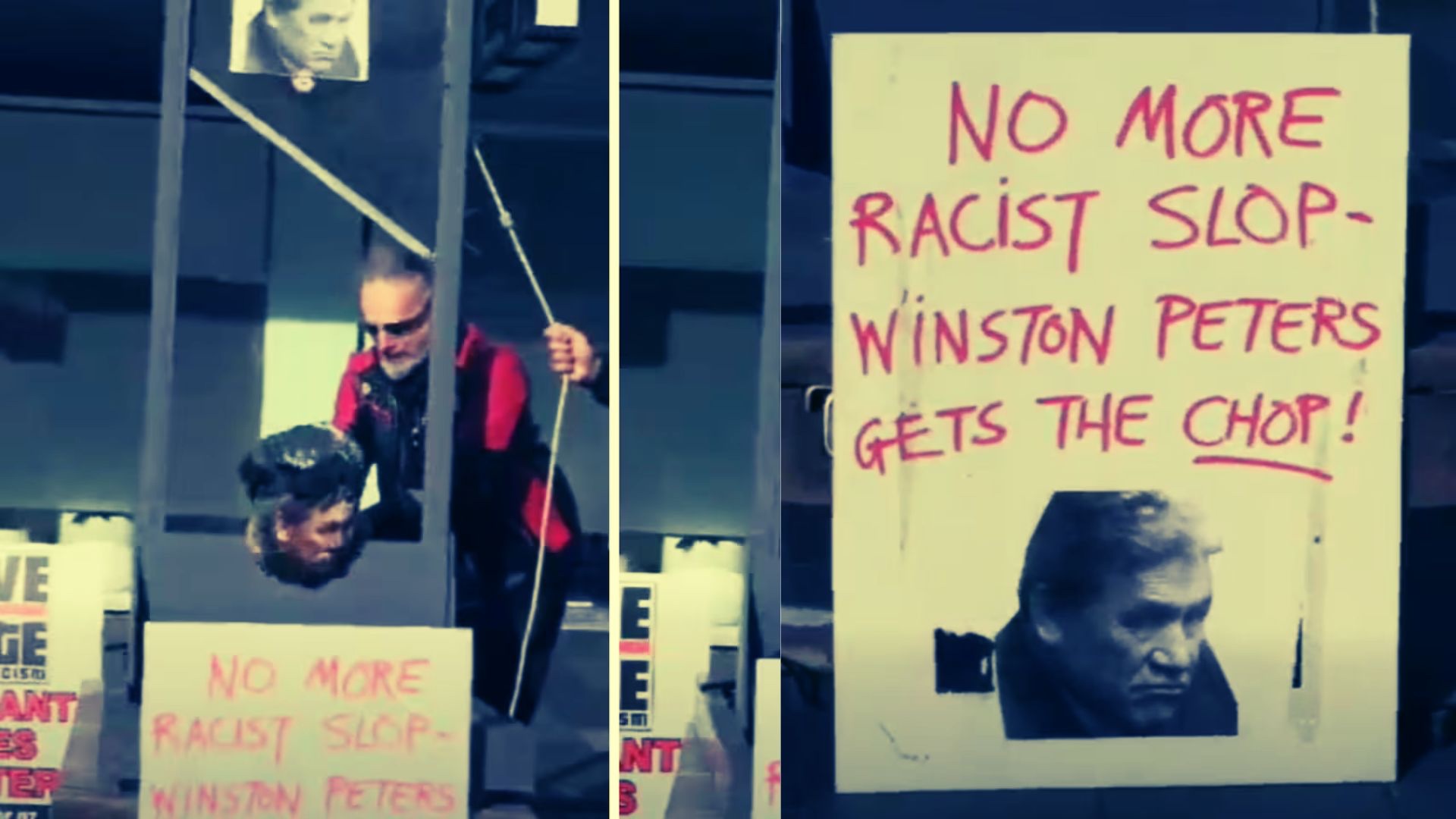
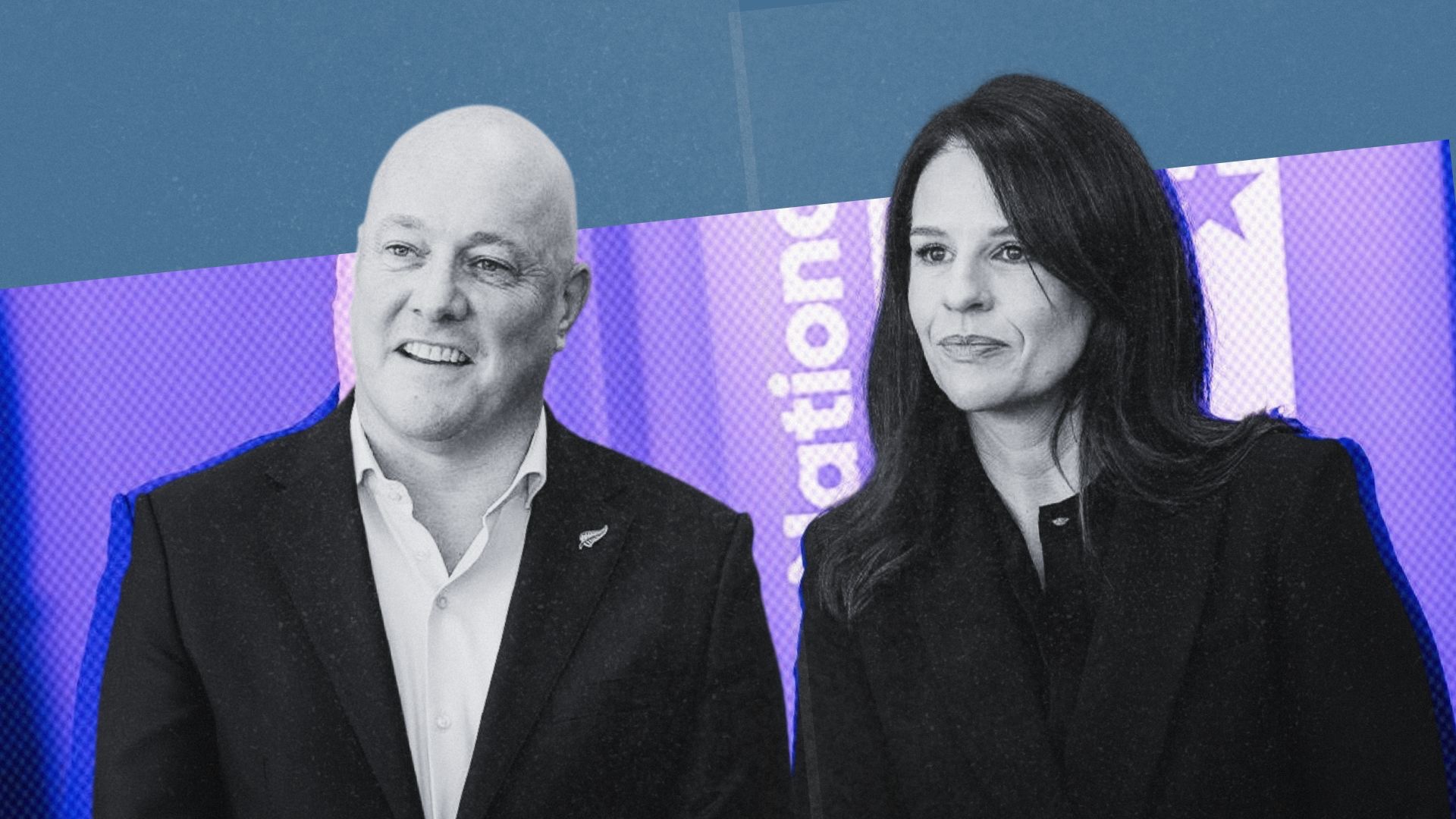
Migrant who shouted down Peters over racism 24 years ago now vying for Parliament From arriving with $500 in his pocket to confronting NZ First's leader, National Party's Karuna Muthu reflects on his unlikely journey into politics.
The messages also showed Goswami asking for his wages so he could meet personal financial commitments. The authority found he was frequently not offered the 40 hours of work guaranteed under his agreement and was also not always paid on time.
In July, ERA member Simon Greening accepted Goswami’s evidence about the hours he had worked and what he had been paid, finding Moto Kare’s failure to produce its own records had prejudiced his ability to bring an accurate claim.
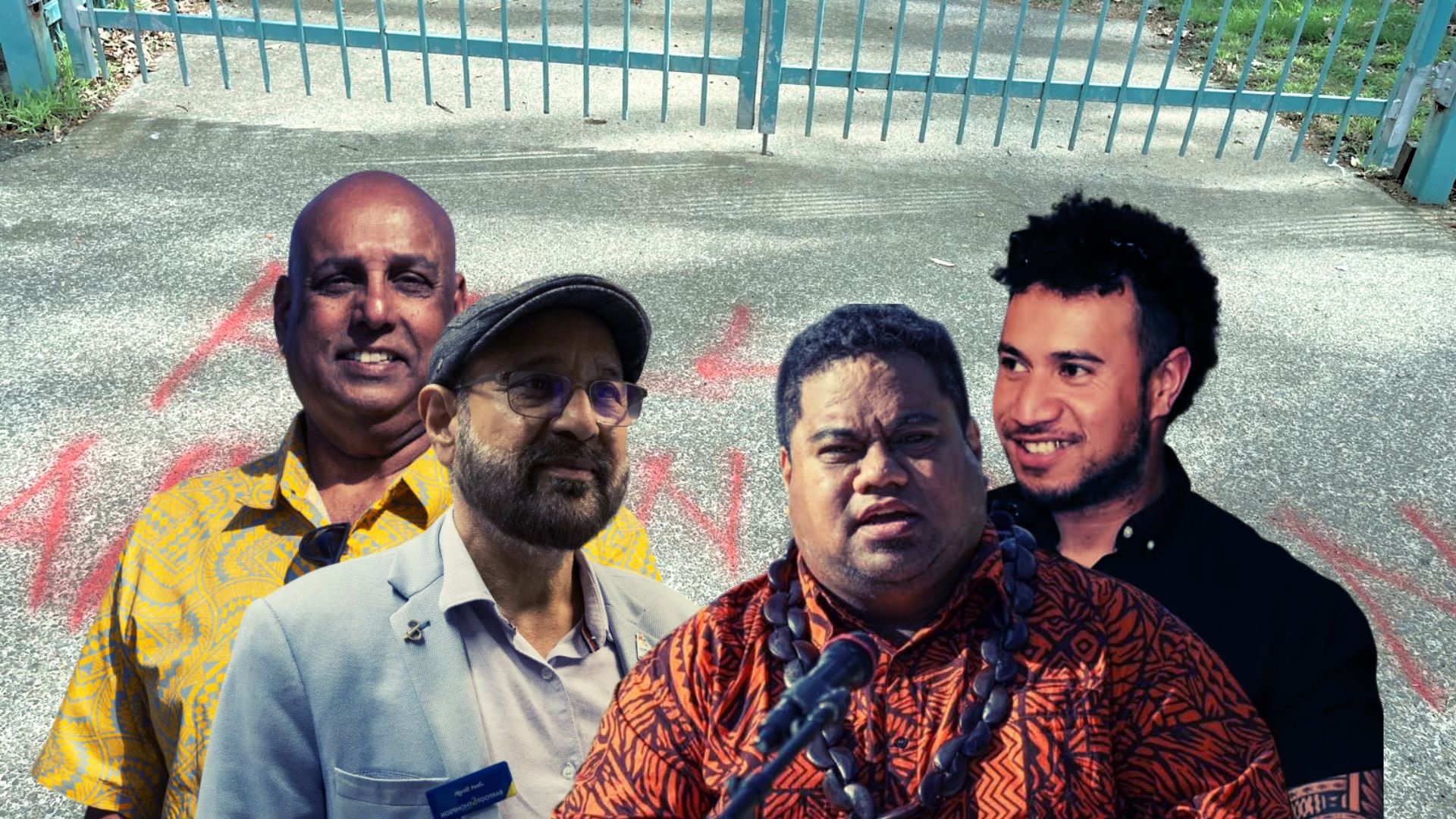
Greening ultimately allowed Goswami to recover $39,440.69 in wage arrears, $5,234.63 for public holidays and $7,717.11 in unpaid annual holiday pay from Jagmeet Singh, who the authority found directed Goswami’s work, managed the business and managed its payroll.
Singh was also ordered to pay Goswami a $3,000 penalty. The total from that ruling was $55,392.43.
Moto Kare had by then been placed into liquidation. Although Mansha Chopra was its director, the authority found there was insufficient evidence that she had aided or abetted the breaches.
It found Singh, her husband, was personally involved in the breaches of employment standards and knew Goswami was not being paid in accordance with his contract.
The authority described the breaches as serious and persistent rather than isolated payroll errors, saying they formed a sustained pattern of paying Goswami below his contractual rate and failing to pay him on time.
It also regarded his work-visa status as an aggravating factor because it made him a vulnerable employee.
A fresh costs ruling issued on October 7 has now added almost another $4,000 to Singh’s bill. Goswami sought $3,881.25 towards his legal costs.
The usual starting point for the half-day authority hearing would have been $2,250, but Goswami sought an uplift because additional work had been required to reconstruct both his wage arrears and his holiday claims from the records available to him.
Greening agreed, saying Moto Kare had failed to provide Goswami’s wages and time records as well as his holiday and leave records. “For these reasons, it is appropriate to adjust the daily tariff rate,” Greening said.
He found Goswami had incurred unnecessary costs because those records had not been provided. The respondents had also not attended the investigation meeting or engaged with the Authority’s investigation.
Singh was ordered to pay the full $3,881.25 contribution towards Goswami’s legal costs, along with a further $71.55 filing fee. That takes the amount Singh has been ordered to pay Goswami across the two determinations to about $59,345.