
NZ First’s employer work visa reset sounds dramatic. The detail is less revolutionary

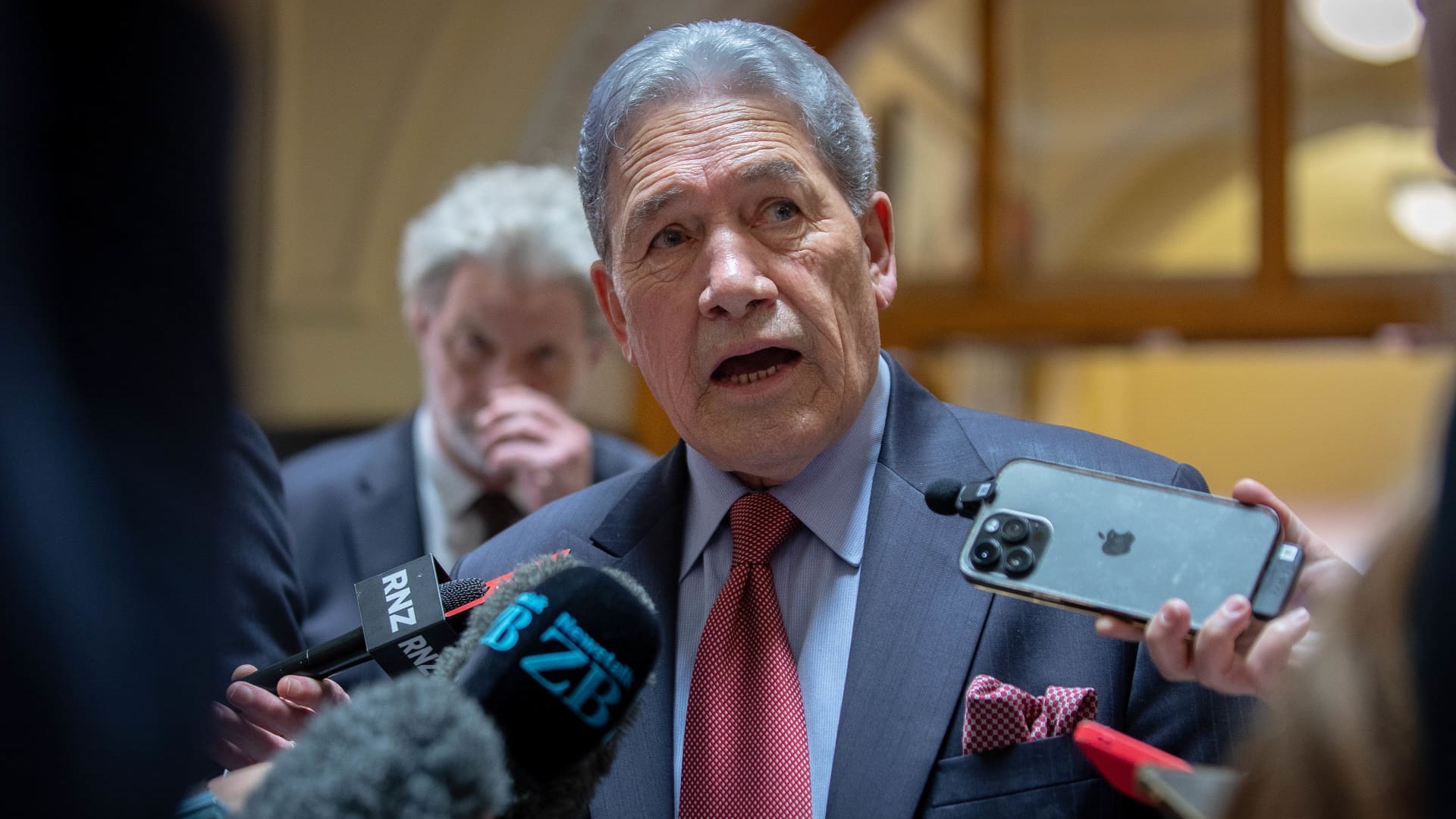
New Zealand First leader Winston Peters.
NZ First says it will scrap the Accredited Employer Work Visa. But many of its proposed fixes already exist.
Analysis: New Zealand First wants to scrap the Accredited Employer Work Visa and replace it with a “shortage-led” Skilled Work Visa.
The party says the current system has become a general recruitment channel. That it allows migrant workers into jobs with little connection to genuine skills shortages.
It sounds like a fundamental reset of New Zealand’s main temporary work visa. But when NZ First’s individual promises are tested against the rules already governing the Accredited Employer Work Visa (AEWV) – the country's primary work permit – the picture is less revolutionary.
Some proposals would clearly tighten the system. Others already exist in broadly similar form. Several are too vaguely defined to establish whether anything would materially change at all.
In announcing the policy on October 11, the party claimed migrant recruitment should be limited to genuine shortages. Employers should make serious efforts to recruit or train New Zealanders, pay an appropriate wage and face stronger scrutiny before hiring migrants.
Migrant who shouted down Peters over racism 24 years ago now vying for Parliament From arriving with $500 in his pocket to confronting NZ First's leader, National Party's Karuna Muthu reflects on his unlikely journey into politics.
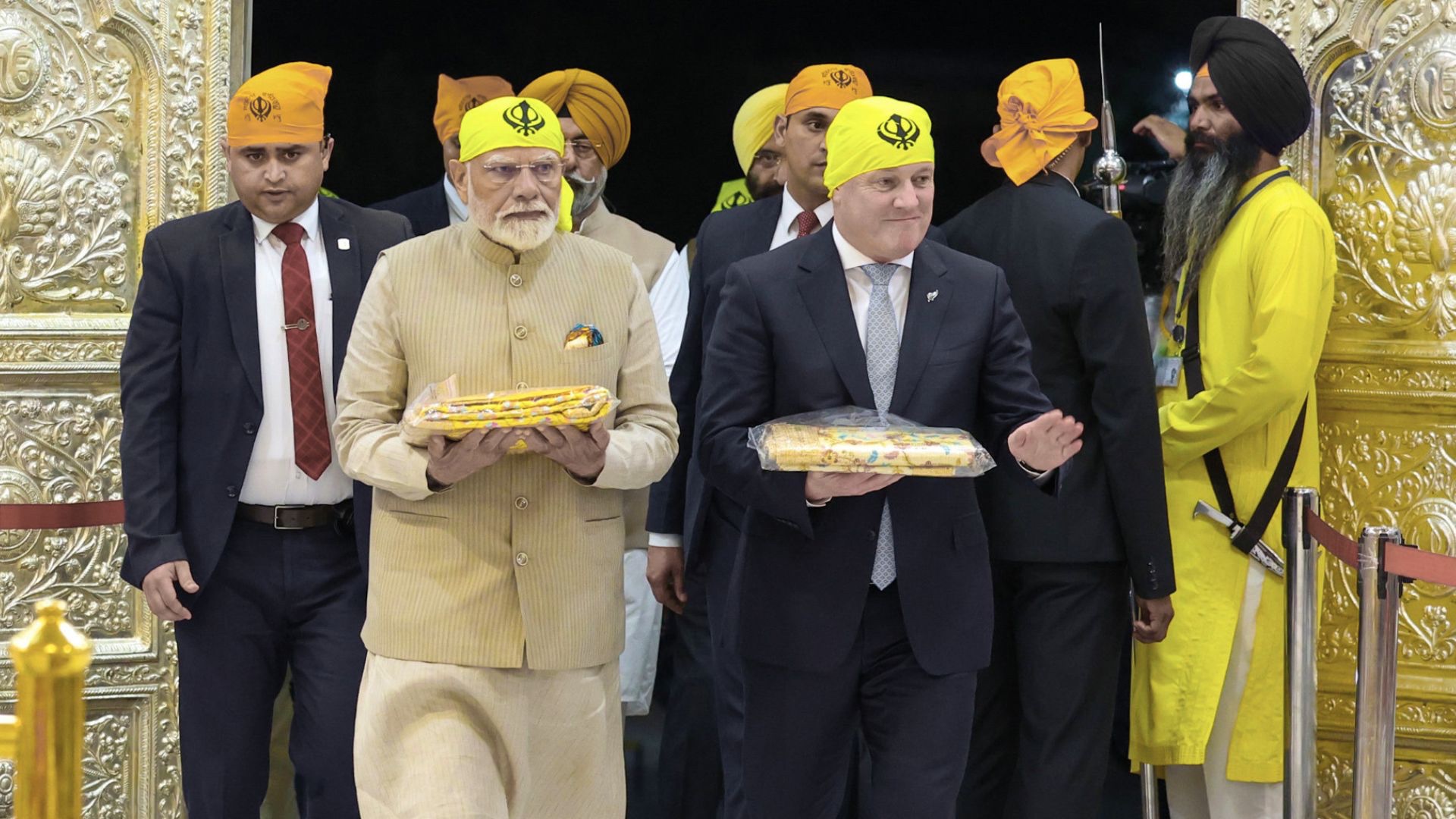
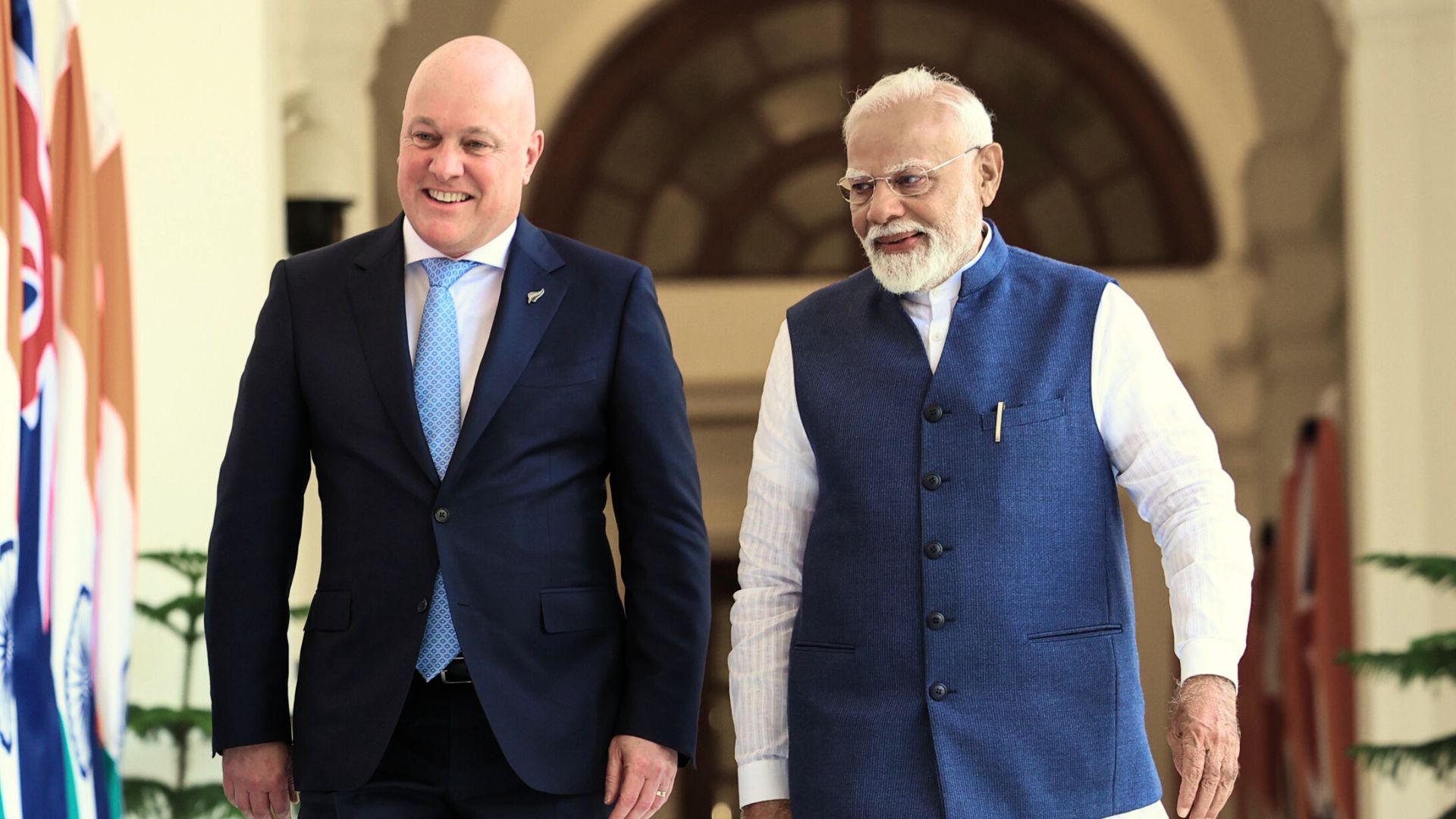
‘Two types of Indians’: Peters questions Kiwi Indians’ loyalty after watching Modi welcome The New Zealand First leader on why changing passports alone may not make someone a New Zealander.
BNZ Diwali rolls out Bollywood red carpet as Meenakshi Sheshadri revisits Damini in Auckland A Screen Auckland-backed cinema showcase is bringing South Asian films into Auckland theatres as part of this year’s Diwali celebrations.
Those are substantial-sounding commitments. But many of them are principles already embedded in the existing AEWV system. The first challenge with NZ First’s pitch is that employer accreditation is not actually going anywhere.
The AEWV was introduced in 2022 partly to shift more responsibility onto employers before they were allowed to recruit migrants. Its three-gate structure requires an employer to become accredited, the job to be checked and the migrant to meet visa requirements.
NZ First does not propose abandoning that first gate. It proposes strengthening it. That means one of the central ideas underpinning the AEWV would survive under its proposed Skilled Work Visa.
NZ First hasn't yet explained what additional accreditation requirements it would impose, so it is not possible to judge how significant that strengthening would be.
If employers would still need accreditation before recruiting migrant workers, then the accredited-employer concept itself is not being scrapped. Nor is the idea that employers should have to prove they cannot find New Zealand workers.

Under the current settings, accreditation alone does not allow an employer to recruit overseas. In most cases, an accredited employer must also obtain a job check before a migrant can apply.
That process requires the employer to identify the vacancy, occupation, location, pay and skills required. Where labour-market testing applies, the employer must make genuine attempts to recruit New Zealand workers.
For lower-skilled ANZSCO level 4 and 5 jobs, the test is more demanding. Employers generally have to advertise for at least 21 days, engage with Work and Income and explain why suitable New Zealand applicants were not hired.
Immigration New Zealand (INZ) can decline the job check if suitable and available New Zealanders exist. Against that background, NZ First’s slogan 'if the shortage is real, prove it' describes something employers can already be required to prove under the existing system.
The party also says New Zealanders should be trained where reasonable before employers look overseas. That principle already exists too.
Under the current labour-market test, a New Zealander can count as suitable not only if they already have the skills required for a role, but also if they can reasonably be trained on the job.
Unless NZ First intends to impose a broader formal training obligation, this does not appear to introduce a new test. The same problem arises with its promise to require “real domestic recruitment”.
Most employers already need to advertise locally before obtaining a job check. So the real question is not whether NZ First would require domestic recruitment. The current system already does. The question is what NZ First considers “real” recruitment that is not required now.
Unless the party proposes a higher evidential threshold, longer advertising periods or independent verification of recruitment efforts, this looks more like a tougher description of an existing requirement than a new policy.
Where the policy does begin to depart more clearly from the status quo is on retail access and wages. NZ First says it would “end routine retail access”.
Retail jobs are not currently subject to a blanket AEWV prohibition. An employer can still obtain a migrant worker for a qualifying retail role if the job meets immigration requirements and passes the relevant job-check process.
If NZ First intends to make some retail occupations simply ineligible, regardless of whether an individual employer can demonstrate recruitment difficulties, that would be a genuine tightening.
Its promise to restore a “proper wage floor” is also clearly different from the current settings.
The AEWV originally had a general median-wage threshold for most jobs. That was consistent with the policy goal of reducing reliance on lower-paid migrant labour.
The universal threshold was removed in March 2025. Employers now generally need to comply with minimum-wage law and pay the market rate for the job rather than meet a single immigration wage threshold.
NZ First wants to reverse that. But it has not said whether it would bring back the median wage, introduce occupation-specific thresholds or use some other measure. The principle is clearly different. The impact cannot yet be measured.
The potentially bigger change is also the least explained. NZ First says entry would be tied to a “named occupation, region, and demonstrated need”.
The current system already identifies both the occupation and location of a job. Labour-market testing is also carried out around a specific vacancy.
New Zealand already makes occupation-level judgments about workforce need through mechanisms such as the Green List and other occupation-based immigration settings.
What could be genuinely different is if NZ First intends to move away from an employer proving shortage vacancy by vacancy, and instead have the government decide in advance which occupations are in shortage in particular regions.
That could mean migrant recruitment is allowed for an occupation in one region but shut off in another.
The history of the AEWV also matters. The visa was itself created to address many of the problems NZ First now says its replacement would solve.
When it launched in July 2022, it replaced a collection of employer-assisted work visa pathways dominated by the old Essential Skills Work Visa.
Its central innovation was employer accreditation. The government wanted greater scrutiny of businesses using migrant labour, stronger protection against exploitation and more responsibility on employers to demonstrate a genuine need for overseas workers.
The AEWV was also intended to put New Zealand workers first and reduce reliance on lower-paid temporary migrants. But its settings changed repeatedly after launch.
During severe post-Covid labour shortages, sector agreements and wage exemptions made it easier for some industries to recruit migrant workers. Visa durations were also extended.
As exploitation concerns emerged, the system was tightened again. Changes beginning in 2023 – and expanded substantially in April 2024 – strengthened labour-market testing for lower-skilled roles, introduced English requirements for some workers and placed greater obligations on employers.
Then the pendulum moved again. From March 2025, the general median-wage threshold was abolished, experience requirements were reduced for many migrants and other settings were eased to make the system more responsive to employers.

Auckland-based immigration adviser Hemant Kaushal said the workers most exposed under the current system were already concentrated in lower-skilled AEWV roles.
“The most vulnerable AEWV workers are those in Skill Levels 4 and 5 positions — the labourers, the cleaners, kitchen hands, etc,” Kaushal said.
“If any restrictive changes are to be implemented, then it is these skill levels that should be targeted.”
He was more sceptical about another round of wholesale policy change.
“The AEWV policy has been tinkered with multiple times in the last four-odd years,” Kaushal said.
“Every time a government tinkers with policy it leads to more confusion and uncertainty. Consistency should be the key. Everything else is just election talk.”