
Papatoetoe, Manurewa polls: MPs propose two fixes to tackle postal voting concerns
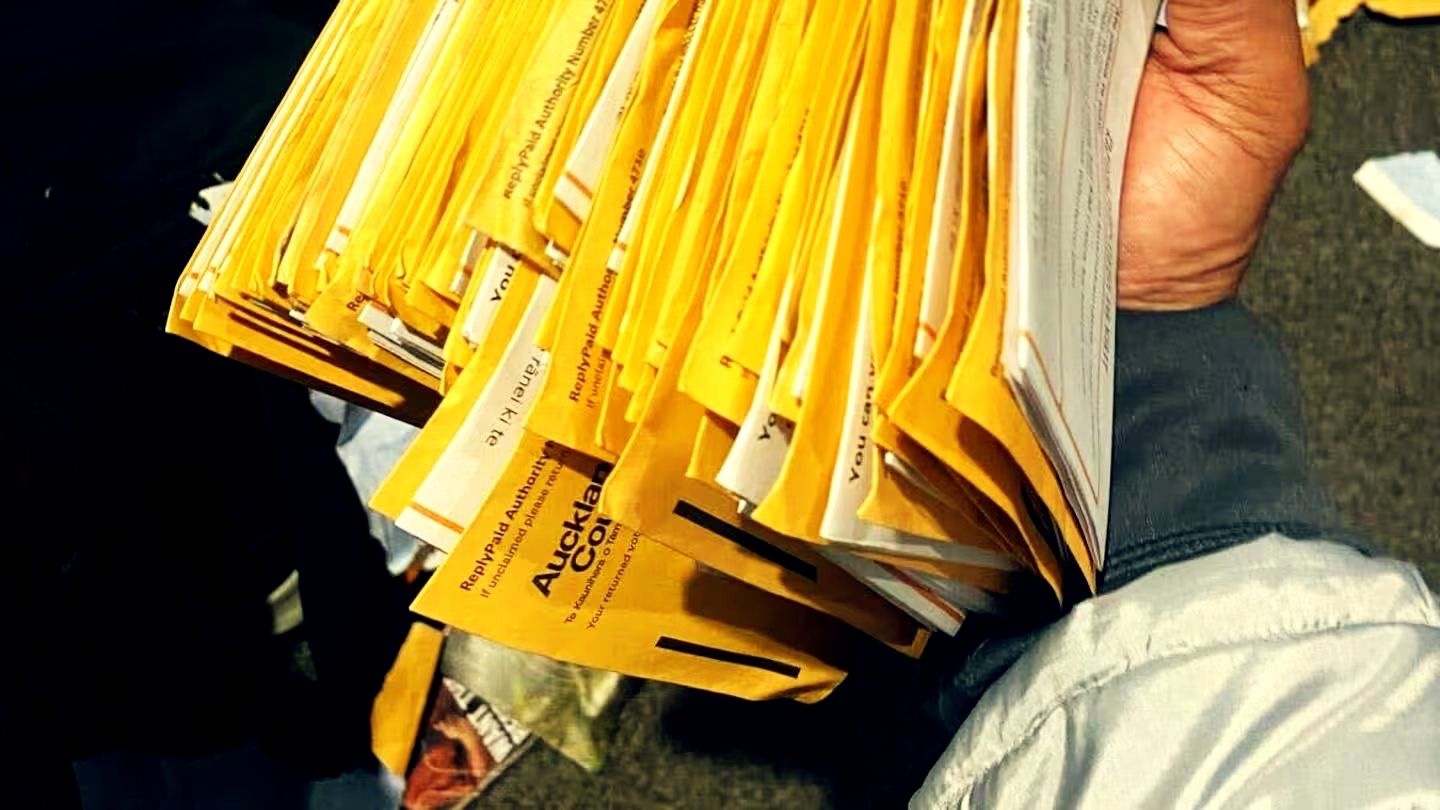
A whistleblower has sent photos to the Serious Fraud Office and Auckland Council that allegedly show stolen ballot papers for the 2025 Manurewa Local Board election.
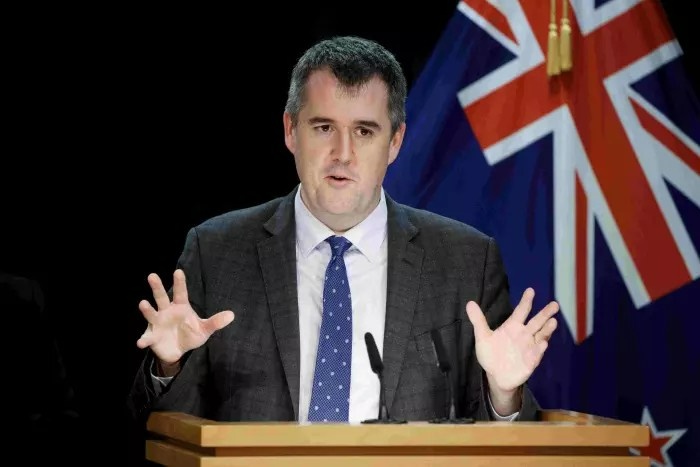
The report notes the local government minister has already acknowledged postal voting is out of step with how New Zealanders interact with democracy.
A parliamentary committee has declared postal voting “no longer fit for purpose”, but stopped short of calling for an immediate nationwide switch to booth voting for local elections as concerns remain over the cost of replacing the existing system.
The finding comes against the backdrop of the controversy in last year's Papatoetoe board elections, and more recent allegations of ballot misuse in voting for the Manurewa board.
The parliamentary justice committee’s final report on the 2025 local elections, submitted to Parliament on August 31, says the longer-term direction should be towards booth voting, while recommending two interim safeguards for councils that continue using postal ballots.
The first is to explore ways of notifying voters when their voting packs have been received. It's directly in response to concerns in both Papatoetoe and Manurewa about voting papers being taken from letterboxes or used without the voter’s knowledge.
The second is to require election service providers to proactively respond to statistical anomalies in voting trends.
From designing restaurants to running Auckland Diwali: The many lives of Arnav Taode Taode brings his passion for Indian arts and culture to his first year managing BNZ Auckland Diwali 2026.
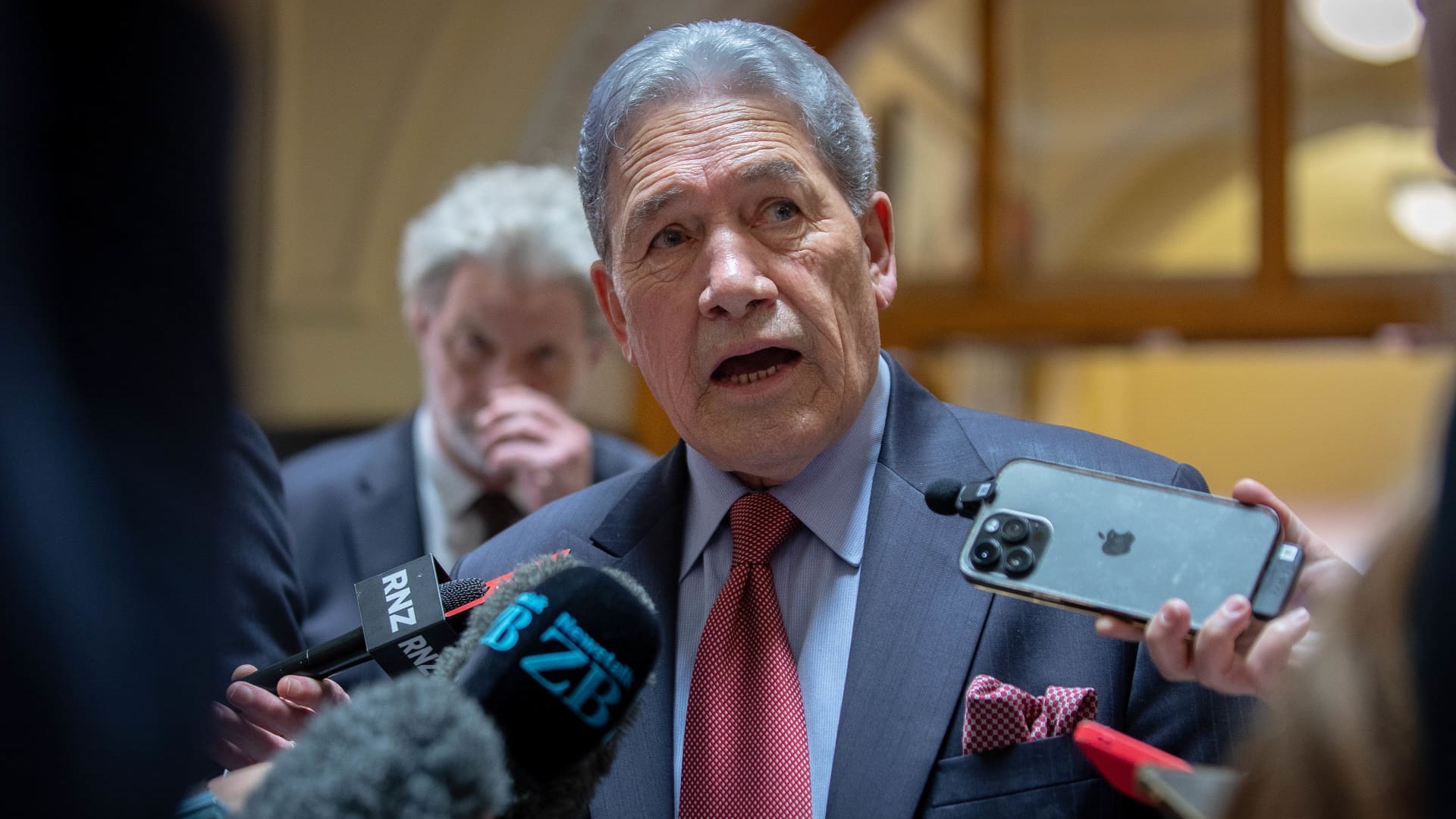
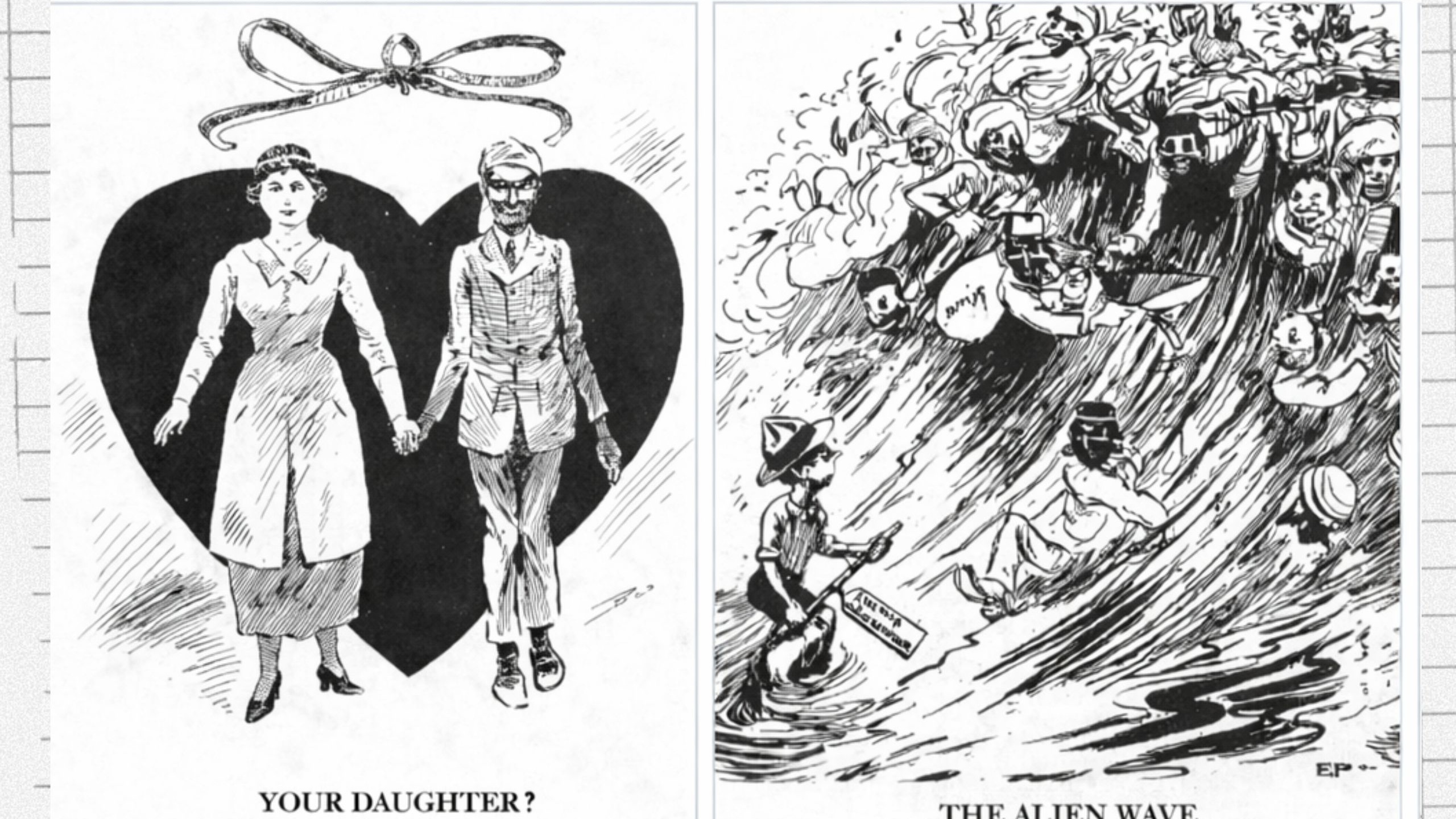
Winston Peters says ‘diversity is disunity’. What does the evidence tell us? Evidence from business, sport and social policy suggests diversity can strengthen economies and cohesion but on one condition.
Baby born in Sri Lanka to New Zealand residents caught in limbo after Down syndrome diagnosis Immigration tribunal orders fresh residence assessment after finding a “serious mistake” by immigration officials.
In last year's board elections, turnout in Papatoetoe rose 7.5 percentage points at a time turnout across Auckland fell by about six percentage points overall.
A district court later treated that divergence as one of several factors supporting its conclusion that irregularities had materially affected the election.
It also relied on a spatial correlation between areas of higher turnout and voters making special votes or reporting missing ballot papers despite being recorded as having voted.

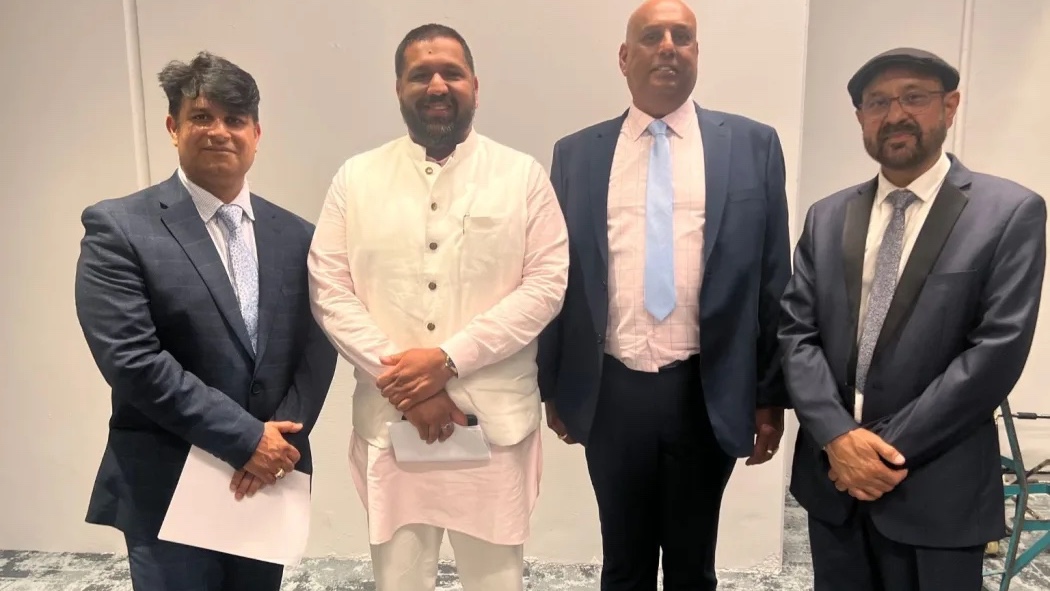
The four winners from last year's election for the Otara-Papatoetoe Local Board: (from left) Kushma Nair, Sandeep Saini, Kunal Bhalla and Paramjeet Singh.
The winning candidates were never accused of involvement in the fraud. They later challenged the weight placed on statistical extrapolation, and police subsequently closed their investigation without charges.
The latest parliamentary inquiry itself is part of a longstanding review process. Successive justice committees have conducted inquiries into the delivery of local elections after each triennial local election round since 2001.
Concerns about postal voting also predate the latest controversies. The report notes that the local government minister had already acknowledged in March that postal voting was dated and out of step with how New Zealanders interact with government, democracy and everyday life.
Local Government New Zealand has gone further, calling for all local elections in 2028 to shift to a nationally consistent system of in-person voting modelled as closely as possible on parliamentary elections. Auckland Council also supports moving to a booth-based model in the 2028 local elections.
The main obstacle is cost. The committee report says Auckland Council now estimates booth voting would cost between $25.1 million and $39.7 million for a 10 or 20-day voting period. Auckland’s 2025 postal-voting election had been budgeted at about $10 million.
The committee acknowledged both the increased cost and the additional workforce that would be needed before any wider transition could take place.
It recommends the government work with councils planning to use booth voting in 2028 to identify what would be required for an eventual transition to booth-only elections.
If Auckland Council proceeds with booth voting in 2028, the committee says other councils should look at the exercise as a potential pilot.
In the meantime, the report wants postal voting tightened. The report says postal voting papers can be removed from letterboxes or completed on another person’s behalf.
The LGNZ told the committee there was now “clear evidence” postal voting was not as secure as had historically been believed.
Some submitters proposed identity verification when postal ballots are returned, but the committee did not recommend that measure.
Instead, it concluded that falling postal volumes, changing public habits, security concerns and cases of fraudulent voting meant postal voting was “no longer fit for purpose”.