
The jury’s out on social media bans. Here’s a better idea NZ can borrow from Australia
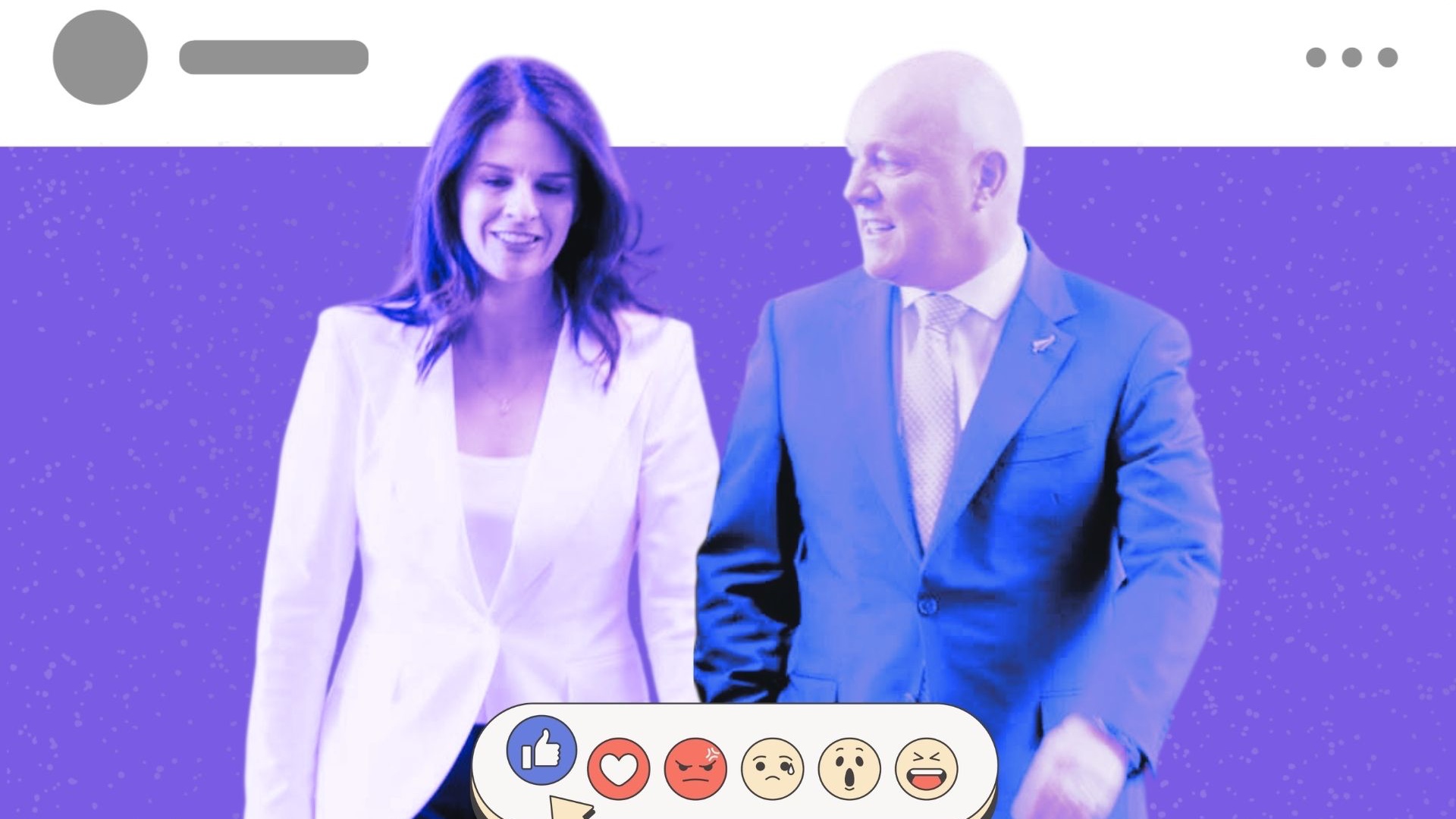
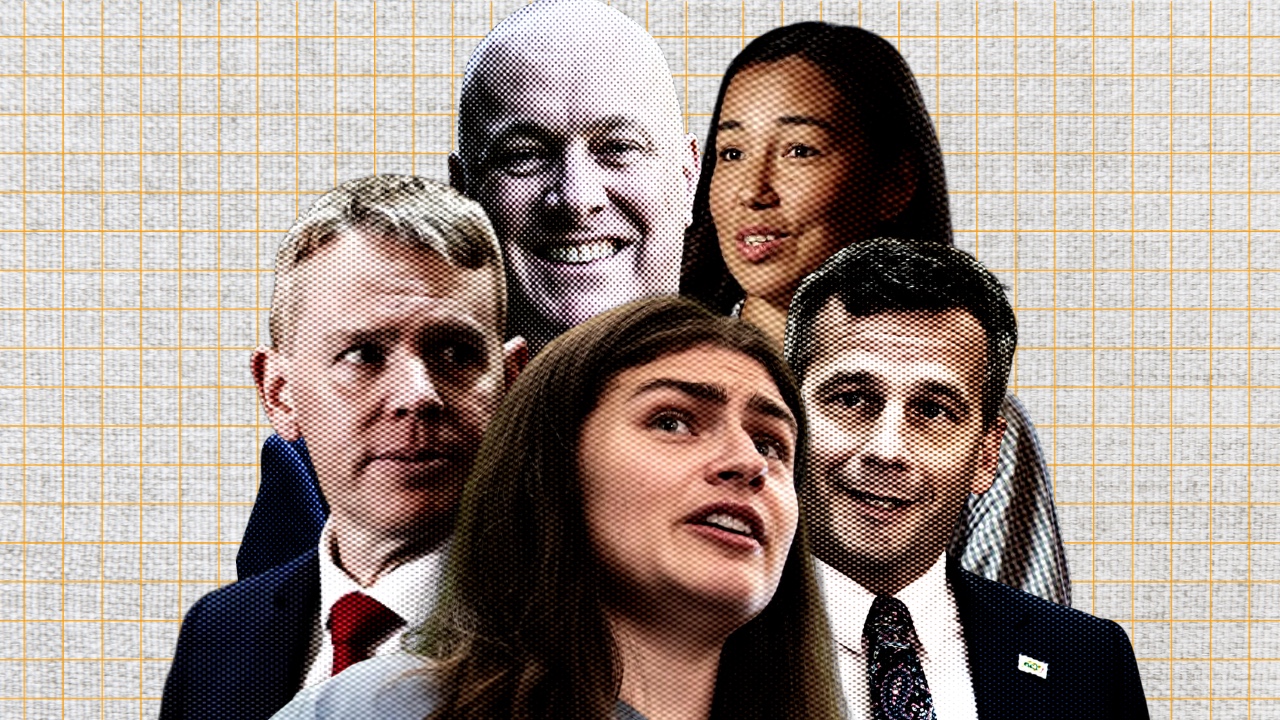
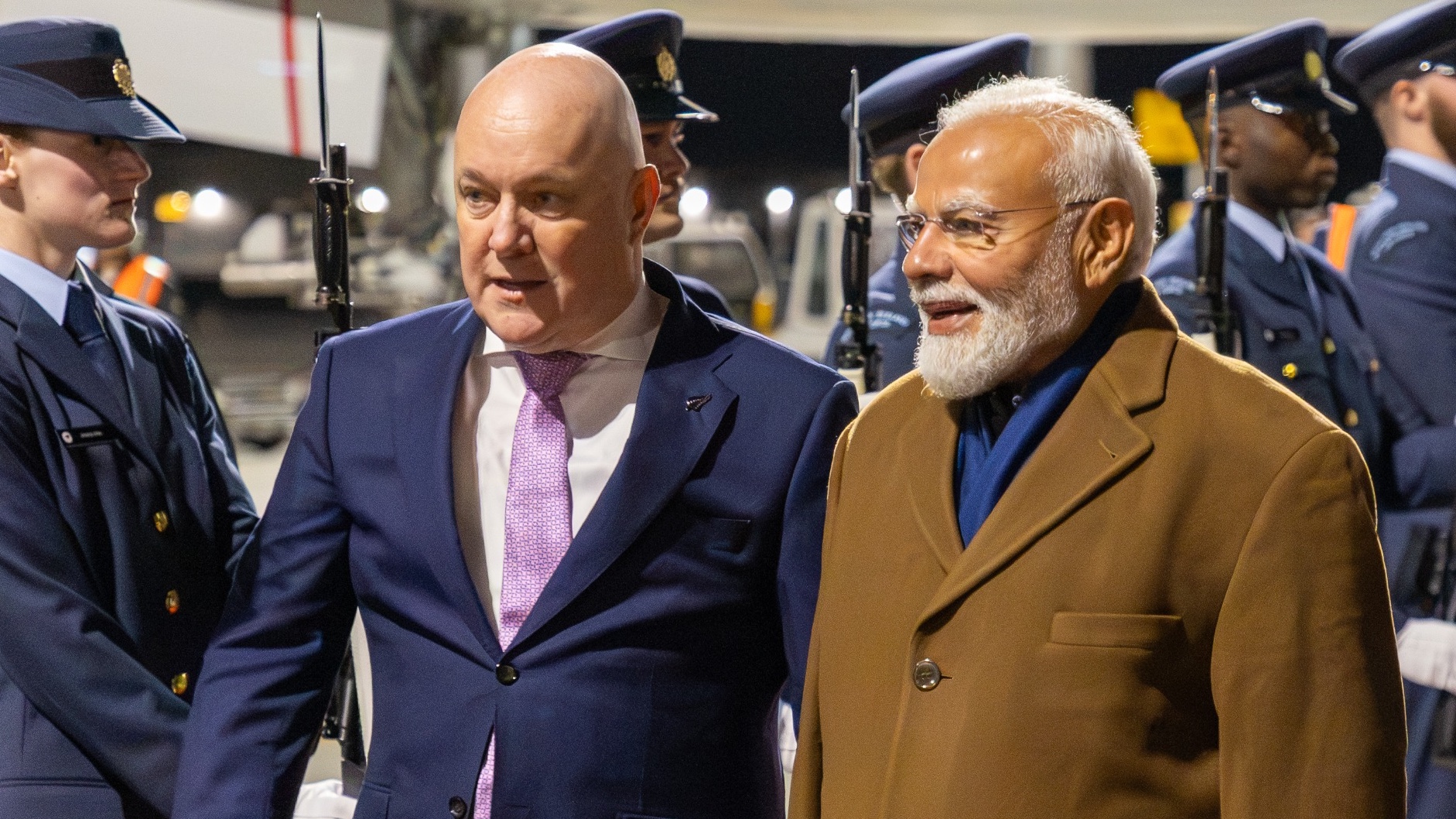
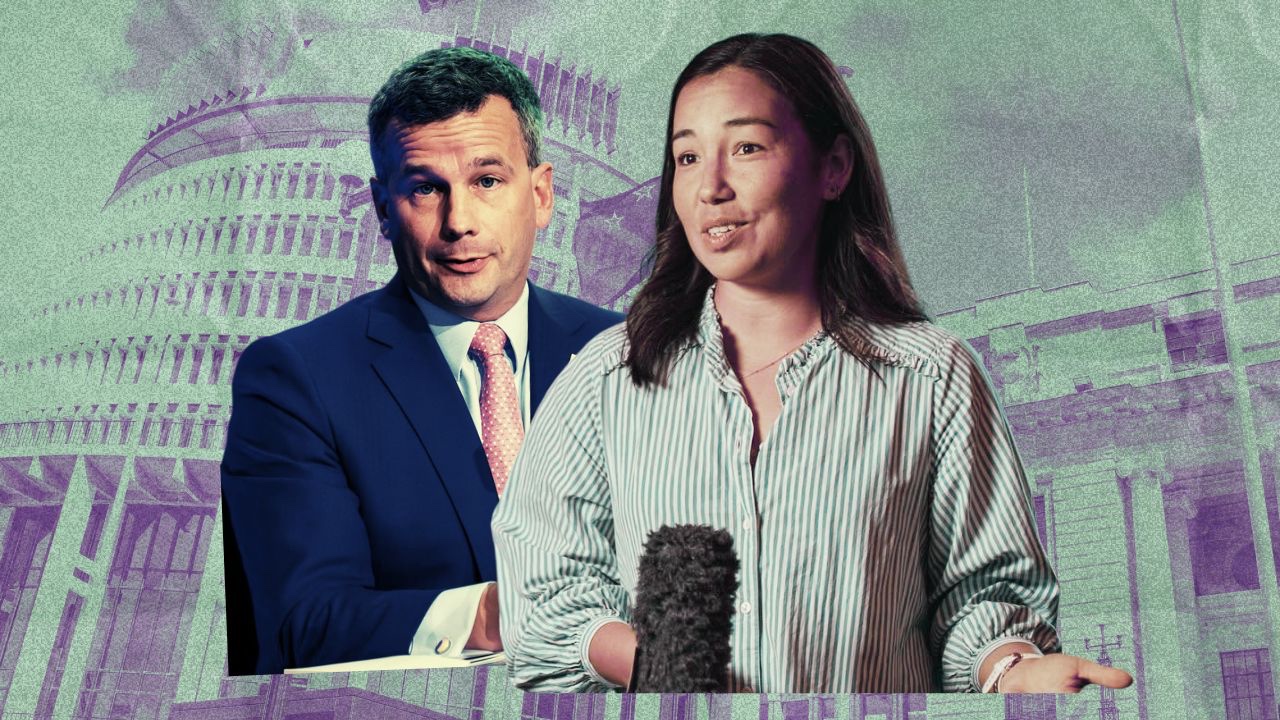
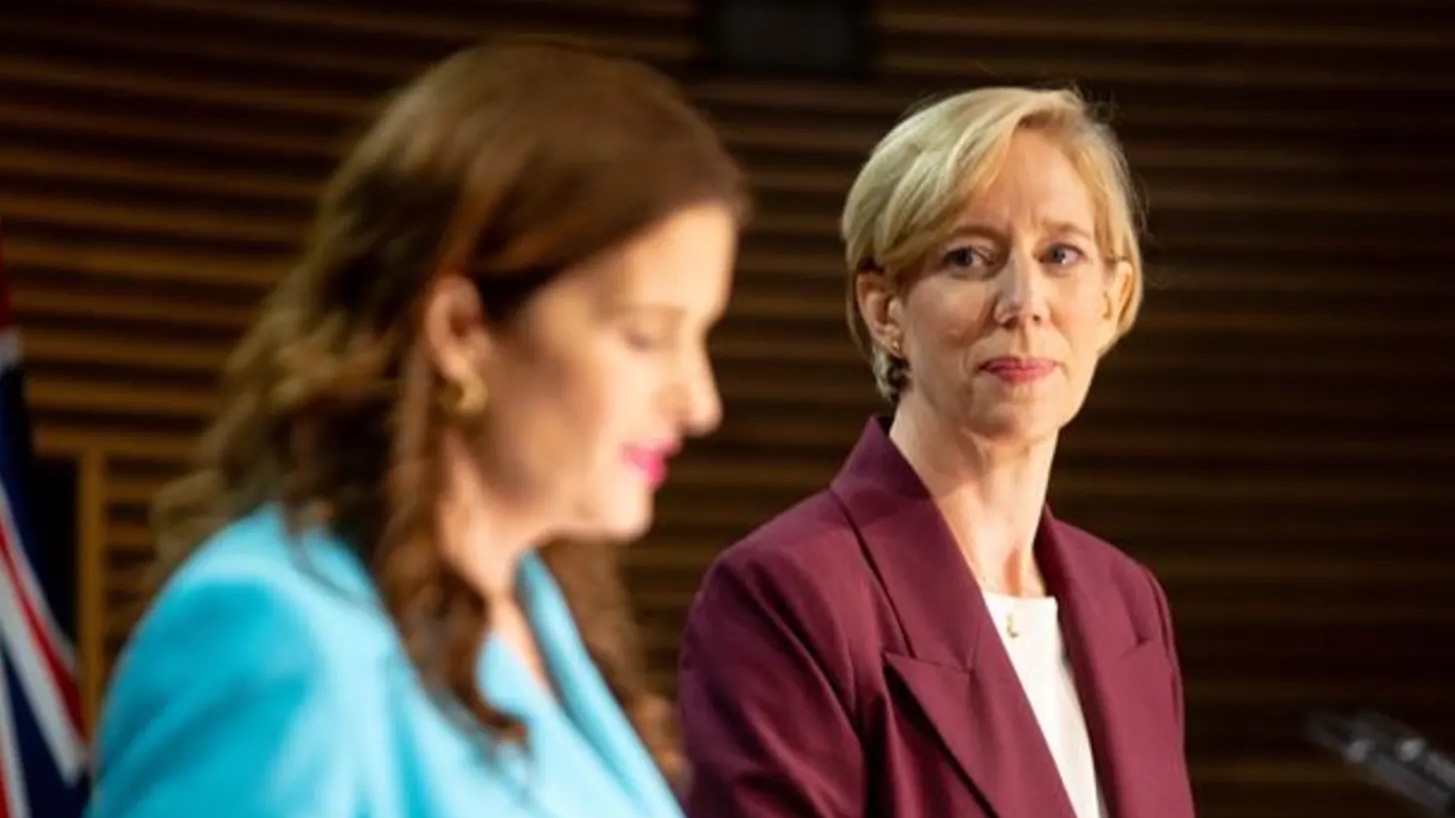
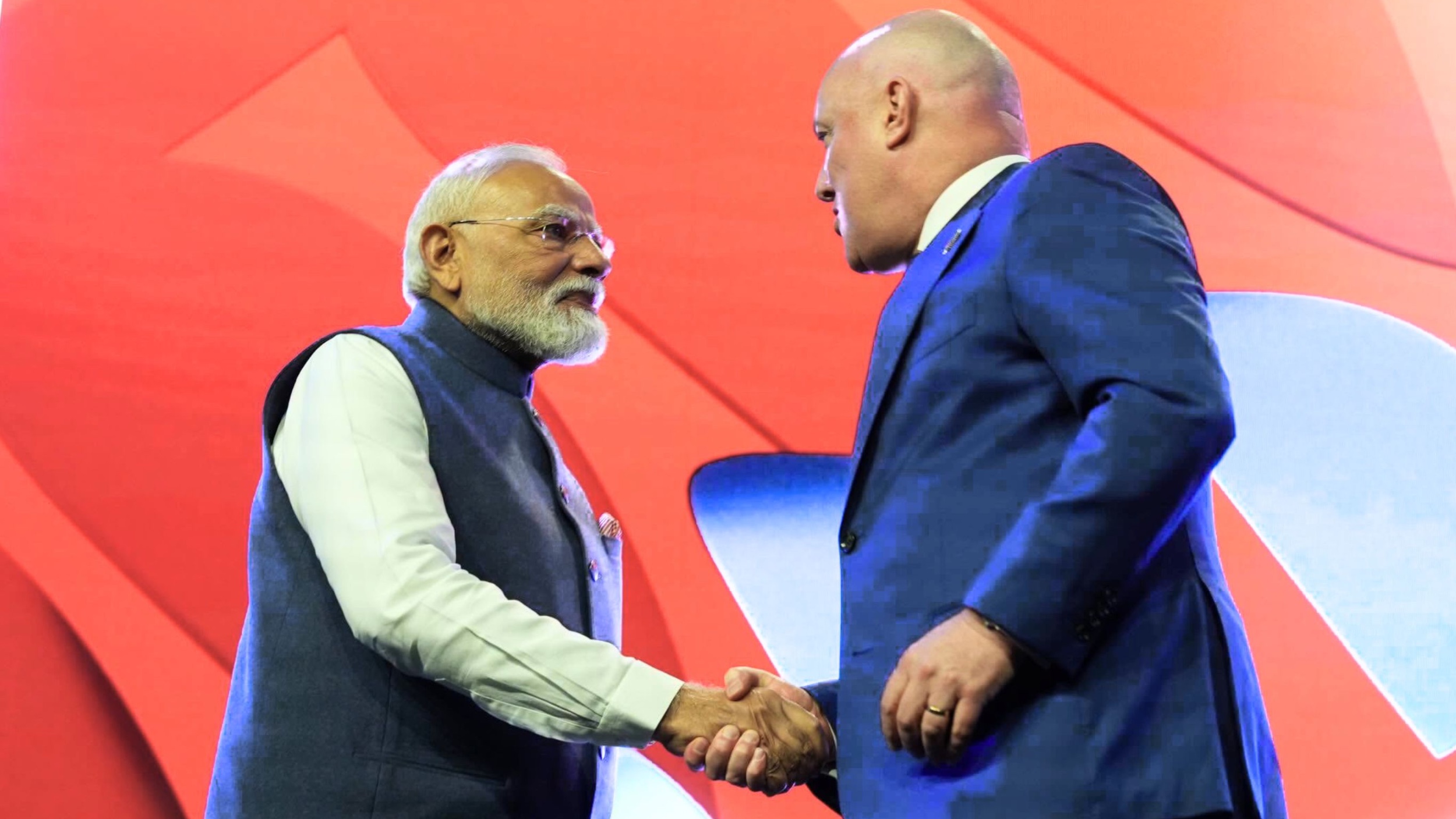
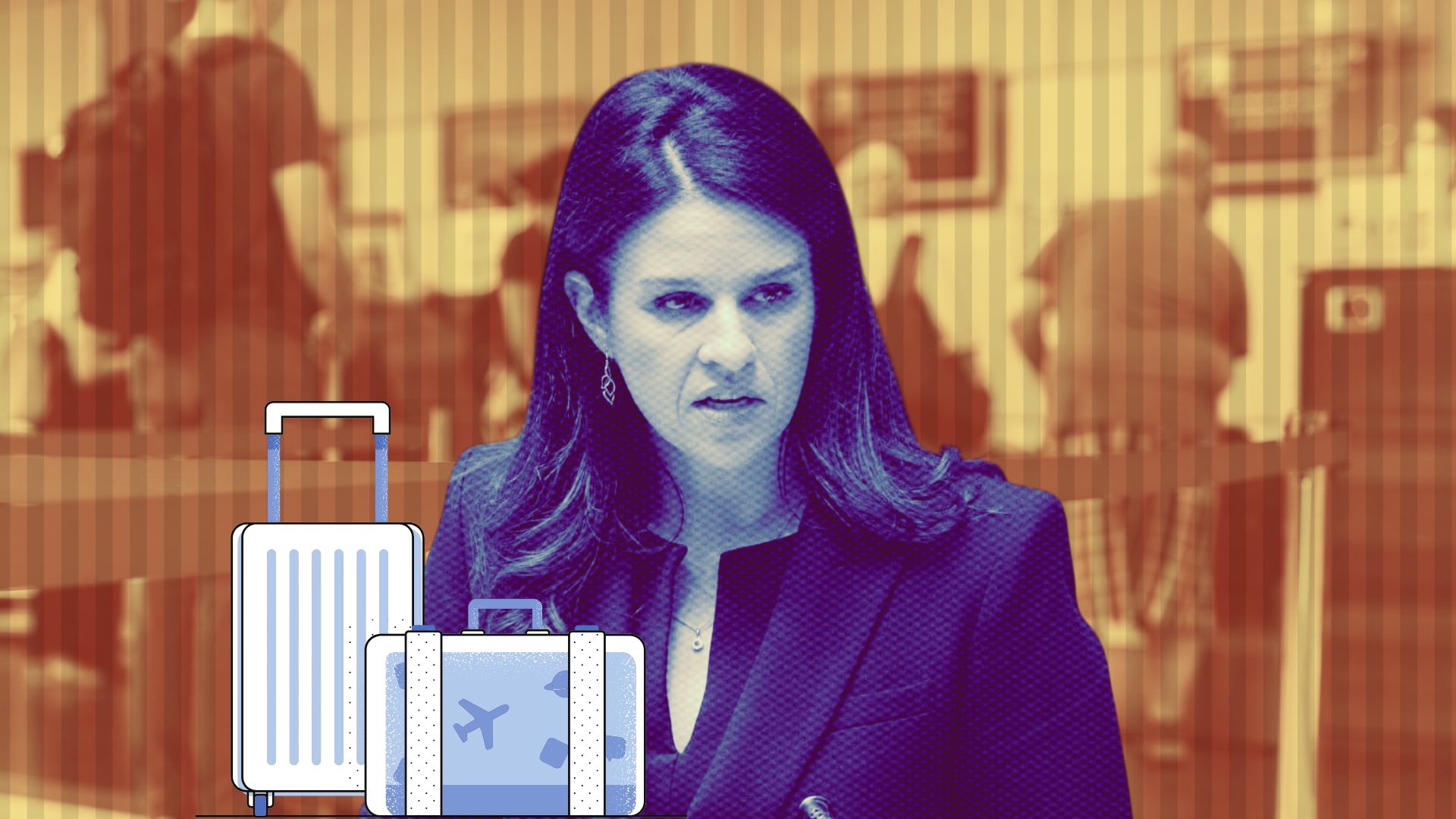
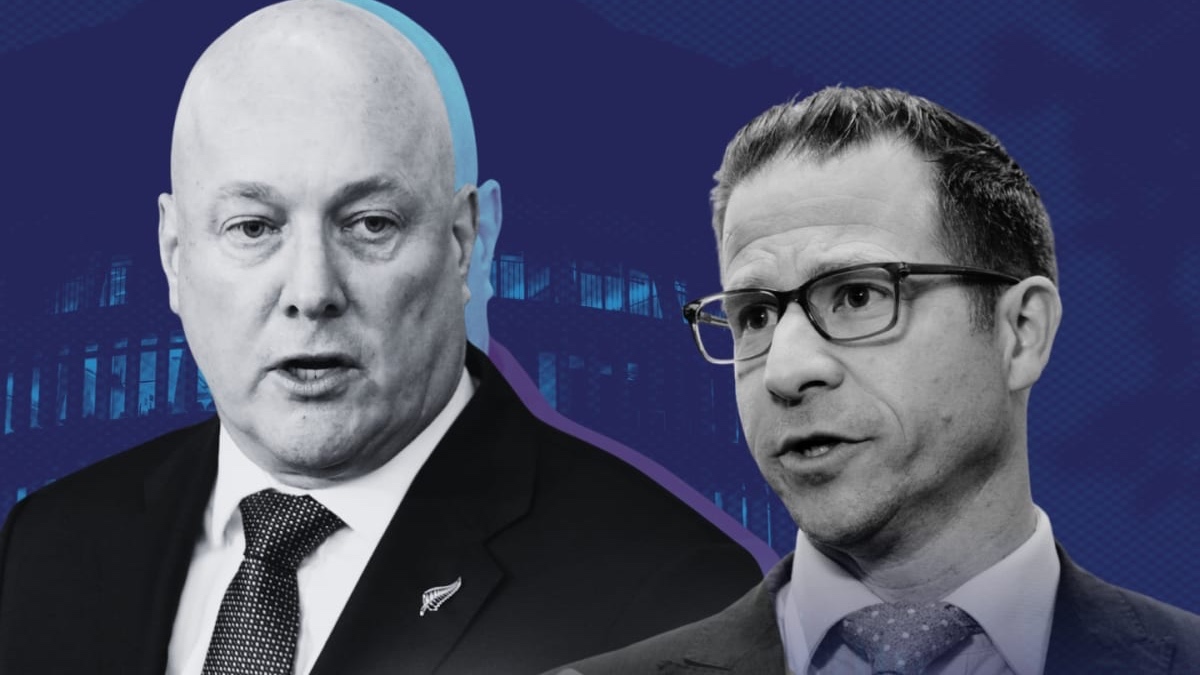
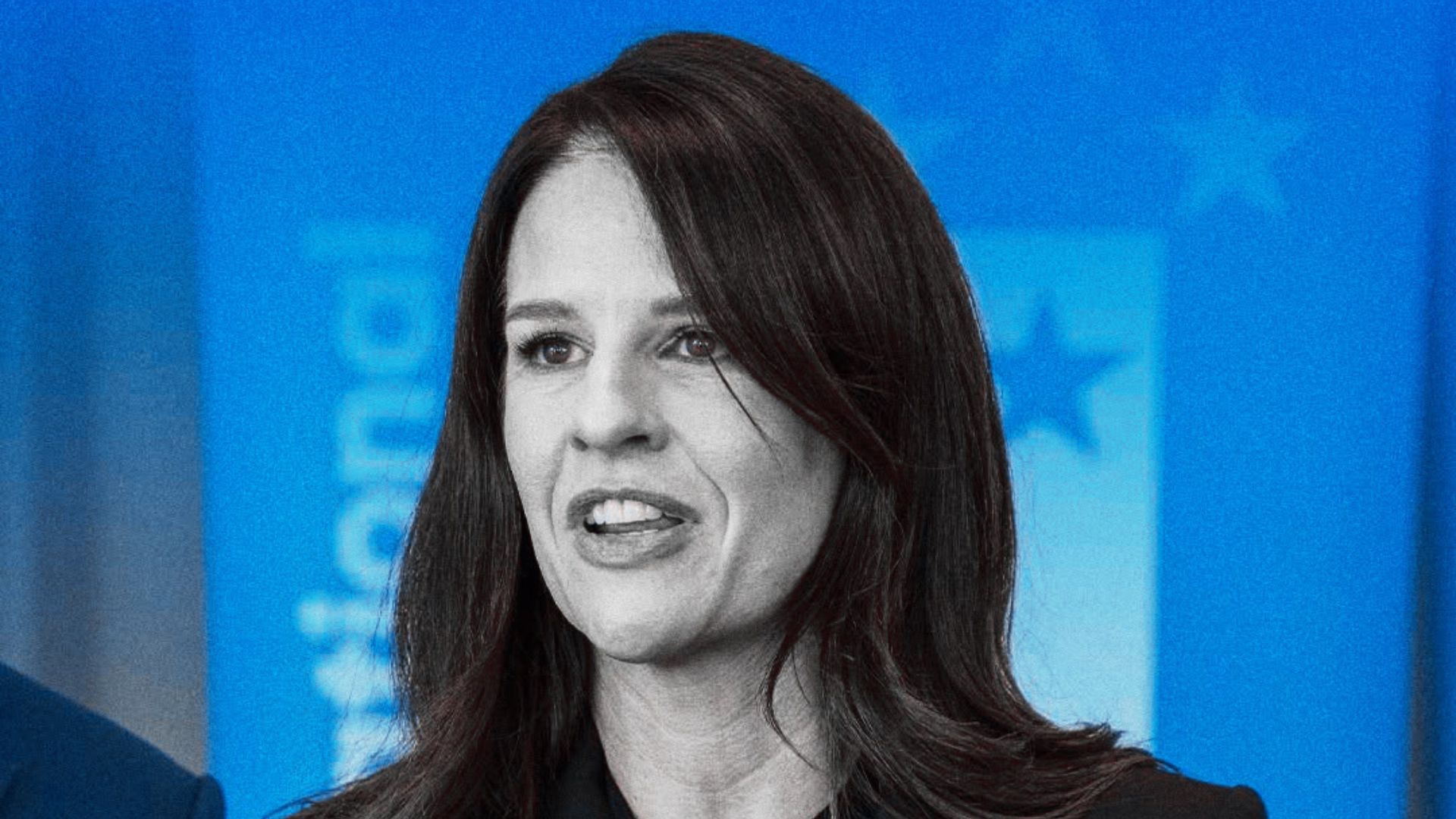
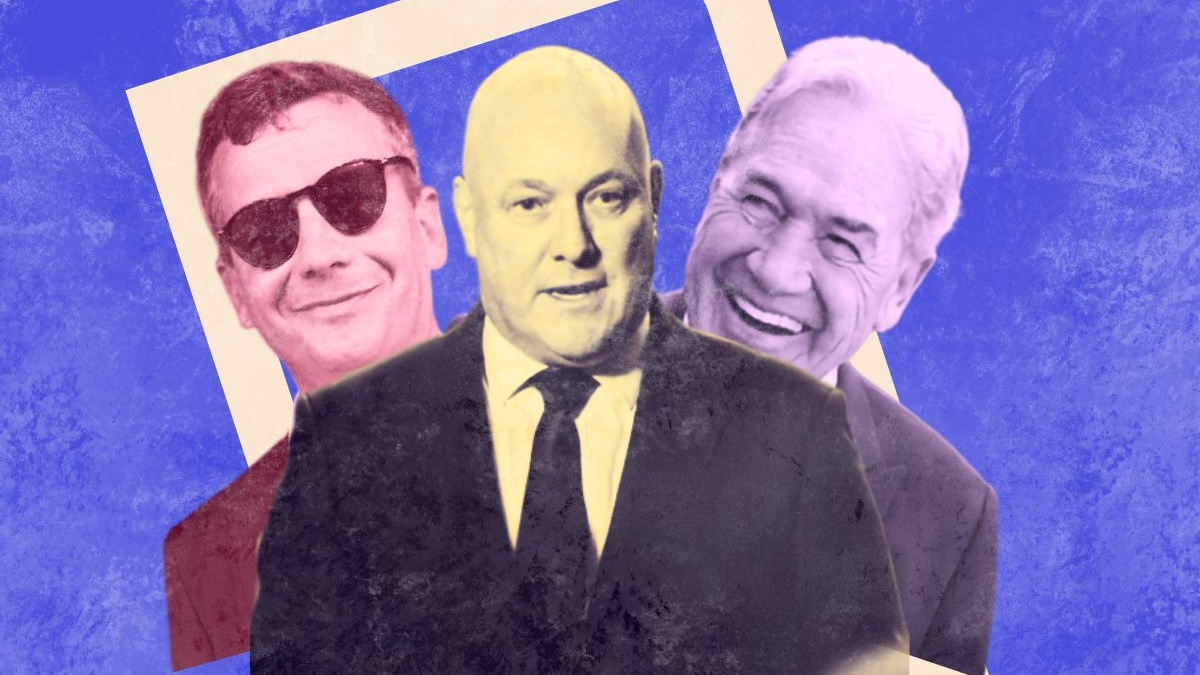
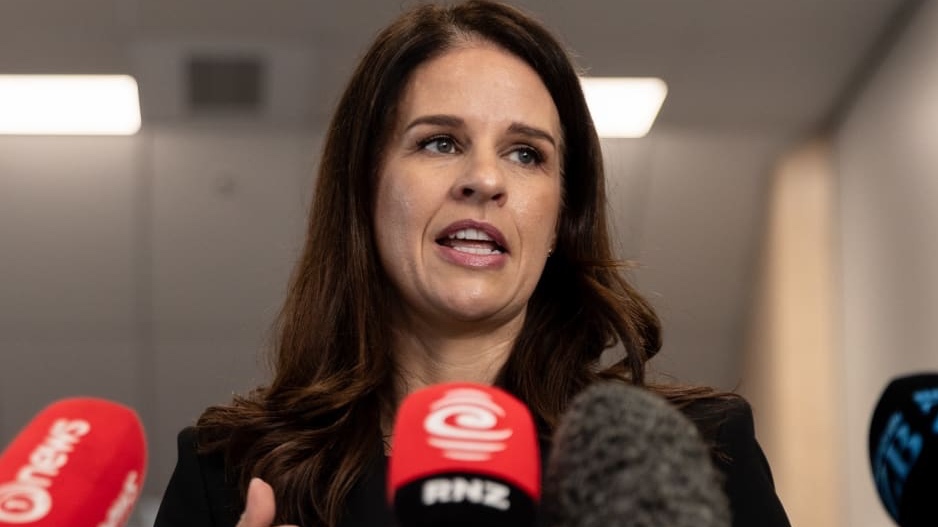
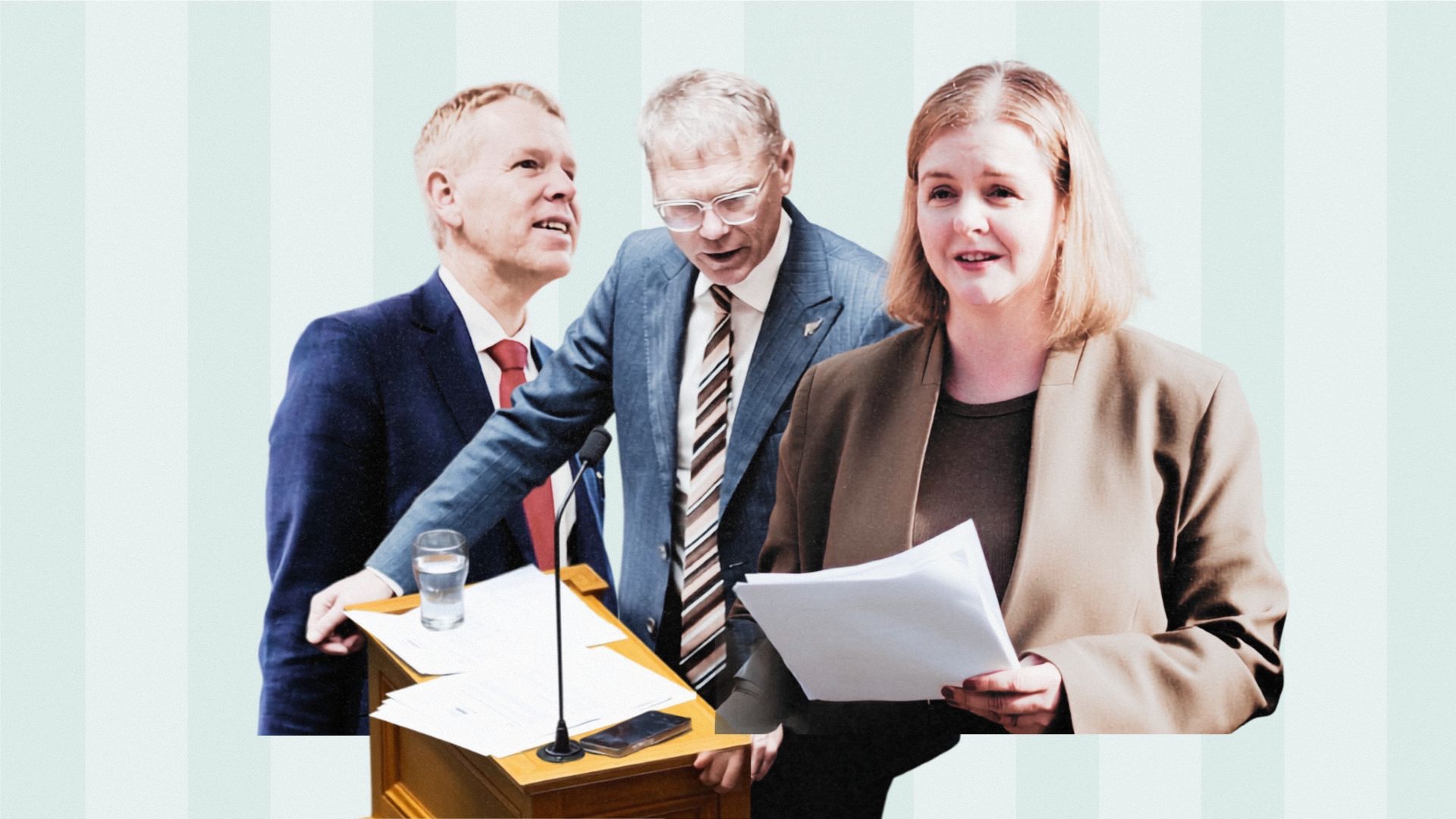
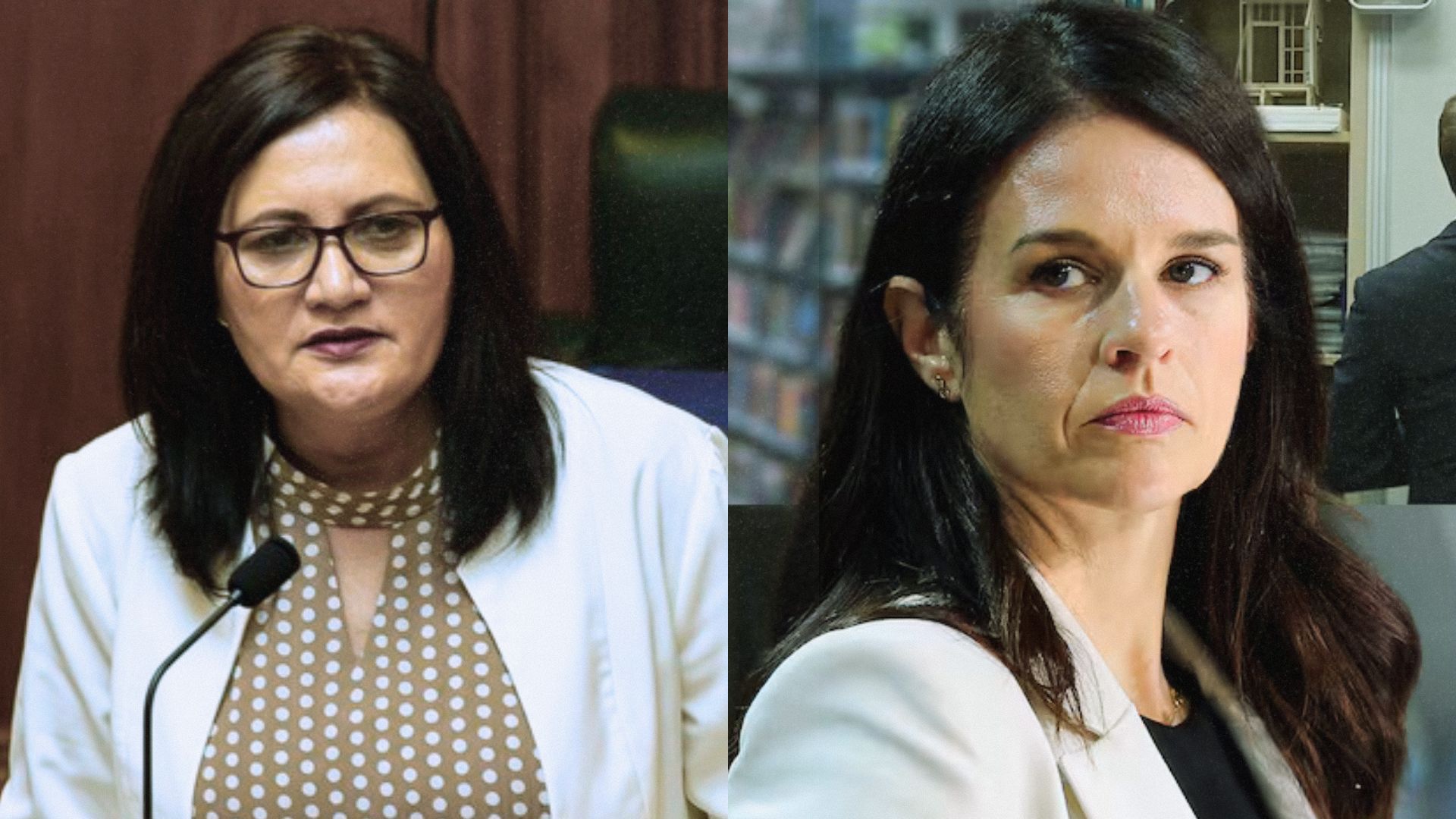
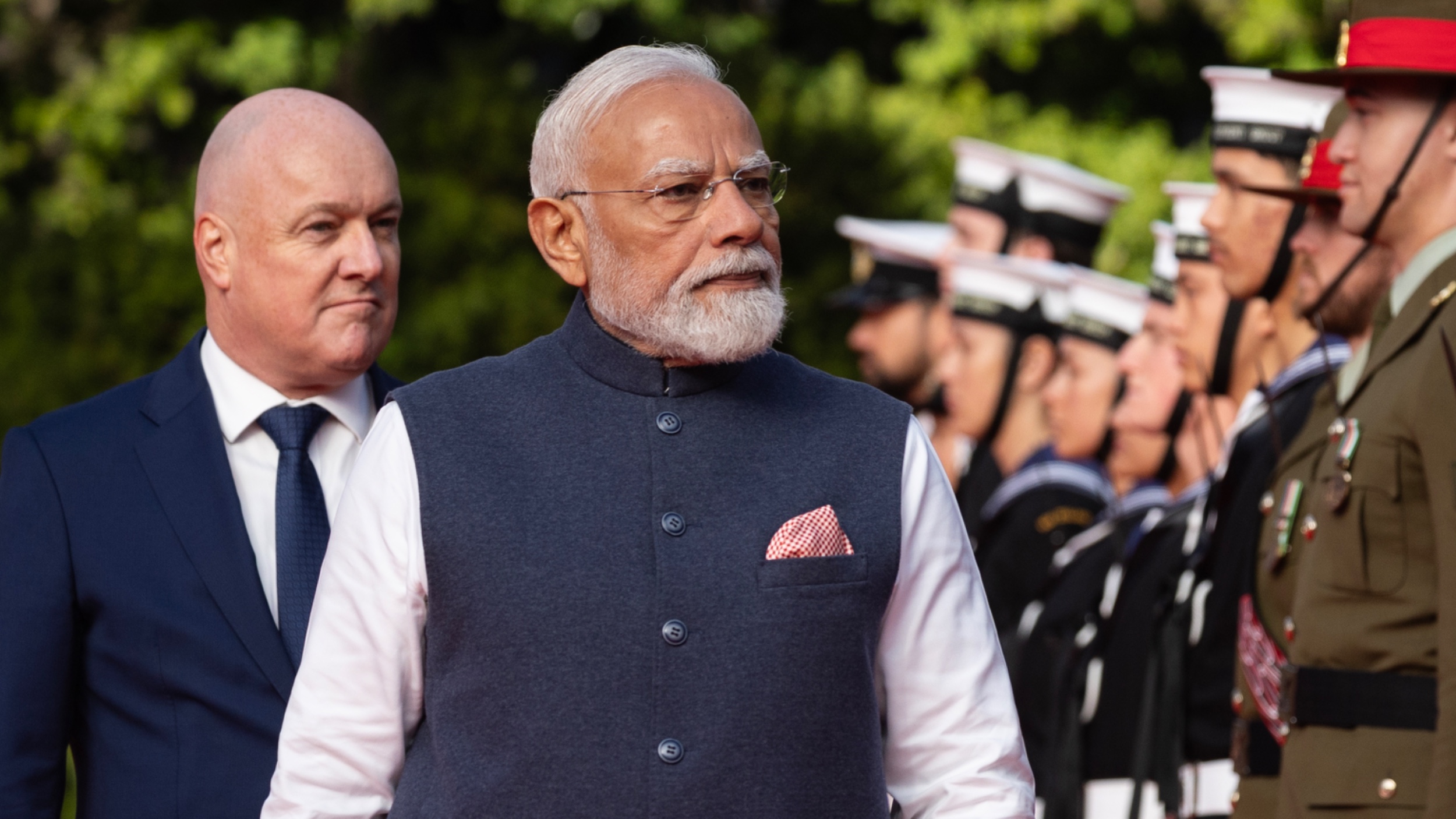
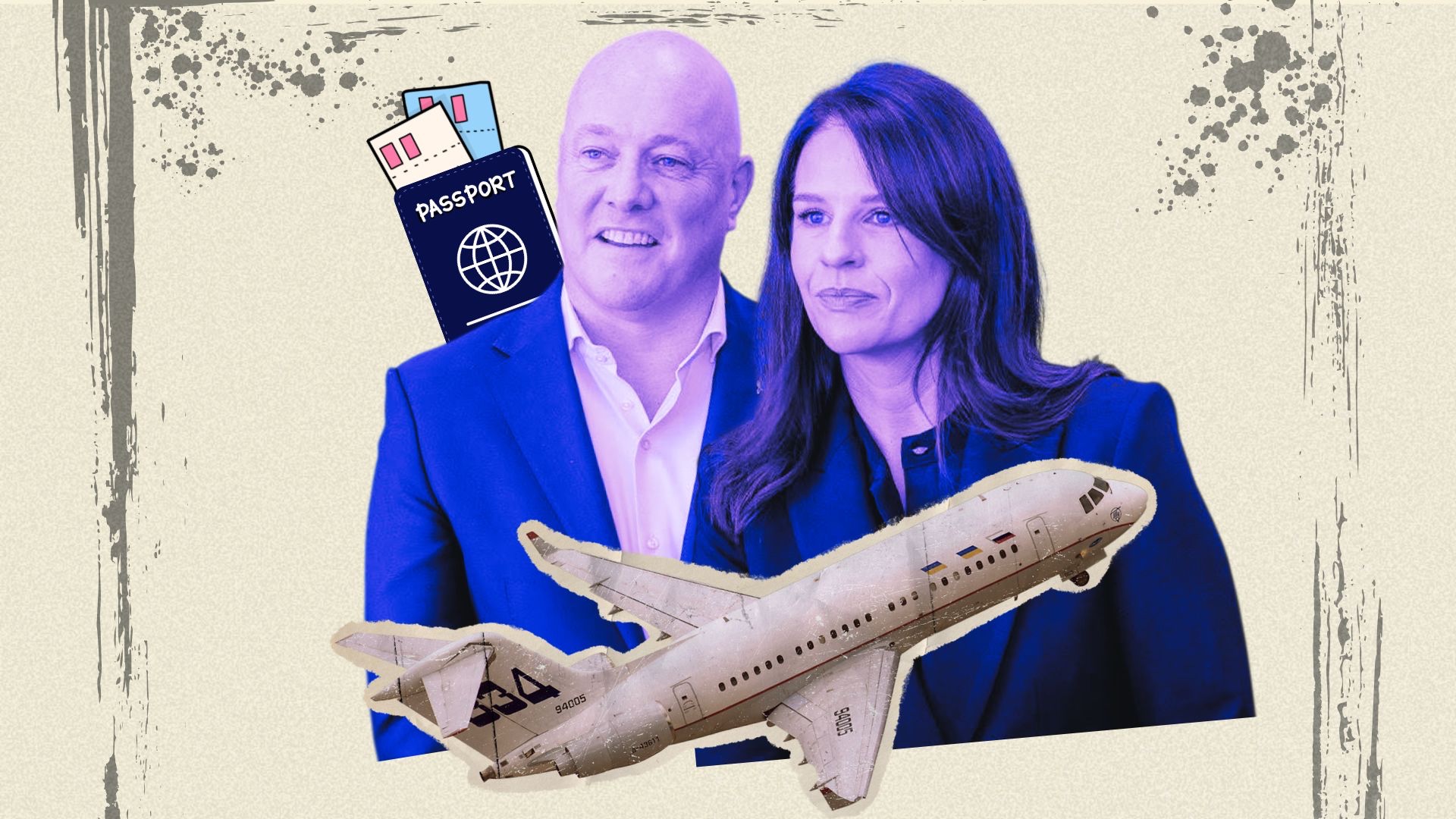
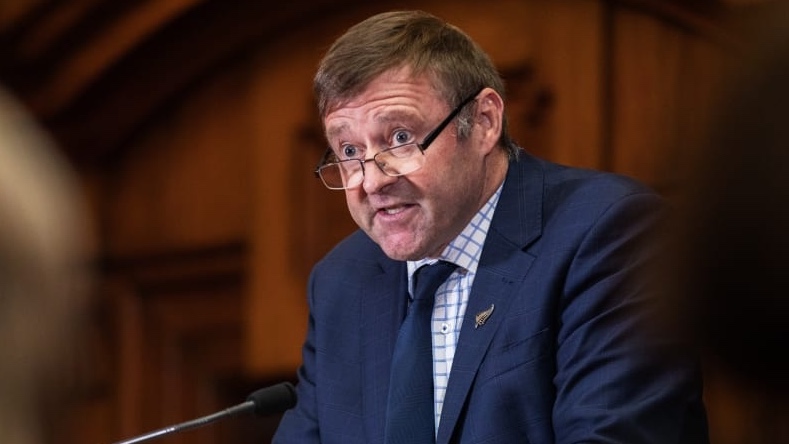
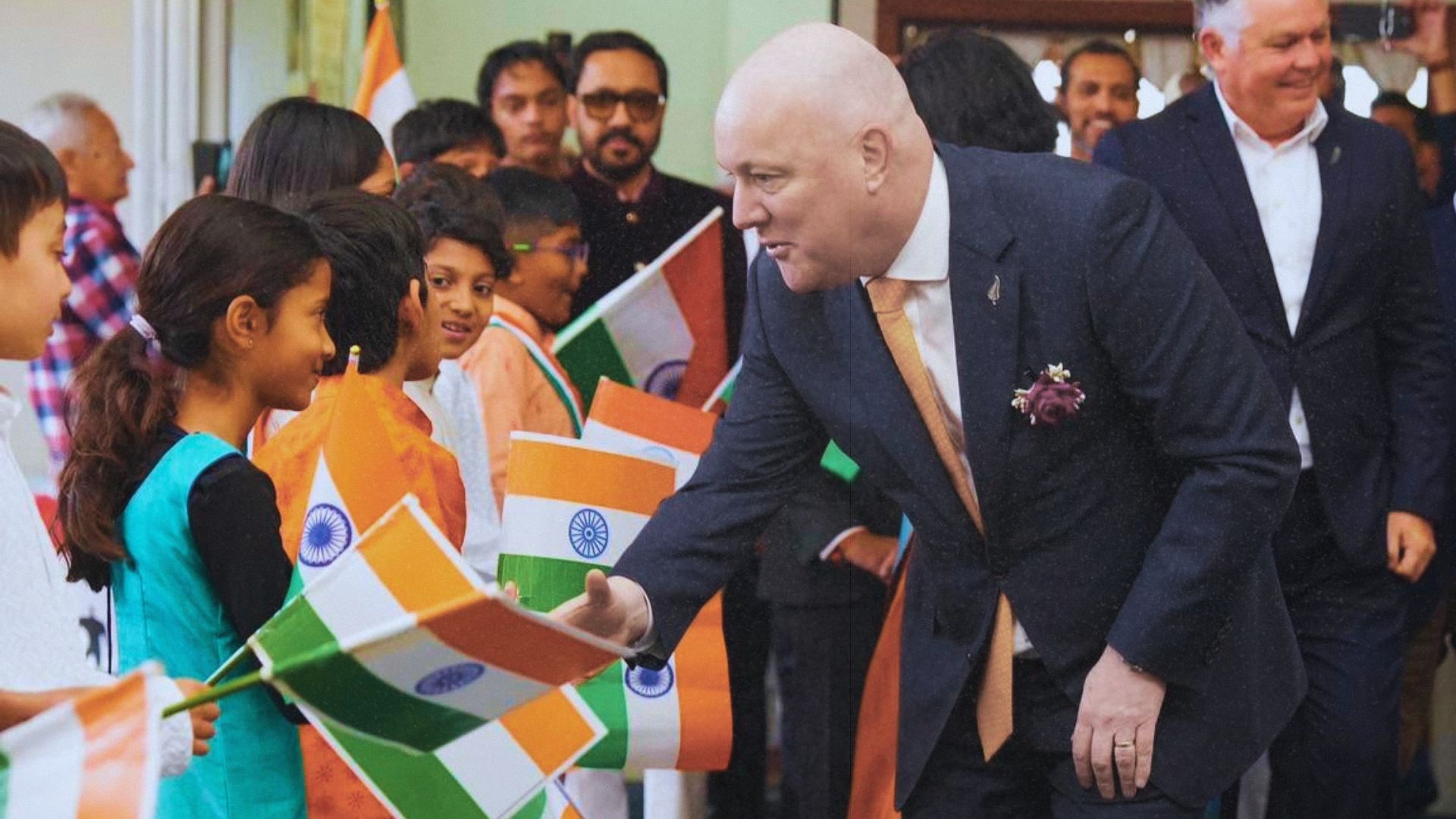
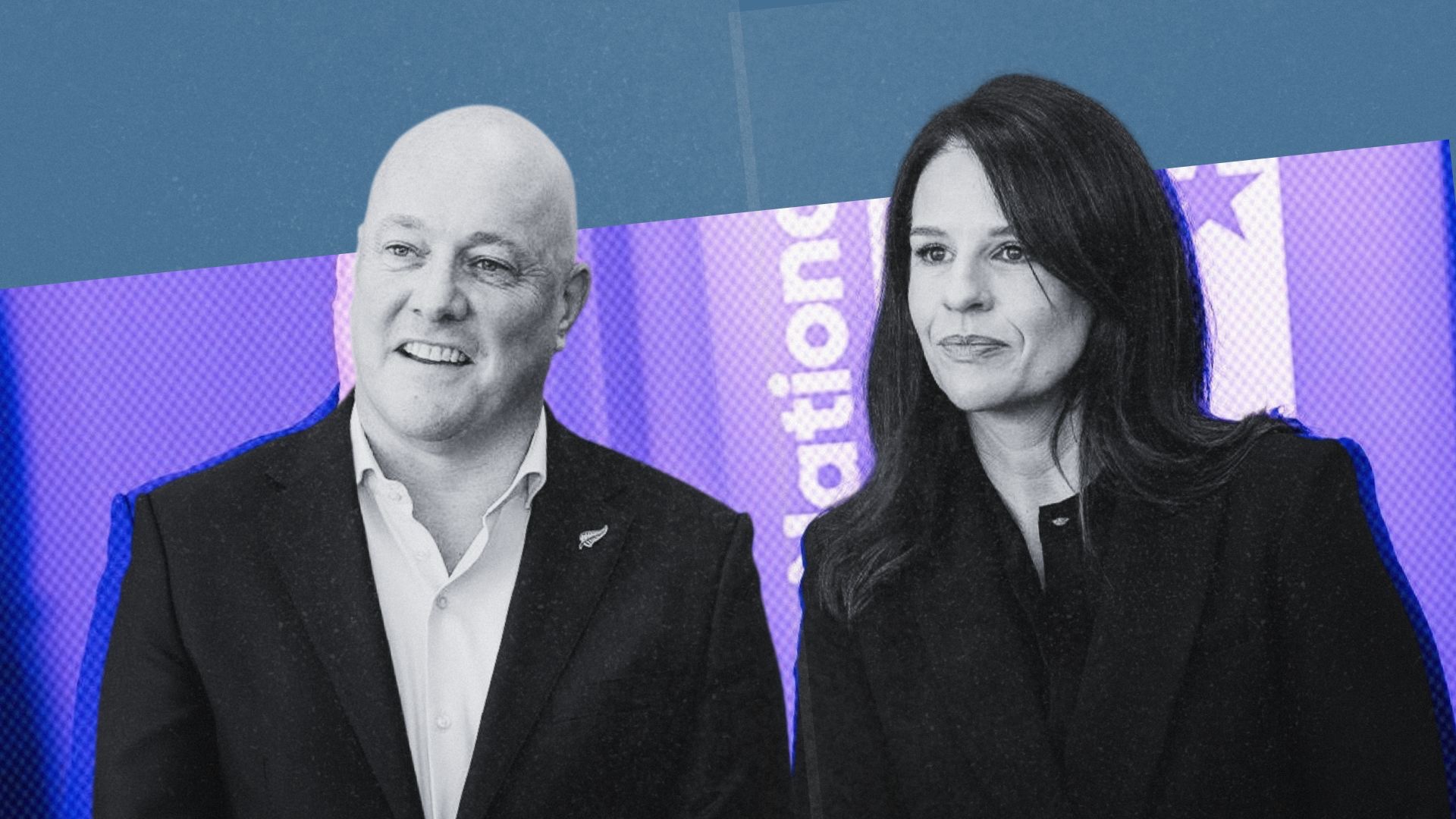
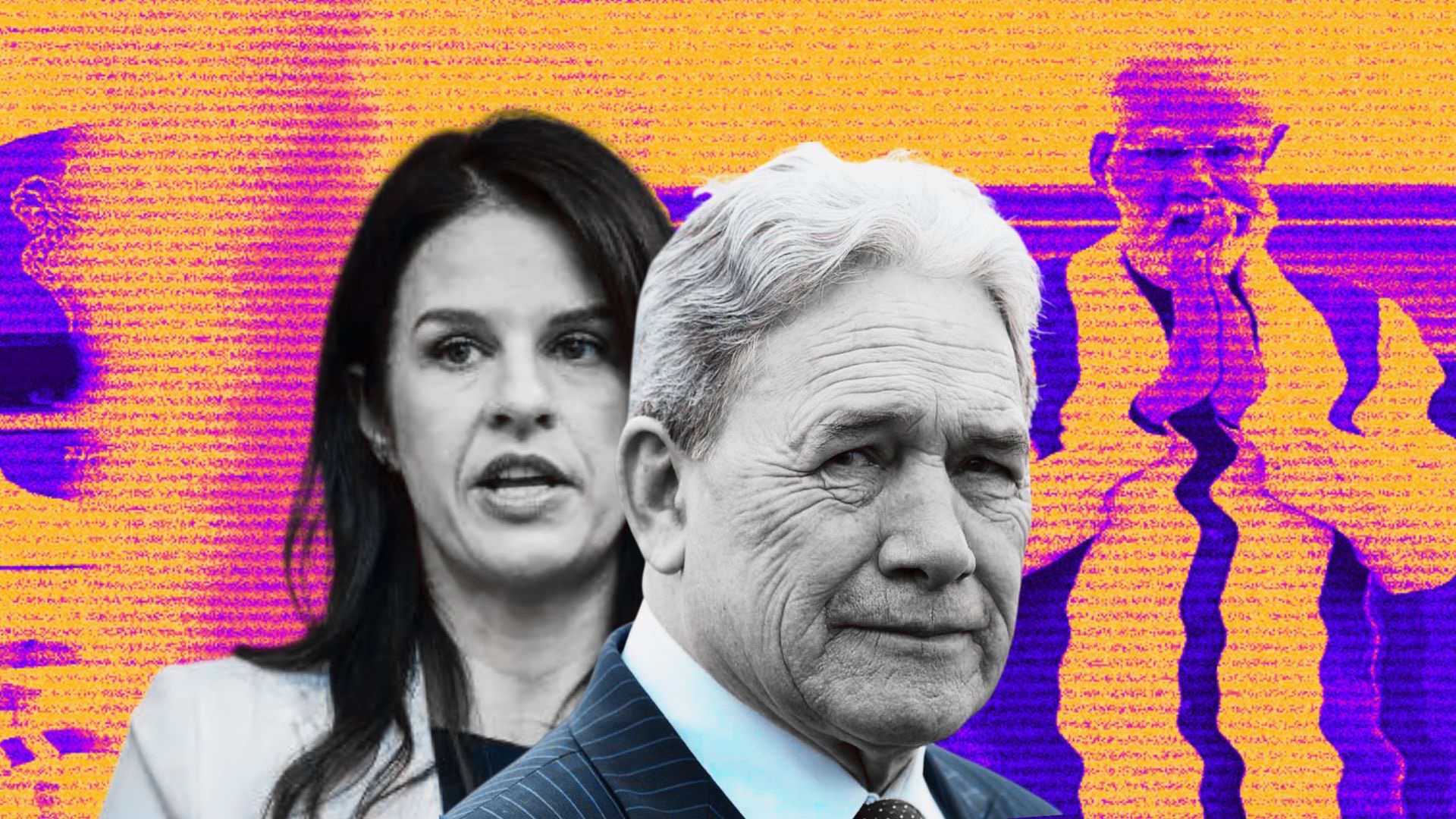
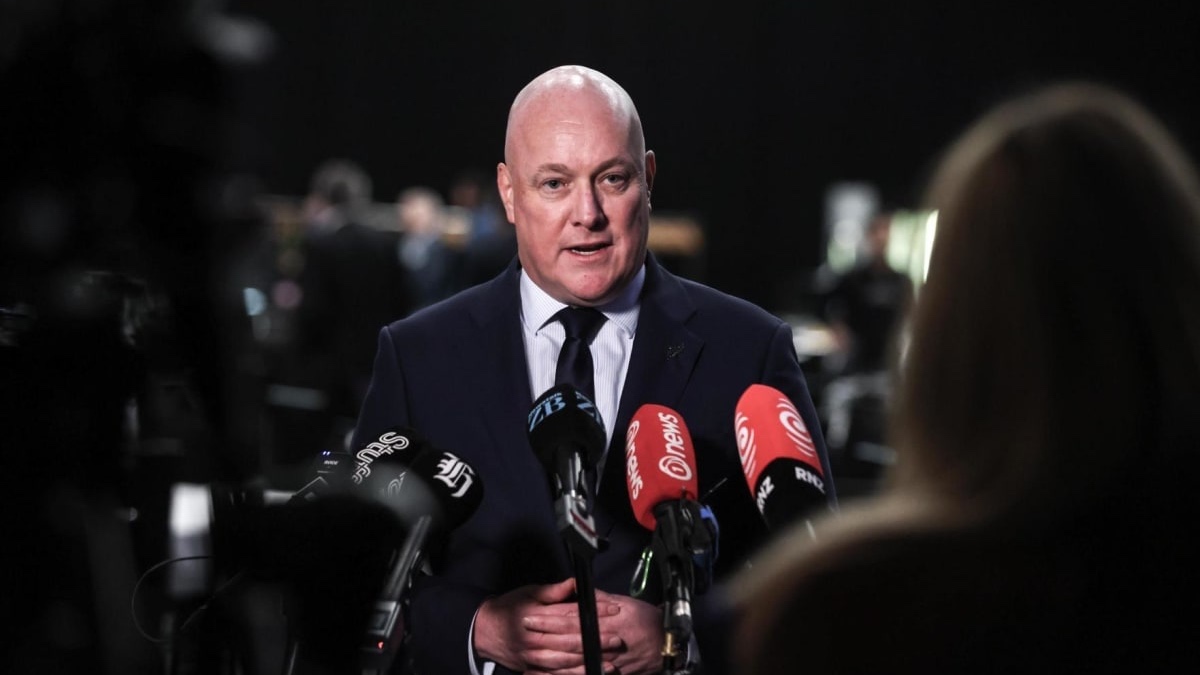
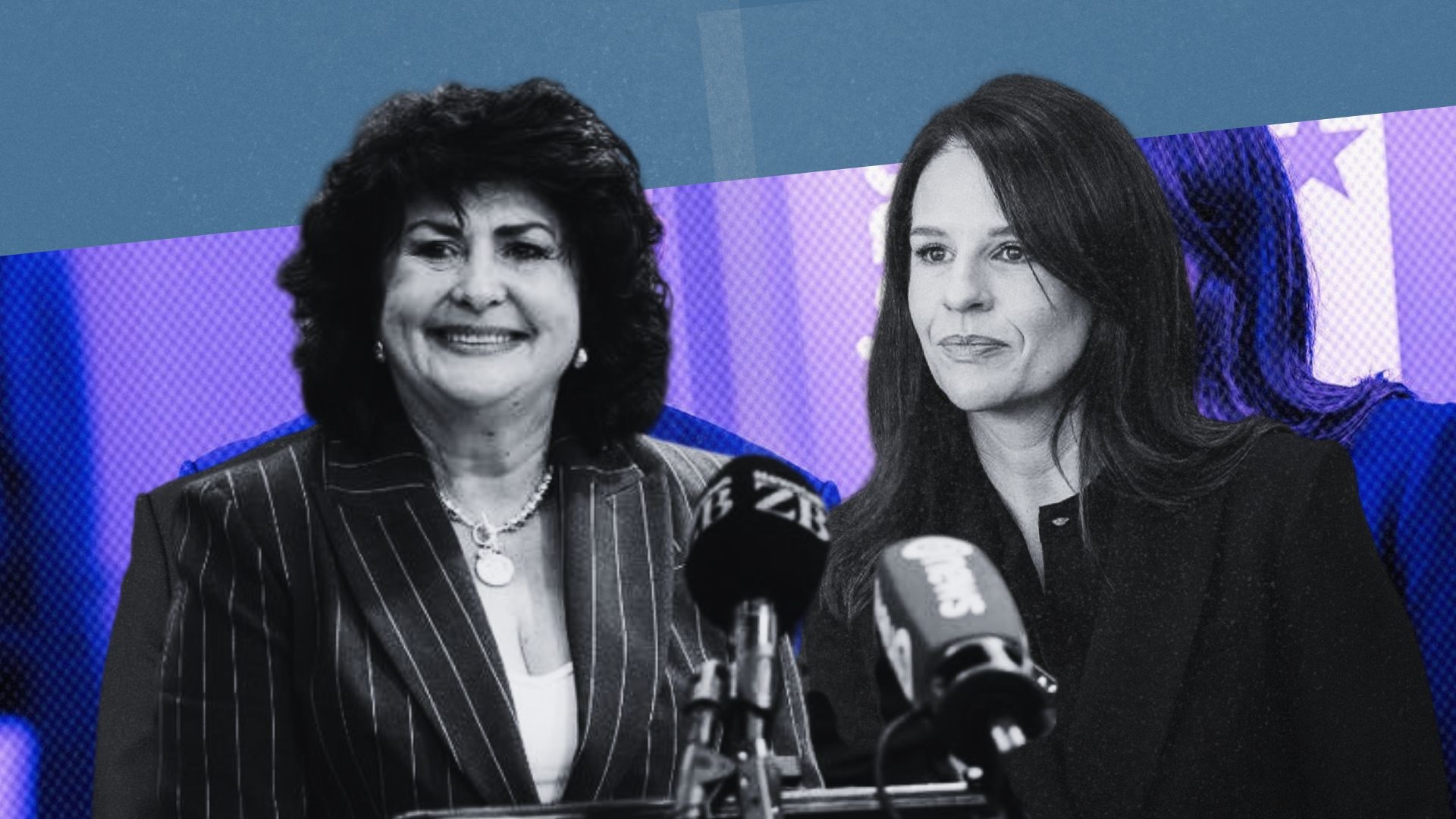
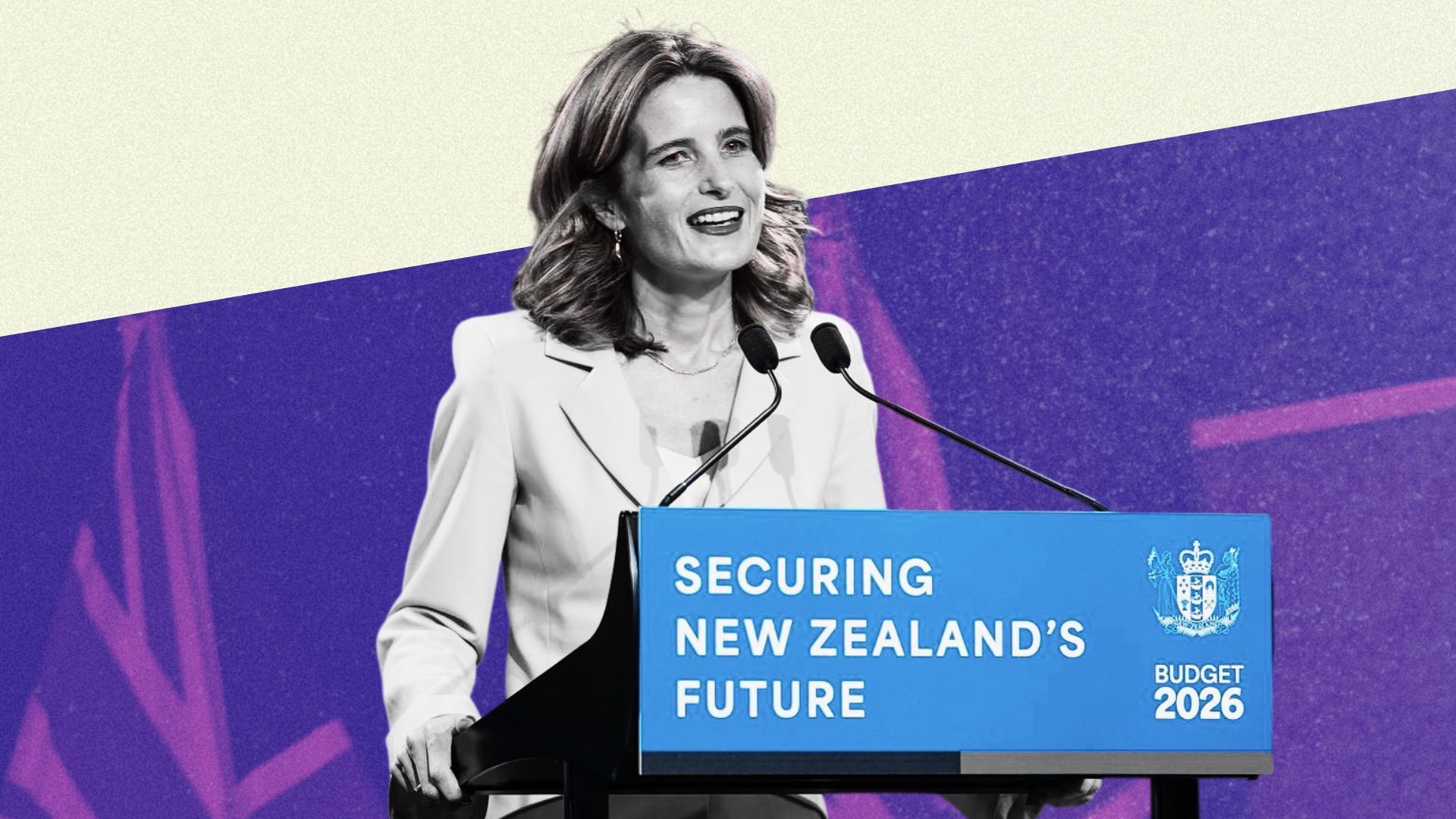
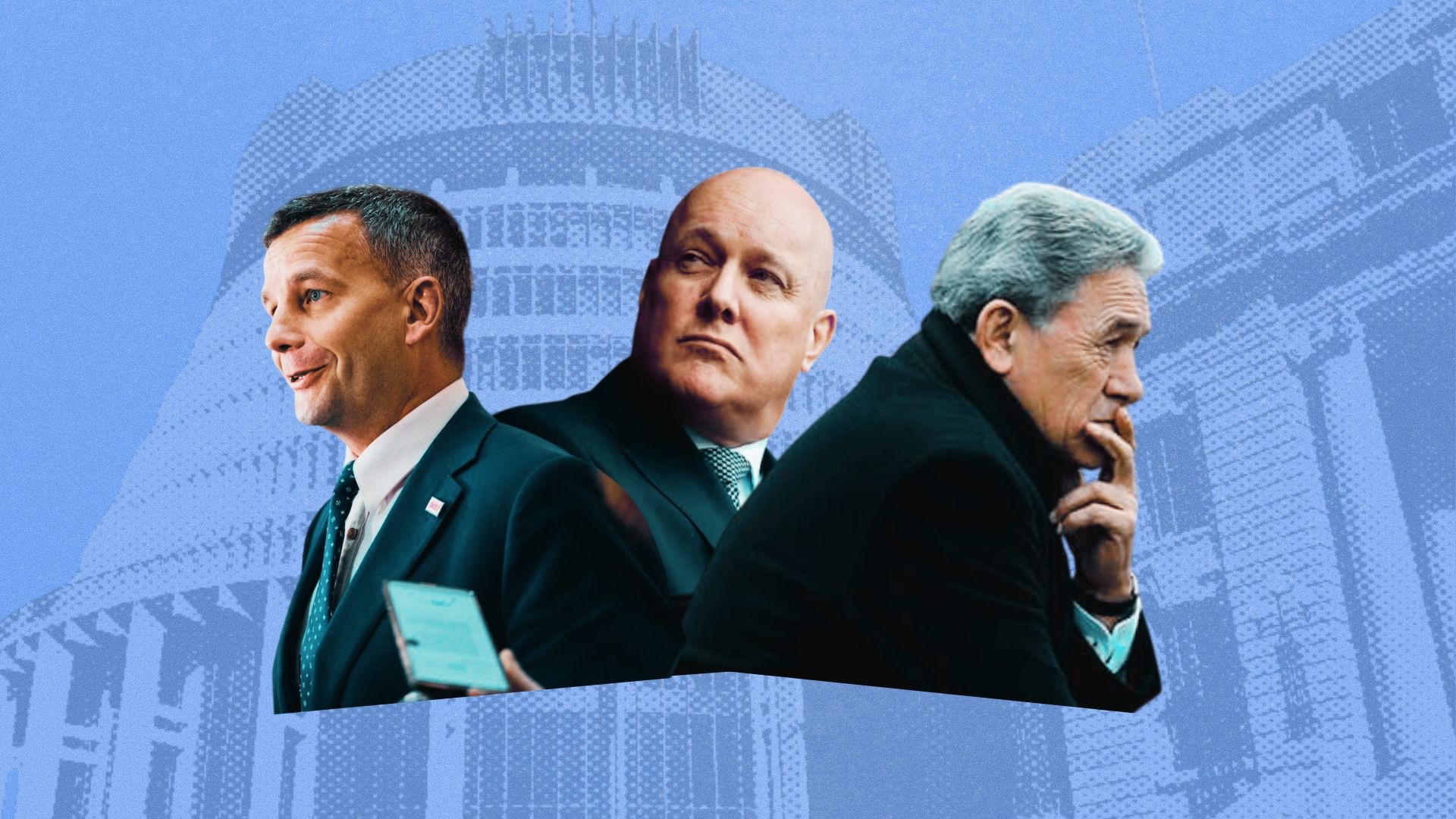
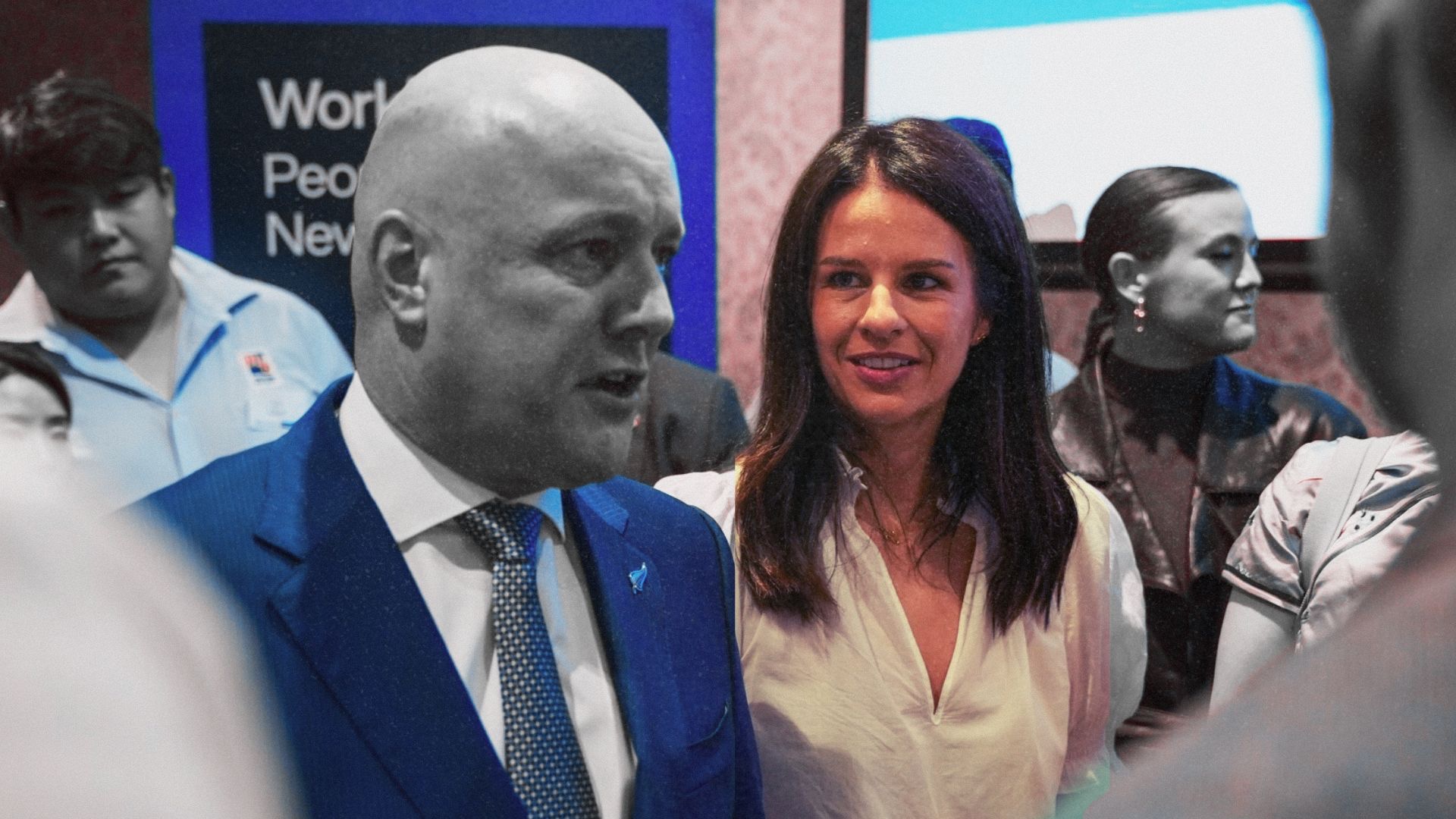
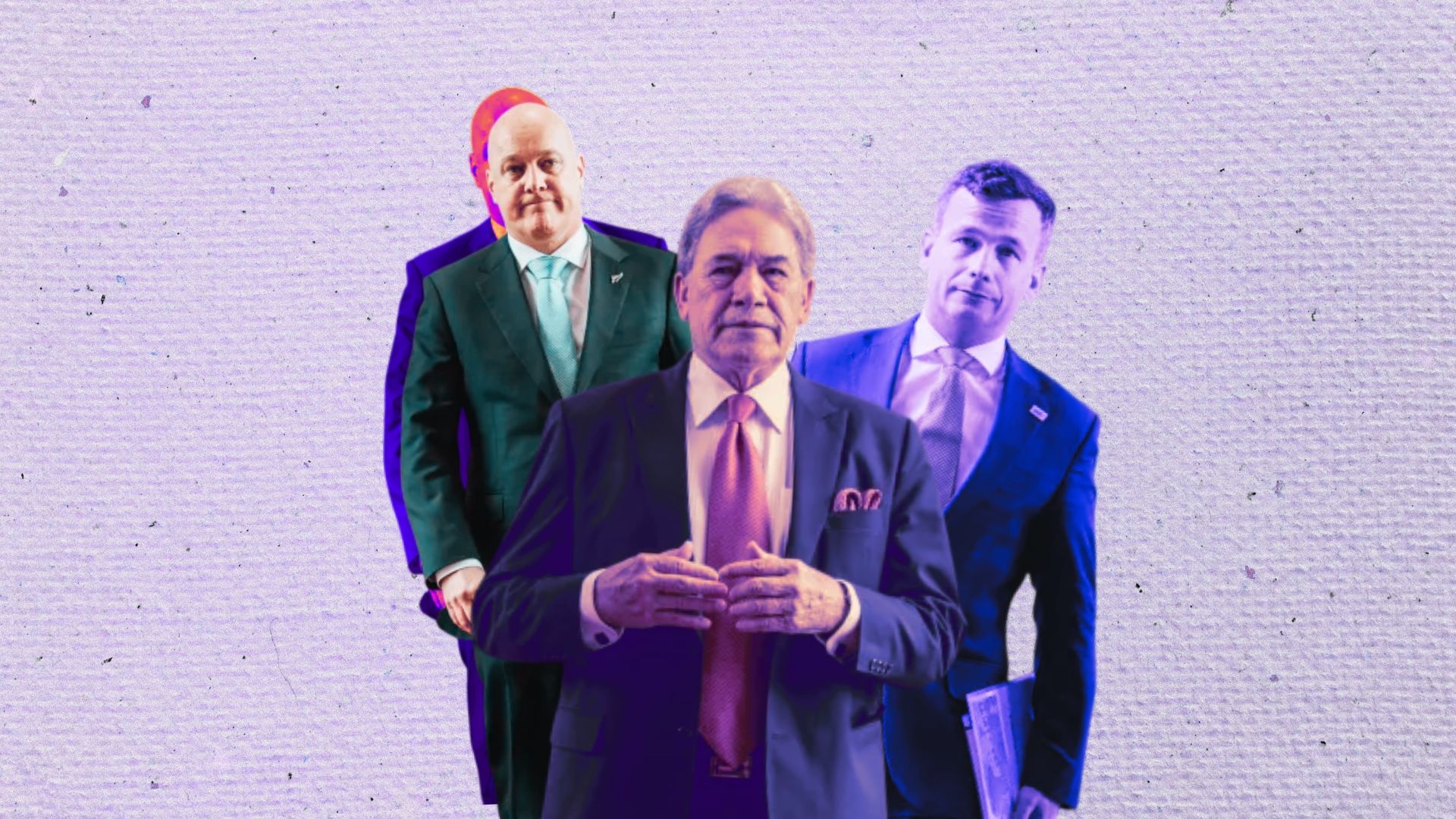
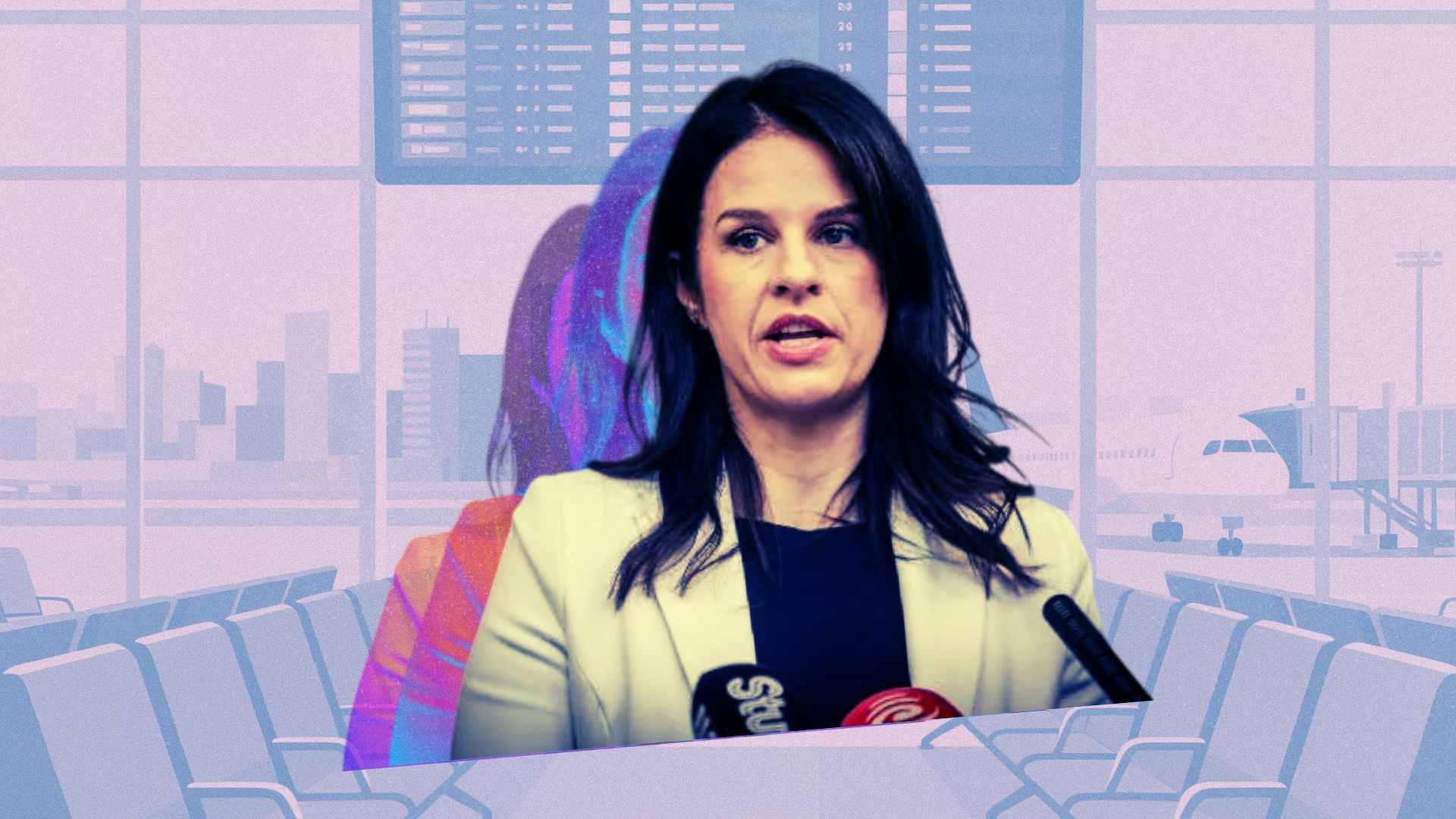
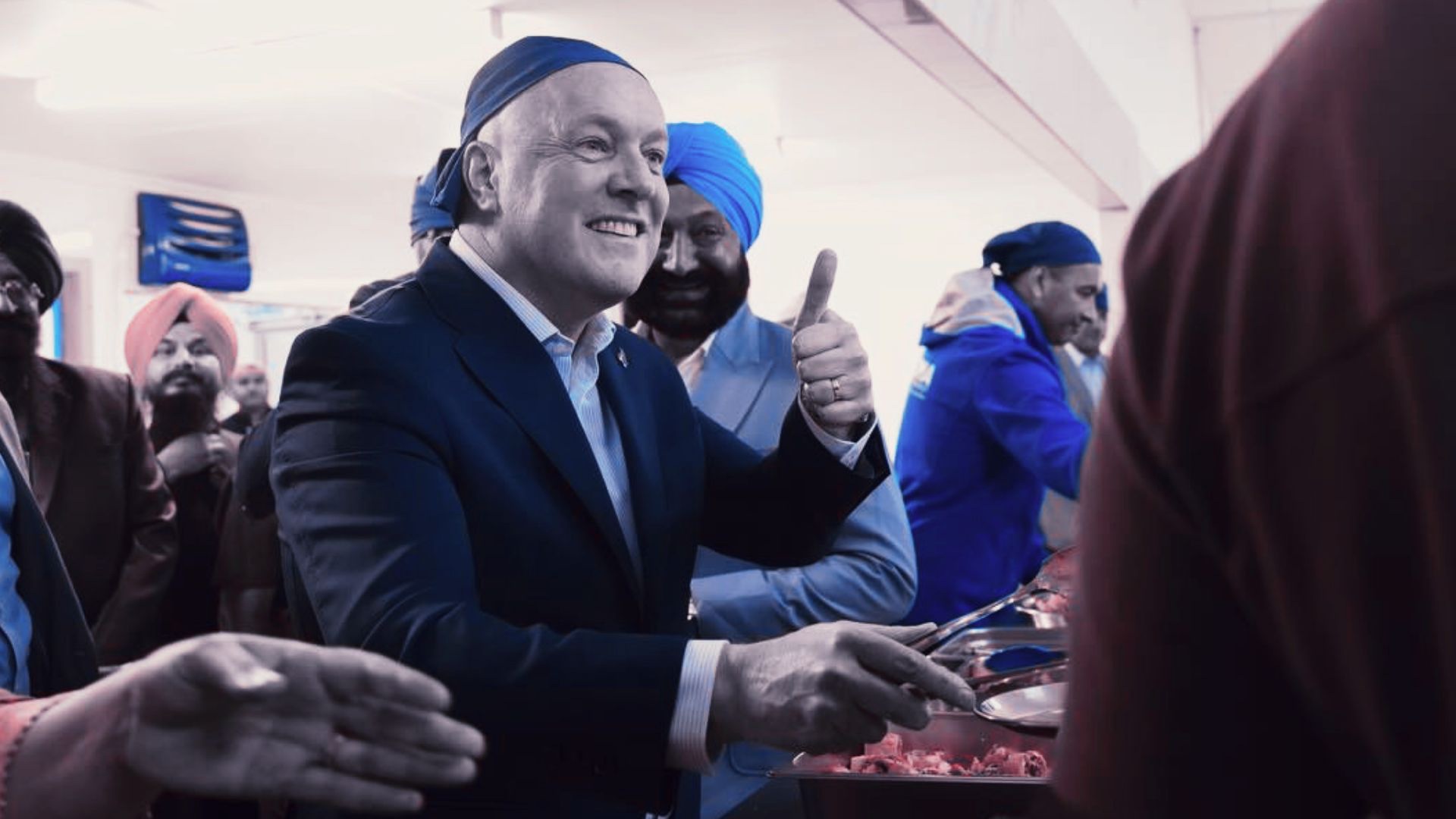
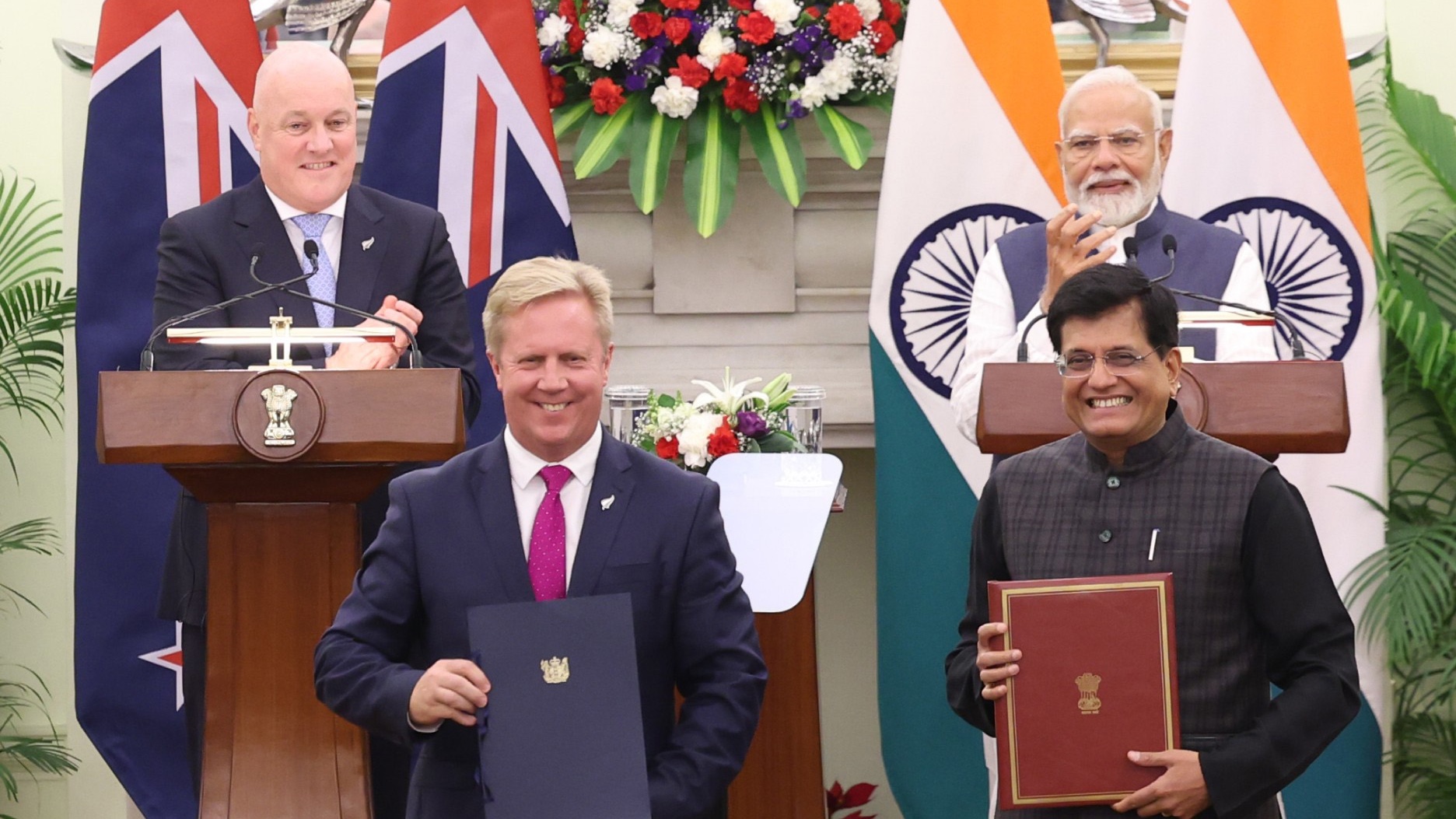
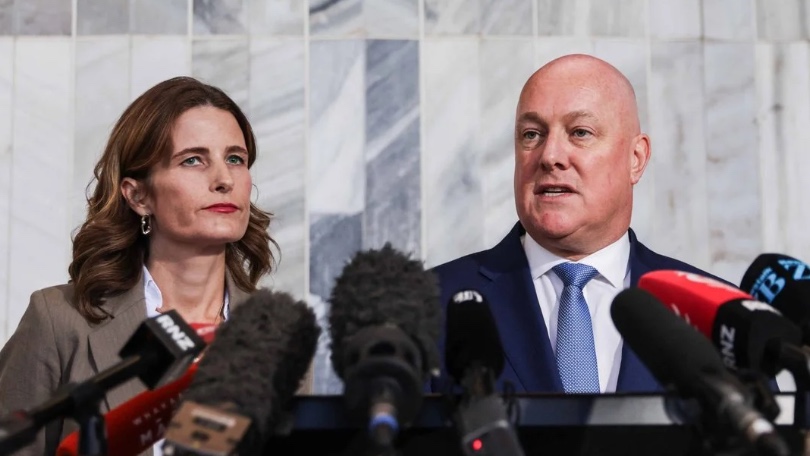
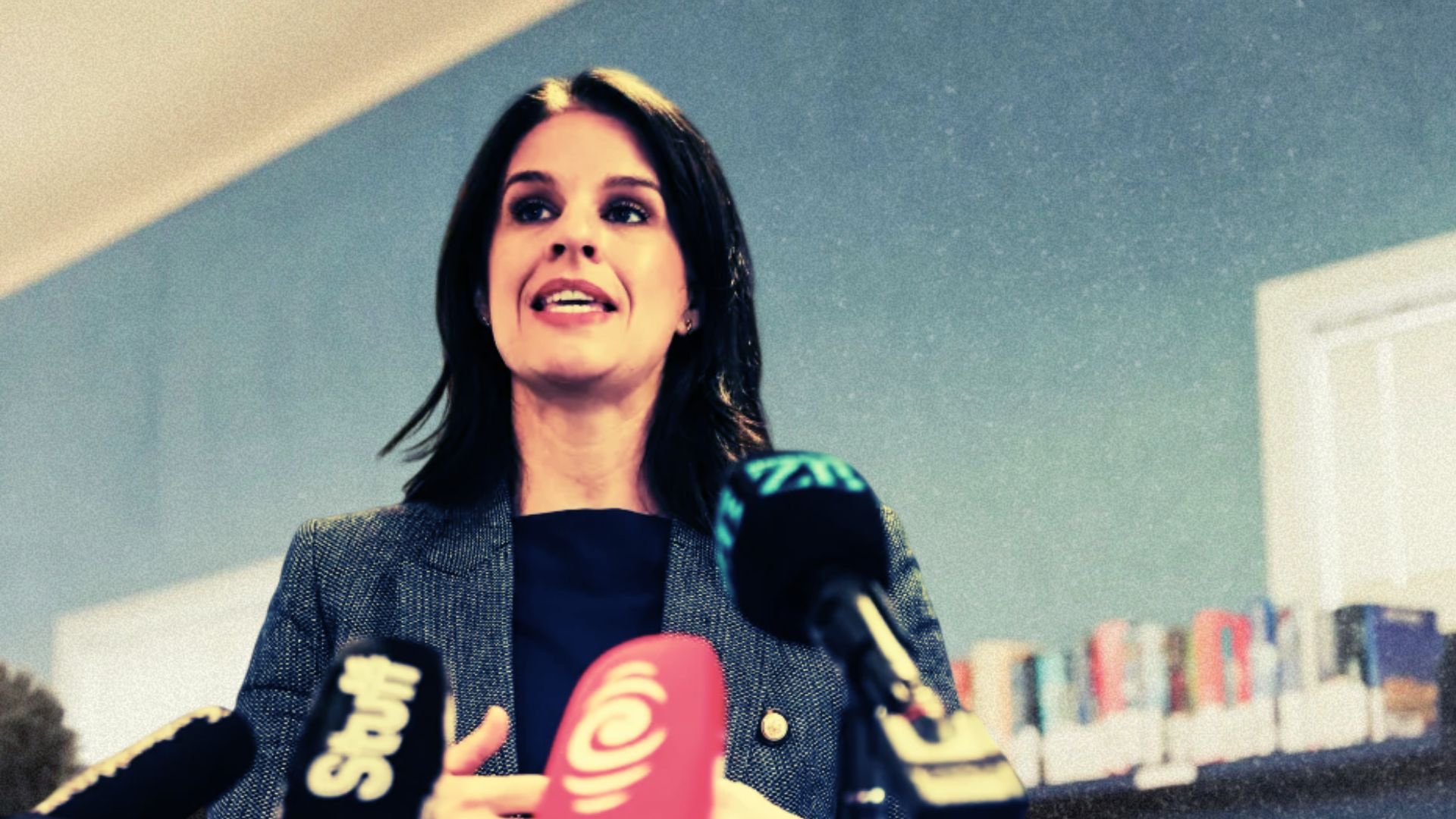
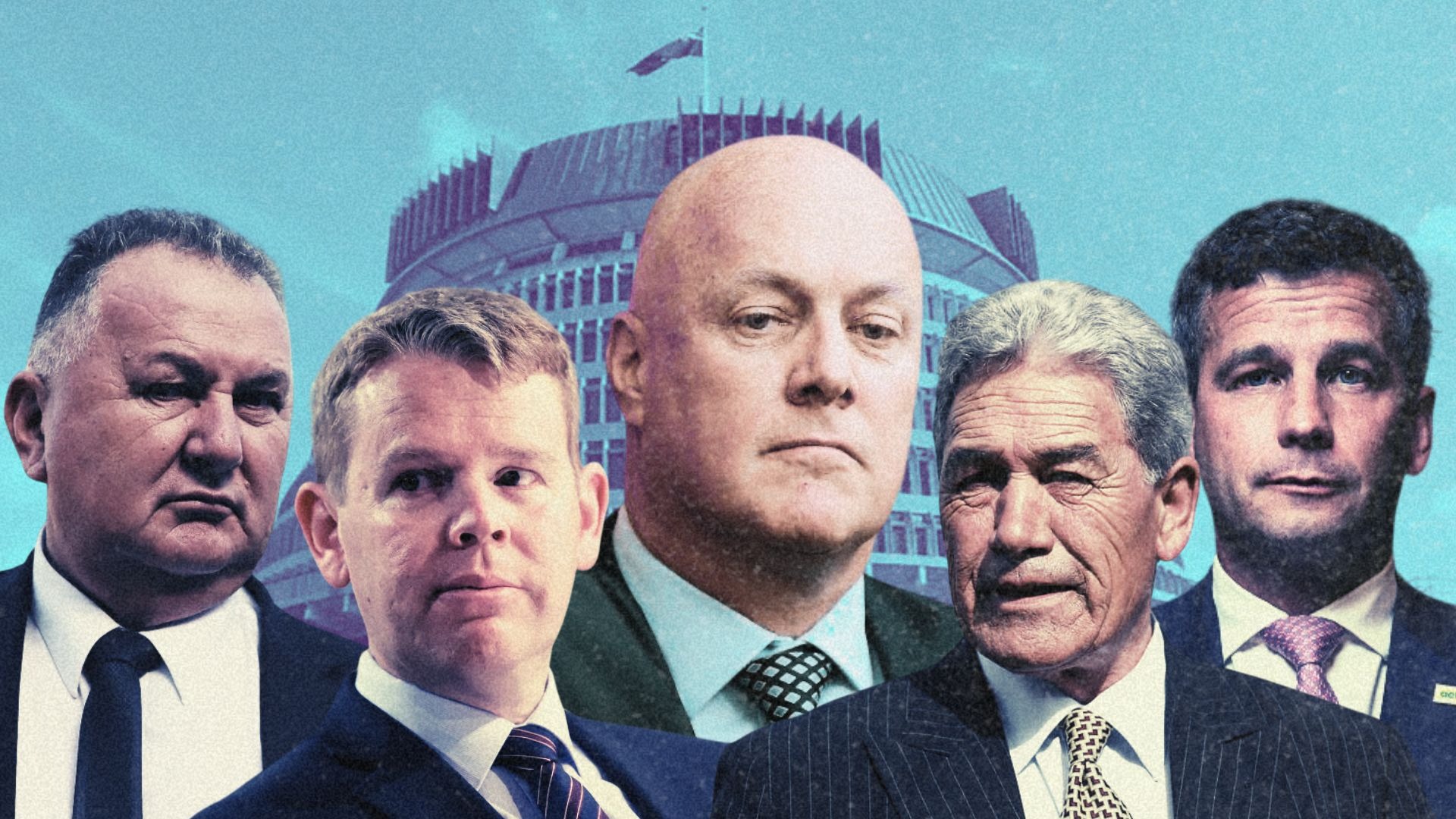
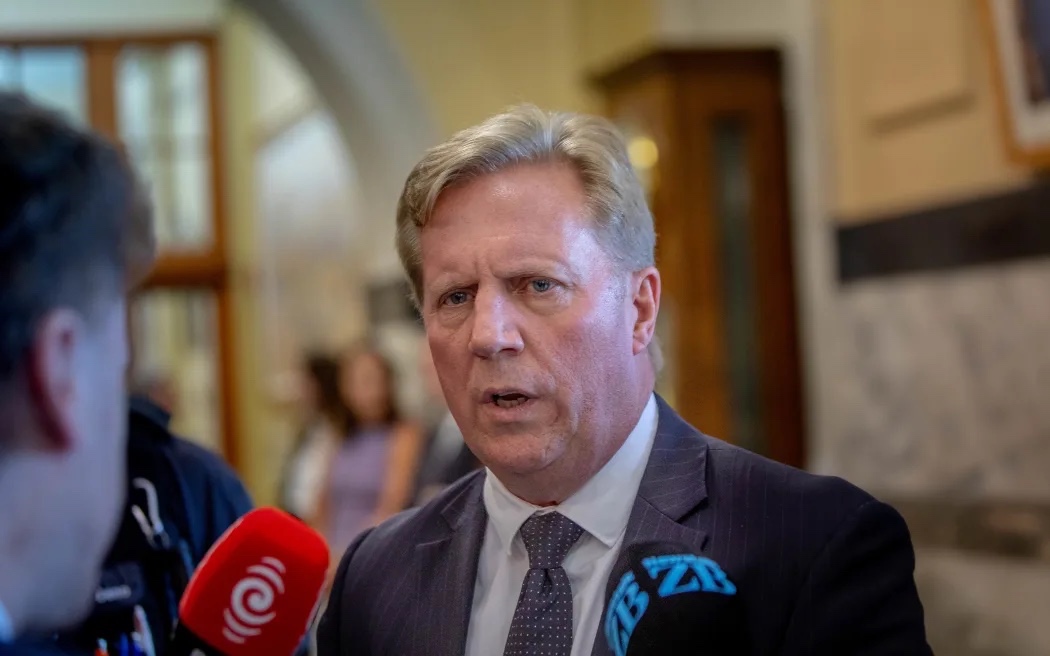
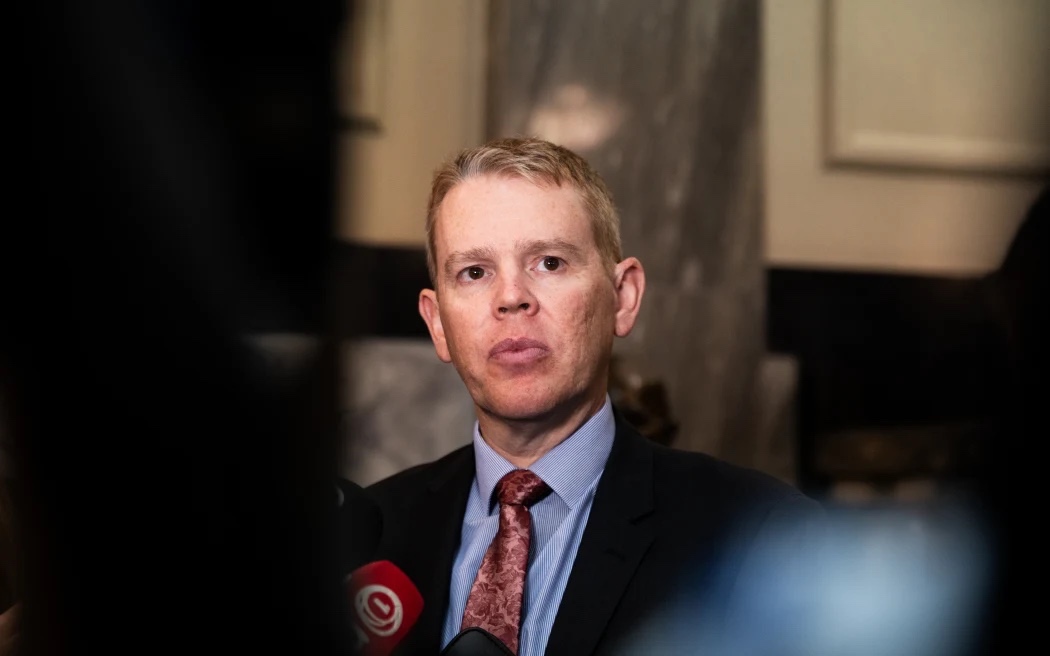
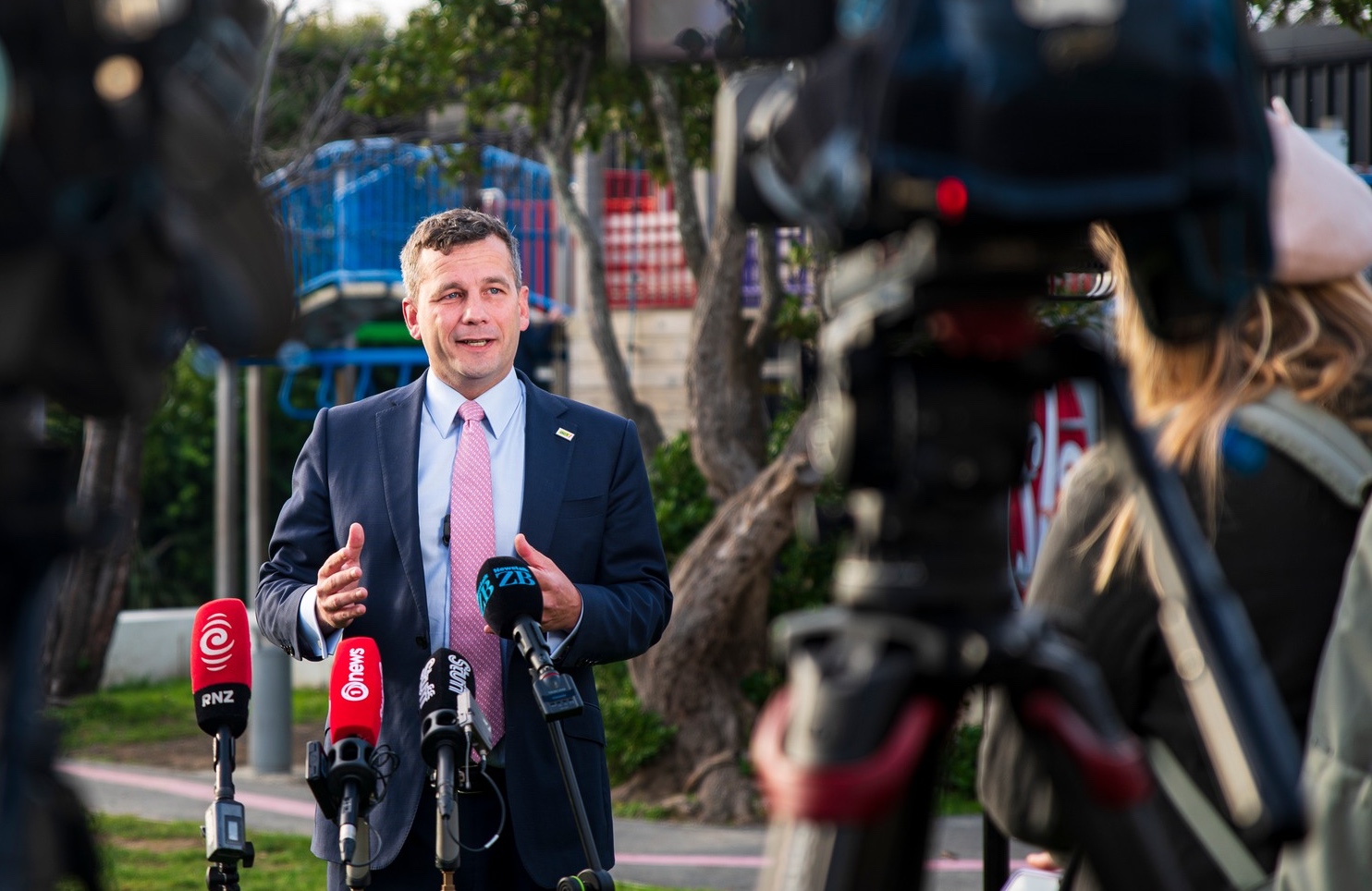
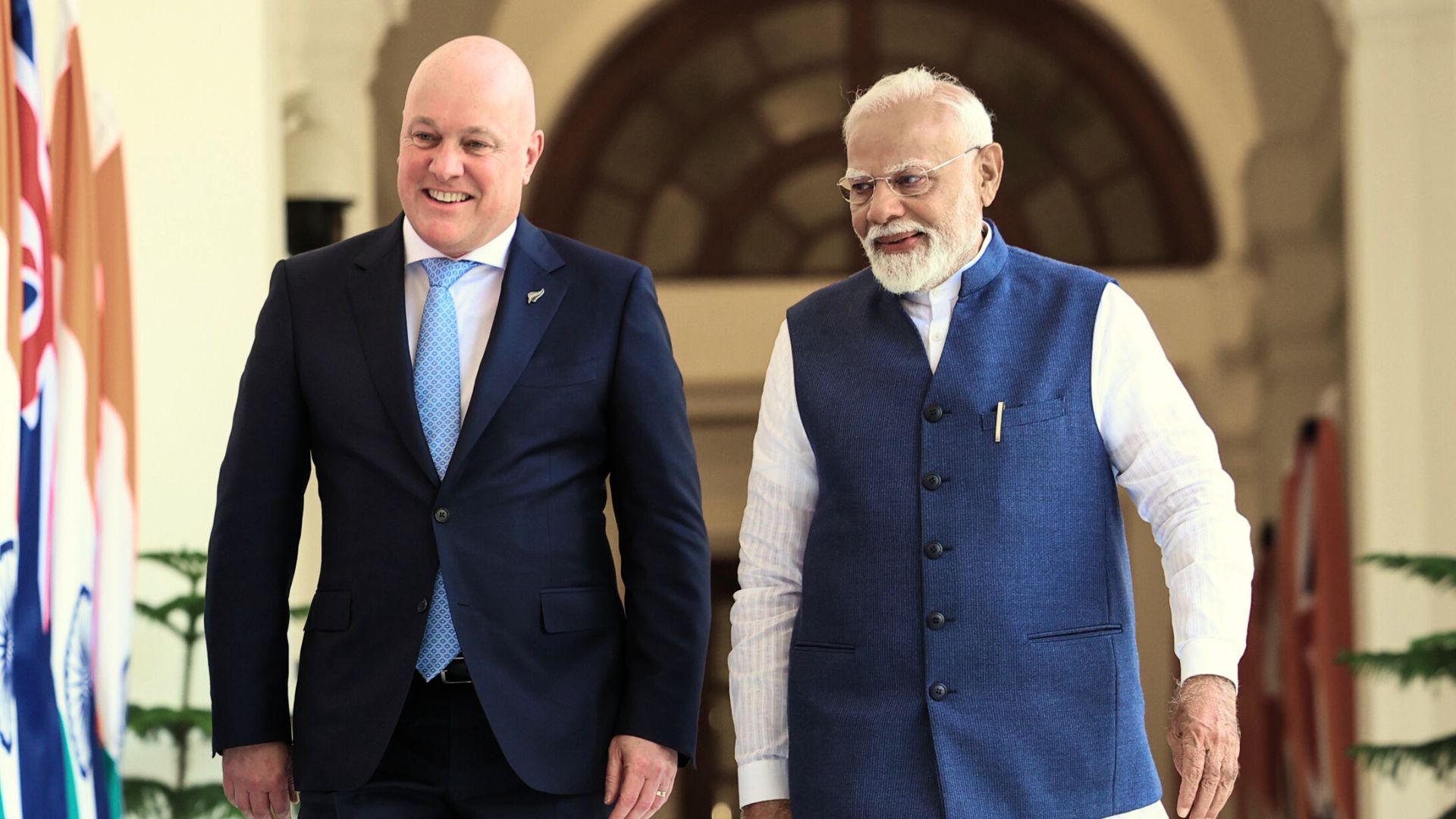
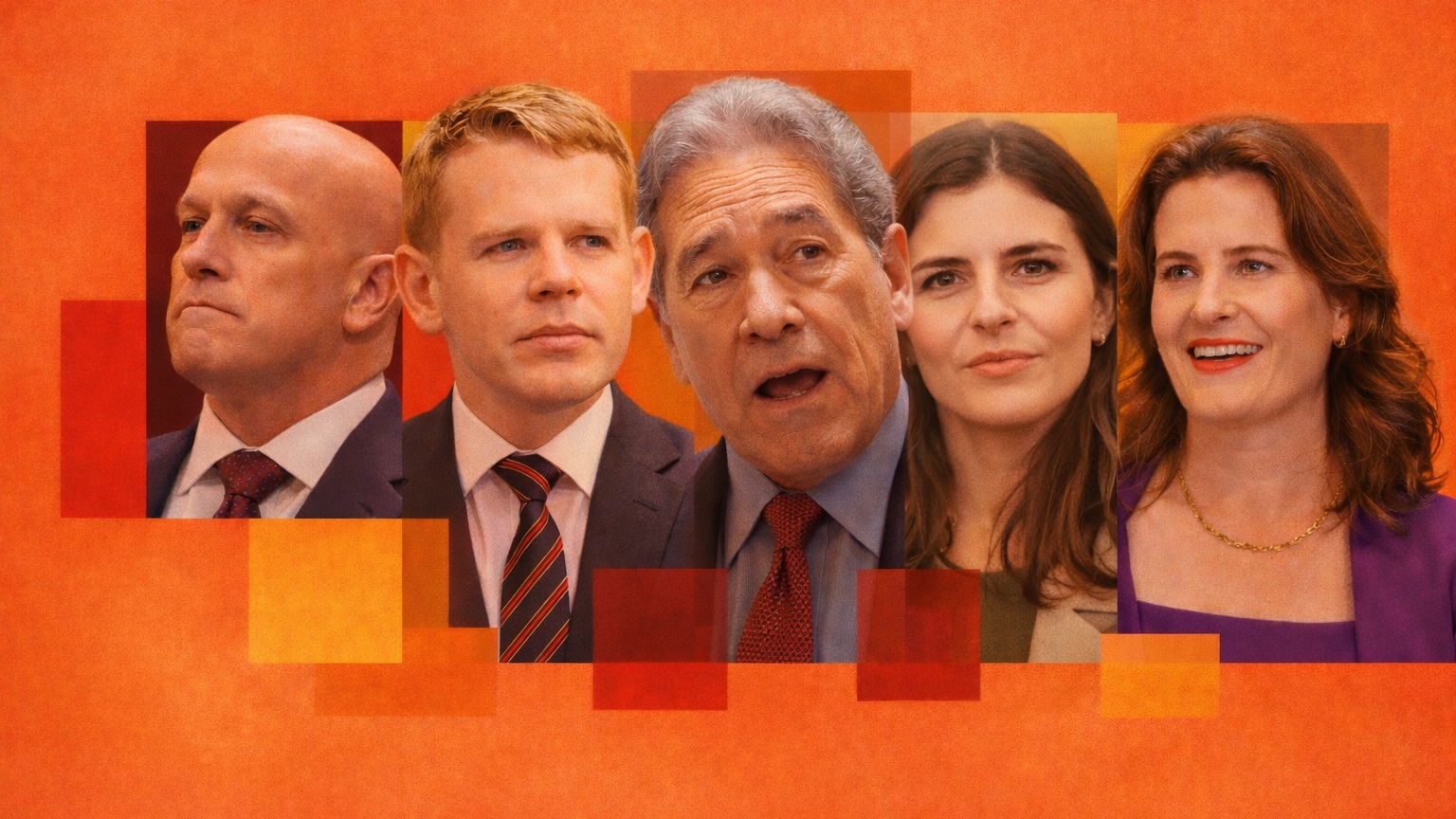
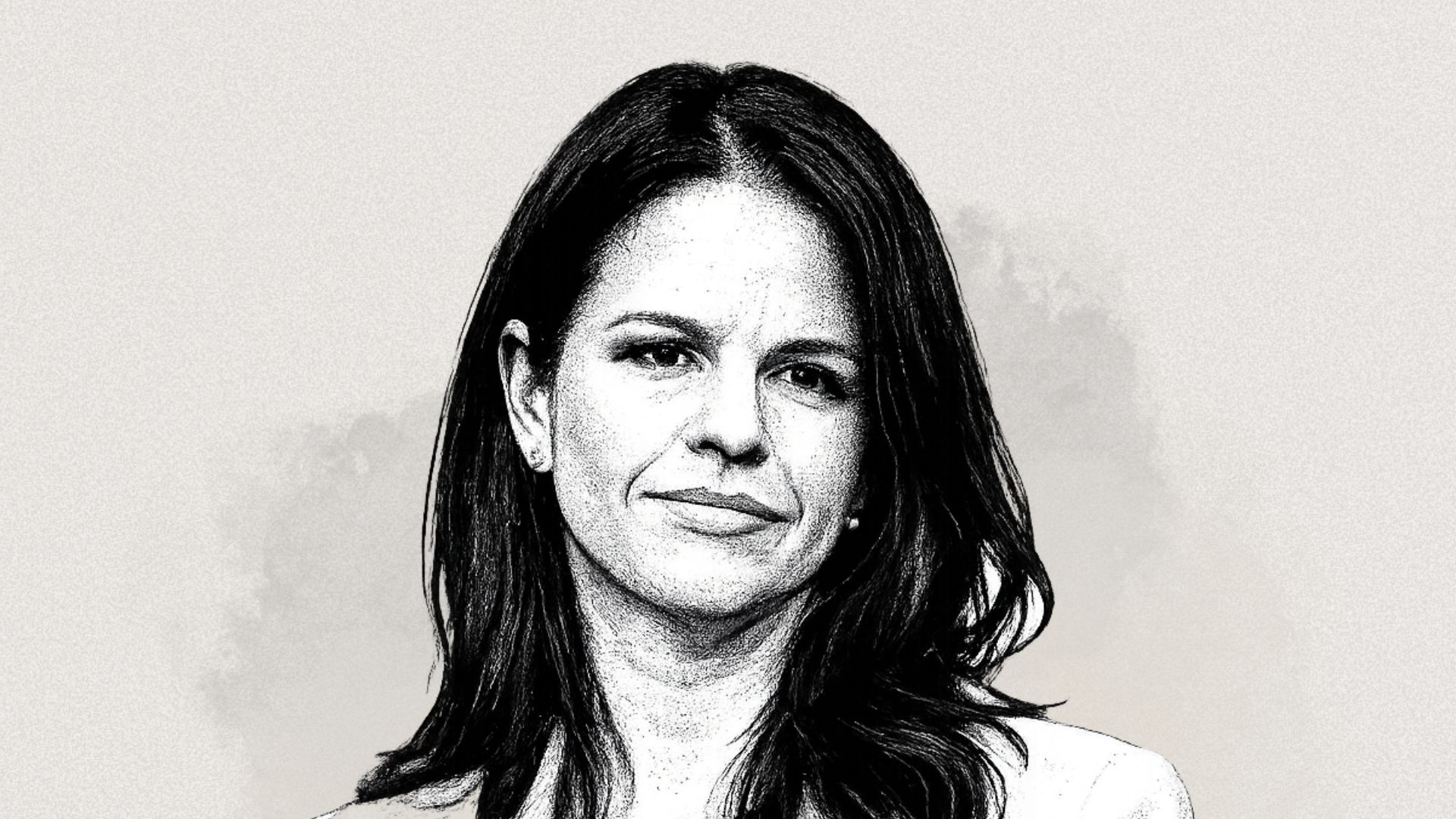
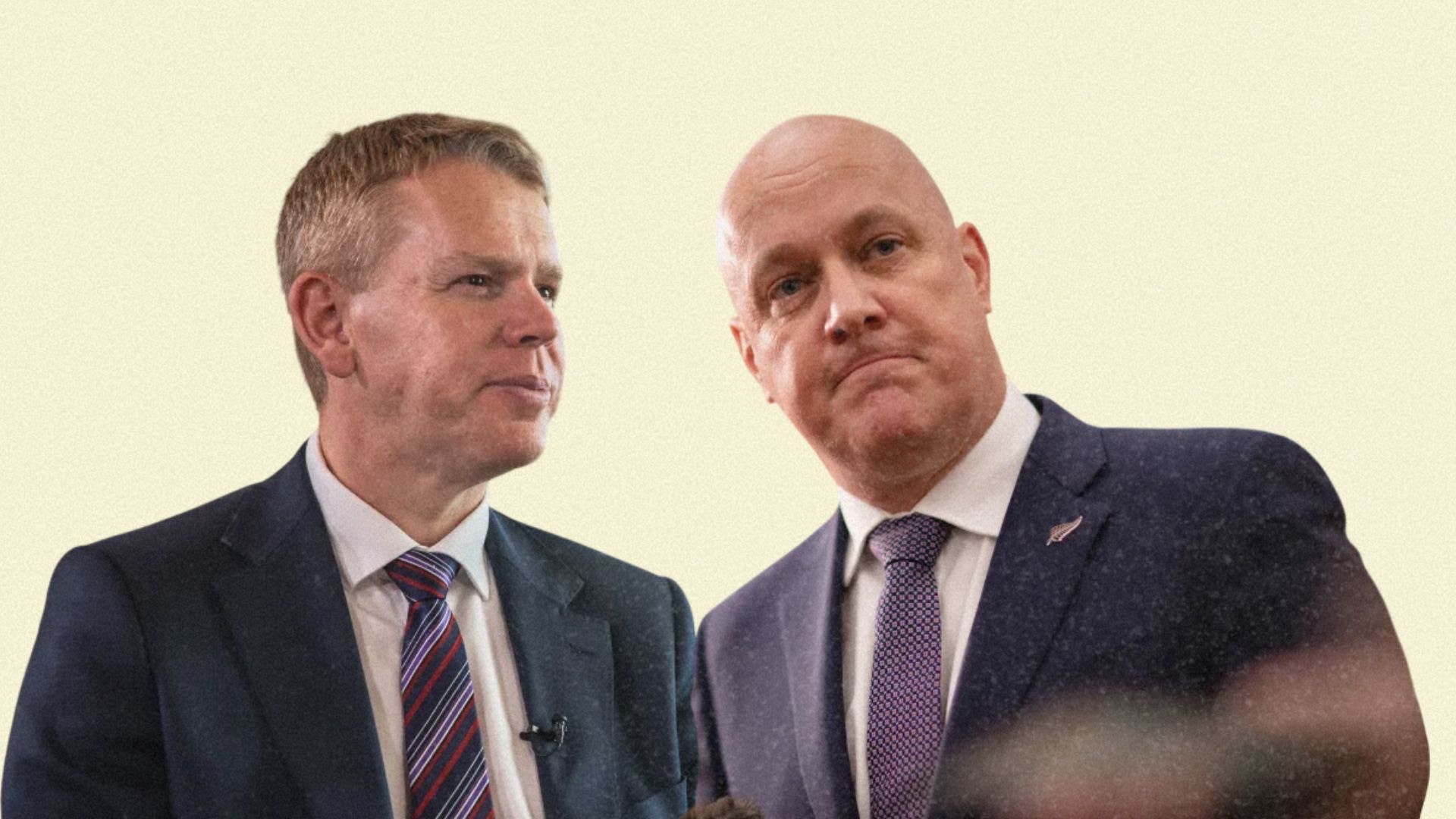
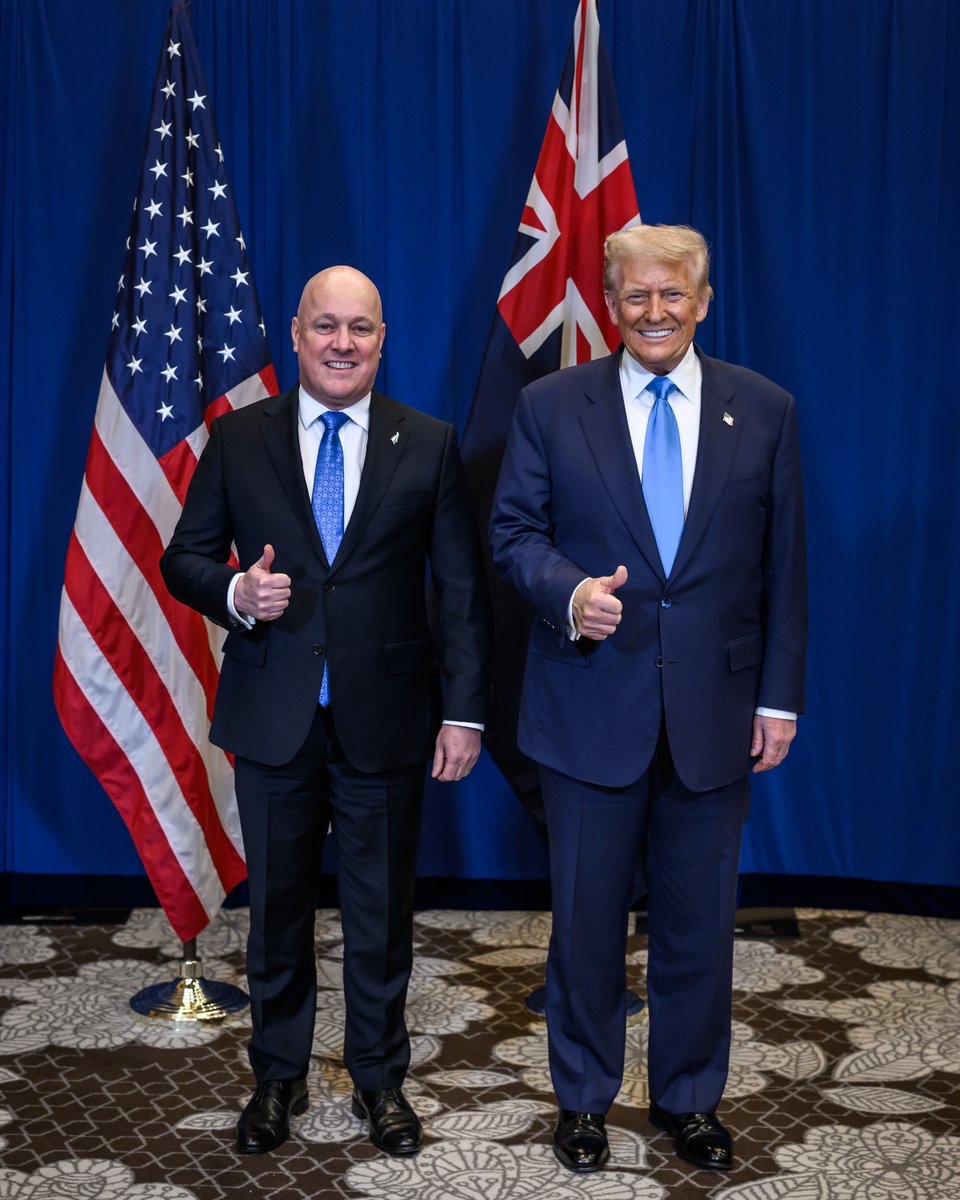
Prime minister Christopher Luxon and education minister Erica Stanford.
Research suggests a limited change in social media use by young people in the first three months of Australia’s regulation.
(This story was first published before the government introduced a bill to ban social media for under-16s on August 24, 2026.)
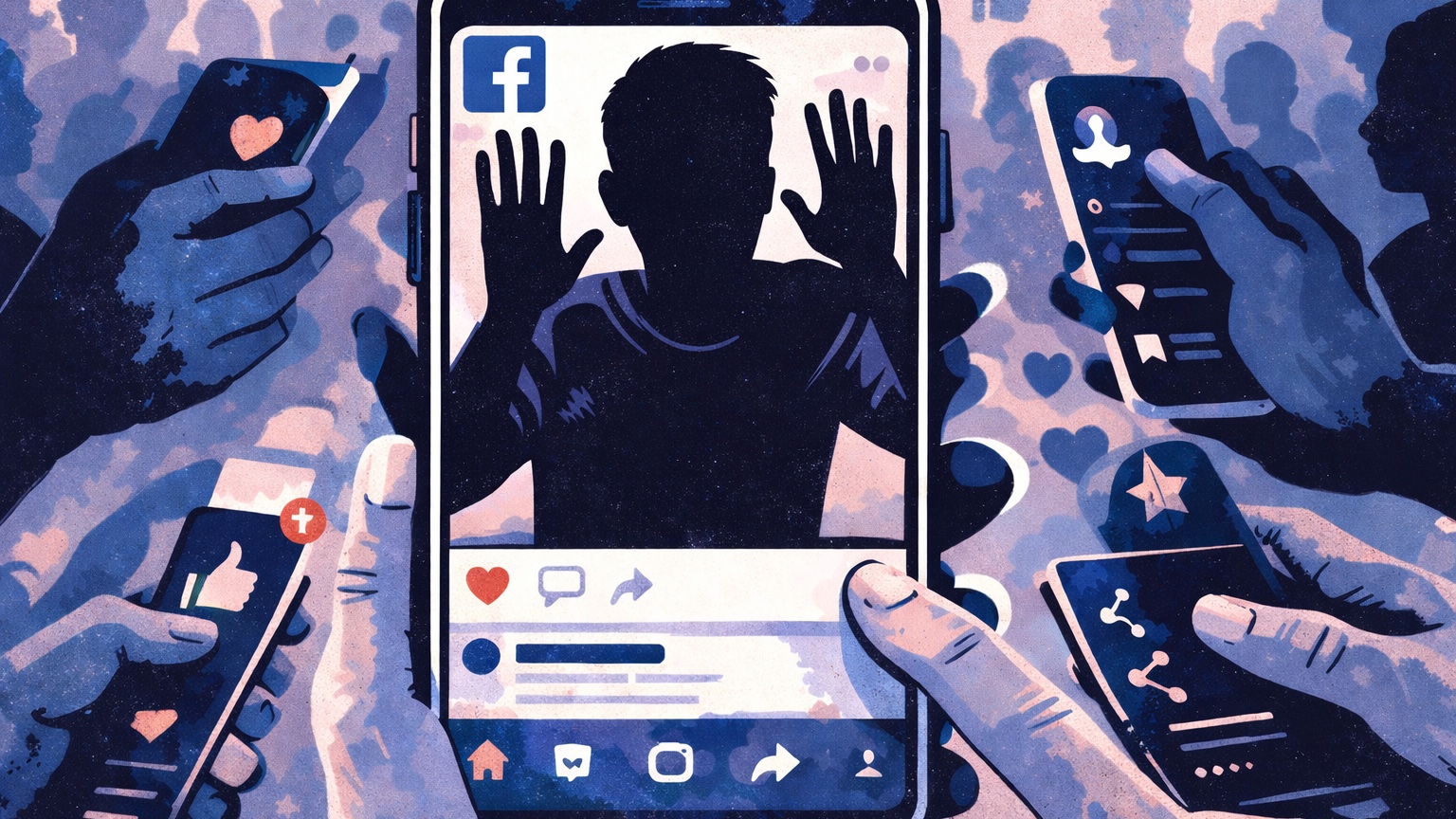
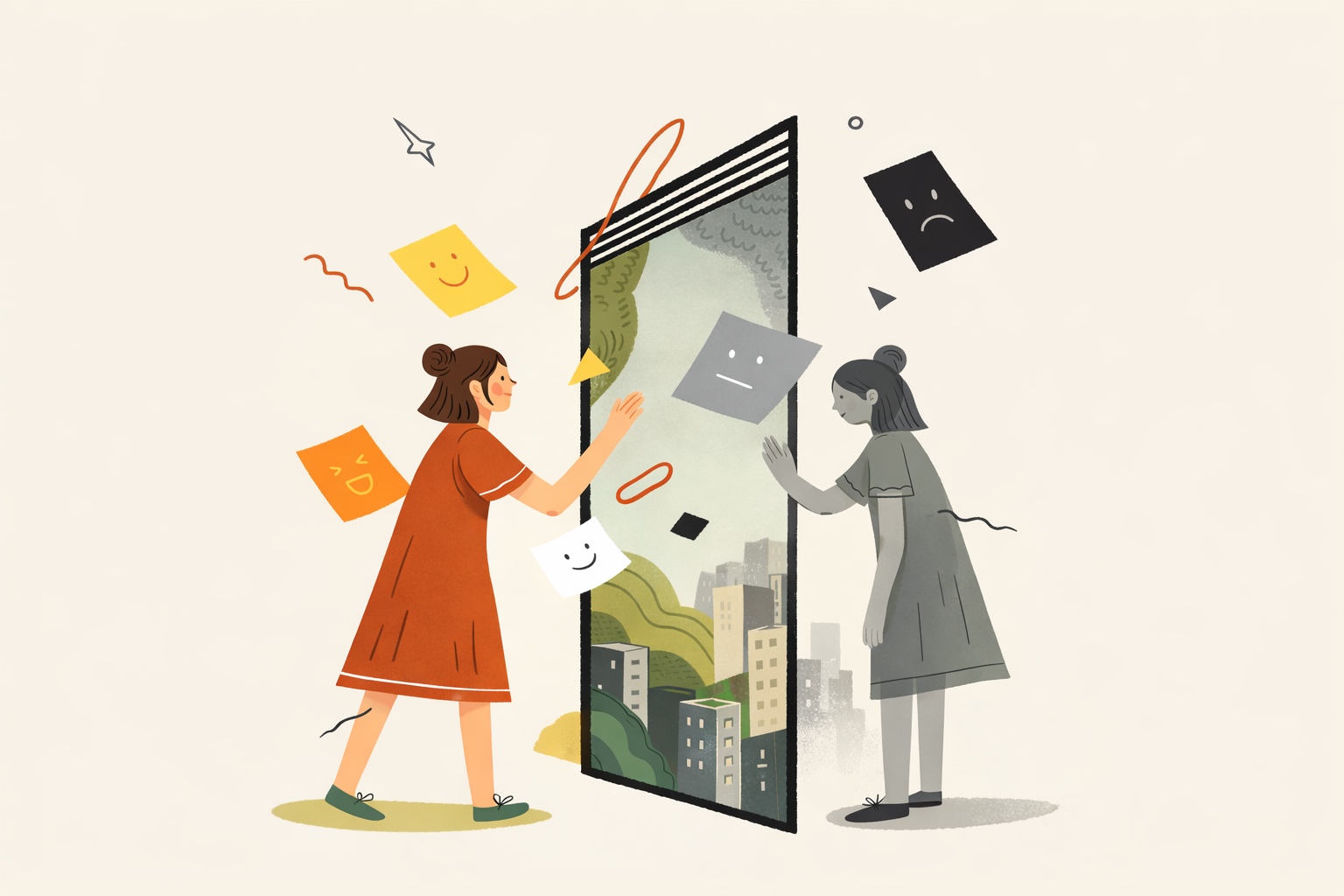
Protecting young people from the harms they can experience online is clearly important. But with so much focus on a possible social media ban for under-16s, there is also a risk of sidelining better solutions.
A social media ban was just one of 12 recommendations the Education and Workforce Select Committee made in its final report in March this year.
Other suggestions included establishing an independent online safety regulator, regulating algorithmic recommendation systems, and investing in online safety education.
But the government’s interim response in June amounted to little more than an acknowledgement of the recommendations, noting it has “already acted” on some proposals – including developing a social media age restriction – and promising a more substantive response “in due course”.
Election 2026: Will Kiwi-Indian voters decide the battle for Takanini? A South Auckland seat with one of New Zealand’s biggest Indian populations is shaping up as a test for ethnic identity and the ballot box.
India is coming to Auckland: Full schedule revealed for cricket, football, hockey, Diwali From the Black Caps and All Whites taking on India to Diwali, hockey, bowls and city-wide light displays, Auckland has revealed its sporting centenary programme.
What does an Indian-origin MP owe Kiwi Indians? Priyanca Radhakrishnan on identity, belonging The three-term Labour MP says you can be Indian and Kiwi. Why should belonging require you to choose sides?
The restraint is not entirely surprising. Online harm is a complex problem, and policy development is time-consuming. With an election in November, there is likely also little appetite for introducing major regulatory changes.
Buzz about a ban
At the same time, the idea of an age-based social media ban loomed large over the select committee’s work and has attracted the most political and public attention.
That’s been reinforced by bans introduced in Australia and the United Kingdom, with many European Union countries (including Spain, Greece, Poland and Denmark) considering similar regulation.
This month, France became the first EU country to approve a social media ban for young people. In March, Indonesia became the first Southeast Asian nation to do the same.
Rather than be a “fast follower”, however, New Zealand can now take the time to consider whether the efficacy of bans has been demonstrated internationally.
Early reports from Australia’s implementation experience have focused on access and compliance, with evaluation of its impact on mental health and wellbeing yet to be produced.
But the eSafety Commissioner’s first compliance report in March observed poor practices by some social media platforms. It also found many under-16s still had their accounts (or could create new ones).
Likewise, recent research shows there was limited change in social media use by young people in the first three months of Australia’s age-restriction regulation.
In New Zealand, there is a growing awareness (including an unusual moment of agreement between the ACT and Green parties) that a ban is not a silver bullet. There is less acknowledgement, however, that there may be more effective ways of combating the breadth of online harms faced by New Zealanders.
An online safety regulator
One of the select committee’s more promising recommendations was the establishment of a national online safety regulator.
In this case, Australia provides a useful model with its Online Safety Act 2021, which requires technology industry representatives or associations to develop industry codes to regulate harmful online content.
These codes can be developed and revised without the need for lengthy legislative processes. This allows the Australian eSafety Commissioner and tech companies to respond quickly to emerging harms.
In cases where these industry codes are insufficient to address specific harms, the commissioner has the power to institute an “industry standard” that supersedes the ineffective industry codes until they are improved.
New Zealand currently has no equivalent to Australia’s eSafety Commissioner. There is also no legislation similar to Australia’s Online Safety Act – something the select committee’s interim report touched on when it described the fragmented nature of the local regulatory framework.
The committee’s final report cited the EU’s regulatory regime as the “closest example” of how regulation could develop in New Zealand. But questions have also been raised about whether the EU’s Digital Services Act is properly compliant with the right to freedom of expression.
It may be that adopting a similar approach to Australia’s eSafety model would enable more collaborative and flexible responses in New Zealand.
There could be other benefits, too. A new regulator could help address fragmented regulation and provide clarity on reporting or seeking help with online harms. It could also ensure consistency over time, rather than cater to the views of a particular government.
Regular public reporting and an appeals process would ensure transparency and protect rights such as freedom of expression. And a regulator could also fulfil some of the committee’s other recommendations by addressing legislative gaps, monitoring algorithmic systems and offering public education.
Reviving a good idea
The range of online harms identified through the government inquiry, and the fact that many are not limited to young New Zealanders, highlight the need for an online safety regulator.
In fact, the idea was suggested in the past, but sidelined. A 2021 report to the Department of Internal Affairs noted the advantages of a central, independent regulator for online content.
The department’s 2024 Safer Online Systems and Media Platforms discussion document also proposed a regulator to oversee online content. But the current government ended the process, citing concerns over the possible impact on freedom of speech.
Ironically, given the same government’s support for a social media age restriction, a single regulator would mean New Zealand might now have the infrastructure to make a ban more feasible – or perhaps even render such a move unnecessary.
(This was first published in The Conversation. Michael S. Daubs is Senior Lecturer in Media, Film, and Communication, University of Otago. Claire Henry is Associate Professor in Screen, Flinders University.)