
Lessons from Fieldays: New Zealanders aren't waiting to be rescued
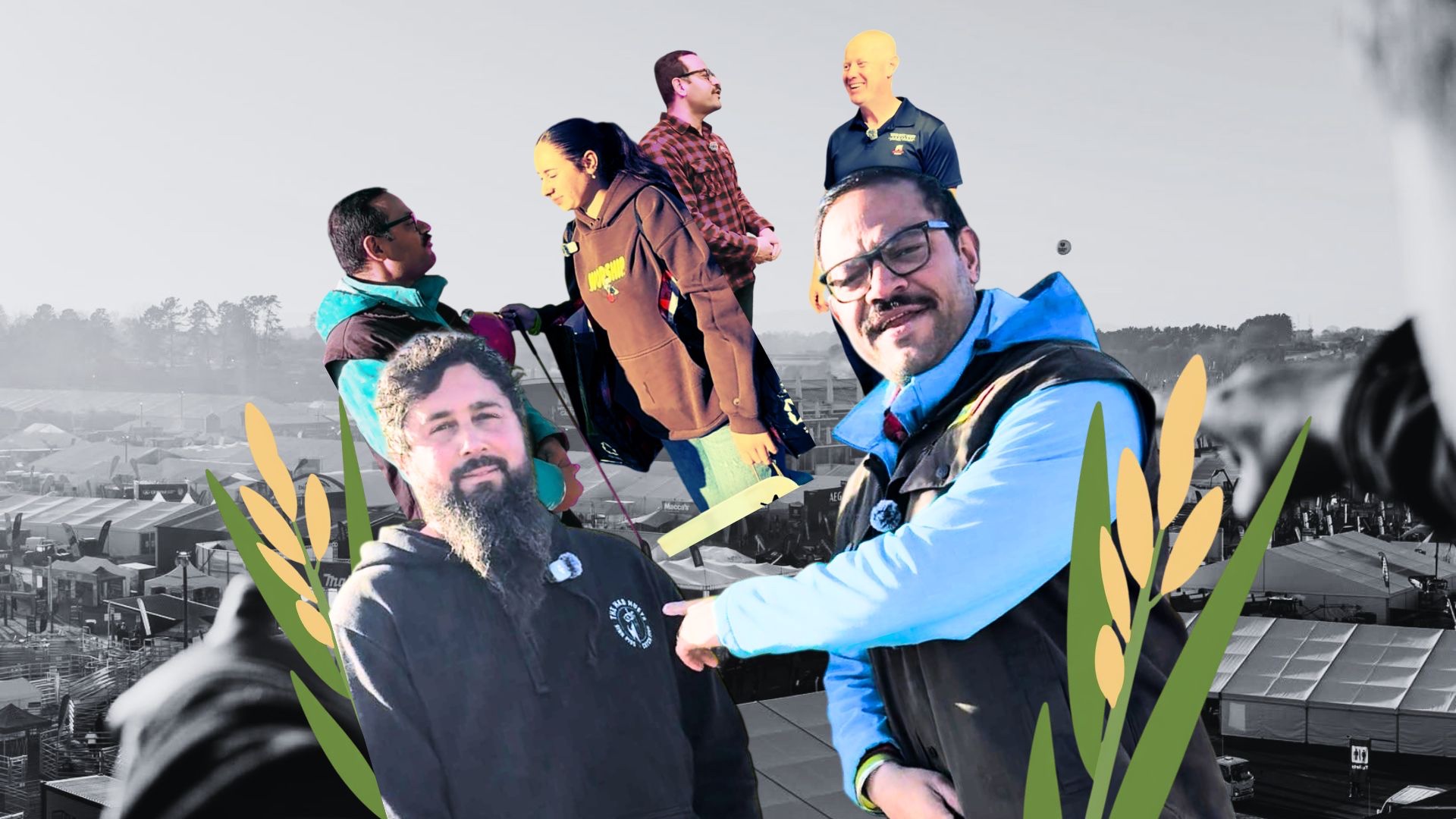
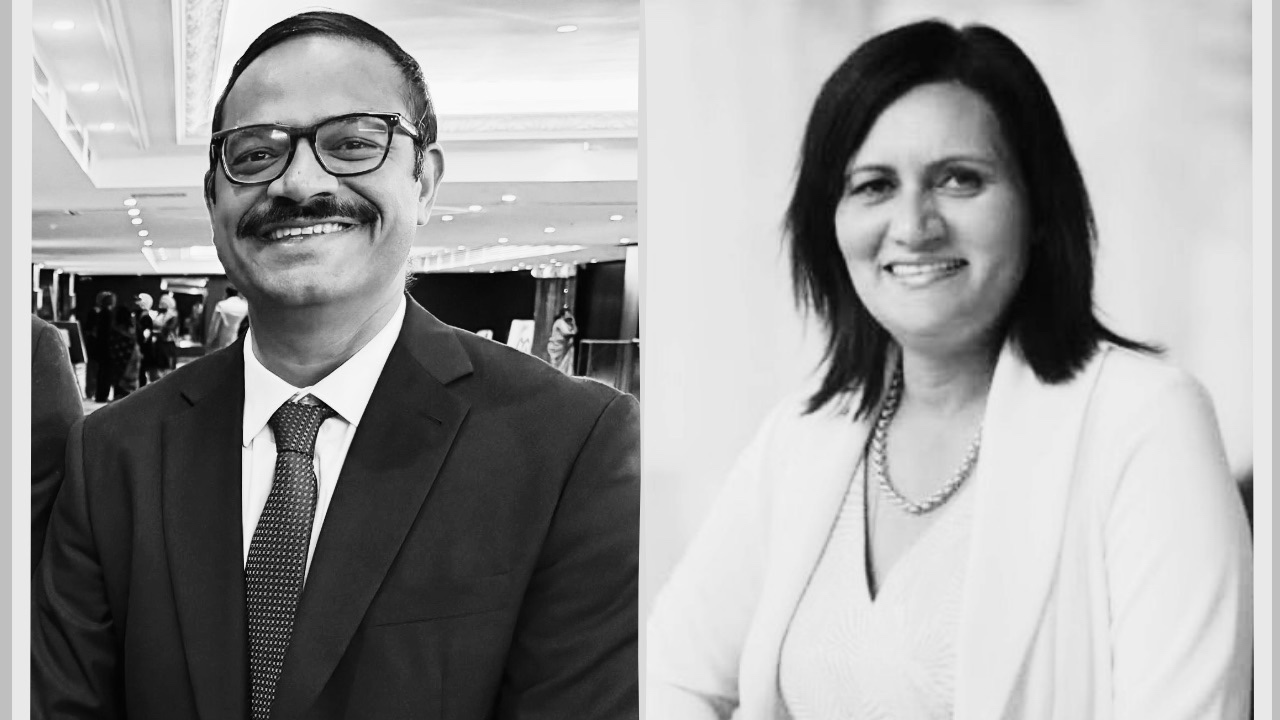
Hamilton-based businessman and Awaaz columnist Himanshu 'Ash' Parmar takes a trip to Fieldays.
"After spending three days at Fieldays – talking to farmers, small businesses and exhibitors – I came away with a different perspective."
New Zealand’s agricultural sector is having a remarkable year.
Meat and wool exports have reached a record $14.1 billion. Dairy exports are up to $28.6 billion. Total agricultural exports are forecast to hit a record $64.3 billion.
Looking at those numbers, you could be forgiven for thinking rural New Zealand is awash with cash.

After spending three days at Fieldays, talking to farmers, contractors, machinery suppliers, small business owners and exhibitors, I came away with a different perspective.
One conversation in particular stuck with me.
'Devastating': Indian family racially abused in Christchurch, hunt on to identify attacker “We’ll always be reminded of this, thanks to this man who thinks we don’t belong.”
Immigration reset: National drops hints as parties on left and right target permanent residence New Zealand's permanent residence framework provides an edge over Australia and Canada in attracting overseas talent.
NZ First’s policy of division: Turning hatred of migrants into political power This is no immigration reform. It is the politics of exclusion presented as population planning.
I was chatting with a tractor salesman from South Waikato who had spent decades in the industry. Looking around at the crowds and hearing constant discussion about stronger dairy prices, I made what I thought was a fairly obvious observation.
“Farmers must be buying new toys left, right and centre.”
His answer surprised me.
“Actually, not really.”
He explained that while confidence had certainly improved compared with recent years, many farmers were not rushing out to spend money on shiny new machinery.
Instead, they were doing two things.
Firstly, they were investing in infrastructure and productivity improvements. Secondly, they were paying down debt.
The more I thought about it, the more I realised that conversation perfectly captured the mood of Fieldays. What I saw wasn’t an industry intoxicated by good commodity prices.
What I saw was an industry acting responsibly after several difficult years. People weren’t talking about spending. They were talking about resilience. They were talking about efficiency. They were talking about strengthening businesses for the future. And that theme repeated itself everywhere I went.
I spoke with business owners who talked about leadership, personal development and adapting to changing markets.
I met innovators showcasing products and technology designed to improve productivity and solve real-world problems.
I saw people investing in better systems, better equipment and better ways of doing things.
One business owner summed it up particularly well. He wasn’t talking about government grants or waiting for somebody else to solve his problems. He was talking about leadership, capability and investing in yourself.
That mindset was everywhere.
What struck me most was the contrast between the national conversation and the conversations taking place on the ground.
Much of our public debate focuses on what is broken. At Fieldays, the discussion was often about what could be built.
That doesn’t mean New Zealand’s challenges have disappeared. People spoke openly about costs, regulation, workforce shortages and economic pressures.
Nobody was pretending those issues don’t exist. But the overwhelming mood was not despair. It was determination.
Perhaps that is why Fieldays continues to attract such enormous crowds year after year. People attend to see innovation. They attend to build relationships. They attend to learn.
Most importantly, they attend because they still believe in the future.
Fieldays reminded me that some of the most important things happening in New Zealand are not taking place in Wellington, on television panels or on social media.
They are happening on farms, in workshops, in small businesses and in communities where people are quietly getting on with the job.
The biggest lesson I took away from Fieldays was simple. Many New Zealanders are not waiting to be rescued. They are already doing the hard work of building a better future.
The challenge for politicians is not to replace that effort. It is to create an environment where that effort is rewarded. After three days at Fieldays, I left feeling more optimistic about New Zealand than when I arrived.
And in today’s climate, that’s a lesson worth remembering.