
The ‘move on’ orders bill and its many legal quirks. Will it make cities any safer?
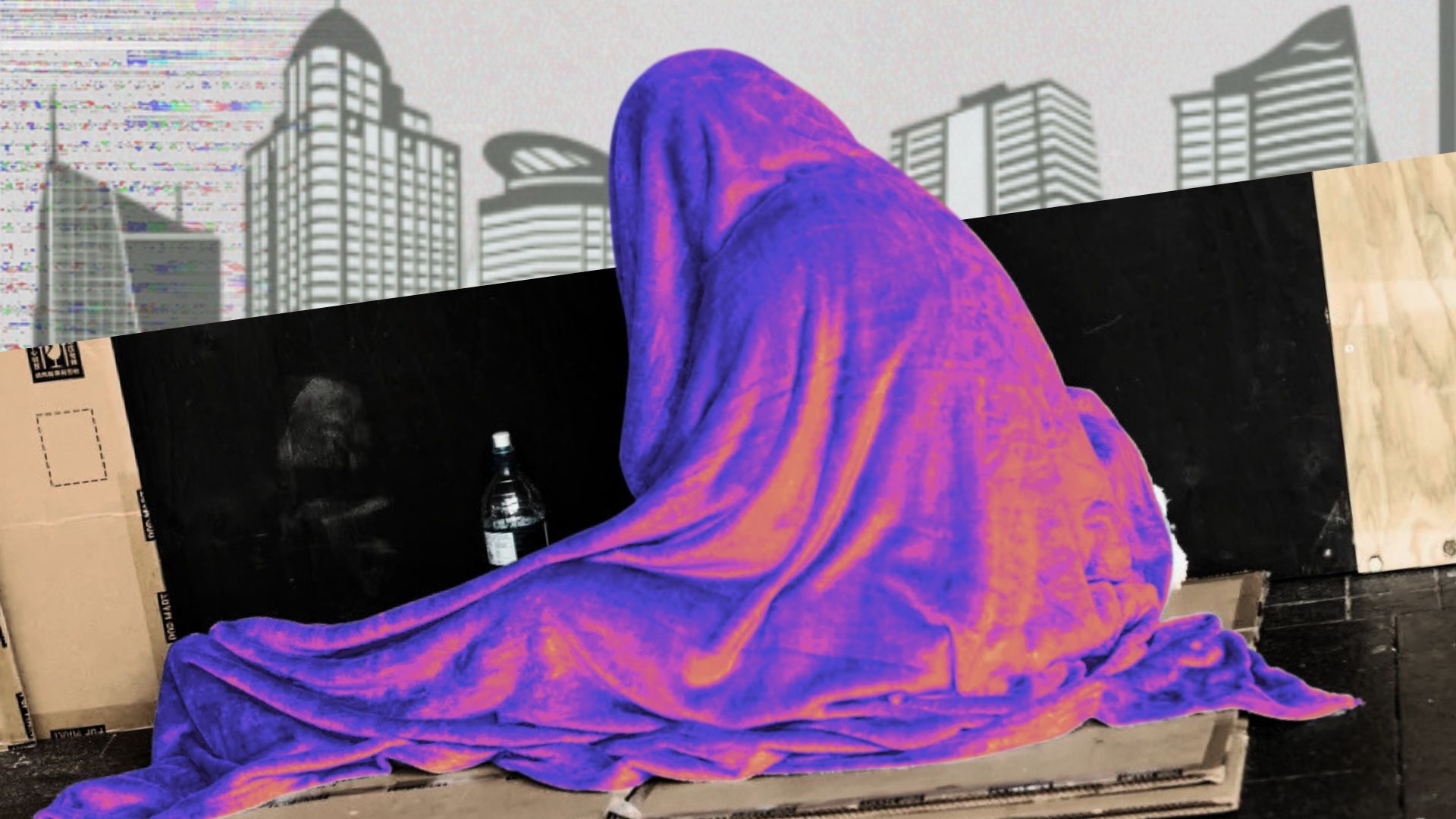
Census data between 2018 and 2023 period showed a 37 percent increase of people living without shelter in Aotearoa New Zealand.
It might be asked whether the Government is genuinely trying to “fix the basics”, or is simply playing politics.
A proposed law currently before New Zealand’s parliament would give police the power to move people on from public spaces if they are found begging, rough sleeping or otherwise causing a disturbance.
Under the Summary Offences (Move-on Orders) Amendment Bill, police would also be able to detain a person, collect their personal details, formally issue the order and serve it on them.
Recipients could even agree to have the notice served by email. It can last for up to 24 hours; and the police decide how far away the person has to move.


Breaching an order could result in a fine of up to $2,000 or three months’ imprisonment, while providing false details could attract a $500 fine.
Supporters say the bill – being considered by parliament’s Justice Select Committee and presently open to public consultation – will help police deal with disorderly behaviour and make town centres safer.
'Devastating': Indian family racially abused in Christchurch, hunt on to identify attacker “We’ll always be reminded of this, thanks to this man who thinks we don’t belong.”
Immigration reset: National drops hints as parties on left and right target permanent residence New Zealand's permanent residence framework provides an edge over Australia and Canada in attracting overseas talent.
NZ First’s policy of division: Turning hatred of migrants into political power This is no immigration reform. It is the politics of exclusion presented as population planning.
Critics argue it risks criminalising homelessness and poverty while doing little to address the underlying causes.
More than a century ago, colonial New Zealand law allowed people to be prosecuted as vagrants if they could not explain how they supported themselves.
There are uncomfortable echoes of that approach in the proposed legislation.
Like its Victorian-era predecessor, the bill reflects a view that people on society’s margins should be managed through the criminal justice system, rather than through social support.
Contradictions and carve-outs
Introducing the bill to parliament last month, Justice Minister Paul Goldsmith framed the move as part of a government commitment to “fixing the basics in law and order”. The suggestion is it fills a gap.
A closer reading of the bill, however, reveals some clear limitations.
Its definition of “rough sleeping”, for instance, expressly does not cover freedom camping. Its wording around “begging” also excludes so-called “chugging”, where people solicit donations or memberships for non-government organisations.
That creates some curious anomalies. A homeless person asking passers-by for money could potentially be moved on, but not if they were collecting donations on behalf of a charity.
The bill also exempts people who are primarily engaged in promoting “a point of view, cause or campaign”. This might mean someone protesting homelessness or poverty – even while sleeping rough or seeking donations – may be protected from a move-on order in circumstances where someone without a political message would not be.
Another point critics have seized upon is that police already have plenty of powers to draw upon if needed.
The Summary Offences Act 1981 already contains offences covering disorderly and offensive behaviour. Police can direct groups engaged in threatening or disorderly conduct to disperse and can require people to stop obstructing public rights of way, with failure to comply carrying its own penalties.
It therefore might be asked whether the Government is genuinely trying to “fix the basics” – or is simply playing politics at the expense of some of society’s most marginalised people.
More questions than answers
Weeks after being introduced, the bill has attracted unusually broad opposition. Critics range from opposition parties, homelessness advocates and Māori organisations to Auckland Council.
Both the Ministry of Justice and Attorney-General have also raised concerns, the latter concluding that provisions targeting begging and rough sleeping would place an unjustified limit on rights.
Judges, for their part, have long recognised that people experiencing housing insecurity often find themselves in the criminal justice system.
Specialist courts such as Auckland’s Court of New Beginnings and Wellington’s Court of Special Circumstances attempt to address the underlying causes that bring people before the courts and help reduce the likelihood they will return.
To those who understand the complexities of homelessness, this might well appear a more logical approach than police officers repeatedly detaining people and issuing forms.
The new detention power also carries legal implications. People detained by police have the right to legal advice, meaning officers would need to advise recipients of those rights and facilitate access to a lawyer, even where issuing a move-on order may be a relatively brief process.
Elsewhere, there are important questions about police duties towards vulnerable people. What happens, for instance, if someone is moved on and subsequently comes to harm?
And what if that person is a teenager? Here, too, the bill raises questions. Police face significant legal restrictions when dealing with young people, and in many situations powers under the Oranga Tamariki Act 1989 will be more appropriate than issuing a move-on order.
The Select Committee is due to report back on the bill by early September. Whether it is a legislative priority before November’s general election remains to be seen.
What is clear, however, is that the bill rejects a focus on homelessness as primarily a social problem and returns to the Victorian notion that homeless people are to be managed as a public nuisance through criminal justice powers.
(This story was first published in The Conversation. Kris Gledhill is Professor of Law, Auckland University of Technology.)