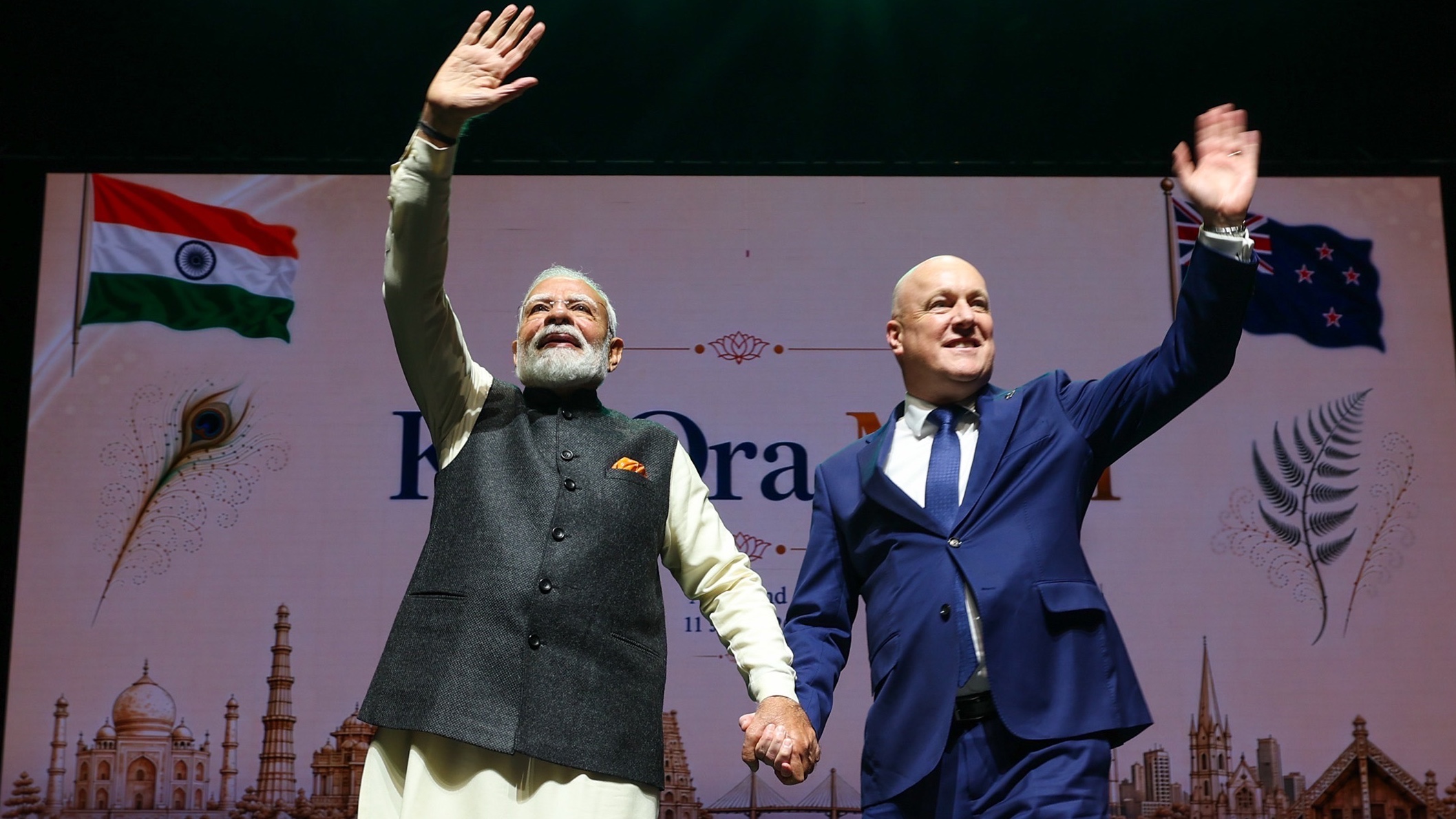

Modi's Auckland visit expected to put NZ know-how behind India’s Olympic dream
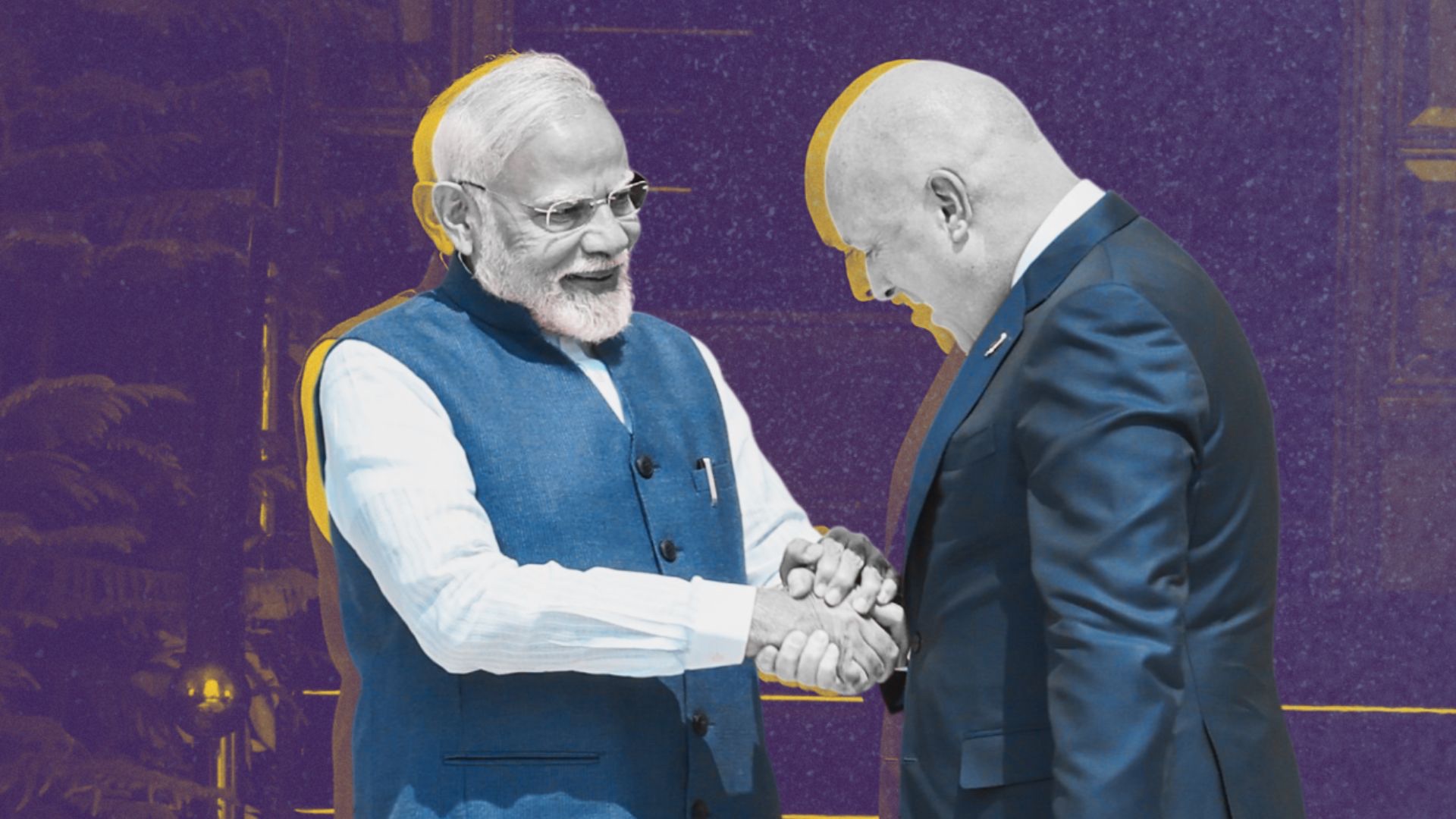
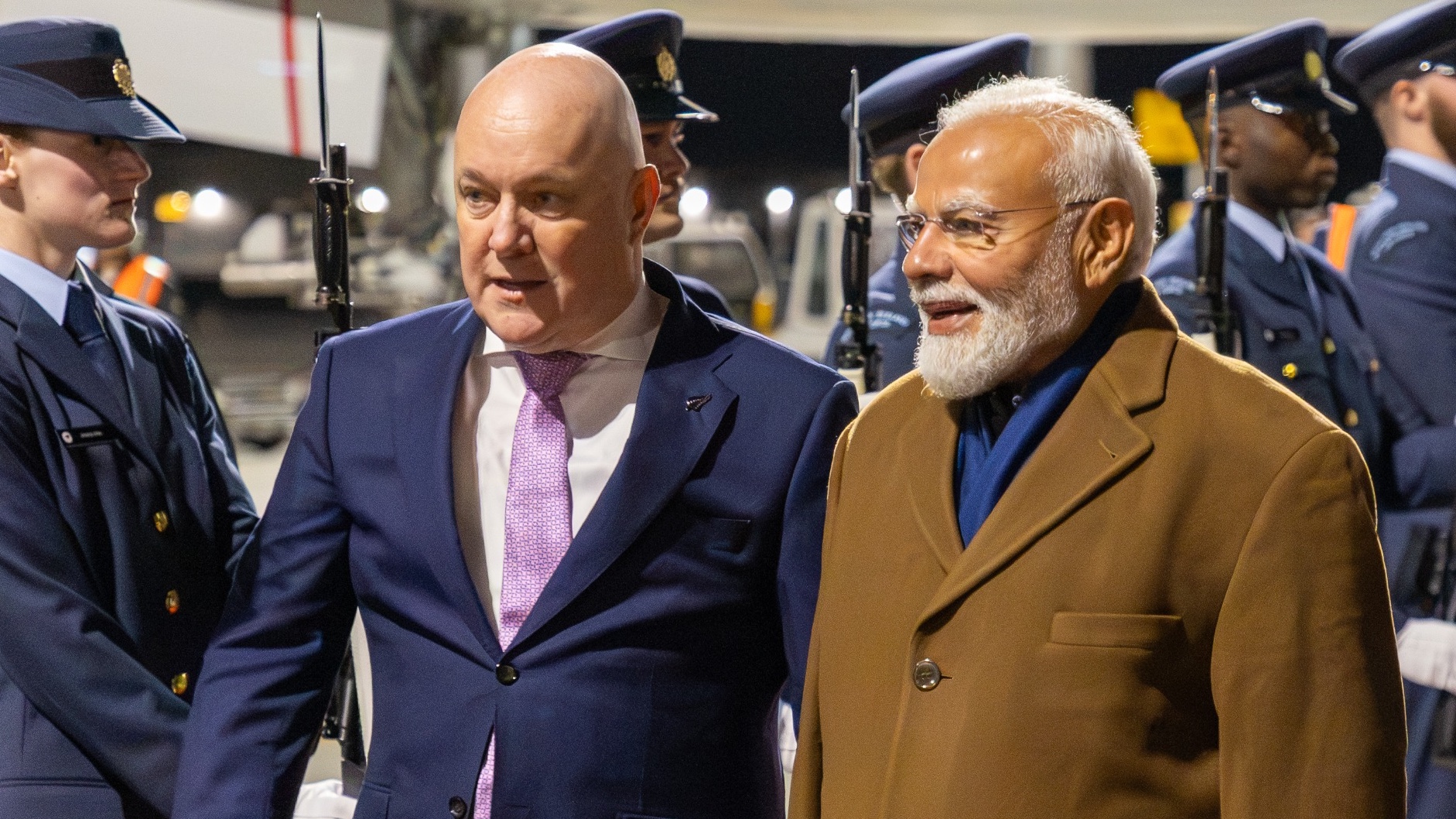
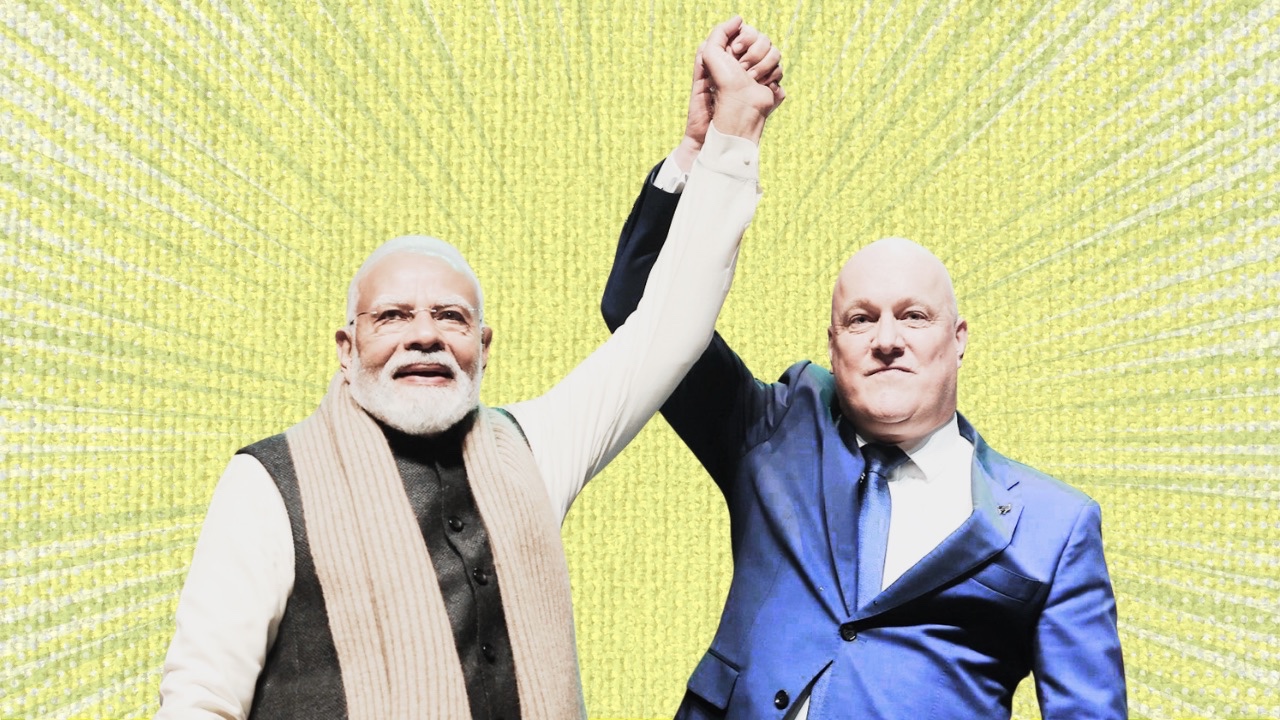
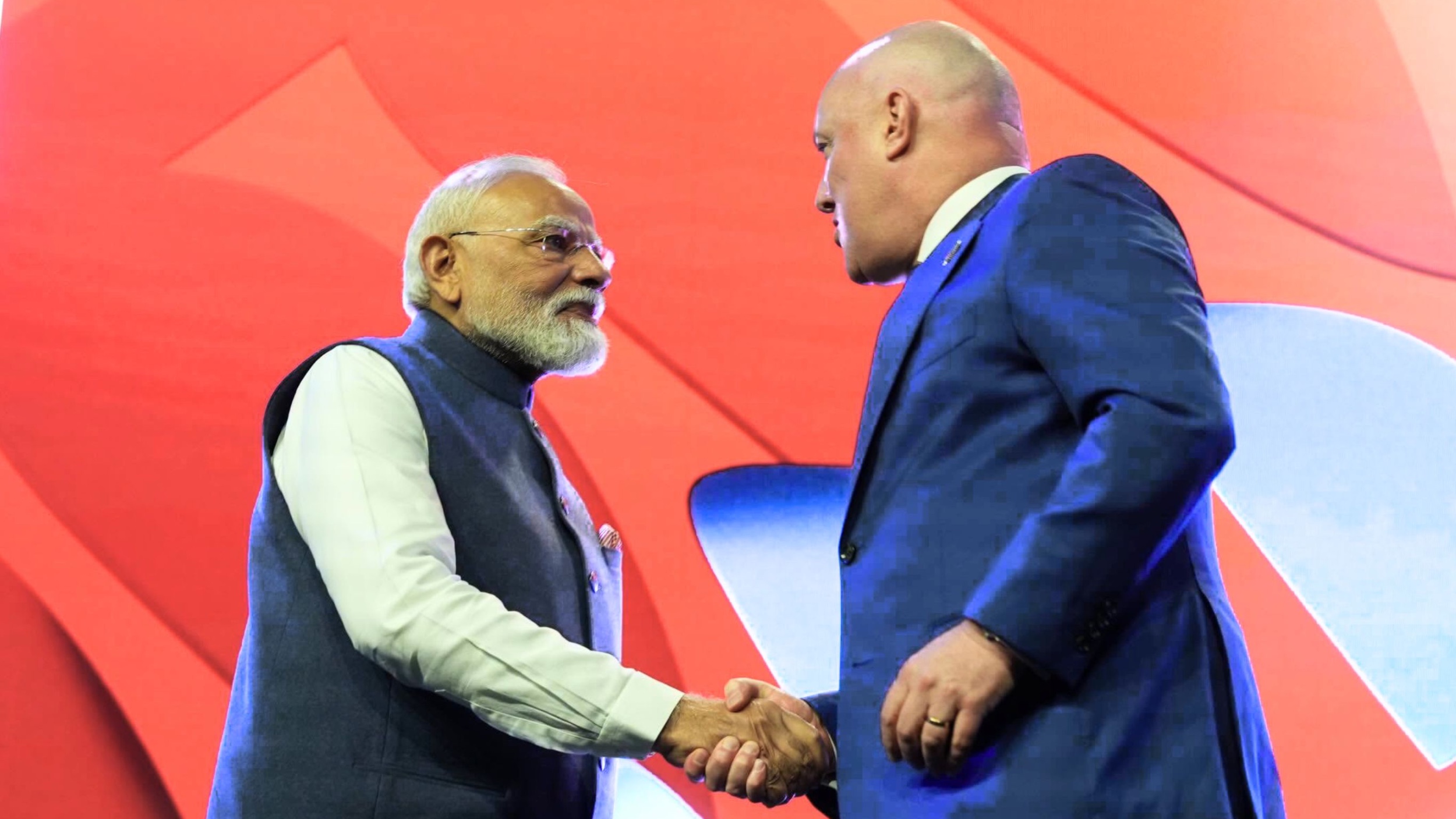
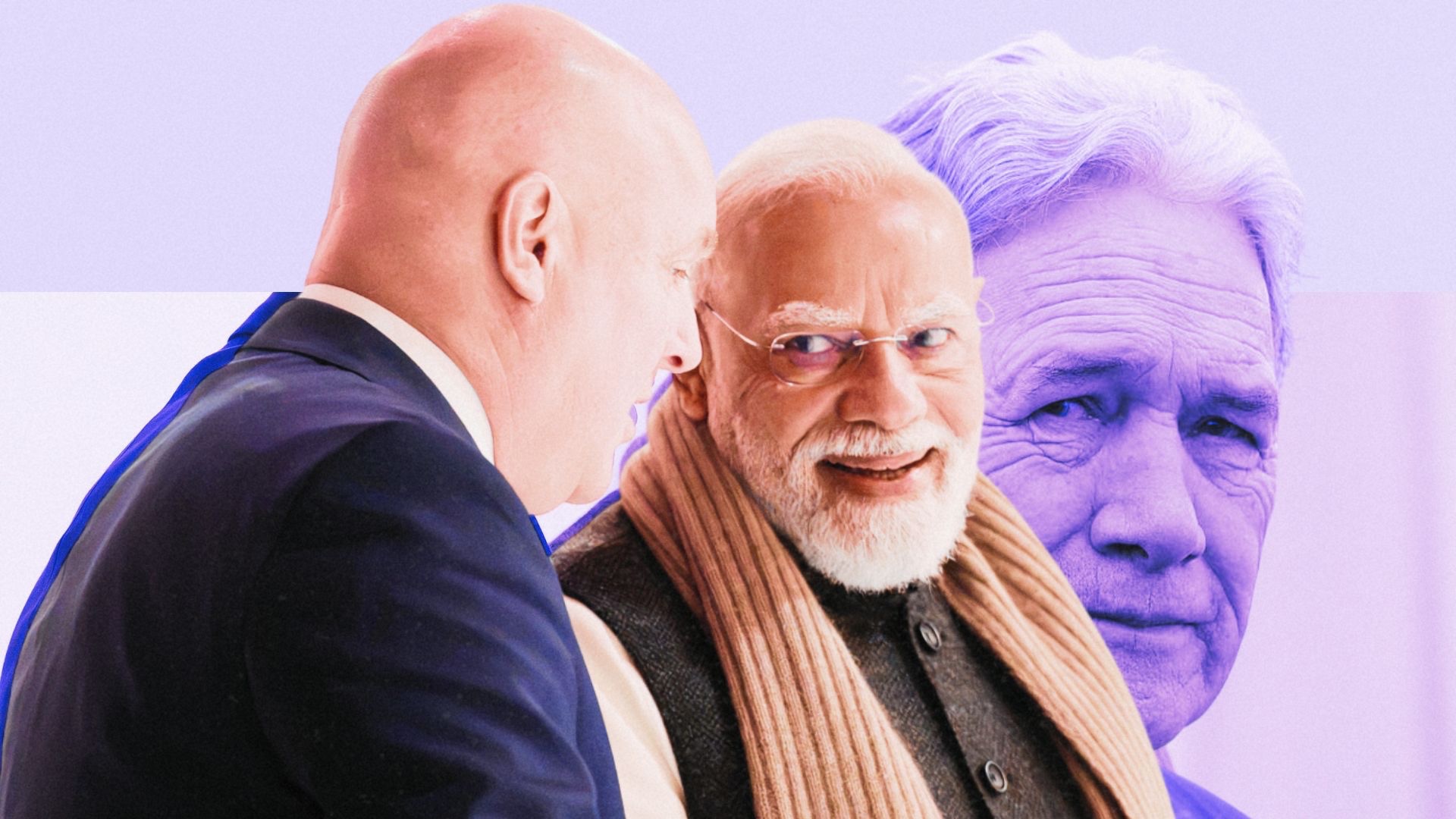
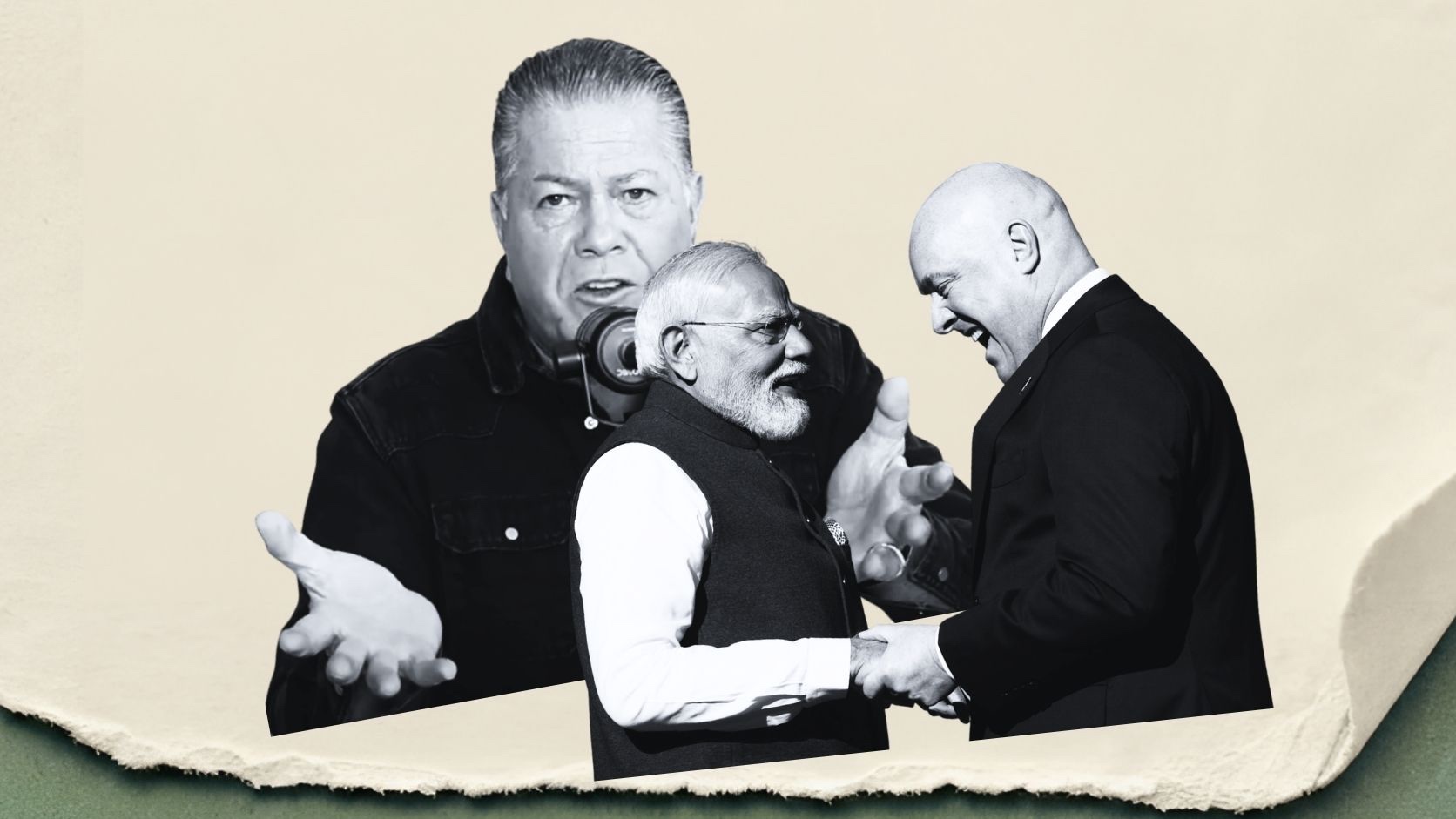
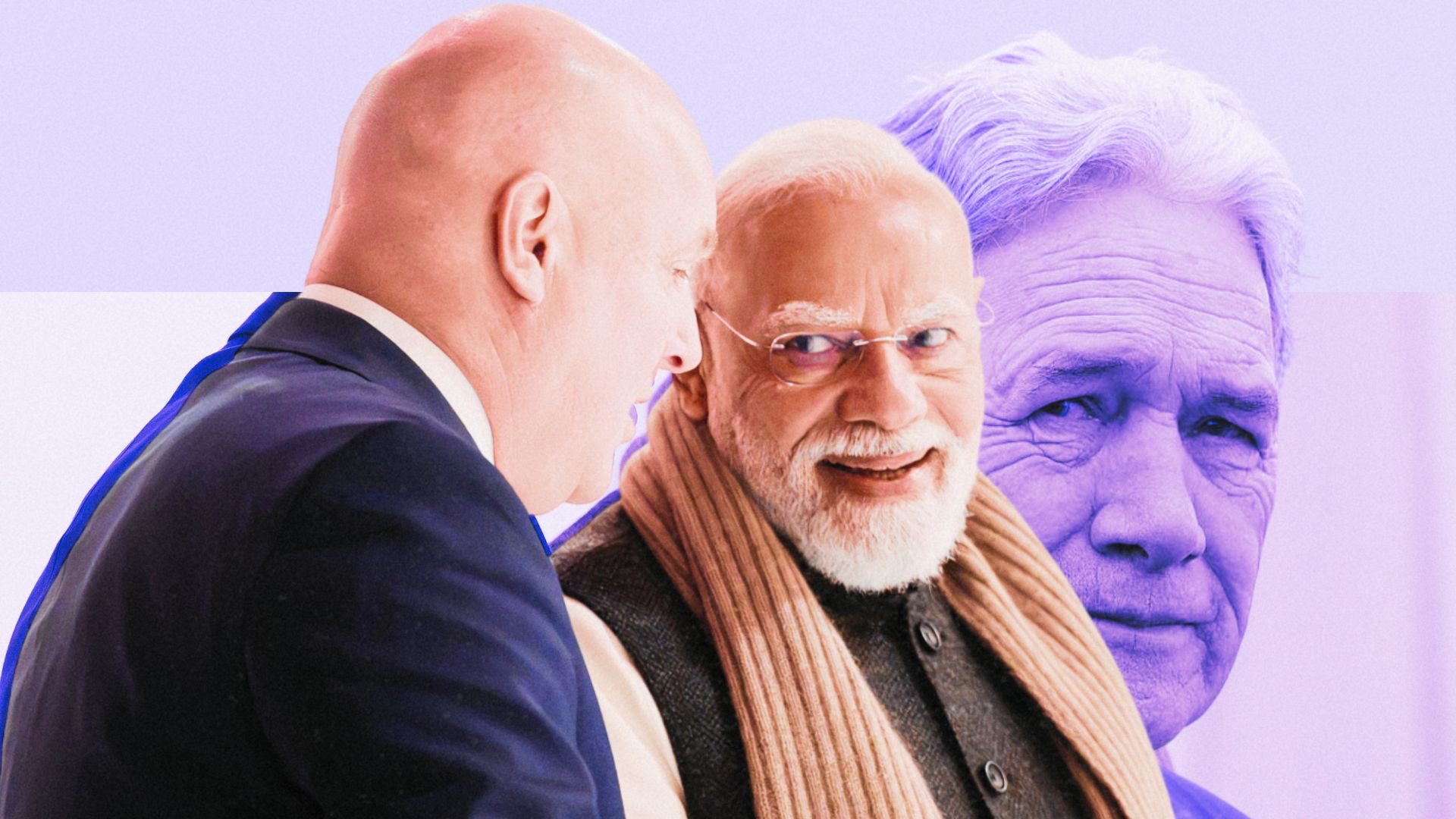
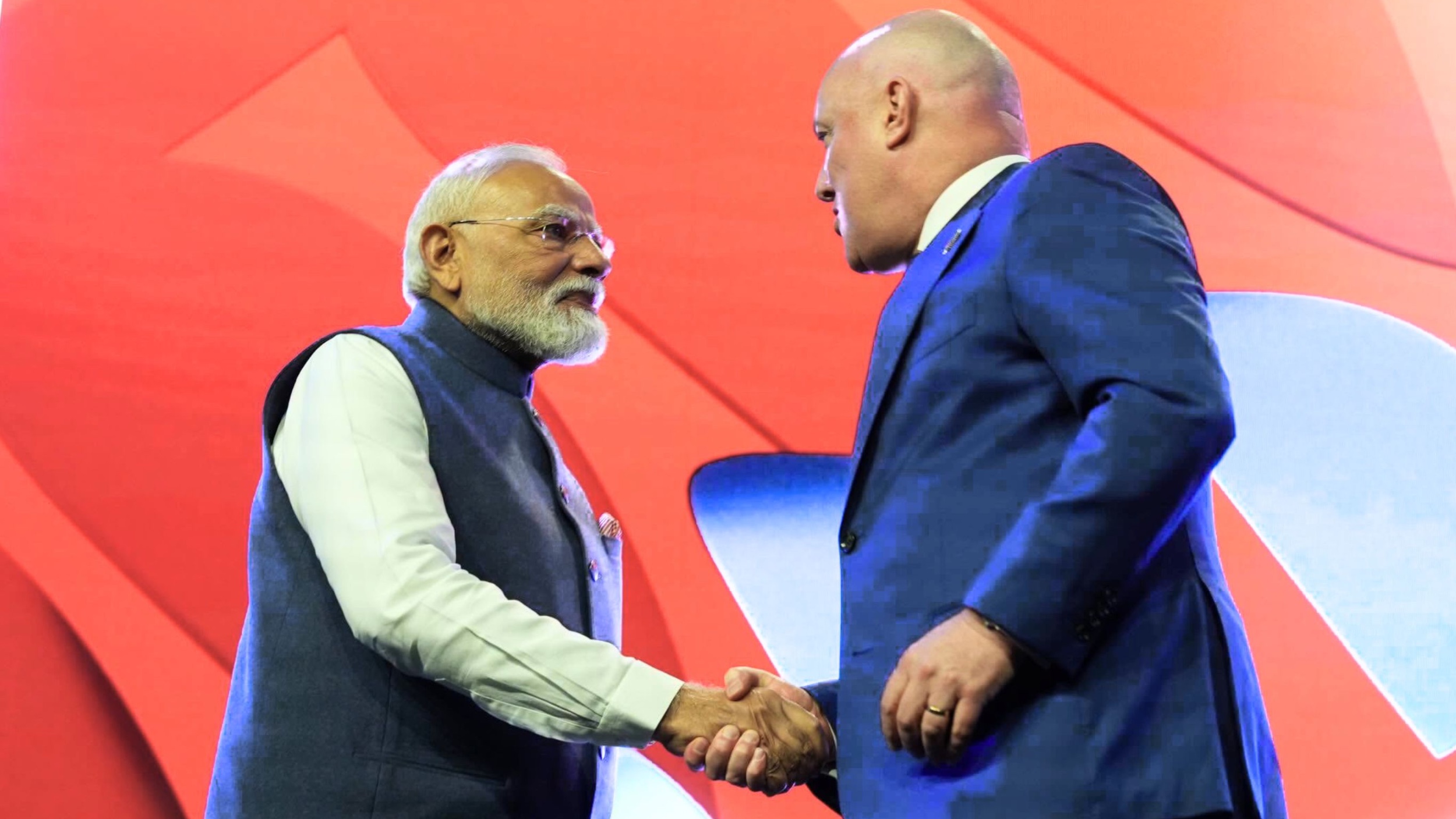
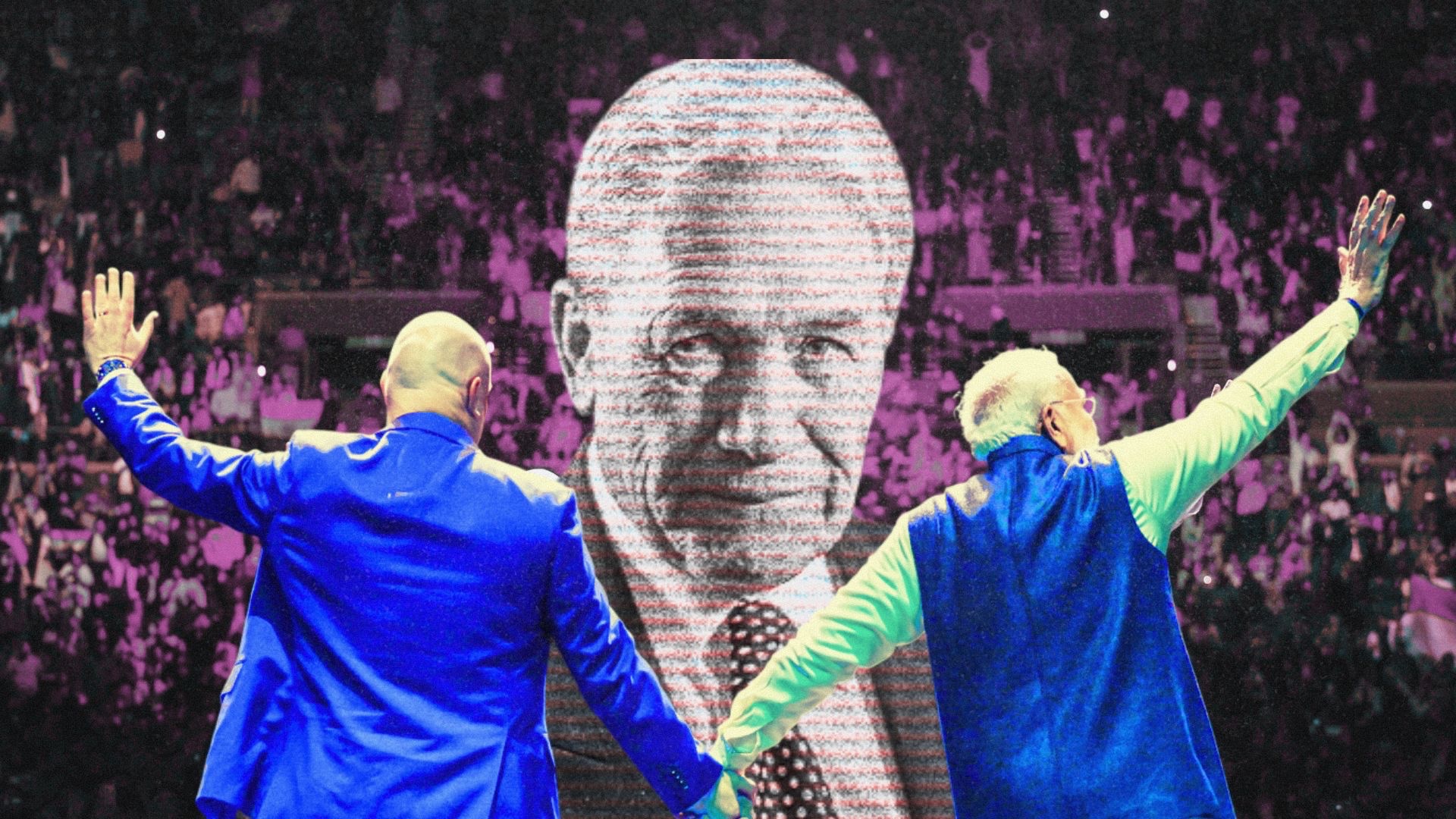
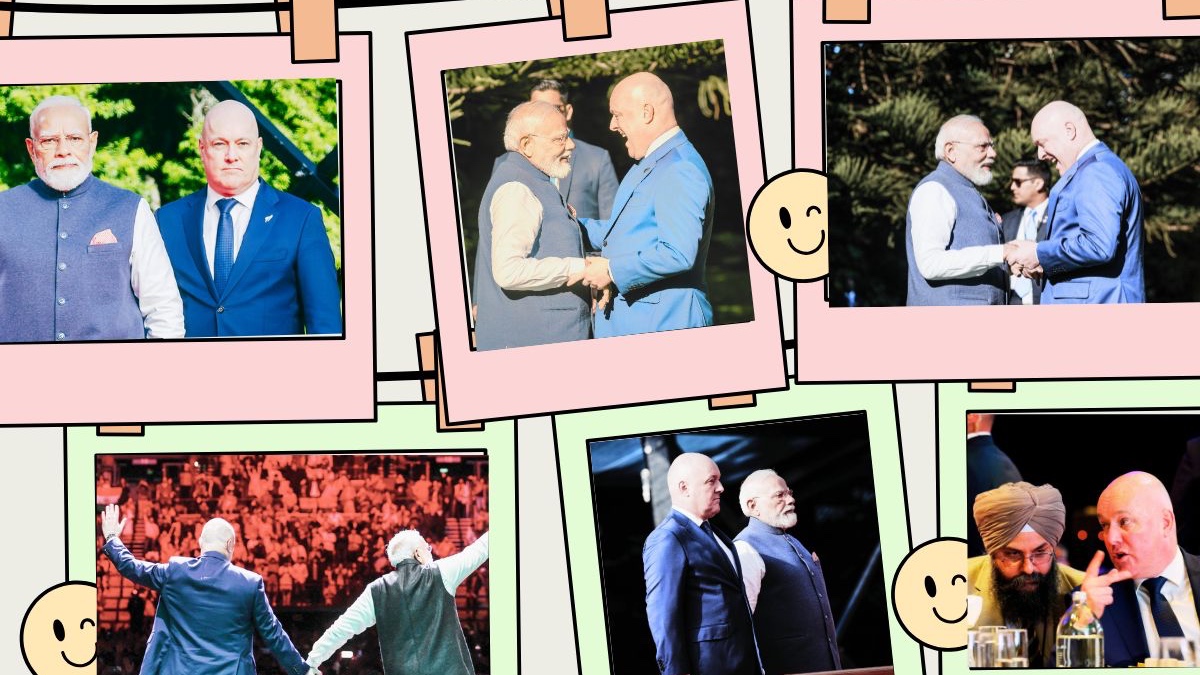
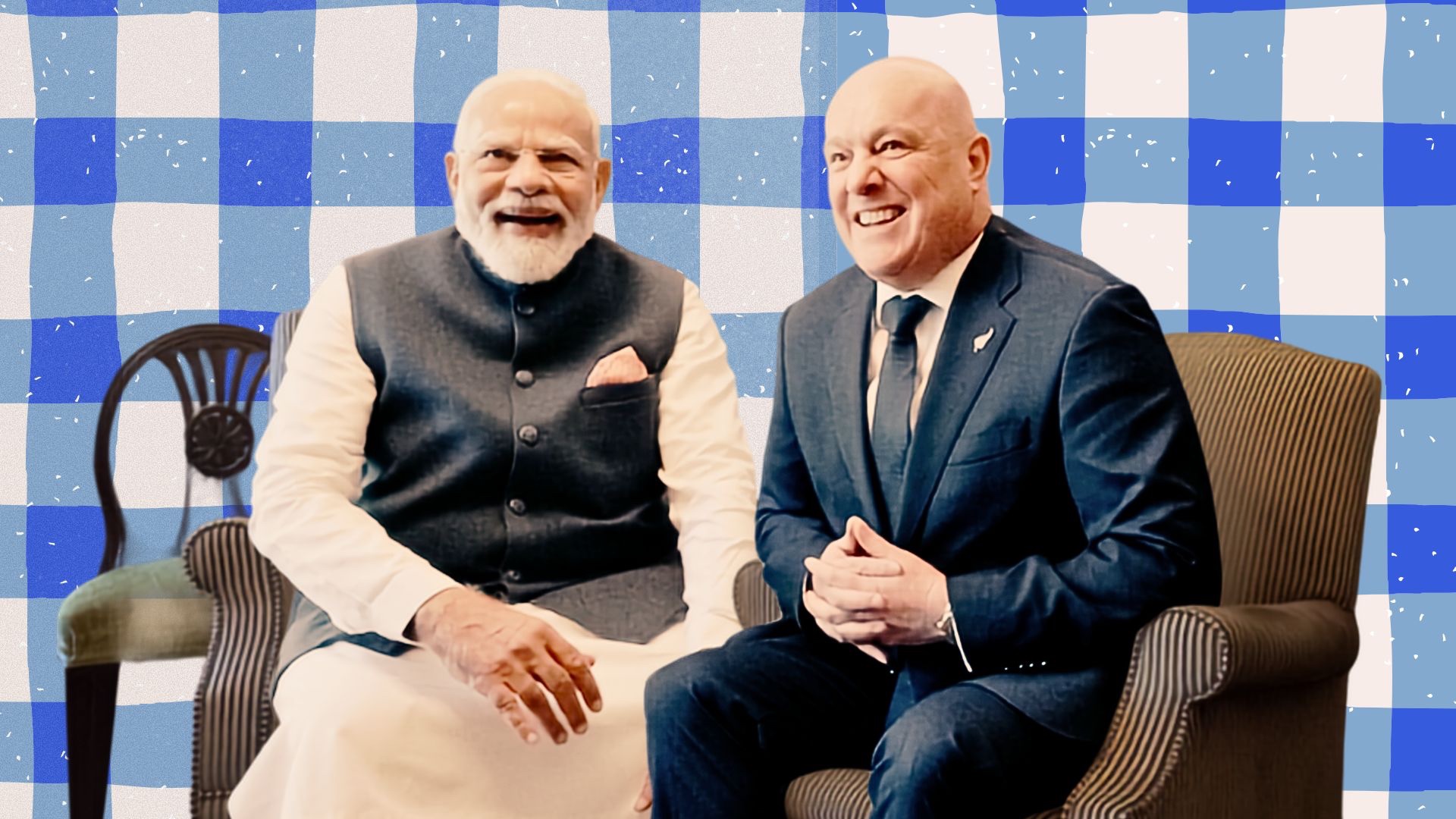
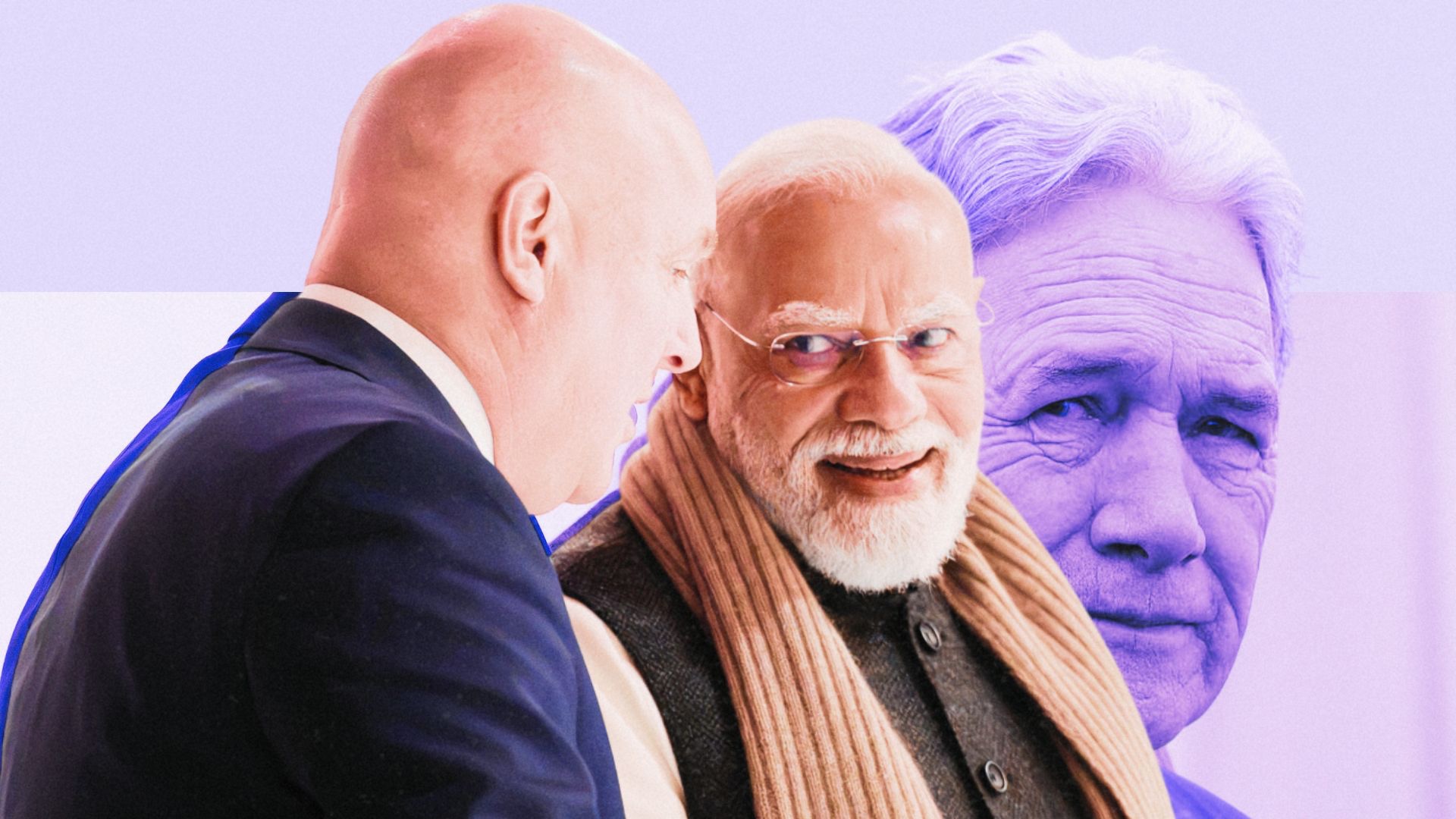
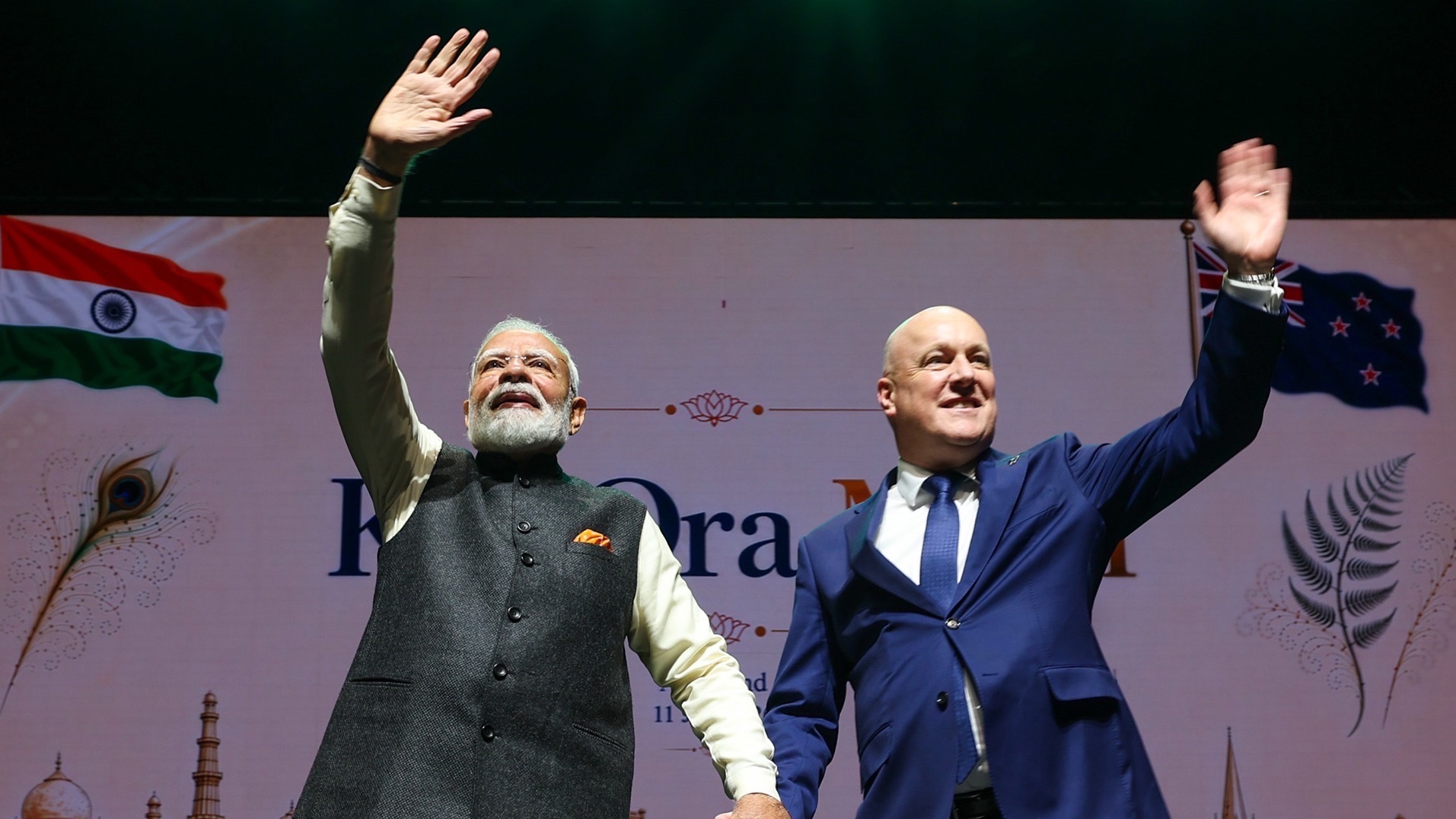
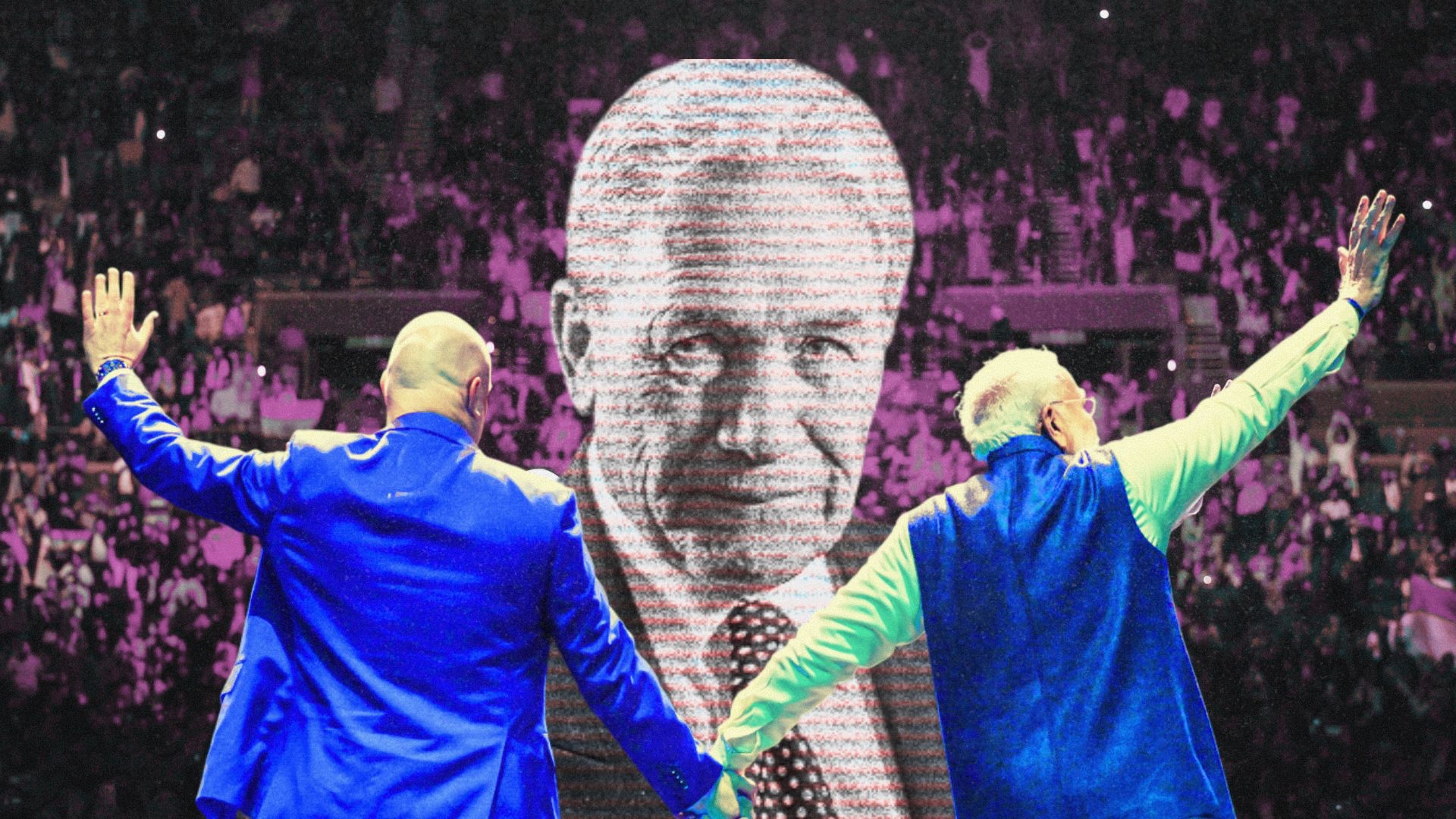
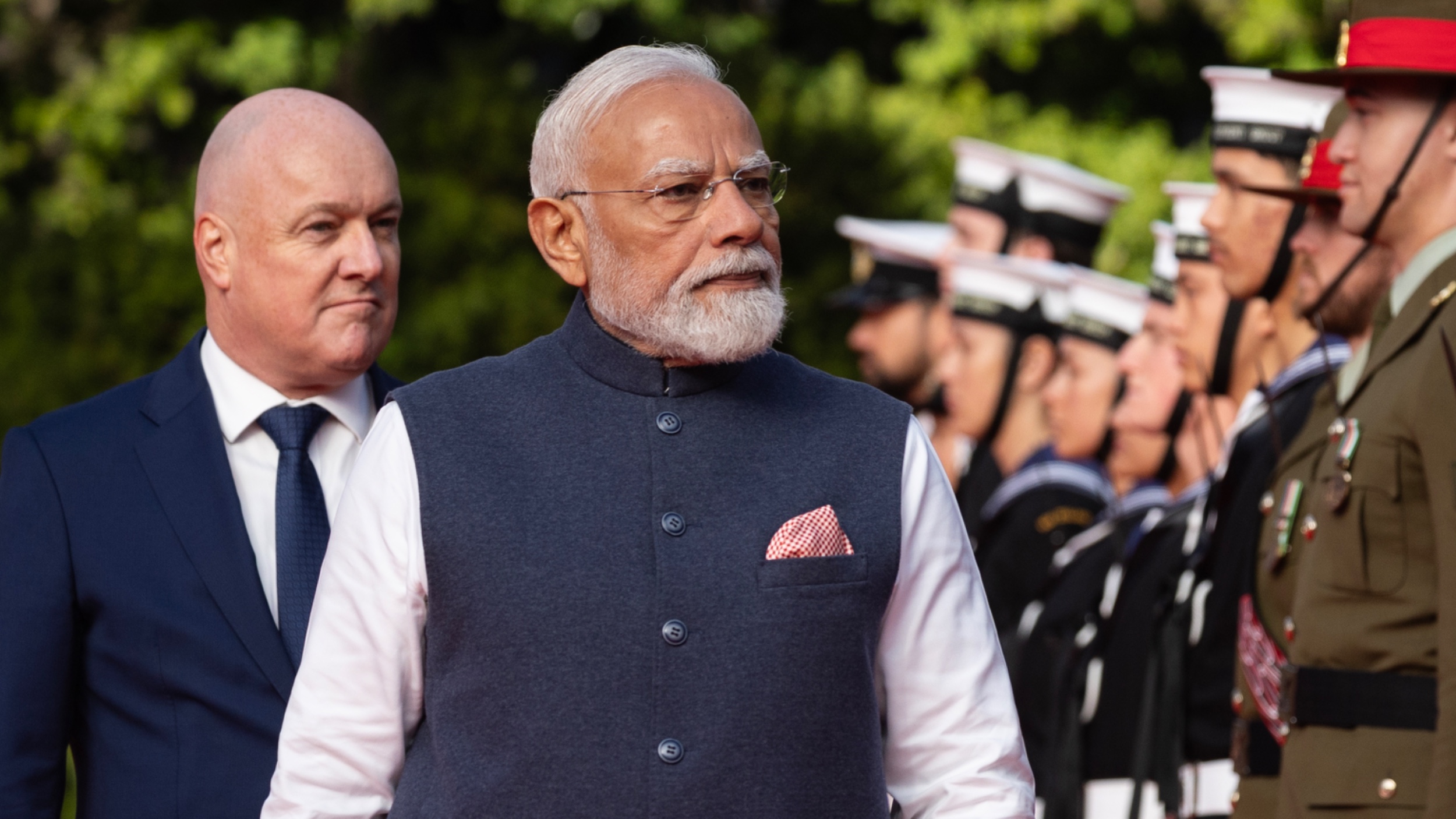
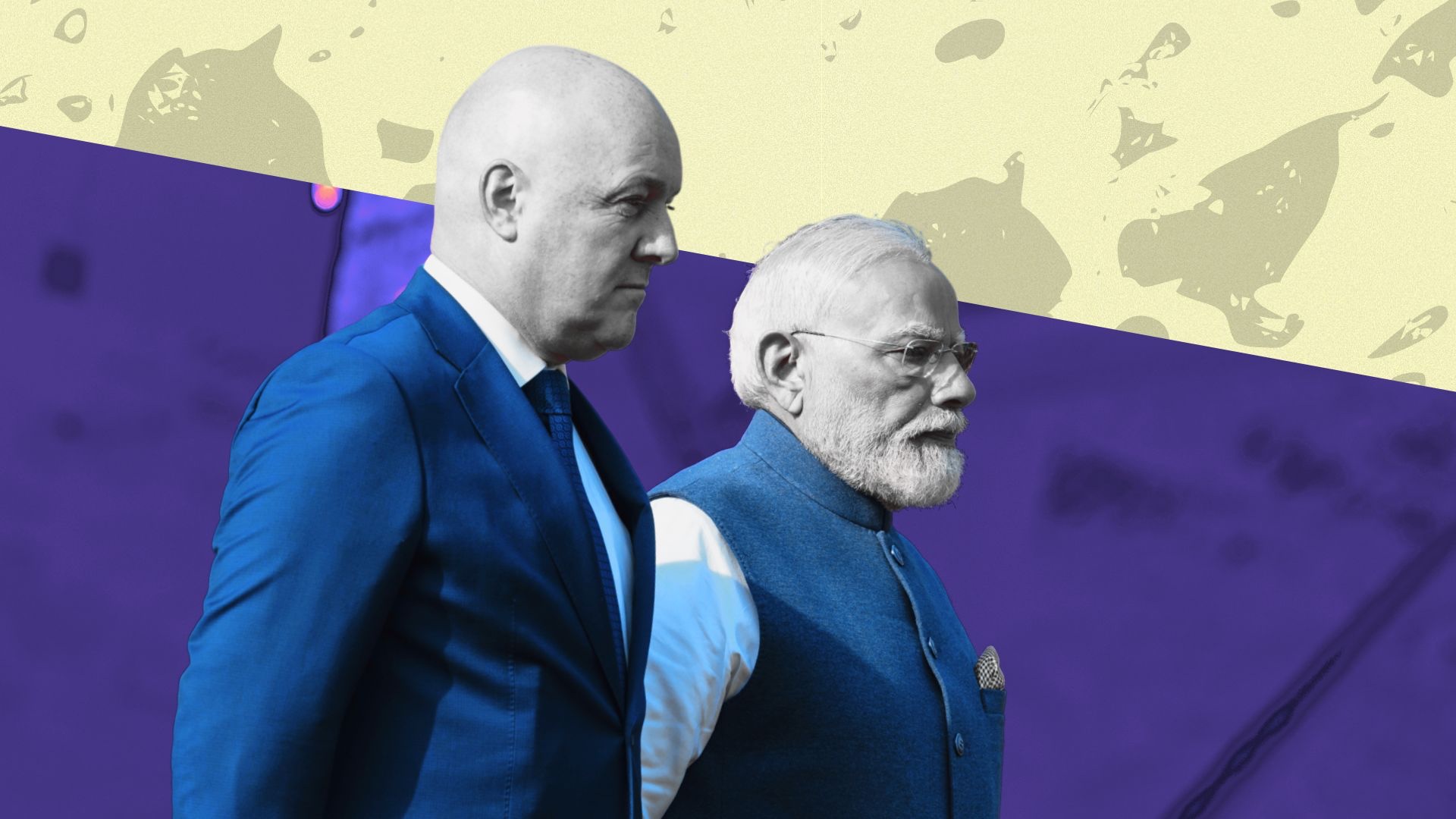
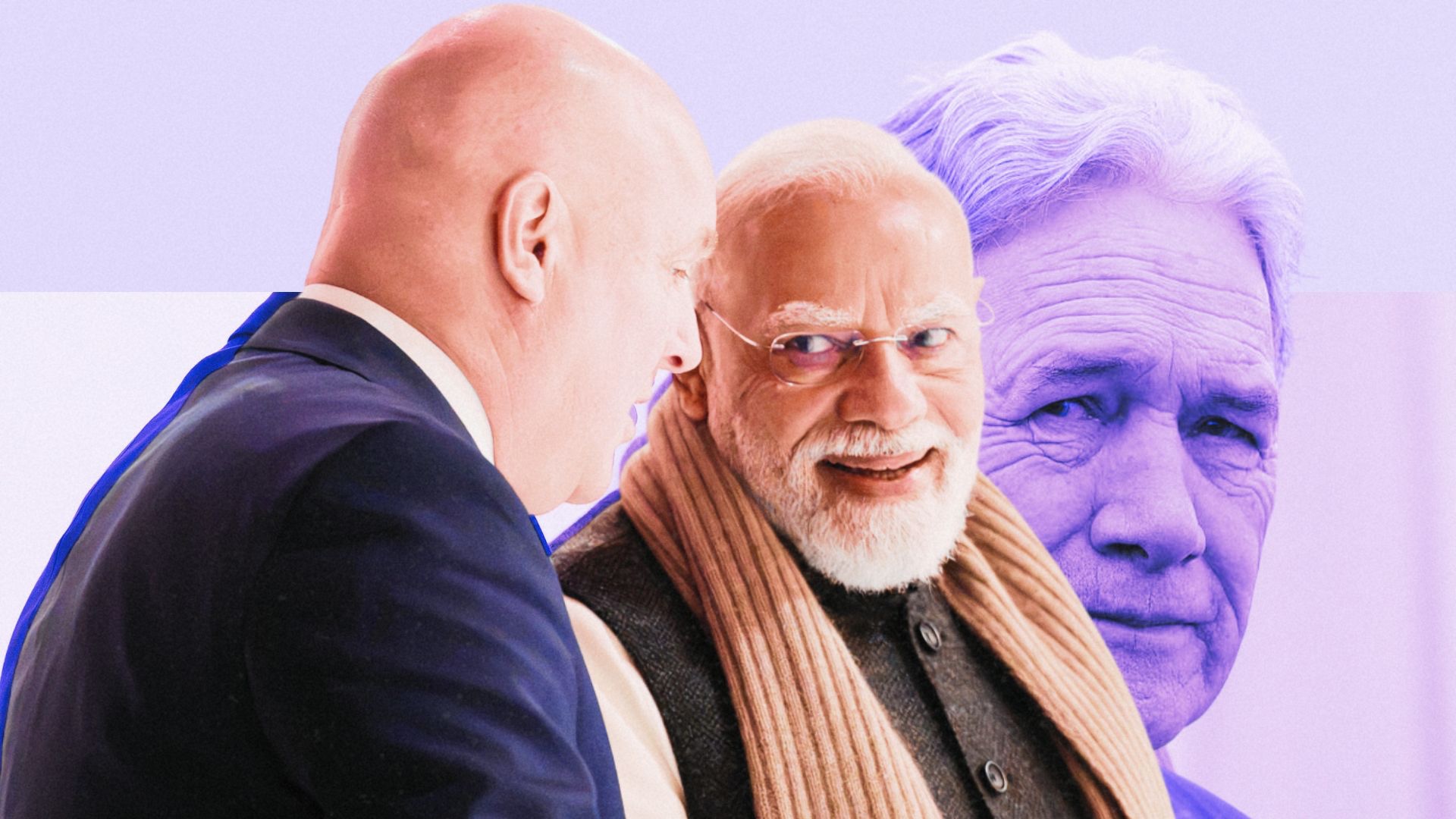
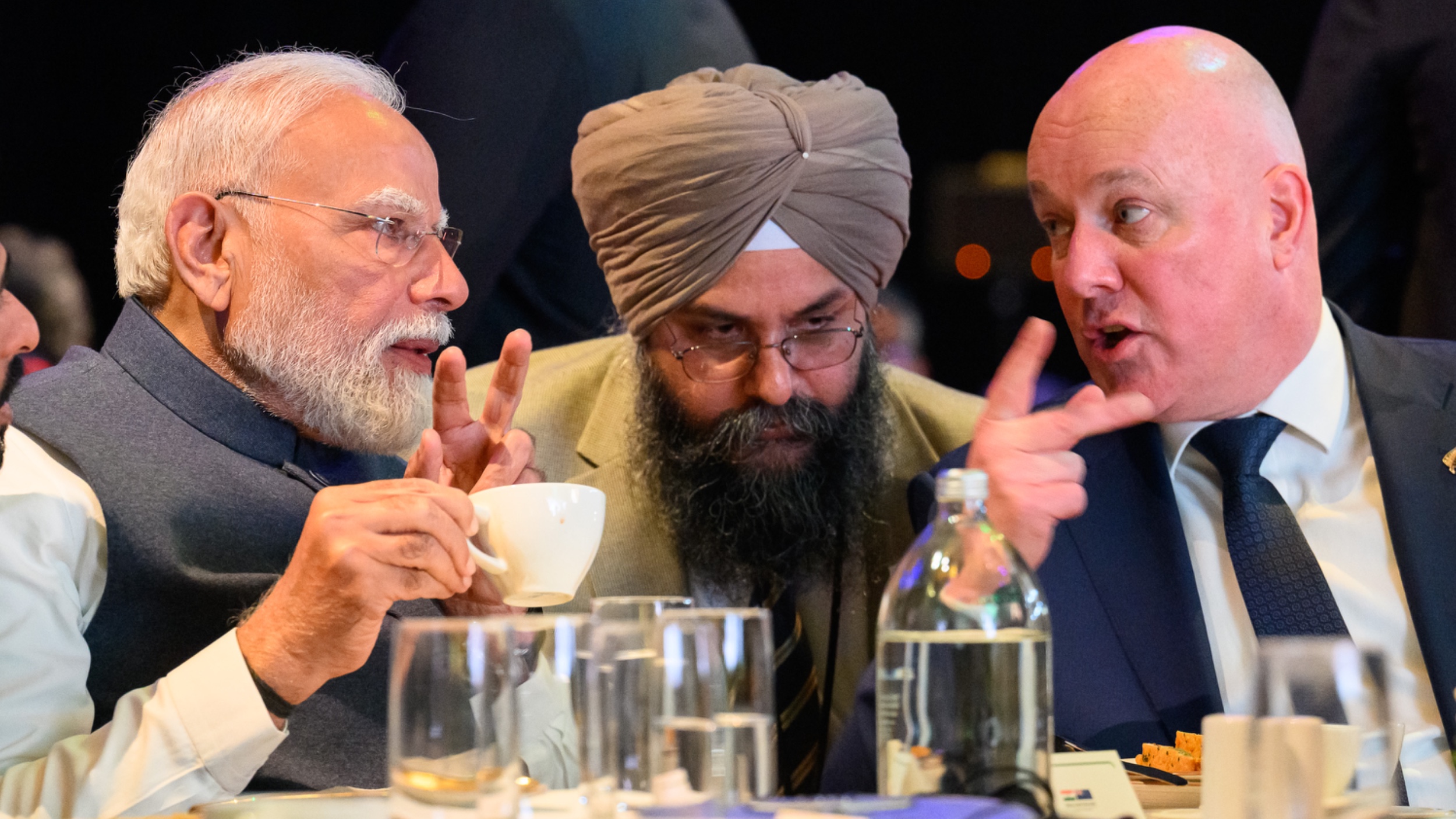
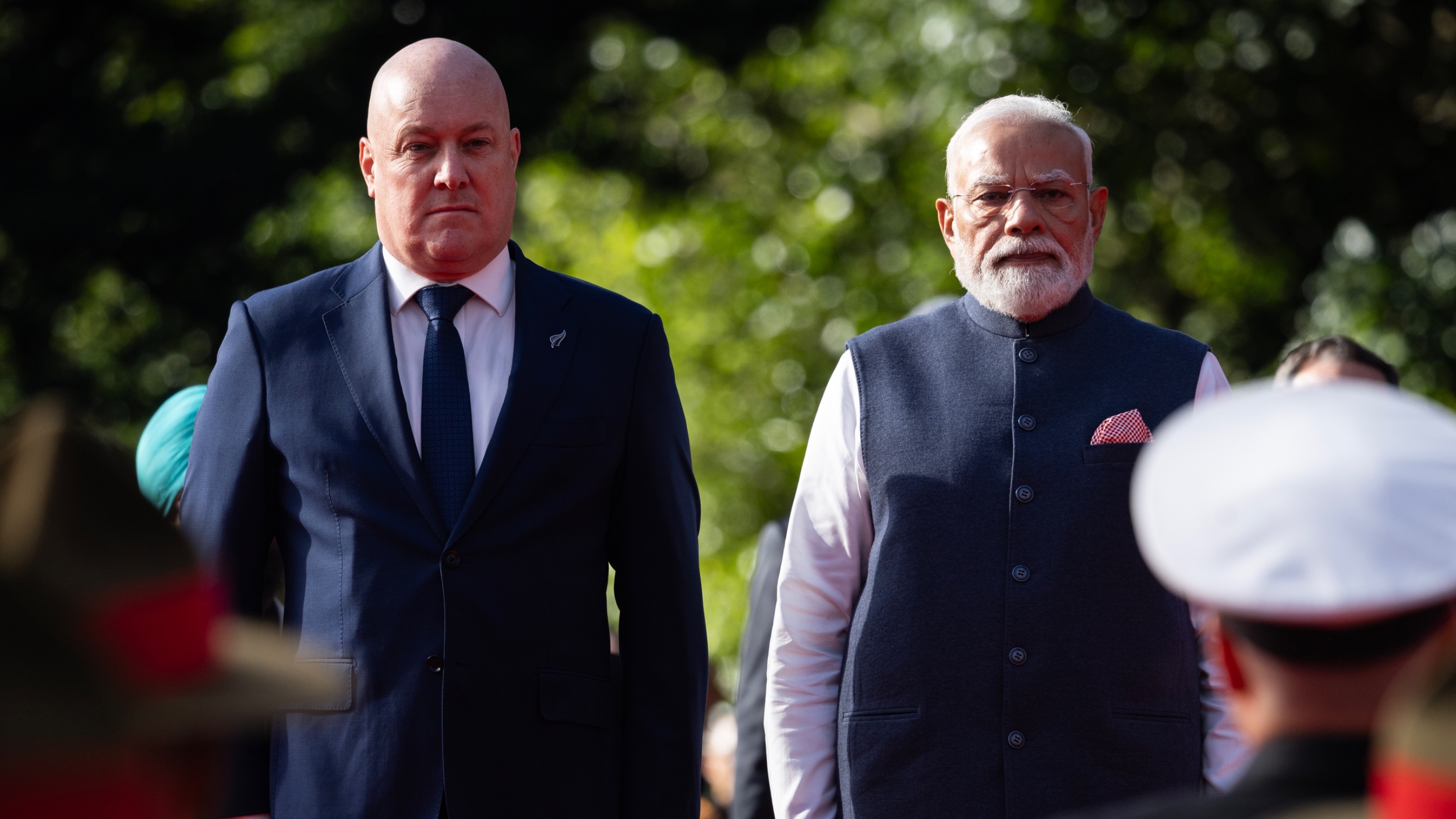
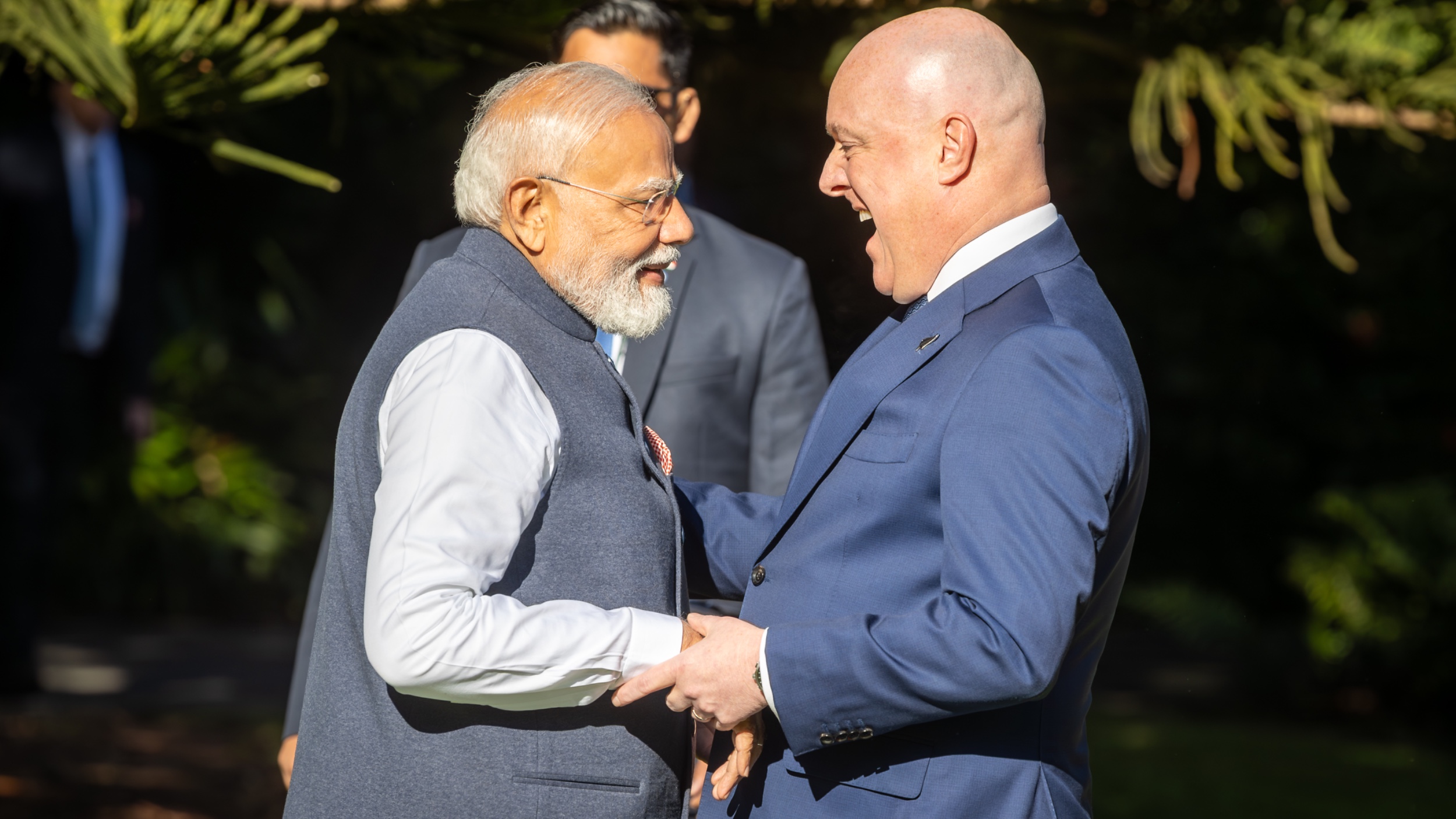
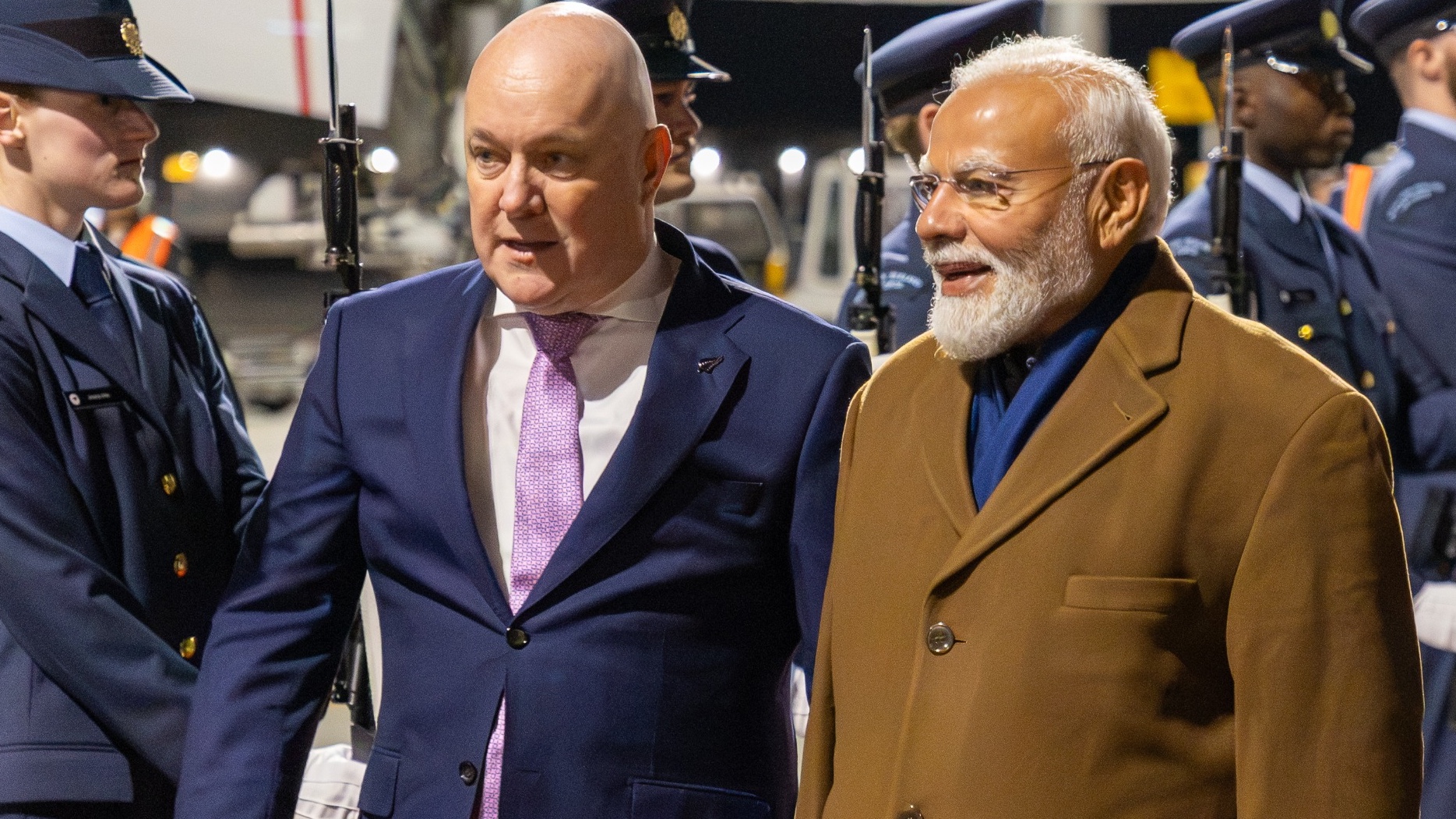
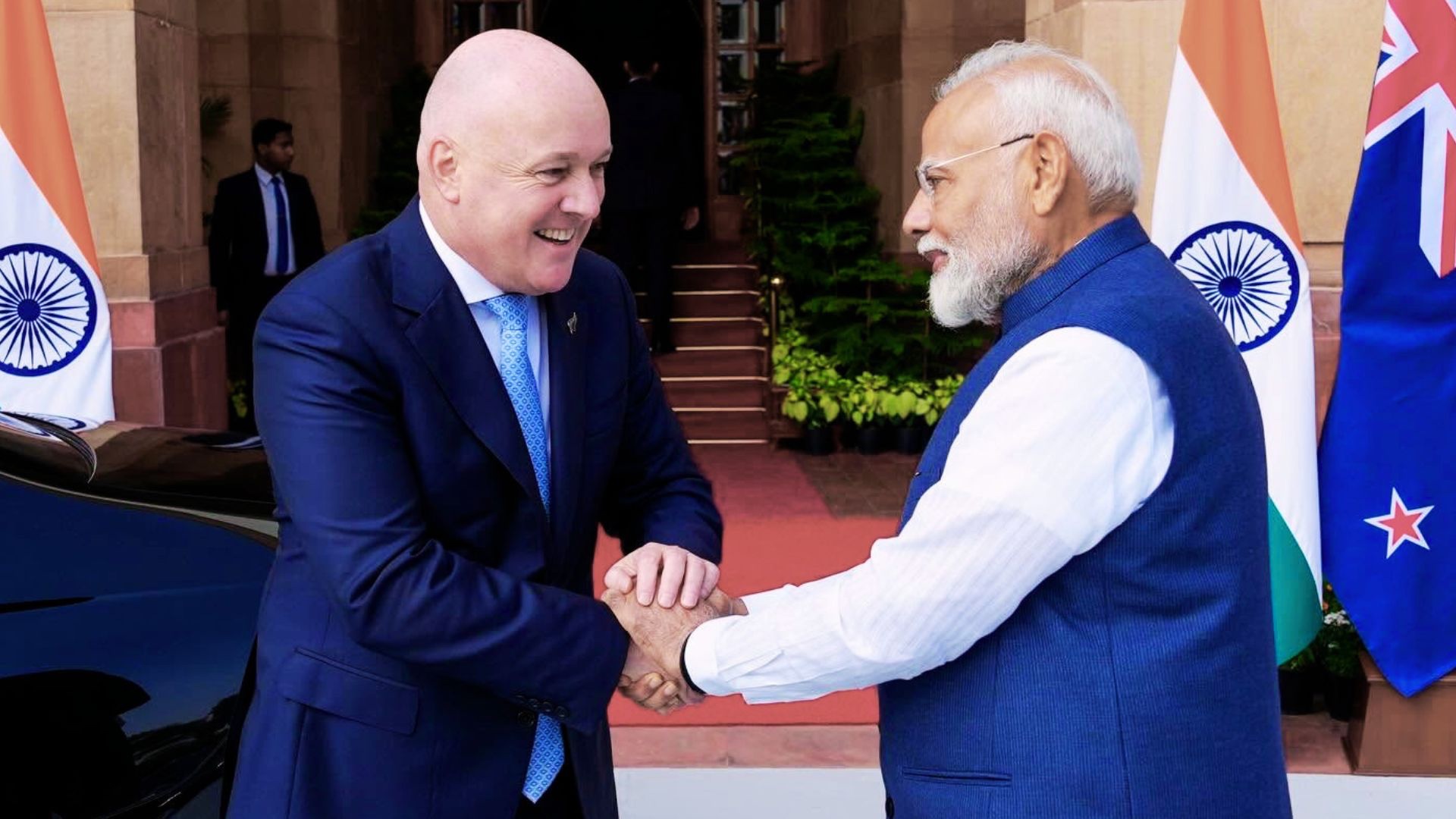
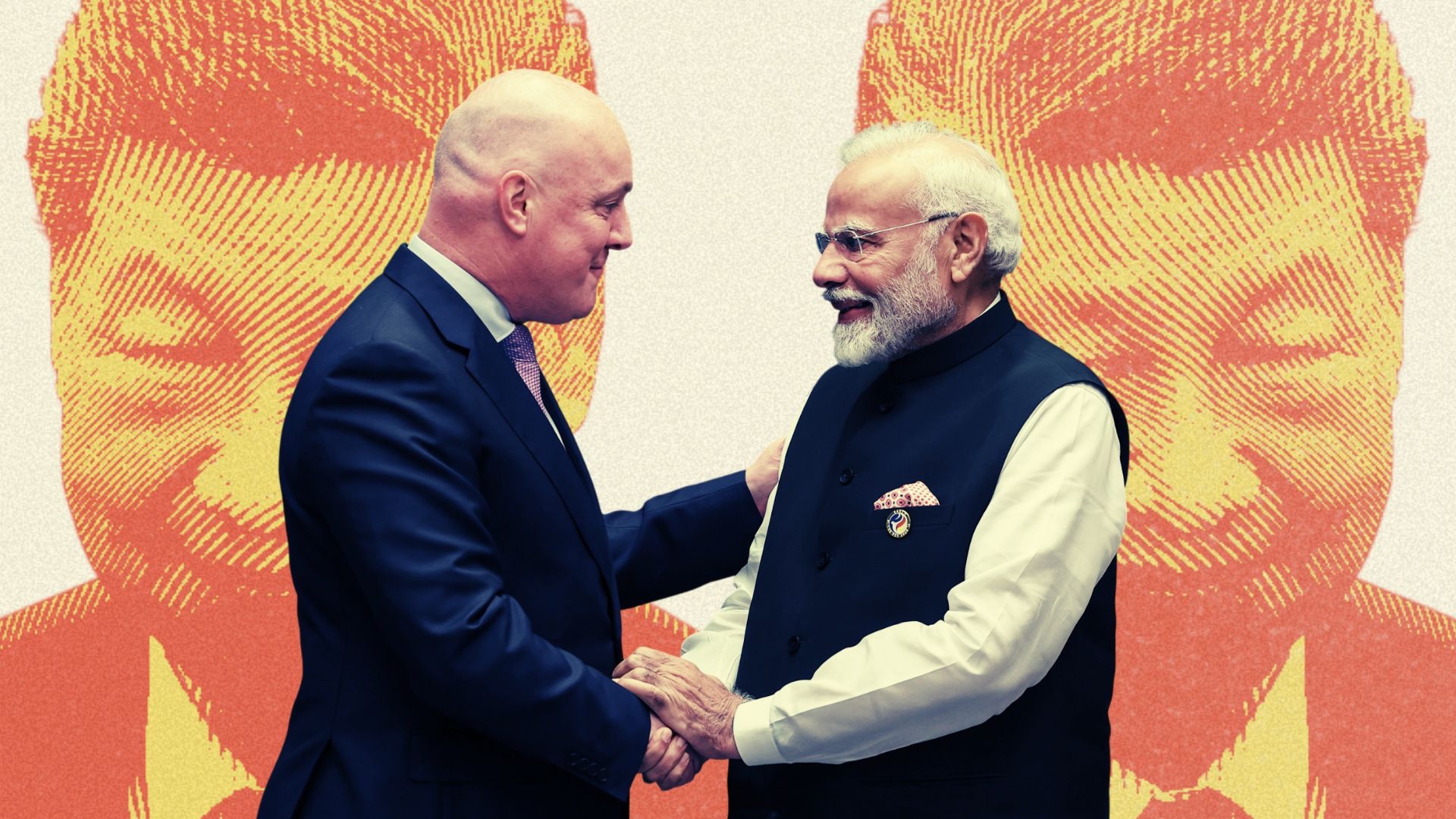
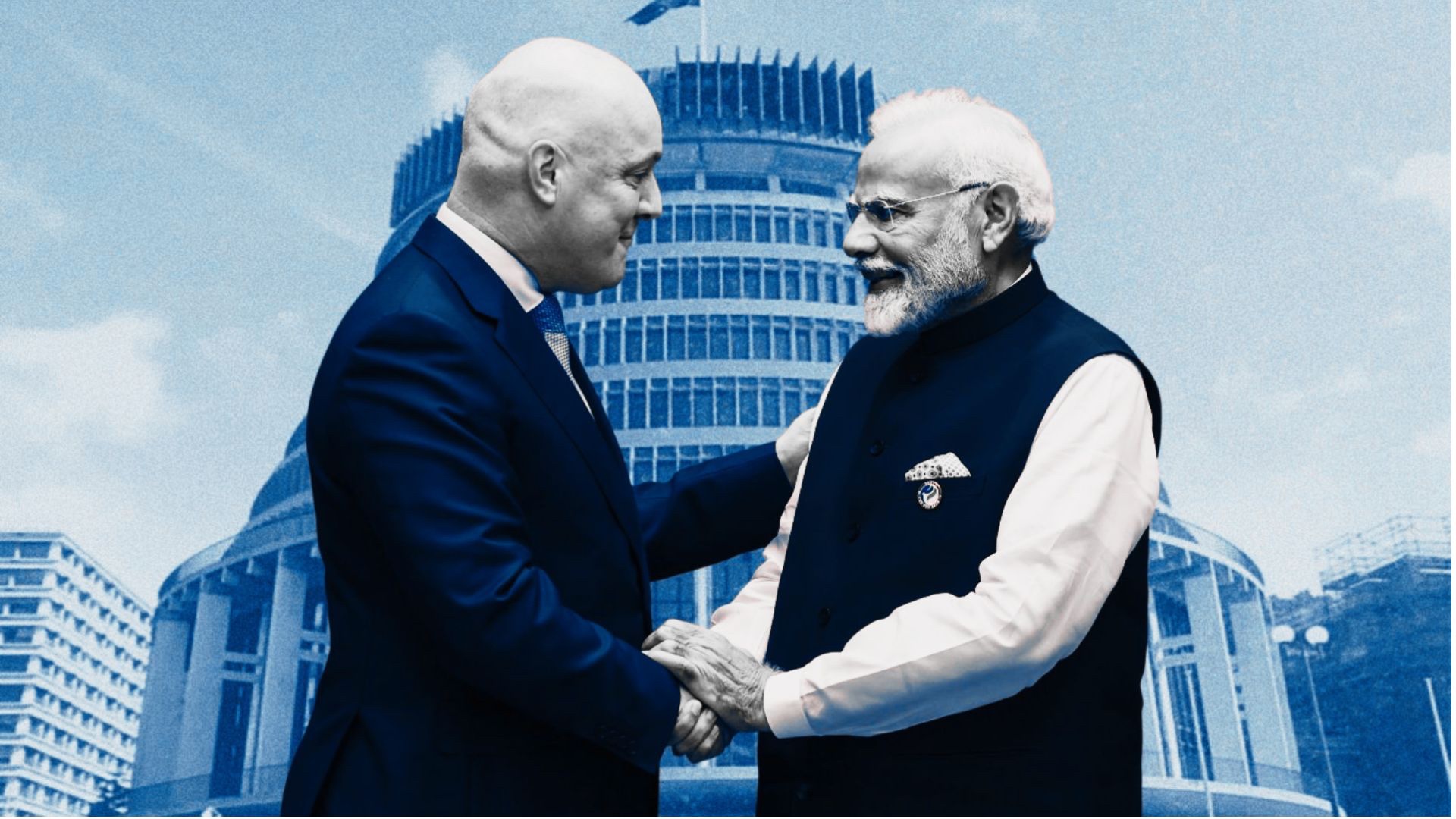
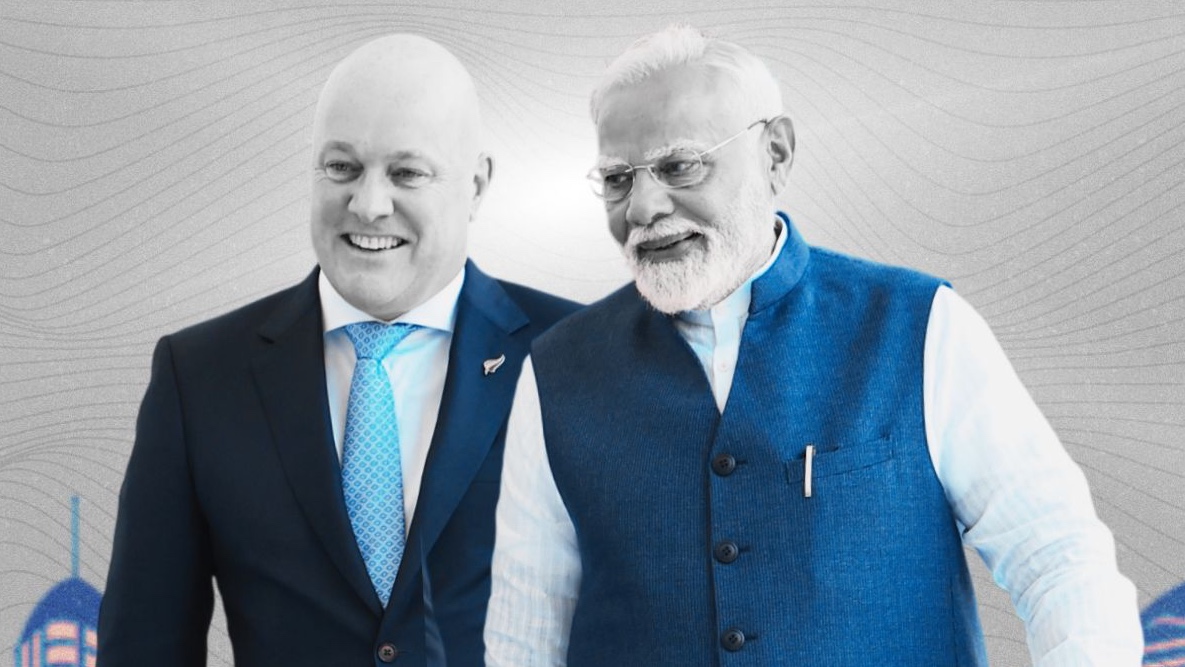
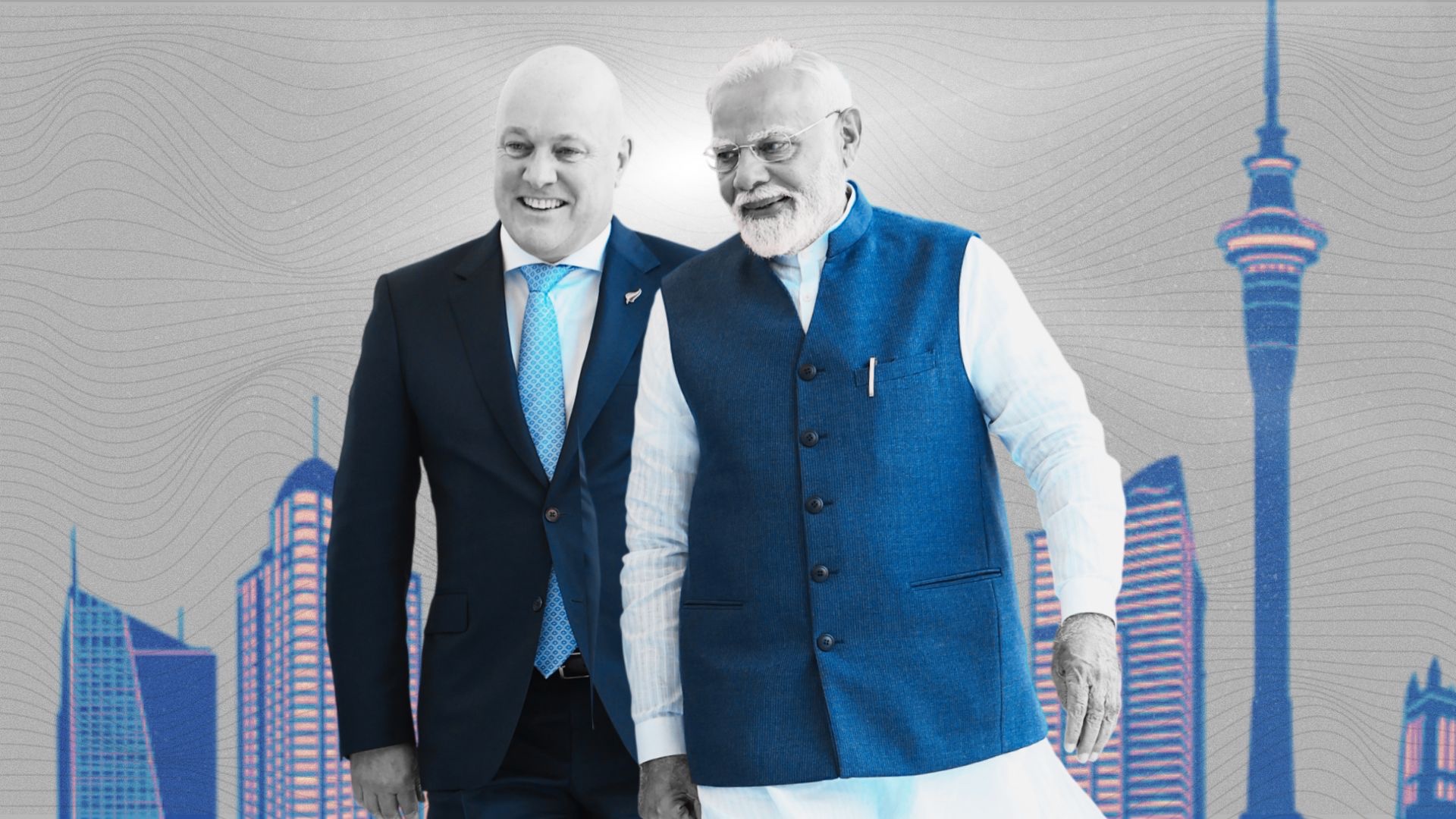
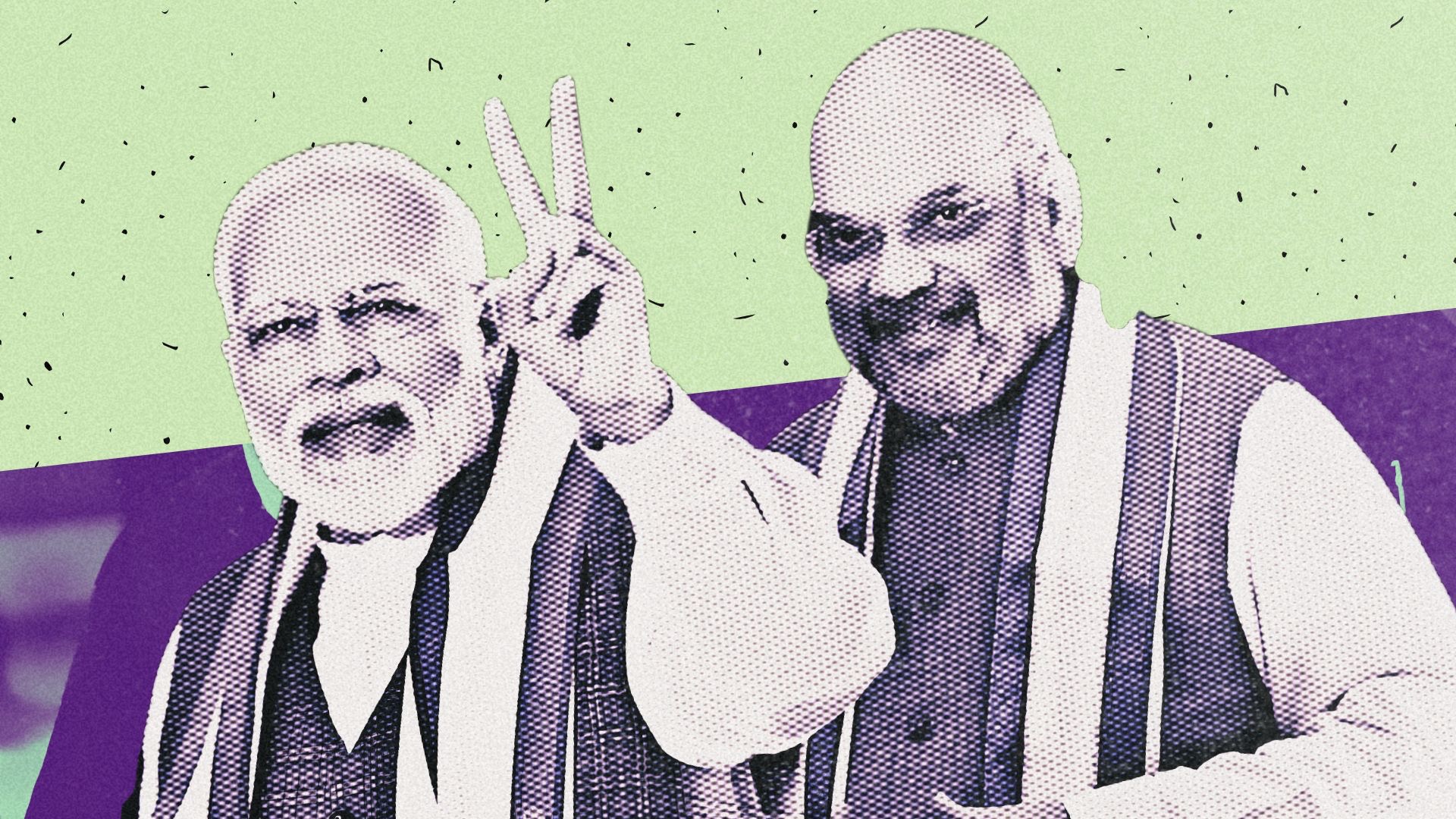
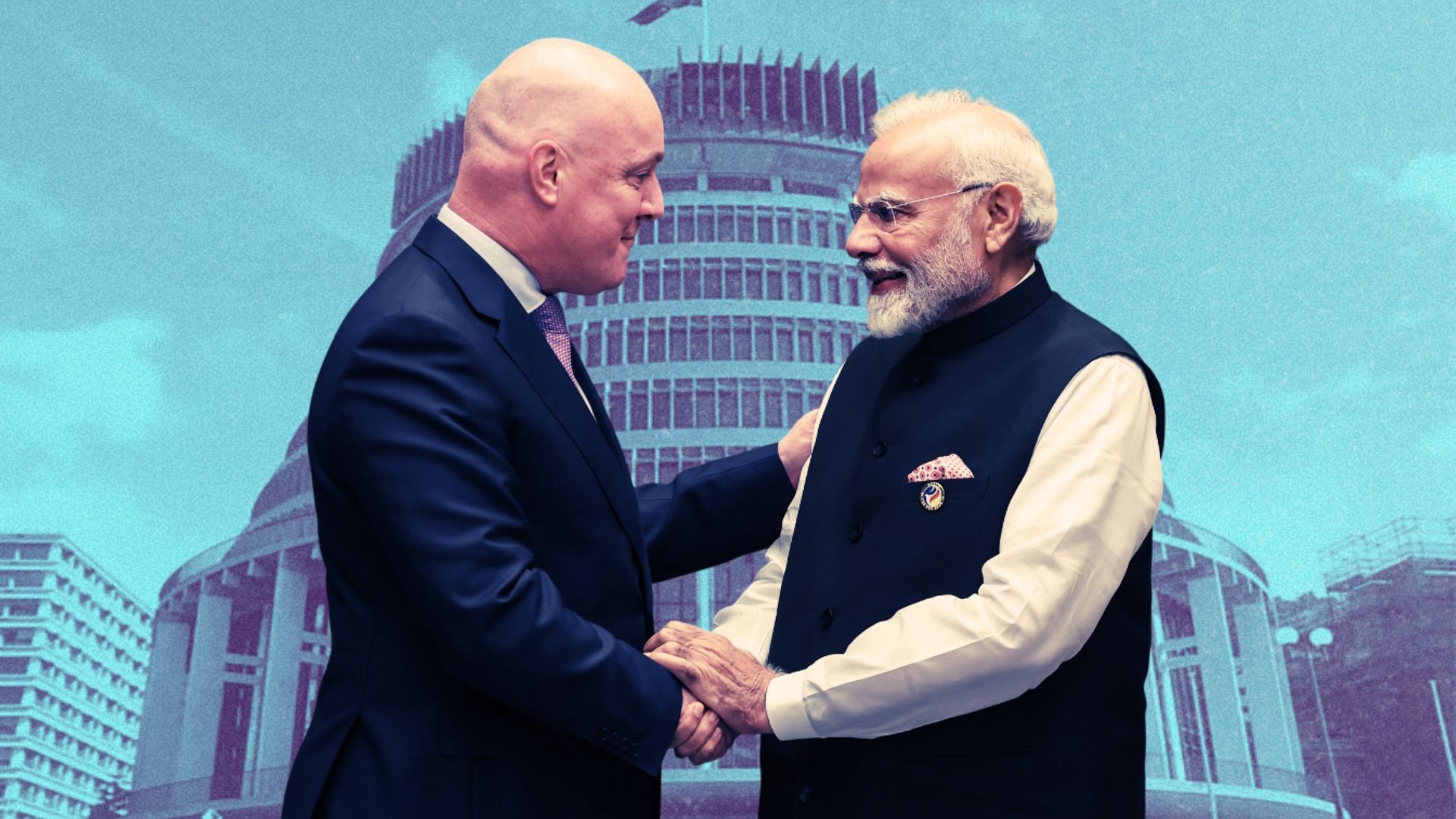
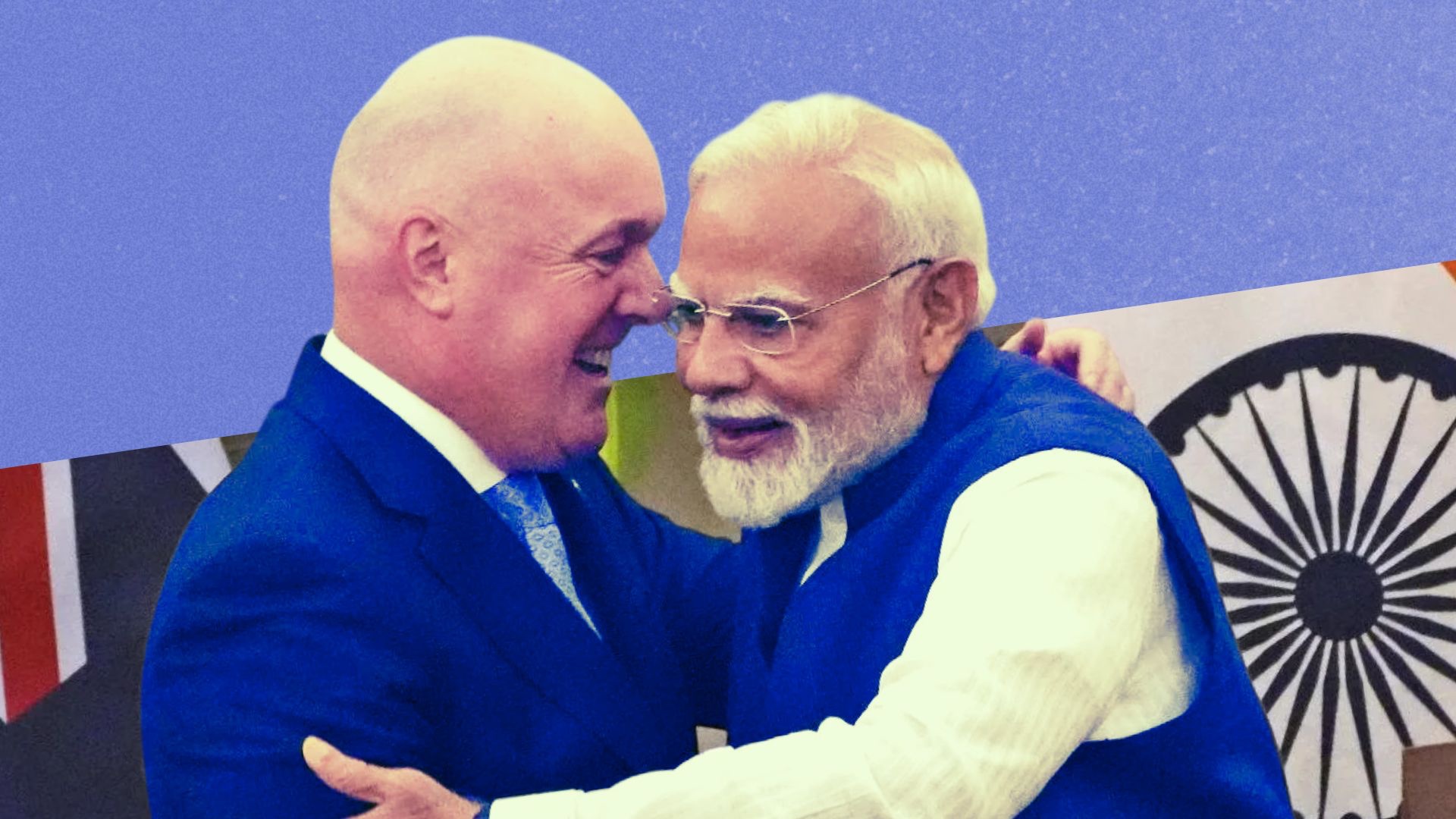
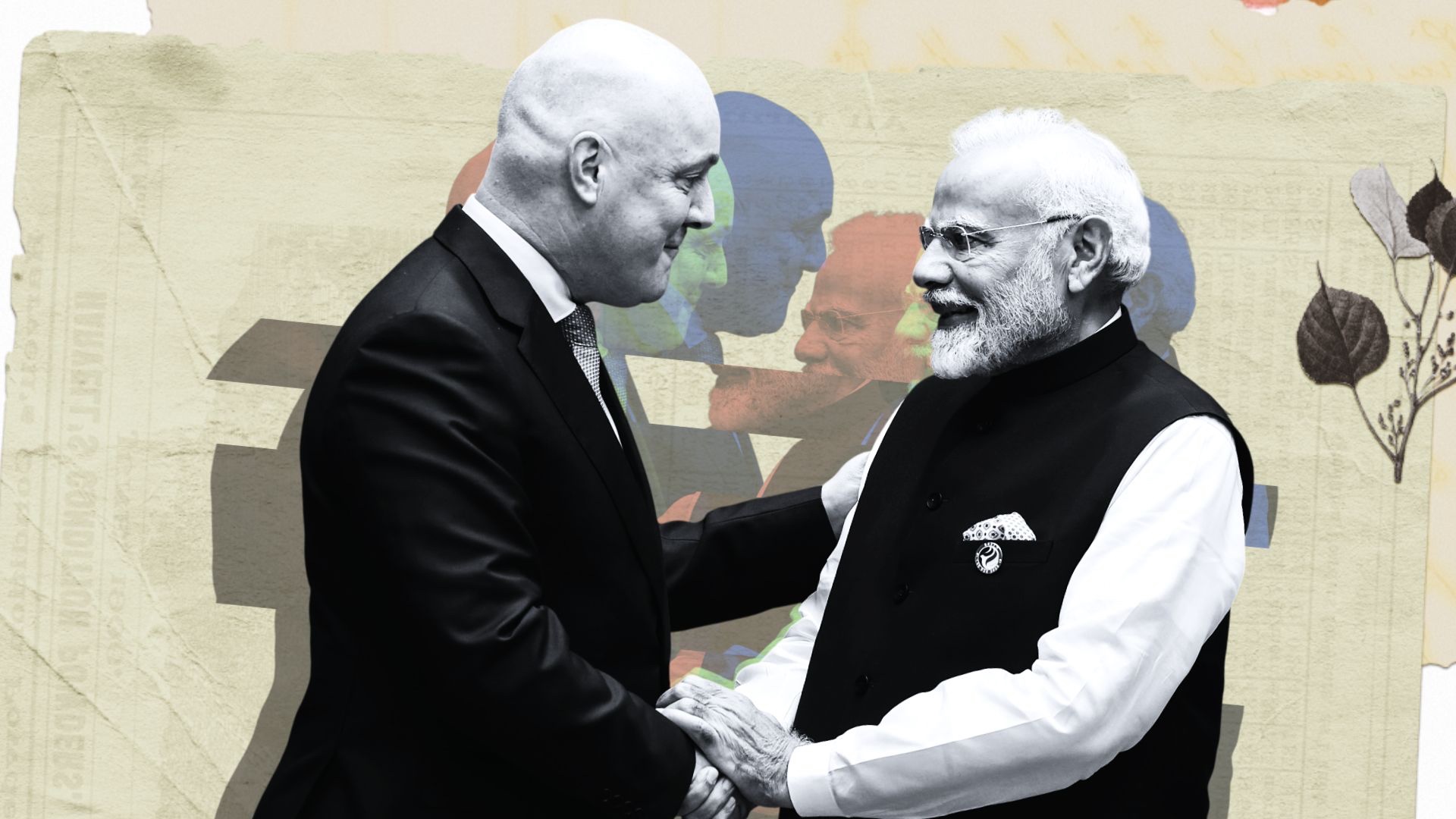
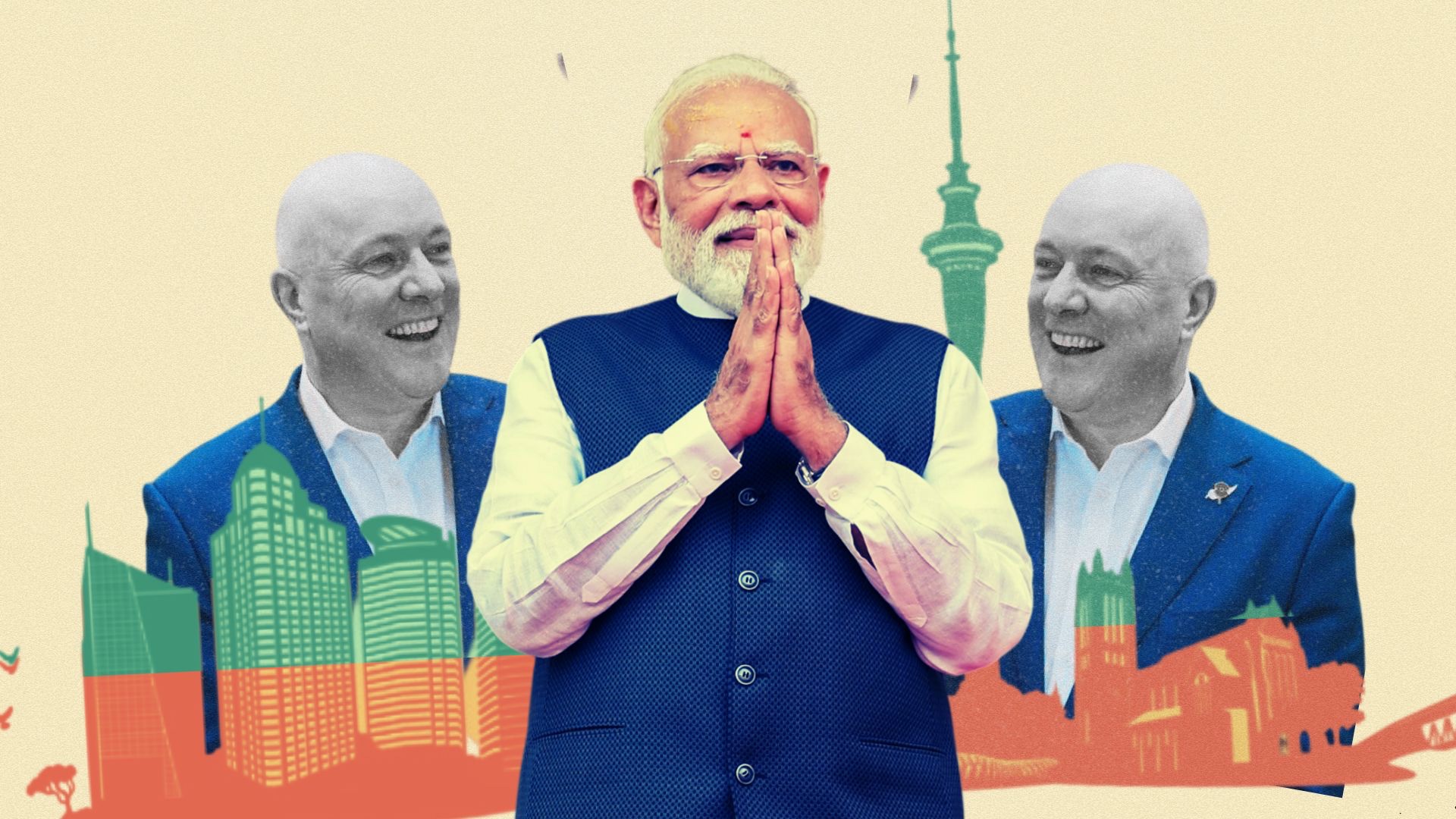
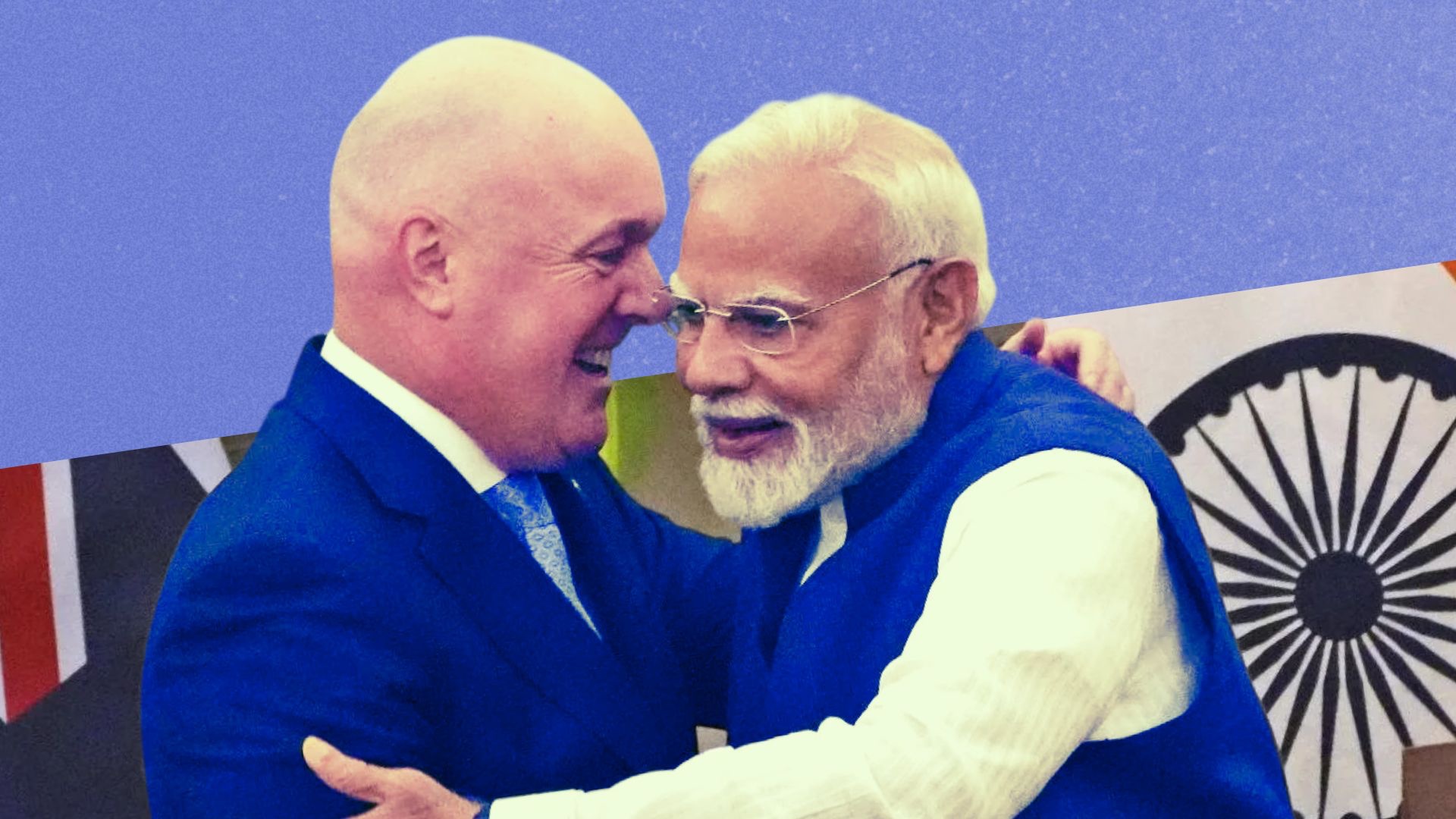
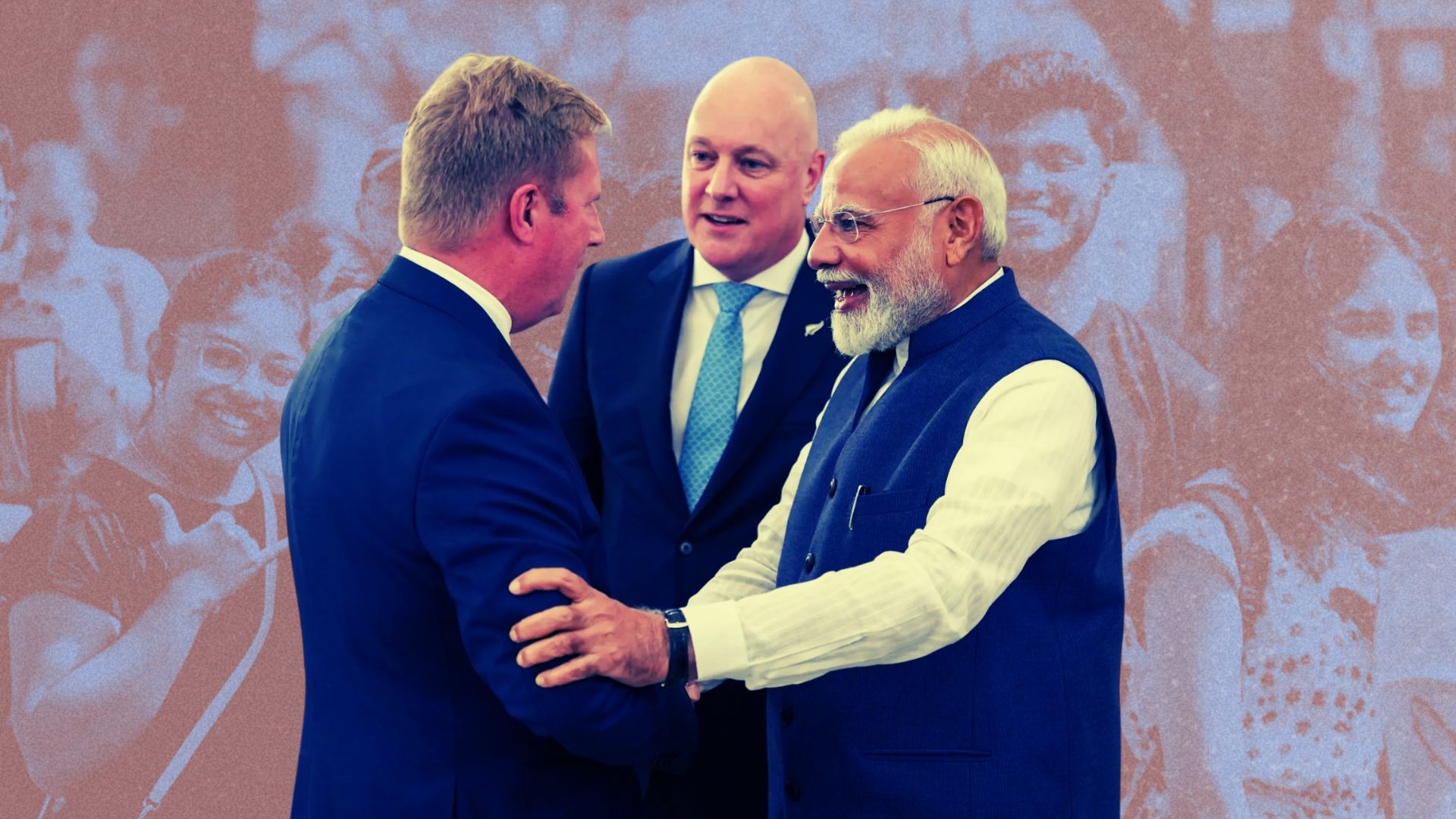
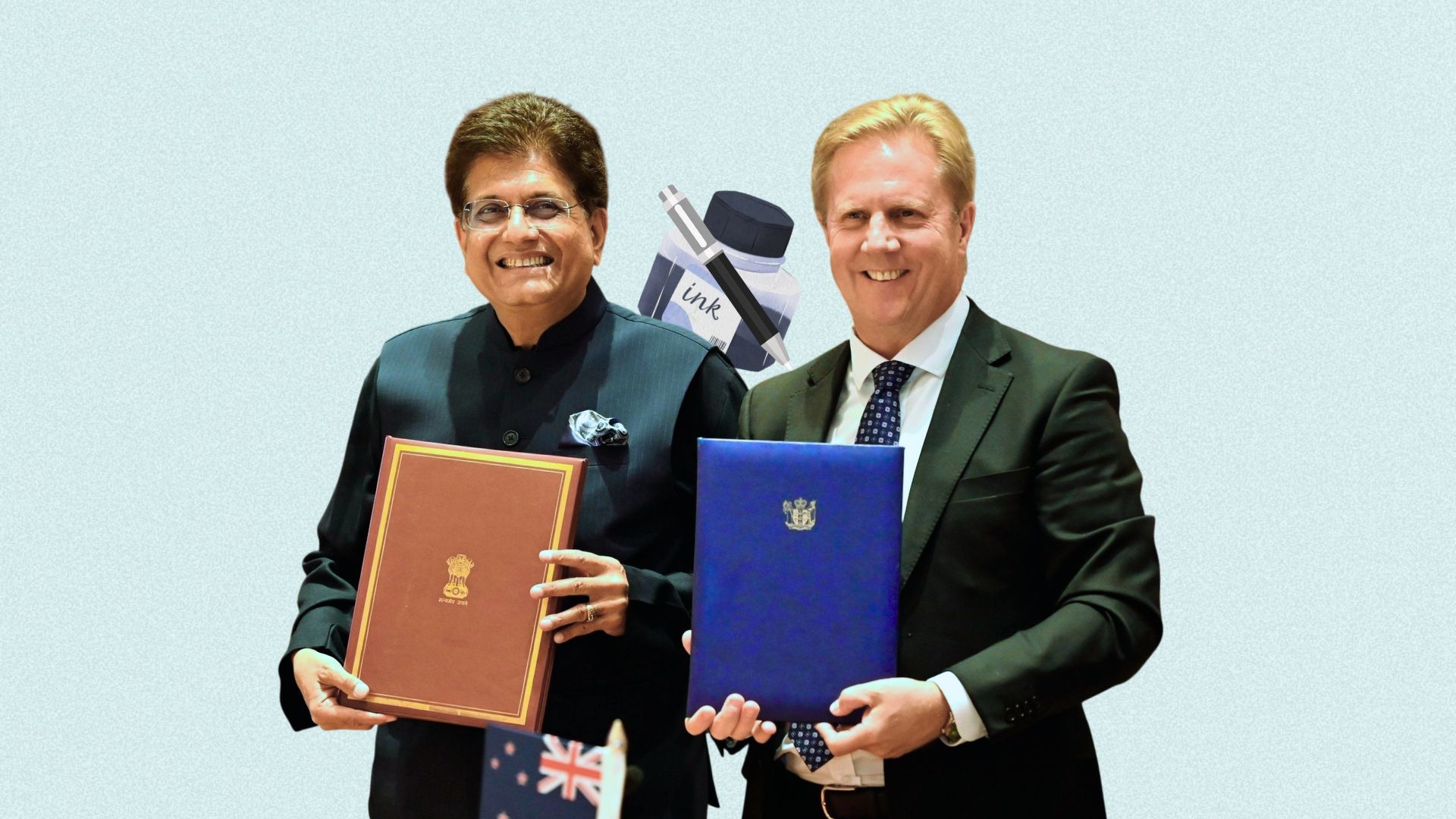
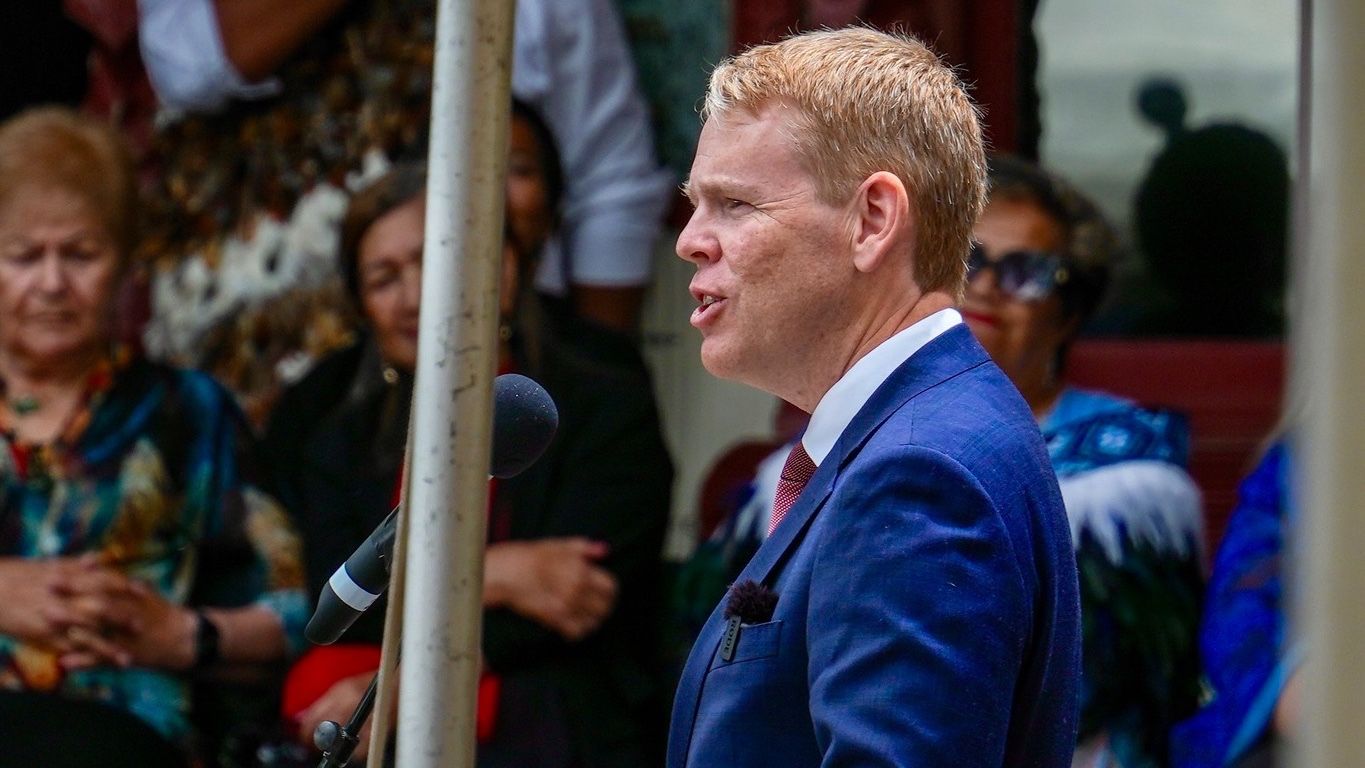
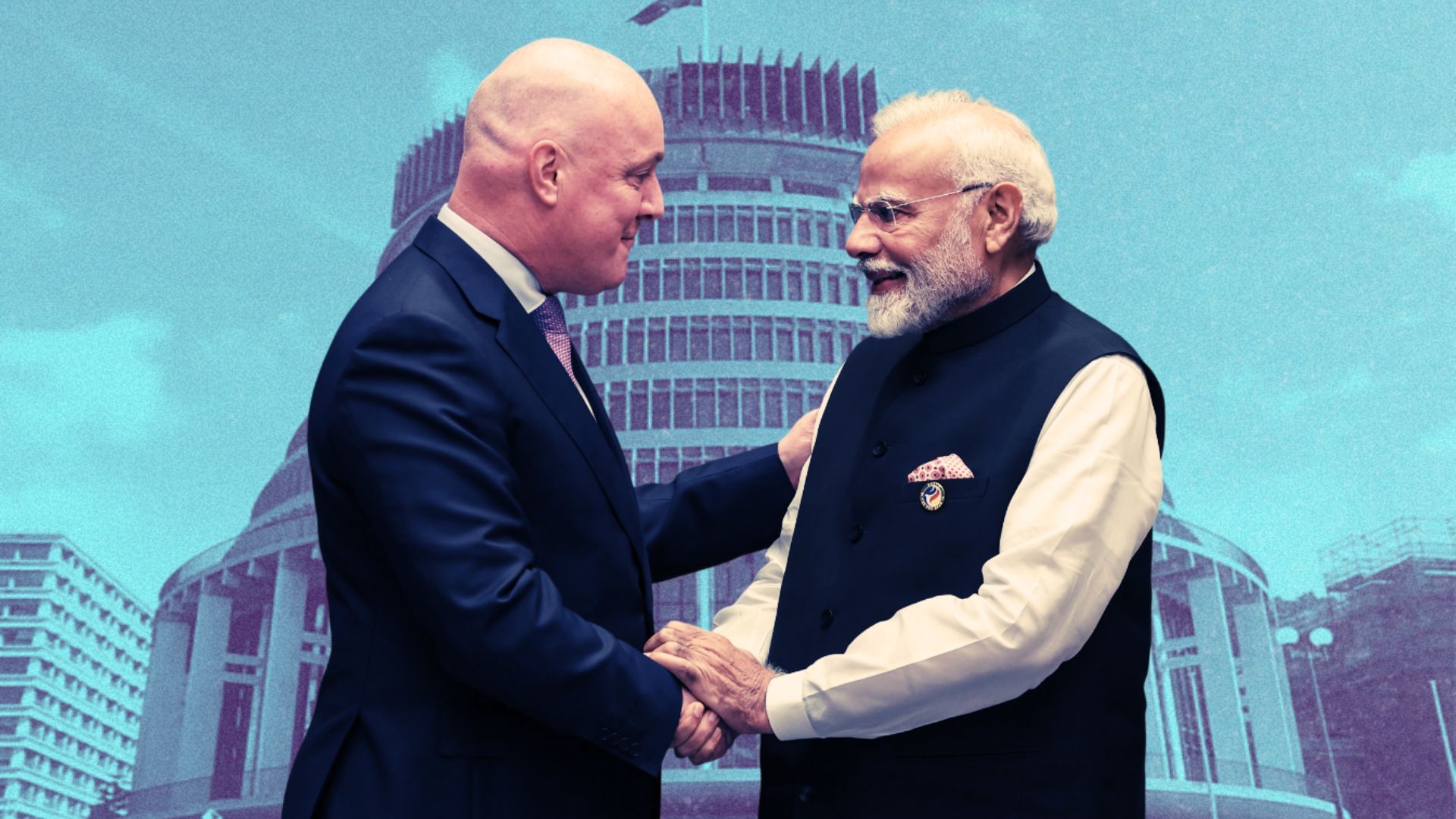
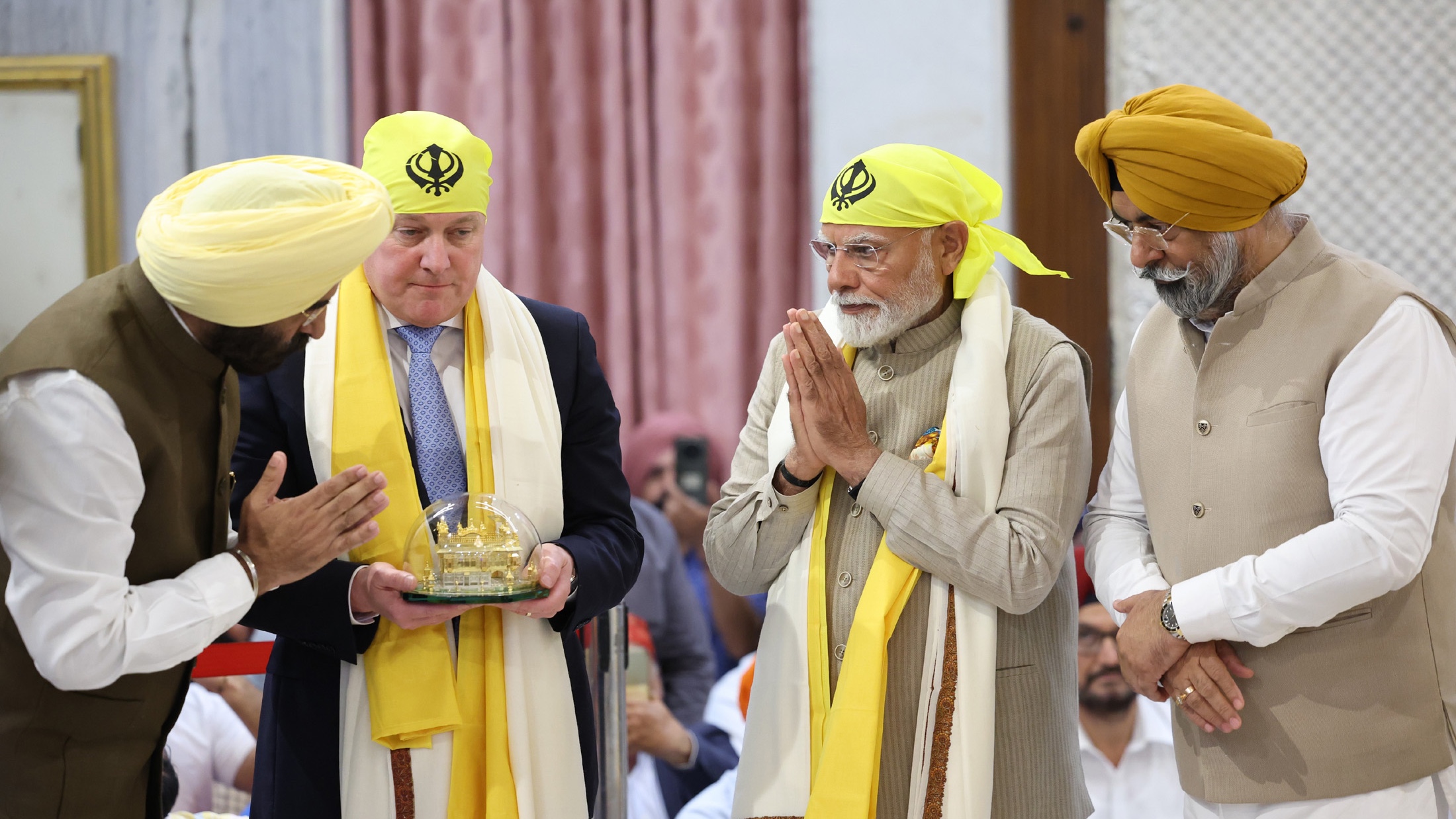
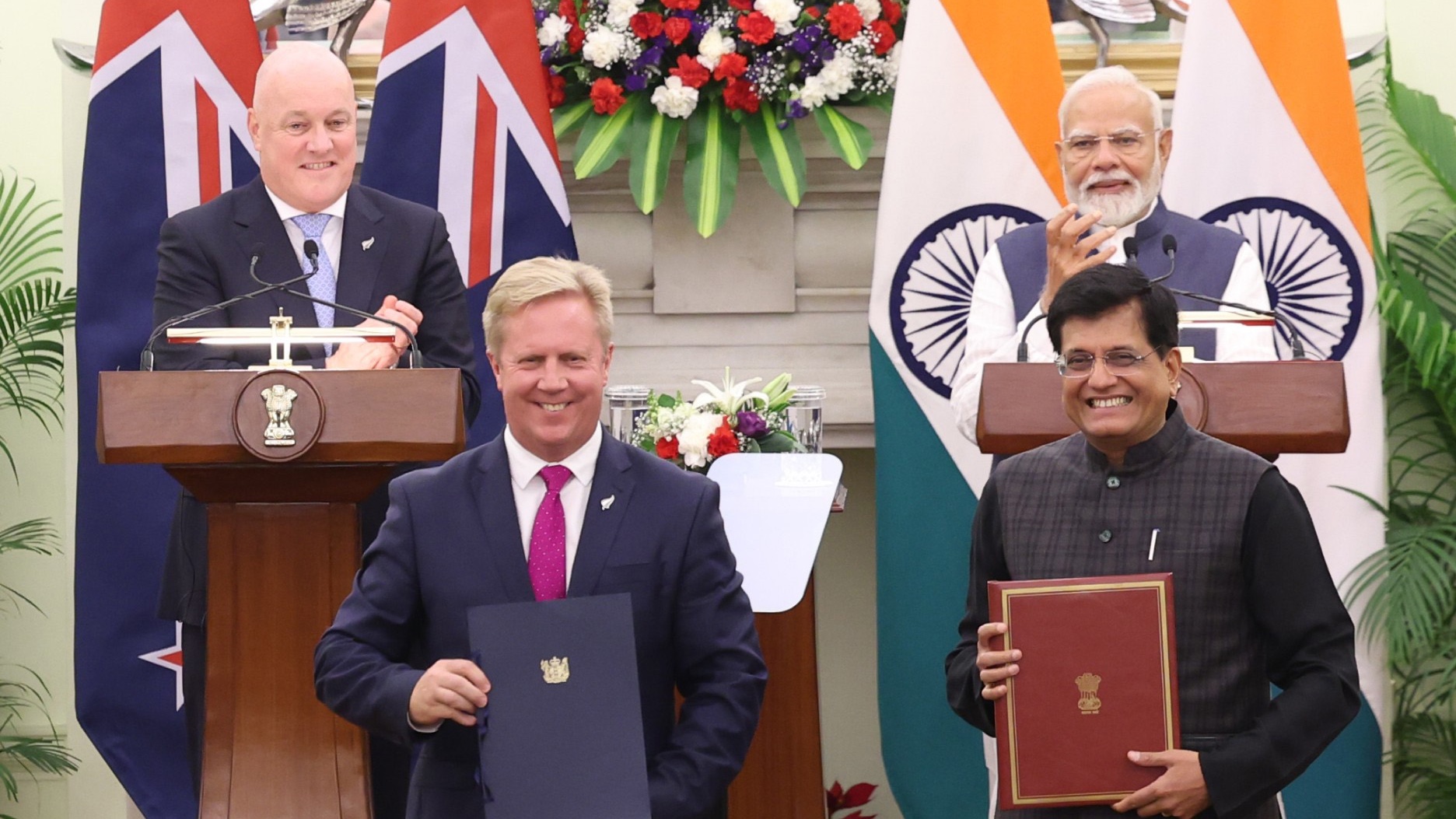
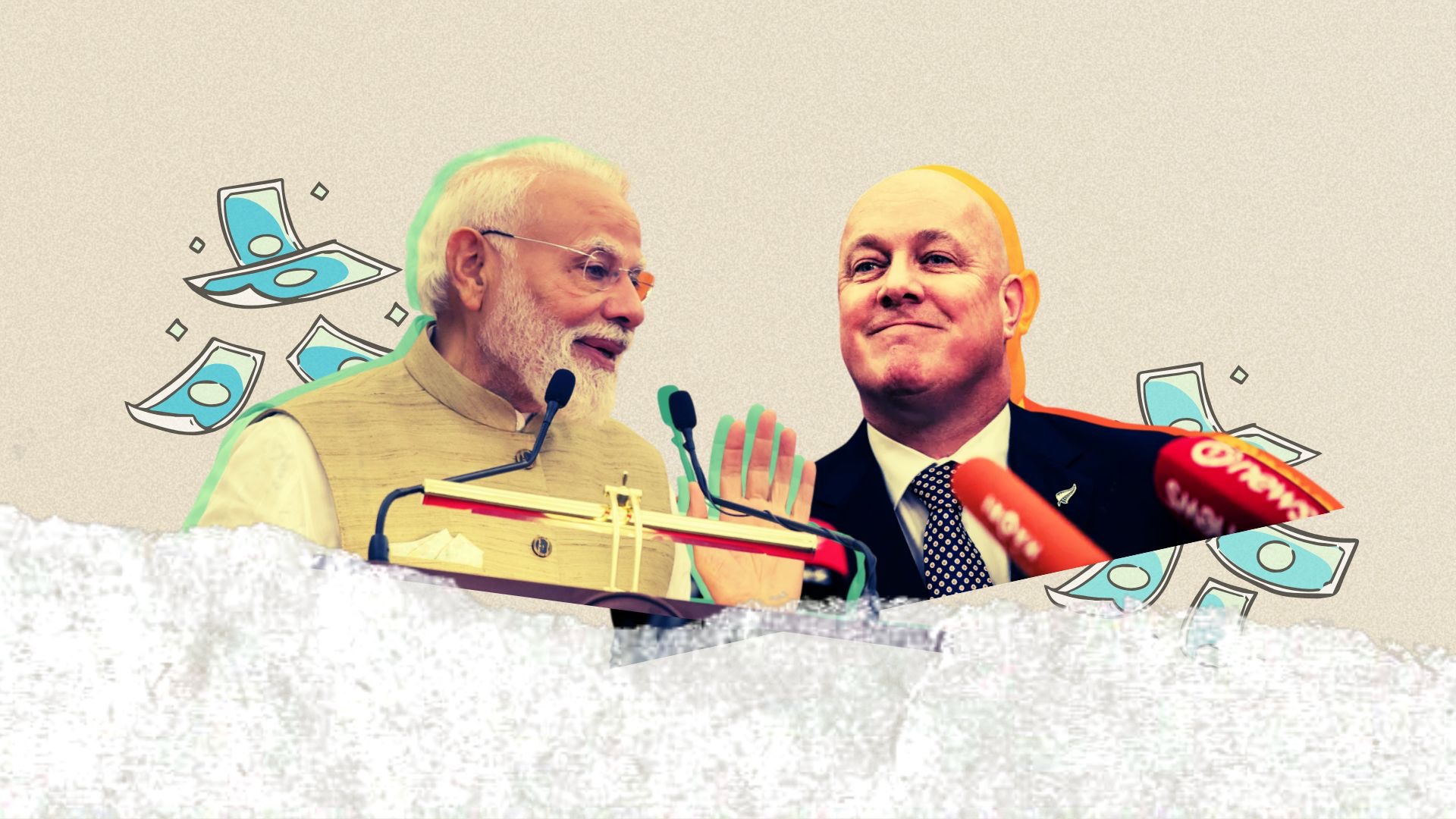
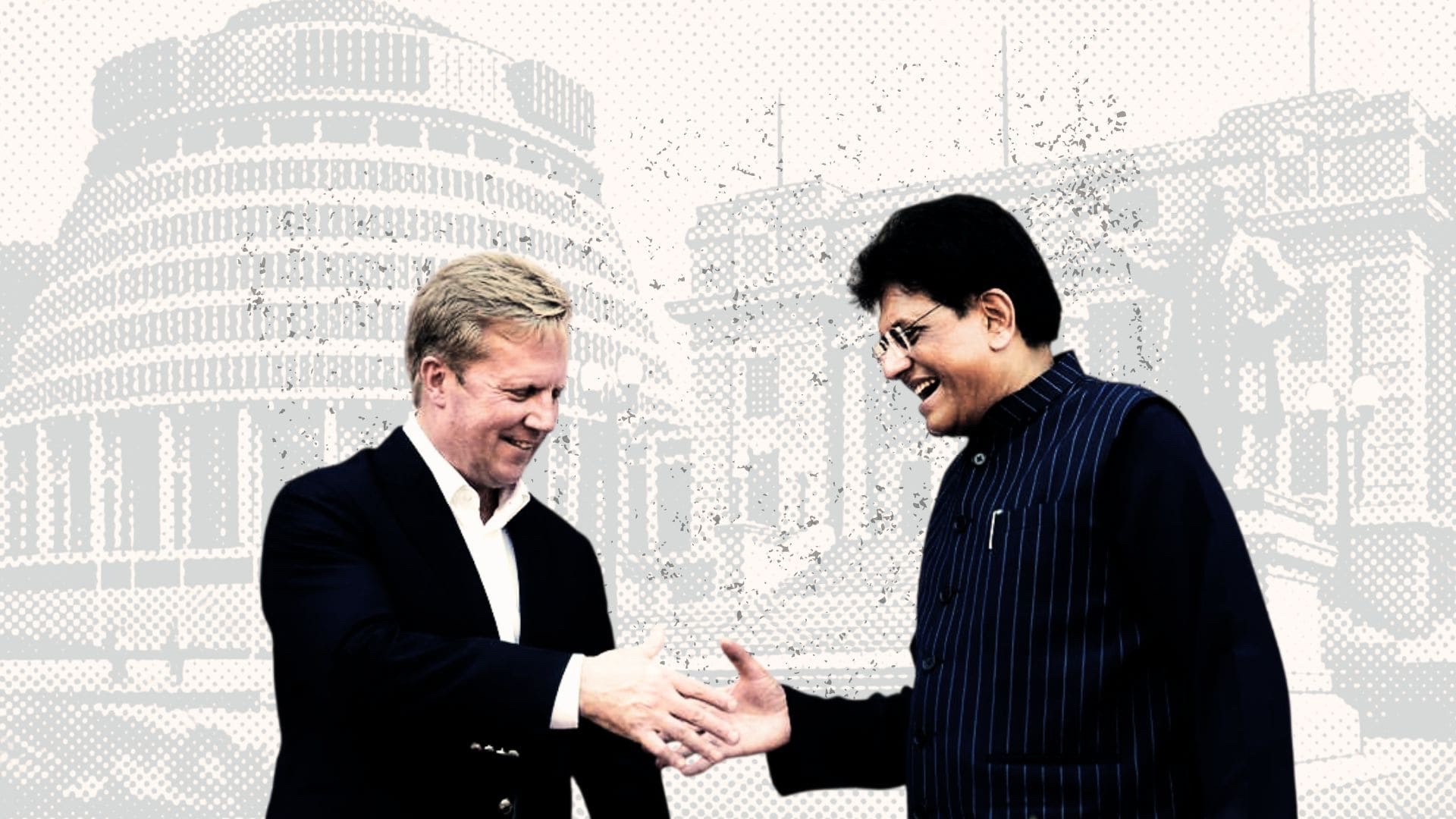
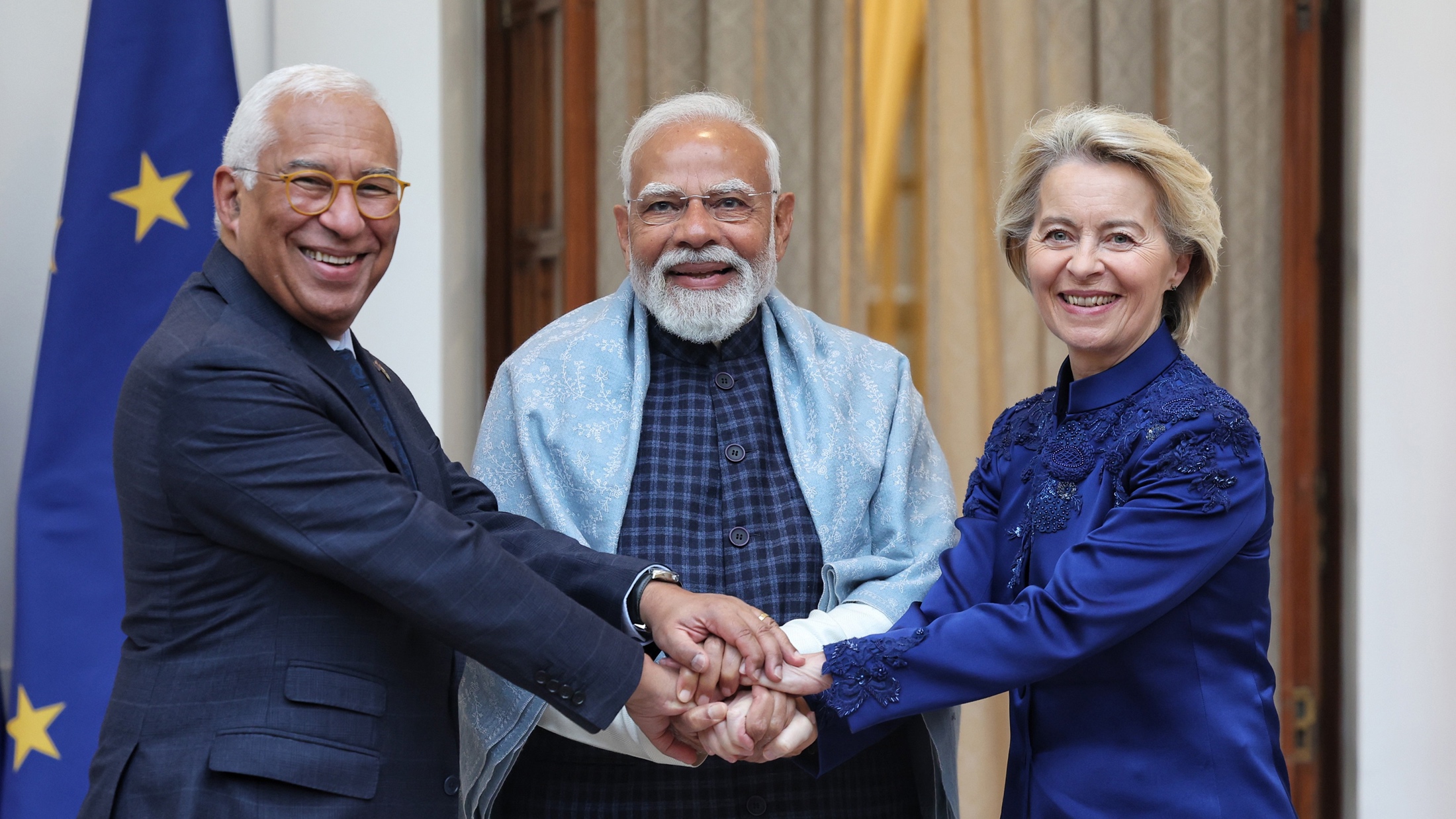
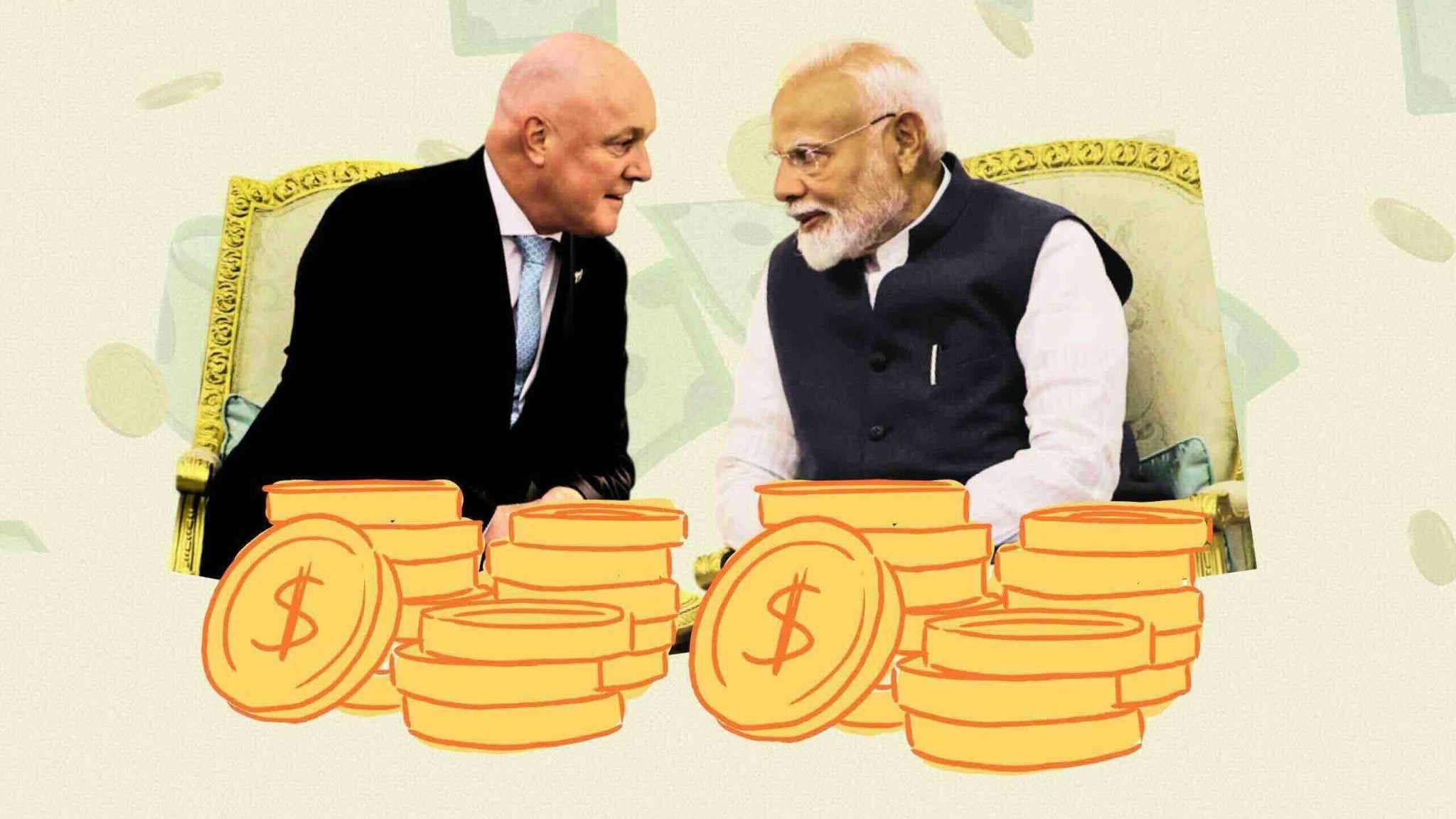
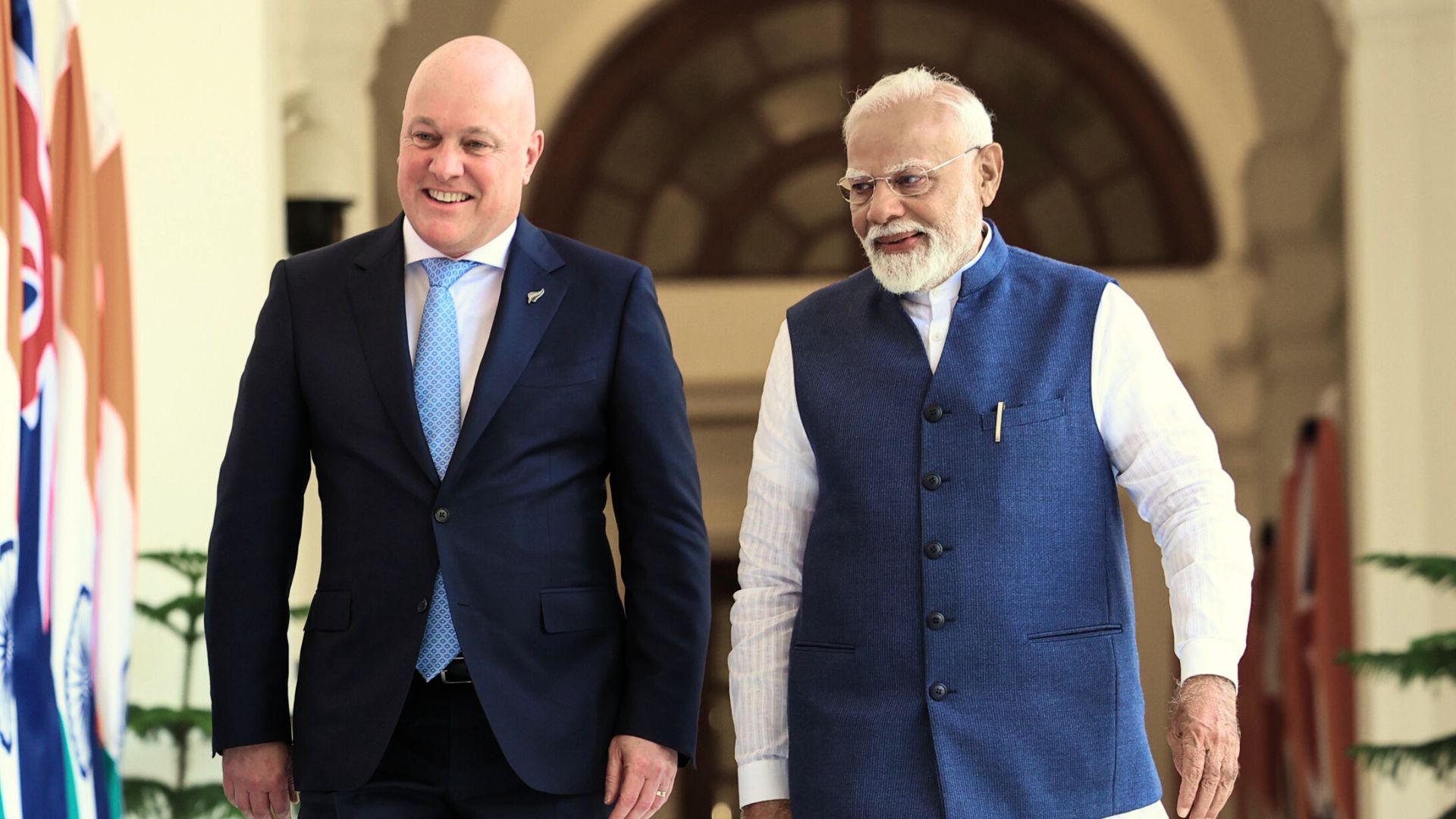
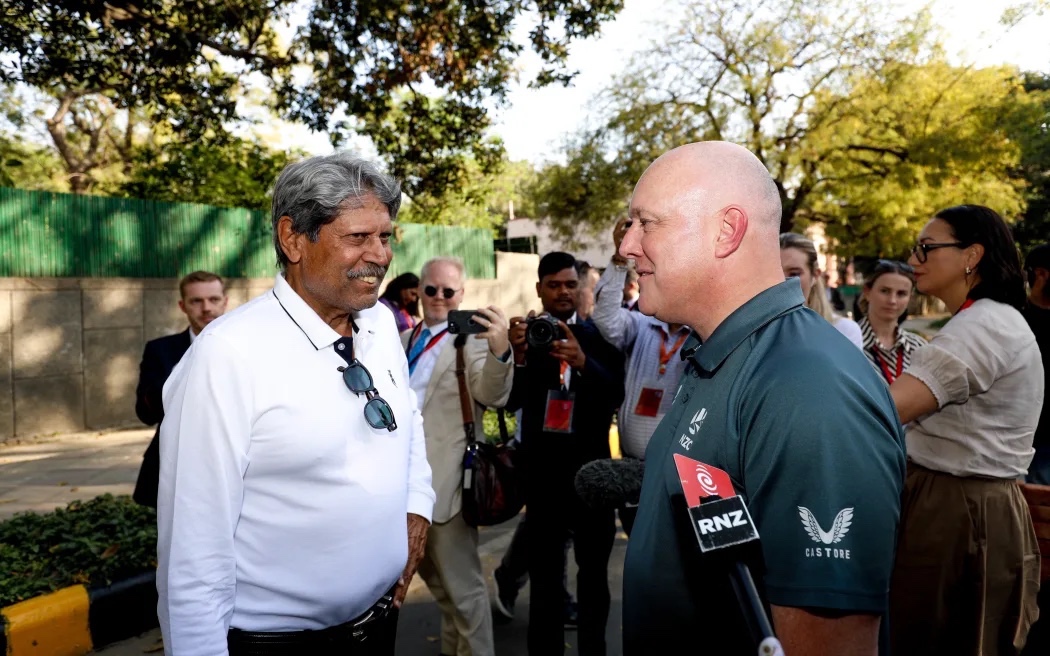
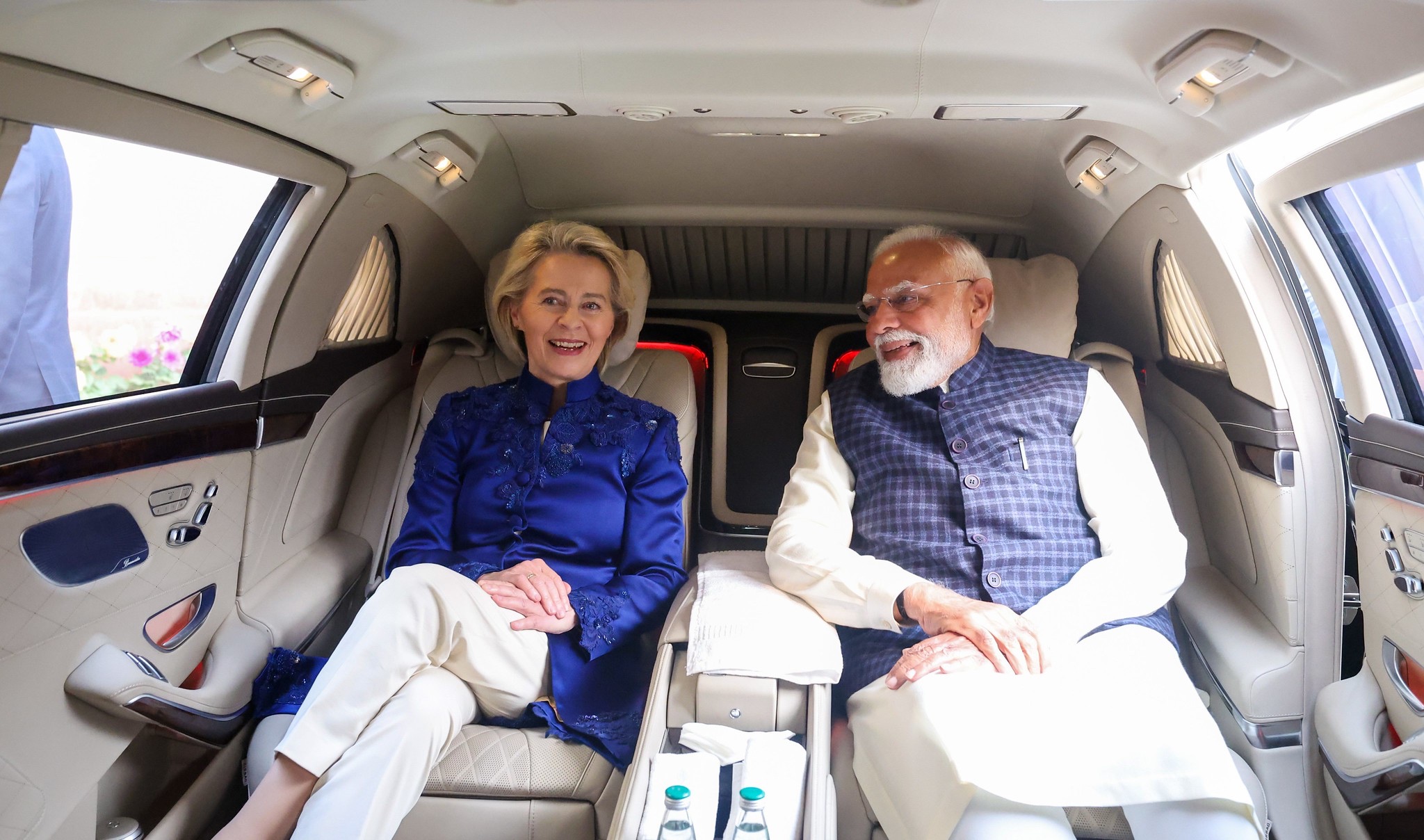
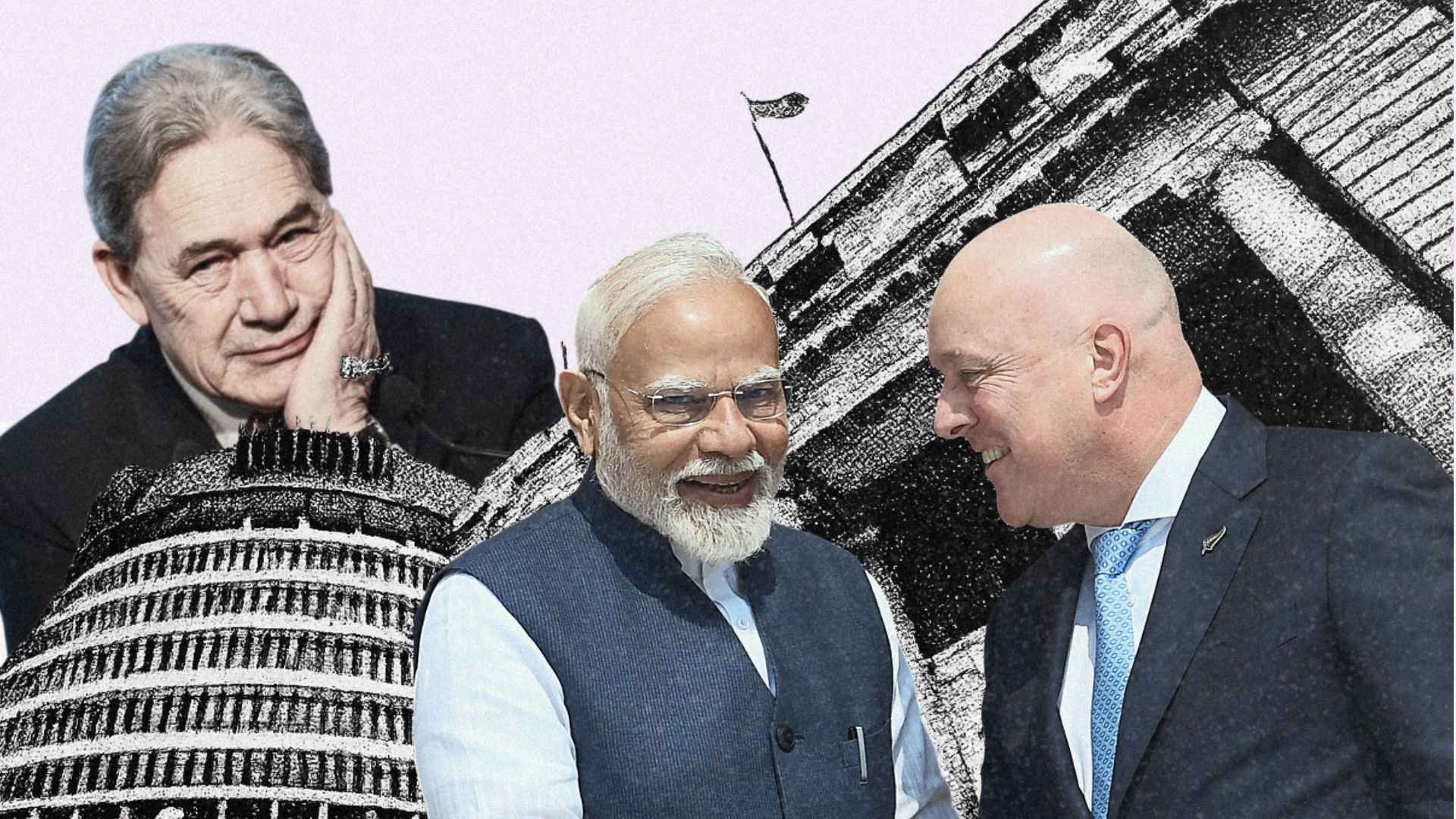
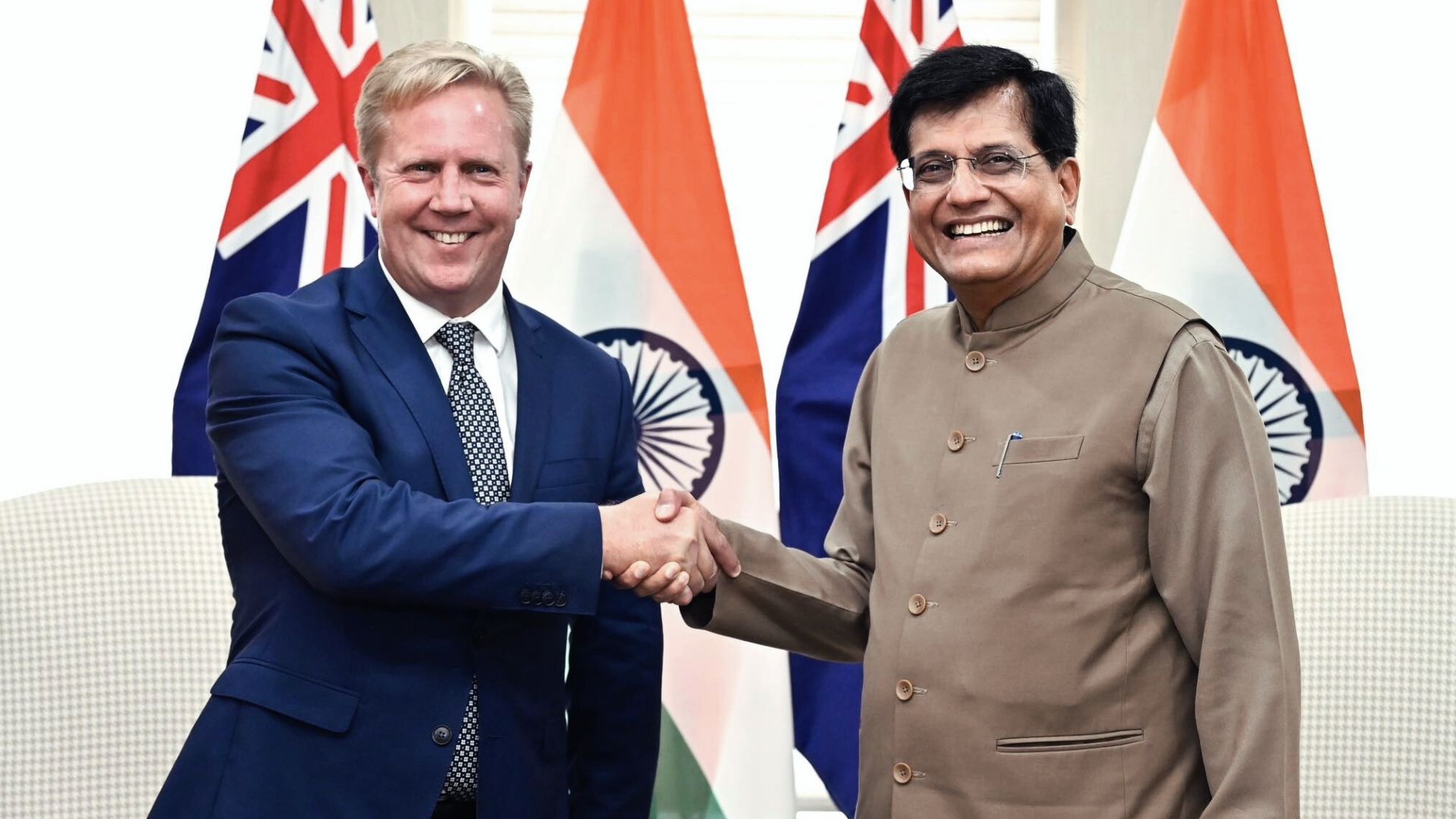
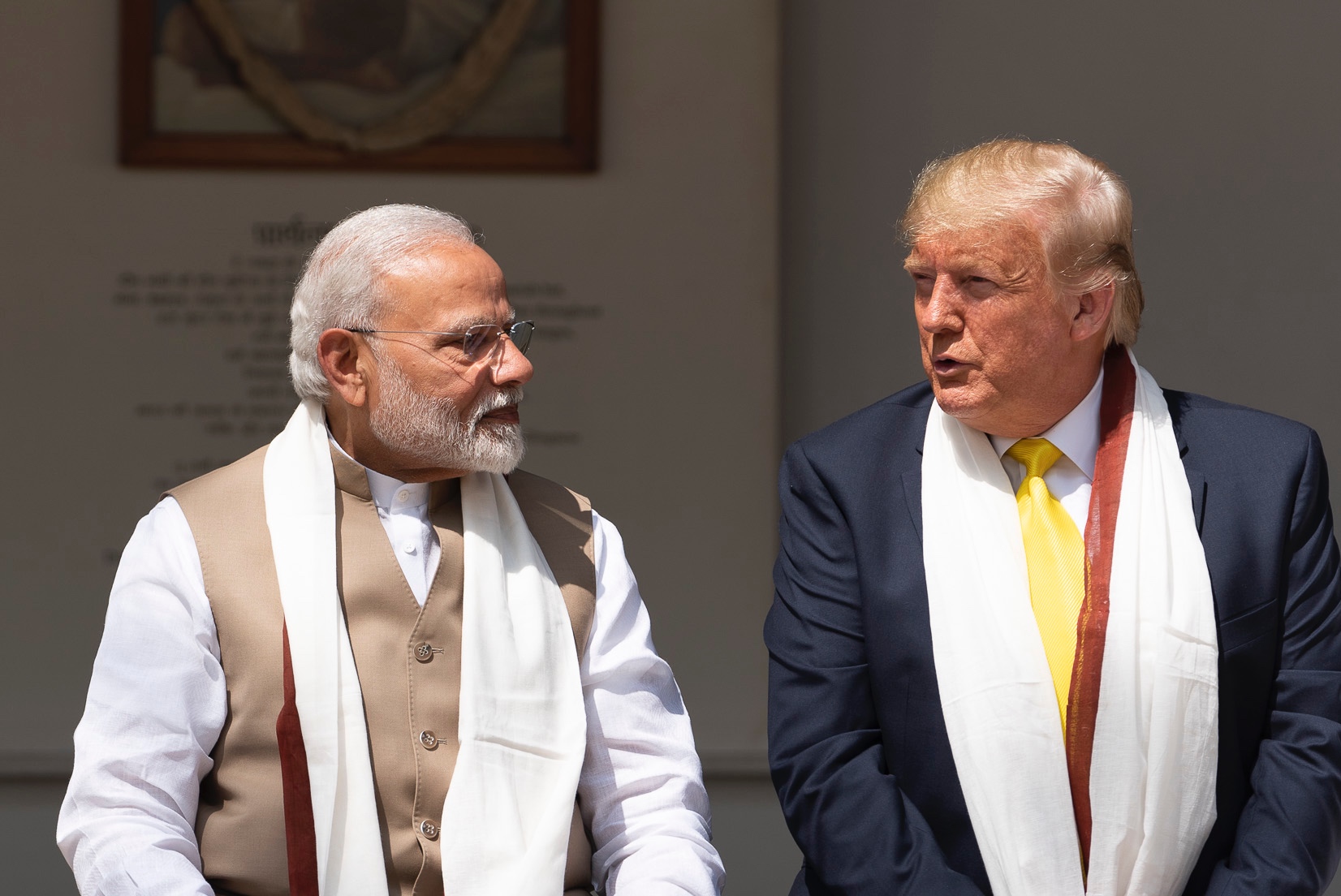
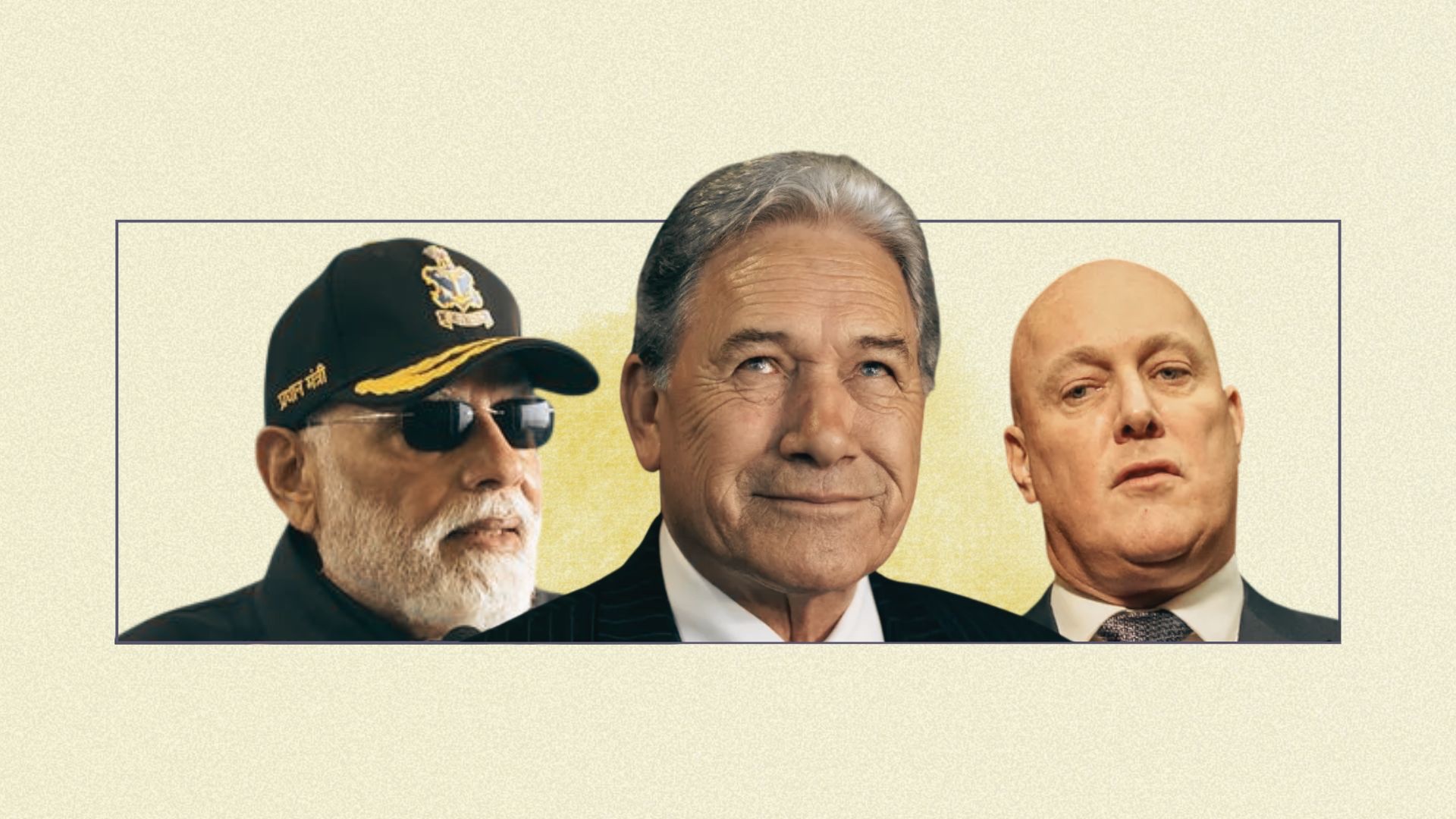
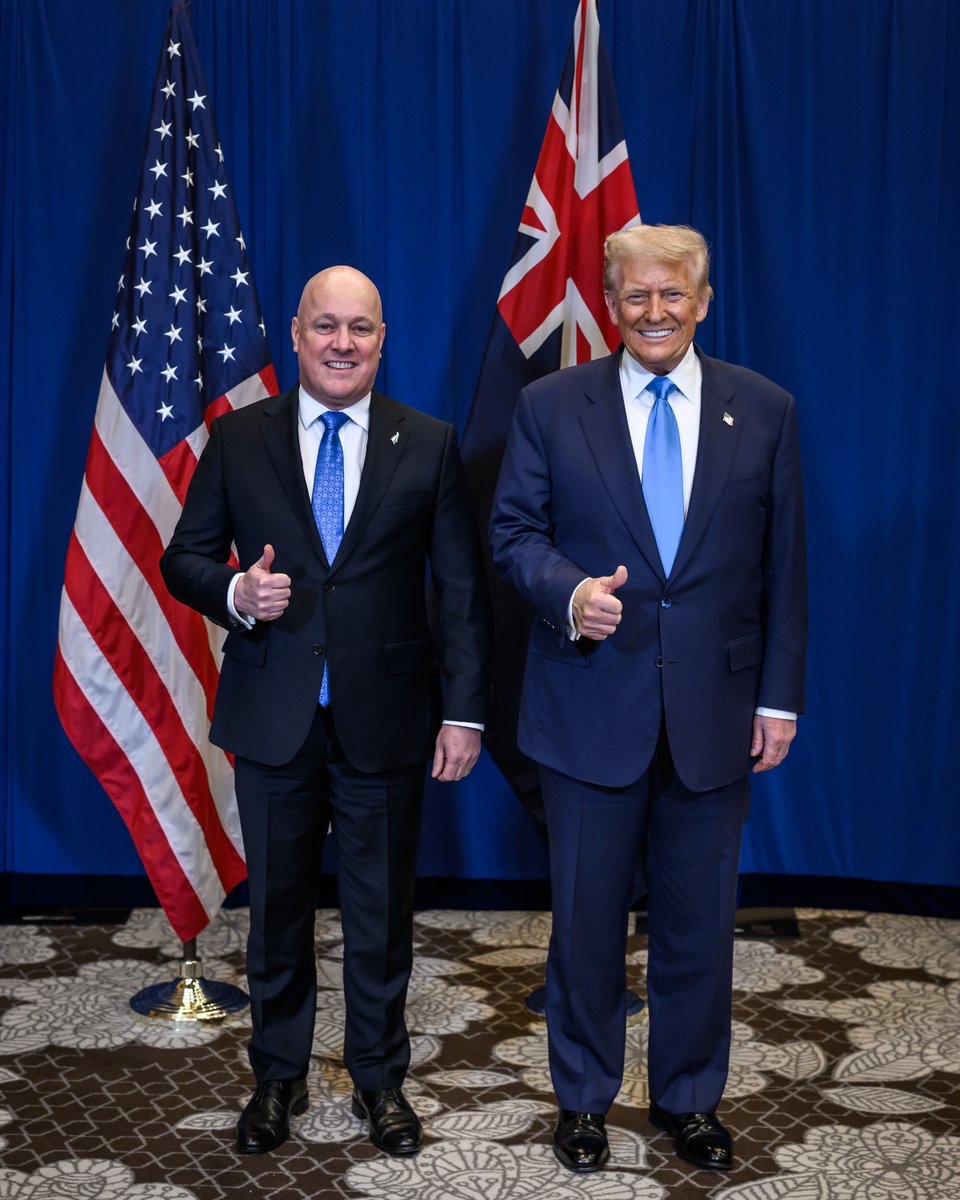
Prime minister Christopher Luxon with Indian counterpart Narendra Modi in New Delhi in March 2025.
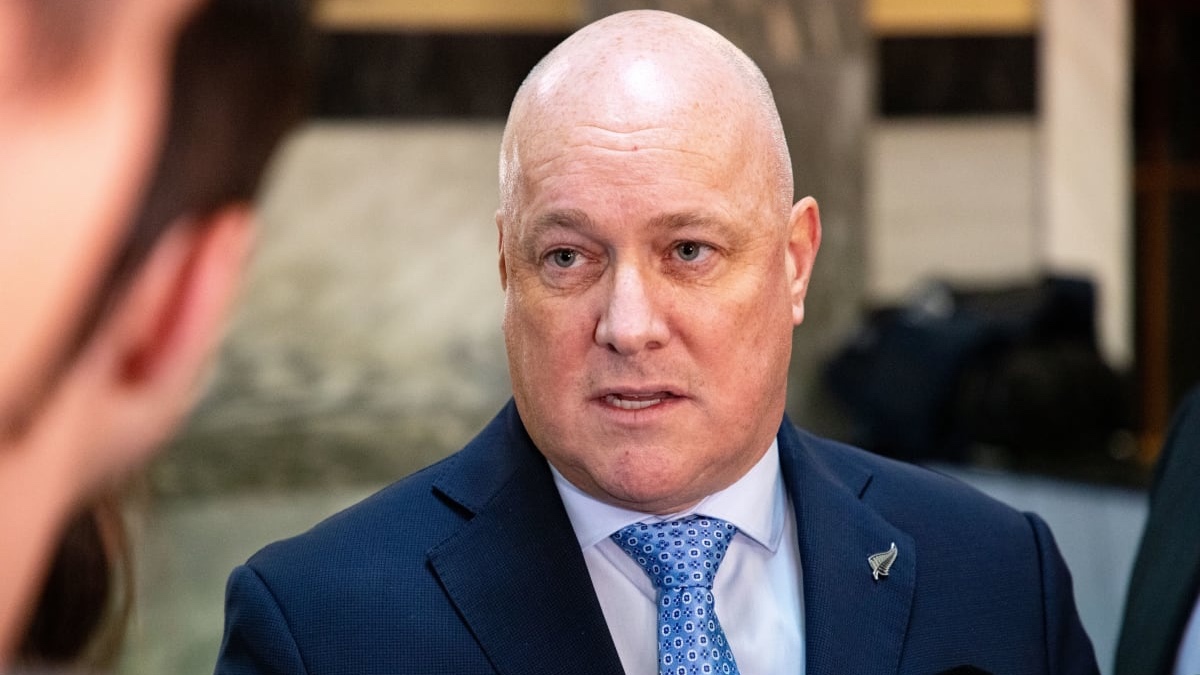
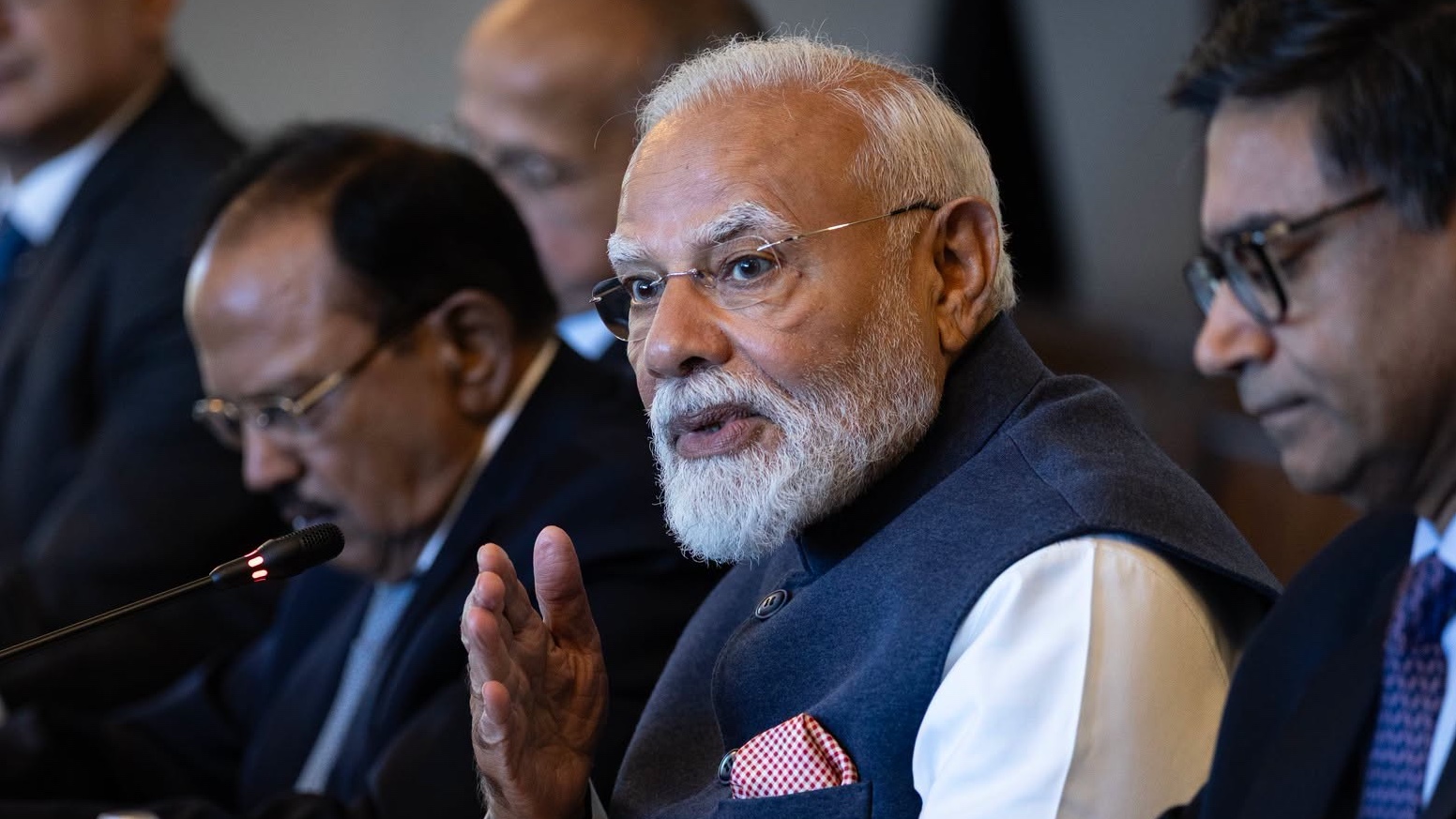
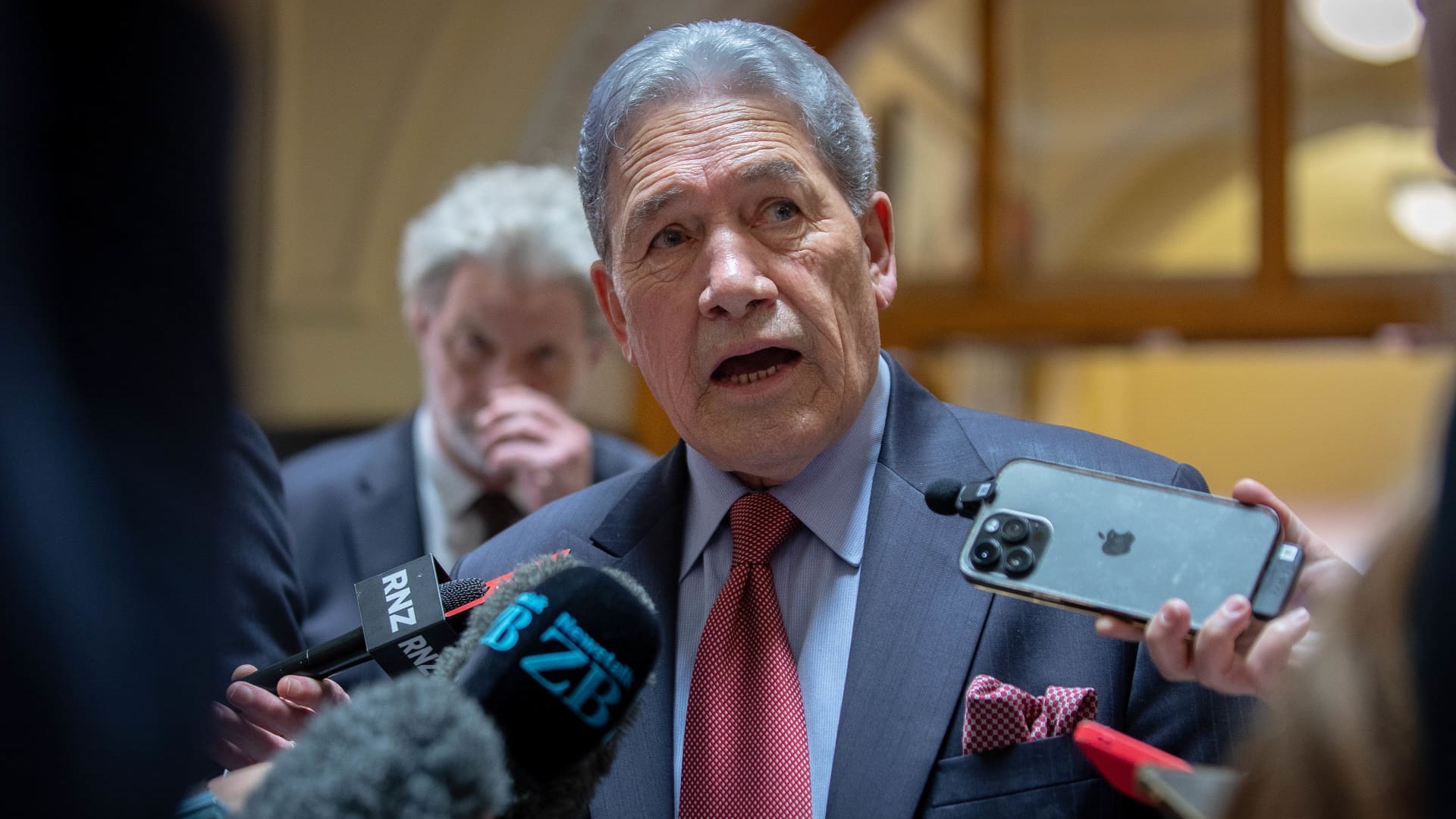
“He (Modi) is really interested in sport because they want to host the Olympics ultimately in 2036, and the Commonwealth Games," says prime minister Luxon.
Prime minister Christopher Luxon has offered the clearest signal yet that high-performance sport could emerge as a major outcome of Narendra Modi’s visit, after a year of rapidly deepening cooperation between the two countries.
India has at least 1.4 billion people, a vast sporting system and ambitions to host the Olympic Games in 2036.
But when Narendra Modi arrives in Auckland late on Friday, one of the countries India will be looking towards for answers on Olympic performance has a population of about five million.
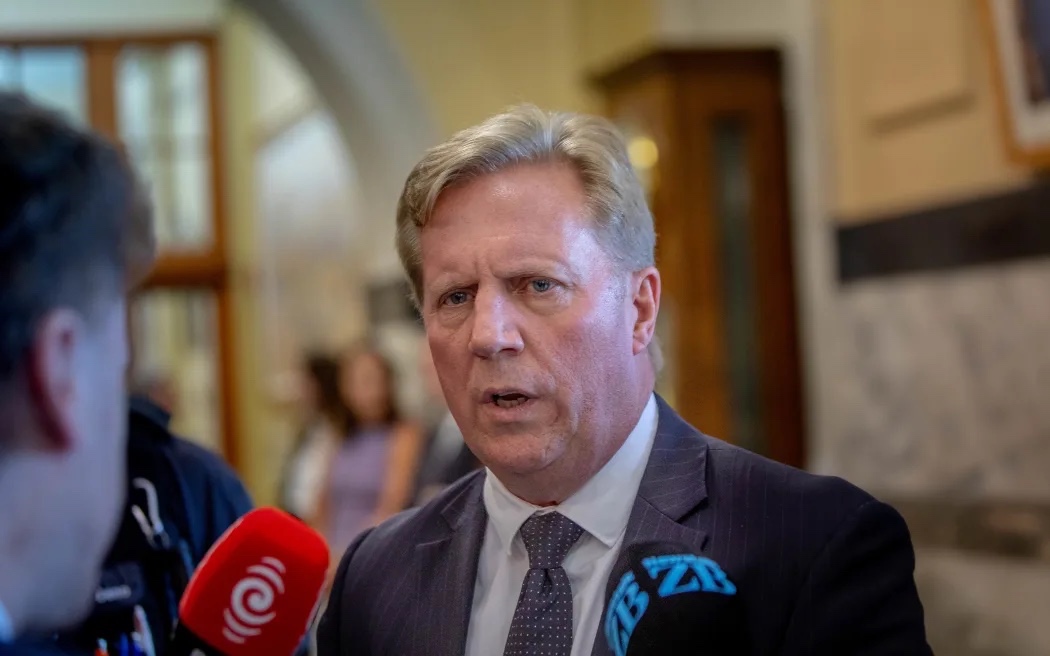
Speaking to Newstalk ZB’s Mike Hosking Breakfast on July 7, Luxon was asked what the visit was about beyond the free trade agreement.
After outlining planned talks on defence and security, the economic relationship and people-to-people links, Luxon singled out sport as an issue of particular interest to Modi.
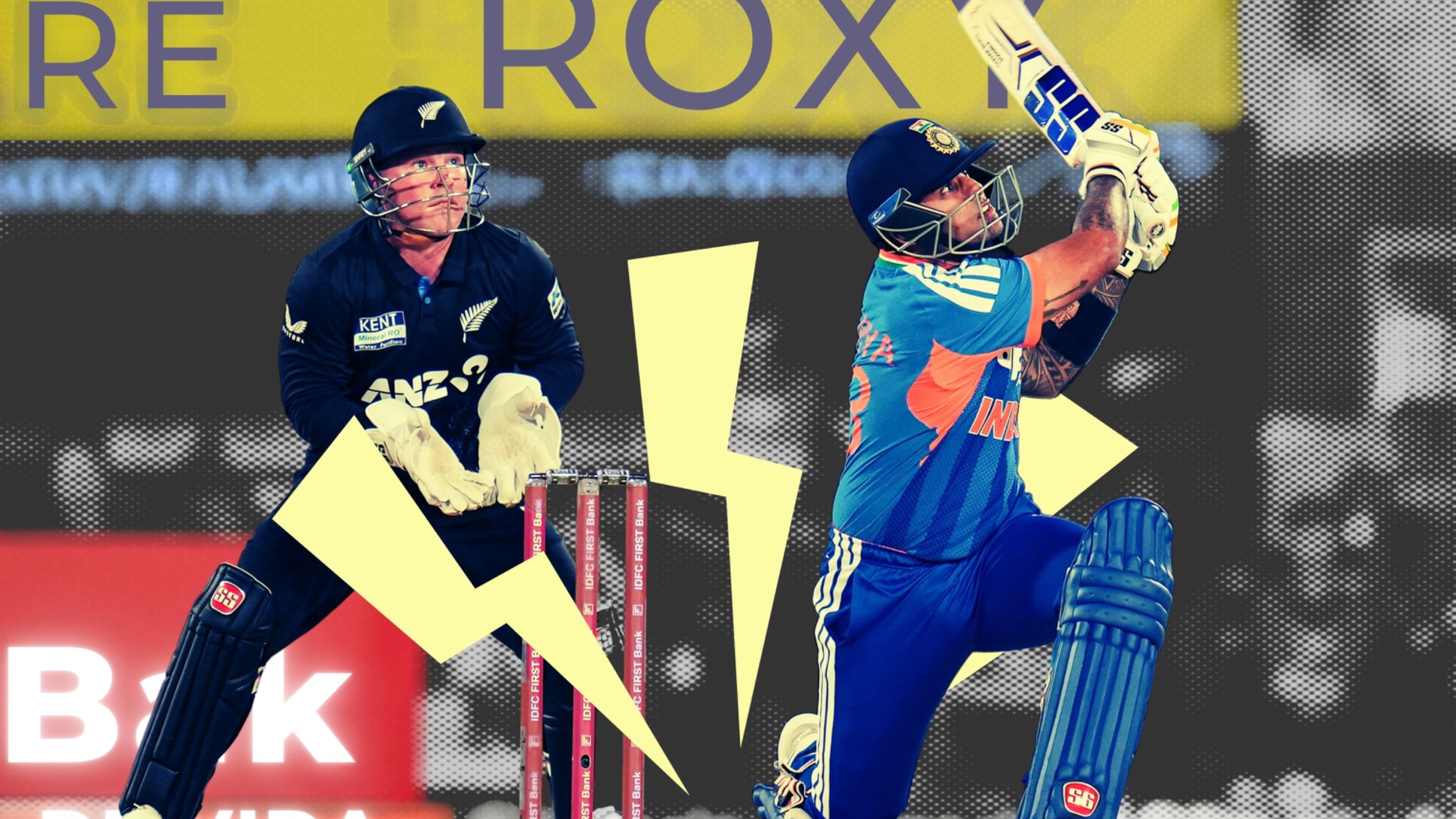
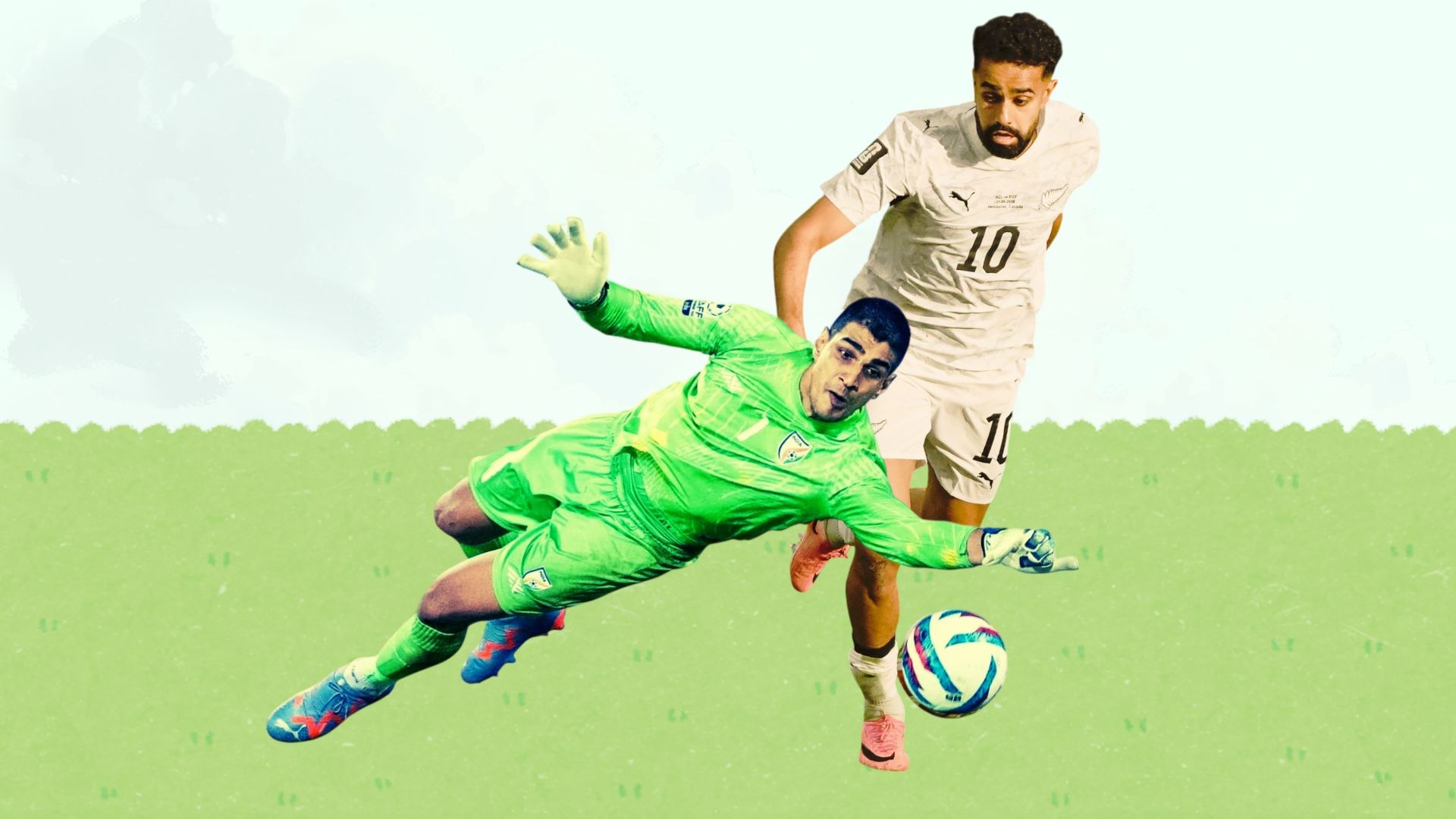
India is coming to Auckland: Full schedule revealed for cricket, football, hockey, Diwali From the Black Caps and All Whites taking on India to Diwali, hockey, bowls and city-wide light displays, Auckland has revealed its sporting centenary programme.
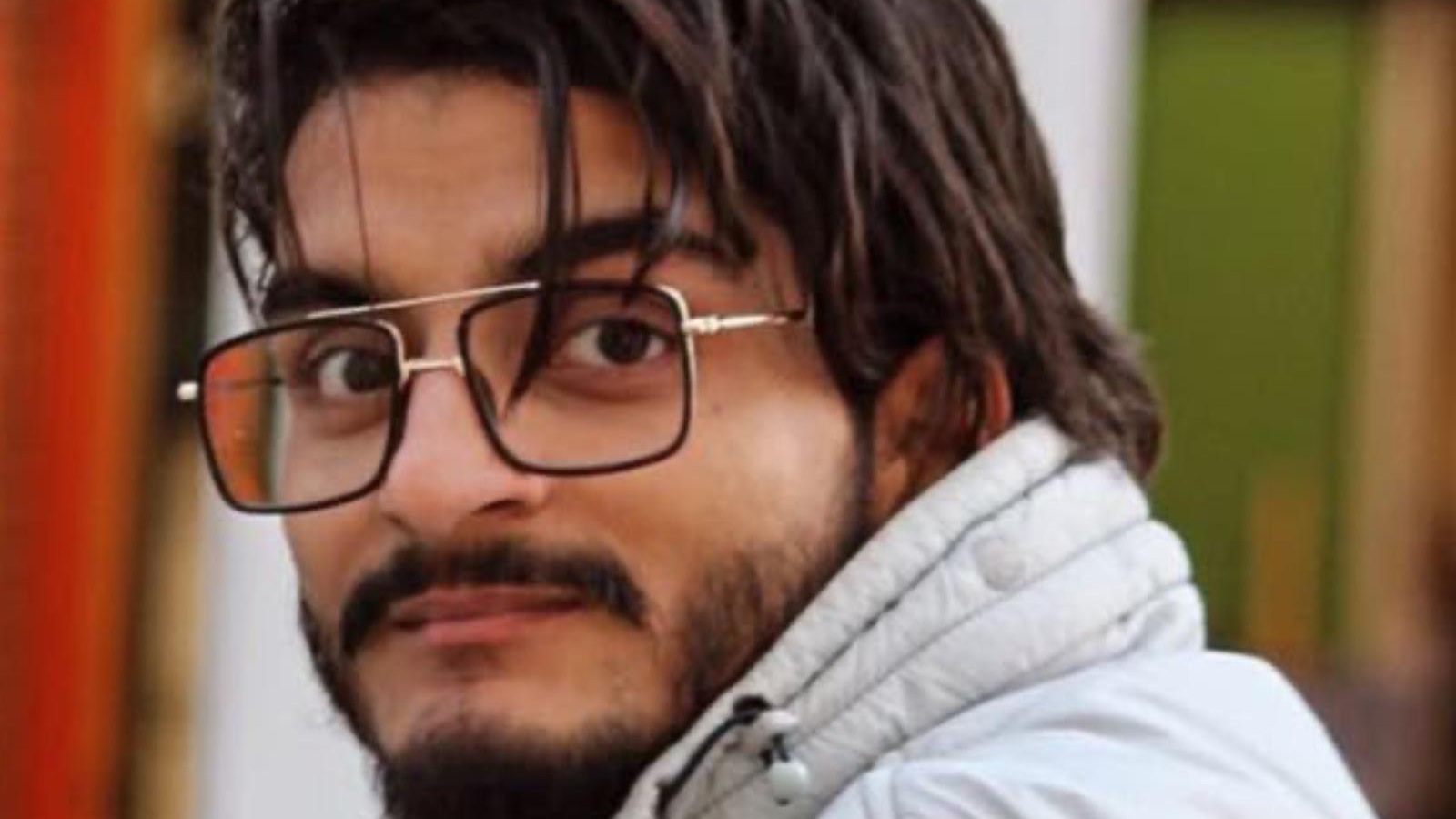
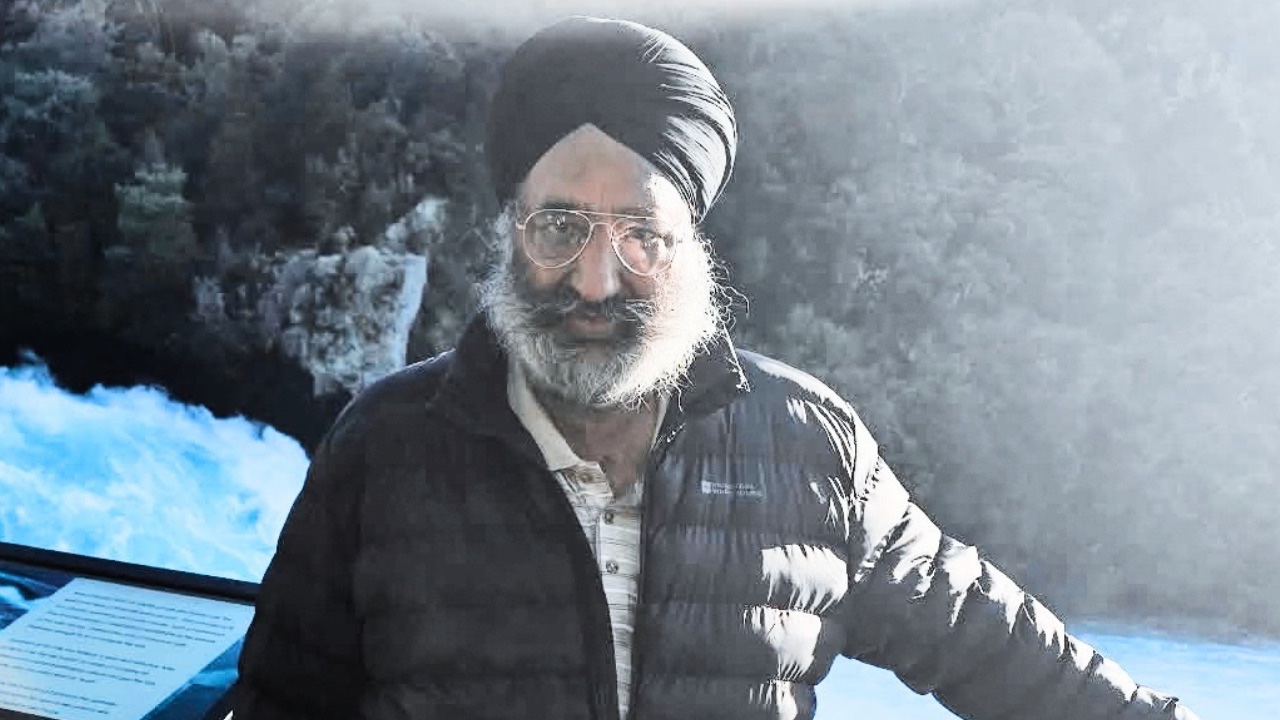
Indian man dies six months after arriving in New Zealand, fundraiser launched Emergency services were called to the crash at Kawarau Falls on Sunday.
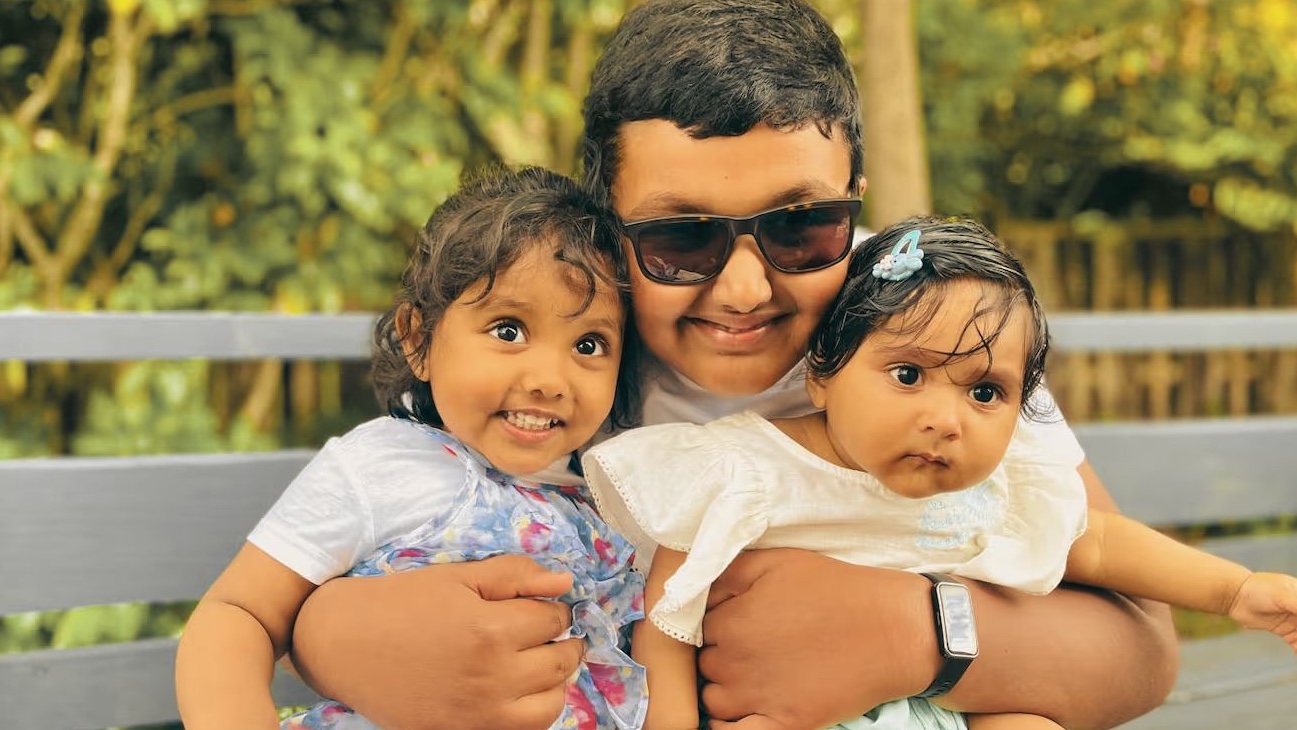
$70,000 bill for Rotorua man after father visiting from India to help with newborn twins has stroke A fundraiser has been launched after the uninsured visit has left the family carrying the full cost of hospital treatment
“The thing that he’s always talked to me about is actually sport,” Luxon said.
“He’s really interested in sport because they want to host the Olympics ultimately in 2036, and the Commonwealth Games.
“And of course, India hasn’t performed as well in the Olympics as it possibly could have, so he’s interested in our high-tech and high-performance sport approach, given how we perform.”
The comments offer a significant clue to what could emerge from the first visit to New Zealand by an Indian prime minister in nearly four decades.
Sporting cooperation between India and New Zealand is not new. Nor is the idea of New Zealand sharing expertise with India.
What is new is the prospect of that cooperation being elevated during Modi’s visit into something more directly connected to India’s ambitions at the highest level of global sport.
And the numbers help explain the interest.
At the Paris Olympics in 2024, India won six medals. One silver and five bronze. No gold. It was placed 71st on the medals table.
New Zealand won 20 medals, including 10 golds, seven silvers and three bronzes, finishing 11th on the medal table in its most successful Olympic Games.
That disparity has become increasingly relevant as India looks towards a possible bid for the 2036 Olympics and searches for ways to turn its enormous population, growing investment and expanding sporting infrastructure into more medals.
Luxon’s comments suggest New Zealand’s answer to that problem has Modi’s personal attention. Coaching systems, sports science, performance analytics and ability to consistently produce elite athletes from a small population.
The groundwork has been building since Luxon’s own visit to India last year.
March 2025: Modi and Luxon sign sports cooperation agreement
During Luxon’s official visit to India in March 2025, the two prime ministers welcomed the signing of a Memorandum of Cooperation on Sports.
Their joint statement said the agreement was intended to foster greater sporting engagement and collaboration between the countries.
It also announced “Sporting Unity” events for 2026 to mark 100 years of sporting contact between India and New Zealand.
At that stage, the agreement sat alongside a much broader reset in bilateral relations. Defence cooperation, education, tourism, trade and mobility all featured prominently during Luxon’s visit.
Sport was one strand of a much larger relationship. That soon began to change.
September 2025: New Zealand puts sport into its foreign policy
Six months later, the New Zealand government launched its Sport Diplomacy Strategy 2025–2030.
It set out a coordinated cross-government approach to using sport to build international relationships, support trade and investment, and raise New Zealand’s global profile.
India quickly emerged as one of the clearest tests of that strategy.
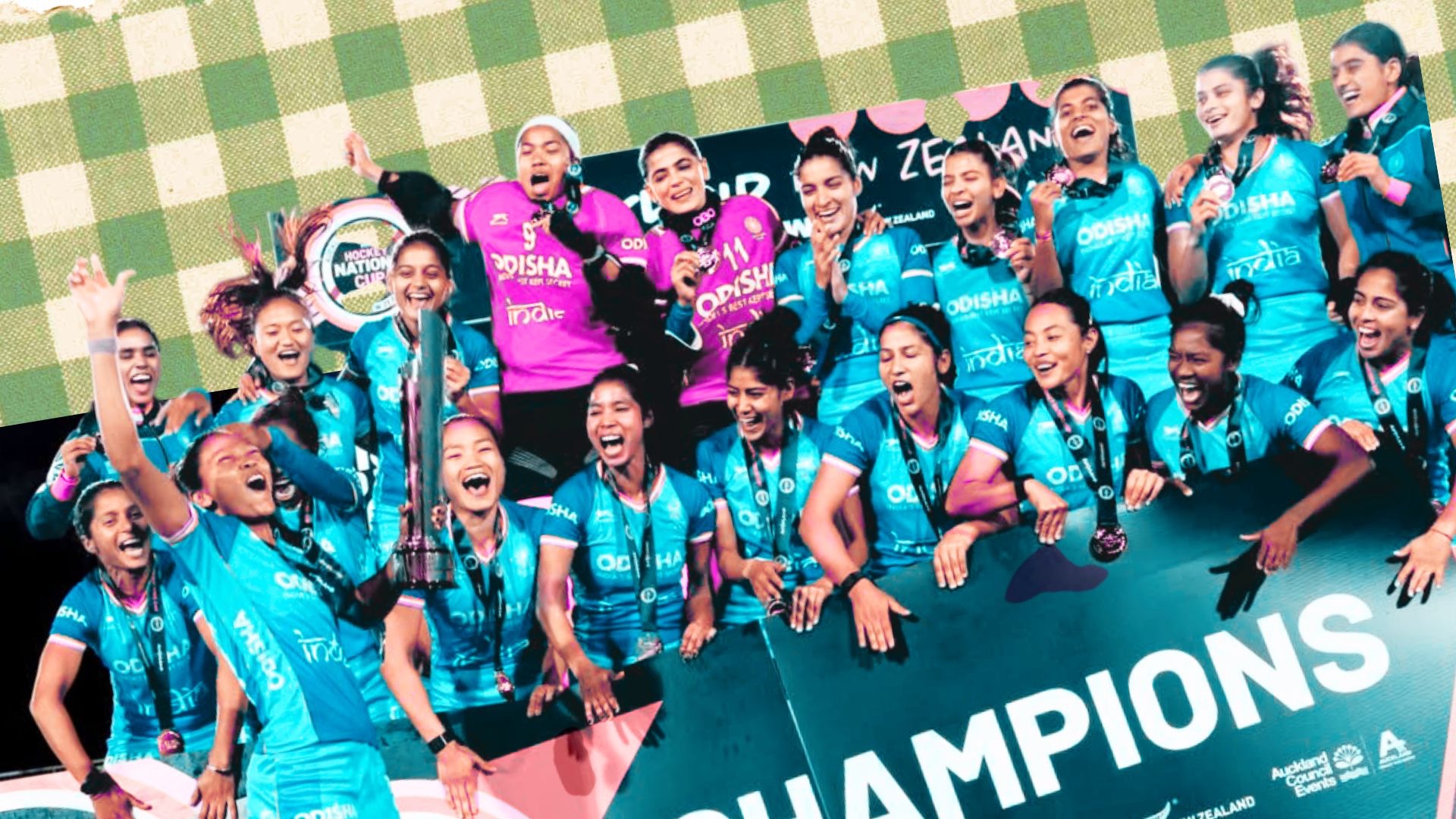
The government announced a major 2026 programme marking a century of sporting ties between the two countries, dating back to the 1926 Indian hockey tour of New Zealand.
The proposed programme was explicitly described as more than a series of matches. It was intended to connect sport with culture, business and diplomacy.
March 2026: The partnership gets specific
By March this year, the relationship had moved well beyond broad declarations.
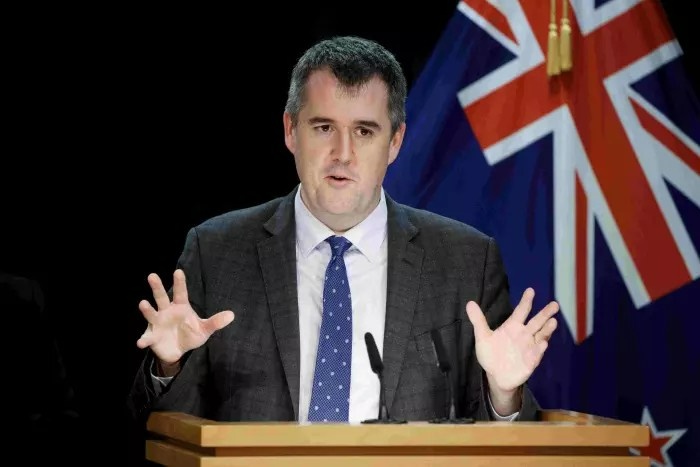
A senior New Zealand sporting delegation travelled to India, led by then associate sport and recreation minister Chris Bishop and Sport New Zealand.
The delegation included leaders from across New Zealand sport, government and business. In New Delhi, Indian sports minister Mansukh Mandaviya chaired high-level talks on expanding the relationship.
This time, the agenda was highly specific. The two countries identified rugby, rowing, canoeing, sailing, athletics and cycling as priority sports for collaboration.
They discussed joint training camps and coaching exchanges, and explored sharing expertise in sports science, analytics and athlete-performance systems.
They even considered integrating New Zealand’s coach-development framework into the curriculum of India’s National Institute of Sports in Patiala.
A Joint Working Group was agreed to oversee implementation, with nominated officials and periodic reviews.
The talks were held under an India–New Zealand Centenary Sports Cooperation Programme for 2026, aimed at expanding collaboration in sports development, high-performance training and innovation.
Rugby becomes an early test case
At the same time, individual sporting relationships were beginning to take shape.
As Awaaz reported in March, New Zealand was making an unlikely push to help develop rugby in India, where the sport remains tiny compared with cricket.
New Zealand Rugby and the Indian Rugby Football Union had begun building a partnership around Rugby Sevens, coaching and high-performance development.
The timing was significant. India had launched the Rugby Premier League, a franchise-based Sevens competition, while Indian rugby leaders were publicly looking towards future Olympic qualification.
For New Zealand, rugby offered an obvious area of expertise. For India, Sevens offered an Olympic sport in which a developing system could potentially make faster gains than in some longer-established disciplines.
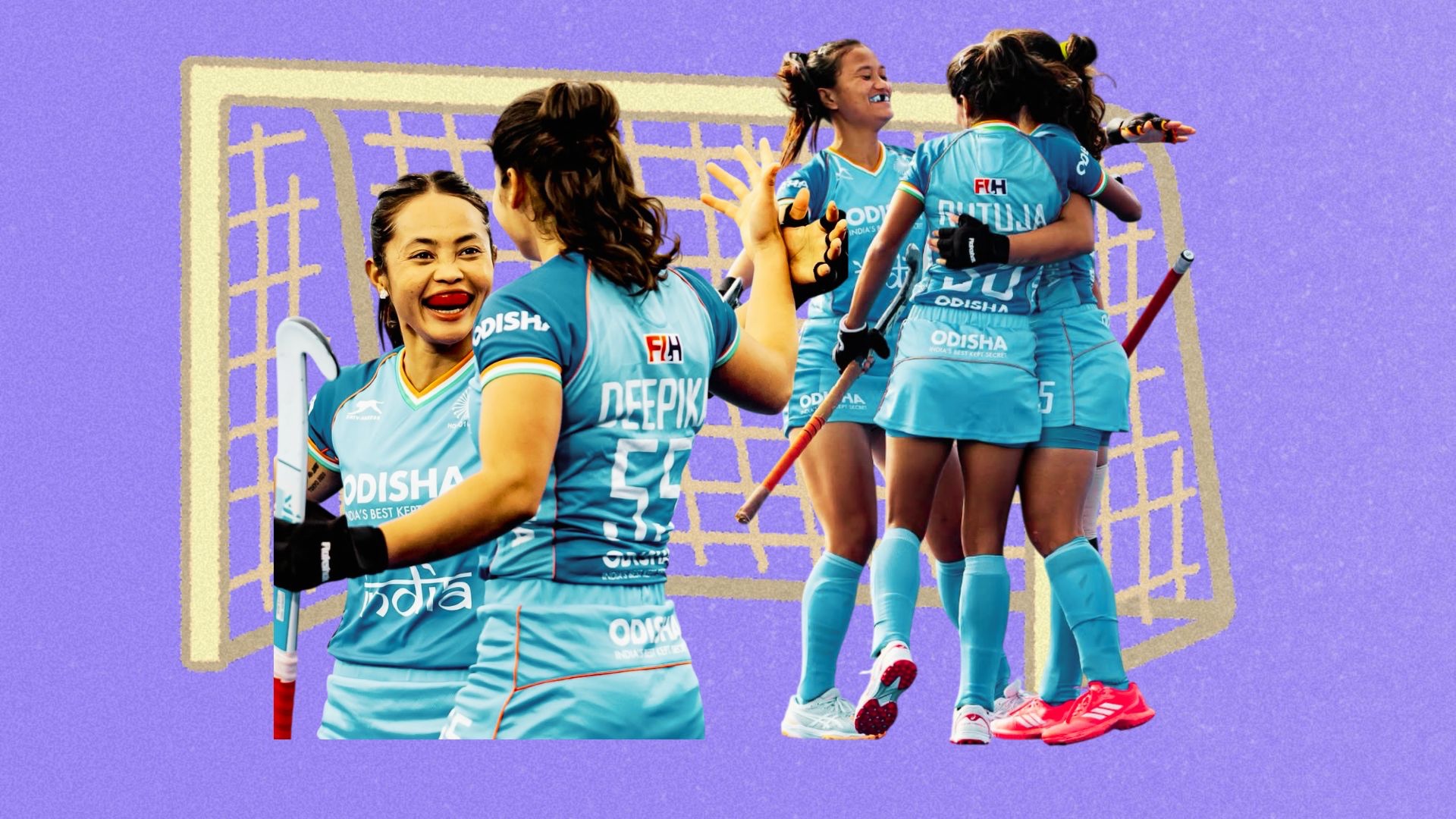
But rugby was only one piece of a much wider effort. The March delegation to India also included representatives connected to basketball, golf, hockey, athletics, bowls, paralympic sport, cricket and football.
Sport New Zealand later described the visit as one of the first major activities under the government’s new sport diplomacy strategy and said India had been identified as a priority focus.
Modi comes to New Zealand
That is the backdrop to Luxon’s comments this week.
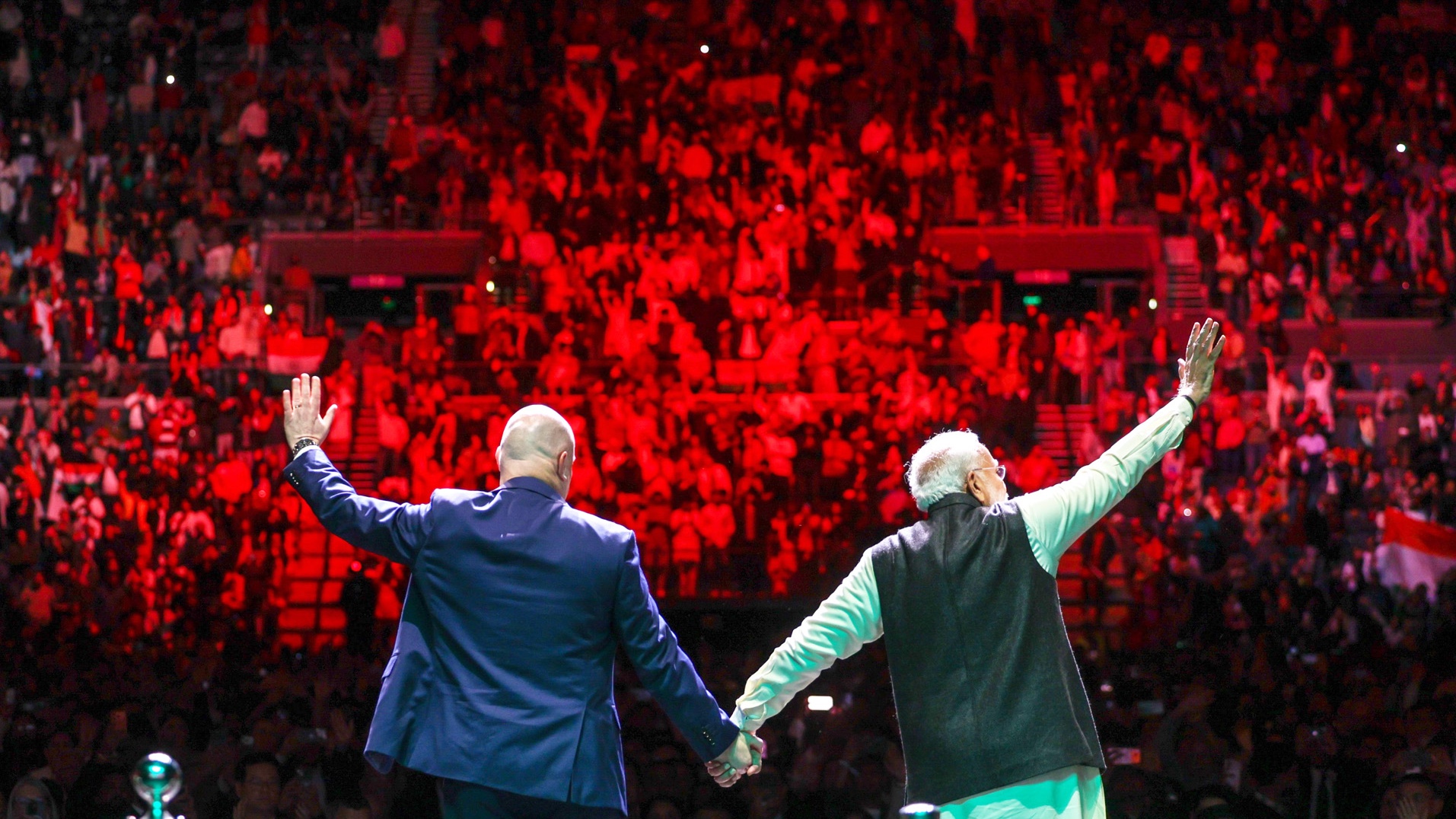
Modi is due to arrive late on Friday before a packed Saturday programme of state-to-state meetings, business engagement and a 12,000-strong community reception in Auckland.
Luxon said the formal discussions would cover defence and security, the economic relationship and people-to-people links.
But in describing the programme, Luxon gave sport unusual prominence, linking it directly to Modi, India’s Olympic performance and New Zealand’s high-performance expertise.