
Election 2026: Luxon, Seymour warn Winston Peters may not stay with the right

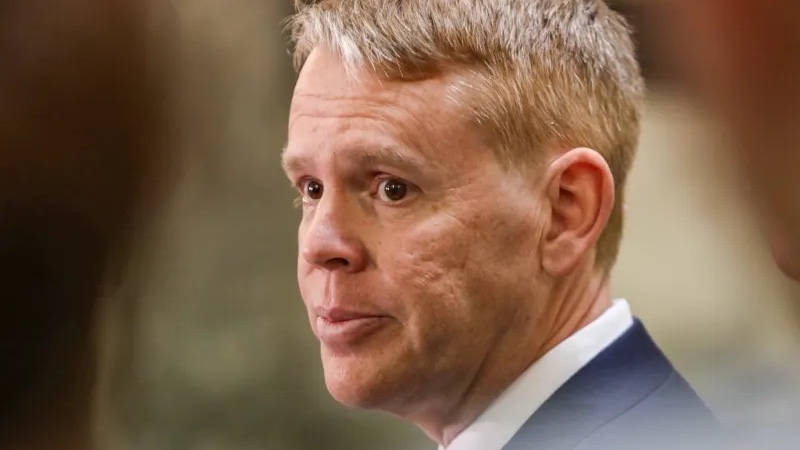
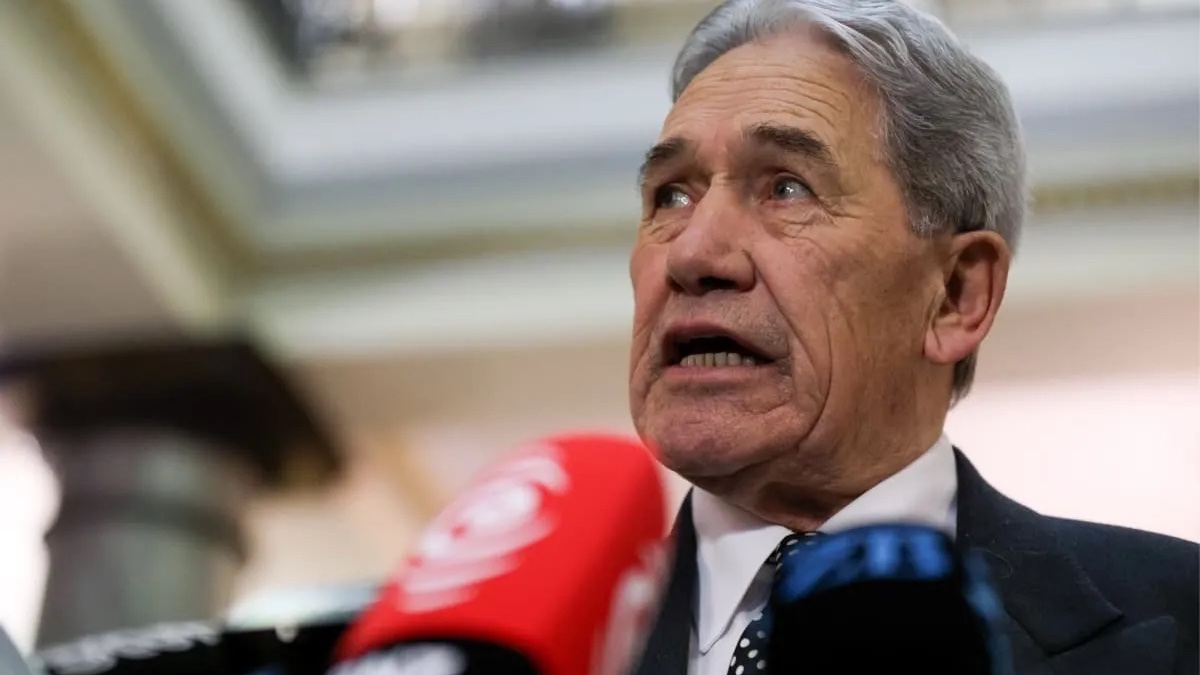
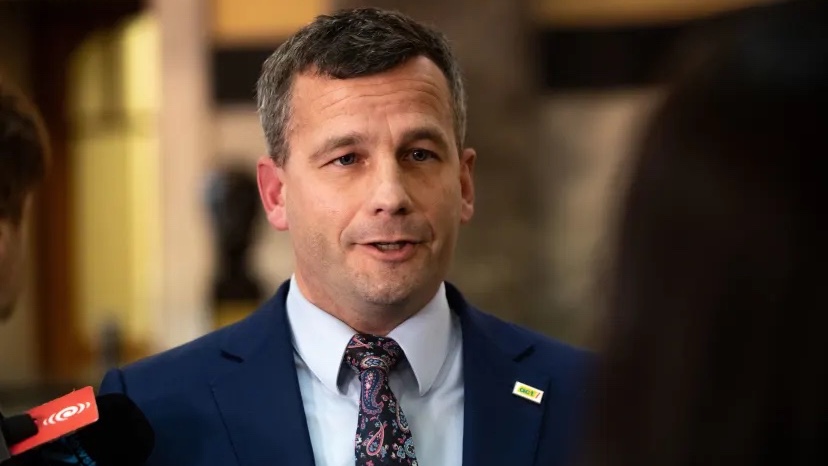
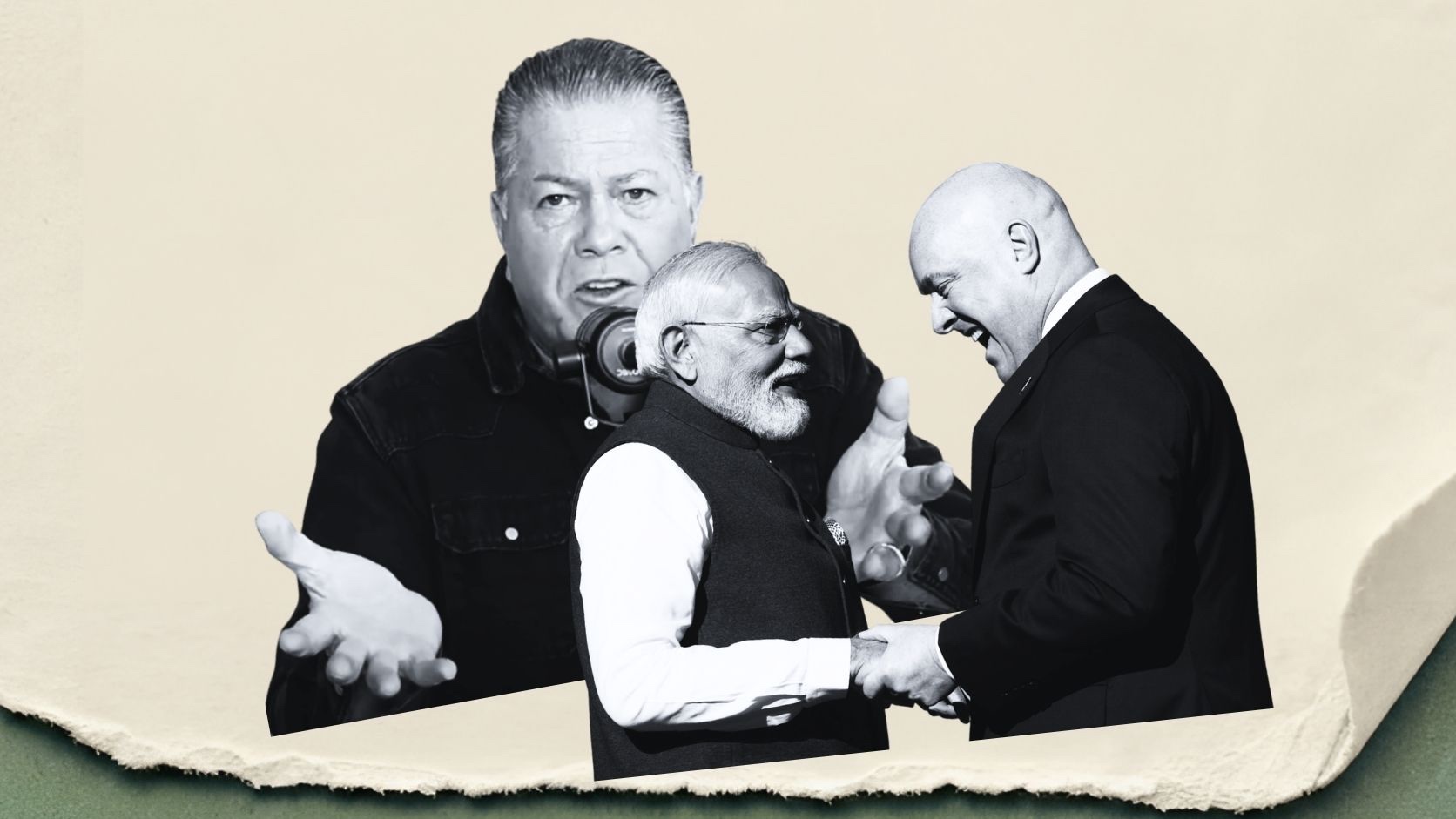
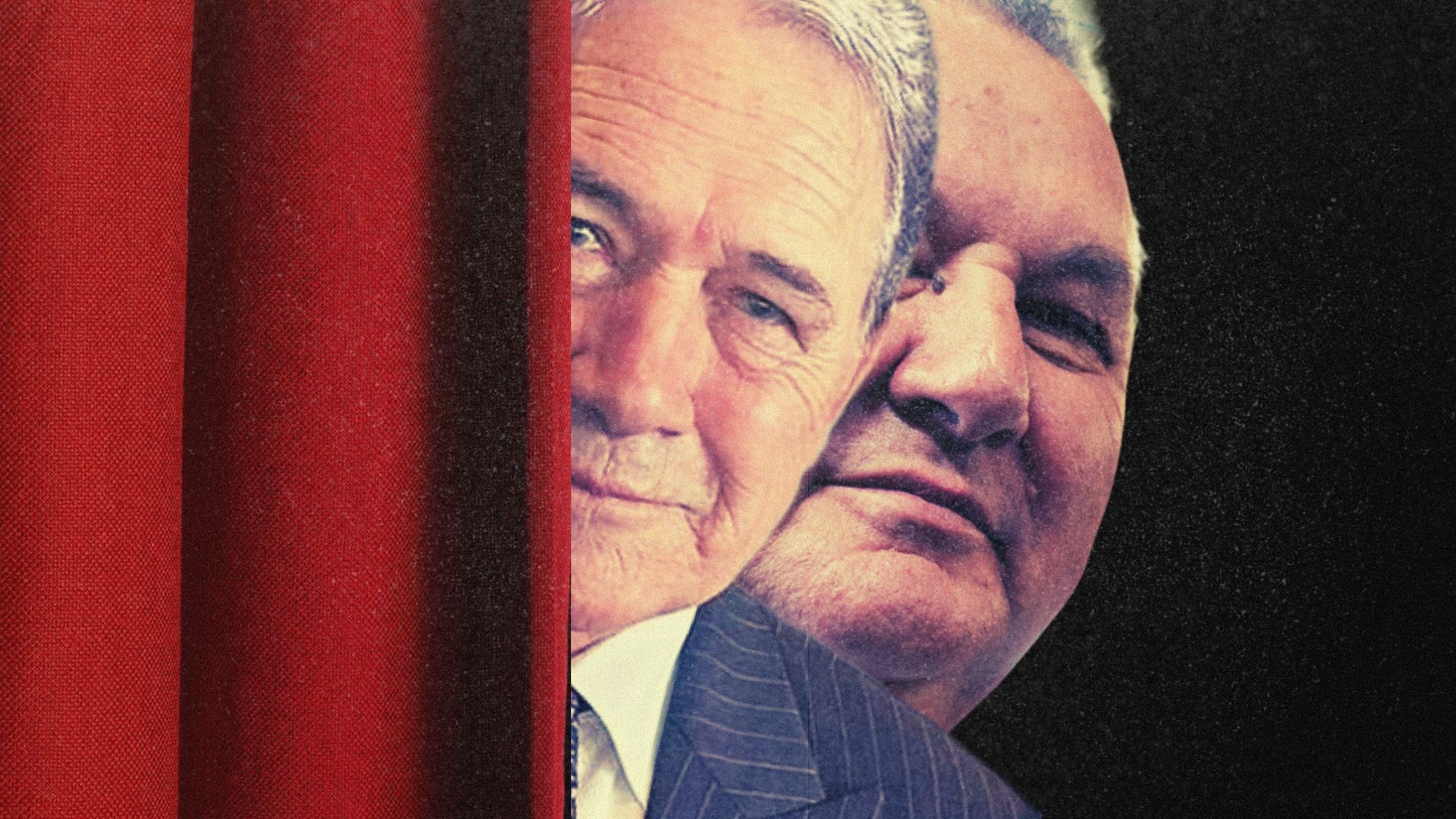
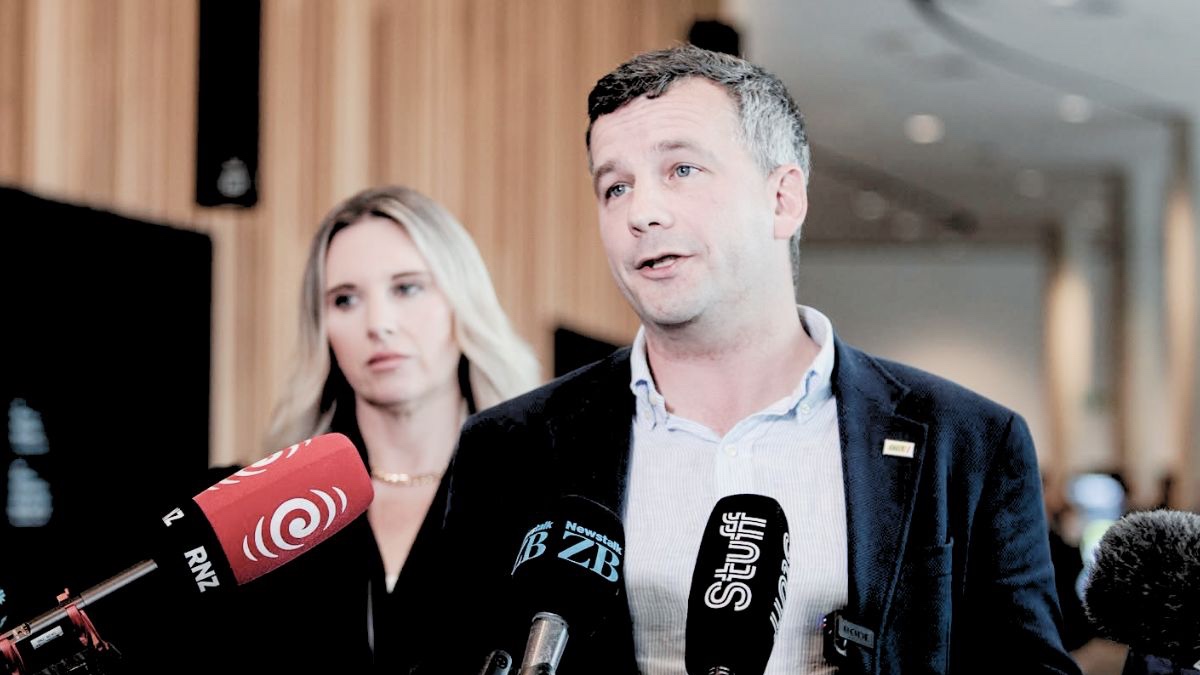
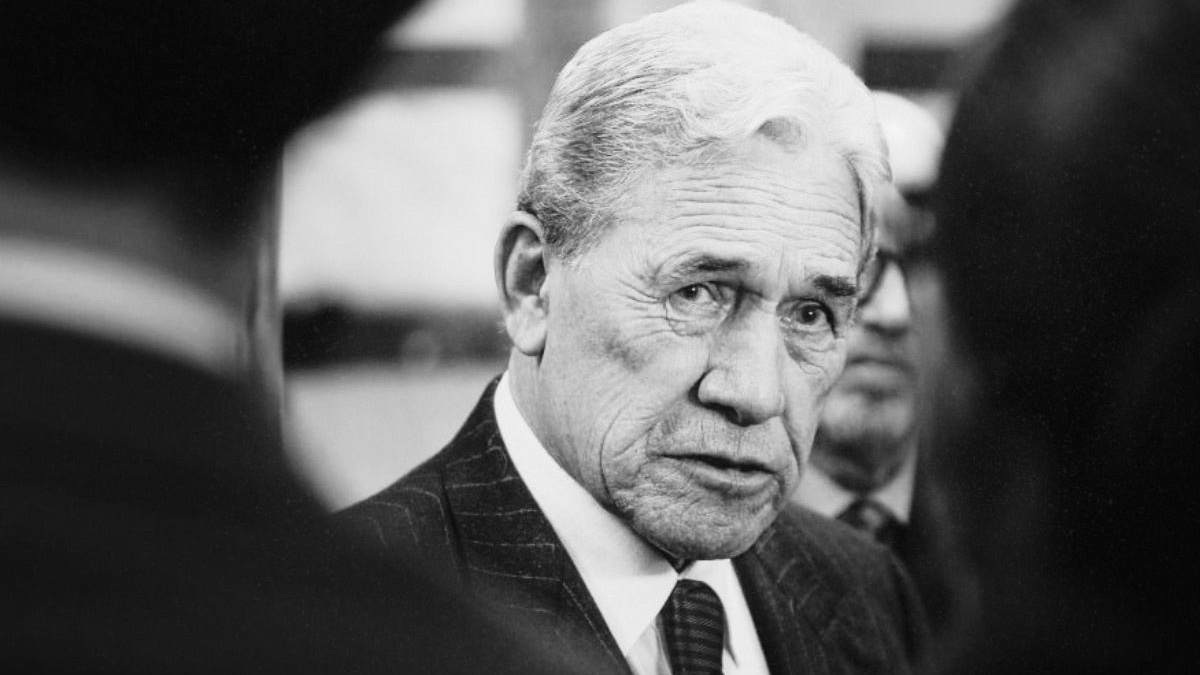
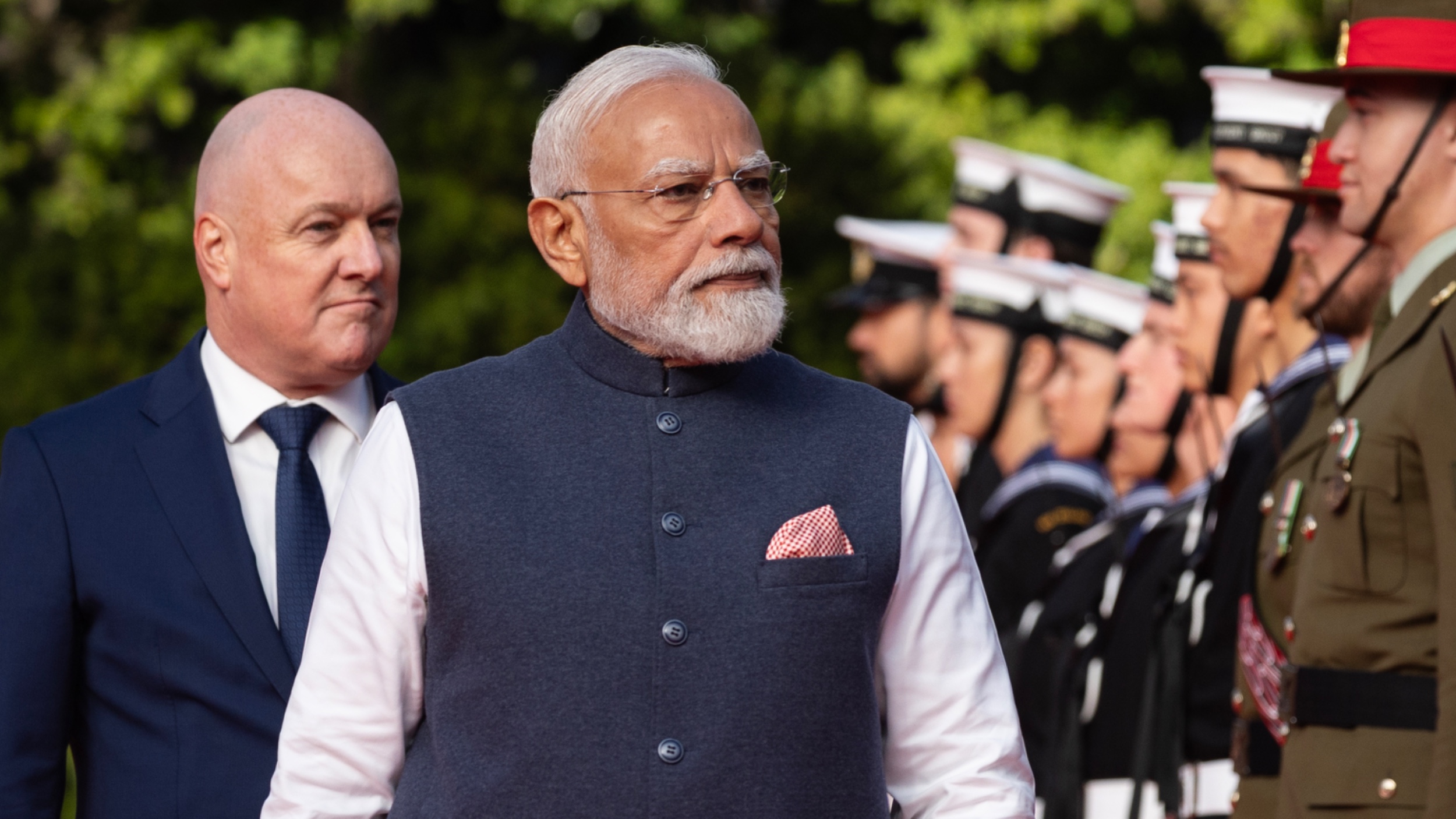
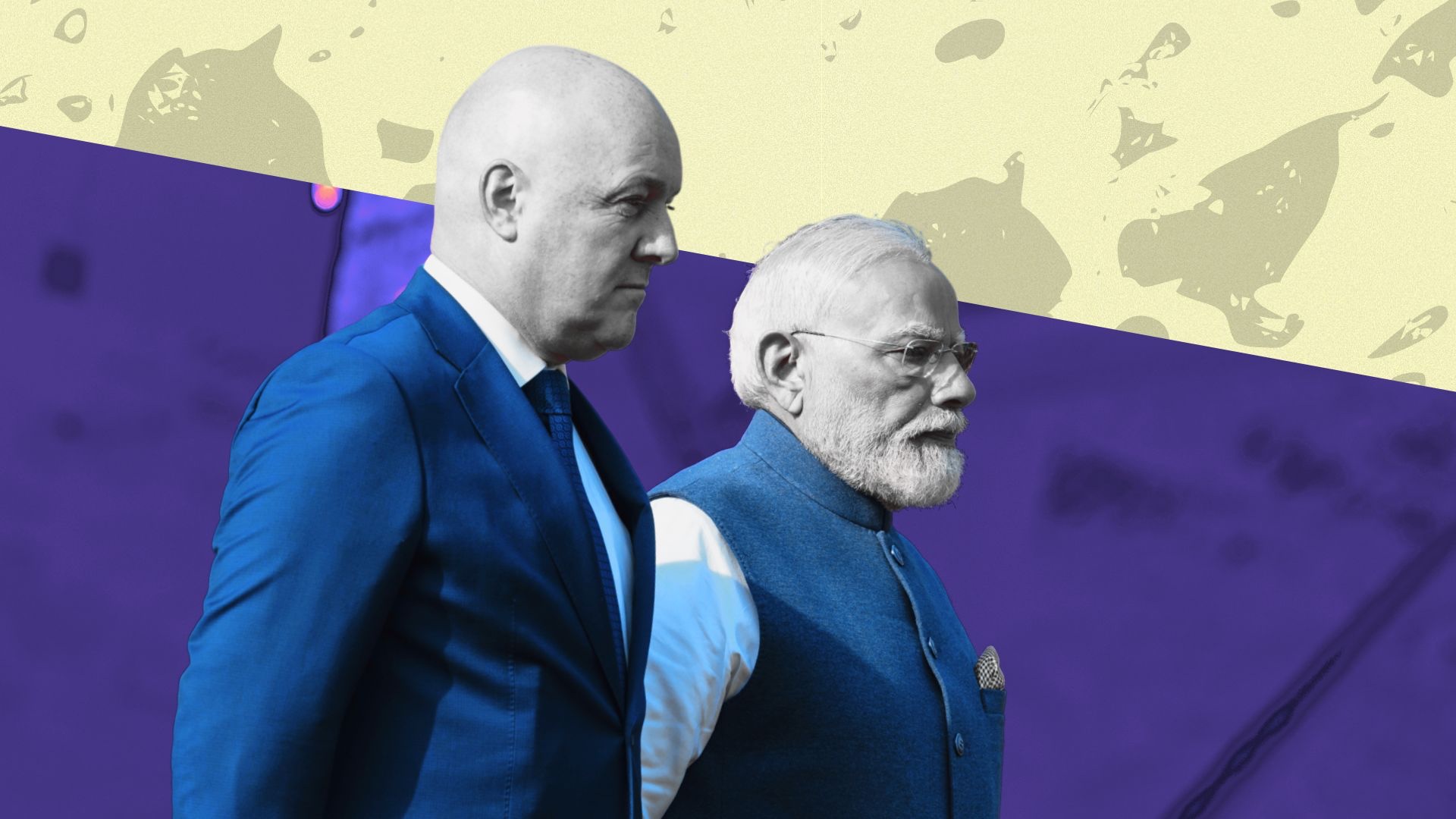
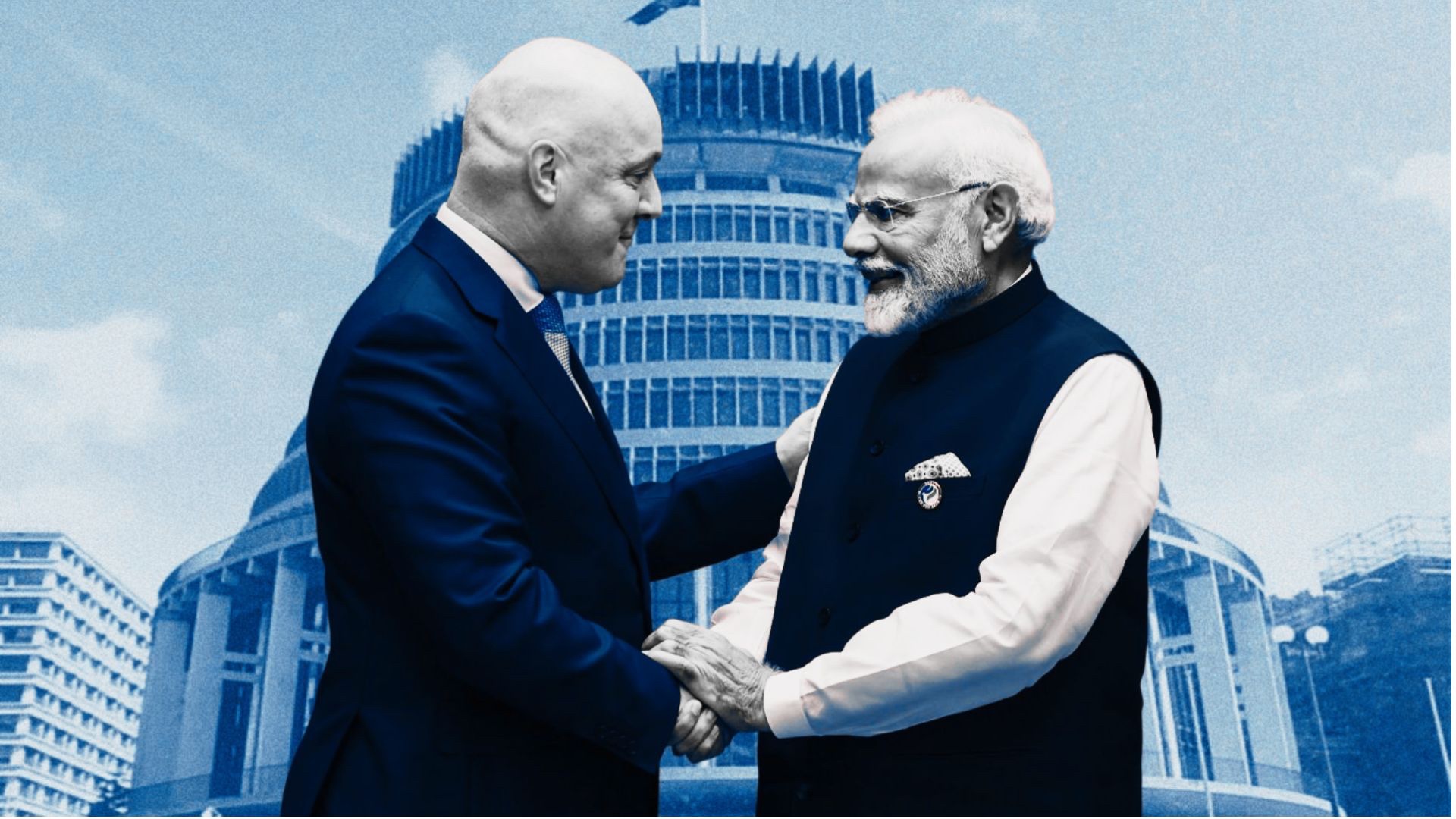
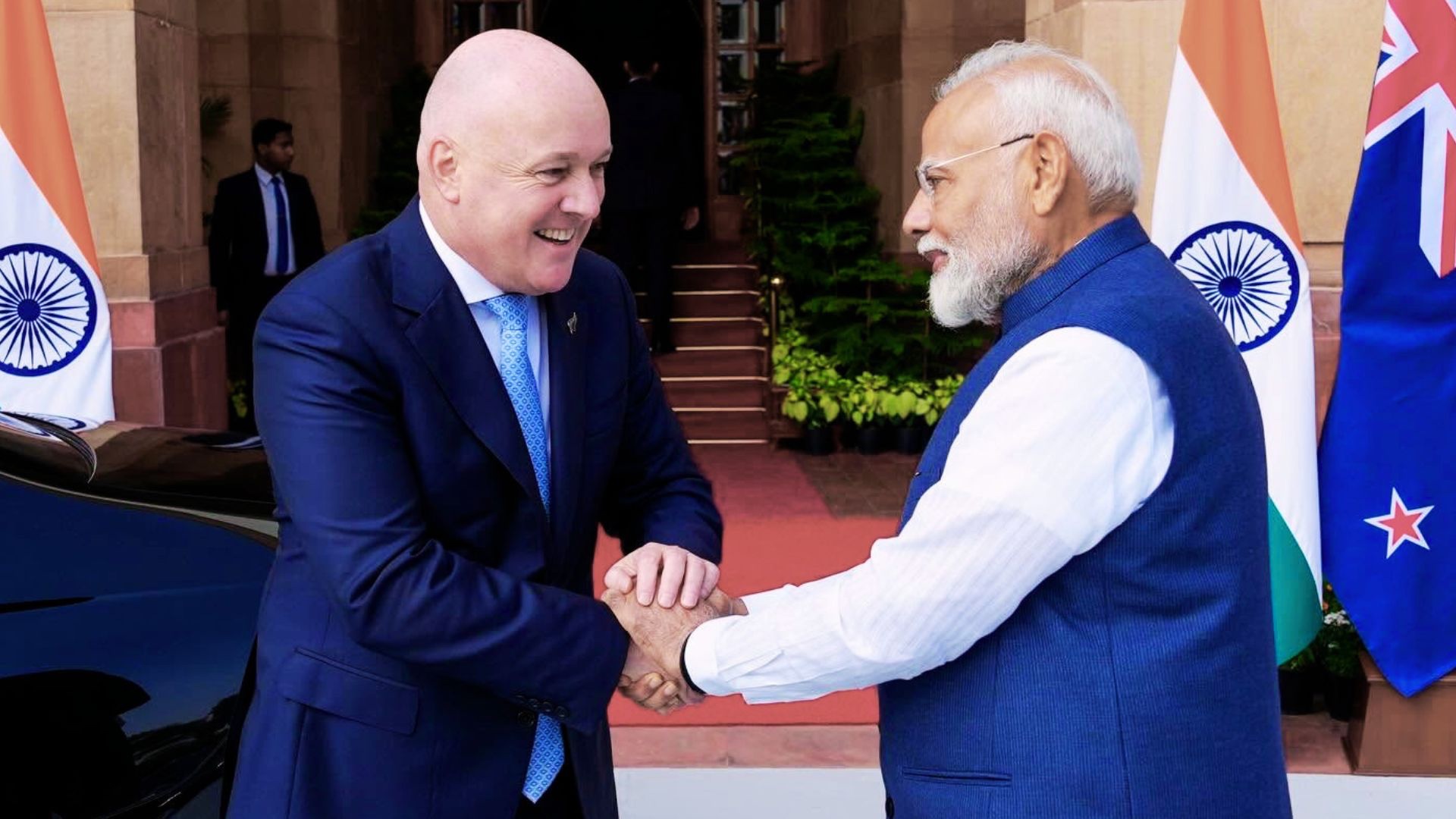
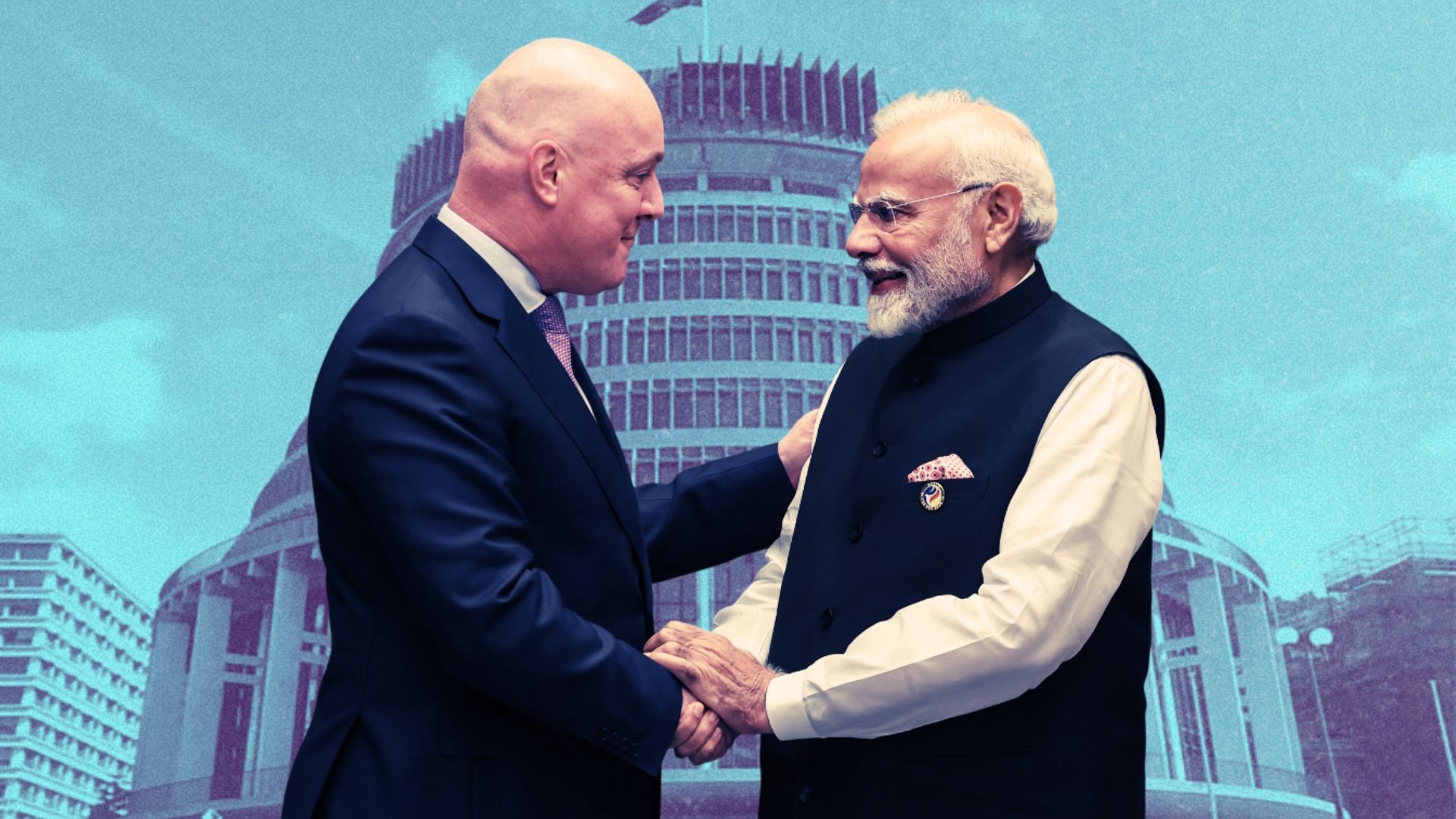
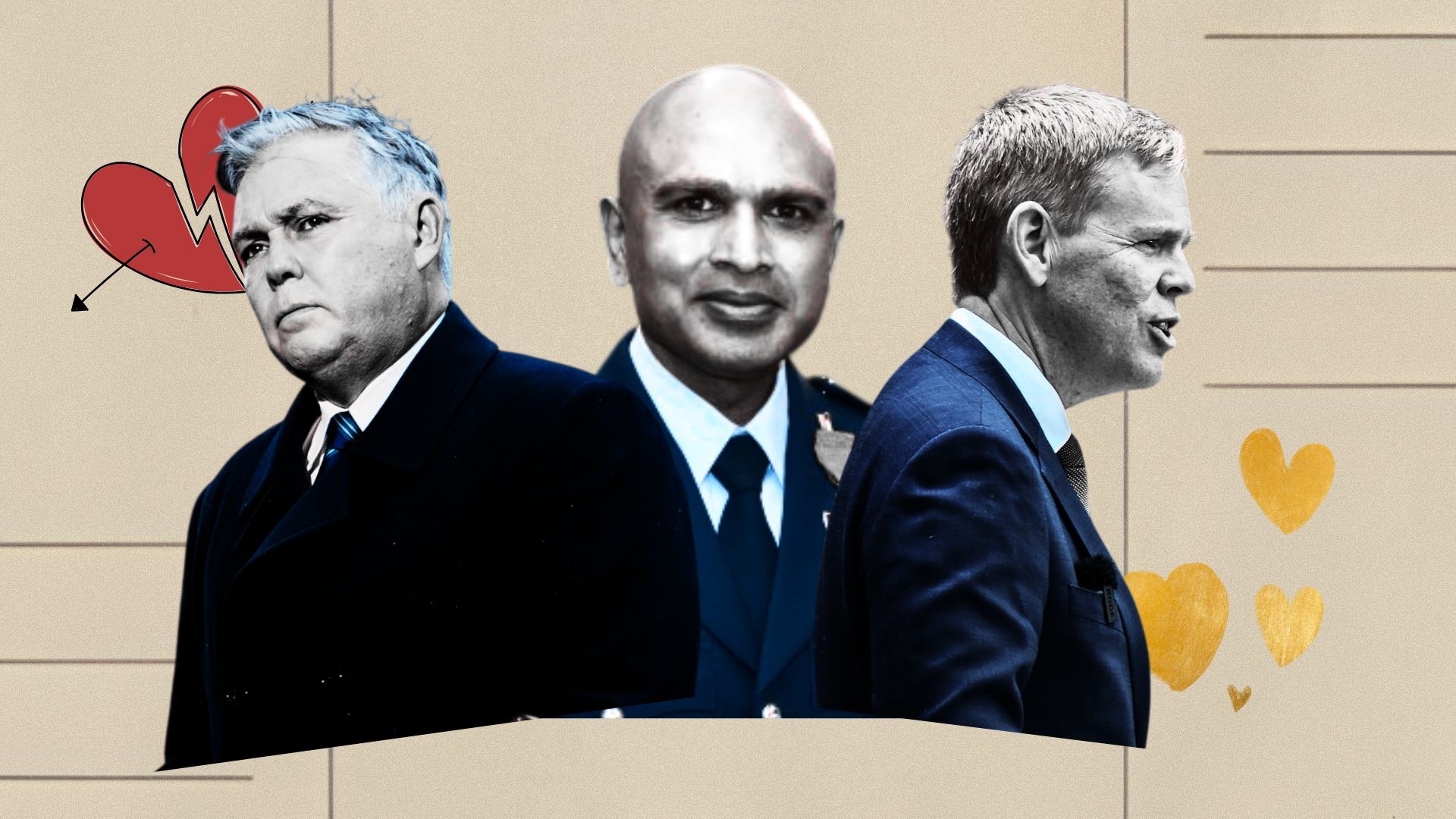
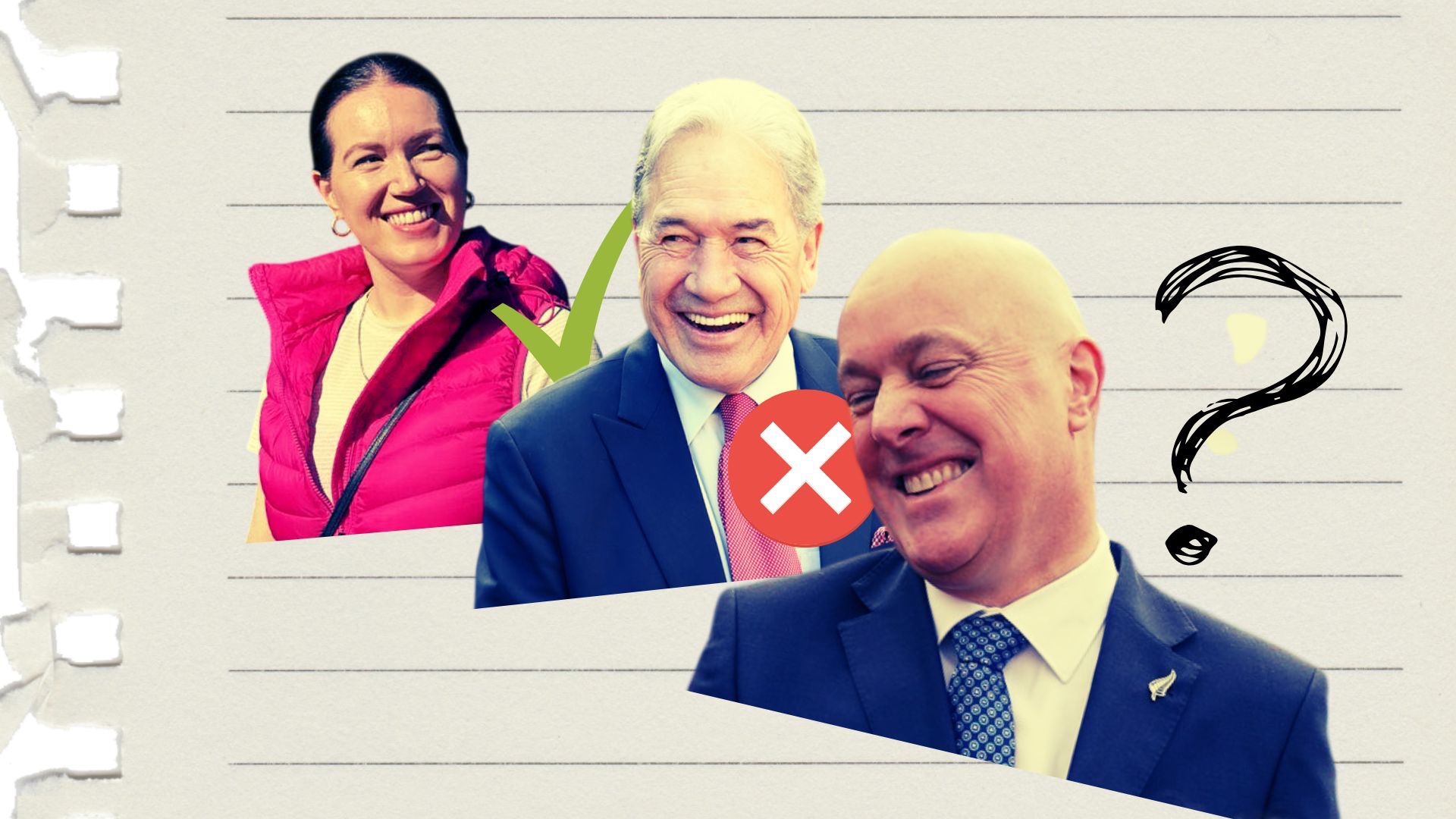
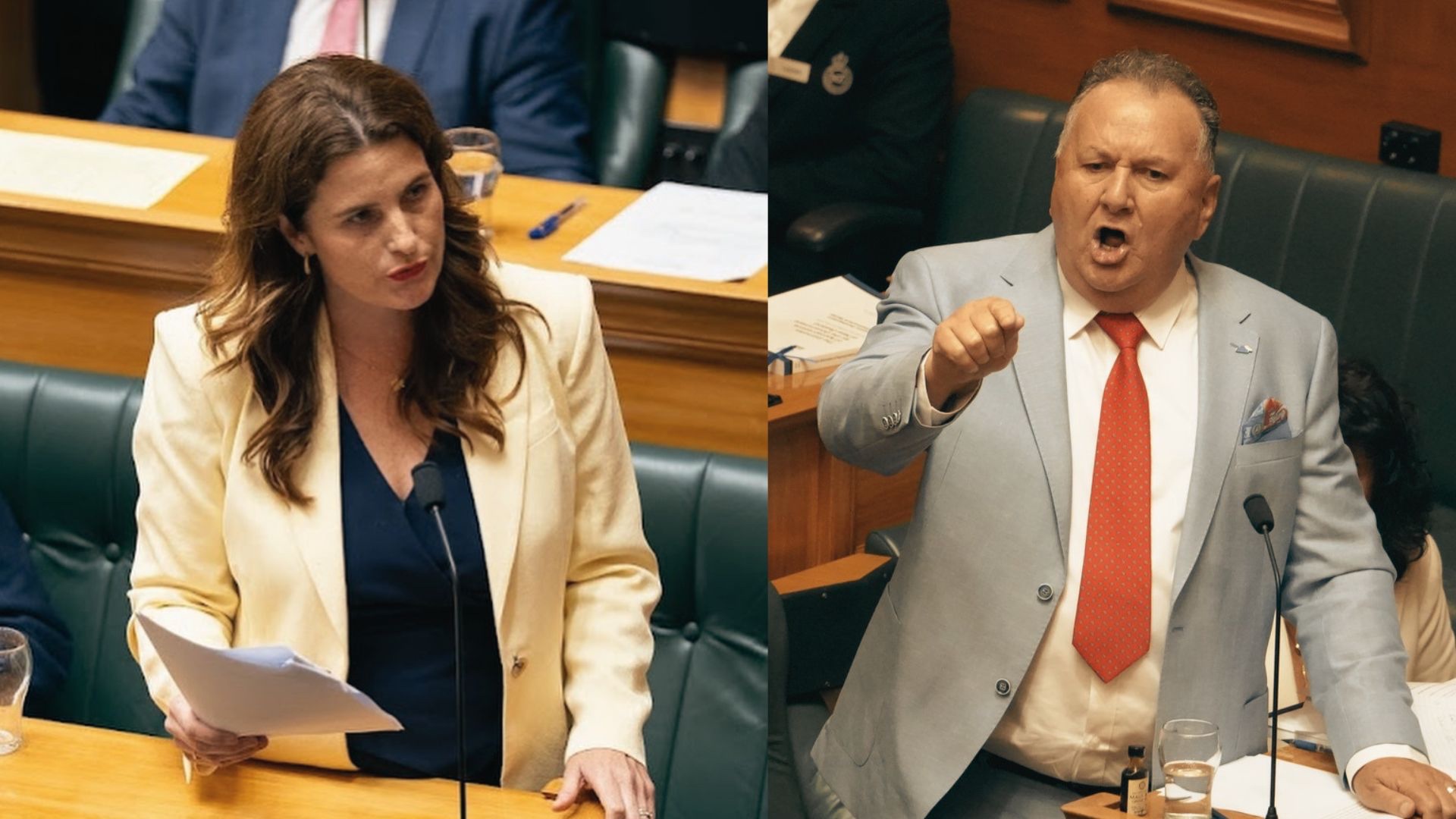
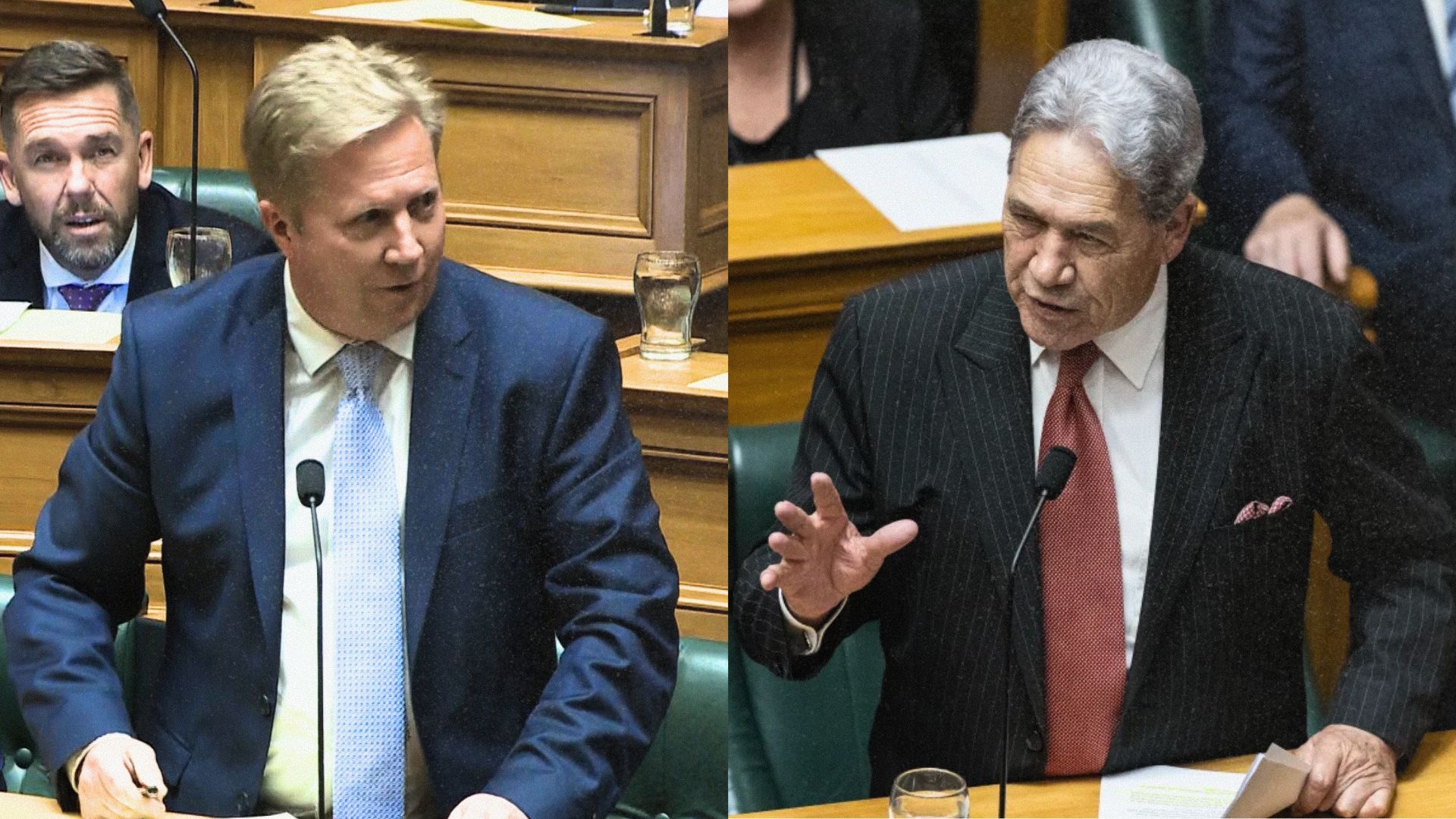
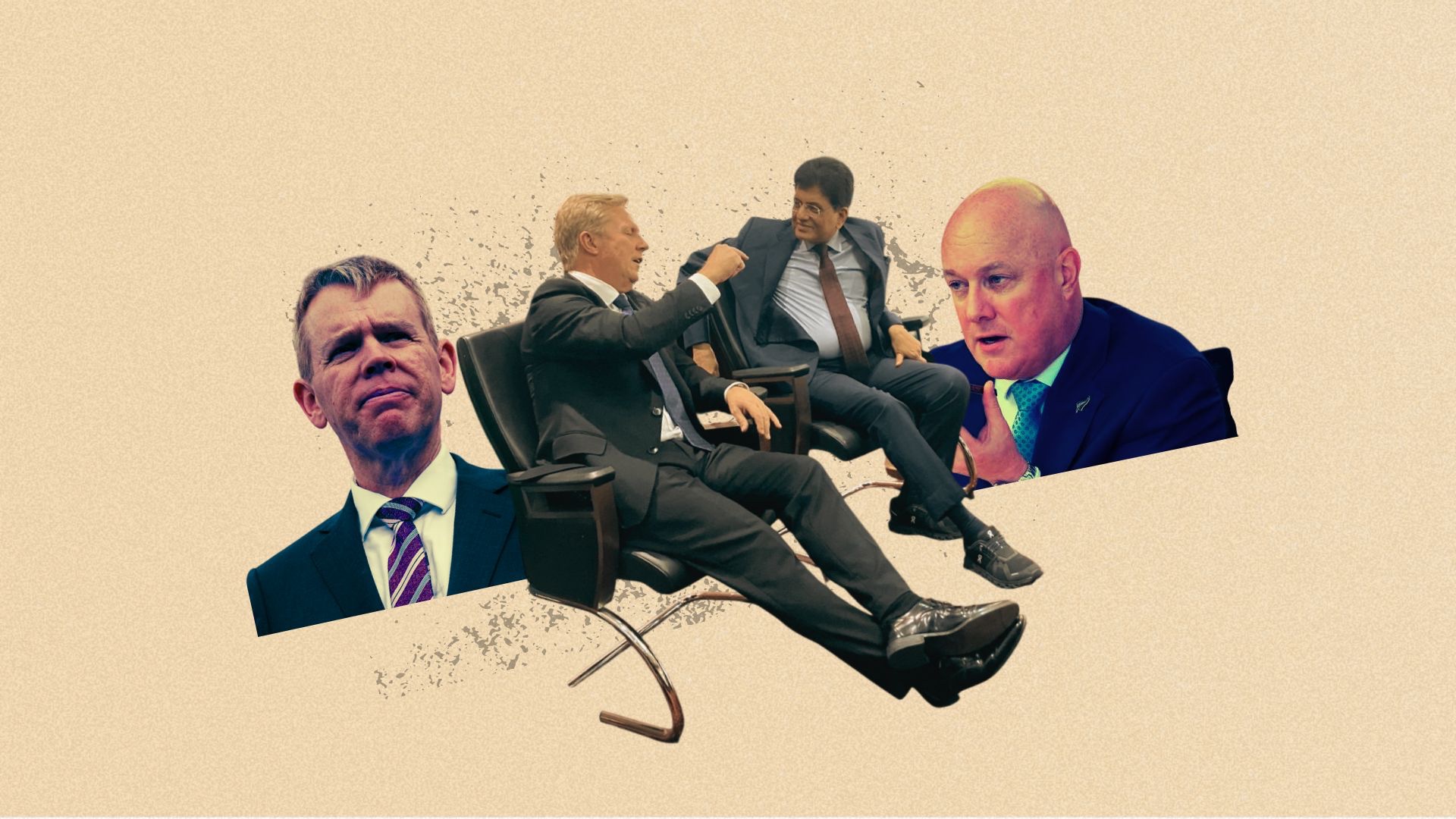
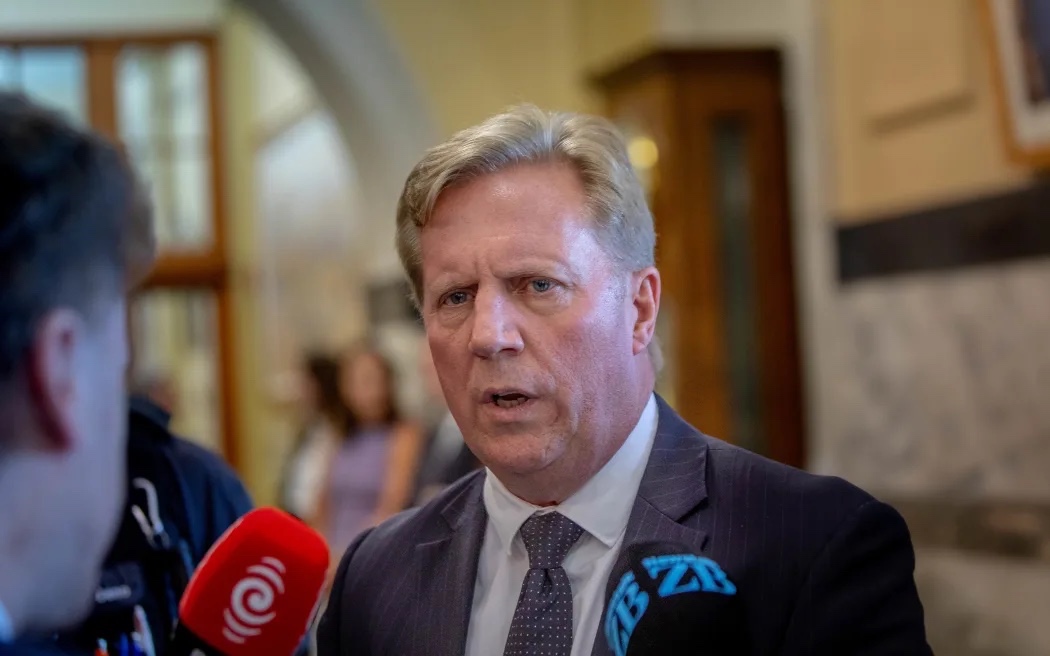
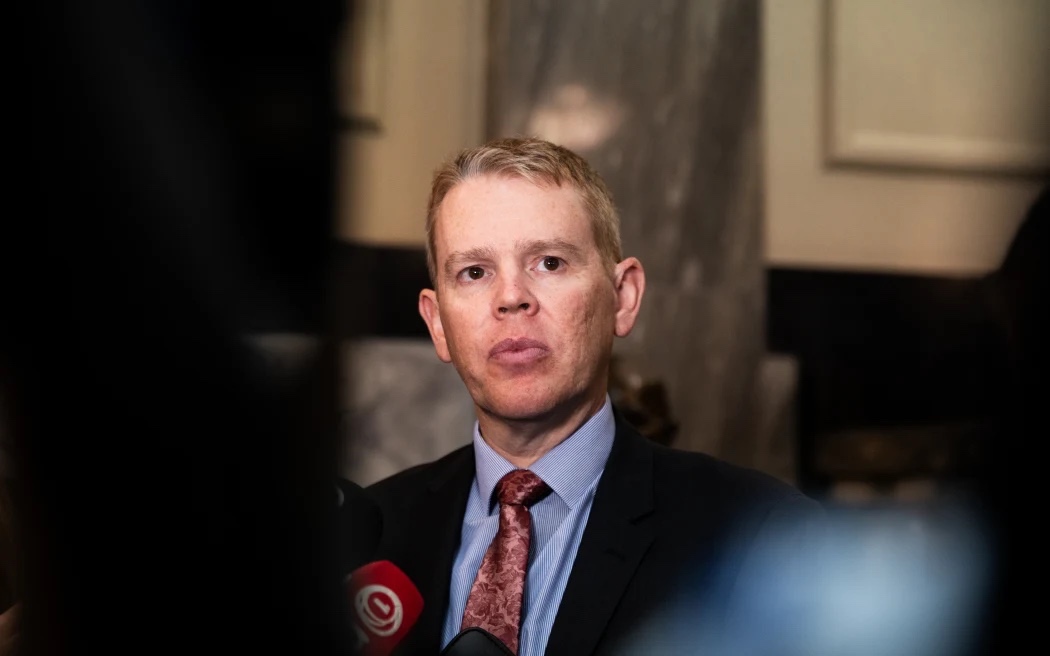
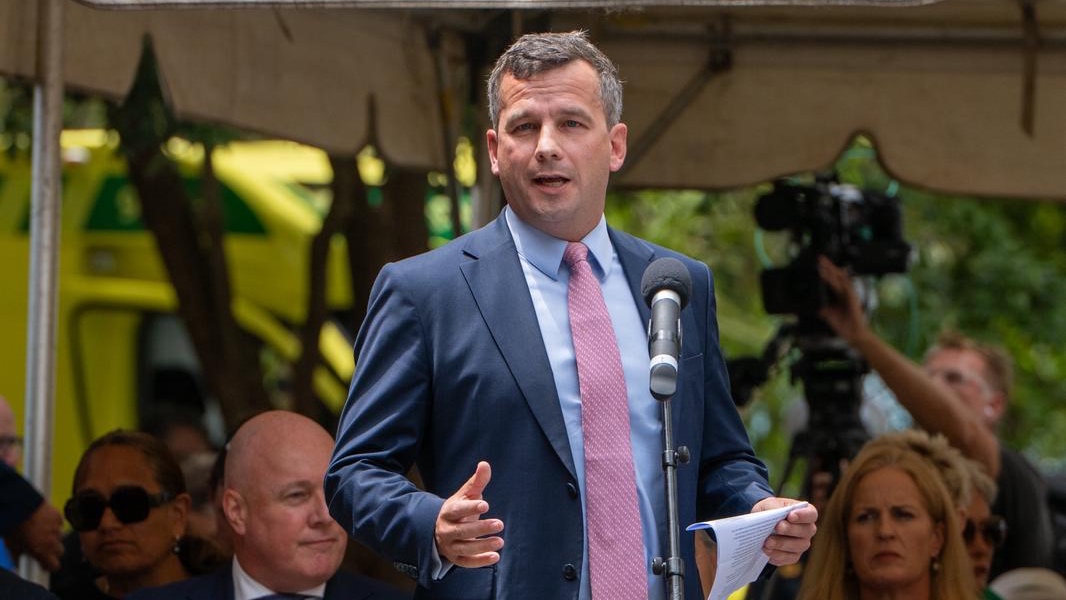
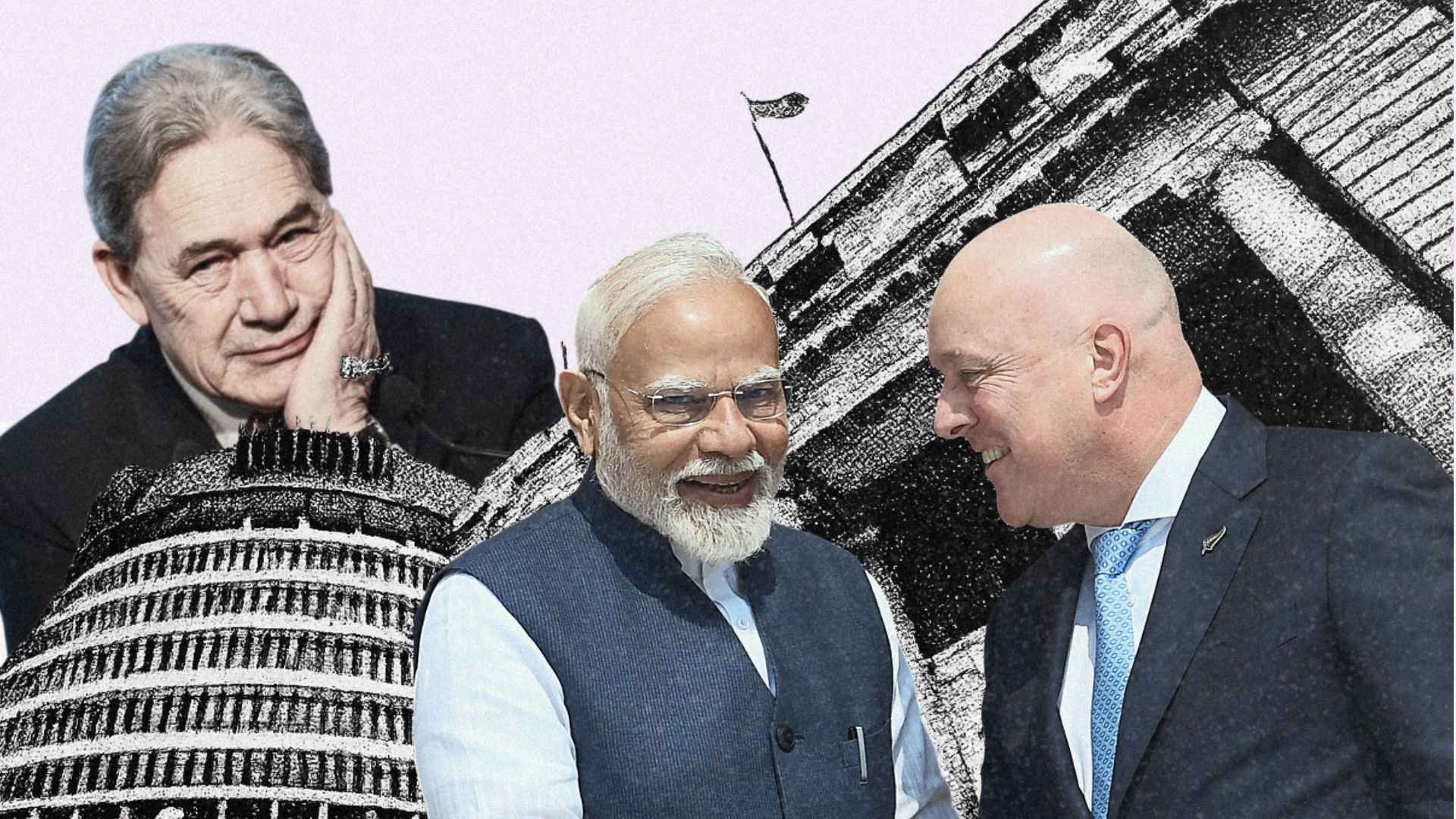
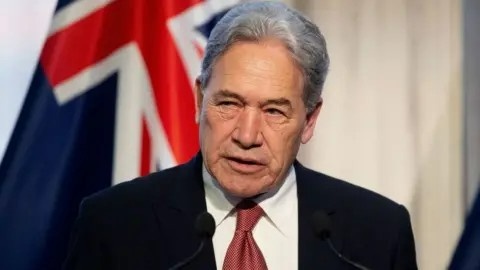
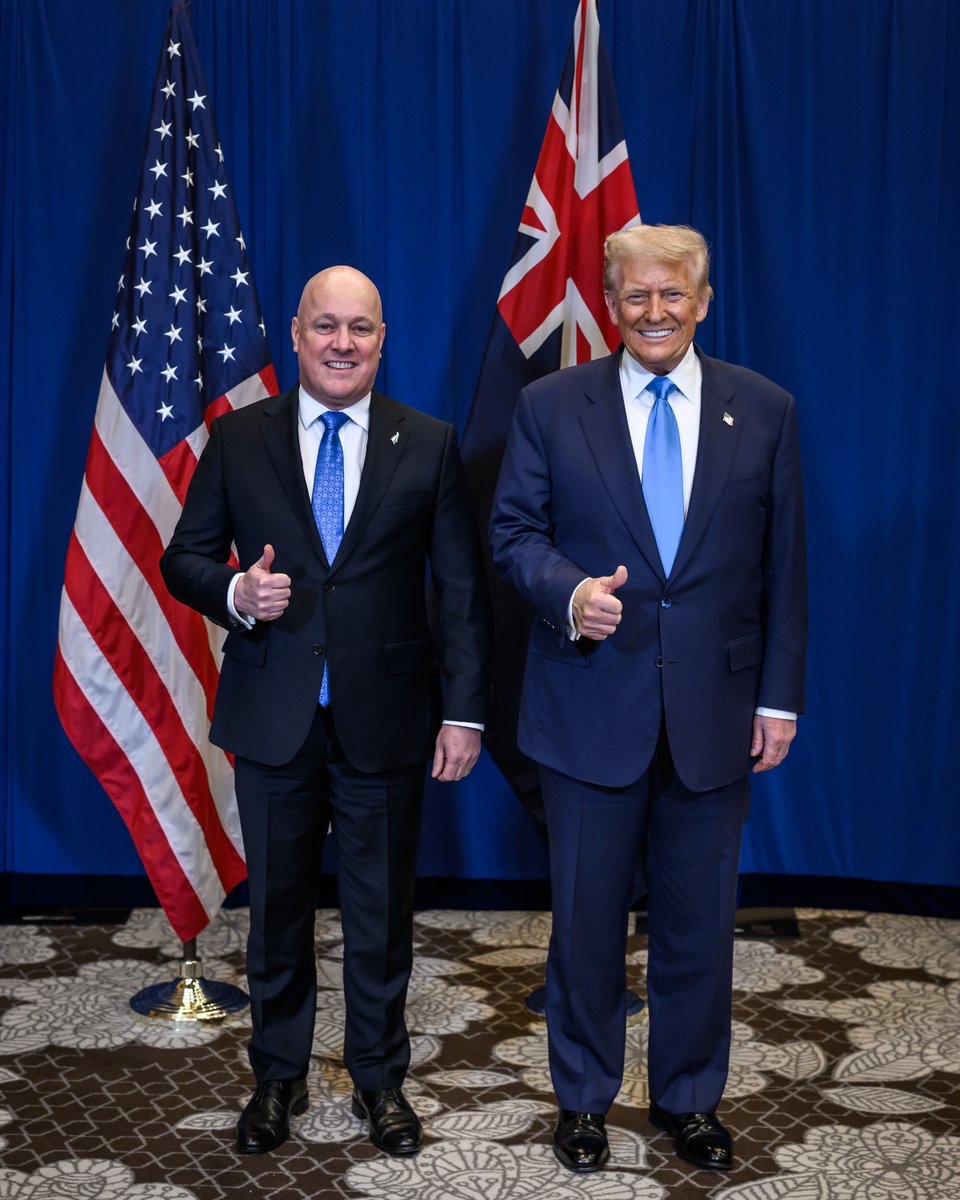
Christopher Luxon, Winton Peters and David Seymour.
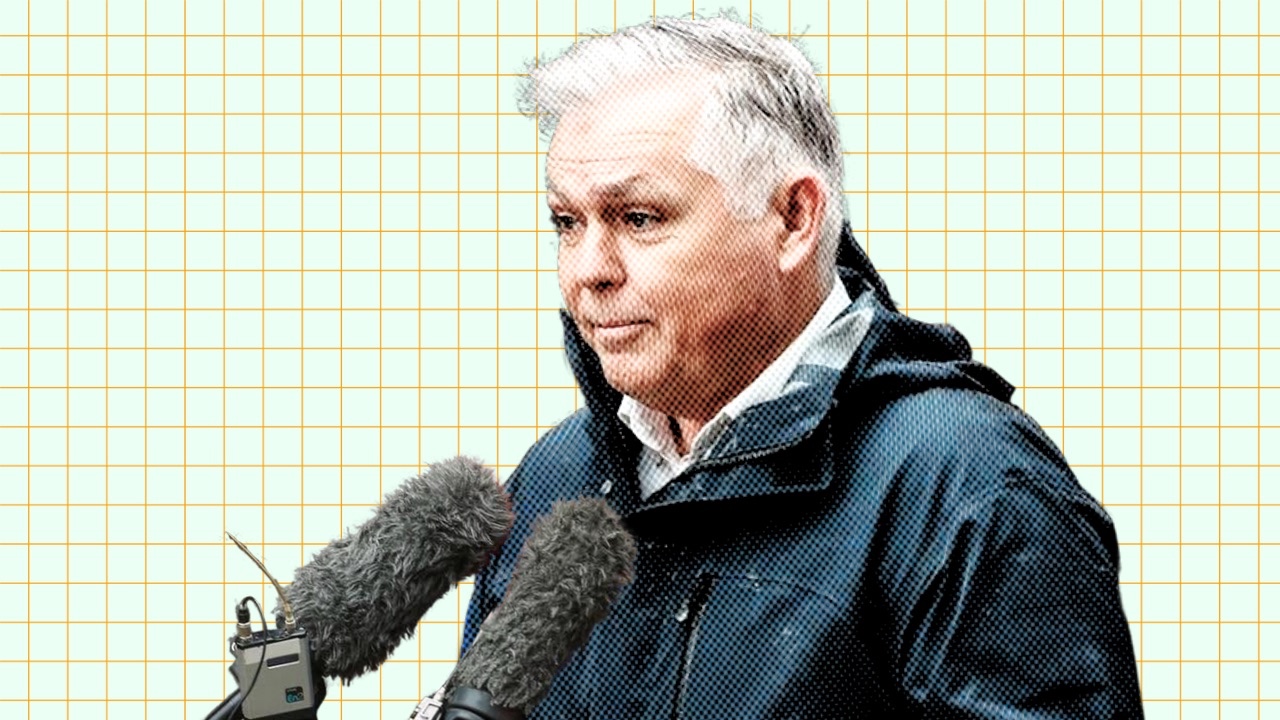
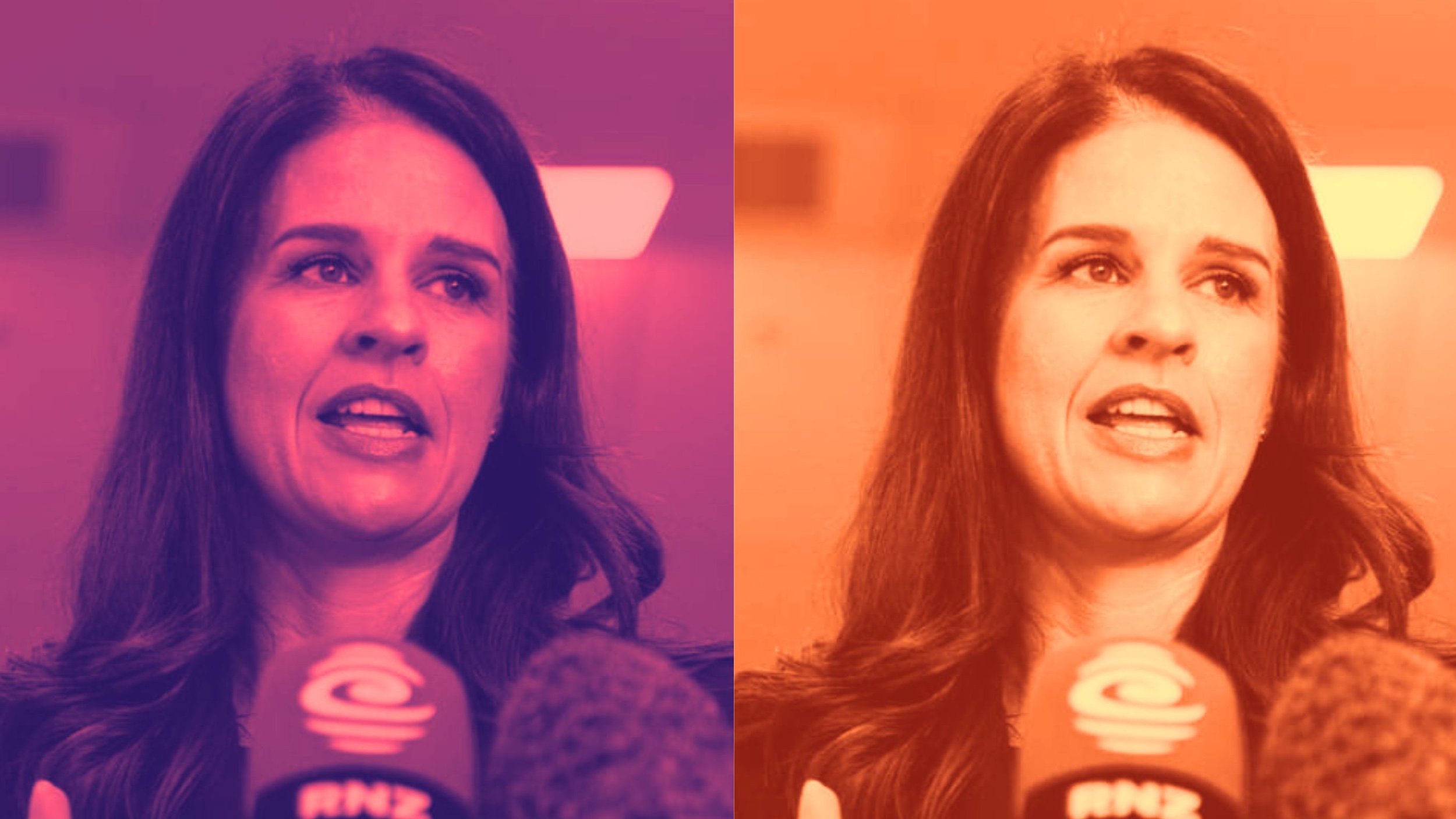
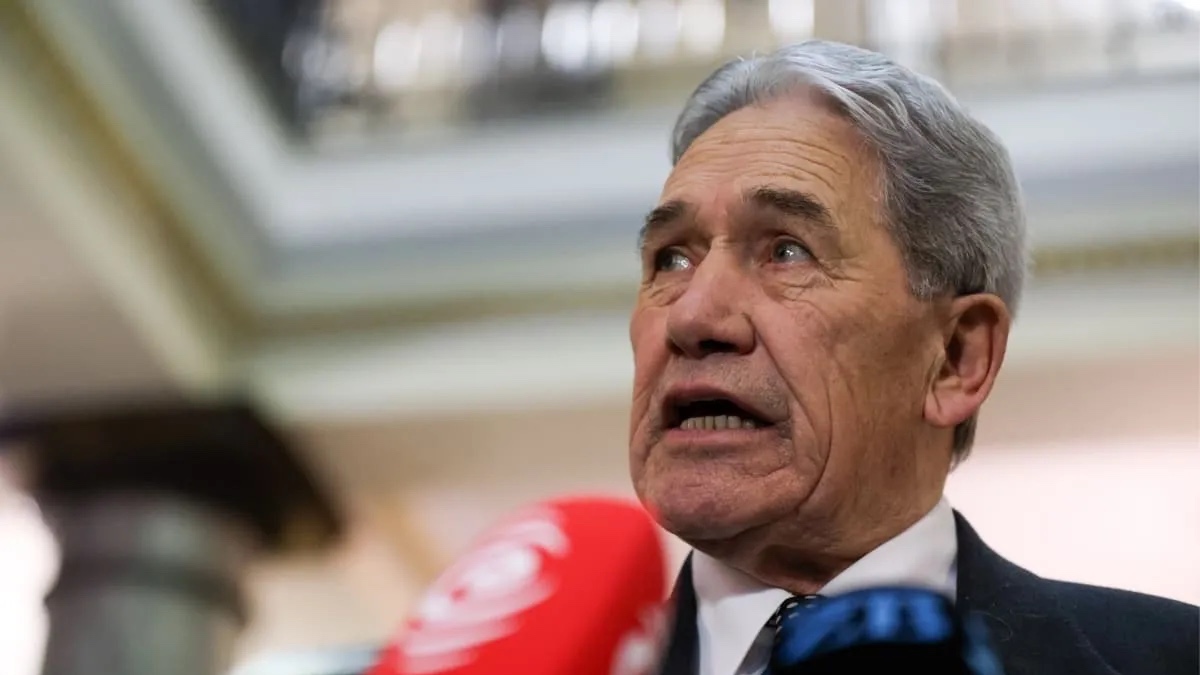
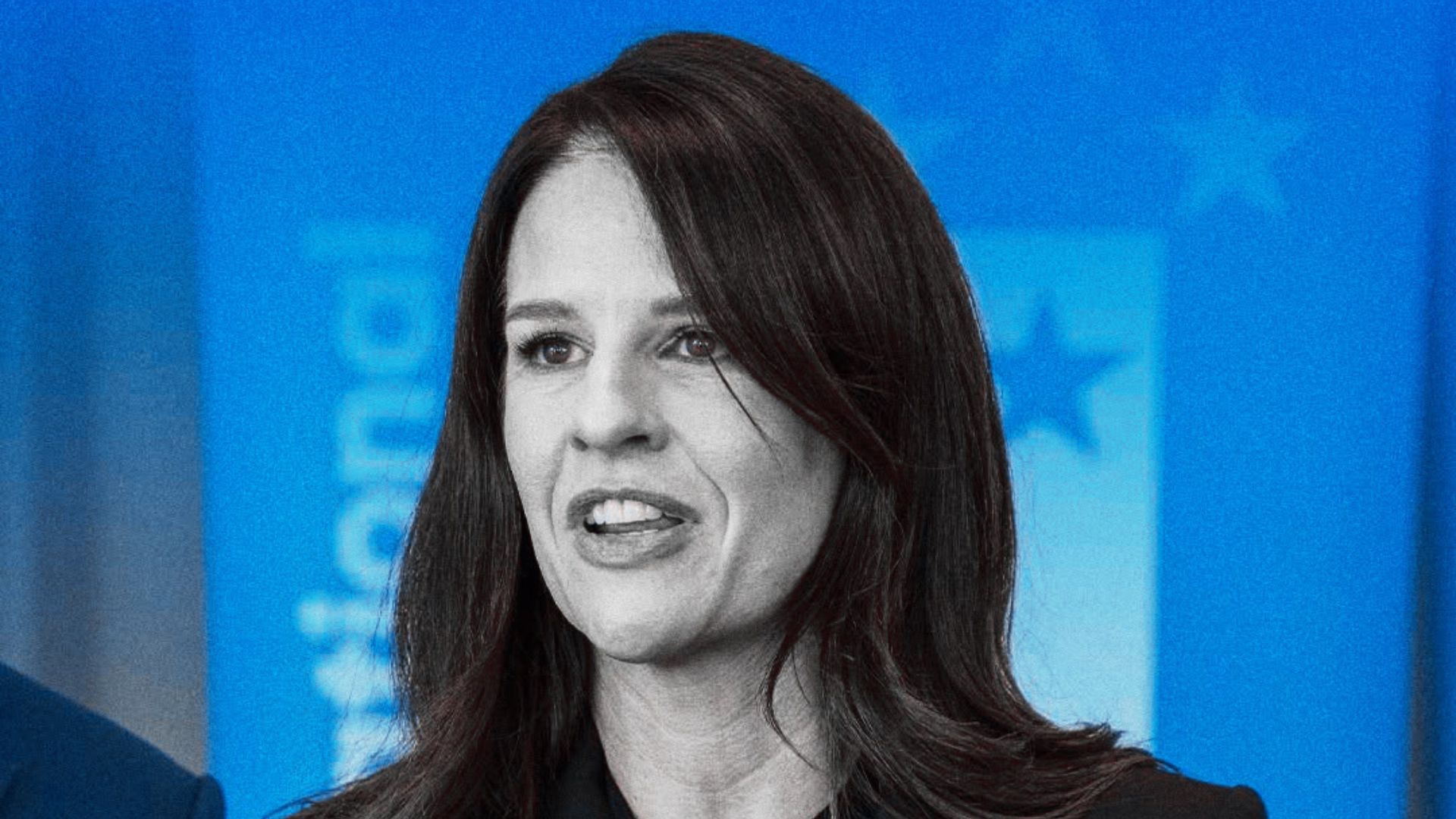
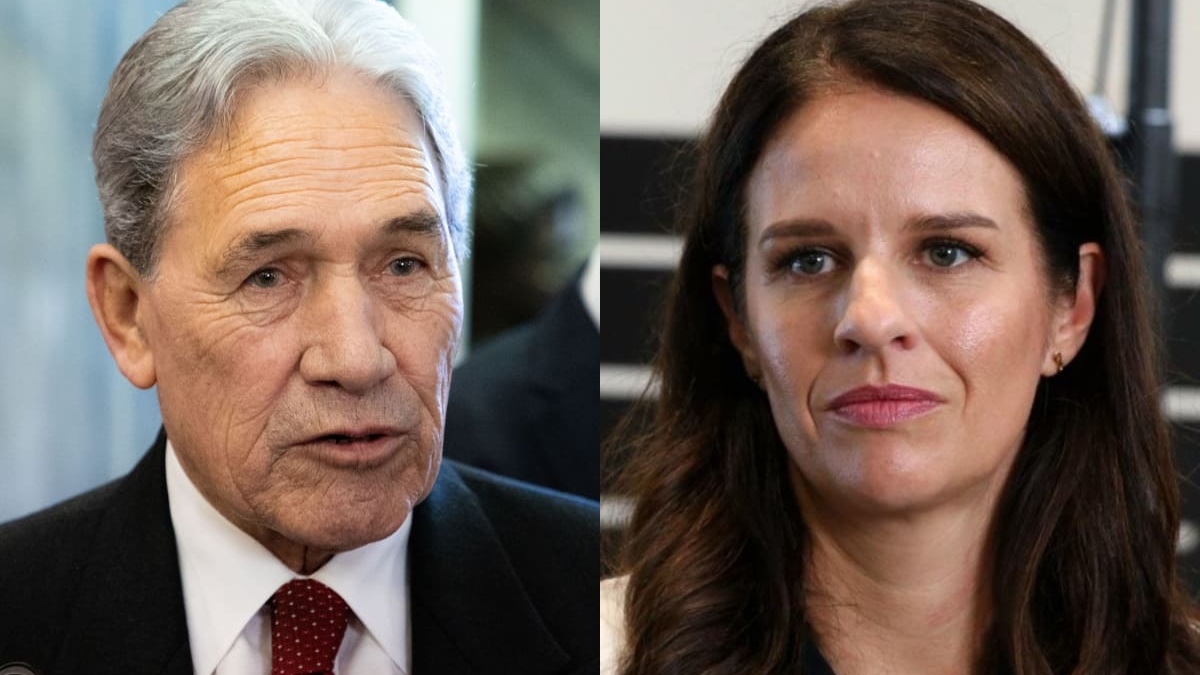
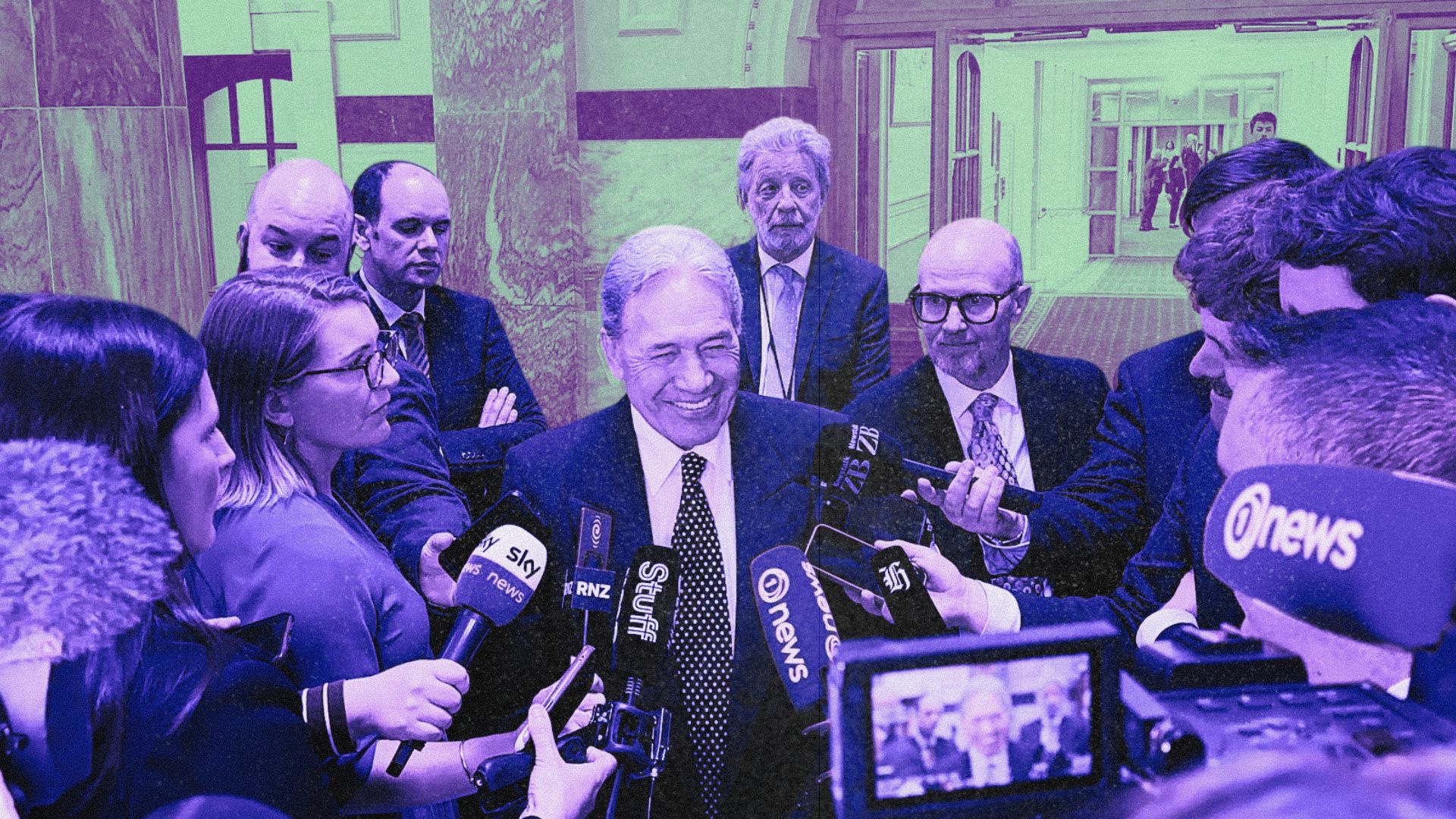
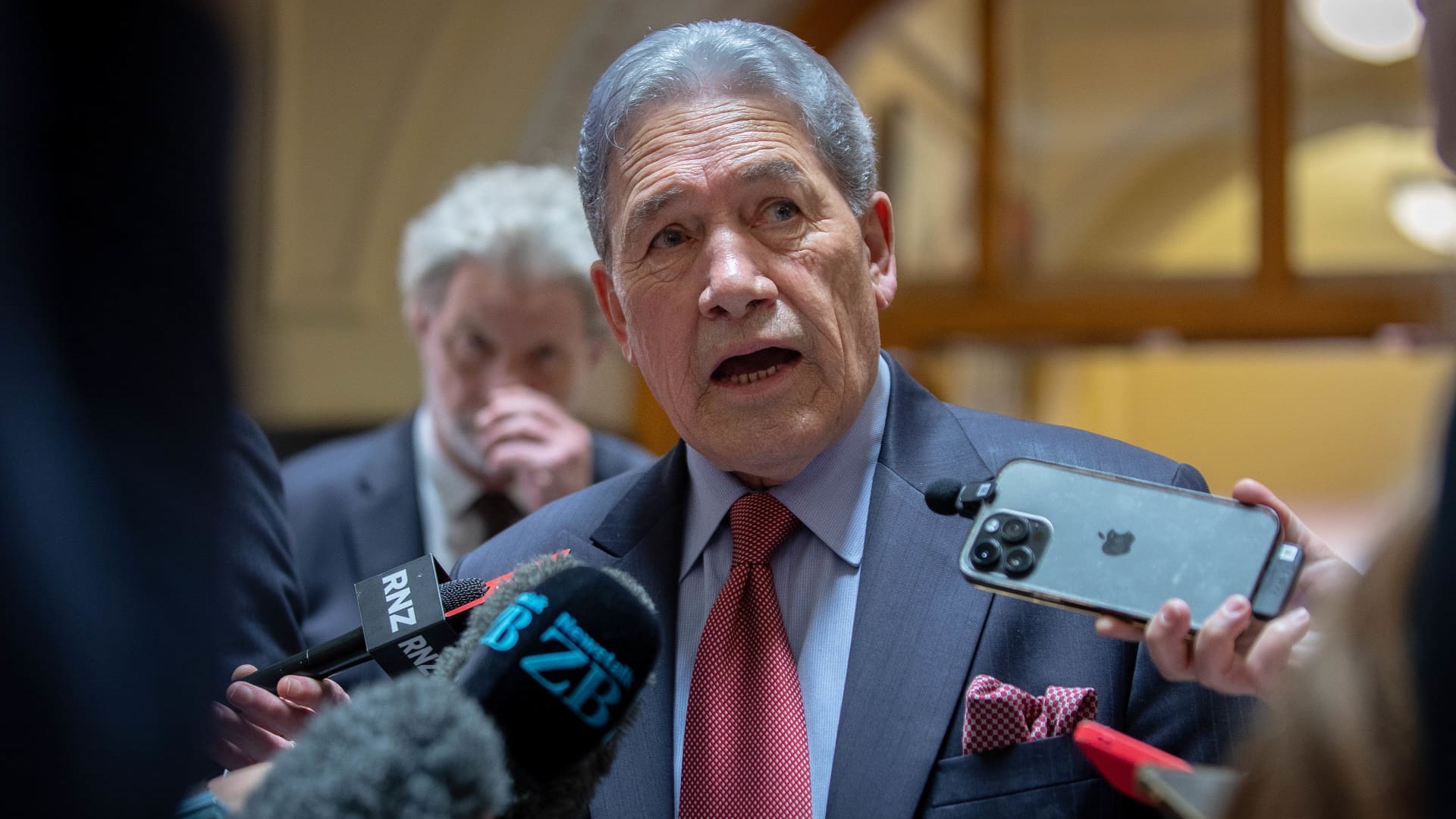
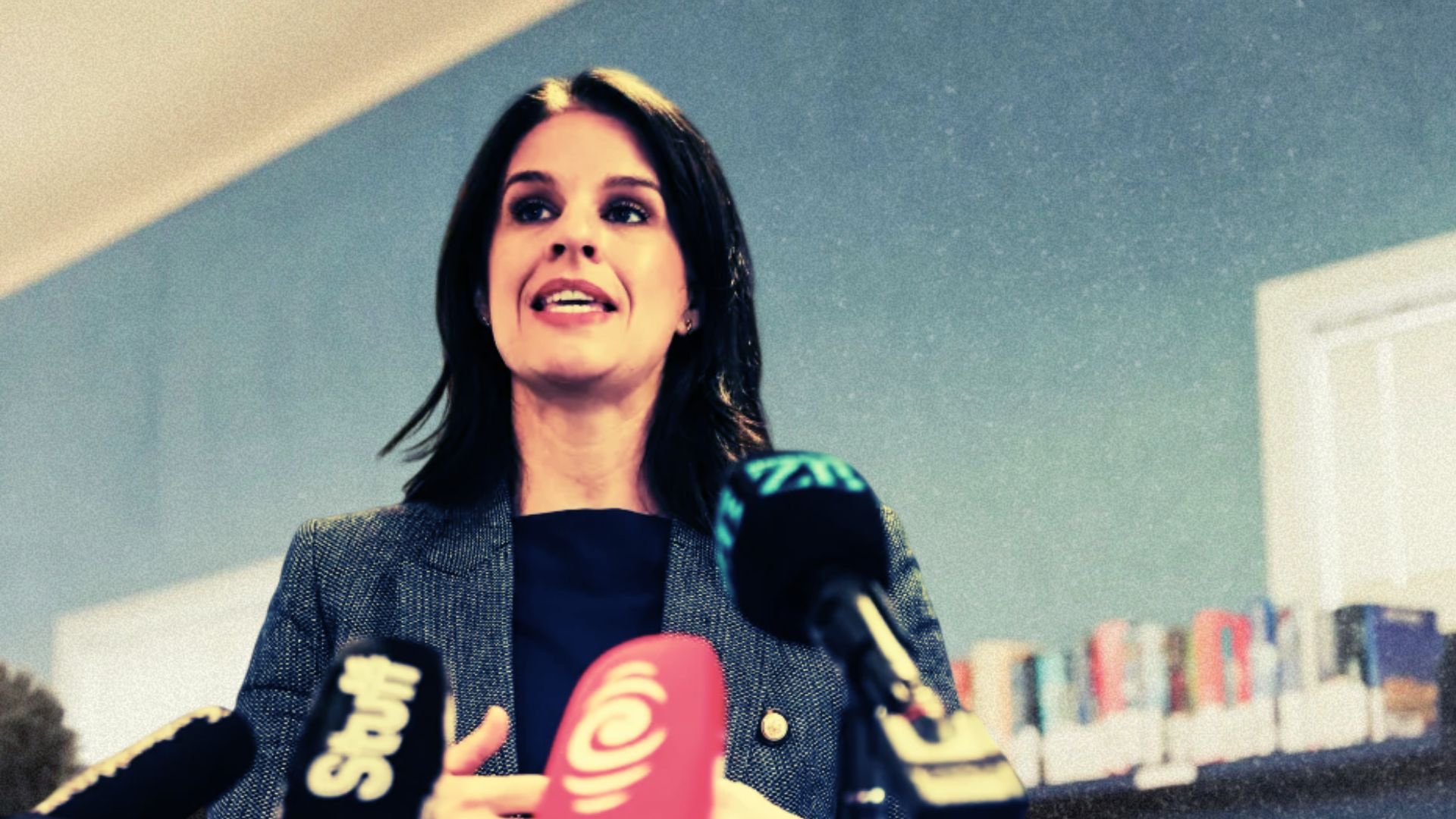
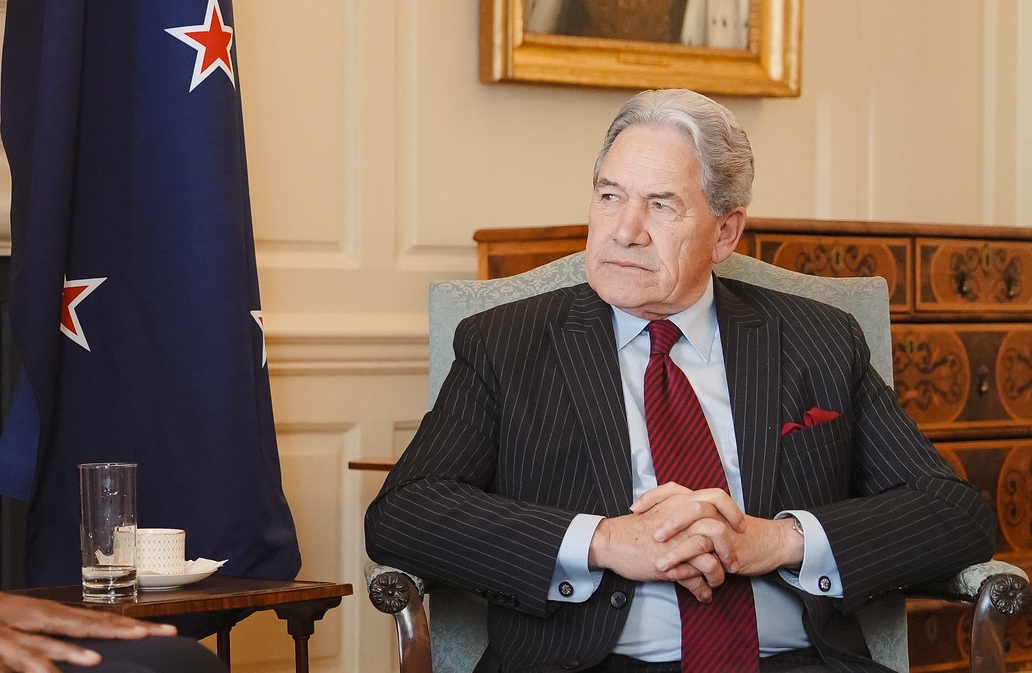
The New Zealand First leader is trying hard to assure voters his party “won’t do a deal with Labour”.
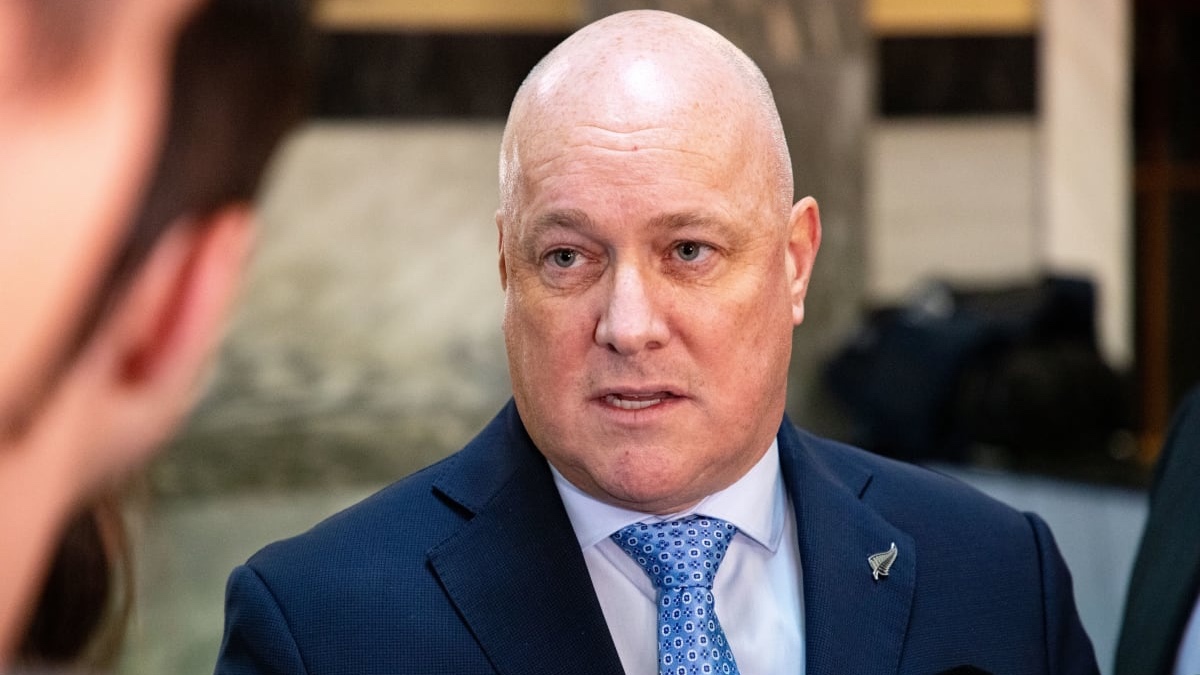
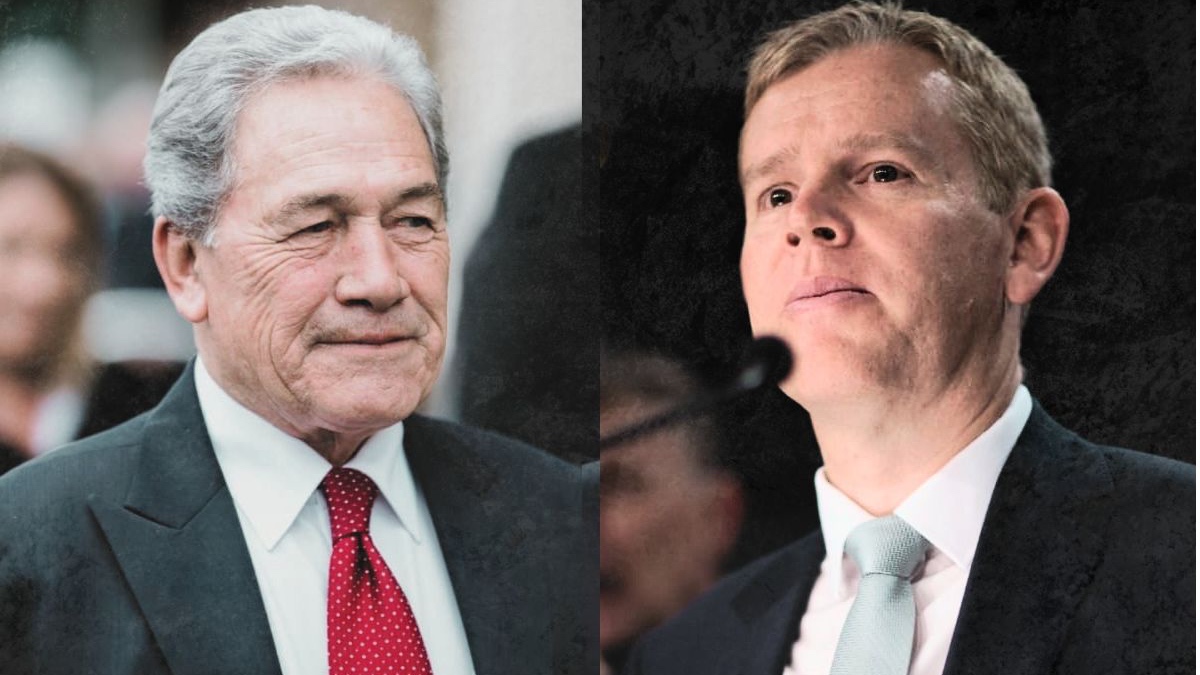
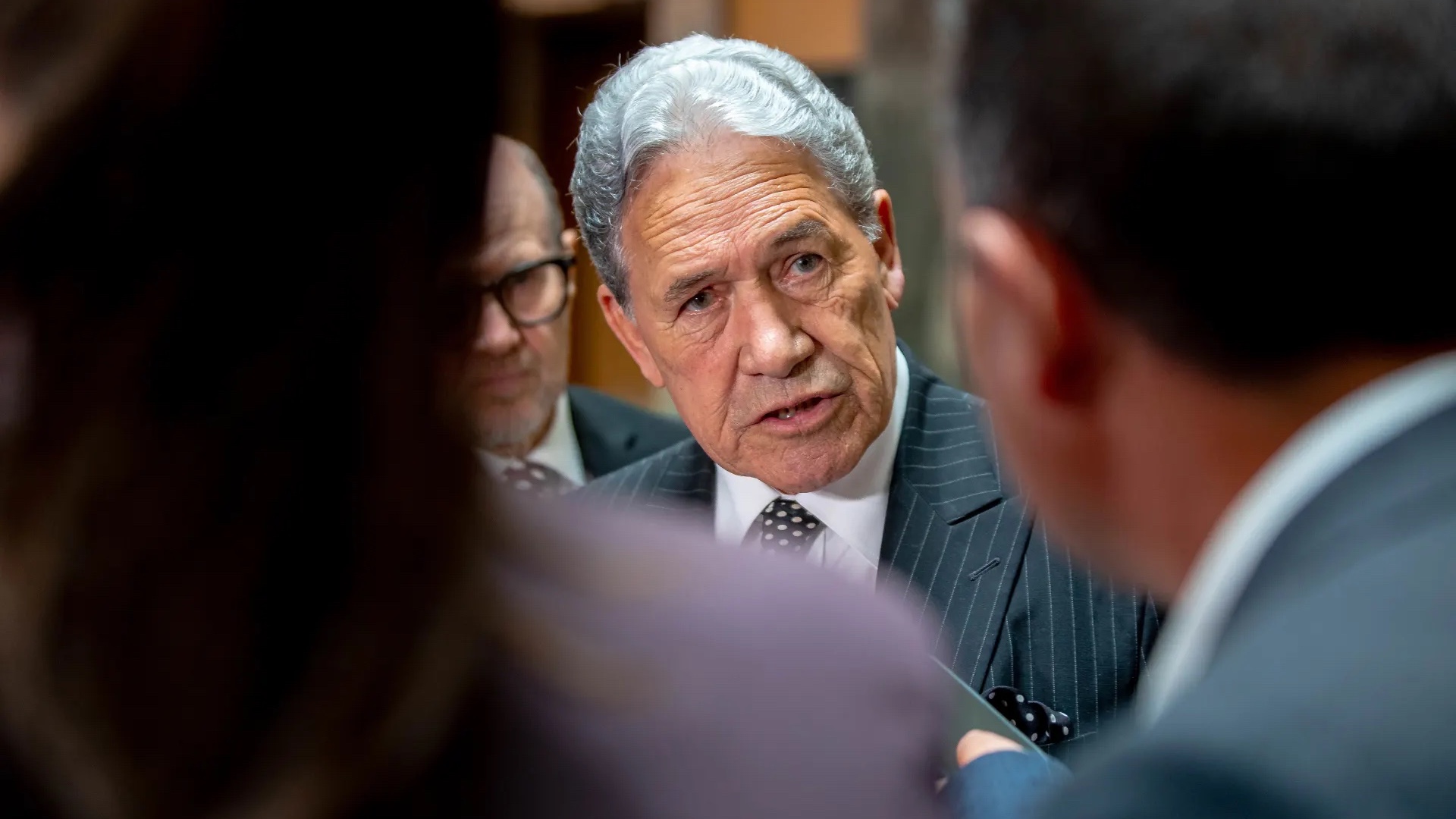
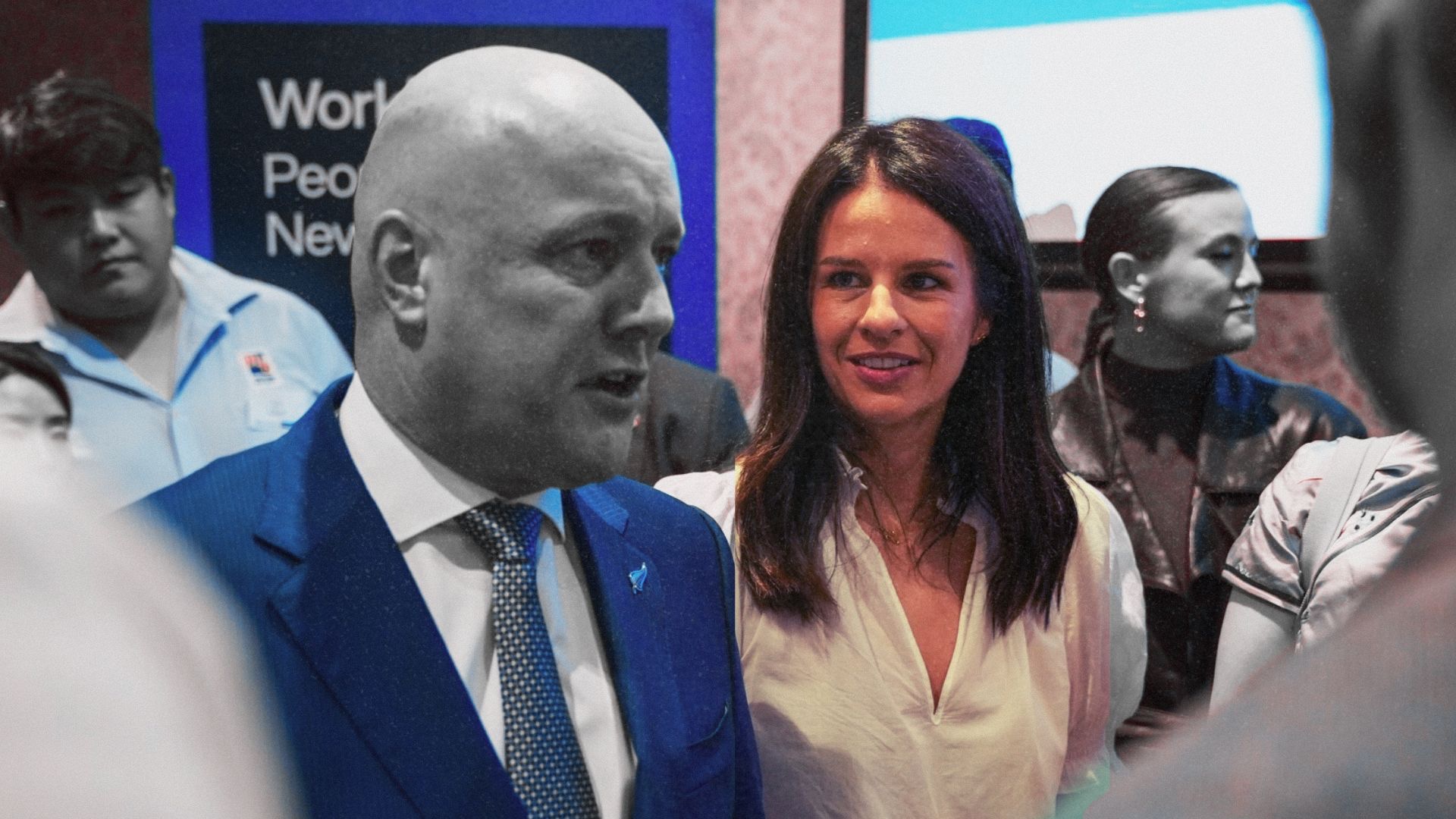
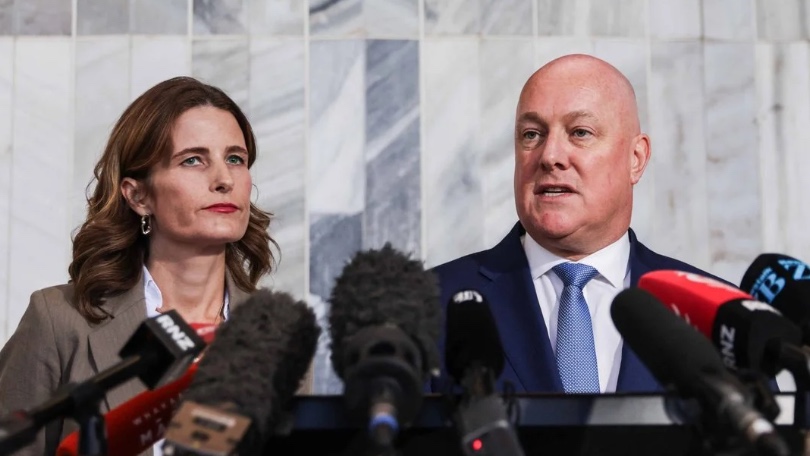
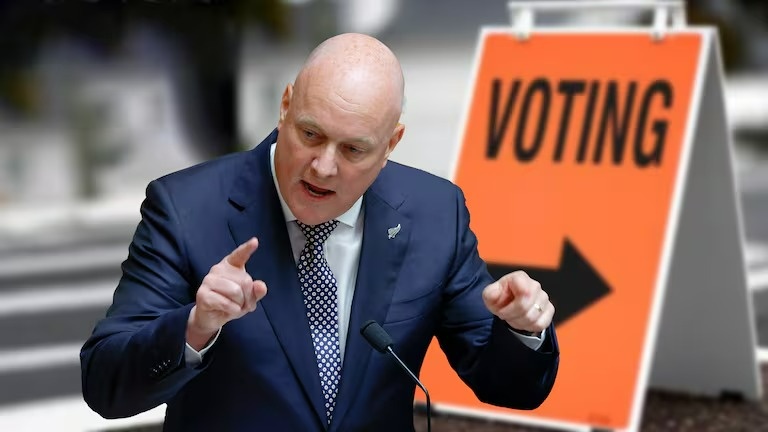
Opinion: Prime minister Christopher Luxon and ACT leader David Seymour have both warned centre-right voters Winston Peters may not remain with the right after the election, sharpening campaign tensions inside the current coalition as bloc politics tighten ahead of November.
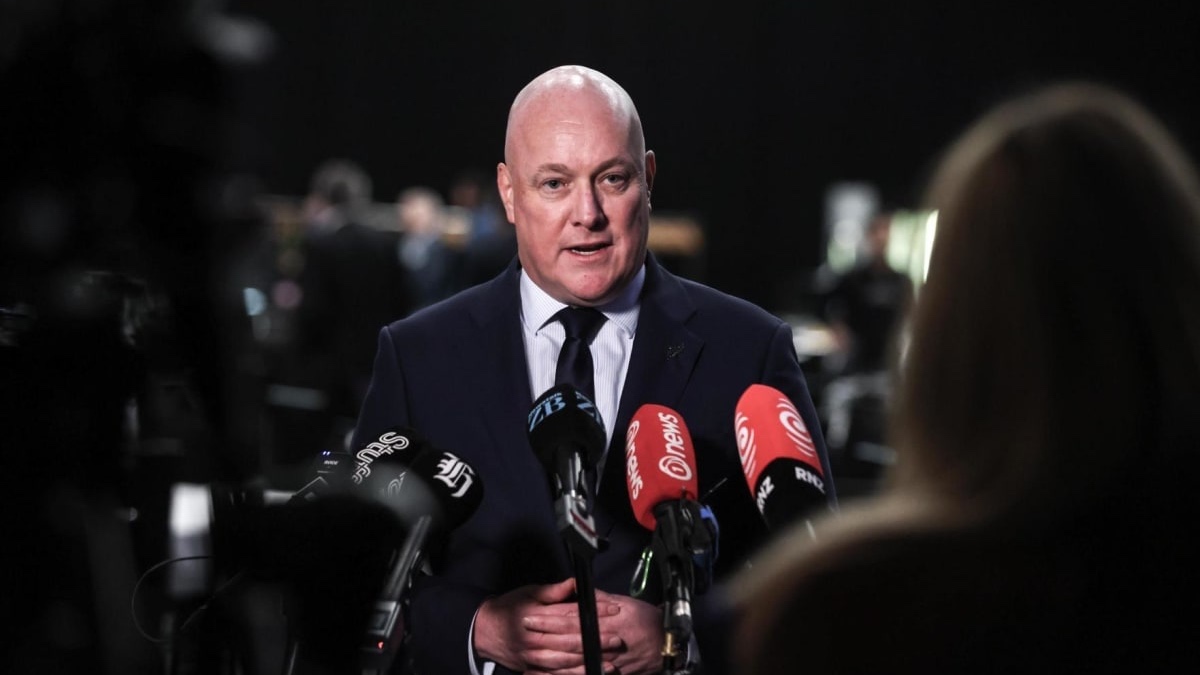
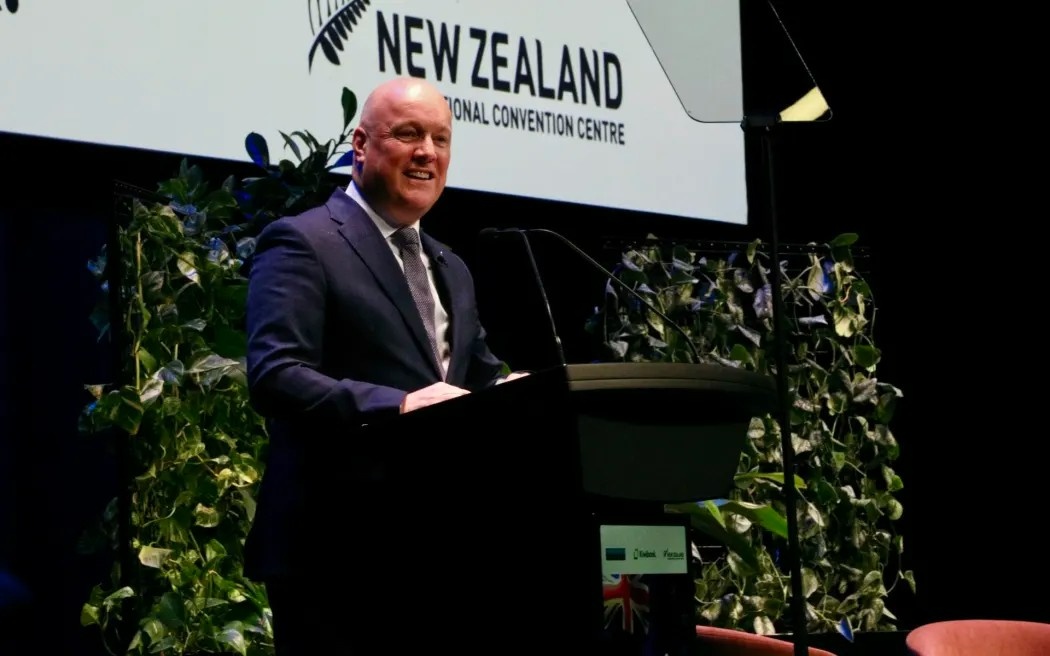
Luxon made the comments in an interview with Newstalk ZB’s Mike Hosking Breakfast on Monday, after Seymour used ACT’s weekend campaign launch in Auckland to make an even sharper warning about Peters’ political unpredictability.
While saying he trusted Peters as a coalition partner in the present government, Luxon said he could not be certain about what the NZ First leader would do after the election.
“He’s gone 50% of the time with Labour, 50% of the time with us,” Luxon said.
“As to what goes through his mind – as to how he selects – I’m just looking at history and saying, you know, you can’t be 100% sure, can you?”
South Asian diaspora raises over $200,000 for New Zealanders missing in Nepal flood "I'm so proud of the Indian community here who...supported us, saying it is not a Nepal problem but our problem."
Tamakis launch Indian-origin candidate for Epsom who surrendered passport and has ‘assimilated’ “I know a whole lot of people are going to be like shocked,” says Hannah Tamaki.
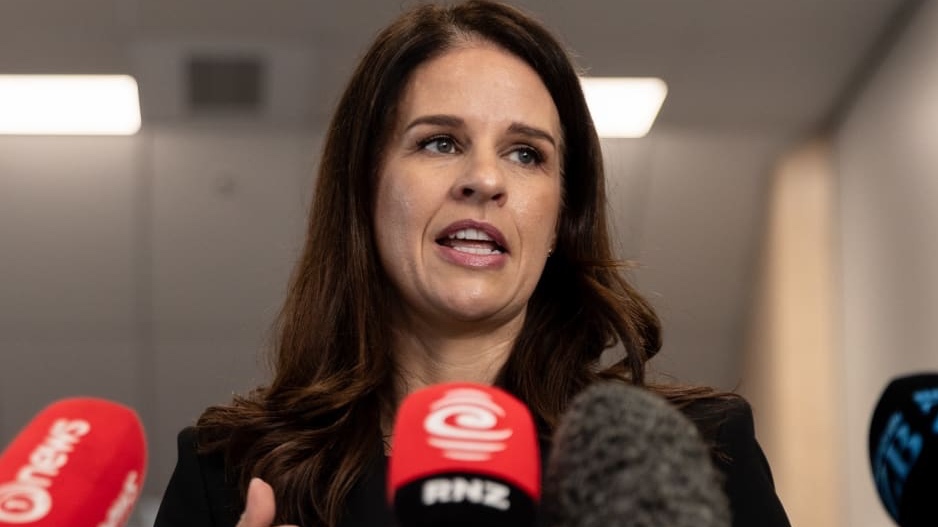
Priyanca Radhakrishnan tries to puncture Luxon’s FTA victory, says India was already sold “Things have changed quite dramatically on the Indian government side,” says the Indian-origin Labour MP.
Peters has repeatedly sought to shut down that uncertainty.
The NZ First leader has said his party “won’t do a deal with Labour”, arguing “nothing has changed” since his 2022 promise to rule out the left-wing party.
Luxon acknowledged those assurances, saying Peters had made “a very specific statement” that he would not go with Labour.
“We’ll take him at his word,” Luxon said.
But the prime minister immediately turned the issue back into a pitch for National’s own party vote.
“If you really want to make sure you do it right, just party vote National,” Luxon said.
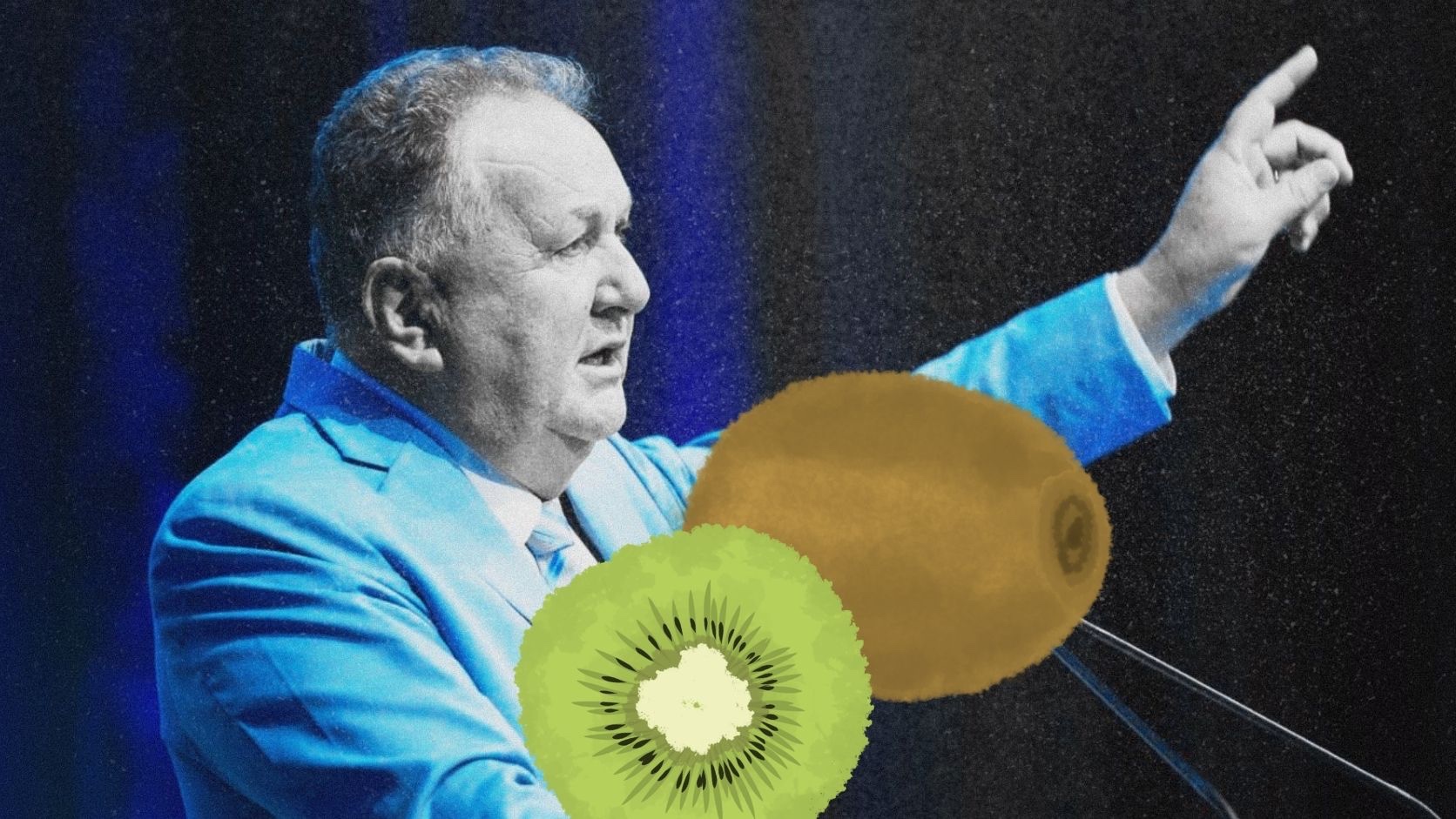
Seymour had made the same argument more bluntly over the weekend, using his Rally’26 speech in Auckland on June 28 to warn right-leaning voters that a vote for NZ First could carry economic risk if Peters chose Labour after the election.
“There’s Wily Winnie and New Zealand First,” Seymour said. “We all know they’ve worked with Labour, especially the Oil and Gas industry.”
Seymour then reached for a rugby metaphor to describe Peters’ political unpredictability.
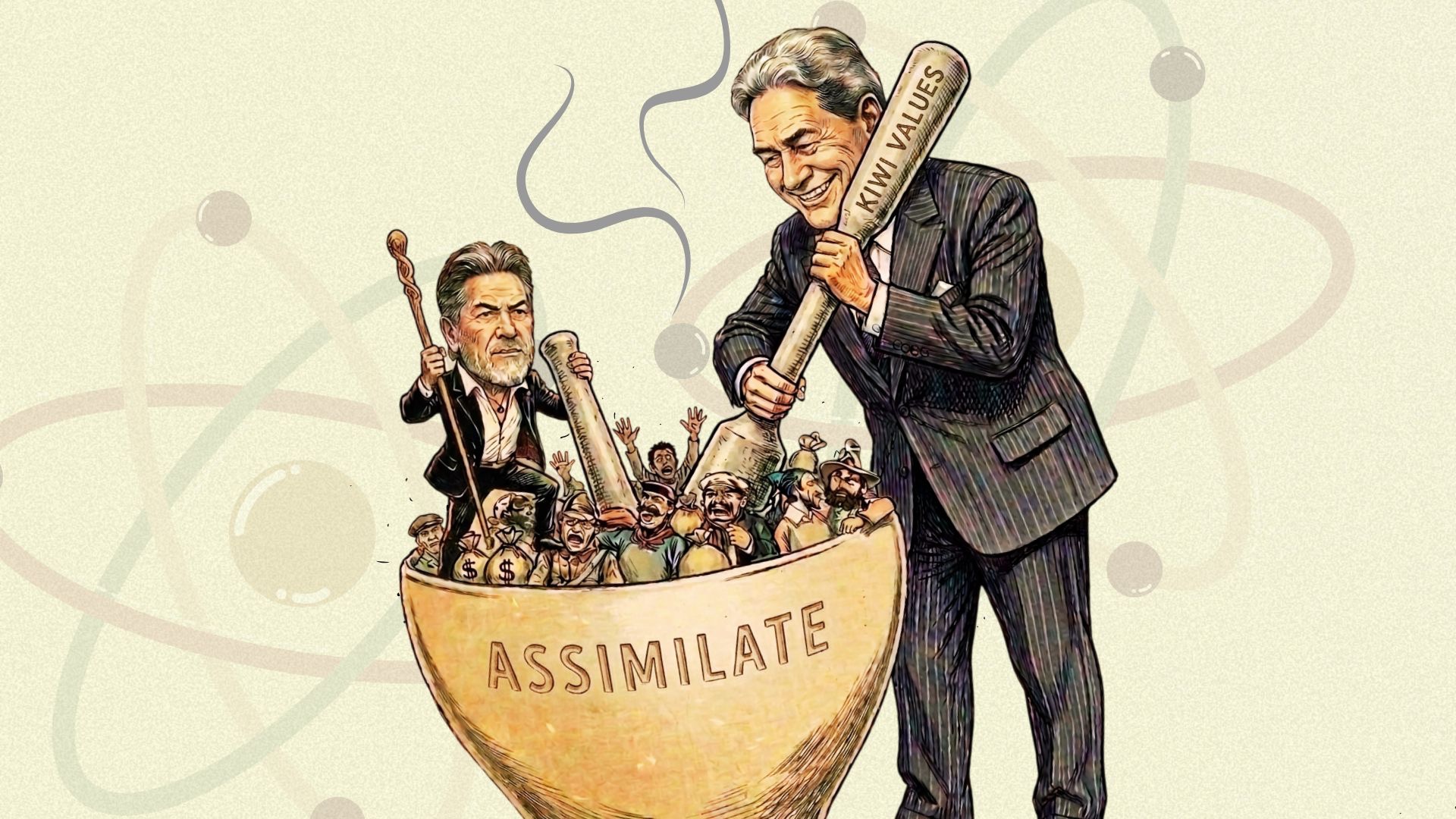
“There’s a cartoon of Winston on the wall in Parliament. It shows him playing 1st 5/8, standing behind the scrum. The No. 8 pops up to ask the halfback, ‘How do you know which way he’ll go?’”
“That cartoon is thirty years old, but it’s still a great question. Would you bet your economic future he won’t run down the blindside again? Soon we may all be forced to take the bet.”
Together, the remarks show National and ACT increasingly treating Peters not just as a governing partner, but as an electoral risk to the centre-right bloc.
Luxon’s language was more restrained than Seymour’s, reflecting the fact National is still governing with NZ First.
But the political message was similar. Voters who want to keep Labour out should not assume NZ First will automatically support a National-led government after the election.
The comments echo the message from National’s campaign chair Simeon Brown, who has warned that a strategic party vote for NZ First could backfire if Peters eventually chose Labour.
For National, the warning is partly defensive. With the left bloc rising in polls, and smaller players like the Opportunity Party polling above four per cent, Luxon is trying to consolidate the centre-right vote around National rather than see it drift to potential coalition partners.
For ACT, the attack is more direct. Seymour is positioning ACT as the party that can keep Labour, the Greens, Te Pati Maori and NZ First away from power, while also pushing National further to the right.
At the same campaign launch, Seymour argued ACT’s role in government had already forced National to move on issues including firearms, methane targets, earthquake-strengthening laws and Resource Management Act reform.
But his sharpest warning was reserved for Peters, whom he cast as unpredictable at precisely the moment voters were being asked to decide which parties could be trusted to form the next government.
The emerging National-ACT line also marks a notable shift in coalition dynamics.
During this term, Luxon has repeatedly emphasised the stability of his three-party coalition with ACT and NZ First. Now, as electioneering ramps up, both National and ACT are drawing a distinction between Peters as a current coalition partner and Peters as a future post-election negotiator.