
Luxon pitches Muralidhar as National’s voice for "new generation of business talent"

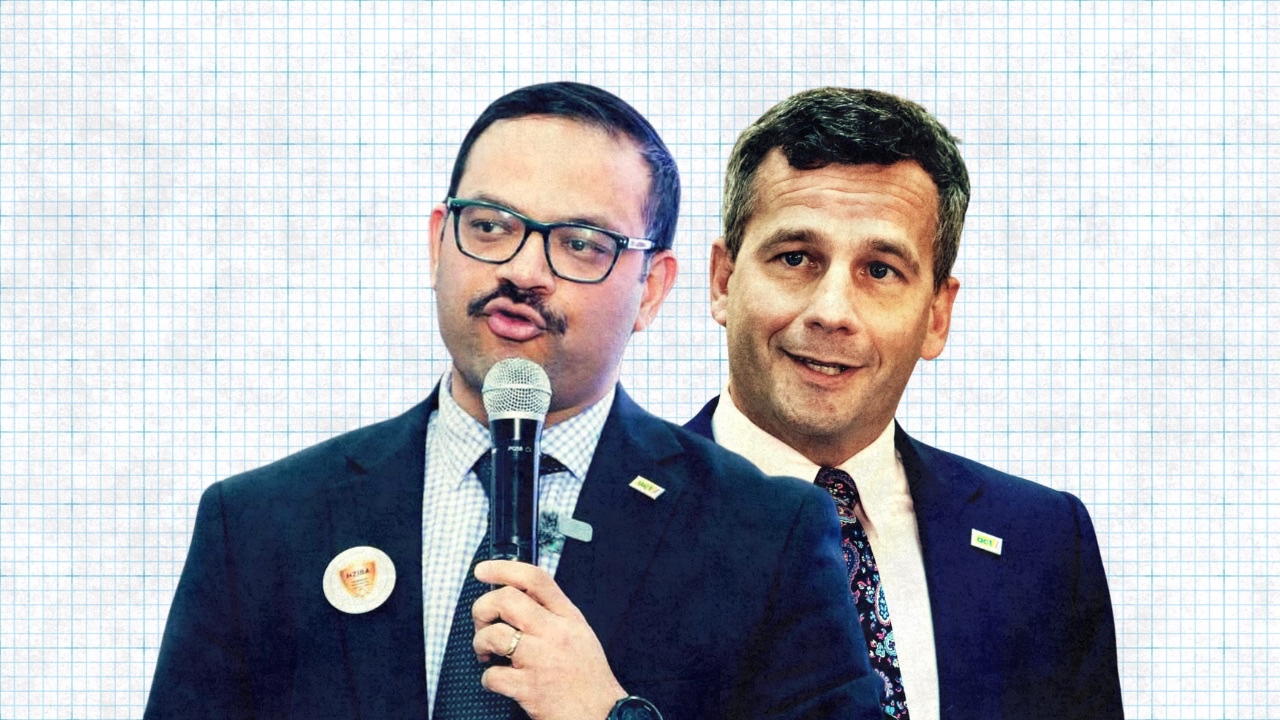
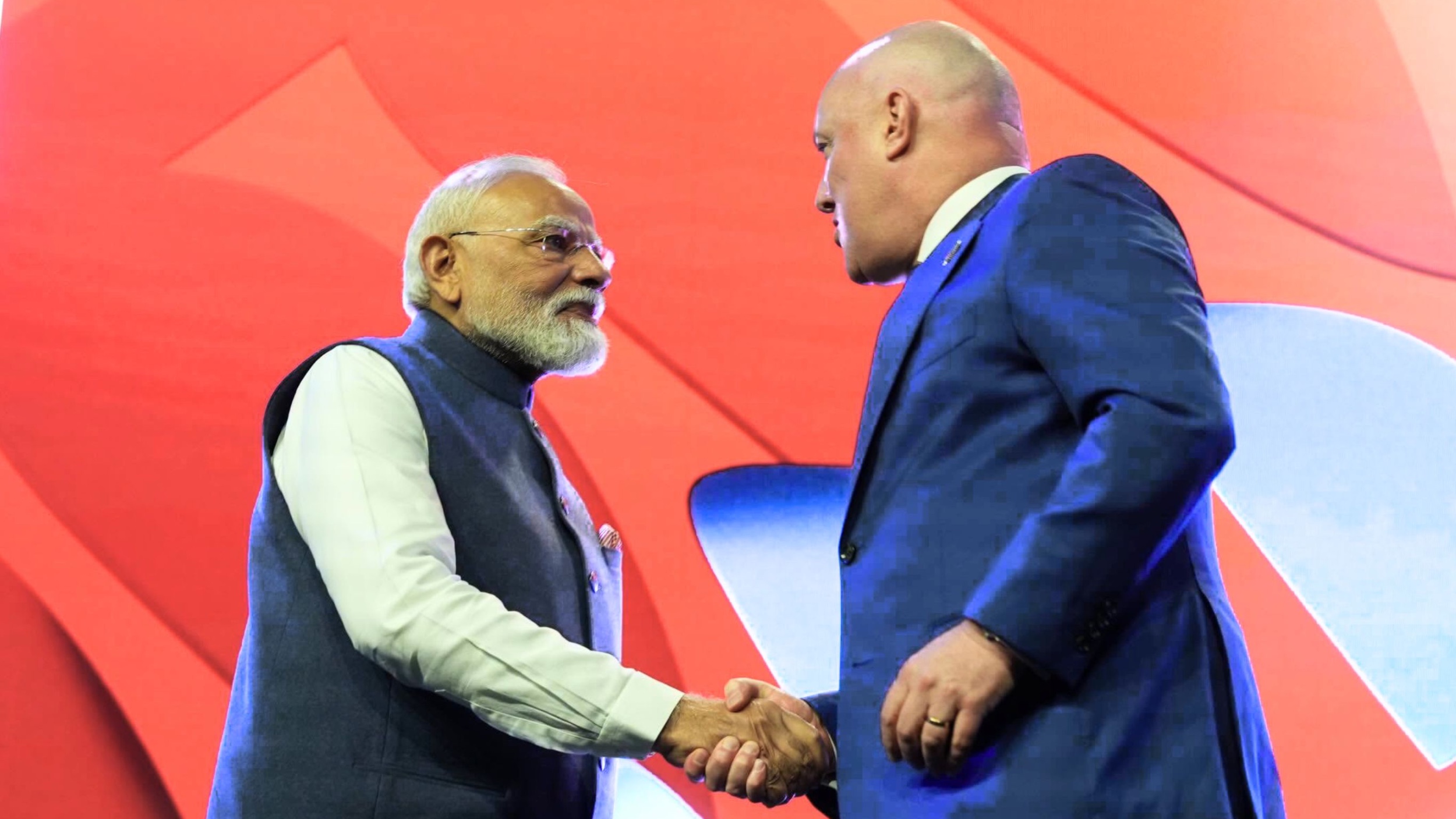
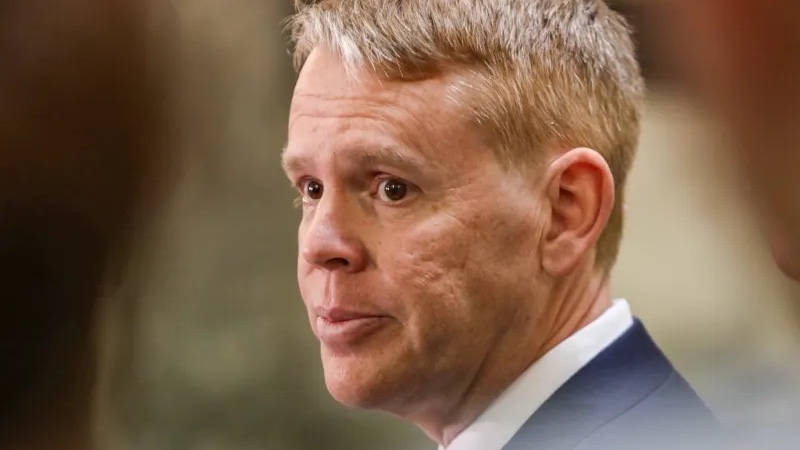
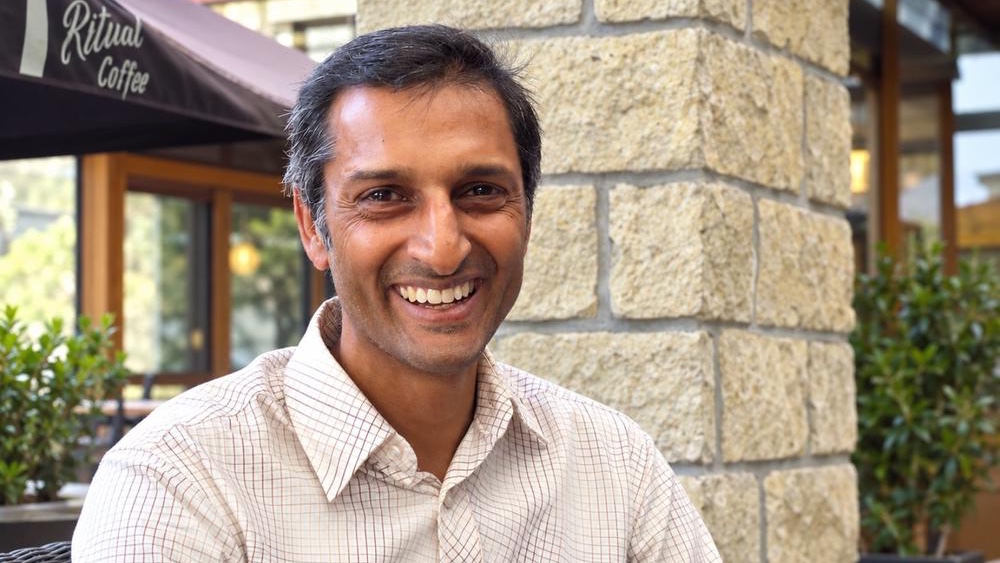
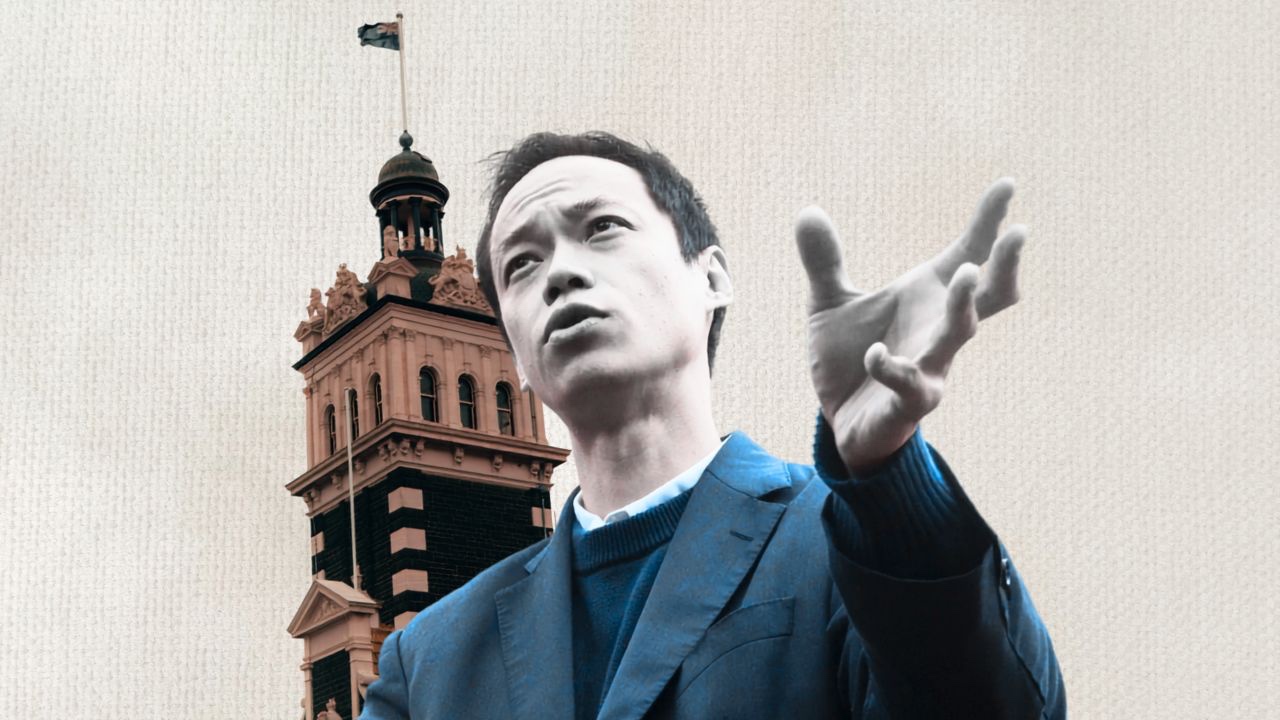
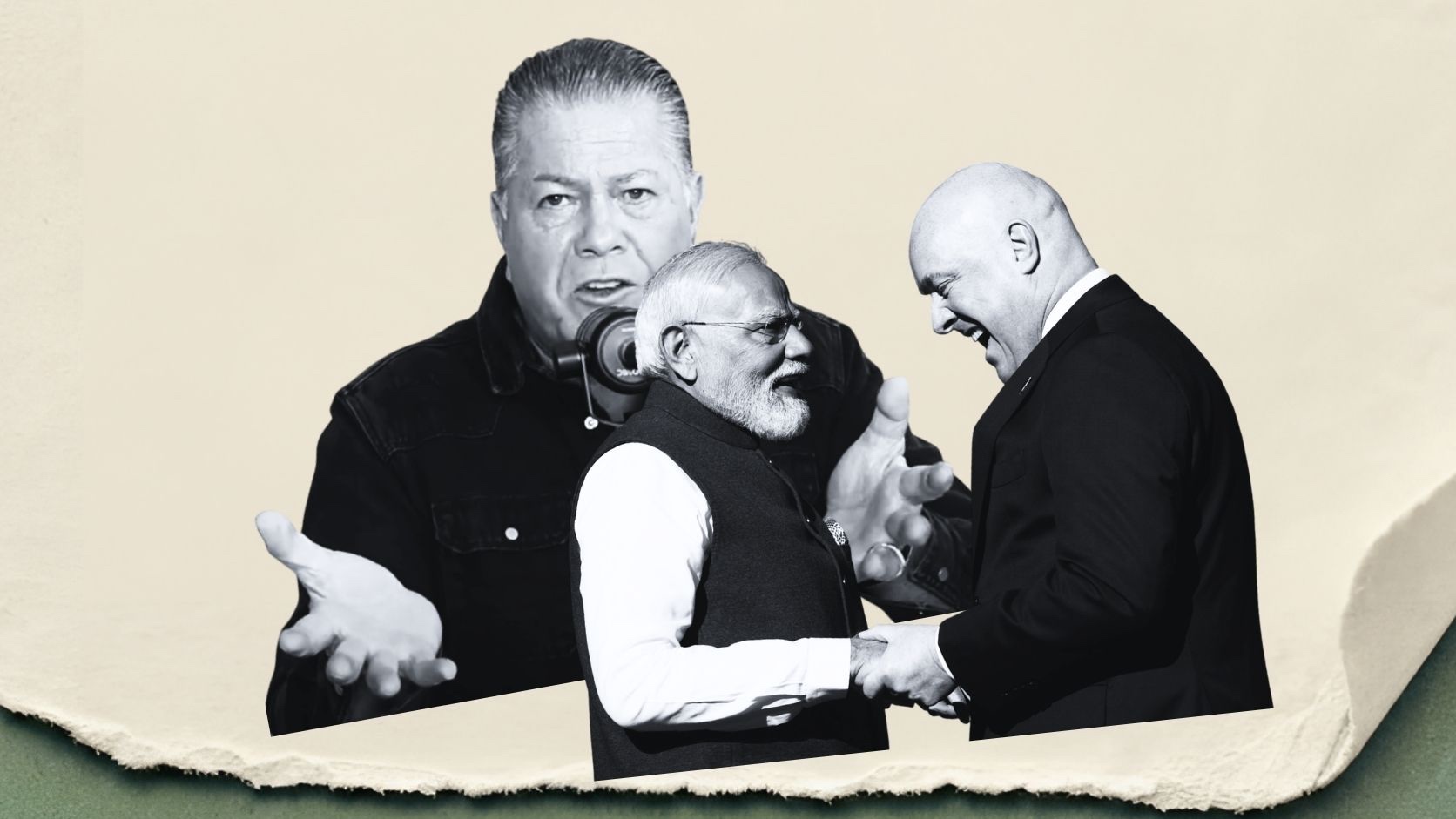
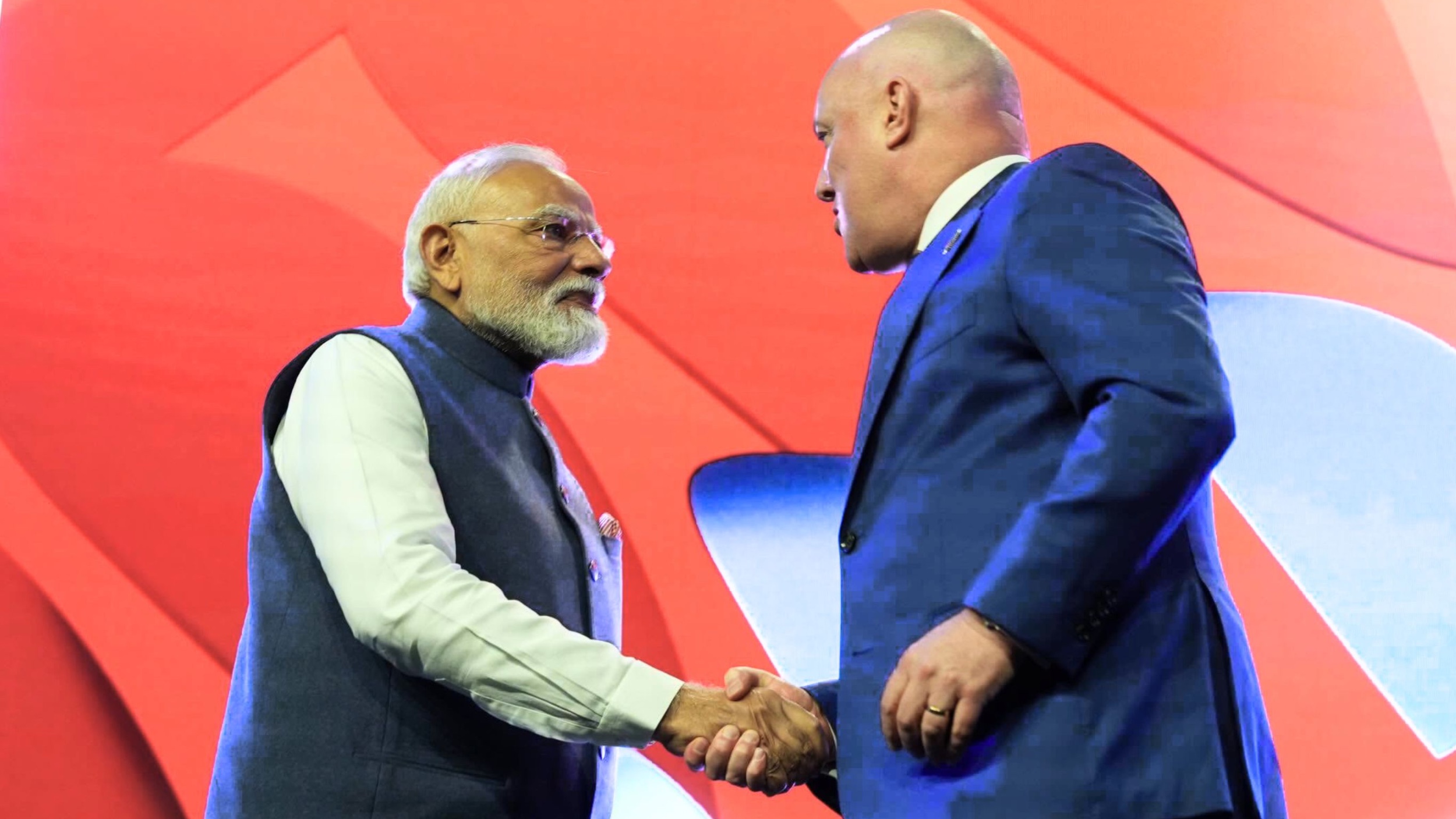
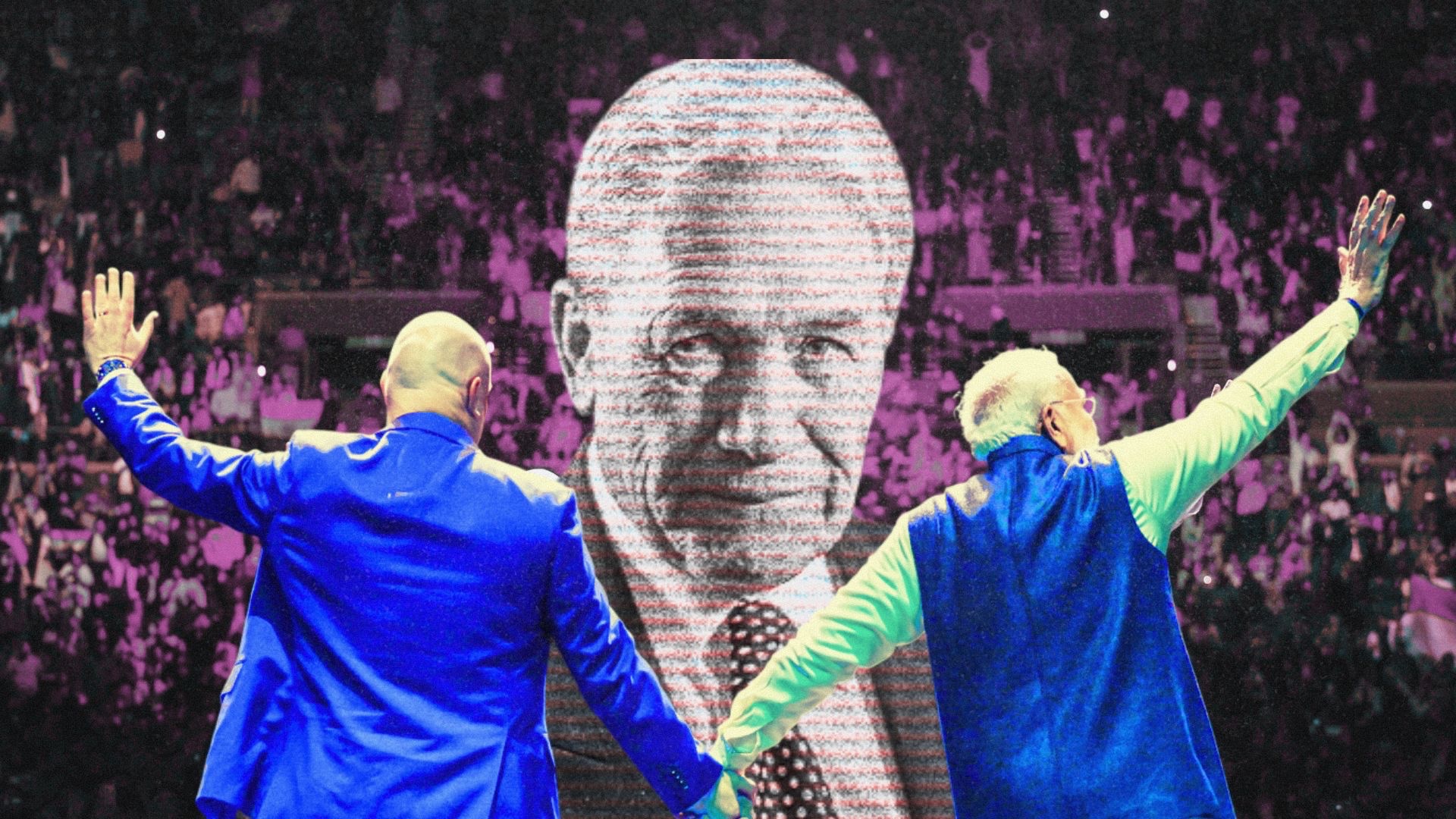
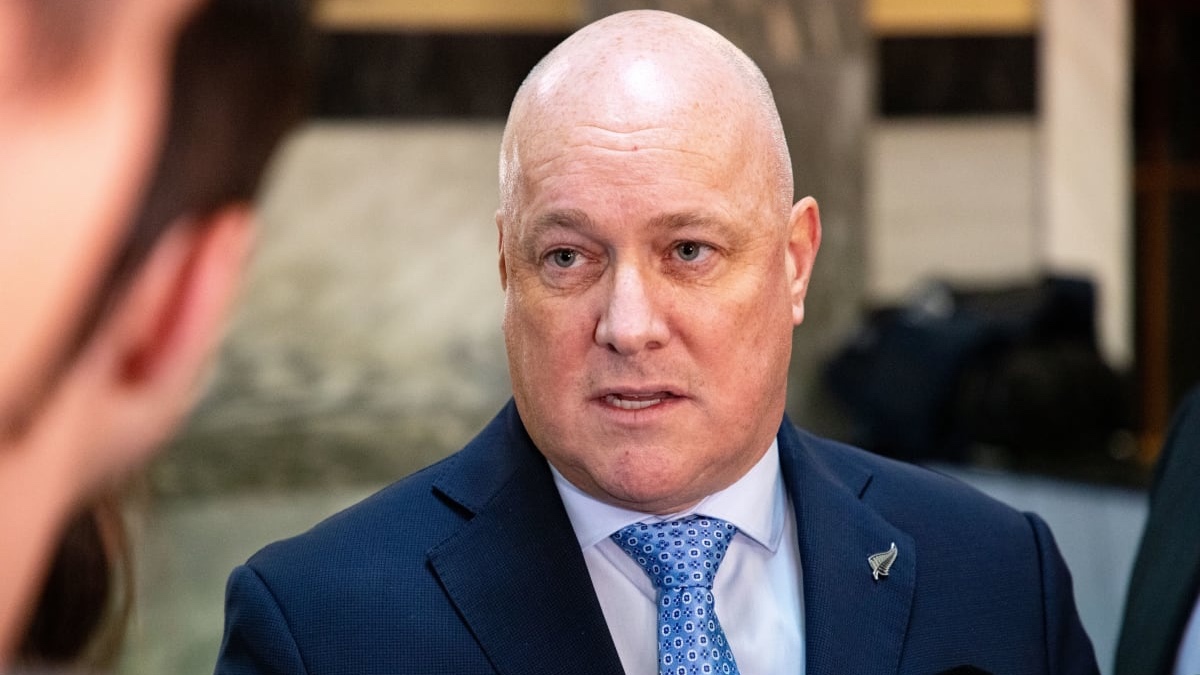
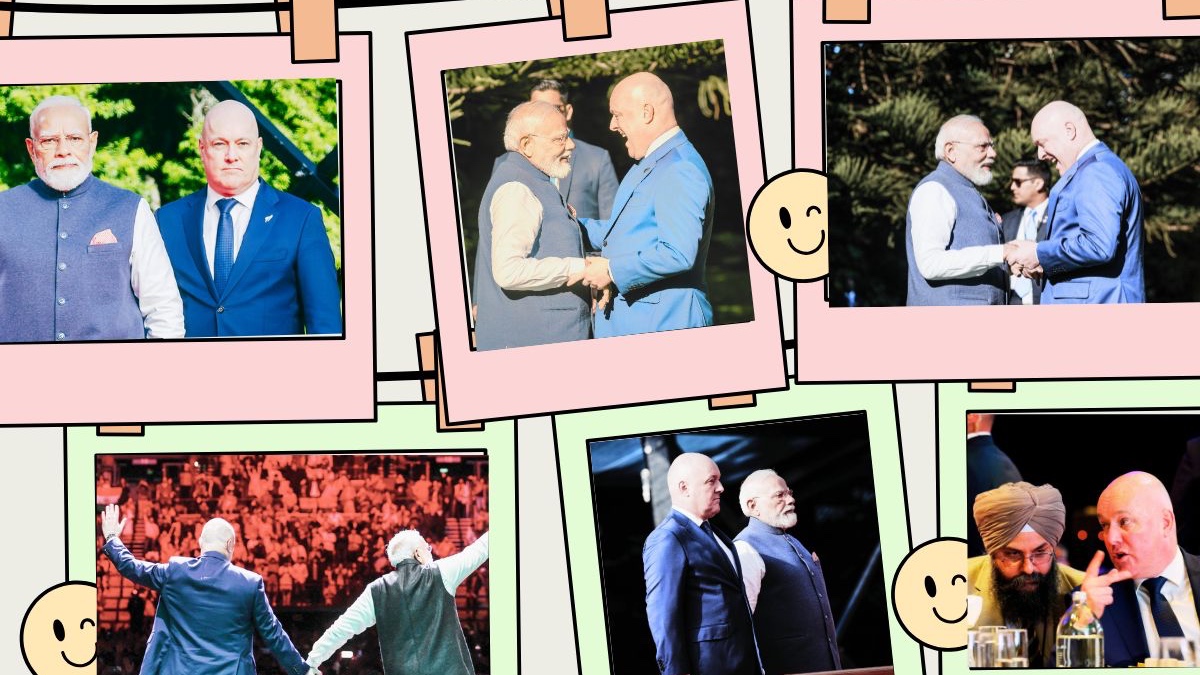
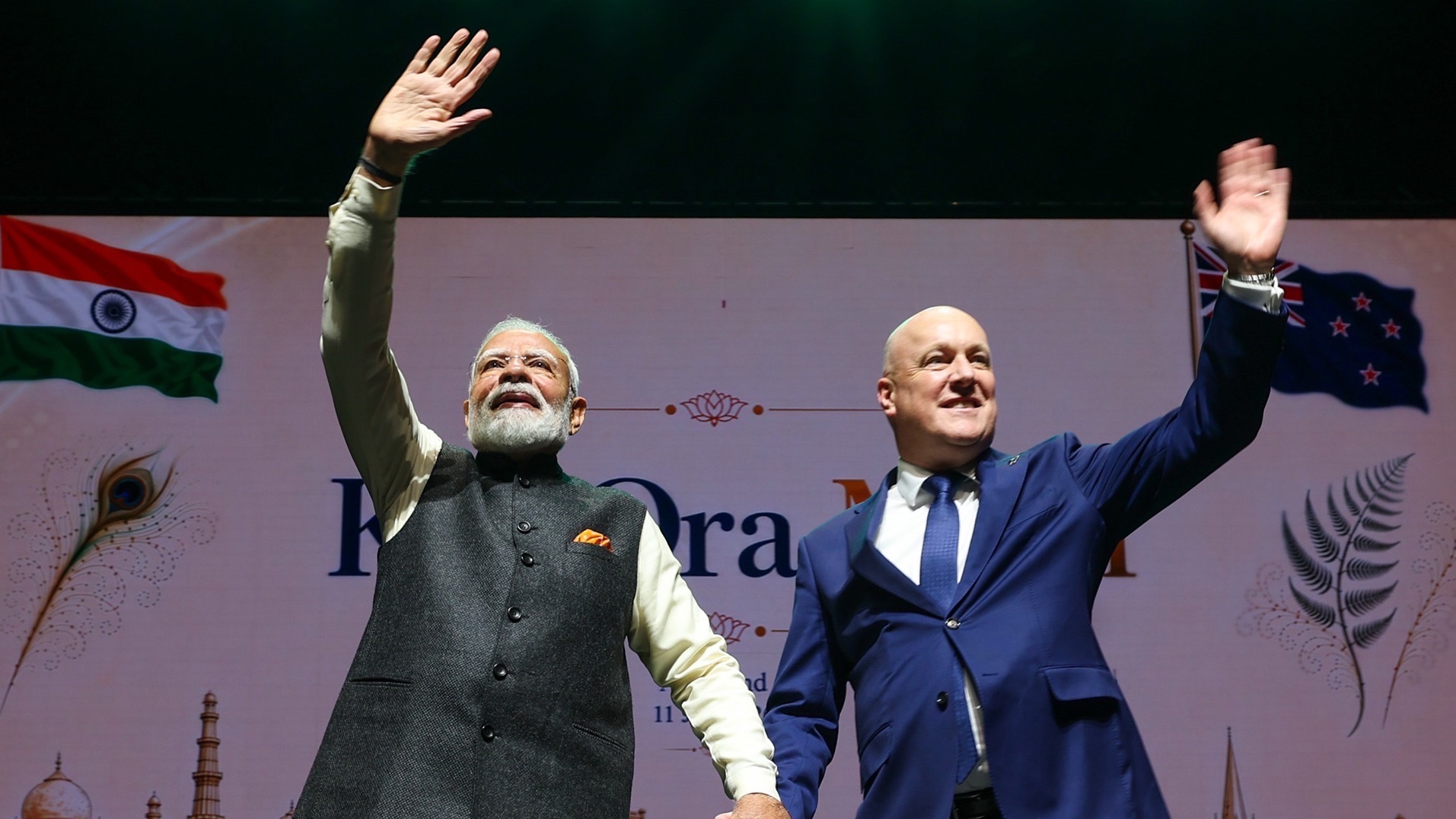
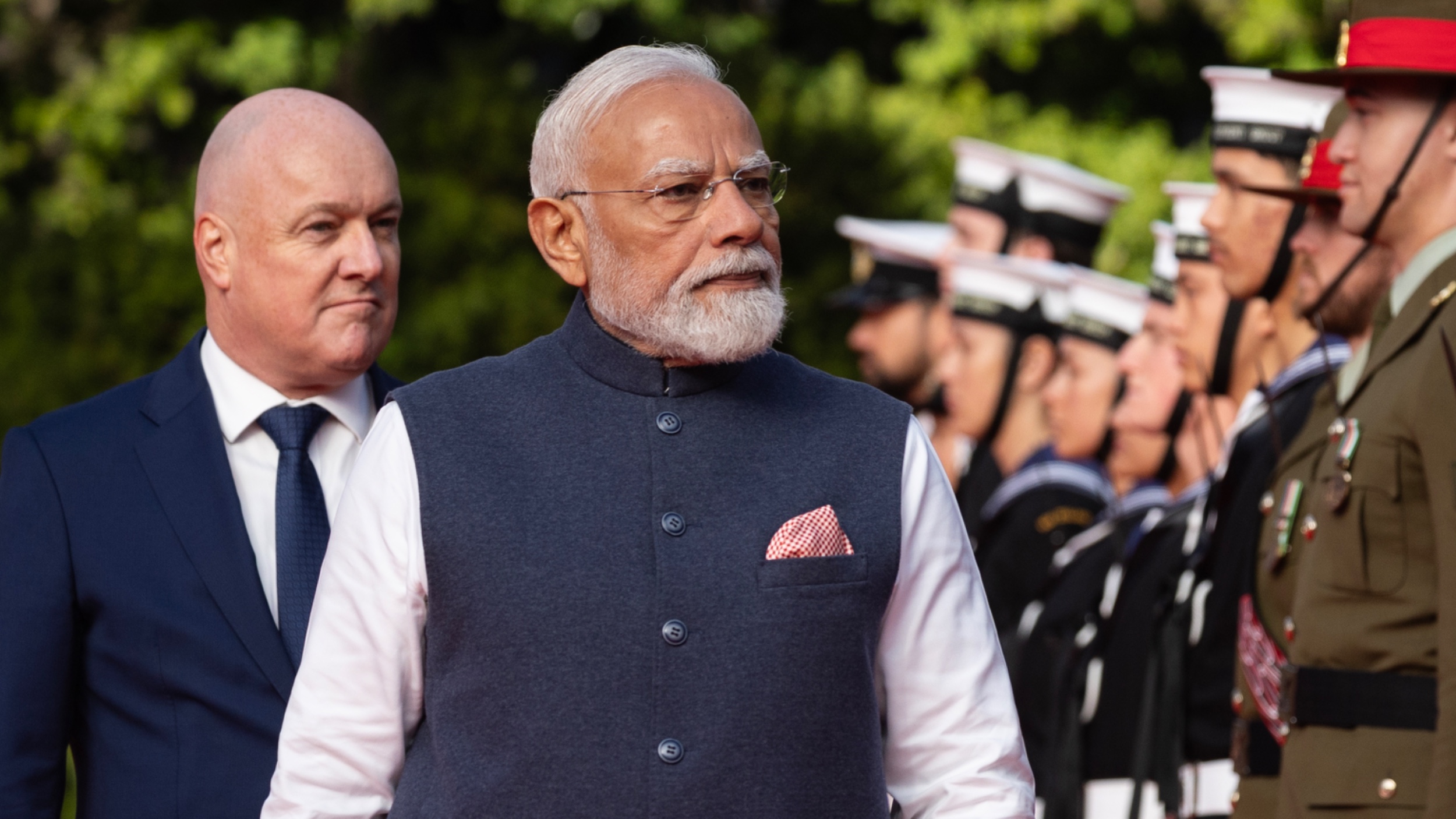
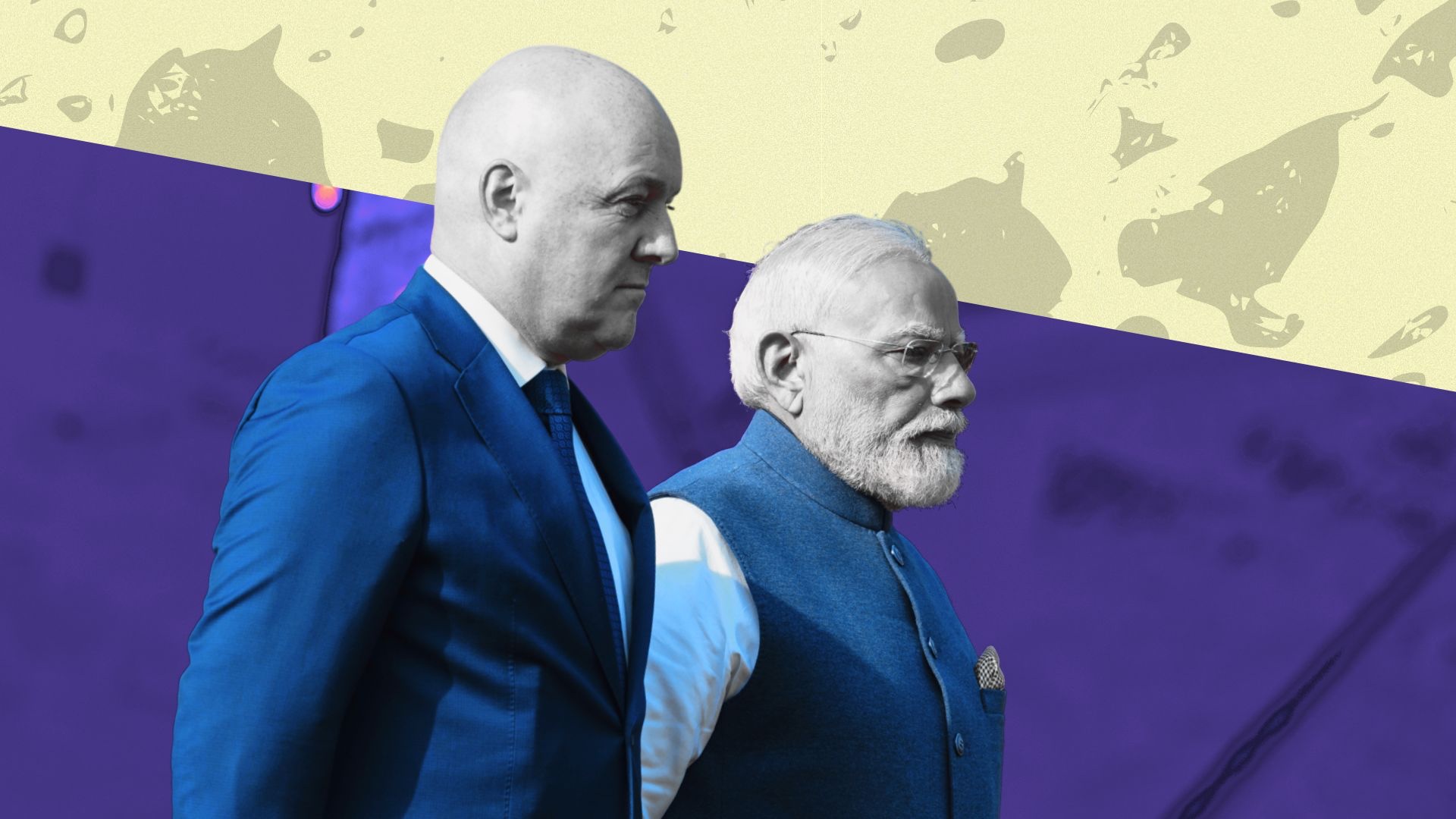
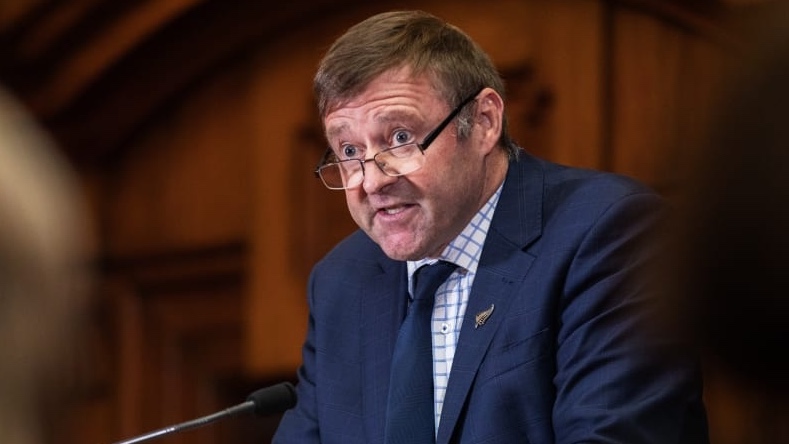
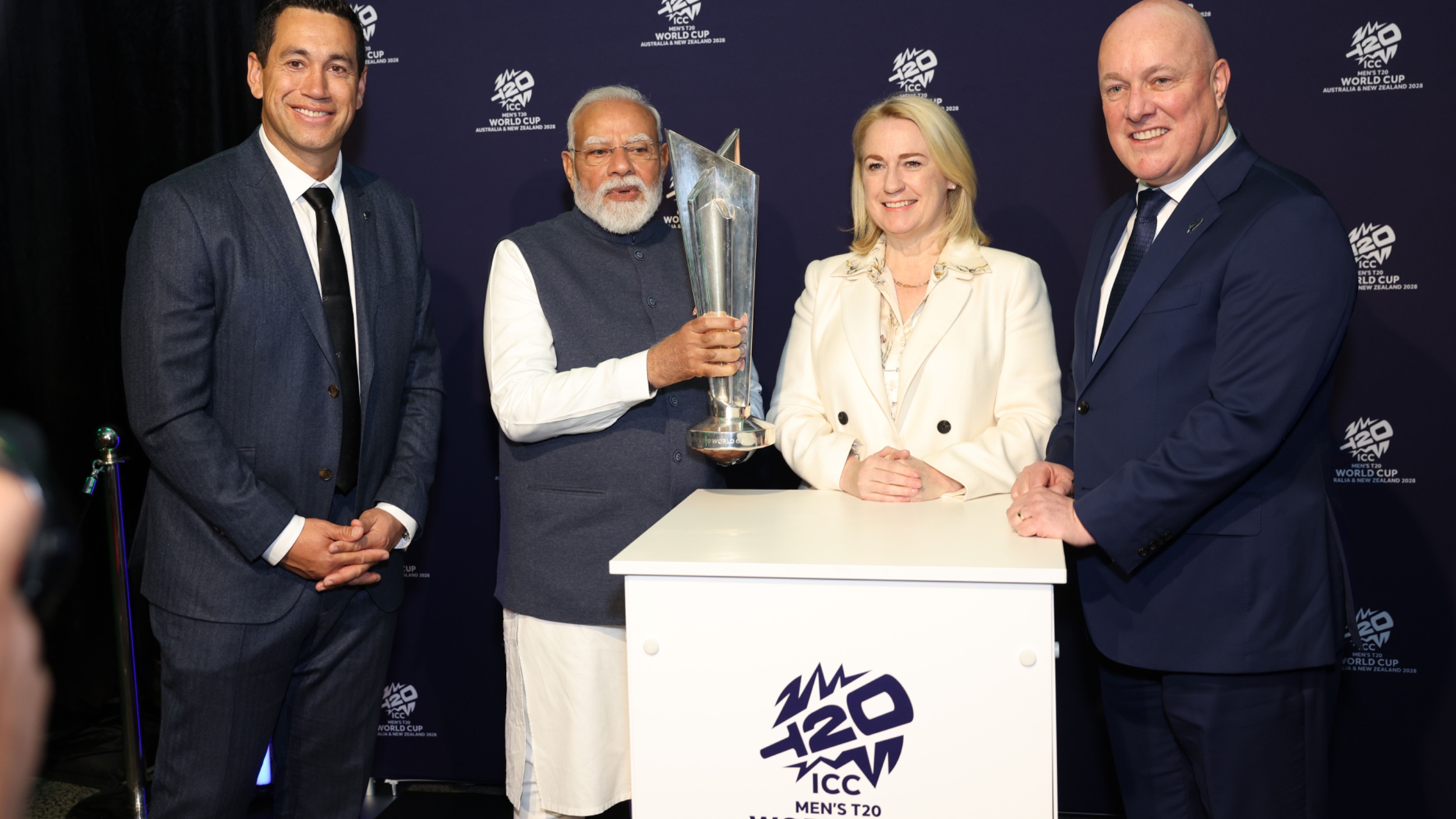
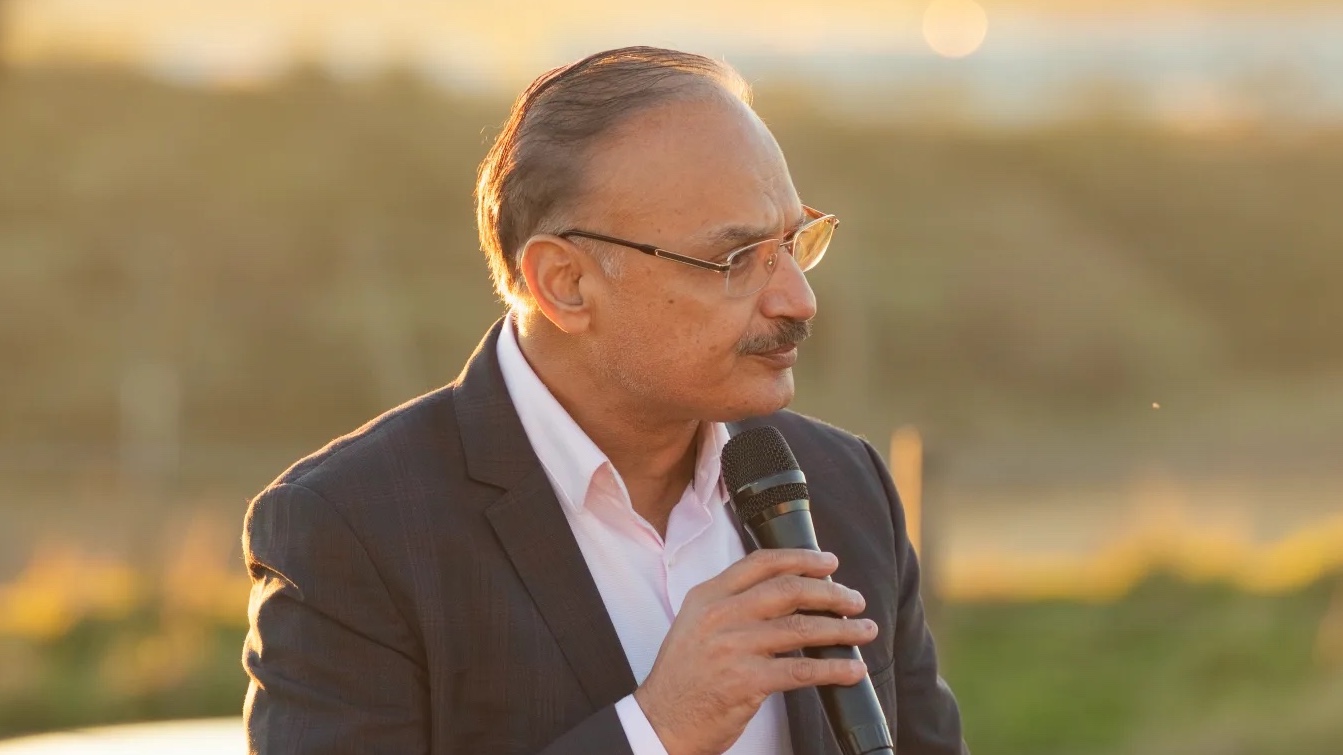
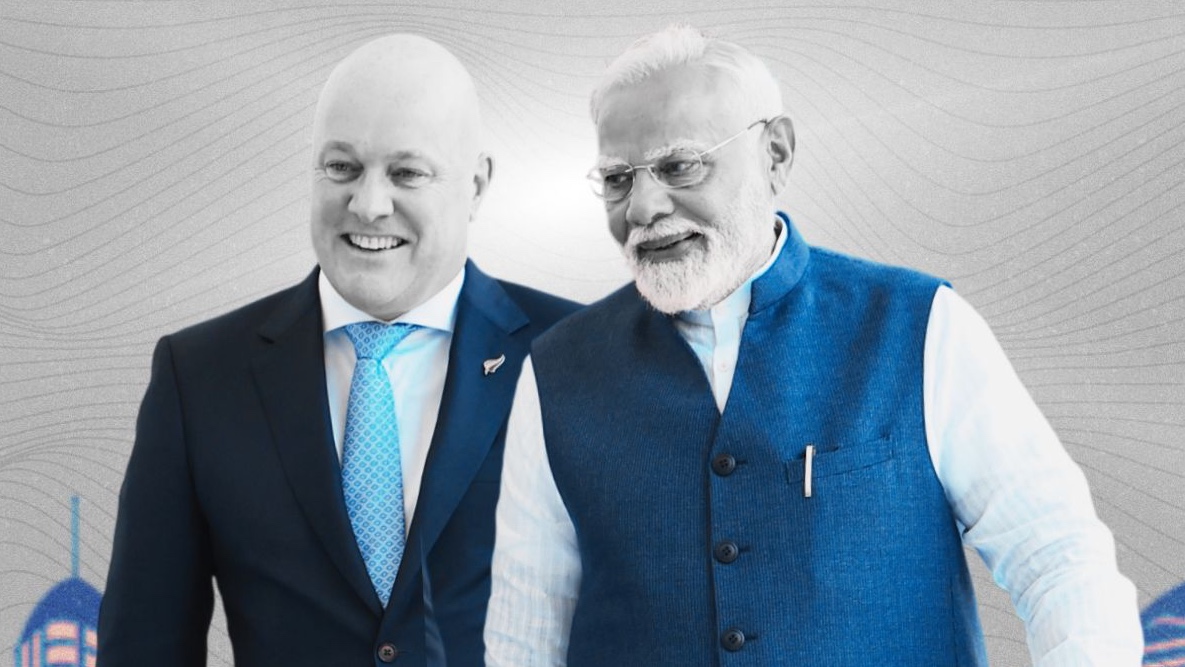
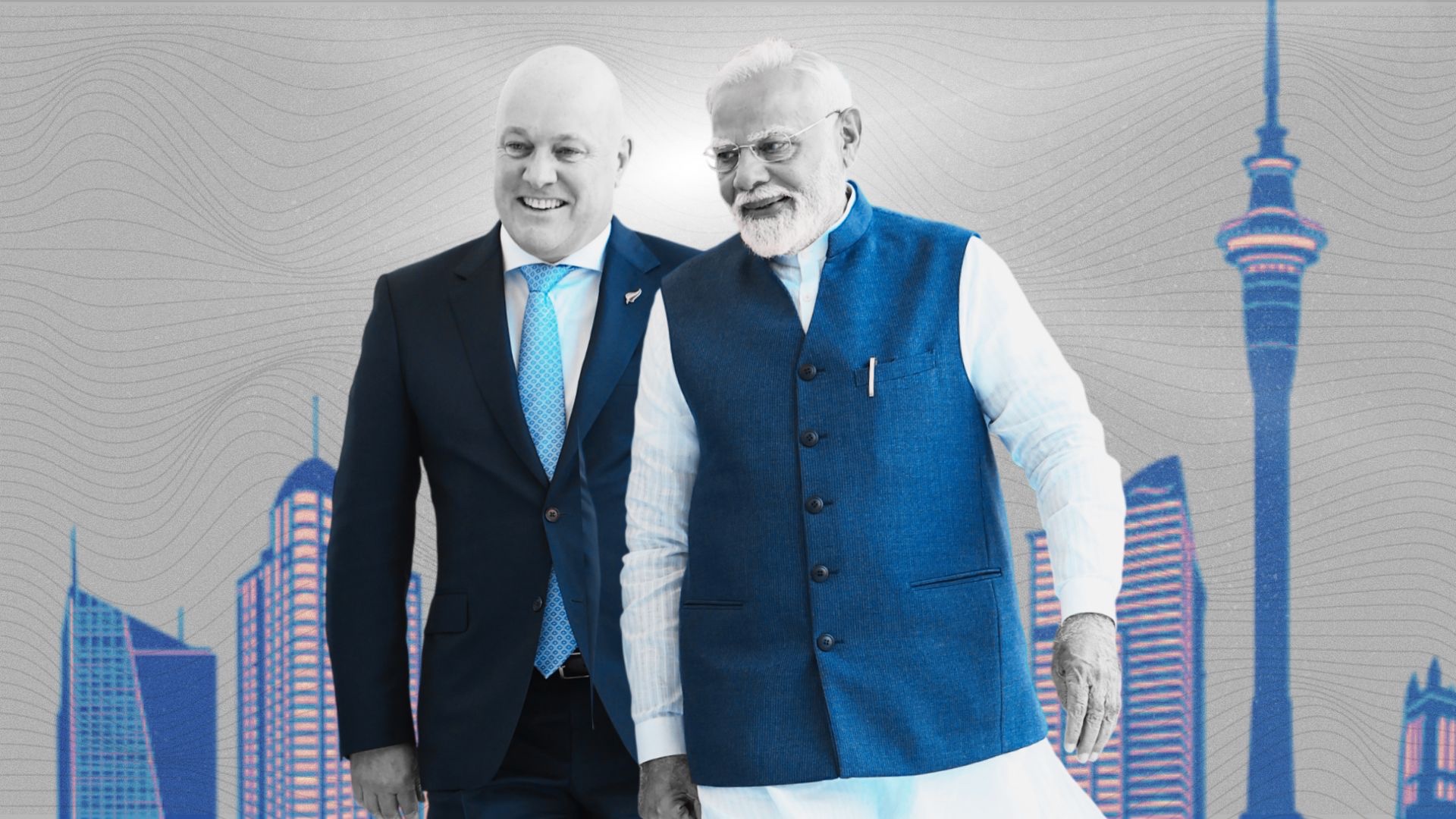
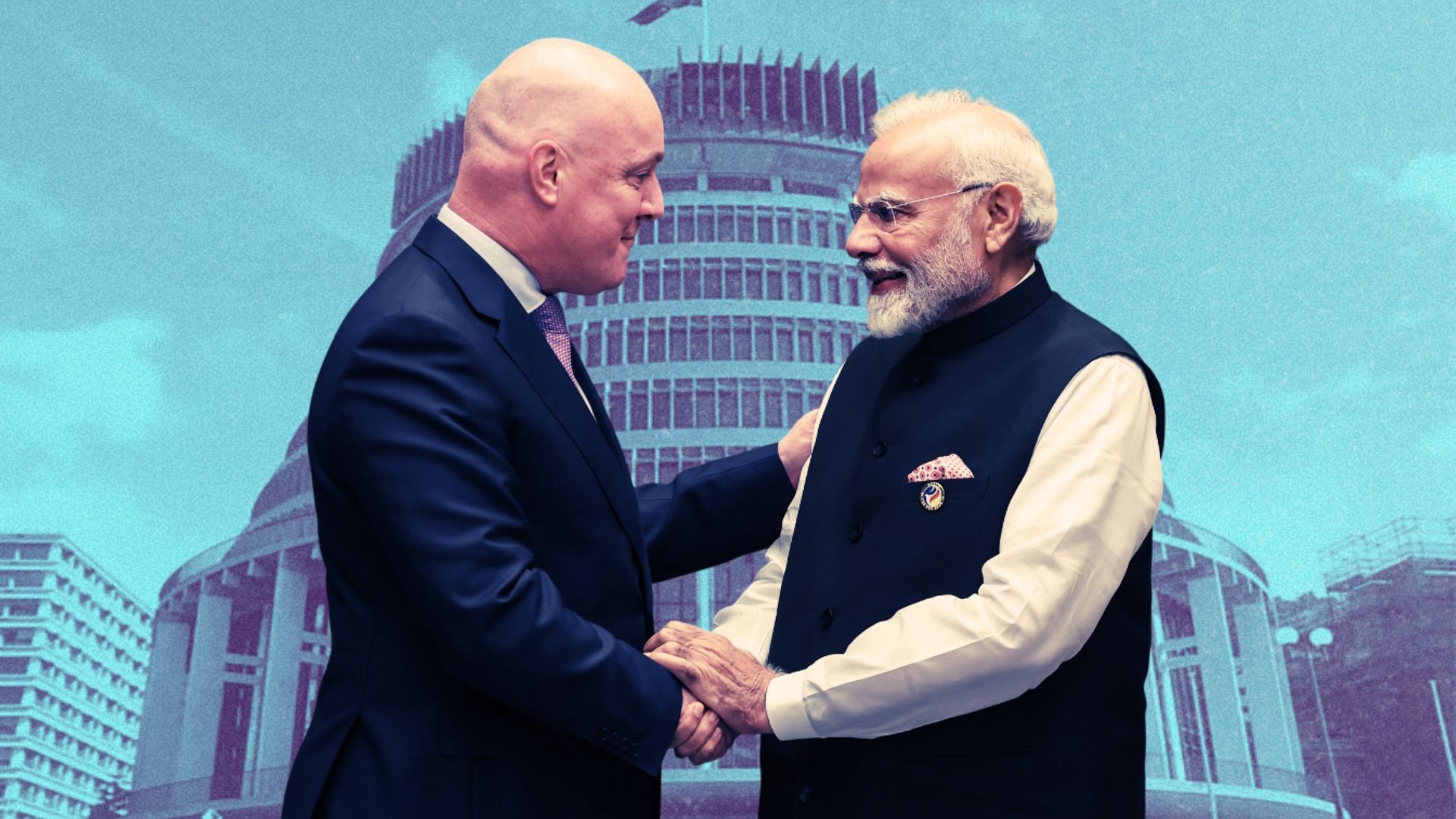
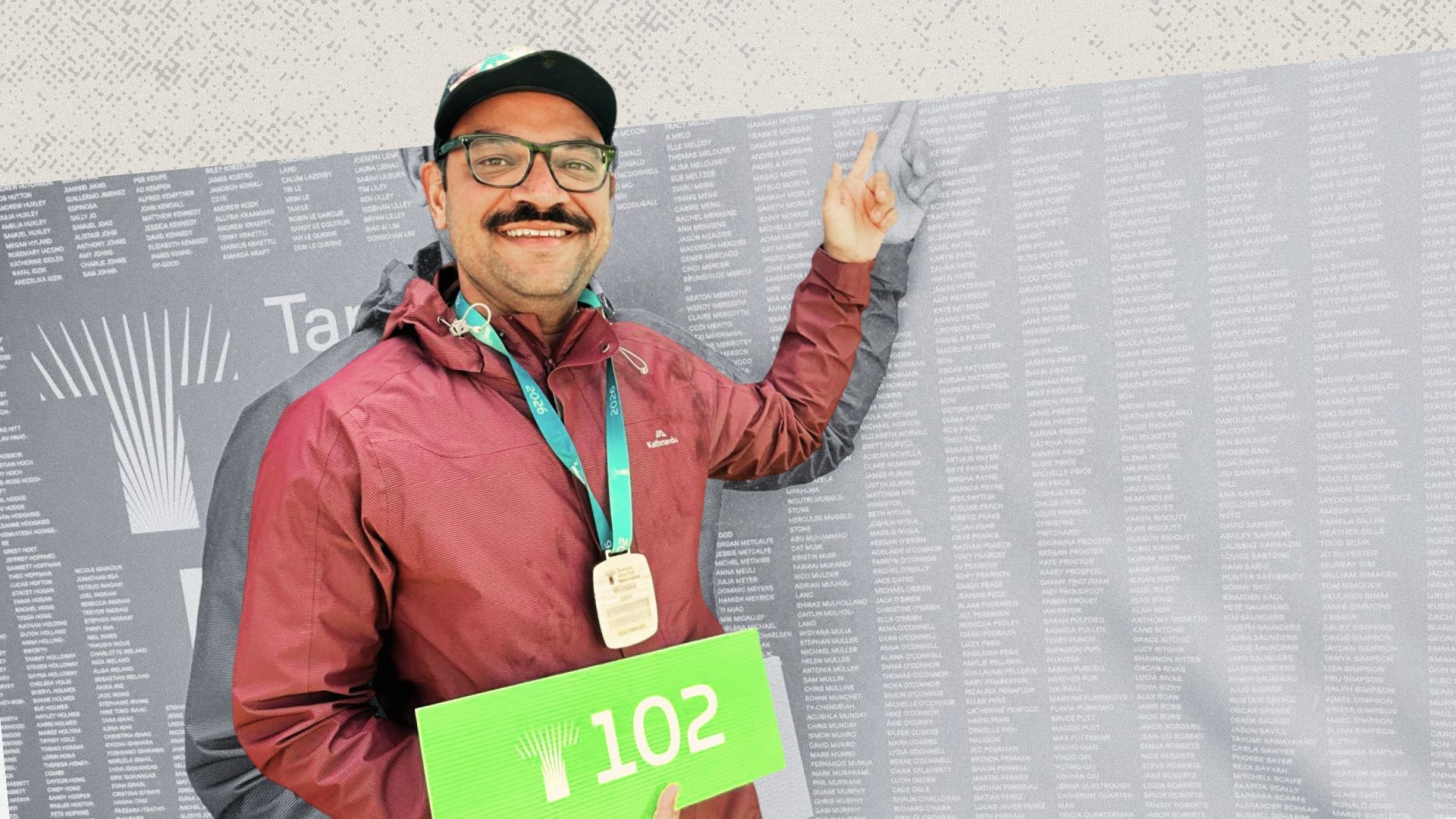
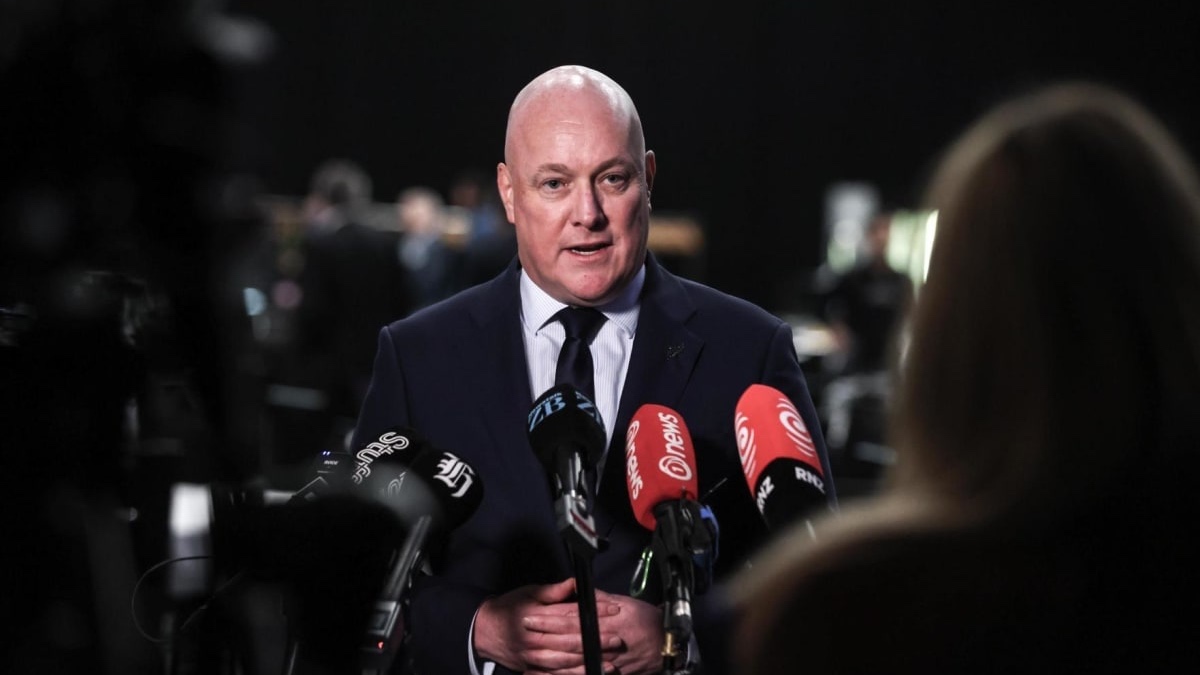
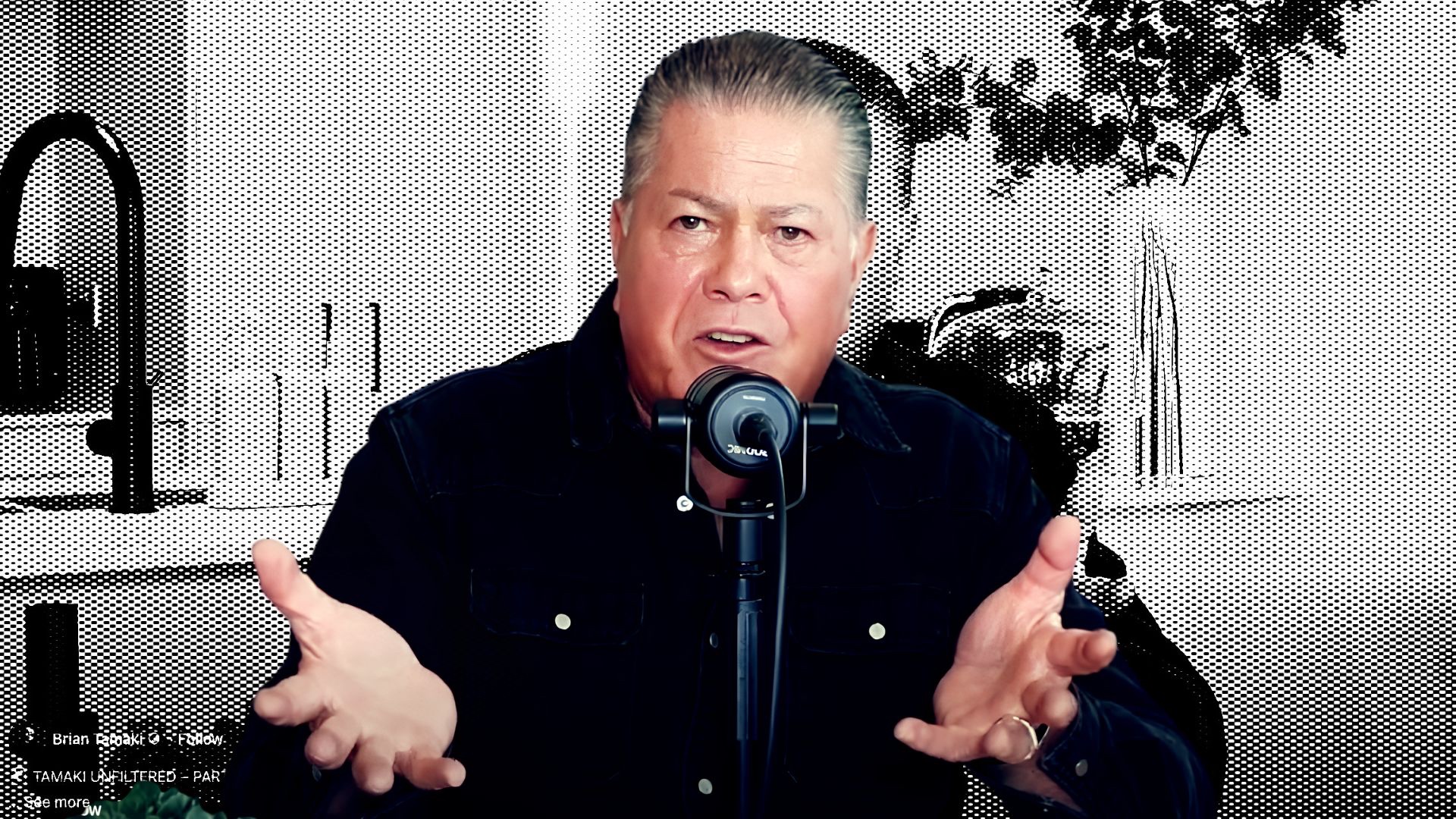
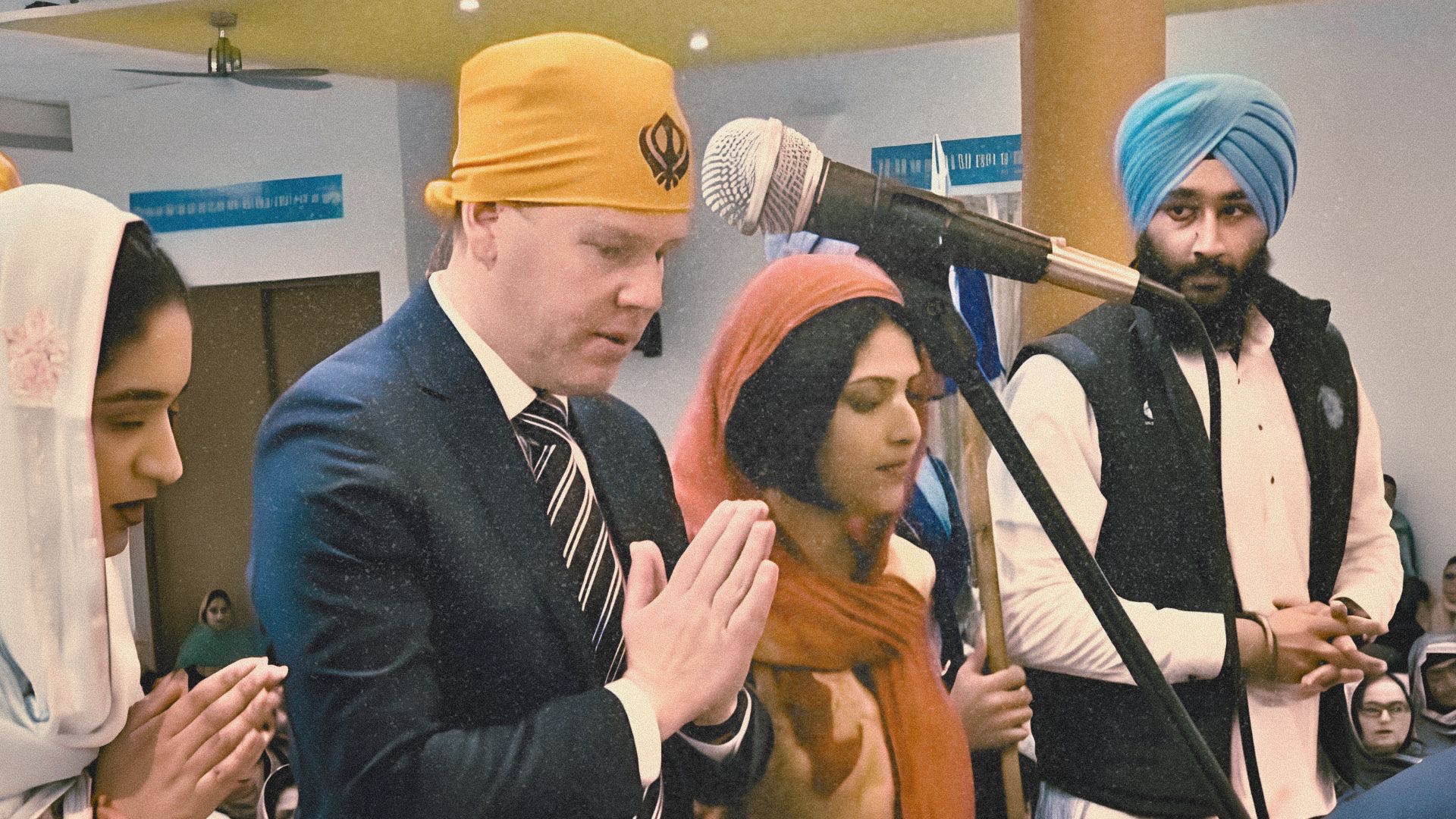
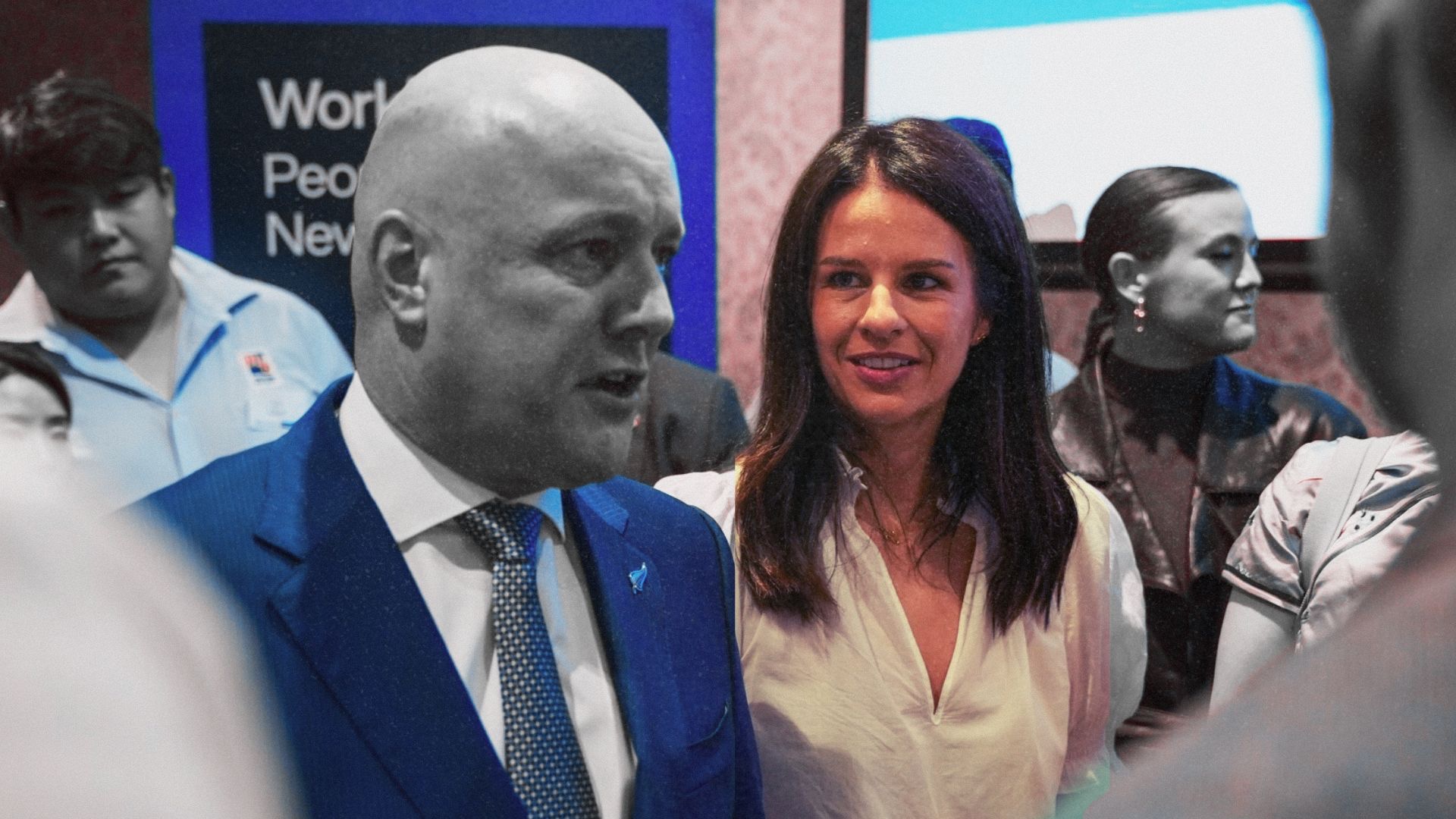
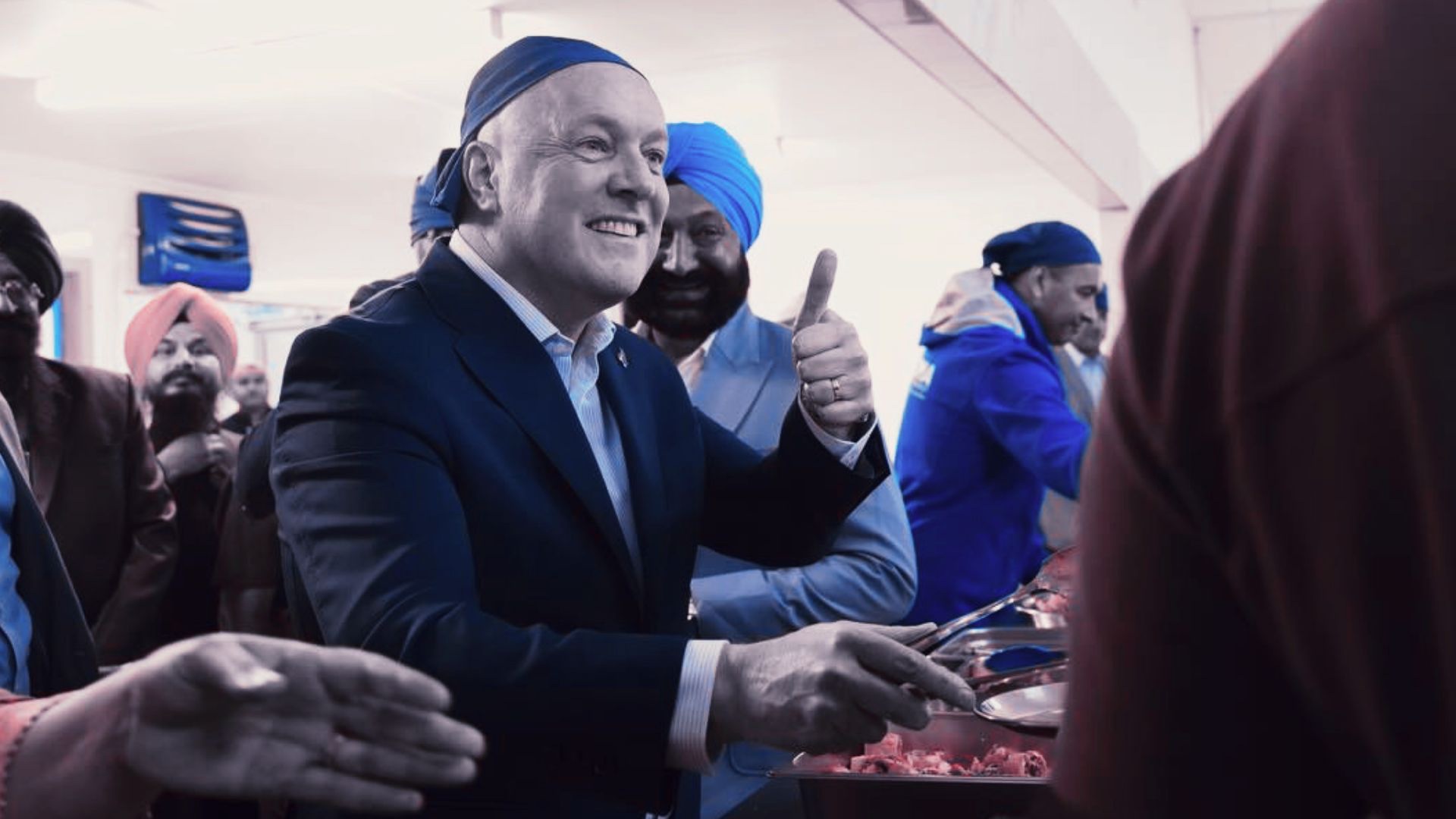
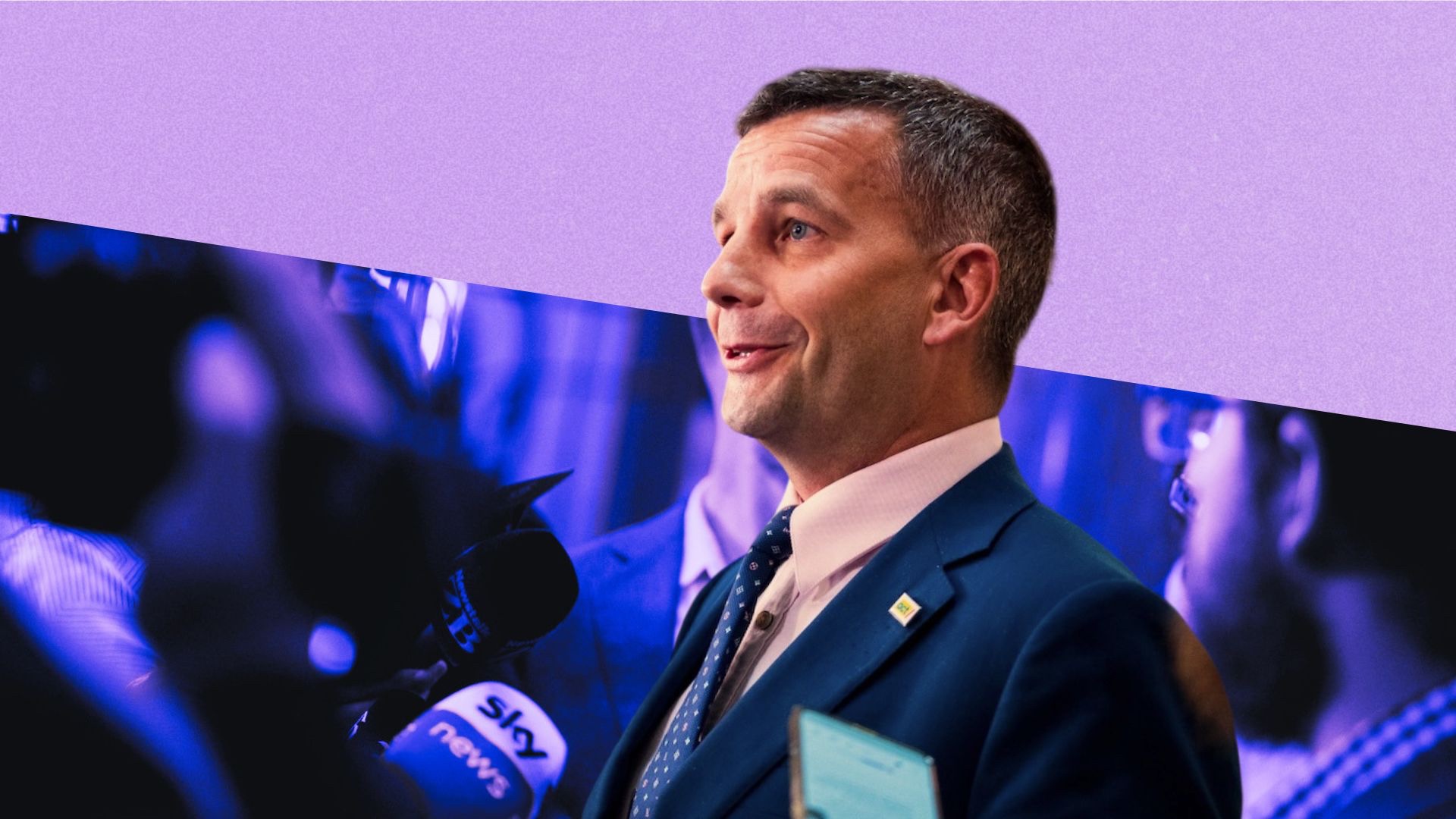
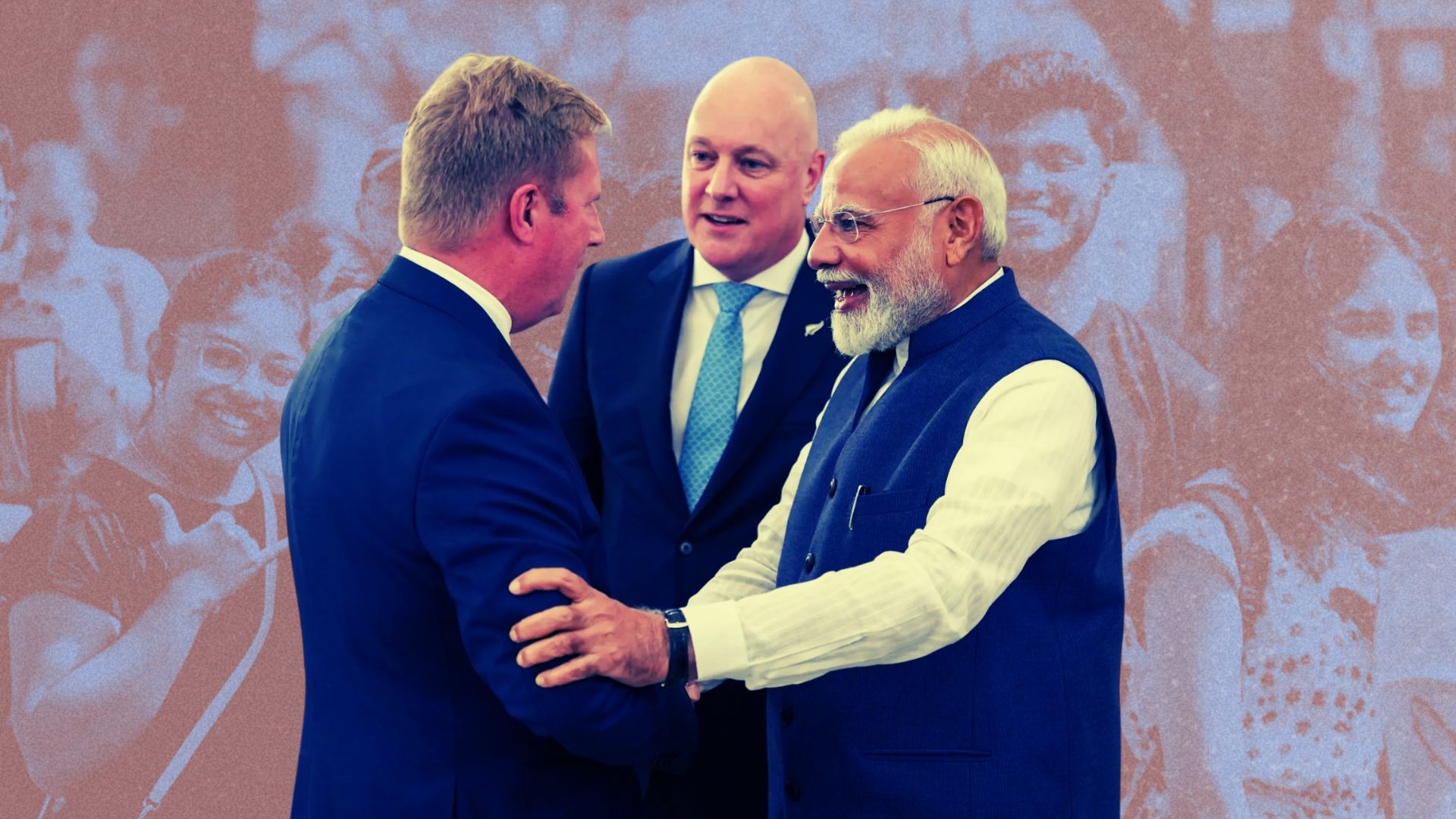
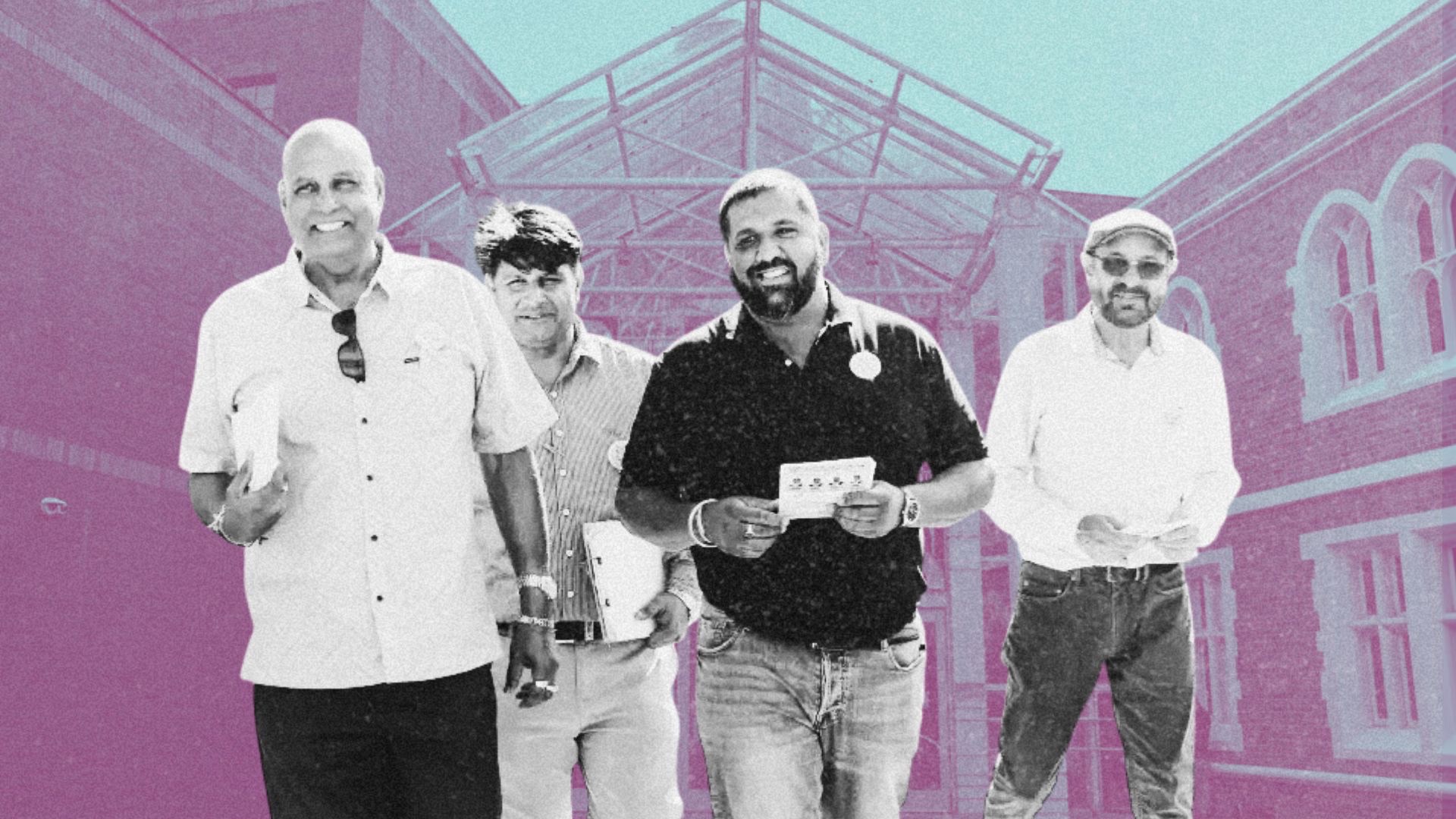
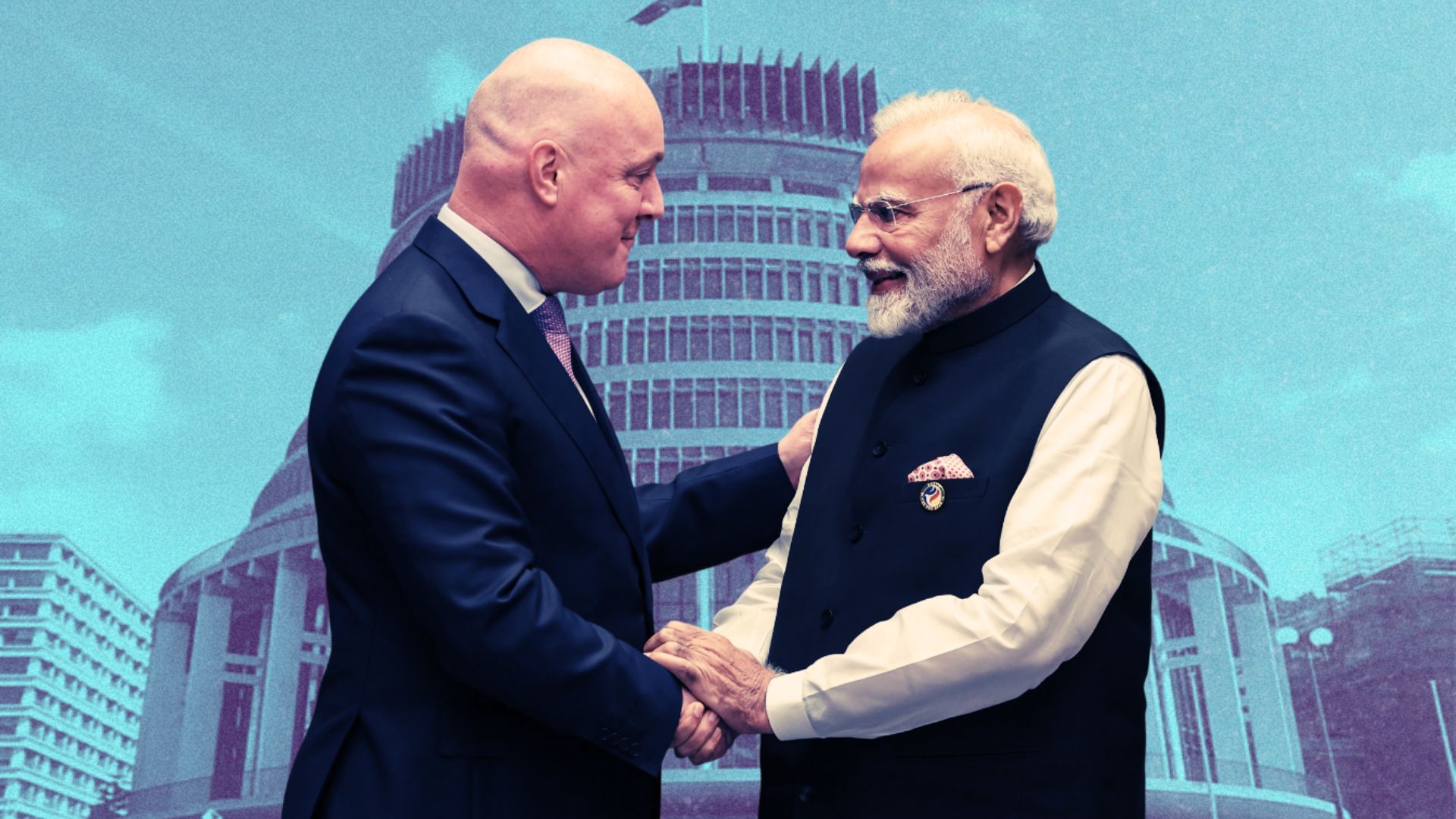
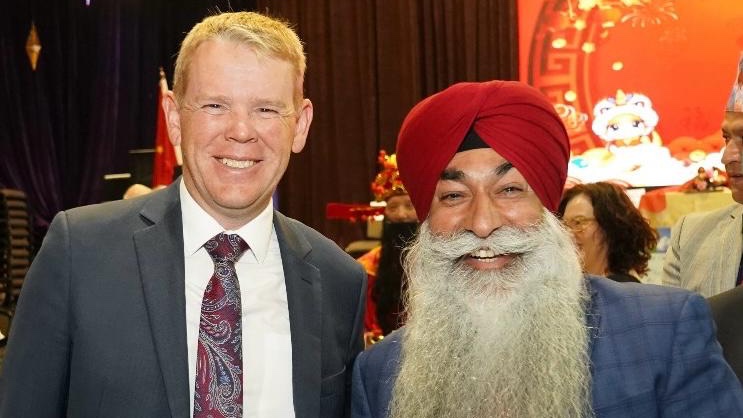
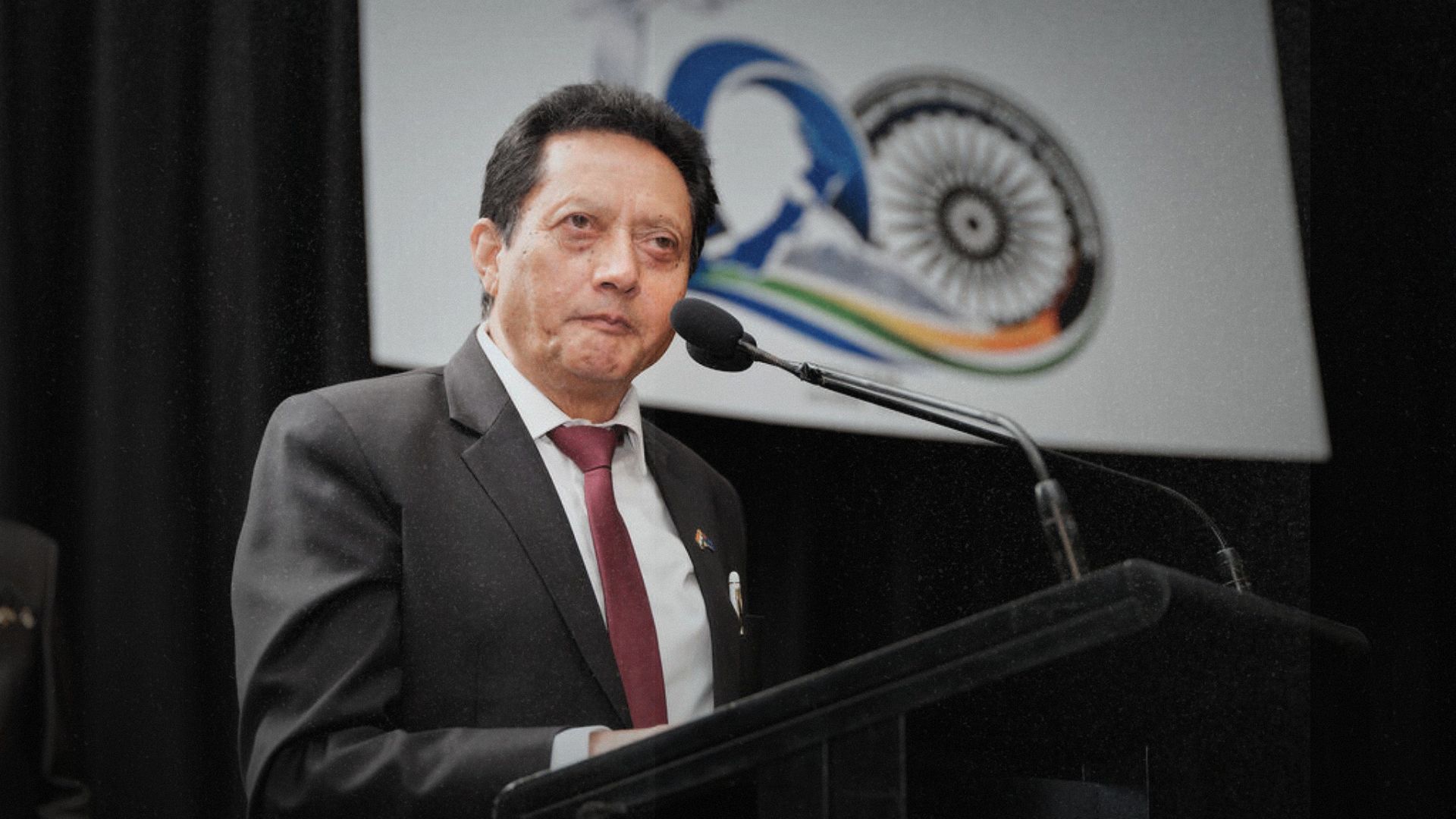
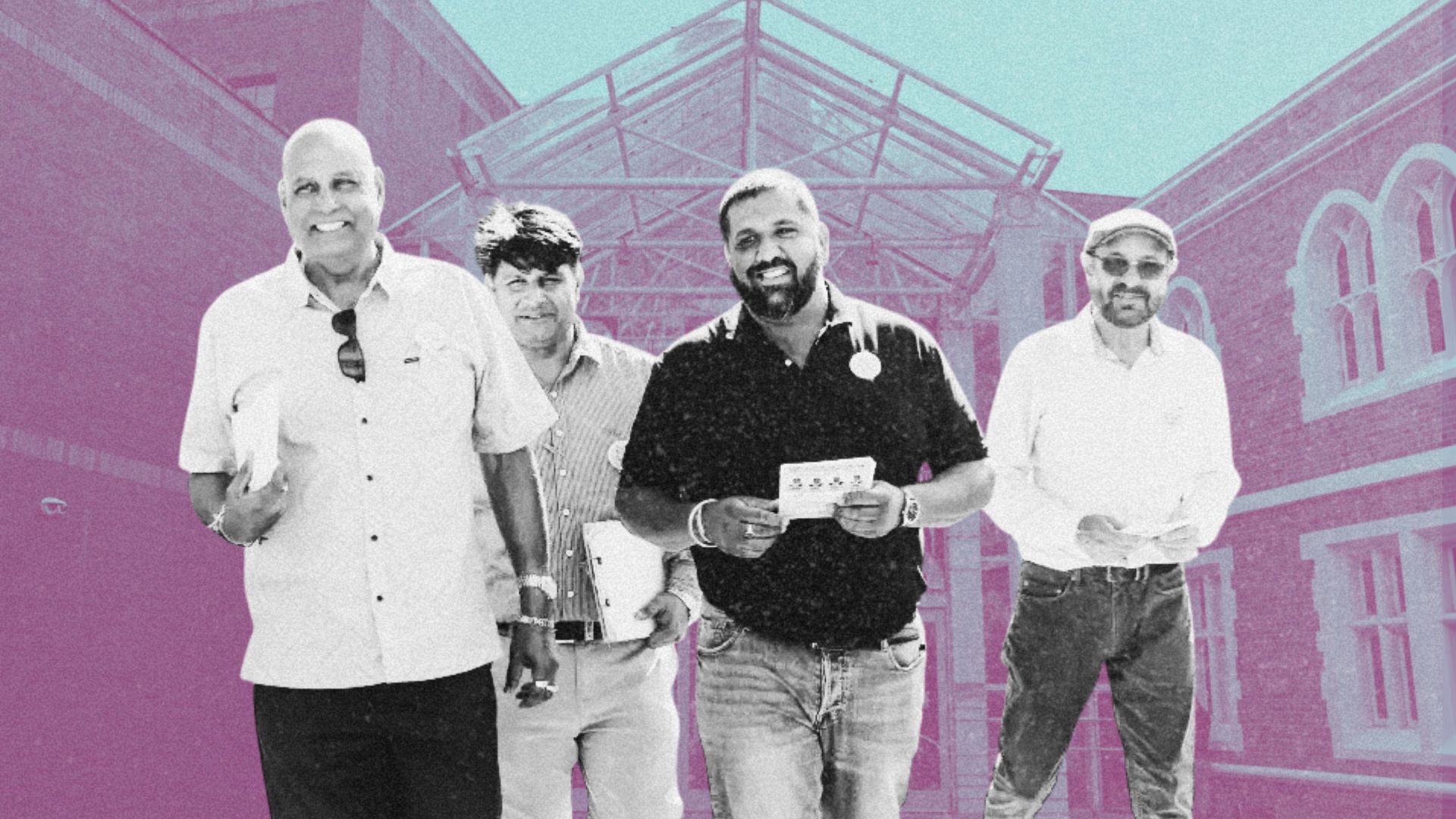
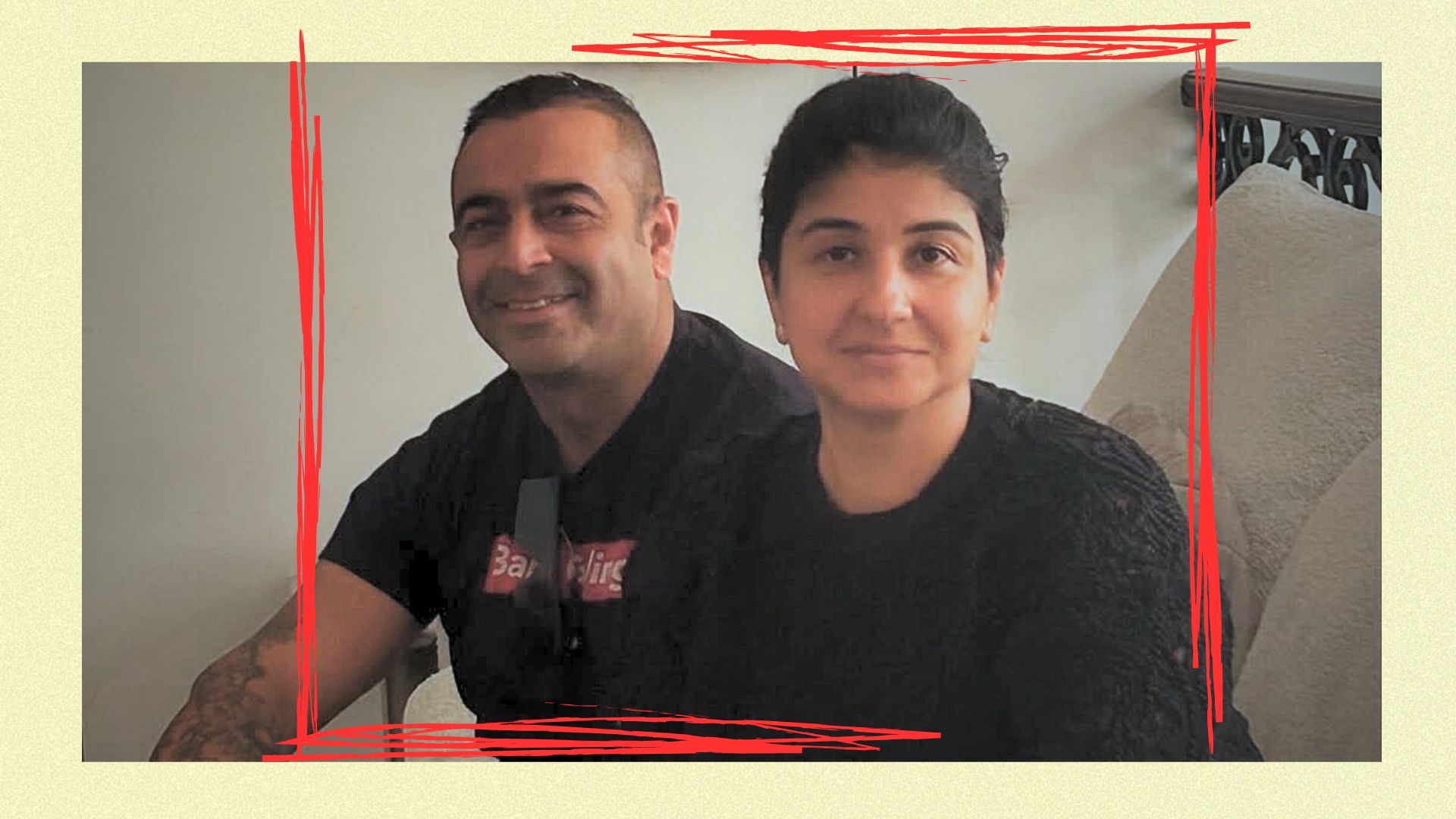
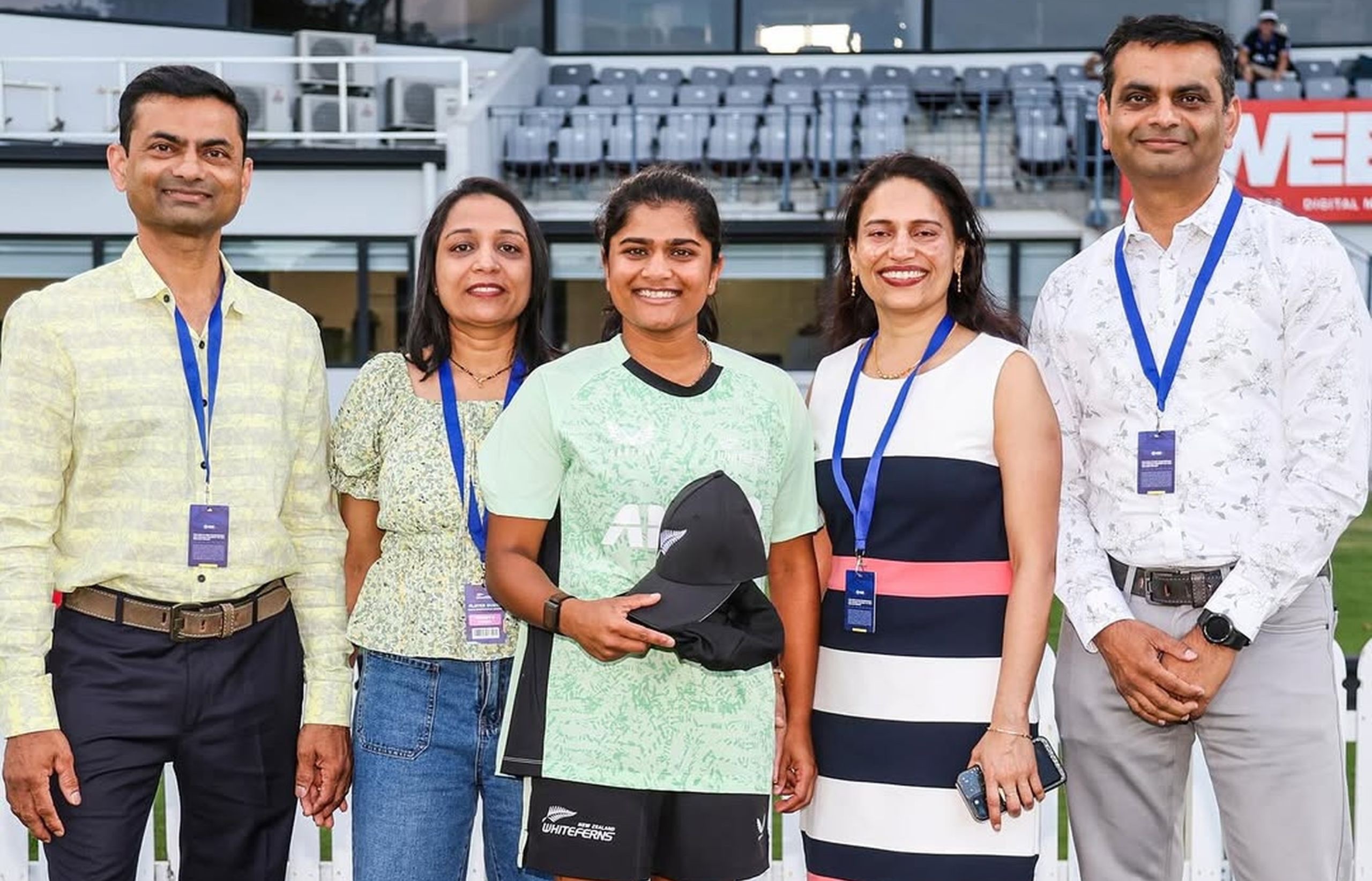
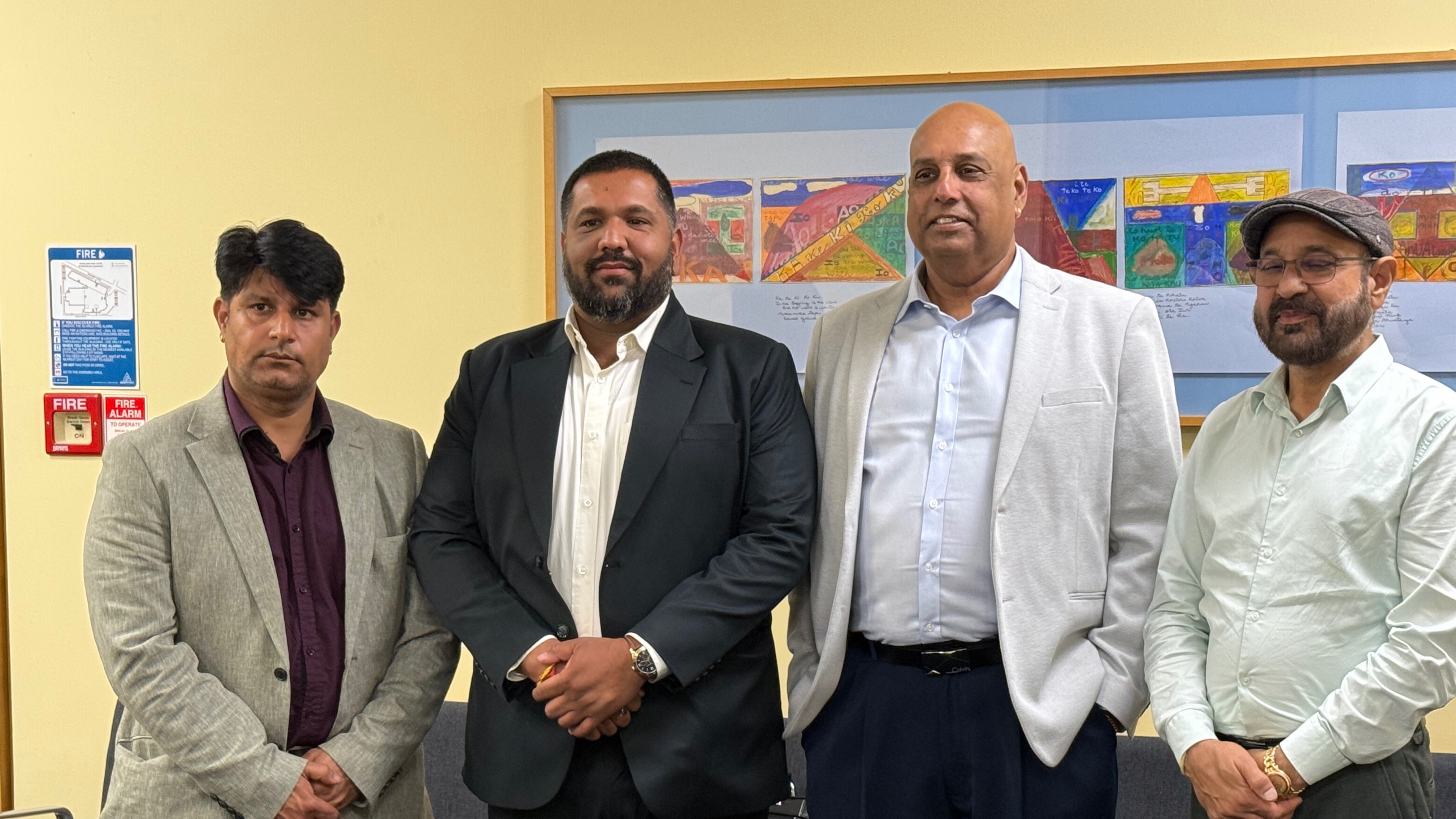
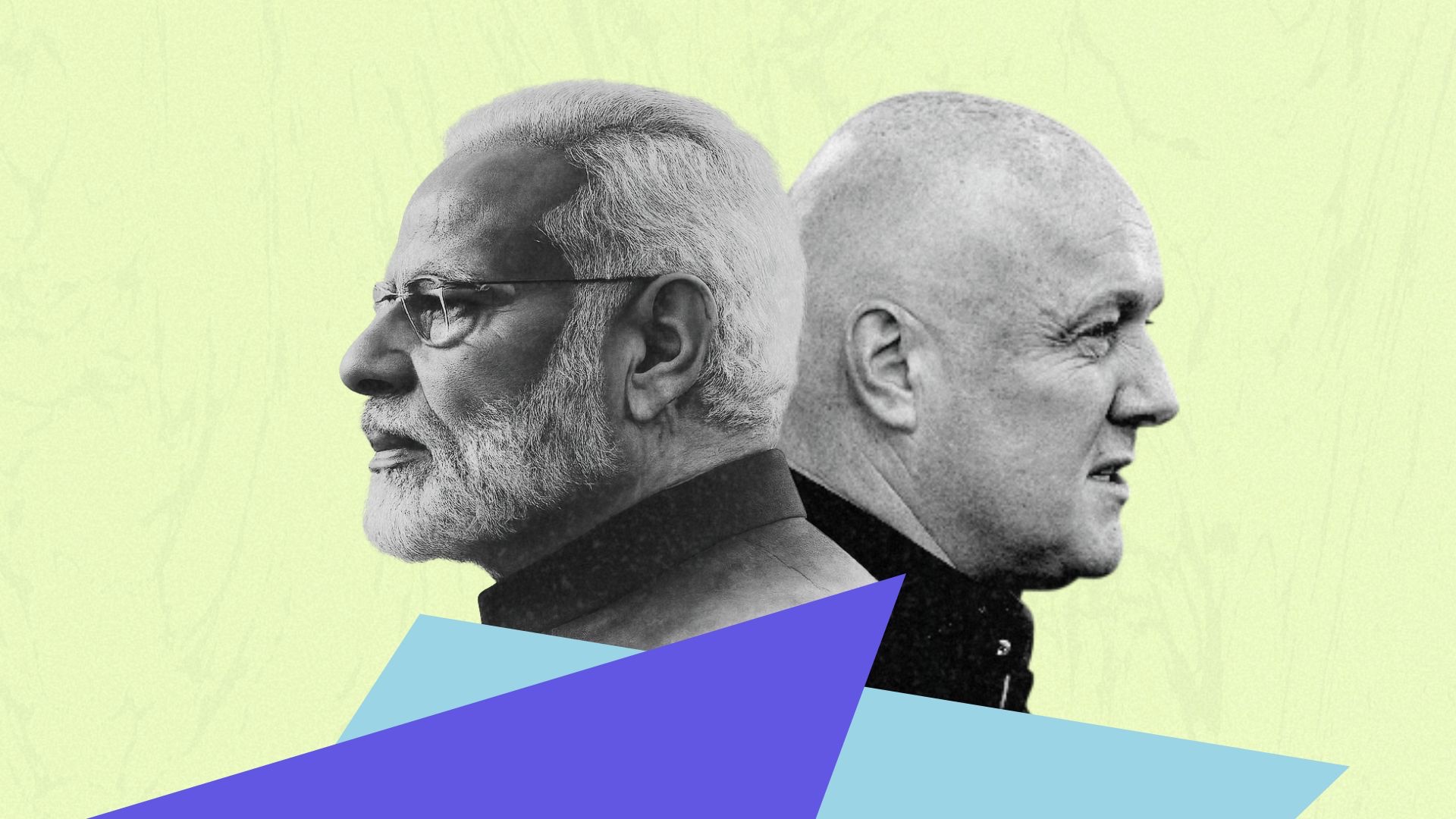
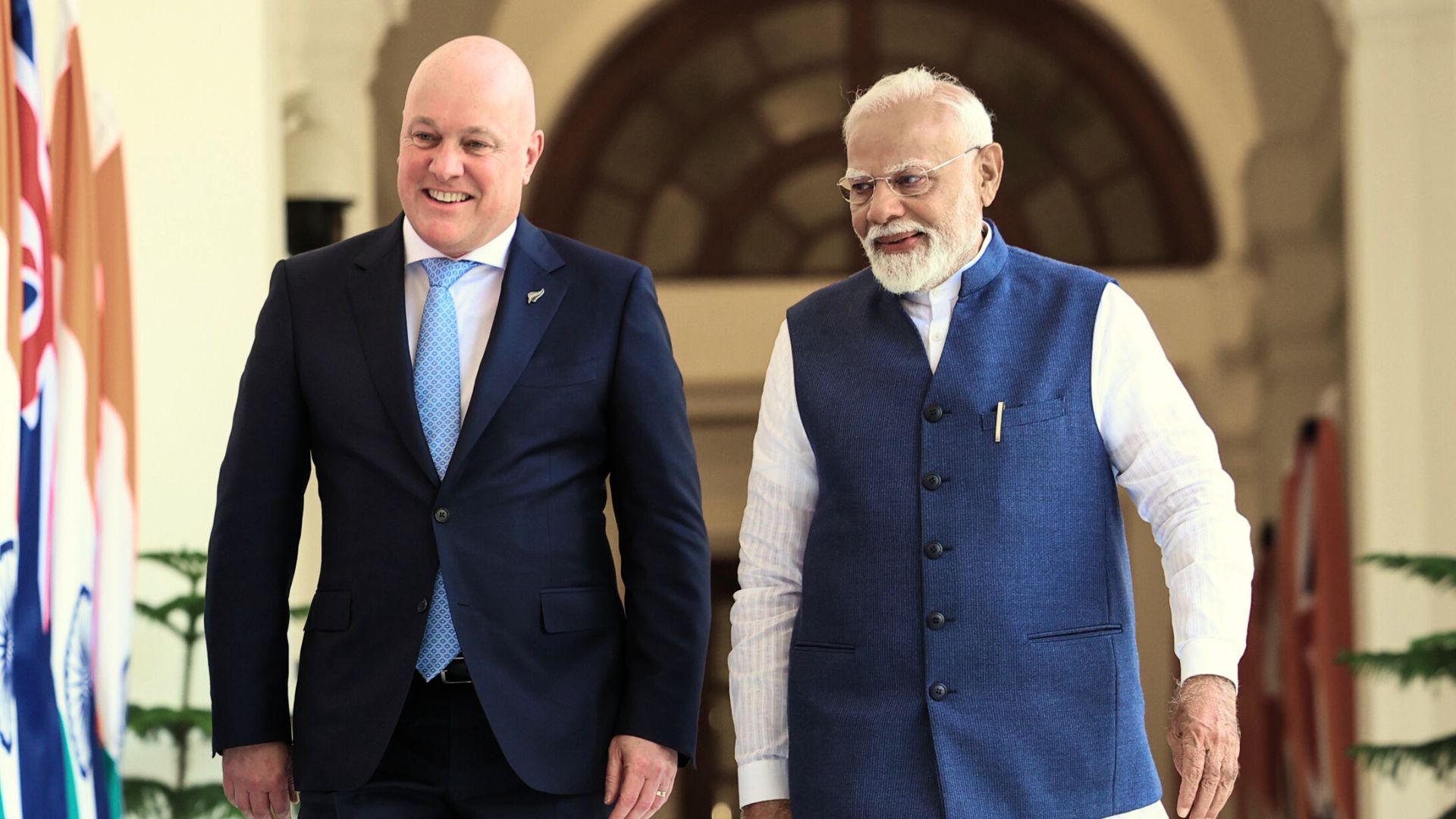
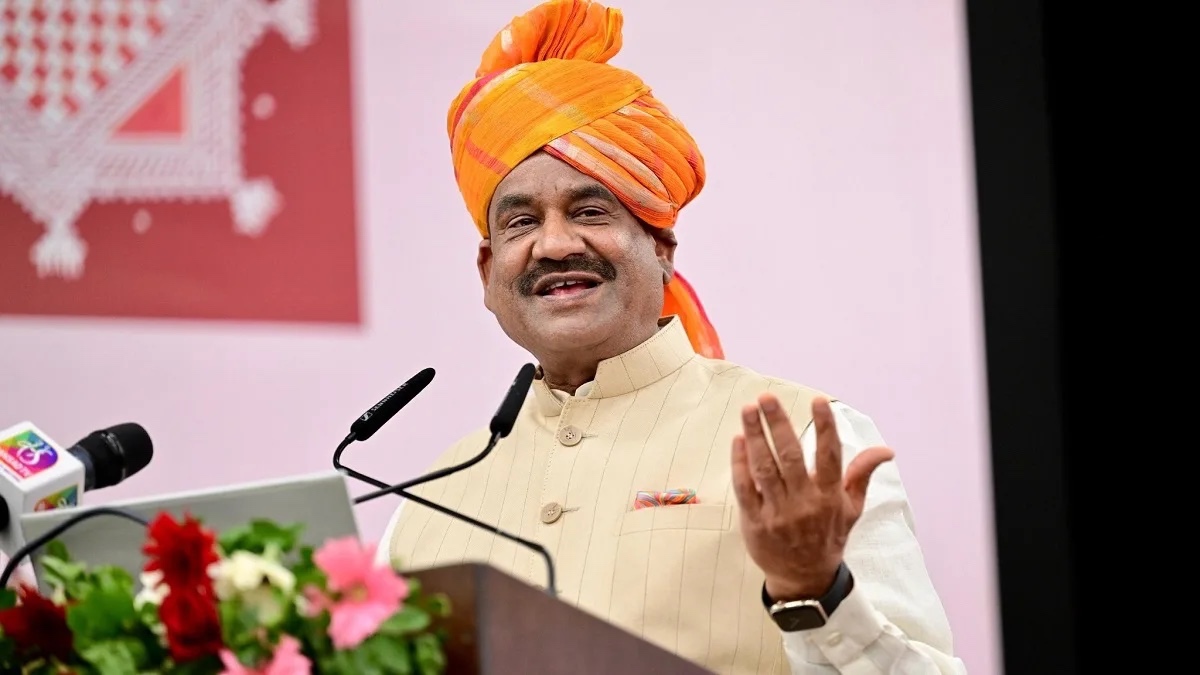
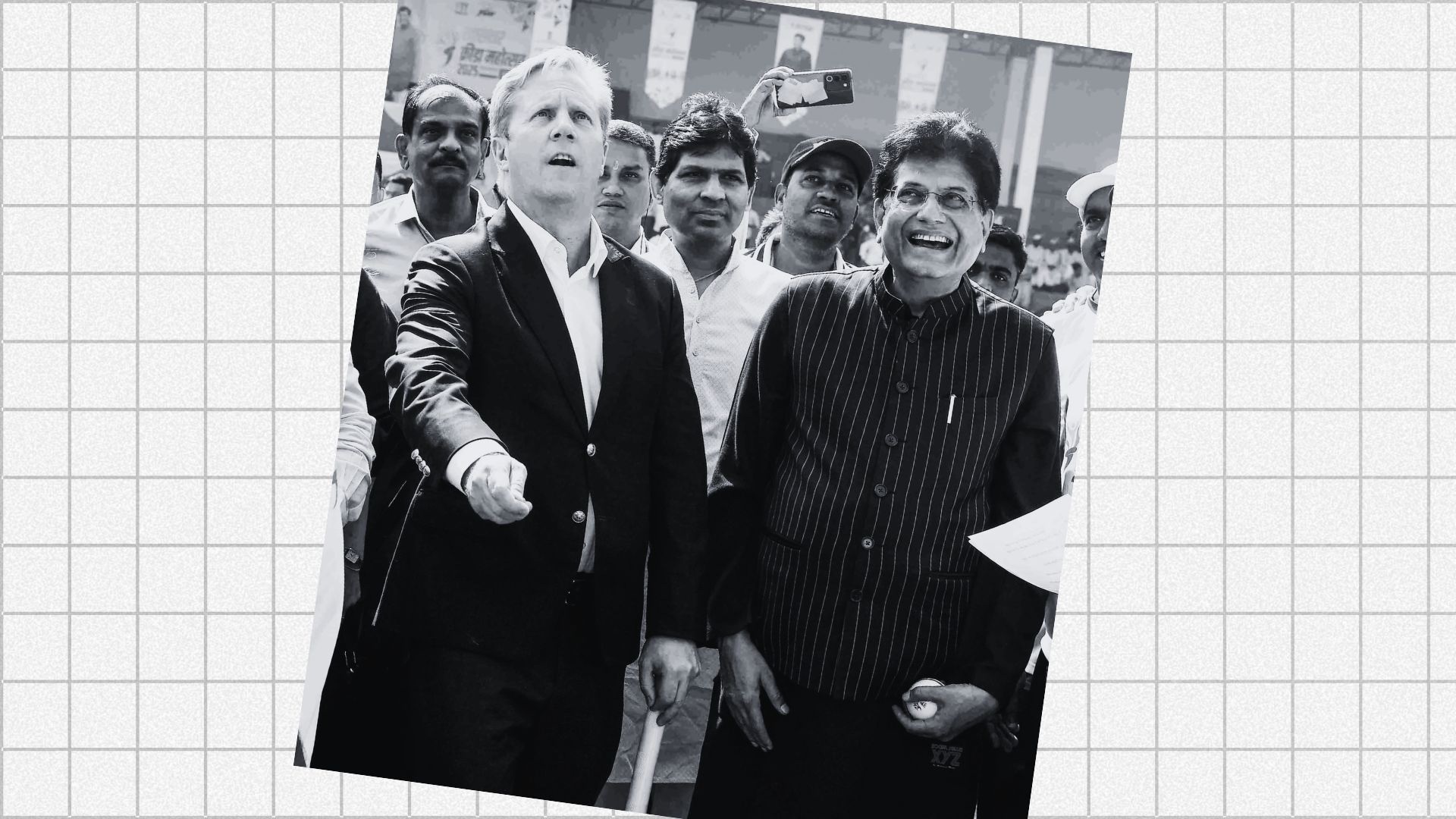
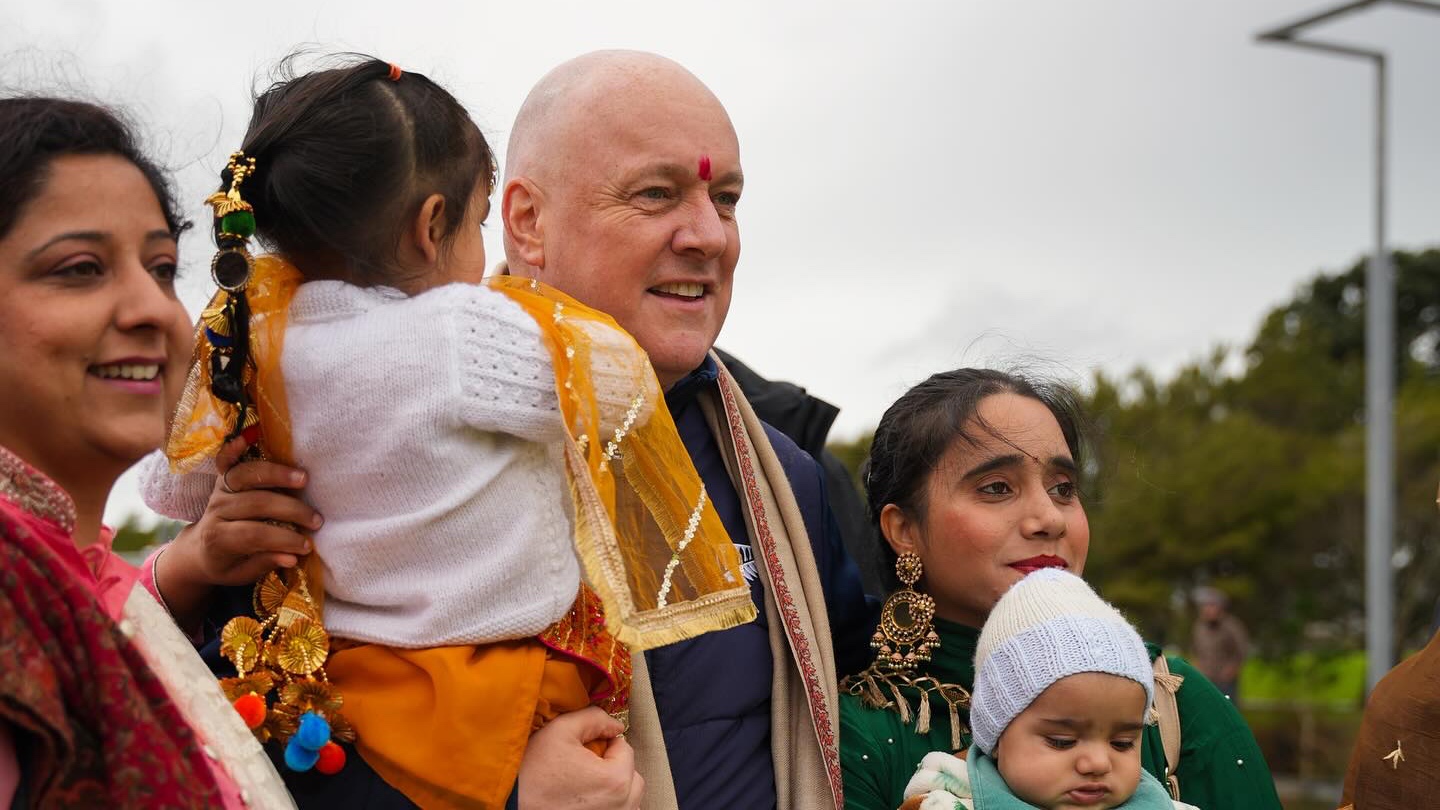
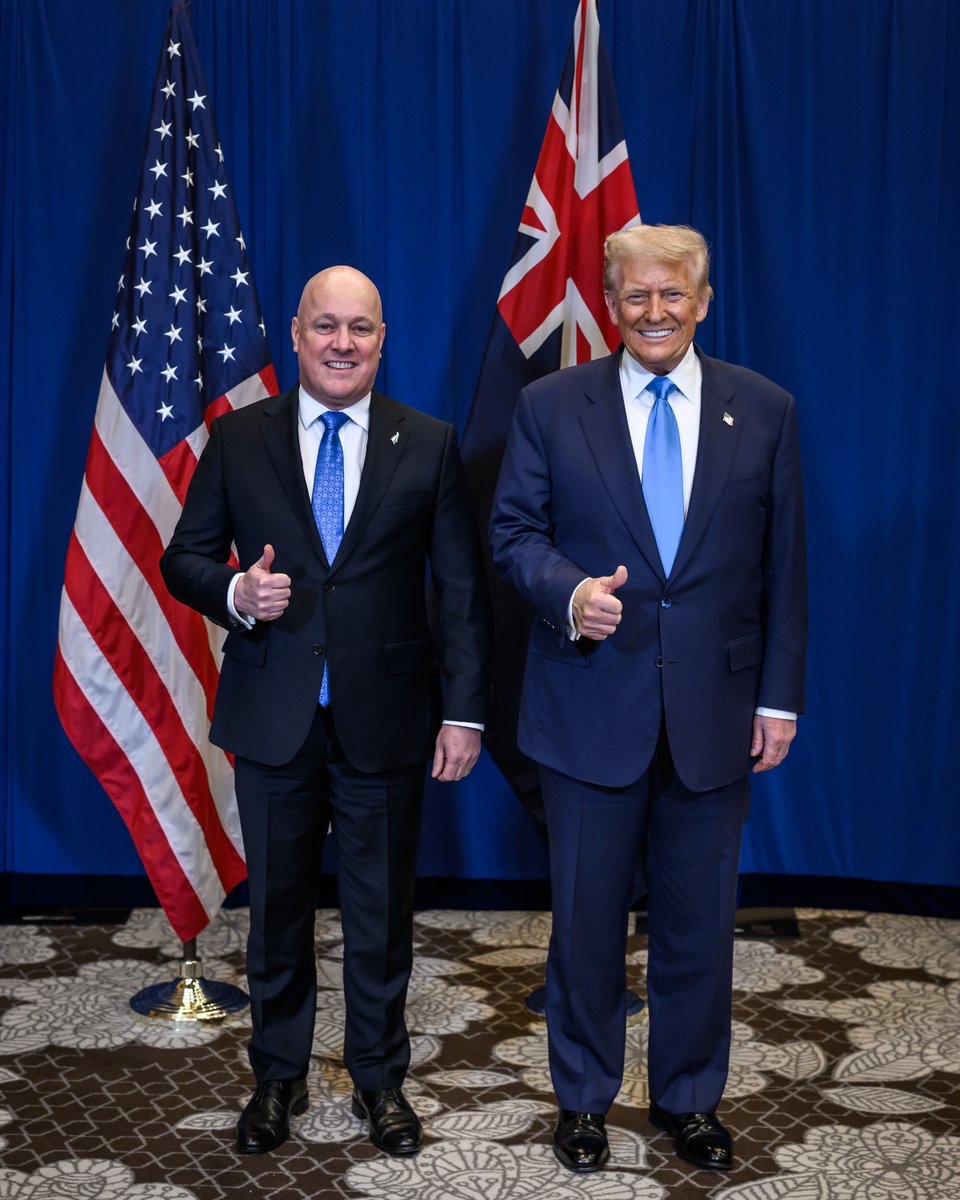
Prime minister Christopher Luxon and National candidate from Tamaki Mahesh Muralidhar.
National is framing the tech VC not just as an Indian-origin candidate, but rather a business candidate.
Analysis: Prime ministers praise their own candidates. No surprises there.
So when Christopher Luxon told National Party members over the weekend that Mahesh Muralidhar was “the next MP for Tāmaki”, the interesting part was not the prediction. The more revealing part was how Luxon described him.
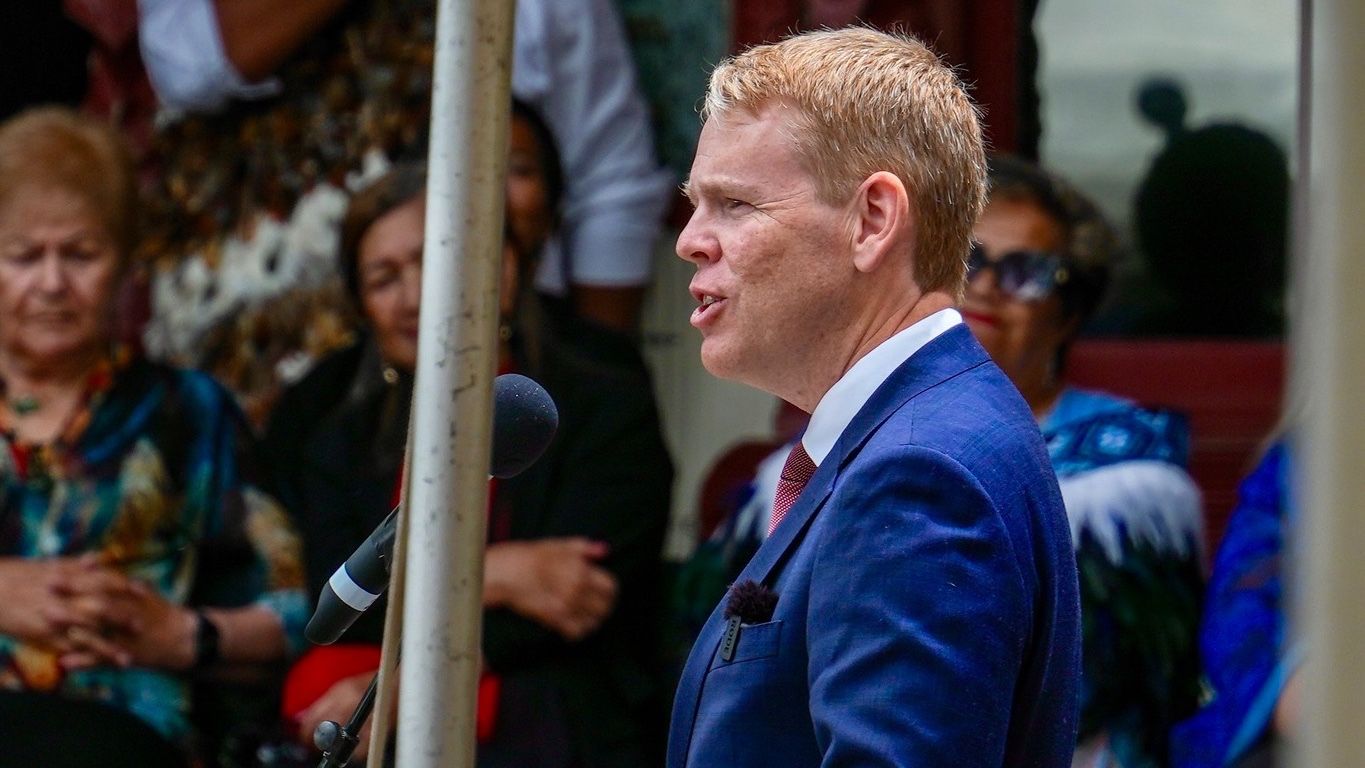
“Entrepreneur, mentor, Aucklander — and the next MP for Tāmaki," the prime minister told the audience at National Party's annual conference in Lower Hutt on Sunday, June 21.
“Exactly the voice New Zealand's newest generation of business talent deserves in Parliament.”
That shows how National is choosing to frame Muralidhar. Not primarily as an Indian-origin candidate, not as a diversity symbol, and not as a community representative. But rather as a business candidate.
South Asian diaspora raises over $200,000 for New Zealanders missing in Nepal flood "I'm so proud of the Indian community here who...supported us, saying it is not a Nepal problem but our problem."
Tamakis launch Indian-origin candidate for Epsom who surrendered passport and has ‘assimilated’ “I know a whole lot of people are going to be like shocked,” says Hannah Tamaki.
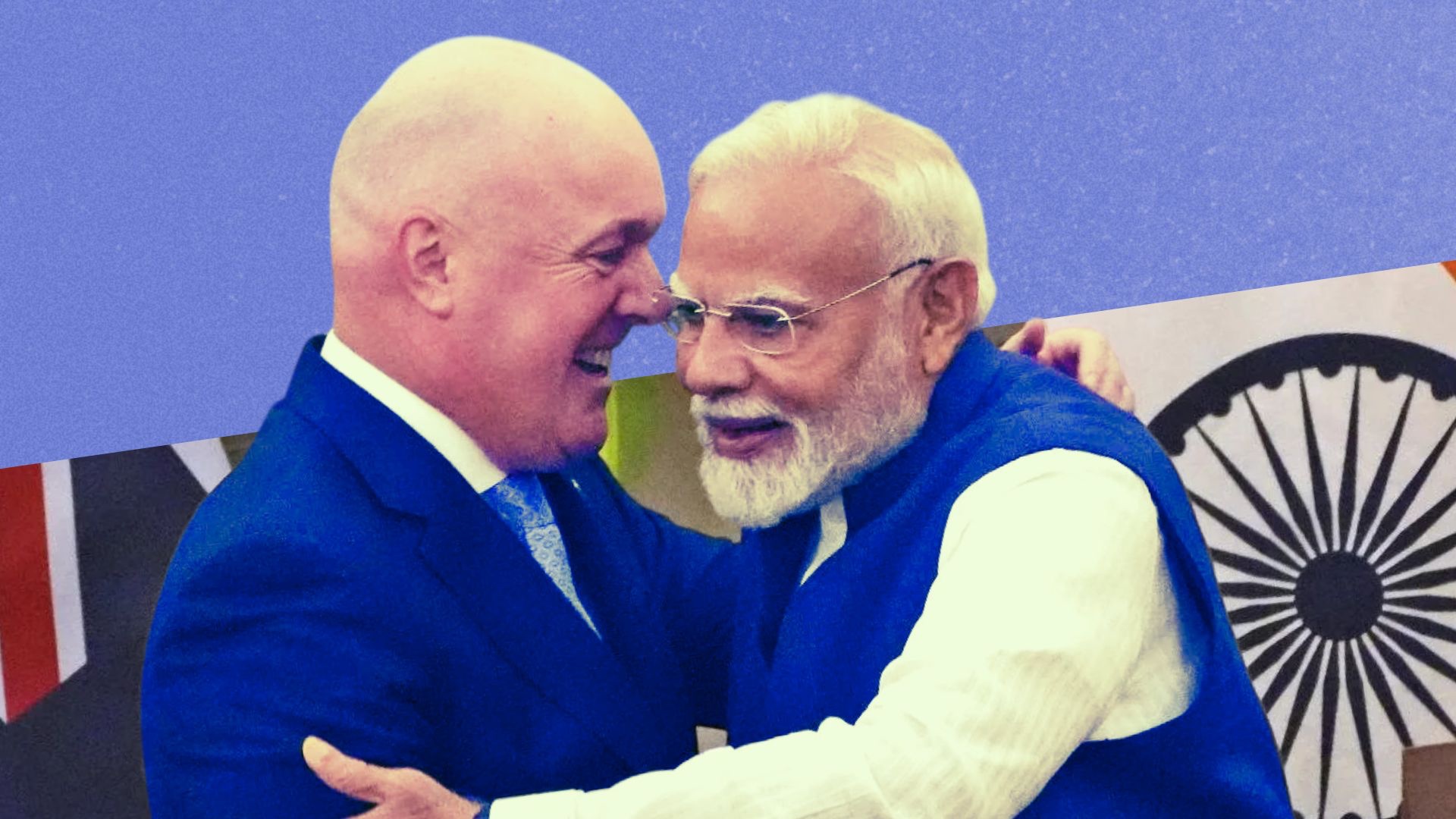
Priyanca Radhakrishnan tries to puncture Luxon’s FTA victory, says India was already sold “Things have changed quite dramatically on the Indian government side,” says the Indian-origin Labour MP.
Luxon’s comments came in a section of his speech built around work, aspiration and opportunity.
“I didn't leave my career in business and come to politics to take a break. I came to work,” he said.
“I came to work for a culture of opportunity, aspiration, and ambition.
“I came to work for Kiwis like you. People who work hard, play by the rules, and deserve to get ahead.”
He then described National as a party of “business owners, lawyers, and farmers”, “soldiers, sailors, and aviators”, “mums and dads” and “grandmothers and grandfathers”.
It was in that list that Luxon placed Muralidhar, folding him into the party’s central identity.
Indian-origin candidates in New Zealand politics are often discussed through the language of representation. Are parties selecting enough Indian candidates? Are they placed in winnable seats? Are they being treated as bridges to migrant communities? Those questions matter.
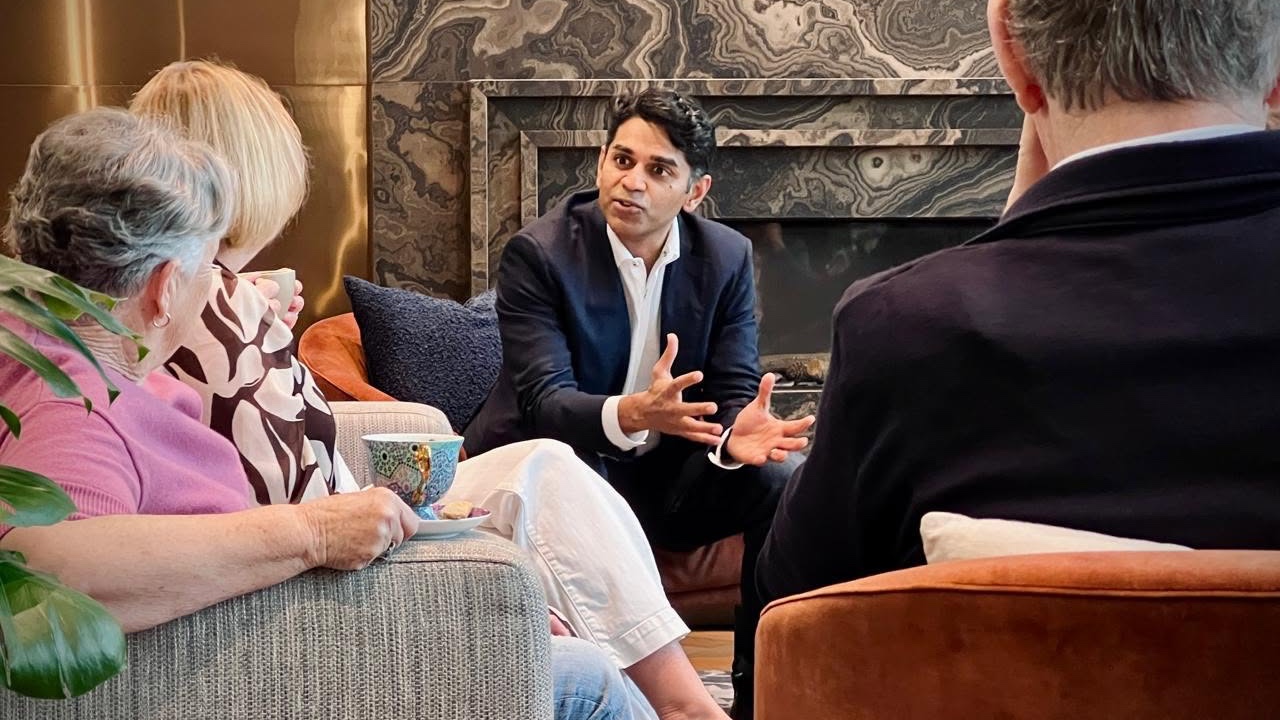
Muralidhar with residents of The Helier Retirement Residences in his electorate on April 8, 2026. (Supplied photo)
But Muralidhar’s case is slightly different.
When National announced him as its Tāmaki candidate on February 19, the party did not lead with ethnicity. It introduced him as the chief executive of Phase One Ventures, a former Head of People Operations at Canva, and someone who mentors and invests in high-growth startups in New Zealand and Australia.
Muralidhar’s own statement followed the same track. “New Zealand can and should be as prosperous as Australia, and I know that we are not short of talent or ambition,” he said at the time.
That was not the language of ethnic representation. It was the language of productivity, capital, ambition, Australia-comparison economics and business confidence.
Luxon’s conference speech on Sunday shows that this was not merely candidate-selection boilerplate. It is the frame National wants around Muralidhar.
As Awaaz reported when Muralidhar was selected, Tāmaki is not a token seat. It is not an unwinnable electorate where a party can claim diversity while expecting the candidate to lose. It is one of National’s old urban strongholds. It's affluent, professional, centre-right and historically blue.
That is what made Muralidhar’s selection significant in the first place. National had selected an Indian-origin tech VC in a true-blue seat.
But Tāmaki is also complicated.
In 2023, National lost the electorate to ACT’s Brooke van Velden. Yet, that result should not be read as Tāmaki abandoning National. The party vote told a different story. National received 21,916 party votes in the electorate, compared with ACT’s 5,172.
In other words, many Tāmaki voters still wanted a National government. They simply did not choose National’s local candidate.
The 2023 result was widely read as a rejection of Simon O’Connor, who was seen by some voters as too socially orthodox for an electorate that is fiscally conservative but socially more moderate.
That is the problem National needs to solve in 2026.
It does not merely need to remind Tāmaki voters they are National voters. The party vote already showed that. It needs to persuade them that its new electorate candidate fits the seat better than the one they rejected last time.
That is where Luxon’s framing of Muralidhar becomes more than biography. “Entrepreneur, mentor, Aucklander” is doing electoral work.
That matters even more because ACT is not walking away from the seat.
After van Velden announced she would not contest Tāmaki again, ACT selected James Christmas as its new candidate.
Christmas is a former National candidate. That makes ACT’s strategy obvious enough; hold on to centre-right voters who were willing to split their vote last time, especially traditional National voters who may still be open to backing ACT locally.
ACT is not presenting Tāmaki voters with a candidate from outside their political world. It has chosen someone who may have cut-through with the old National voter base.
Luxon’s active endorsement of Muralidhar should be read against that backdrop. National is not simply saying it has a candidate. It is telling Tāmaki’s centre-right voters what kind of National candidate he is.
A business candidate. An aspiration candidate. A candidate who can speak to the electorate’s economic instincts without reopening the social-conservative discomfort that helped cost National the seat last time.