
Winston vs Peters: Foreign minister won’t say whether Chinese people ‘lie like a flatfish’

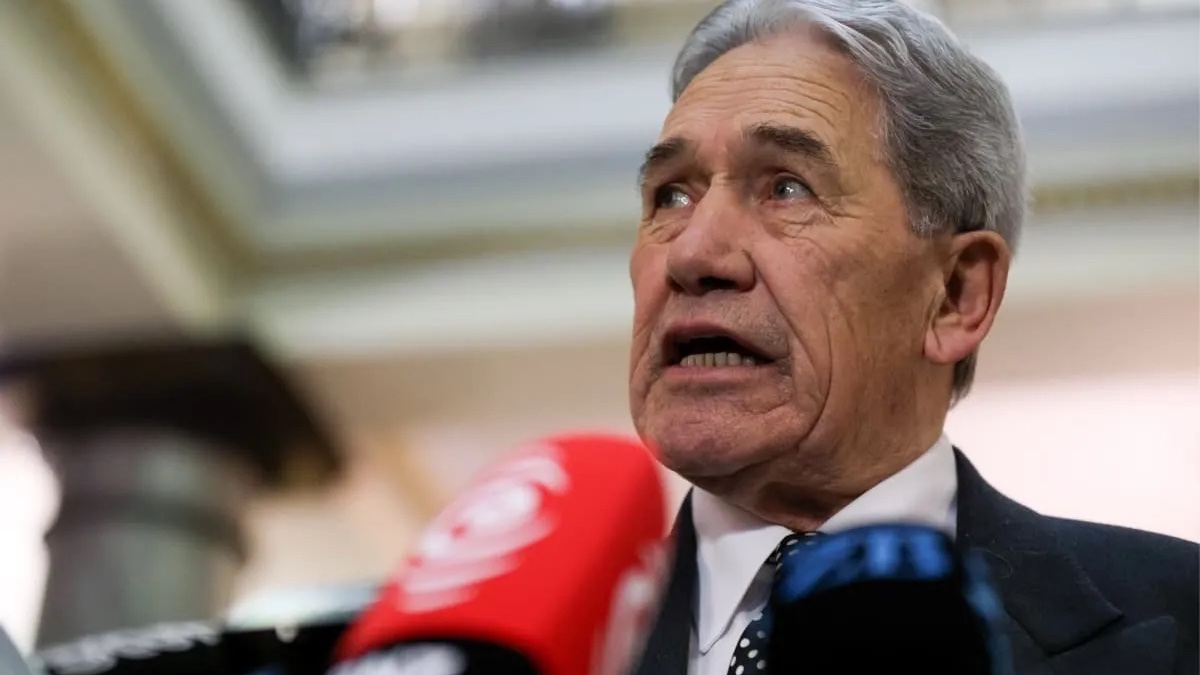
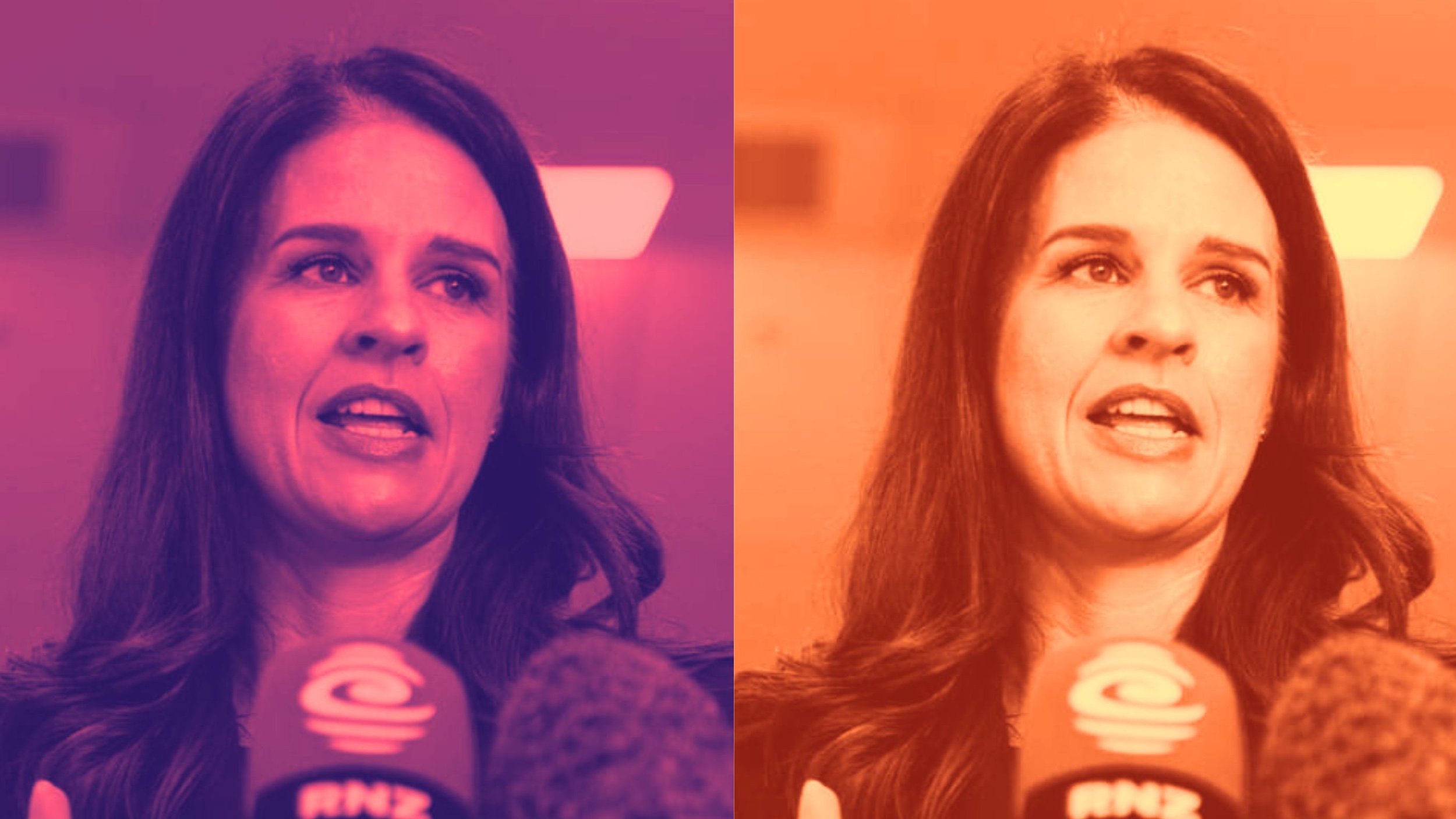
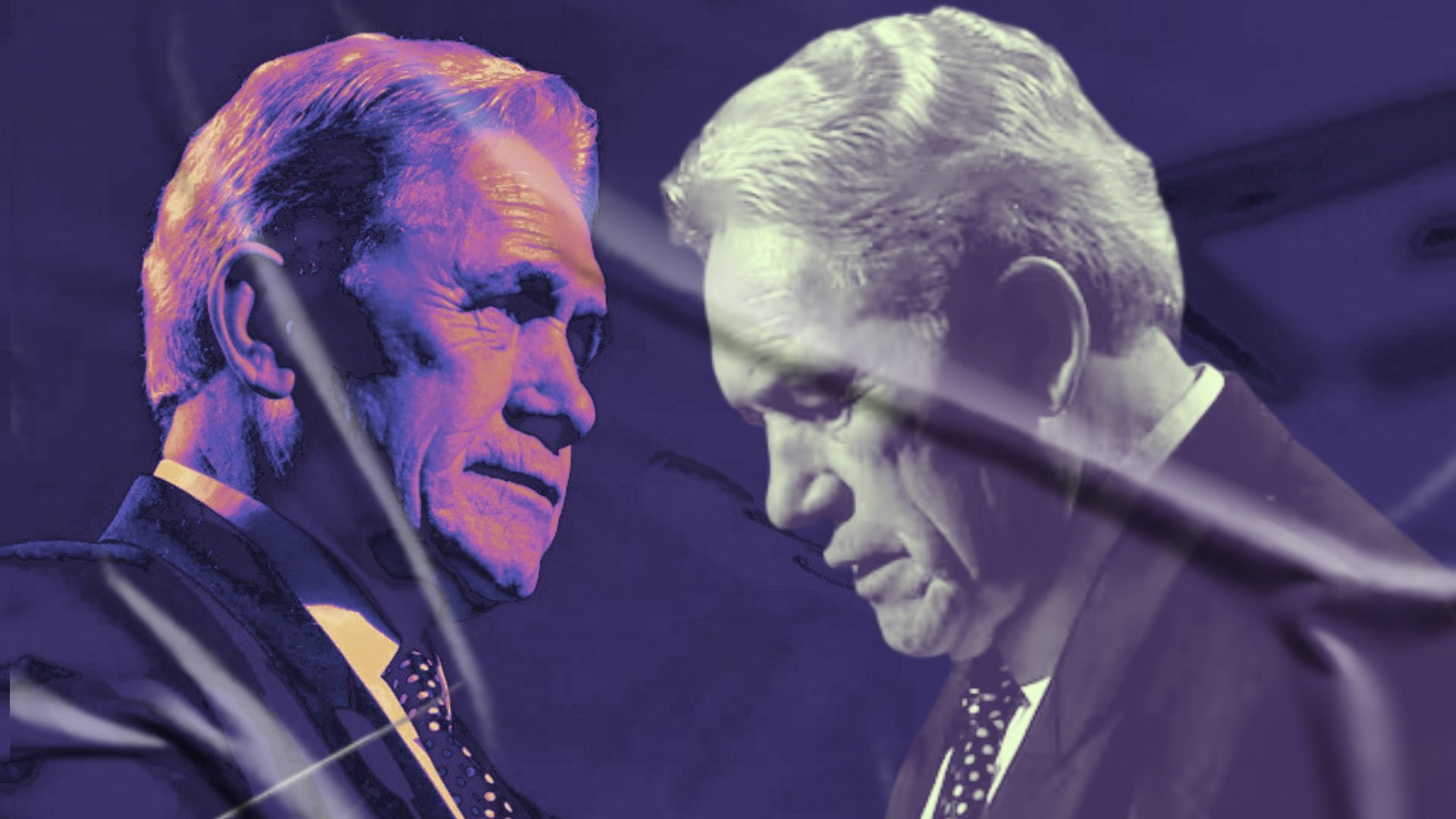
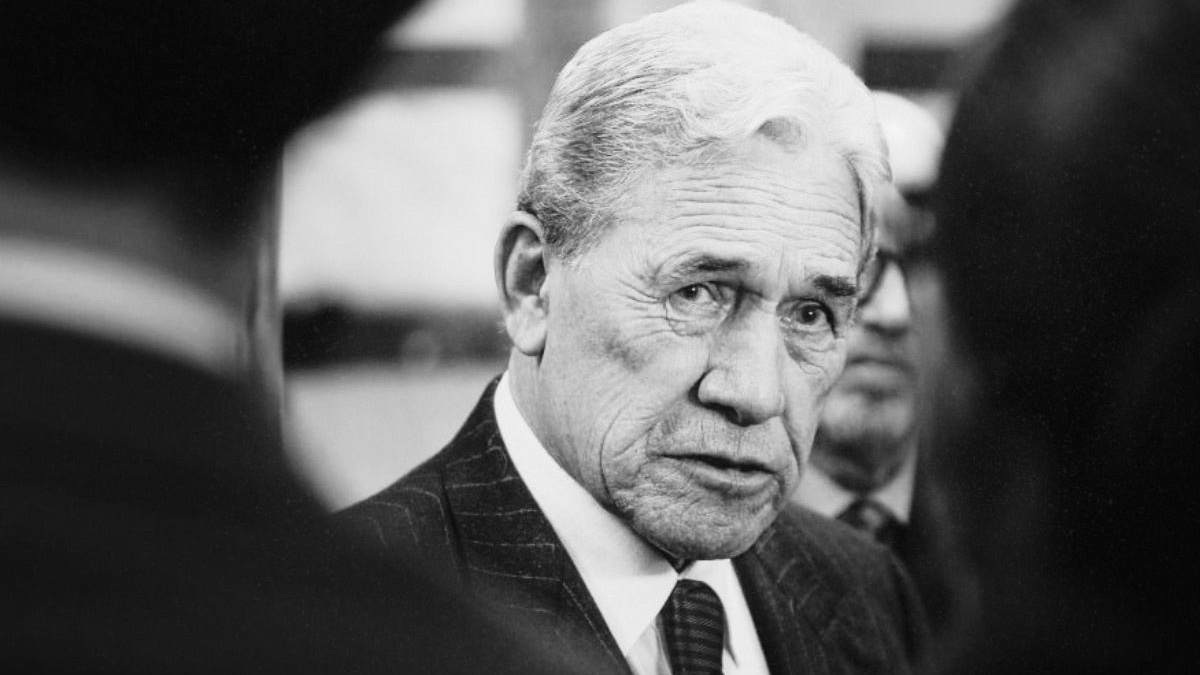
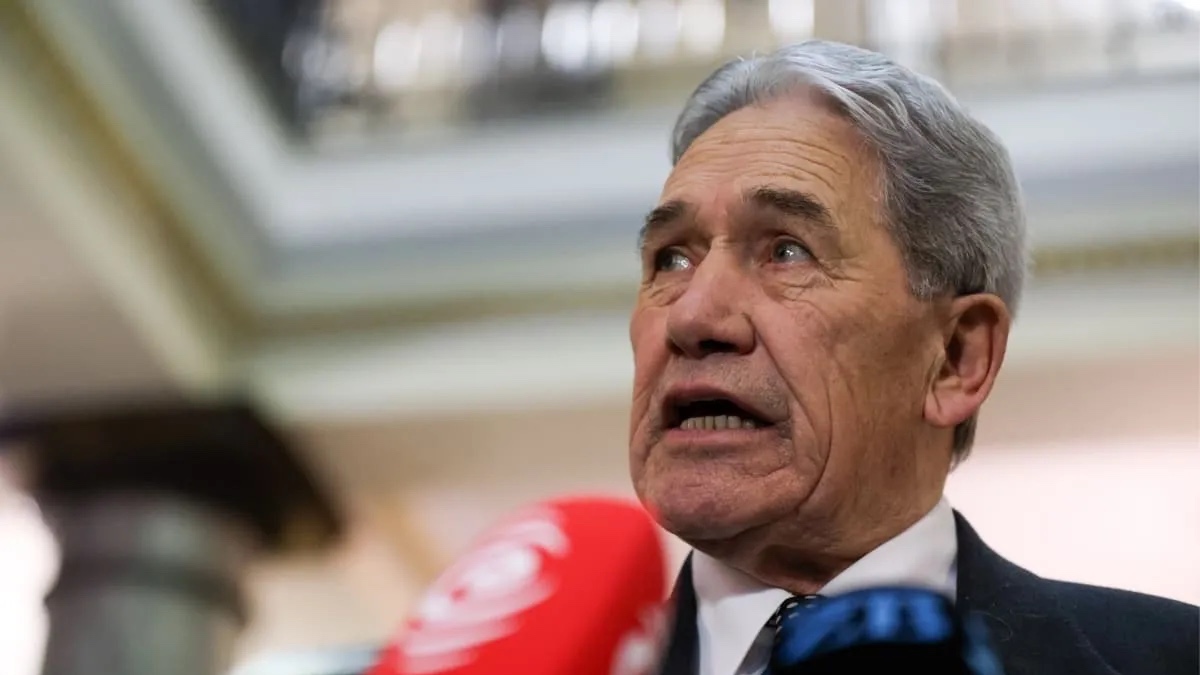
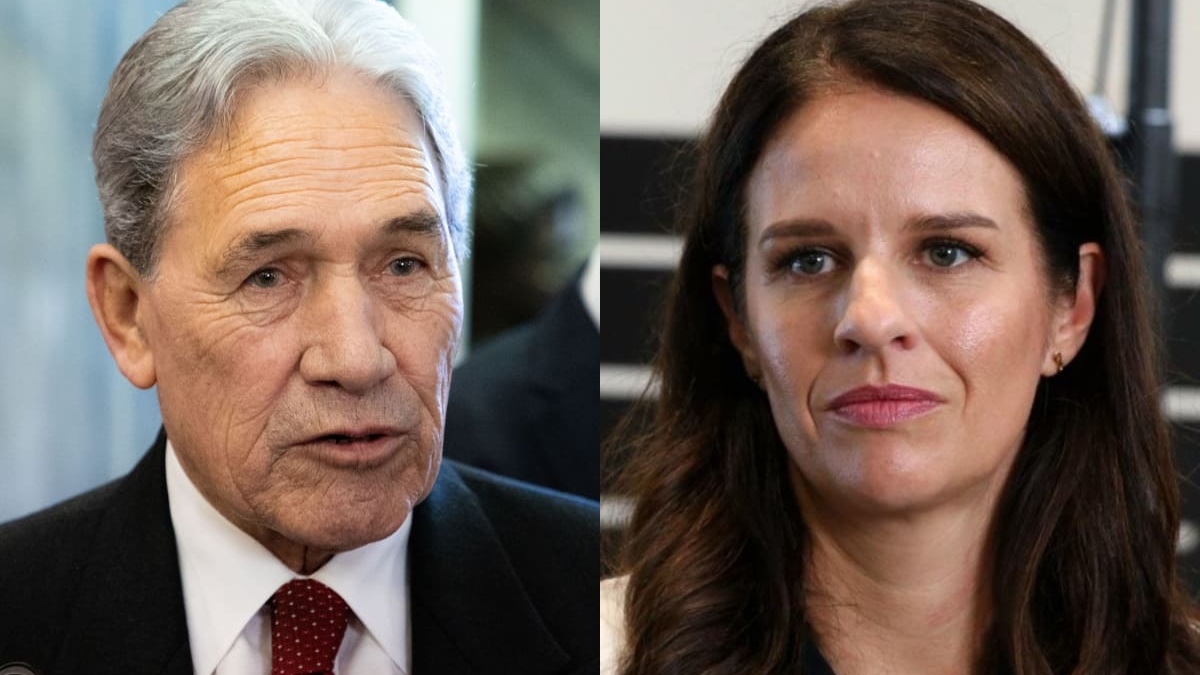
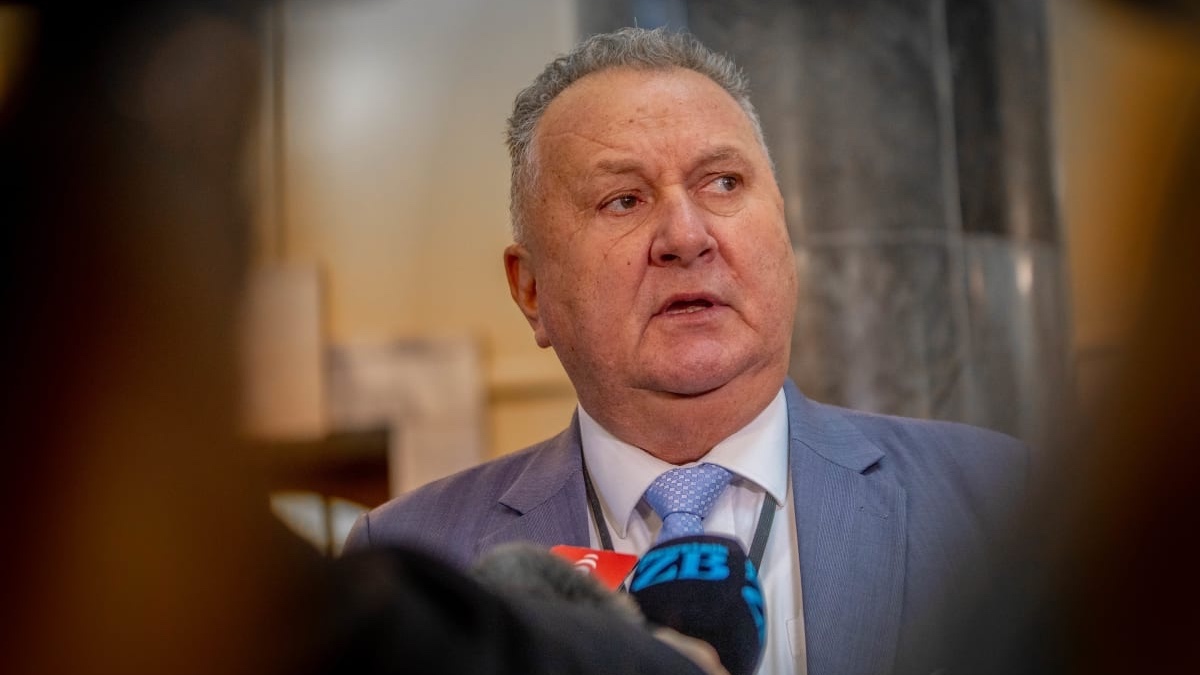
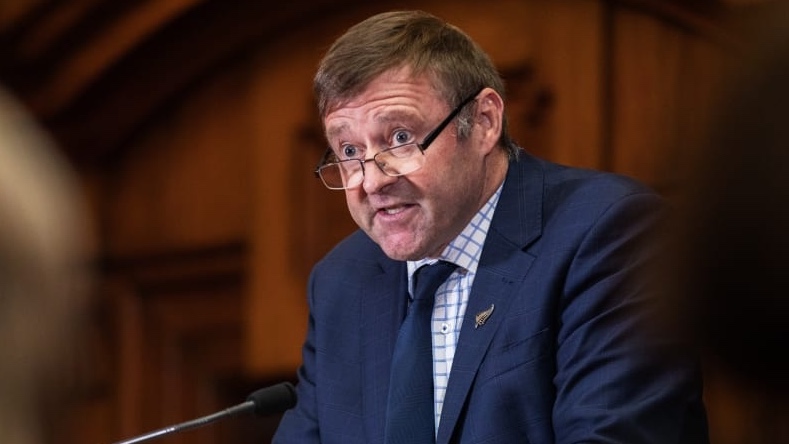
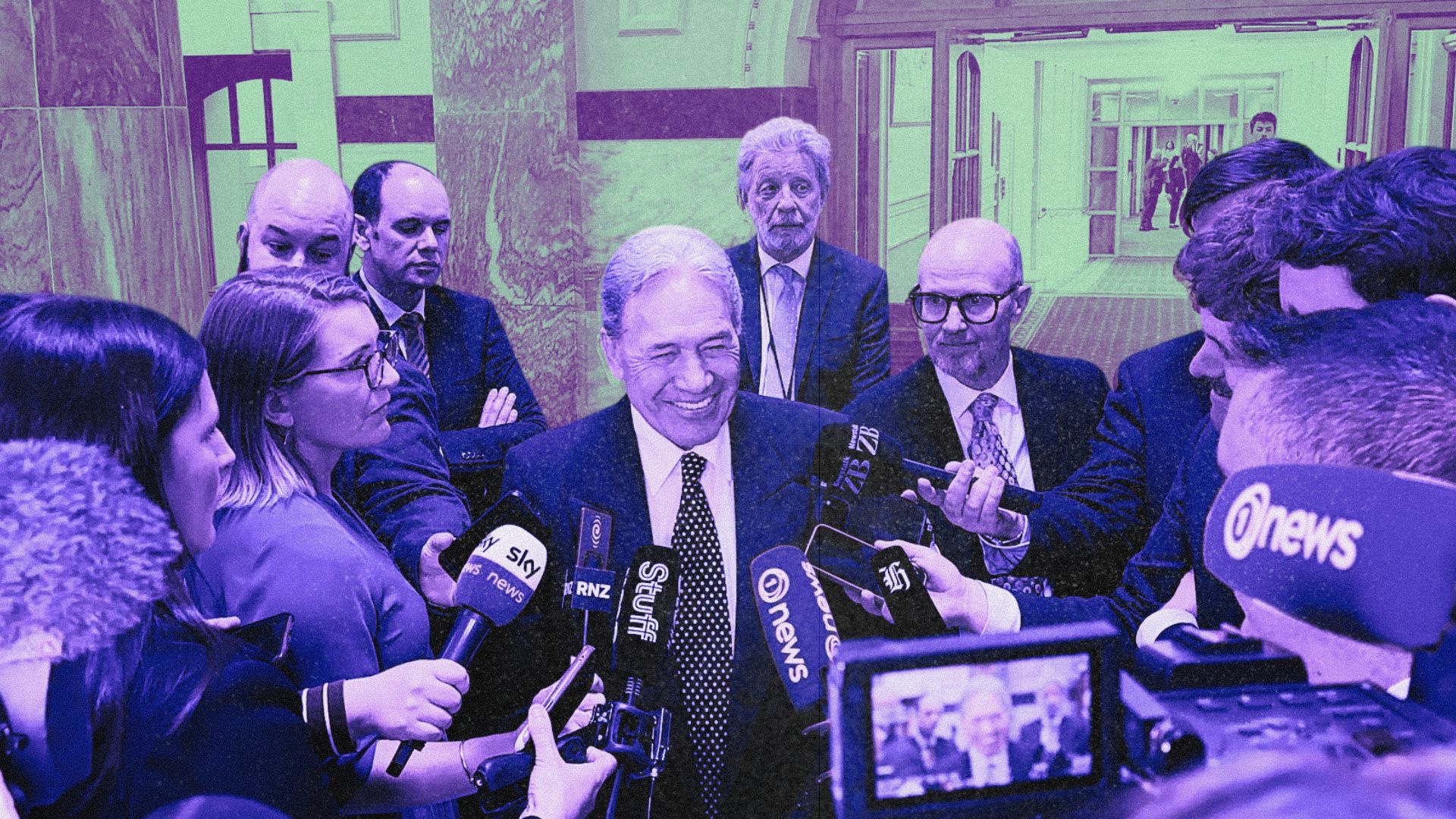
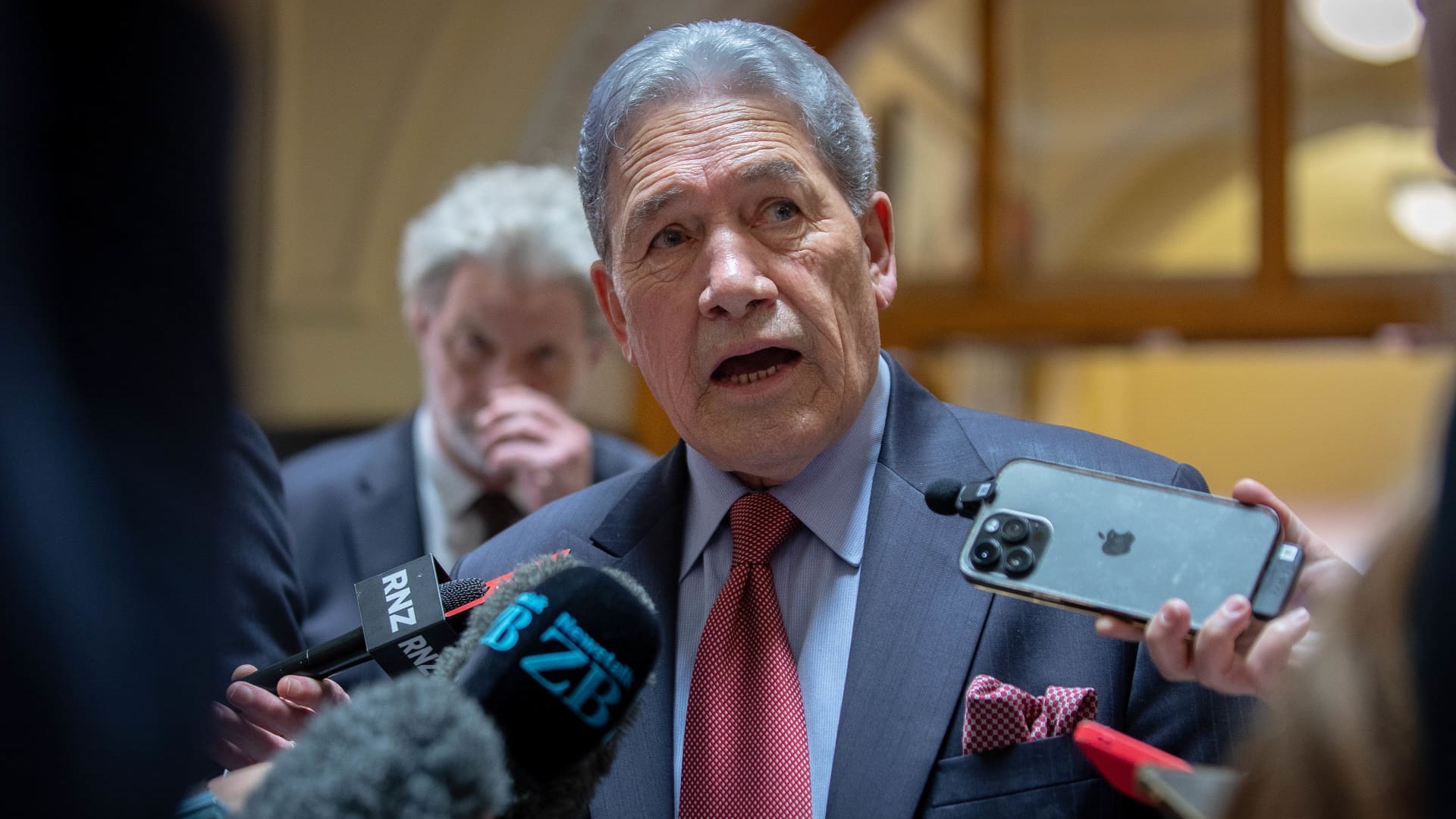
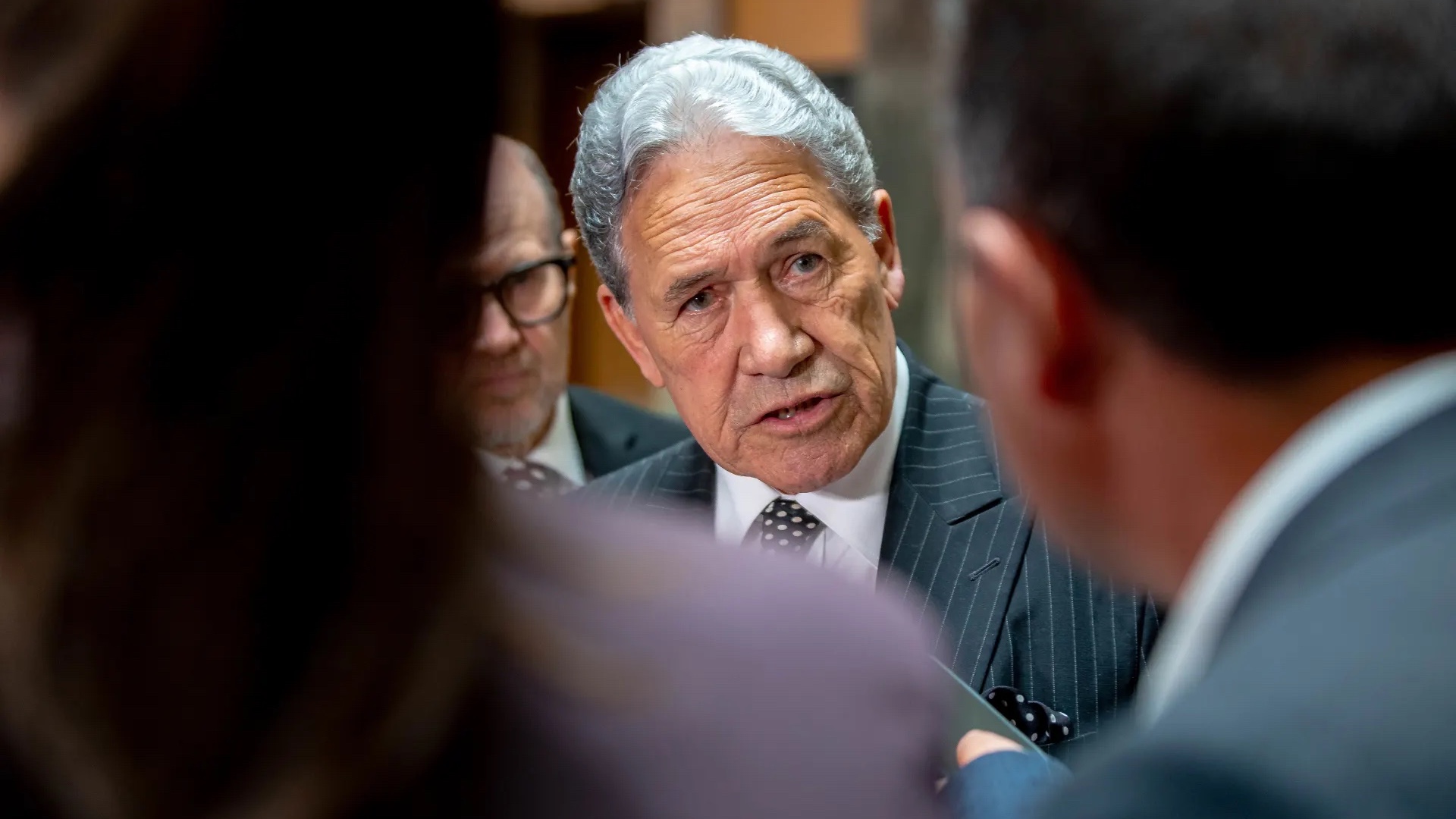
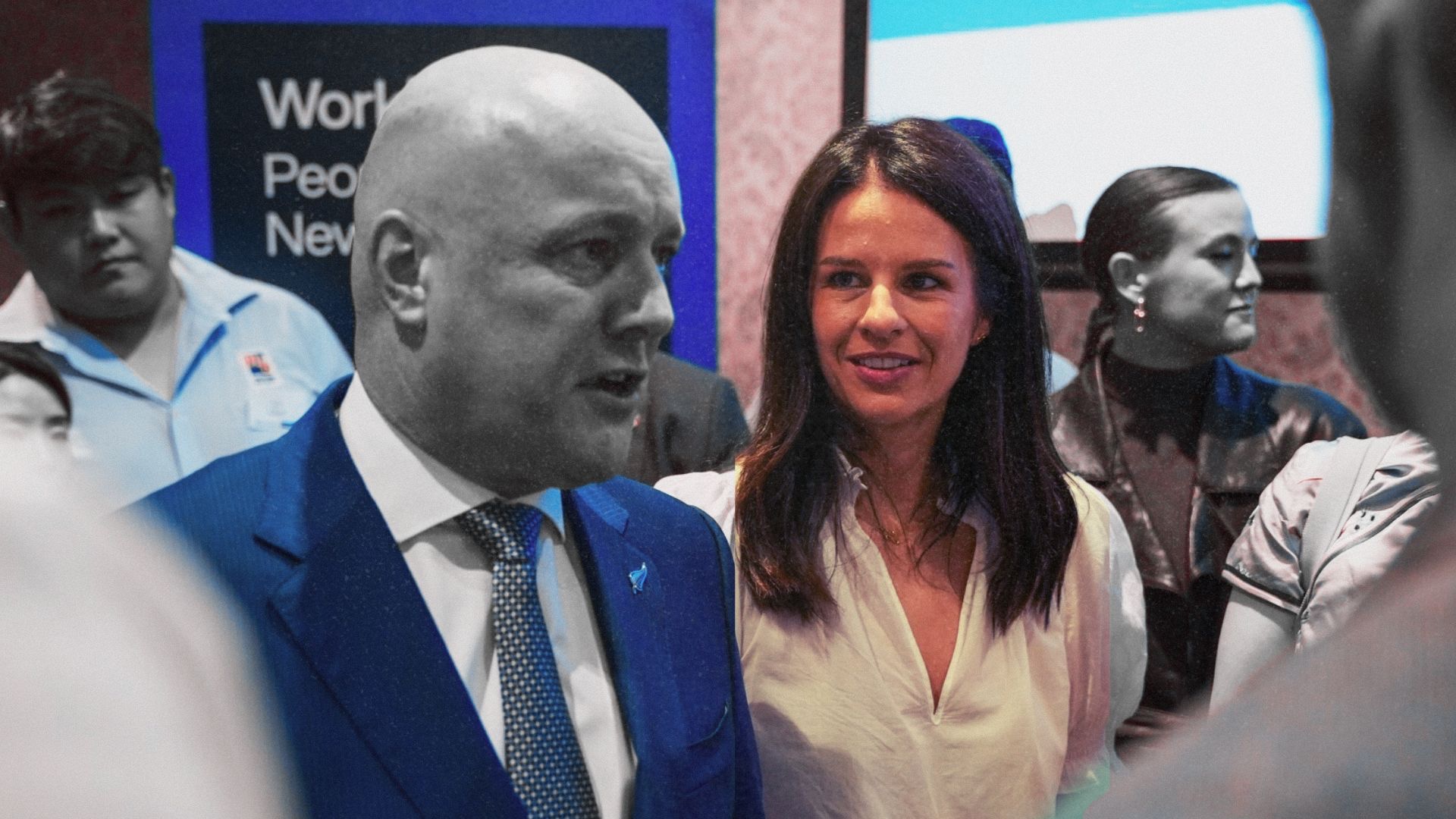
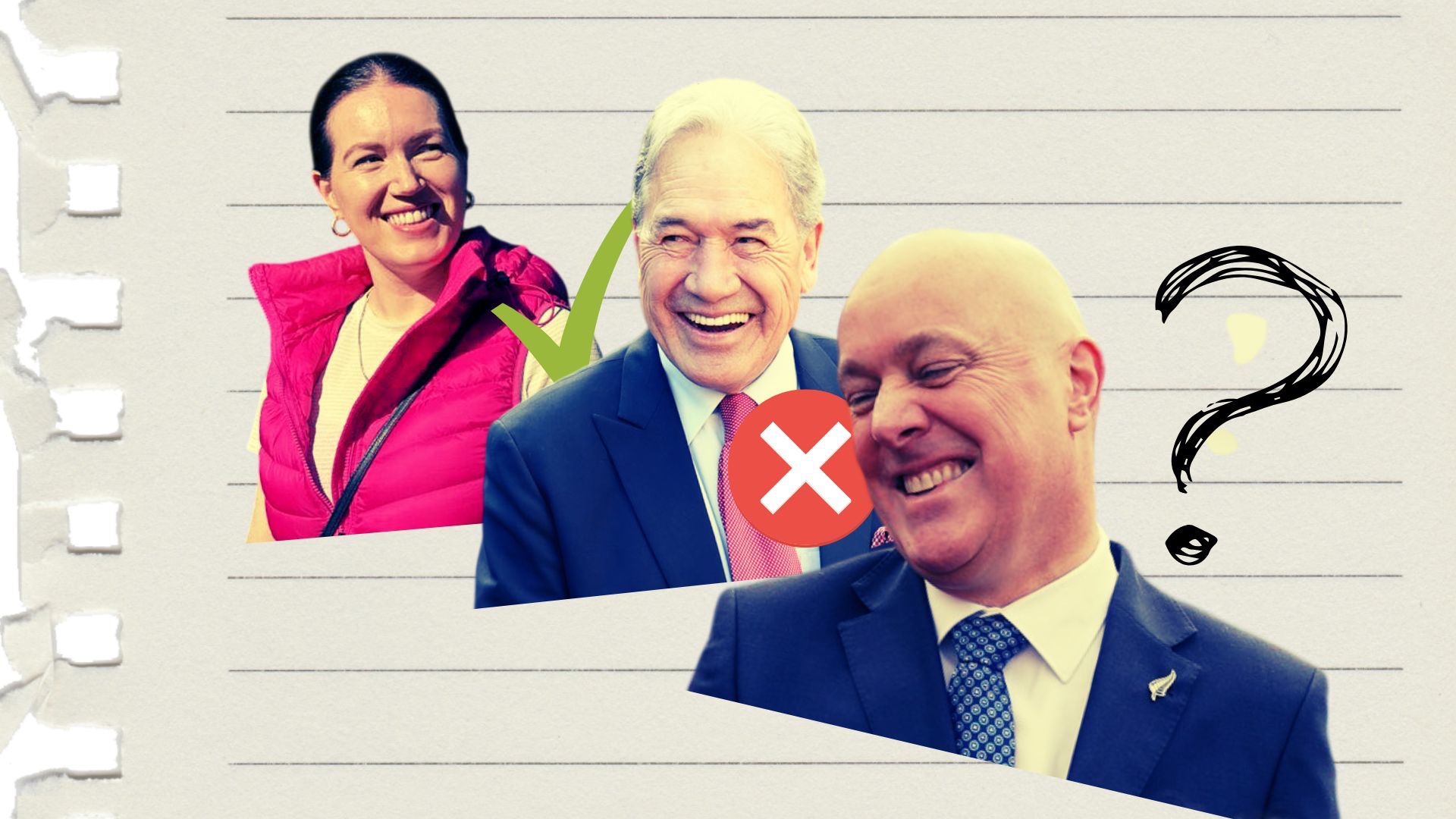
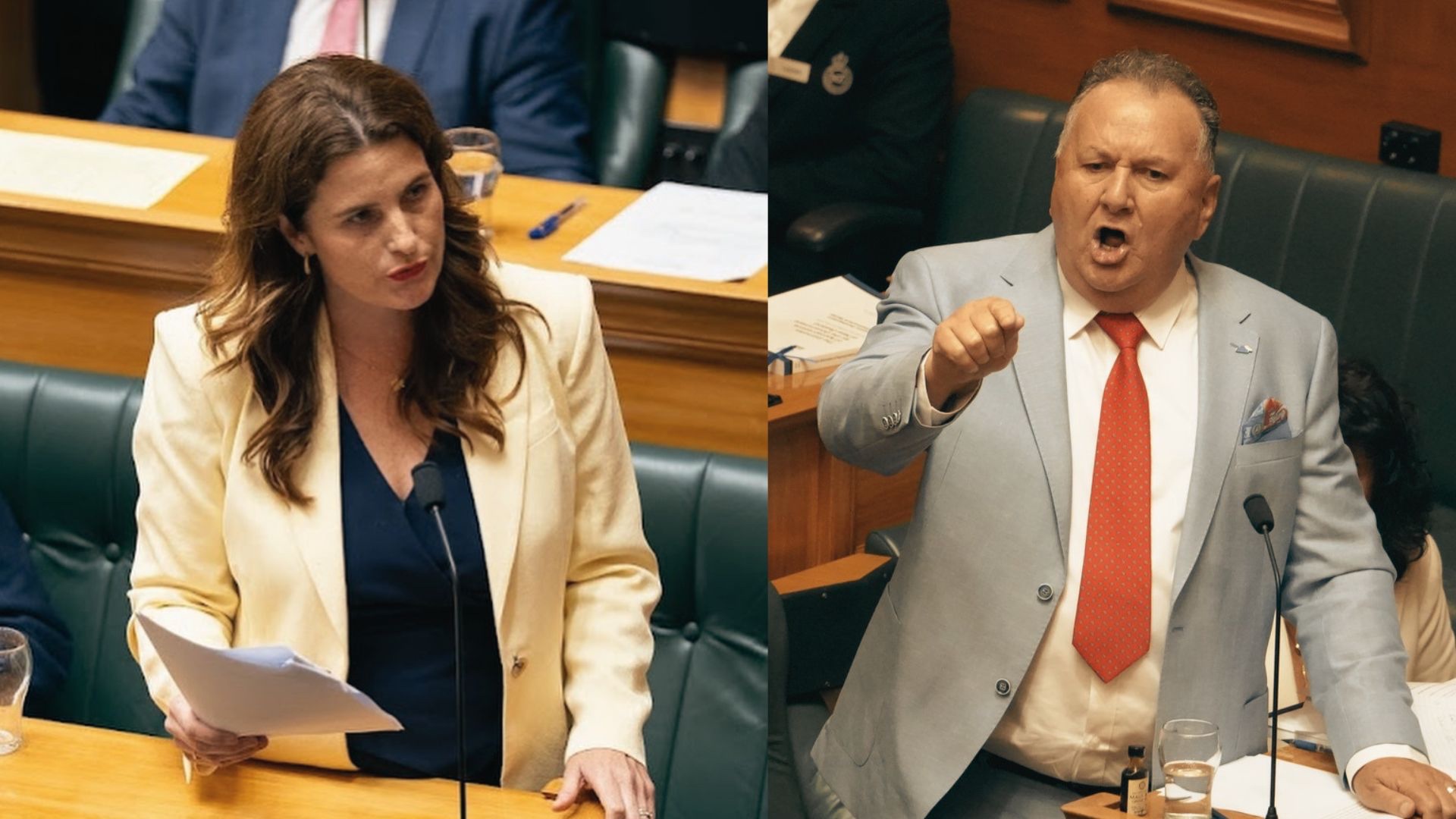
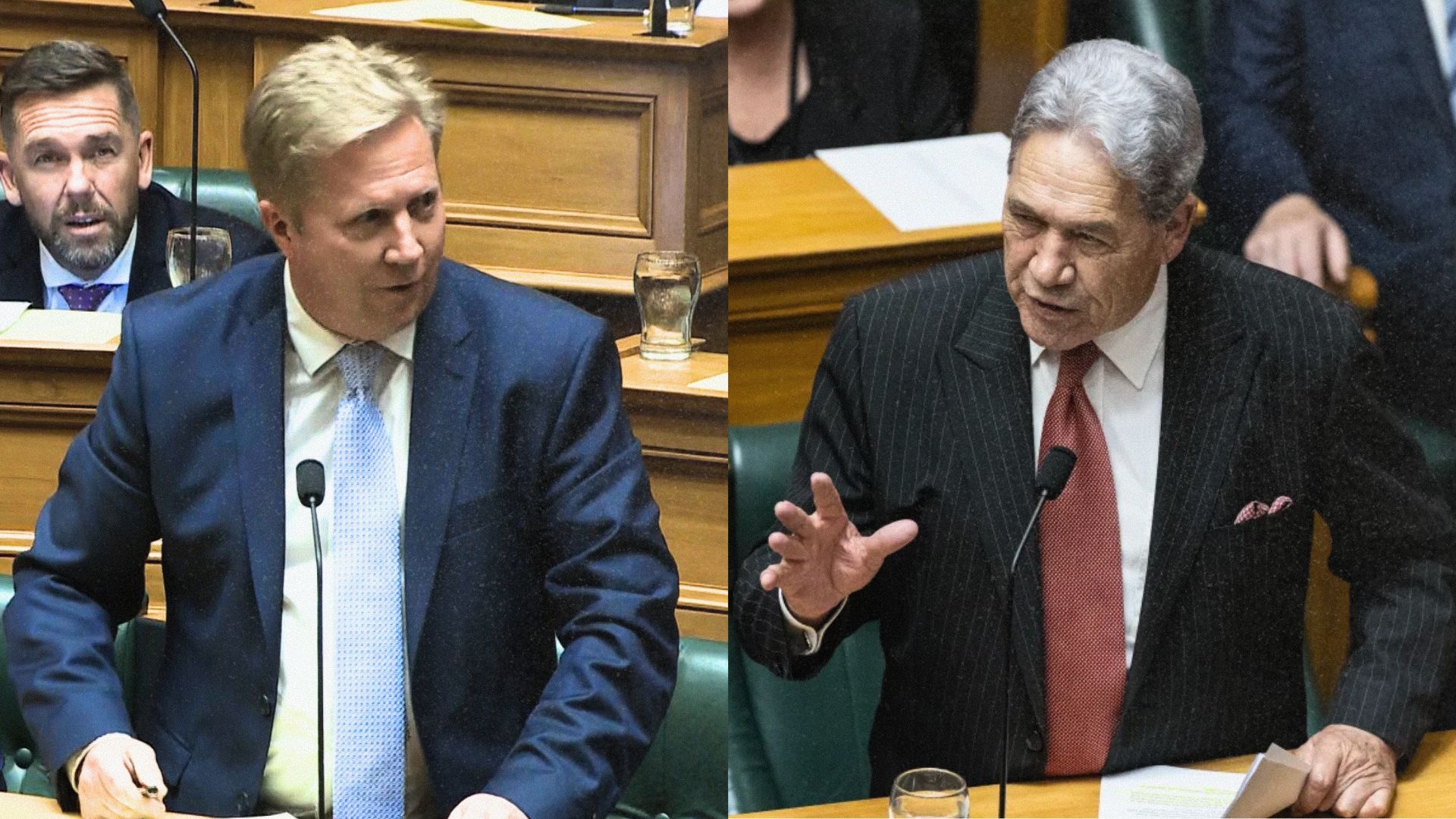
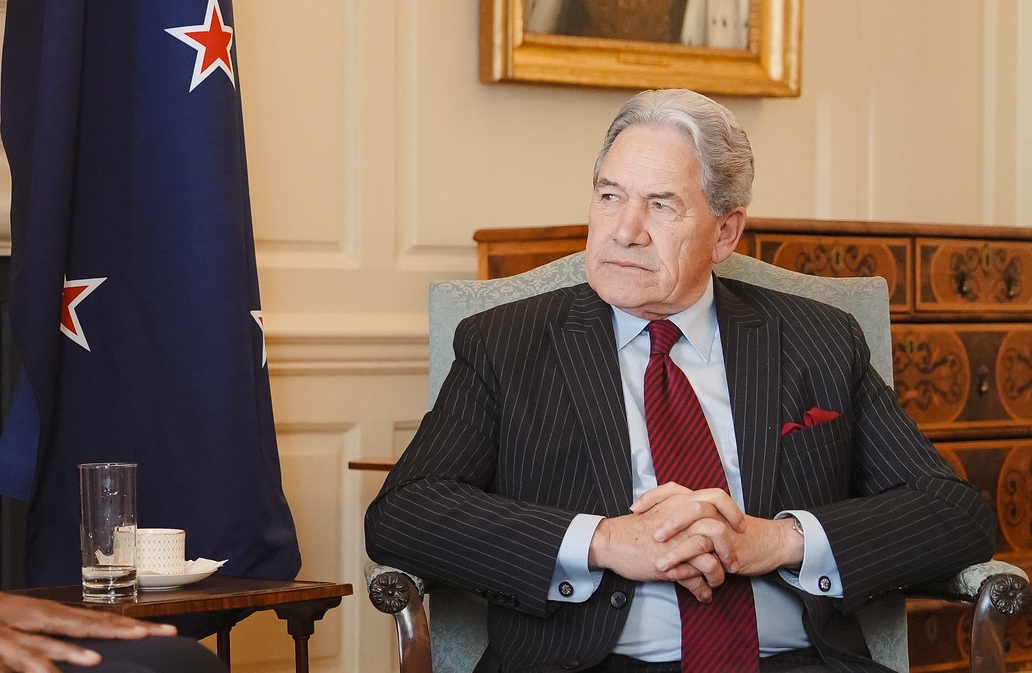
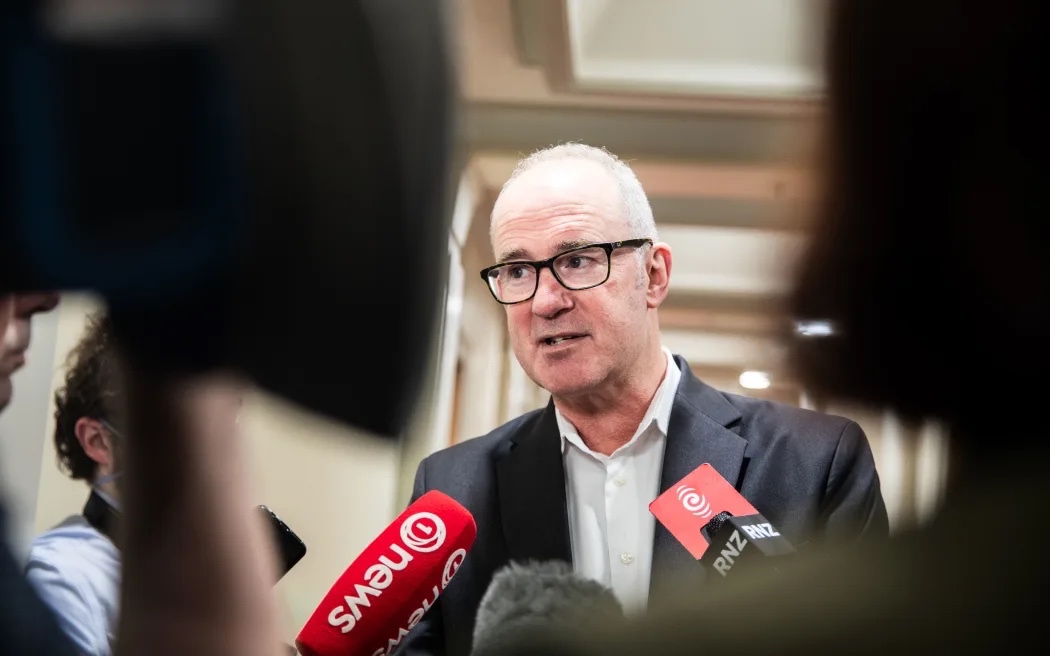
New Zealand First leader Winston Peters and Green MP Lawrence Xu-Nan.
A blow-by-blow account of how Winston Peters tried to dodge questions on his racist slur in Parliament.
Green MP Lawrence Xu-Nan on Wednesday used Parliament's question time to press Winston Peters over remarks he made last week when he told the Chinese-born MP to “go back to your own country”.
“That’s where they lie like a flatfish, but they don’t lie like that here, all right?” Peters had said. “This is called a democracy – this is called a democracy, unlike what you’re used to.”
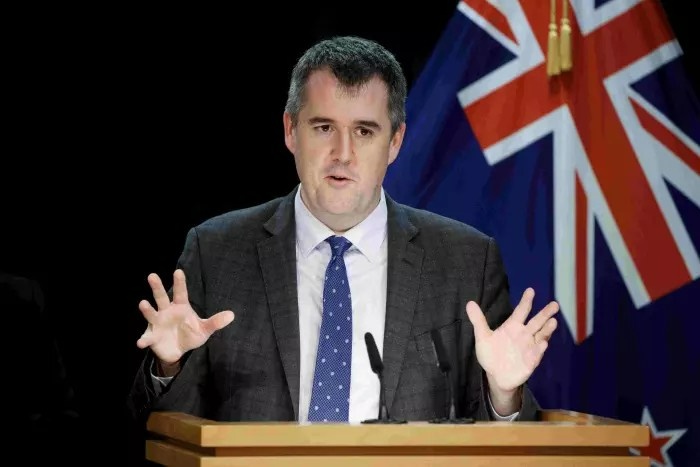
Asked whether he stood by that statement, Peters said he stood by all his comments as foreign minister and as New Zealand First leader.


But he then sought to separate the two roles, arguing that Xu-Nan could question his comments as party leader during Parliament’s general debate, but not through an oral question directed to the foreign minister.
“Oral questions are for holding ministers, not party leaders, to account,” Peters said. “Check out the Standing Orders. Get some experience around this place.”
South Asian diaspora raises over $200,000 for New Zealanders missing in Nepal flood "I'm so proud of the Indian community here who...supported us, saying it is not a Nepal problem but our problem."
Tamakis launch Indian-origin candidate for Epsom who surrendered passport and has ‘assimilated’ “I know a whole lot of people are going to be like shocked,” says Hannah Tamaki.
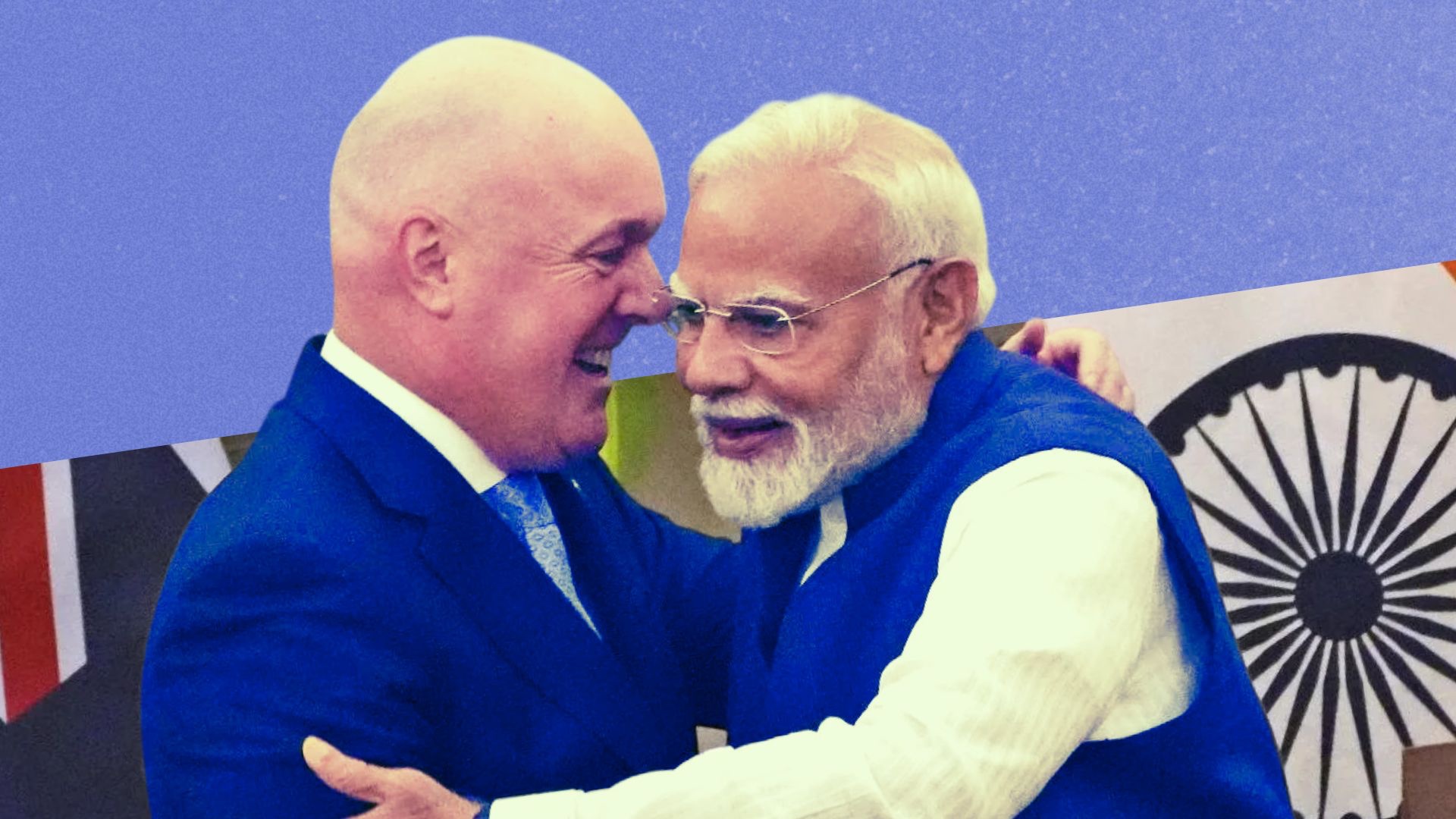
Priyanca Radhakrishnan tries to puncture Luxon’s FTA victory, says India was already sold “Things have changed quite dramatically on the Indian government side,” says the Indian-origin Labour MP.
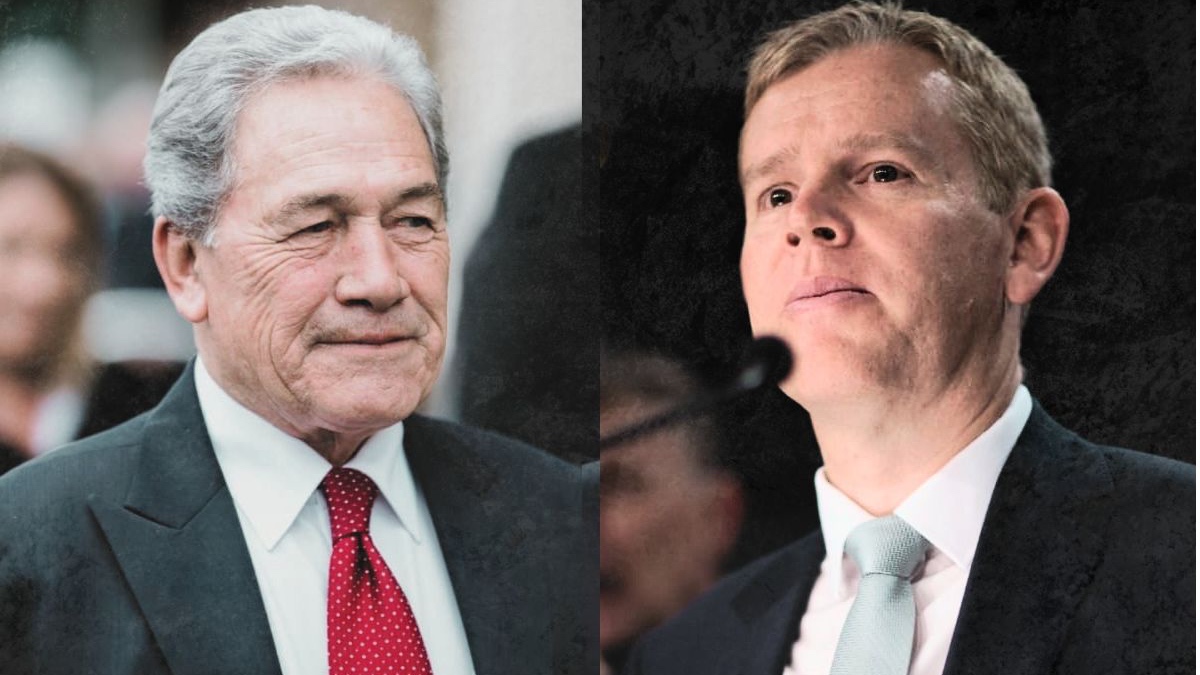
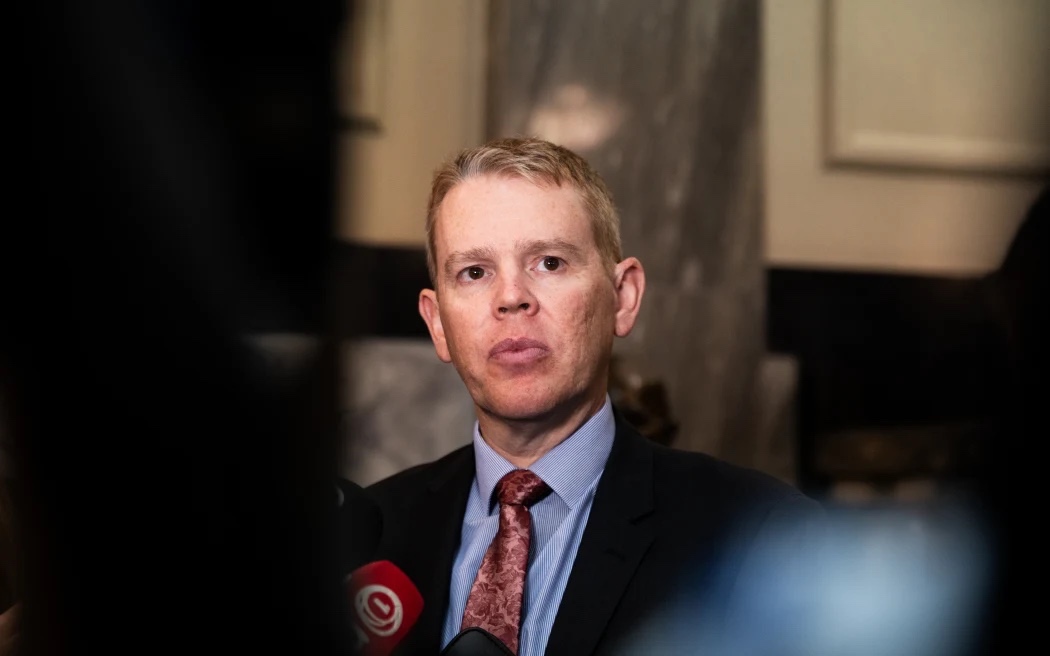
The distinction became the central battleground of a prolonged and increasingly heated exchange. Labour leader Chris Hipkins argued that Peters could not avoid ministerial accountability when his comments directly concerned foreign affairs.
“When a minister is making a statement in a portfolio for which they are ministerially responsible, they cannot be doing that as a party leader when they are in this House,” Hipkins said.
Peters responded that he had been speaking during a general debate last week as New Zealand First leader, and that parliamentary rules made the distinction clear.
The same distinction had earlier been used by deputy prime minister David Seymour when he was asked last week whether Peters’ remarks were racist.
Seymour said Peters had been speaking as a party leader rather than foreign minister, avoiding a direct answer on whether the comments themselves were racist.
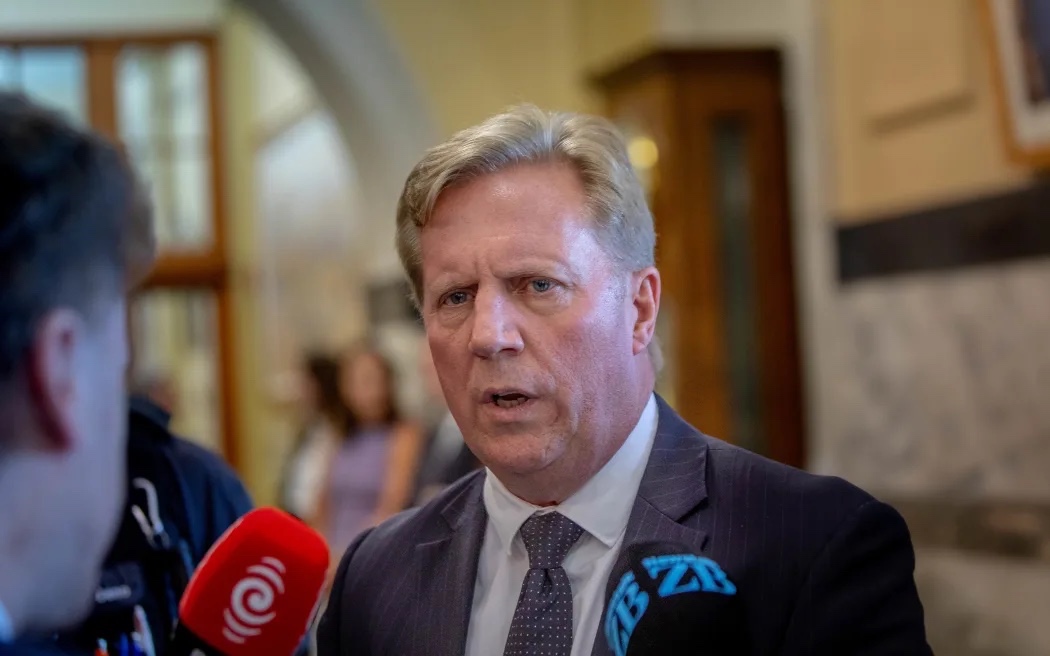
Speaker Gerry Brownlee initially said speeches during general debates could be delivered either as a minister or as a party leader and encouraged Xu-Nan to pursue another line of questioning.
Xu-Nan then asked what Peters meant when he said China was a place “where they lie like a flatfish”. Peters again refused to address the substance, insisting Xu-Nan could not question him about a speech made in his party capacity.
But Brownlee eventually cut across that defence. “If you read the Order Paper, it’s question No. 6 to the minister of foreign affairs,” the Speaker said.
“It’s not unreasonable to ask the minister of foreign affairs what he thinks about another country, particularly in the circumstances. It’s a reasonable question.”
Brownlee suggested Xu-Nan could ask Peters, in his capacity as foreign minister, whether he agreed with a statement made by the New Zealand First leader.
Xu-Nan did so, repeatedly asking whether Peters agreed that Chinese people “lie like a flatfish”. Peters continued to resist.
“You cannot ask that question,” he told Xu-Nan. “You can do it in a debate, but you can’t ask it in Question Time, because this is not responding as the foreign affairs minister.”
Brownlee disagreed, noting ministers were frequently asked whether they agreed with statements made by themselves or others.
“A question that asks the foreign minister if he agrees with the statement by a party leader is not out of order,” Brownlee said.
“It’s up to the minister to be able to answer that or decide how to answer that. But saying it’s simply not answerable is not enough.”
Peters then disputed Xu-Nan’s wording, saying he had not explicitly said Chinese people lie like a flatfish. “That very statement is false,” he said. “Look at the Hansard. That statement is demonstrably false.”
Brownlee later agreed Xu-Nan’s formulation was not an exact quotation, telling MPs that “words matter”. But Peters still did not say whether he accepted or rejected the meaning Xu-Nan attributed to the original remark.
Instead, when the question was put again, Peters attacked Xu-Nan’s experience in Parliament.
“The part I do agree with is that somebody who has been in this Parliament five minutes has wasted so much of Parliament’s time,” he said.
“When we first came here, we were told to breathe through our nose for the first three years and learn the system.”
Brownlee rebuked Peters, saying the answer did not help the order of the House and did not need to include an insult against a duly elected MP.
After Xu-Nan asked the question once more, Peters replied only that the statement was “demonstrably, on the Hansard, false”.
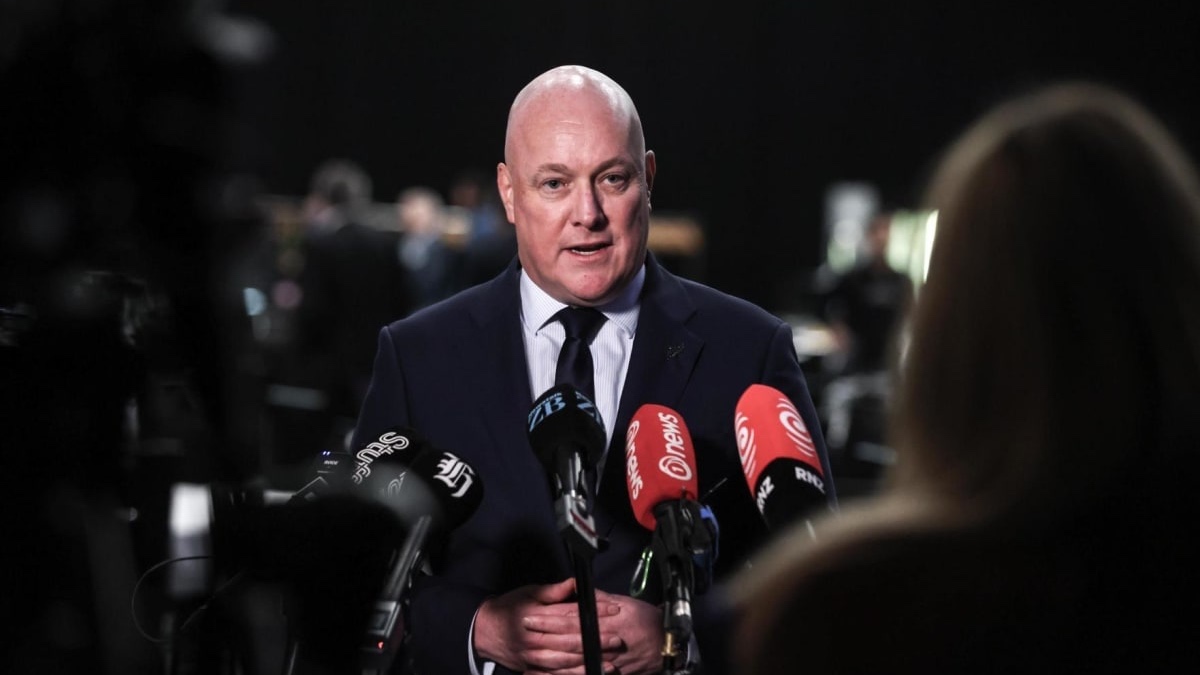
The confrontation came after prime minister Christopher Luxon called Peters’ comments racist, but declined to sack him or say whether he had expressed disappointment directly to his foreign minister.
Luxon has instead accused Peters of “playing a game” by denigrating migrants and urged voters unhappy with him to give their party vote to National.
He has also played down the consequences for New Zealand’s relationship with China, saying the relationship remained in “good heart” and a “strong place”.
Labour leader Chris Hipkins has said Peters can no longer credibly represent New Zealand internationally and has ruled out working with him after the election.
Wednesday's Question Time exchange also followed an earlier attempt by Peters to respond to criticism by citing statements he considered racist from Labour, Green and National MPs.
Brownlee repeatedly stopped him, ruling that ministers could not use answers to government questions to attack opposition parties or introduce examples irrelevant to the question.
Labour’s Kieran McAnulty later asked Brownlee to require Peters to withdraw and apologise for belittling Xu-Nan’s standing as a recently elected MP.
McAnulty quoted a ruling Brownlee made in February warning MPs against comments that questioned the legitimacy of other elected members.
Brownlee said he would examine the Hansard and return to the House. He reaffirmed that all MPs were elected equally, regardless of how long they had served.
“I certainly don’t resile from my view that all members of this House, regardless of how long they’ve been here, are elected equally,” he said.