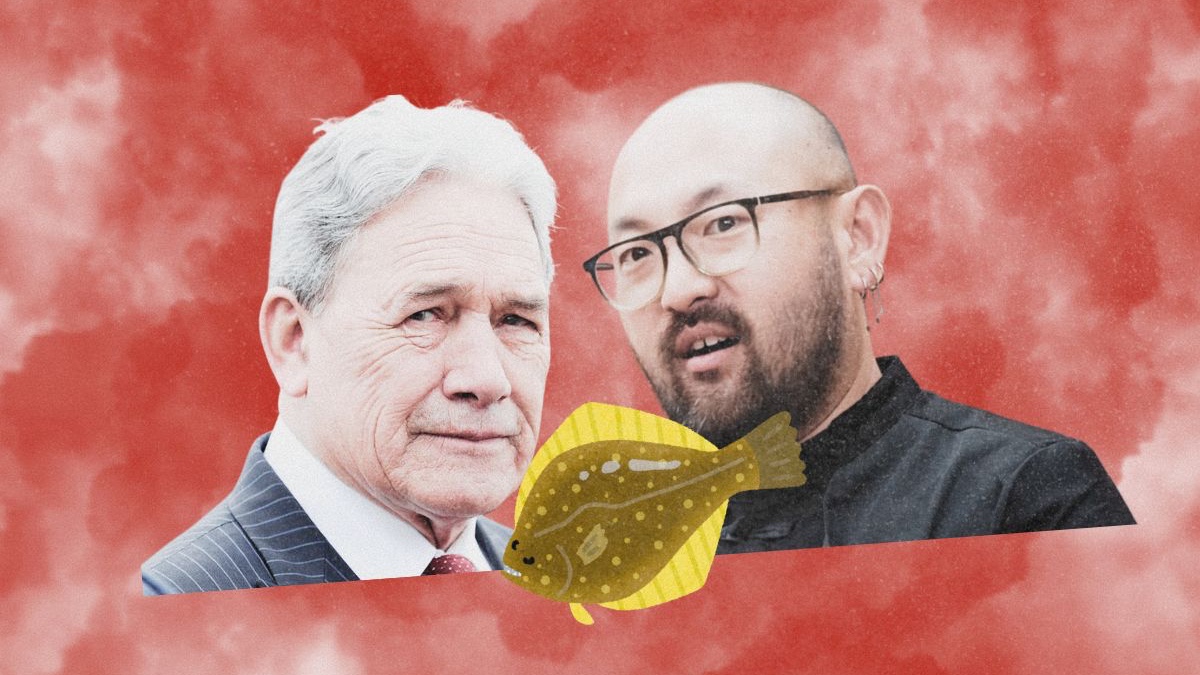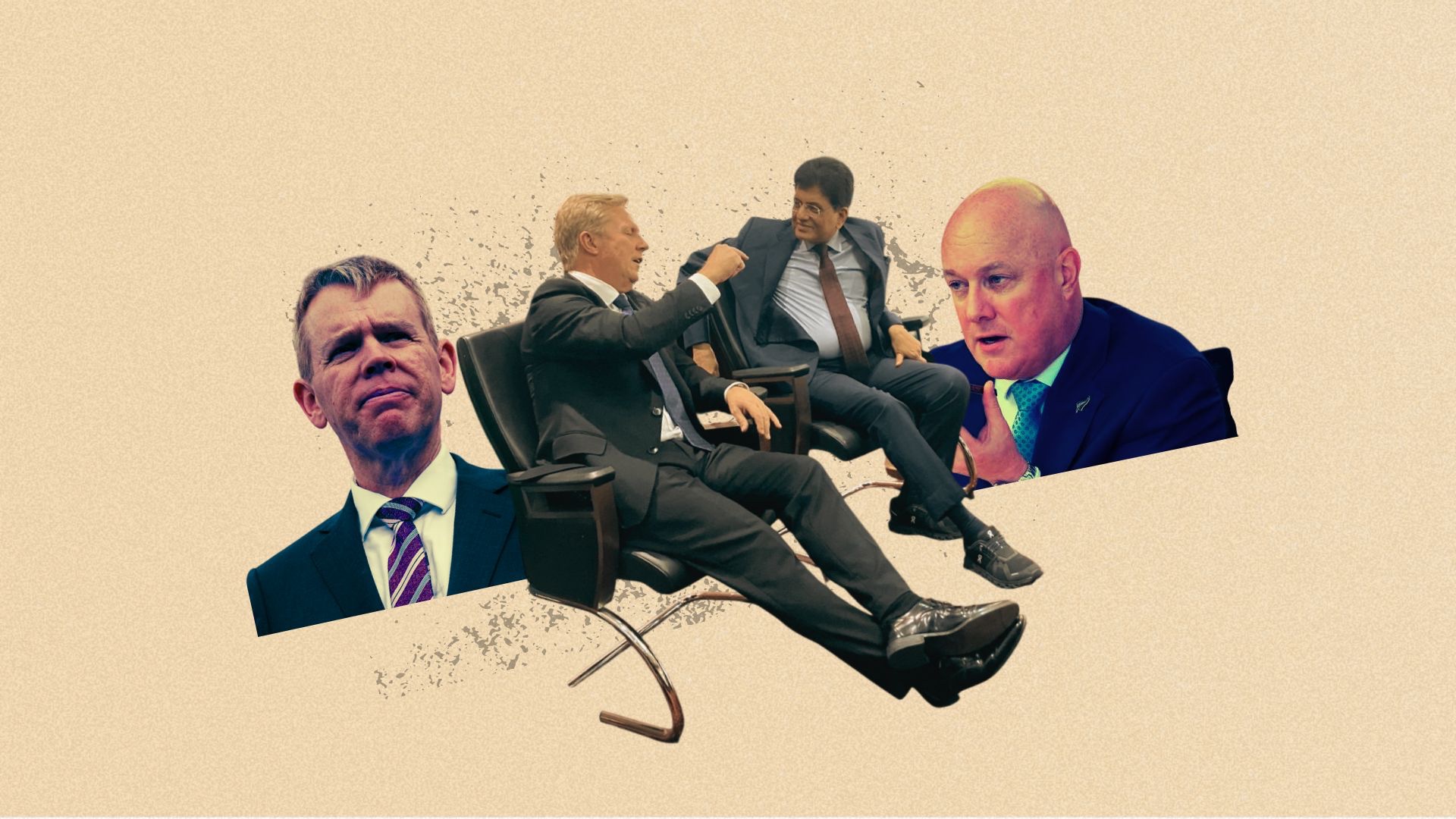

Execution theatre was a cheap stunt. But Winston Peters’ outrage is still rich
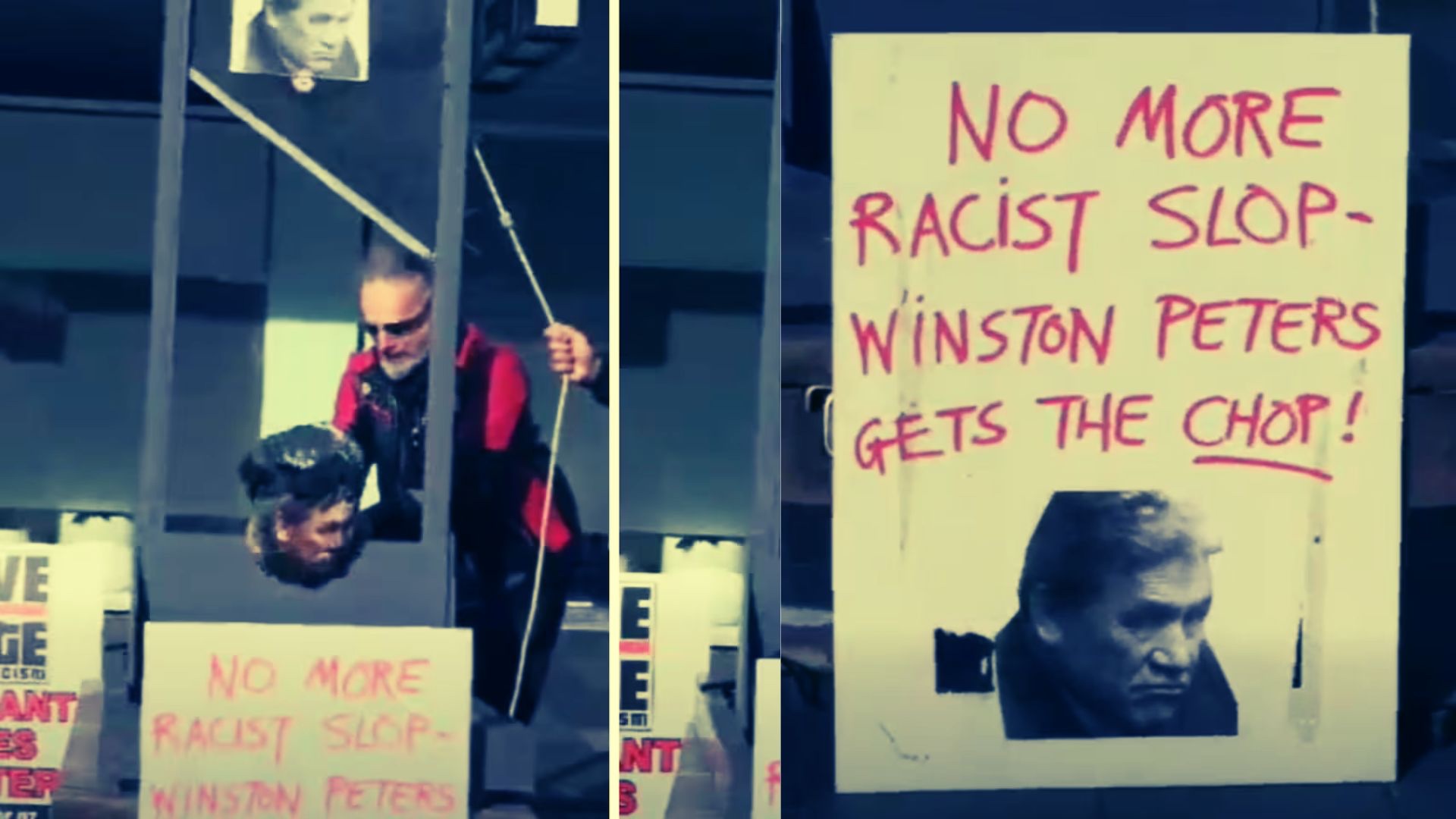
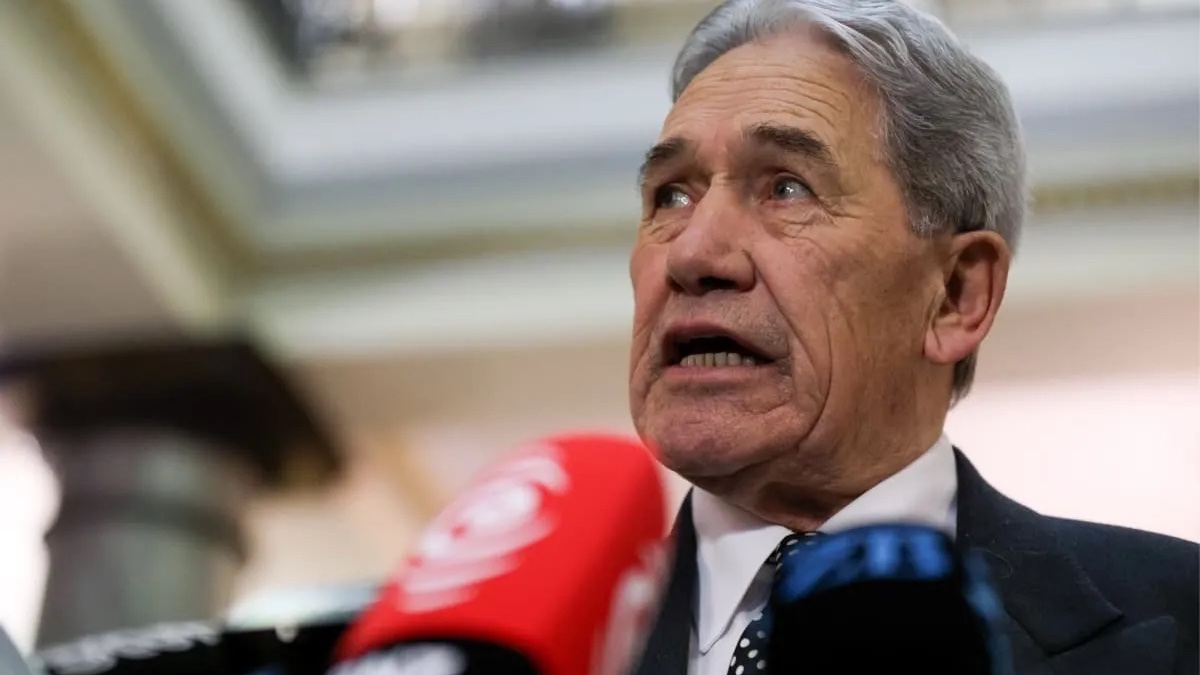
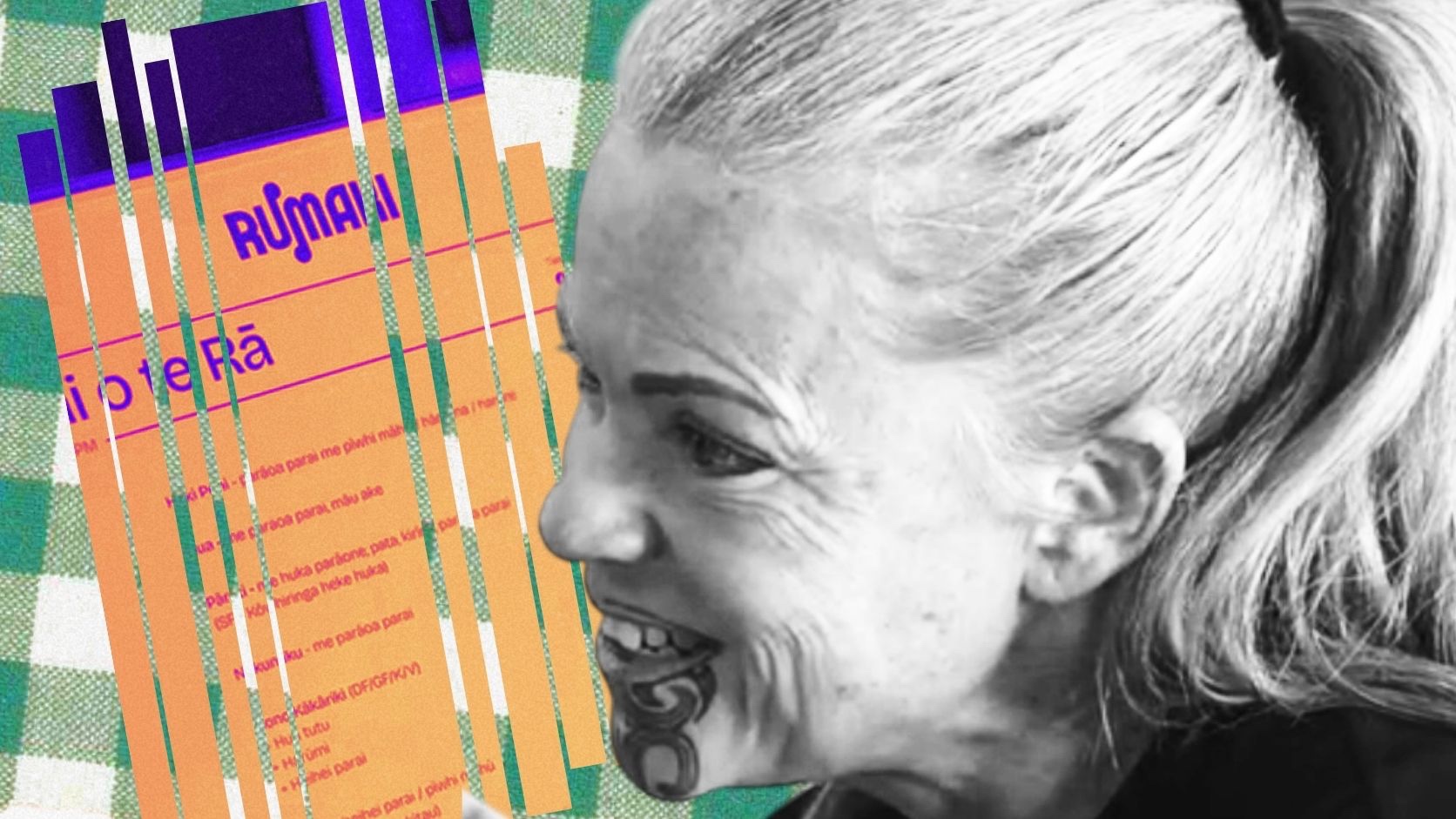
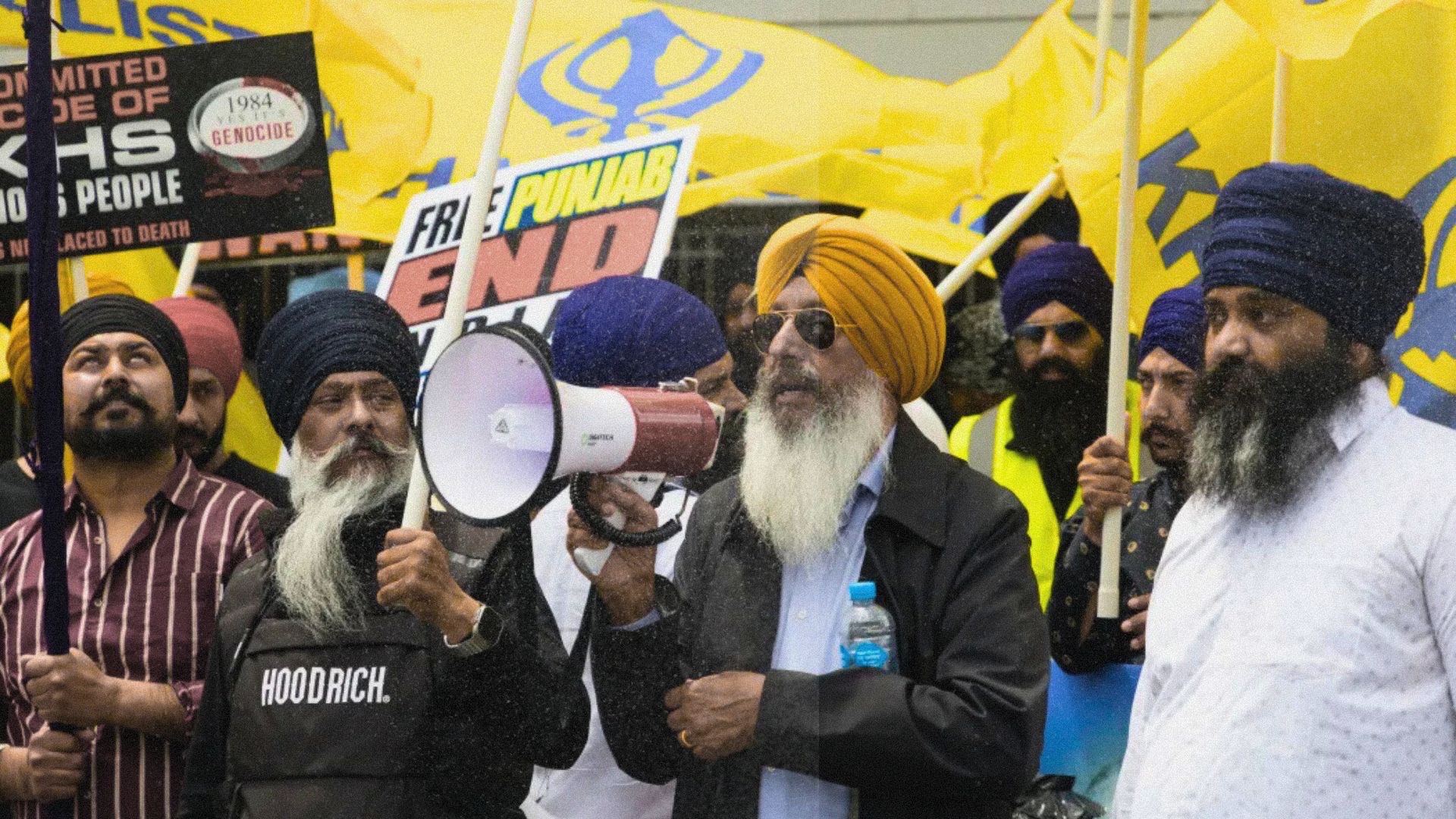
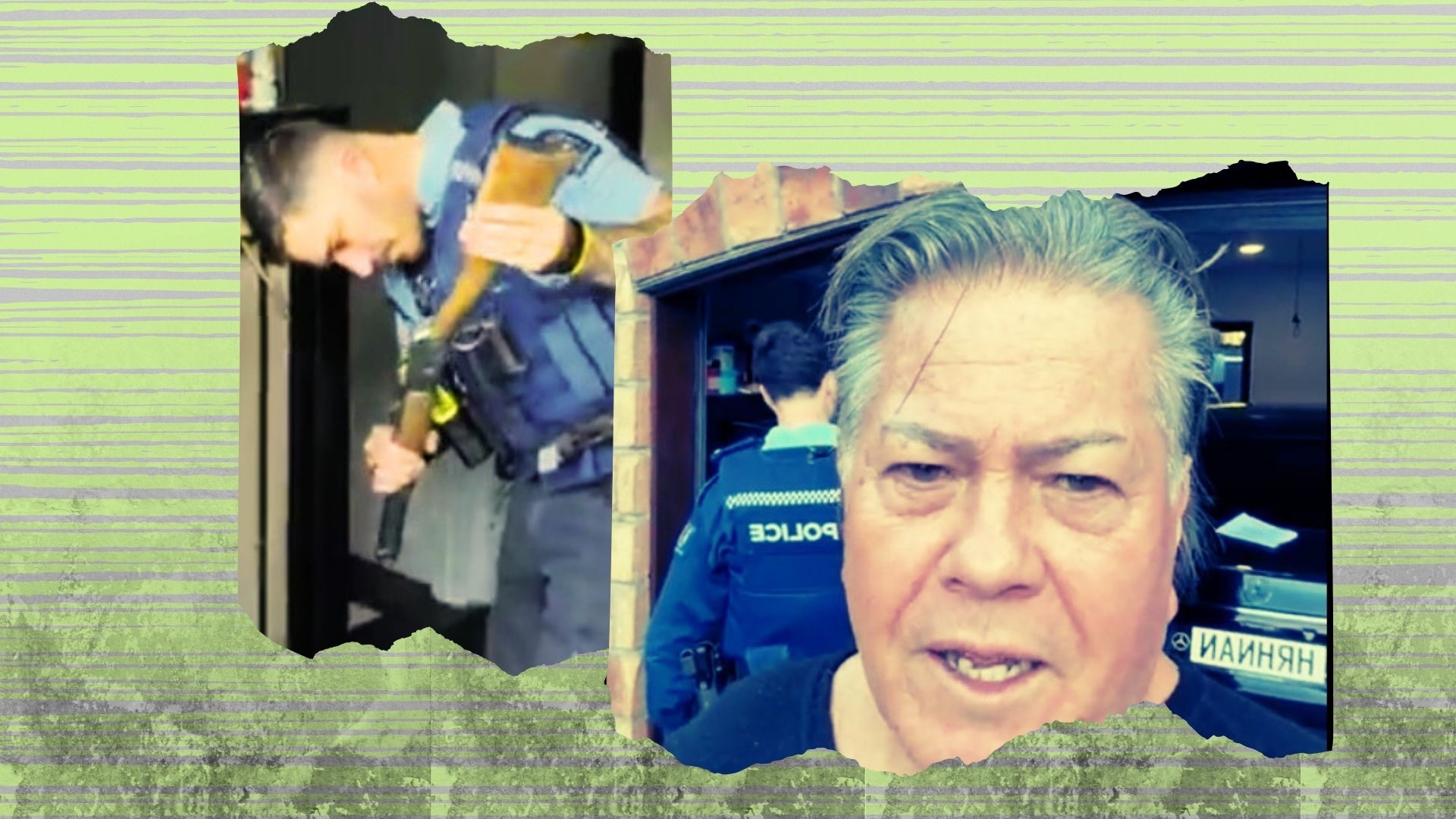
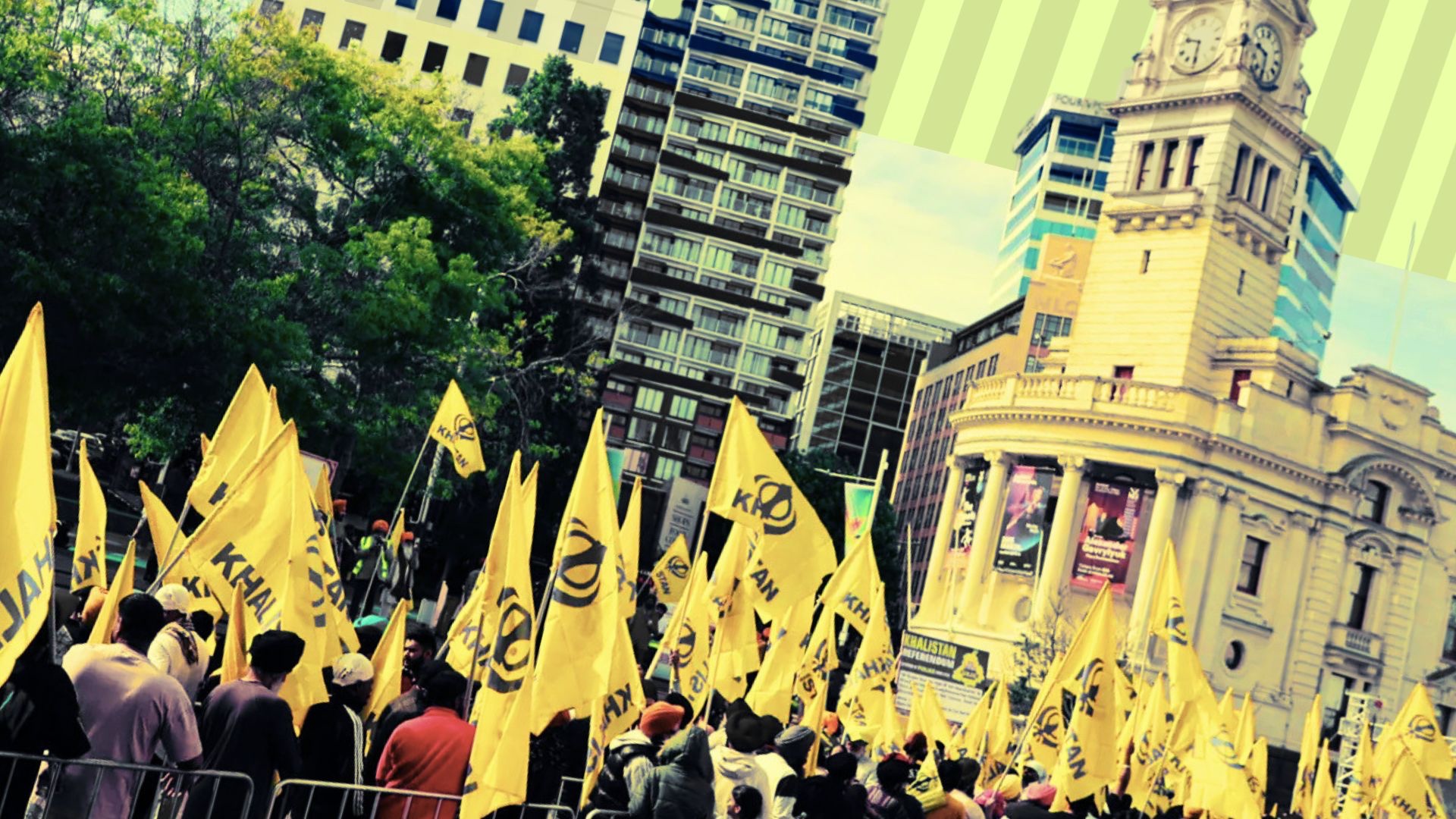
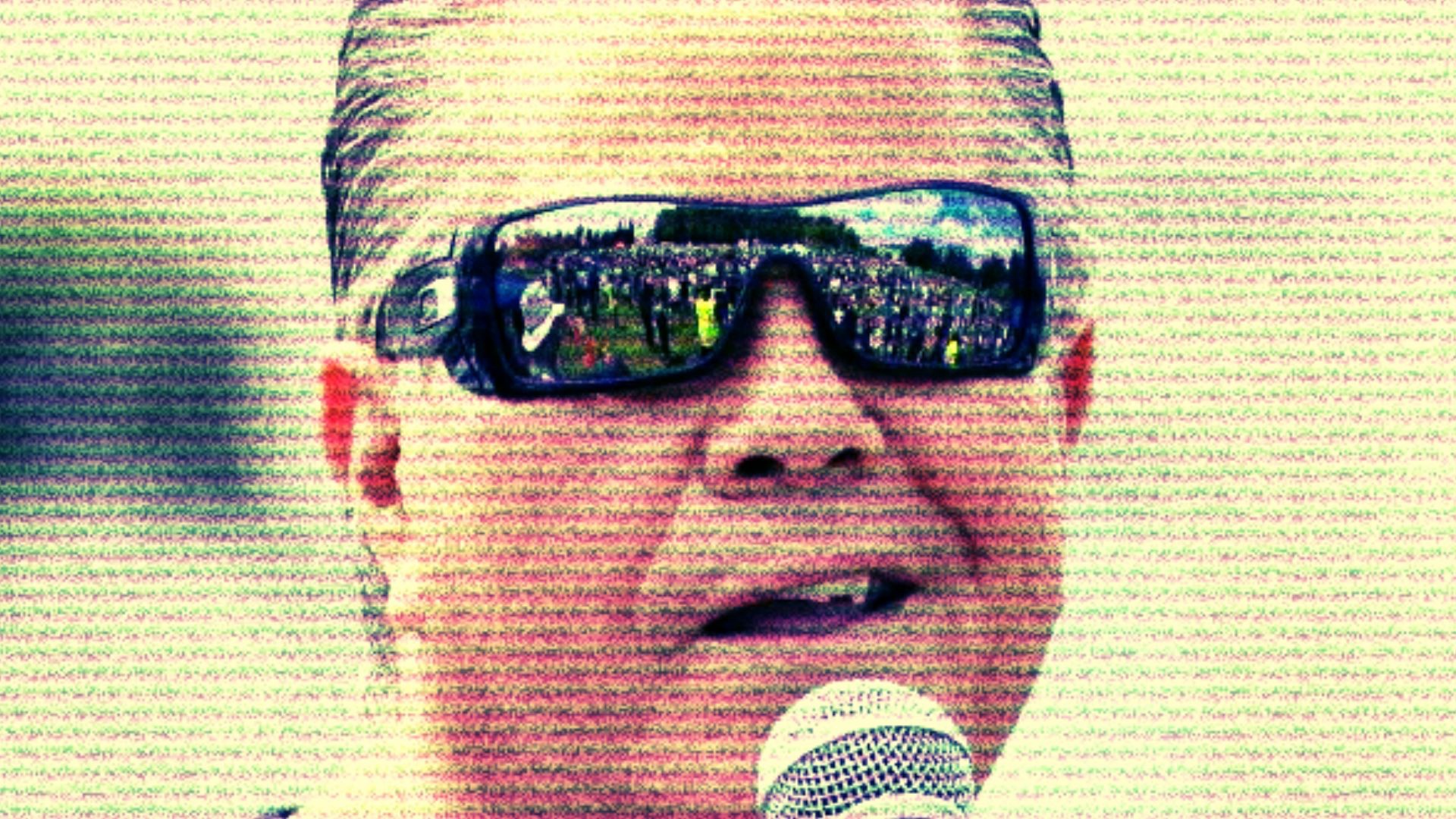
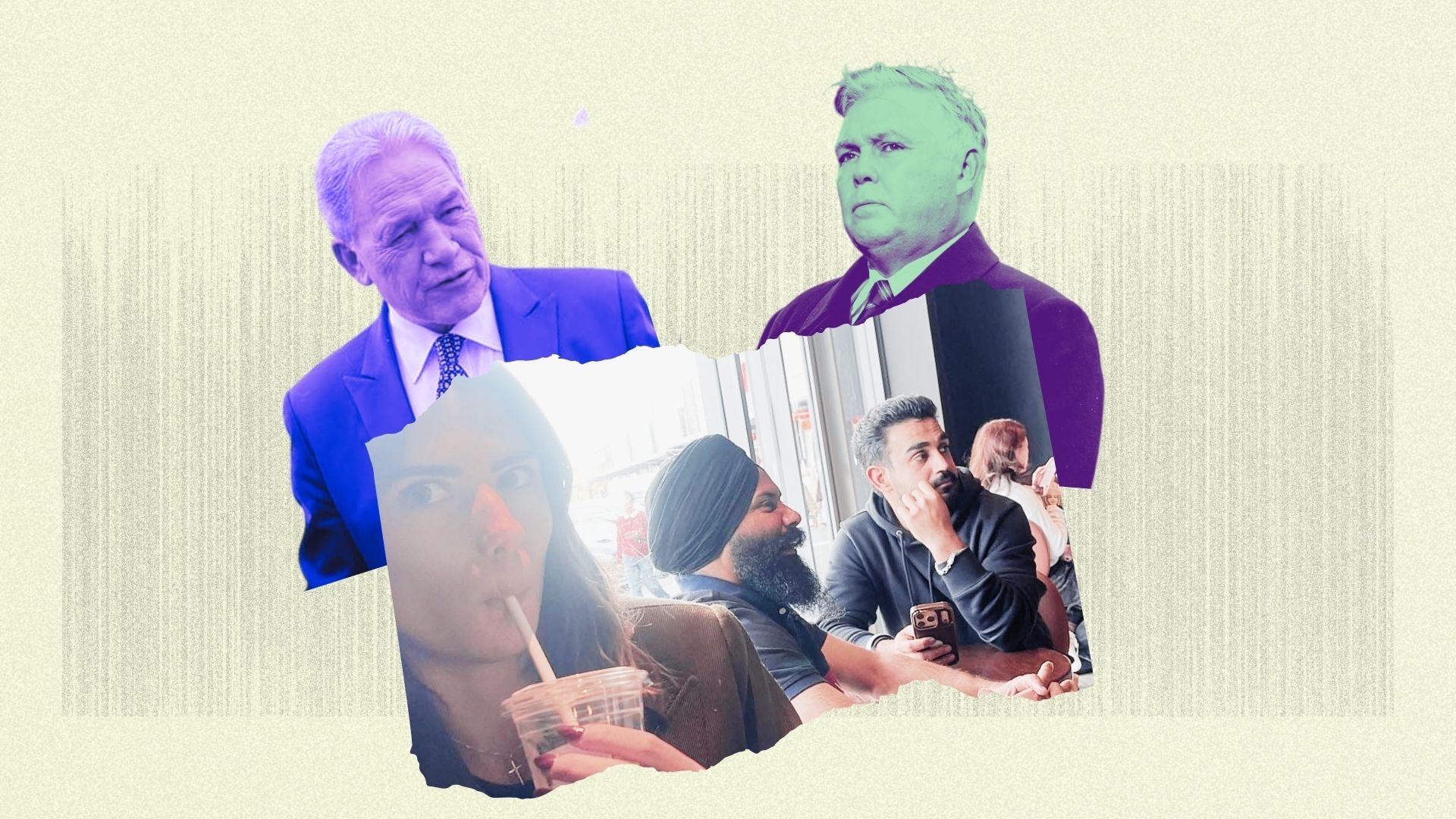
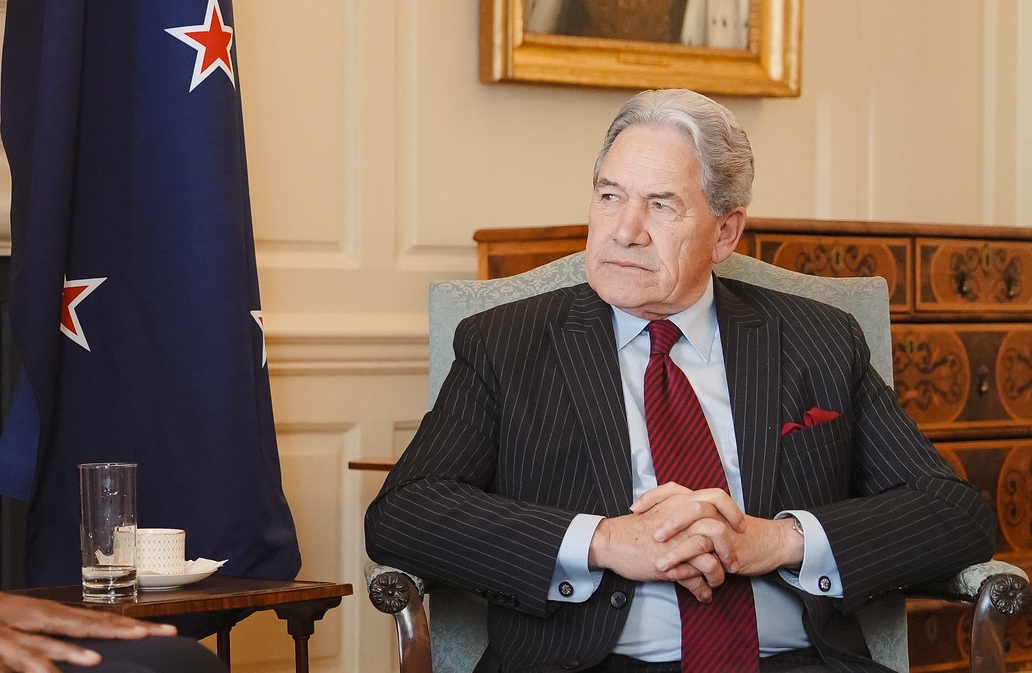
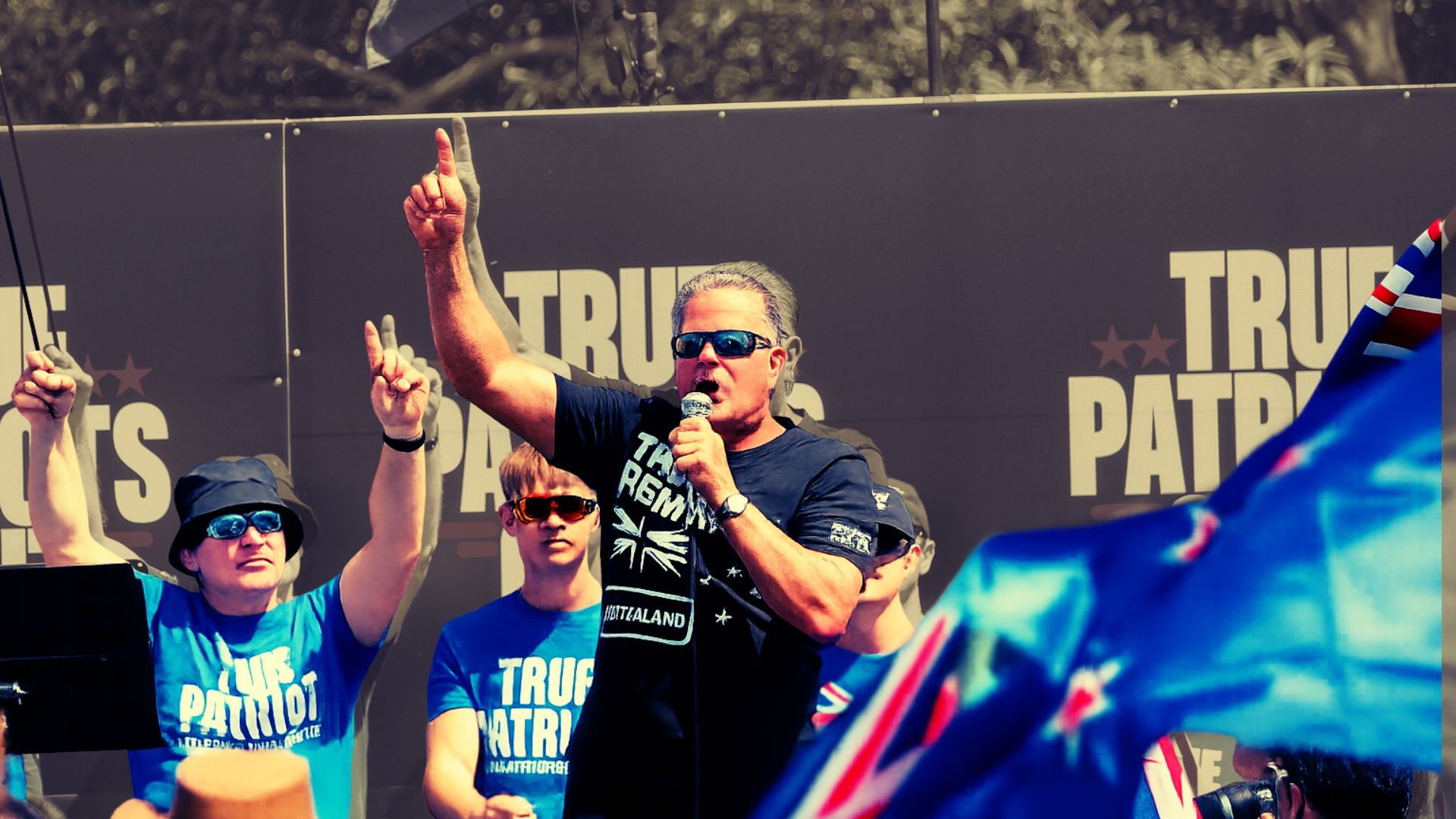
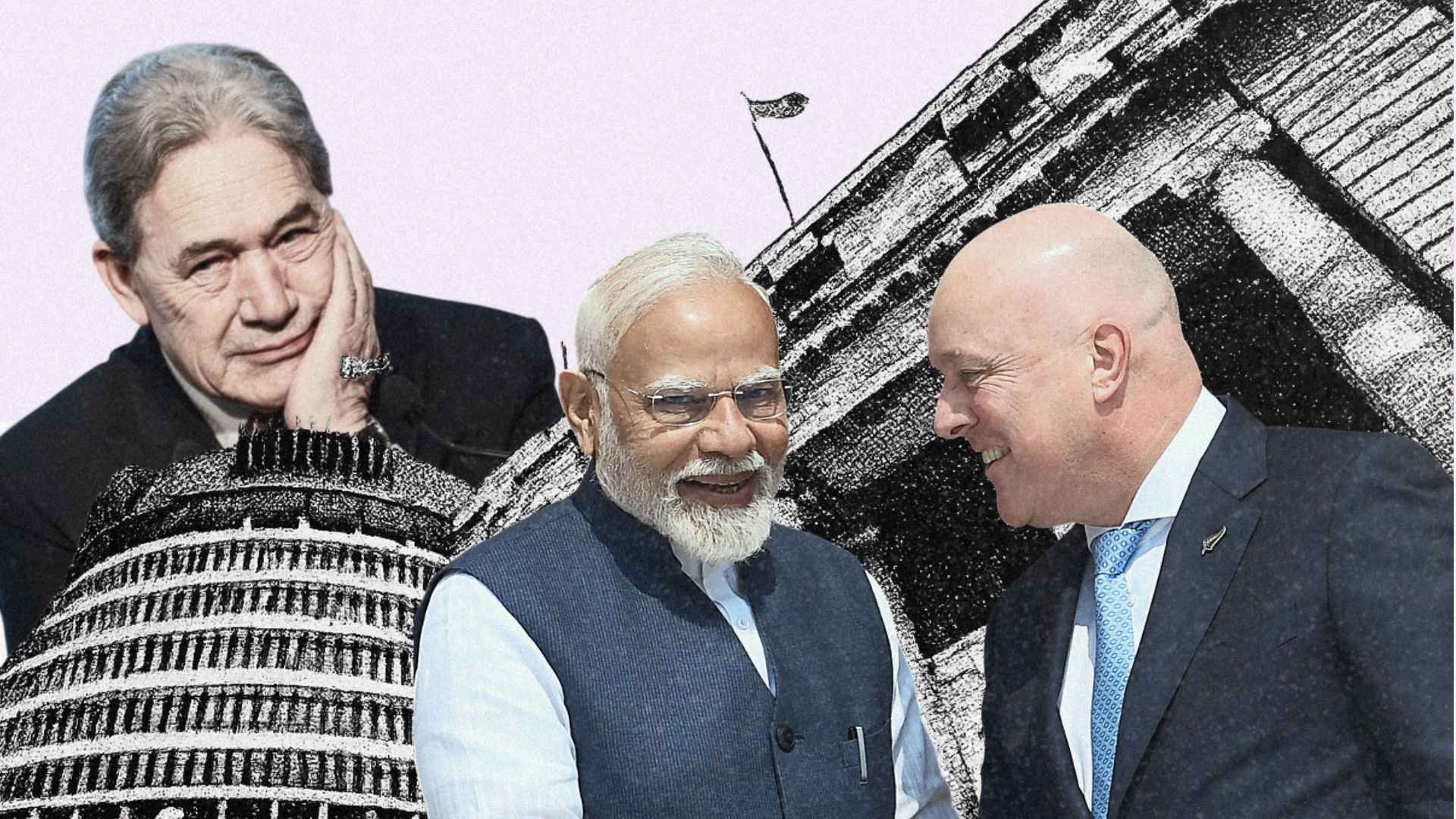
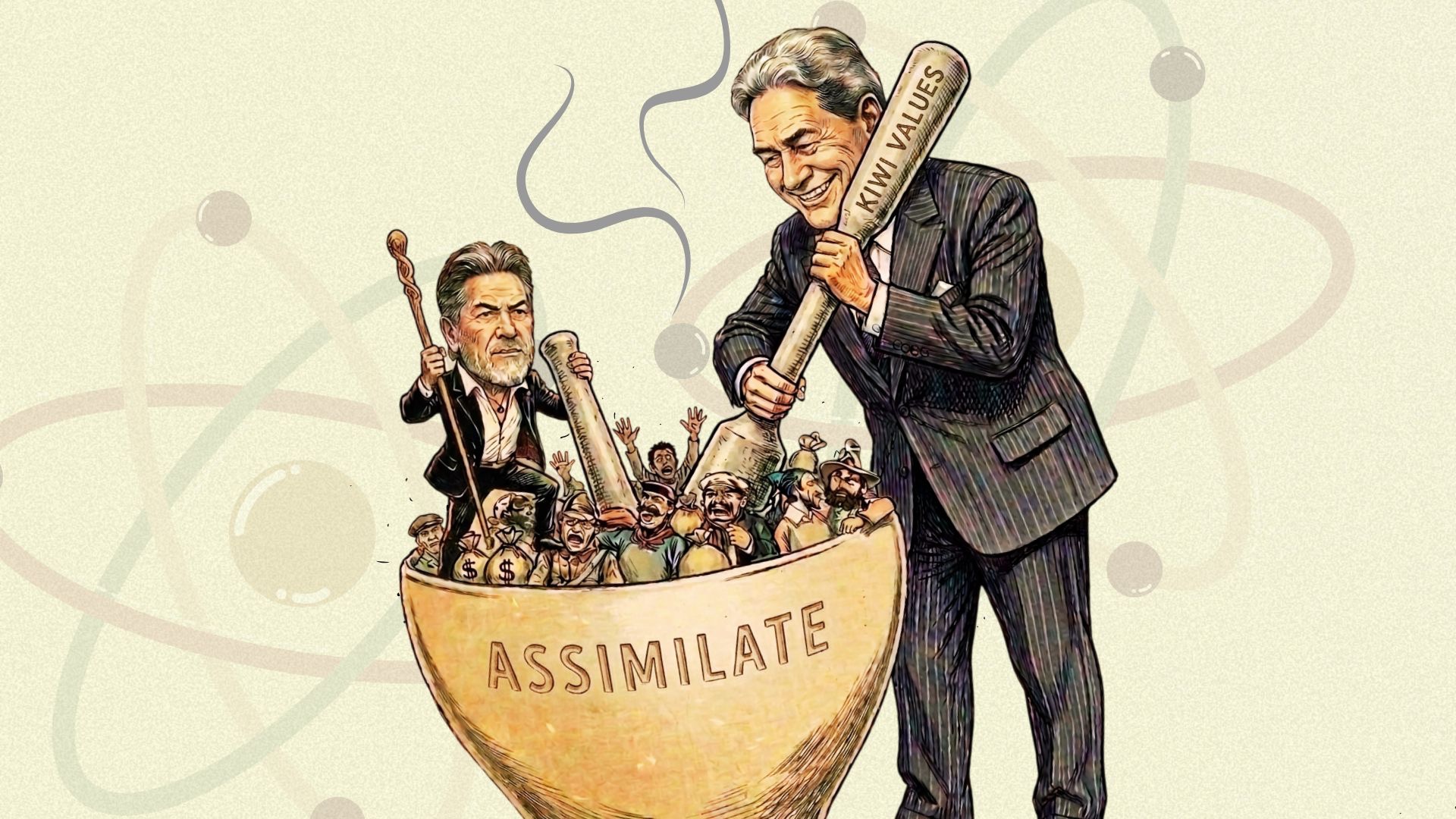
Scenes from a protest on August 1, 2026, where a Winston Peters effigy was given a "metaphorical chop".
Election-year politics is becoming a competition for how offensive a person can be while still claiming to have started an important conversation.
Opinion: A mock execution was staged in Auckland this weekend using an effigy of Winston Peters.
On August 1, representatives of the Migrant Workers Association of Aotearoa placed a mannequin bearing Peters’ face beneath a mock guillotine after staging a “trial” that found him guilty of racism and xenophobia.
Organisers called the resulting “metaphoric chop” satire and political theatre. It looked more like a group desperately trying to manufacture the most sensational image it could get into the news.
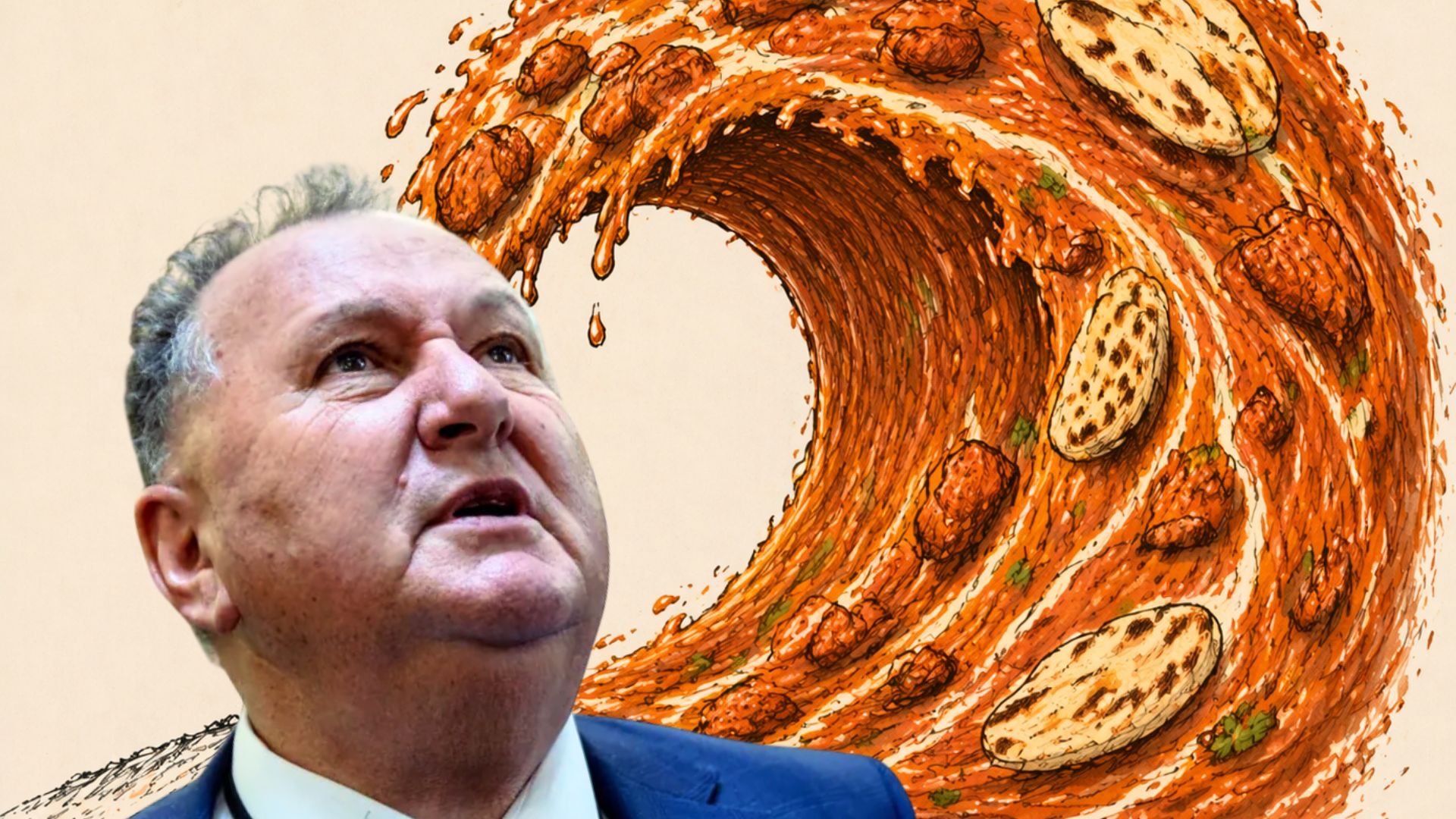
It did catch eyeballs. But that's not a hard feat to achieve these days. You could, for example, use butter chicken to drum up xenophobia around an imagined take over by migrants.
Or you could call for something more actionable and concrete. Purging people who choose to follow a faith that's not your cup of tea.
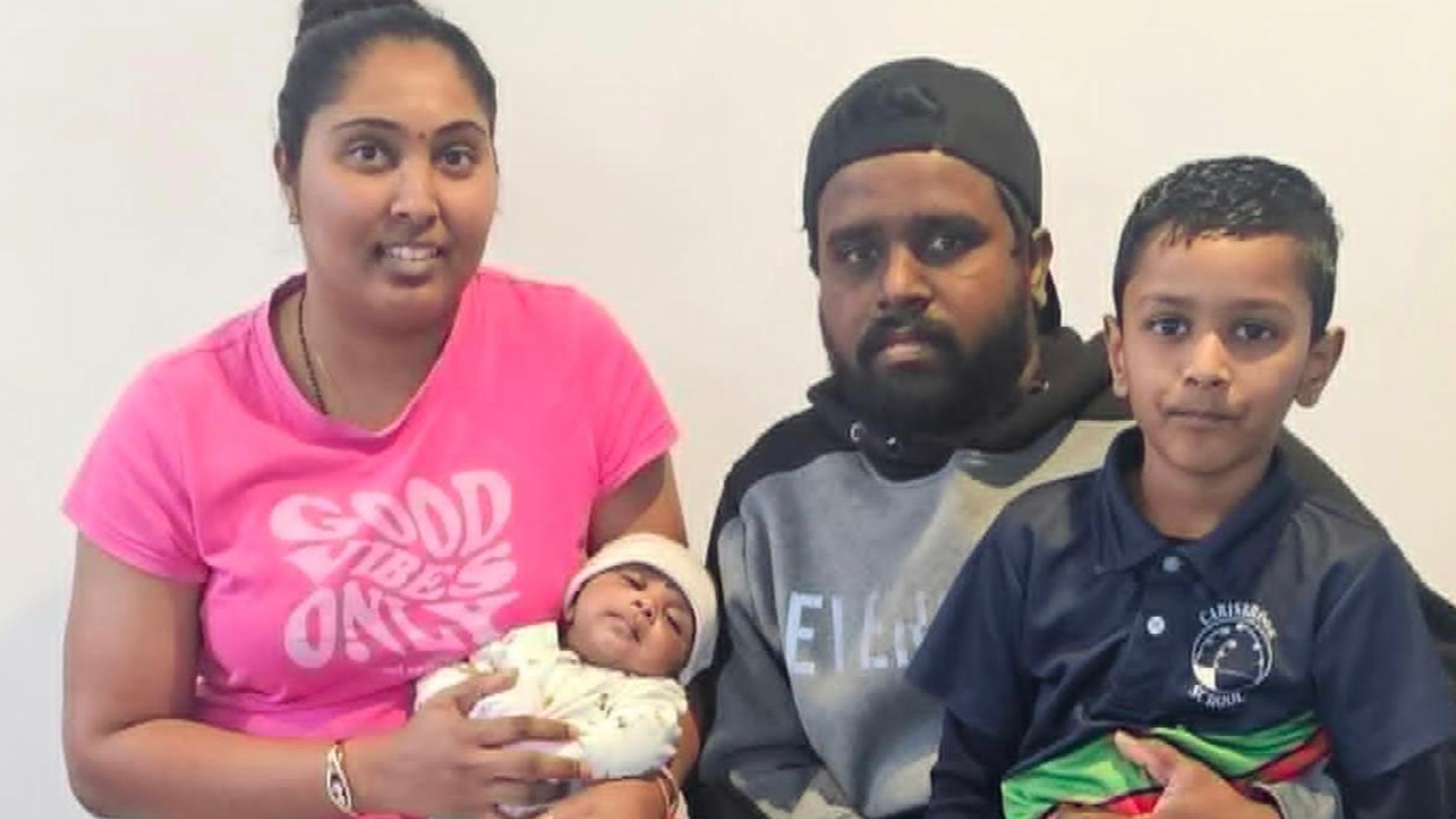
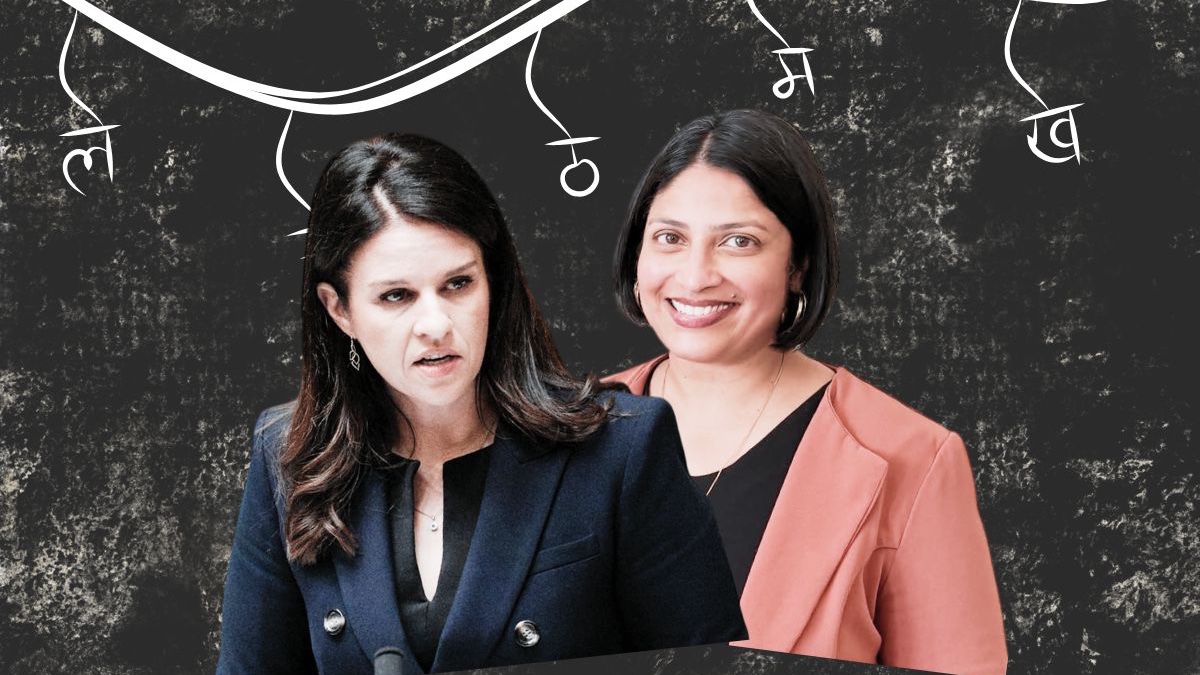
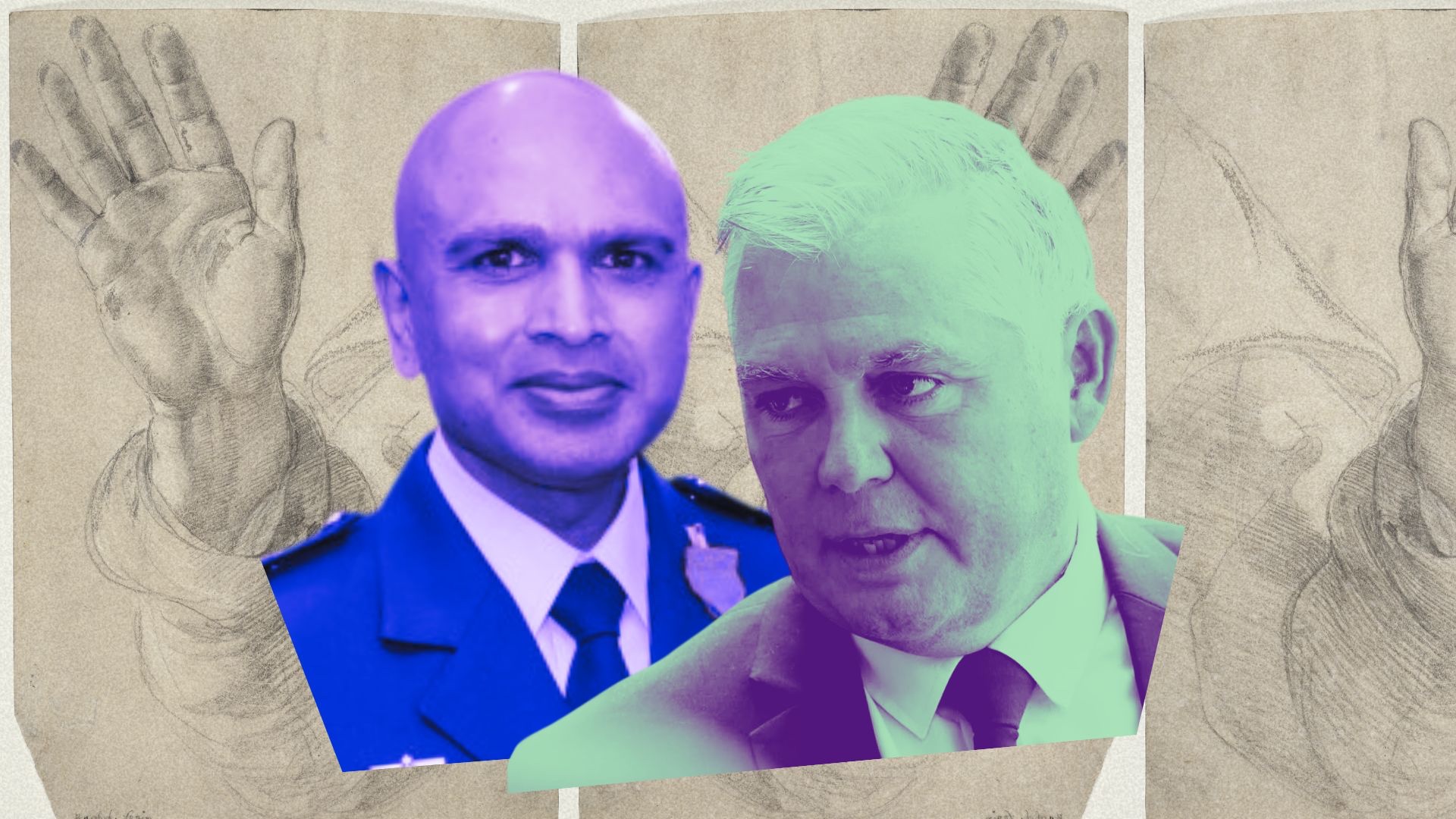
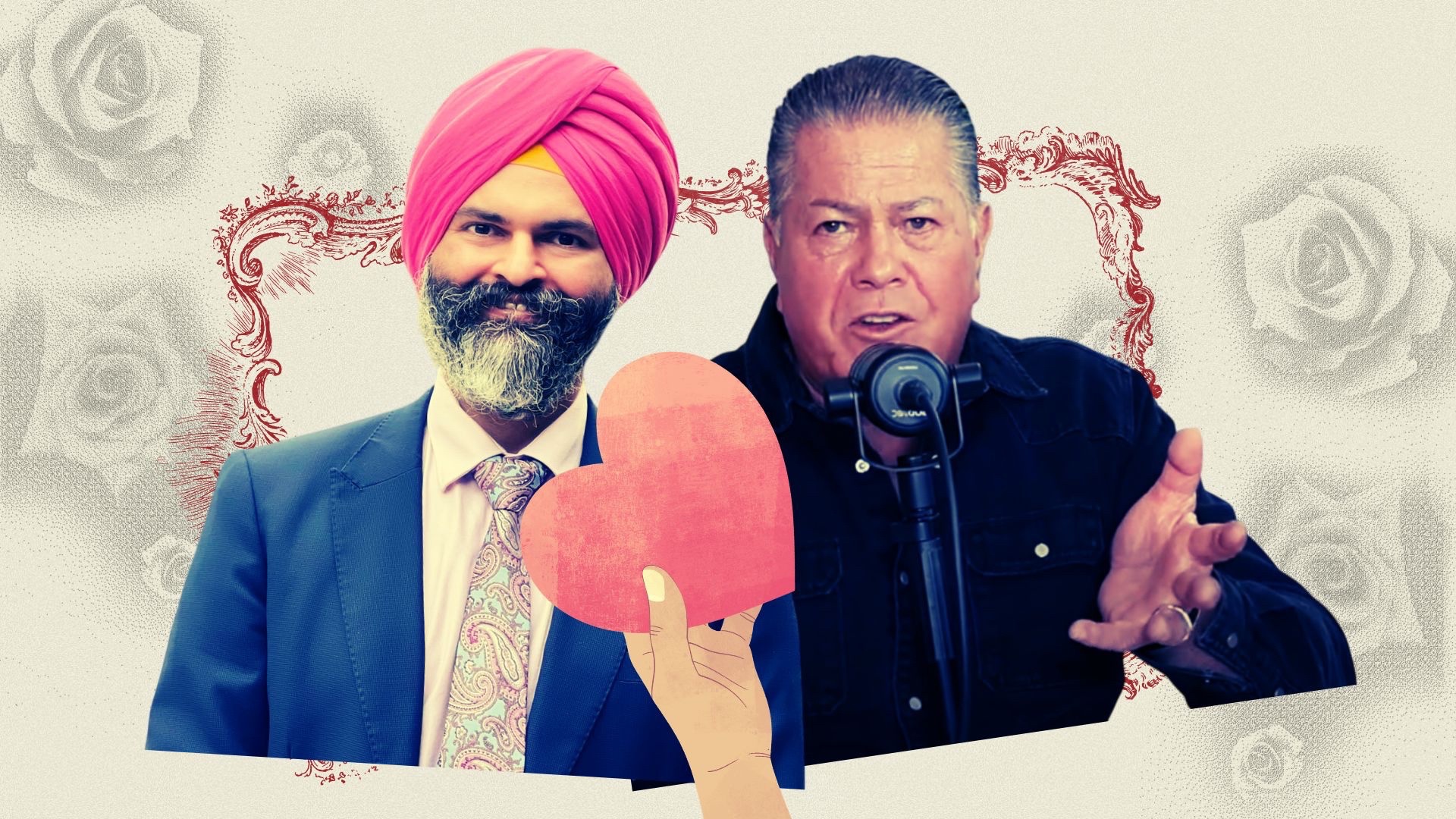
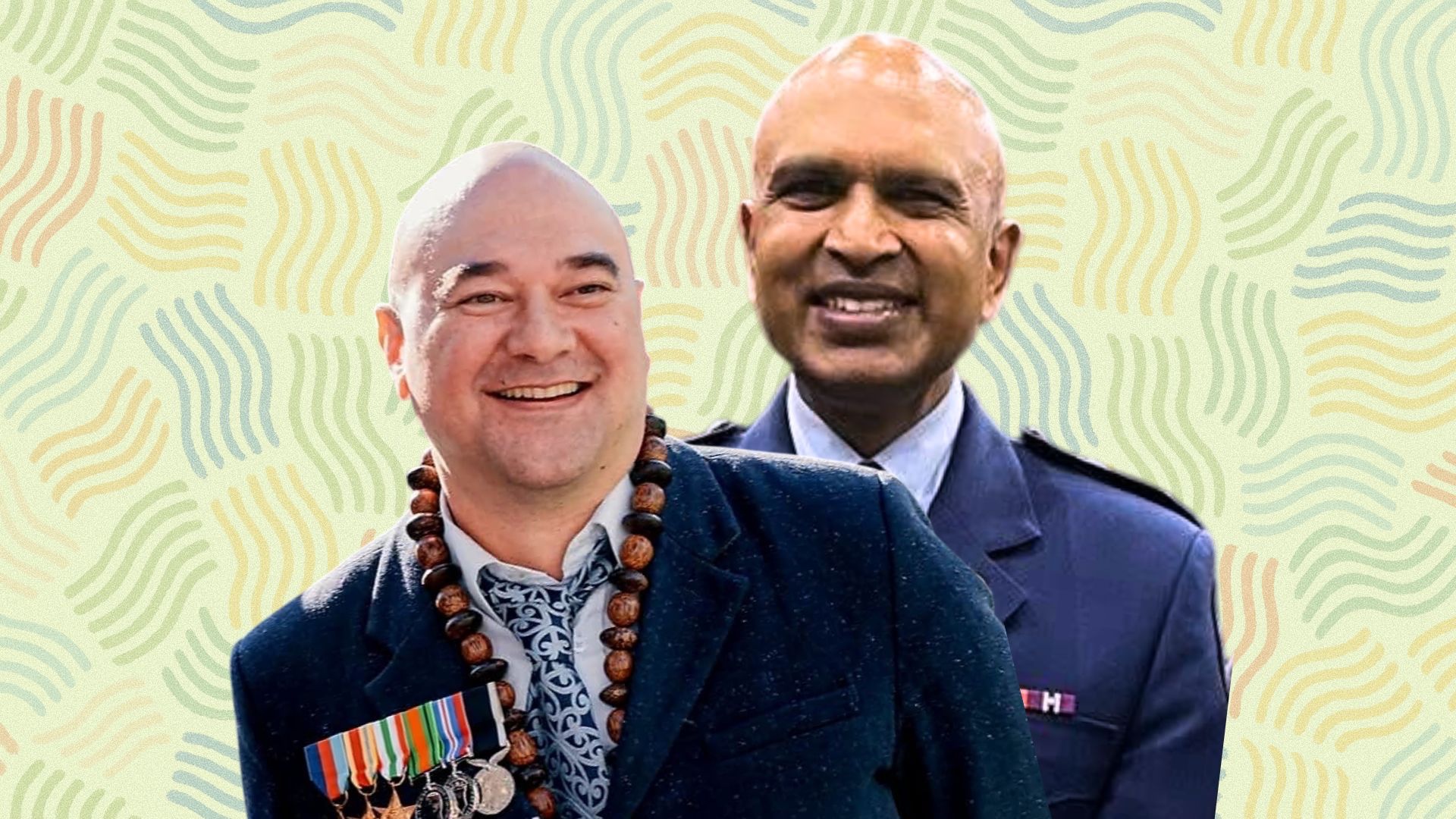
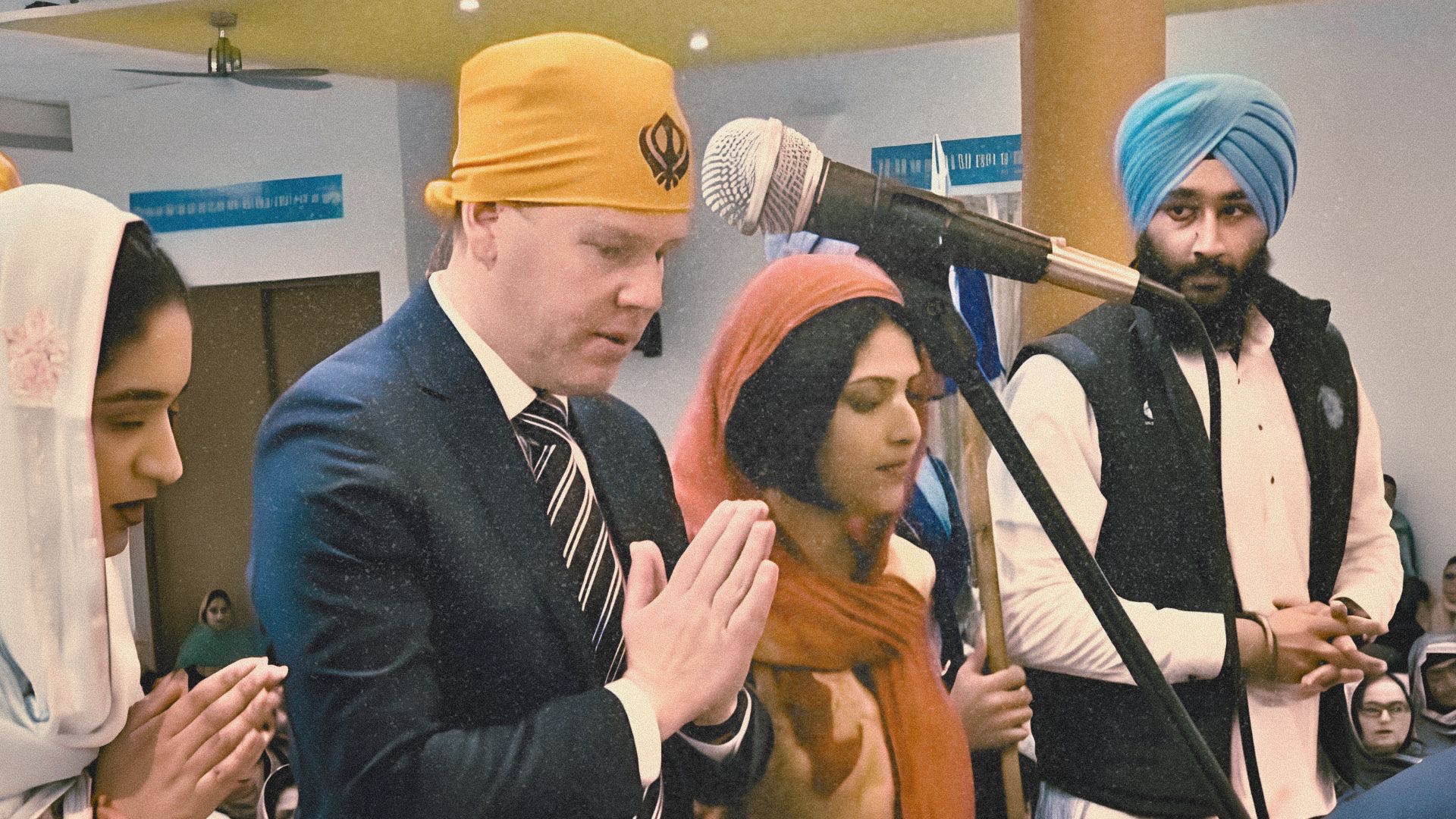
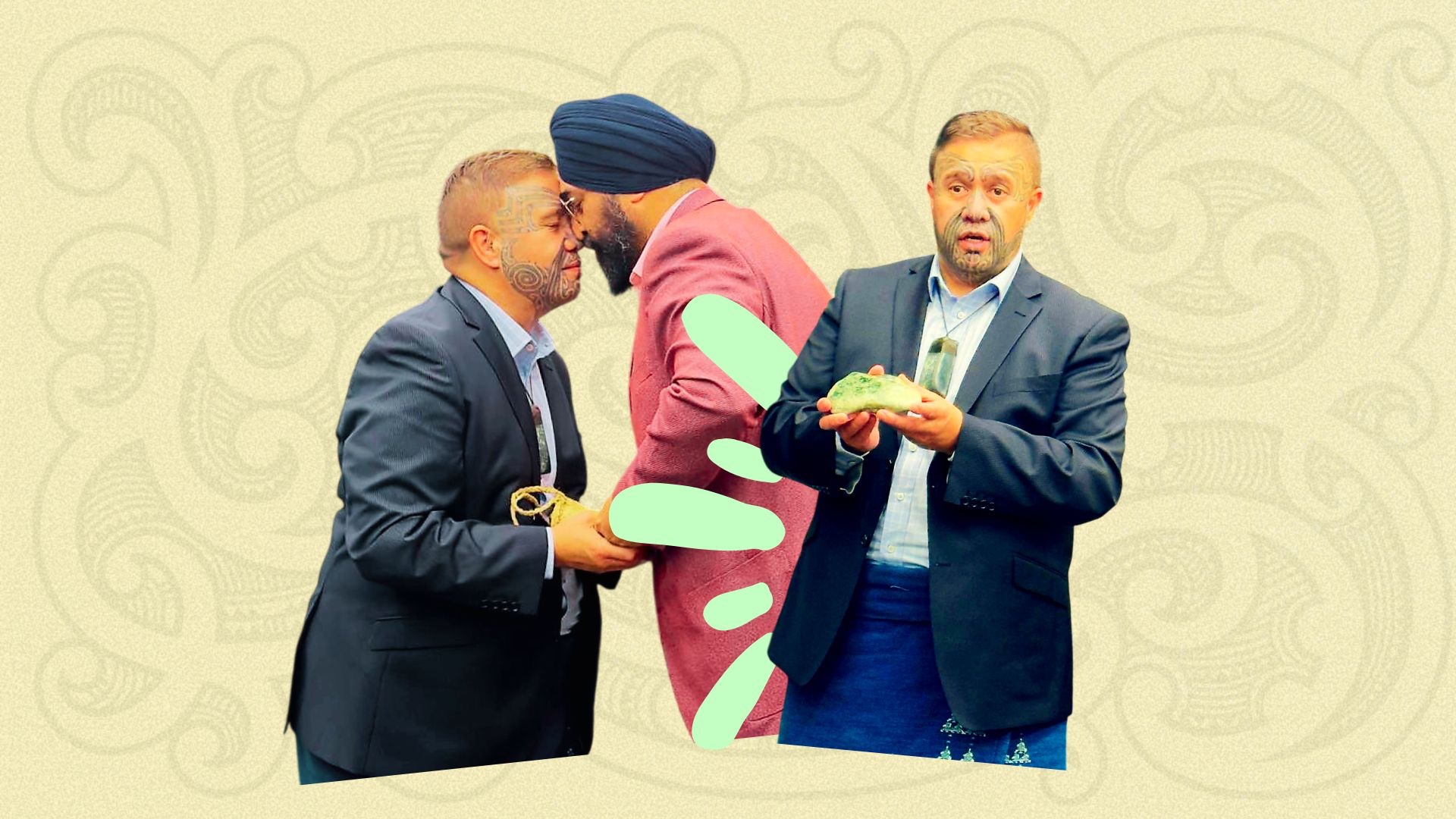
South Asian diaspora raises over $200,000 for New Zealanders missing in Nepal flood "I'm so proud of the Indian community here who...supported us, saying it is not a Nepal problem but our problem."
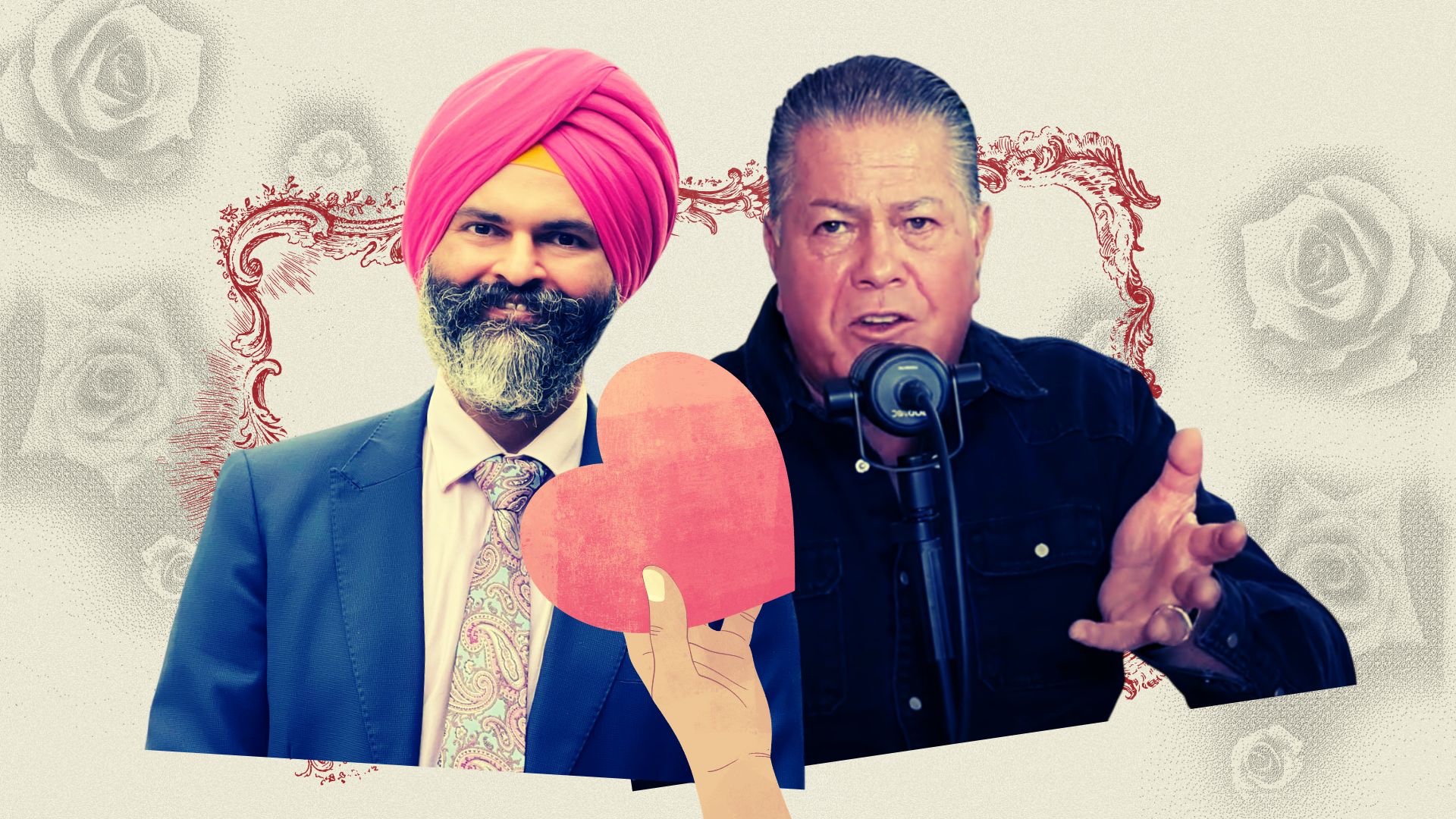
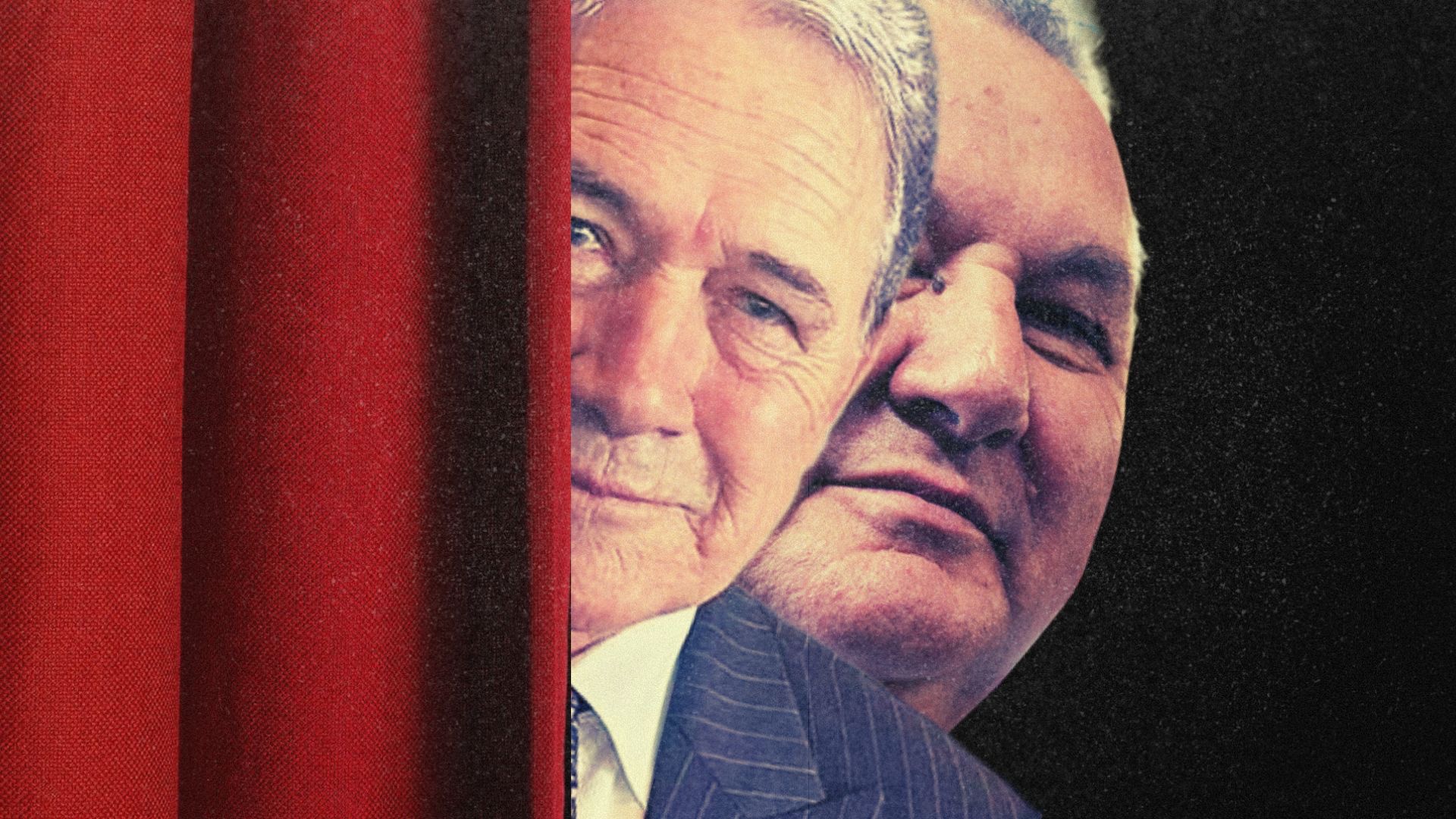
Tamakis launch Indian-origin candidate for Epsom who surrendered passport and has ‘assimilated’ “I know a whole lot of people are going to be like shocked,” says Hannah Tamaki.
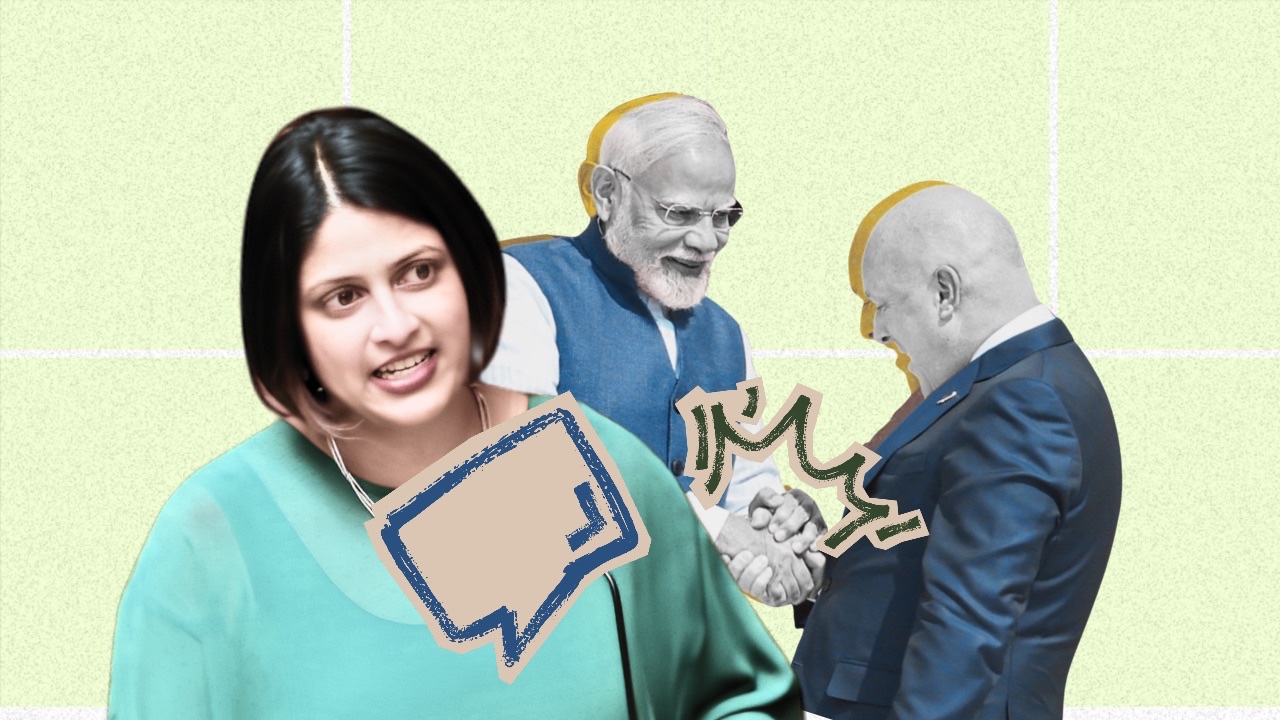
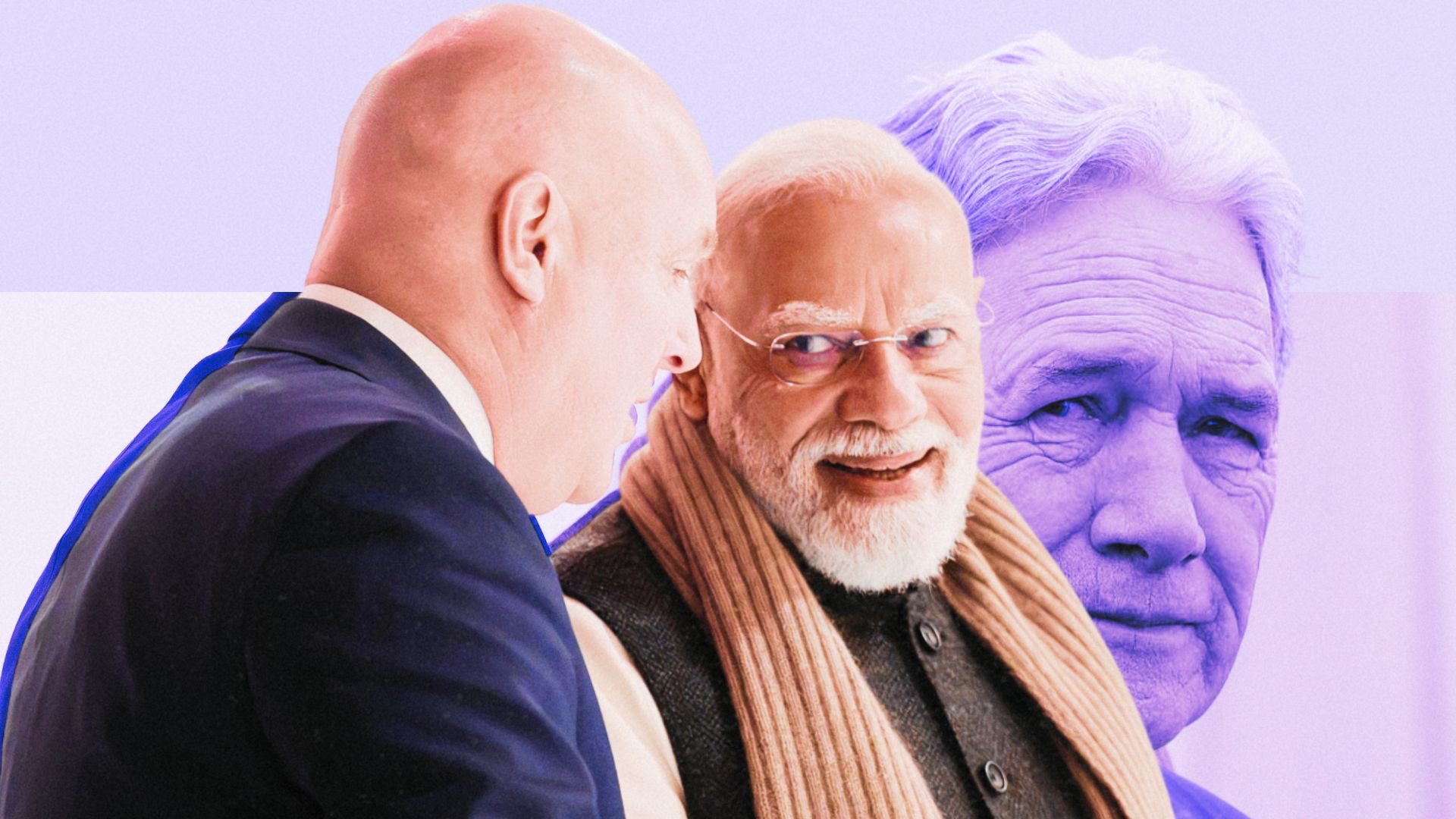
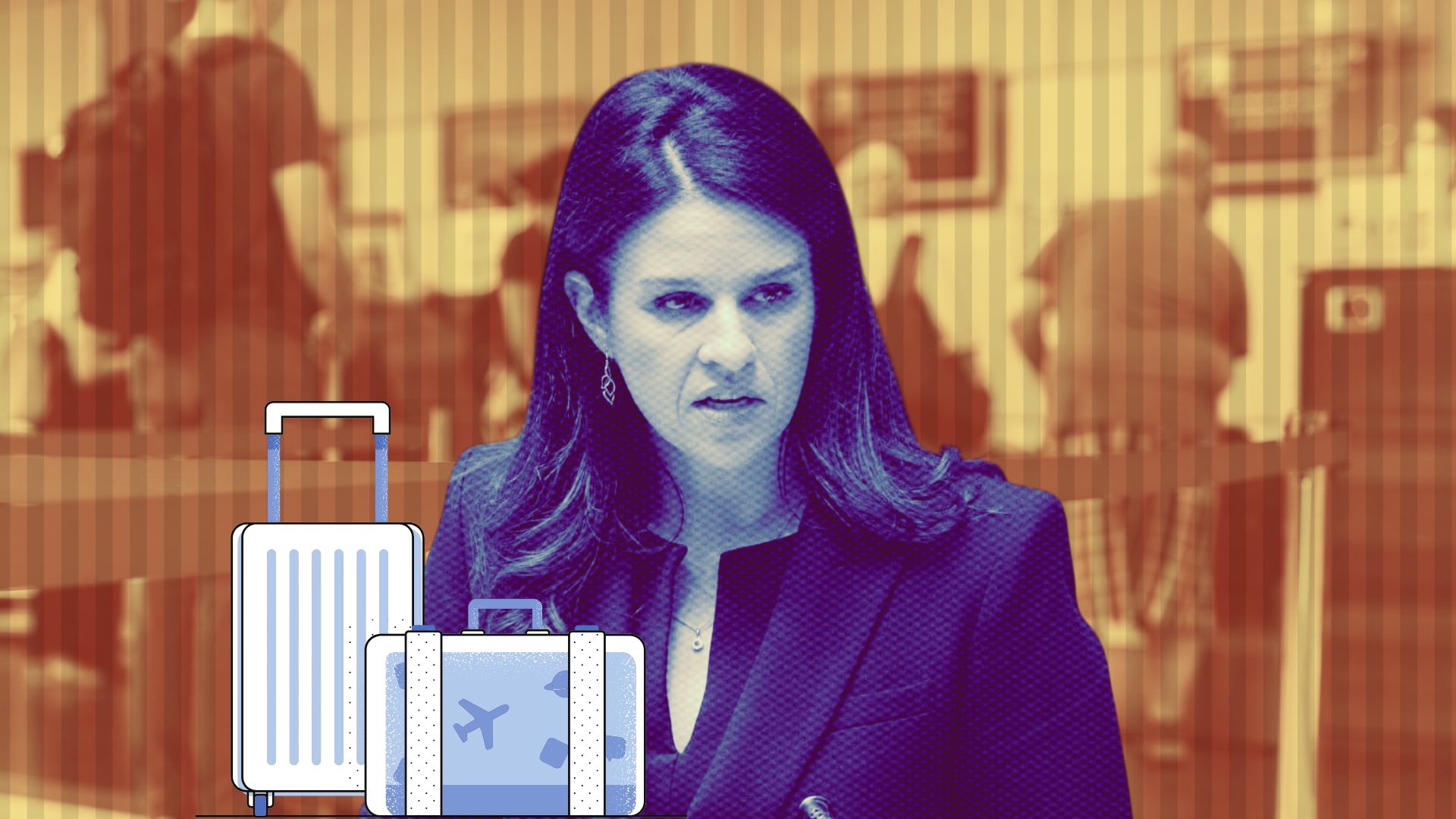
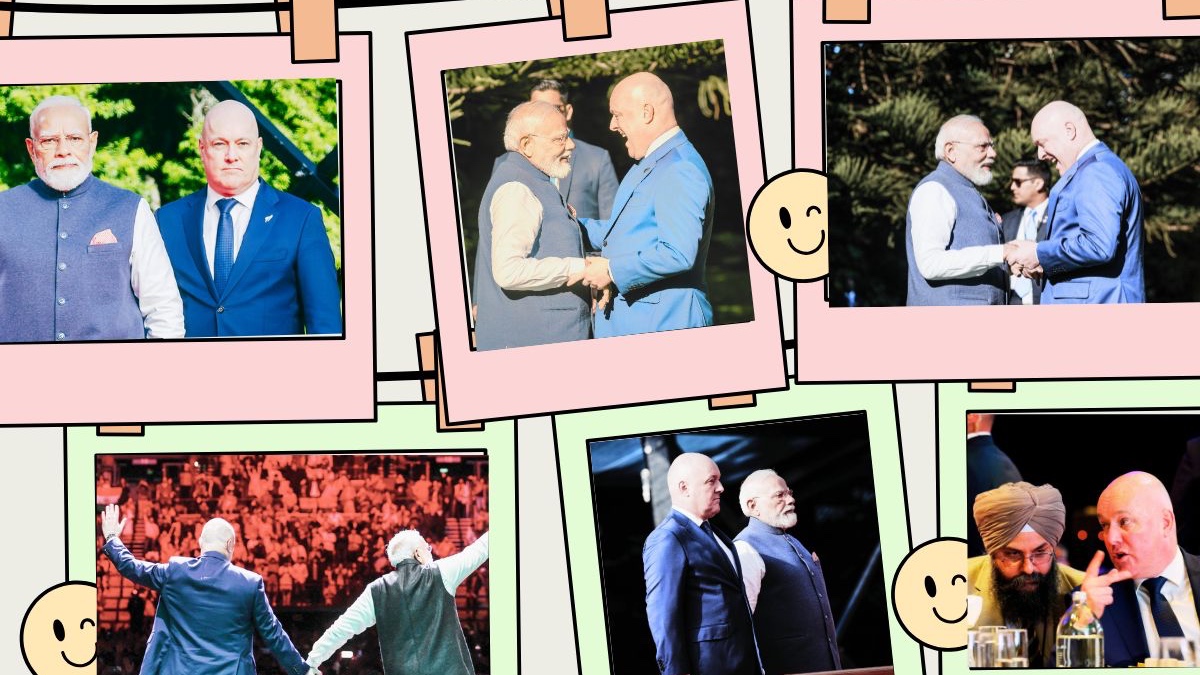
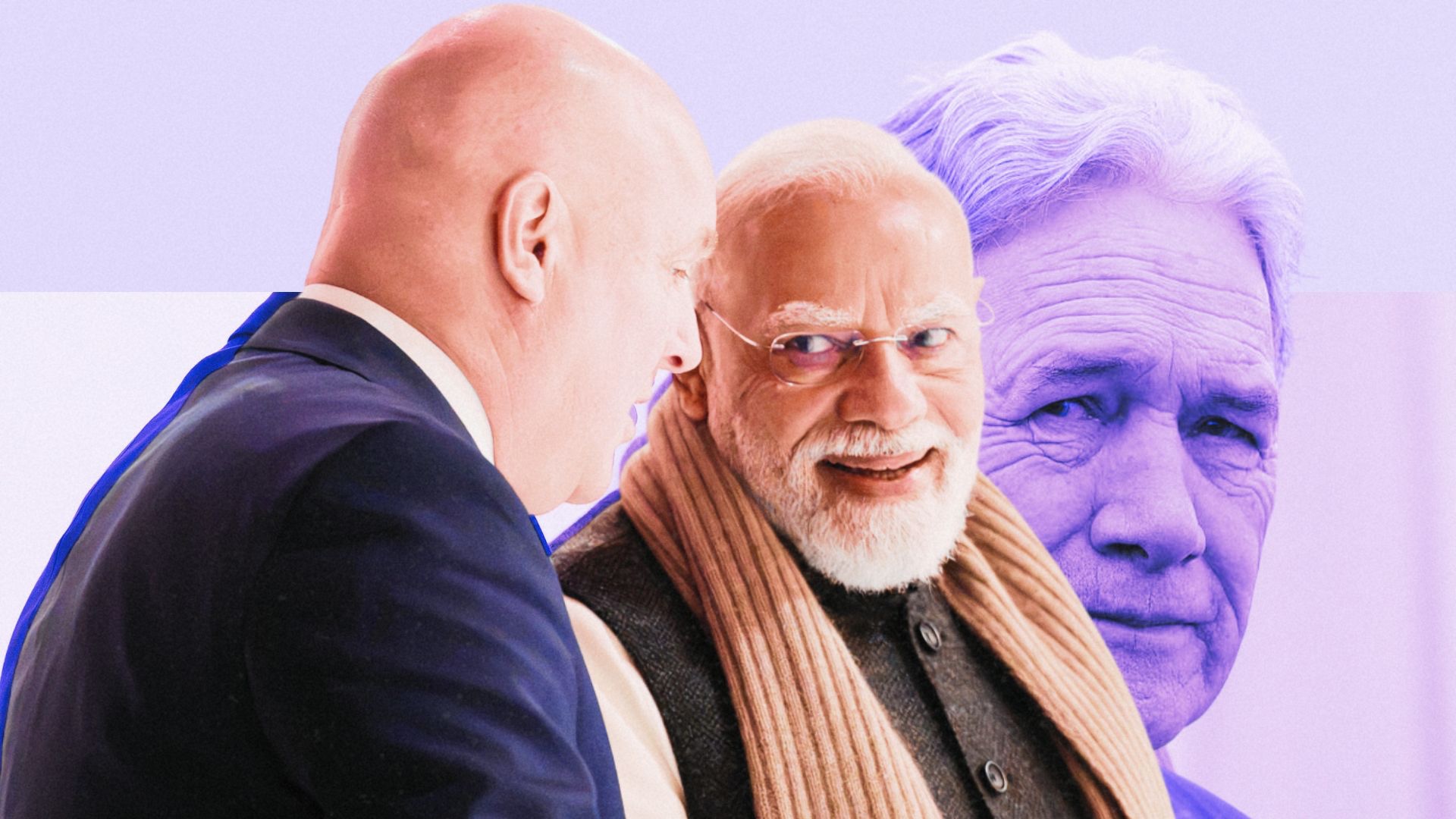
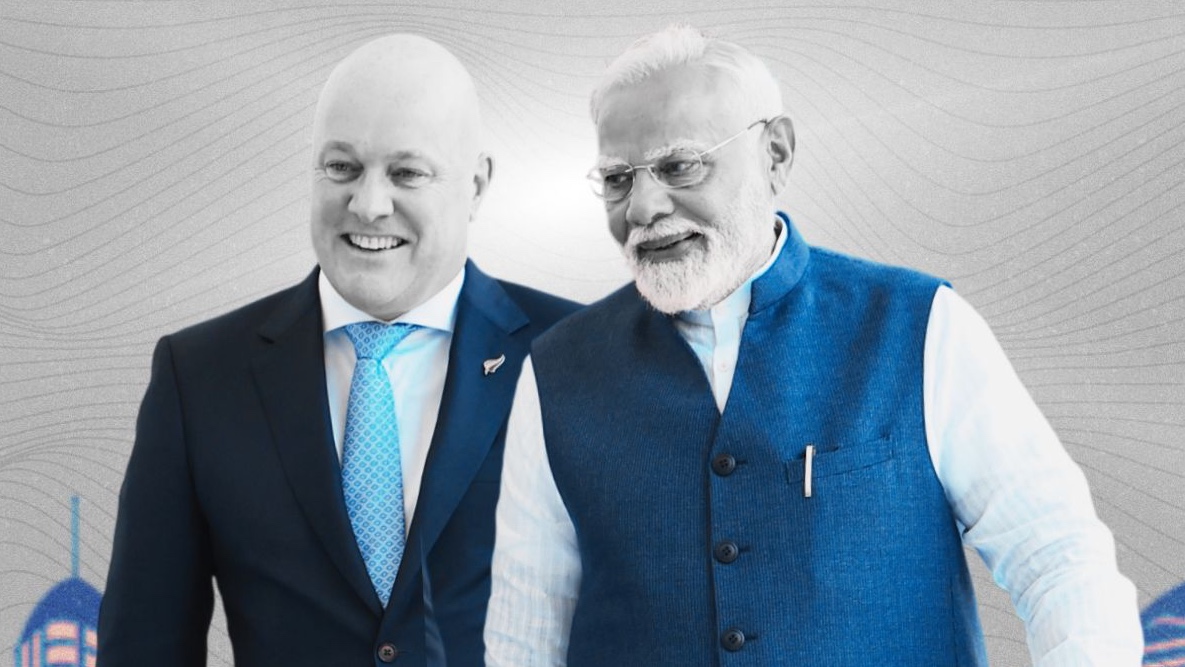
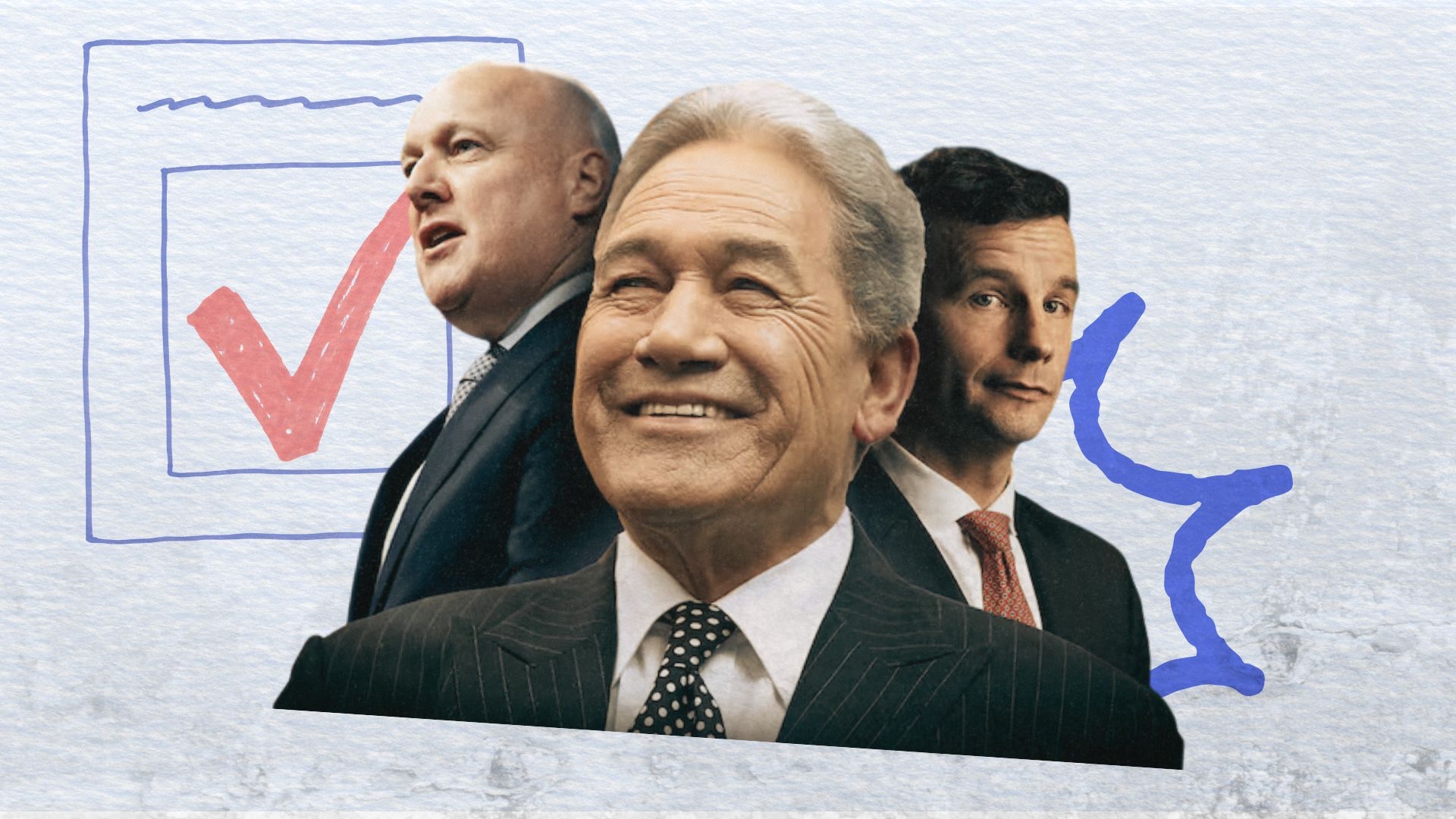
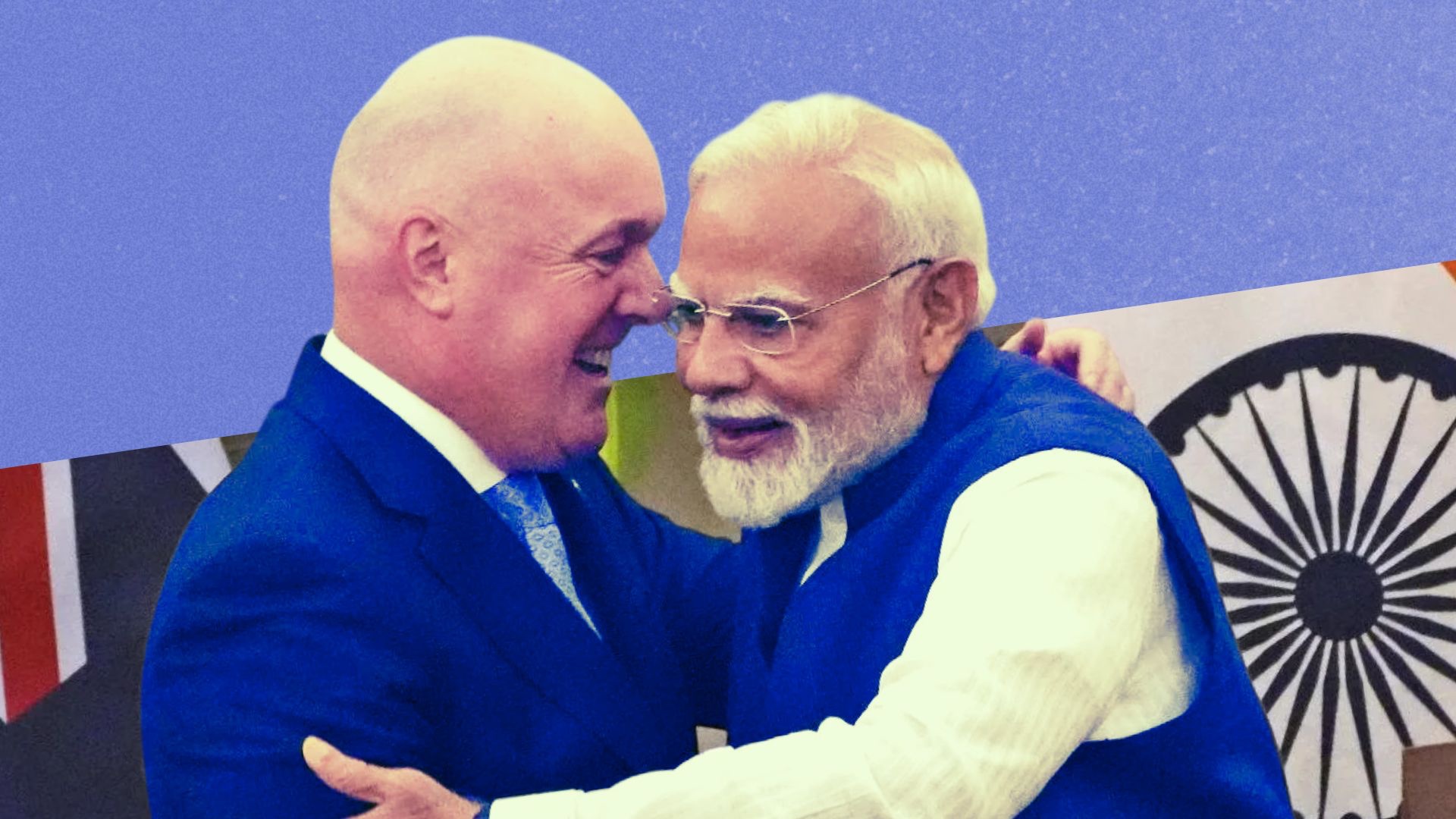
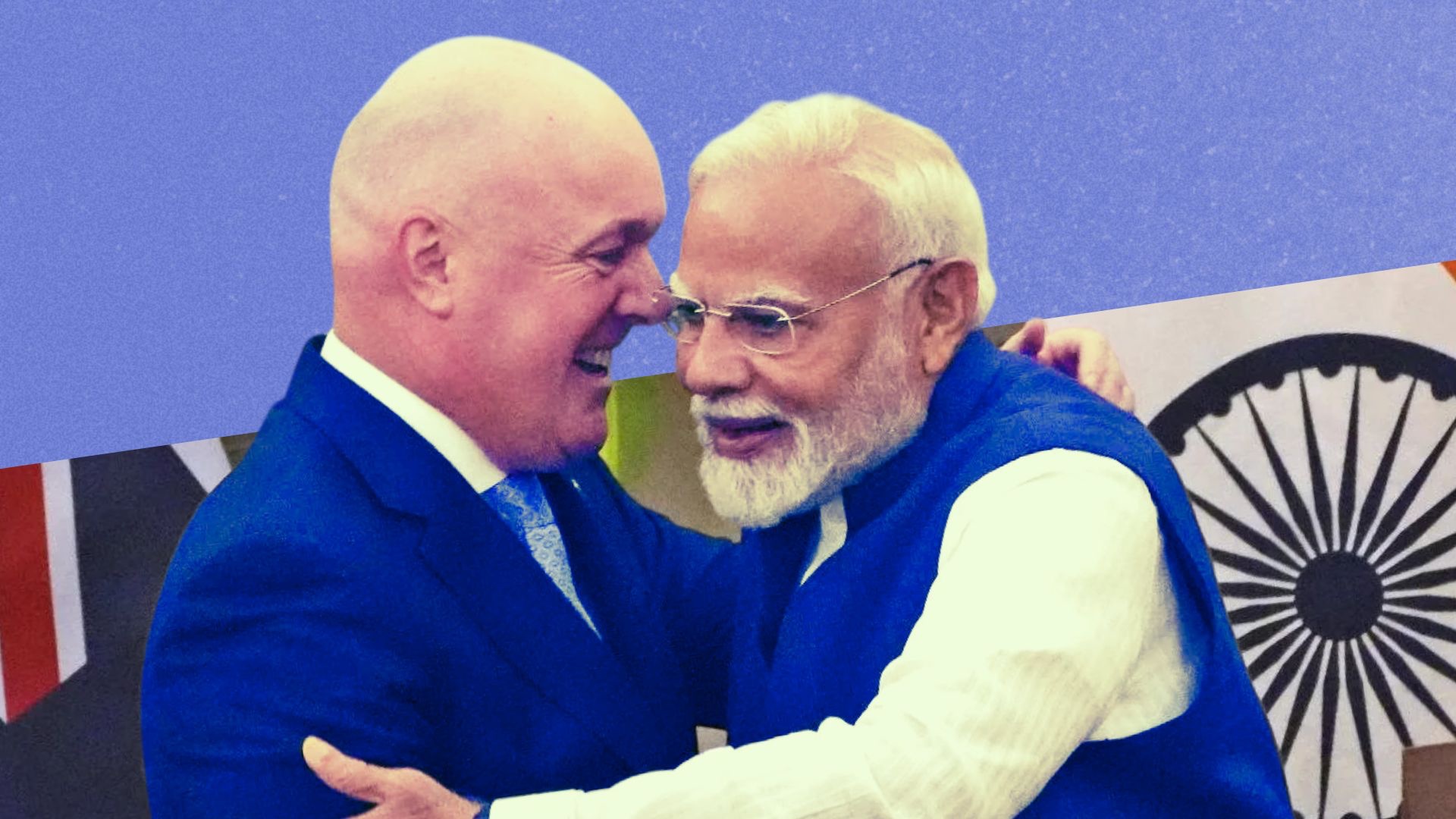
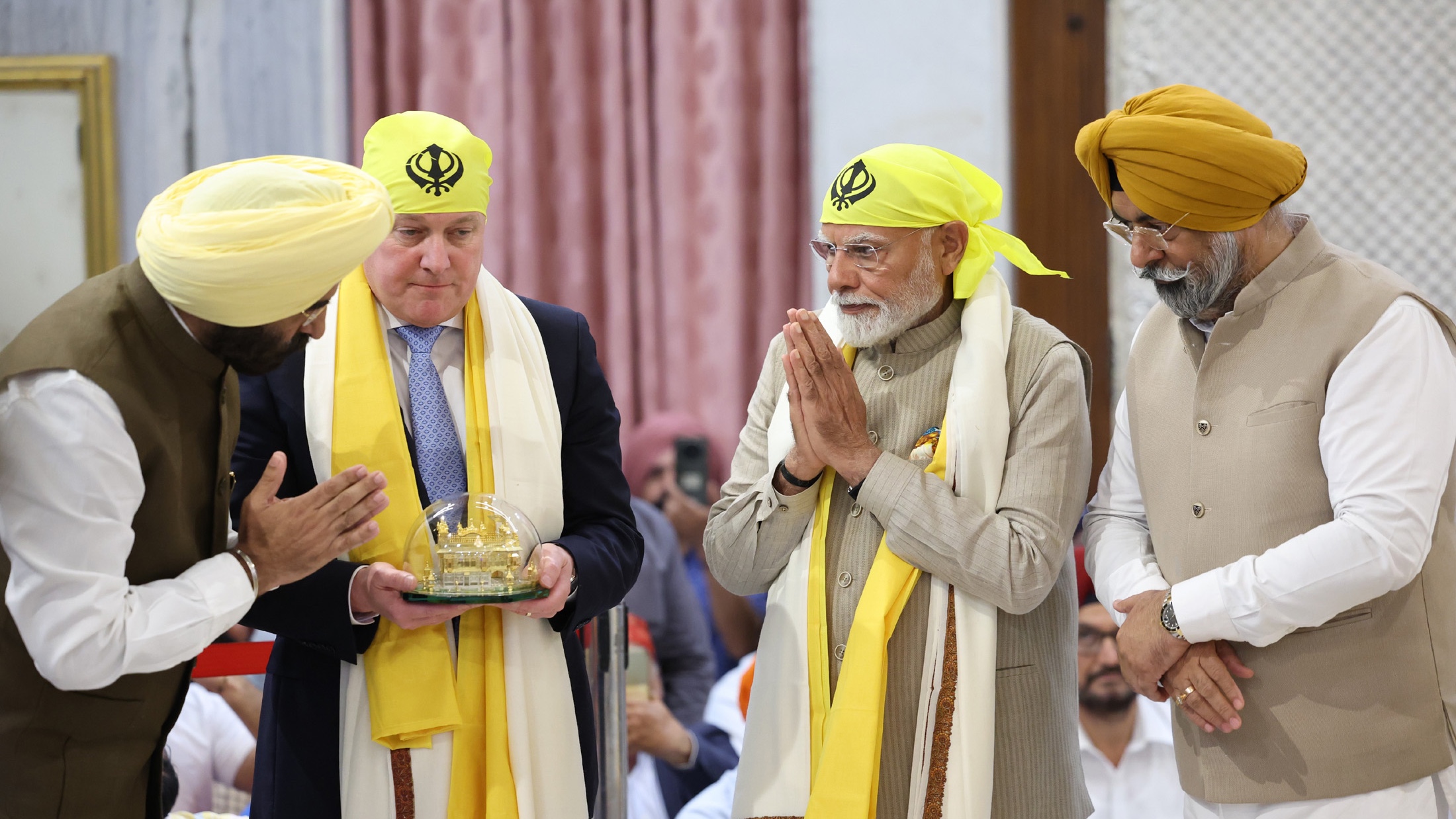
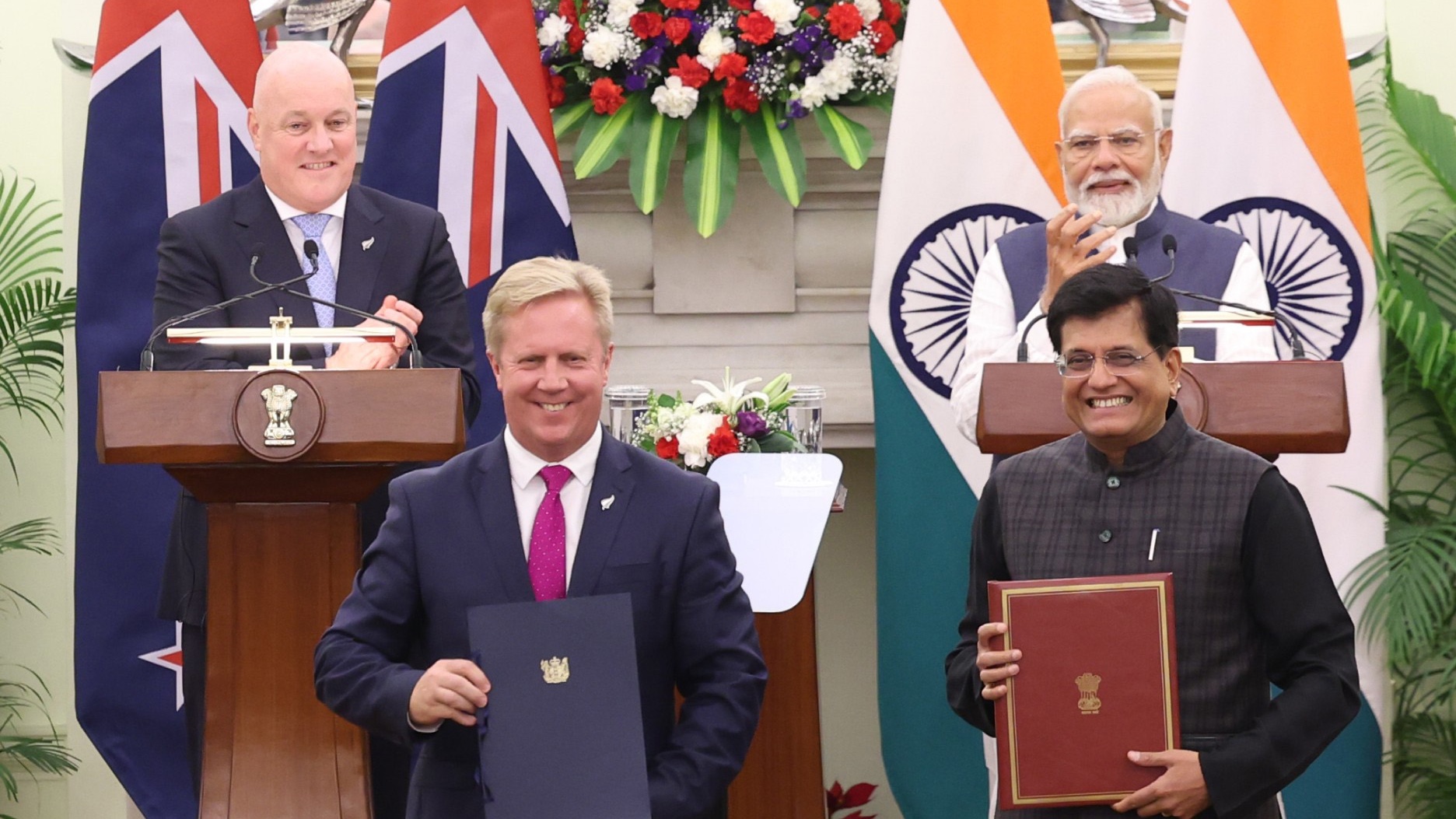
Priyanca Radhakrishnan tries to puncture Luxon’s FTA victory, says India was already sold “Things have changed quite dramatically on the Indian government side,” says the Indian-origin Labour MP.
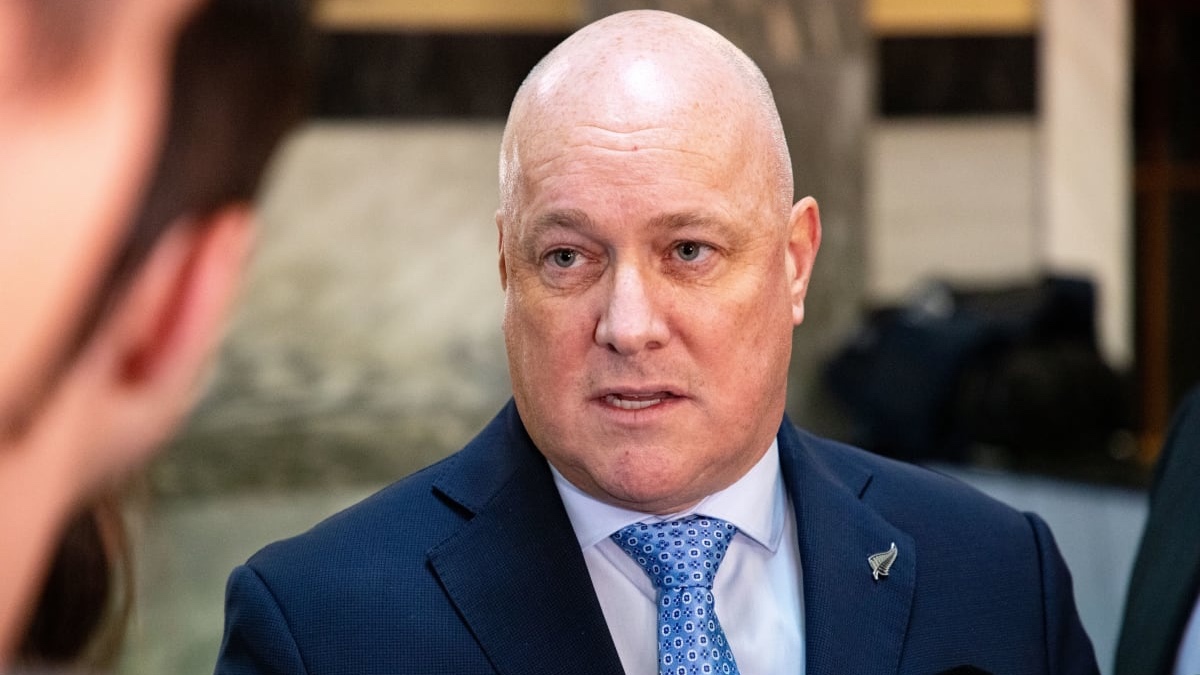
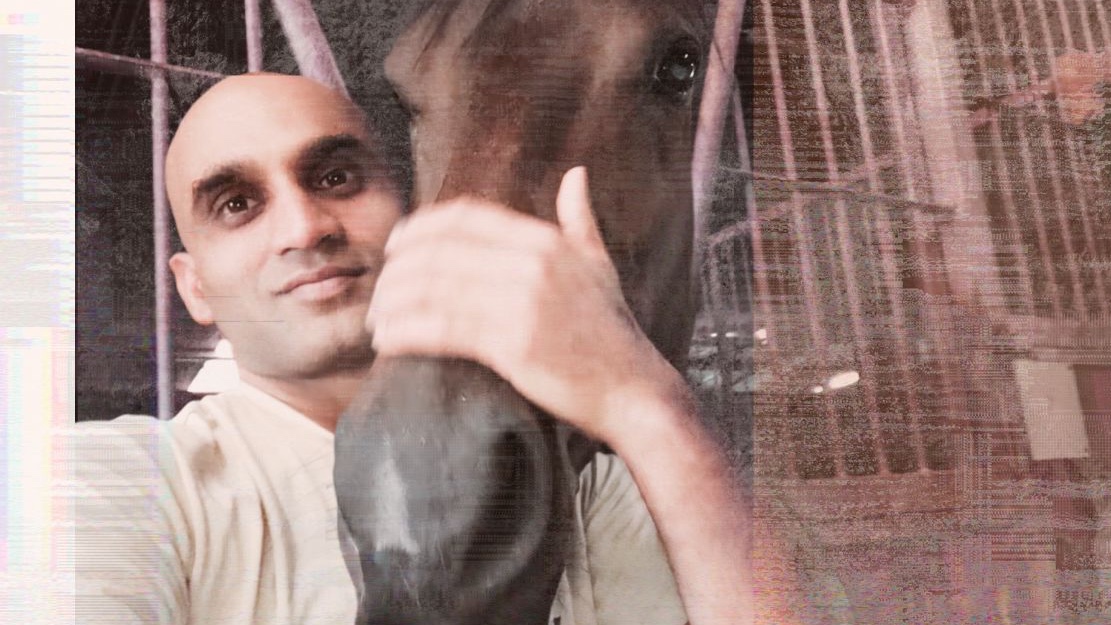
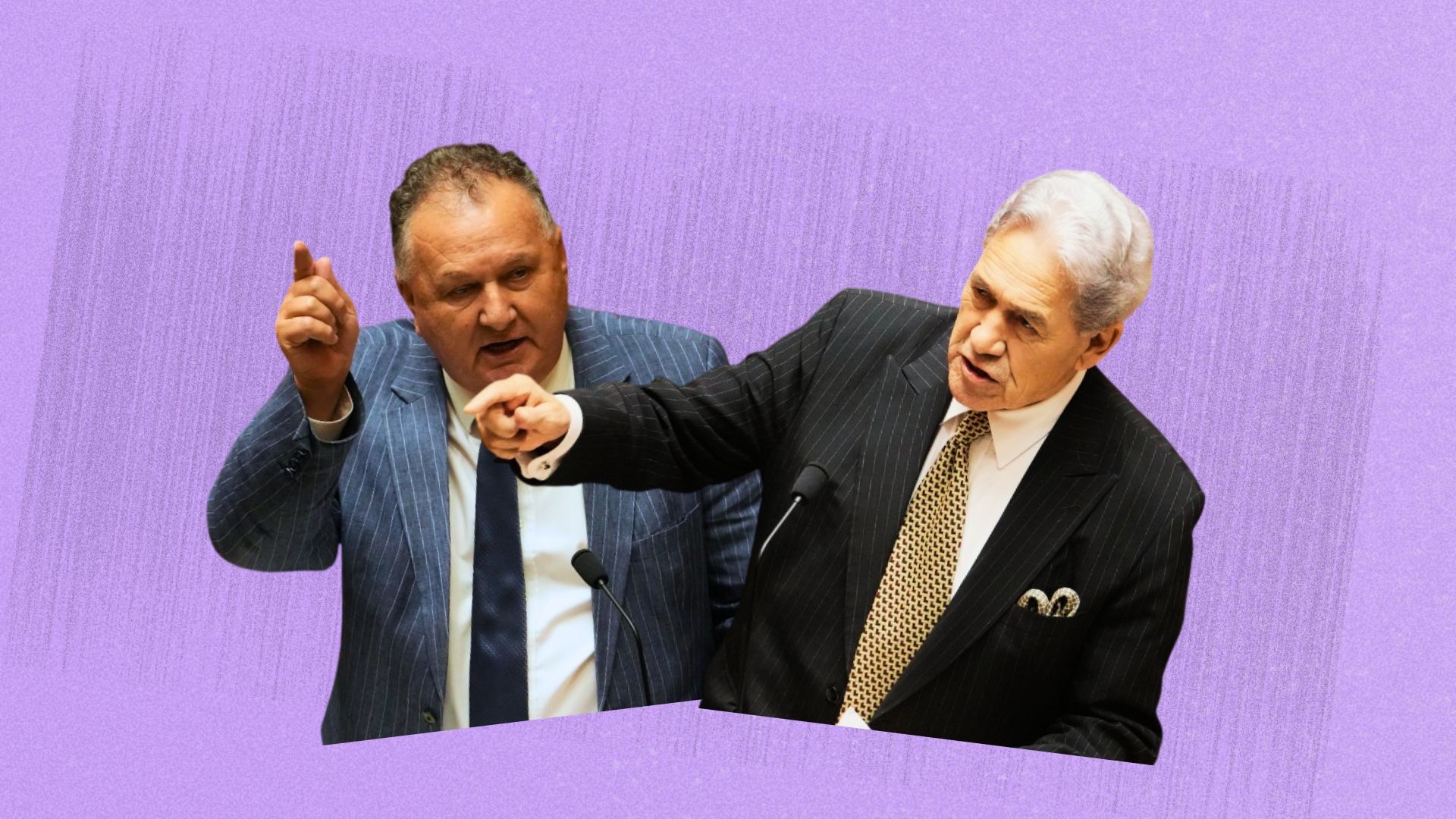
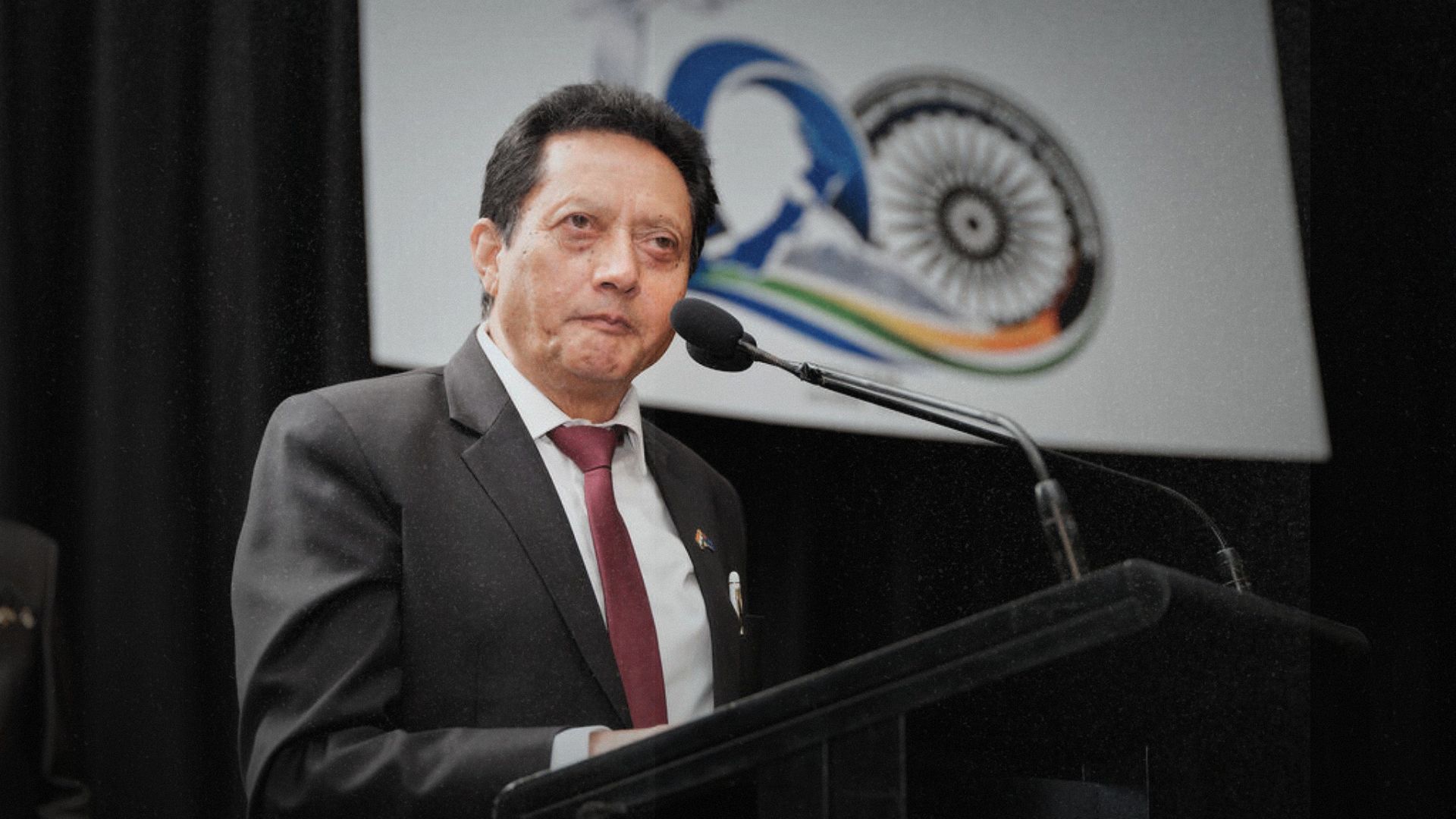
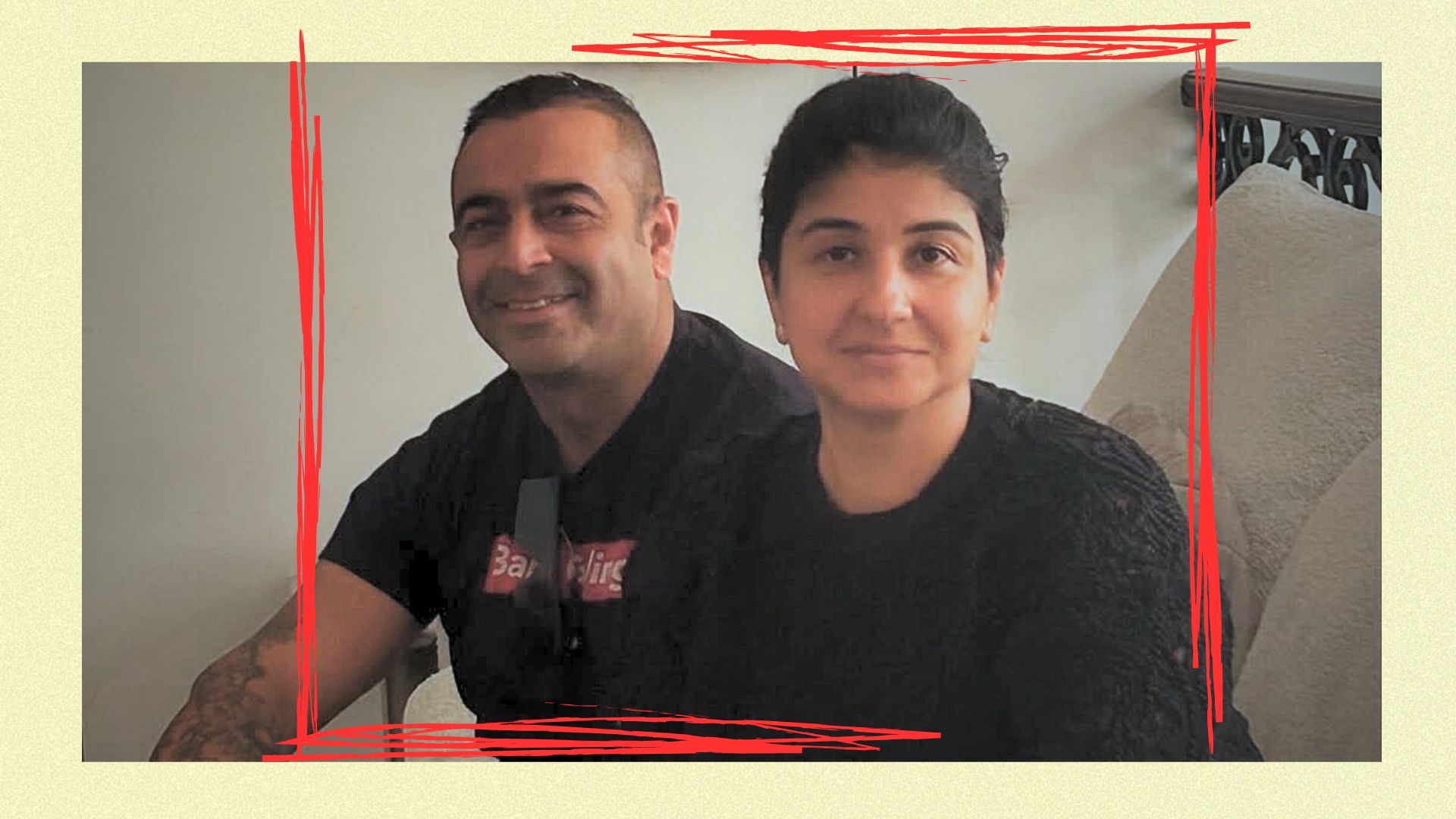
Migrant Workers Association of Aotearoa chose a mock execution. Its president, Anupam Kaloti, called on prime minister Christopher Luxon to sack Peters over his “go back to your own country” remark to Green MP Lawrence Xu-Nan.
She also pointed to Shane Jones’ comments about Mexicans and a “butter chicken tsunami”.
But that argument was buried beneath a cheap stunt involving the simulated killing of a named politician. Mock executions do not make political arguments more persuasive. They make them easier to dismiss.
The spectacle allowed Peters to turn attention away from what he had said, recast himself as the victim and portray those protesting against his rhetoric as violent extremists.
It was entirely predictable. In fact, generating outrage appeared to be the point. But Peters’ response was revealing too.
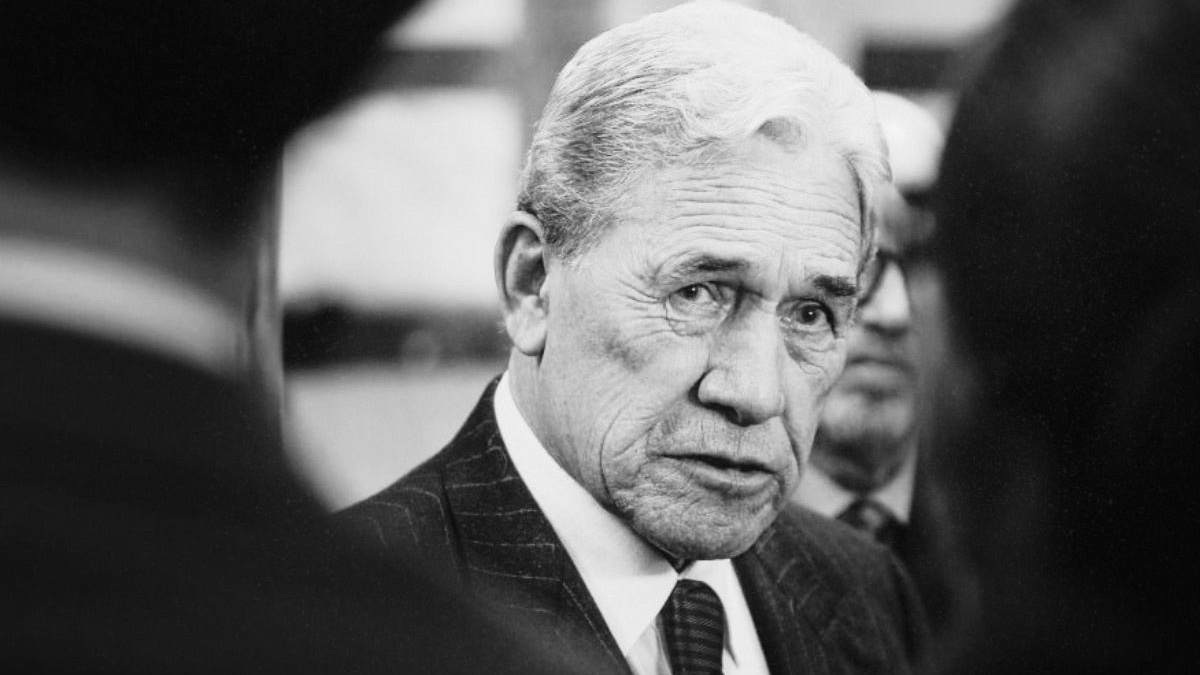
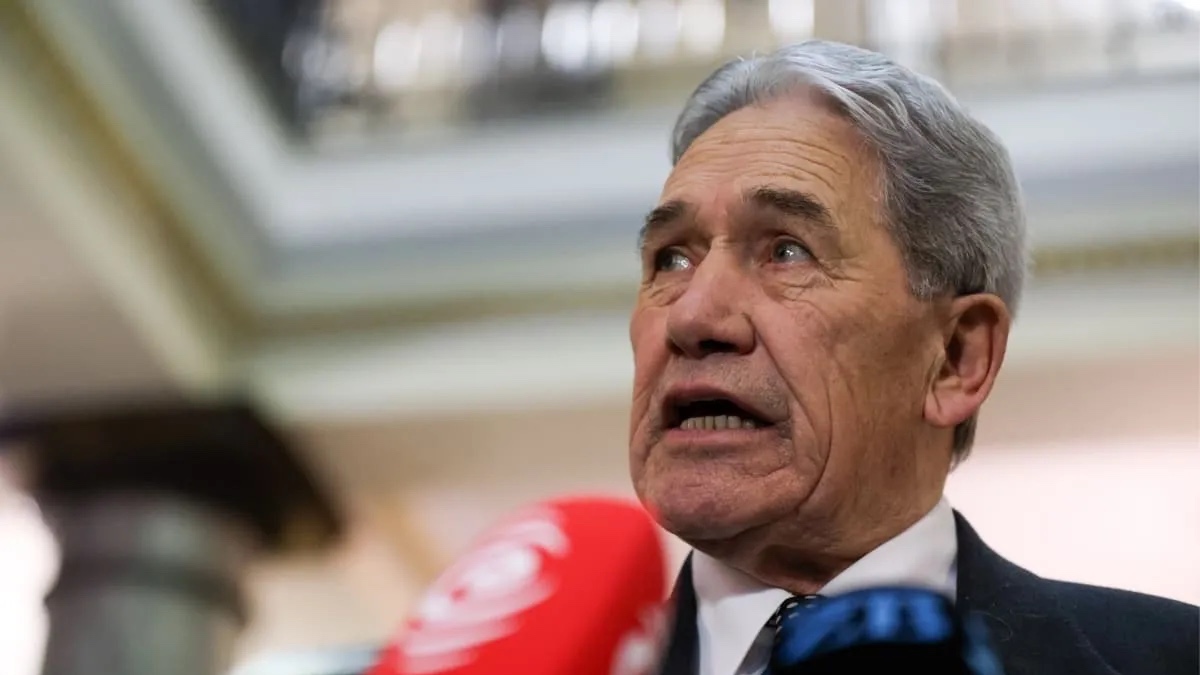
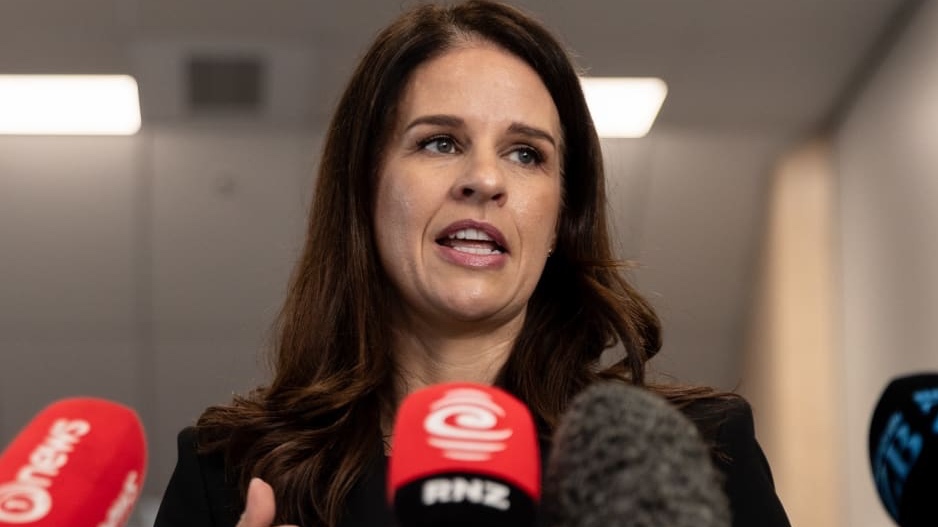
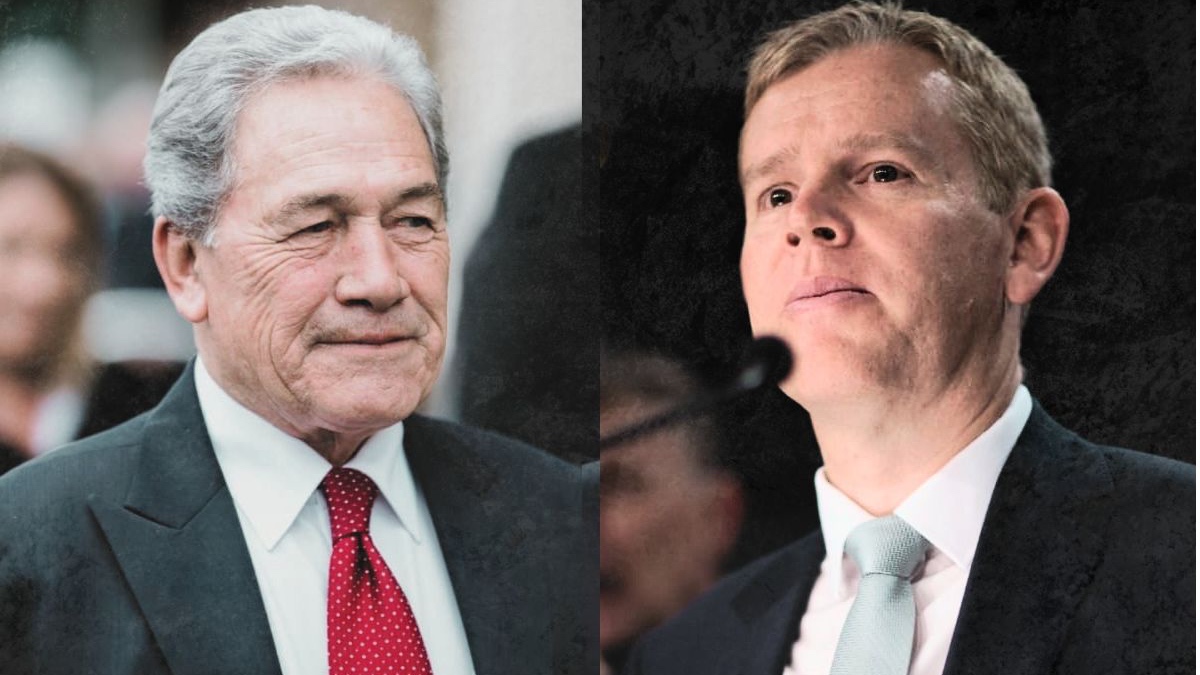
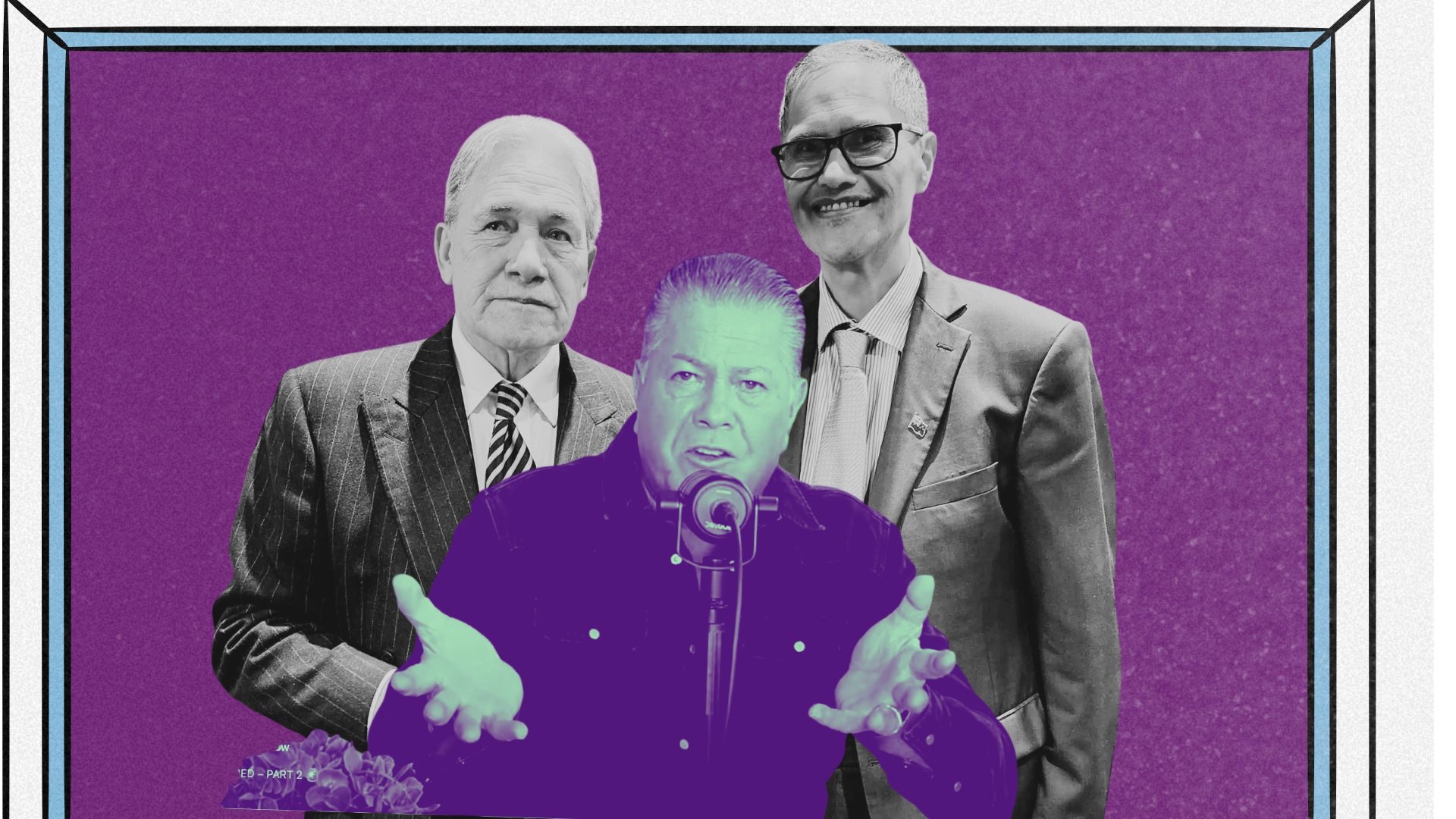
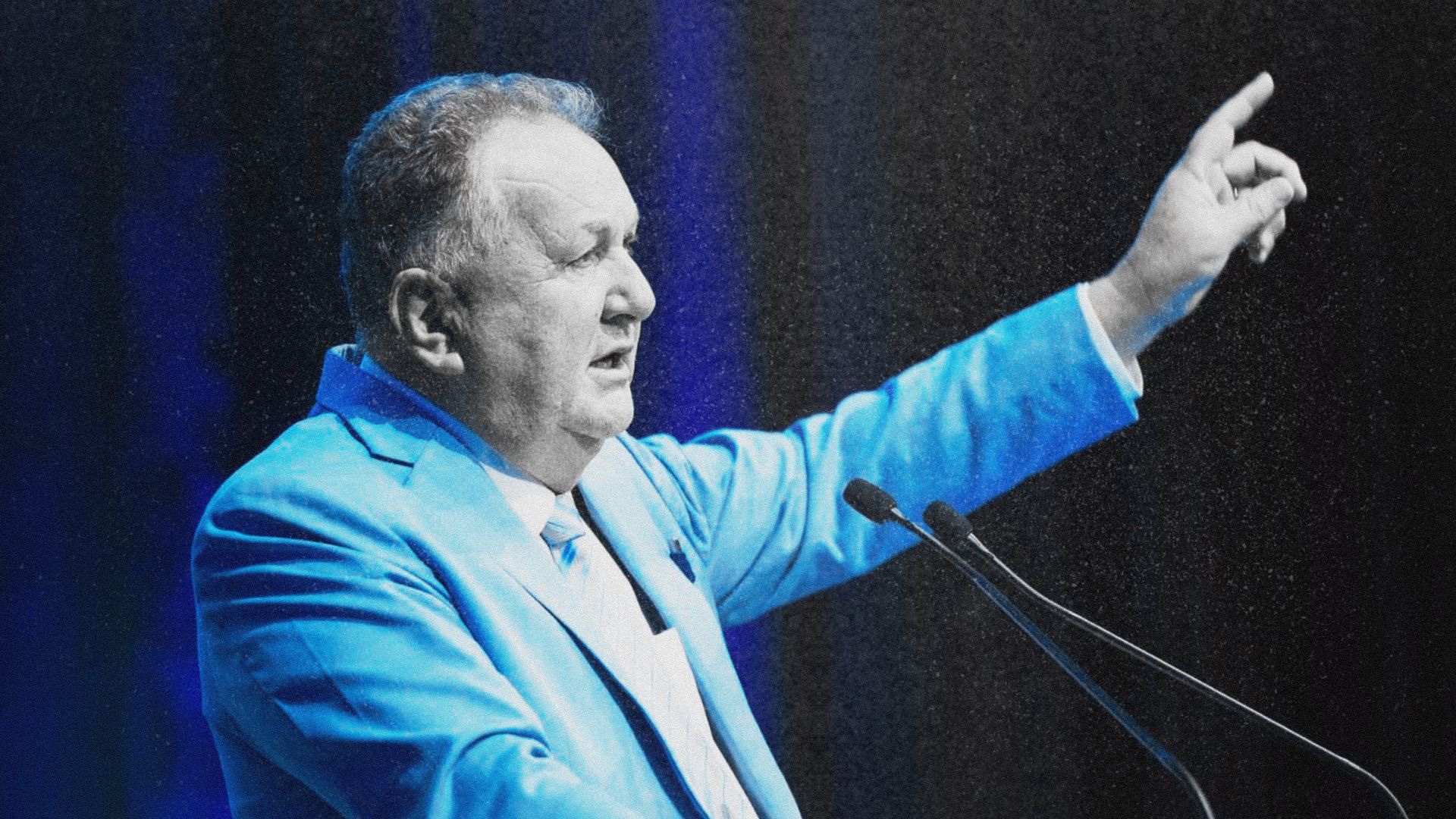
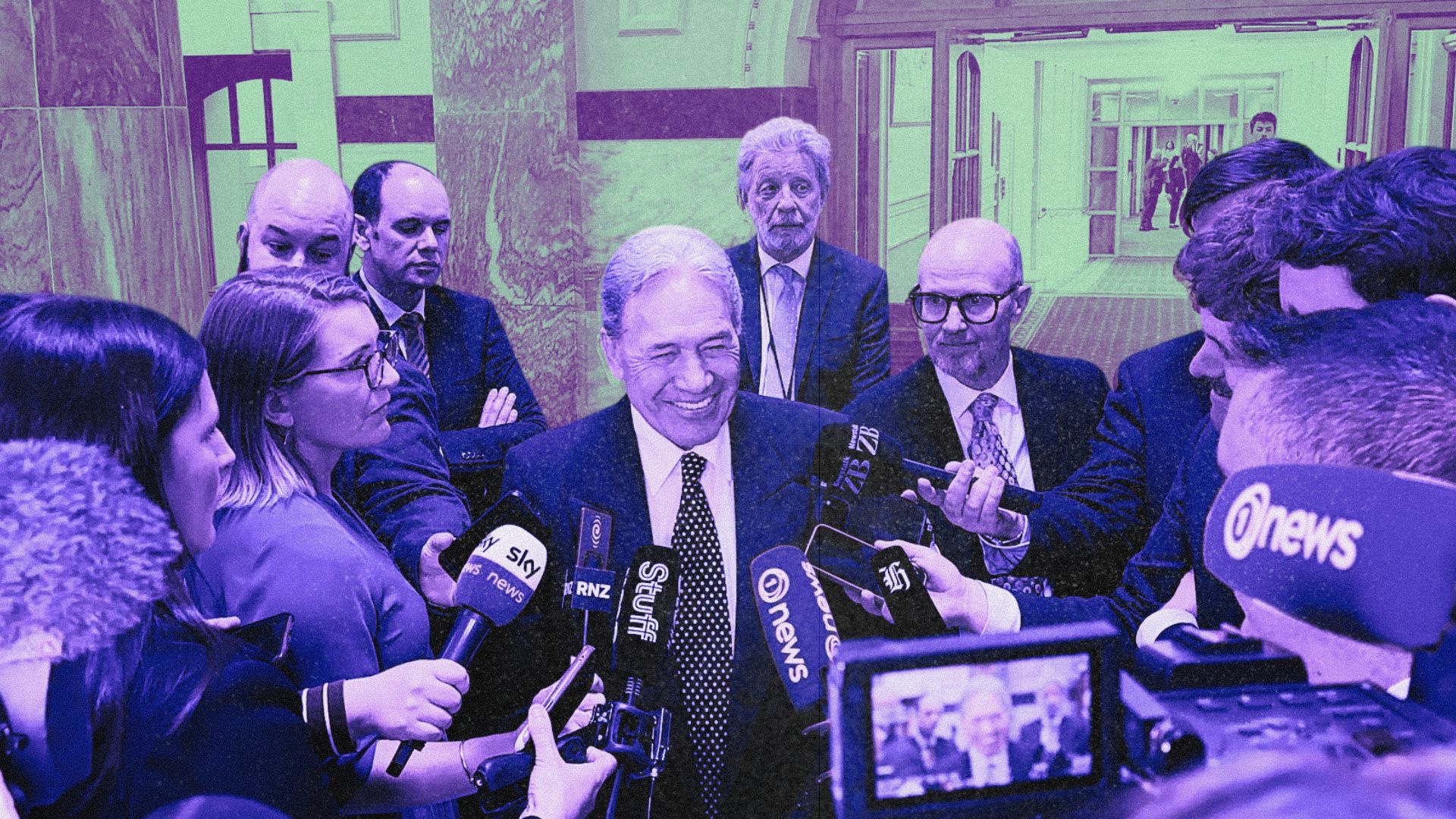
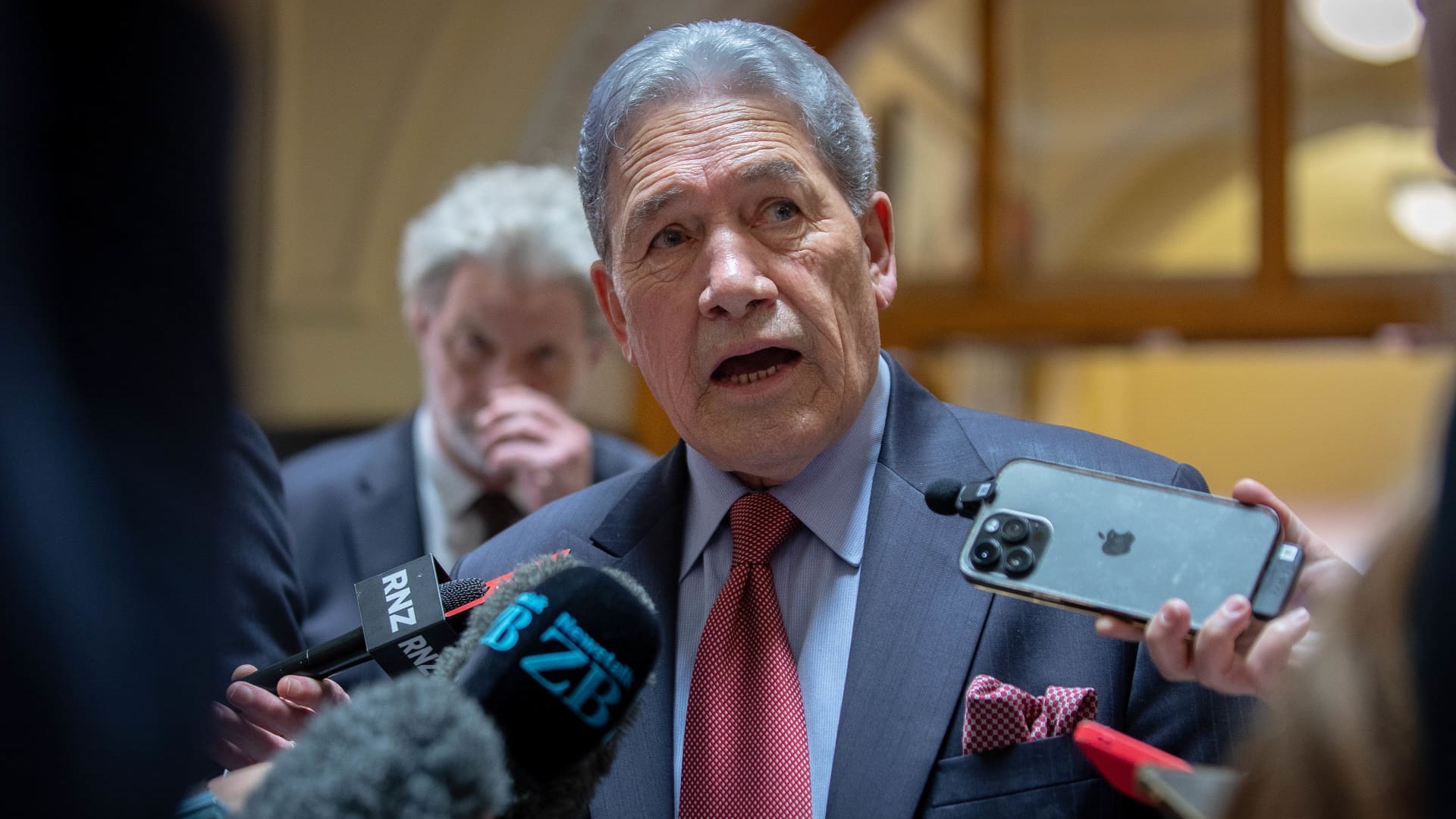
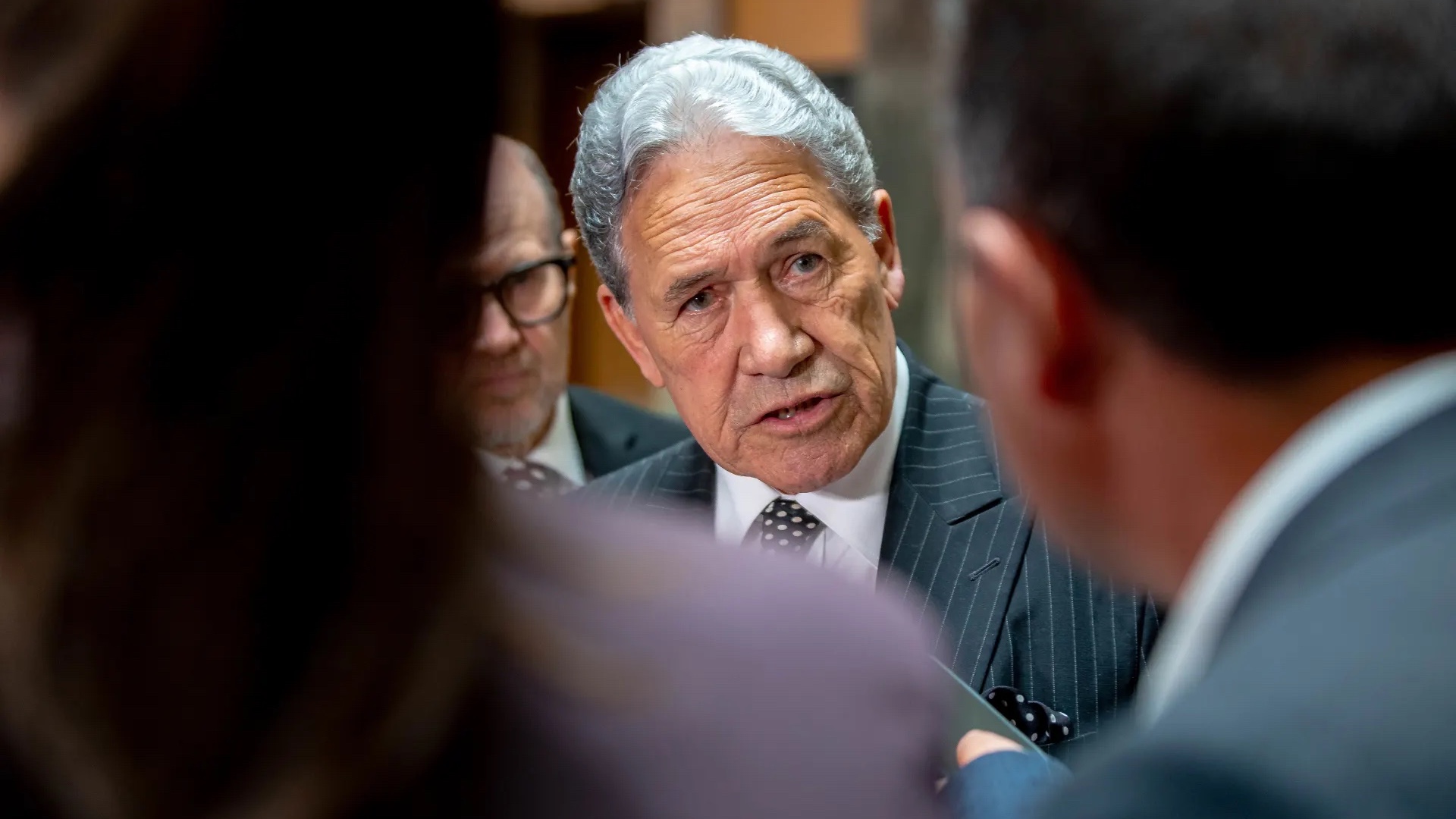
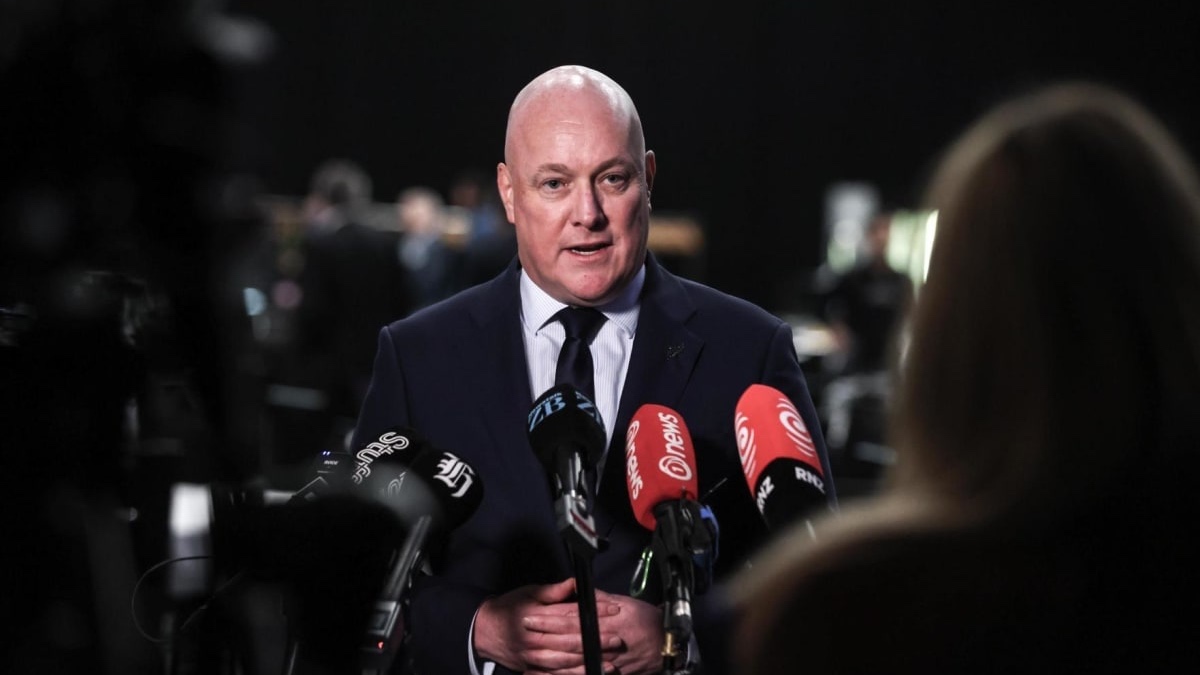
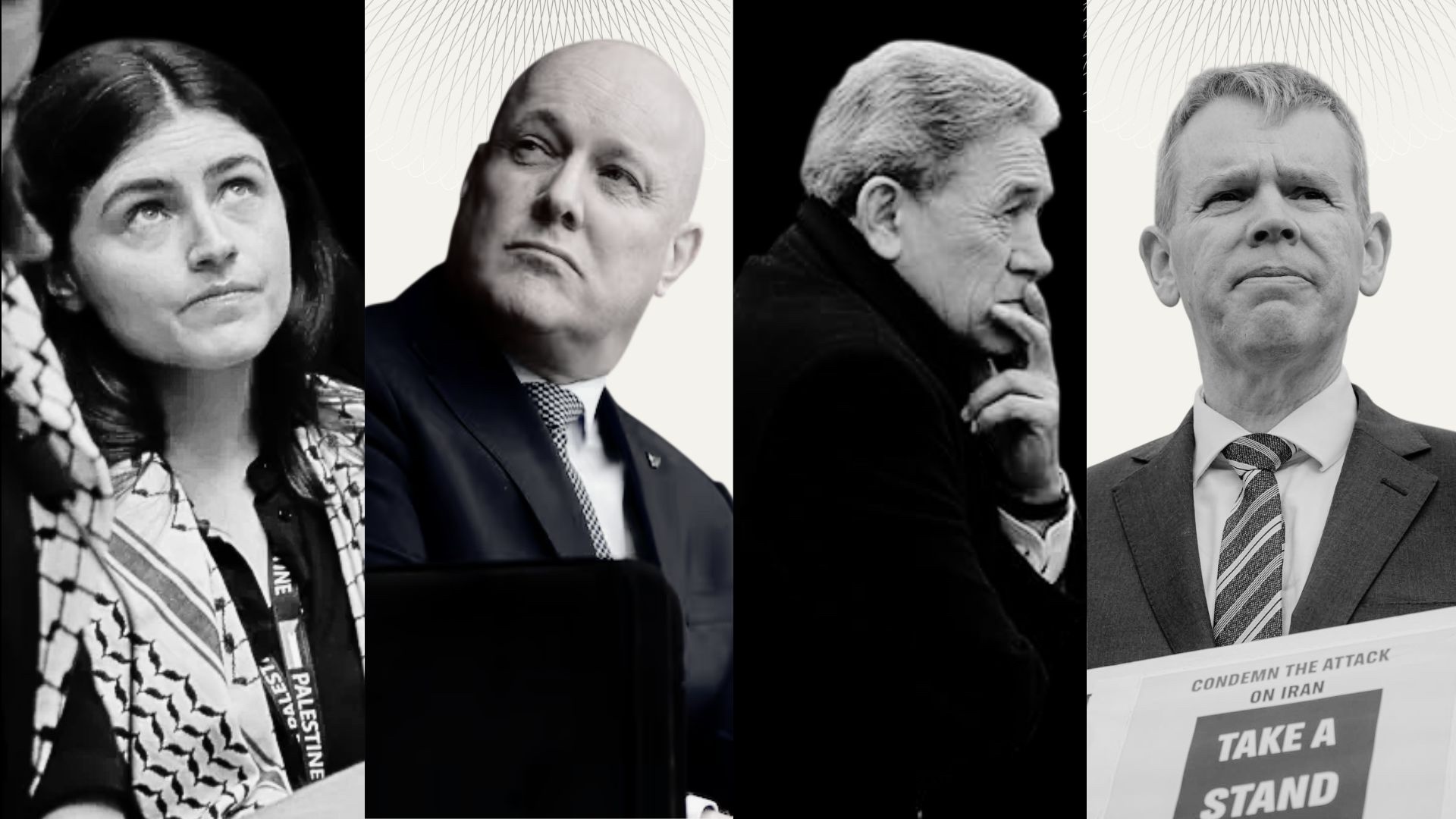
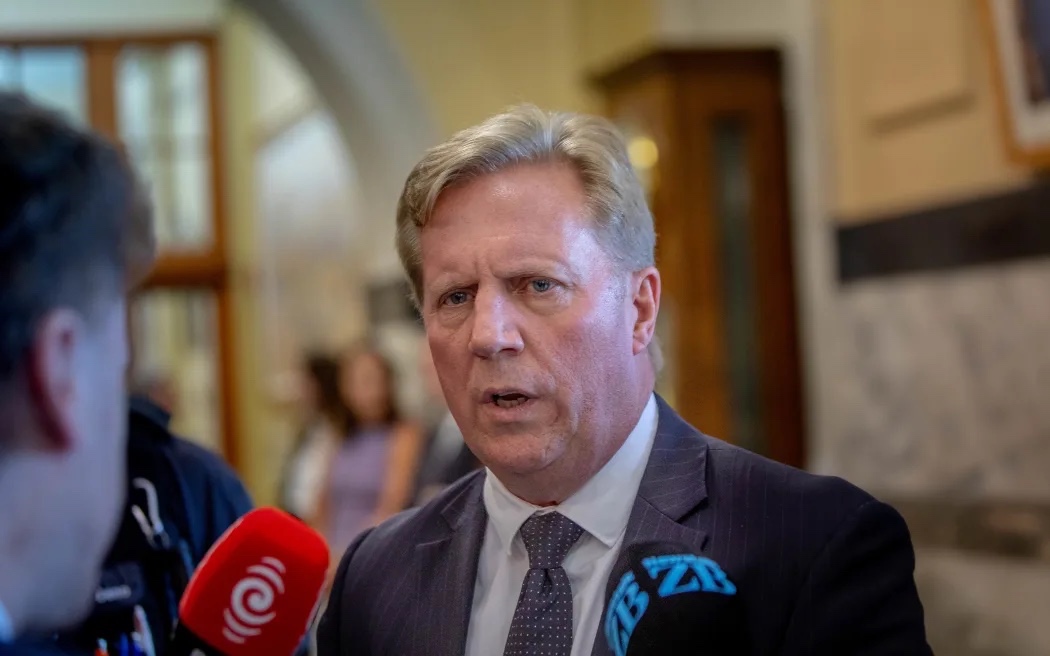
Speaking on the show Ryan Bridge TODAY on Monday, New Zealand First's leader said those responsible “should be arrested” and claimed that “lefties” turn to violence whenever they are opposed.
That demand may please his supporters, but Peters does not decide what constitutes a criminal offence. Police do. Nor should arrest become the reflexive response to political expression simply because it is offensive, grotesque or directed at a powerful minister.
New Zealand regularly presents itself as a liberal democracy in which people enjoy broad freedom to express political opinions; including stupid, tasteless and deeply objectionable ones.
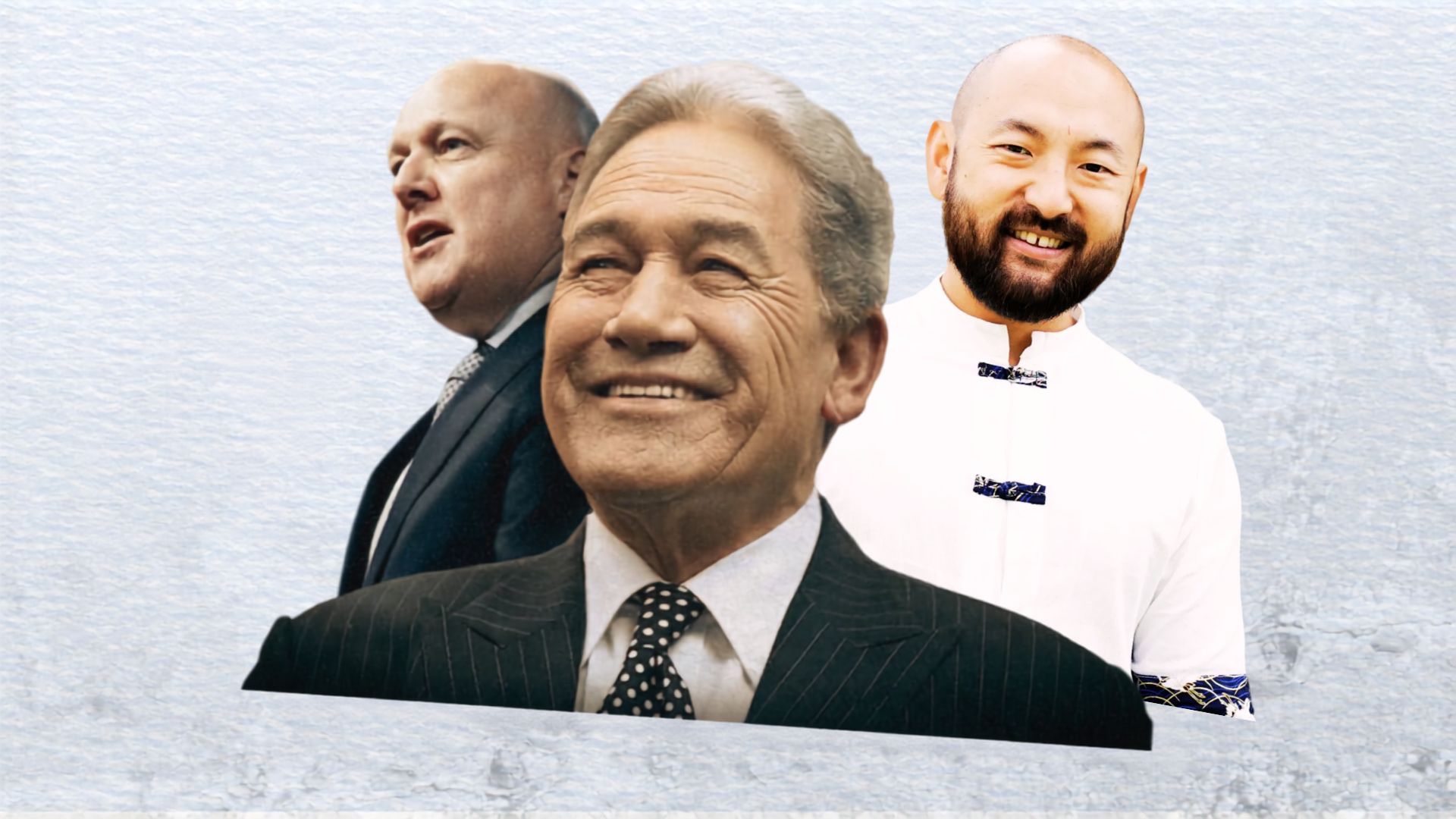
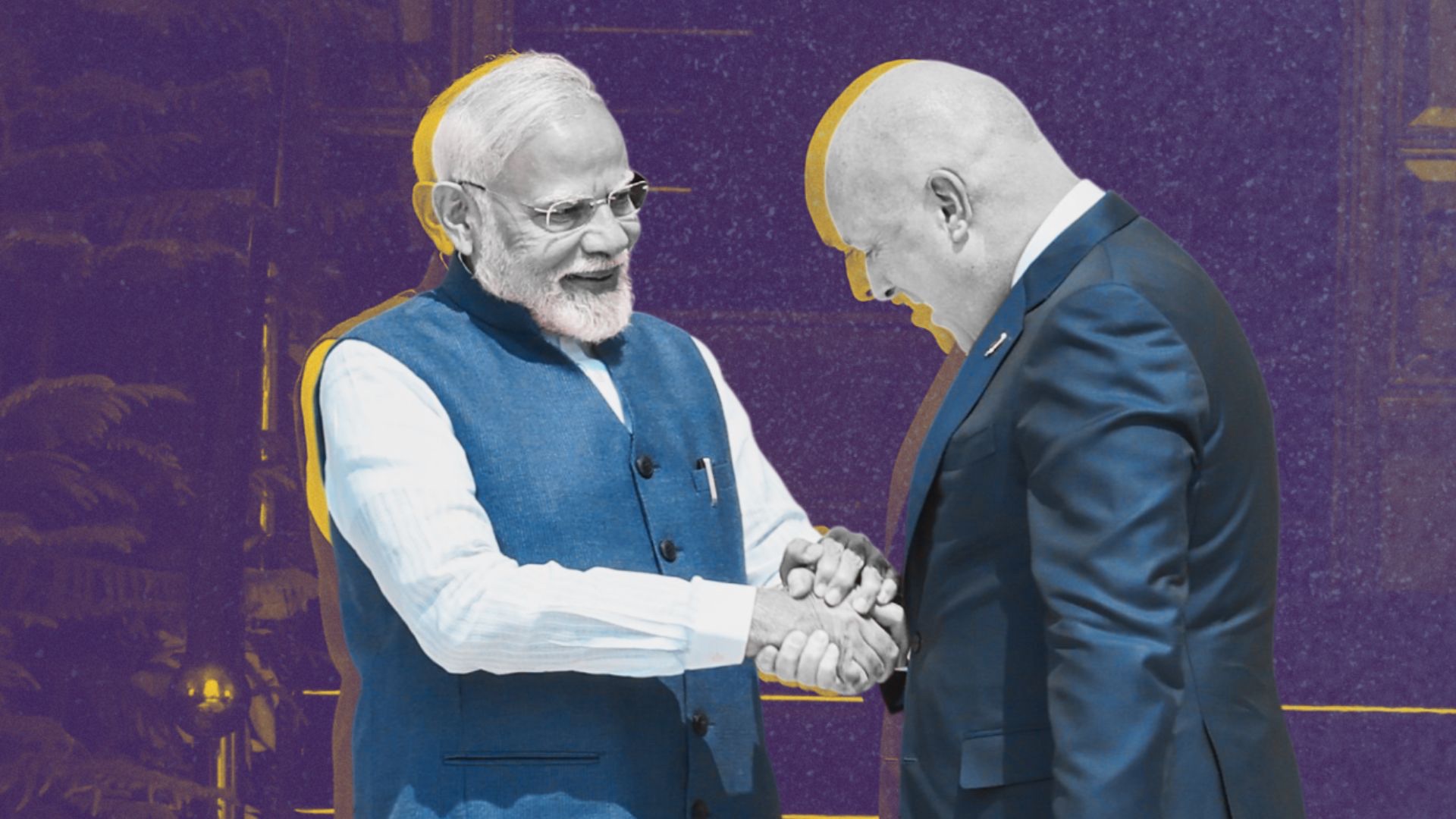
That freedom cannot depend on whether Winston Peters enjoys the performance or not. His sudden alarm about inflammatory expression is especially rich because only days earlier he told Green MP Lawrence Xu-Nan to “go back to your own country”.
Xu-Nan was born in China but grew up in East Auckland. He is a New Zealand citizen and an elected member of the New Zealand Parliament.
Peters did not apologise after using one of the most familiar exclusionary taunts directed at migrants. He stood by the remark and continued attacking Xu-Nan’s background and command of English.
Yet, when protesters used offensive political imagery against him, Peters immediately moved beyond condemnation to demands that the state arrest them. The contradiction is difficult to miss.
When Peters tells a migrant MP to return to another country, the public is expected to understand the provocation as robust political speech. When the provocation is directed at Peters, it must become a police matter.
That does not make the guillotine stunt defensible. It exposes Peters’ highly selective commitment to free expression. This episode is also not occurring in isolation.
Election-year politics in New Zealand is beginning to resemble a competition to discover how offensive a person can be while still claiming to have started an important conversation.
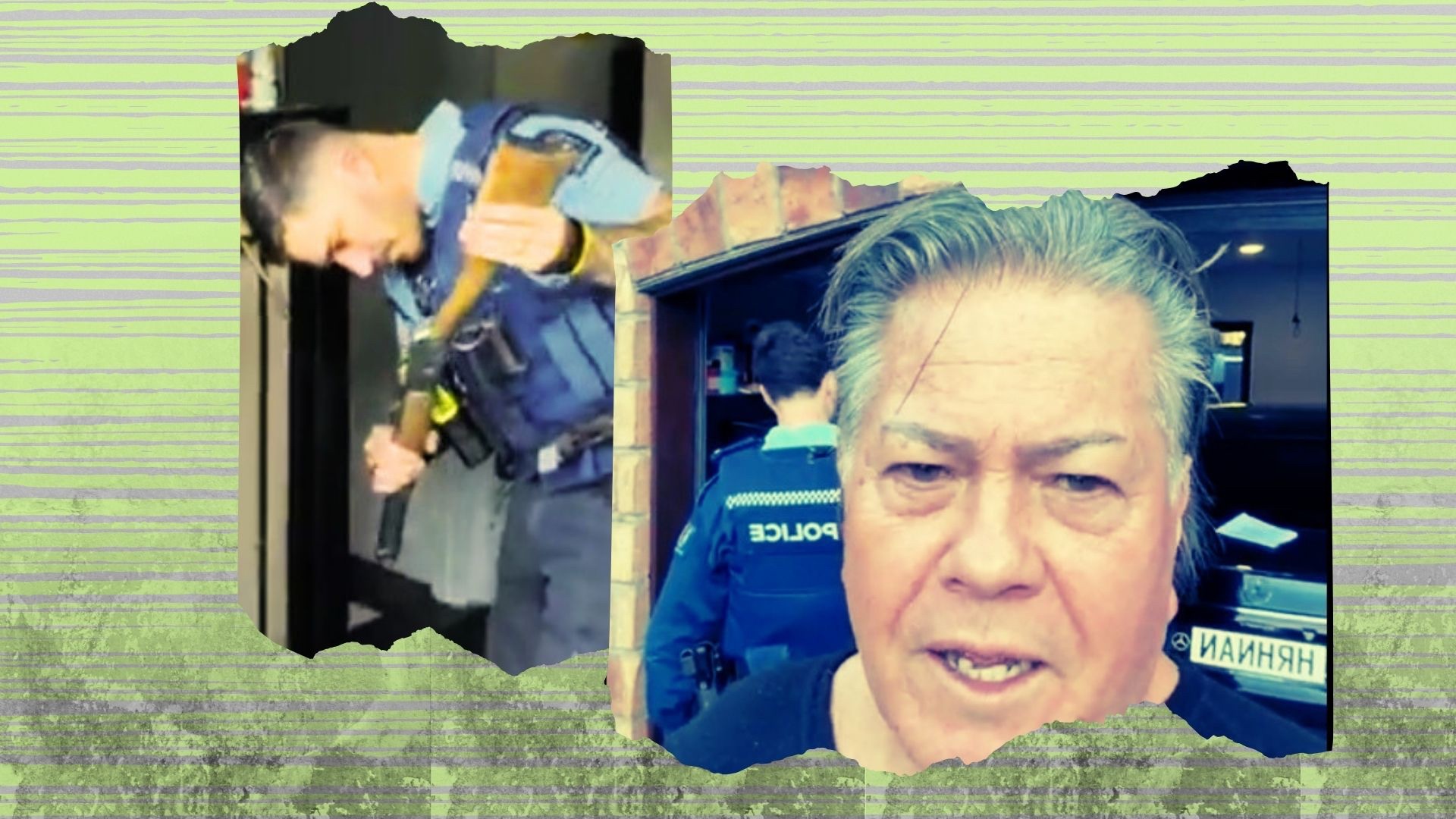
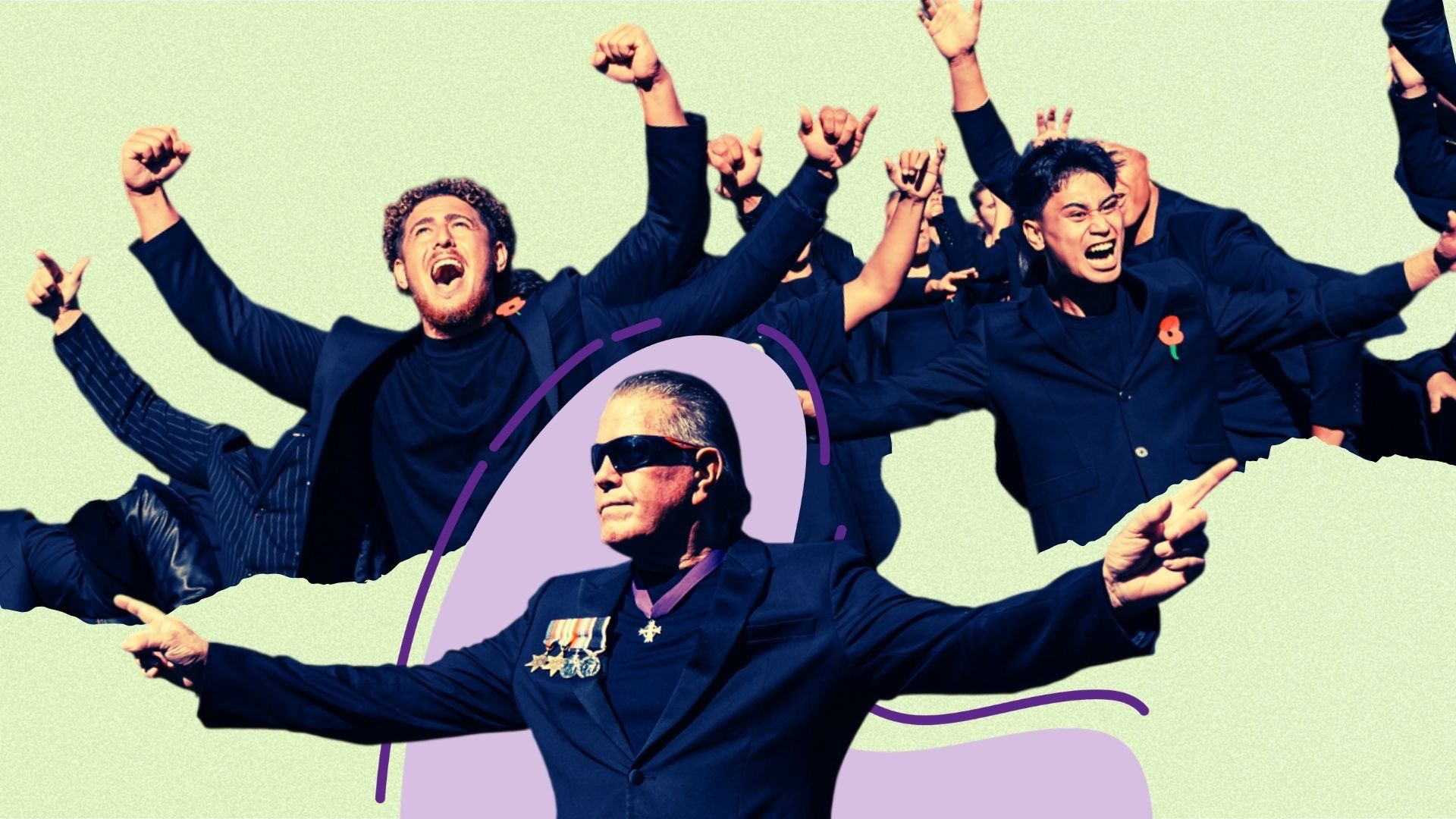
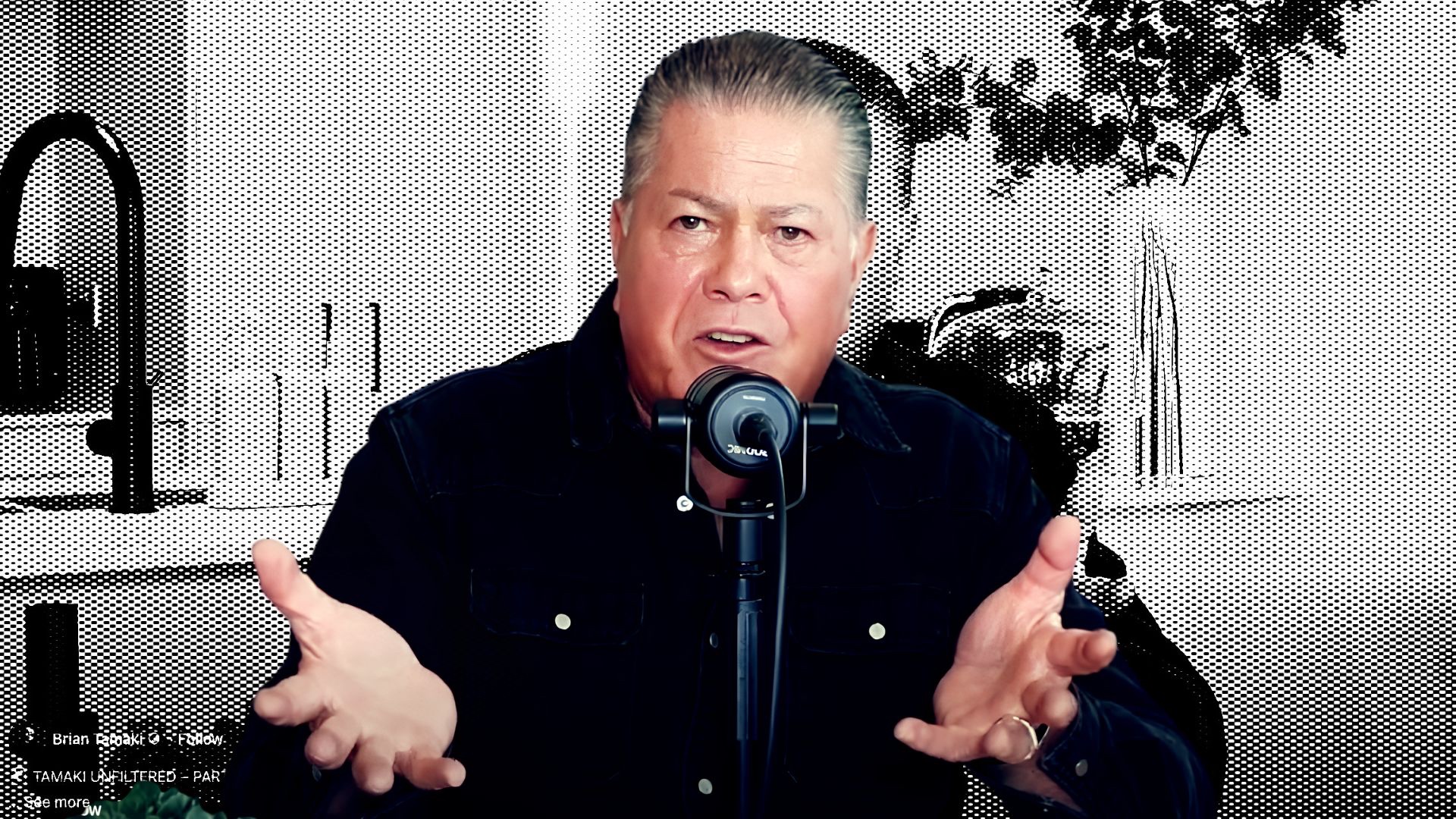
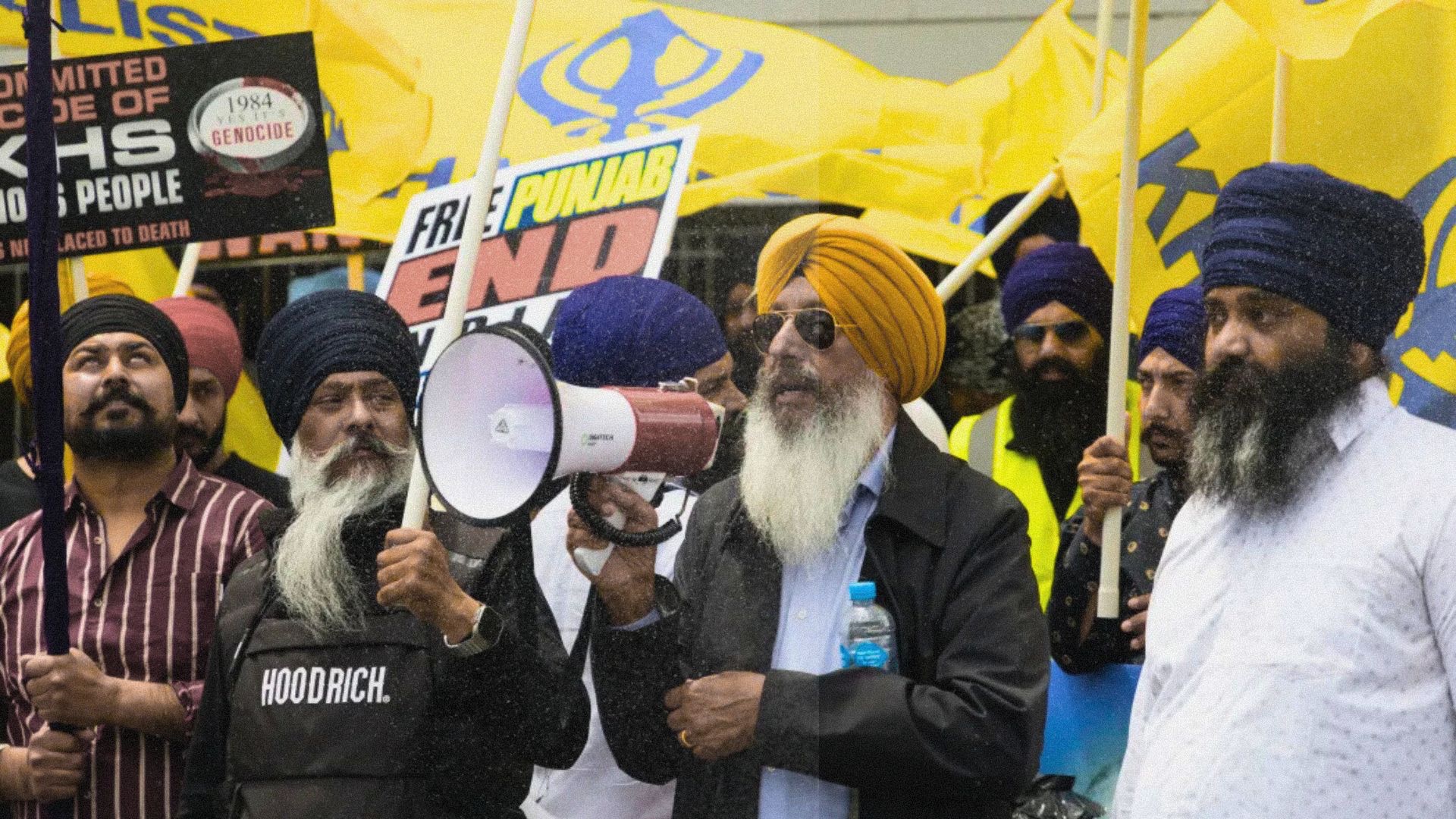
In June, Destiny Church leader Brian Tamaki called for New Zealand to be “purged” of Hindus, Sikhs and Muslims, and raised the prospect of mosques and temples being burned in retaliation for his allegations about the treatment of Christians in India.
The comments were sufficiently concerning for police to contact Indian community leaders and examine whether they crossed a legal threshold.
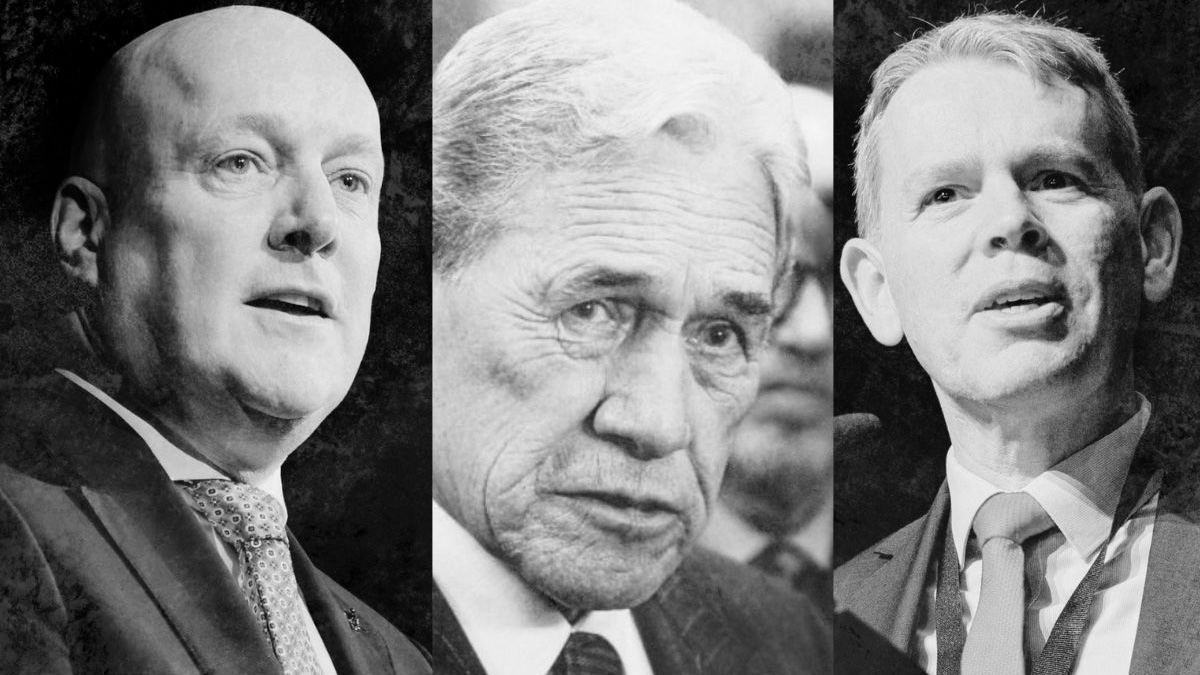
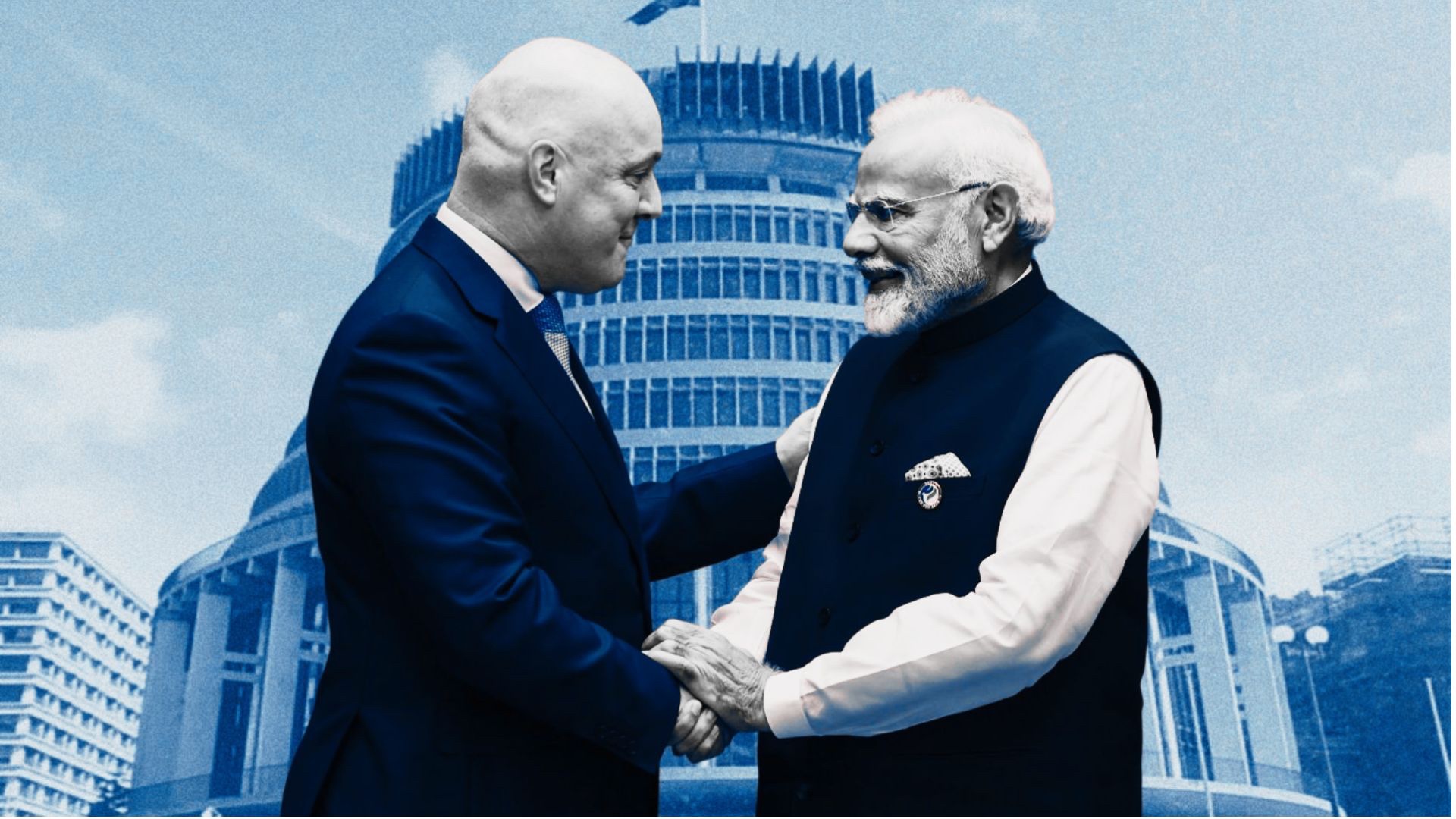
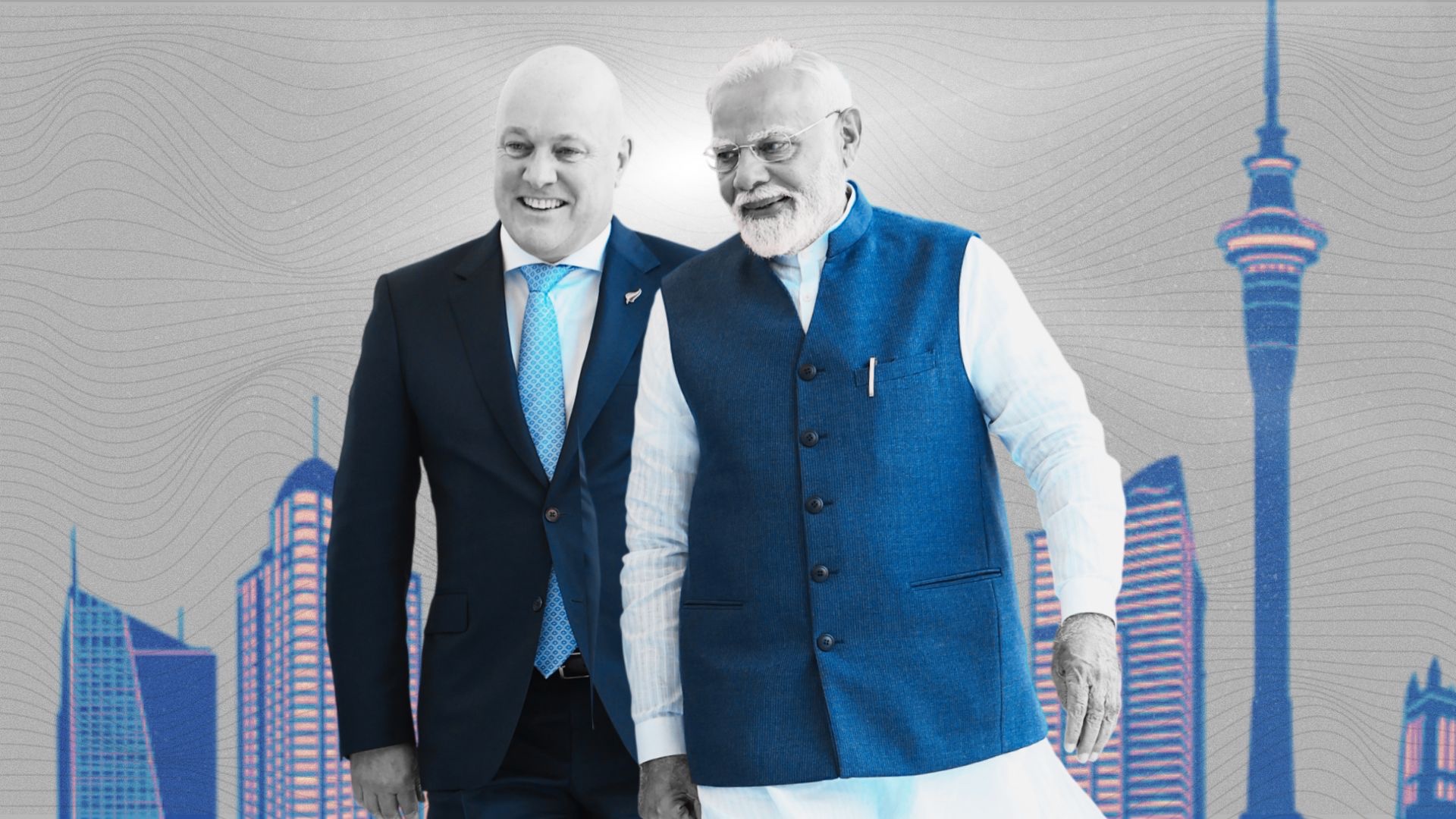
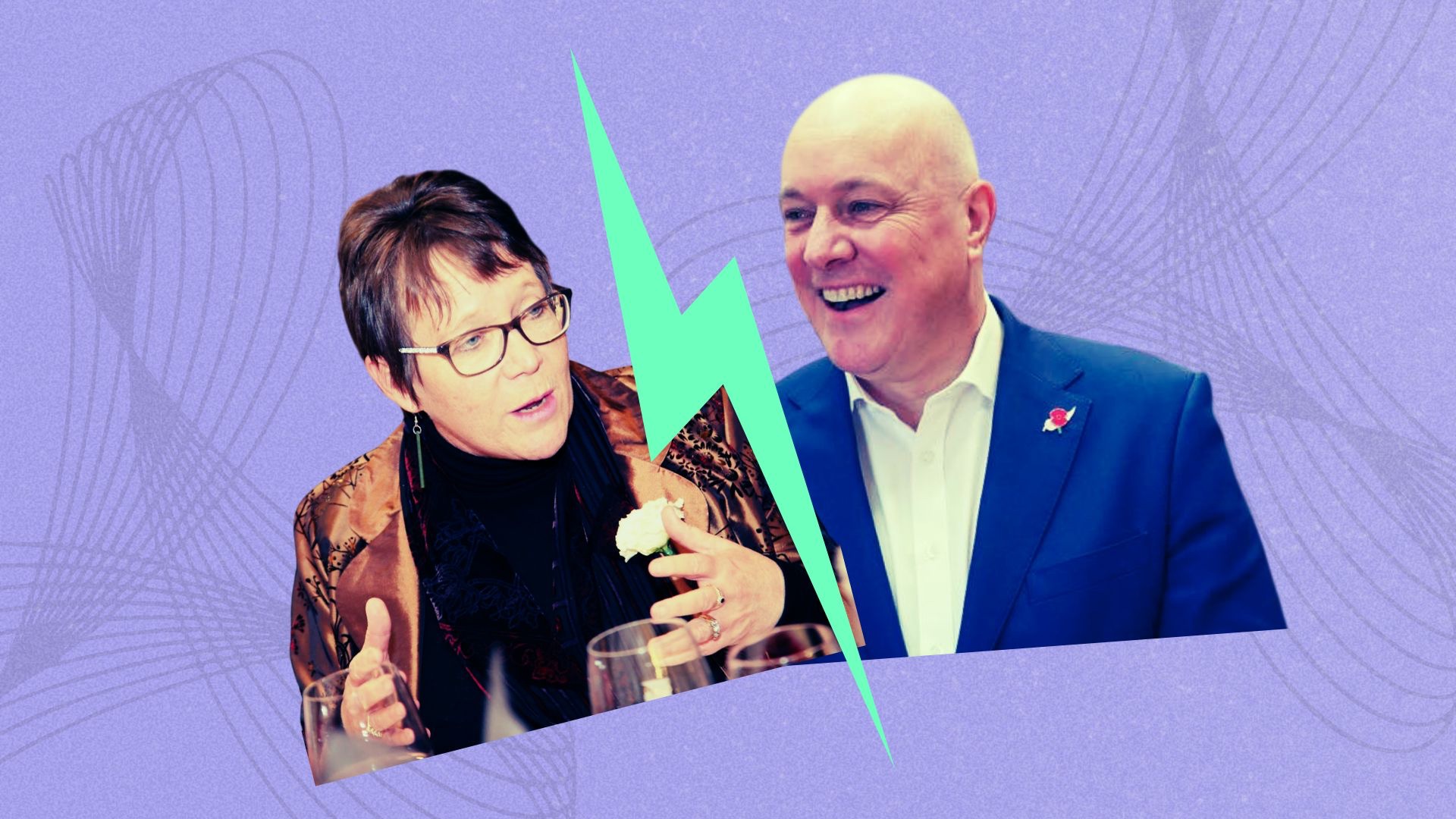
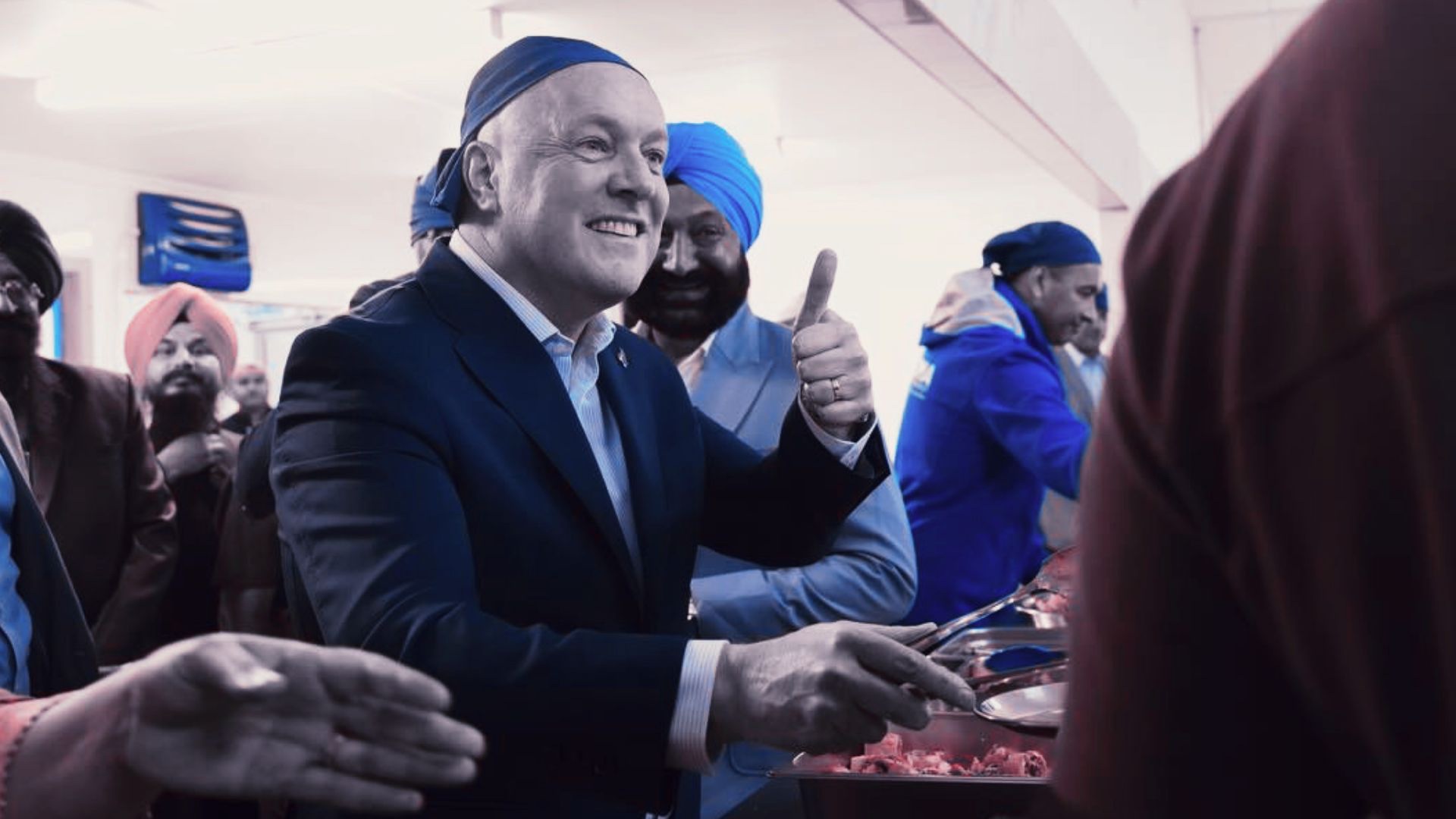
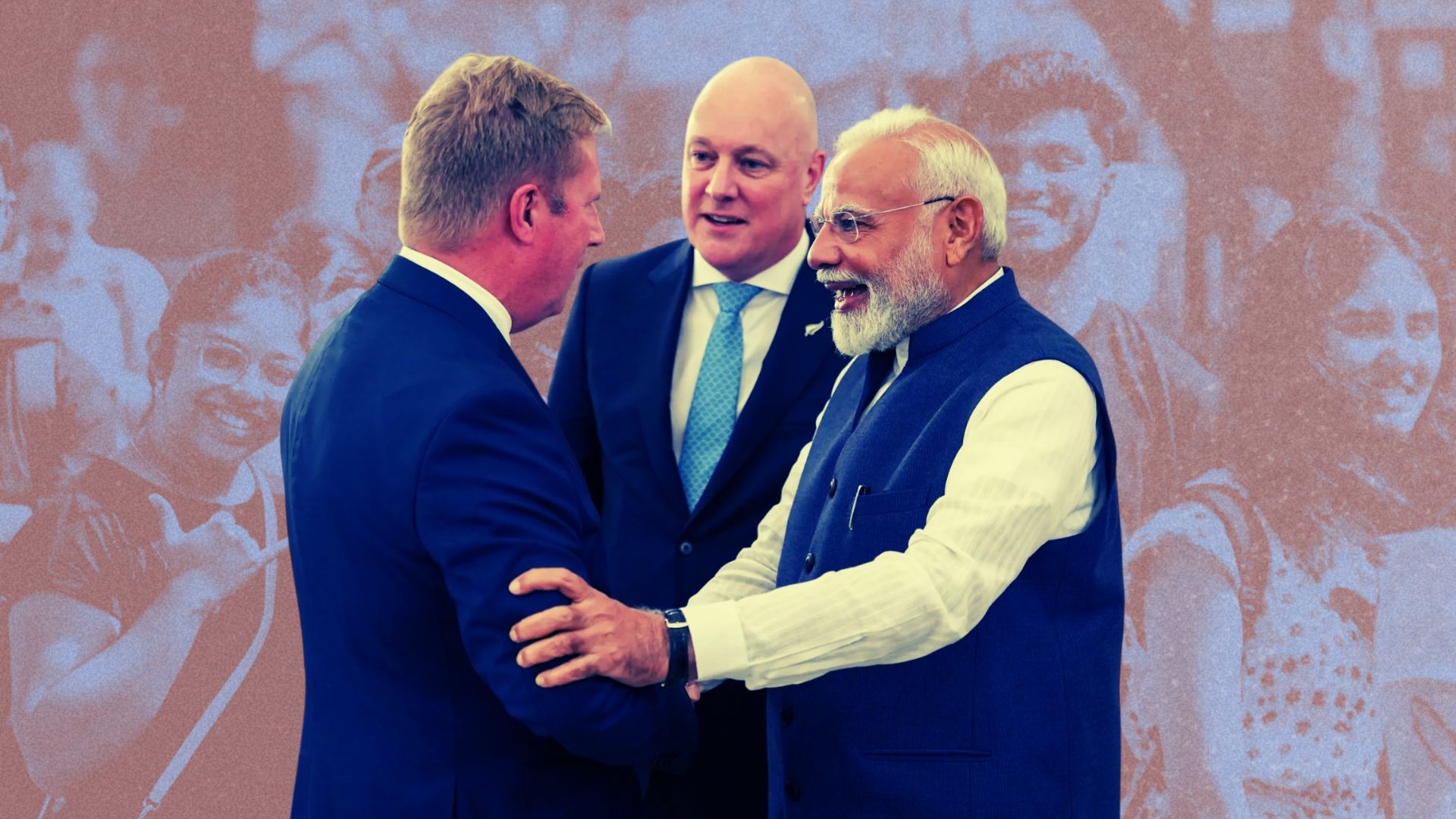
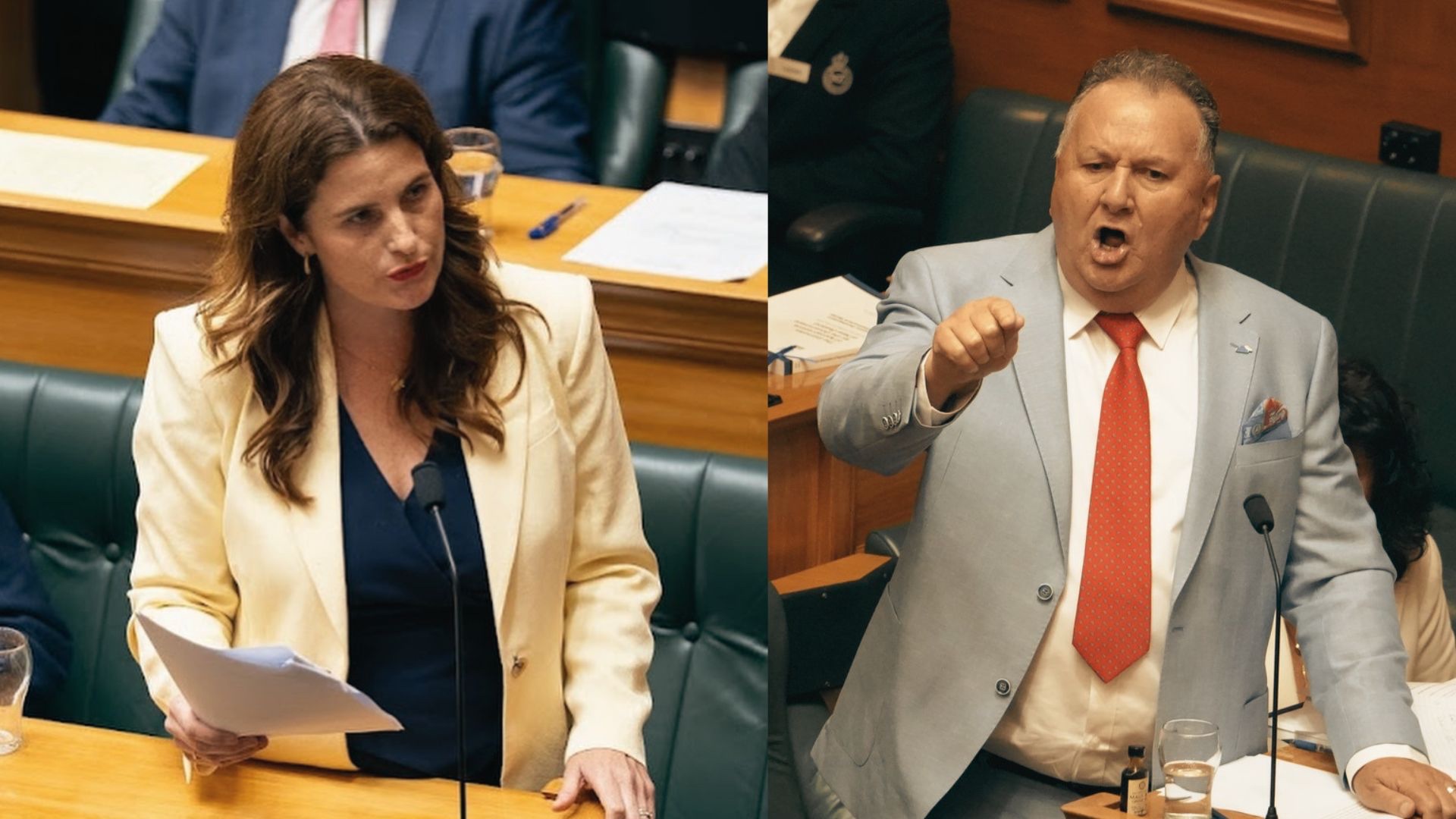
Peters' deputy Shane Jones has warned of a “butter chicken tsunami” while discussing the India free-trade agreement and immigration. The remark was condemned in Parliament by Nicola Willis as “race-based rhetoric” that had offended New Zealanders of Indian descent.
Jones has since vowed to “call out” the growth of New Zealand’s Indian population.
The mock trial and guillotine were supposedly a response to this ugliness. Instead, they adopted its operating principle. Do something outrageous, dominate the news cycle and then insist that anyone offended has failed to understand satire, hyperbole or free speech.
A staged execution of a named politician carries violent symbolism that should not be trivialised. Race-baiting, meanwhile, directs suspicion and hostility towards entire communities, telling people who legally and socially belong here that their place remains conditional.
But both rely upon the same cynical belief that attention is the ultimate measure of political success.
Tamaki invokes a “purge”. Jones reaches for ethnic caricature. Peters tells a migrant MP to go back to another country. Protesters put Peters’ photograph on a mannequin and stage its execution.
Everyone gets their clip. Everyone gets their headline. Everyone insists the spectacle was necessary to force the country to confront something important.
The mock guillotine did not elevate the campaign against xenophobia. It joined the very politics of provocation it claimed to oppose.
But Winston Peters’ outrage is still rich.