Immigration: Changes to ballot system for residence of migrants' parents coming soon
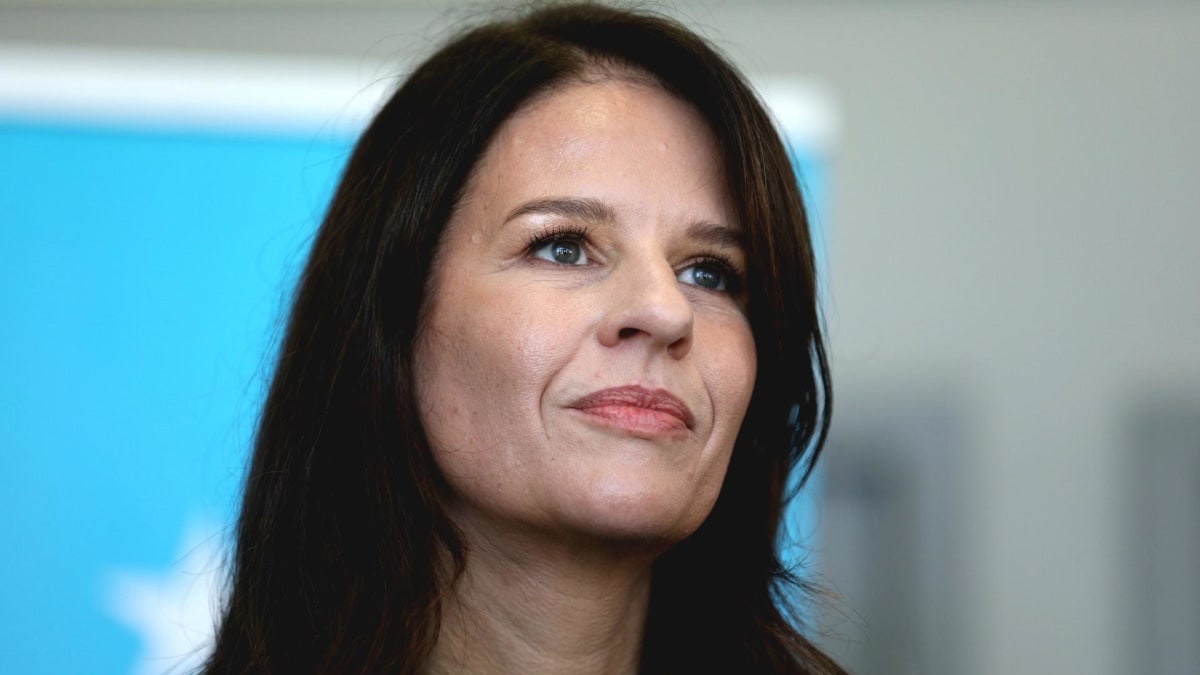
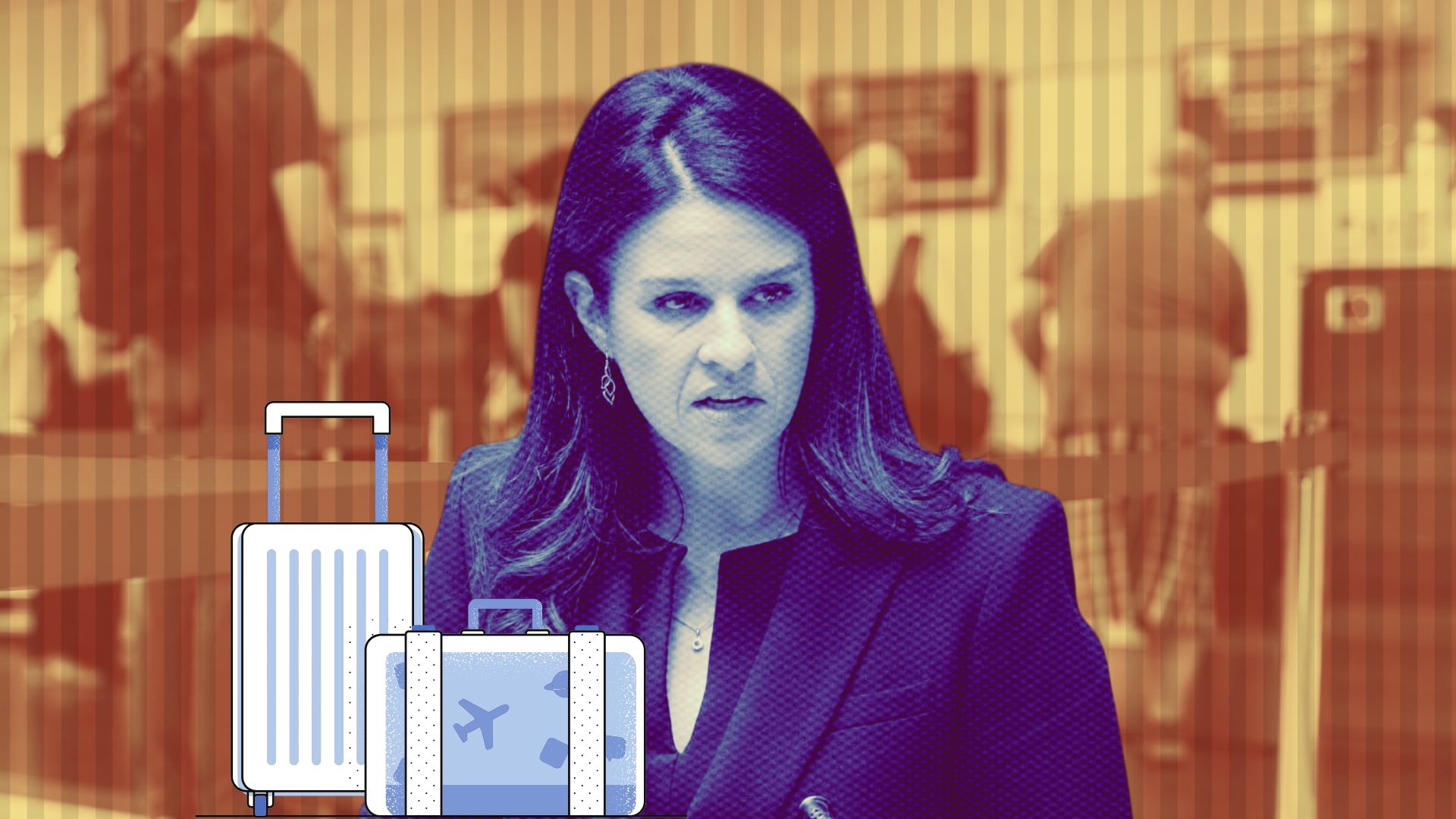
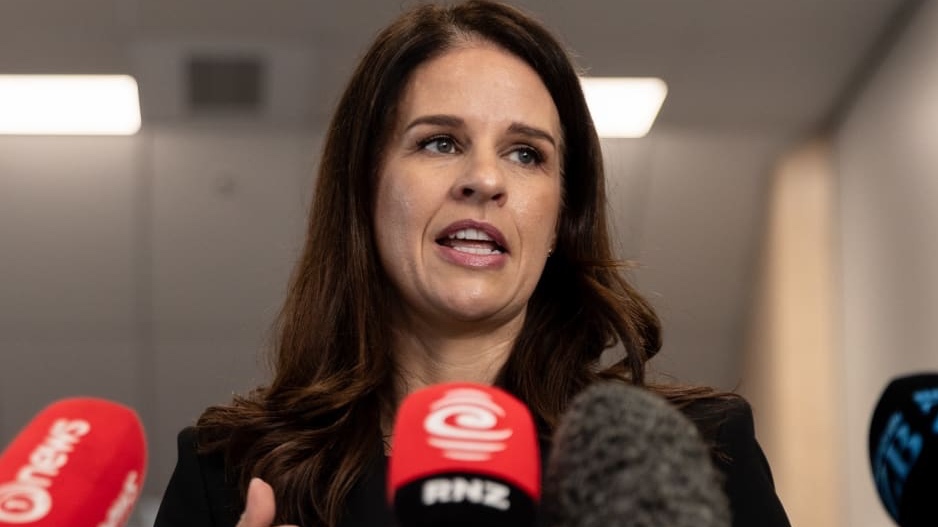
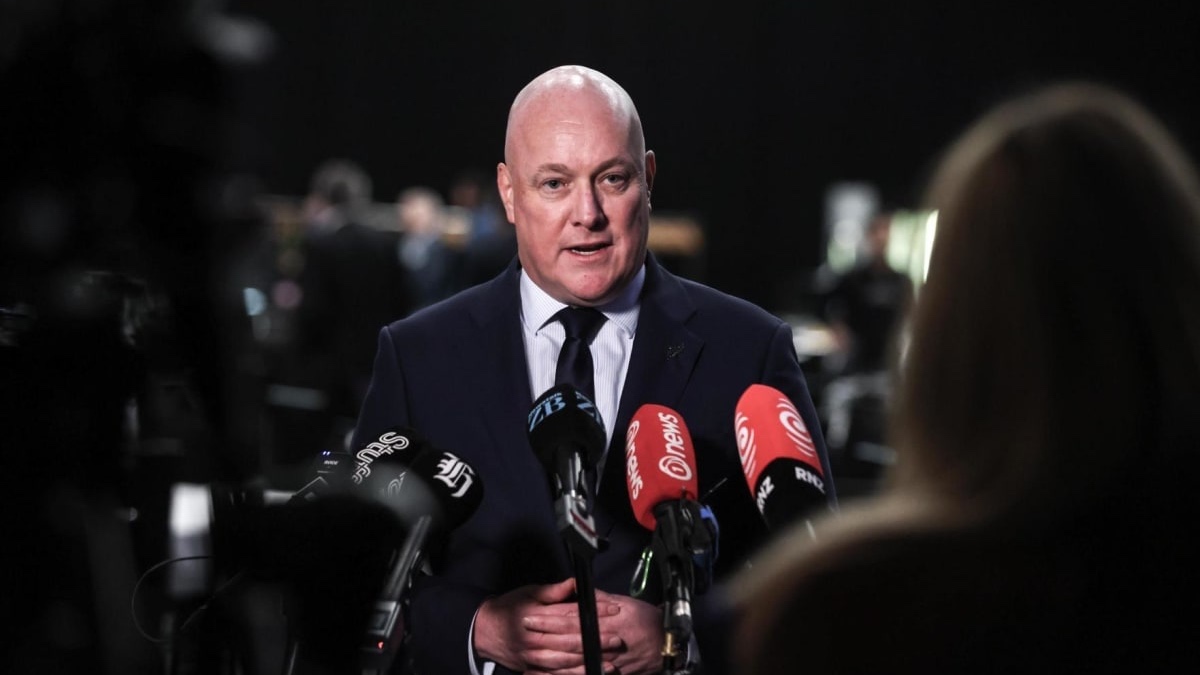
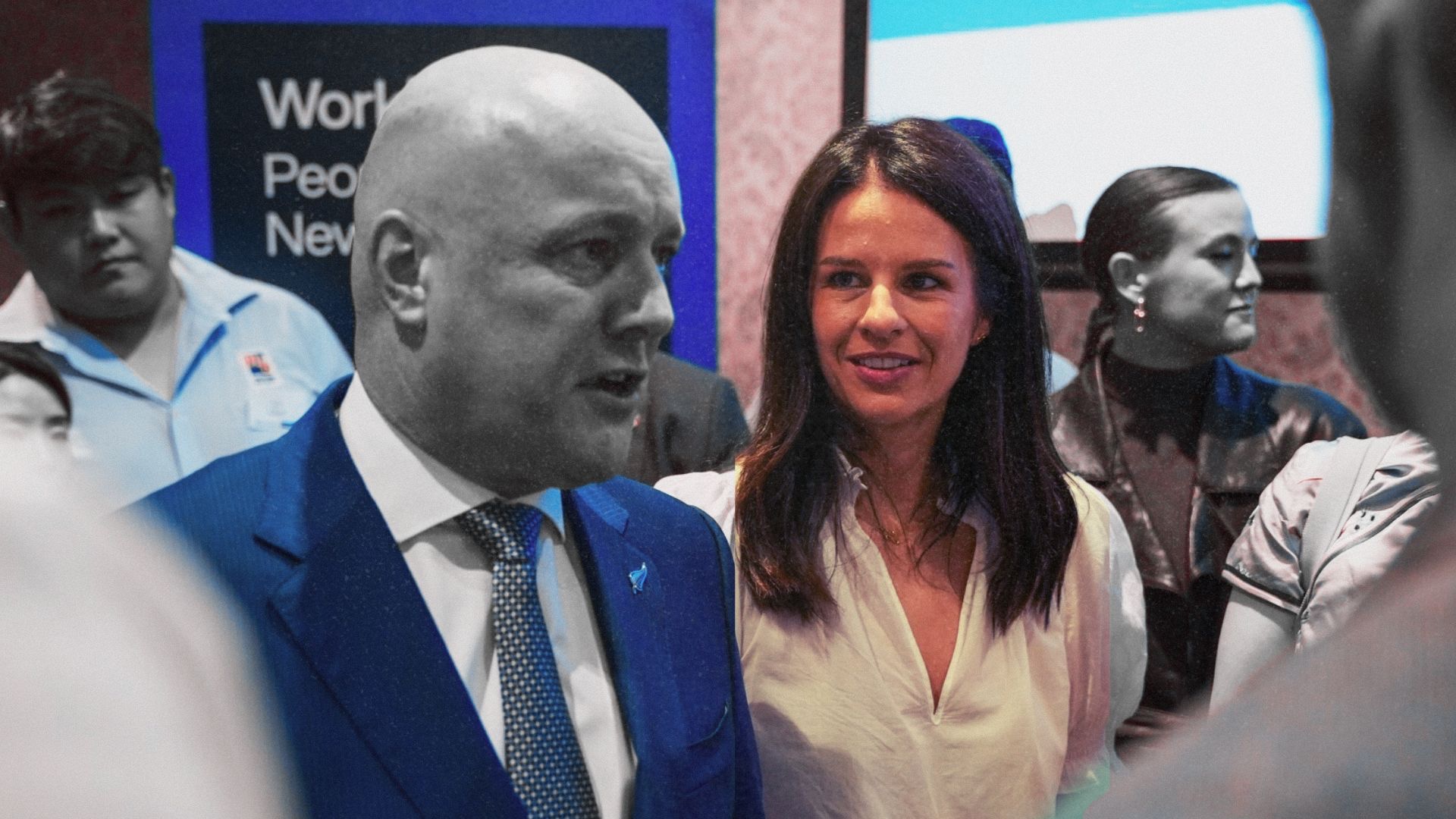
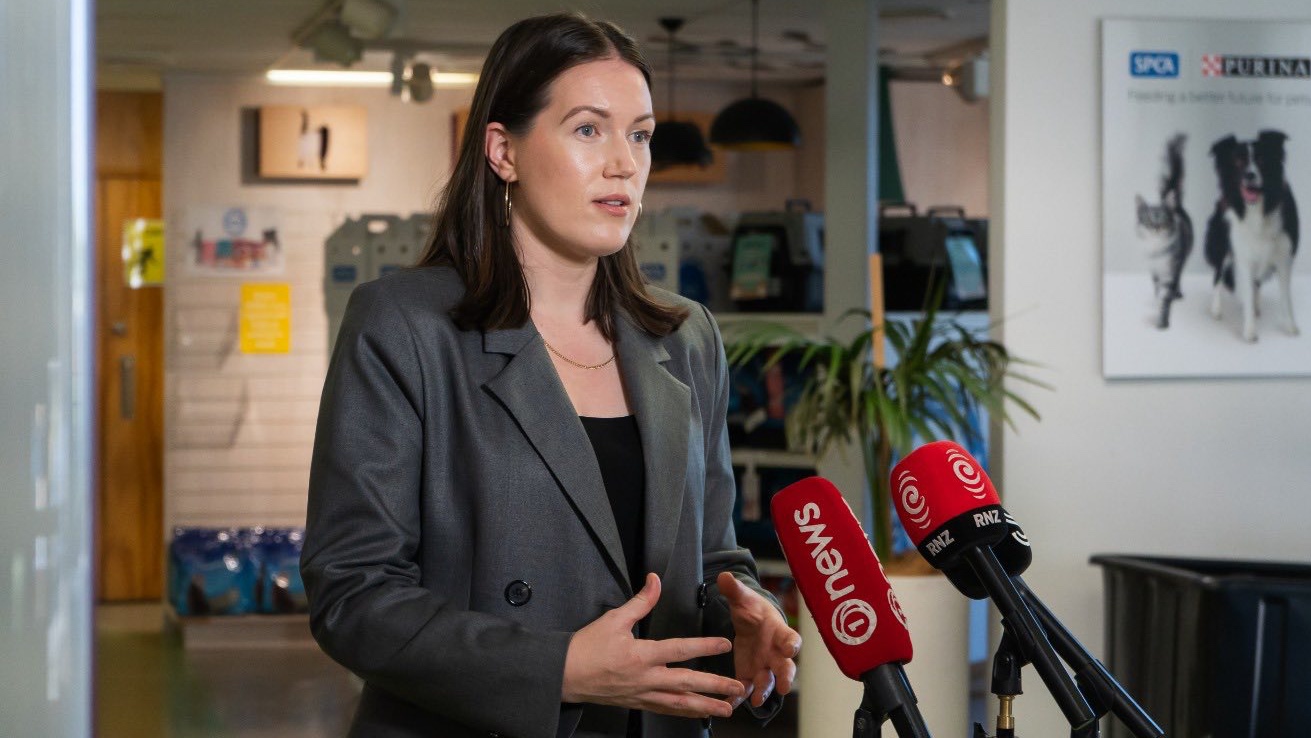
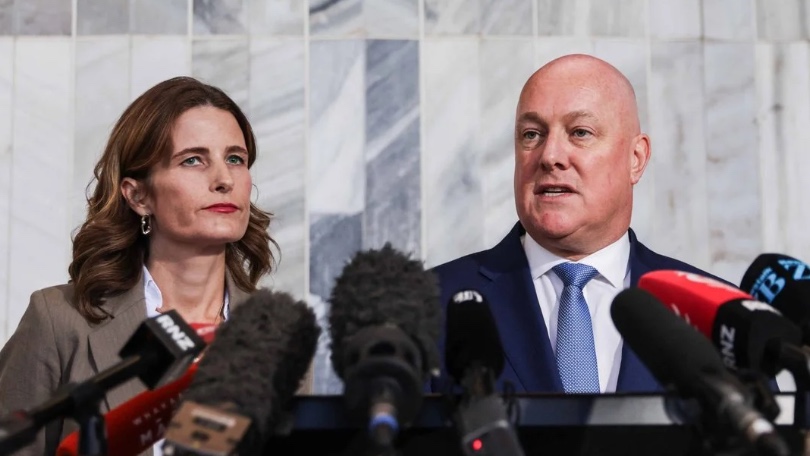
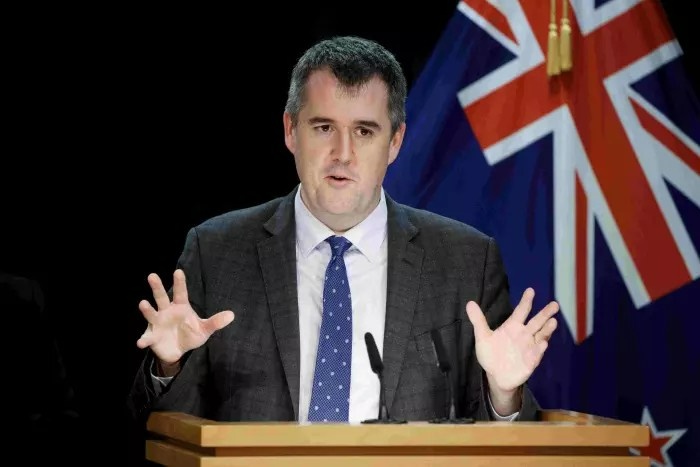
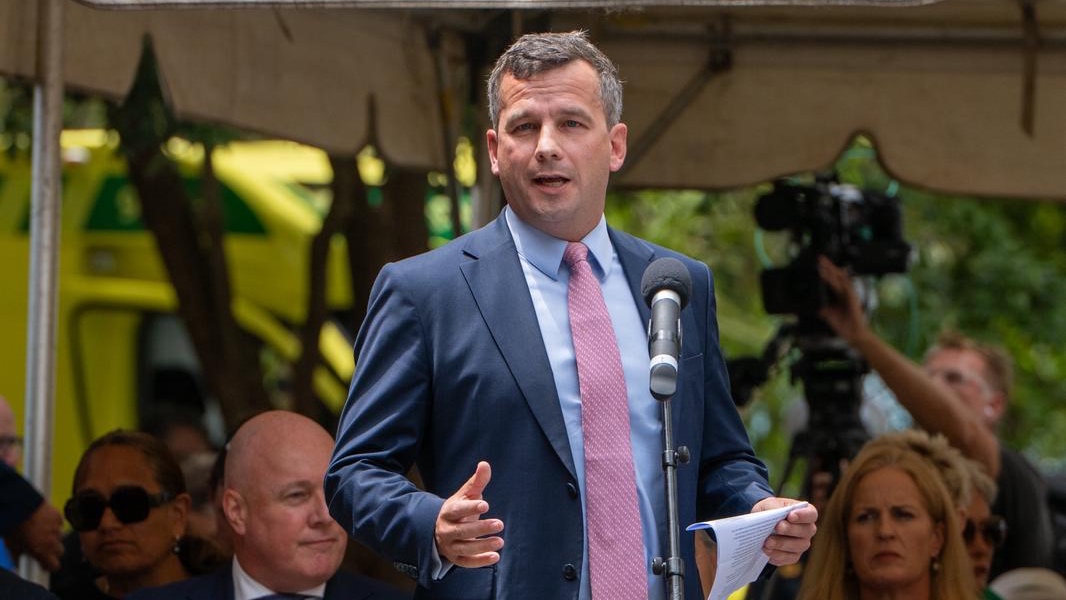
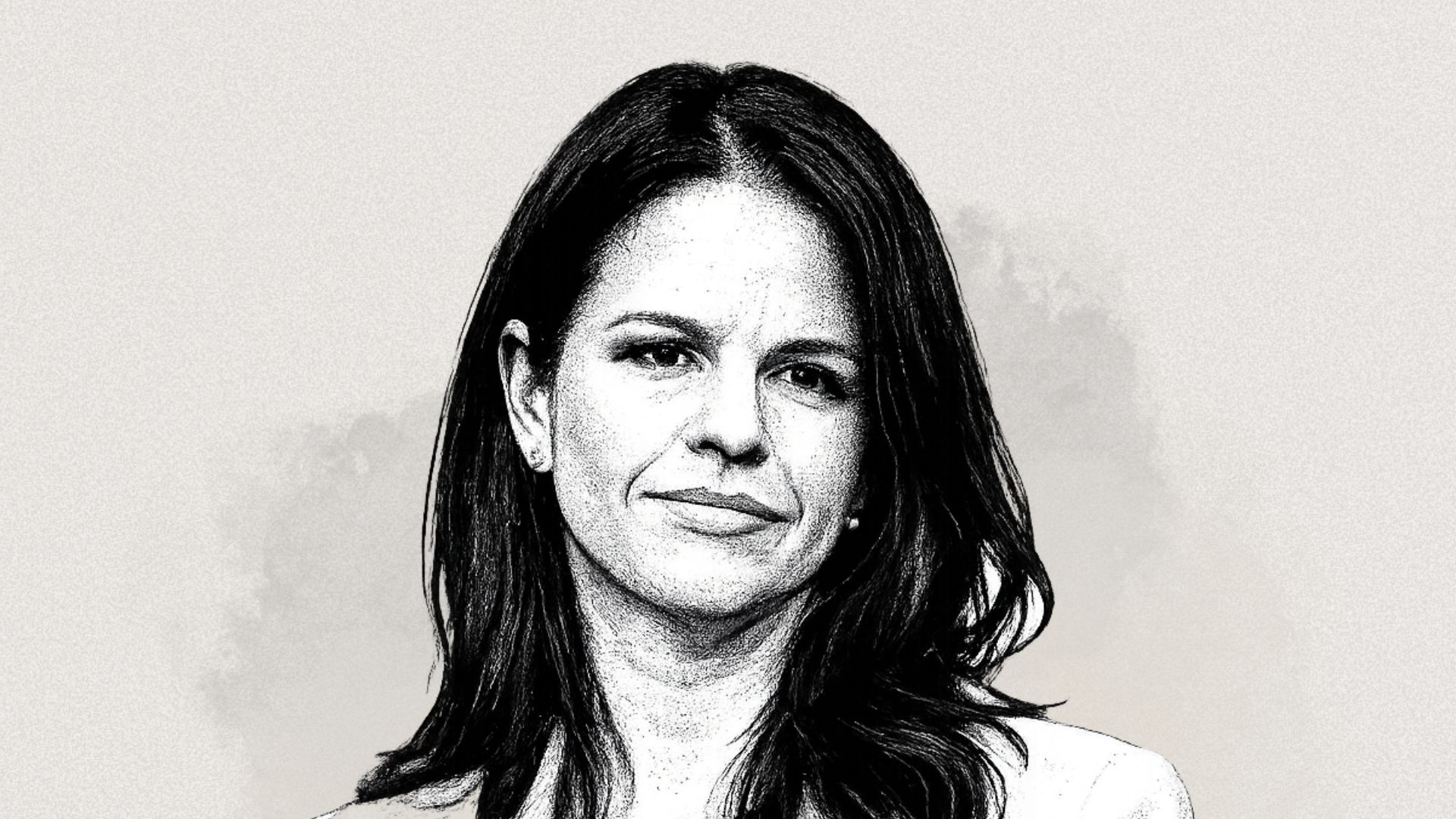
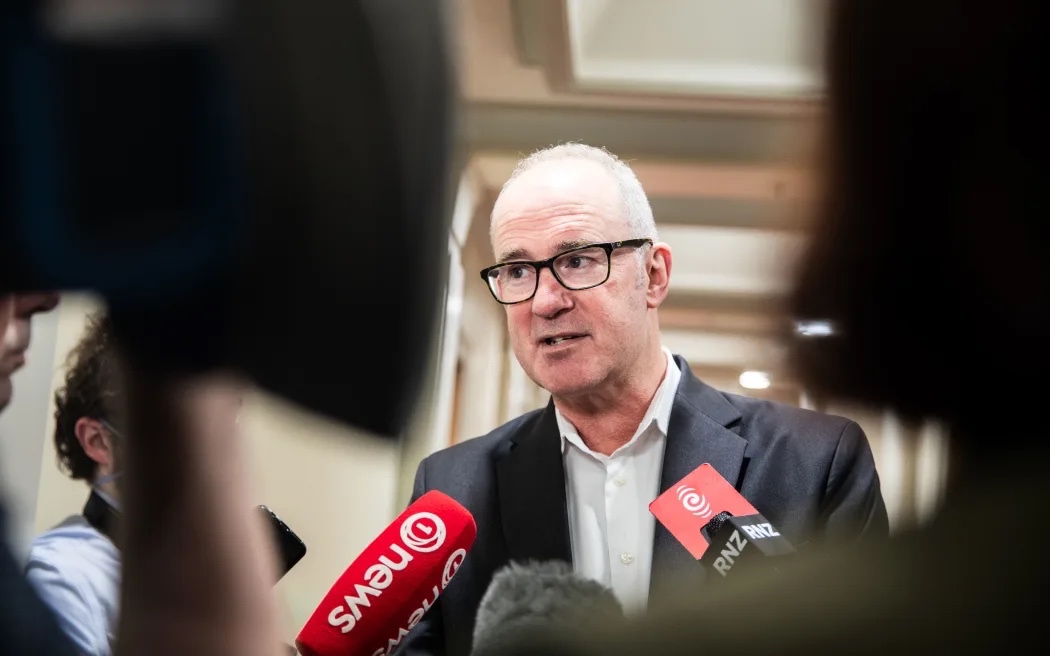
Immigration minister Erica Stanford. (RNZ/Nick Monro)
Any changes are expected to centre around the ballot system which picks who can apply for the visas.
The government is set to make clear the future of residence options for parents of migrant New Zealanders.
The review of parent category resident visas was due to report back earlier this year.
A spokesperson for immigration minister Erica Stanford said she was still receiving advice and an announcement was expected by the end of next month.
Any changes are expected to centre around the ballot system which picks who can apply for the visas, which are capped at 2500 a year.
Latest INZ figures showed 12,000 people had submitted an expression of interest in the previous two years and about half of them were couples.
Being Indian and Kiwi at once. How Ajaz Patel's 10-wicket haul brought his two worlds together A historic moment in Mumbai left the Black Caps spinner reflecting on something far deeper than cricket.
India's SIR voter controversy reaches New Zealand in Muslim man's asylum case The man claimed Muslims excluded from voter lists risked losing welfare benefits and being treated as illegal immigrants.
Election 2026: A right majority is possible even if Opportunity enters Parliament The latest polls suggest National, ACT and NZ First could secure a majority, with the Opportunity Party's fortunes still crucial.
Critics say the 'lucky draw' process is unfair for those who have waited many years to bring their parents to New Zealand, and want applications dealt with chronologically.
Some also want changes to income requirements for family sponsors, who are New Zealand citizens or residents, which is currently set to support one parent ($109,200 a year) and at least $145,600 a year for two.
It reopened in 2022 under new rules and the visa now costs $5810.
Doubles for nothing
Government briefings show some families had been putting in two expressions of interest (EOI) - possibly to get a better chance at applying for residence - and losing their $550 fee when the duplicate was found and removed.
Immigration New Zealand told Stanford 18 double-ups were found in the ballot pool before the February 2025 draw.
That came at a time when some EOIs' eligibility was running out, but officials said applicants were told they had to cancel their previous EOI before submitting another.
In seven previous ballot draws, 54 EOIs were declined as a result of being a duplicate with no refund provided.
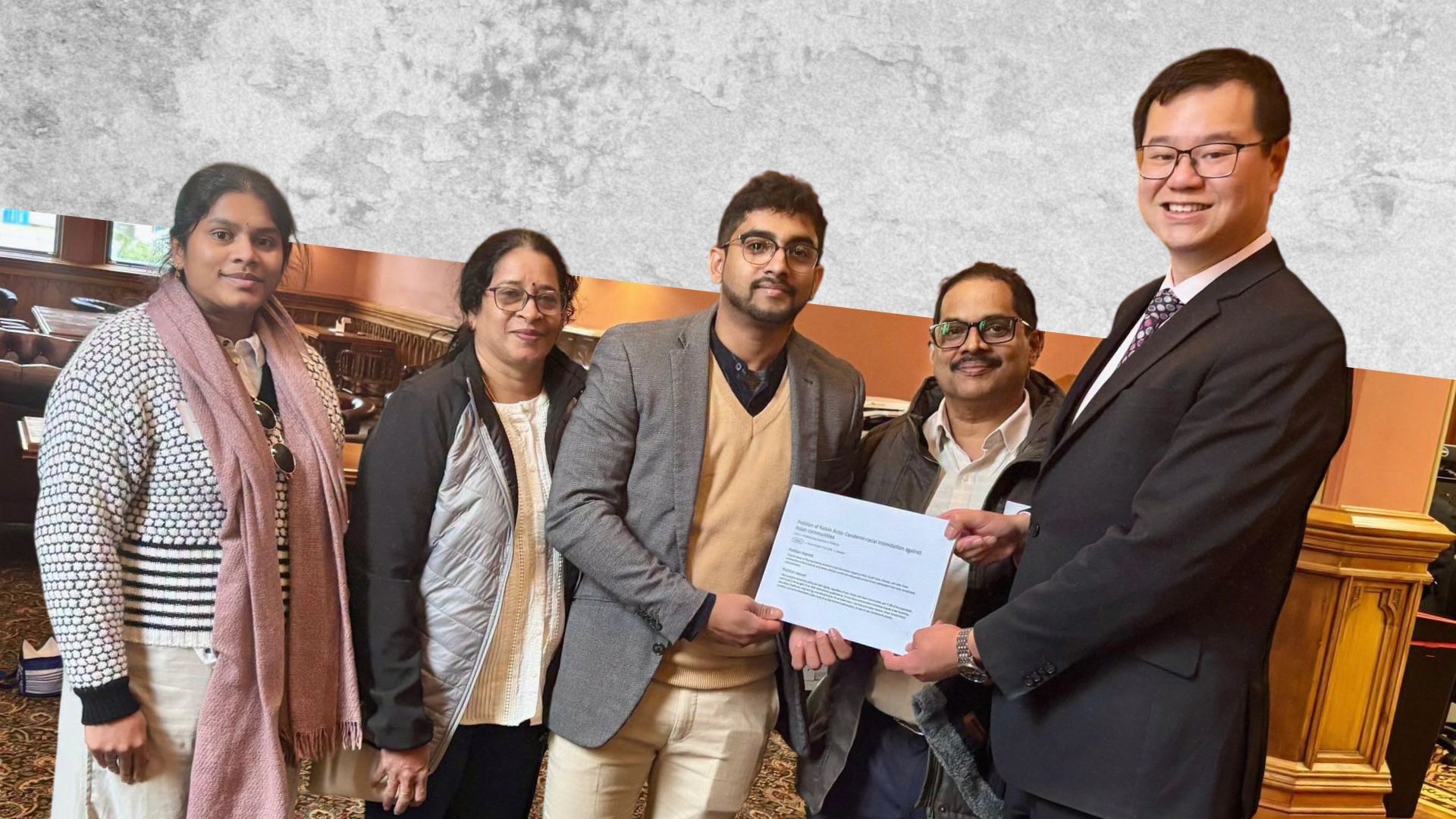
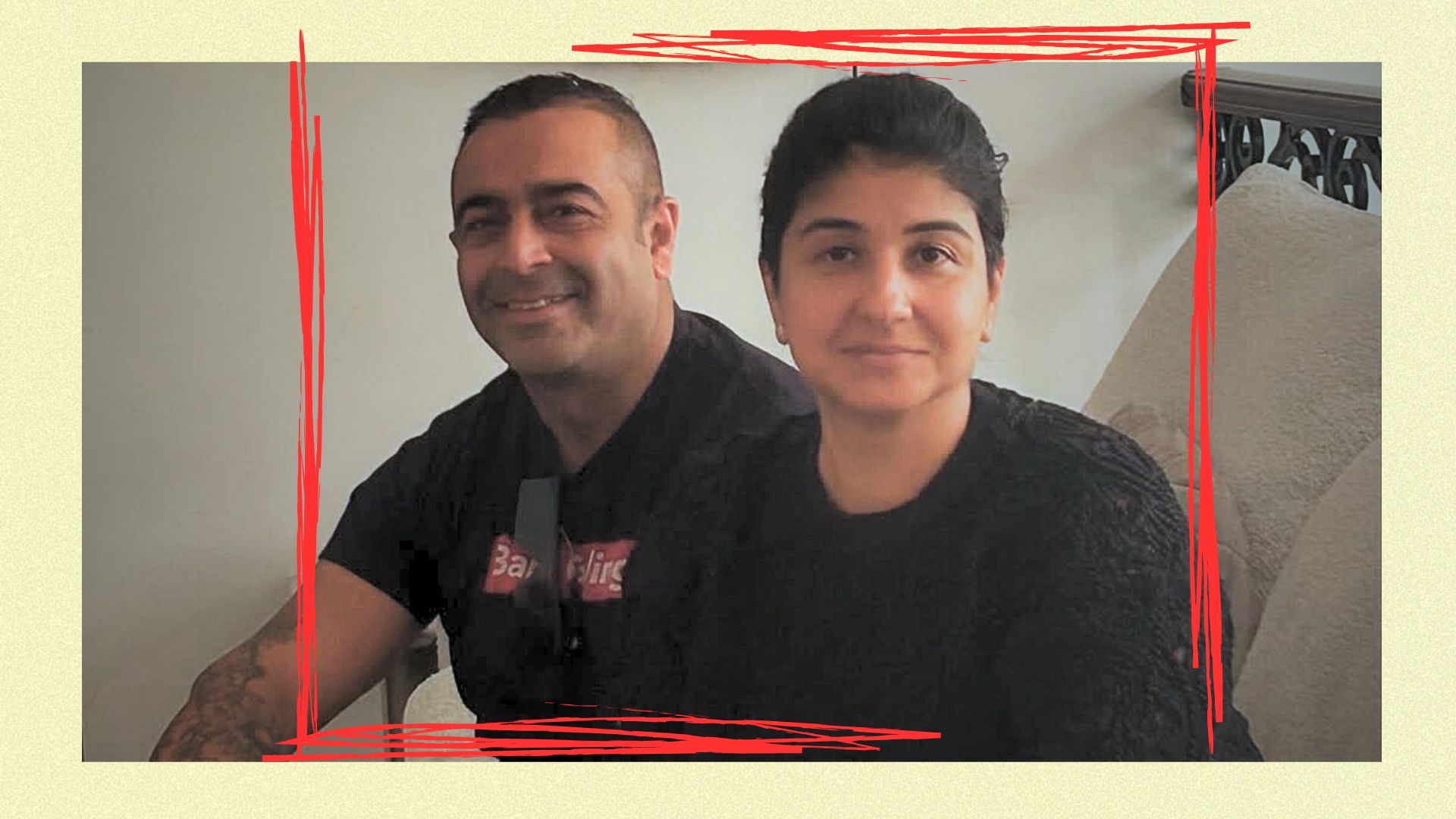
Sophie Liu, who organised an 11,400-signature petition to Parliament last year, has been waiting four years for her mother's EOI to be drawn.
She said the review started later and took longer than the minister had indicated in July last year.
"From late February when initial advice was received, to end of August when the review outcome expect to be announced, that's another six months. We are all desperately waiting for a positive change."
The problem of duplicates would be solved if the ballot system was abolished, she added.
"If it is changed back to a queue, this problem will be solved automatically - people don't need to pay high fees to put in multiple EOIs, and have fairness and certainty. Rules need to be clear and easy to be followed. Policies need to be fit for purpose and easy to be implemented with transparency."
'Parent boost' unpopular alternative
Significantly fewer people than forecast have applied for the five-year Parent Boost Visitor Visa, which opened last year. It was offered an an alternative to the over-subscribed residence category and allows parents of New Zealand citizens and residents to stay for five years. It's renewable for another five years, but is subject to medical checks and health insurance requirements.
Only 1132 decisions had been made since it started last September and of those 873 were approved by the end of June. The government expected between 2000-10,000 applications per year, with a model based on 6000 applications annually.
Part of the problem is the cost of insurance premiums, which increase with age - one company quotes annual premiums of $6000 per person for those aged 60-69 years old, $9600 for those aged 70-79 and $14,000 for those aged 80 plus. Parents have to leave New Zealand to complete a health check after staying for three years.
Many parents continue to use the parent and grandparent visitor visa, which allows them to come for 18 months over a three-year period, for a maximum of six months at a time.