
Opinion: Government agrees it's risking India ties but can’t agree who is to blame
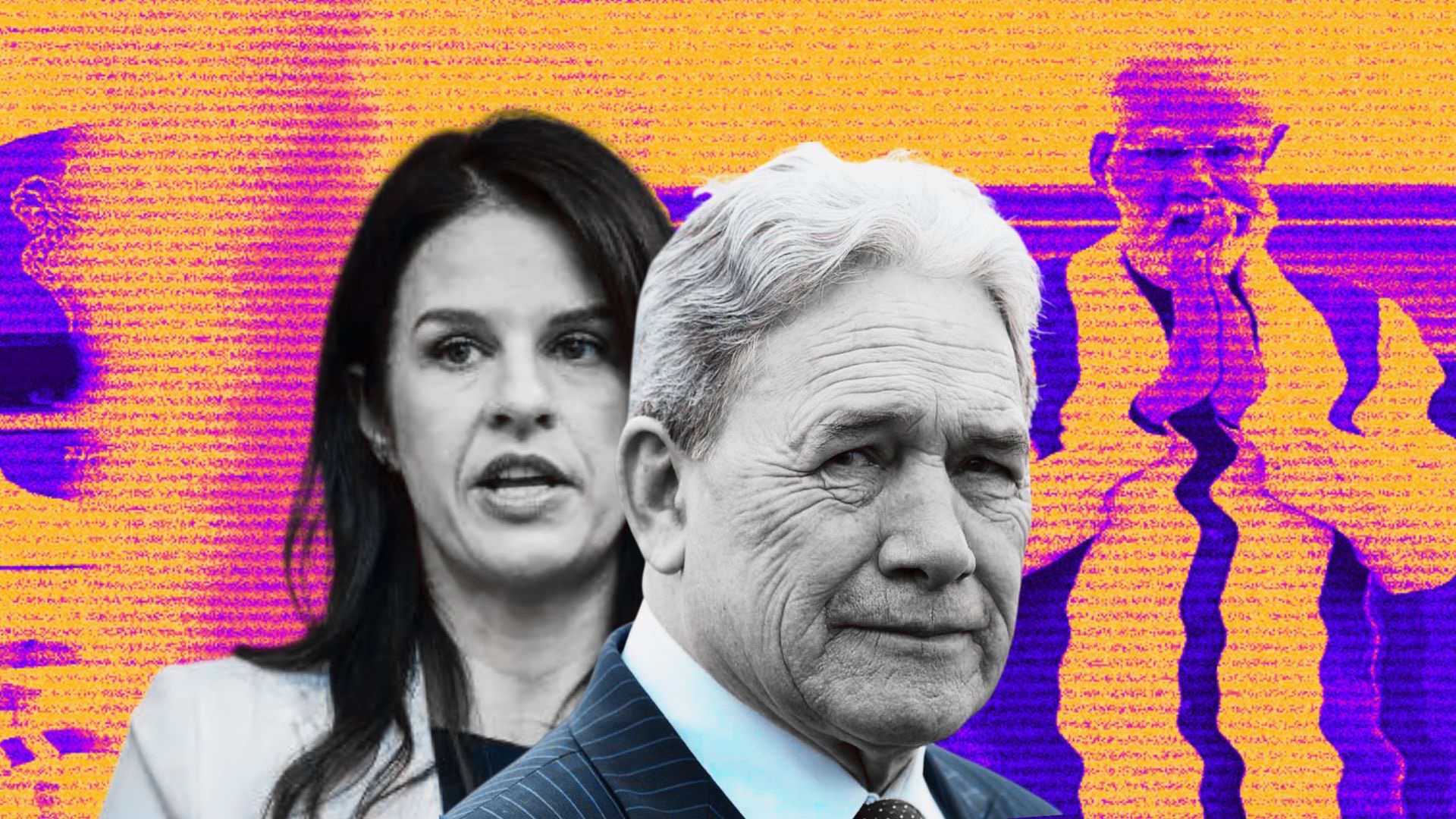
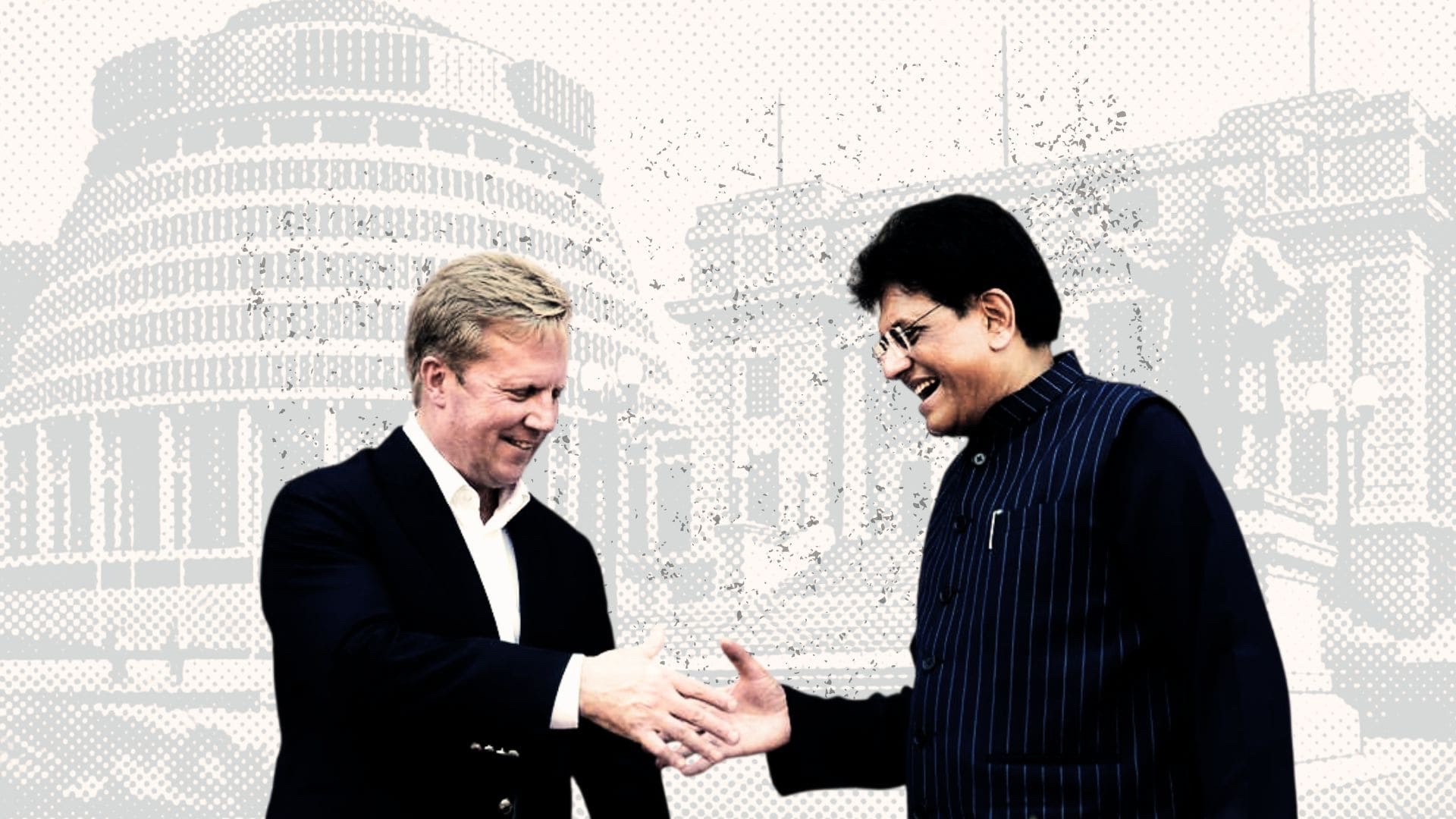
The free trade agreement with India has become a political tool in an election year.
The surprise is not that Peters has made theatre out of the India deal. It's how far he has taken it.
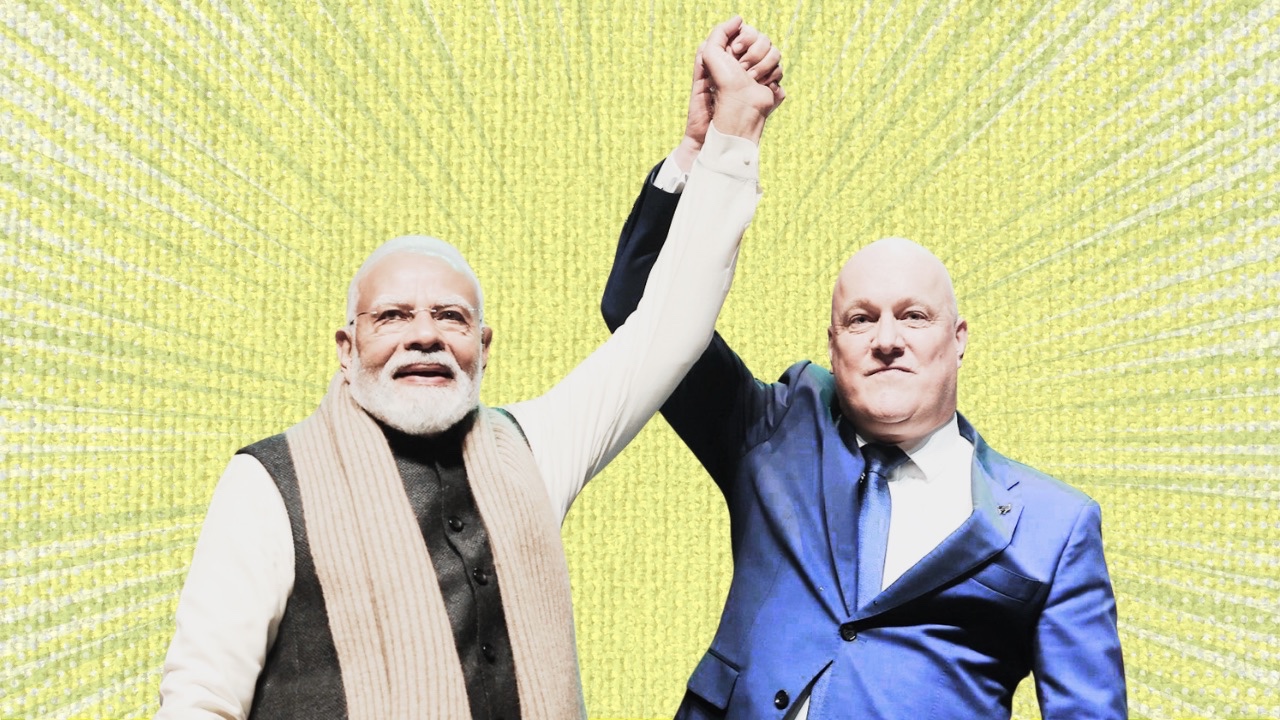
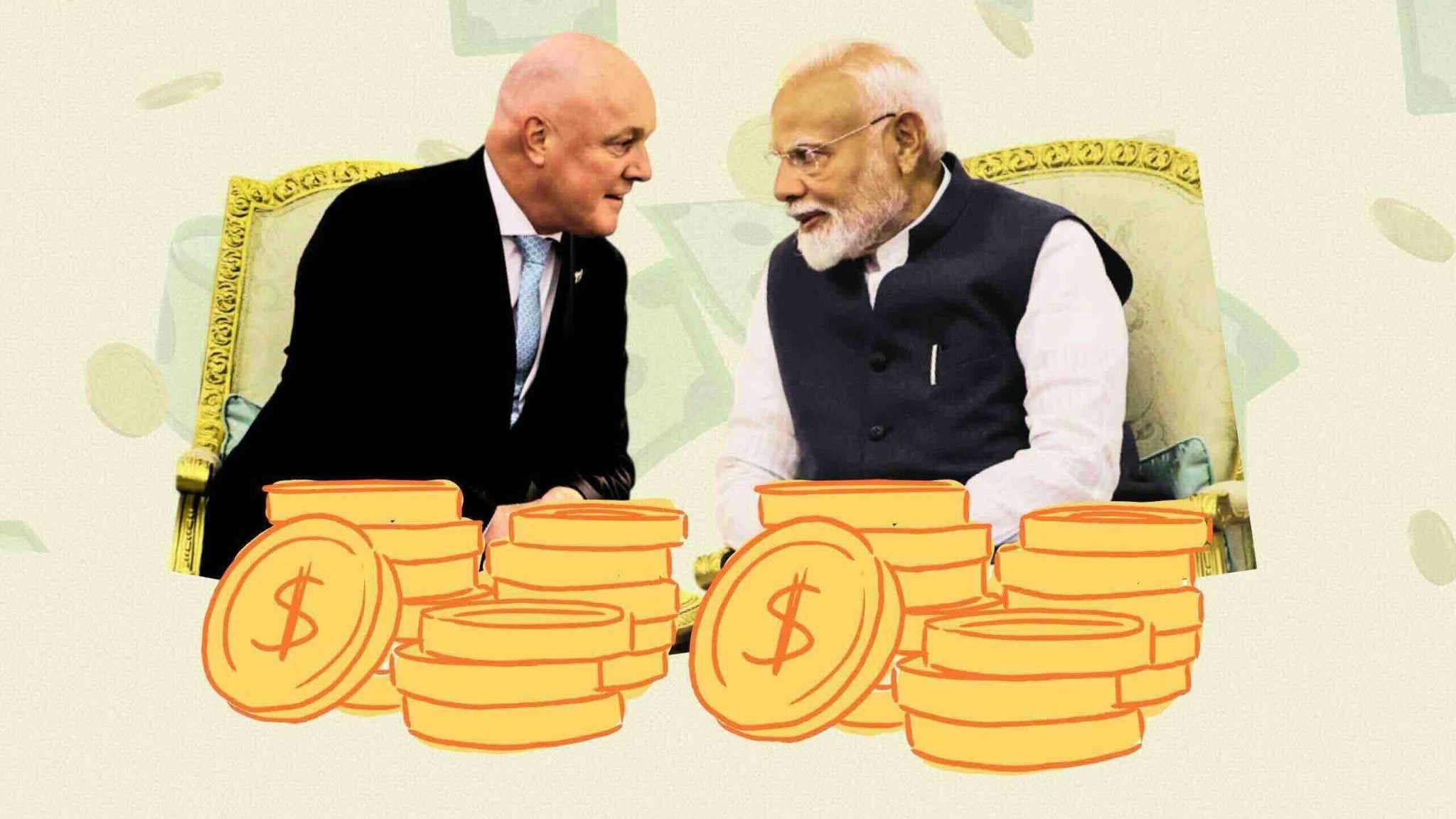
India was supposed to be the win.
After years of stalled ambition, the government finally had a free trade agreement (FTA) it could present as proof New Zealand had turned a page with one of the world’s most important economies.
Instead, it reached a remarkable point on Tuesday.
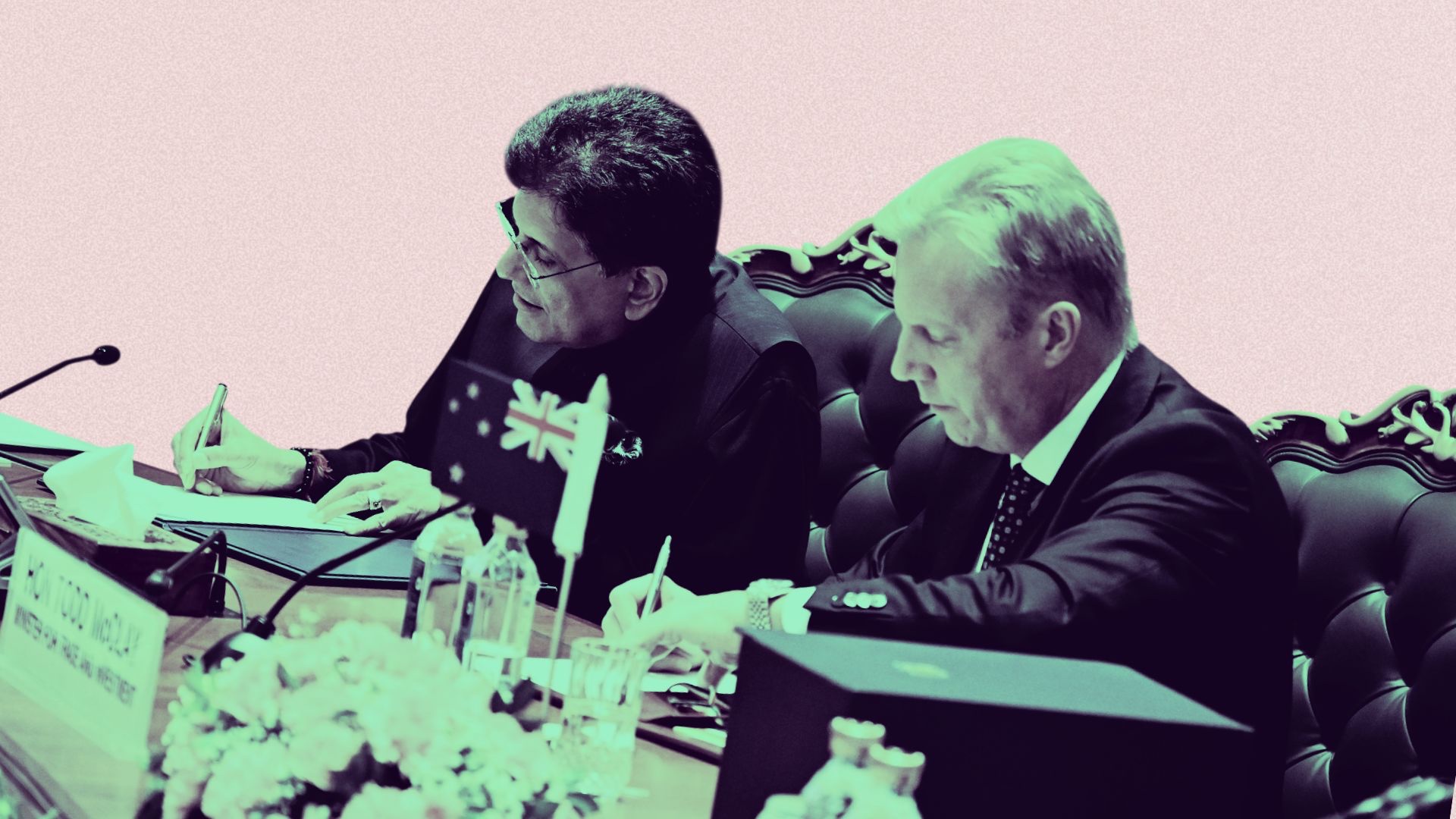
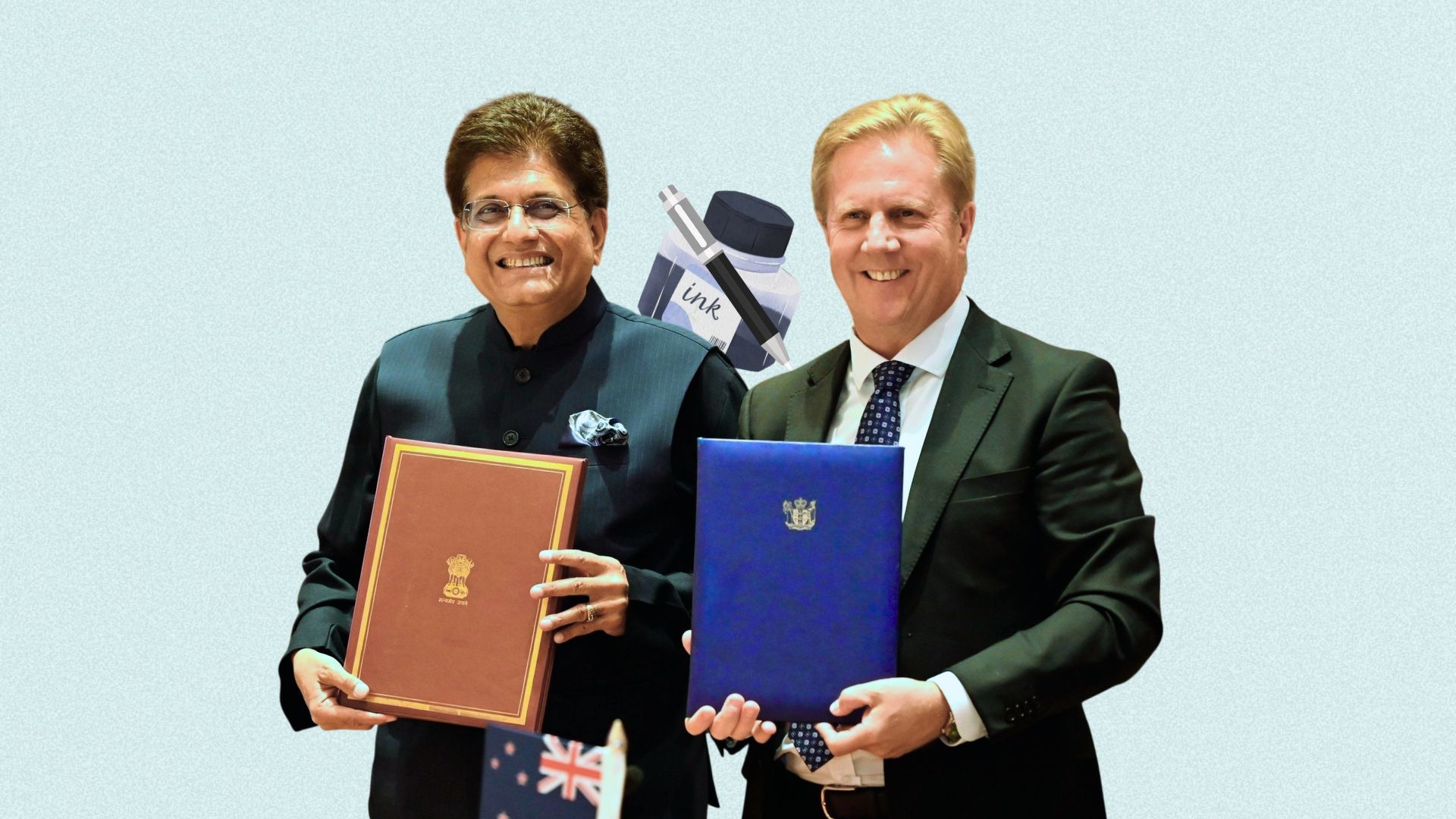
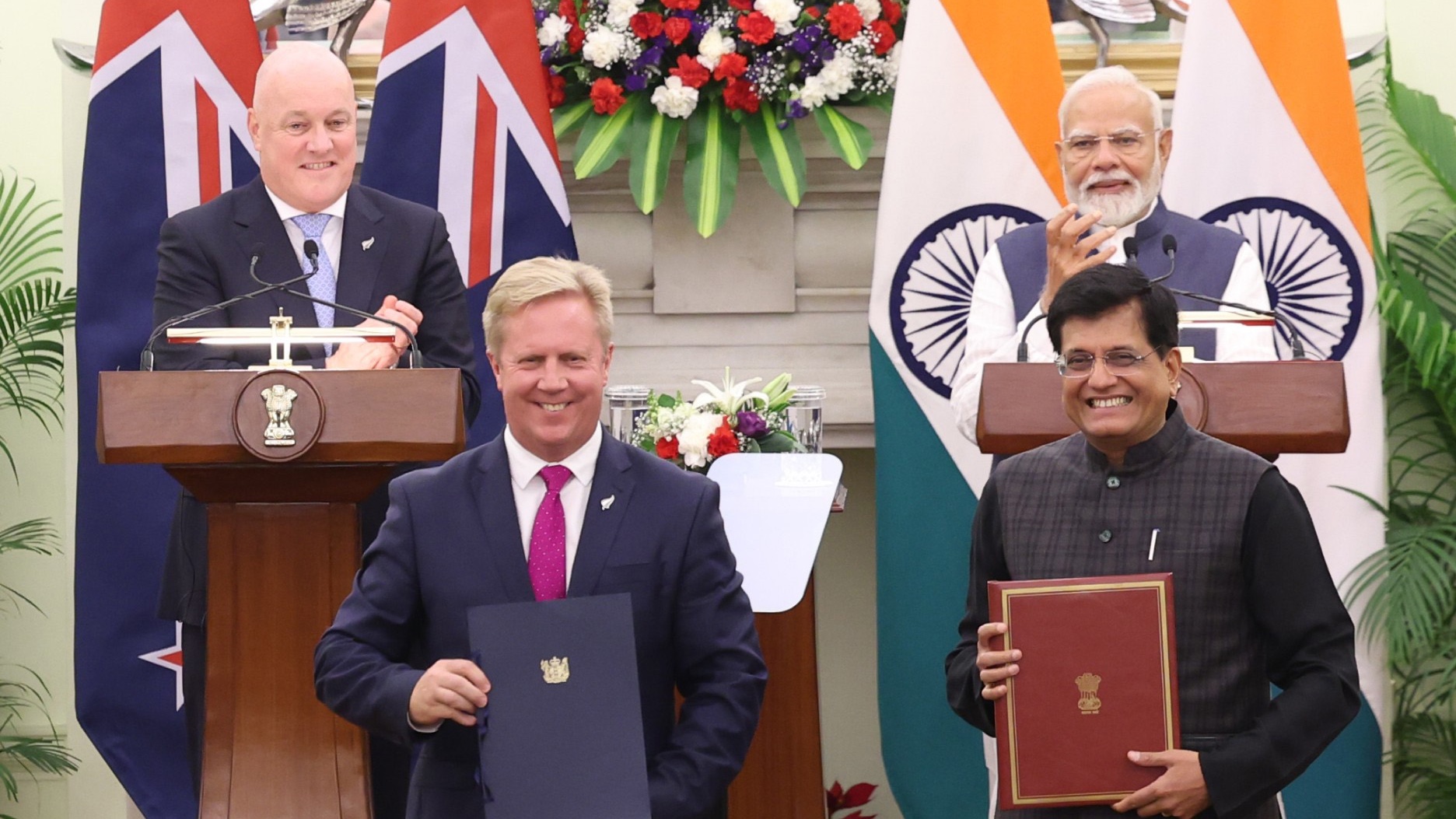
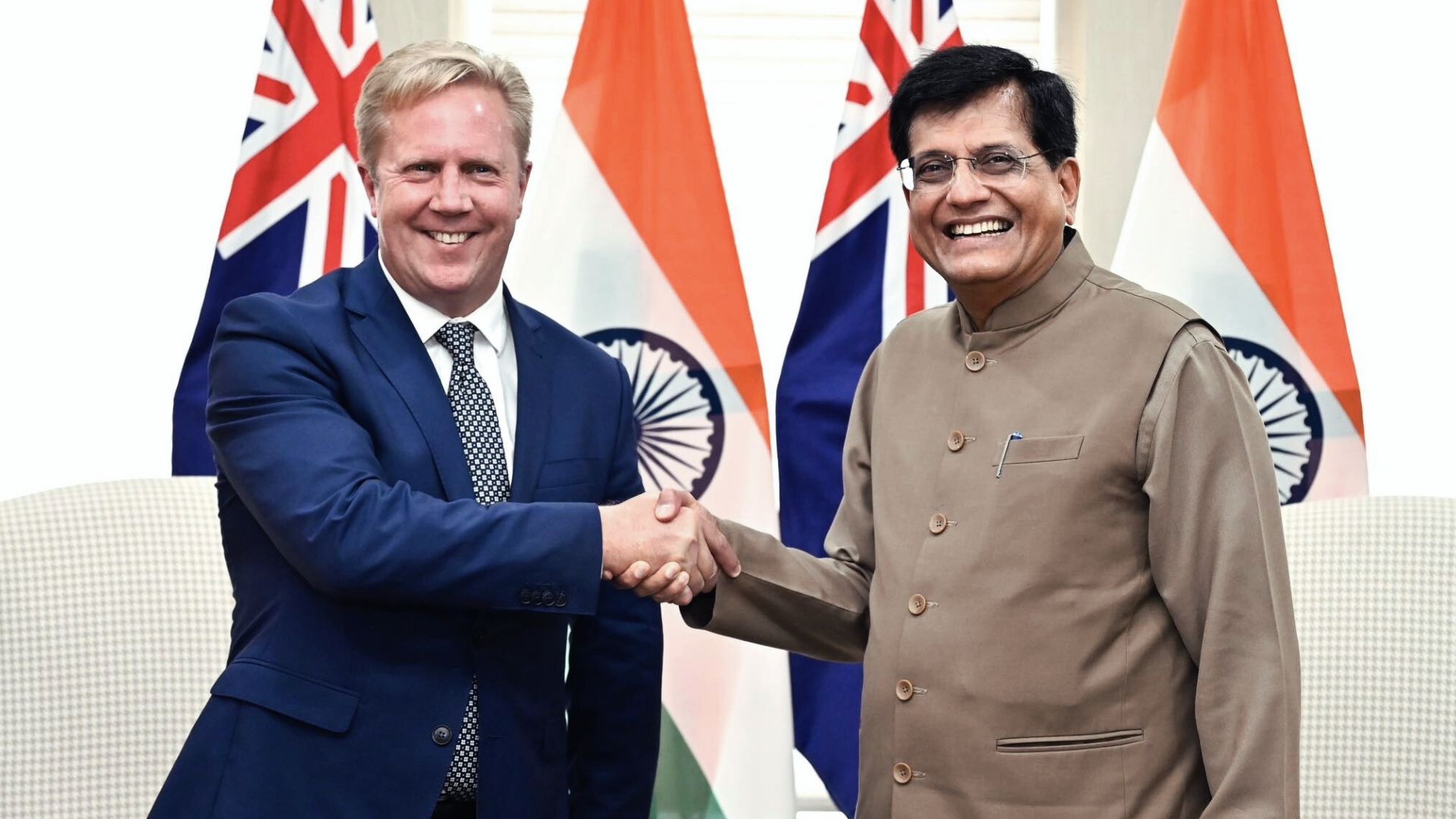
The government appears to agree New Zealand’s relationship with India is at risk over the handling of the agreement, which was officially signed on April 27, 2026.
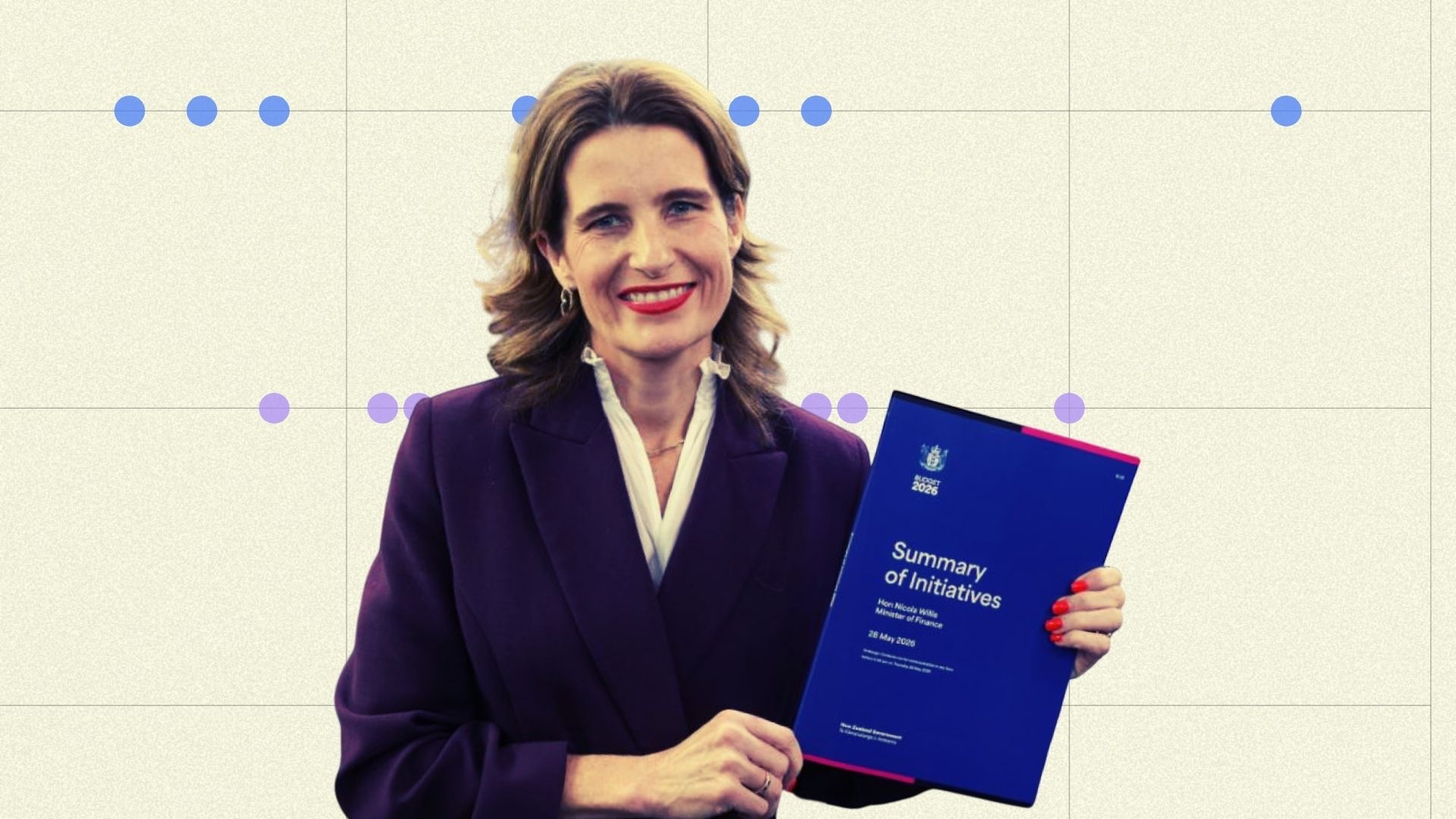
Ironically, the government is also the only institution that can mitigate that risk. Settle the policy. Clarify the immigration settings. Speak to India with one voice. Stop treating Indian nationals as a problem to be politically managed in public.
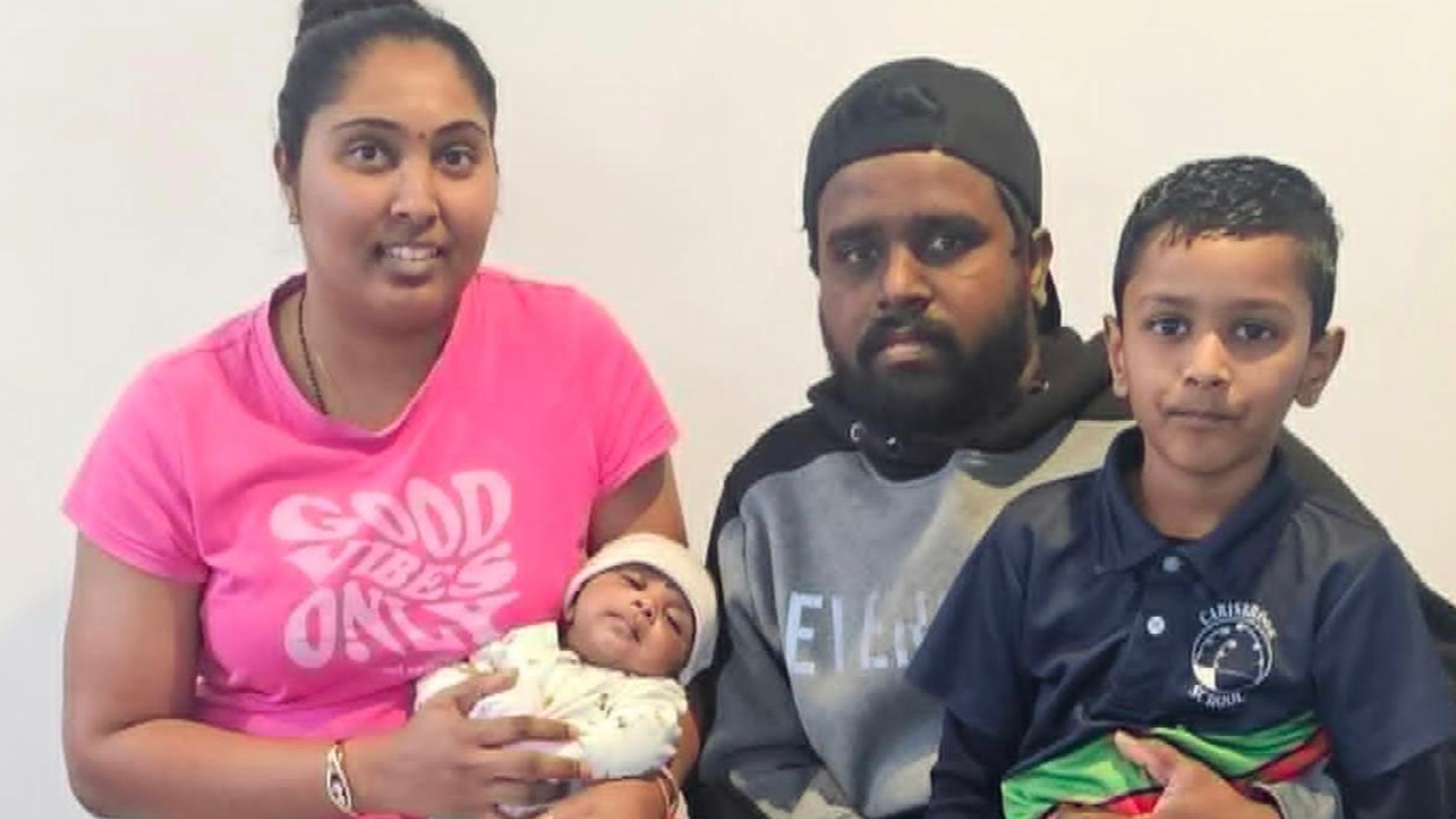
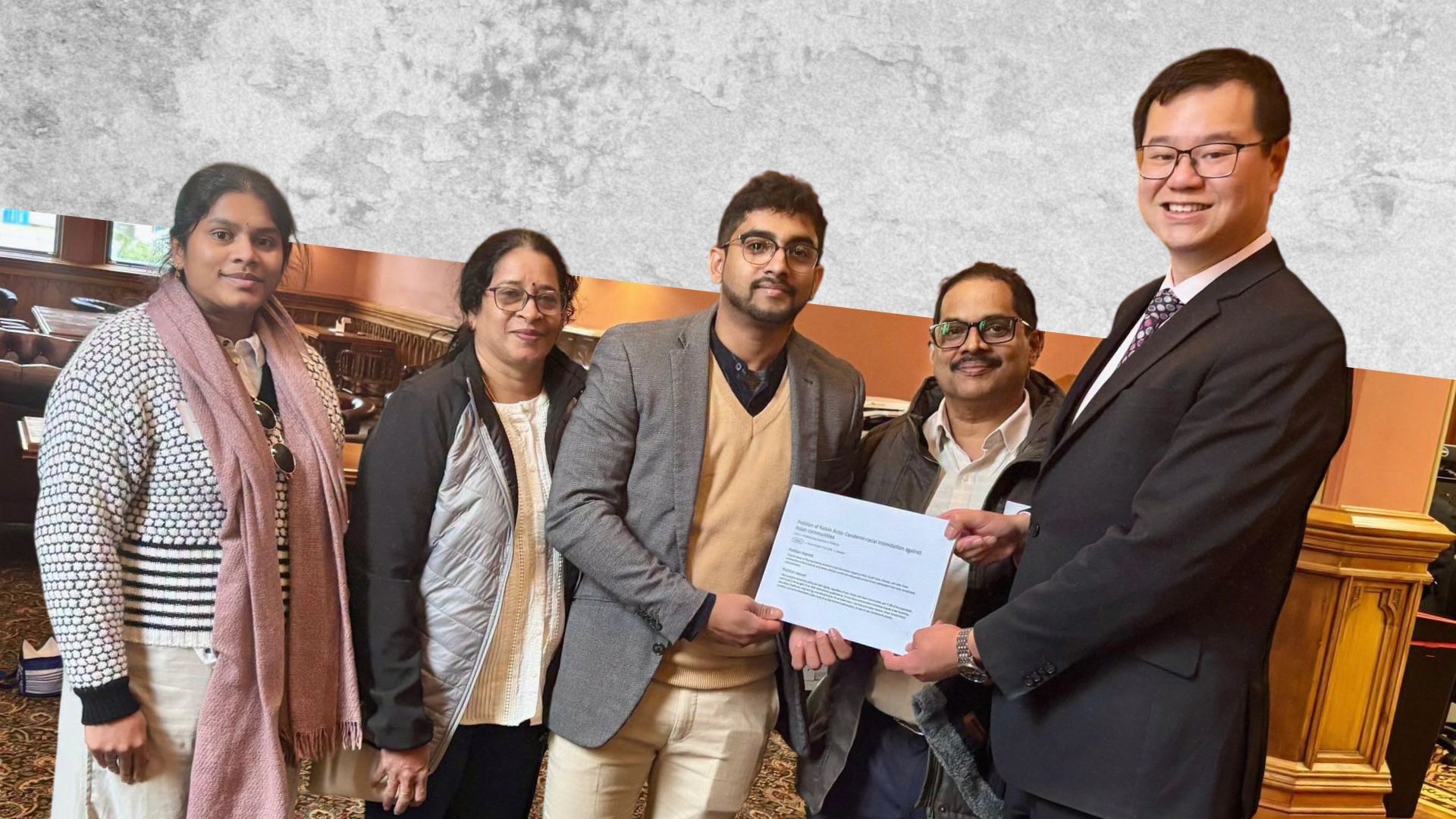
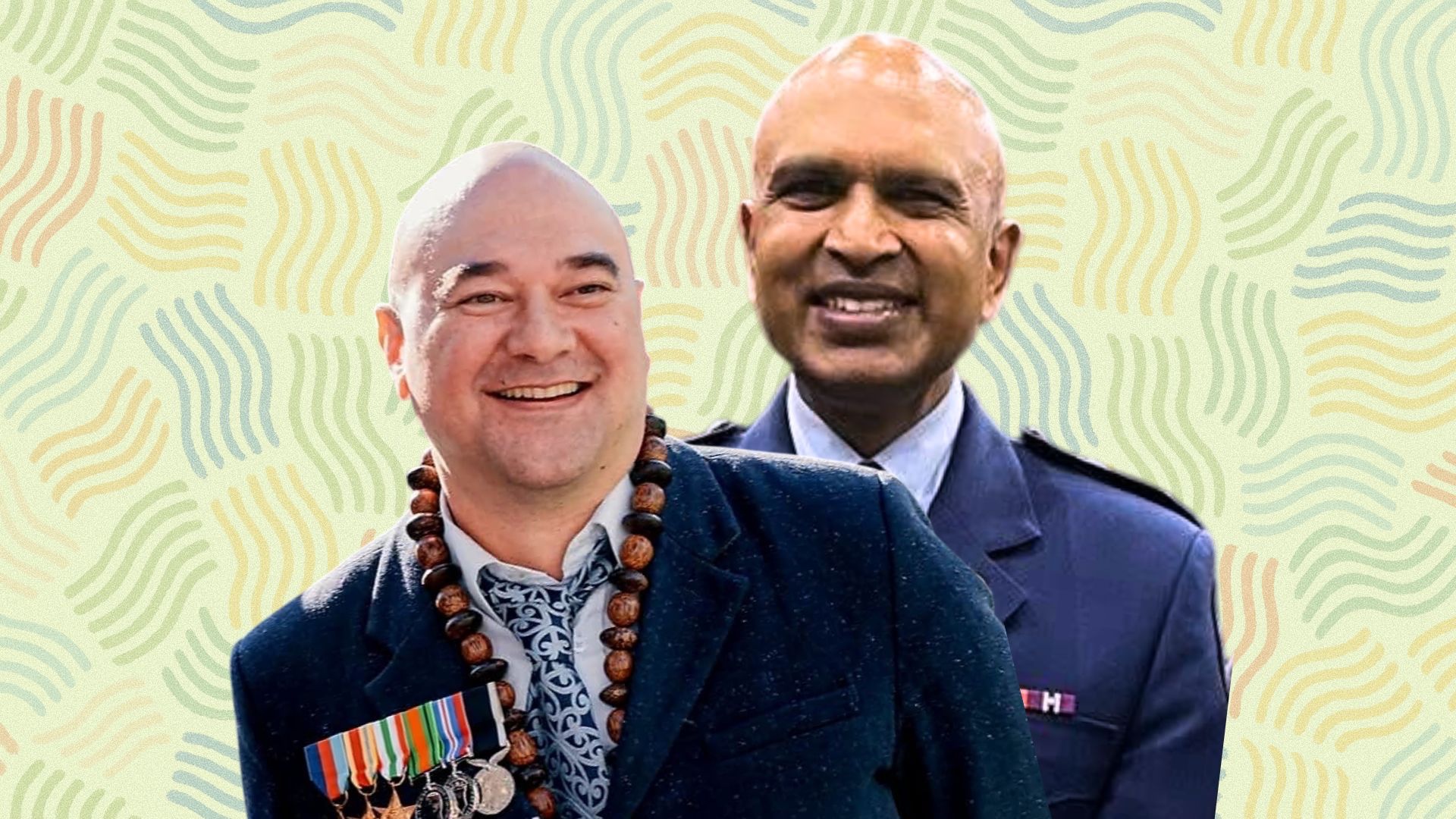
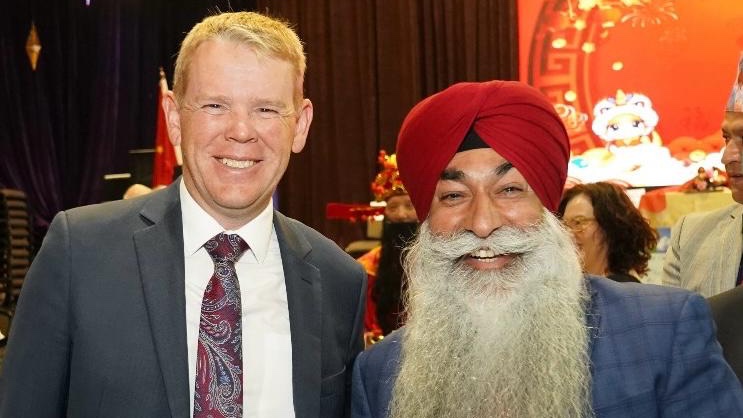
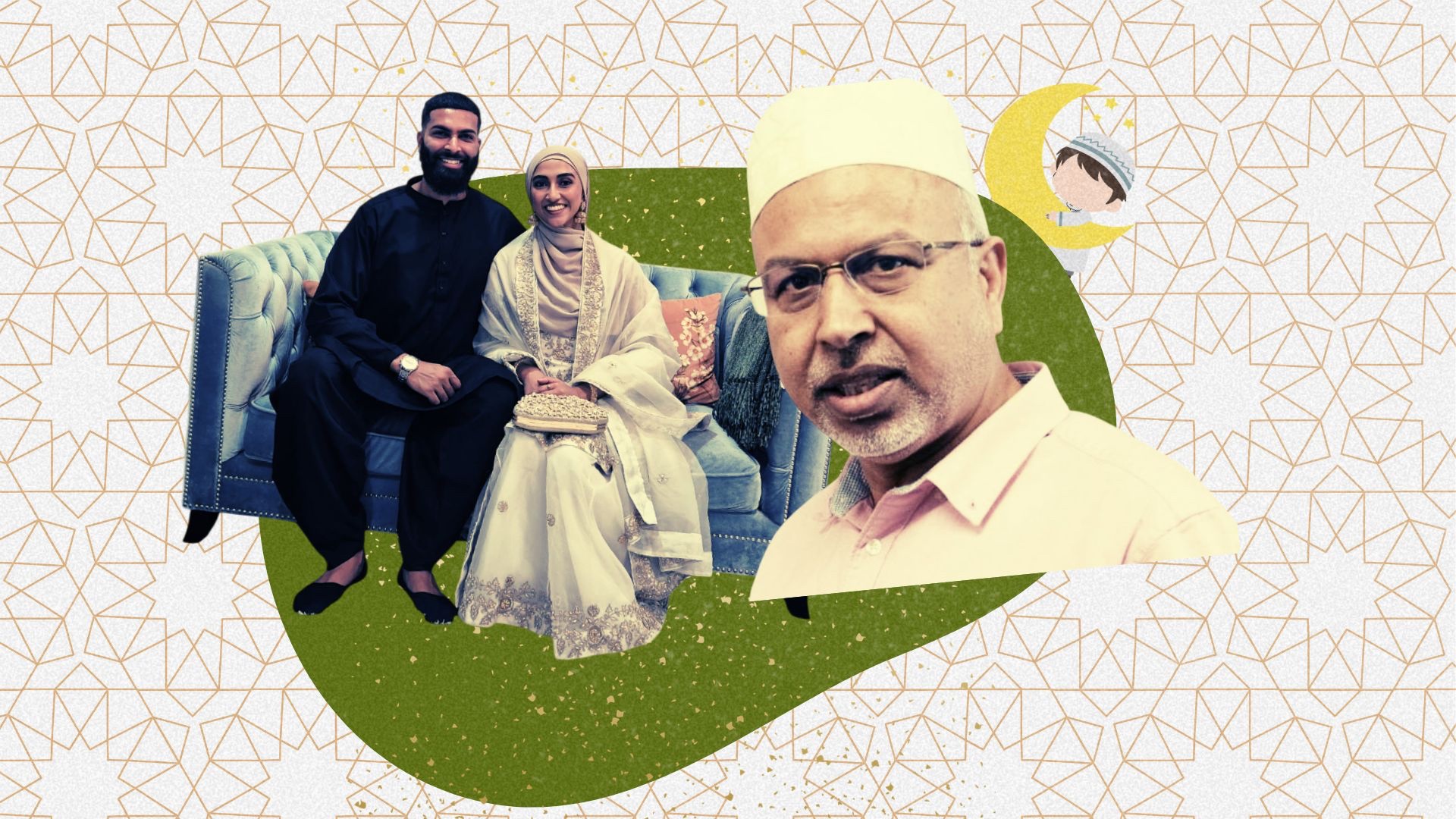
South Asian diaspora raises over $200,000 for New Zealanders missing in Nepal flood "I'm so proud of the Indian community here who...supported us, saying it is not a Nepal problem but our problem."
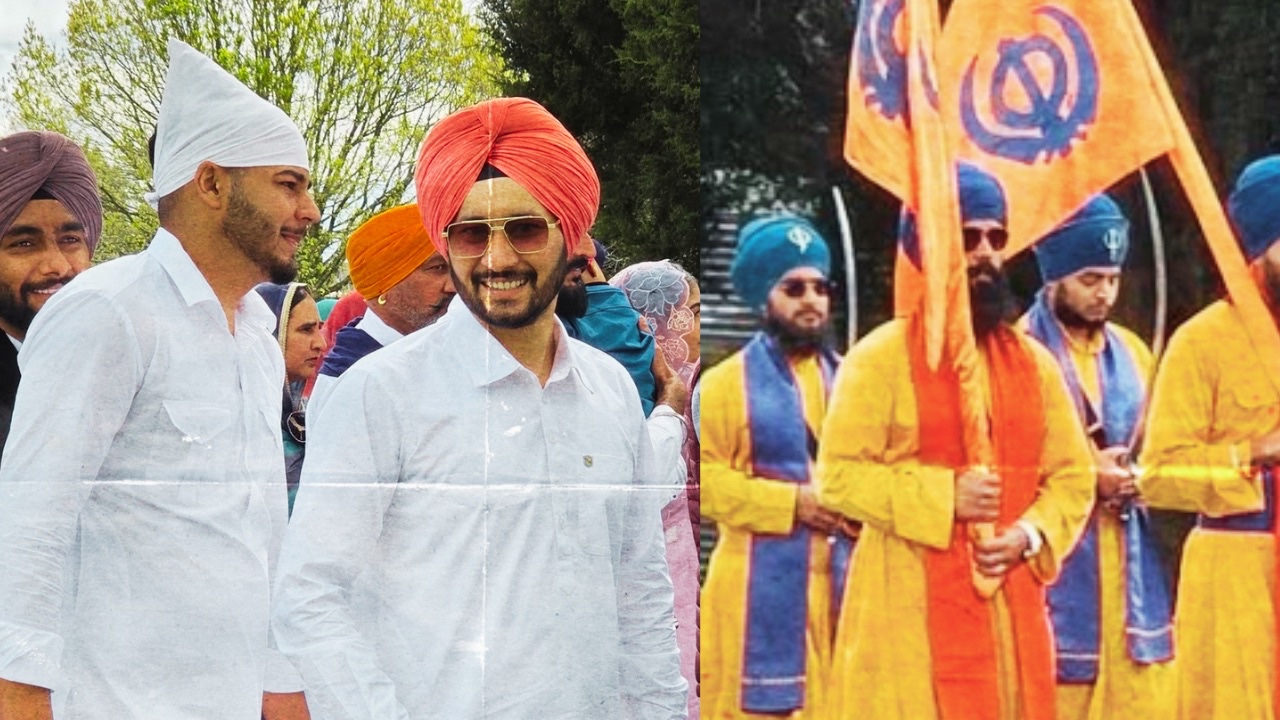
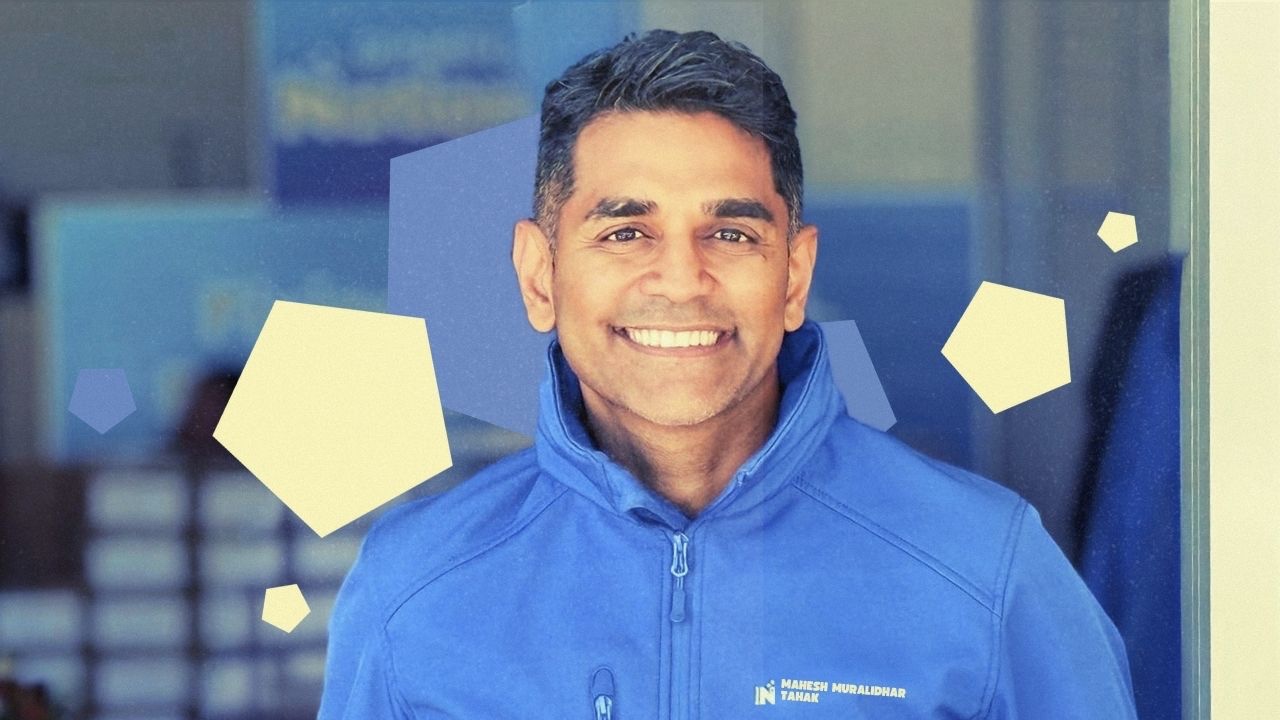
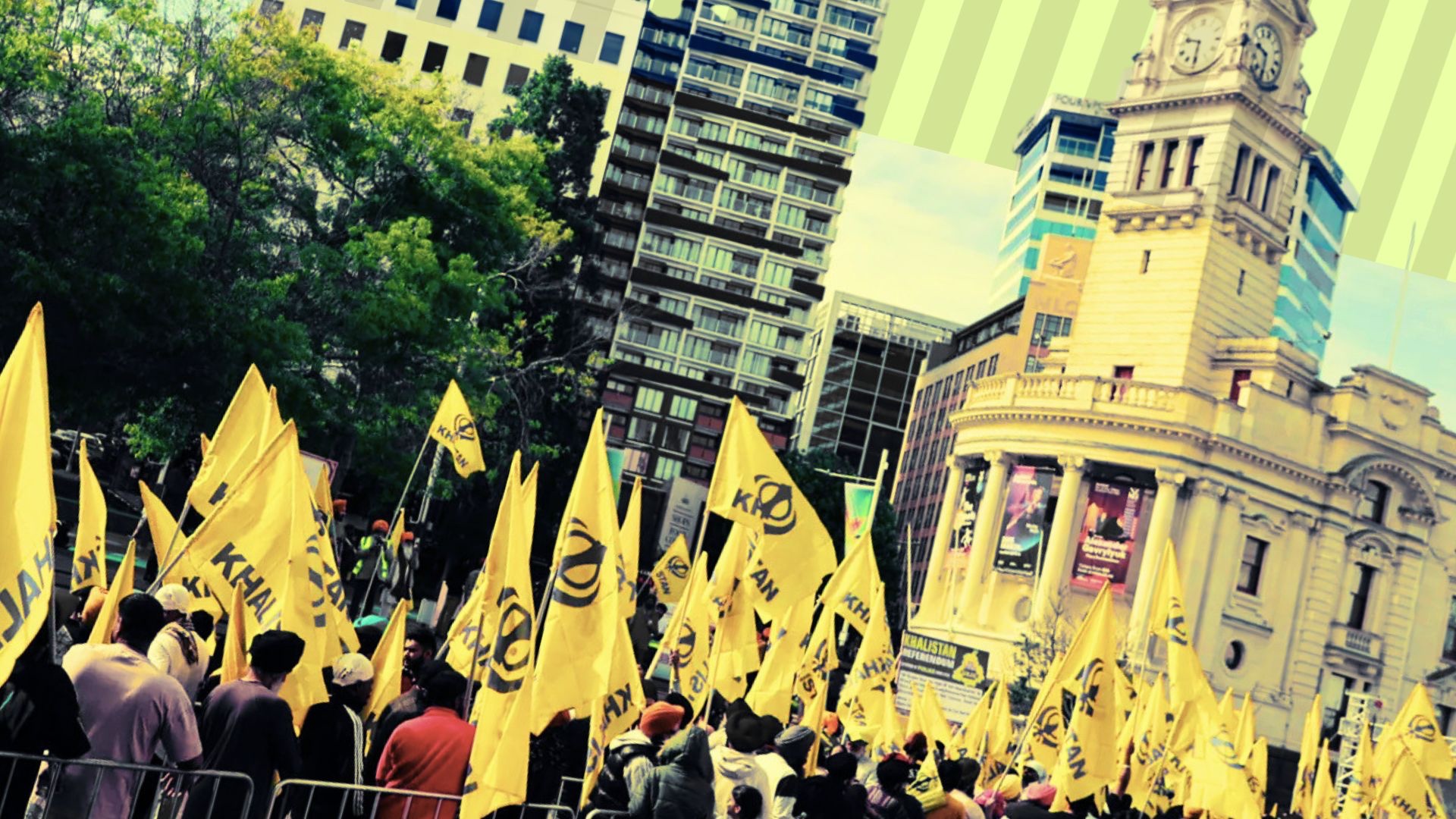
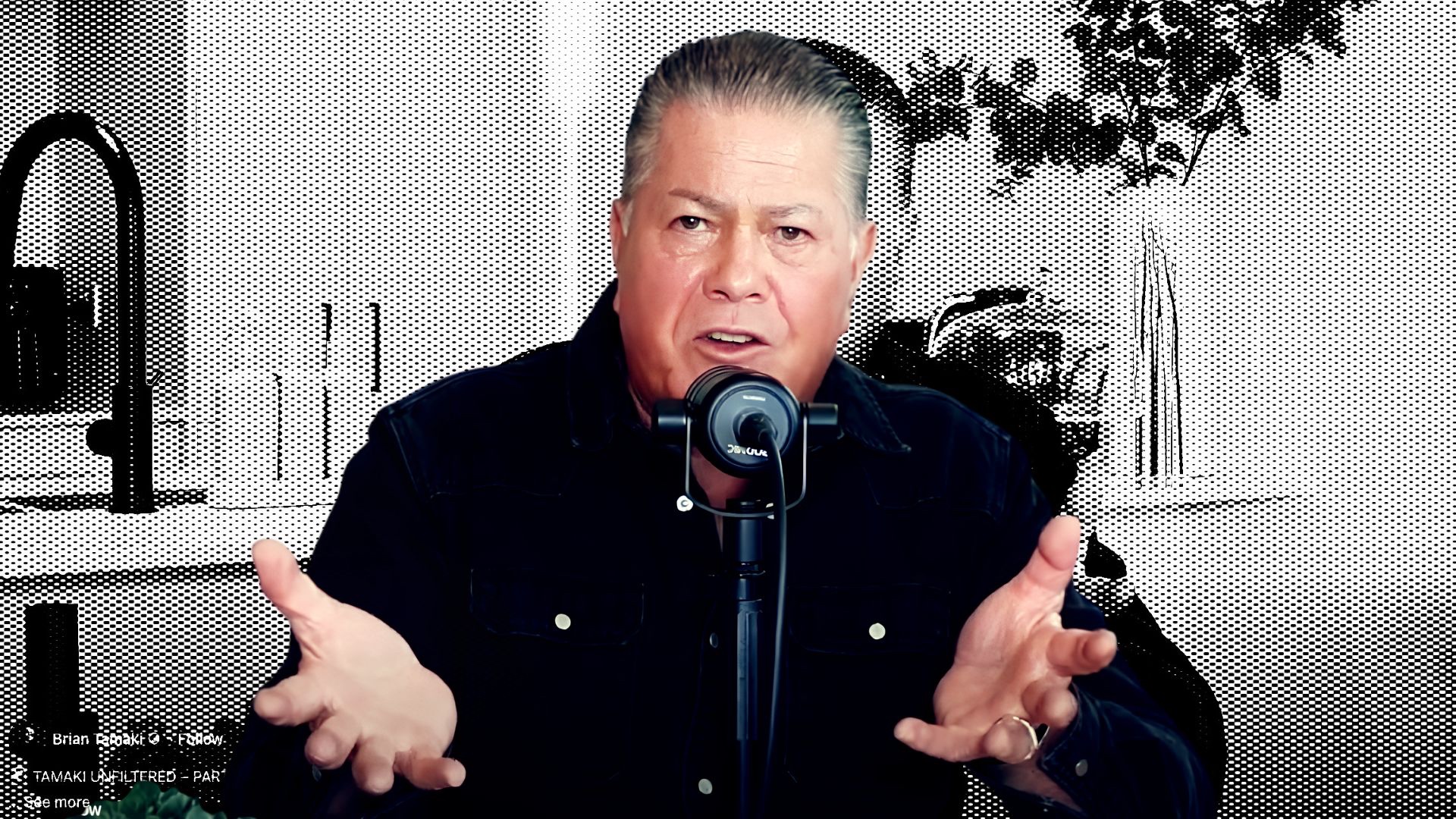
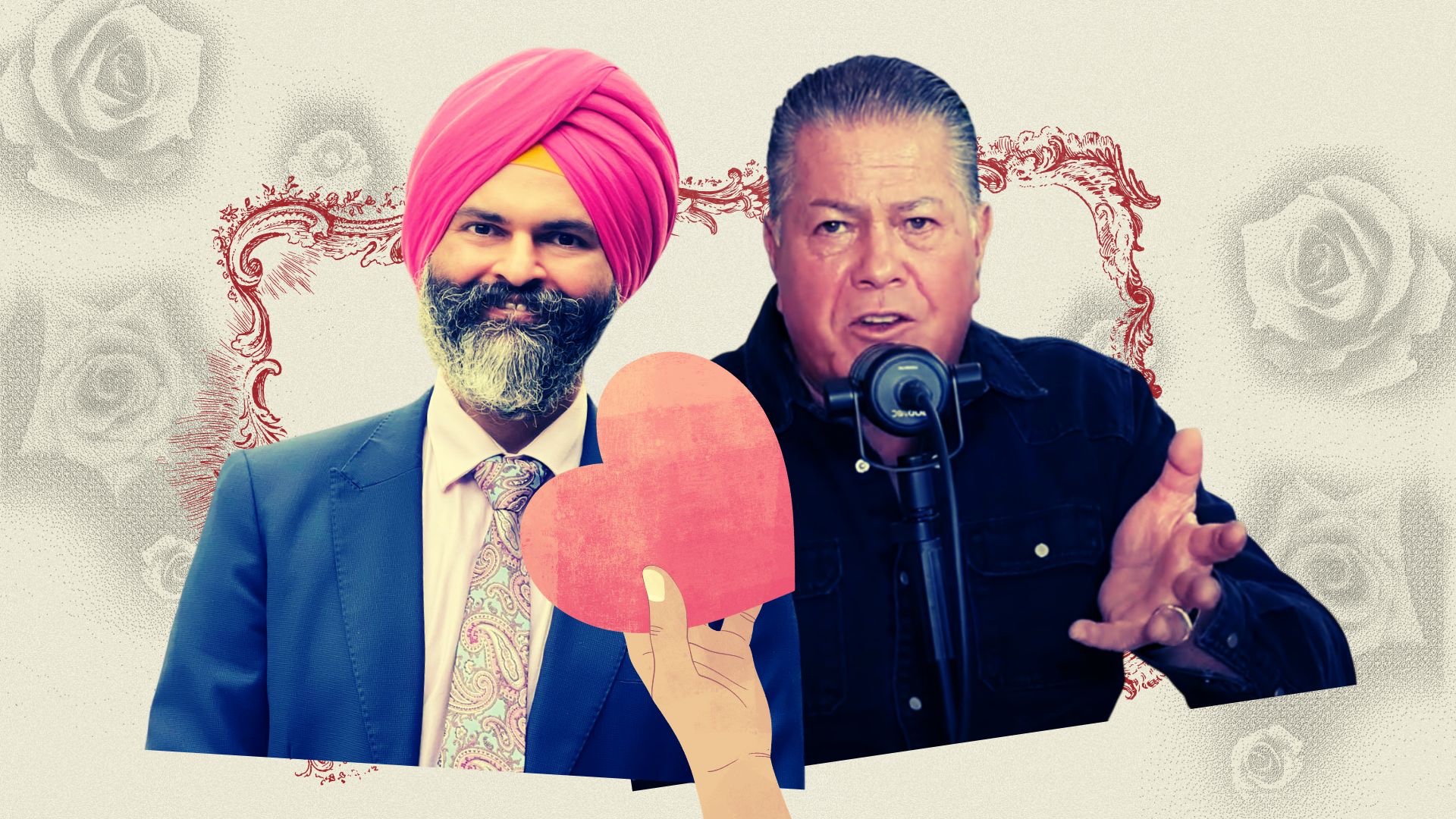
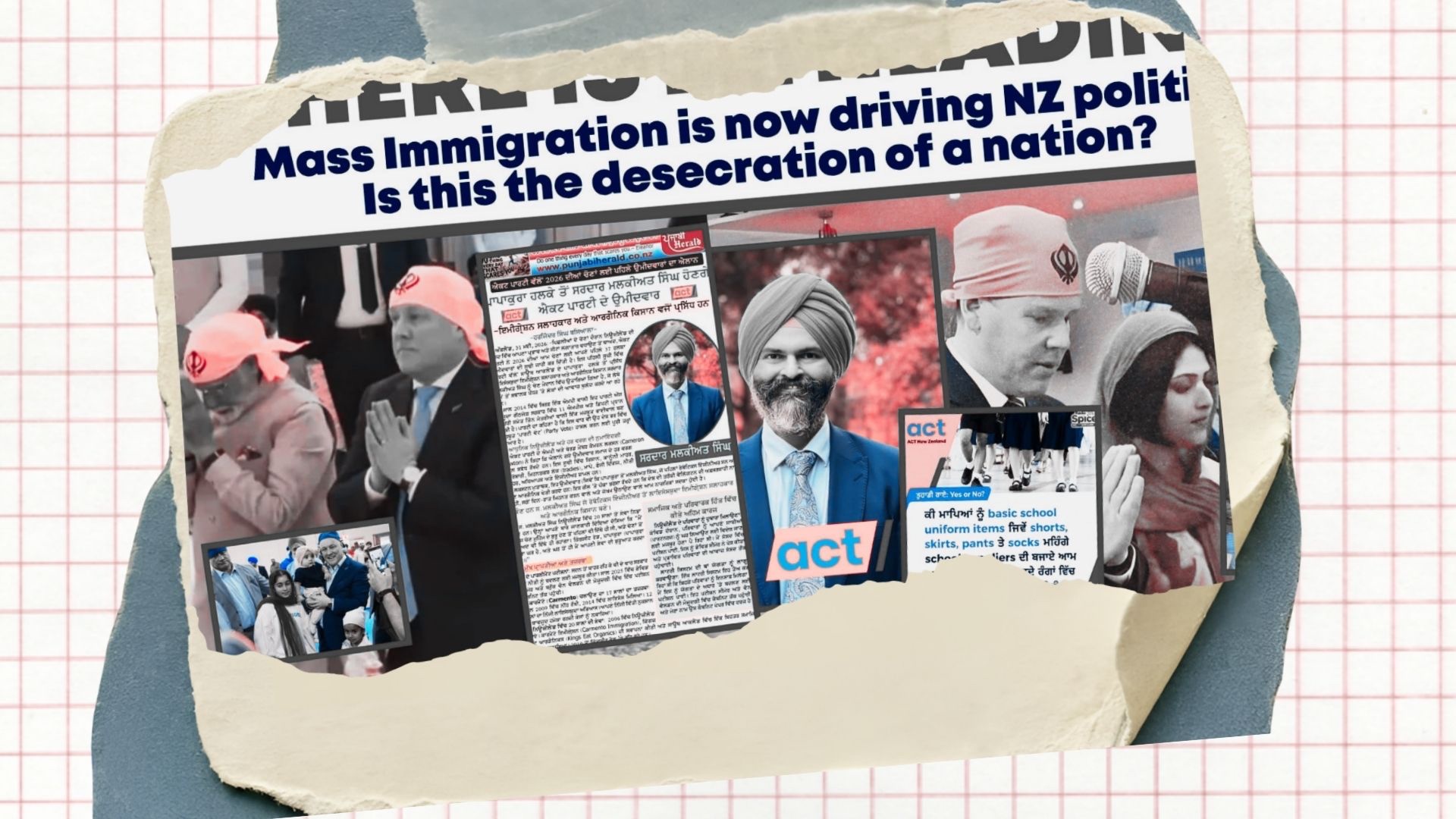
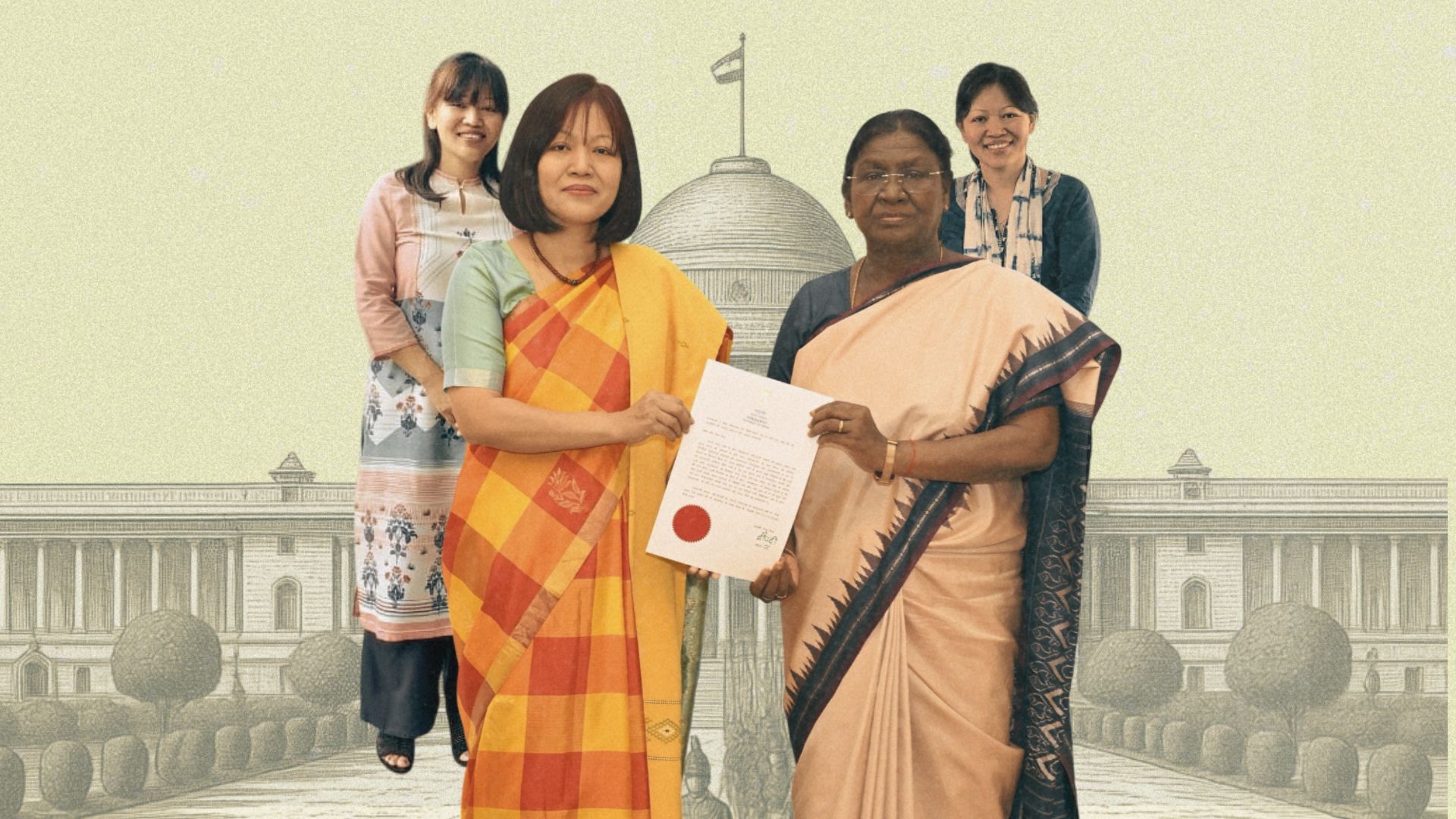
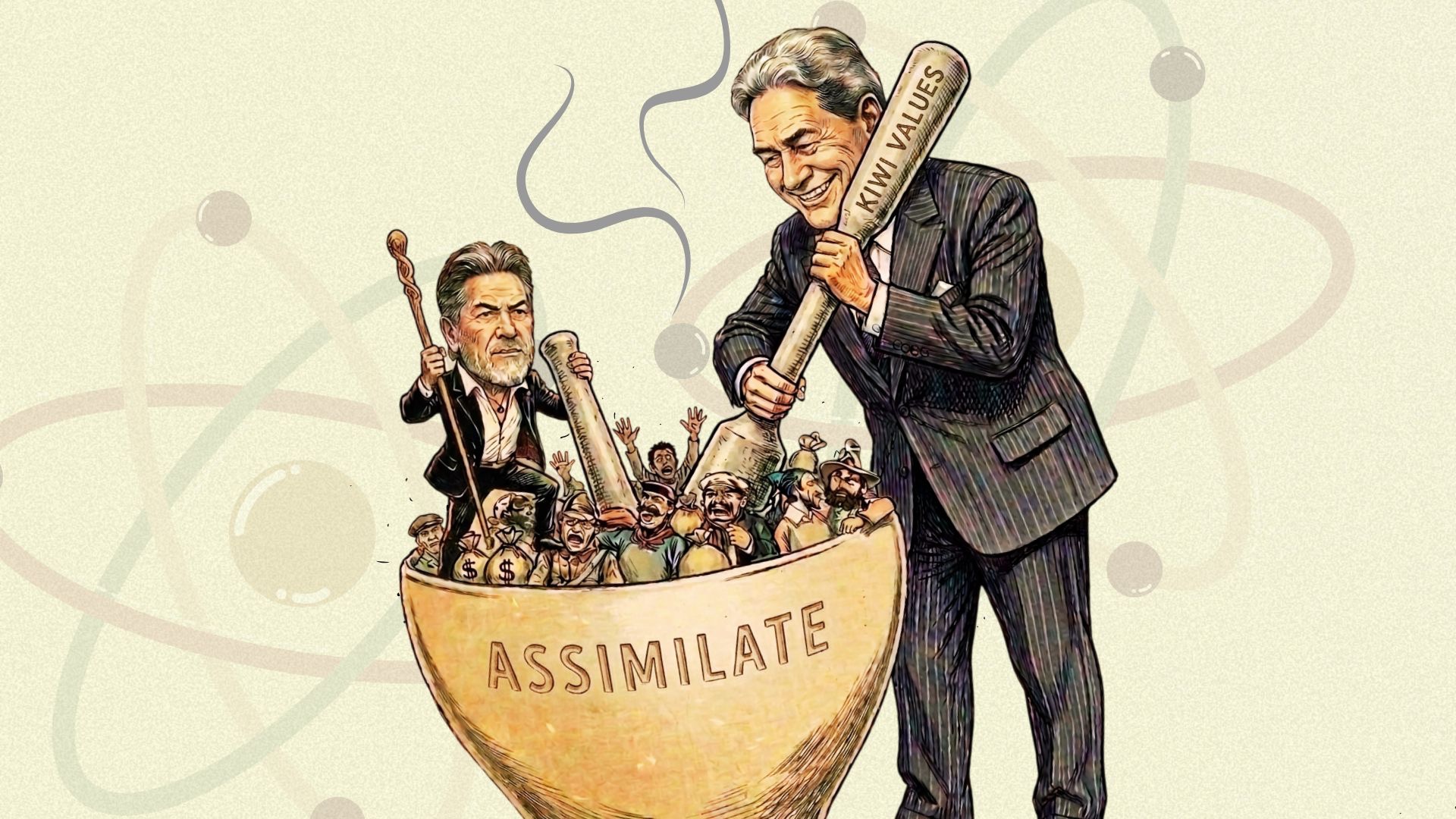
Tamakis launch Indian-origin candidate for Epsom who surrendered passport and has ‘assimilated’ “I know a whole lot of people are going to be like shocked,” says Hannah Tamaki.
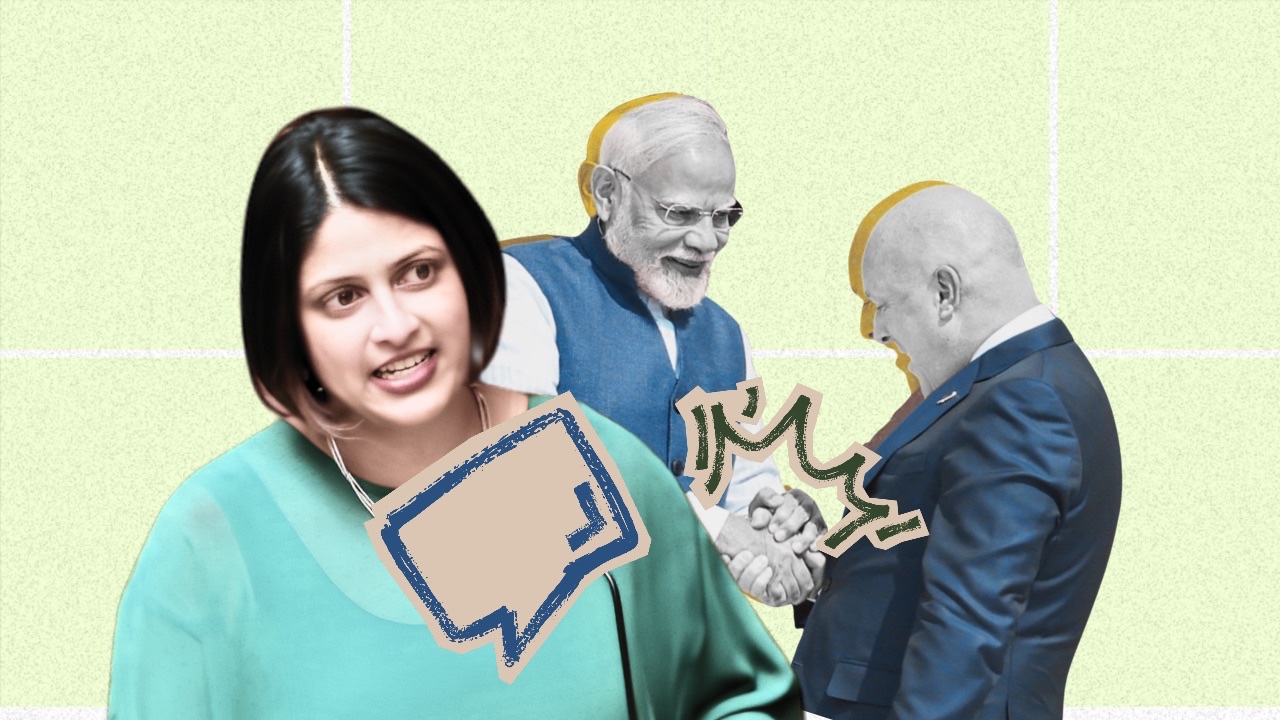
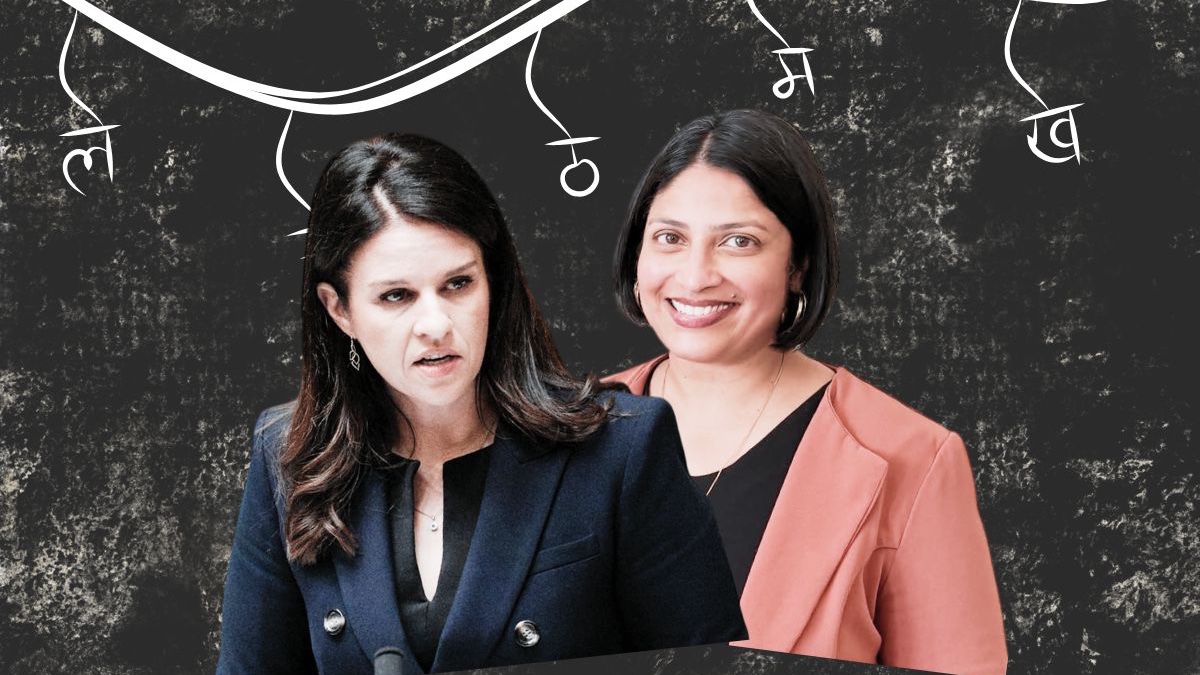
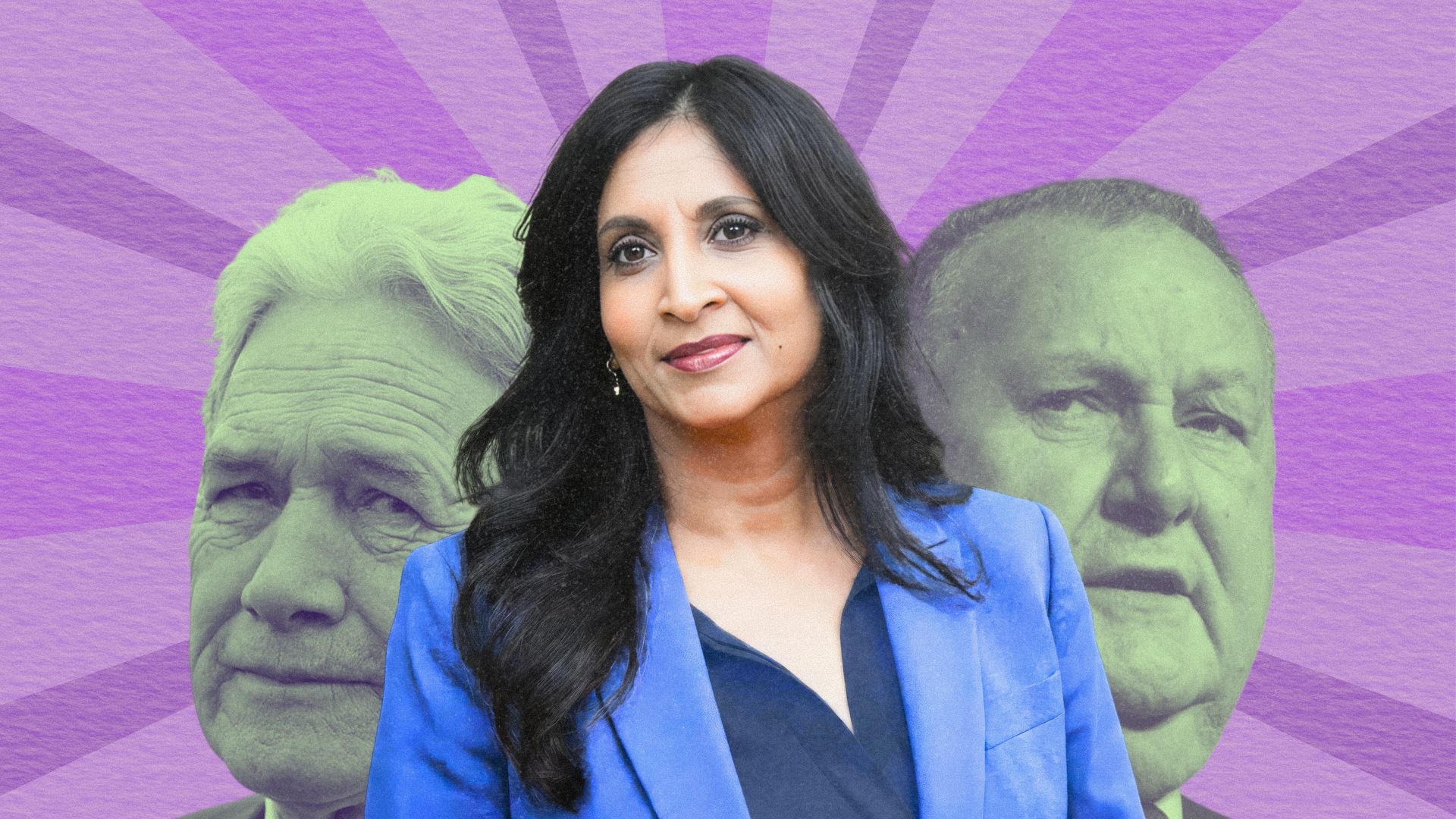
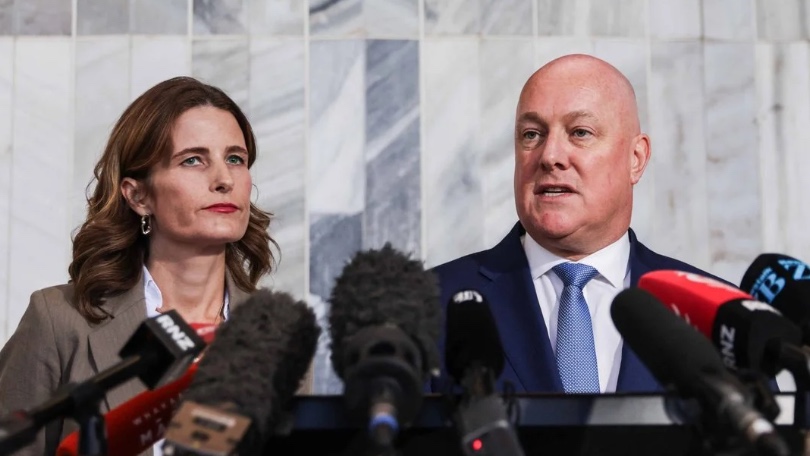
Priyanca Radhakrishnan tries to puncture Luxon’s FTA victory, says India was already sold “Things have changed quite dramatically on the Indian government side,” says the Indian-origin Labour MP.
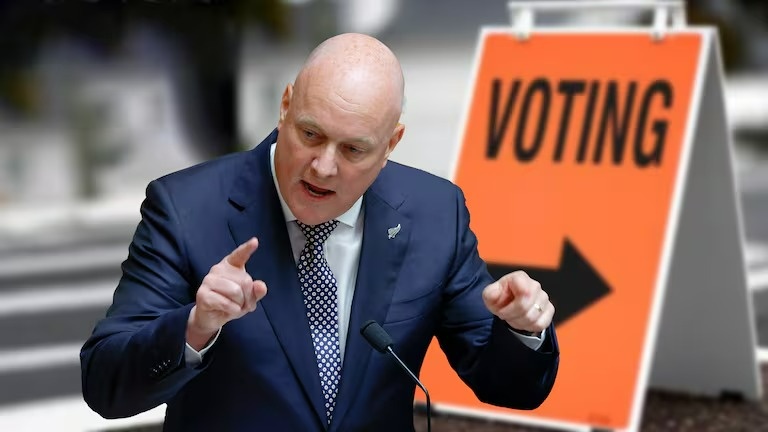
That should be obvious. But this is an election year. The question hanging over the India FTA is now whether political gain will be allowed to trump foreign relations.
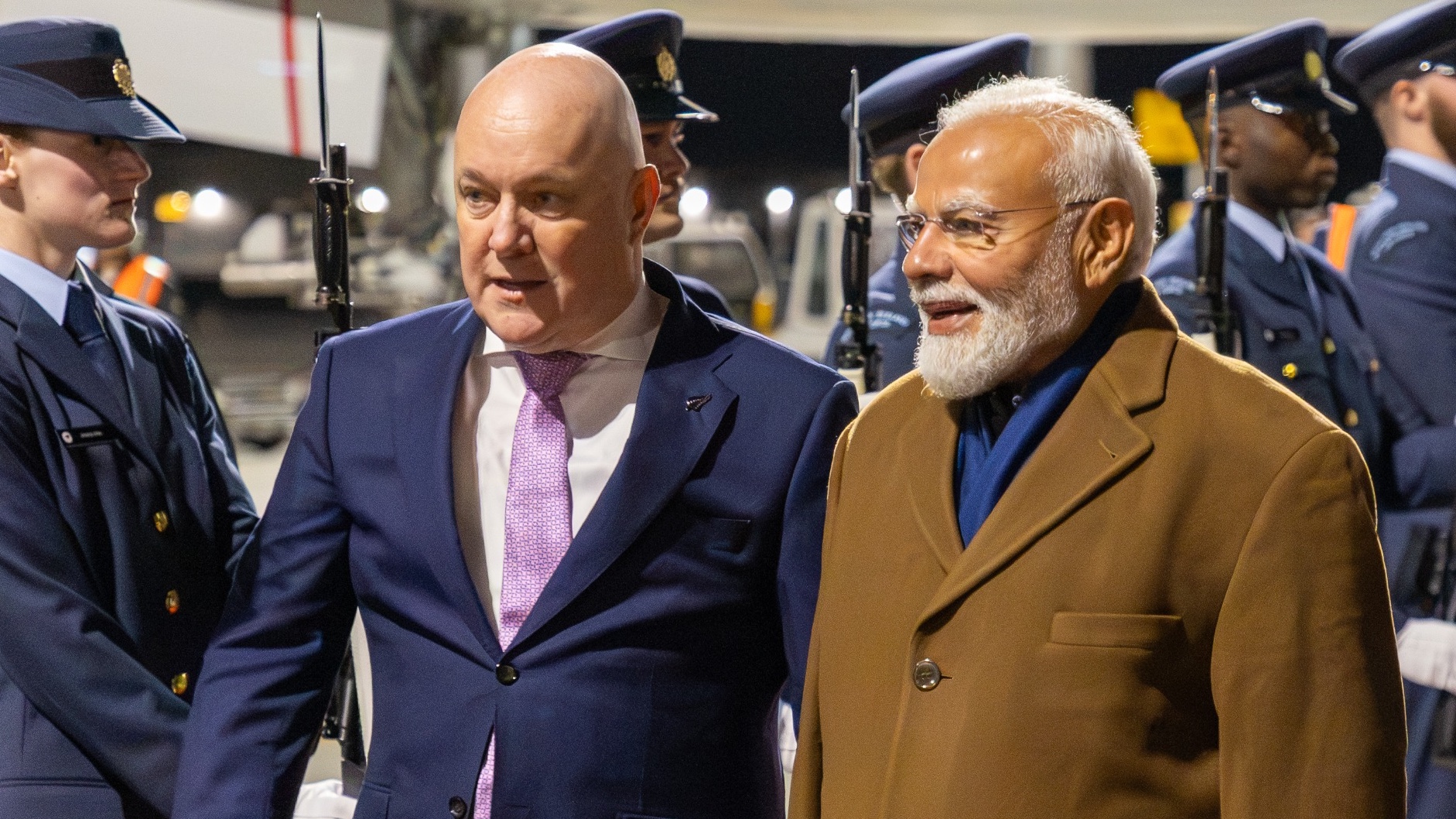
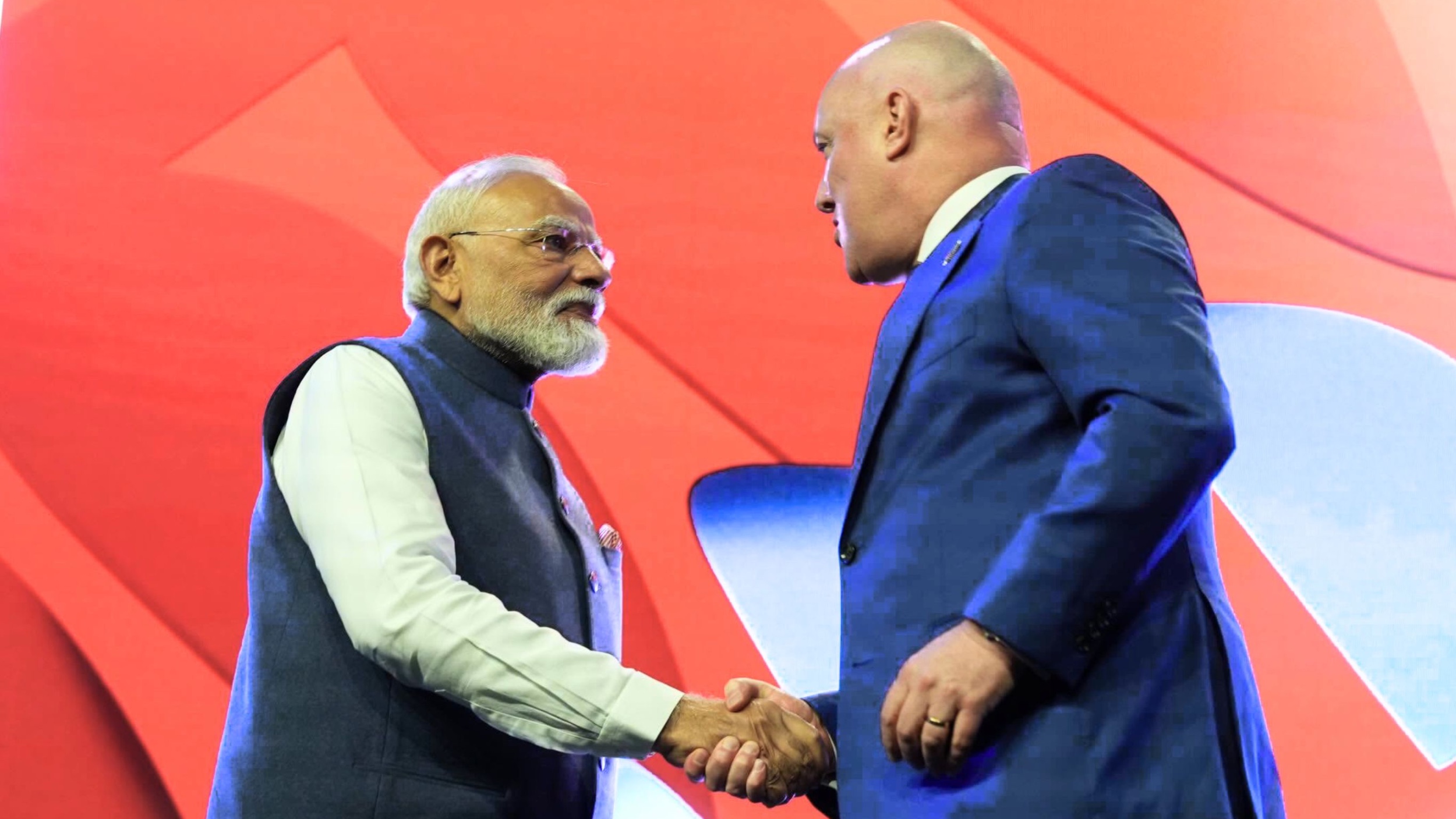
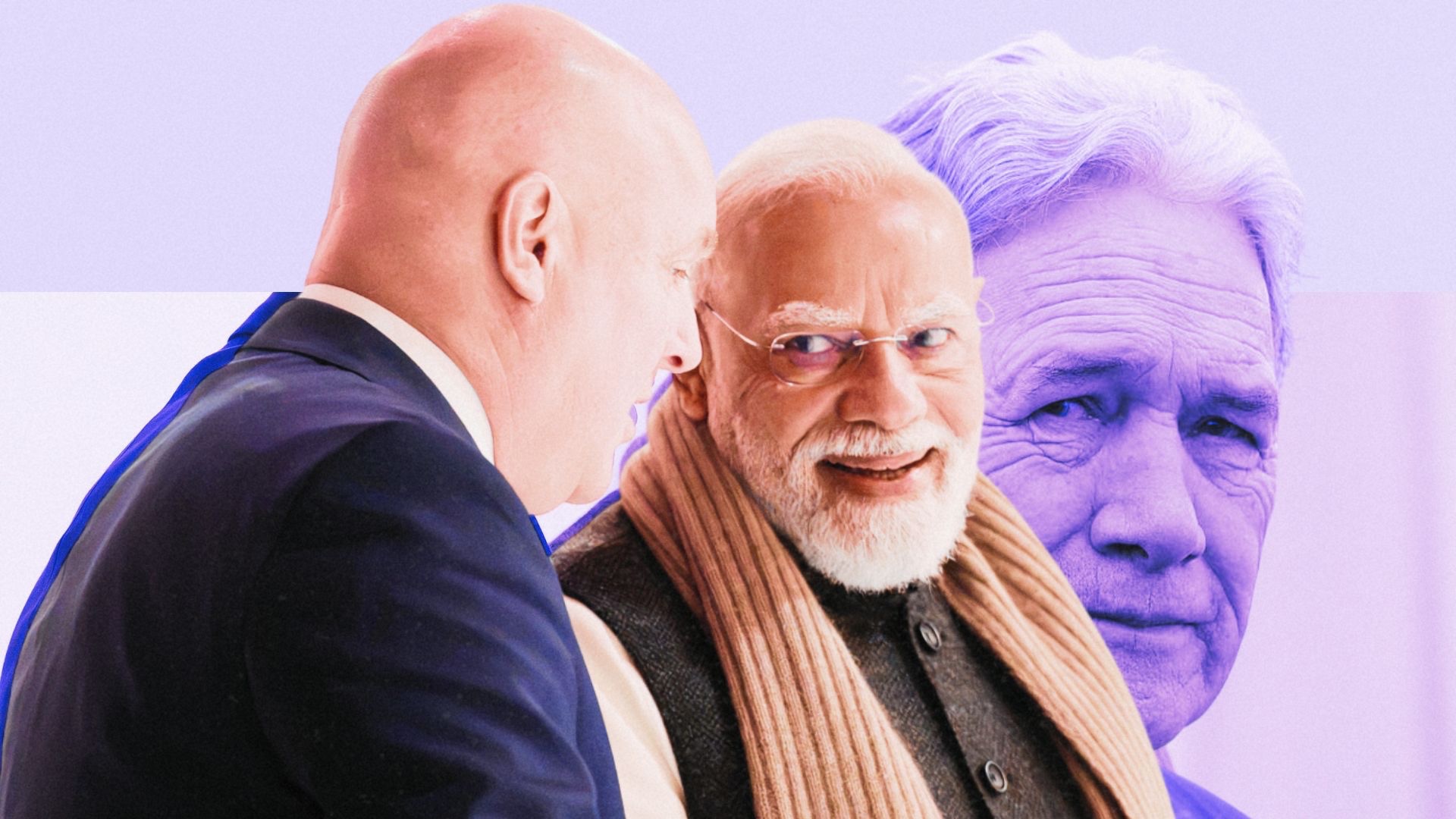
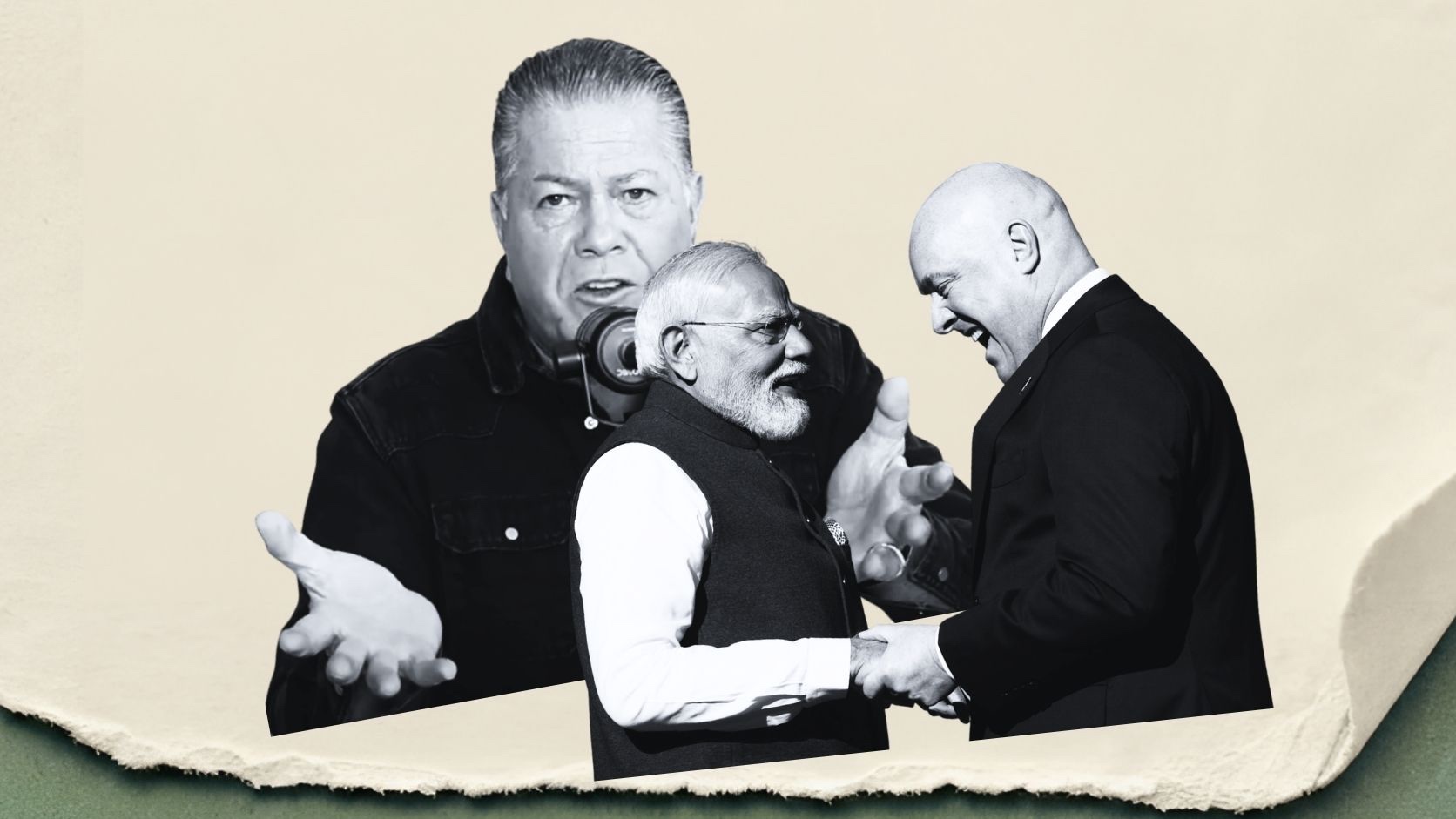
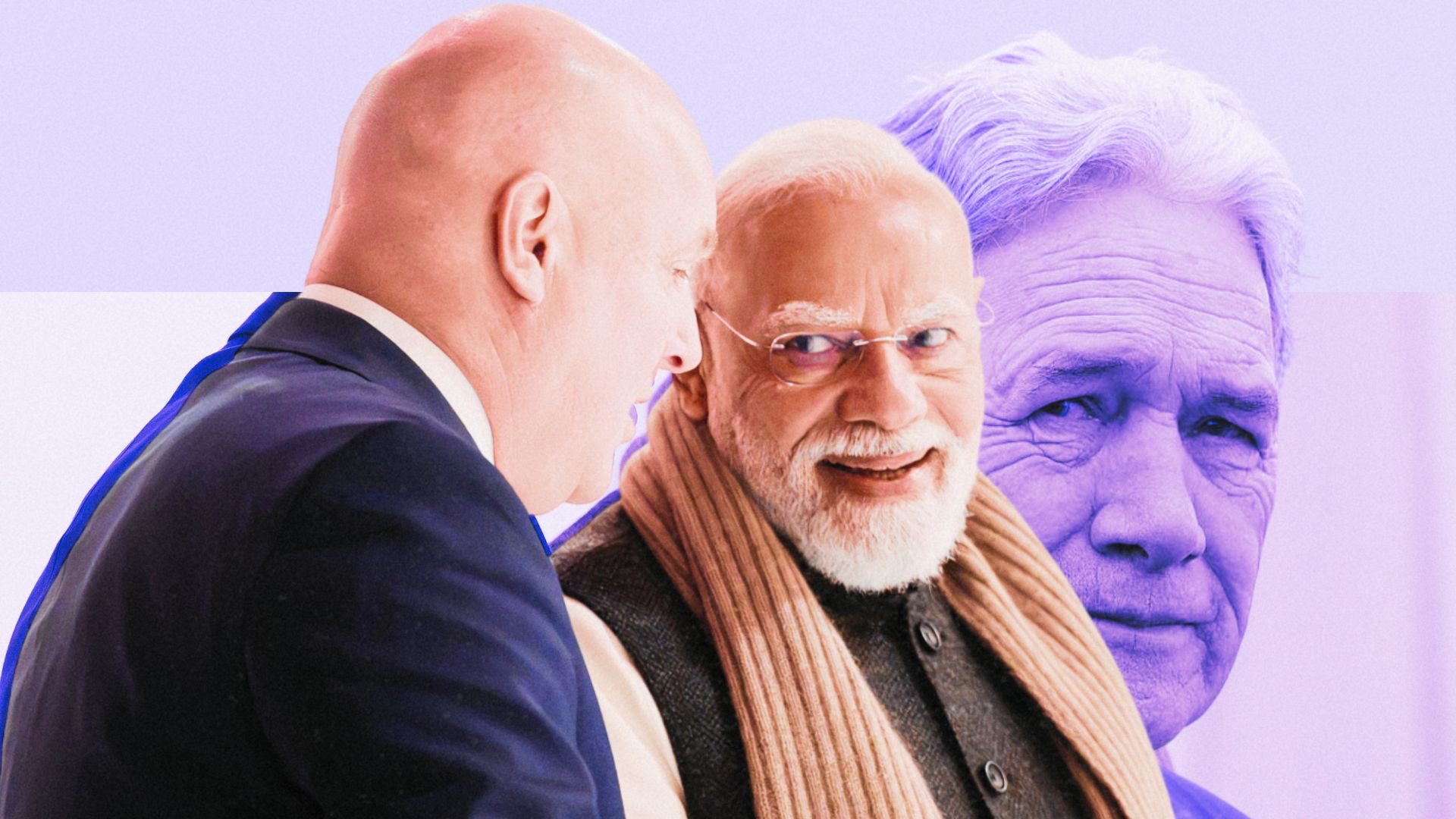
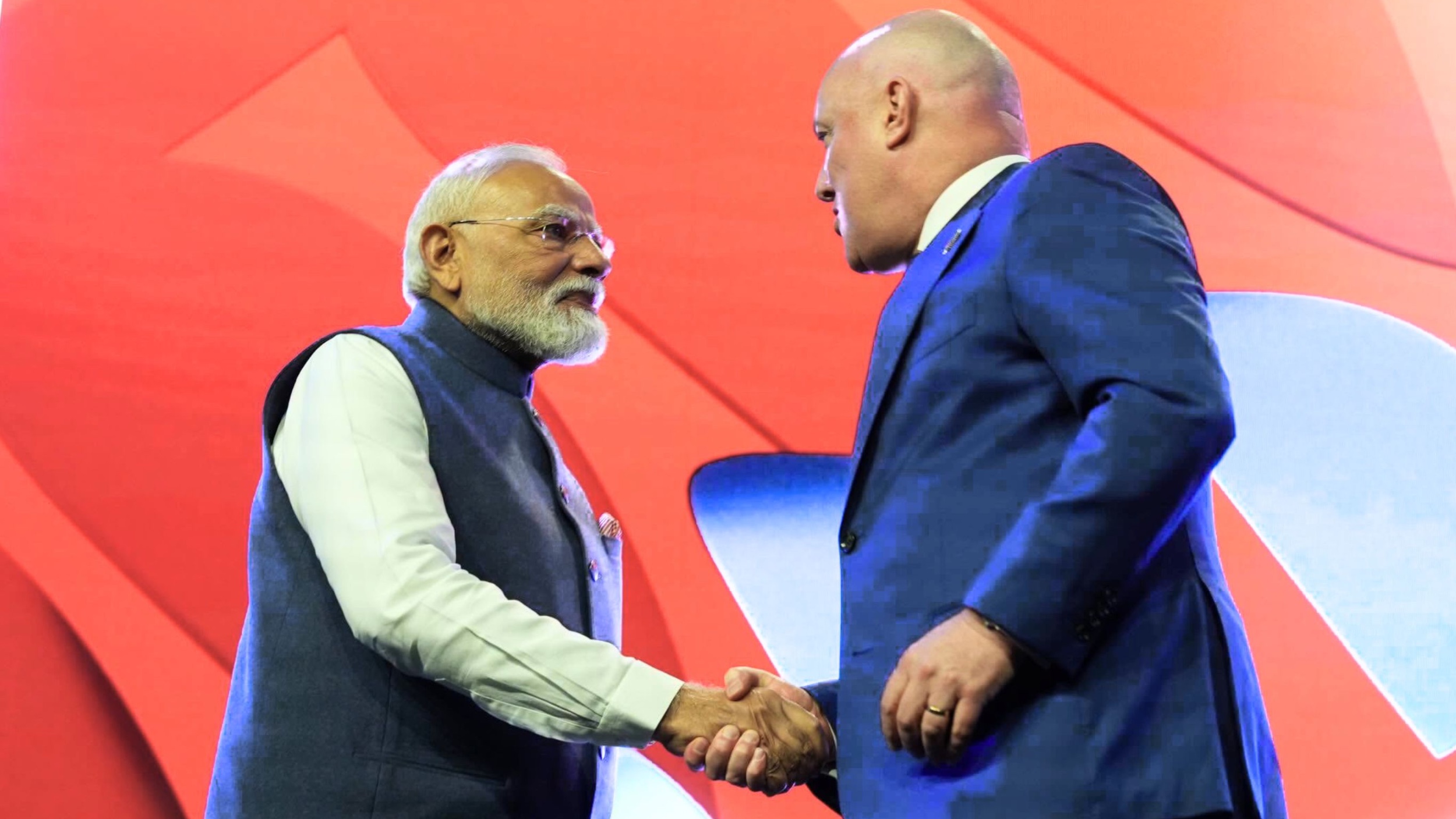
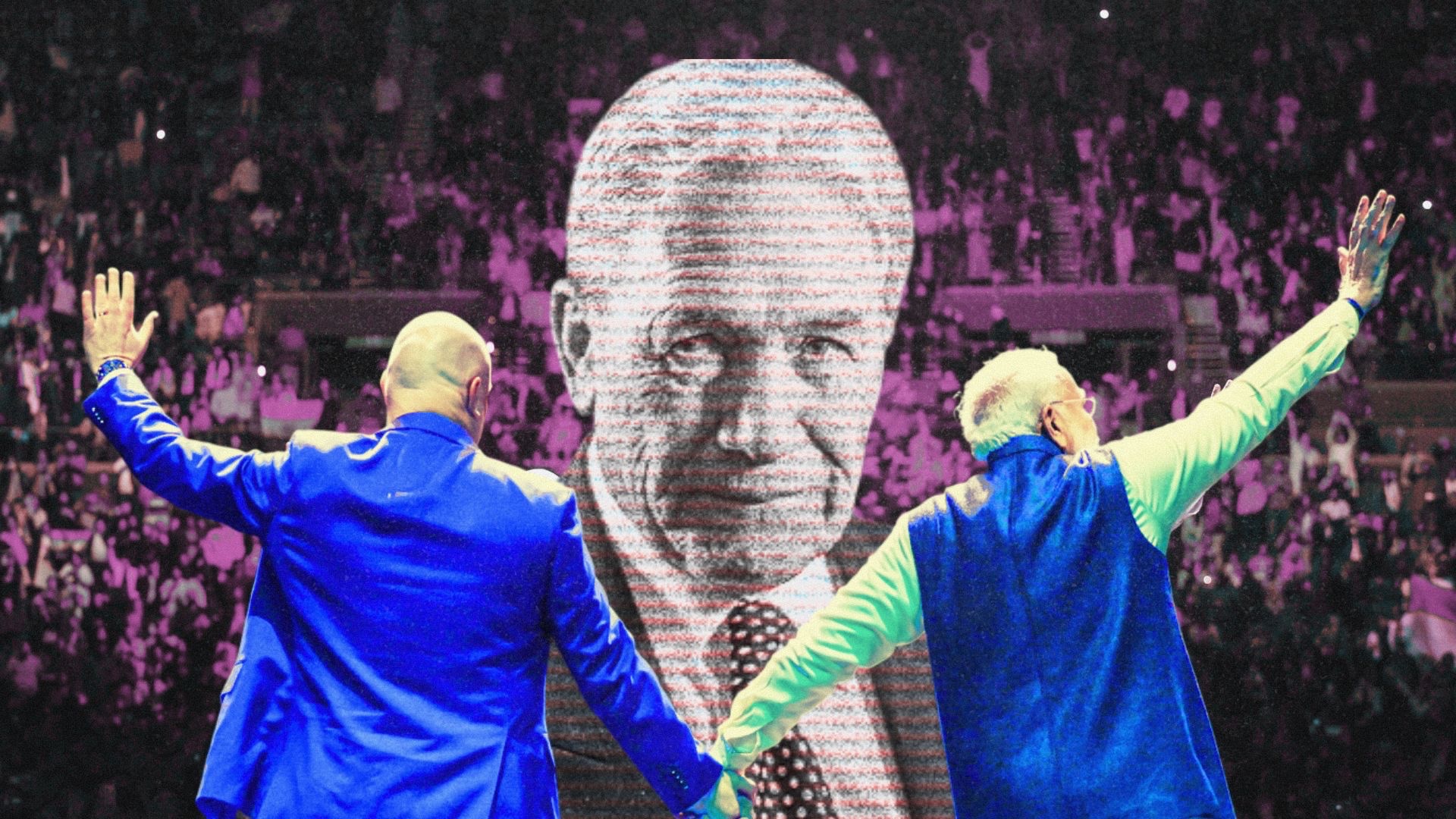
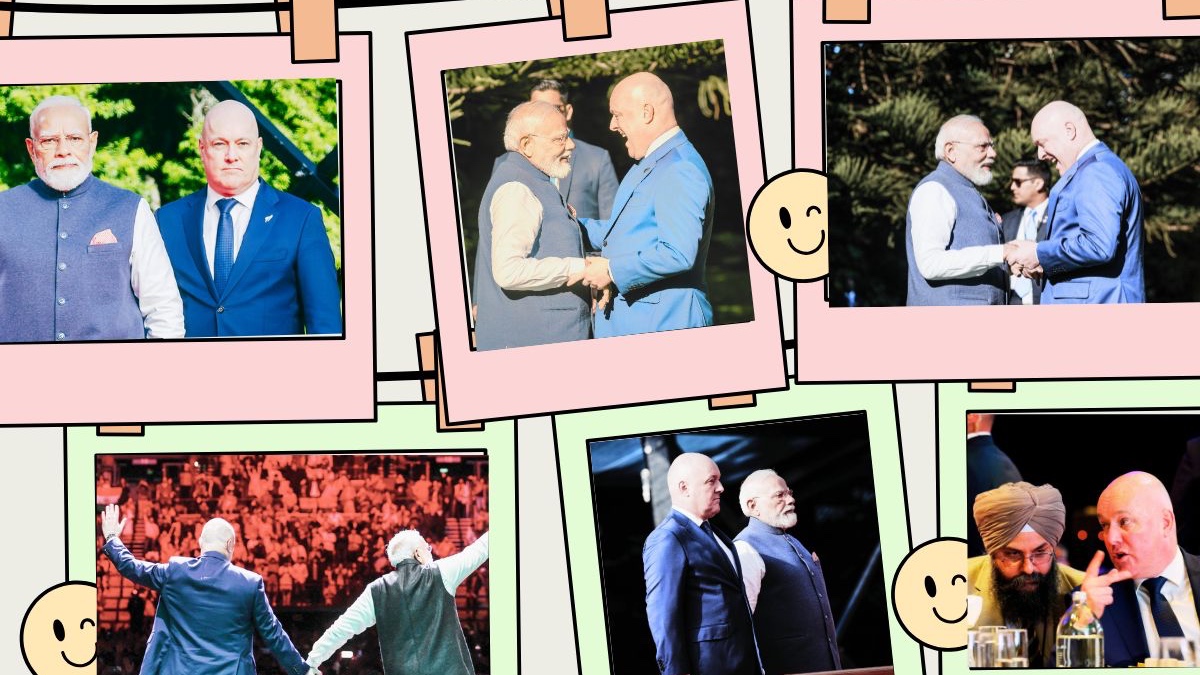
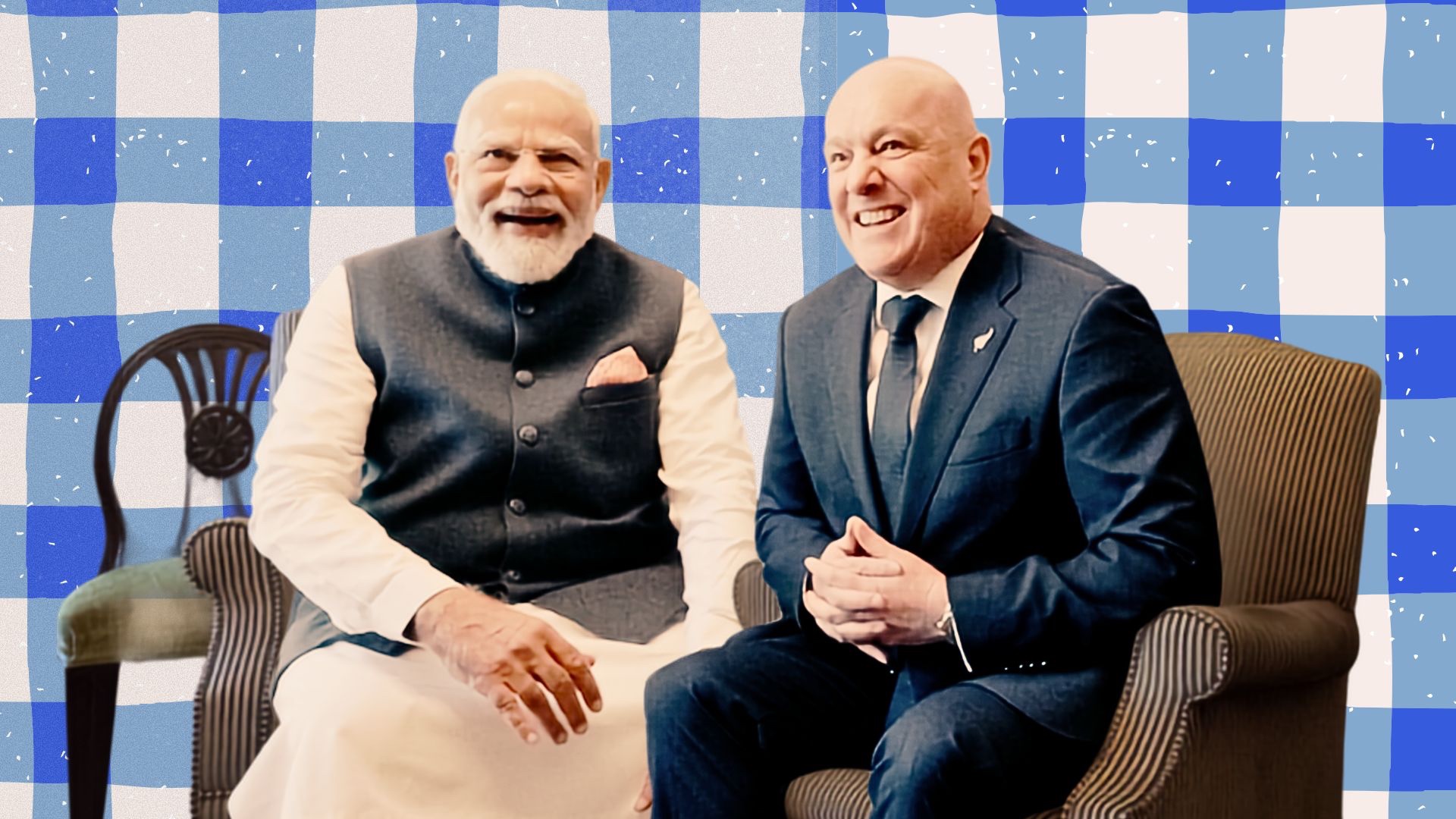
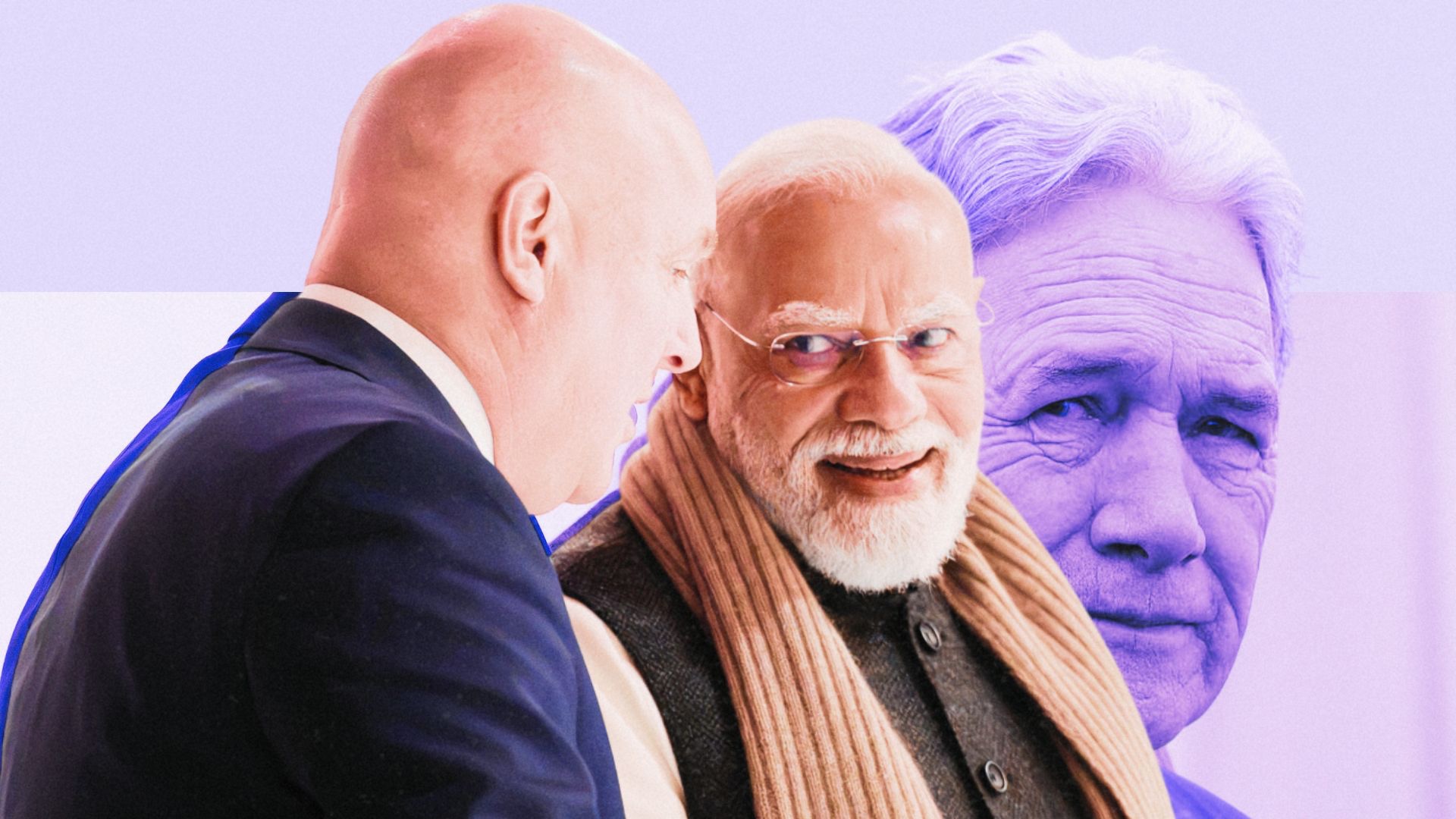
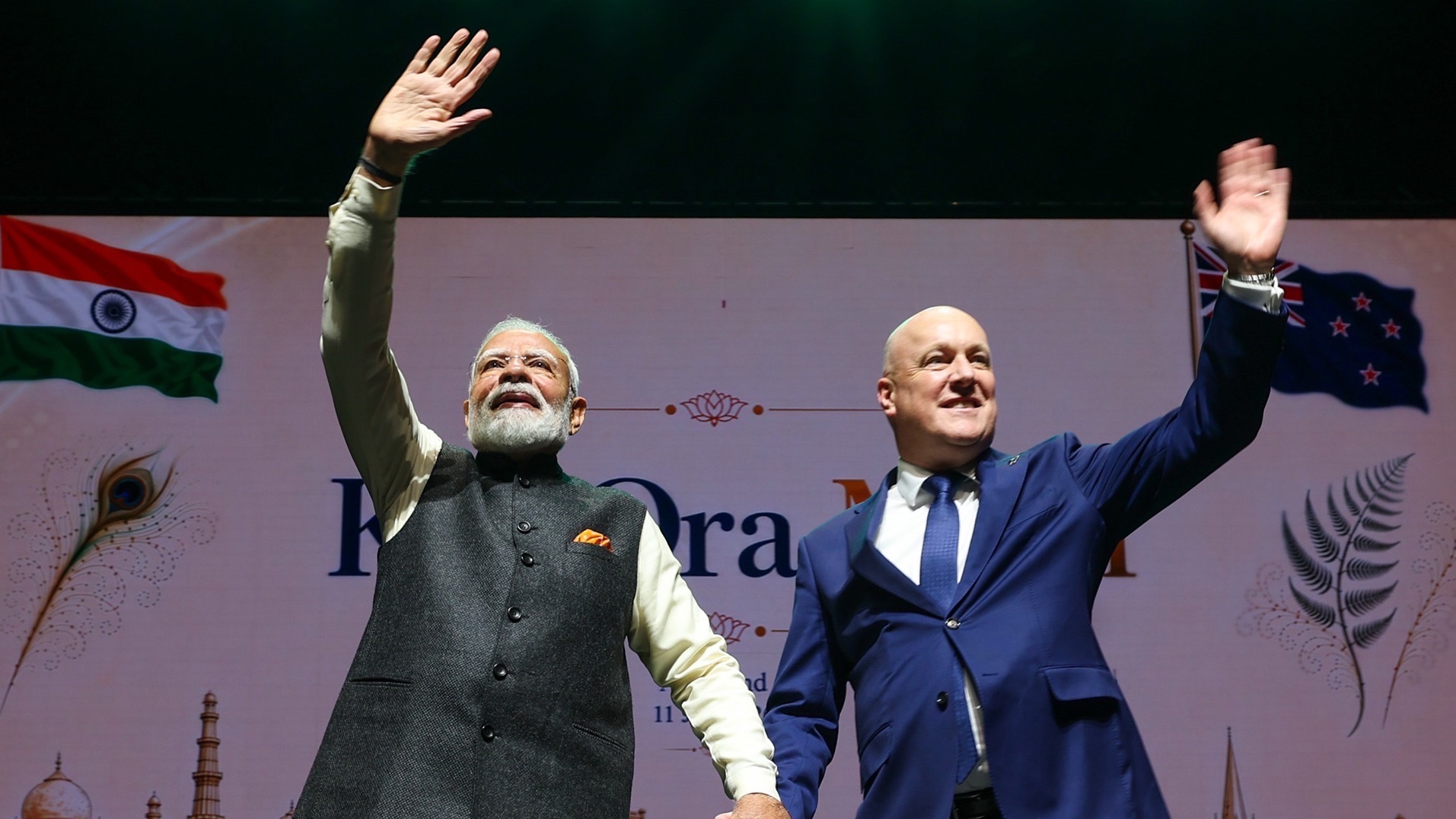
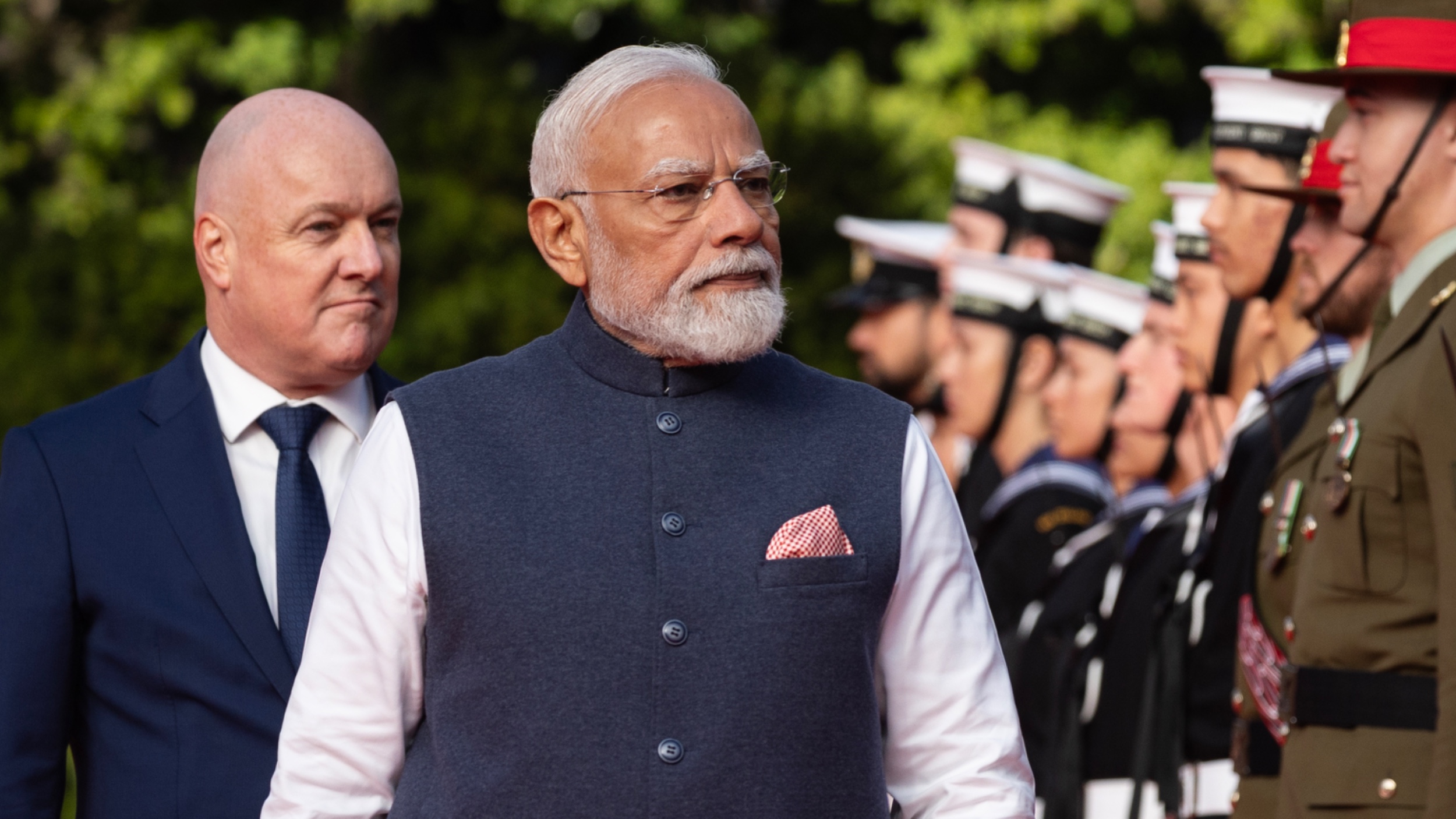
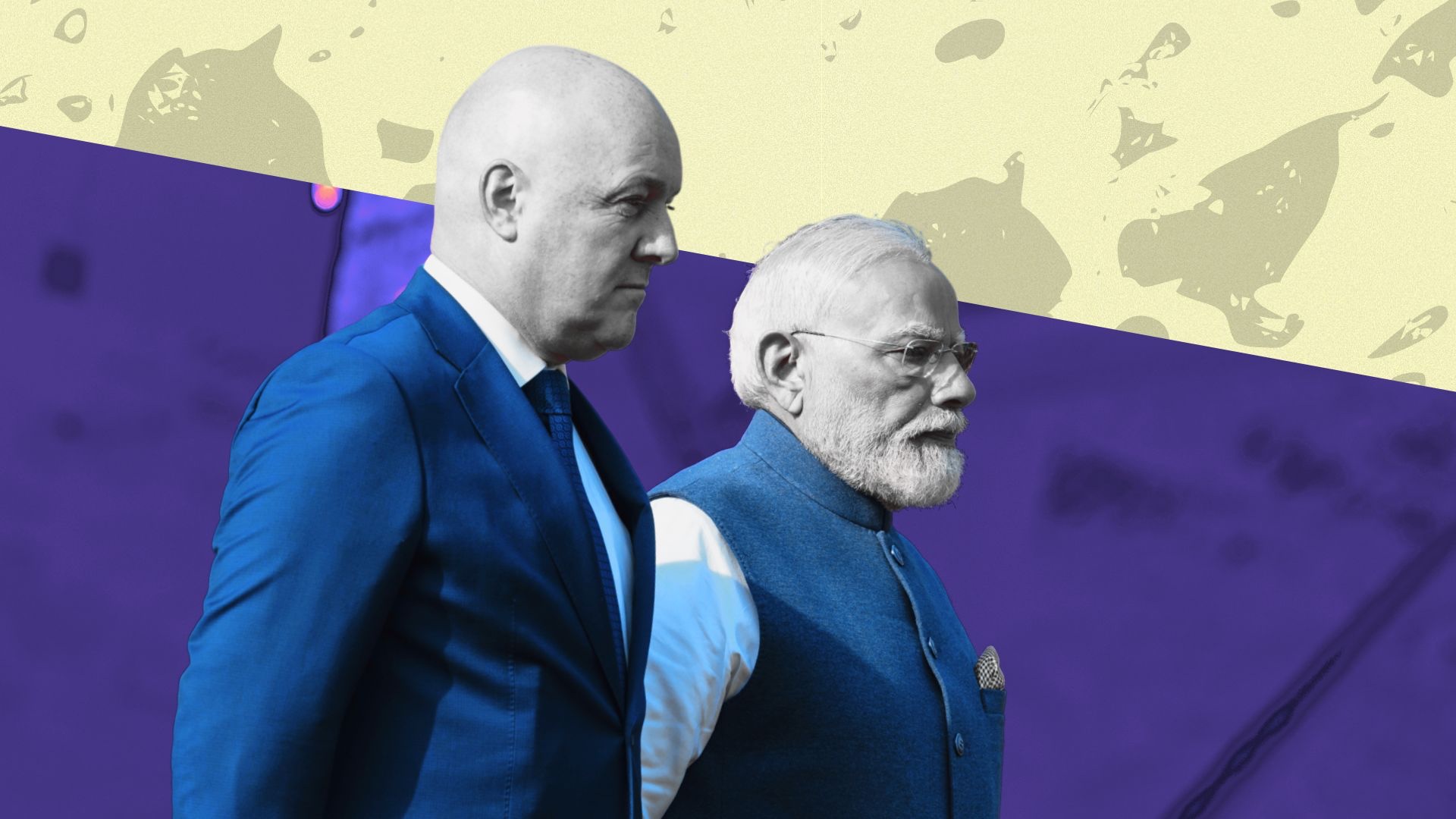
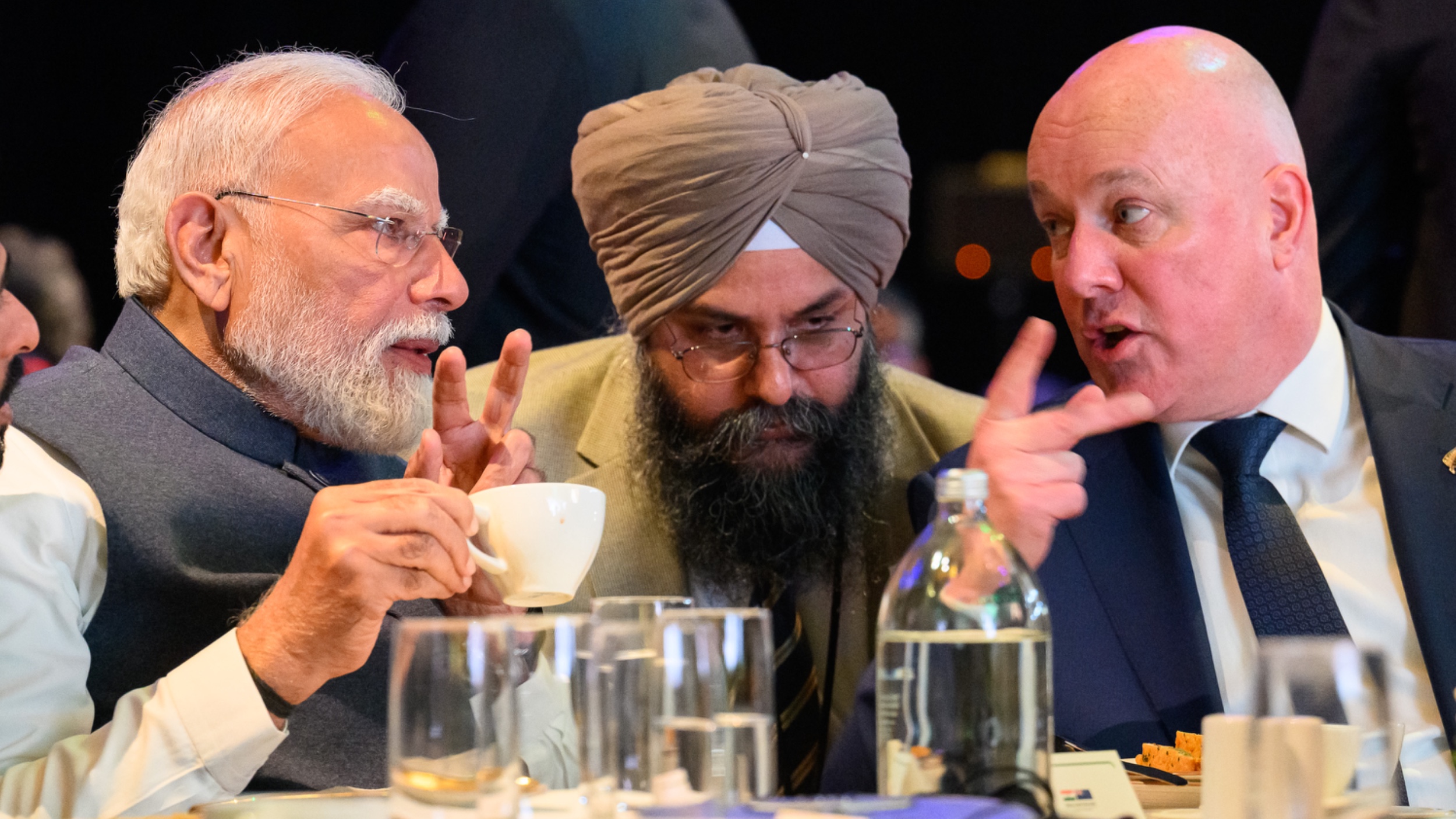
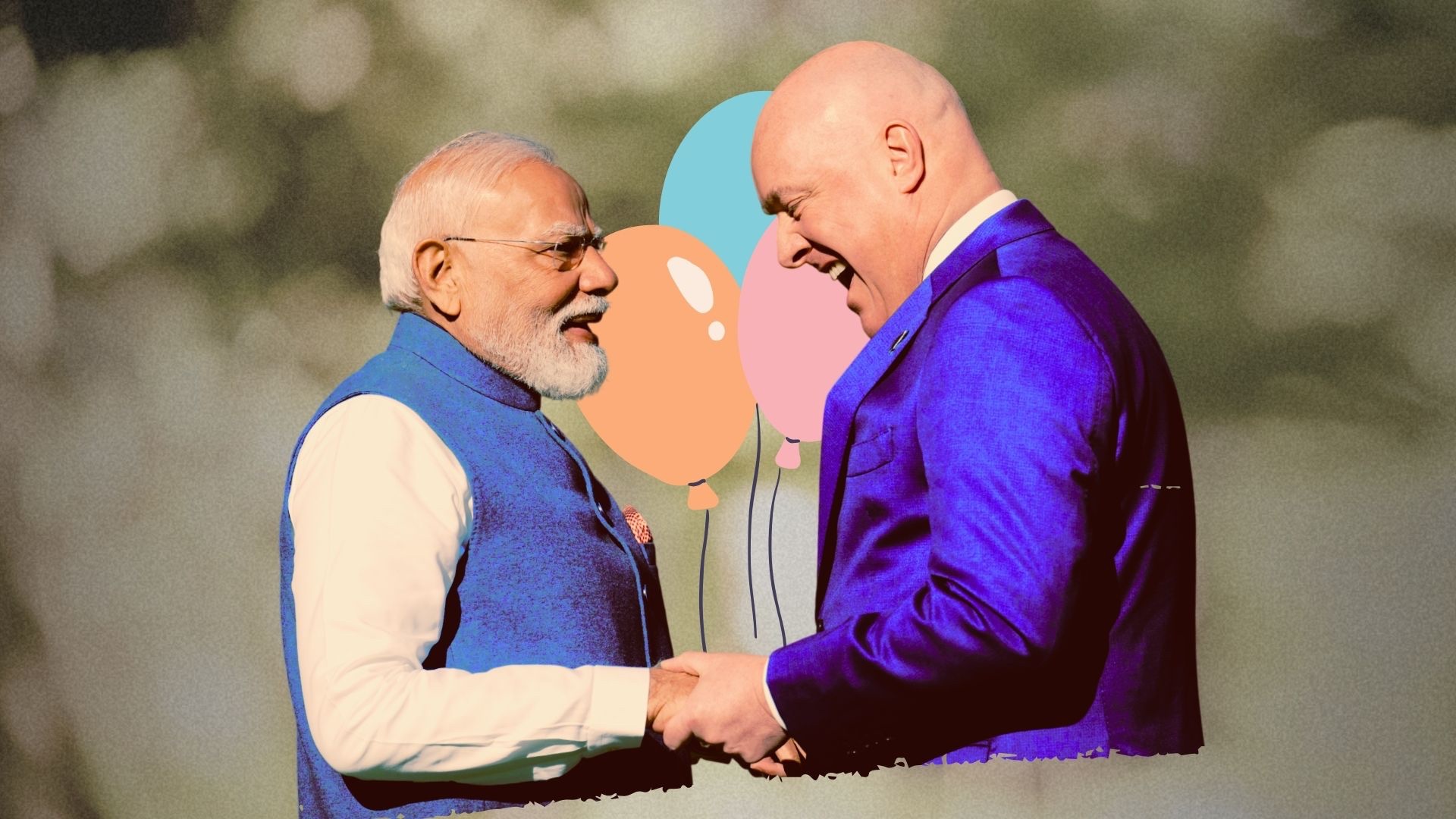
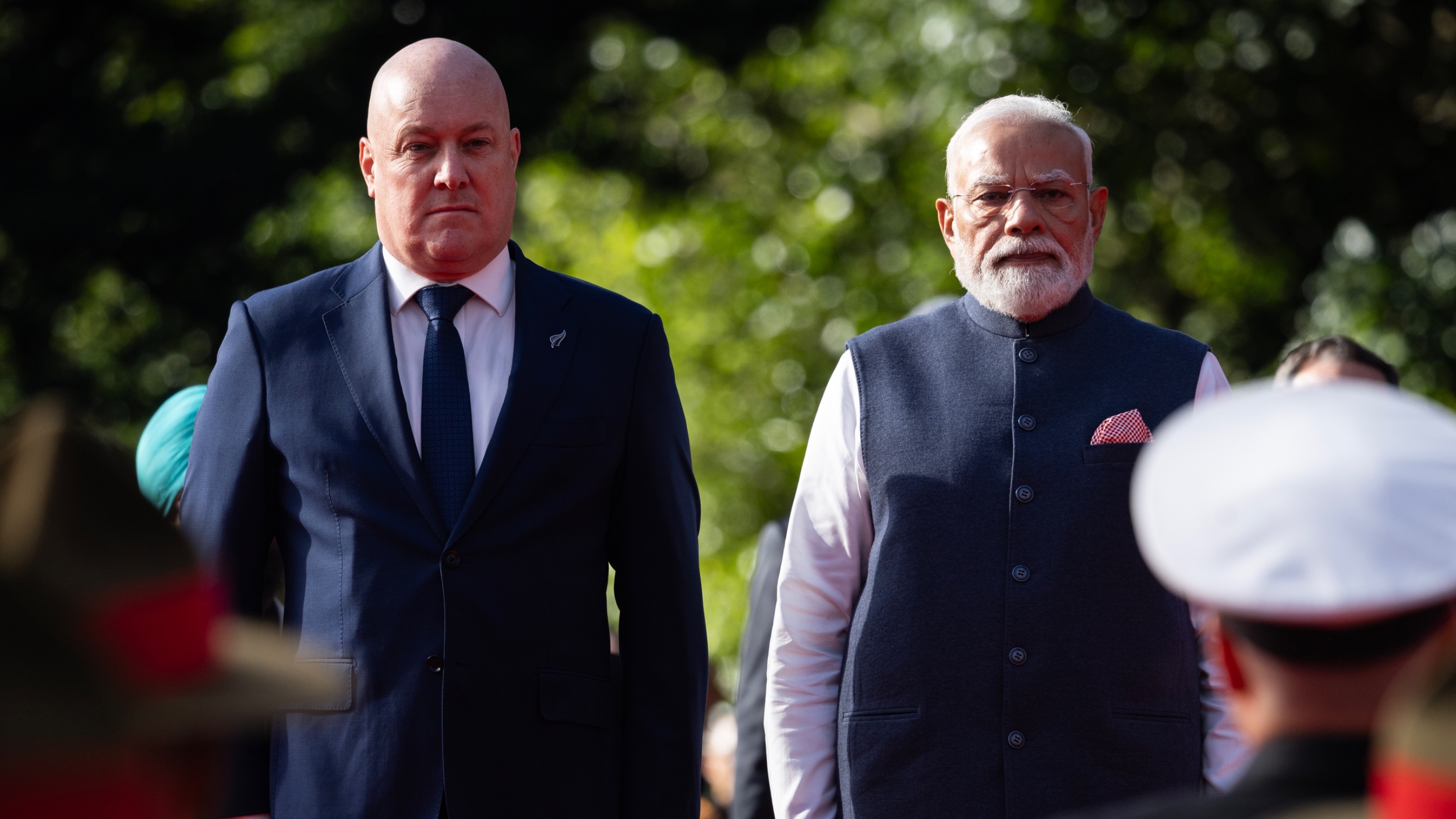
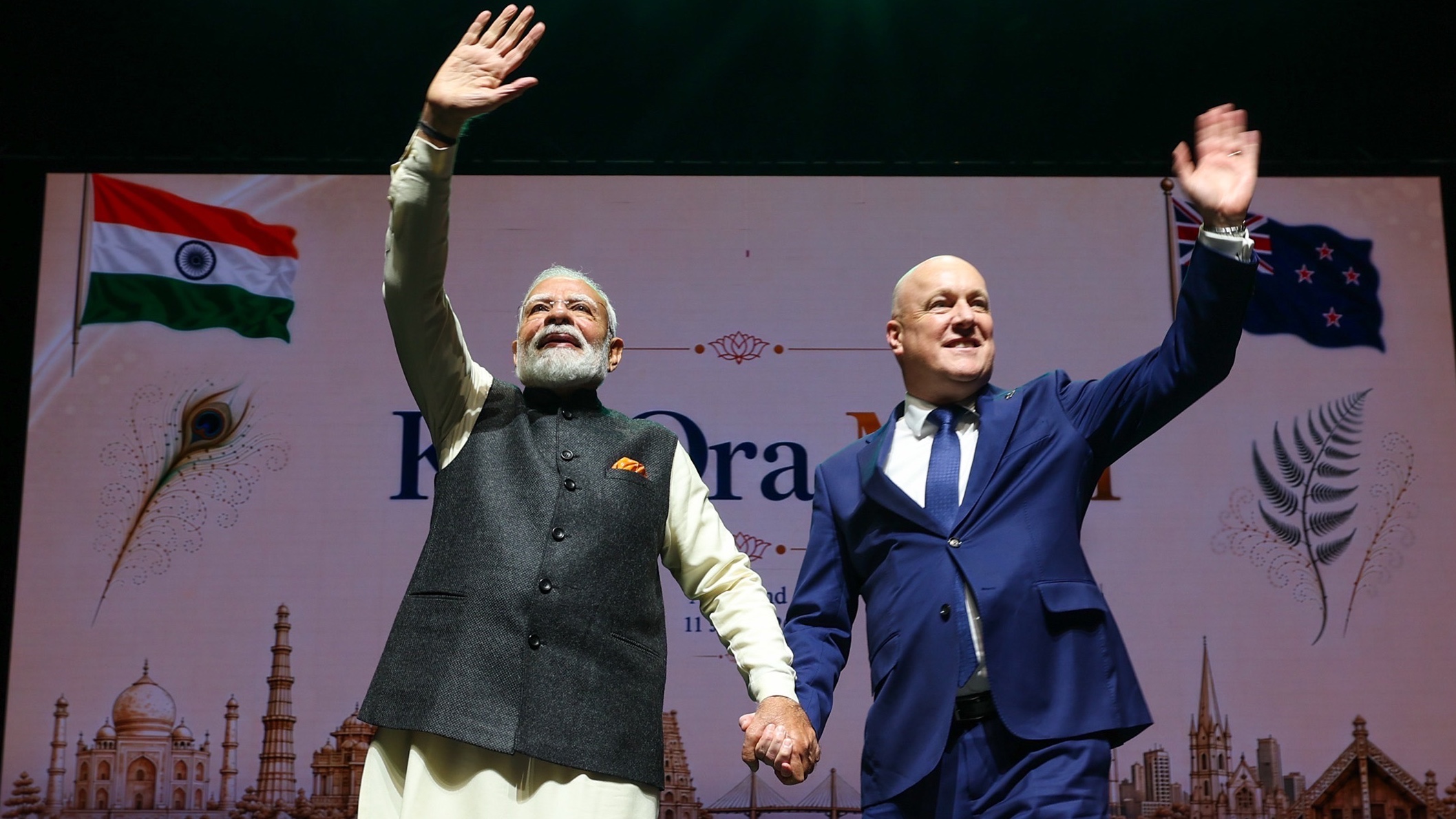
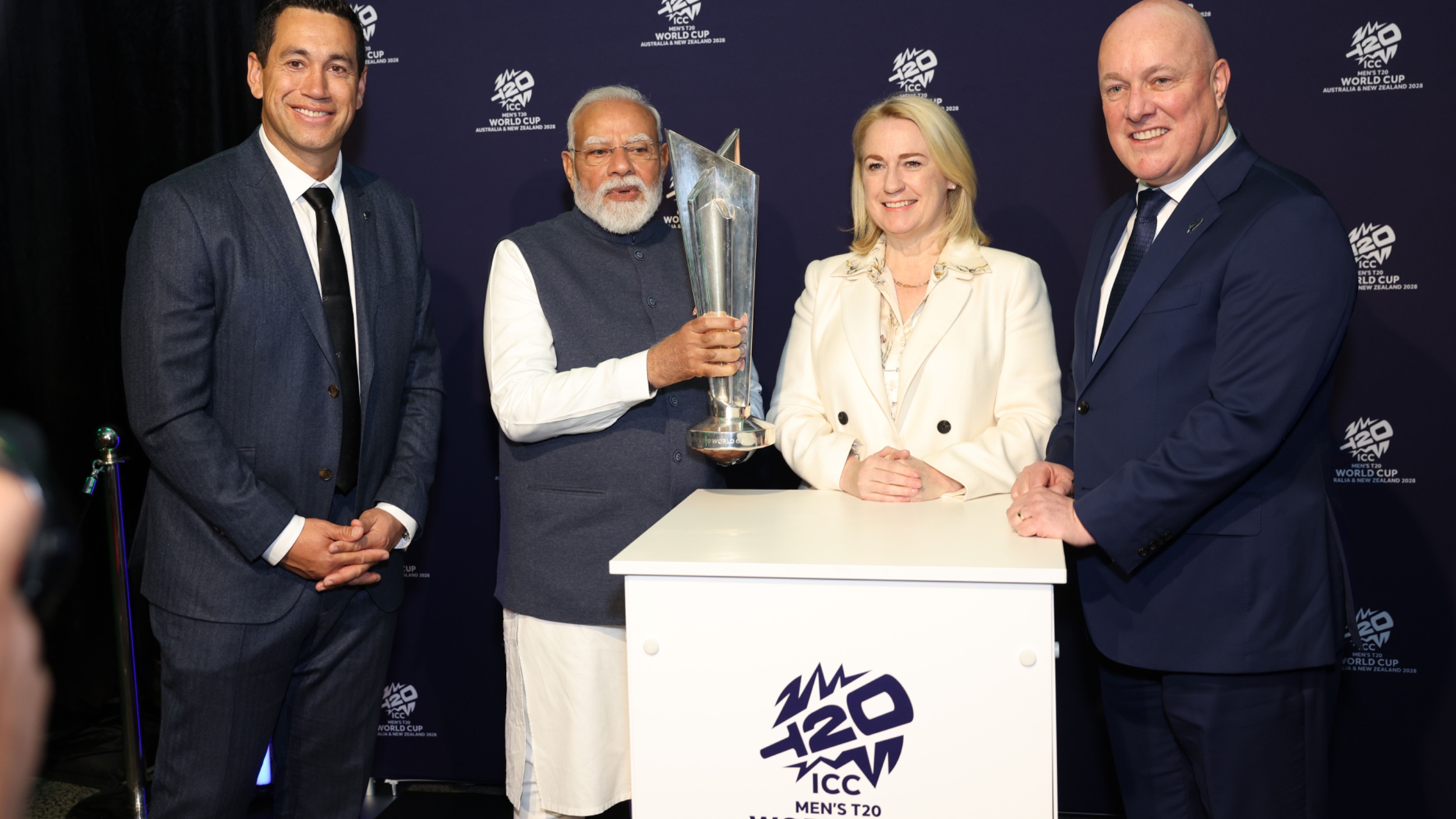
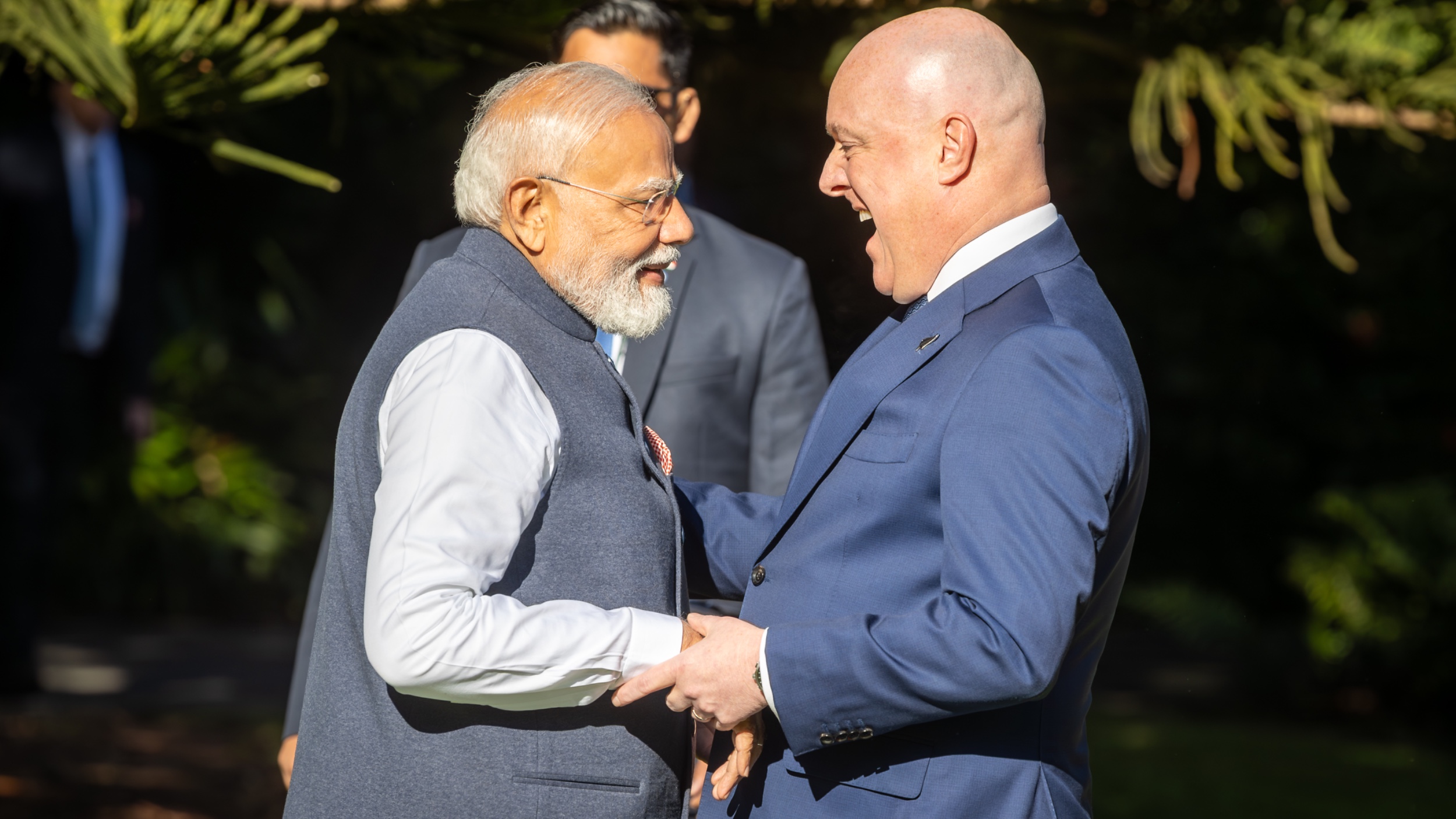
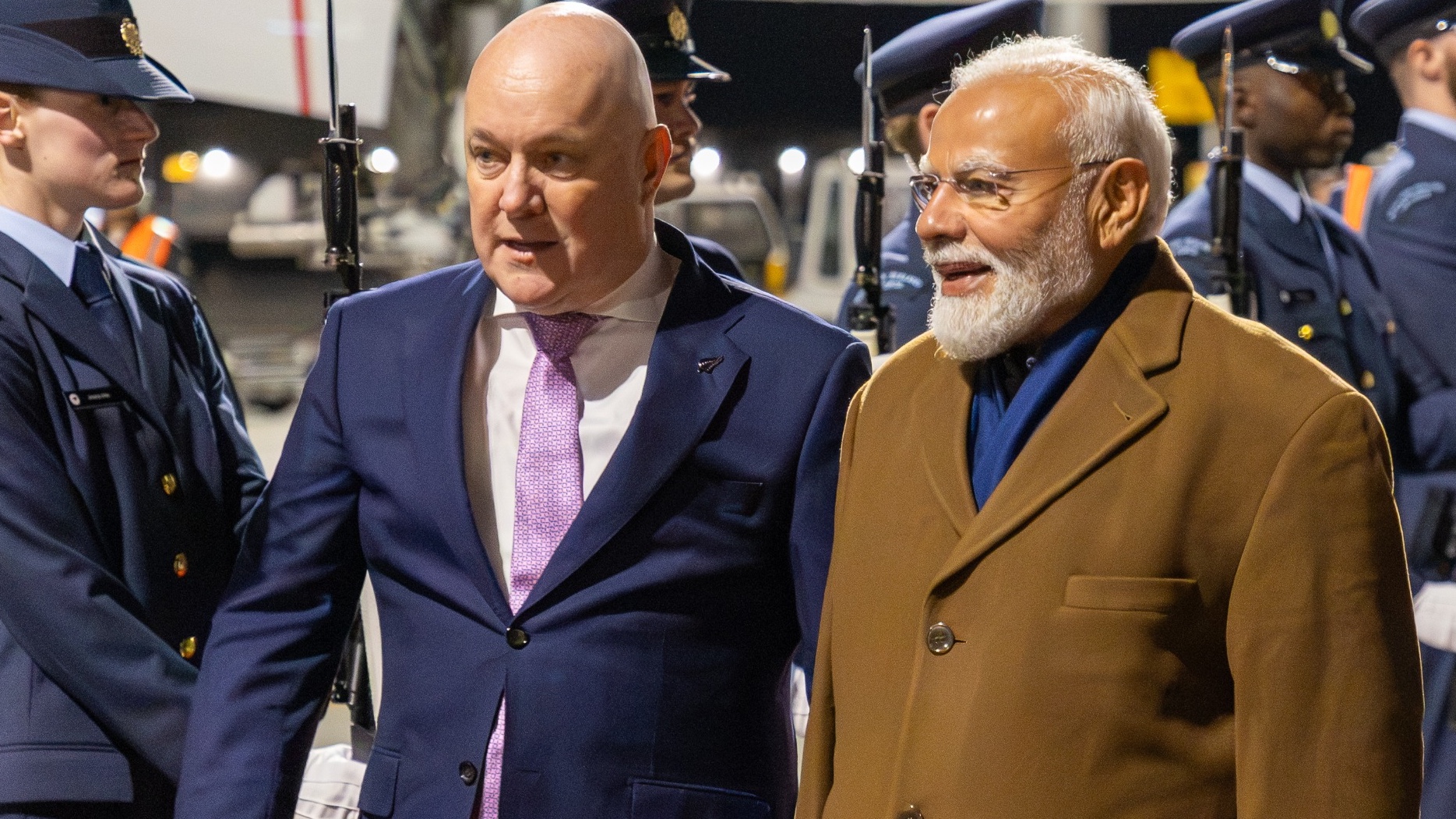
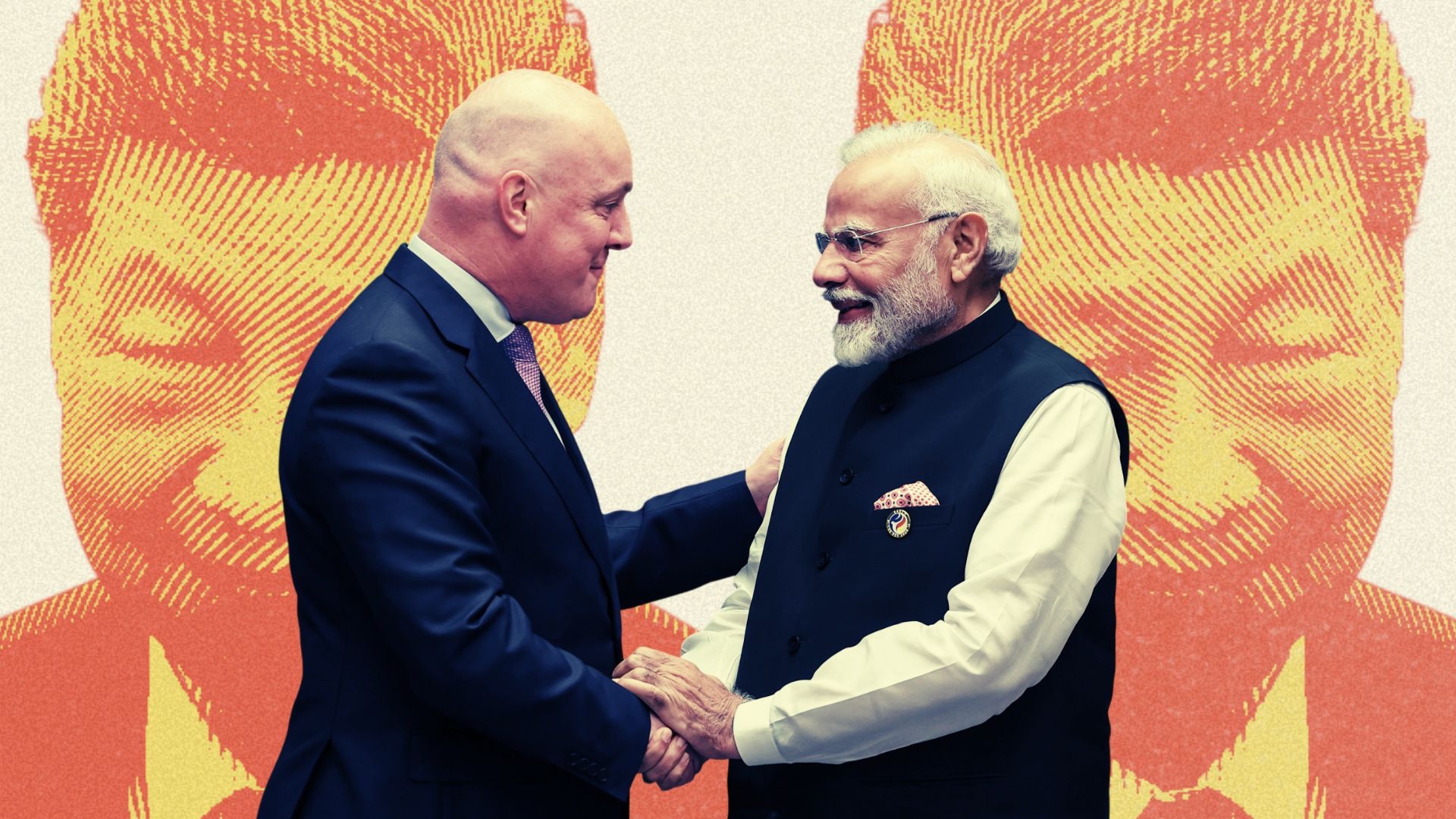
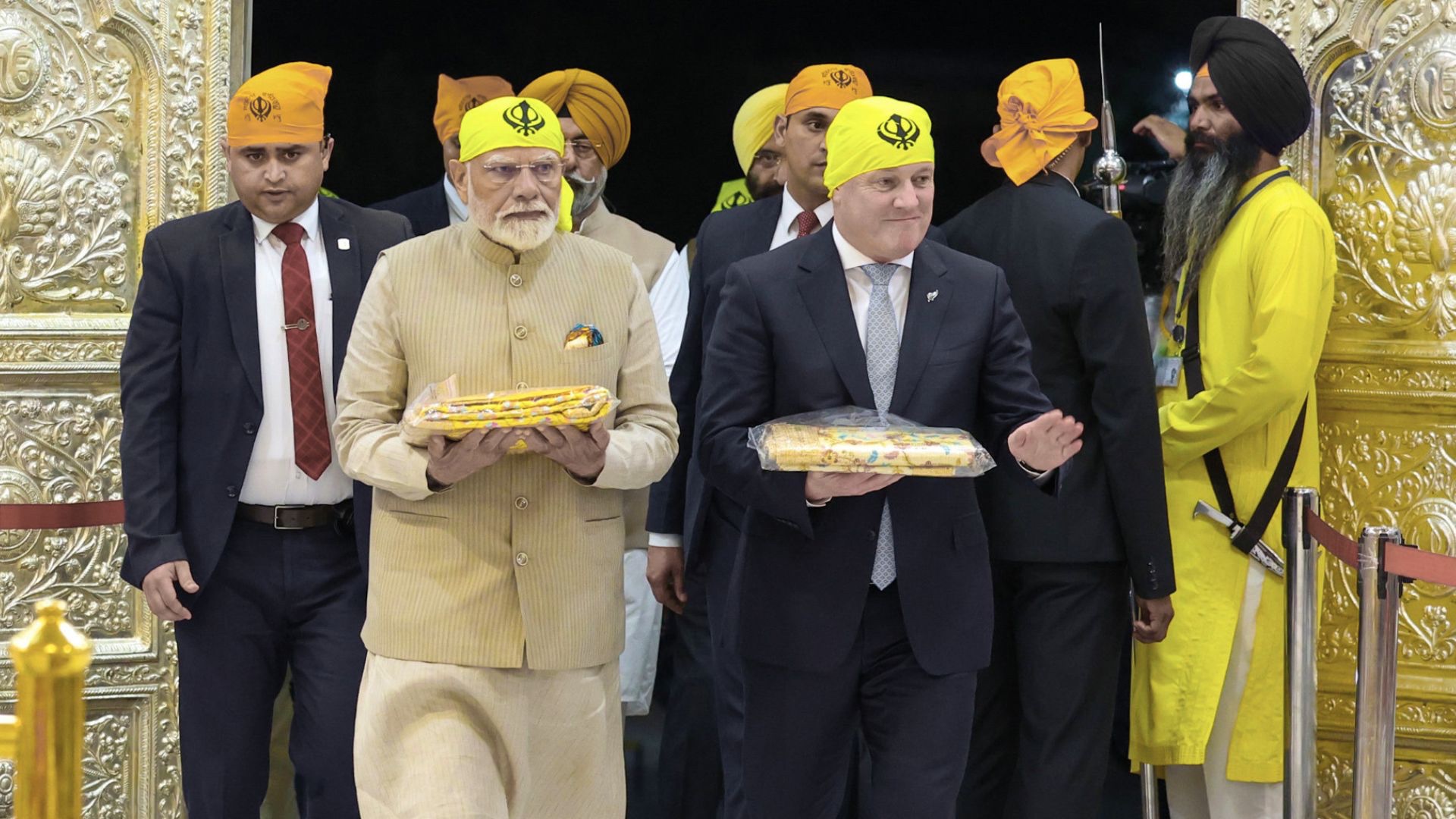
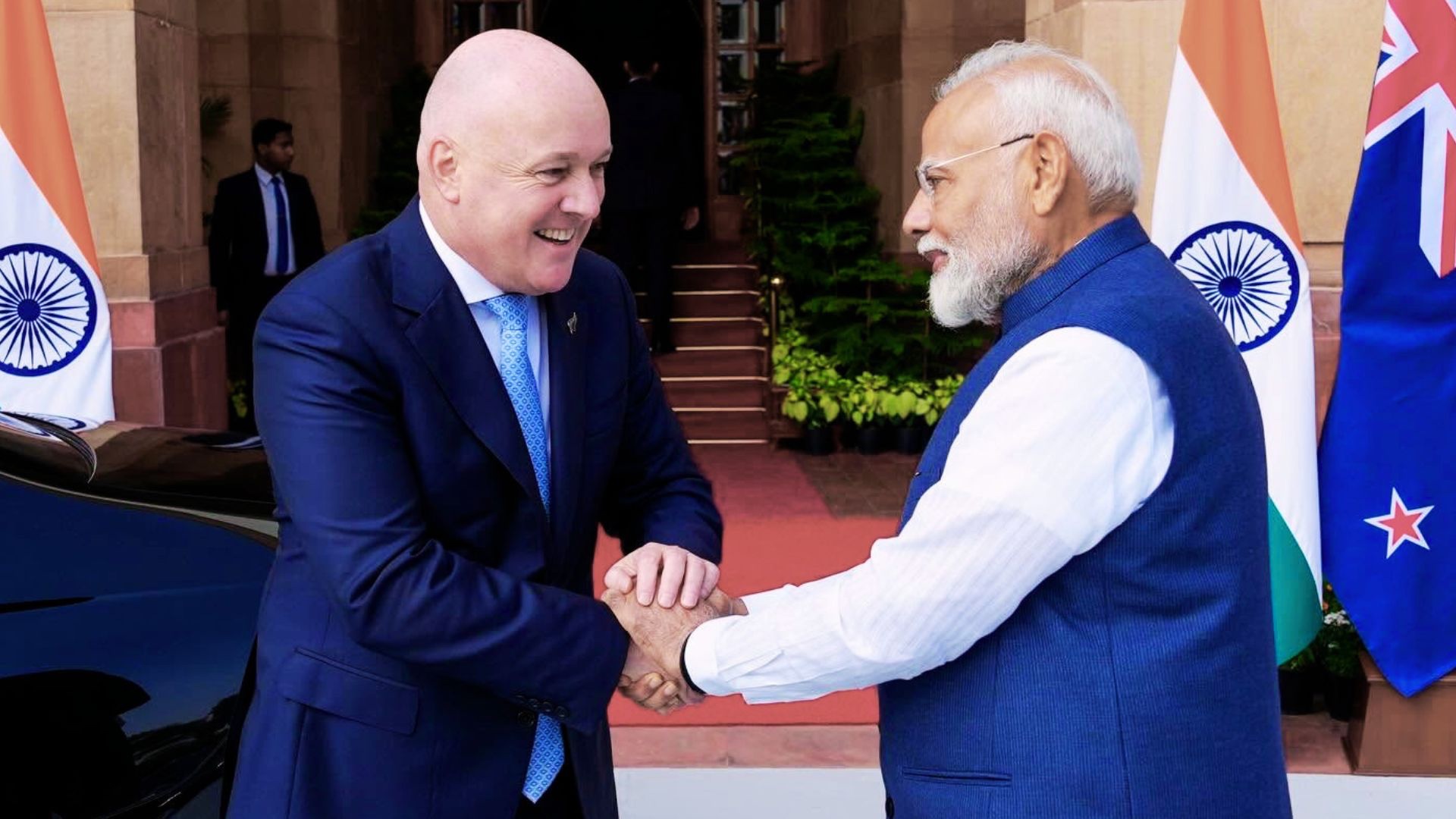
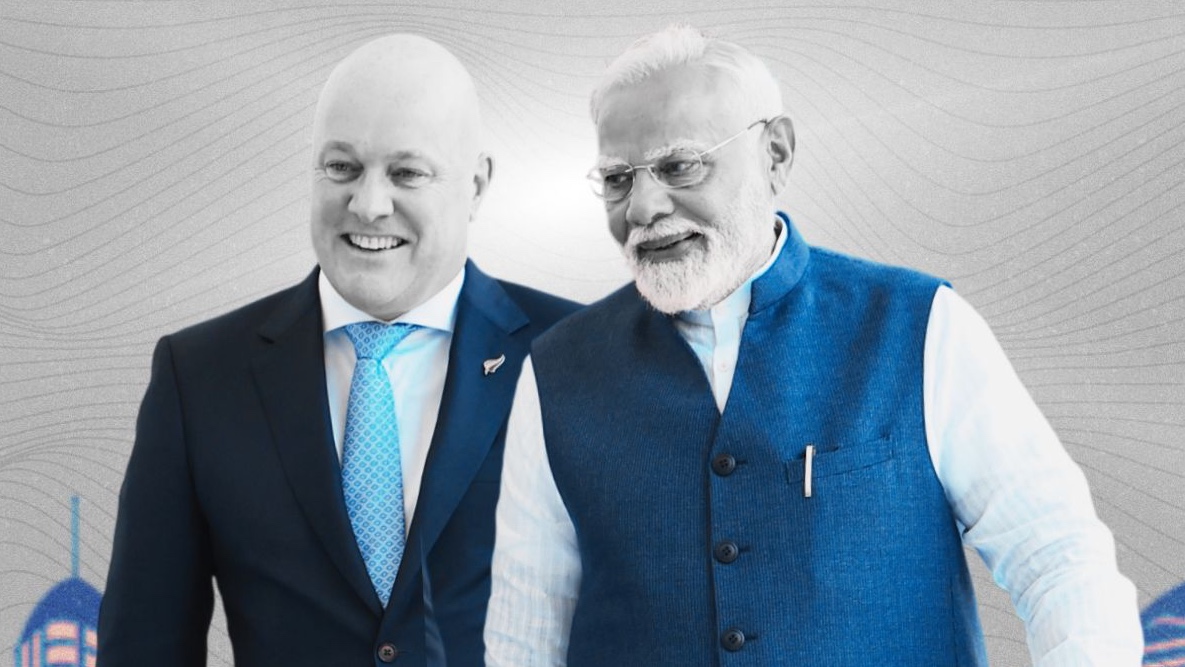
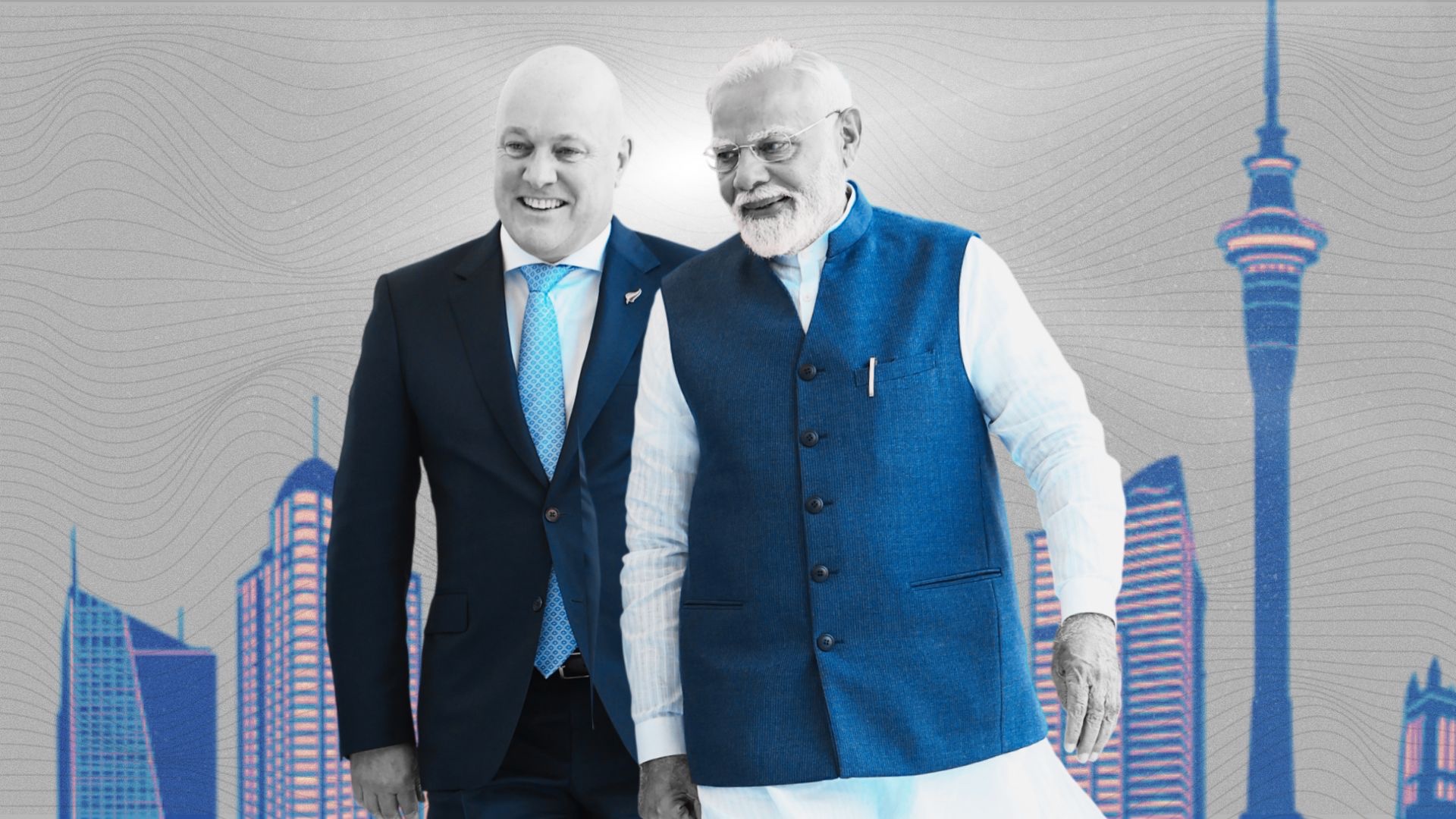
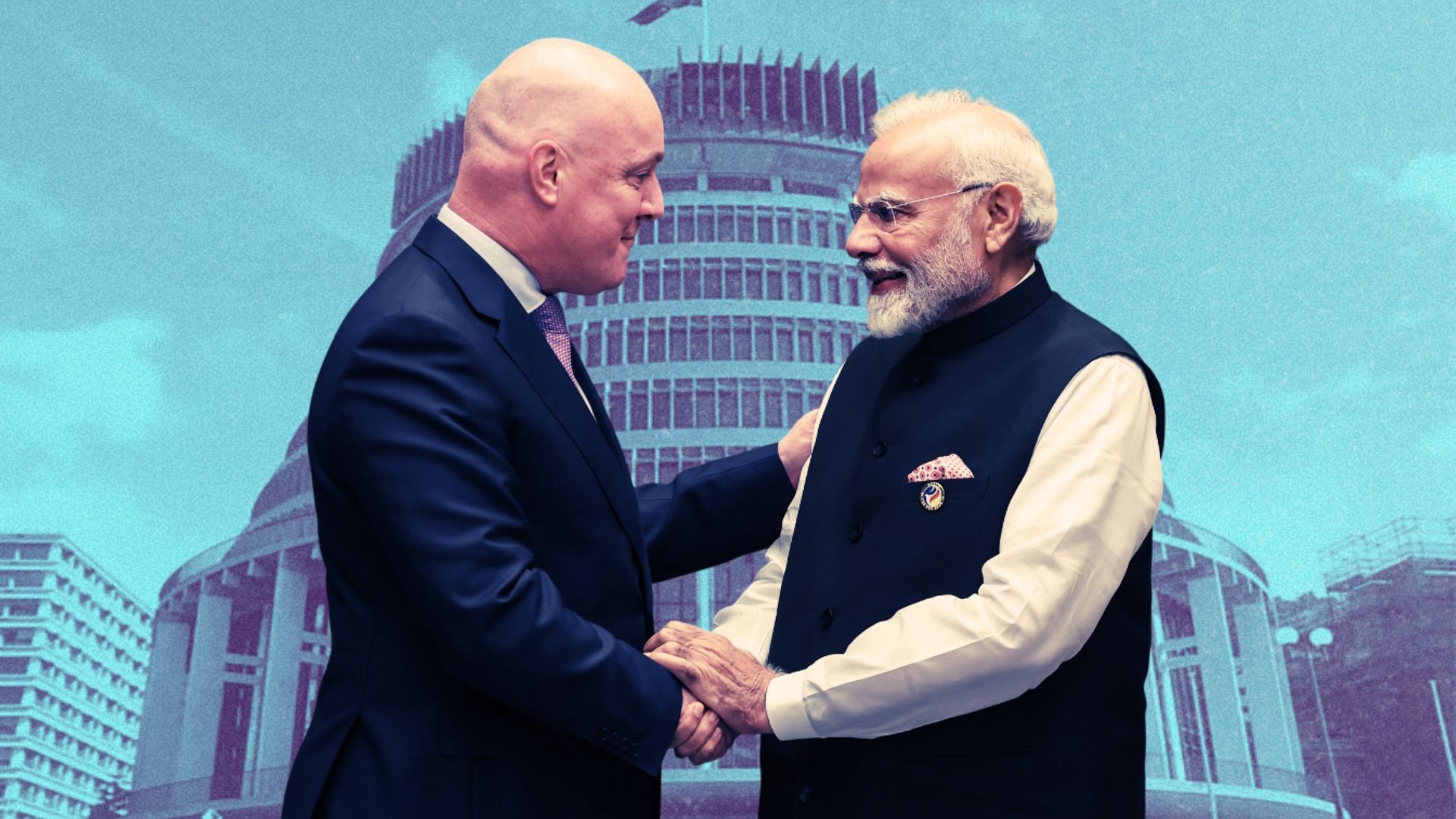
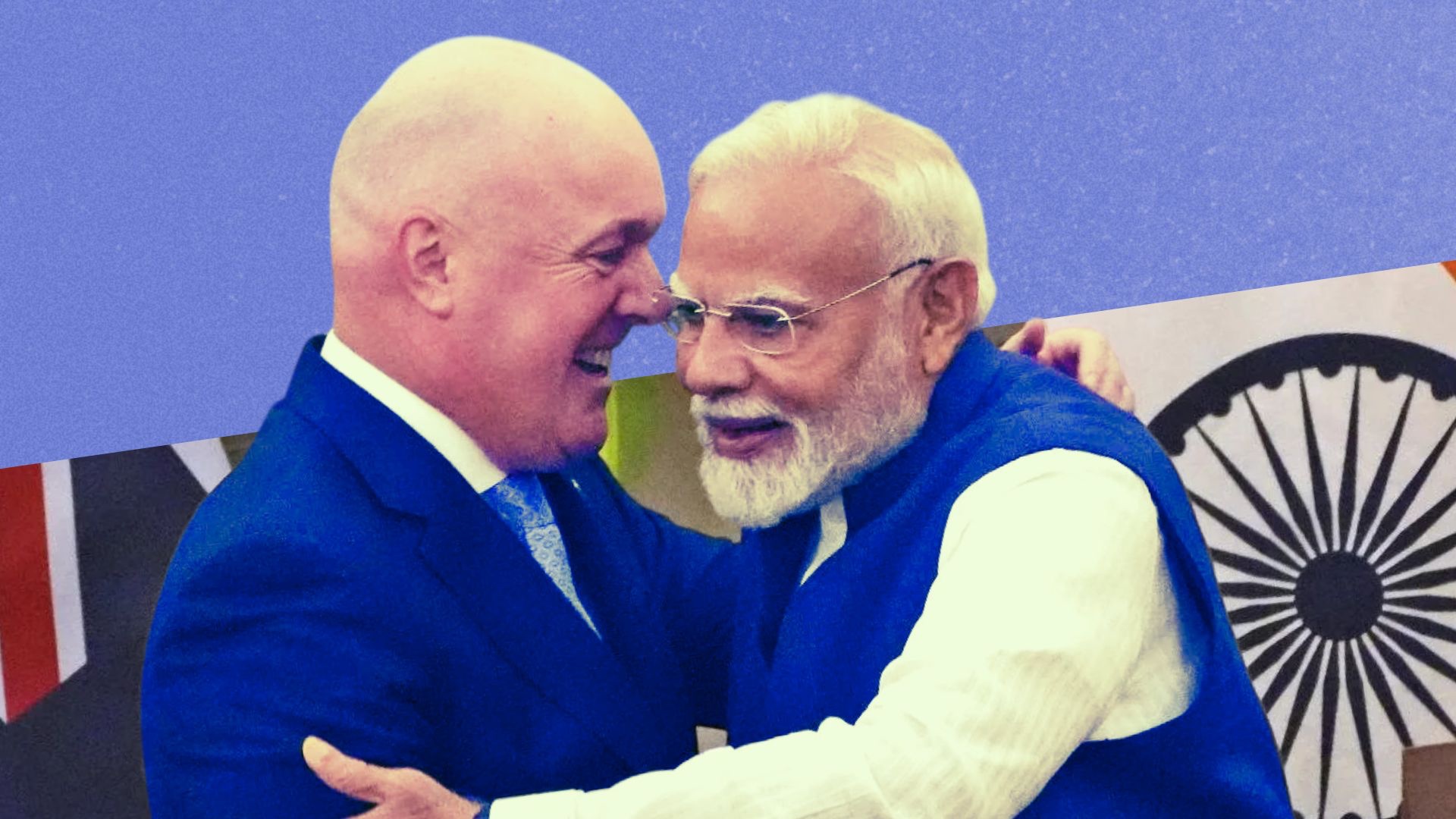
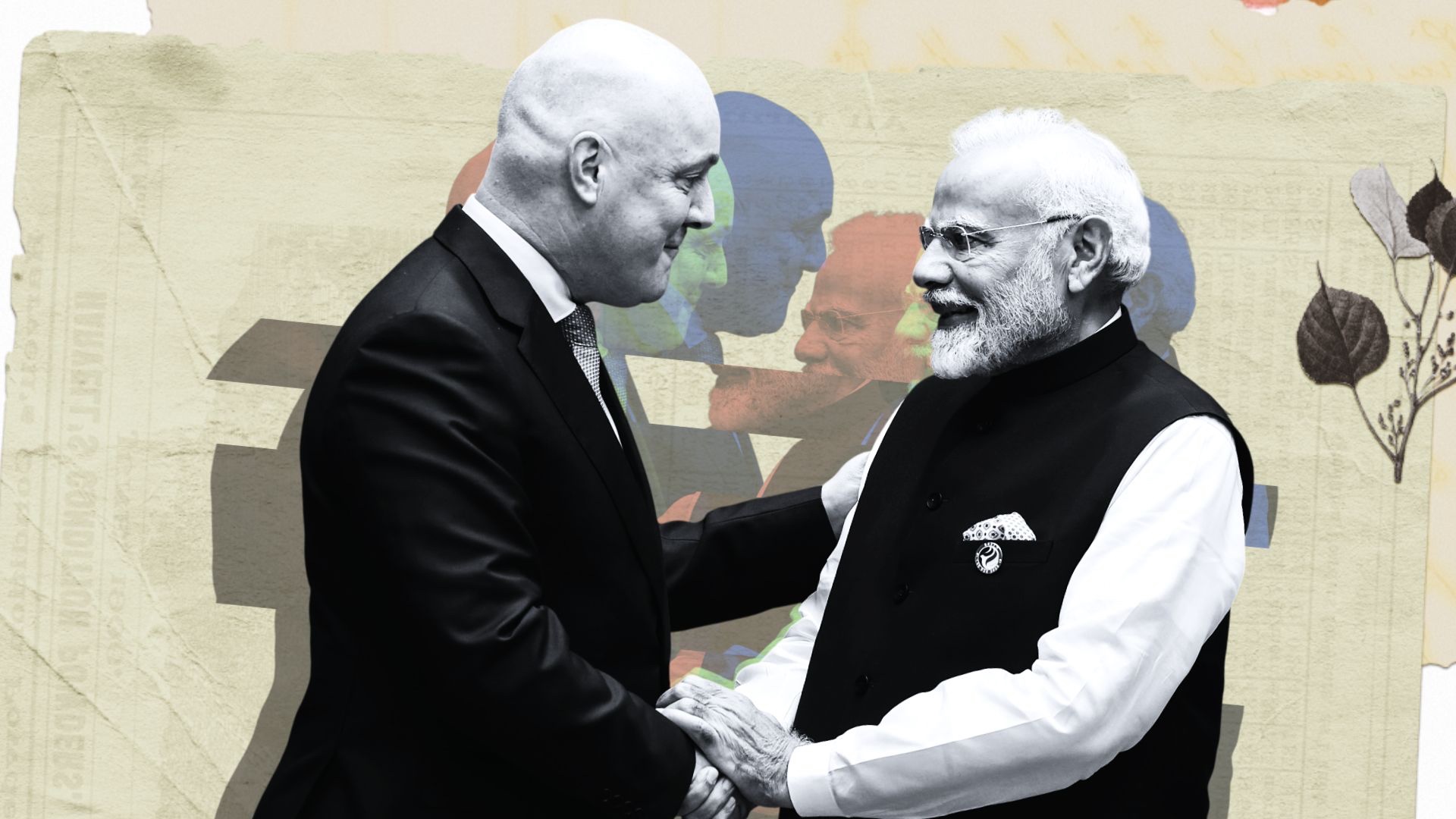
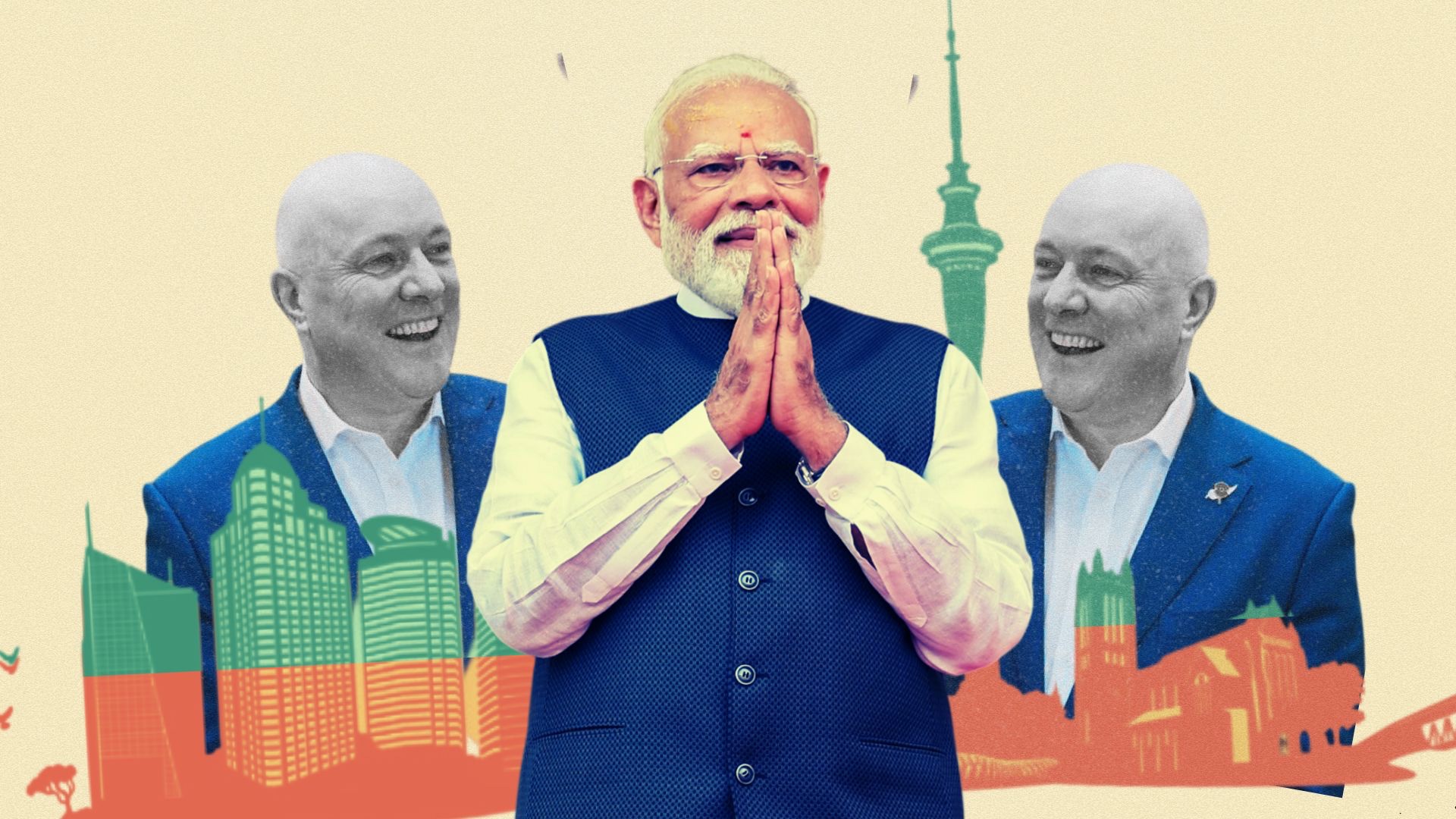
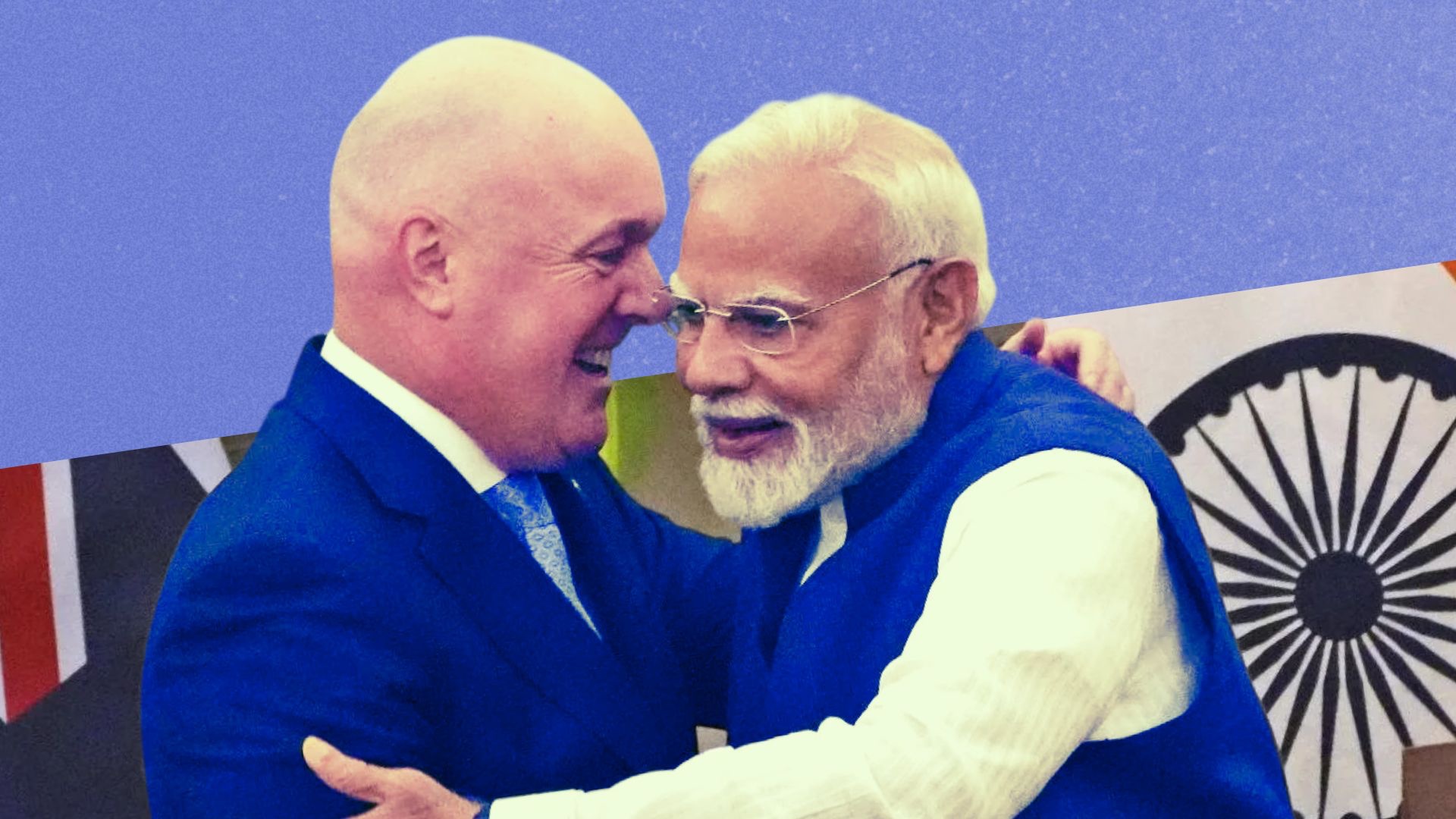
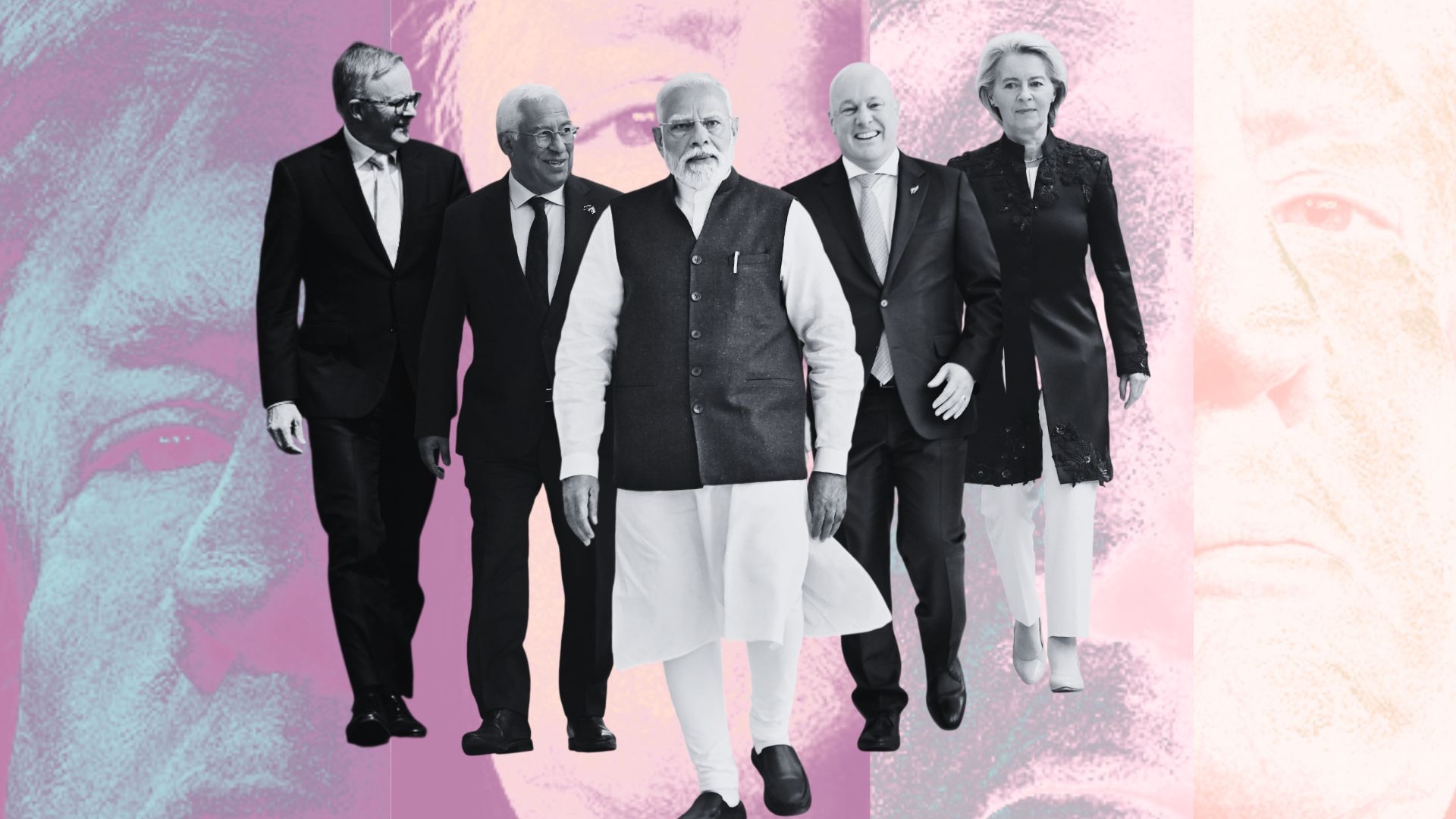
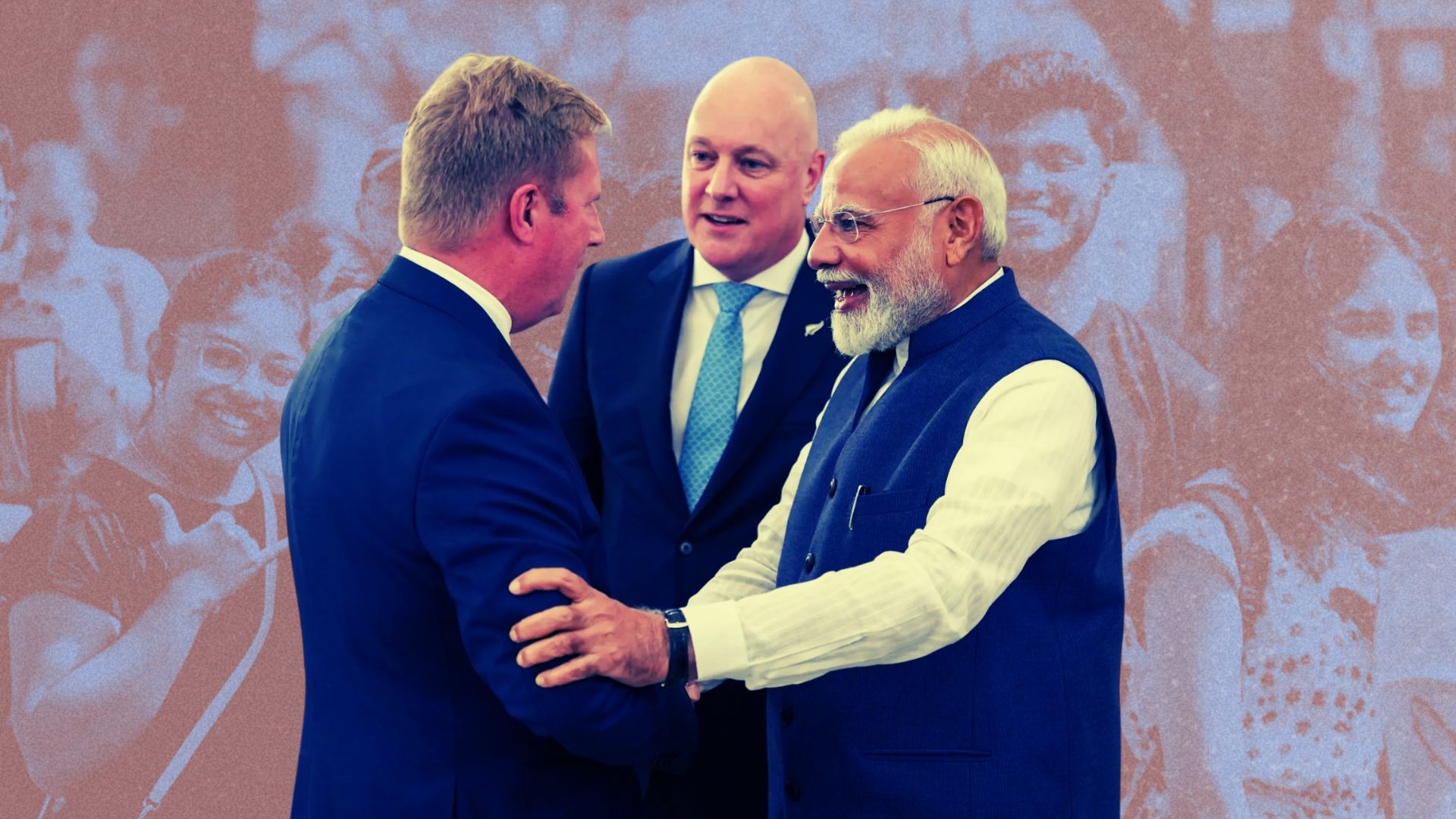
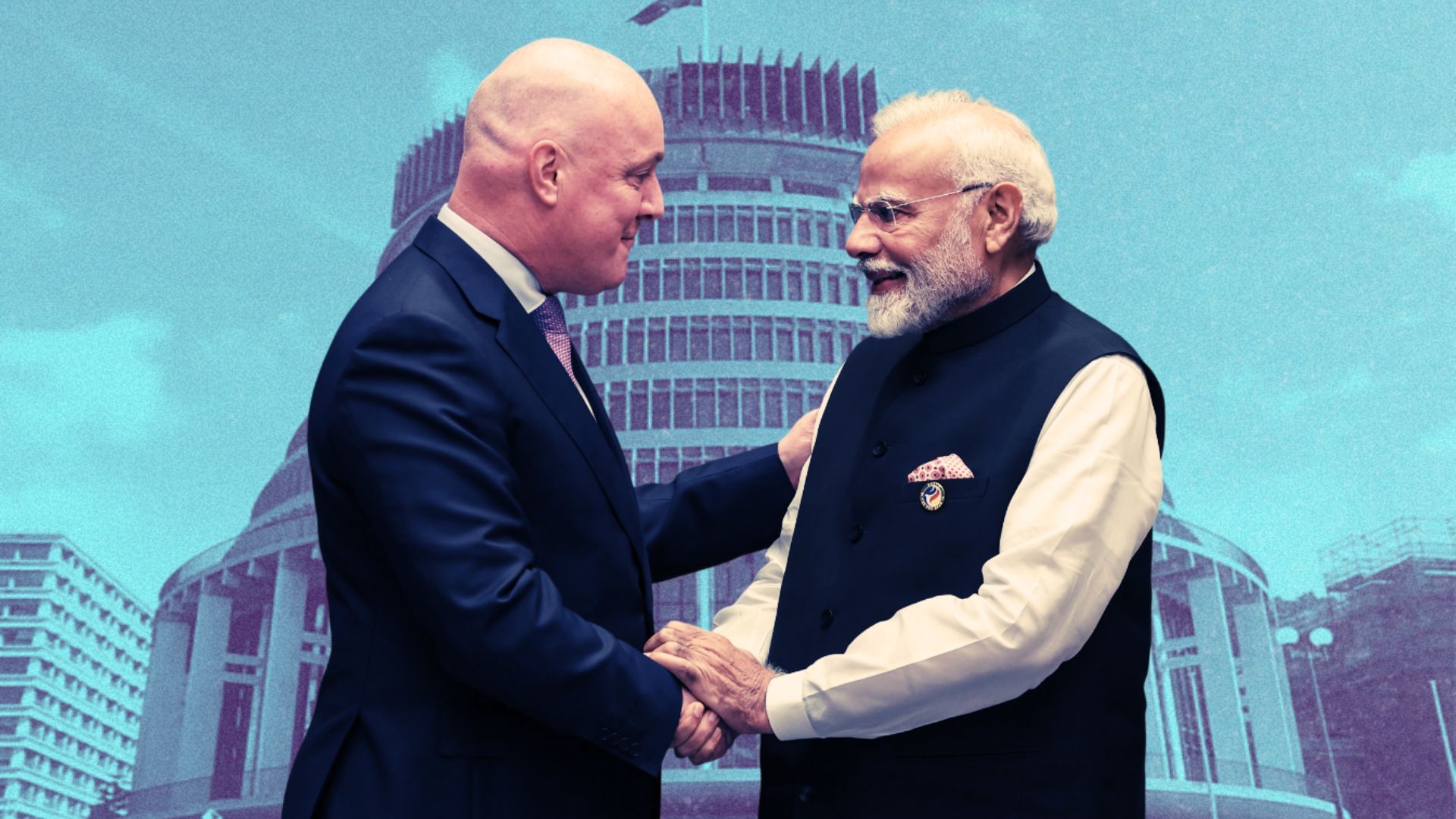
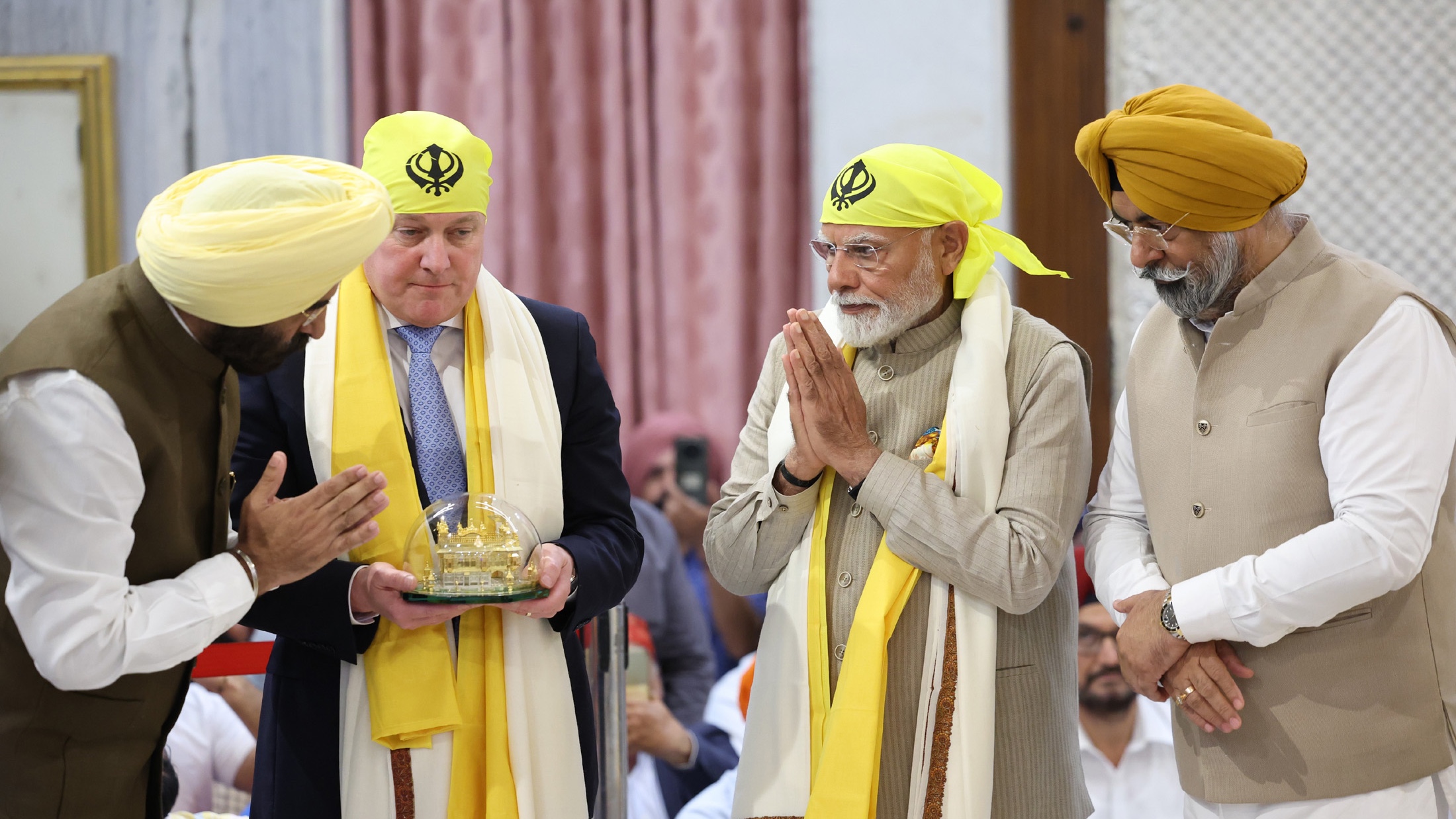
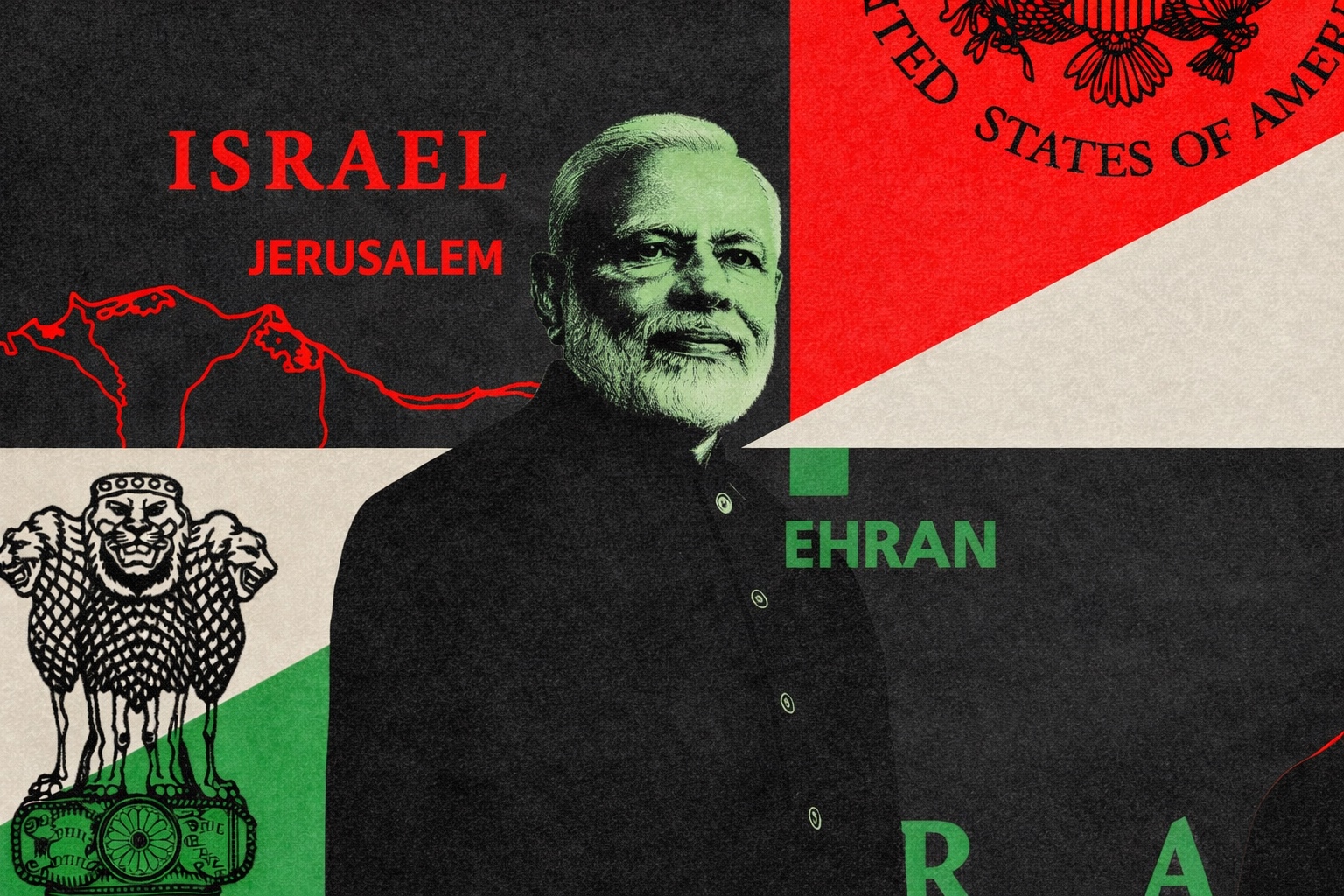
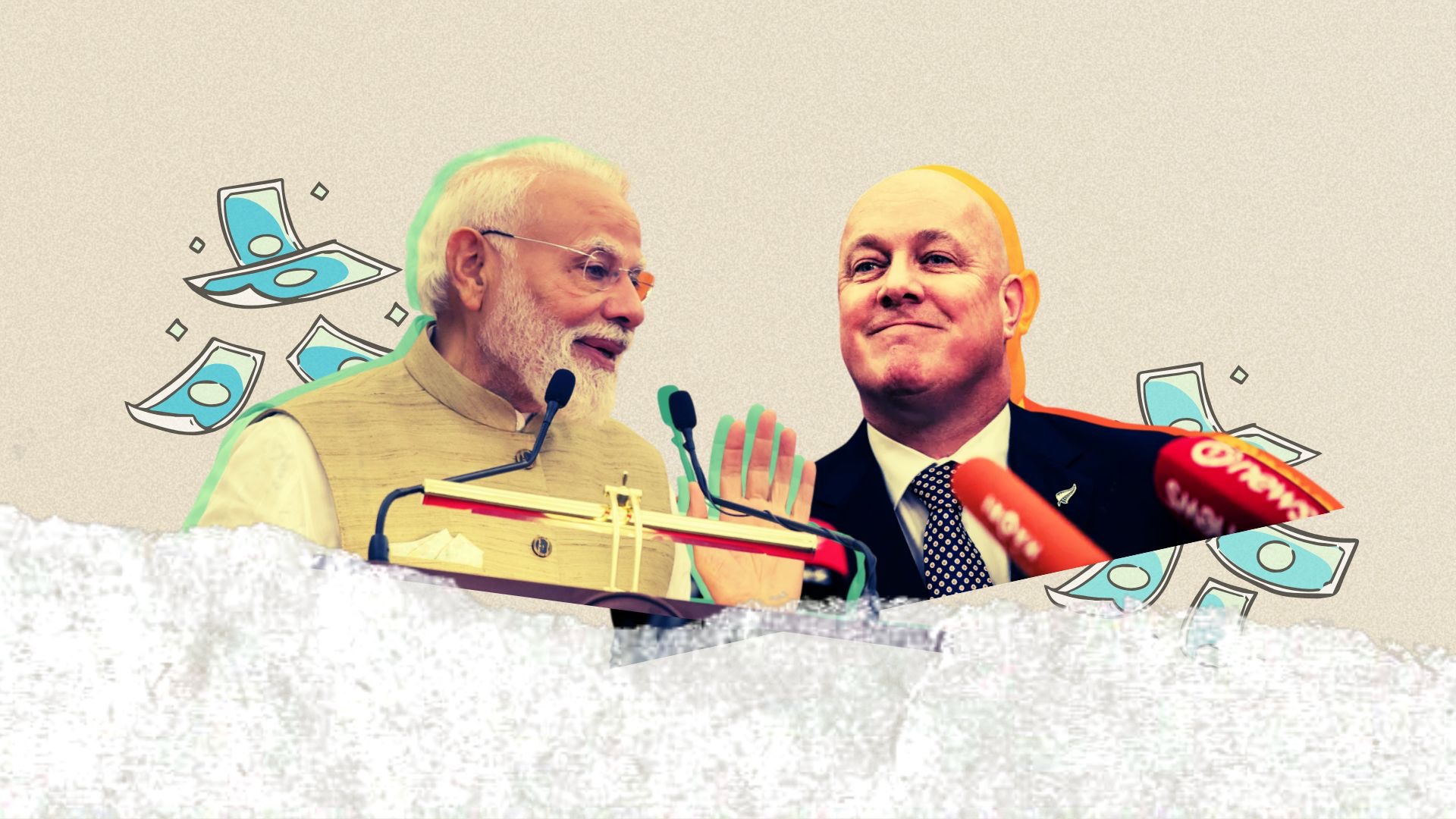
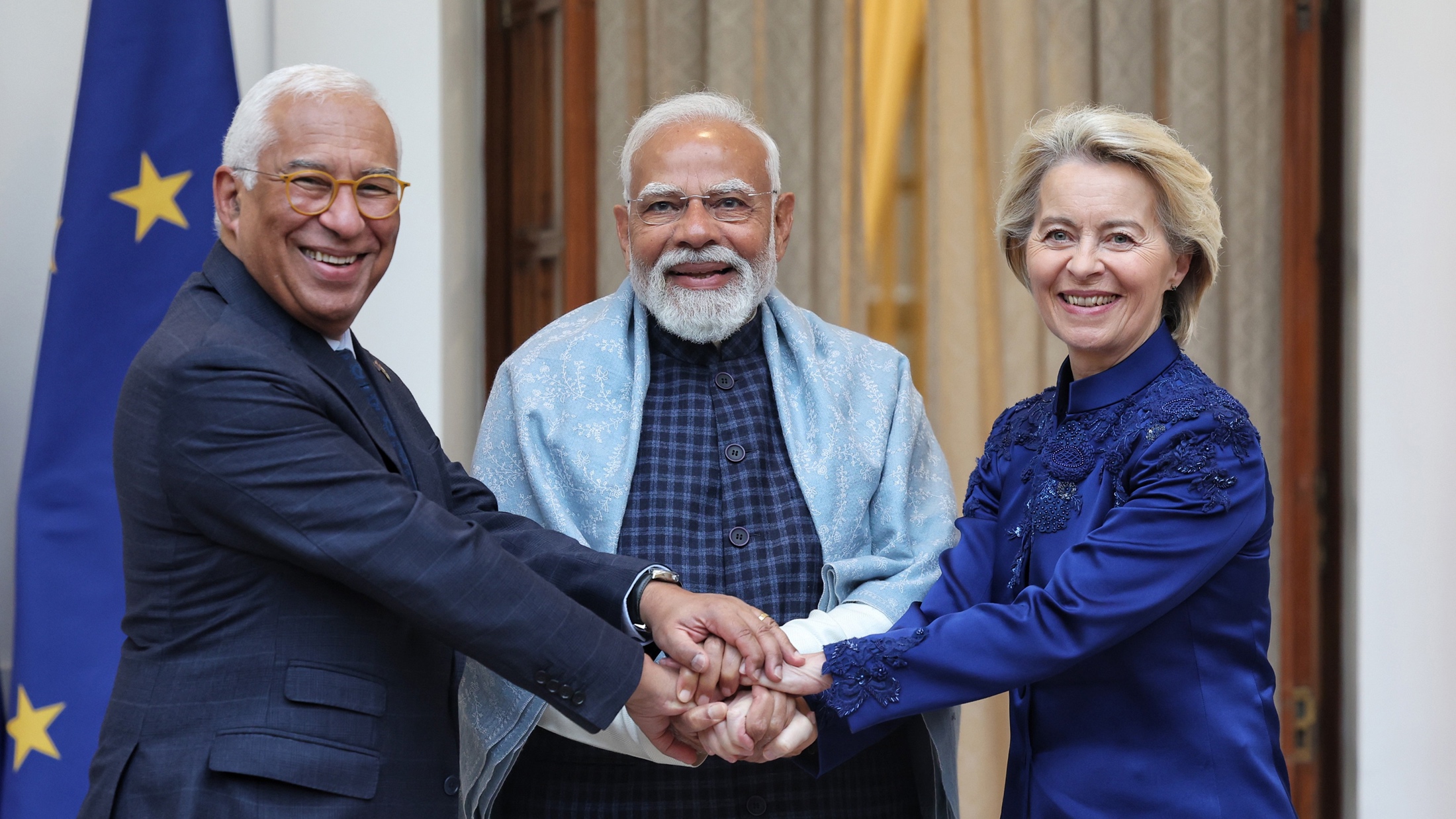
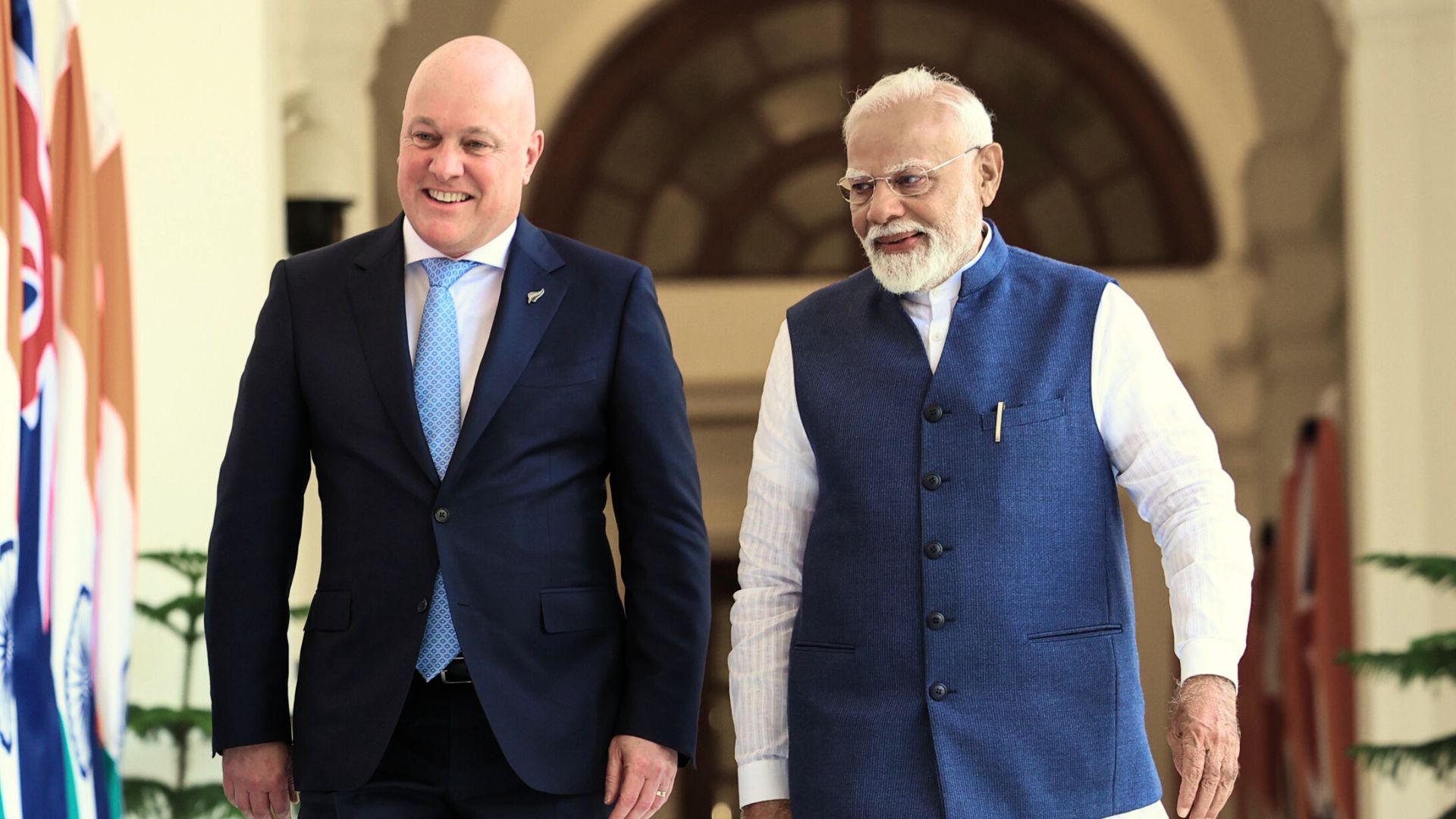
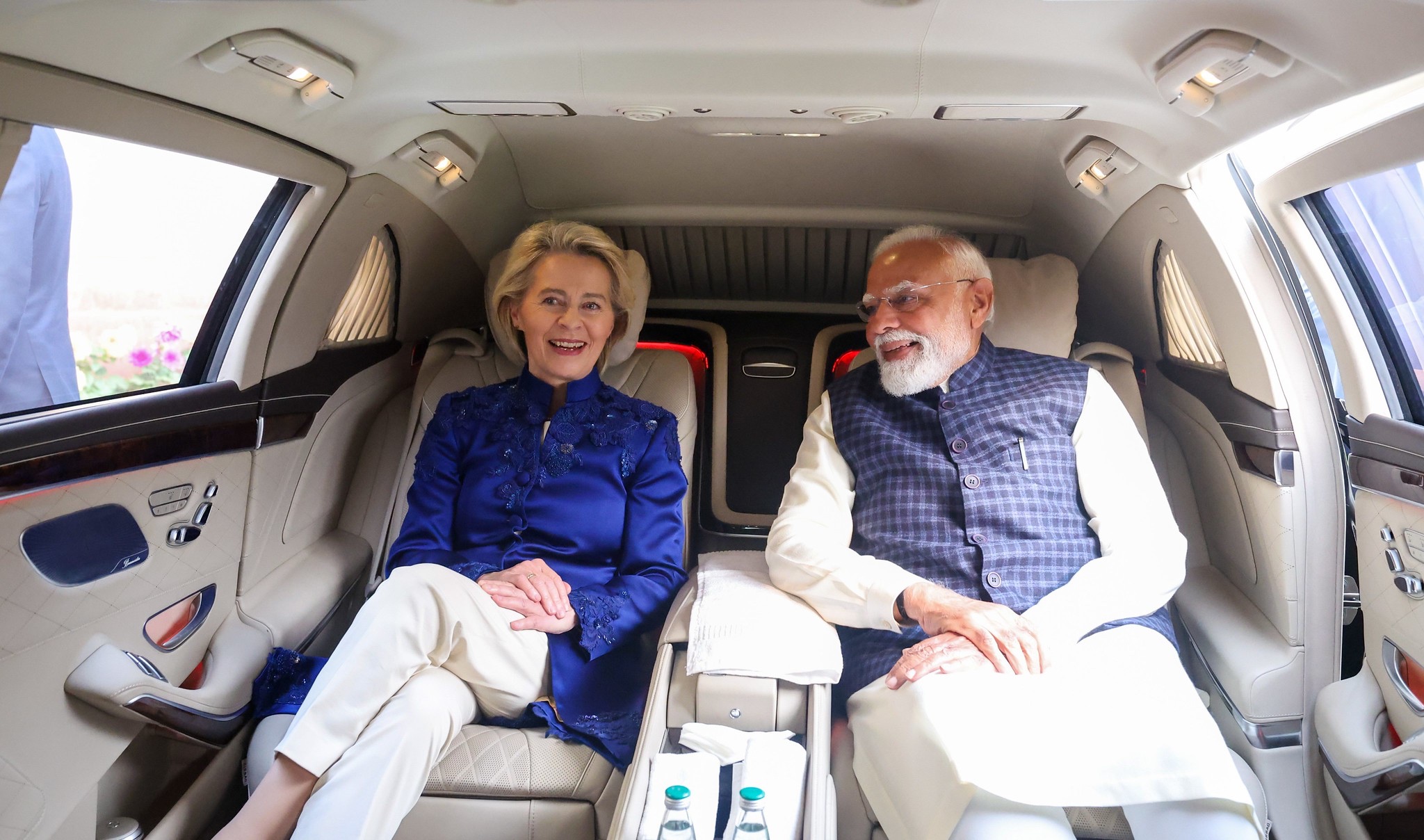
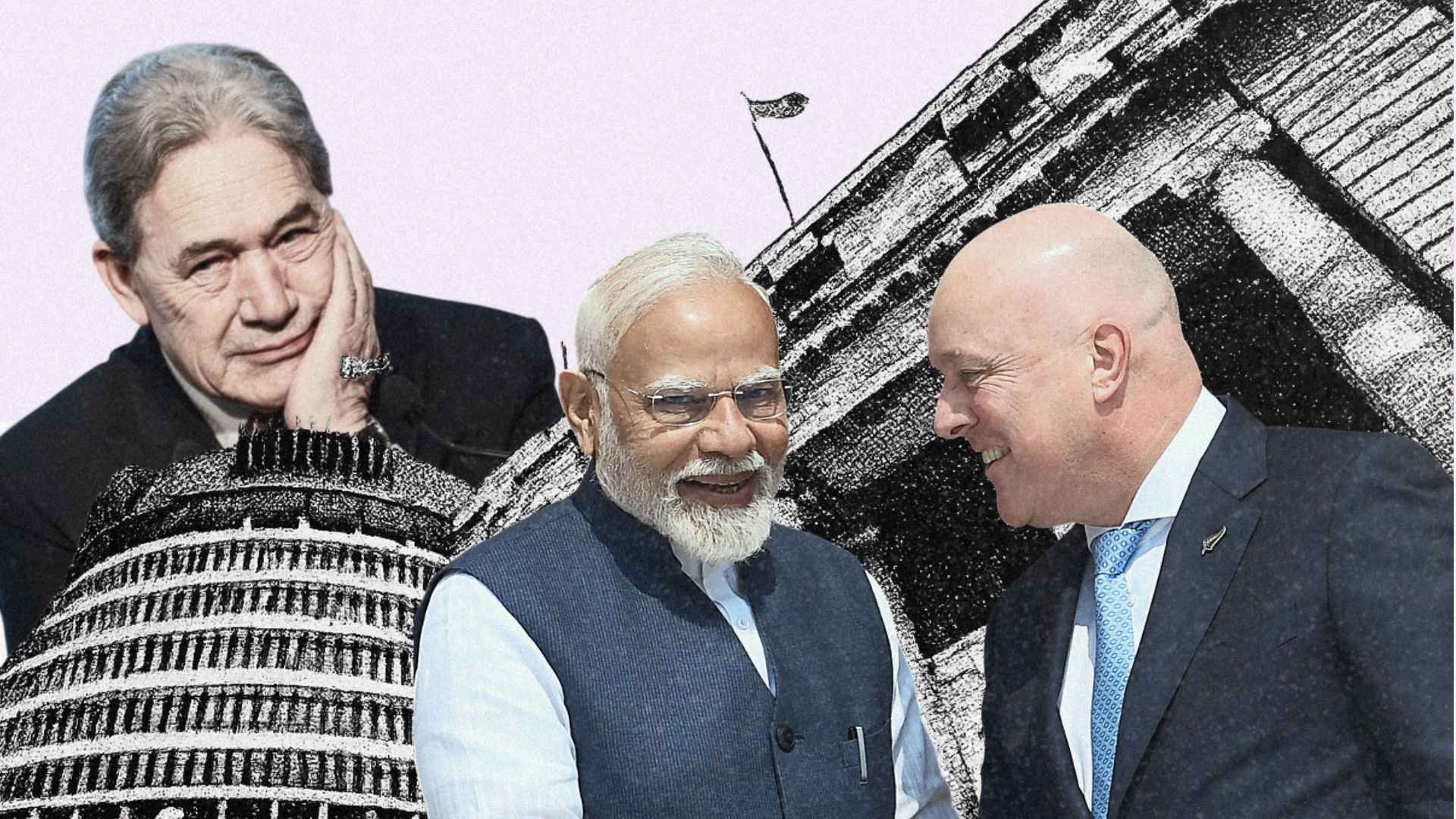
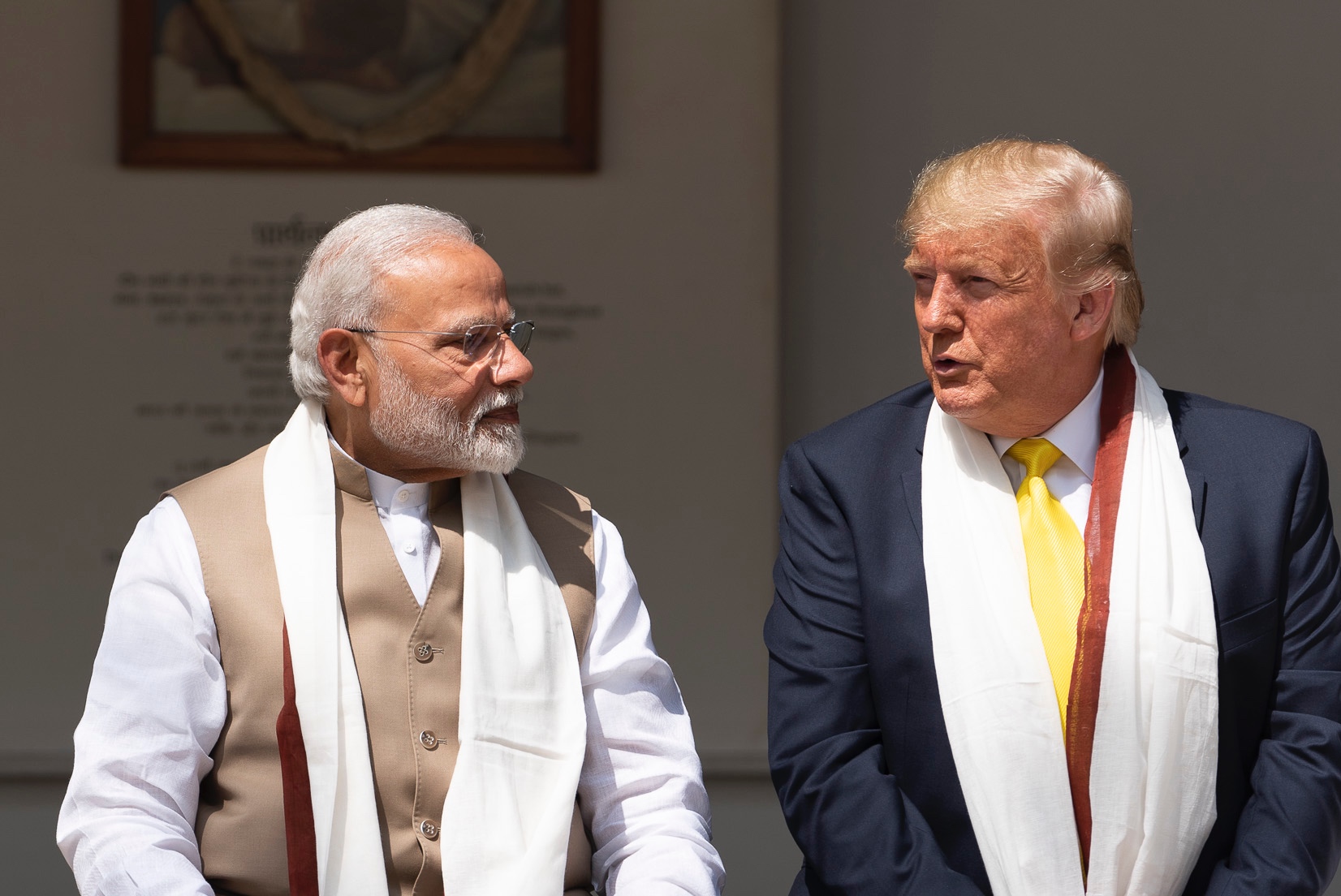
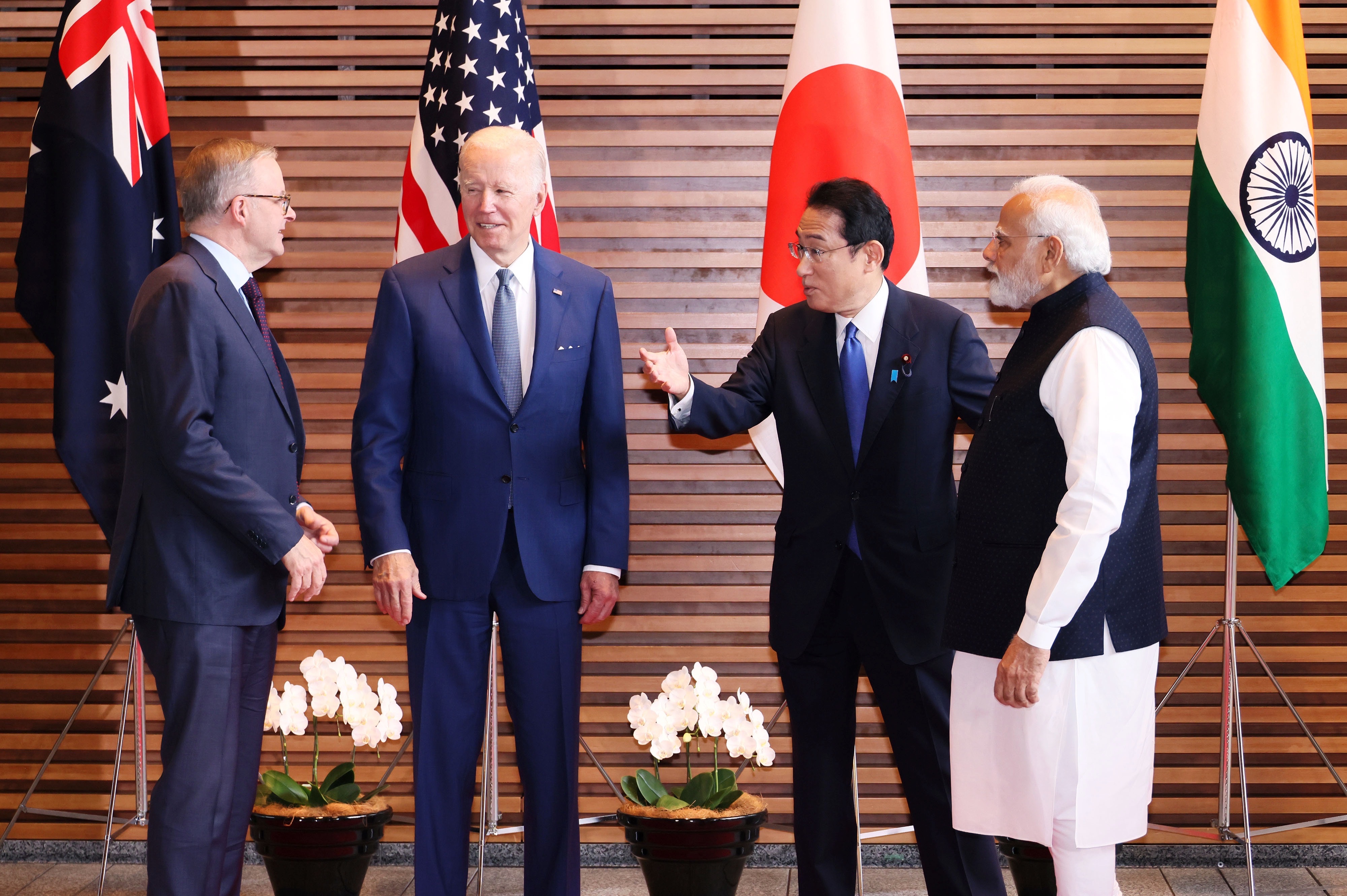
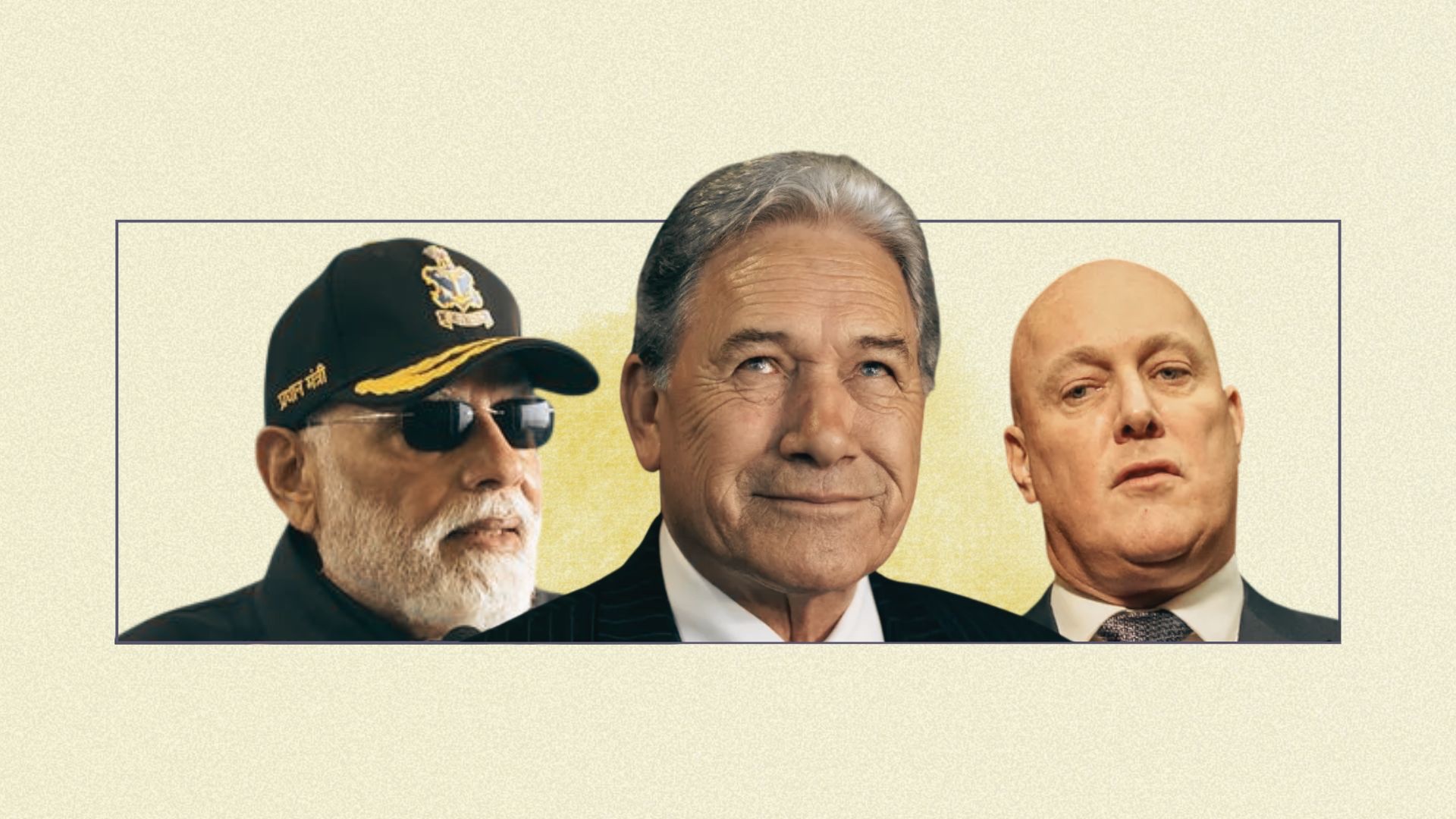
The timing makes that question urgent. The government is likely to announce this week Indian prime minister Narendra Modi’s upcoming visit to New Zealand.
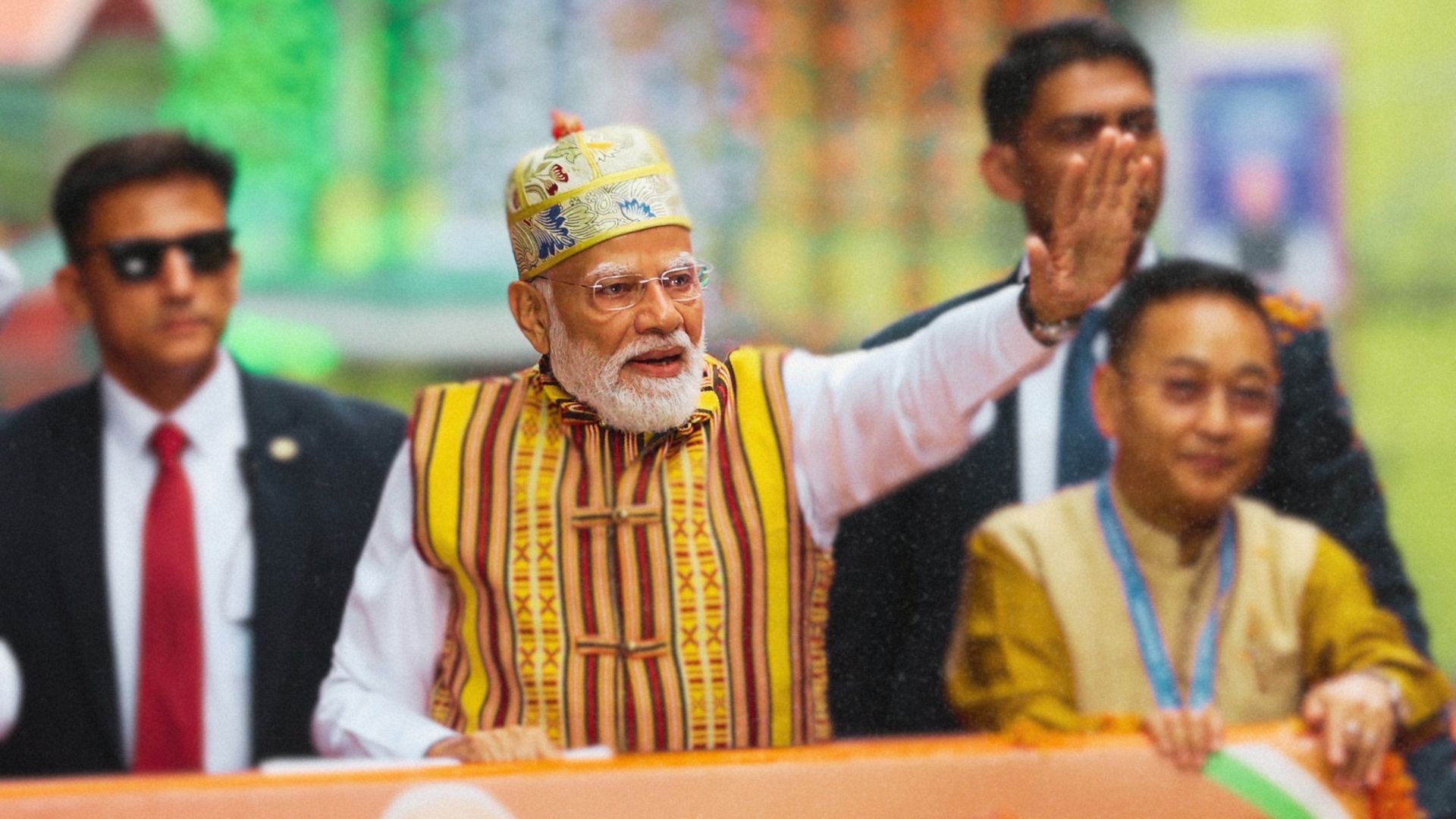
The Indian leader is expected to be in Auckland for a day-long visit in the second week of July. This is more than a small problem of optics. The government washing its dirty laundry in public goes to the credibility of the visit itself.
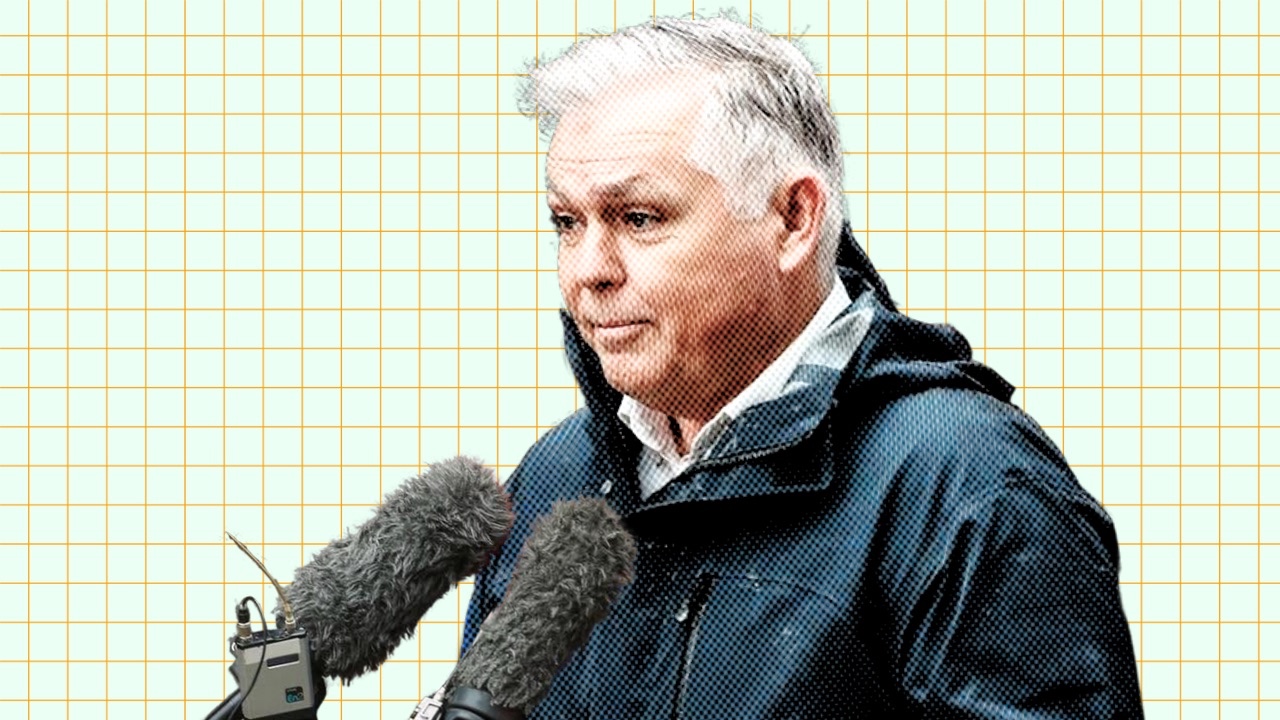
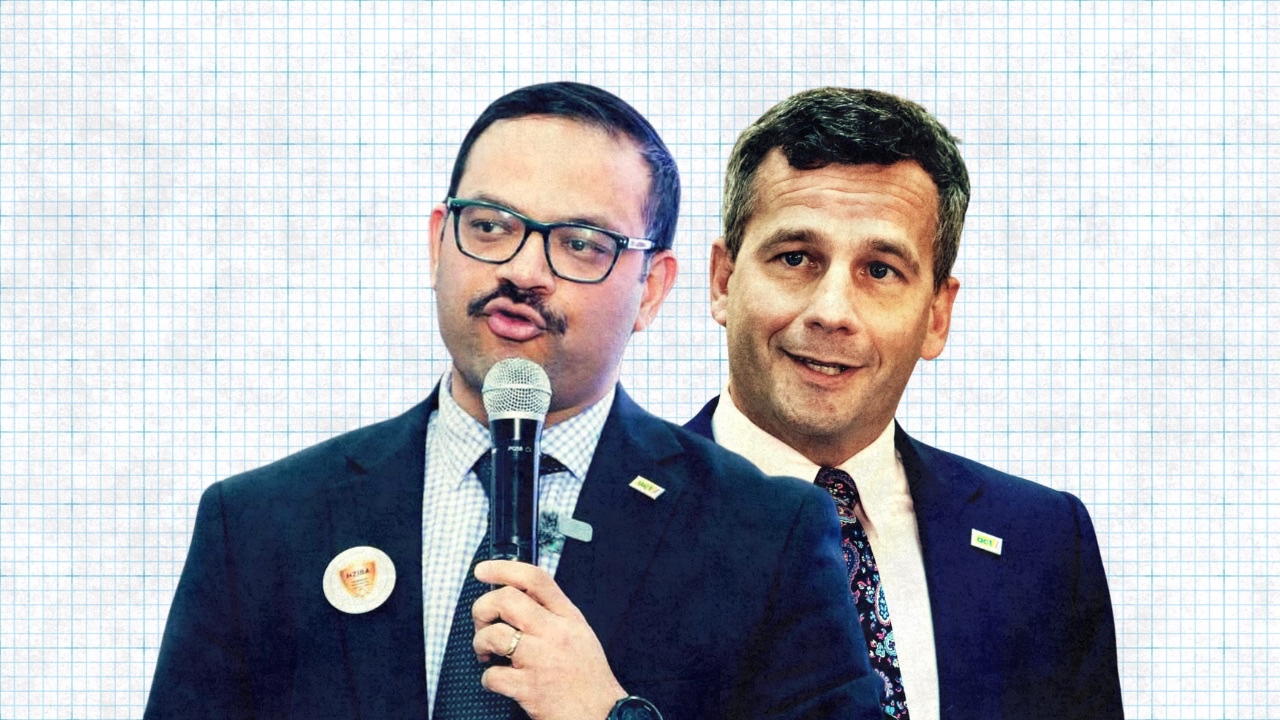
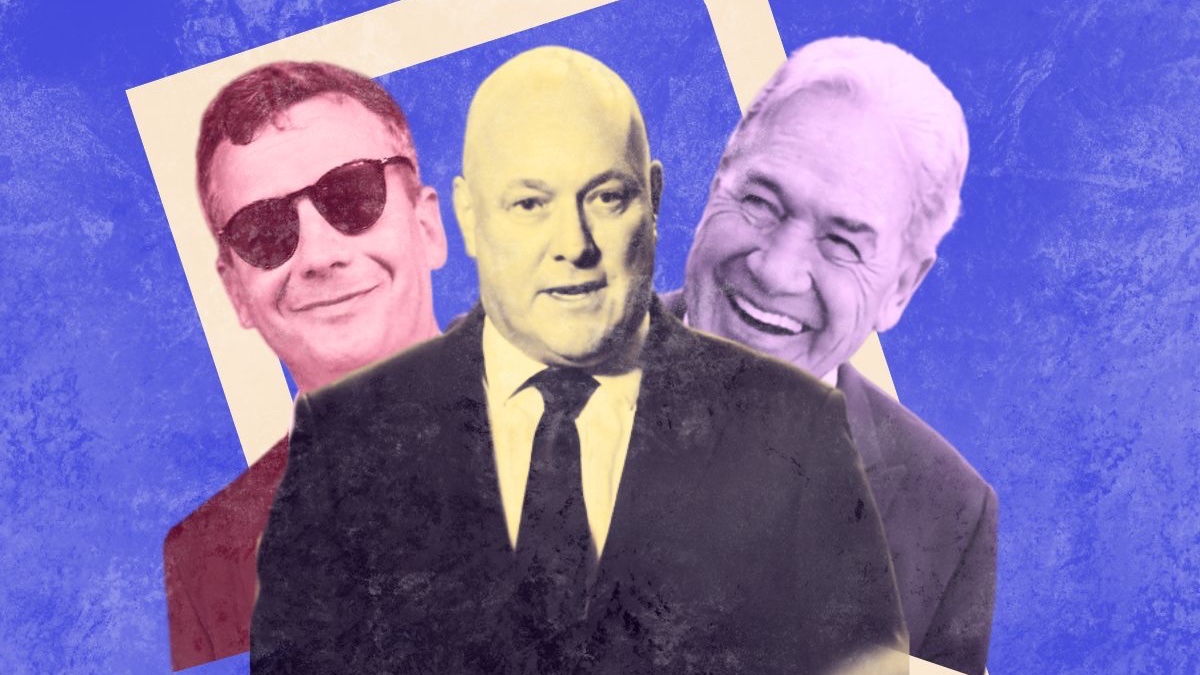
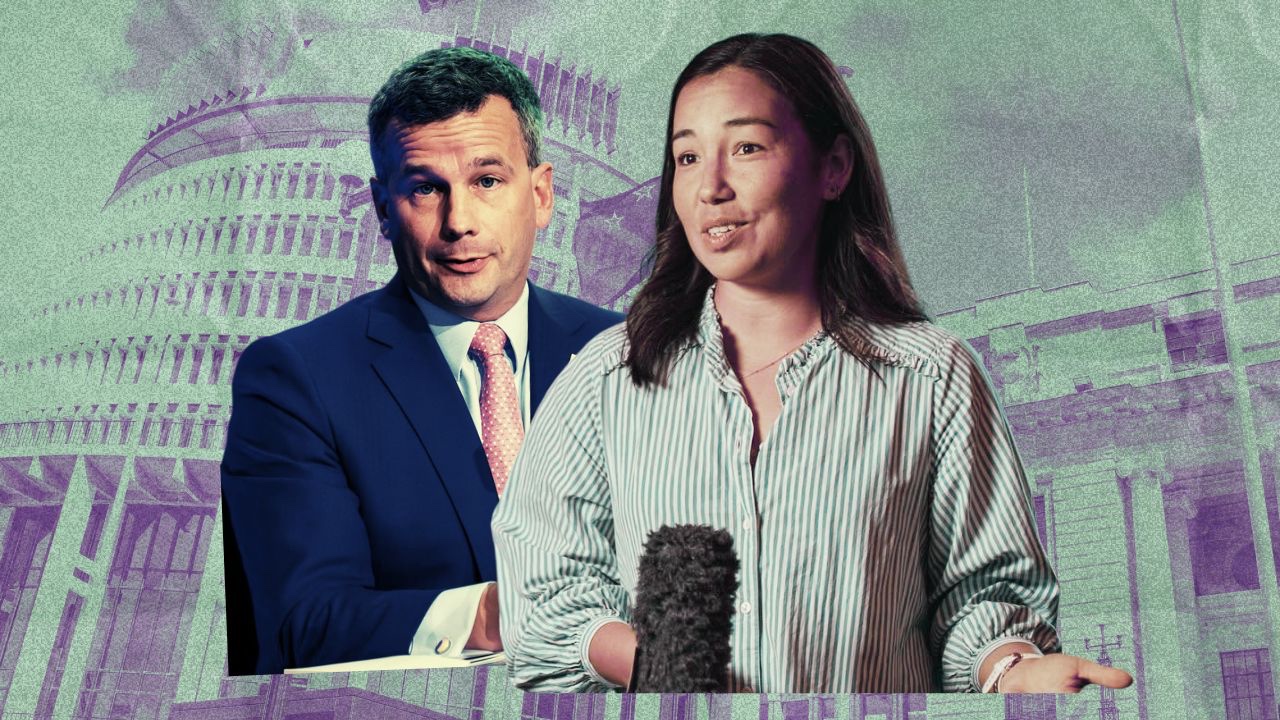
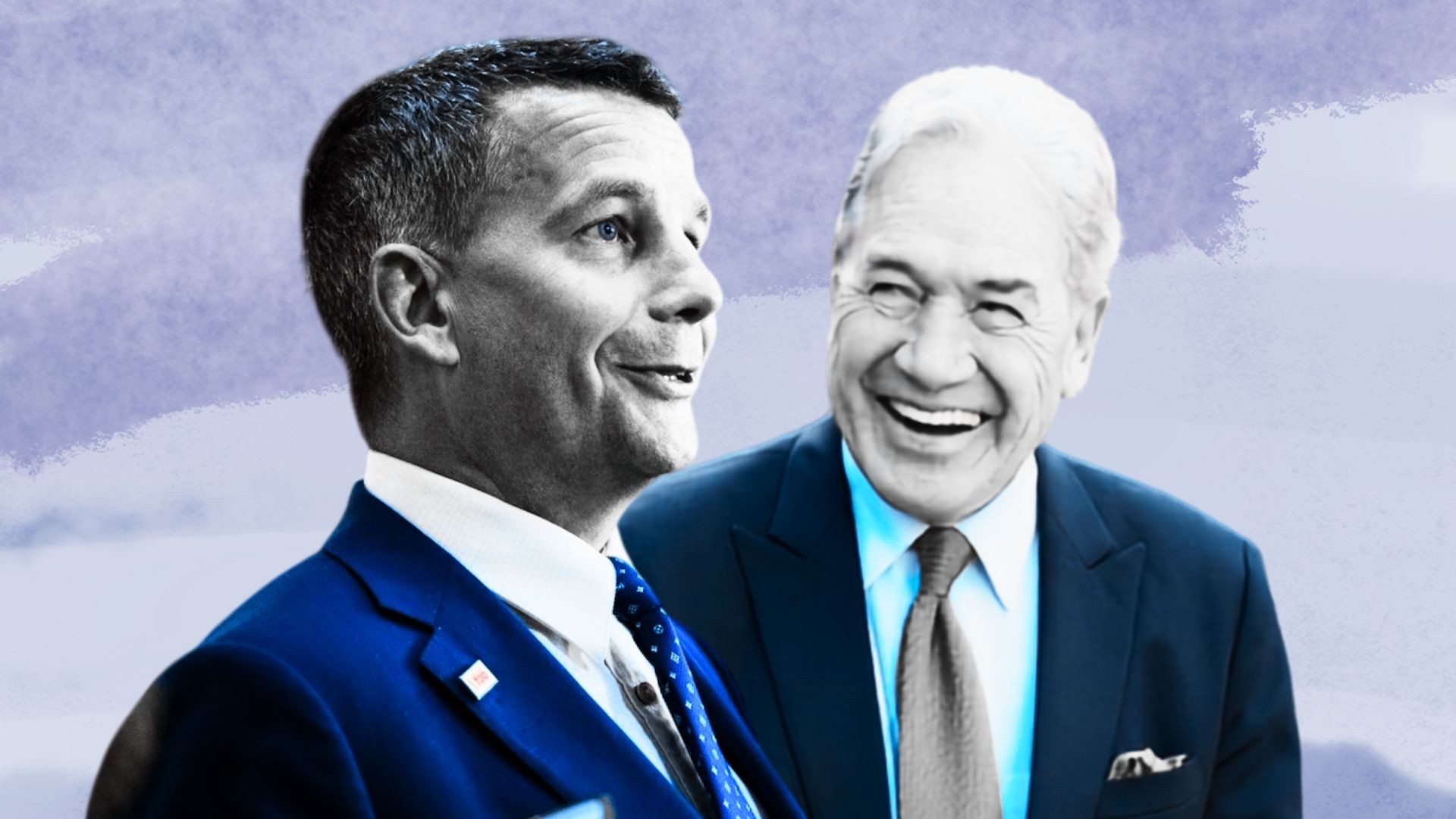
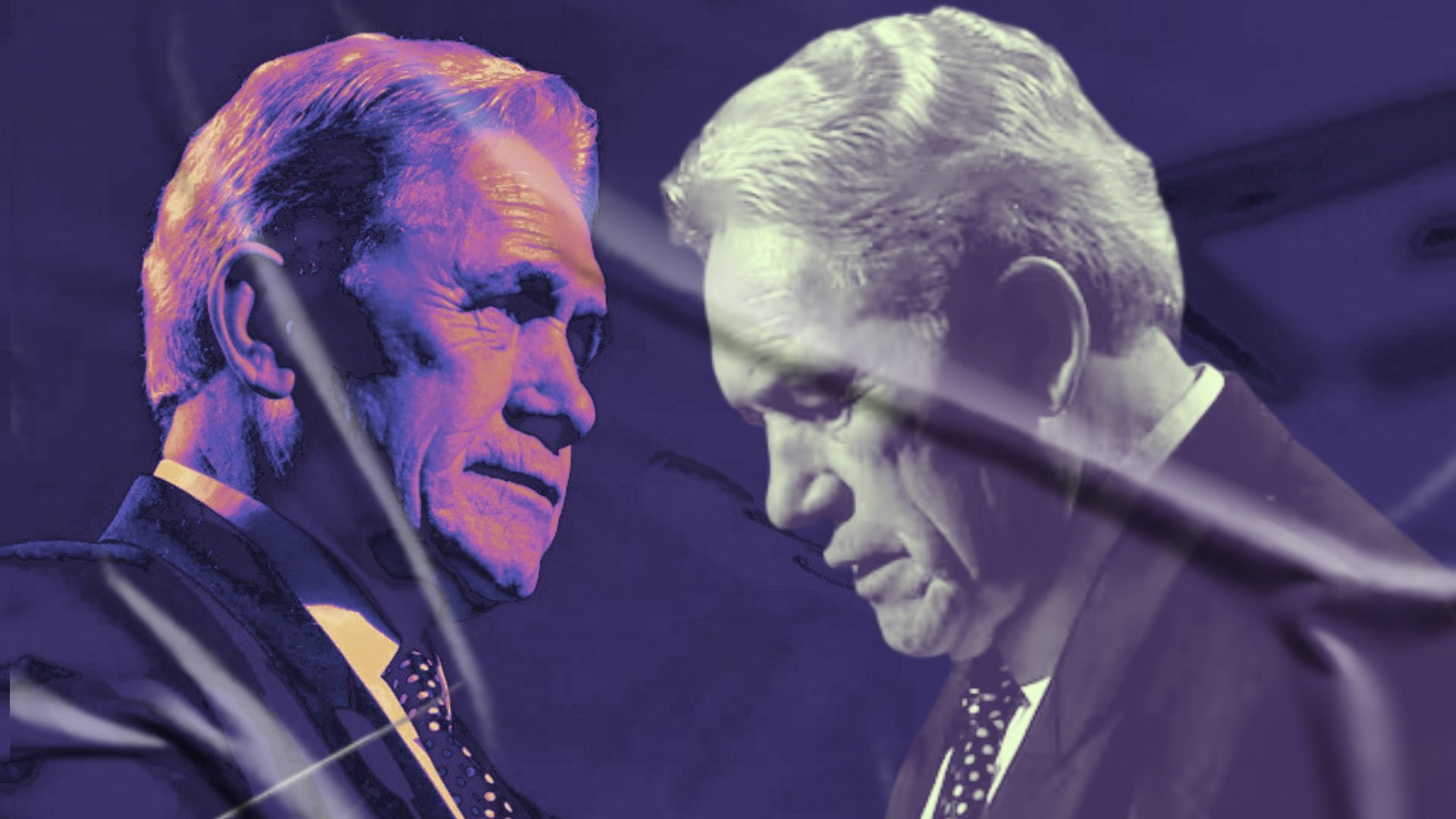
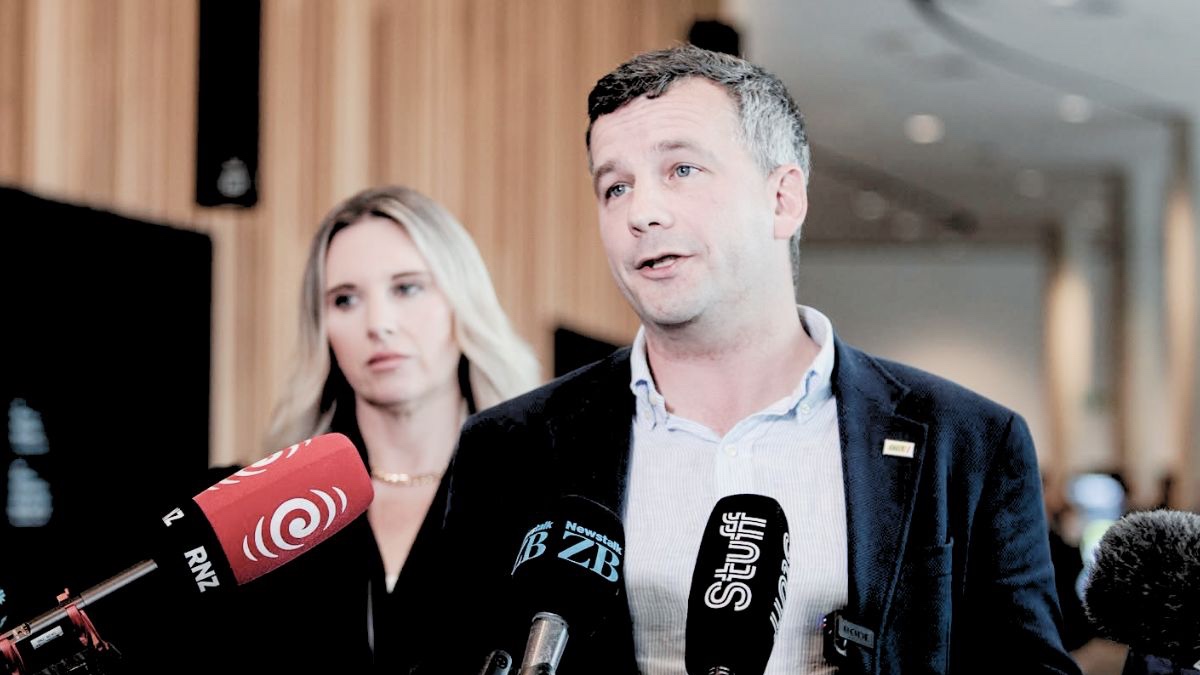
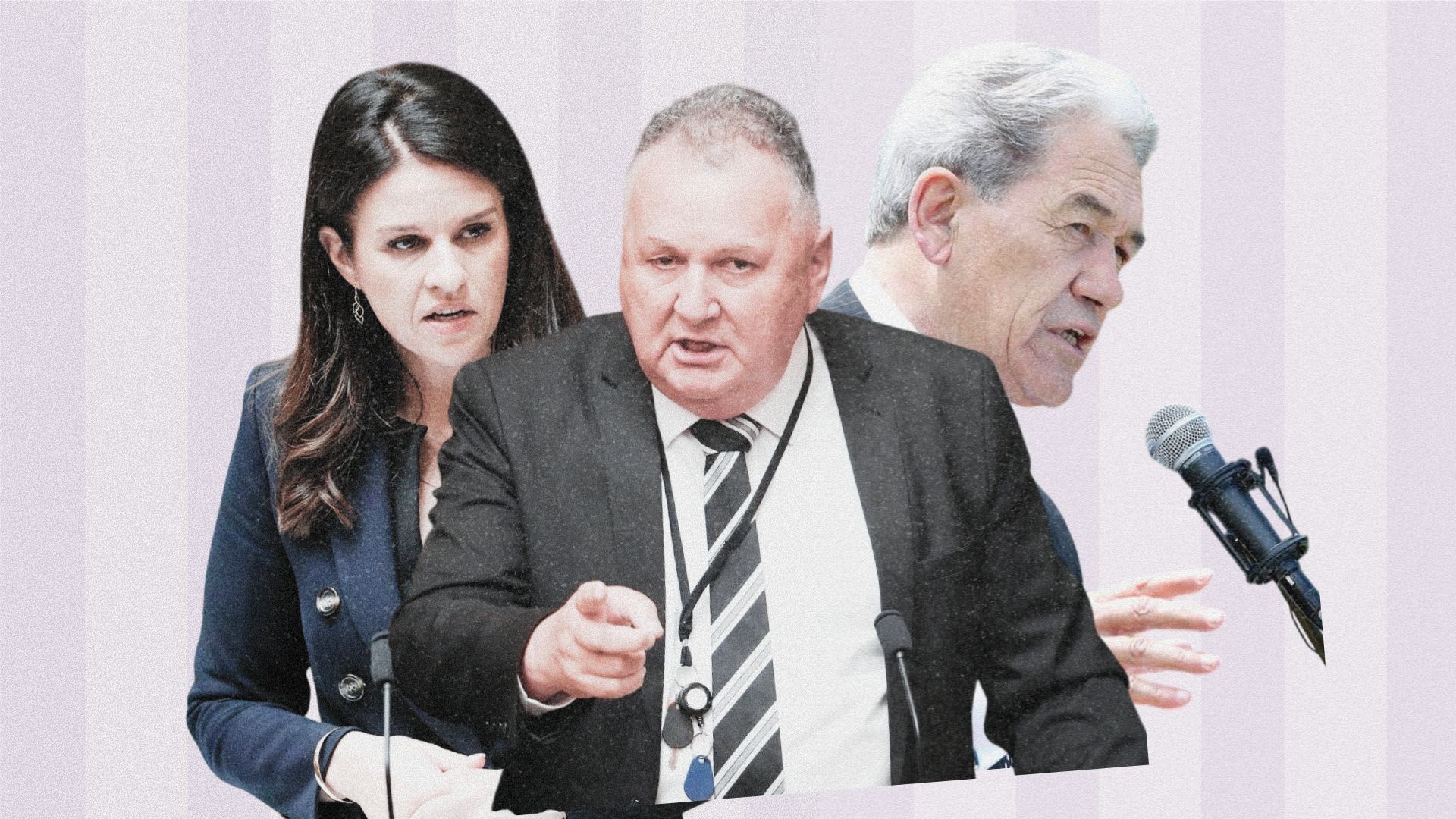
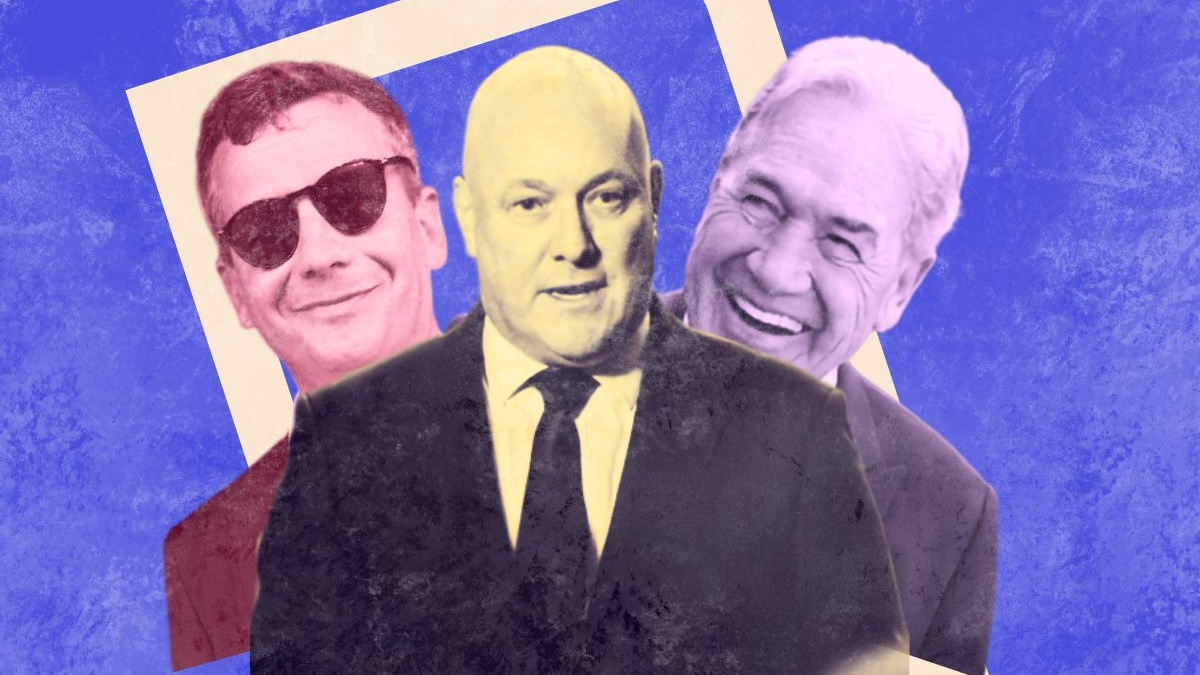
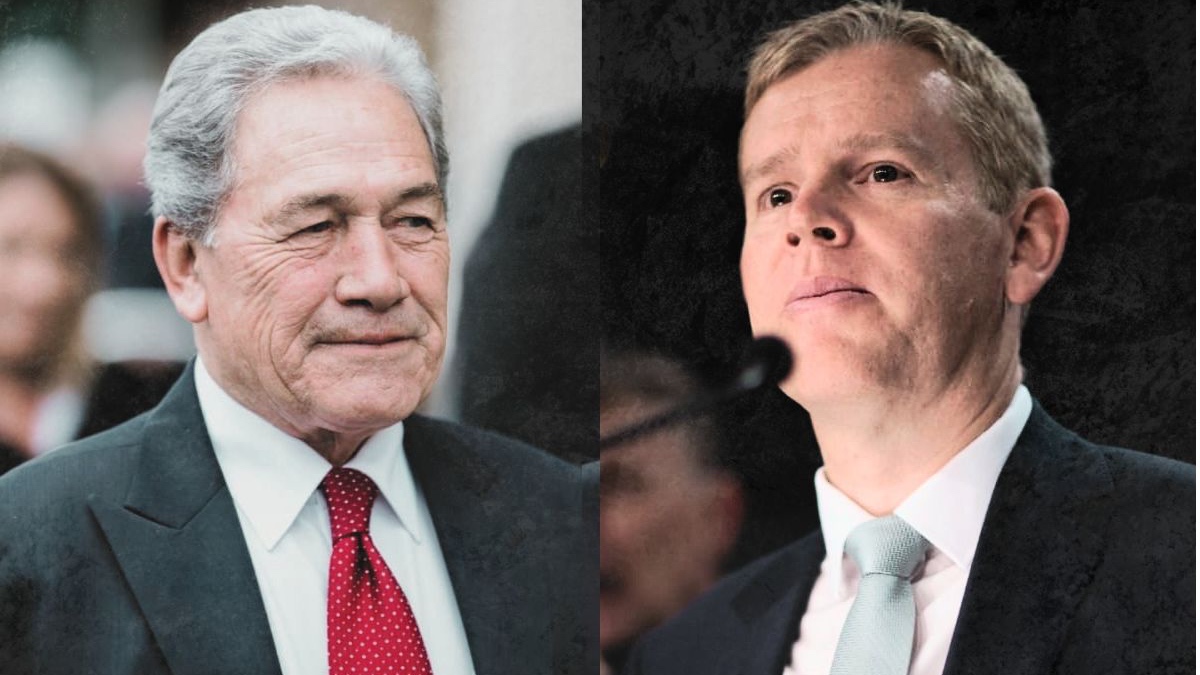
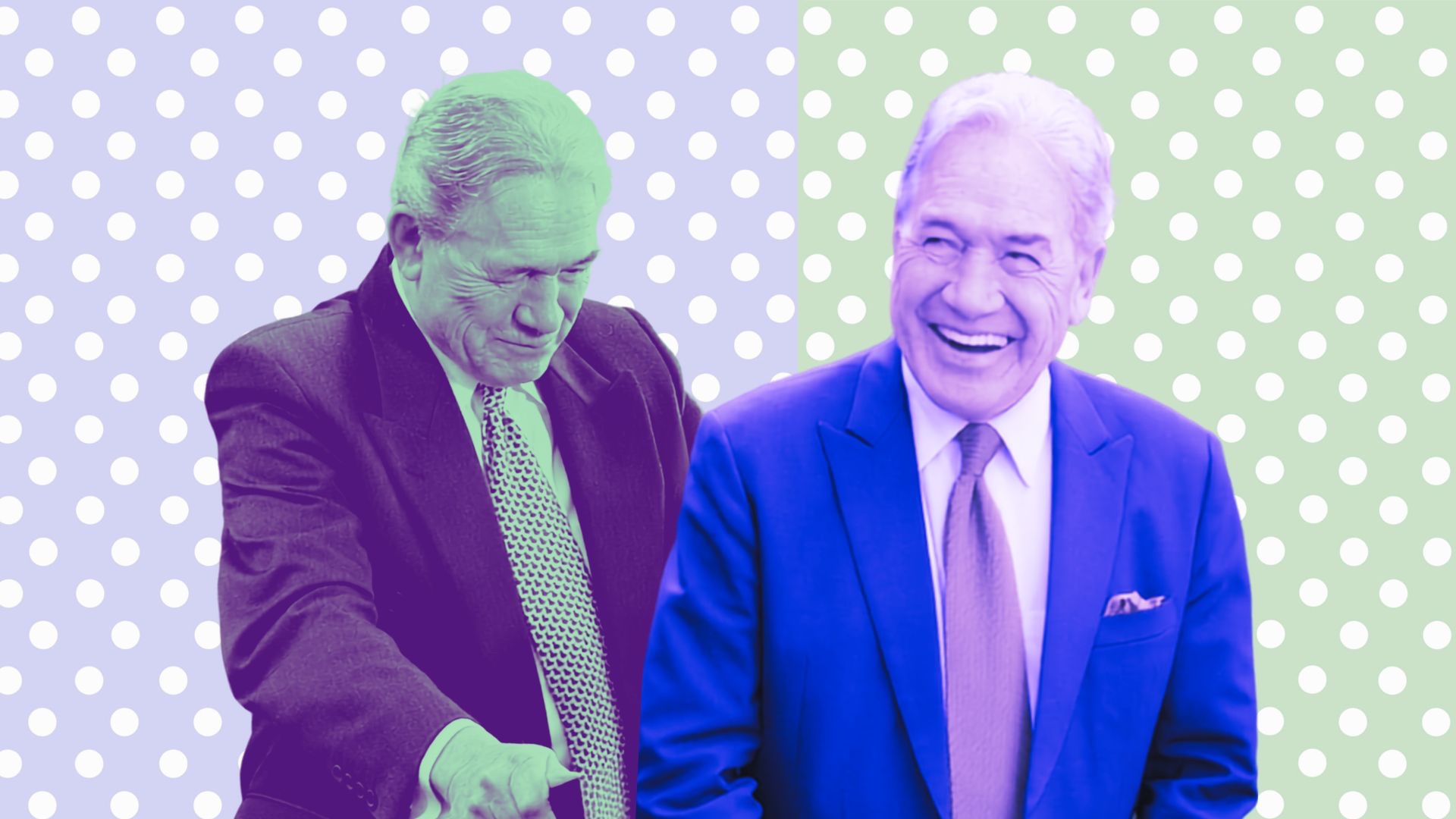
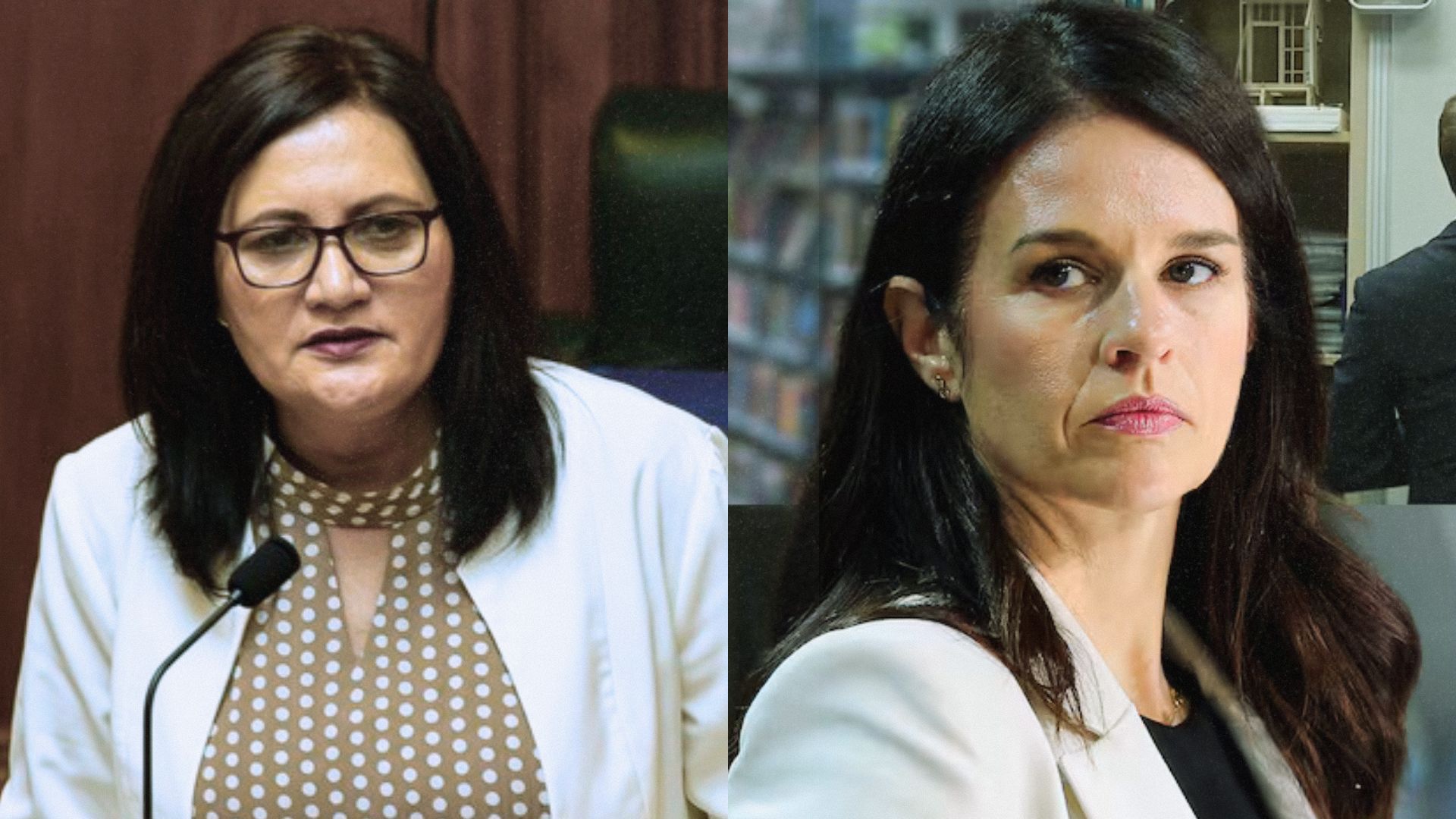
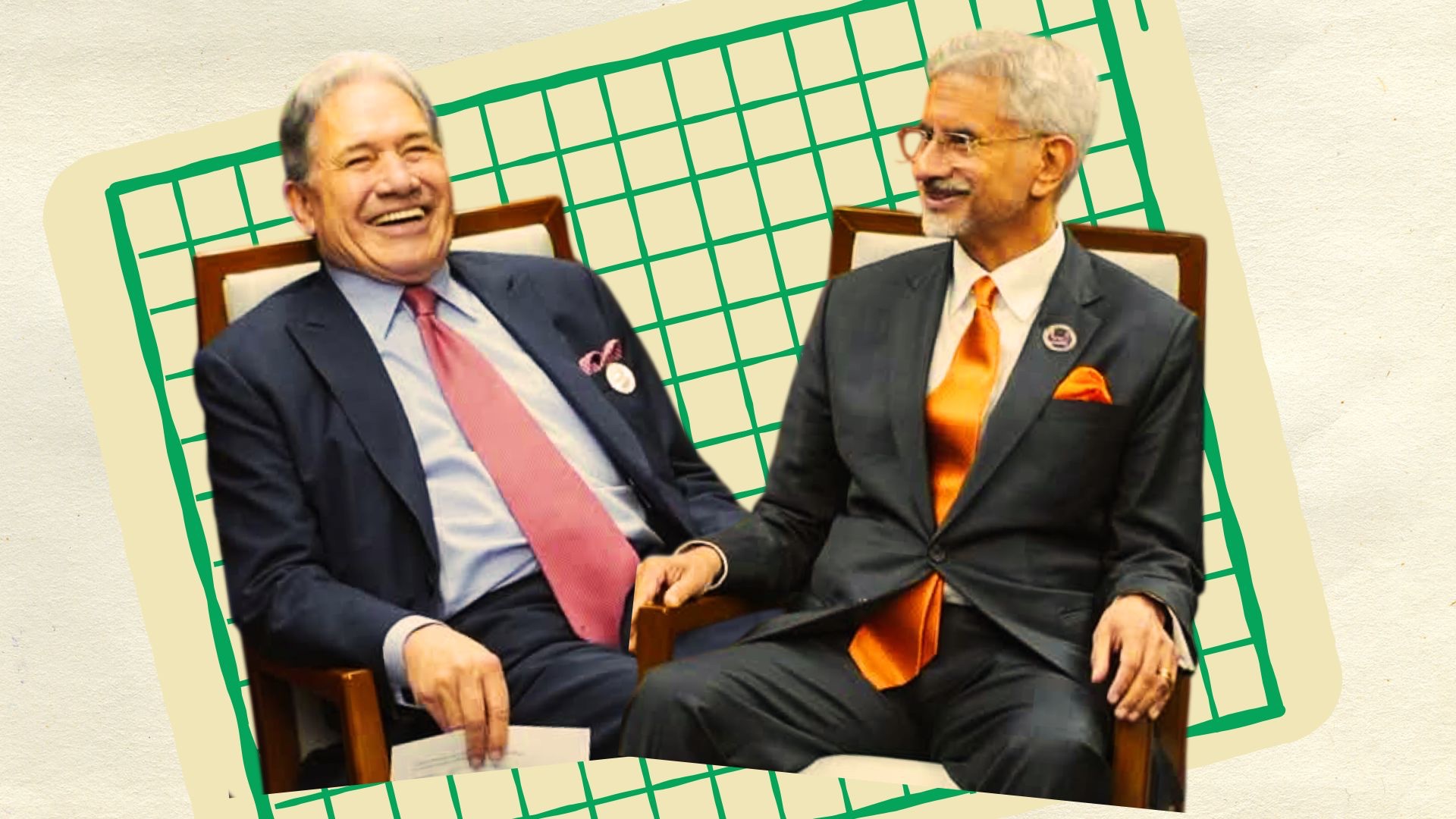
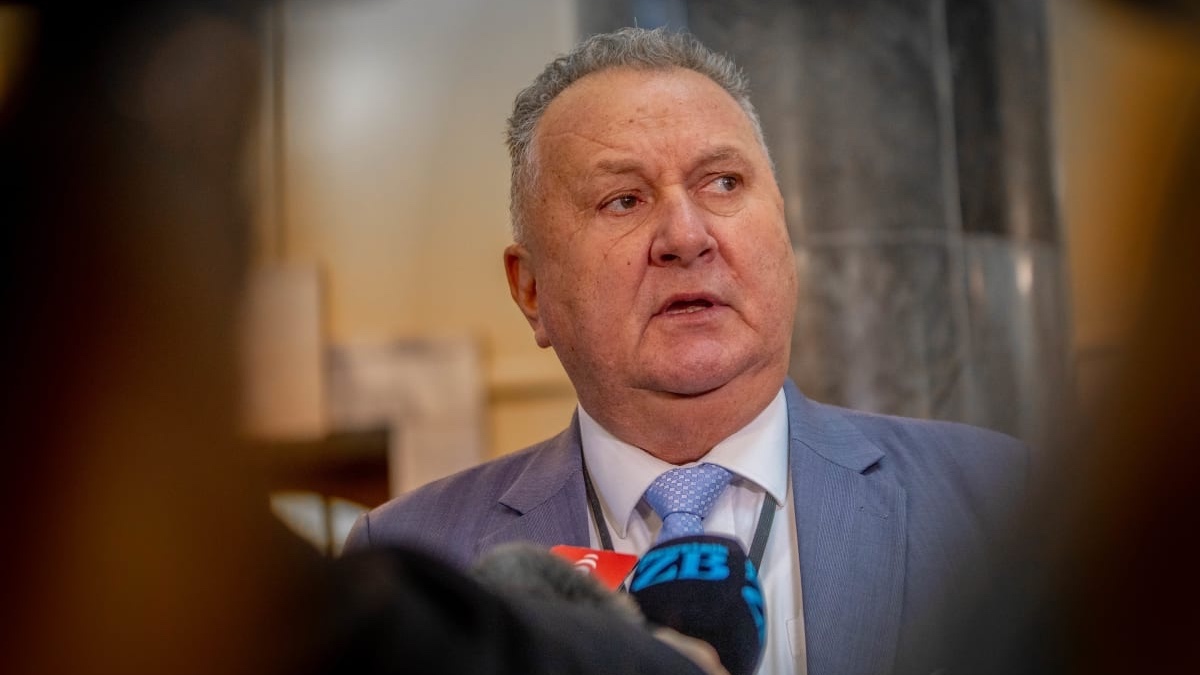
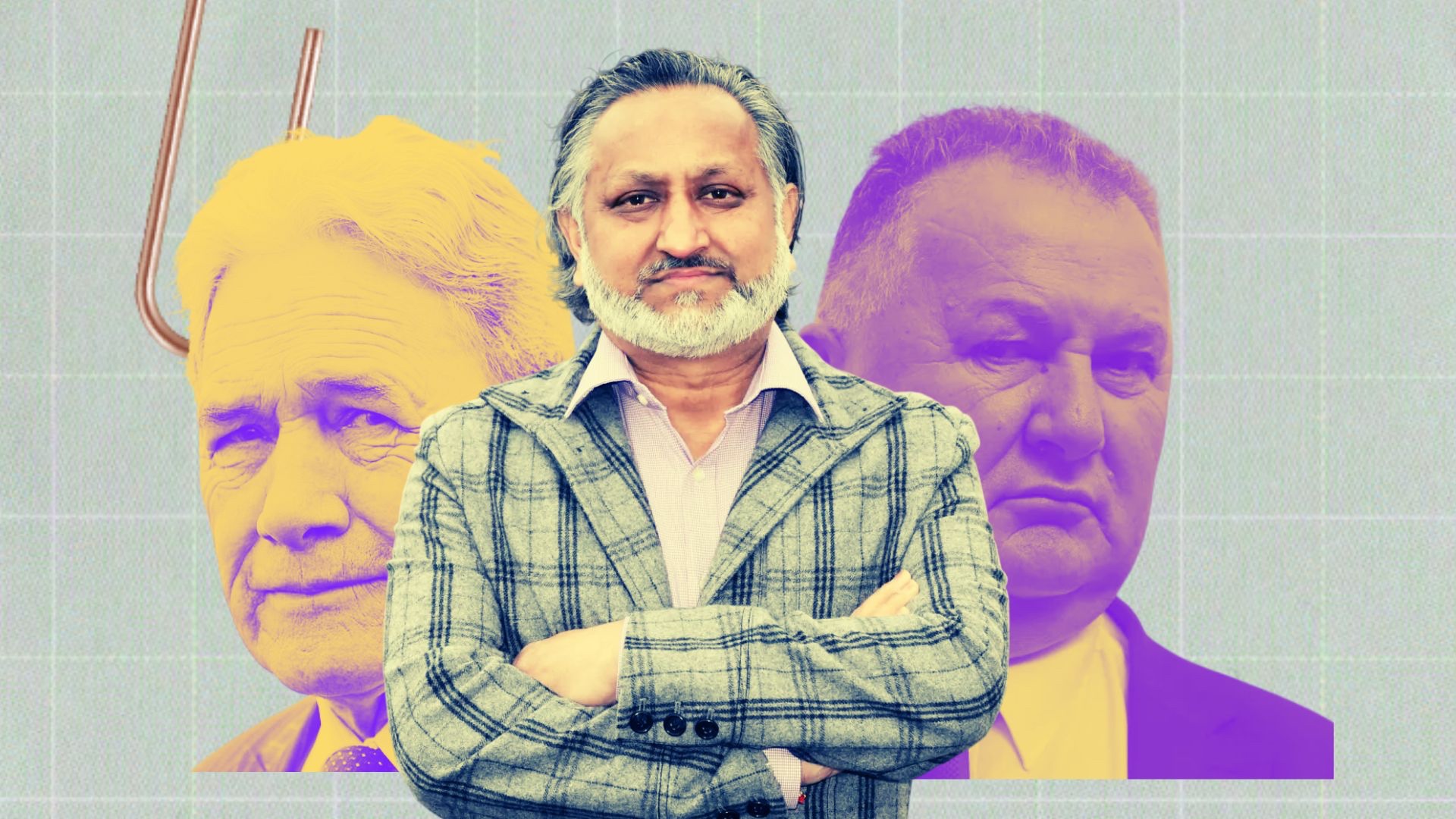
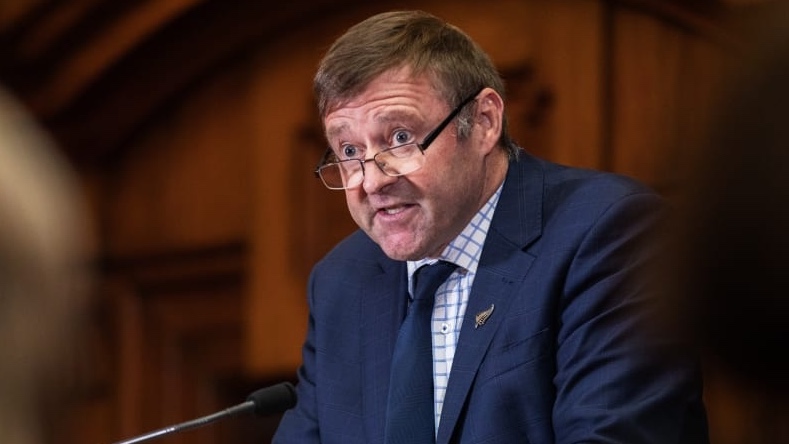
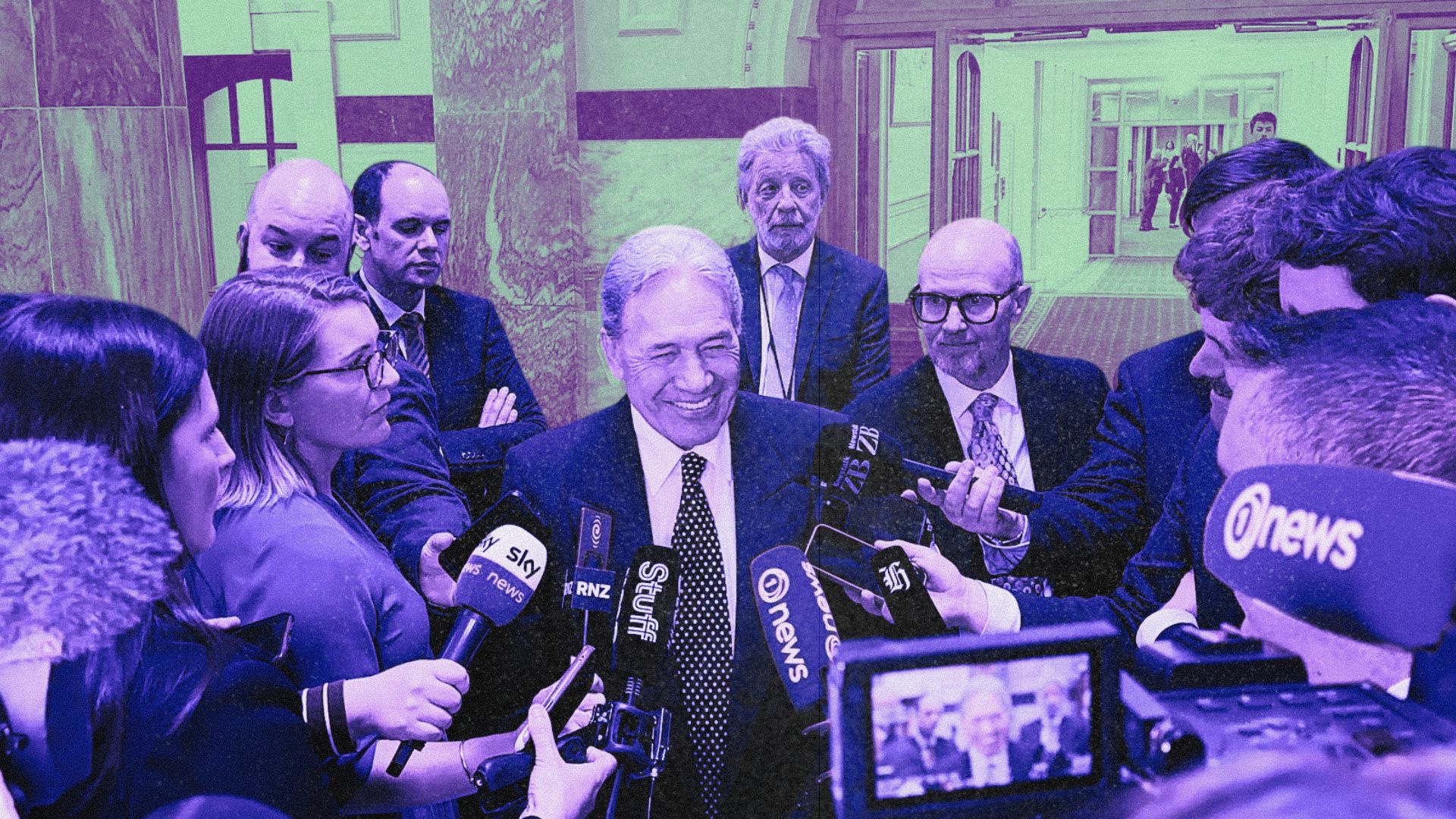
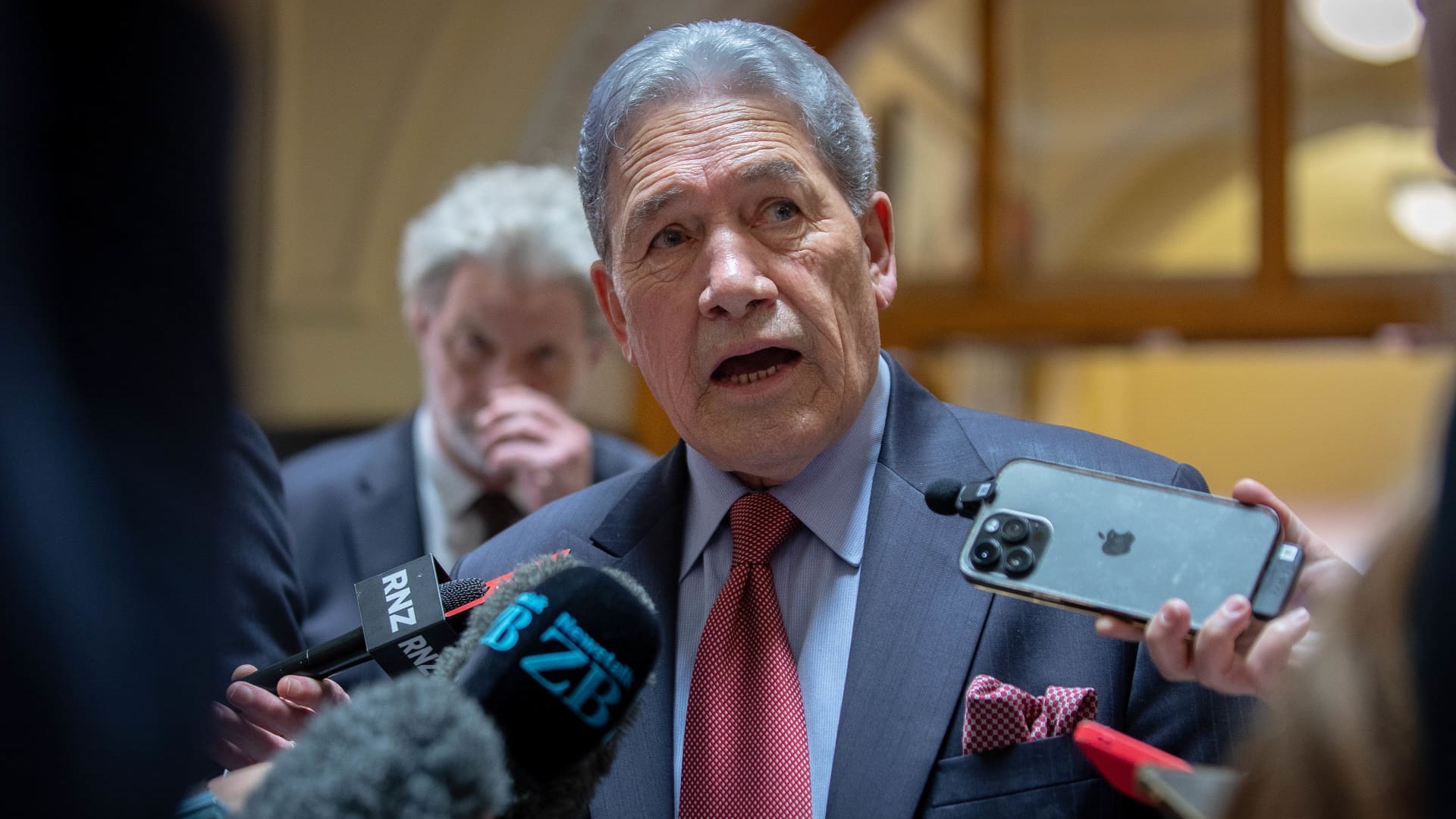
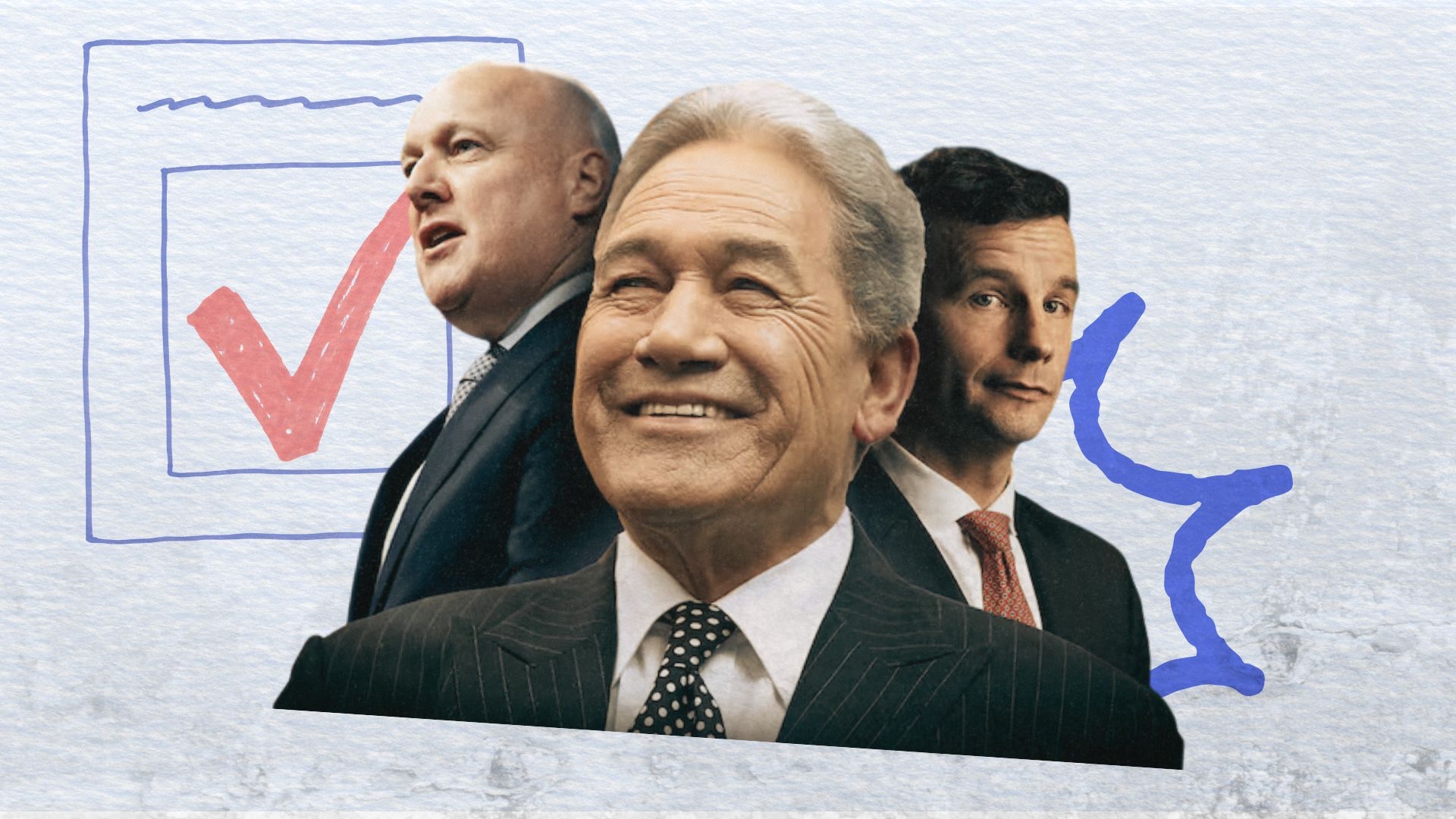
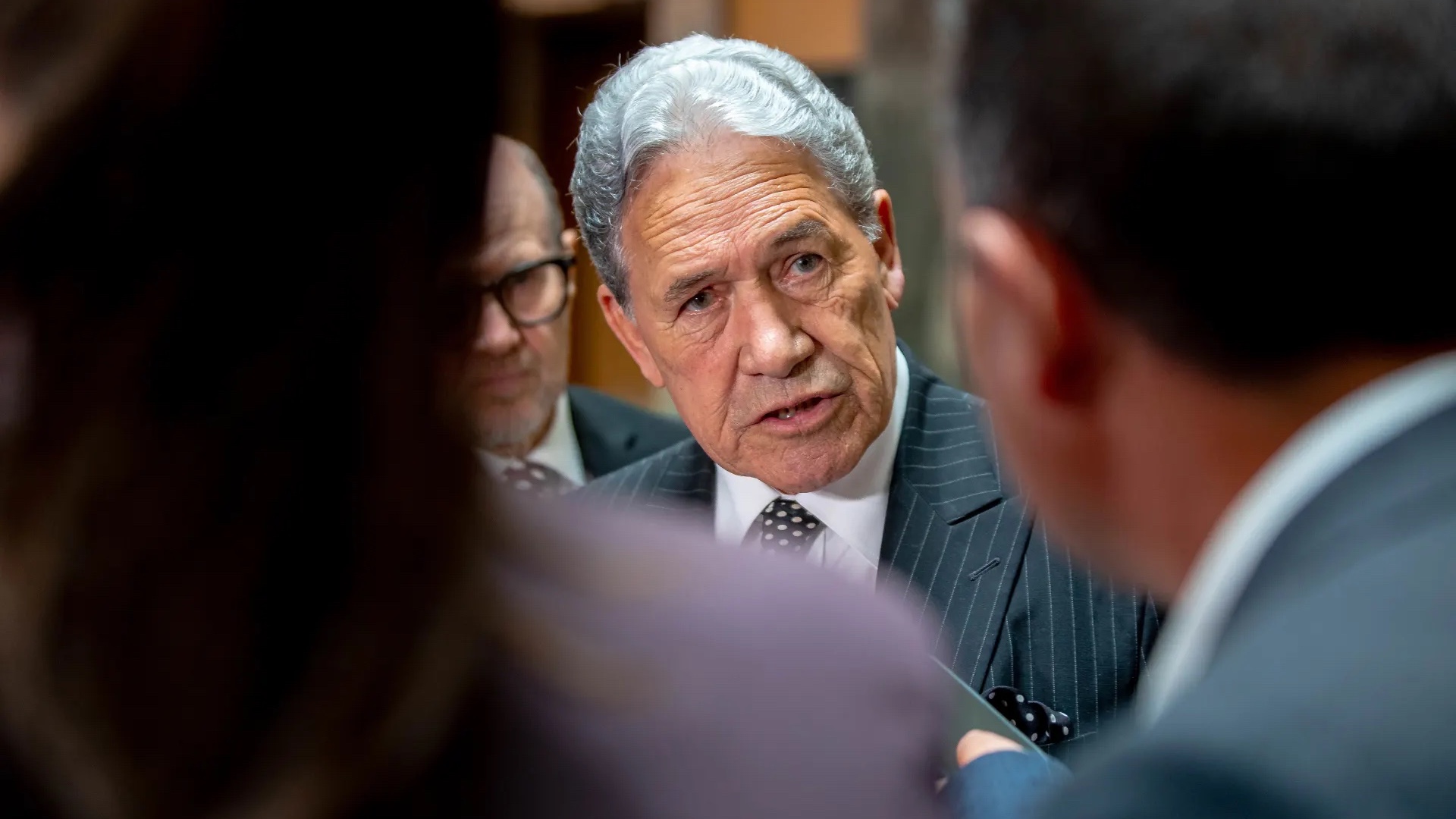
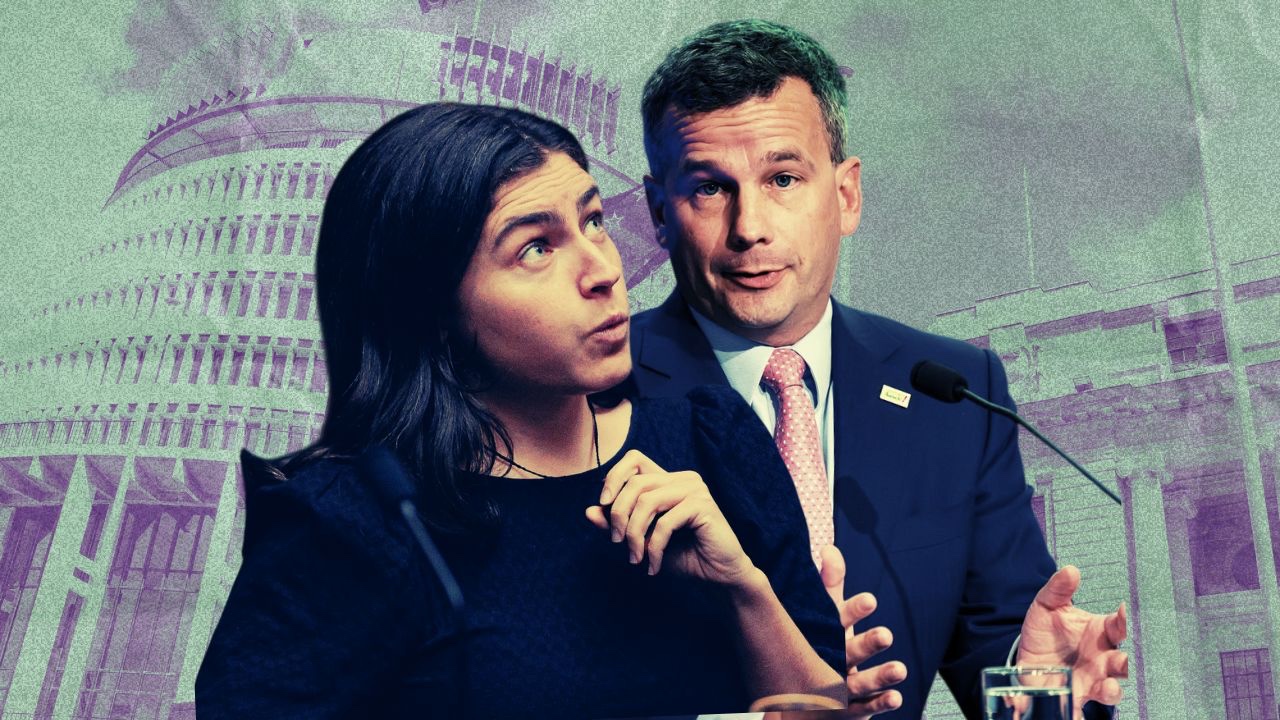
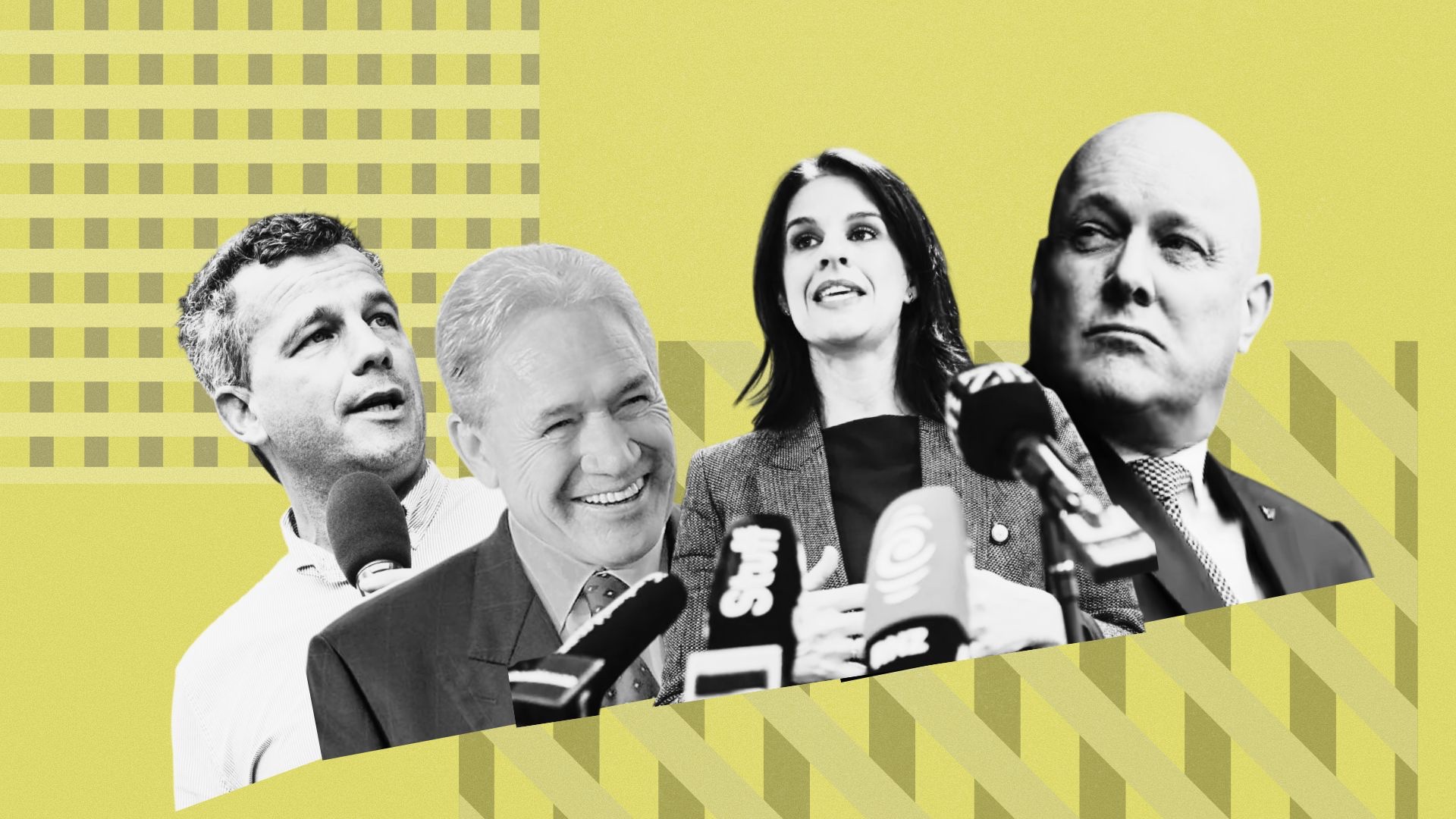
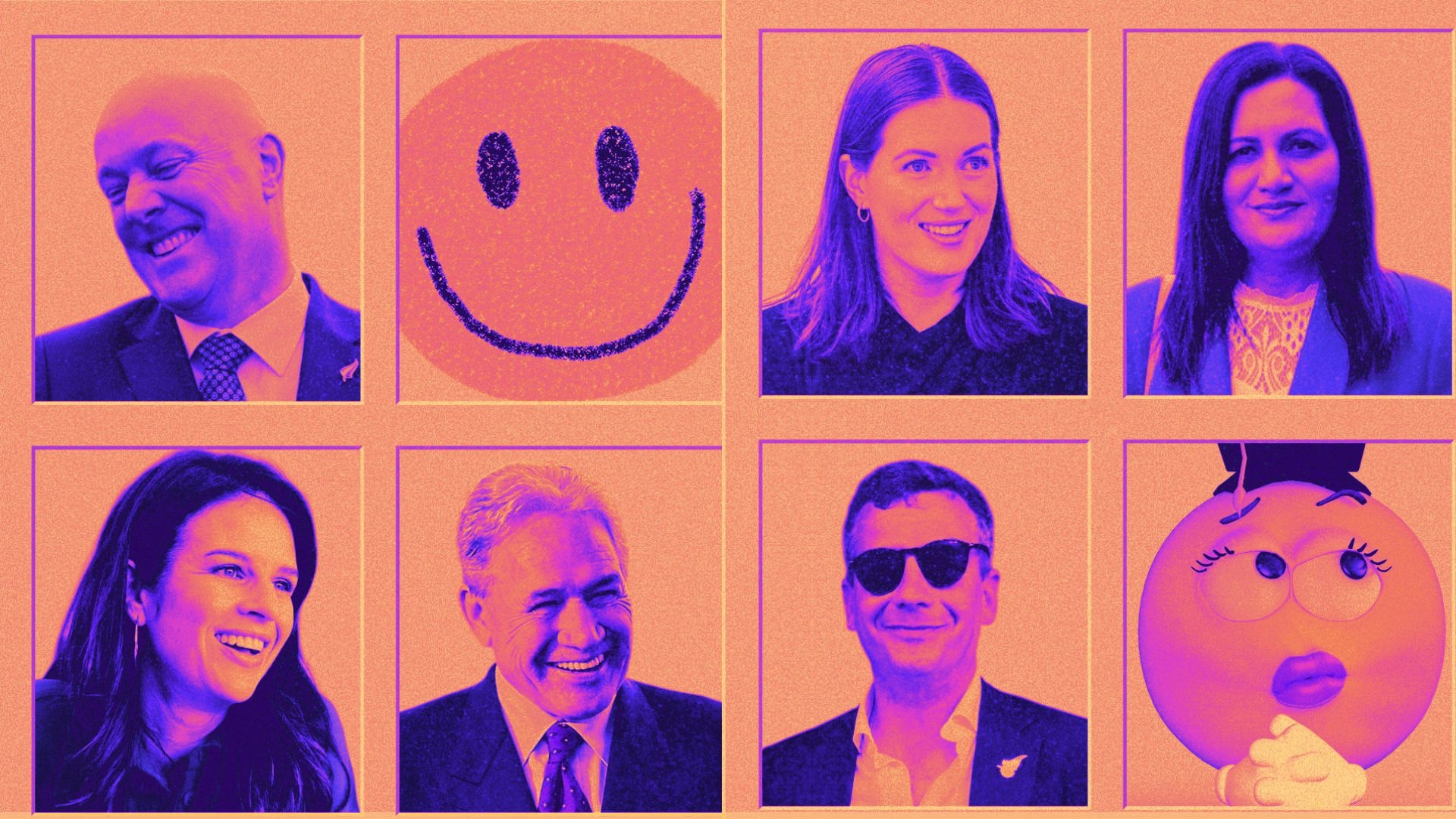
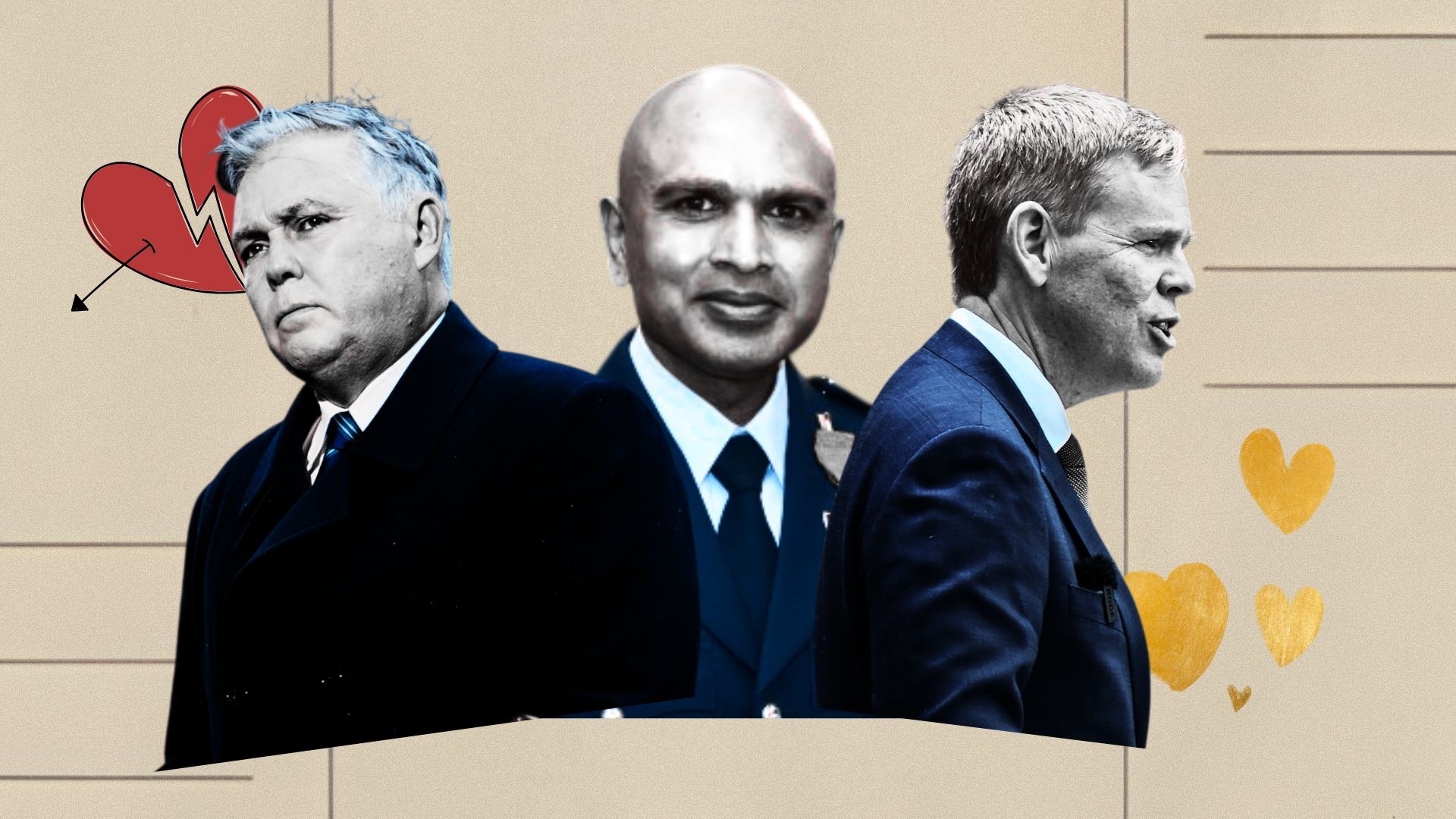
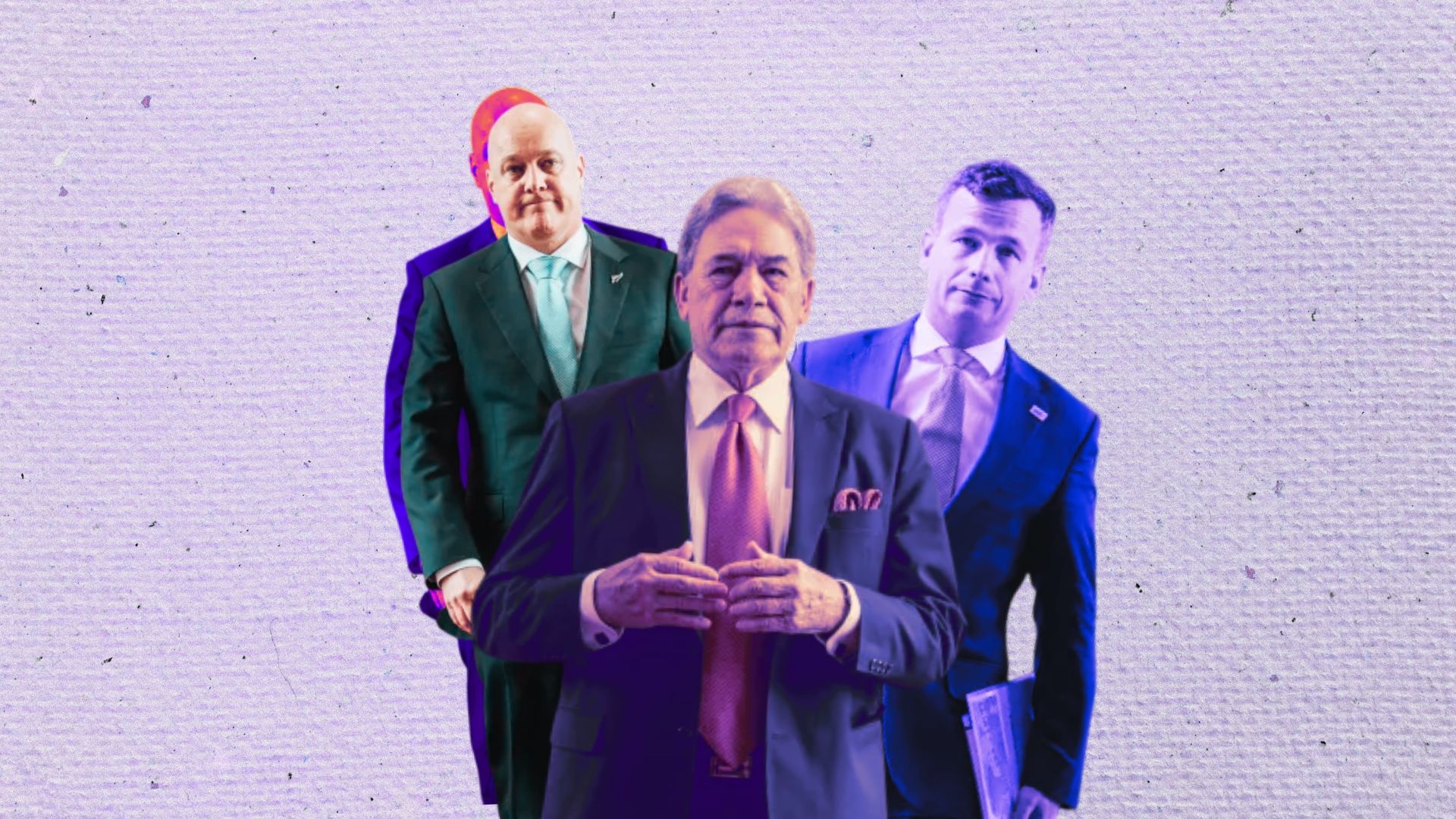
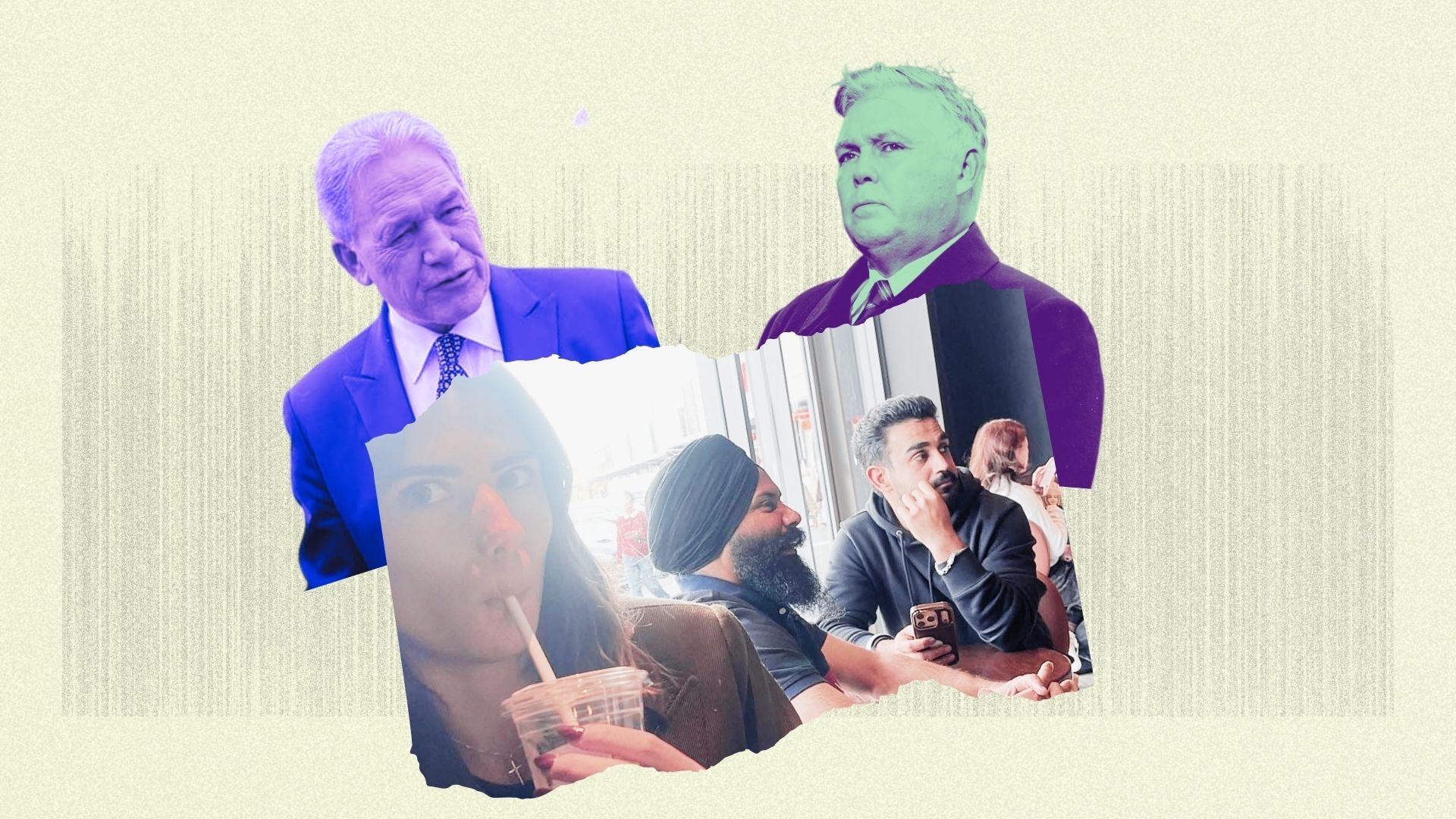
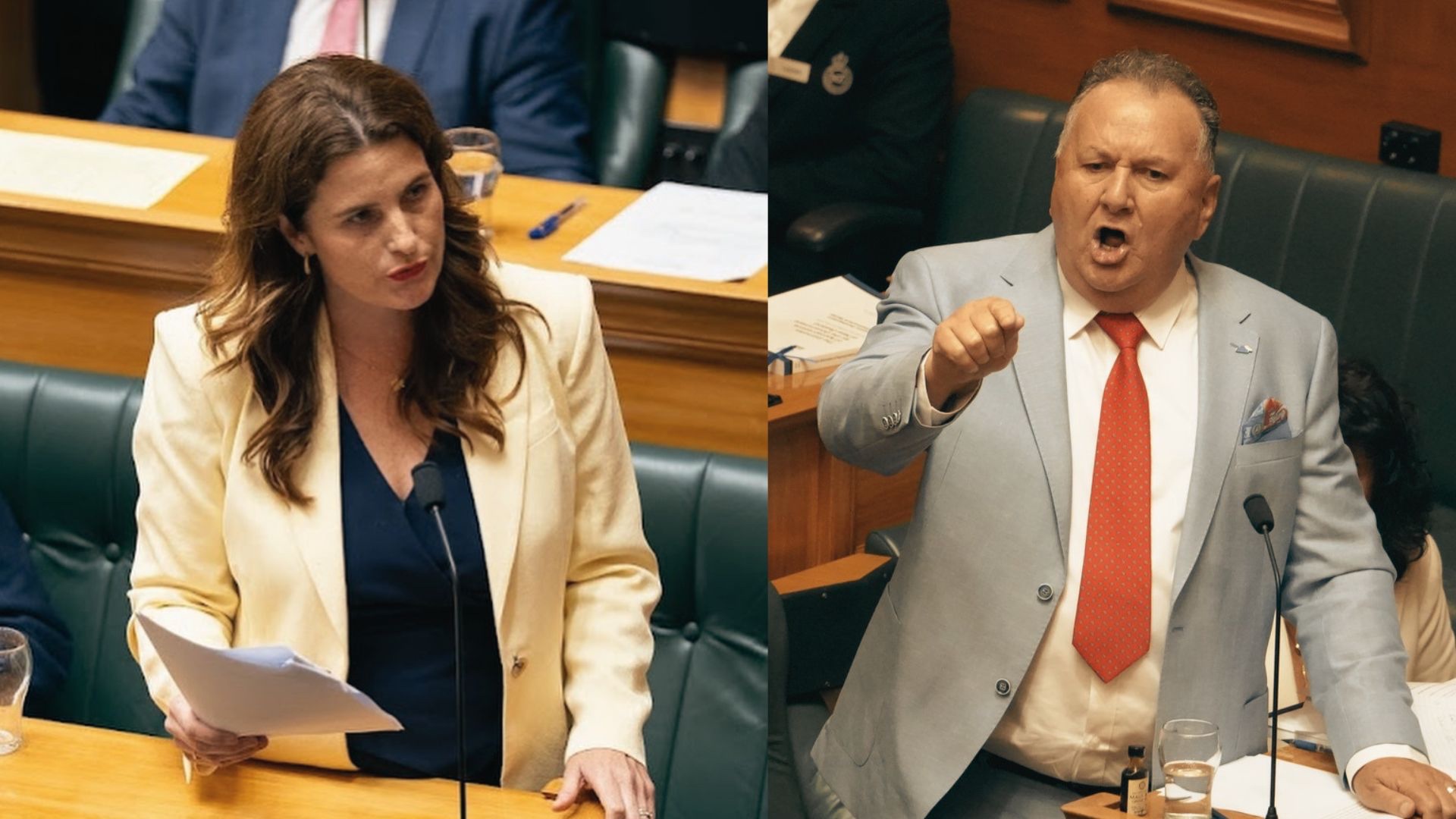
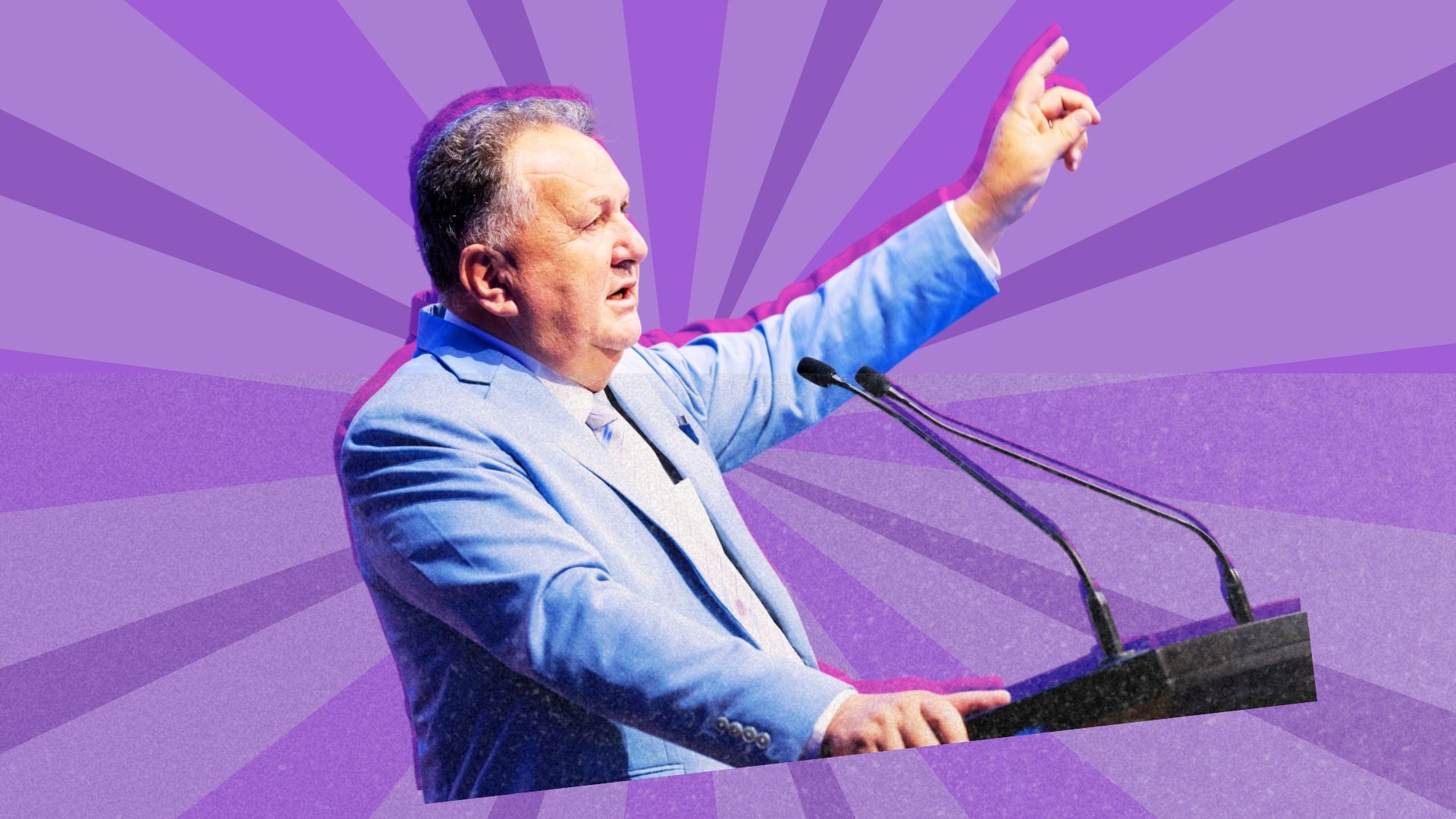
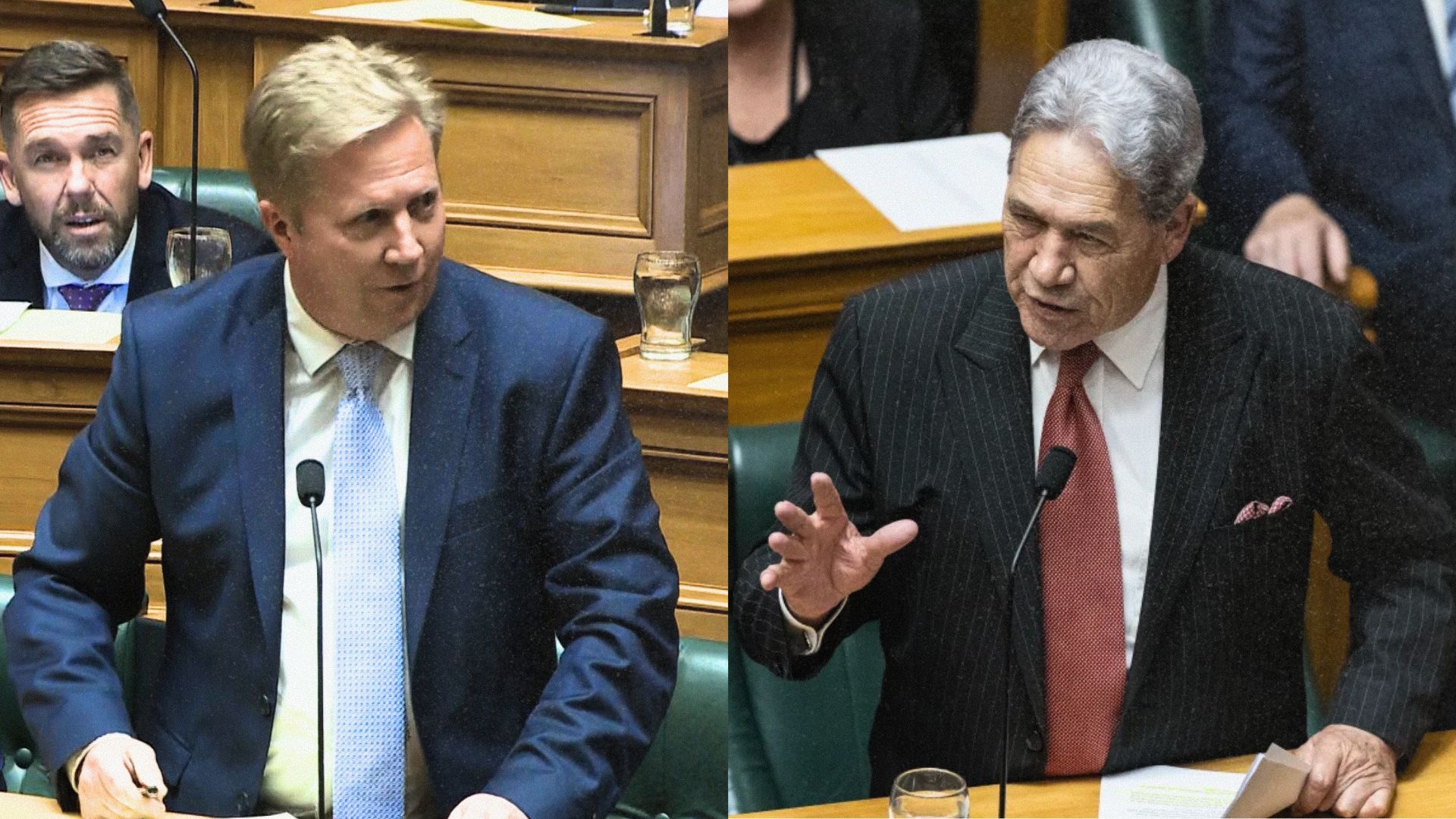
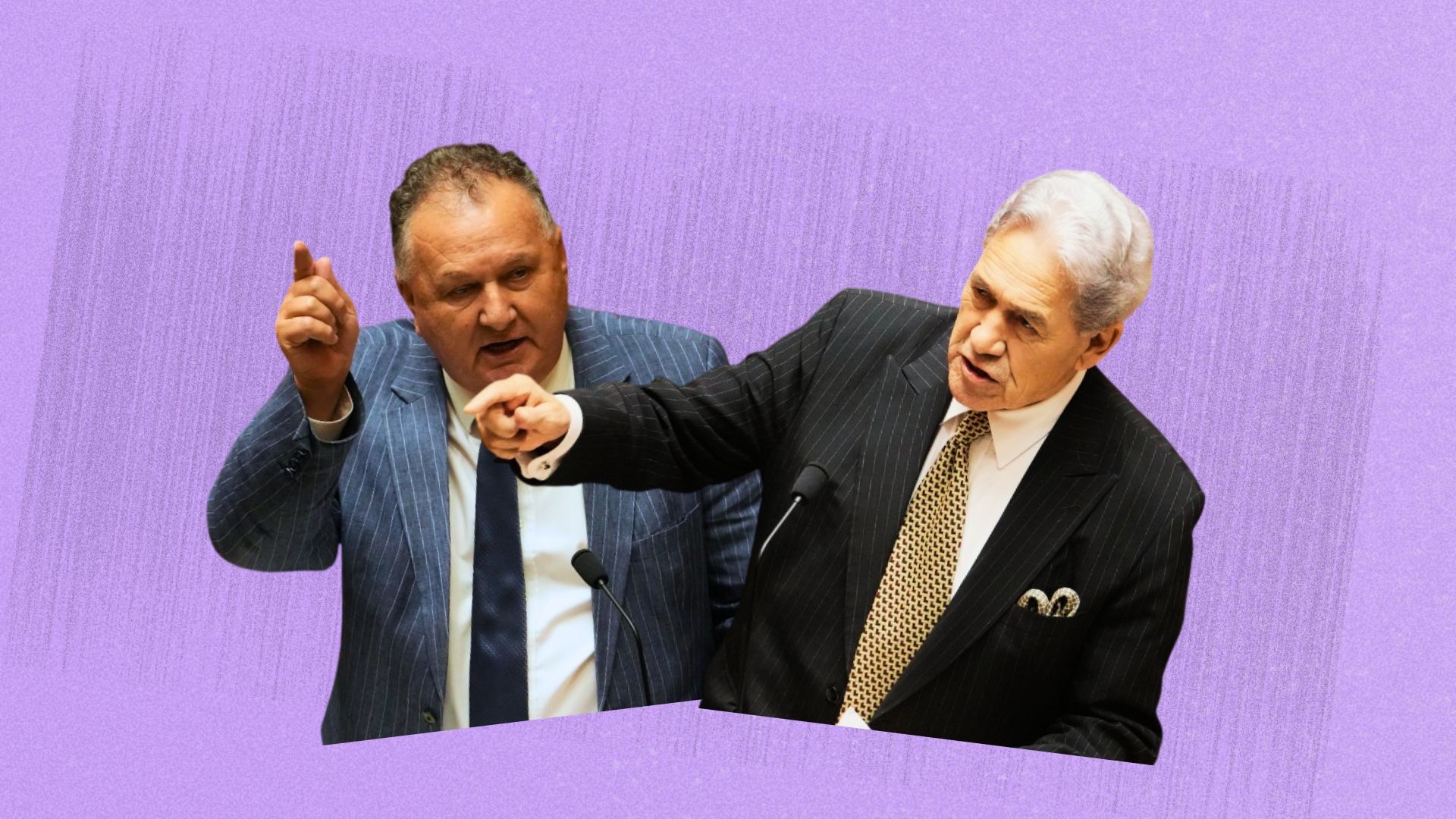
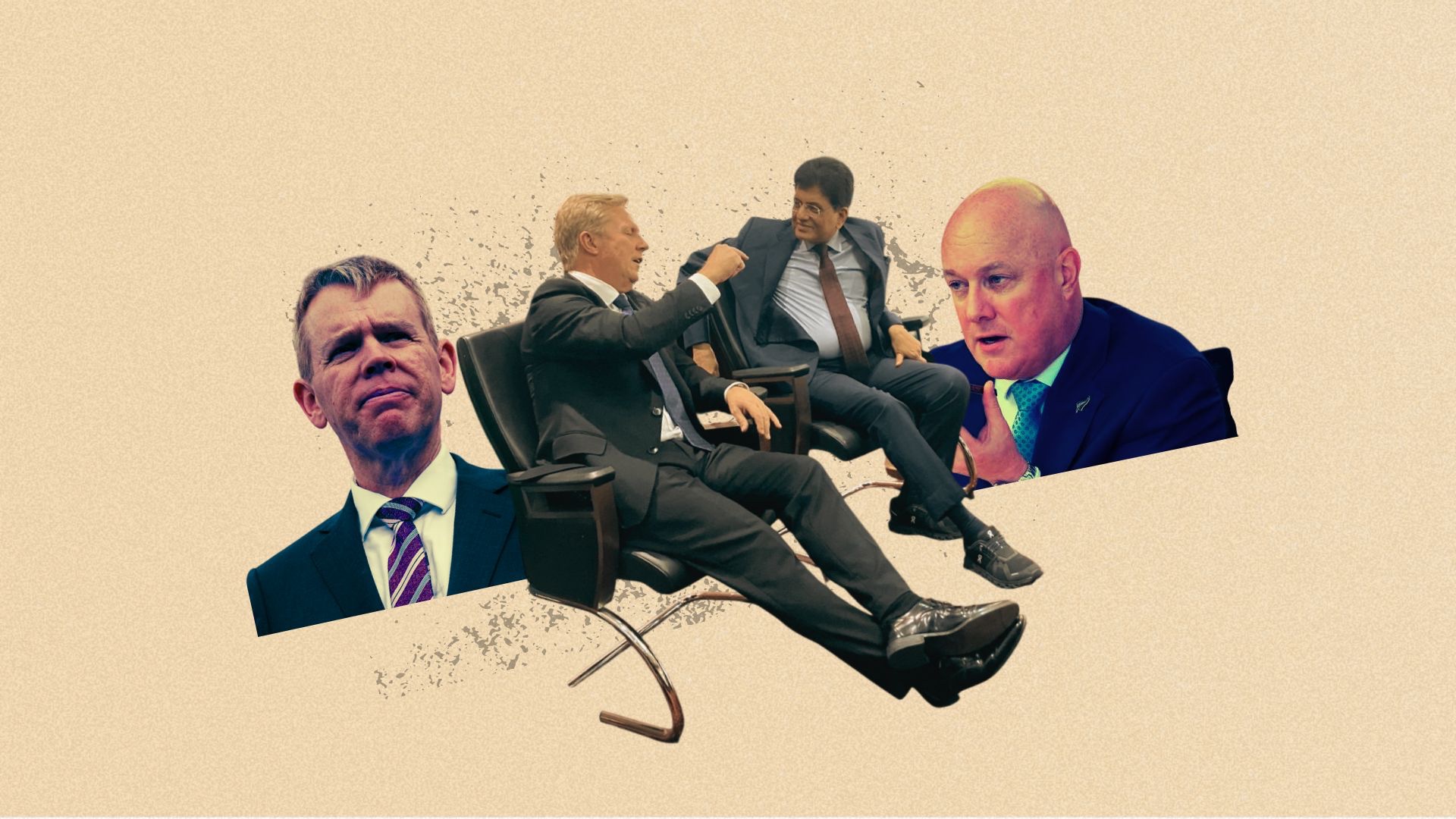
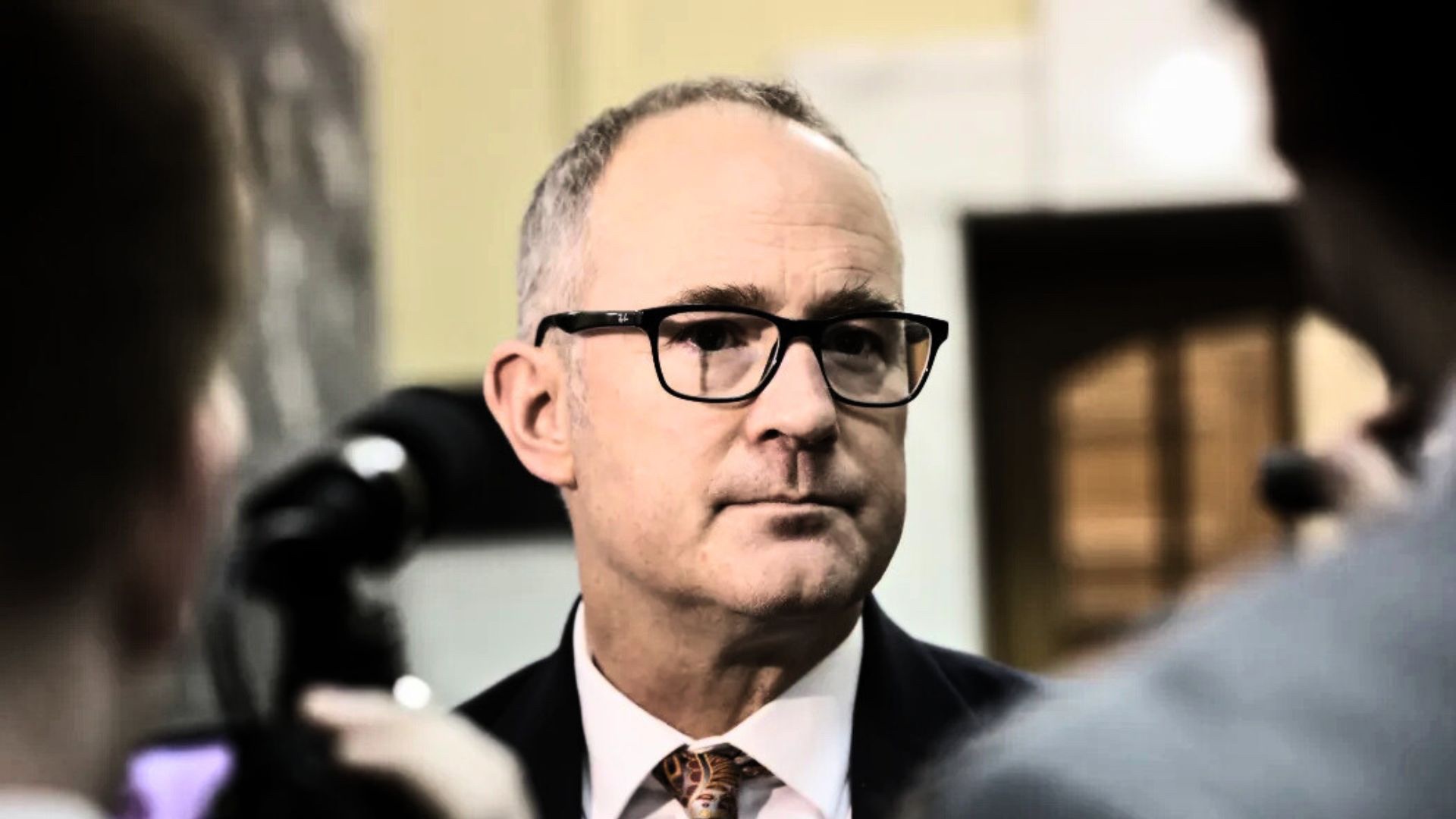
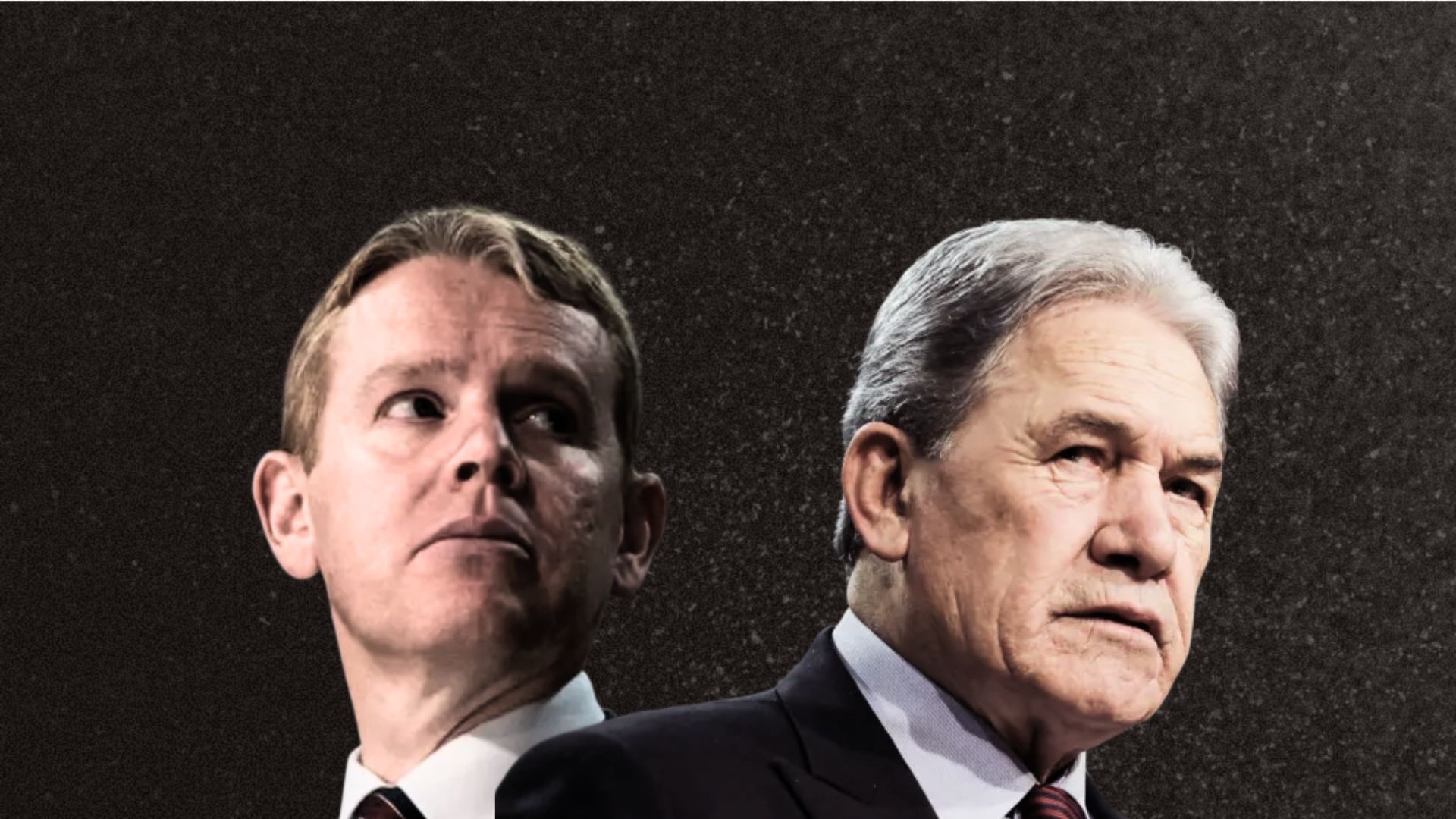
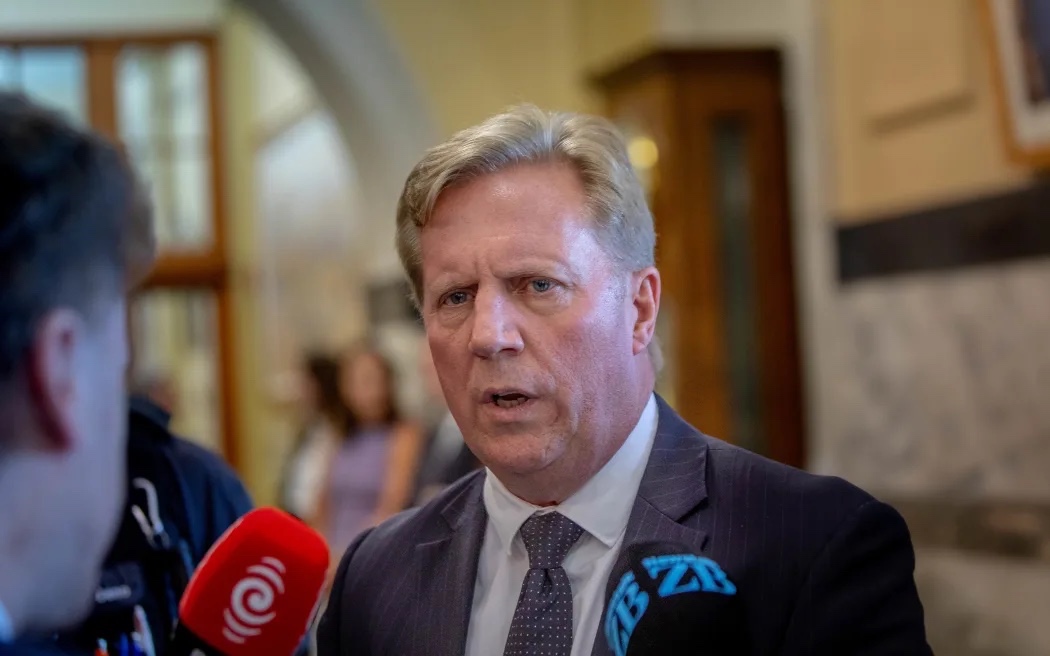
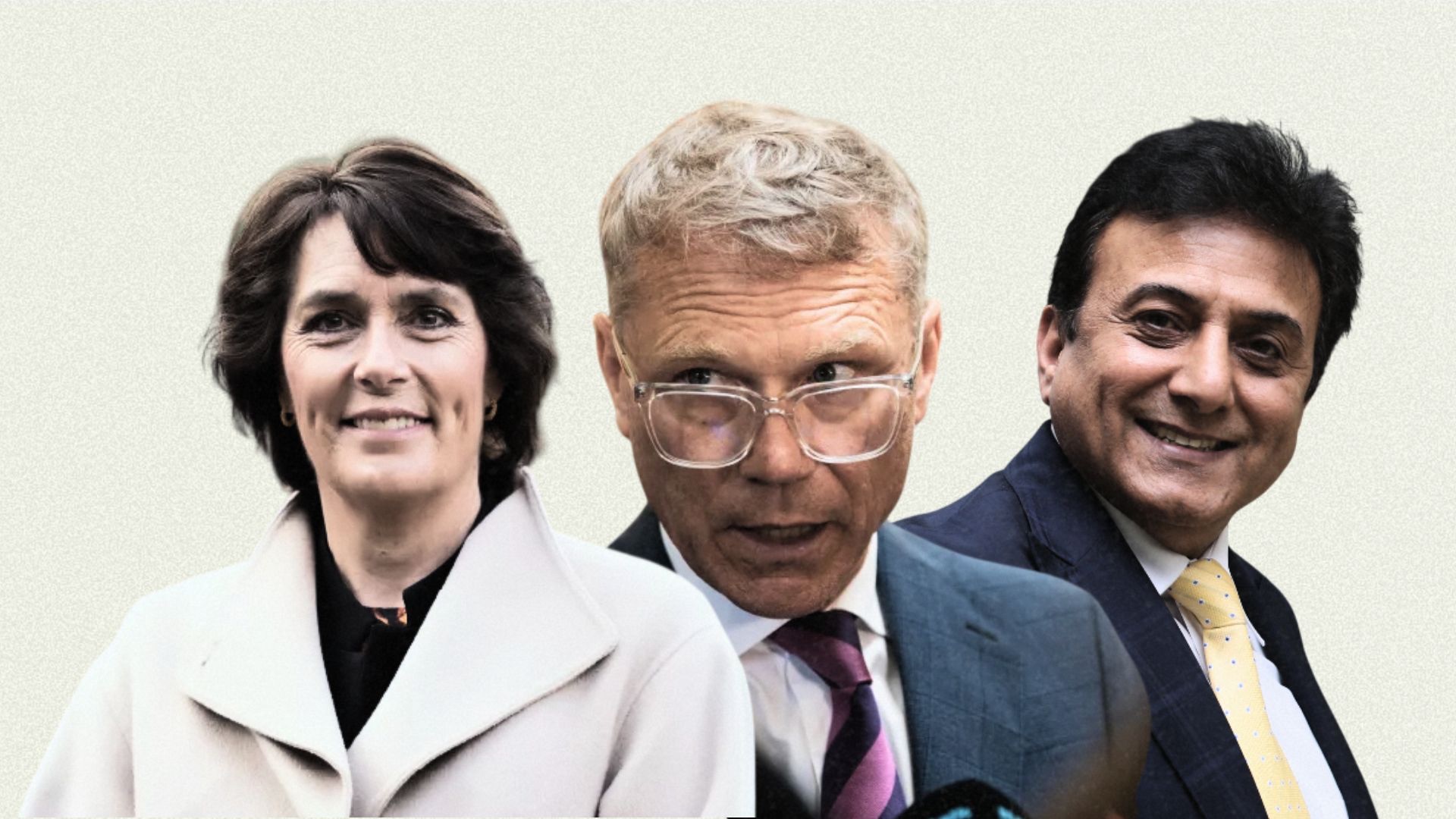
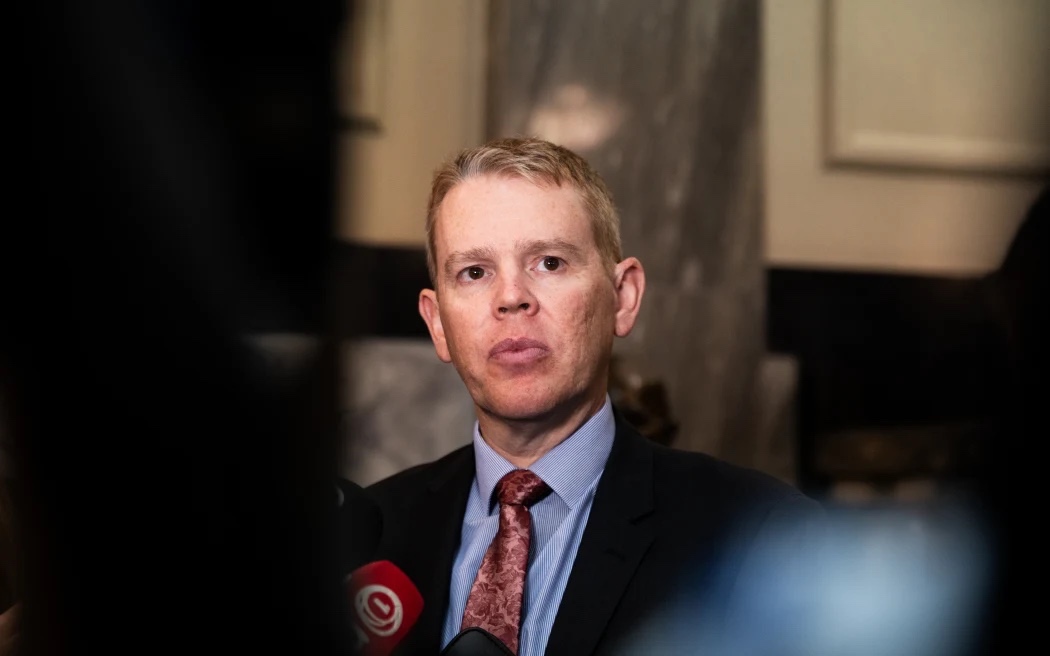
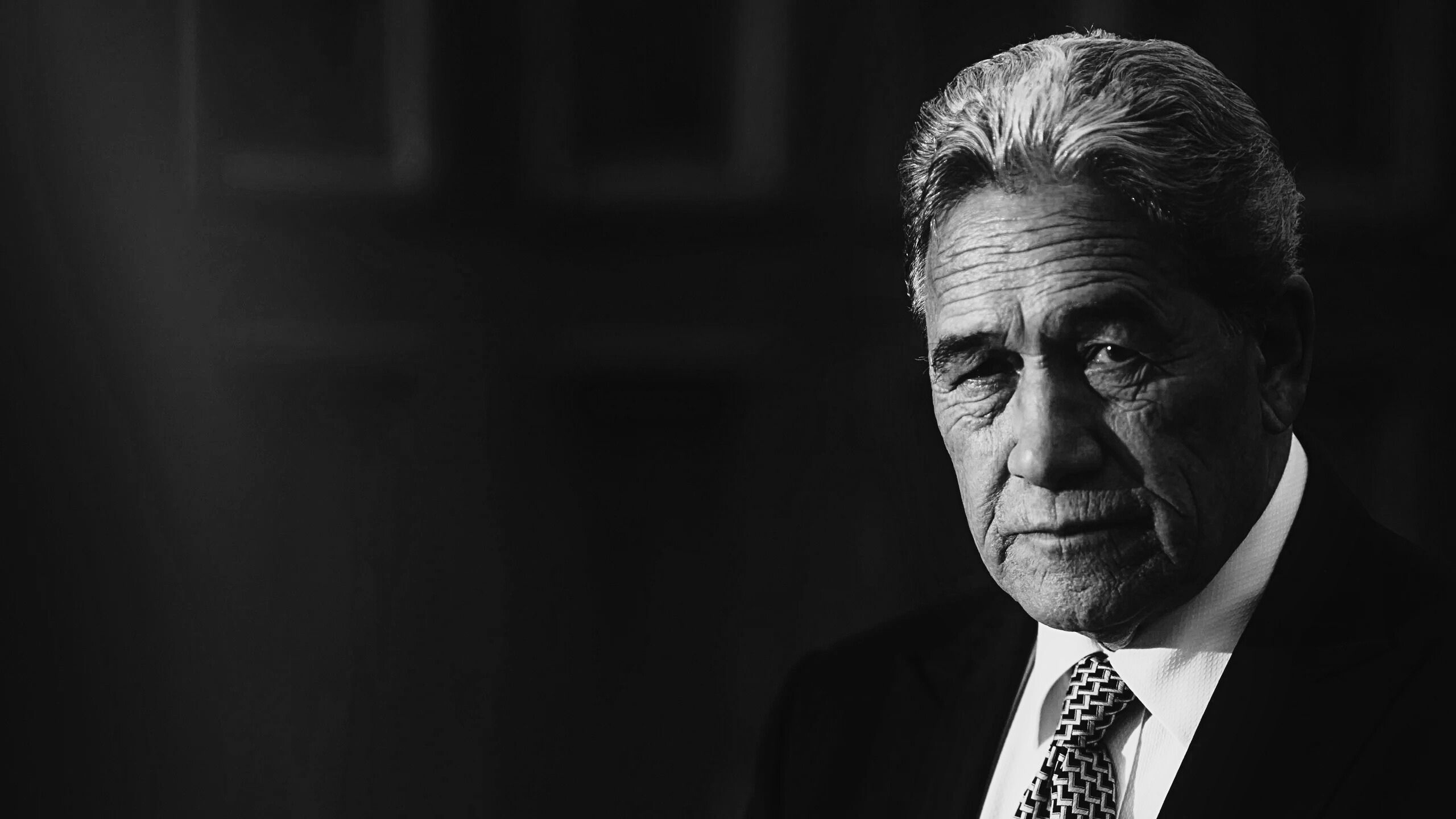
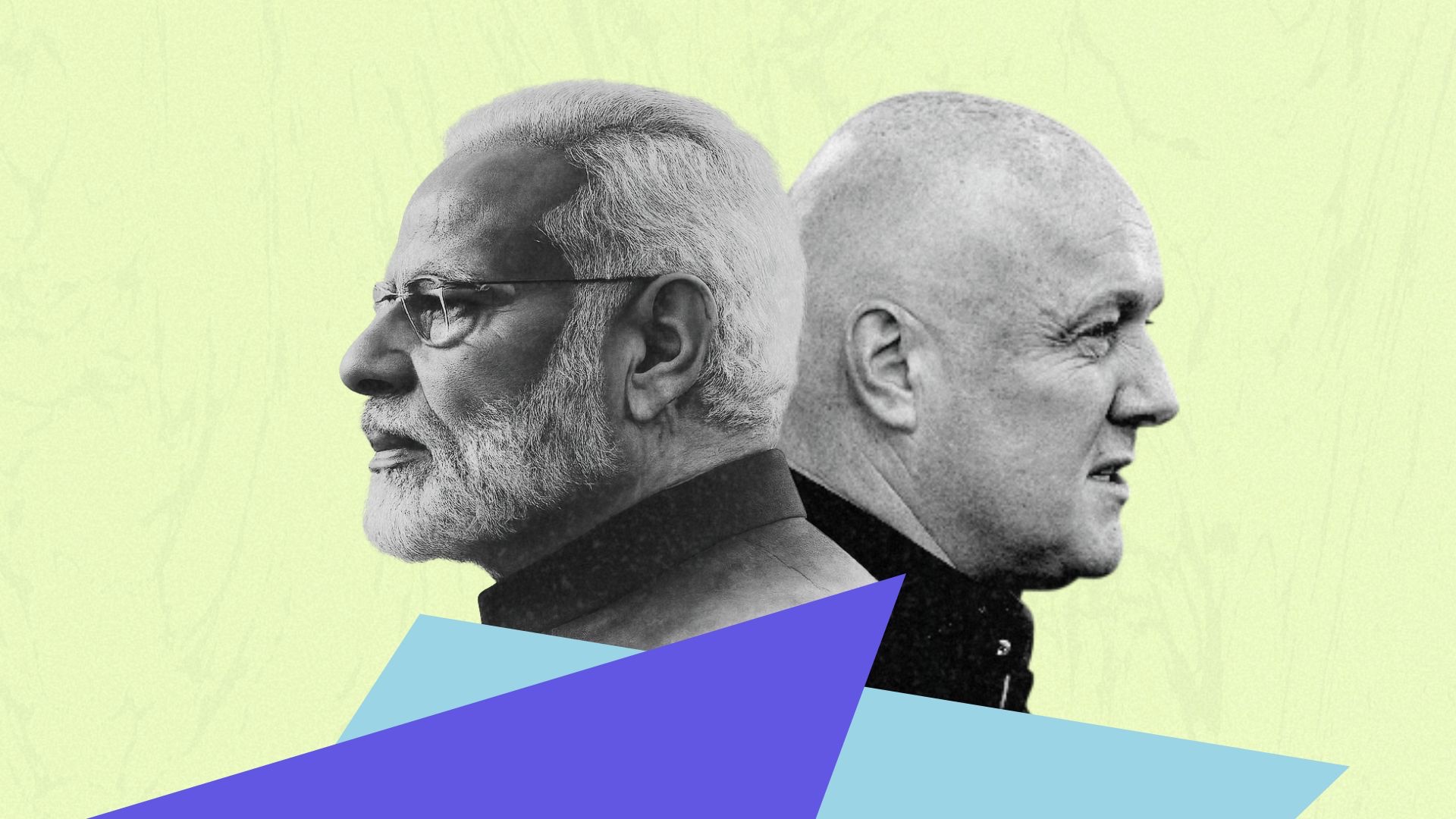
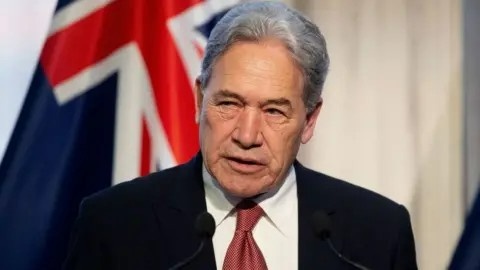
Last week, on June 25, foreign minister Winston Peters used Parliament’s first reading of the bill that will enable the FTA to accuse coalition partner National of preparing “special, discriminatory, targeted restrictions just for Indians”.
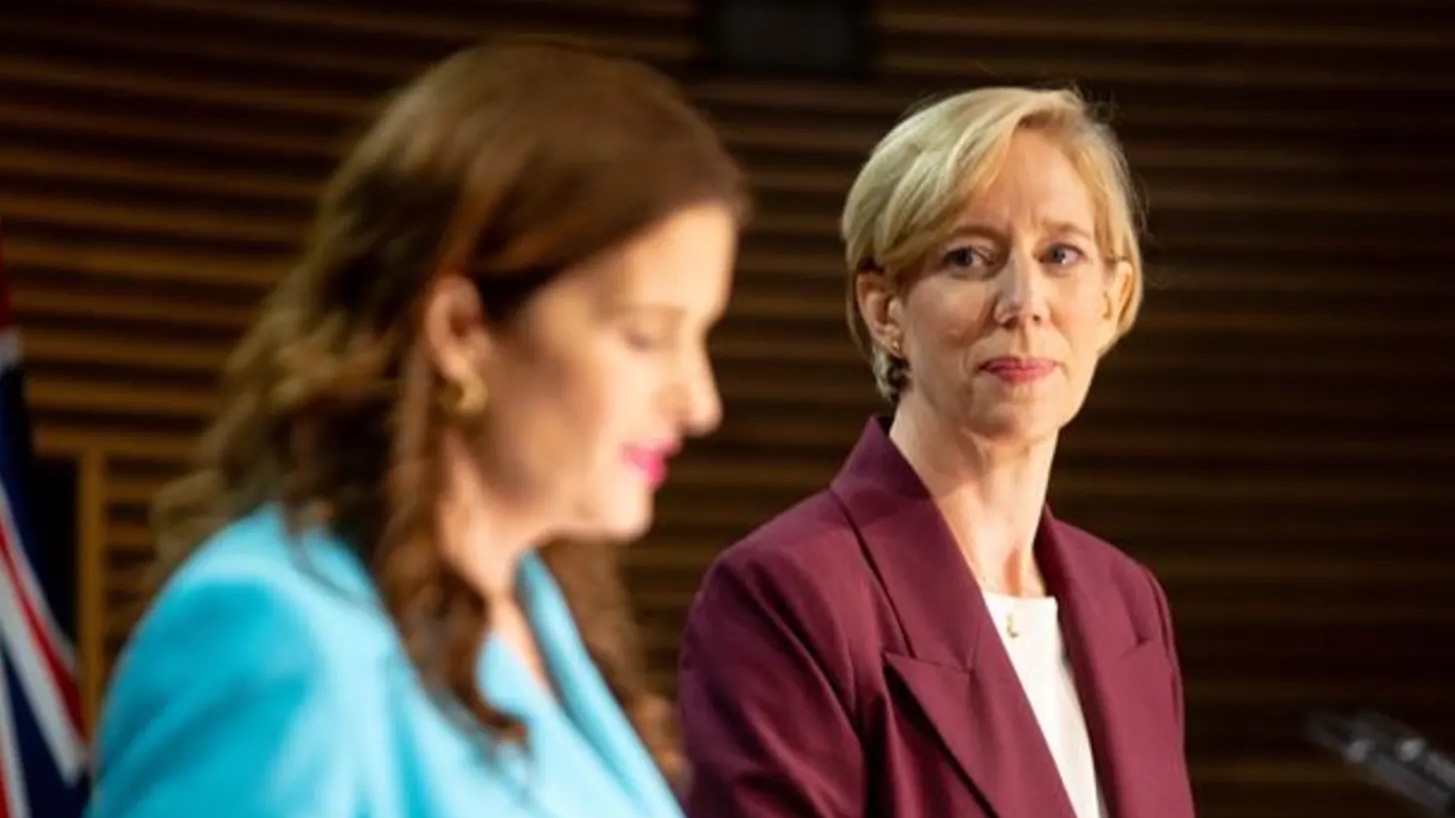
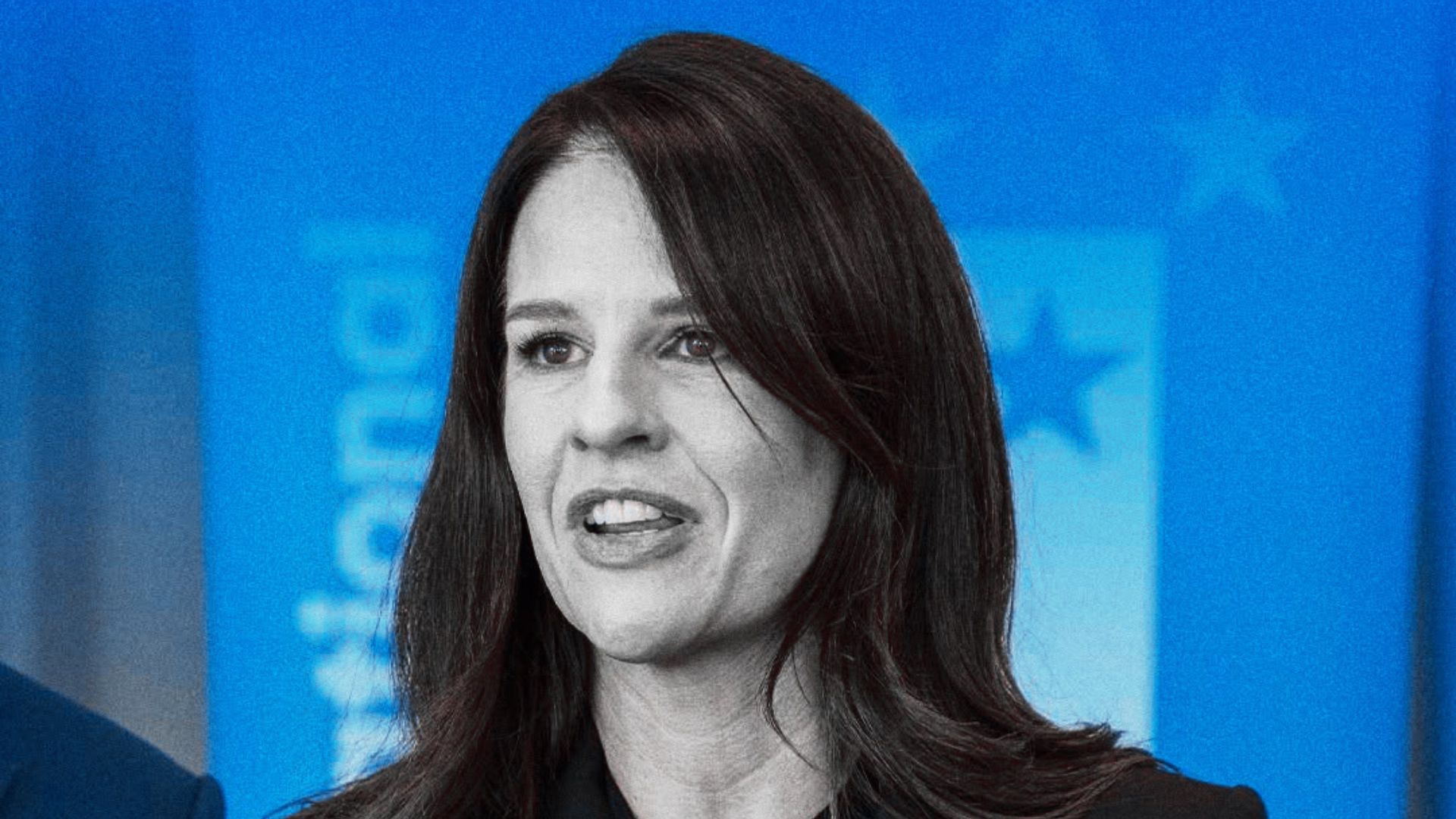
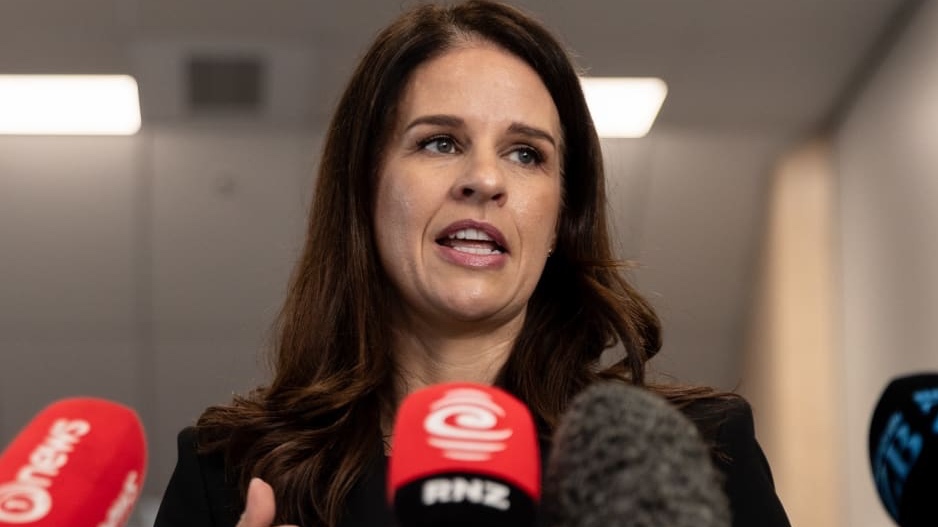
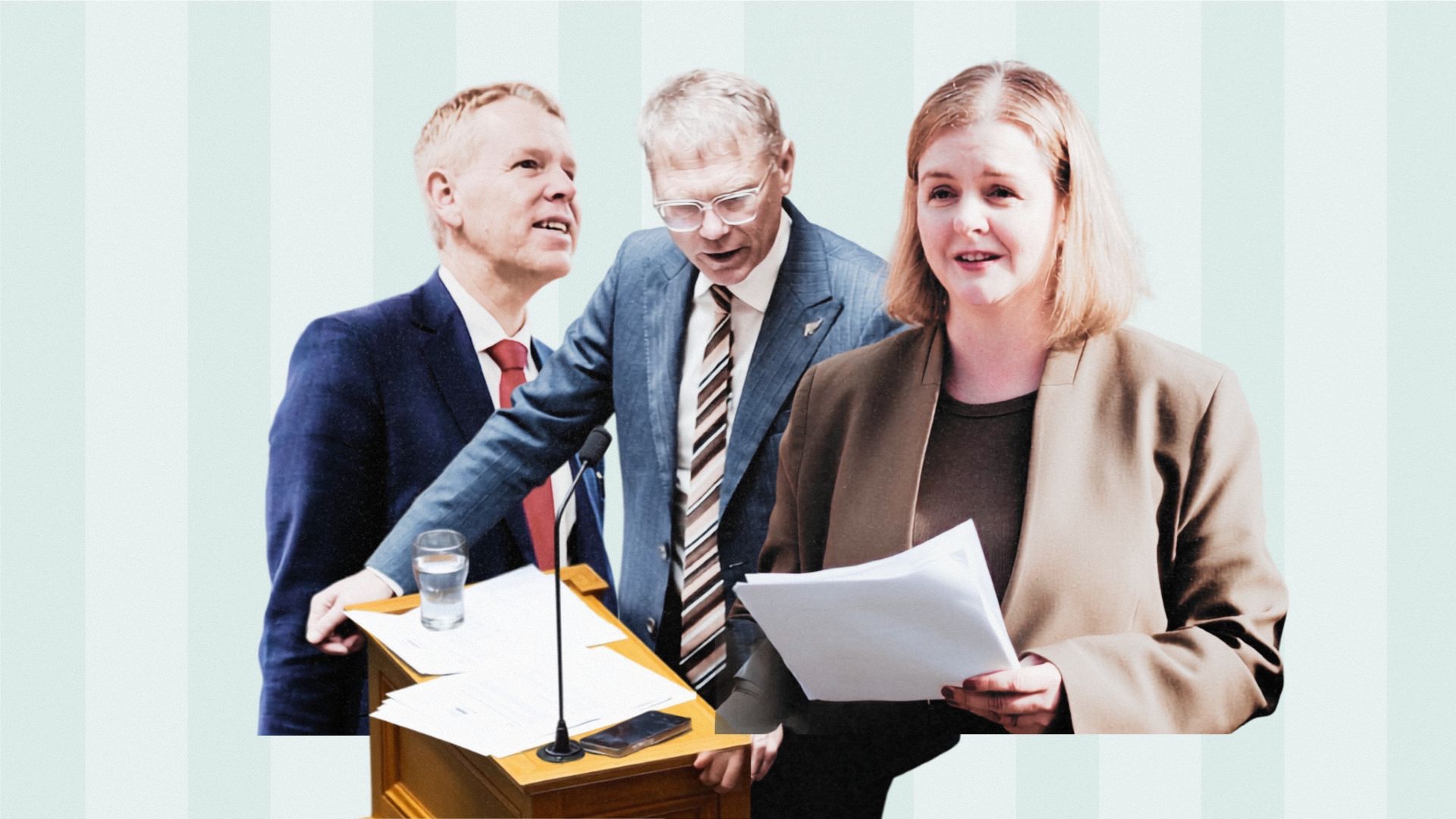
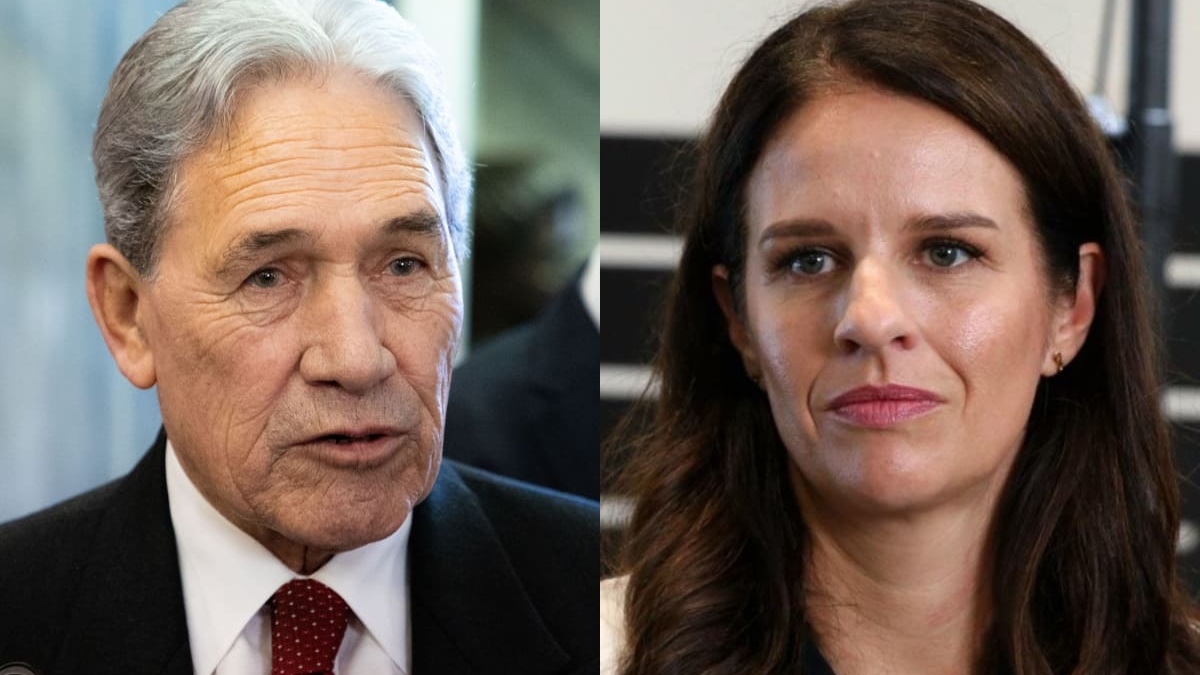
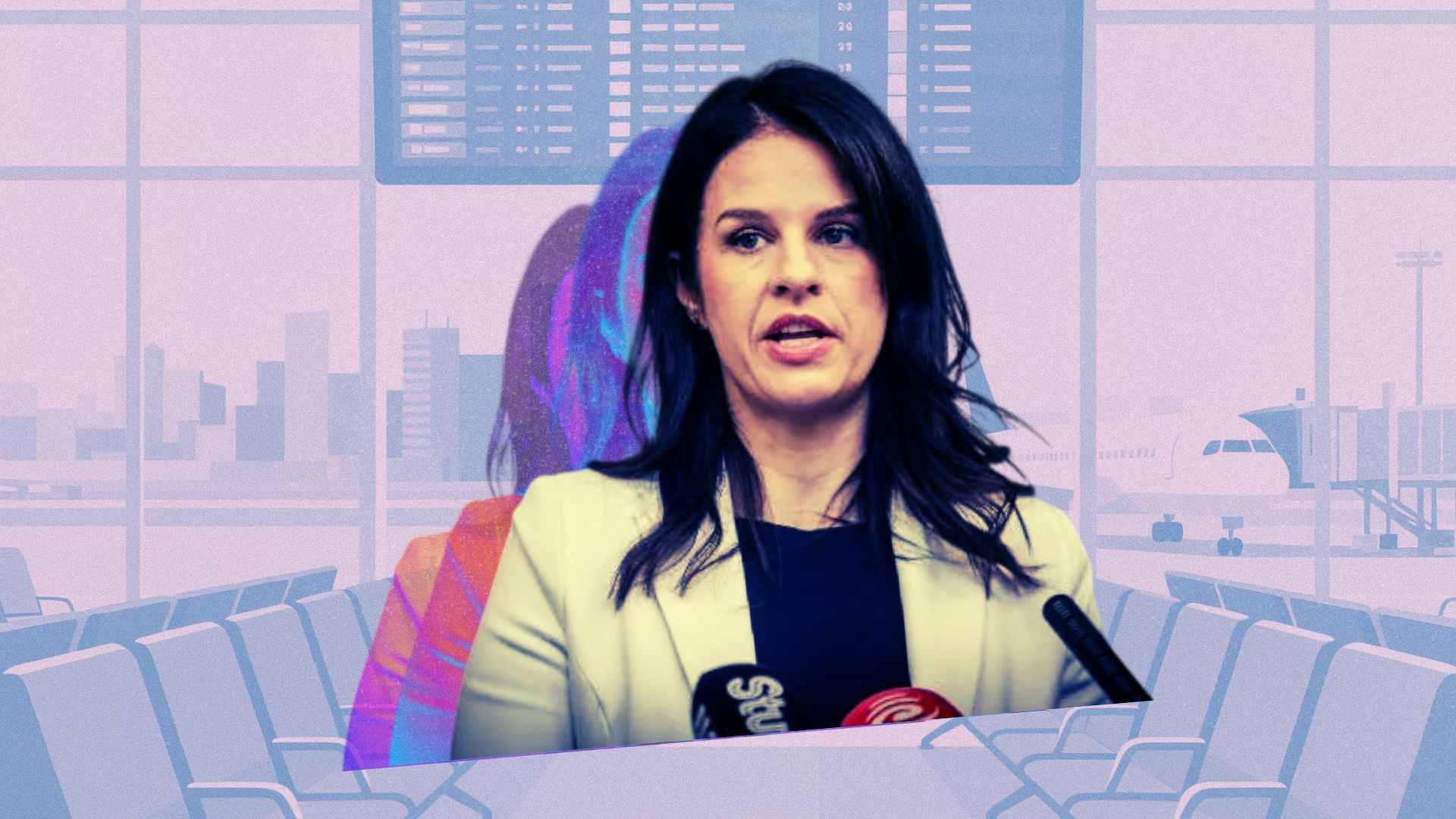
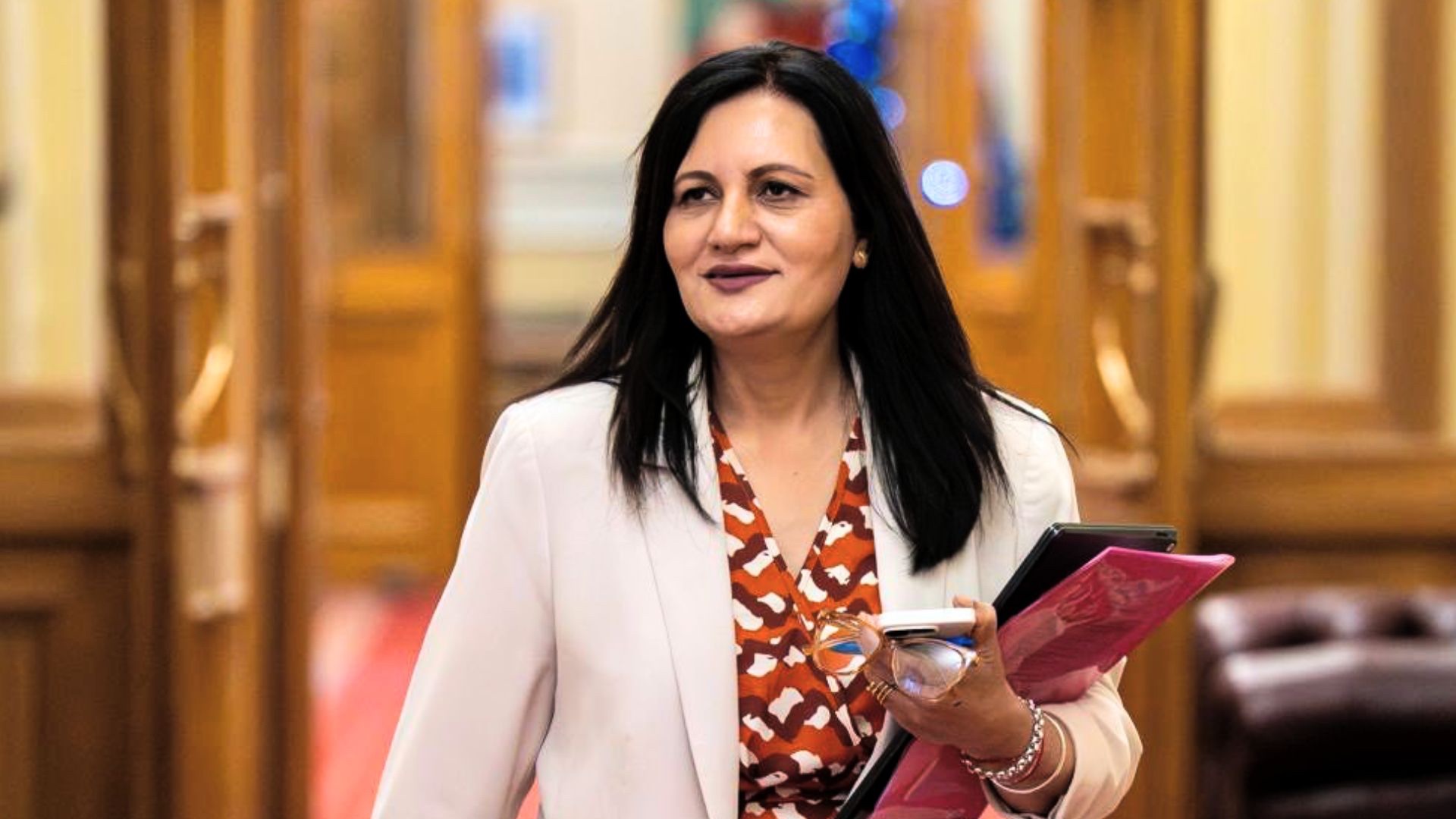
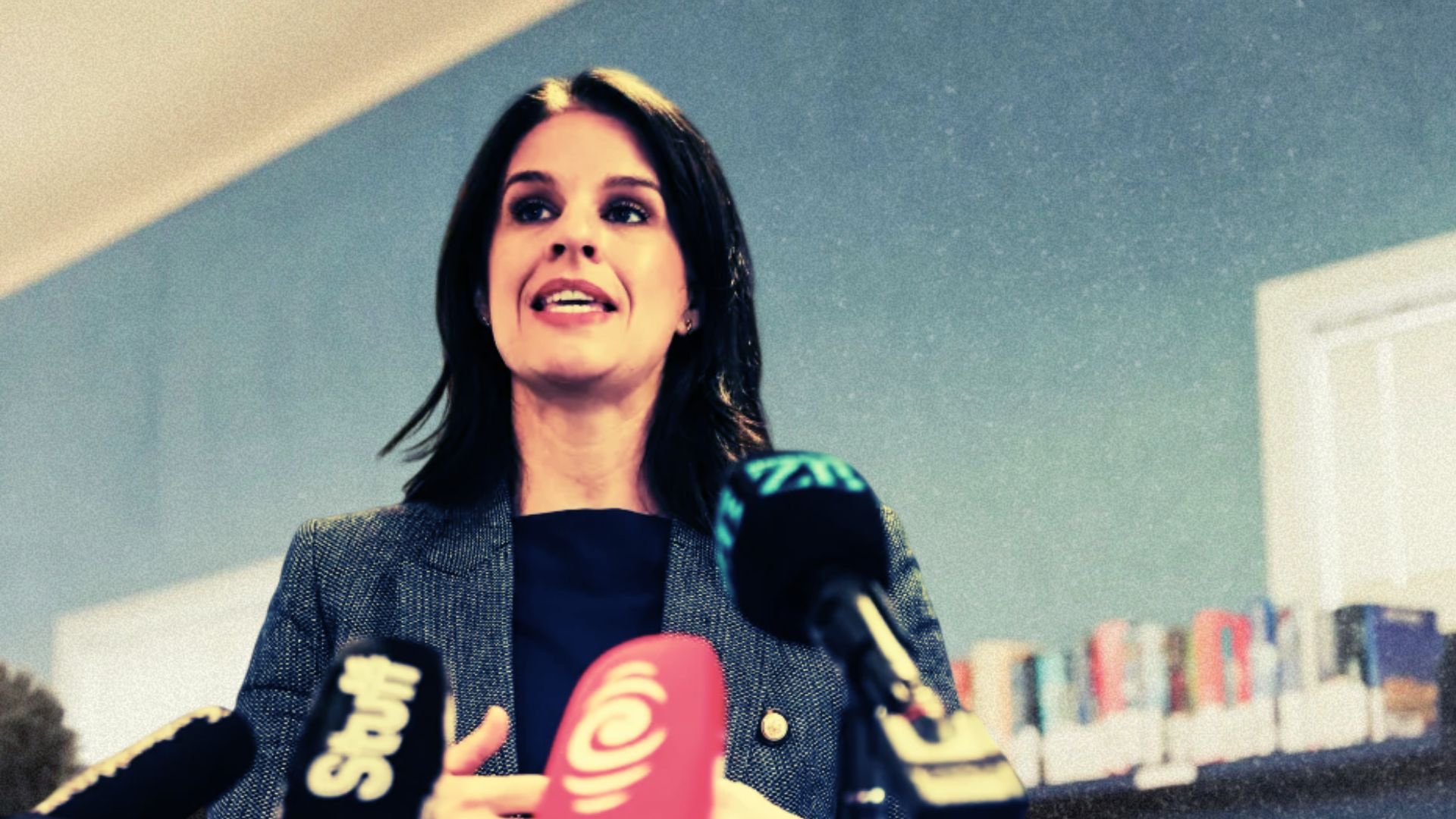
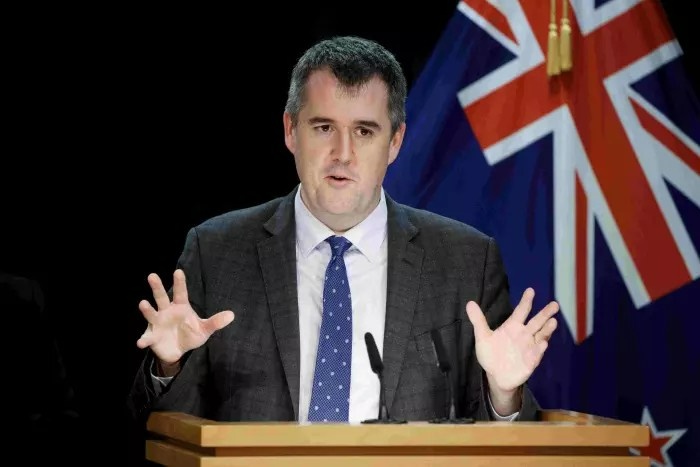
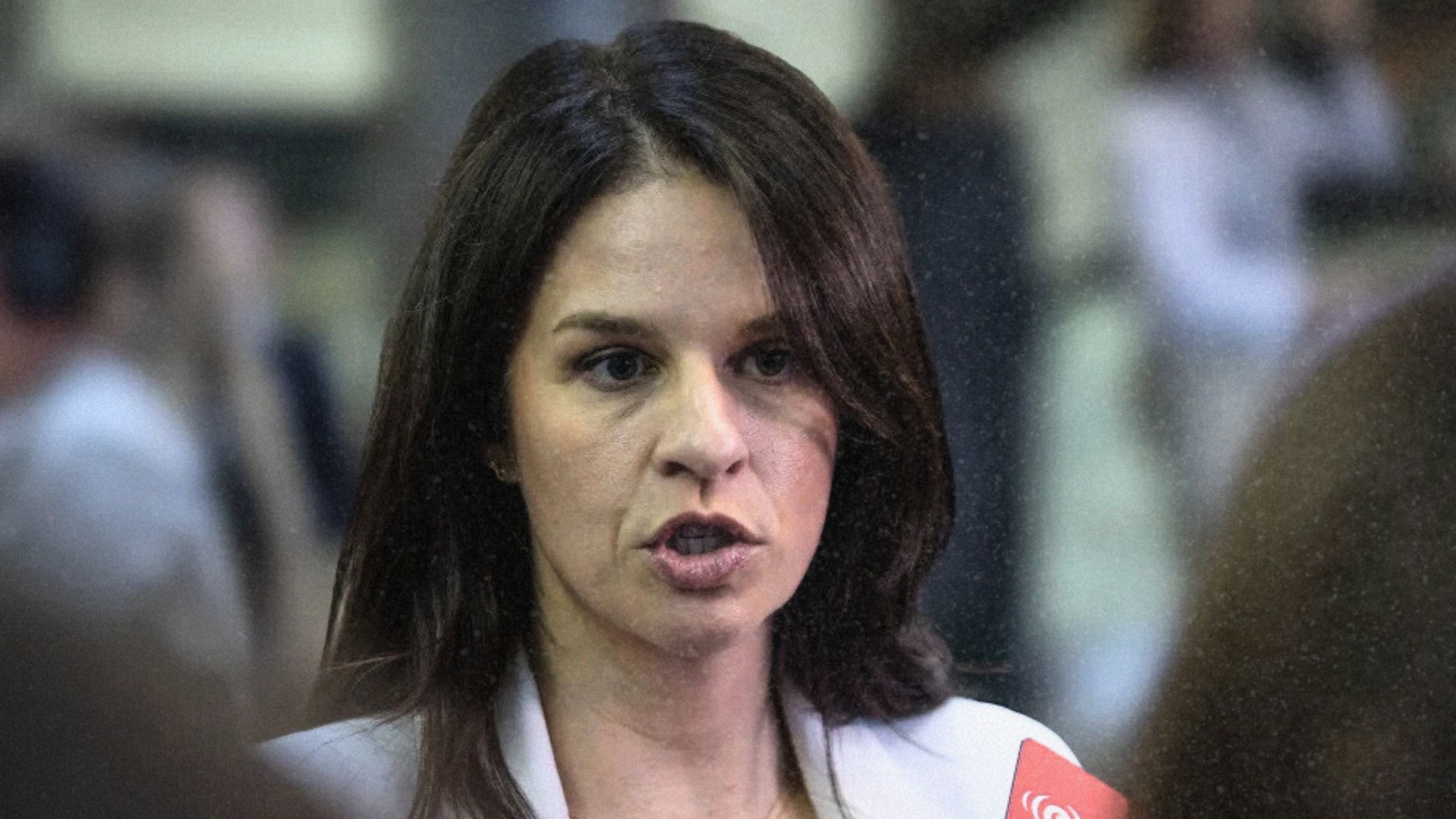
On June 30, immigration minister Erica Stanford said Peters’ public handling of the issue was “not helpful” for New Zealand’s relationship with the Indian government.
This is the government warning about itself. One senior minister says India ties are at risk because of secrecy around India-specific restrictions. Another says India ties are at risk because the foreign minister is airing unfinished immigration policy work in public.
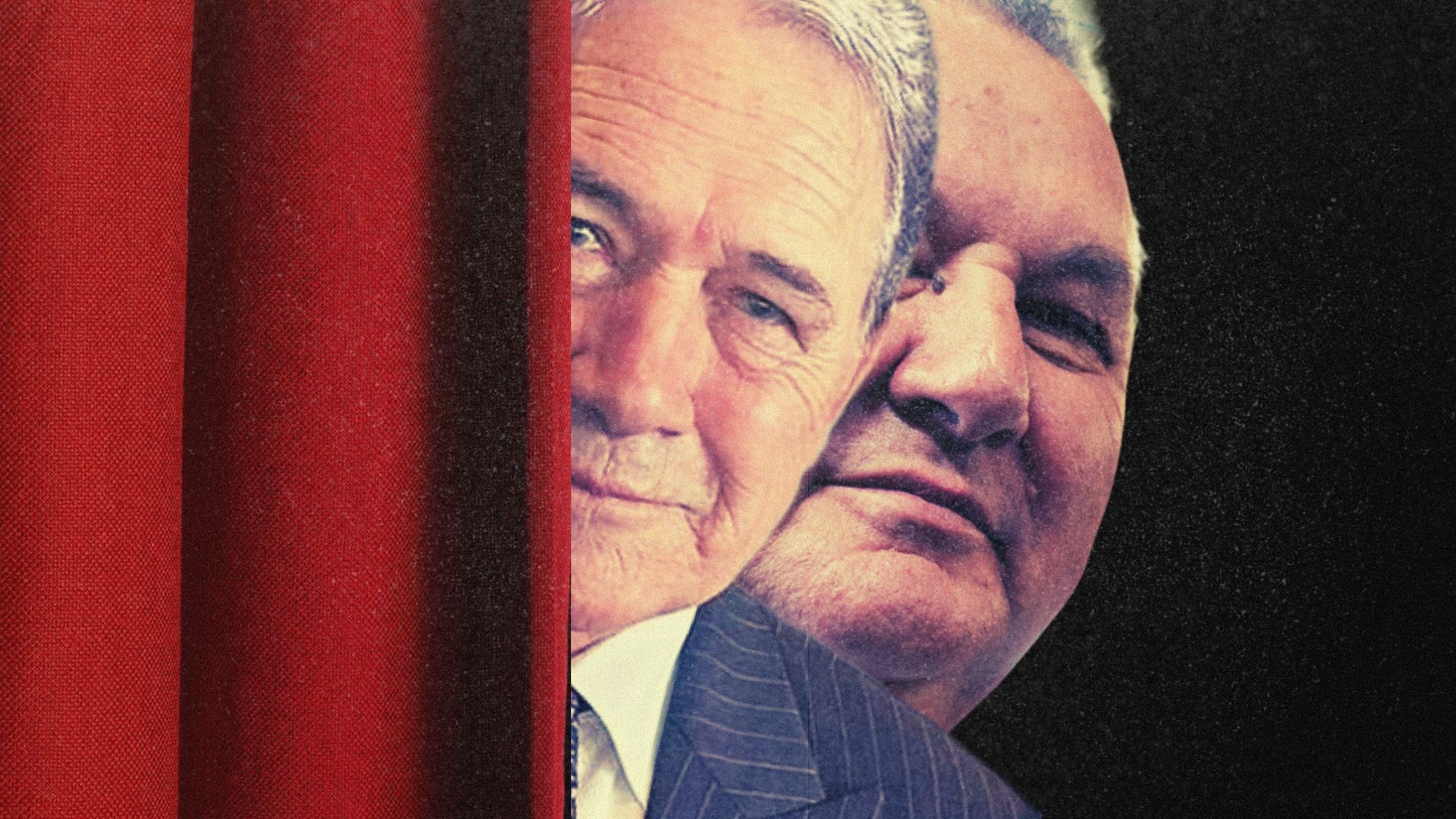
The government agrees there is a fire. It just cannot agree which of its own ministers is holding the match.
It was always likely Peters would try to make the India FTA political. He opposed it from the start.
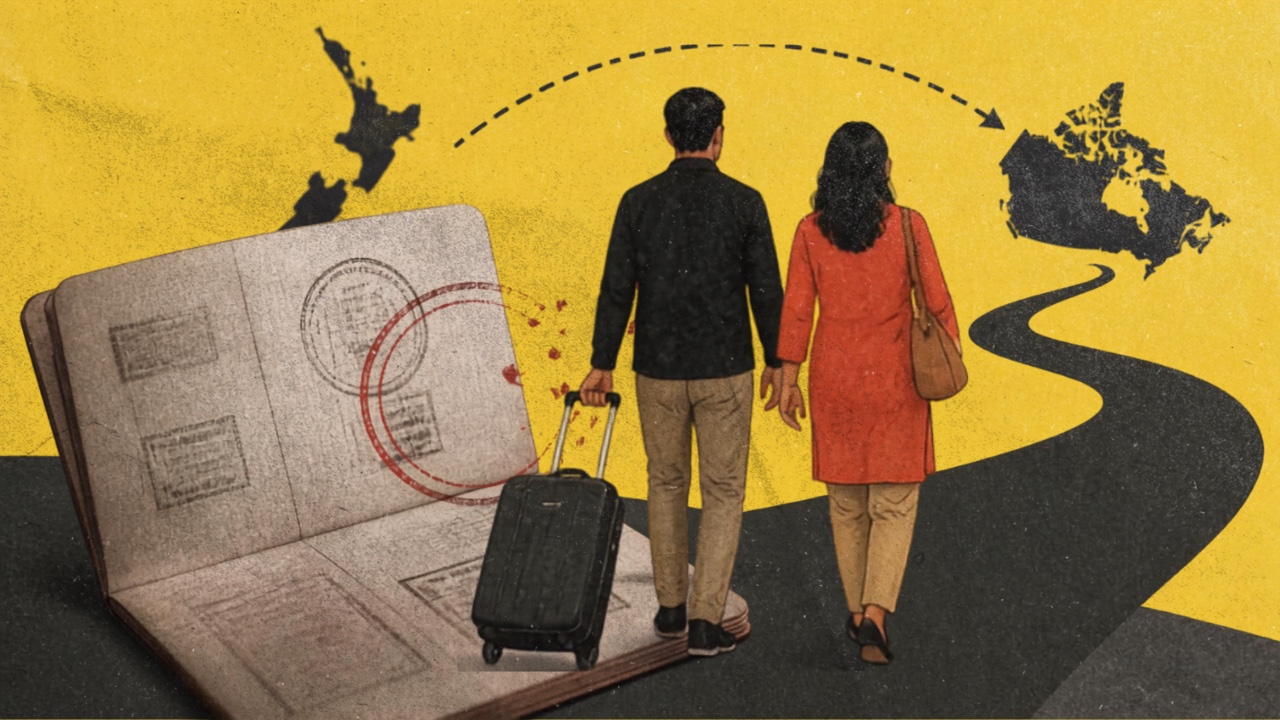
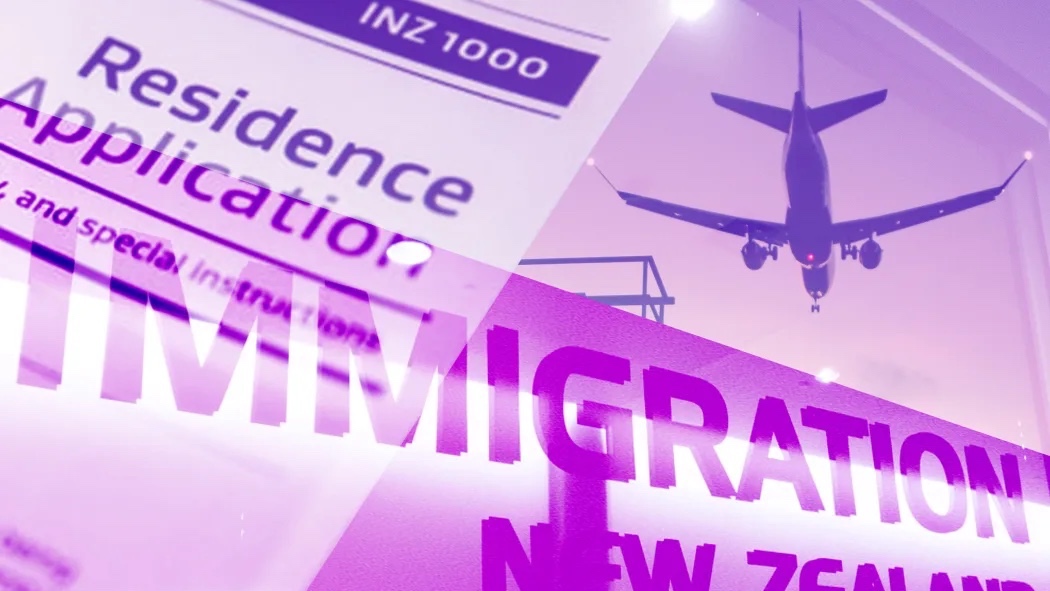
As is often the case with bilateral trade deals, the India-NZ agreement also provisions for labour mobility. Meaning Indian nationals meeting a certain criteria can work in New Zealand temporarily.
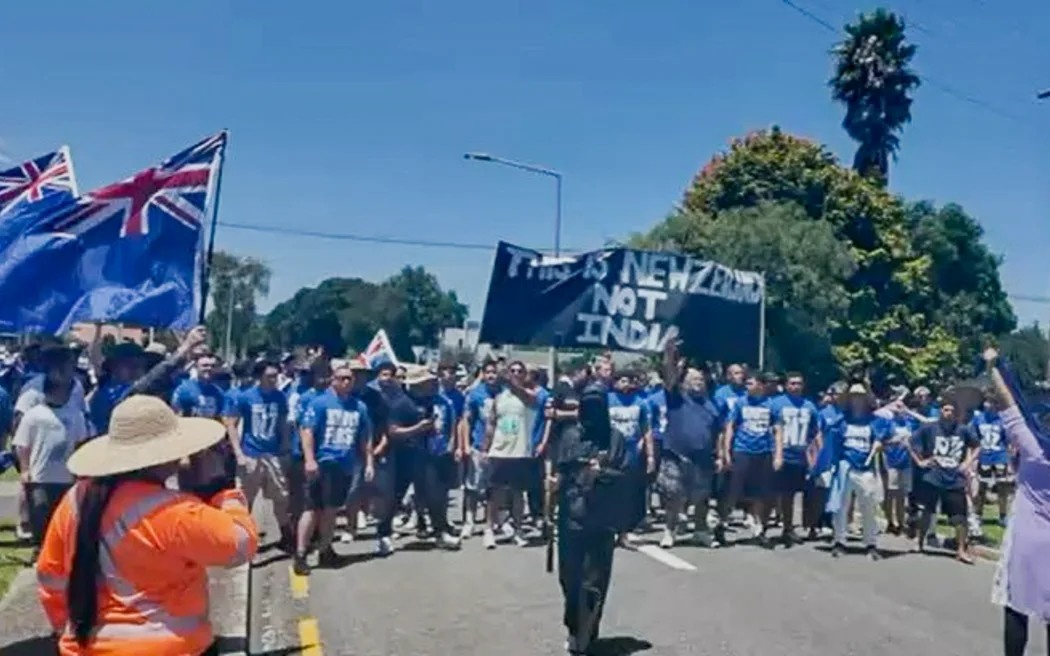
NZ First conflates labour mobility with migration, the kinds that leads to permanent settlement. The party has employed it as a political tool to project a flood of Indians, a narrative that has purchase among its conservative voter base.
Peters has long argued such provisions do not belong in trade agreements. His position on that hasn't changed from 2008, when he raised similar concerns during trade negotiations with China.
The surprise is not that Peters has made theatre out of the India deal. The surprise is how far he took it last week, and what he chose to theatricalise.
In Parliament, Peters began on familiar ground.
“We always felt that there should be no immigration provisions in the FTA at all,” he said. “This is, after all, a trade agreement, not a migration pact.”
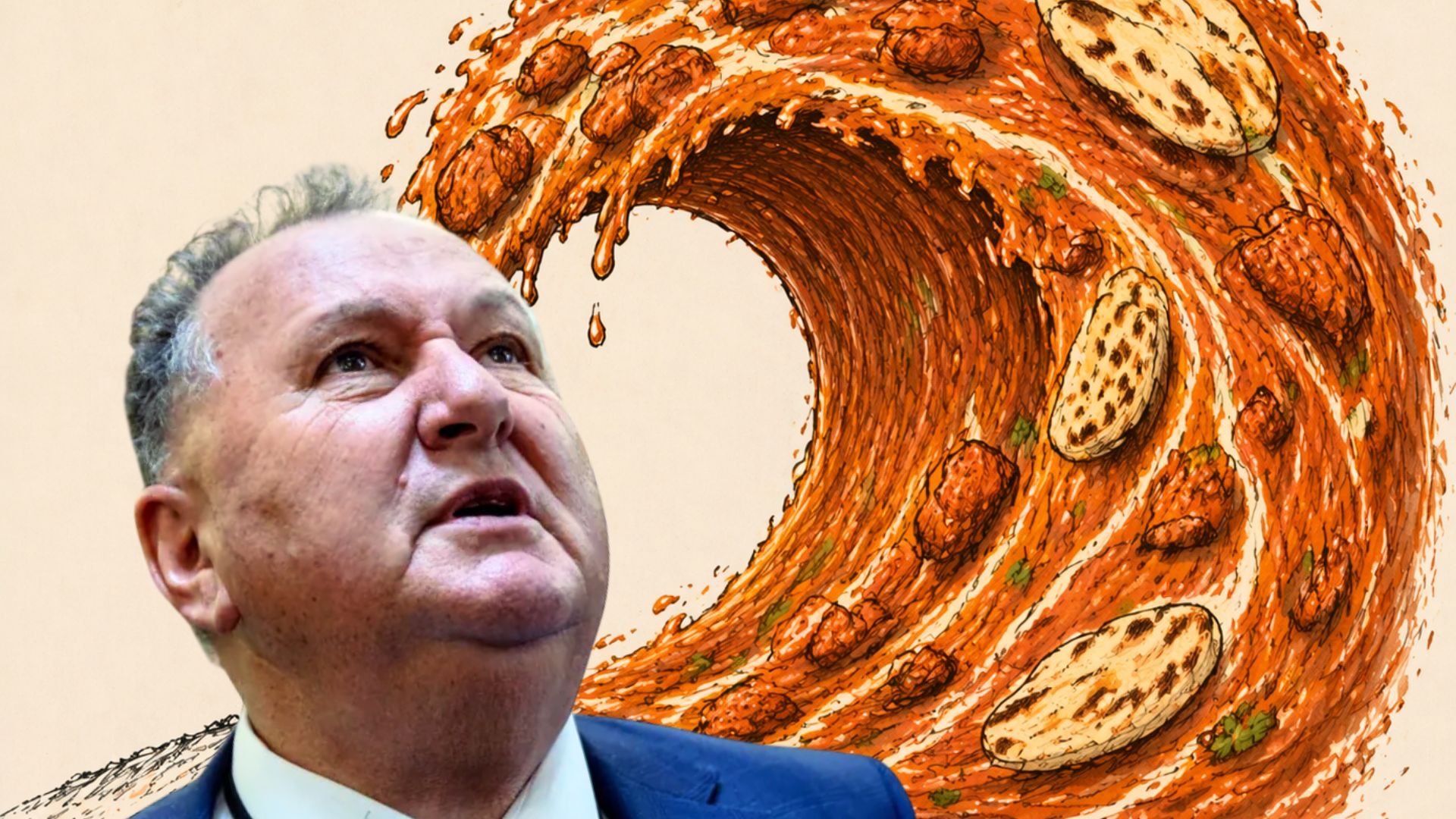
But then he escalated. Peters suggested his doomsday warnings about a migrant deluge had spooked National, and that immigration minister Erica Stanford was drawing up specific plans to limit migration because of the deal.
He said officials had discussed “the importance of not announcing these changes for the fear of the Indian reaction”.
He said NZ First had received “evidence in the form of a briefing from officials” that immigration policy settings were being made more restrictive “in a way which targets India and India alone”.
“These are special, discriminatory, targeted restrictions just for Indians,” Peters told Parliament.
Peters said officials had warned that creating “more restrictive settings for India than for other partners” could affect bilateral and trade relations, harm New Zealand’s reputation as a place to do business, invite legal challenge and potentially lead to retaliatory action.
If the foreign minister genuinely believes New Zealand is about to mishandle its relationship with India, that is serious. If he believes Indian nationals are about to be treated worse than people from other FTA partner countries, that is serious.
But if all that is true, why is the foreign minister fighting this out in public with his own Cabinet colleagues?
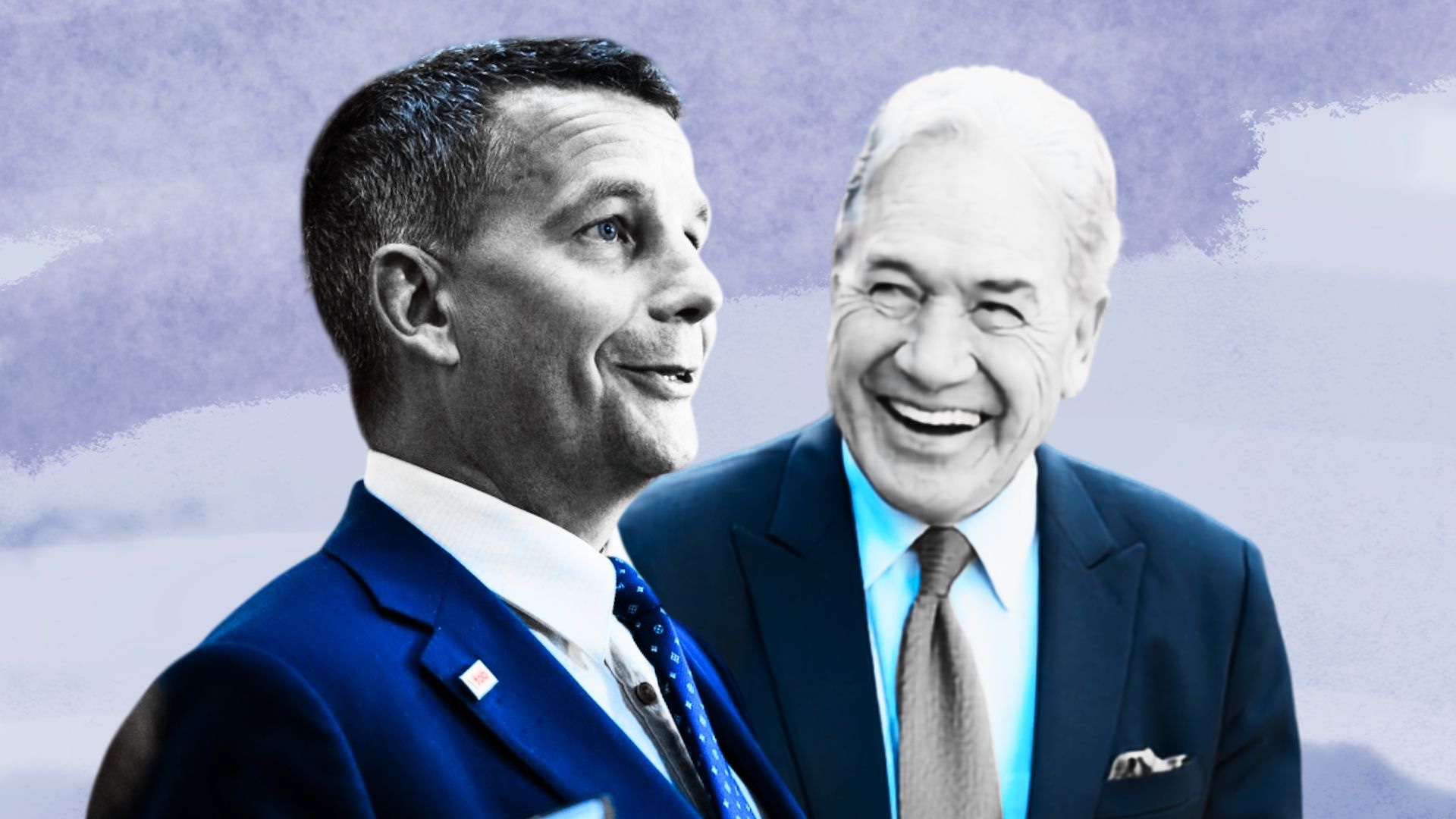
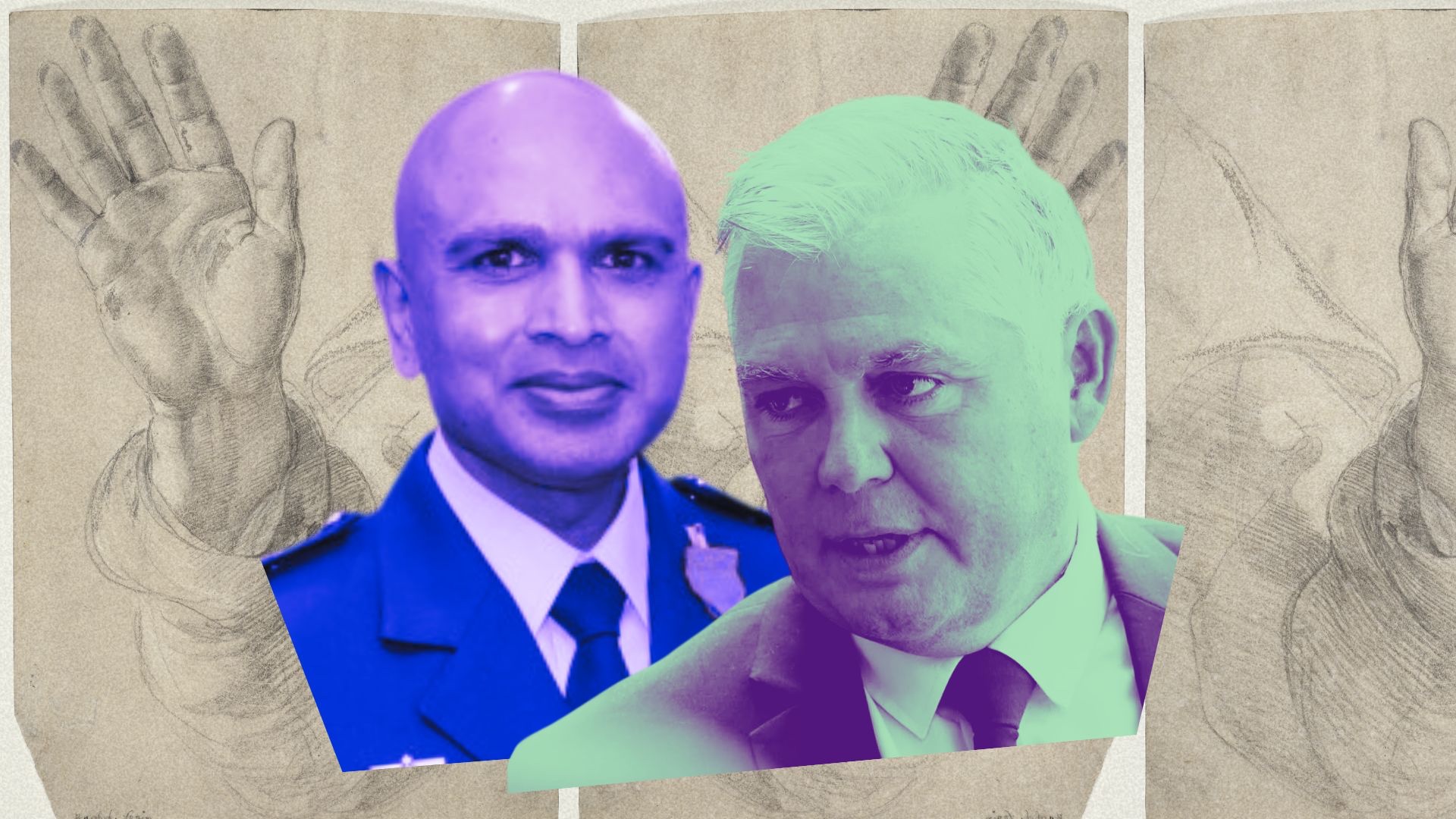
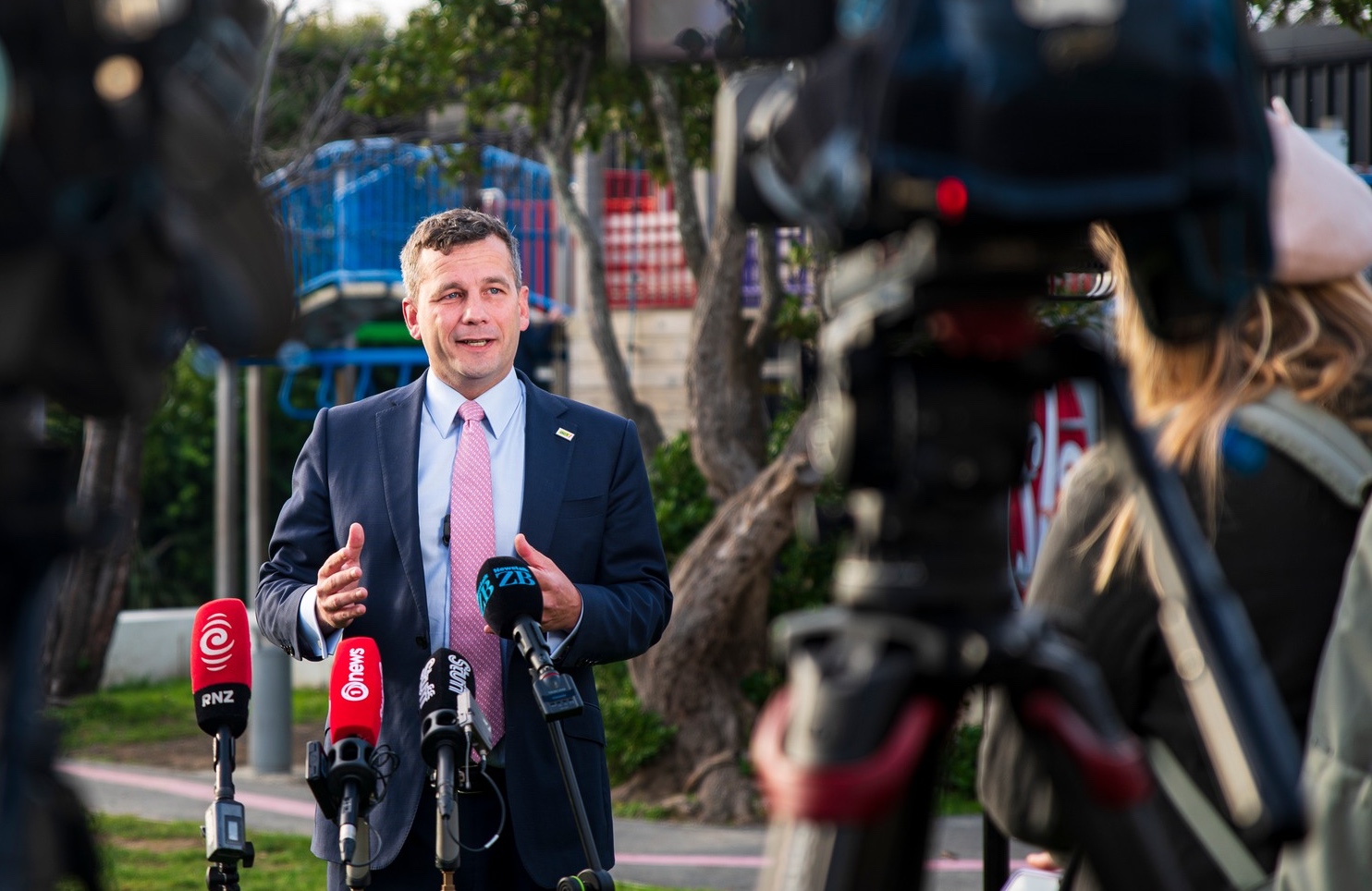
Stanford’s response made the absurdity impossible to miss. On Tuesday, she said Peters had broken from usual processes by taking India trade deal discussions public before final decisions had been made.
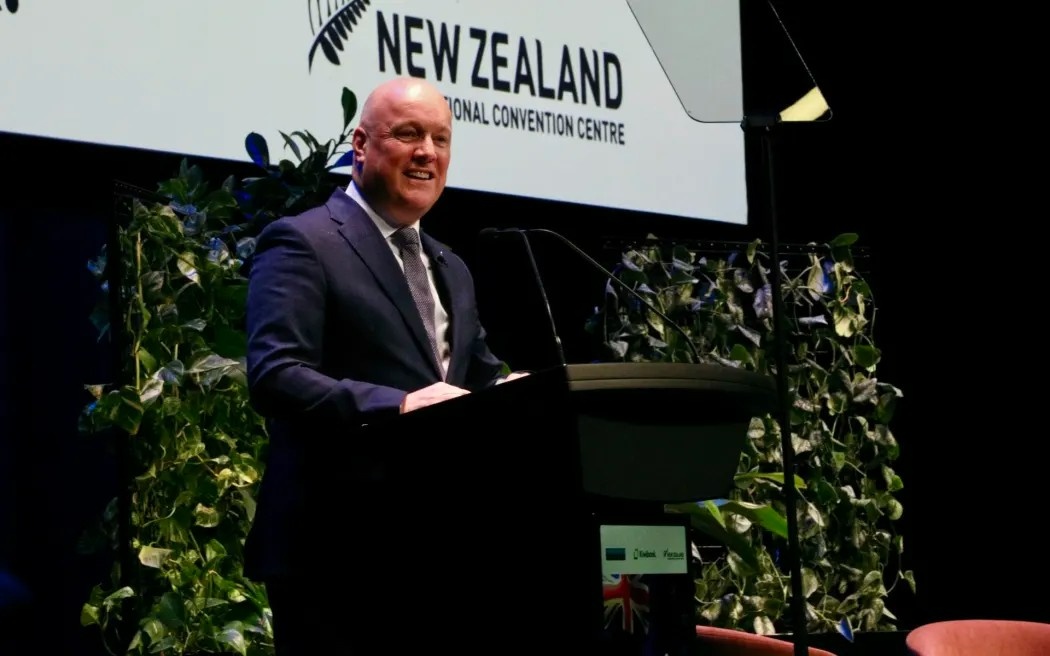
“I certainly don’t think it’s helpful for the relationship that we have with the Indian government for this to be playing out. It’s not helpful at all,” Stanford told reporters.
Then came the dry political cut. “I’m just trying to do my best as the immigration minister to try and work out what it is that Mr Peters wants,” she said.
“He’s unhappy about everything when it comes to the FTA.”
Stanford also pushed back on process.
“We don’t talk about things as they’re going through the process — other than, of course, Minister Peters is now — but that’s not something we do,” she said.
She said papers canvassing a range of options had been sent to Peters, the foreign ministry and the trade minister for feedback.
“I’ve followed the process, it’s been sent to his office... and he’s chosen to take this route,” Stanford said.
“It’s not the usual route we do to talk about this publicly.”
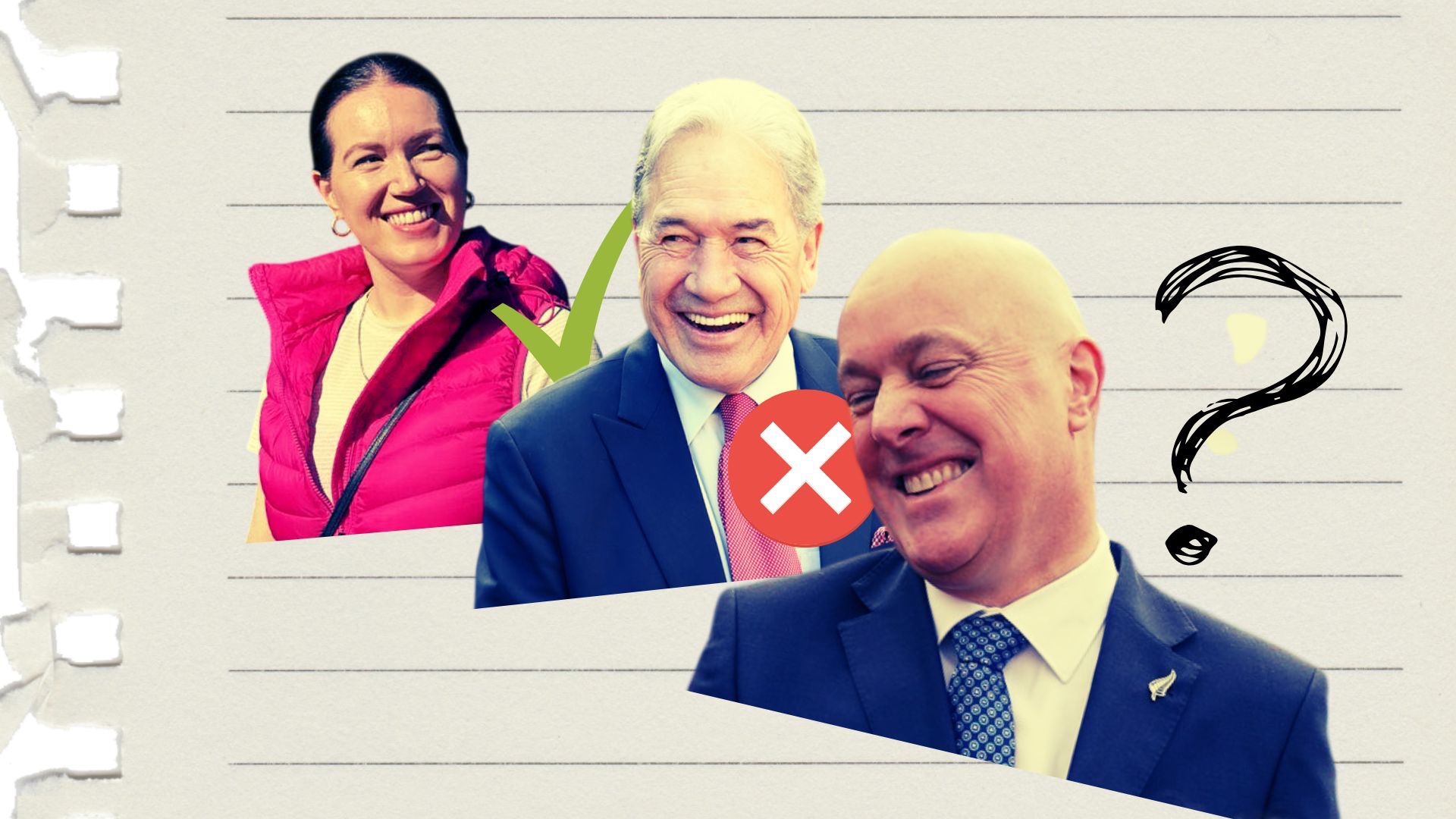
Peters later replied that Stanford must be “terribly confused” and called on her to “produce the documents”.
“Ask them for the documents,” he said, “then you’ll know who’s telling the truth.”
So here we are. The foreign minister says the immigration minister’s approach may expose New Zealand to legal challenge, retaliation and reputational damage.
The immigration minister says the foreign minister’s approach is “not helpful” to New Zealand’s relationship with India.
That should worry Indian New Zealanders.
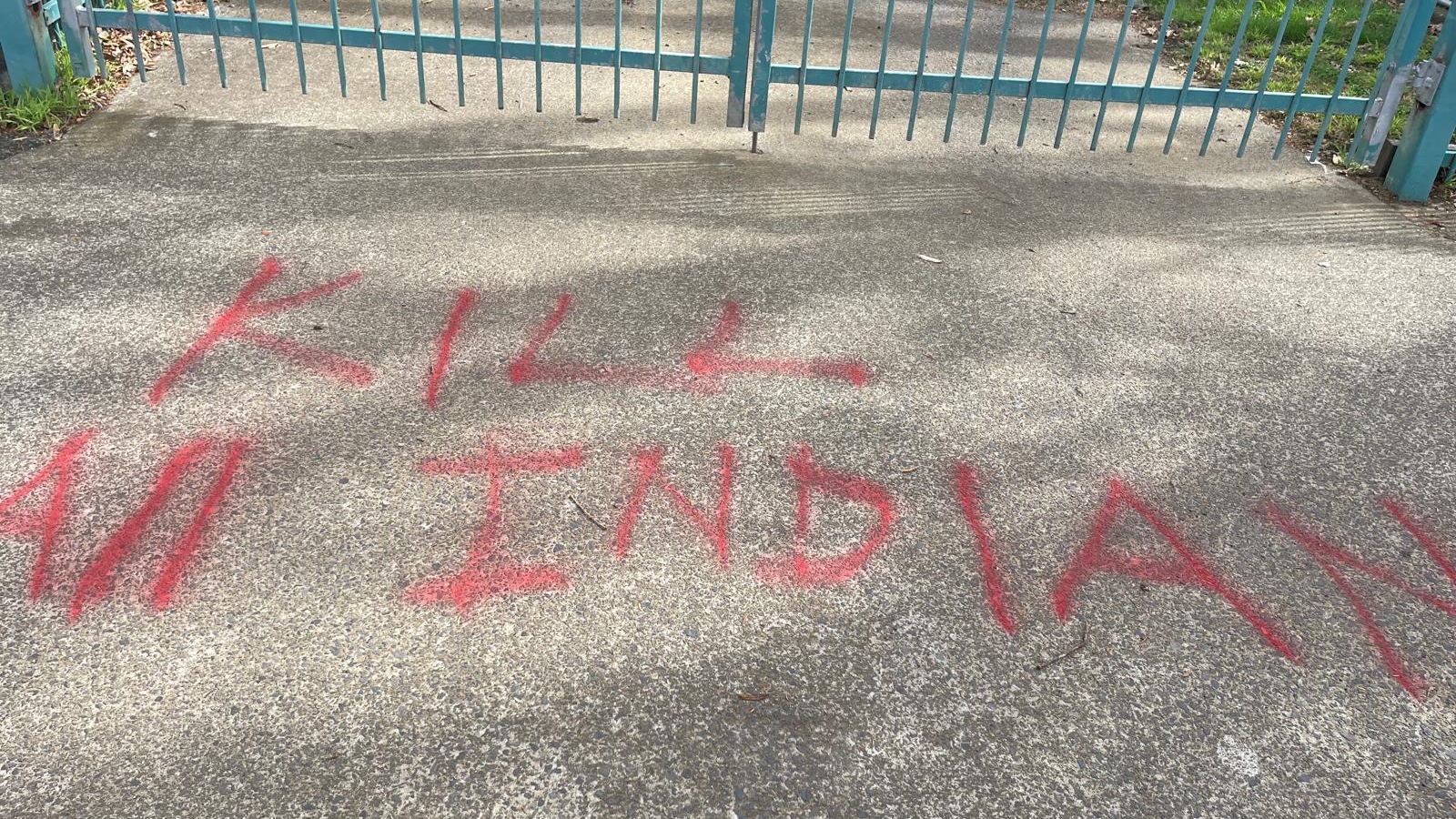
For months, Indians have been treated as a political category inside the FTA debate. First as a migration risk, then as a group allegedly facing discriminatory restrictions, and now as the subject of a public Cabinet-level fight over whether New Zealand is damaging its relationship with India.
India is not a prop in New Zealand’s coalition theatre. Indian nationals are not a convenient device to be invoked one week as the source of “open-slather immigration” and the next as victims of unfair treatment.
This is a major bilateral relationship involving trade, education, migration, investment, diaspora ties and strategic interests. It deserves more seriousness than this.
A prime ministerial visit is not just a photo opportunity. It is a signal. It tells both countries that the relationship is important enough to command leader-level attention.
But what happens when the host government cannot speak coherently about the relationship it is preparing to celebrate?