
The Parent Resident Visa queue is back. The door is still narrow.

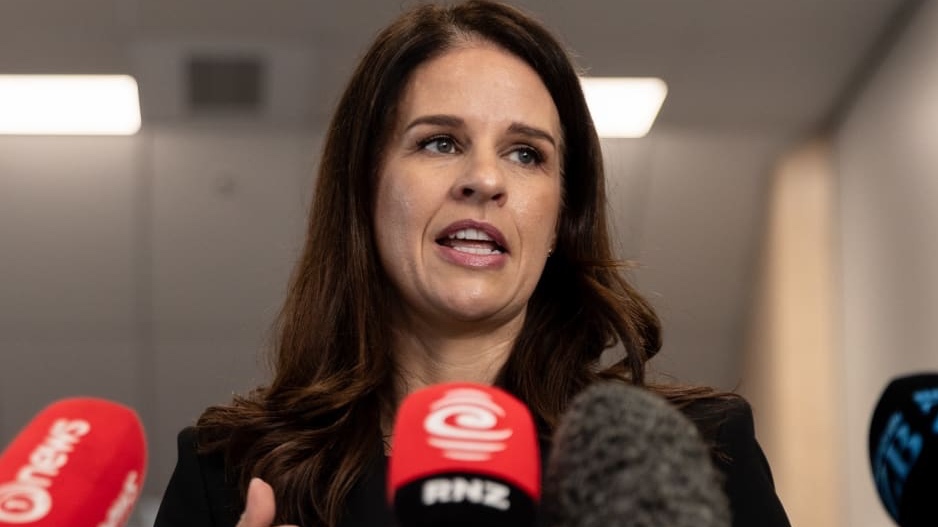
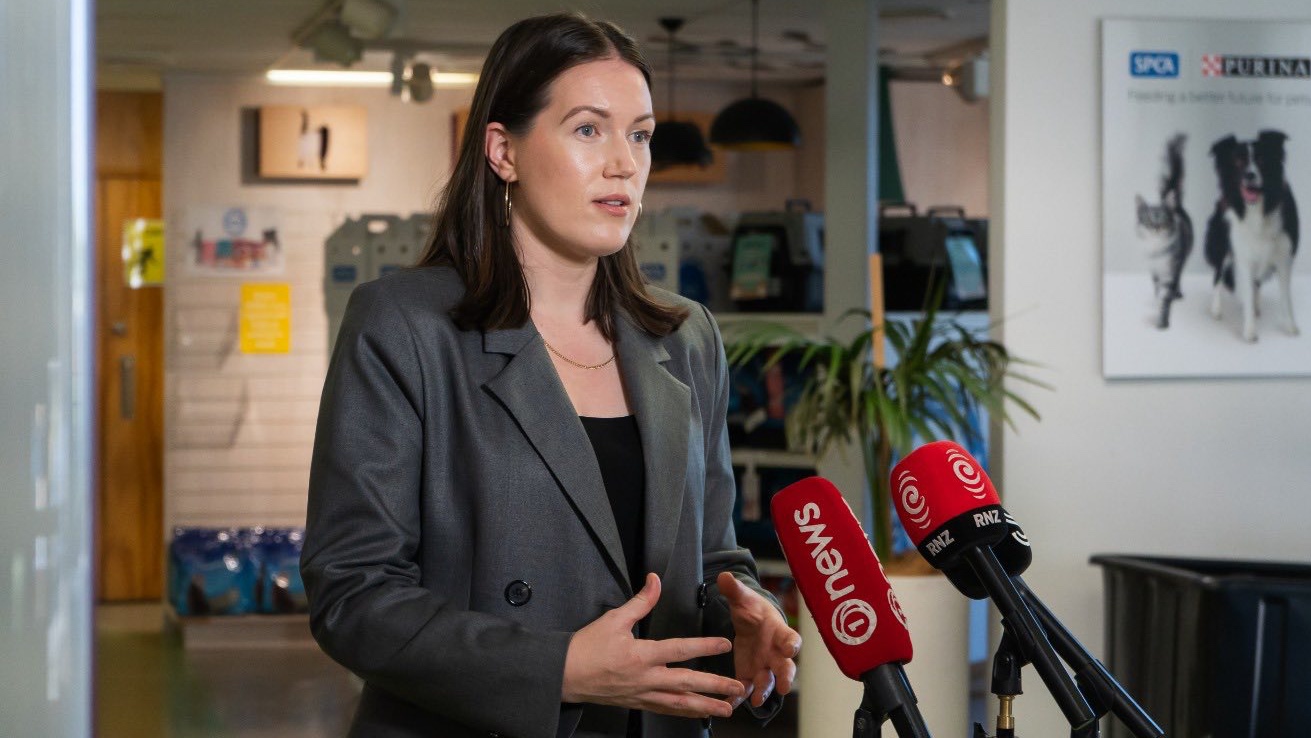
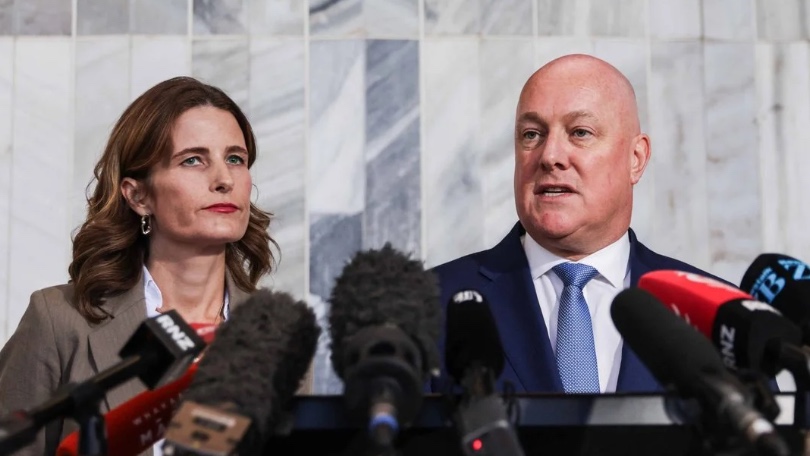
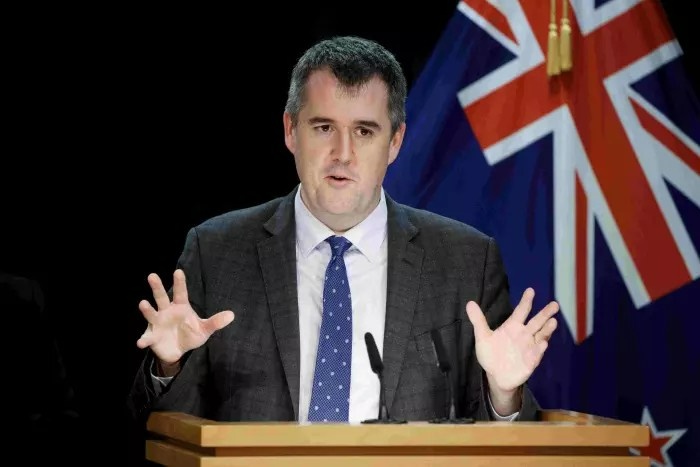
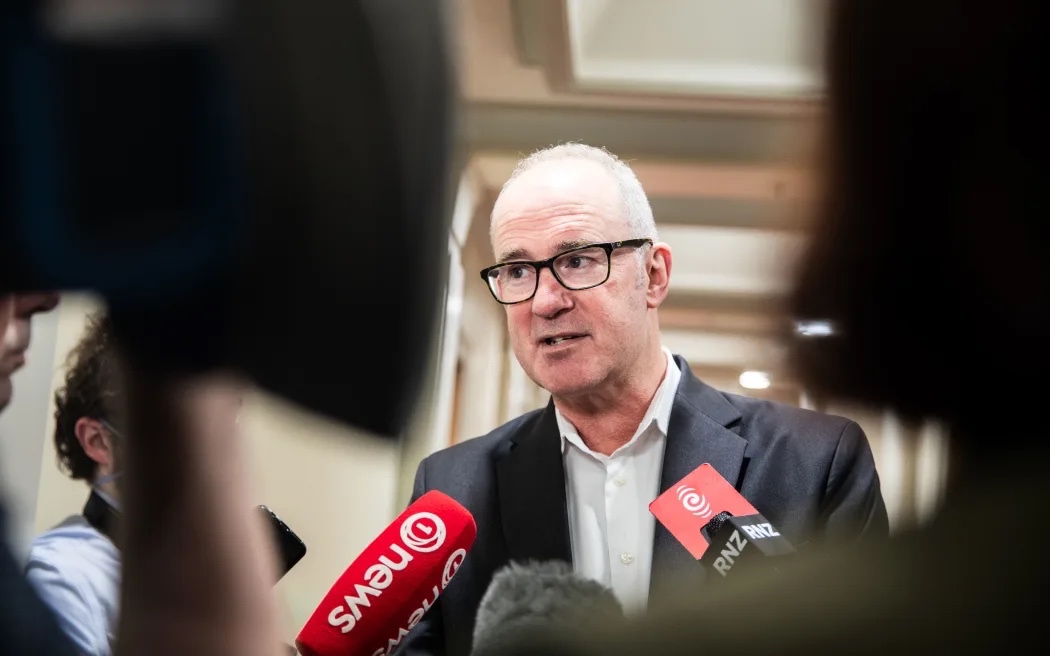
Immigration minister Erica Stanford.
There is an obvious problem with having to wait up to five years. Circumstances change.
Analysis: From October 5, 2026, most parent category resident visa expressions of interest (EOIs) will be selected in chronological order instead of by lottery. That is a real win. It just will not help as many families as people are hoping.
What has changed
On August 8, 2026, the government announced a new hybrid way of selecting Parent Resident Visa expressions of interest (EOIs).
From October 5 this year, about 90 per cent of EOIs will be selected in the order they were submitted. The other 10 per cent will still be picked by random ballot. The first selection under the new model is on November 10.
EOIs will no longer expire after two years, as long as applicants confirm every two years that they want to stay in the pool.
South Asian diaspora raises over $200,000 for New Zealanders missing in Nepal flood "I'm so proud of the Indian community here who...supported us, saying it is not a Nepal problem but our problem."
Tamakis launch Indian-origin candidate for Epsom who surrendered passport and has ‘assimilated’ “I know a whole lot of people are going to be like shocked,” says Hannah Tamaki.
Priyanca Radhakrishnan tries to puncture Luxon’s FTA victory, says India was already sold “Things have changed quite dramatically on the Indian government side,” says the Indian-origin Labour MP.
Nothing else moves. The cap is still 2,500 parent resident visas each financial year. Sponsorship, income, health, character and English requirements all stay the same.

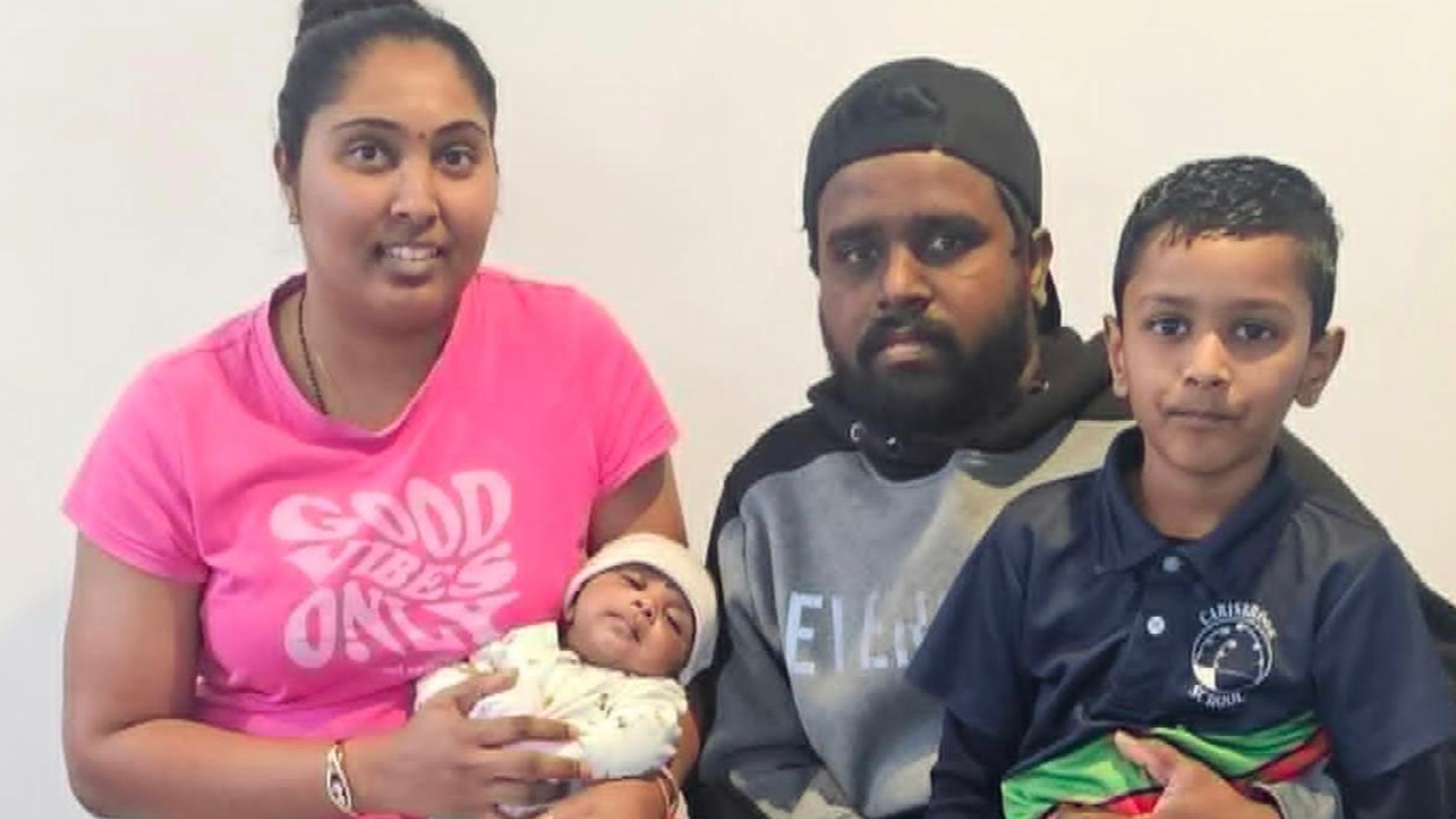
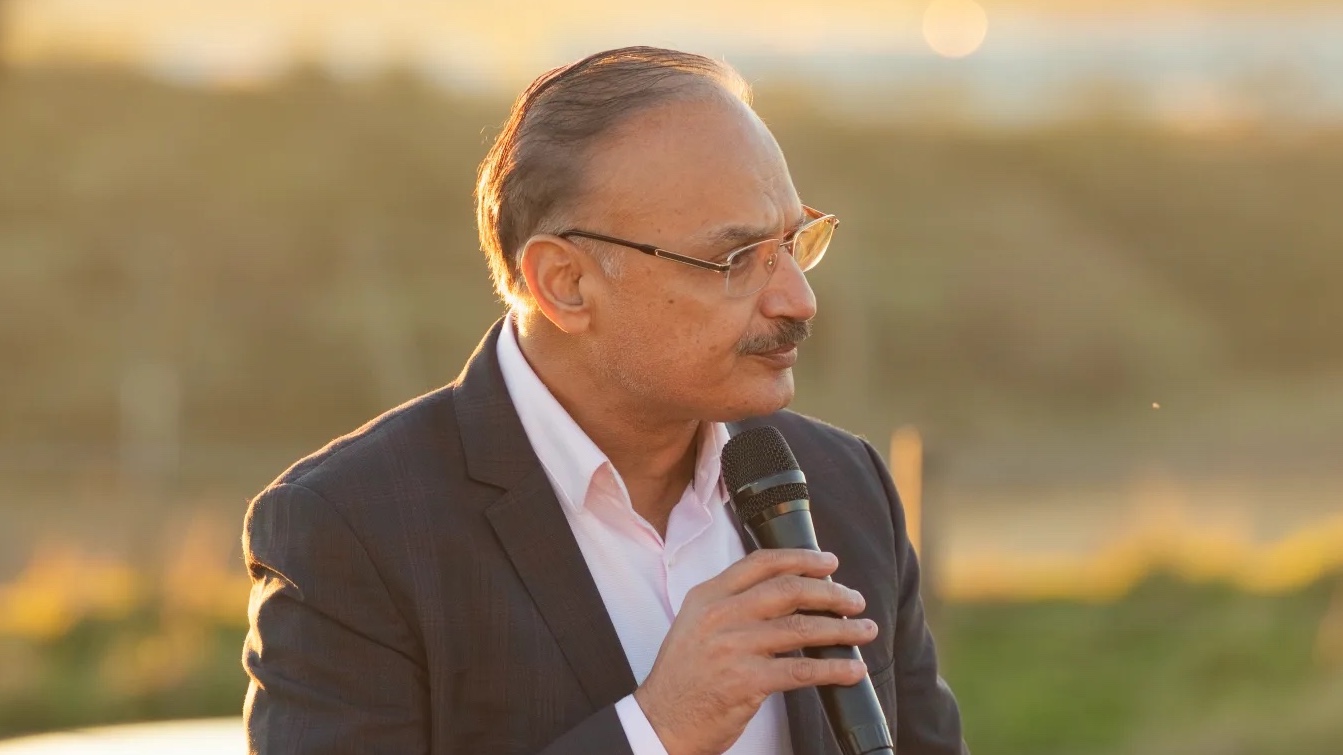
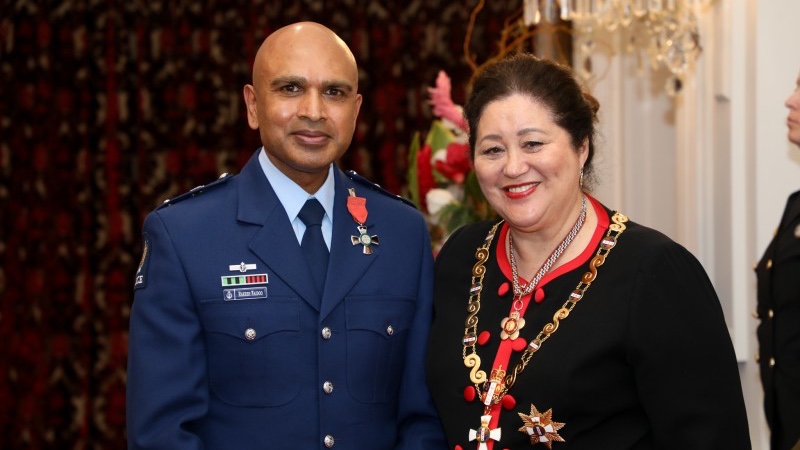
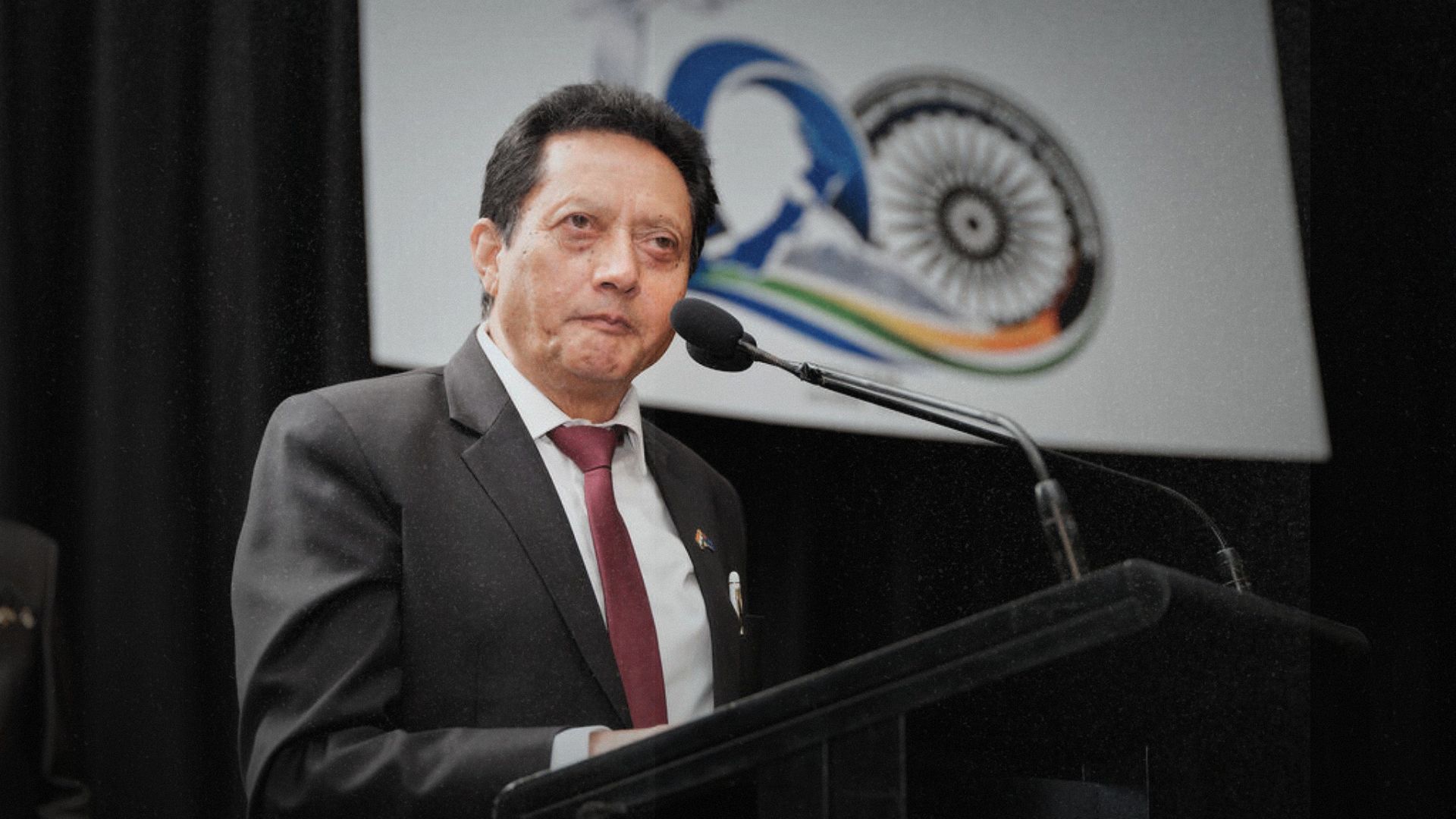
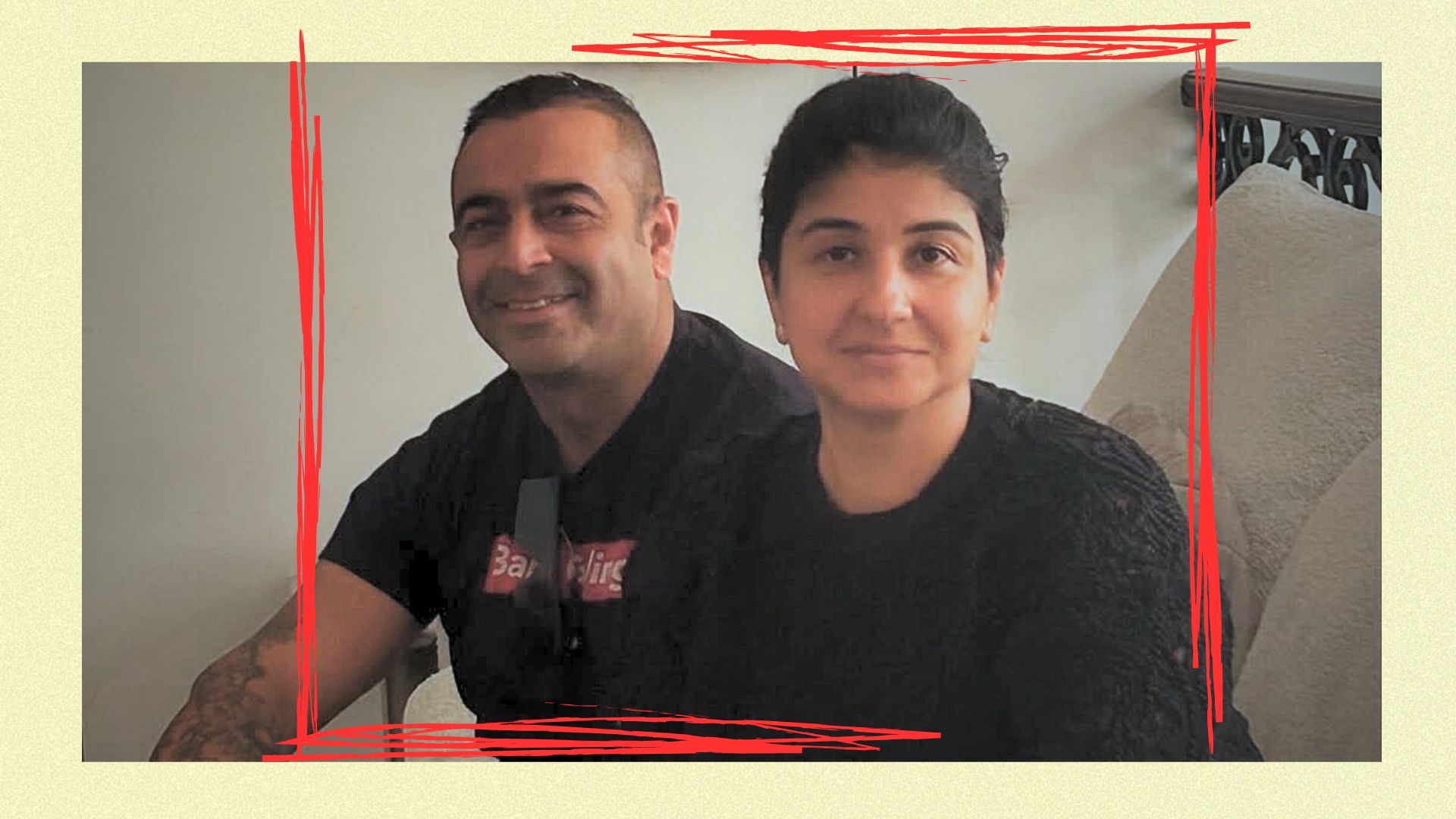
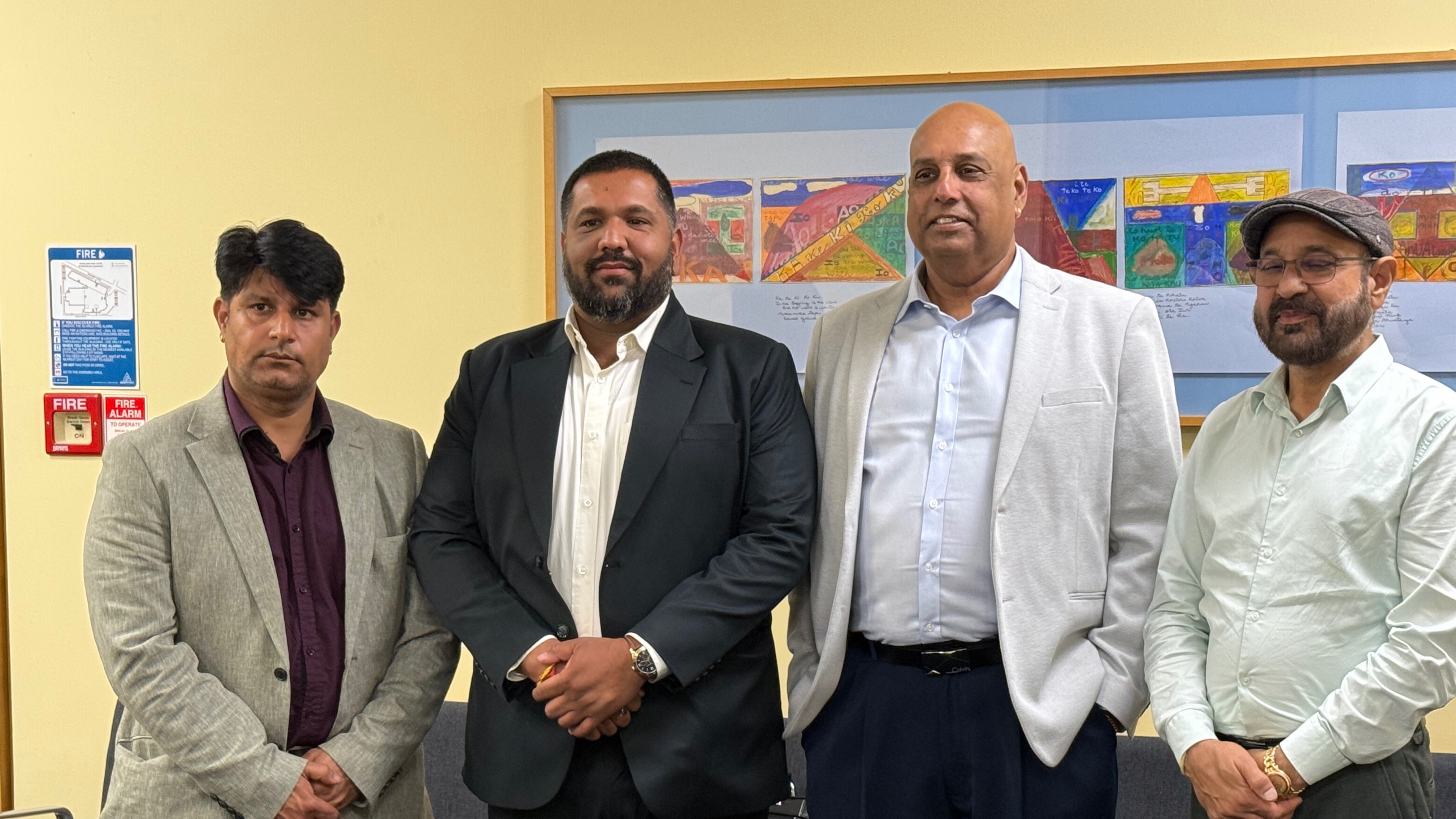
Ankur Sabharwal is an Auckland-based immigration adviser. (Supplied photo)
Check your EOI expiry date this week
This is the part people will miss. If your parents' EOI expires before October 5, 2026, they must submit a new EOI. If it expires on or after October 5, they do not need to do anything.
Immigration New Zealand (INZ) will tell current EOI holders their queue position after October 5.
The wait is still long
As at August 5, 2026, there were 7,931 valid EOIs in the pool. Those EOIs cover 11,904 people.
If the maximum of 2,500 people are approved visas each year, it will take close to five years just to clear the people already waiting. And that assumes nobody new joins the queue, which they will.
A queue is fairer than a lottery. But a fair queue is still a long queue.
Long waits create new risks
There is an obvious problem with having to wait up to five years. Circumstances change.
A parent who is healthy today may not meet the health standard when their turn comes. An applicant's health is assessed after they are invited to apply, not when they submitted their EOI years earlier.
Similarly, their New Zealand sponsor's income may have met the income threshold on the day their parents submitted their EOI, but five years later?
This threshold is based on the New Zealand median wage, which increases every year. A sponsor who met the threshold at the time of submitting their parents' EOI may not meet it years later, unless their income has kept pace with increases to the median wage.
To illustrate what I mean, six years ago in 2020, a sponsor earning $79,560 a year could sponsor one parent for residence under the parent category.
Today, $109,200 a year is required to sponsor one parent. It is possible to rely on a slightly lower threshold to prove that the sponsor's annual income met requirements for two out of three years before their parents' EOI was selected.
Families may qualify on the day they lodge their EOI and fail on the day their EOI is picked.
Most families still cannot use this visa
The income bar is the real gate.
From April 30, 2026, the minimum income threshold for a single New Zealand citizen/resident to sponsor one parent is $109,200 a year, or $145,600 to sponsor two parents.
Joint sponsors need $145,600 combined for one parent. Slightly lower rates are required if the sponsor nominates a two-year period in the last three years based on an earlier income threshold.
These rates are well above what most working families in New Zealand earn. The queue change will not help them at all.
The other options
The Parent Boost Visitor Visa gives up to five years and lets parents travel in and out. It is not a pathway to residence, and you can only ever hold two of them.
Insurance is compulsory for the whole stay. One approved provider's premiums run from about $3,900 a year for ages 50 to 59, up to $9,600 for ages 70 to 79, and $14,000 for ages 80 and over.
For a parent in their seventies, that is close to $50,000 over five years, before visa fees of $3,100.
The Parent and Grandparent Visitor Visa is far cheaper, from $441. But your parents can only stay six months at a time, with a maximum of 18 months in three years. That means half the period is spent outside New Zealand, away from the family they came to see.
The bottom line
This change to the parent category is good news for families who have been waiting years to be selected by ballot. Not paying again every two years matters. The government listened, and that deserves credit.
But we should be honest about what it does not do. It does not create more places. It does not lower the income threshold. It does not protect a family whose health changes during a five-year wait, or whose sponsor's income does not keep pace with increases to the New Zealand median wage.
For most parents who want to join their adult children here, the door is still shut. It is just better lit now.
What to do this month or next
1. Check the expiry date on your EOI. If it expires before 5 October 2026, submit a new EOI.
2. Keep your email and contact details current. INZ cannot resend an invitation once it has expired.
3. Keep clean income records for every tax year, not just the good ones.
4. Get advice before you assume you qualify. The rules around sponsor income and health are stricter than they look.
(Ankur Sabharwal is a Licensed Immigration Adviser and founder of Visa Matters, an Auckland-based immigration advisory firm. He provides immigration commentary on TVNZ Breakfast and has been published by Stuff and The Post. This article is general information only and does not constitute immigration advice.)