
NZ First’s Indian candidate reheats butter chicken debate – with a different flavour
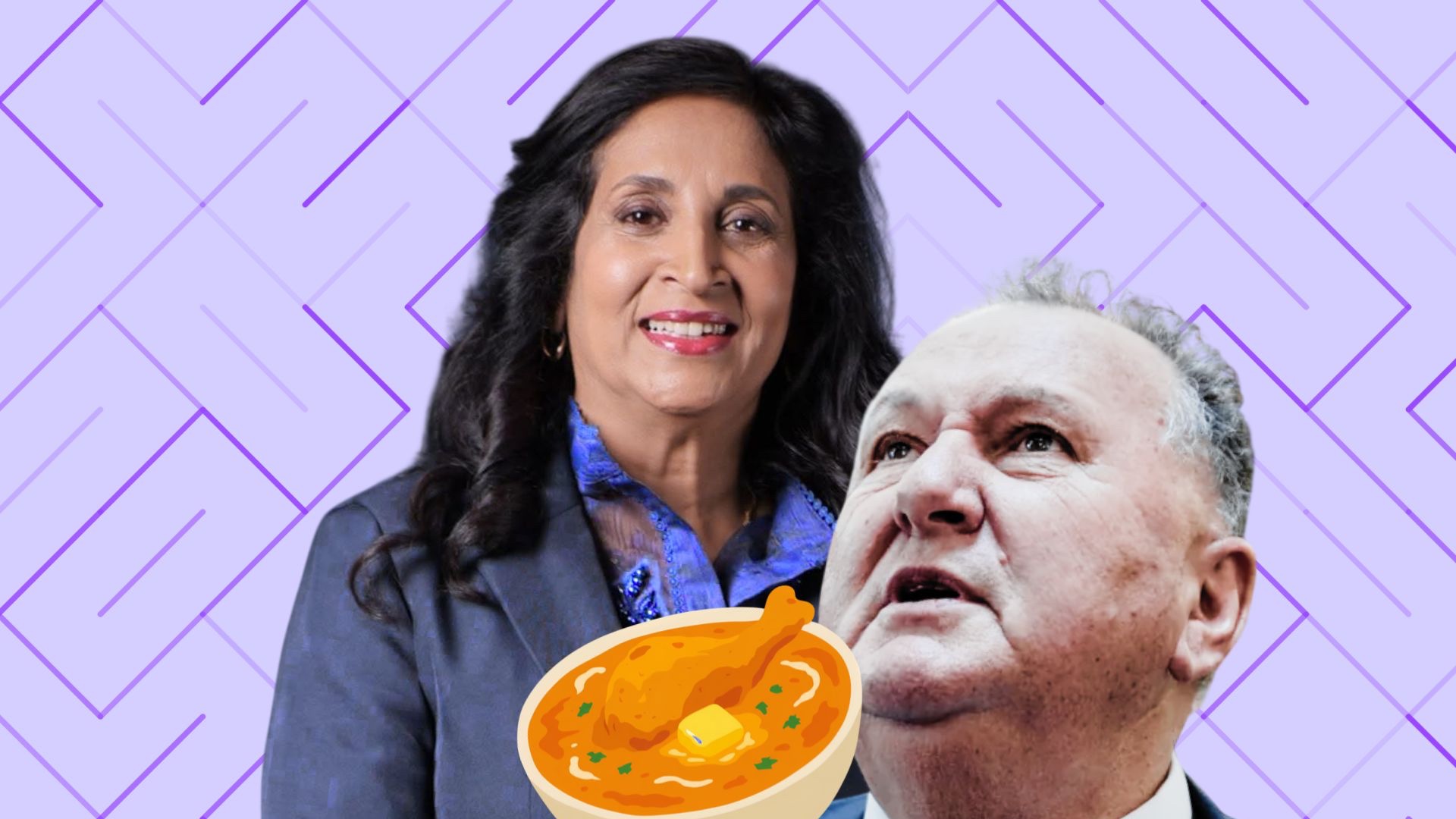
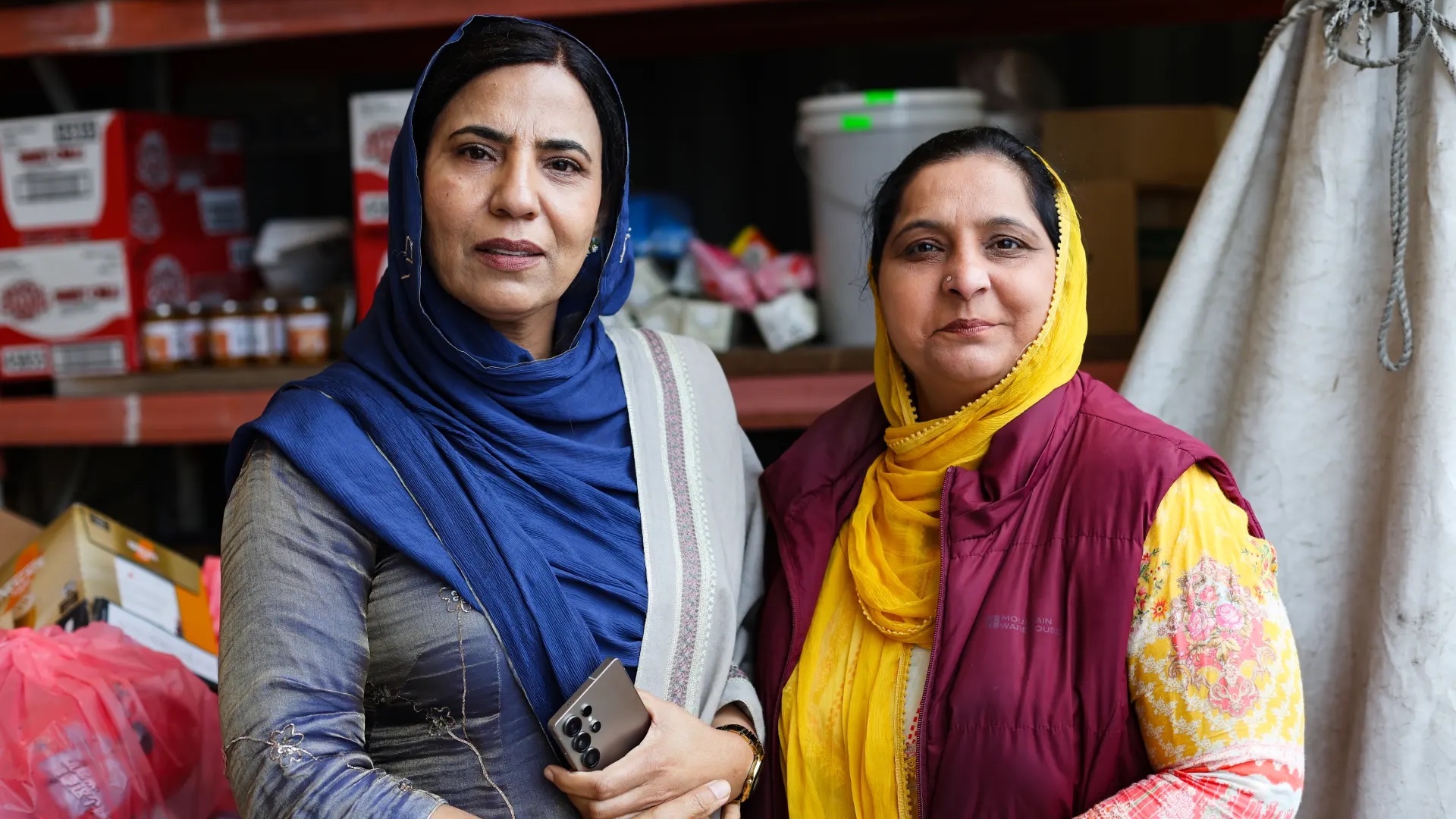
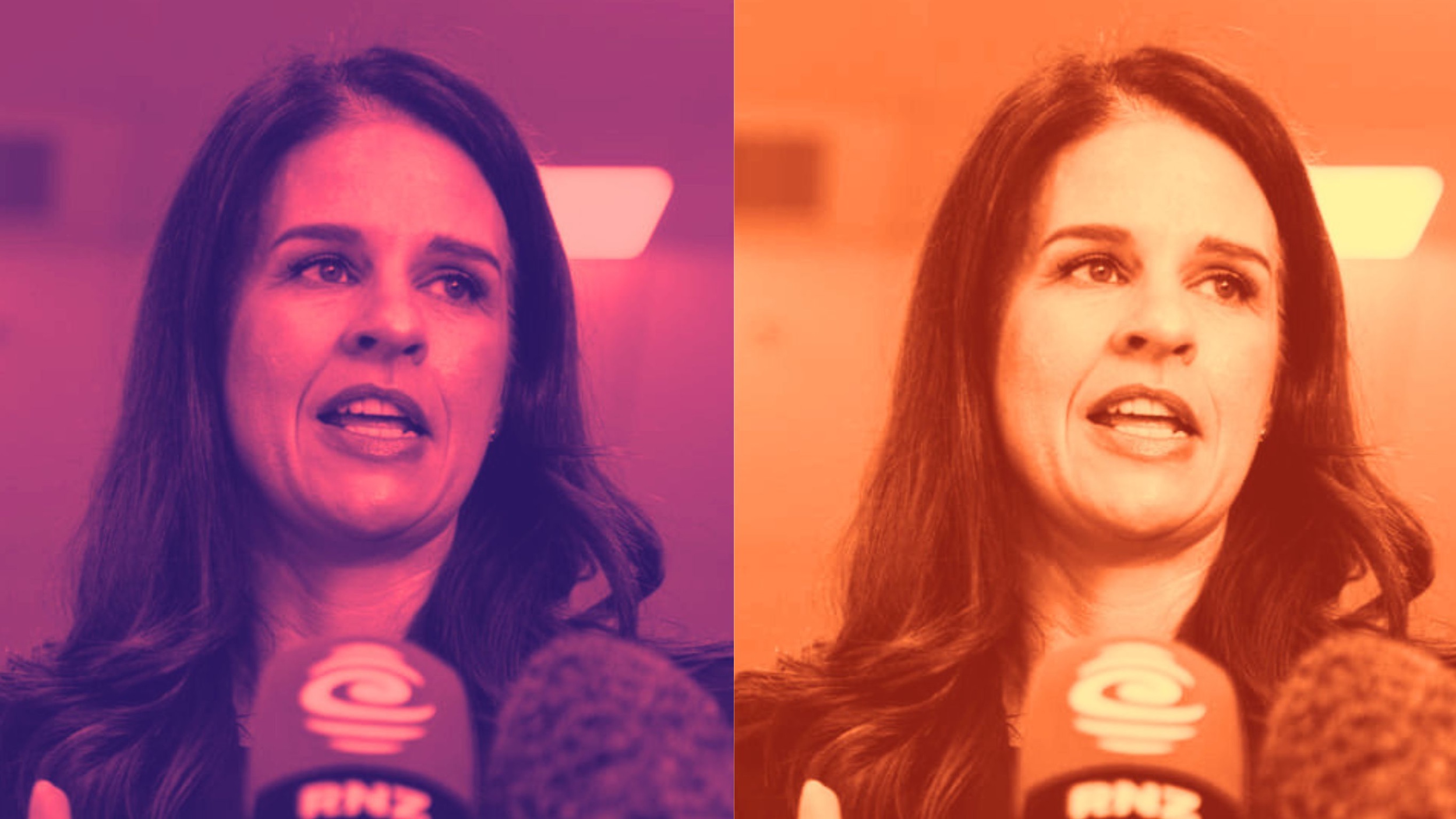
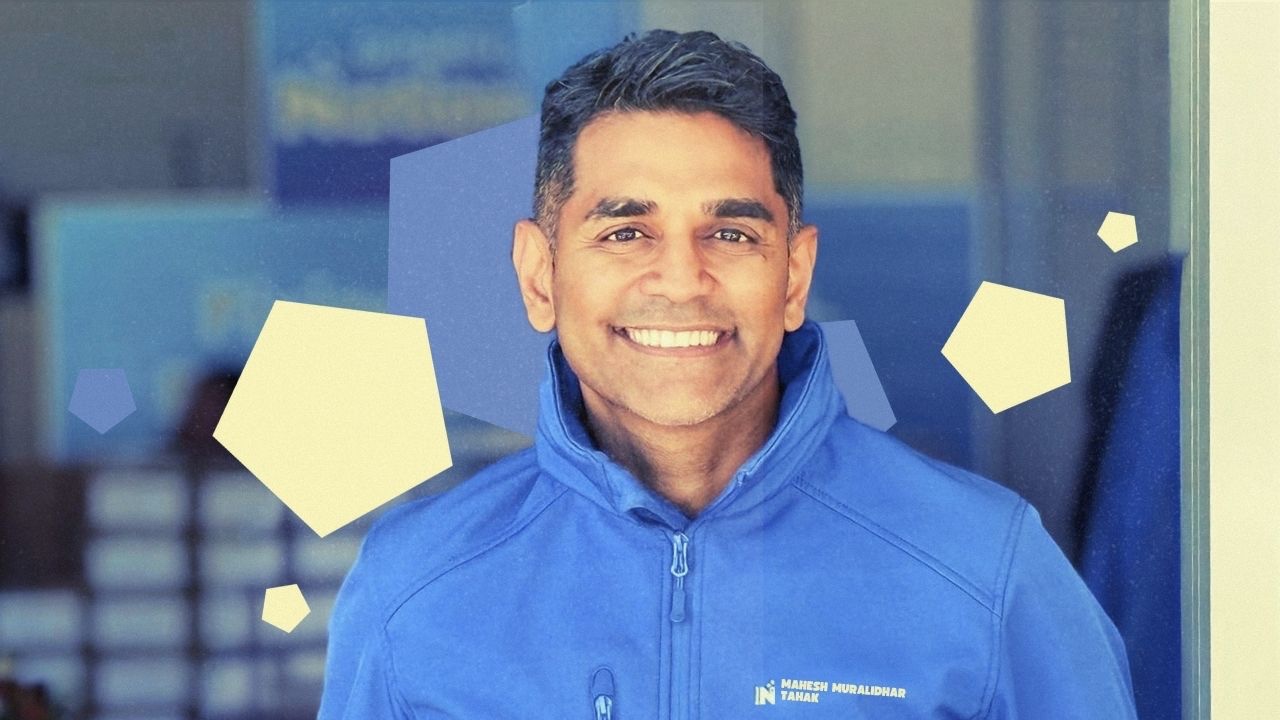
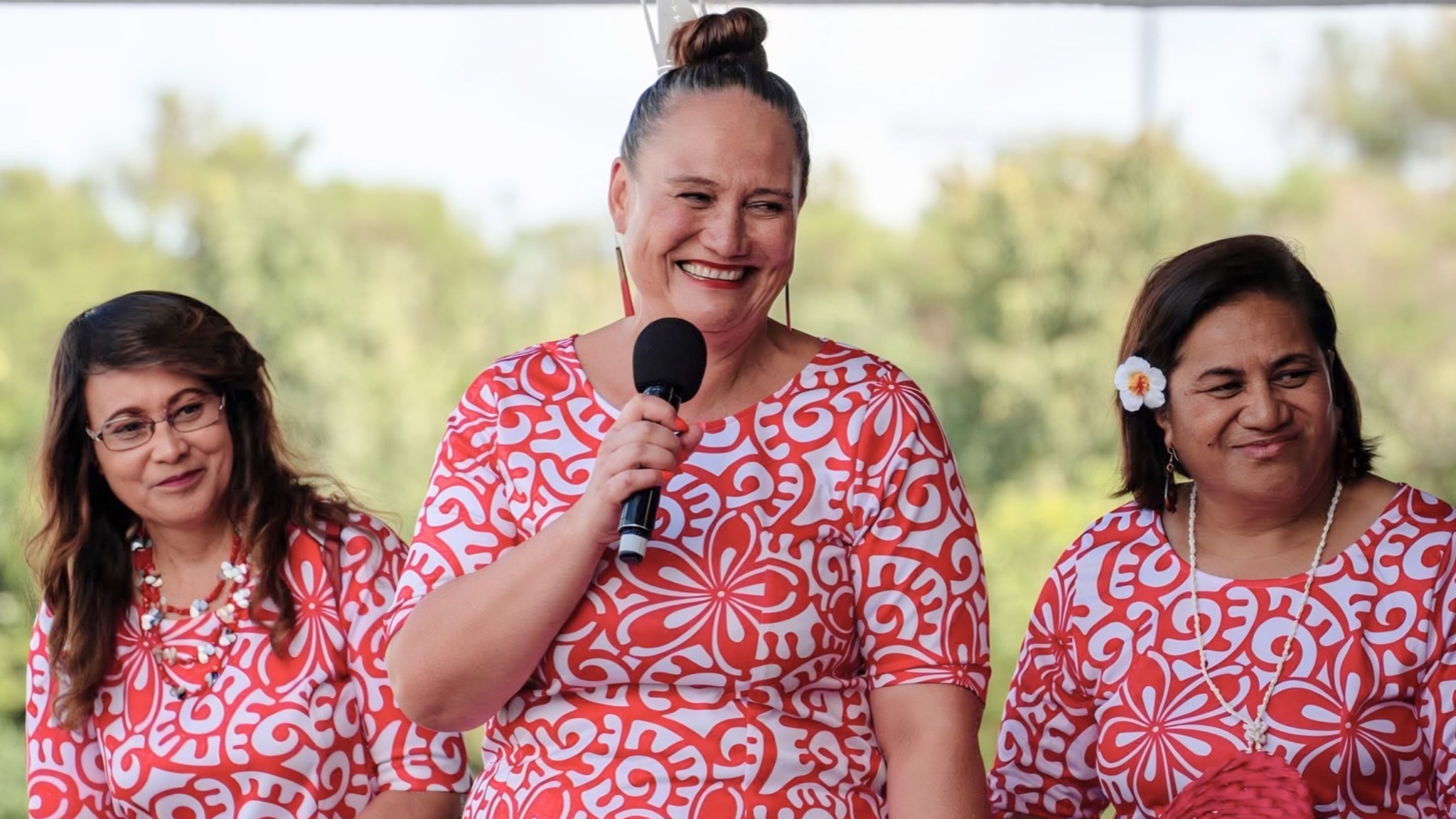
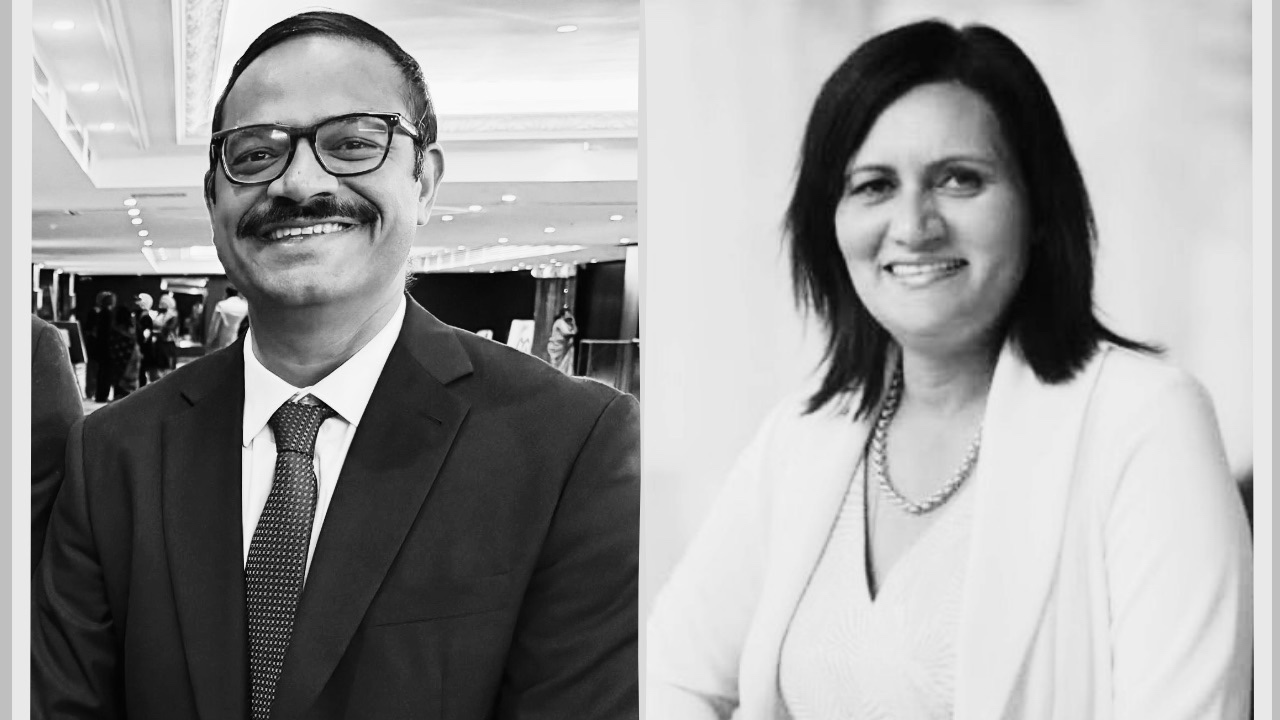
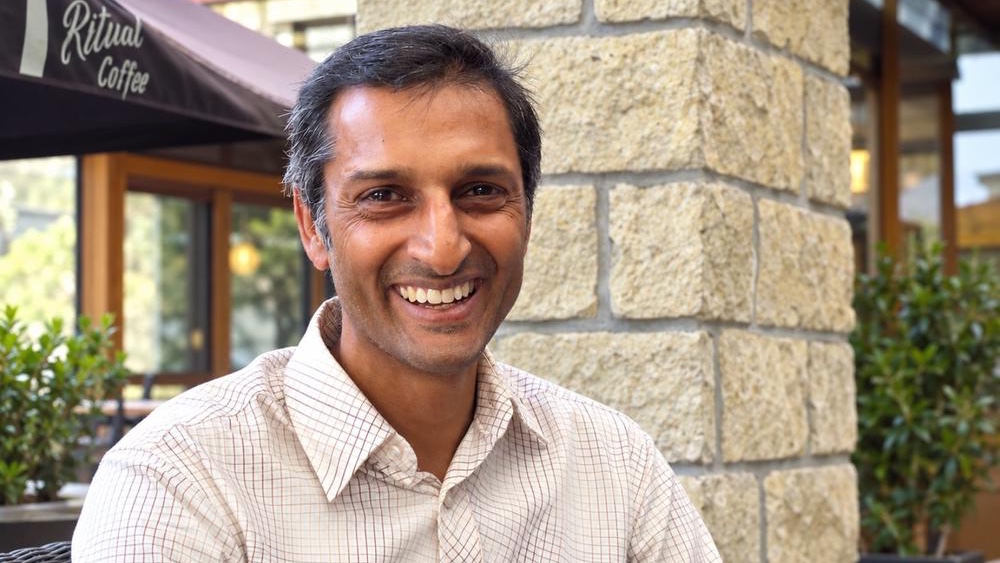
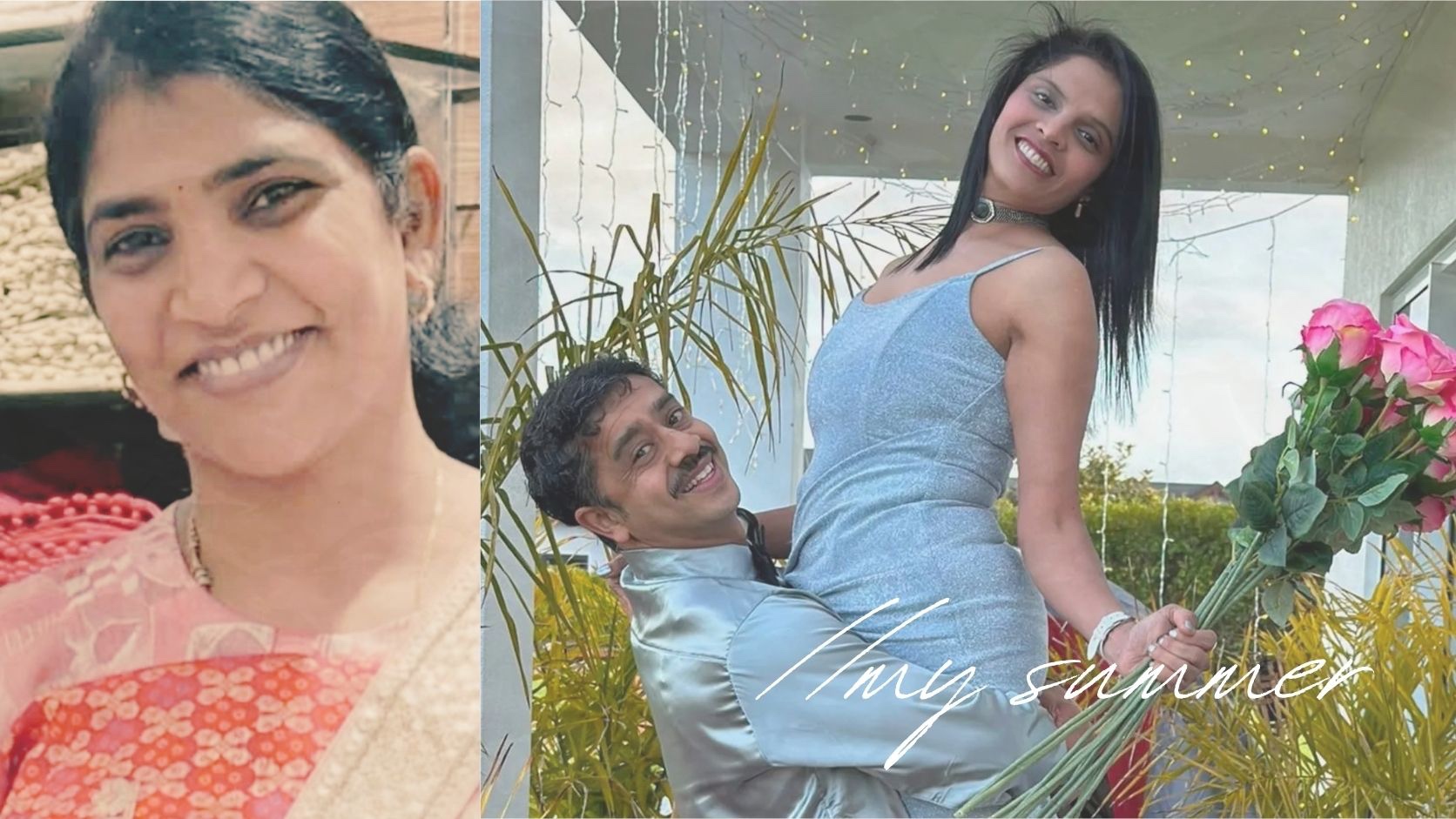
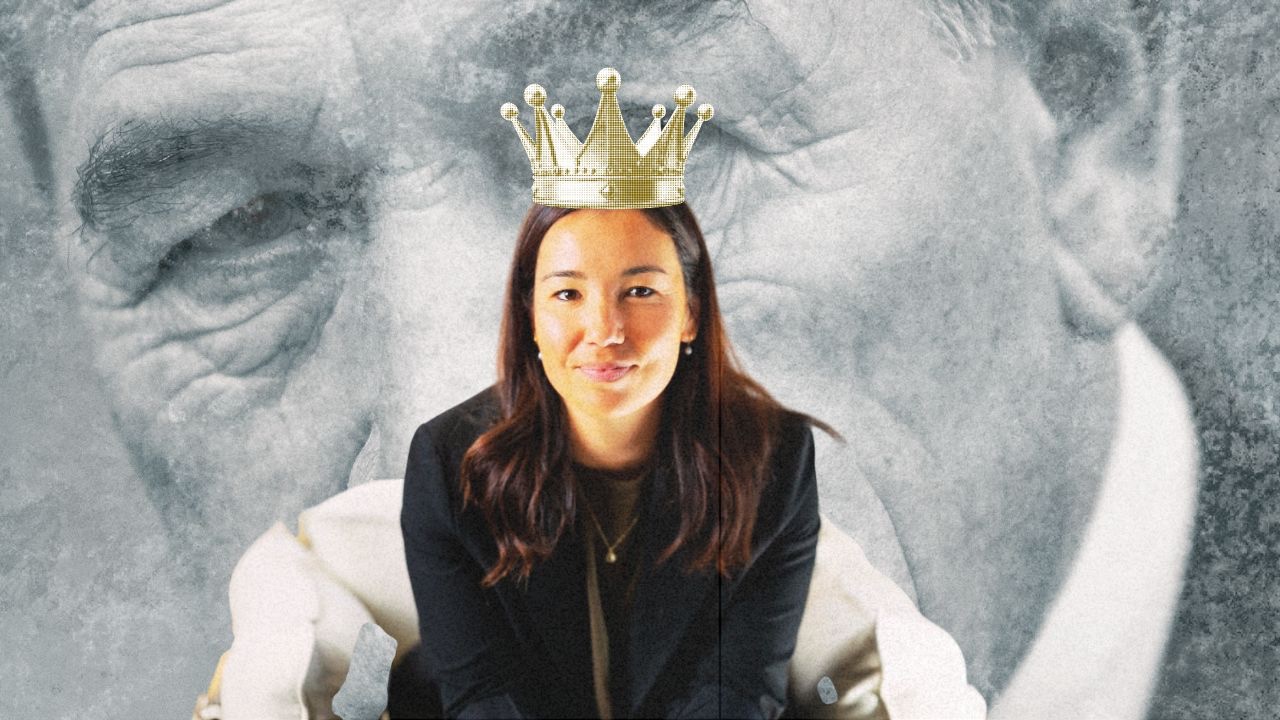
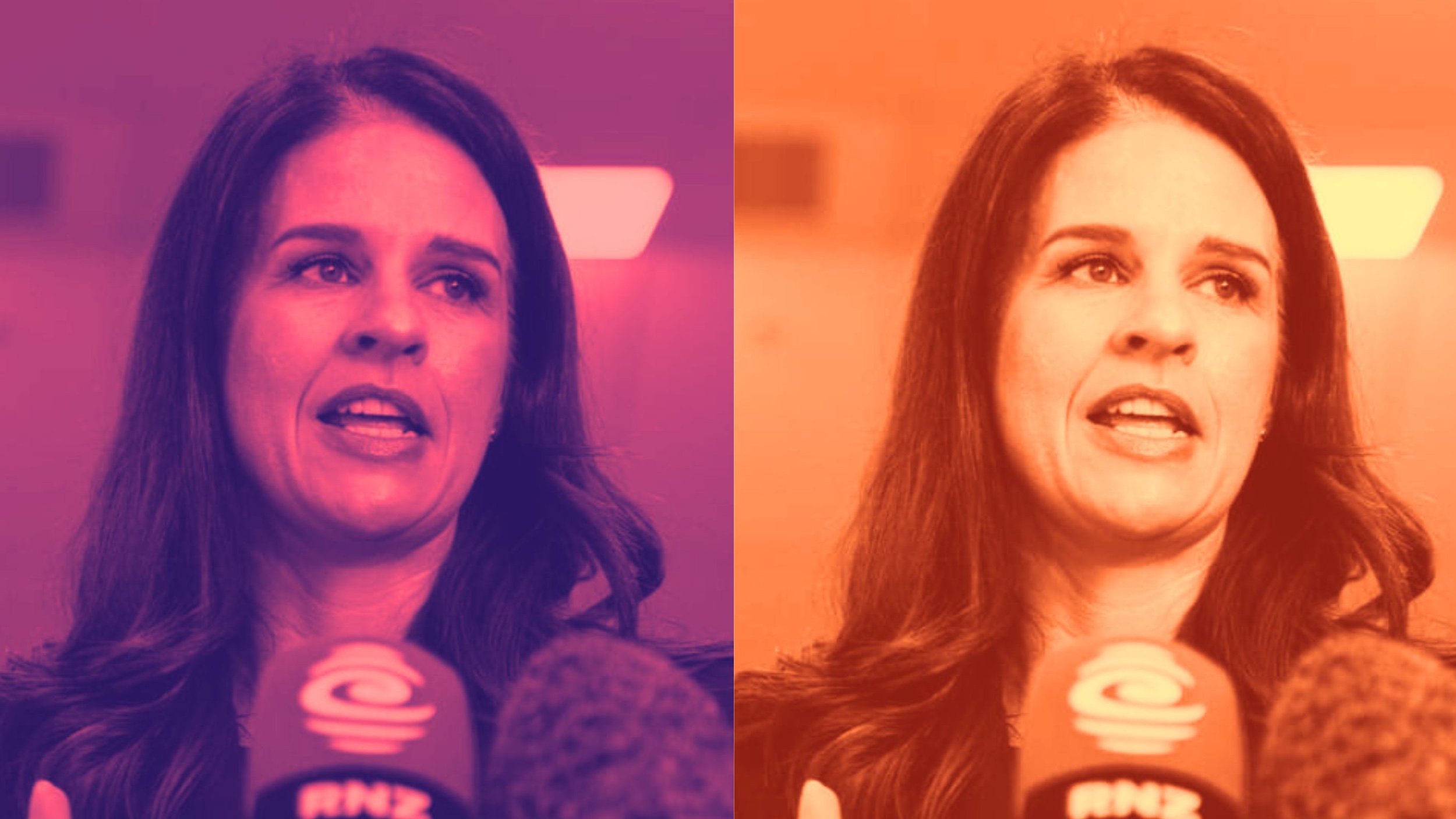
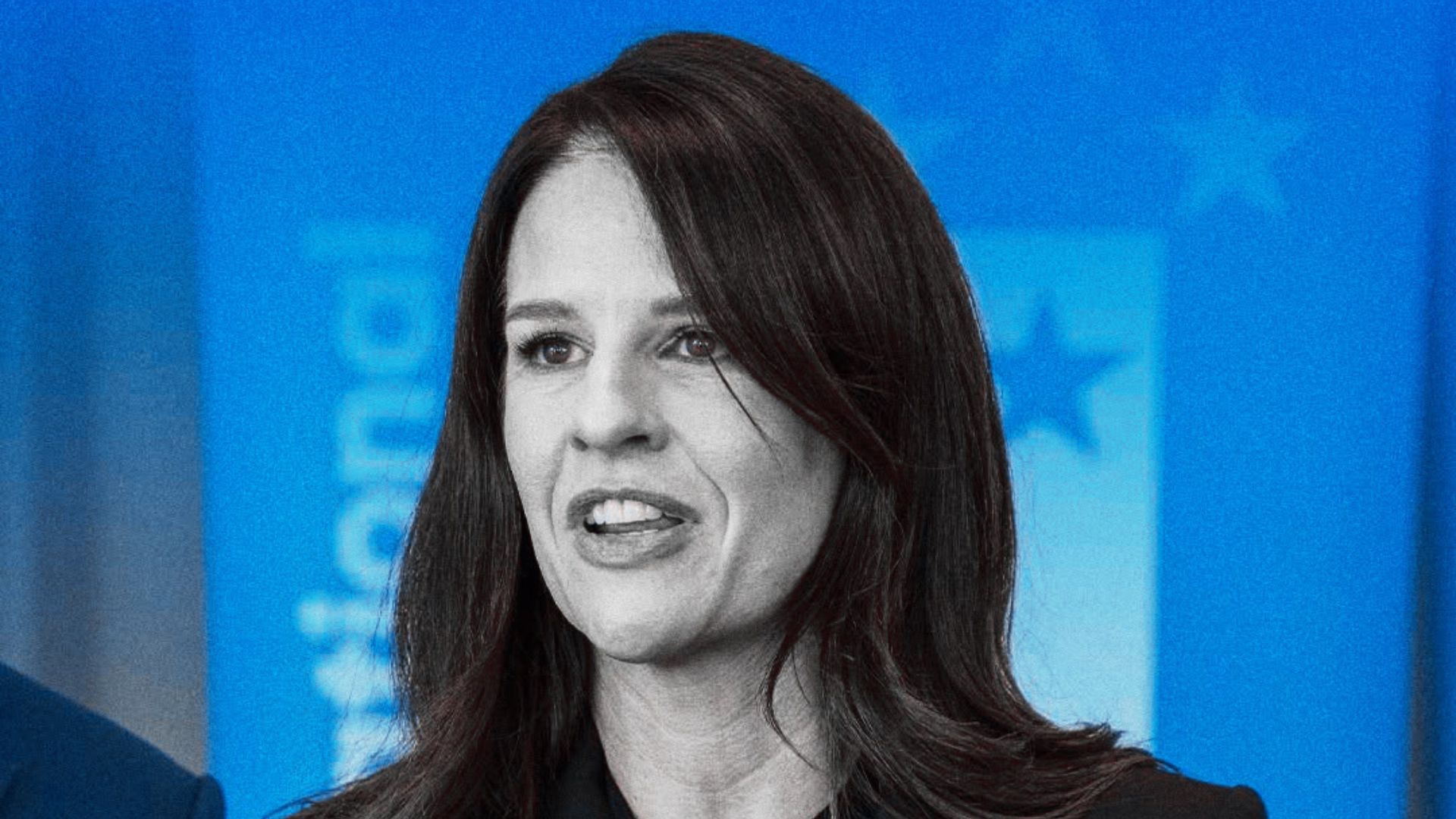
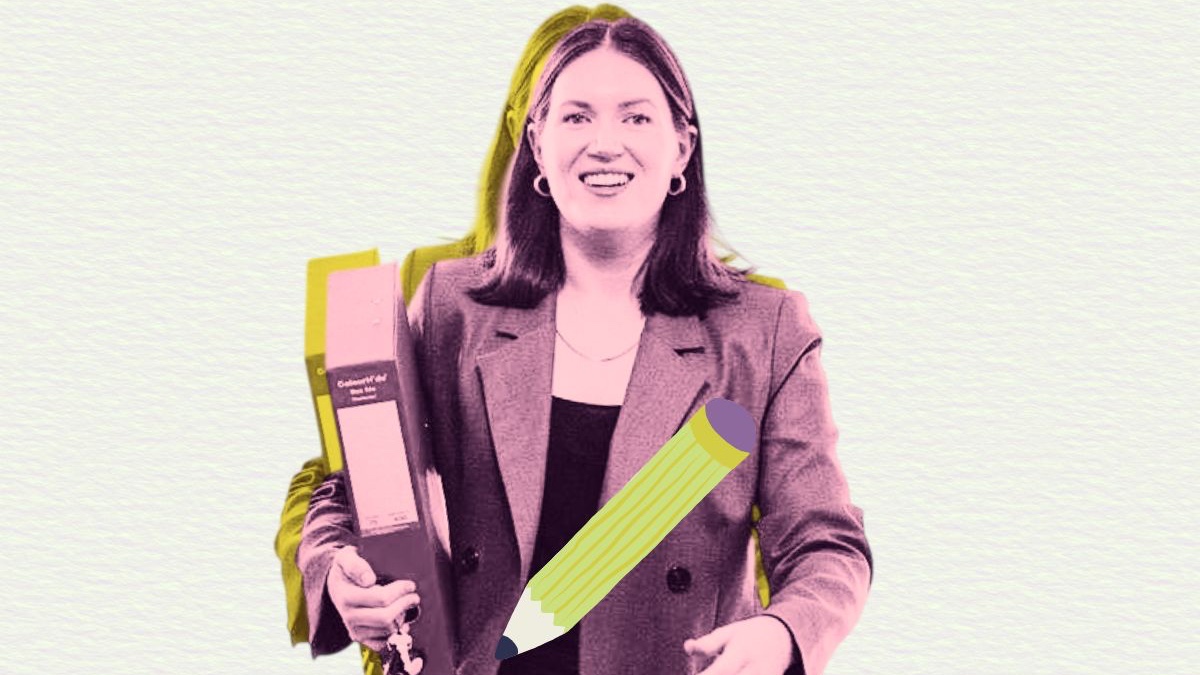
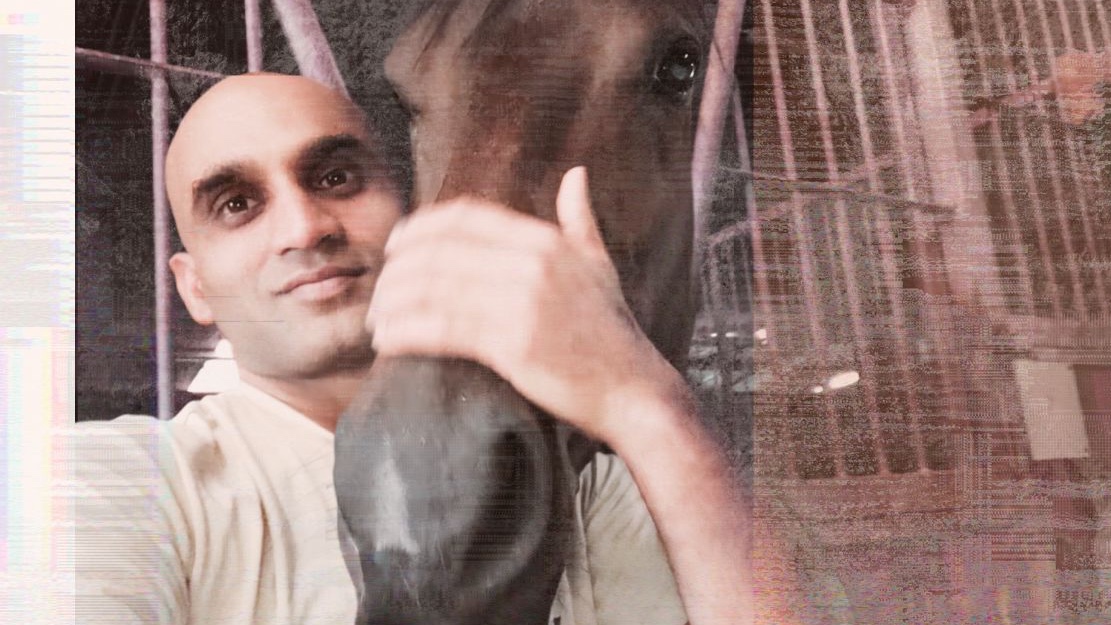
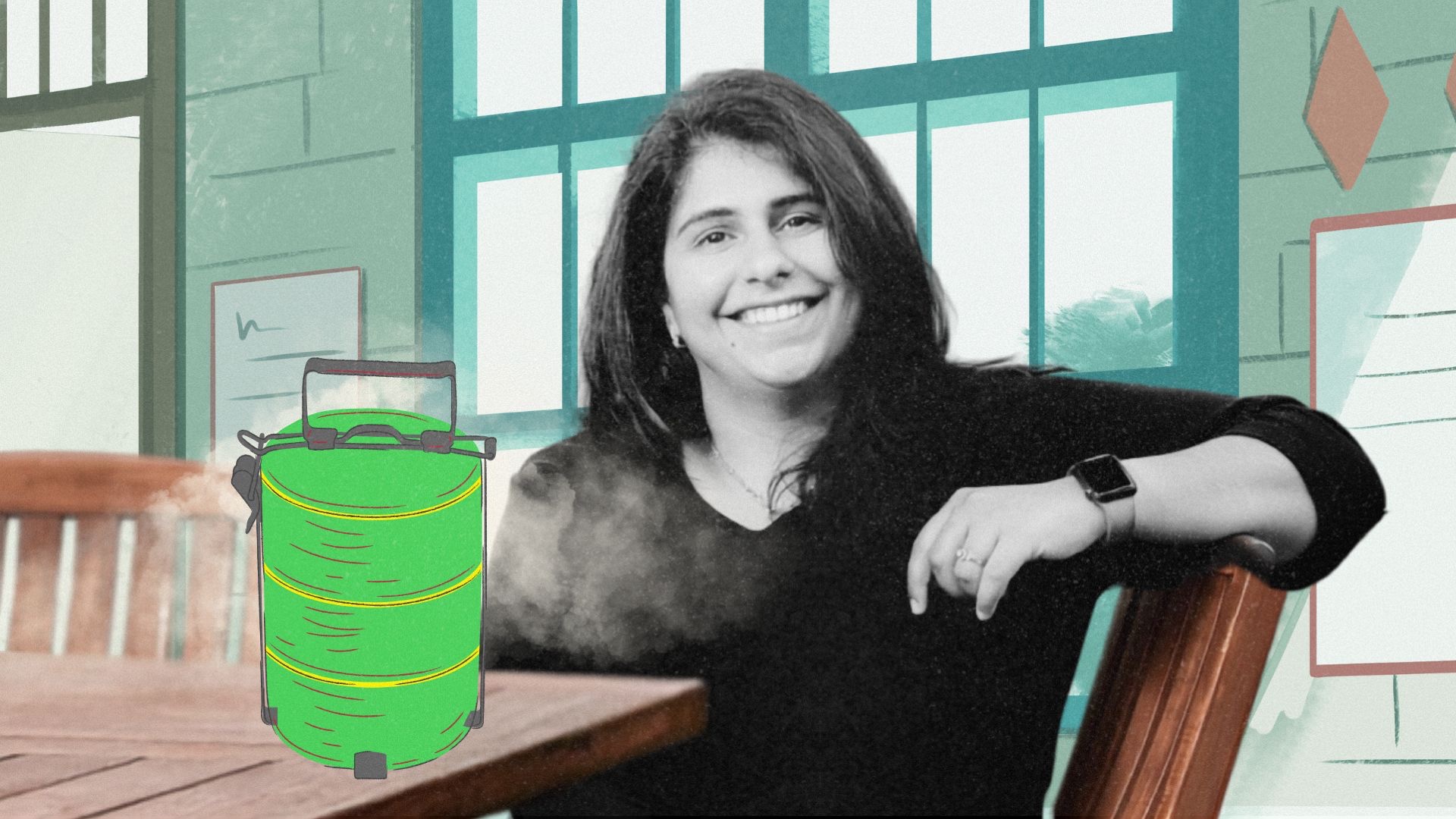
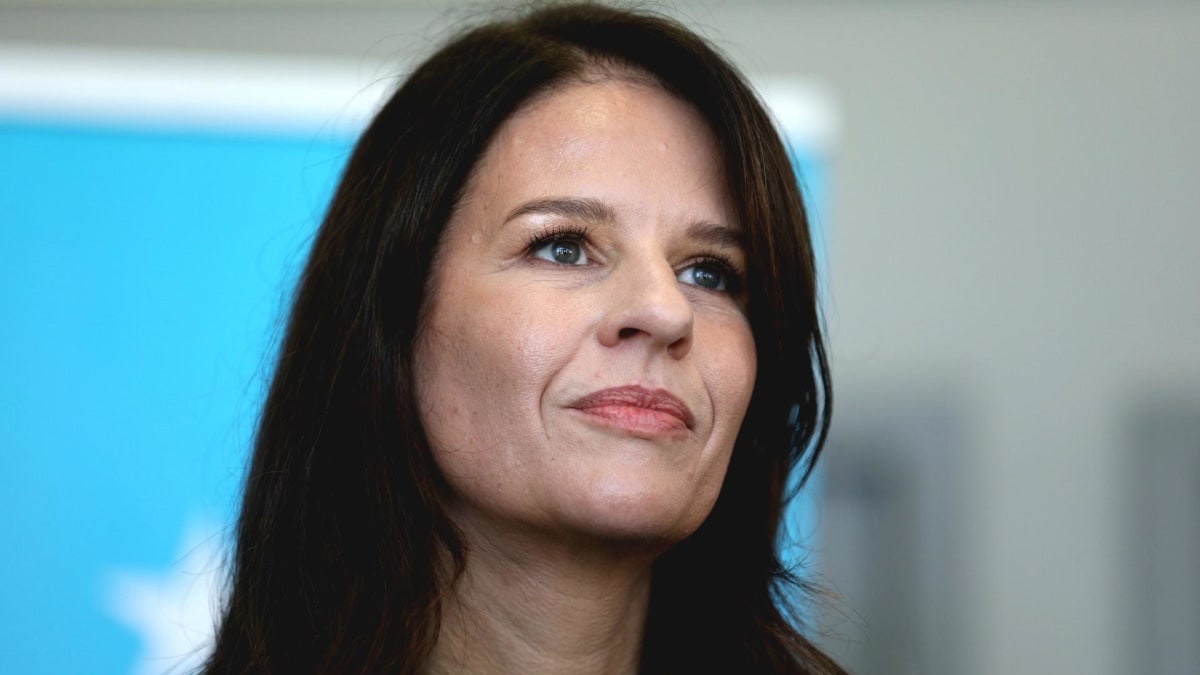
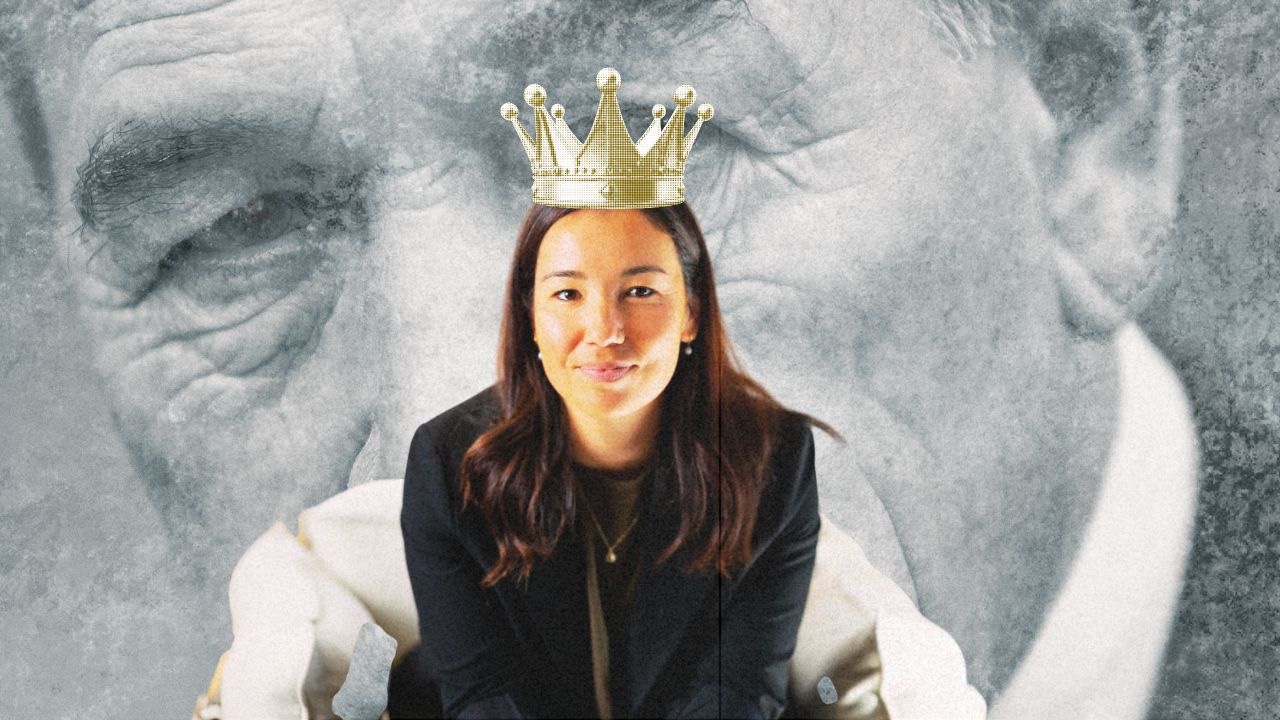
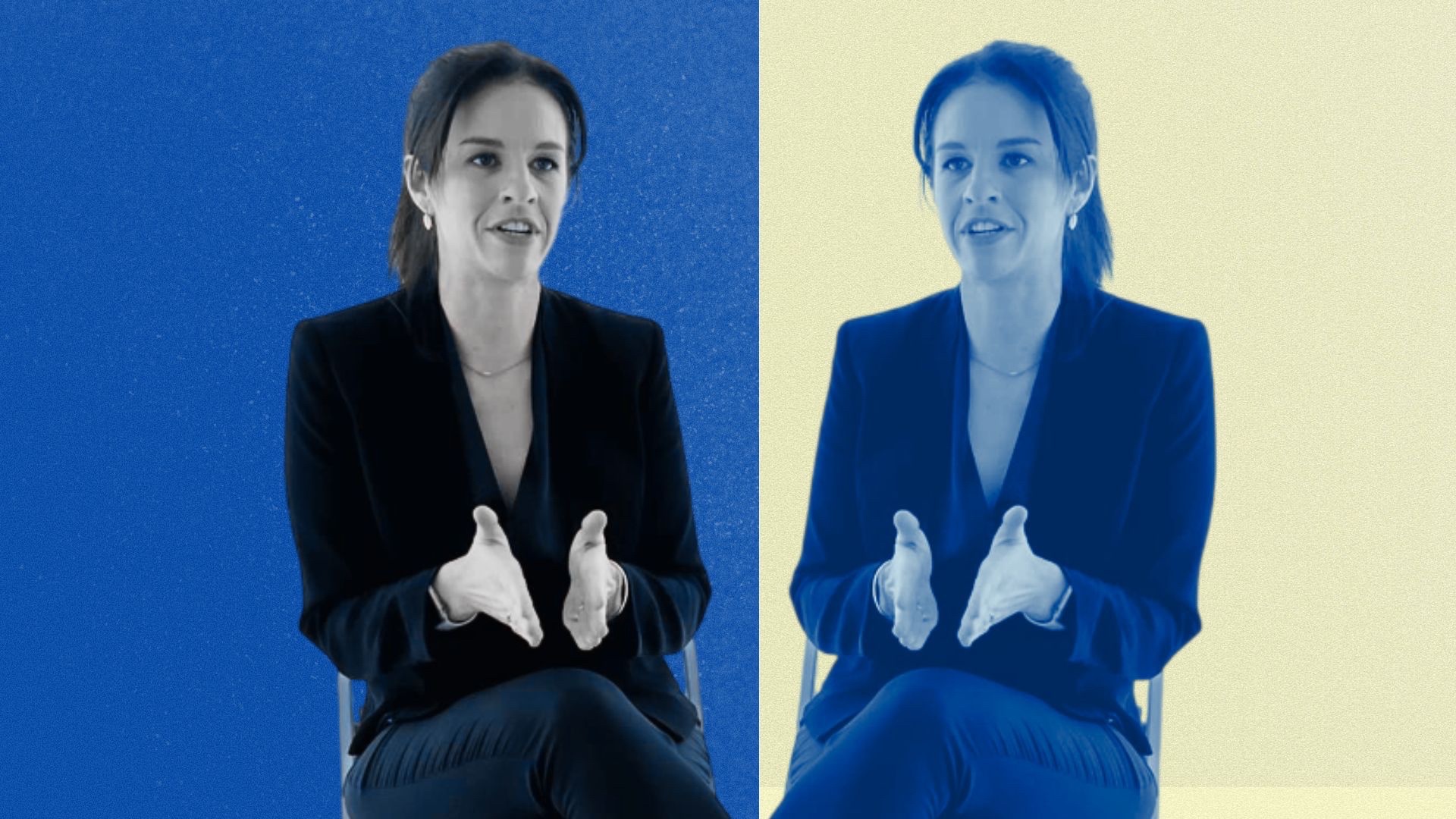
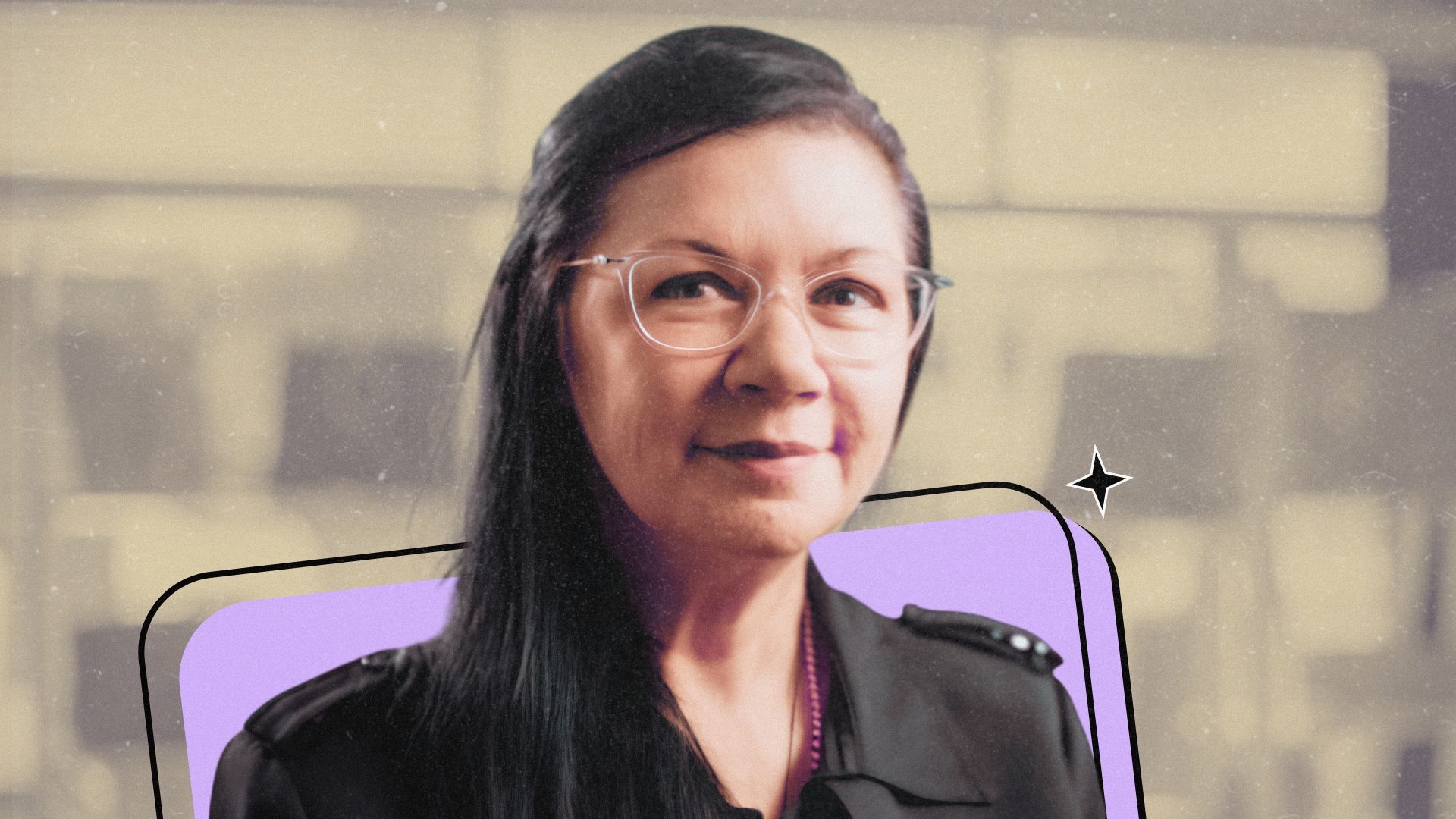
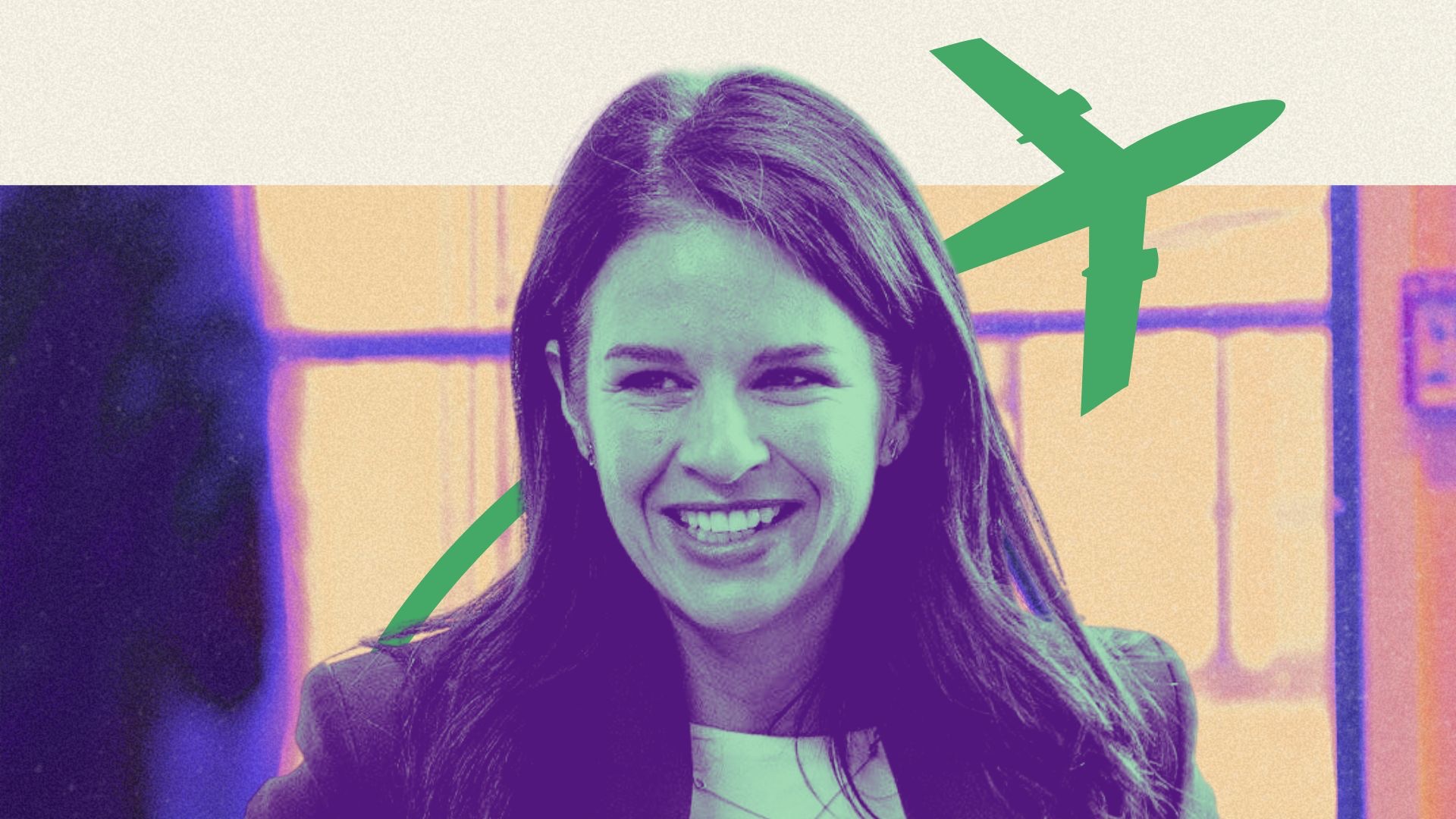
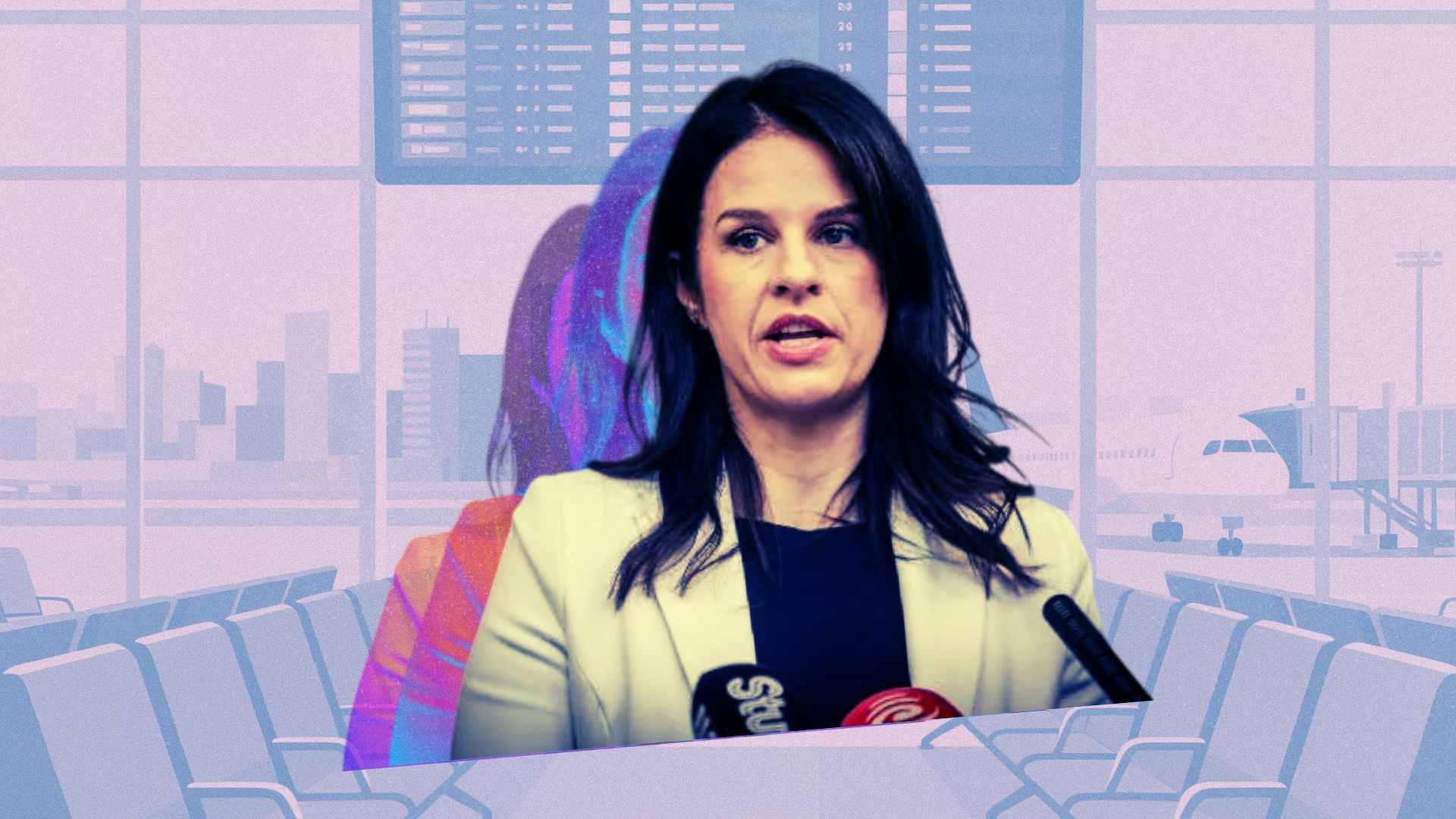
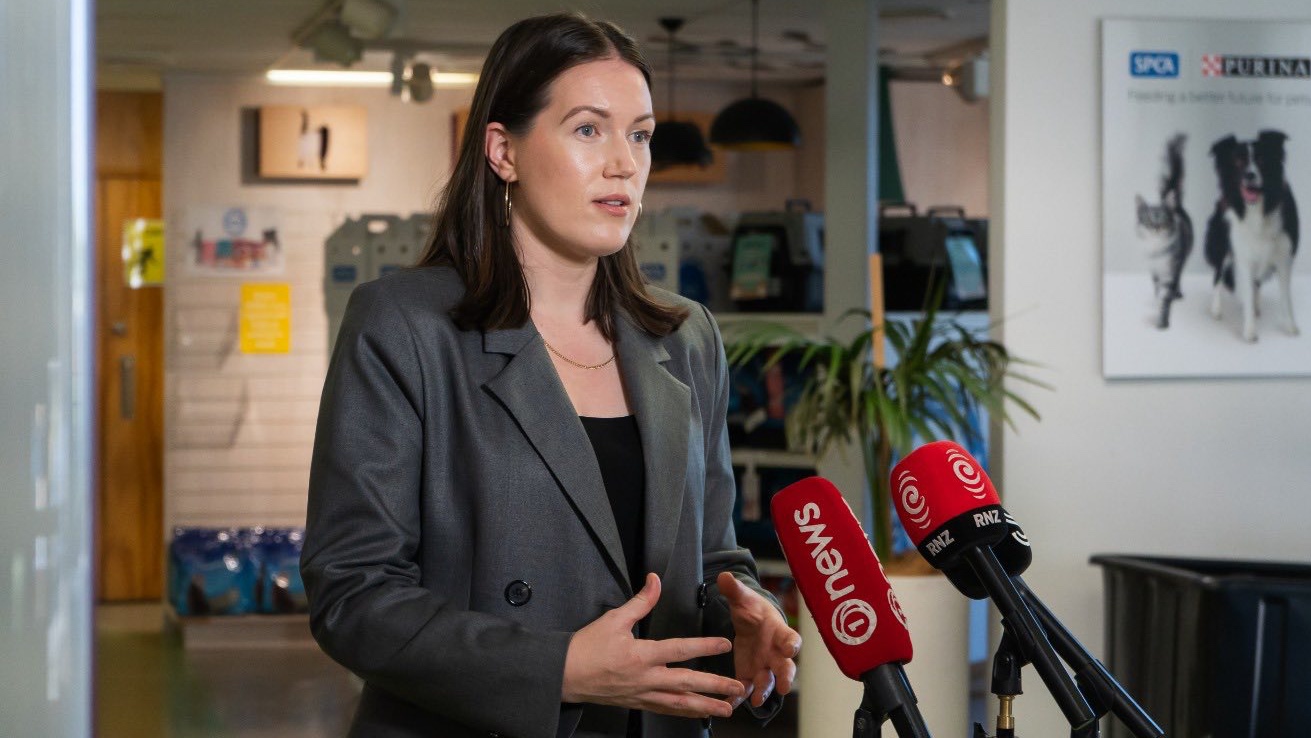
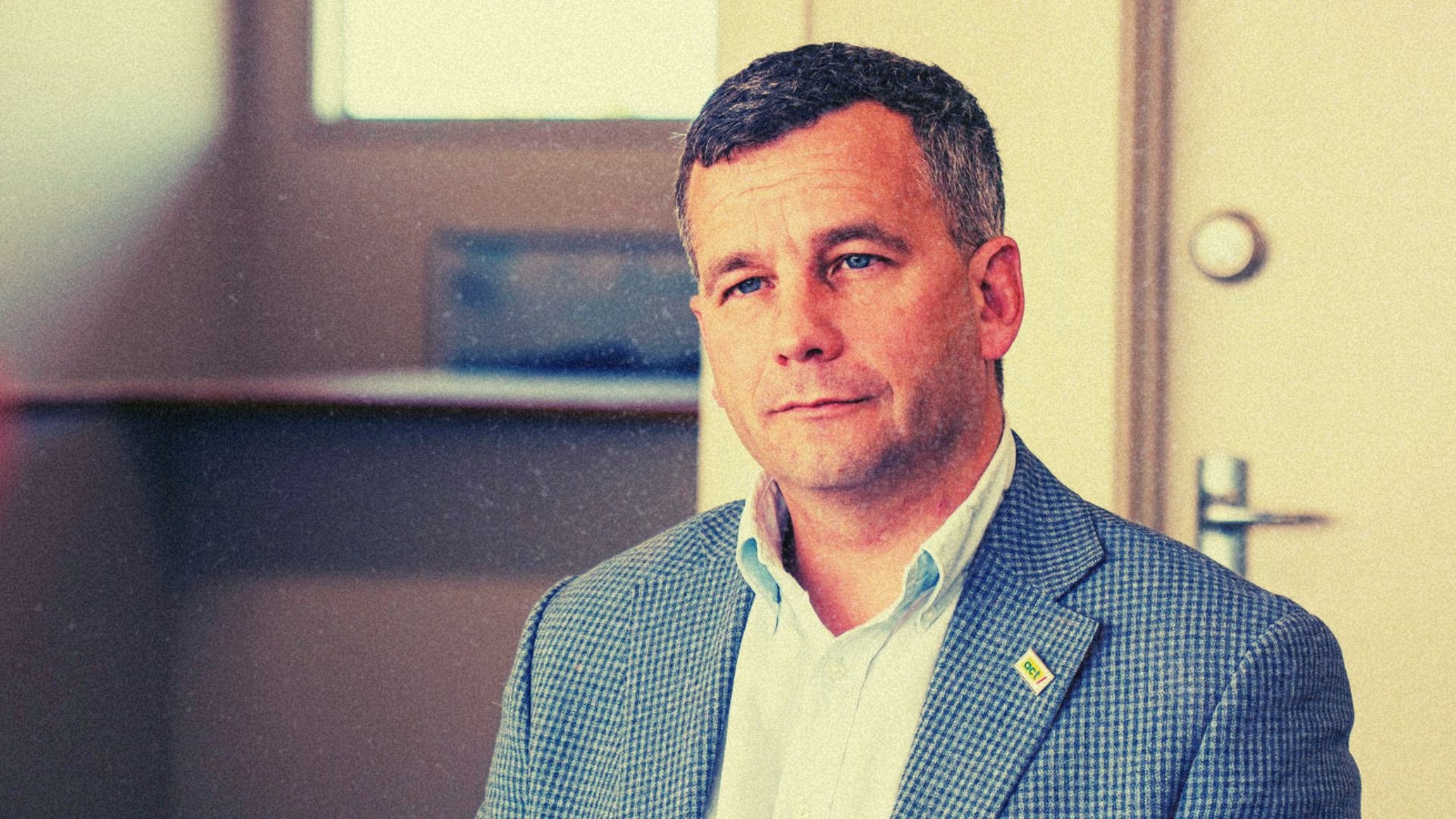
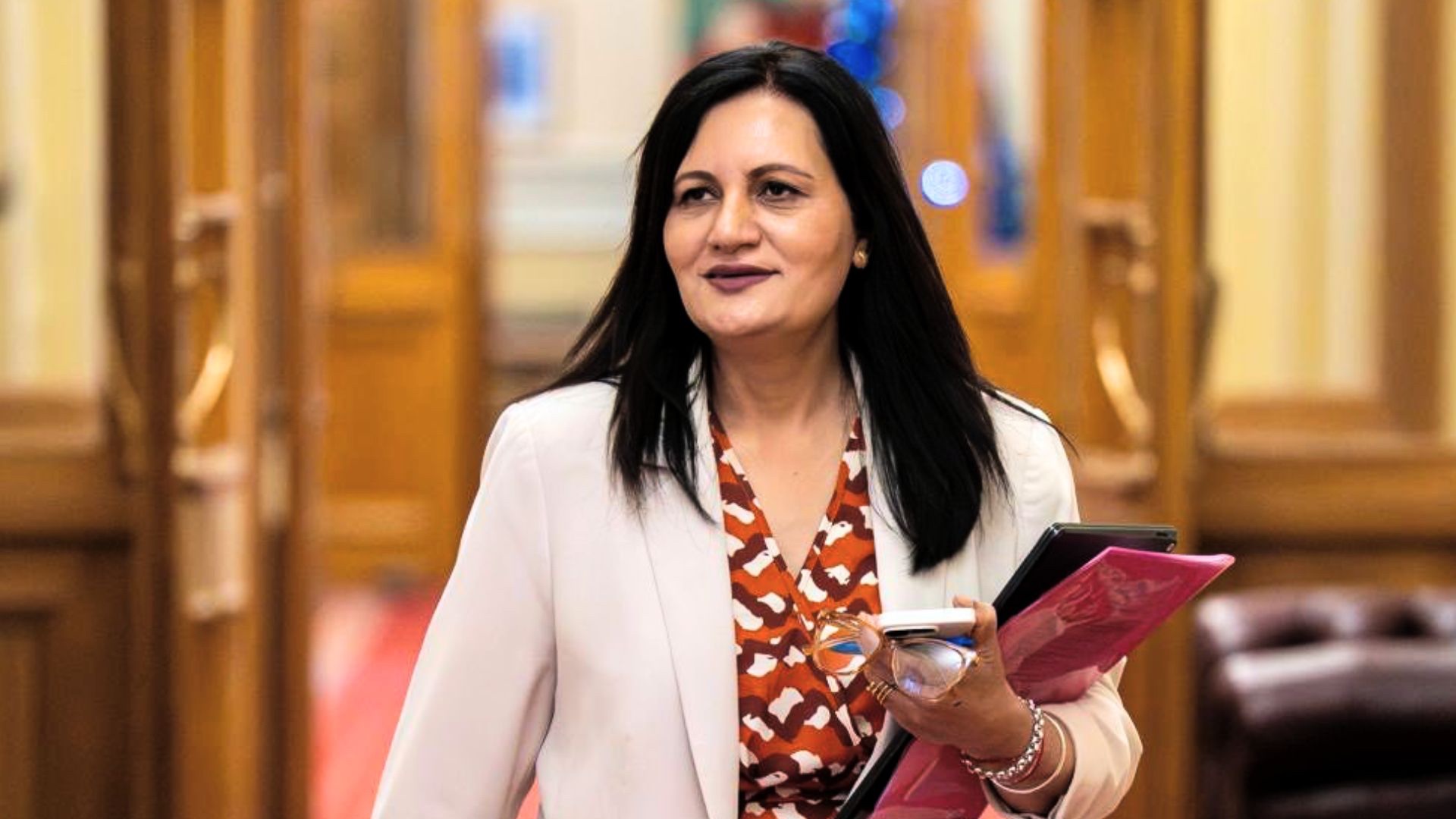
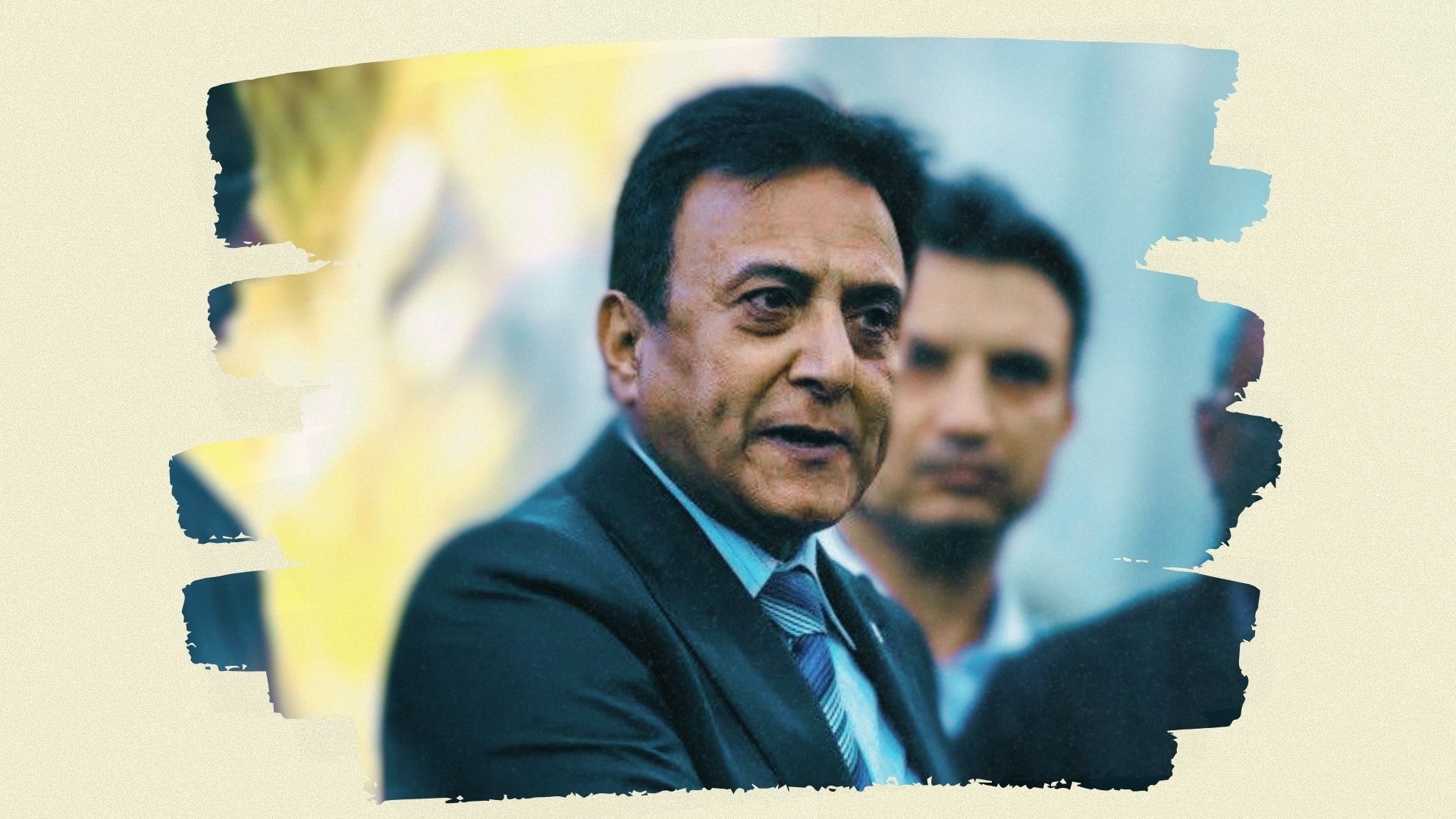
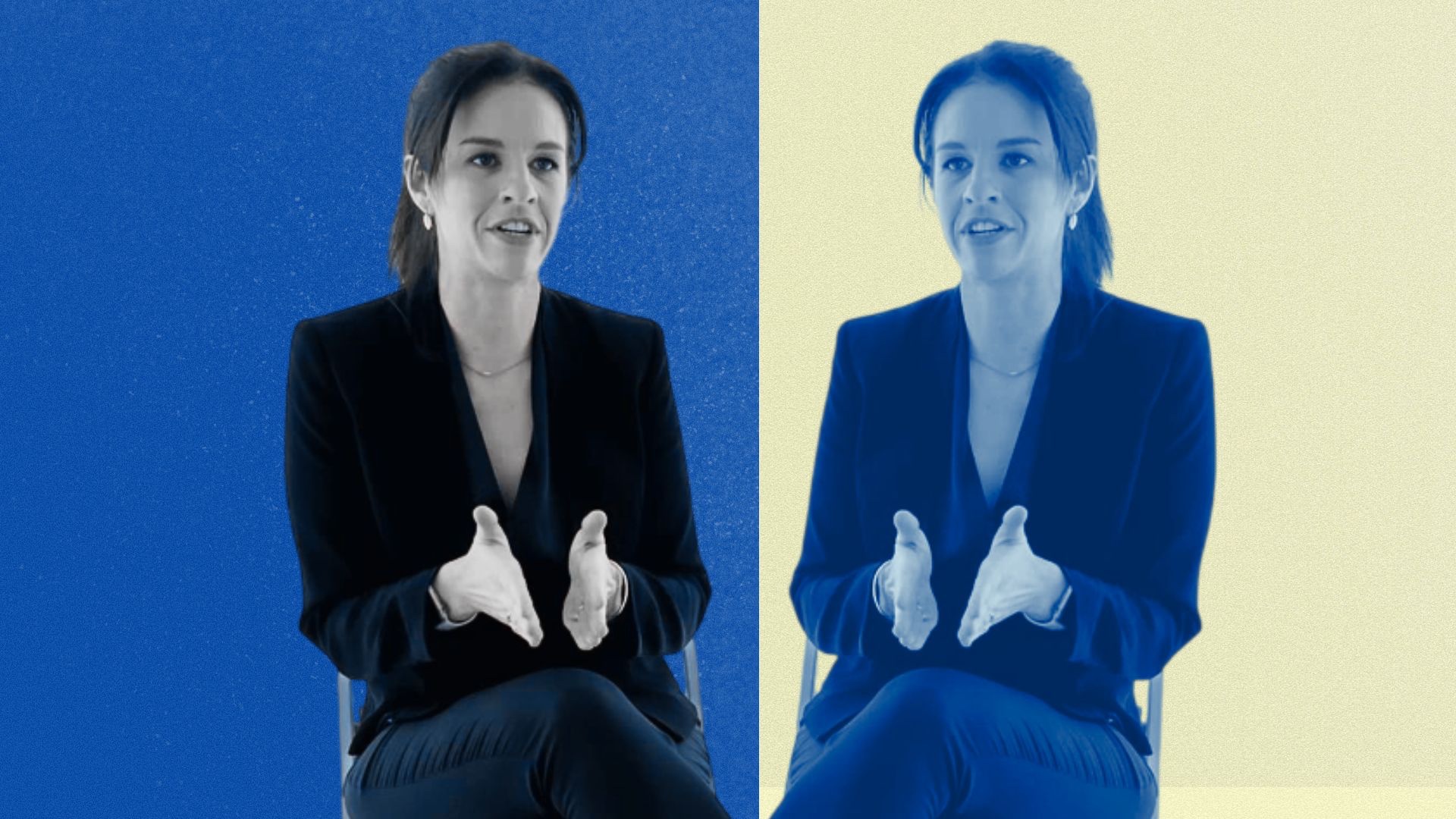
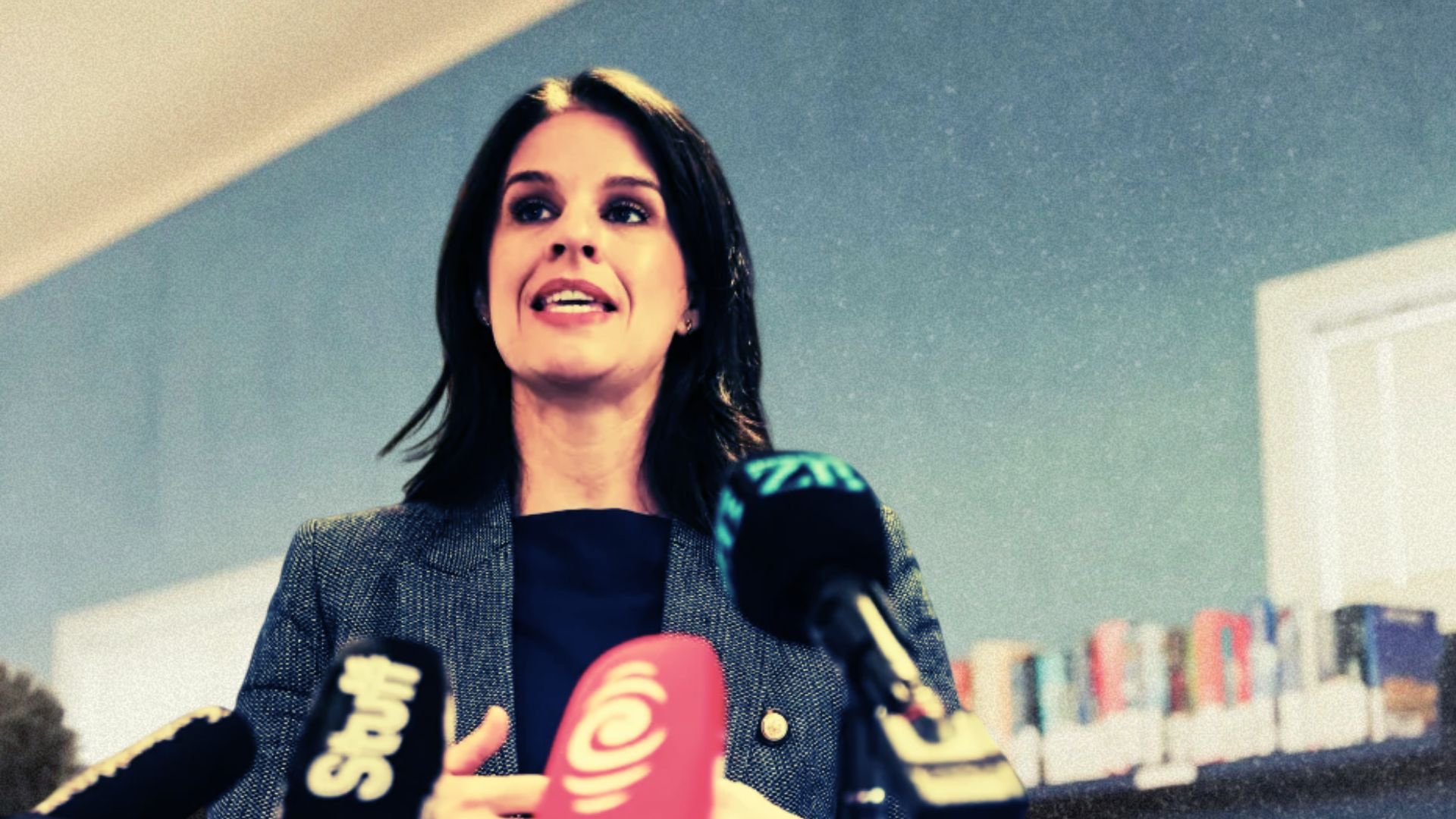
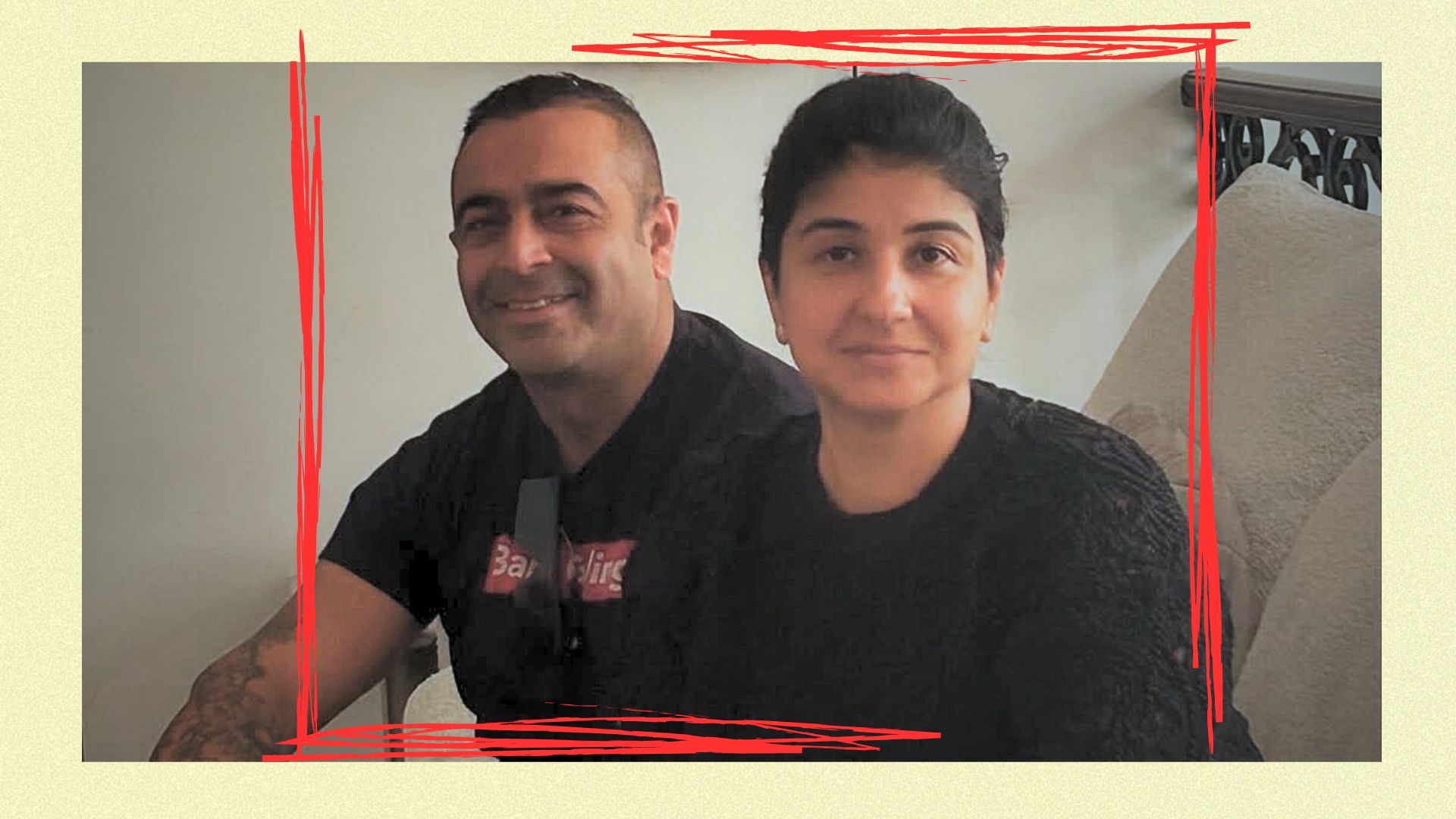
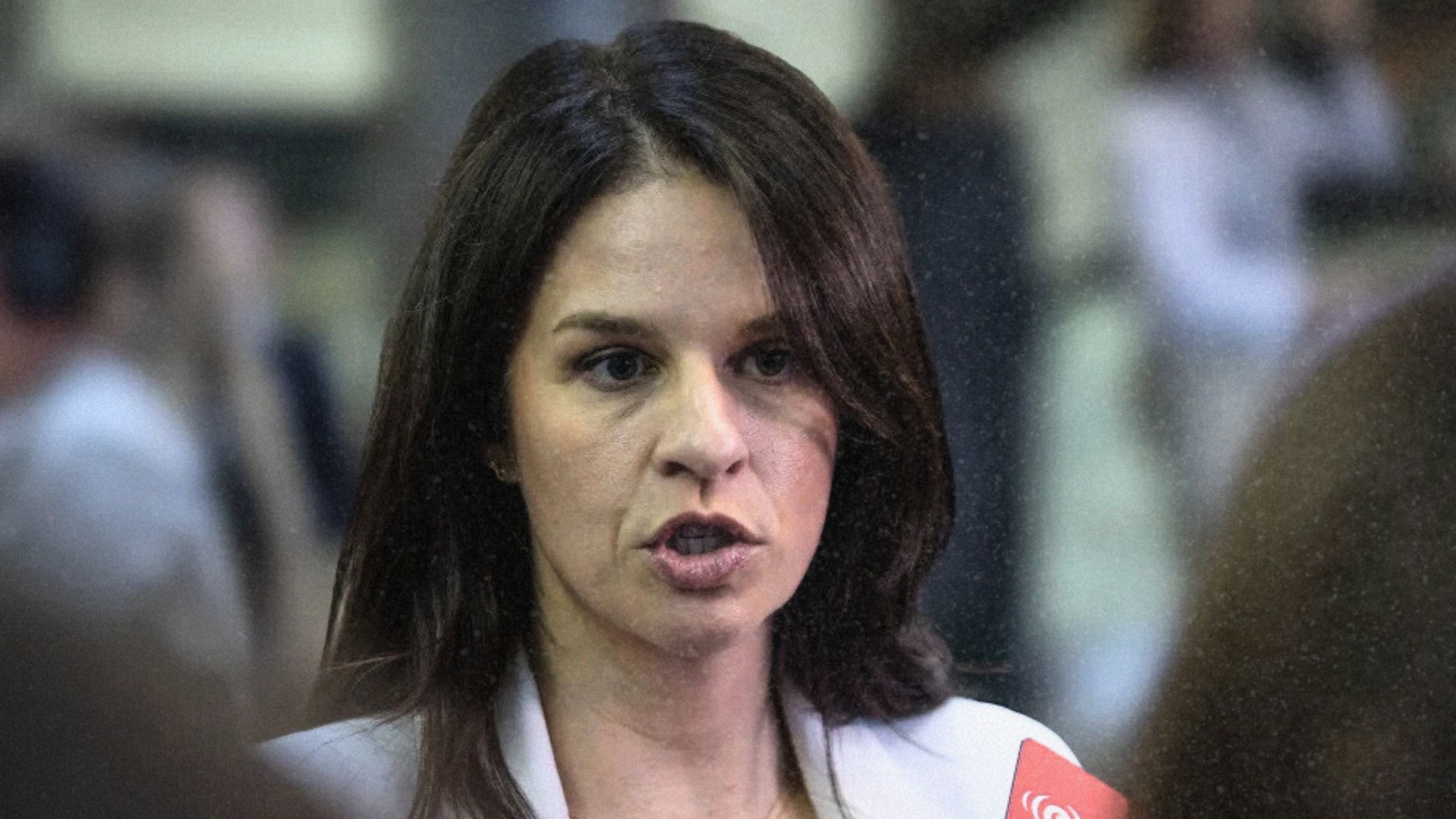
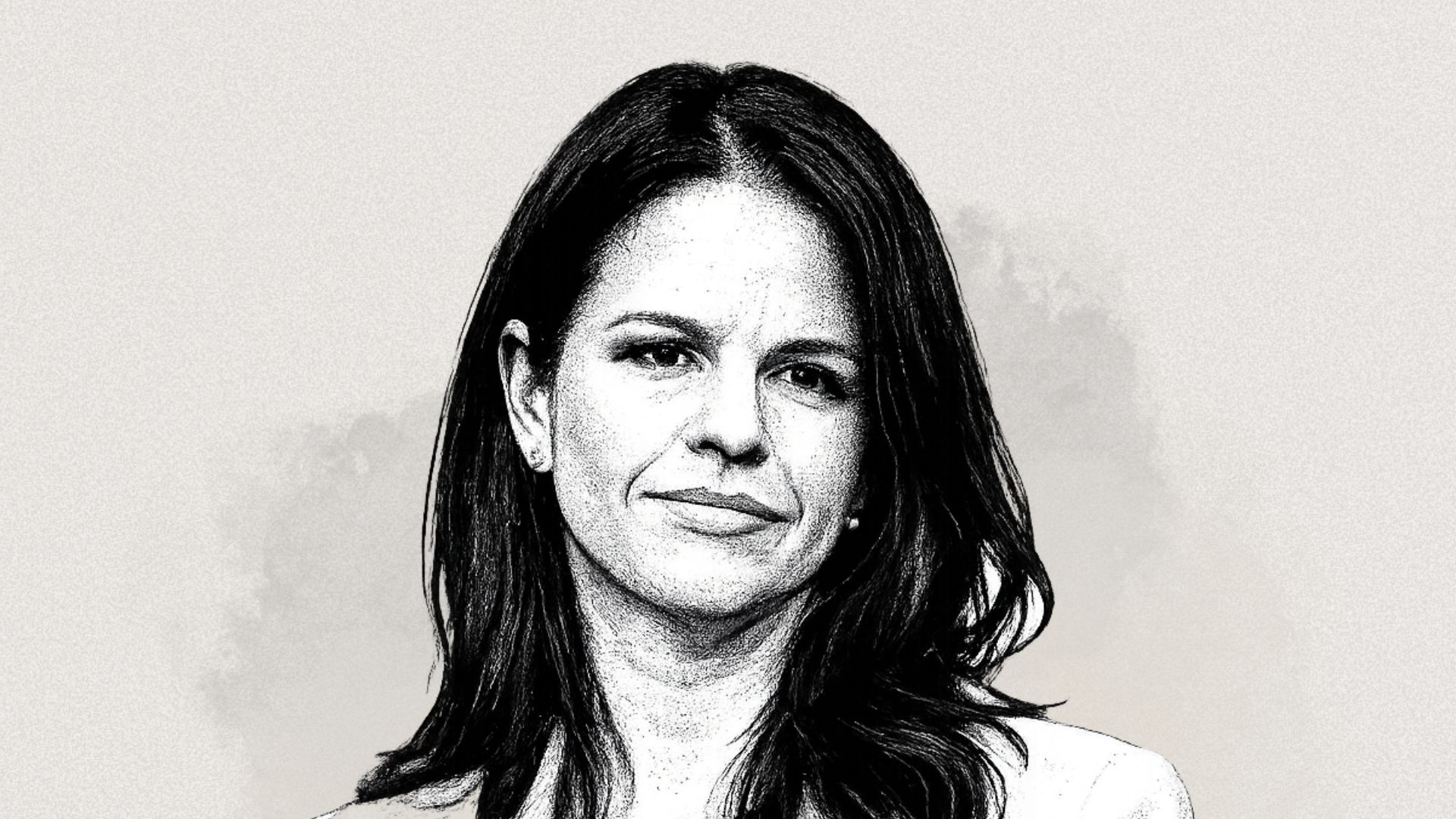
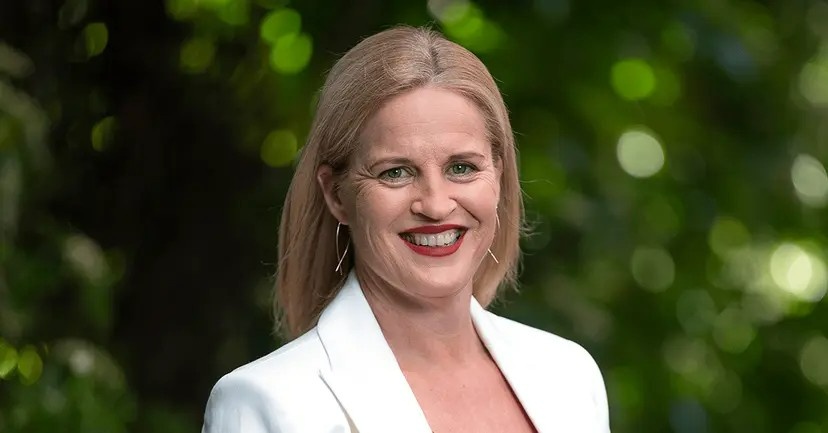
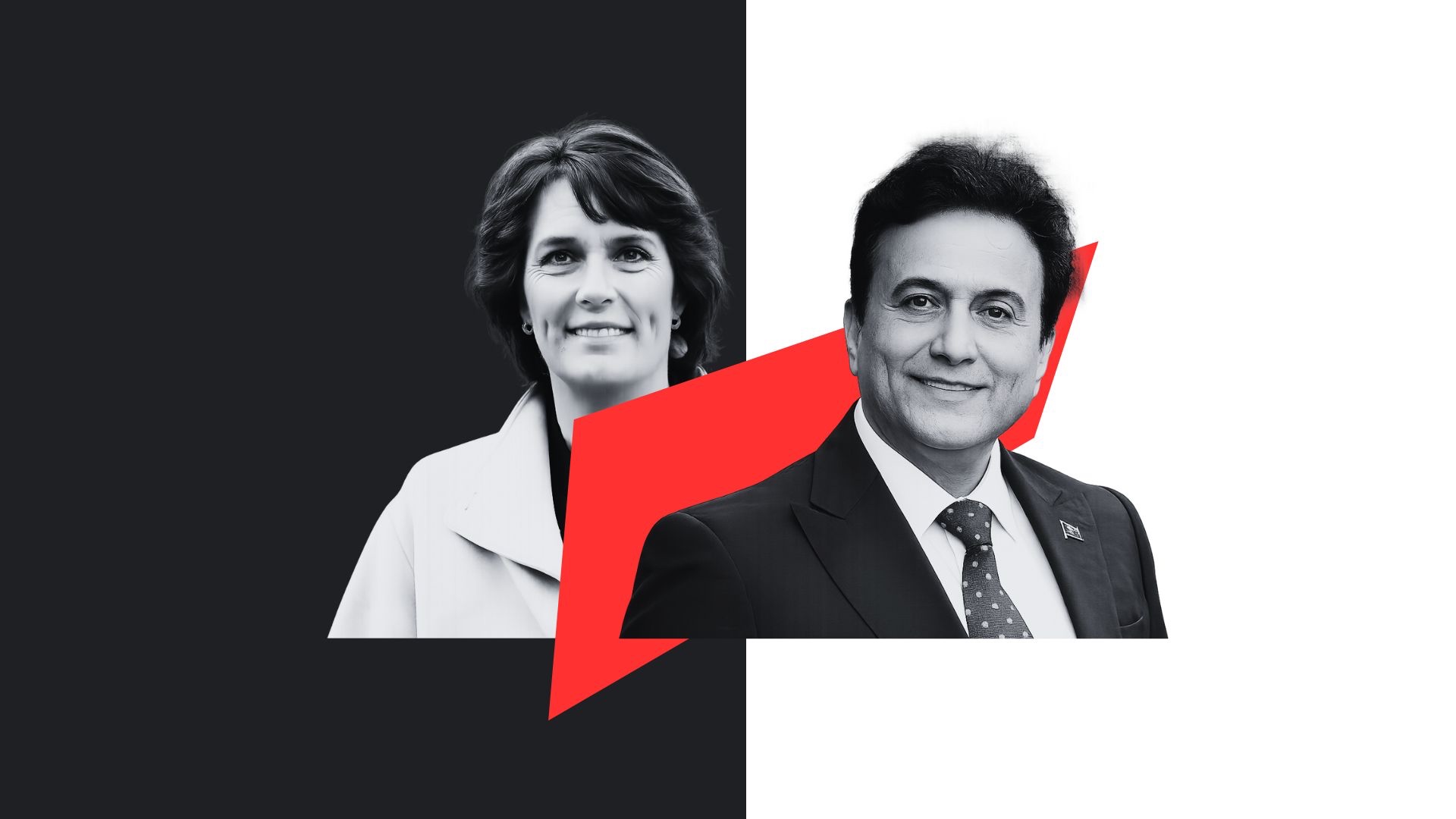
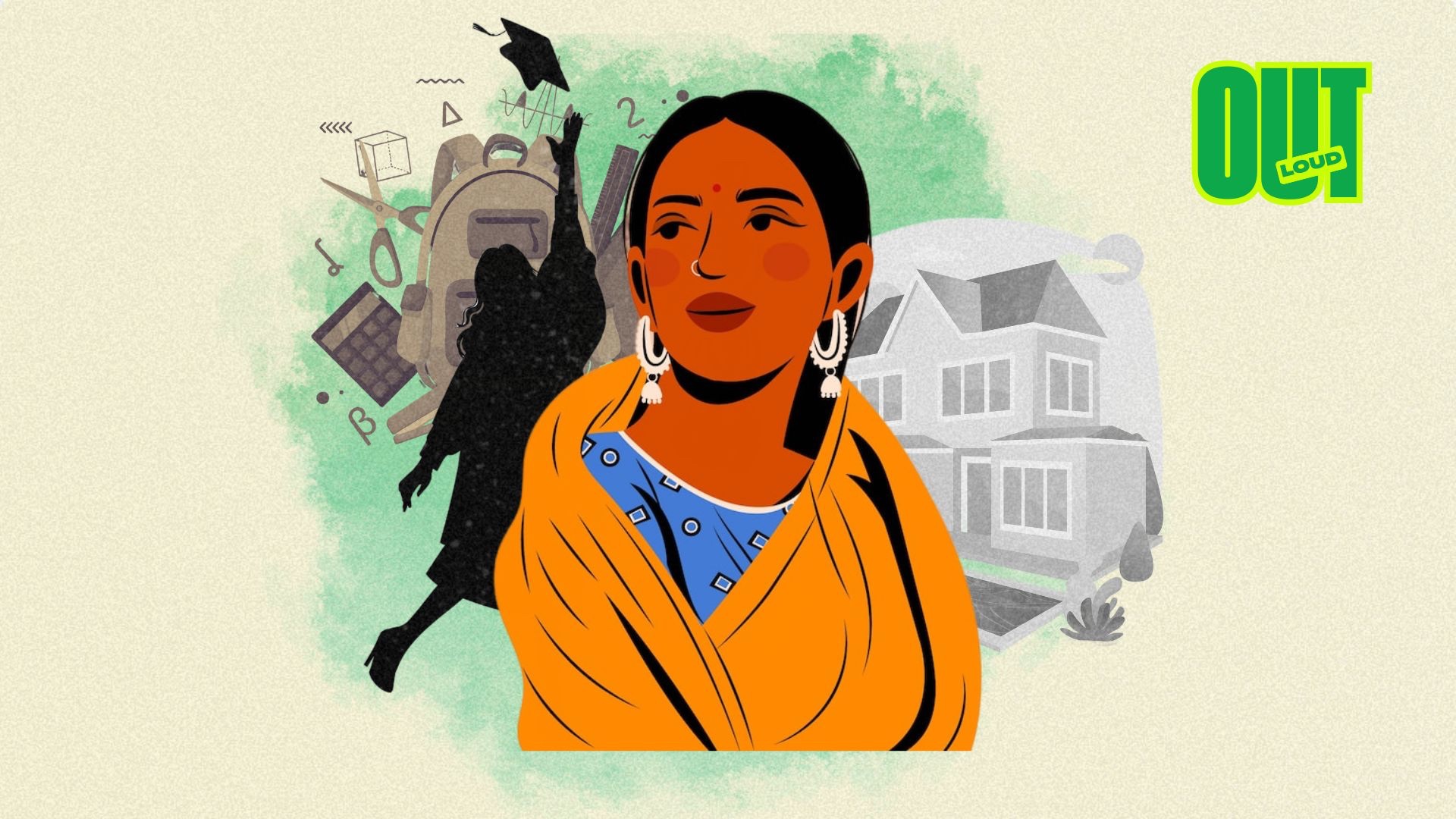
Bernadette Soares is NZ First's candidate from Upper Harbour.
“Like a good butter chicken, a good trade agreement needs balance."
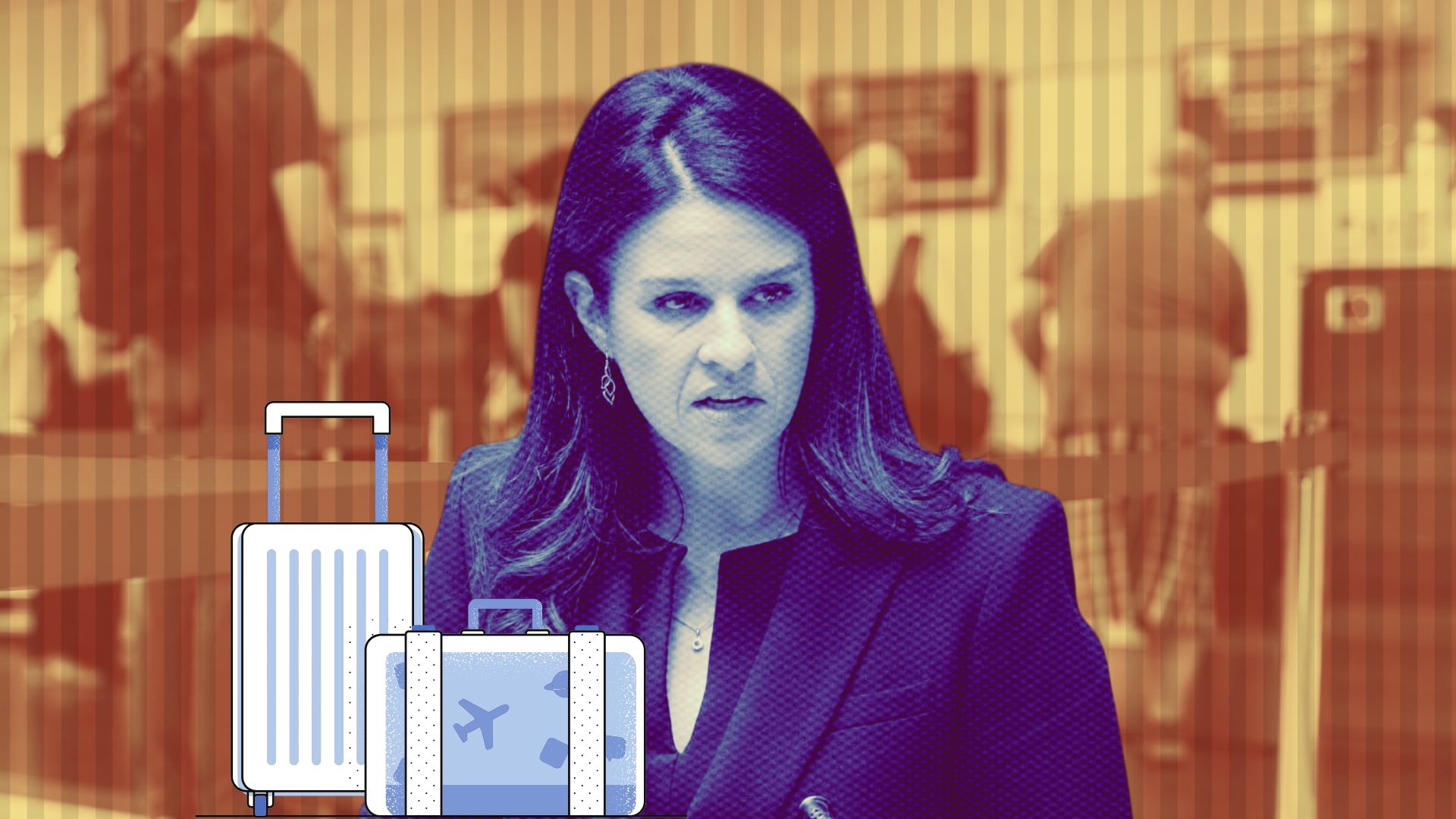
There are many ways to reassure Indian New Zealanders that your political party is not against India. Bernadette Soares has chosen to do it from her kitchen, while cooking butter chicken.
On August 23, the Mumbai-born New Zealand First candidate for Upper Harbour posted a Facebook video filmed at home. Moving between the stove and the camera, she prepared the dish and explained why her party opposes the New Zealand–India free trade agreement.
The video is titled 'Butter chicken and India FTA'. That choice of dish is hardly accidental.
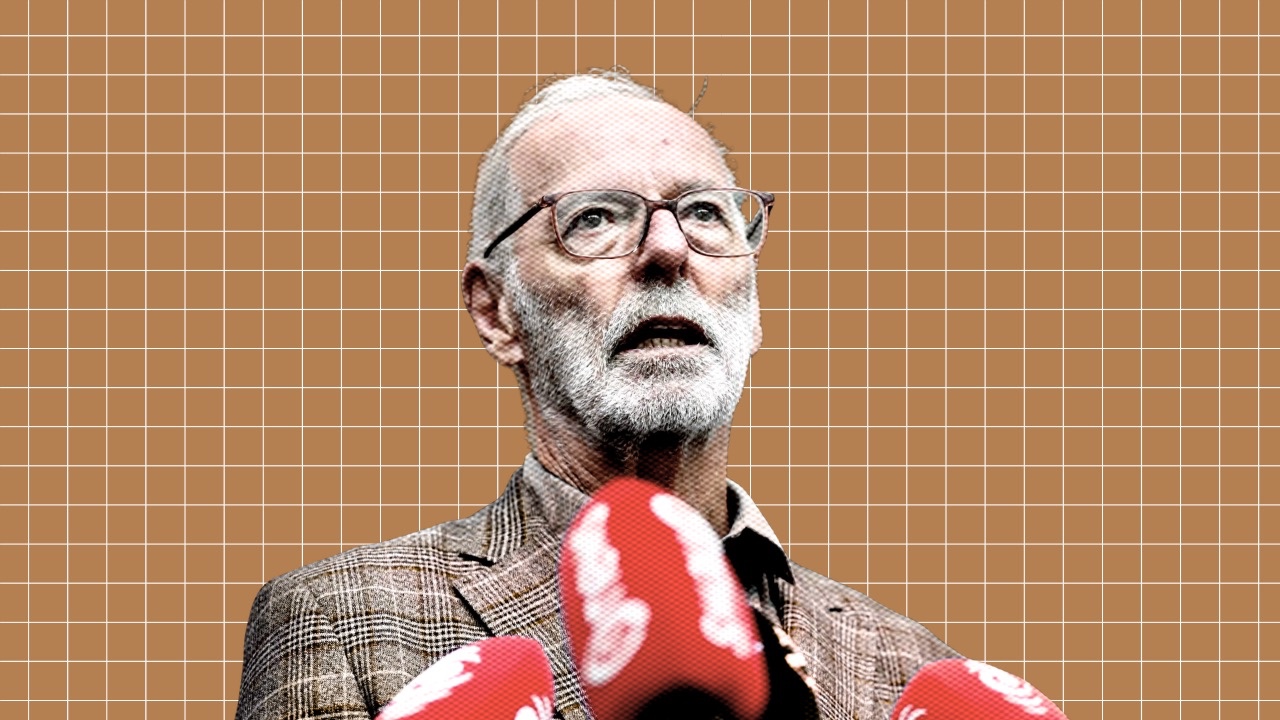
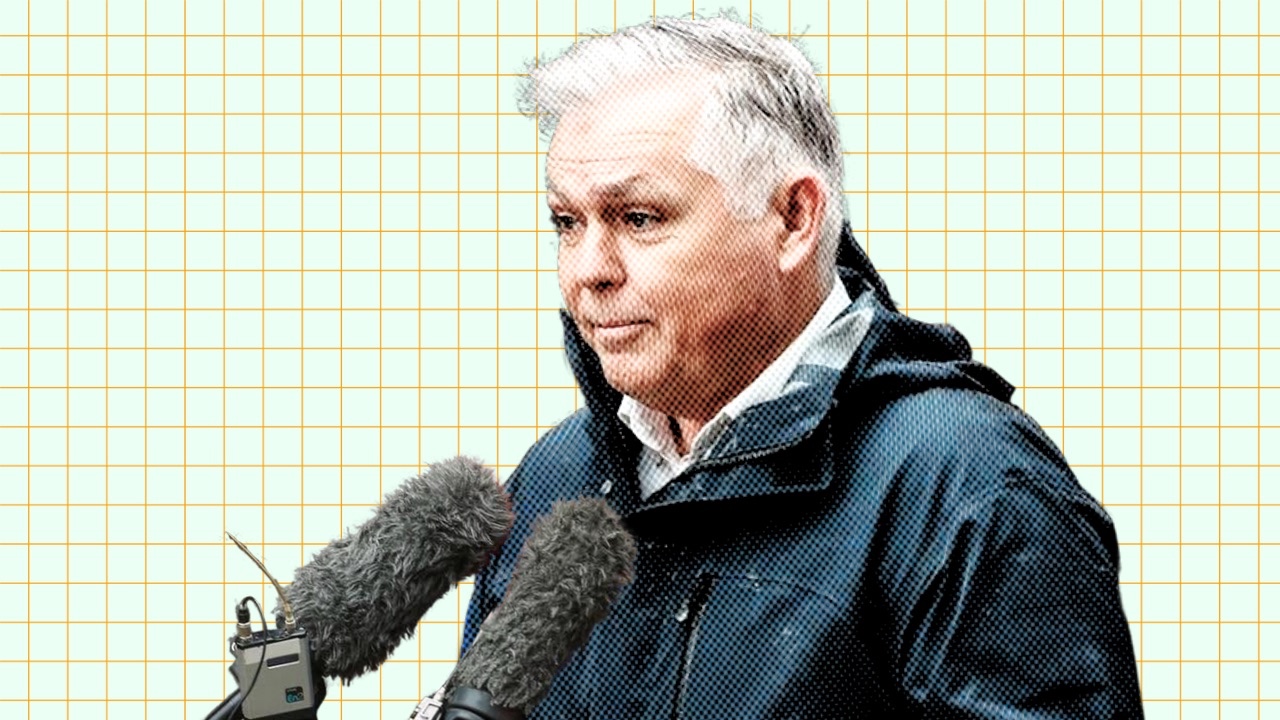
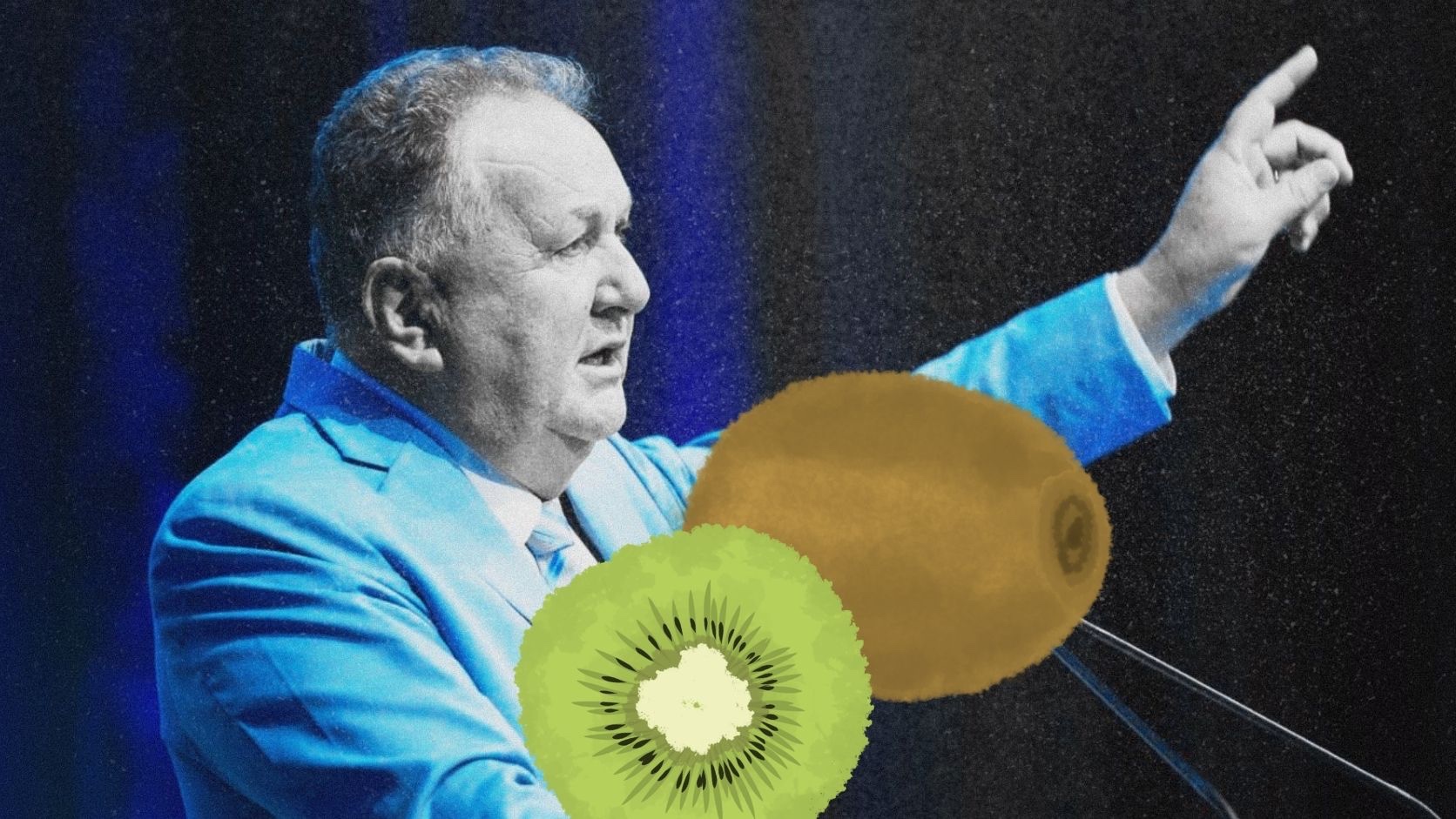
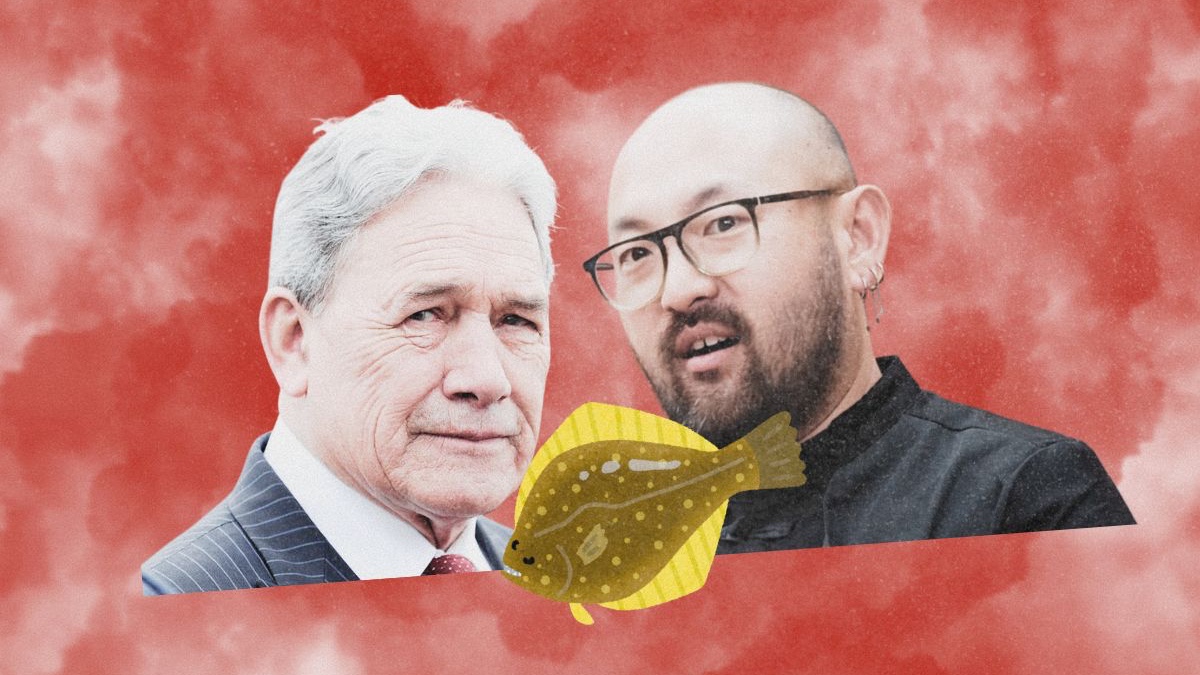
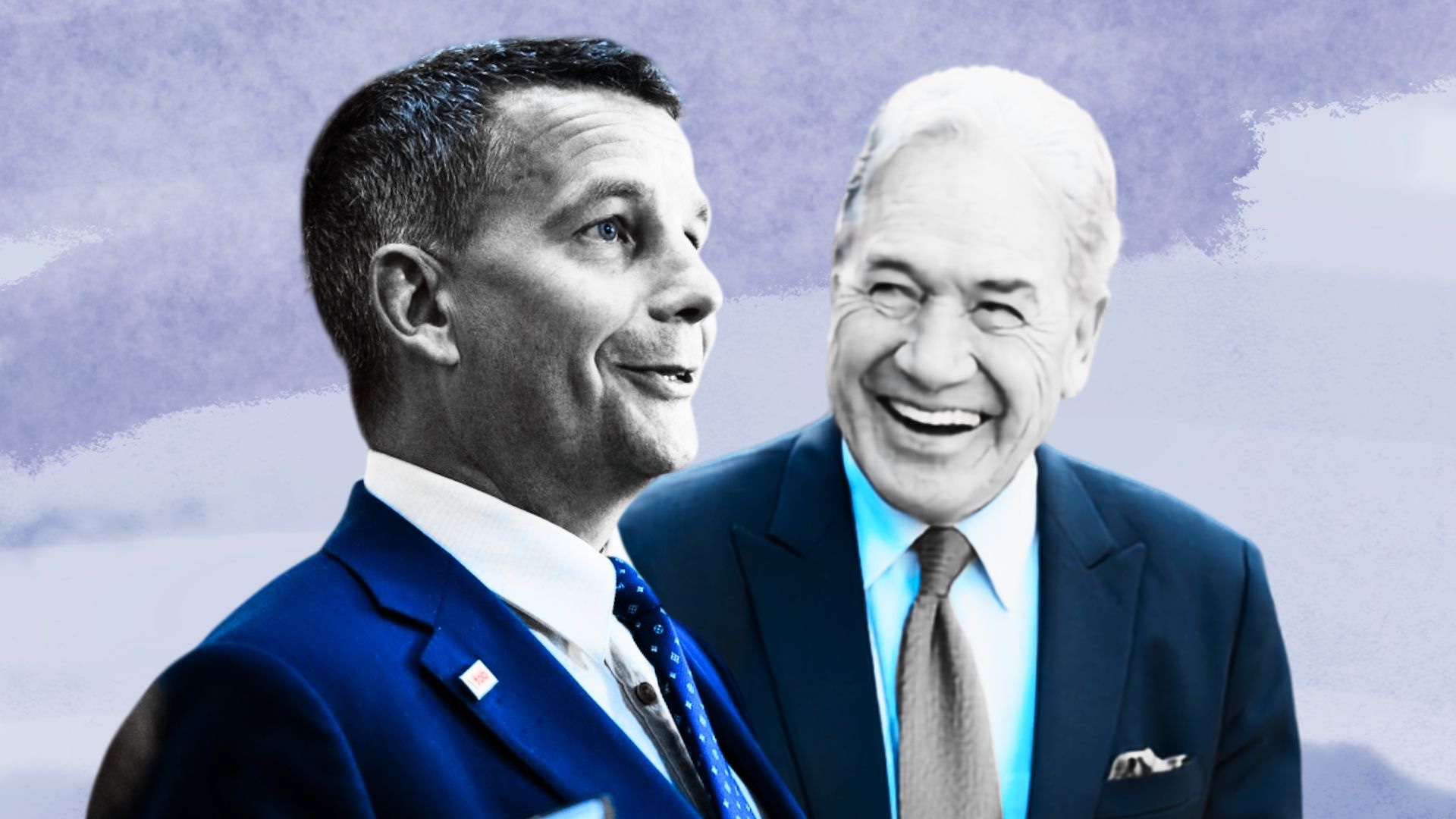
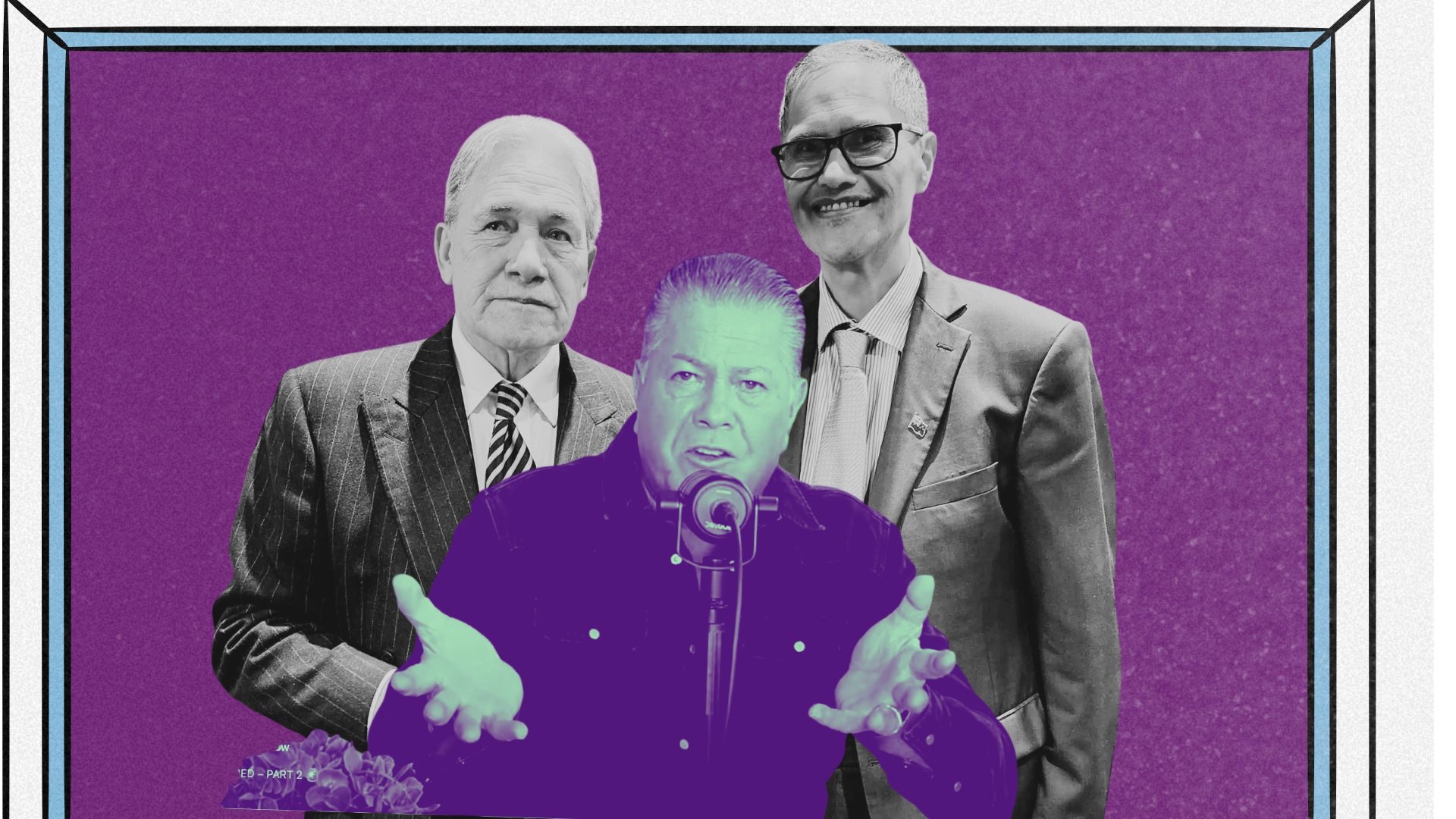
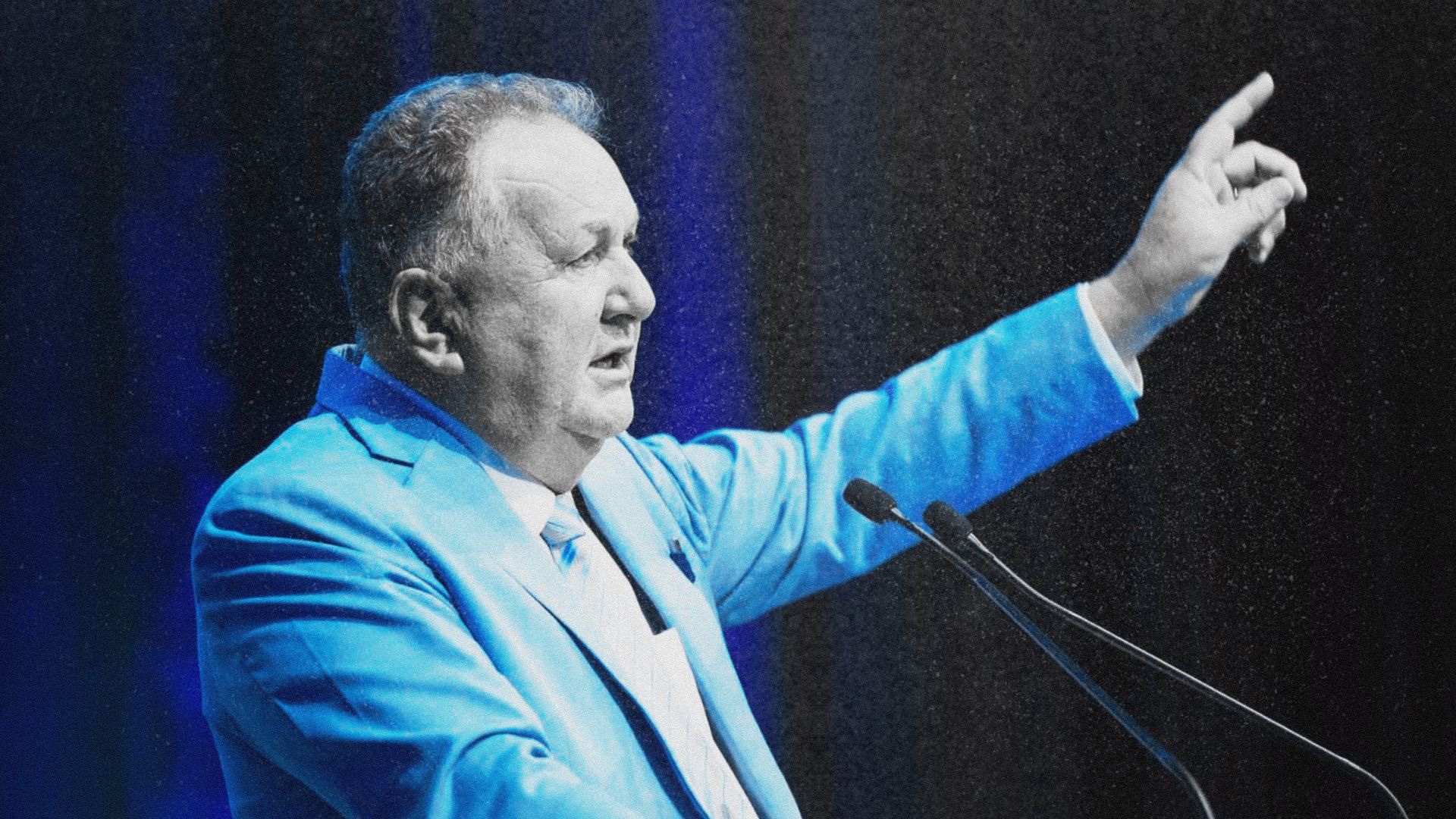
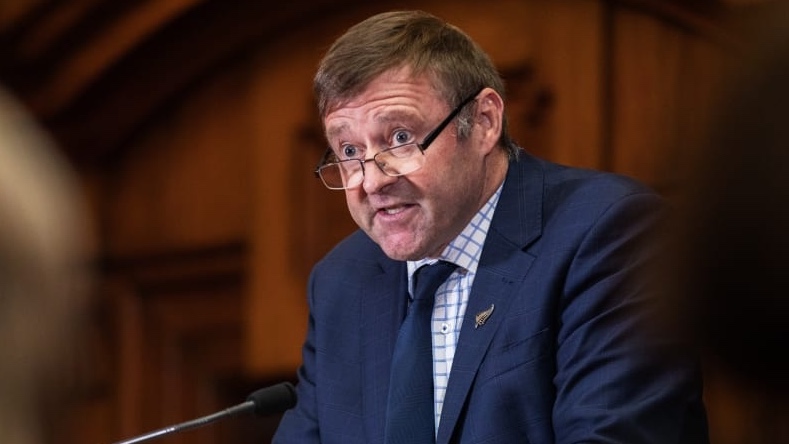
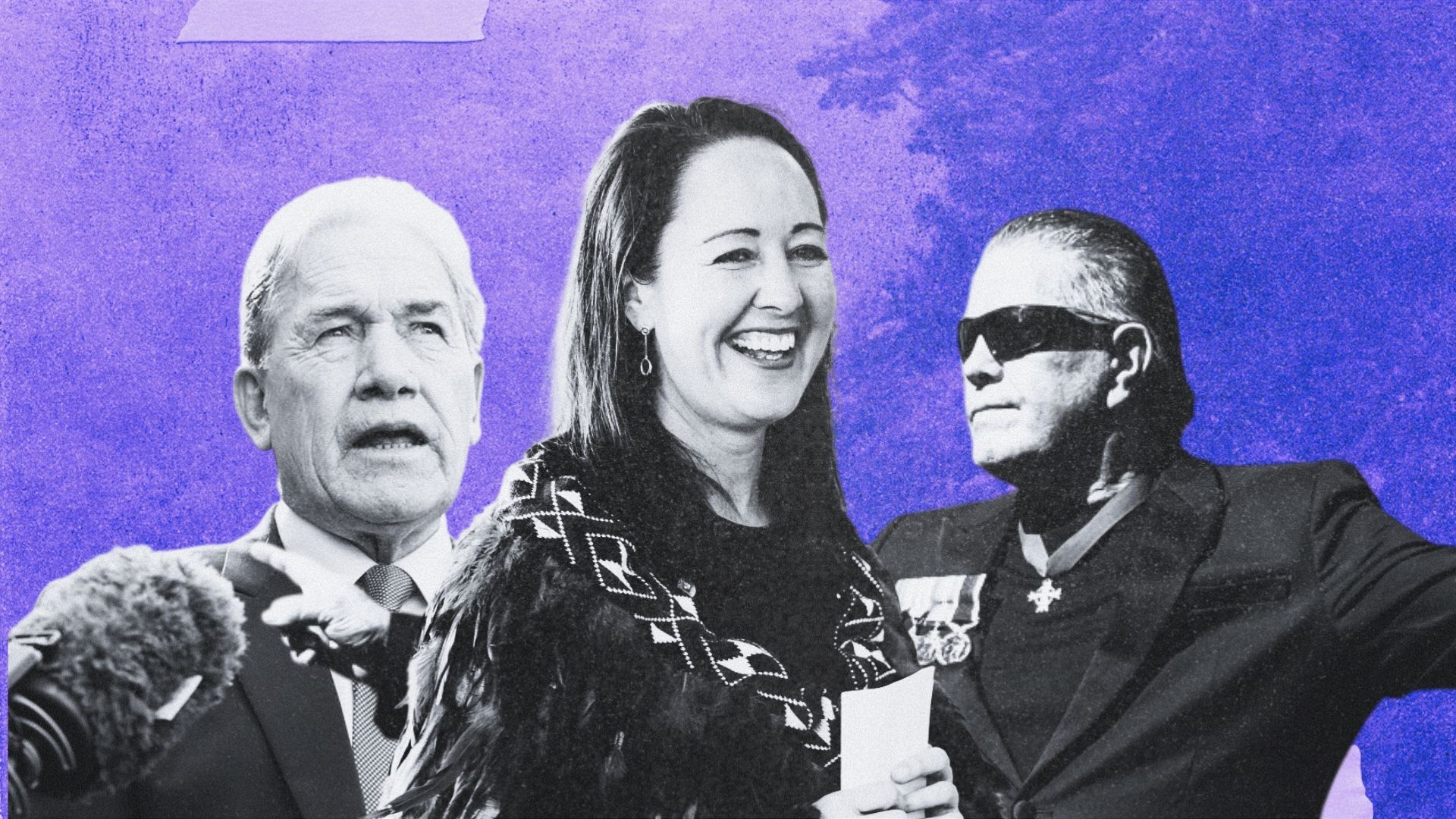
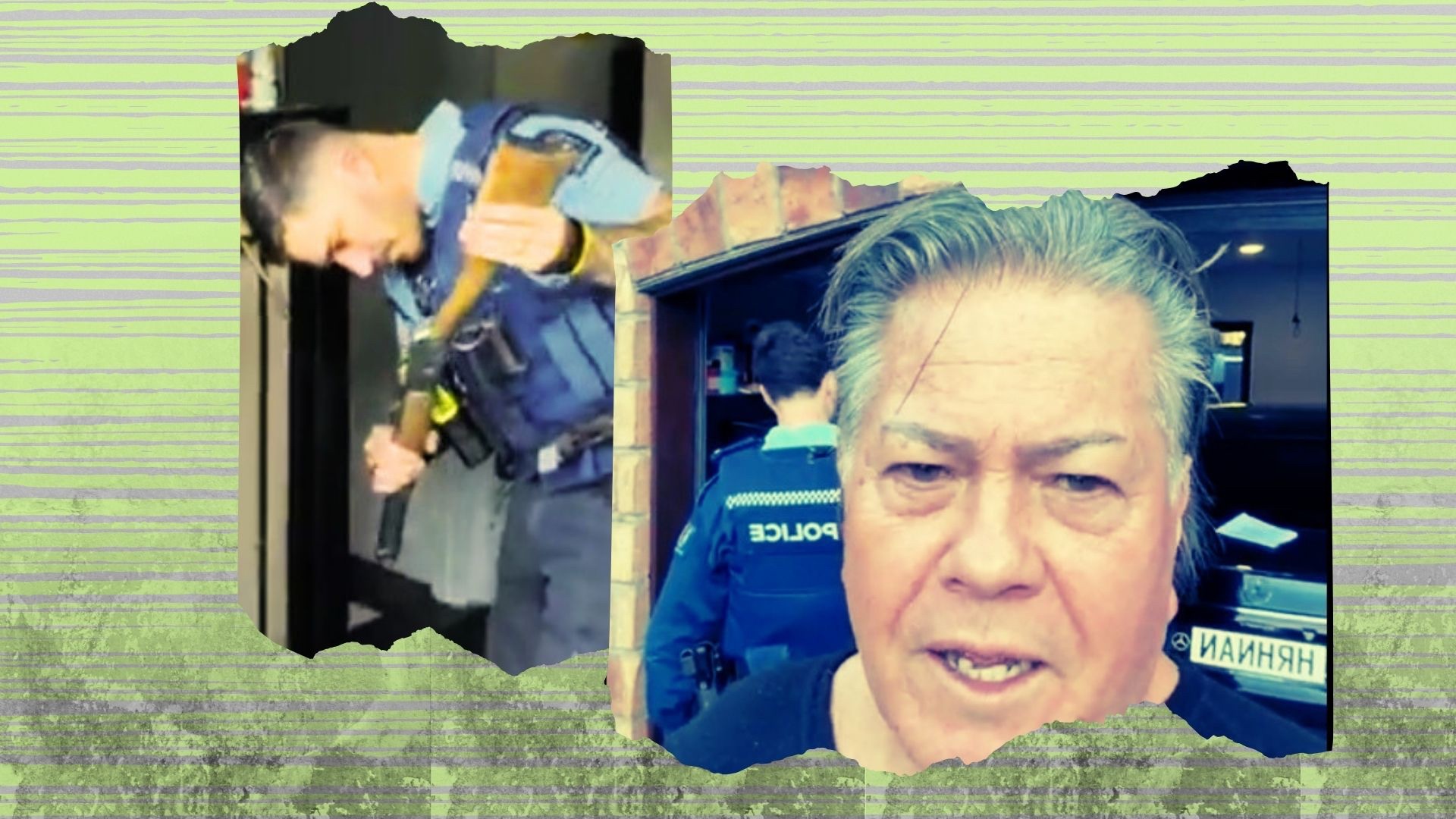
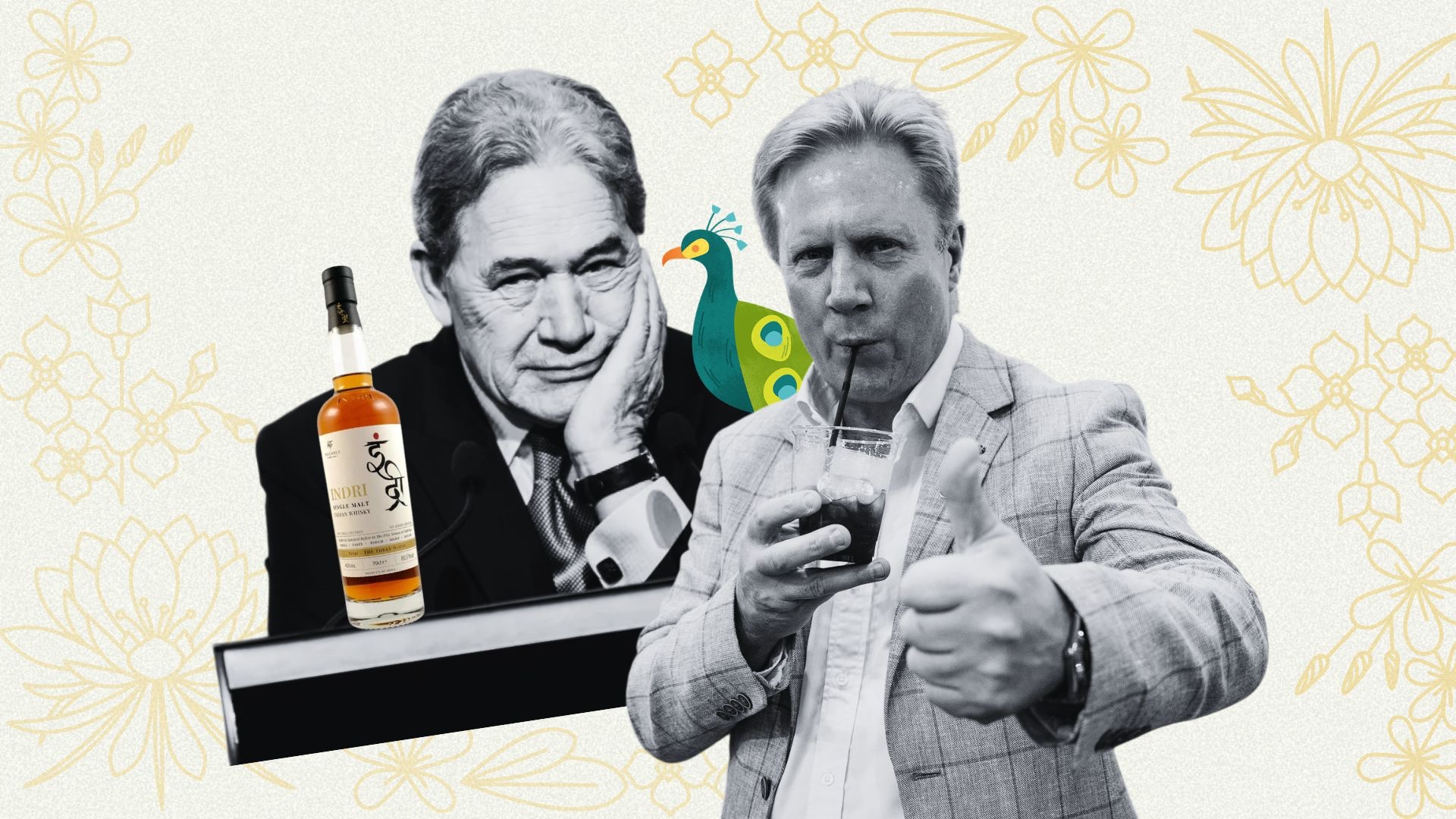
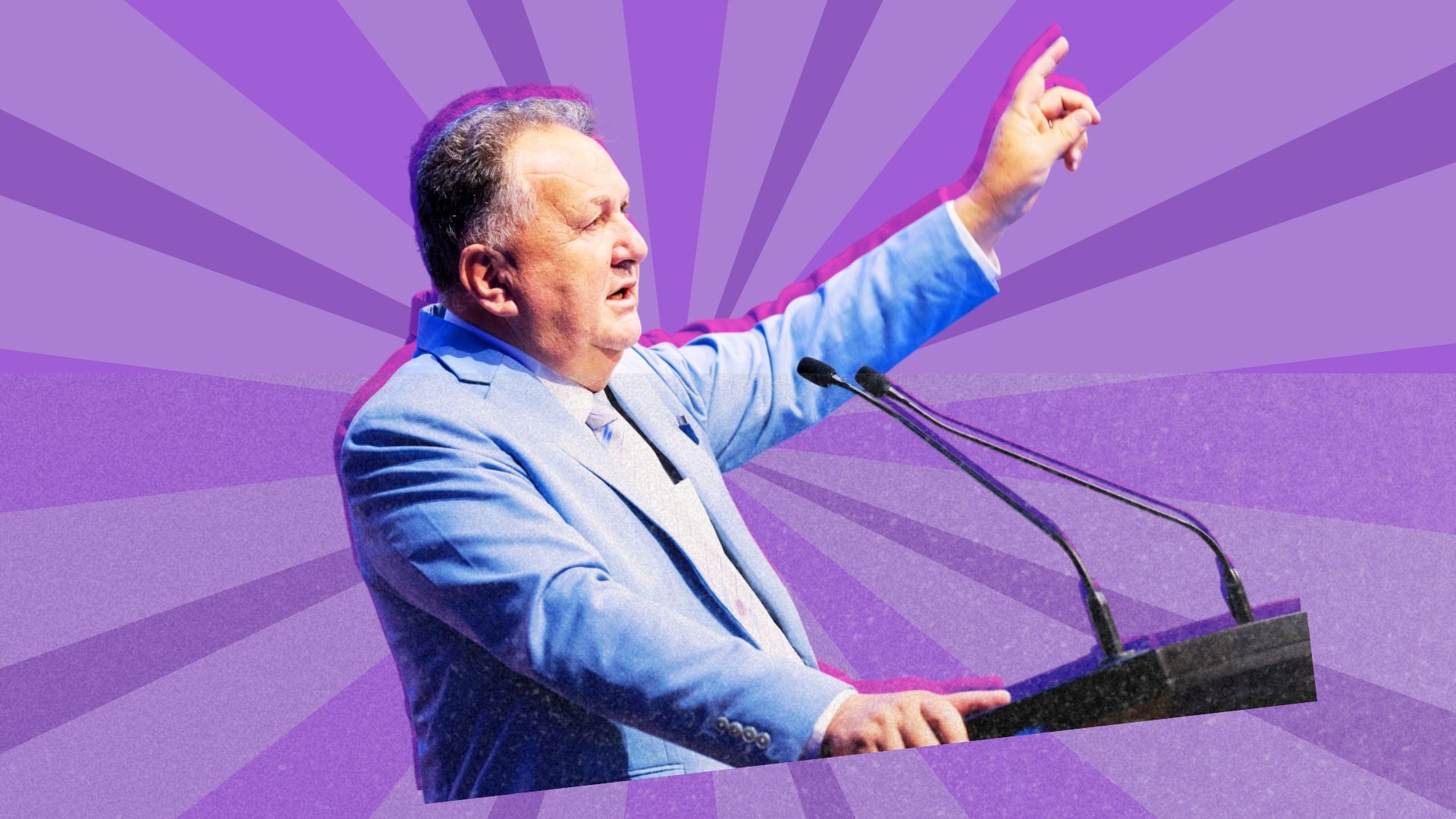
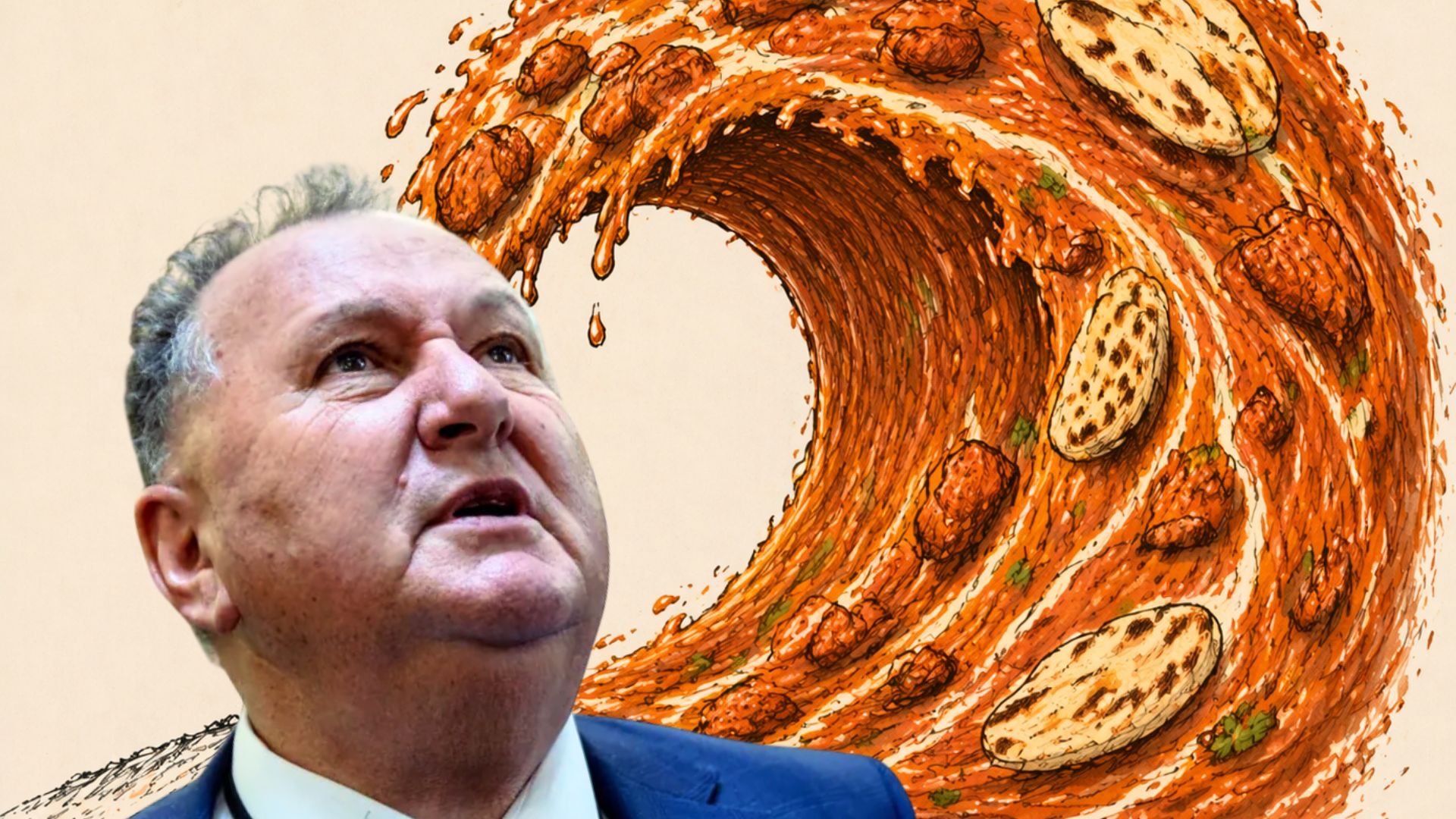
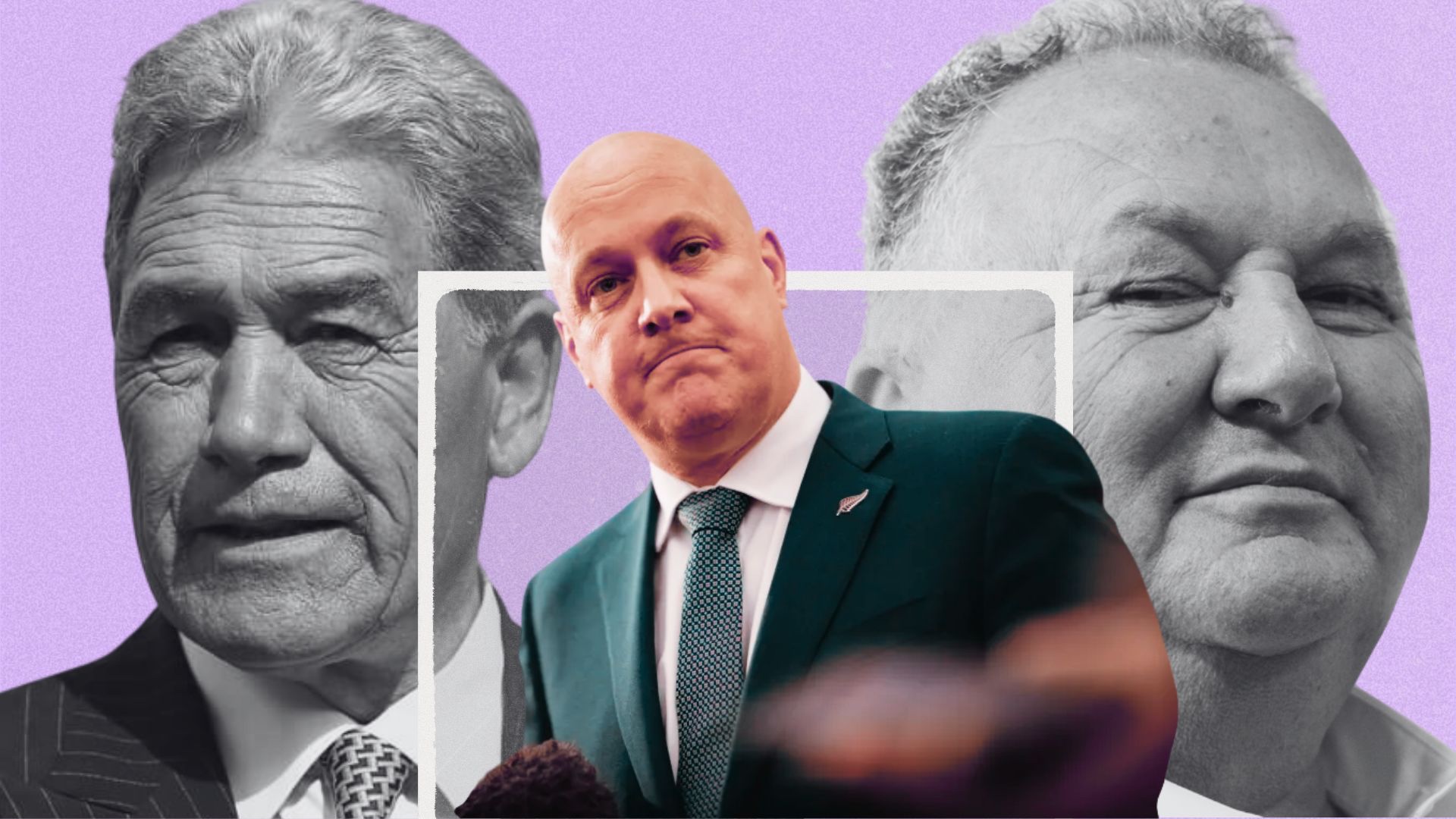
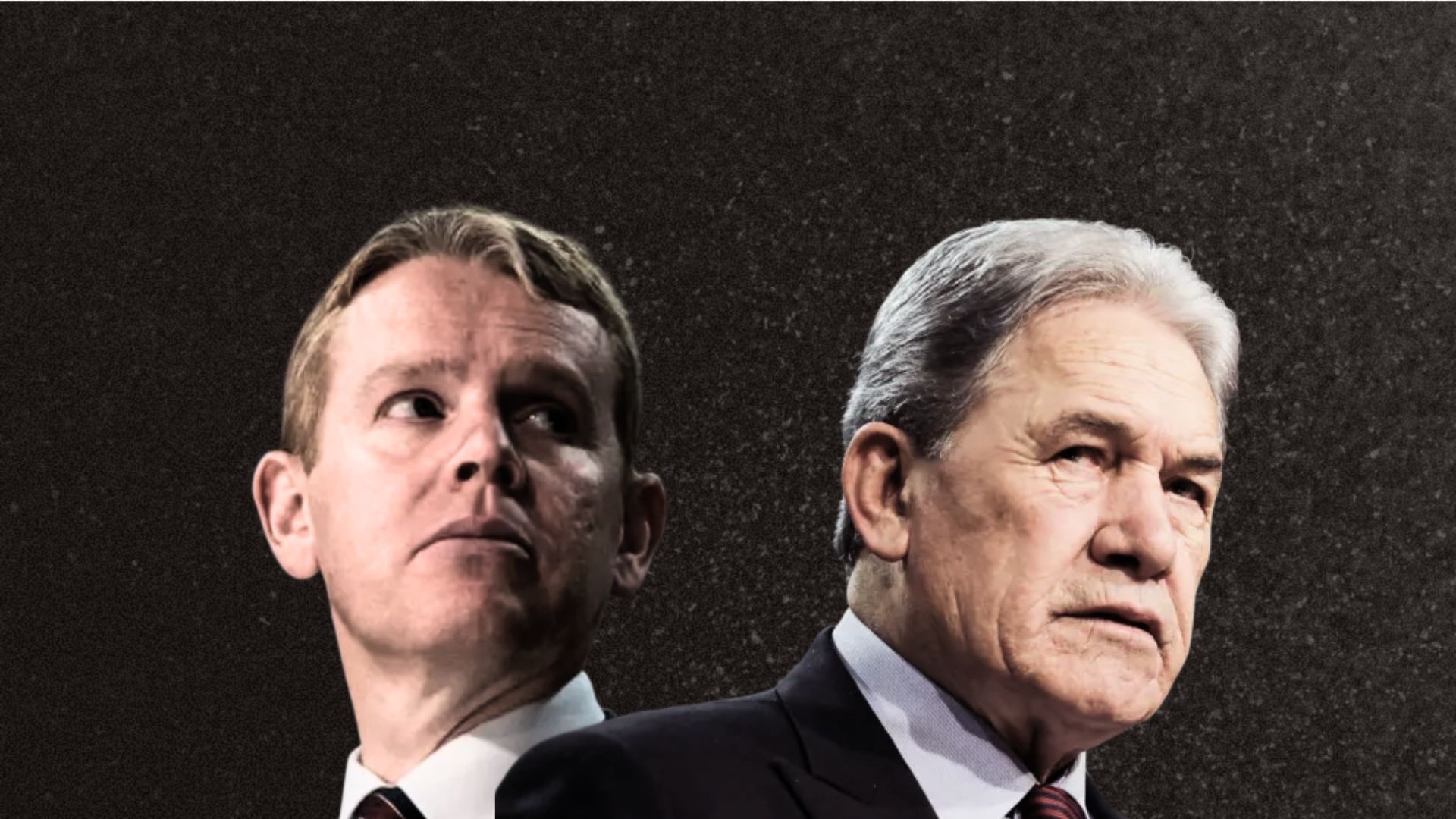
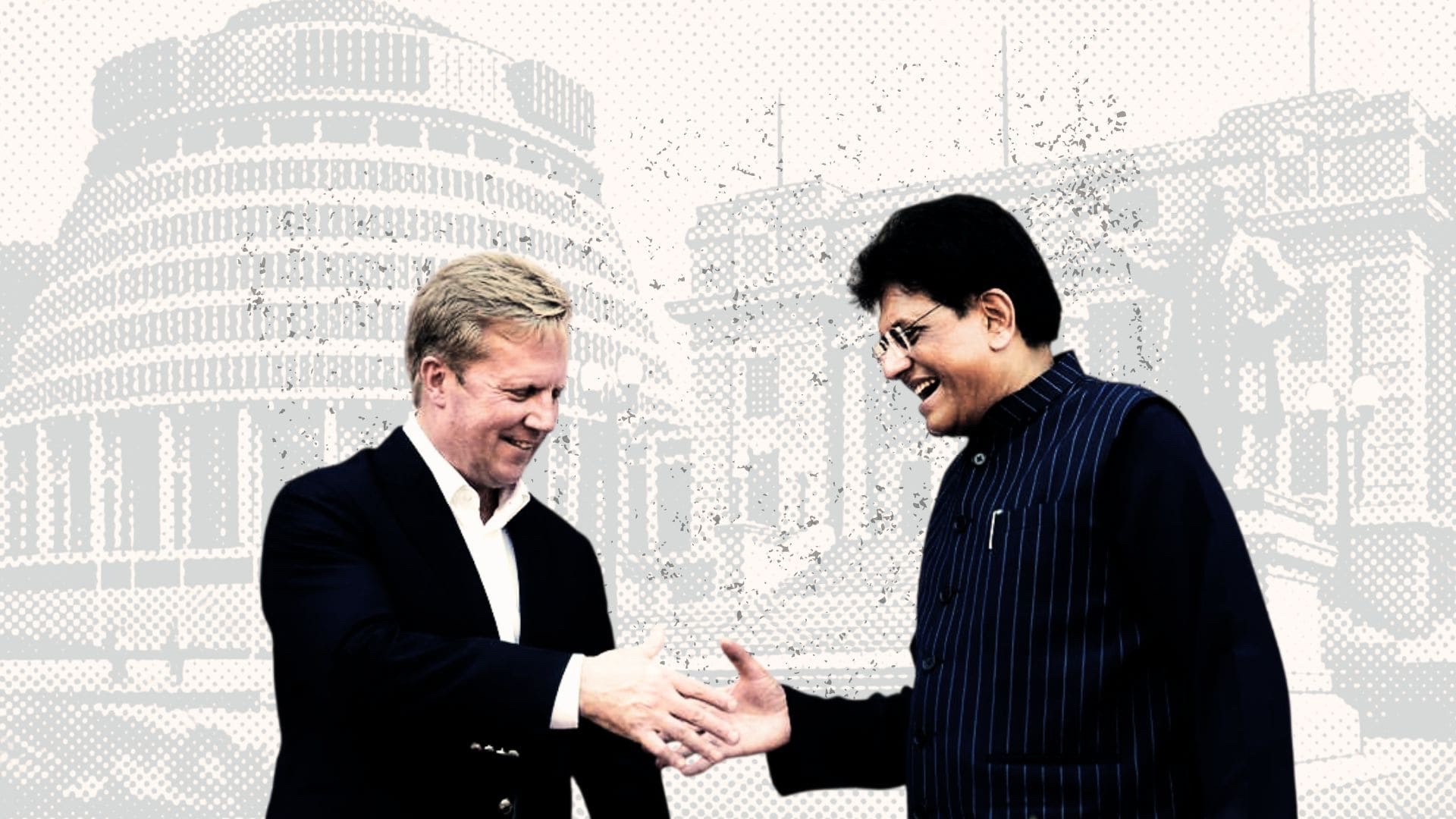
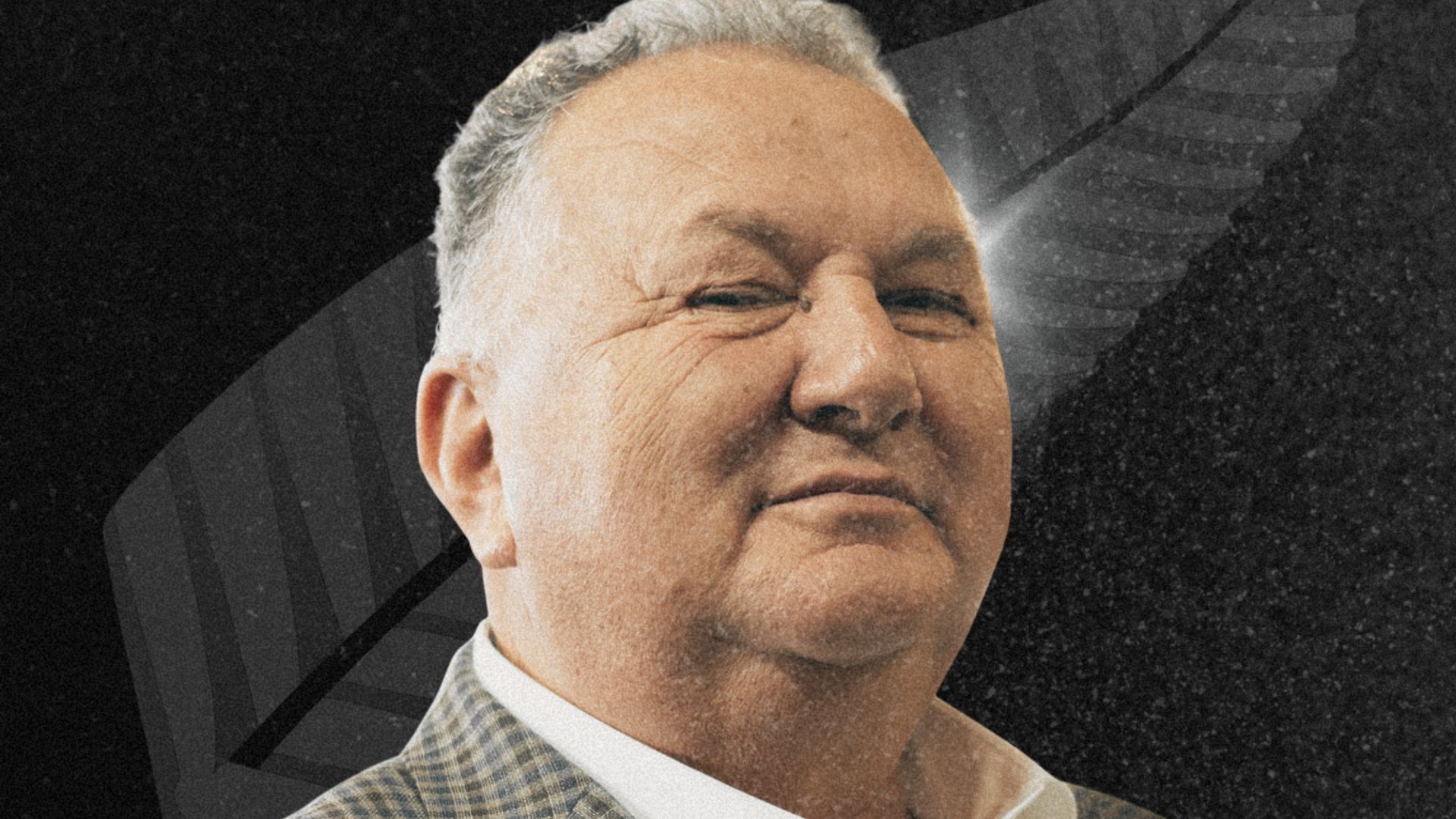
In April, NZ First deputy leader Shane Jones used the phrase “butter chicken tsunami” while warning about the Indian migration he believed could result from the FTA.
The remark quickly became one of the most controversial lines in the coalition’s increasingly bitter argument over the deal.
Election 2026: Will Kiwi-Indian voters decide the battle for Takanini? A South Auckland seat with one of New Zealand’s biggest Indian populations is shaping up as a test for ethnic identity and the ballot box.
India is coming to Auckland: Full schedule revealed for cricket, football, hockey, Diwali From the Black Caps and All Whites taking on India to Diwali, hockey, bowls and city-wide light displays, Auckland has revealed its sporting centenary programme.
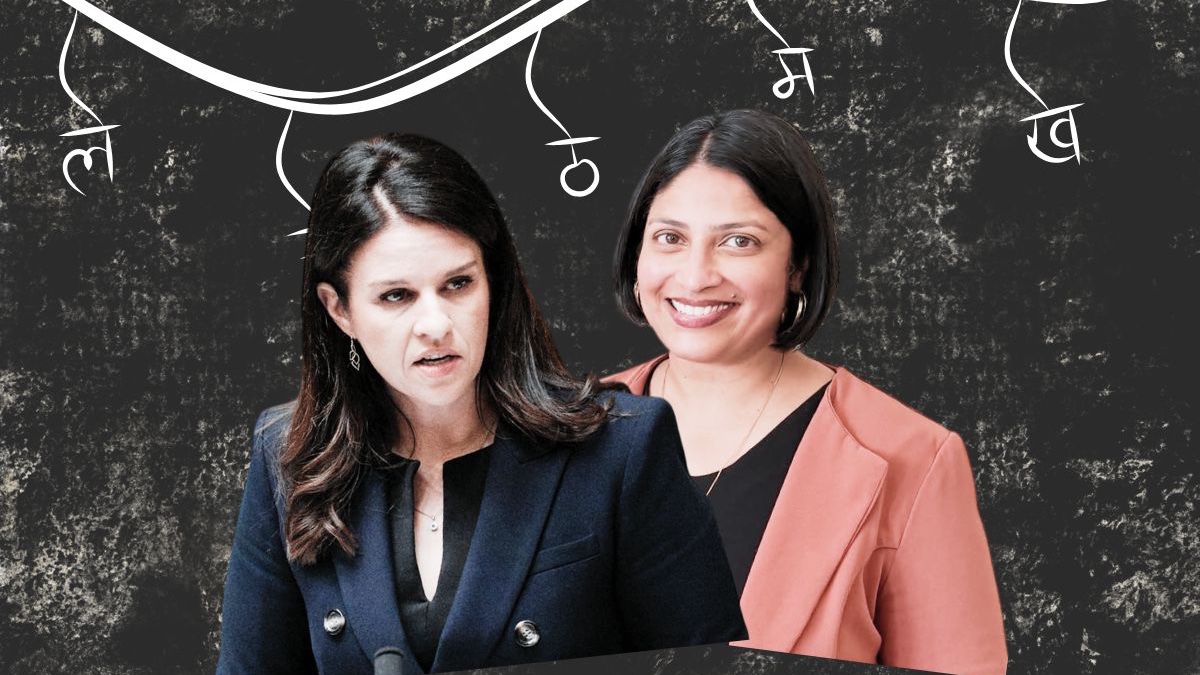
What does an Indian-origin MP owe Kiwi Indians? Priyanca Radhakrishnan on identity, belonging The three-term Labour MP says you can be Indian and Kiwi. Why should belonging require you to choose sides?
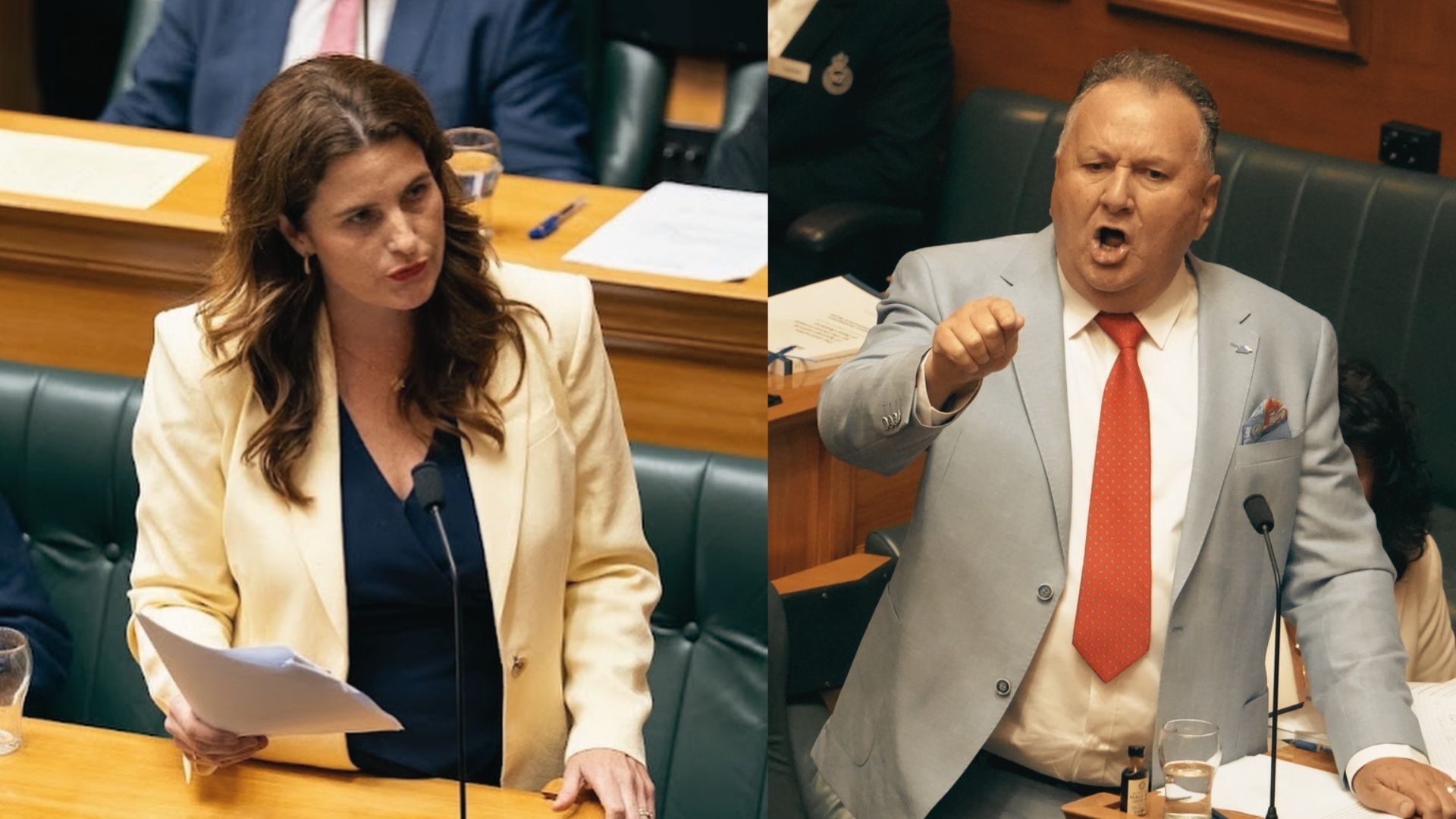
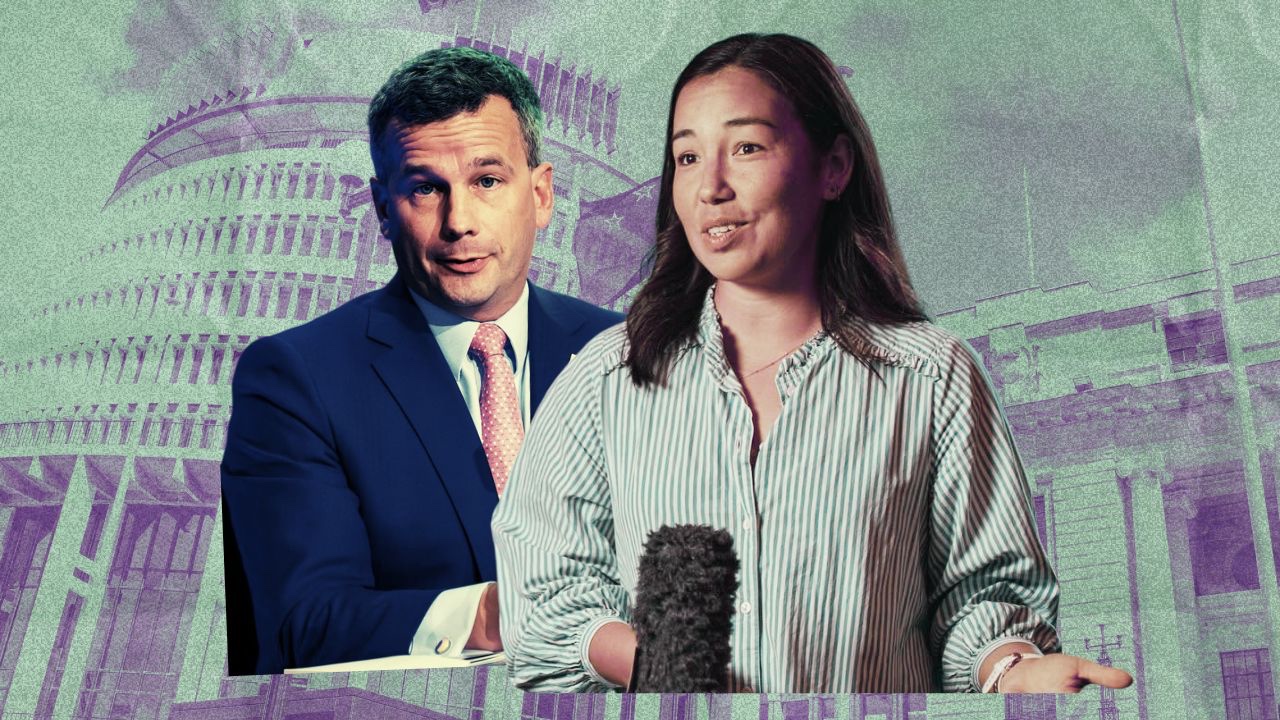
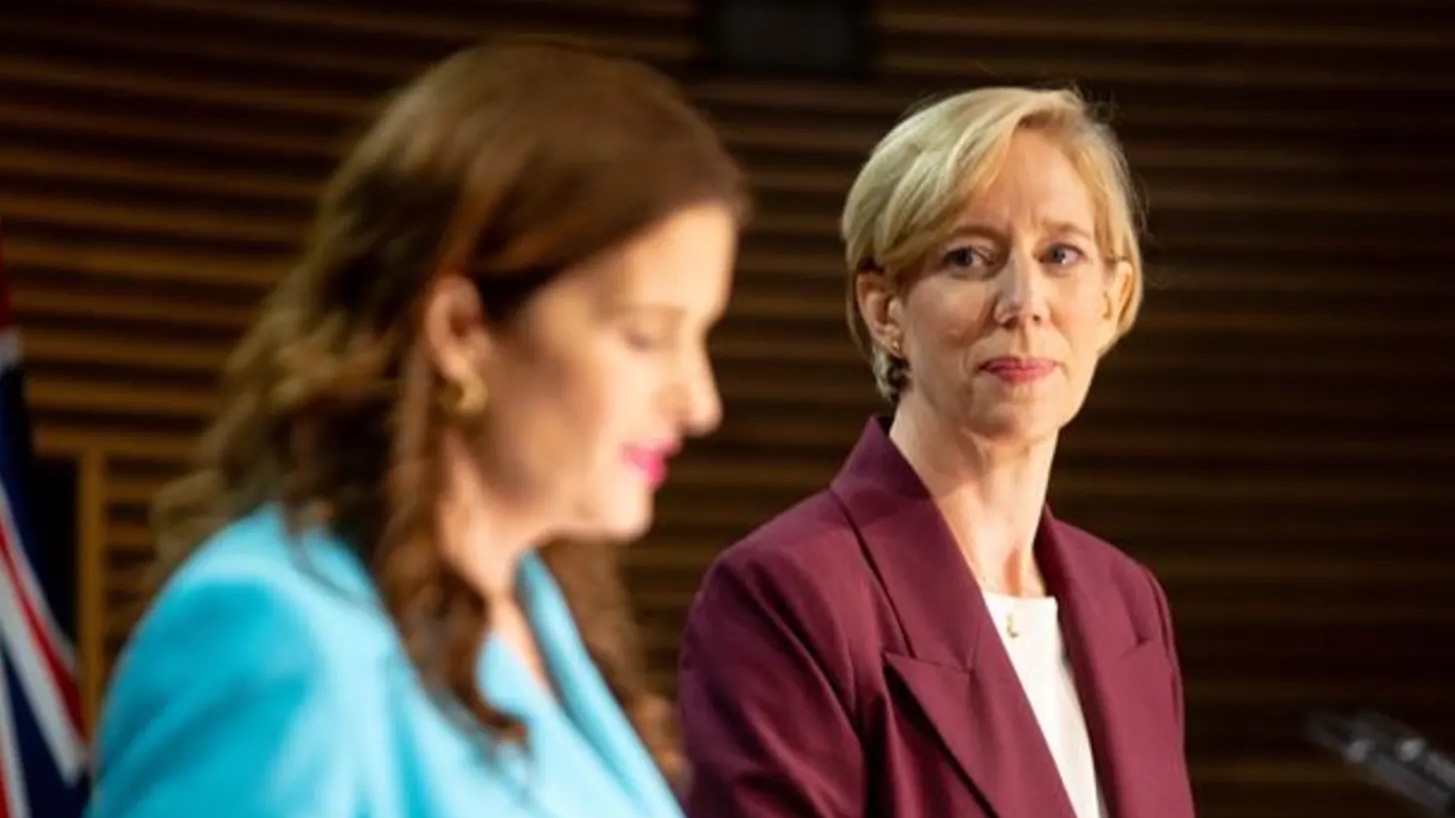
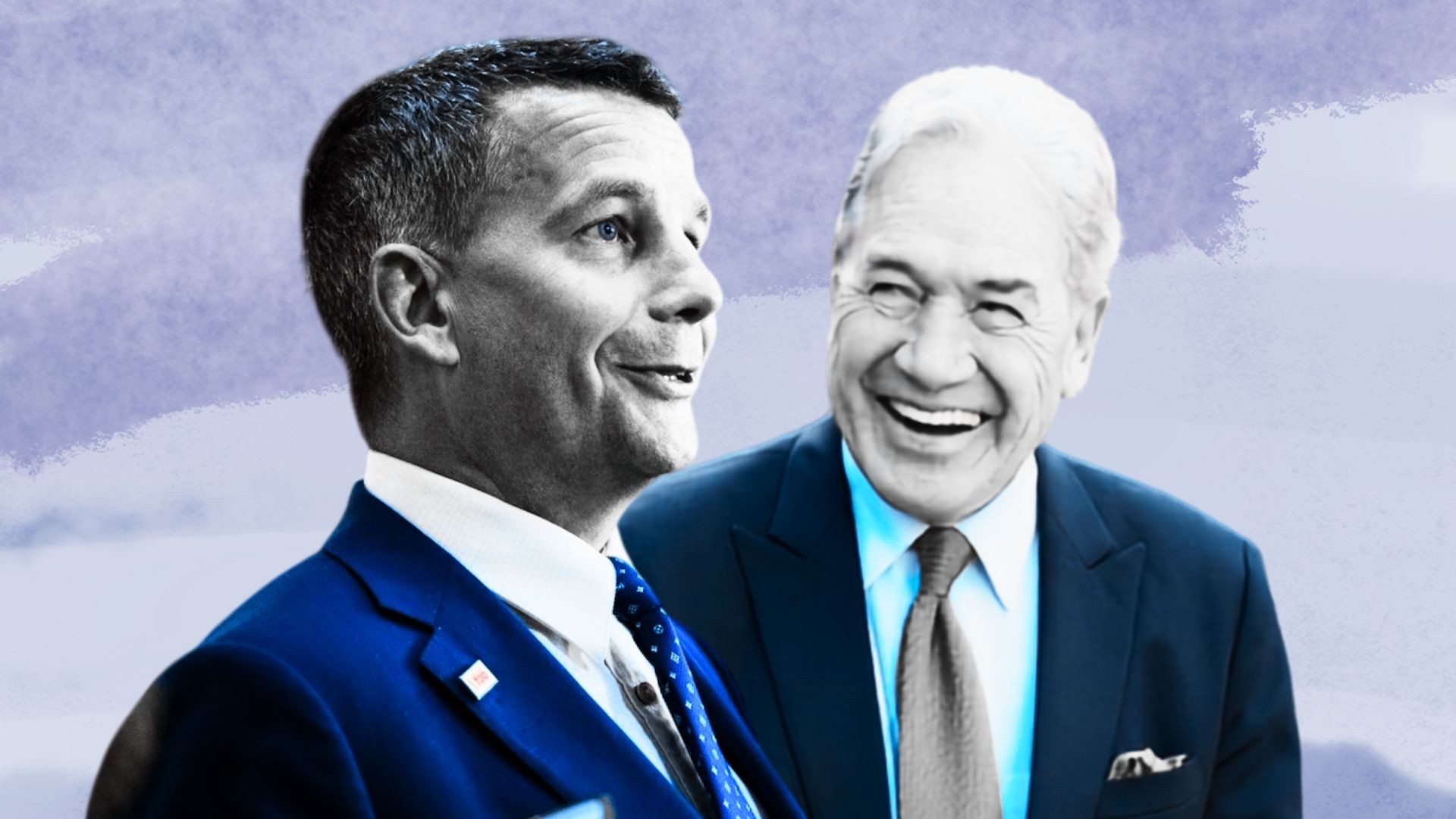
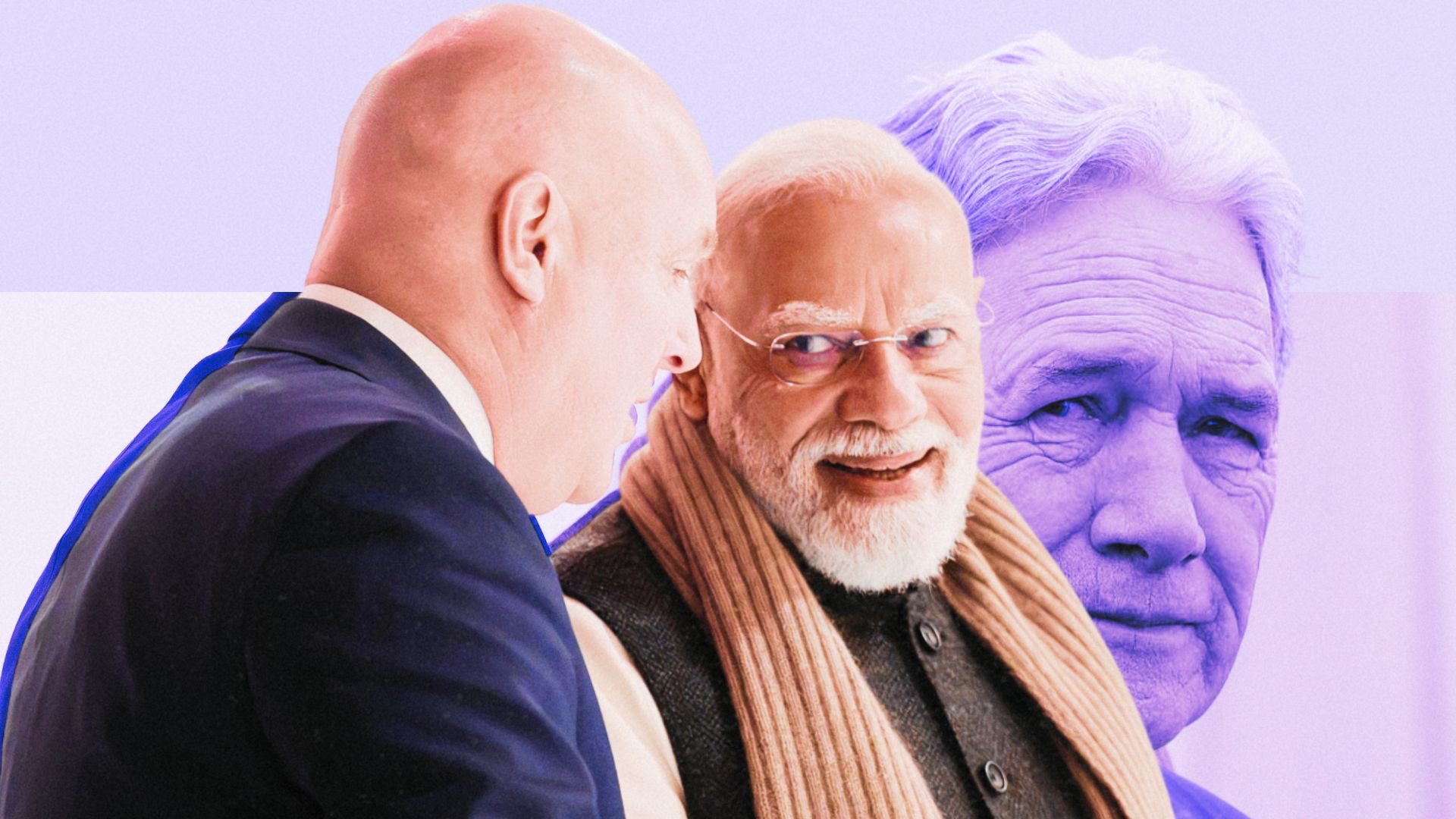
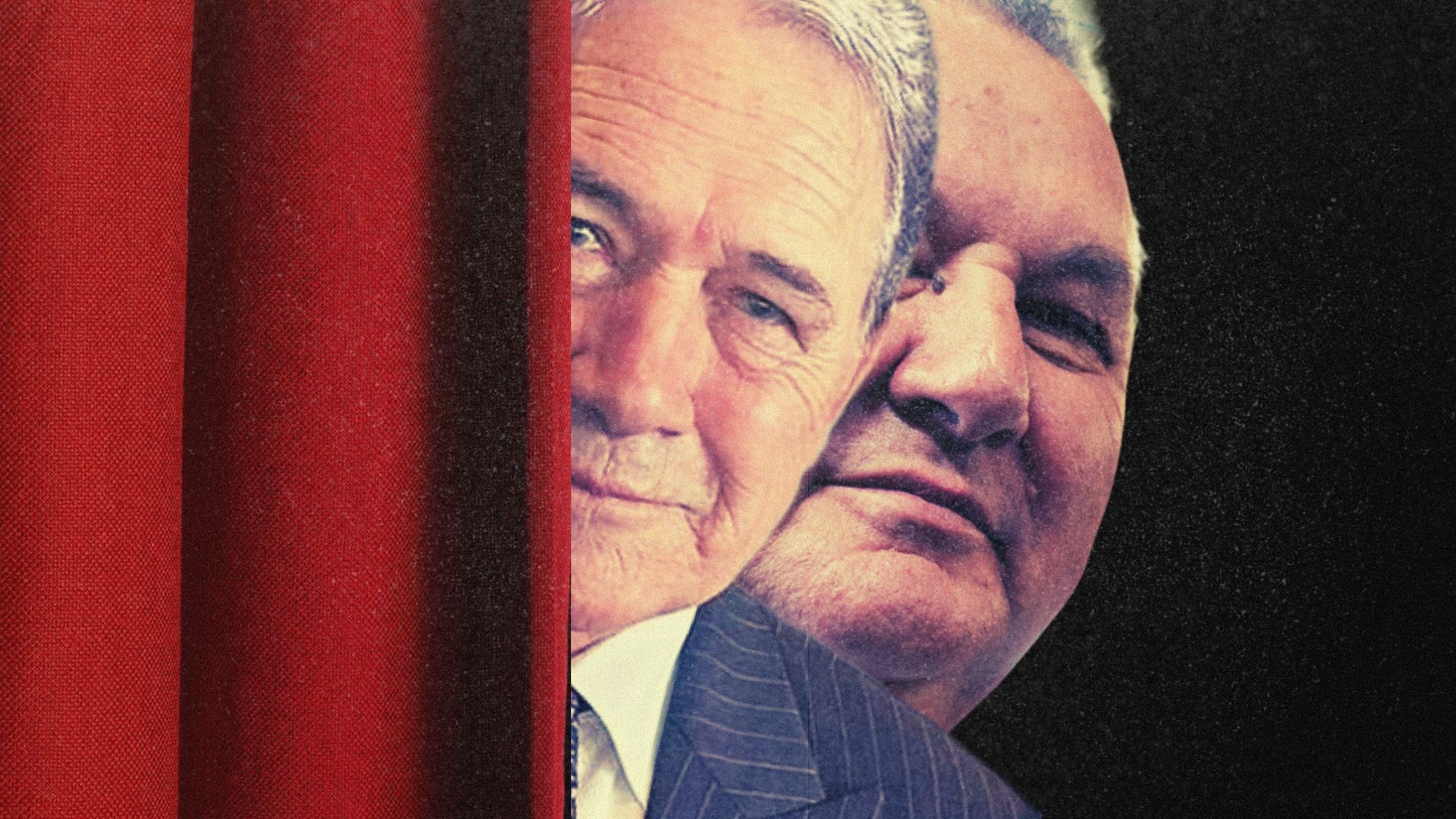
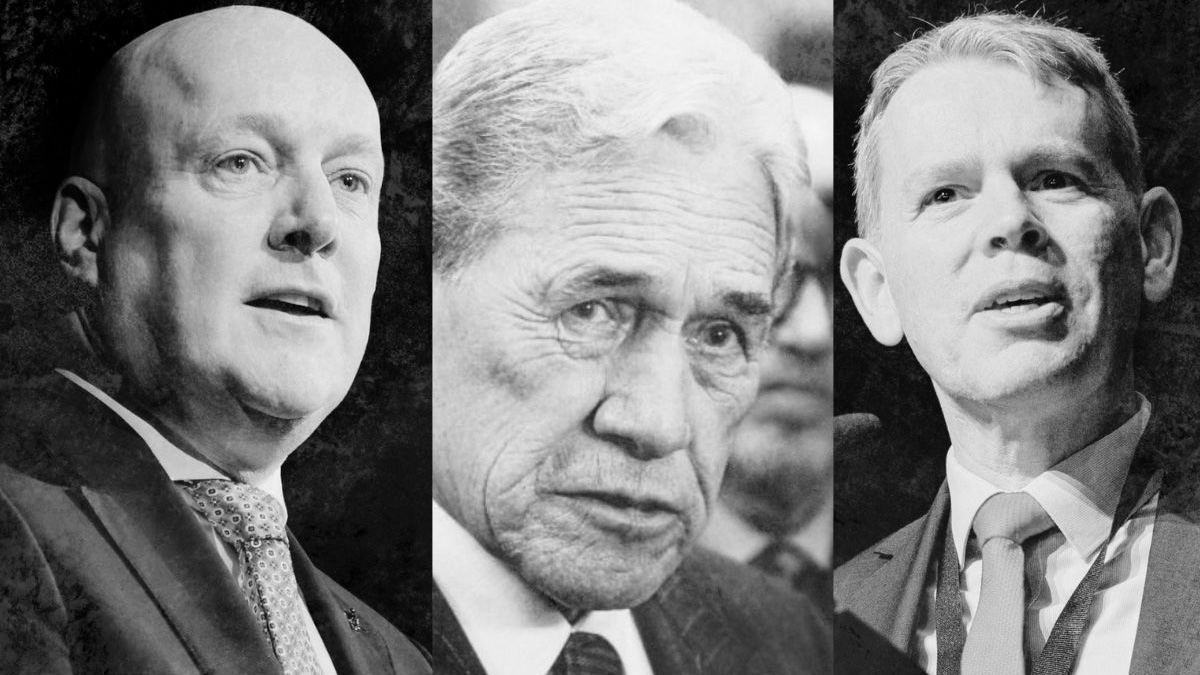
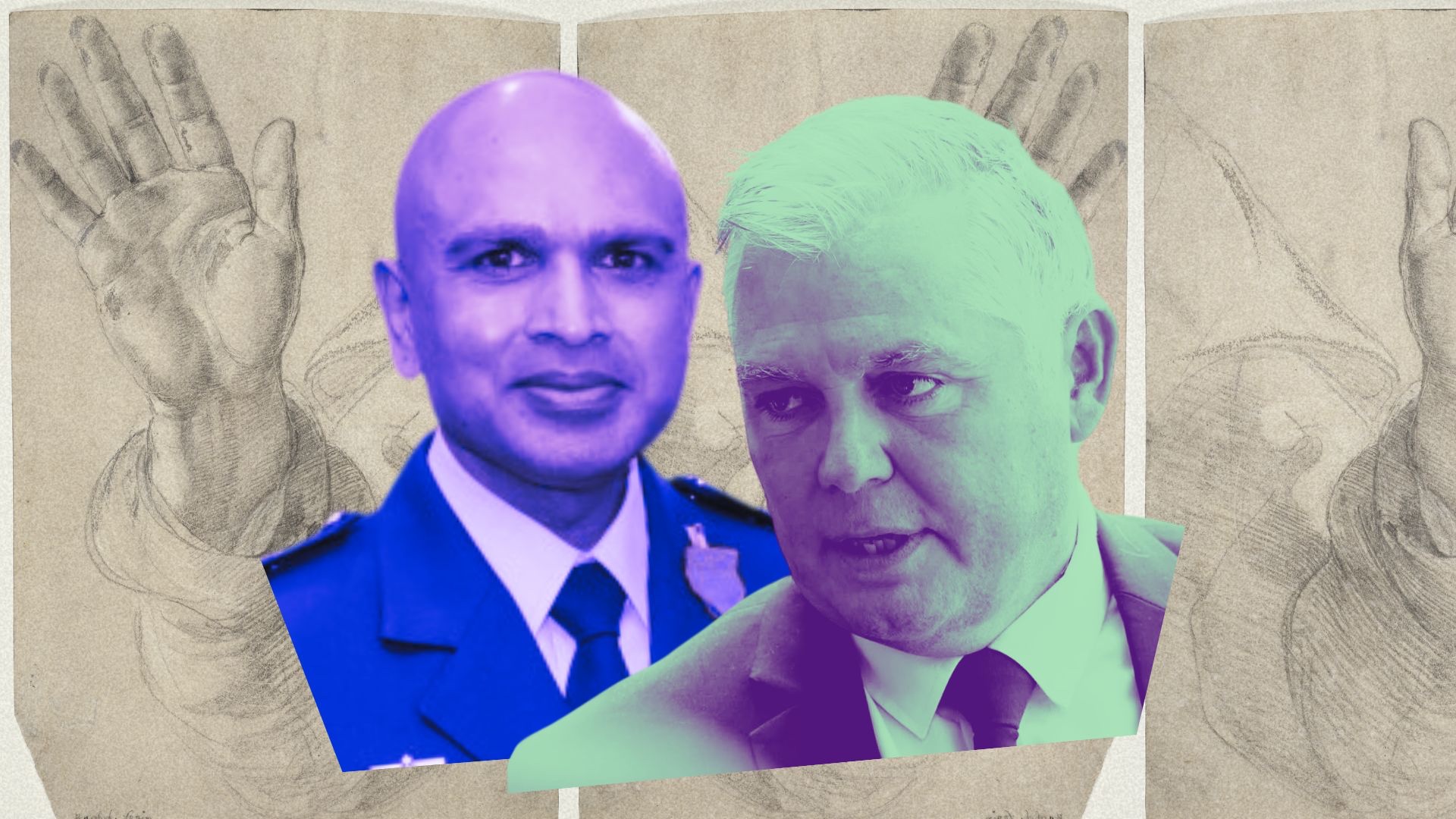
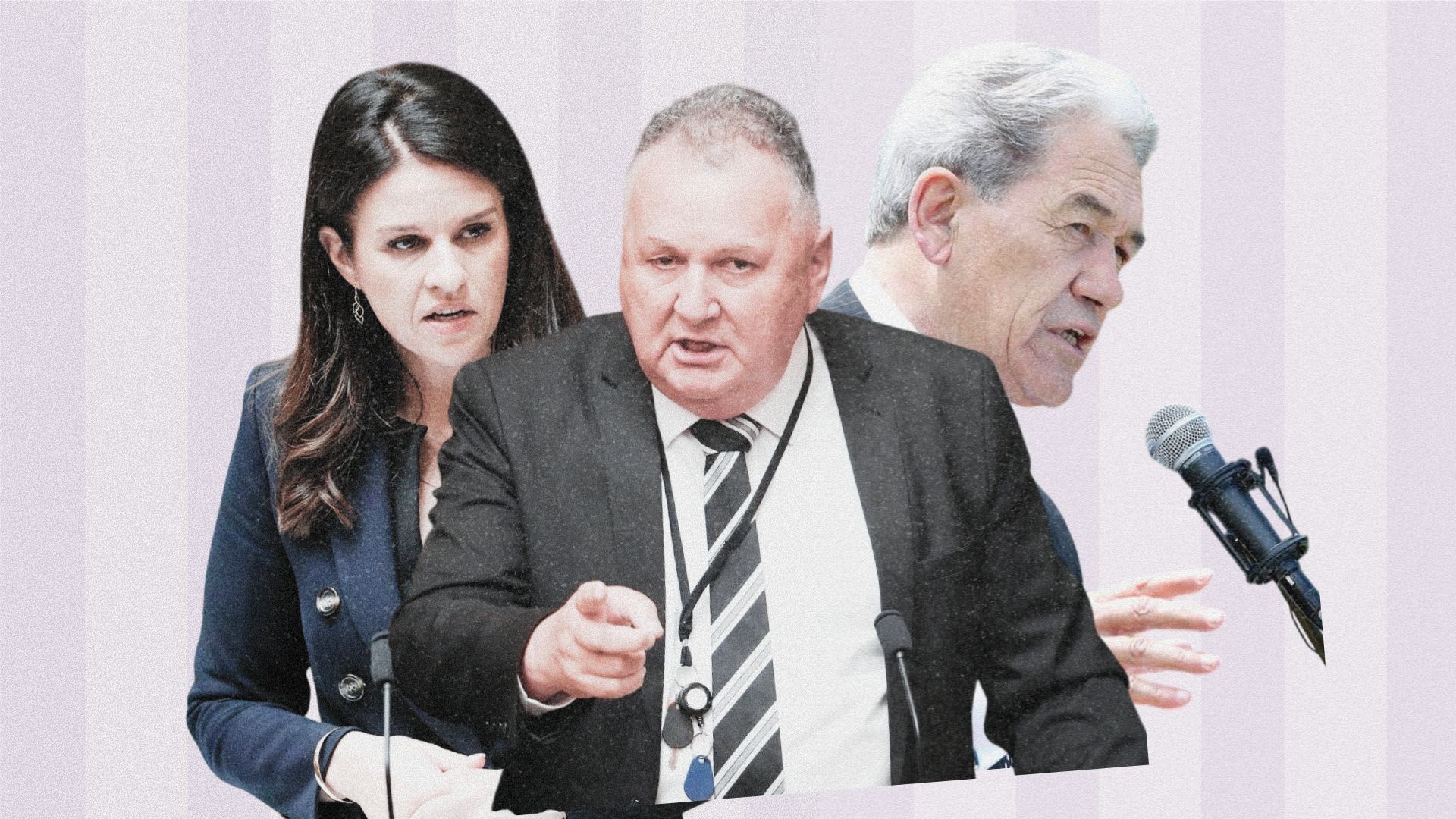
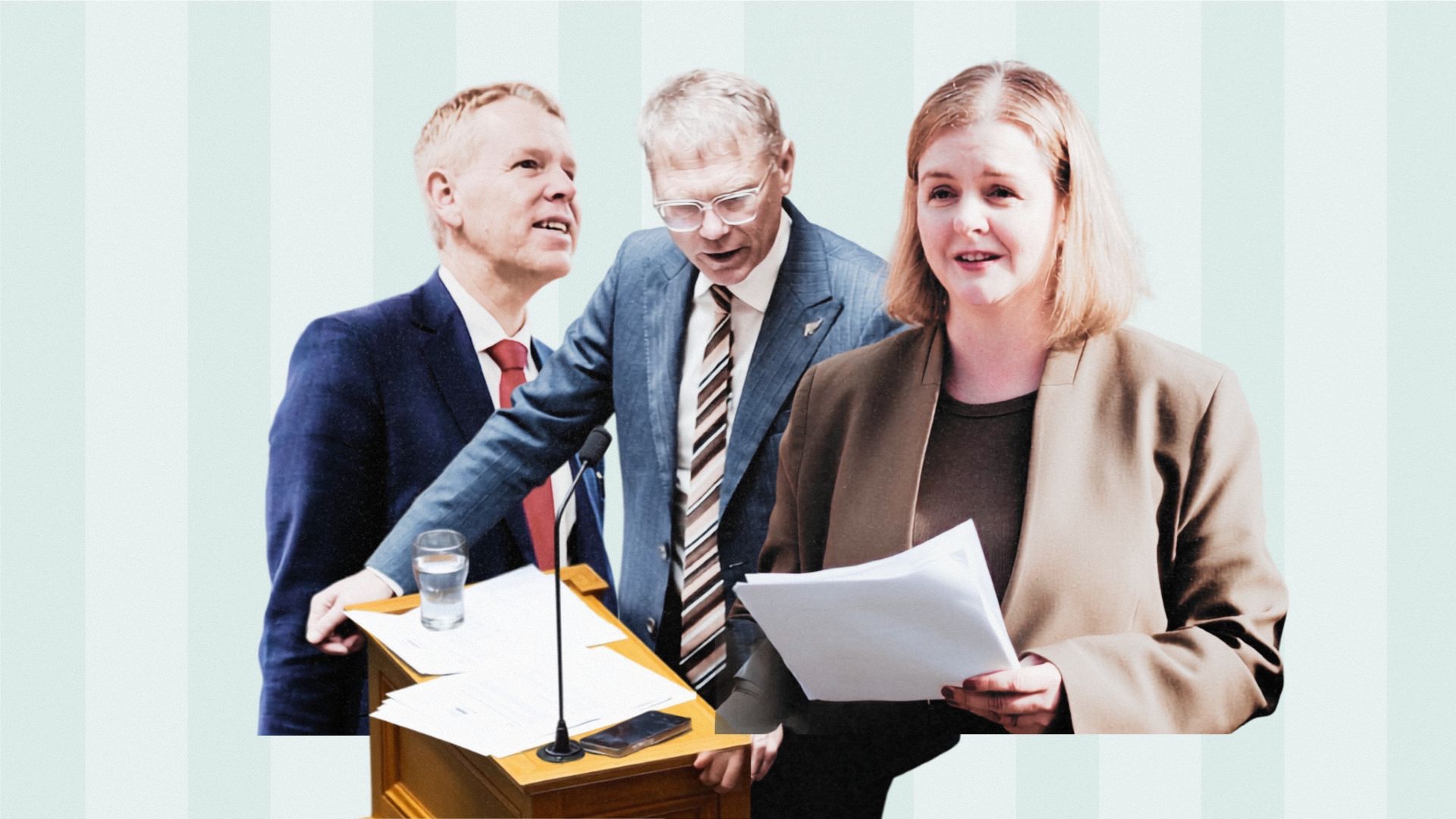
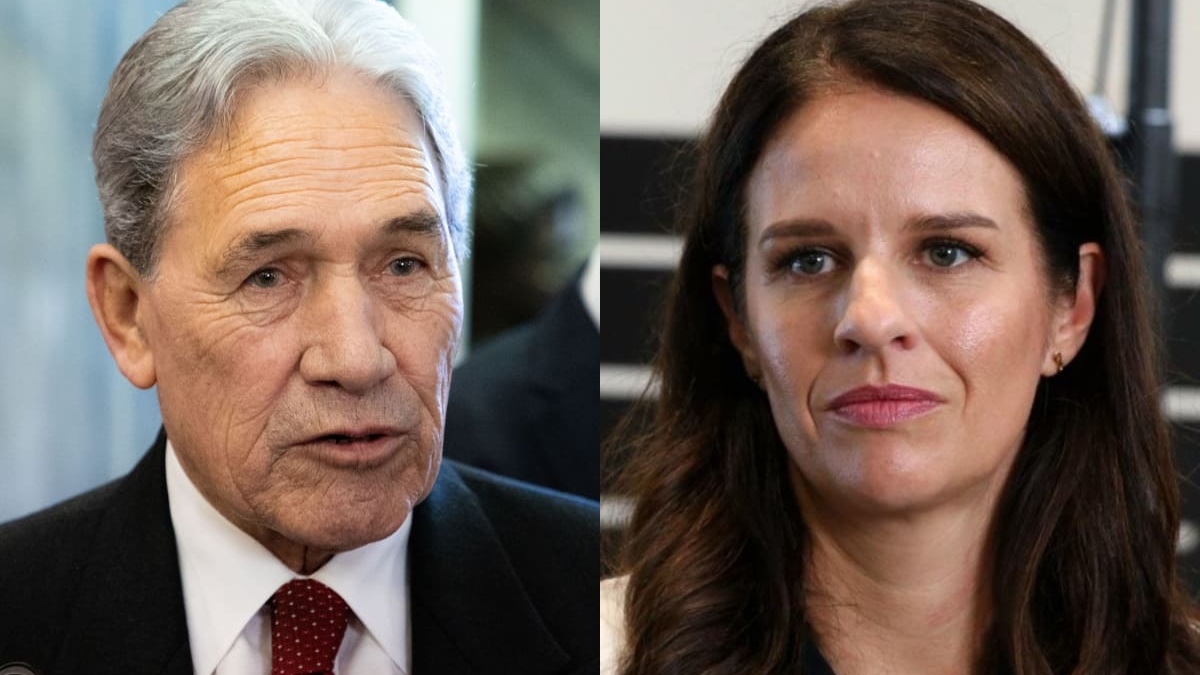
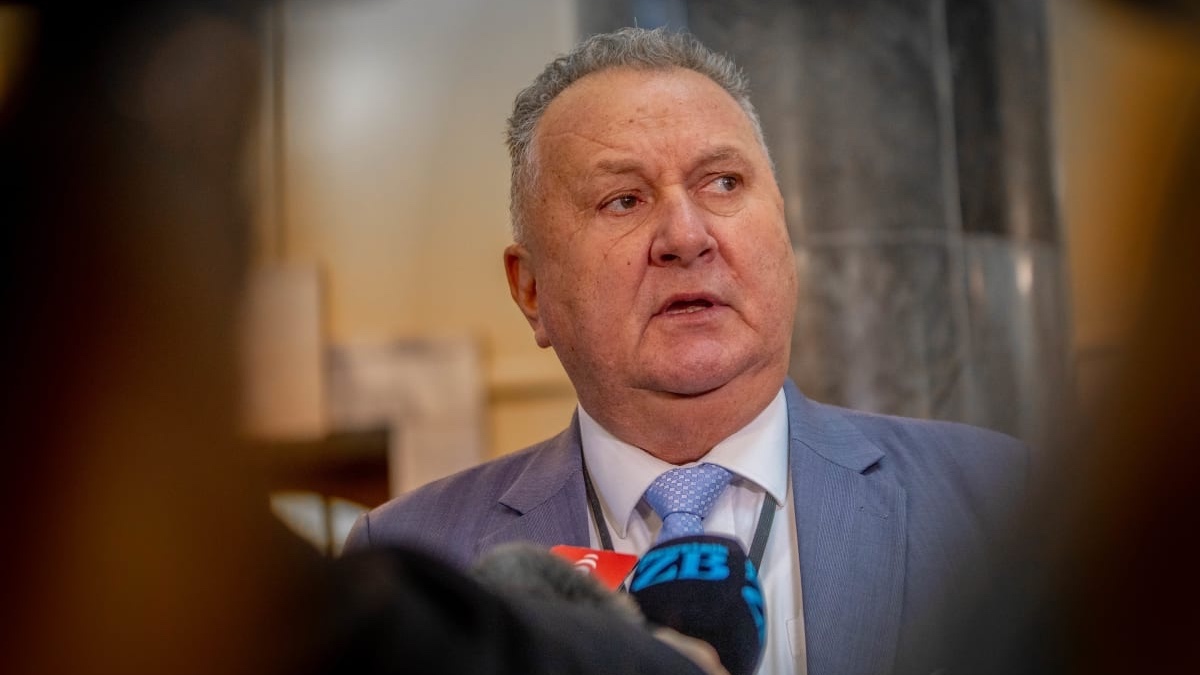
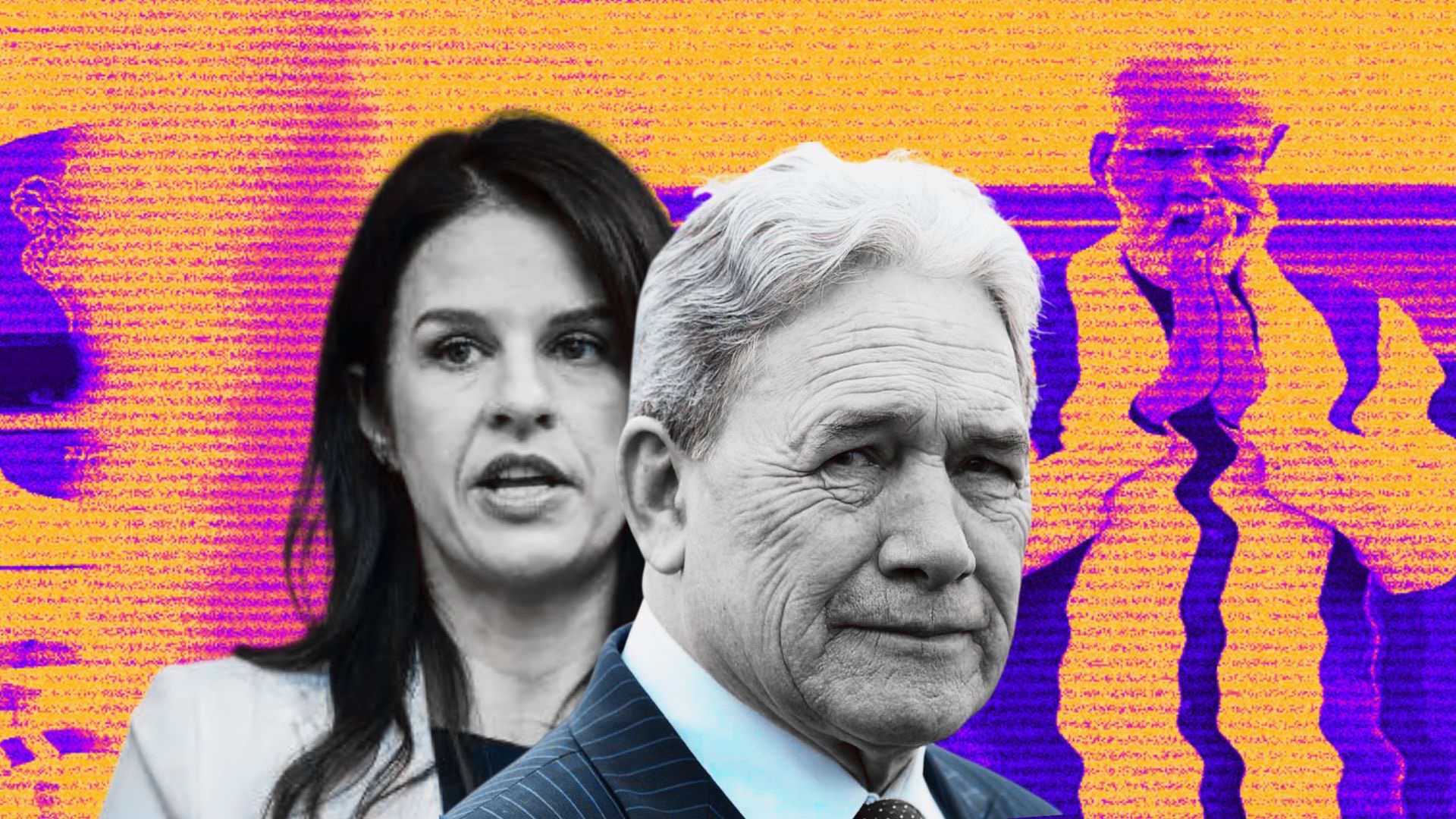
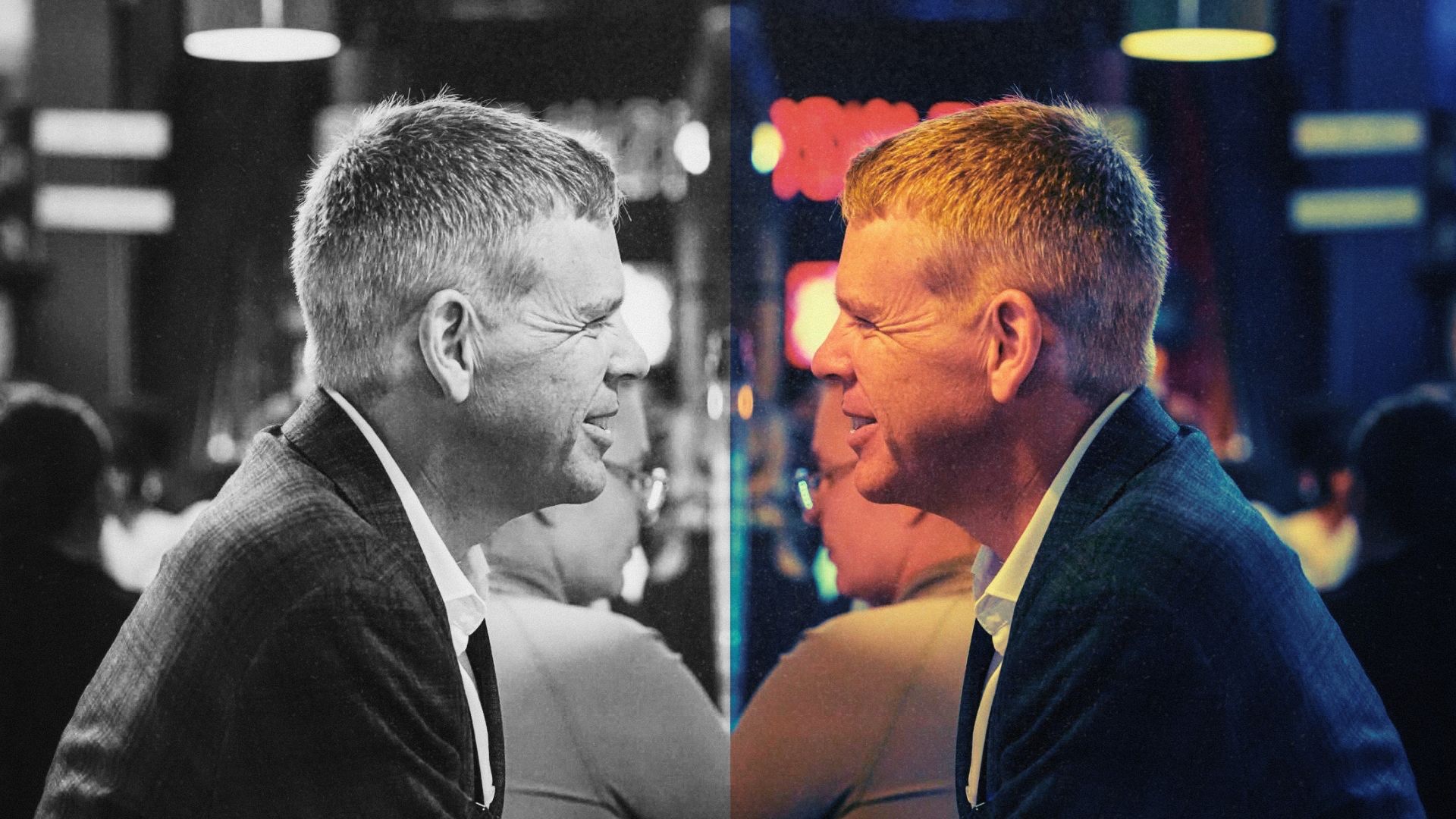
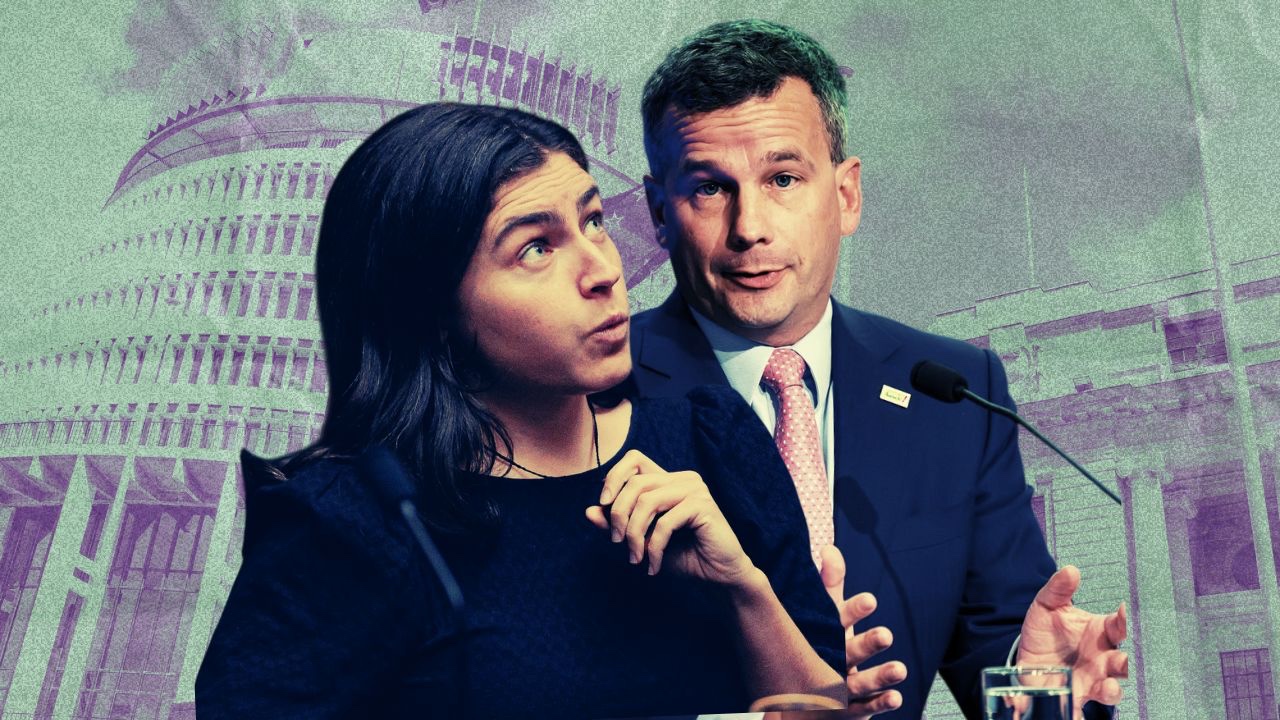
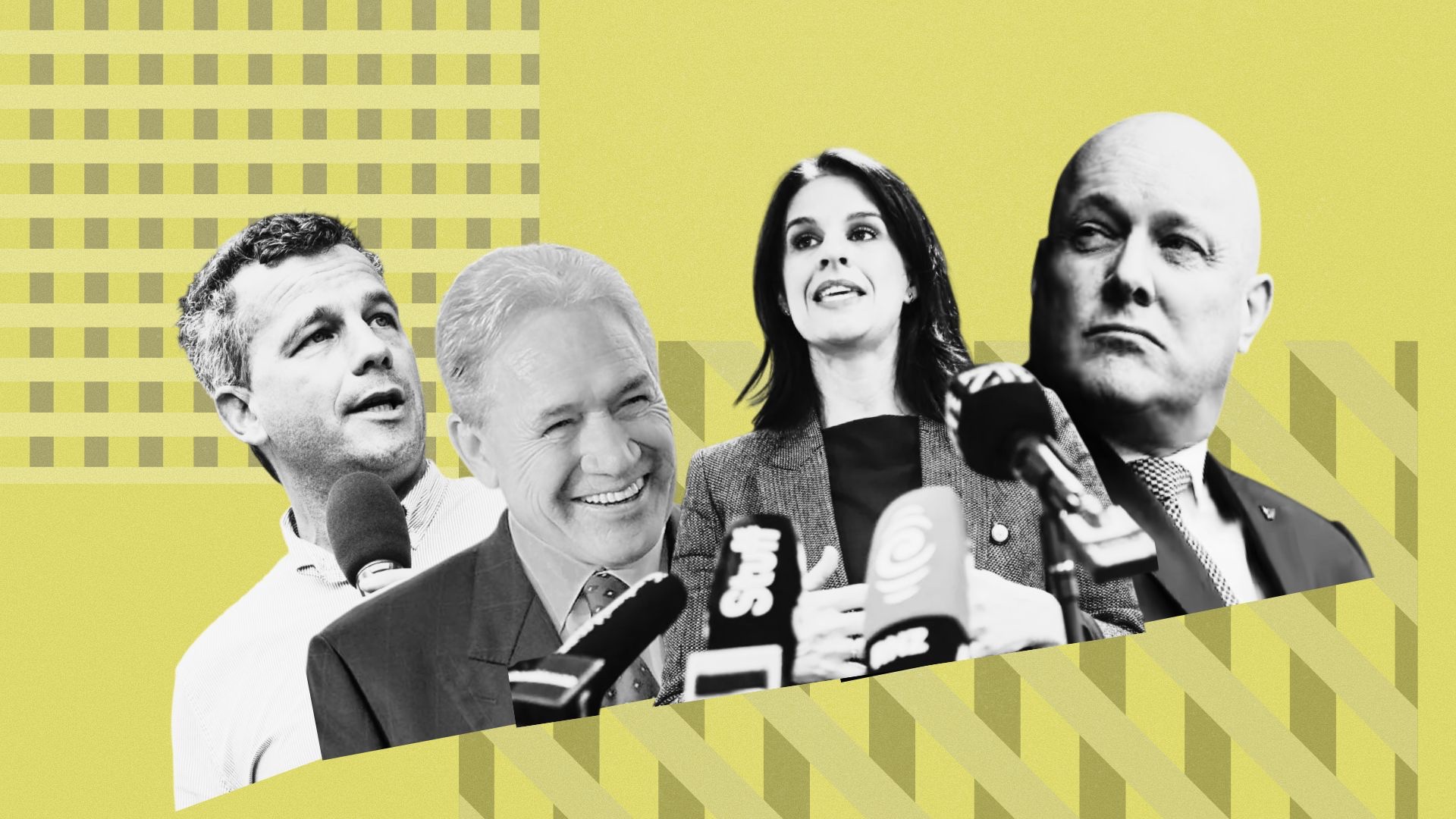
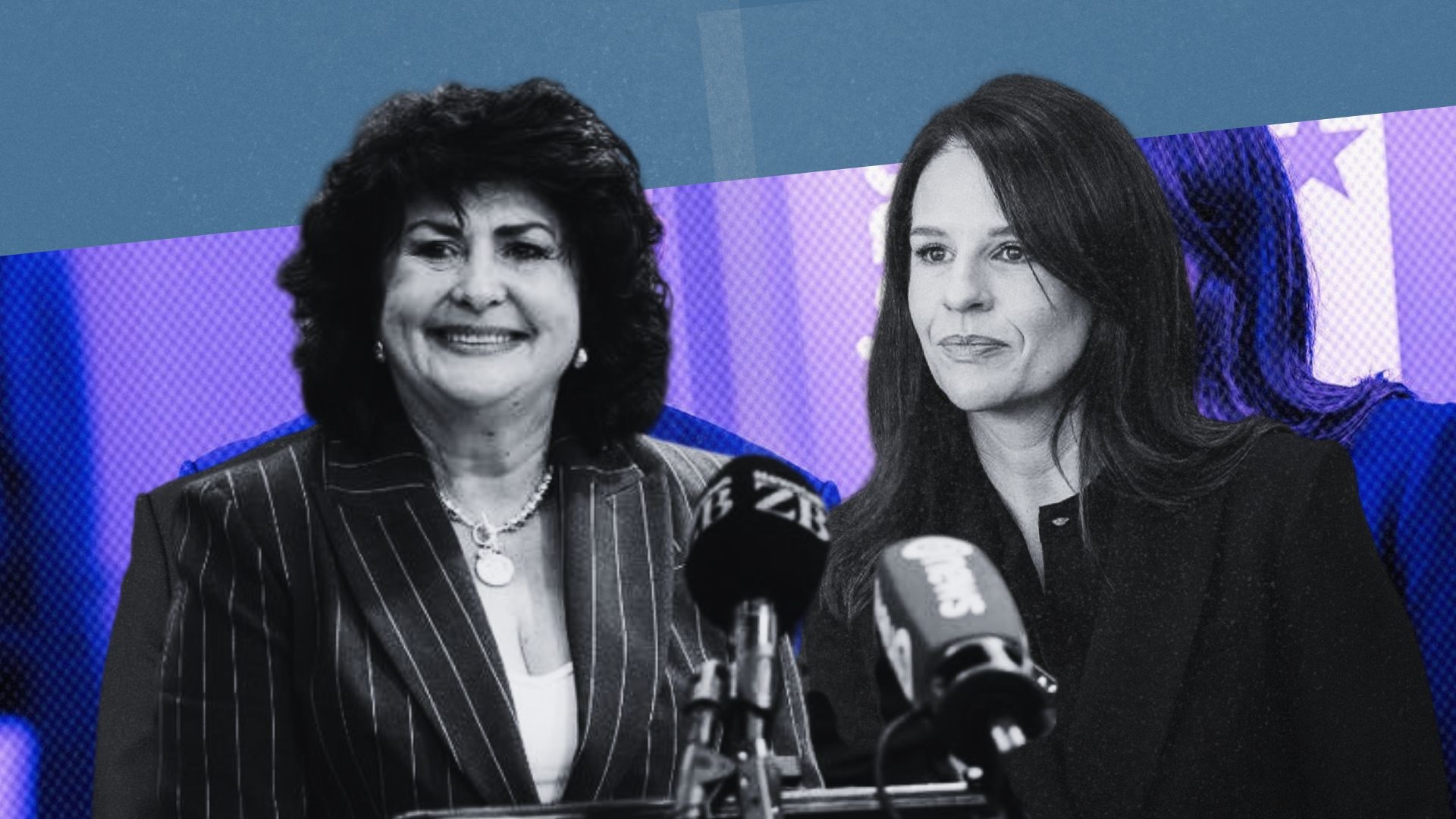
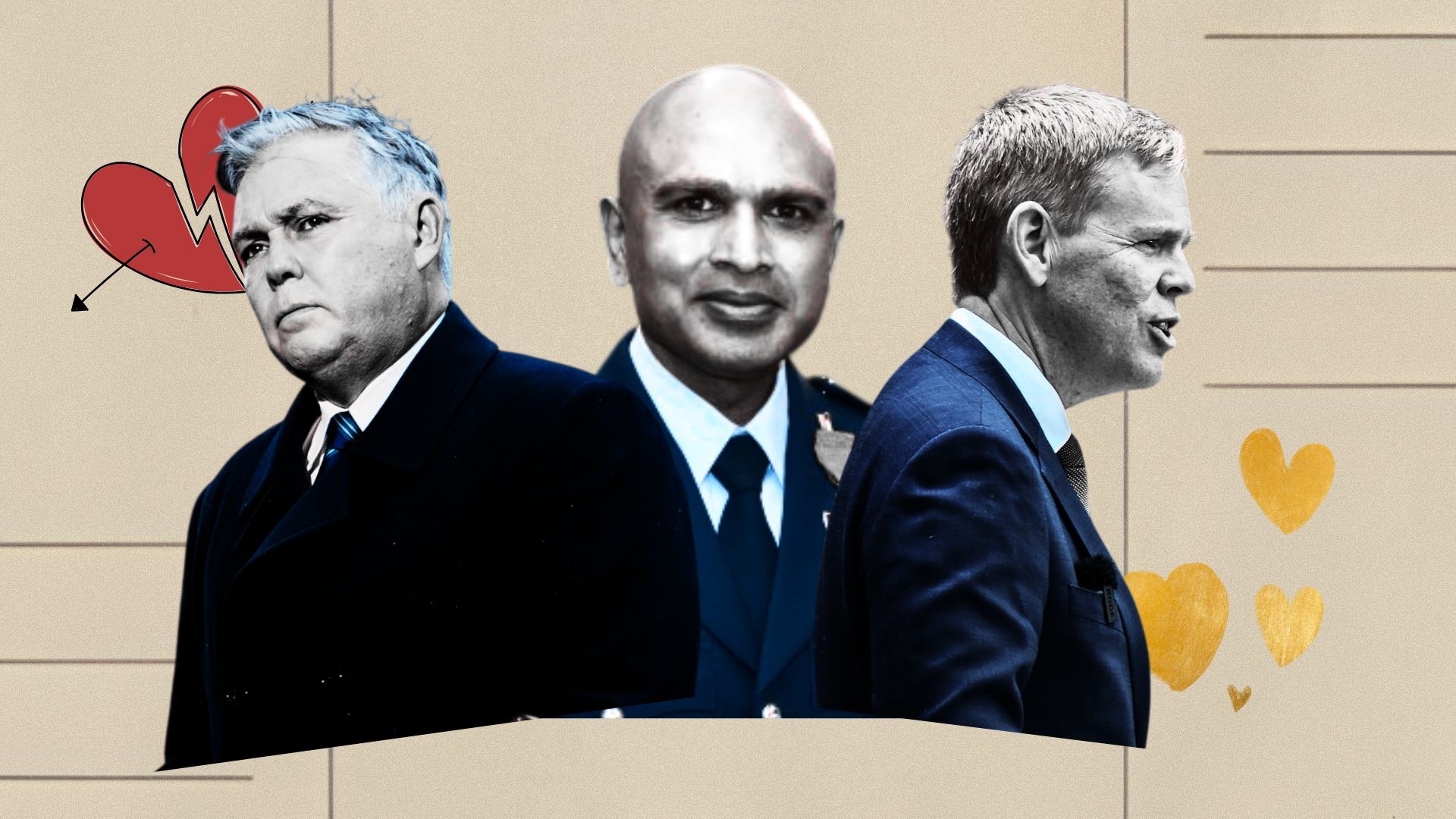
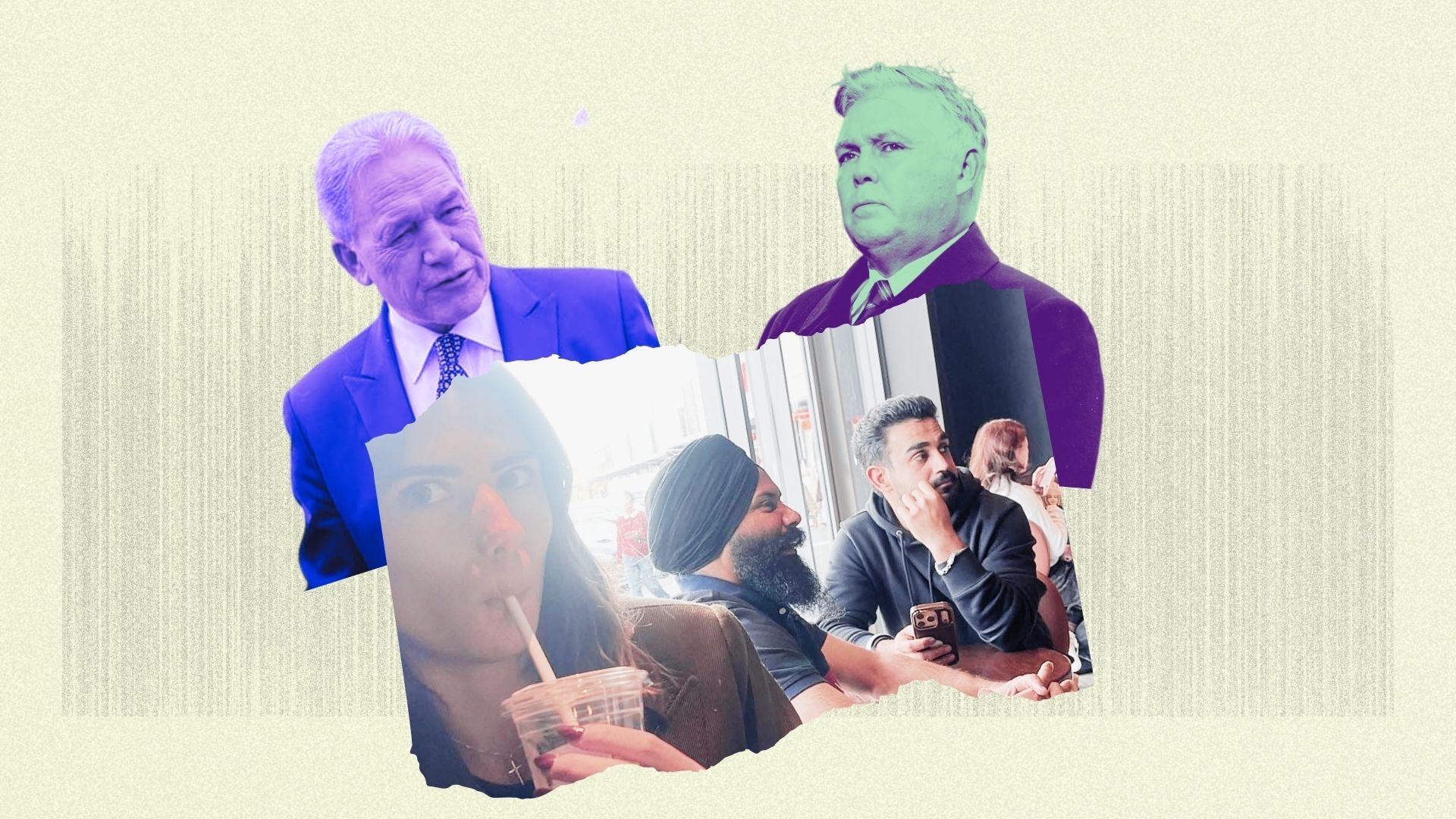
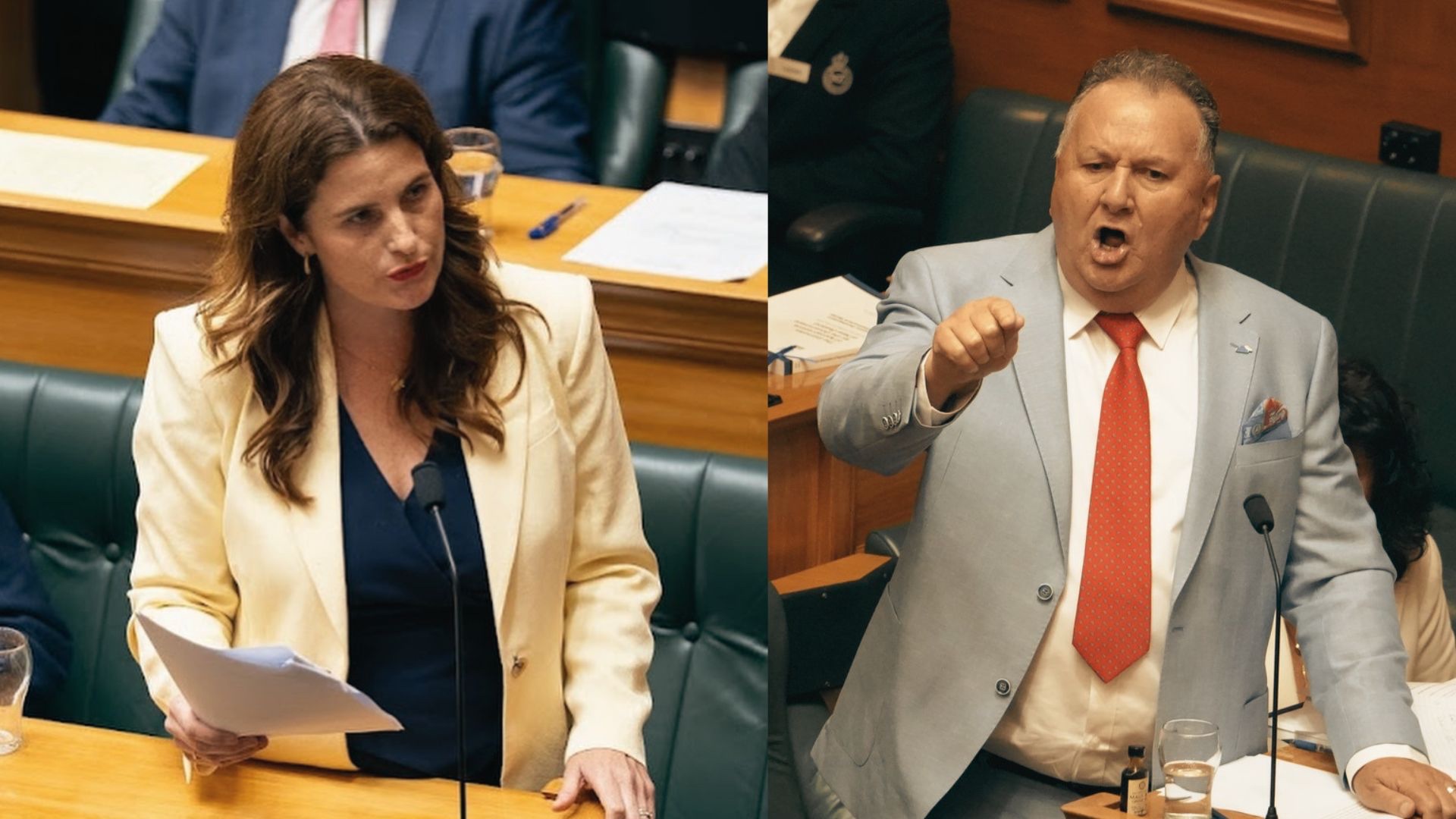
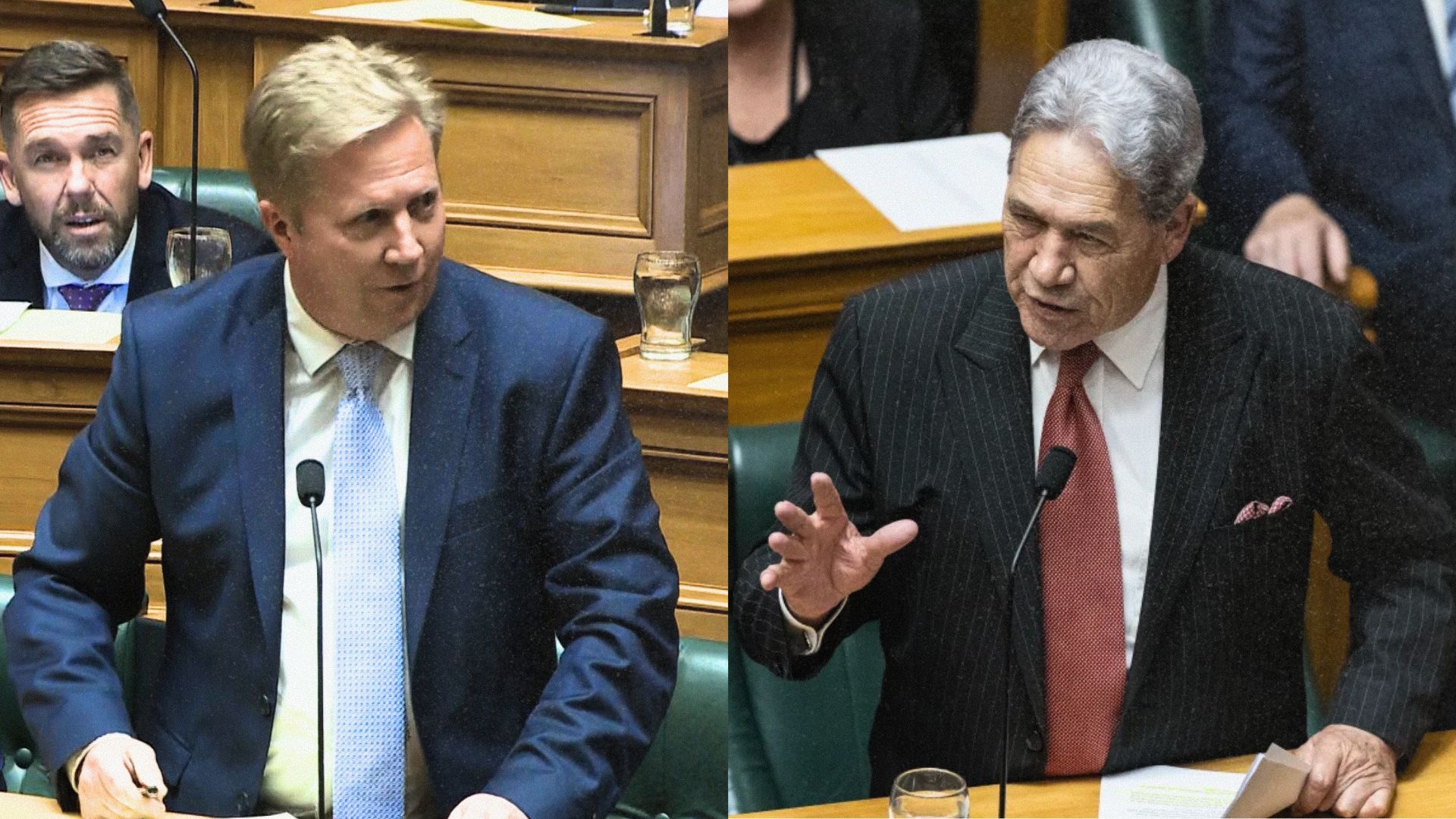
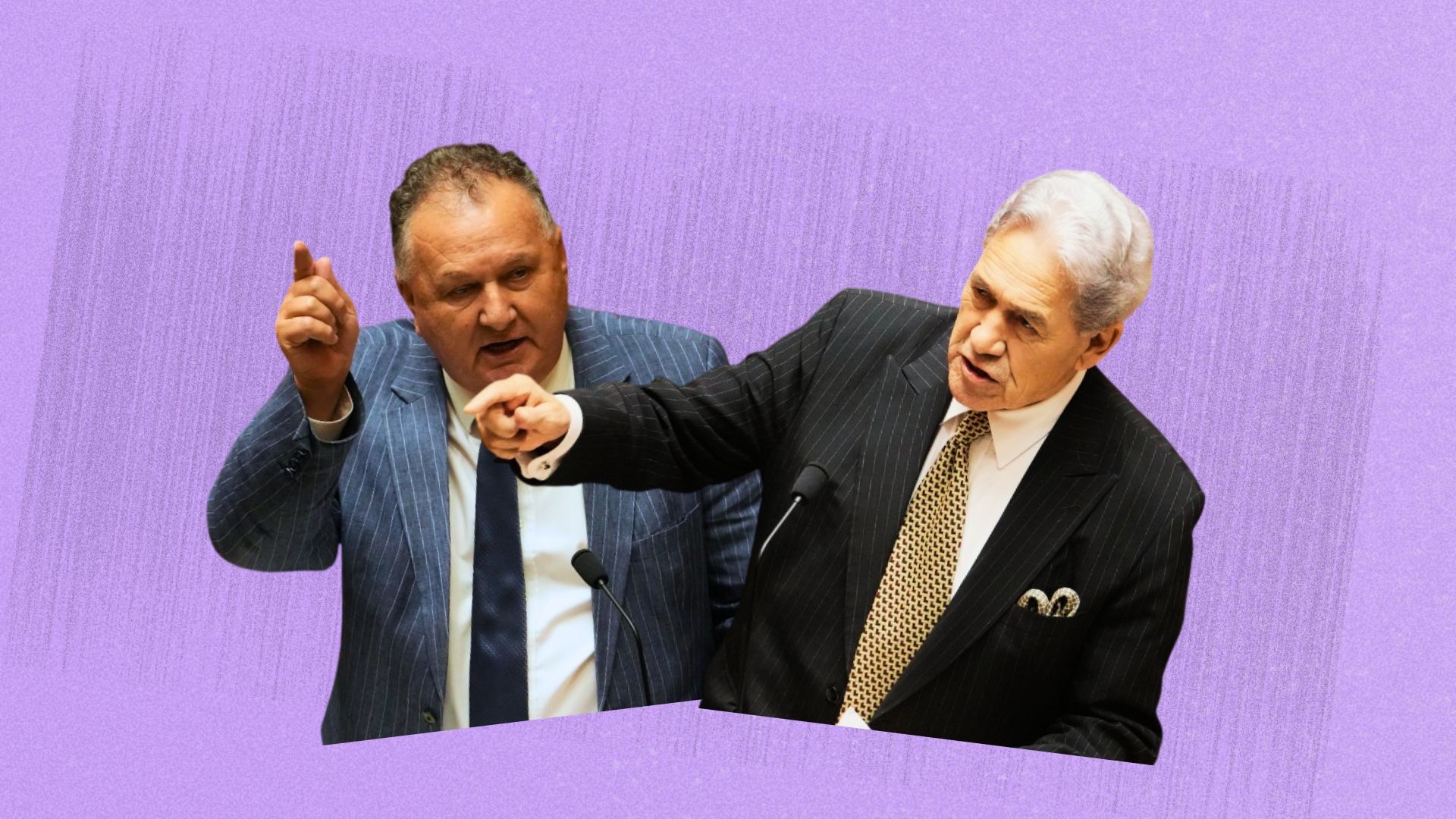
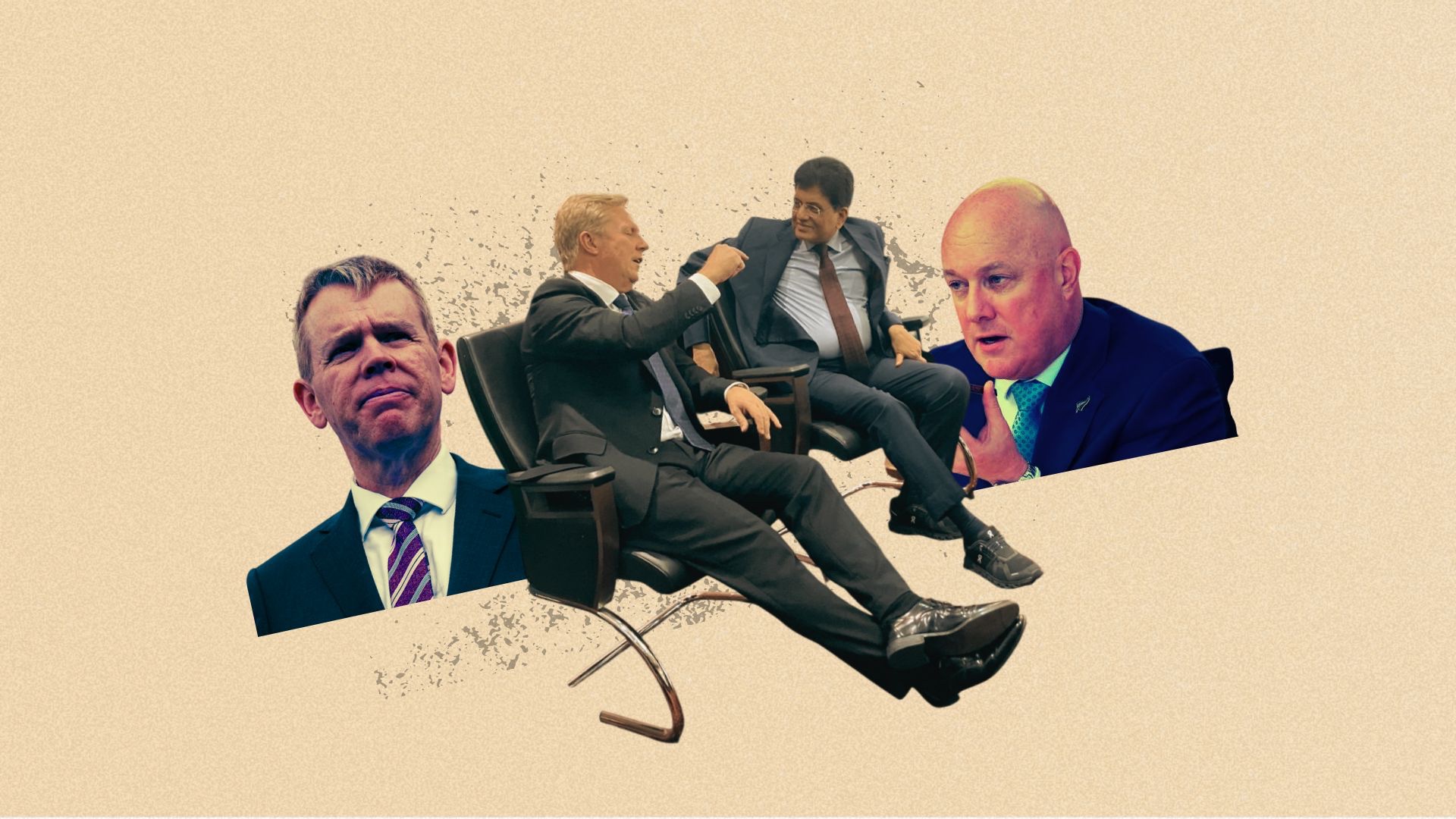
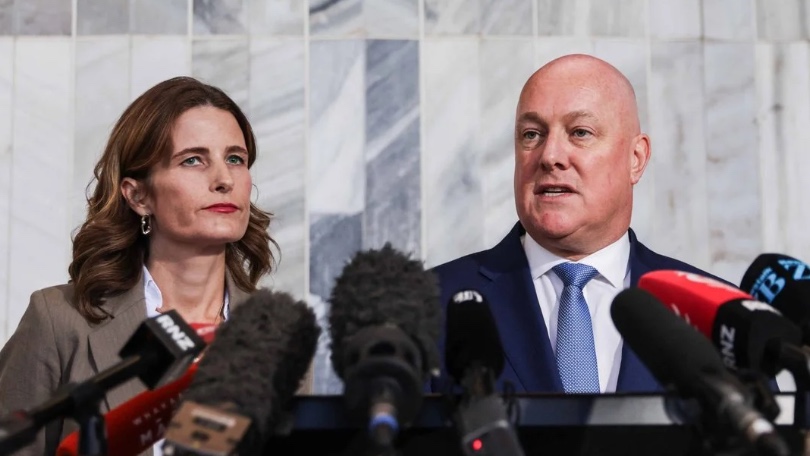
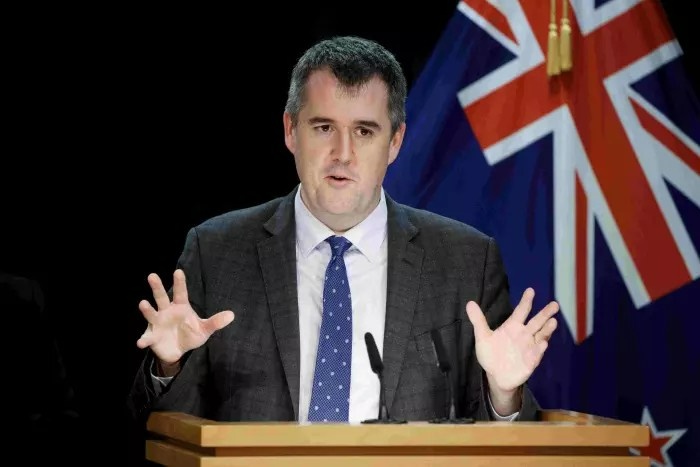
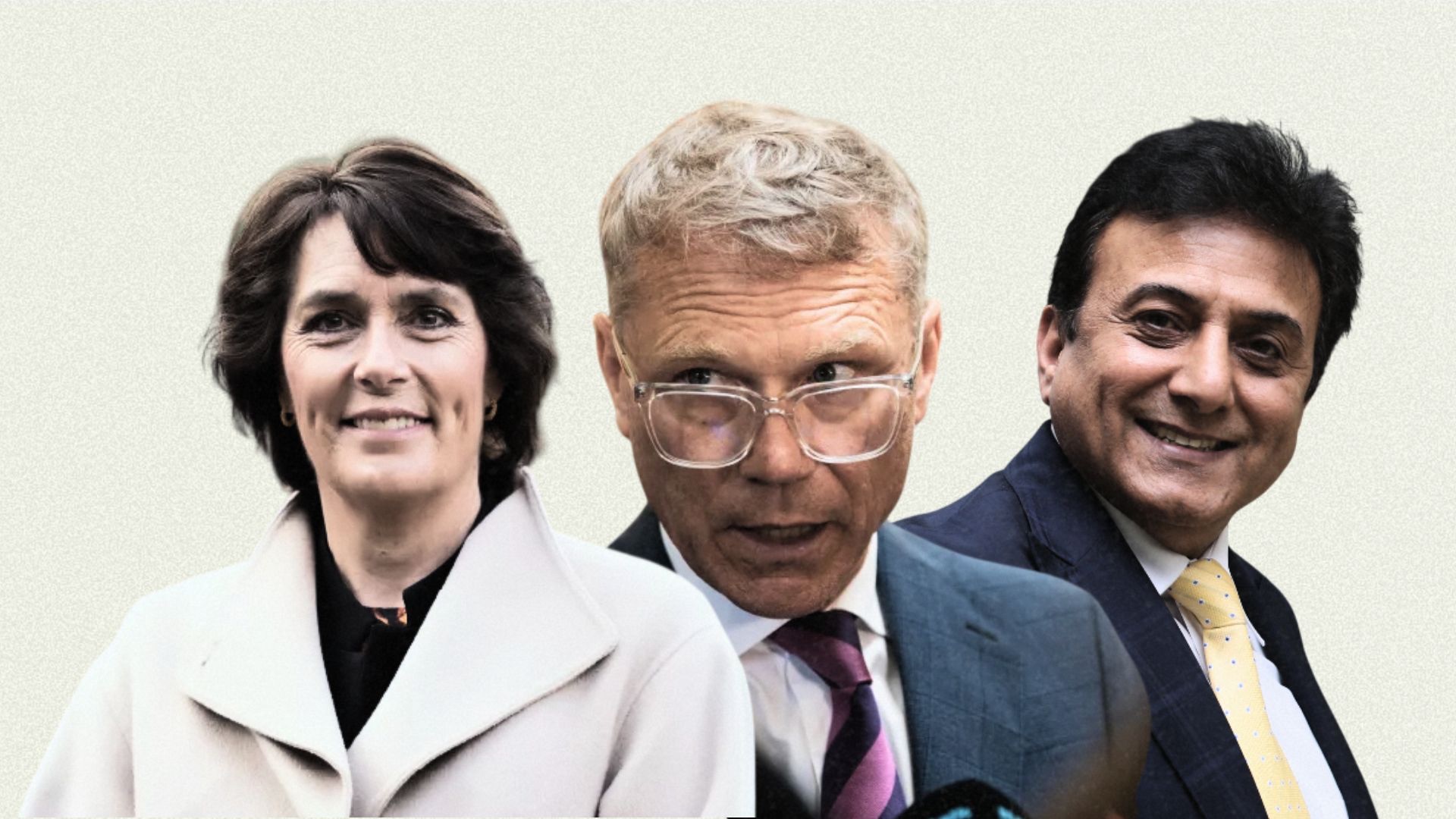
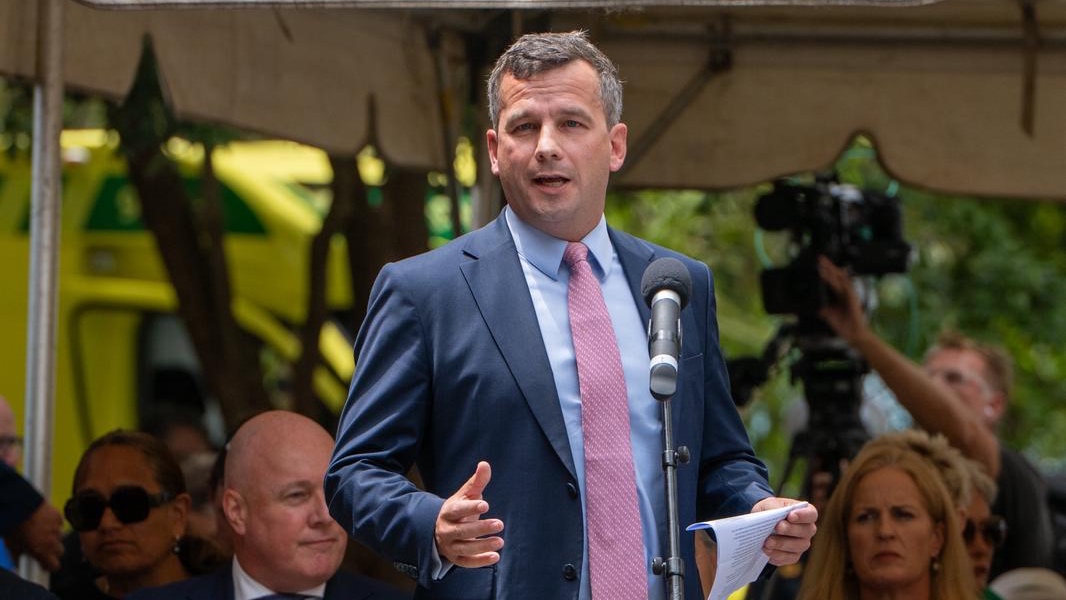
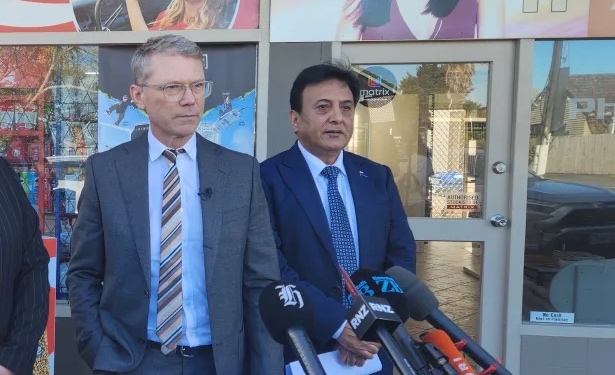
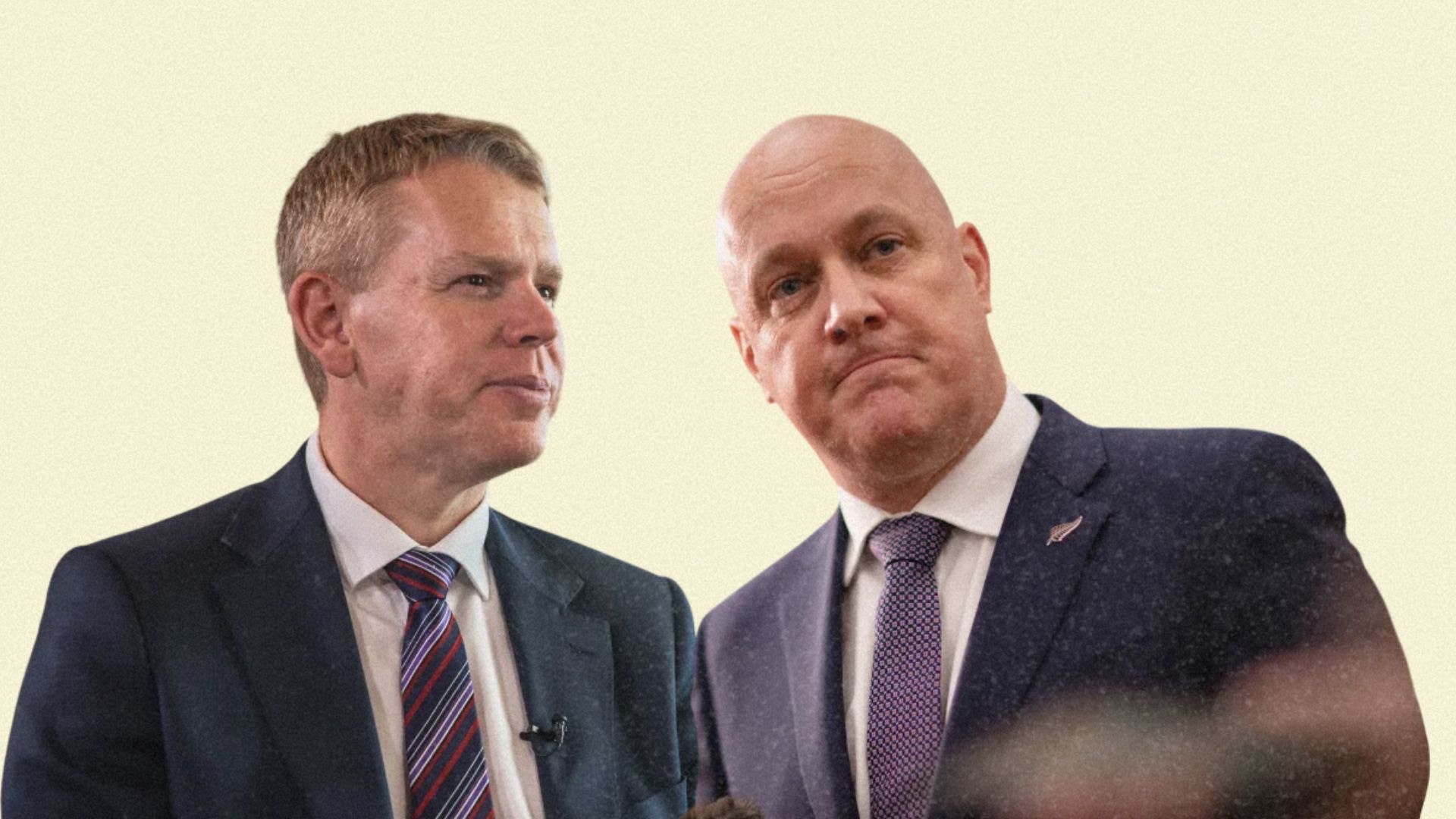
Finance minister Nicola Willis and NZ First's Shane Jones.
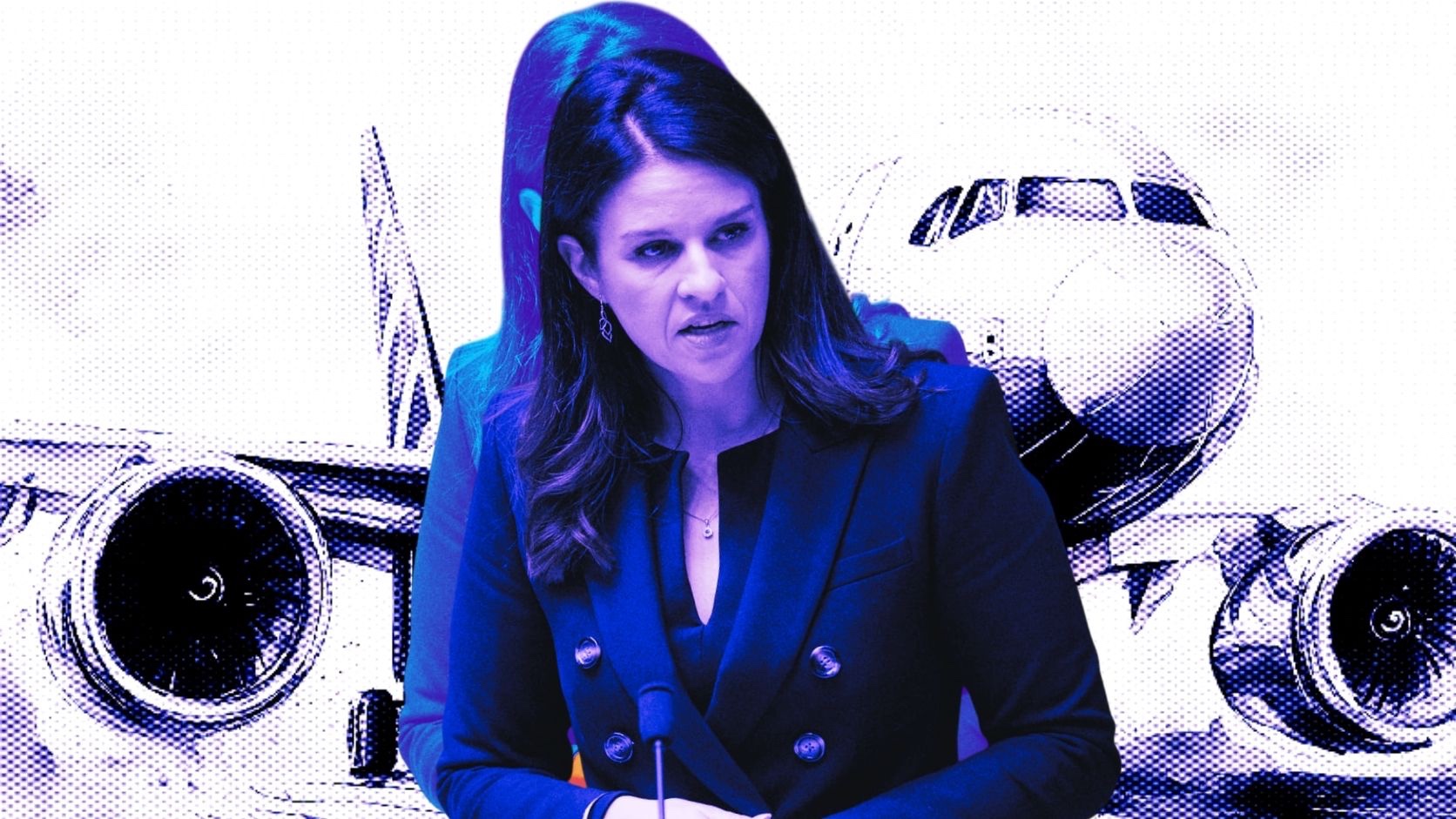
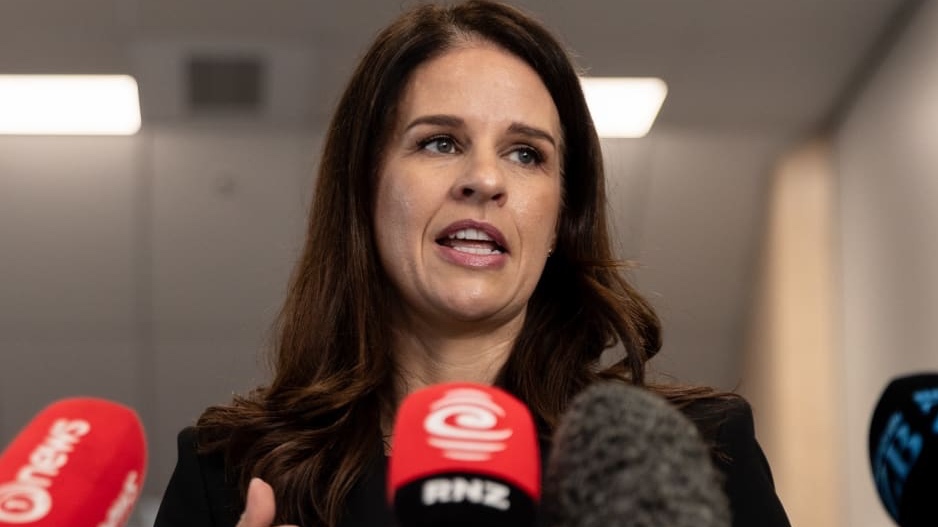
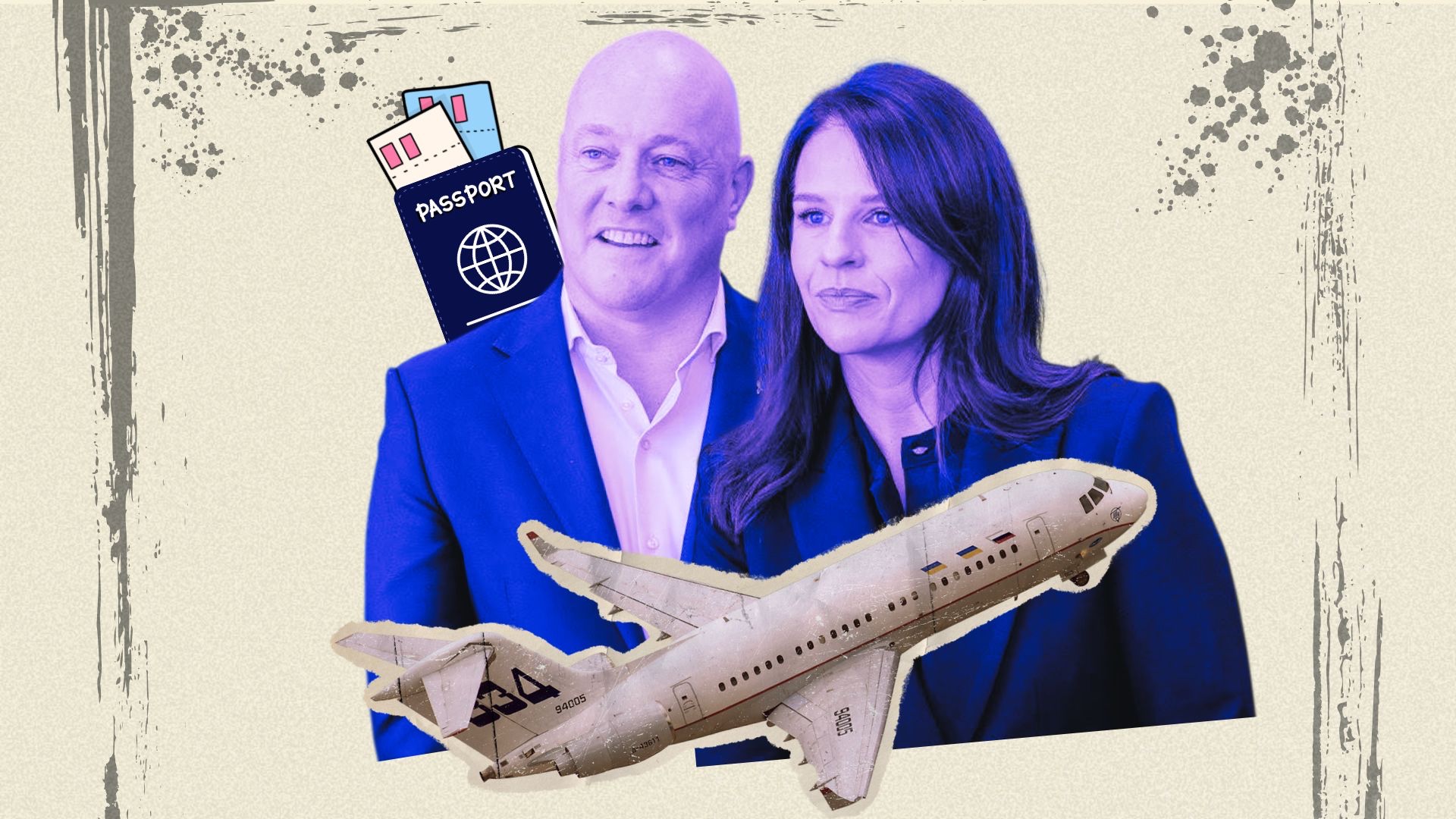
On April 29, finance minister Nicola Willis told Parliament the remark had offended Indian New Zealanders “up and down this country”, called it “race-based rhetoric”. “Shame on you, Shane Jones,” she said.
Soares, NZ First’s only announced Indian-origin candidate, has now taken the phrase back to where butter chicken usually belongs. The kitchen. Except this time, it is being served with a defence of New Zealand First.
“Butter chicken is one of the most famous dishes across New Zealand,” Soares says as she cooks, adding that even her own children love it. Then comes the politics.
“Let me make something very clear,” she says. “New Zealand First is not against India and we are not against free trade. India is an enormously important country and an important trading partner for New Zealand.”
The problem, she says, is the deal. “The question is this, whether this particular agreement is good enough a deal for New Zealand.”
And then, with the curry still cooking, comes the metaphor. “Like a good butter chicken, a good trade agreement needs balance,” Soares says.
“And New Zealand First believes the balance in this agreement isn’t right...One of our biggest concerns is immigration.”
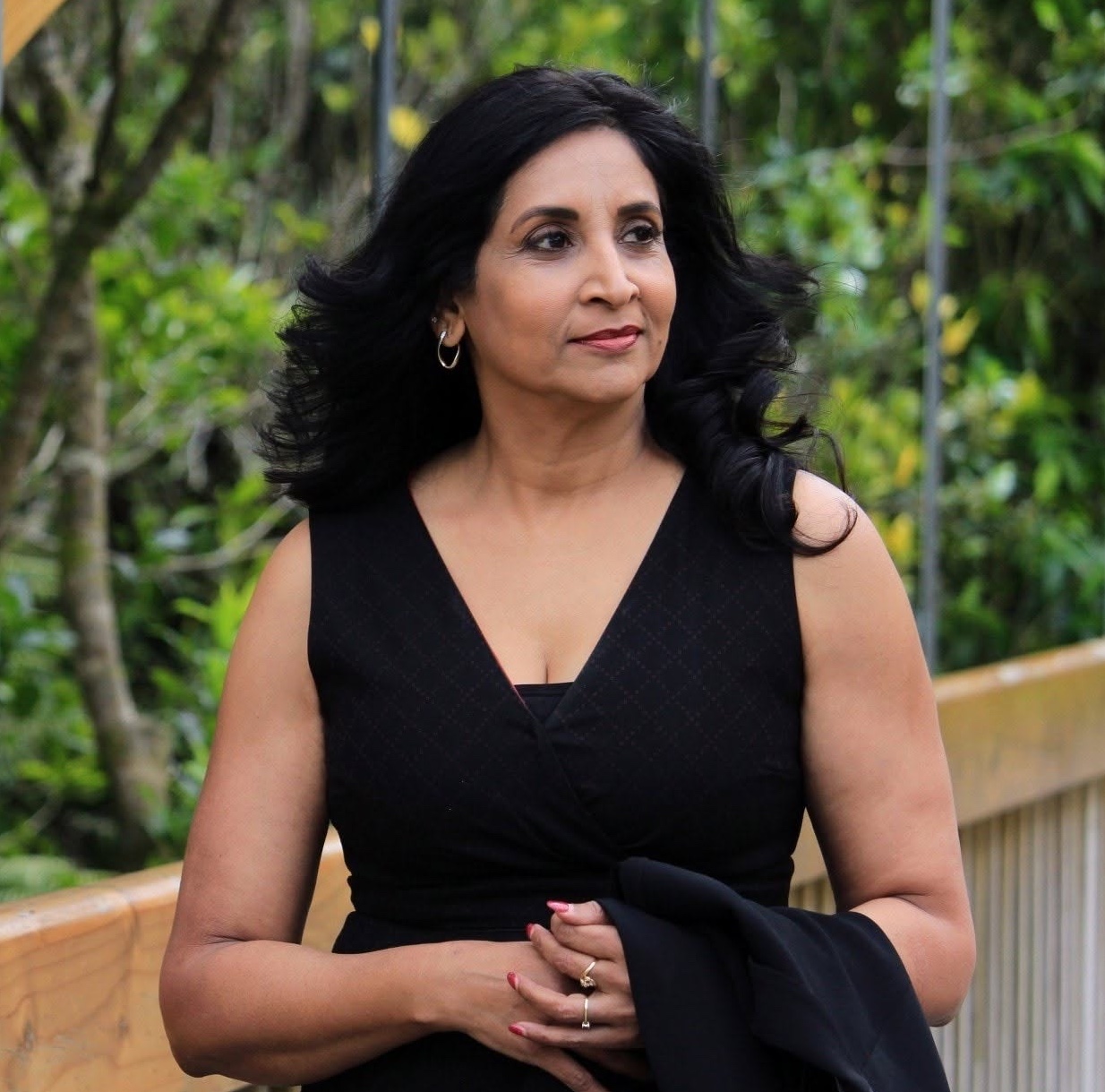
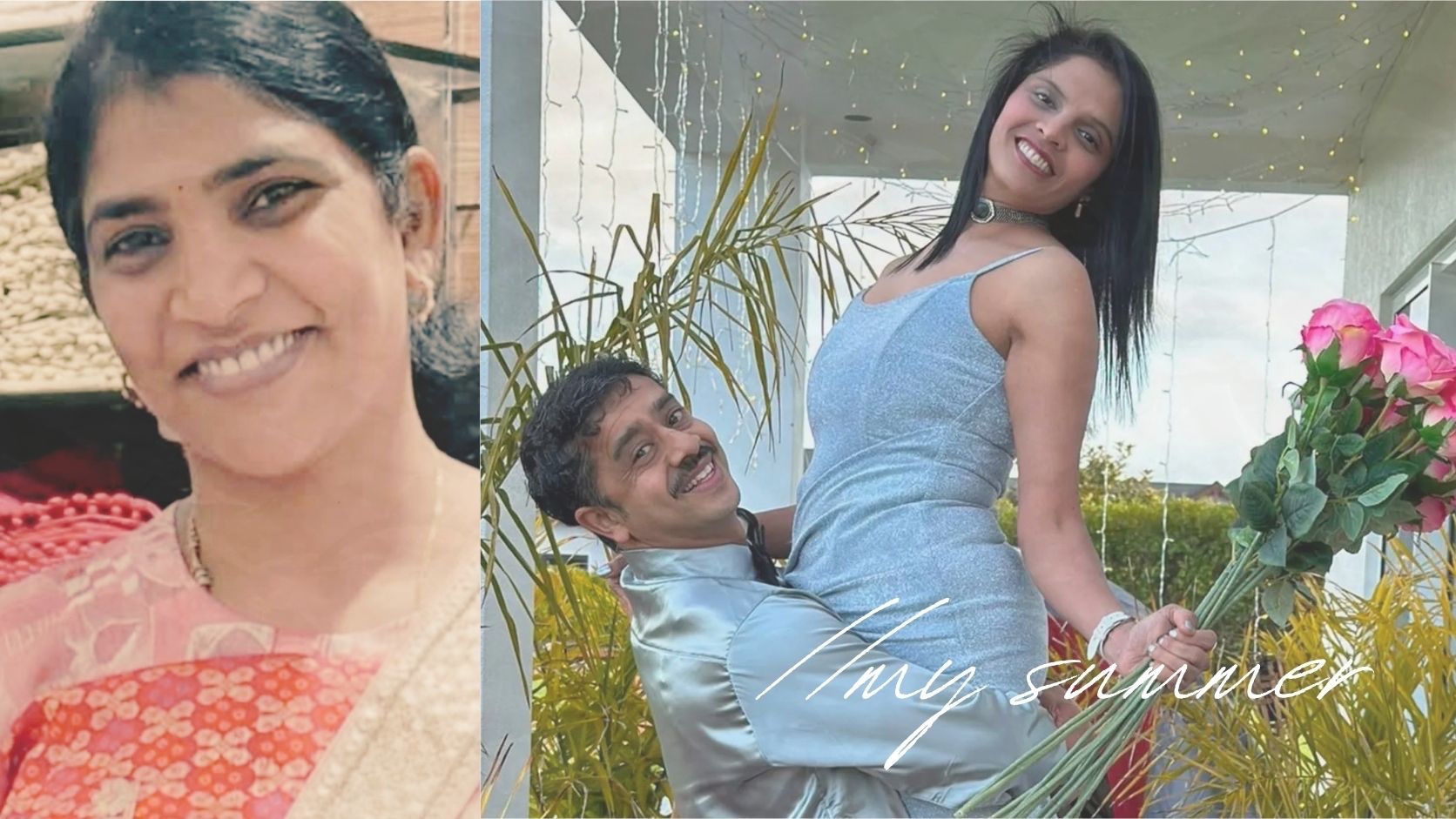
Bernadette Soares was born in the western Indian city of Mumbai. (Supplied photo)
It makes for an unusually neat piece of political recycling. Jones turned butter chicken into a punchline about Indian migration. Soares is now using precisely the same dish to argue that NZ First’s objections to the India deal are about policy, not India.
Less butter chicken tsunami, more butter chicken diplomacy. Her Facebook caption makes that distinction repeatedly.
“New Zealand First opposing the India Free Trade Agreement does not mean New Zealand First is against India,” she wrote.
“As a proud New Zealander who is grateful for my Indian heritage, I can be proud of where my family comes from and still ask whether a trade deal is genuinely fair for the country I am honoured to call home.”
Then came the refrain. “A good relationship with India matters...a fair deal for New Zealand matters too...that is not anti India...that is simply putting New Zealand first.”
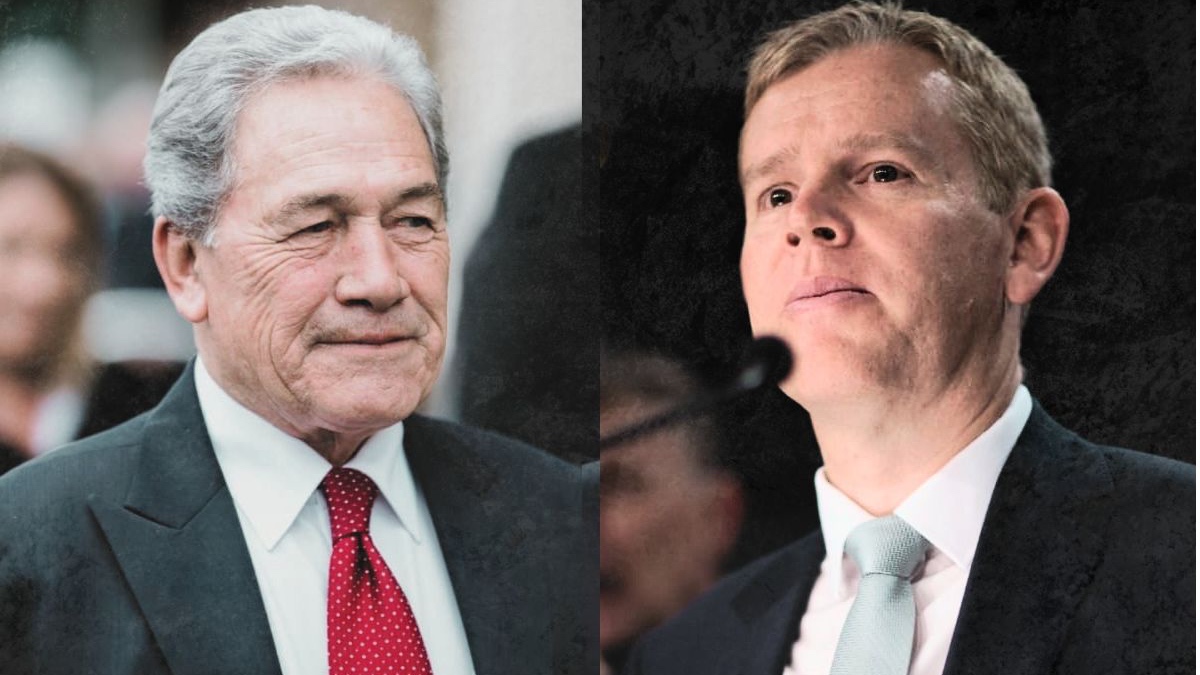
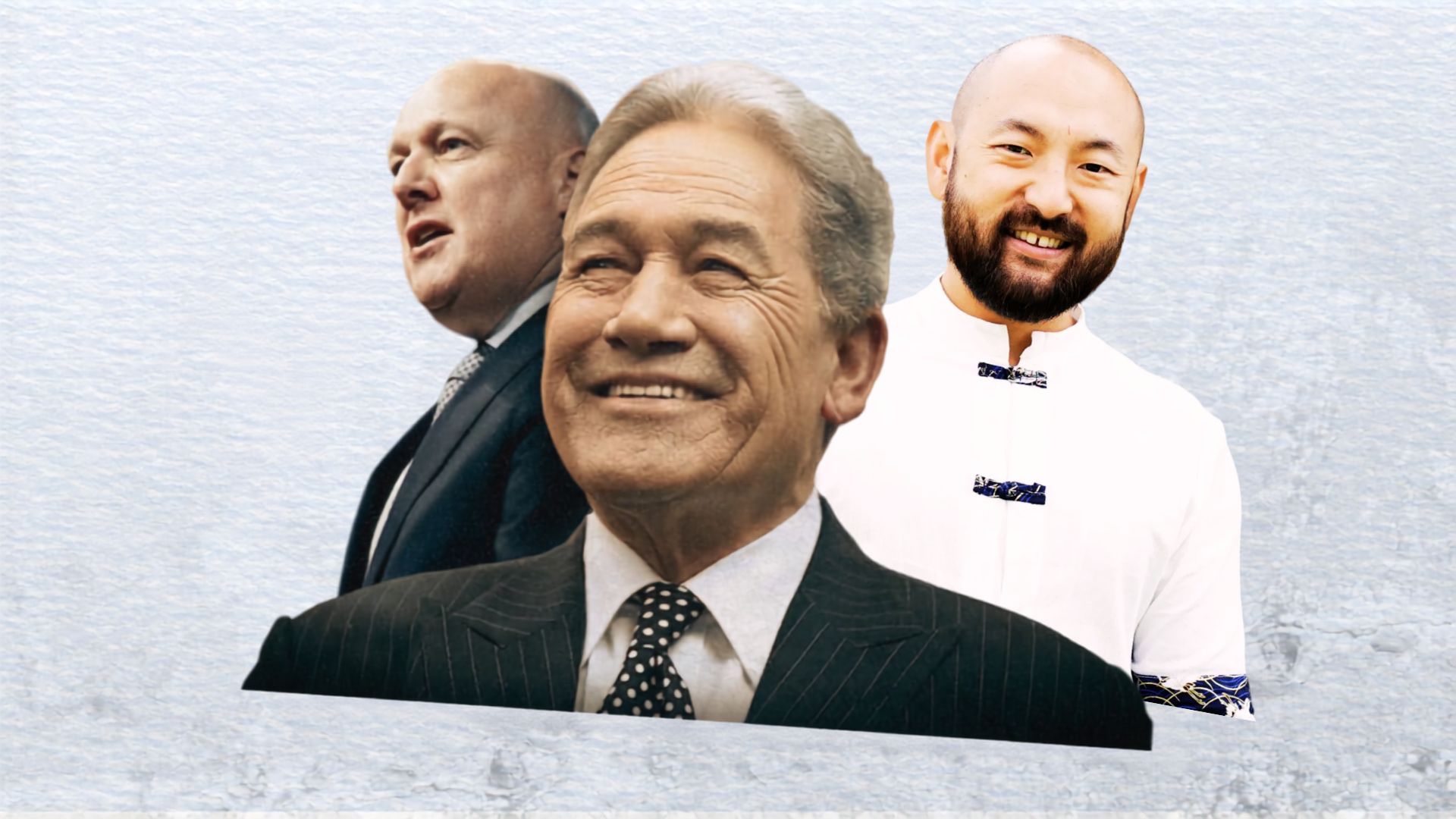
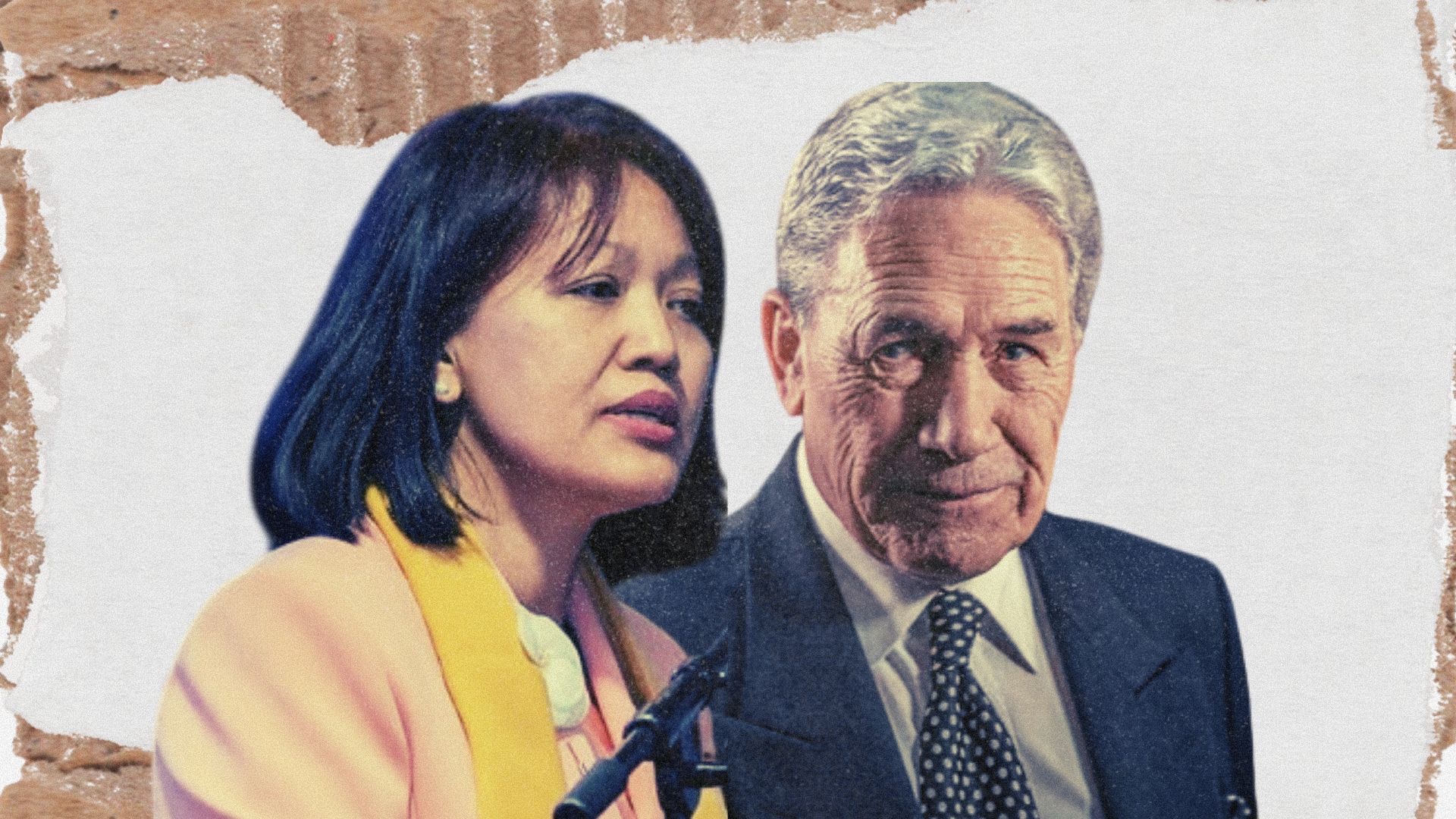
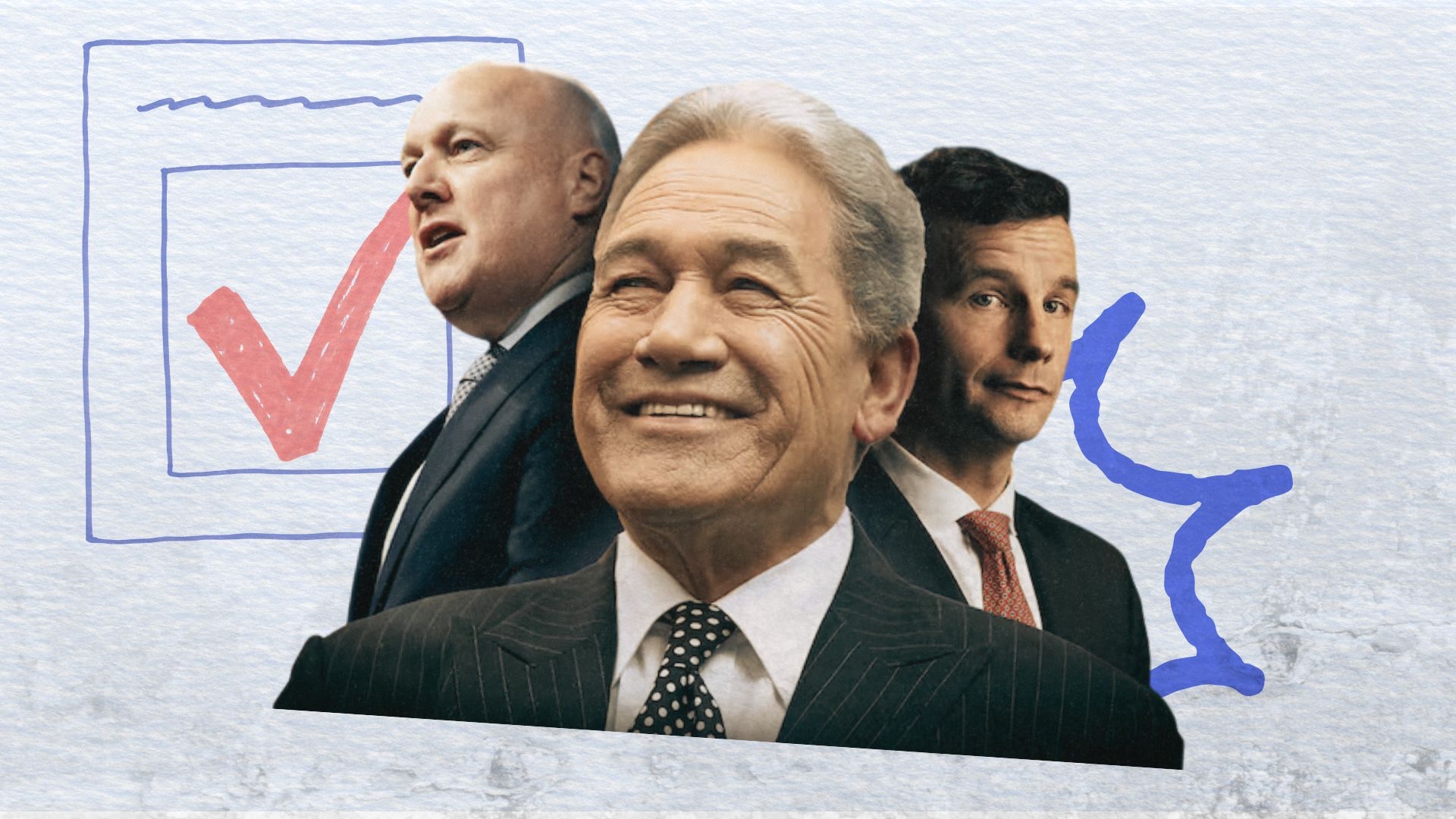
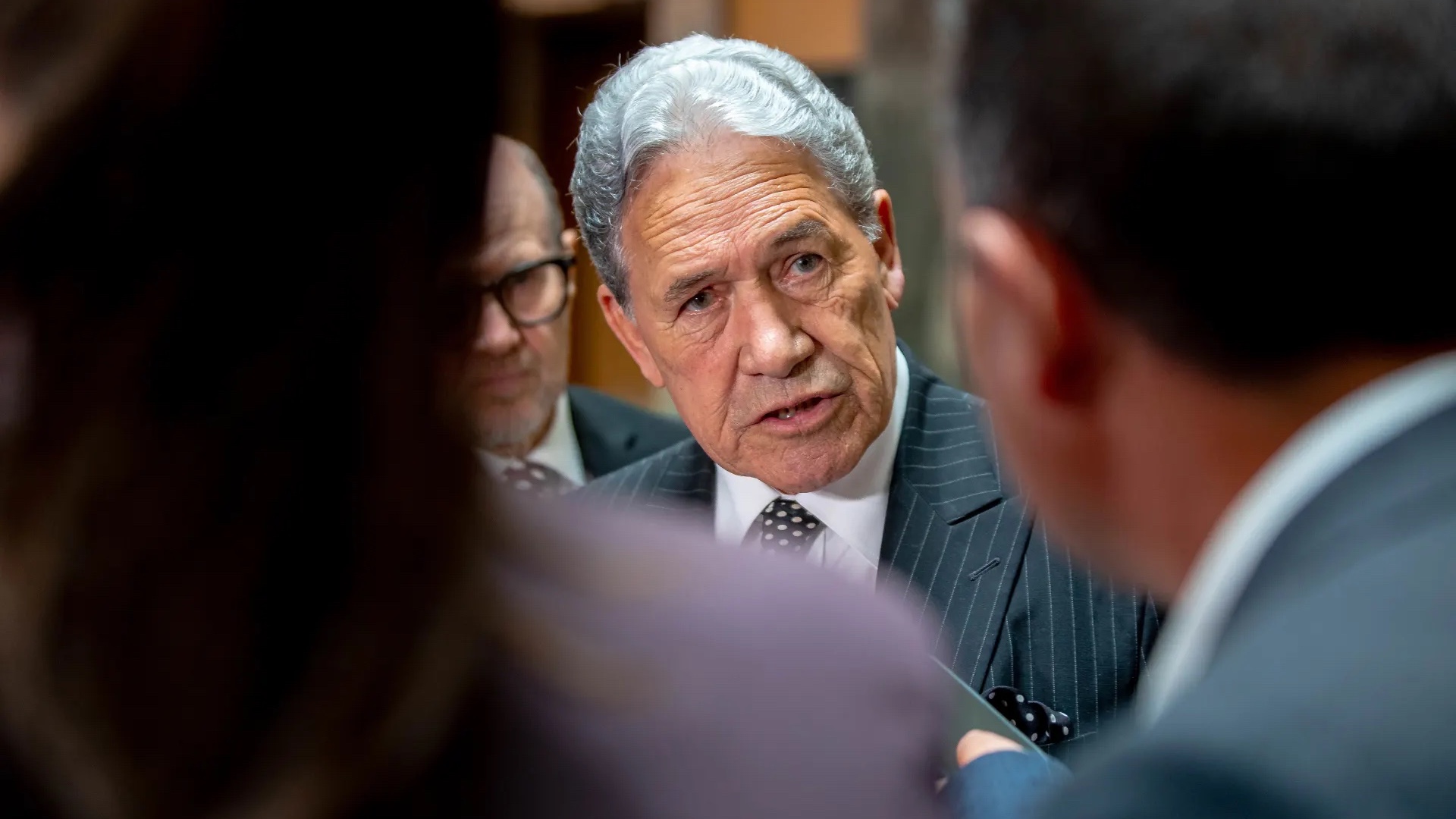
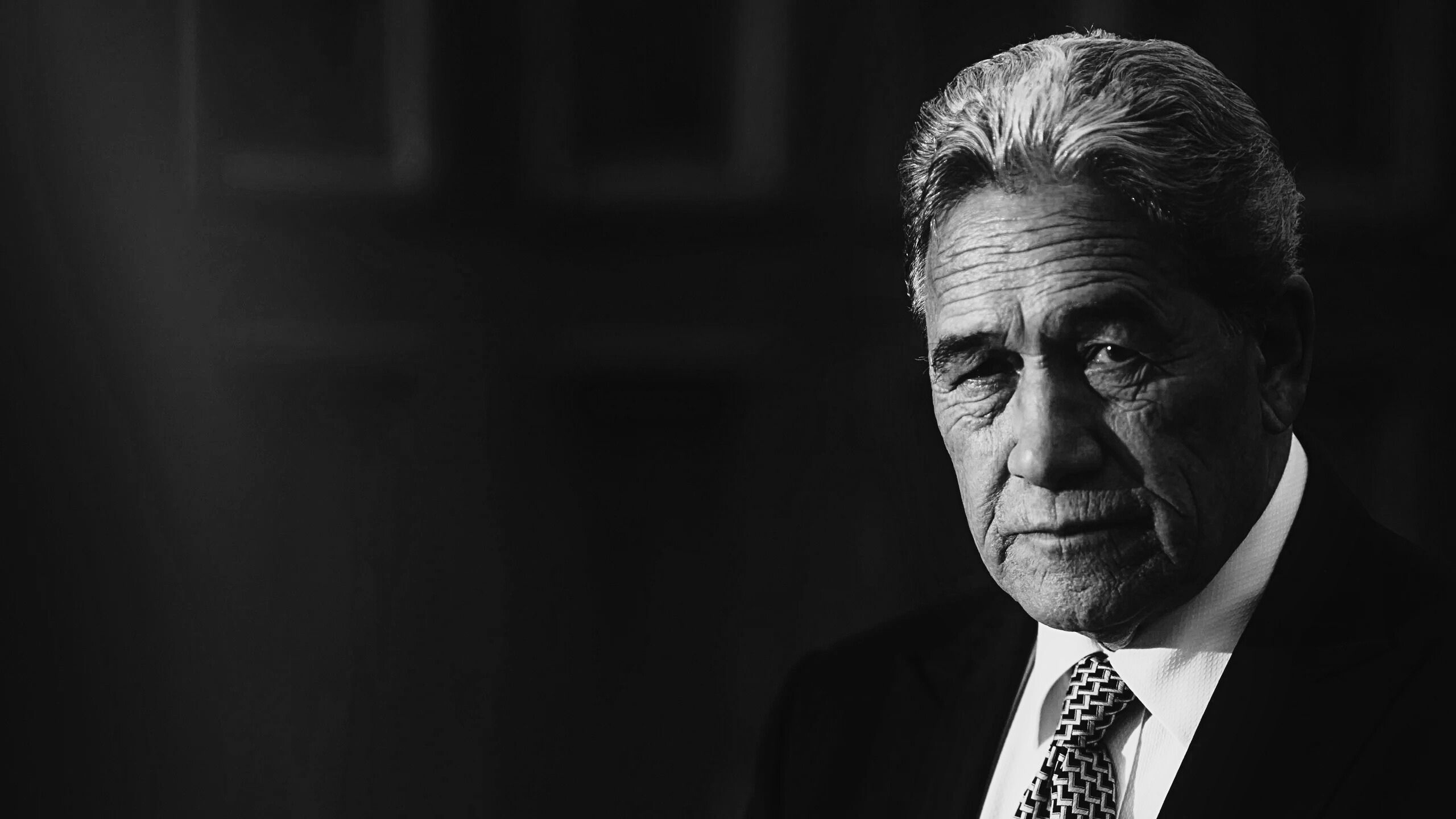
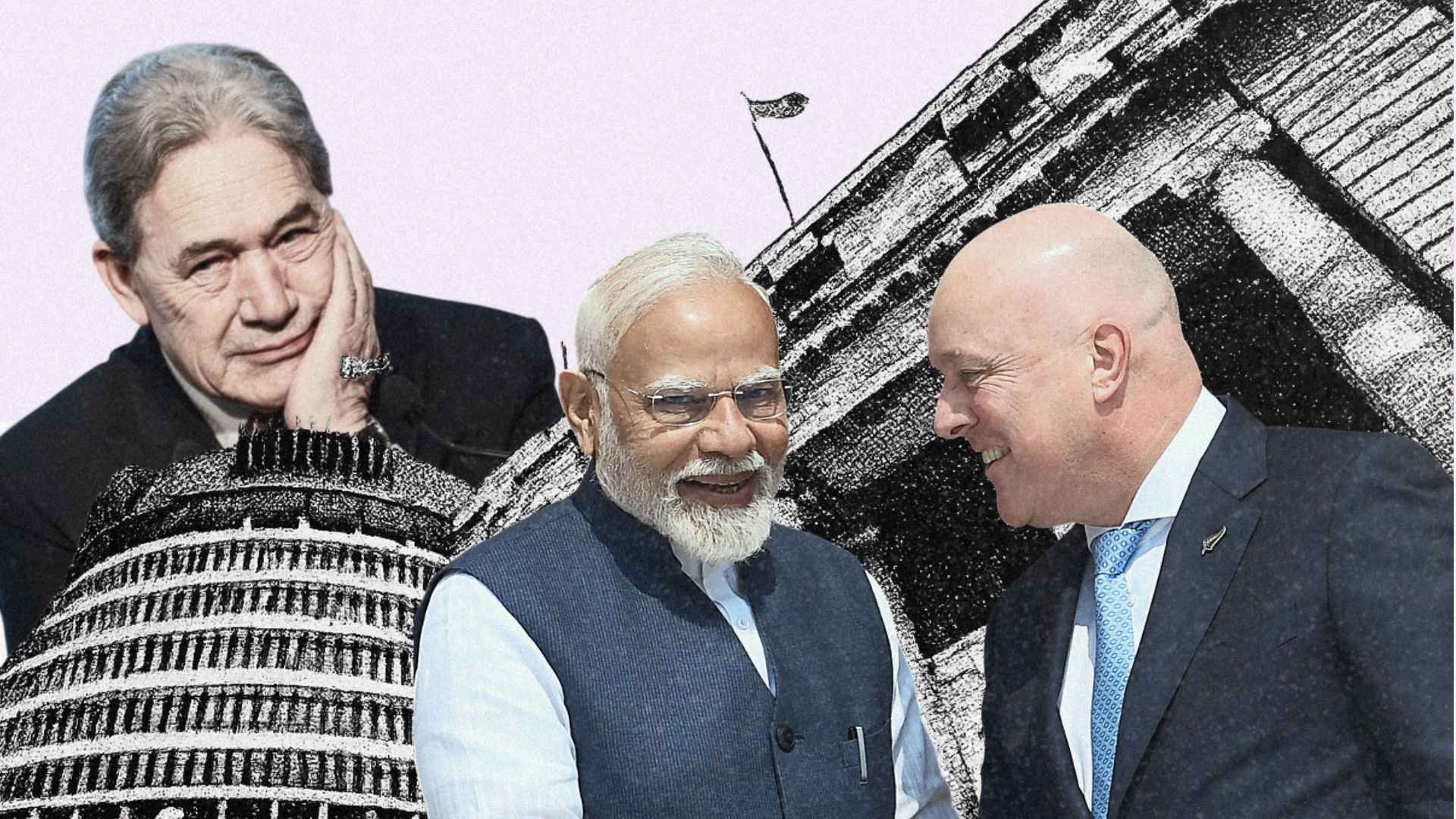
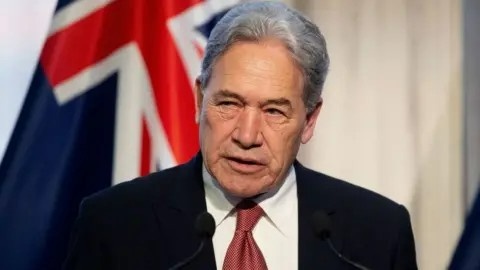
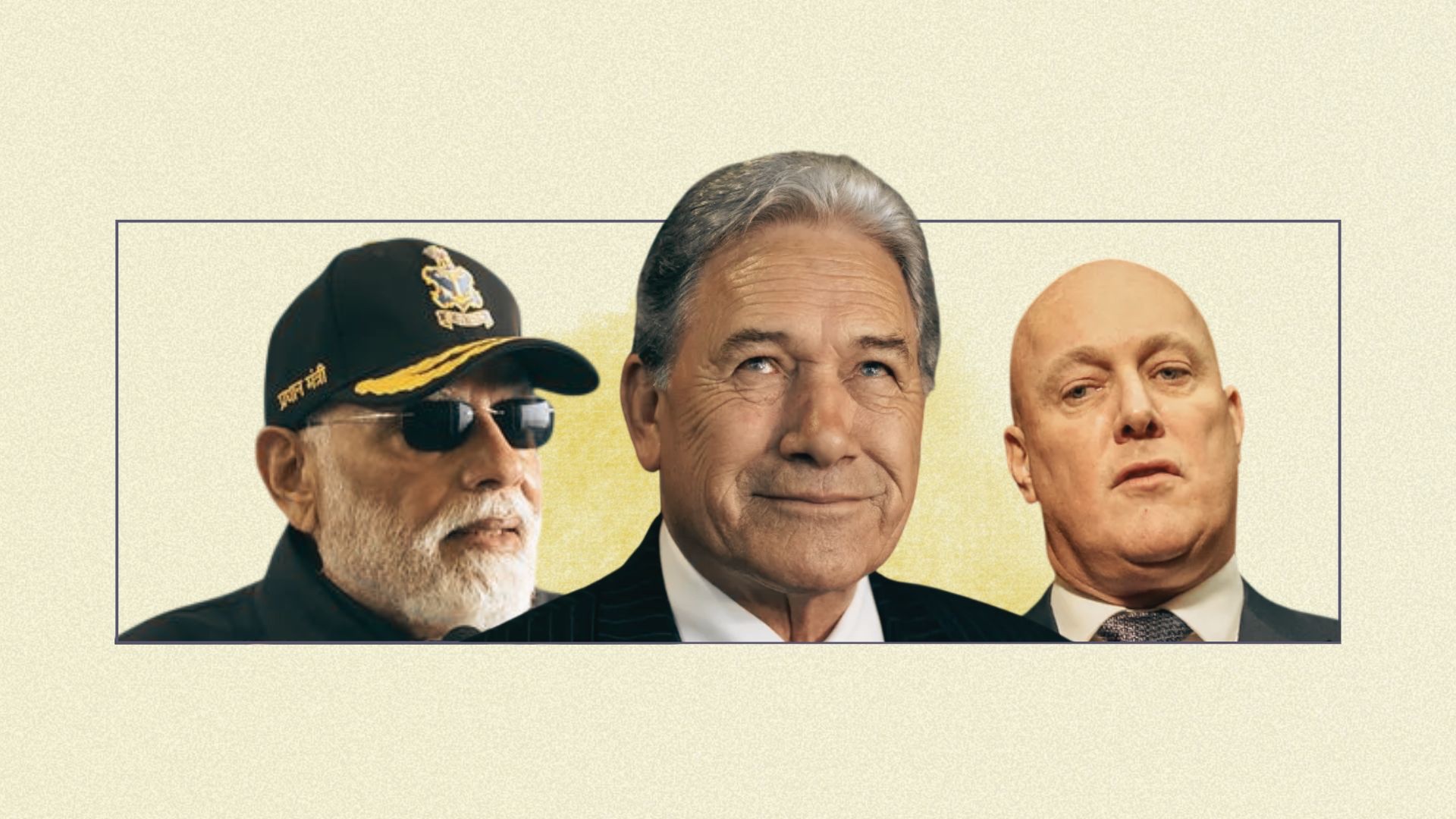
It also comes at an interesting moment for the party. Winston Peters spent much of June and July hammering the India agreement, at one point describing it as more of a “free migration deal” than a free trade deal, and declaring that only NZ First was fighting it.
Then, rather abruptly, he stopped talking about it. In three August campaign speeches, Peters did not mention the India FTA once. He has not withdrawn his opposition, it appears, but has simply stopped making the agreement one of the centrepieces of his speeches.
So while the leader has gone noticeably quiet on the India deal, his Indian-origin candidate has carried the argument into her kitchen. And Soares is unusually well placed to do it.
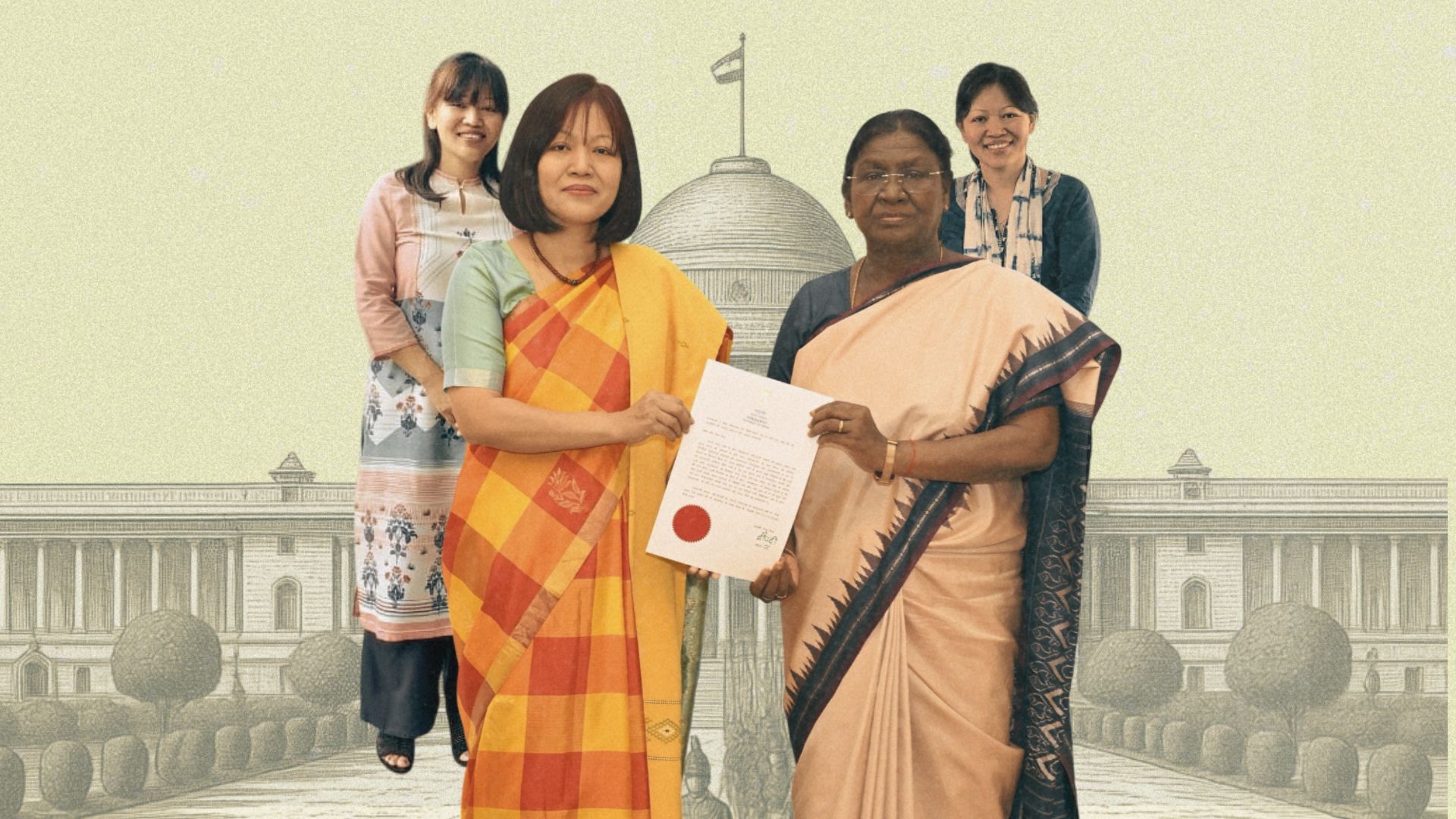
She came to New Zealand from Mumbai in 1989 and is NZ First’s only announced Indian-origin candidate. She told Awaaz she would like to work on immigration if elected to Parliament.
“I’d love to be involved with immigration,” she said in an interview. “I think nothing like having an Indian immigrant, you know, in charge.”
Asked what she would do first, she replied, “I think the first thing, maybe, I’d close immigration off for a time being, until we get a hold of what’s actually happening.”
Then came the qualification. “Make sure you say temporary, okay?”
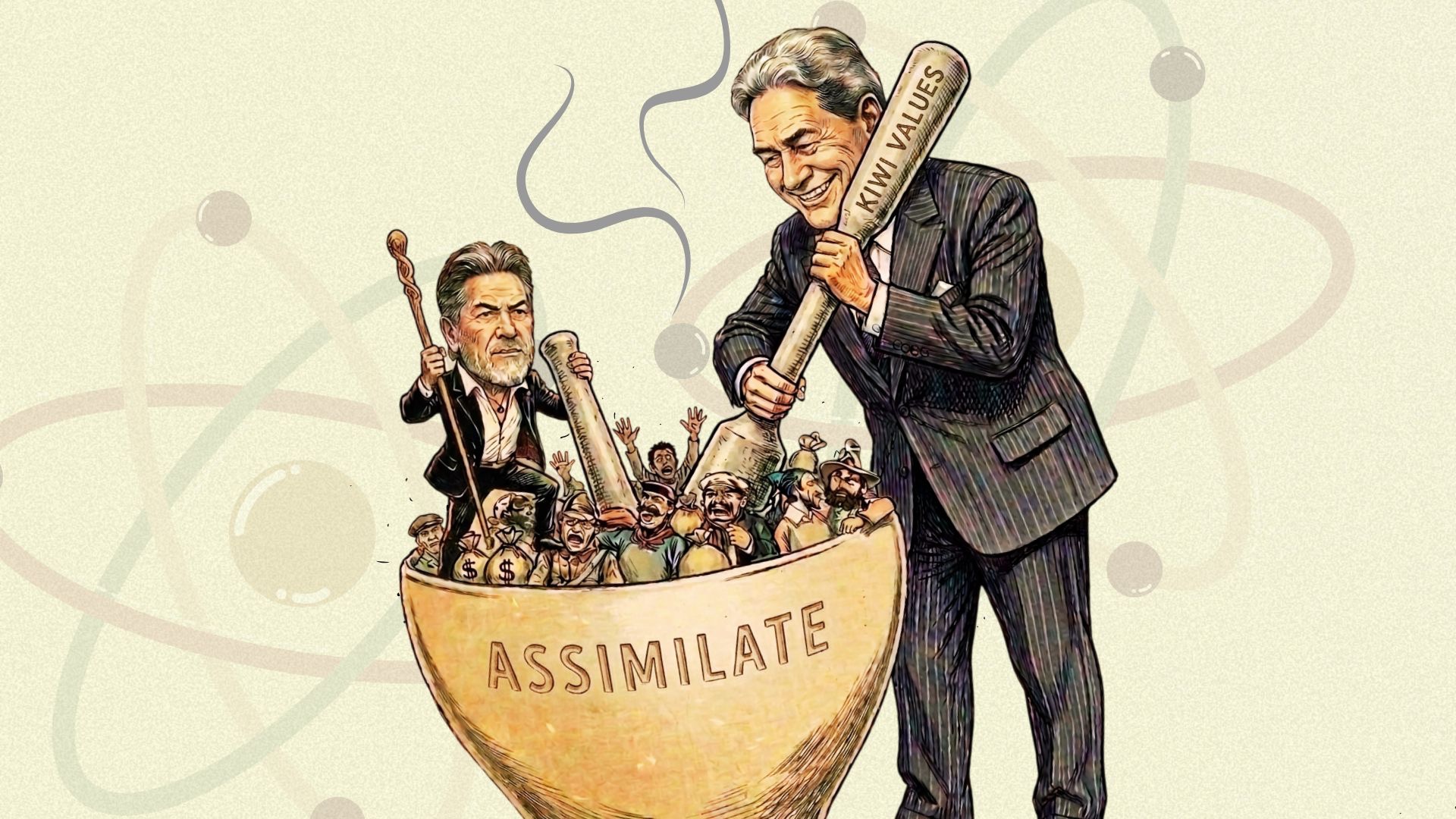
Soares also argued New Zealand had taken too many migrants from India and that some newer arrivals were failing to assimilate.
“A lot of them don’t want to assimilate,” she said. “They don’t want to speak English necessarily. They’re going to do their own thing. They’re going to form their own silos.”
When asked about Jones’ “butter chicken tsunami” remark, however, Soares was not offended.
“I actually see the humour in it, to be honest,” she said.
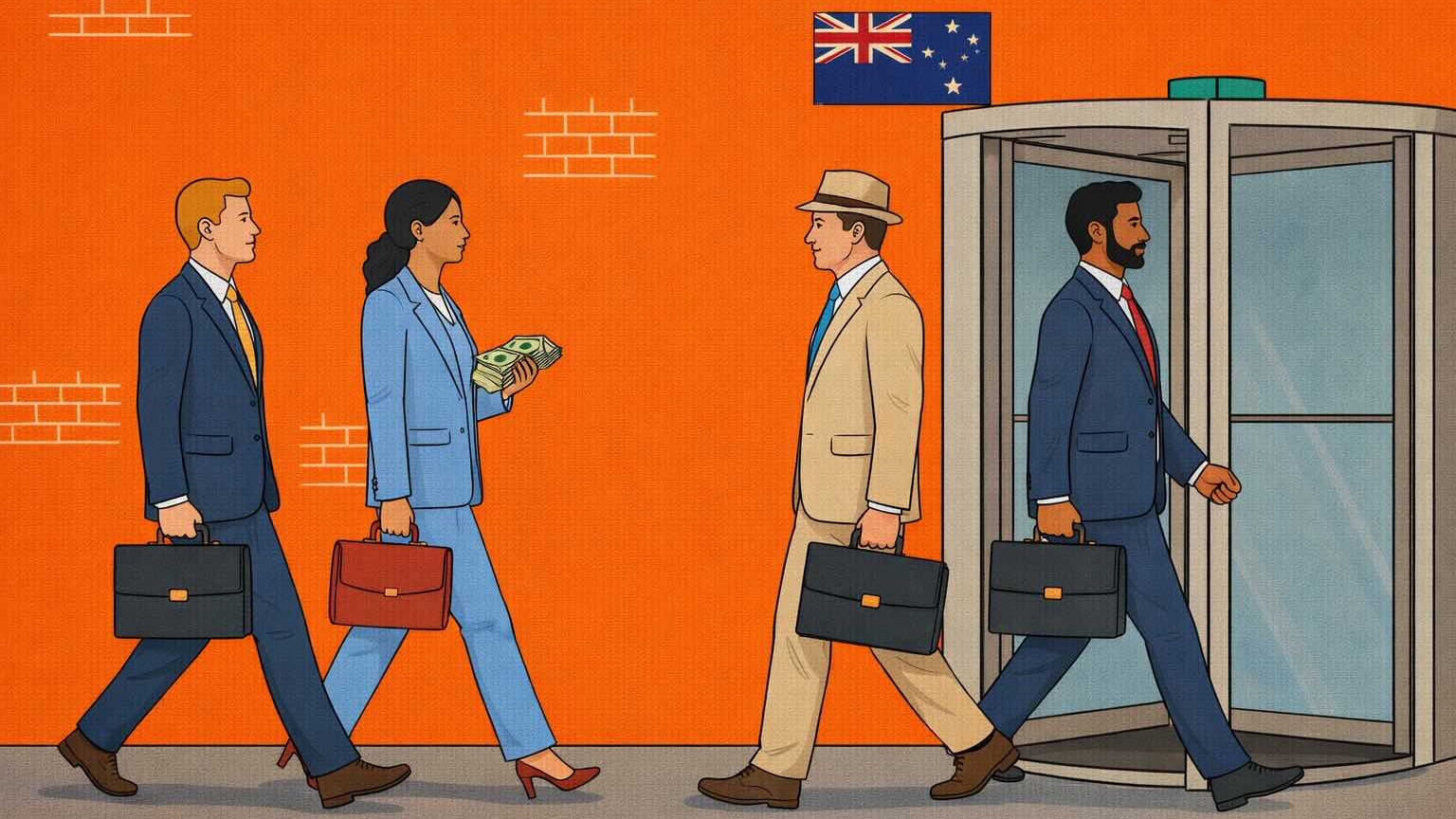
New Zealand First has consistently treated the FTA’s India-specific temporary-entry provisions as an immigration issue. India sees things rather differently.
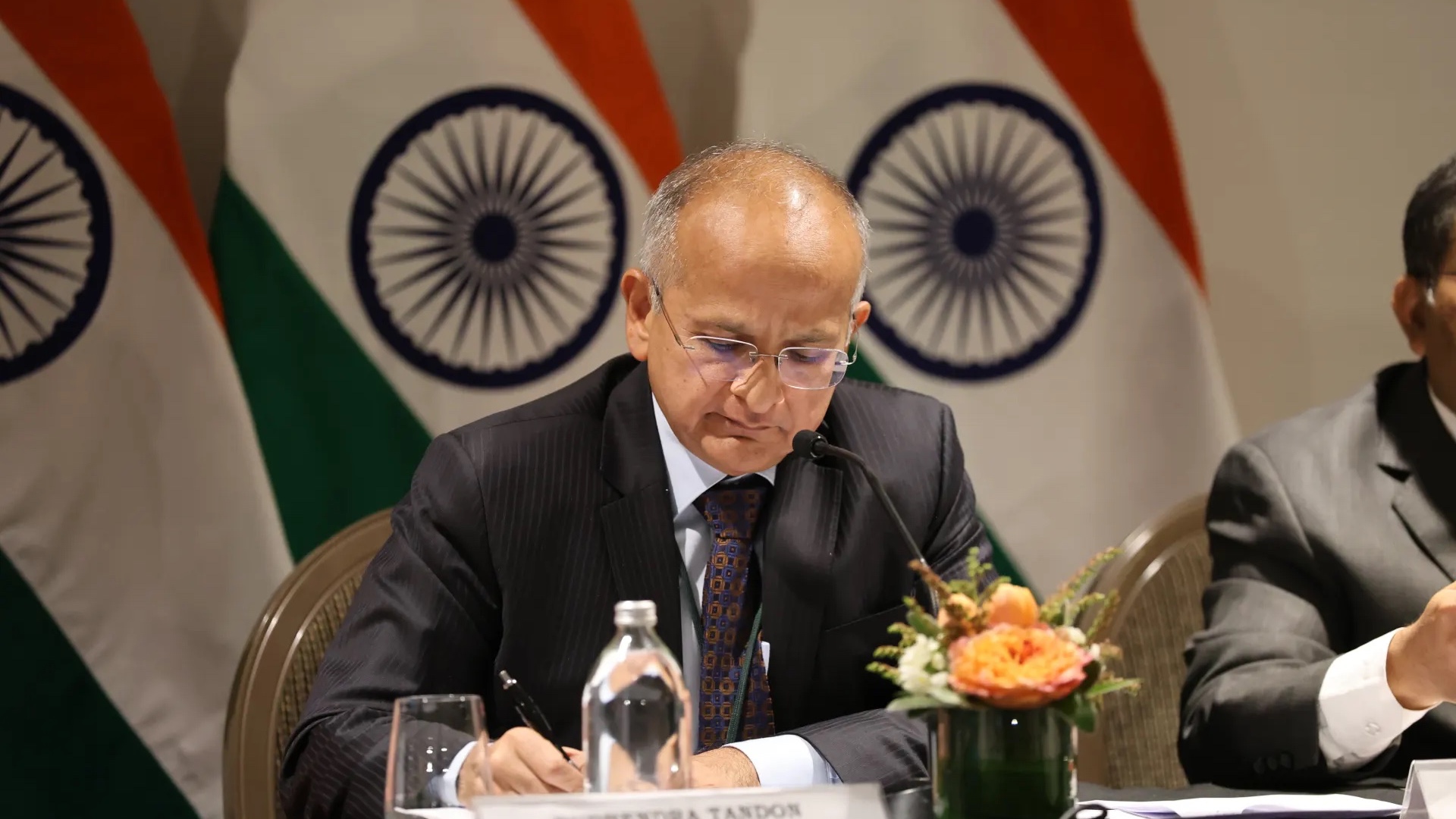
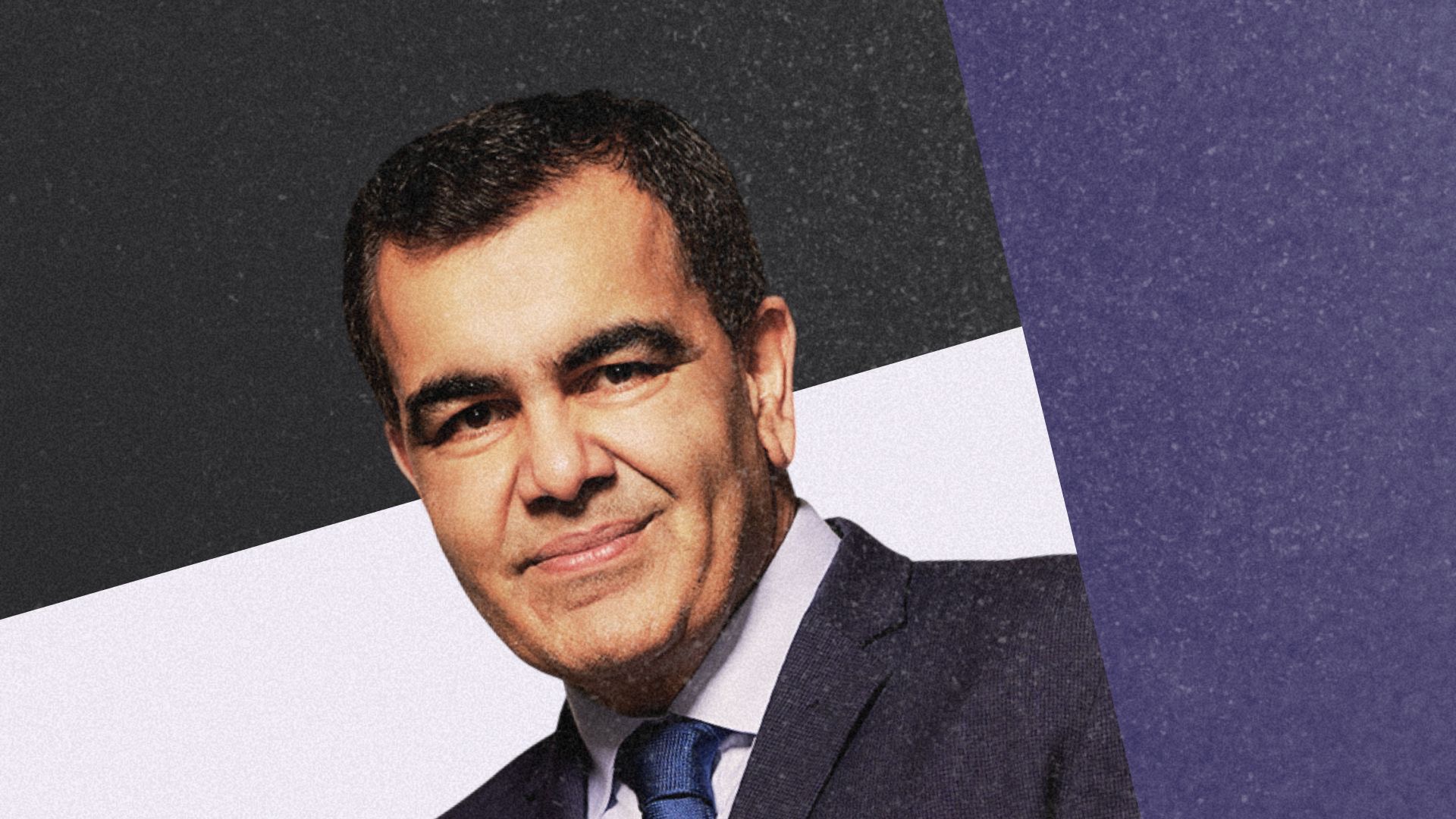
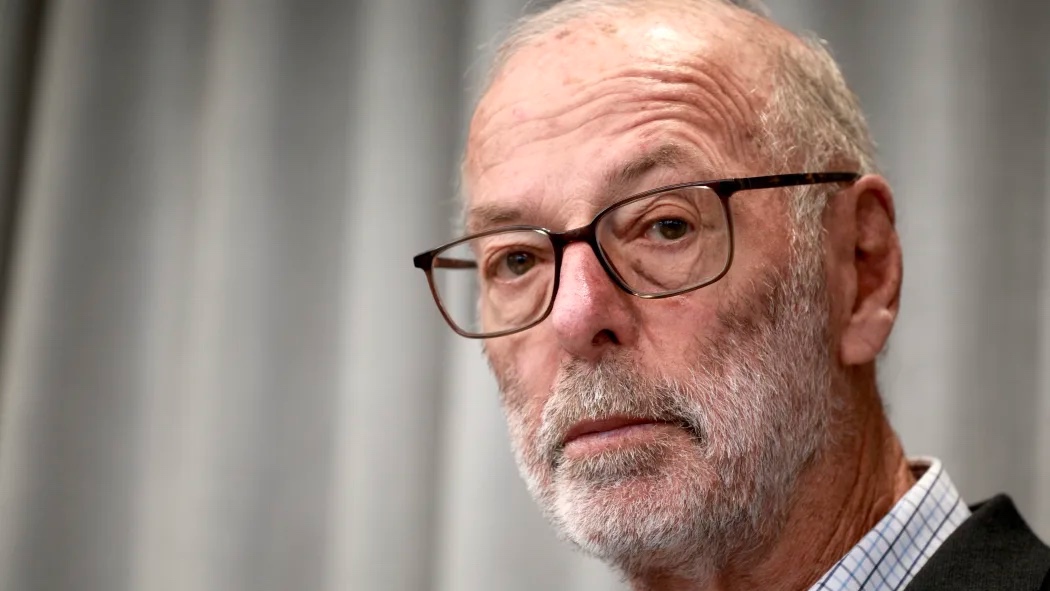
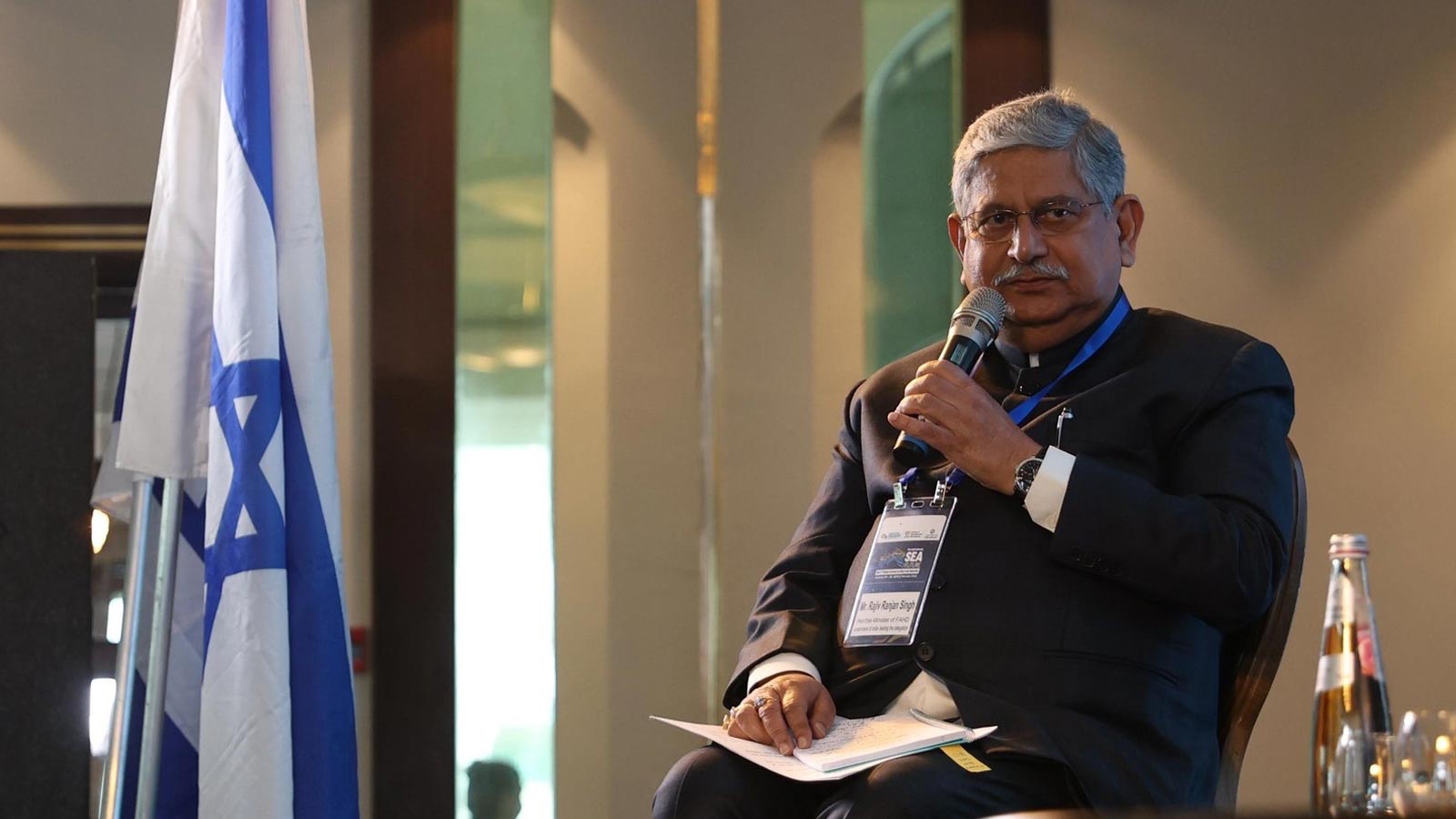
India’s secretary (east) Rudrendra Tandon at the official media briefing in Auckland on July 11, 2026.
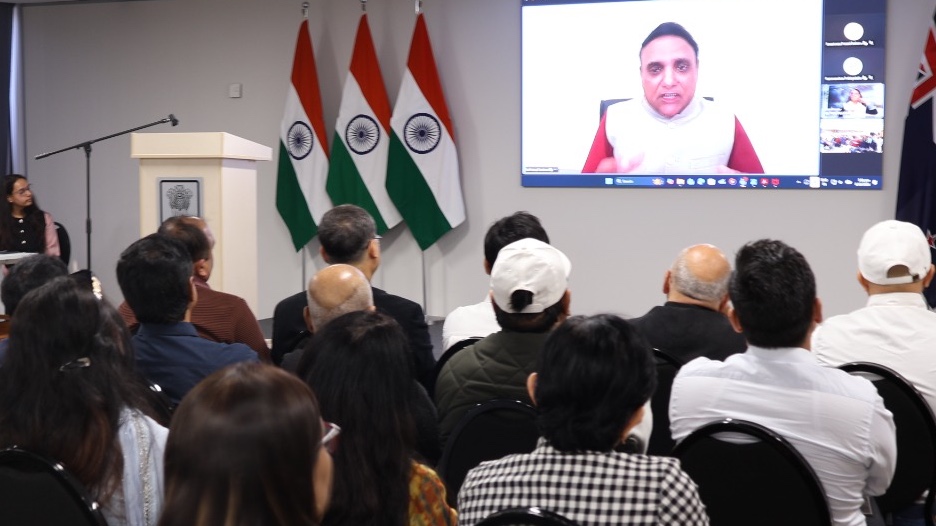
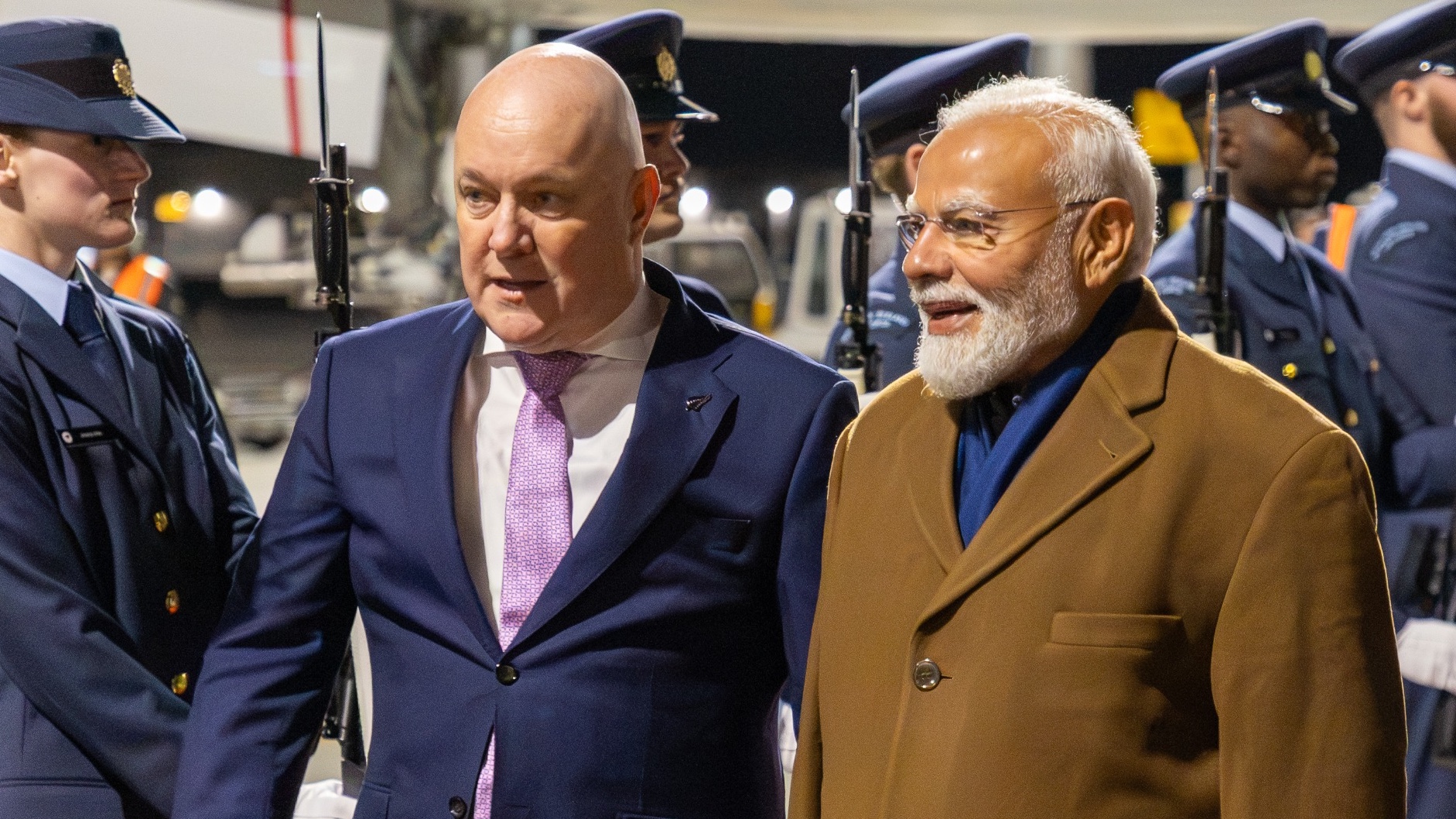
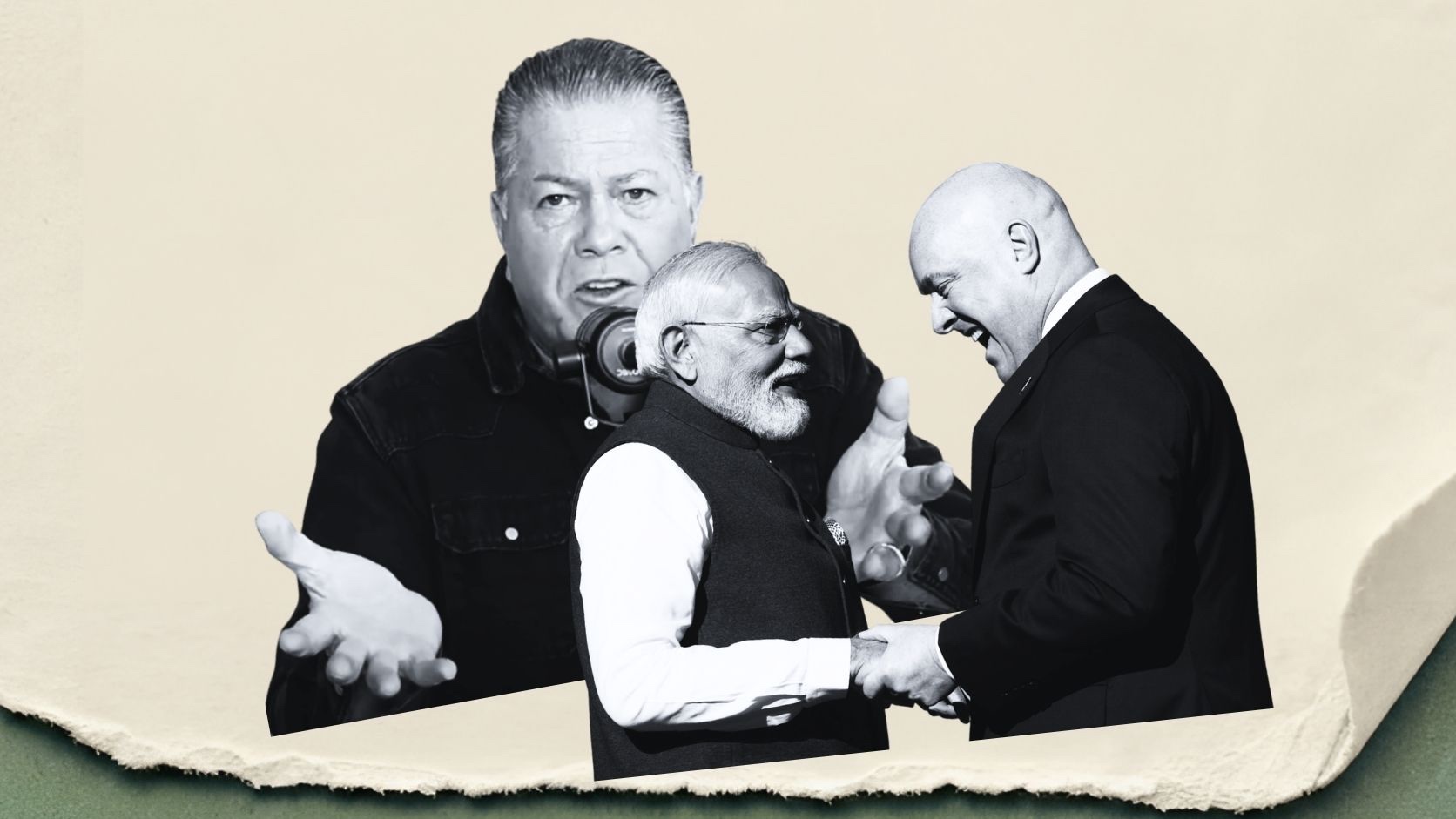
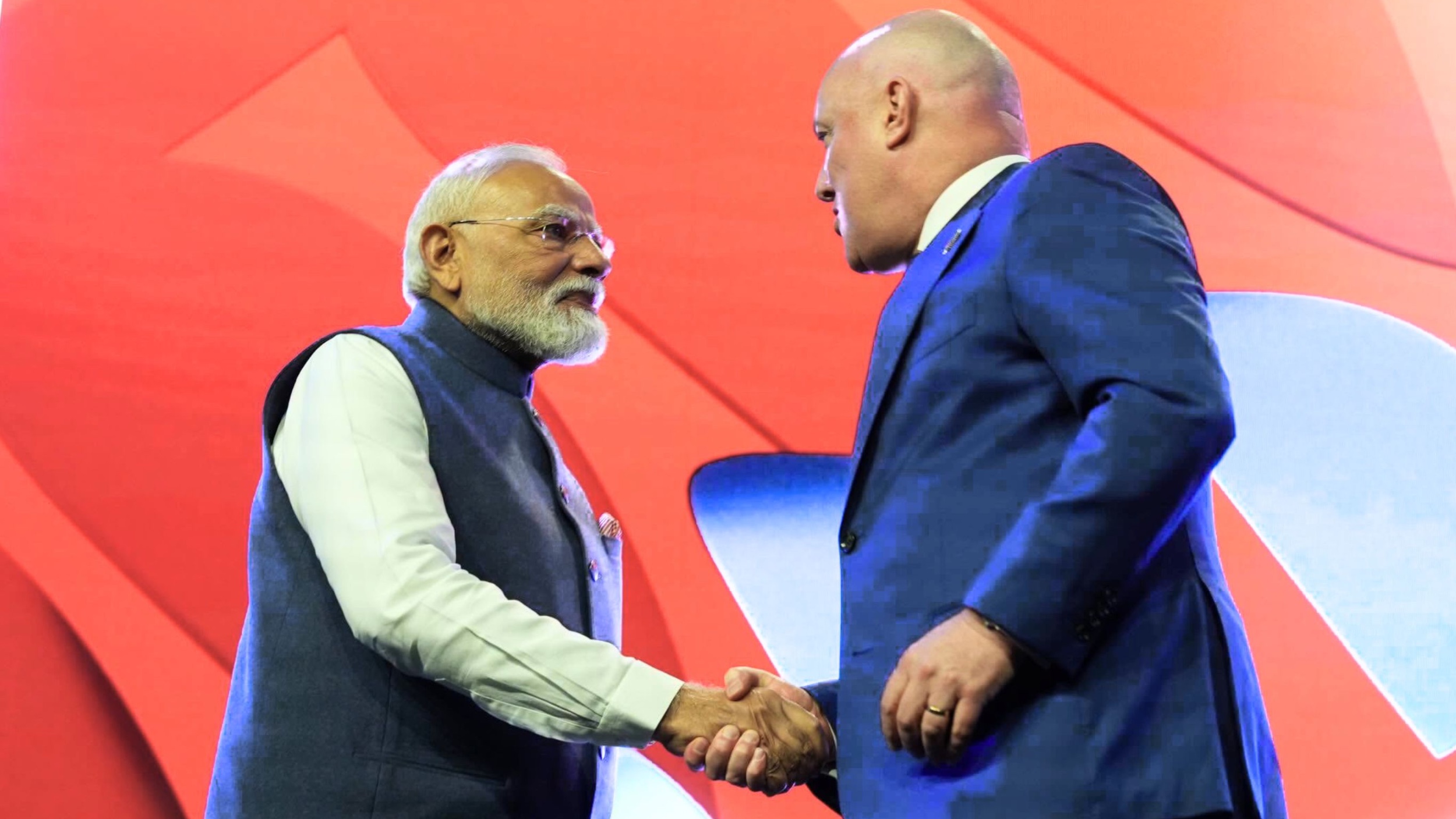
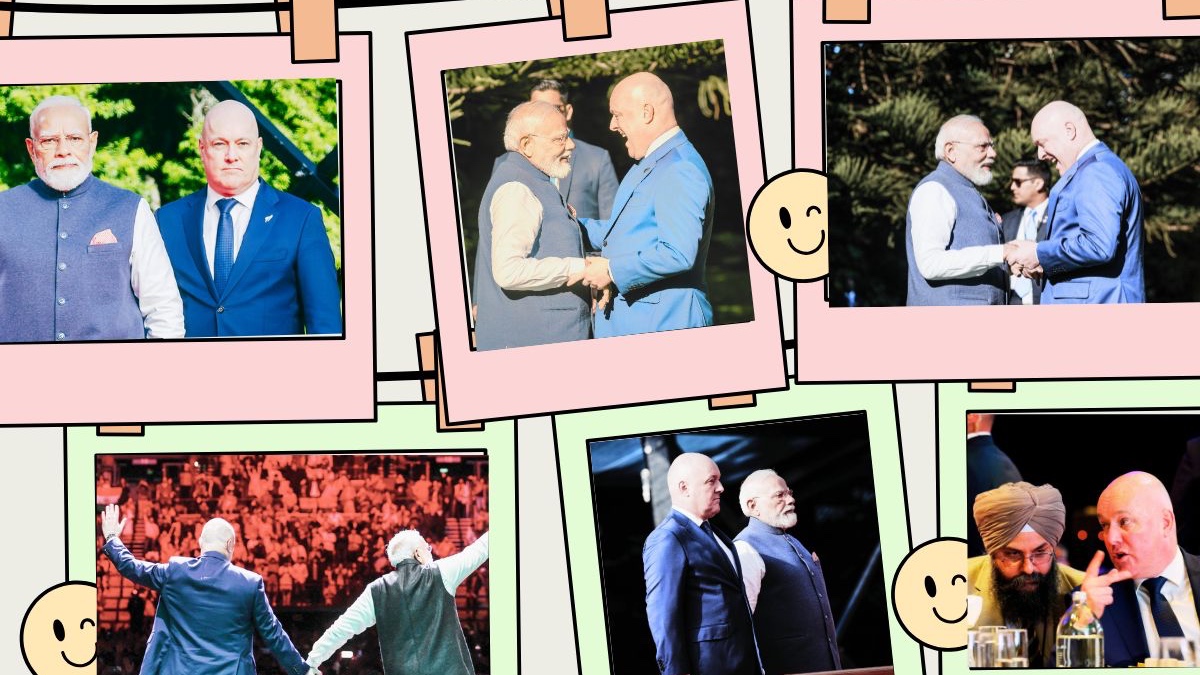
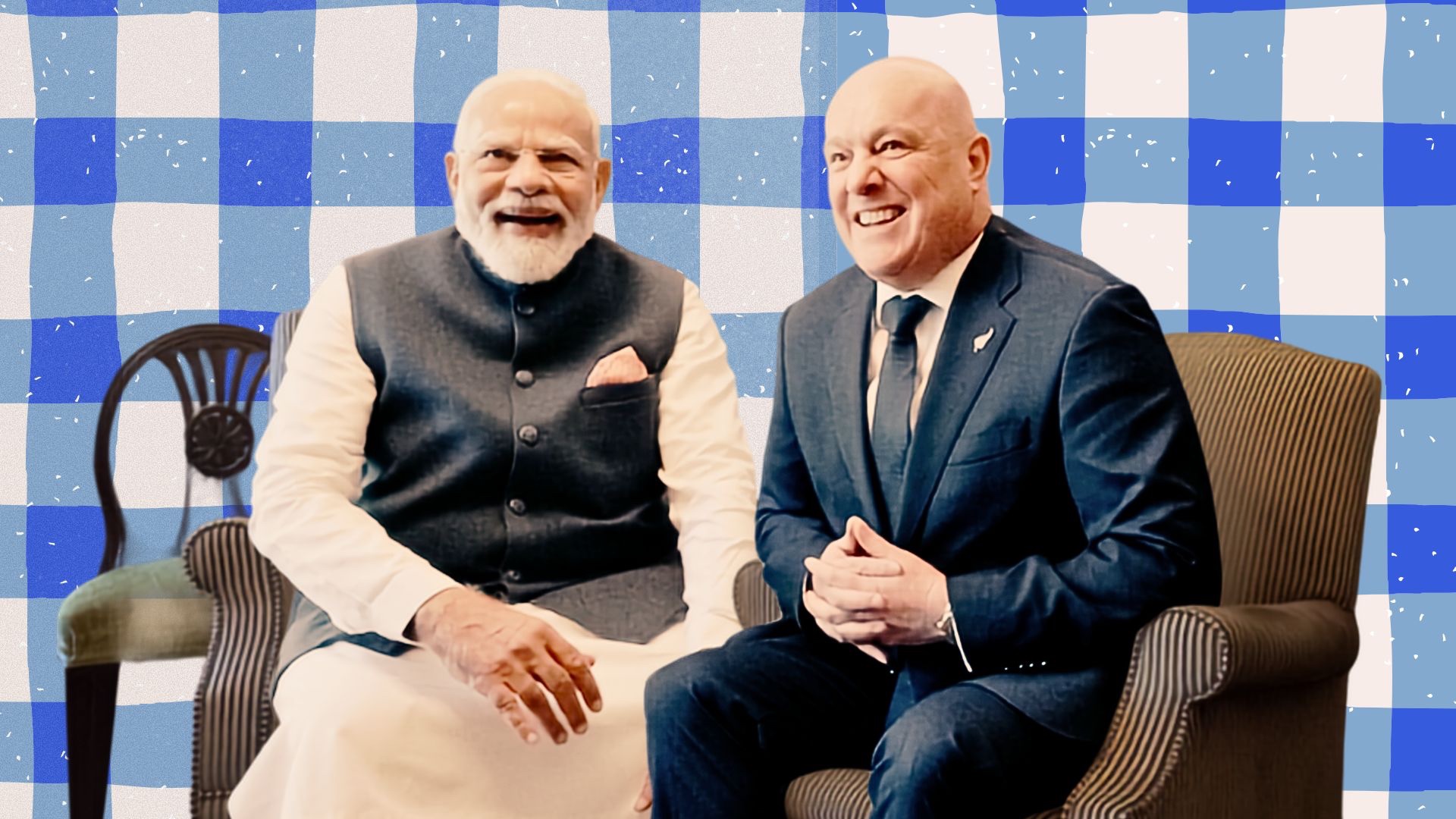
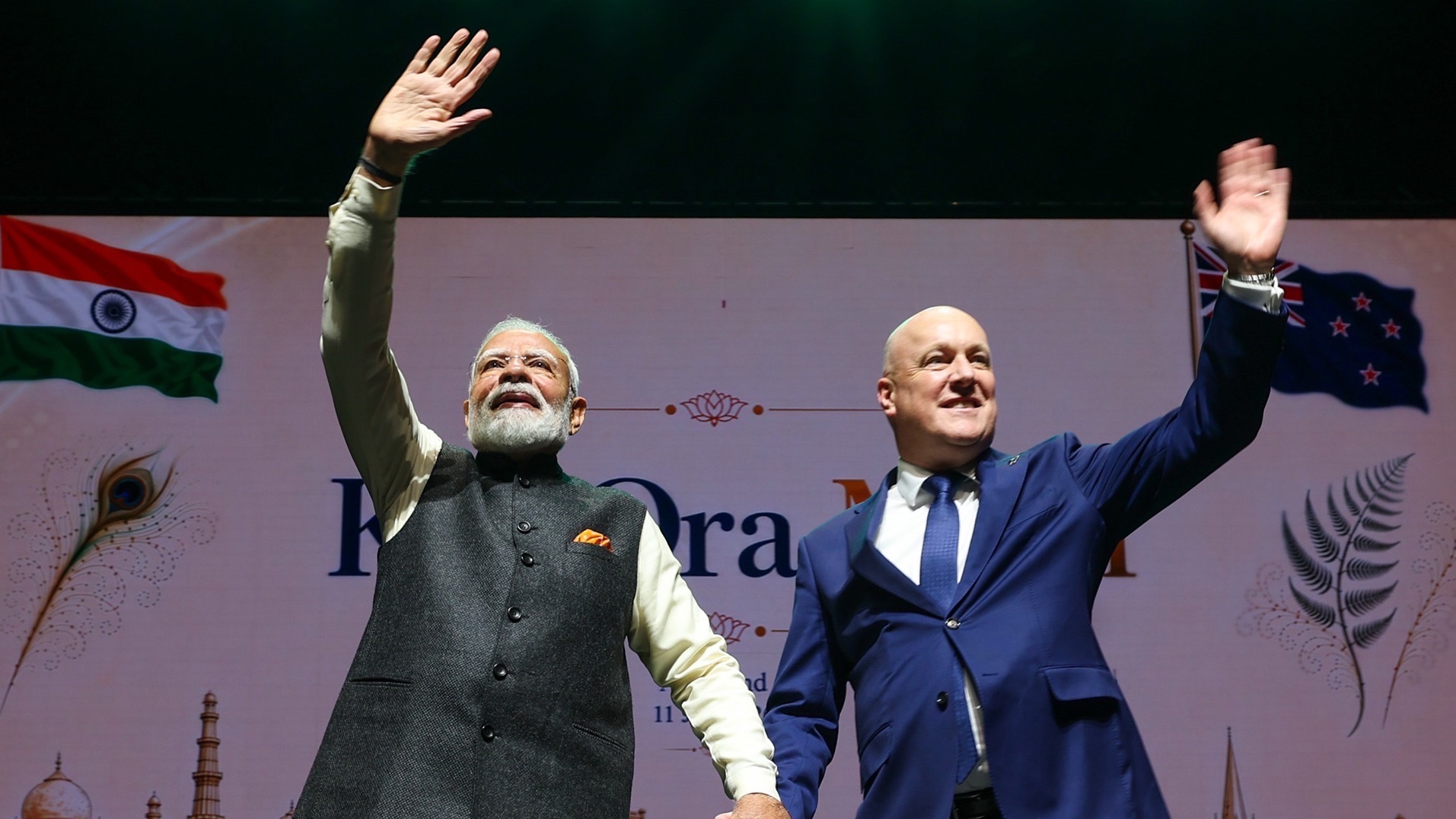
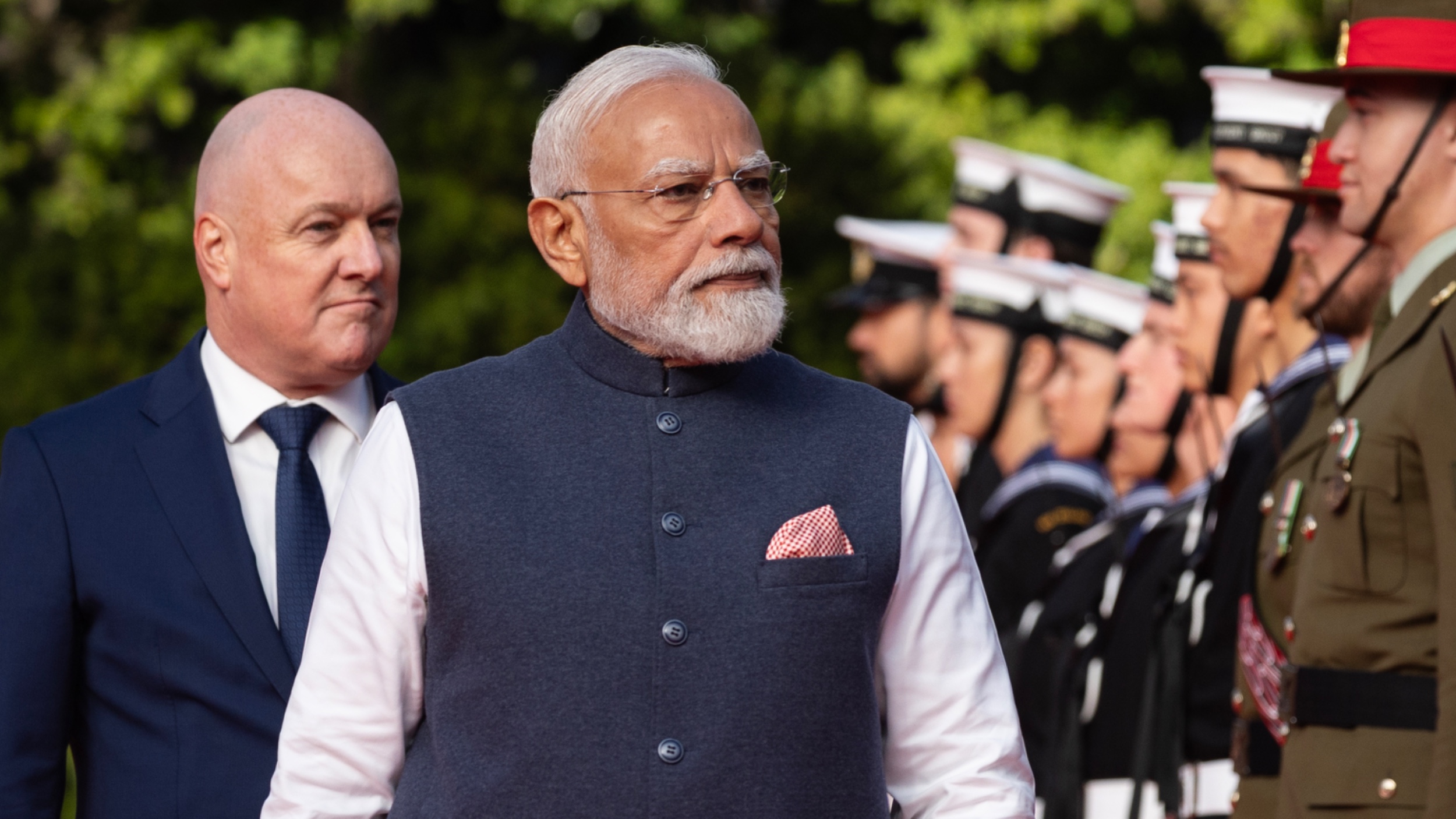
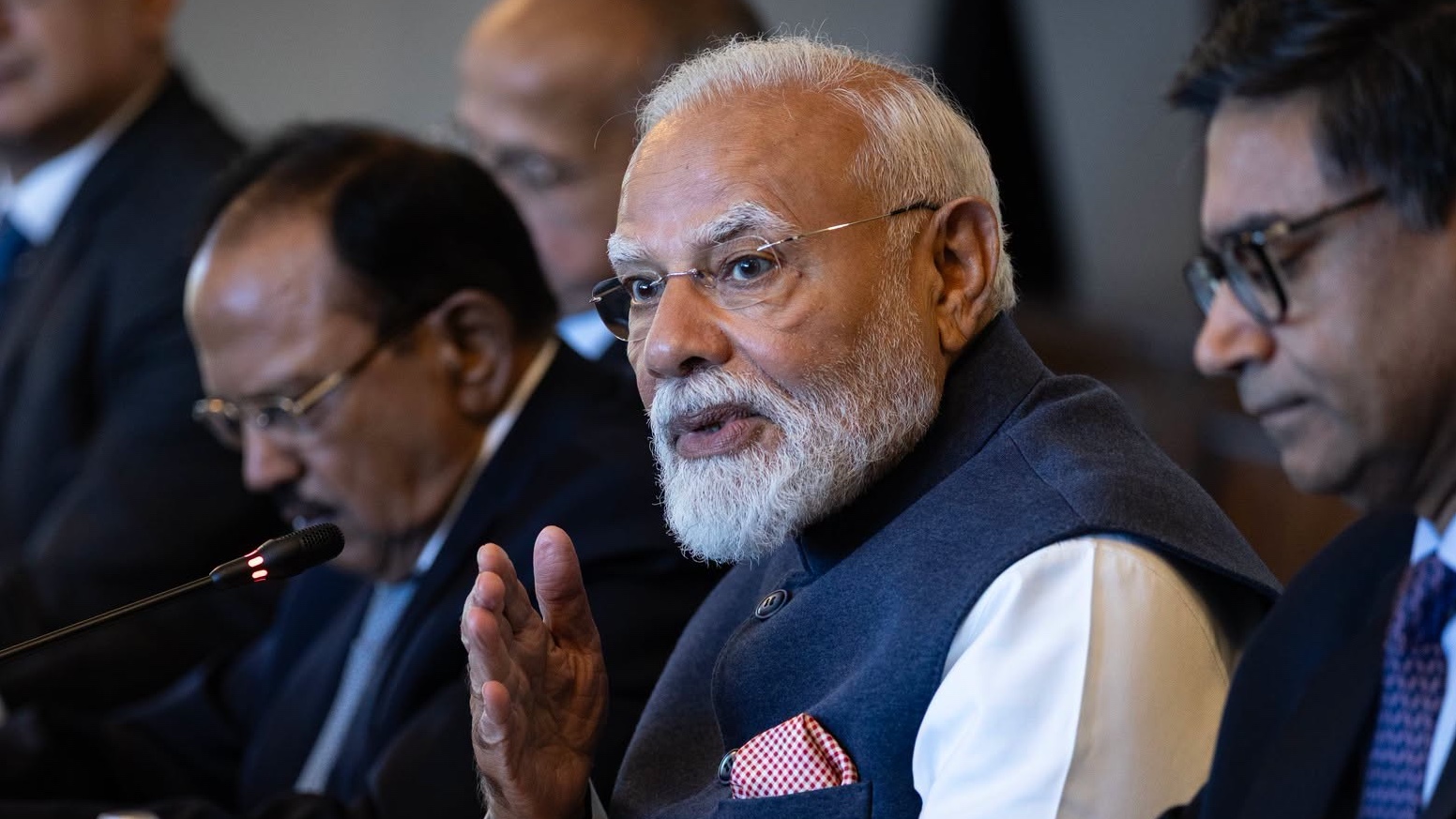
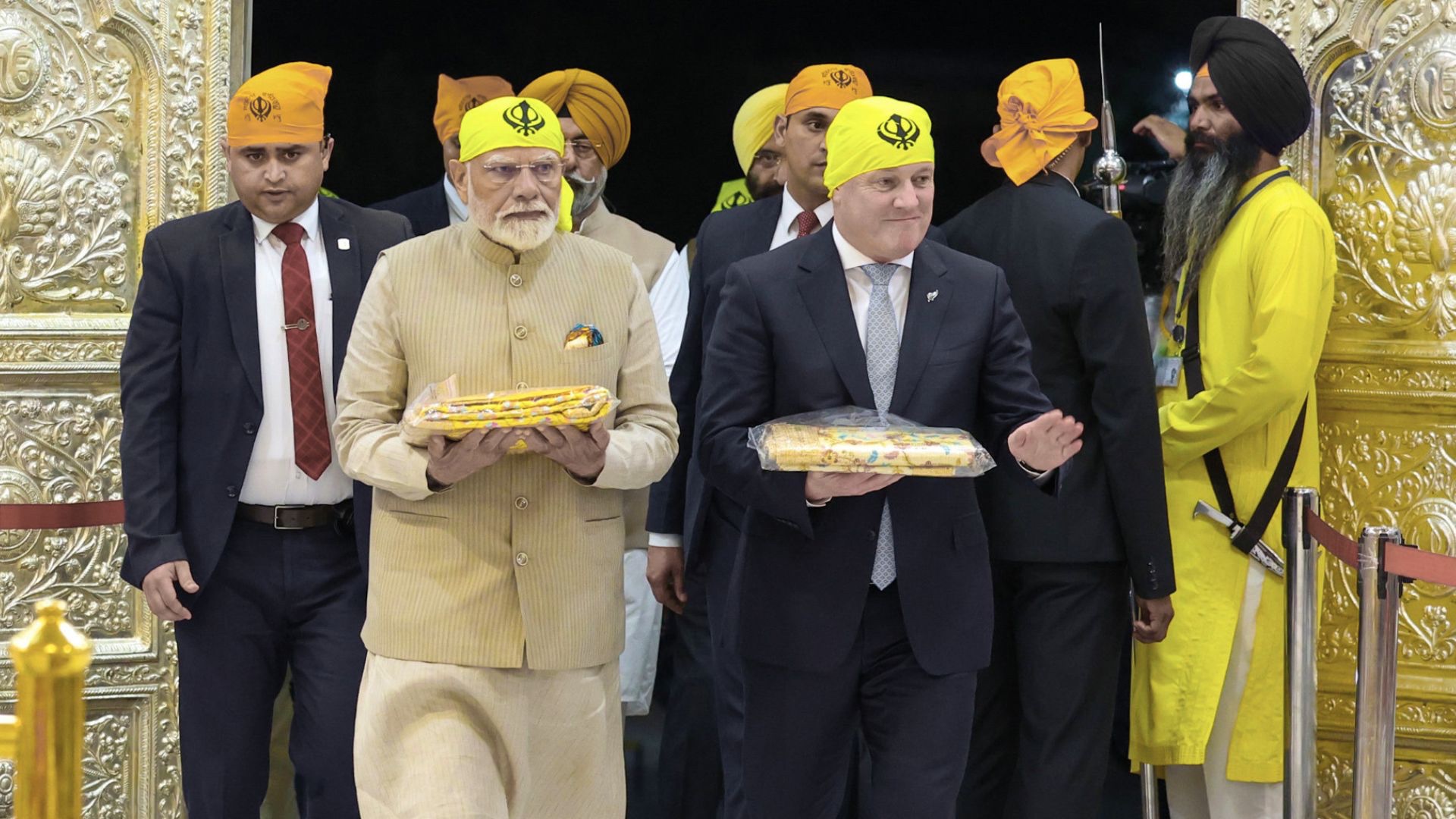
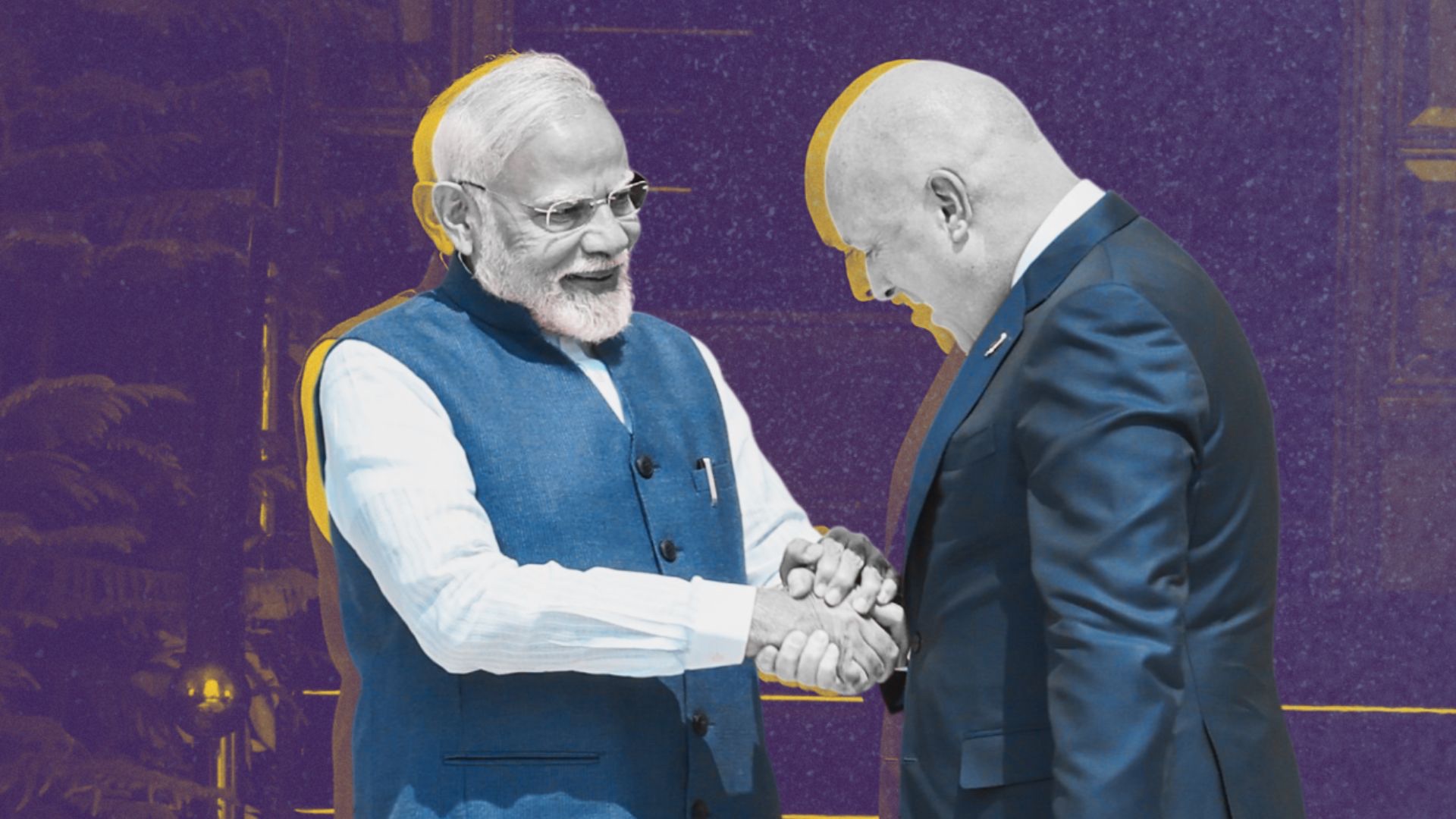
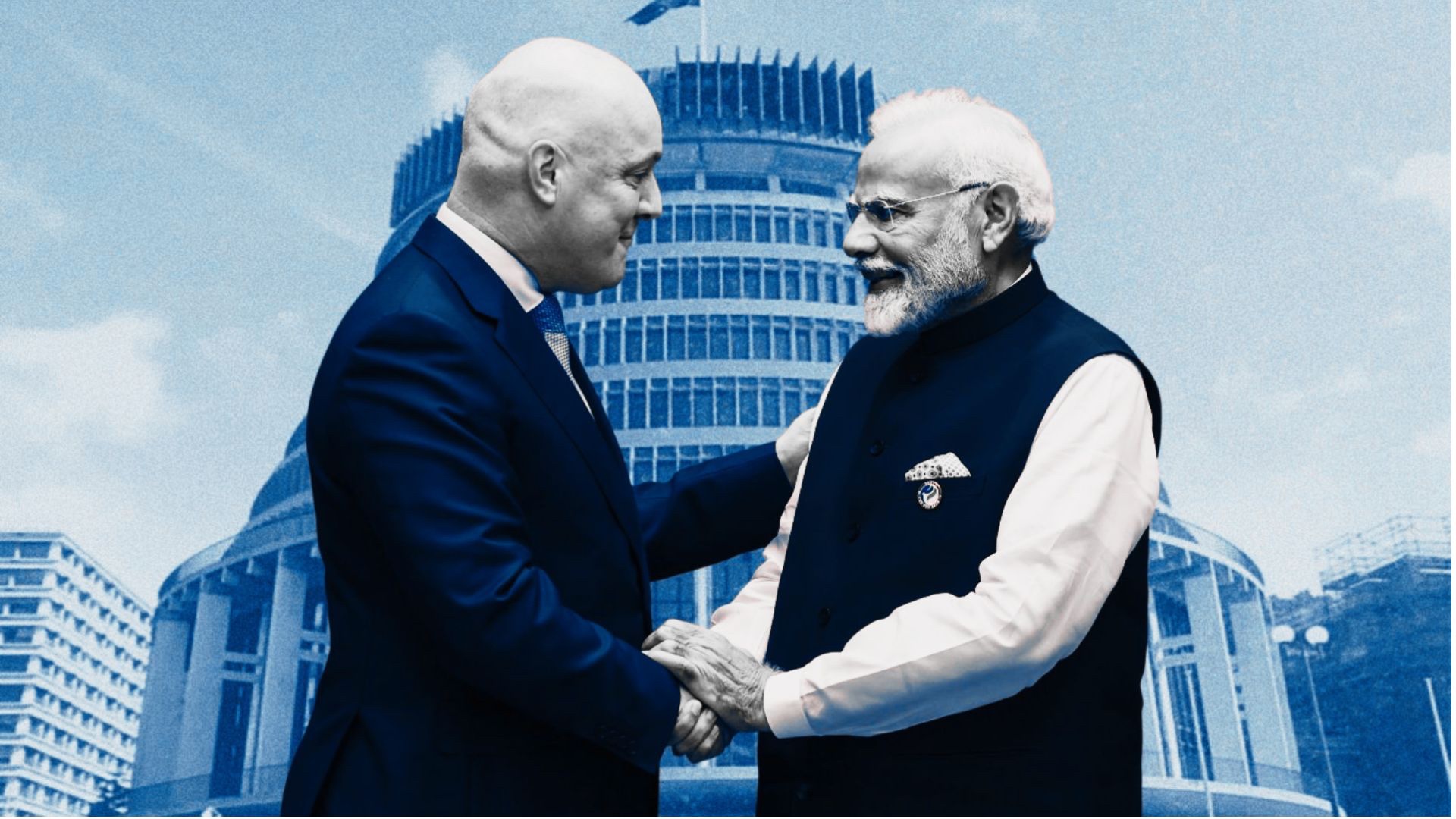
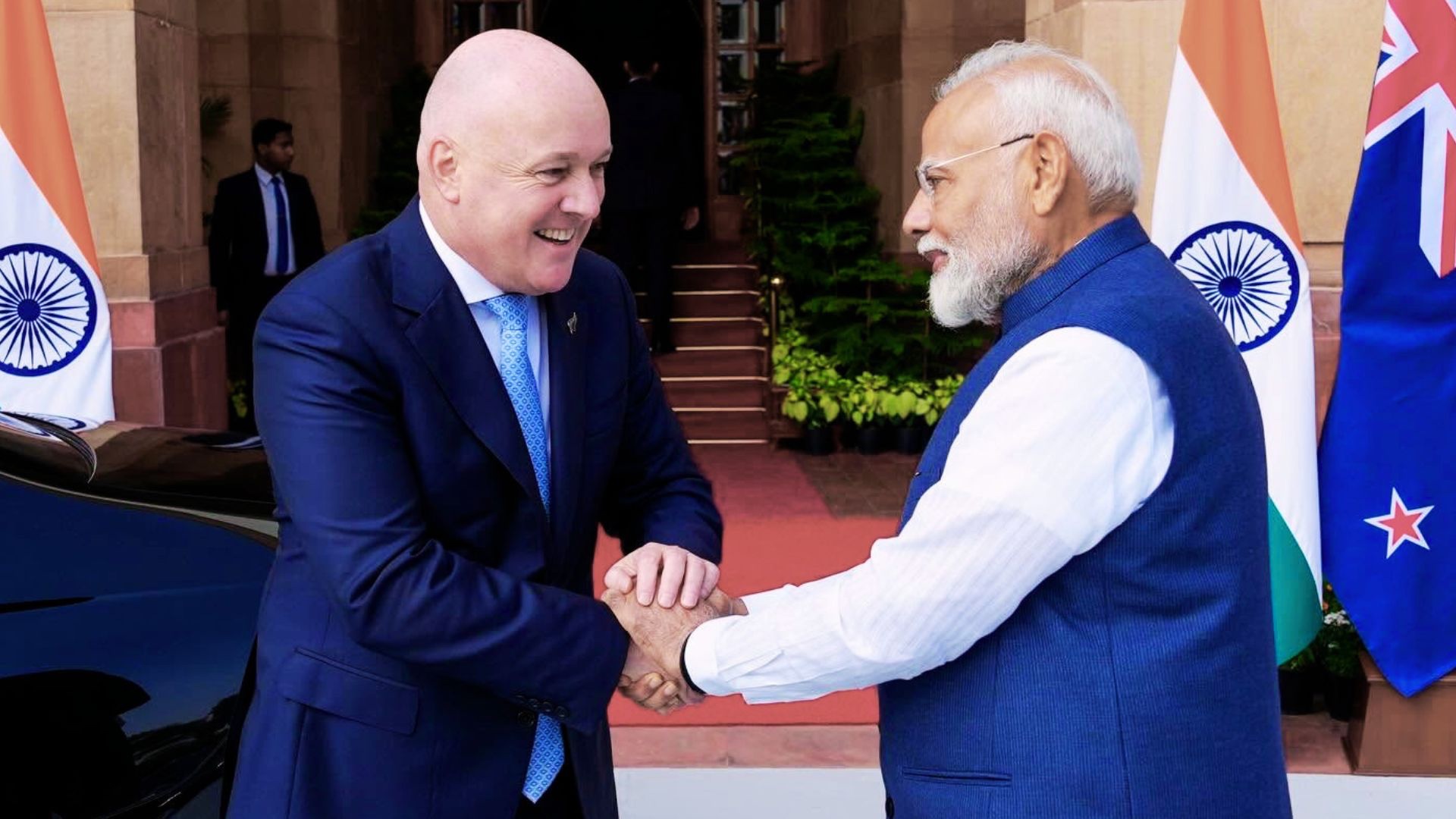
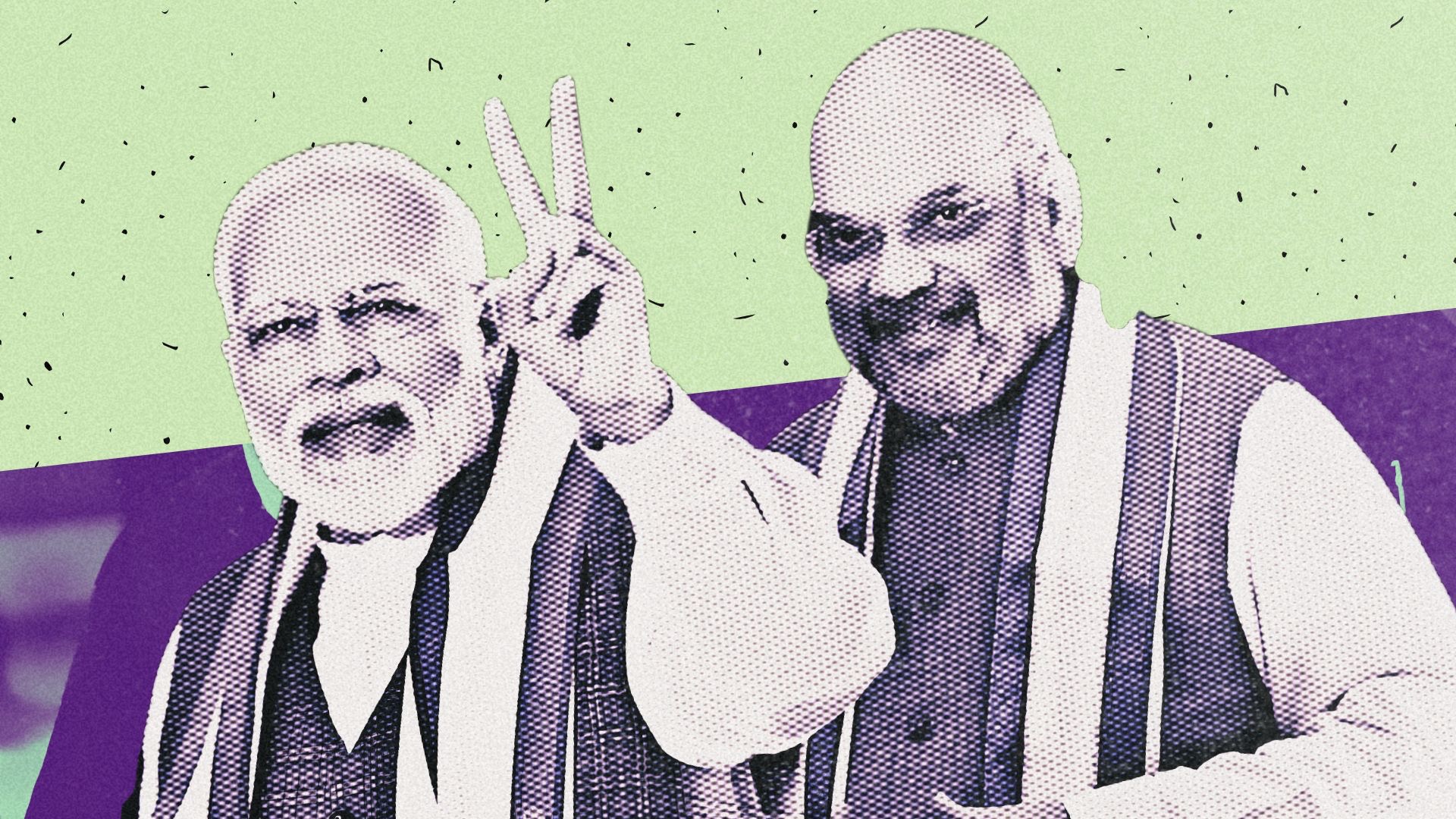
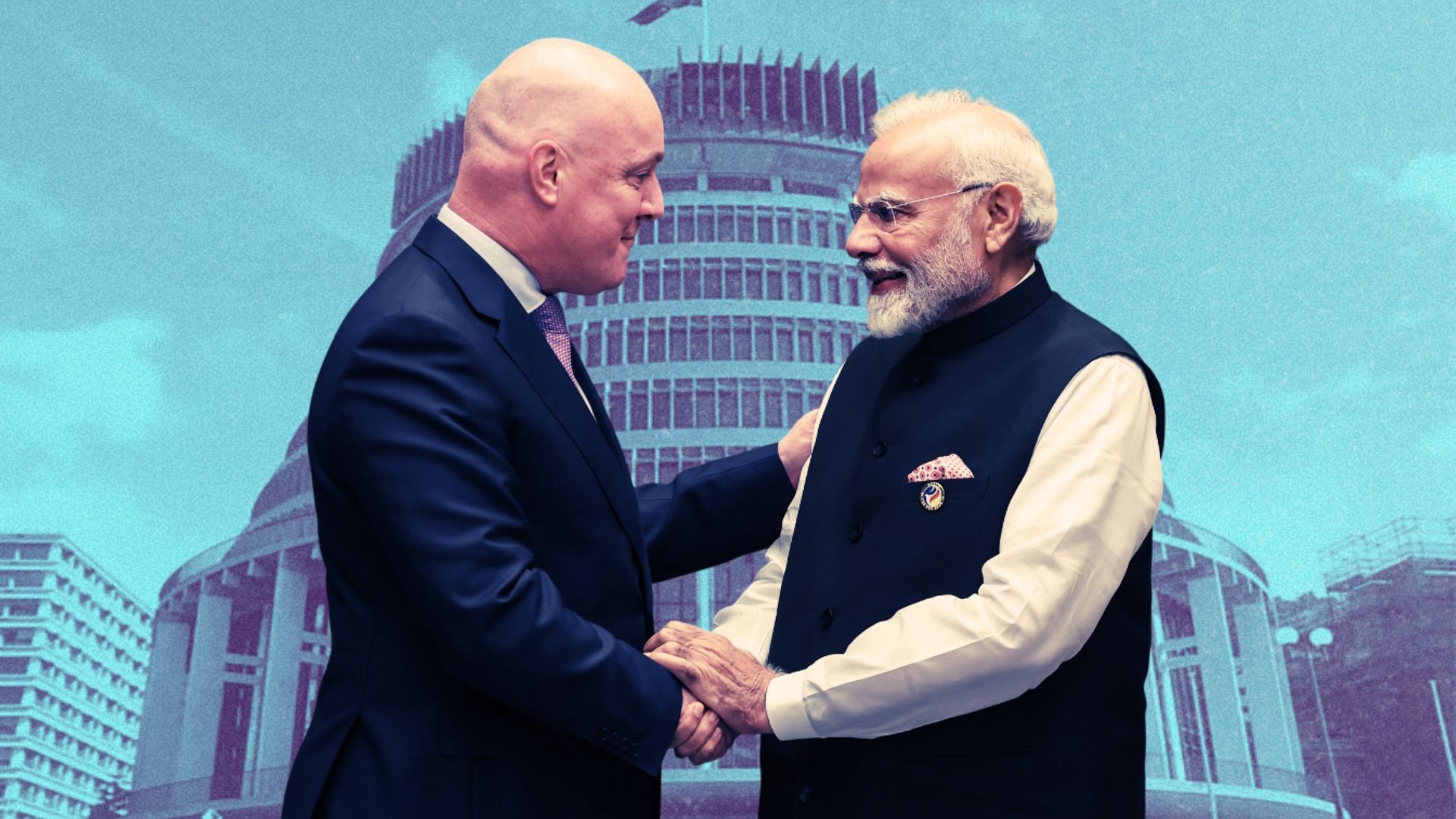
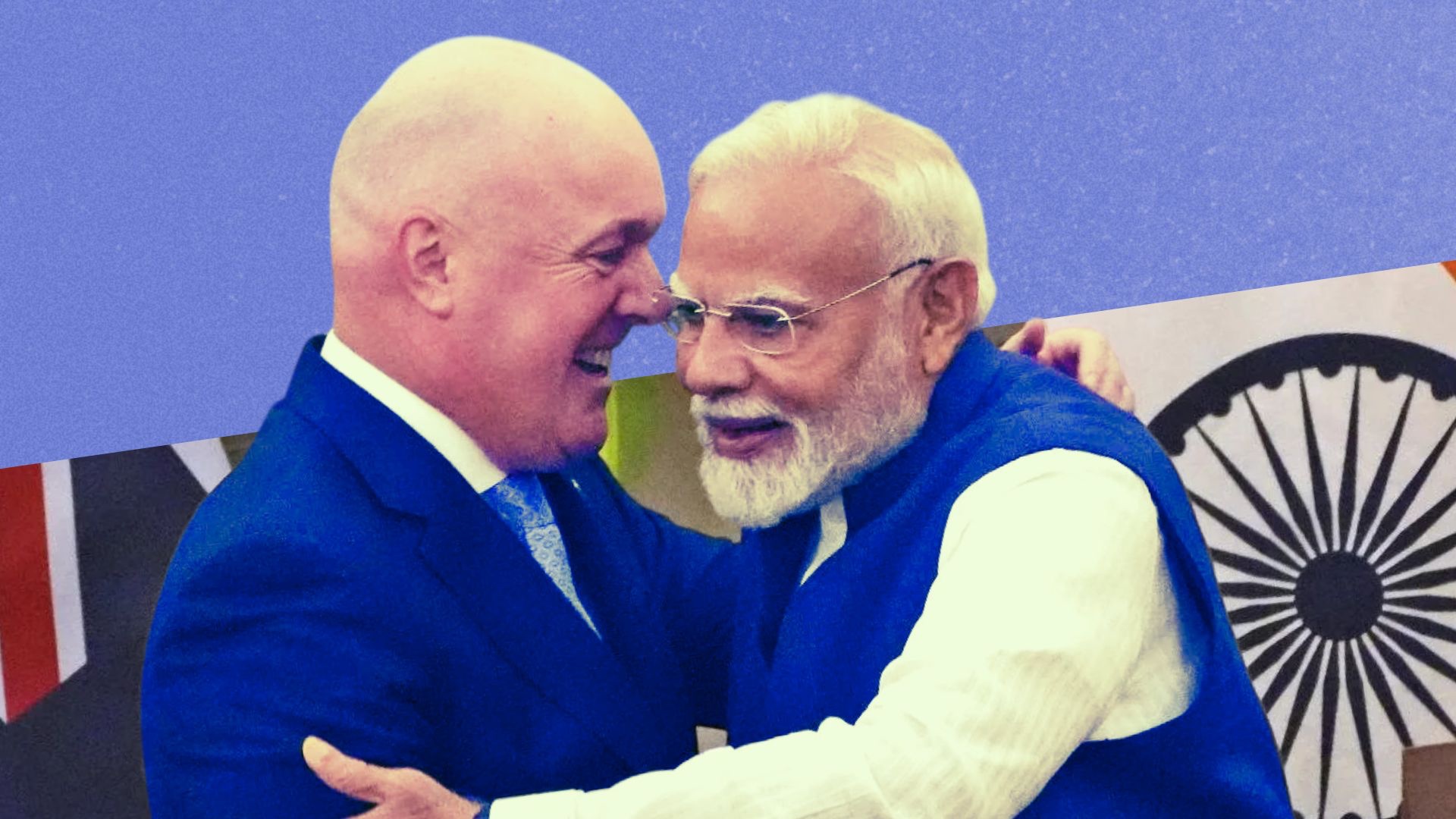
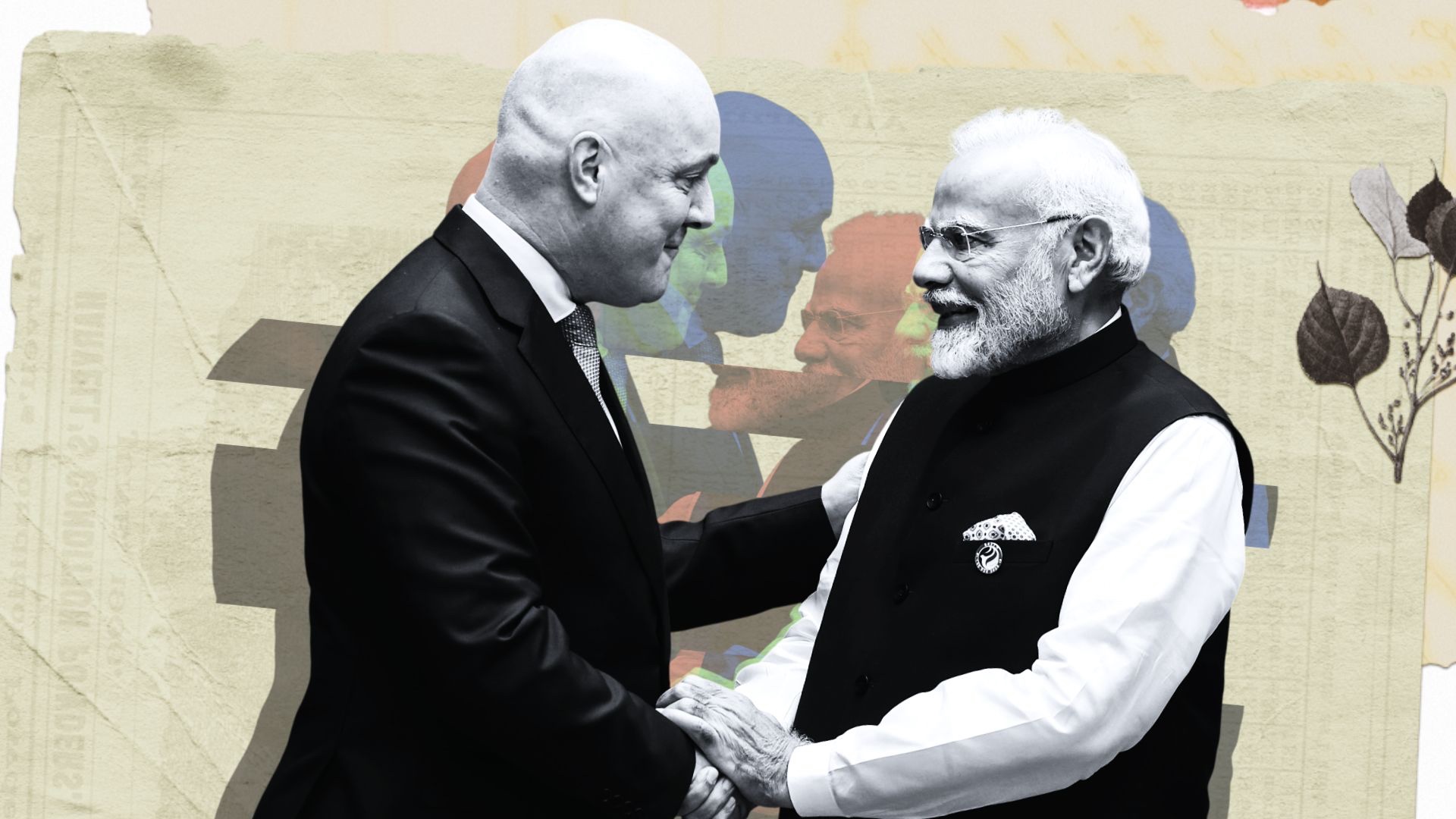
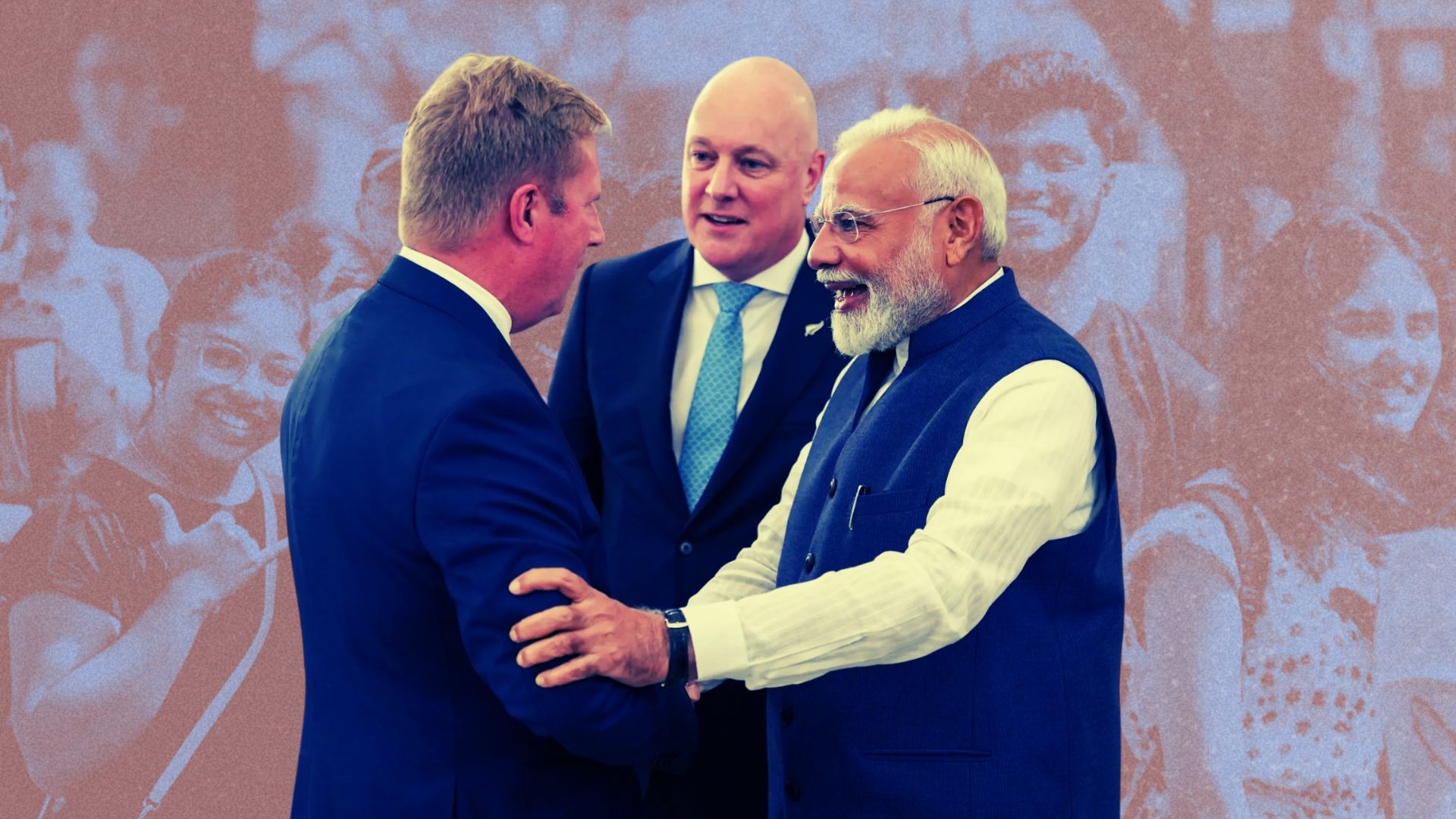
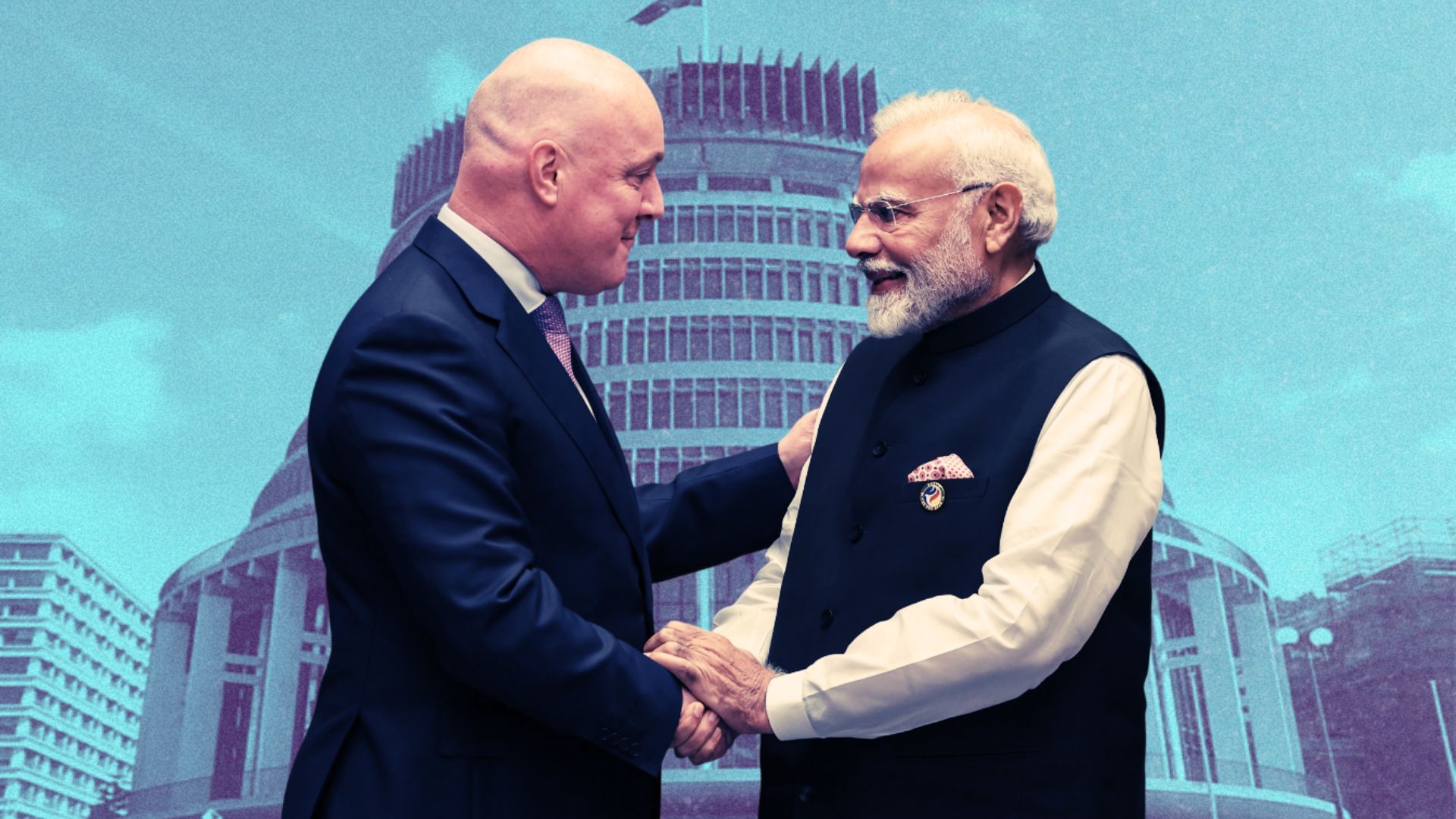
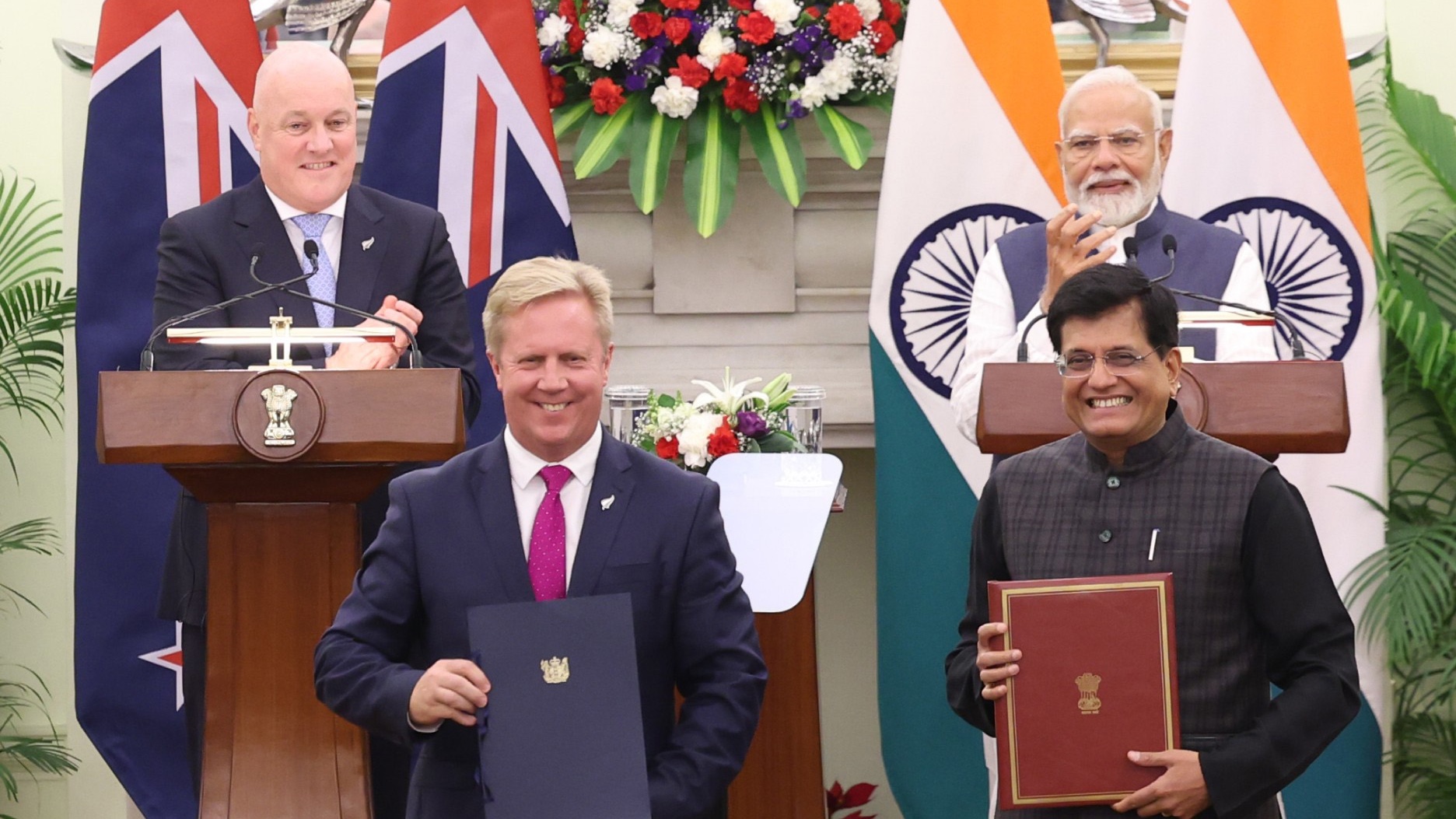
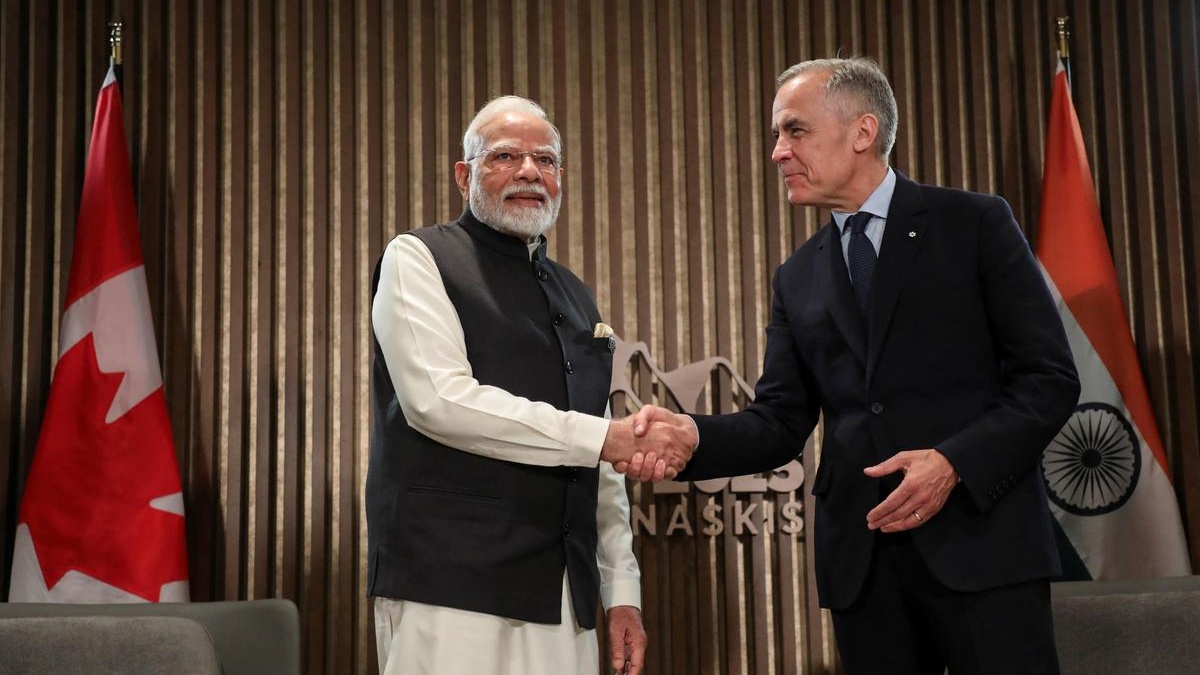
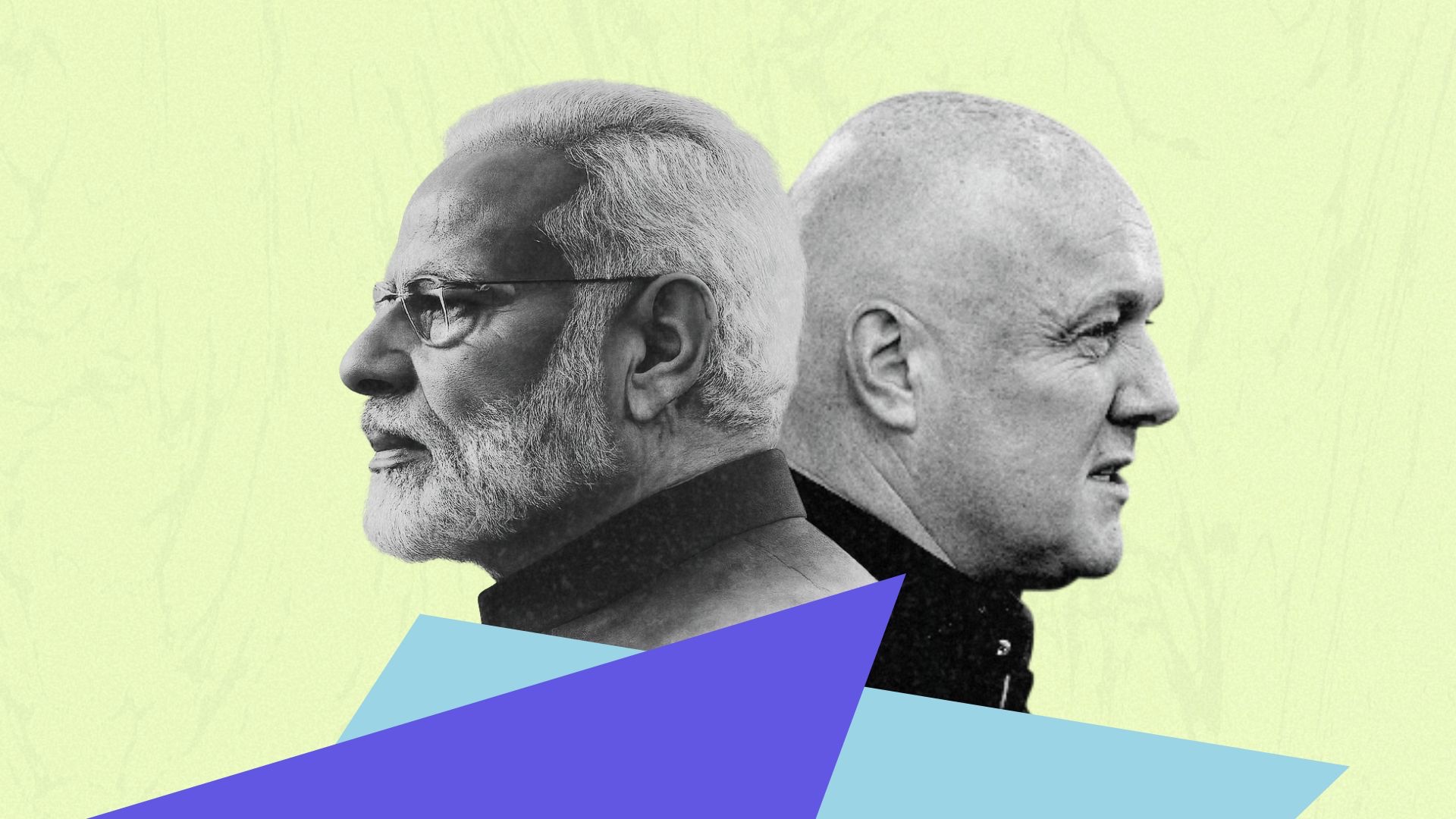
During Narendra Modi’s Auckland visit in July, India’s secretary east Rudrendra Tandon said the FTA was “not an agreement for immigration”, arguing that temporary mobility of skilled workers and permanent immigration were different issues.
Soares has no hesitation about which side of that argument she is on.
“New Zealand First believes we should never be afraid to walk away from a deal that doesn’t deliver enough for our country,” she says.
“Because whether we are talking about immigration, trade, jobs or the economy, what matters most is that we deliver for New Zealand.”
If the deal is not good enough, she says, New Zealand should return to the negotiating table.
“That’s what putting New Zealanders first actually means.”