A murky visa scandal in South Auckland has caught New Zealand’s immigration system napping

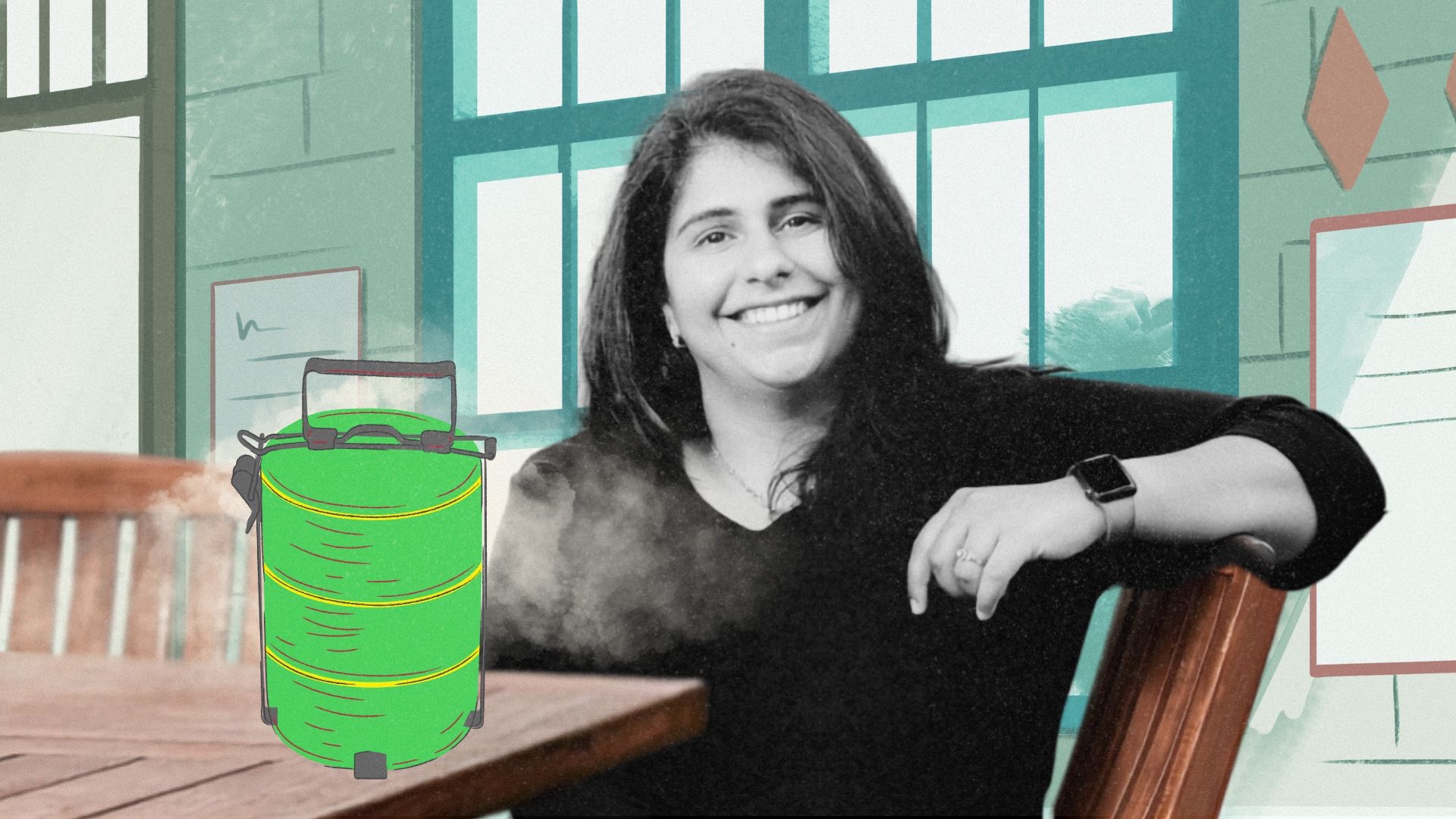
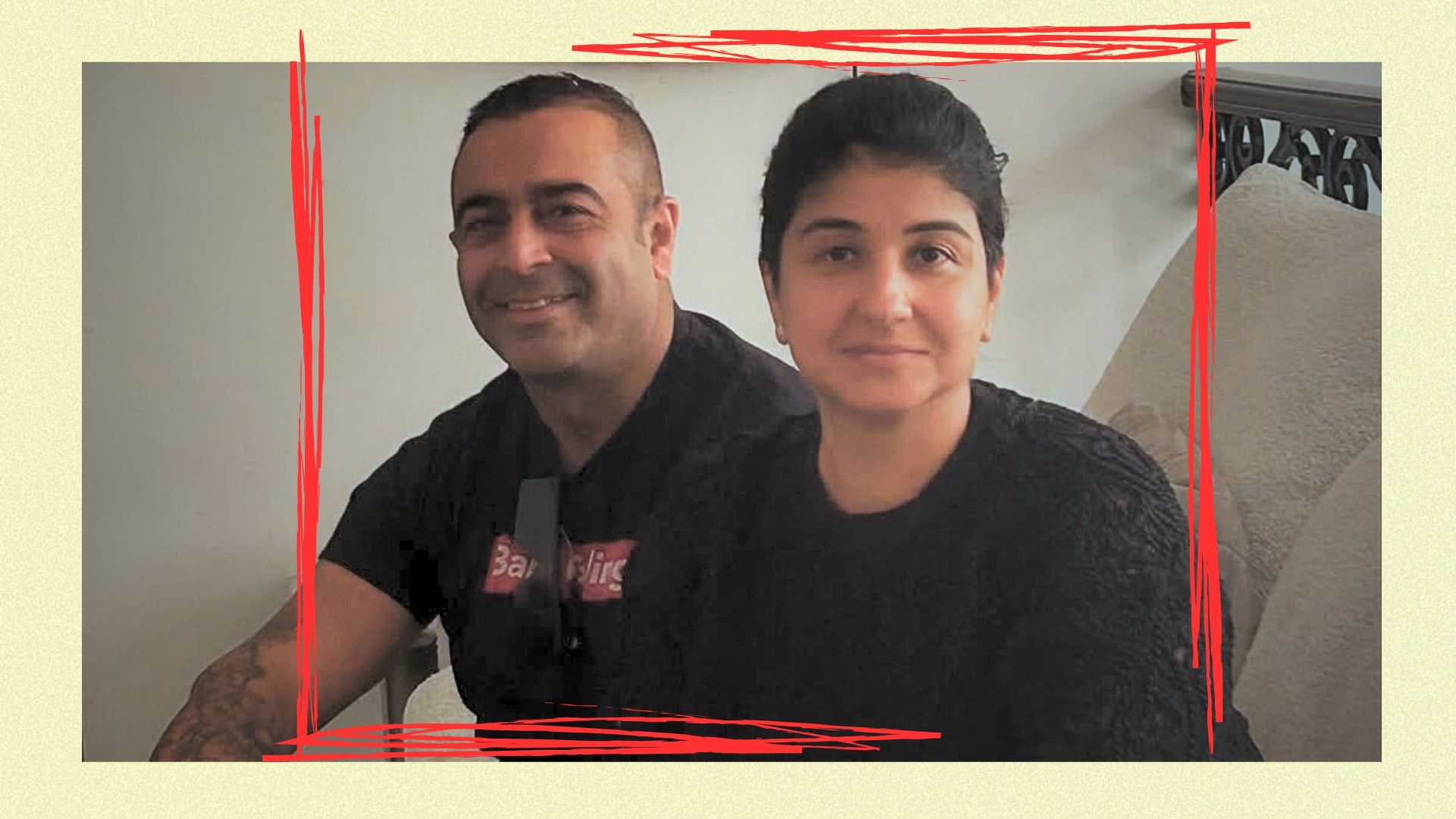
Sukhdeep Kaur is accused of charging thousands for immigration advice she wasn't authorised to provide. She denies any wrongdoing.
At least 30 migrants say they were caught up in an alleged visa fraud that the immigration watchdog was alerted to in March.
Some migrant workers in Auckland learnt their visa applications contained false information when Immigration New Zealand (INZ) turned them down. One worker says he was handed what looked like a work visa and later learnt from officials that it was fake.
But months before the allegations became public, another part of the immigration system had already received a warning about the woman the workers say they paid for help.
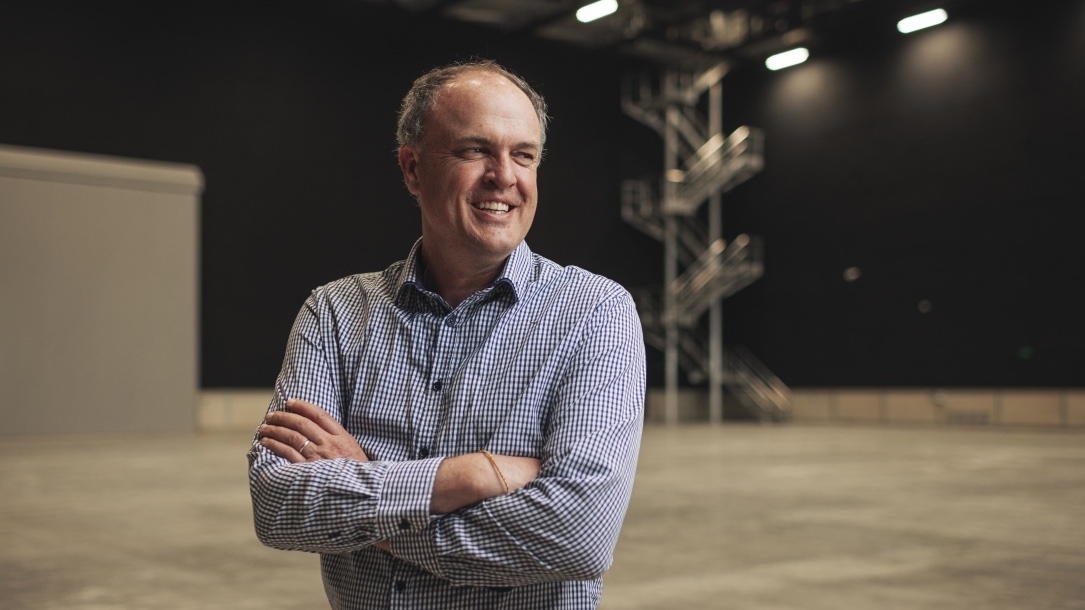
On March 17, Jagjeet Singh Sidhu, president of the NZ Forum for Immigration Professionals, had lodged a complaint with the country's immigration advisers watchdog.
"My email to the Immigration Advisers Authority (IAA) was quite detailed. I even provided documented proof about this person," Sidhu says.

He alleged a woman named Sukhdeep Kaur Gill, operating out of Takanini, was giving immigration advice without a licence and supplying supporting documents. The authority acknowledged his complaint three days later, saying an investigator would be in touch after an initial review. Nobody did.
Exploited migrant won nearly $150,000, was offered $600. She’s still fighting for a dollar Two former employers are in liquidation and their director is bankrupt, leaving a Rotorua woman facing an uncertain future.
The year Edmund Hillary took three New Zealand-made jetboat up the Ganges Two years after losing his wife and daughter, the mountaineer found warmth and friendship along India’s sacred river.
Indians with a New Zealand job offer could face tougher visa checks, lawyer warns An internal review has prompted INZ to look more closely at whether applicants would leave New Zealand if their visa options ran out.
In April and May, migrant worker Vikarimjit Singh made two $1,000 payments into the account of Gill’s company, according to bank records seen by the New Zealand Herald.
He says he later discovered that his visa application contained an English test result for a test he never sat. INZ declined his application for supplying false information.
On August 28, Sidhu followed up, warning that the alleged activity was continuing. He says he first heard from an investigator on November 2, about seven-and-a-half months after lodging his complaint. The investigator told him the matter was under investigation. When that work began remains unclear.
An adviser representing the workers now says at least 30 people claim to have been affected. Kaur Gill denies wrongdoing and says she runs a digital marketing company and did not work as an immigration adviser. INZ has confirmed it is investigating the workers’ allegations.

What was the watchdog doing?
INZ decides who gets a visa. IAA, which sits within the ministry of business, innovation and employment (MBIE), regulates who can give people advice on getting one.
The IAA issues licences, sets professional standards and receives complaints. Anyone giving New Zealand immigration advice generally needs a licence unless they fall under an exemption, such as lawyers with a current New Zealand practising certificate.
The authority can investigate suspected unlicensed advice and bring criminal charges. In 2014, a case brought by the authority resulted in former Auckland lawyer Richard James Martin being found guilty of 93 charges.
Martin had surrendered his practising certificate. The Auckland district court heard that he advised 10 families, forged lawyers’ signatures and used licensed advisers at his firm to sign off on applications for clients they had never met.
That case shows what the authority can do once investigators have gathered enough evidence to bring charges. The Takanini allegations raise a question about the work that comes much earlier.
When a complaint comes with supporting documents and a further warning that the person is still allegedly taking clients, how quickly does the regulator assess the risk to the next person who might pay for help?
Immigration advisers that Awaaz has spoken to say some of the affected workers approached them before deciding to deal with Gill. It appears some, at least, compared their options.
What each person understood about the service they were buying from Gill, or the documents submitted in their name, remains unclear.
Rising workload?
Asked why the IAA had not acted sooner, what responsibility it bore for workers affected after March and whether it was understaffed, MBIE told New Zealand Herald commenting on individual complaints could compromise an investigation.
It also said investigations can involve substantial amounts of evidence and that cases that might lead to prosecution require further assessment. Those are reasons a prosecution can take time. The public still has no account of how quickly the authority assessed the risk that more people could be affected.
MBIE said the authority was “actively managing increased demand”. Complaints against licensed advisers rose from 72 to 143 in a year. The March complaint concerned alleged unlicensed advice.
The workload may well be real. If the authority is so stretched that a documented warning about someone allegedly taking clients cannot be assessed promptly, the shortage is itself a regulatory failure.
New Zealand has given the watchdog the power to bring a case to court. It also needs to give it the capacity to assess a warning while there is still time to protect people.