
Indian grocery worker was fired, deported. His former employer now must pay him $28K

Auckland grocery worker was fired and deported.
Two parcels of undeclared chewing tobacco gave the store grounds to fire him.
An Auckland grocery store has been ordered to pay about $28,300 to a former assistant manager it fired after two parcels containing undeclared chewing tobacco arrived at the shop.
The Employment Relations Authority (ERA) has found the store may have had grounds to dismiss Dilipkumar Patel for serious misconduct, but the way it went about it was unfair.
In her November 18 determination, member Helen van Druten also found Patel was owed wages and holiday pay.
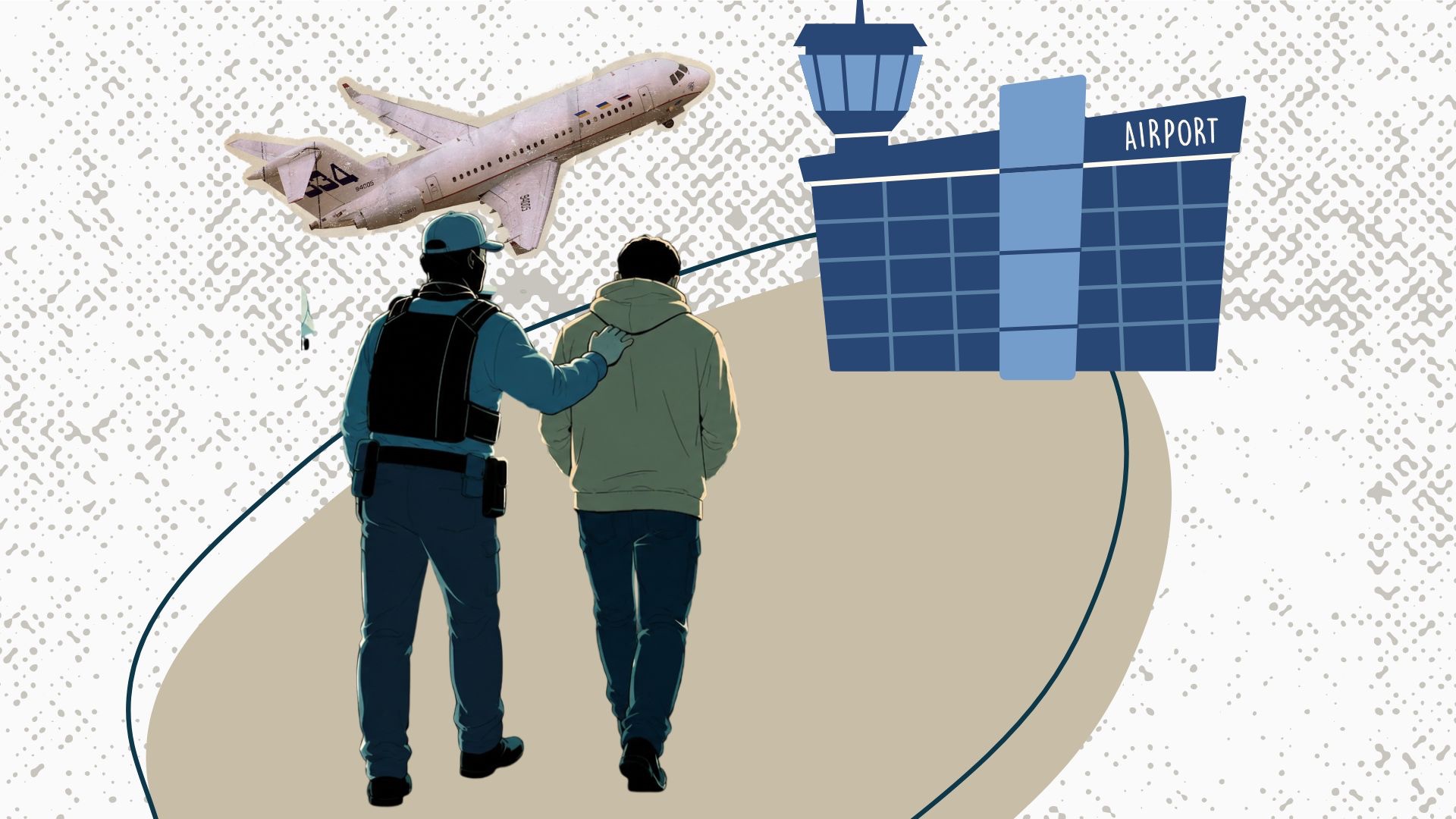
By the time she ruled, Patel had been out of New Zealand for more than a year. He was deported after taking casual cash work without a valid work visa.
The parcels that cost him his job
Exploited migrant won nearly $150,000, was offered $600. She’s still fighting for a dollar Two former employers are in liquidation and their director is bankrupt, leaving a Rotorua woman facing an uncertain future.
The year Edmund Hillary took three New Zealand-made jetboat up the Ganges Two years after losing his wife and daughter, the mountaineer found warmth and friendship along India’s sacred river.
Indians with a New Zealand job offer could face tougher visa checks, lawyer warns An internal review has prompted INZ to look more closely at whether applicants would leave New Zealand if their visa options ran out.
Patel started work at Super Spice and Grocery in April 2023 on an Accredited Employer Work Visa. In late January 2025, a parcel addressed to him arrived at the shop.
Customs wrote to him at work to say it had seized the contents because the goods were prohibited and did not match the declaration. A second parcel arrived days later. Patel acknowledged both parcels were his and contained undeclared chewing tobacco.
Rushi Nayak, the company’s sole director, said the deliveries exposed the business to legal risk and breached his trust in Patel. Van Druten found Patel had knowingly received goods in breach of Customs requirements.
Given his position as assistant manager and his use of the shop’s address, she found a fair and reasonable employer could have dismissed him for serious misconduct.
The company took almost two months to hold a disciplinary meeting, and Patel was told to stay away from work during that period without explanation.
Van Druten found no evidence he was given advance warning of the meeting, told dismissal was a possibility or offered the chance to bring a support person. The company fired him by email on April 8, 2025.
Patel told the authority that losing his job left him without income and uncertain about his immigration status. His visa was tied to the store, so he could not simply start working for another employer.
Over the following months, he felt unable to keep relying solely on his wife’s income and took casual cash work without a visa that permitted it. He was deported on August 13, 2025, for working without a valid work visa.
Patel’s contract initially guaranteed him 40 hours a week at $27.80 an hour. He said he reluctantly signed a letter reducing his hours to 30 a week because his visa was tied to the shop.
He told the authority he had worked between 54 and 65 hours most weeks and had kept a handwritten notebook hidden at work to record his shifts.
Van Druten found discrepancies between the notebook and the limited GPS records Patel supplied. She declined to rely on the notebook to establish his hours across the full period of employment, but accepted that the location data showed he had worked extra hours on some occasions.
She also found the company had unfairly disadvantaged him by failing to pay wages when they were due over the Christmas period.
The Authority ordered Devanshi Enterprise Ltd, which traded as Super Spice and Grocery, to pay $24,163.10 gross in unpaid wages and holiday entitlements, plus interest on wage arrears, and $4,125 in compensation.
The compensation was reduced by 25 per cent to reflect Patel’s role in the events that led to his dismissal.
The company went into liquidation on August 20, 2026, the same day the authority heard the case. Neither the company nor Nayak appeared at the hearing.
Van Druten ruled that Nayak would be personally liable for the wage arrears and public holiday amounts if the company failed to pay them.