
'Indian genes aren't built for rugby'? India's rugby chief has a message for doubters
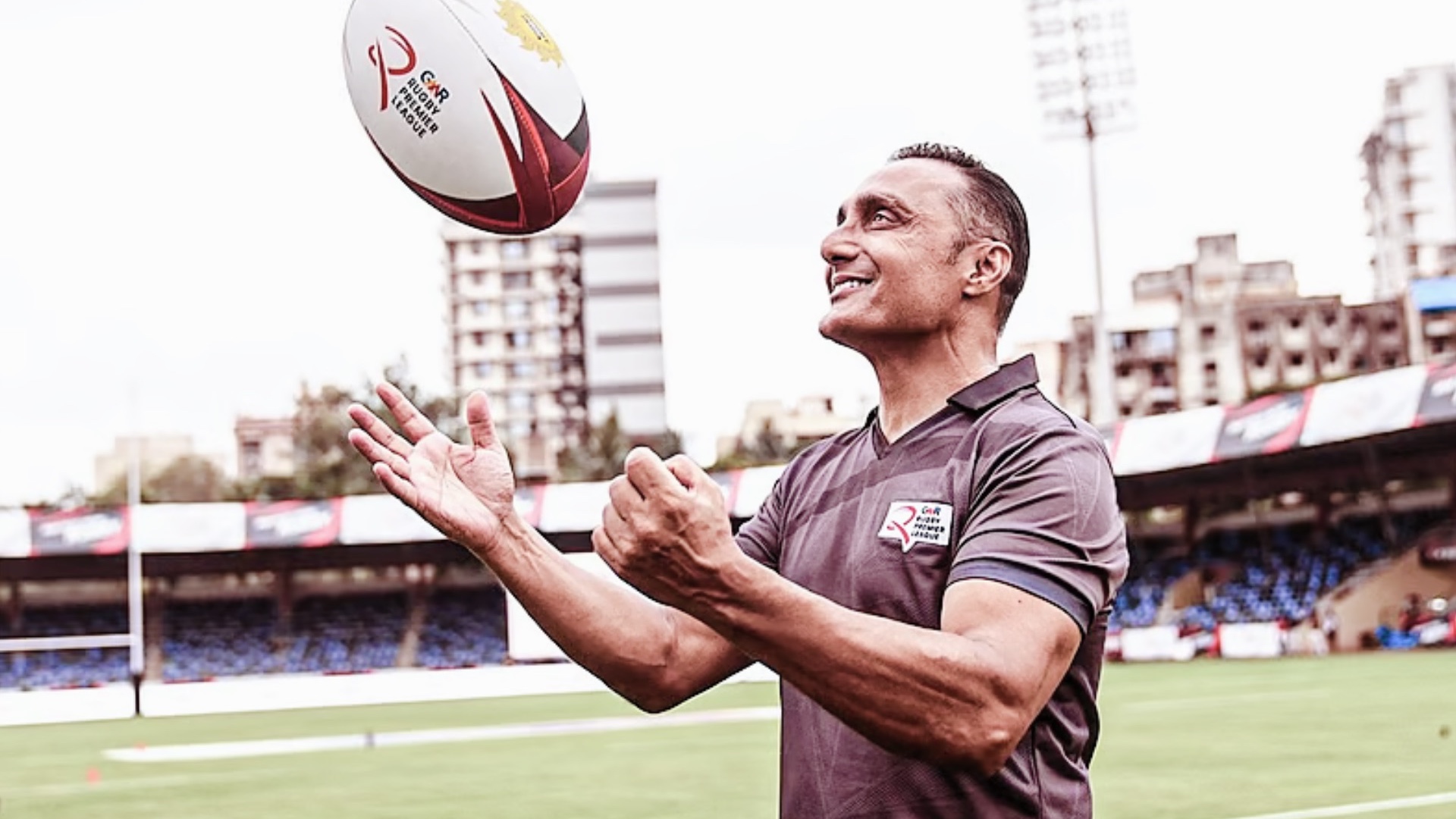
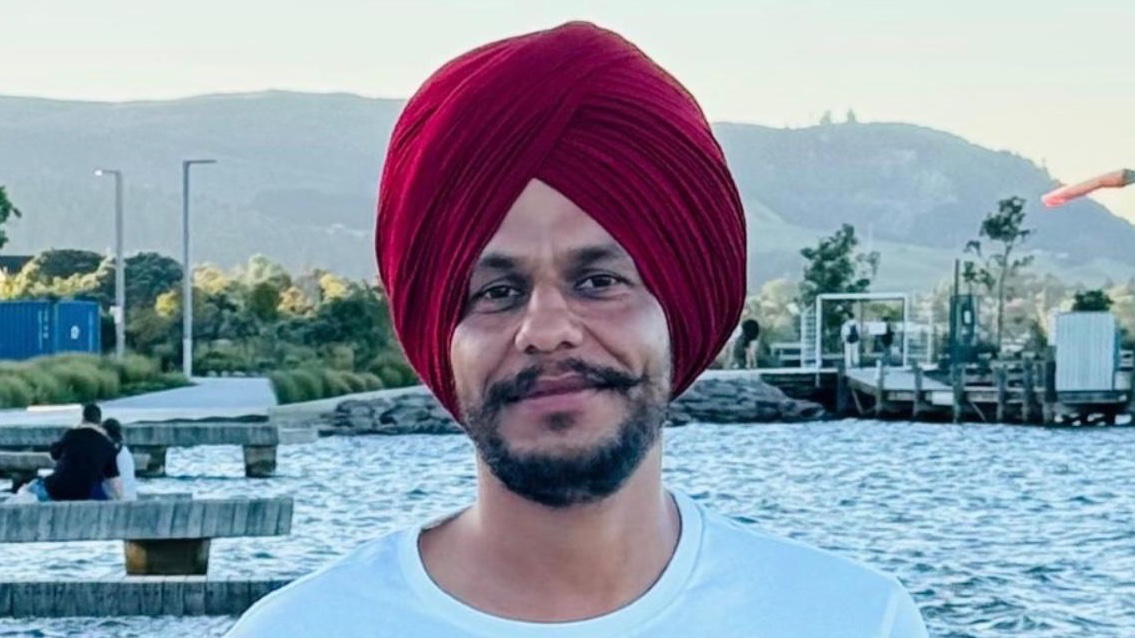
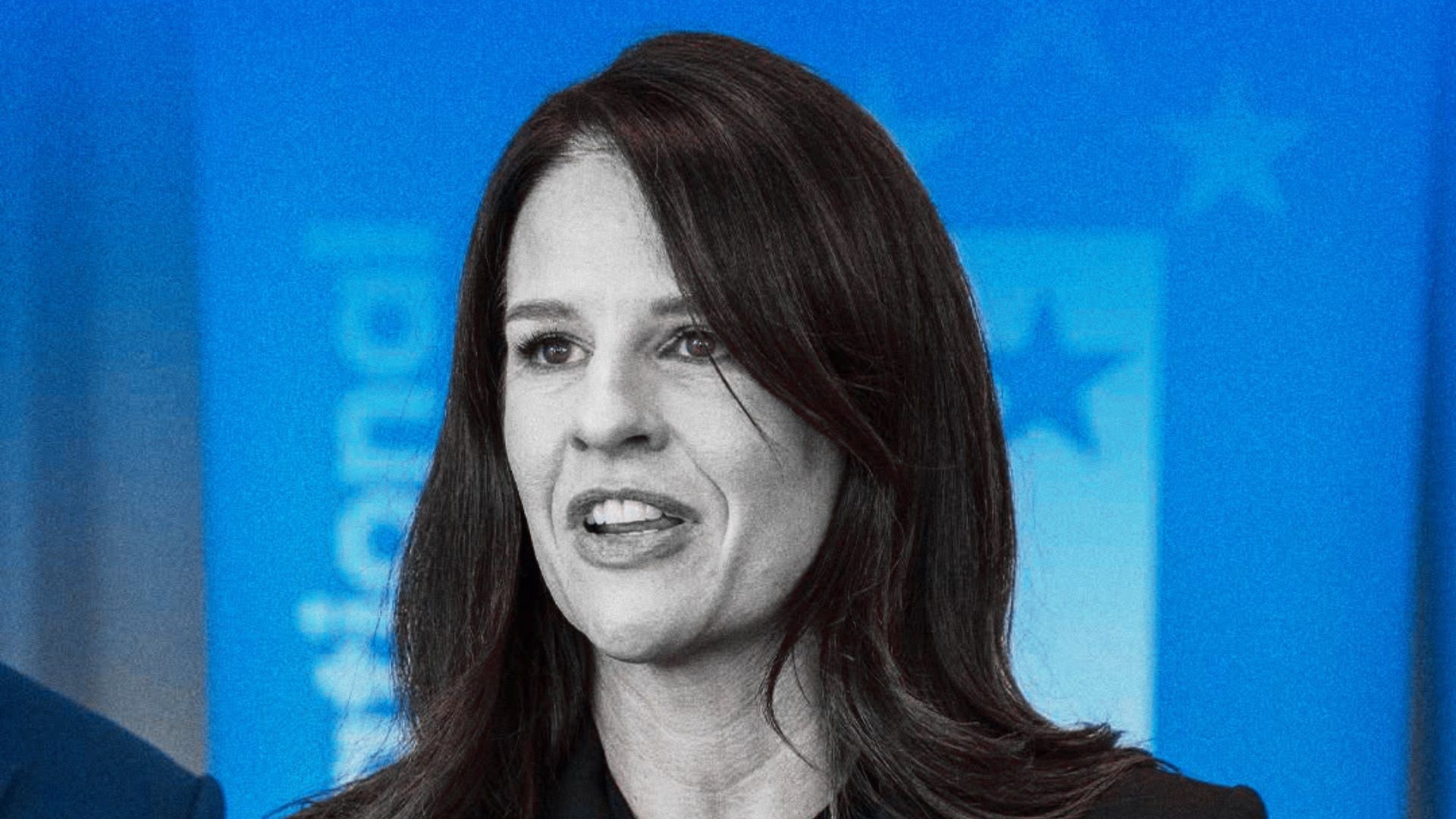
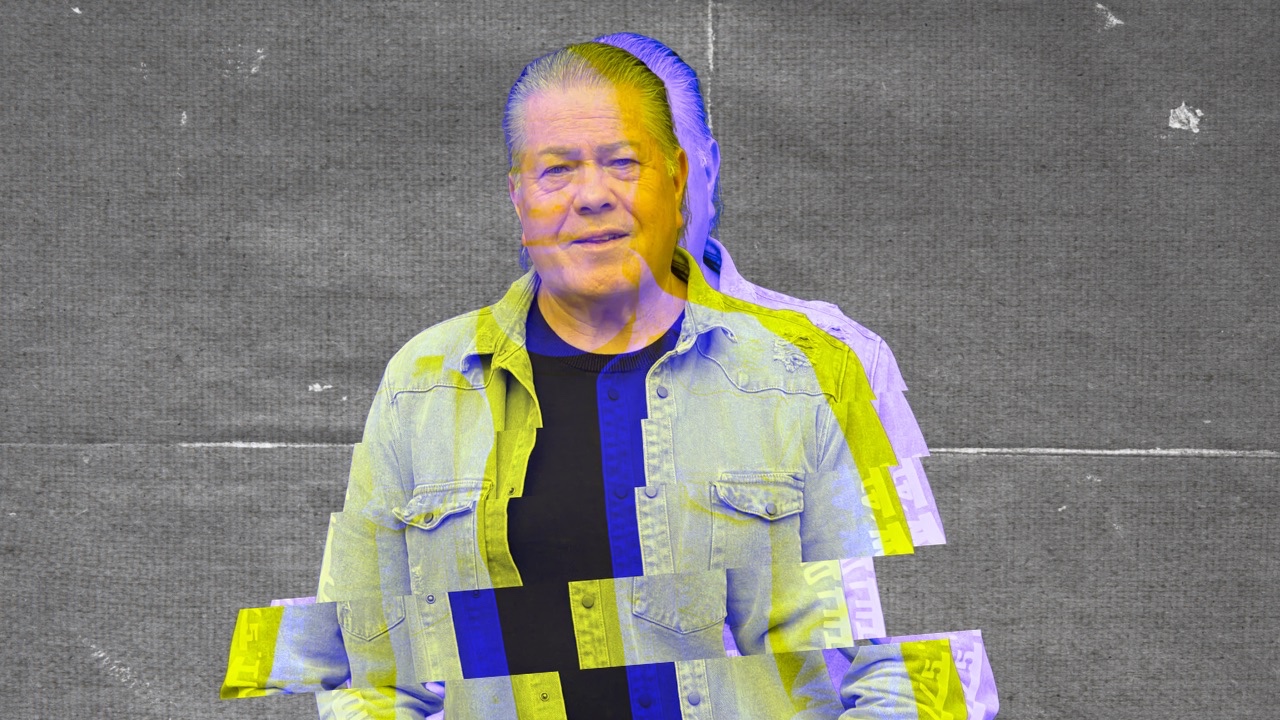
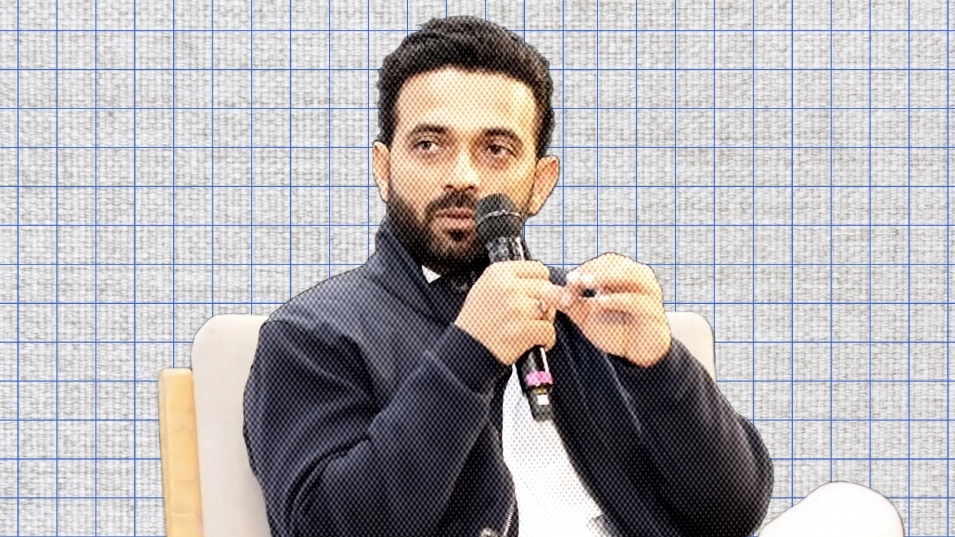
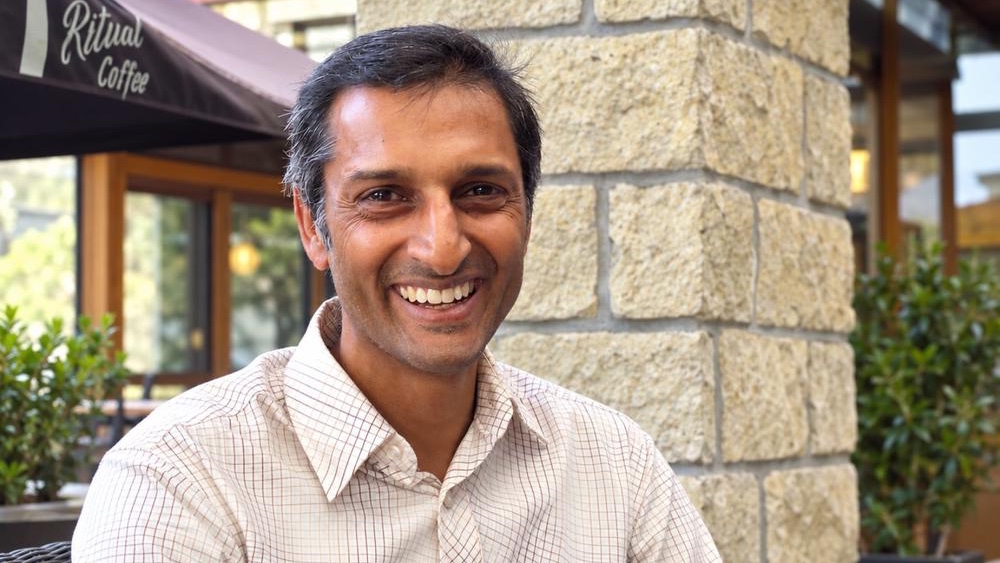
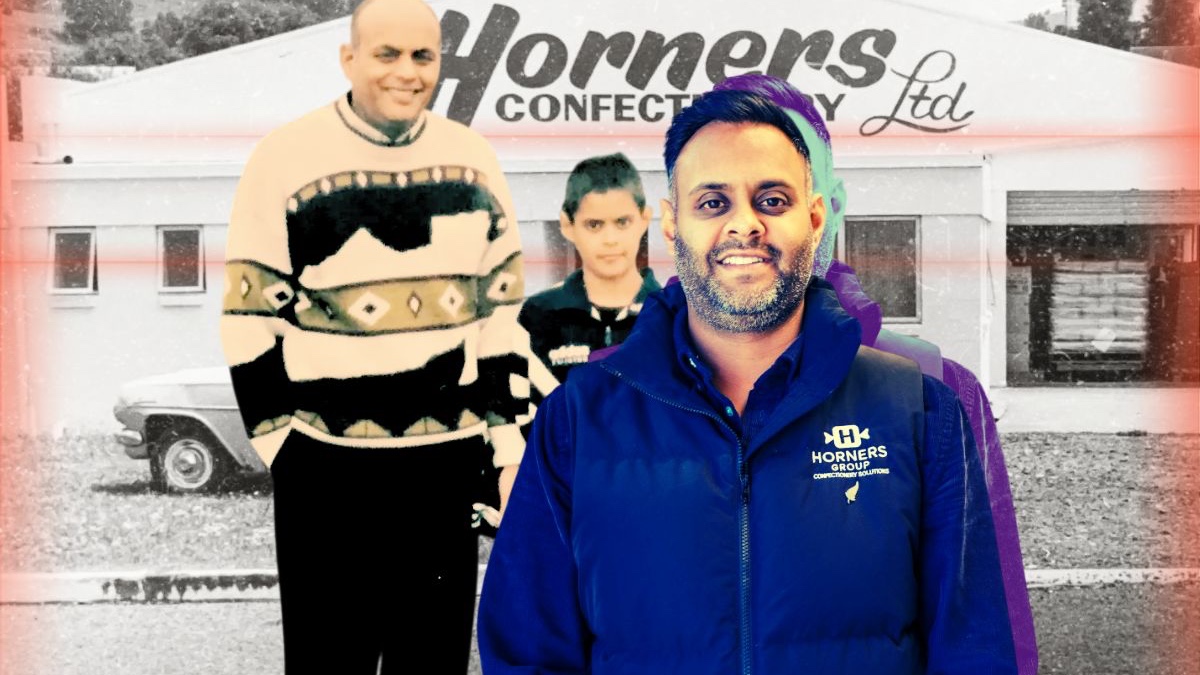
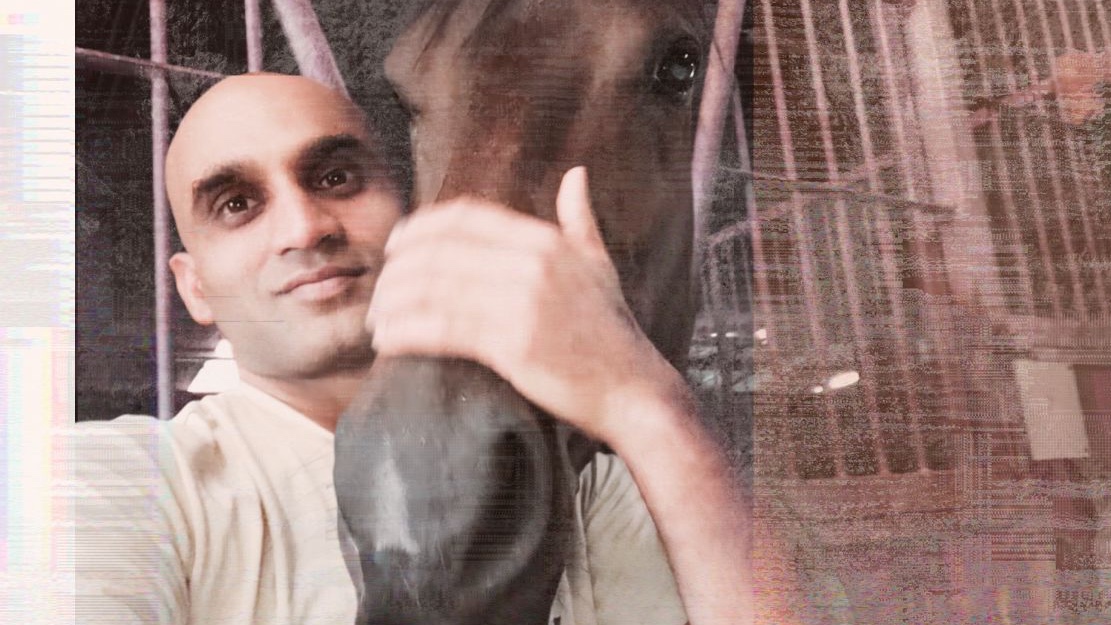
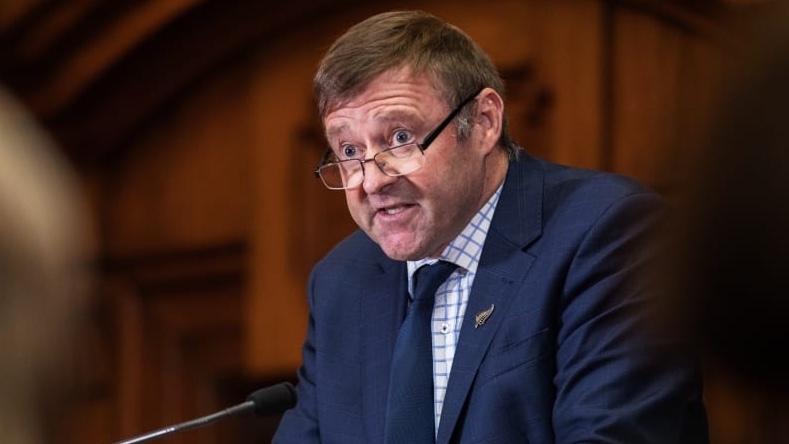
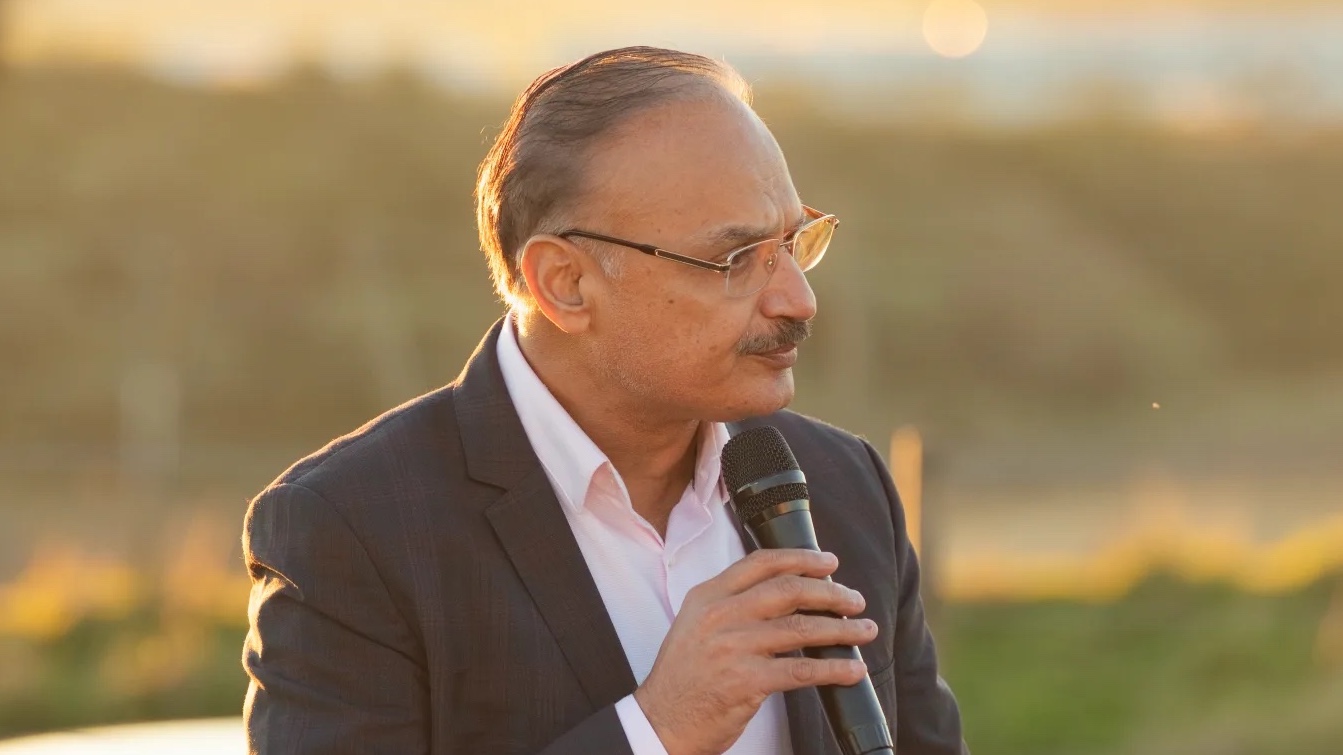
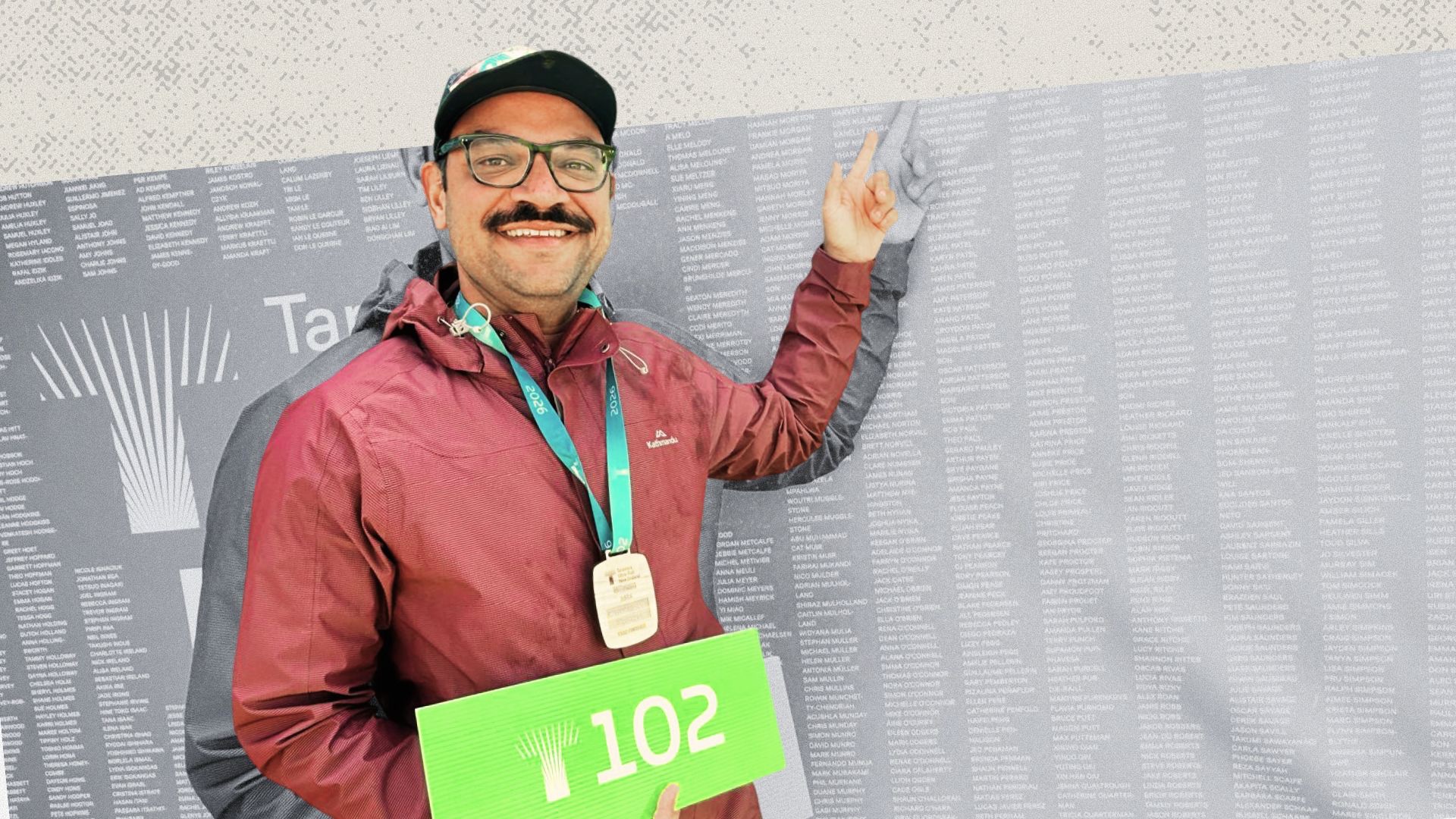
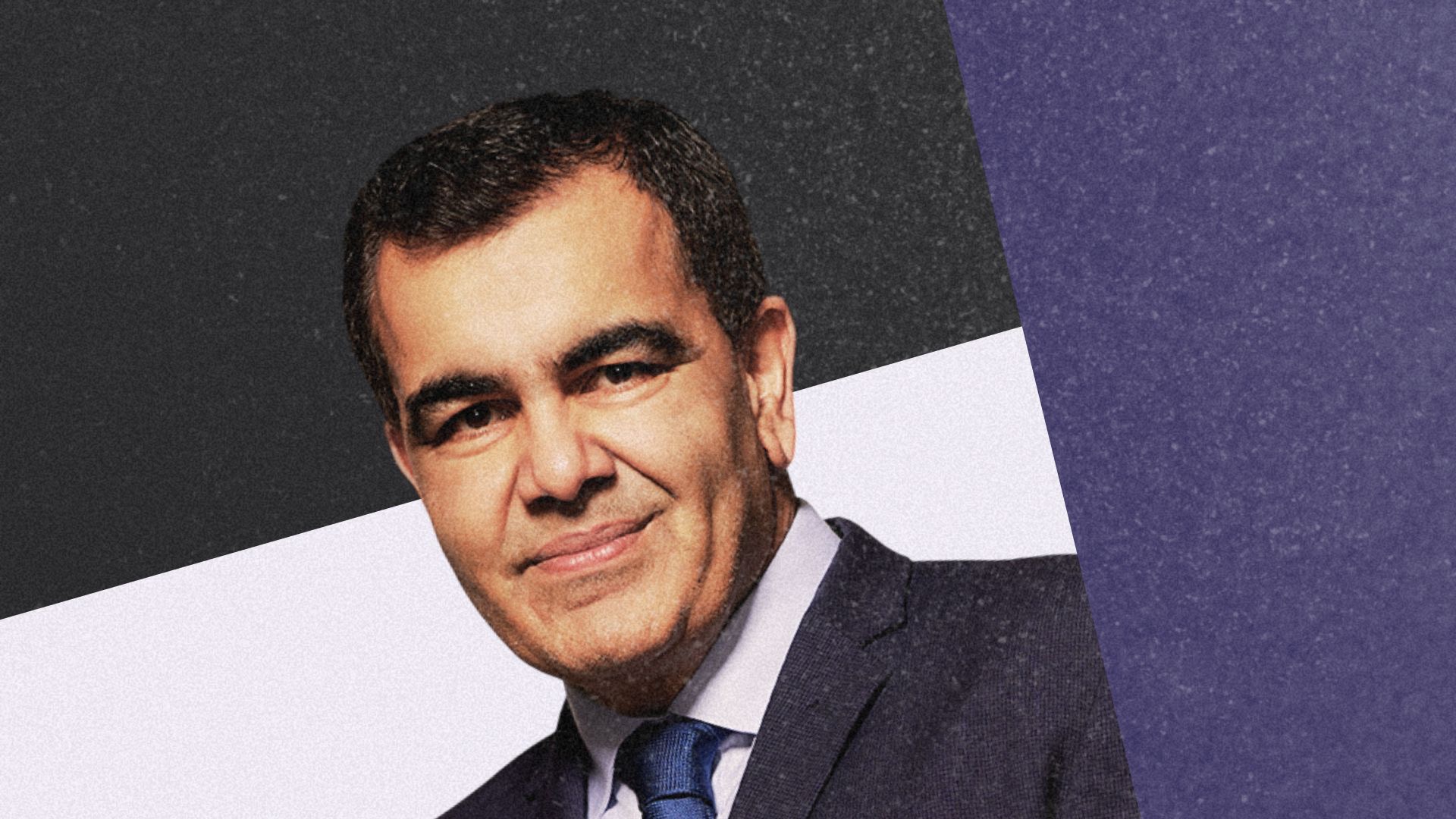
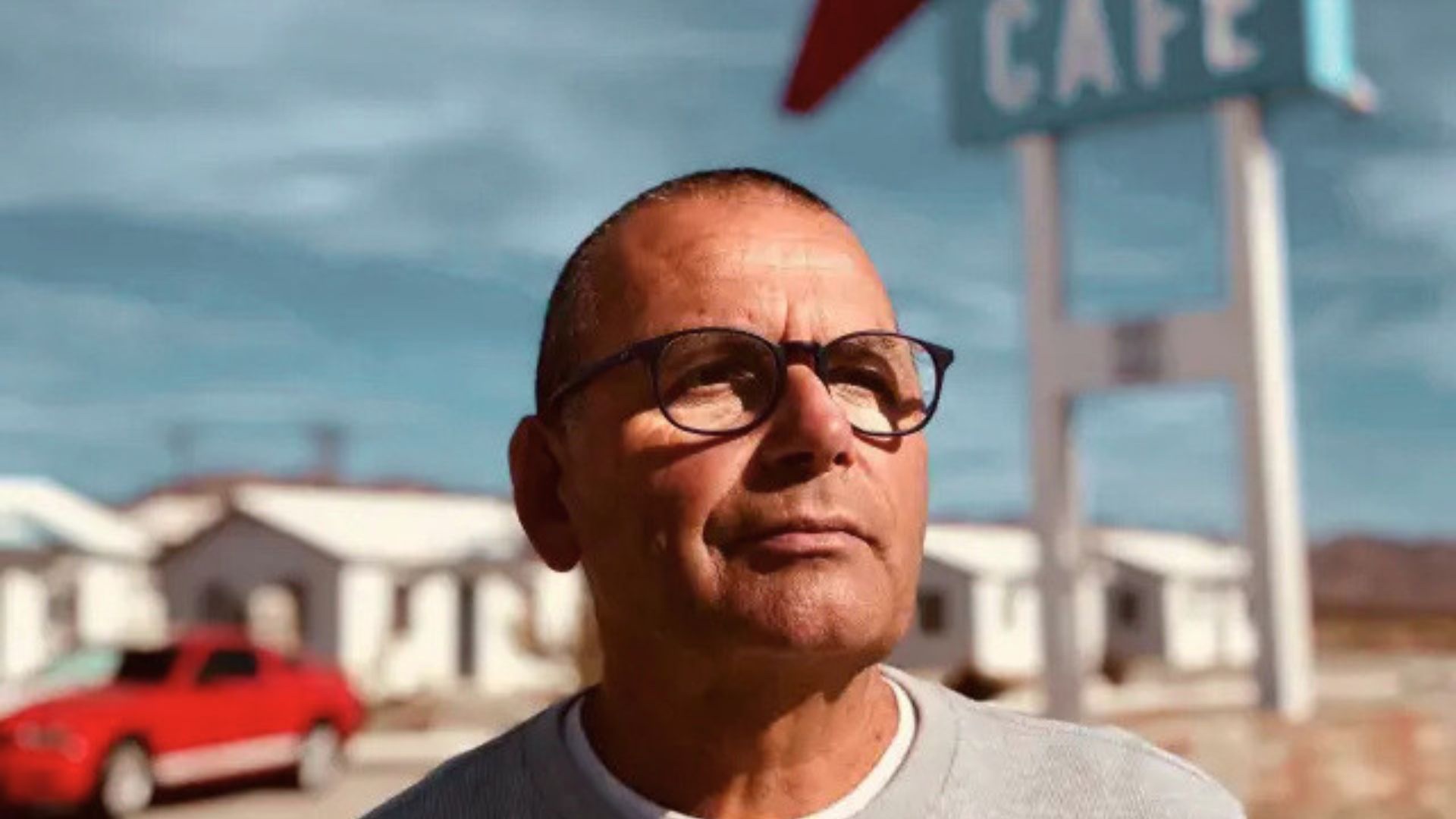
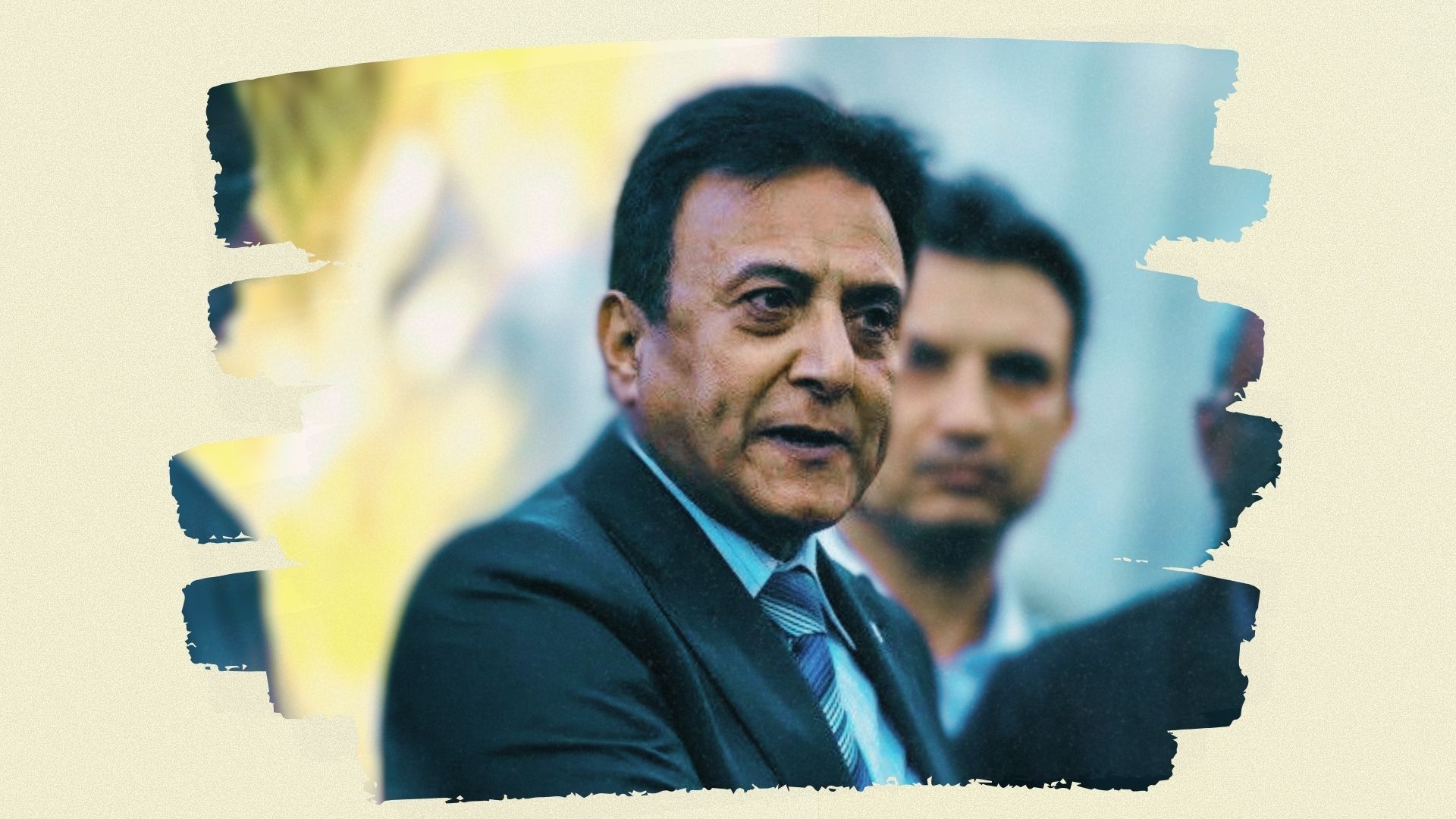
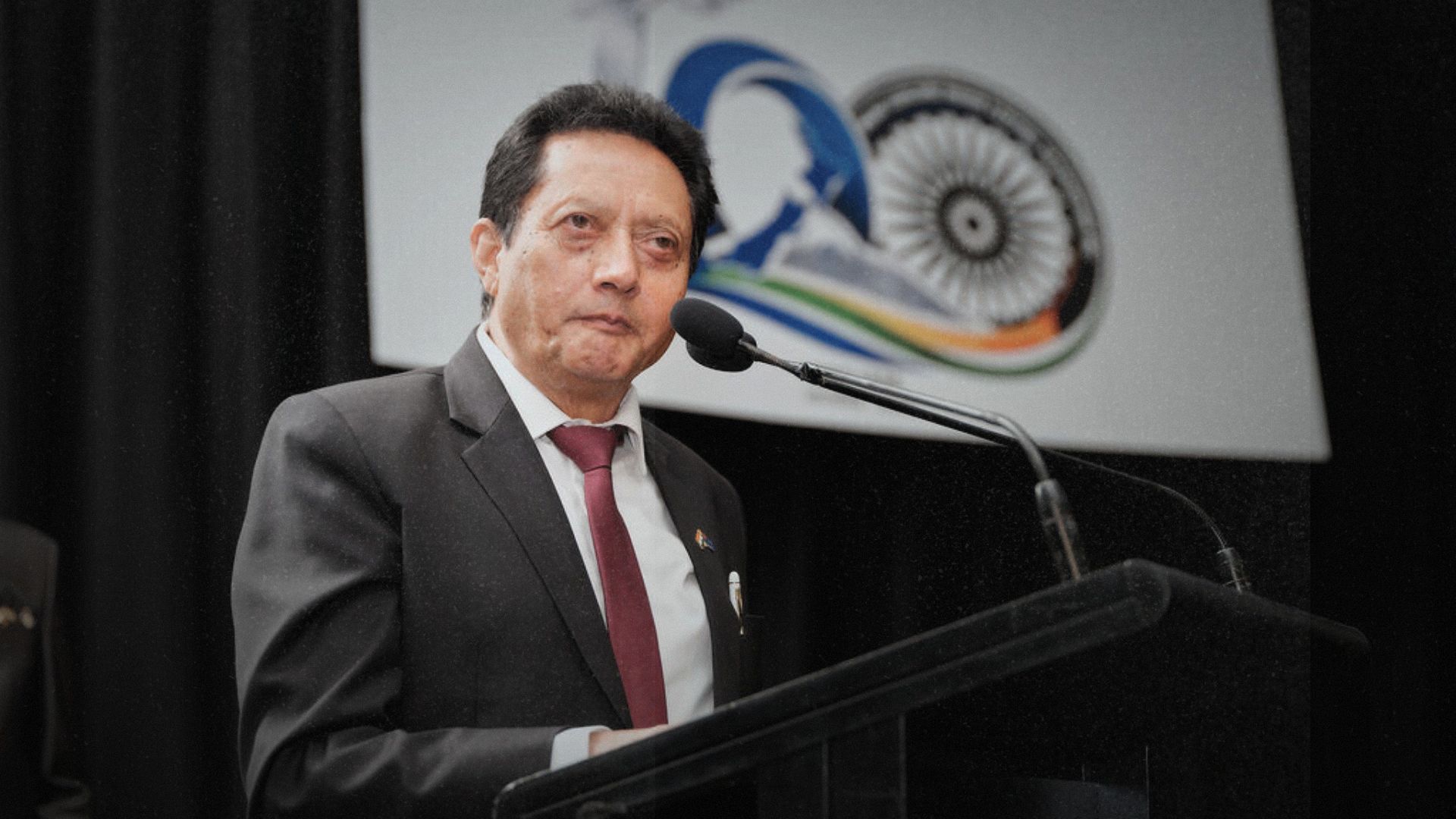
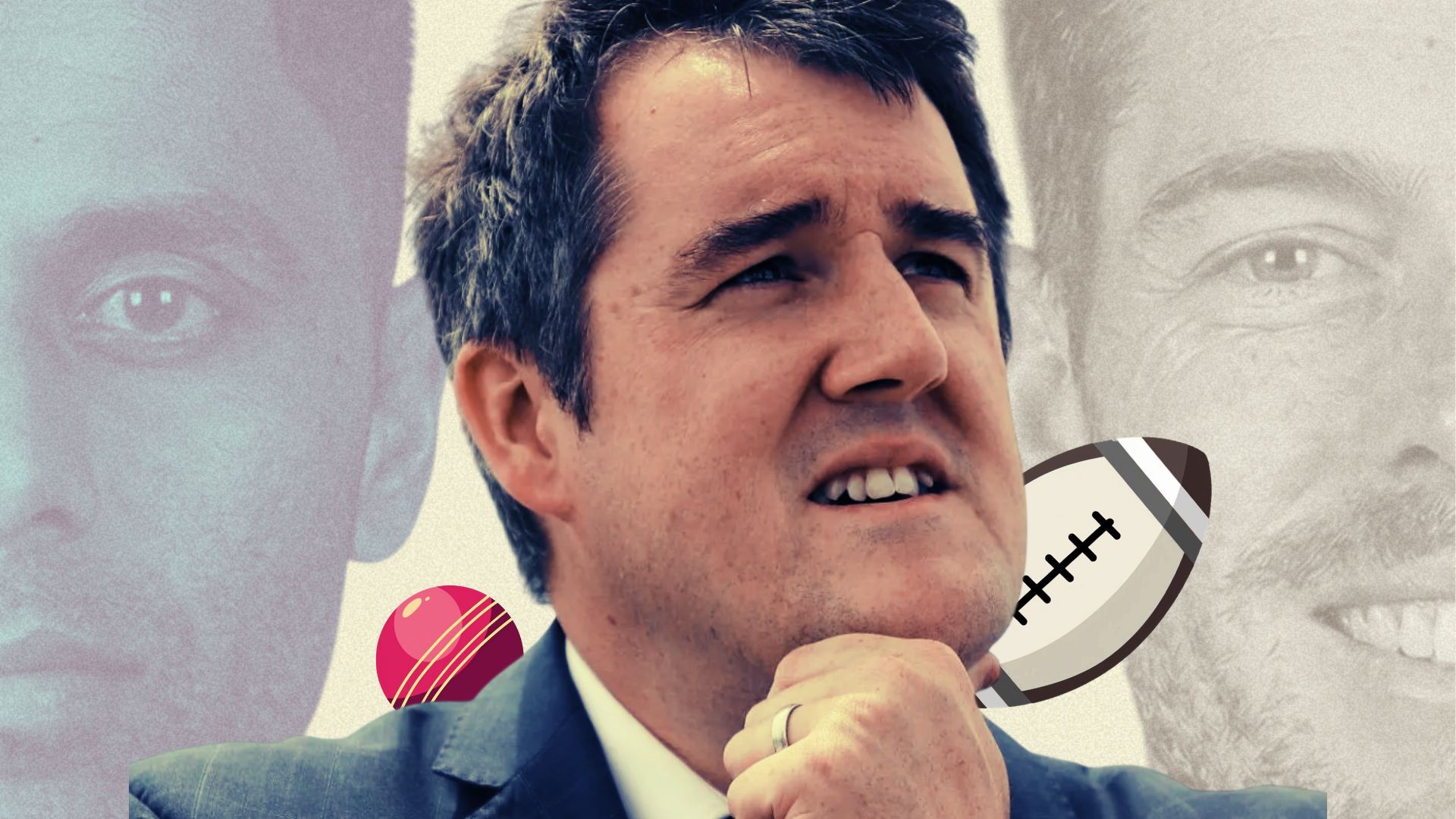
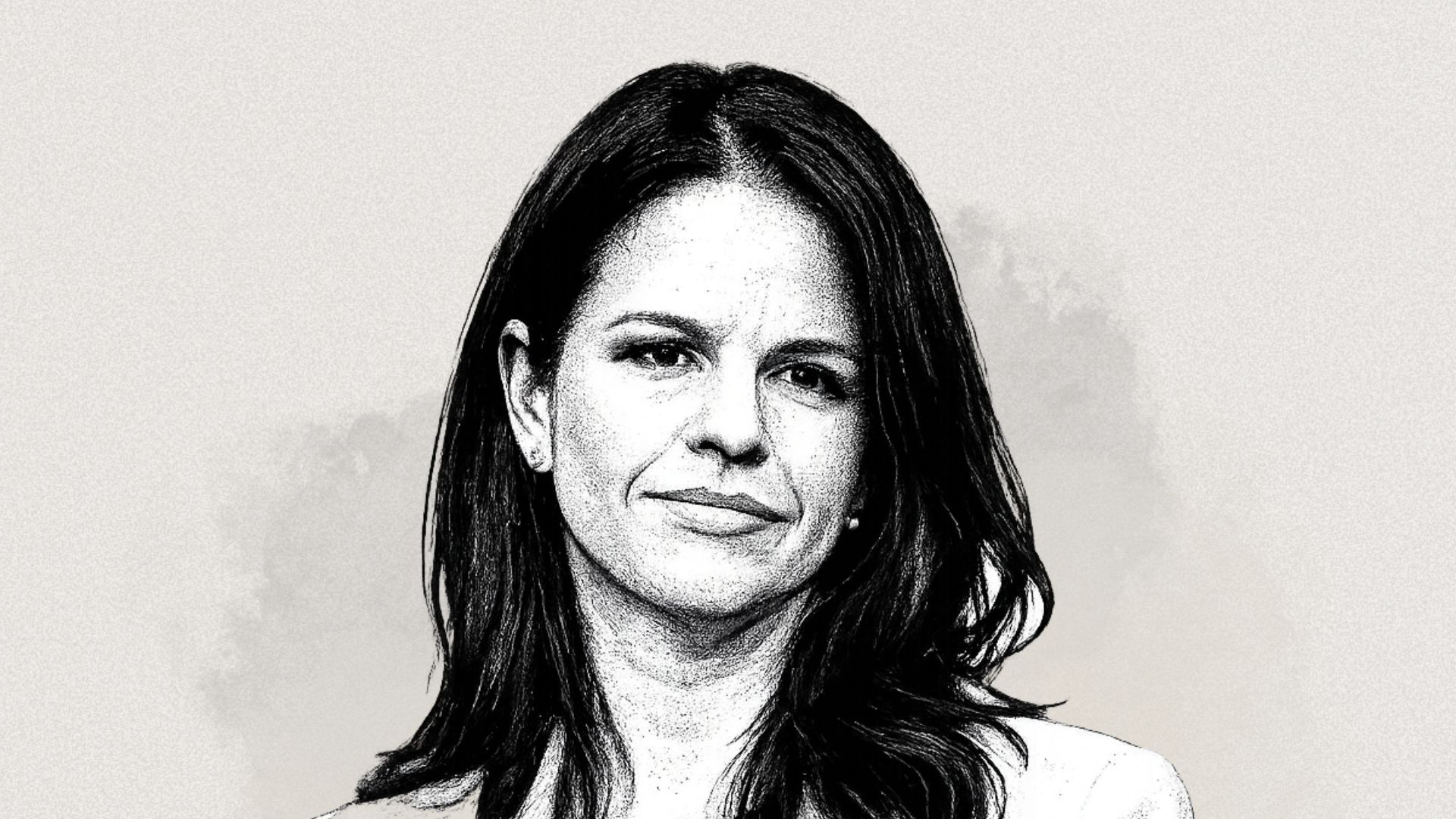
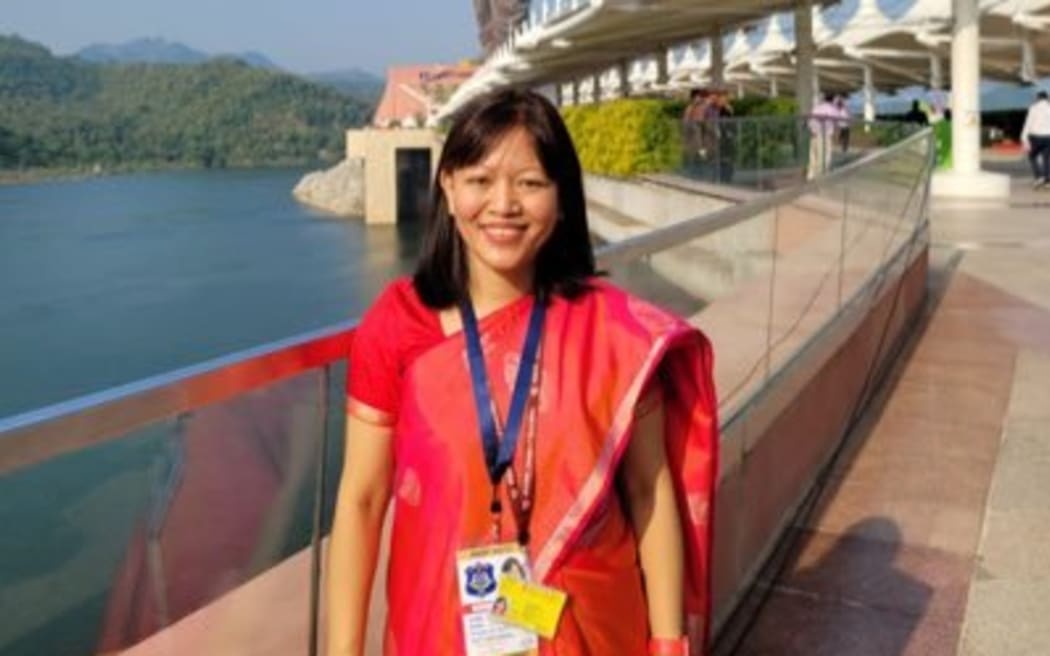
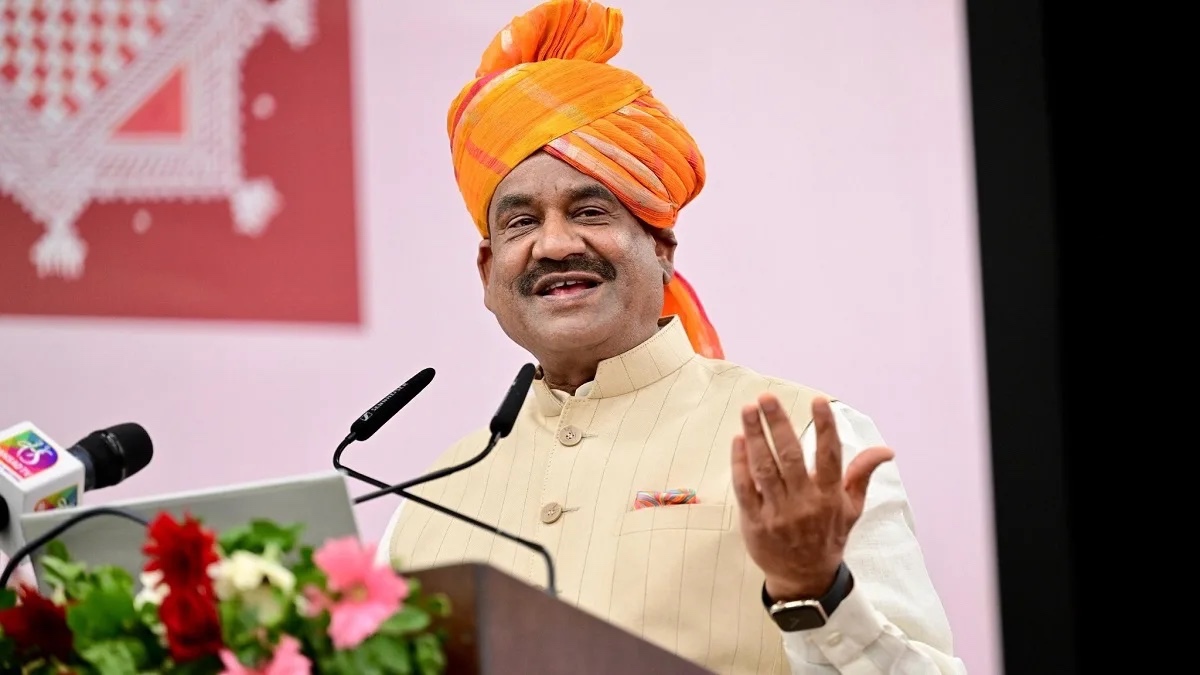
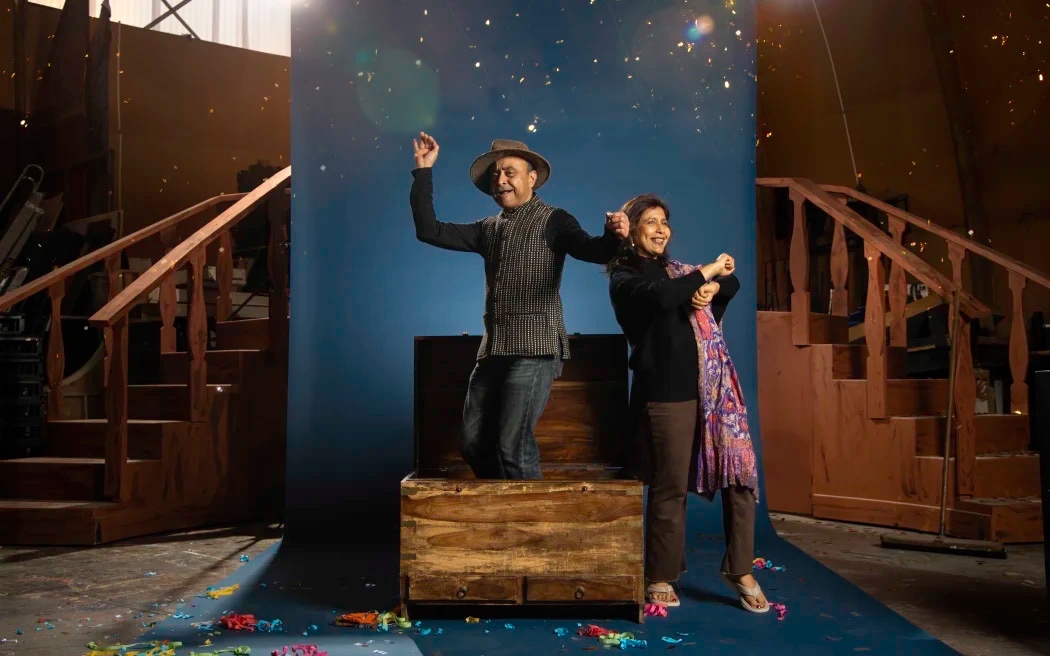
Rugby India president Rahul Bose. (Supplied photo)
In Auckland for a sports summit, Rahul Bose explains why India's rugby ambitions are bigger than stereotypes about size and strength.
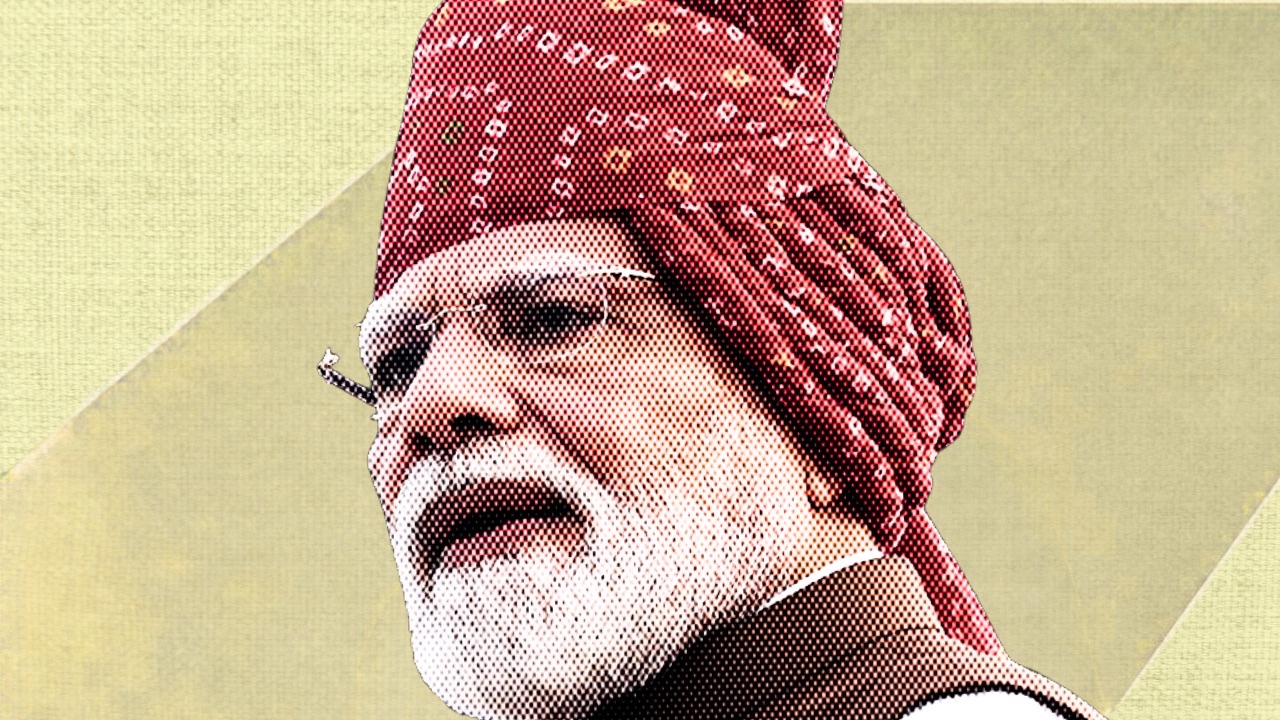
Rahul Bose has heard the argument that Indians are not physically built for rugby. The Bollywood actor, former international rugby player and president of Rugby India is not buying it.
As India looks to New Zealand for help developing the sport, Bose says sweeping assumptions about Indian genetics overlook the country's enormous diversity and its potential to produce competitive rugby players.
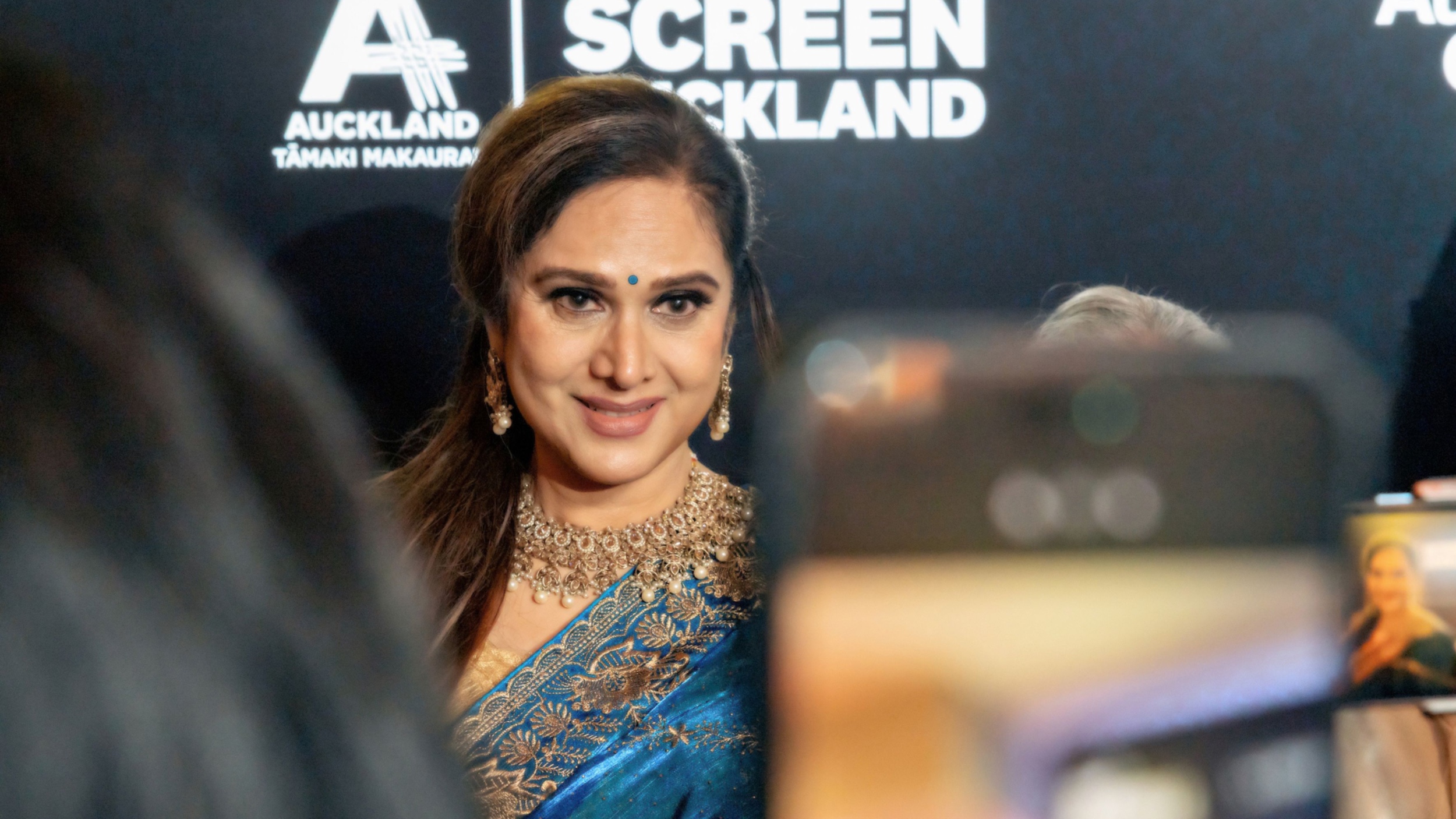
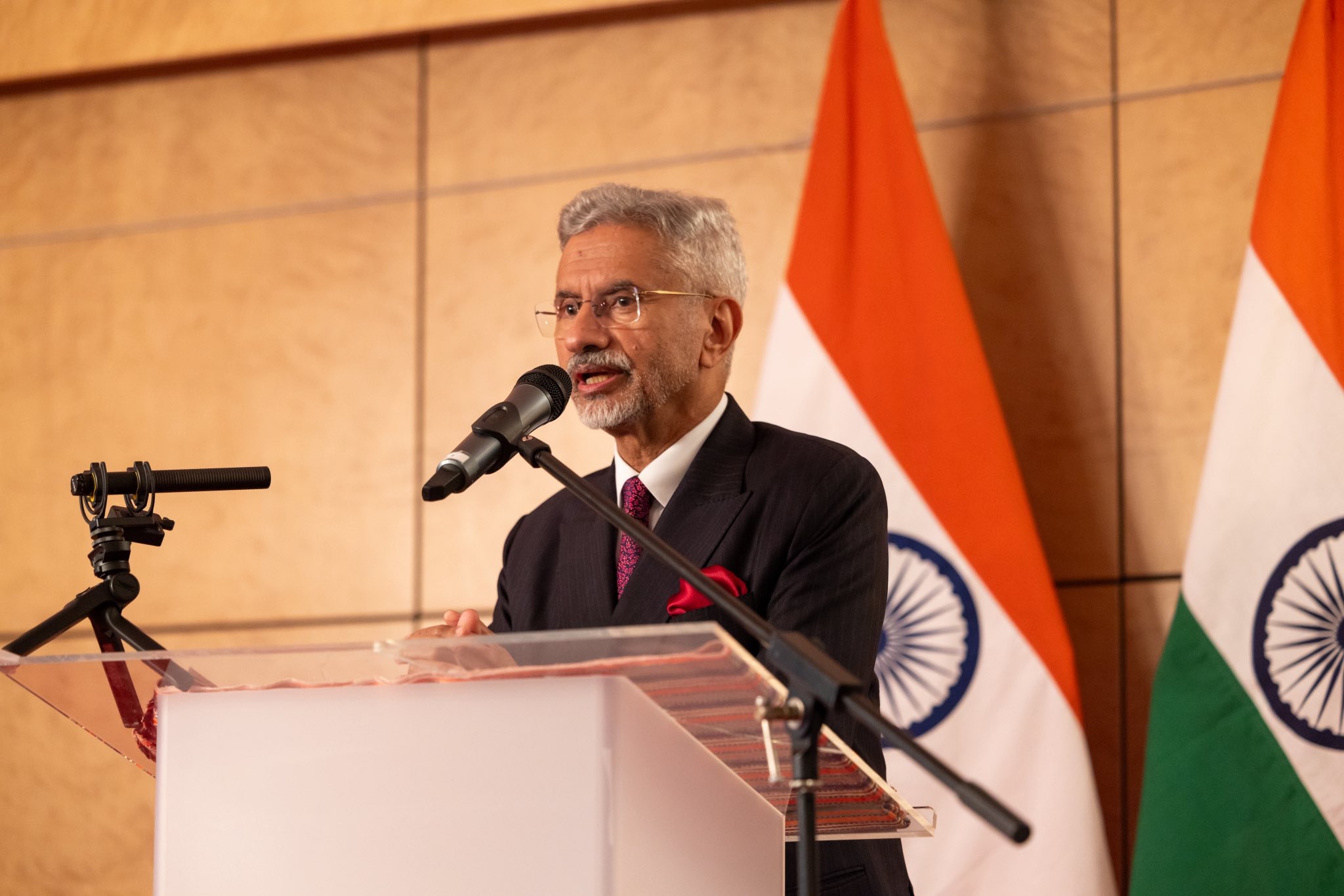
Bose, who is in Auckland for the New Zealand–India Business, Innovation and Sport Summit, spoke to Awaaz at Auckland University of Technology on Thursday, where he was among the featured speakers at the two-day event celebrating a century of sporting ties between the countries.
Asked whether Indians possess the physical attributes needed to compete in a sport dominated by countries such as New Zealand, Fiji, Samoa and Tonga, Bose questioned what people actually mean when they talk about Indian genes.
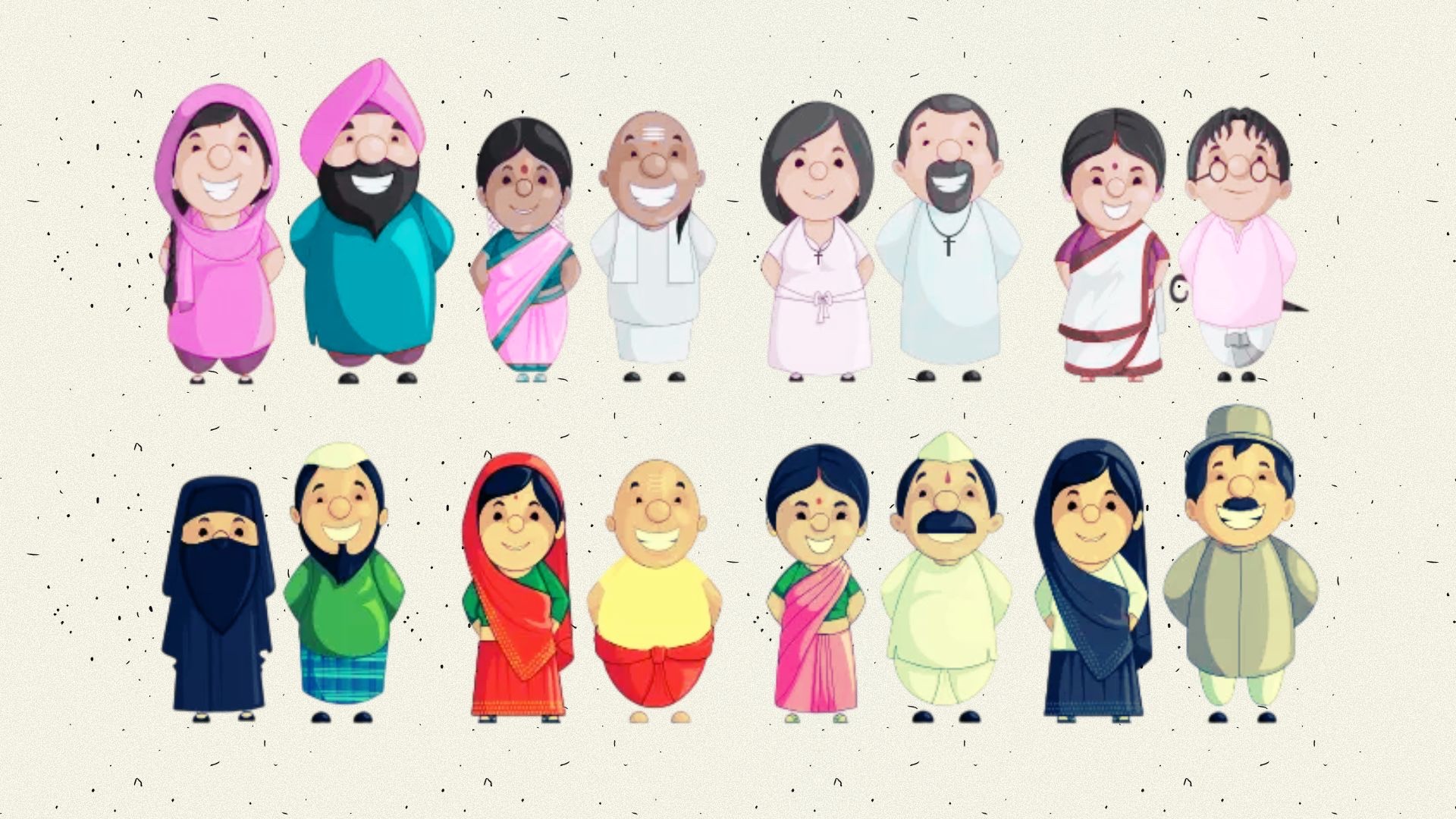
"When you say something like, 'Oh, Indian genes,' the genes of Indians, I mean, who are you talking about? Are you talking about someone from Haryana? Are you talking about someone from Bengal? Are you talking about someone from the Nicobar Islands?"
'Life-ruining': Fears over immigration change announced by caretaker government The Labour party says it was unaware of the changes, as Green MP questions minister Erica Stanford.
Sikh community plans fundraiser to bring bodies of Takanini crash victims to Punjab A newlywed couple were among the three who died, just minutes after leaving Diwali celebrations at a Manurewa gurdwara.
'Precautionary step': INZ freezes all NZTC student visa applications amid investigation Applicants are being told they can switch providers or withdraw and get their college fees back.
Bose acknowledged that rugby demands physical size and strength, particularly at the highest levels.
"In rugby, I think people are referring to the fact that you need a certain size, a certain amount of mass, because it is definitely a physical game. I would 100 per cent agree with that."
But he rejected the suggestion that India could not produce enough athletes with those attributes. "Are you and me throwing up our hands and saying we can't find 100 big, well-built women and men in the country? Surely not."
For Bose, the more important question is whether India can build the coaching systems, player pathways and competitive experience needed to turn that potential into results.
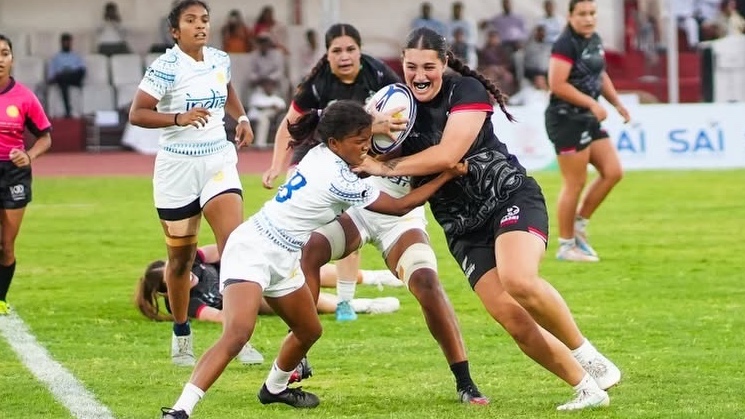
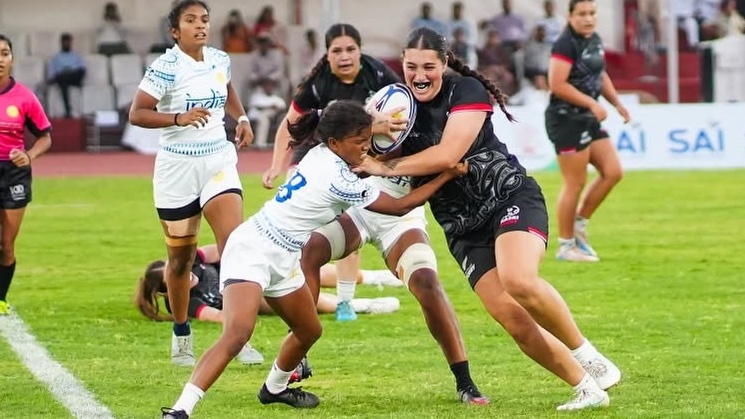
An Indian defender attempts a tackle during the India–New Zealand Under-20 rugby series in Rajgir, Bihar, on October 27, 2026. (Supplied photo)
Indian women leading the charge
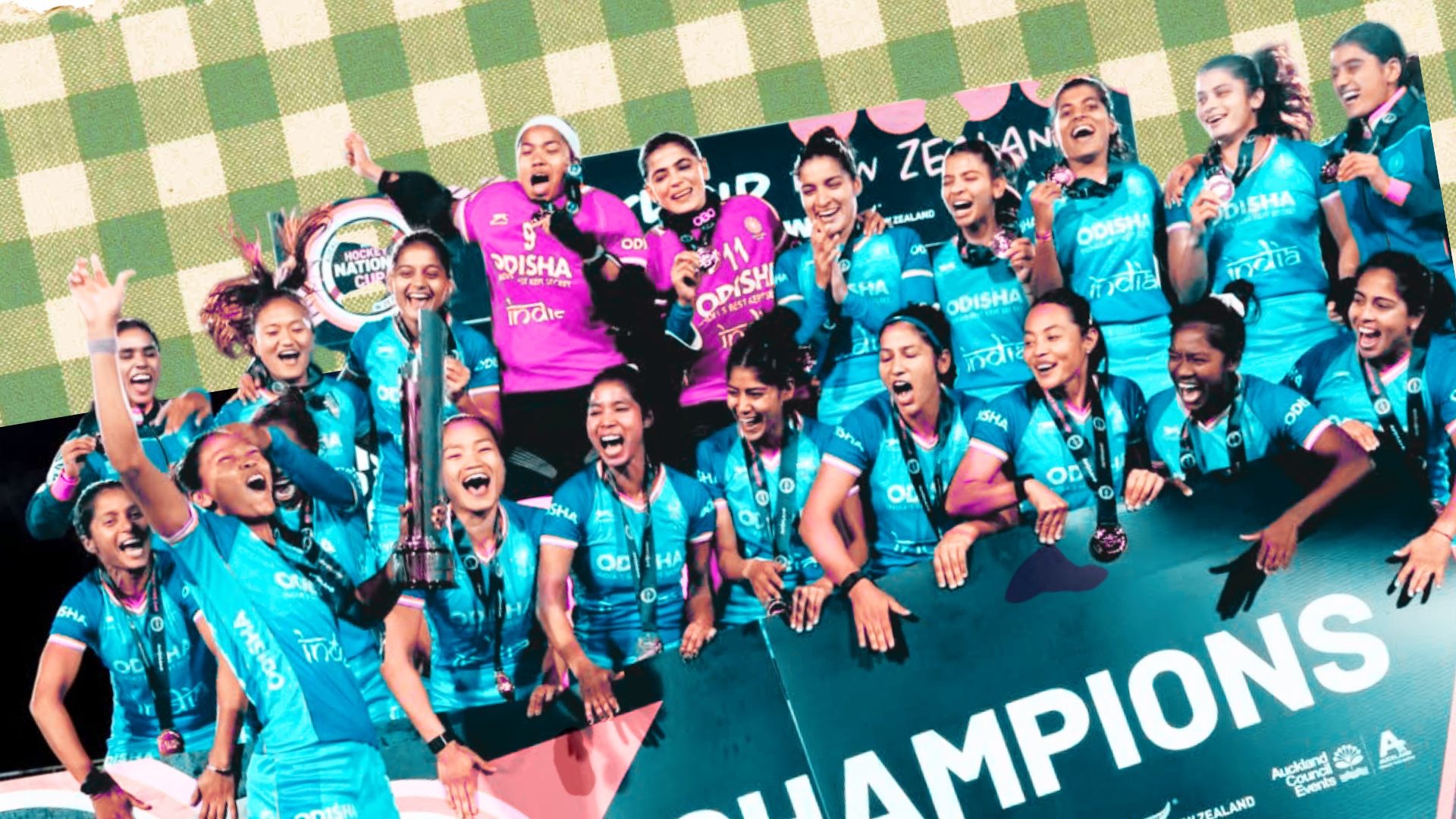
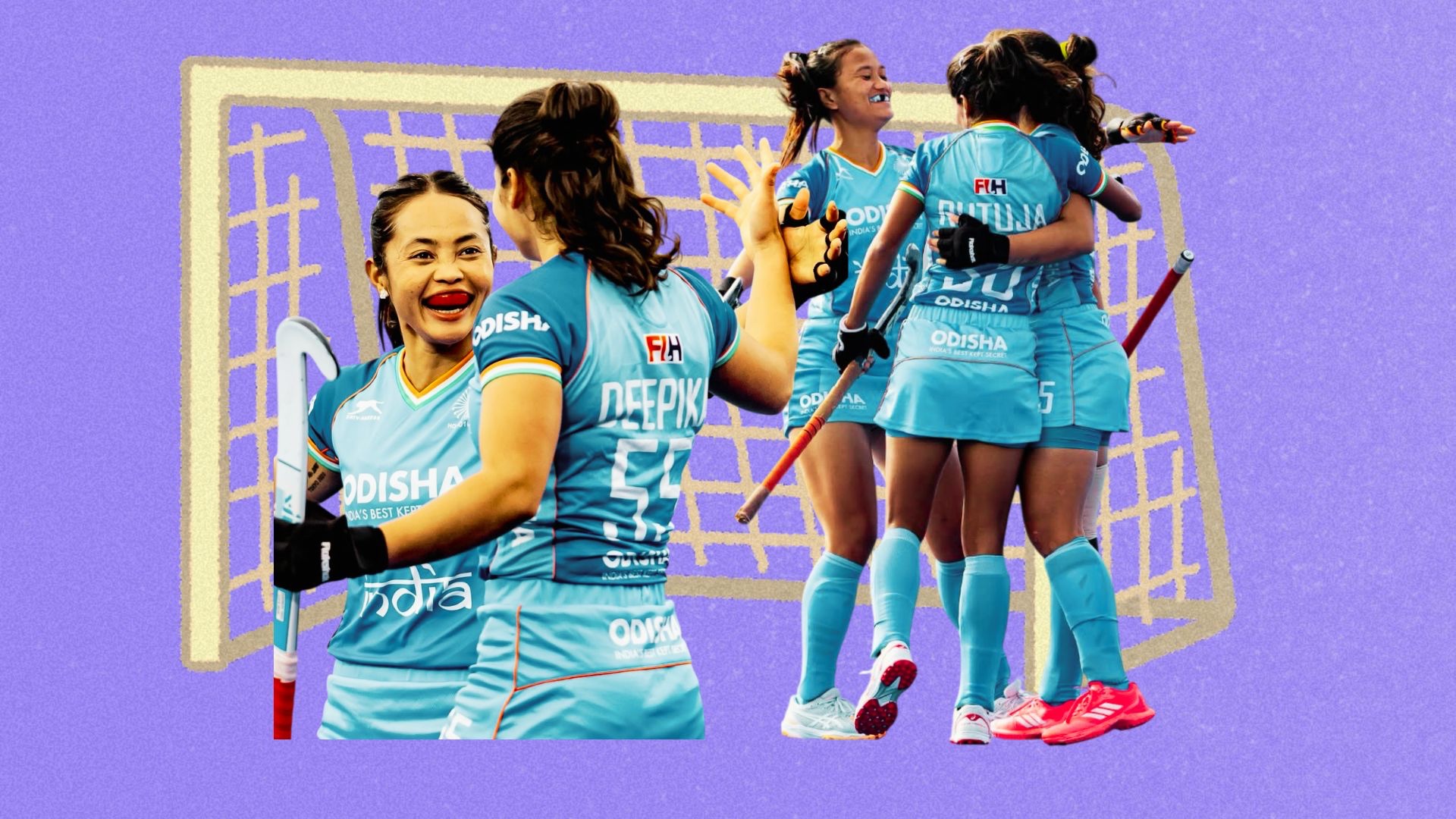
India's women's rugby sevens team is already showing signs of progress. Bose said the team had broken into Asia's top five during a recent tournament after beating Taiwan, although its current ranking was sixth.
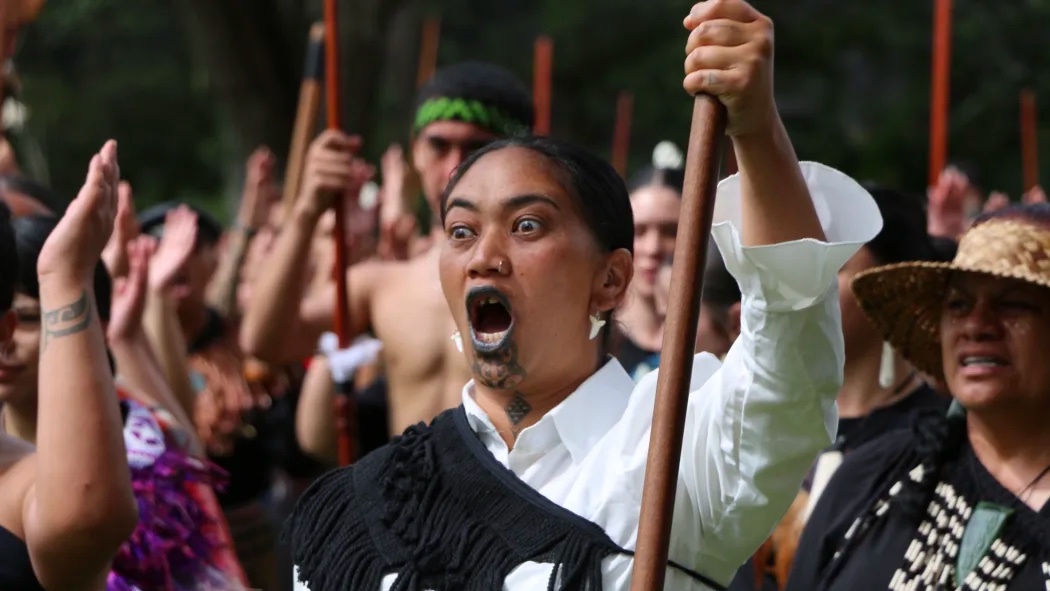
The progress was also evident last month when India's under-20 women's rugby sevens team defeated a visiting New Zealand Māori under-20 women's side 17-0 in the western Indian state of Bihar.
The Māori side was a development team, not New Zealand's national under-20 team, but the result was nevertheless an encouraging sign for India's emerging talent.
Bose believes reaching the top two in Asia would put India in a strong position to qualify for the Olympics, an ambition that has become central to the country's rugby development plans.
The women's progress is particularly significant because, as Bose acknowledged, Indian players are generally smaller than some of their international opponents.
He said the sport was still in its infancy in India, with the national federation only 28 years old.
"I think it's early days. I would say we are a 28-year-old union and we should give ourselves another five years to actually win something significant. And then let's see what people begin to say."
Bose also offered an explanation for why Indian women appear to be progressing faster than the men. Women's rugby developed later in India, when the federation had gained more experience in organising and supporting the sport.
He suggested this may have given women a better starting point, although he acknowledged it was his own assessment rather than an established conclusion.
The international women's sevens competition was also less crowded than the men's, he said, creating opportunities for emerging rugby nations.
India has another advantage. Bose estimates men and women account for roughly equal shares of its rugby-playing population. "I would say that we are probably, if not the only, one of the few countries that has a 50-50 split in the population of players."
He contrasted that with established rugby nations where, he said, participation was often closer to 70-30 or 80-20 in favour of men. A relatively large pool of female players could help India build a stronger pathway from grassroots rugby to the national team.
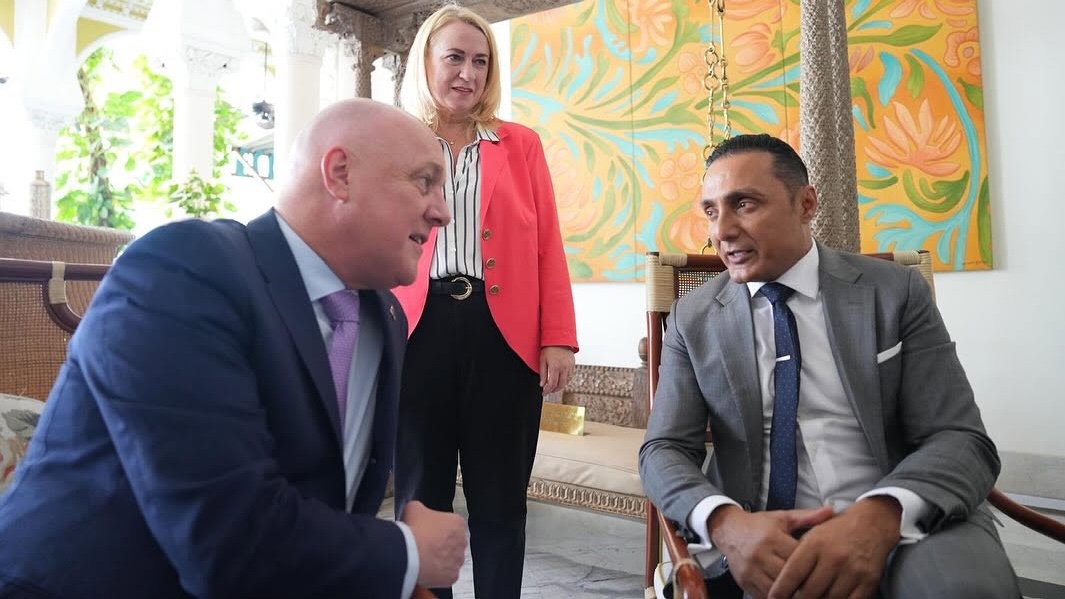
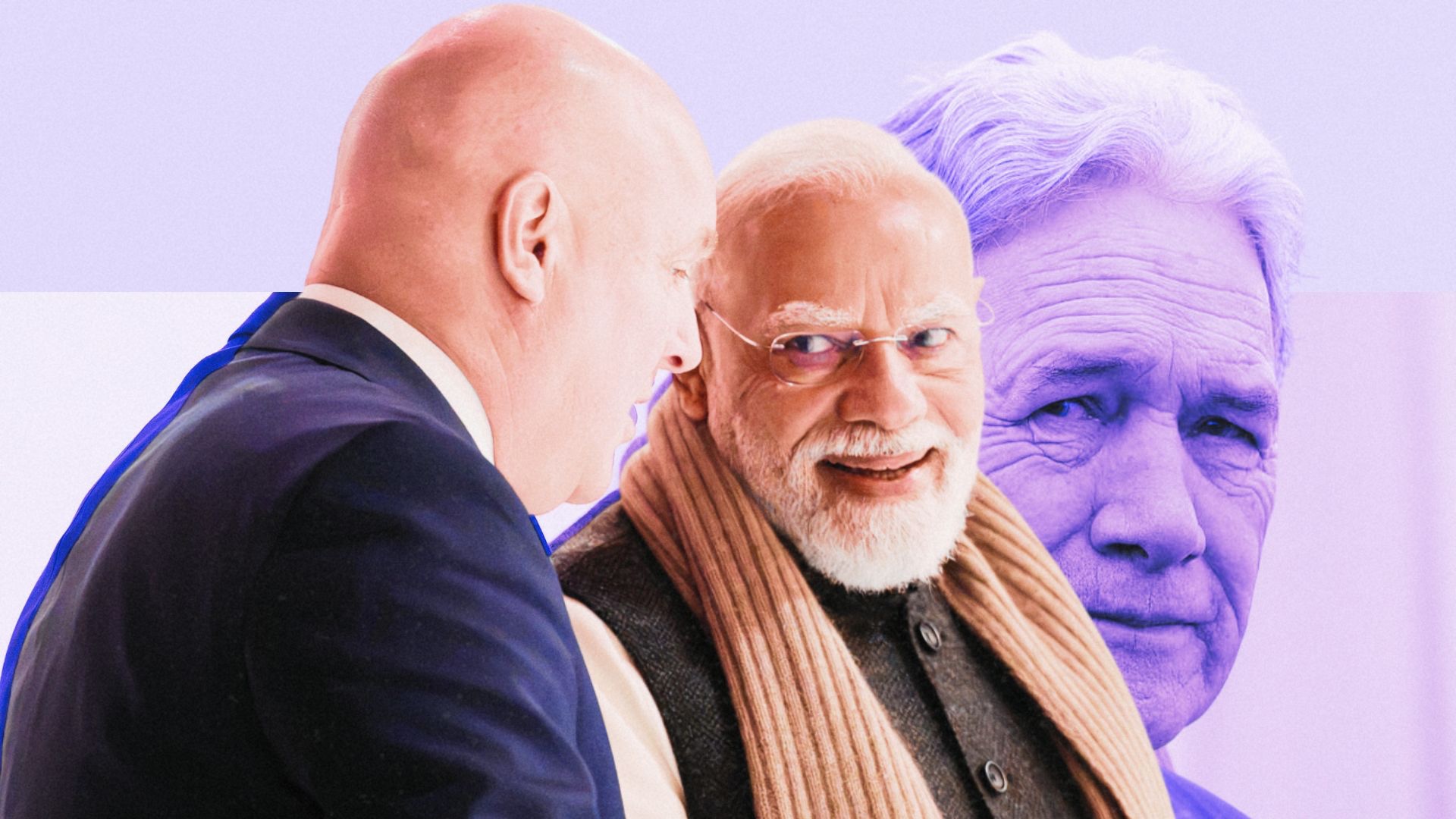
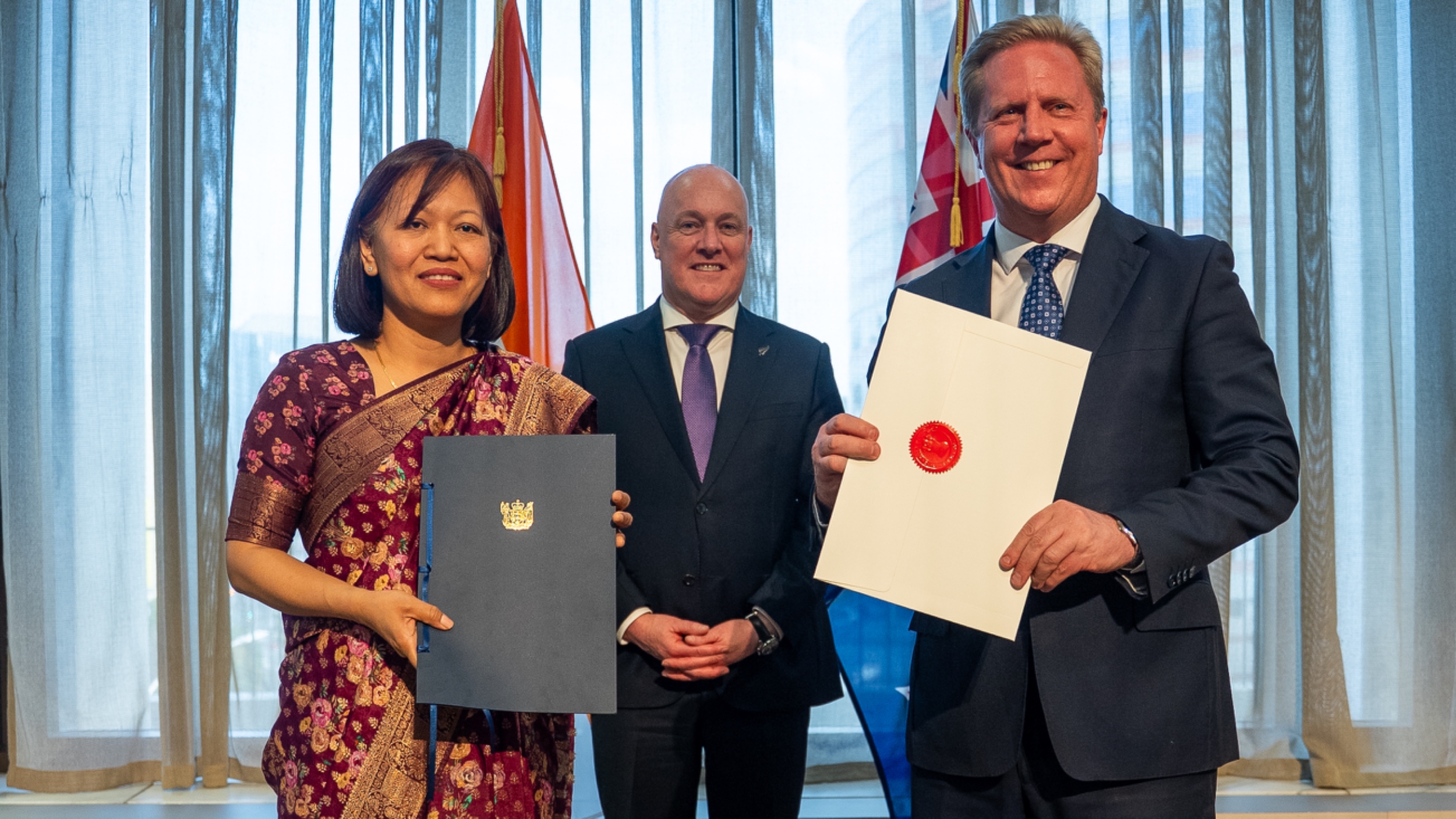
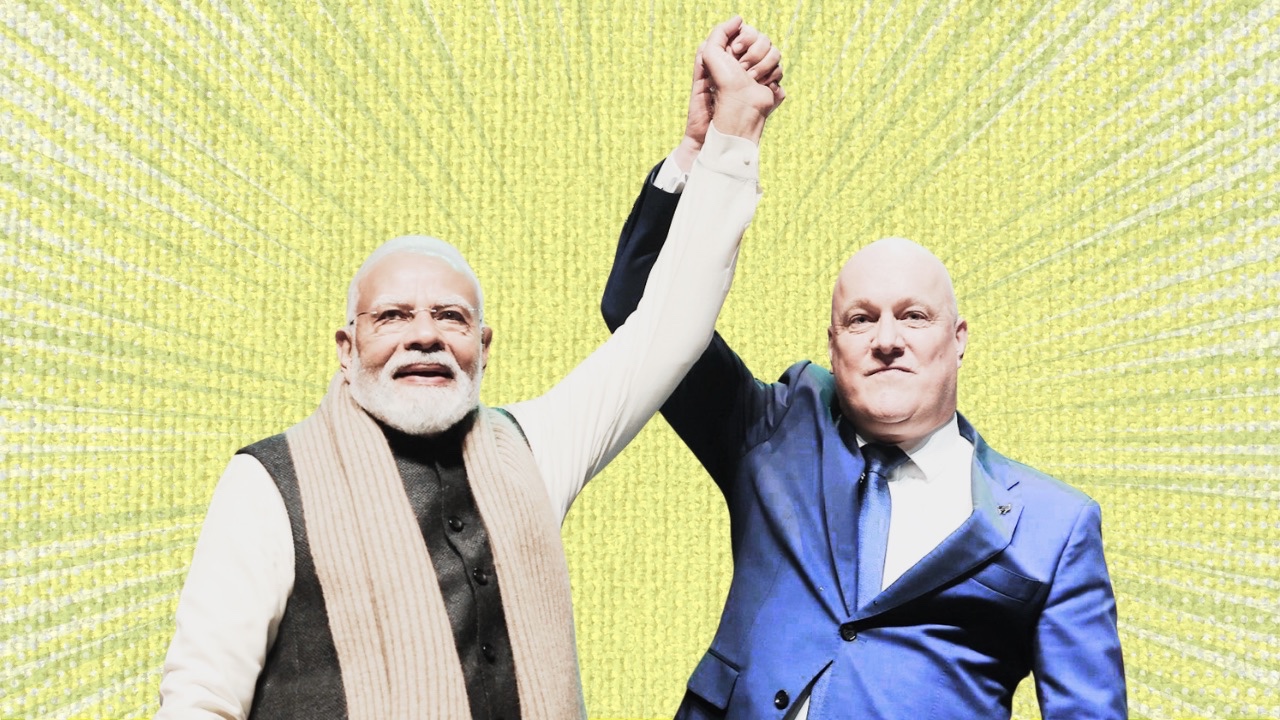
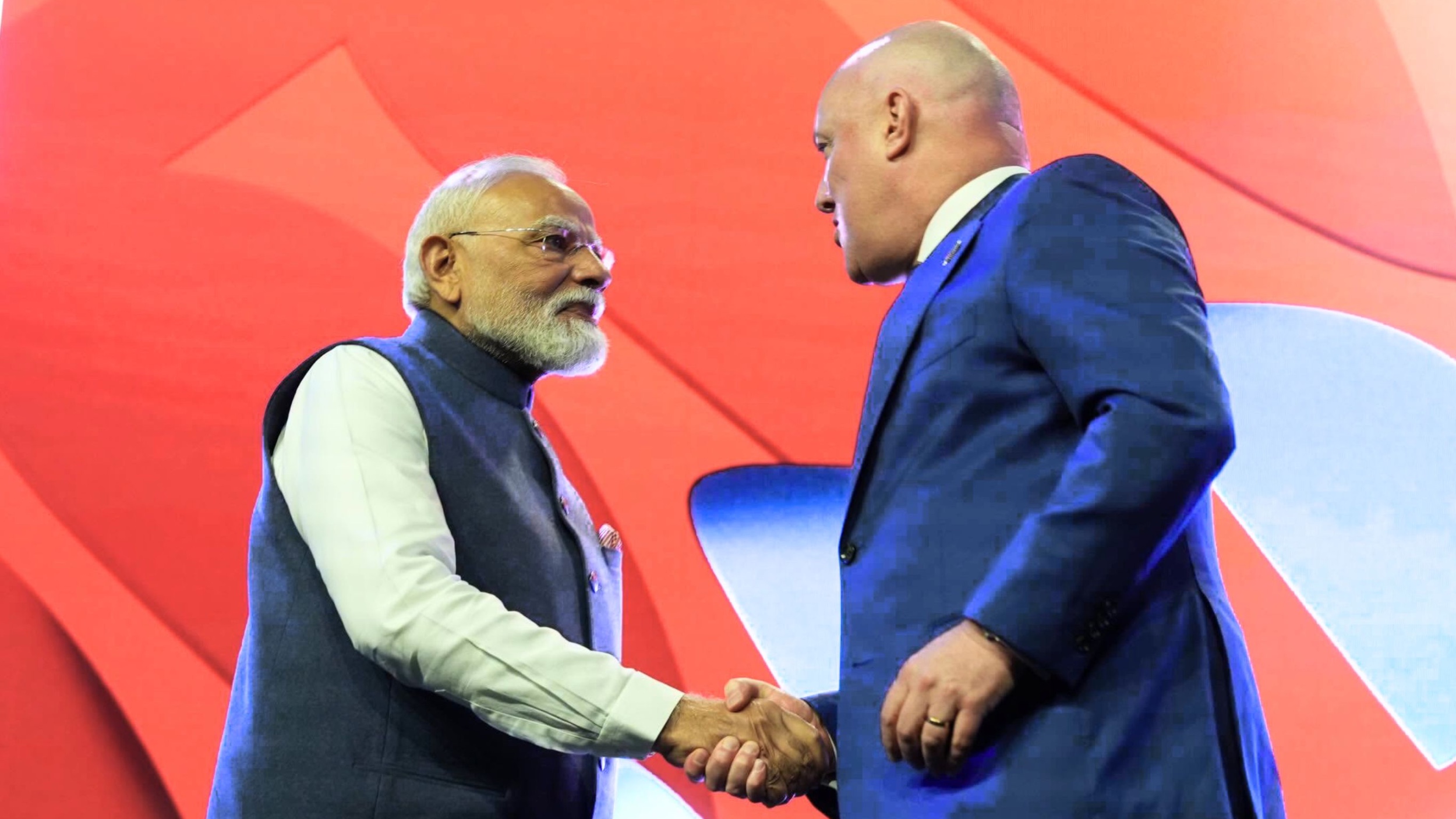
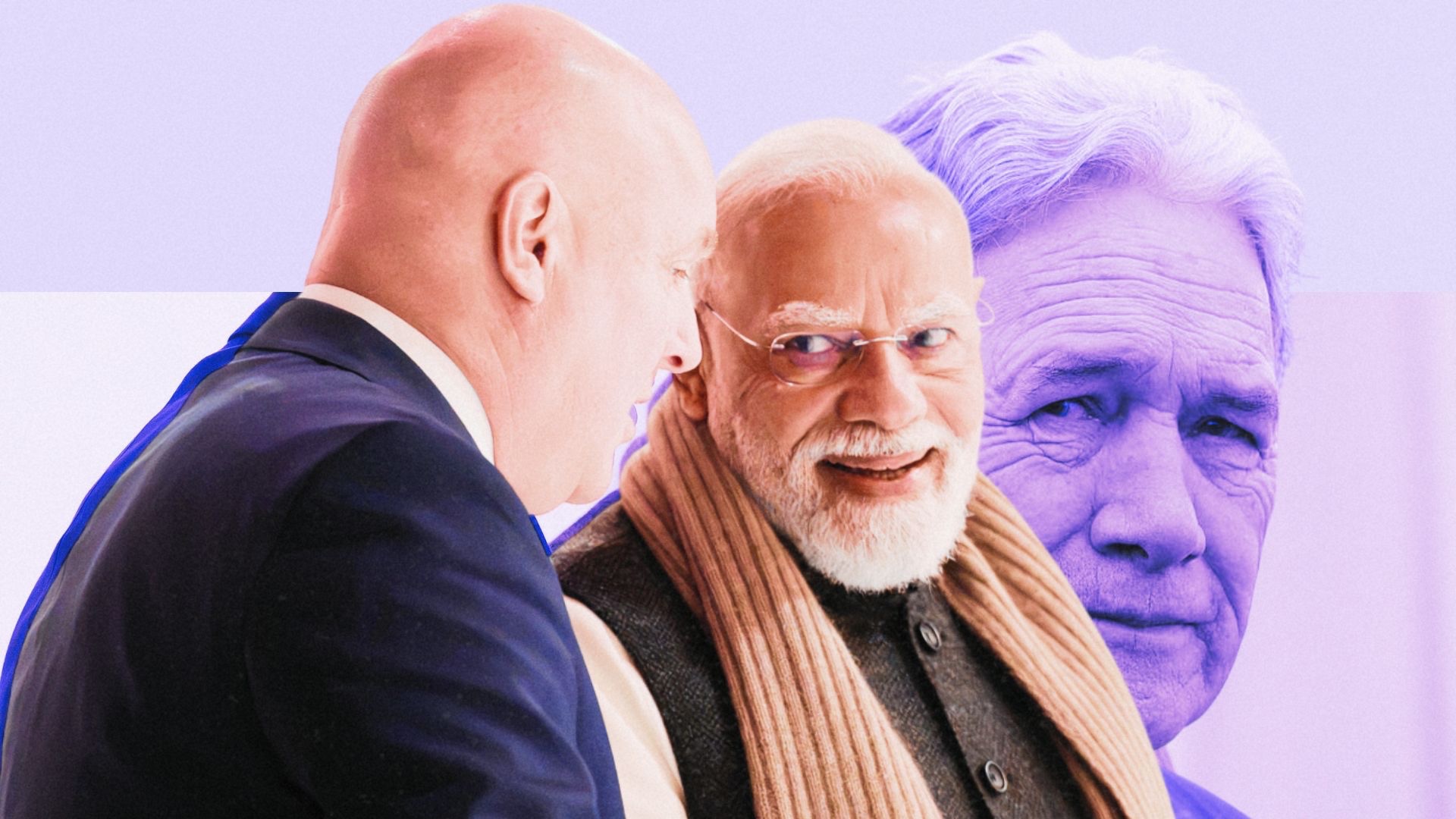
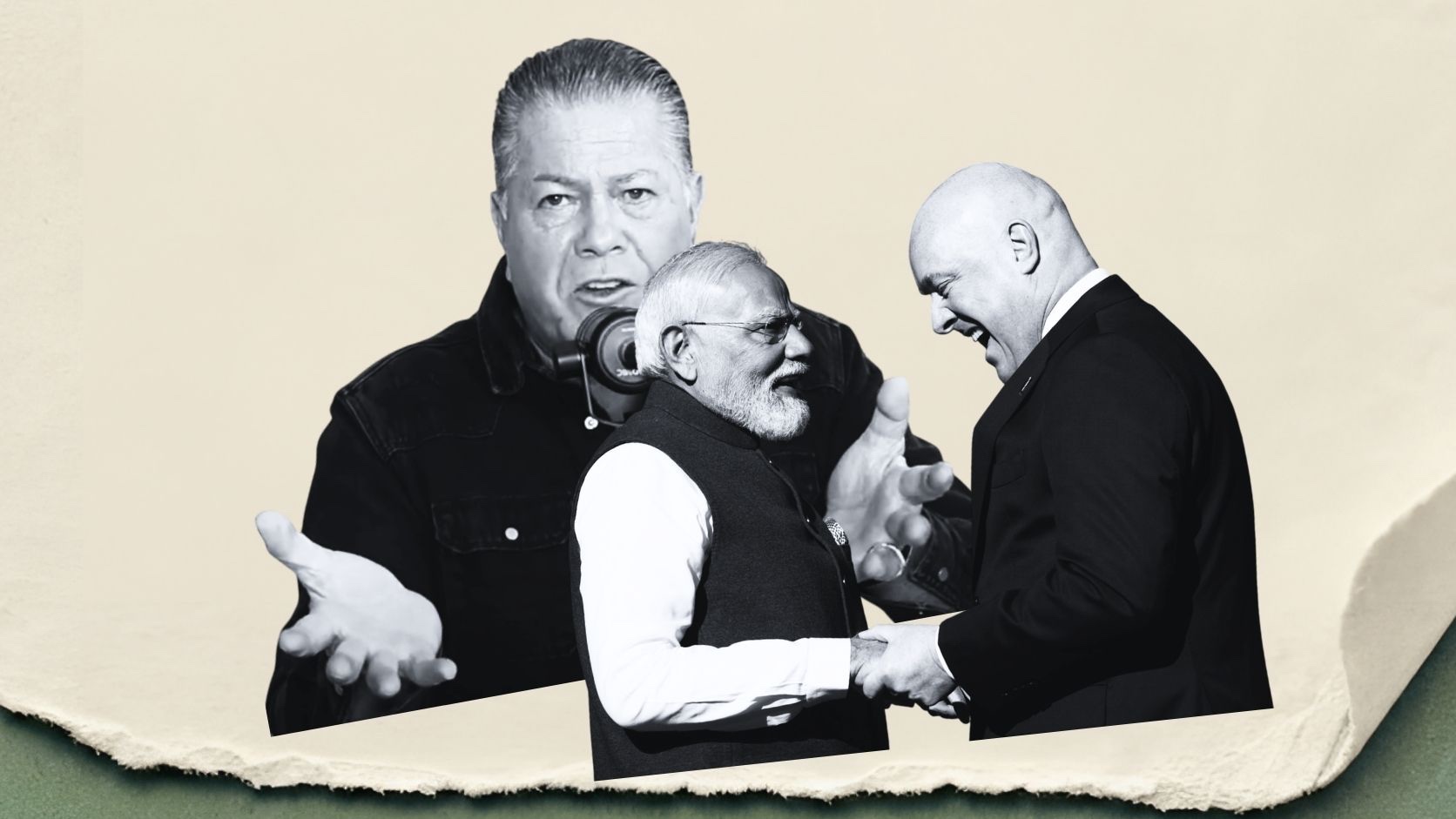
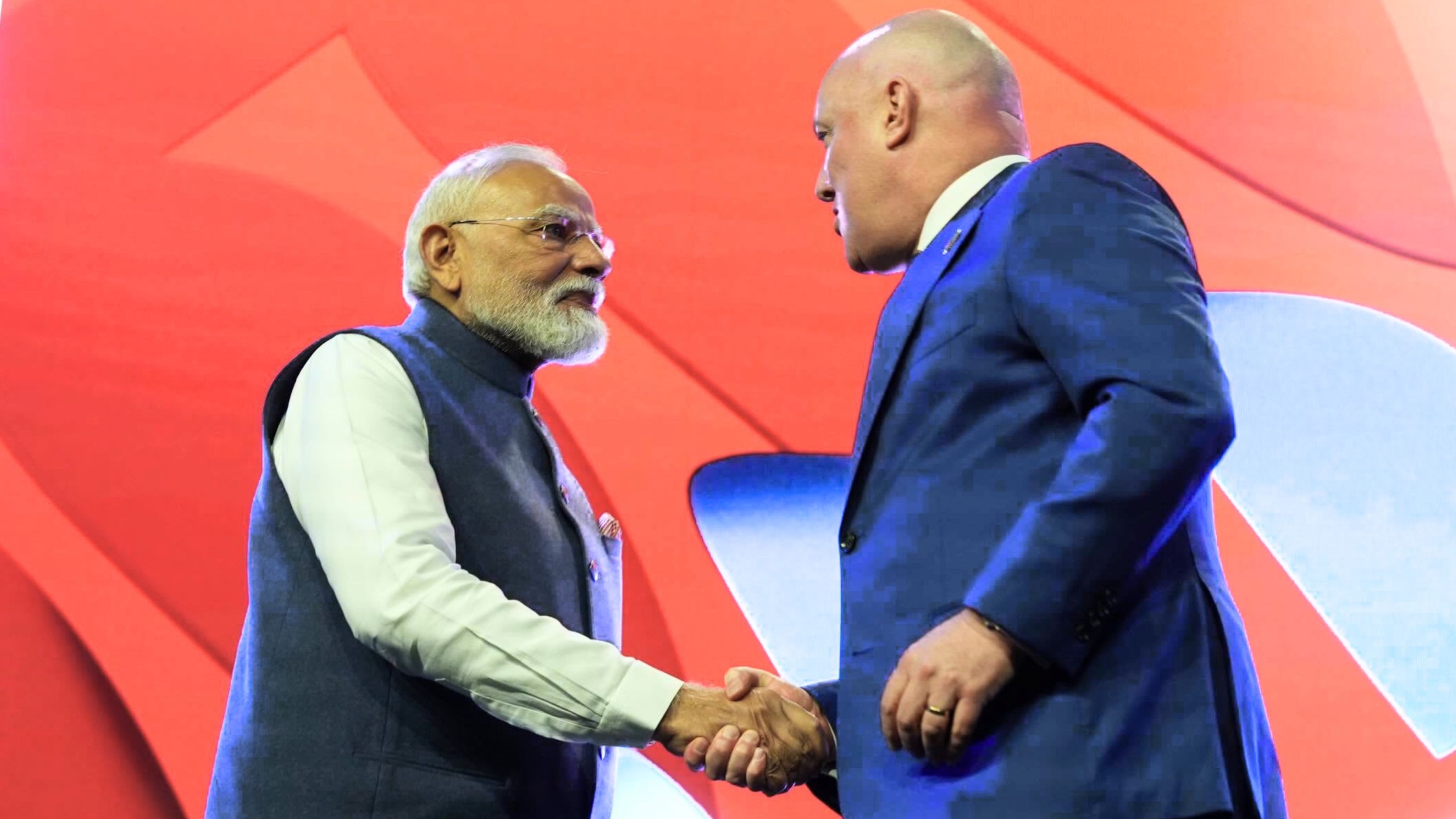
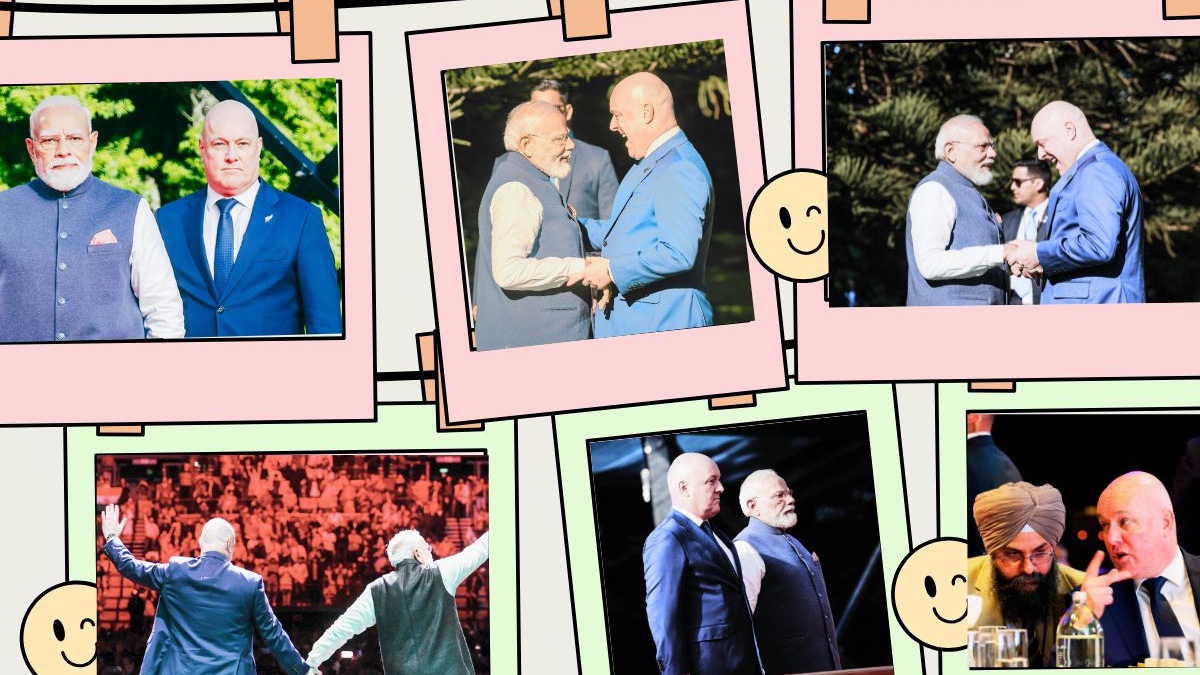
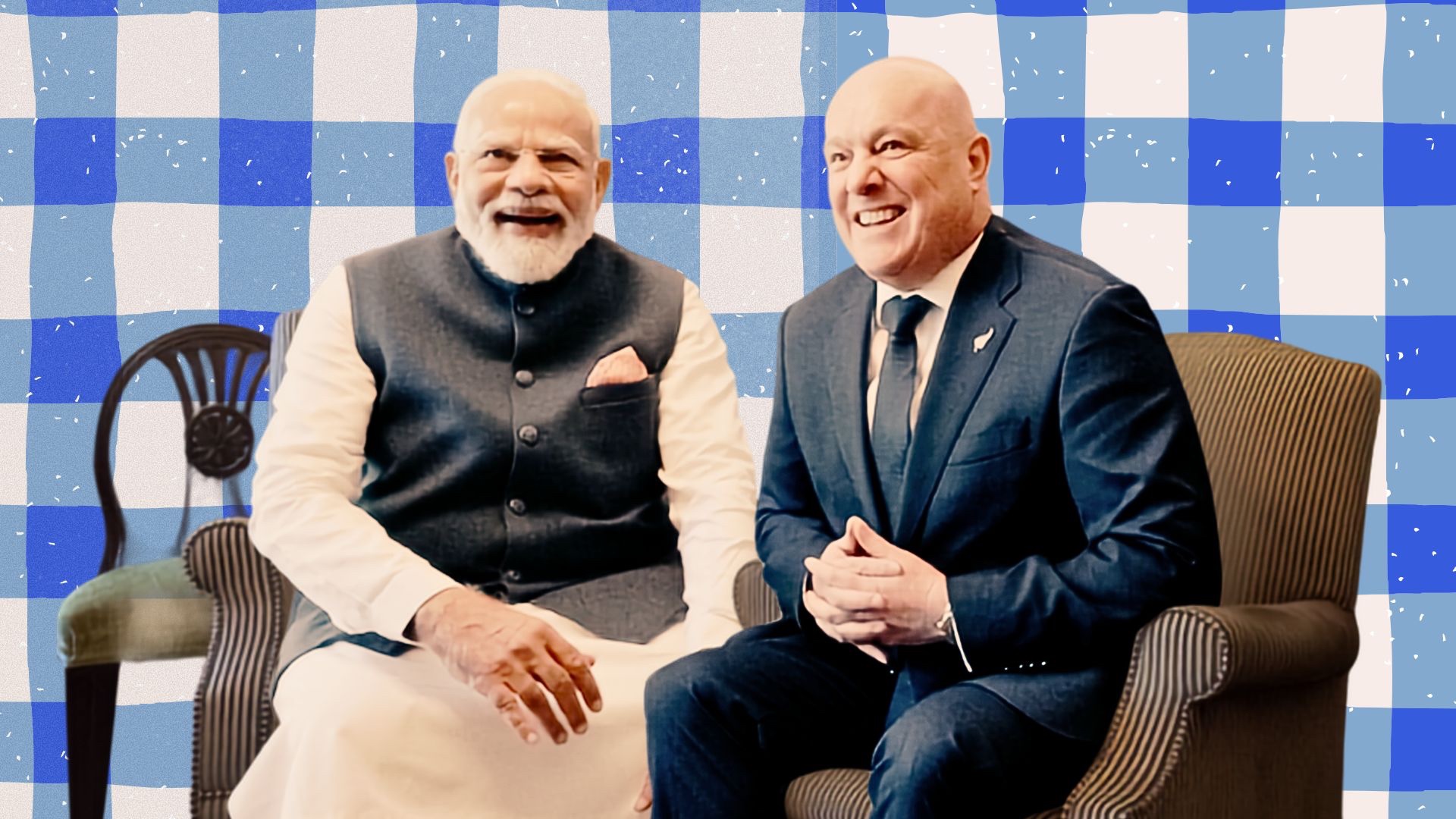
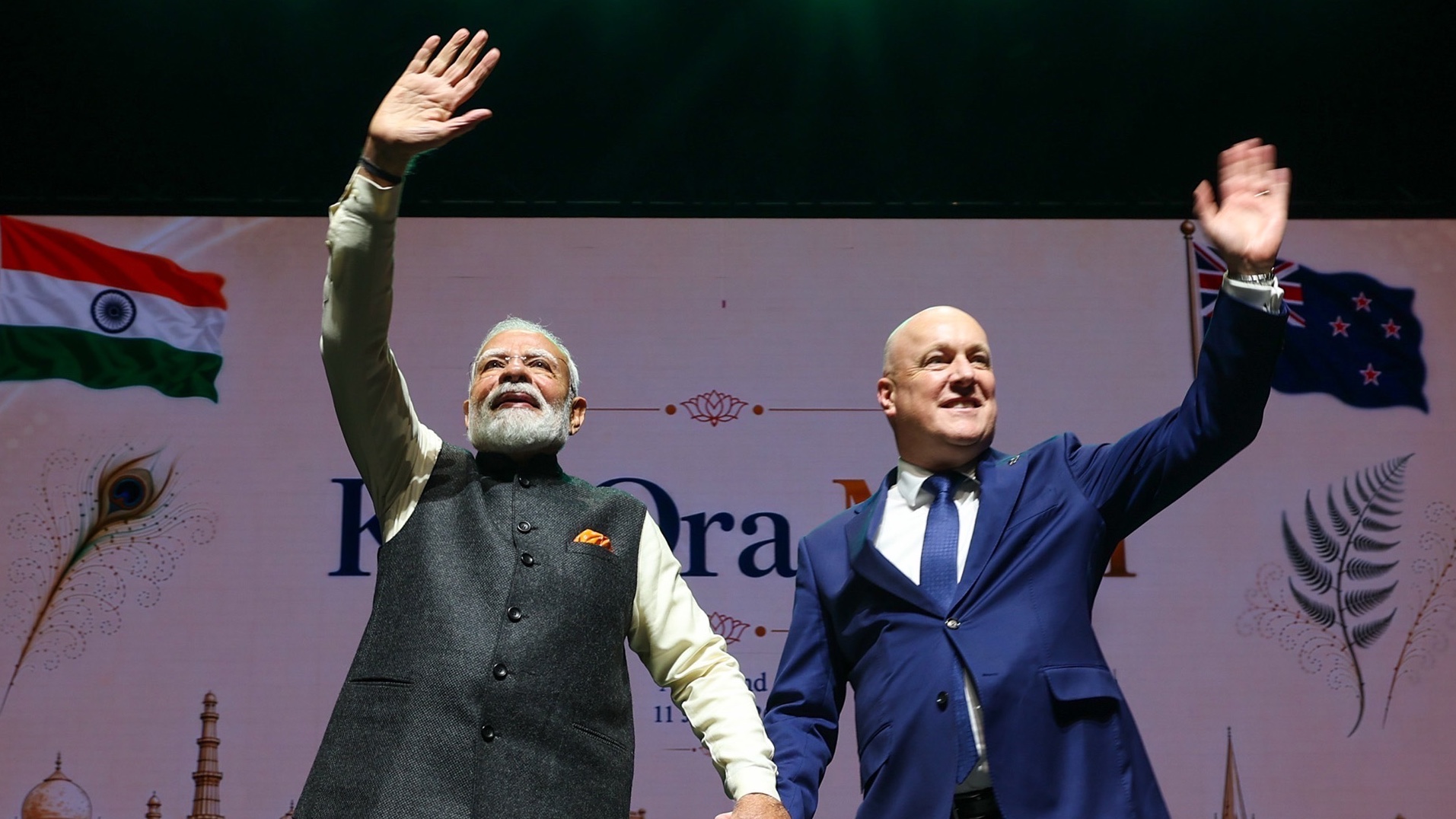
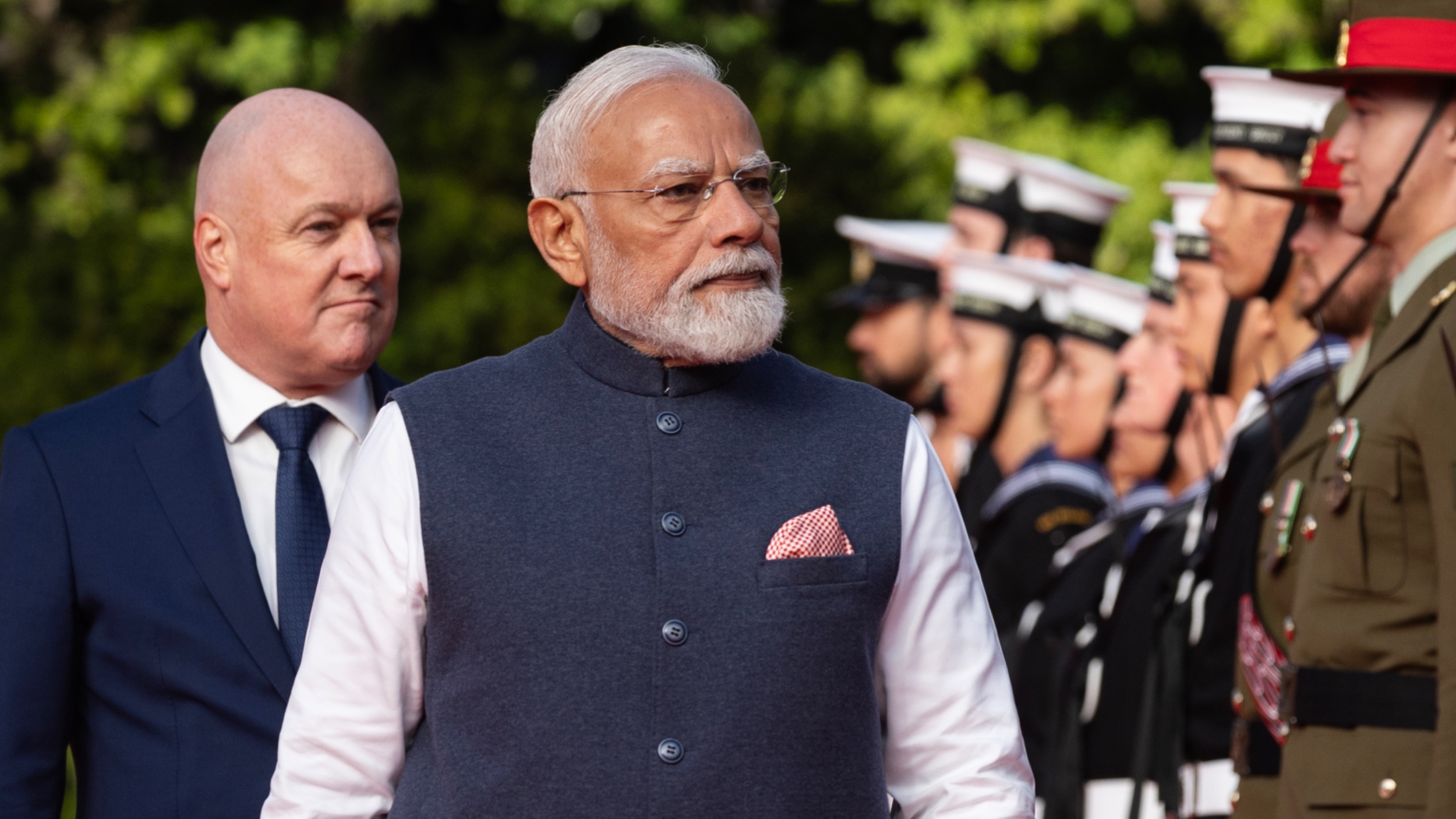
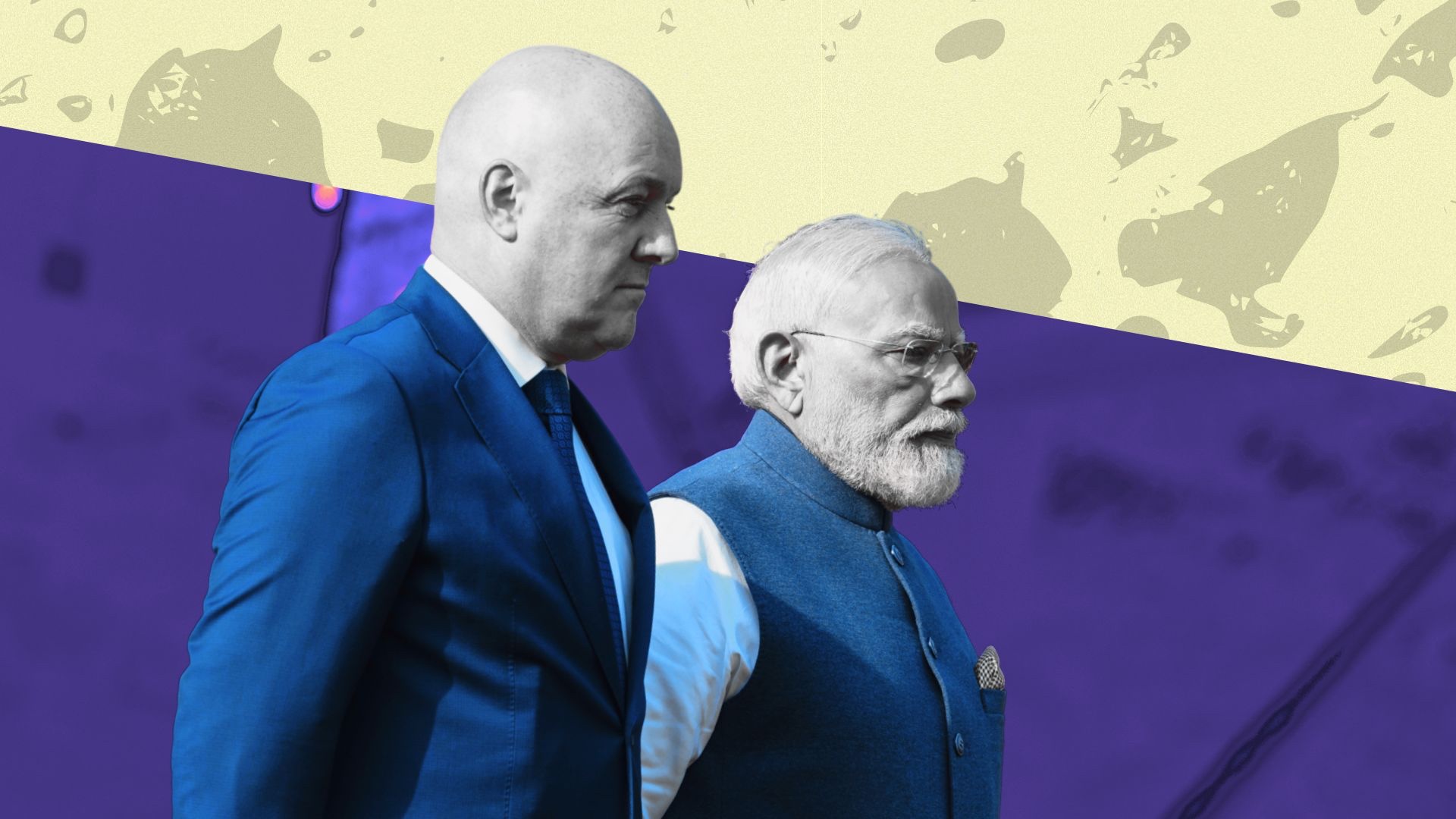
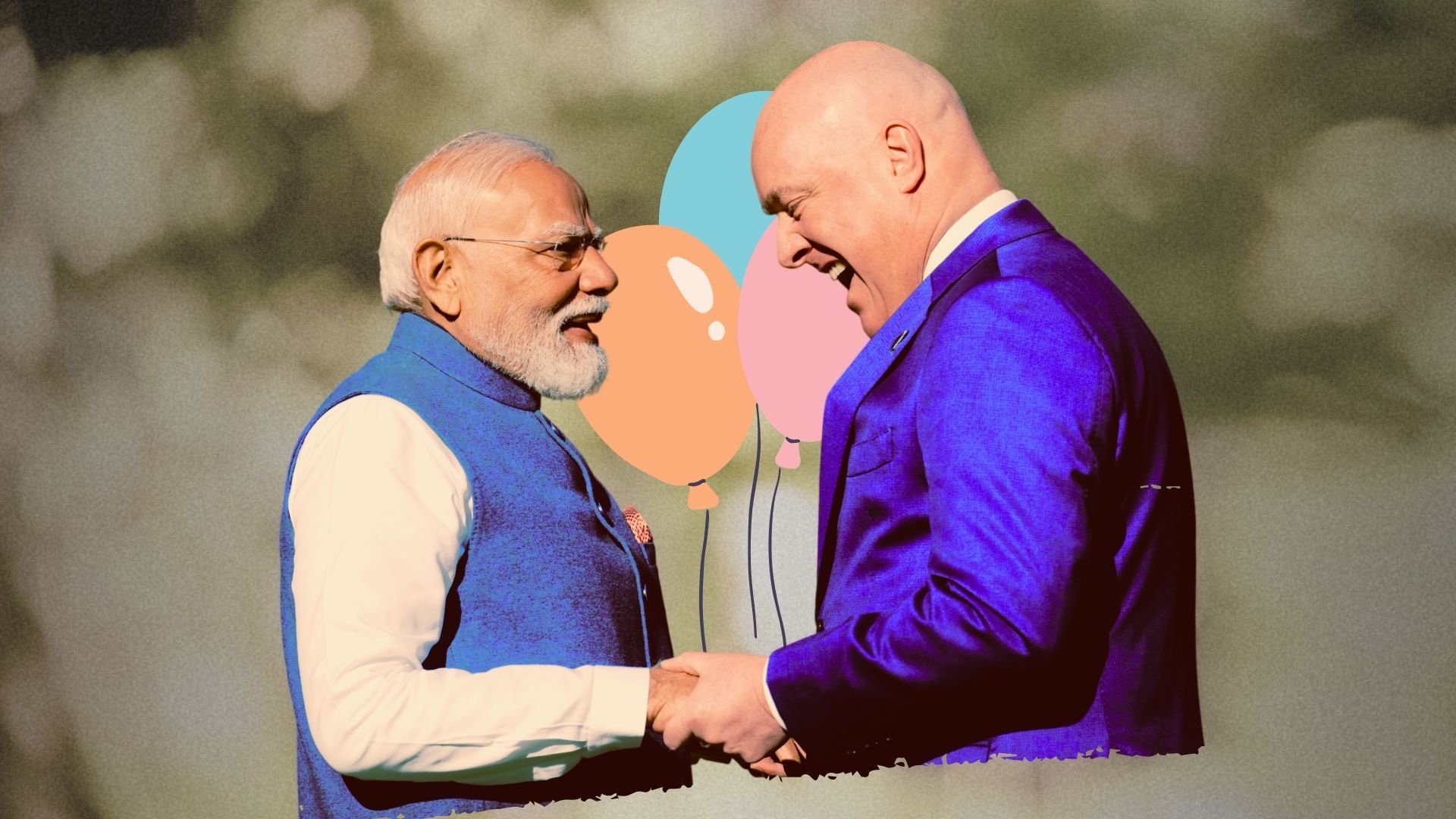
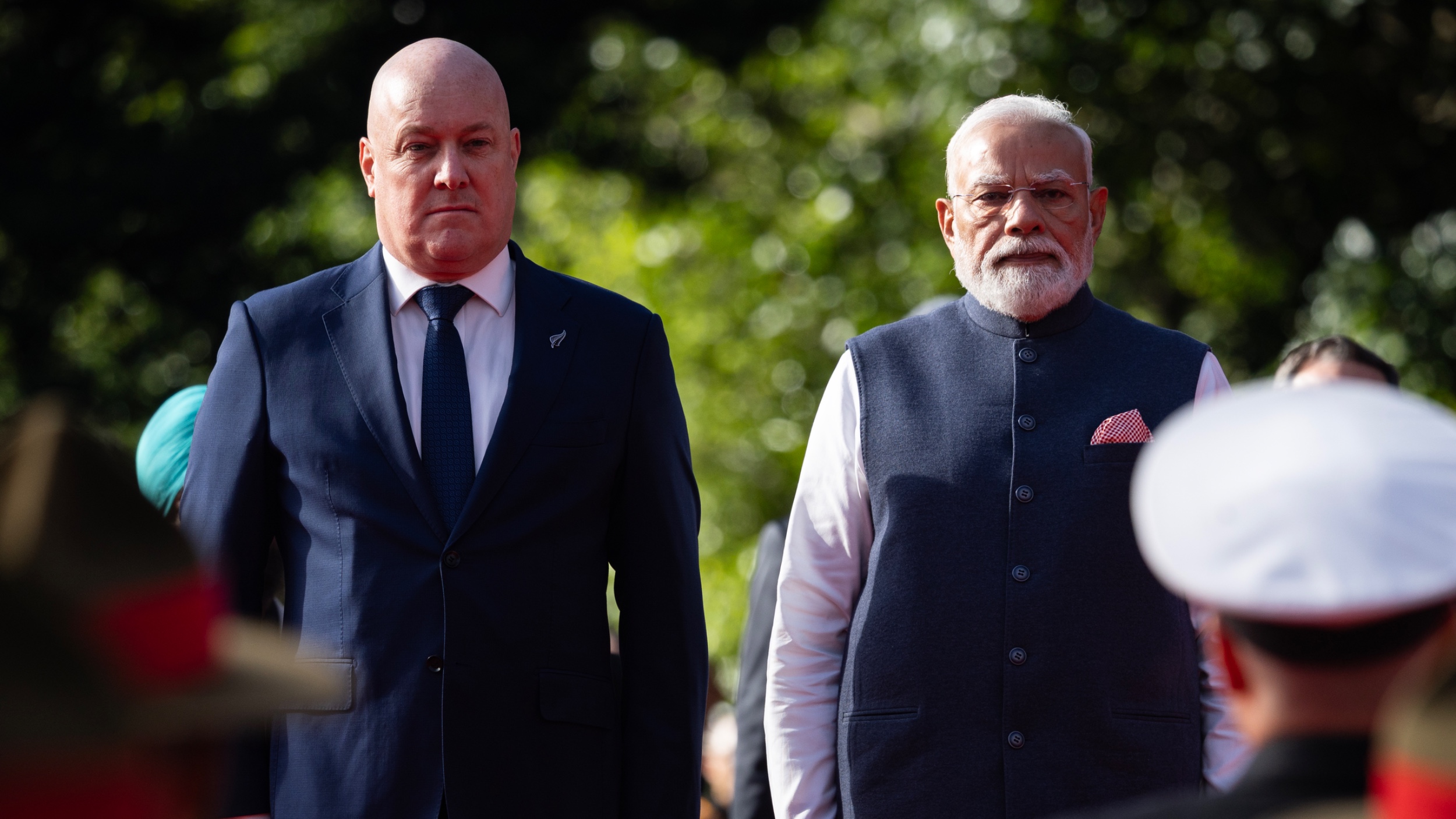
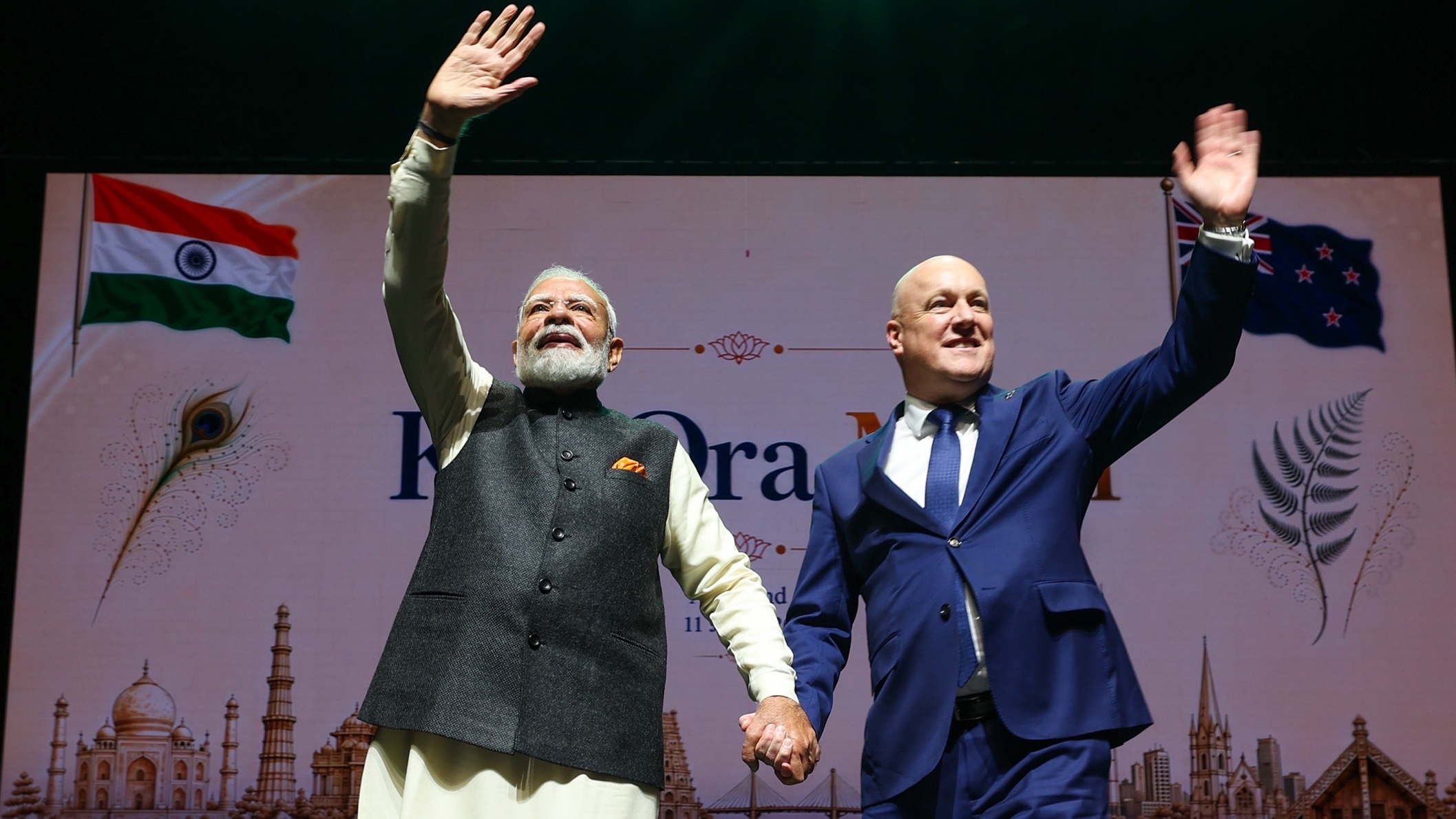
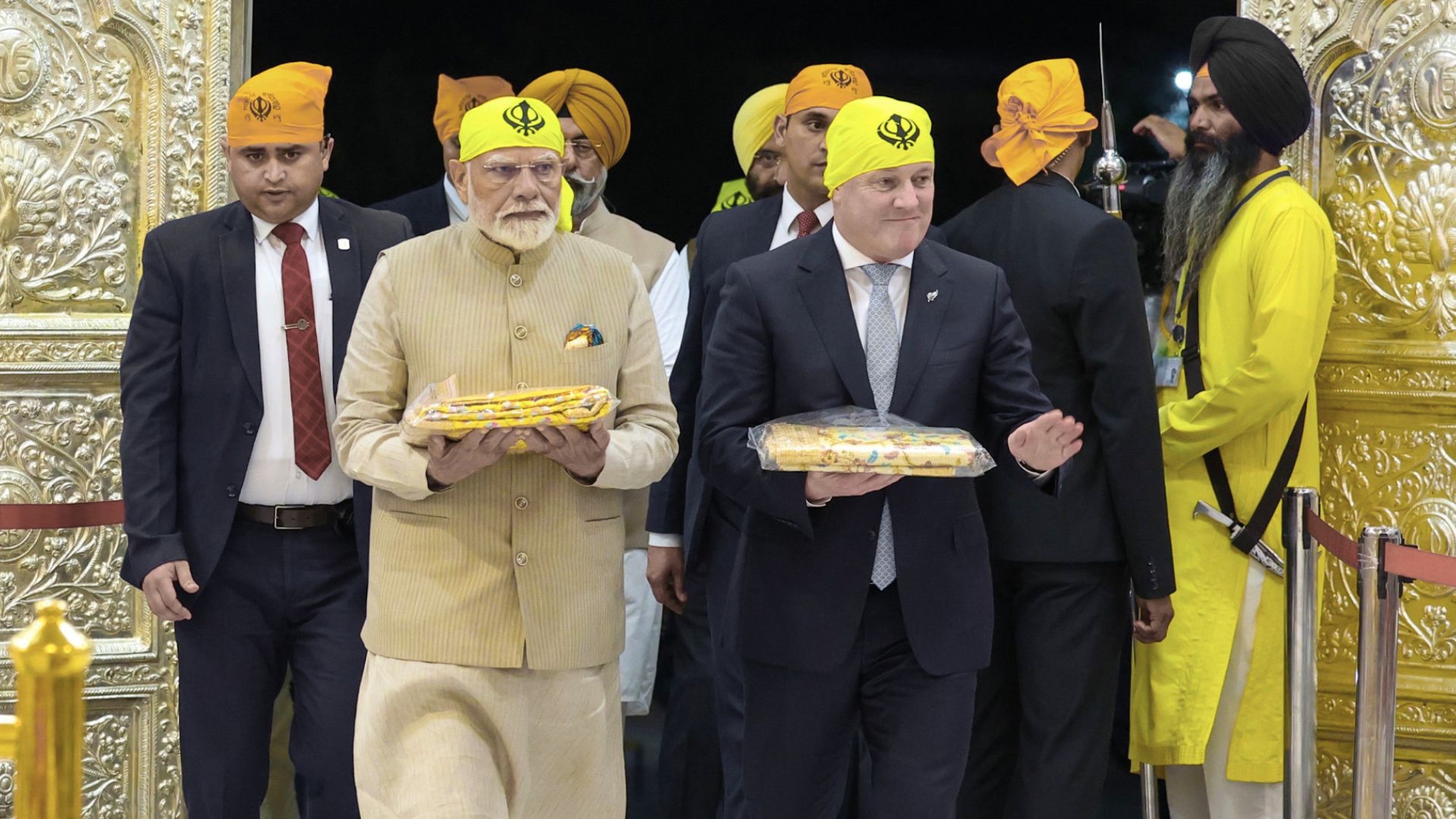
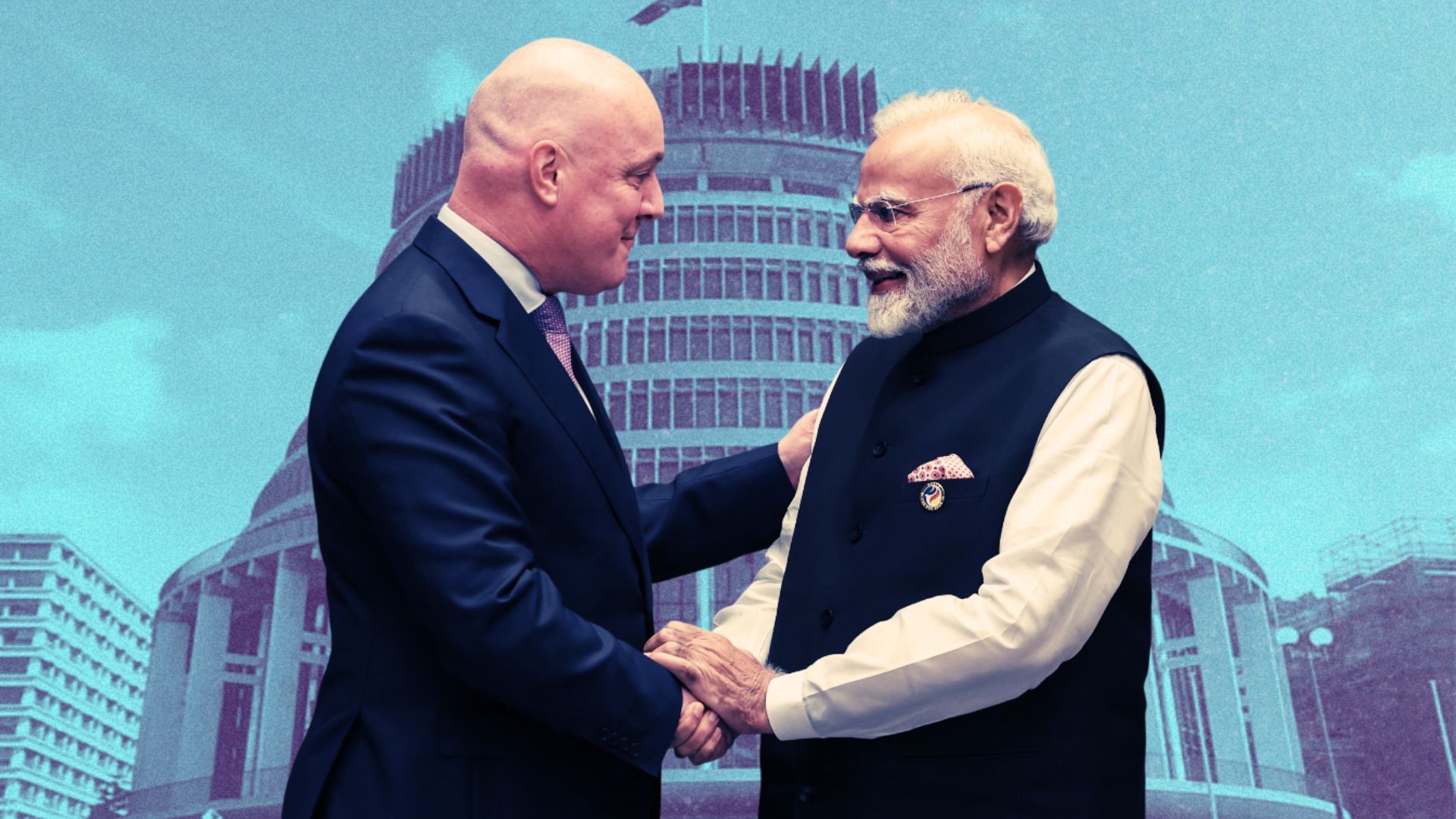
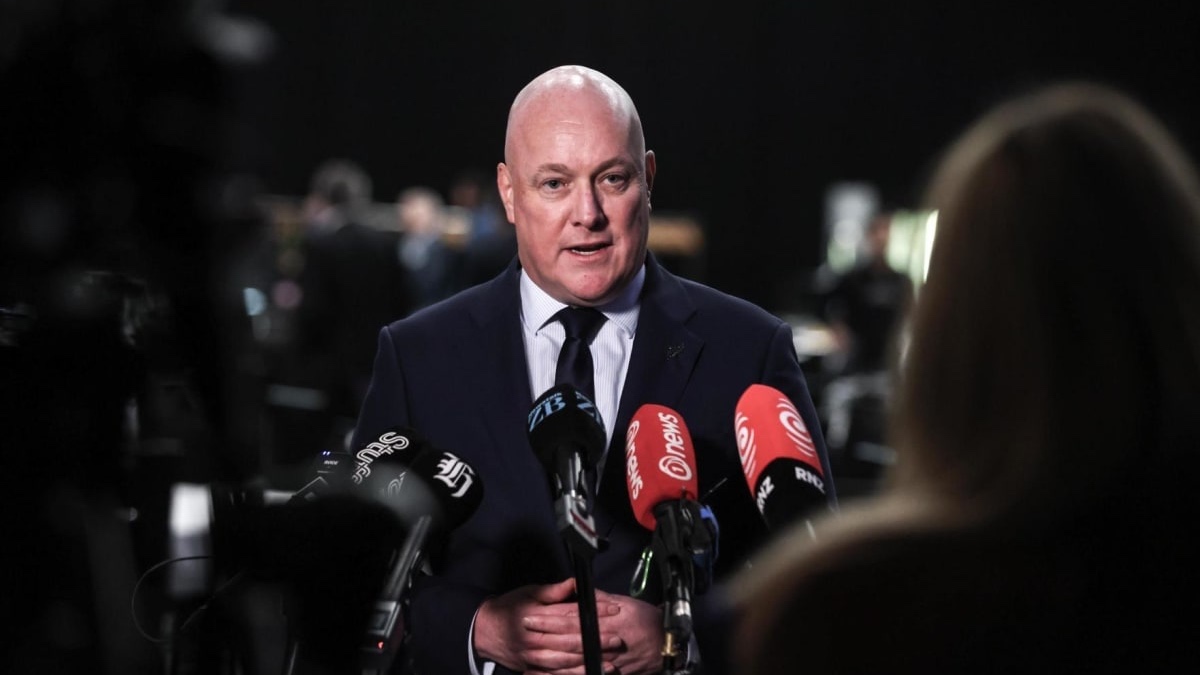
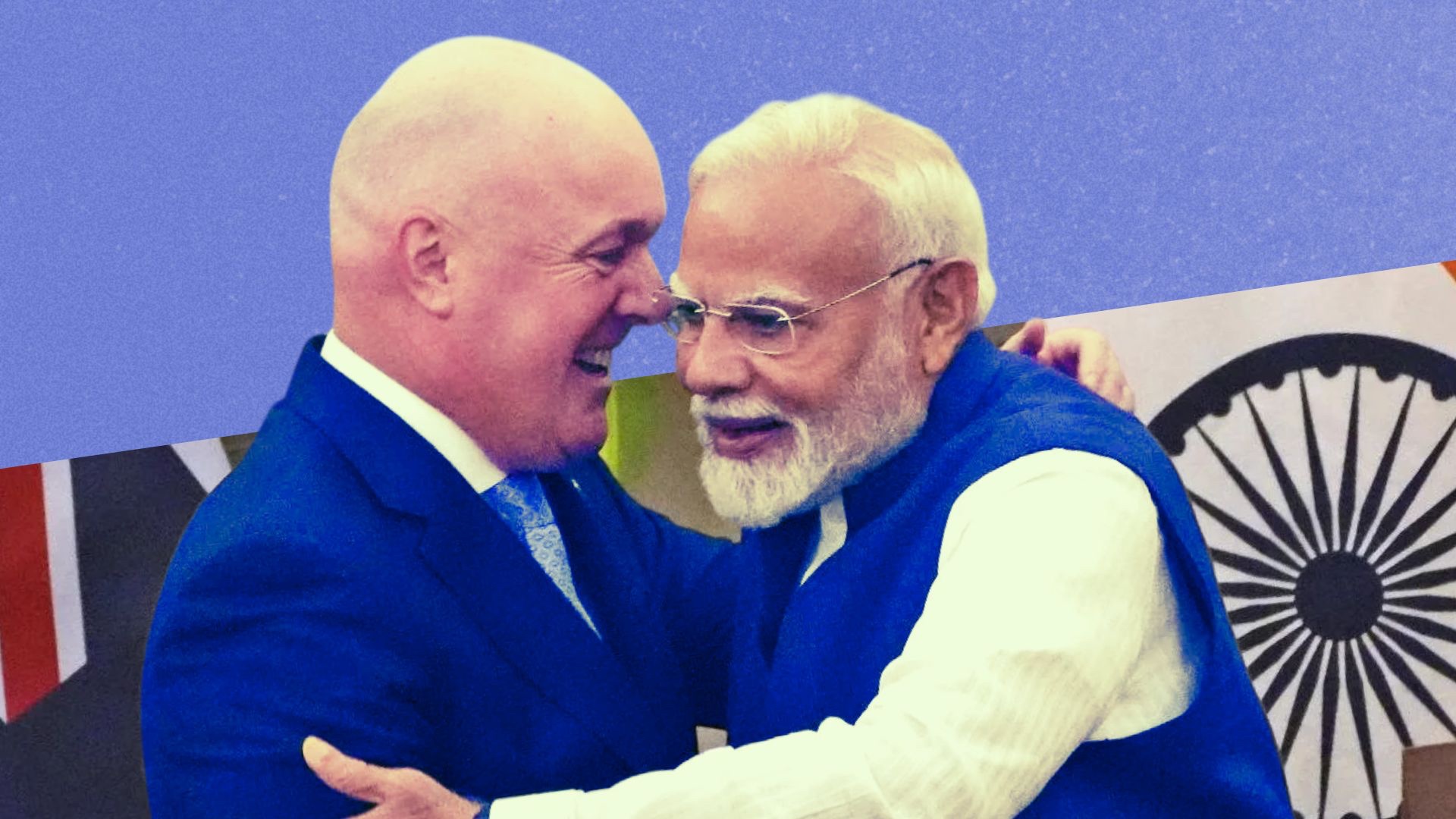
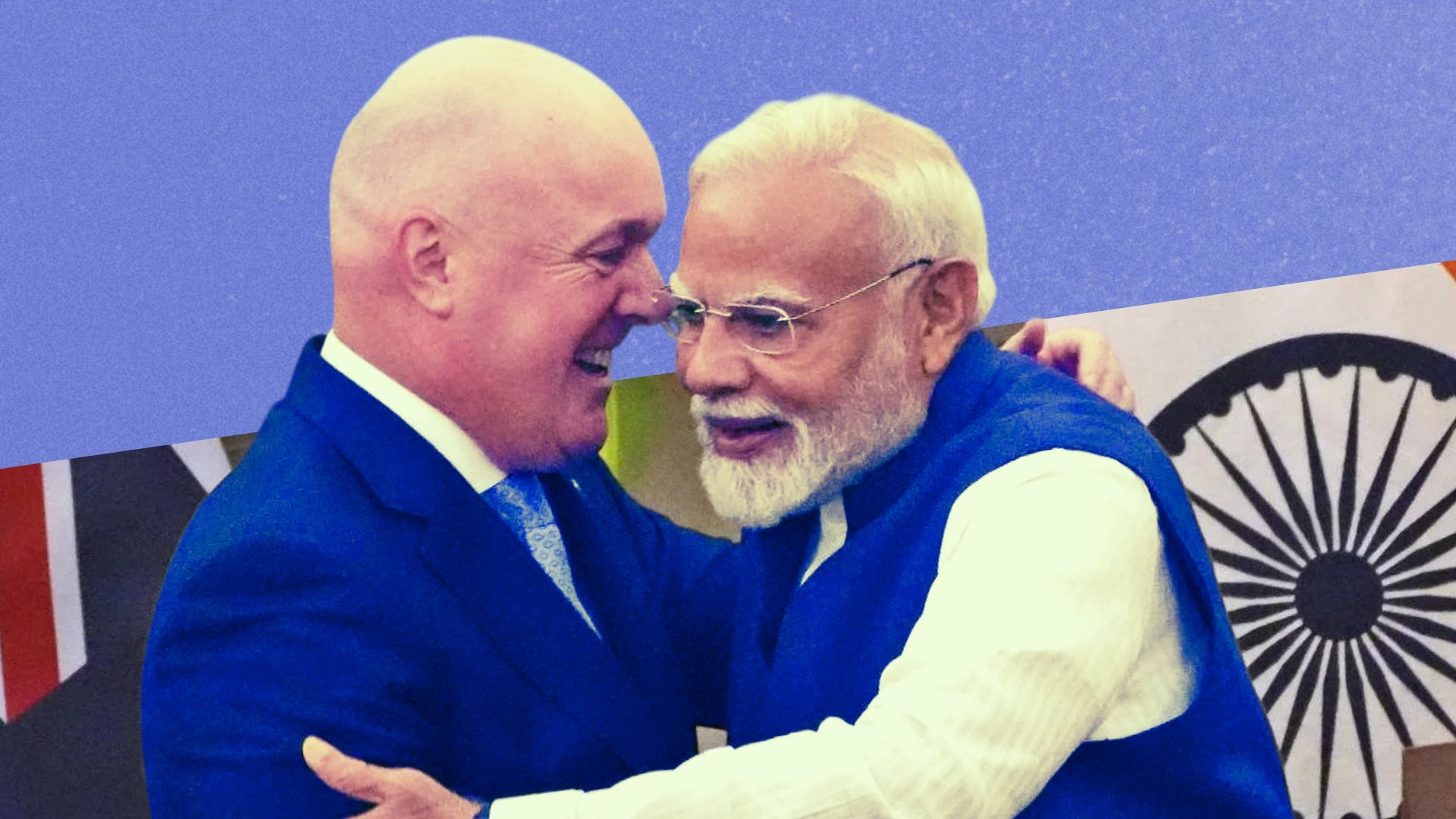
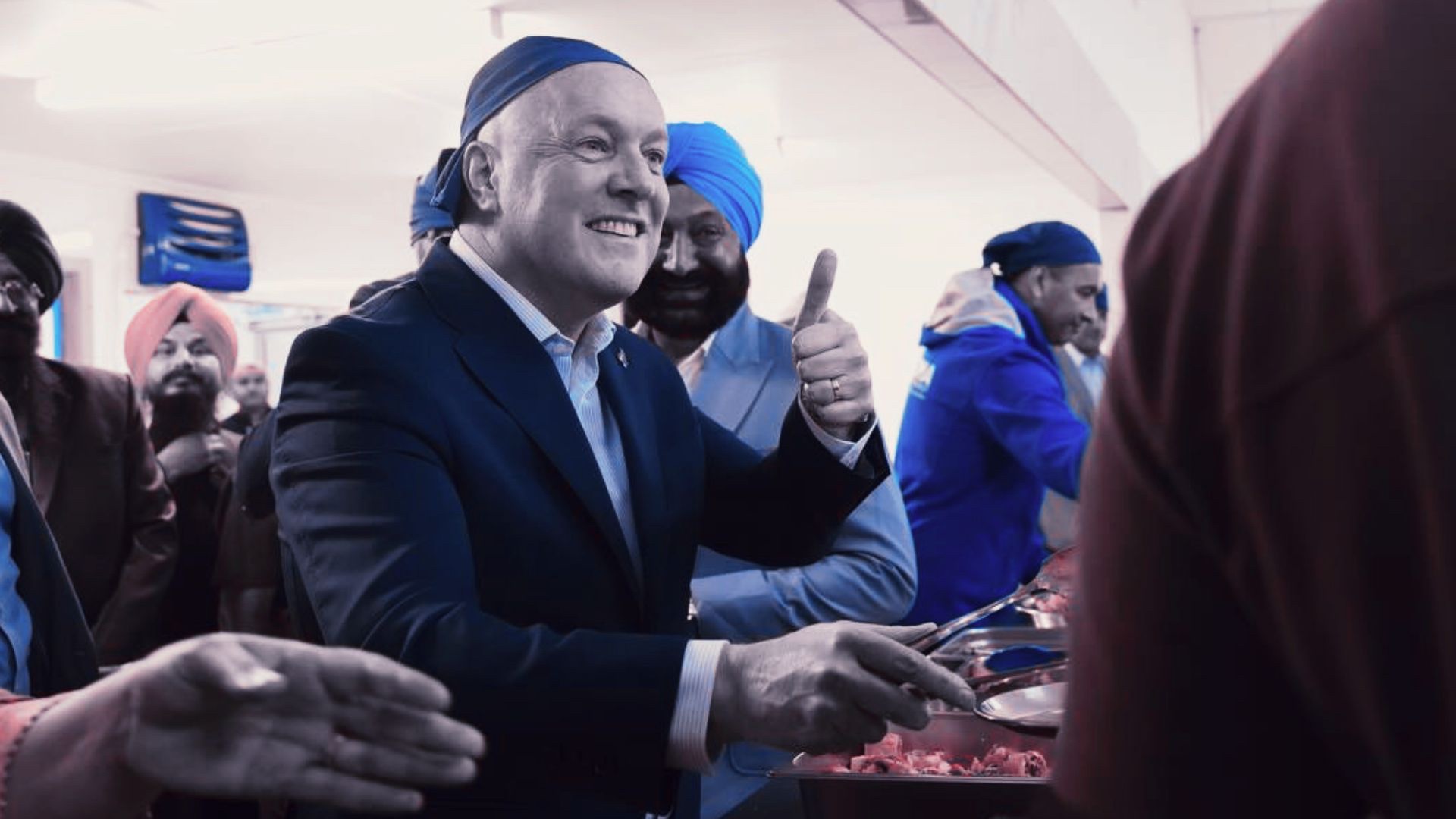
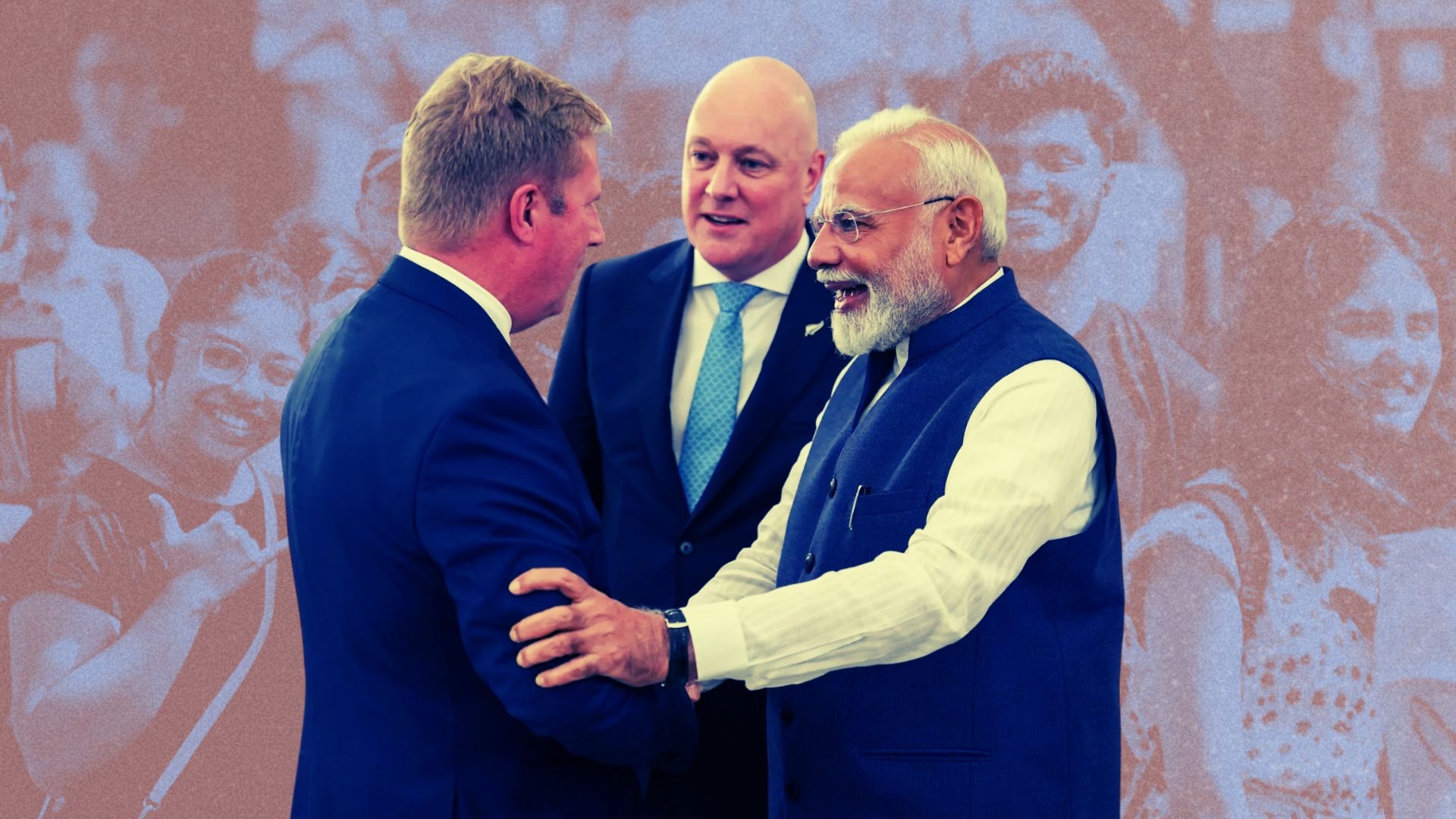
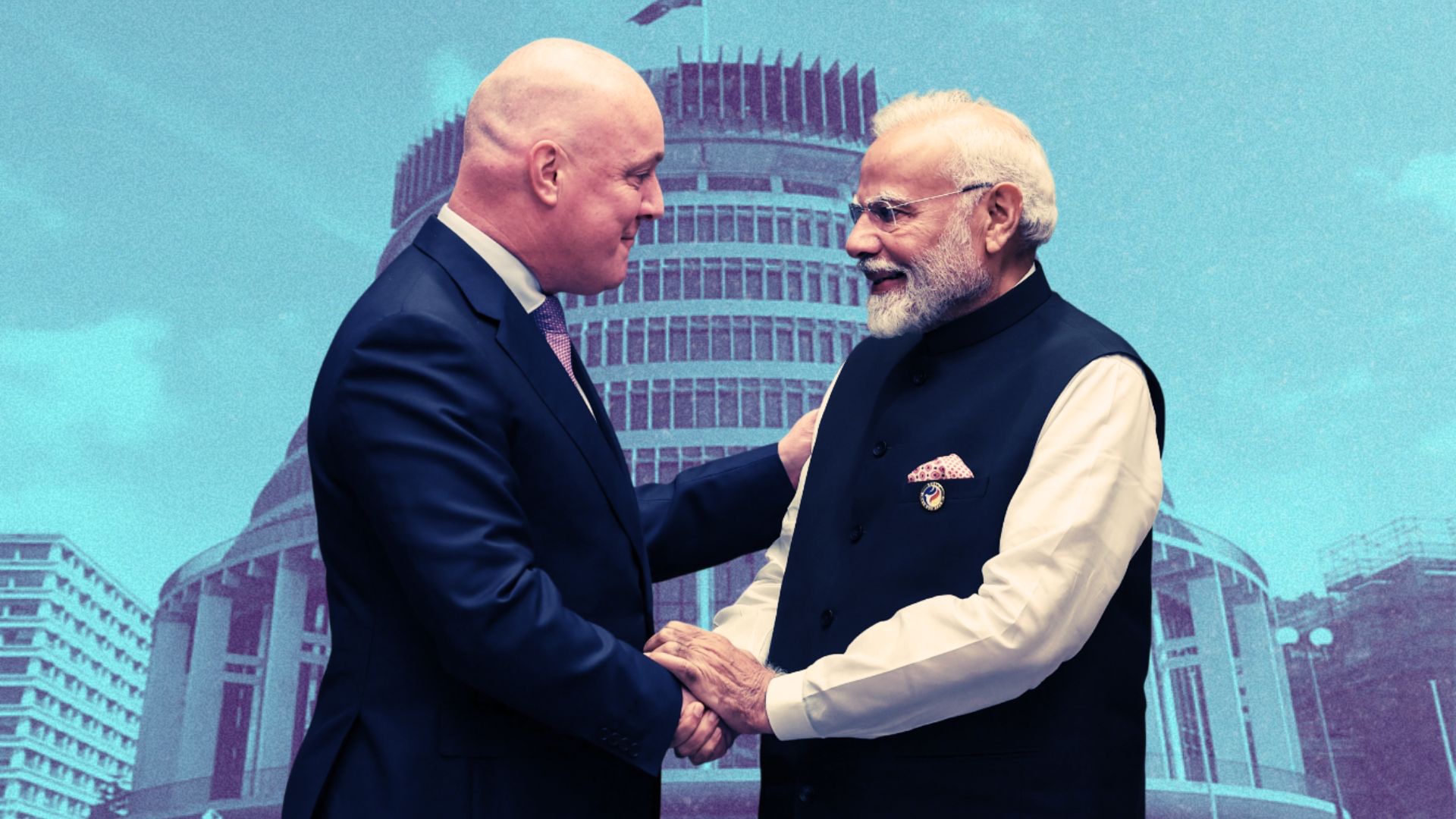
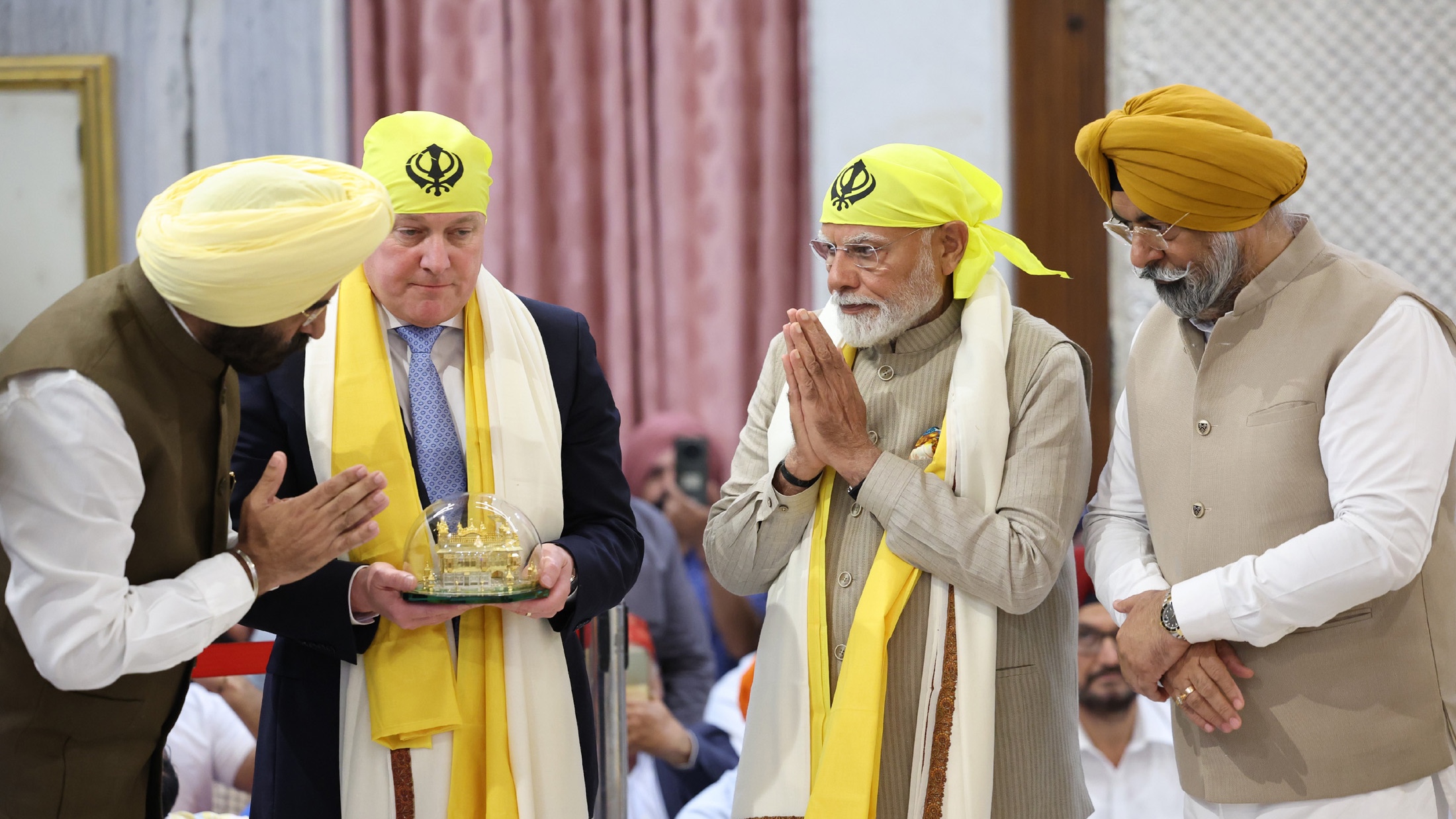
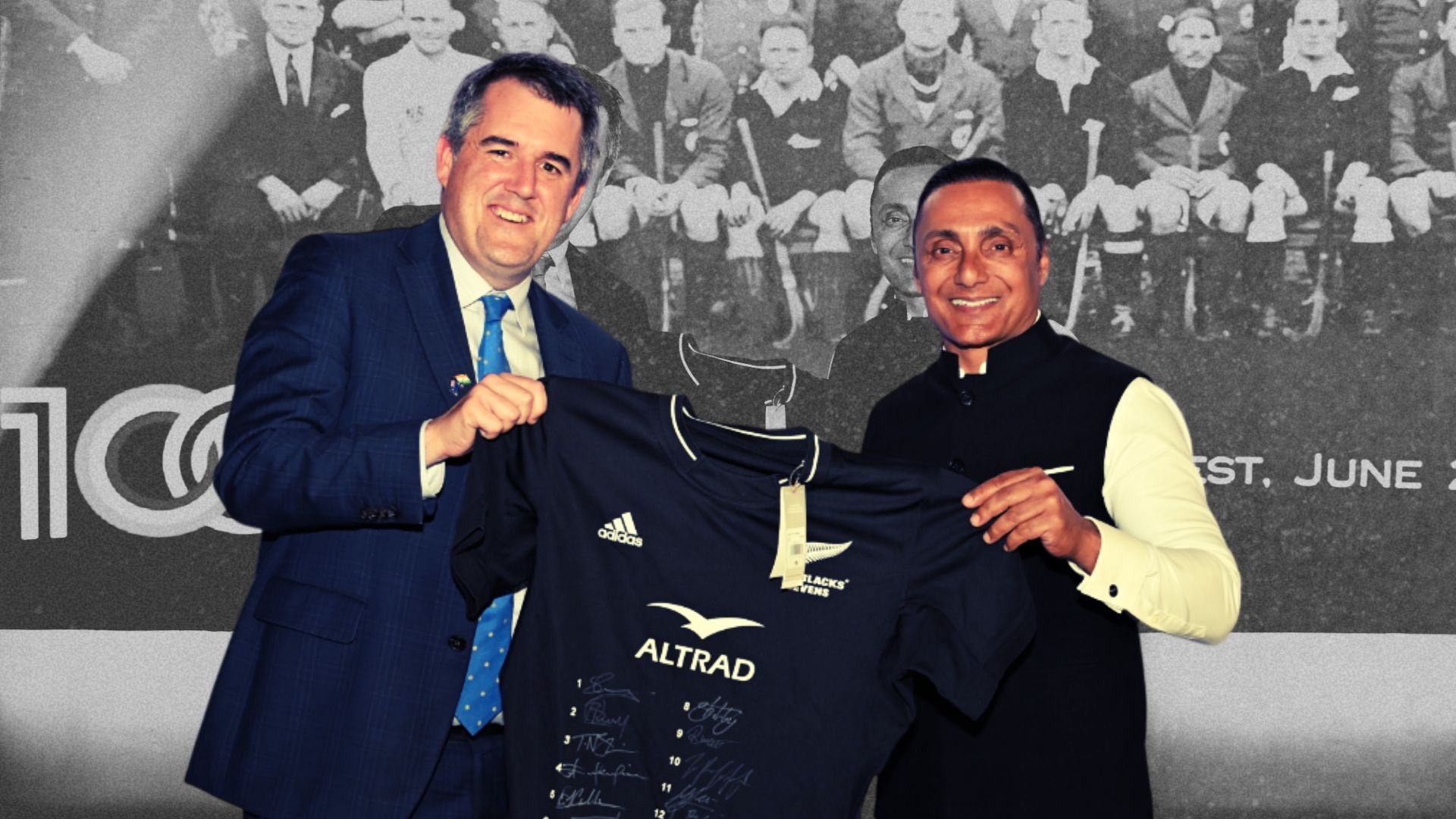
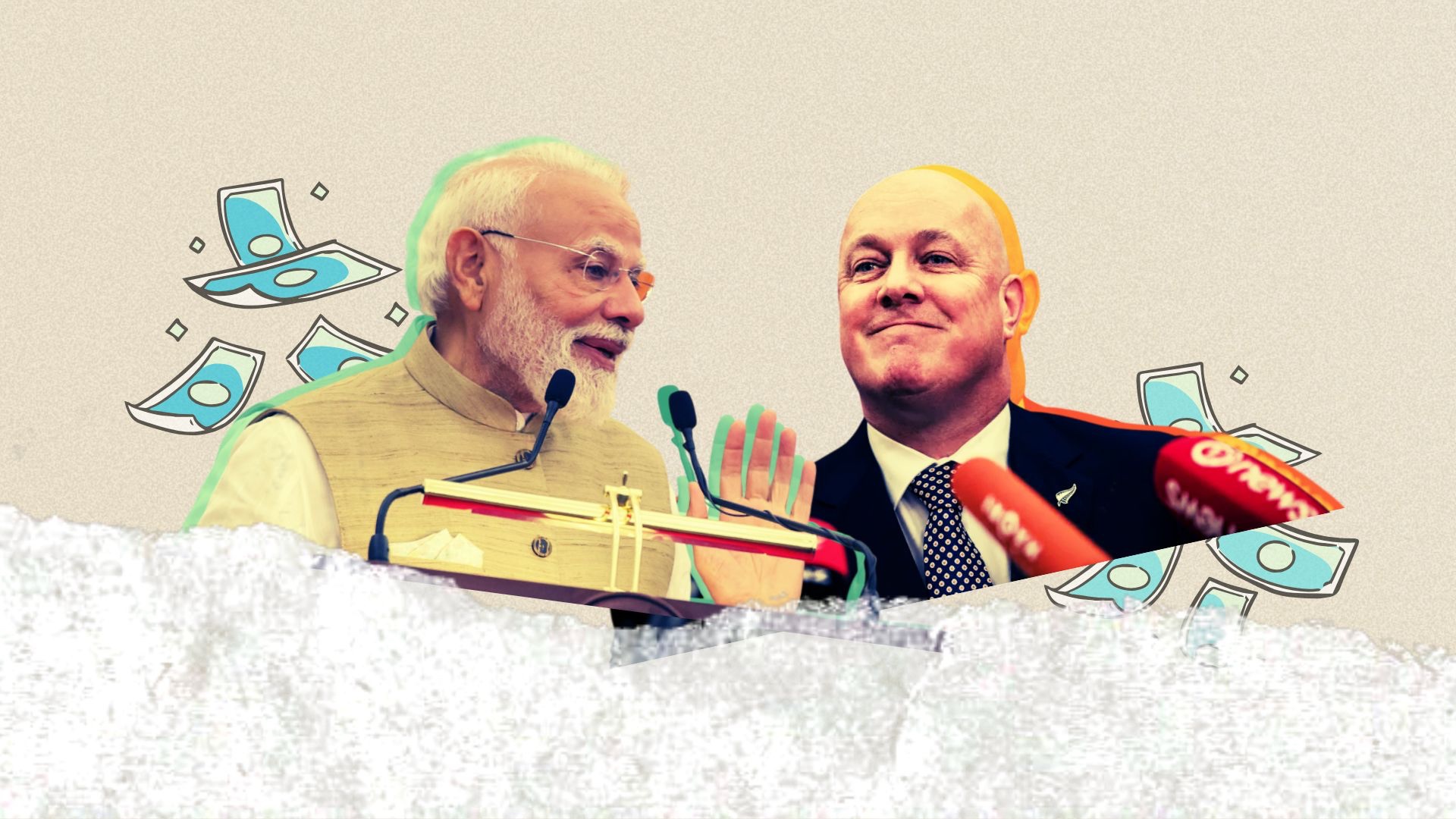
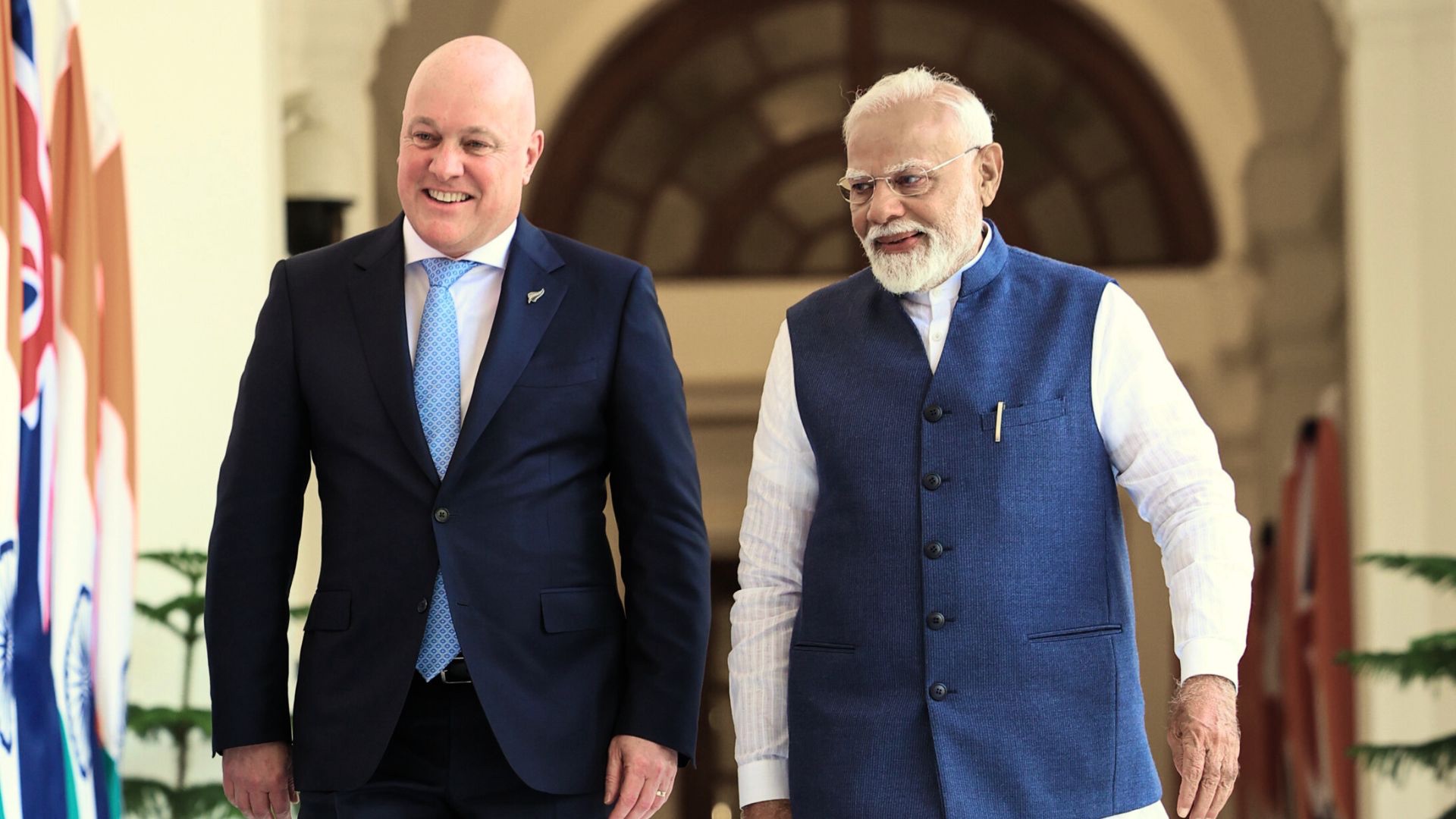
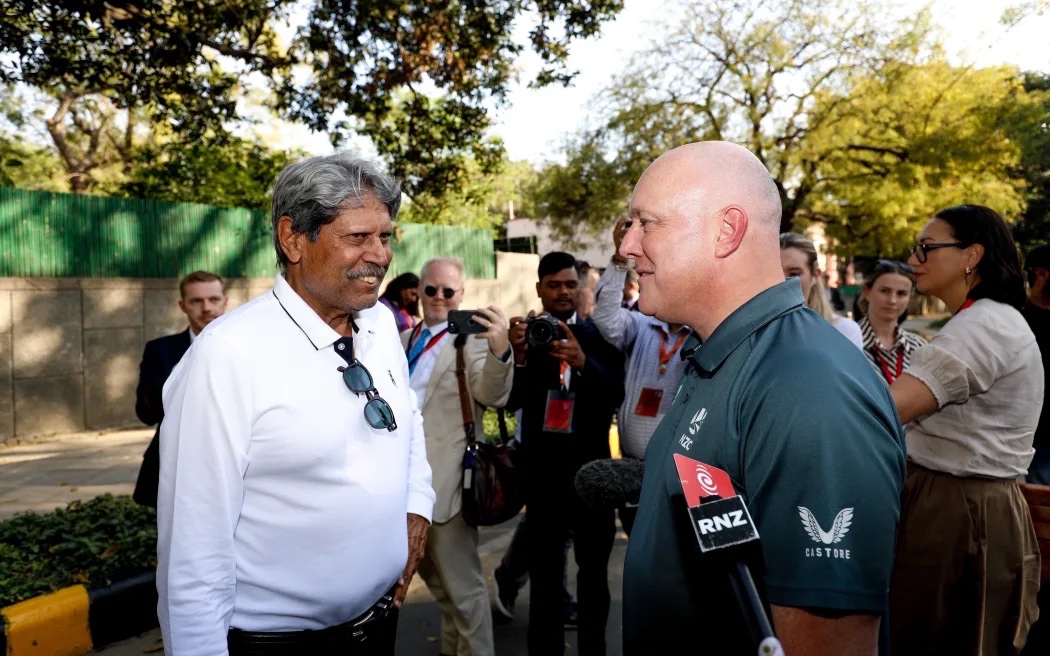
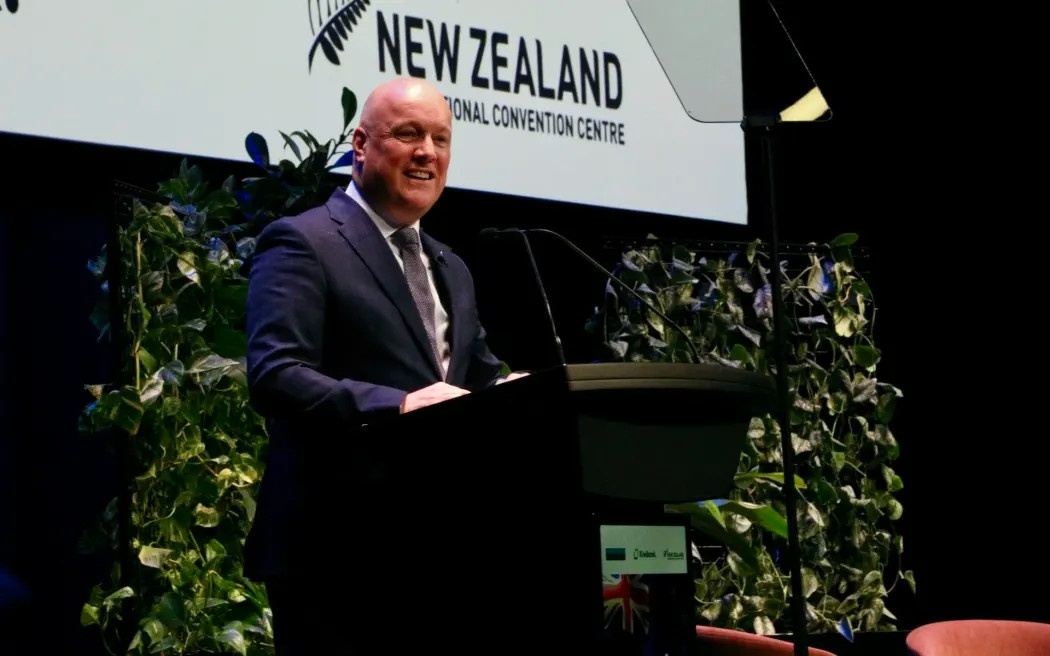
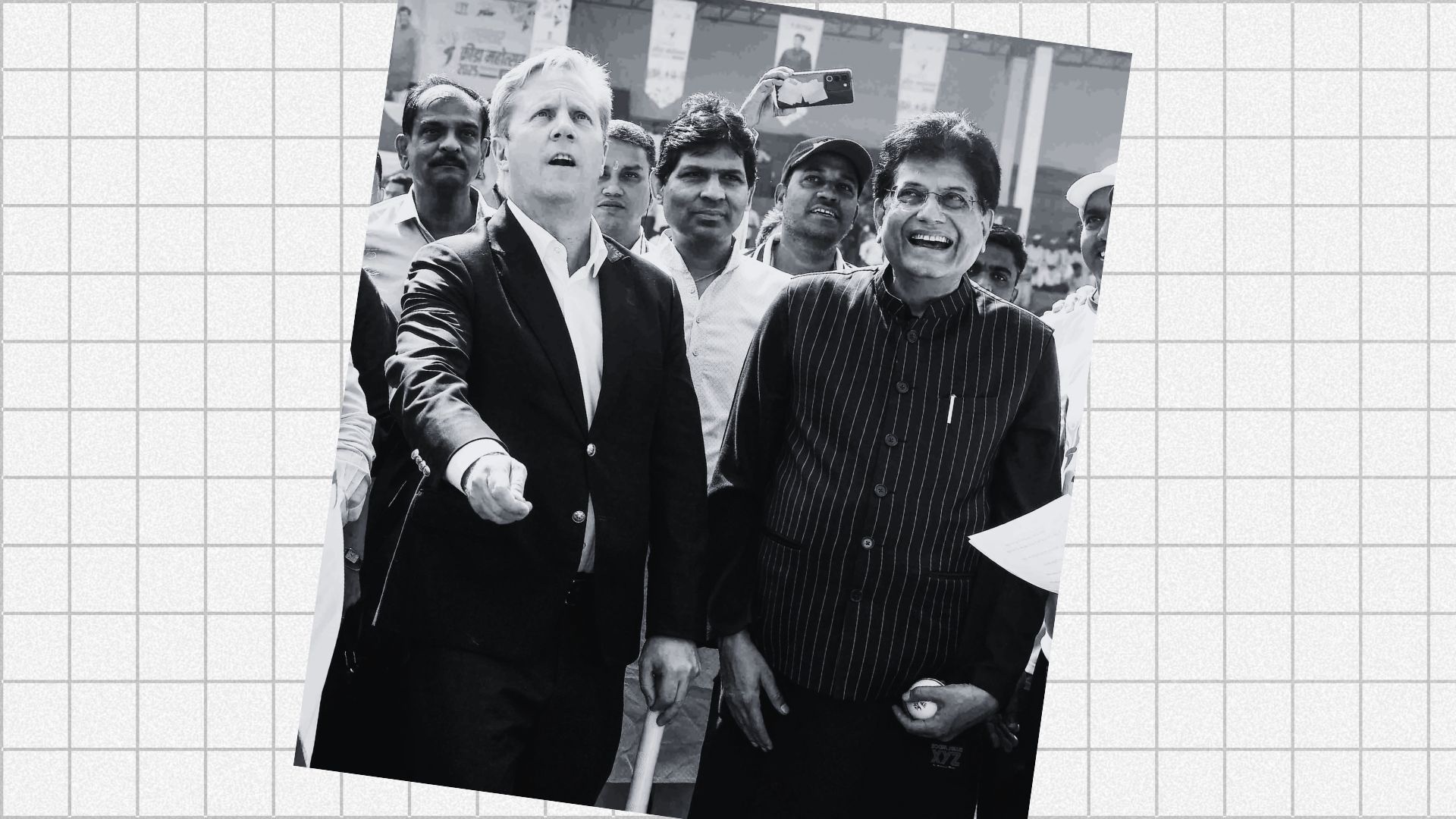
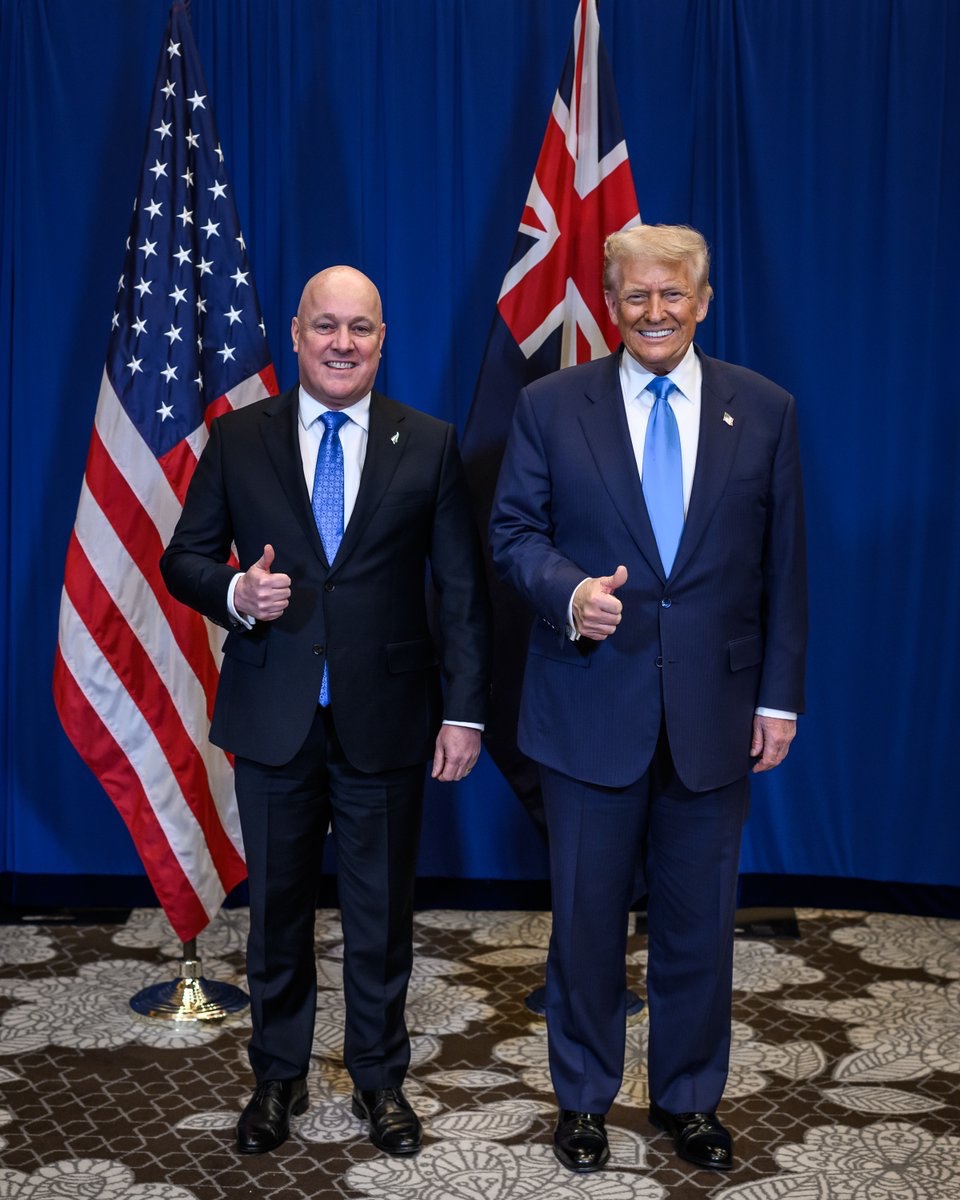
Rahul Bose with Christopher Luxon during the prime minister's visit to India in March 2025.
New Zealand's role in India's rugby ambitions
The discussion comes as New Zealand and India develop a rugby partnership aimed at improving coaching expertise and India's international competitiveness.
The collaboration has already brought New Zealand coaches to India and Māori under-20 rugby teams to the country for a series of matches. Bose said the partnership had made a promising start, but warned against expecting immediate results.
"These are not partnerships that bear fruition in a matter of one or two meetings. These are partnerships in sport that take years."
He described how three New Zealand coaches had worked with 30 Indian coaches drawn from different parts of the country, exposing them to New Zealand coaching methods in classroom sessions and on the field.
But a few days of training would not transform Indian rugby, he said. "We can't expect our coaches to imbibe and transform our players with one three-day meeting."
Instead, he wants the programme repeated over several years, allowing coaches to build on their knowledge and pass it on to successive generations of players.
"The important thing for me is to stop talking and to keep this relationship going for the next maybe five, 10 years. Then you will really begin to see a change."
Asked whether India expected financial support from New Zealand alongside its expertise, Bose was unequivocal. "We don't need the money. We definitely need the know-how and expertise."
He said the objective was not to reproduce New Zealand's rugby system wholesale, but to develop an approach suited to Indian conditions.
"It won't be just importing the New Zealand way of doing things in India. It will be what works for us."
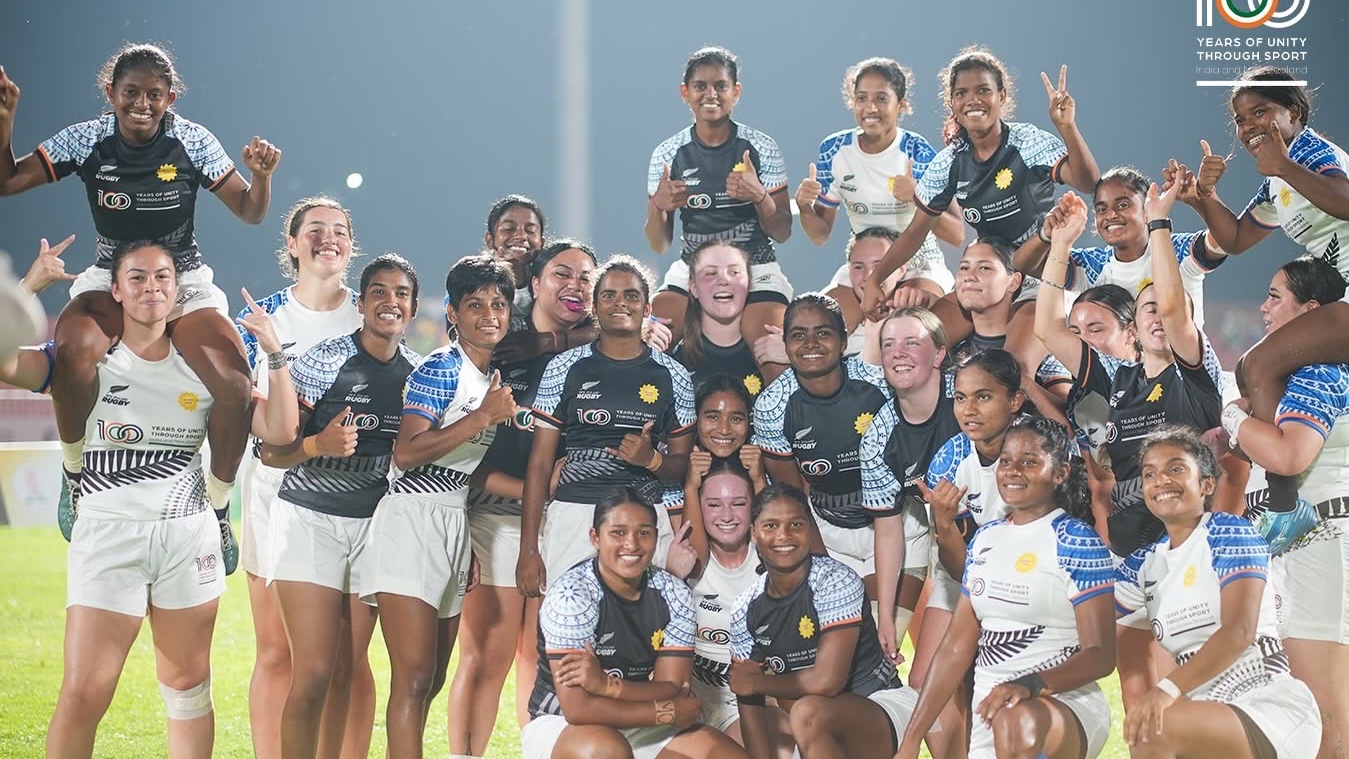
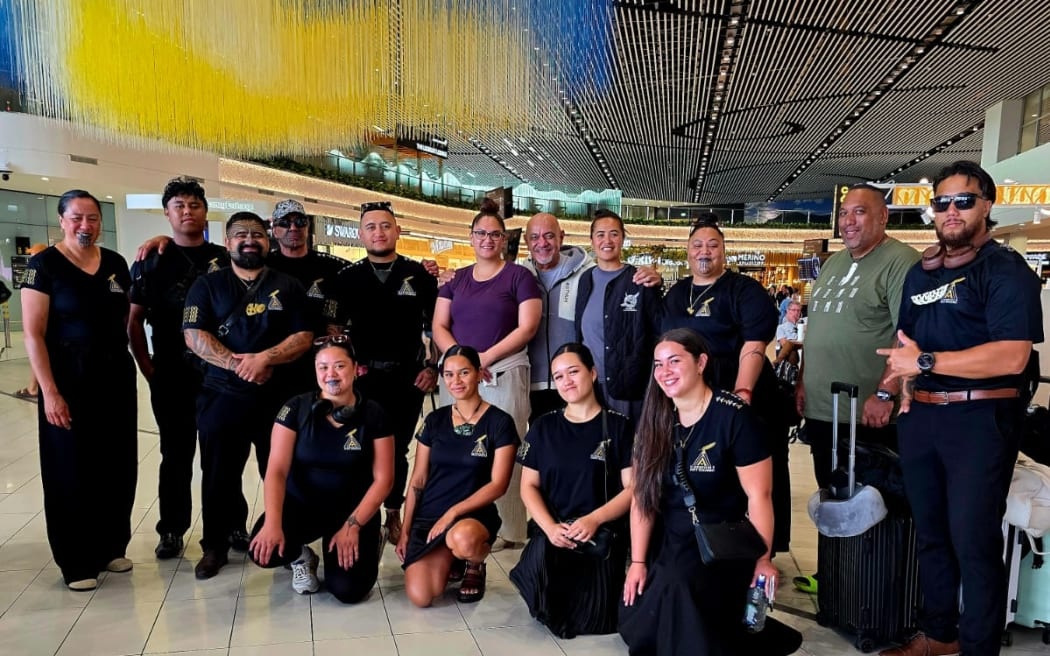
Indian and Māori women rugby players pose together after the Under-20 rugby sevens series in Rajgir, Bihar, on October 27, 2026. (Supplied photo)
An Olympic dream, but no quick fixes
India's ambitions extend well beyond occasional victories over visiting teams. Bose wants India to become a serious contender for Olympic qualification, particularly in women's sevens.
But he is equally conscious of the time required to build a competitive team. He said modern sport was increasingly driven by demands for immediate results, even though developing a successful team required patience and sustained investment.
"In team sports, it's two steps forward, one step sideways, one step back, and then take everybody forward. But it's not easy. And it's expensive."
For those who believe Indians are simply not built for rugby, Bose's message is to judge the country by what its players achieve over the coming years rather than assumptions about their genetics.