ACT says it has dropped poll promise to scrap permanent residency. But have they really?
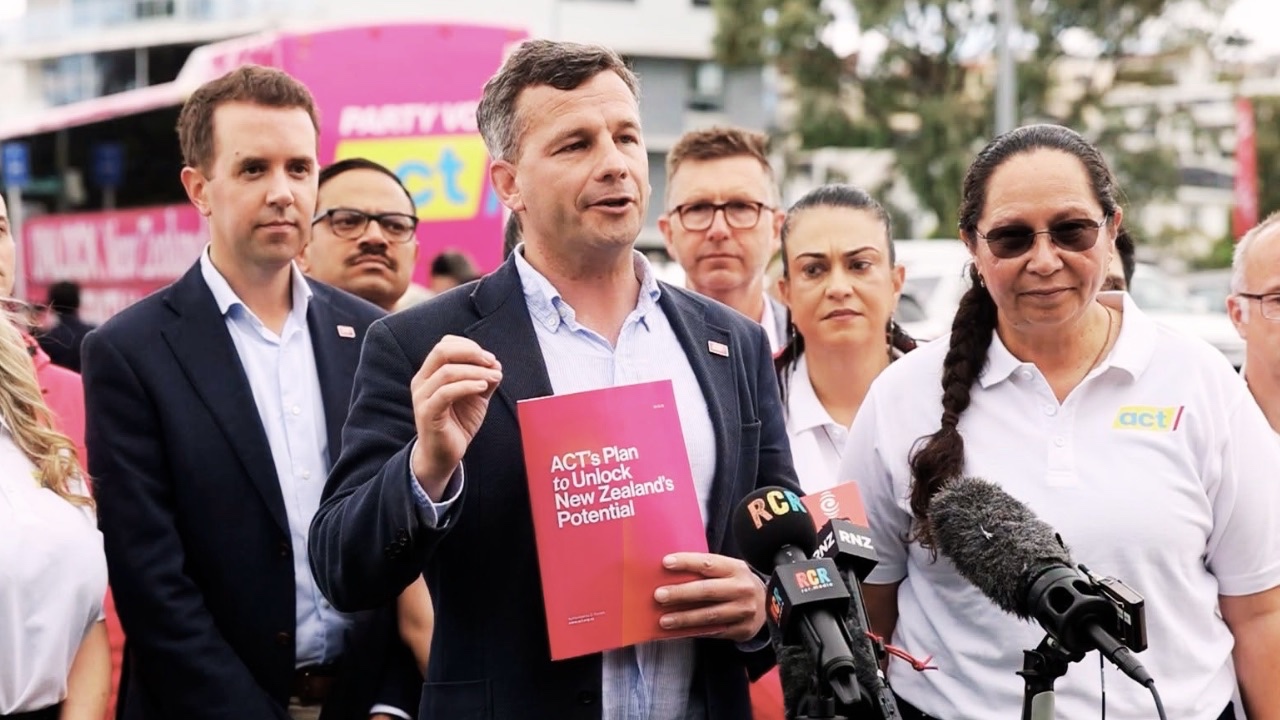
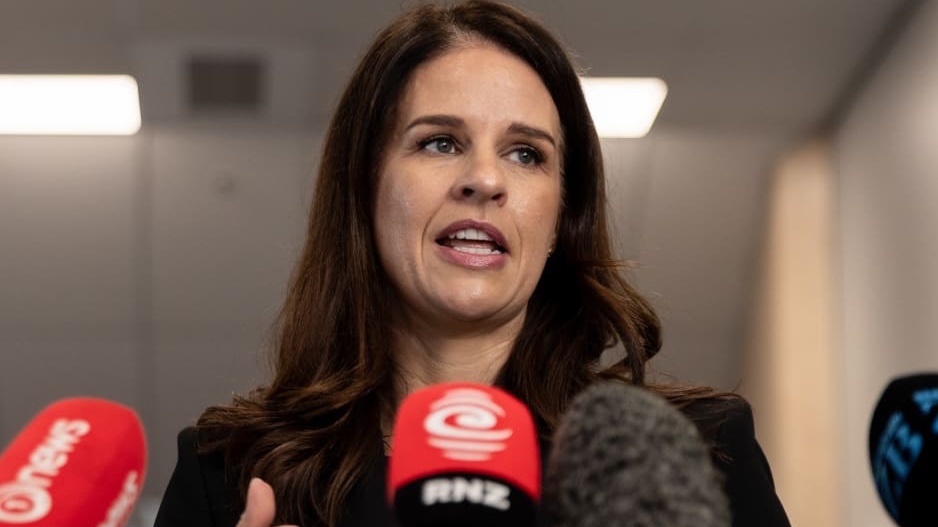
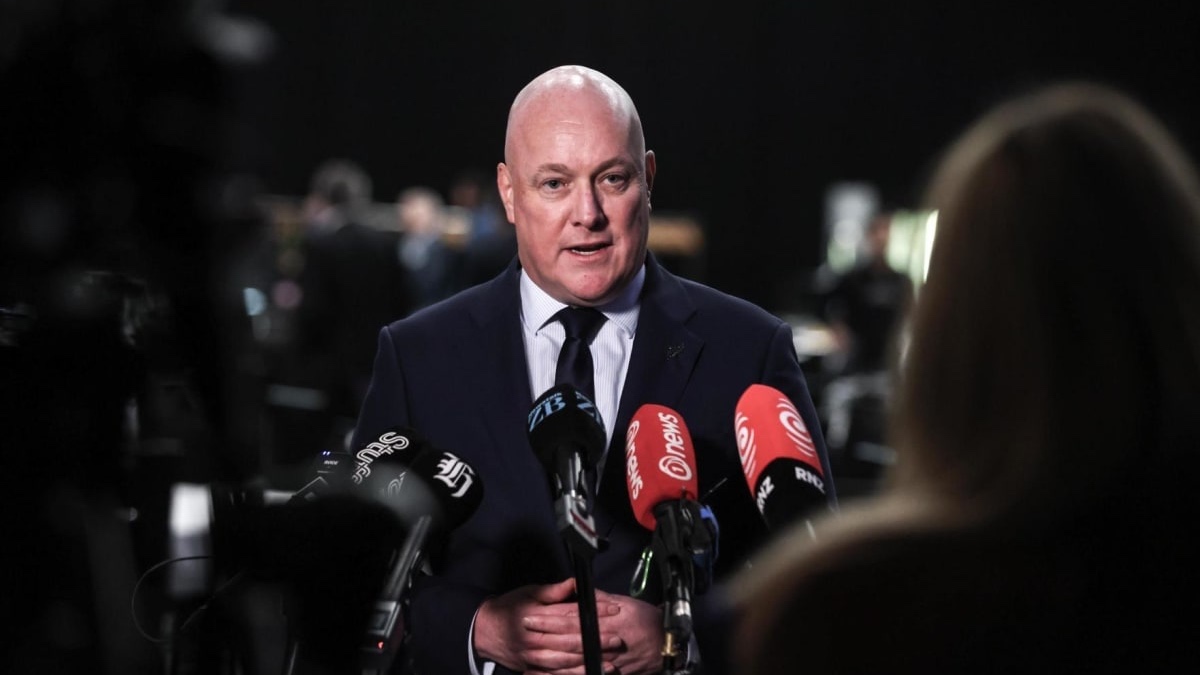
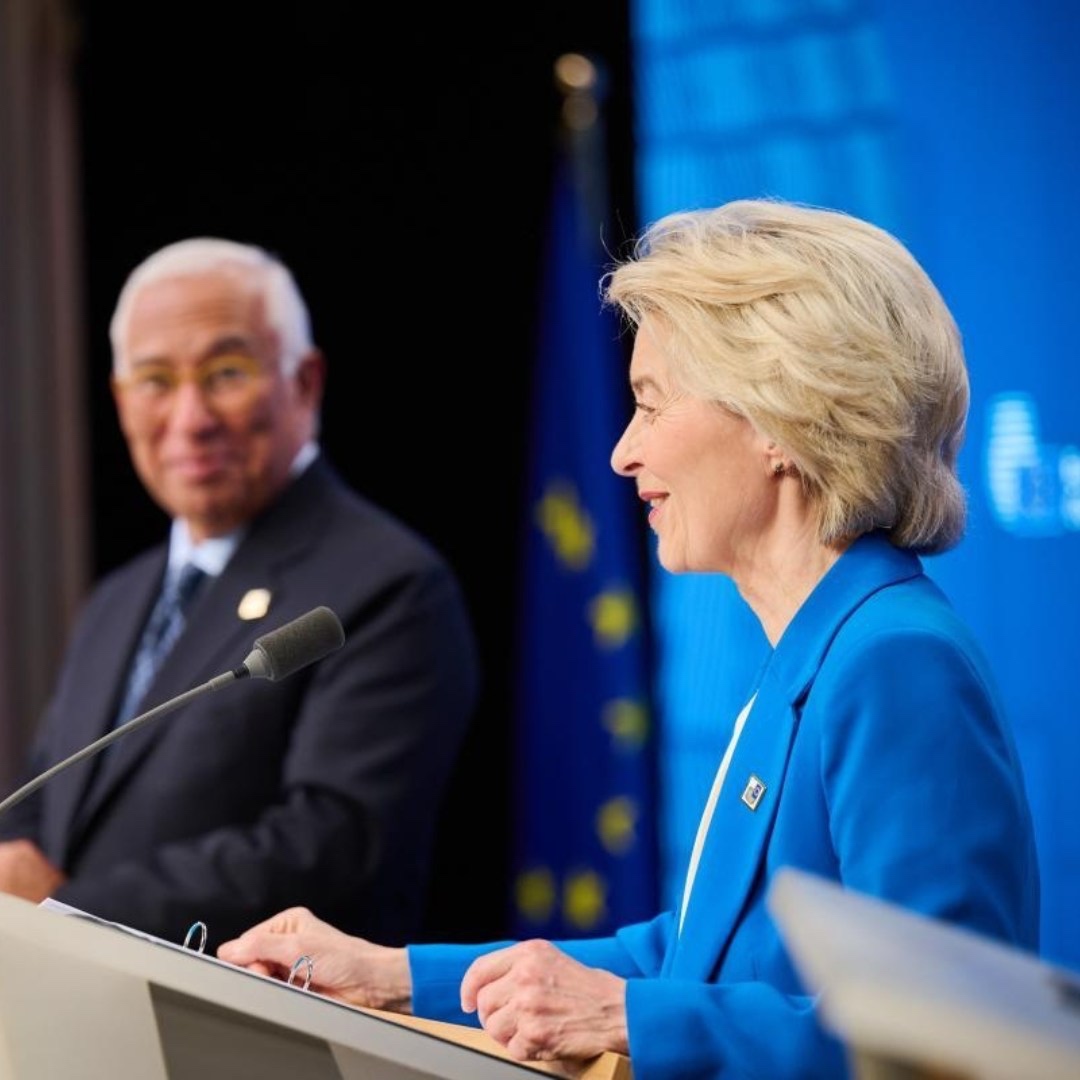
ACT Party leader David Seymour releases the party manifesto in Auckland on October 26, 2026. (Supplied photo)
The party has retained its two-year stay requirement for future permanent residents, raising questions about what its policy reversal actually achieves.
Analysis: ACT says it has listened to migrant concerns and abandoned its election policy to abolish permanent residence in New Zealand. But the central restriction it originally proposed hasn't gone away, raising questions about how much of a retreat the party has actually made.
The change, announced just 12 days before the November 7 election, also presents a curious contradiction. ACT's new manifesto makes no mention of the requirement that future permanent residents spend at least 730 days in New Zealand within every rolling five-year period.
Yet, that requirement remains firmly in place, the party has confirmed to Awaaz. When ACT announced its original policy in September, it proposed abolishing the Permanent Resident Visa category and replacing indefinite travel rights with five-year travel facilities.


"The strangest immigration policy we have is that permanent residents don't have to be permanently resident," ACT immigration spokesperson Parmjeet Parmar said at the time.
Responding to questions from Awaaz, an ACT spokesperson says the party has revised its approach following feedback.
ACT says it has dropped poll promise to scrap permanent residency. But have they really? The party has retained its two-year stay requirement for future permanent residents, raising questions about what its policy reversal actually achieves.
Red flag as foreign students log thousands of insurance claims for depression, anxiety "It's becoming clearer that international students experience elevated levels of anxiety across a range of contexts here."
When home feels hostile: Navigating a year of anti-Indian hate From street harassment to political rhetoric, Indian New Zealanders reflect on rising hostility and what it means for their sense of belonging.
"ACT has refined its original policy in response to practical concerns raised through feedback. We've listened and made changes to ensure the policy achieves its purpose without creating unnecessary complications."
The party will retain the Permanent Resident Visa category but impose ongoing physical-presence requirements on people granted permanent residence after the changes take effect.
The spokesperson confirmed the 730 days would not need to be consecutive and existing permanent residents would be unaffected. So the visa category survives, but the requirement that migrants maintain their right to permanent residence by spending two years here every five years remains.
What difference does it make?
Under current immigration rules, a Permanent Resident Visa allows migrants to live in New Zealand indefinitely and travel in and out without time-limited travel conditions.
ACT's original proposal would have removed that category and replaced indefinite return rights with renewable travel facilities. Its revised proposal retains the category but seeks to introduce a continuing physical-presence obligation.
The wording in ACT's manifesto, released on October 26, is notably less specific than its September announcement.
It promises to "ensure new Permanent Resident Visa holders maintain a genuine connection to New Zealand, retaining sensible work, family, service, humanitarian and investor exemptions".
There is no mention of the 730-day requirement or the rolling five-year period. Elsewhere, however, the manifesto specifies three-year rural work visas, a residence pathway after six years and a five-year welfare stand-down for residence-class visa holders.
ACT describes the manifesto as a summary of its policies, which helps explain why it does not contain every detail. But the omitted requirement is not a minor administrative provision. It is the central measure through which the party proposes to enforce its definition of a genuine connection.
A voter reading only the manifesto would not know that this involves spending two years physically present in New Zealand every five years. But ACT leader David Seymour's explanation to RNZ adds another dimension.
"People felt that it was disrespectful and exclusionary. That's never been the ACT party's intention. And when we get feedback, we can listen and we can change."
He nevertheless reiterated the physical-presence requirement. "But if you get permanent residence in the future, you will have to stay in New Zealand for at least two out of any five years to retain it."
The party has purportedly responded to concerns about abolishing the visa category without withdrawing its underlying requirement for permanent residents to continue living in New Zealand for a specified period.
That may address an important objection to the original proposal, but the practical benefit of retaining the visa category is yet to be explained.
A different rule for investors
One feature that has survived the revision is an exemption for holders of Active Investor Plus Visas, commonly known as Golden Visas. "The purpose of that visa is to attract investment that creates jobs and opportunities for New Zealanders," ACT's spokesperson told Awaaz.
"We don't want to discourage people from investing in our country by imposing requirements that undermine that objective."
Other exemptions would cover people working or serving New Zealand overseas, family circumstances and compelling humanitarian reasons. These exemptions reflect different circumstances and immigration objectives. They also illustrate that ACT's proposed definition of a genuine connection would not depend exclusively on physical presence.
For ordinary future permanent residents who do not qualify for an exemption, however, the 730-day requirement would remain.
An unanswered question before polling day
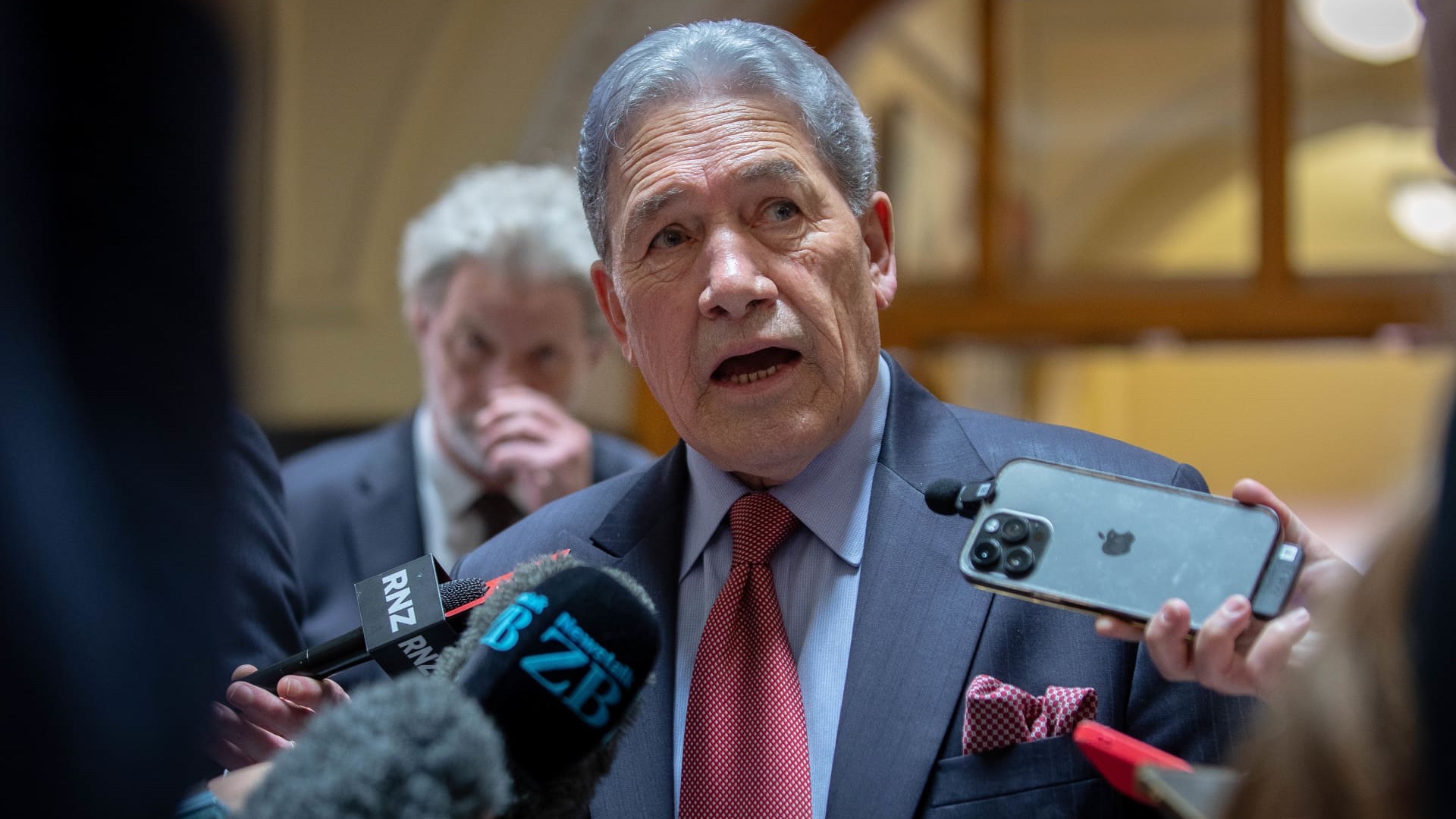
NZ First leader Winston Peters has alluded to this last-minute policy flip-flop soon after ACT released its manifesto on Monday.
"Weak imitation for political sound bites from other parties will always lead to failure - and any political party who scraps their immigration policy 12 days out from the election proves it," he said in a social media post.
"There is only one party who will put commonsense restrictions on mass immigration - and who has the backbone to get it done - that’s NZFirst."