
Truant student may have to curb Khalistan speech in India but will be deported, NZ tribunal rules

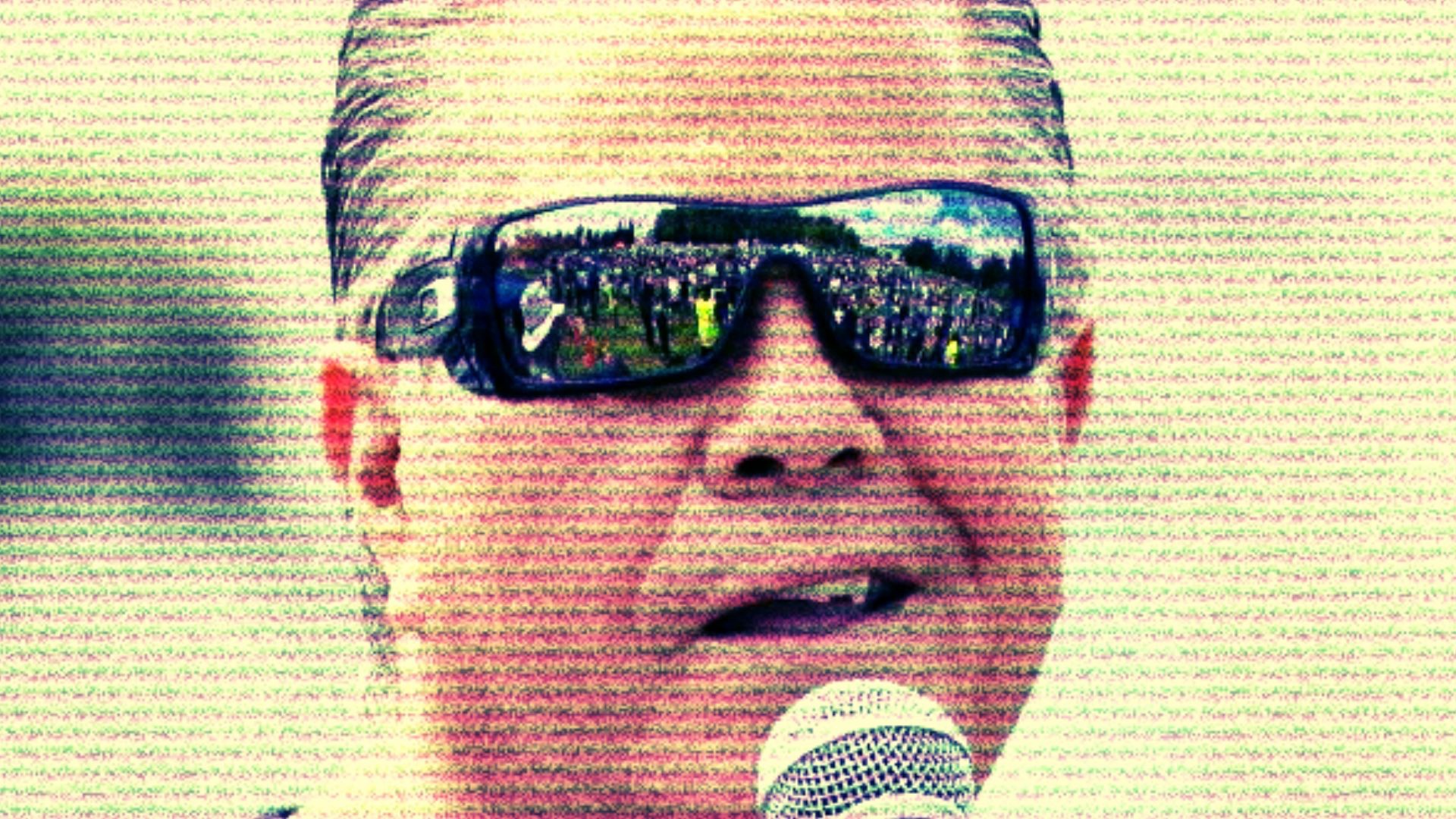
People gather at Auckland's Aotea Square on November 18, 2024, to vote in a non-binding "referendum" on Khalistan.
The 21-year-old's education provider terminated his enrollment within a year because of poor attendance.
A 21-year-old Indian student facing deportation from New Zealand may have to moderate what he says publicly about Khalistan after returning to India, the country’s appellate immigration body has acknowledged.
But the Immigration and Protection Tribunal (IPT) found that any restriction on his freedom of speech would not amount to serious enough harm to prevent his deportation.
The man, whose identity is suppressed, had argued he feared being targeted in India because of his association with a pressure group, Waris Punjab De, and his support for a separate Sikh state of Khalistan.
In a decision dated September 16, tribunal member Z N Pearson declined his humanitarian appeal against deportation.
The student arrived in New Zealand in January 2024 on a student visa. His application for another student visa was declined in November that year after his education provider terminated his enrollment because of poor attendance.
Truant student may have to curb Khalistan speech in India but will be deported, NZ tribunal rules The 21-year-old's education provider terminated his enrollment within a year because of poor attendance.
New Zealand-trained Indian pilot hailed for saving 174 people in Flydubai suspected crash bid Smit Machchhar trained with Mainland Air in Dunedin for about 18 months between 2008 and 2009.
54 hours worked, 26 hours paid: Indian migrant wins $60,000 from Auckland employer The man's additional claim that he paid unlawful premiums to procure the visa didn't hold up in the employment tribunal.
The following month, he applied for refugee and protected-person status, claiming he feared members of the Rashtriya Swayamsevak Sangh (RSS) in India. That claim was declined by the Refugee Status Unit in September 2025, and his subsequent appeal was dismissed by the IPT in August this year.
In considering his separate humanitarian appeal against deportation, the tribunal relied on findings from that earlier refugee case.
It accepted that the man had joined Waris Punjab De while in India to help within the community and followed Waris Punjab De and pro-Khalistan accounts on Instagram after coming to New Zealand.

Avtar Singh Pannun, president of Sikhs for Justice, addressing a Khalistan rally outside the Mahatma Gandhi Centre in Auckland on November 2, 2024.
He had also shared or attempted to share three Instagram stories relating to Khalistan and Sikh separatist leader Amritpal Singh in 2025. The man had voted once in a Khalistan referendum in Auckland.
But the tribunal found he had not attended pro-Khalistan protests in either India or New Zealand and was not an active Khalistan supporter. His online footprint was described as “negligible”.
The tribunal accepted returning to India could affect what he felt able to say. It said the man “may need to moderate any public statement (oral or online) in support of Khalistan”.
That would interfere with his right to freedom of speech and his ability to manifest his beliefs, rights recognised under the International Covenant on Civil and Political Rights.
However, the tribunal said his interest in Khalistan had been modest and his social media activity limited. It, therefore, found the interference would not amount to serious harm.
The risk of him being killed or seriously harmed because of his support for Waris Punjab De or Khalistan was considered “remote and speculative”.
The tribunal had also rejected as not credible his earlier claims that members of the RSS or Shiv Sena had assaulted or threatened him, visited his family home and threatened to kill him, or sent him threatening calls and messages.
The man has lived in New Zealand for just over two-and-a-half years, studying without completing his course and working part-time. He also volunteers with a gurdwara community.
The tribunal accepted he had established friendships and connections in New Zealand but found there was nothing exceptional about the extent of his settlement. His parents and brother remain in Punjab, where the tribunal said they could help him resettle.
The student did not provide submissions or further information specifically supporting his humanitarian appeal, despite being given 10 working days to do so.
Pearson found there were no exceptional humanitarian circumstances making deportation unjust or unduly harsh. The tribunal also declined to delay his deportation or order that he be granted a temporary visa to get his affairs in order.