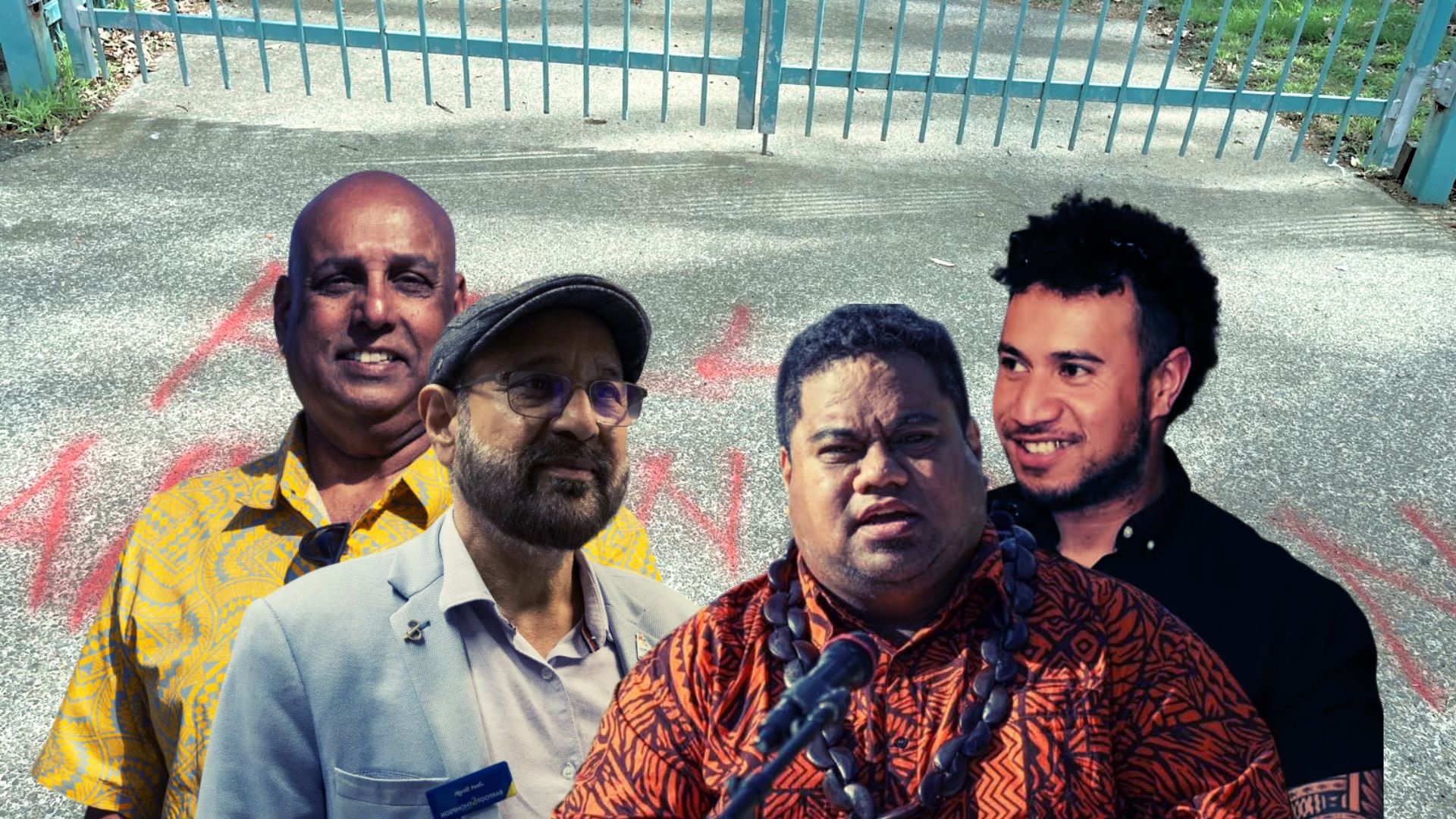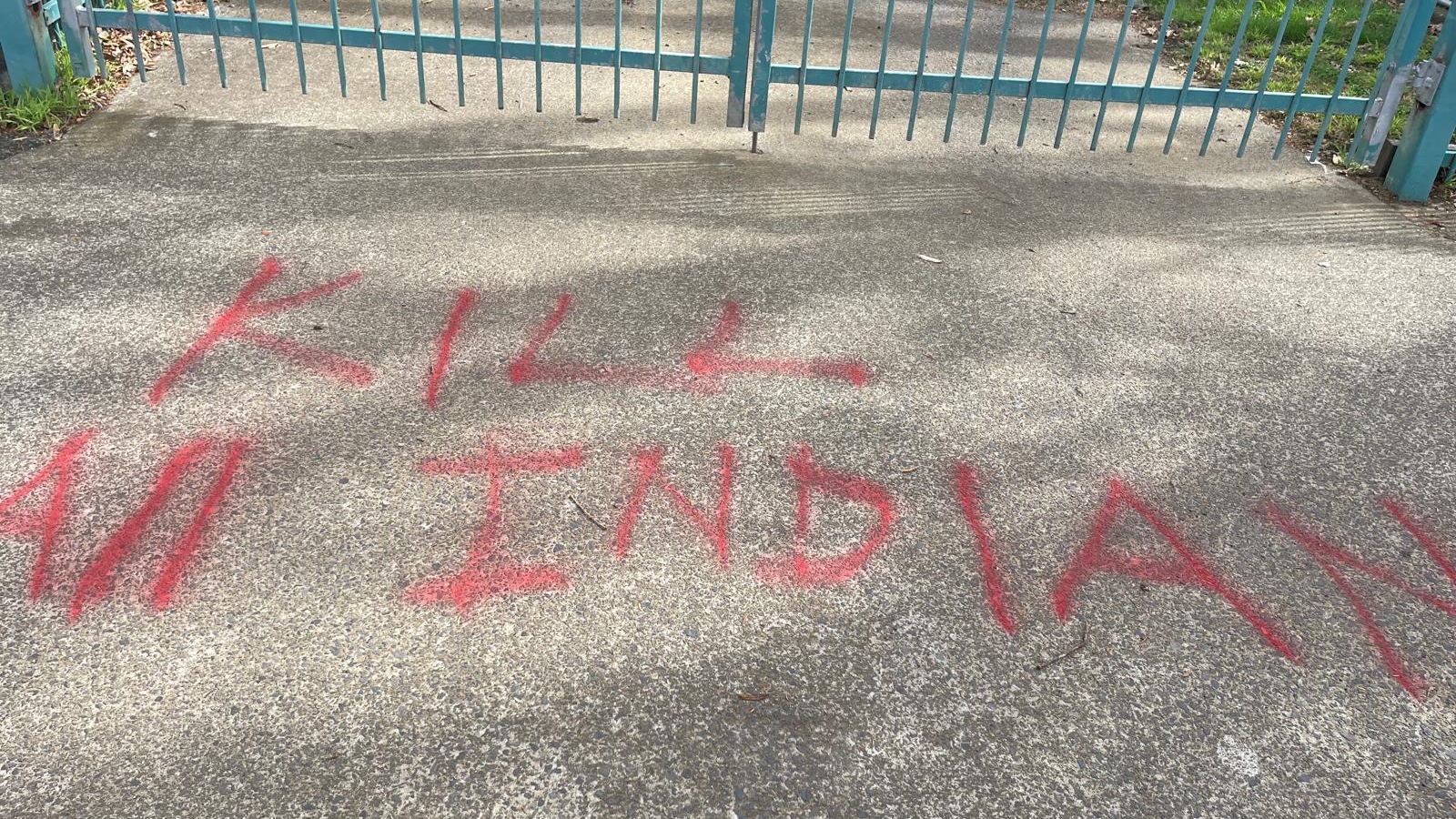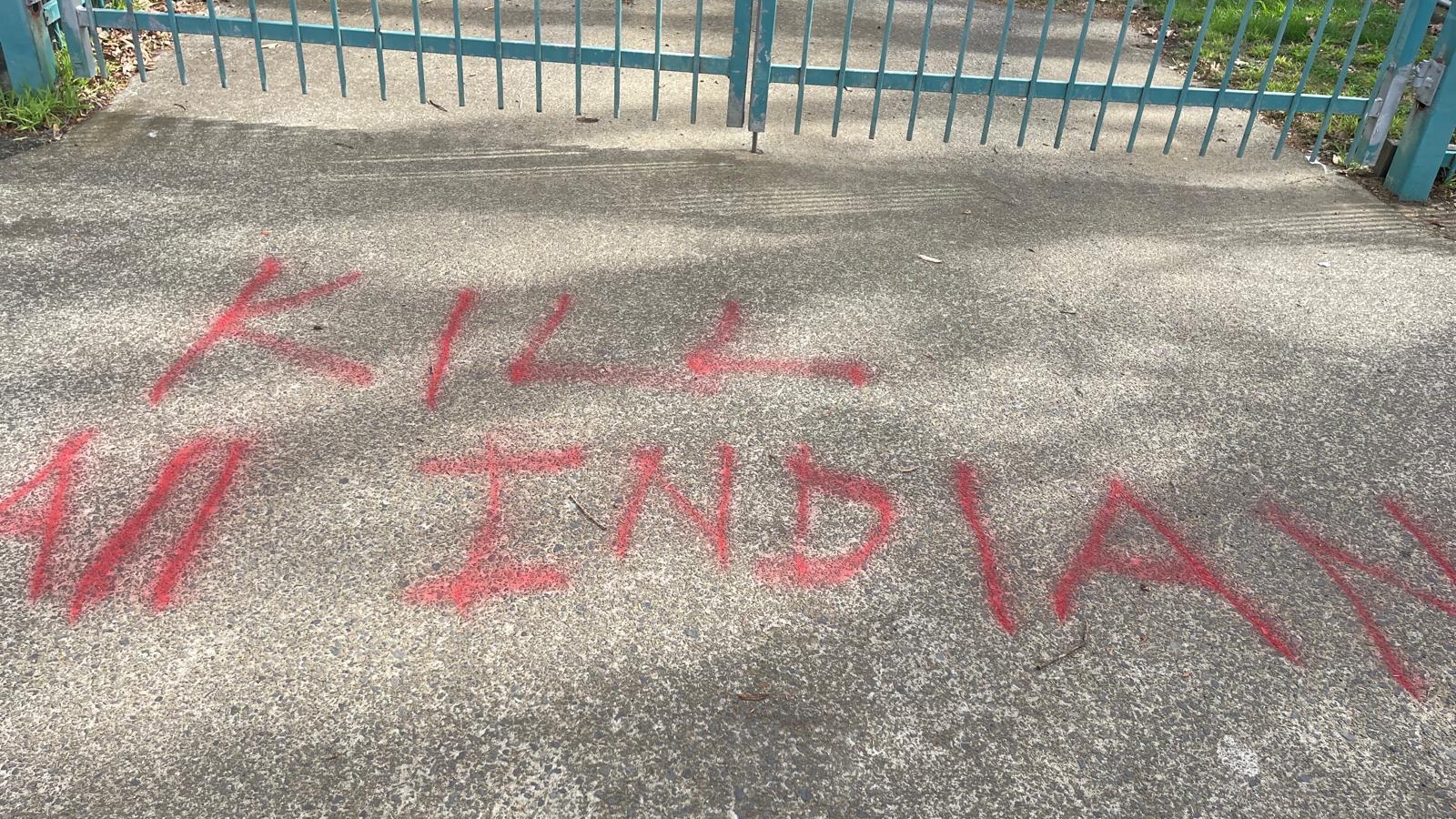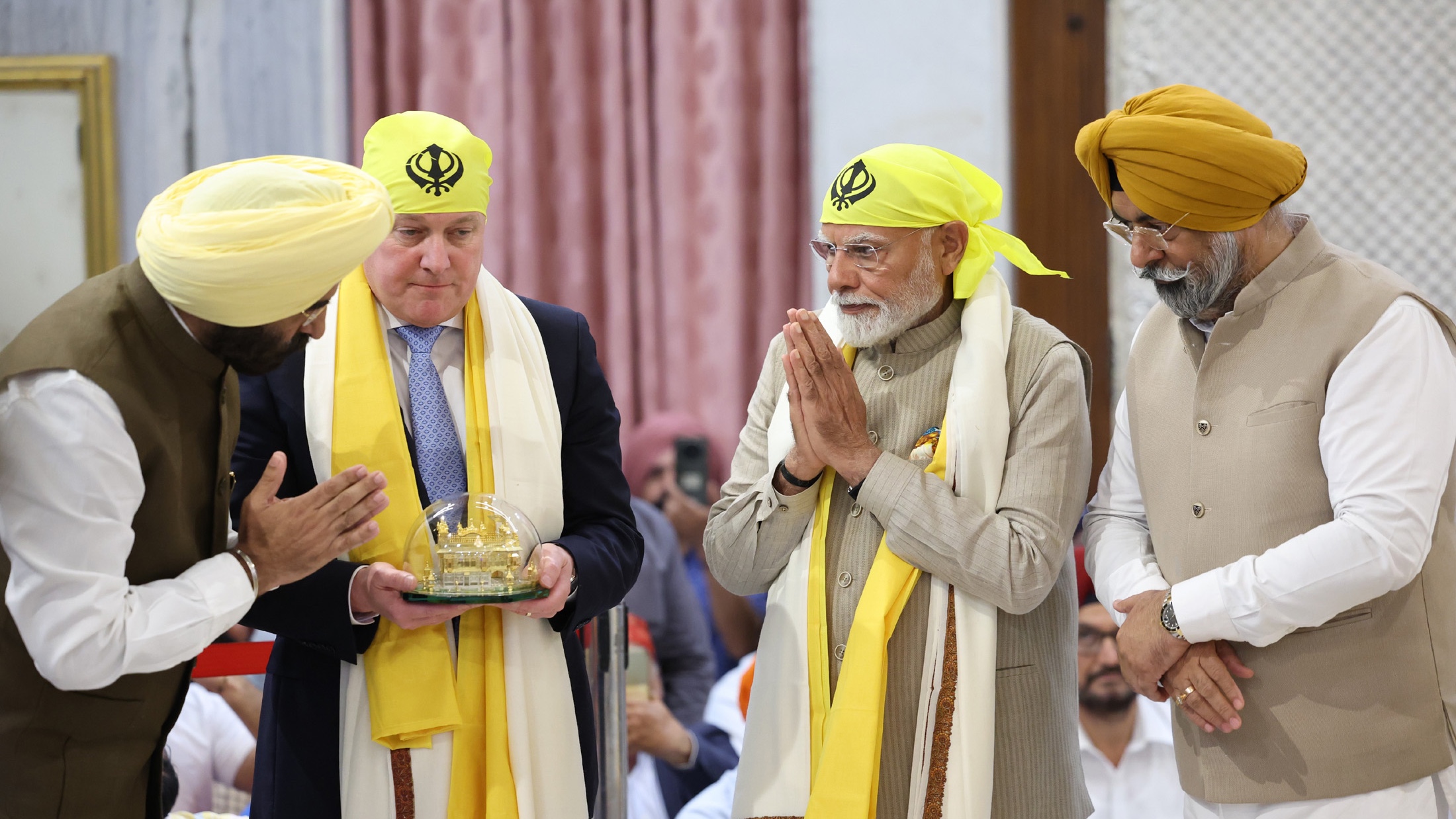

Brian Tamaki suggests Sikh procession in Bay of Plenty was akin to religious persuasion

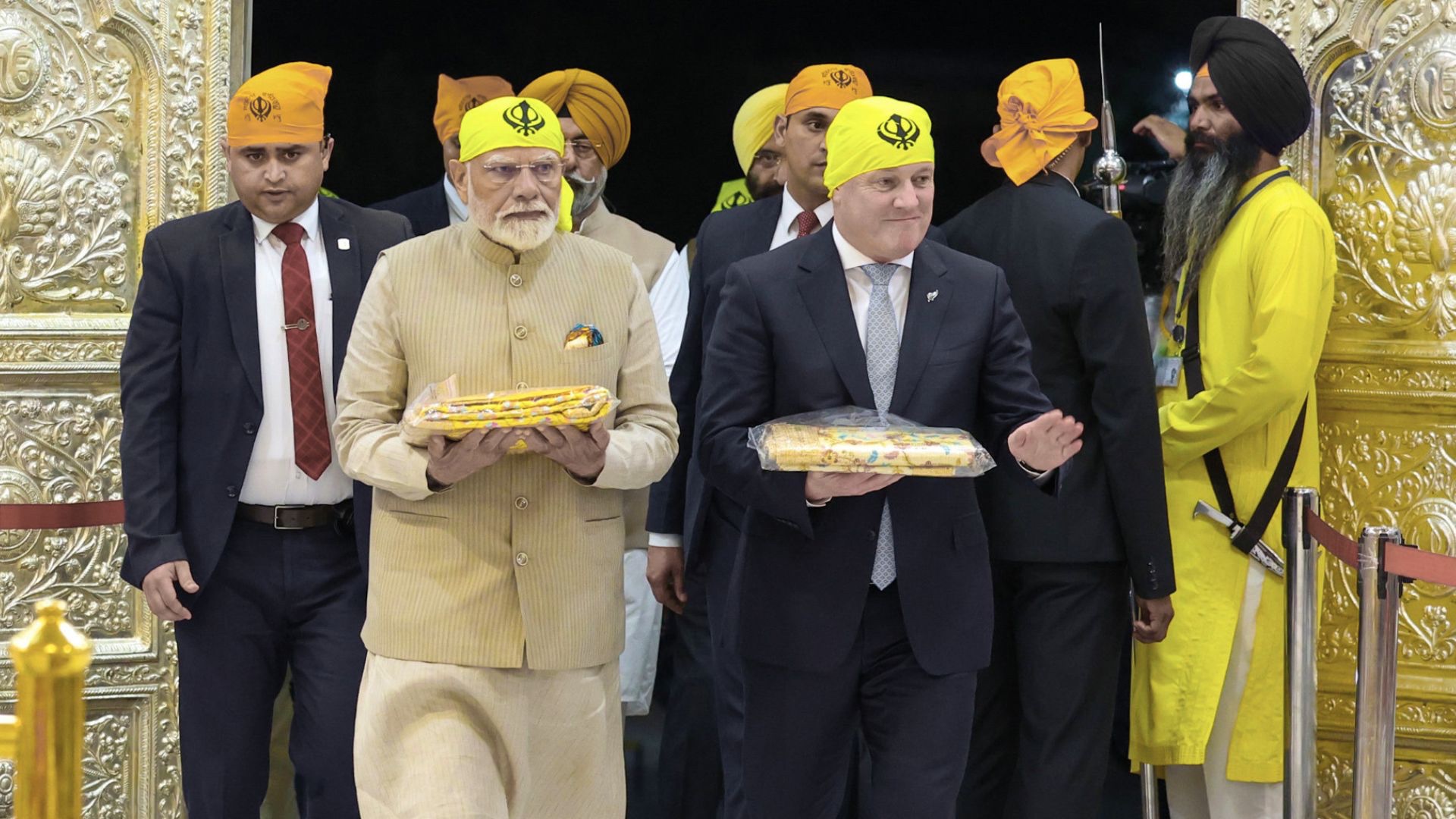
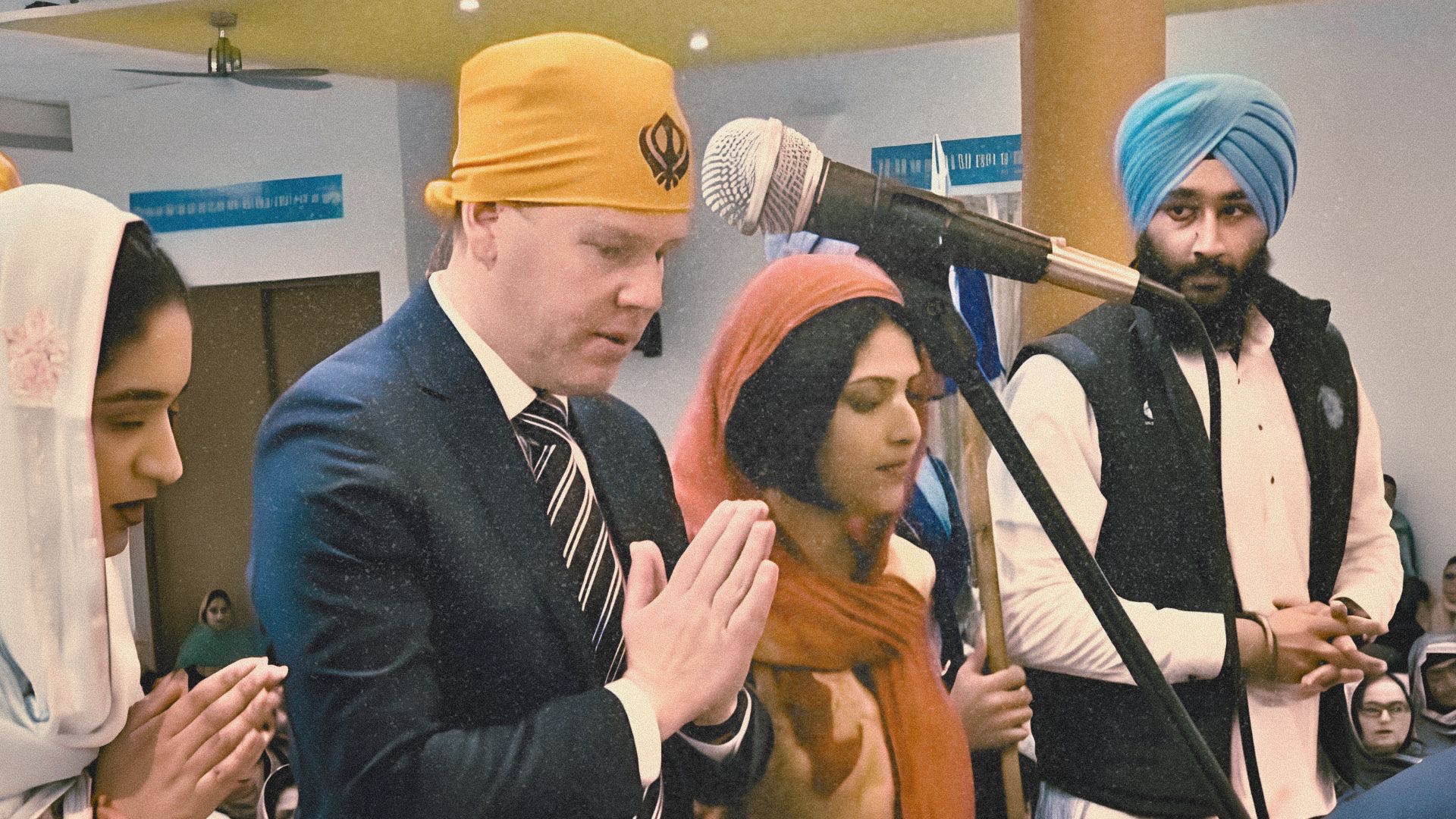
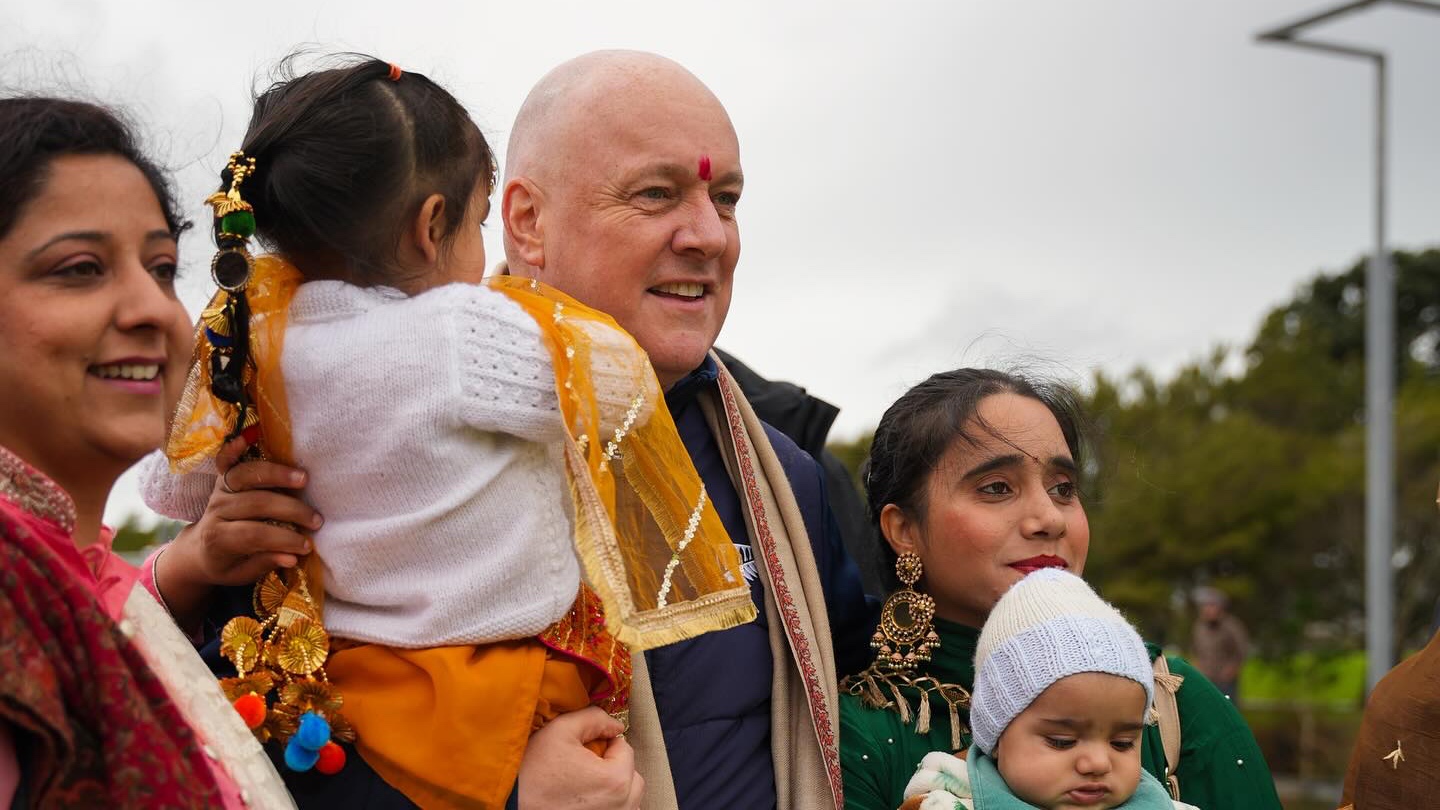
Snapshots from the Sikh Parade in Te Puke on September 26, 2026. (Supplied photo)
"Would they give Christians $15,000 to take Jesus Christ through the streets?"
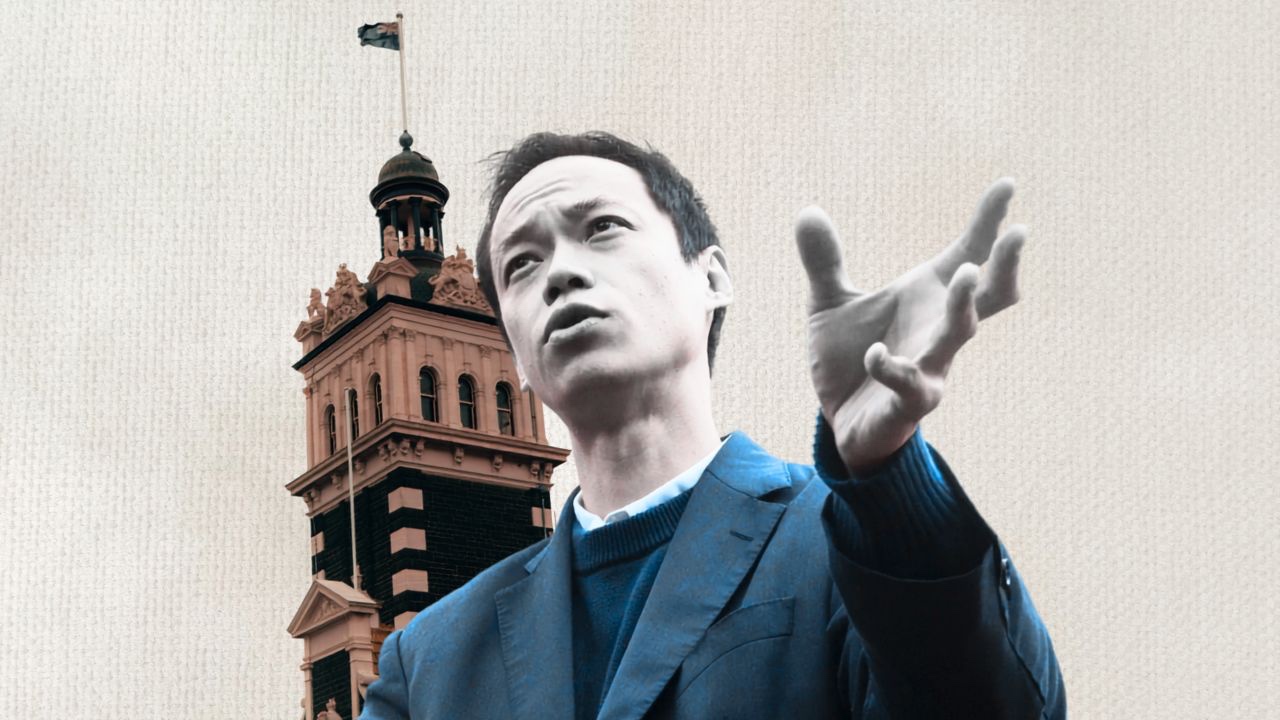
Analysis: Brian Tamaki has questioned a $15,000 grant awarded to a Sikh religious procession near Tauranga, linking the public celebration of Sikhism to a funding rule that excludes events intended for religious persuasion.
The Destiny Church leader's latest criticism follows earlier confrontations involving groups affiliated with his church at Sikh processions in Auckland and Tauranga.
In a social media post, Tamaki emphasised the religious nature of a Nagar Kirtan in Te Puke on September 26, pointing to Sikh holy scripture being carried through public streets, devotional hymns and prayers.
"Not just a cultural festival," he wrote. He highlighted police involvement, politicians, road closures and the use of public streets before drawing attention to the $15,000 grant from the Tauranga Western Bay Community Event Fund.
Quoting the fund's exclusion of events held "for the purpose of religious persuasion", Tamaki asked: "So which is it?"
South Asian diaspora raises over $200,000 for New Zealanders missing in Nepal flood "I'm so proud of the Indian community here who...supported us, saying it is not a Nepal problem but our problem."
Tamakis launch Indian-origin candidate for Epsom who surrendered passport and has ‘assimilated’ “I know a whole lot of people are going to be like shocked,” says Hannah Tamaki.
Priyanca Radhakrishnan tries to puncture Luxon’s FTA victory, says India was already sold “Things have changed quite dramatically on the Indian government side,” says the Indian-origin Labour MP.
He ended with another question. "Would they give Christians $15,000 to take Jesus Christ through the streets?"
The official funding disclosure confirms the Te Puke Sikh Parade received $15,000 for its September 26 event.
But Tamaki's argument raises a distinction that matters both to Sikh religious practice and to the funding rules. Publicly celebrating a religion is not necessarily the same as seeking to persuade others to adopt it.
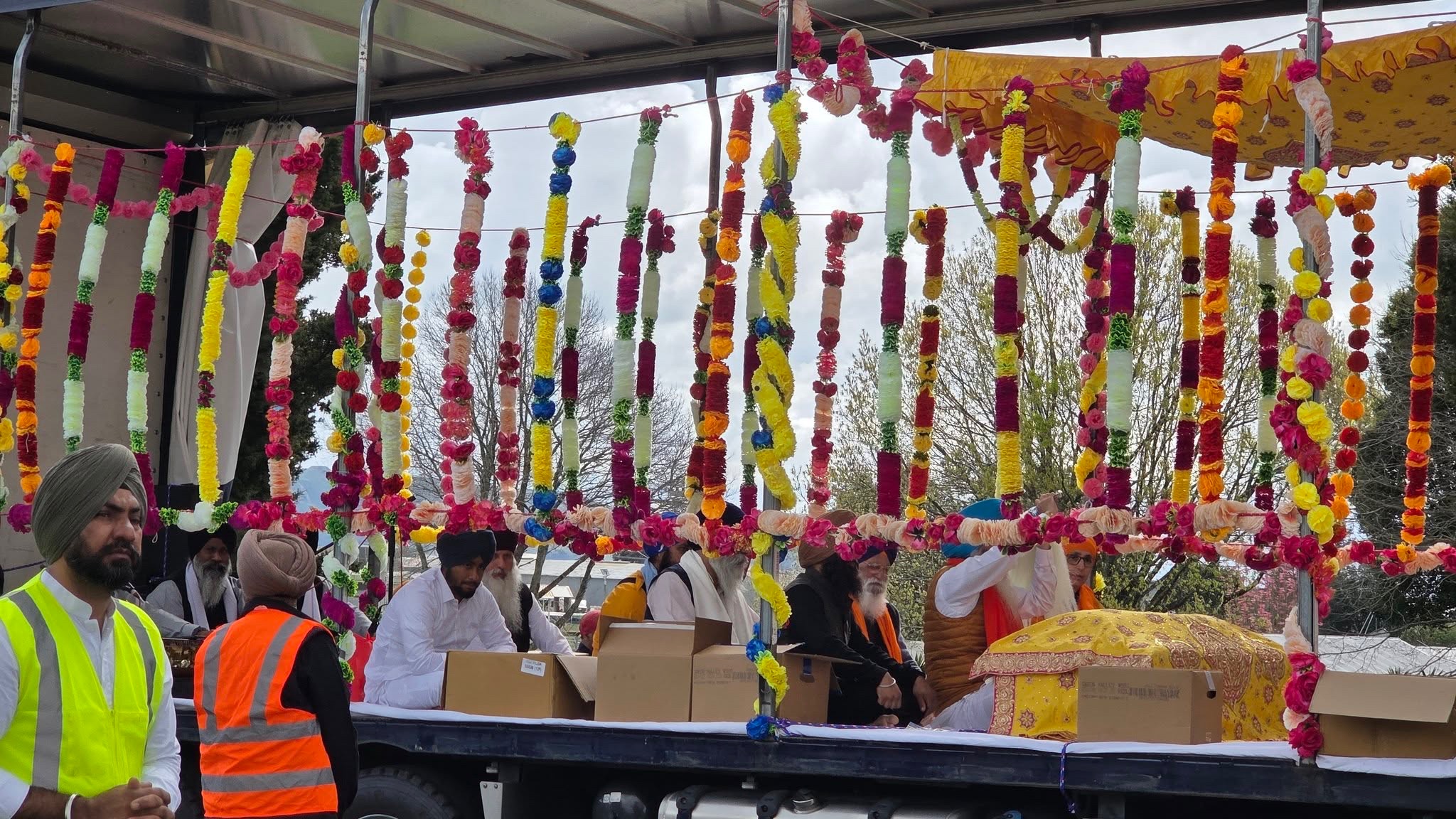
The procession in Te Puke involved a road show. (Supplied photo)
A religious procession, not a conversion campaign
Nagar Kirtan involves carrying the Guru Granth Sahib, the faith's holy scripture, through public streets while devotees sing hymns and offer prayers.
The name roughly translates to singing devotional hymns through a neighbourhood. According to the official programme for the Te Puke event, the procession was led by five traditionally-dressed Sikhs followed by a decorated float carrying the Guru Granth Sahib.
For Sikhs, Nagar Kirtan is an act of worship. For the wider community, it can also offer an opportunity to encounter a religious and cultural tradition with which many New Zealanders may be unfamiliar.
That second purpose is particularly relevant in a migrant community. Public celebrations allow neighbours to hear unfamiliar devotional music, learn about religious practices and share food with people whose traditions they might otherwise encounter only from a distance.
The Te Puke programme invited everyone to attend and described the procession as sharing Sikh teachings of compassion, equality, selfless service and harmony between faiths.
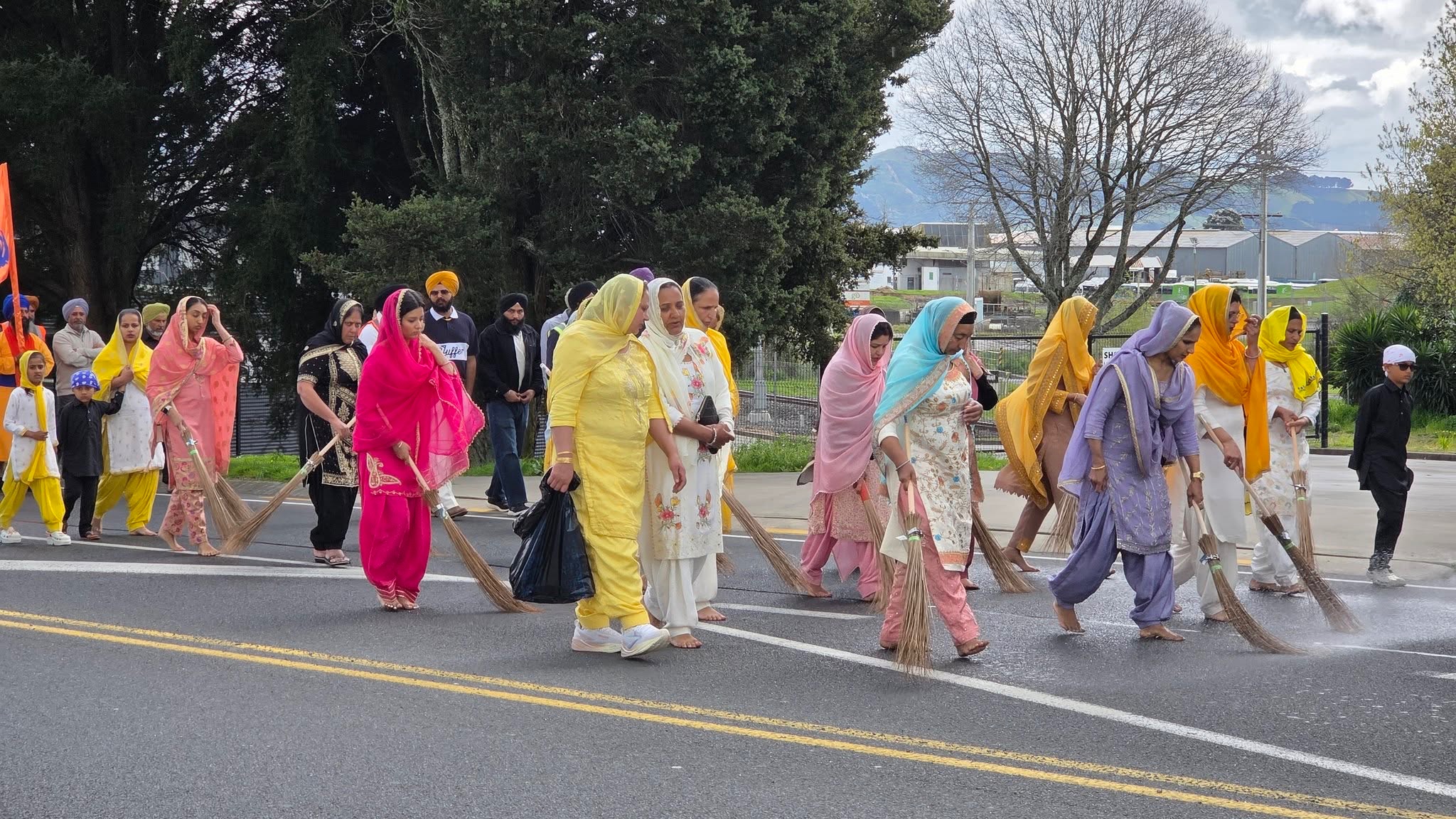
Nagar Kirtan emphasizes the spirit of community participation. (Supplied photo)
What the funding rules actually say
The Tauranga Western Bay Community Event Fund does not prohibit religious events or processions. It supports small and medium-sized community events that encourage public participation, celebrate cultural and historical significance and promote inclusion among diverse communities.
It also excludes events organised for religious persuasion, the rule Tamaki has cited. An event can be explicitly religious and still have a cultural or community purpose.
The fund itself is jointly financed by two local councils, Tauranga City Council and Western Bay of Plenty District Council, and three charitable trusts: TECT, BayTrust and Acorn Foundation.
TECT manages the scheme on behalf of the five partners. Although the councils contribute public money, the published records do not establish how much of the parade's $15,000 grant came from ratepayers.
Would Christians receive the same funding?
Tamaki's question about comparable funding for Christians is not answered by the fund's published allocations.
Its 2026–27 funding list includes $25,000 for Tauranga Christmas in the Park, $12,000 for the Te Puke Christmas Float Parade and $4,150 for Carols at Haiku.
The same list includes $25,000 for the Tauranga Diwali Festival, $10,000 for the Te Puke Diwali Festival and $30,000 for Pasifika Festival in the Bay. The Bay of Plenty Sikh Society's Dashmesh Sports Te Puke Kabaddi Tournament also received $10,000.
Tamaki's previous confrontations with Sikh processions
Tamaki leads Destiny Church, a New Zealand evangelical Christian movement known for its socially-conservative positions and public protests.
His latest comments follow two confrontations involving Destiny Church-linked groups at Sikh processions in South Auckland in December 2025 and Tauranga in January 2026.
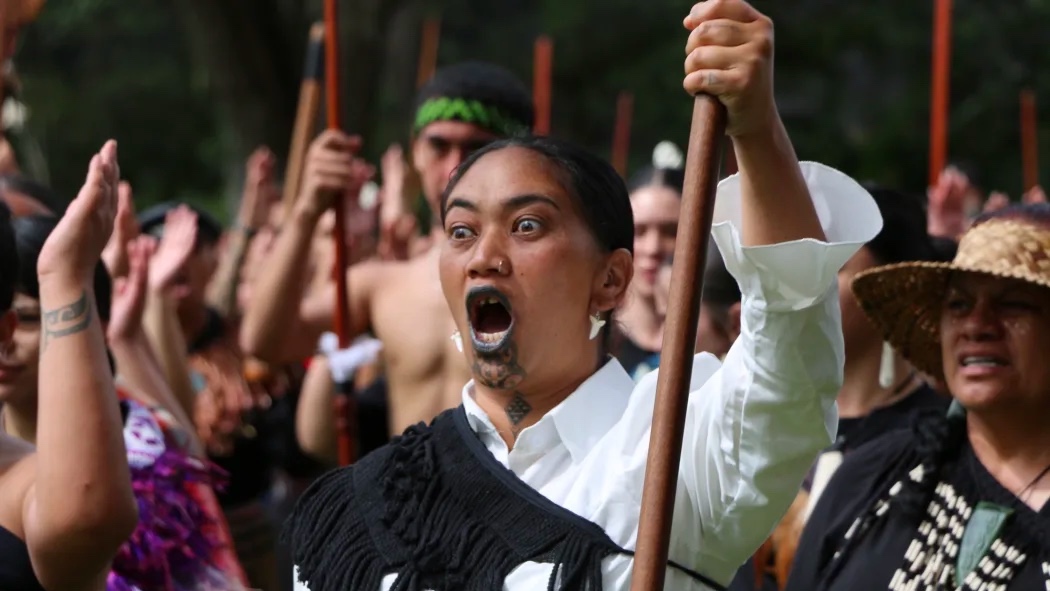
During the Manurewa incident, members of True Patriots of NZ displayed a banner reading "This is New Zealand not India", performed a haka and chanted Christian slogans. Police intervened to separate the protesters from the procession.
Another protest followed during a Nagar Kirtan in Tauranga on January 11. The incidents prompted India to formally raise concerns with New Zealand authorities about the safety of Sikh religious gatherings.
Destiny Church and affiliated groups have also regularly protested at Auckland's annual BNZ Diwali Festival. Small groups carrying handheld loudspeakers have typically timed their demonstrations to coincide with the prime minister's speech.
The right to worship in public
The wider dispute also raises a question about the place of religious expression in New Zealand's public spaces.
The Human Rights Commission's 2026 Statement on Religious Diversity explicitly recognises the right of religious communities to practise and express their faith in both private and public settings.
Race Relations Commissioner Melissa Derby explained that the statement clarified existing rights, rather than creating a new entitlement to public religious expression. Those rights remain subject to New Zealand law and the rights of others.
The right to hold a religious procession does not, by itself, establish an entitlement to community funding. Equally, the religious character of a procession does not automatically disqualify it from a grant scheme whose rules prohibit religious persuasion rather than religious worship.