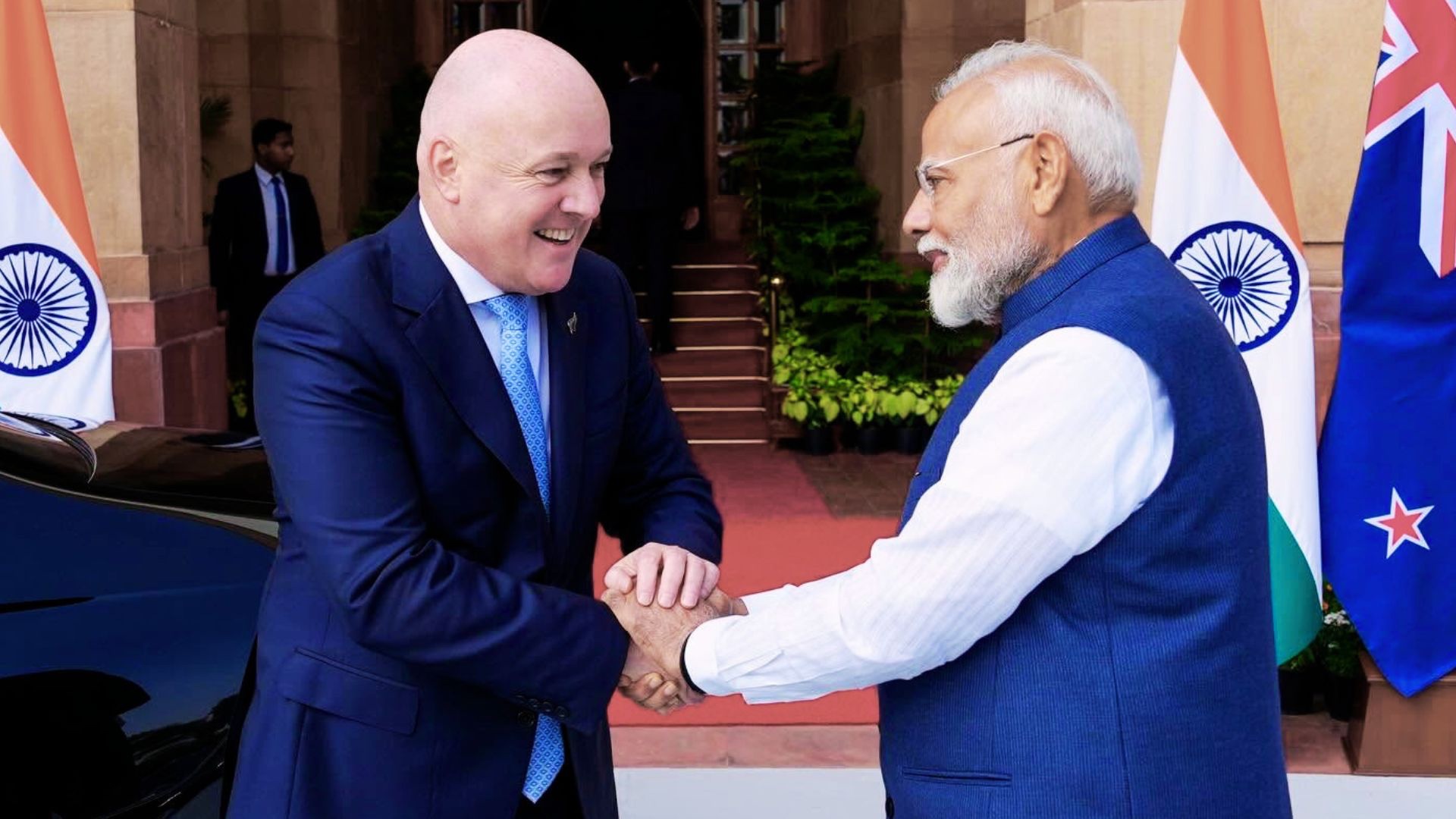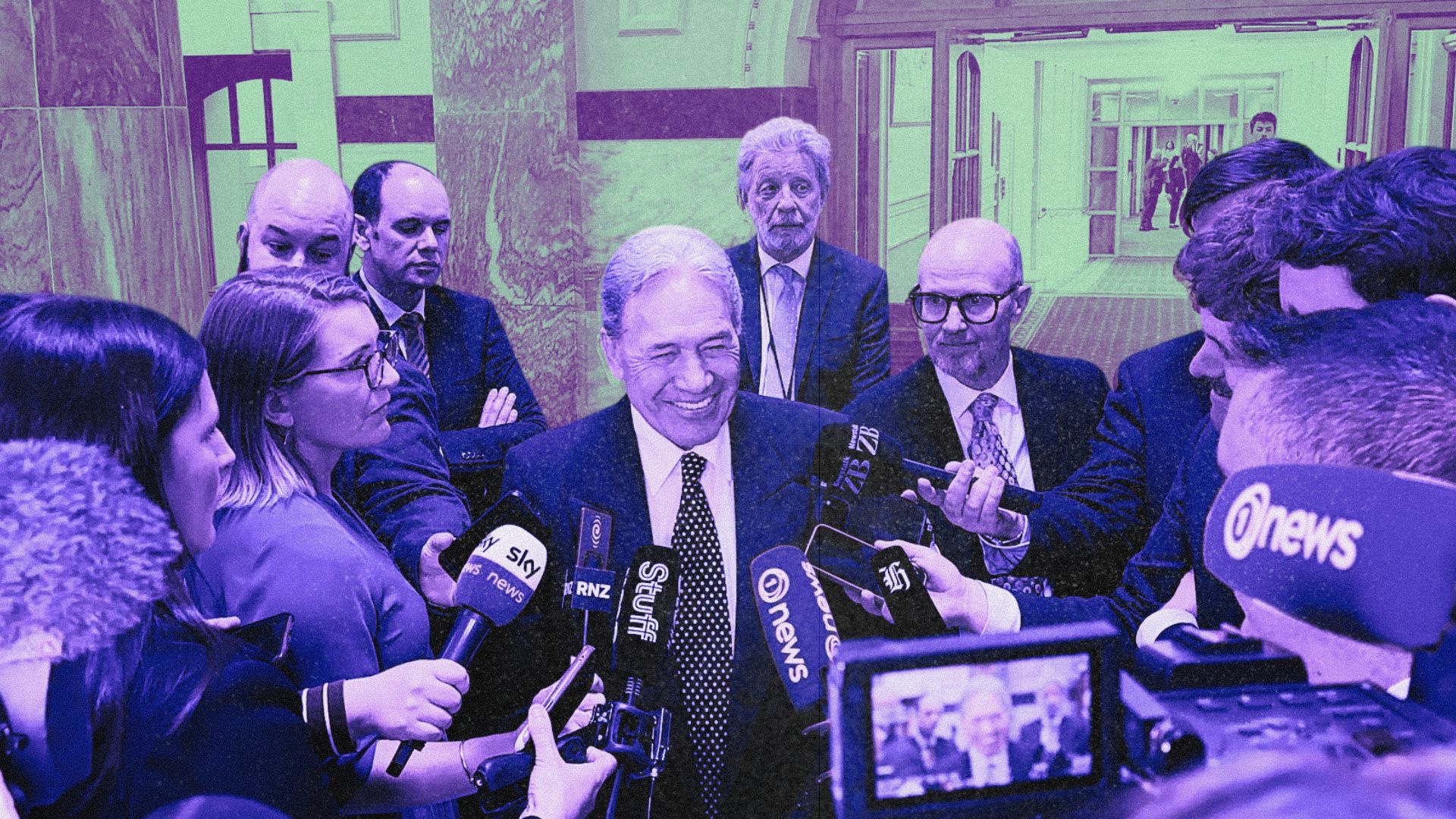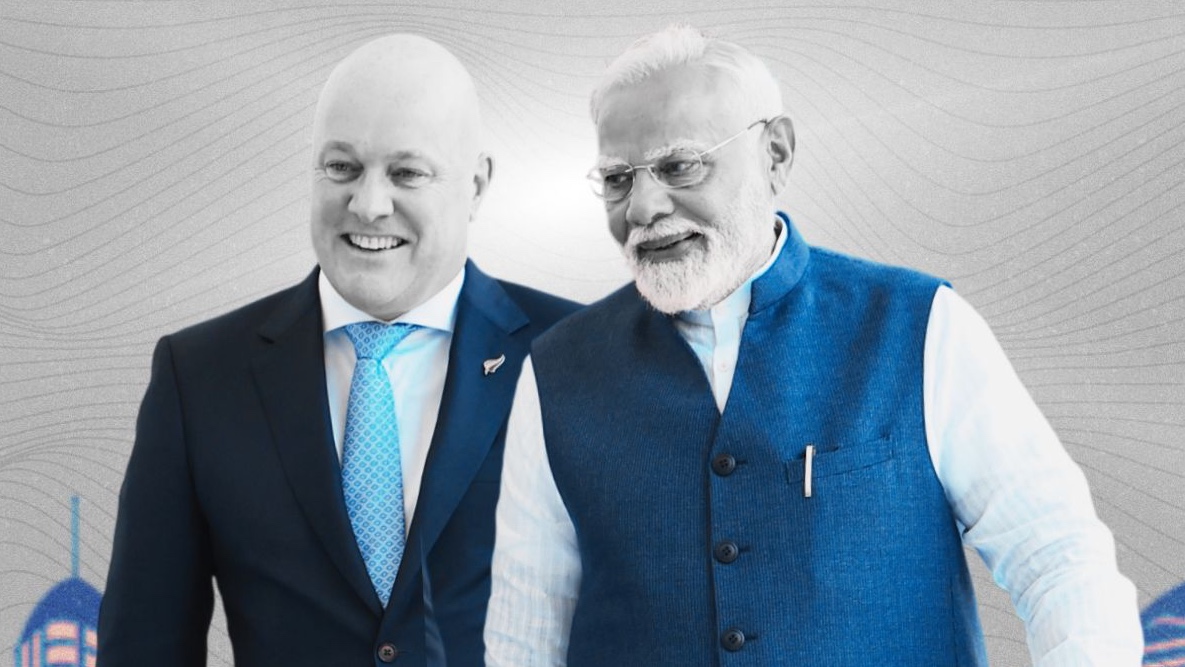

Election 2026: Will Kiwi-Indian voters decide the battle for Takanini?
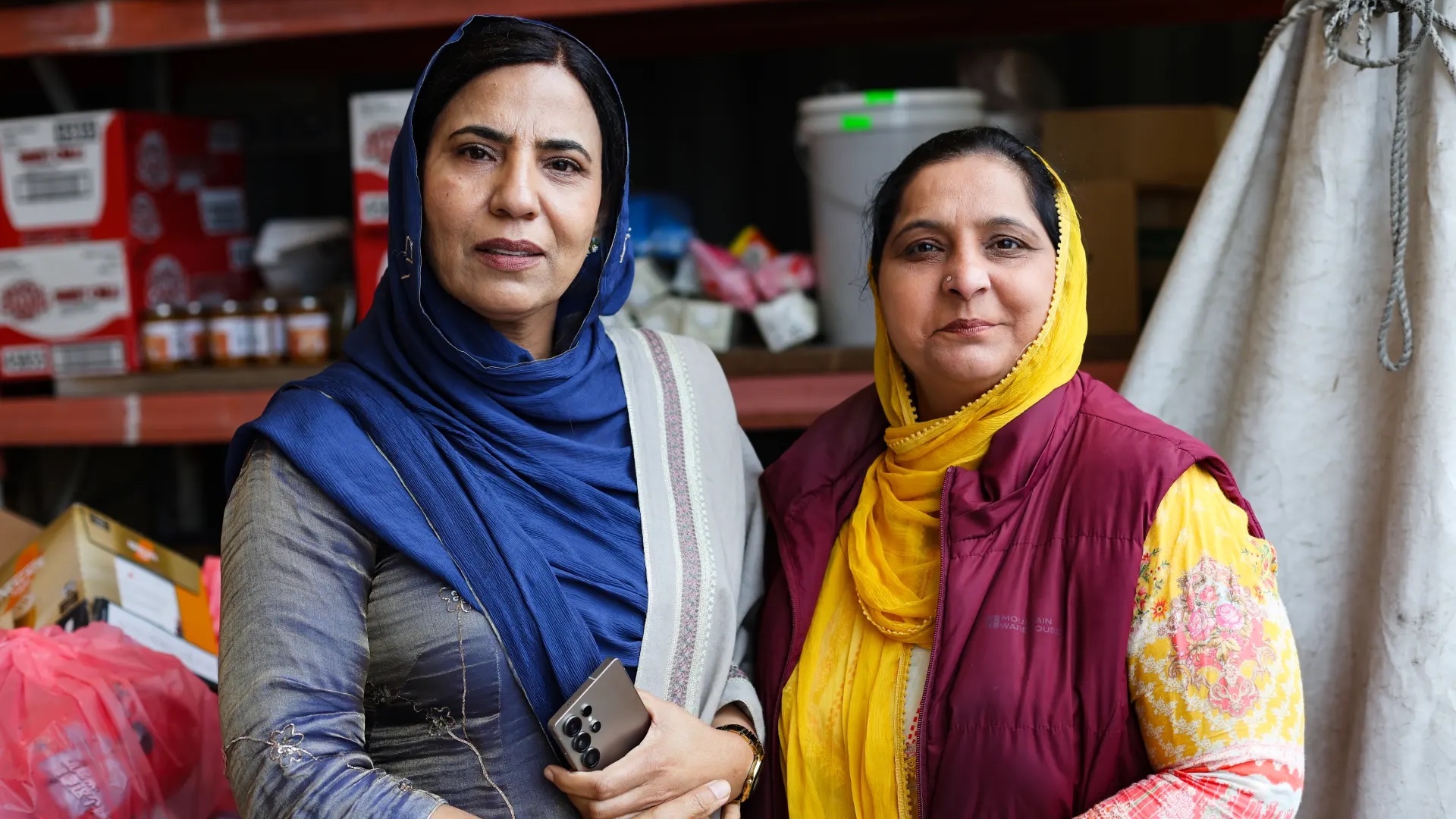
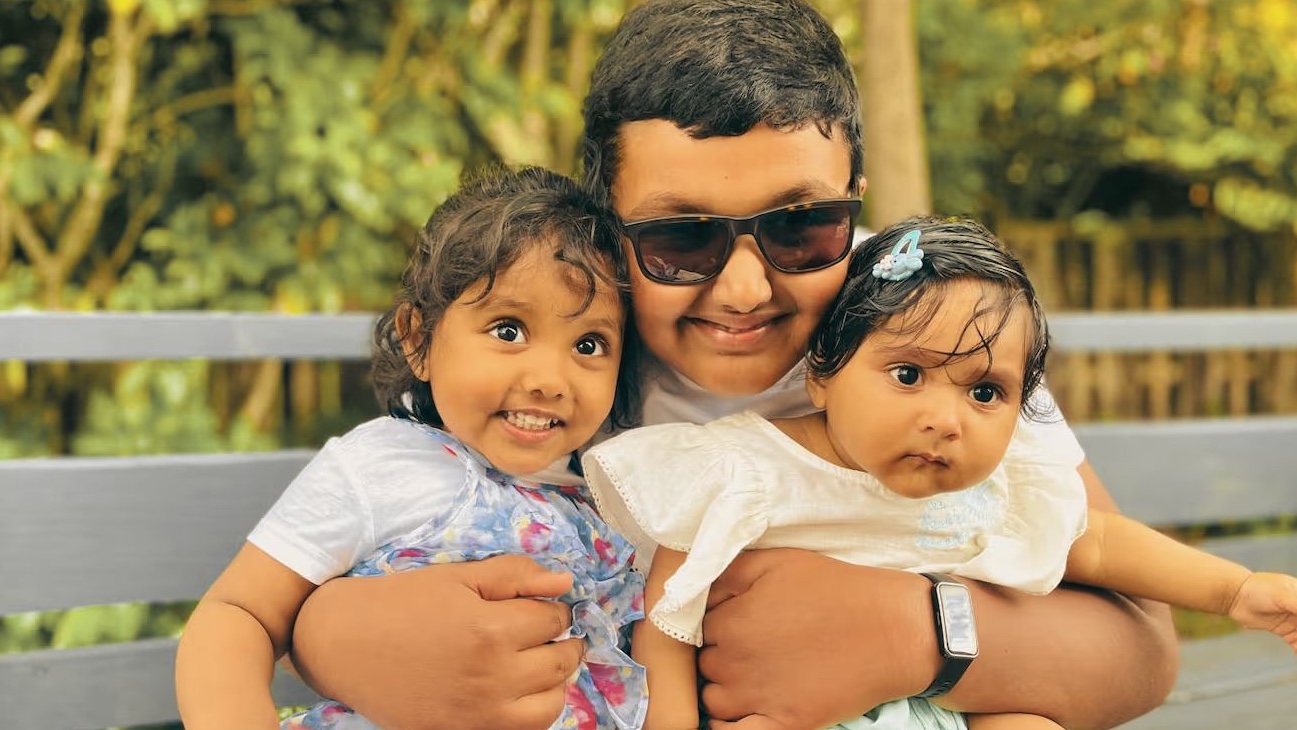
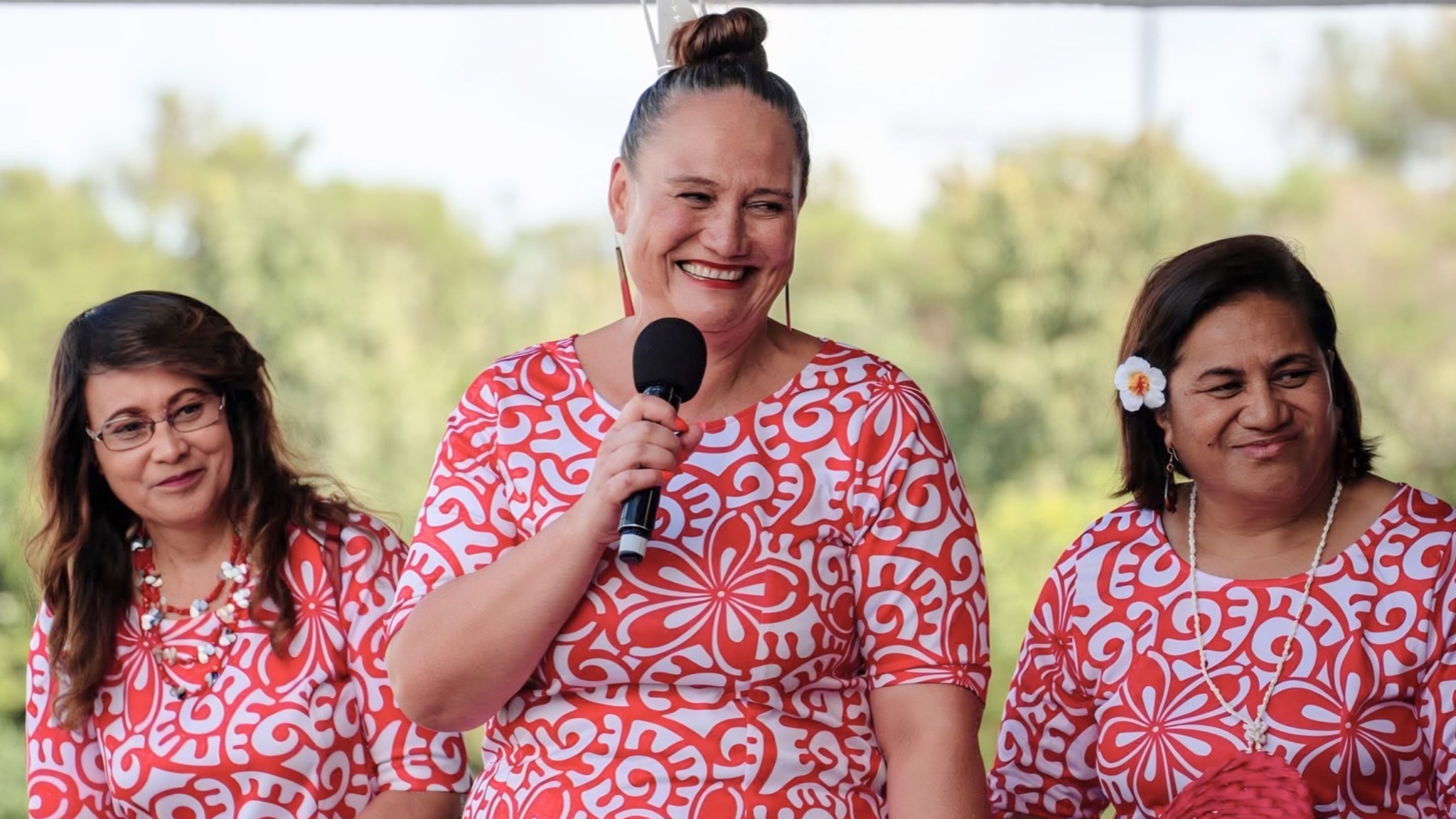
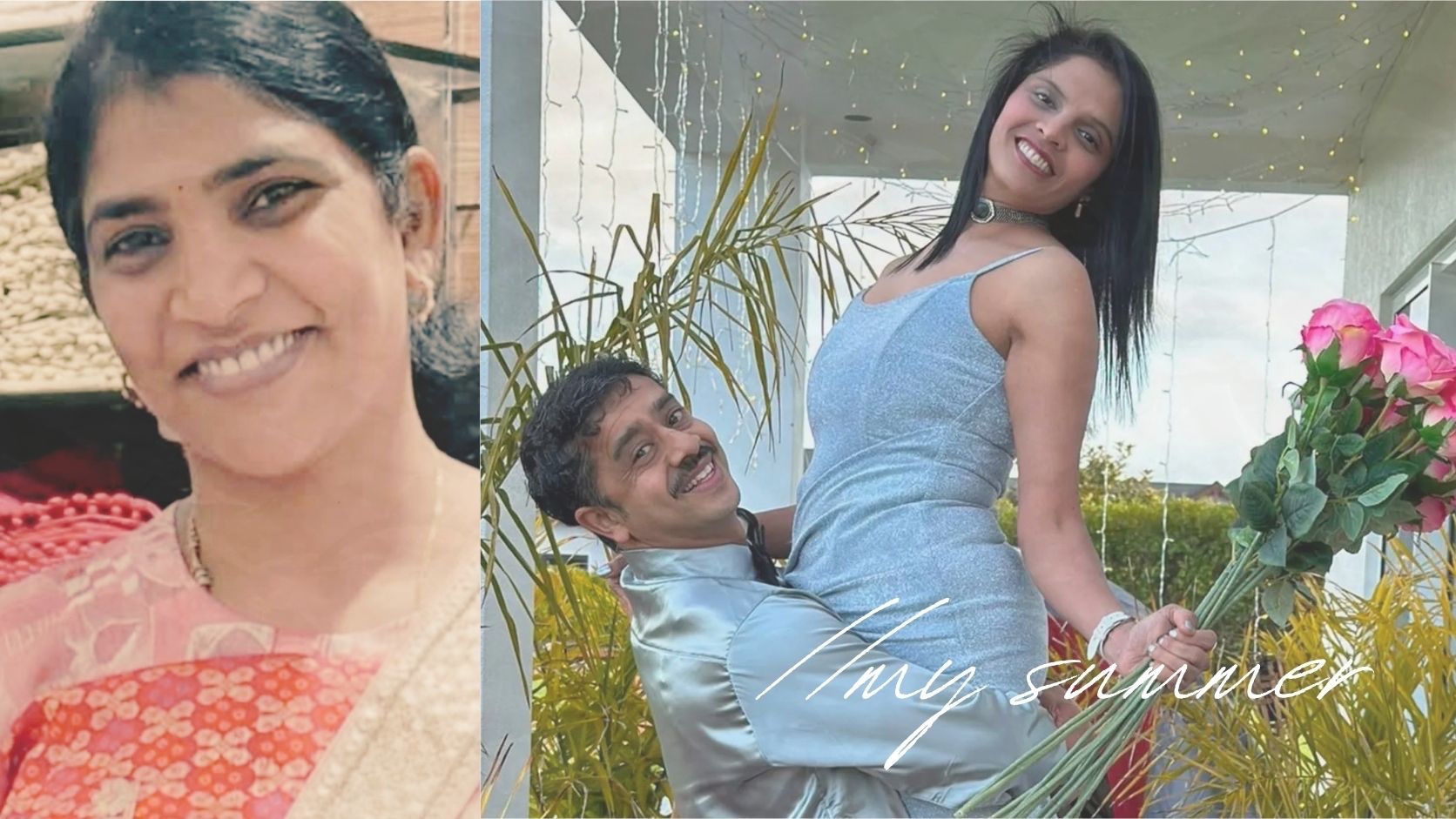
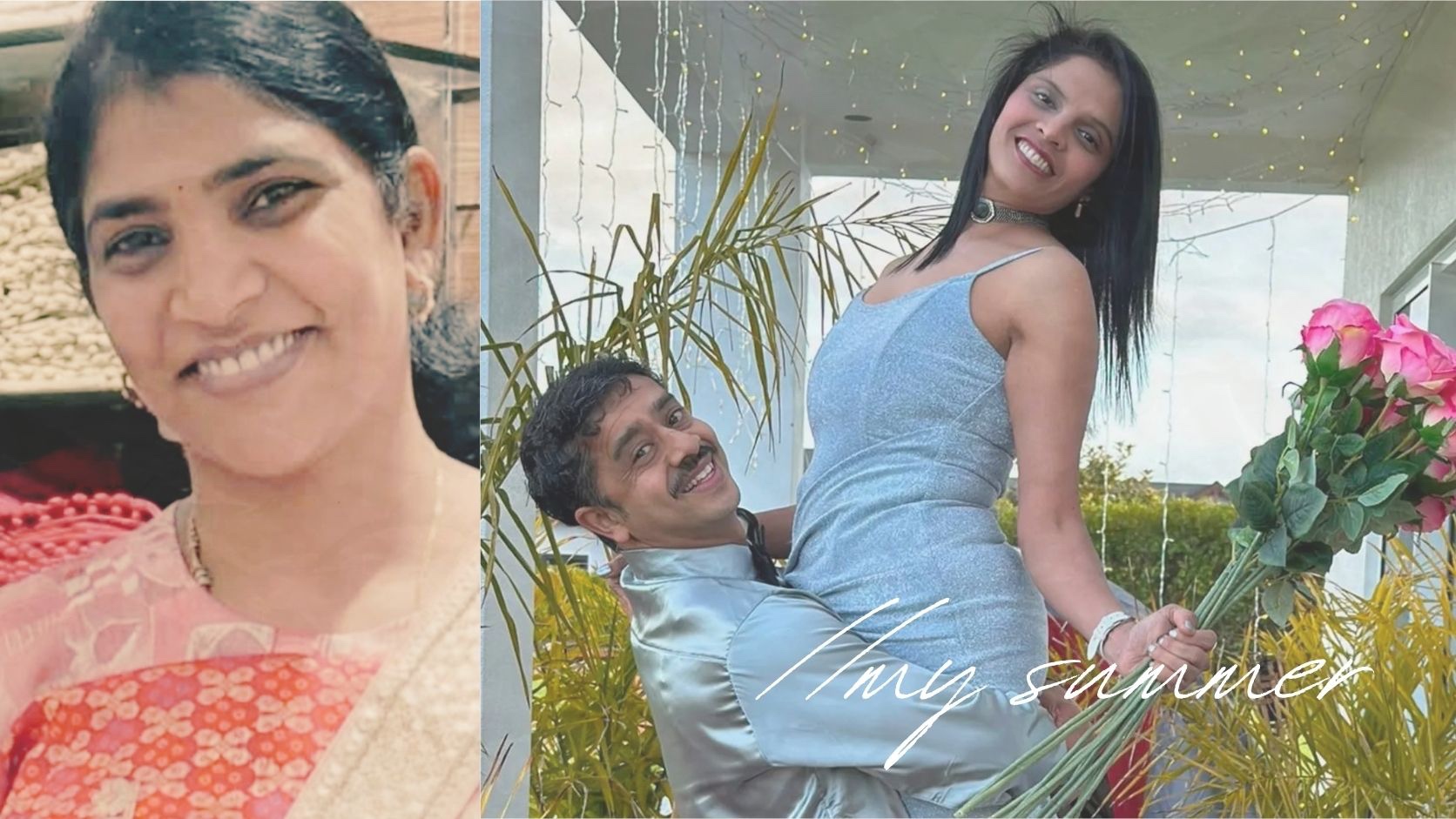
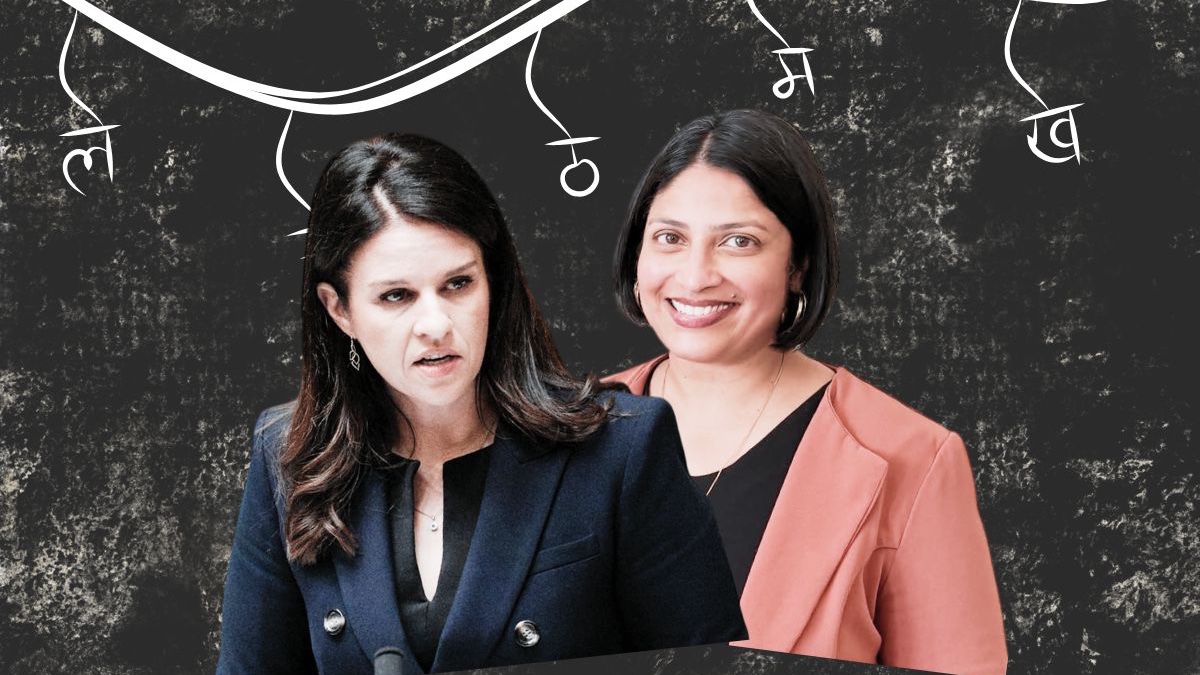
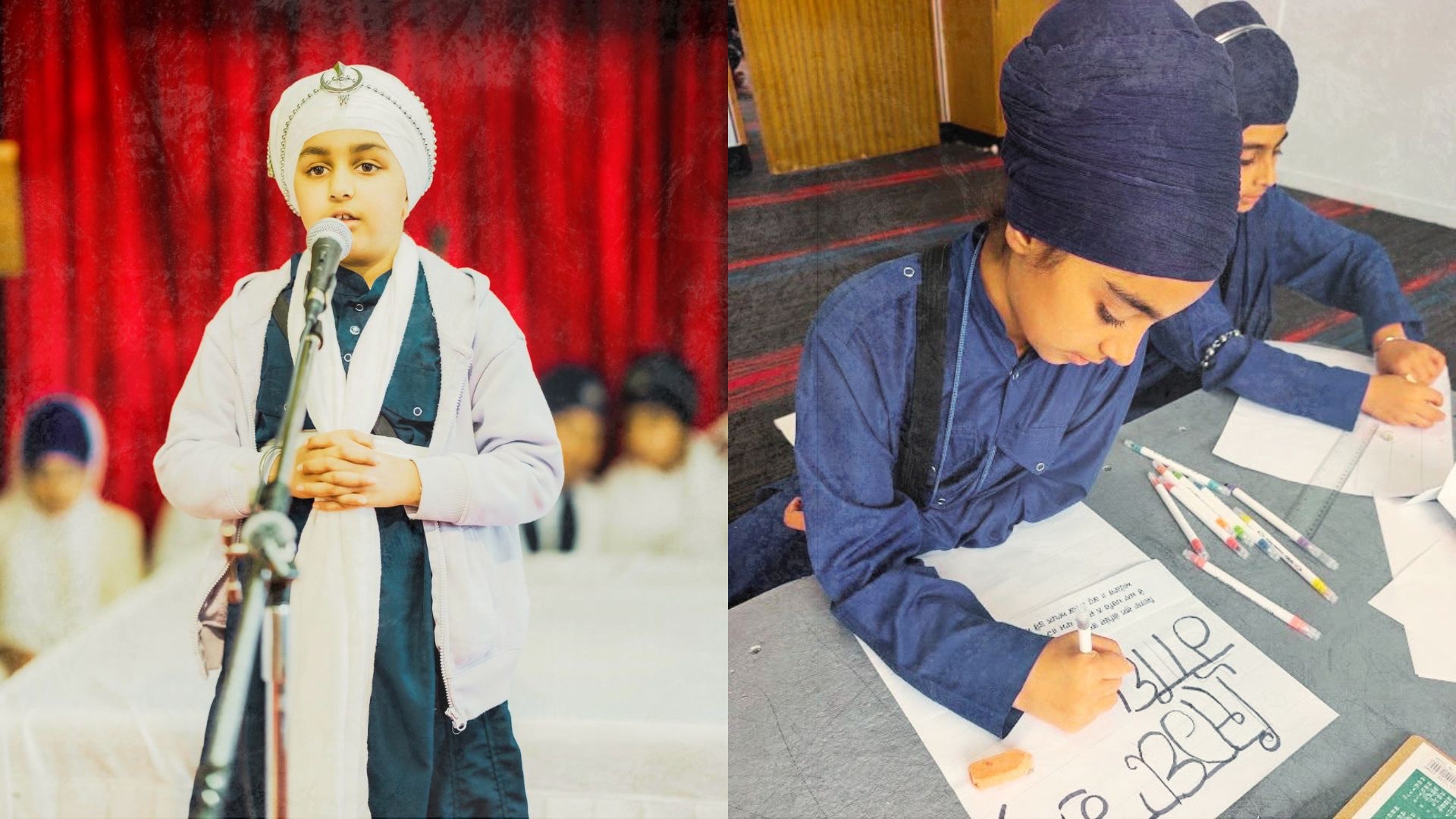
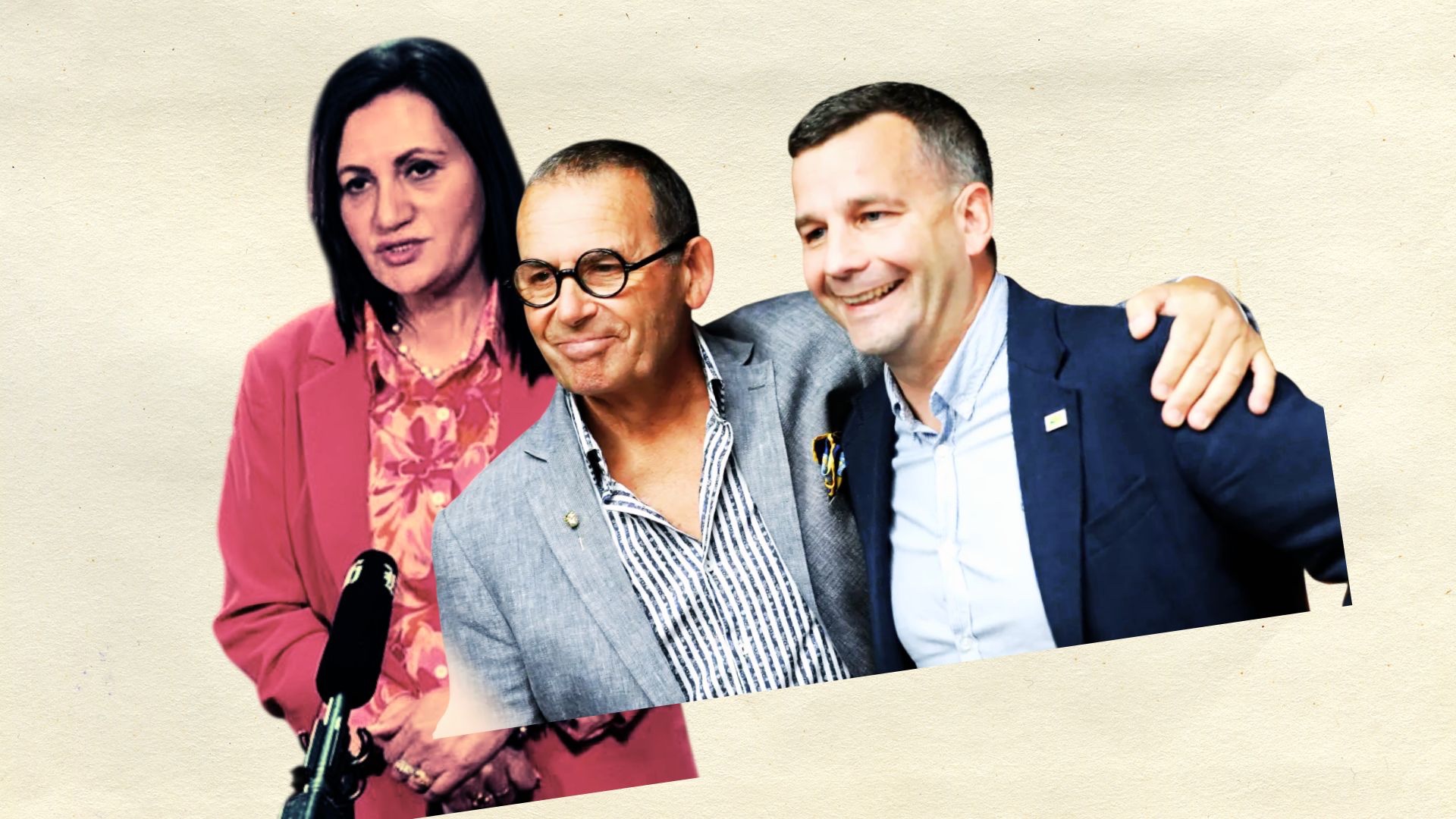
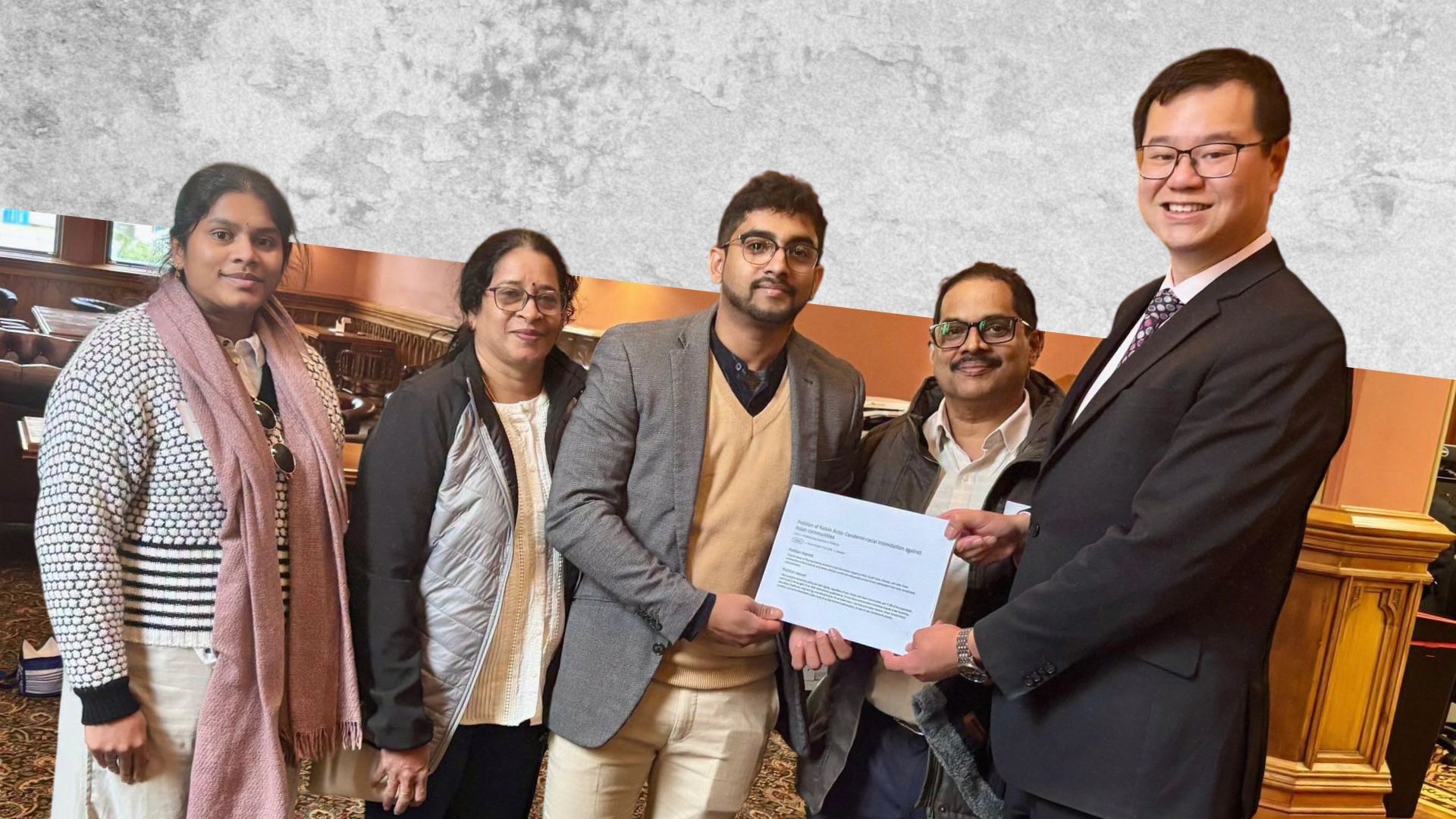
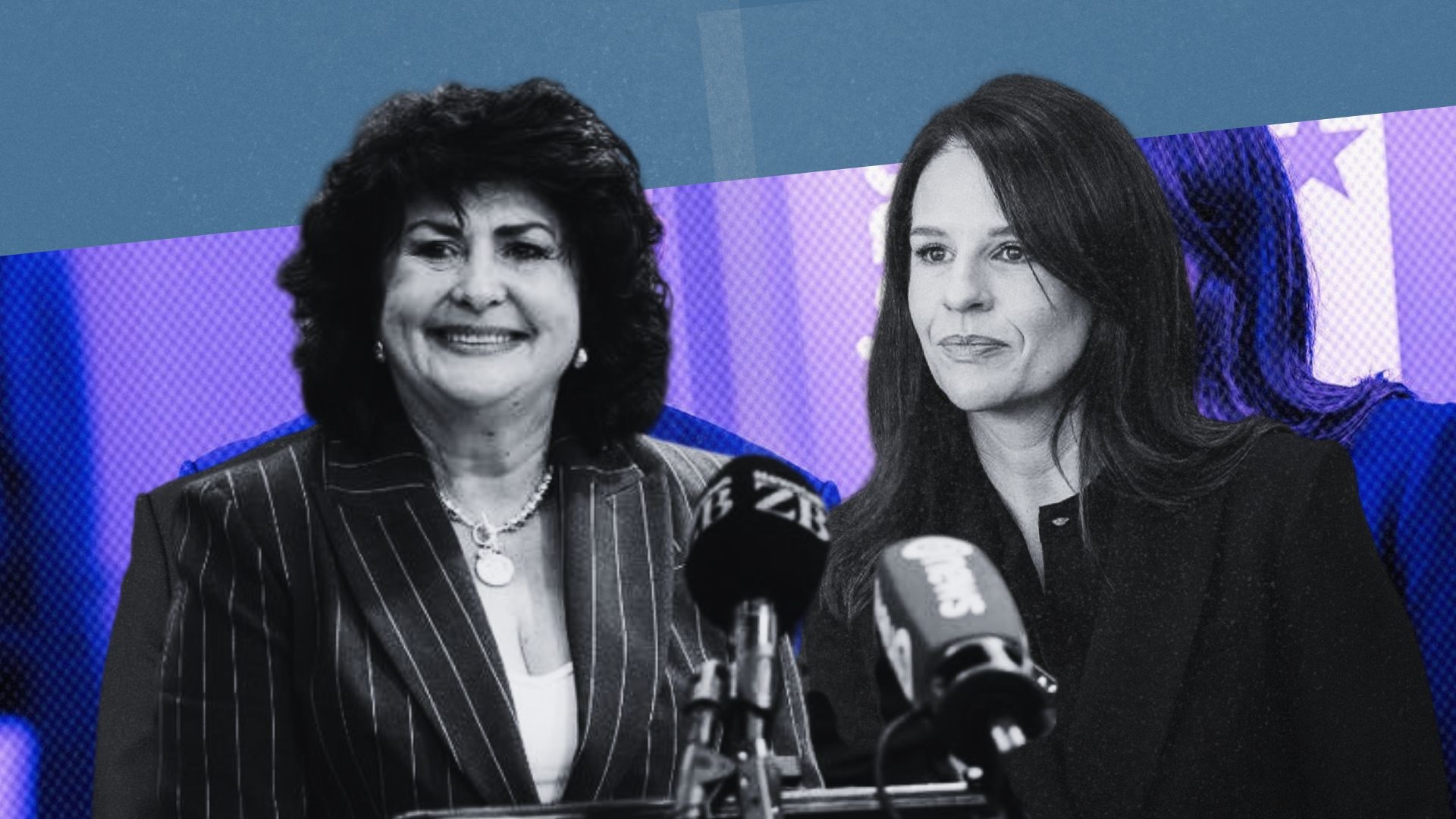
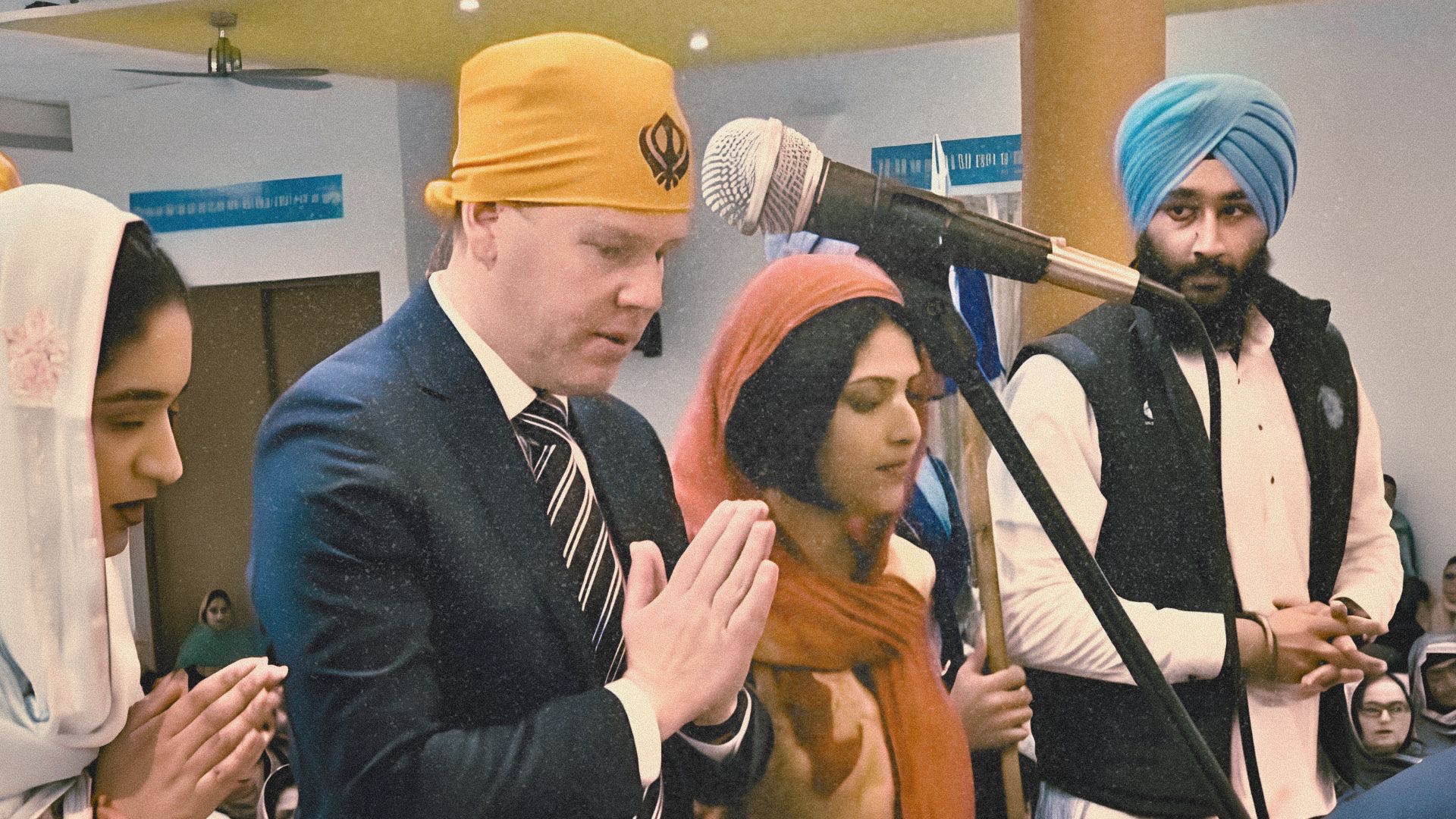
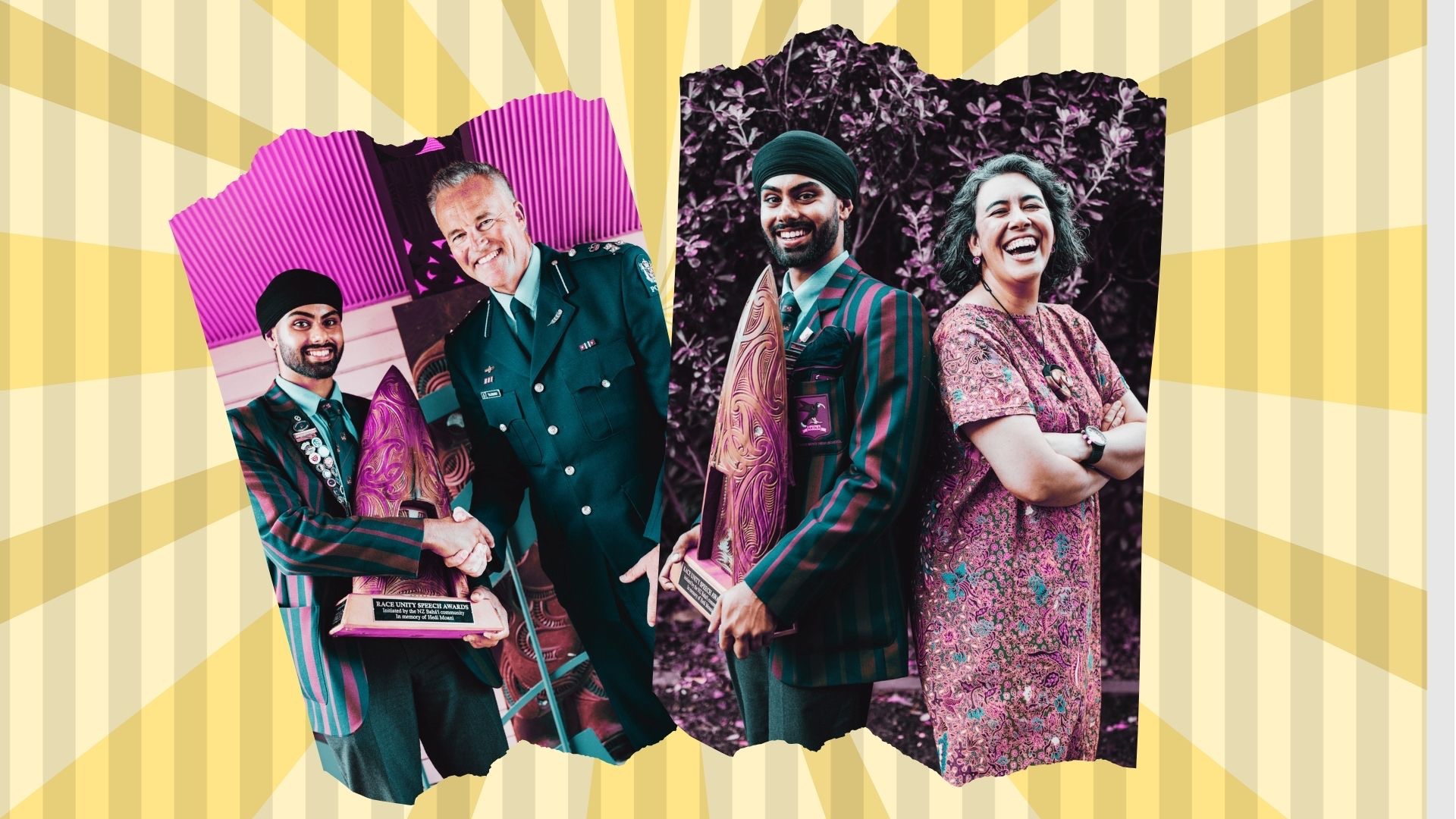
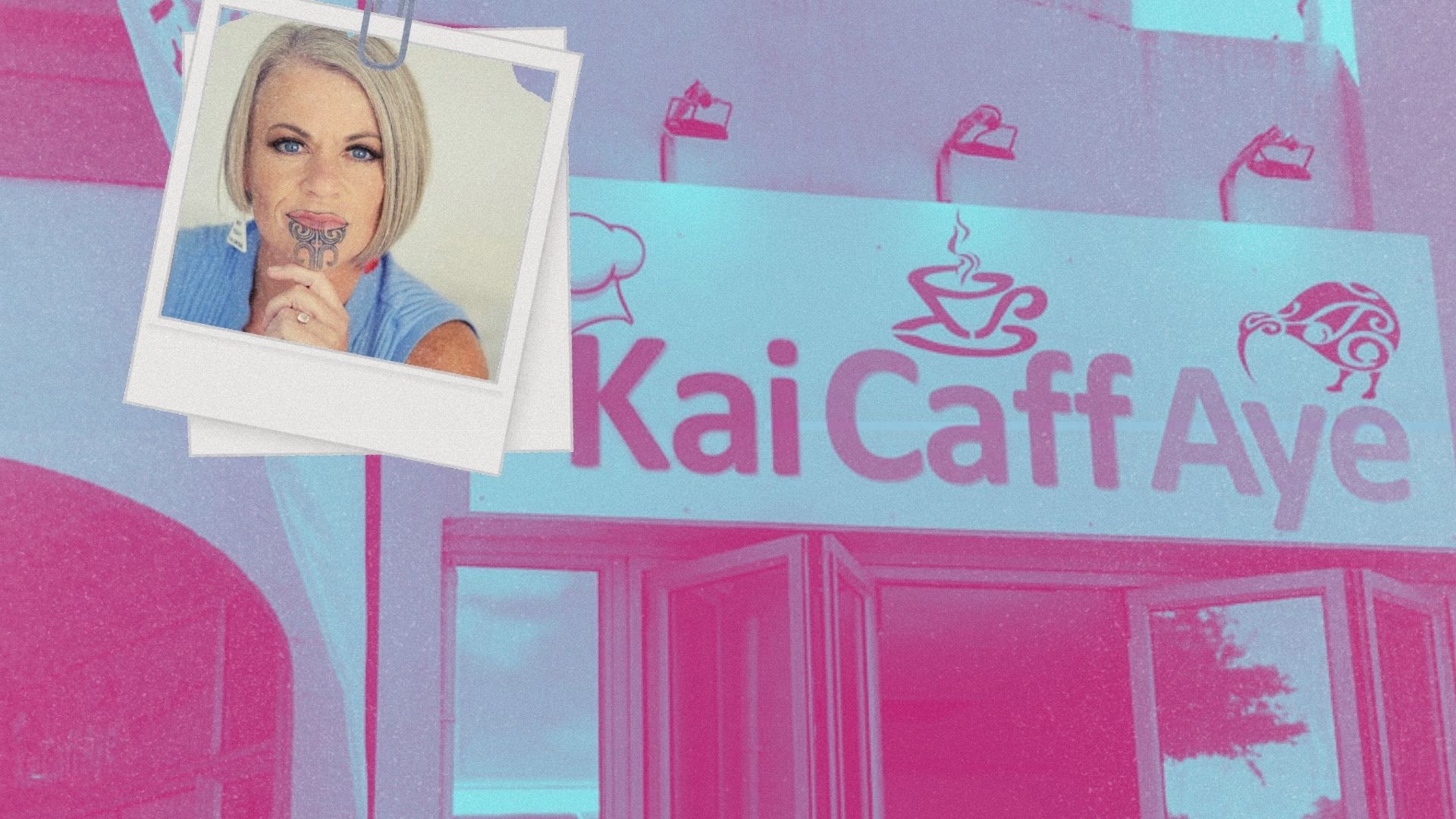
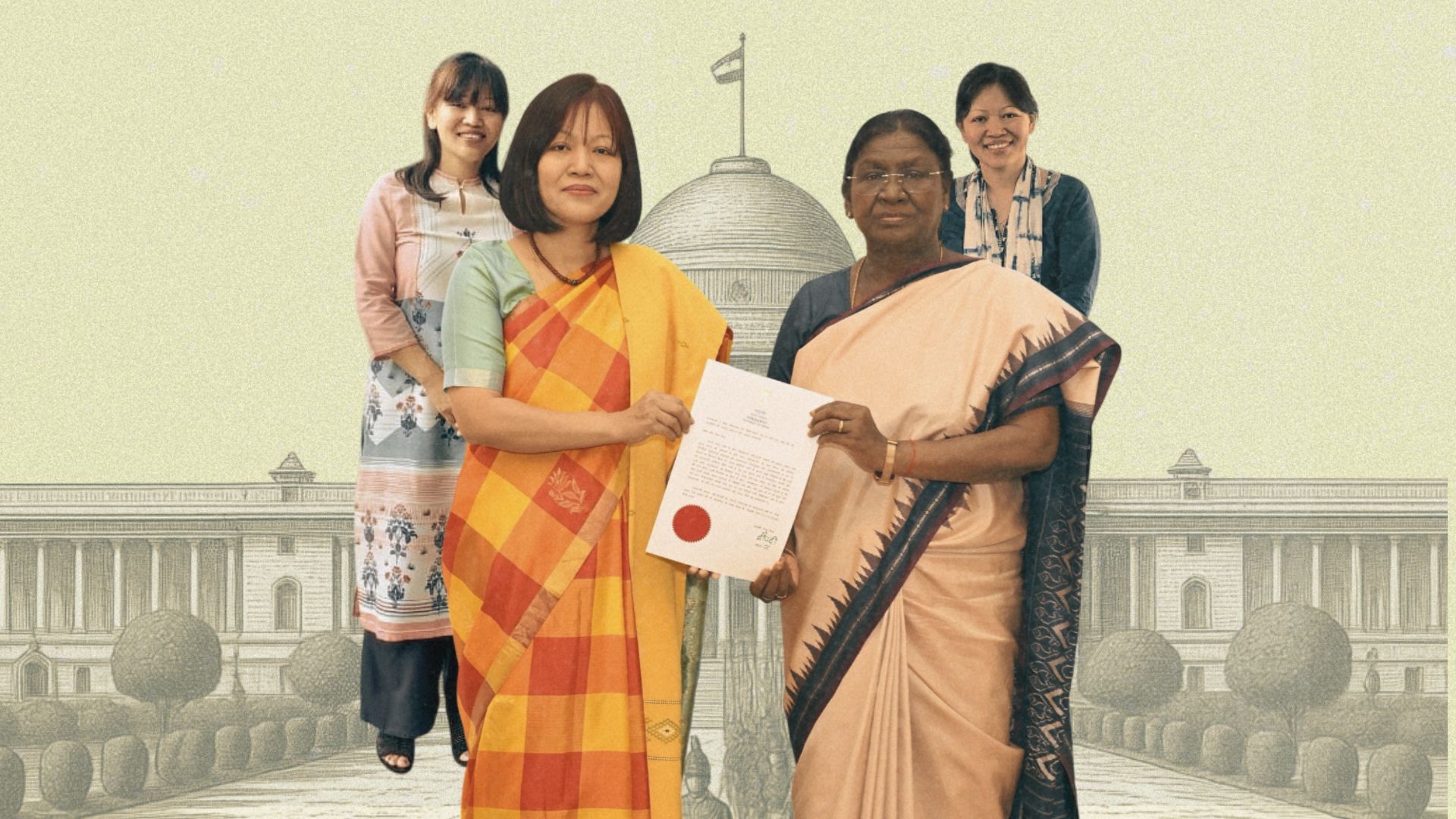
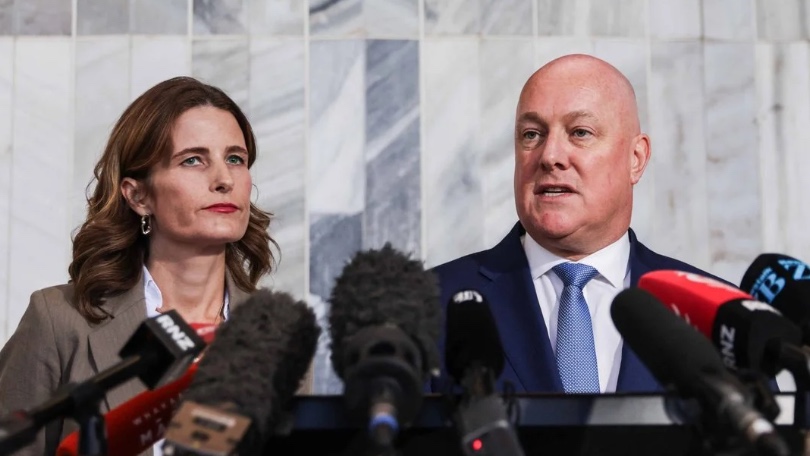
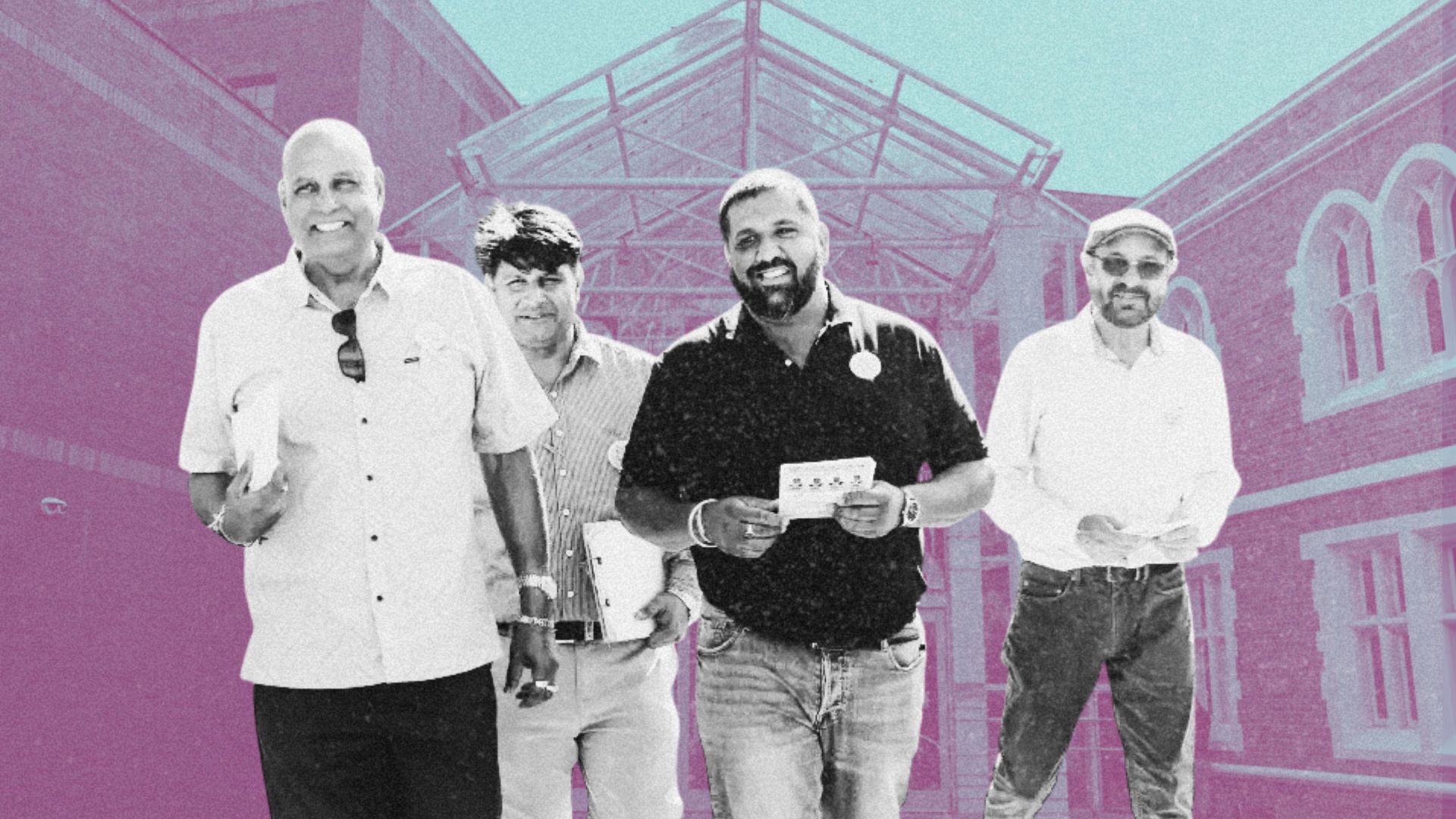
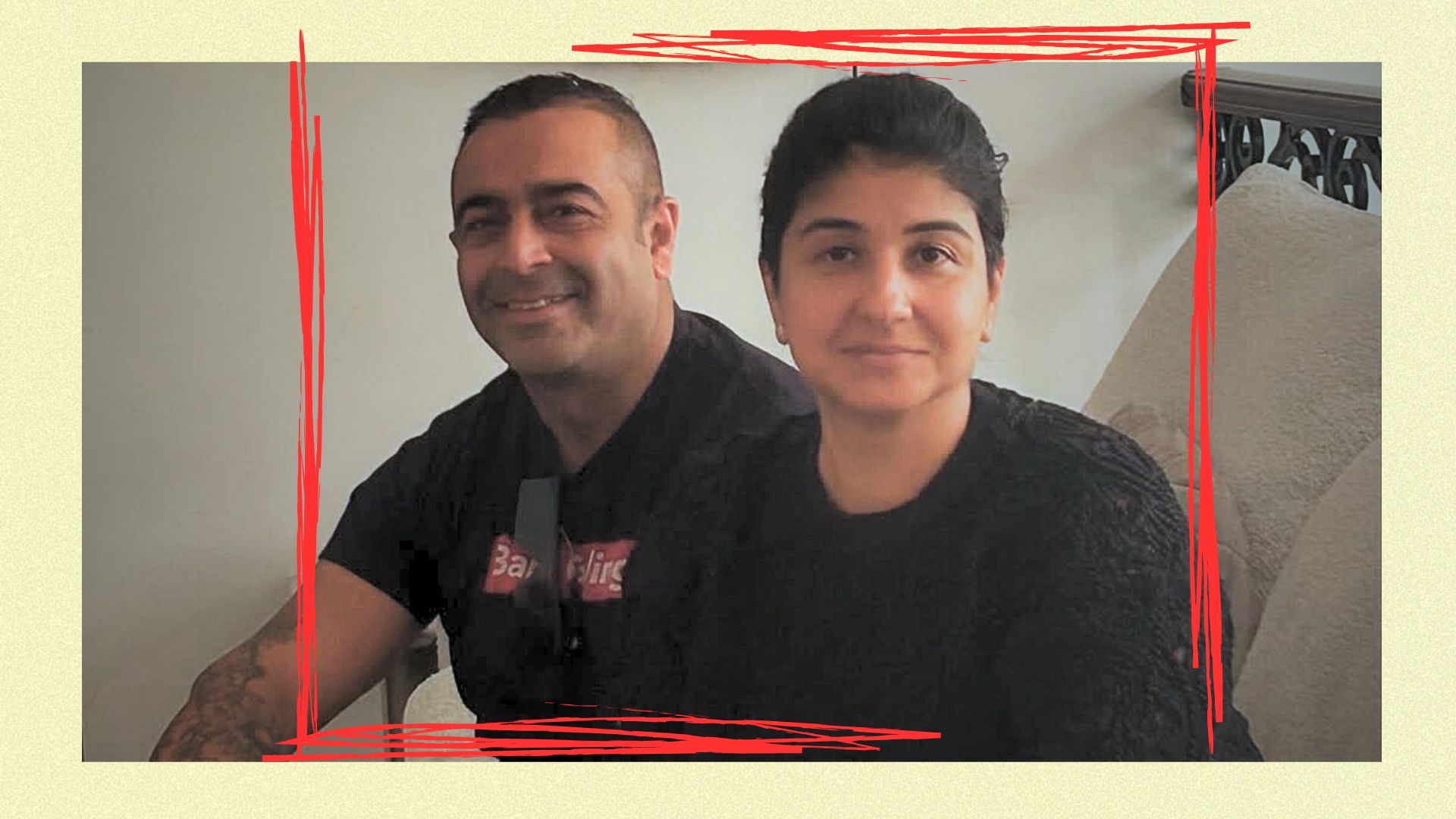
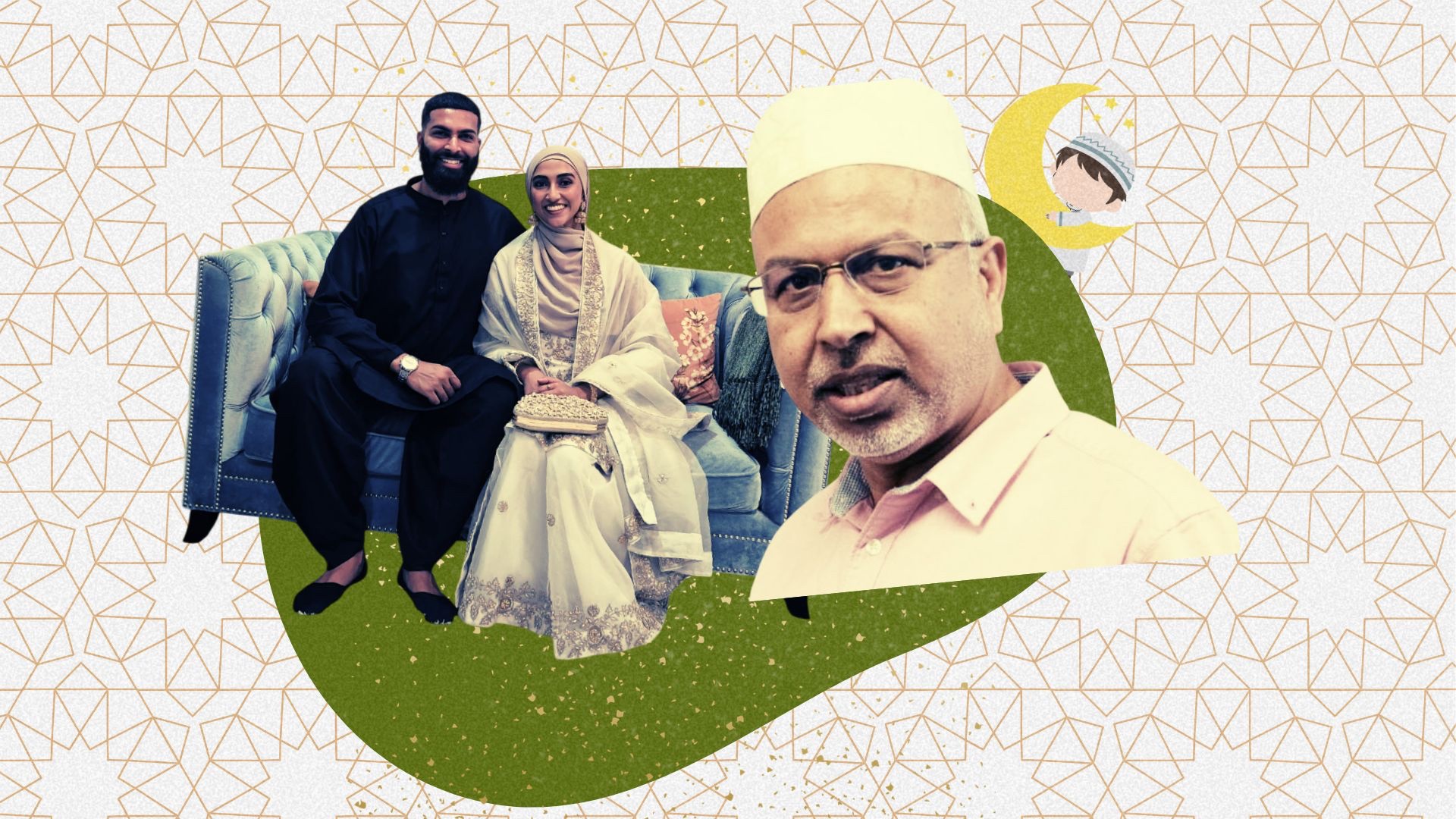
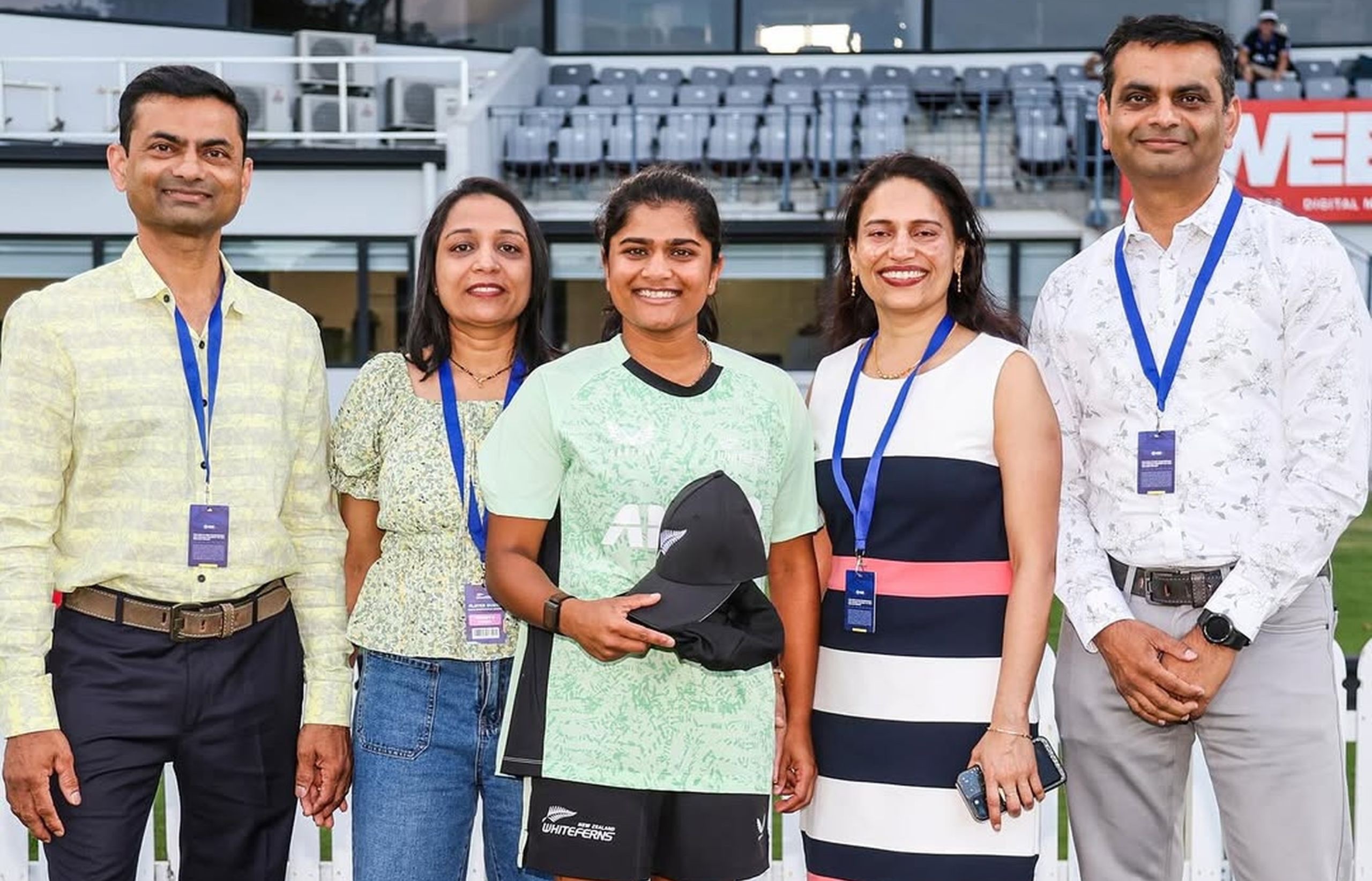
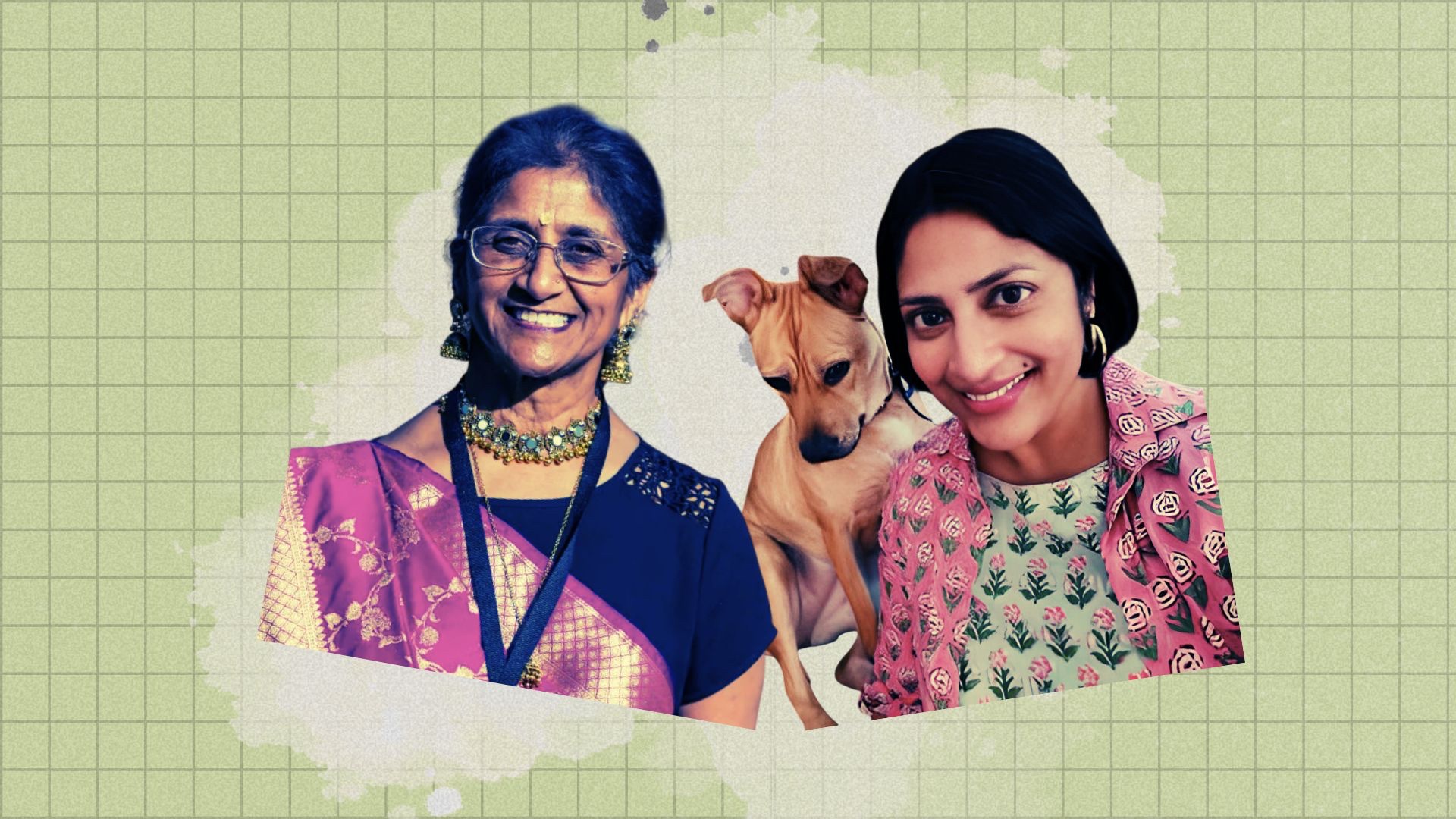
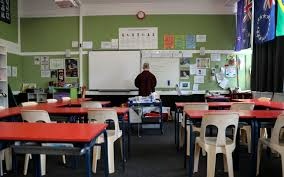
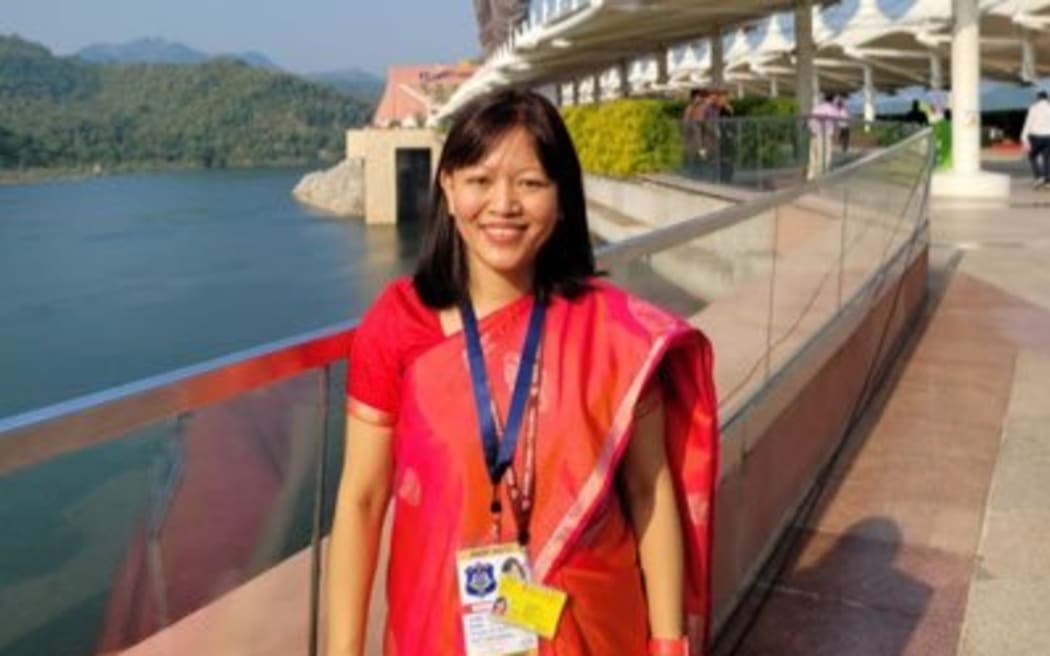
Jagtar Kaur (left) and Prabhjot Kaur are teachers at Sikh Heritage School in Takanini. (RNZ/Blessen Tom)
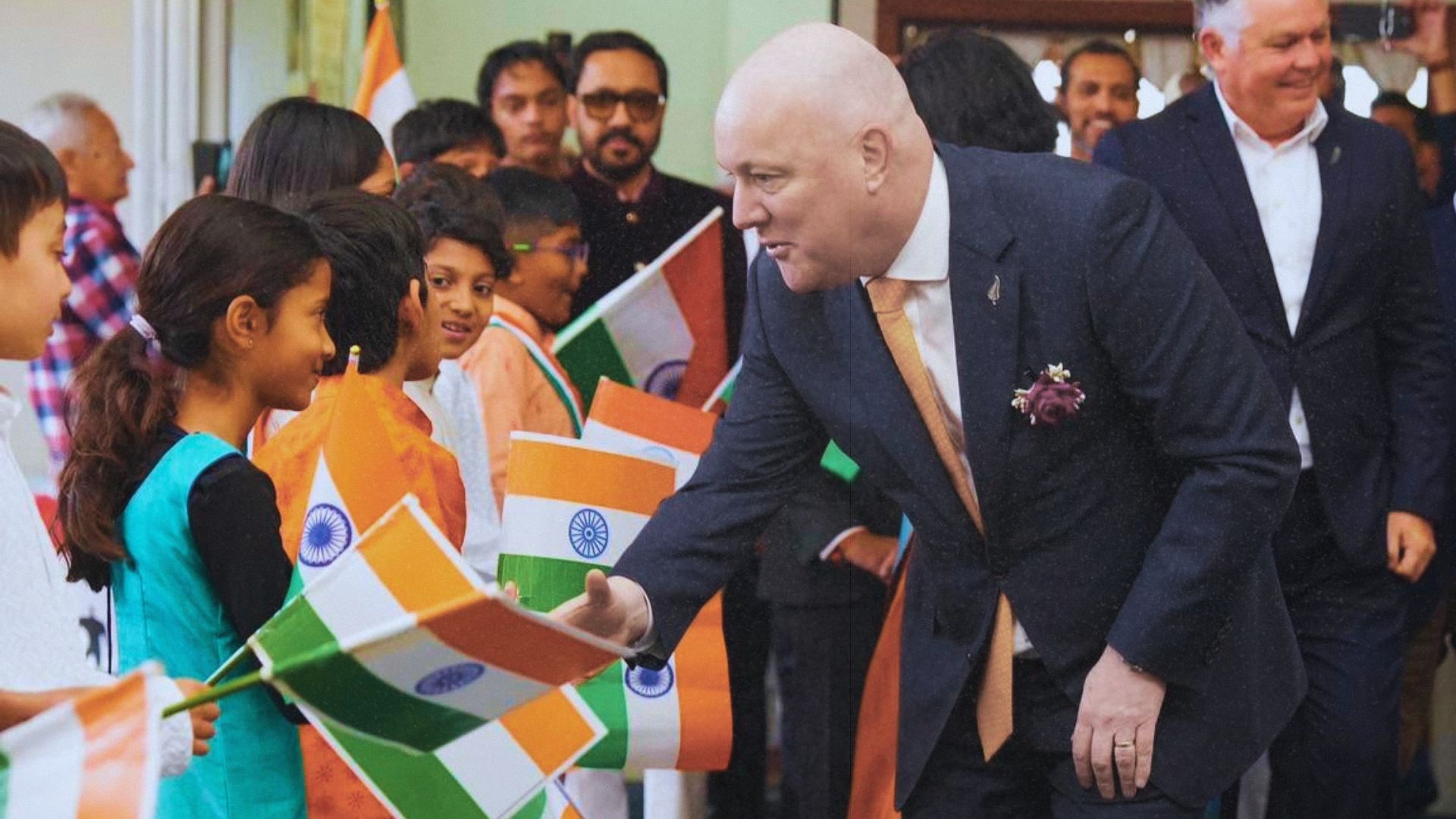
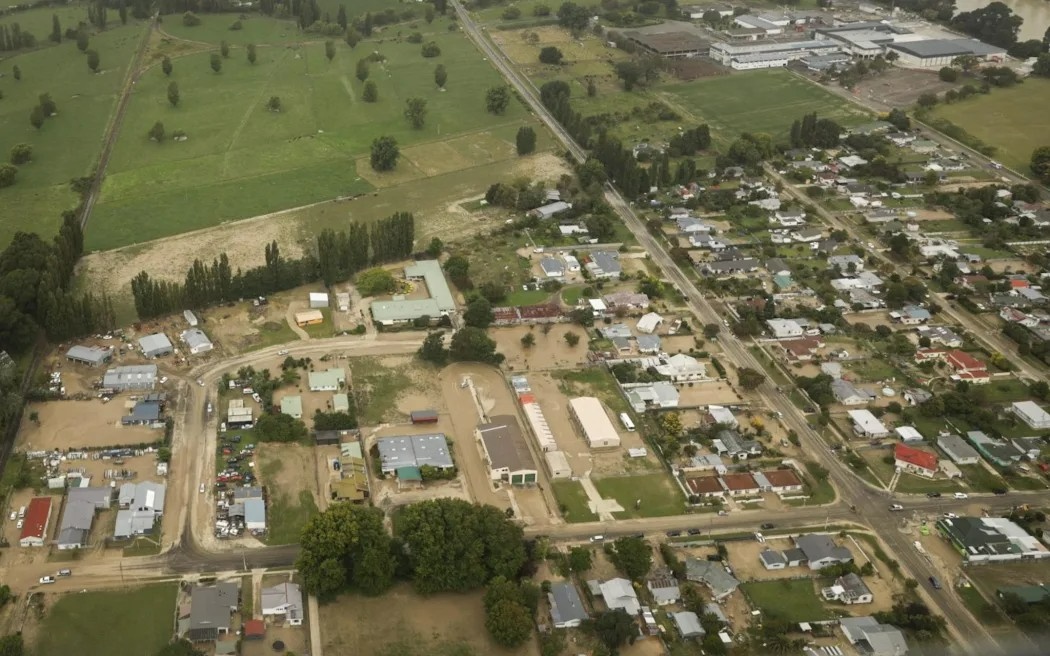
A South Auckland seat with one of New Zealand’s biggest Indian populations is shaping up as a test for ethnic identity and the ballot box.
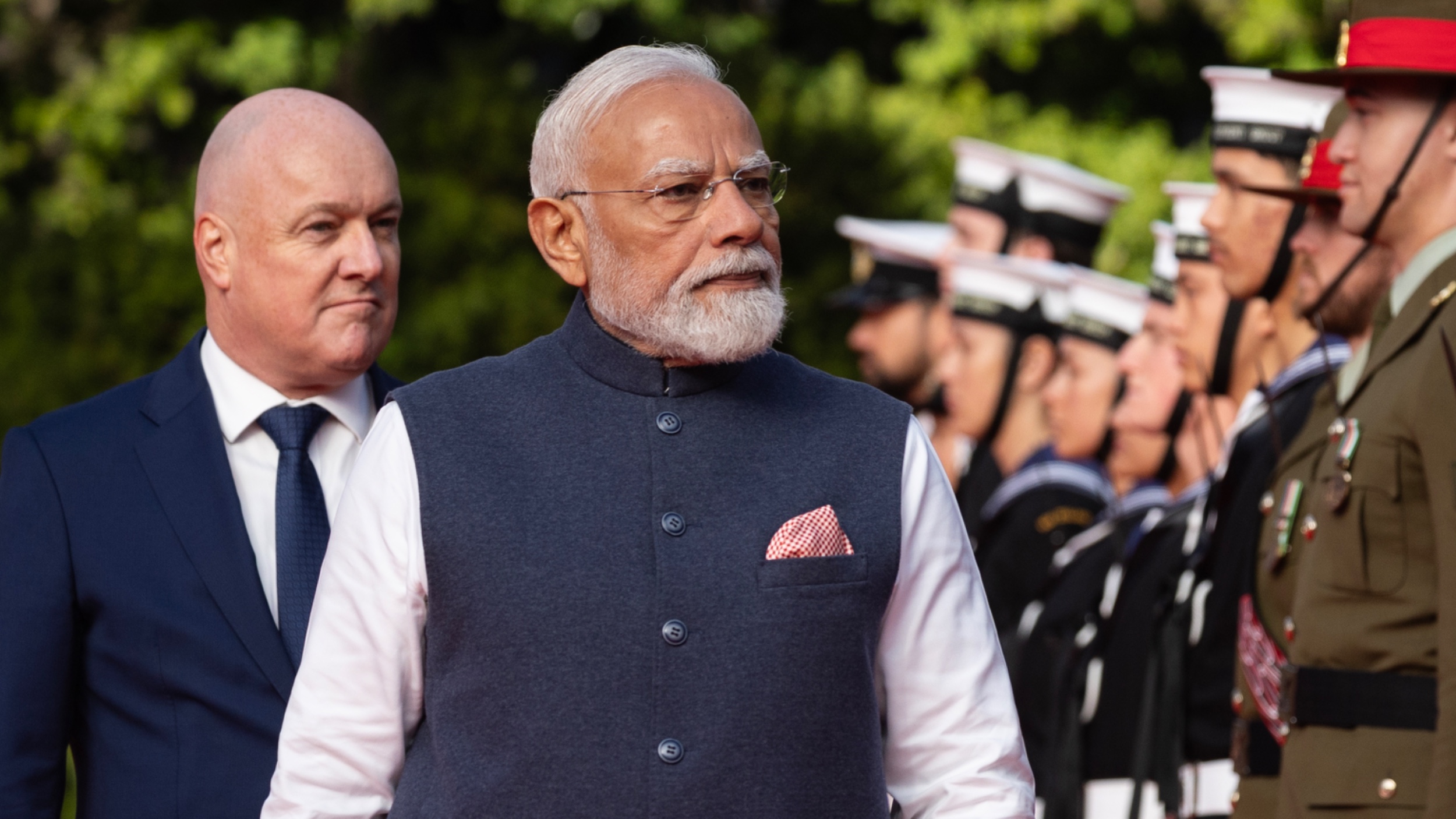
The result of the election battle for Takanini in South Auckland has the potential to be something of a turning point for Indian political representation in New Zealand.
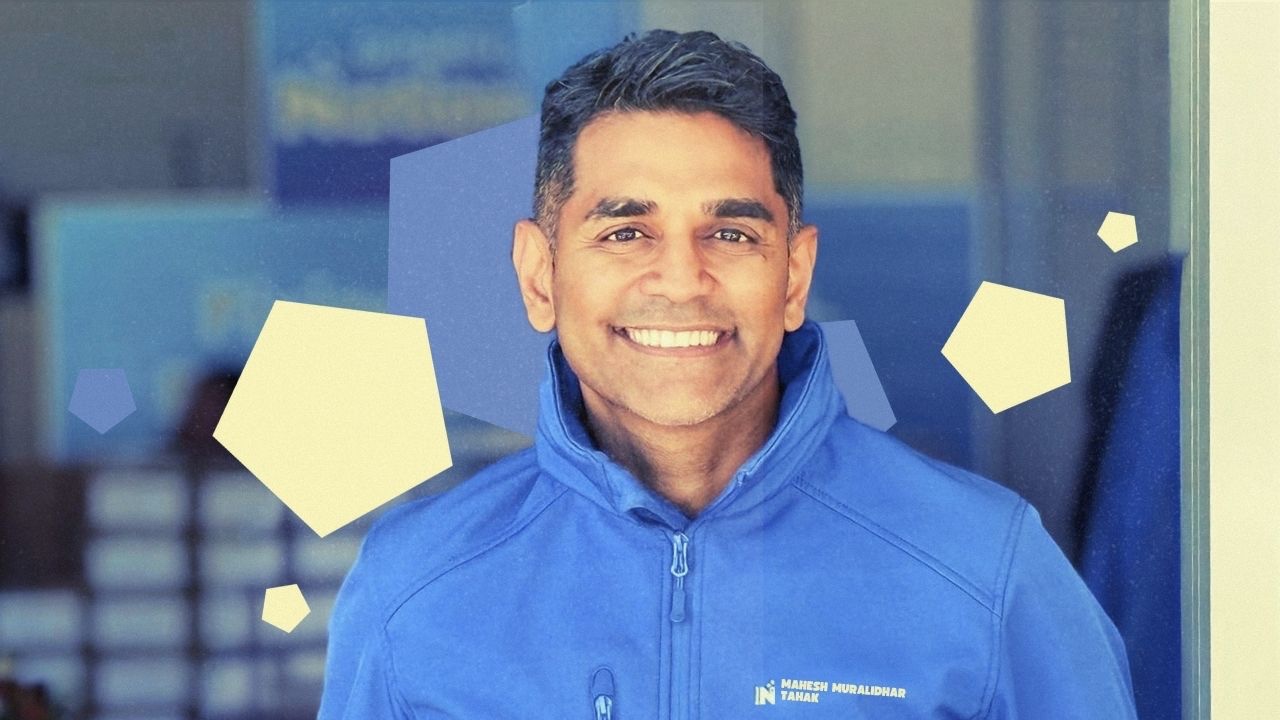
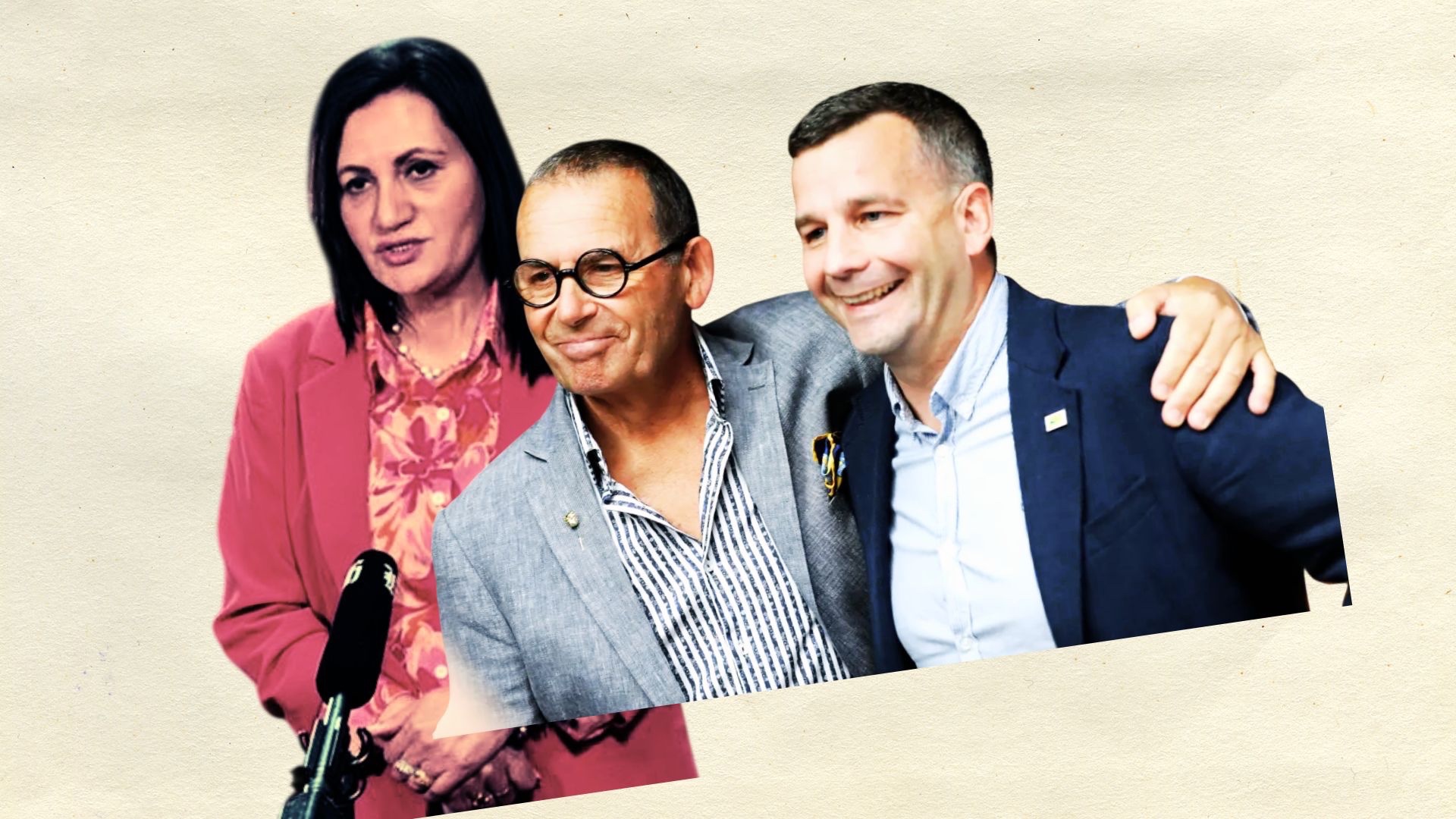
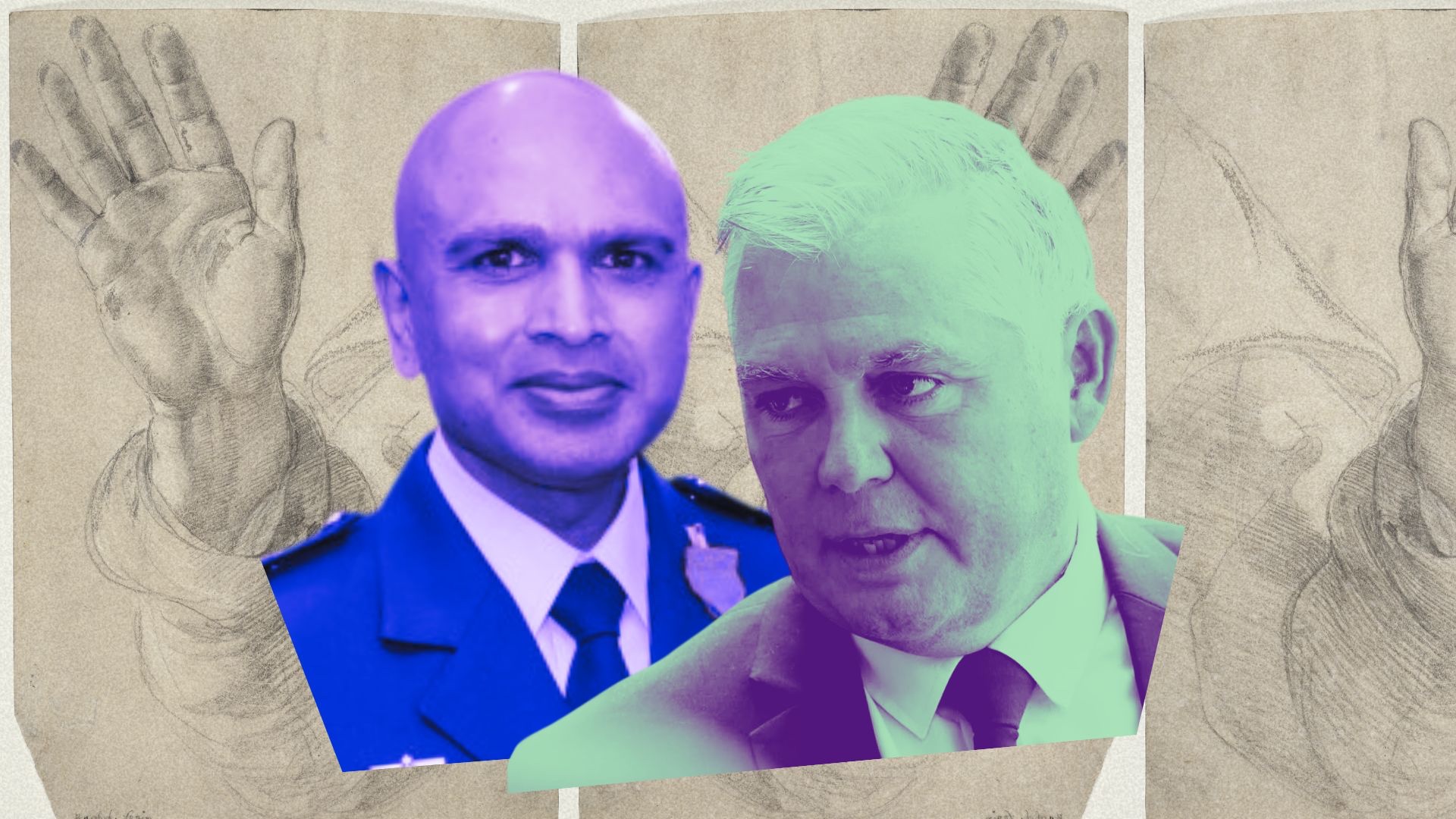
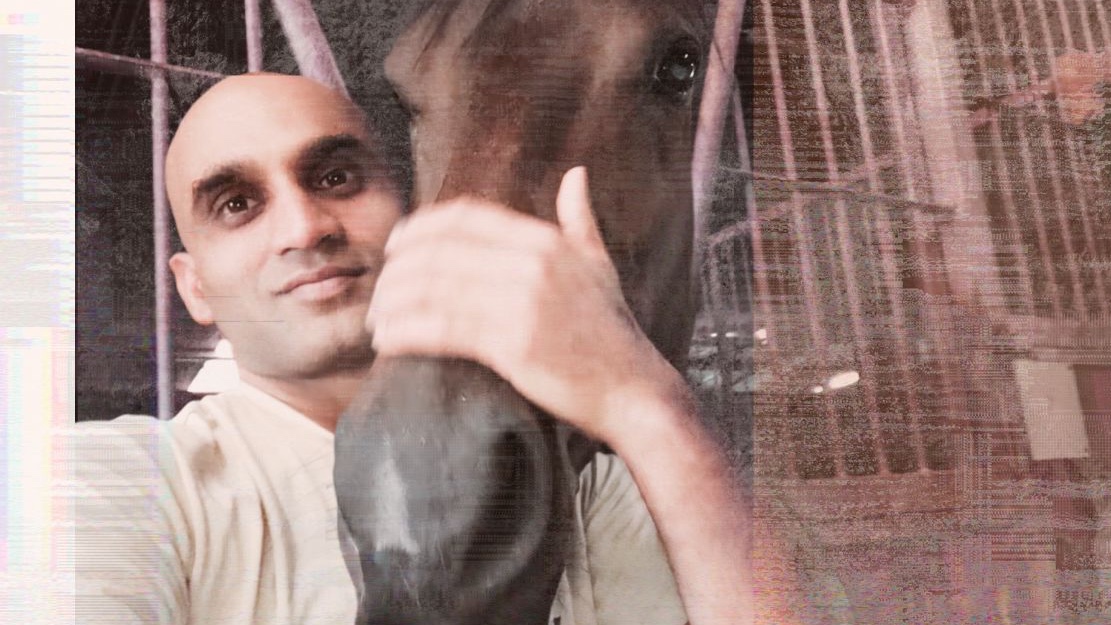
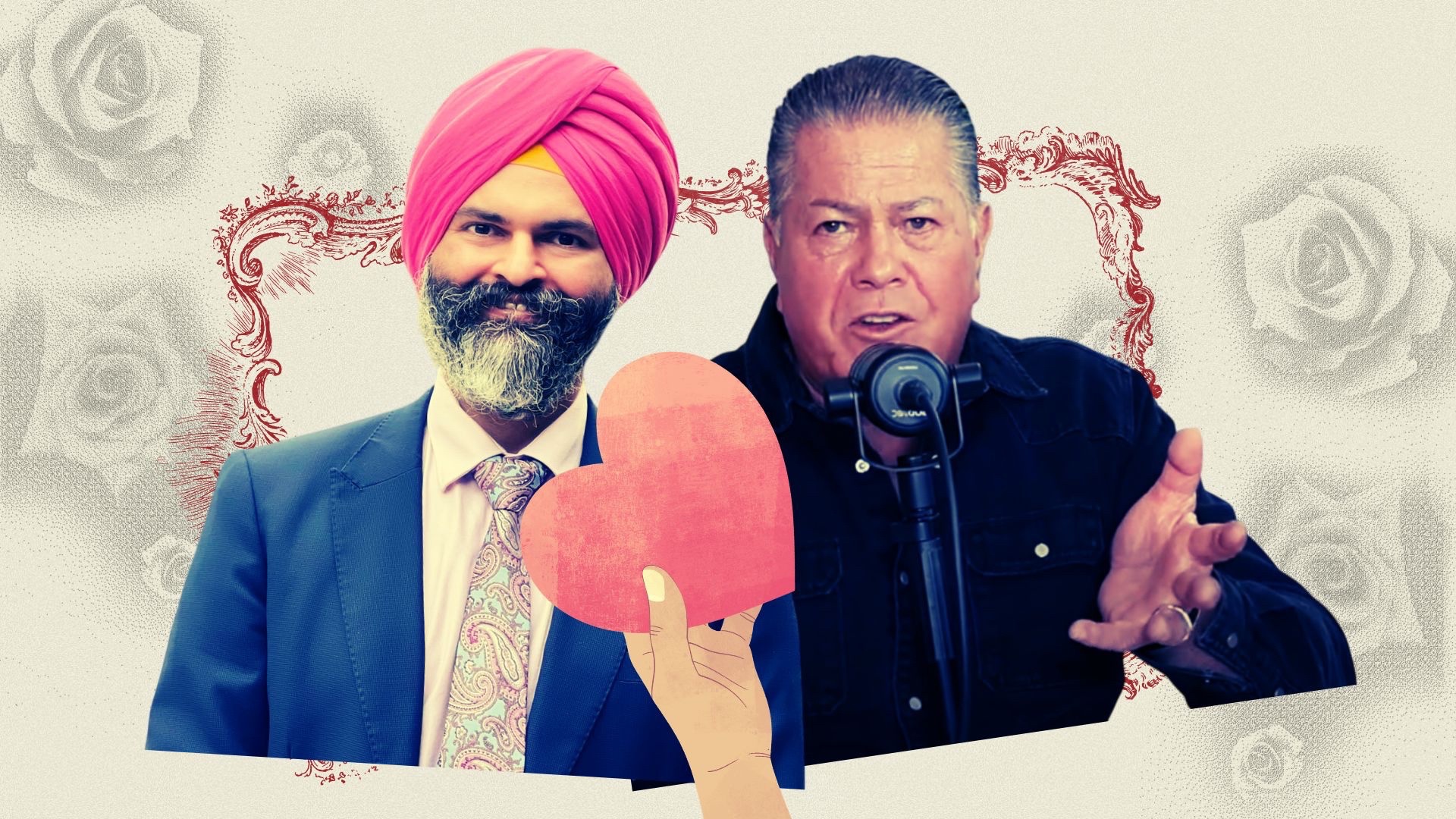
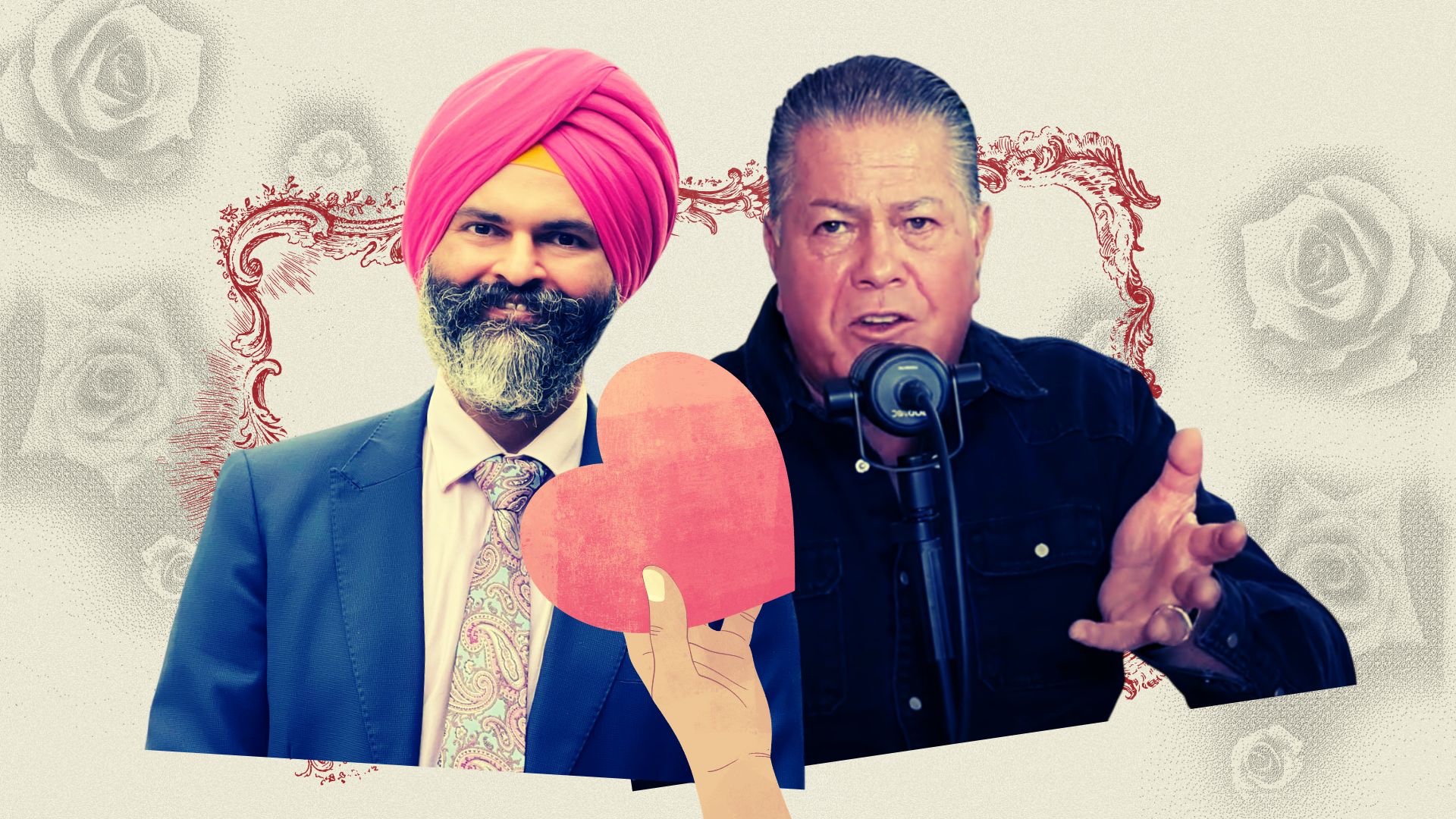
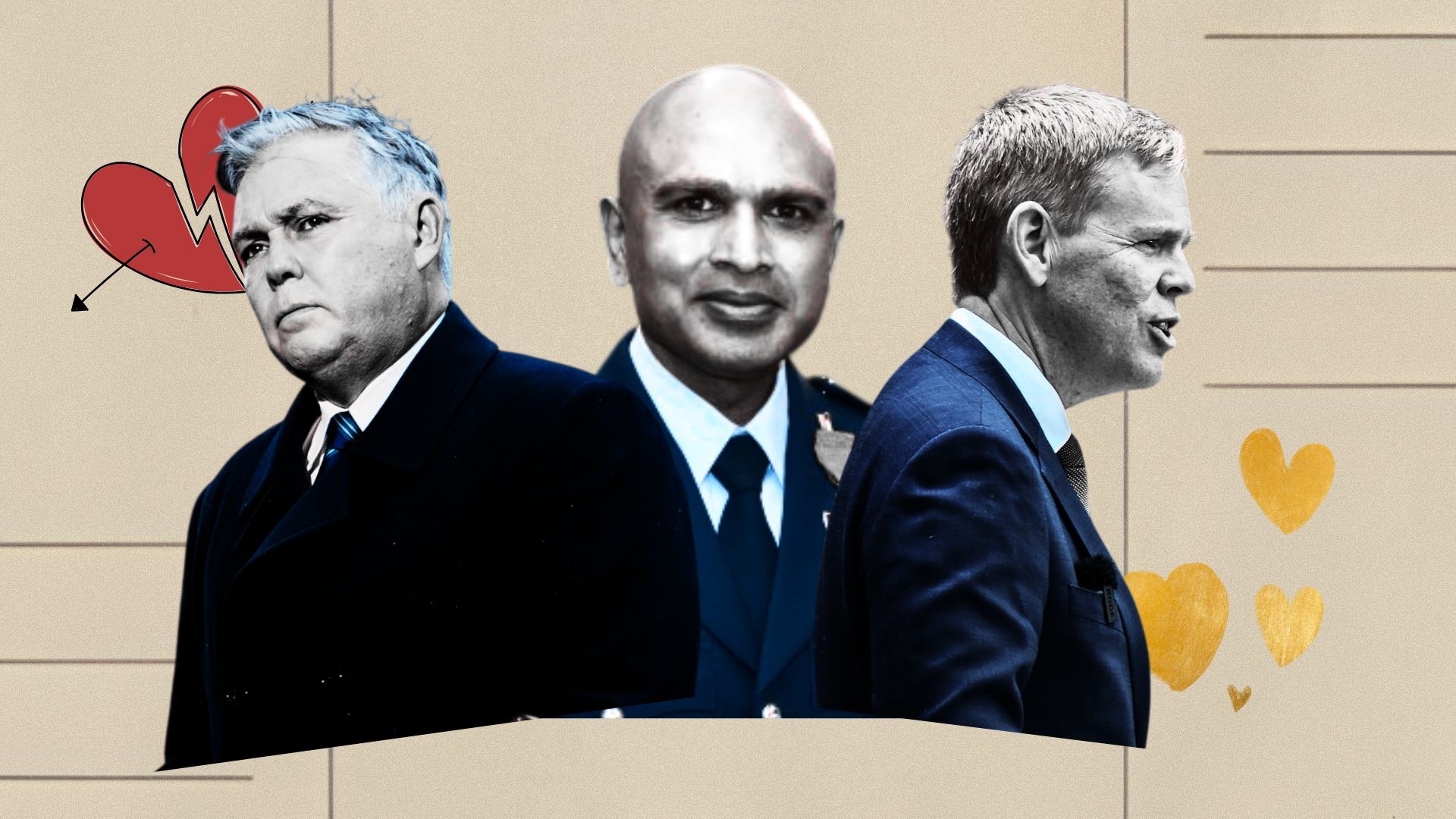
The Labour Party has selected Kharag Singh, an Indian Sikh and local supermarket owner, to run against sitting National MP Rima Nakhle, who won the seat off Labour's Neru Leavasa by a hefty margin in 2023.
The electorate has one of the highest percentages of Indian households in the country, and so the vote will truly test whether this cohort can collectively unite behind a candidate aligned with a recognisable heritage.
Why is the contest interesting?
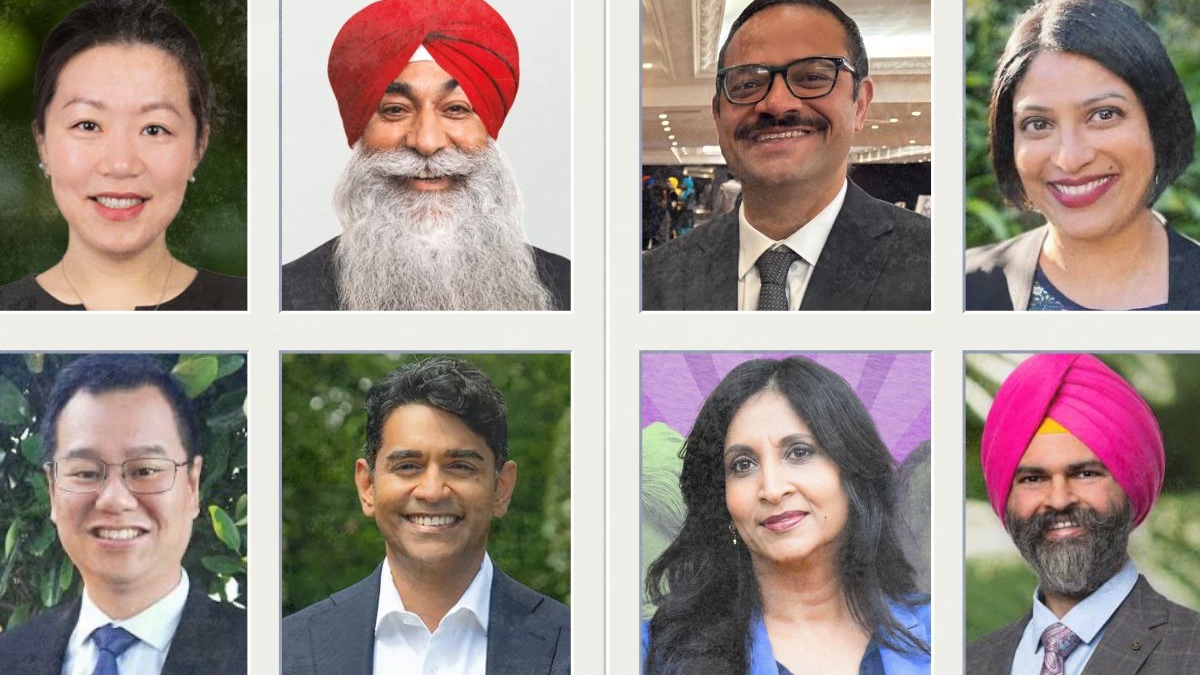
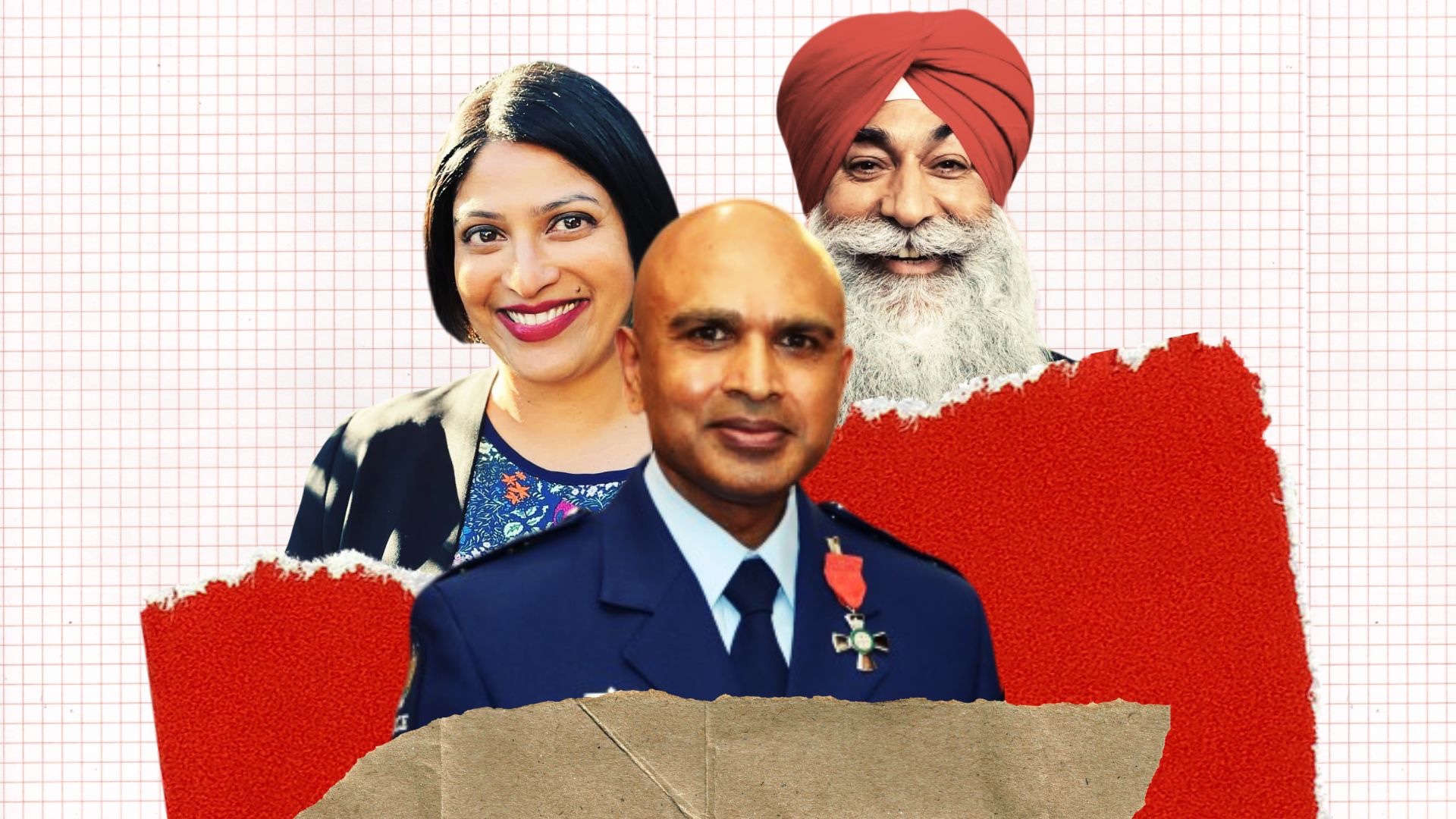
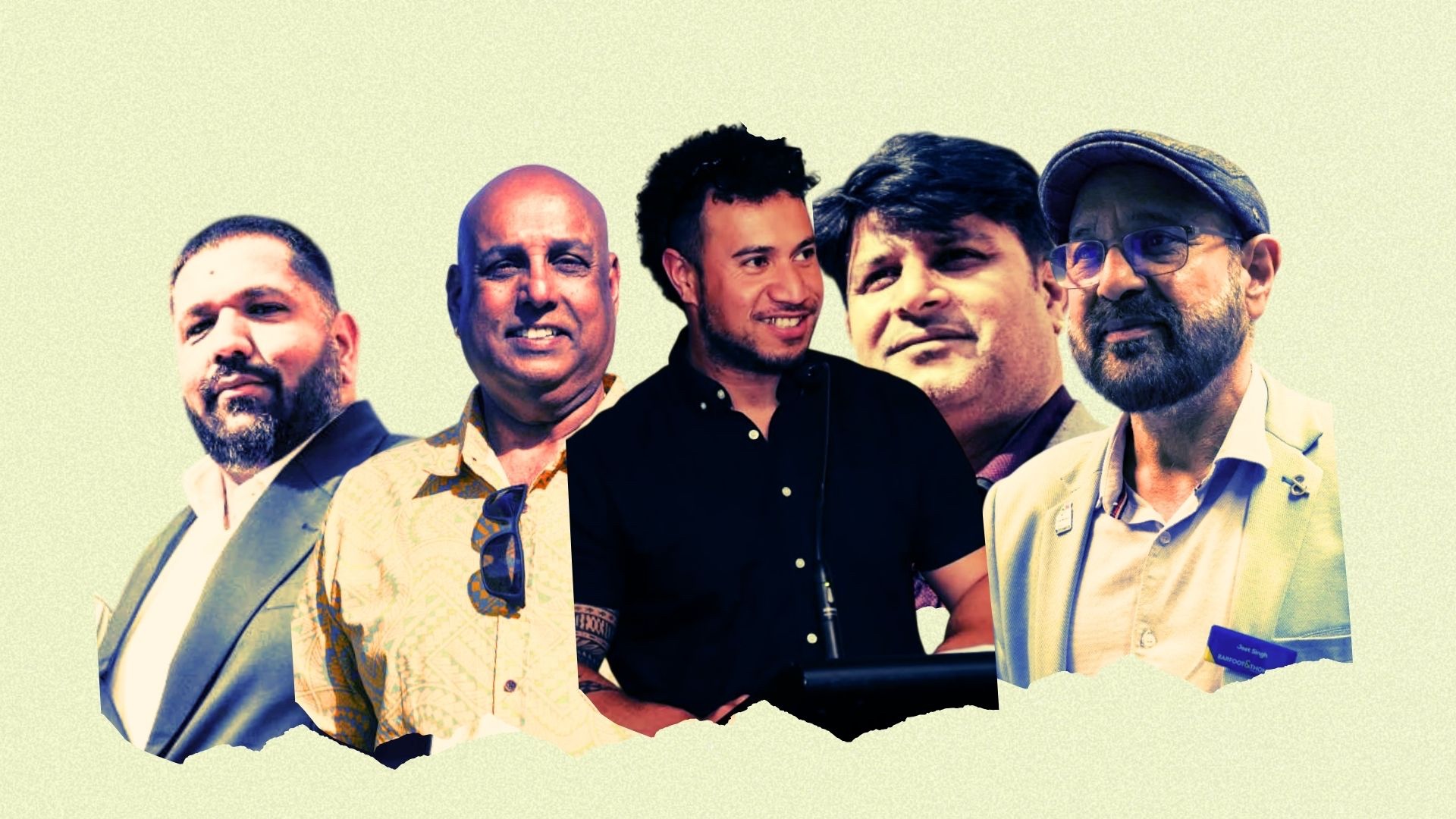
Of the six Indian-origin lawmakers in Parliament's 172-year history, only two have won electorate seats.
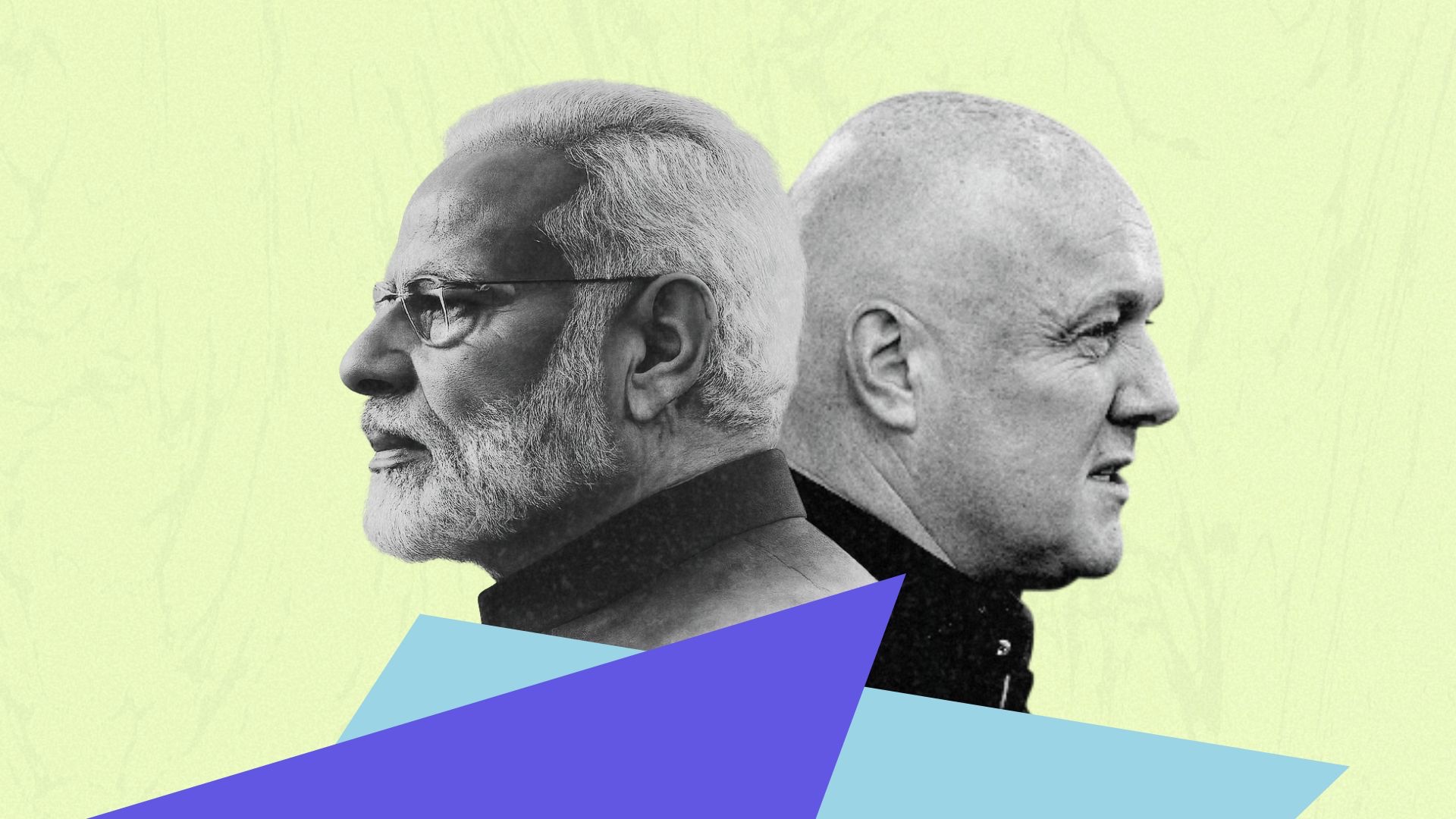
Election 2026: Will Kiwi-Indian voters decide the battle for Takanini? A South Auckland seat with one of New Zealand’s biggest Indian populations is shaping up as a test for ethnic identity and the ballot box.
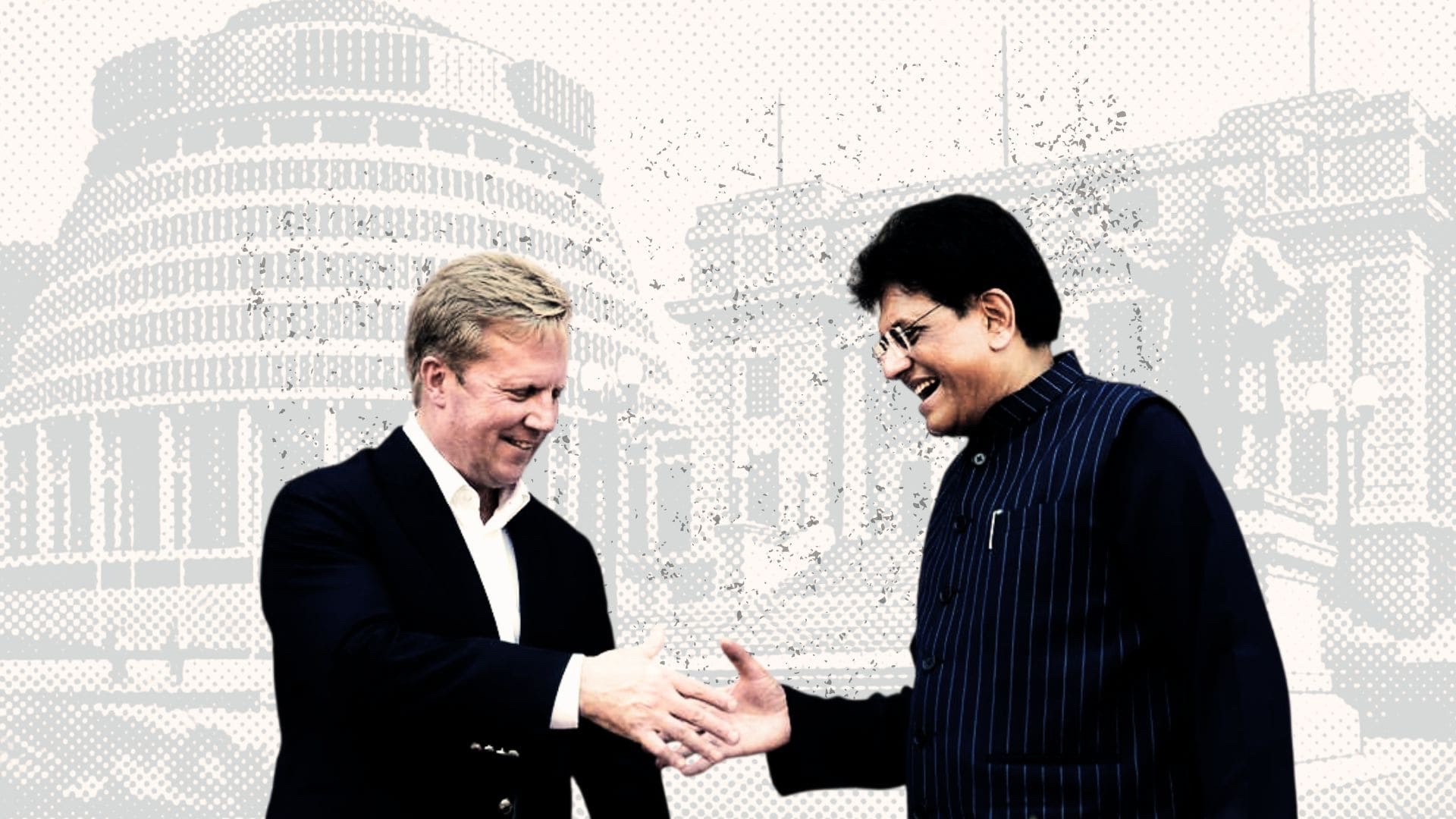
India is coming to Auckland: Full schedule revealed for cricket, football, hockey, Diwali From the Black Caps and All Whites taking on India to Diwali, hockey, bowls and city-wide light displays, Auckland has revealed its sporting centenary programme.
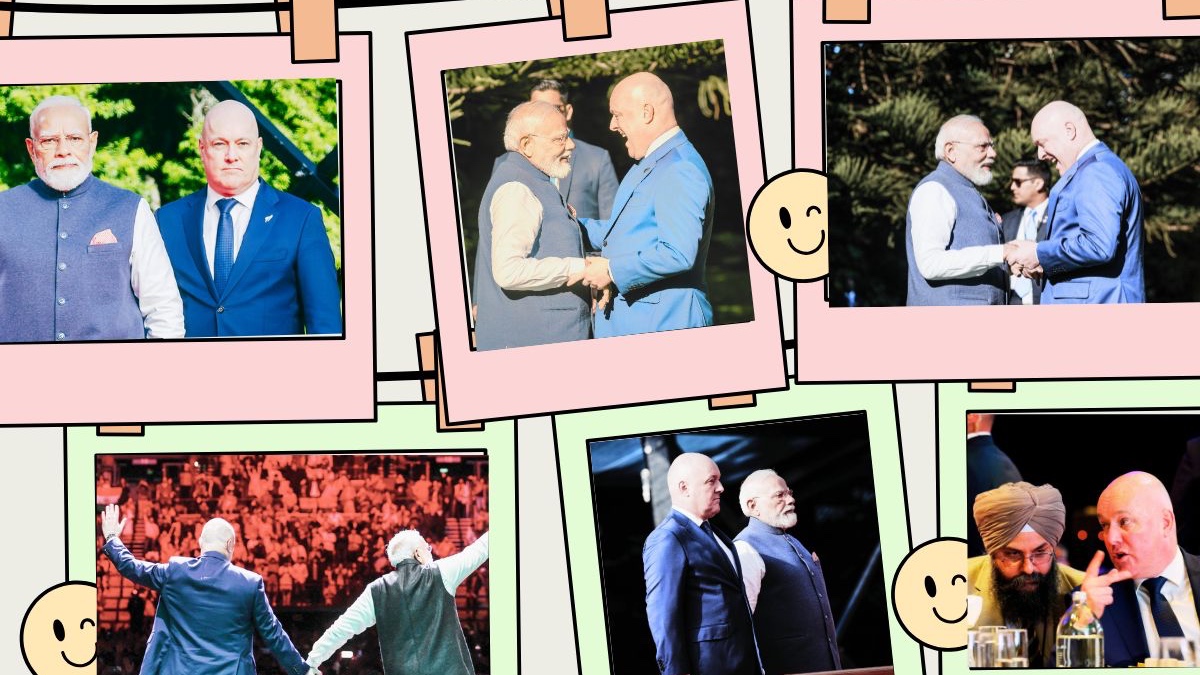
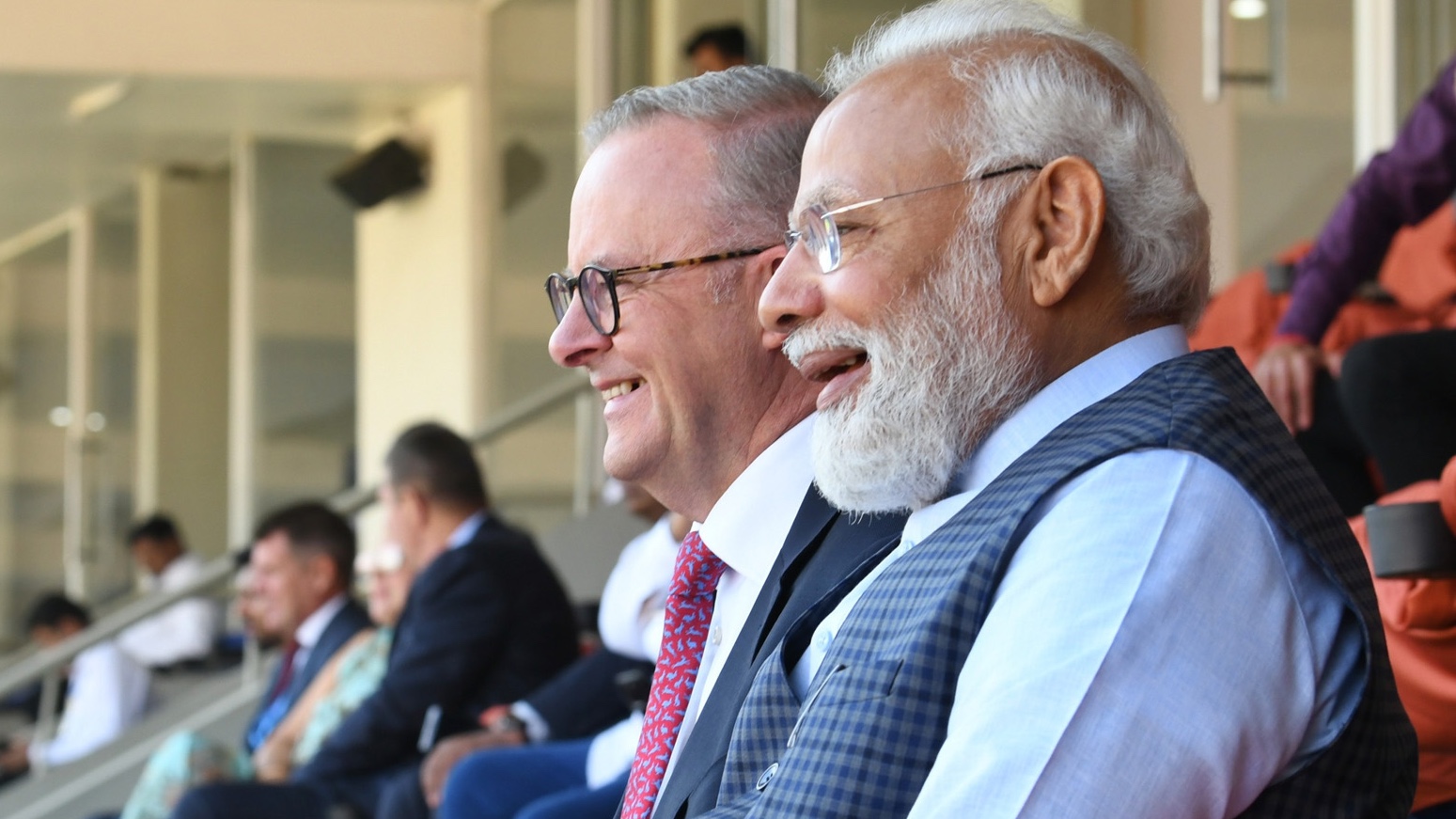
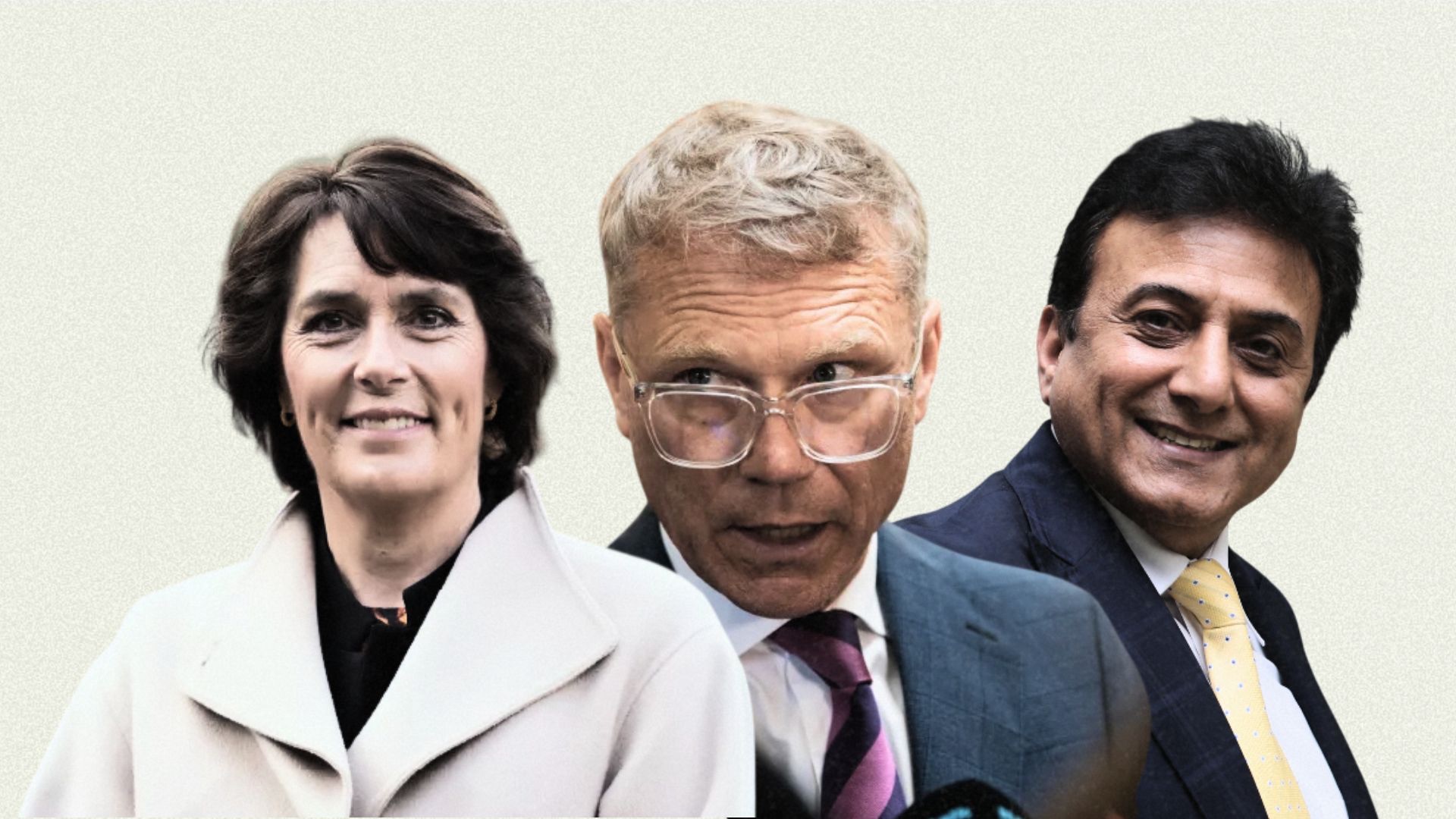
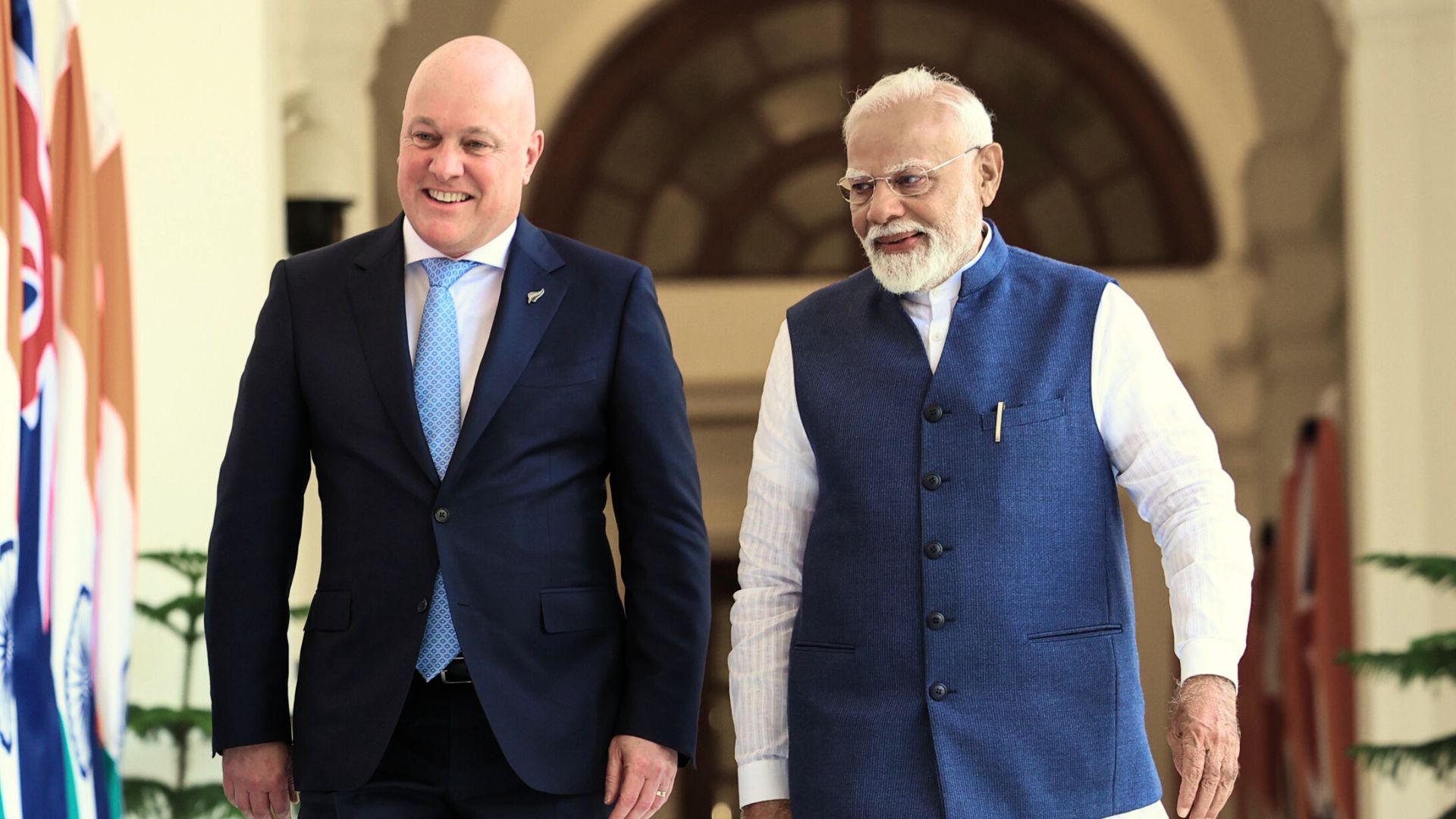
What does an Indian-origin MP owe Kiwi Indians? Priyanca Radhakrishnan on identity, belonging The three-term Labour MP says you can be Indian and Kiwi. Why should belonging require you to choose sides?
Gaurav Sharma won the Hamilton West electorate in 2020, with Priyanca Radhakrishnan taking Maungakiekie the same year.
However, the 2020 election is widely considered to be an aberration, since Dame Jacinda Ardern's Labour won an outright majority of 64 seats - a first in the MMP era.
Otherwise, Radhakrishnan and four more Kiwi Indian MPs entered Parliament via the party list, largely because Indian-origin candidates tended to stand in electorates that traditionally didn't favour their parties, whether they were standing for National, Labour or New Zealand First.
That's why Singh's nomination for Takanini was interesting, said Ravi Bajpai, former editor of Indian Weekender and now editor of news portal Awaaz.
"Over the last few years, Labour politicians have been quite visible in the Takanini electorate, not just in election years," Bajpai said.
"So, there's surely the realisation that people of Indian origin have a heavy influence in this South Auckland seat.
"The question is: Will this cohort rally behind a political candidate of Indian origin as Indian New Zealanders aren't known to vote en masse on ethnic affinity."
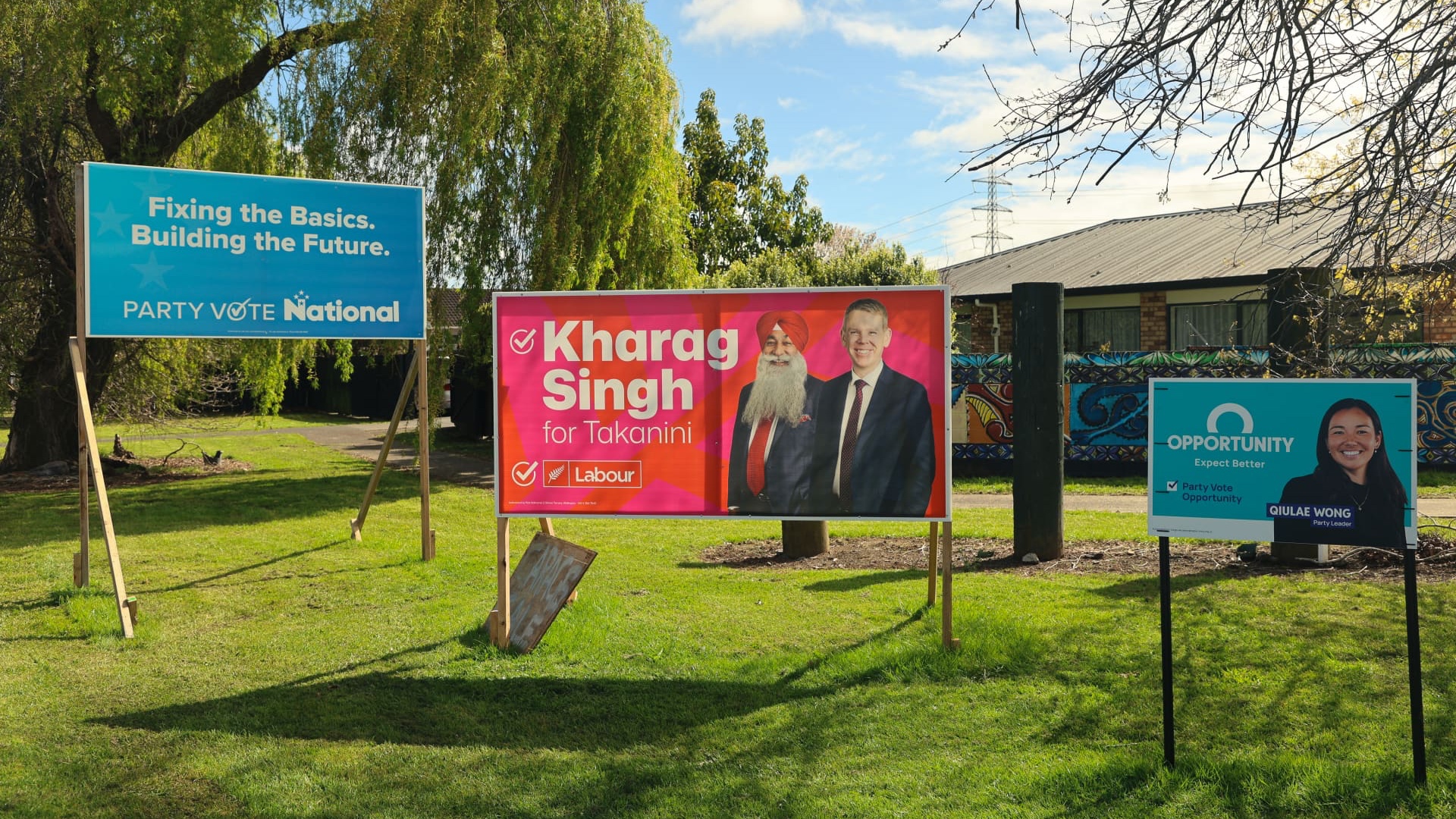
Campaign hoardings for Labour candidate Kharag Singh and other political parties sit on the side of a road in the South Auckland electorate of Takanini ahead of the November election. (RNZ/Blessen Tom)
However, there were signs this might be changing, Bajpai said.
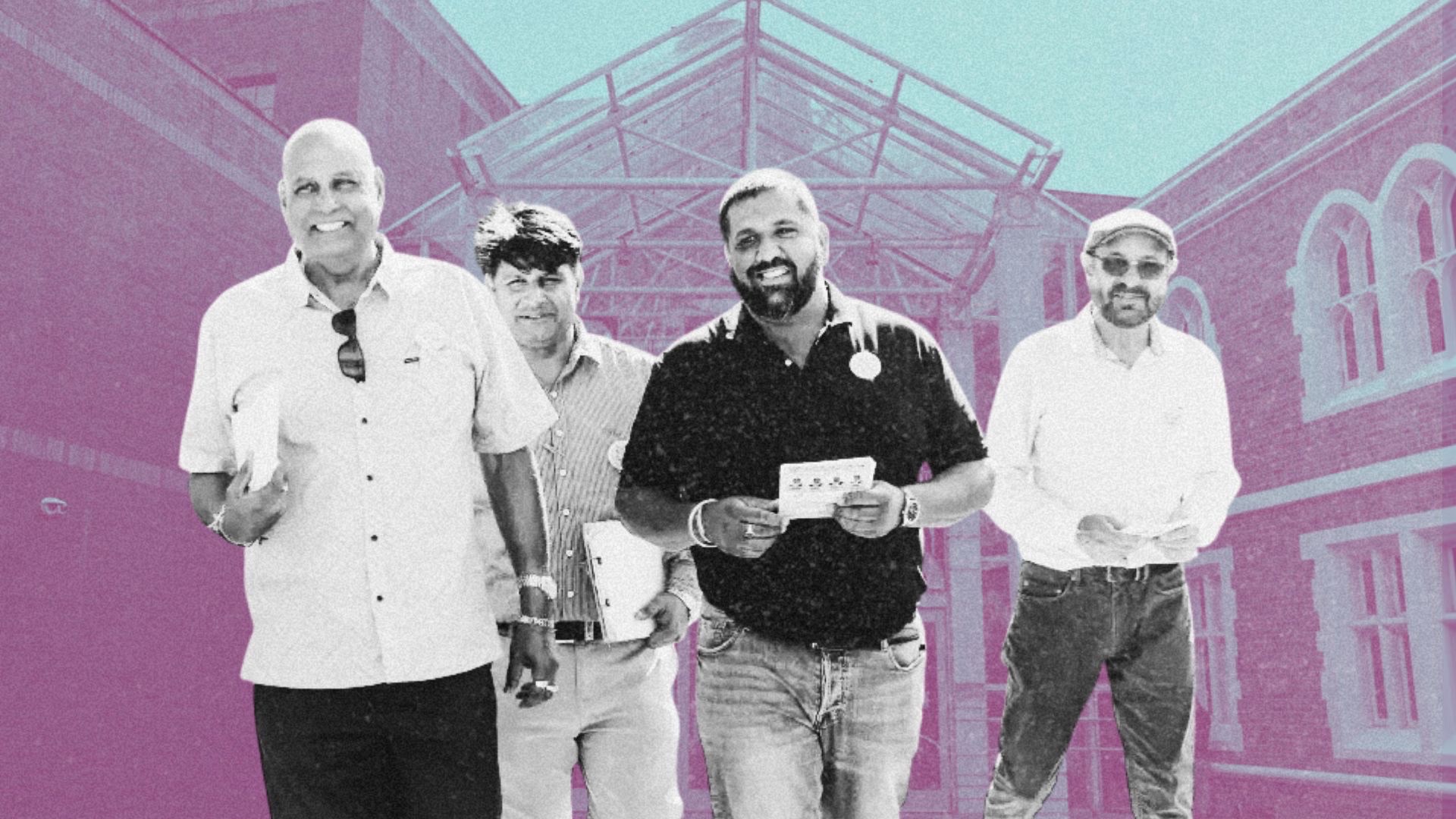
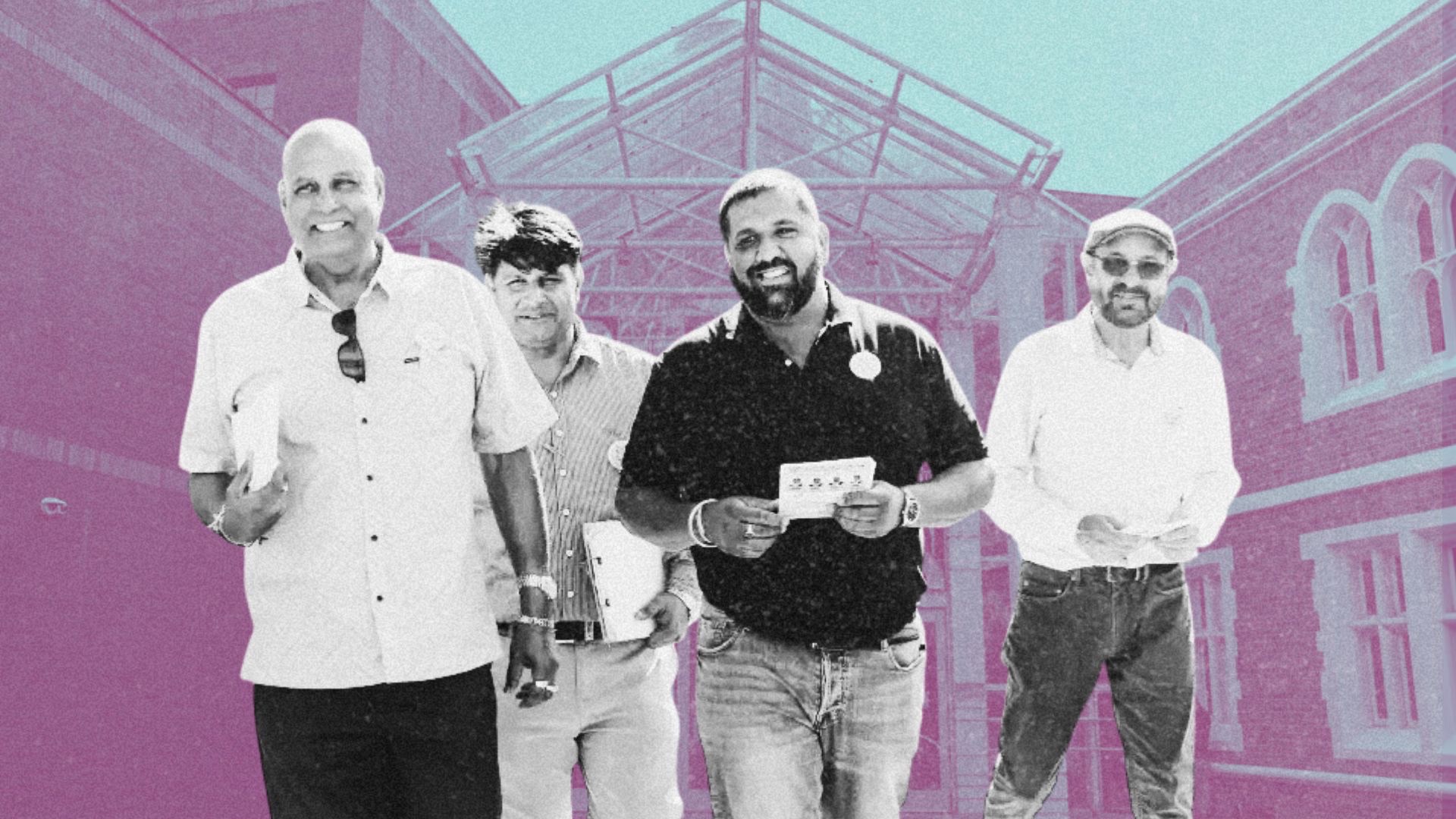
"The local body elections in Papatoetoe last year, and the rerun this year, have demonstrated [that] it is possible to rally Indian New Zealanders as a voting block if the candidate is enterprising enough," he said.
"In fielding Kharag Singh in Takanini, Labour must have had that calculation in mind."
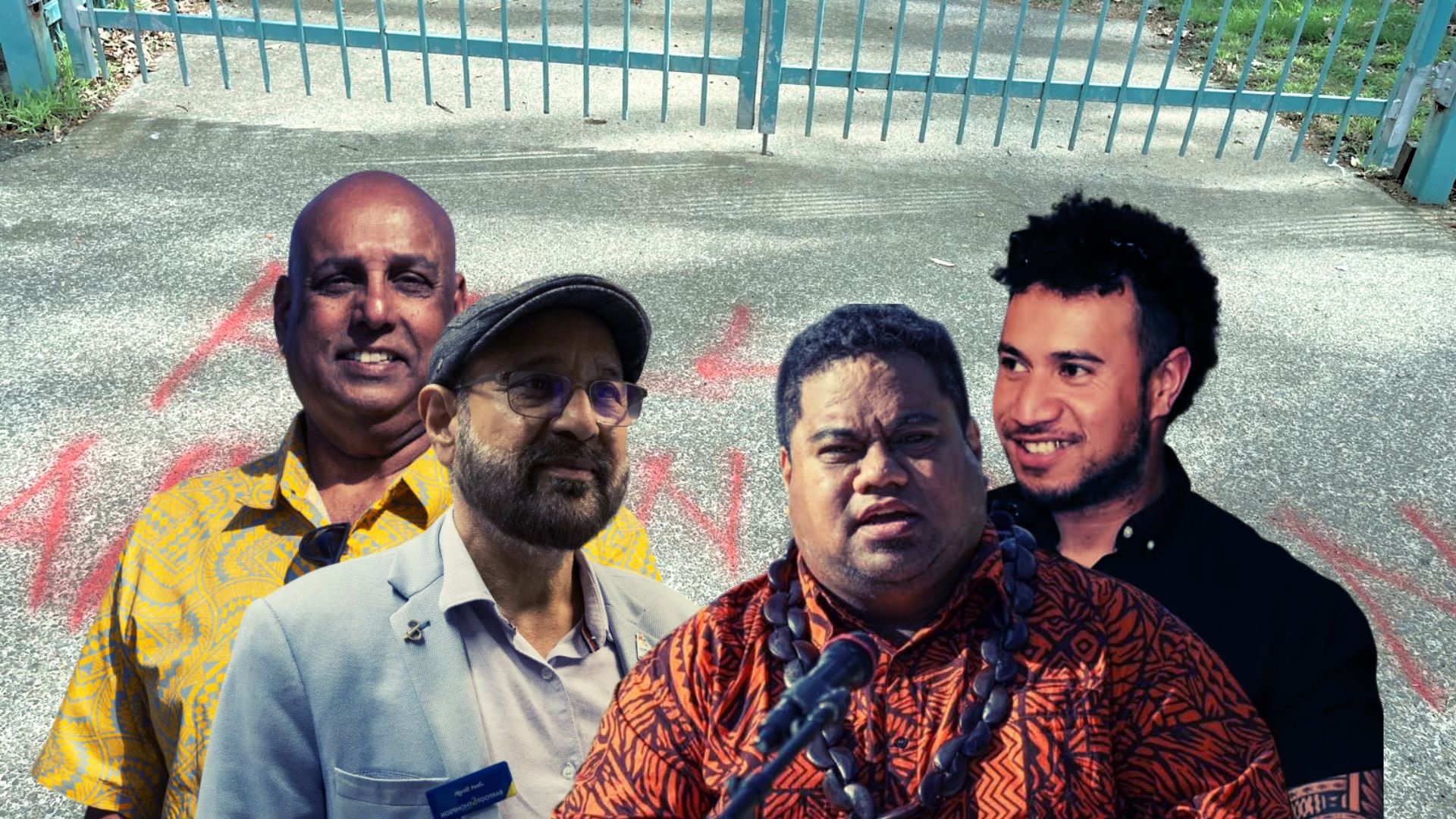
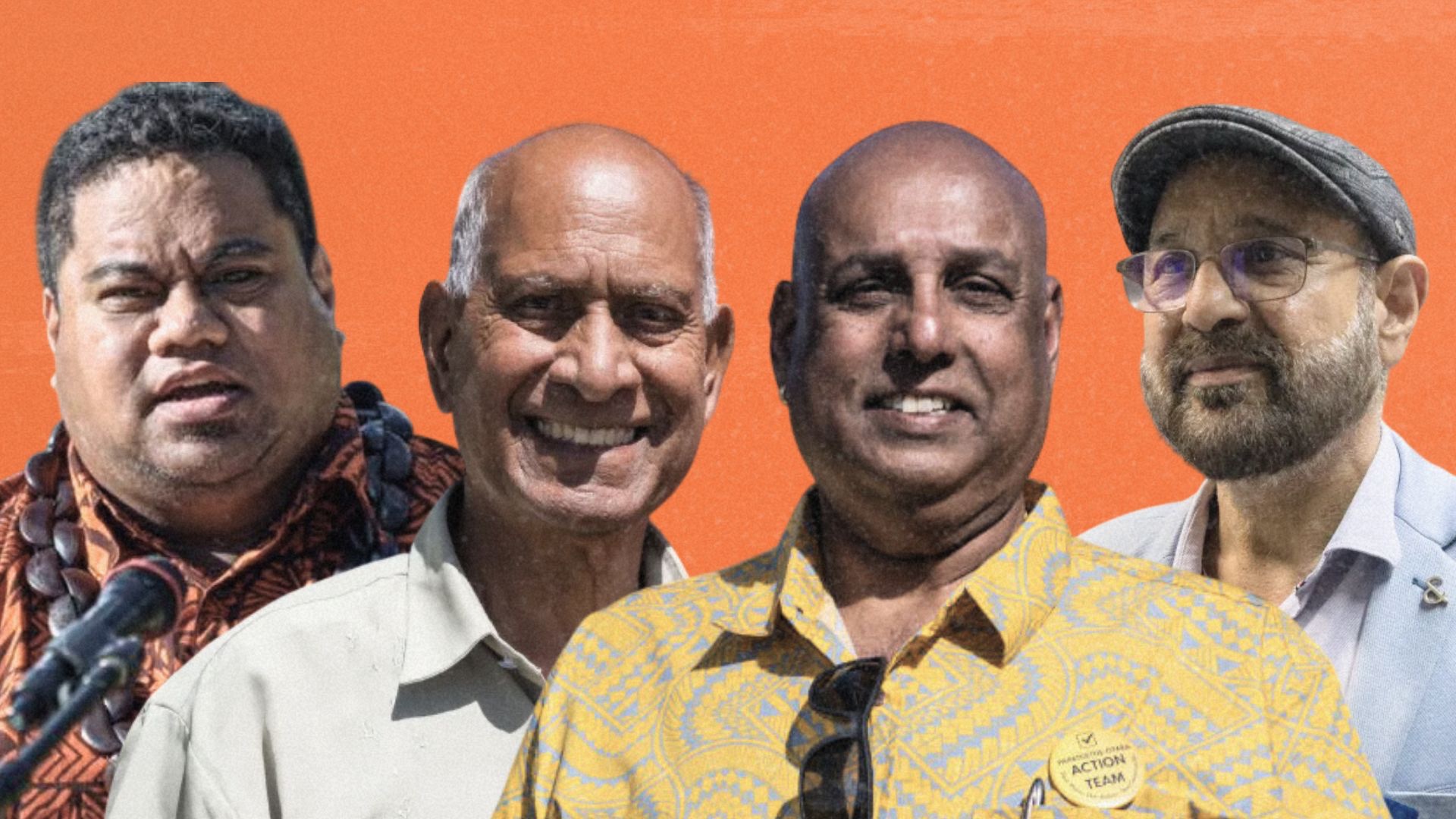
Bajpai was referring to the 2025 local government elections in which four Kiwi Indians running under the Papatoetoe Ōtara Action Team banner won the Papatoetoe subdivision of the Ōtara-Papatoetoe Local Board, beating four strong Labour-affiliated candidates, including former Labour MP Ashraf Choudhary.
After the Manukau District Court ordered a re-election after voting irregularities were discovered, three of the four won again when a new election was held in April this year.
Indian influence in Takanini is reflected in the fact that roughly a quarter of voters in the electorate identify as having Indian ethnicity, which alongside Mount Roskill, is among the highest proportion in the country.
Created before the 2020 election in response to rapid population growth in South Auckland, Takanini drew voters from the Labour stronghold of Manurewa and National-leaning Botany and Papakura.
This makes it a marginal seat from the outset.
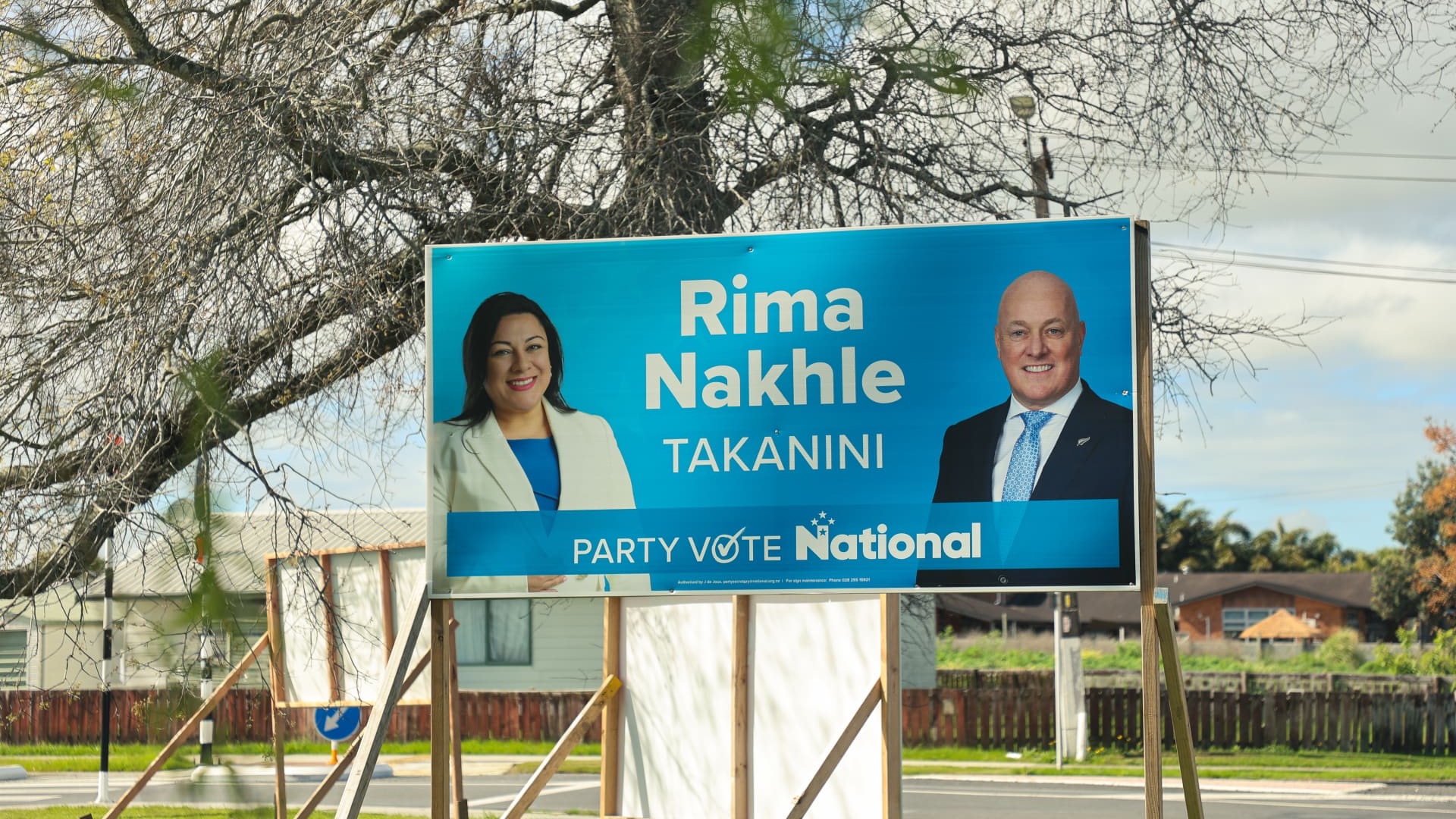
A campaign hoarding for National candidate Rima Nakhle sits on the side of a road in the South Auckland electorate of Takanini ahead of the November election. (RNZ/Blessen Tom)
Venkat Raman, editor of Indian Newslink, warns against making any predictions based on ethnicity alone.
He noted that Takanini shifted from being a large Labour victory in 2020 to a decisive National victory three years later, making it a highly volatile swing seat.
"[The] general elections held in 2020 and 2023 were considerably swept by respective Labour and National waves," he said.
"With the territory redrawn, Takanini accounts for the single largest population of people of Indian origin.
"While it would be presumptuous [for] the entire population to vote for the same candidate, voters will certainly evaluate several factors before deciding to cast their vote."
Several locals RNZ spoke to said household income, occupation, migration history, home ownership, law and order, and access to public services stood out as influential issues that may produce varied voting choices within the same broad ethnicity.
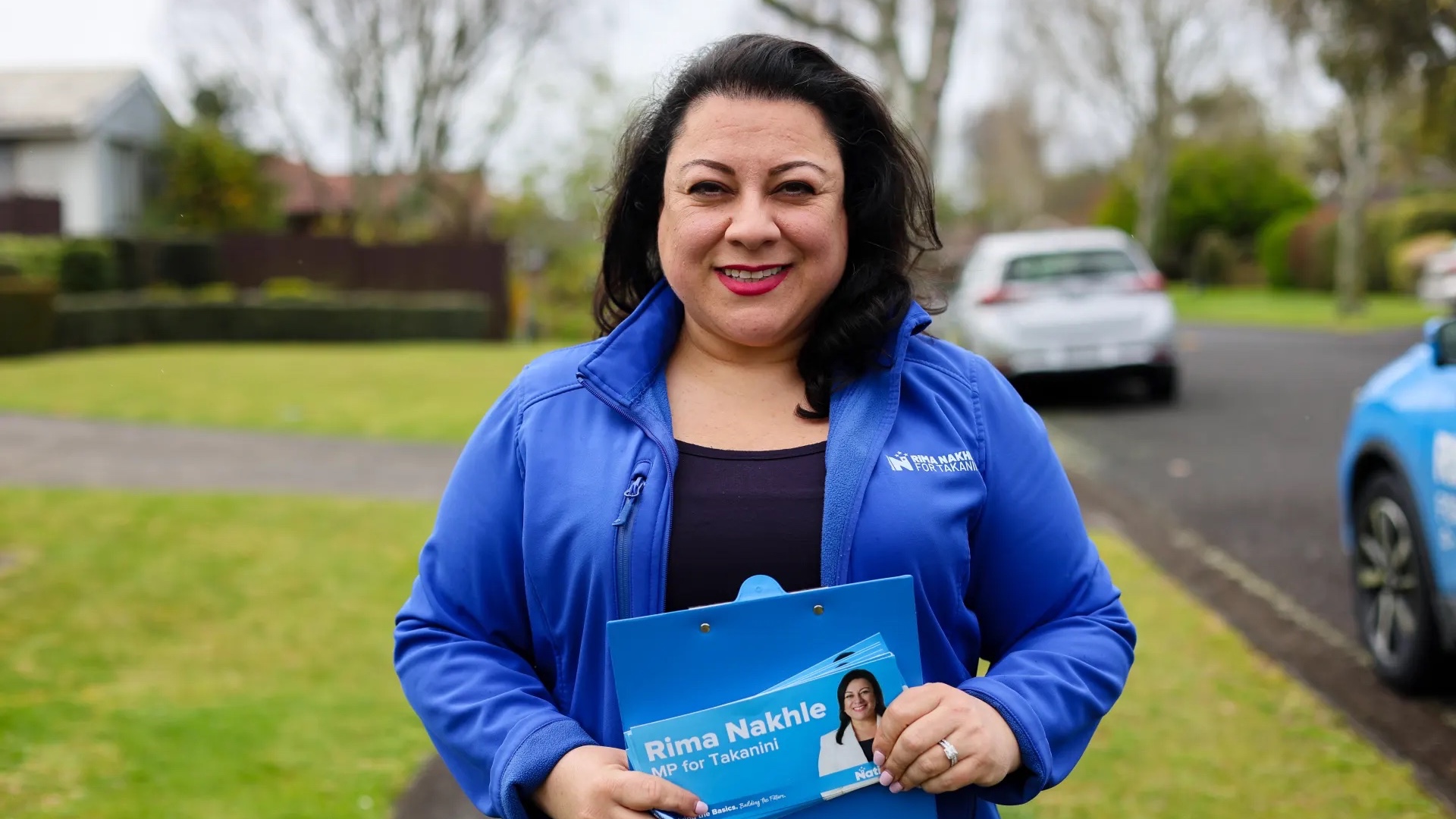
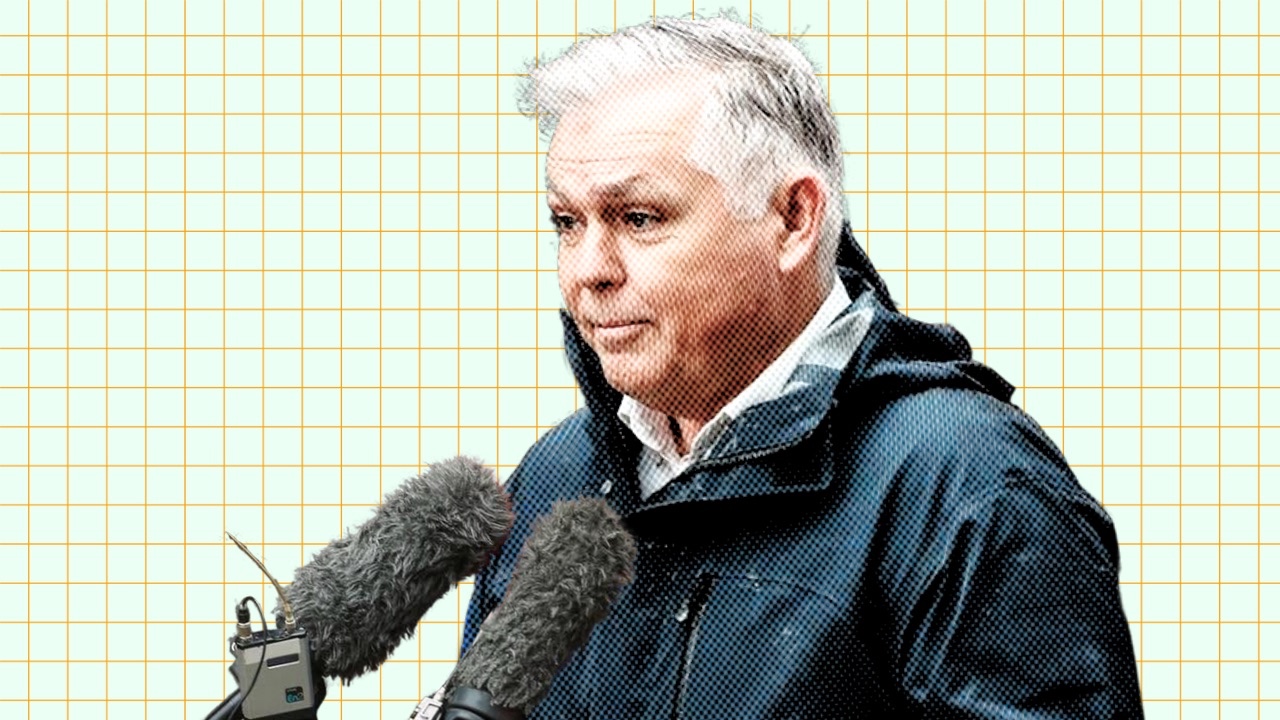
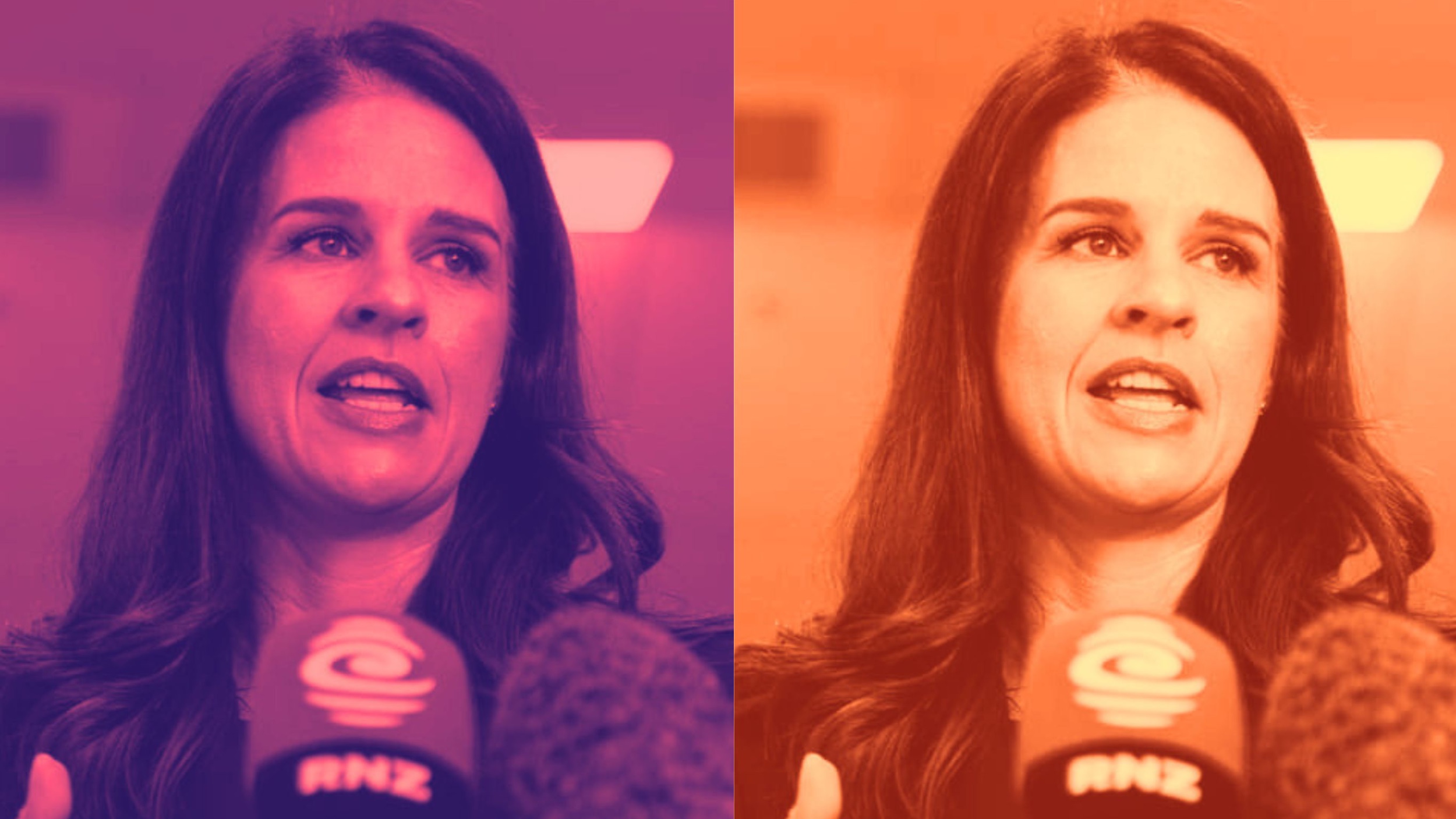
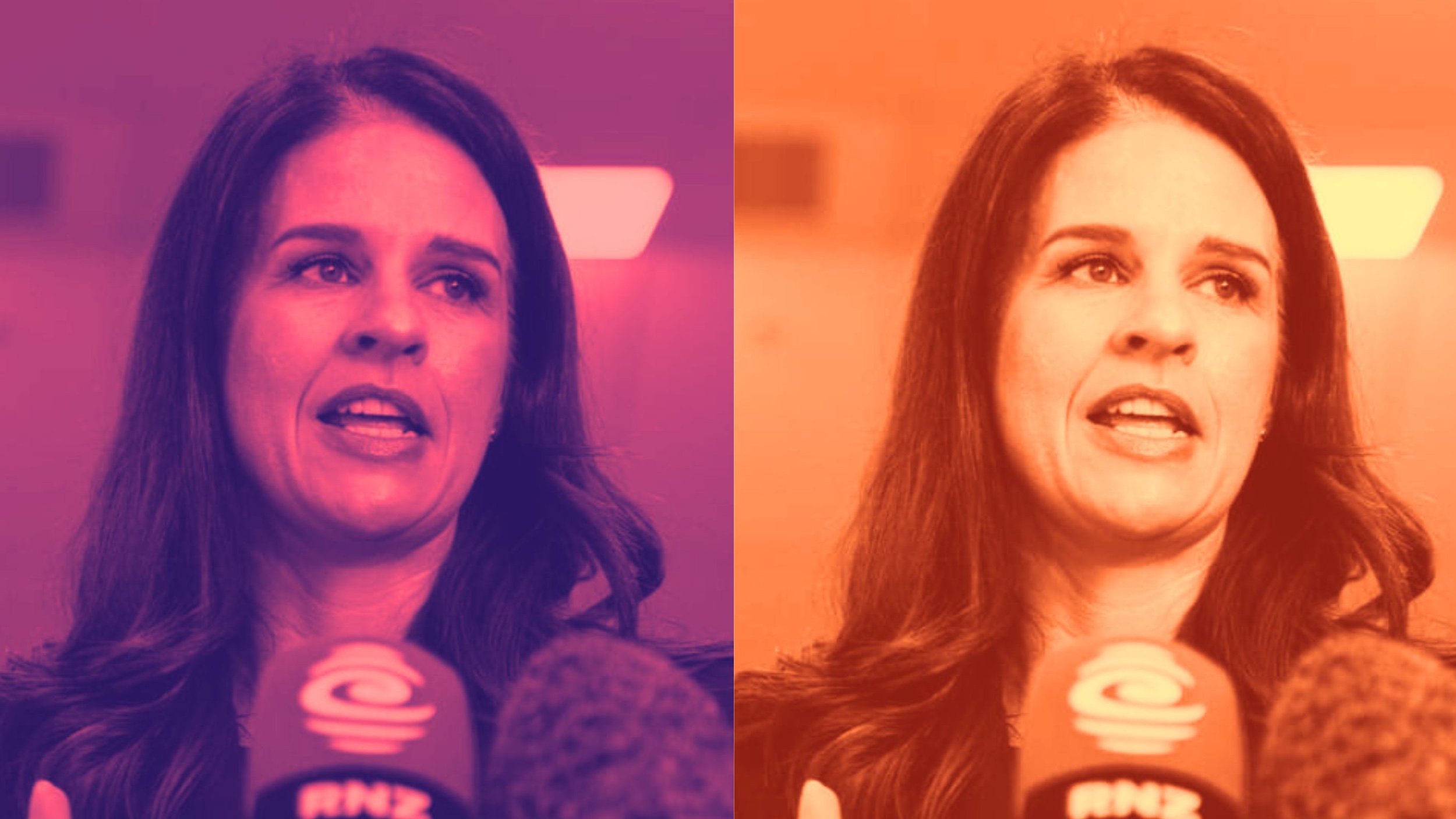
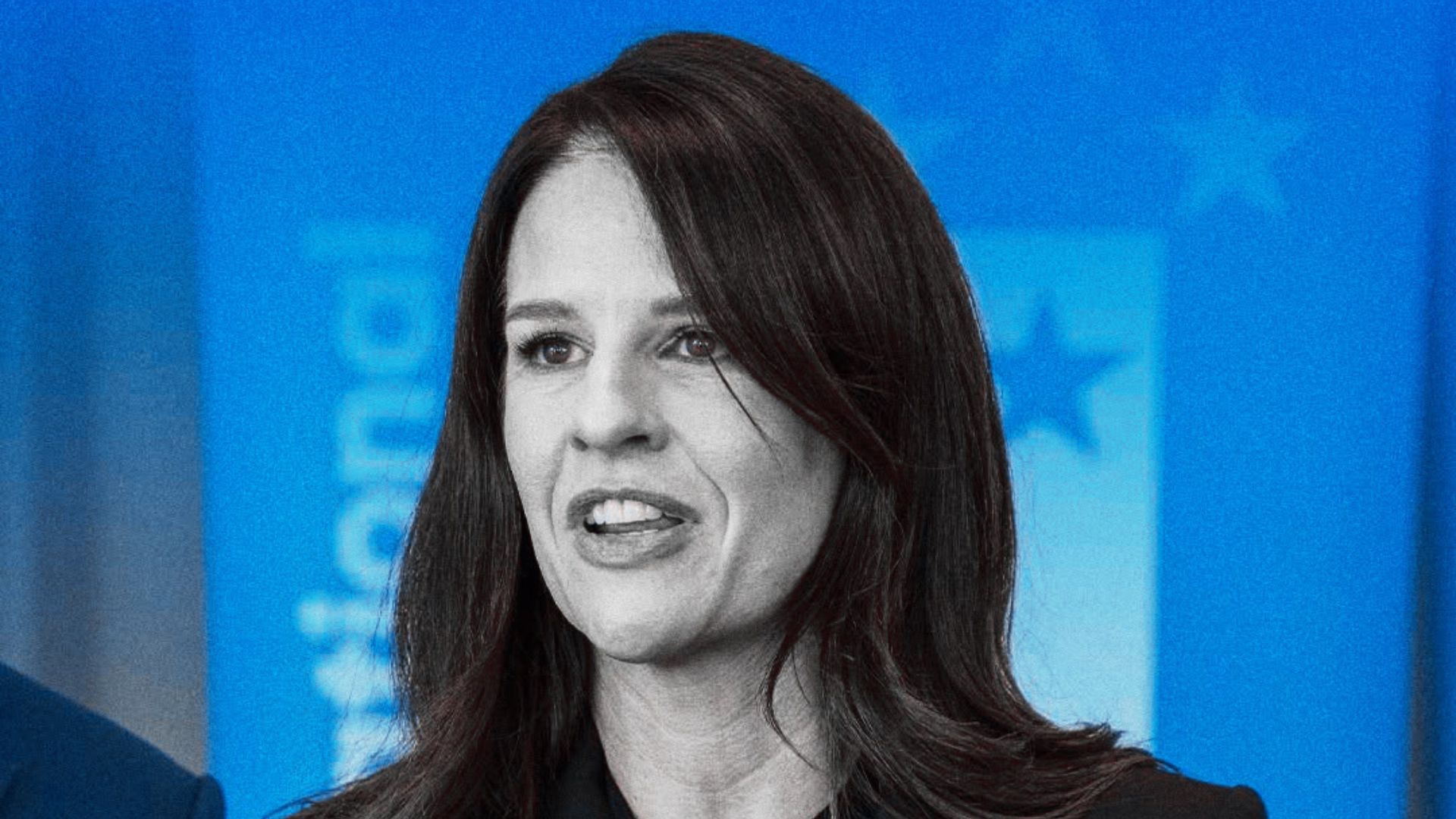
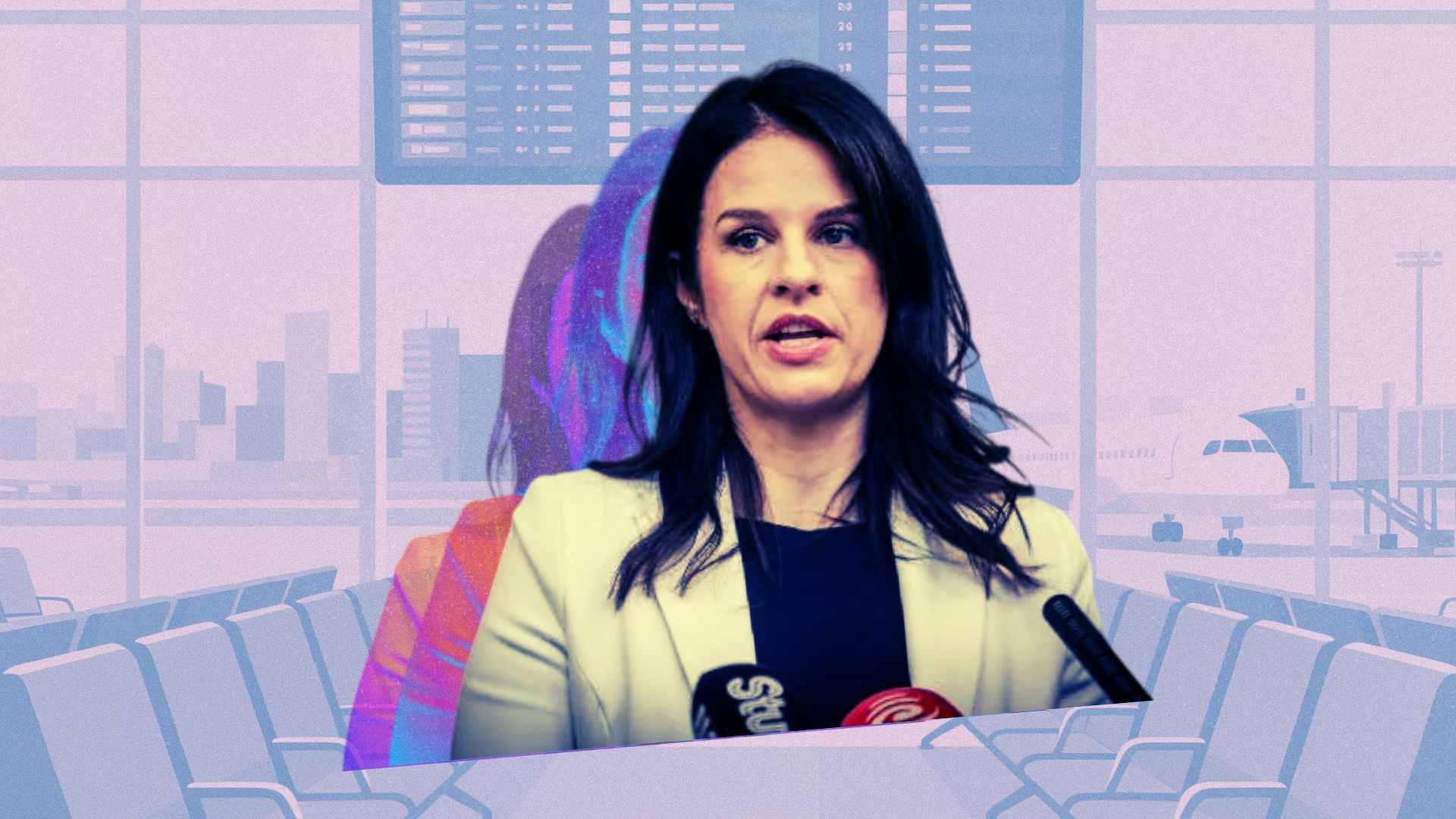
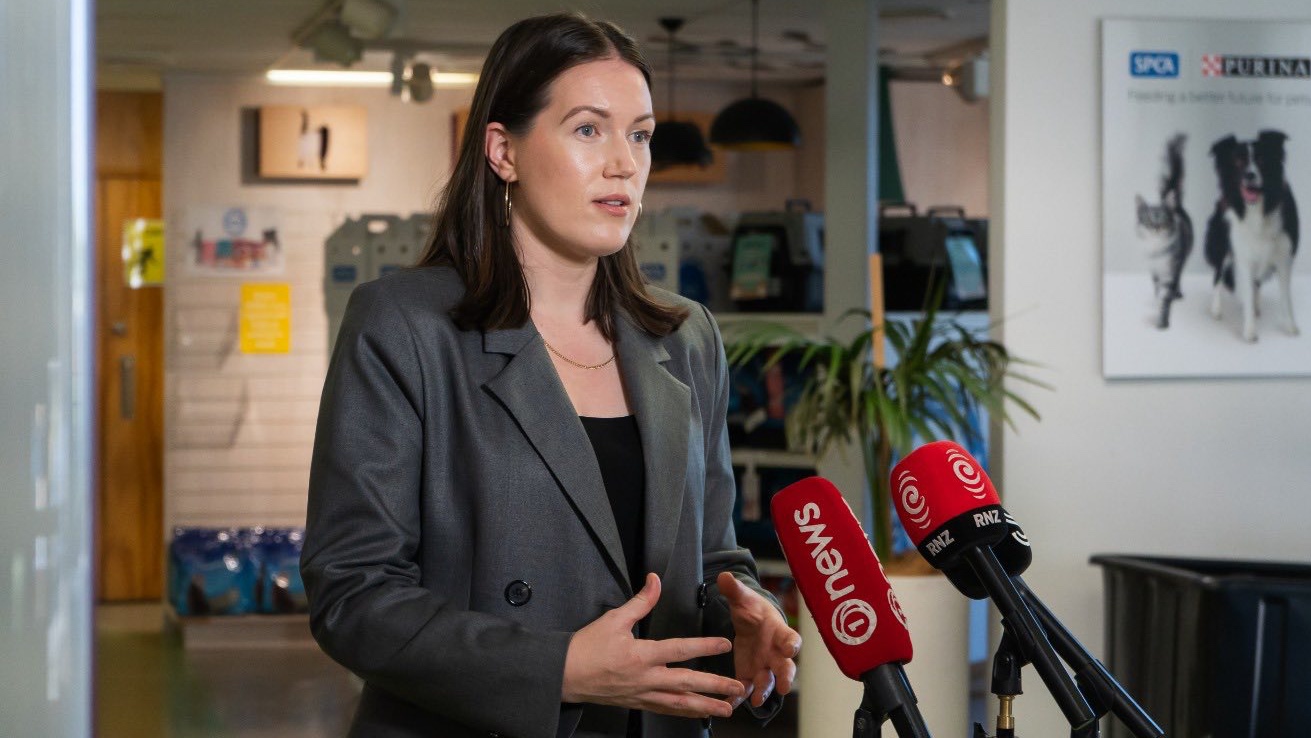
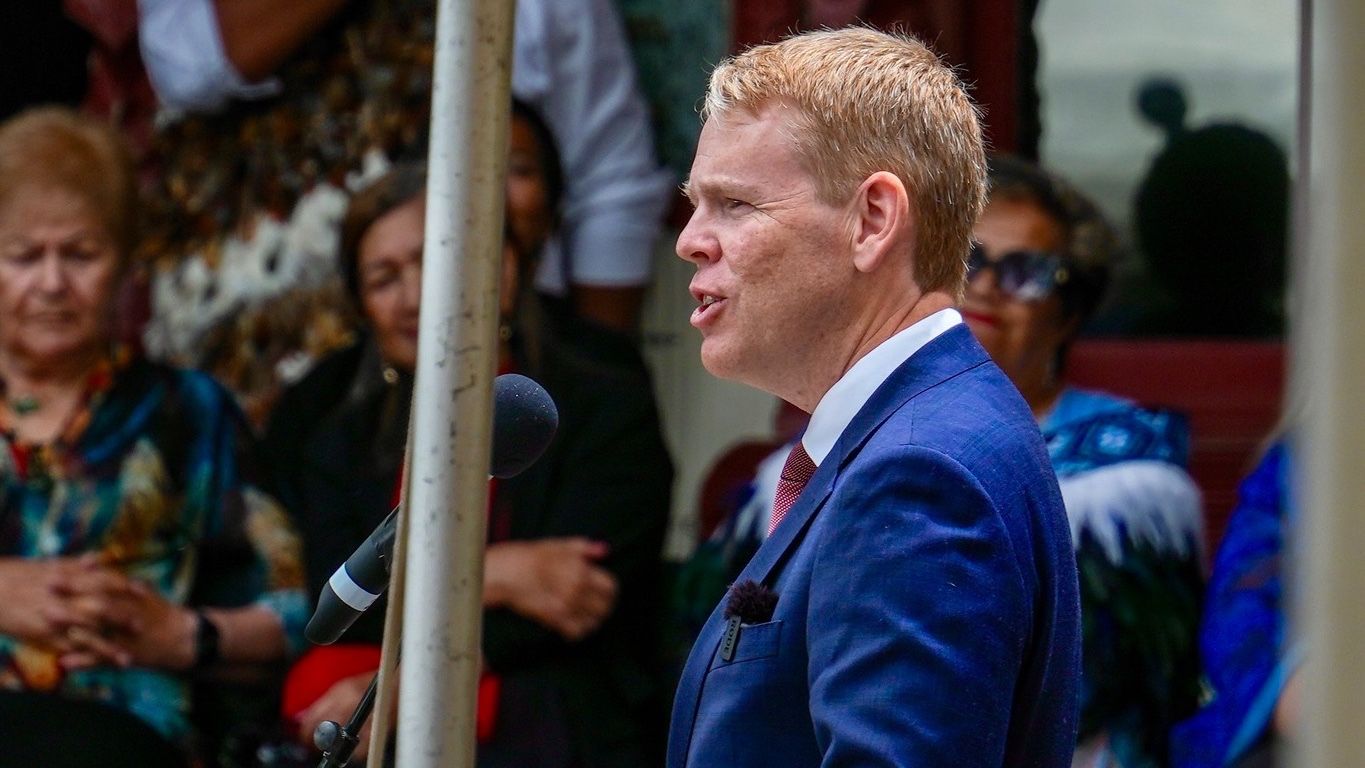
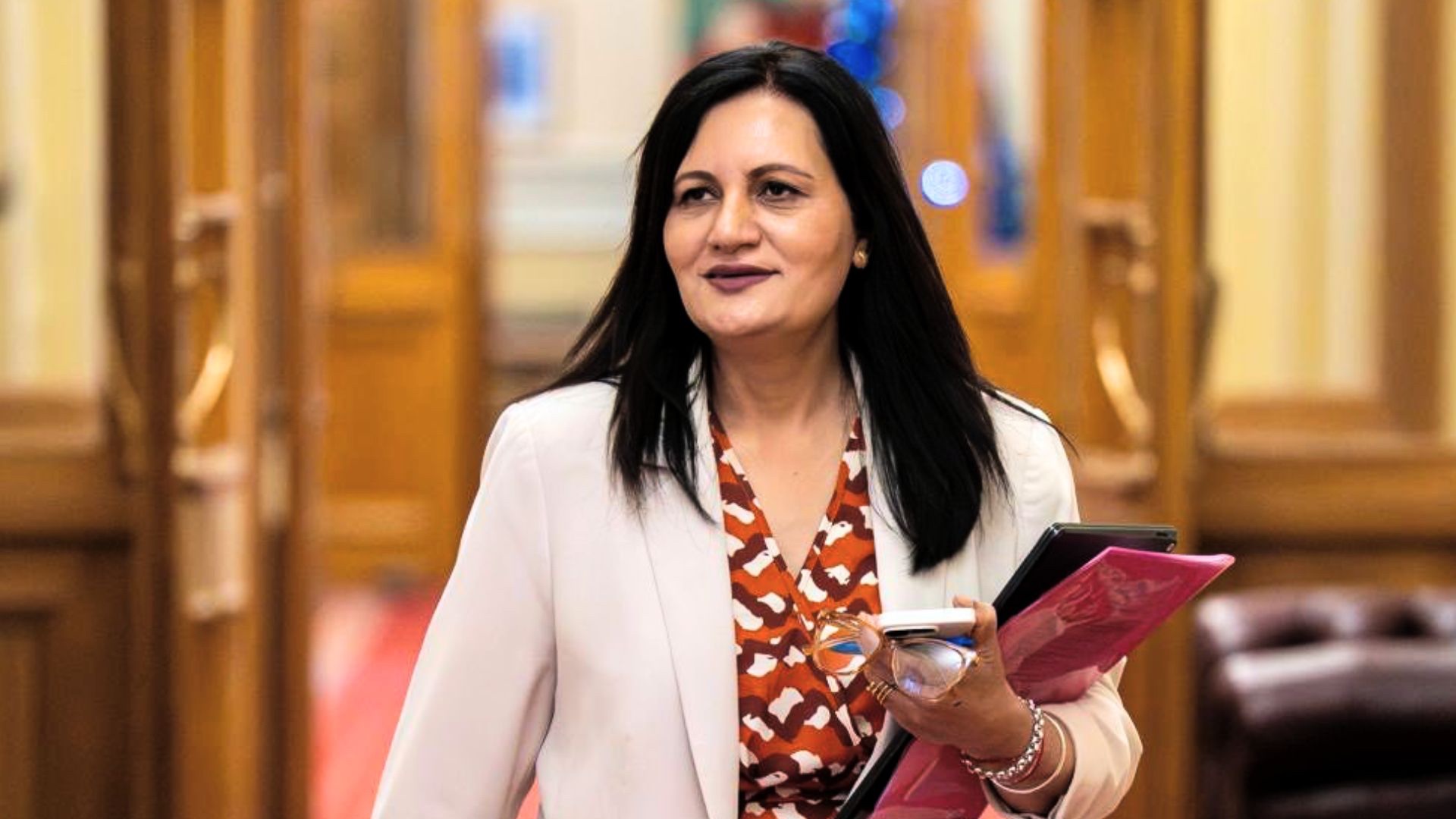
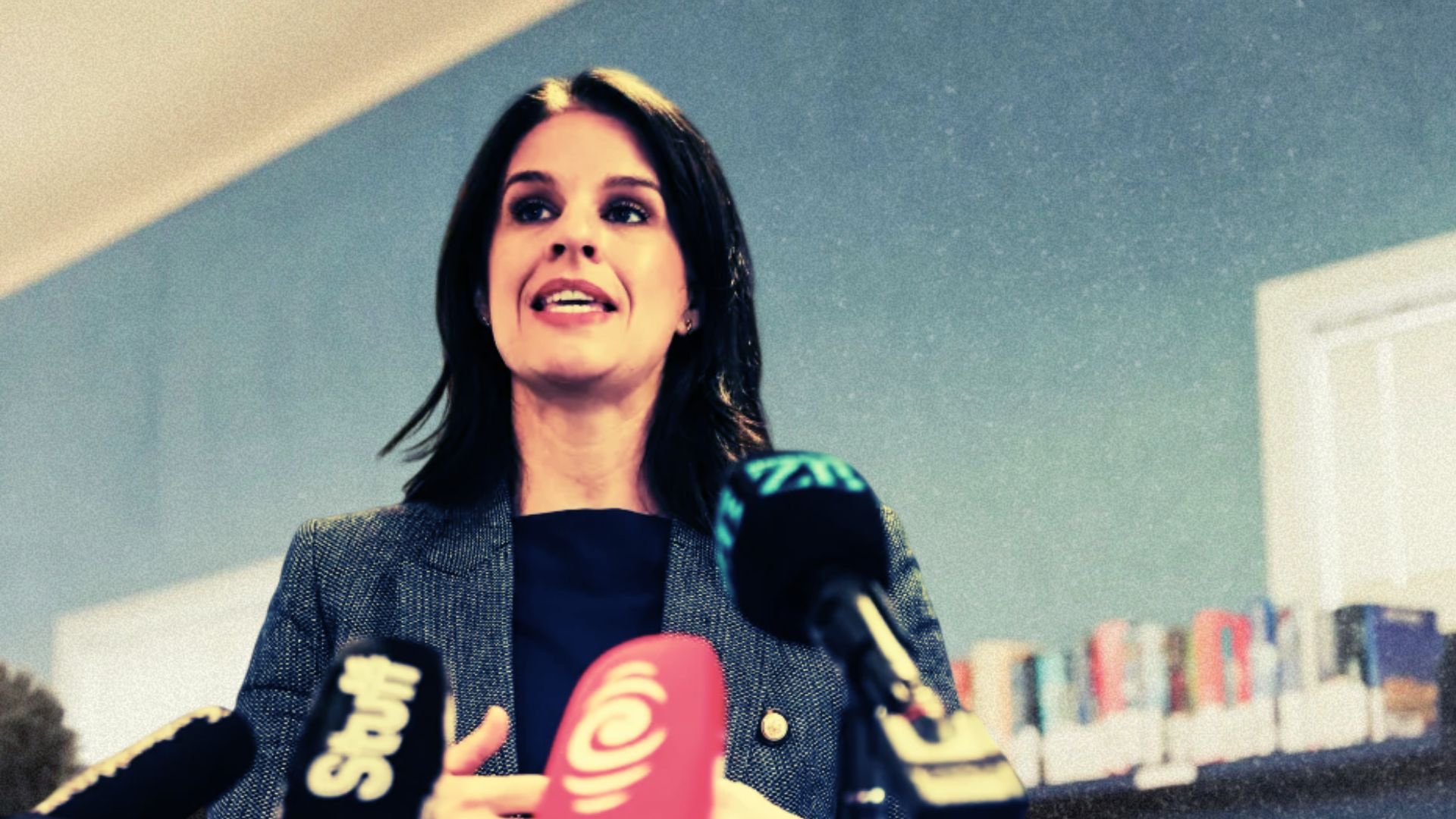
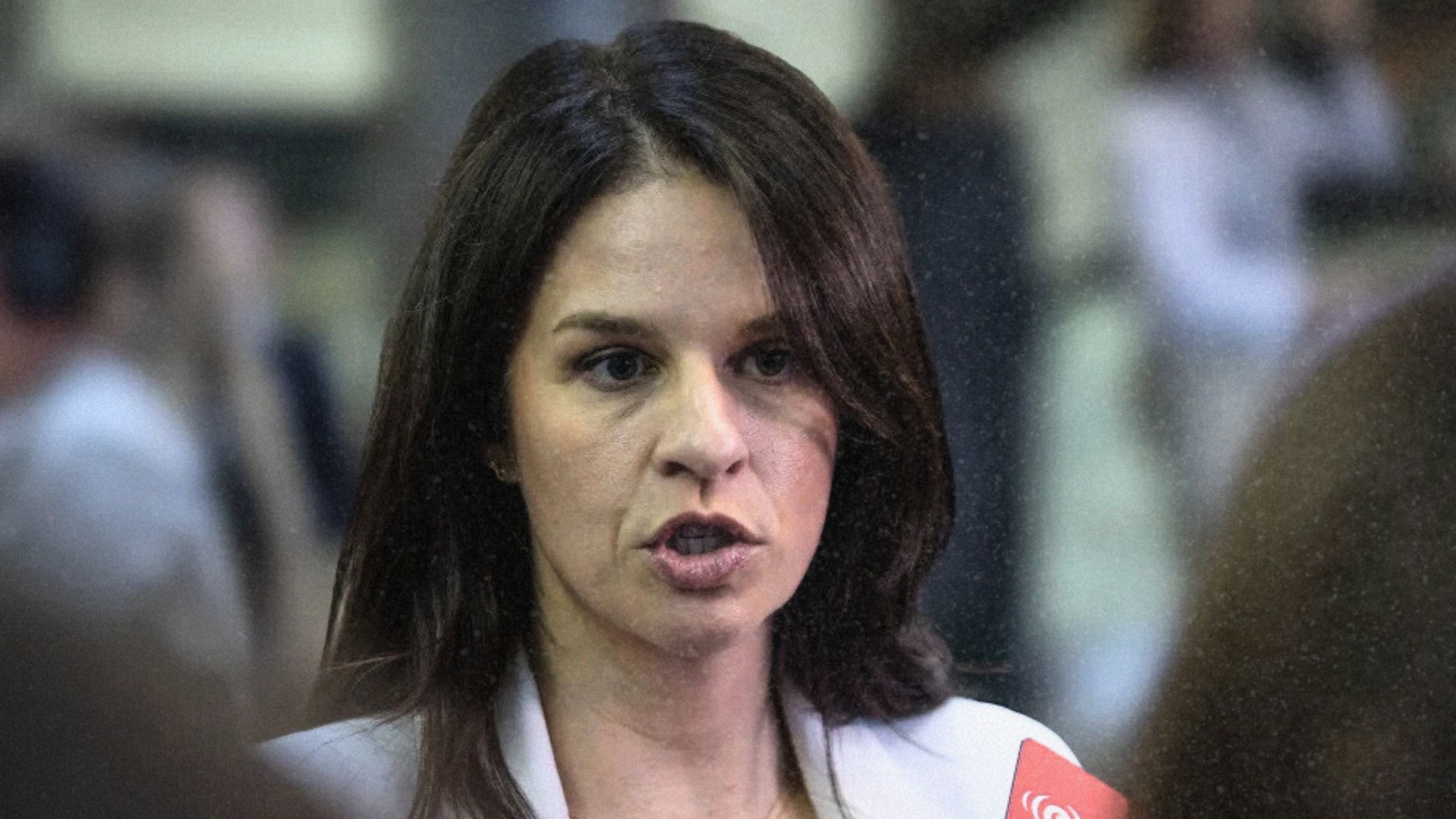
Rima Nakhle is the National Party candidate for the Takanini electorate in the 2026 election. (RNZ/Blessen Tom)
Who's standing and what happened in previous elections?
The above concerns should give Nakhle some confidence.
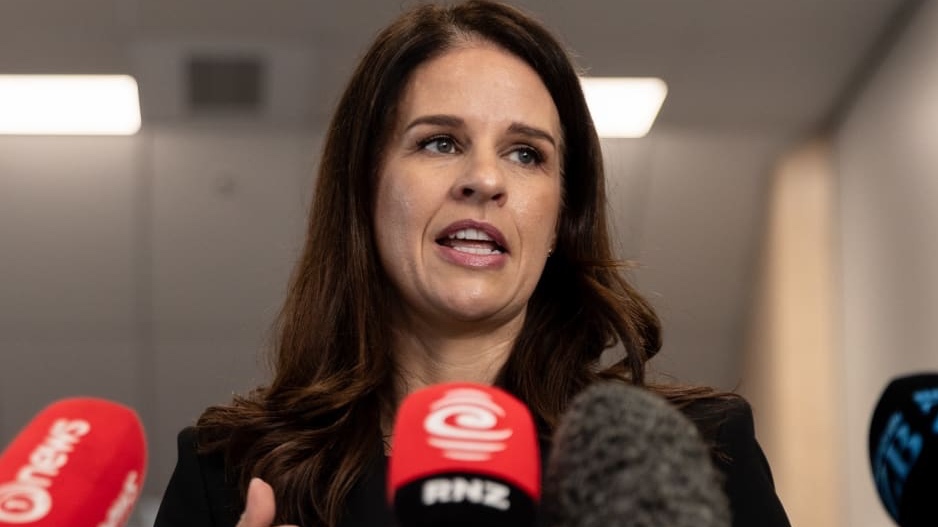
Nakhle is the first New Zealand lawmaker of Lebanese descent and someone who is very visible in the electorate.
That she comes from the influential and wealthy Nakhle family doesn't hurt either.
She is married to Roger Nakhle, son of Elias and Henriette Nakhle, who established the family's large-scale property development business in South Auckland decades ago.
National Business Review estimated the family fortune to be $200 million in 2018.
Calling the past three years an "absolute privilege", the first-term MP enjoyed being able to help a lot of people during her tenure.
She highlighted the ruling coalition's efforts in reducing crime, which seems to have become less of an election issue.
"I meet people regularly who say, 'Thank you for making us feel safe again'," Nakhle said.
She was proud to have been a member of the justice select committee responsible for banning displays of gang insignia in public, reinstating the three-strikes regime and making stalking illegal.
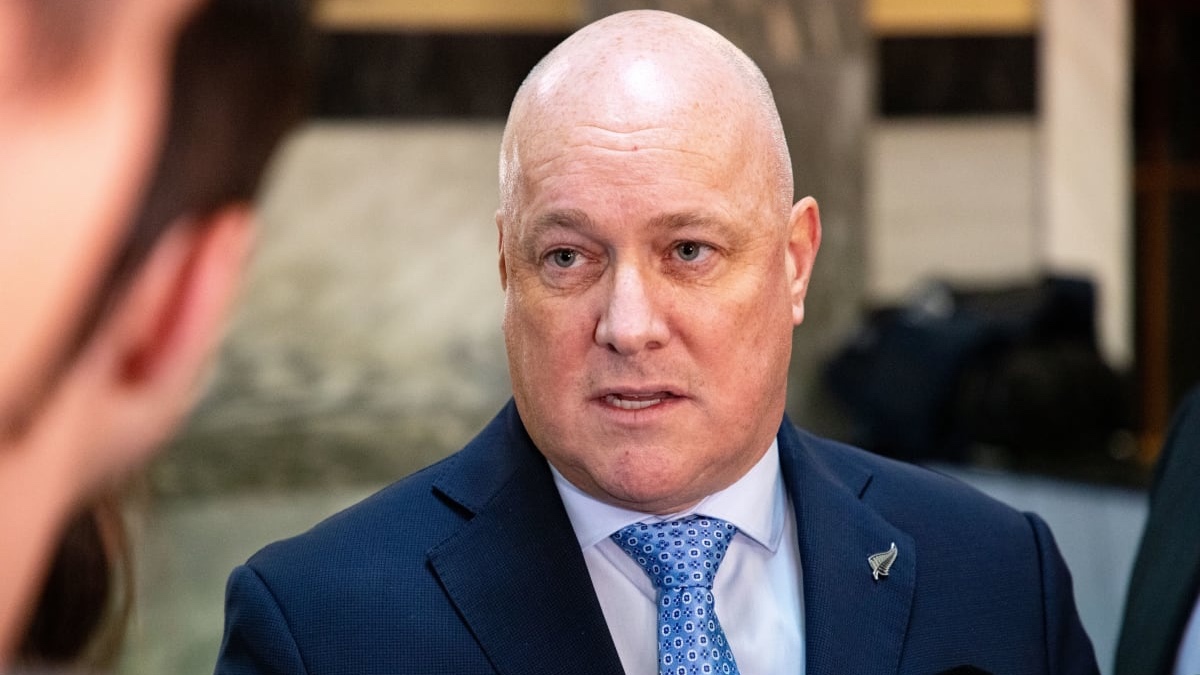
Nakhle acknowledged voter concerns on rising living costs but said Prime Minister Christpher Luxon was focused on it.
"The government has taken several steps and is taking some more with the ultimate goal of growing the economy," she said.
"So, life can be a little more affordable for my neighbours in Takanini [but] that will take some time.
"The average person in my electorate doesn't feel the impact just yet."
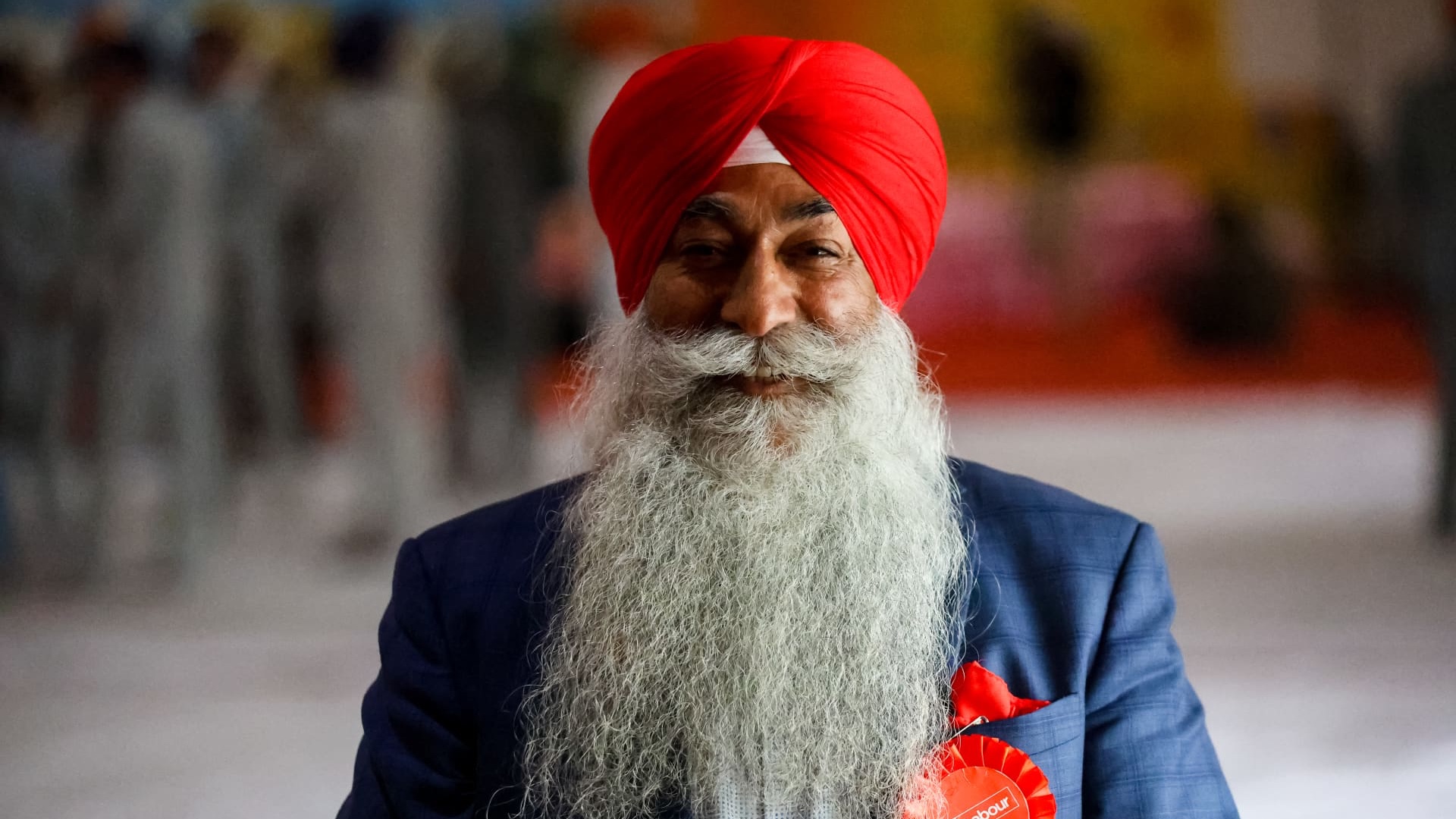
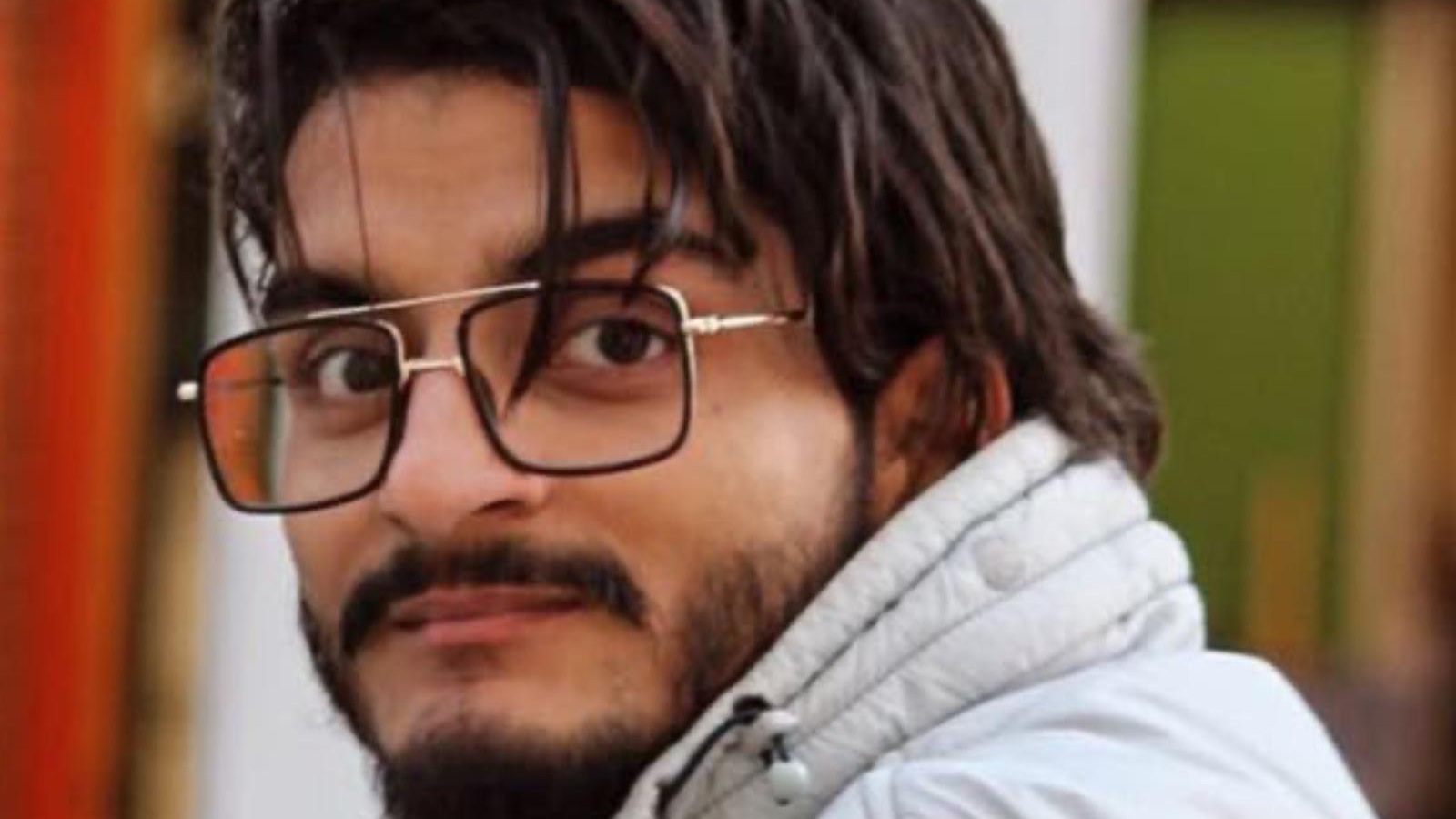
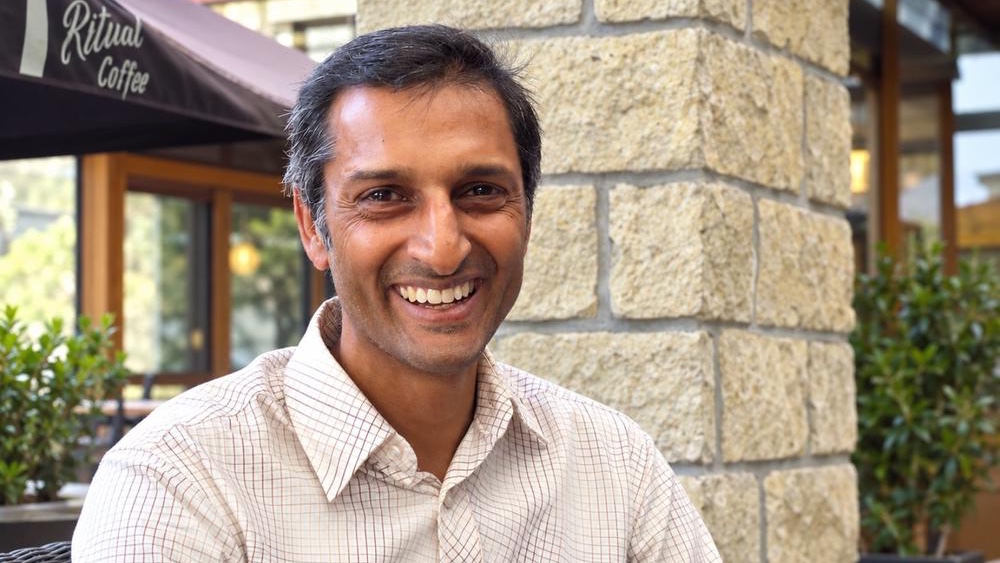
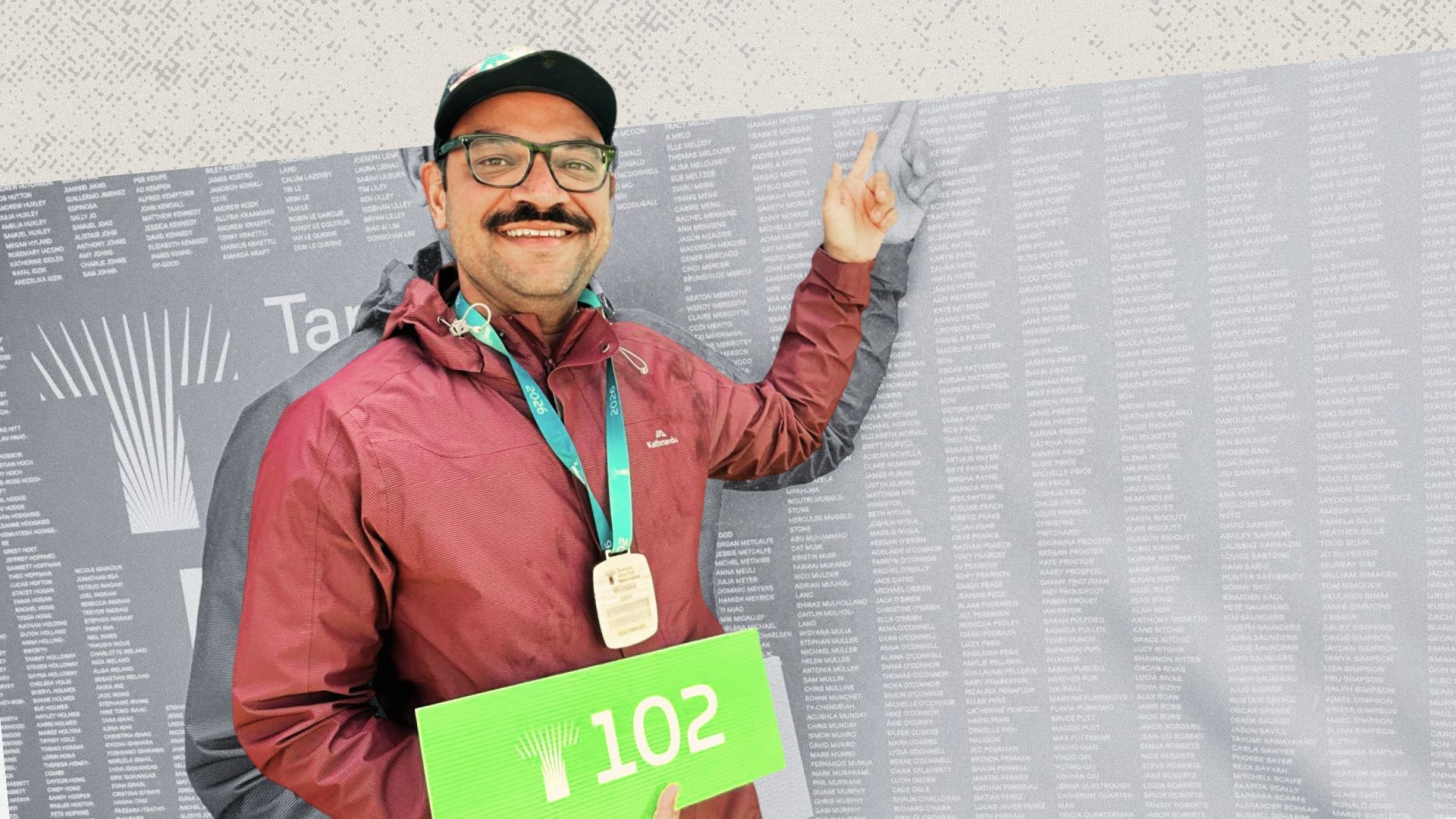
Kharag Singh, Labour's Takanini electorate candidate for the 2026 general election. (RNZ/Blessen Tom)
Singh similarly highlighted the current "cost of living crisis" ahead of the 7 November election.
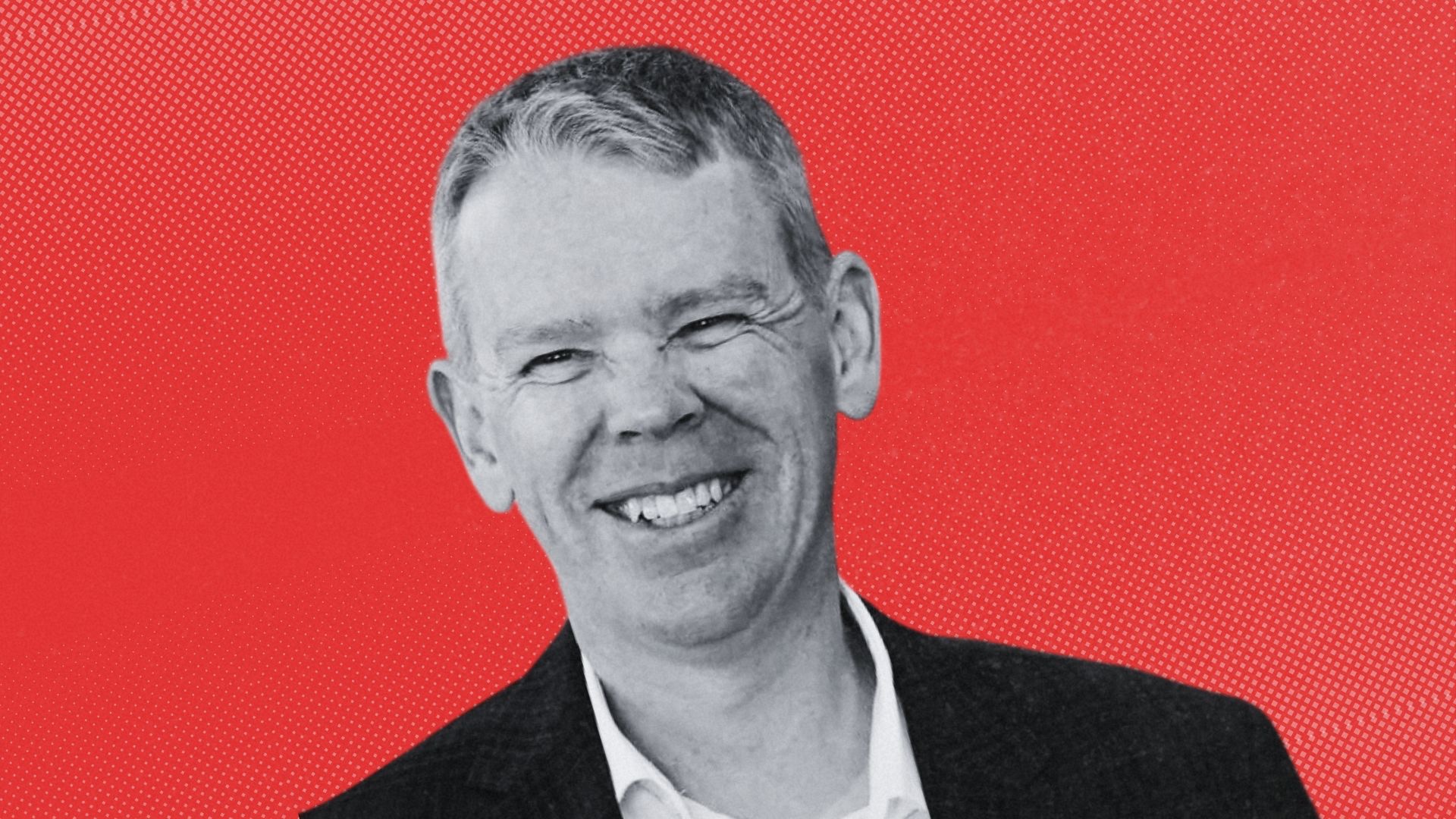
"As my leader Chris Hipkins has said, this is a cost-of-living election," Singh said.
"In Takanini, my focus will be on growing infrastructure and improving public services."
Singh wanted to reassure the community on law and order should labour win the election, saying "Labour is never soft on crime".
"We had a very successful circuit-breaker programme then [for young repeat offenders] which was showing good results," he said.
"Our focus is always on the causes of crime, one of which is poverty," he said.
"That's why we will have a wrap-around system to deal with crime in New Zealand, including more police on the beat."
Singh stood for Labour against Luxon in Botany in 2023.
Meanwhile, Nakhle defeated Labour MP Neru Leavasa in Takanini by more than 8000 votes.
Leavasa had previously defeated Nakhle in Takanini's first-ever election in 2020 by more than 7000 votes.
Interestingly, Leavasa has switched places with Singh and is up against Luxon in Botany this time.
Other candidates in Takanini electorate include Paul Nooroa Teio from NZ Loyal, Lynley Tulloch from the Animal Justice Party and Elliott Ikilei from New Zealand First.
Ikilei is a former New Conservative leader and has been associated with Hobson's Pledge. His party secured 3 percent of the party vote at the 2023 election.
Tulloch stood in the 2023 election as well and gathered 736 votes. His party vote was 0.2 percent.
Similarly, the NZ Loyal party vote was 0.33 percent three years ago.
Considering similar voting patterns this year, none of these three candidates have a realistic chance of making much of a dent in either the left or right voting blocs.
What do the locals say?
Some issues for voters in Takanini are nationally relevant such as the struggling healthcare sector, which some claim is in "crisis".
Prabhjot Kaur, a teacher at Sikh Heritage School, said healthcare services seemed to be "worst" these days.
"My husband had kidney stones recently and it took us over a month to see a specialist," she said.
"He suffered severe pain and survived on Panadol while we waited for our turn."
Colleague Jagtar Kaur, who has lived in South Auckland for 22 years, wanted Punjabi to be part of the local school curriculum.
"At least schools in Takanini where the majority of the Punjabi community lives, Punjabi language can be an elective subject so that our children remain attached to our language and culture," she said.
"We do whatever we can at the Sikh Heritage School, but weekends classes are not enough."
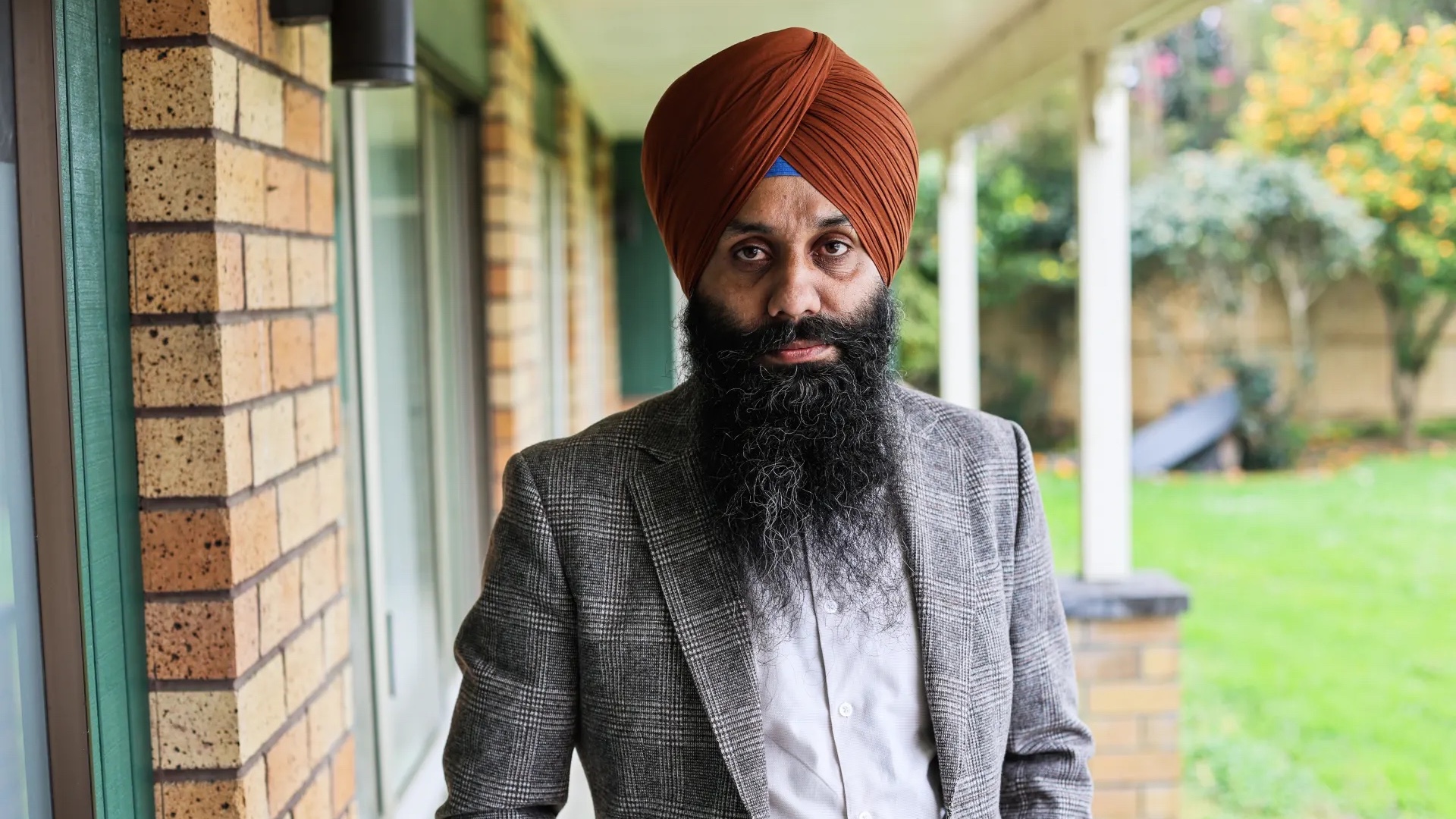
Kharag Singh, Labour's Takanini electorate candidate for the 2026 general election. (RNZ/Blessen Tom)
Jaspreet Singh, editor of NZ Punjabi News, who is based in the electorate, argued for traffic to be better managed in Takanini.
"Over the years, Takanini has had one of the fastest increases in population across electorates, but the road infrastructure hasn't grown accordingly," Jaspreet said.
"Our roads are always jammed, no matter weekends or off-peak."
He also wanted the next government to consider changing the parent resident visa settings.
"The new hybrid model put in place this week for the parent resident visa category hasn't met the community demand, as some parents will have to wait years to get a chance to apply," he said.
Is there an election issue that is relevant to this electorate in particular?
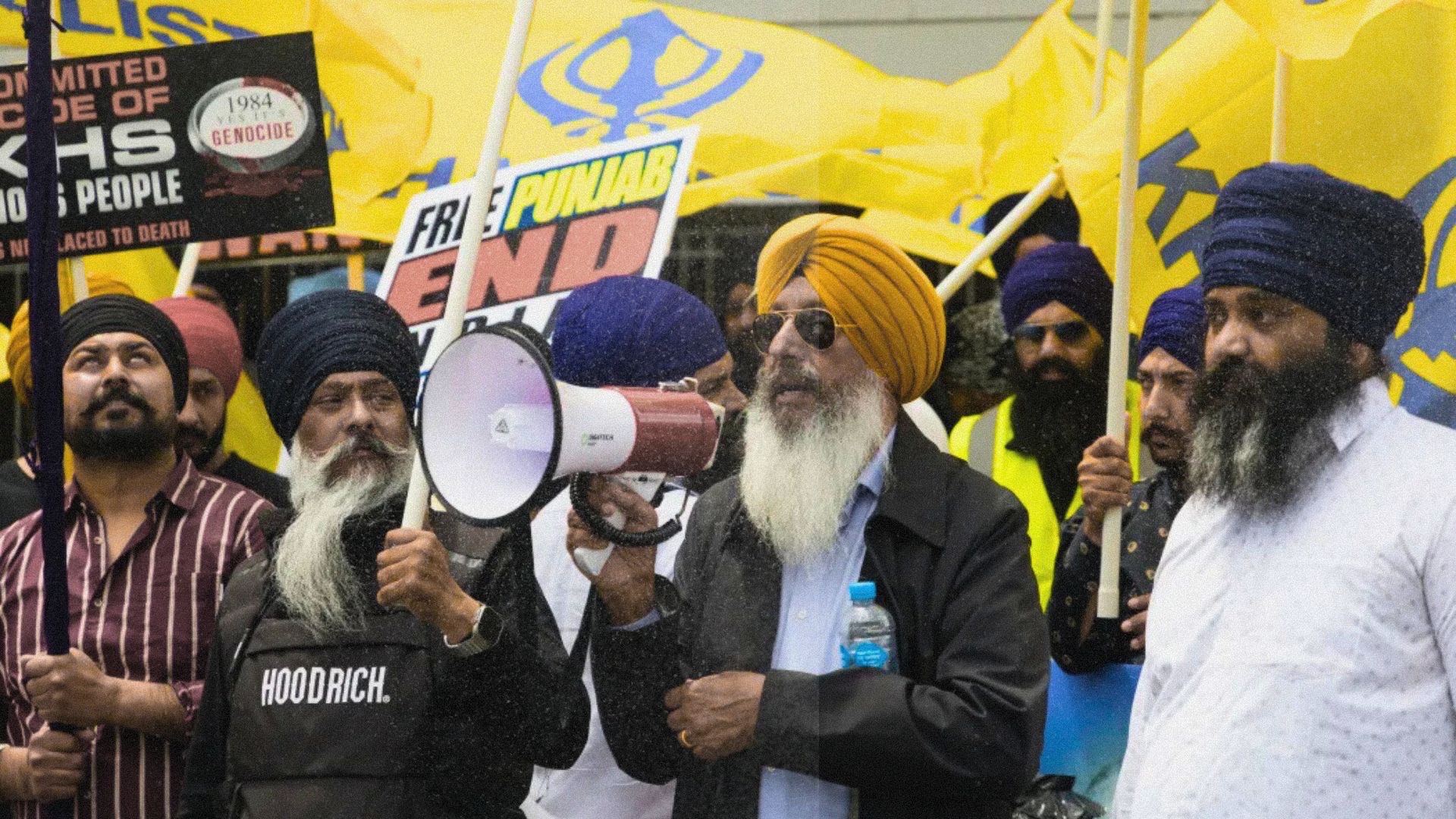
Daljit Singh, a spokesperson for the Supreme Sikh Society, highlighted another issue of concern to the Indian community in the lead-up to elections.
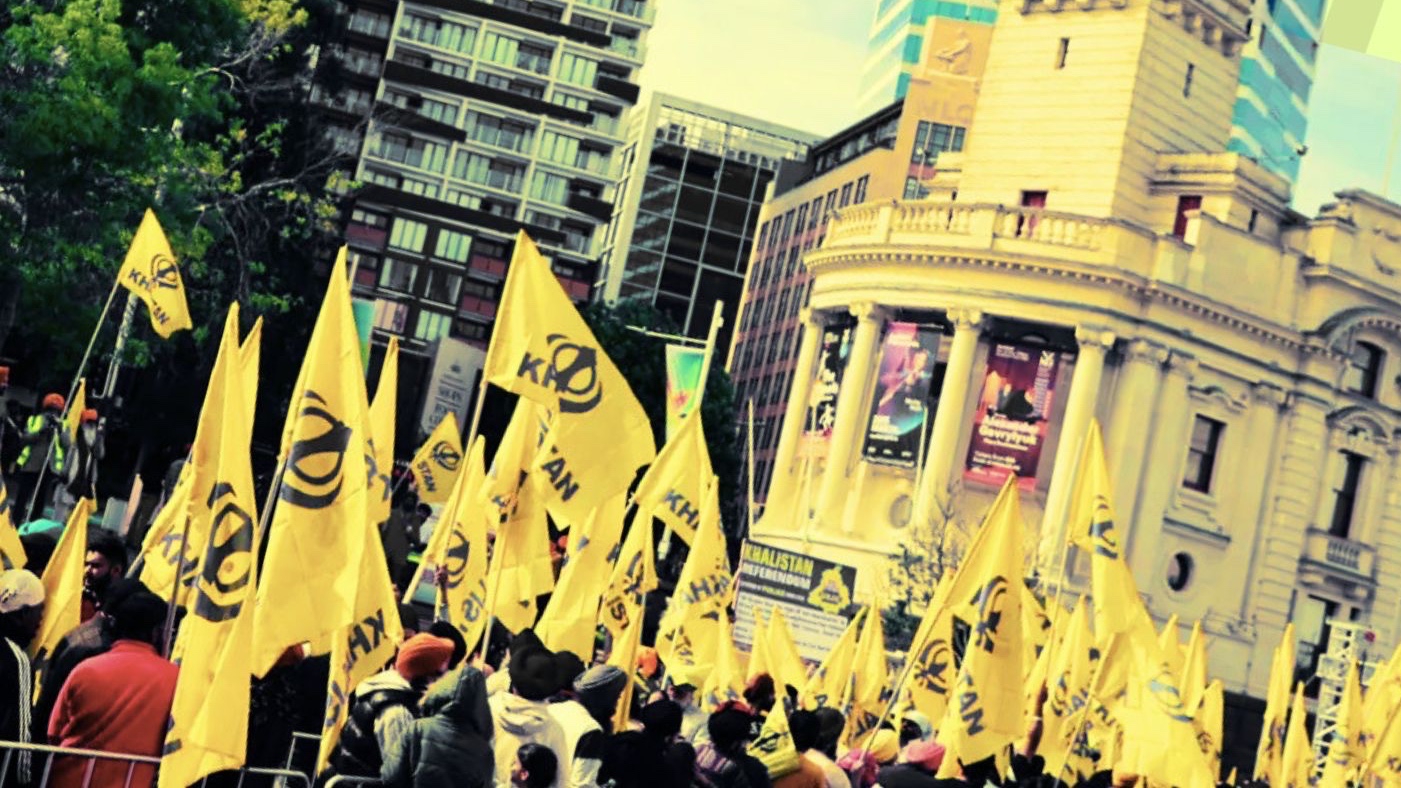
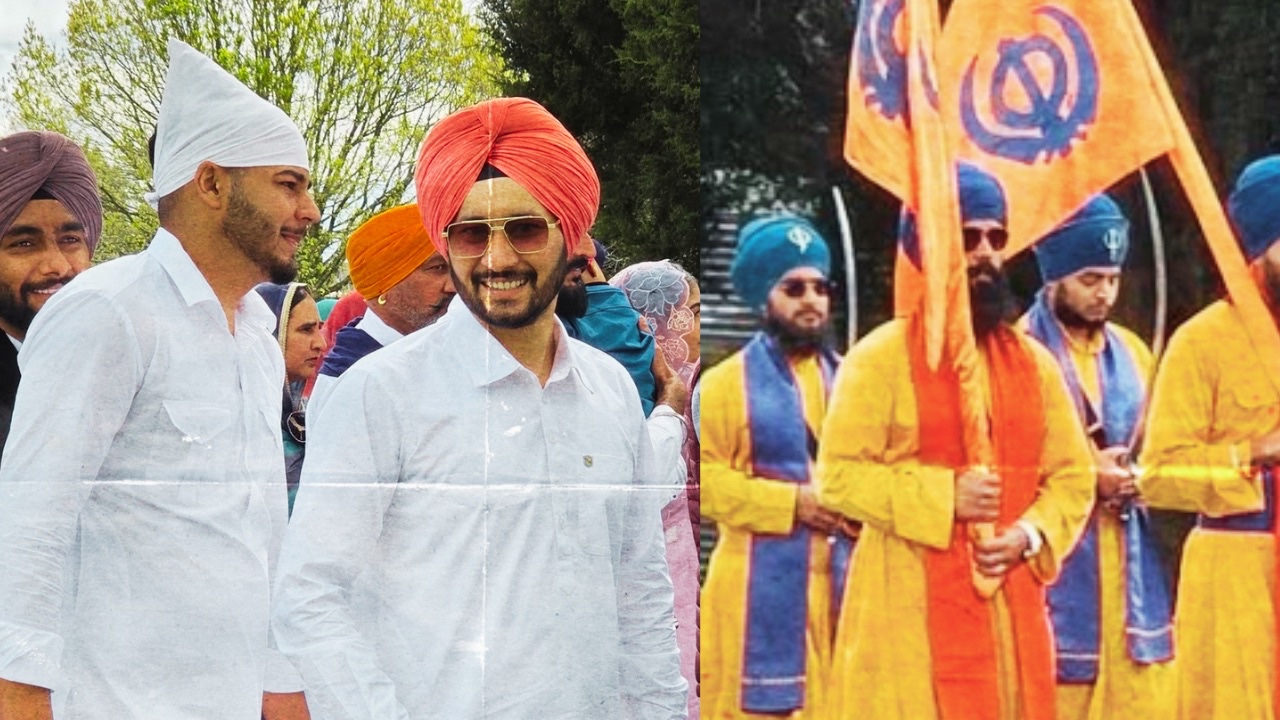
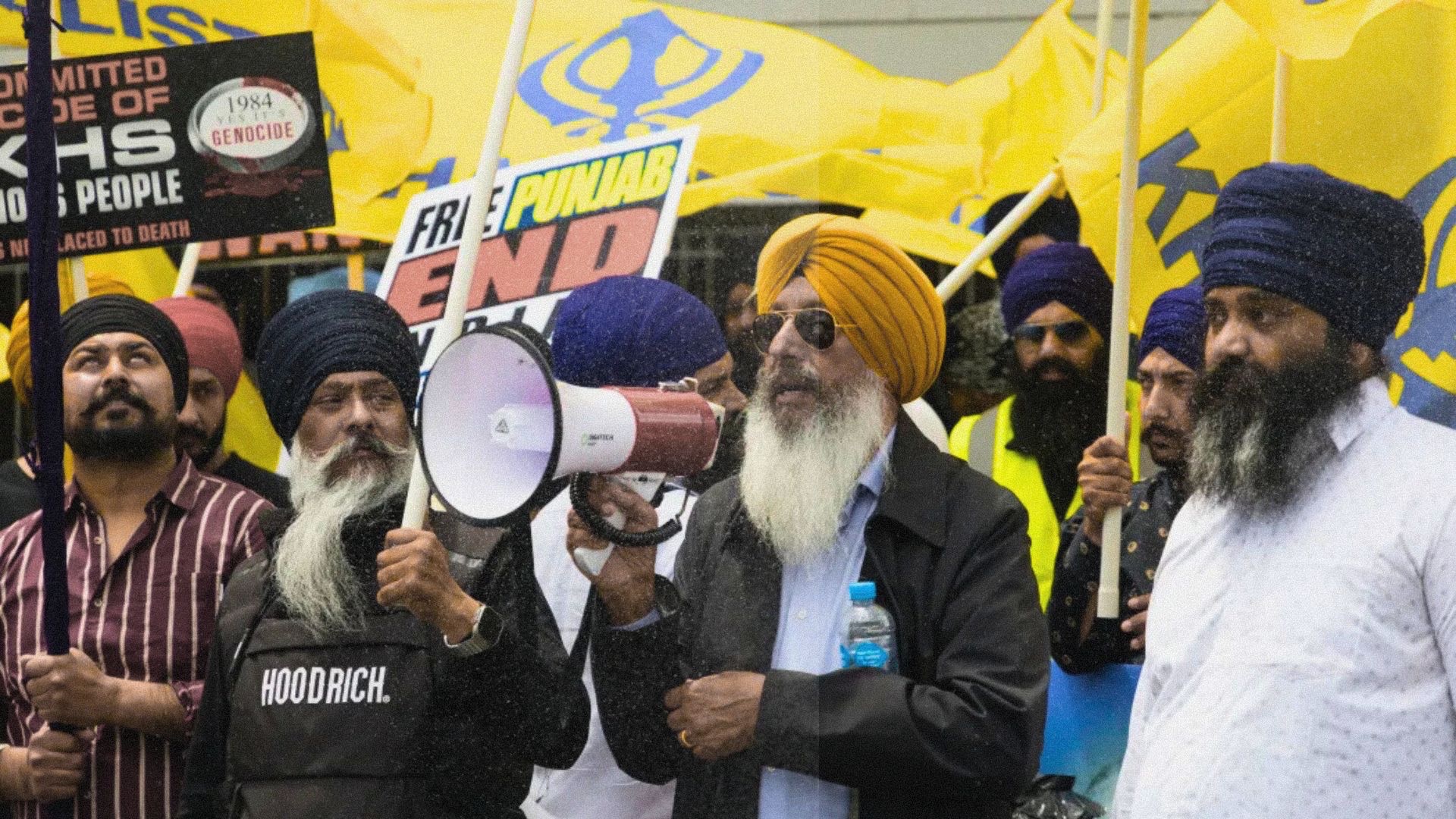
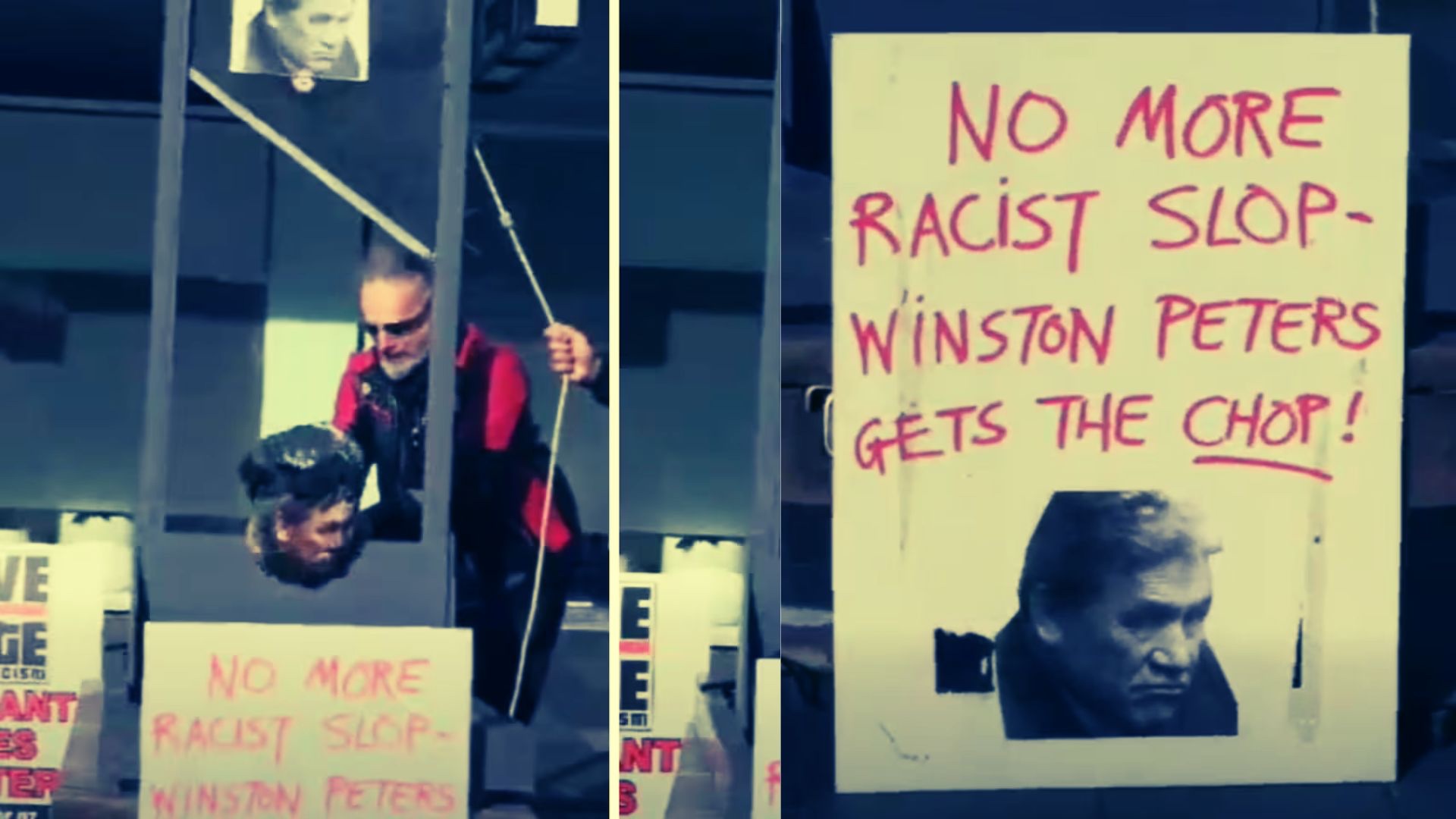
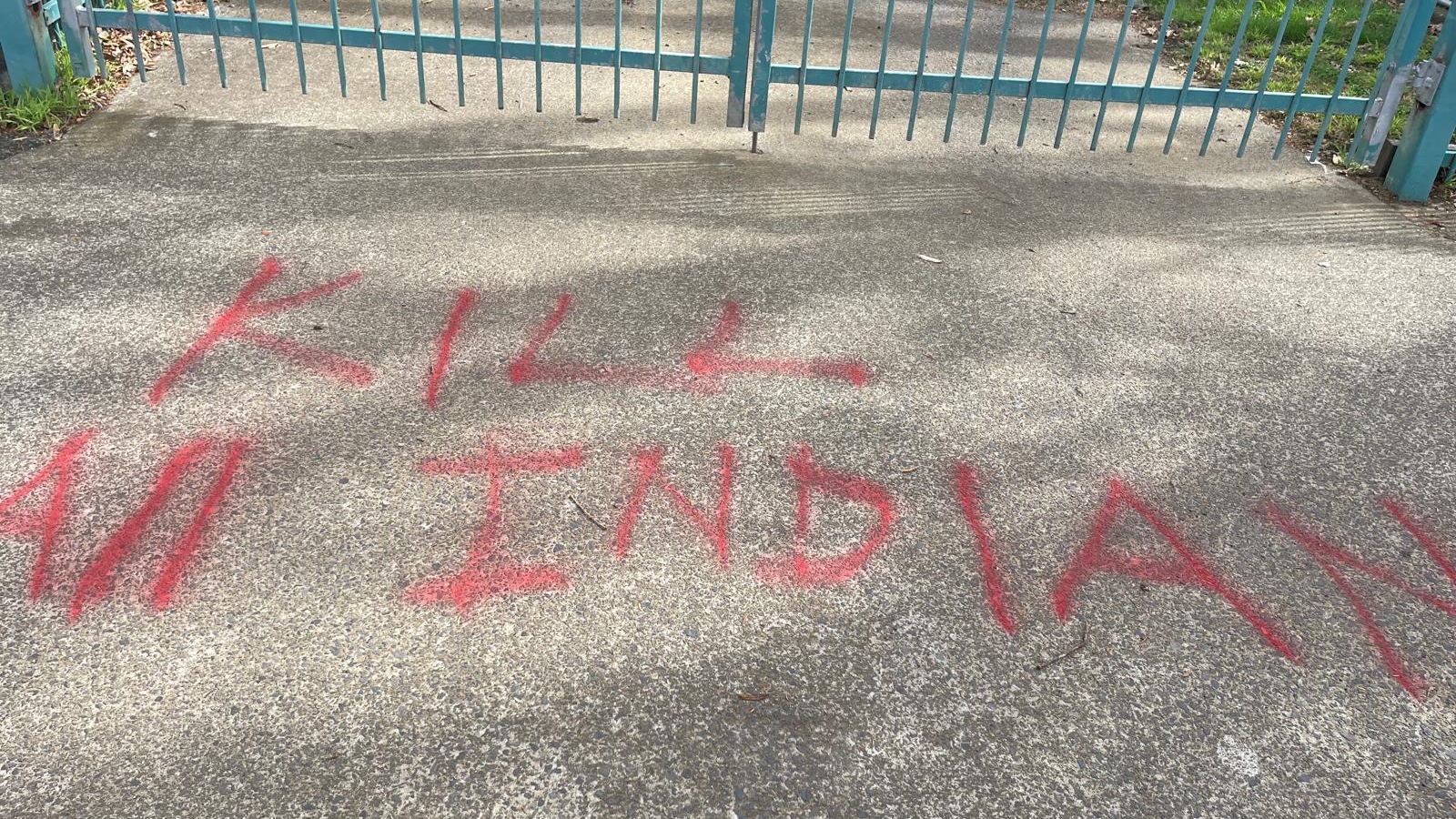
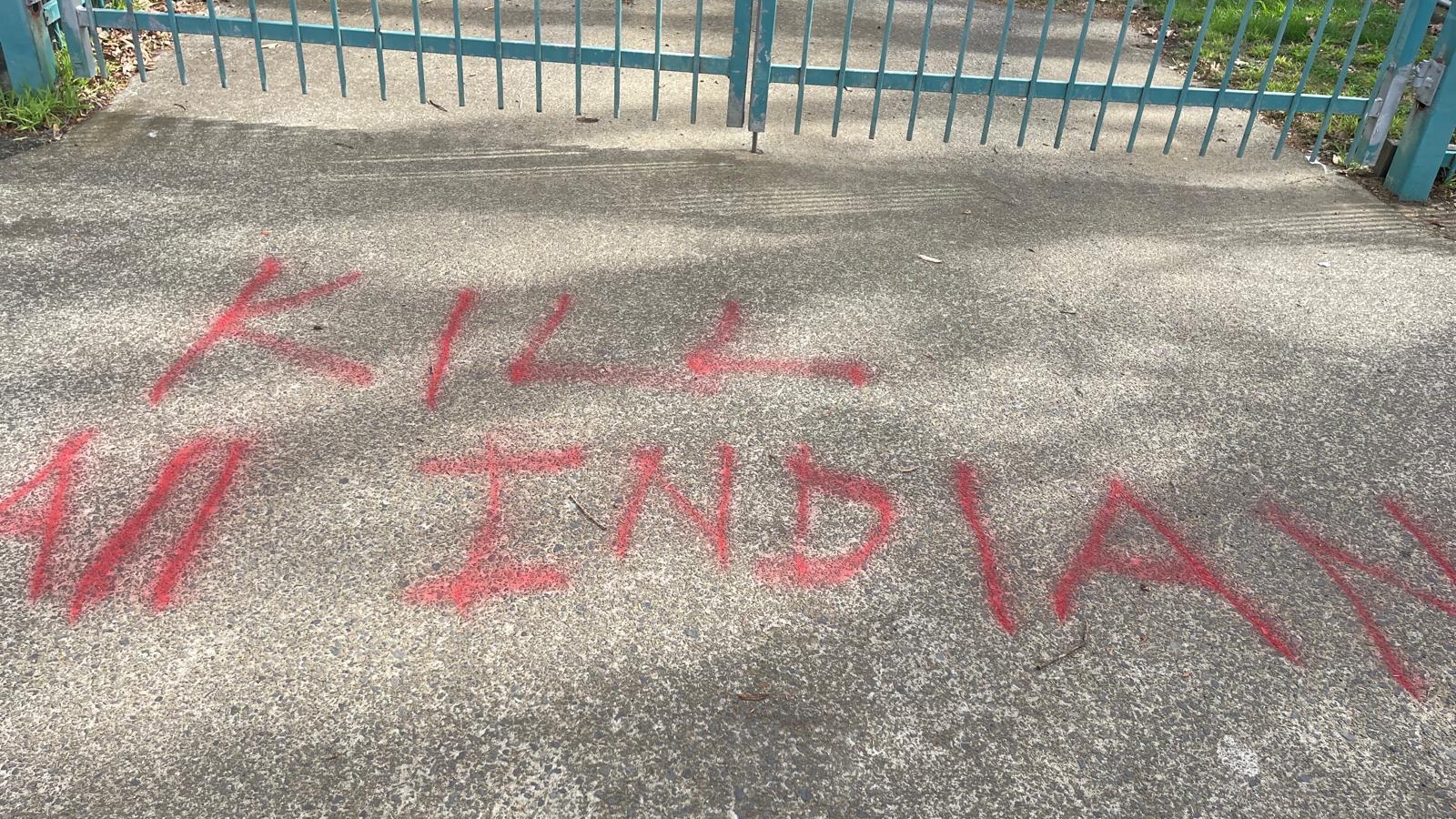
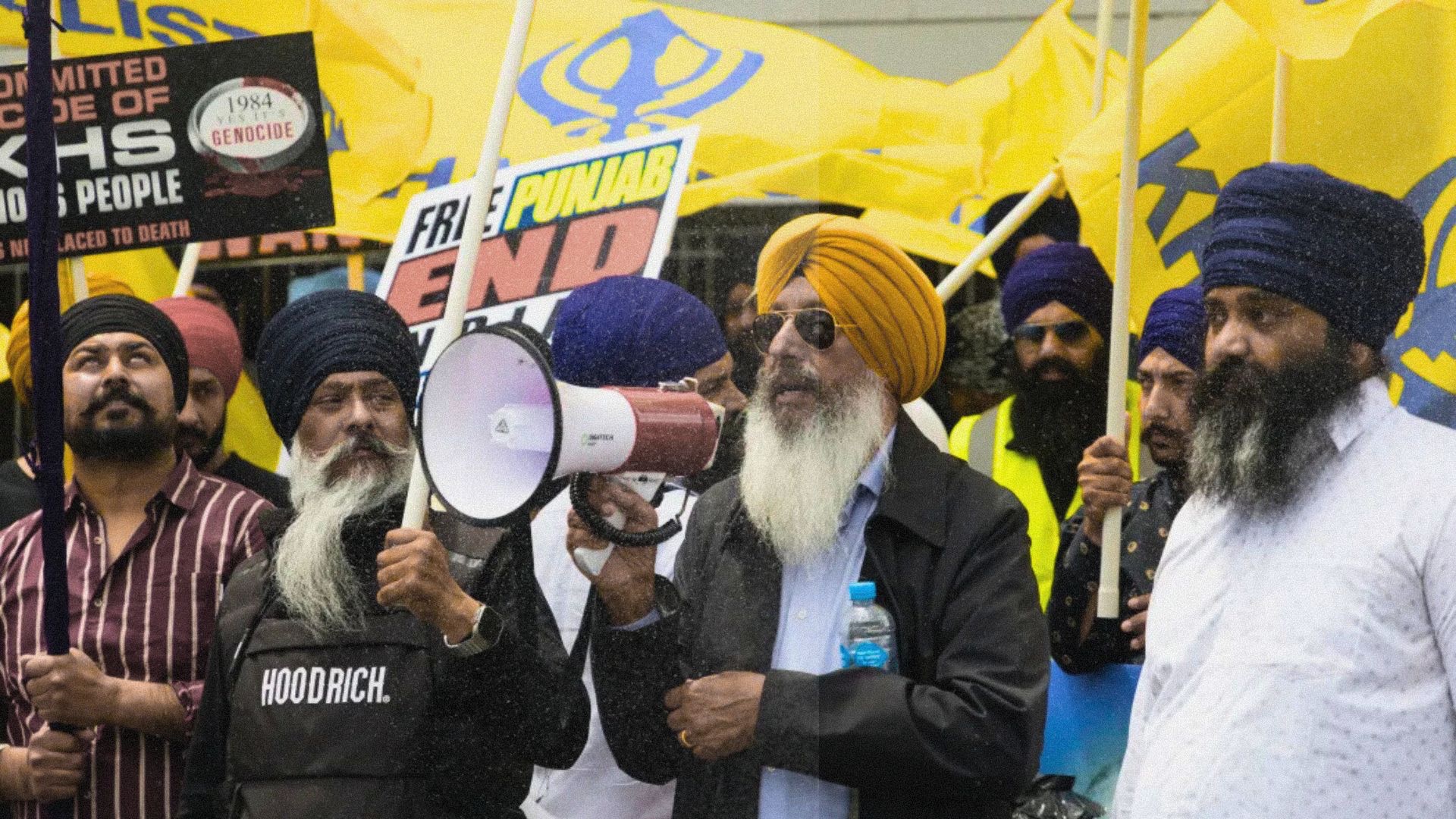
"Our nagar kirtans (Sikh religious processions) were disrupted, and there were deeply concerning calls advocating violence against migrant communities and places of worship," Daljit said.
"We understand, respect and value the fundamental right to freedom of speech in New Zealand. However, freedom of speech must be exercised responsibly and should never be used to justify threats, hatred, intimidation or incitement to violence against any individual or community.
"People of Indian heritage have been part of New Zealand's diverse society for more than a century and have made significant contributions to the country's social, cultural and economic development.
"It is therefore deeply concerning to see an increase in anti-Indian and anti-migrant rhetoric in recent years. We hope that New Zealand continues to be a country where every community feels safe, respected, included and valued.
"I would commend the Indian Sikh communities for the patience, dignity and restraint they have demonstrated, as well as their continued commitment to building bridges, fostering understanding and strengthening relationships with people from all communities across New Zealand."
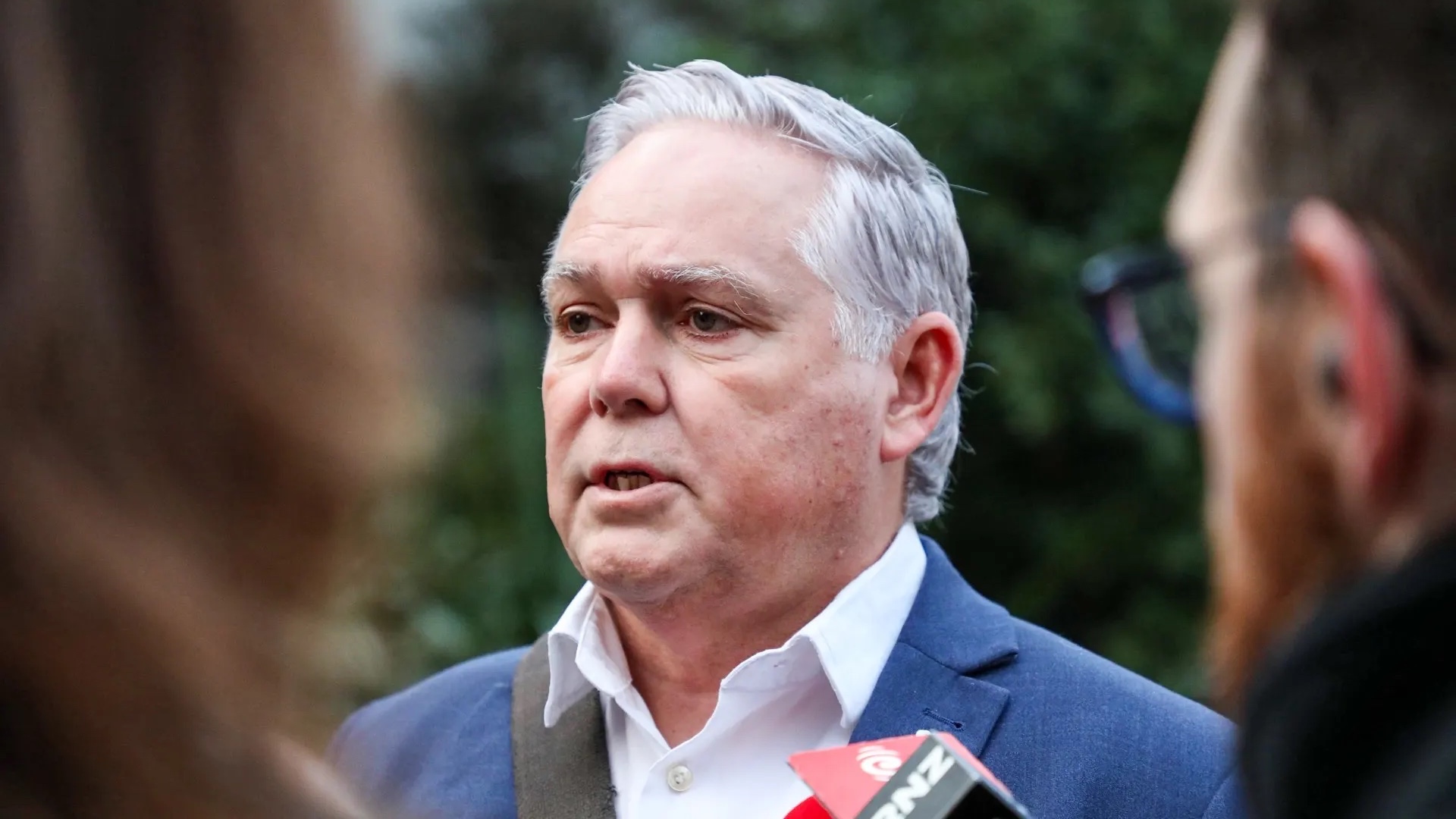
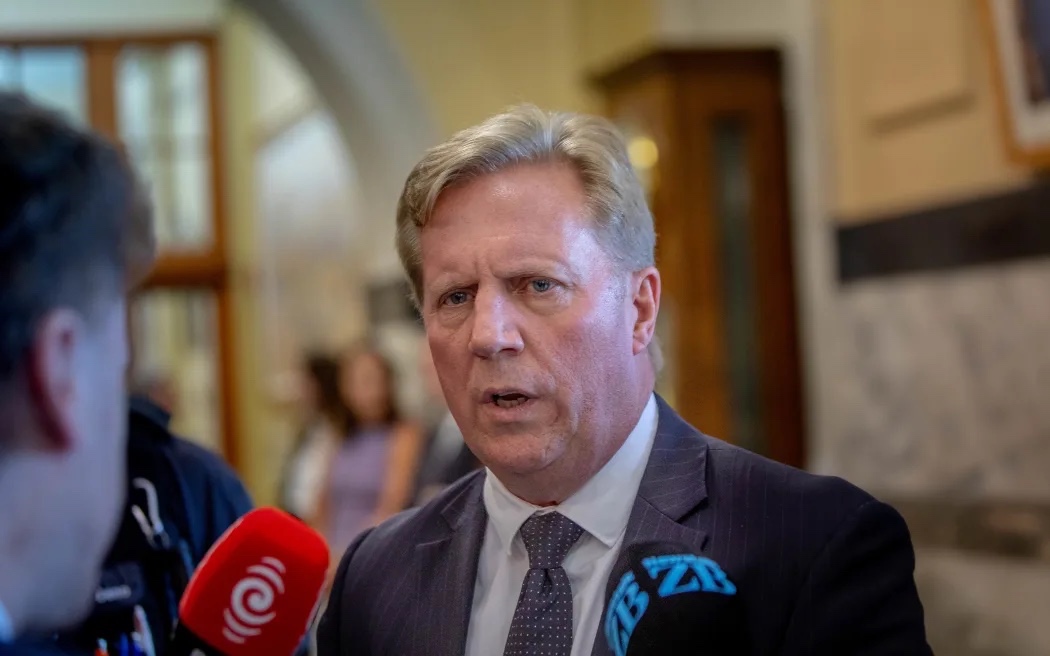
National MP Mark Mitchell. (RNZ/Zach Cornelisen)
Ethnic Communities Minister Mark Mitchell has repeatedly said freedom of speech comes with responsibility.
In June, Mitchell labelled social media comments to "purge" Hindus, Sikhs and Muslims from New Zealand as the "actions of a scared bully" and "cowardly social media attacks" designed to tear New Zealand's social fabric.
The minister also said such remarks were assessed by the police against the thresholds set out in the Human Rights Act.
In general, political parties on both sides of the aisle have adopted mixed positions on calls for the government to amend hate speech legislation.
The National Party did not support legislating against hate speech, while ACT believed more enforcement of existing legislation was needed.
The Greens said the party was open to extending hate speech legislation. Te Pāti Māori also appeared to broadly support legislative reform.
Labour said it was in the process of developing and refining its ethnic and social cohesion policies and would release them in due course.
In the end, it will boil down to money in people's back pocket, Jaspreet added.
More so, as the electorate is immigrant heavy, of younger age and rapidly growing, has low home ownership, and is highly exposed to cost-of-living pressures, the local journalist said.
"Inflation or cost of living is the biggest issue, above all," he said.
"The Punjabi community here is well connected to the one in Australia and they always compare how the authorities there have put in measures to ease price rise," he said.
"The party and candidate with policies to tackle this will have an advantage for sure."
(This story was first published on rnz.co.nz)