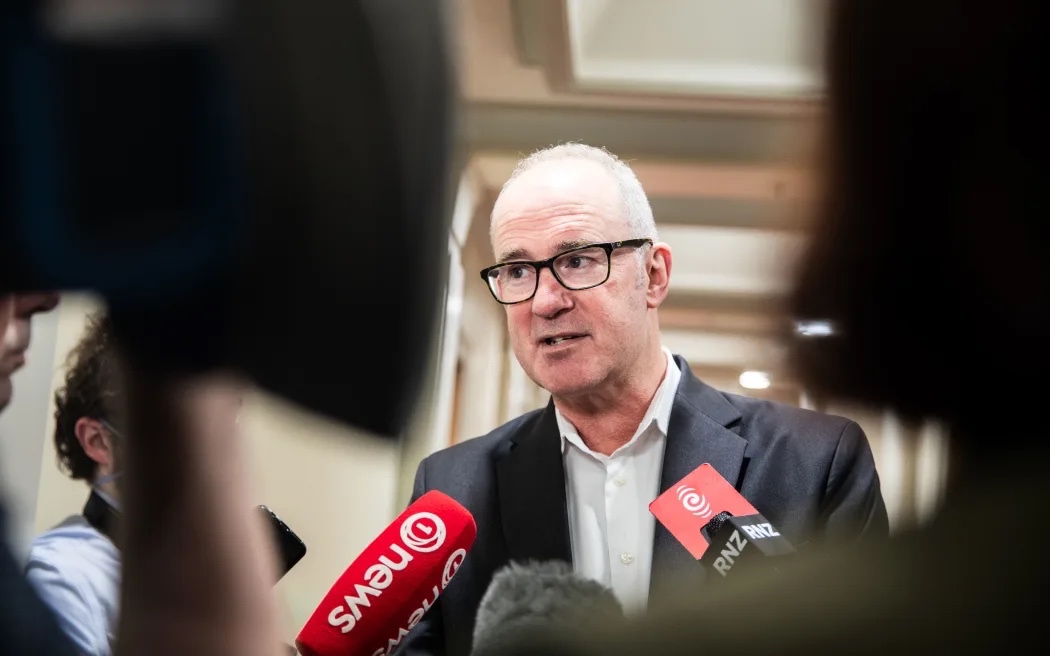
Dunedin City Council rejects proposal to explore partnership with an Indian city
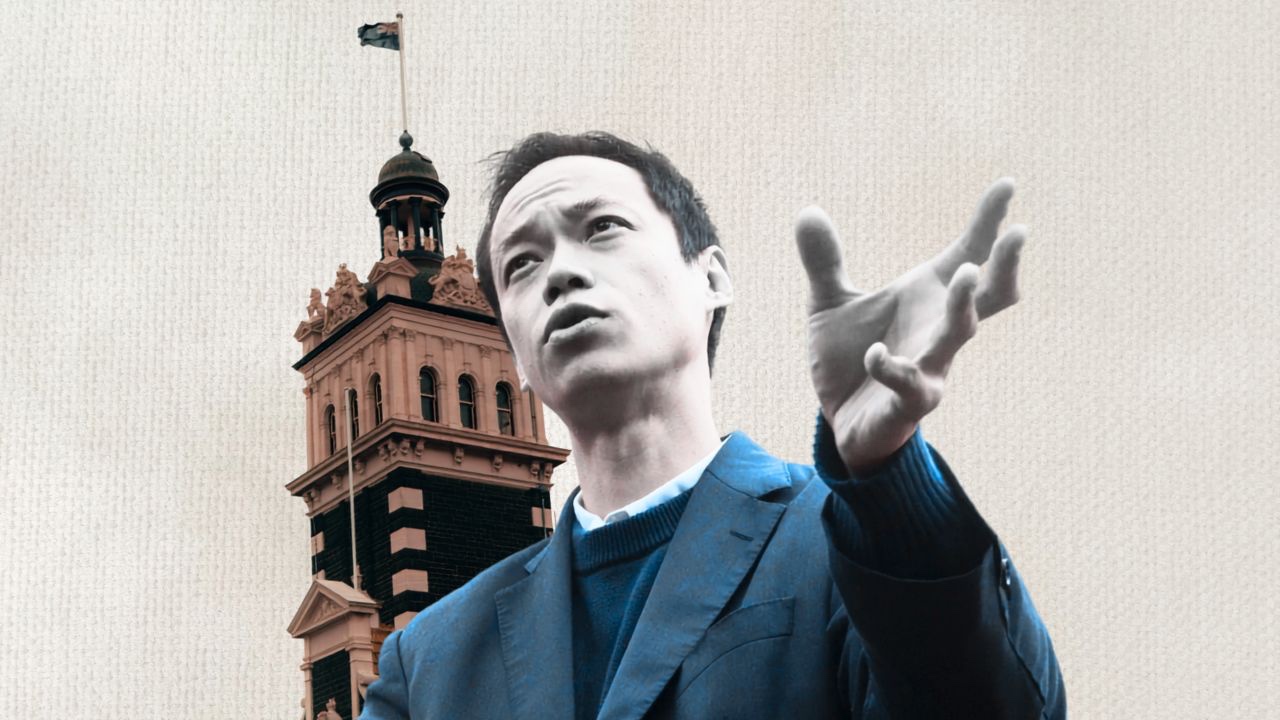
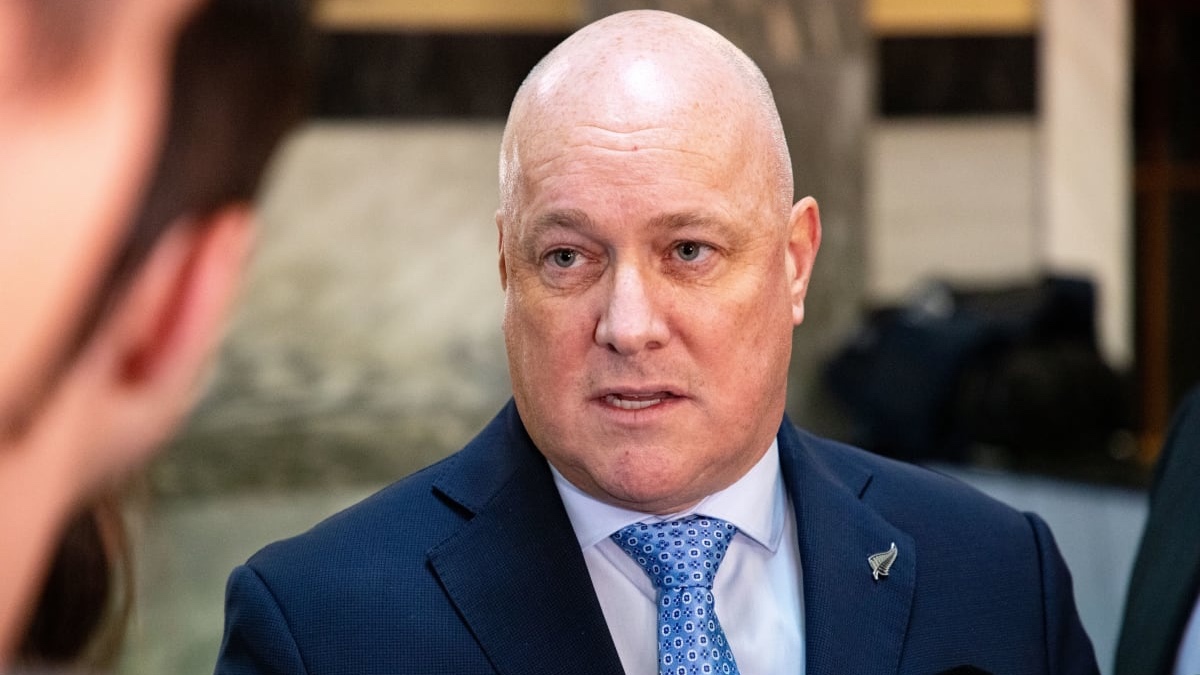
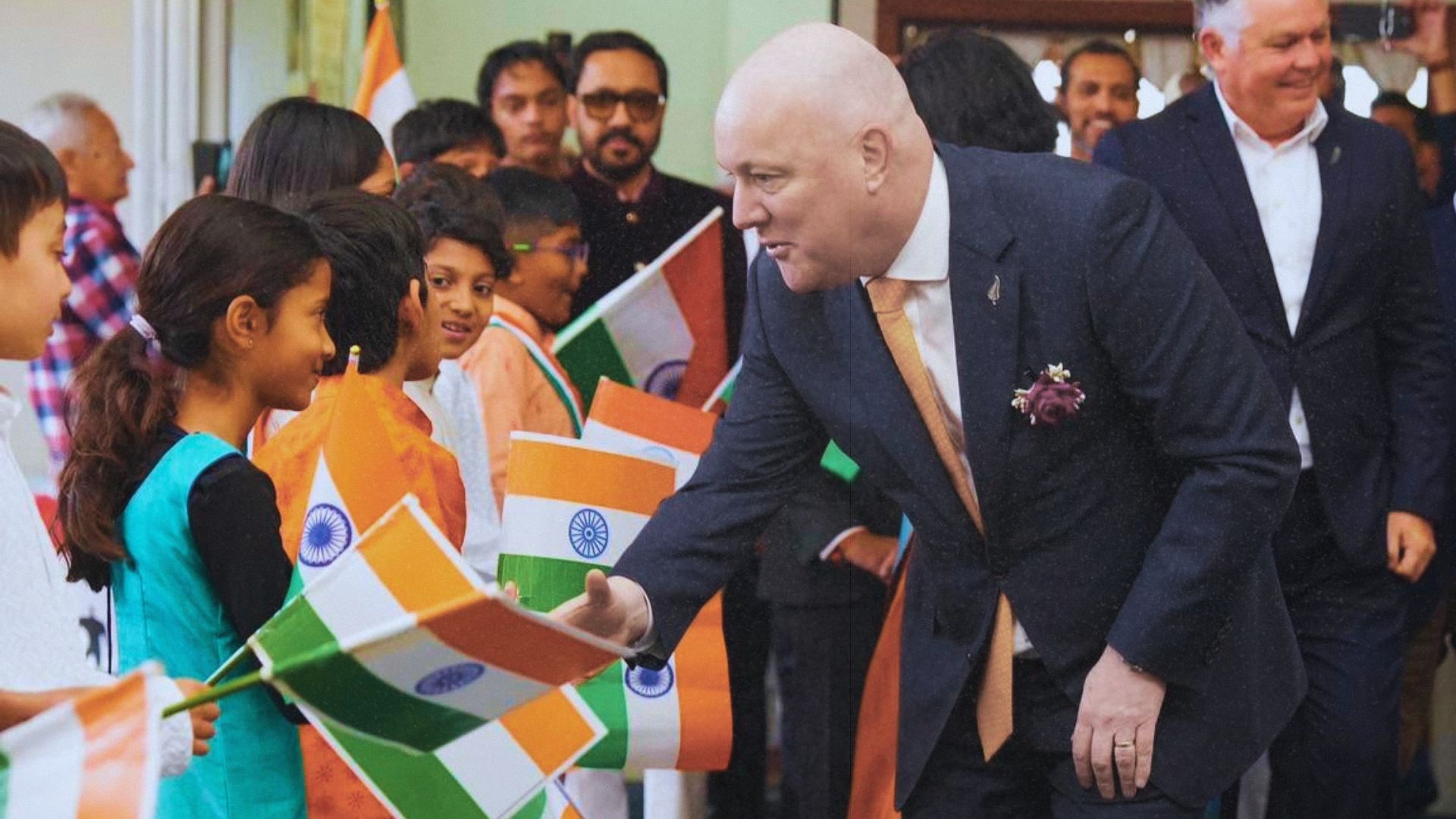
Councillor Benedict Ong argued other New Zealand centres could seize opportunities with India while Dunedin stood back.
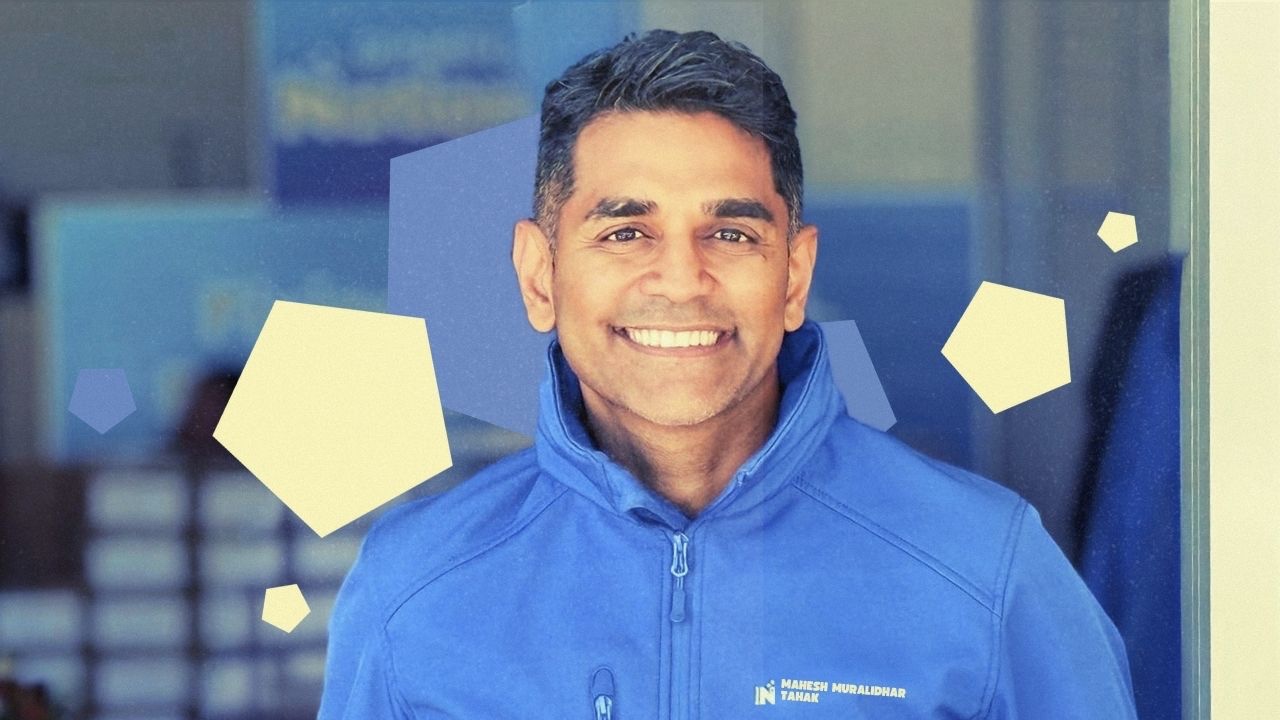
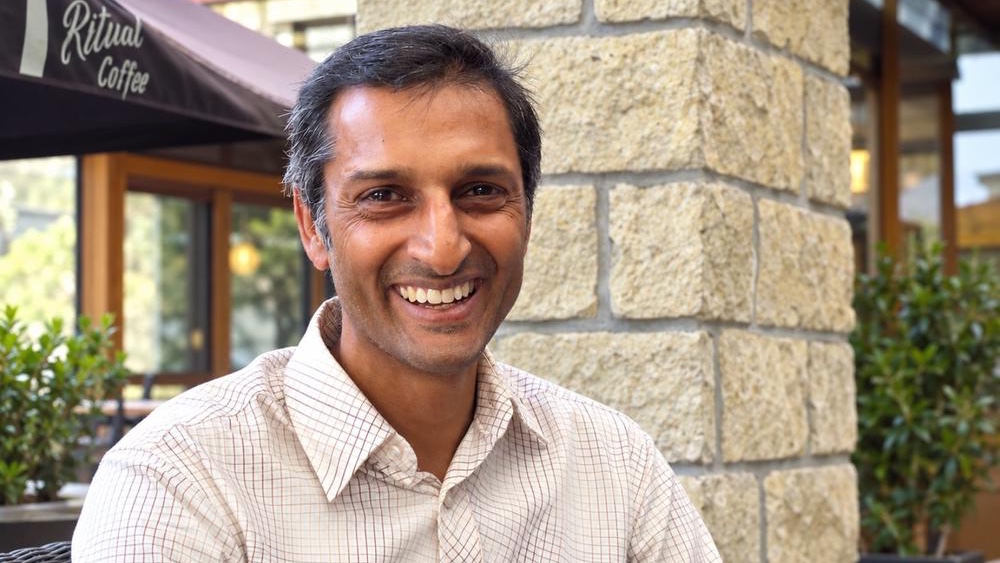
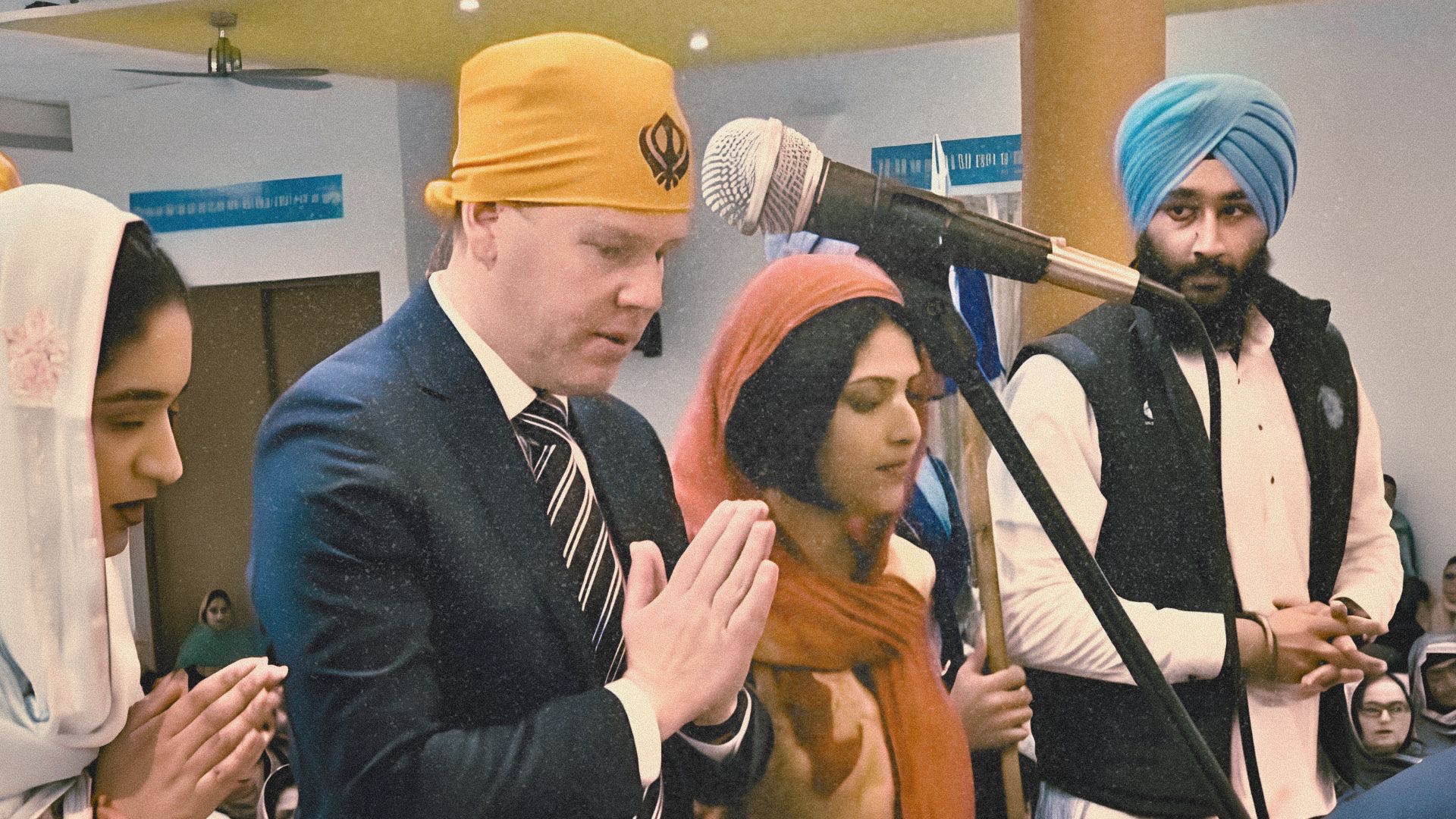
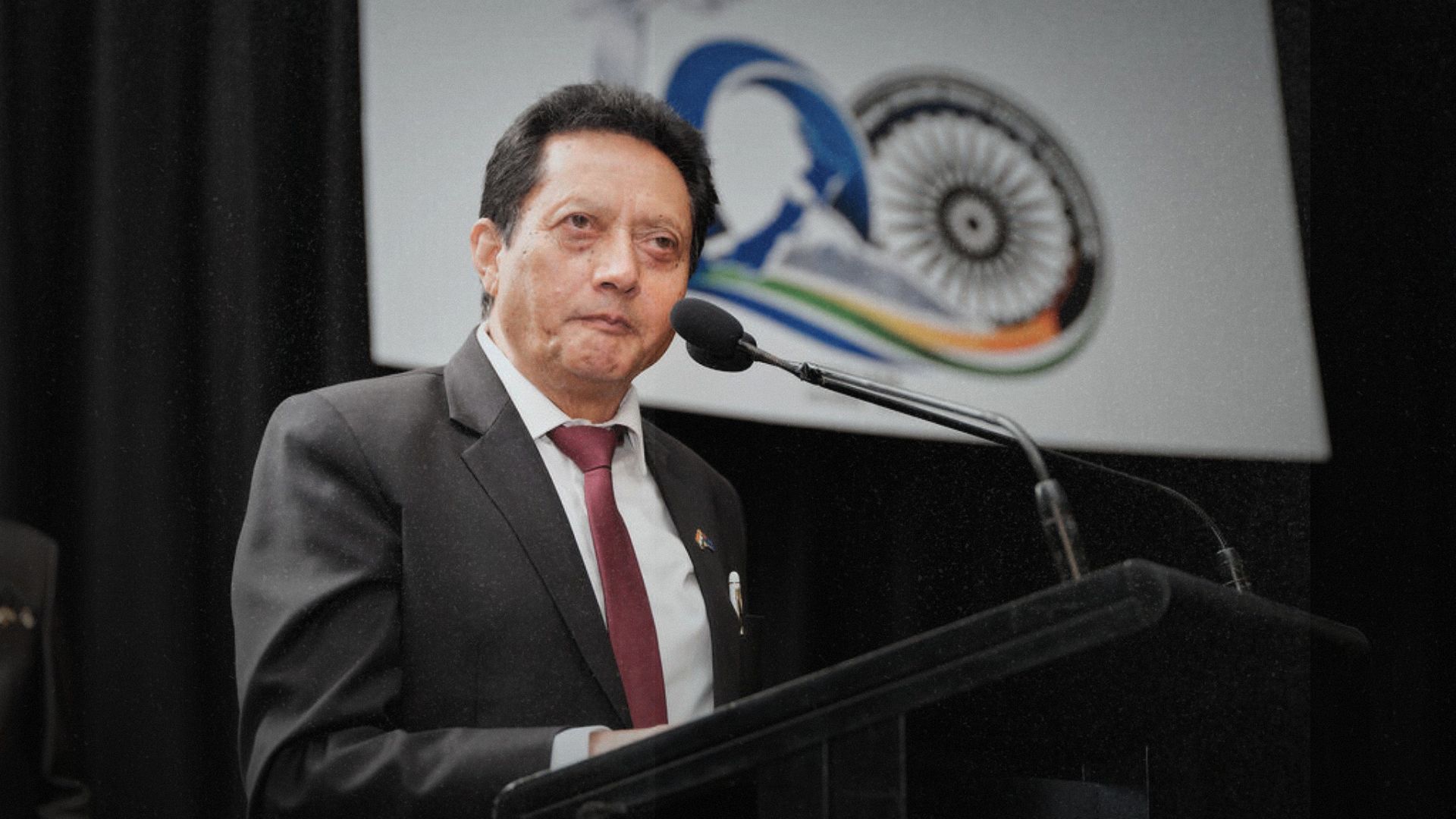
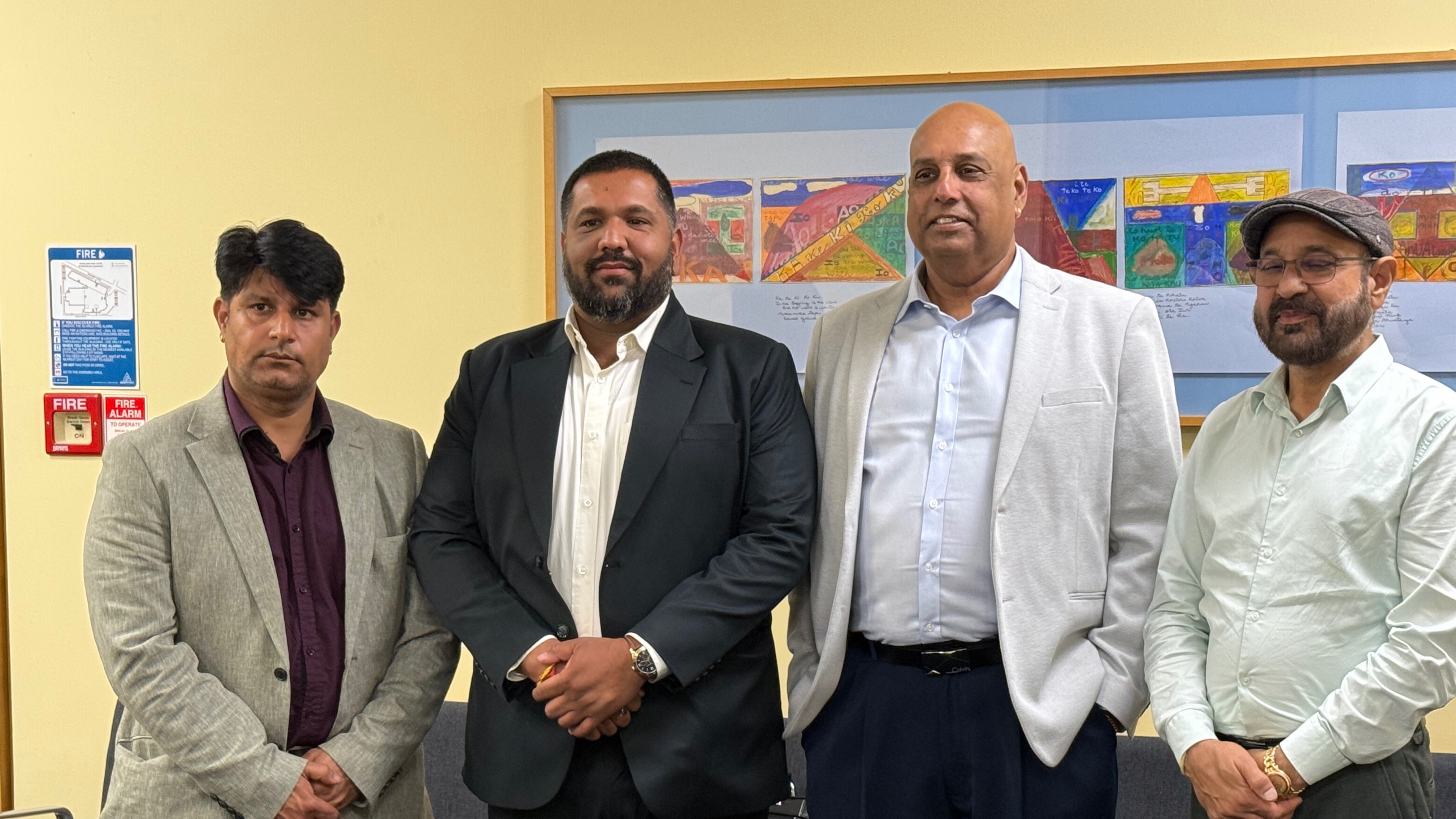
Councillor Benedict Ong wanted Dunedin to investigate a sister-city partnership with an Indian city.
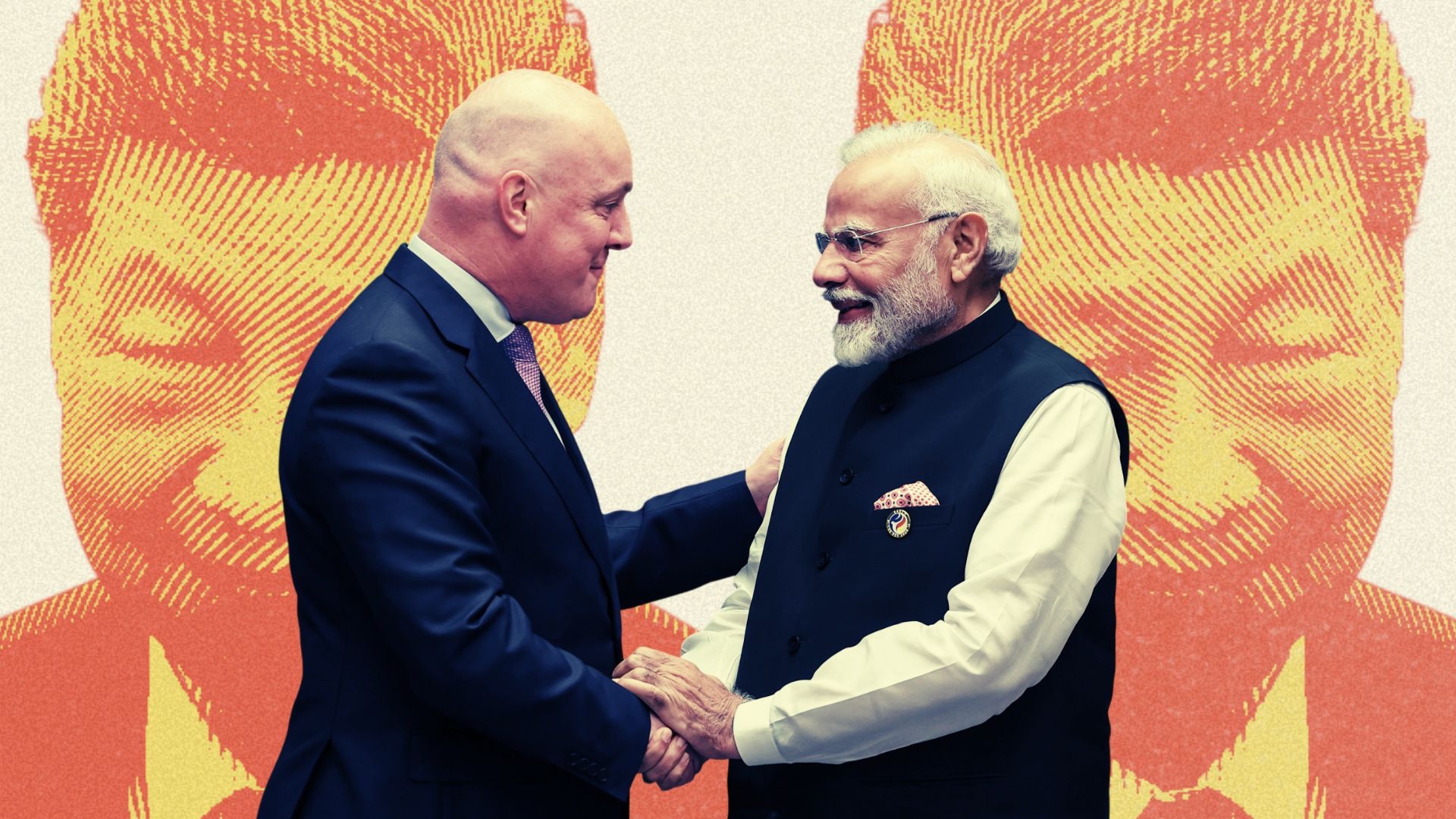
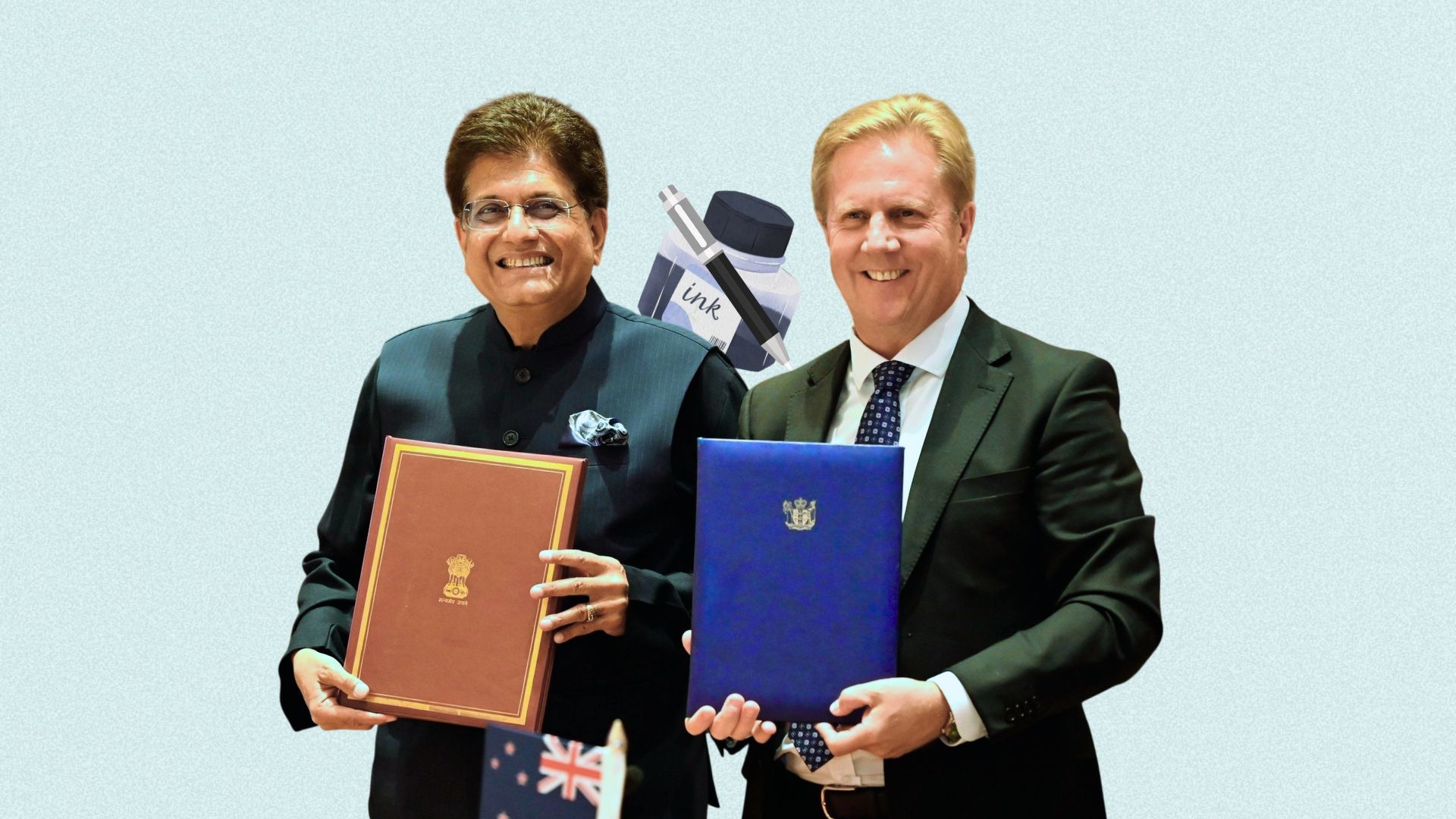
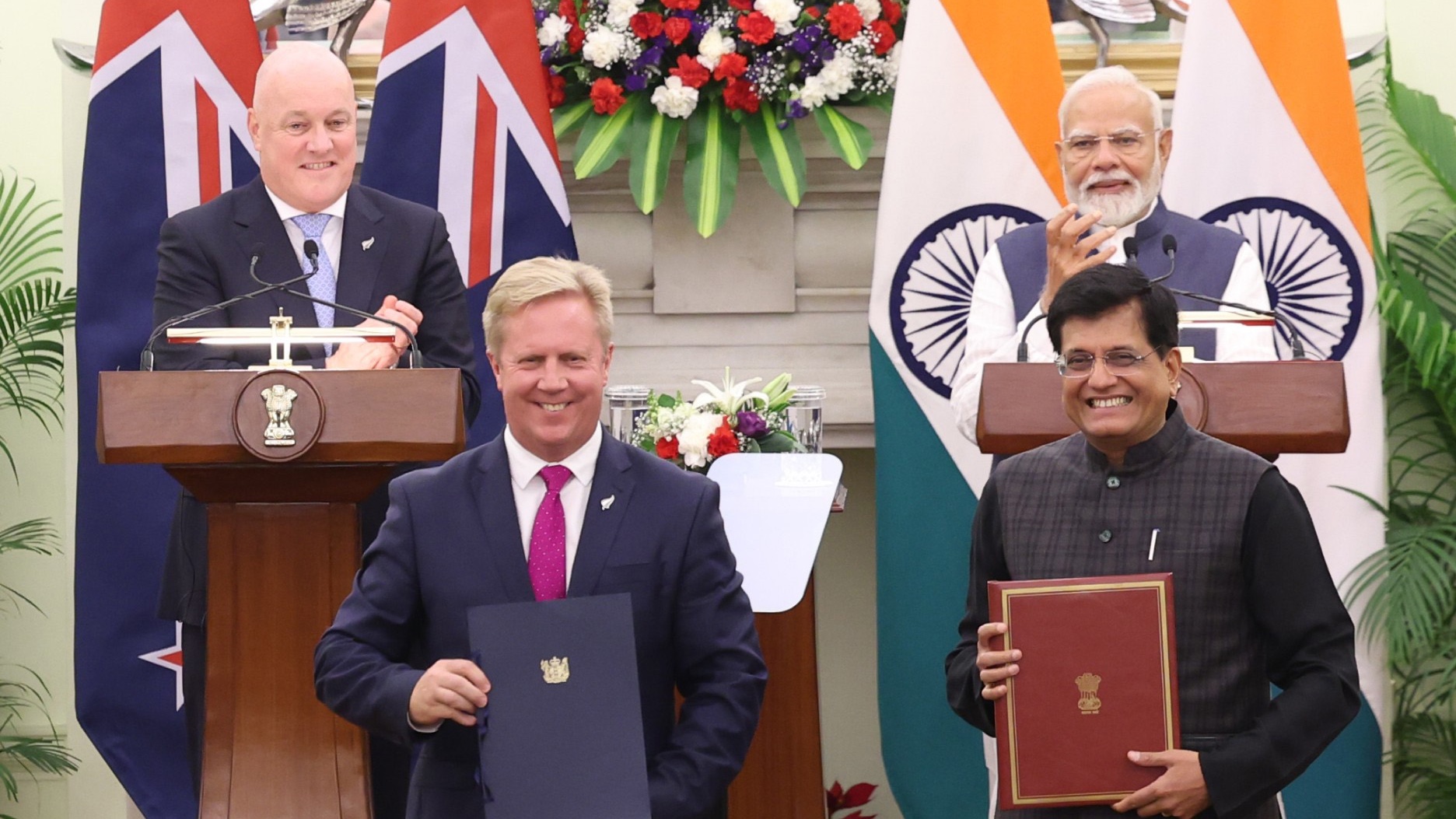
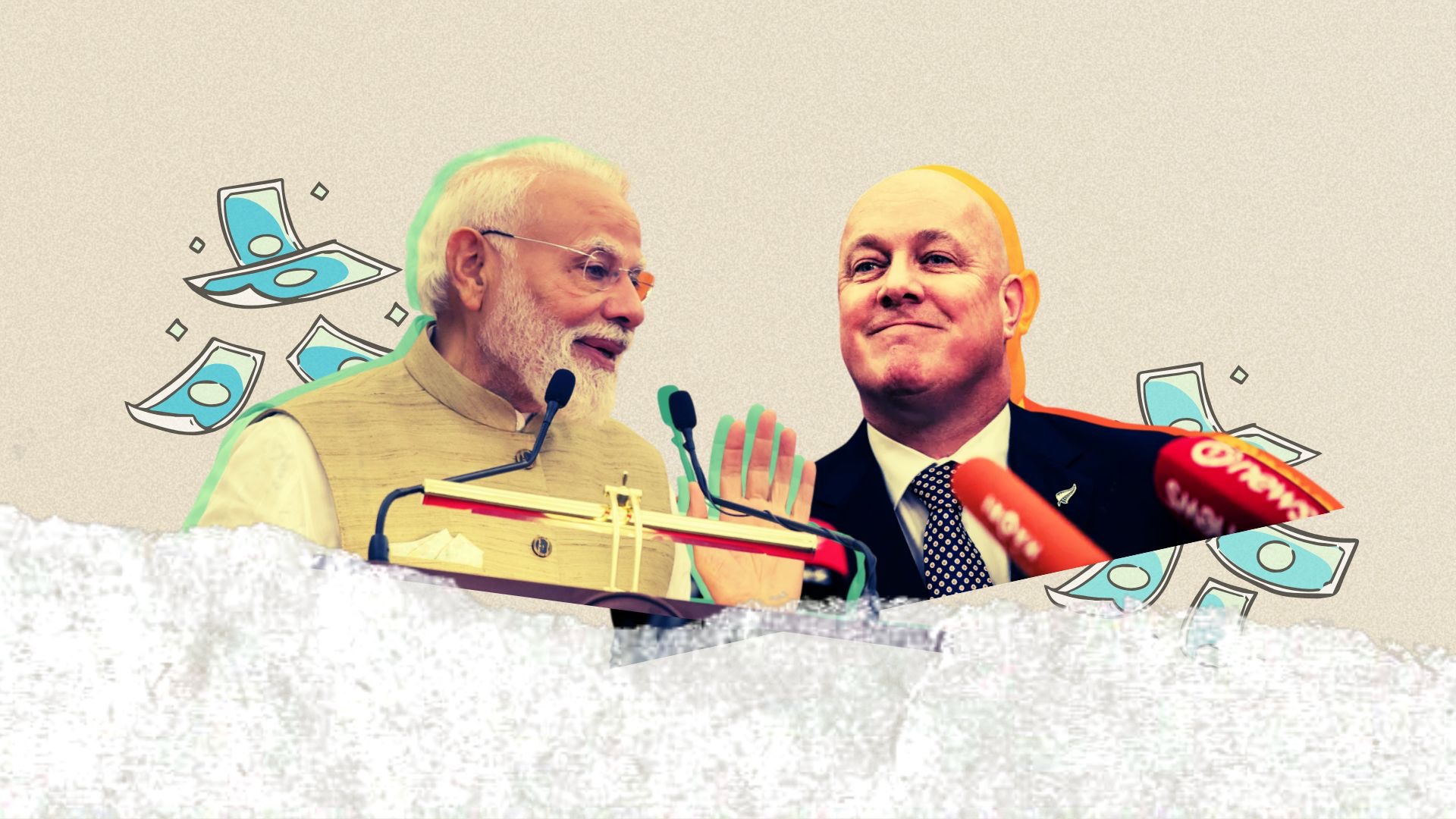
Dunedin councillors have rejected a proposal to explore a formal partnership with an Indian city on the back of the bilateral trade agreement New Zealand has signed this year.
Councillor Benedict Ong wanted the Dunedin City Council to work with the University of Otago to investigate whether it could establish a sister-city, friendship-city or memorandum of understanding with a suitable city in India.
Such city-to-city partnerships are already common across New Zealand. They are formal relationships between local governments that can be used to encourage economic, educational, cultural and community links, although the form and level of commitment varies from one partnership to another.
New Zealand and Japan alone have more than 40 active sister-city and friendly-city relationships, including Dunedin’s partnership with Otaru, which dates back to 1980. Auckland also maintains a wider network of international partnerships with cities overseas, not all of them structured as traditional sister-city relationships.
Ong’s proposal was voted down 10-3, with councillors Russell Lund and Jo Galer joining him in support.
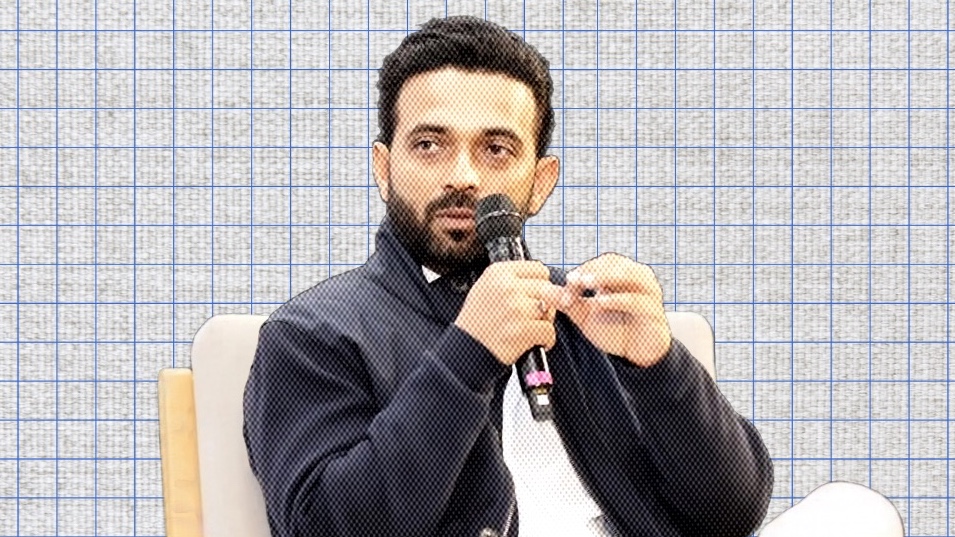
Being Indian and Kiwi at once. How Ajaz Patel's 10-wicket haul brought his two worlds together A historic moment in Mumbai left the Black Caps spinner reflecting on something far deeper than cricket.
India's SIR voter controversy reaches New Zealand in Muslim man's asylum case The man claimed Muslims excluded from voter lists risked losing welfare benefits and being treated as illegal immigrants.
Election 2026: A right majority is possible even if Opportunity enters Parliament The latest polls suggest National, ACT and NZ First could secure a majority, with the Opportunity Party's fortunes still crucial.
The proposal did not ask the council to immediately choose an Indian city or enter into an agreement.
Instead, Ong’s formal motion asked council staff to investigate the possibilities with the University of Otago, while acknowledging that the costs of any eventual relationship were not currently budgeted and would need to be considered before an agreement was signed.
Before the vote, Ong said the New Zealand–India free-trade agreement presented a major opportunity for Dunedin and argued the city should position itself to benefit early from closer economic ties with India.
He said Dunedin, as one of New Zealand’s main centres and home to some of the country’s oldest institutions, could become an “outsized beneficiary” of the agreement if it moved quickly.
“For too long, we Dunedinites know our feelings of our most special City being left behind compared to our Country’s other leading Centres,” he wrote.
“It is time for us to seize first for our City, the Country-wide opportunities that are presented to us.”
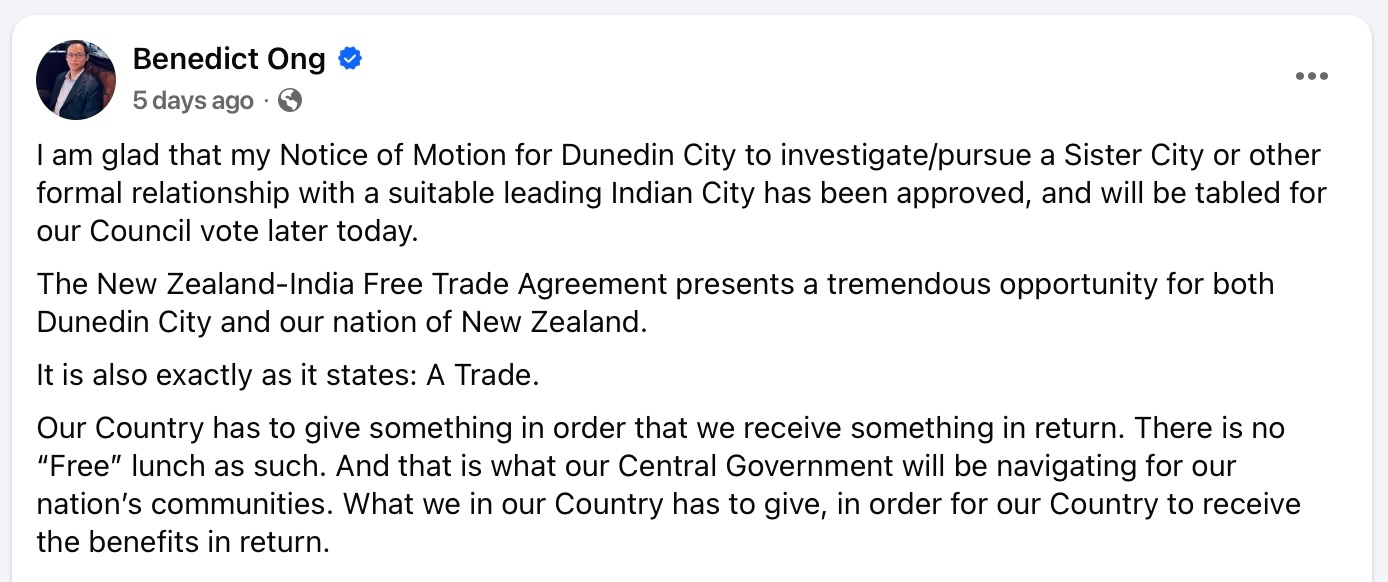
Ong said his objective was for Dunedin to become “the main and first beneficiary” of opportunities created by the agreement rather than being “at the end of the field”.
India has also become an increasingly important market for New Zealand education. The University of Otago told the Otago Daily Times that lifting international student enrolments was one of its strategic goals and India was a key market.
But several councillors said Dunedin already had enough international relationships to look after. “We don’t have the capacity right now, to be frank,” councillor Christine Garey said, according to the Otago Daily Times.
Councillor Steve Walker said a new relationship would create expectations about future commitments and resources. “I think we should do better with the relationships we already have before we start to think about taking on another one.”
Dunedin already has overseas relationships including with Shanghai in China, Edinburgh in Scotland and Otaru in Japan.
Ong argued other New Zealand centres could seize opportunities with India while Dunedin stood back. “Dunedin city — the city of former firsts and doesn’t want to be the city of firsts any more,” he said.
Lund said India was a growing market and an early relationship could benefit Dunedin. “If we are an early adopter and create relationships early, that can only be a good thing,” he said.
Mayor Sophie Barker opposed the motion, arguing it was unnecessary because she was already having discussions at a governance level with the University of Otago and Otago Polytechnic.
The university said it welcomed help from central and local government in promoting Dunedin as an education destination and was open to exploring with the council what such cooperation might look like.
What can a city partnership actually involve?
The agreements themselves can be quite broad.
Auckland’s sister-city relationship with Guangzhou in China offers one example. The two cities became sister cities in 1989 and formally reaffirmed the relationship in 2014.
That agreement focused on strengthening economic links, improving understanding between their people and cultures, and encouraging further economic, social and cultural exchanges.
It did not set out a detailed programme of spending or activity. Instead, it provided a framework under which more specific relationships could develop.
Auckland later used its Guangzhou relationship as part of a three-city economic alliance with Guangzhou and Los Angeles aimed at opening opportunities for trade, investment, education, tourism, innovation and other forms of cooperation.
That helps explain why Ong did not prescribe what Dunedin’s relationship with an Indian city should look like. His motion deliberately left open whether it should become a sister-city arrangement, a friendship-city relationship or a memorandum of understanding.