The migrant candidate warning New Zealand about migrants having too many children
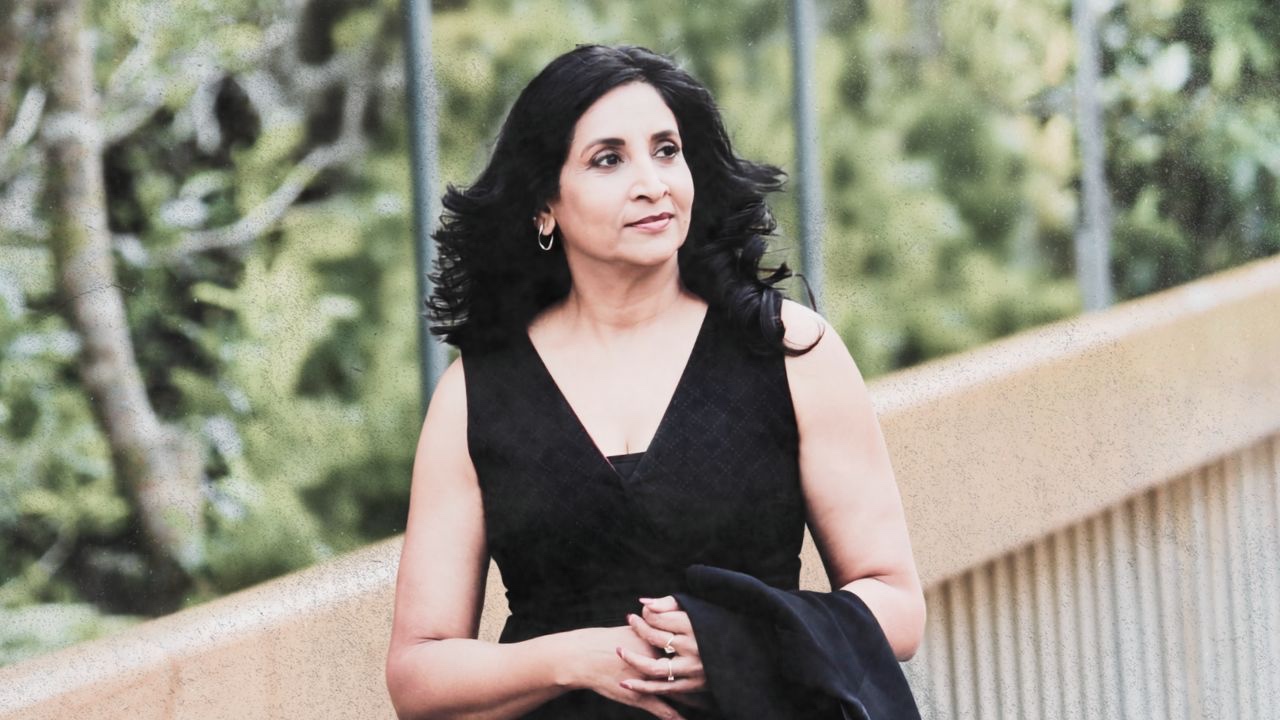
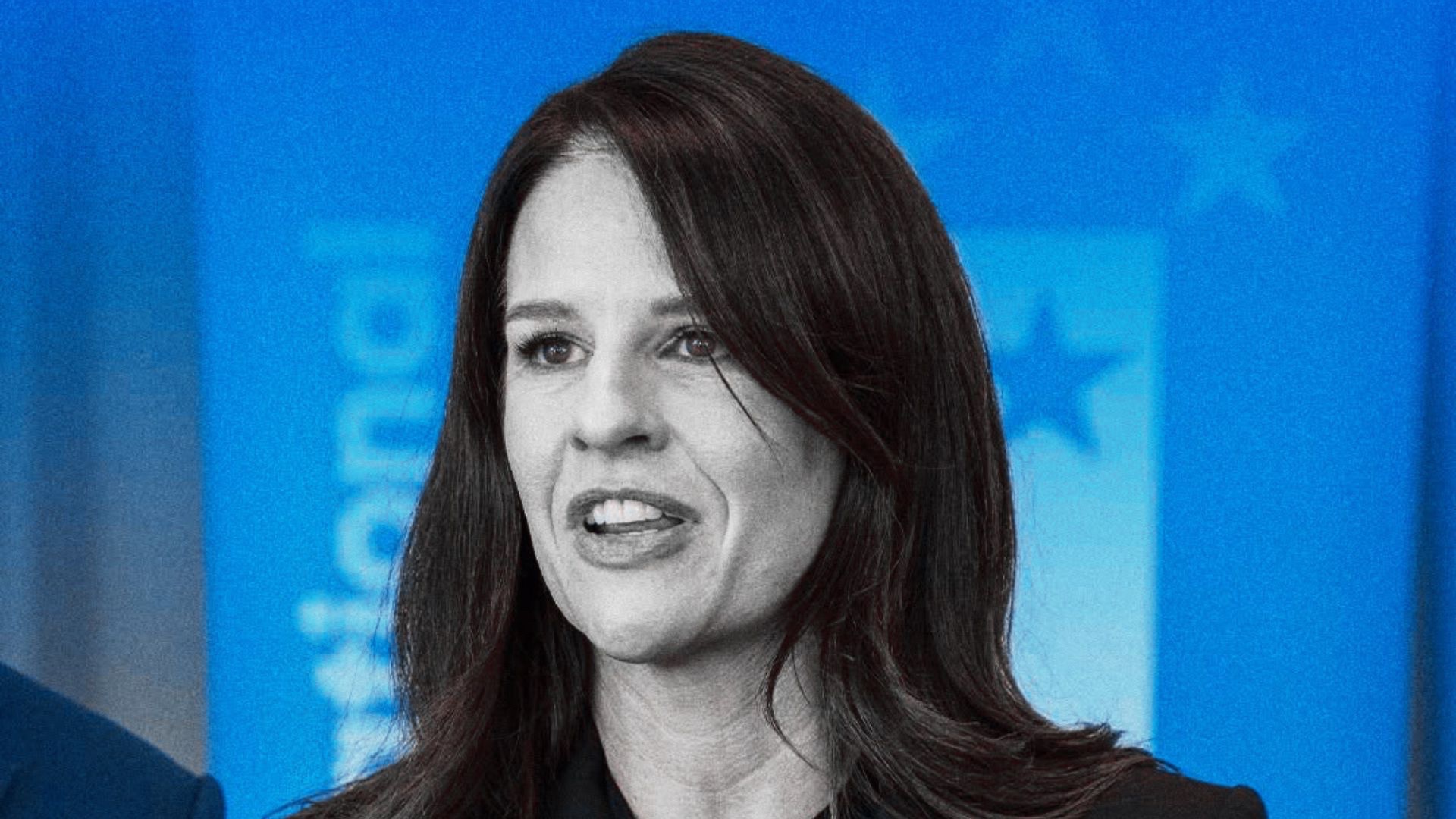
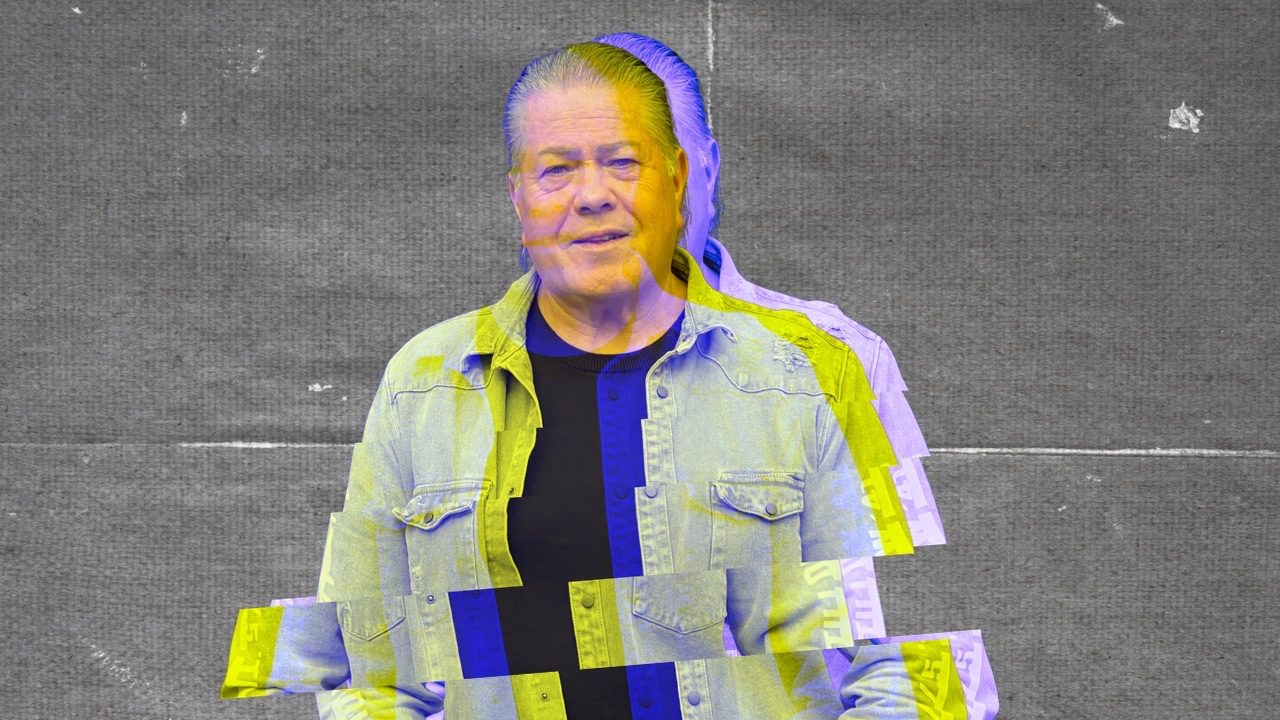
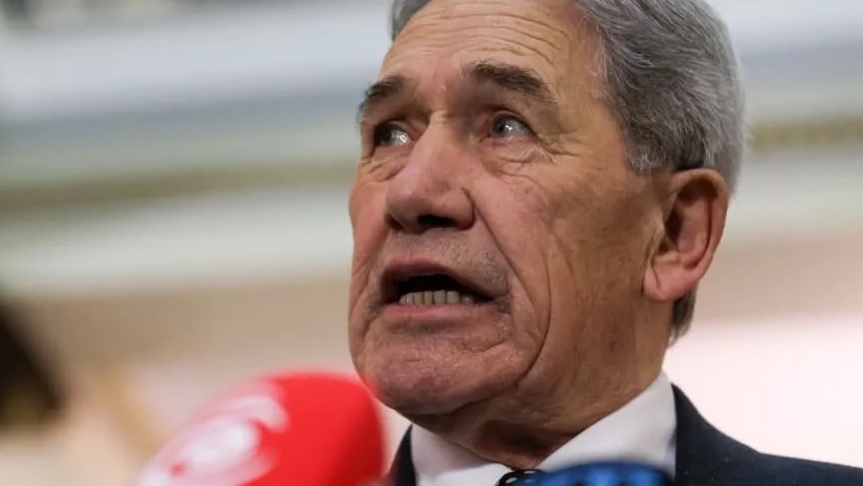
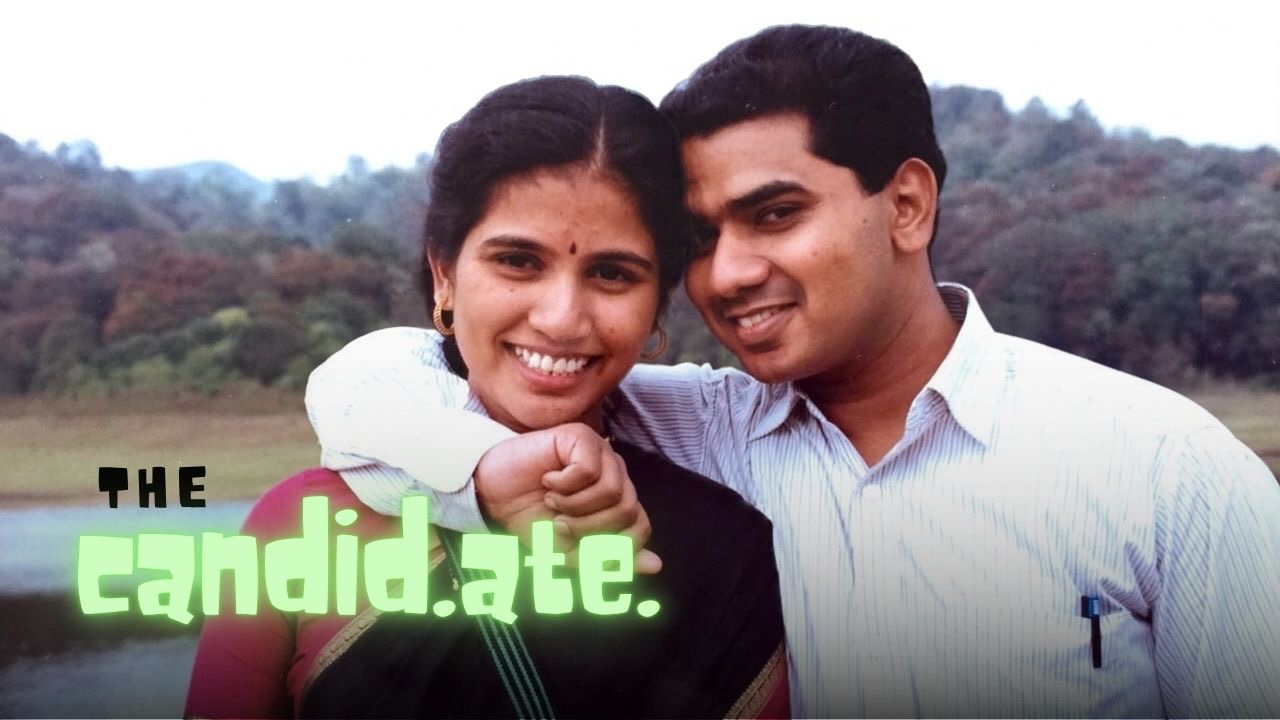
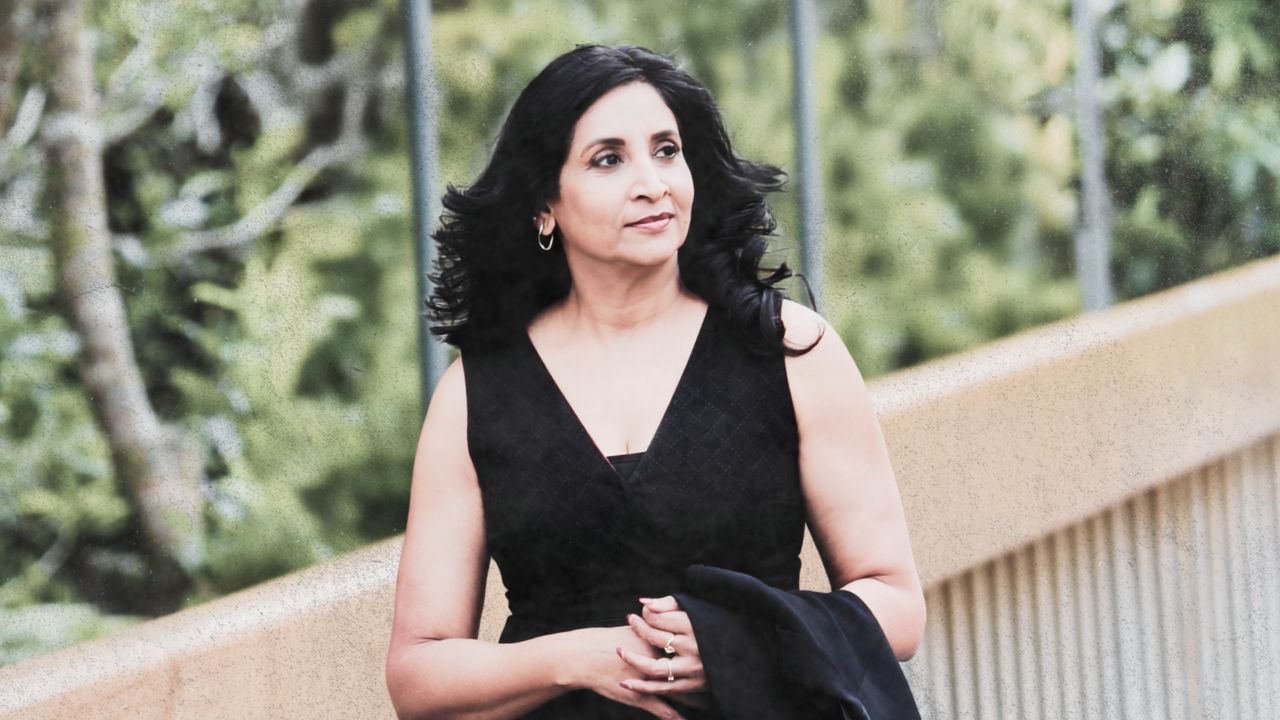
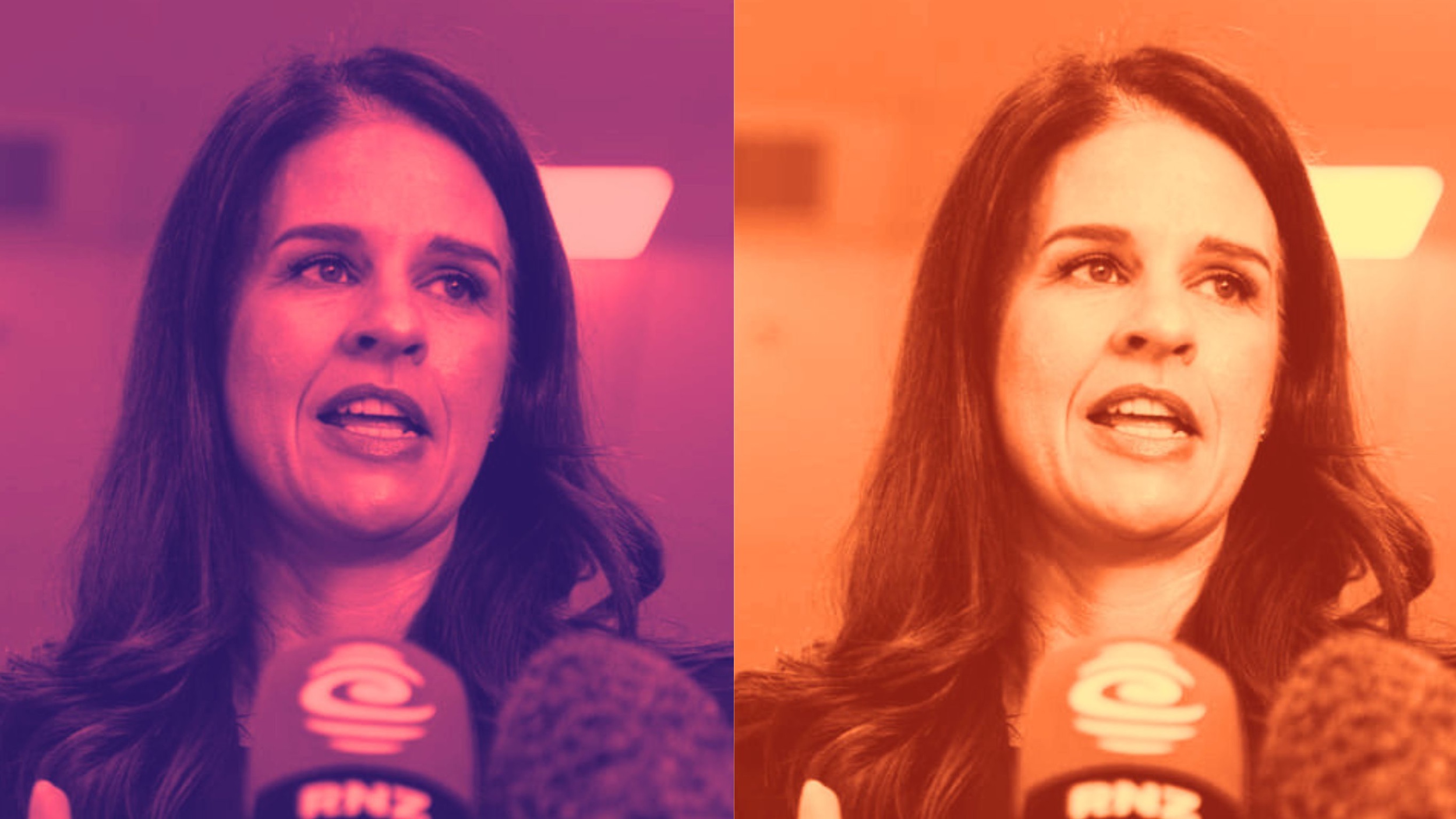
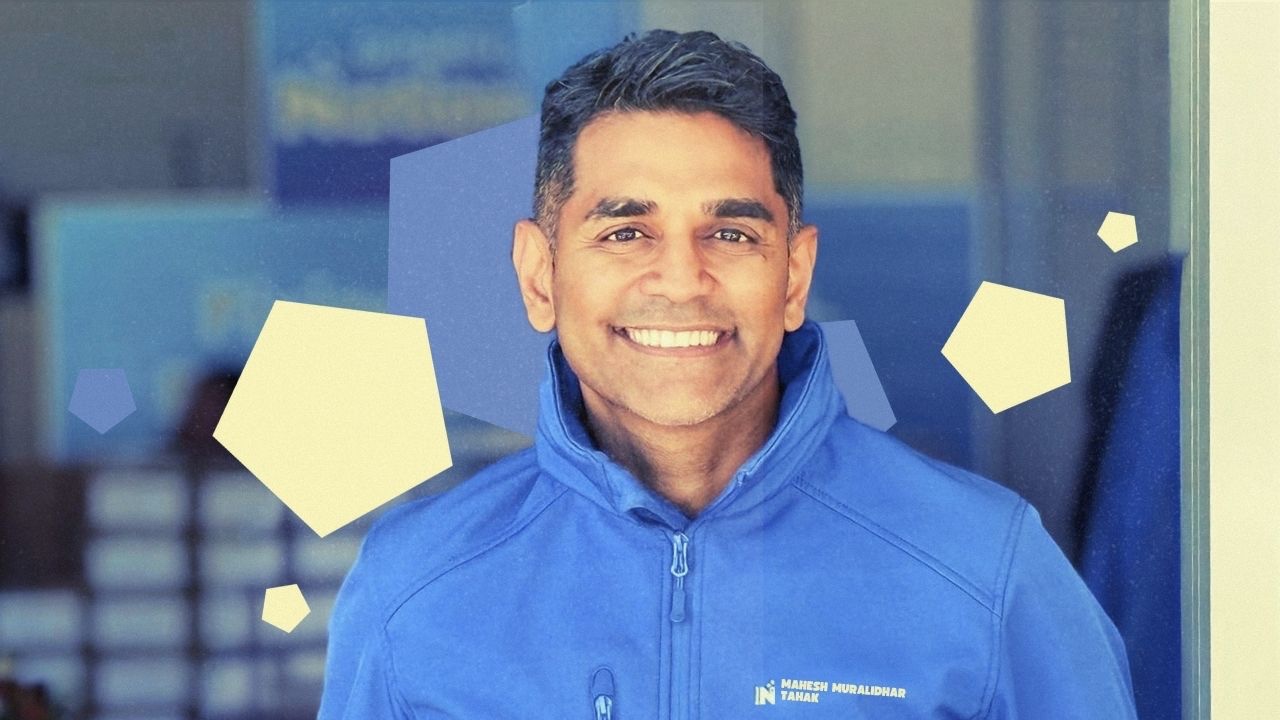
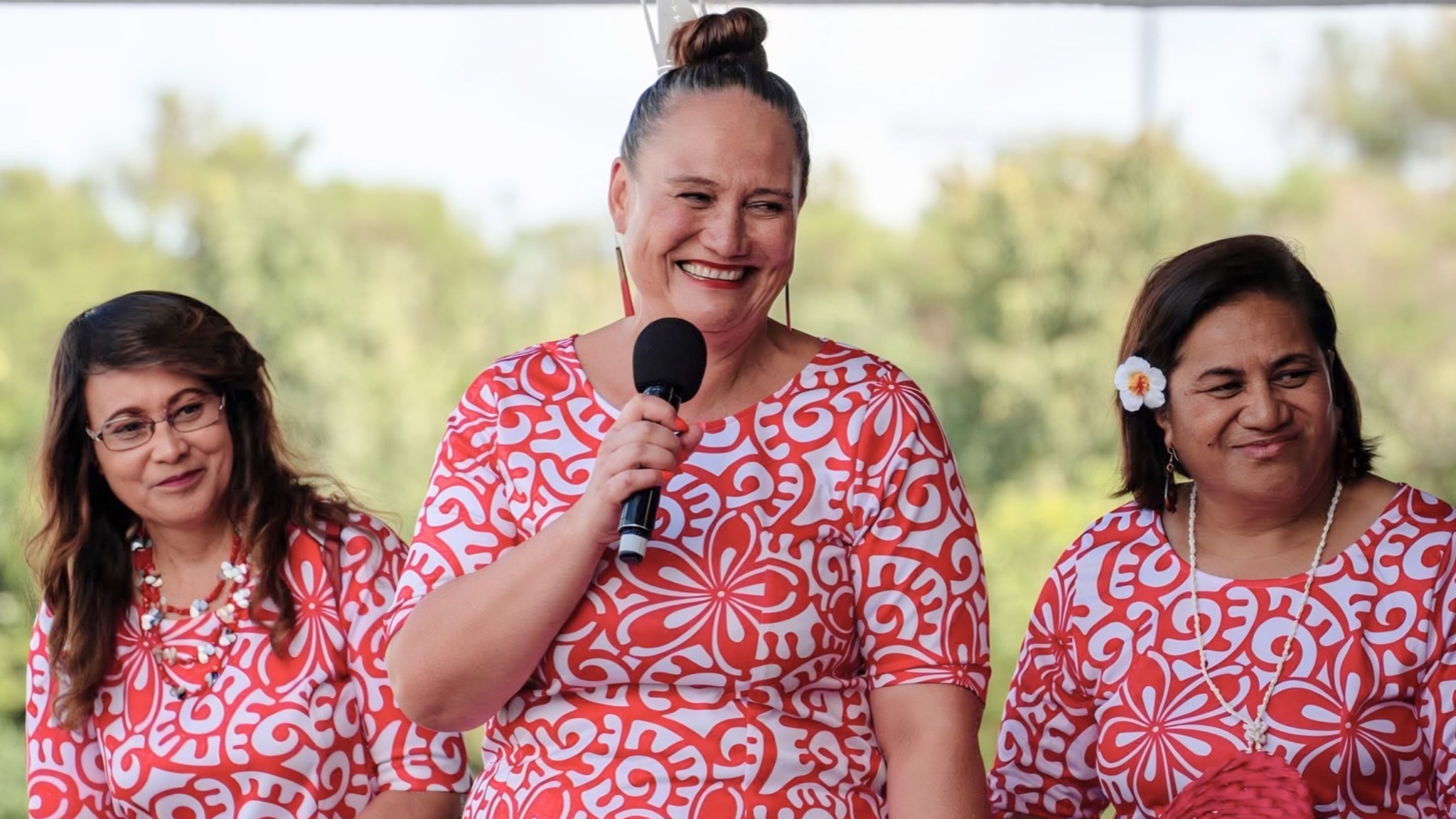
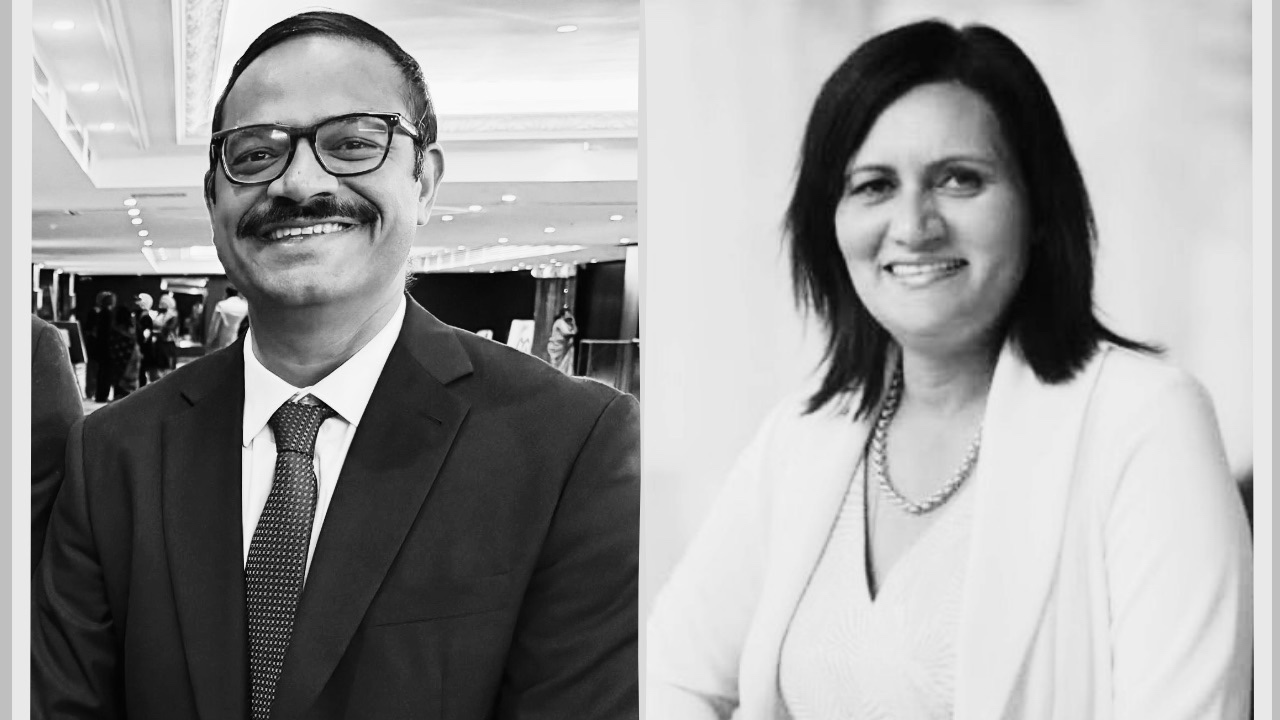
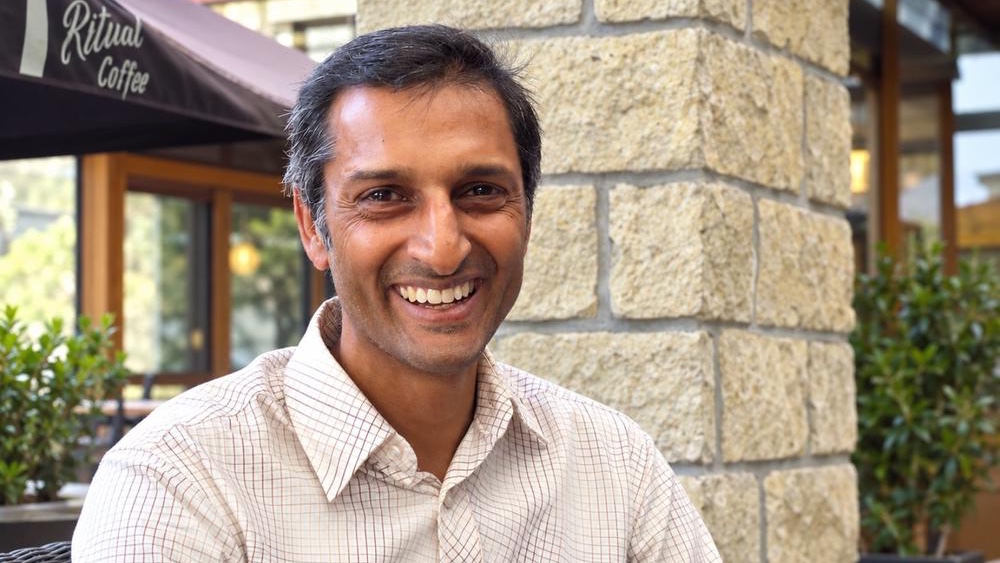
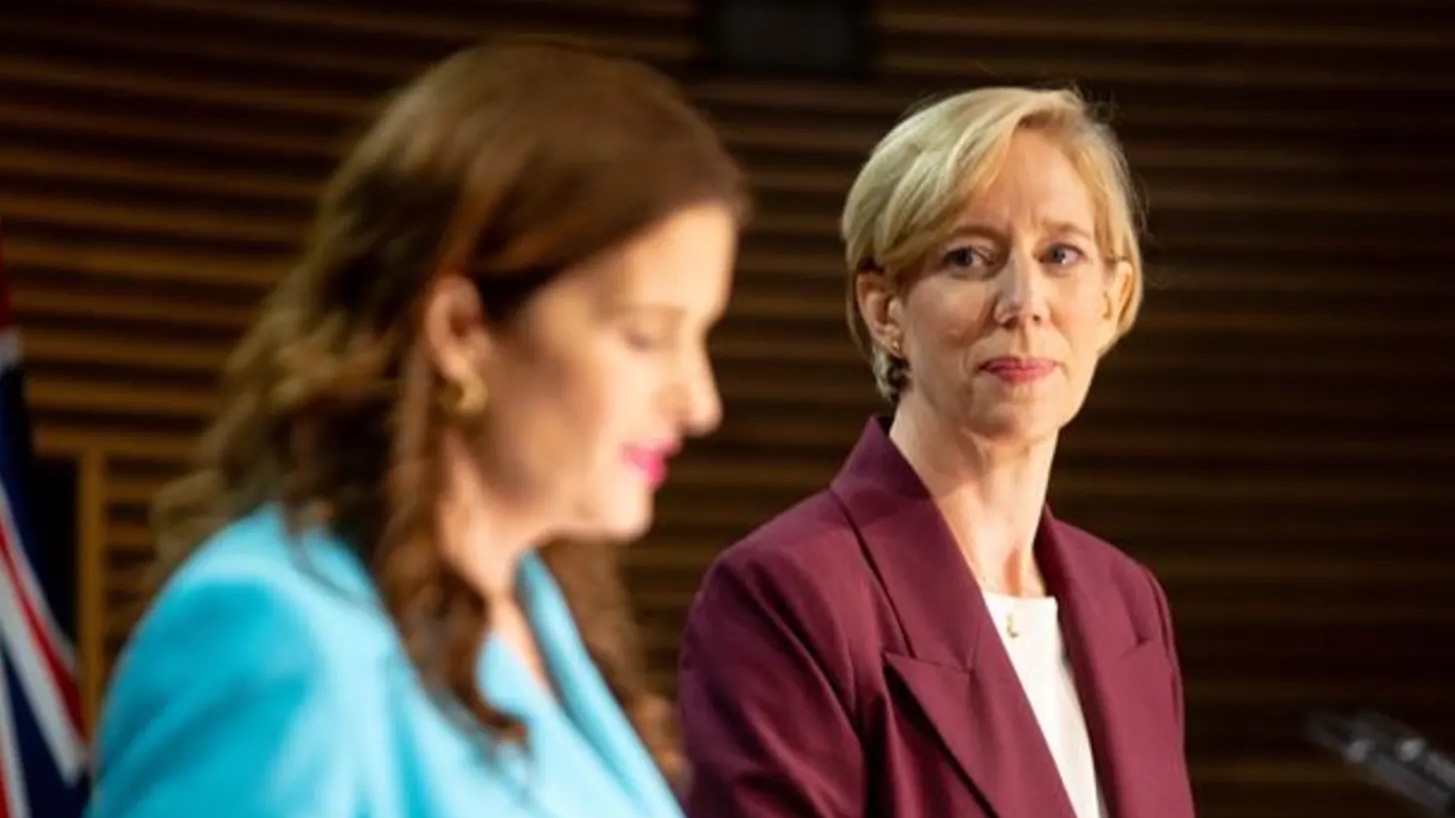
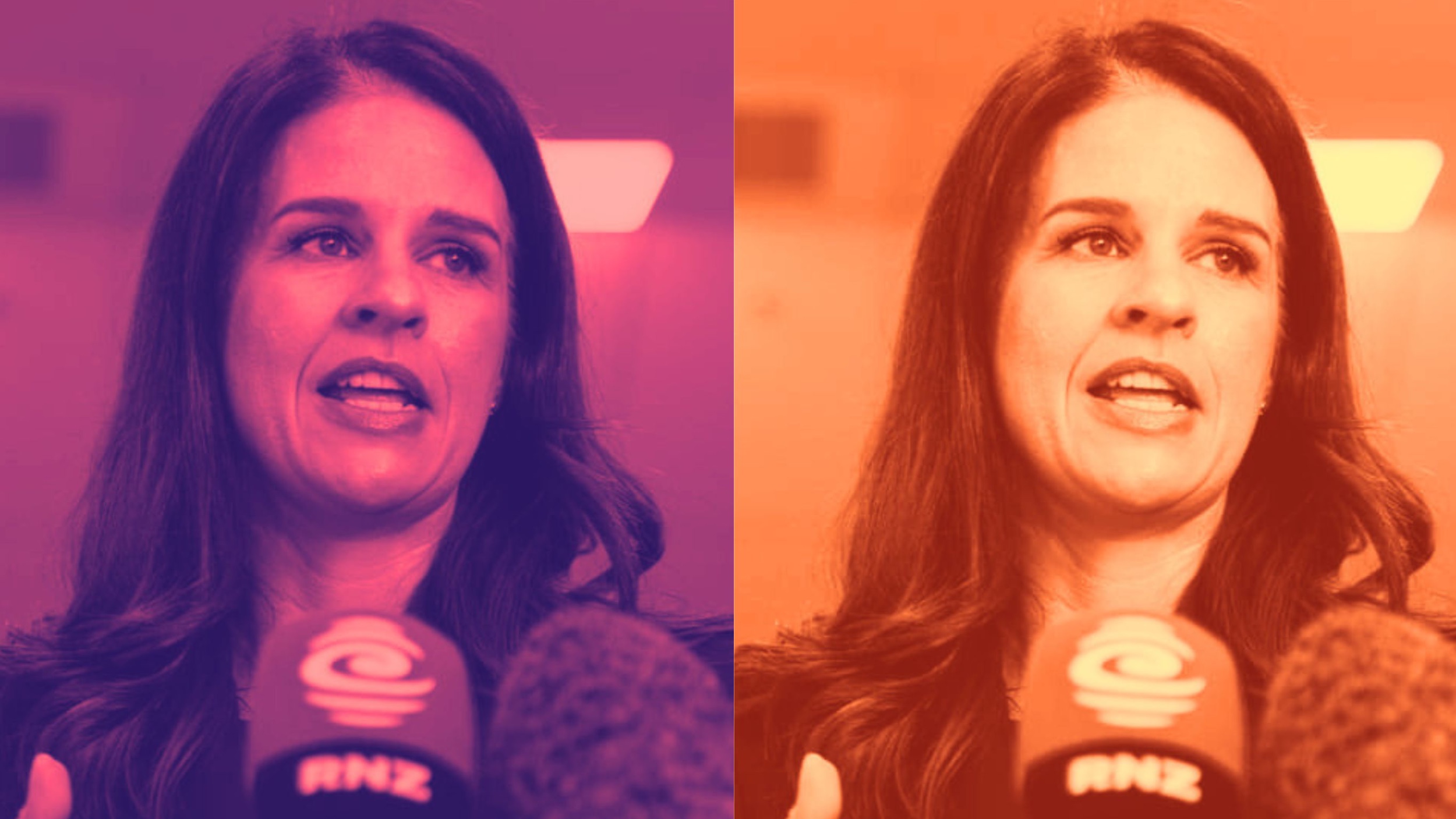
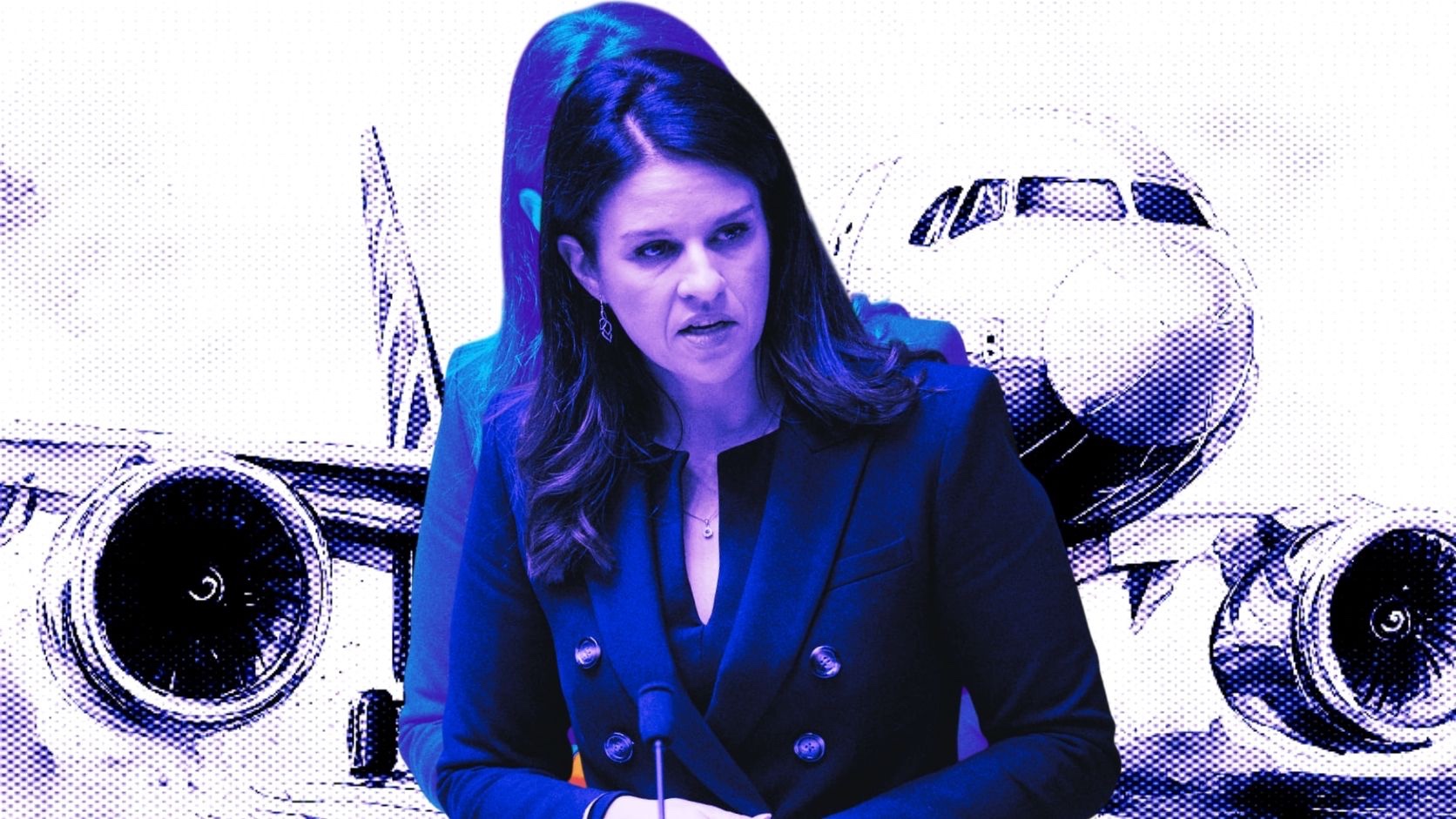
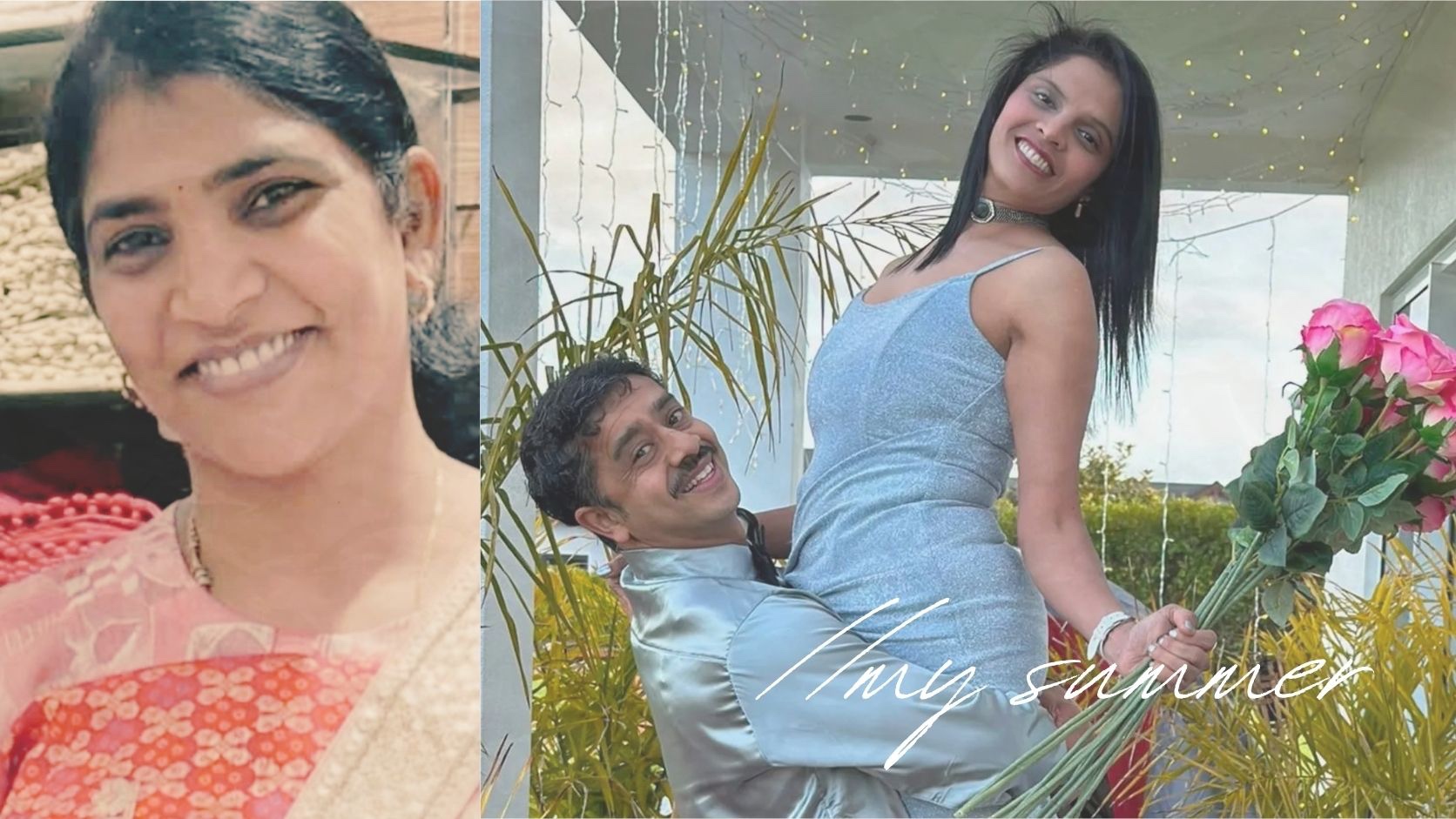
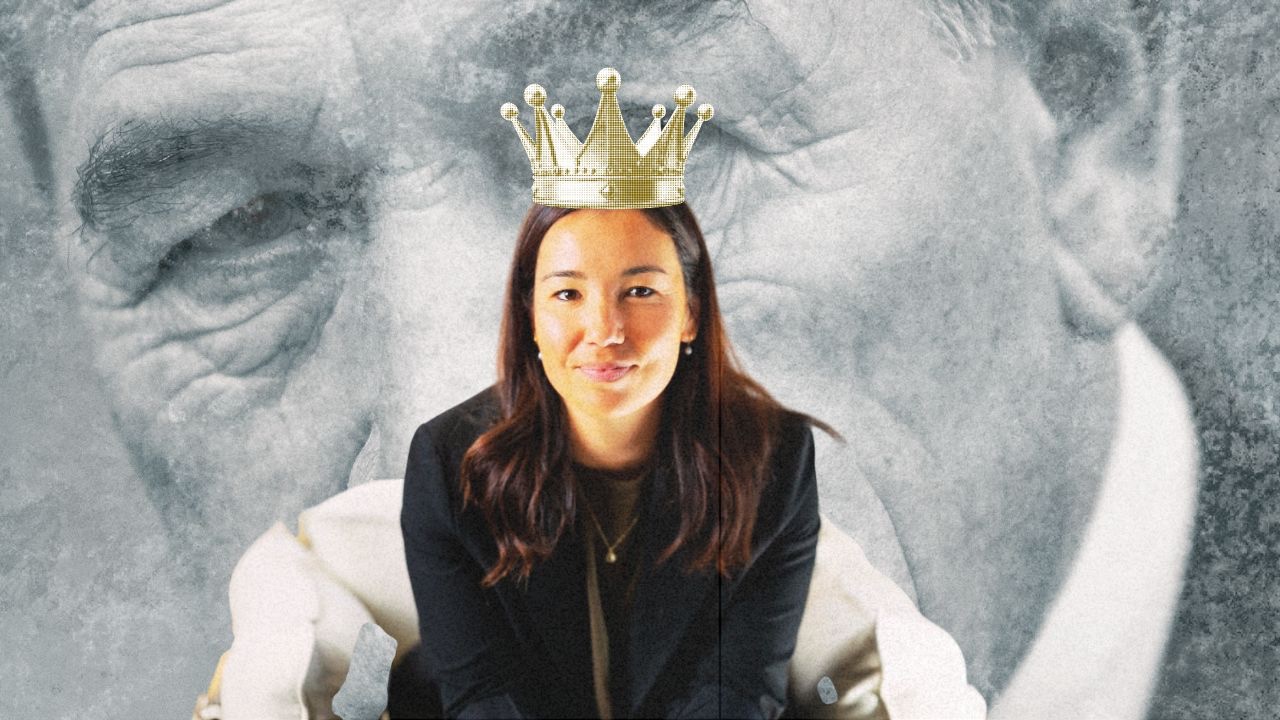
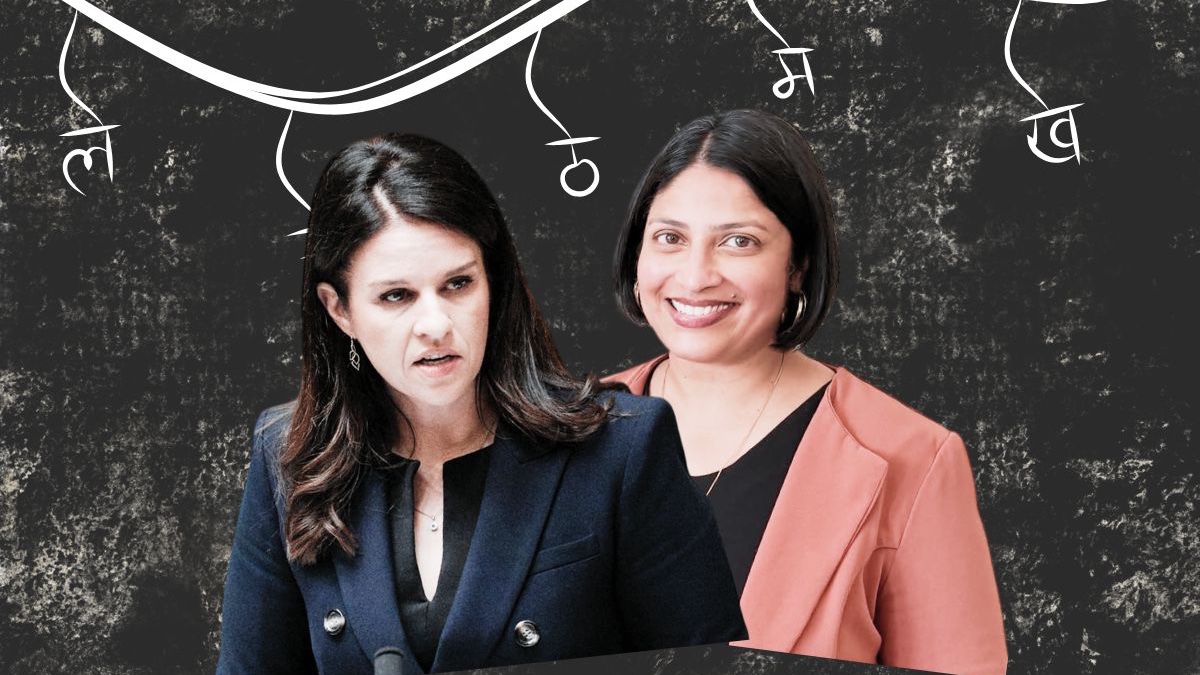
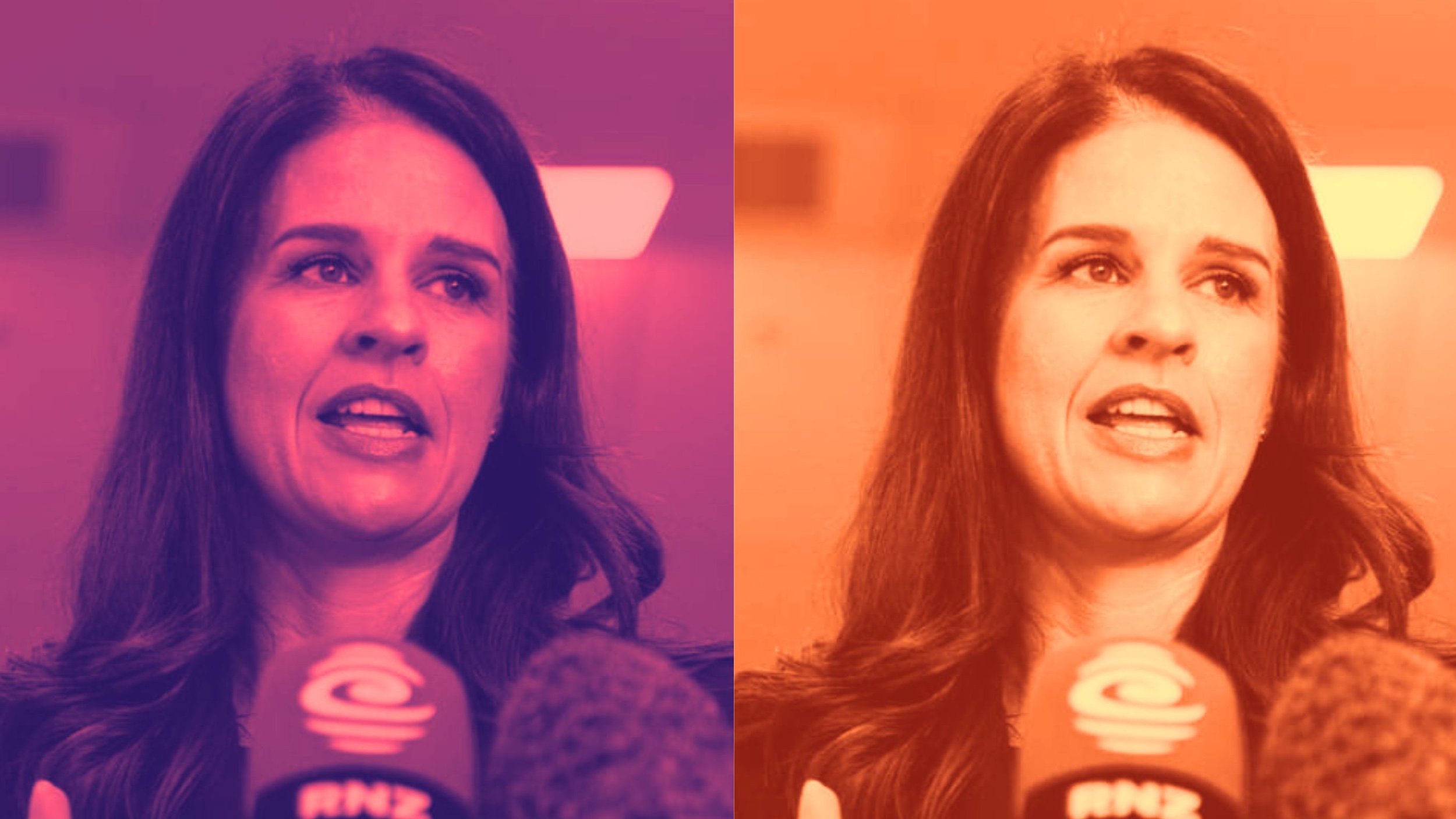
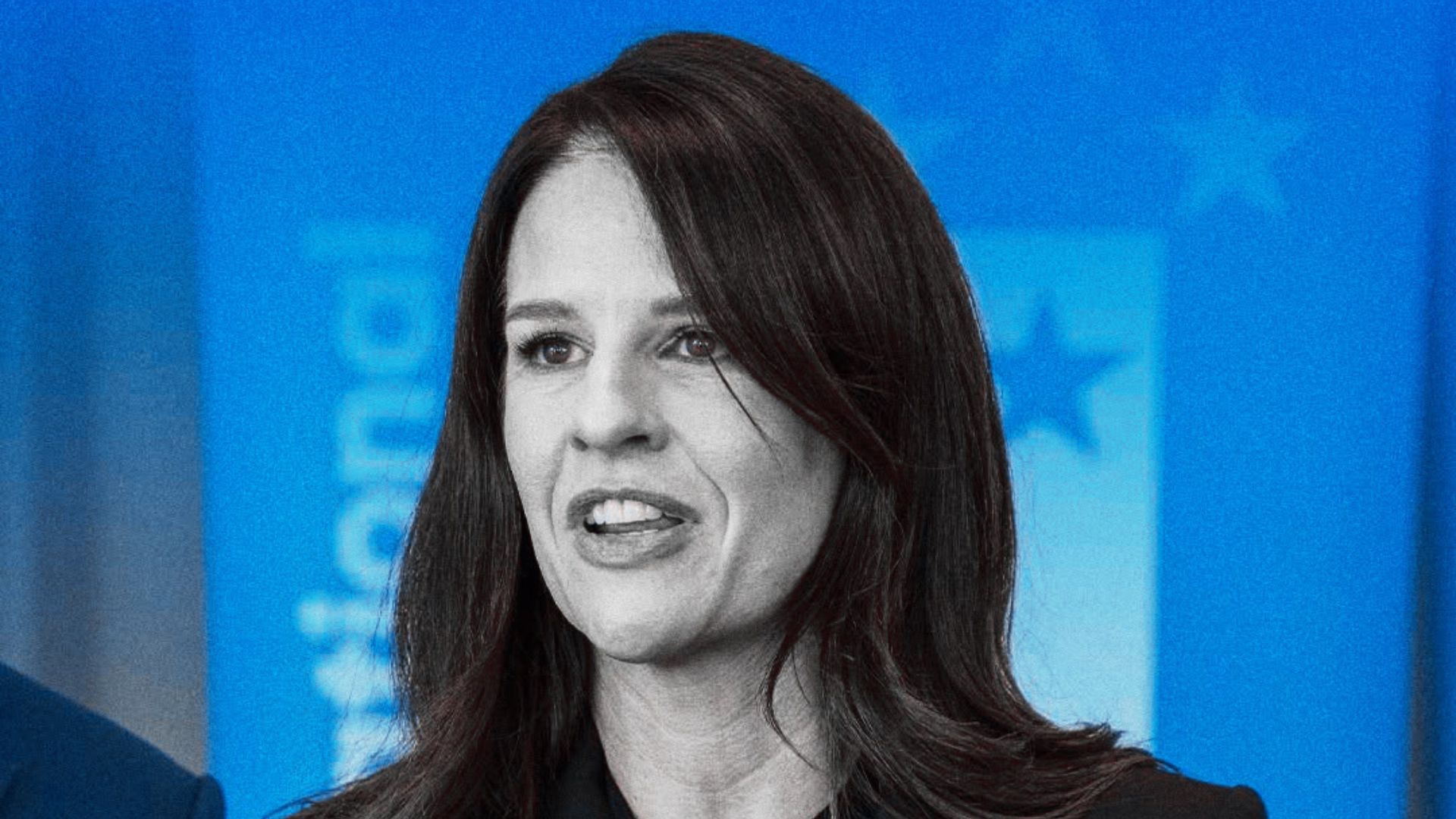
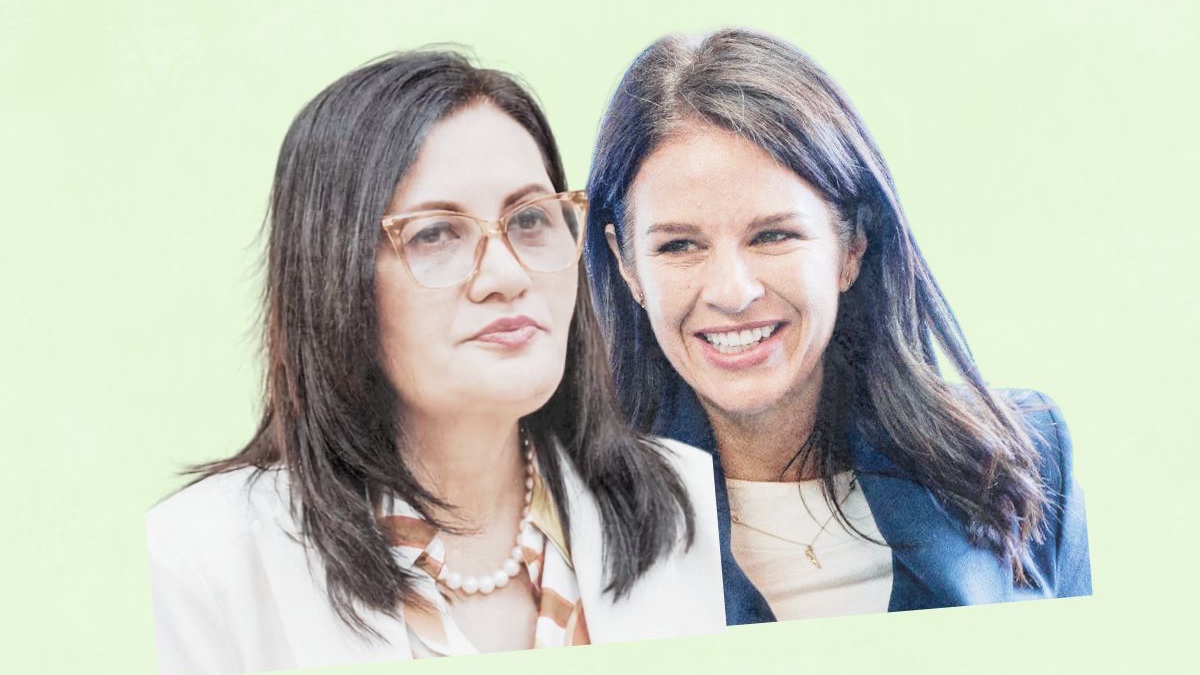
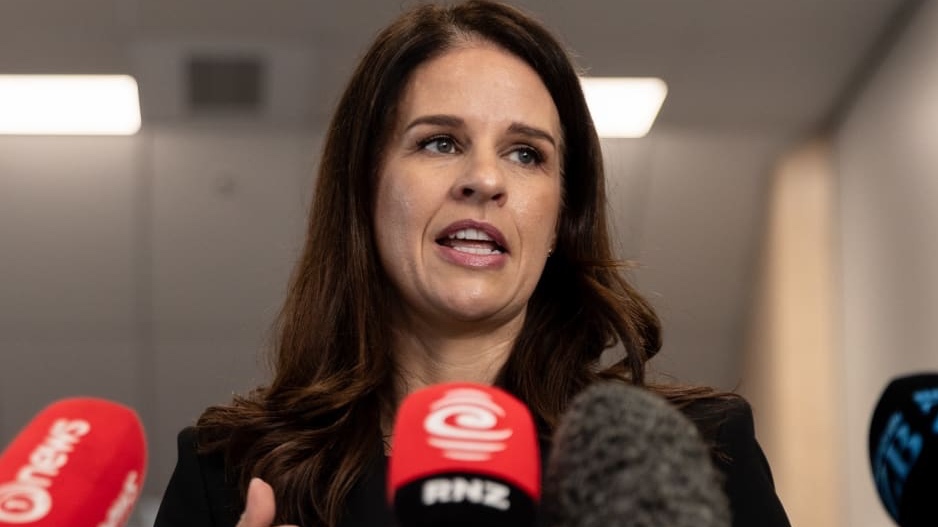
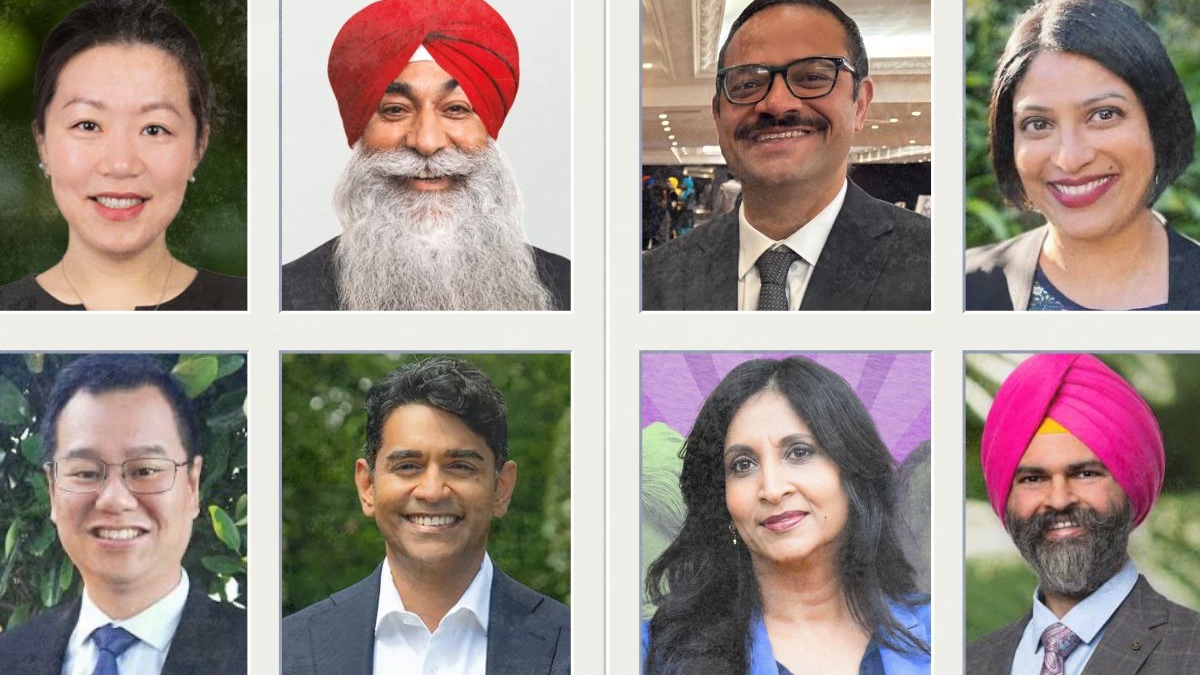
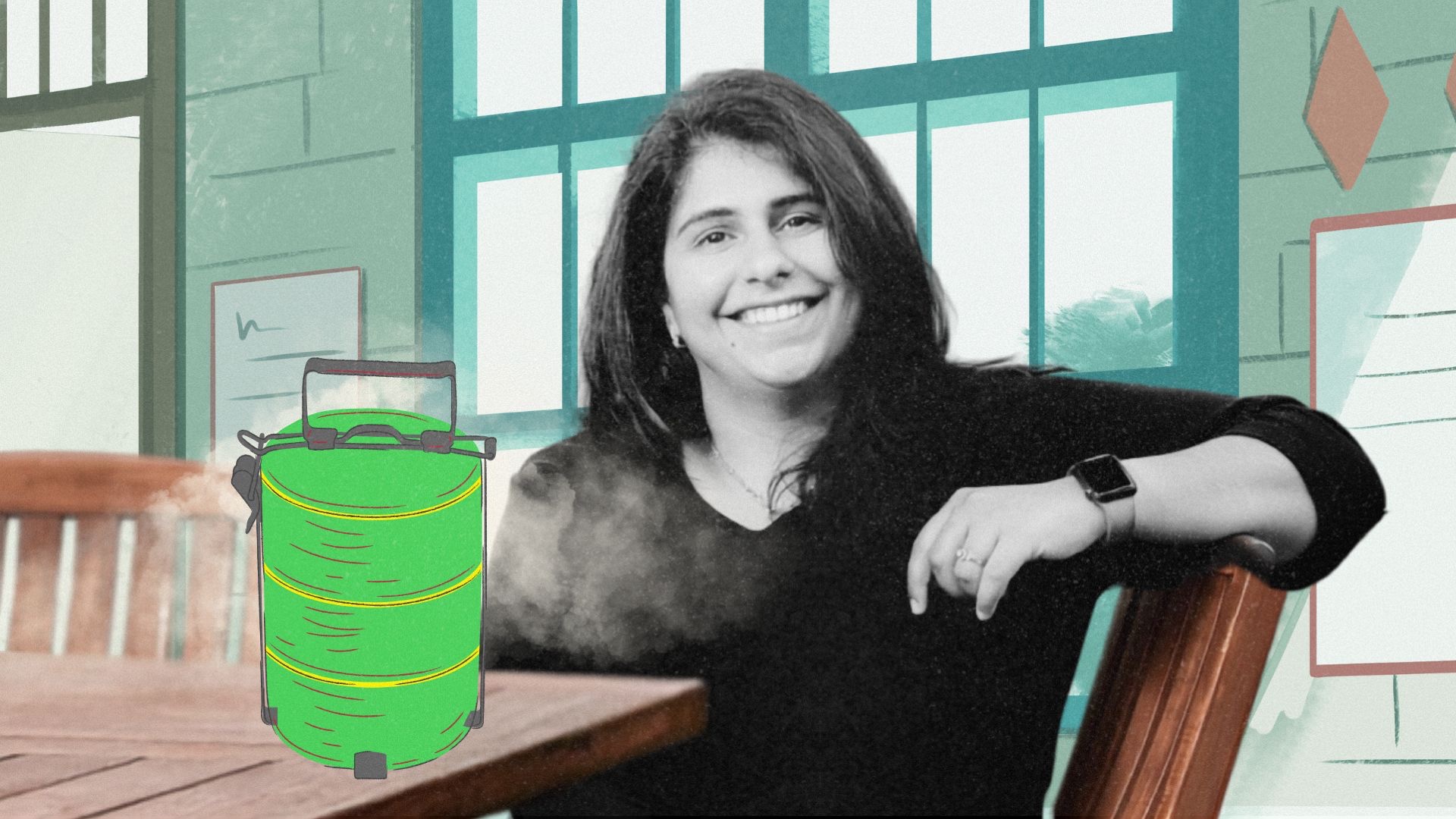
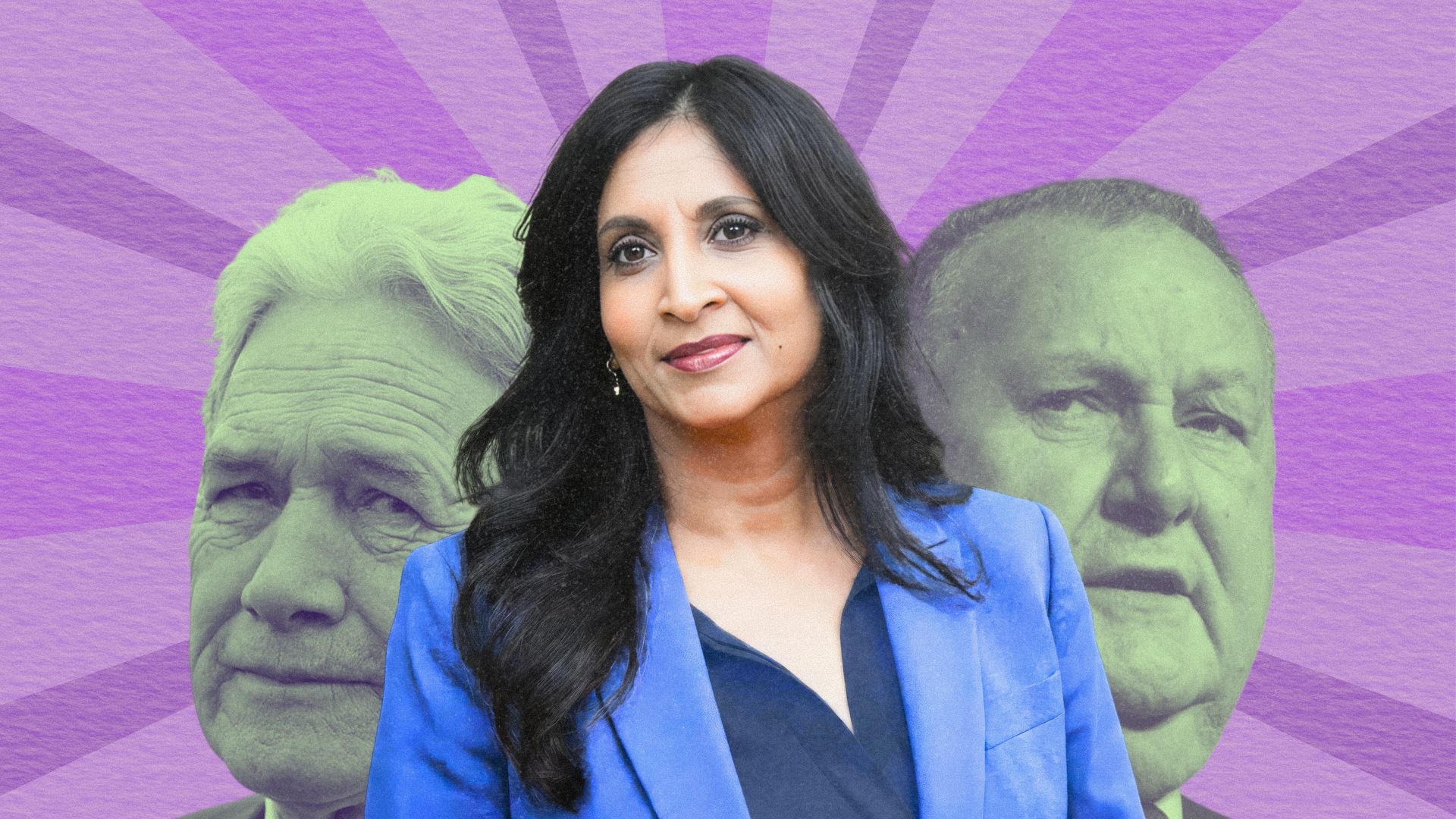
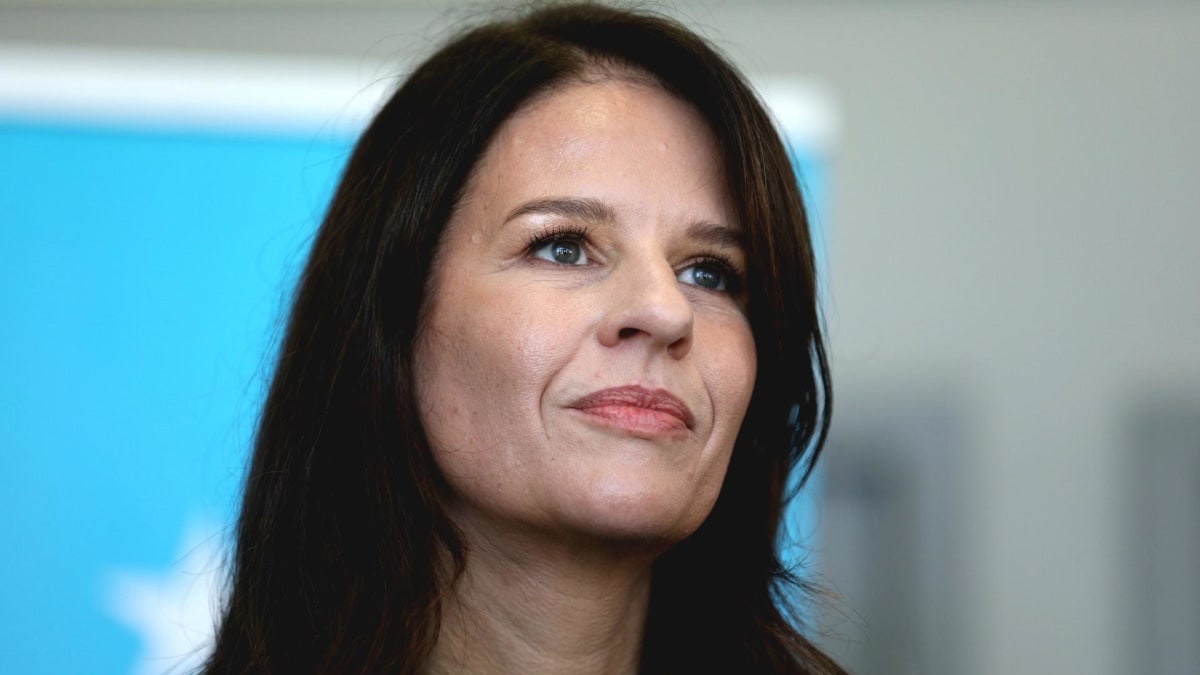
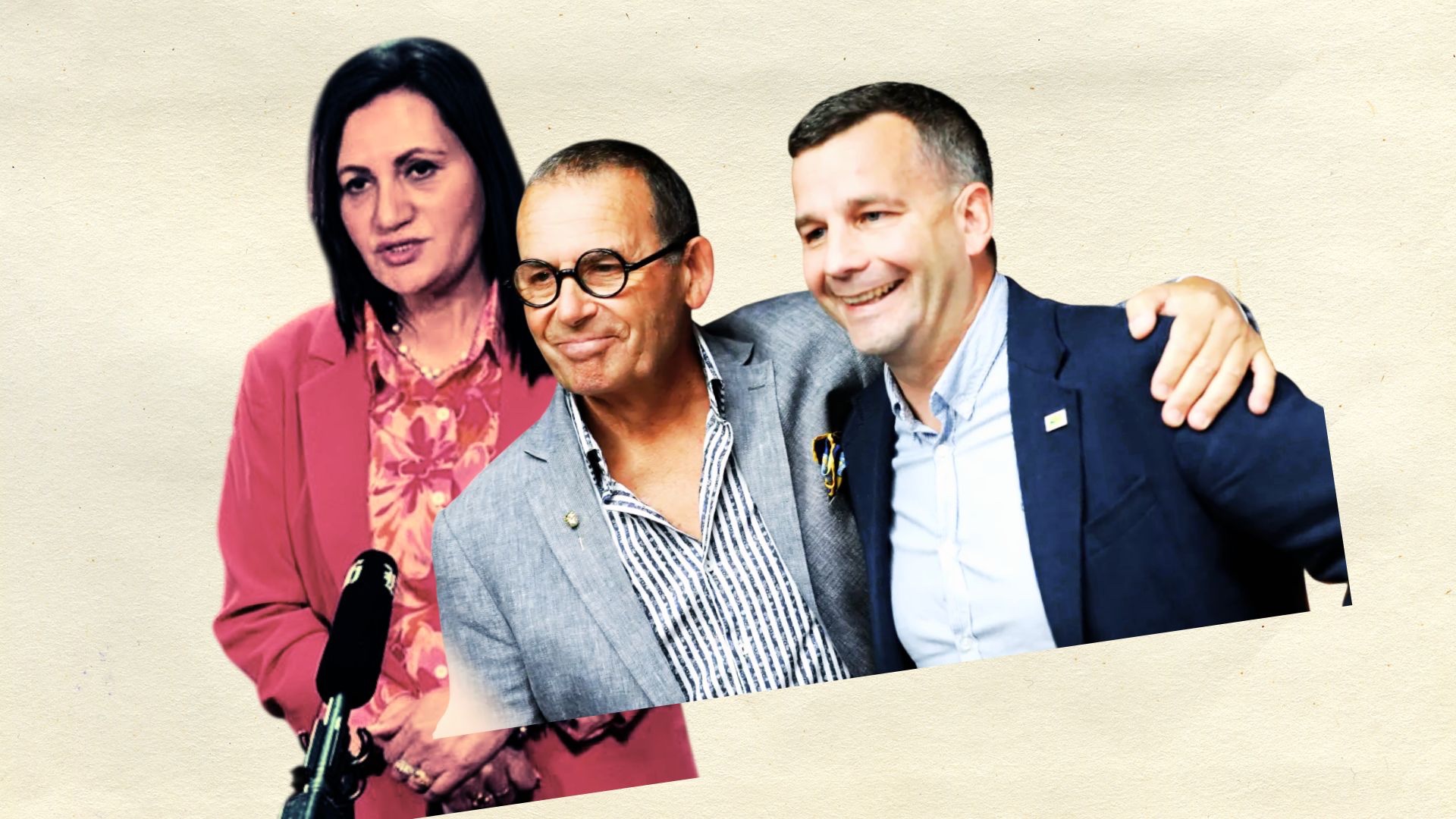
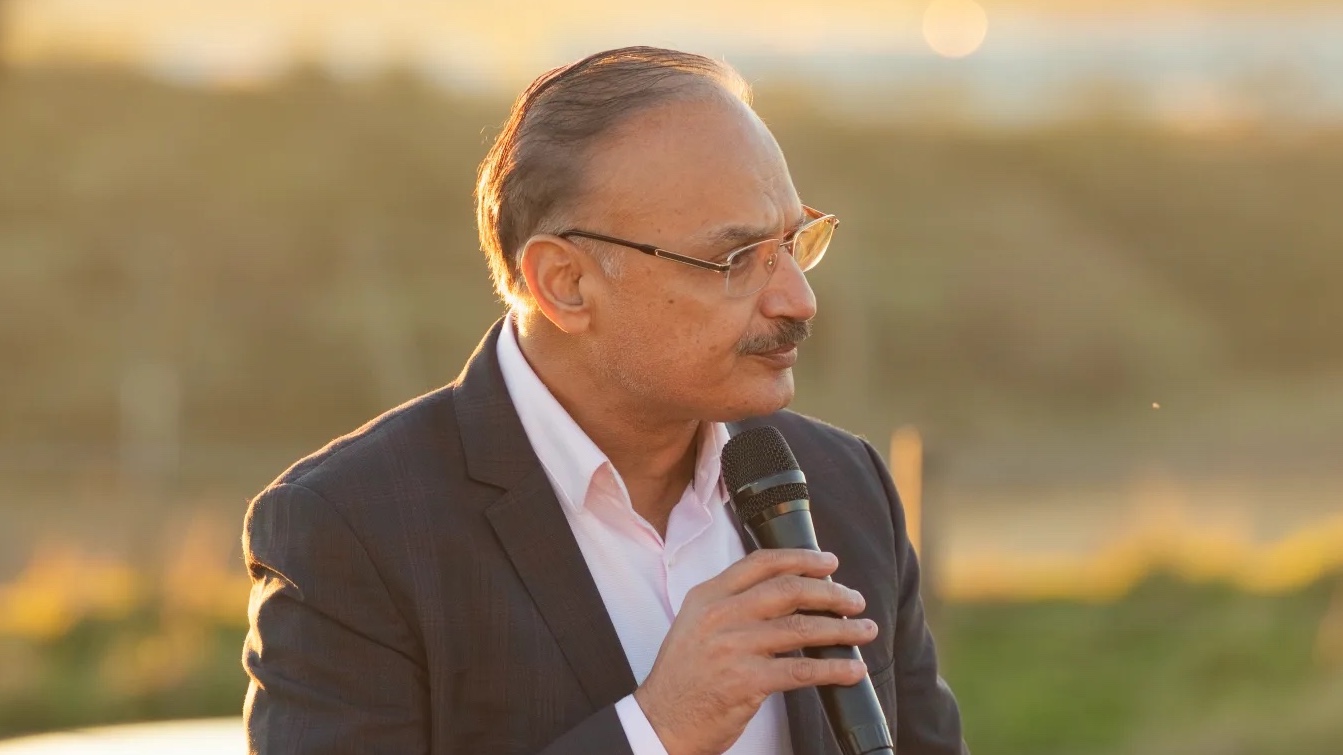
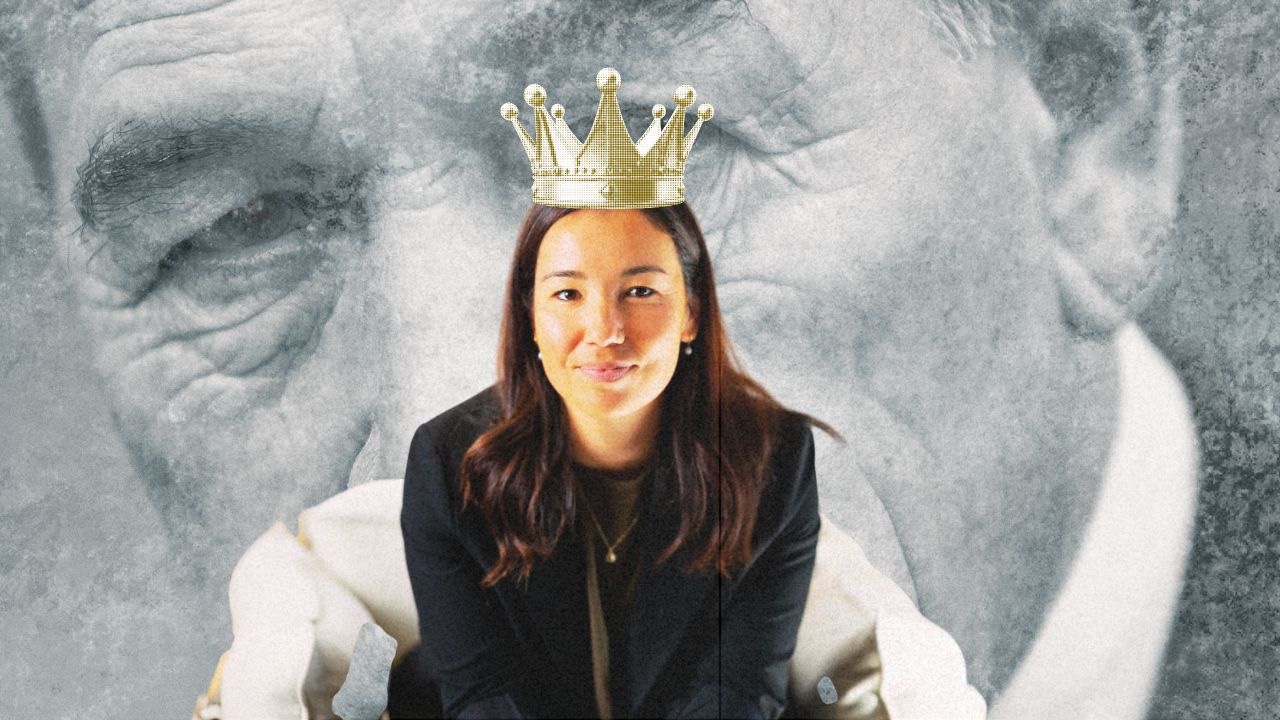
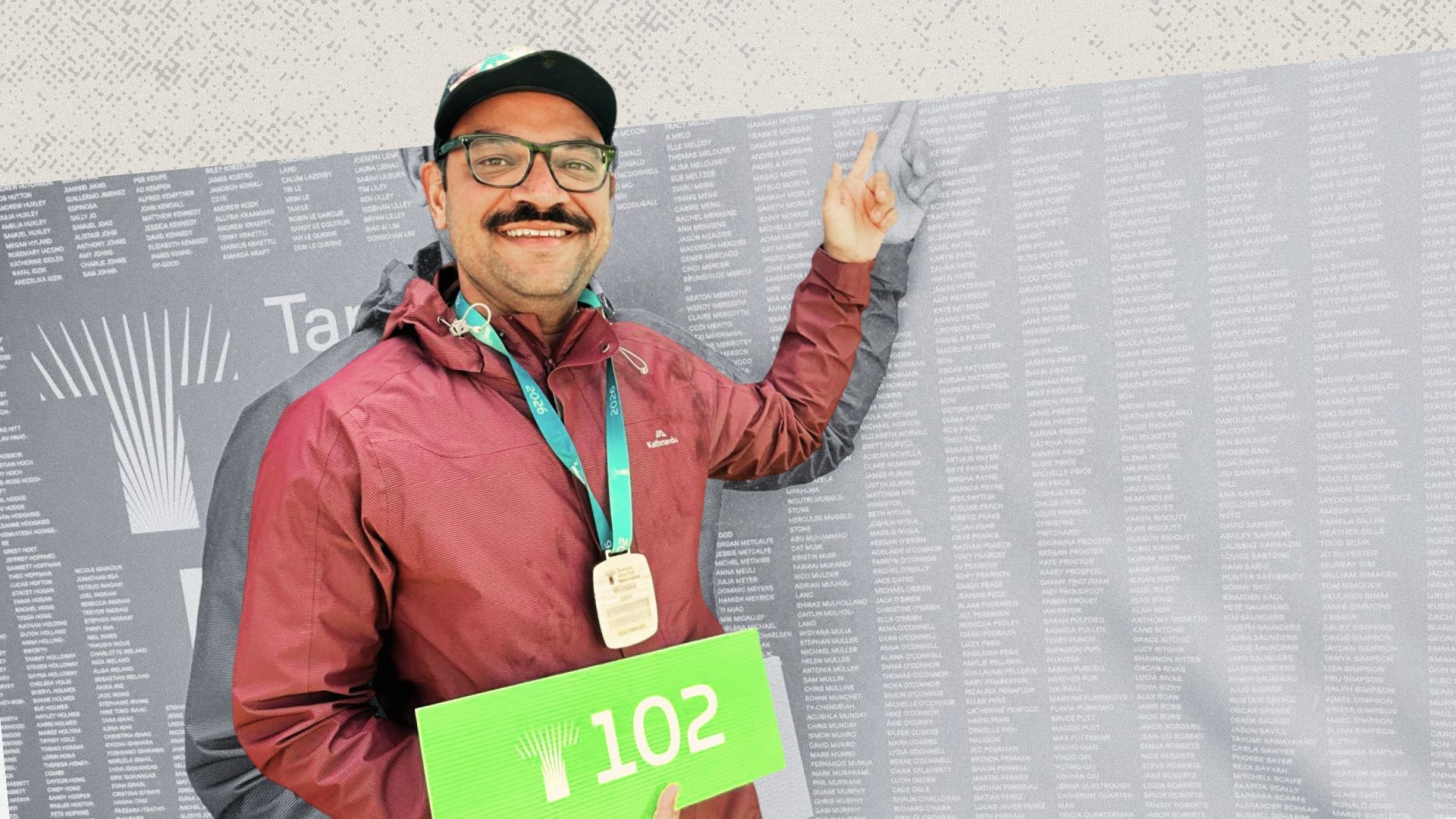
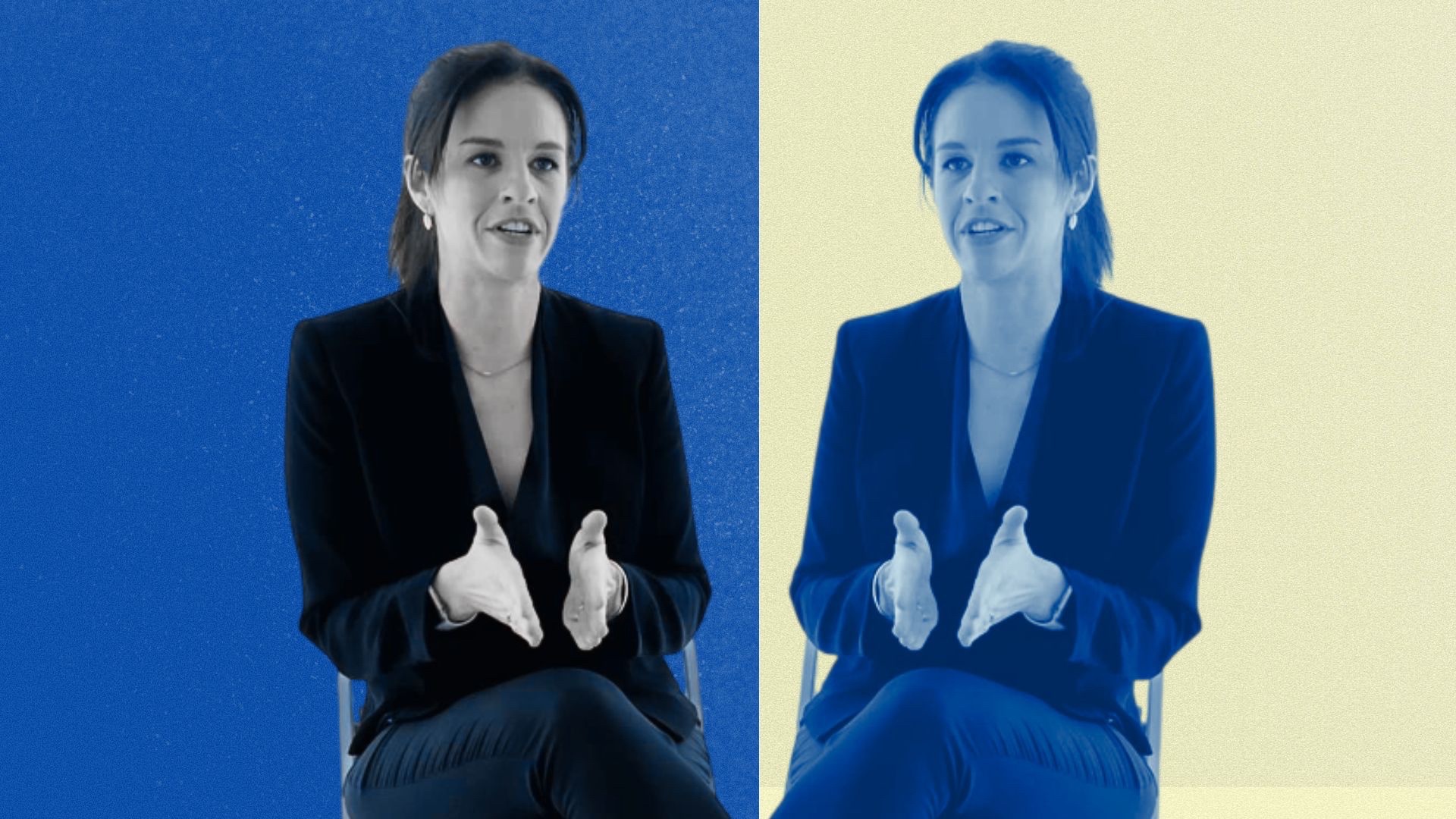
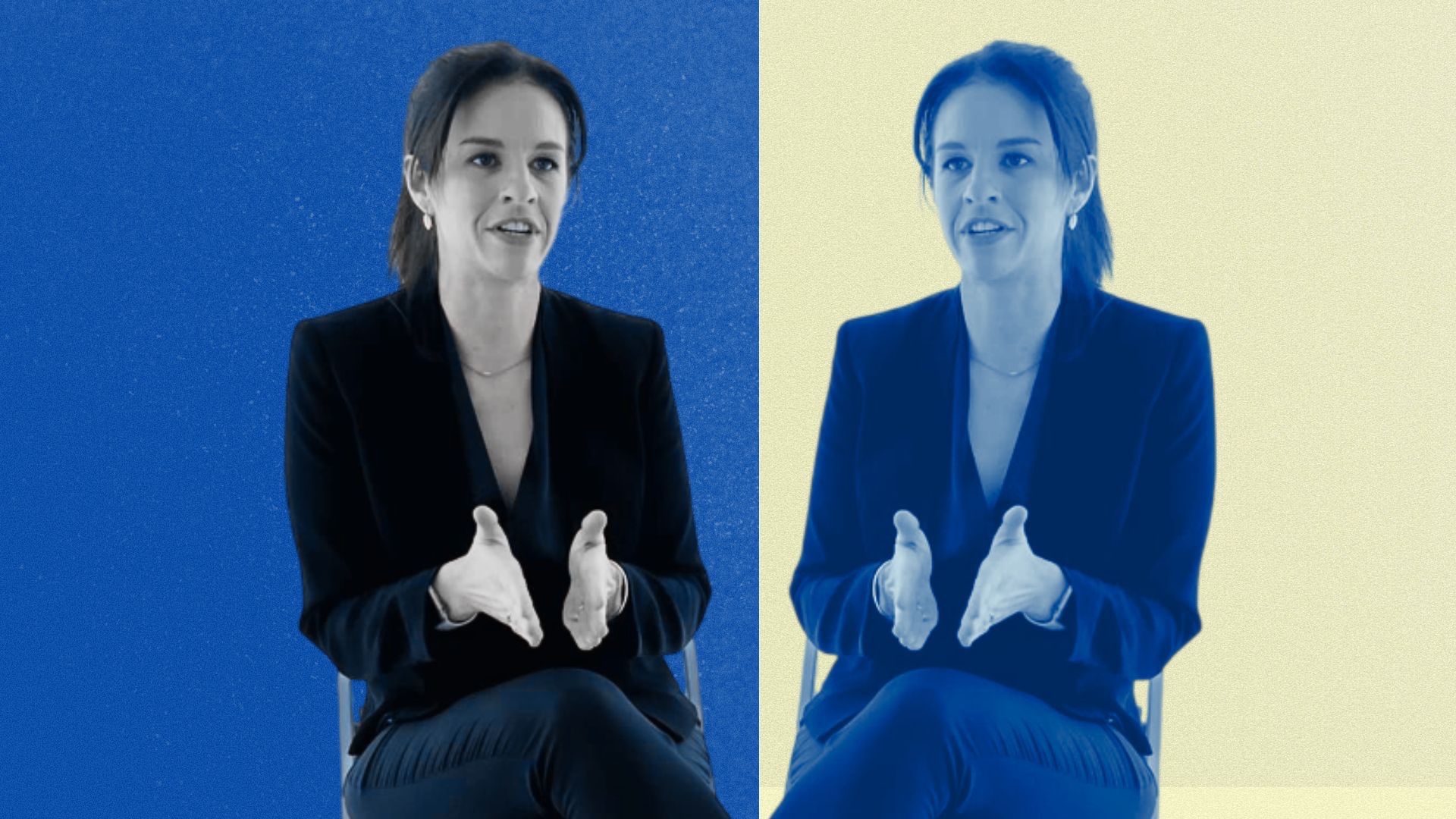
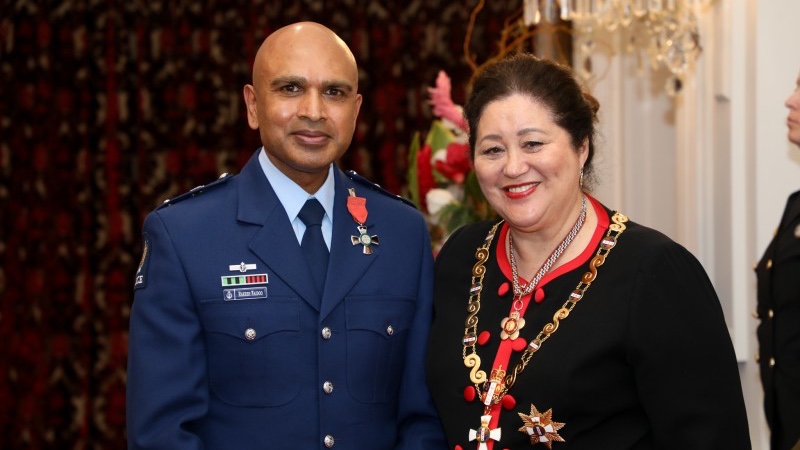
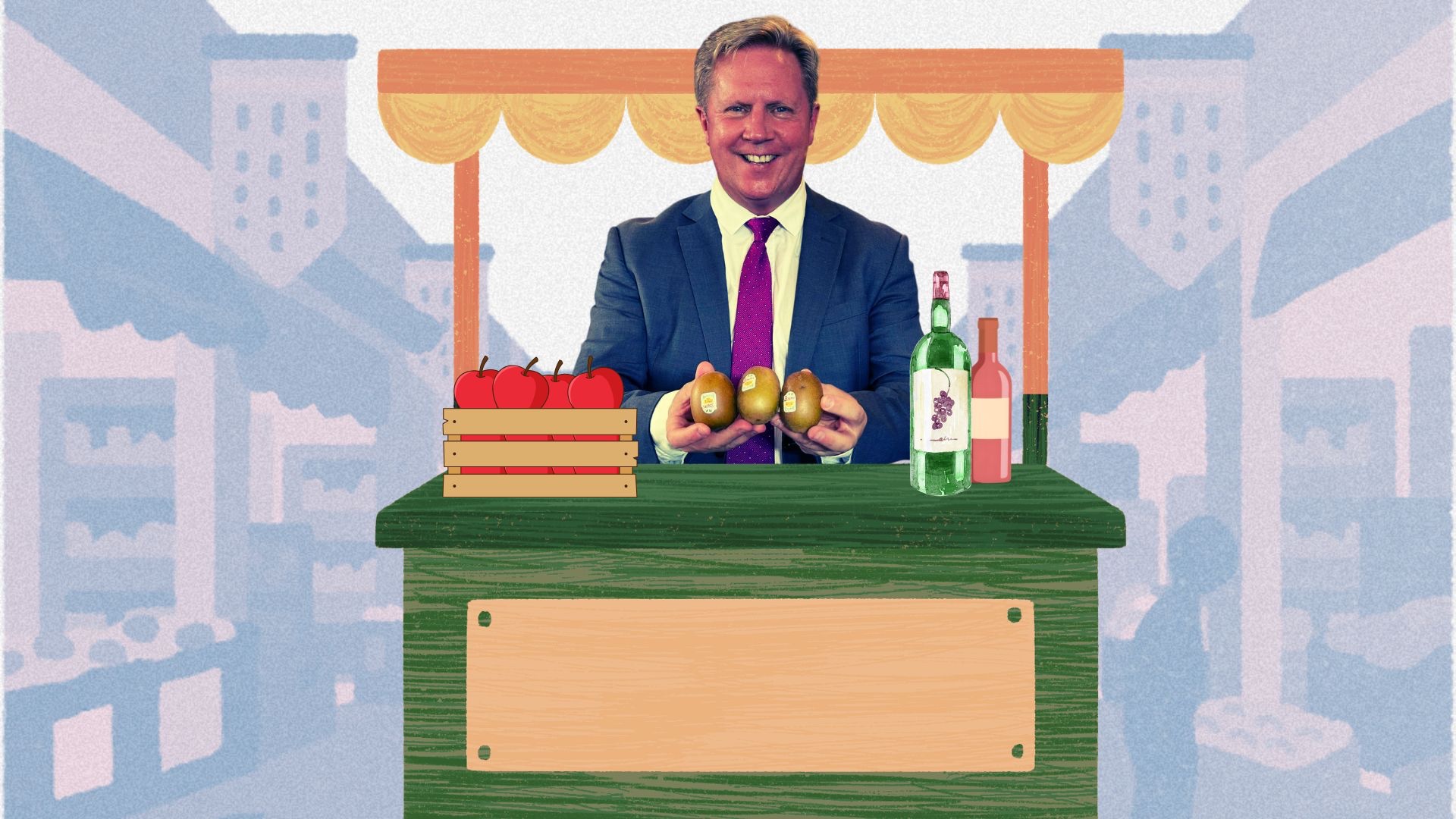
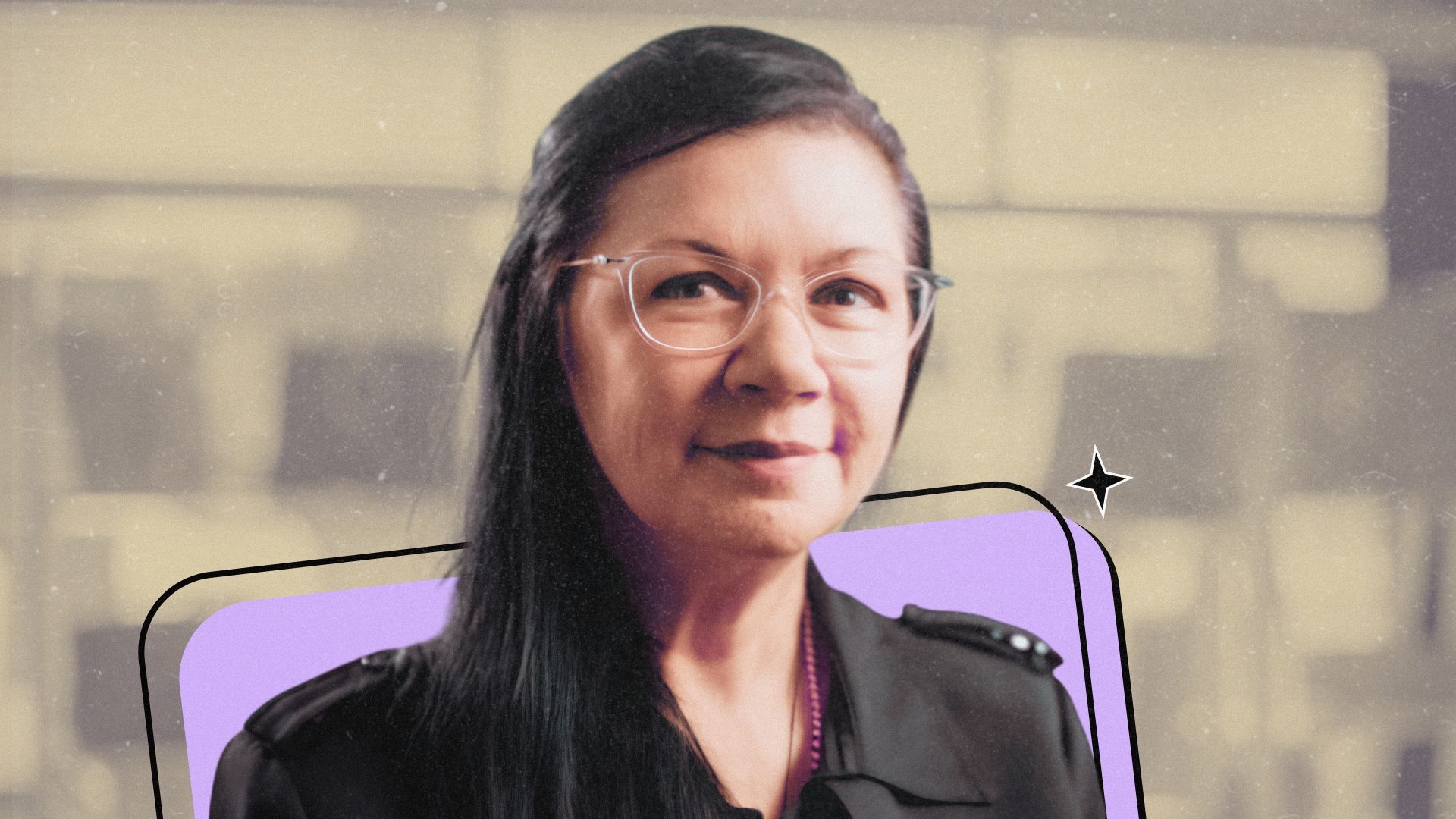
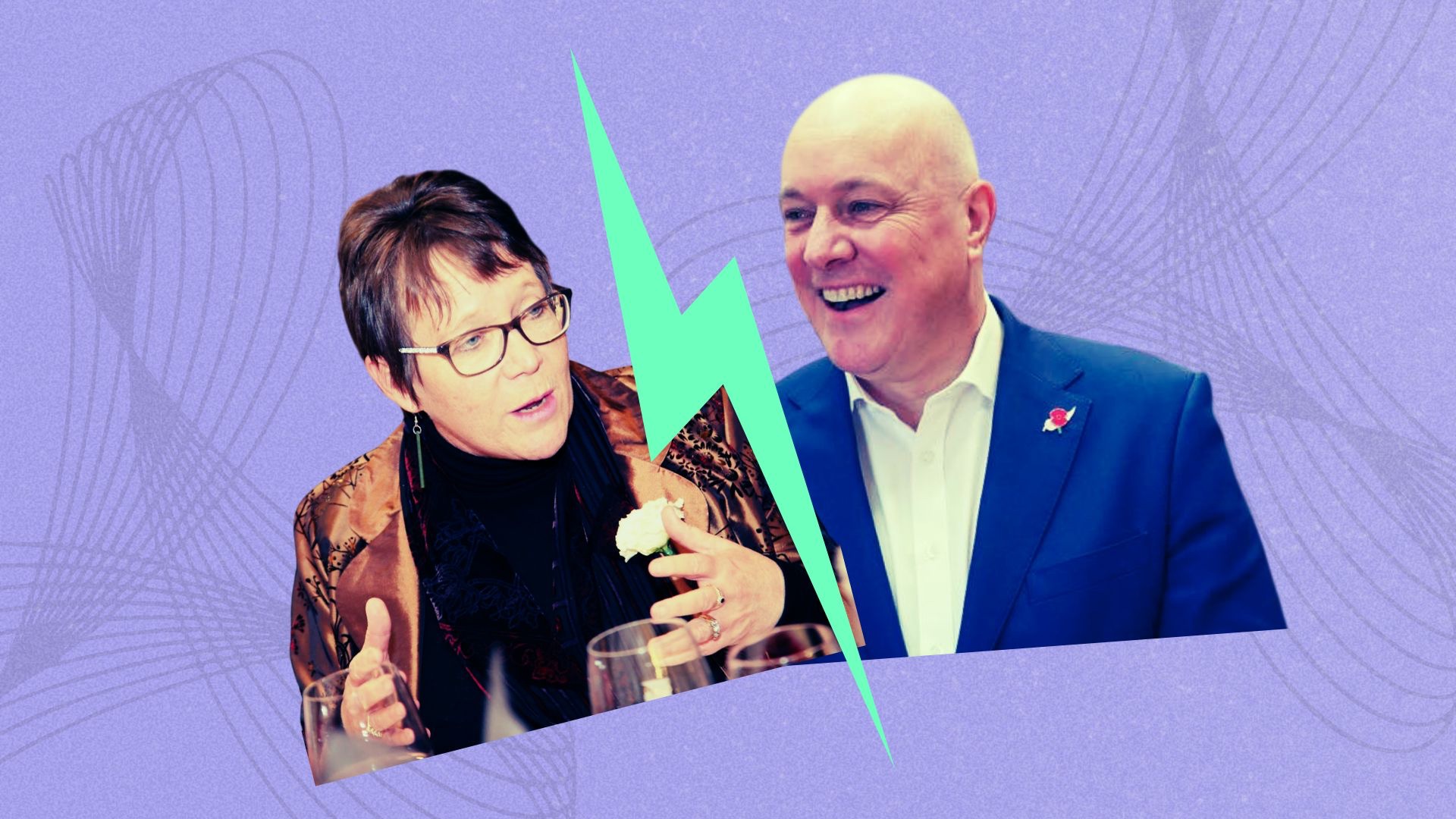
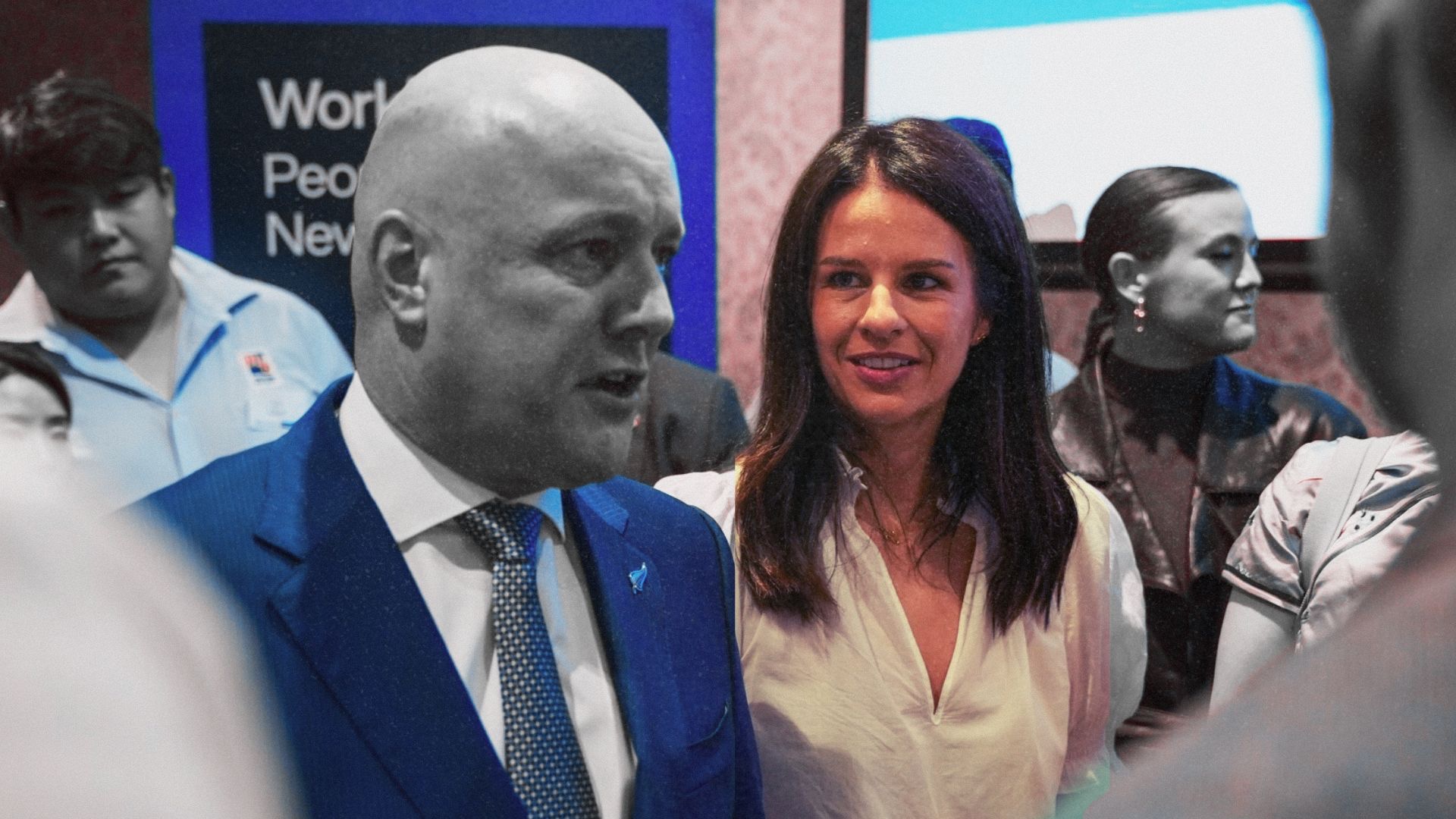
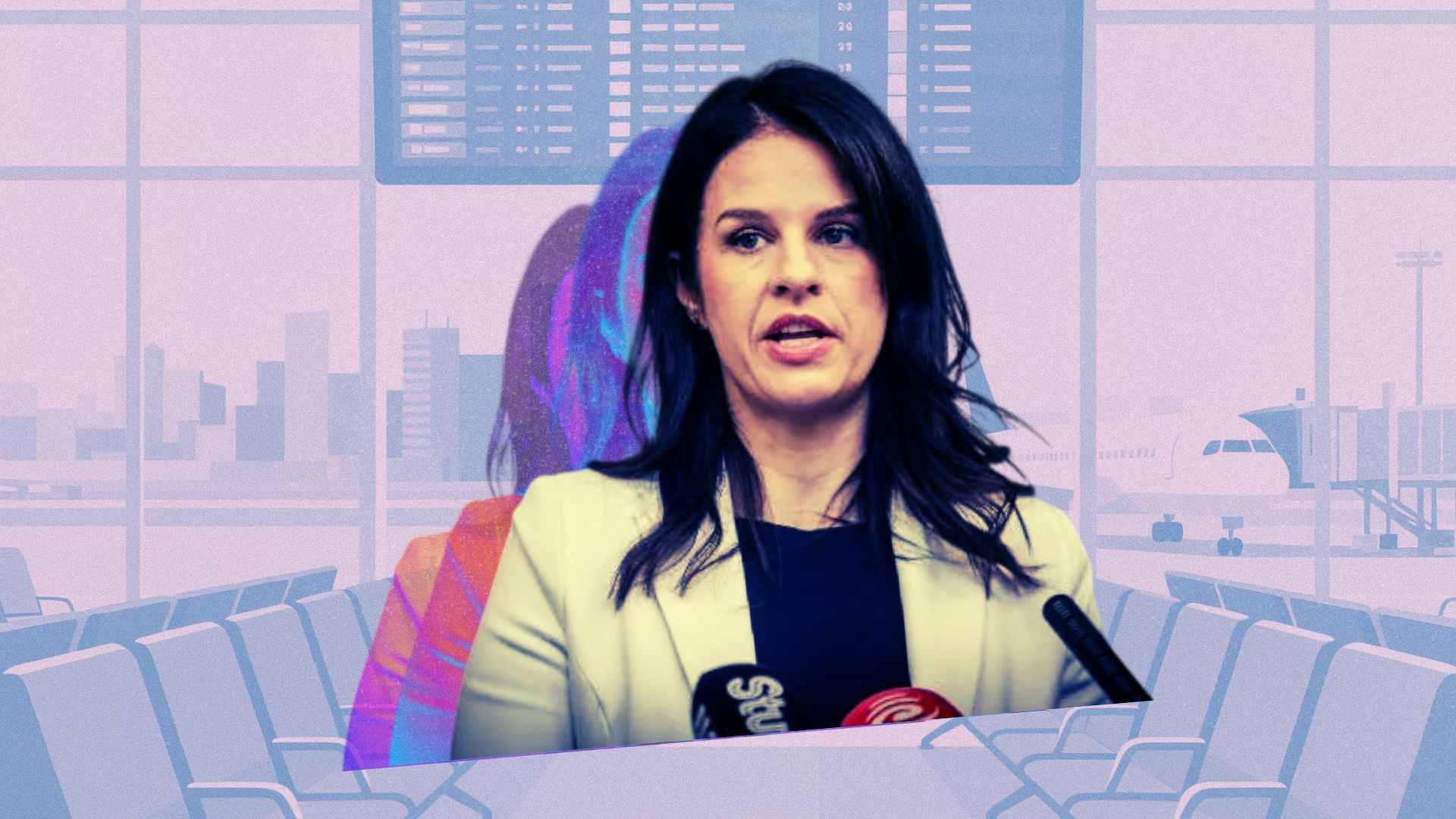
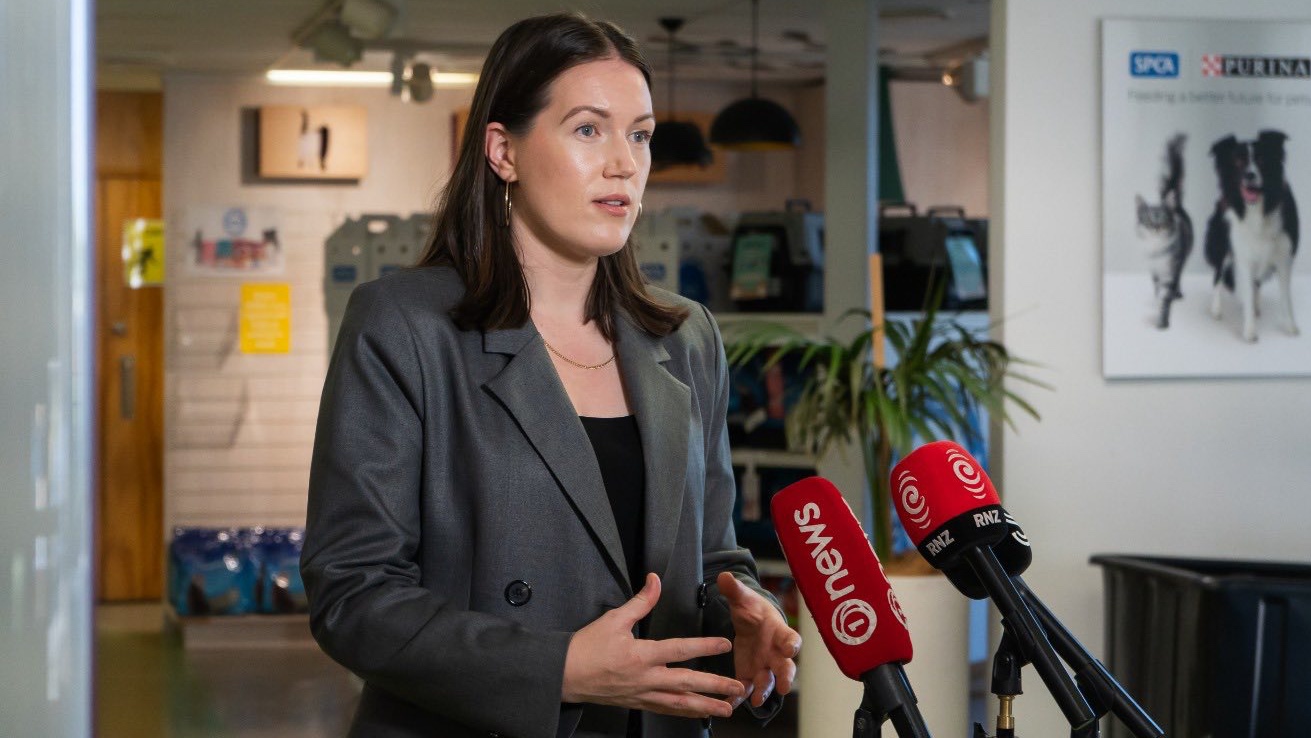
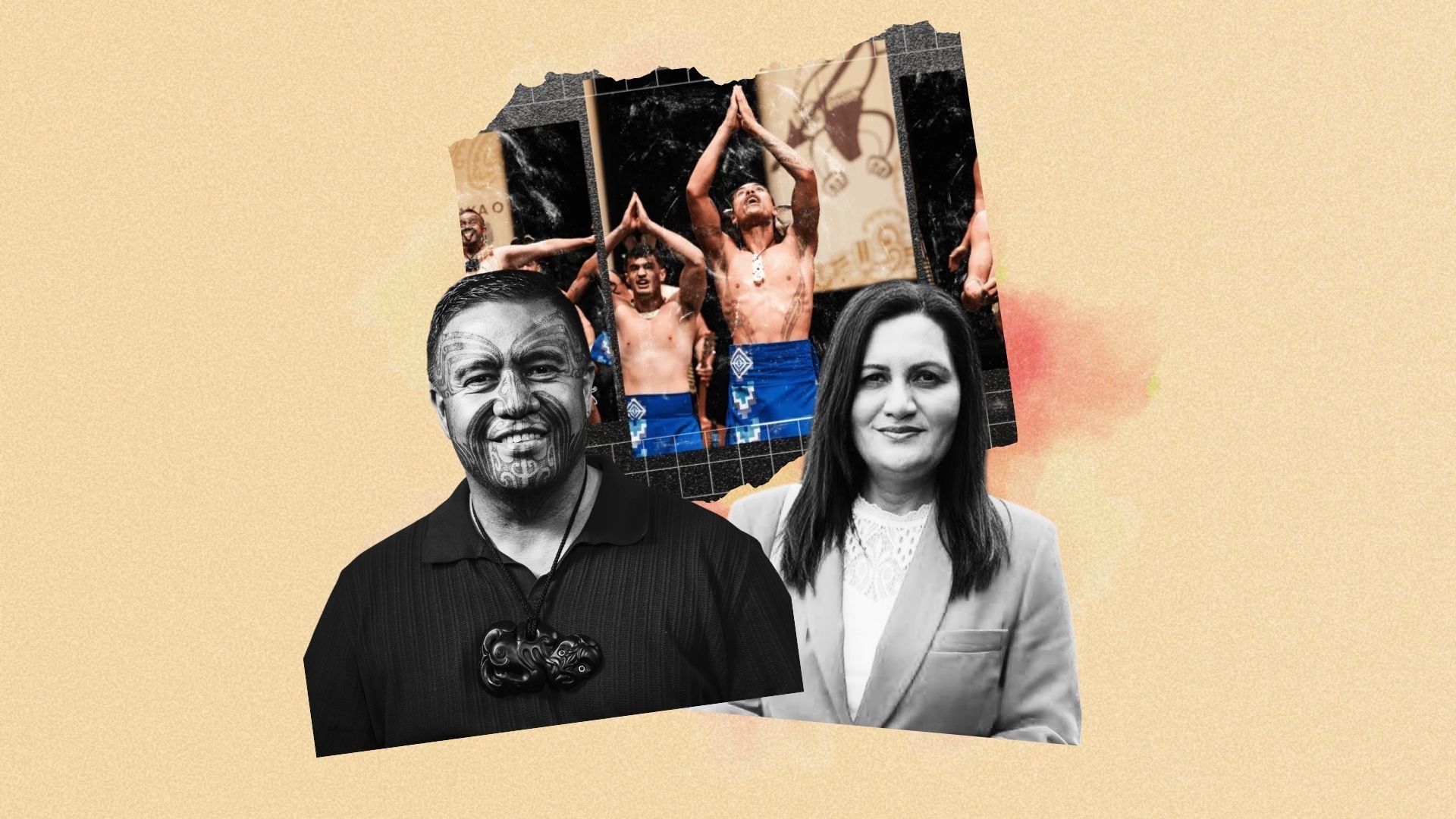
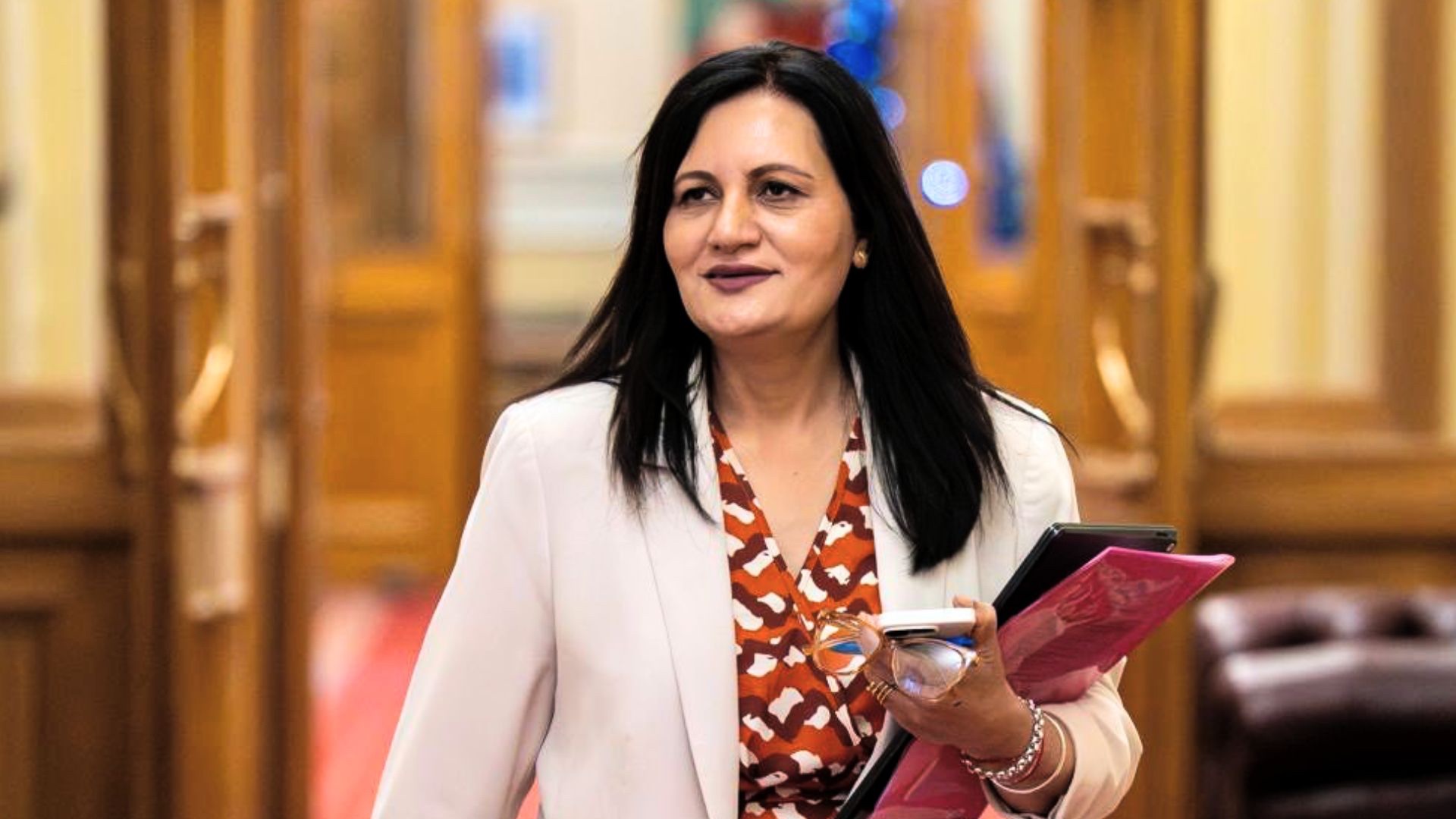
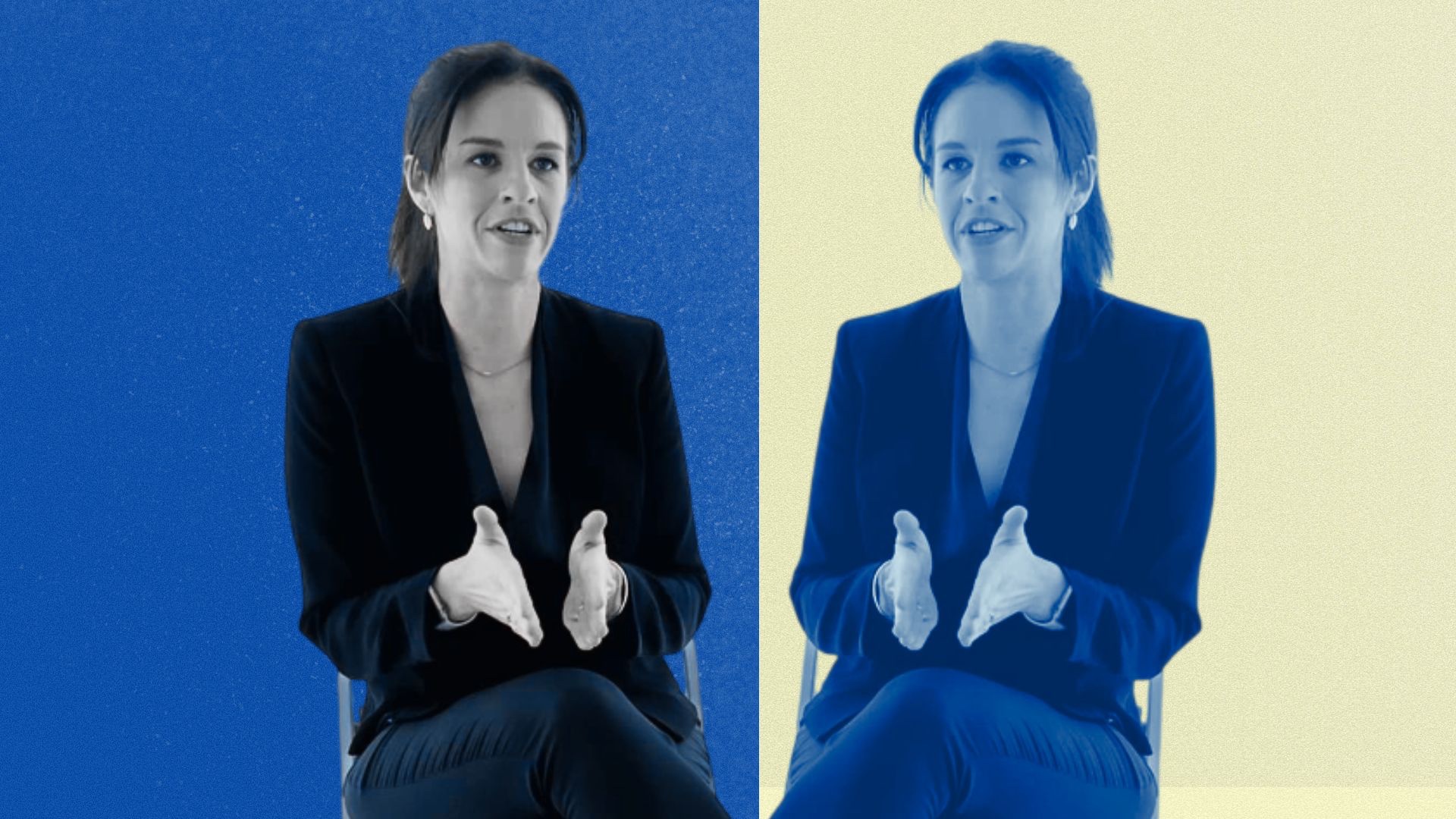
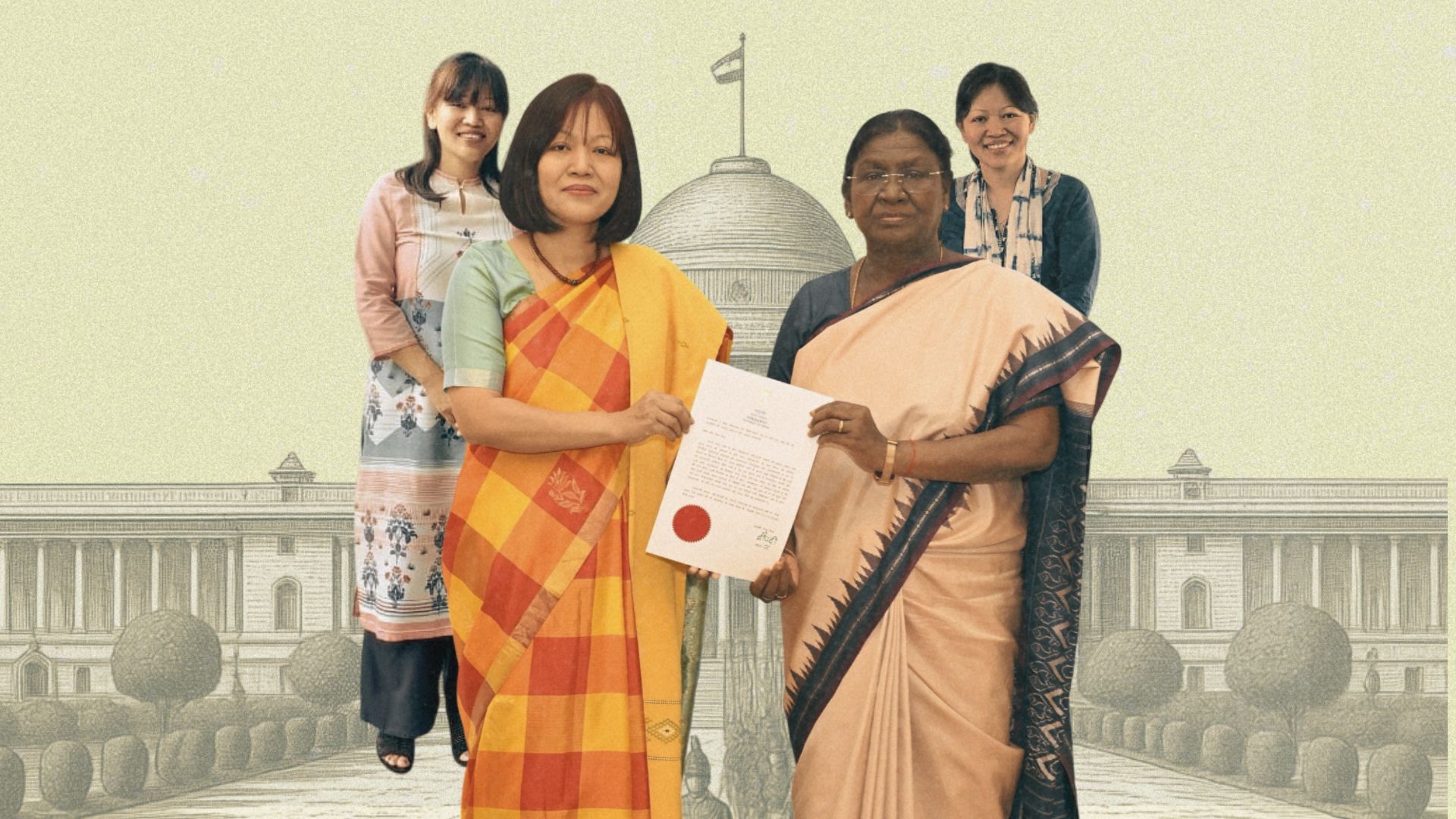
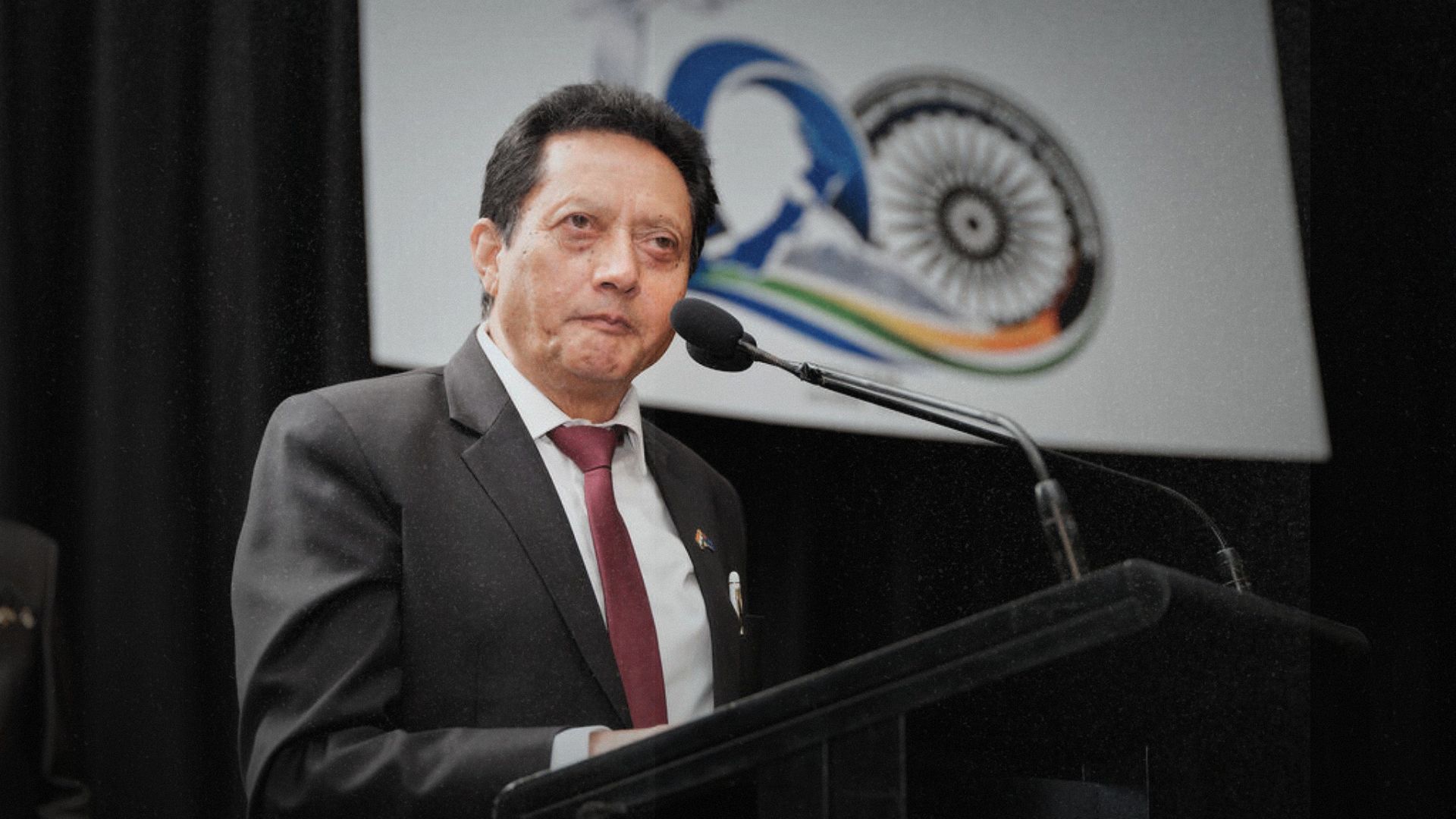
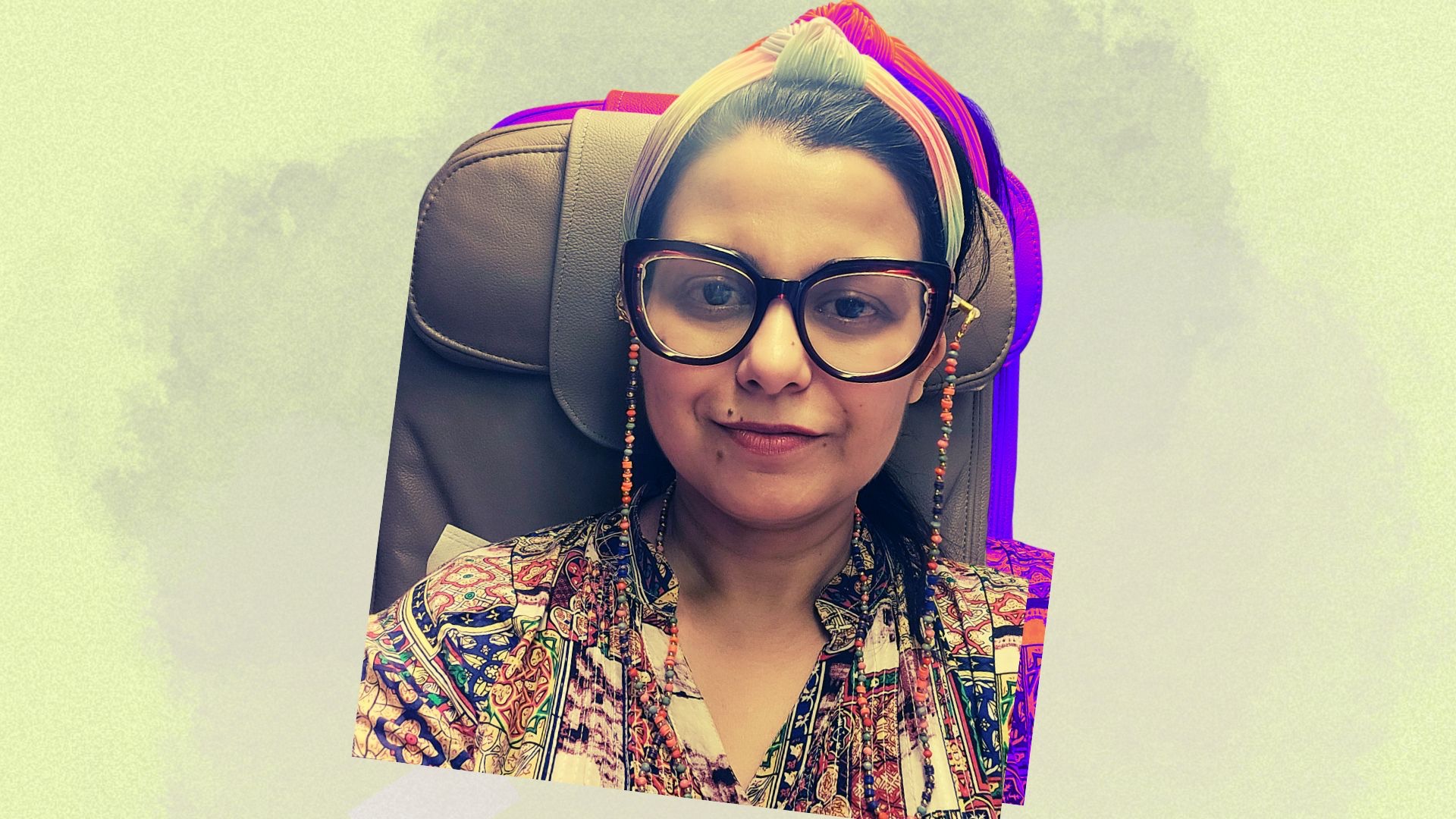
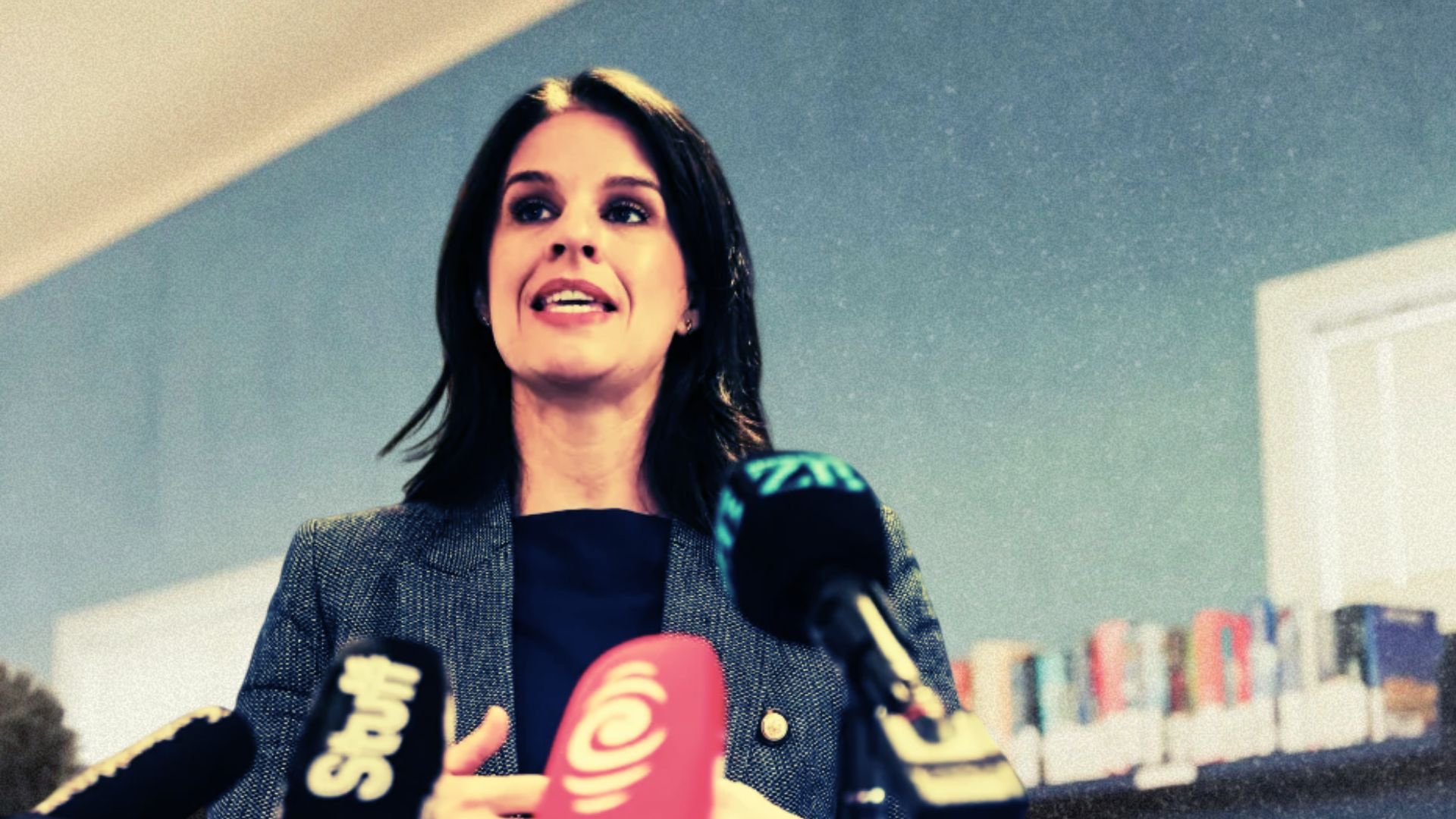
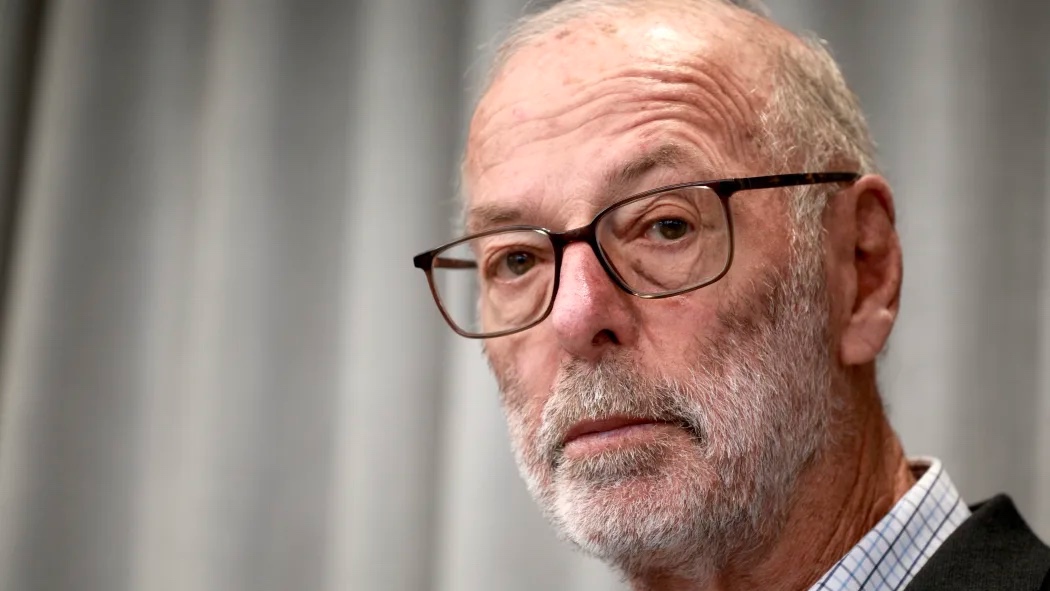
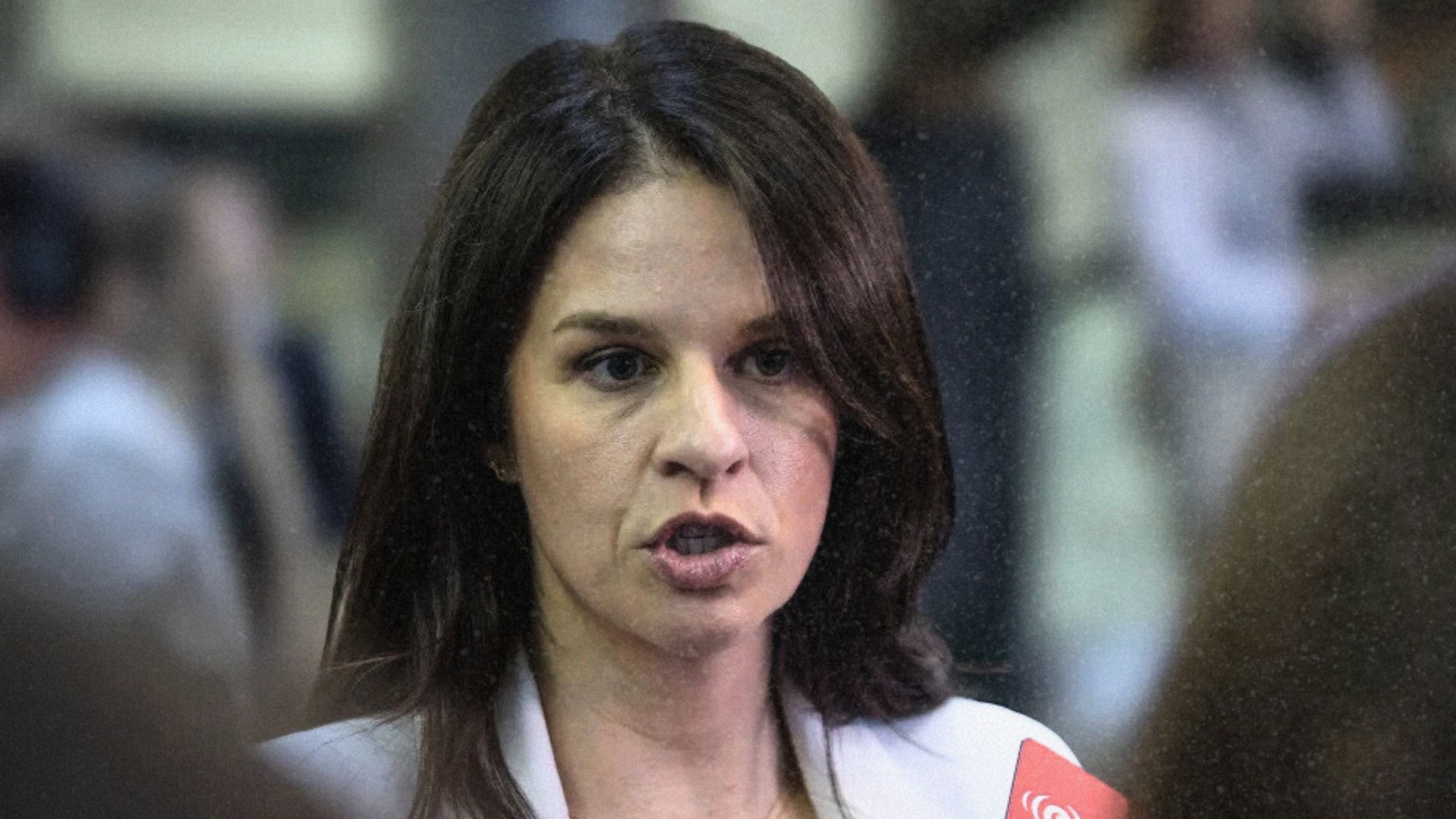
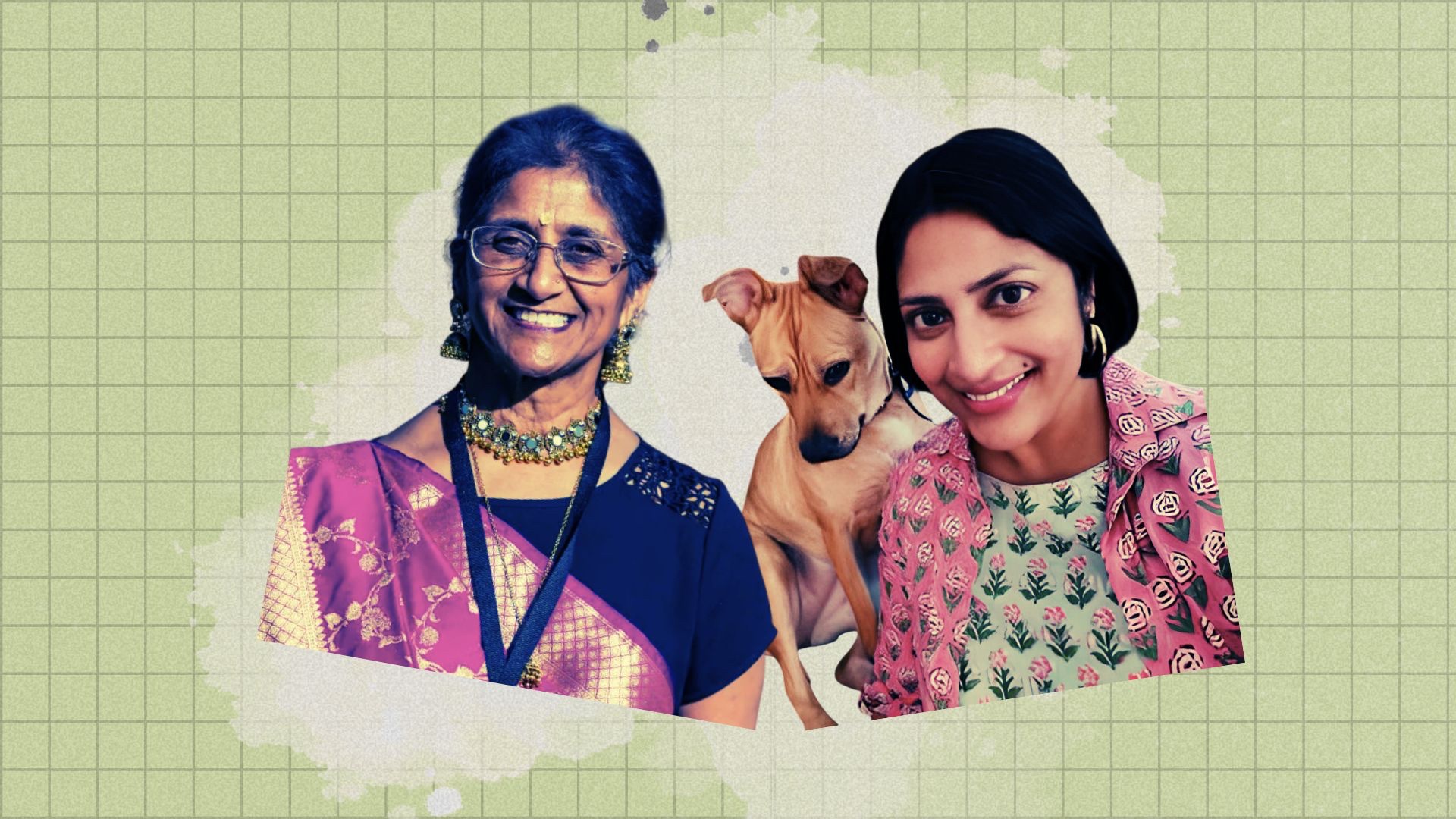
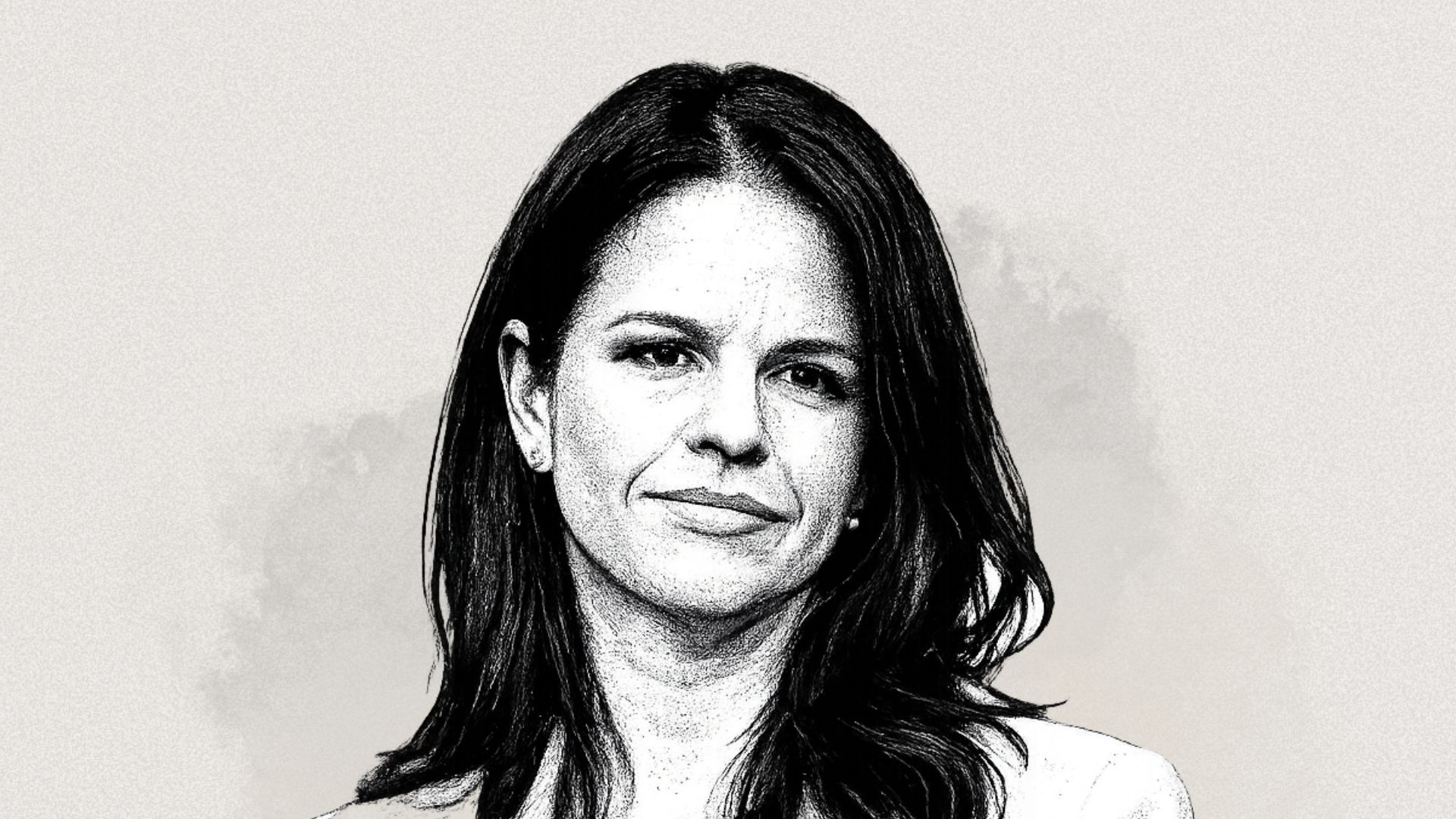
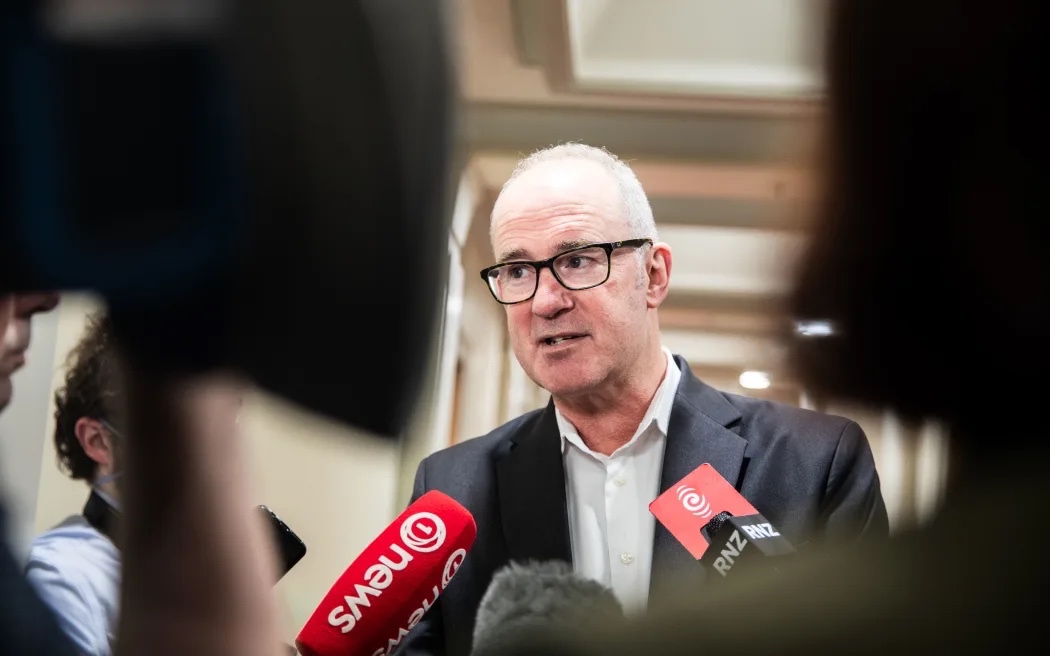
Auckland-based businesswoman and NZ First's candidate Bernadette Soares.
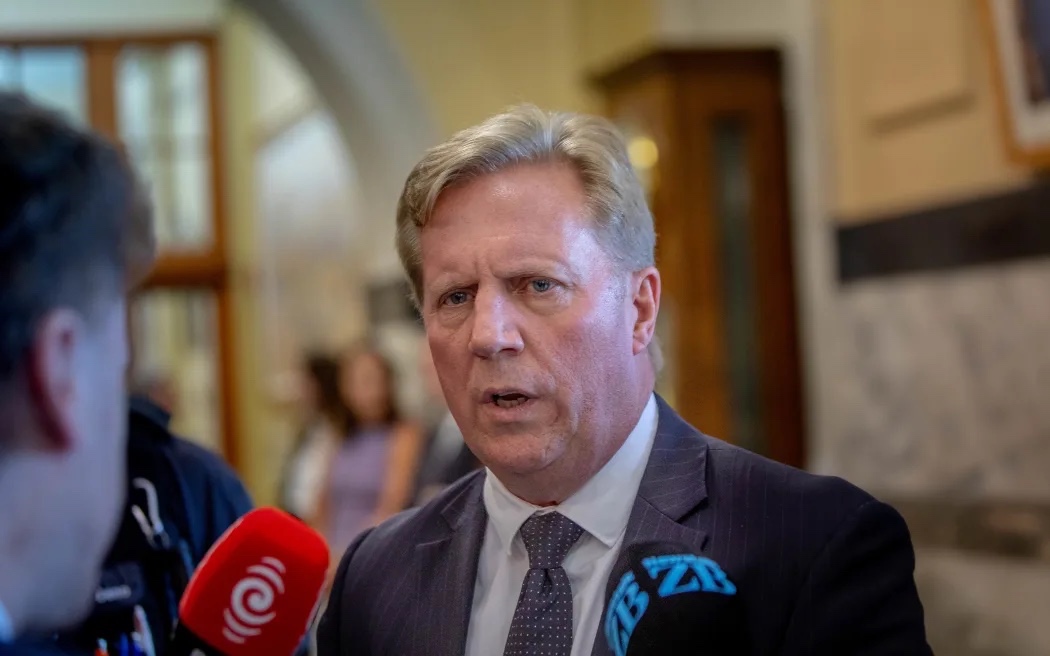
Immigration policy must serve New Zealand’s interests first, says NZ First's Bernadette Soares.
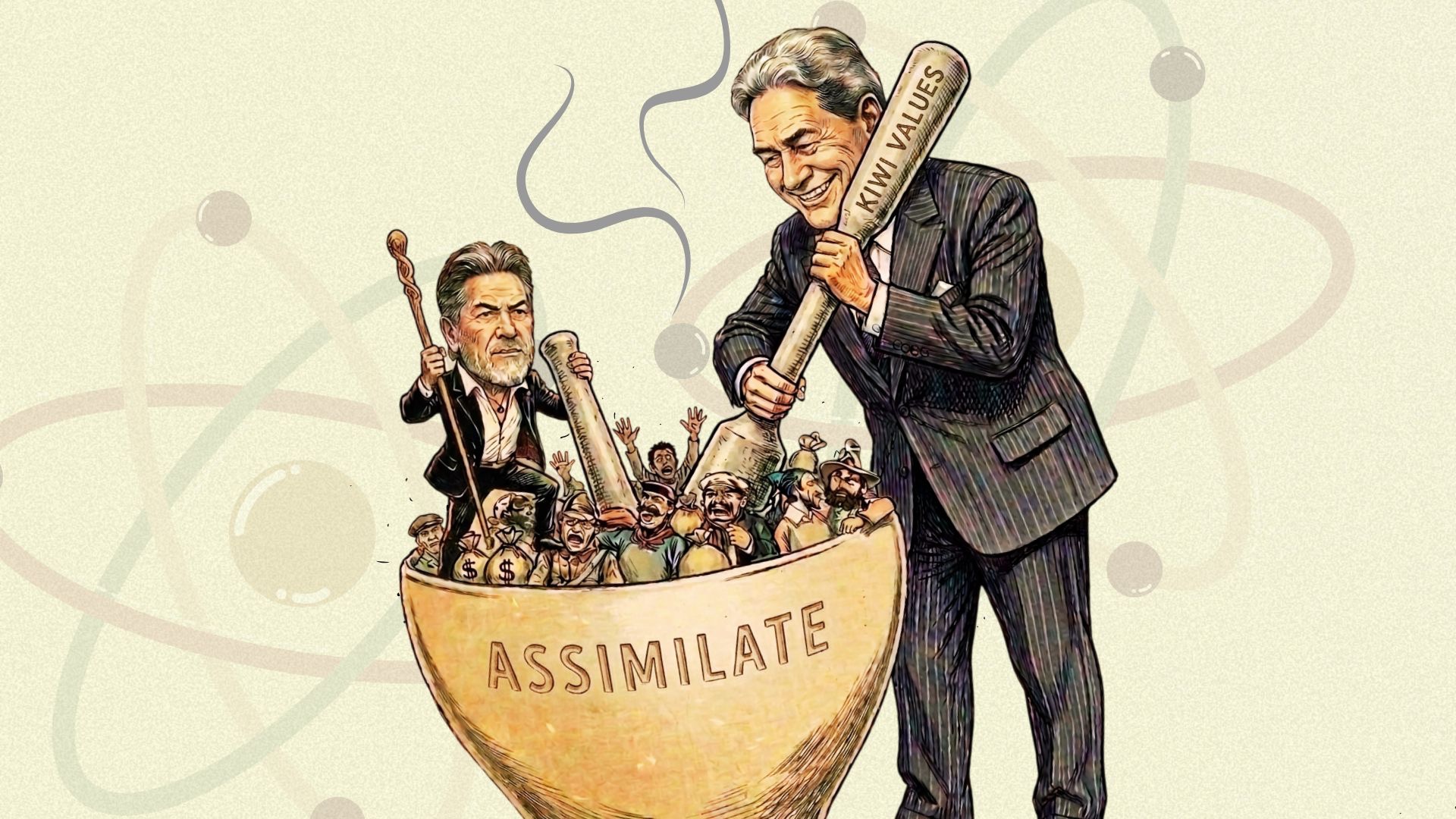
Indian-born NZ First candidate Bernadette Soares has shared a video warning that Asian births and growing migrant political influence are changing New Zealand.
Bernadette Soares came to New Zealand from India at 21, has lived here for more than 37 years and raised three children in the country. She is now New Zealand First’s candidate for Upper Harbour in the 2026 election.
On September 5, Soares shared a video on social media that warns about the growing political influence of migrant and religious communities, highlights the rising number of Asian babies being born in New Zealand and says “native New Zealanders” are “being replaced”.
“New Zealand needs a serious conversation," she wrote in the Facebook post on Saturday.
“You can see similar debates happening around the world, but I’m much more interested in what is happening right here in New Zealand,” Soares wrote.
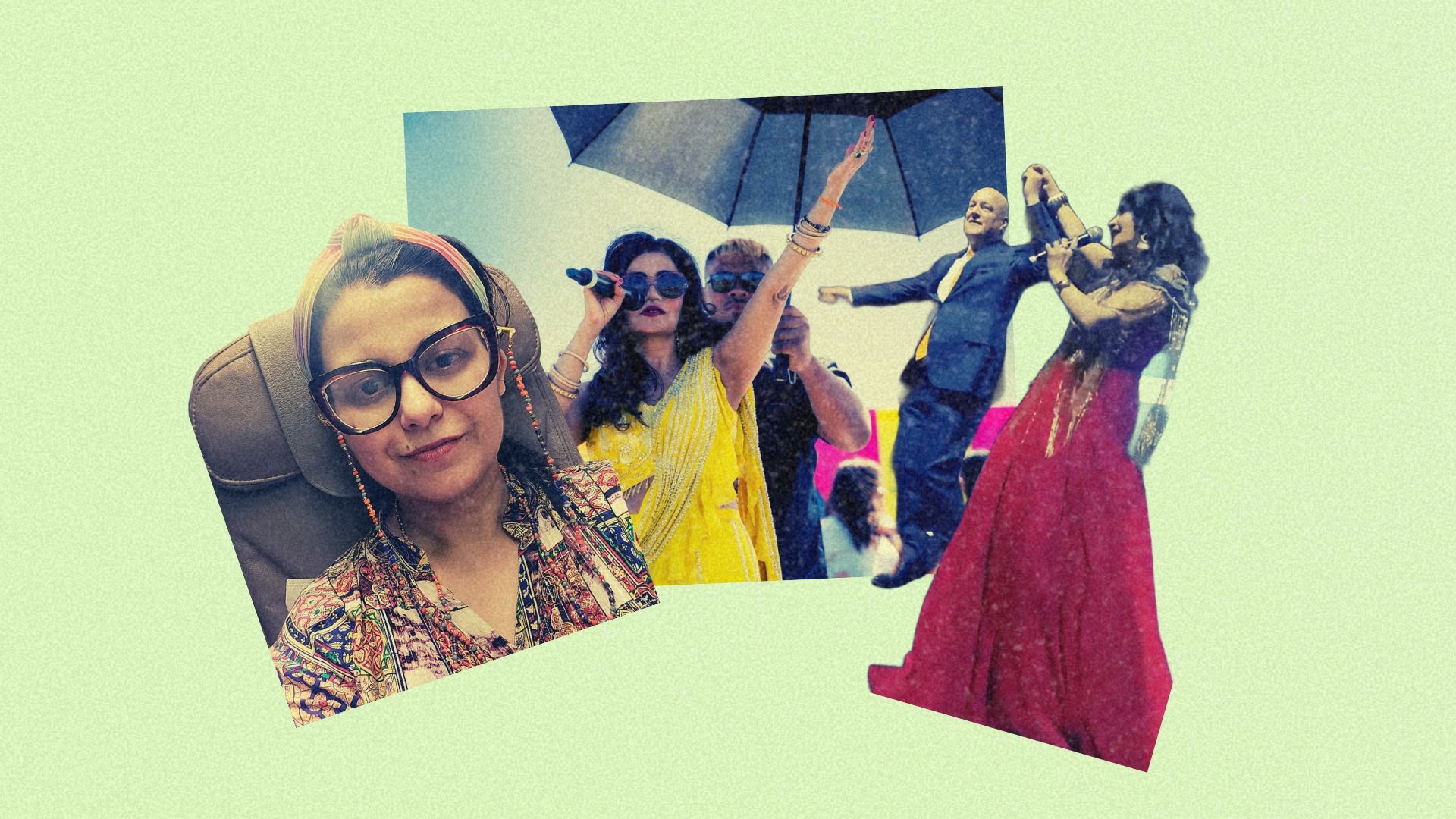
Being Indian and Kiwi at once. How Ajaz Patel's 10-wicket haul brought his two worlds together A historic moment in Mumbai left the Black Caps spinner reflecting on something far deeper than cricket.
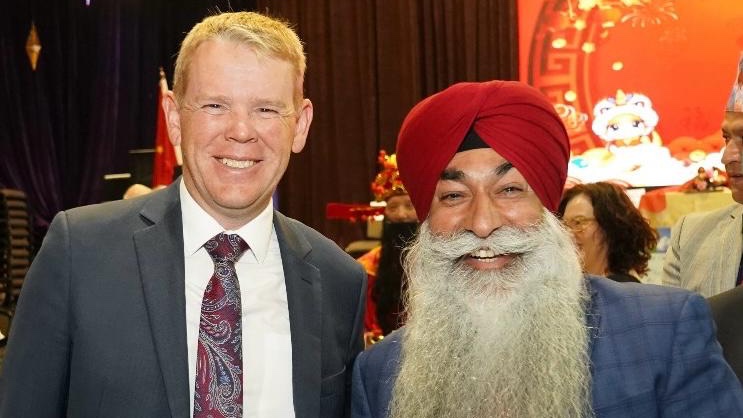
India's SIR voter controversy reaches New Zealand in Muslim man's asylum case The man claimed Muslims excluded from voter lists risked losing welfare benefits and being treated as illegal immigrants.
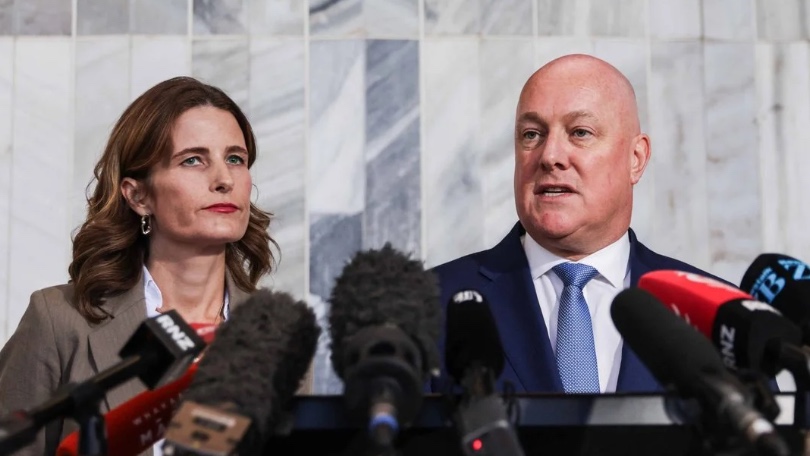
Election 2026: A right majority is possible even if Opportunity enters Parliament The latest polls suggest National, ACT and NZ First could secure a majority, with the Opportunity Party's fortunes still crucial.
“New Zealand has always benefited from people who come here, work hard, contribute and become part of our country...But immigration policy must serve New Zealand’s interests first.”
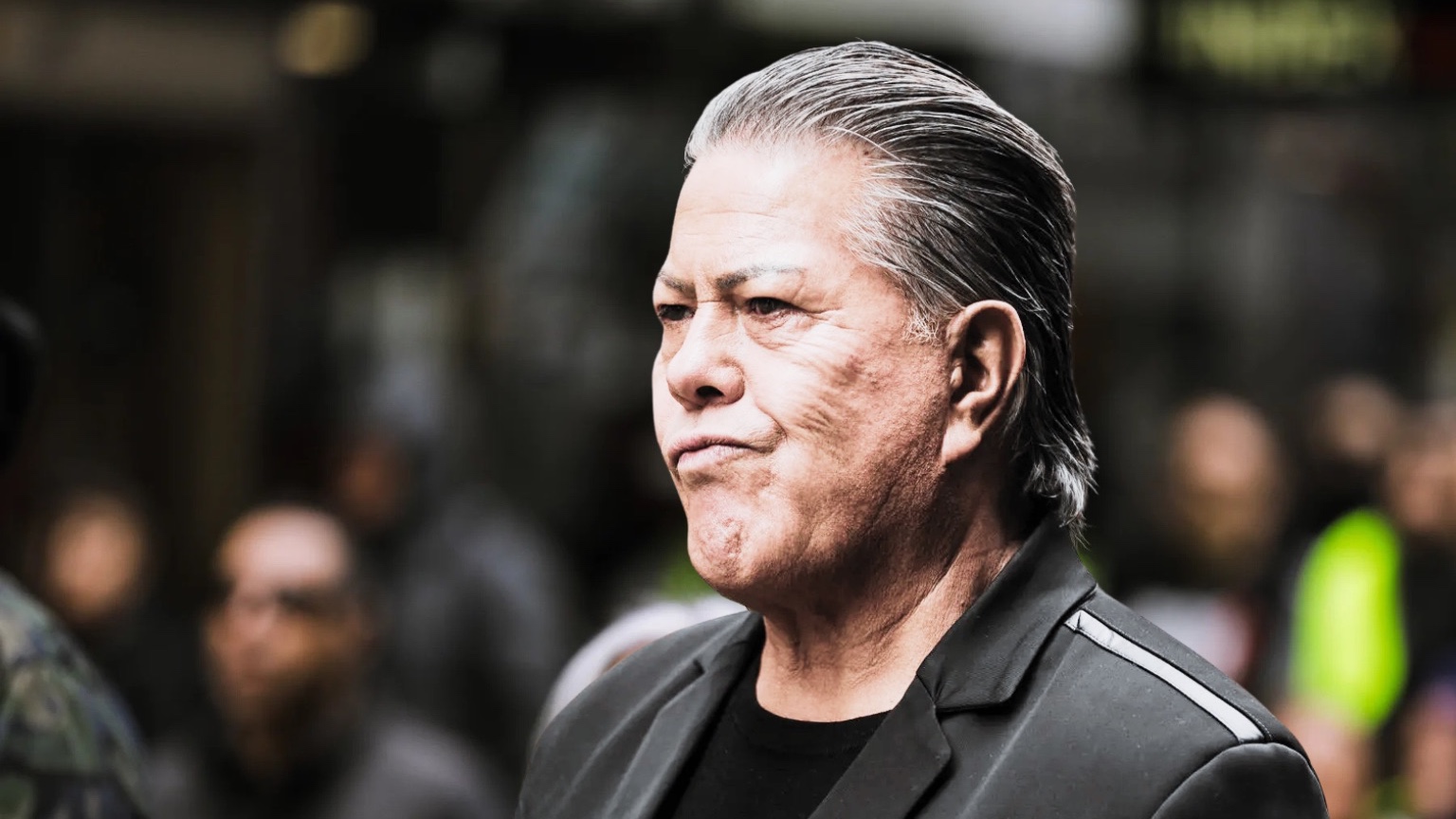
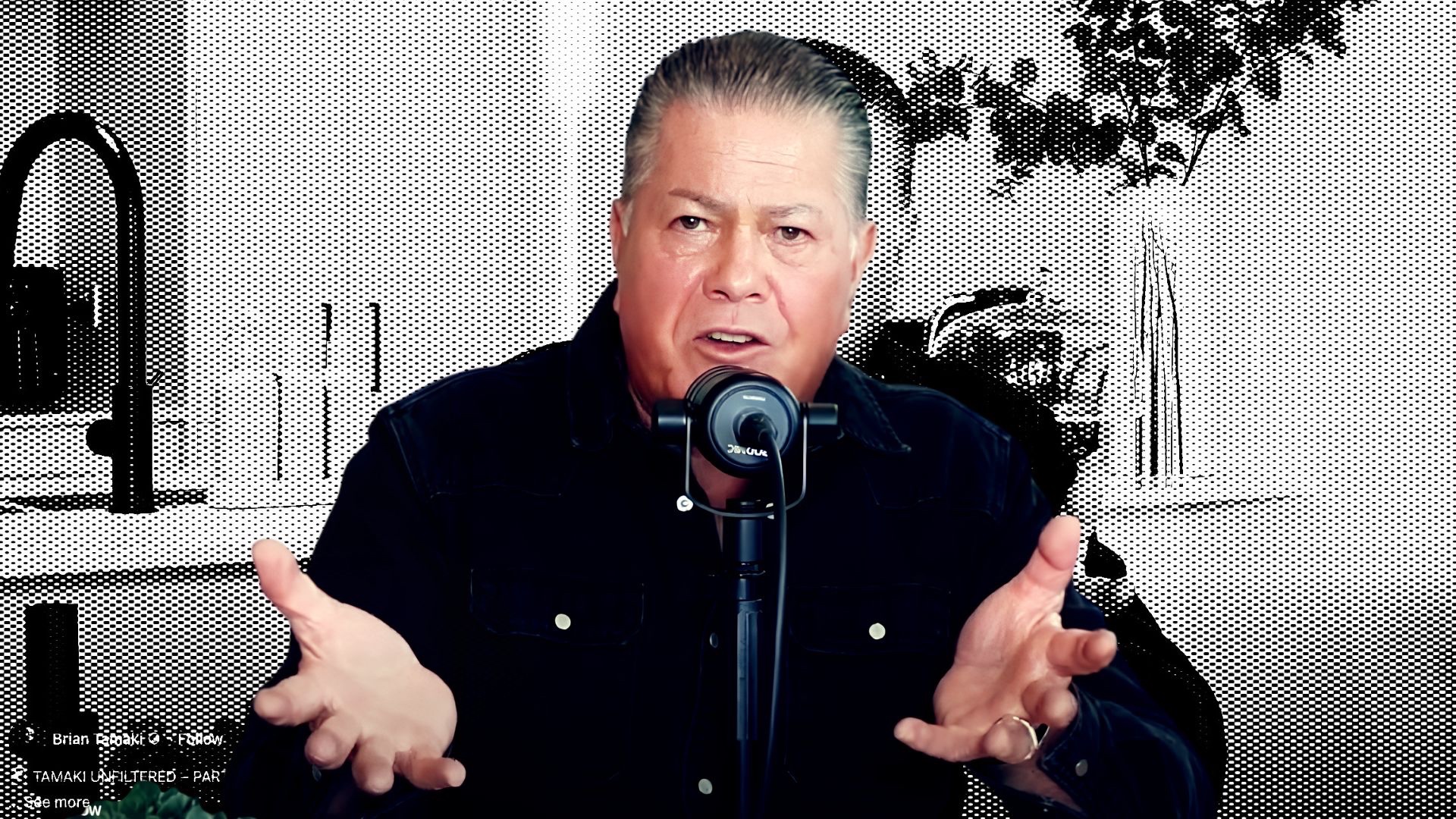
Soares didn't make the video. She reshared one by Reuben Richardson, an Australian engineer who stood in the 2024 Queensland state election for Katter’s Australian Party, a small right-wing party based largely in regional Queensland.
Richardson contested the Townsville electorate of Thuringowa. His video opens with: “Multiculturalism is our strength. New Zealand is living the reality.”
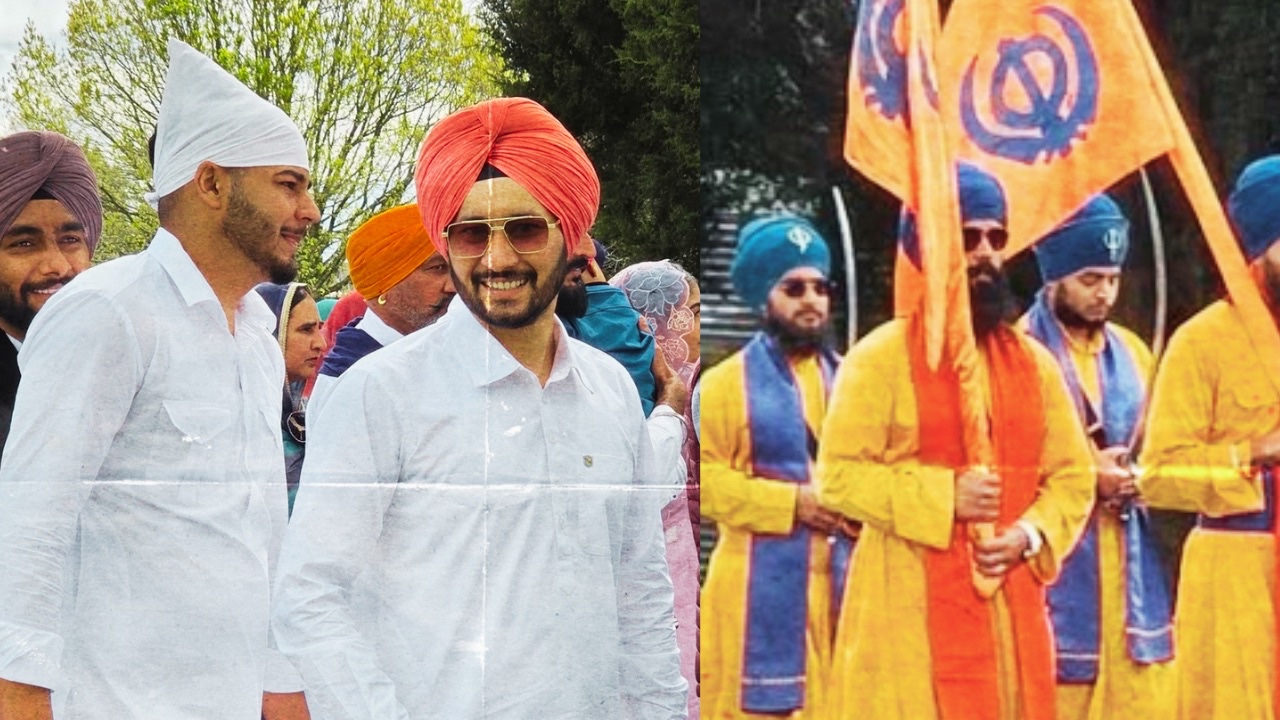
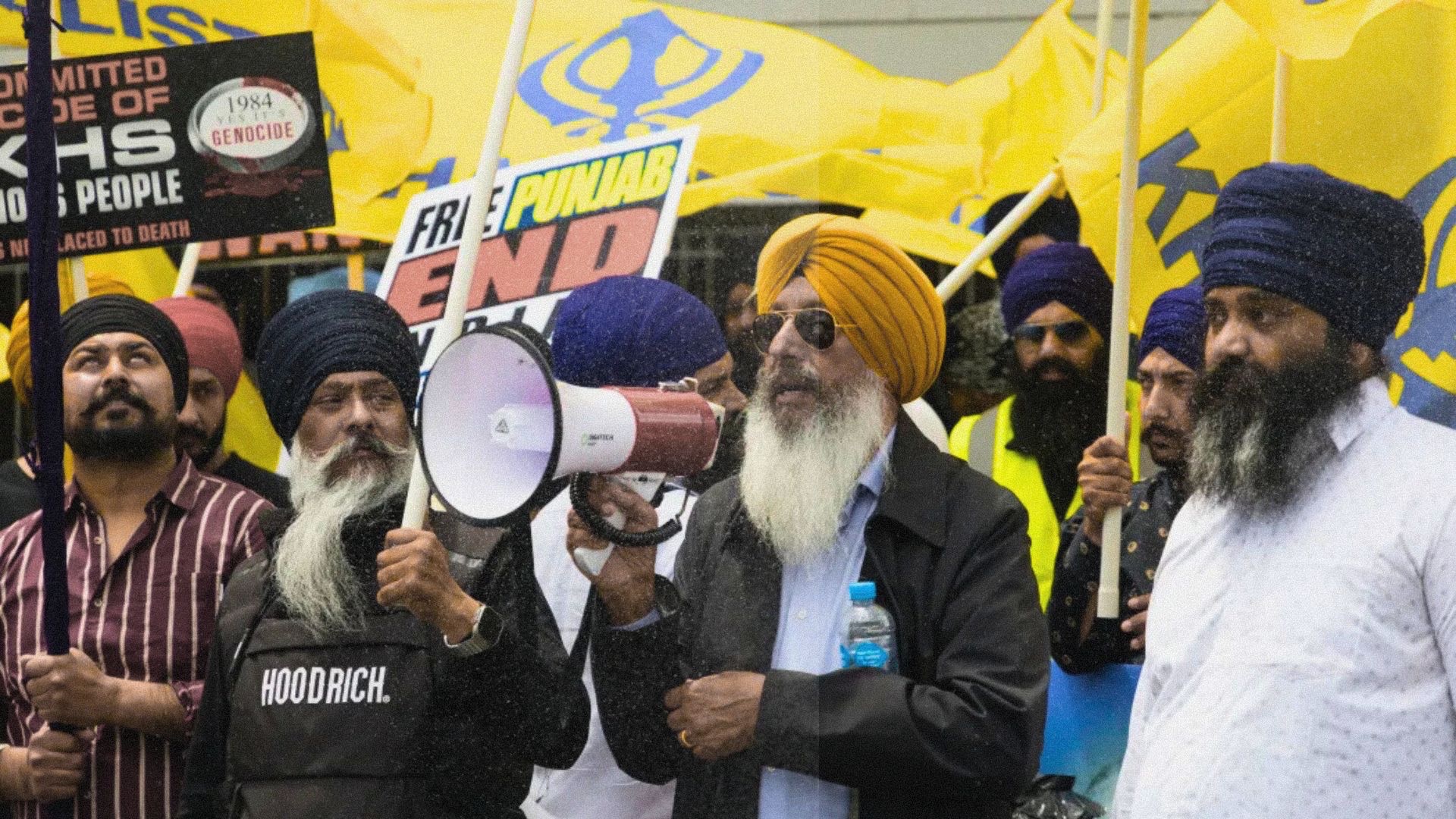
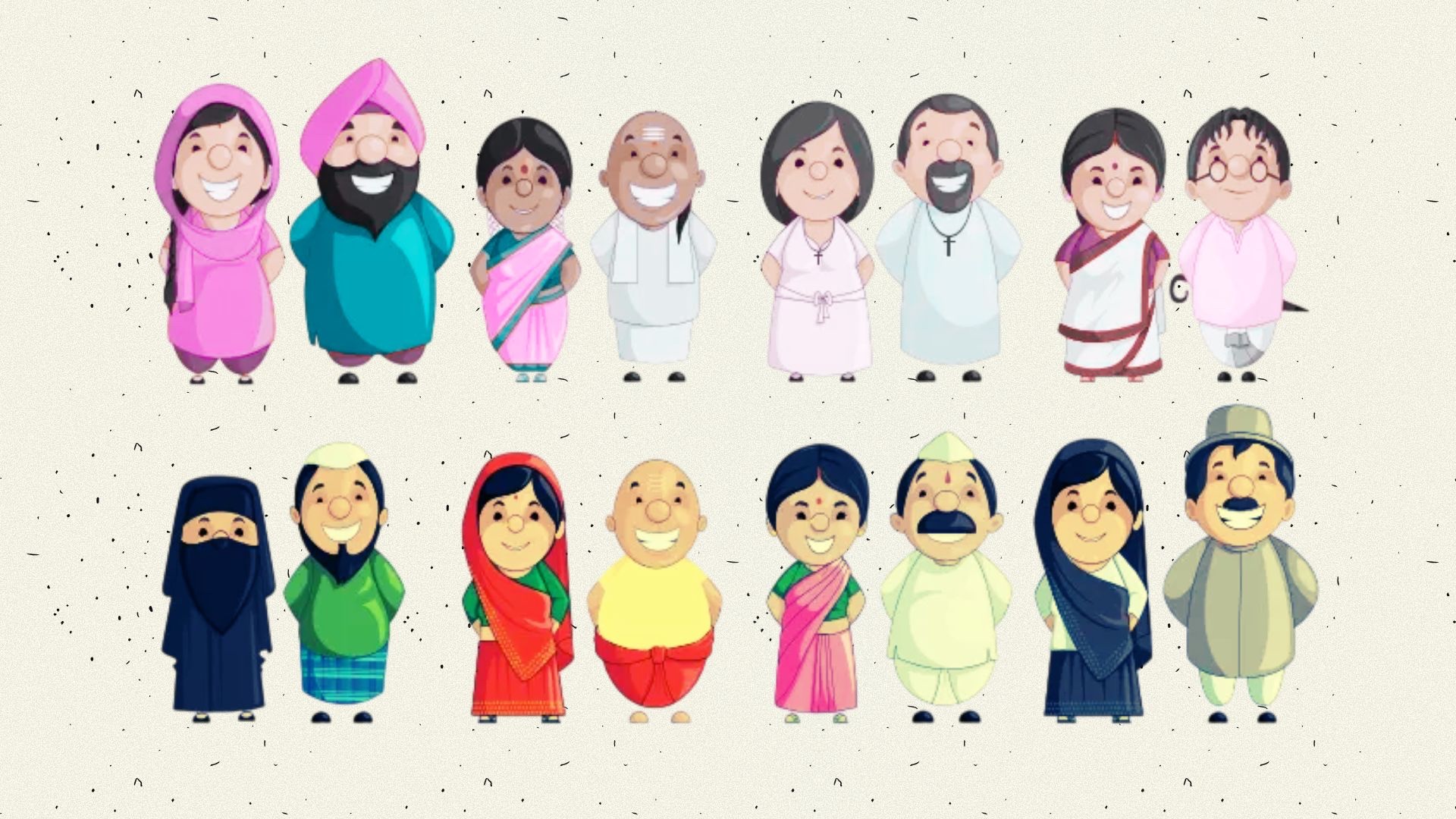
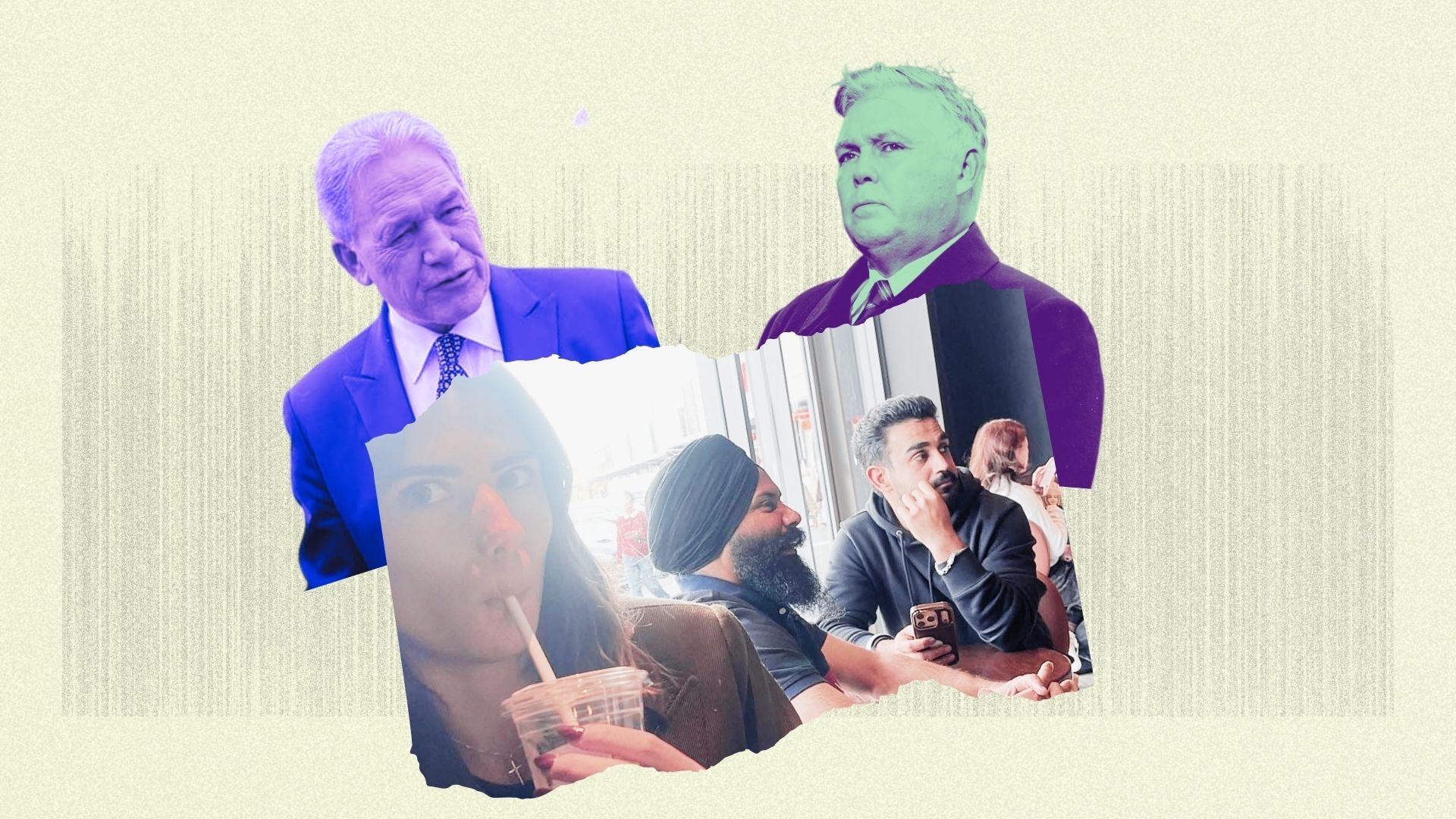
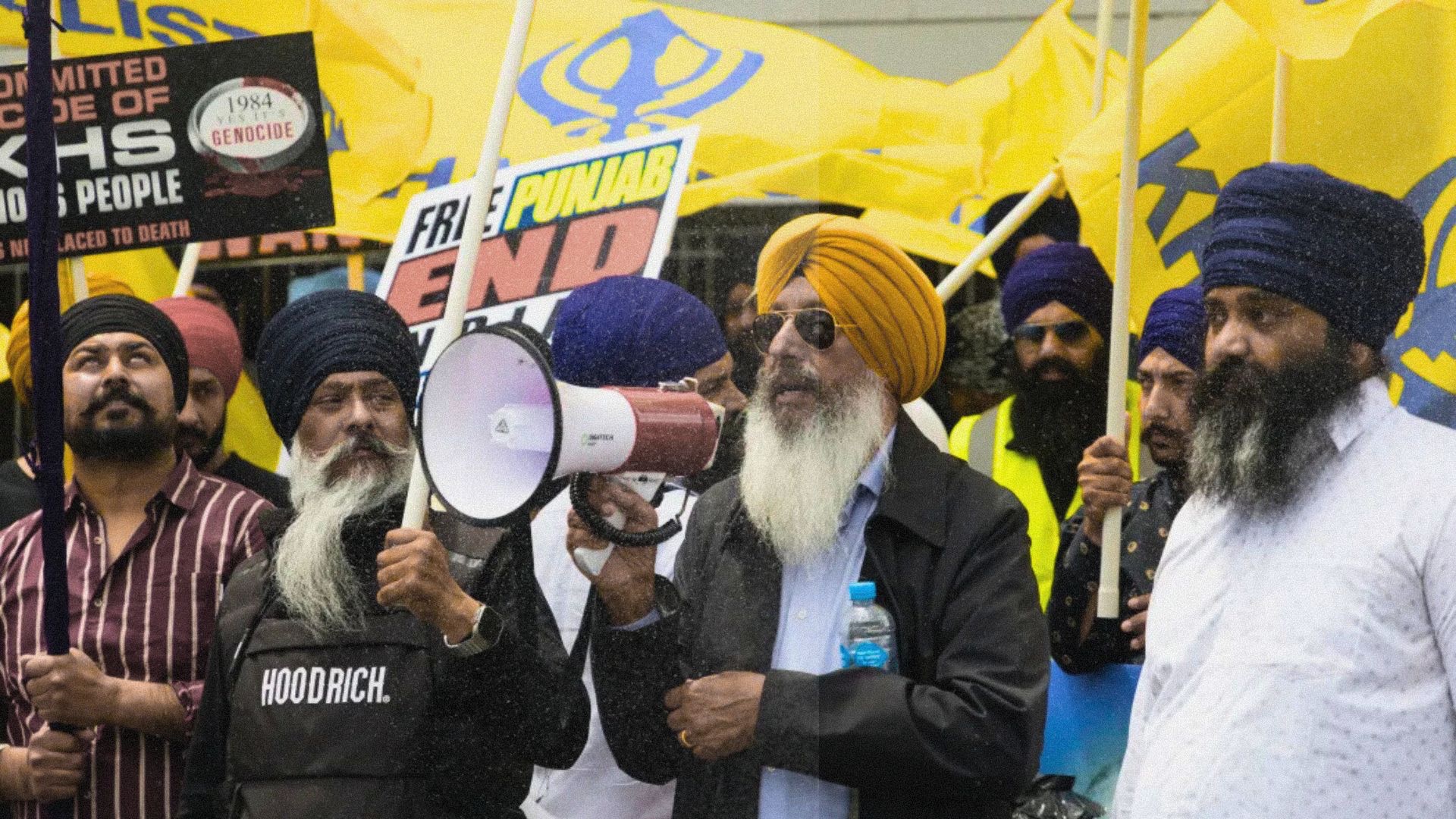
It then refers to Buddhist, Hindu, Sikh and Muslim councils in New Zealand, and claims they have come together as a voting bloc capable of influencing election outcomes.
“They're not asking. They're telling New Zealand politicians we control a combined 18.4 per cent ethnic voting bloc. Give our communities the best deal or we will swing the next election against you,” Richardson says.
“This is where multiculturalism ends. It's no longer about unity. It's ethnic voting blocs fighting each other for power and resources.”
Soares told Awaaz she shared the video to draw attention to what she sees as the need for tighter immigration settings in New Zealand.
She said she does not endorse any suggestion that one ethnicity is more authentically New Zealand than another, or that a particular group should be regarded as the country’s “true” New Zealanders.
Soares has previously spoken publicly about her own migrant background while supporting tighter immigration settings. In an earlier interview with Awaaz, she said NZ First was “not anti-immigrant”.
“Obviously, because we are immigrants ourselves,” she said.
She argued instead that New Zealand had allowed immigration to grow too quickly and that some newer migrants had not sufficiently integrated into the country.
Richardson’s video then asks who loses from the political influence he is describing. “The generations of Kiwi families who actually built their country,” he says.
The video next turns from politics to demographics.
It plays a clip discussing the ethnicity of babies being born in New Zealand and saying Asian has become the most prominent ethnicity among births, overtaking European.
The clip says European had previously been the largest ethnicity among babies and describes it as having been “the dominant culture of New Zealand”.
The demographic change referred to in the video is reflected in official data.
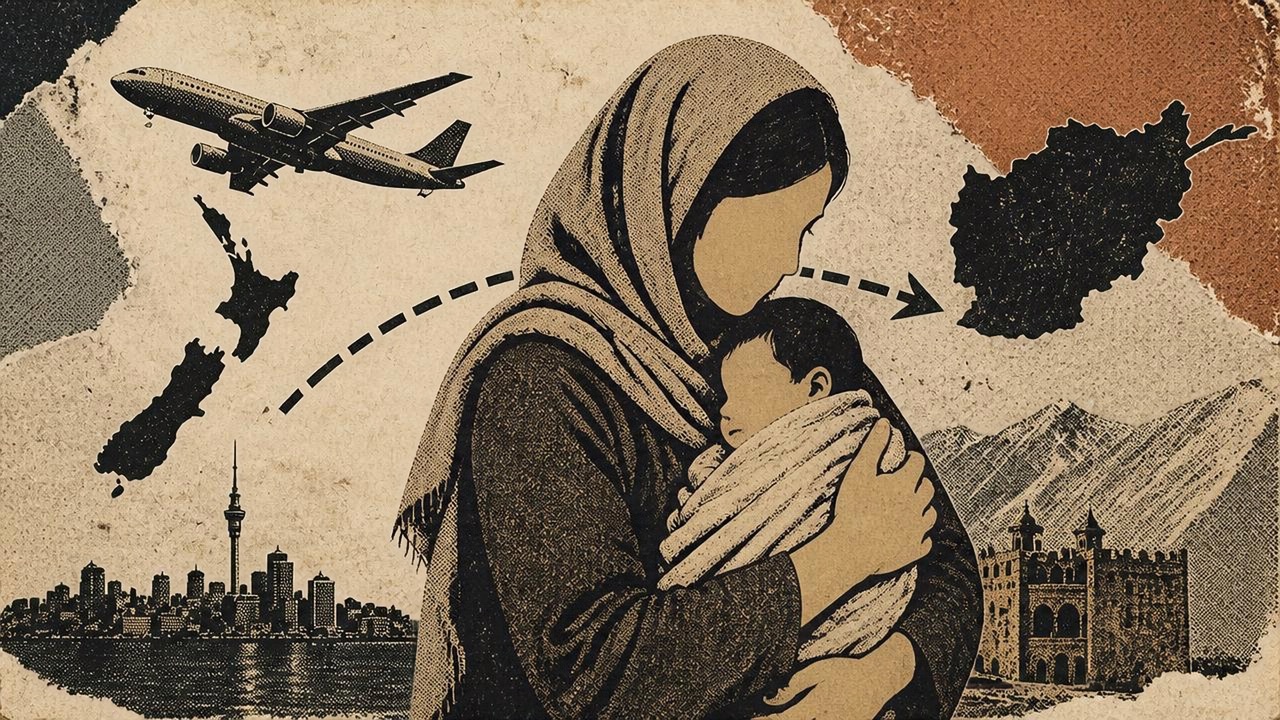
Stats NZ projections show people identifying with Asian ethnicities rising from about 19 per cent of New Zealand’s population in 2023 to around 33 per cent by 2048.
The figures are not mutually exclusive. New Zealanders can identify with more than one ethnicity, including both Asian and European.
Other birth records also reflect the changing make-up of New Zealand families. Singh was the most common surname registered for newborns in 2024, for the seventh consecutive year, with Kaur second and Smith third.
Soares herself was born in India and migrated to New Zealand with her husband when she was 21. According to her NZ First biography, she spent 12 years as a full-time mother before going into business and has lived in New Zealand for more than 37 years.
In the video, Richardson says: “They're politely telling native New Zealanders you are being replaced and there is nothing you can do about it.”
The video does not define who Richardson means by “native New Zealanders”. The statement comes immediately after the discussion comparing Asian and European births.
Richardson concludes the video by addressing Australians. “Australia, this is your warning. We do not want our politics turned into a race war between competing ethnic groups,” he says.
“What we need is a strong Australian culture and a clear super majority of people who will put Australia first.”
Soares’ accompanying post did not repeat Richardson’s statements about “replacement” or a “race war”. Her own message focused on immigration serving New Zealand’s interests, while saying the country had benefited from migrants who “work hard, contribute and become part of our country”.