Election 2026: NZ First's only Indian-origin candidate who wants to suspend immigration
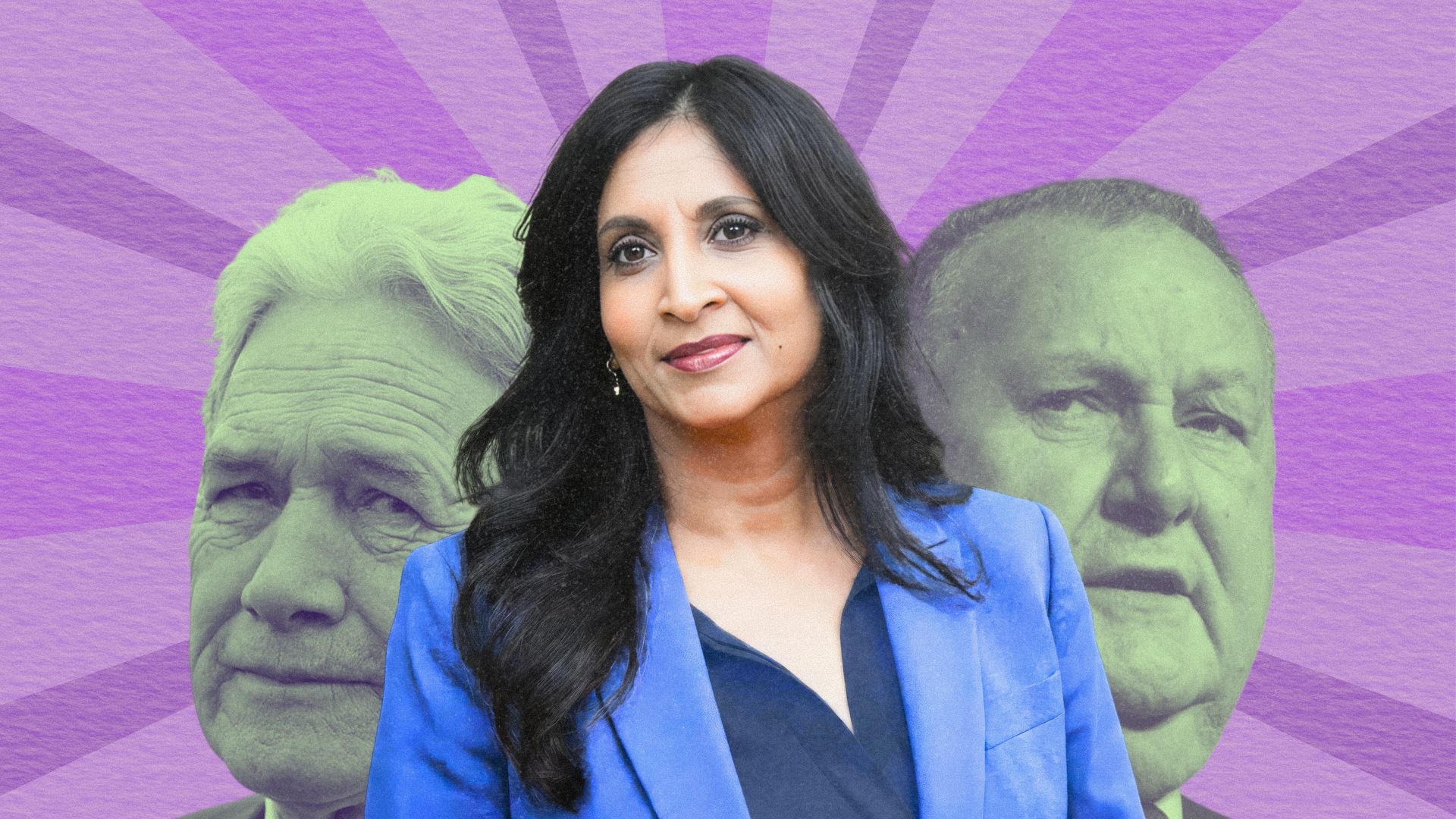
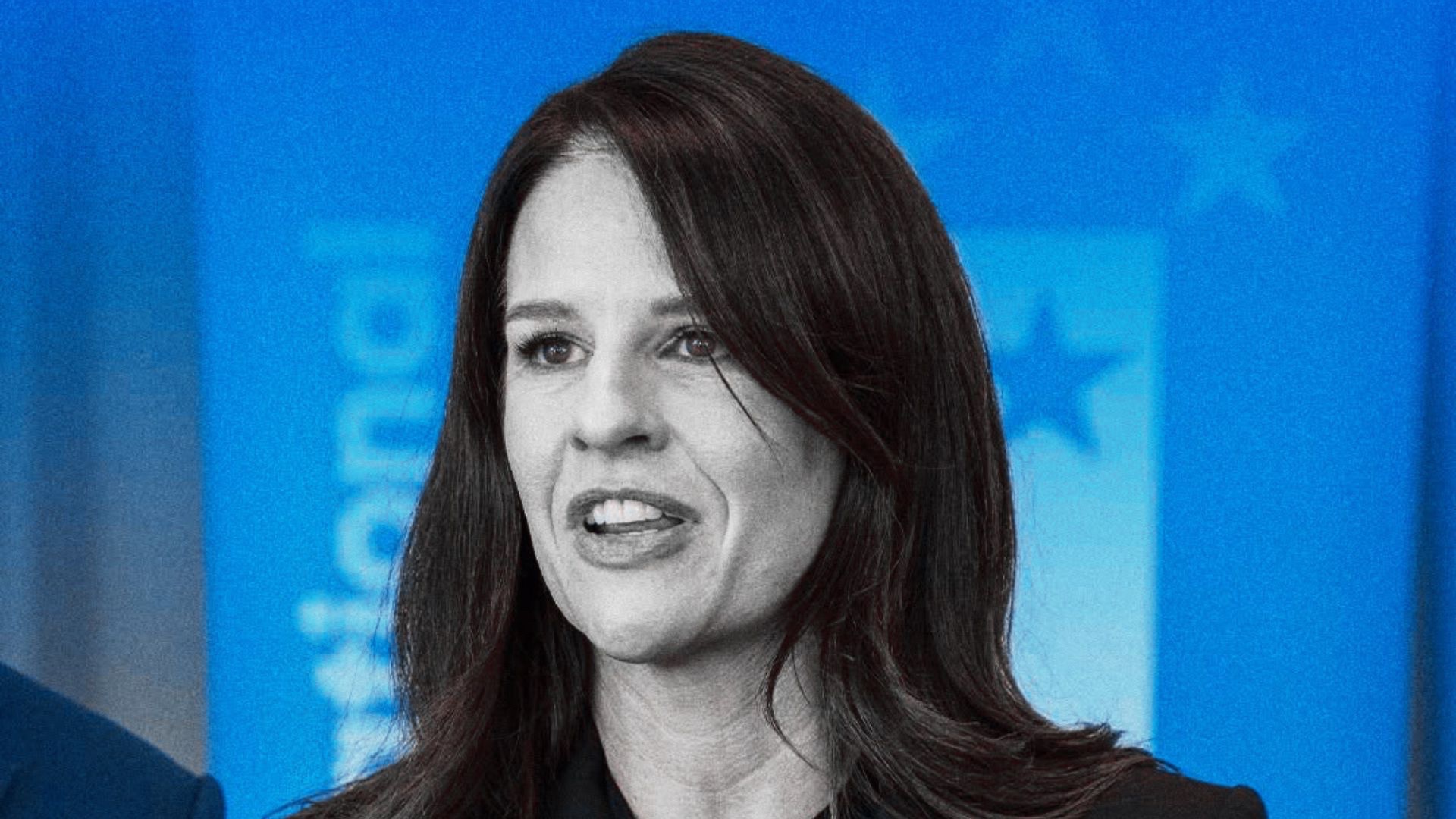
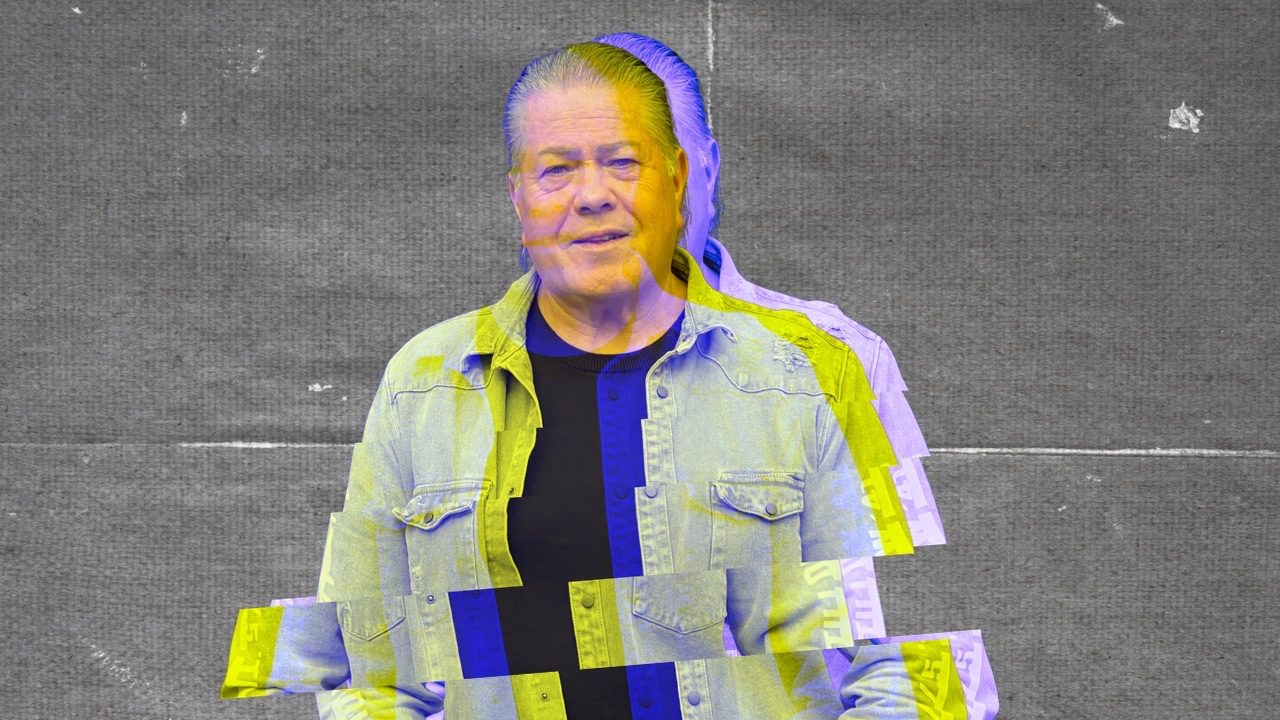
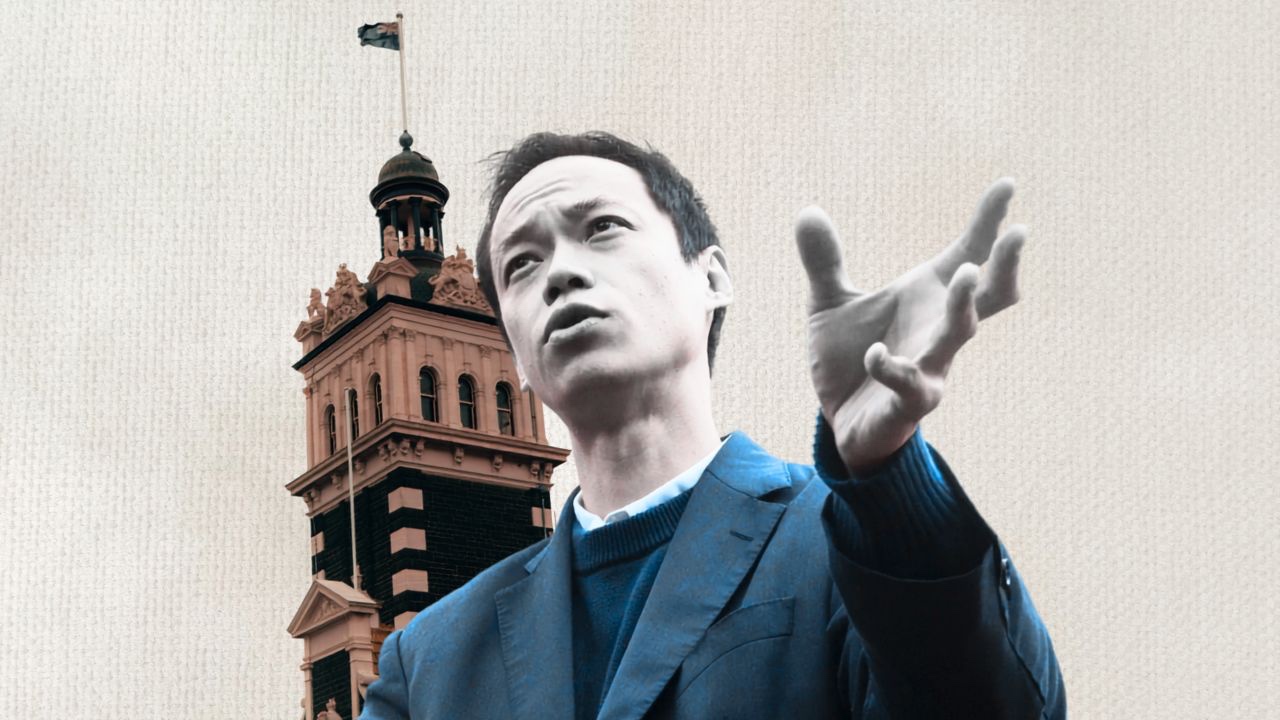
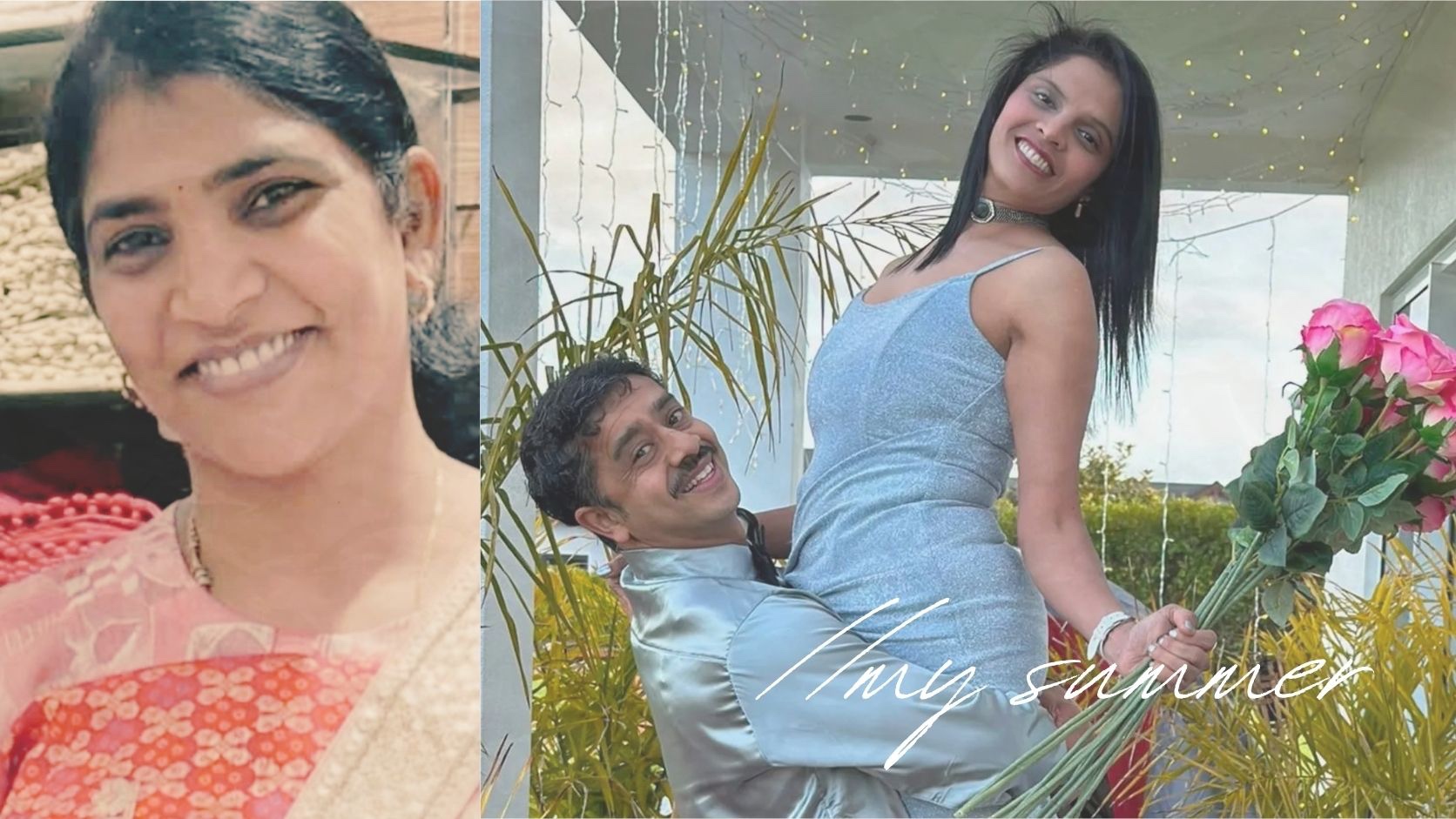
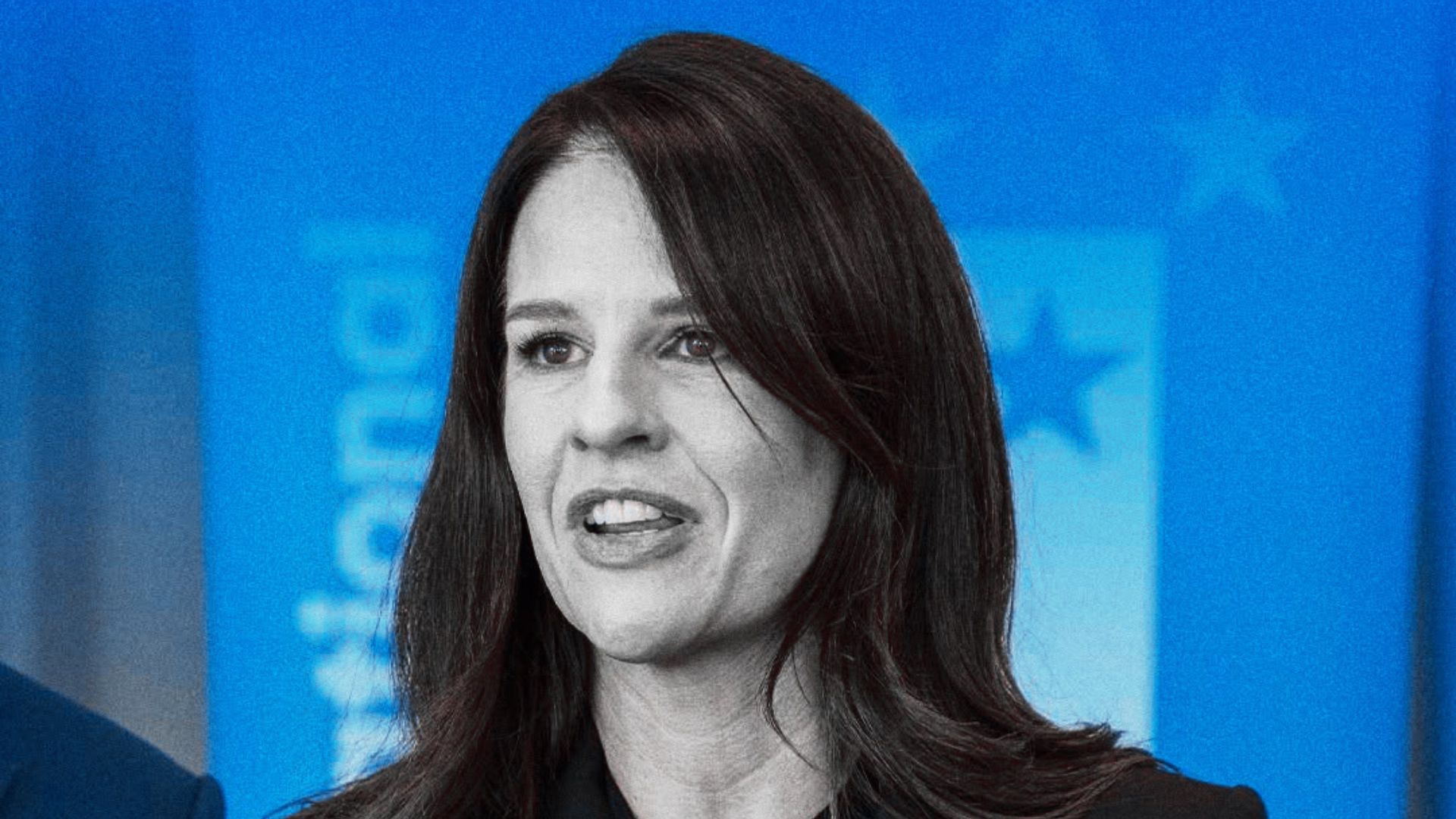
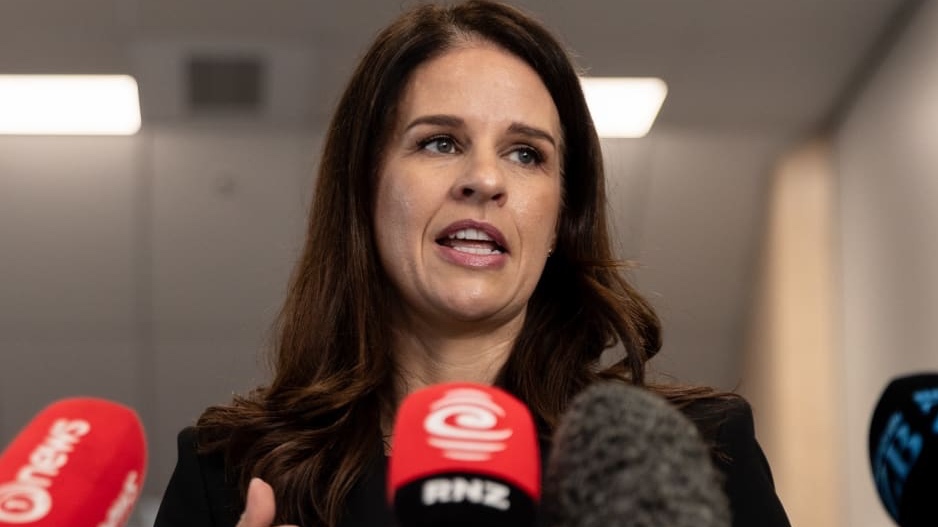
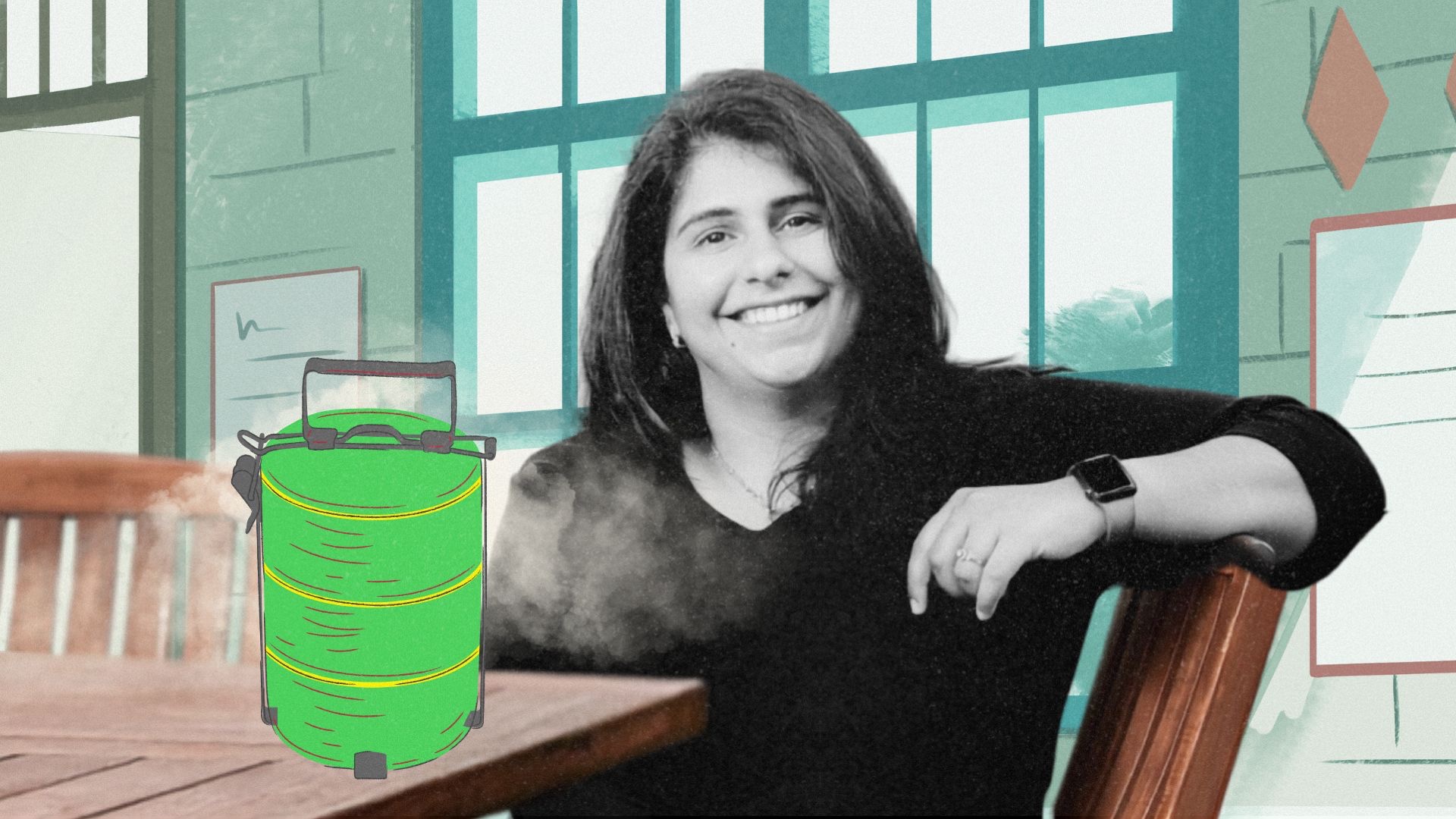
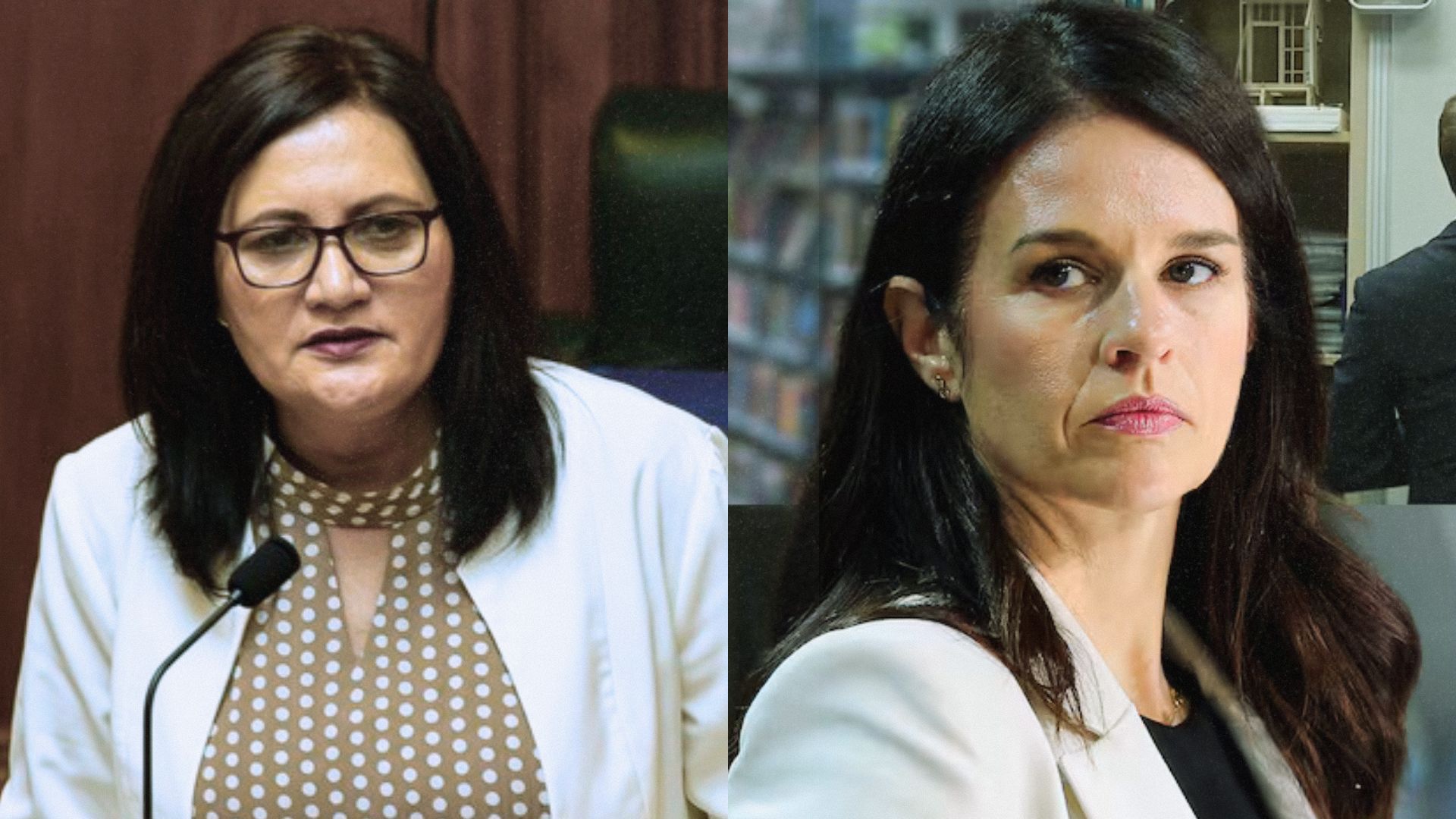
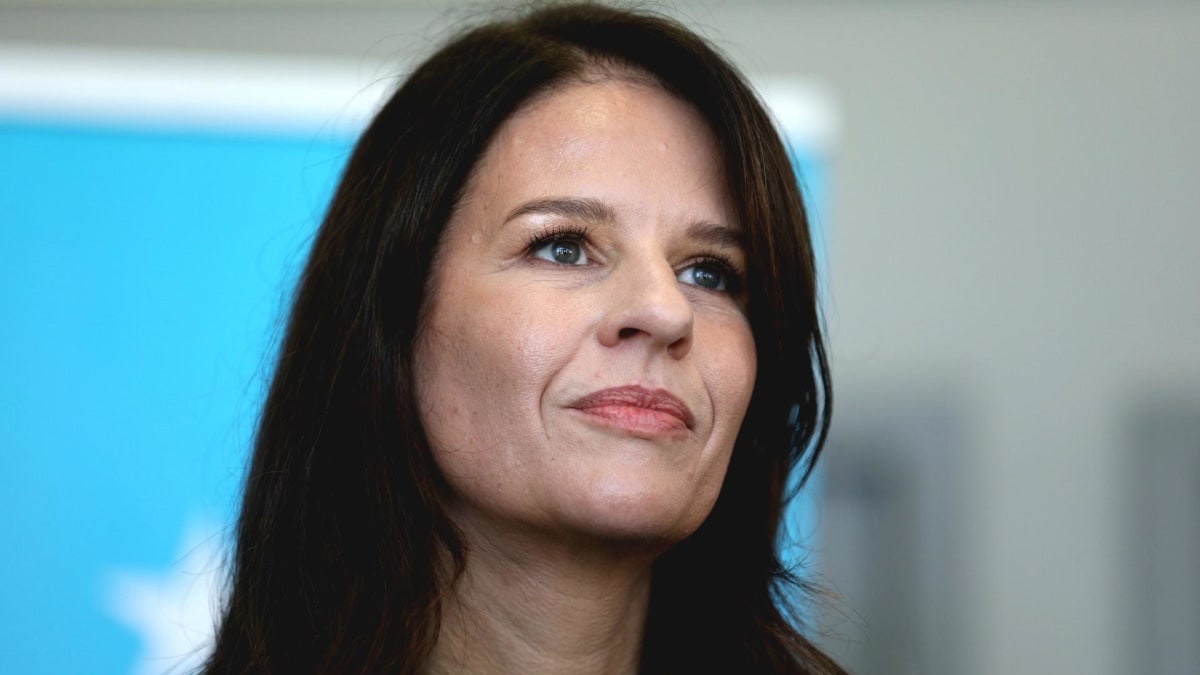
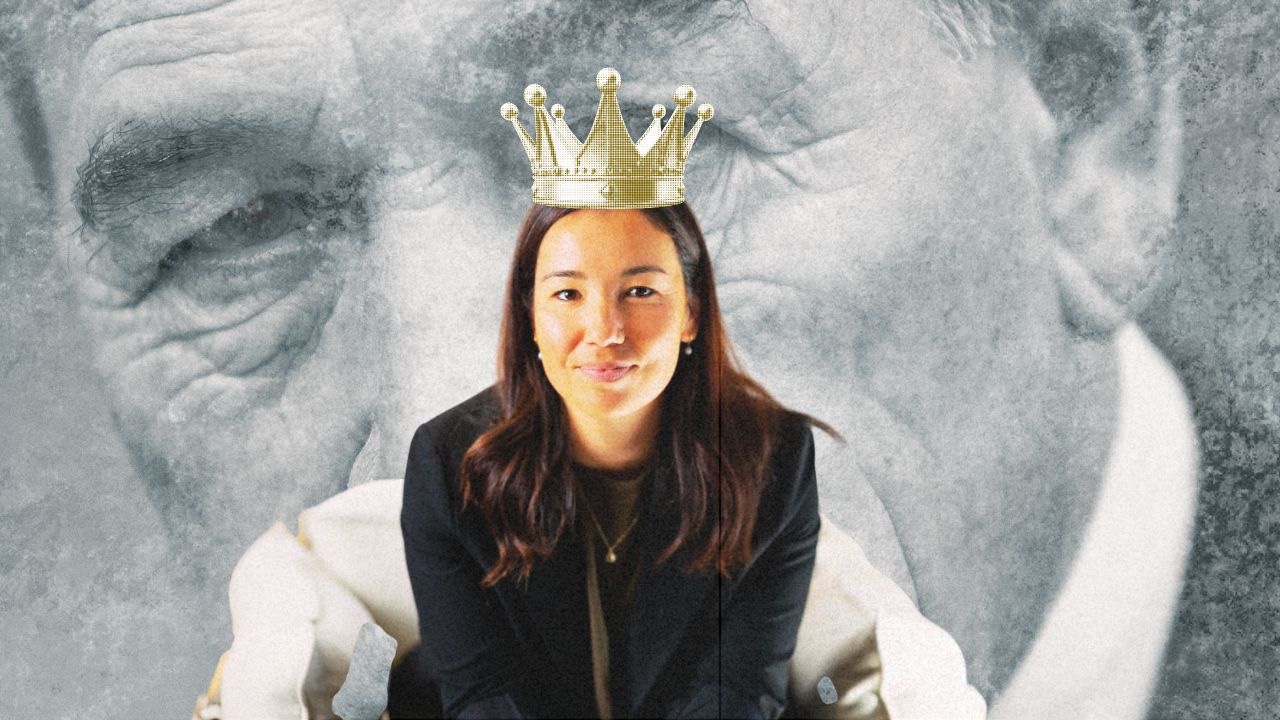
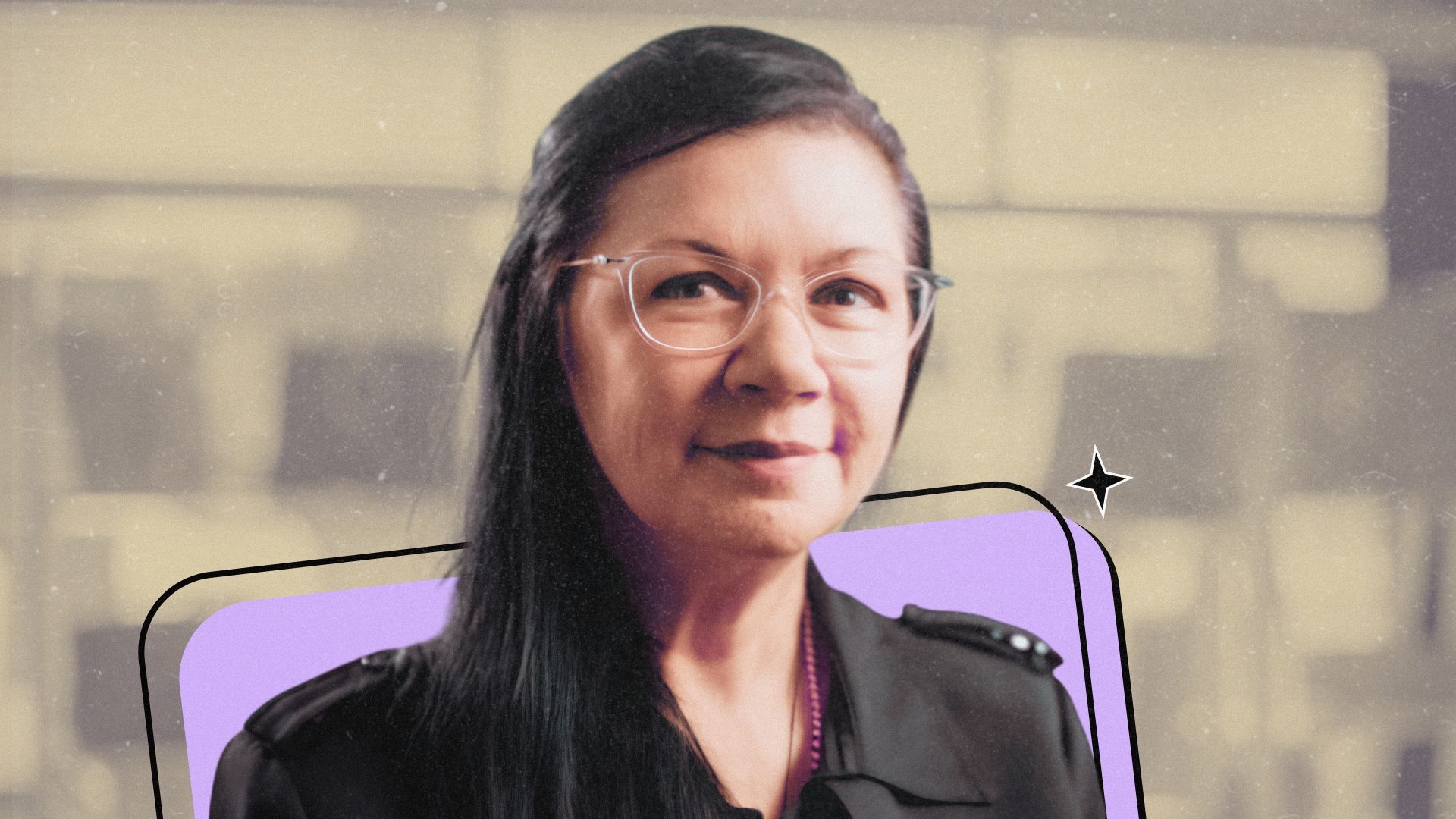
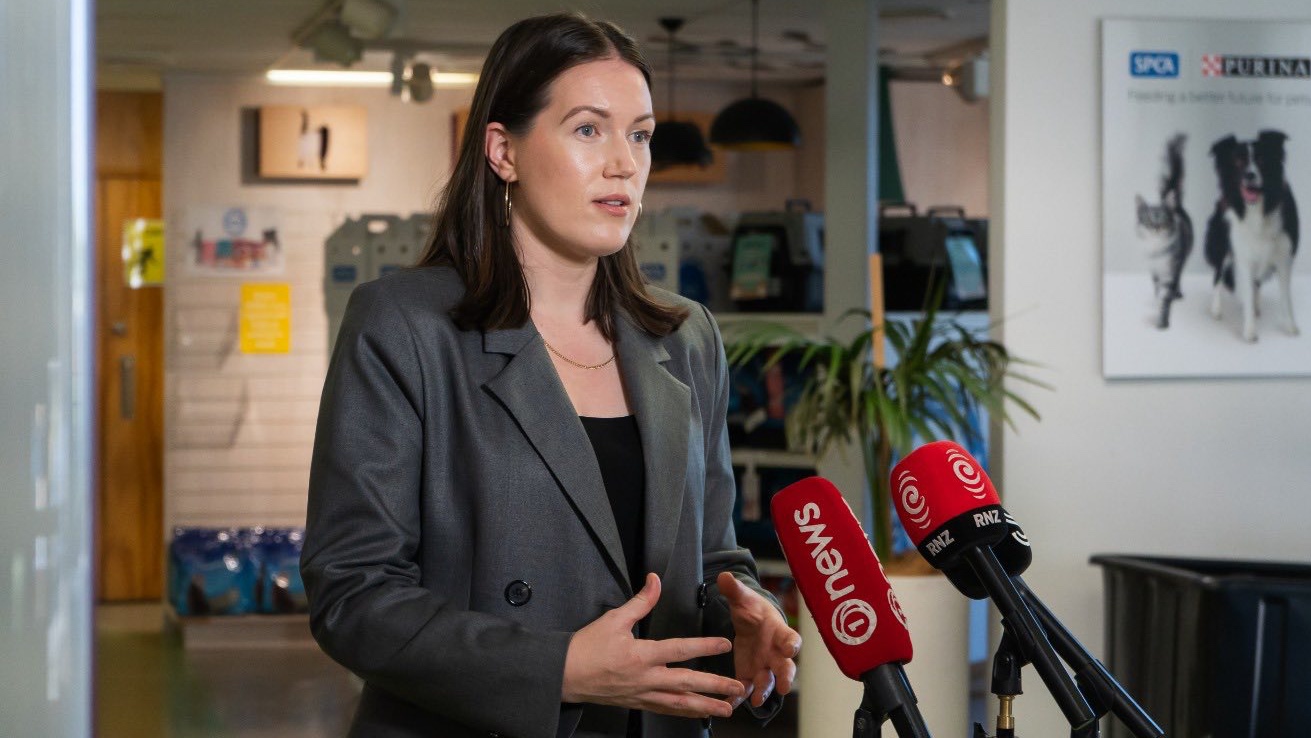
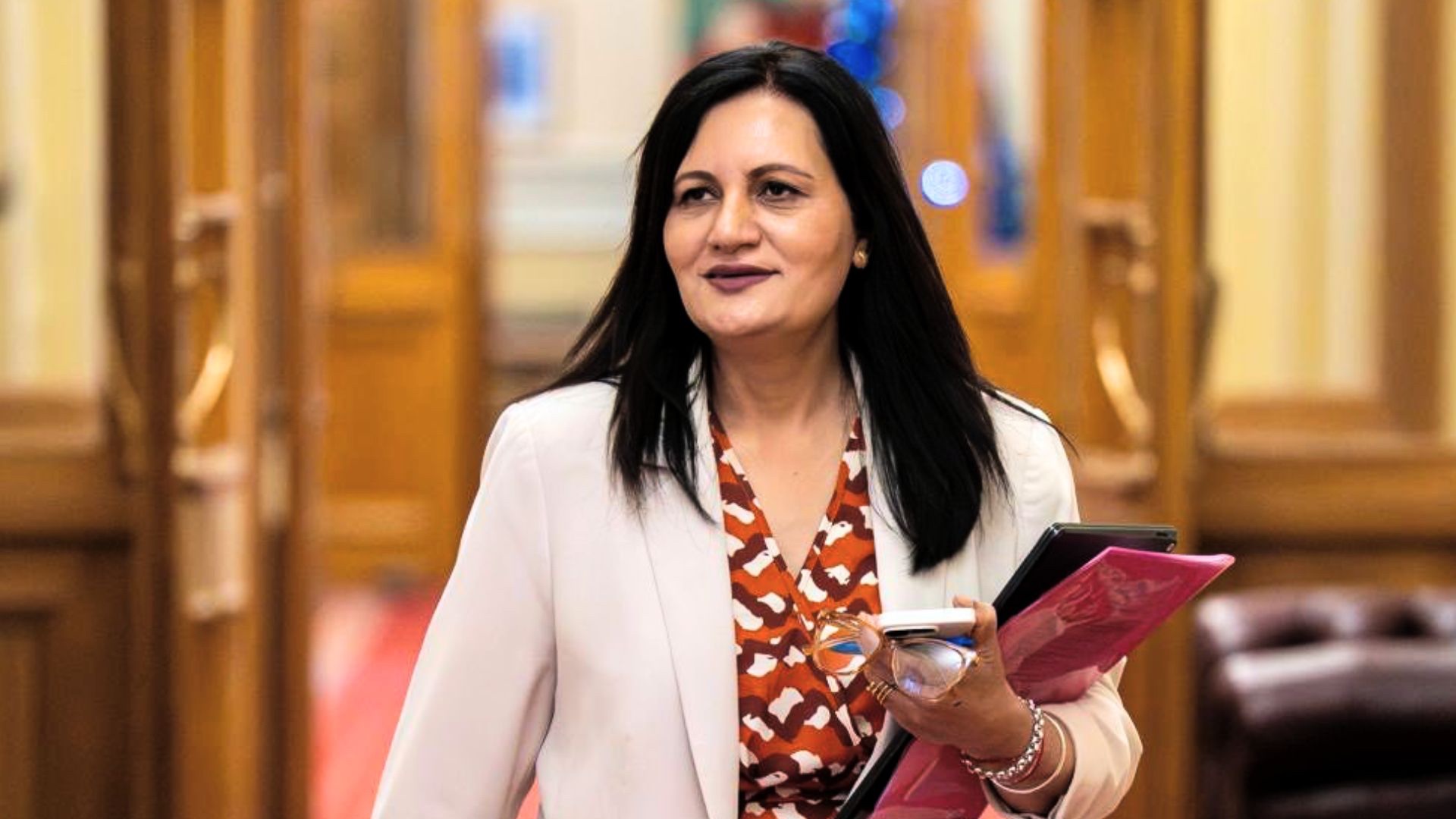
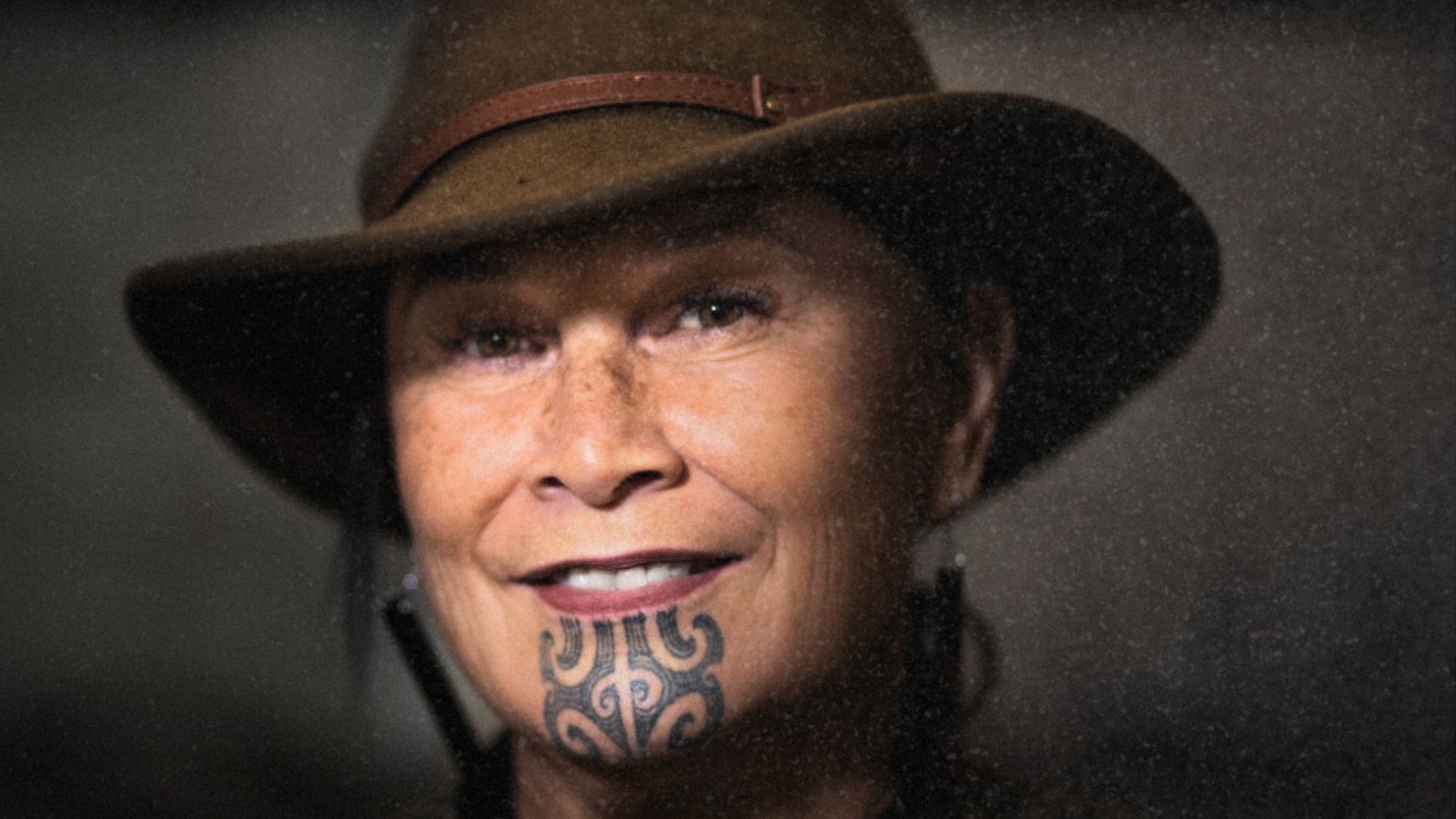
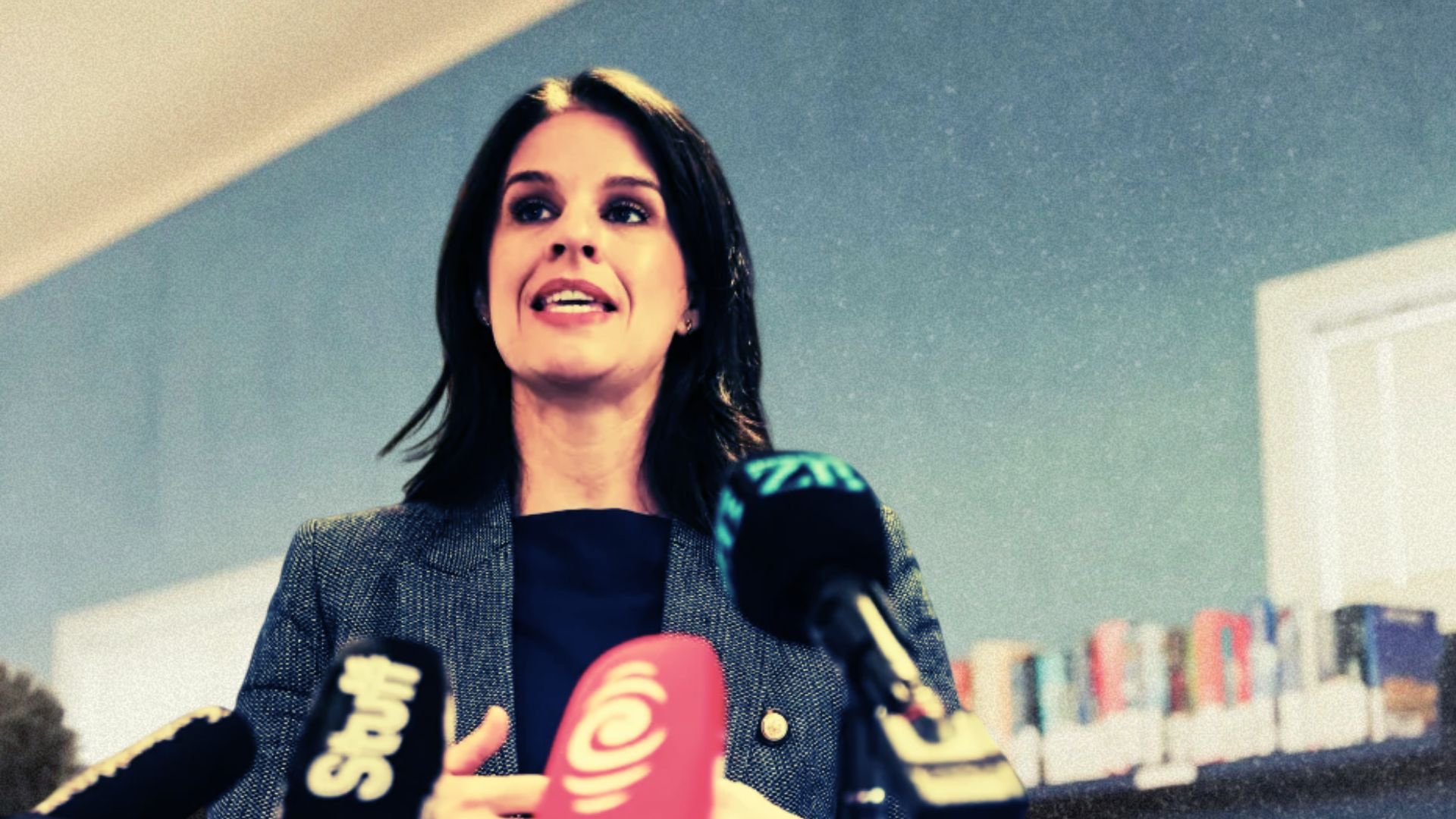
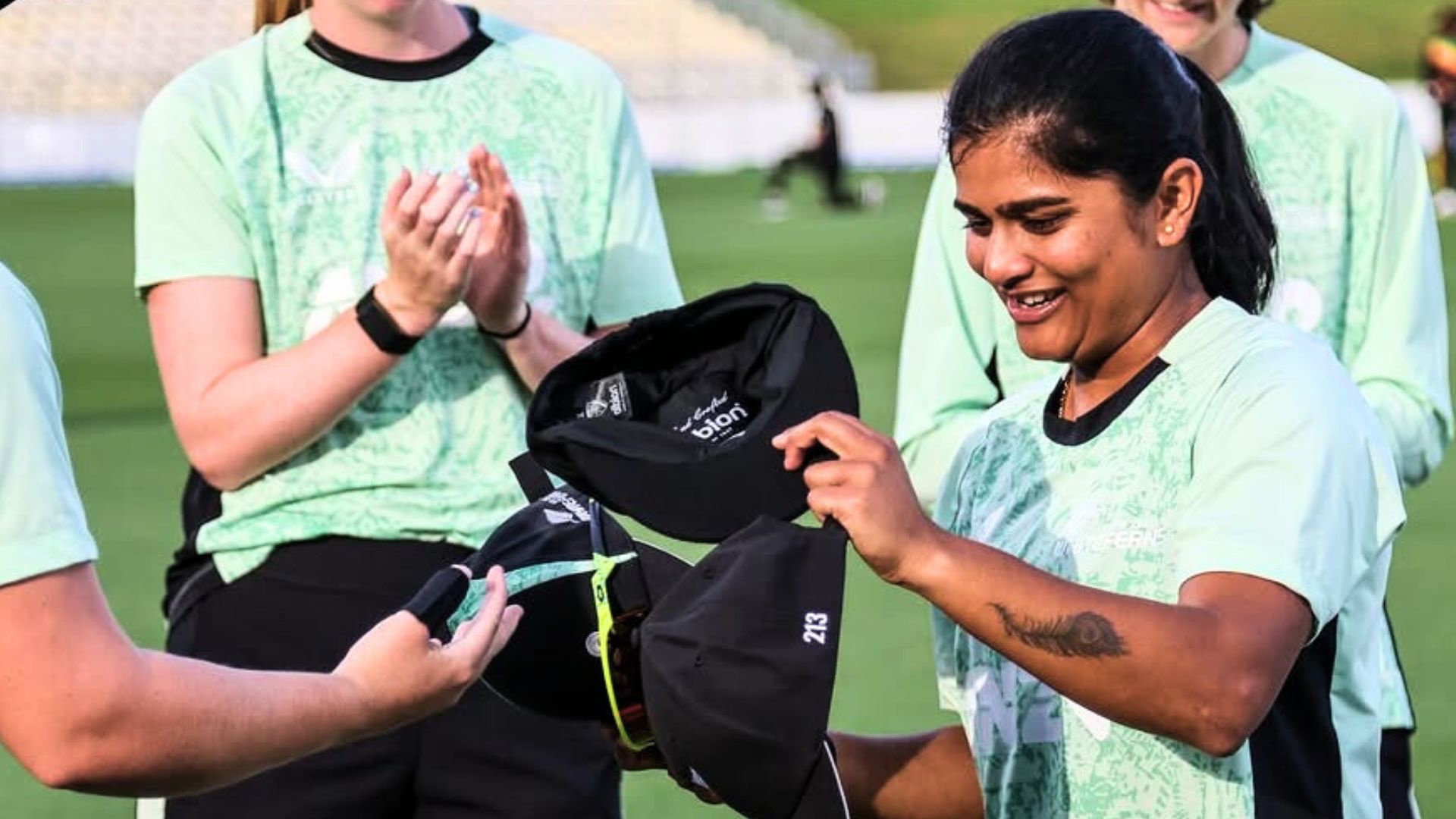
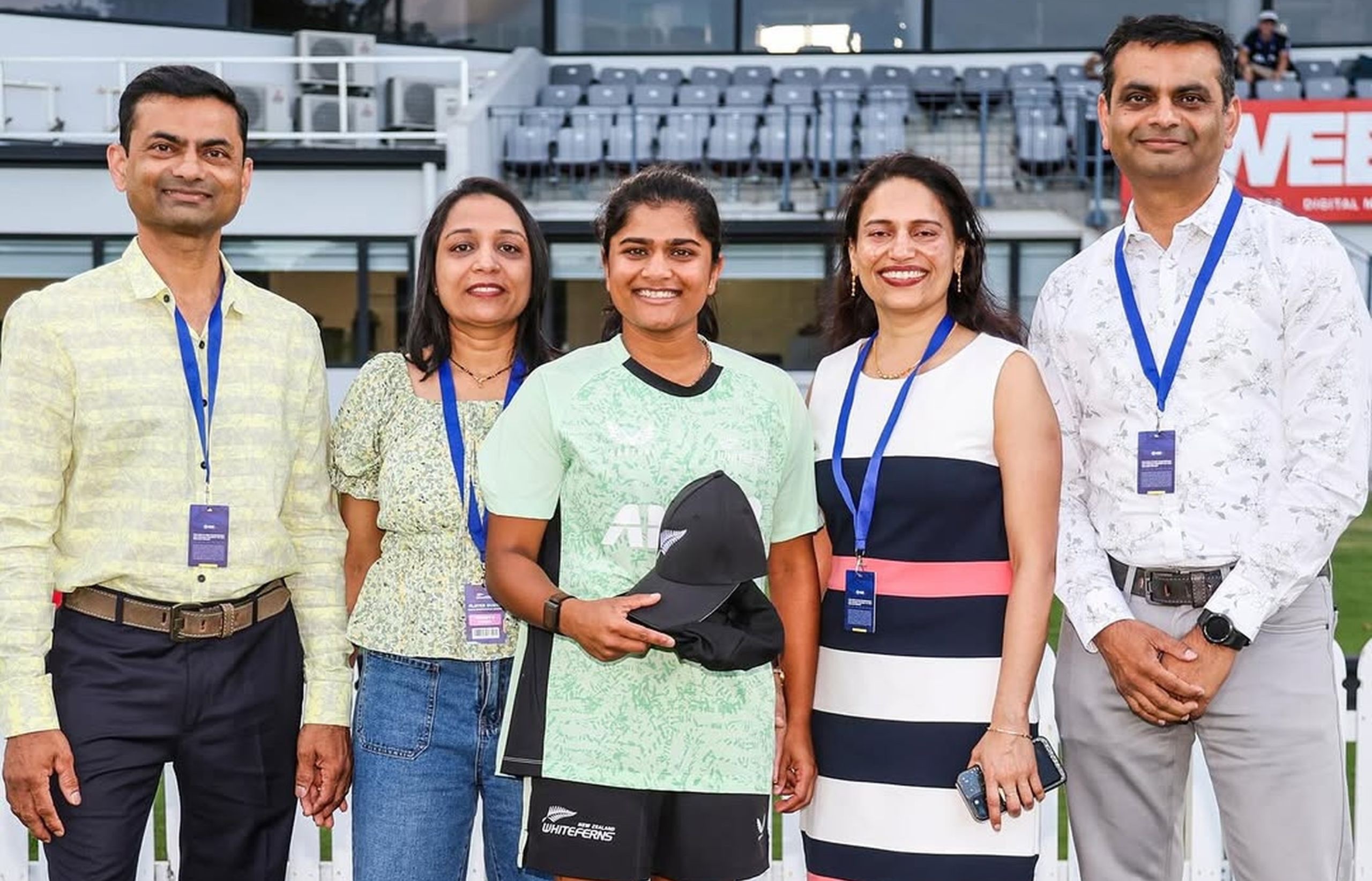
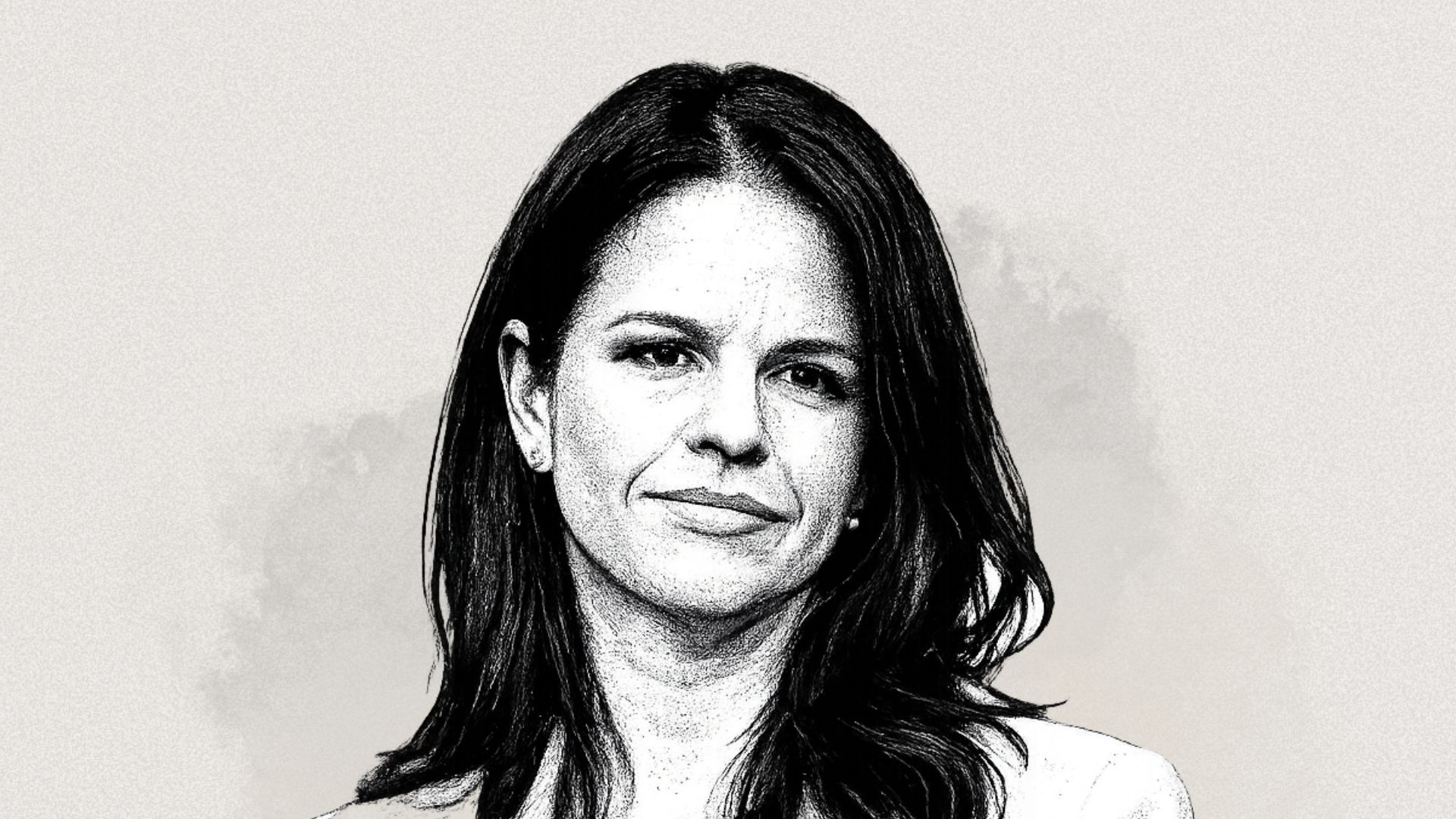
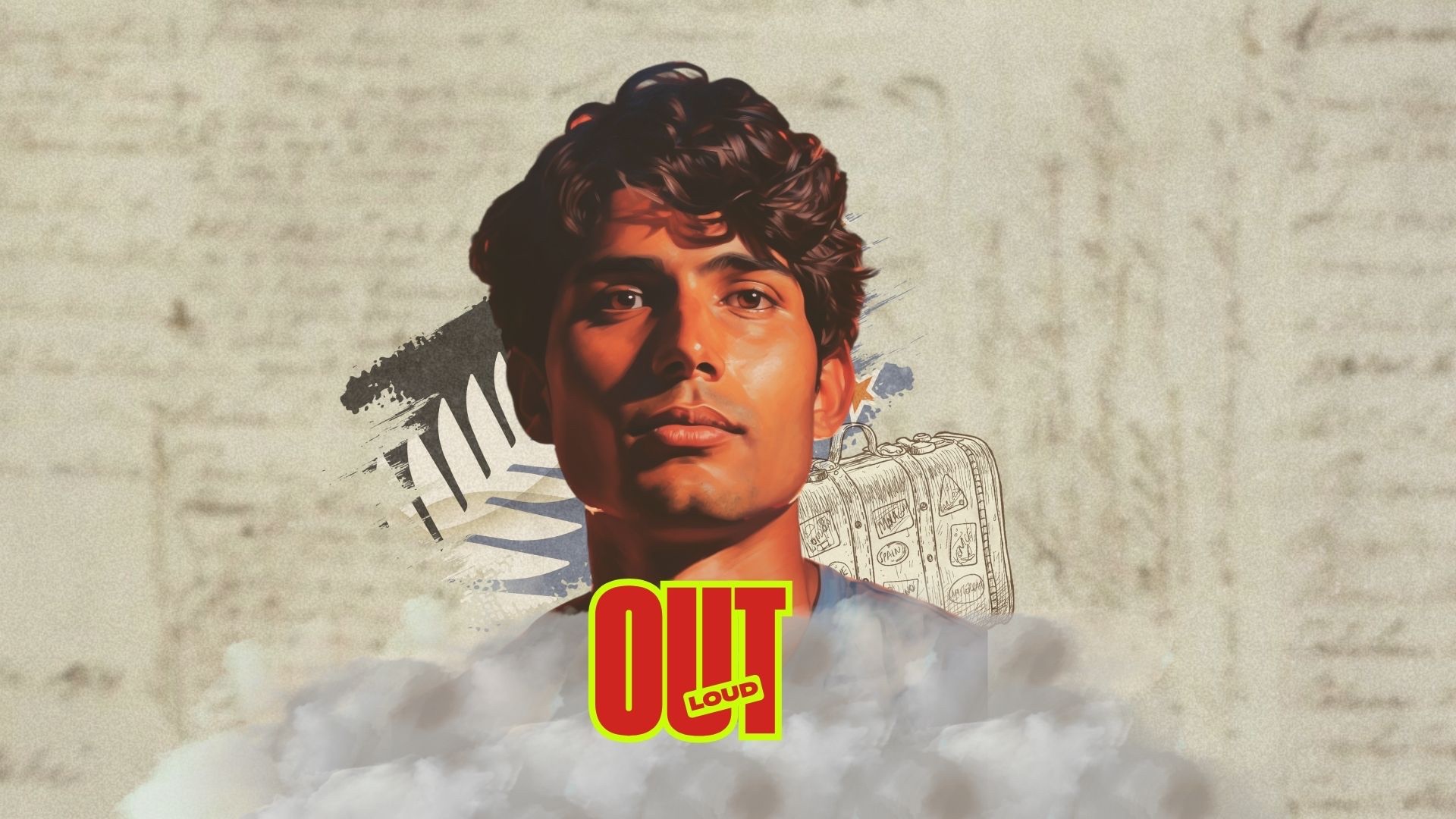
Bernadette Soares is New Zealand First's candidate from Upper Harbour for Election 2026.
We spoke with Mumbai-born entrepreneur Bernadette Soares about Indian migration, New Zealand First and...Shane Jones.
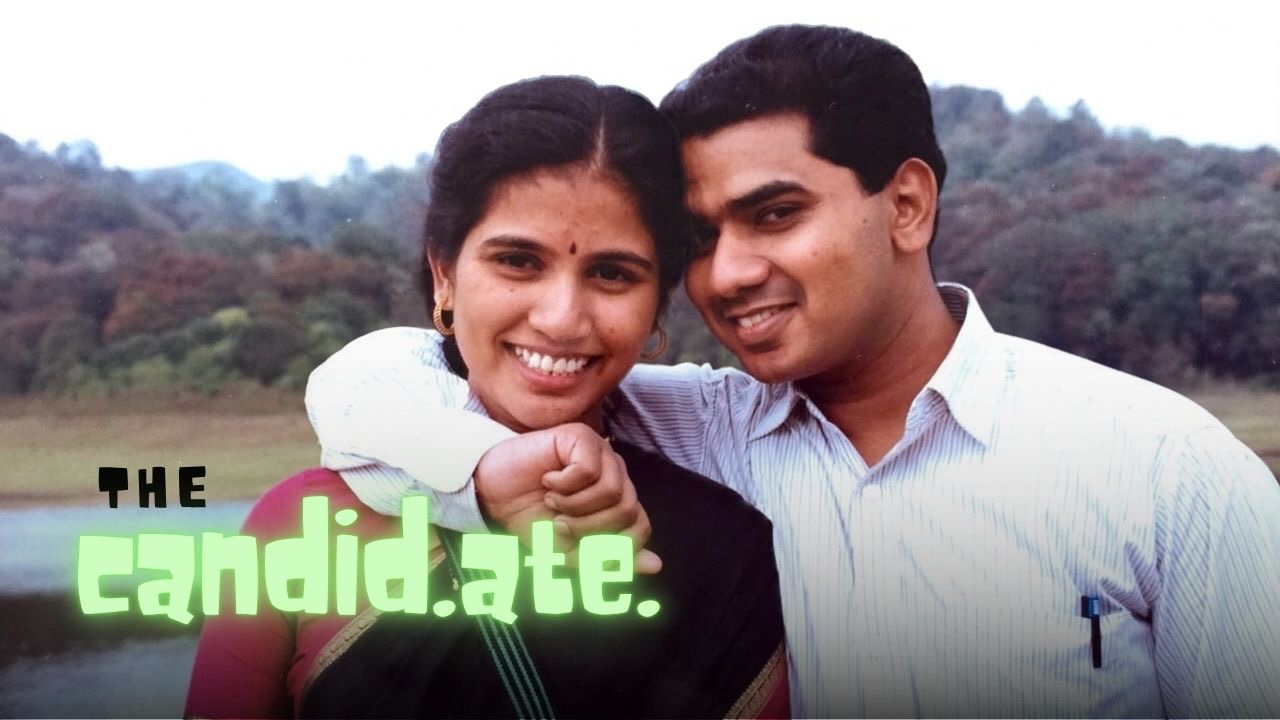
Bernadette Soares arrived in New Zealand from Mumbai in 1989, built a successful beauty-products business and raised three children here.
Now, as New Zealand First’s only Indian-origin candidate announced so far, she wants to help decide who else gets to come.
The beauty-products entrepreneur is standing for New Zealand First in Upper Harbour, the electorate she has called home throughout her 37 years in New Zealand.
If she were to became an MP, Soares says immigration would be one of the areas she would most like to work in.
“I’d love to be involved with immigration,” she said. “I think nothing like having an Indian immigrant, you know, in charge.”
Being Indian and Kiwi at once. How Ajaz Patel's 10-wicket haul brought his two worlds together A historic moment in Mumbai left the Black Caps spinner reflecting on something far deeper than cricket.
India's SIR voter controversy reaches New Zealand in Muslim man's asylum case The man claimed Muslims excluded from voter lists risked losing welfare benefits and being treated as illegal immigrants.
Election 2026: A right majority is possible even if Opportunity enters Parliament The latest polls suggest National, ACT and NZ First could secure a majority, with the Opportunity Party's fortunes still crucial.
What would she do first?
“I think the first thing, maybe, I’d close immigration off for a time being, until we get a hold of what’s actually happening.”
Soares quickly adds she was proposing a temporary suspension, not permanently closing New Zealand’s borders.
“Make sure you say temporary, okay?”
Soares says the country should first establish how many people were living here unlawfully, examine existing visa settings and reconsider the standards migrants were expected to meet.
The position places Soares squarely inside one of the most politically charged debates of the election year. It also makes her candidacy an unusual one.
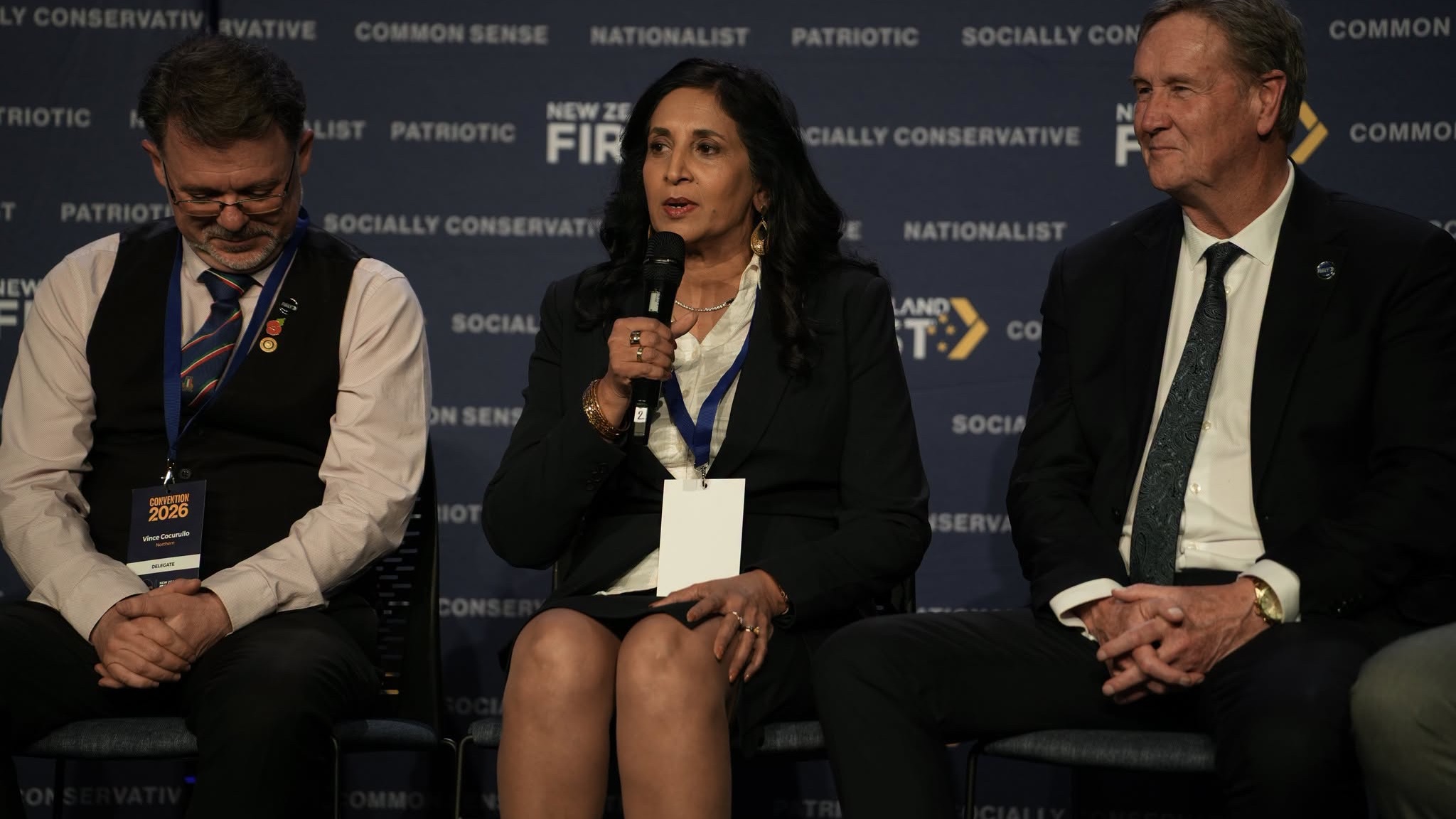
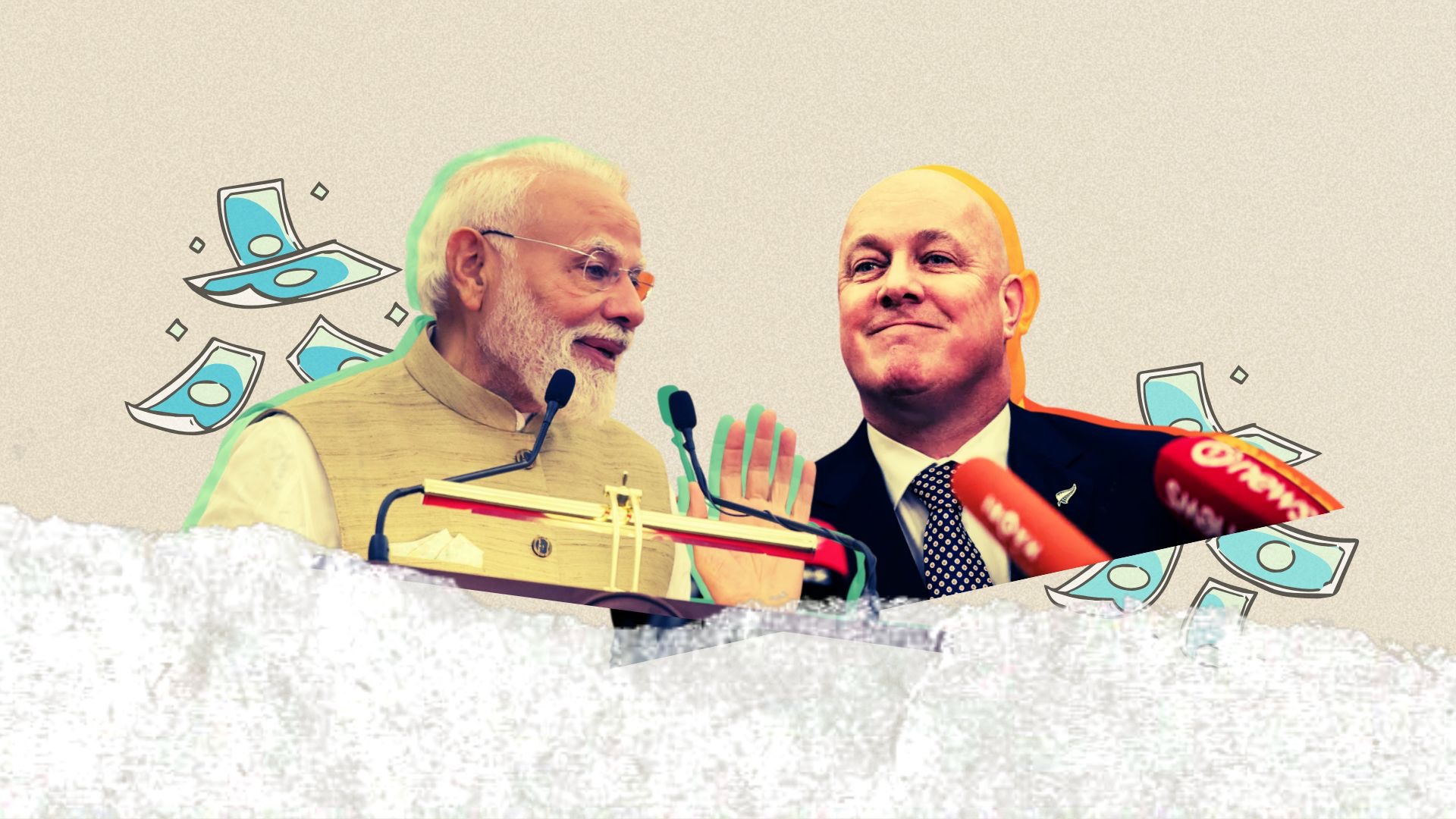
New Zealand First has repeatedly focused on Indian migration while opposing the New Zealand–India free trade agreement, with senior party figures questioning the scale of migration from India and the visa provisions connected to the deal.
Soares, however, does not see herself as an Indian candidate required to defend Indian migration from the party she has joined. But rather an immigrant who has been here long enough to recognise what she believes has gone wrong.
“We are not anti-immigrant, obviously, because we are immigrants ourselves,” she said. “What we are against, and what I’m also against, is mass immigration.”
‘Too many Indians’
Soares reframes the anti-migrant debate into one between those who adapt to New Zealand and those she believes don't want to.
Soares says New Zealand has admitted too many migrants from India in recent years and has not applied sufficiently strict expectations around English, employment and integration.
“Proportionately, in the last five, six years...they’ve opened the doors to India the most.”
She argues some new migrants do not want to assimilate, do not speak English and prefer to remain within their own communities.
“A lot of them don’t want to assimilate,” she said. “They don’t want to speak English necessarily. They’re going to do their own thing. They’re going to form their own silos.”
What, then, does assimilation mean to her? “I think the first thing is speaking English,” she says.
“I don’t think anyone should be allowed into New Zealand without speaking fluent English.”
Soares points to truck drivers who, she claims, have obtained licences despite being unable to read road signs.
When asked whether Indians were being singled out for problems that could exist across migrant communities, Soares says the scale of Indian migration has made it more visible.
“We need skilled people here,” she says. “Why are we getting people to work in Domino’s or other places when we can give the kids of New Zealand the same jobs?”
Where's the evidence
Soares begins listing cases involving Indians. Exploitation, tax offending and sexual violence. To her, the stories form a pattern. But when asked what evidence established that pattern, the exchange sharpens.
“Every second day, there’s something,” she says. She argues that the frequency of such cases has created a perception among older migrants that standards have fallen.
But when asked whether there was evidence showing Indians were offending disproportionately, Soares falls back to how it all seems and feels rather than point to any data.
“But what I’m saying is we’ve never seen it,” she says. “We’ve been here so long. I’ve never seen, at the rate that we are seeing, Indians offending.”
She says it was the perceived proportion and frequency that concerned people.
“We’ve not seen this proportion, and that’s what’s making people think, ‘Oh my God. Oh yes, there’s another Indian. Oh yes, there’s another Indian.’”
Shane Jones and the ‘butter chicken tsunami’
A key test awaits any Indian who enters New Zealand First. What to make of Shane Jones. For Soares, even that question produces less friction than you might expect.
Asked about Jones’ “butter chicken tsunami” description of Indian migration, she is quick to put it away as wit. “I actually see the humour in it, to be honest,” she said.
That said, she accepts politicians need to be careful with their words, particularly when discussing ethnicity and migration.
“As aspiring politicians, we have to be careful sometimes how we use our words.”
But she also argues that accusations of anti-Indian rhetoric were amplified. “That anti-Indian stuff is also perpetuated mostly by the media,” she said.
She says New Zealand First is not opposed to Indians or migrants, but to large-scale migration and people who did not respect the country they had entered.
“You know, it’s like letting someone into your house,” she says. “I wouldn’t let someone into my house who walks in and does their own thing.”
Her message to Indians uncomfortable with New Zealand First is that the party’s argument was about numbers, standards and assimilation rather than ethnicity.
From Mumbai to West Harbour
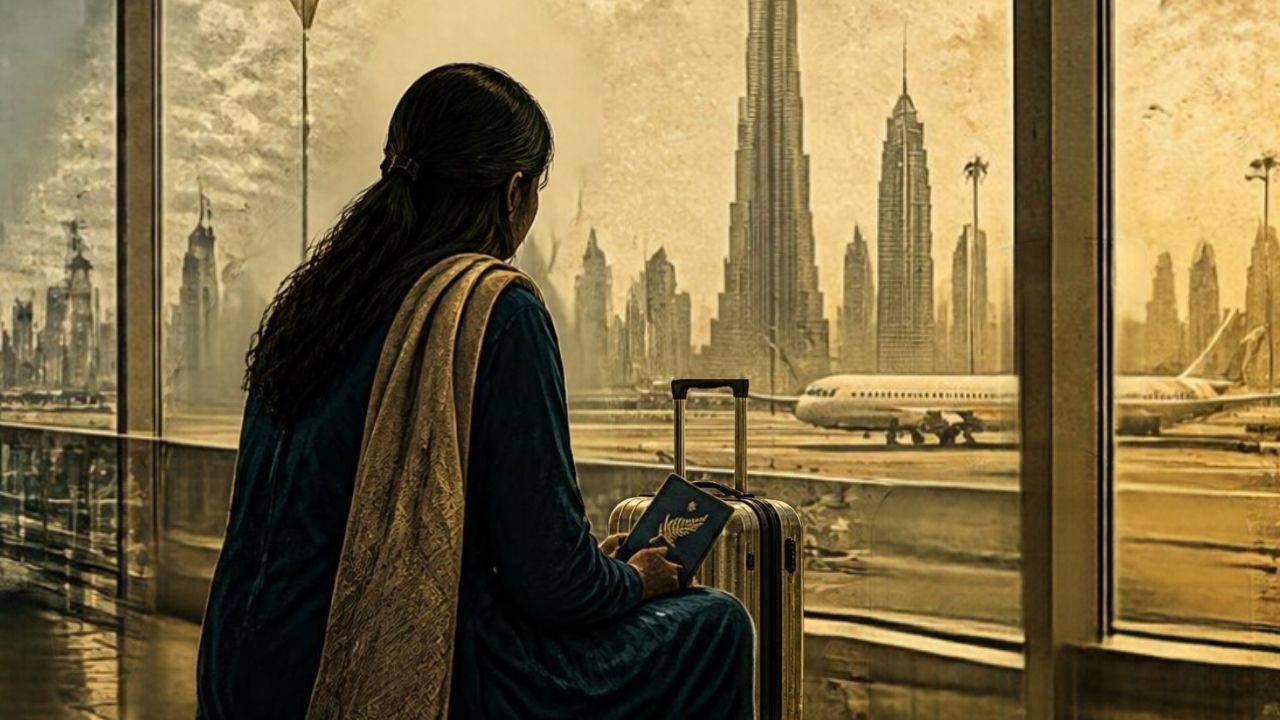
Long before Soares was defending New Zealand First, she was a 21-year-old leaving one of the world’s biggest cities for a country many people around her could barely place on a map.
Soares was born and raised in Mumbai and moved here in 1989 after her husband, a computer engineer, secured a job.
After arriving, Soares worked in accounting-related jobs. She later left the workforce to raise her three children, choosing not to put them into daycare.
During those years, she completed a master’s degree in business and began considering how she could return to work without losing the flexibility her family required.
The answer was simmering on her kitchen stove.
It was a paste made from sugar, water and lemon juice, based on a recipe given to her by her mother-in-law and used for hair removal.
Soares had been making it at home for herself, relatives and friends. “Everyone loved it and said, ‘Oh my gosh, you must commercialise it one day.’”
She began refining the product and developing its branding and presentation. Within months, a pharmaceutical company had helped take it into hundreds of pharmacies.

The business later expanded into retail stores, television sales and professional beauty salons. Through her company, Brand Value Limited, Soares developed brands including Bodies, Pharo, Radiessence and Natural Glow.
She says they now supplied thousands of salons across New Zealand and Australia.
Her most memorable media appearance came in 2009, when she demonstrated the product on television presenter Paul Henry.
“I waxed his arm,” she says. The appearance generated an immediate surge in customer calls.
“I literally would have got, I don’t know, 40 or 50 customers straight ringing.”
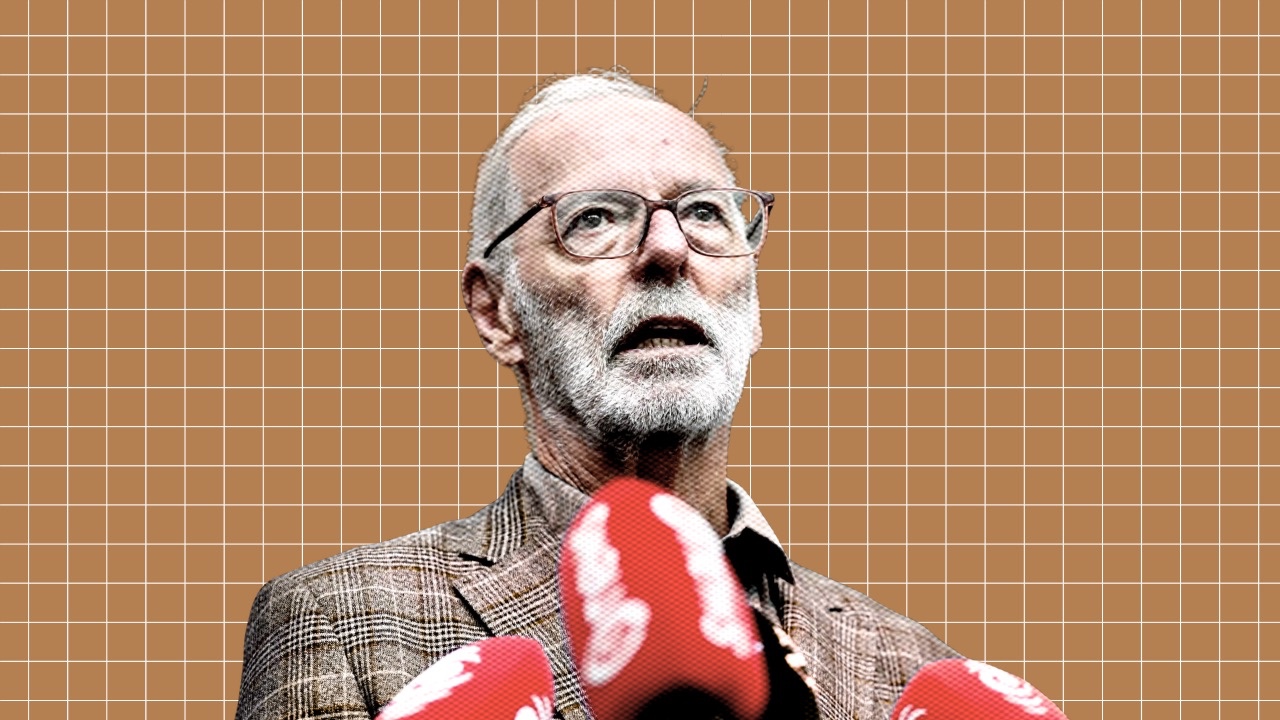
Seventeen years later, Soares and Henry have both emerged in the same election campaign. Henry as an ACT candidate and Soares with New Zealand First.
“When I meet him, I want to remind him about it,” she said. “Who would have thought we’d be campaigning together these many years later?”
A long conservative path
Politics did not arrive suddenly. It accumulated around Soares through family, faith, business and, eventually, frustration.
Soares was a National Party member and supporter for more than a decade, beginning around 2009. She later concluded that National’s values had changed and that the party was less democratic internally than she had expected.
In 2020, she stood in Upper Harbour for New Conservative. Soares says the party reflected her social and Christian conservatism, but failed to gain enough support to enter Parliament.
She later worked in the background with Hannah Tamaki's Vision NZ, assisting with marketing and policy. Her involvement followed the Covid-19 mandate protests, where she met people associated with Destiny Church and later began attending the church herself.
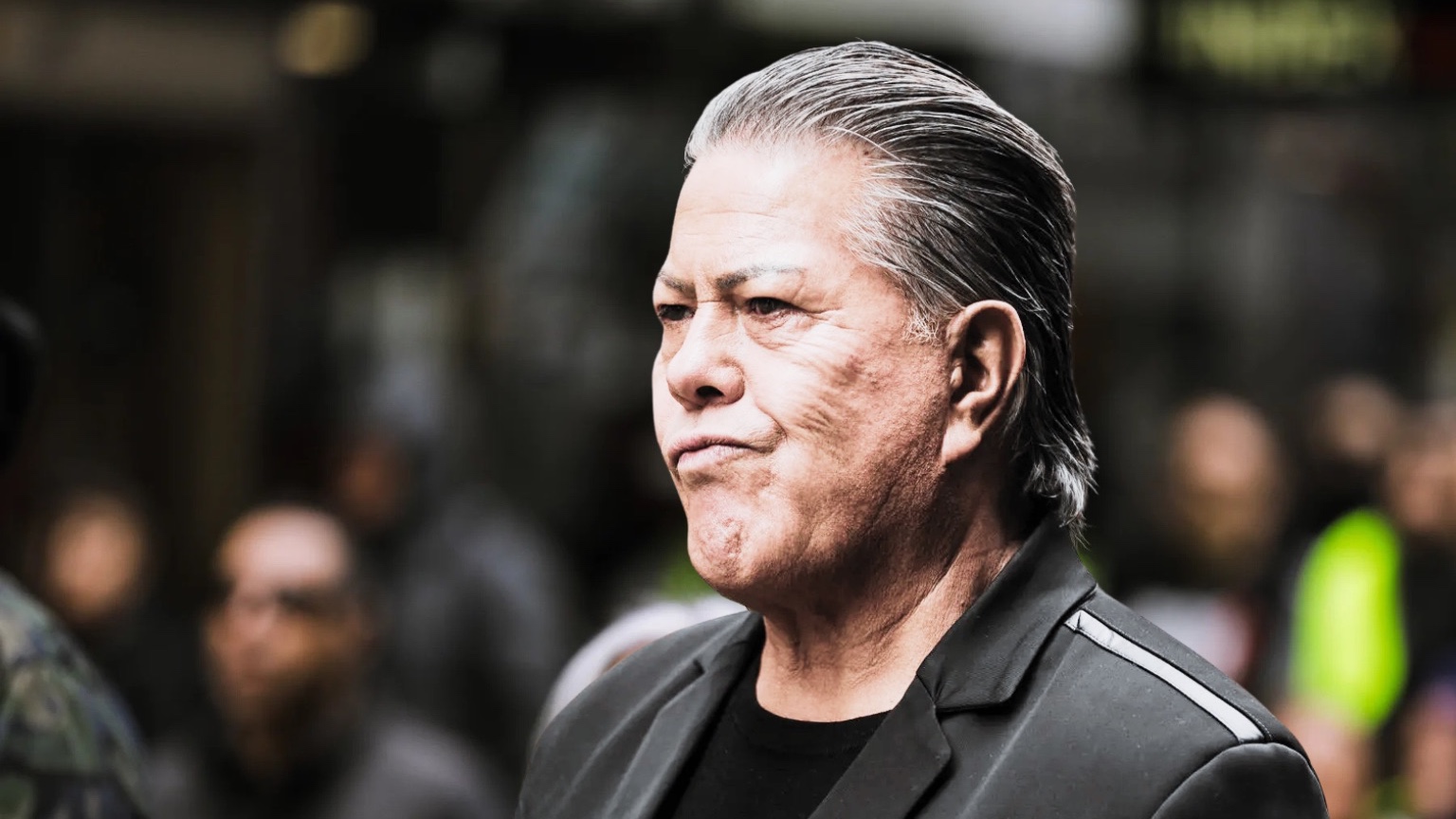
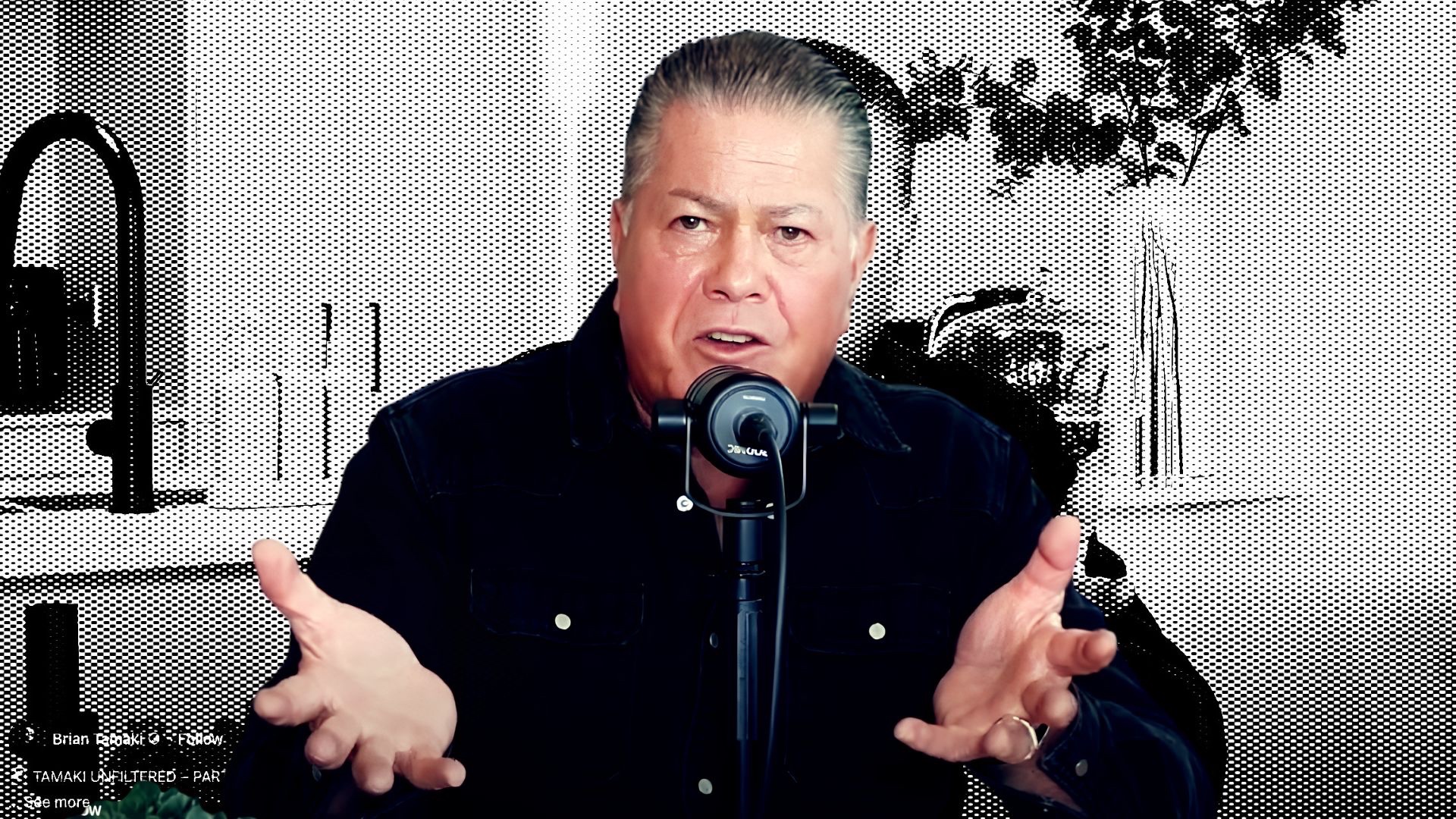
Soares says she knows Brian and Hannah Tamaki well and strongly supports Destiny-linked programmes, such as Man Up and Legacy.
“If they didn’t have Man Up in this country, I can tell you we would have a lot more reoffending and a lot more people back in prison.”
Soares says Vision NZ, New Conservative and New Zealand First occupied broadly similar conservative territory. But the smaller parties lacked the organisation and electoral strength needed to enter Parliament.
She became interested in New Zealand First after hearing minister Casey Costello speak at a political event last year. “I thought, ‘Oh my gosh, I think I have some unfinished business.’”
She joined as a member and supporter, followed the party’s work and eventually put her name forward as a candidate.
Soares is standing again in Upper Harbour, where she has lived throughout her time in New Zealand.
Her likeliest route to Parliament would be through the New Zealand First list, which had not been finalised as yet. She says she has received no indication of where she might be ranked, but remains optimistic.
“I’ve got good experience. I work really hard,” she says.
Should she make it into Parliament, workplace bullying would be one policy interest, drawing on her own early employment experiences and years of advocacy.
Apart from immigration, of course.